Handblown Glass Centerpiece Bowls
Handblown Glass Centerpiece Bowls
-
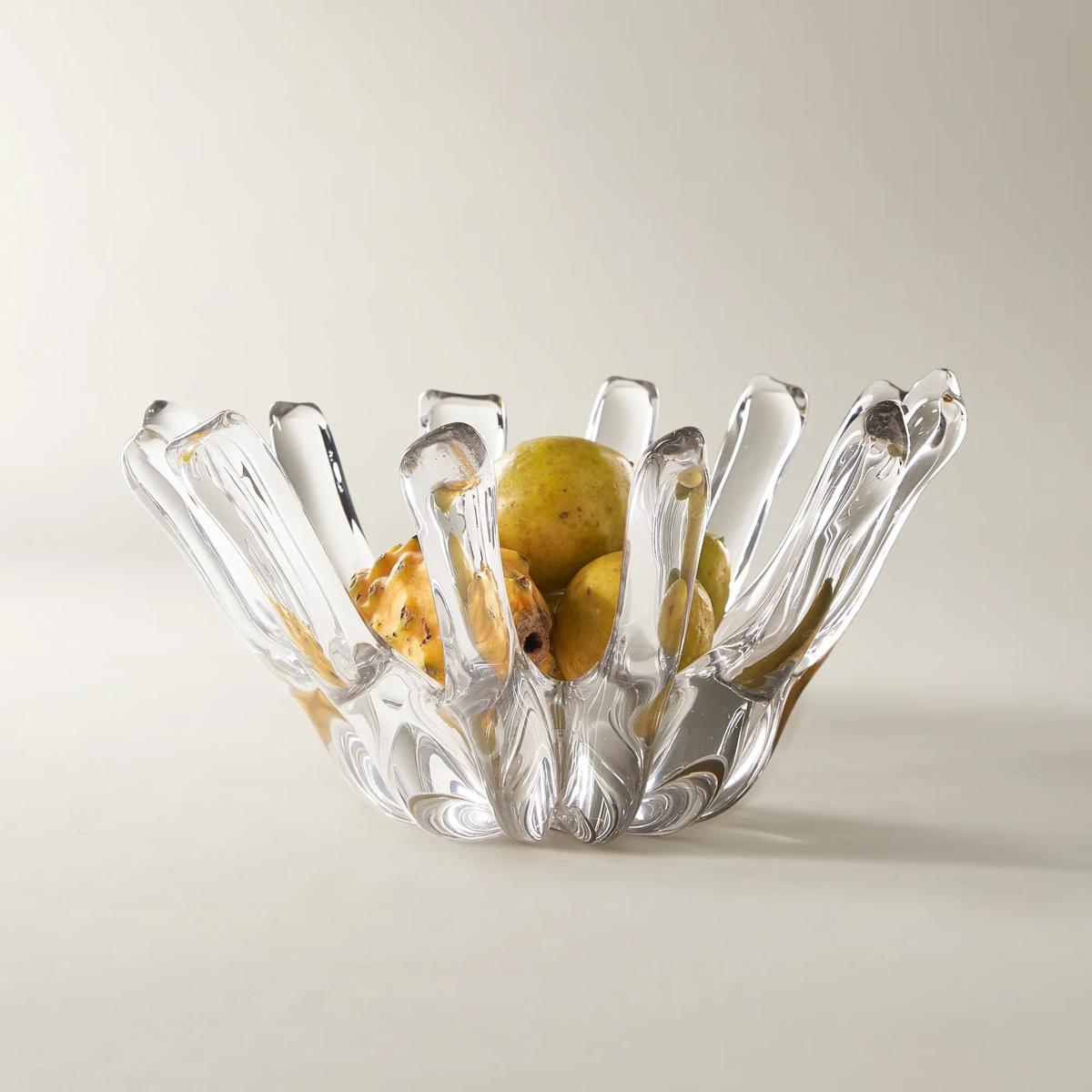
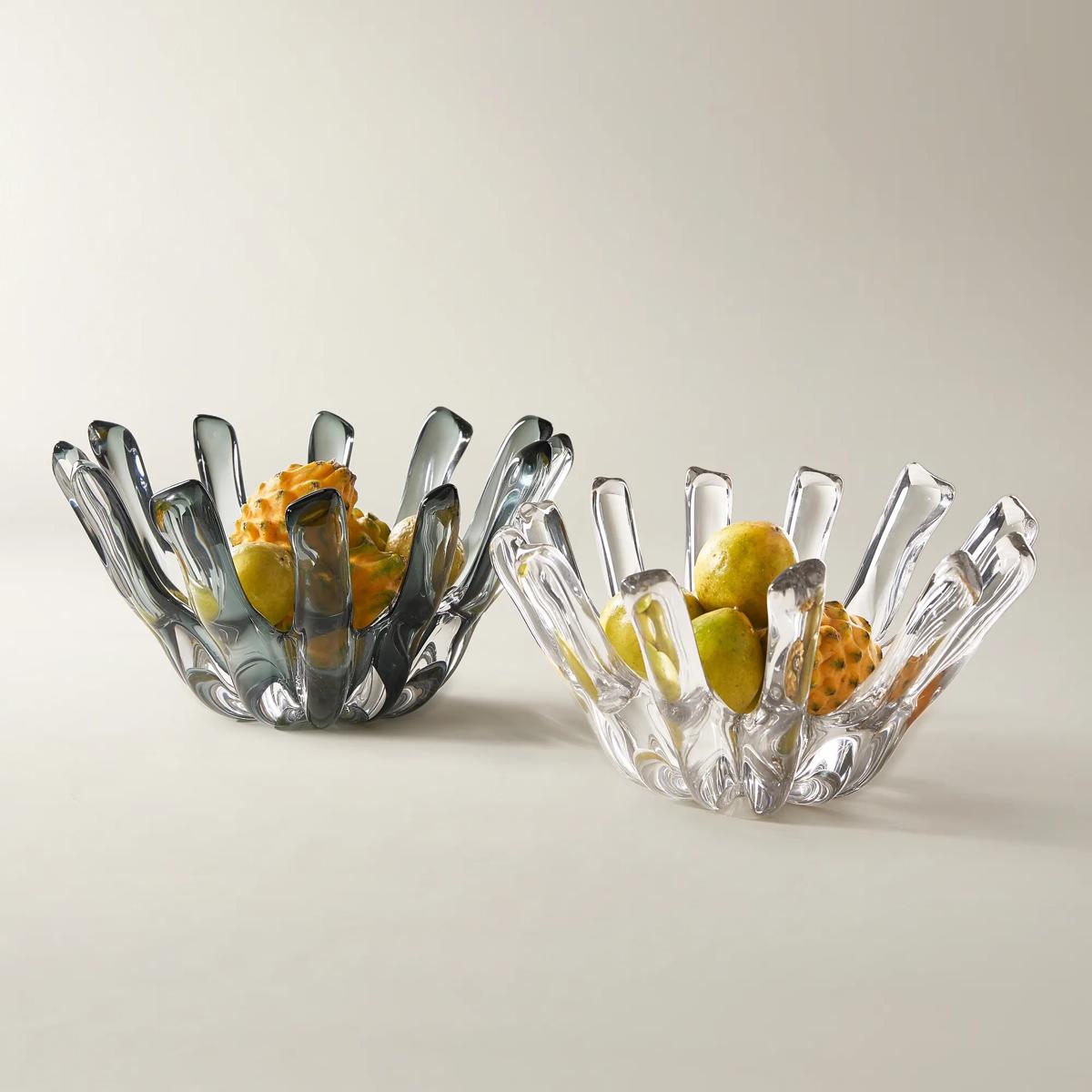 Bossa Clear Handblown Glass Decorative Bowl 13" x 7"$129
A hand-blown clear glass bowl featuring an expressive, sculptural form for modern decorative displays.
Add To Cart -
.jpeg?w=1200&h=1200)
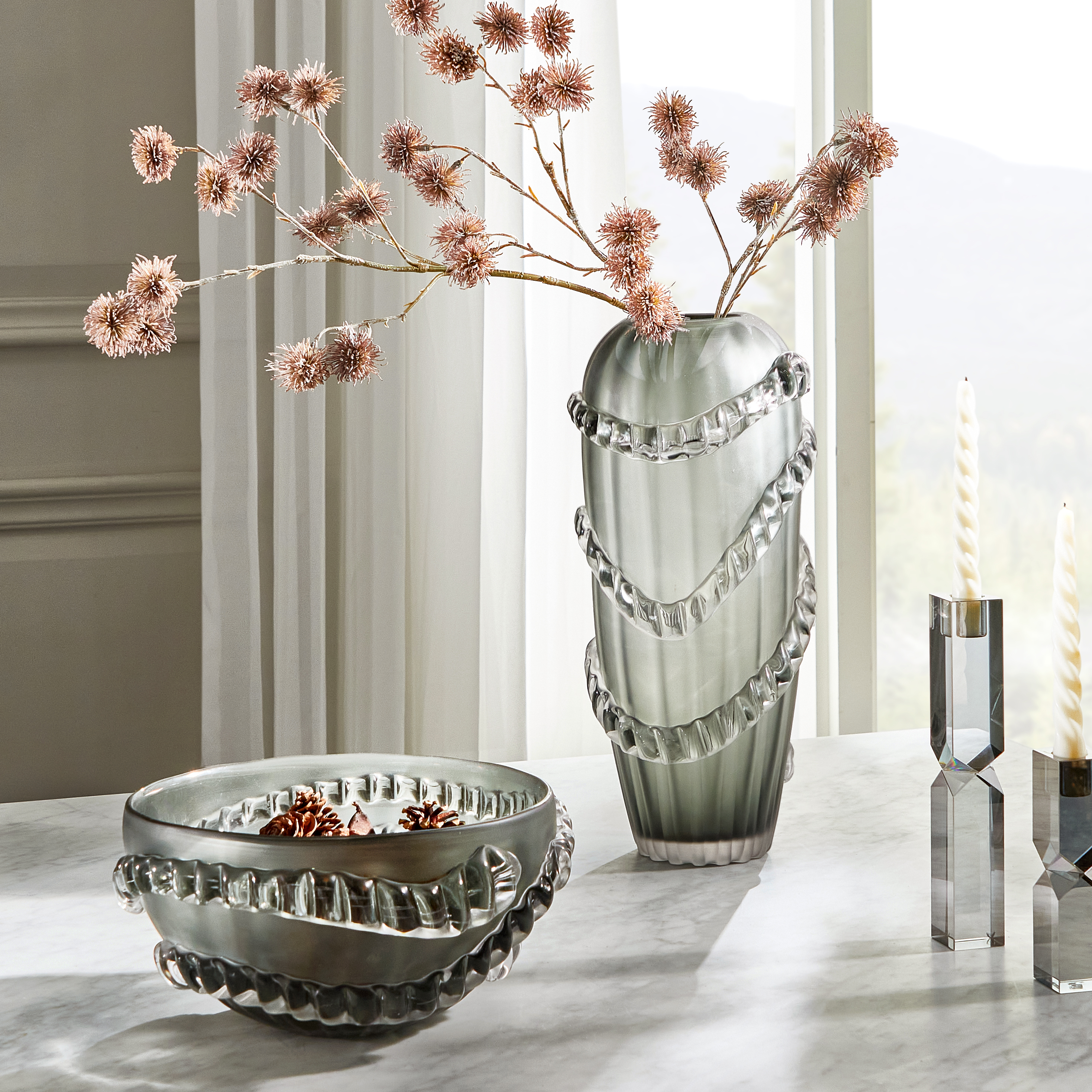 Helix Glass Collection$129
A hand-blown dark gray glass piece featuring fluted bodies and rippling sculptural ribbons for modern elegance.
Add To Cart -
.jpg?w=1200&h=1200) Calla Mouth Blown Blue Glass Decorative Bowl 15.35" x 5.7"$79
Calla Mouth Blown Blue Glass Decorative Bowl 15.35" x 5.7"$79A handblown blue glass bowl featuring unique curves and translucent artistry for striking decorative appeal.
Add To Cart -
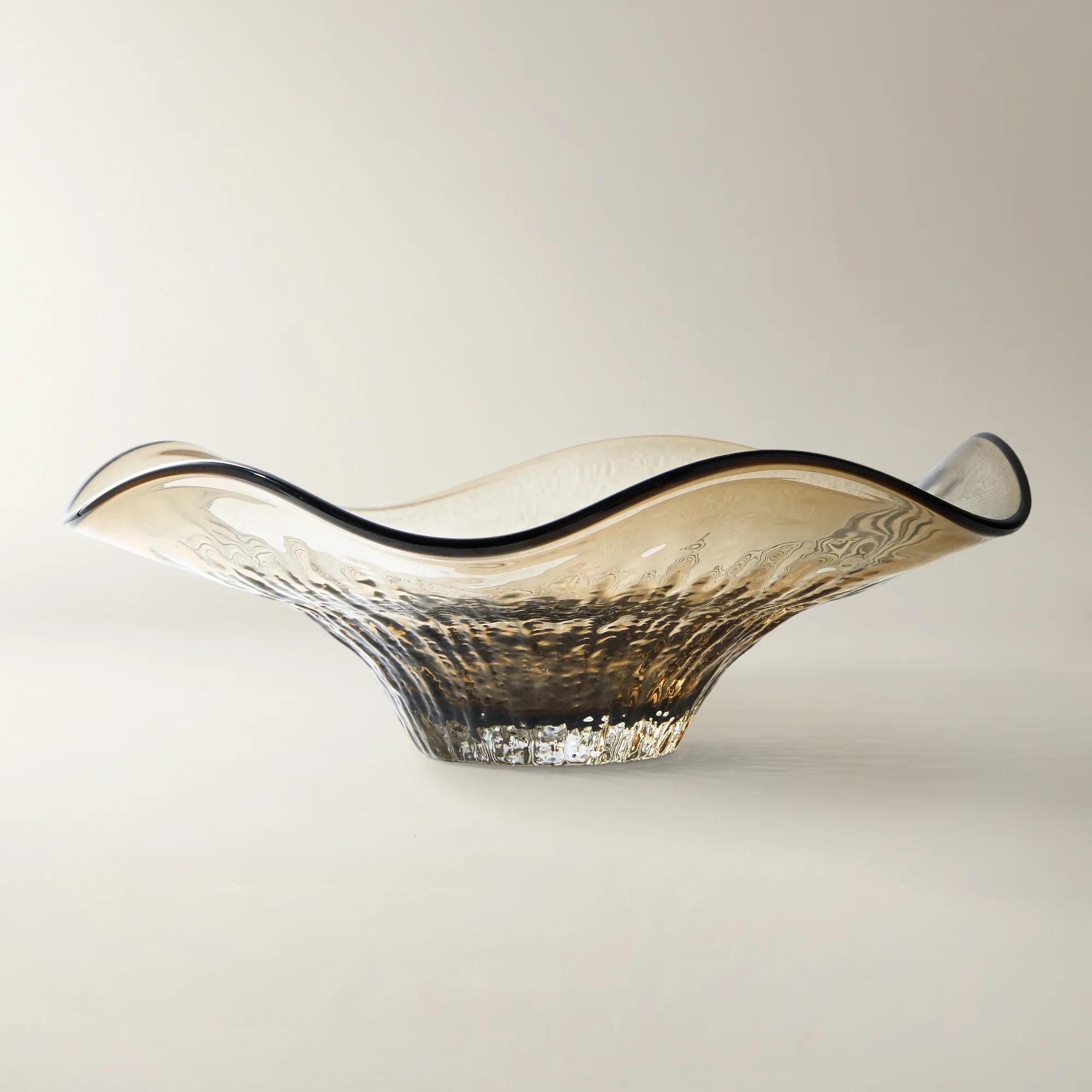 Corsi Brown Handblown Glass Decorative Bowl 15.35" x 5.1"$99
A hand-blown glass bowl in warm amber with organic shape and intricate textural details.
Add To Cart -
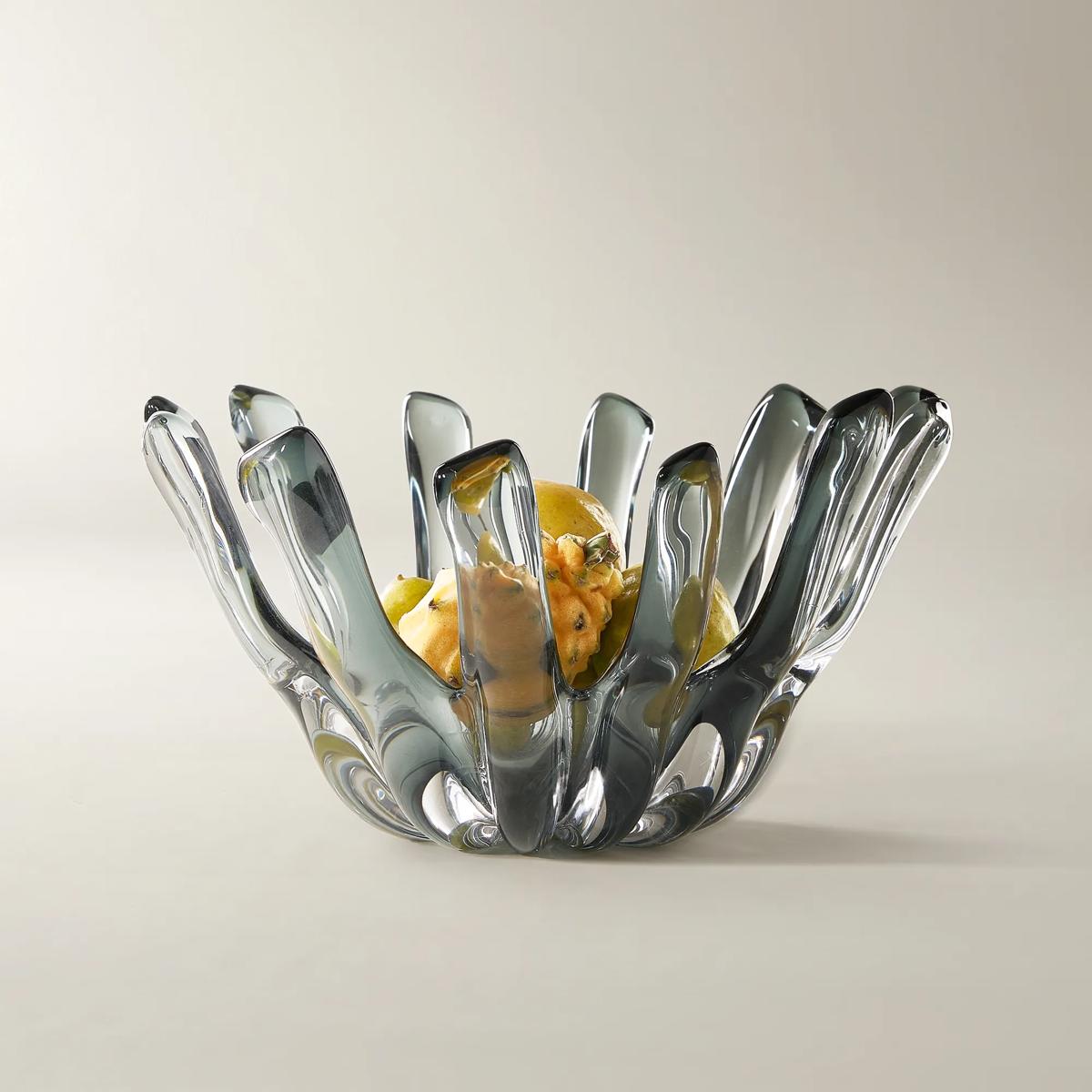 Bossa Smoke Handblown Glass Decorative Bowl 13" x 7"$129
A hand-blown smoky grey glass bowl featuring an expressive, sculptural design for modern decorative displays.
Add To Cart -
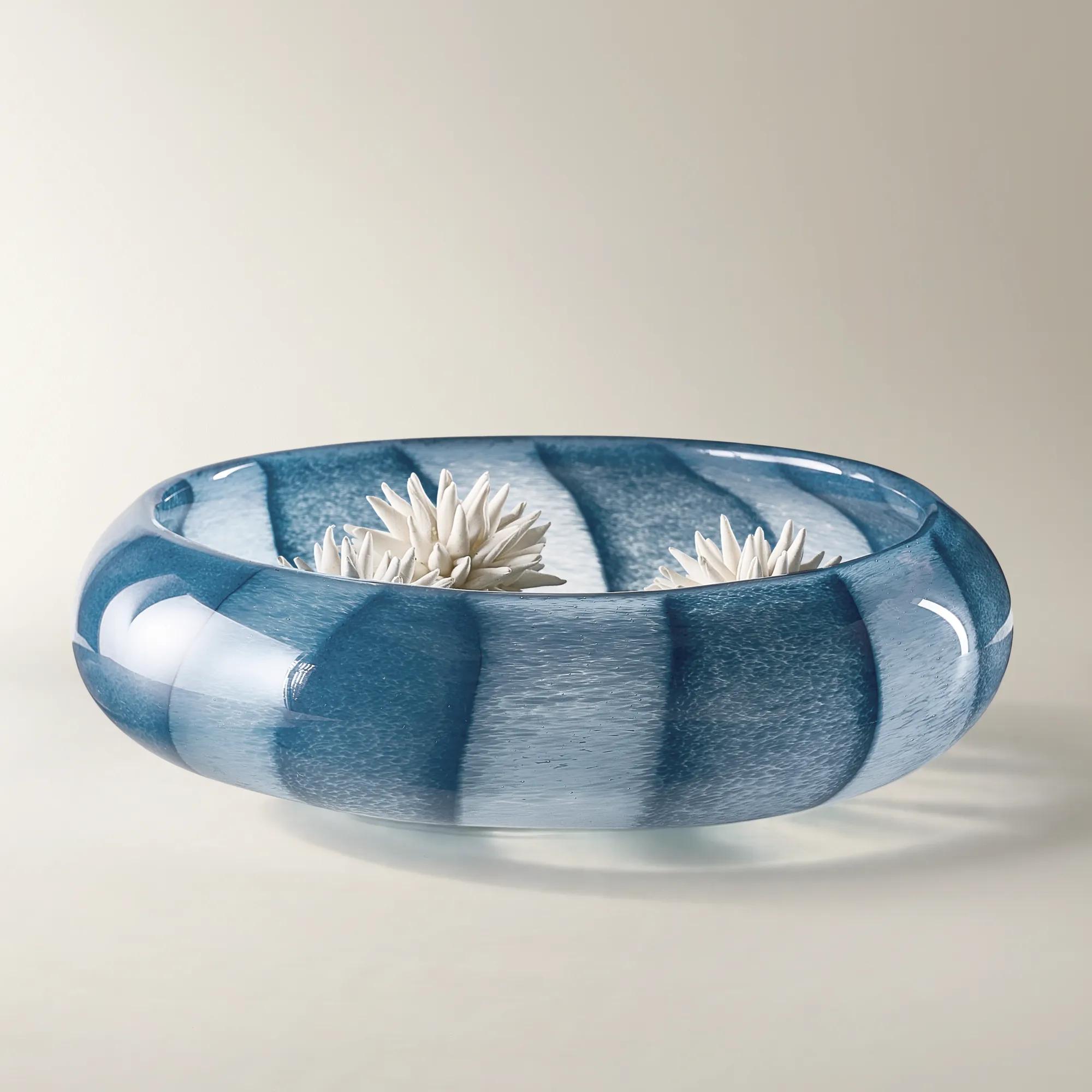 Jonah Mouth Blown Dusty Blue Glass Decorative Bowl 11.75" x 3.5"$89
A handblown glass bowl featuring dusty blue stripes and a sculptural, low rounded silhouette for decor.
Add To Cart -
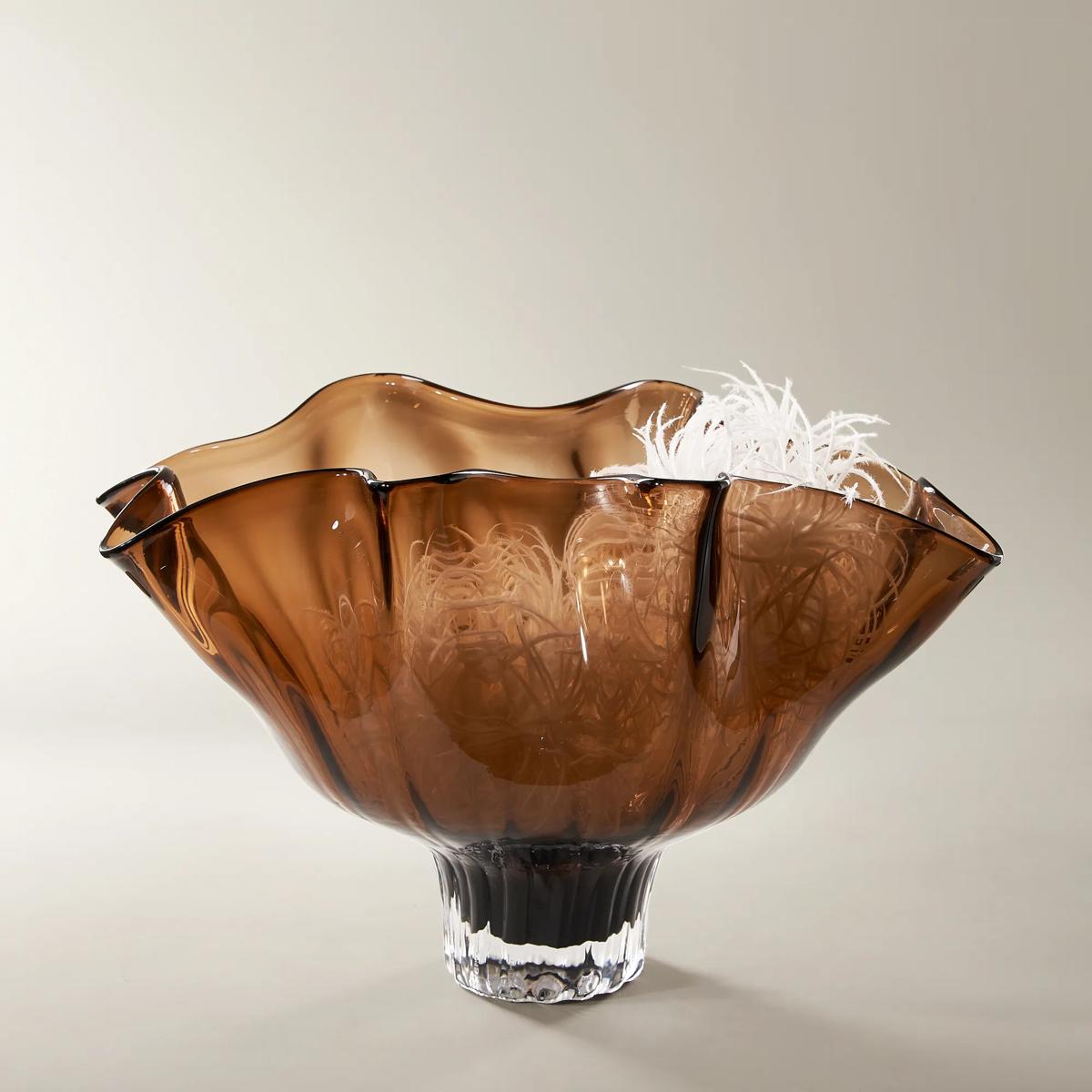
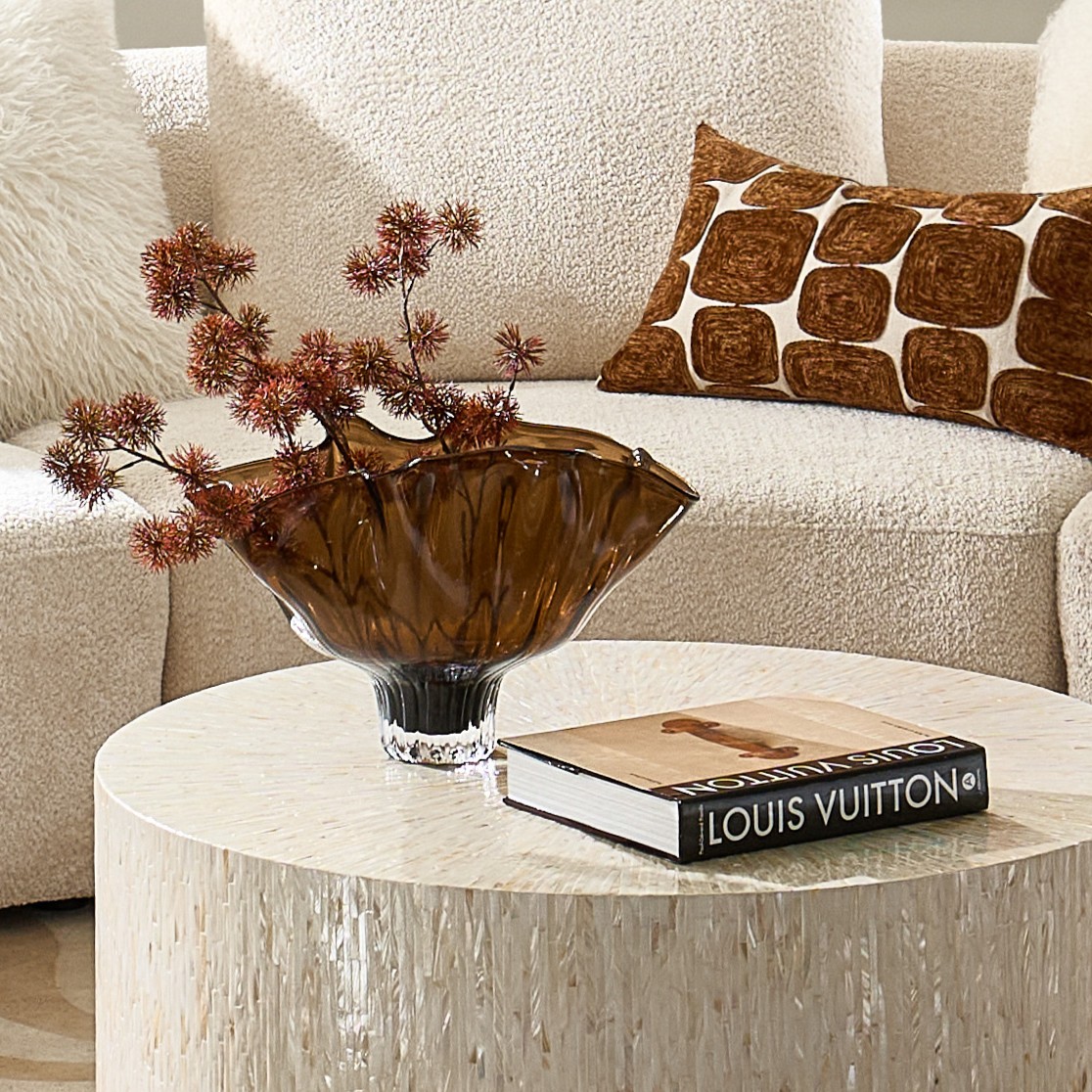 Coco Mouthblown Brown Glass Bowl 17" x 9.75"$139
A hand-blown brown glass bowl with an undulating rim and clear tapered base for sculptural elegance.
Add To Cart -
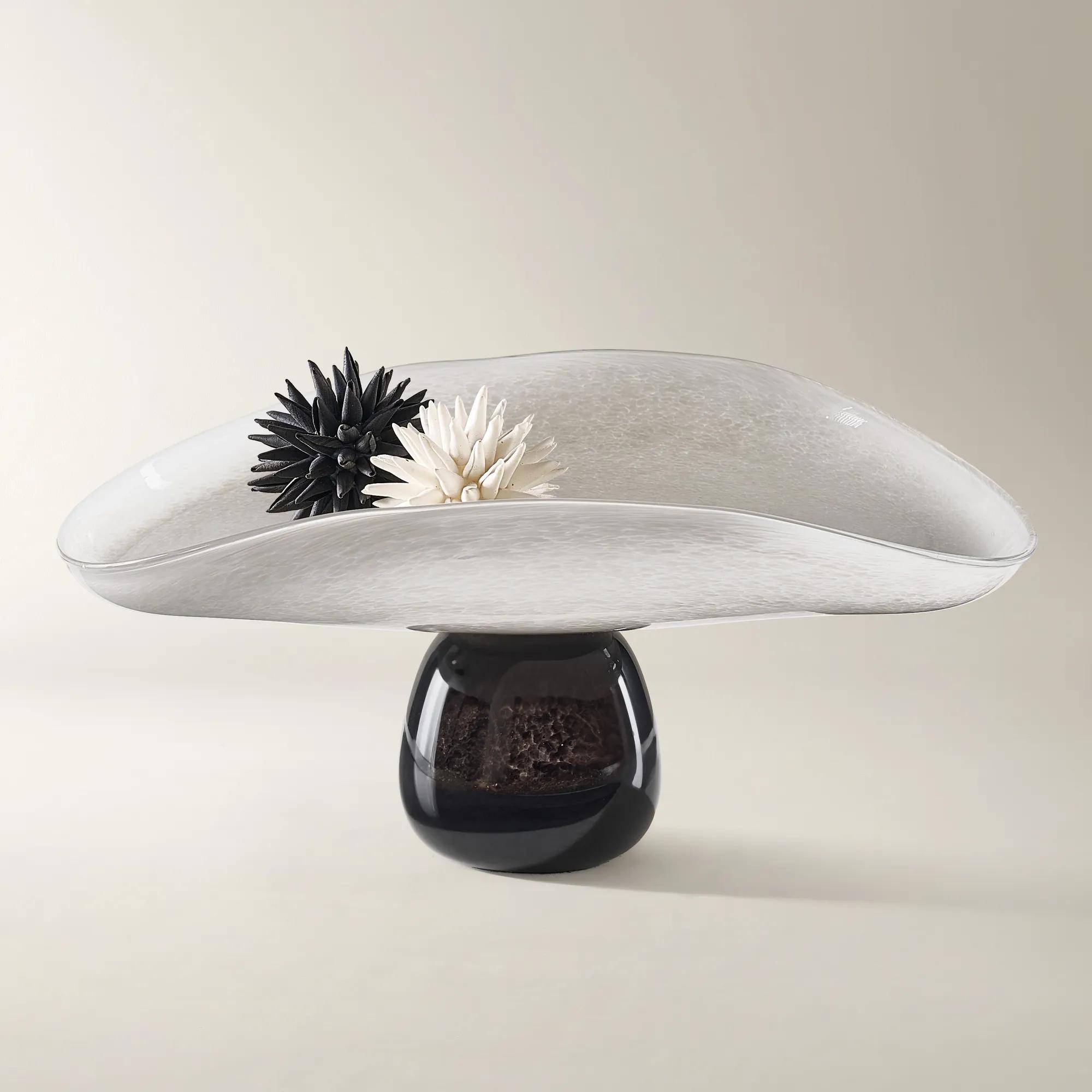 Elois Mouth Blown White Black Pedestal Bowl 14.5" x 7"$149
A handblown glass pedestal bowl featuring striking black and white contrast for a sculptural, modern accent.
Add To Cart -
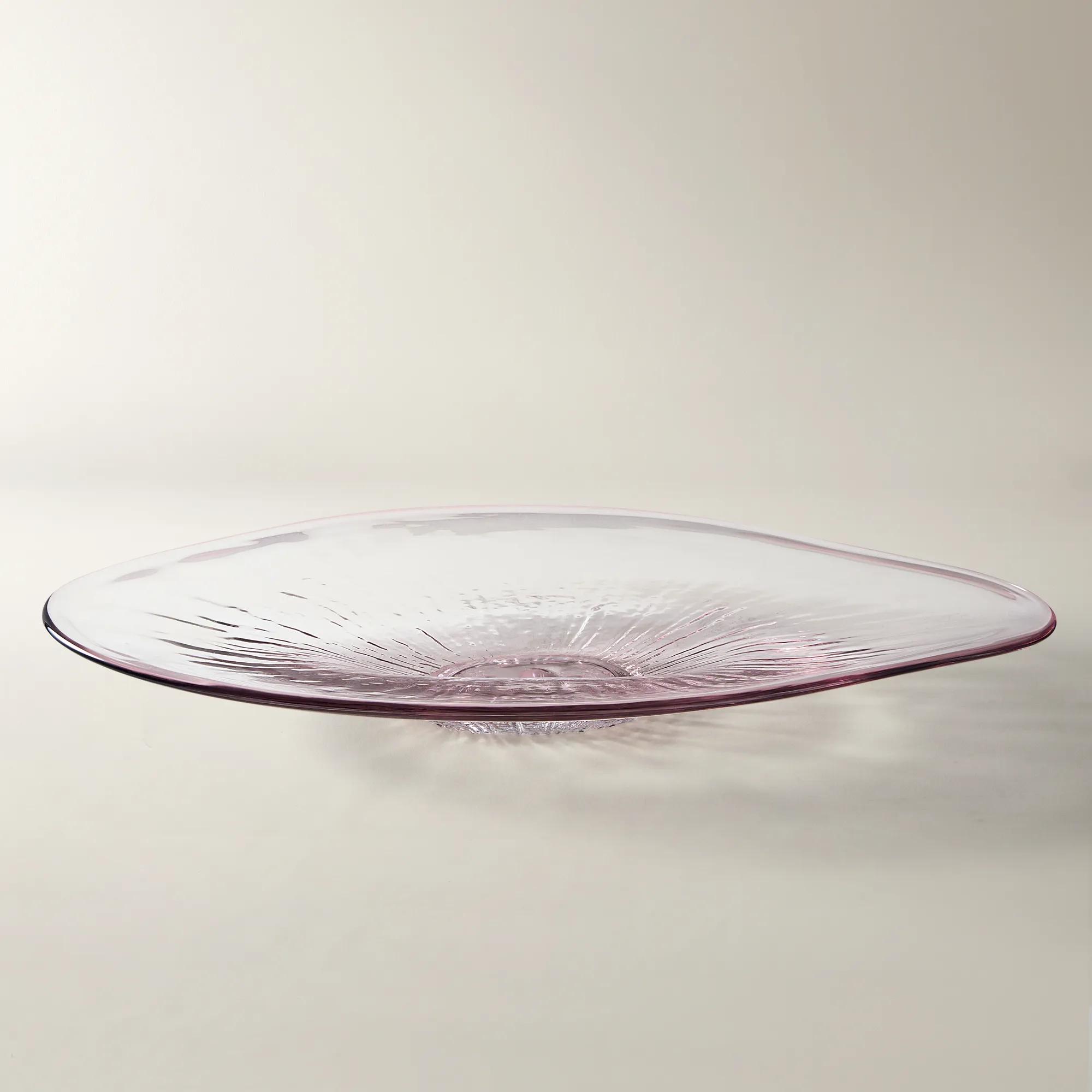 Cortina Decorative Bowl$129
A handblown glass bowl in an ethereal pink hue that brings artistic flair to modern interiors.
Add To Cart -
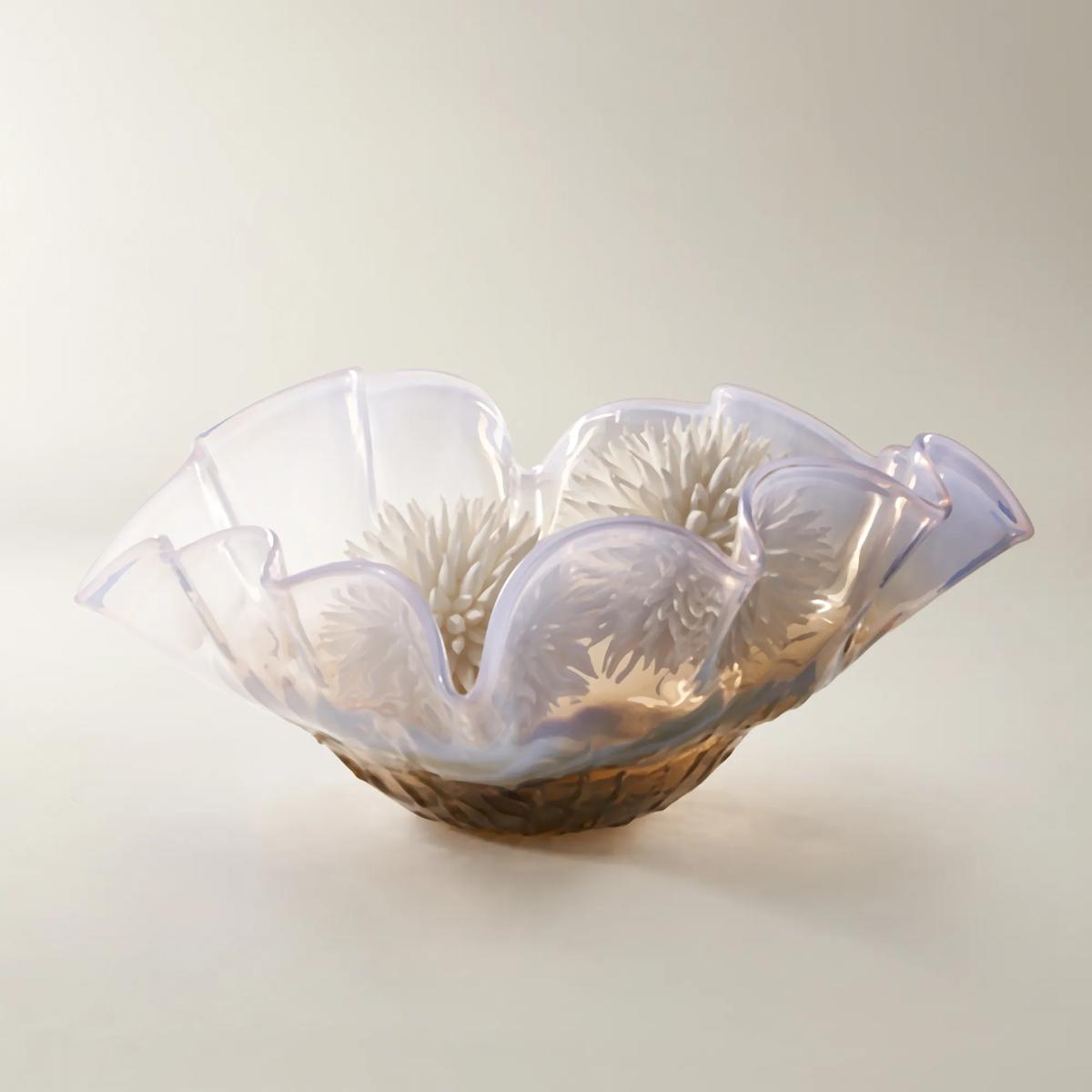
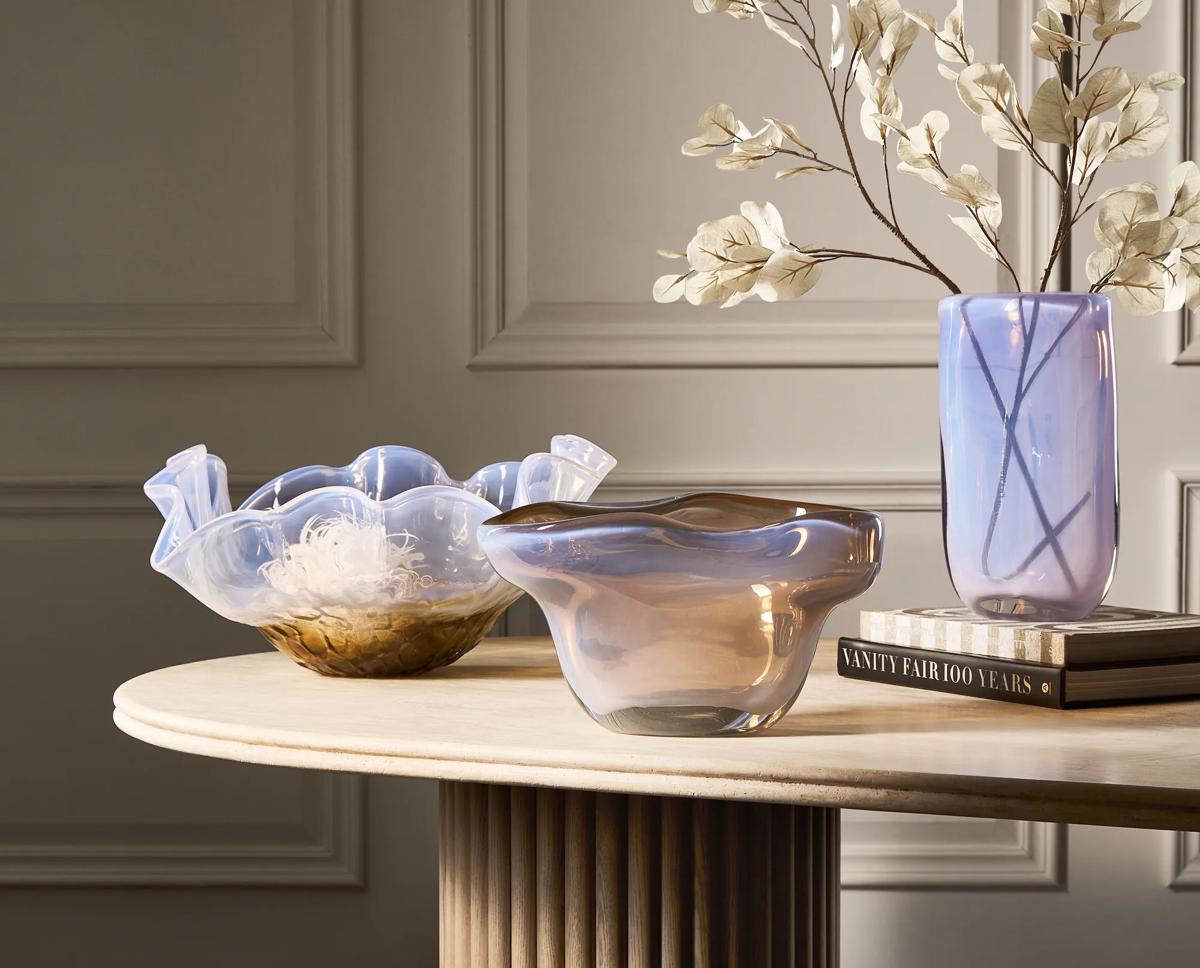 Glacier Glass Bowl$269
A hand-blown glass bowl featuring scalloped edges and swirling lavender and amber hues for artistic elegance.
Add To Cart -
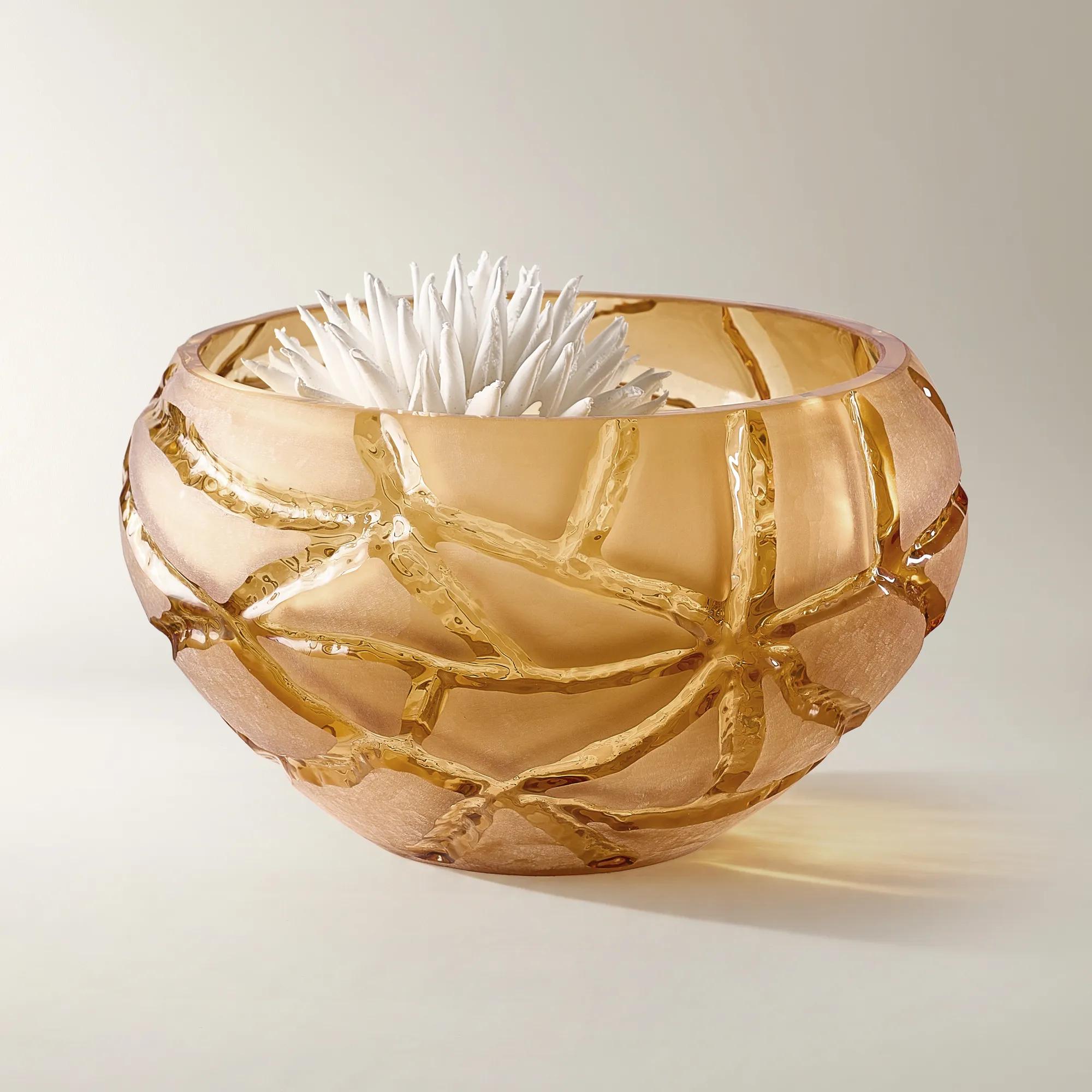 Rowen Mouth Blown Honey Gold Glass Decorative Bowl 11" x 6.25"$129
A handblown glass bowl in honey gold with a textured surface for a luminous, sculptural accent.
Add To Cart -
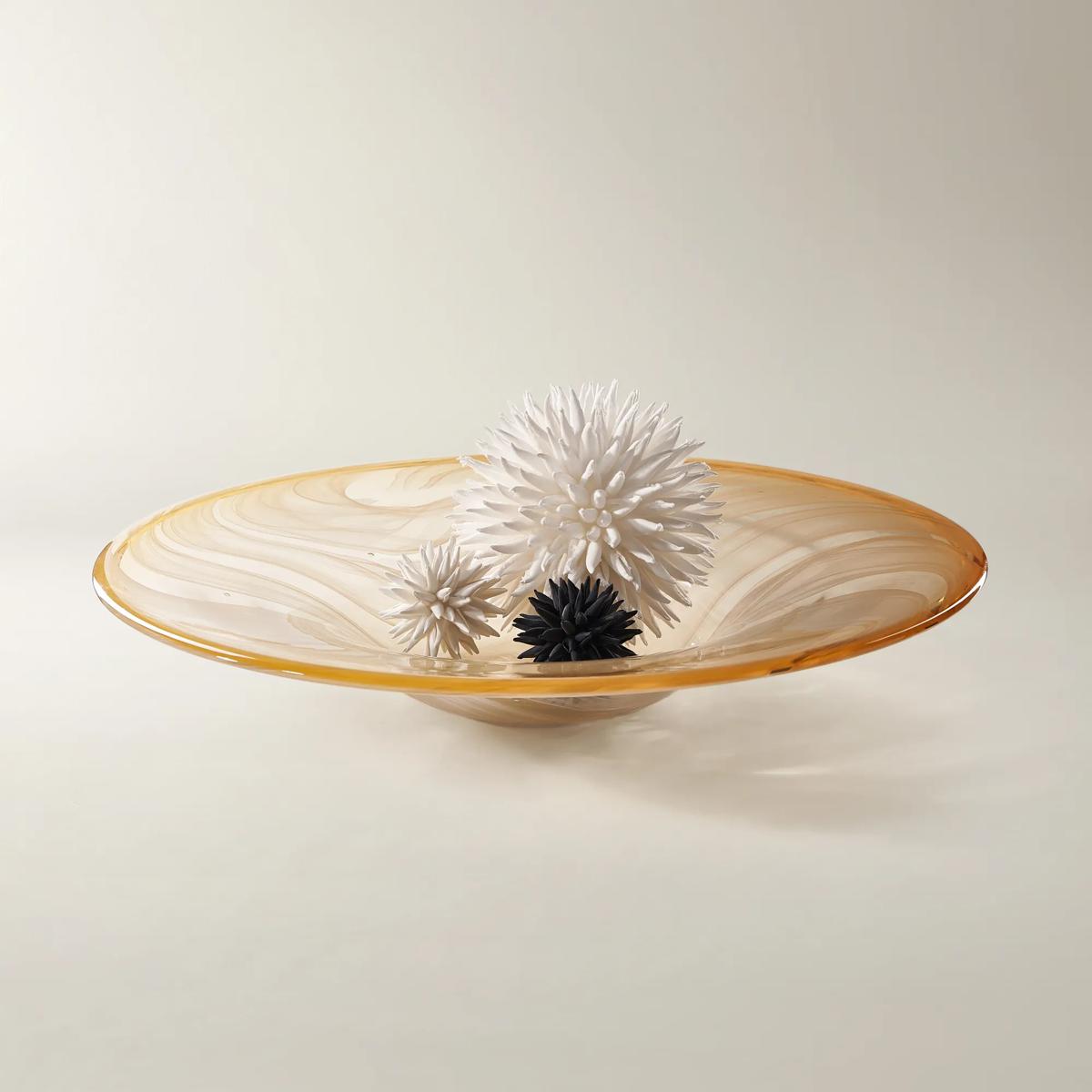
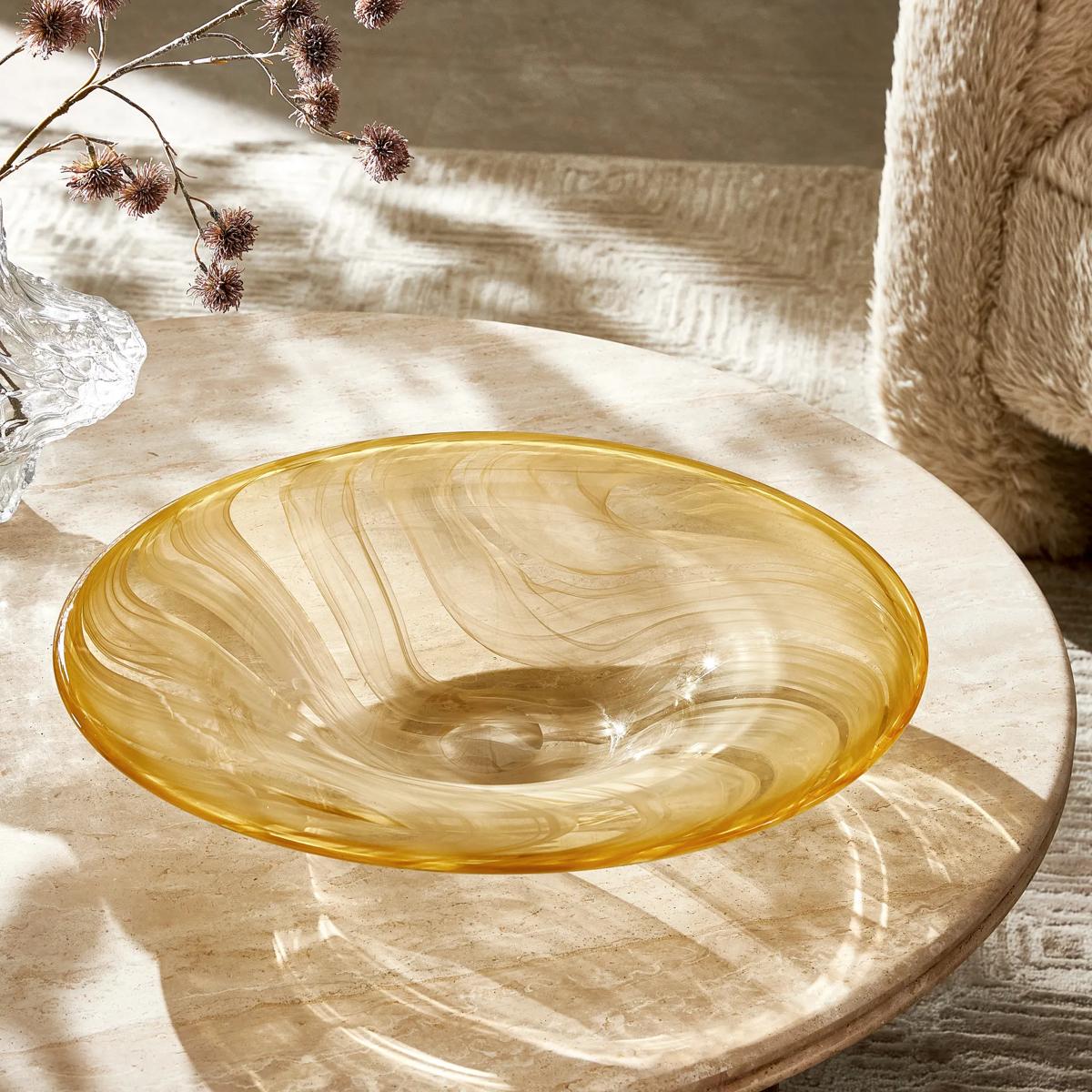 Paradis Glass Plate$239
A hand-blown amber glass plate featuring a swirling, organic design for a radiant decorative accent.
Add To Cart -
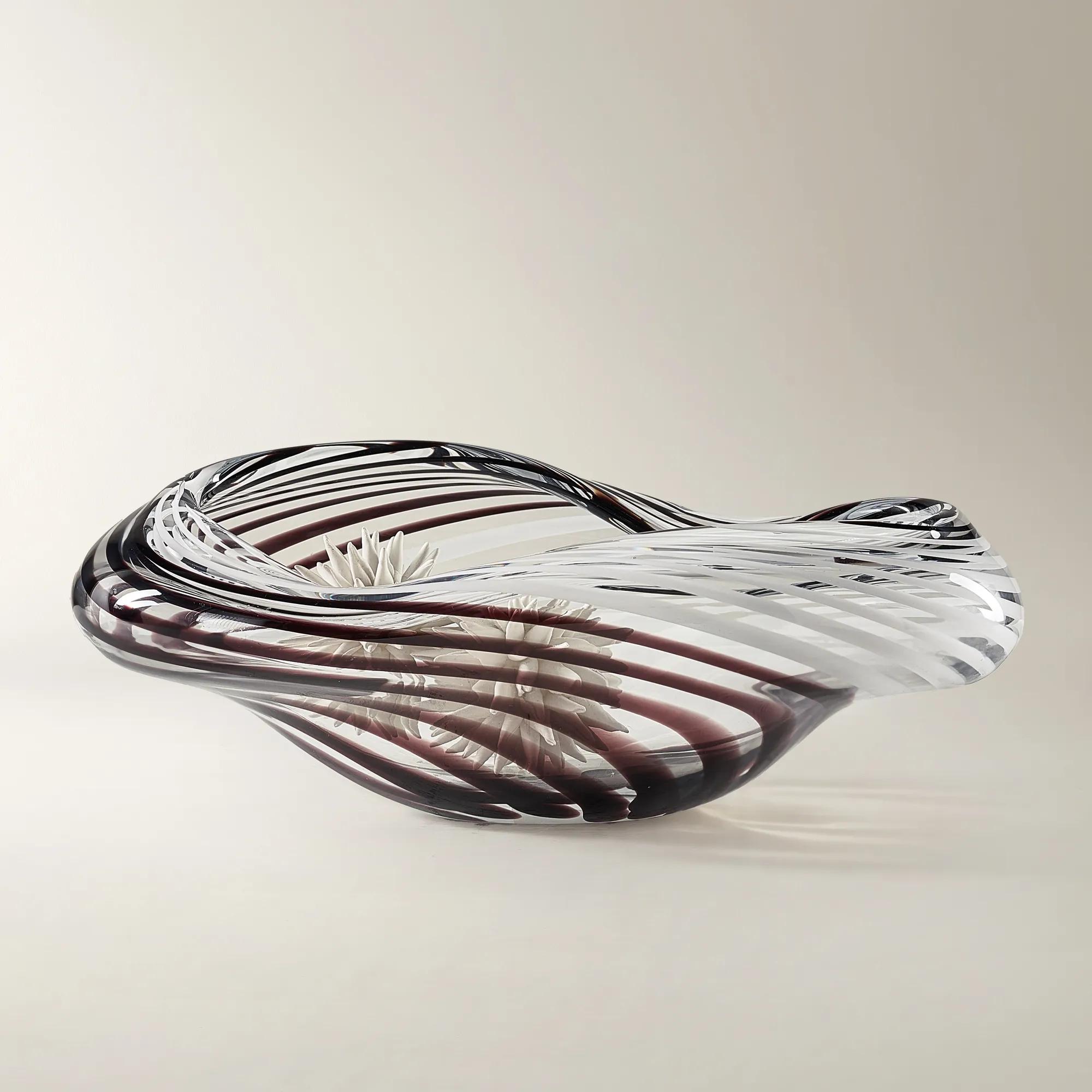 Optic Mouth Blown Black/White Glass Decorative Bowl 17.25" x 5.5"$99
A handblown glass bowl featuring charcoal stripes and a sculptural, Deco-inspired silhouette for decorative display.
Add To Cart -
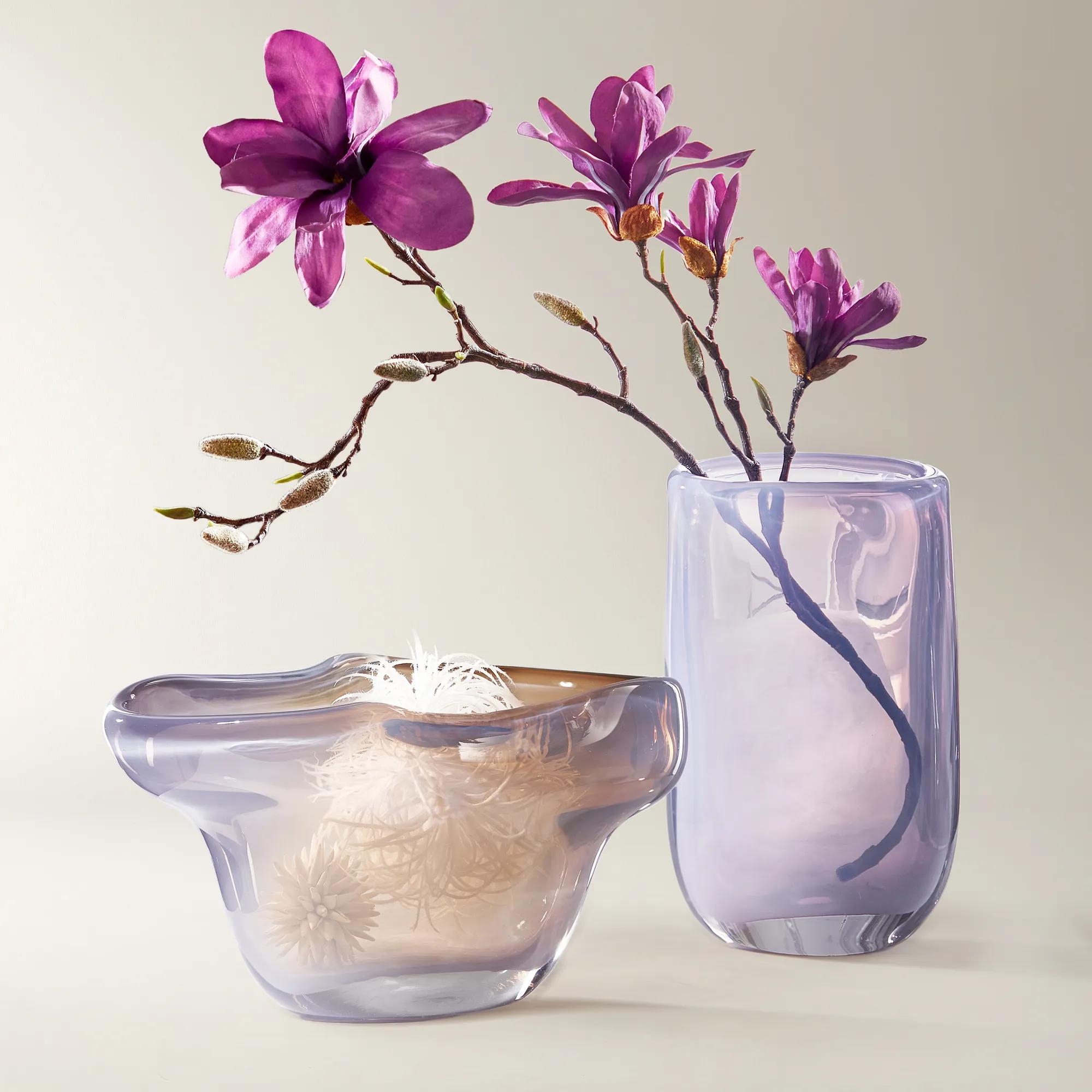
.jpeg?w=1200&h=1200) Aura Collection$189
Aura Collection$189A hand-blown glass accent in dreamy lavender, showcasing fluid curves and modern sculptural artistry.
Add To Cart -
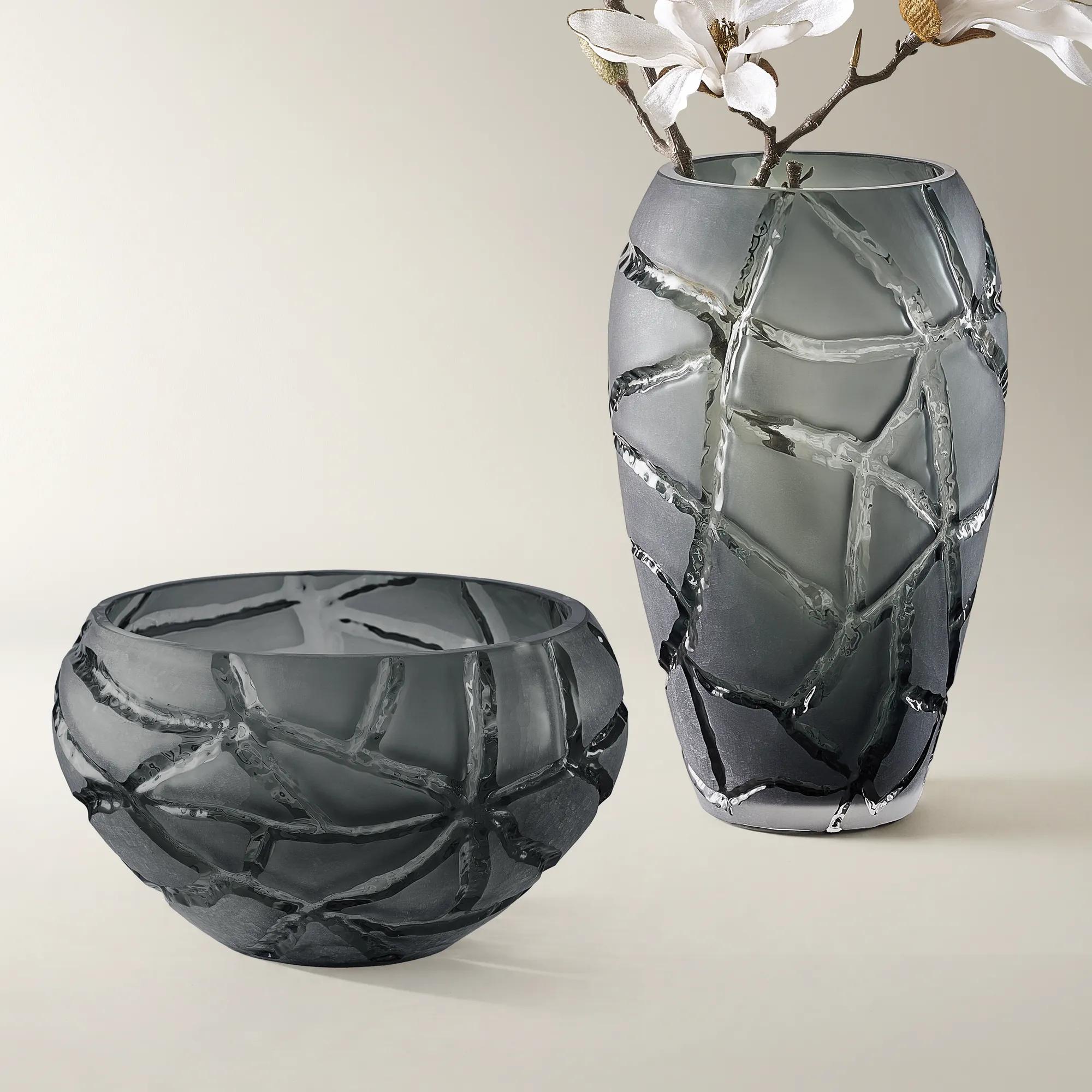 Rowen Mouth Blown Charcoal Glass Vase & Bowl$149
A handblown charcoal glass vase featuring a textured surface for moody sophistication and sculptural appeal.
Add To Cart -
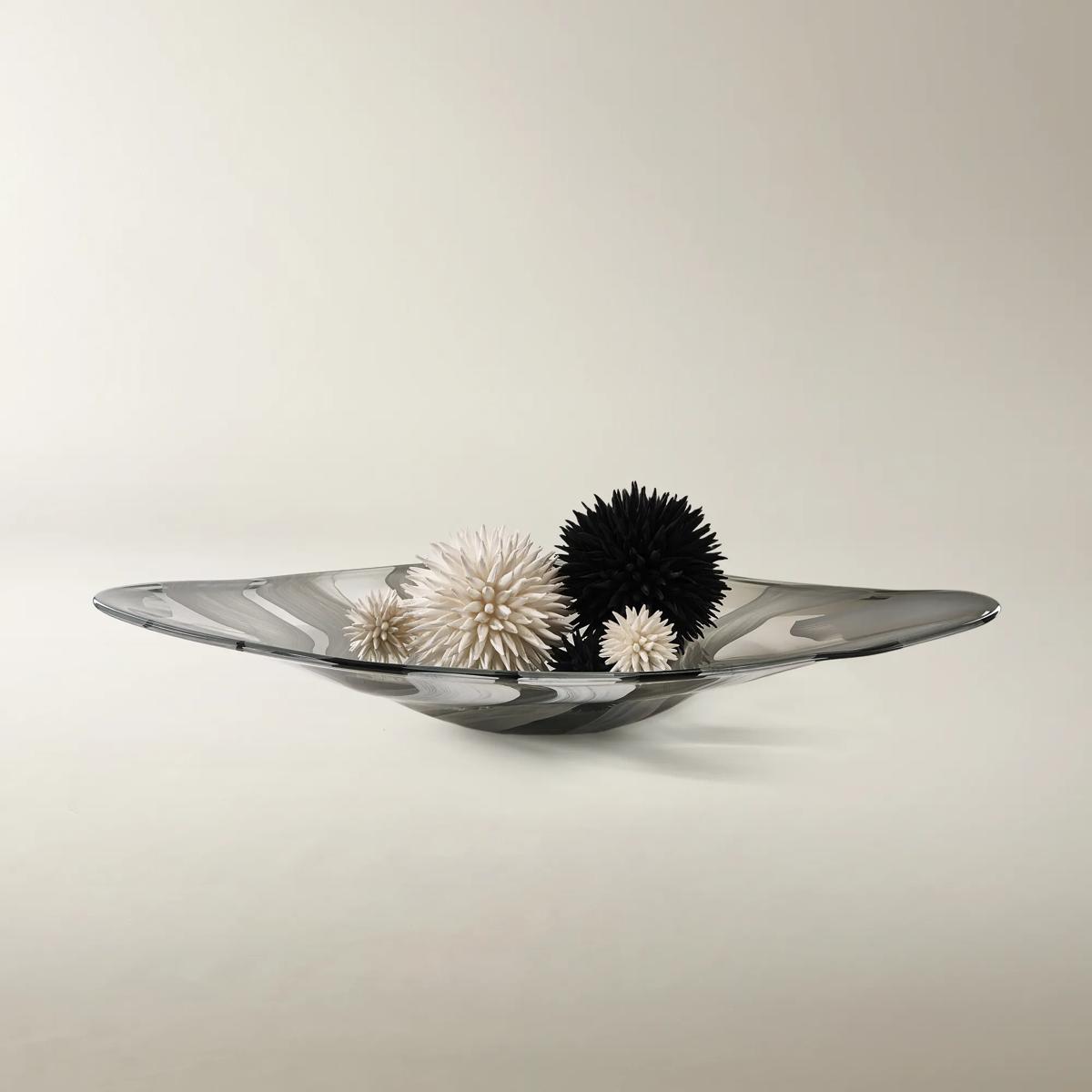
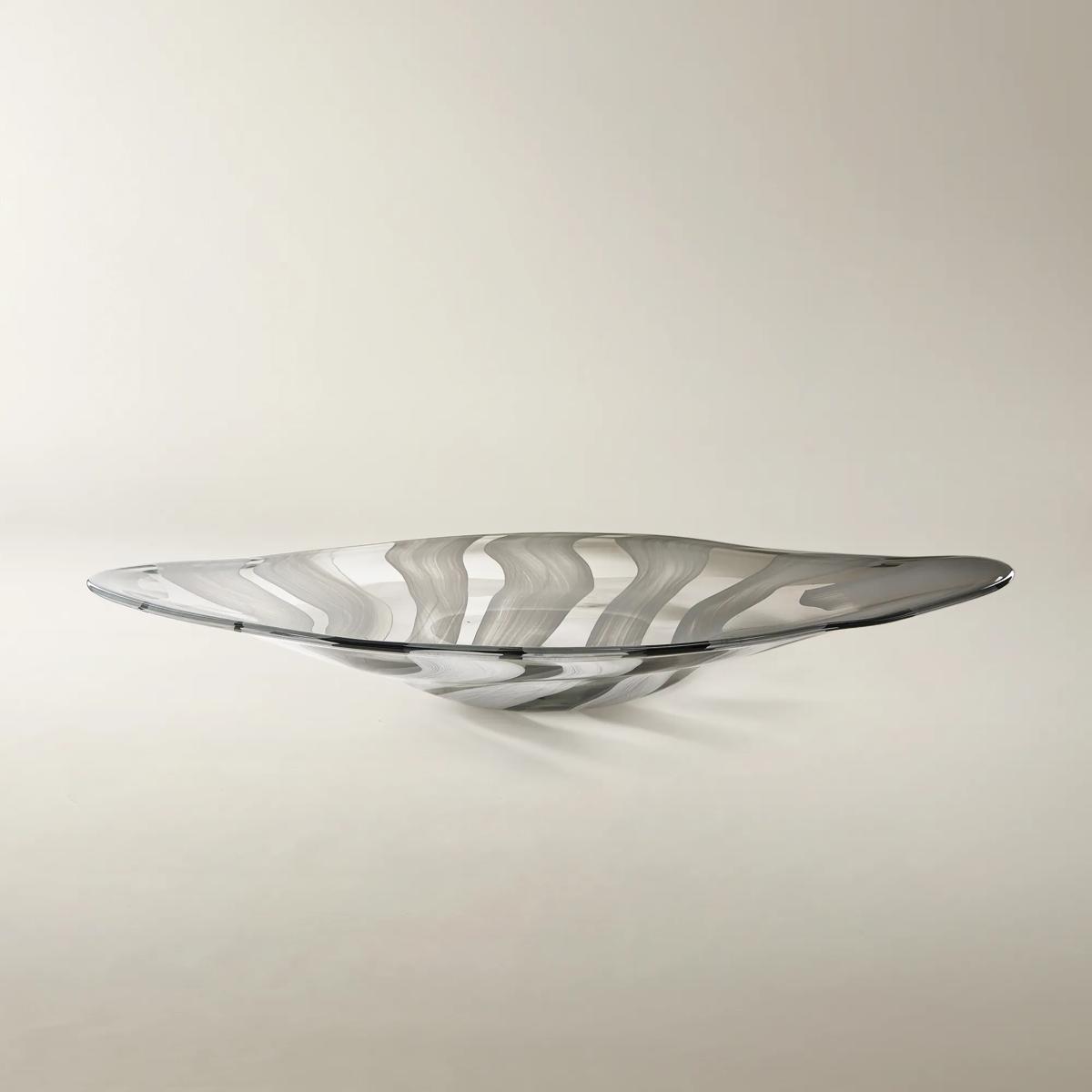 Zoya Glass Bowl$349
A hand-blown grey glass bowl with a marbled pattern and organic silhouette for modern decor.
Add To Cart -
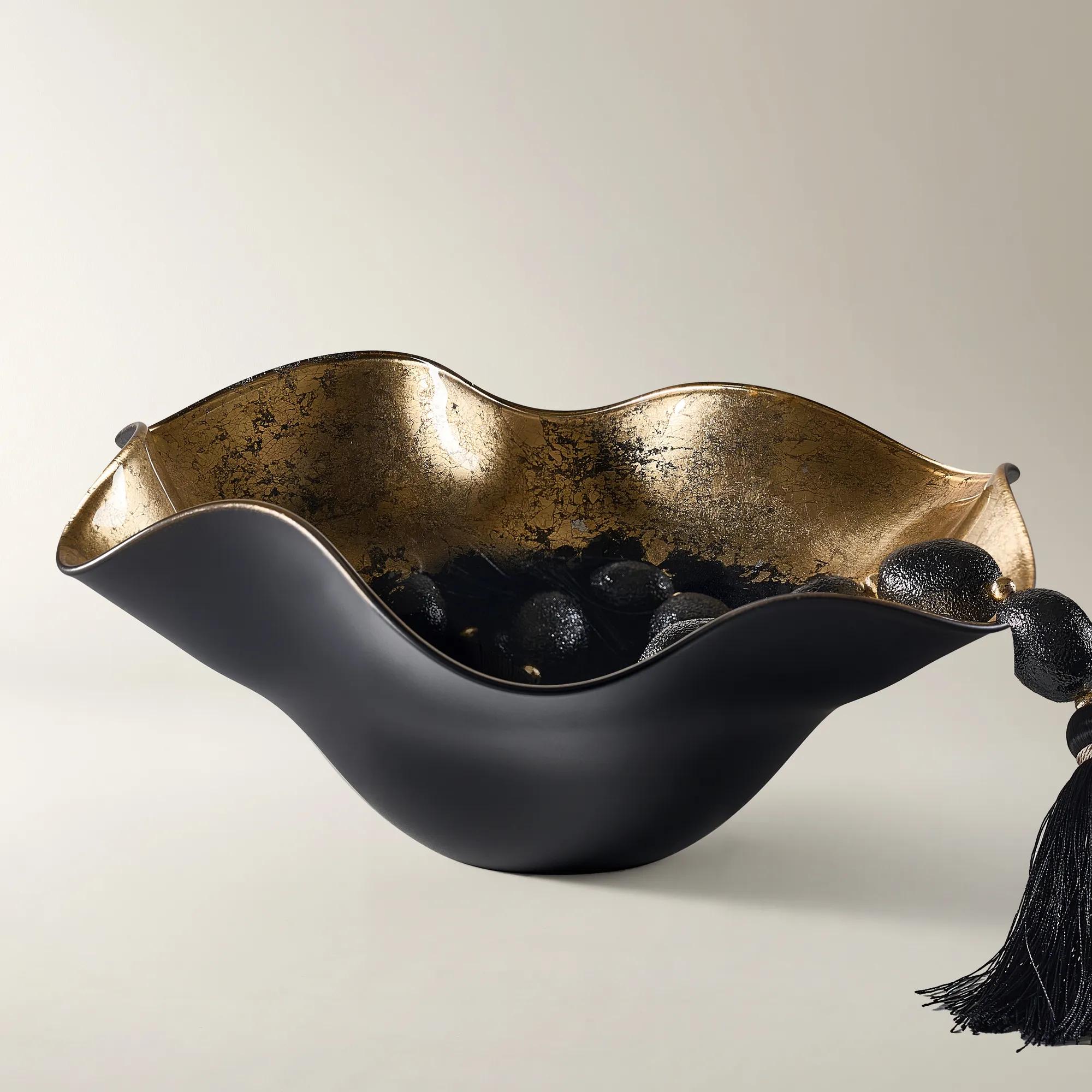
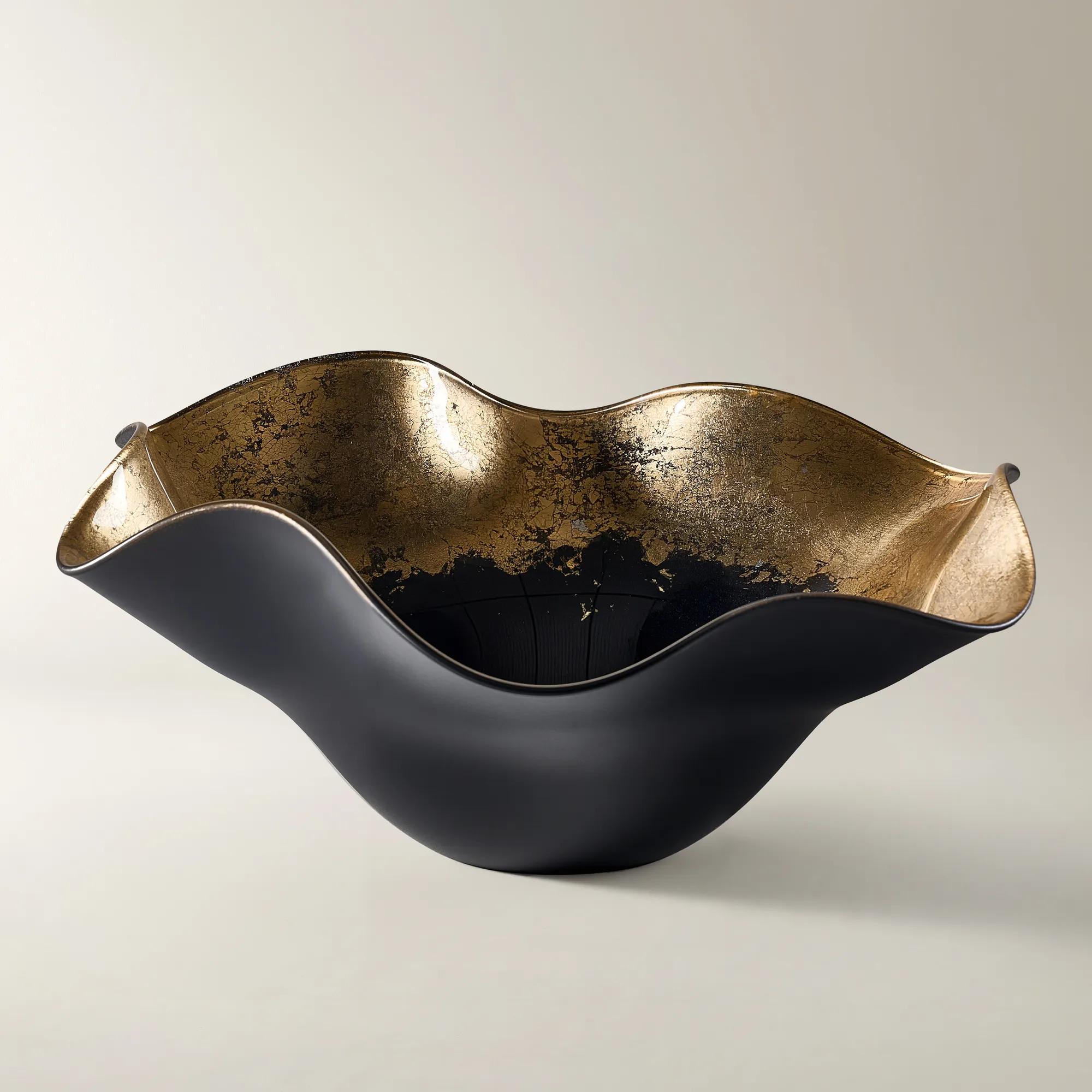 Goldie Mouth Blown Gold Black Glass Decorative Bowl 15.5" x 8.75"$199
A handblown glass bowl in soft gold and black with an organic, sculptural silhouette for modern decor.
Add To Cart -
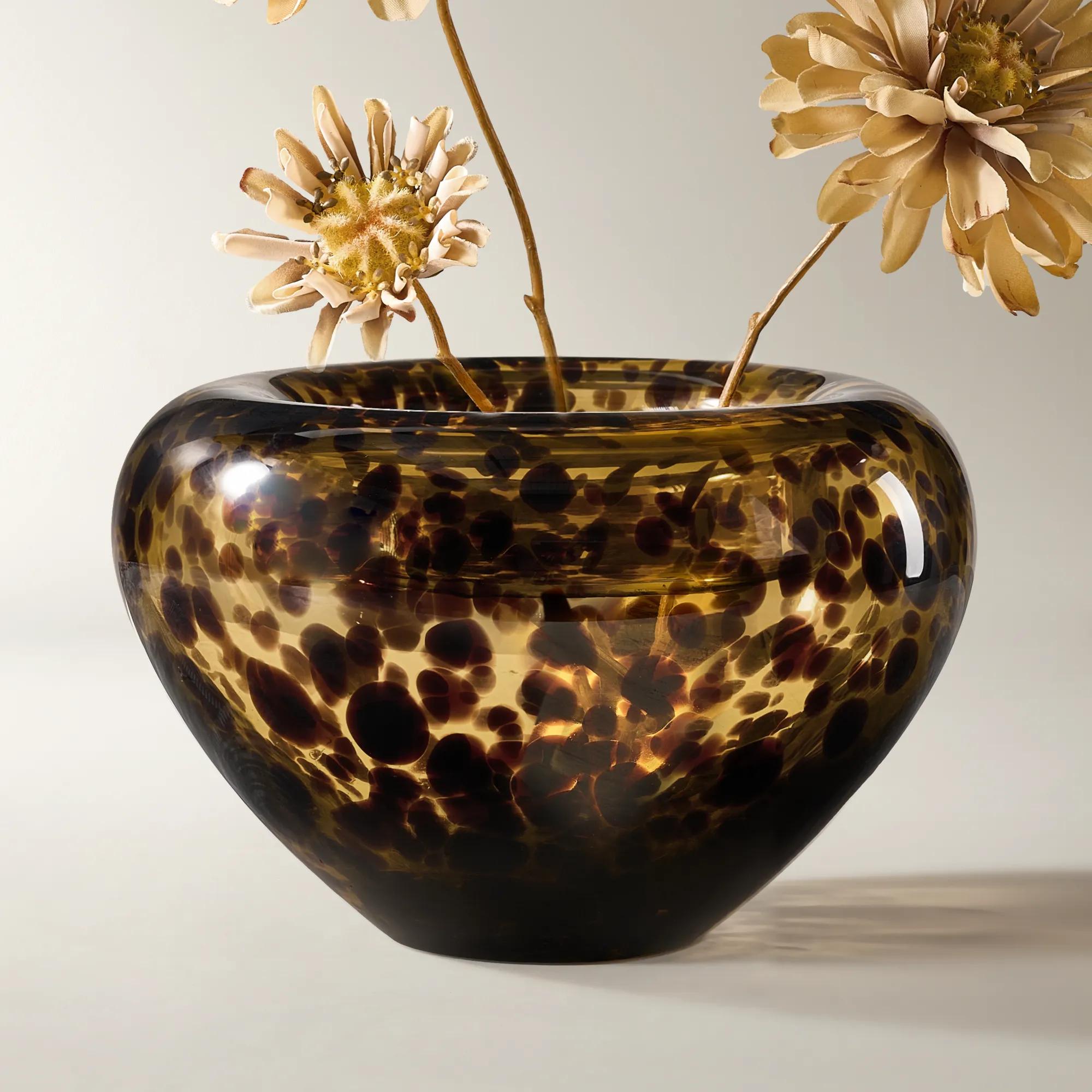 Tortoise Mouth Blown Brown Glass Decorative Bowl 8.25" x 4.25"$69
A handblown glass bowl featuring a warm brown tortoise pattern and a sculptural, rounded silhouette.
Add To Cart -
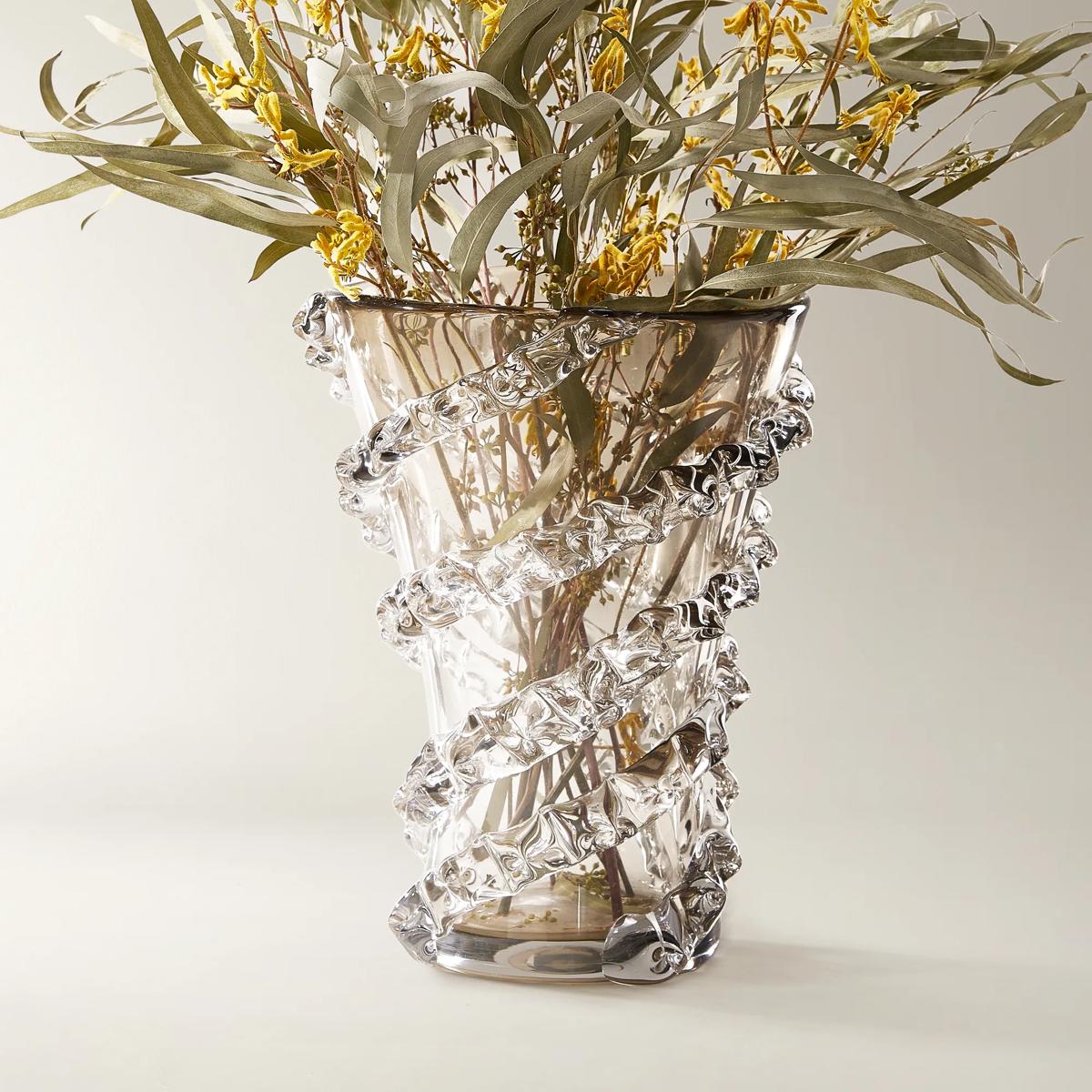
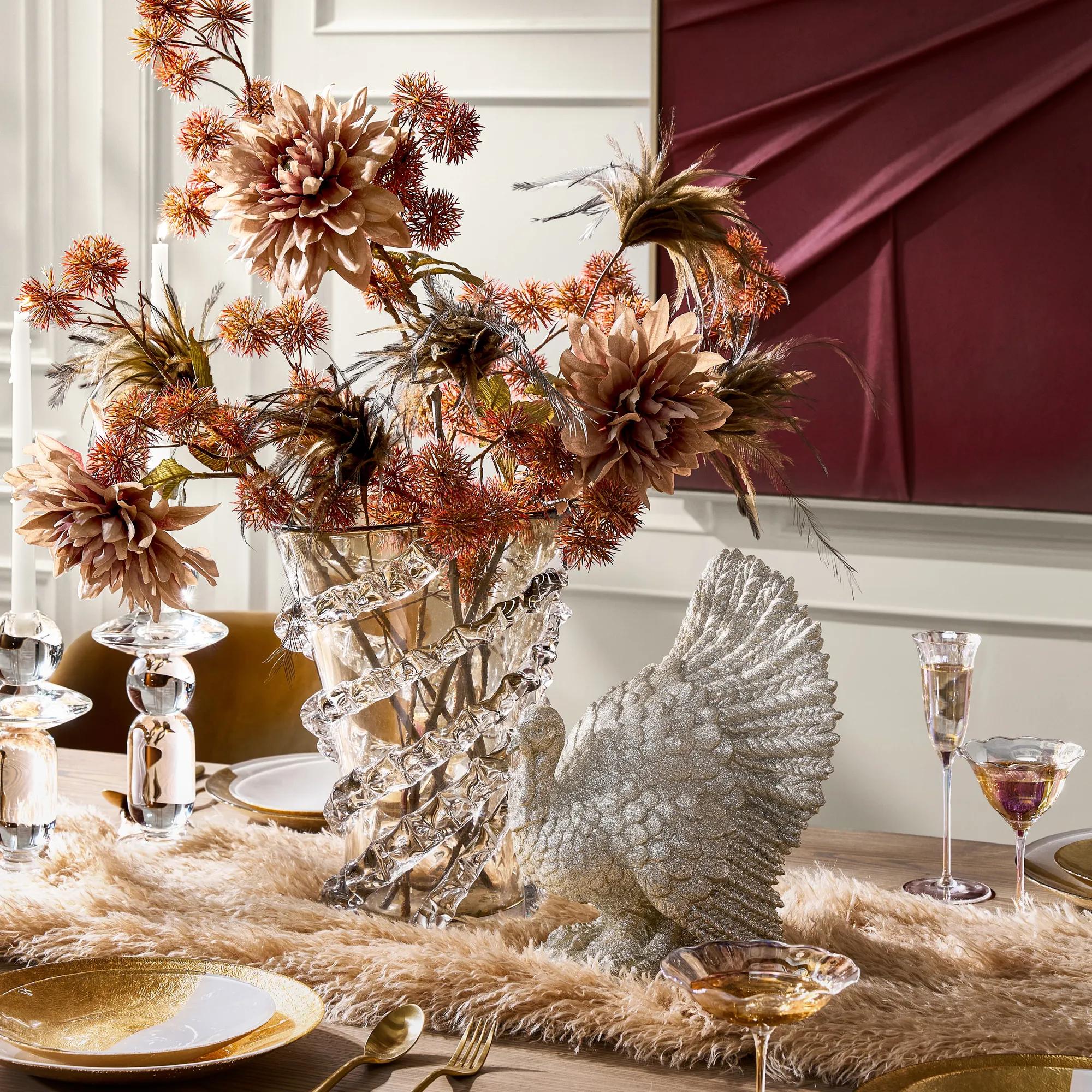 Reyna Glass Vase$299
A hand-blown glass vase featuring a sculptural swirl design and a smoky grey-brown finish.
Add To Cart -
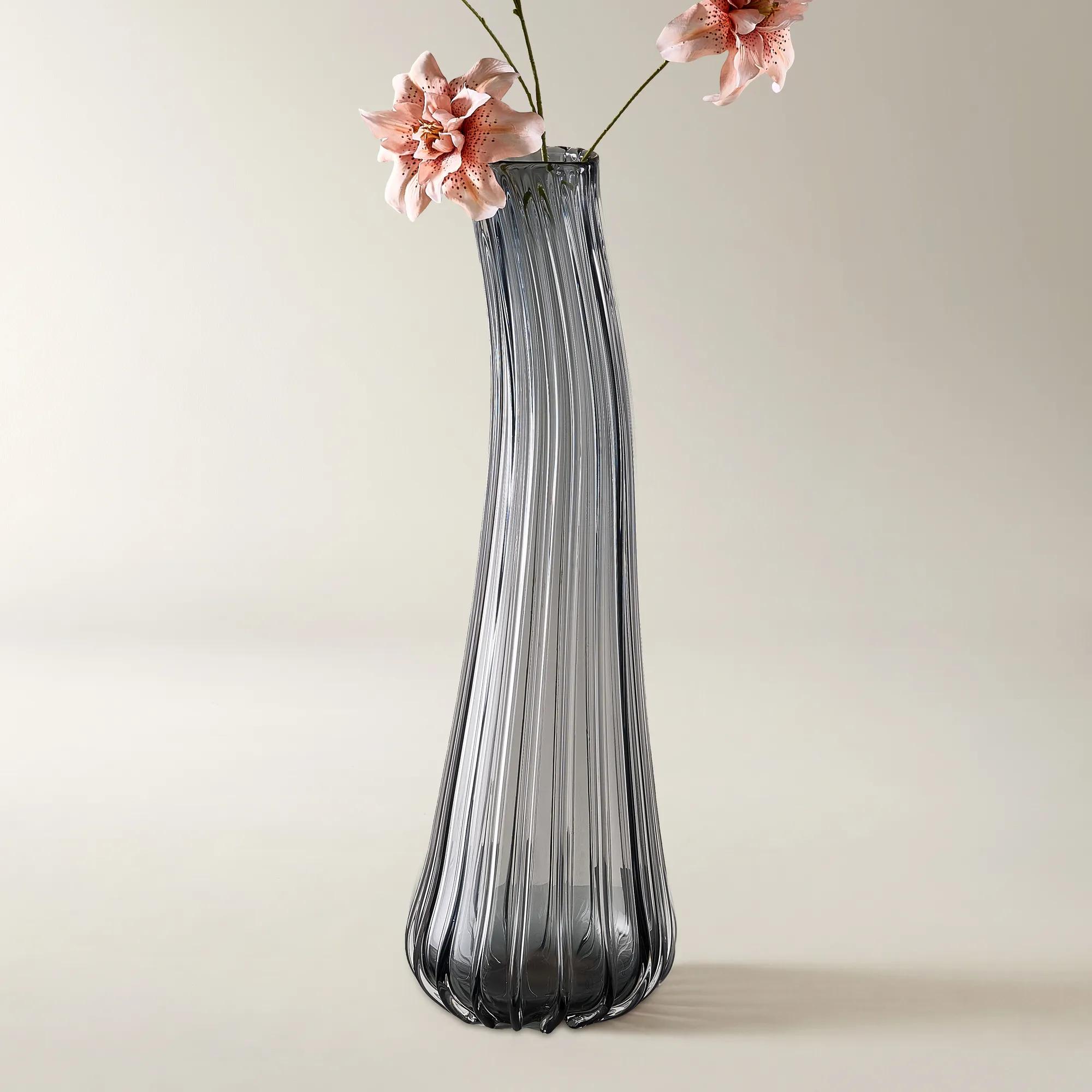 Tango Mouth Blown Smoked Pearl Vase 29"$199
A handblown glass vase in a smoked pearl finish with a textured surface for sculptural elegance.
Add To Cart -
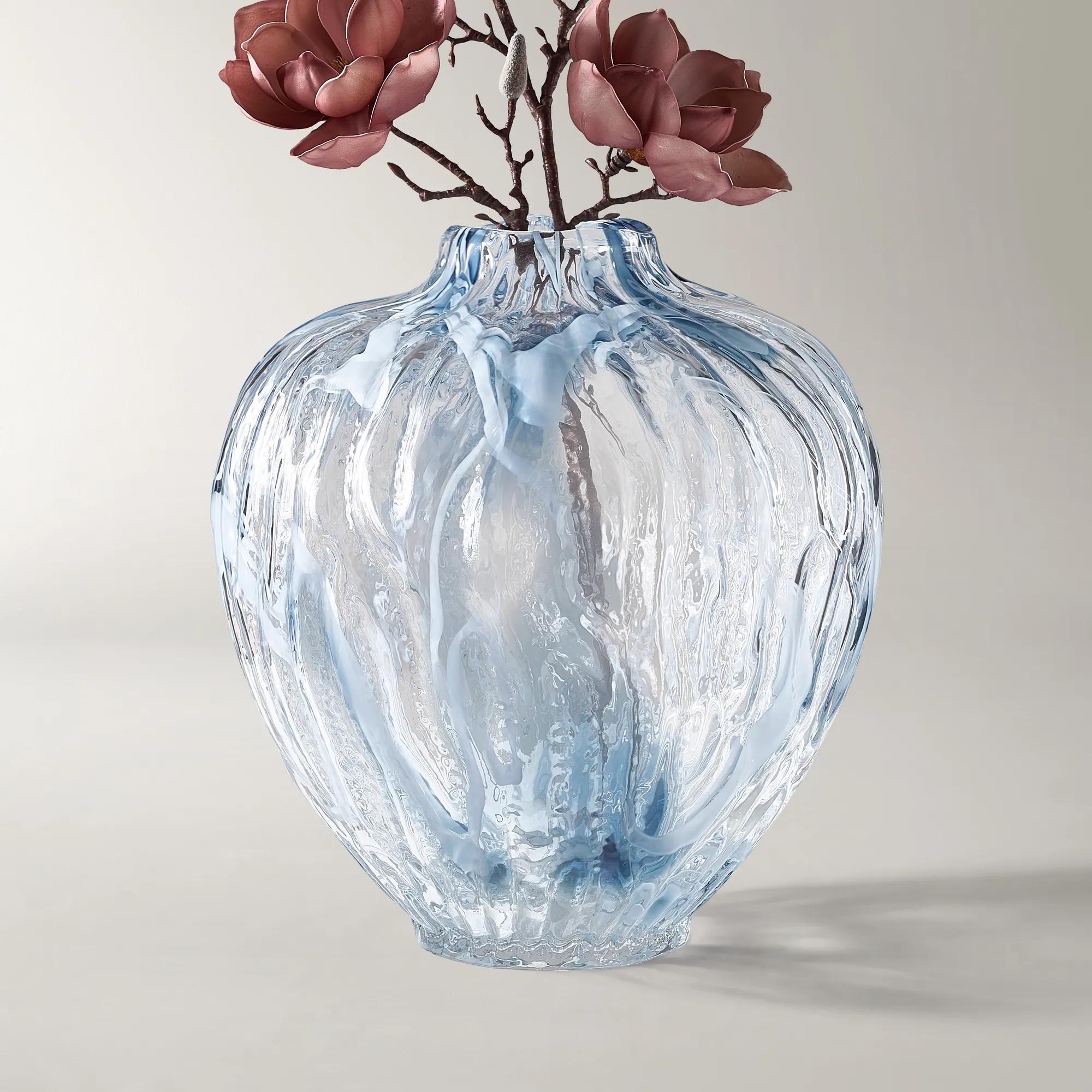 Cruz Mouth Blown Powder Blue Glass Vase 15.75"$169
A handblown glass vase in powder blue with a sculptural, light-catching surface for modern decor.
Add To Cart -
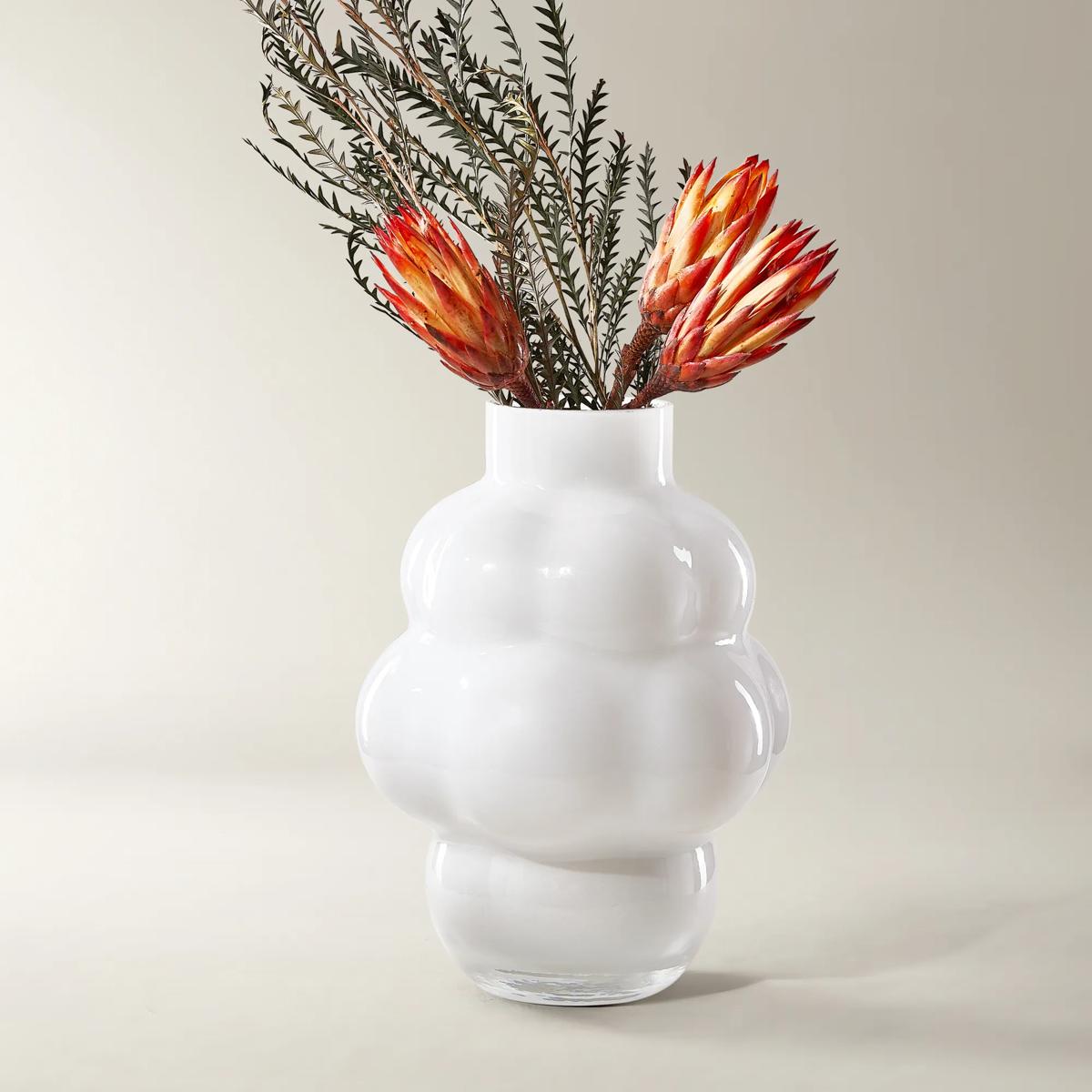 Cloud Glass Vase - White$129
A hand-blown glass vase in glossy opaque white with a sculptural, cloud-inspired silhouette.
Add To Cart

Handblown Glass Centerpiece Bowls
Handblown Glass Centerpiece Bowls are the epitome of artistry and allure, transforming any table into a gallery-worthy display. Each bowl is a celebration of fluid form and luminous color, capturing light and casting it in mesmerizing patterns across your space. Whether poised atop a dramatic dining table or anchoring a curated console vignette, these sculptural vessels invite admiration from every angle. Elevate your décor with pieces that shimmer with individuality—where every swirl and curve tells a story of craftsmanship and creative vision. With Handblown Glass Centerpiece Bowls, your home becomes a stage for statement-making beauty and expressive design.
Handblown glass centerpiece bowls bring sculptural shape, luminous color, and an artisan’s touch to dining tables, consoles, and living room arrangements. Created by shaping molten glass with air, tools, and practiced movement, these decorative vessels capture a fluidity that gives even a substantial bowl a sense of motion. A sweeping rim can resemble a fold of silk; a rounded silhouette can gather light into a concentrated pool of color. Their appeal rests in the relationship between material and form: transparent glass reveals the surface beneath it, translucent glass softens what lies beyond, and opaque glass creates a more defined visual anchor. Depending on the glassmaking technique, color may appear in delicate ribbons, cloudlike layers, or richly saturated fields. Small enclosed bubbles, subtle differences in thickness, and gently irregular contours can occur during hand production, making individual pieces distinct without necessarily affecting their decorative purpose. These characteristics differ from chips, cracks, or sharp edges, which are damage rather than desirable artisan variation. The terms handblown and mouthblown describe aspects of the making process, but neither alone establishes a bowl’s country of origin, food safety, or suitability for holding water. Those details belong in the individual product specifications. As decorative objects, handblown glass bowls offer remarkable range: a clear, broad vessel can introduce a quiet shimmer beside richly upholstered seating, while a boldly colored bowl can hold its own against patterned wallpaper or an oversized abstract painting. Color is especially expressive when repeated with restraint. A trace of blue in a bowl might echo a brushstroke across the room, while amber-toned glass can deepen the warmth of a wood dining table. For collectors of art glass, hosts who appreciate a memorable table, and anyone drawn to expressive interiors, a centerpiece bowl offers an approachable way to give a frequently used surface artistic presence. Left empty, its interior curves and changing reflections become part of the composition rather than a space that needs filling.
Scale determines whether a glass centerpiece bowl feels poised or overpowering. Width, height, depth, and the size of the base all matter, particularly with flared or asymmetrical designs whose rims extend well beyond their footprint. Measuring the intended surface makes those proportions easier to judge; a paper template matching the bowl’s widest dimensions can reveal how much space remains for place settings, serving pieces, or nearby objects. On a dining table used every day, a low, generous silhouette can create drama without dominating conversation across the table. A taller pedestal form has a different presence, lifting the bowl into view on a sideboard or entry console where sight lines are less restrictive. Neither shape should crowd the edge of its supporting surface. On a narrow console, depth may be the deciding measurement, while a large square coffee table can accommodate a wider composition with breathing room around it. The bowl’s visual weight matters as much as its measurements. Dense color and thick glass often read as more substantial than a similarly sized transparent vessel, making them effective counterpoints to expansive surfaces. Clear glass can bring dimension to a smaller vignette without visually closing it in. A stable base and a level surface are essential, especially in rooms shared with children or pets, where a protected placement is preferable to a busy walkway. Styling can be deliberately spare without losing richness: a single sculptural bowl on a polished dining table allows the rim, color, and reflected light to take center stage. Beside a stack of substantial art books, its curves offer contrast to crisp rectangular lines. Decorative contents should support rather than obscure the glasswork, and heavy or abrasive objects can scratch the interior. For related decorative possibilities, Handblown Glass Bowls for Display offer another setting for exploring glass as a focal point. The most compelling arrangement gives the vessel enough surrounding space for its outline to remain visible, whether it stands alone or joins a considered grouping of objects with contrasting heights and textures.
Intended use deserves the same attention as appearance. A decorative handblown glass centerpiece bowl is not automatically a serving bowl, even when its shape suggests fruit, sweets, or a generous salad. Direct contact with food is appropriate only when the product is expressly identified as food-safe; painted surfaces, metallic embellishments, and other decorative finishes may carry additional restrictions. Likewise, a floral arrangement requires a bowl confirmed suitable for holding water, with care taken to protect the furniture beneath it. An empty vessel is often the strongest choice for intricate colorwork because nothing competes with the view through its walls. Although glass can retain its beauty for years with thoughtful handling, it remains vulnerable to impact, scratches, and sudden temperature changes. Thick walls do not make a bowl shatterproof, and slender rims or projecting edges deserve particular care. Lift a substantial piece with both hands supporting its body and base rather than carrying it by the rim, and avoid dragging it across a tabletop. Manufacturer care instructions should govern cleaning, especially when a bowl includes applied color, a reflective coating, or mixed materials. For routine dusting, a clean, soft, lint-free cloth helps preserve the surface without abrasion. When washing is permitted, mild soap, lukewarm water, and gentle hand cleaning are generally preferable to harsh cleaners or scouring pads; dishwasher use should never be assumed safe. Set the bowl down gently after drying, rather than allowing its edge to strike a sink or counter. These practical details also make handblown glass a thoughtful gift when matched to the recipient’s home and habits. A housewarming gift might complement the tones of a new dining room, while a wedding or anniversary gift can reflect a shared appreciation for artful entertaining. A recipient with limited display space may appreciate a compact form more than an expansive statement piece. Chosen with attention to proportion, finish, and daily use, a handblown glass centerpiece bowl becomes more than an ornament: it gives a familiar room a distinctive point of view.
FAQs
A blown glass bowl centerpiece offers endless styling possibilities to suit any occasion. For winter gatherings, fill it with pinecones, metallic ornaments, or clusters of citrus for a seasonal flourish. In spring and summer, fresh blooms or floating candles bring a sense of renewal. For everyday elegance, let the bowl stand alone, allowing its sculptural beauty to shine as a work of art.
Handblown glass bowls are crafted individually by skilled artisans, ensuring that no two pieces are exactly alike. The subtle variations in color, shape, and texture tell a story of artistry and craftsmanship, making each bowl a one-of-a-kind treasure that adds a layer of sophistication and personality to your space.
Absolutely. Decorative glass bowls for centerpieces are timeless gifts, perfect for weddings, anniversaries, housewarmings, or simply to celebrate someone special. Their artistry and versatility make them cherished heirlooms, appreciated by anyone with an eye for design and a love for expressive decor.
To showcase the artistry of your centerpiece glass, place it where natural or accent lighting can illuminate its colors and textures. Position it on a dining table, console, or coffee table where it becomes the focal point, and pair it with complementary decor—such as metallic accents or rich textiles—to enhance its visual impact.
Decorative clear glass bowls are wonderfully versatile and complement a range of decor styles. They add a touch of modern glamour to contemporary spaces, bring an artistic edge to eclectic interiors, and offer a striking contrast in traditional or transitional rooms. Their timeless elegance ensures they elevate any setting with ease.

.jpeg?w=3739&h=3739)