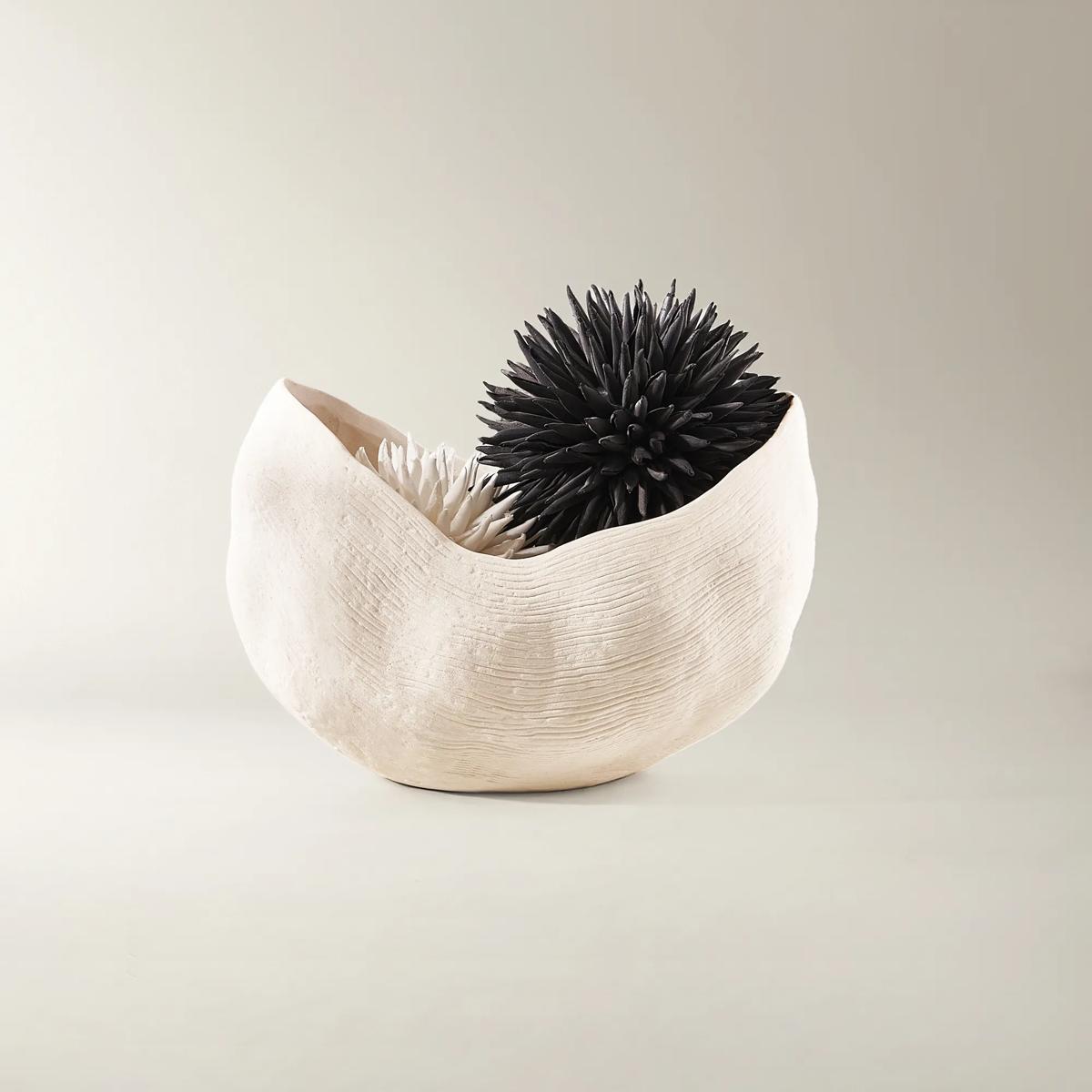
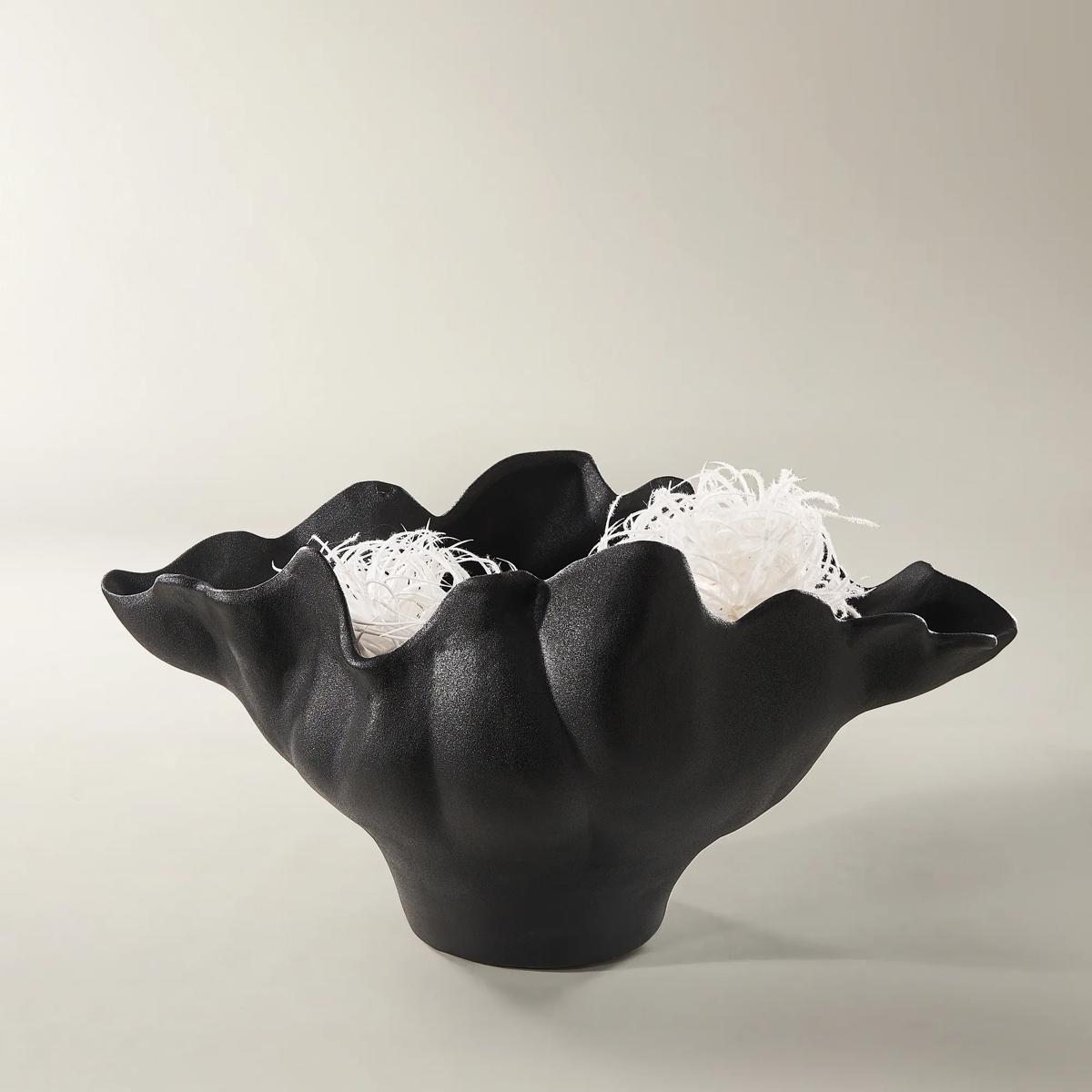
Large Glass Centerpiece Bowls
Large Glass Centerpiece Bowls
-
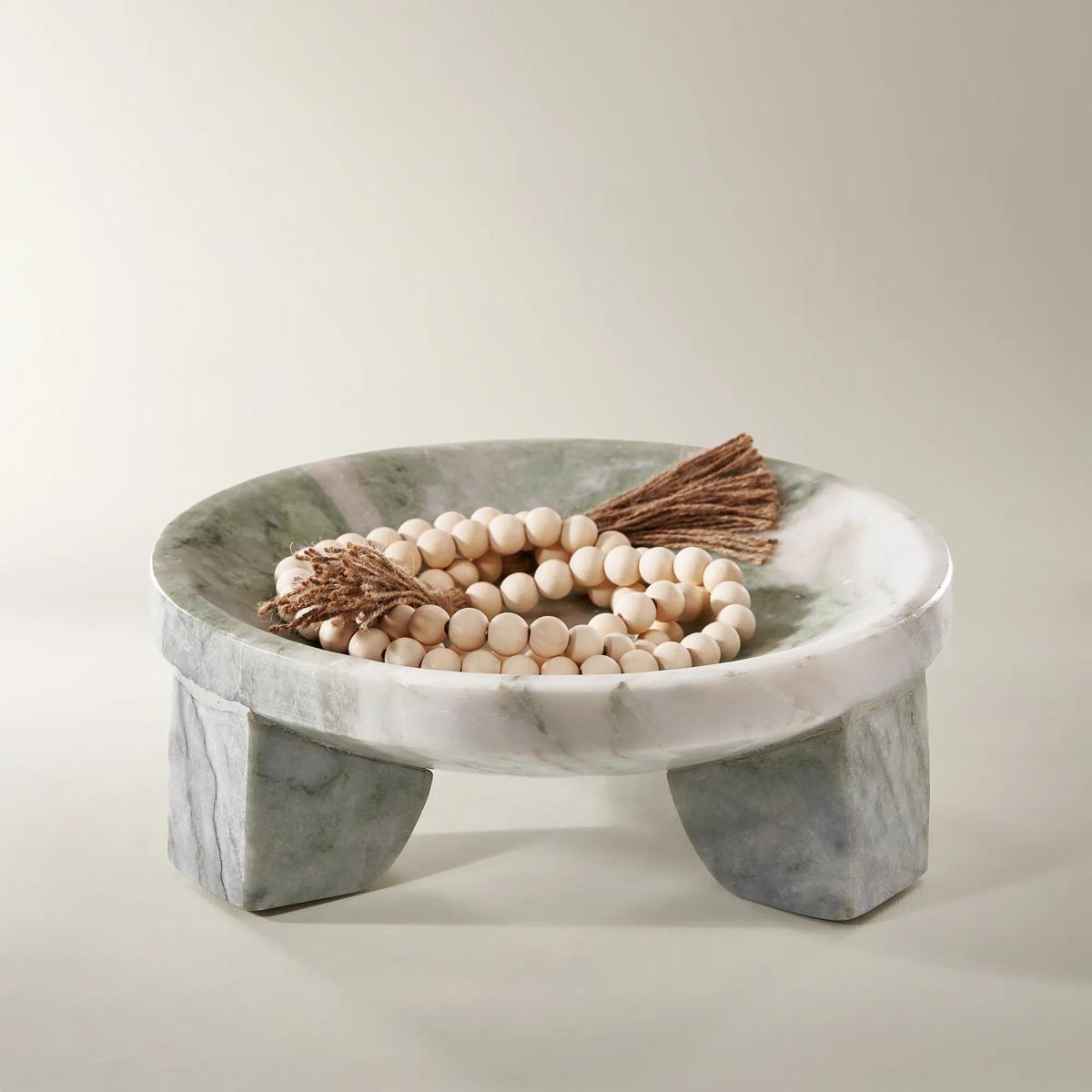
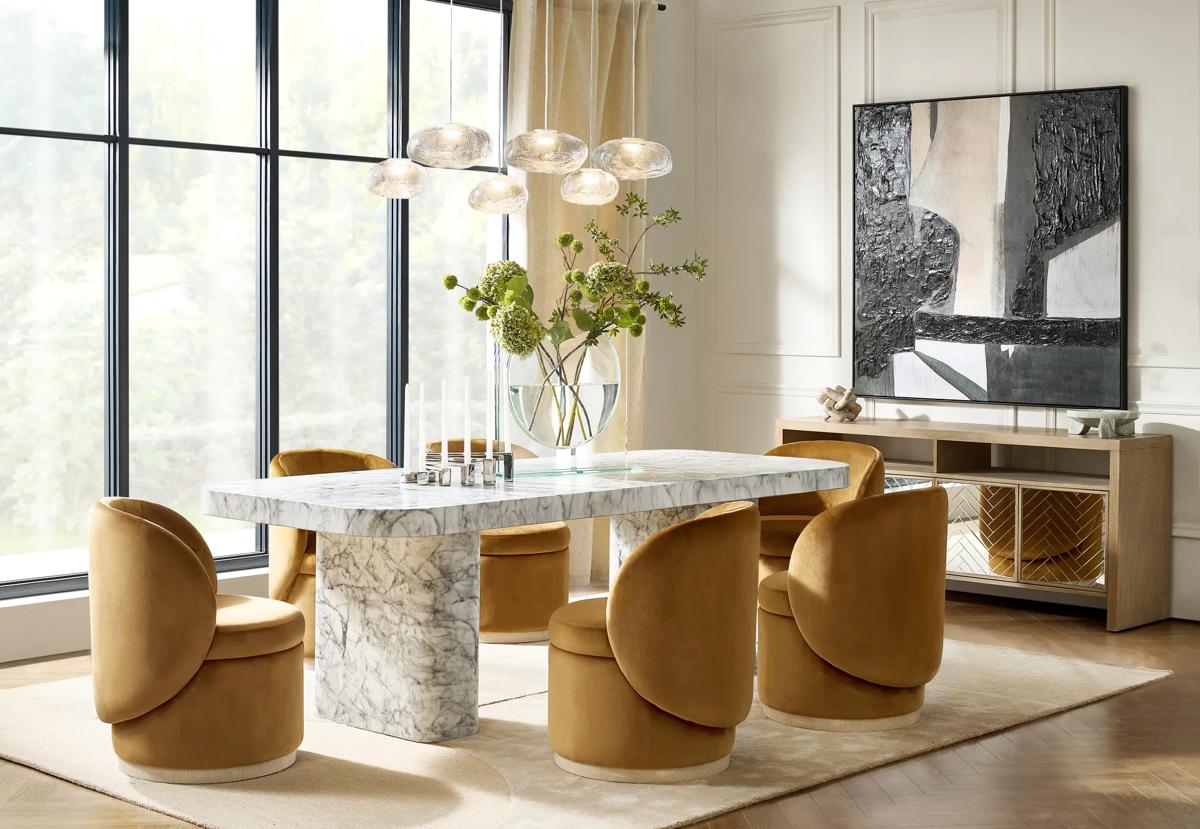 Light Green Marble Footed Bowl$199
A hand-carved onyx bowl featuring soft green marbling and sculptural feet for organic elegance.
Add To Cart -
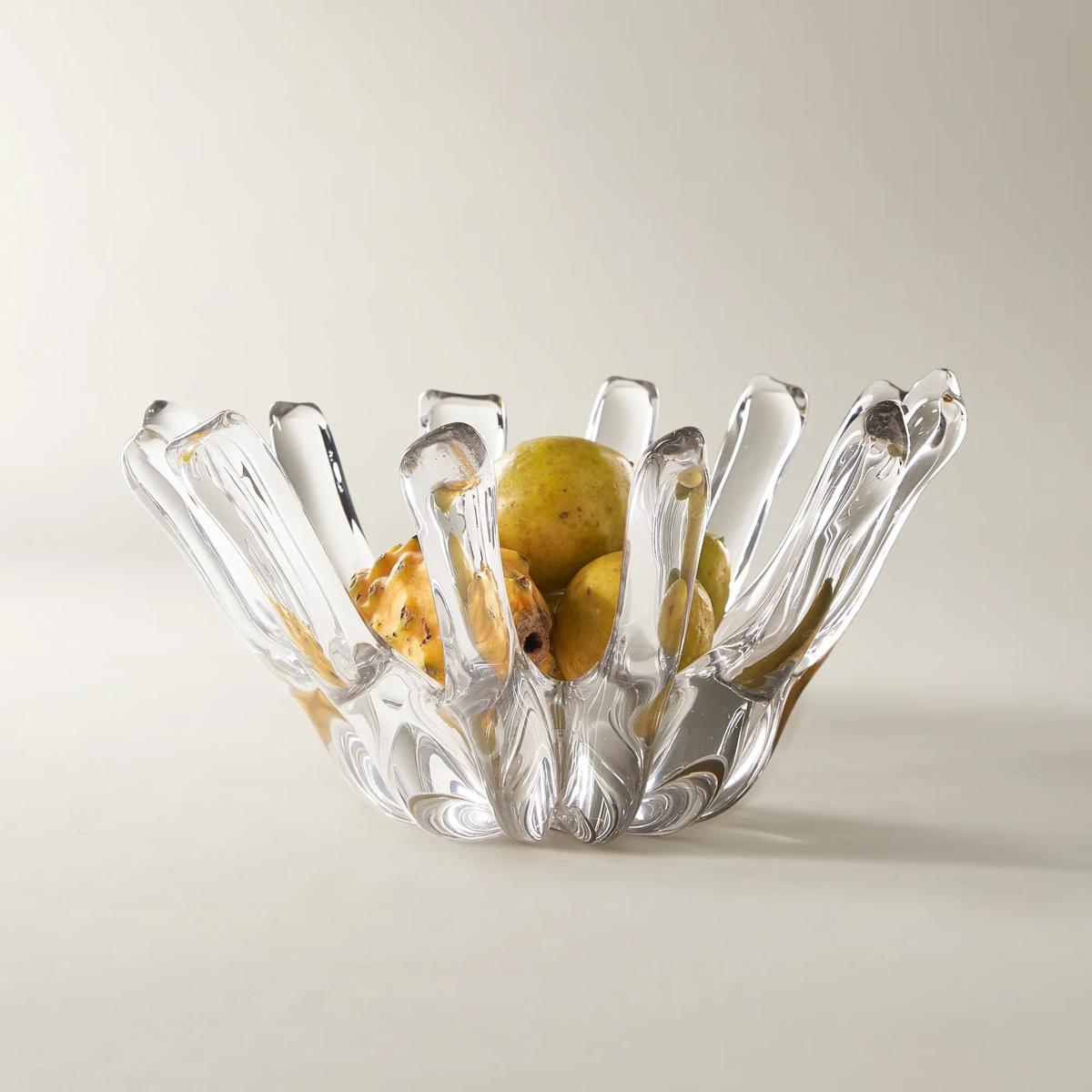
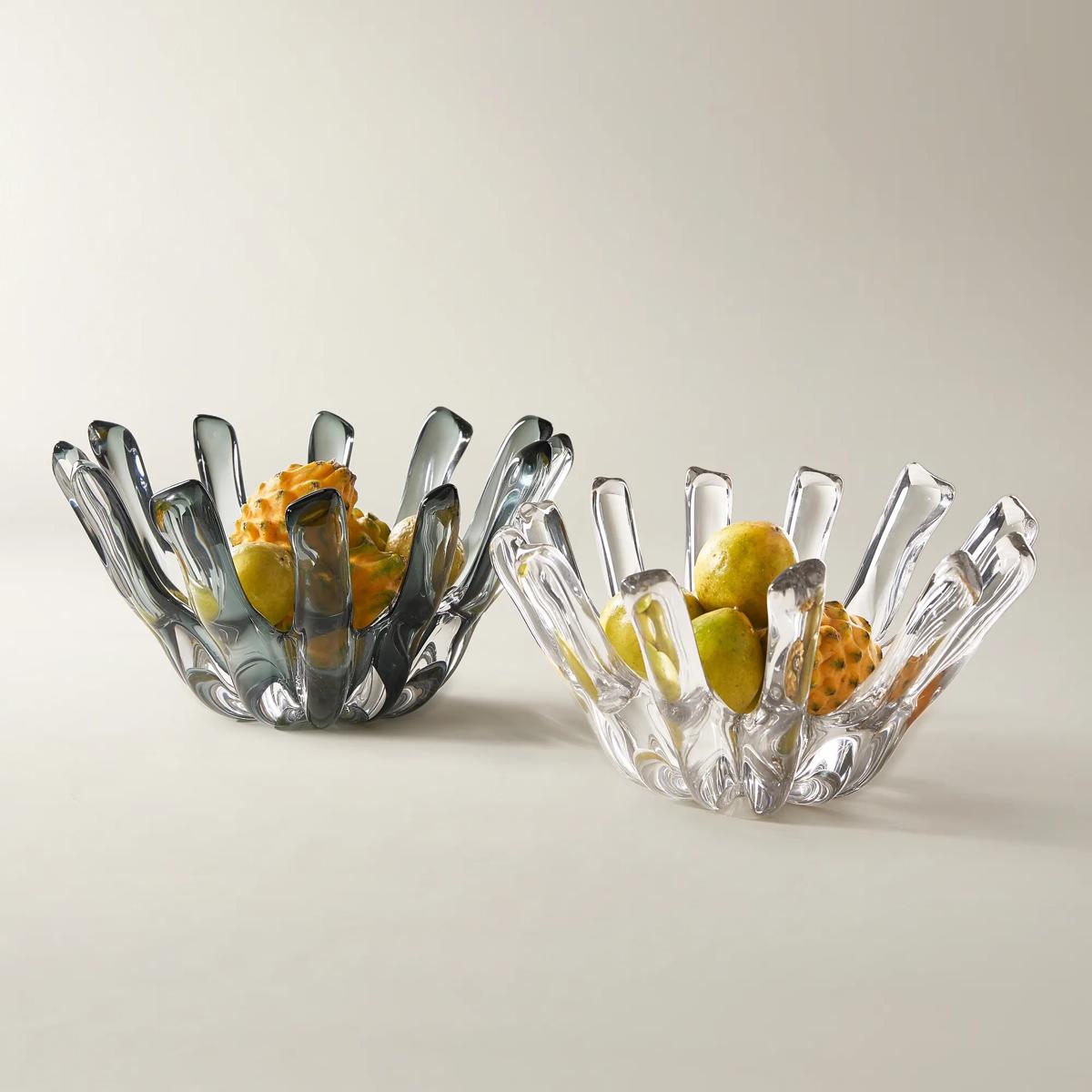 Bossa Clear Handblown Glass Decorative Bowl 13" x 7"$129
A hand-blown clear glass bowl featuring an expressive, sculptural form for modern decorative displays.
Add To Cart -
.jpeg?w=1200&h=1200)
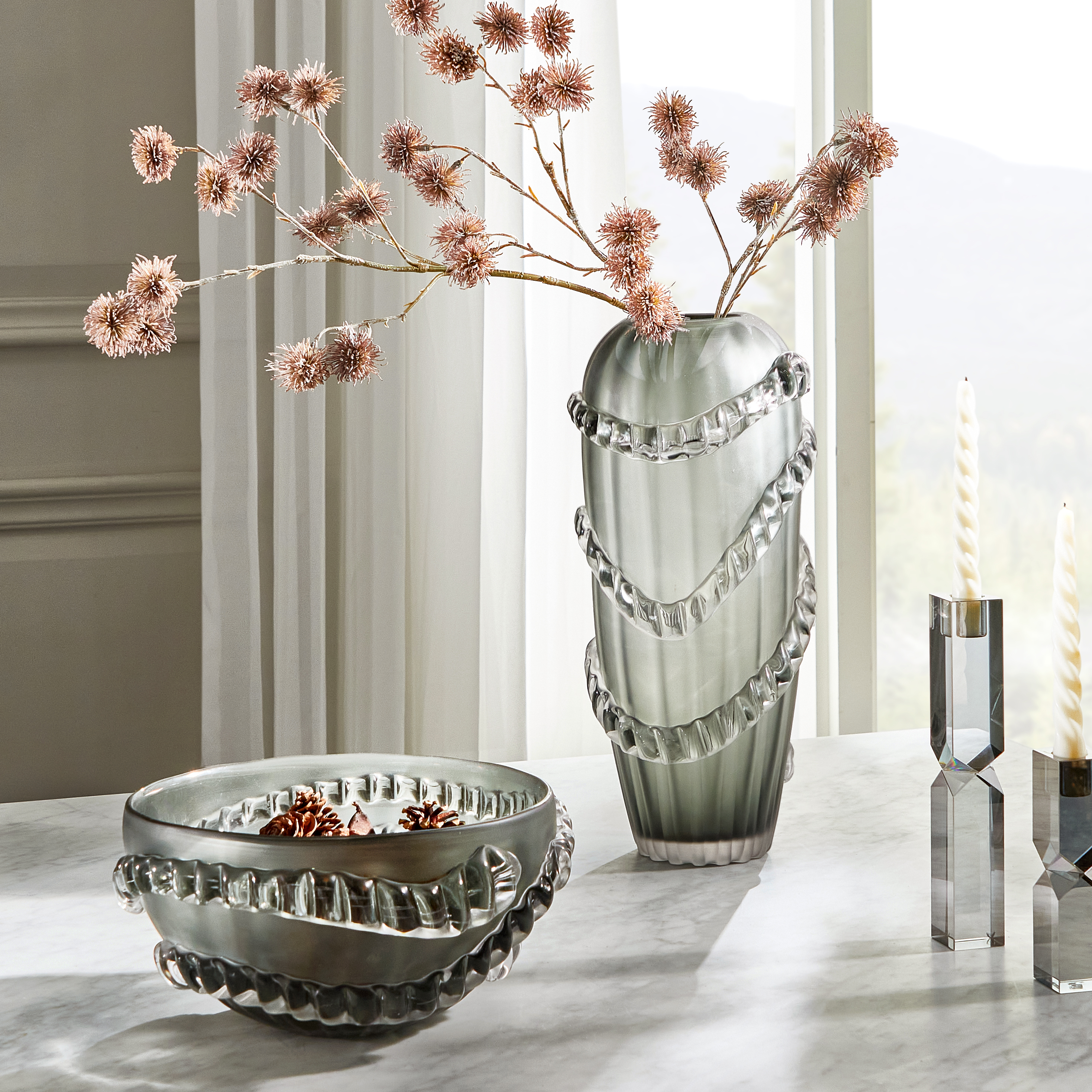 Helix Glass Collection$129
A hand-blown dark gray glass piece featuring fluted bodies and rippling sculptural ribbons for modern elegance.
Add To Cart -
.jpg?w=1200&h=1200) Calla Mouth Blown Blue Glass Decorative Bowl 15.35" x 5.7"$79
Calla Mouth Blown Blue Glass Decorative Bowl 15.35" x 5.7"$79A handblown blue glass bowl featuring unique curves and translucent artistry for striking decorative appeal.
Add To Cart -
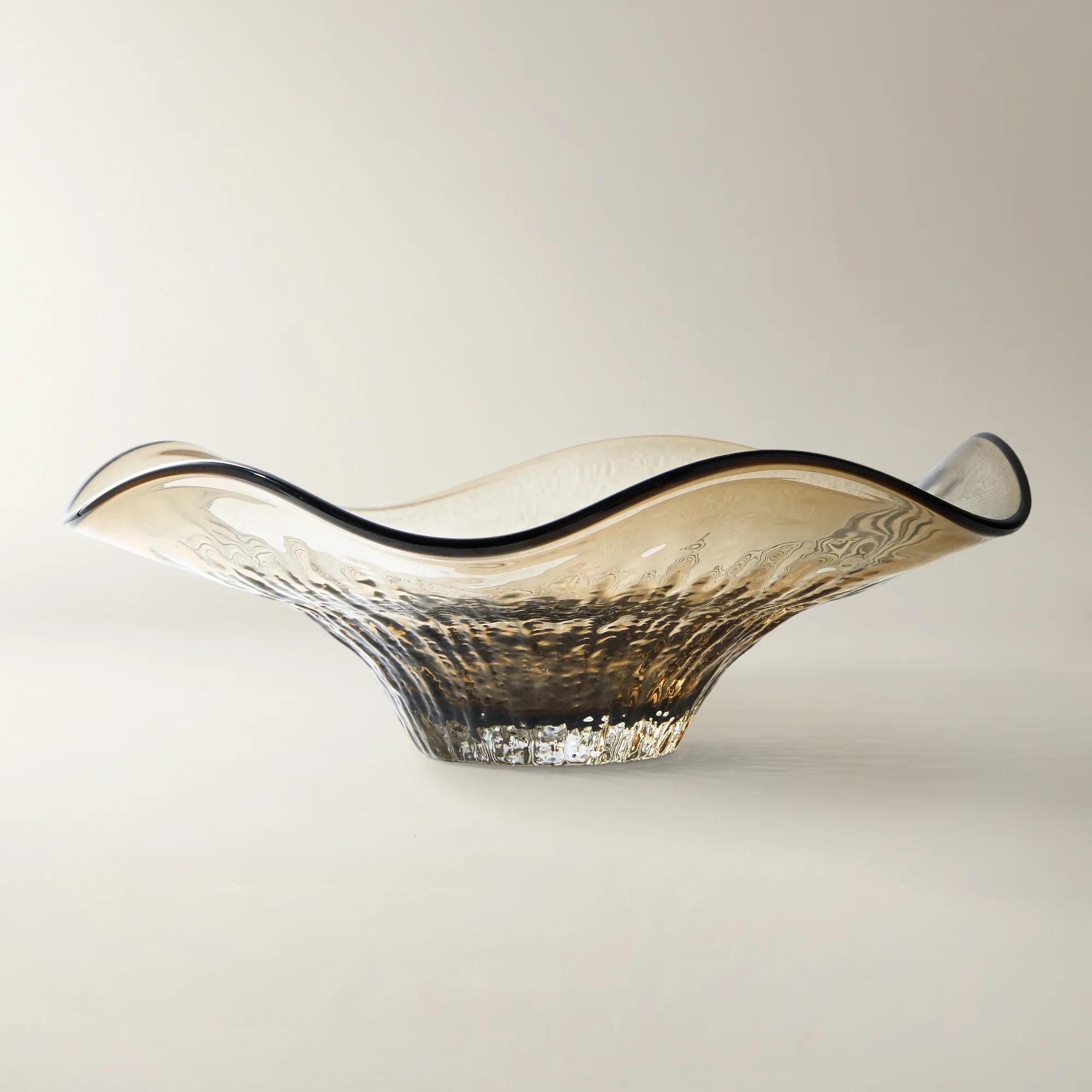 Corsi Brown Handblown Glass Decorative Bowl 15.35" x 5.1"$99
A hand-blown glass bowl in warm amber with organic shape and intricate textural details.
Add To Cart -
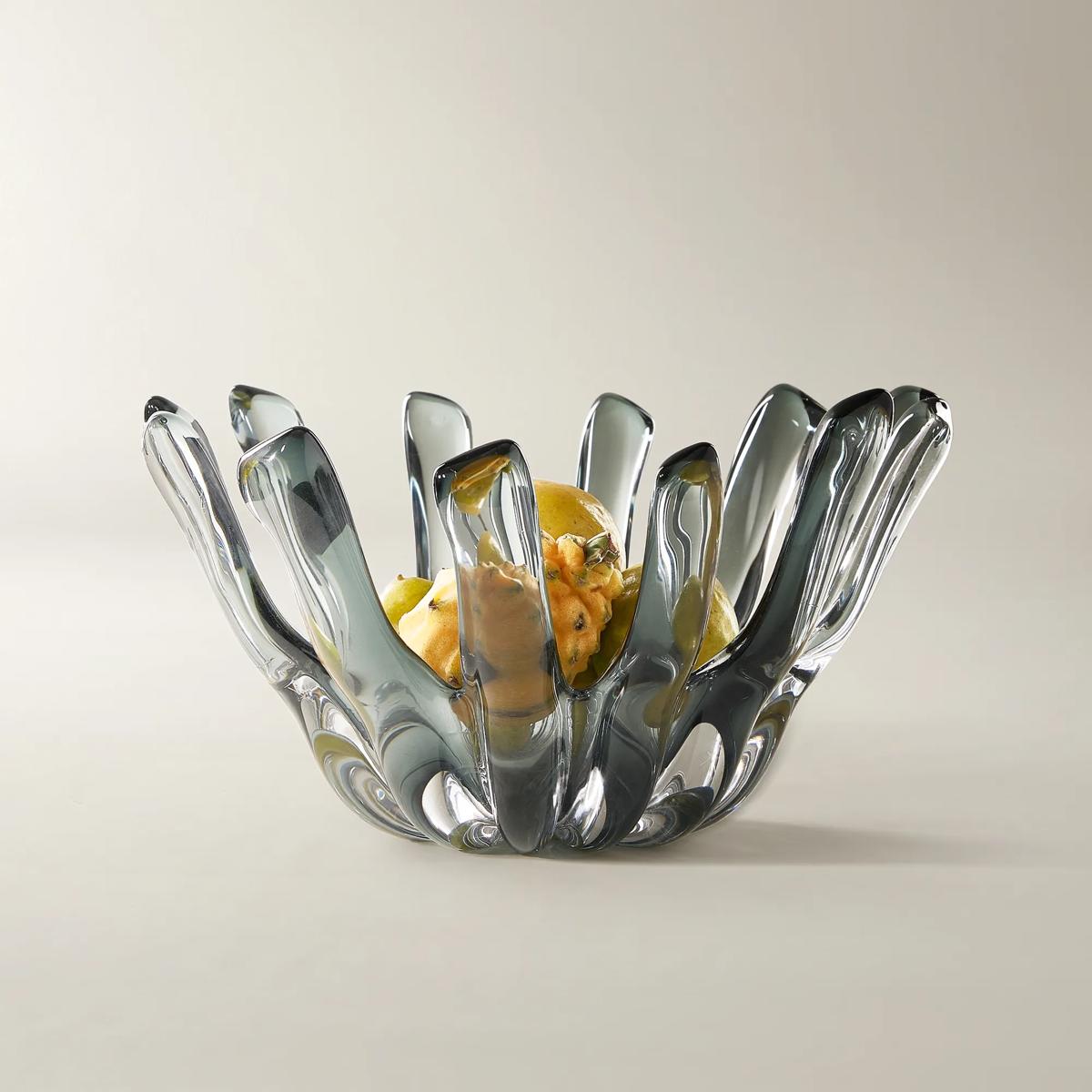 Bossa Smoke Handblown Glass Decorative Bowl 13" x 7"$129
A hand-blown smoky grey glass bowl featuring an expressive, sculptural design for modern decorative displays.
Add To Cart -
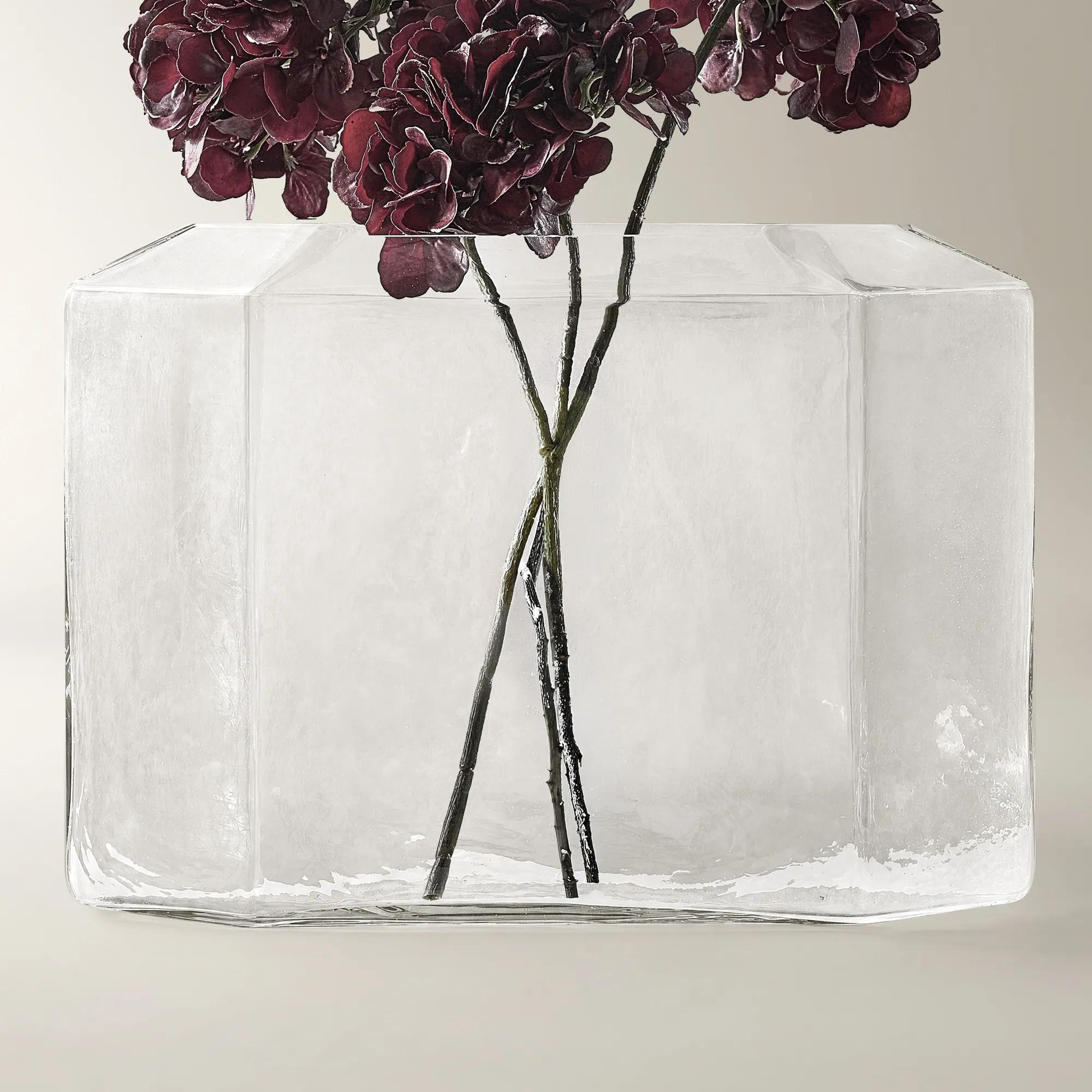 Studio Mouth Blown Clear Glass Vase 13.75"$199
A handblown clear glass vase with faceted detailing that beautifully reflects light for modern elegance.
Add To Cart -
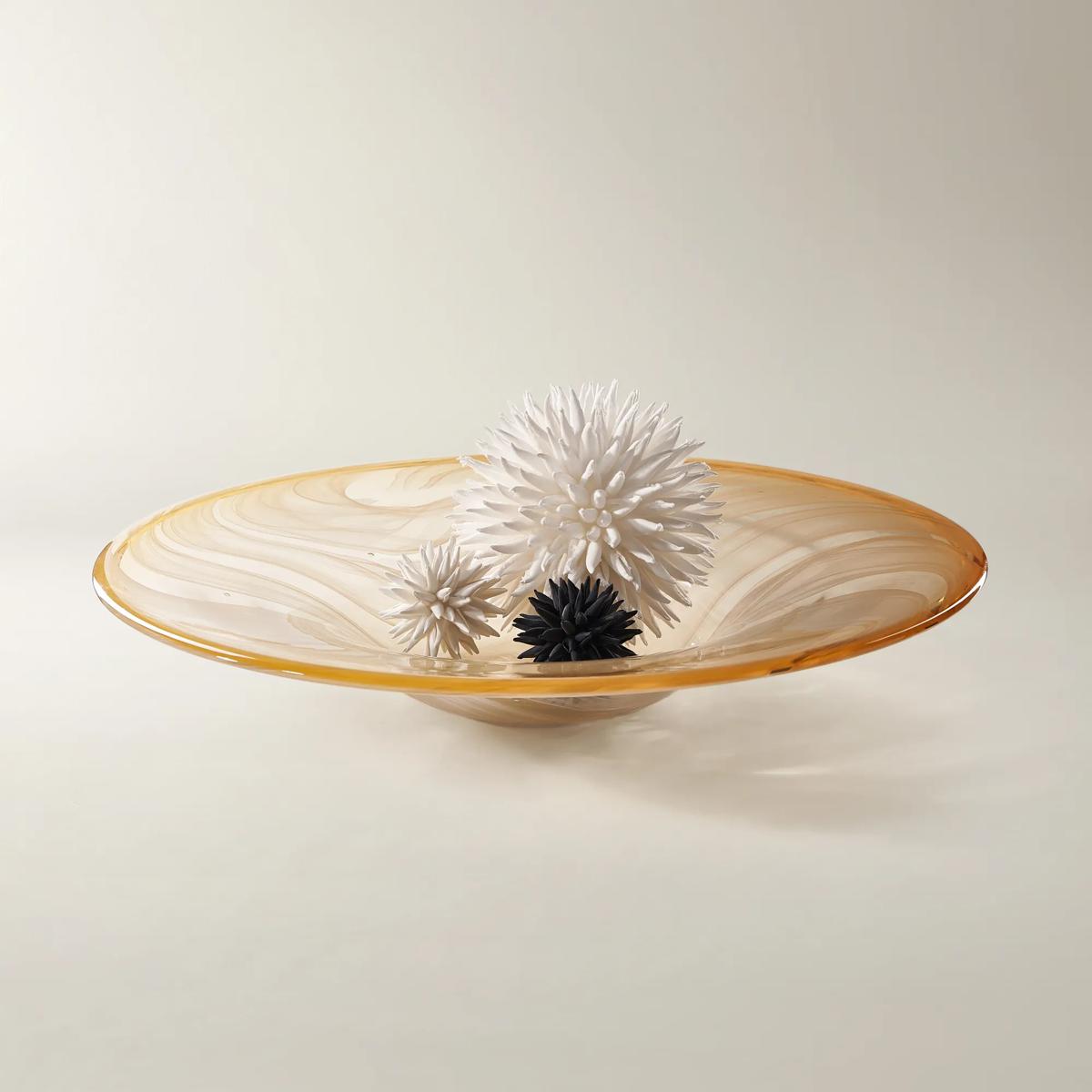
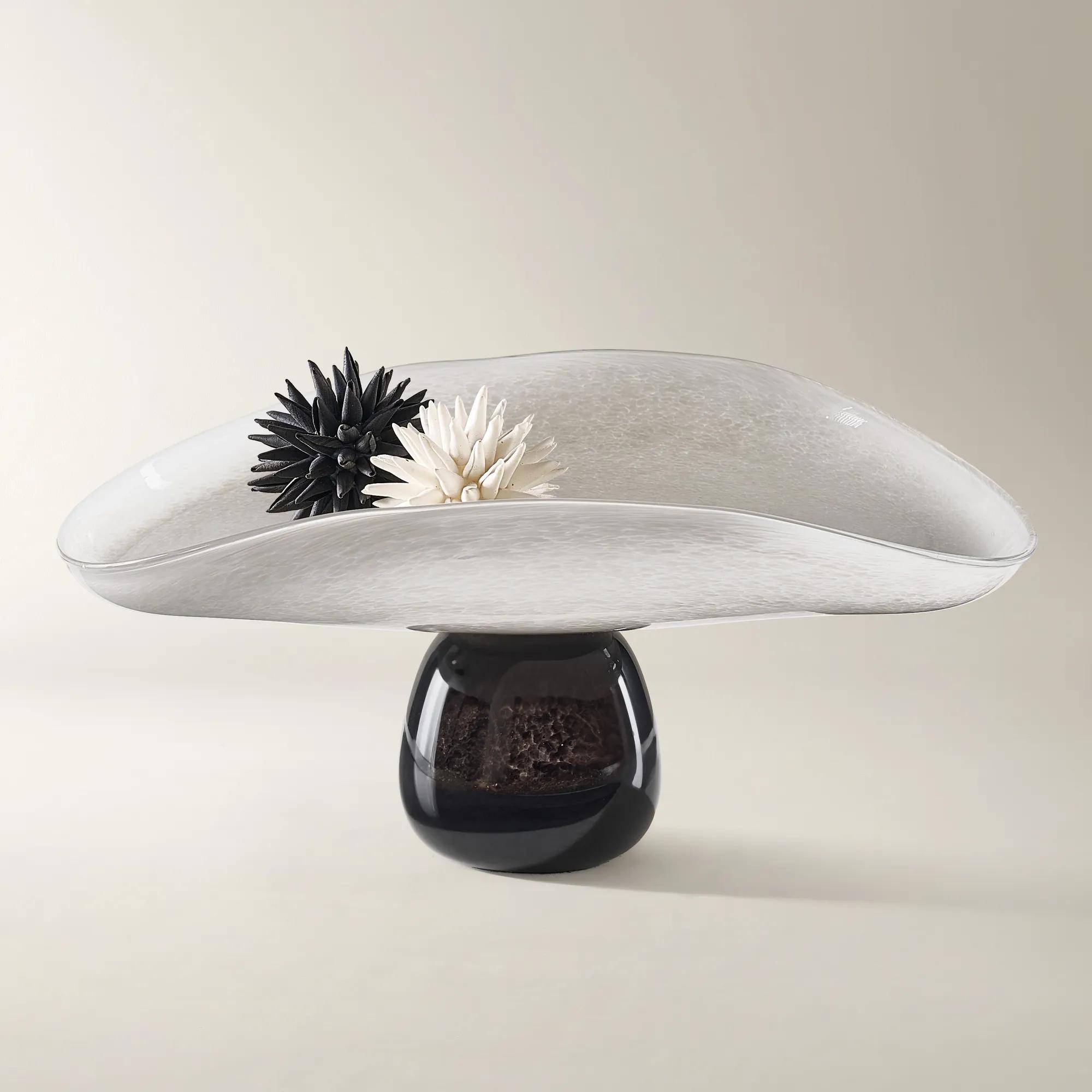 Elois Mouth Blown White Black Pedestal Bowl 14.5" x 7"$149
A handblown glass pedestal bowl featuring striking black and white contrast for a sculptural, modern accent.
Add To Cart -
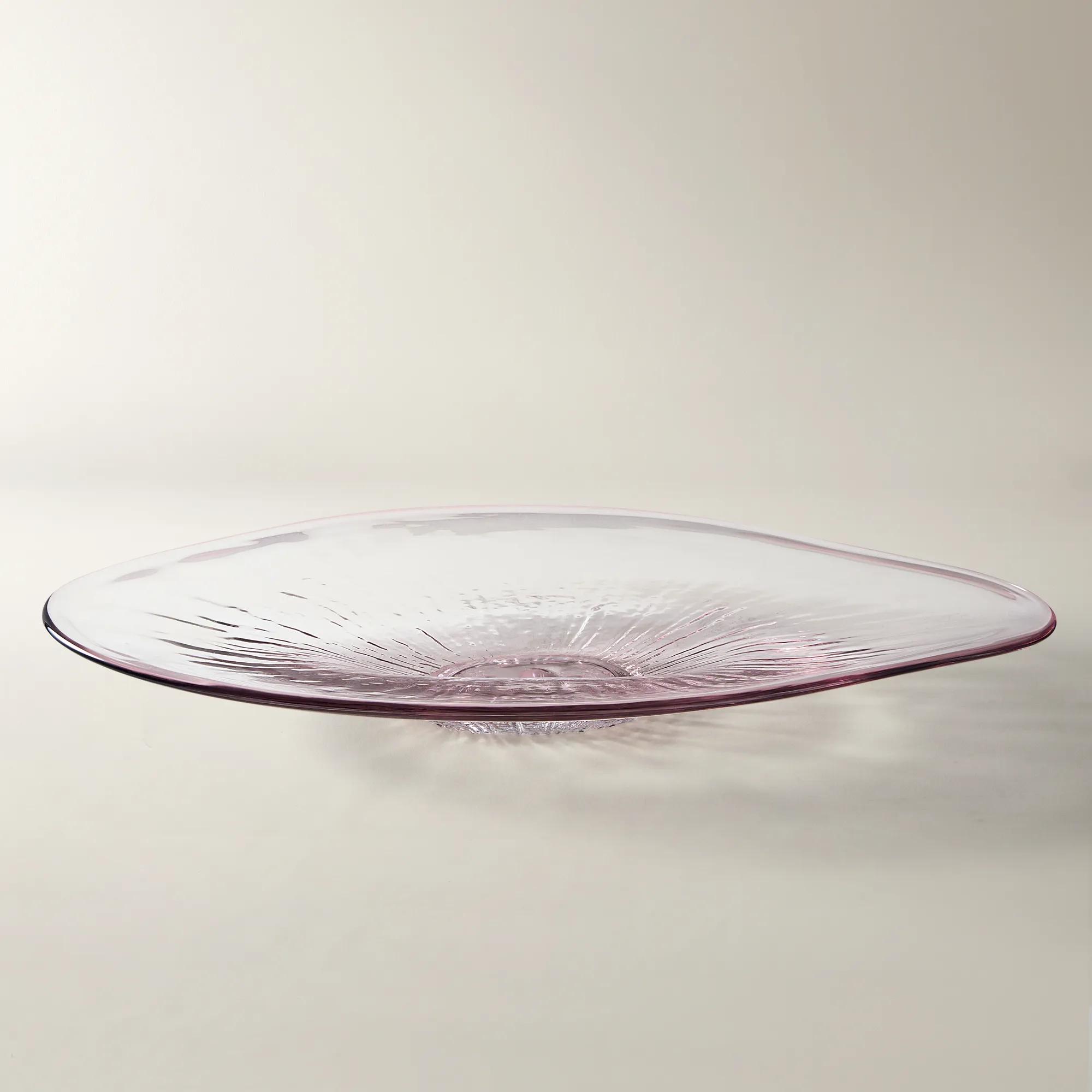 Cortina Decorative Bowl$129
A handblown glass bowl in an ethereal pink hue that brings artistic flair to modern interiors.
Add To Cart -
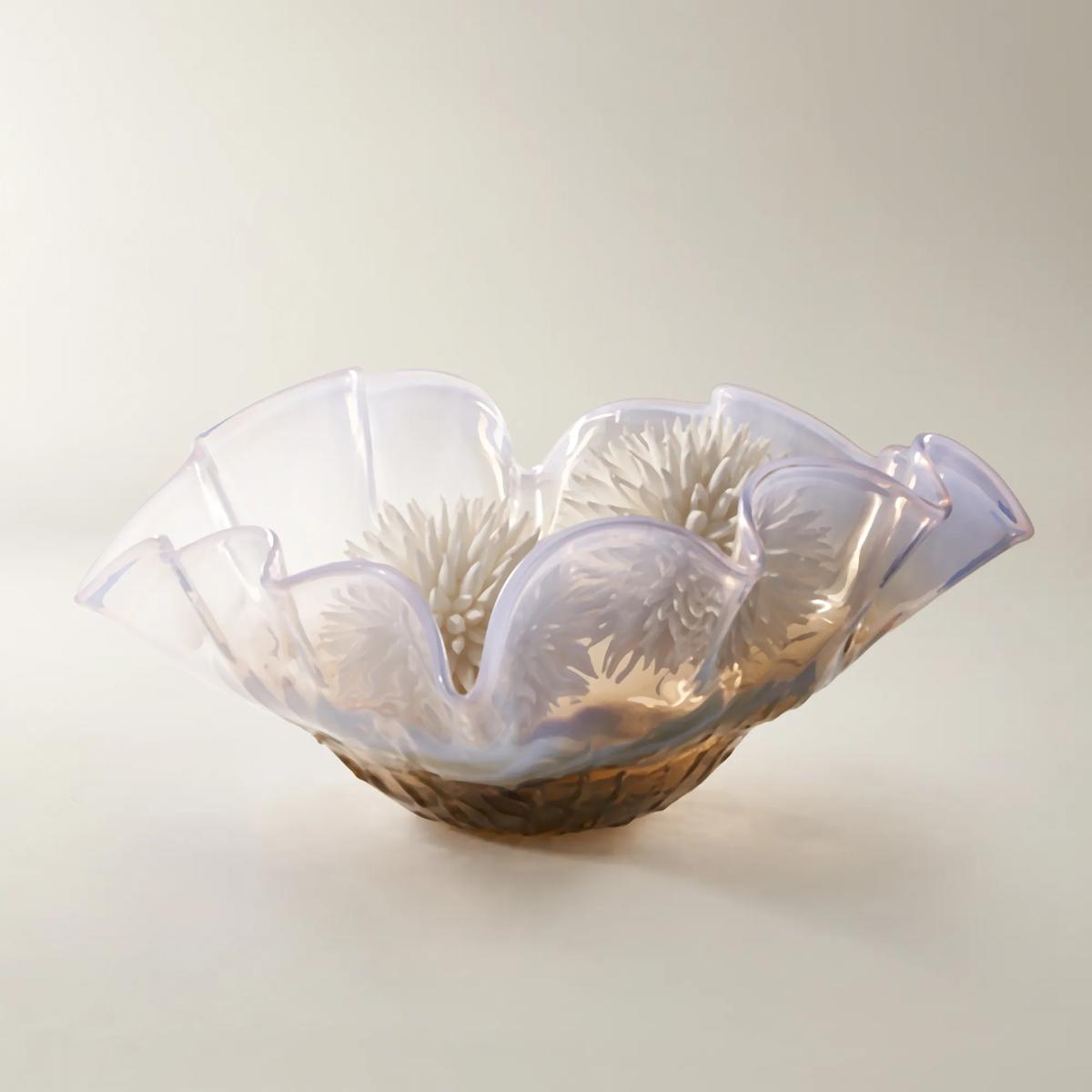
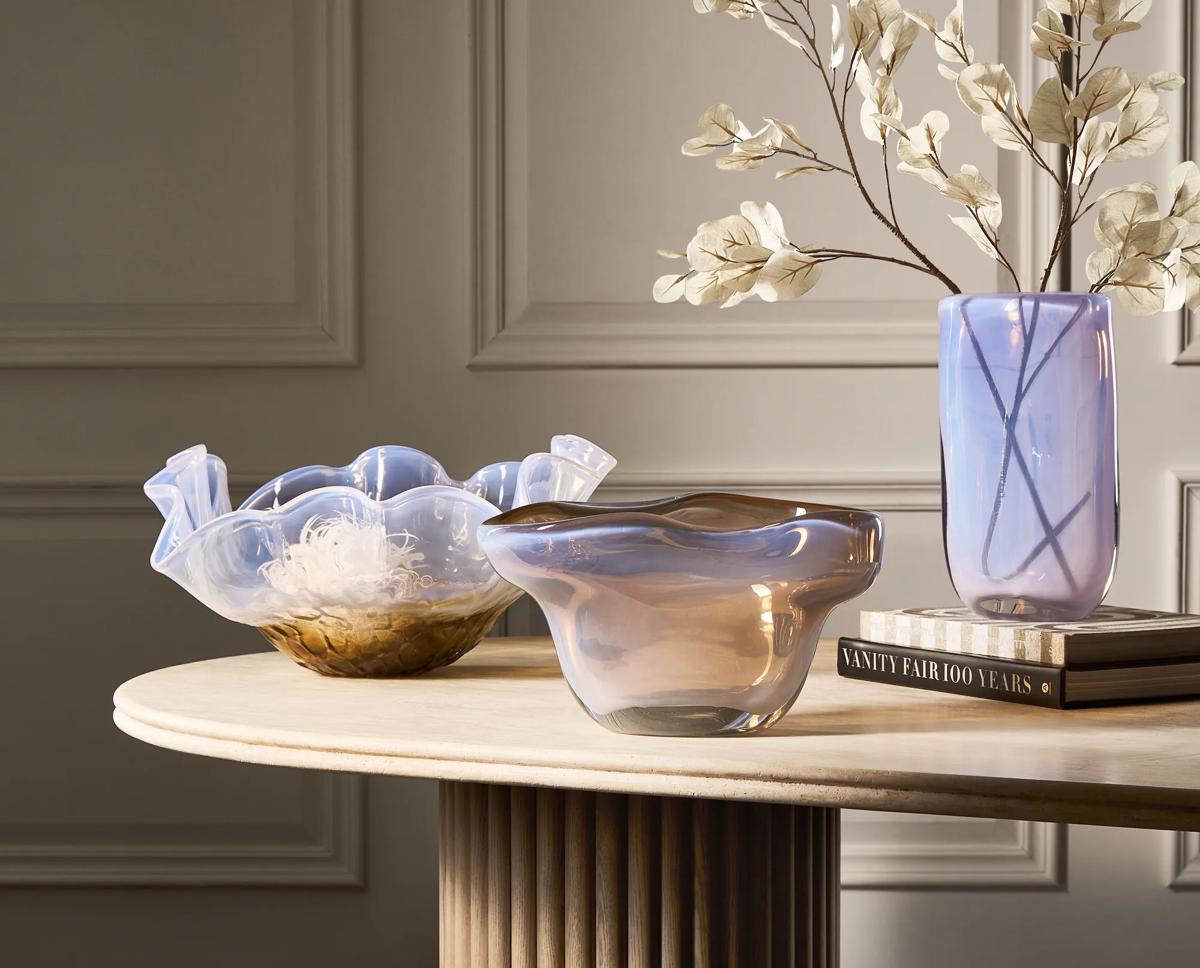 Glacier Glass Bowl$269
A hand-blown glass bowl featuring scalloped edges and swirling lavender and amber hues for artistic elegance.
Add To Cart -
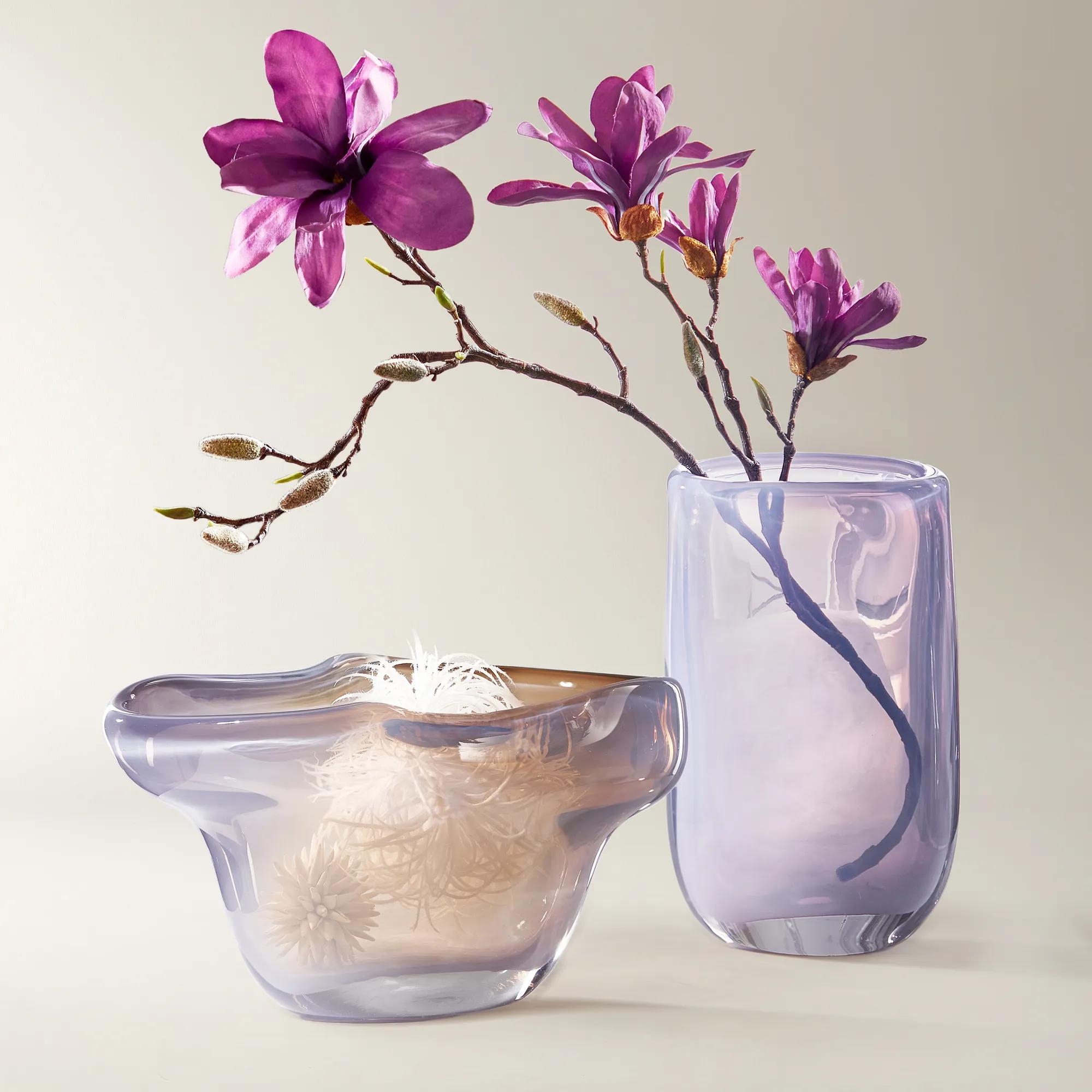
.jpeg?w=1200&h=1200) Aura Collection$189
Aura Collection$189A hand-blown glass accent in dreamy lavender, showcasing fluid curves and modern sculptural artistry.
Add To Cart -
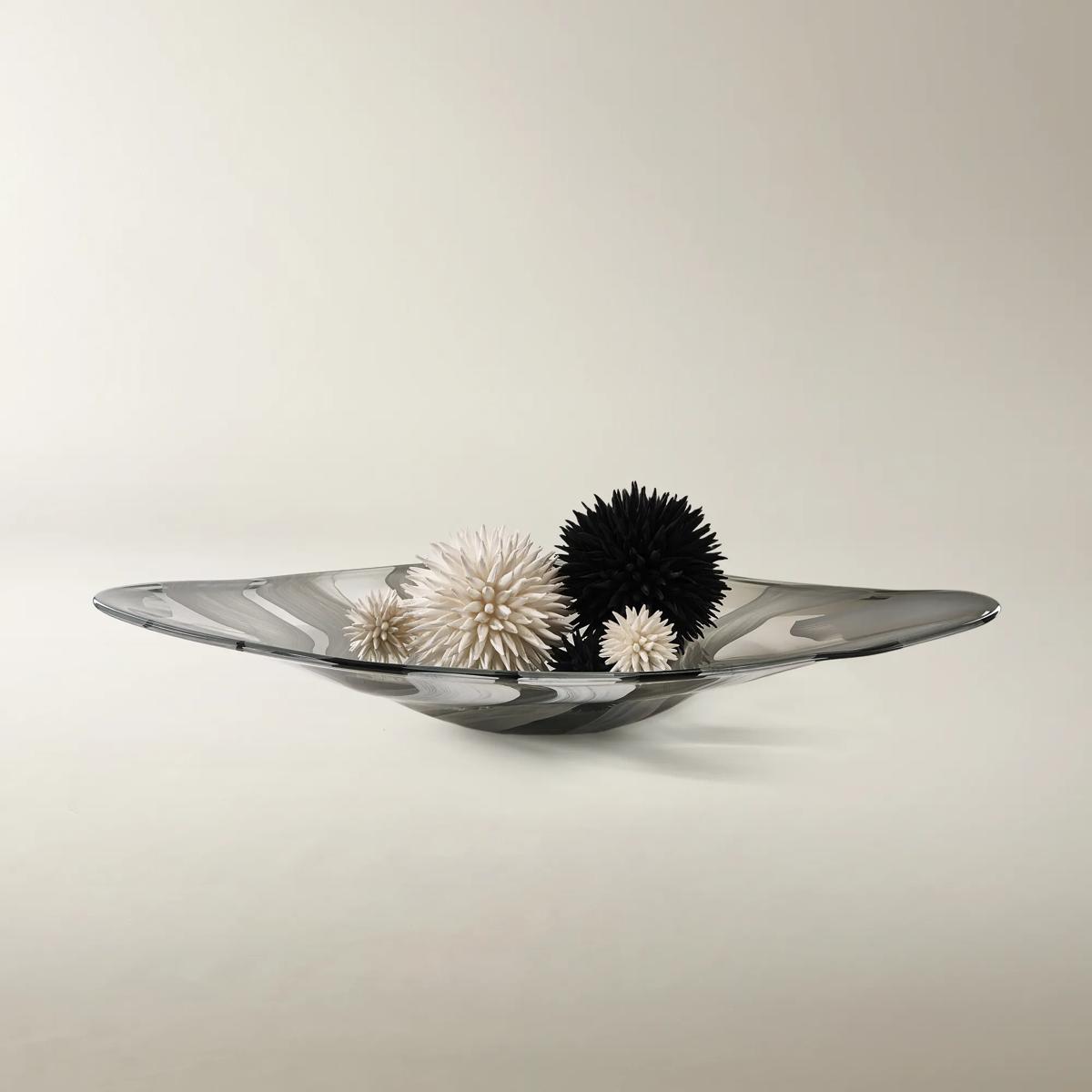
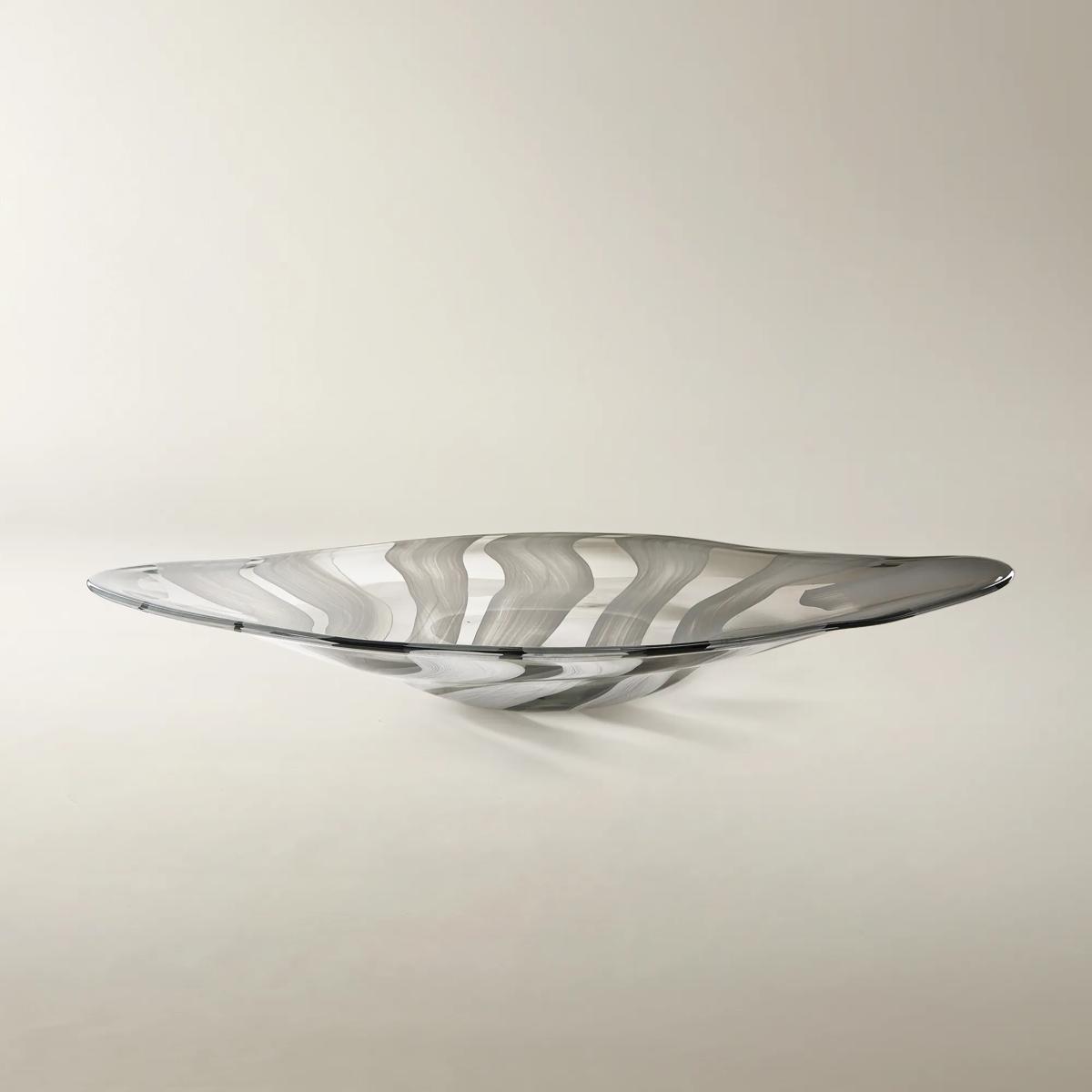 Zoya Glass Bowl$349
A hand-blown grey glass bowl with a marbled pattern and organic silhouette for modern decor.
Add To Cart -
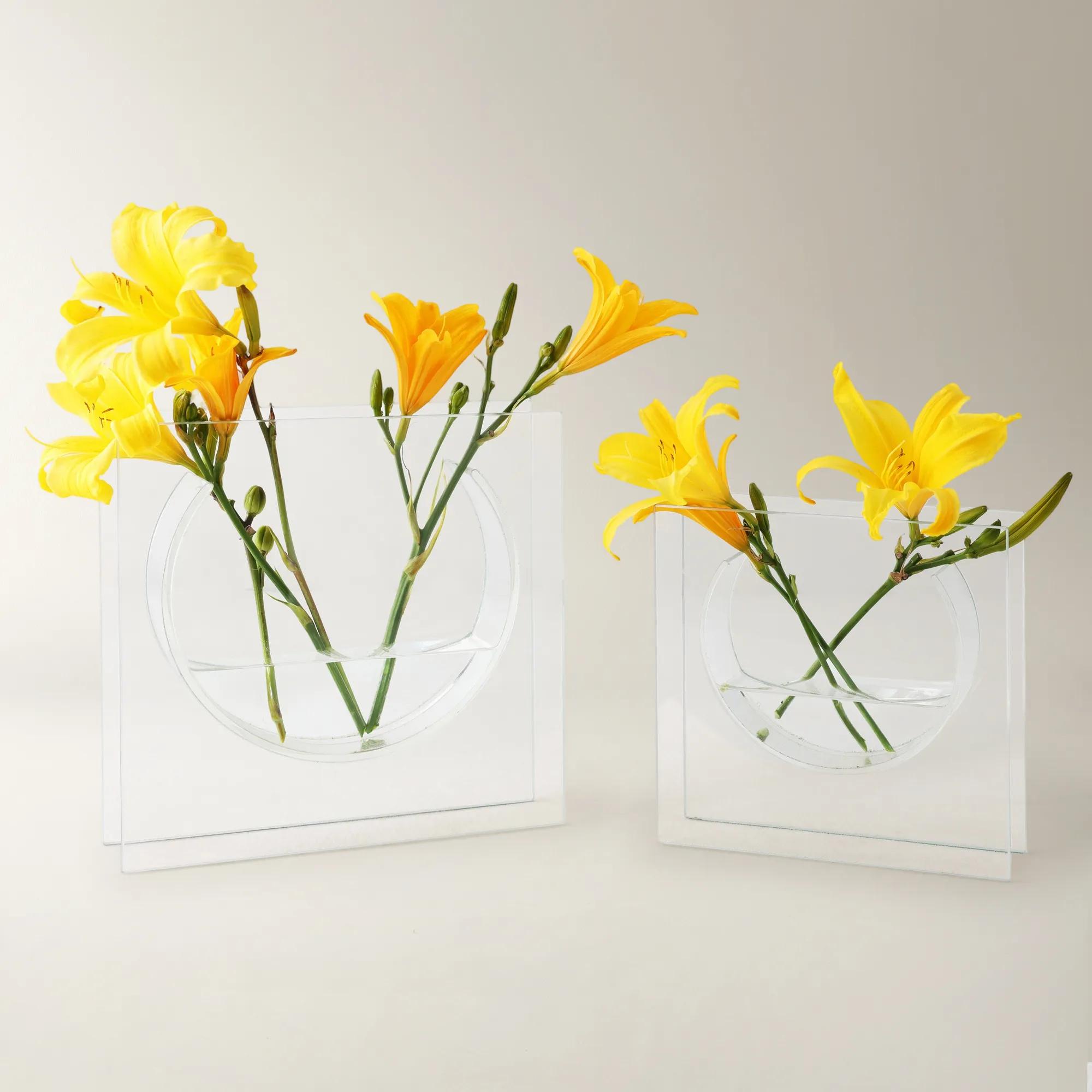
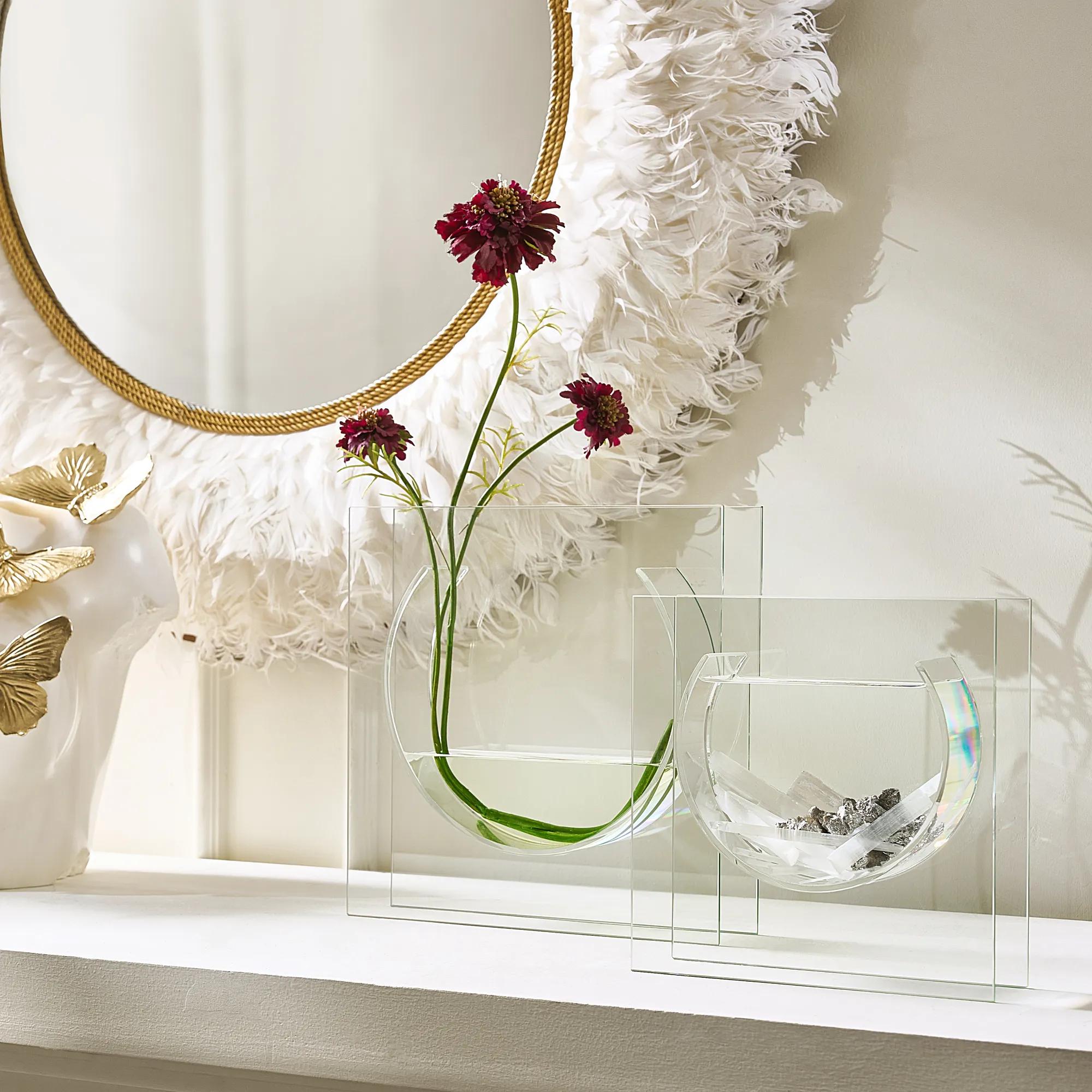 Solaris Clear Glass Vases$29
A clear glass vase with an elliptical bowl and bold modern design between two glass panels.
Add To Cart -
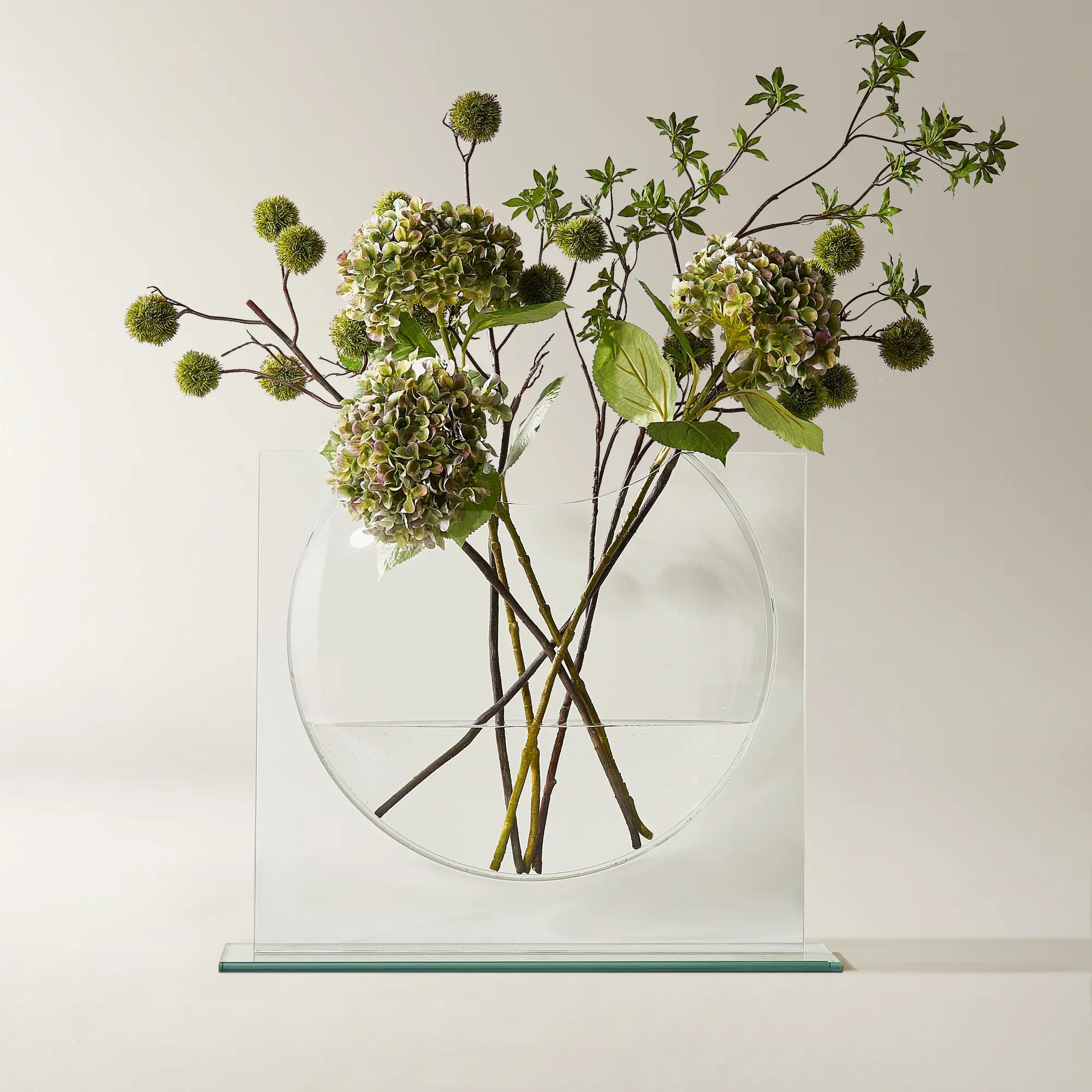
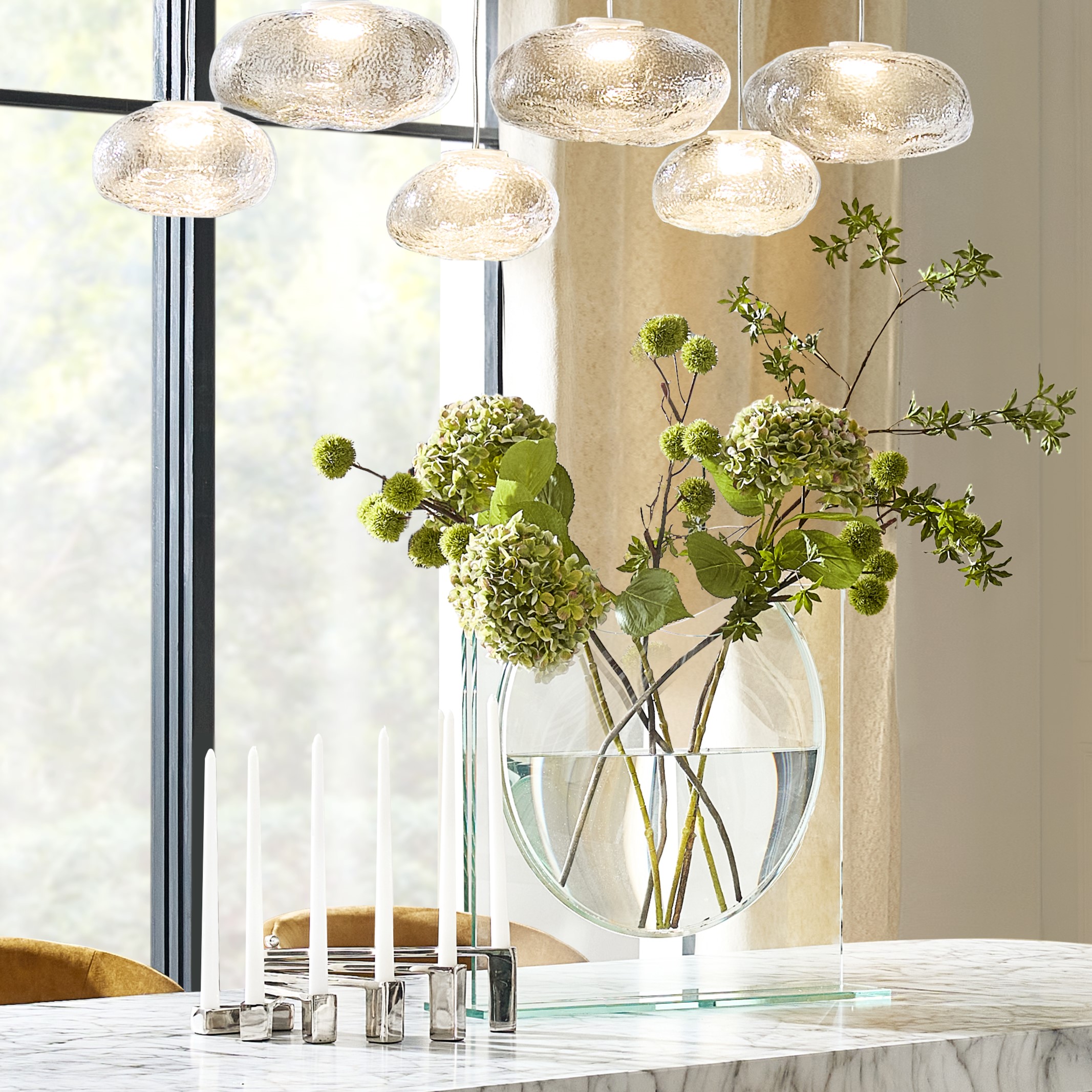 Ellipse Clear Glass Vase 20"$259
A sleek elliptical glass vase offering a modern, functional accent for fresh floral arrangements.
Add To Cart -
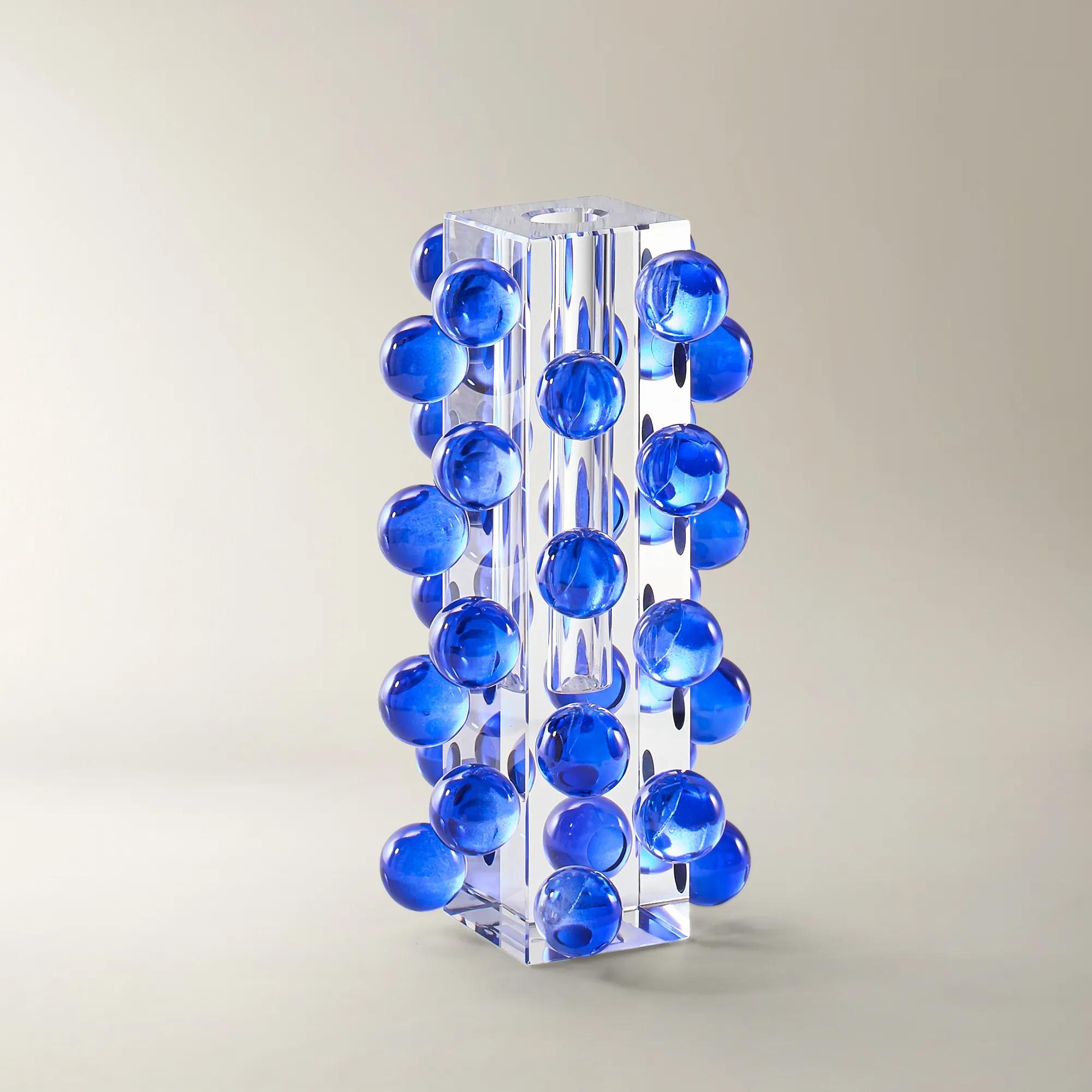 Bubble Vase Blue$79
A vibrant blue crystal glass vase featuring playful clusters of spheres for a striking decorative accent.
Add To Cart -
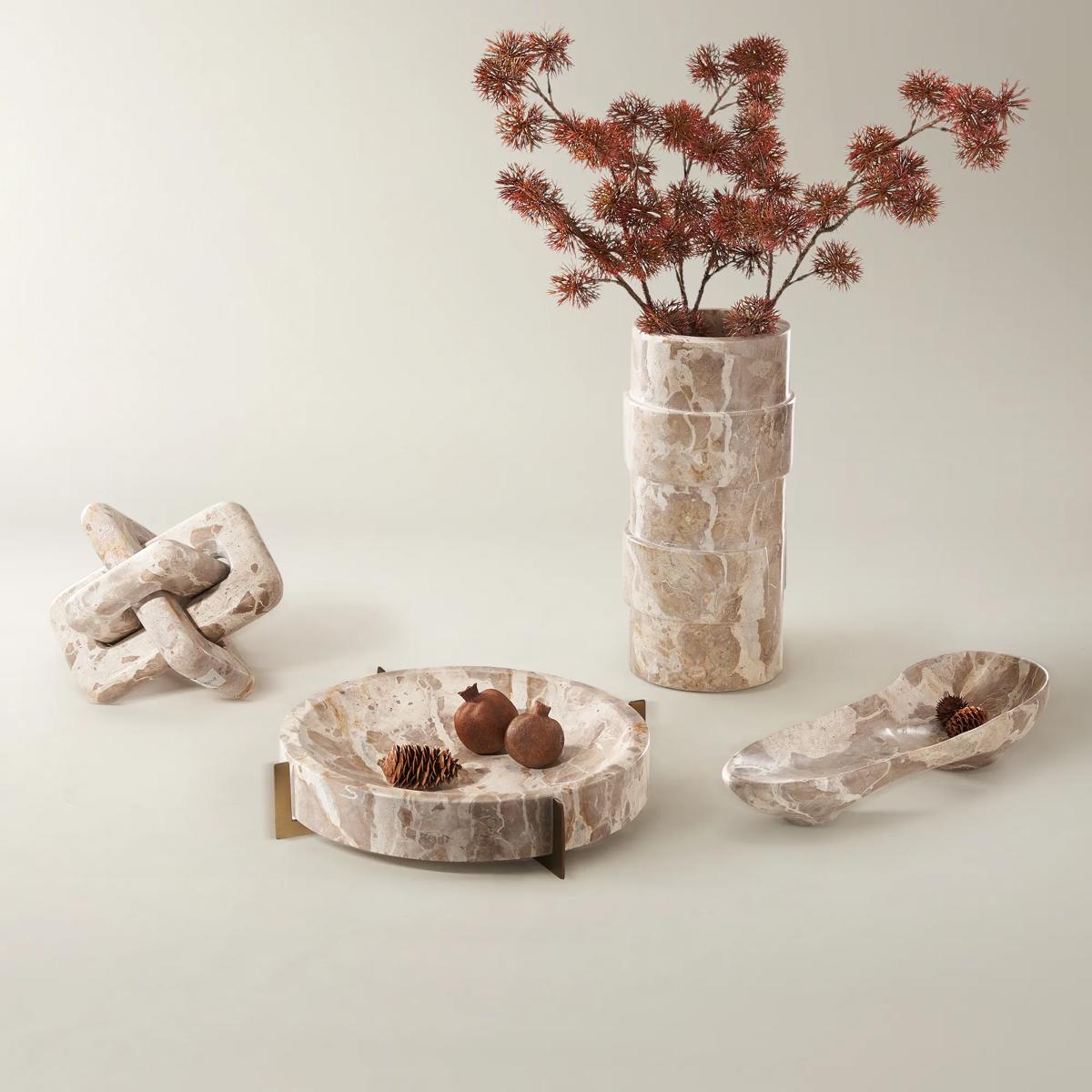
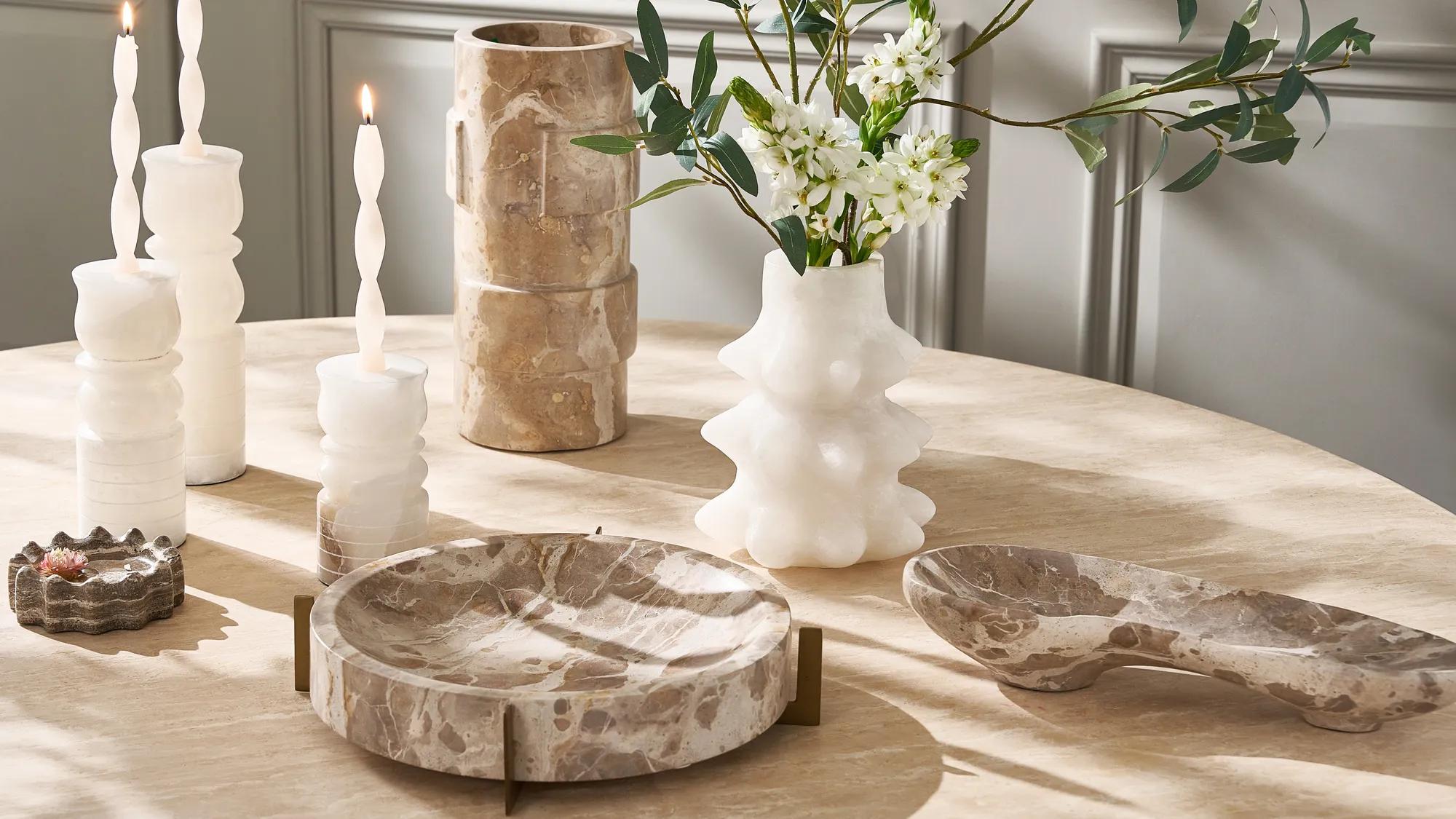 Neutral Marble Collection$129
A handcrafted marble decor collection featuring unique veining, natural neutral tones, and elegant metal accents.
Add To Cart -
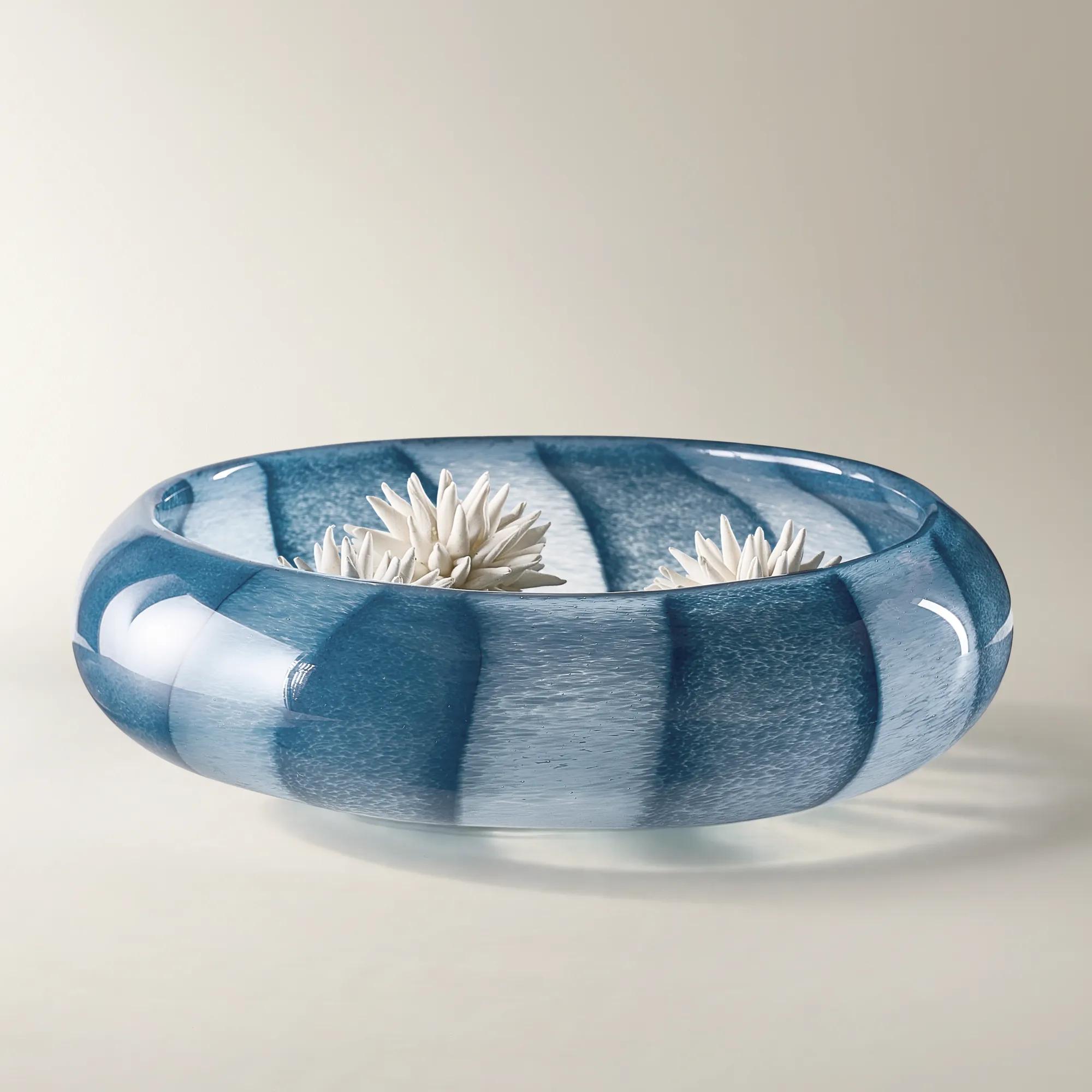 Jonah Mouth Blown Dusty Blue Glass Decorative Bowl 11.75" x 3.5"$89
A handblown glass bowl featuring dusty blue stripes and a sculptural, low rounded silhouette for decor.
Add To Cart -
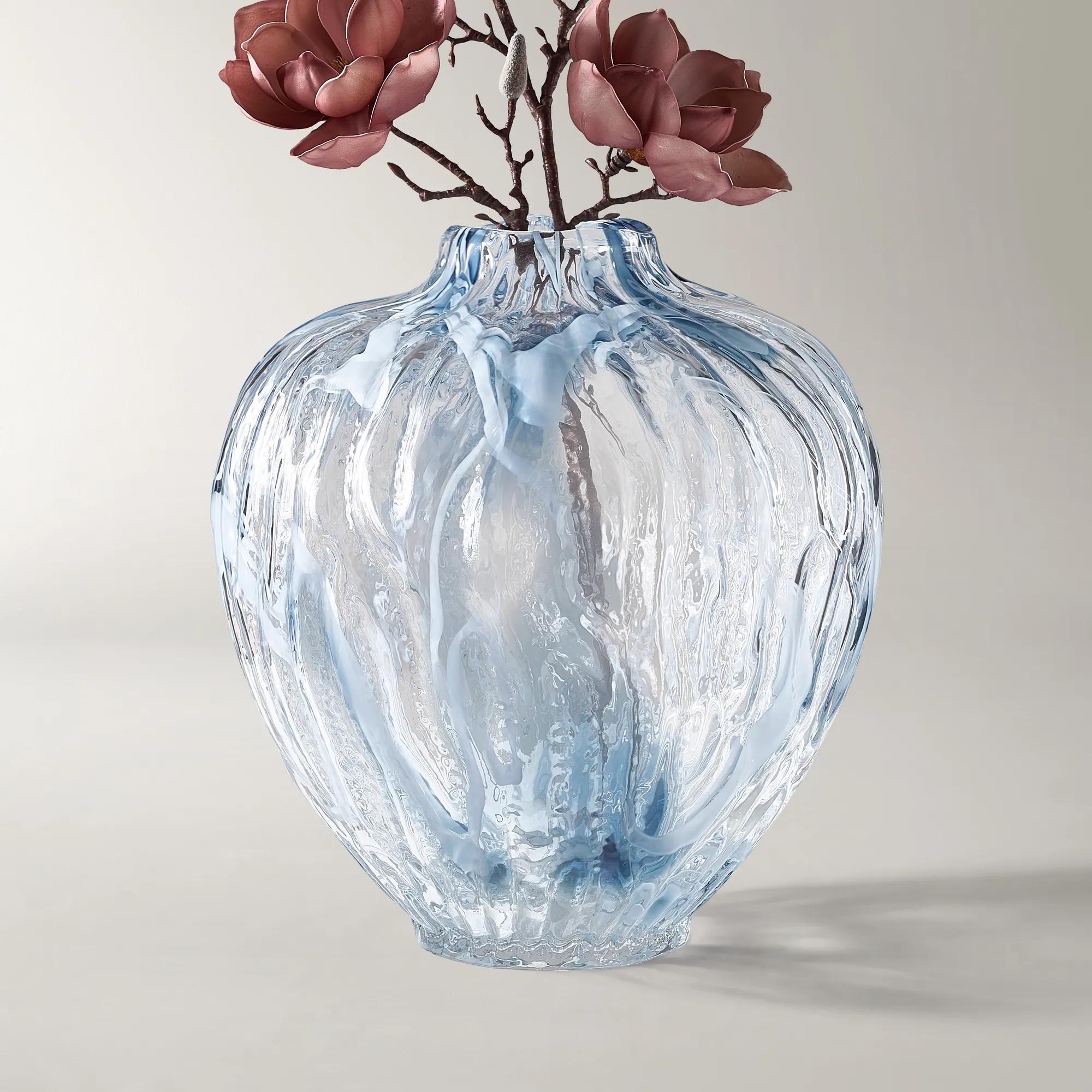 Cruz Mouth Blown Powder Blue Glass Vase 15.75"$169
A handblown glass vase in powder blue with a sculptural, light-catching surface for modern decor.
Add To Cart -
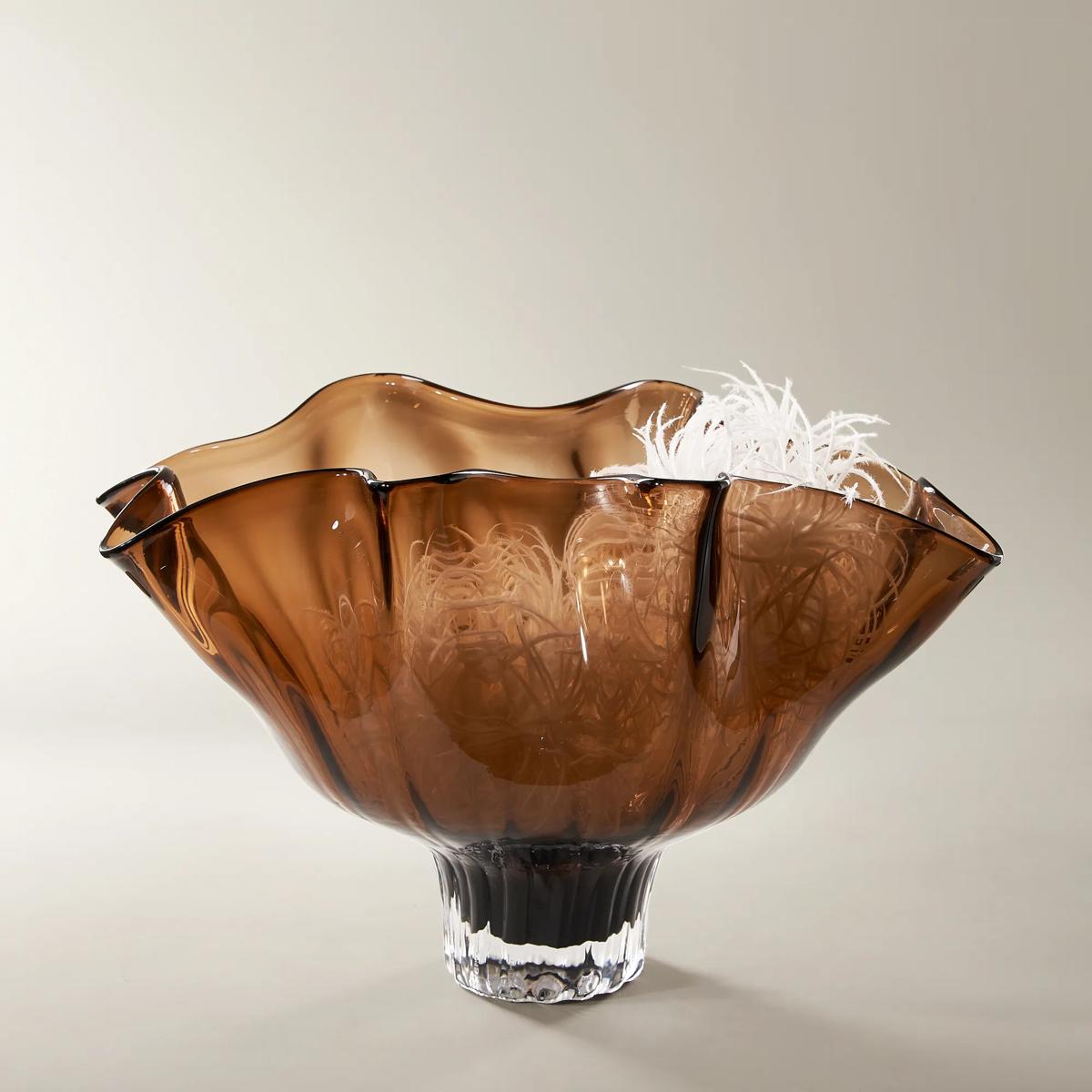
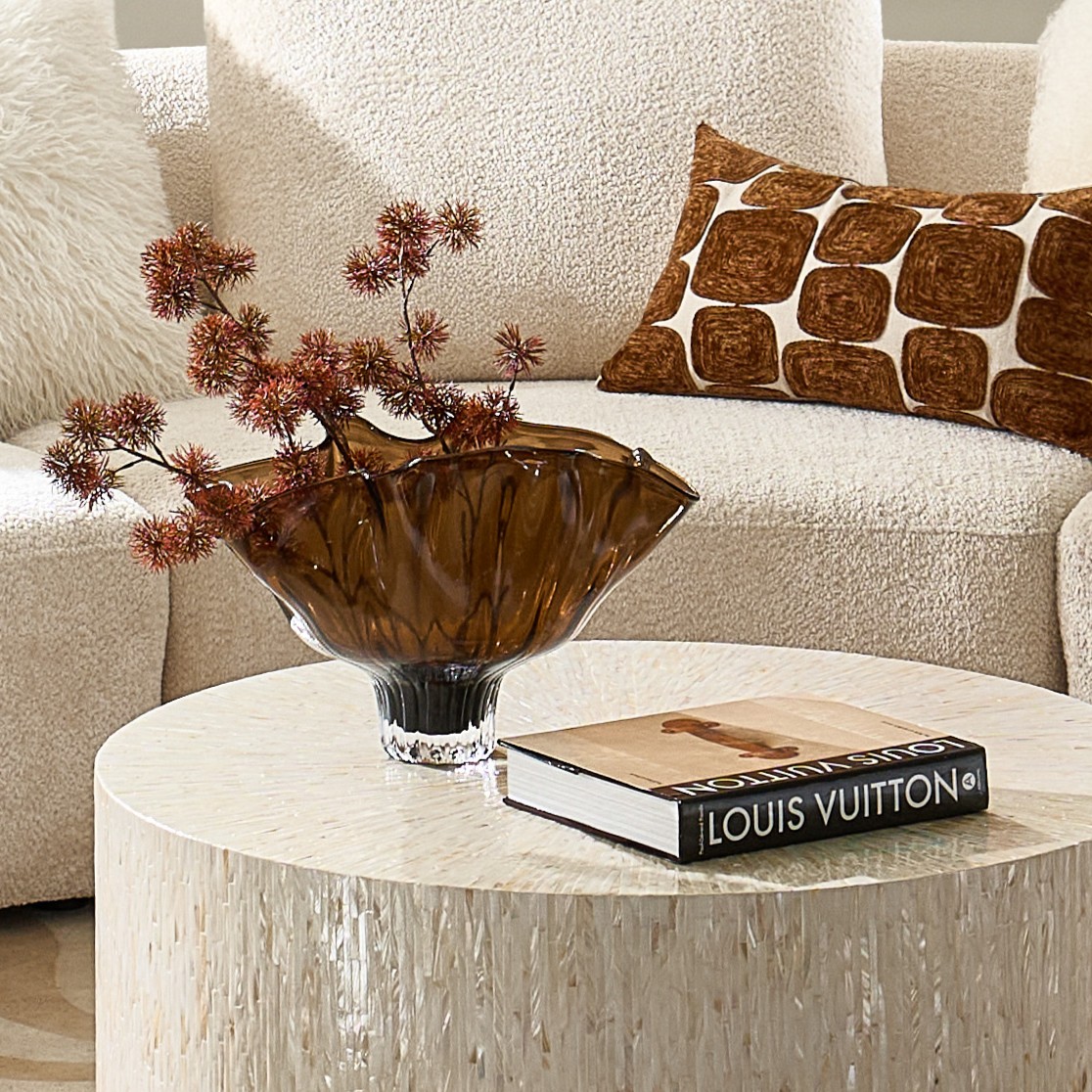 Coco Mouthblown Brown Glass Bowl 17" x 9.75"$139
A hand-blown brown glass bowl with an undulating rim and clear tapered base for sculptural elegance.
Add To Cart -
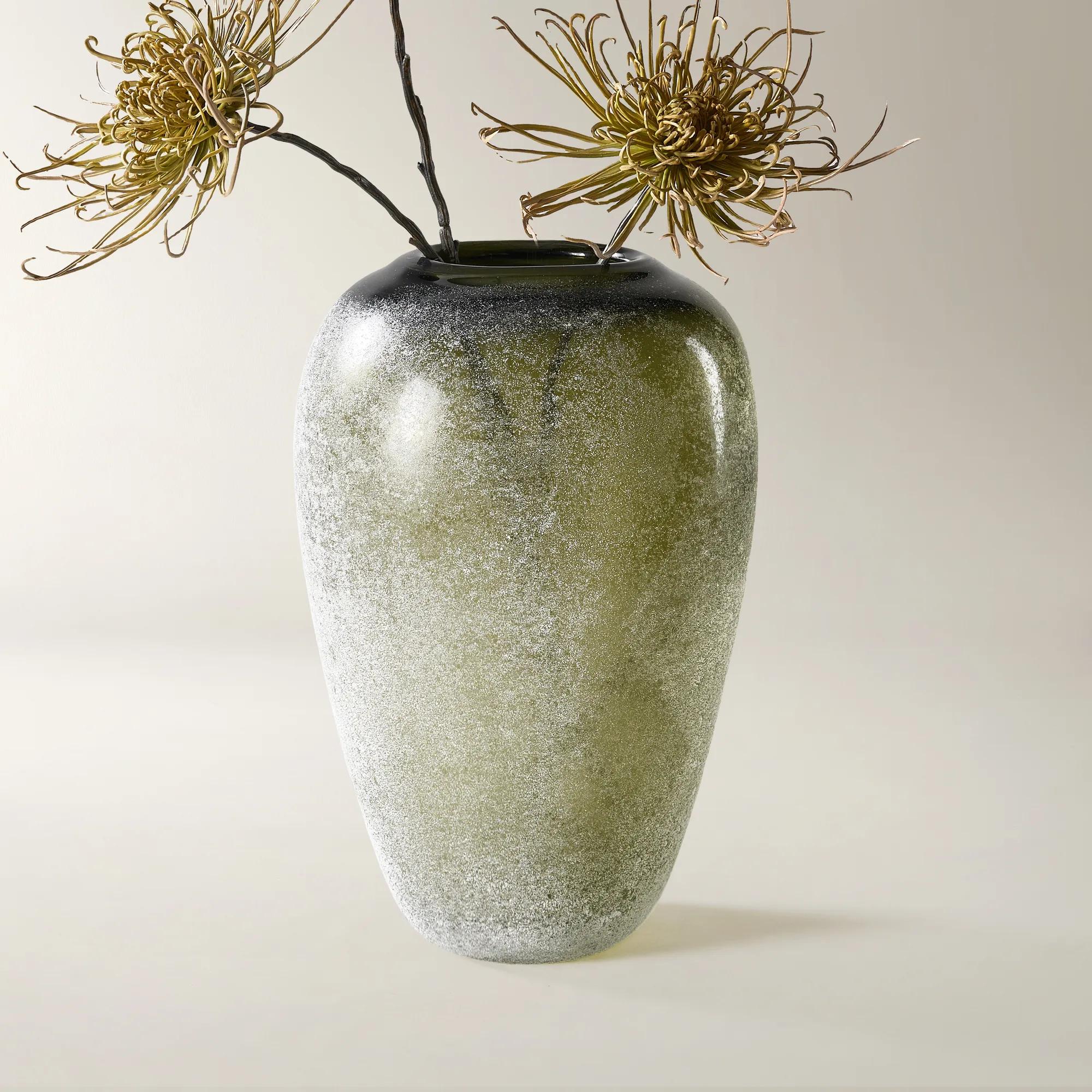 Linden Mouth Blown Pistachio Green Glass Vase 13.75"$129
A handblown glass vase in pistachio green adds a fresh, artful accent to any space.
Add To Cart -
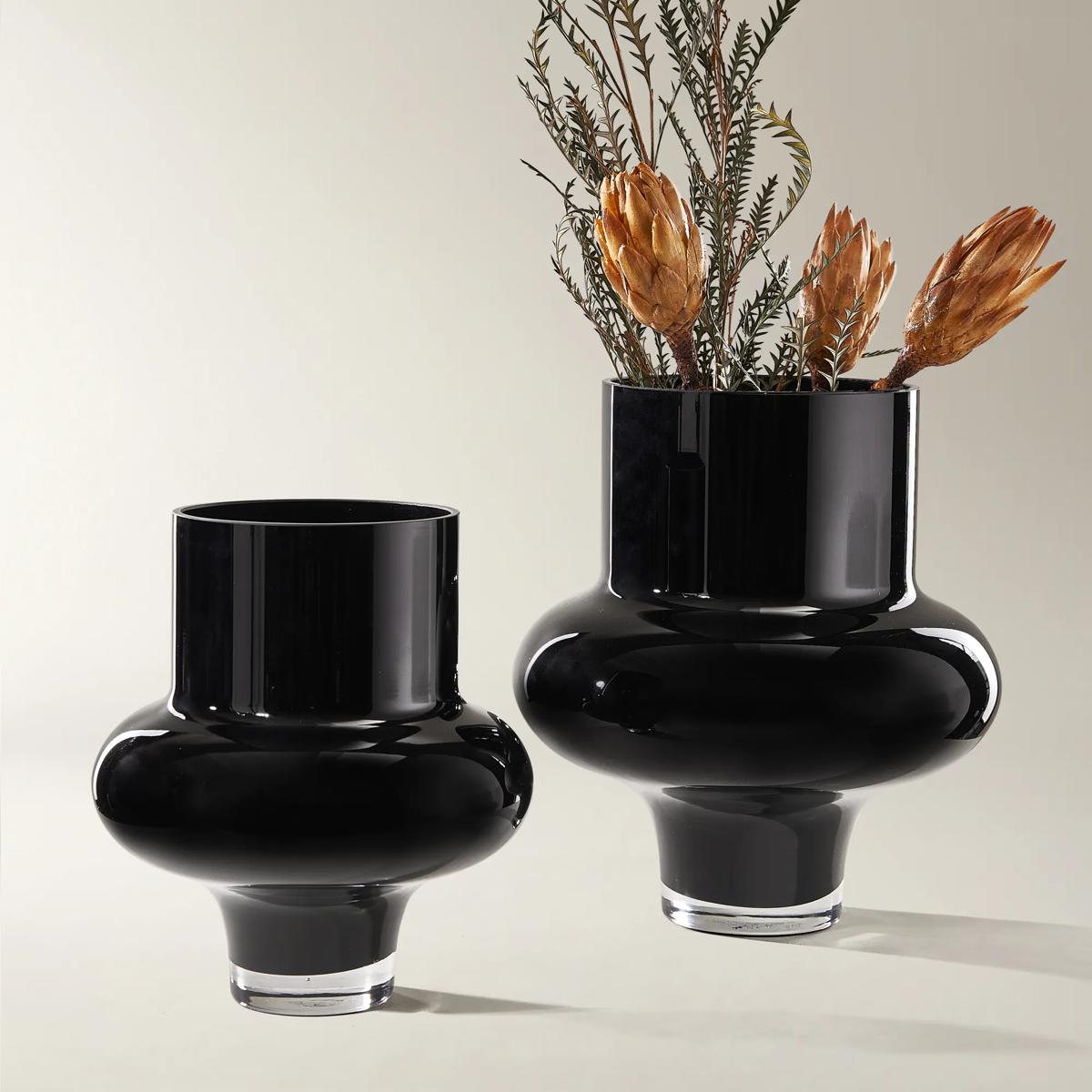
 Kors Glass Vase$69
A sculptural hand-blown black glass vase with a high-gloss finish and bold, curvaceous silhouette.
Add To Cart -
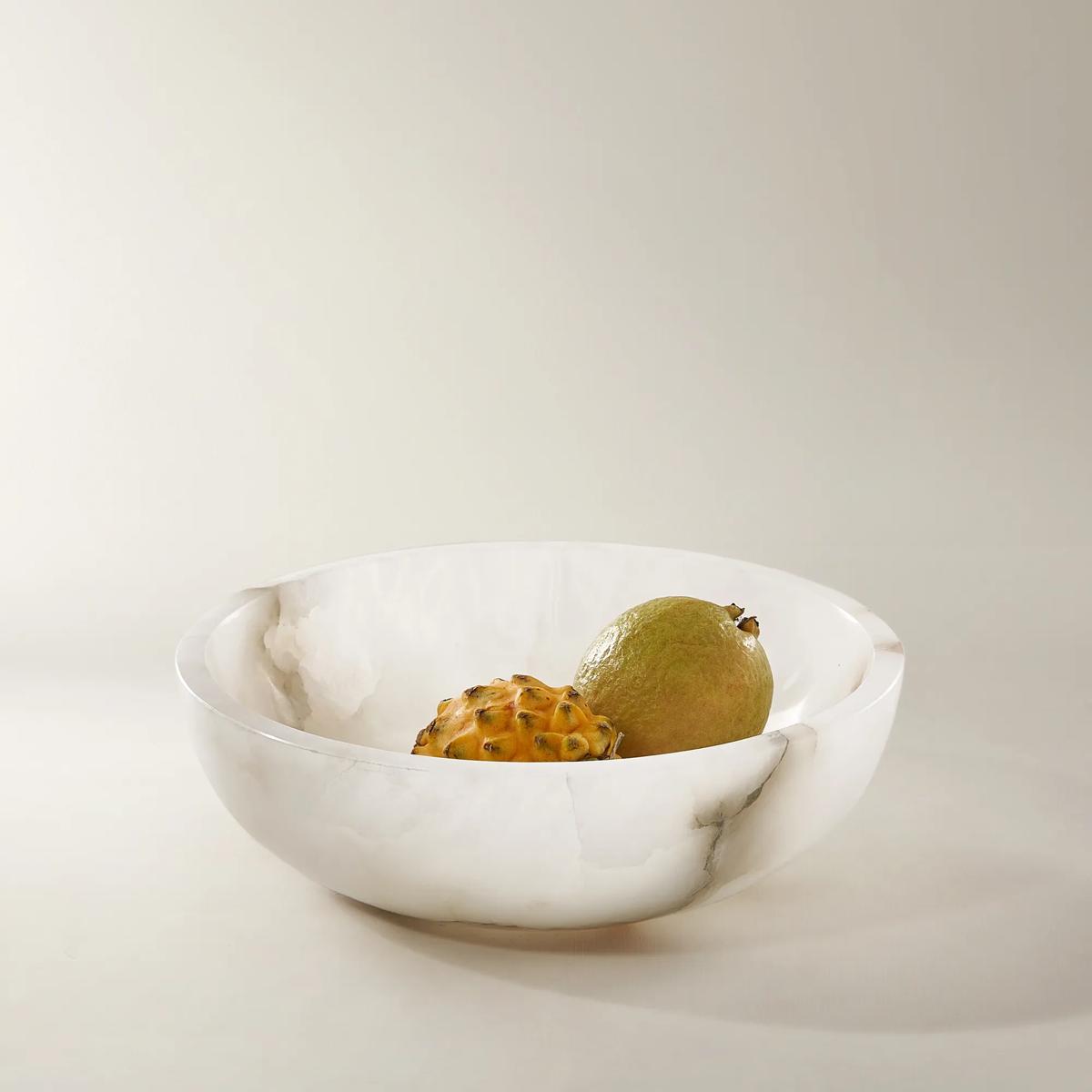 Alabaster Bowl$369
A hand-sculpted alabaster bowl featuring organic veining and soft, milky white translucence.
Add To Cart -
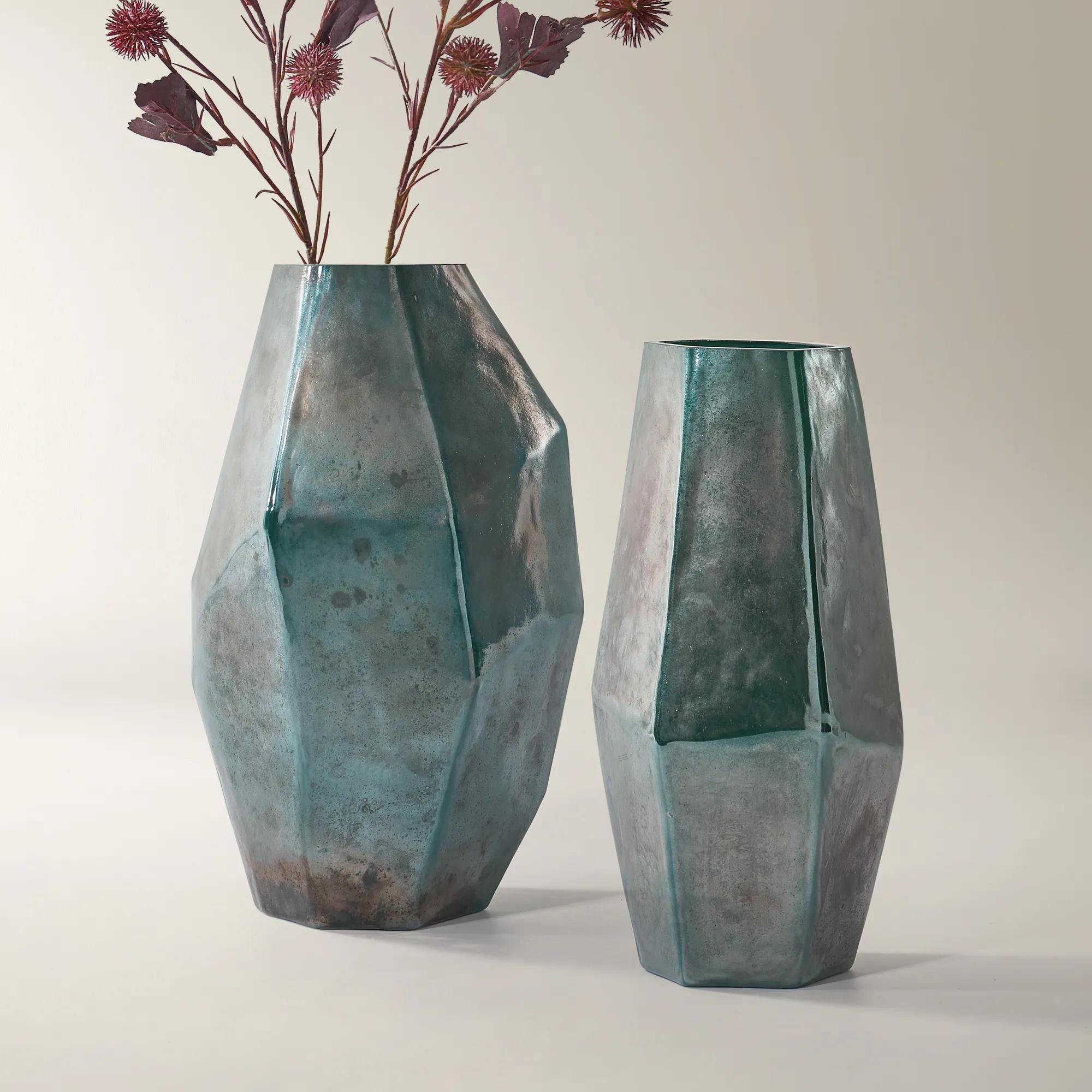
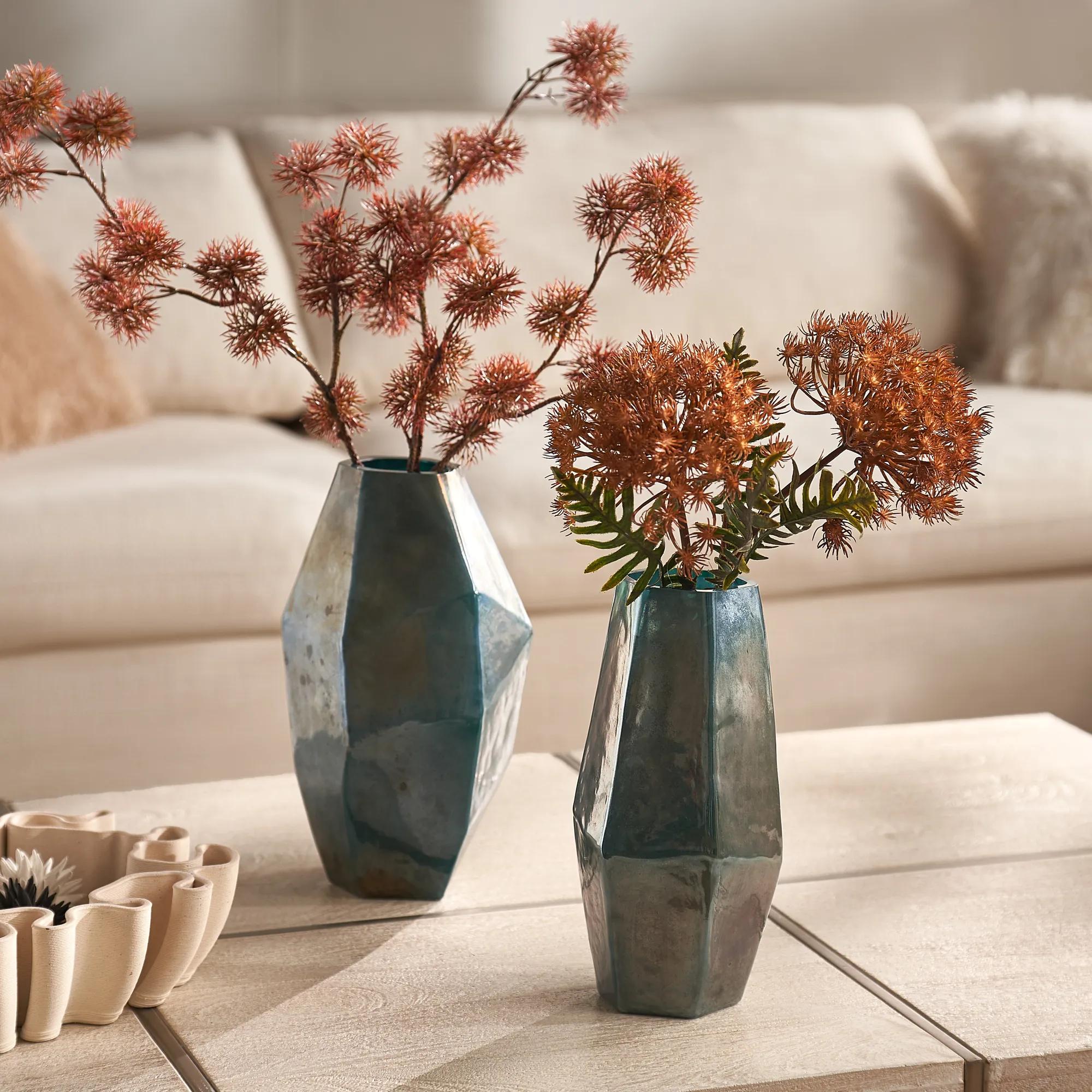 Sienna Vase$89
A sculptural hand-blown glass vase with a prismatic green finish and striking geometric silhouette.
Add To Cart -
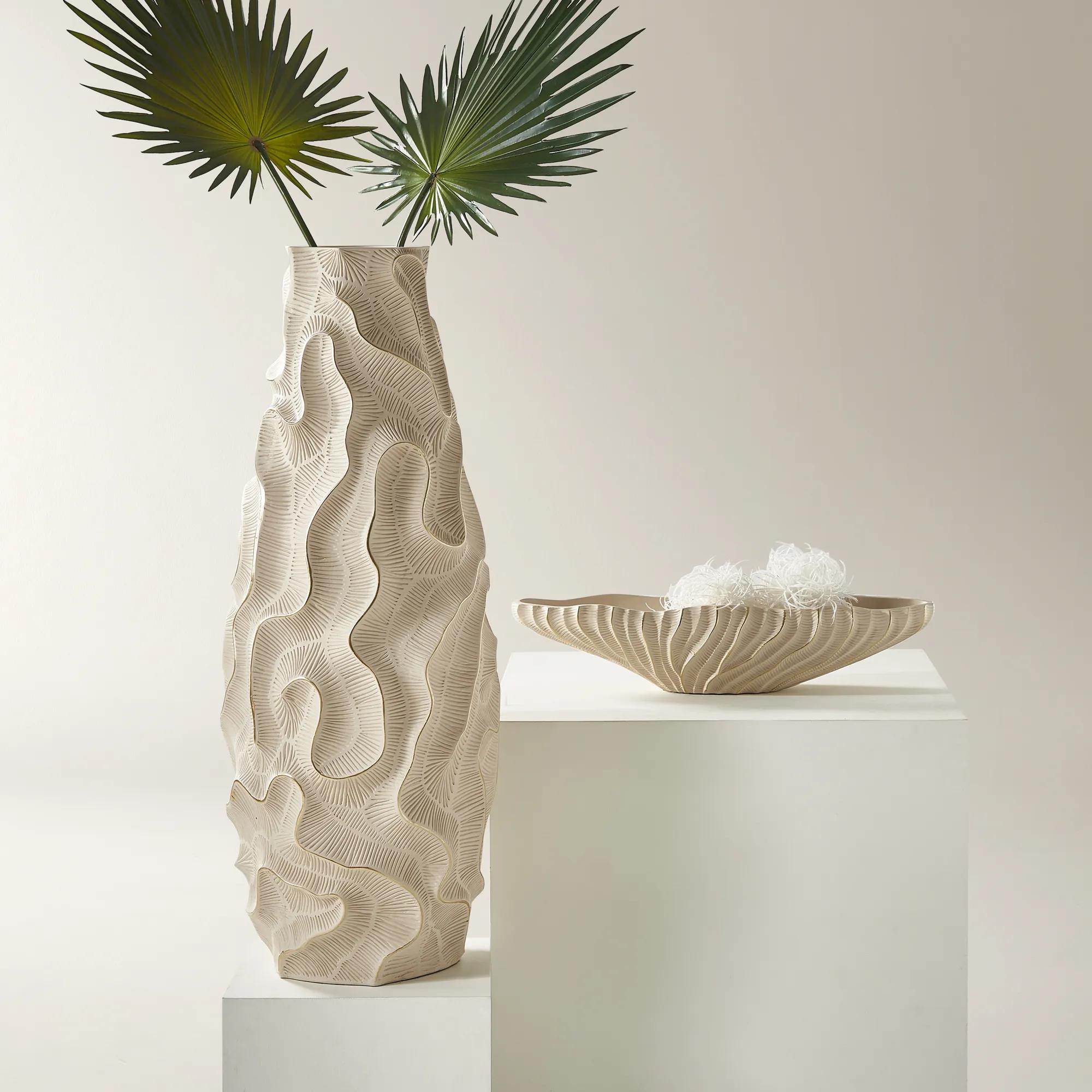
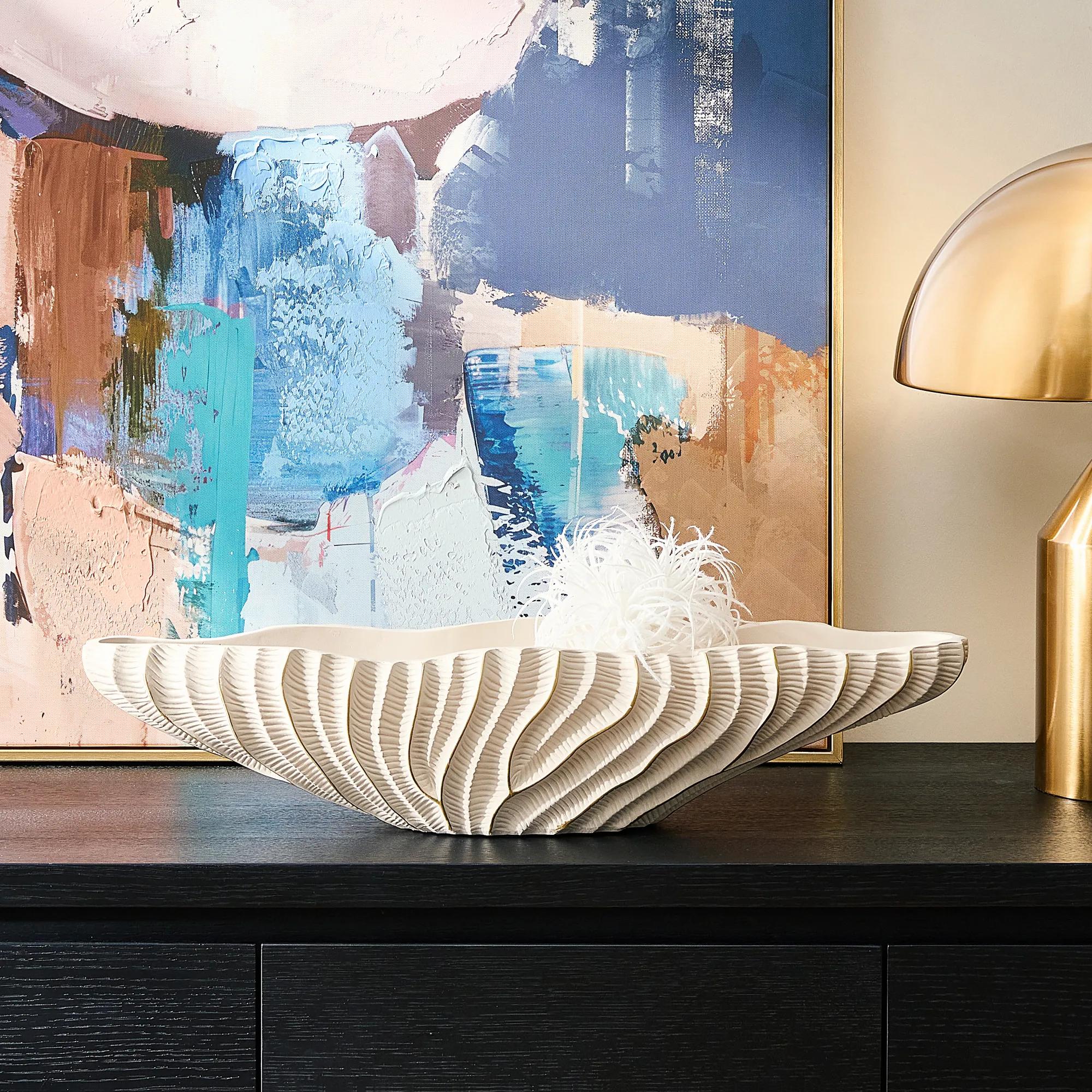 Rouche Ivory And Gold Etched Resin Floor Vase & Bowl$79
An ivory resin collection featuring sculptural, hand-etched textures and undulating organic contours.
Add To Cart

Large Glass Centerpiece Bowls
Large Glass Centerpiece Bowls command attention with their sweeping silhouettes and luminous clarity, transforming any table into a curated work of art. These striking vessels invite the eye to linger, refracting light and amplifying the drama of your dining or living space. Whether poised atop a grand dining table or accenting a console, each bowl offers endless possibilities for creative expression. Let your décor take center stage with pieces that celebrate scale, artistry, and the allure of glass—where every gathering becomes an occasion and every surface is elevated to gallery status.
Large glass centerpiece bowls are decorative vessels designed to create a focal point on dining tables, coffee tables, consoles, and other generous surfaces. Their appeal lies in the interplay of scale, shape, and light: a broad, clear bowl lets the beauty of its contents remain visible, while colored or textured glass can command attention without a single embellishment. Sweeping rims, rounded silhouettes, and sculptural curves give these pieces a presence that feels closer to art than an everyday accessory. Clear glass offers luminous simplicity beside richly patterned upholstery or a dramatic stone tabletop; smoky gray, amber, and jewel-toned glass introduce depth and a more expressive mood. An opaque or heavily tinted finish emphasizes the vessel’s outline, while translucent glass allows light to reveal subtle shifts in color and thickness. Smooth surfaces create crisp reflections, and ribbed, hammered, or organically rippled textures break those reflections into a softer shimmer. Shape makes an equally distinctive statement. A wide, shallow bowl spreads a composition across the table without adding much height, a rounded bubble bowl frames its contents within curved walls, and a pedestal bowl lifts the display into a more formal silhouette. For those drawn to fluid contours and the character of artisan techniques, Handblown Glass Centerpiece Bowls offer a related expression of decorative glass. Depending on how a piece is made, small bubbles, variations in wall thickness, or an irregular rim may be intentional characteristics rather than flaws. Molded glass can deliver more consistent shapes and defined patterns, while hand-shaped forms may emphasize movement and individuality. Neither technique alone determines durability or suitability for serving. Those qualities depend on the glass composition, construction, finish, and stated use. The most compelling centerpiece brings these details together with purpose, whether it is a transparent vessel that appears to float above a polished table or a saturated art-glass bowl that gives a restrained room an unmistakably dramatic accent.
Proportion gives a large glass bowl its authority within a room. Diameter describes its breadth, but height, opening size, and base width determine how it occupies a surface and what it can comfortably hold. A bowl around 16 inches wide, for example, can make a substantial statement, though that measurement alone does not establish whether it suits a particular table. A flared rim may extend well beyond a narrow base, and a deep, rounded vessel can feel more imposing than a shallow bowl with the same diameter. On a dining table, a low profile often keeps conversation and sightlines open, while sufficient space around the centerpiece allows place settings and serving dishes to remain comfortable. A pedestal silhouette brings ceremony to an entry console or sideboard, where added height is less likely to interrupt a seated gathering. Coffee tables call for a different balance: a broad bowl can anchor a stack of art books and a small sculptural accent, provided there is still room to set down a drink. On narrow furniture, the entire base needs secure support, and the rim should remain clear of passing elbows. Fillings can be as restrained or expressive as the vessel itself. Decorative spheres create a composed, architectural arrangement; smooth glass ornaments echo the bowl’s reflective surface; and a loose arrangement of sculptural stems can emphasize an asymmetric rim. An empty bowl is equally intentional when its color, texture, or silhouette deserves uninterrupted attention. Fresh flowers and floating botanical displays belong only in vessels confirmed suitable for holding water, with the combined weight considered before placement. Fruit, salads, punch, and other edible arrangements require a bowl specifically identified as food-safe; a decorative glass finish should never be assumed suitable for direct food contact. Likewise, candle displays require explicit suitability for that use, since ordinary decorative glass is not necessarily heat-resistant. These distinctions let the centerpiece serve its intended role beautifully, from a purely sculptural accent in a formal living room to a food-safe serving vessel that becomes part of the table’s presentation.
The lasting beauty of a glass centerpiece depends as much on thoughtful handling as on its original design. Glass offers a hard surface, but it can still scratch, chip, or break under impact, and a substantial weight does not make a bowl shatterproof. Thick walls may lend visual richness and a reassuring feel, yet rims, feet, and projecting details remain vulnerable to knocks. A level, stable surface is especially important for oversized bowls, particularly in homes with children or pets or in rooms where guests frequently move around the furniture. Positioning a piece away from a table’s edge helps protect both the vessel and its surroundings. When moving a large bowl, supporting its base and body with both hands is more secure than lifting it by the rim, especially when the opening is thin or irregular. Emptying the contents first makes a heavy centerpiece easier to control. Care should follow the maker’s directions, since clear, colored, painted, metallic, and applied finishes may have different requirements. Where washing is permitted, mild soap, lukewarm water, and a soft cloth are generally gentler than abrasive pads or harsh cleaners; dishwasher use should be reserved for pieces explicitly labeled dishwasher-safe. Sudden temperature changes can stress glass, so hot water, heated contents, and placement near strong heat sources warrant particular caution unless the vessel is designed for them. A soft, dry cloth can lift dust and restore clarity between deeper cleanings, while careful drying helps limit visible water spots. This balance of expressive design and considered care makes large glass centerpiece bowls appealing gifts for weddings, housewarmings, and milestone celebrations, especially for someone who loves entertaining or collecting decorative art. A clear, generously scaled silhouette can complement a recipient’s established palette, while richly colored glass suits a home with a more daring point of view. Matched to the space and the way it will be enjoyed, a glass bowl becomes more than a place to arrange beautiful objects: it gives the room a deliberate focal point, catching light and holding attention with sculptural confidence.
FAQs
A large glass centerpiece bowl offers endless versatility for seasonal styling. In winter, fill it with frosted pinecones, metallic ornaments, or clusters of white candles to evoke a sense of warmth and celebration. As spring arrives, transition to fresh blooms, pastel-hued stones, or delicate branches. Summer calls for vibrant citrus, lush greenery, or seashells, while autumn welcomes rich-toned leaves, gourds, and textured botanicals. The transparent elegance of glass allows you to showcase layers, colors, and textures that reflect each season’s mood.
Large art glass bowls are striking wherever they are placed. Showcase one on an entryway console filled with sculptural objects, or use it as a dramatic focal point on a coffee table layered with decorative beads or orbs. In the bathroom, a glass bowl can cradle rolled hand towels or fragrant potpourri. They also make a stunning statement in open shelving, where their artistry and color can be admired from every angle.
Absolutely. Decorative glass bowls for centerpieces are timeless gifts that suit a range of significant moments, from weddings and anniversaries to housewarmings and milestone birthdays. Their artistry and craftsmanship make them memorable keepsakes, while their versatility ensures they’ll be cherished and used in countless ways for years to come.
When selecting a color or finish, consider the existing palette and mood of your space. Clear or subtly tinted glass imparts a sense of lightness and sophistication, while bold hues or metallic finishes add drama and depth. Reflect on the atmosphere you wish to create—whether it’s serene and understated or vibrant and expressive—and let the bowl’s artistry complement your vision.
For events or gatherings, a big glass bowl can become the centerpiece of your storytelling. Fill it with floating blooms and candles for a romantic glow, or create a layered display of fruits, florals, and decorative stones for a feast of color and texture. For themed celebrations, coordinate the contents with your décor—think ornaments for holidays, pastel eggs for spring, or sparkling crystals for a glamorous soirée. The bowl’s transparency and scale make every arrangement feel curated and unforgettable.
.jpeg?w=3739&h=3739)