
Large Centerpiece Bowls
Large Centerpiece Bowls
-
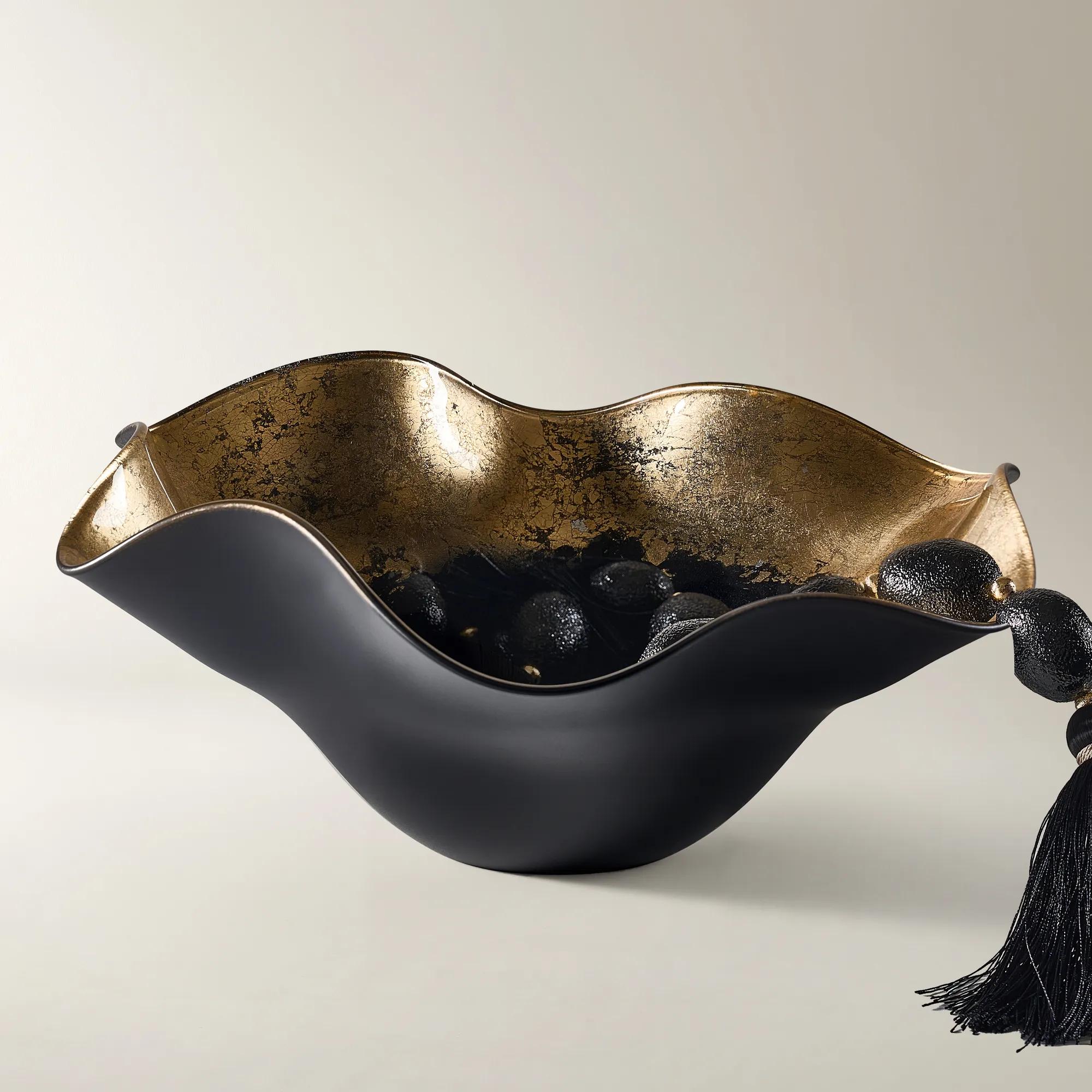
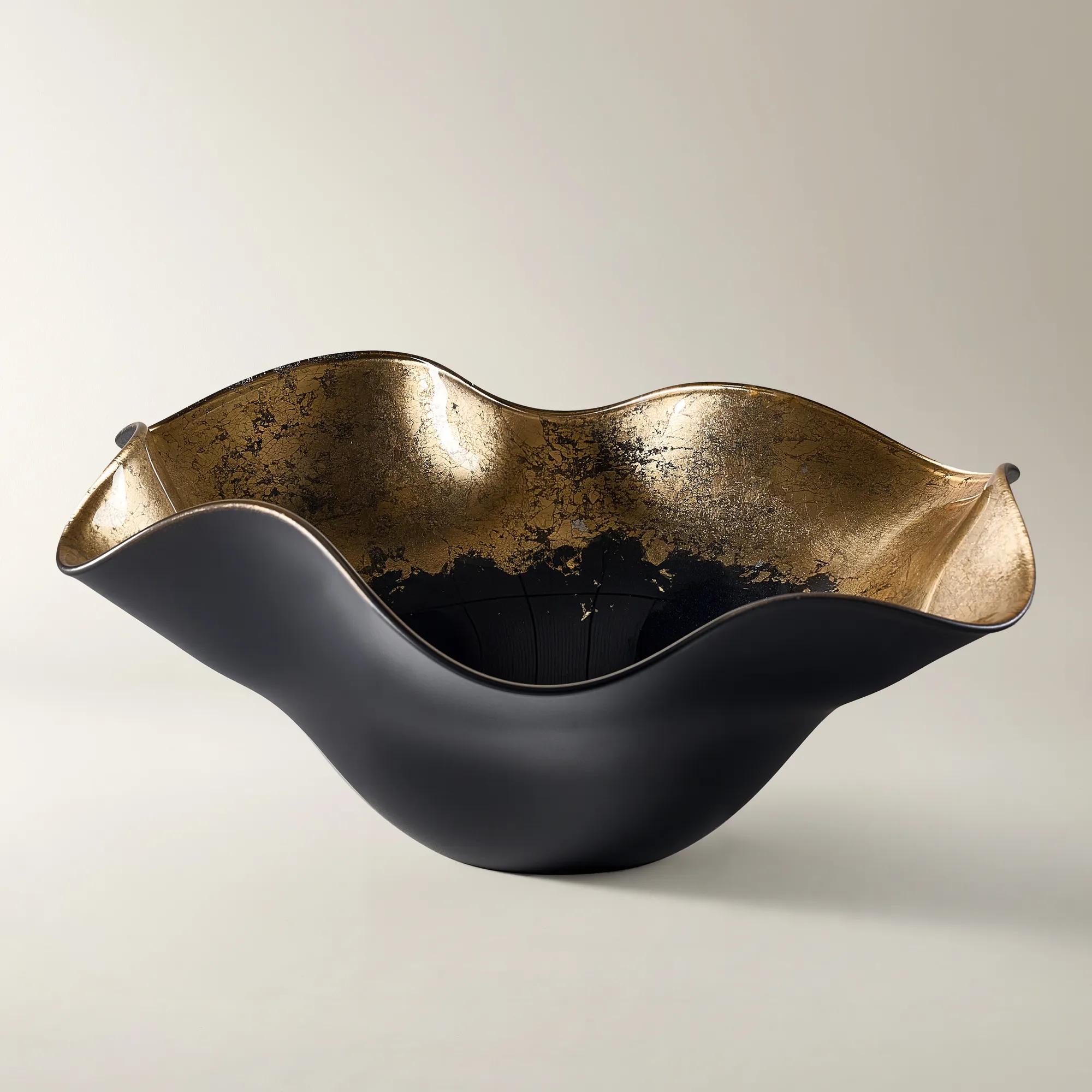 Goldie Mouth Blown Gold Black Glass Decorative Bowl 15.5" x 8.75"$199
A handblown glass bowl in soft gold and black with an organic, sculptural silhouette for modern decor.
Add To Cart -
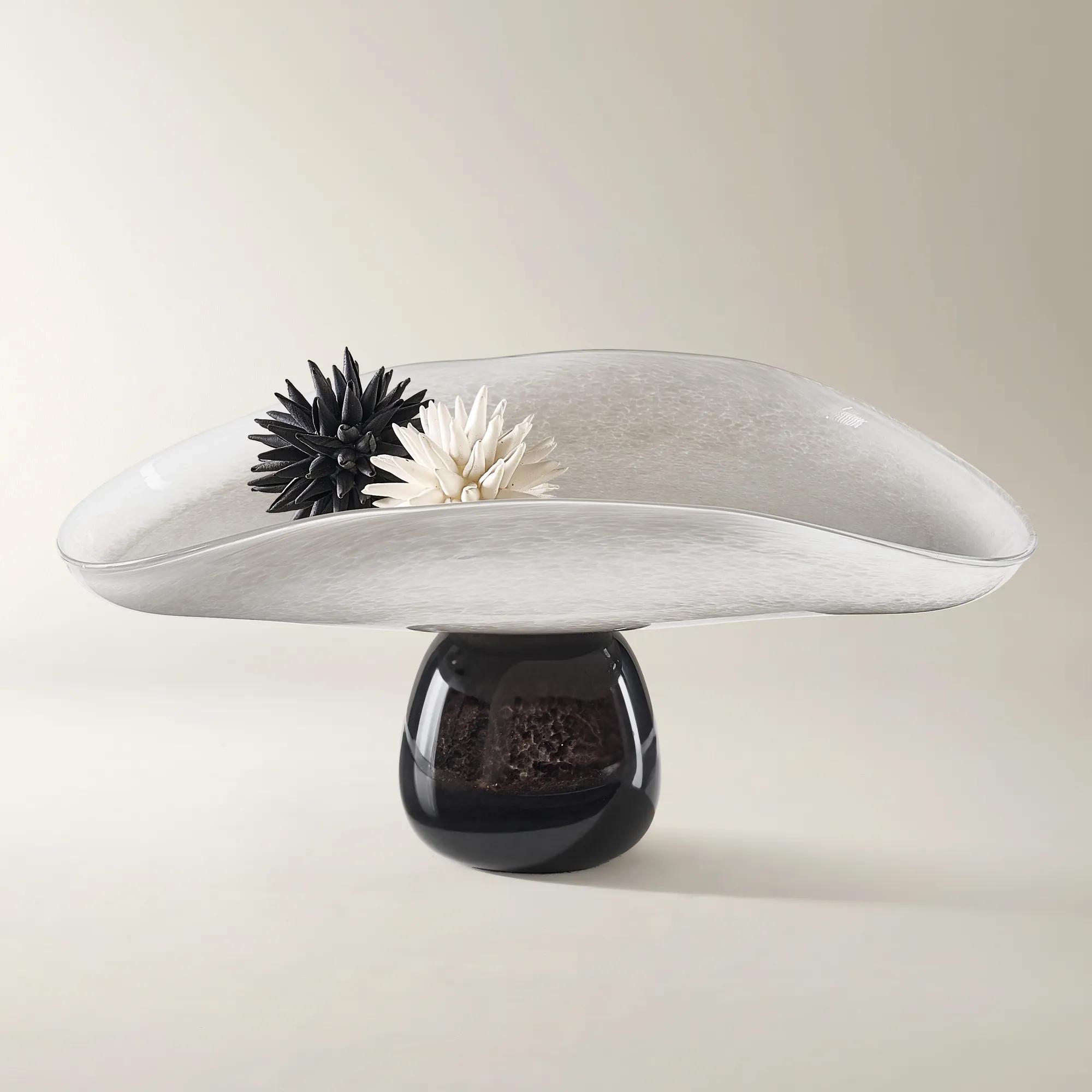 Elois Mouth Blown White Black Pedestal Bowl 14.5" x 7"$149
A handblown glass pedestal bowl featuring striking black and white contrast for a sculptural, modern accent.
Add To Cart -
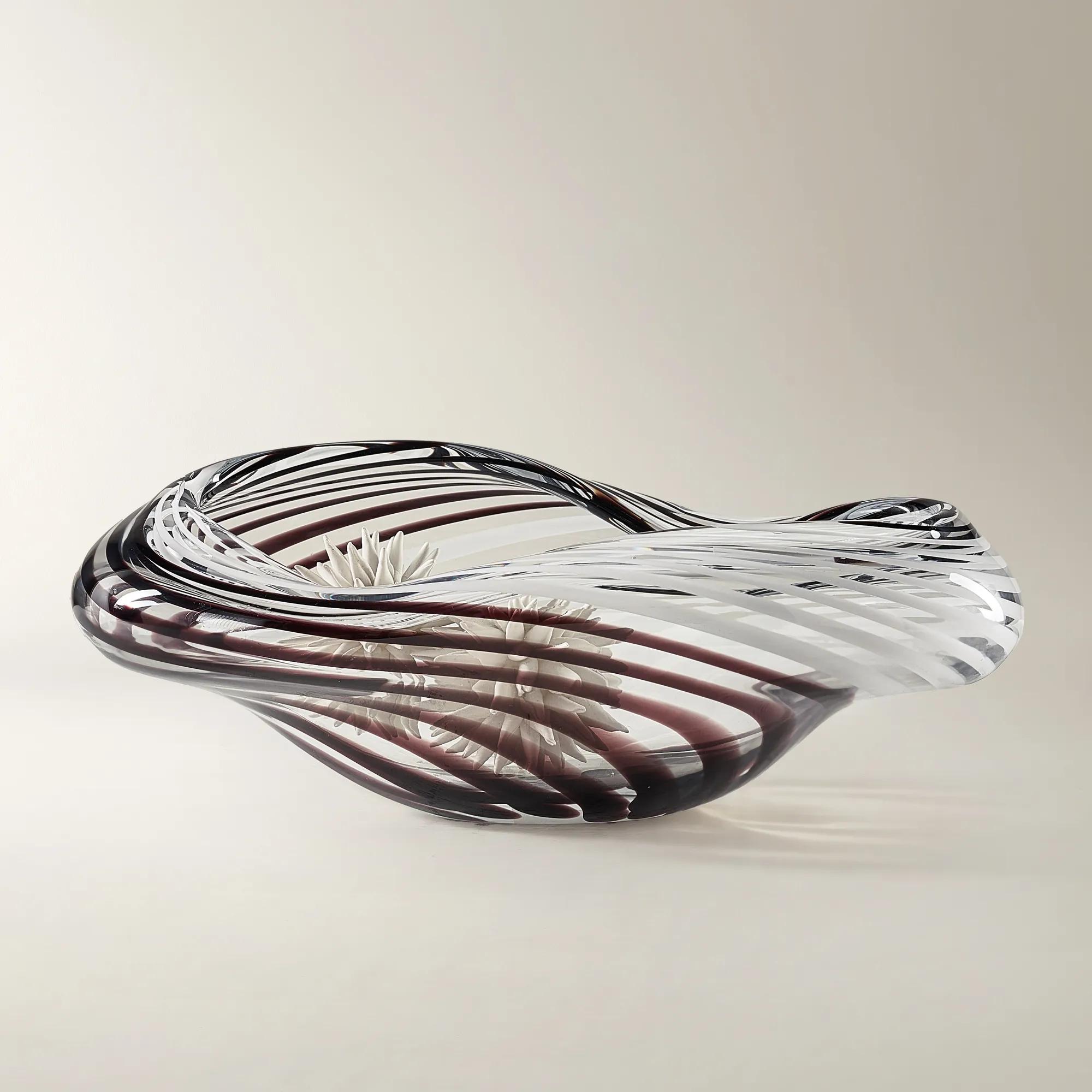 Optic Mouth Blown Black/White Glass Decorative Bowl 17.25" x 5.5"$99
A handblown glass bowl featuring charcoal stripes and a sculptural, Deco-inspired silhouette for decorative display.
Add To Cart -
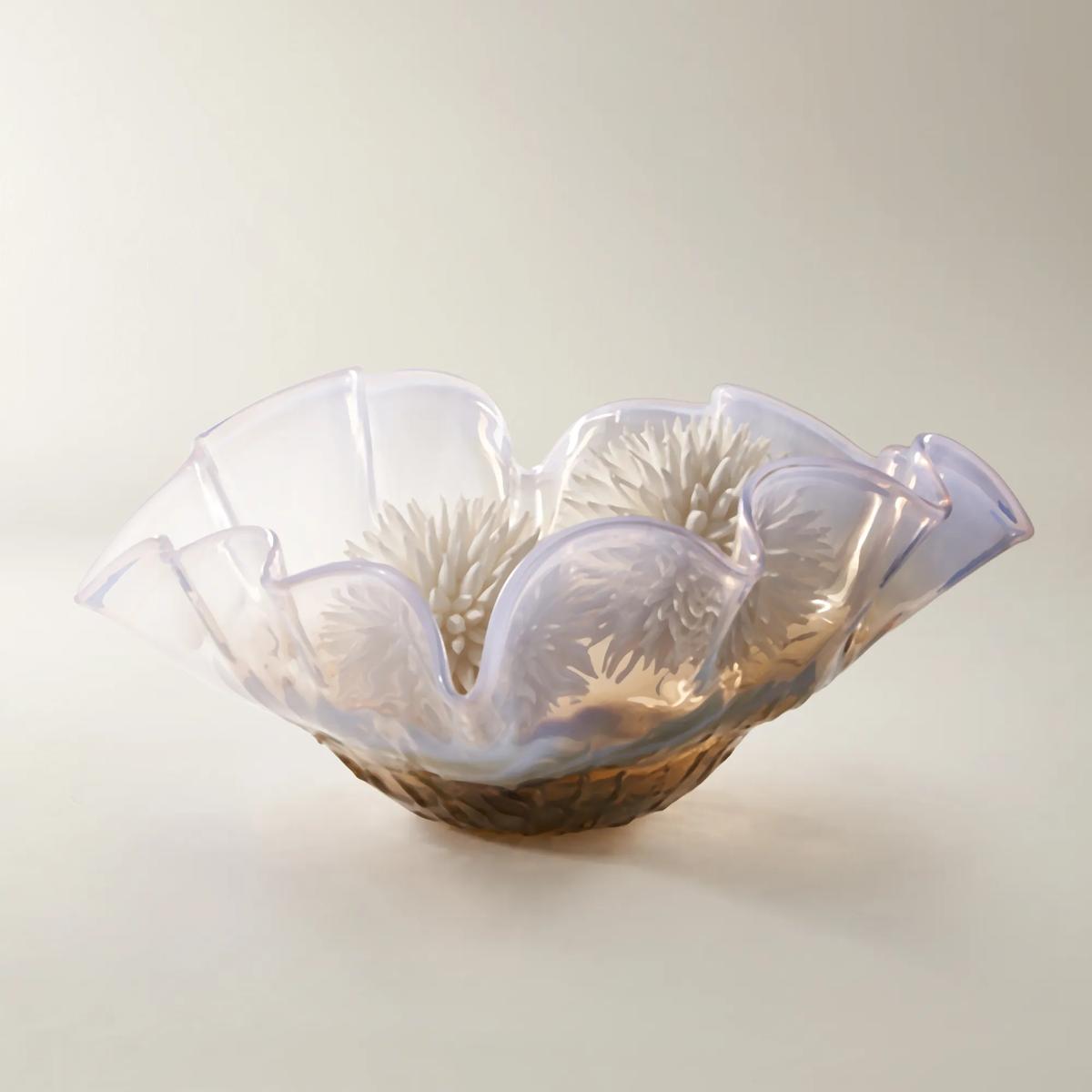
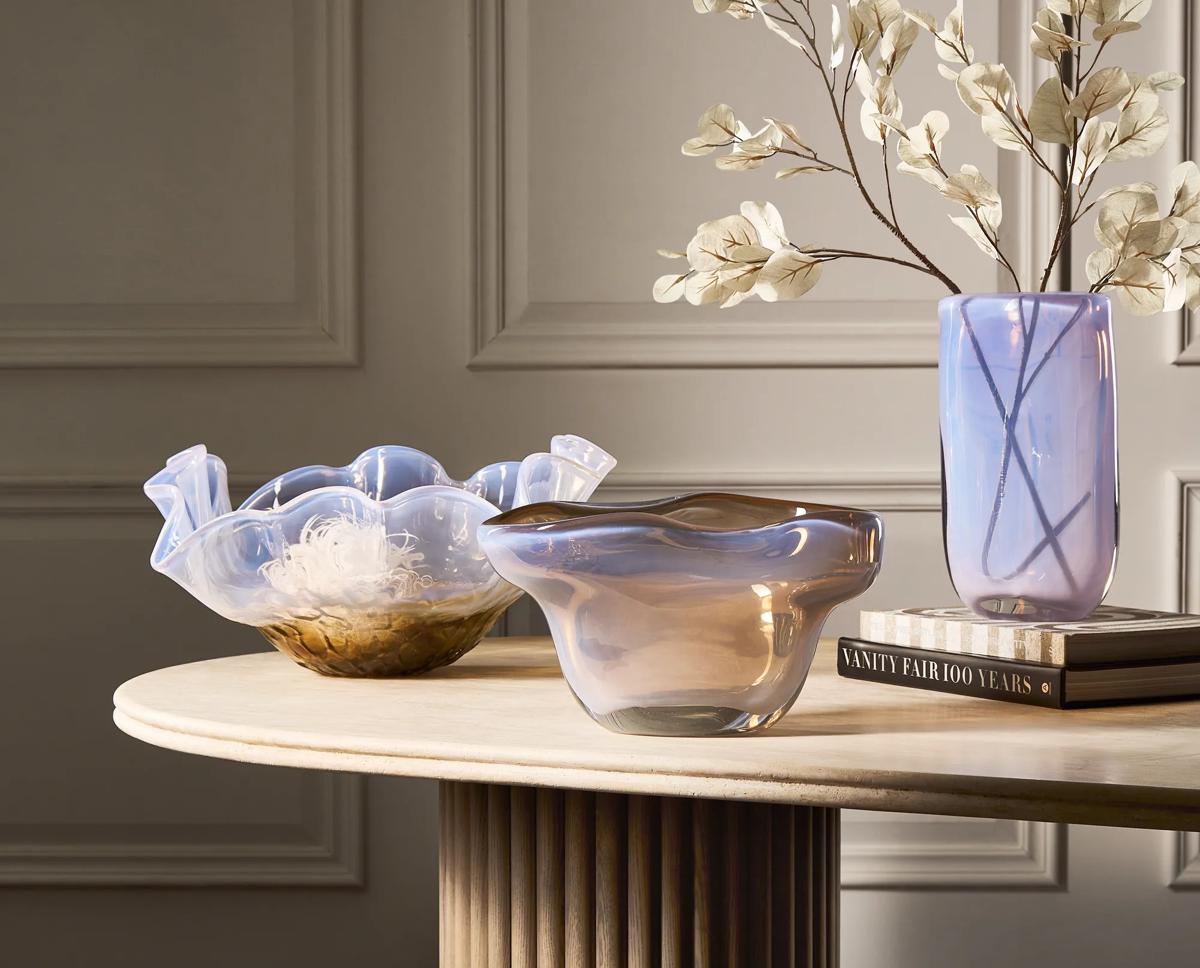 Glacier Glass Bowl$269
A hand-blown glass bowl featuring scalloped edges and swirling lavender and amber hues for artistic elegance.
Add To Cart -
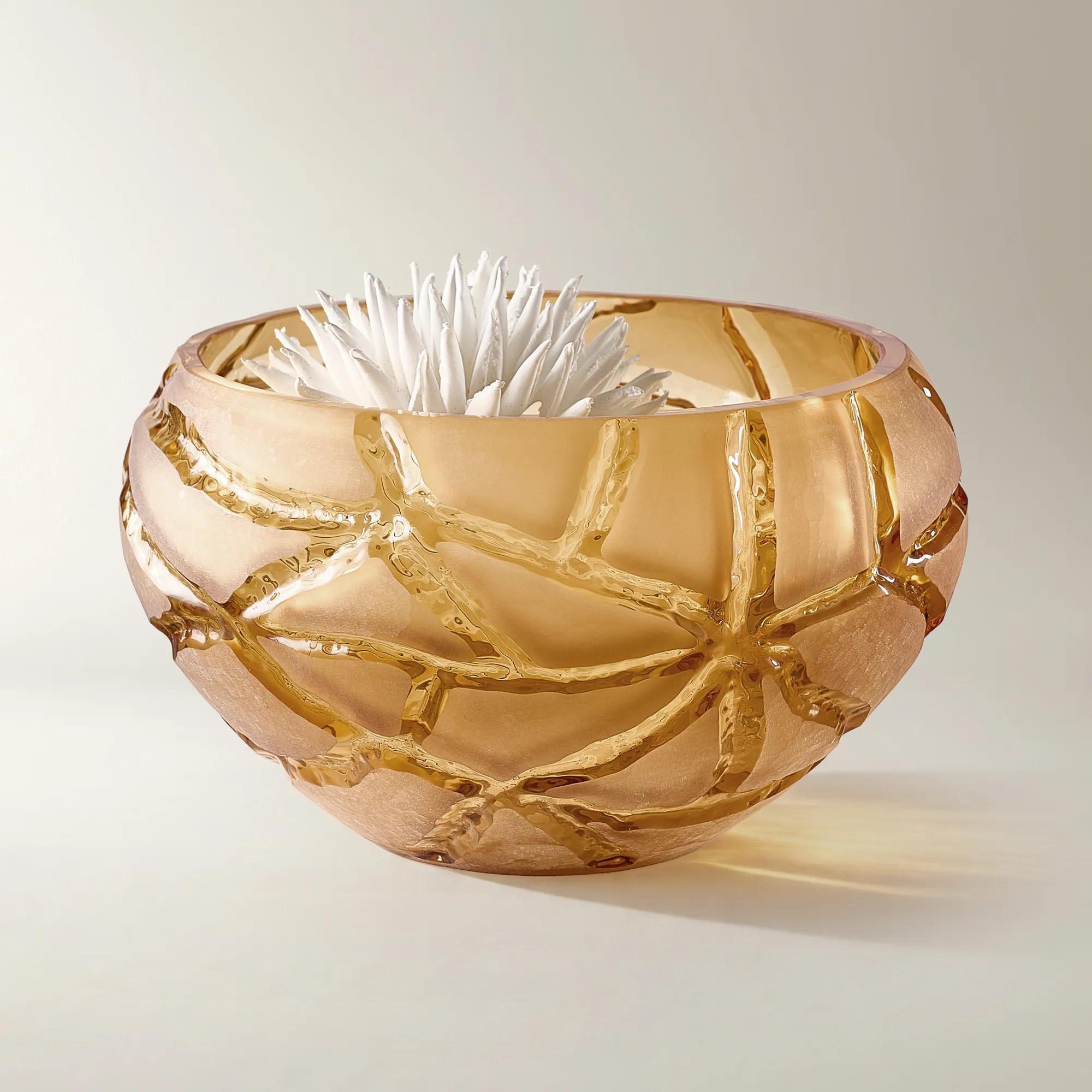 Rowen Mouth Blown Honey Gold Glass Decorative Bowl 11" x 6.25"$129
A handblown glass bowl in honey gold with a textured surface for a luminous, sculptural accent.
Add To Cart -
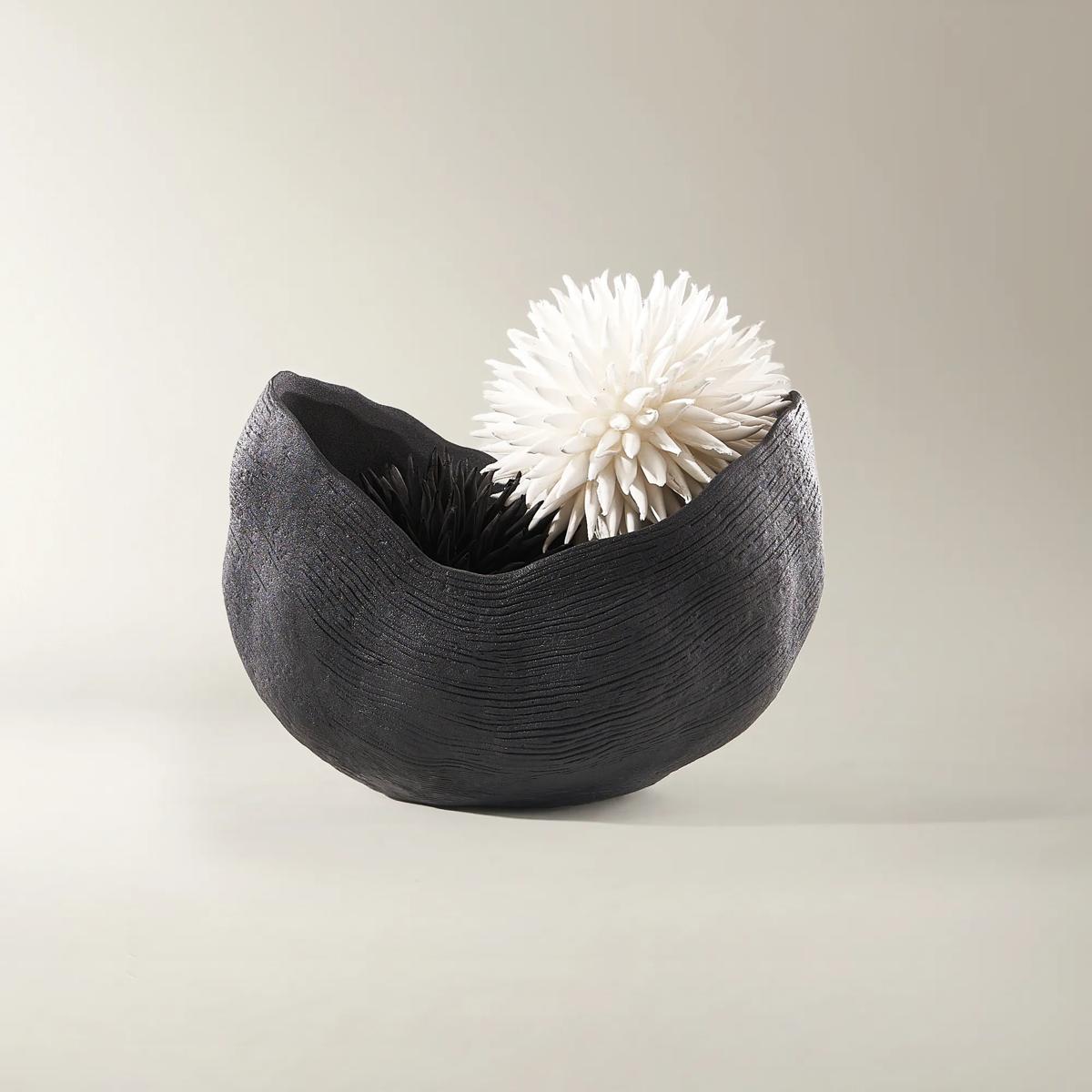 Baz Bowl - Black$119
A sculptural black porcelain bowl with a matte, ridged texture for bold, modern decor accents.
Add To Cart -
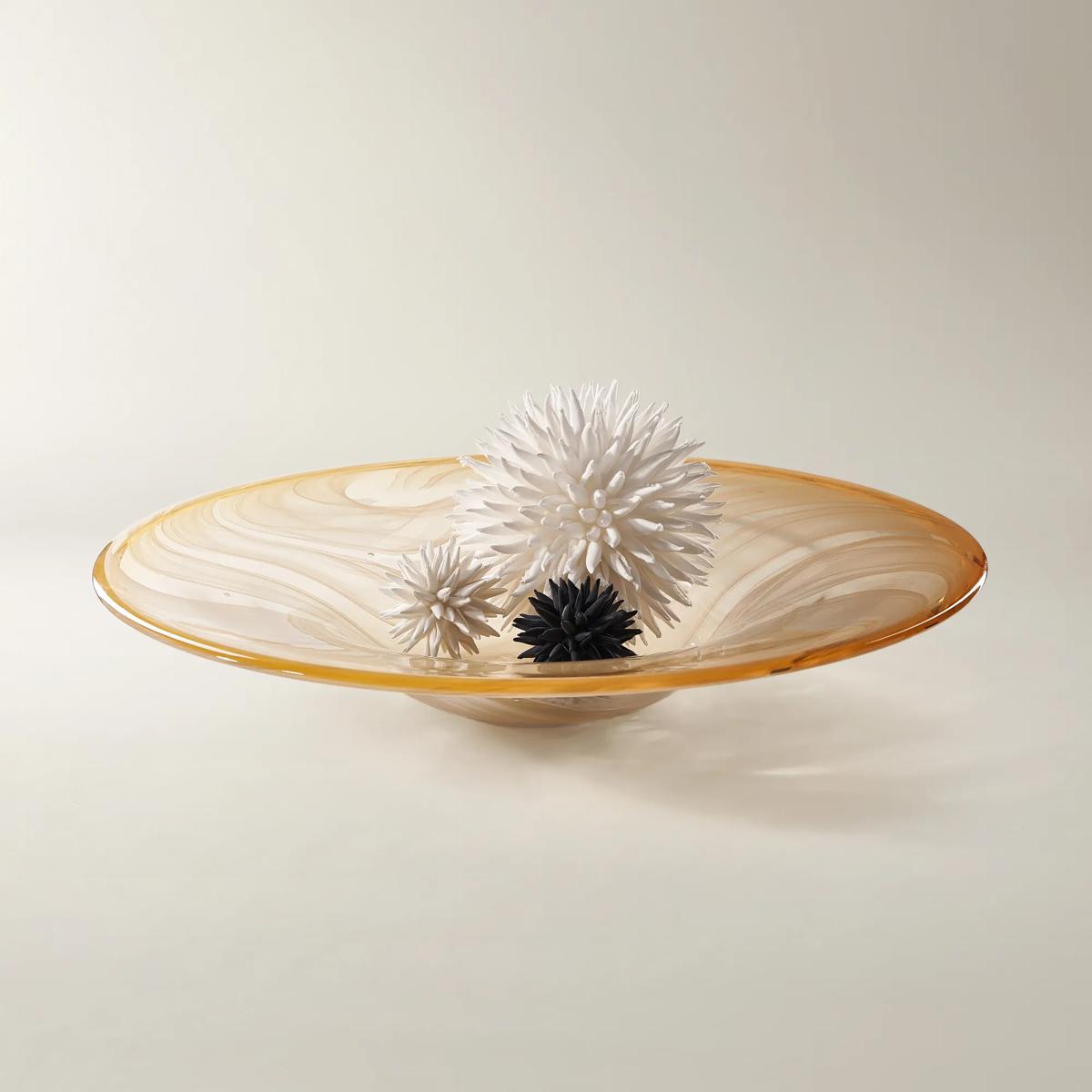
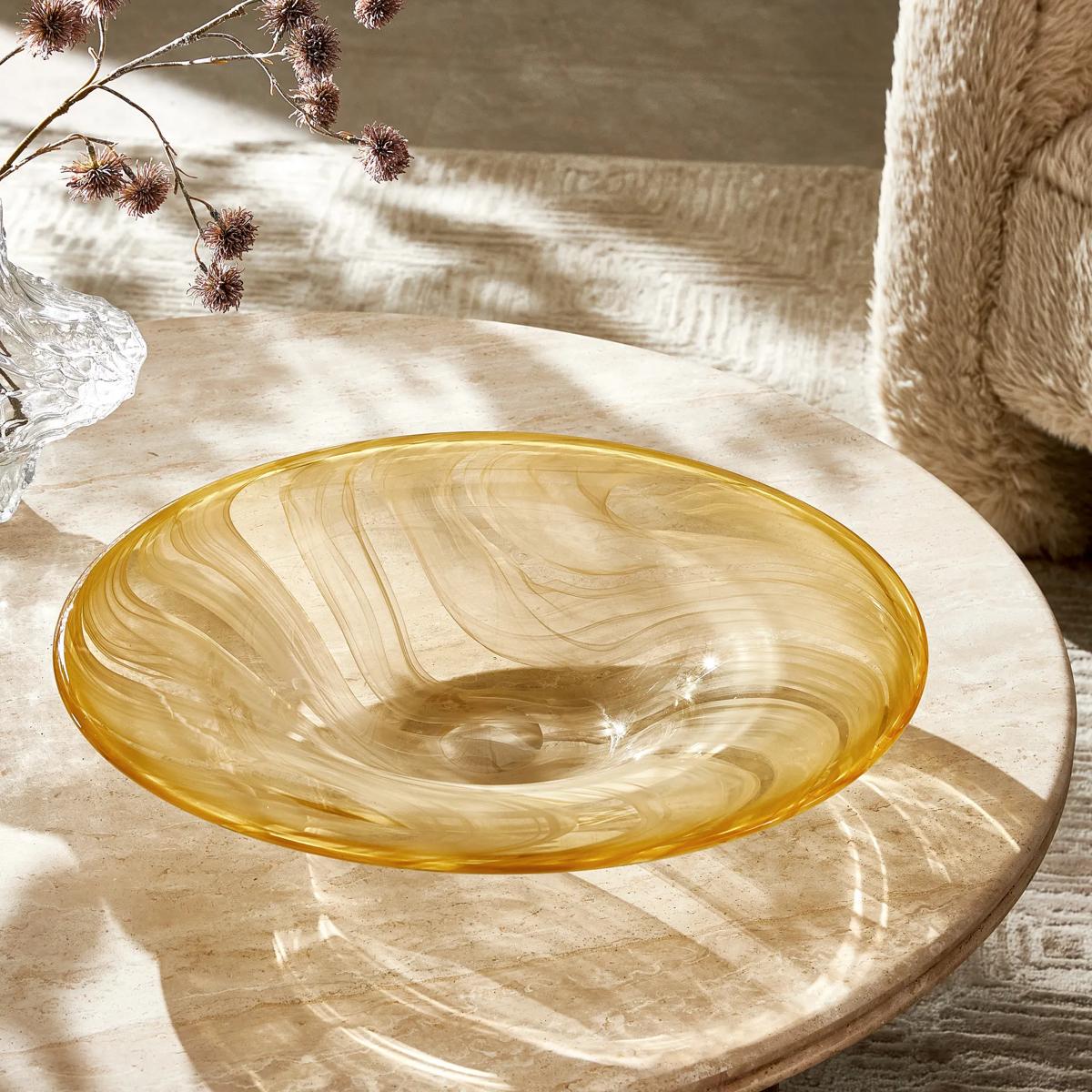 Paradis Glass Plate$239
A hand-blown amber glass plate featuring a swirling, organic design for a radiant decorative accent.
Add To Cart -
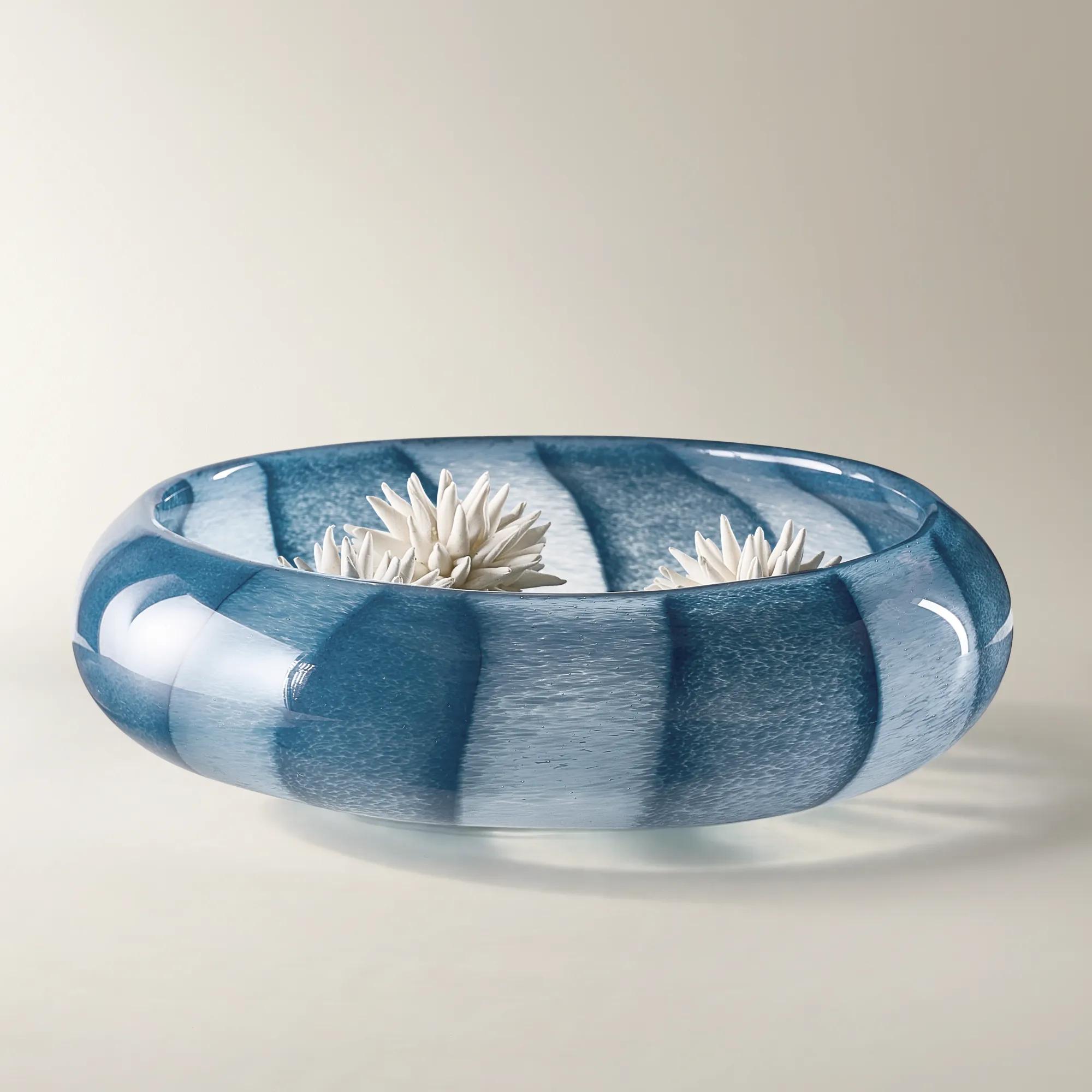 Jonah Mouth Blown Dusty Blue Glass Decorative Bowl 11.75" x 3.5"$89
A handblown glass bowl featuring dusty blue stripes and a sculptural, low rounded silhouette for decor.
Add To Cart -
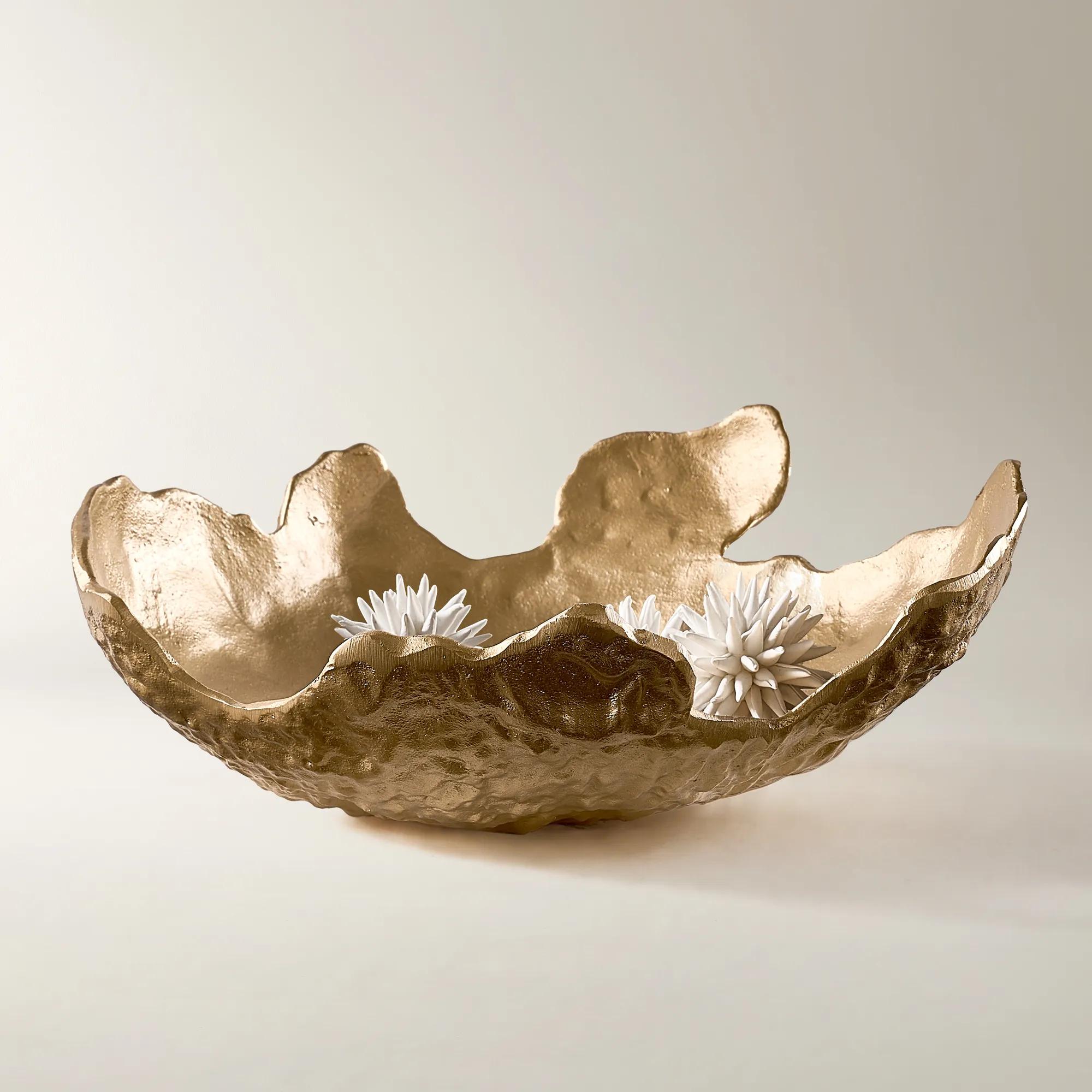 Crush Gold Aluminum Decorative Bowl 16" x 5.75"$169
A sculptural aluminum bowl with a soft gold finish and organic, crushed silhouette for modern decor.
Add To Cart -

 Collins Hand-Cast Gold Aluminum Decorative Pedestal Bowl 23.5" x 5"$79
A gold nickel-plated aluminum bowl with a rectangular pedestal base for striking decorative display.
Add To Cart -
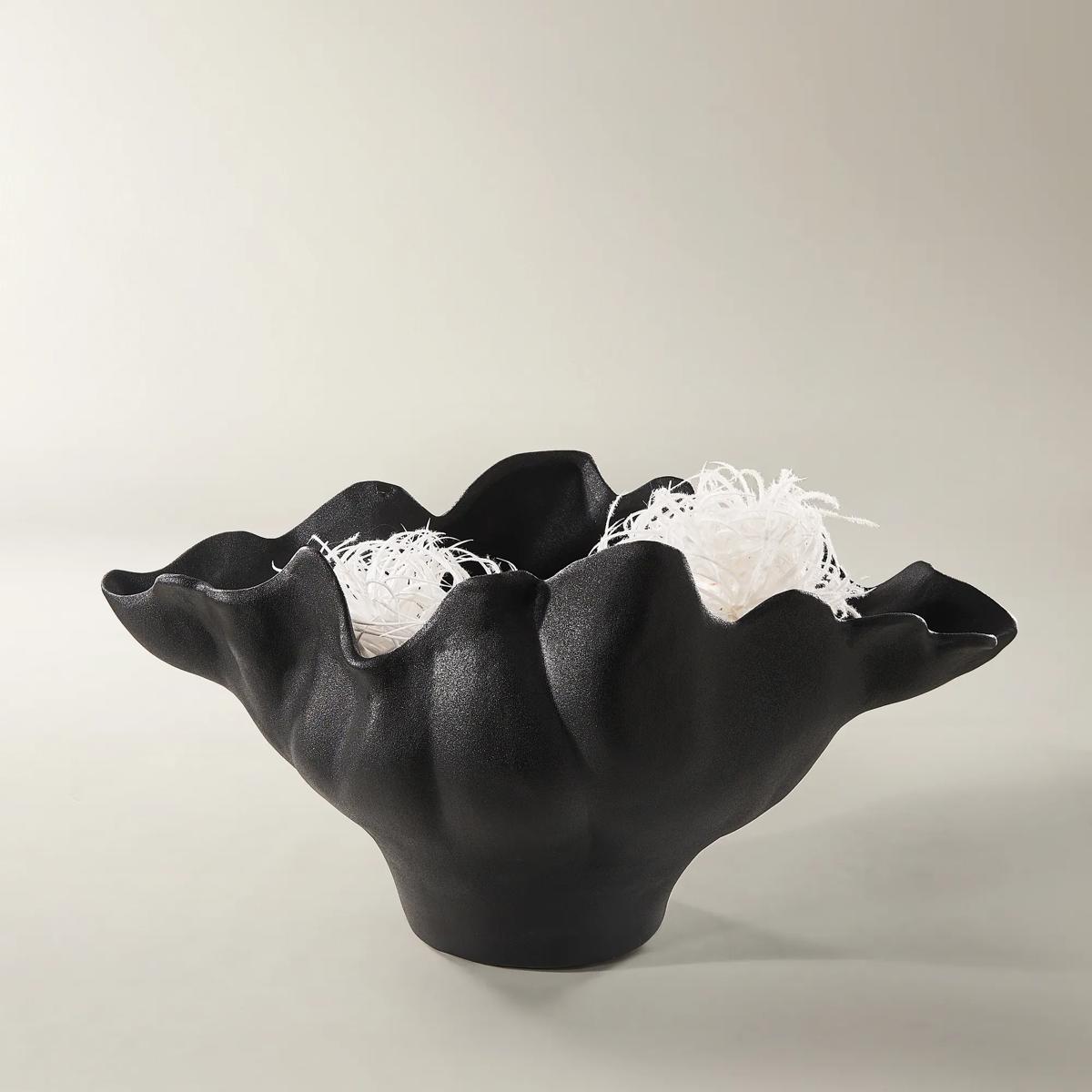
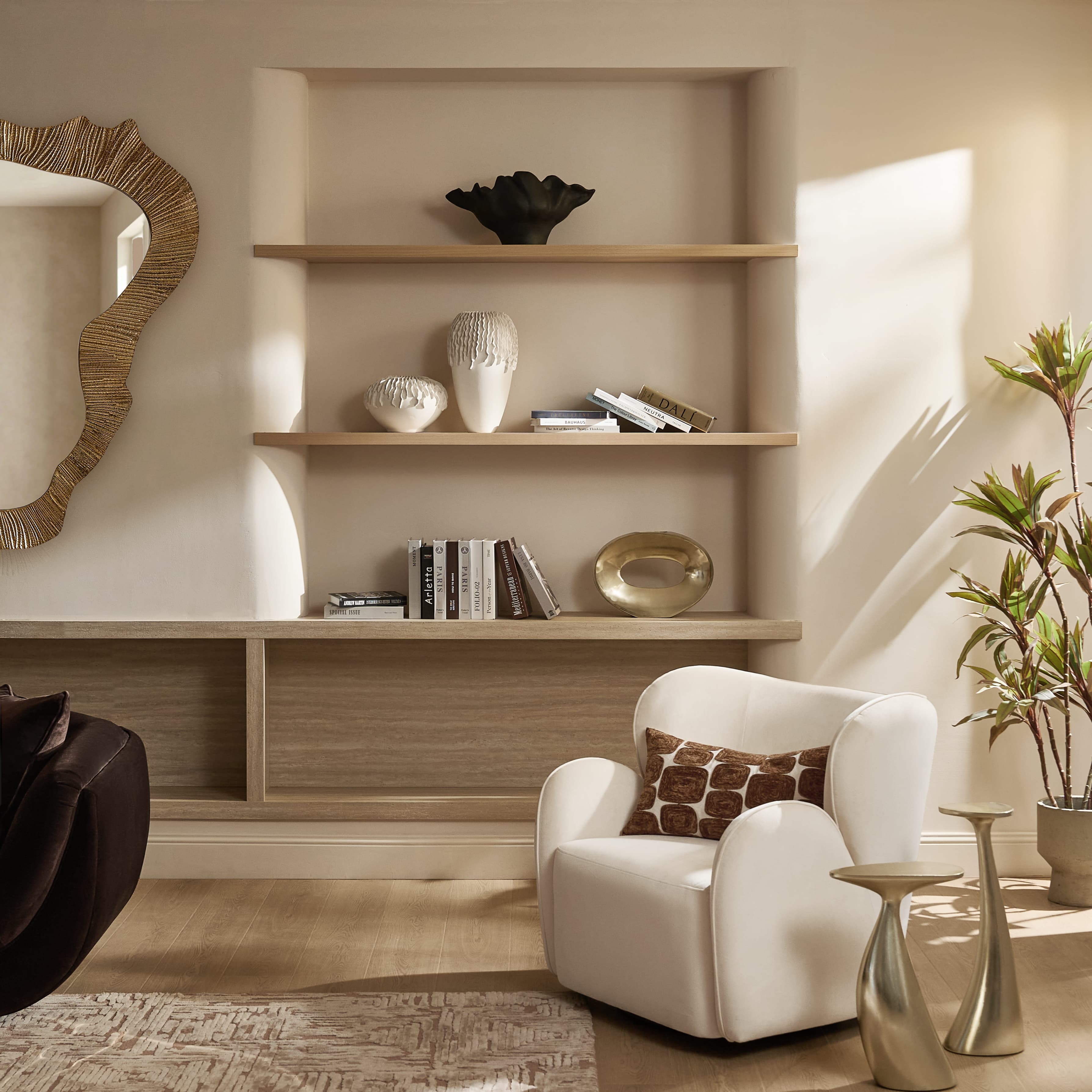 Ebba Black Porcelain Decorative Bowl 20.25" x 10.25"$199
A sculptural matte black porcelain bowl with undulating petal-like edges for bold, artistic elegance.
Add To Cart -
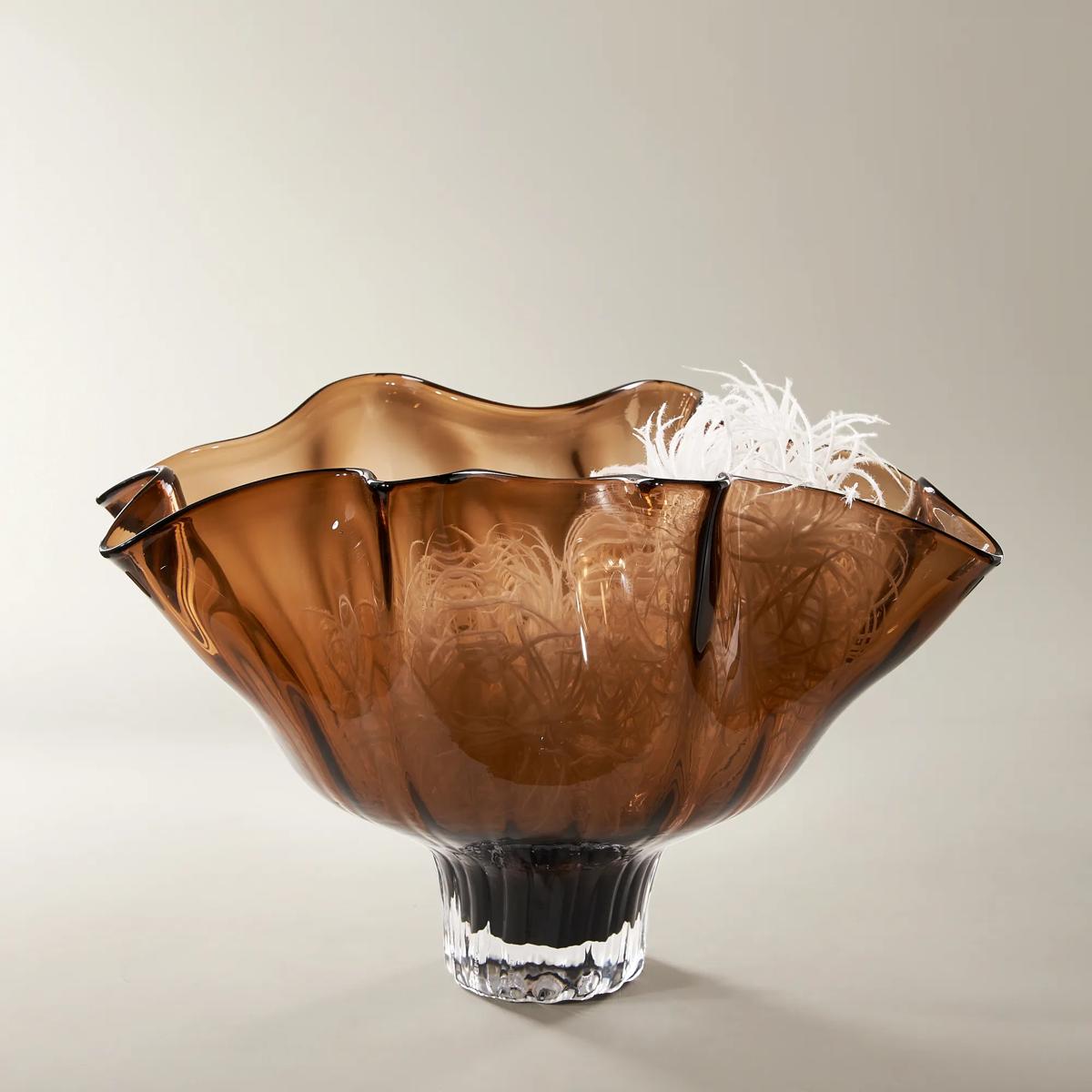
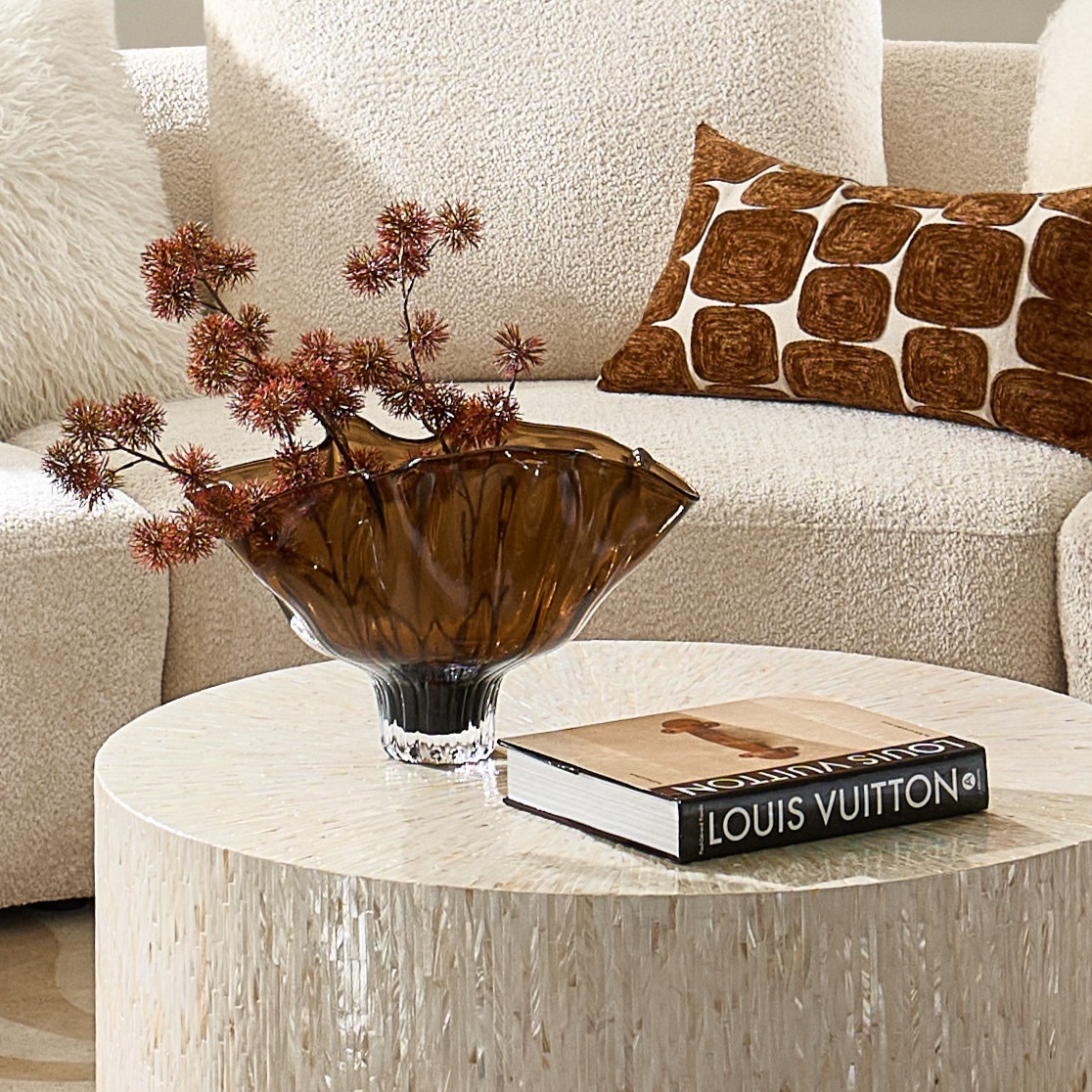 Coco Mouthblown Brown Glass Bowl 17" x 9.75"$139
A hand-blown brown glass bowl with an undulating rim and clear tapered base for sculptural elegance.
Add To Cart -
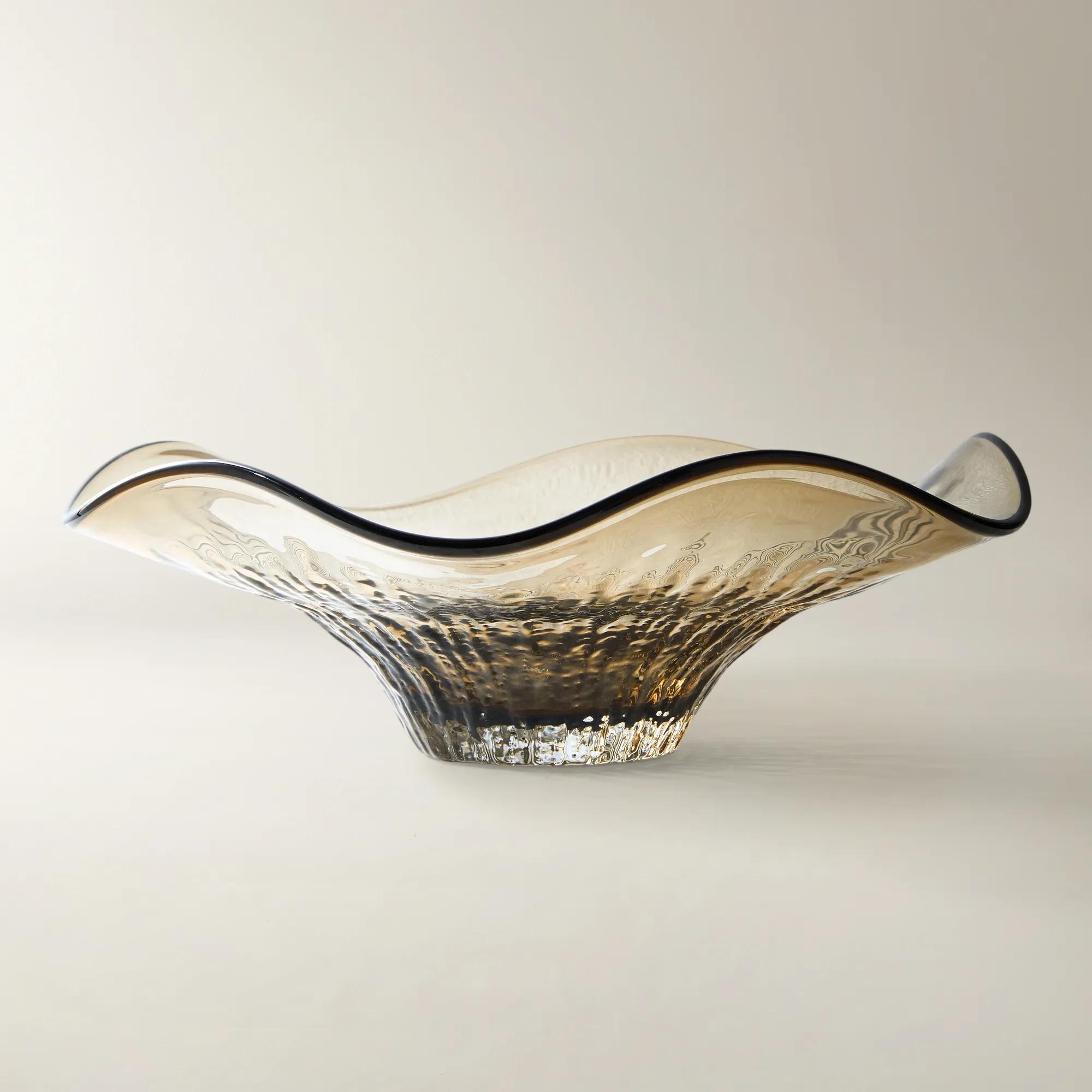 Corsi Brown Handblown Glass Decorative Bowl 15.35" x 5.1"$99
A hand-blown glass bowl in warm amber with organic shape and intricate textural details.
Add To Cart -
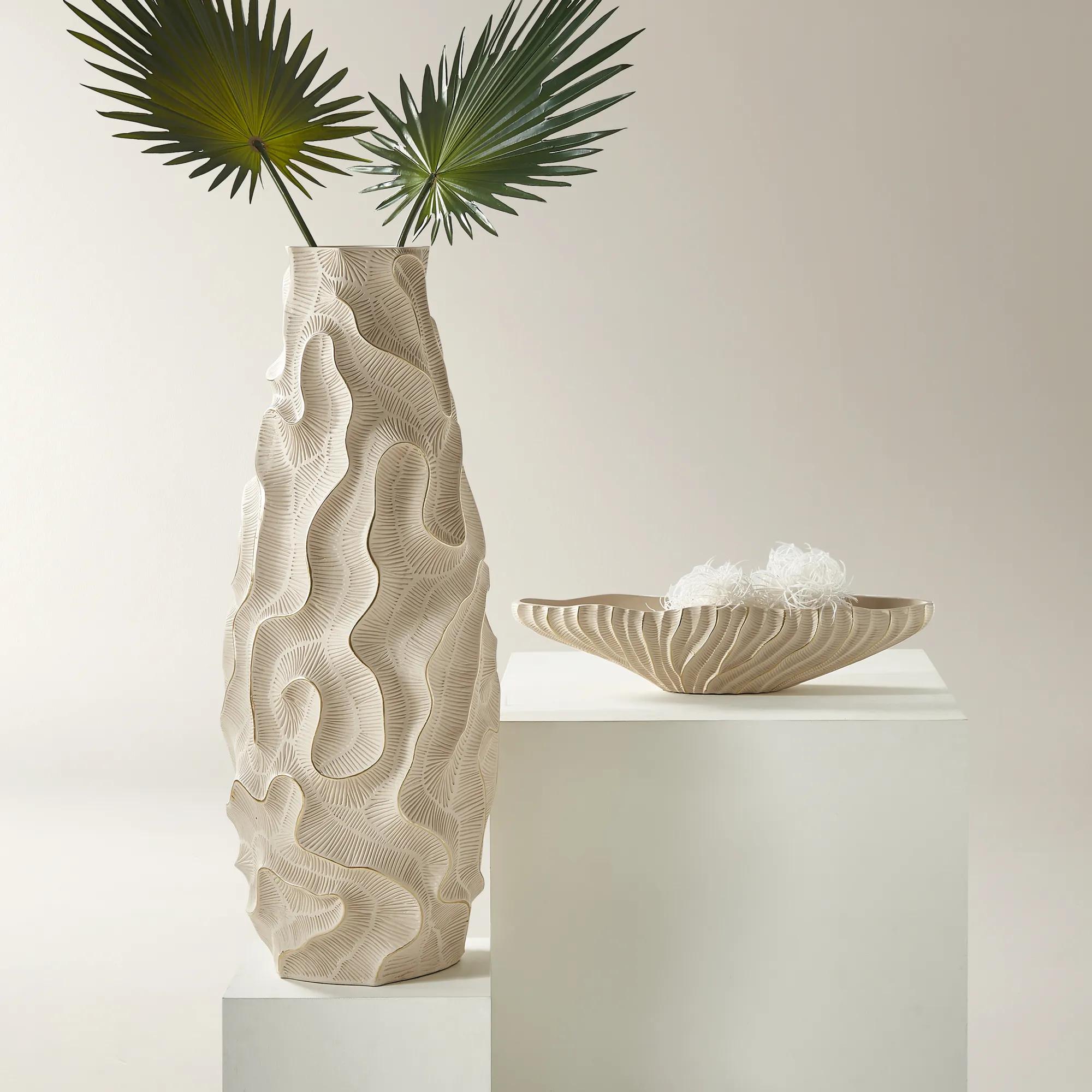
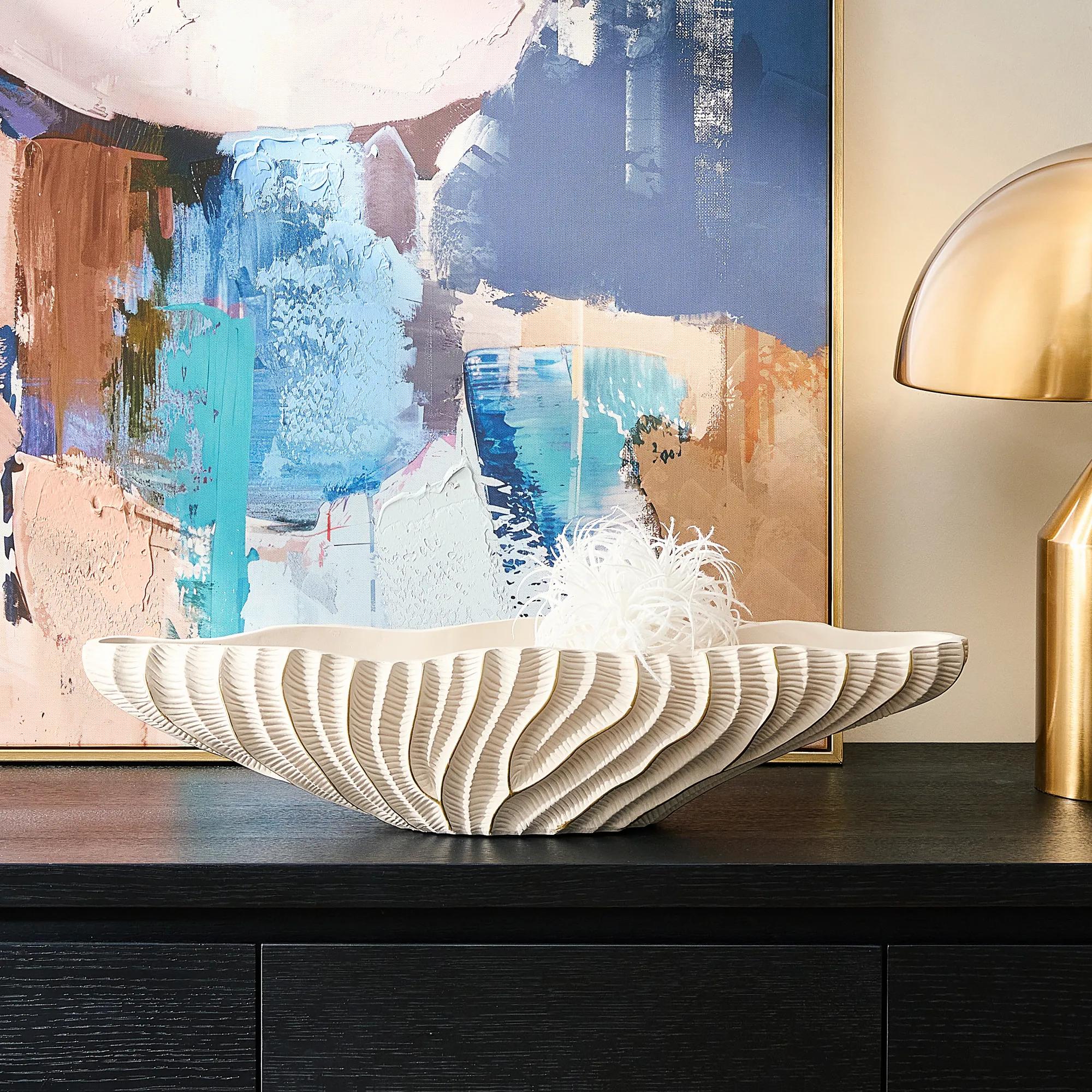 Rouche Ivory And Gold Etched Resin Floor Vase & Bowl$79
A decorative resin vase and bowl set with organic forms, ivory surfaces, and elegant gold etching.
Add To Cart -
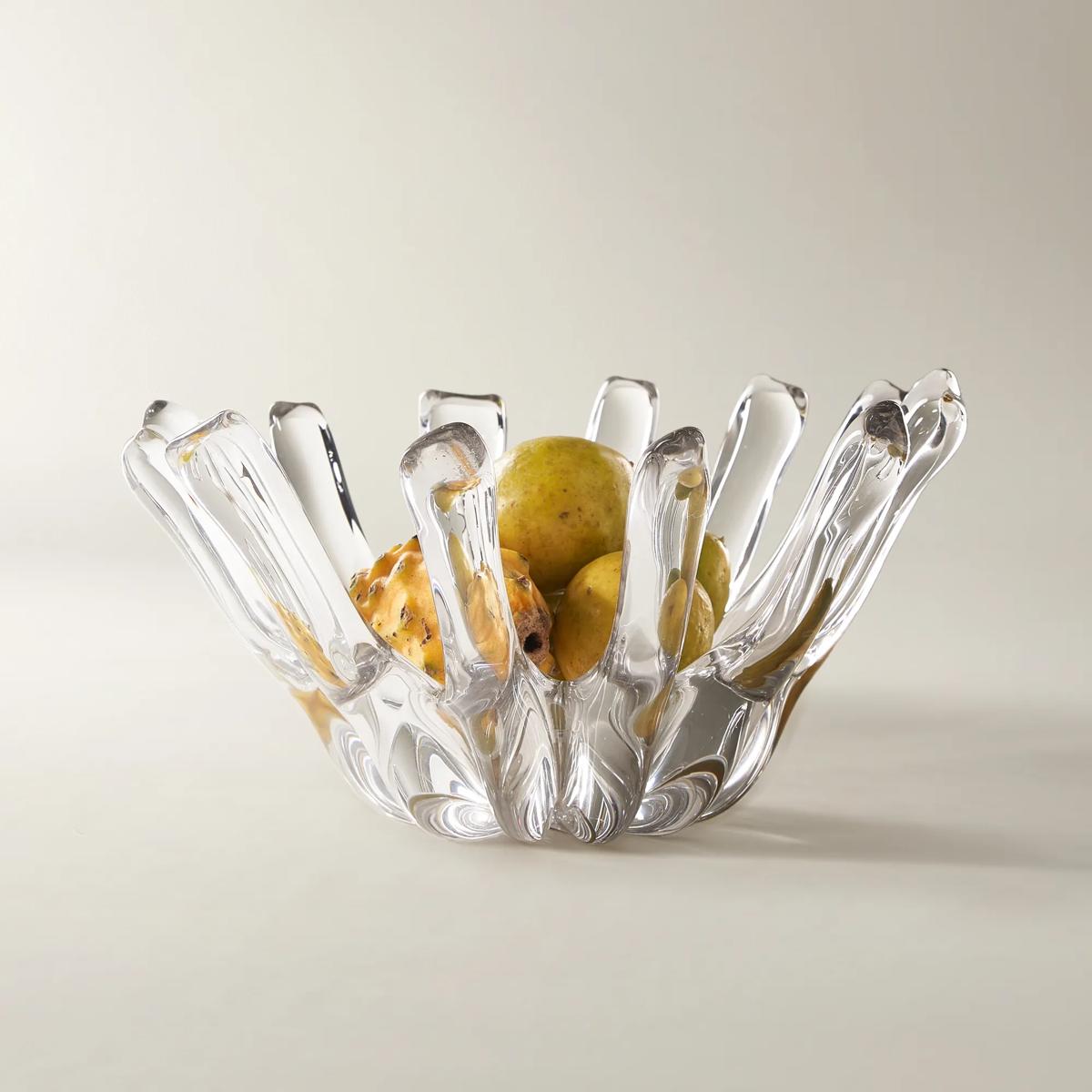
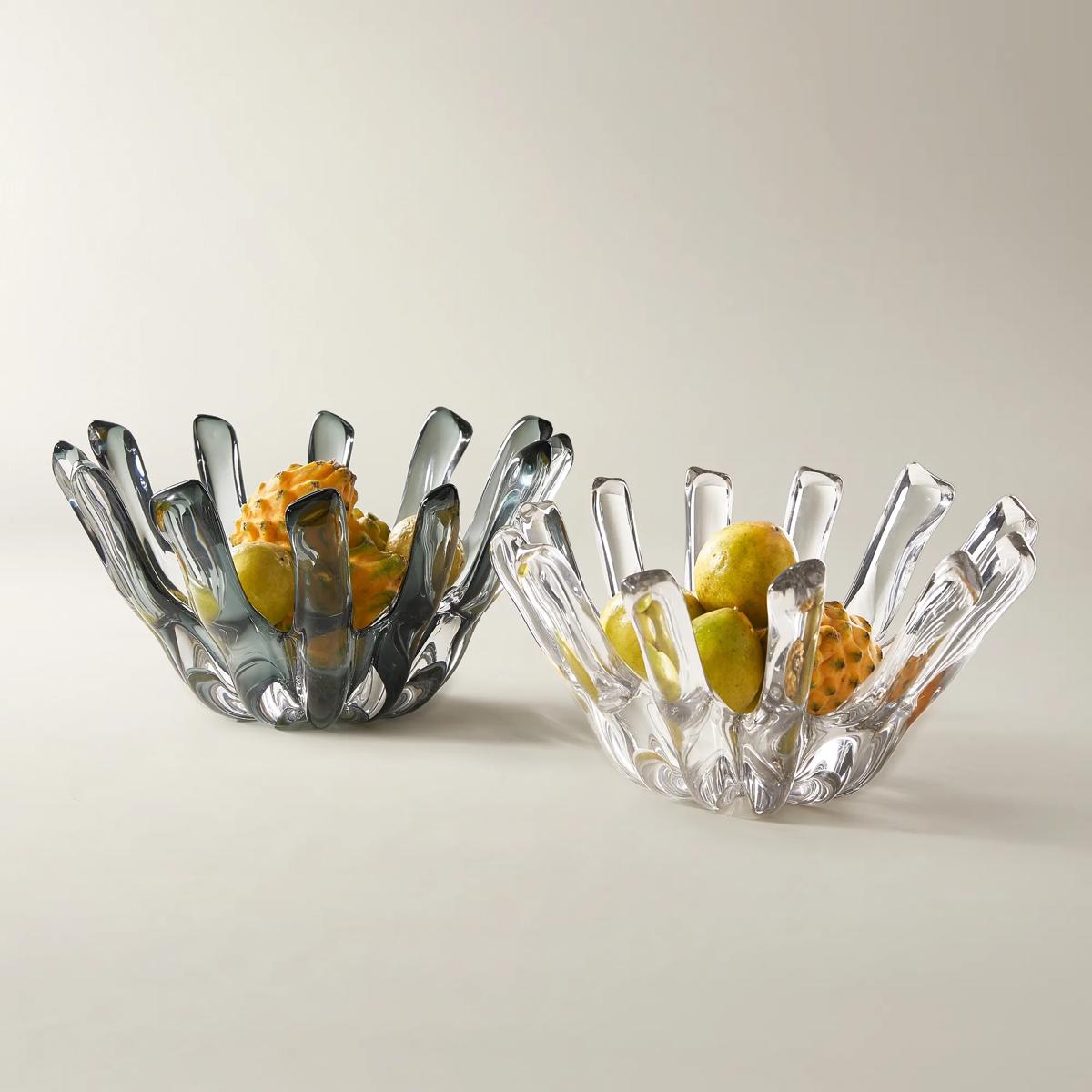 Bossa Clear Handblown Glass Decorative Bowl 13" x 7"$129
A hand-blown clear glass bowl featuring an expressive, sculptural form for modern decorative displays.
Add To Cart -
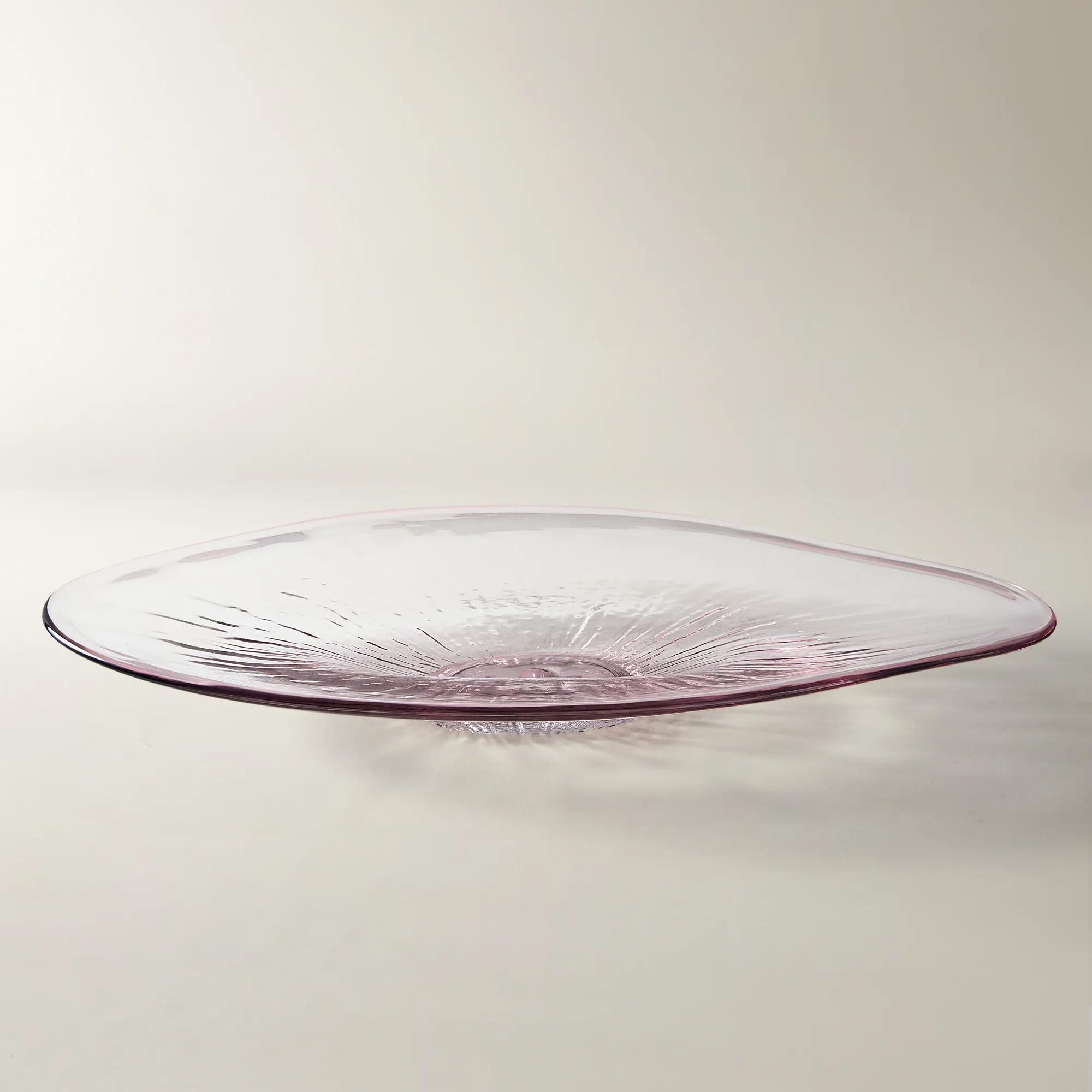 Cortina Decorative Bowl$129
A handblown glass bowl in an ethereal pink hue that brings artistic flair to modern interiors.
Add To Cart -
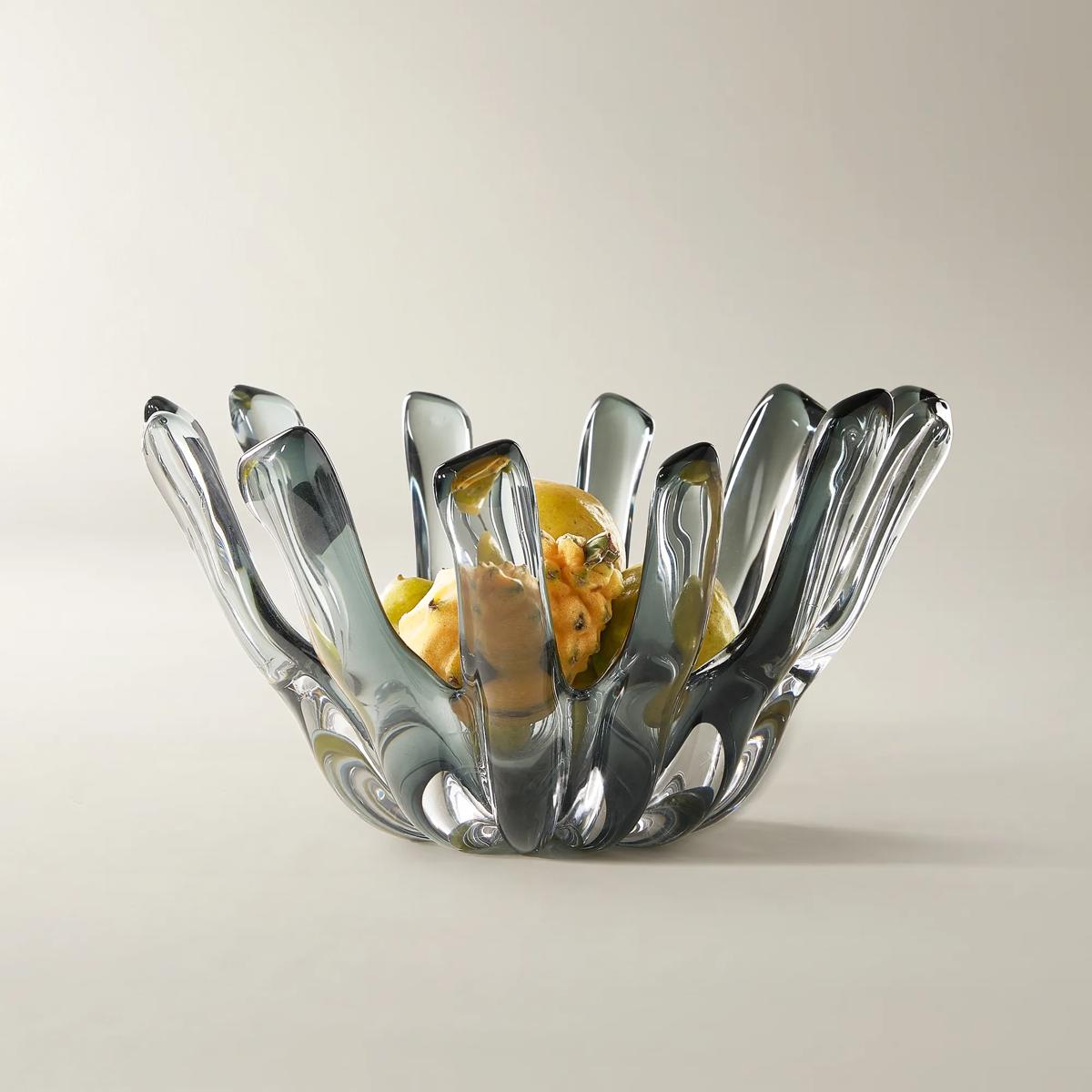 Bossa Smoke Handblown Glass Decorative Bowl 13" x 7"$129
A hand-blown smoky grey glass bowl featuring an expressive, sculptural design for modern decorative displays.
Add To Cart -
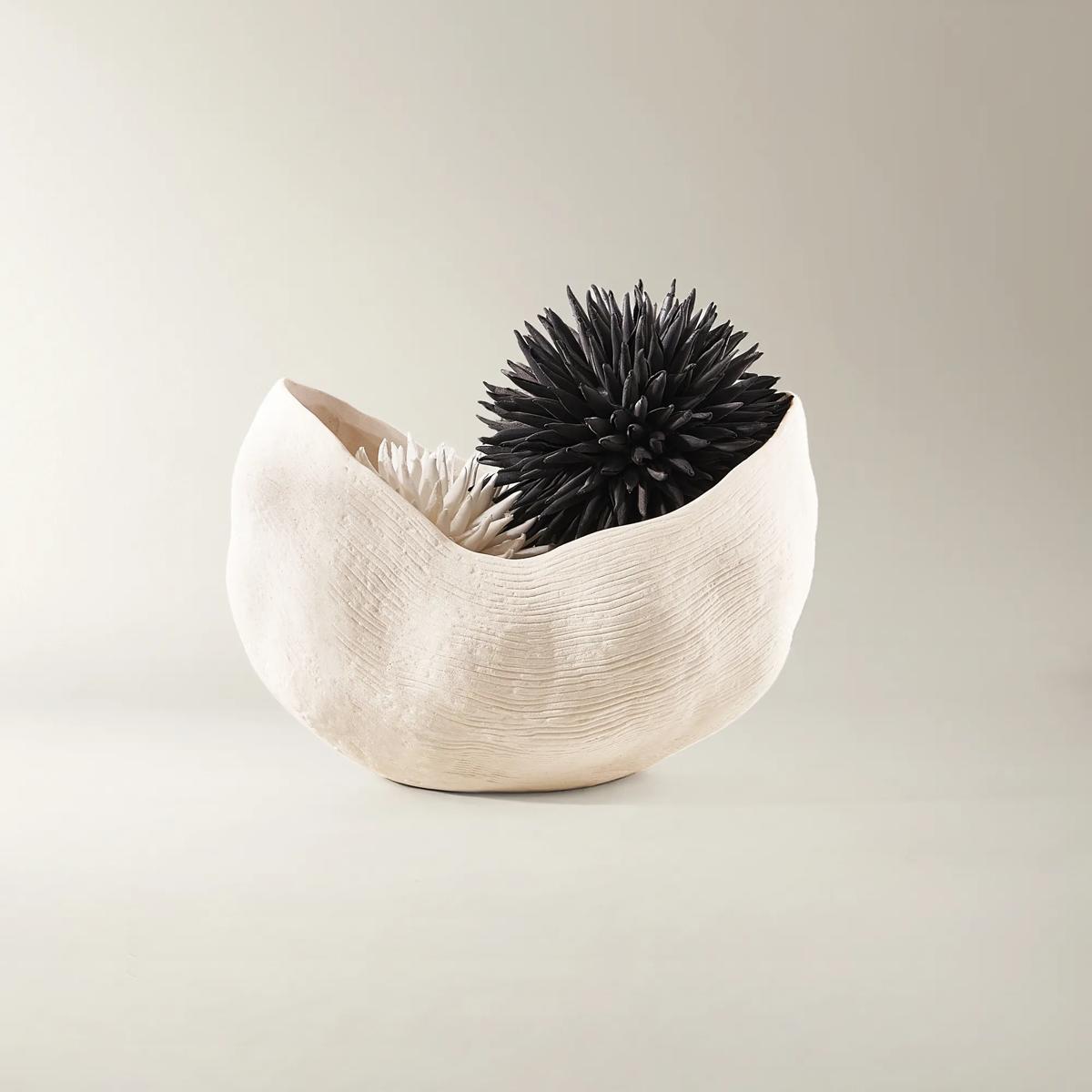 Baz Ivory Porcelain Bowl$119
A sculptural ivory porcelain bowl with a matte, textured finish and organic, free-flowing silhouette.
Add To Cart -
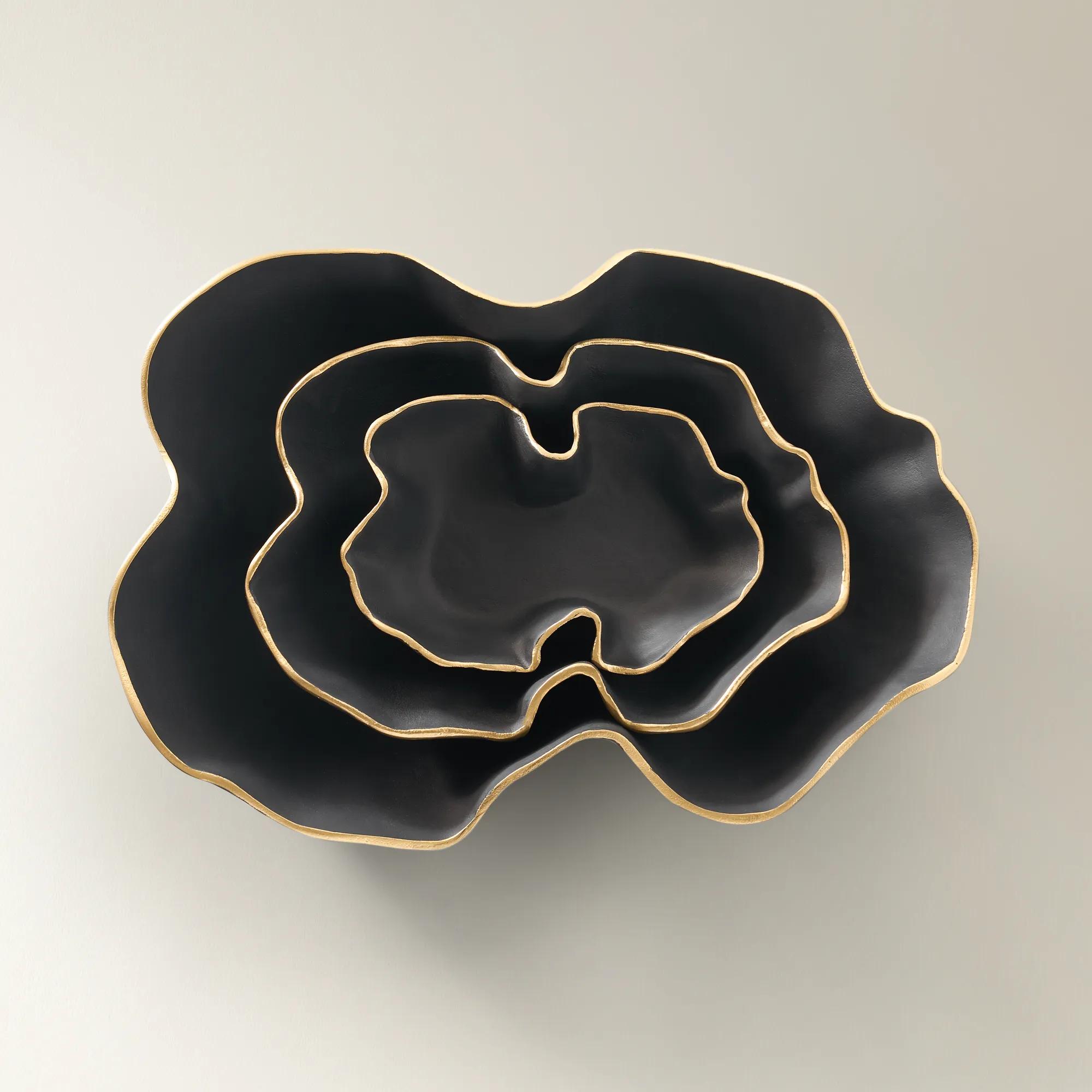 Lava Black Gold Aluminum Decorative Nesting Bowls$39
A deep black aluminum bowl with golden edges, featuring an organic, volcanic-inspired design for decorative display.
Add To Cart -
 Calla Mouth Blown Blue Glass Decorative Bowl 15.35" x 5.7"$79
A handblown blue glass bowl featuring unique curves and translucent artistry for striking decorative appeal.
Add To Cart -
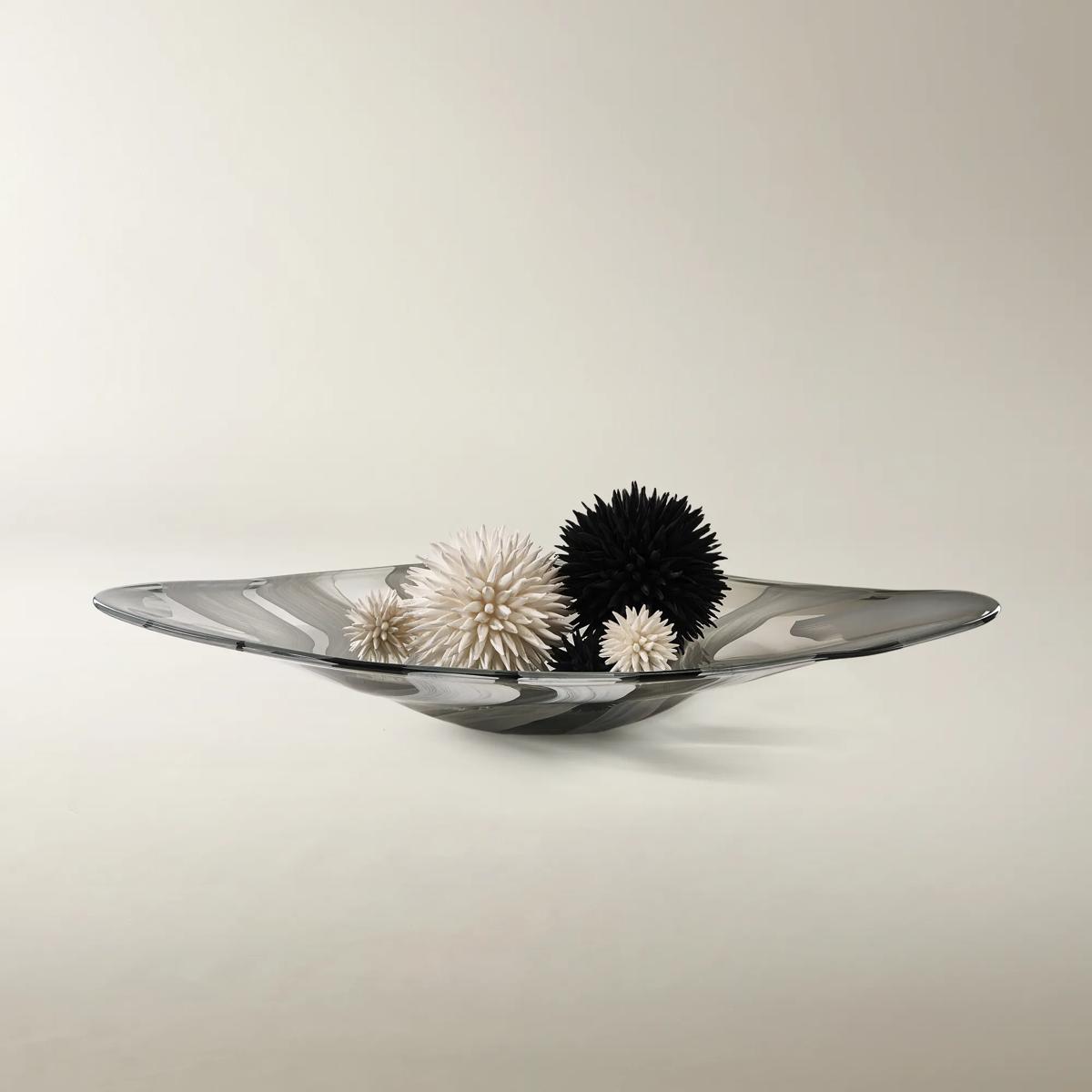
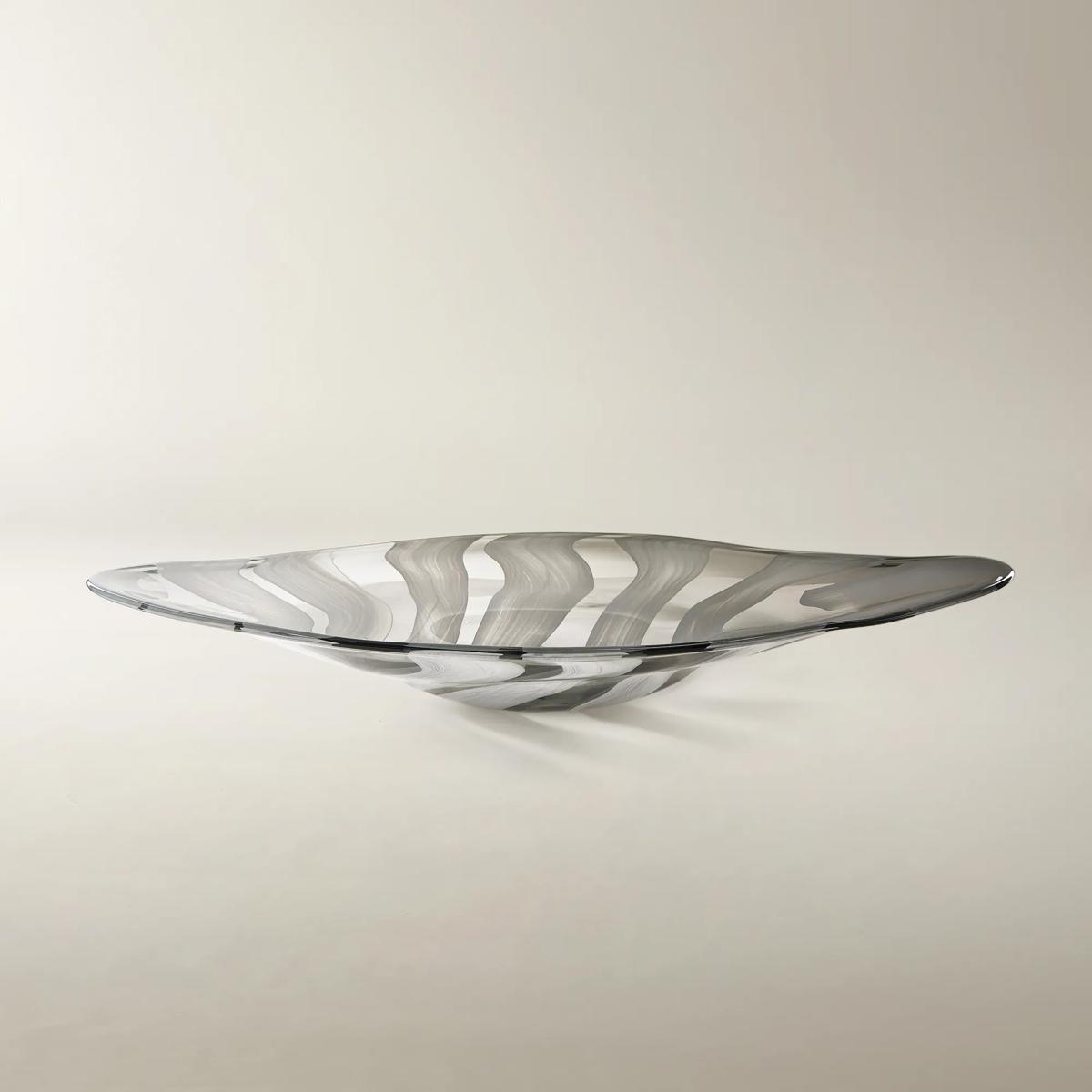 Zoya Glass Bowl$349
A hand-blown grey glass bowl with a marbled pattern and organic silhouette for modern decor.
Add To Cart -
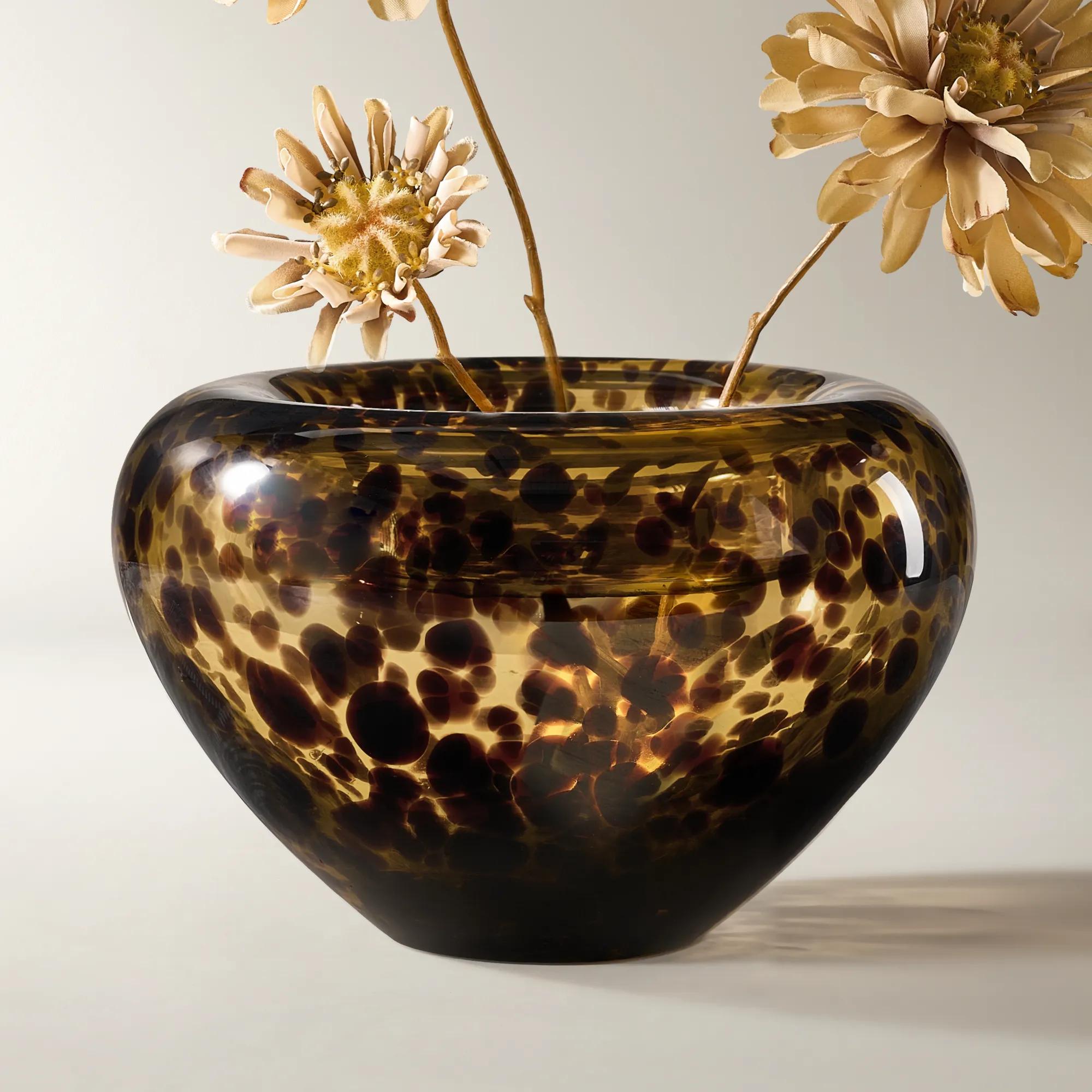 Tortoise Mouth Blown Brown Glass Decorative Bowl 8.25" x 4.25"$69
A handblown glass bowl featuring a warm brown tortoise pattern and a sculptural, rounded silhouette.
Add To Cart -

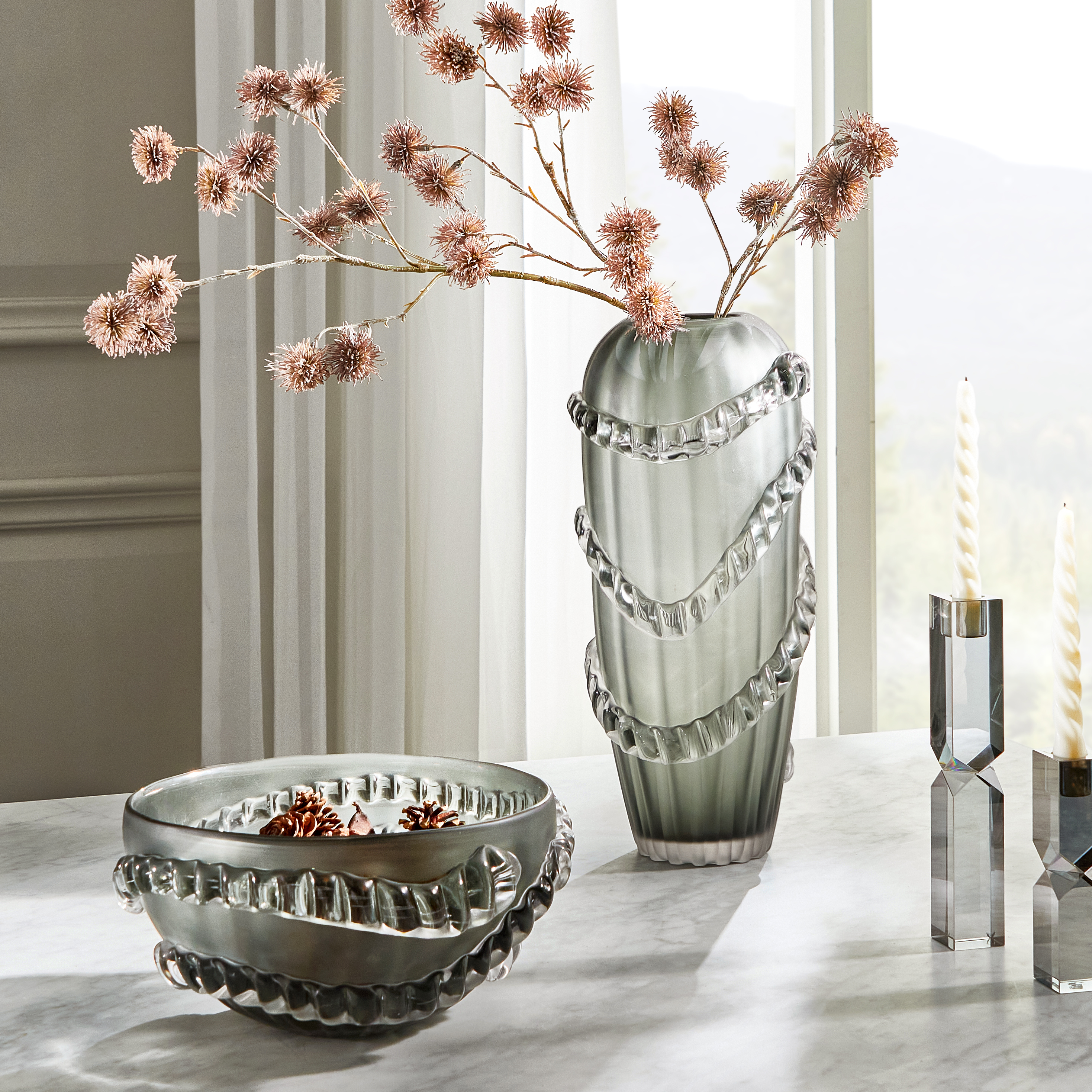 Helix Glass Collection$129
A hand-blown dark gray glass piece featuring fluted bodies and rippling sculptural ribbons for modern elegance.
Add To Cart -
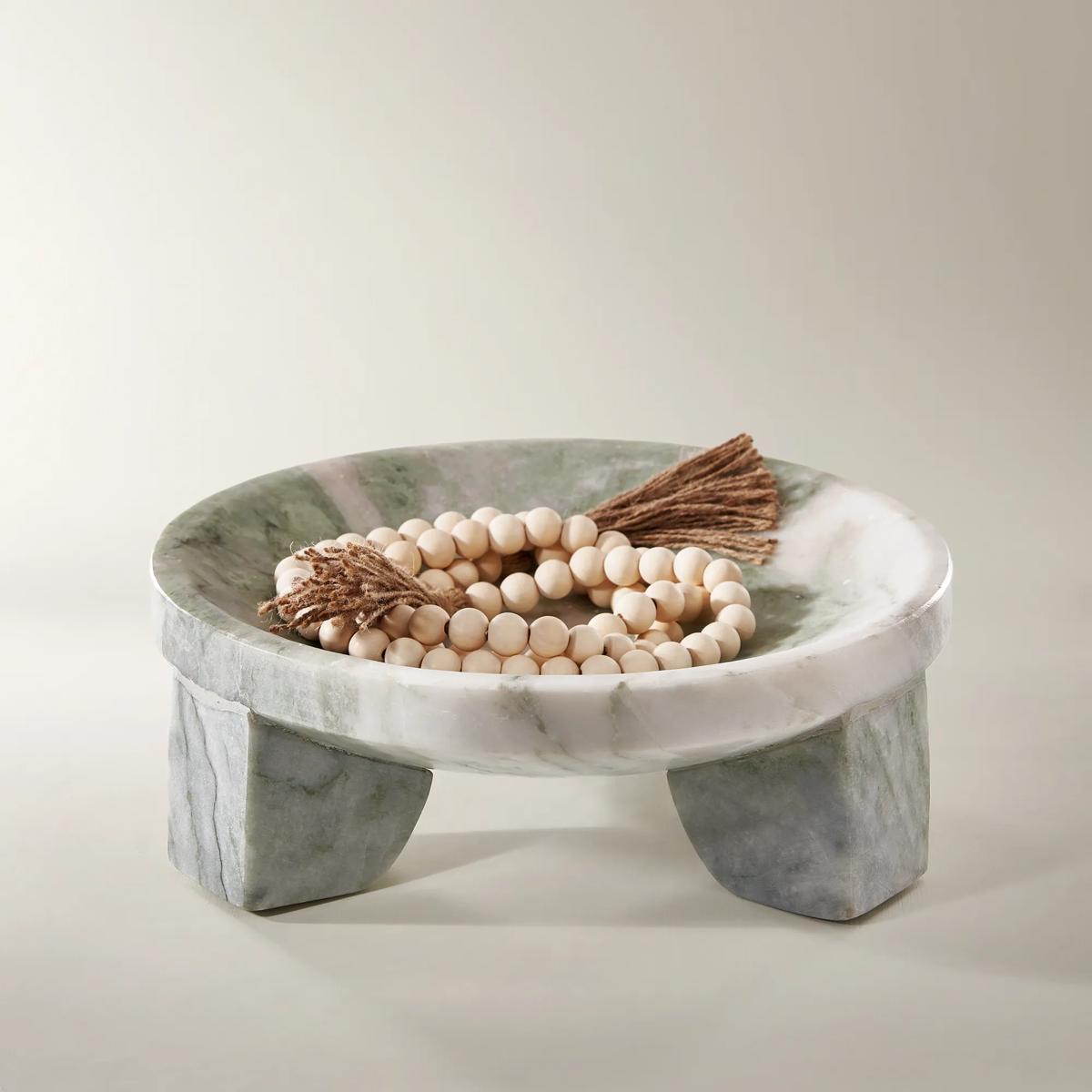
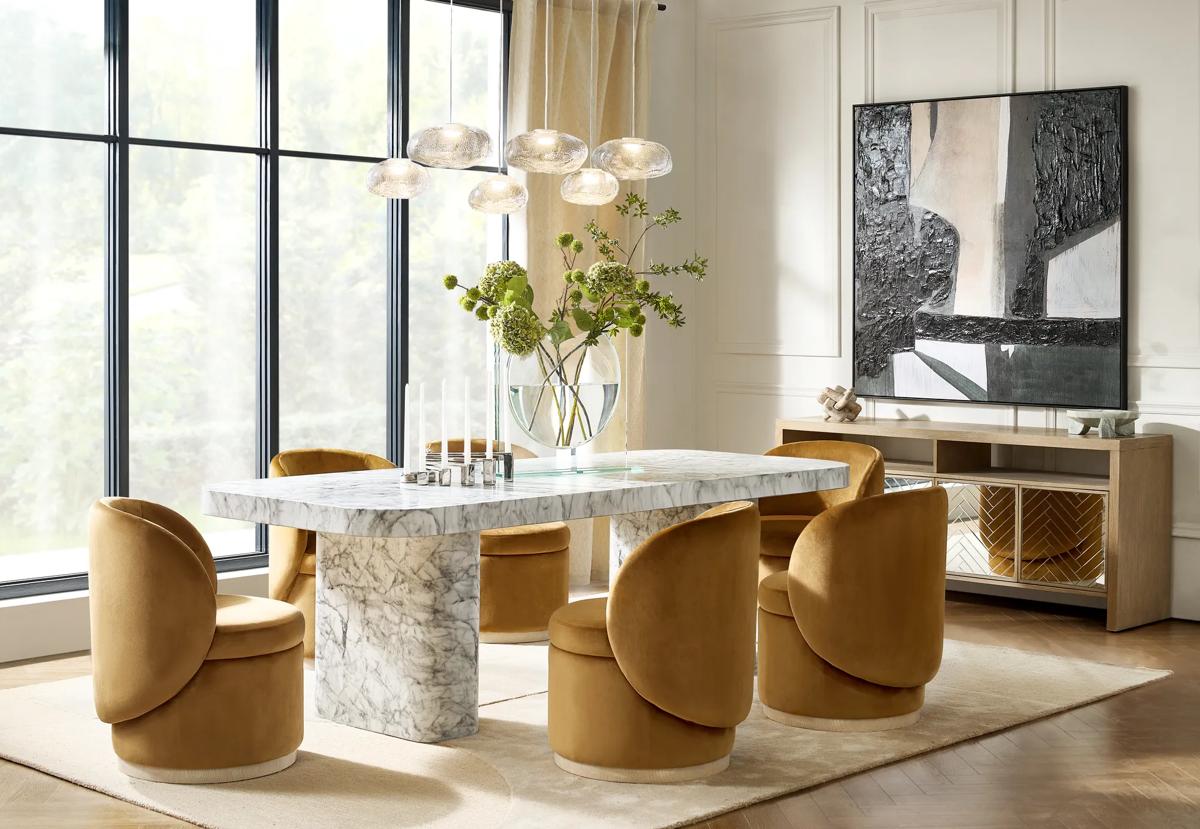 Light Green Marble Footed Bowl$199
A hand-carved onyx bowl featuring soft green marbling and sculptural feet for organic elegance.
Add To Cart

Large Centerpiece Bowls
Large Centerpiece Bowls command attention with their grand scale and artistic allure, transforming any table into a curated work of art. Each piece is an invitation to indulge in drama, whether poised atop a dining table or anchoring a console with sculptural presence. These bowls are more than vessels—they are statements, designed to spark conversation and set the tone for gatherings both lavish and intimate. With Large Centerpiece Bowls, your space becomes a gallery where bold design flourishes and every detail dazzles.
Large centerpiece bowls are generously scaled decorative vessels designed to anchor a dining table, console, coffee table, or kitchen island with a single expressive form. Many begin around 14 inches across, while especially oversized designs can extend to 30 or 40 inches; proportions vary, and the right fit depends as much on depth and silhouette as diameter. A wide, shallow bowl creates an expansive focal point without interrupting conversation across a dining table, while a deeper vessel introduces sculptural height to an entryway console or an open display shelf. These pieces draw attention through their contours: a sweeping oval, an undulating rim, a generous circular basin, or a pedestal that lifts the entire composition. Their presence can be architectural, organic, or deliberately theatrical, giving a room a distinct point of view without requiring an elaborate arrangement. On a long rectangular table, an elongated bowl echoes the furniture’s lines and leaves room for place settings along either side. A round bowl can bring a softer rhythm to a square coffee table, particularly when balanced with a stack of art books or a slender vase. Scale deserves attention beyond the tabletop itself. Nearby lamps, dining chairs, artwork, and other decorative objects all influence whether a centerpiece feels commanding or crowded. Leaving visible space around the rim allows the shape to register clearly and makes the surface easier to use. A bowl that nearly fills a narrow console may look impressive but leave little room for a lamp or everyday essentials. Conversely, a broad dining table can carry a more substantial piece without losing its sense of balance. The most compelling large centerpiece bowls feel connected to their surroundings yet distinct enough to hold the eye, whether the room is layered with pattern and metallic accents or composed around a restrained palette with one dramatic gesture.
Material gives a centerpiece bowl much of its character, affecting its appearance, weight, care, and intended use. Glass can appear luminous and fluid, with clear surfaces revealing the tabletop beneath and colored or textured finishes adding depth. For spaces that call for light-catching dimension, large glass centerpiece bowls offer a striking contrast to richly grained wood, polished stone, and upholstered furnishings. Their visual lightness does not necessarily mean a lighter physical weight, particularly in thick-walled or substantial designs. Ceramic and earthenware bring a different sensibility, from smooth glazed surfaces to tactile finishes that emphasize the vessel’s curves. A creamy glaze can soften a dark tabletop, while a deep, glossy finish creates a more concentrated note of drama. Metal bowls introduce gleam, reflection, or a softly aged appearance, depending on the finish; wood offers visible grain and warmth; and resin or composite materials can support expressive shapes with varying weight and texture. Plaster and similarly porous decorative finishes often have a matte, gallery-like presence but may be more susceptible to moisture or surface marks. Durability is specific to both the material and its treatment. Glass and ceramic can chip when struck, metal finishes may scratch, and wood can respond to prolonged moisture or extreme heat. Care instructions should always determine whether a bowl can be washed, wiped with a damp cloth, or cleaned only with a soft, dry cloth. Abrasive pads, strong cleaners, and unapproved polishing products can compromise decorative surfaces, including those with metallic detailing. A protective layer beneath the base can help safeguard a tabletop, provided it supports the bowl securely. Large dimensions also make weight worth considering on glass tables or floating shelves. A piece with a substantial base may provide welcome stability, but its full dimensions and weight should suit the supporting furniture. These practical details preserve the visual pleasure of the piece, allowing its finish, texture, and silhouette to remain the focus.
A large decorative bowl can be a complete centerpiece on its own, particularly when its interior has a distinctive glaze, sculpted texture, or reflective finish. Leaving it unfilled allows the vessel’s shape to read almost like sculpture and gives a richly furnished room a deliberate place for the eye to rest. For a more layered composition, a restrained grouping of decorative spheres, natural objects, or other dry accents can emphasize the bowl’s breadth without concealing its design. The relationship between contents and container matters: oversized accents hold their own in a deep vessel, while smaller pieces can disappear below a high rim. On a dining table used every day, an arrangement that remains low and easy to move preserves comfort and flexibility. On an entry console, a more dramatic silhouette can establish the room’s mood from the first glance. Kitchen islands invite another distinction between beauty and function. A decorative bowl should hold fruit or serve food only when it is explicitly identified as food-safe; an ornamental finish alone does not establish suitability for direct food contact. The same care applies to floral displays, since a vessel intended for dry decoration may not be watertight. Where appropriate, a separate watertight insert can support an arrangement while keeping water away from the decorative surface, but the bowl’s care instructions still take precedence. For people who love entertaining, collecting sculptural objects, or giving familiar rooms a more expressive identity, these vessels offer lasting versatility. They can also make thoughtful wedding, housewarming, or milestone gifts when chosen with the recipient’s space and preferences in mind. A generously scaled bowl suits someone with an expansive dining table or console more naturally than someone with limited display space, and an understated finish may integrate more easily with an established collection. Whether displayed empty or thoughtfully composed, a large centerpiece bowl brings volume, texture, and intention to a surface, transforming an everyday gathering place into a richly considered focal point.
FAQs
A large decorative centerpiece bowl is a versatile canvas for your creativity. For festive gatherings, fill it with seasonal florals, lush greenery, or shimmering ornaments to echo the mood. For everyday elegance, consider a collection of sculptural objects, polished stones, or even a dramatic display of fruit. Changing the contents with the seasons or your entertaining needs keeps your space feeling fresh and expressive.
Materials set the tone for your centerpiece. Glass bowls offer luminous clarity and a sense of lightness, perfect for contemporary or glamorous settings. Metallic finishes—like gold, silver, or bronze—add opulence and catch the light beautifully. Ceramics and stoneware provide organic texture and warmth, while mirrored or lacquered finishes bring bold, modern drama. Choose a material that complements your room’s palette and desired atmosphere.
Absolutely. A large centerpiece bowl is a memorable and meaningful gift, ideal for housewarmings, weddings, anniversaries, or milestone celebrations. It’s a piece that blends artistry with function, inviting the recipient to infuse their own style and personality into their home. For an extra-special touch, consider gifting the bowl filled with seasonal treats or decorative accents.
To maintain your bowl’s beauty, regularly dust or gently wipe it with a soft cloth. For glass or mirrored finishes, use a non-abrasive cleaner to preserve the surface’s clarity and shine. Rotate the contents occasionally to avoid marks or fading, and avoid placing heavy or sharp objects inside that could scratch or damage the interior. Thoughtful care ensures your centerpiece remains a striking focal point for years to come.
Definitely. While stunning on a dining table, large centerpiece bowls bring artistry to any room. Use one on a living room console to display sculptural objects, in an entryway to collect keys and treasures, or even as a dramatic accent in a bedroom or office. Their scale and presence make them adaptable statement pieces throughout the home.


