Centerpiece Glass Vases
Centerpiece Glass Vases
-
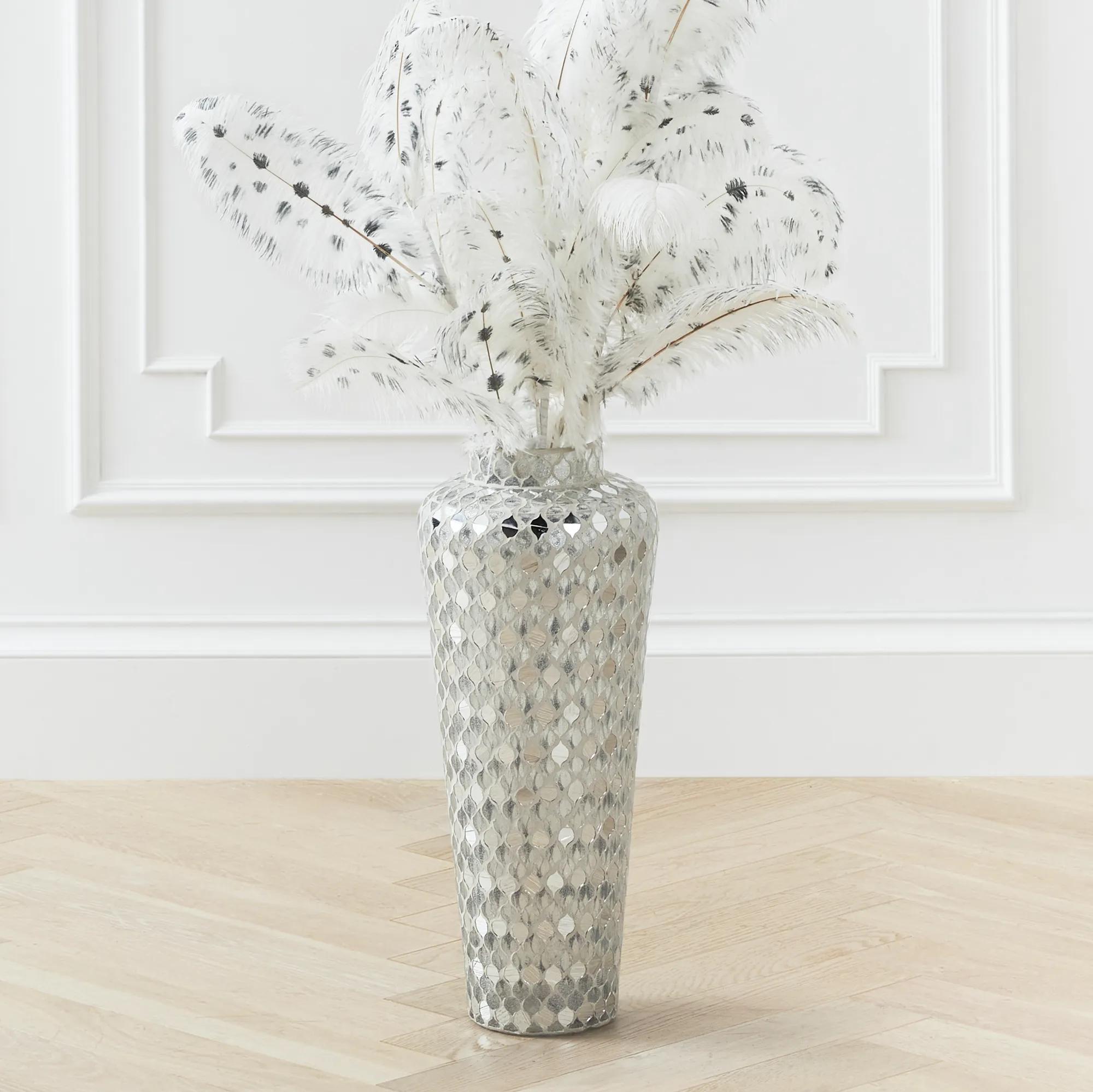 Fez Vase$139
A dazzling glass vase adorned with iridescent mirror and clear tiles for a glamorous decorative accent.
Add To Cart -
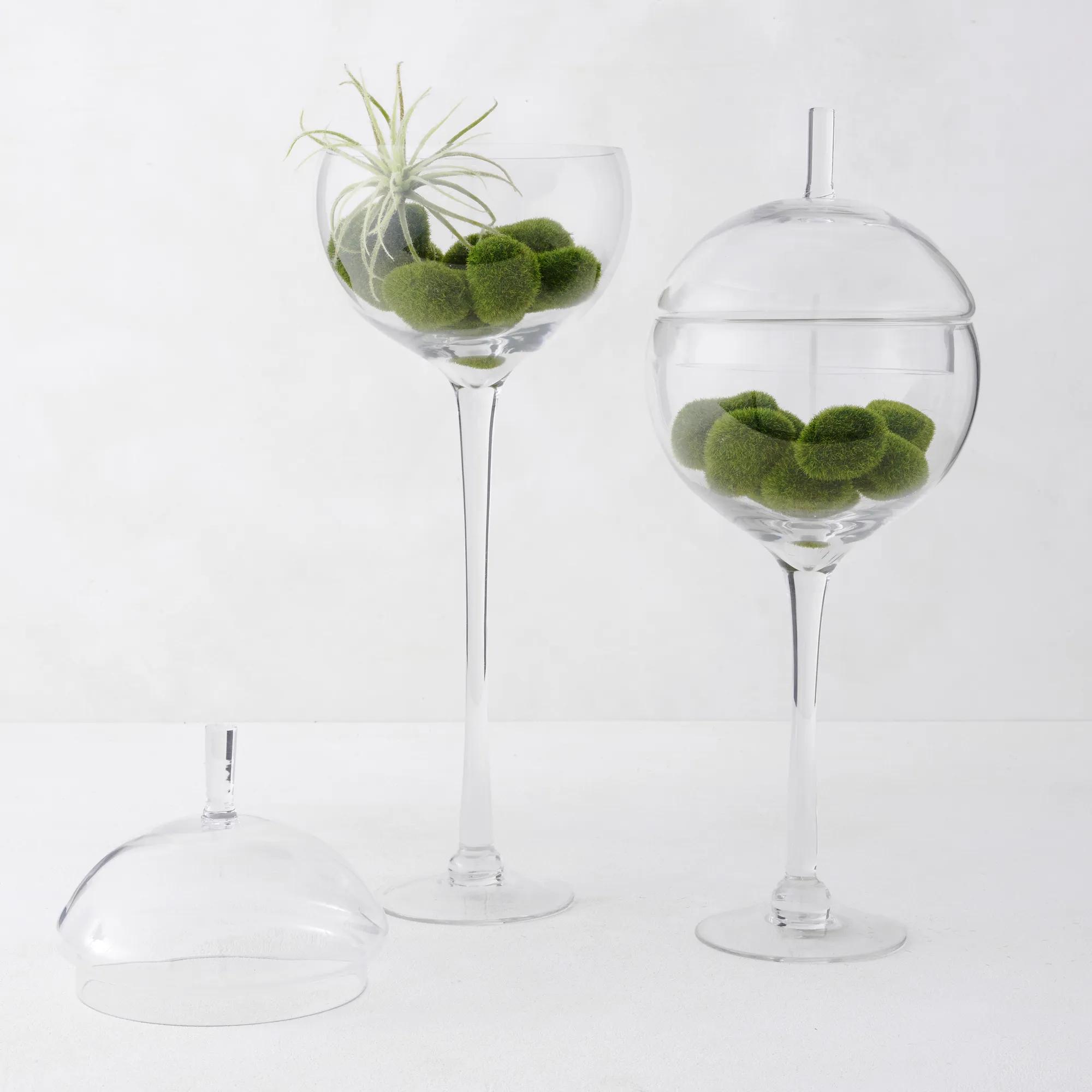 Jules Glass Decorative Canisters$89
A mouthblown glass terrarium perfect for showcasing decorative objects or cherished keepsakes.
Add To Cart -
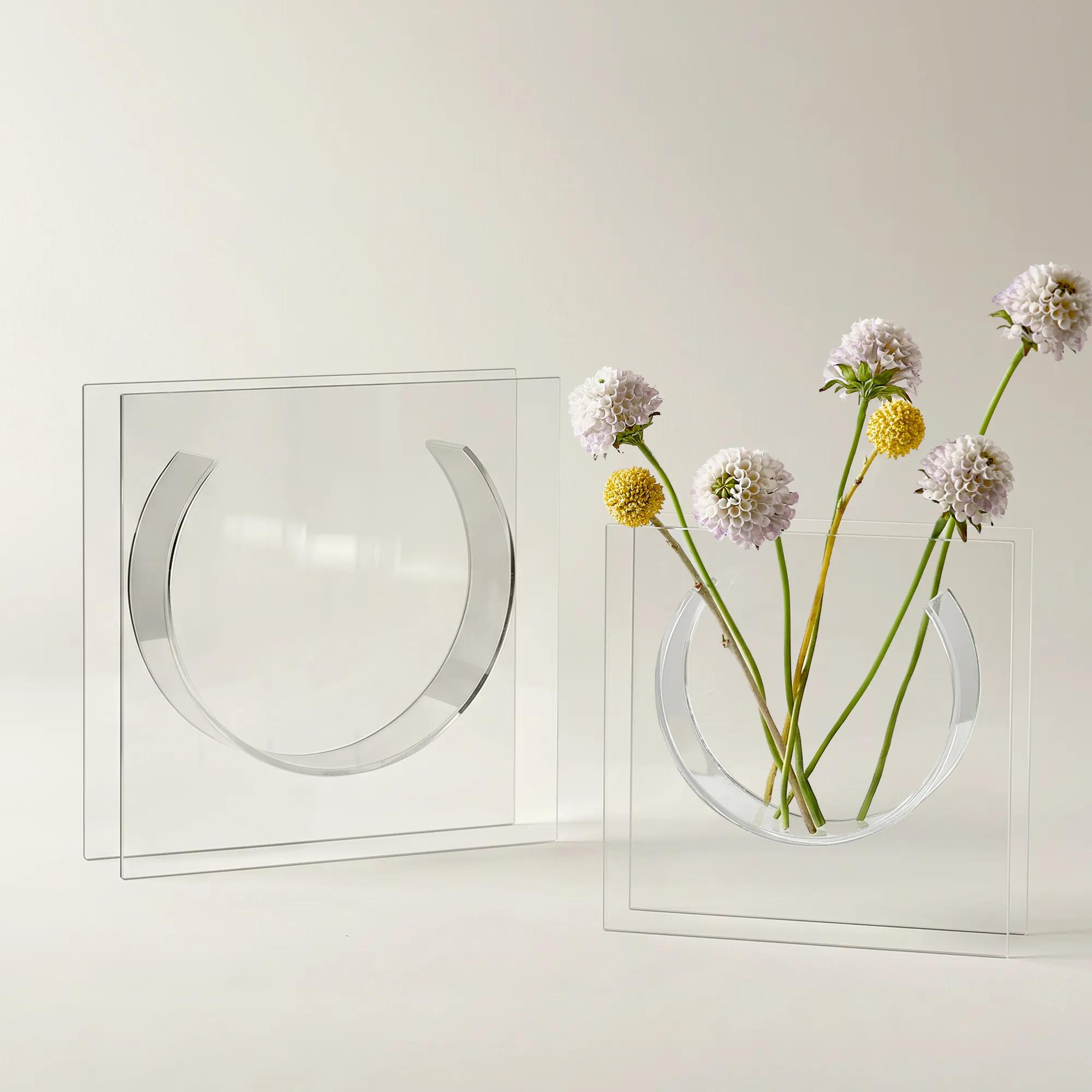
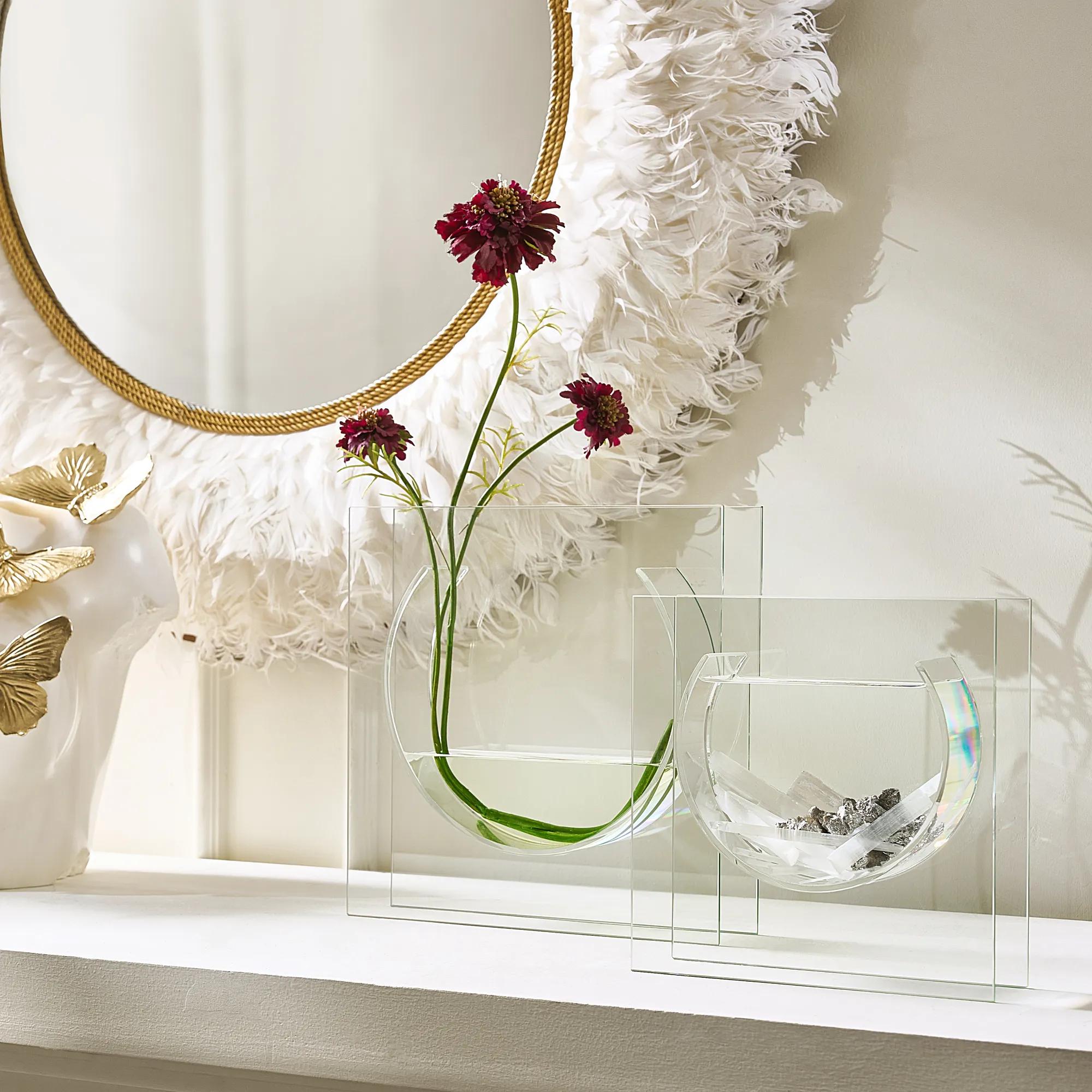 Solaris Clear Glass Vases$39
A bold modern vase crafted from clear glass with an elliptical bowl between two sleek glass panels.
Add To Cart -
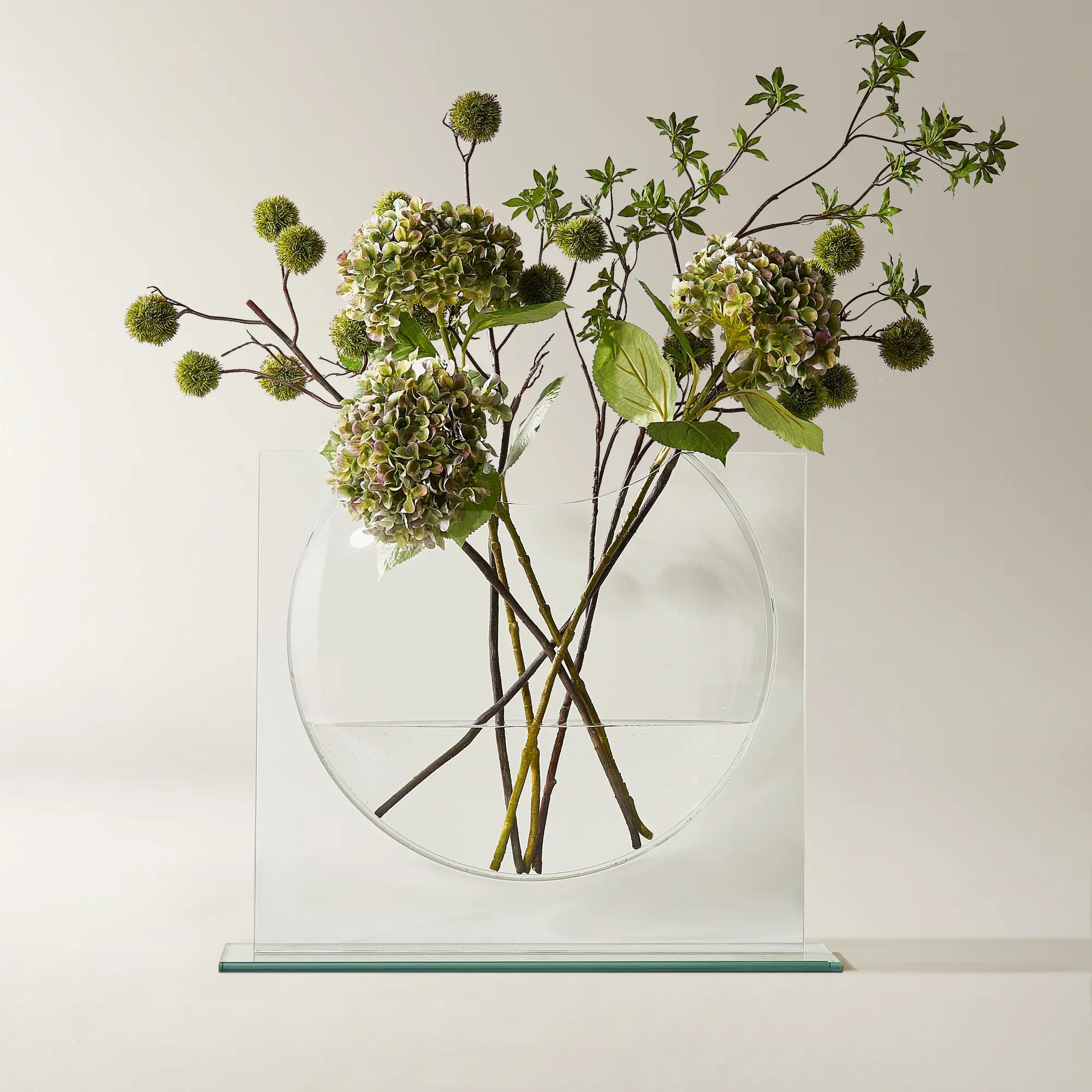
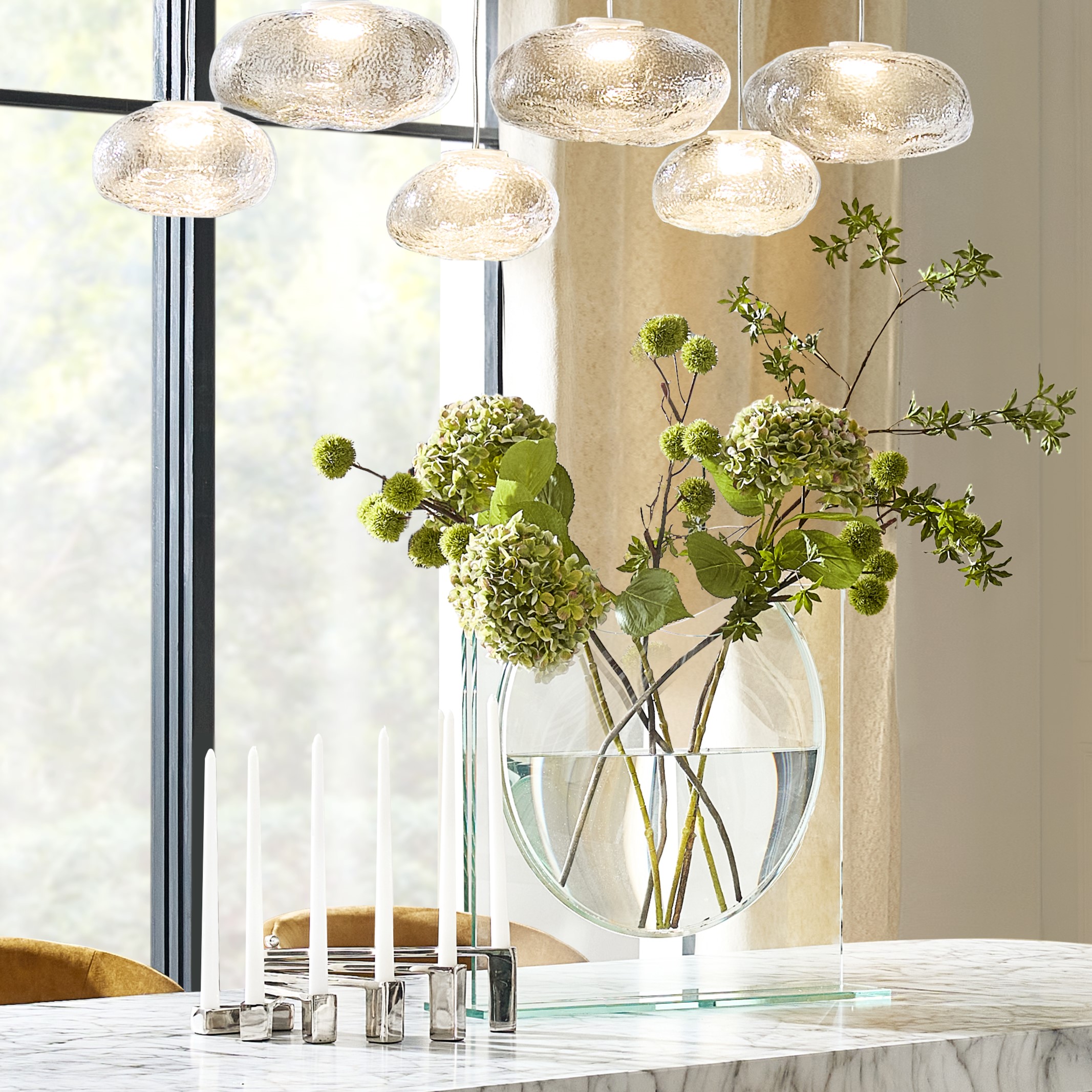 Ellipse Clear Glass Vase 20"$259
A sleek elliptical glass vase offering a modern, functional accent for fresh floral arrangements.
Add To Cart -
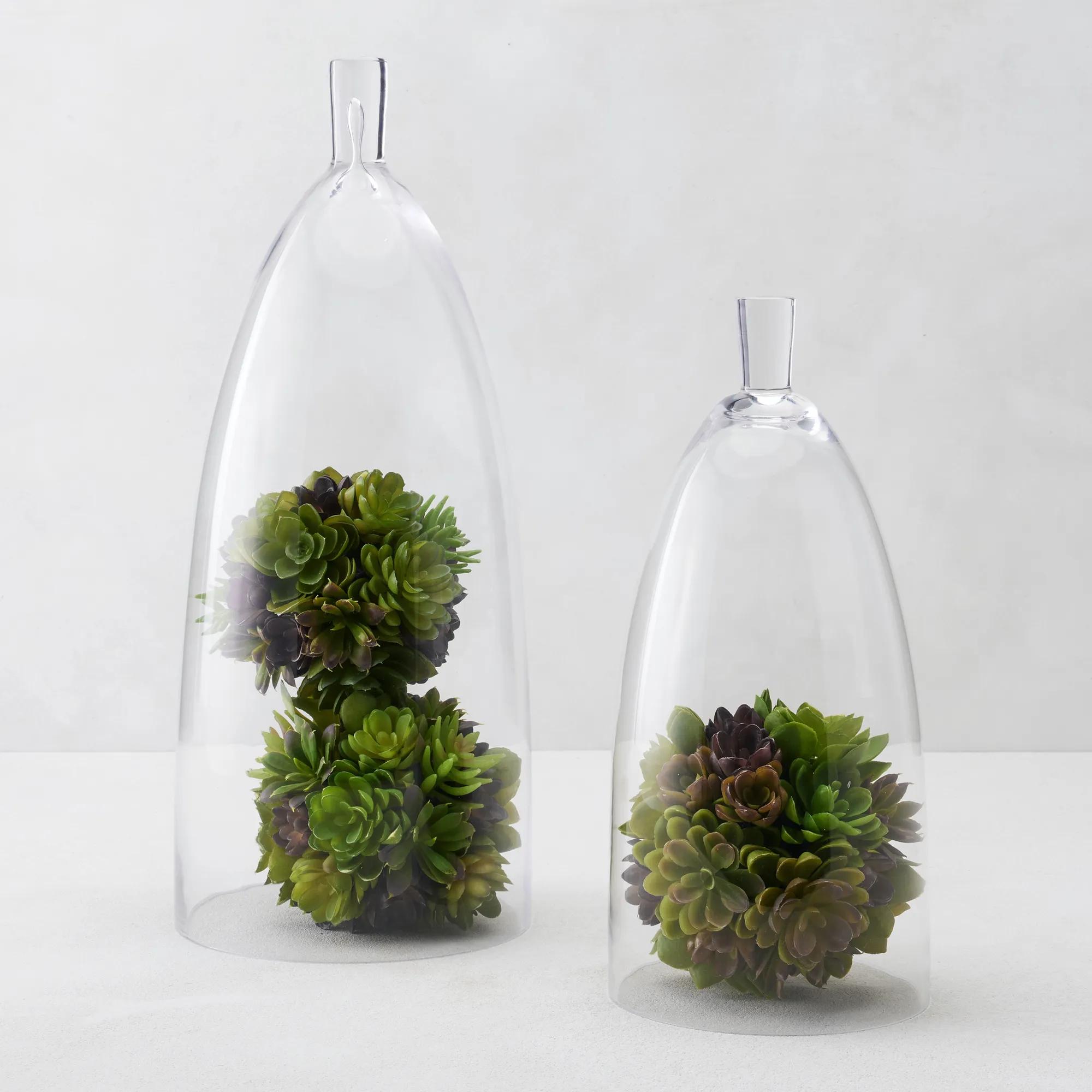 Jules Glass Decorative Cloches$59
A mouthblown glass terrarium perfect for showcasing cherished objects as unique decorative art.
Add To Cart -
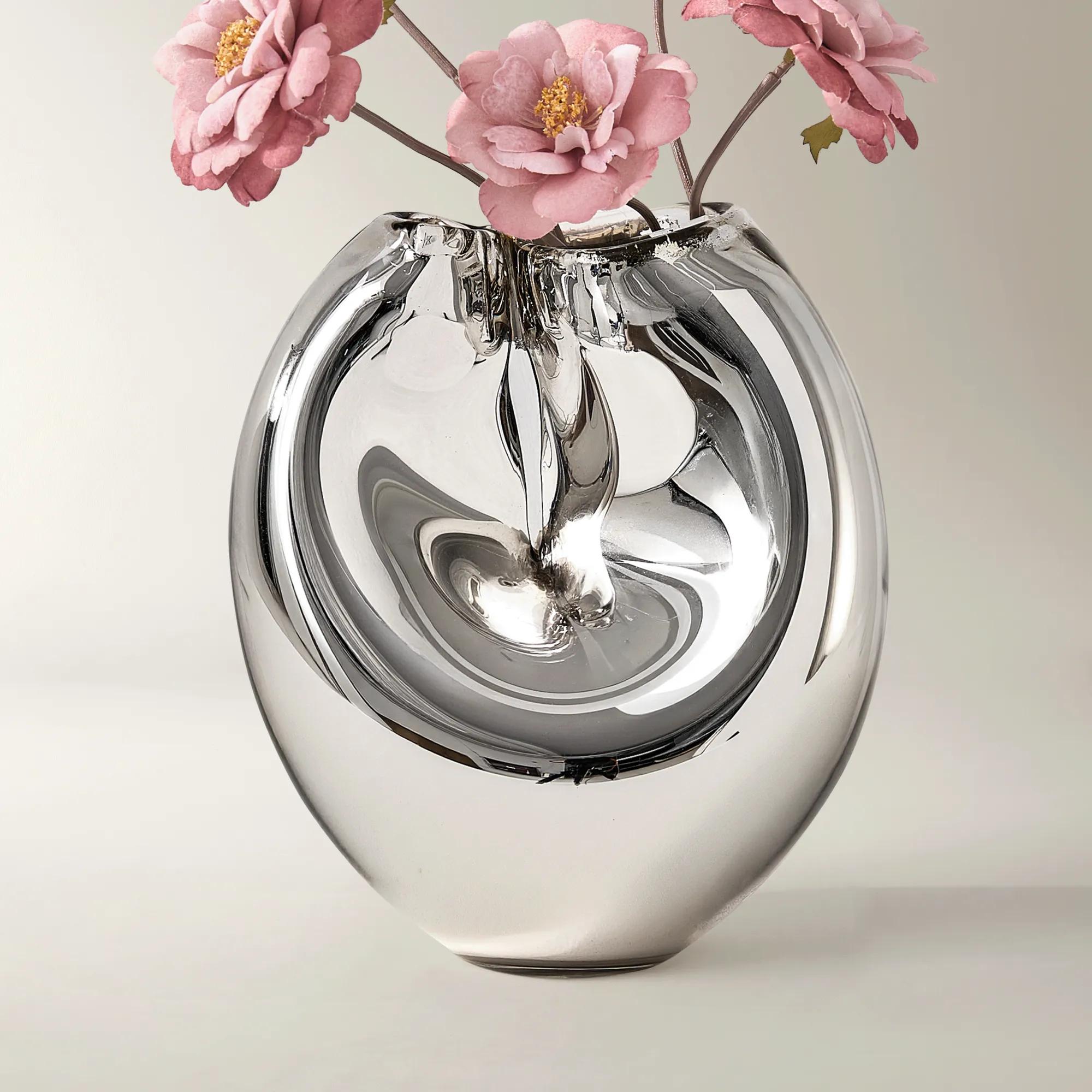 Ono Mouth Blown Mirrored Silver Glass Vase 7.75"$79
A handblown glass vase with a mirrored finish and organic silhouette for modern, artful display.
Add To Cart -
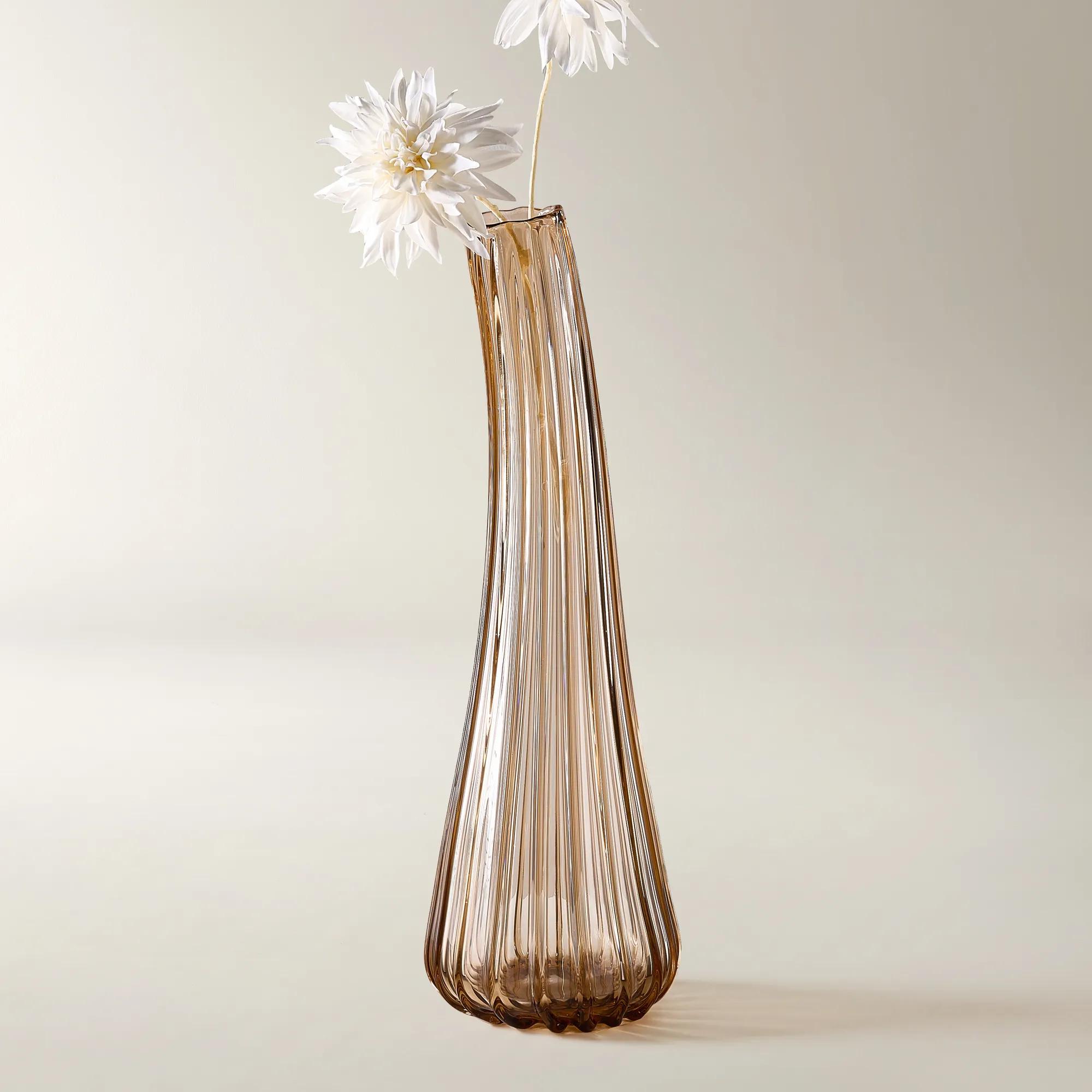
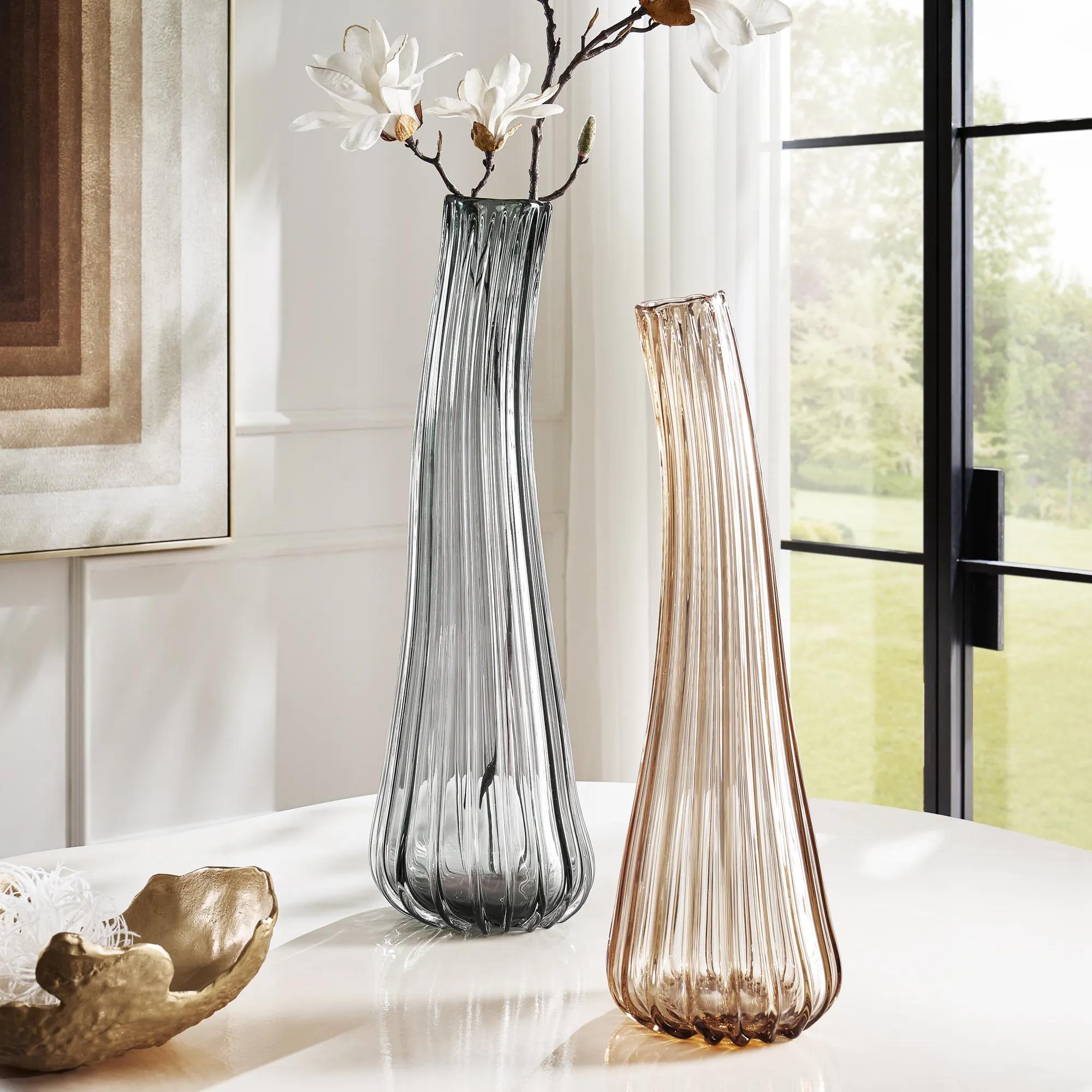 Tango Mouth Blown Soft Amber Vase 24.75"$179
A handblown glass vase in a soft amber finish with a textured, sculptural centerpiece design.
Add To Cart -
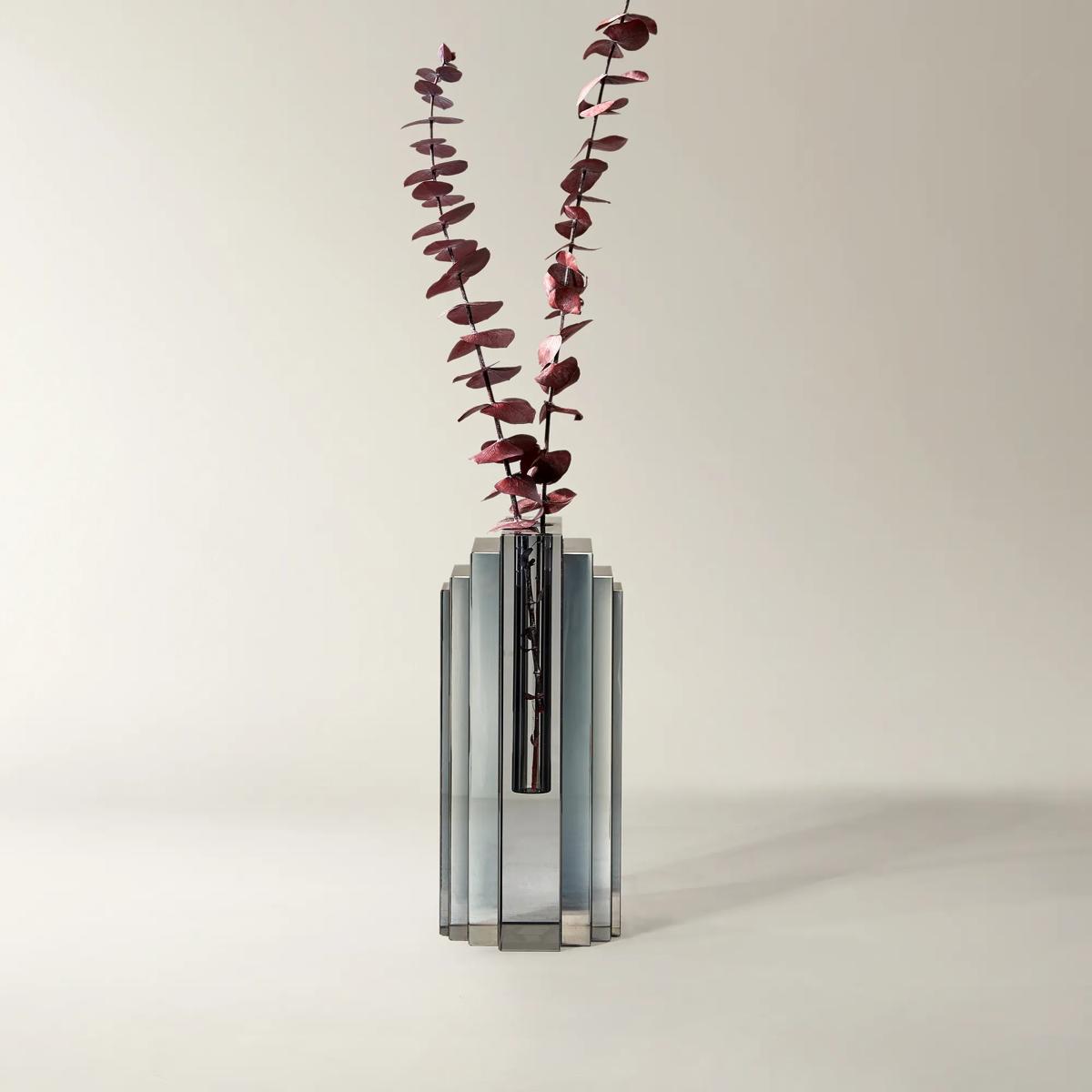 Lucca Crystal Vase - Mirrored Graphite$109
A mirrored graphite crystal vase with a multifaceted geometric design that reflects light for sculptural brilliance.
Add To Cart -
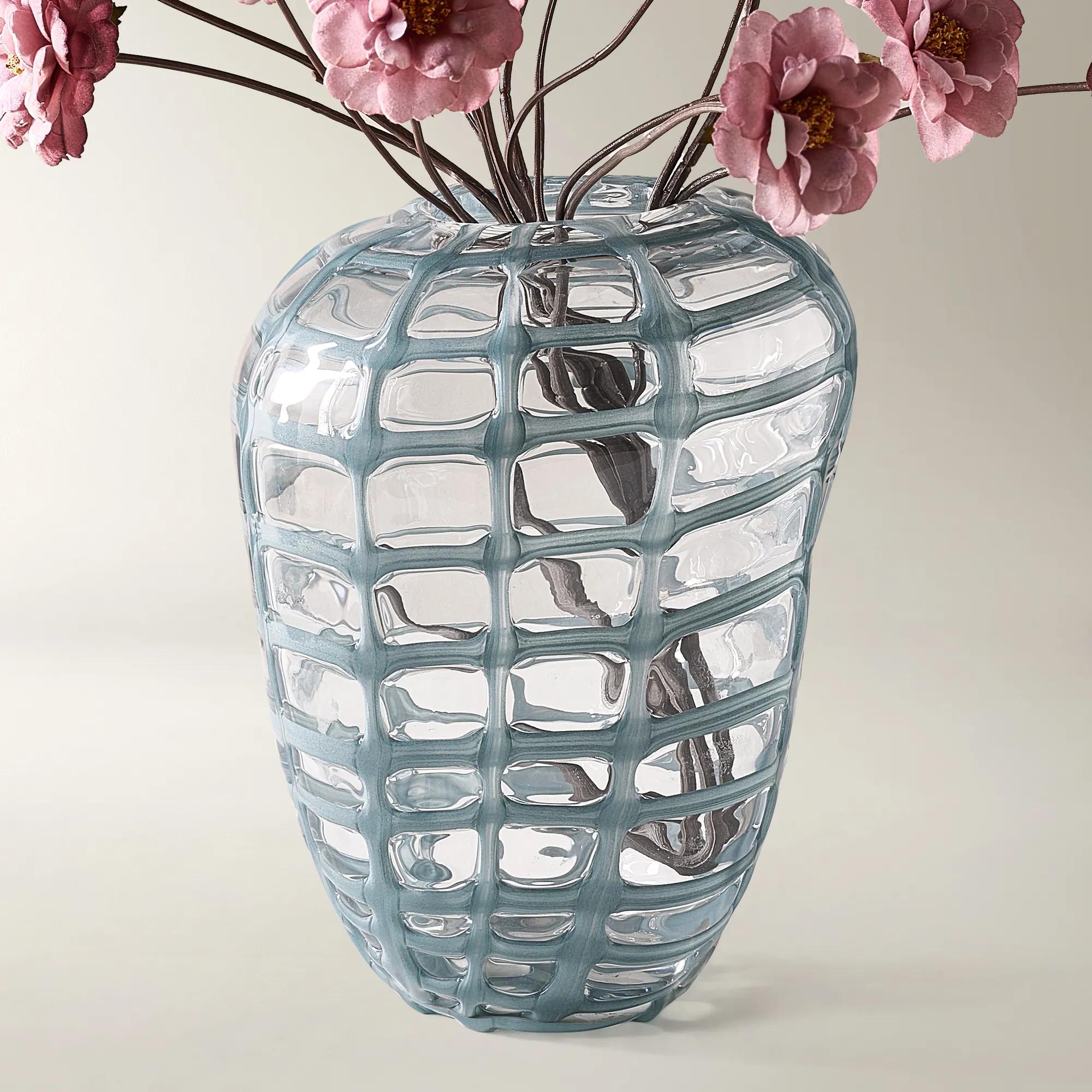 Contra Mouth Blown Dusty Blue Grid Glass Vase 10.25"$79
A handblown dusty blue glass vase featuring a graphic grid pattern and softly organic silhouette.
Add To Cart -
.jpeg?w=1200&h=1200)
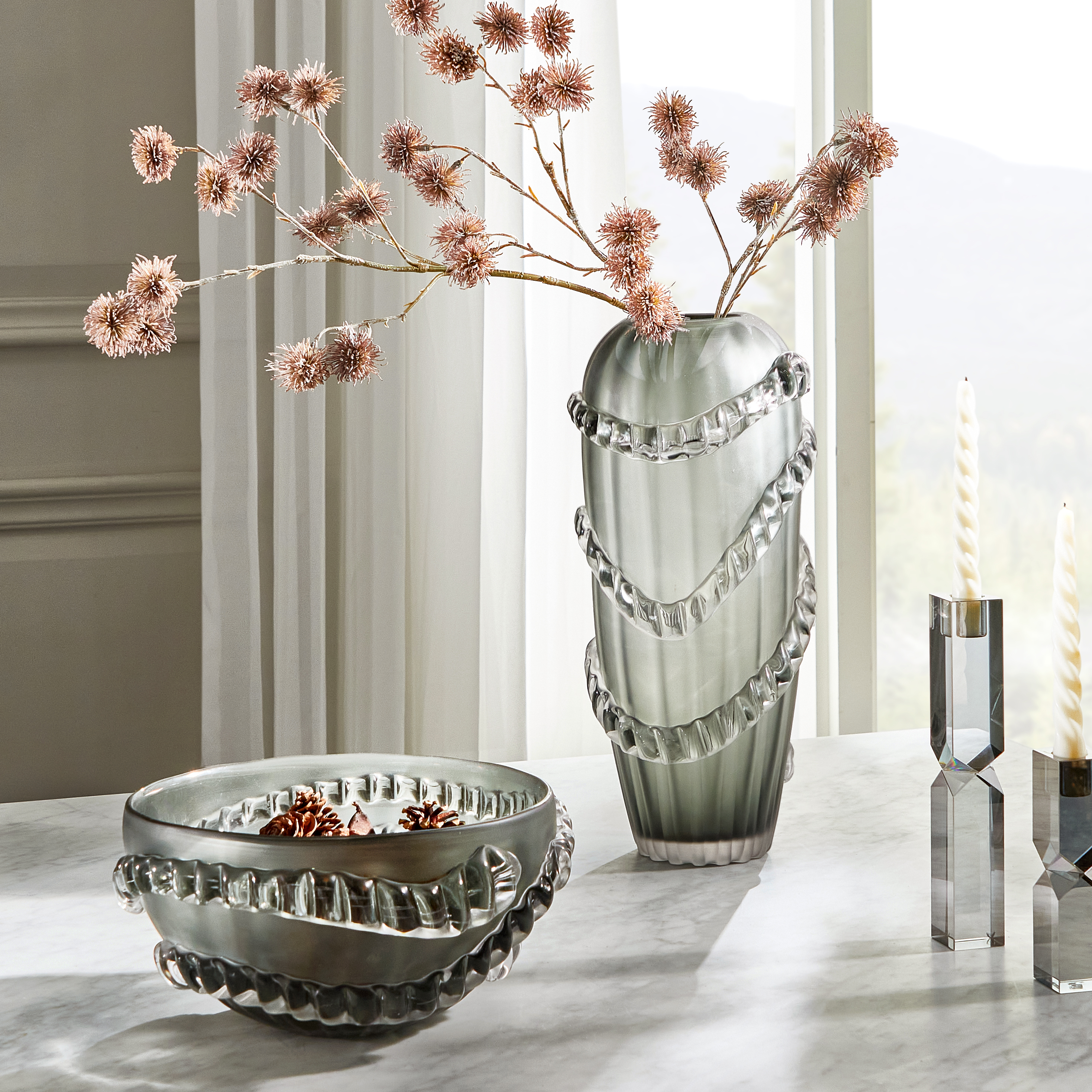 Helix Glass Collection$129
A hand-blown dark gray glass piece featuring fluted bodies and rippling sculptural ribbons for modern elegance.
Add To Cart -
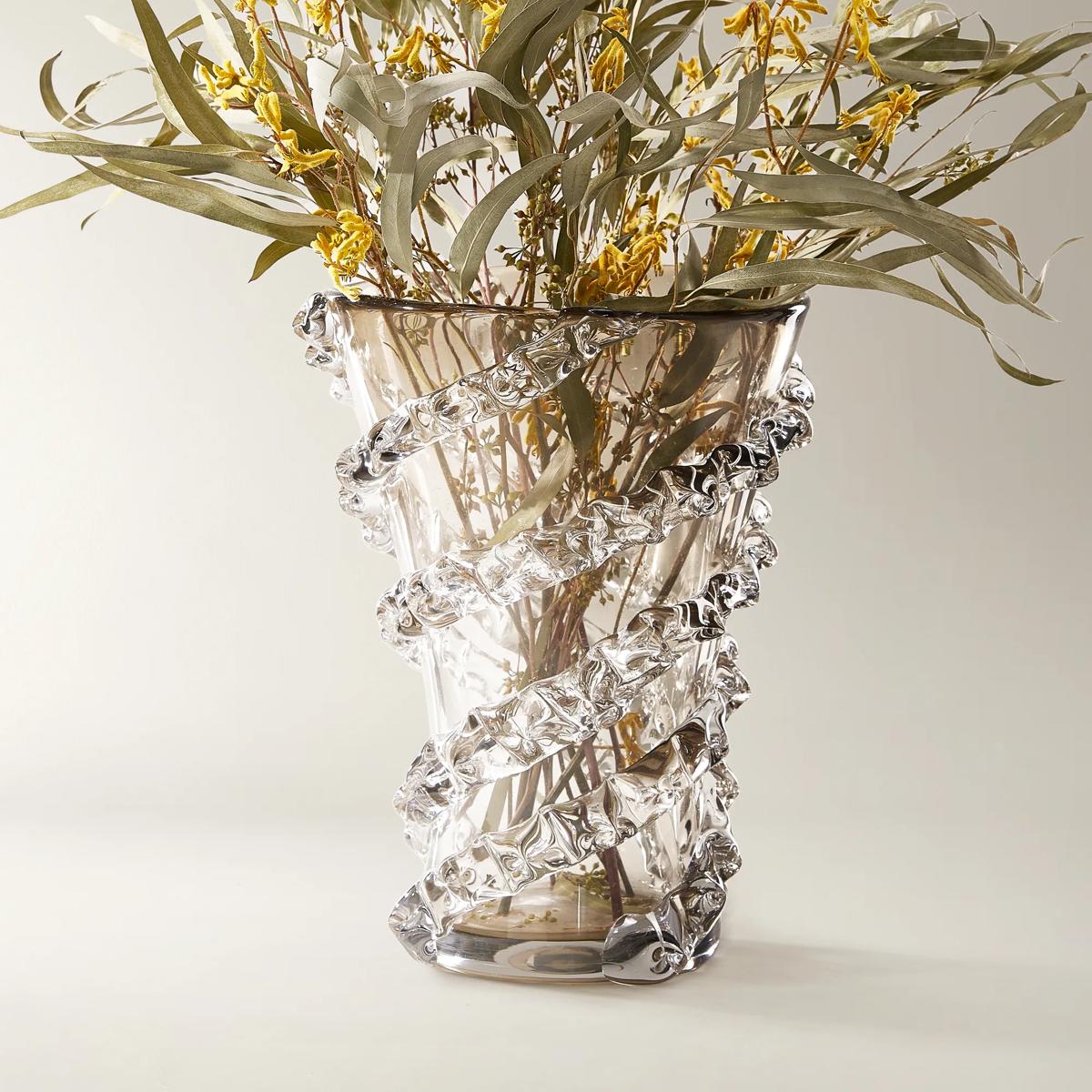
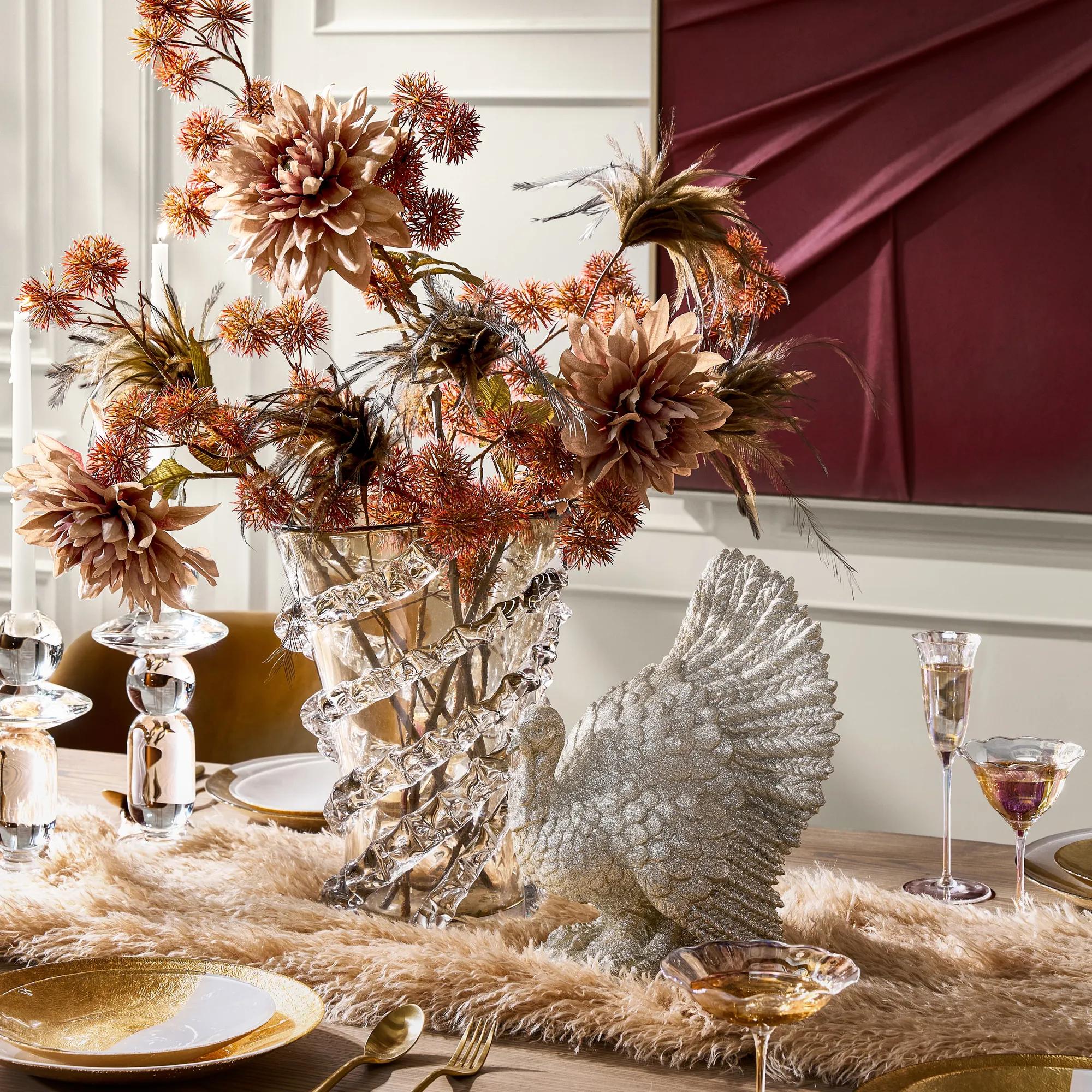 Reyna Glass Vase$299
A hand-blown glass vase featuring a sculptural swirl design and a smoky grey-brown finish.
Add To Cart -
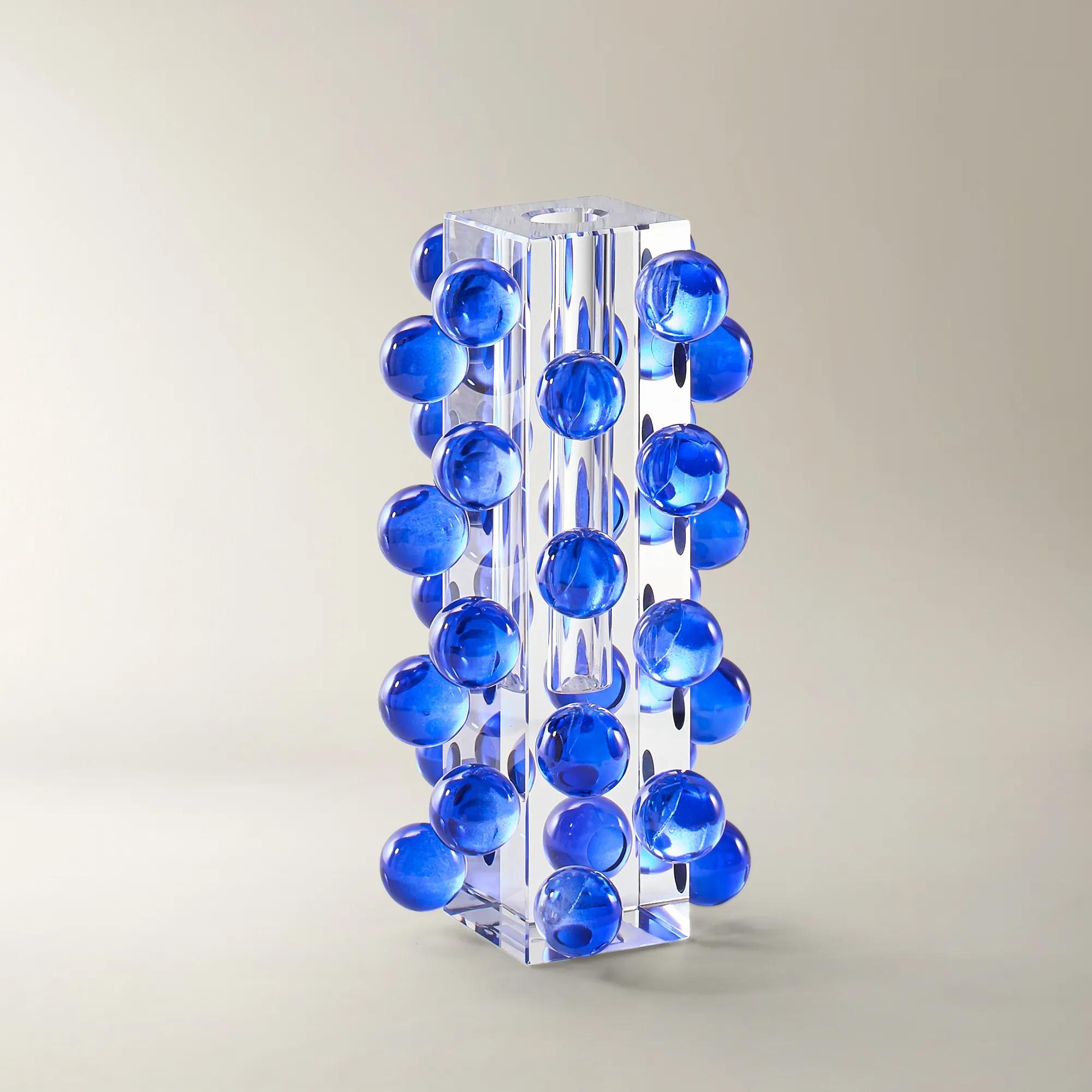 Bubble Vase Blue$79
A vibrant blue crystal glass vase featuring playful clusters of spheres for a striking decorative accent.
Add To Cart -
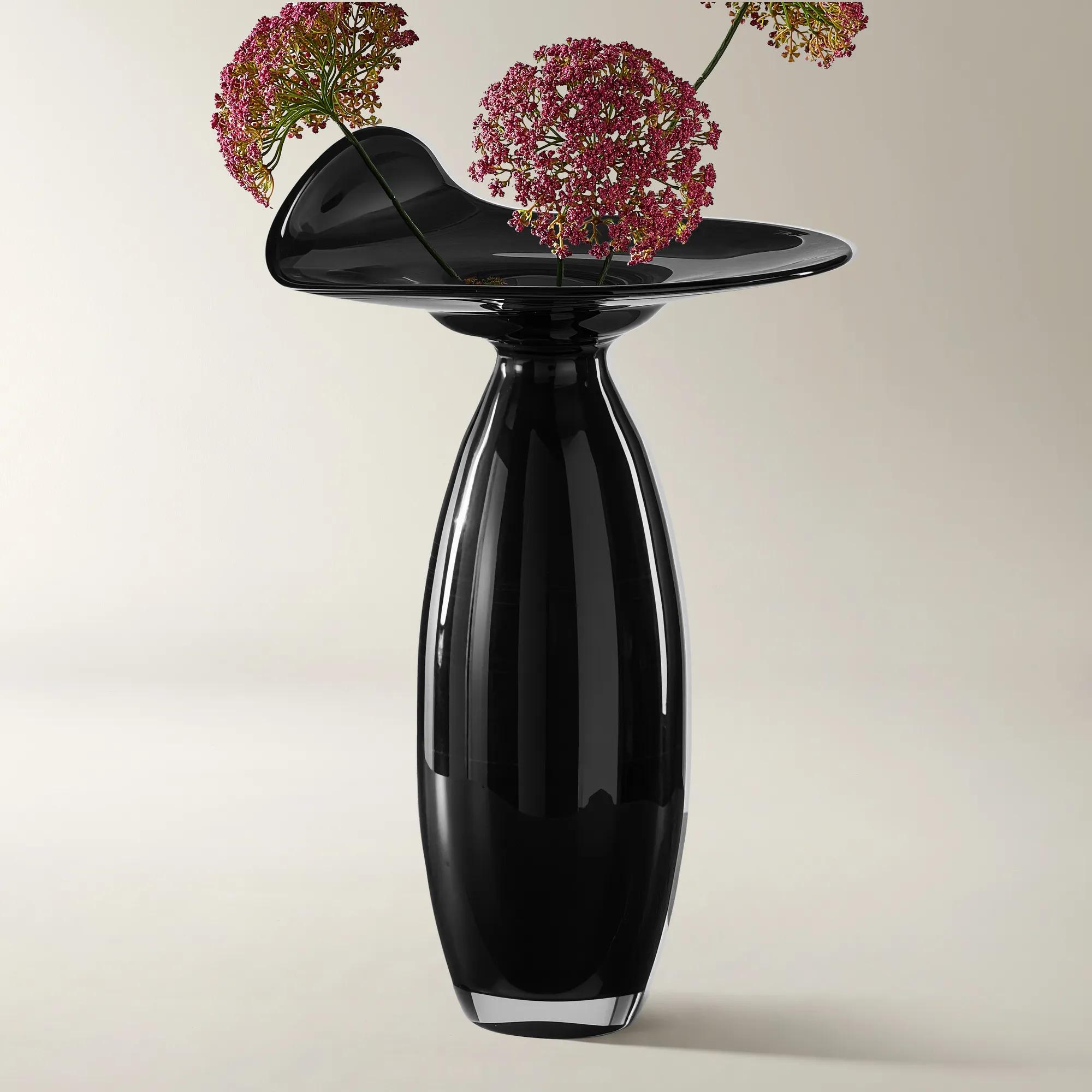 Folia Mouth Blown Glossy Black Glass Vase 22"$199
A handblown glass vase with a glossy black finish and organic sculptural silhouette for modern decor.
Add To Cart -
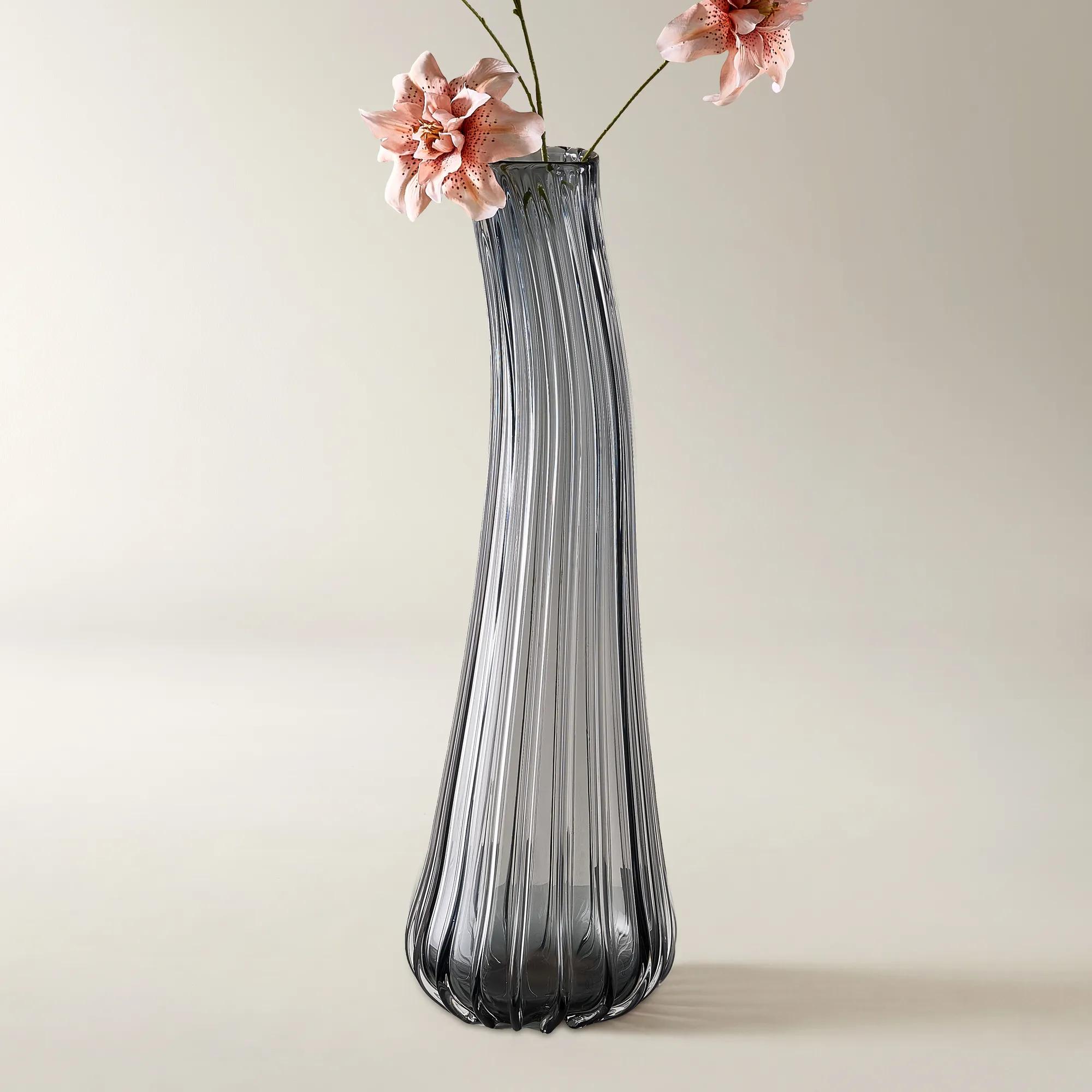 Tango Mouth Blown Smoked Pearl Vase 29"$199
A handblown glass vase in a smoked pearl finish with a textured surface for sculptural elegance.
Add To Cart -
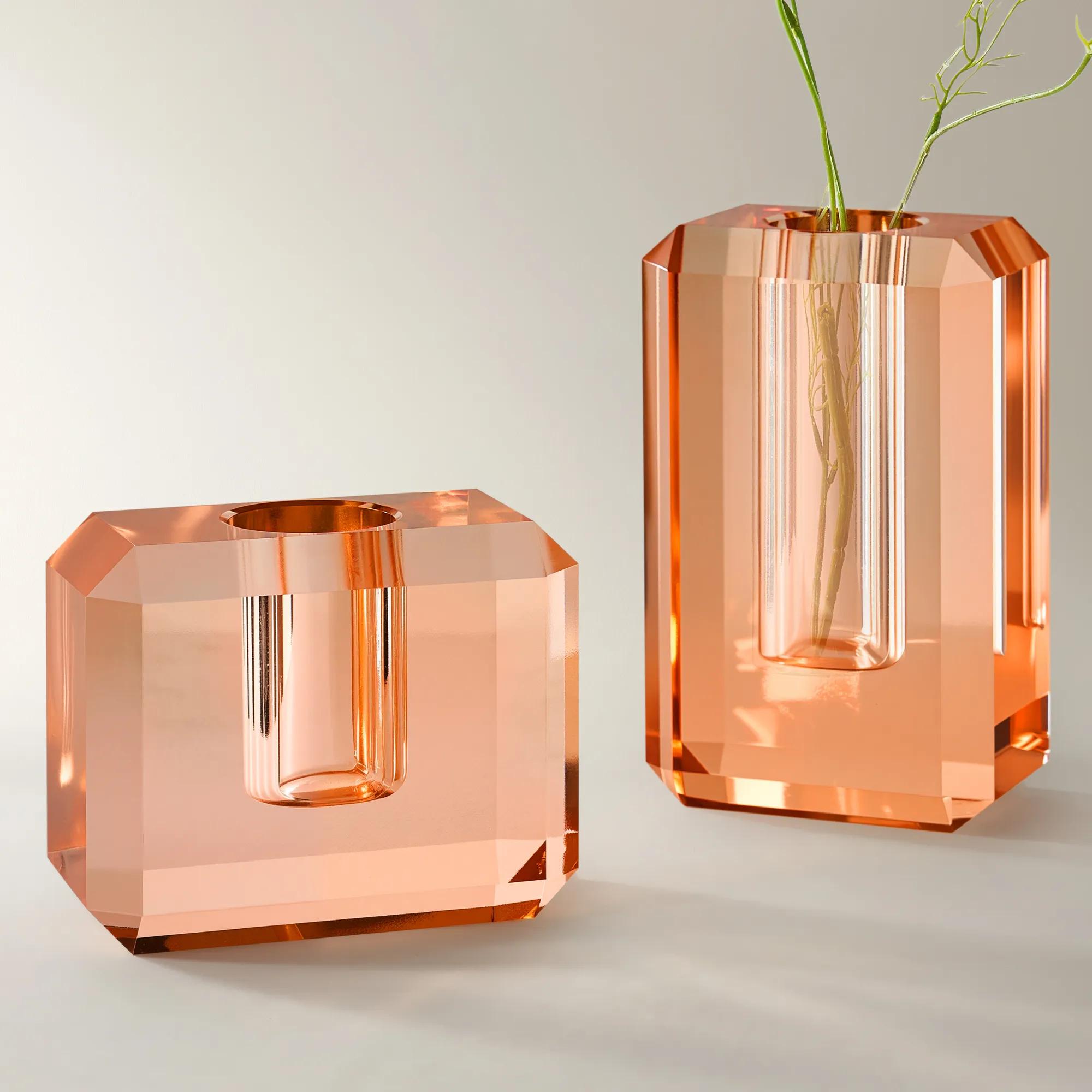
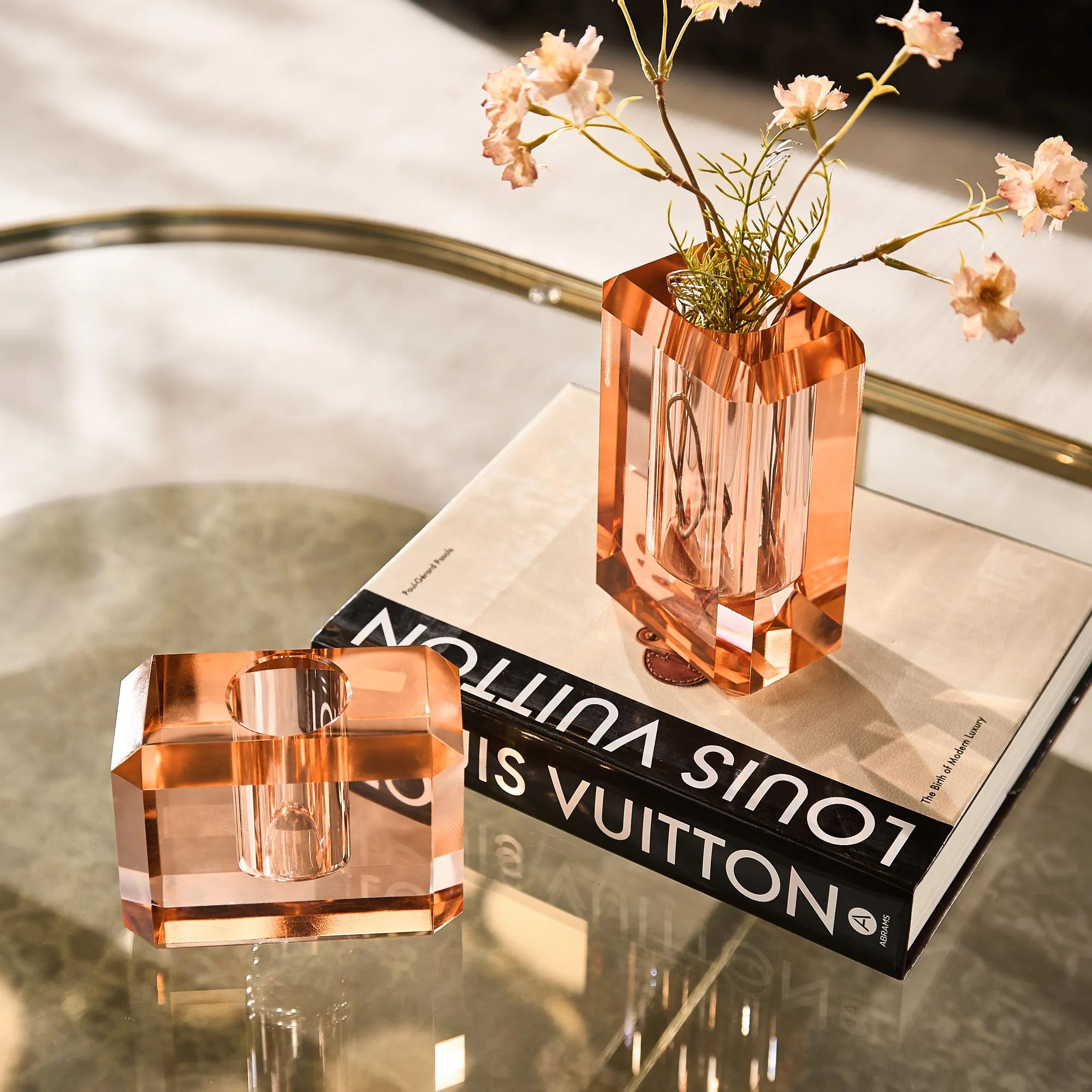 Corina Crystal Glass Bud Vase$99
A delicate crystal glass bud vase adding shimmering elegance to modern floral arrangements.
Add To Cart -
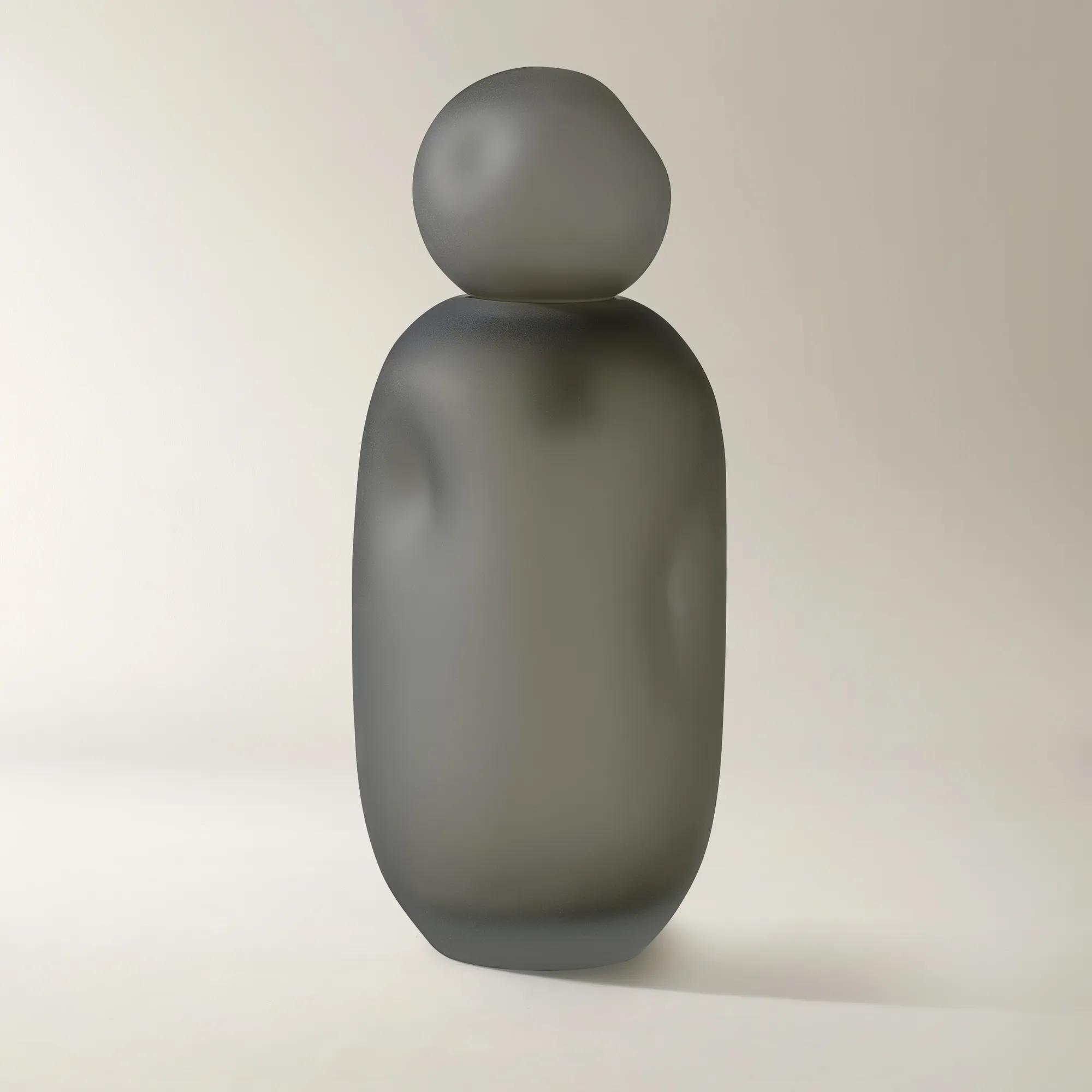 Angelica Charcoal Handblown Glass Canister 14.25"$79
A charcoal handblown glass canister offering an elegant accent for modern decorative displays.
Add To Cart -
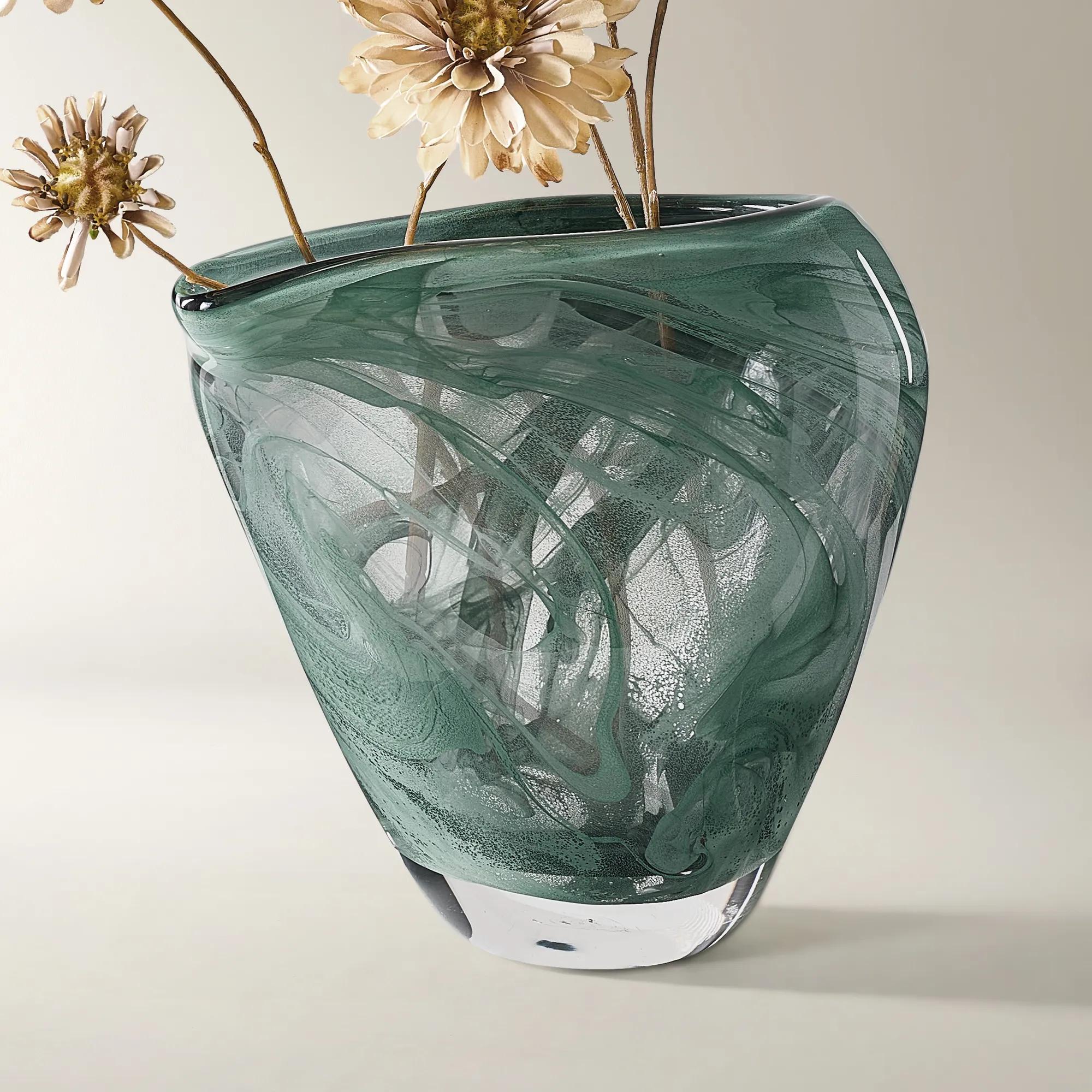 Flow Mouth Blown Sage Green Glass Vase 12.25"$199
A handblown glass vase in calming sage green with an organic, sculptural silhouette for modern decor.
Add To Cart -
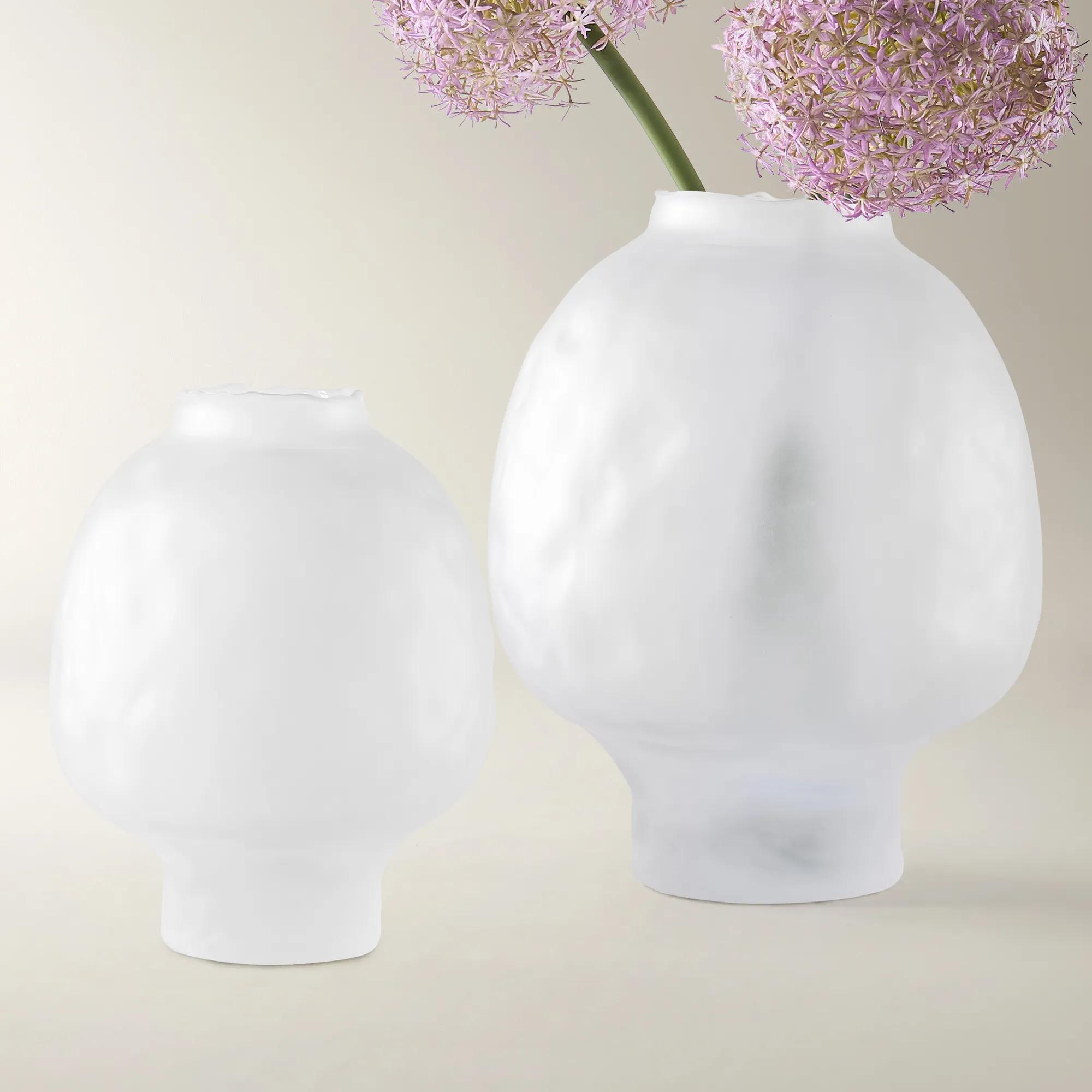
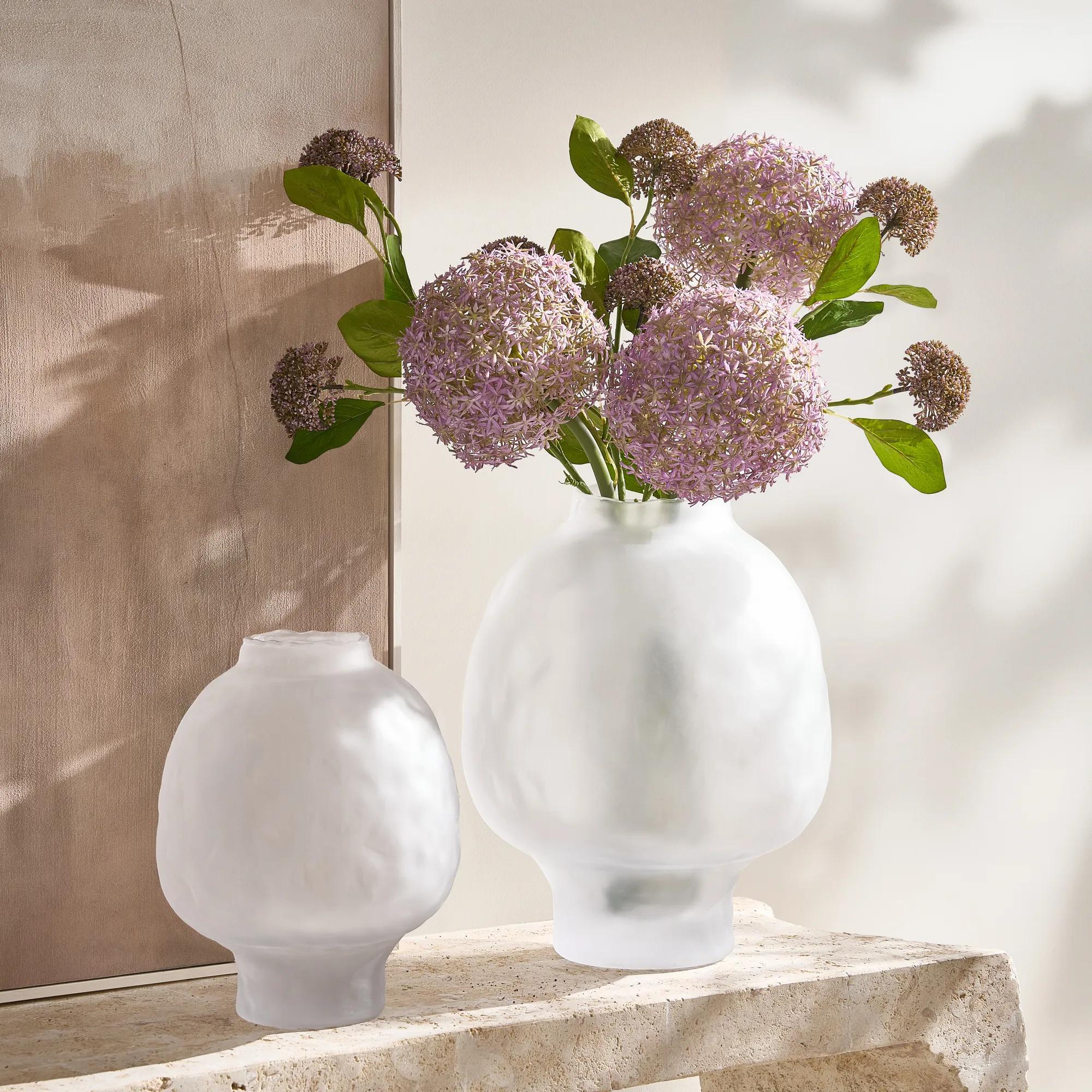 Frost Glass Vase$149
A frosted glass vase adding contemporary elegance to decorative arrangements.
Add To Cart -
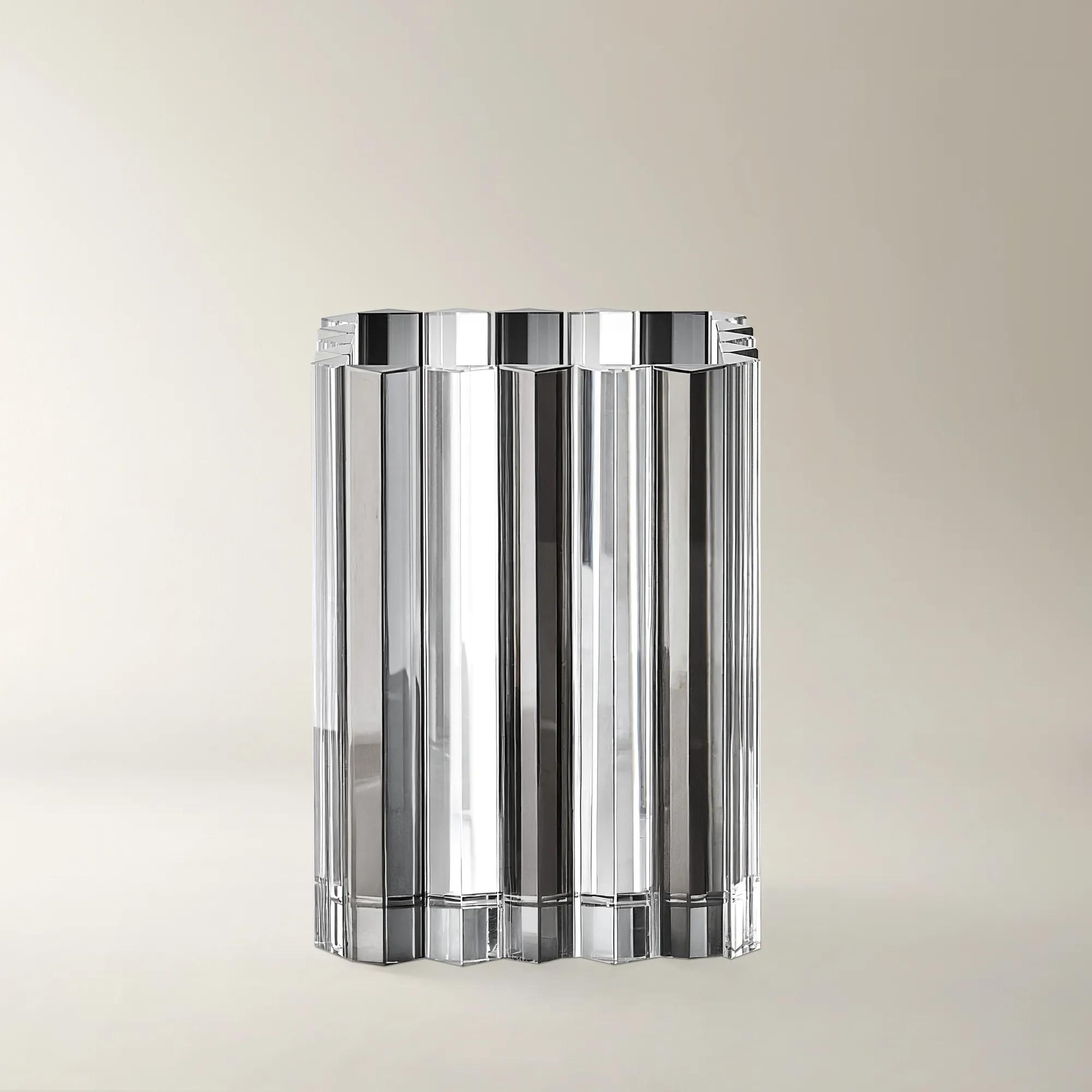 Bande Crystal Glass Candle Holder$129
A sparkling crystal glass candle holder adding elegant glamour to any décor.
Add To Cart -
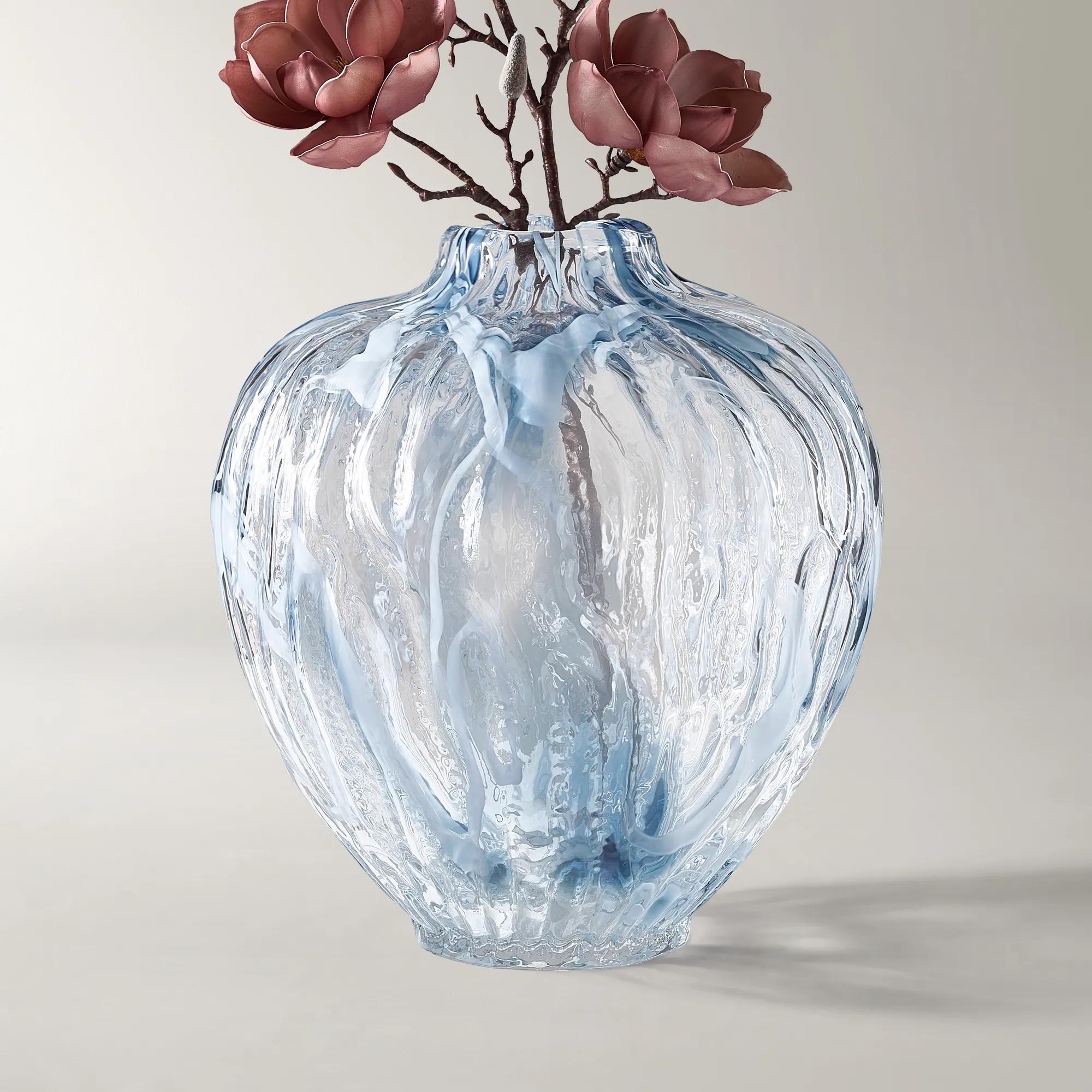 Cruz Mouth Blown Powder Blue Glass Vase 15.75"$169
A handblown glass vase in powder blue with a sculptural, light-catching surface for modern decor.
Add To Cart -
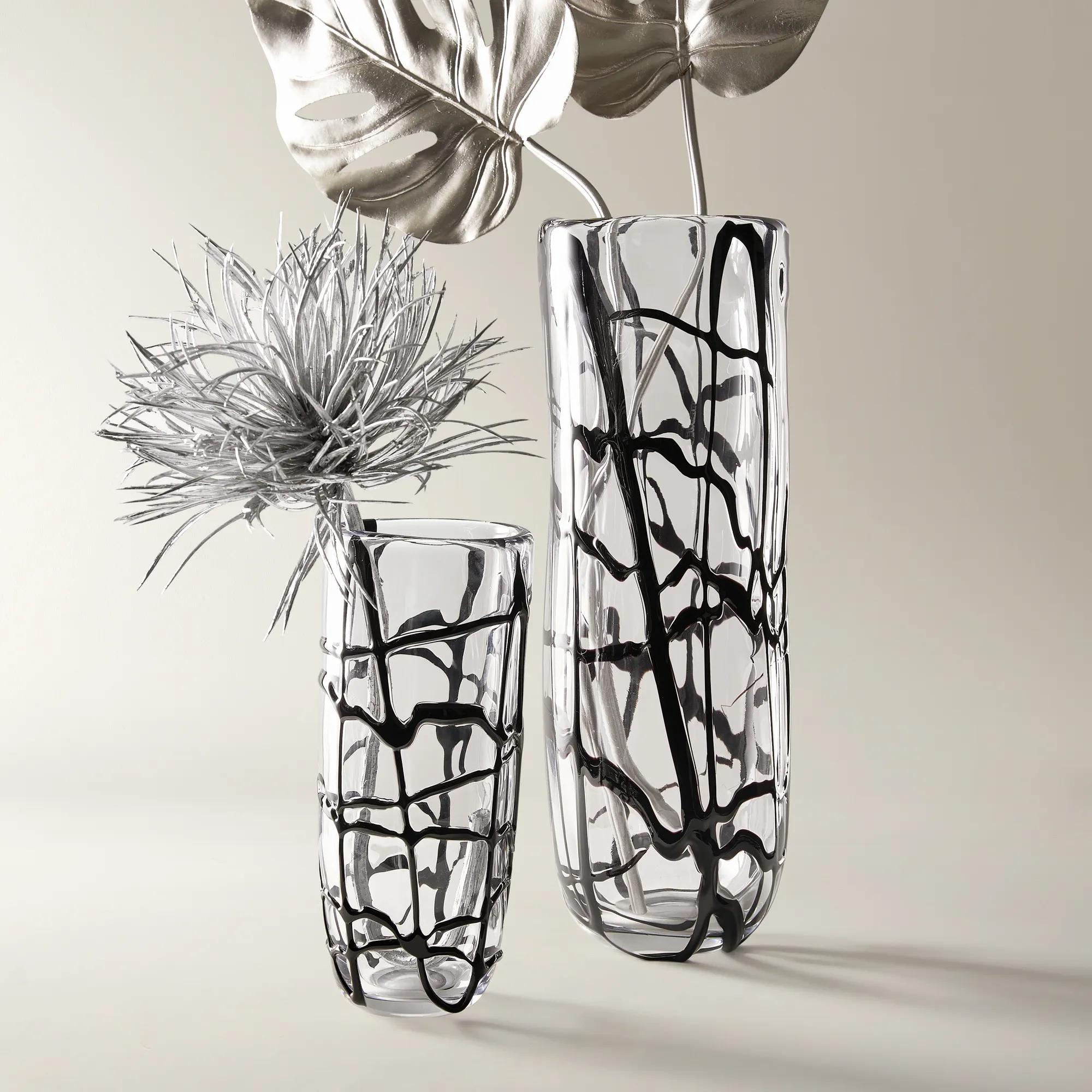 Torino Glass Vase$89
A hand-blown glass vase featuring a dramatic black design and a sleek cylindrical silhouette.
Add To Cart -
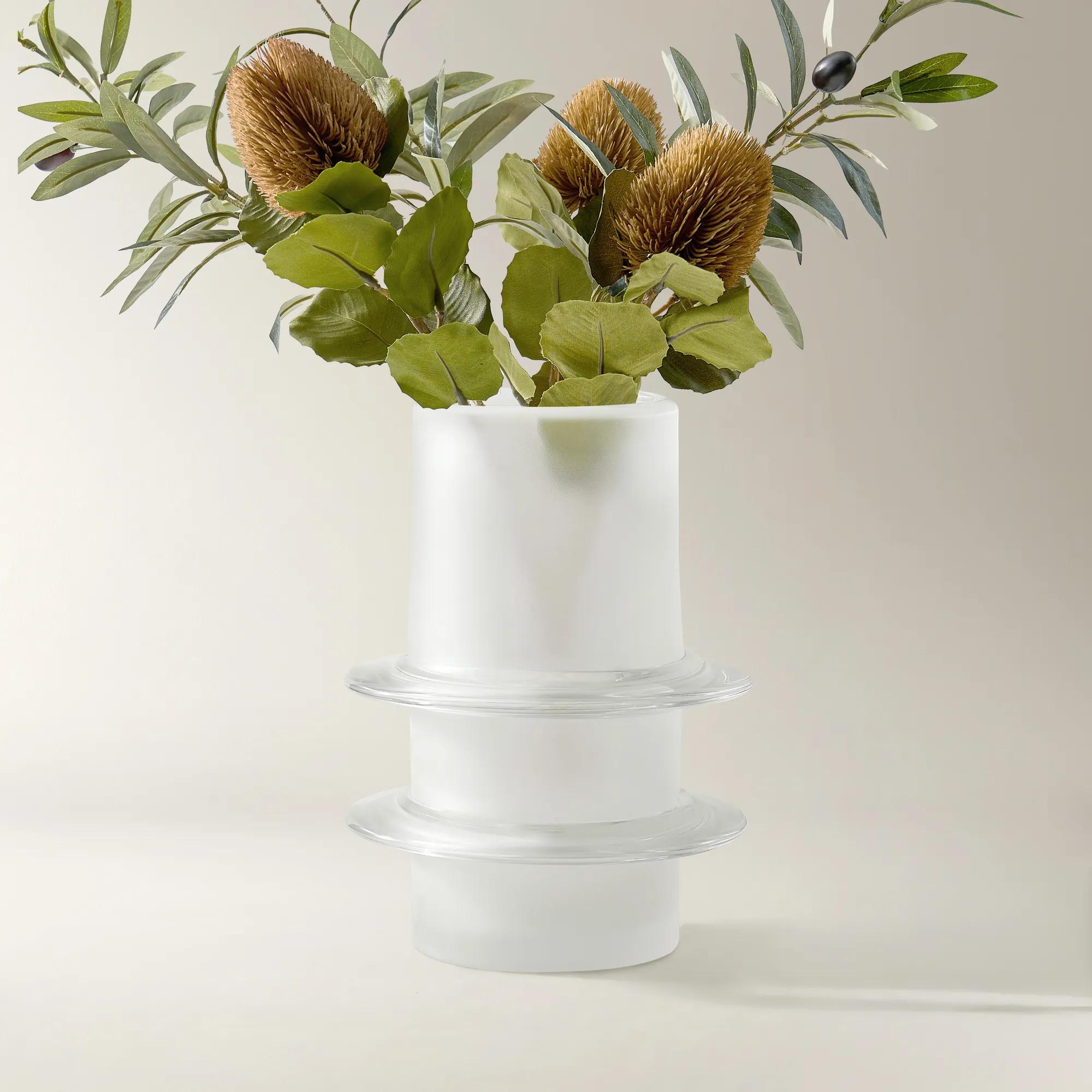
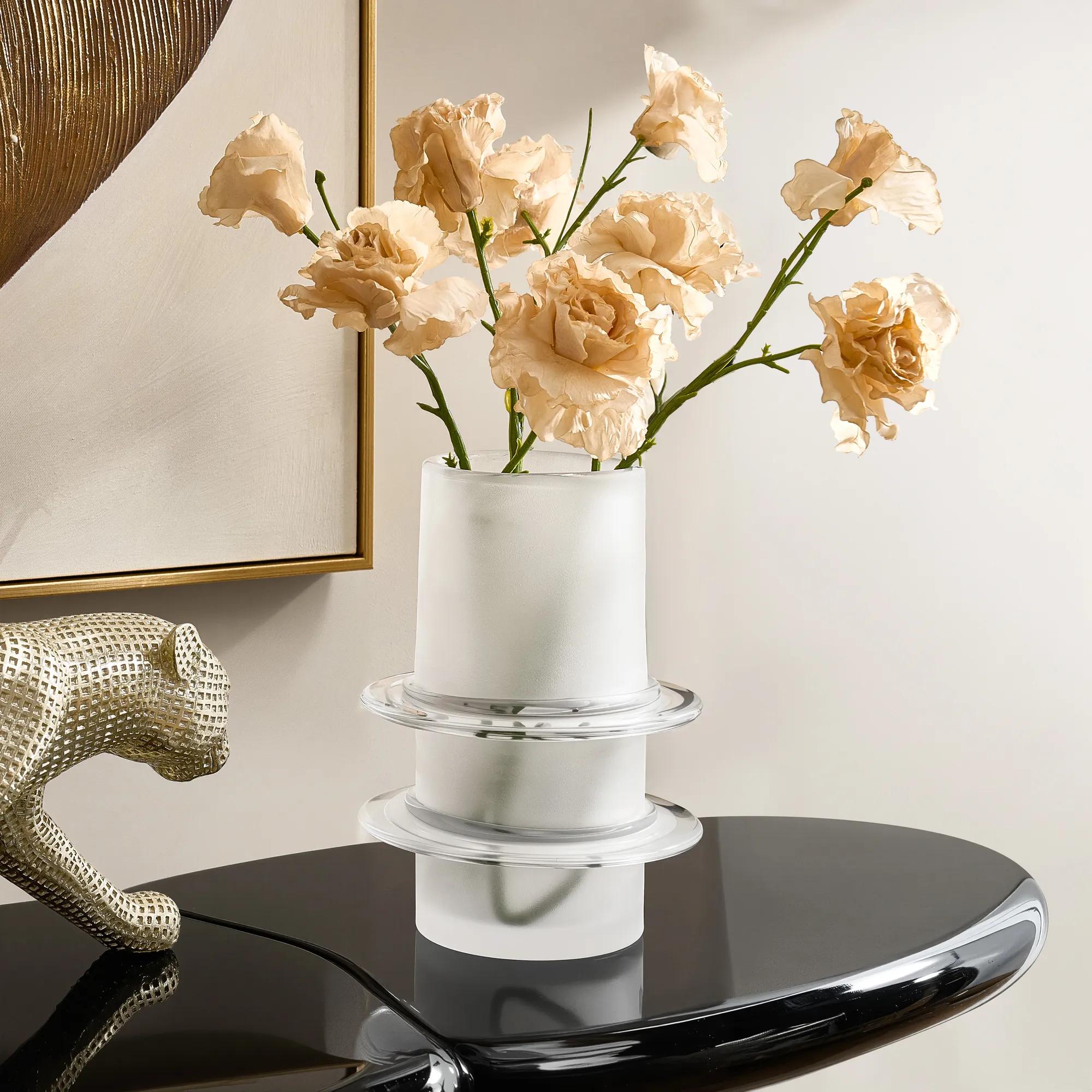 Pierre Glass Vase - Frosted White$99
A frosted white glass vase adding modern elegance to any décor.
Add To Cart -
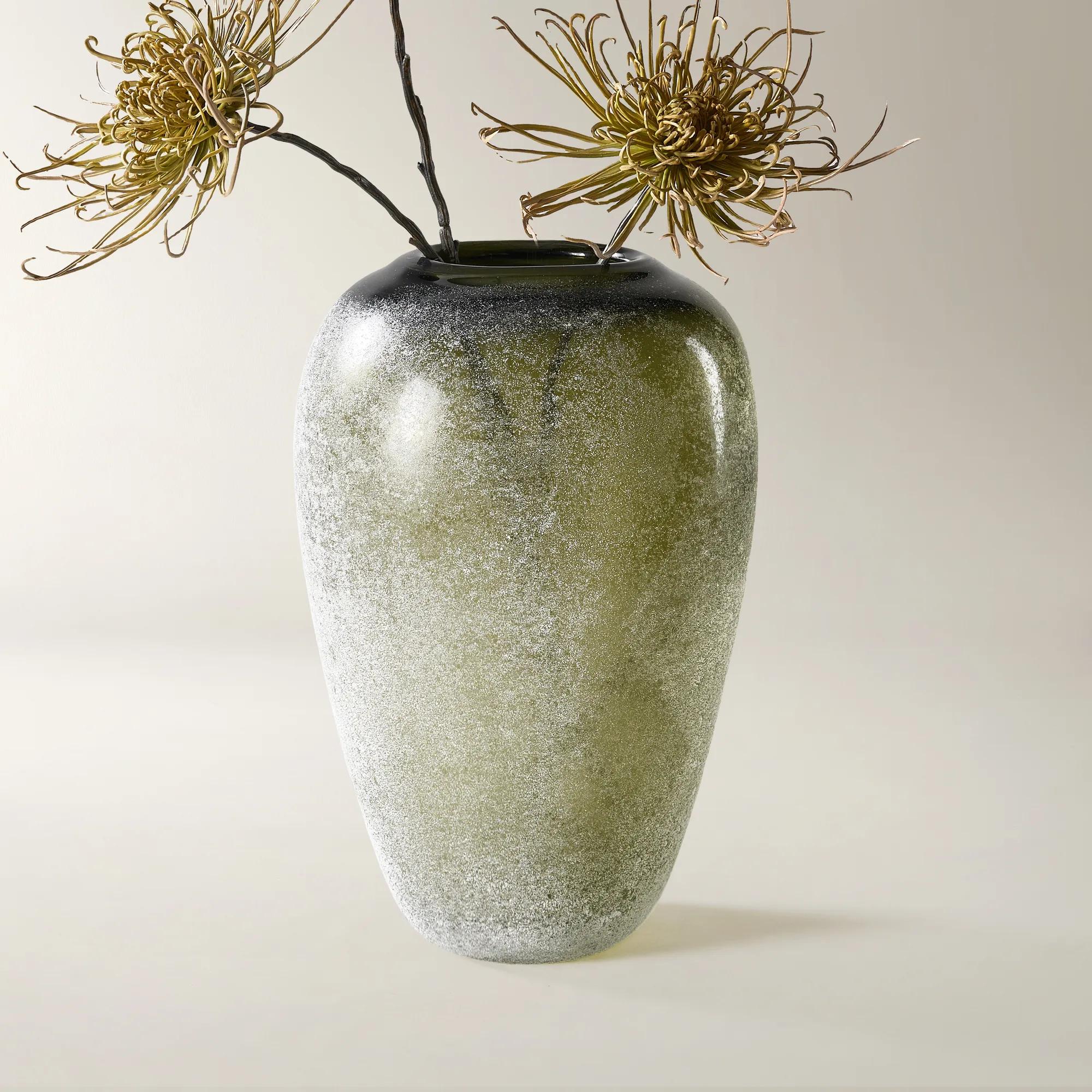 Linden Mouth Blown Pistachio Green Glass Vase 13.75"$129
A handblown glass vase in pistachio green adds a fresh, artful accent to any space.
Add To Cart -
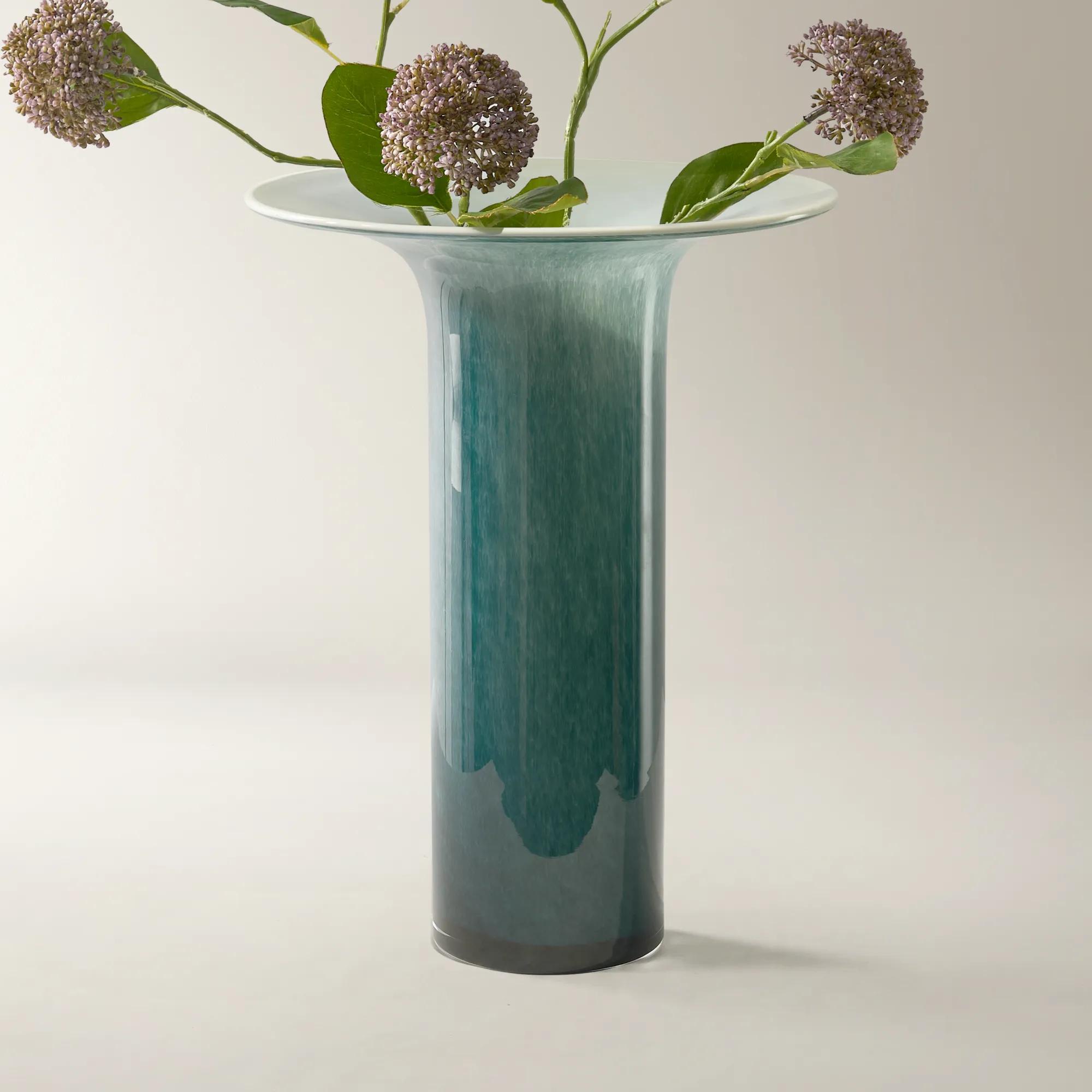 Loft Mouth Blown Deep Teal Glass Vase 15.75"$129
A handblown glass vase in deep teal with a sculptural column silhouette for bold, artful impact.
Add To Cart

Centerpiece Glass Vases
Explore centerpiece glass vases that bring sculptural presence to dining tables, coffee tables, and consoles. Find a focal point for an expressive floral arrangement or a striking display of stems, considering height and proportion to suit your surface. For dining table centerpieces, choose a scale that adds drama while keeping conversation flowing across the table.
Centerpiece glass vases give a room a focal point with a distinctive sense of lightness, allowing flowers, sculptural branches, and the vessel itself to share the spotlight. Transparent glass reveals the architecture of an arrangement: the sweep of a stem, the curve of a branch, the subtle movement of water beneath an abundant crown of blooms. That visibility makes the composition feel intentional from every angle, an especially compelling quality for a centerpiece placed where guests gather around it. Clear glass lends crisp definition to richly colored flowers, while tinted or smoked glass introduces another layer of depth, softening the view of stems and bringing color into the room even without a full arrangement. Ribbed surfaces catch light in fine lines; faceted glass creates sharper reflections; smooth, rounded forms offer a quieter counterpoint to dramatic foliage. These differences matter beyond appearance. A narrow opening supports a small number of stems in a concentrated silhouette, while a broad mouth gives fuller arrangements room to spread. Cylindrical shapes emphasize clean vertical lines, rounded vessels create generous volume, and flared profiles encourage flowers to open outward. The result can be tailored to the mood of the setting, from a restrained composition of white blooms on a polished dining table to a richly layered arrangement against dark upholstery and gleaming metallic accents. Glass also has a particular affinity for mixed materials. It lets the grain of a wood tabletop remain visible, echoes the reflective finish of a mirrored surface, and creates contrast beside richly veined stone. When considering different glass constructions, look beyond the outline to the thickness of the walls, the finish of the rim, and the shape of the base. Handcrafted glass may show subtle variations or small bubbles, depending on how it is made, while more uniform construction offers a consistent silhouette. Neither appearance alone determines suitability; the proportions, stability, and intended use of the vessel are what allow its beauty to work naturally within a room.
Scale gives a glass centerpiece its presence, but the most effective proportions also respect the way a surface is used. On a dining table, the complete arrangement matters as much as the vase itself: flowers that look beautifully contained when first placed can spread into the space needed for plates, serving pieces, and conversation. A low, generously shaped vase can anchor an intimate dinner without interrupting the view across the table. For arrangements with a more statuesque presence, Tall Glass Vases for Centerpieces offer a vertical direction, especially where an entry table, spacious console, or event setting calls for height. Elevated arrangements still need thoughtful placement; a slender vessel does not automatically keep foliage out of guests’ sightlines. The height of the blooms, their width, and the position of the arrangement all influence how comfortably people can interact around it. On a round table, one substantial centerpiece often creates a balanced focal point, while a long rectangular table can accommodate a sequence of smaller vessels that carries the composition across its length. Leaving visible space between them preserves the rhythm of the tabletop rather than turning every inch into a display. A coffee table calls for a different relationship to scale, with a lower arrangement that leaves room for a tray or books and remains comfortable to reach around. In an entryway, glass can introduce a gracious first impression through a few sweeping branches, provided their weight and spread suit the vase. Broad, level bases are particularly important for tall stems or asymmetrical compositions, and water adds weight without correcting an inherently unstable arrangement. Busy households may favor placement away from table edges, narrow walkways, and areas within easy reach of children or pets. For weddings, anniversary dinners, and other gatherings, coordinating vase shapes can establish a cohesive atmosphere without requiring every floral arrangement to be identical. Repetition supplies structure; variations in bloom height, color, and texture bring artistry. Even between occasions, a sculptural glass vessel can hold its place as a decorative object, catching light and giving the surrounding furniture a deliberate point of emphasis.
The enduring appeal of a glass centerpiece depends partly on keeping its surface luminous and its structure sound. Glass is rigid but vulnerable to chips, cracks, and breakage, so substantial weight or thick walls should never be mistaken for resistance to every impact. A smooth rim and an undamaged base are especially important for vessels used regularly with fresh flowers. Before adding water, confirm that the vase is intended for that purpose; decorative finishes and certain constructions may have different care requirements. Follow the maker’s instructions, particularly for colored coatings, applied details, or delicate surface treatments. For washable glass, gentle hand cleaning with mild soap and lukewarm water is often appropriate, while abrasive pads can scratch the surface and harsh cleaners may damage decorative finishes. Sudden temperature changes can stress glass, making very hot water an unsuitable shortcut for cleaning a cool vessel. Narrow-necked forms may require a soft bottle brush that reaches the interior without scraping it. Fresh floral arrangements benefit from clean water and the removal of leaves below the waterline, which helps limit buildup inside the vase. After use, rinsing away residue before it dries makes future cleaning less demanding, and thorough drying helps preserve the clarity that gives glass its visual allure. A discreet protective pad beneath the base can help guard a delicate tabletop, provided it keeps the vessel level and secure. Store glass pieces with enough separation to prevent rims and walls from knocking together, rather than stacking shapes that were not designed to nest. These practical considerations also make centerpiece vases thoughtful gifts for hosts, newlyweds, or someone establishing a new home. A versatile silhouette can accommodate different flowers and settings without asking the recipient to redesign a room around it. For someone drawn to expressive interiors, a more sculptural profile or distinctive glass texture offers an artistic gesture with lasting decorative value. Whether filled for a celebration or displayed on its own, a well-chosen vase brings together useful proportions, careful craftsmanship, and the pleasure of an object that makes the everyday setting feel considered.
FAQs
Give your dining table an artful focal point by pairing centerpiece glass vases with sculptural branches, expressive blooms, or richly layered greenery. Clear glass lets each stem become part of the composition, while colored glass introduces a jewel-like accent. Finish the scene with a sumptuous table runner and gleaming decorative objects for a setting with unmistakable presence.
Calla lilies and orchids bring sculptural elegance to glass vase centerpieces, while roses and hydrangeas create a lush, romantic mood. For a more expressive arrangement, combine distinctive flower forms with sweeping greenery. A single-color palette feels polished and intentional; contrasting hues lend the table a bolder artistic signature.
Clear glass puts the arrangement on display, highlighting the interplay of stems, water, and blooms. Colored glass adds richness and can echo tones from your artwork or table linens. Textured glass introduces another layer of detail, catching the light with a faceted, ribbed, or rippled surface. Choose the finish that carries your room’s visual story.
Let an expressive glass silhouette stand alone as a sculptural centerpiece, or create a curated composition with decorative spheres, polished stones, or dried botanicals. Keep the contents deliberate so the glass remains part of the statement. Pairing an unfilled vase with a distinctive tray or art object can give a table the atmosphere of a collected gallery.
Use your glass centerpiece vase as a canvas for changing color and texture. Fresh blossoms capture spring’s softness, while saturated florals bring summer exuberance. In fall, turn to dried foliage and burnished botanical tones; for winter and holiday gatherings, explore evergreen branches and metallic accents arranged around the vase. Carry one signature color through each composition to keep the look connected to your decor.
.jpg?w=3614&h=3614)