Ceramic Centerpiece Vases
Ceramic Centerpiece Vases
-
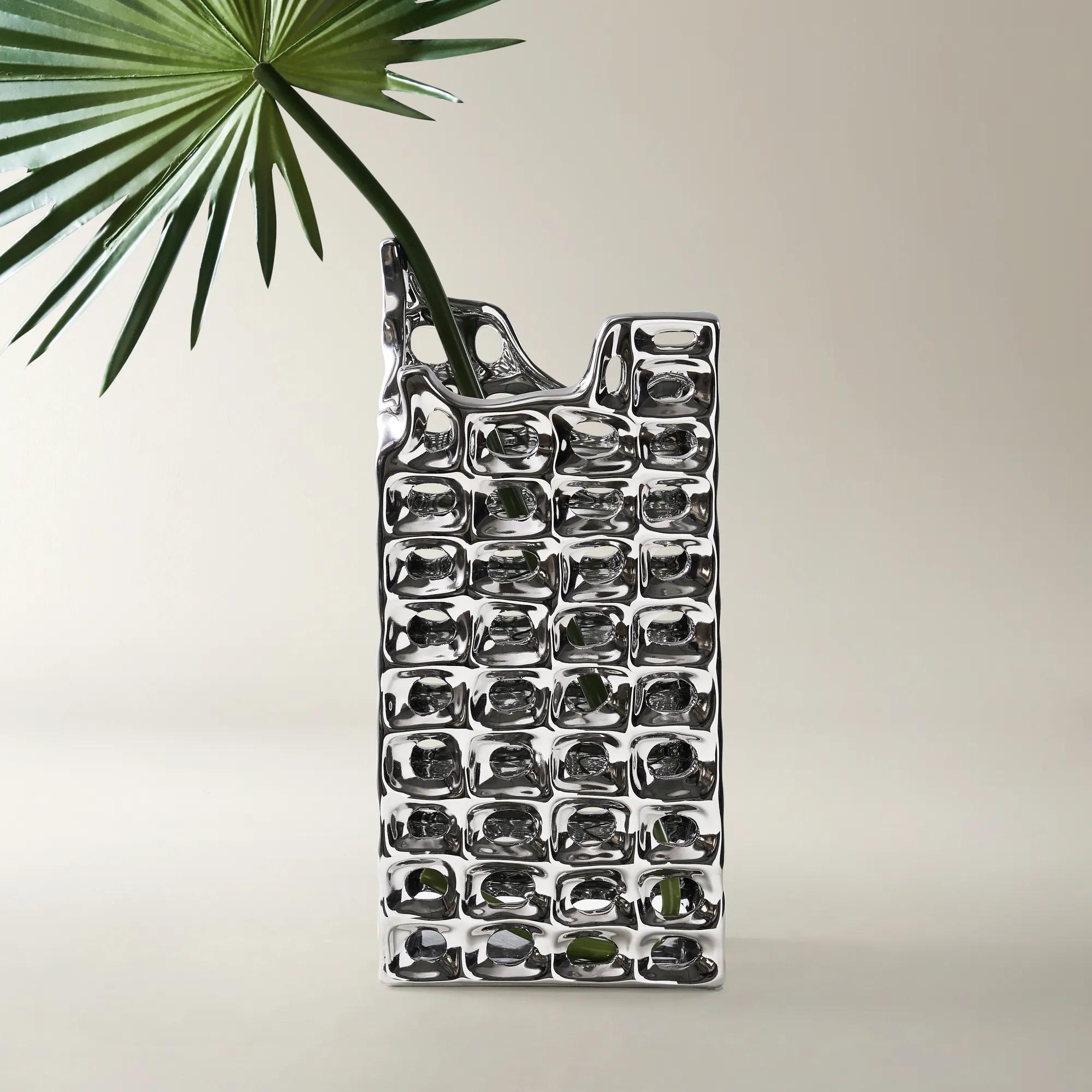
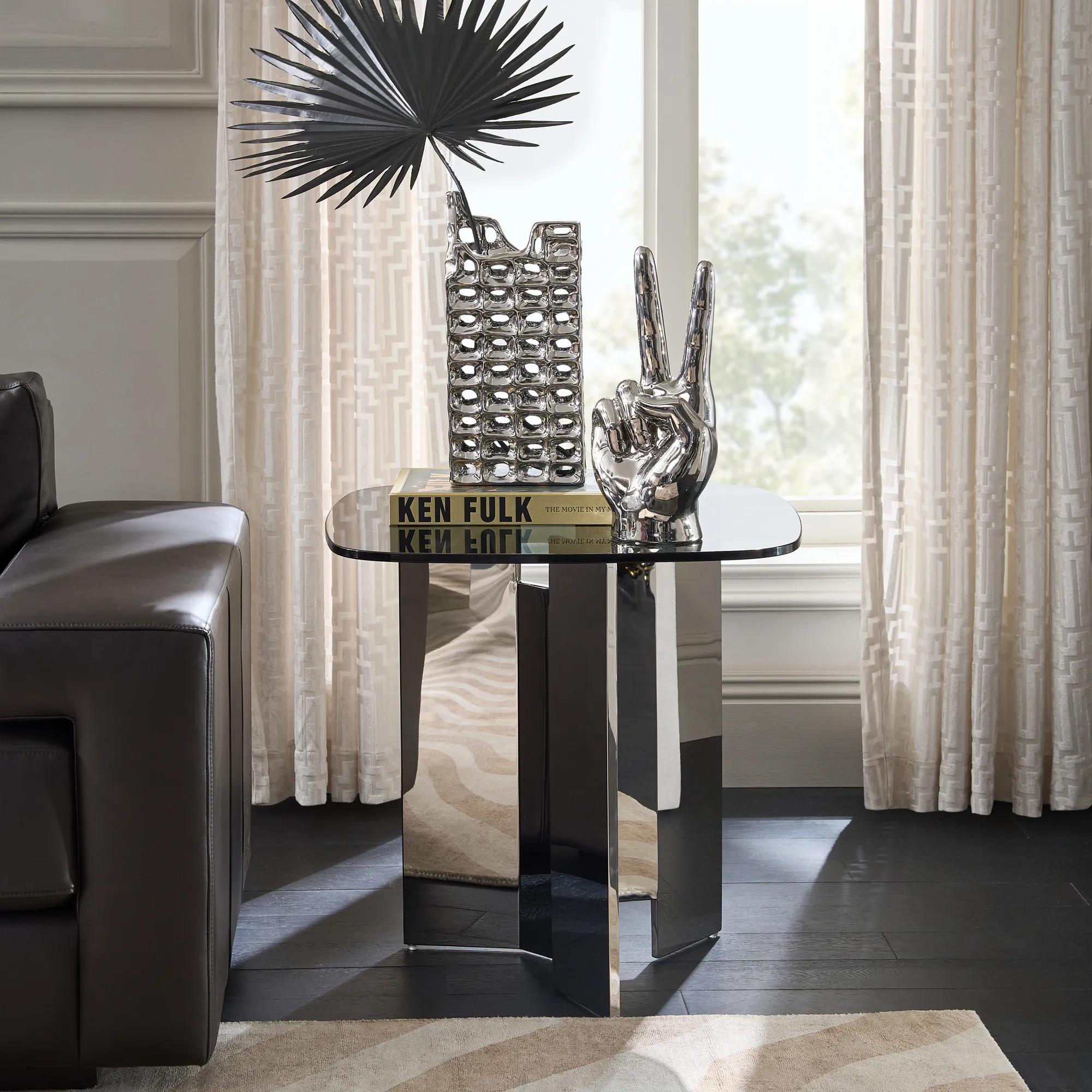 Pierce Vase$69
A ceramic vase with intricate facets and a gleaming silver finish for striking visual impact.
Add To Cart -
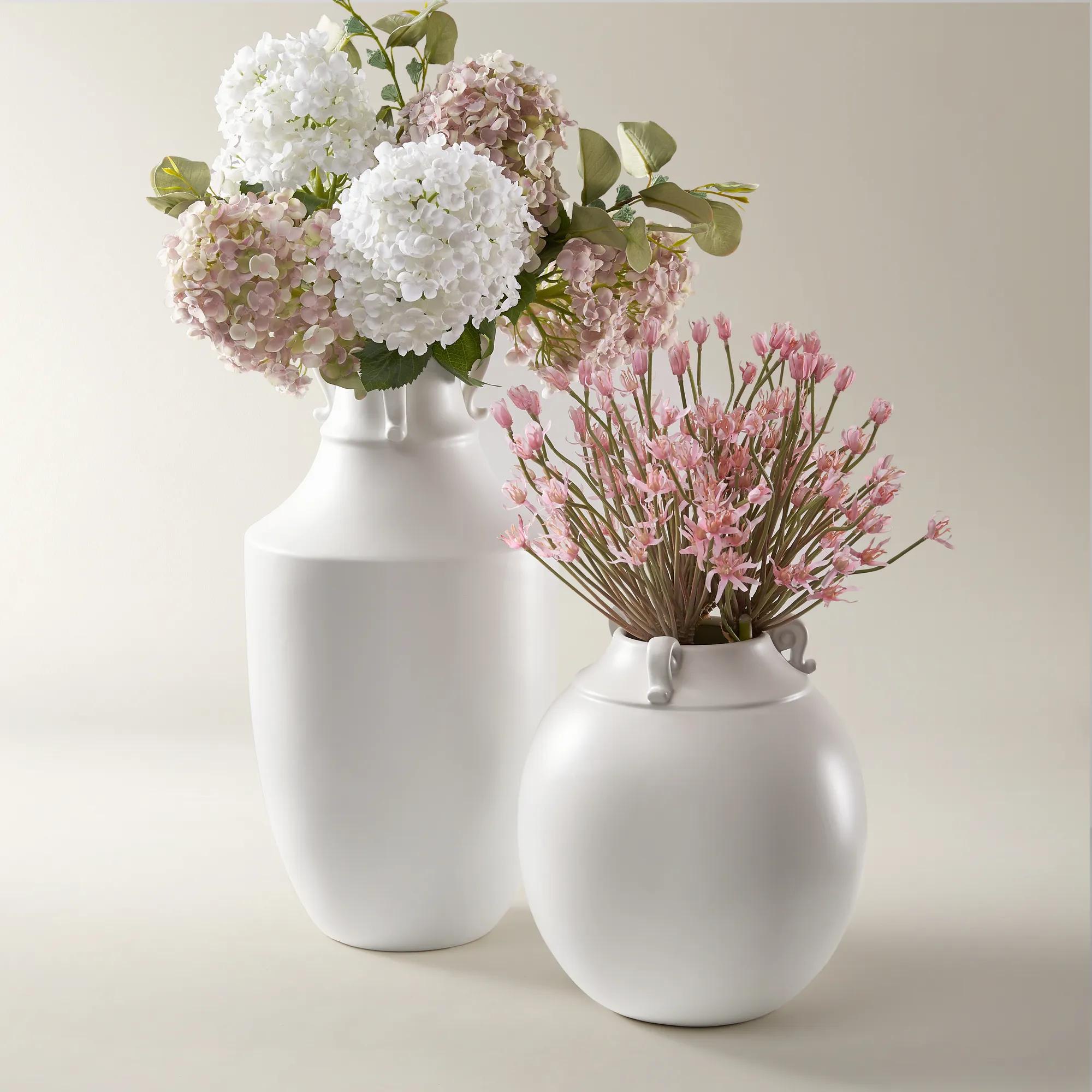 Amora Vase$79
A graceful white ceramic vase featuring smooth curves and a timeless, contemporary design.
Add To Cart -
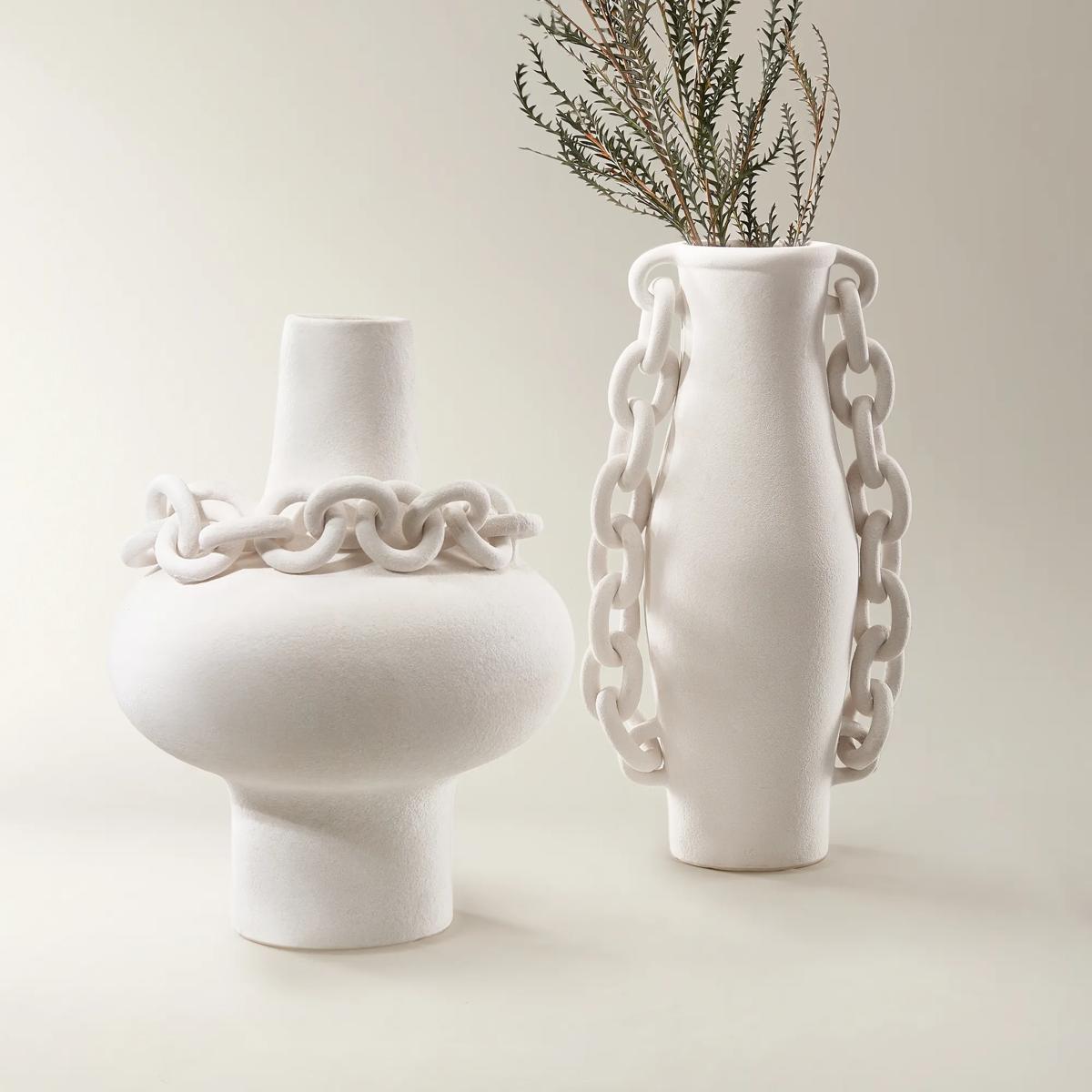
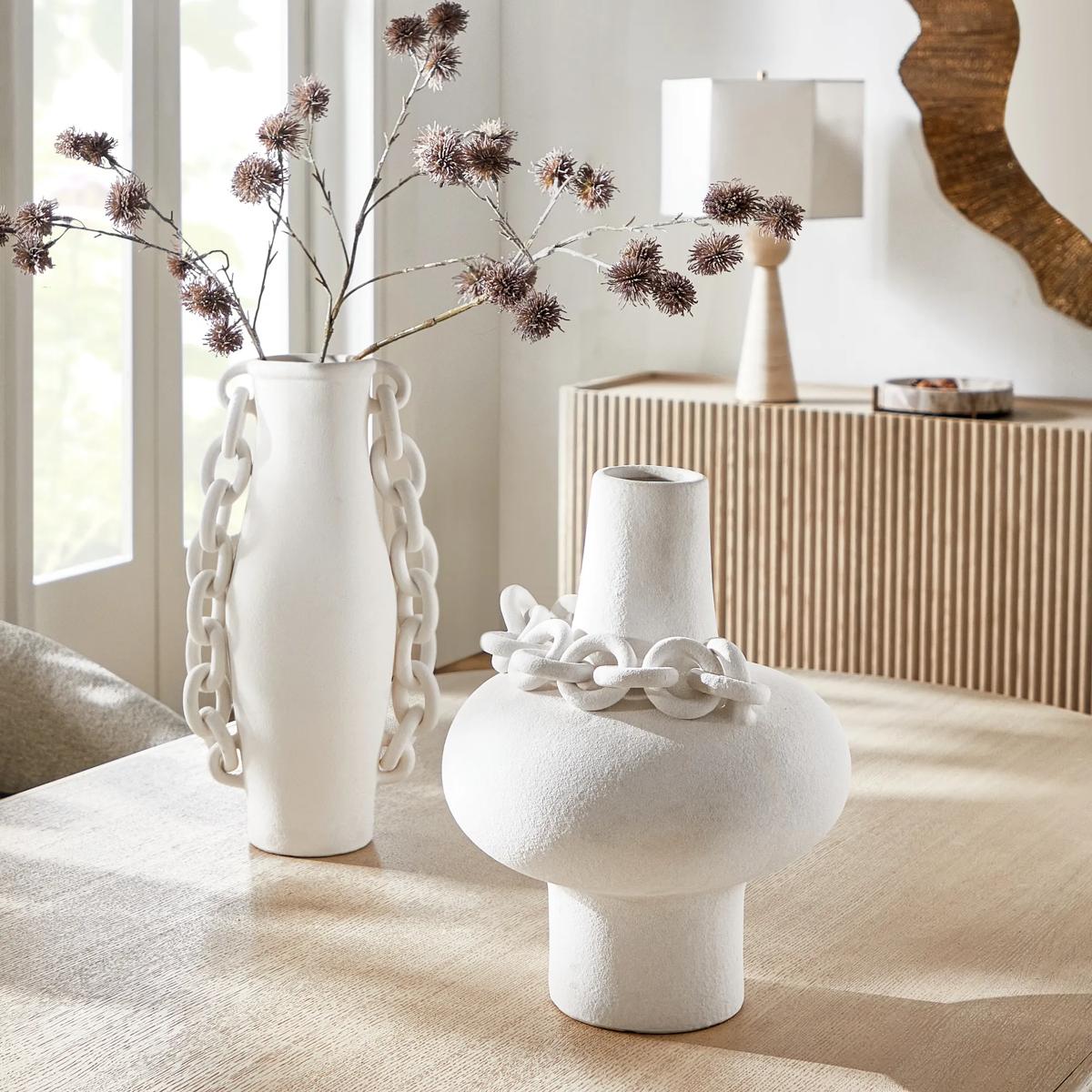 Links Stoneware Vases$139
A sculptural matte white stoneware vase featuring bold chain-link details for modern, artful texture.
Add To Cart -

 Miami Gold Ceramic High Gloss Vase 18.5"$69
A contemporary gold ceramic vase designed for decorative use or displaying faux foliage.
Add To Cart -
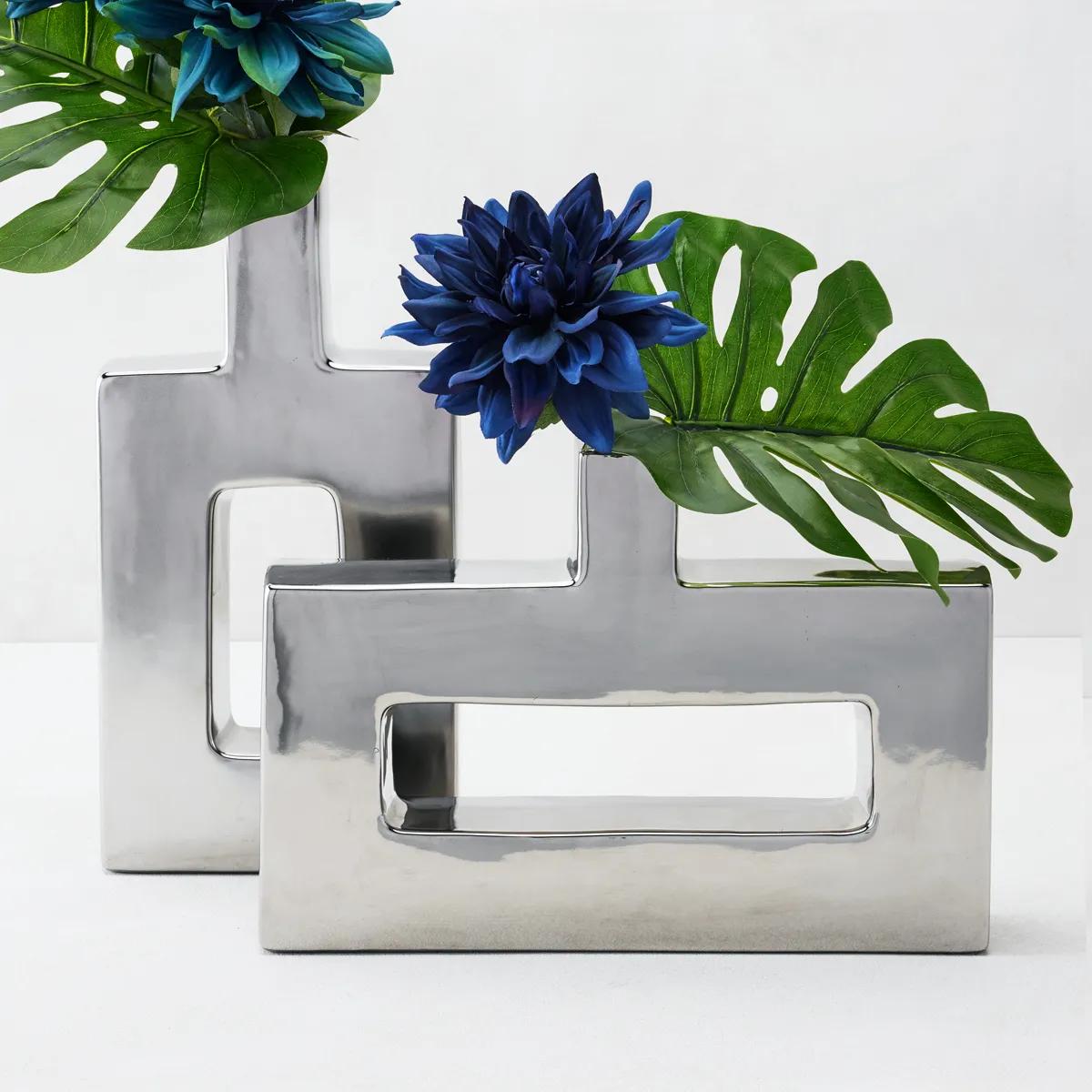 Miami Silver Ceramic High Gloss Vase 18.5"$69
A contemporary silver ceramic vase with a stylish gold glaze, perfect for decorative foliage or display.
Add To Cart -
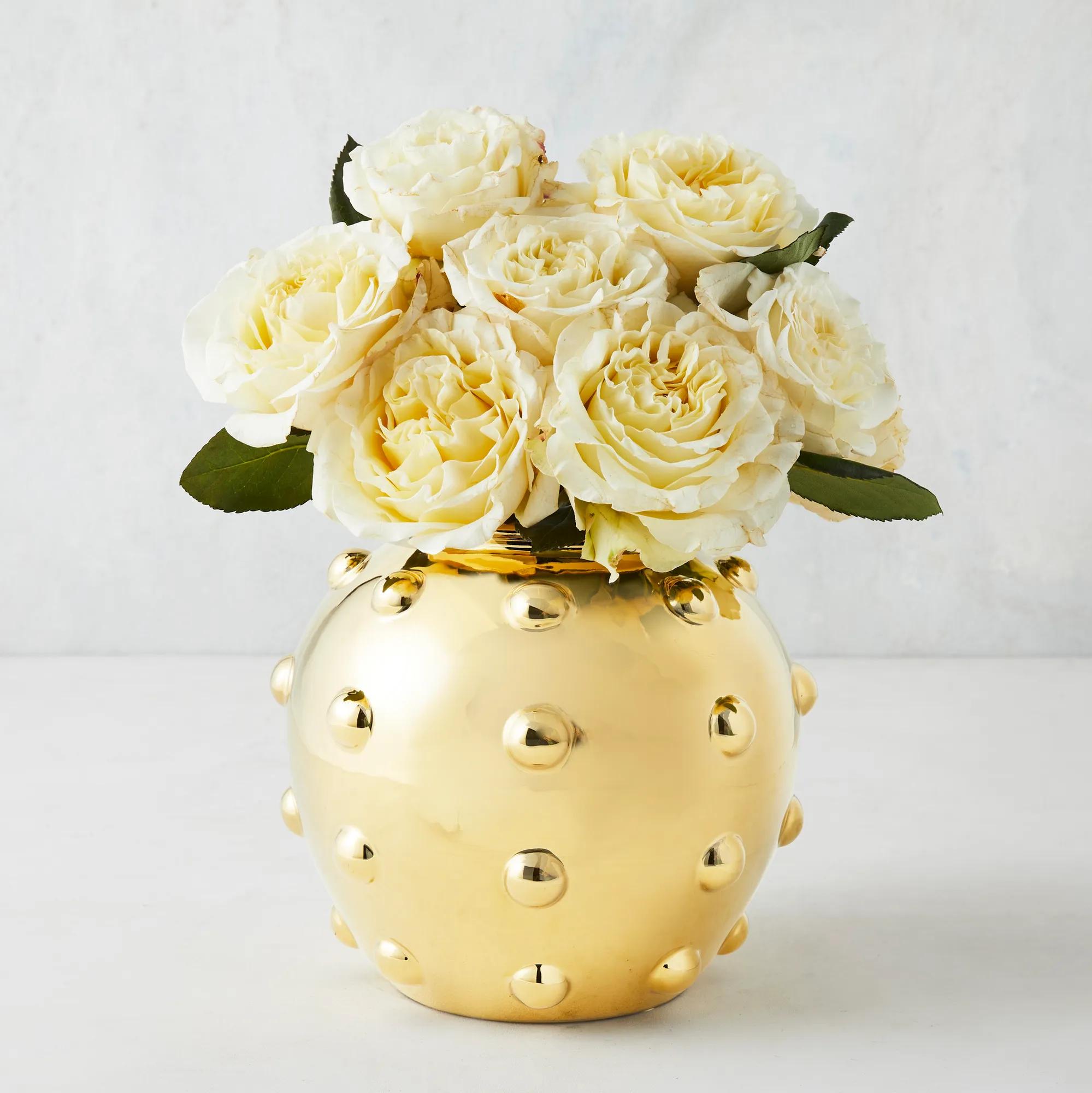
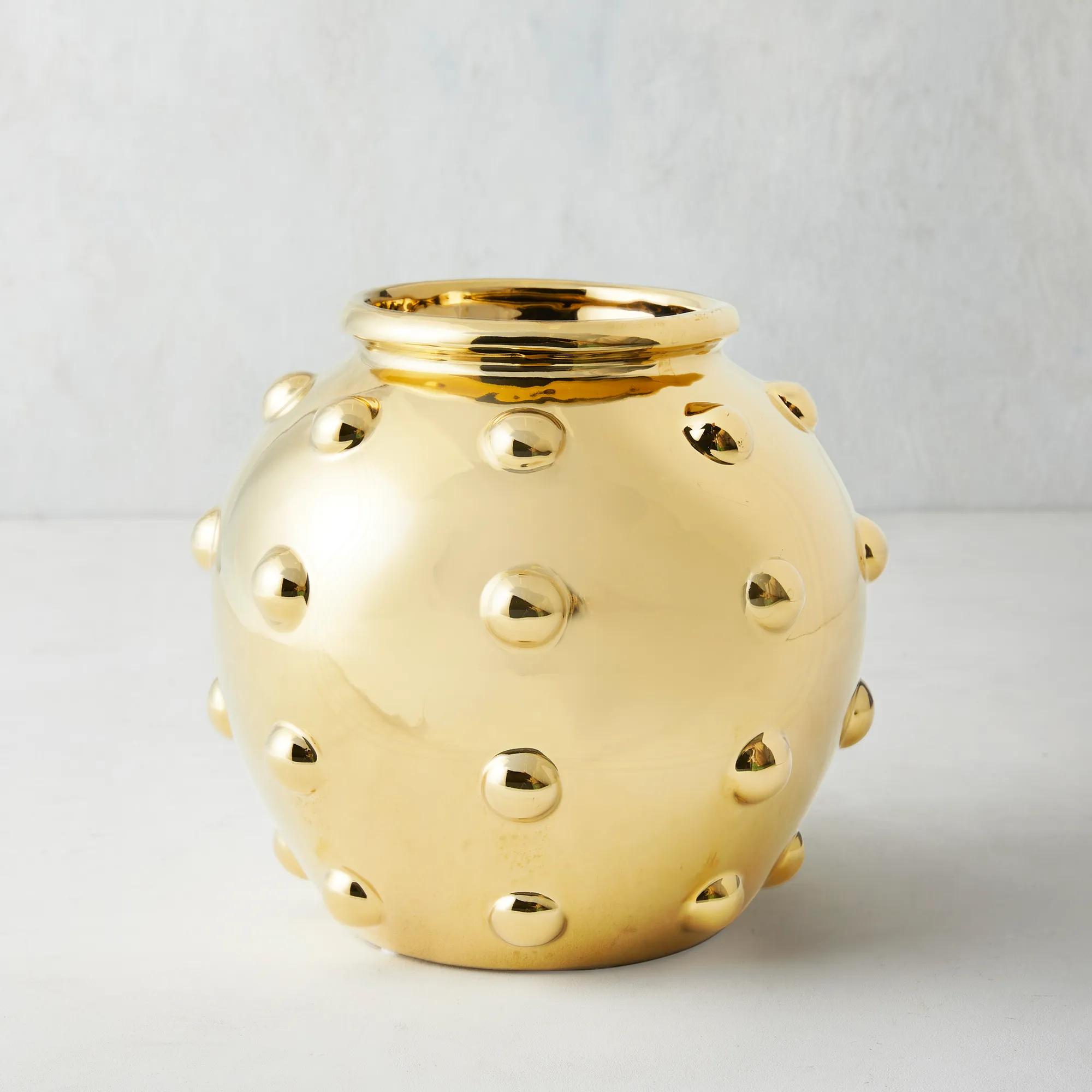 Orb Bauble Vase$59
A ceramic vase with a dimensional dot design and a gleaming gold finish for bold decor impact.
Add To Cart -
Miami Gold Ceramic High Gloss Vase 11.75"$69
A contemporary gold ceramic vase designed for decorative use as a sculptural accent or with foliage.
Add To Cart -
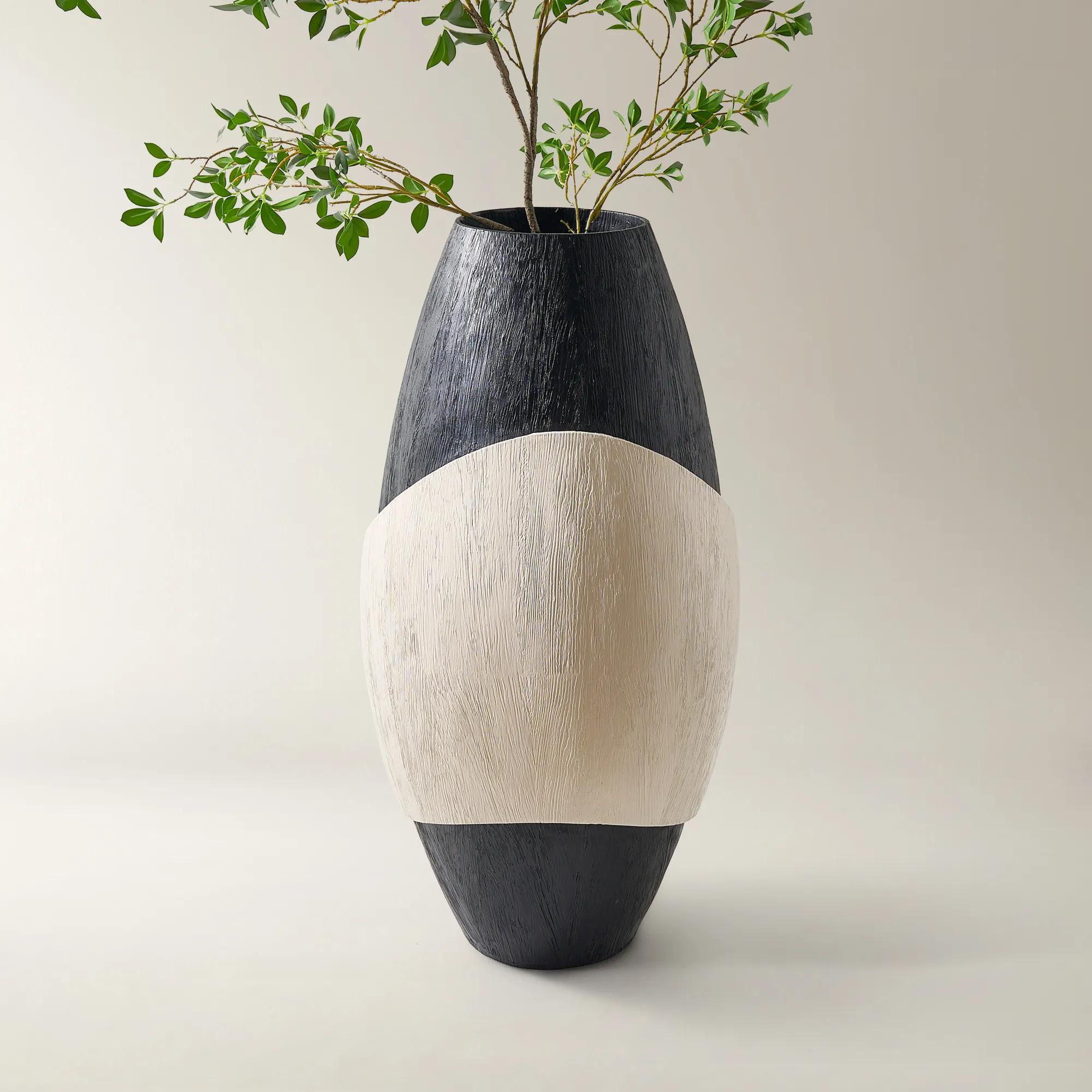
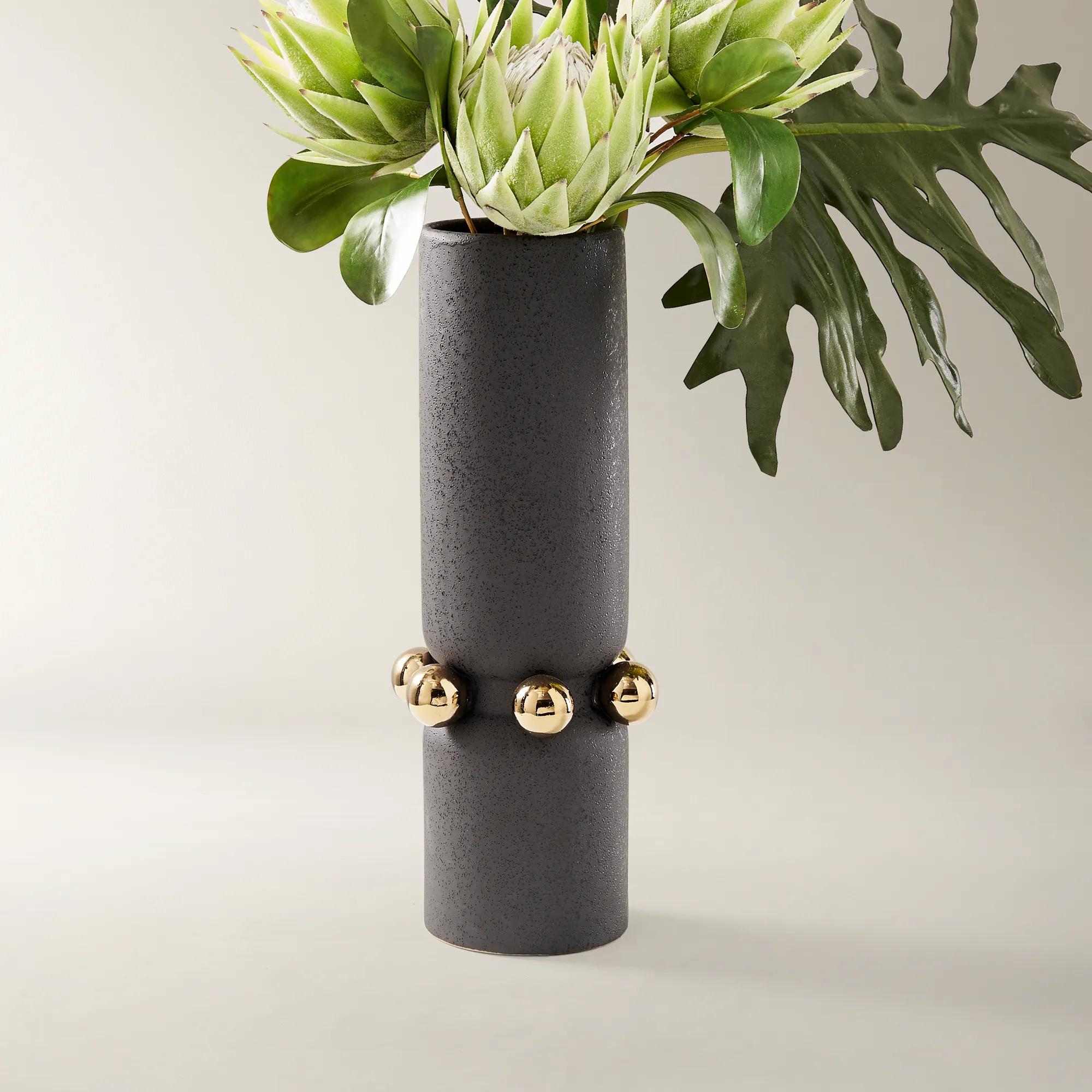 Zerra Vase$99
A ceramic vase featuring a striking matte black and shimmering gold contrast for bold, glamorous decor.
Add To Cart -
Miami Silver Ceramic High Gloss Vase 11.75"$69
A contemporary silver ceramic vase with a stylish gold glaze, perfect for decorative foliage or display.
Add To Cart -
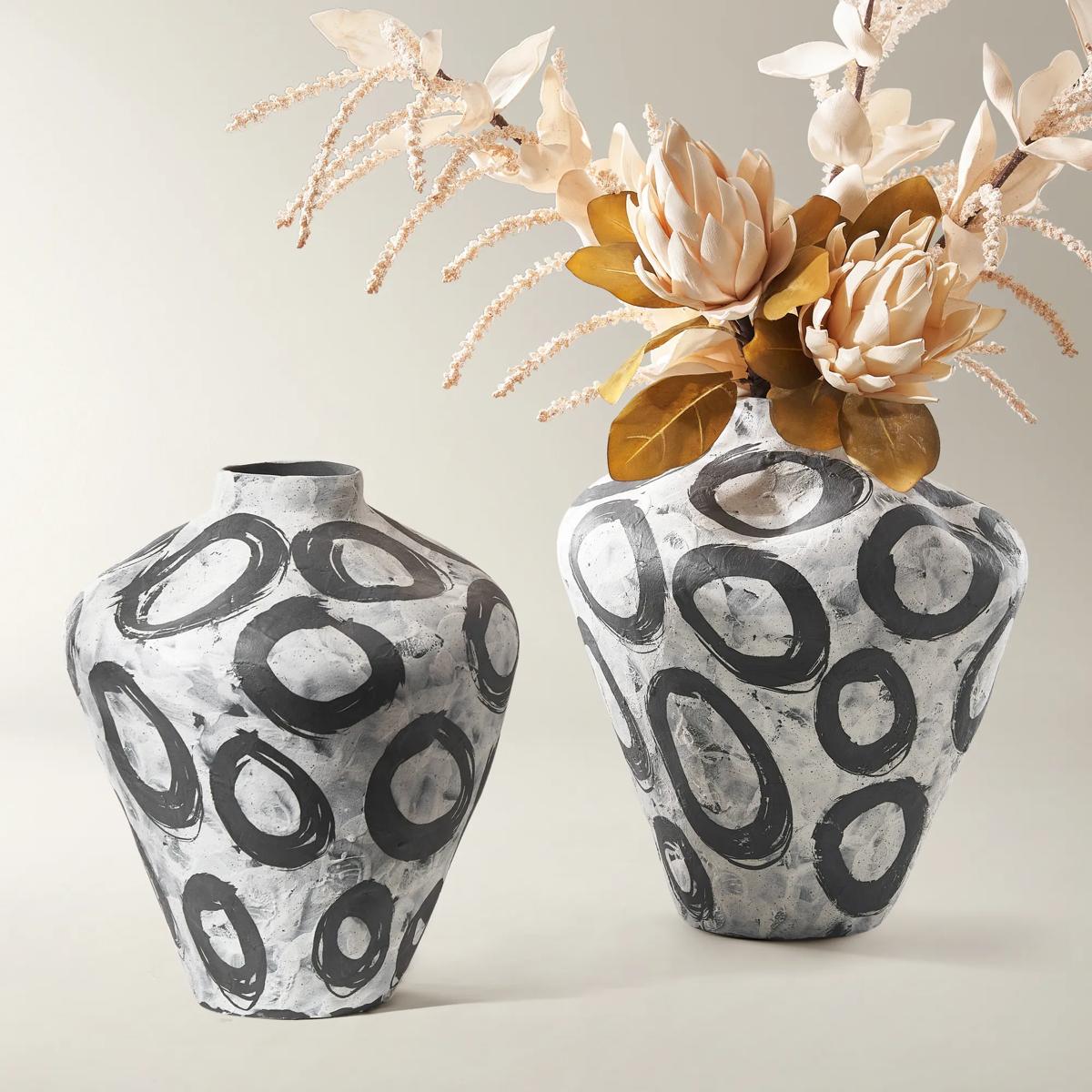
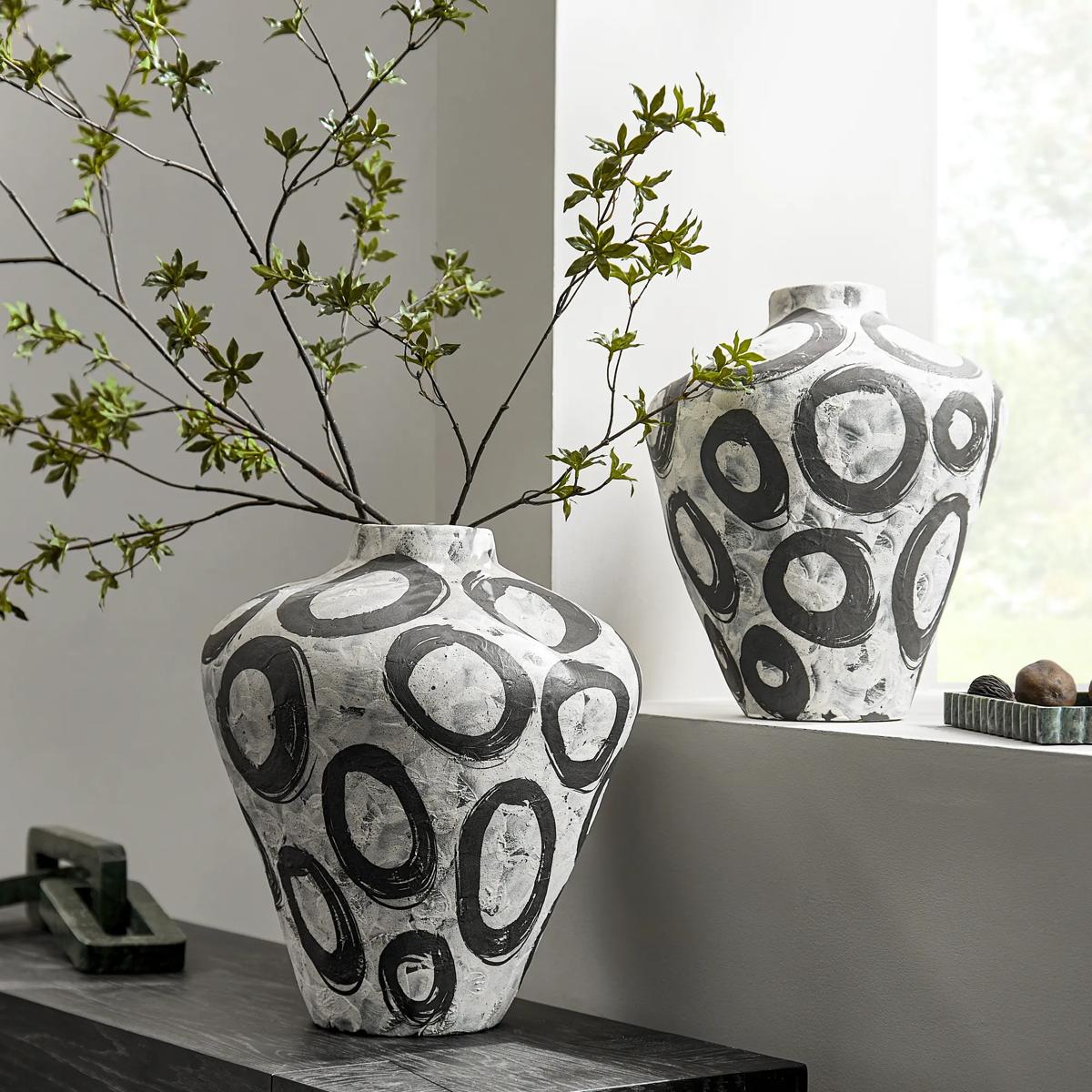 Stone Porcelain Vase$239
A sculptural porcelain vase featuring hand-painted black and white circular brushwork with a matte stone-like texture.
Add To Cart -
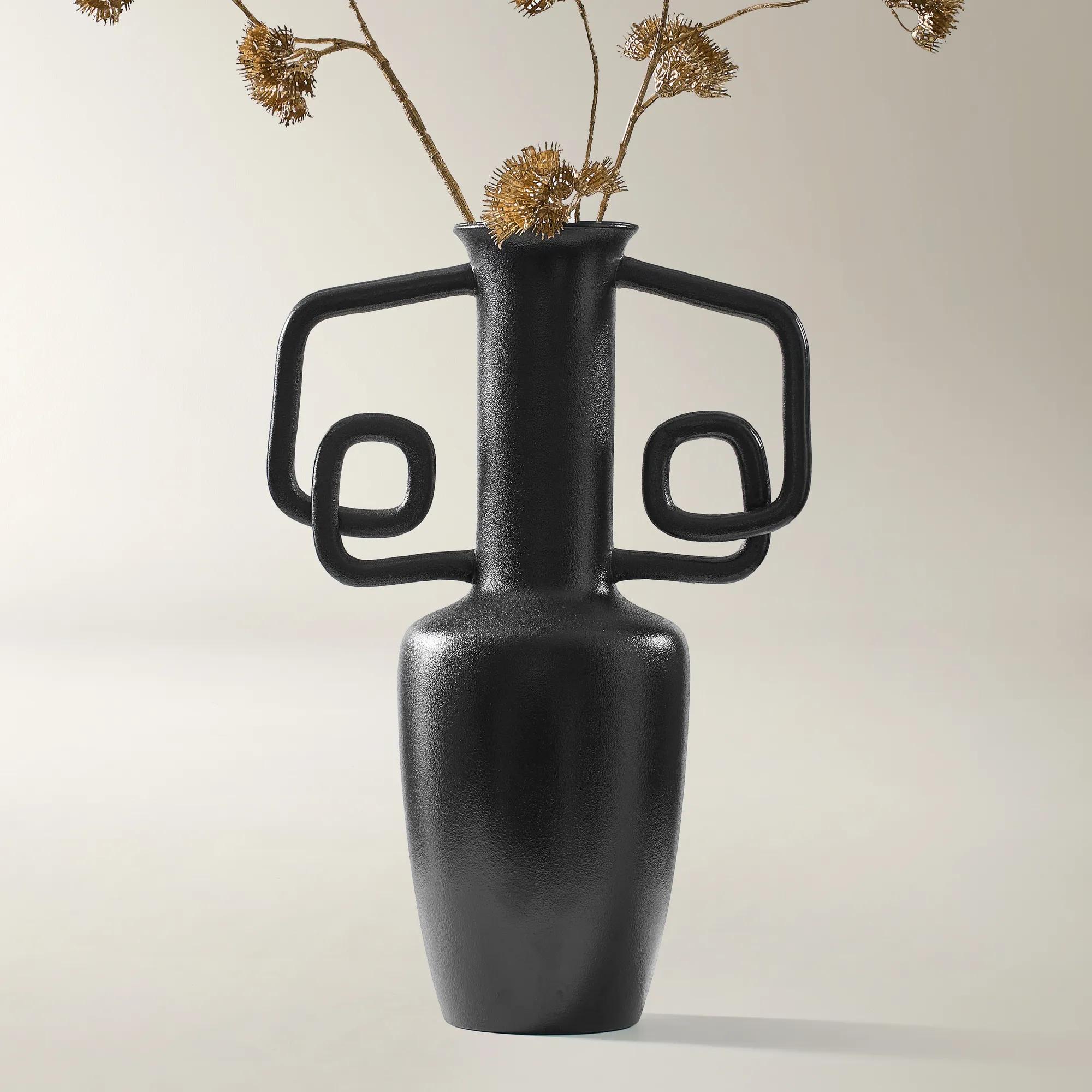 Cleo Handcrafted Black Porcelain Vase 19"$159
A sculptural black porcelain vase with exaggerated handles and a smooth, refined finish for modern decor.
Add To Cart -
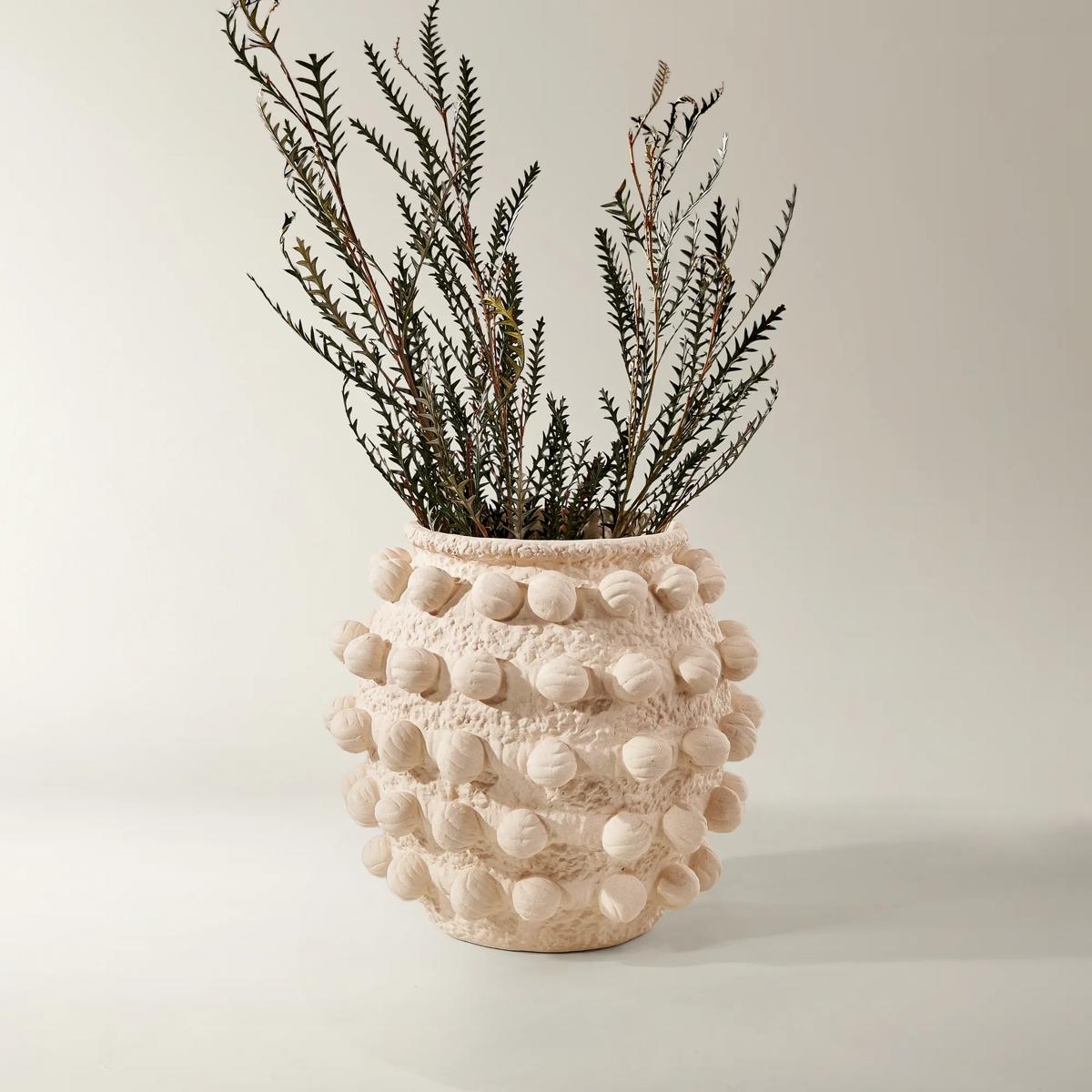
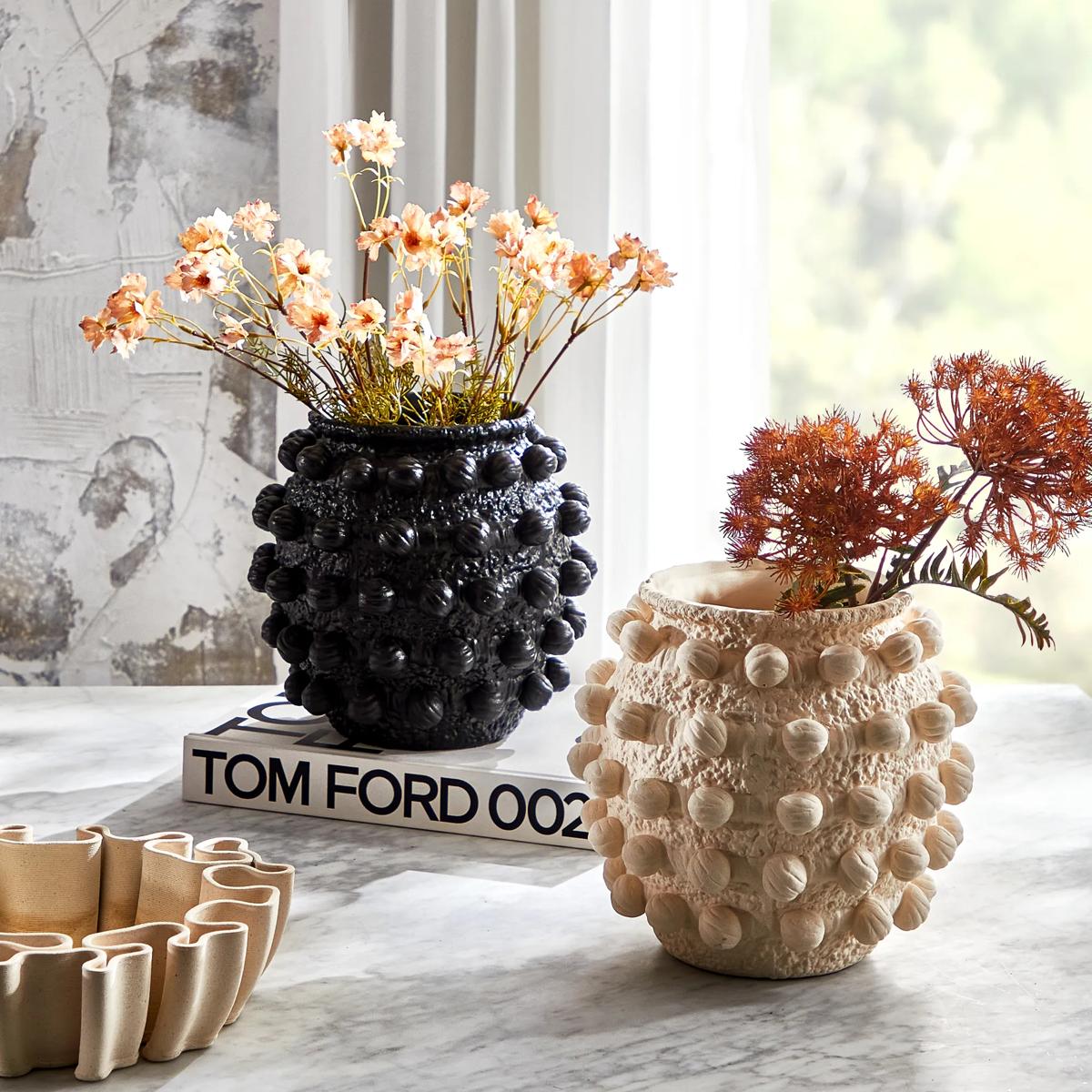 Pompa Vase - Ivory$119
An ivory porcelain vase featuring sculptural rounded forms and a richly textured, tactile surface.
Add To Cart -
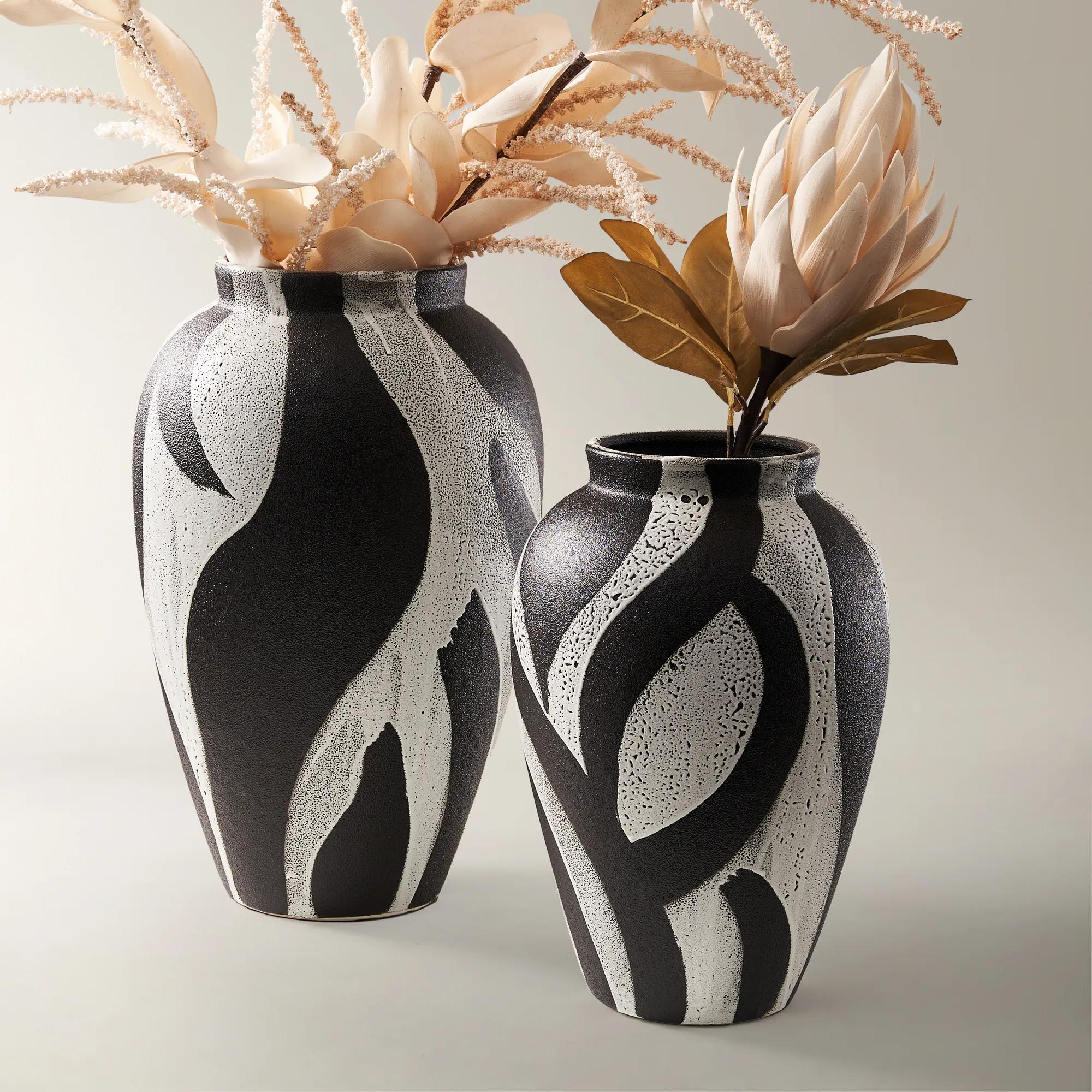 Montae Abstract Zebra Ceramic Vases$149
A ceramic vase featuring expressive black-and-white abstract zebra striping and a rounded, tapered silhouette.
Add To Cart -
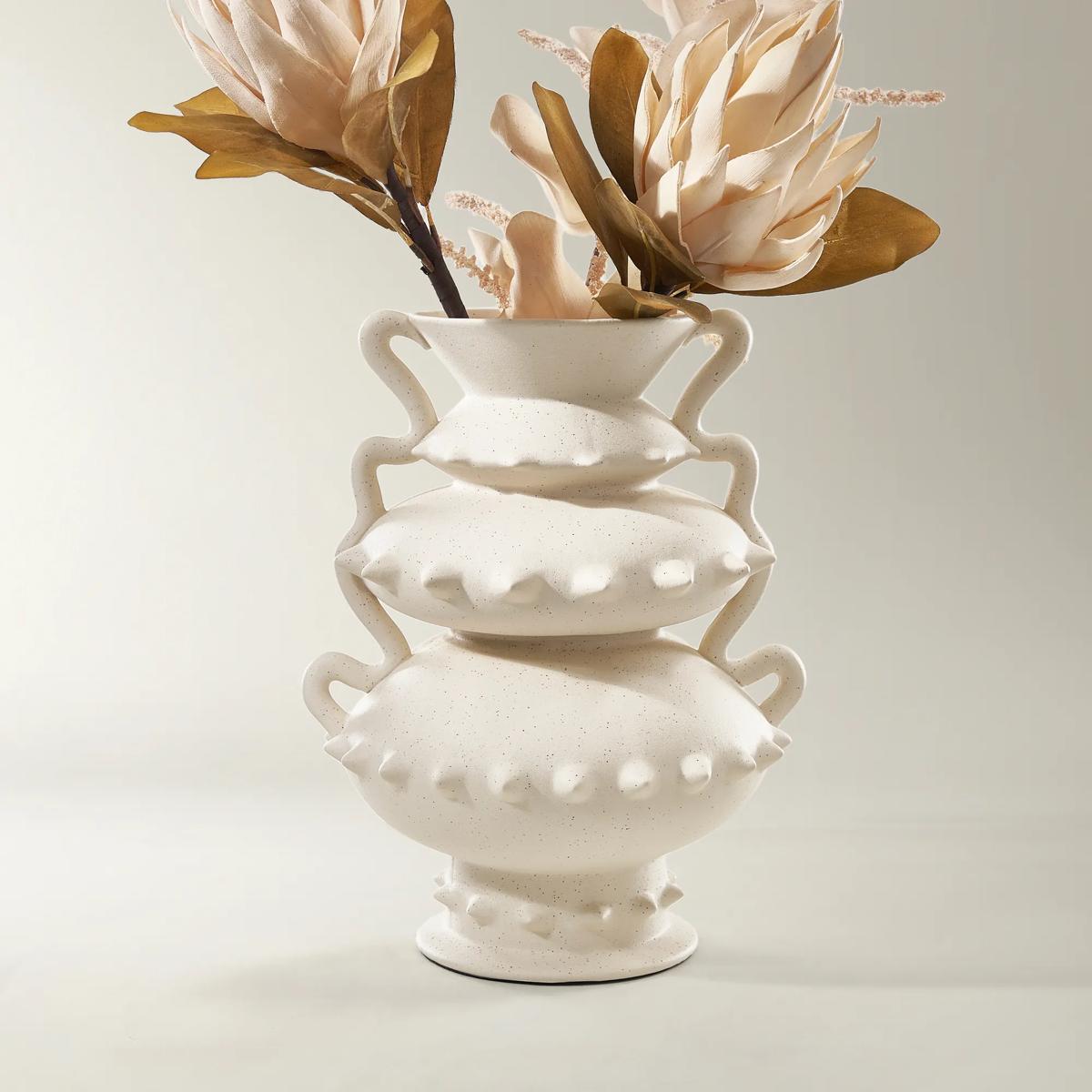 Savior Porcelain Vase - Ivory$189
An ivory porcelain vase featuring sculptural handles, tiered silhouette, and a matte, softly speckled finish.
Add To Cart -
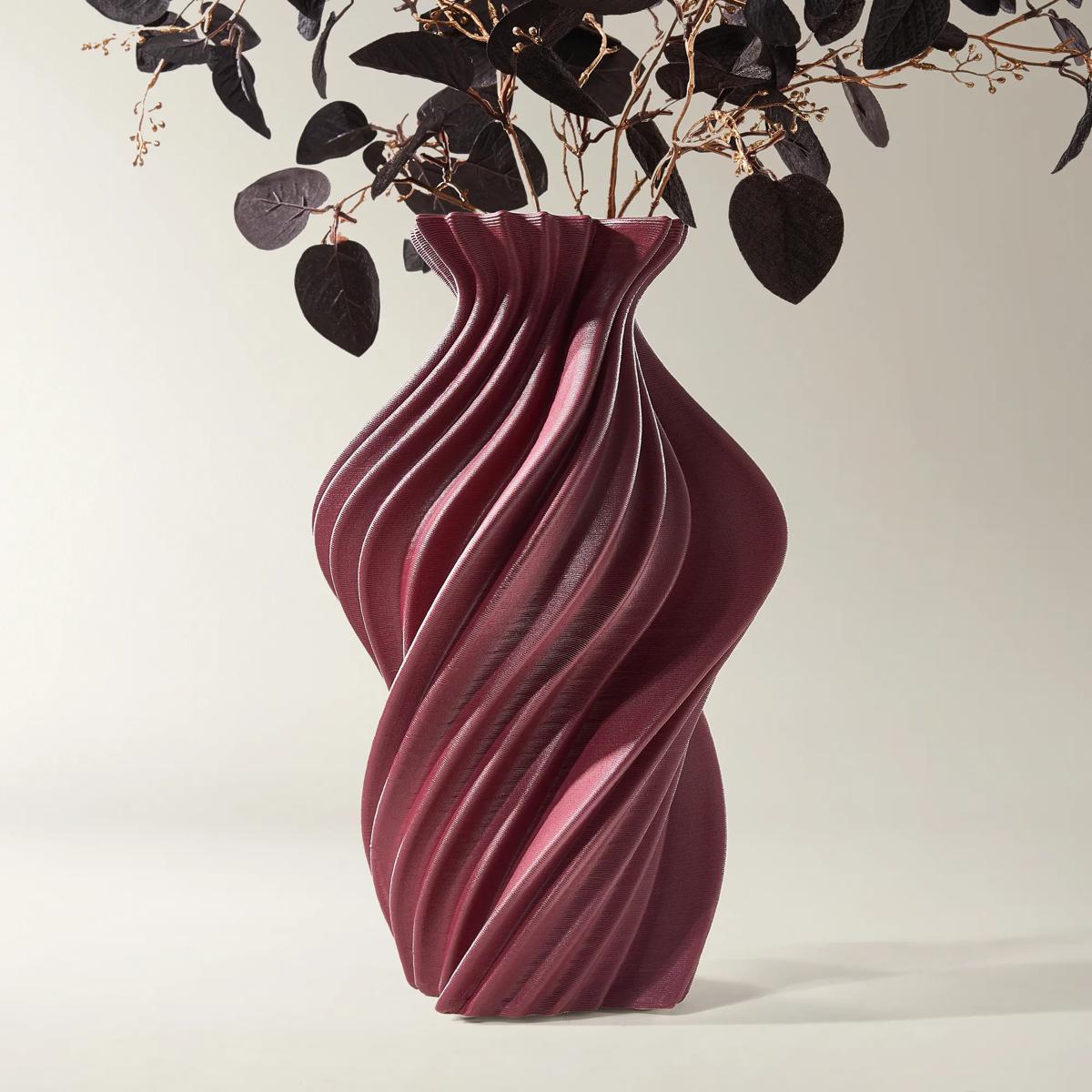
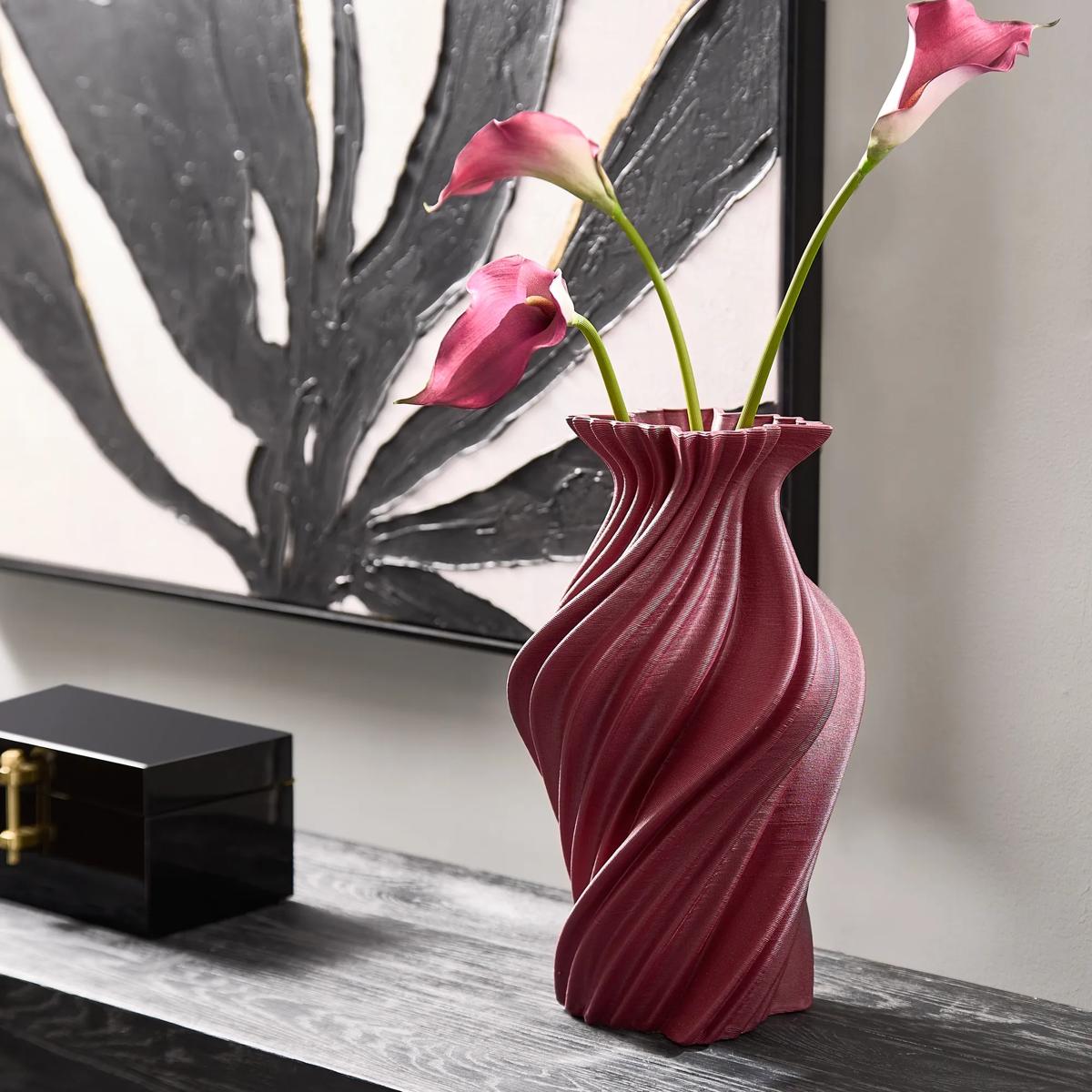 Flame Deep Red Porcelain Vase 16.25"$119
A sculptural porcelain vase in deep red with a dynamic, twisted silhouette inspired by flowing flames.
Add To Cart -

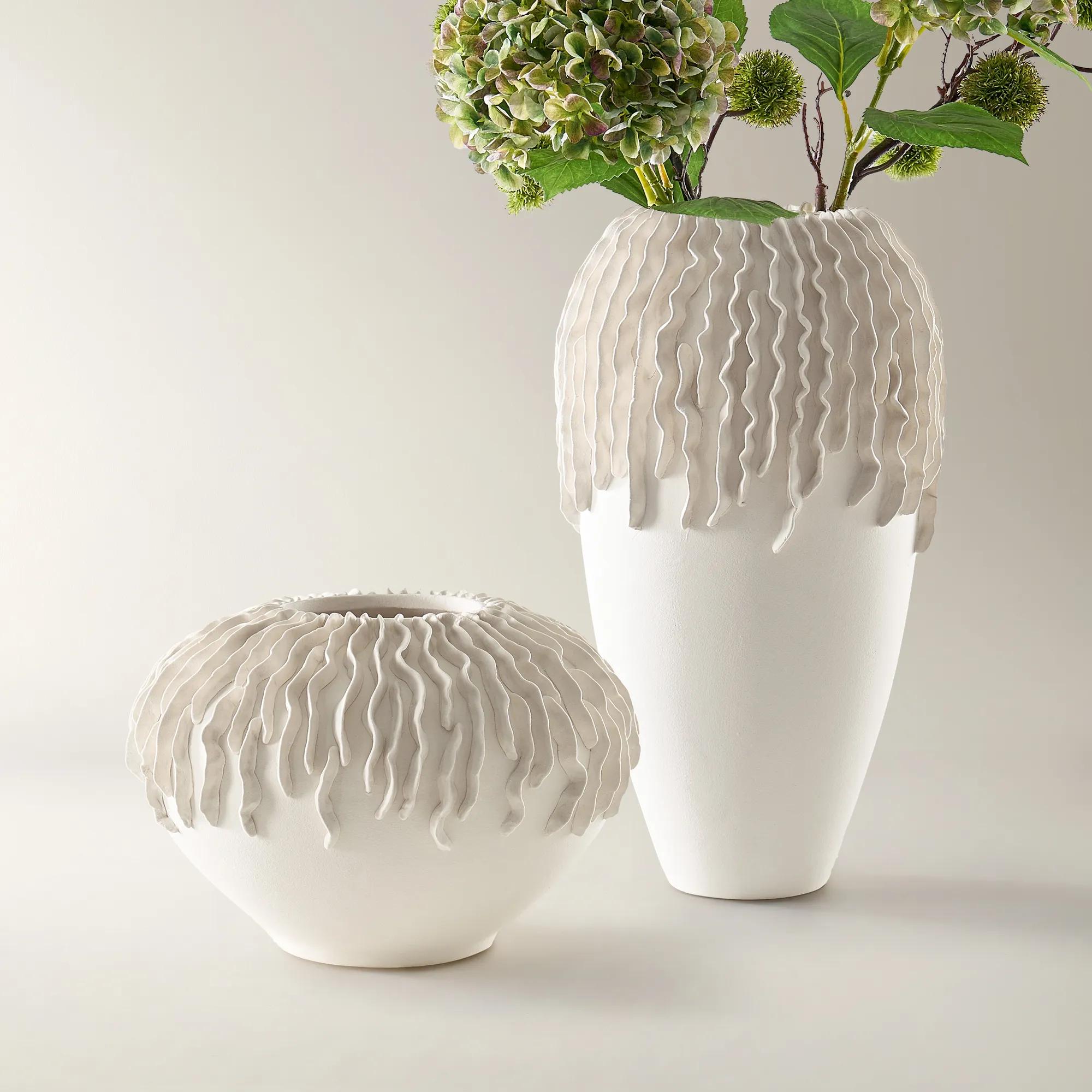
 Madre Handcrafted Ivory Porcelain Vases$149
A handcrafted ivory porcelain vase with cascading textured fronds and a sculptural matte finish.
Add To Cart -
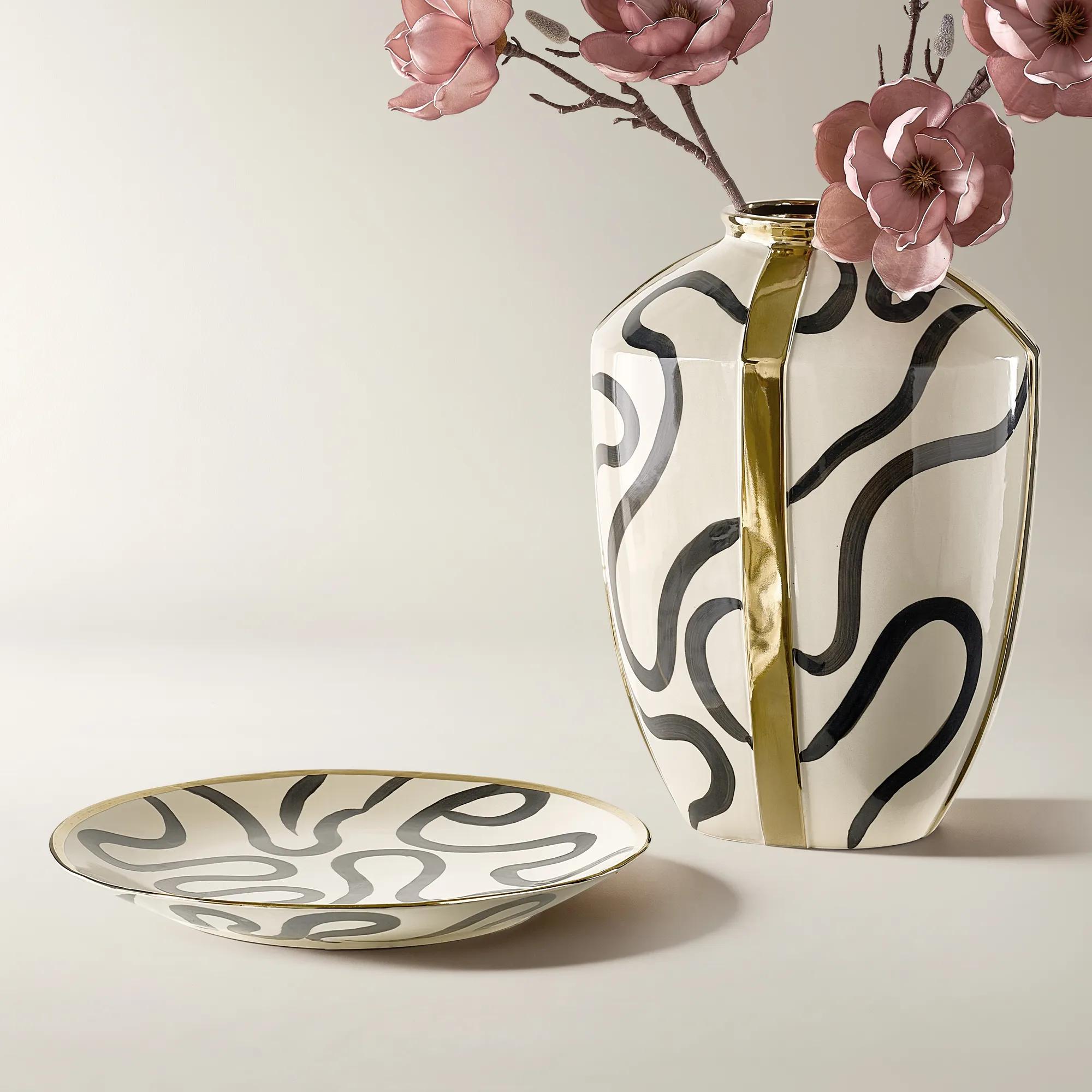
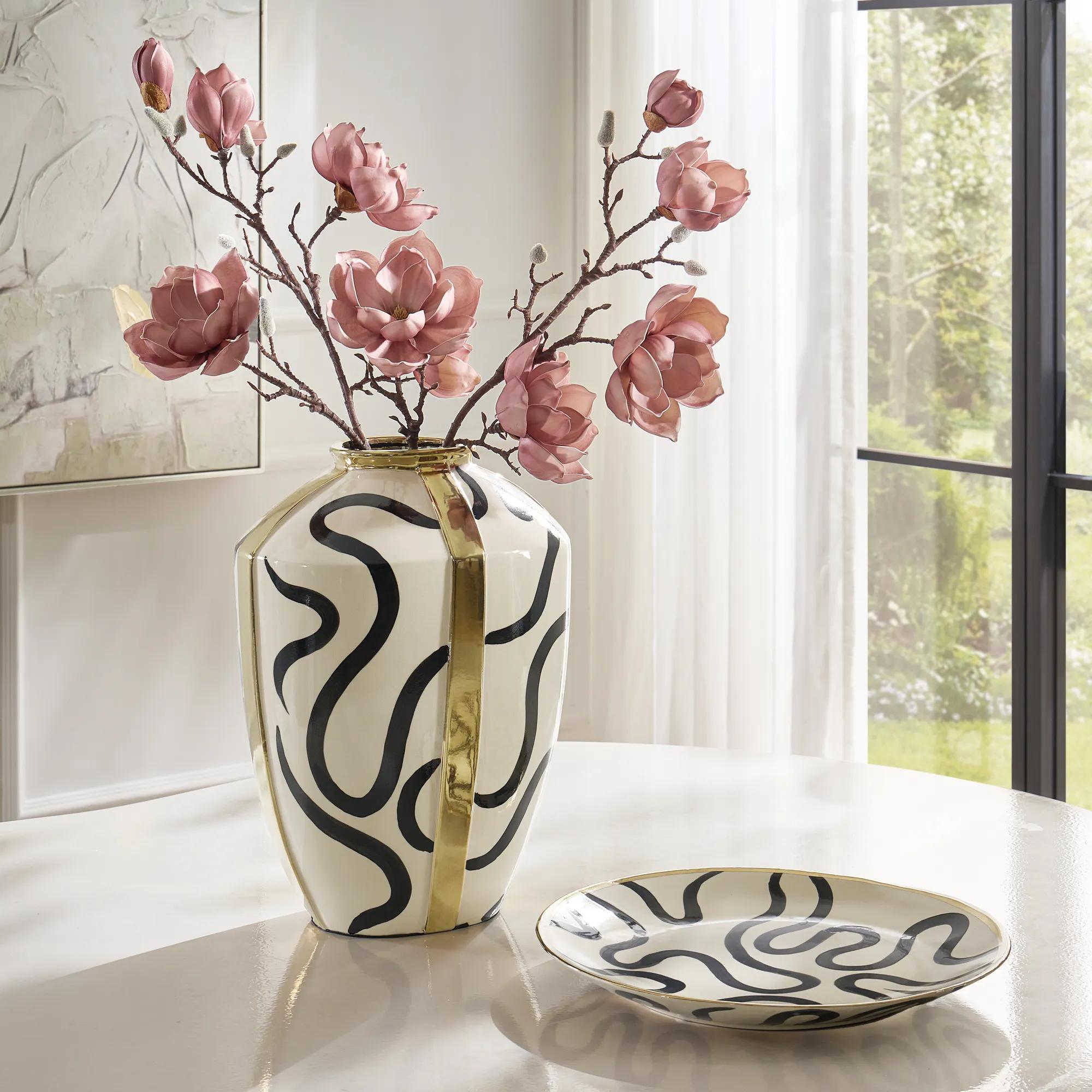 Sonder Soft Gold Black Ceramic Vase & Plate$149
A sculptural ceramic vase featuring interlacing wavy loops and soft gold, alabaster, and black accents.
Add To Cart -
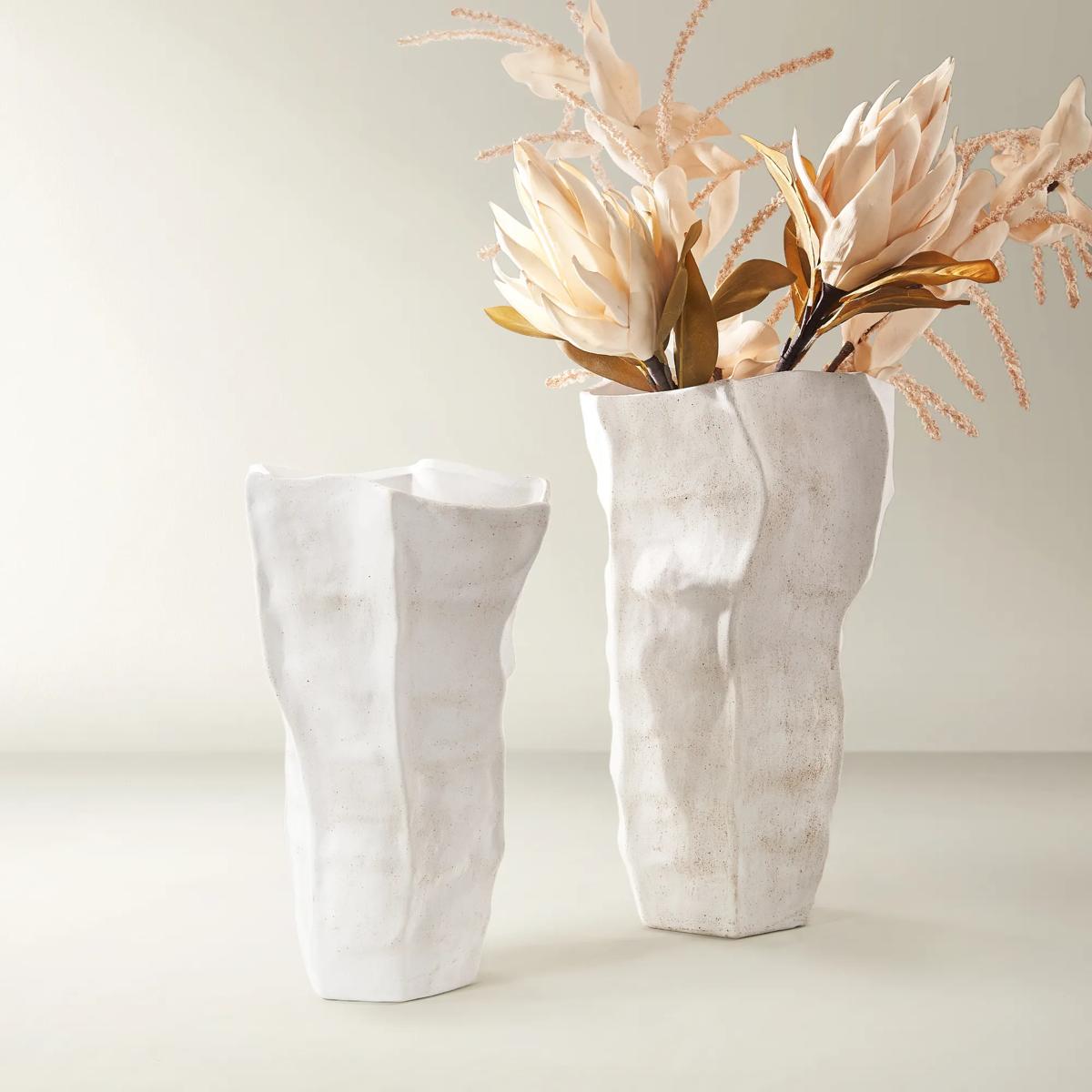 Kira Porcelain Vase$169
A sculptural matte white porcelain vase with a fluid, faceted design for modern, minimalist decor.
Add To Cart -
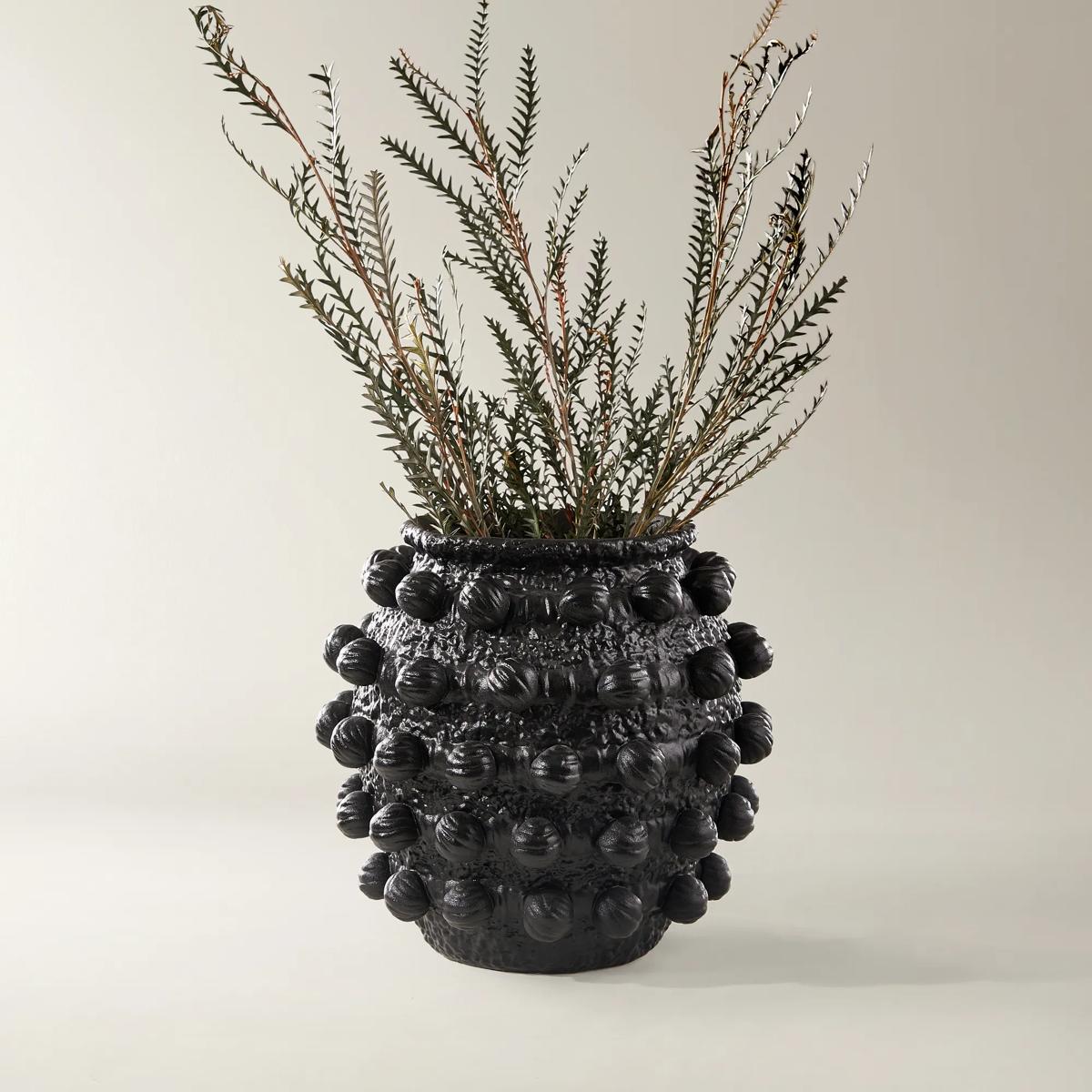 Pompa Vase - Black$119
A sculptural black porcelain vase featuring bold, rounded forms and a richly textured surface.
Add To Cart -
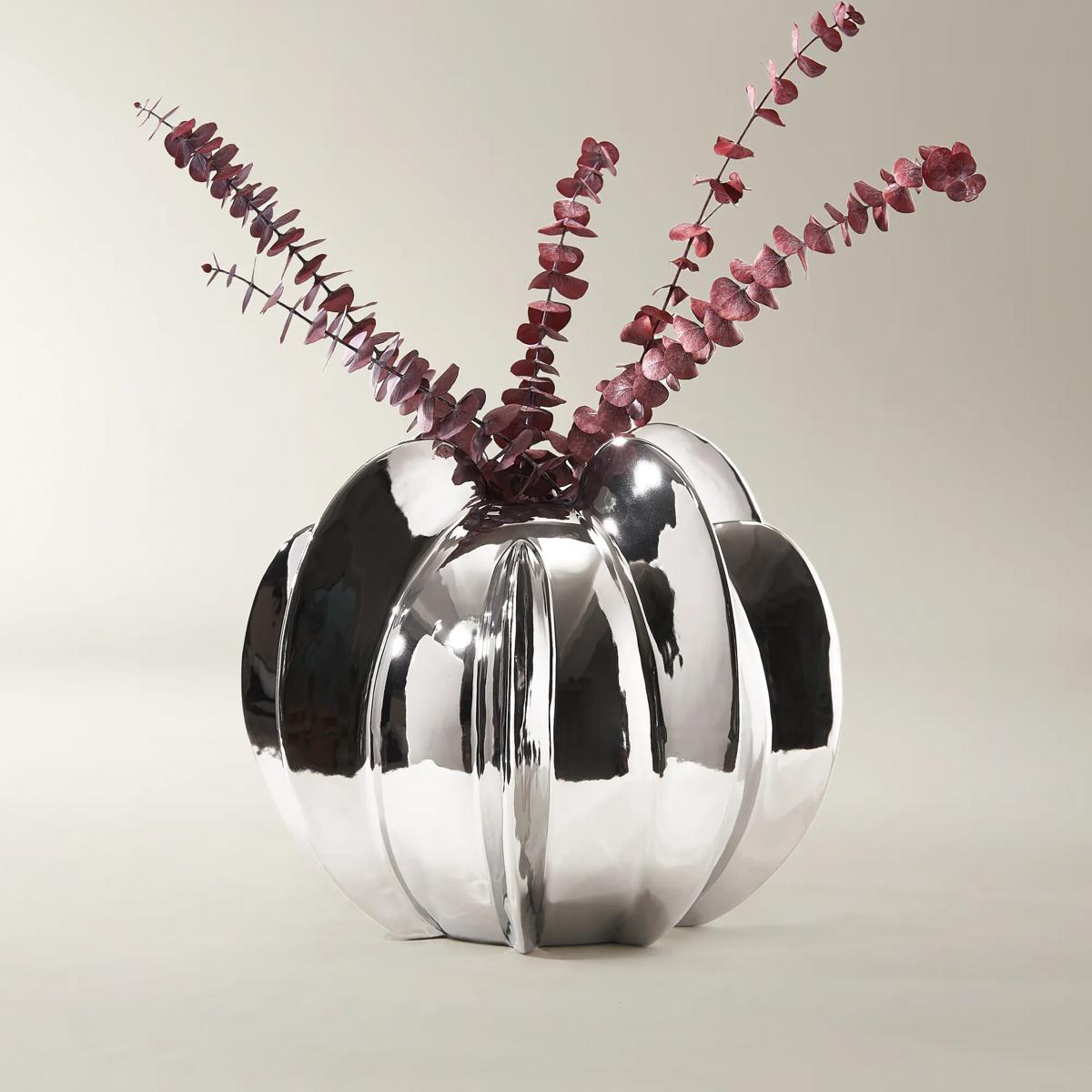
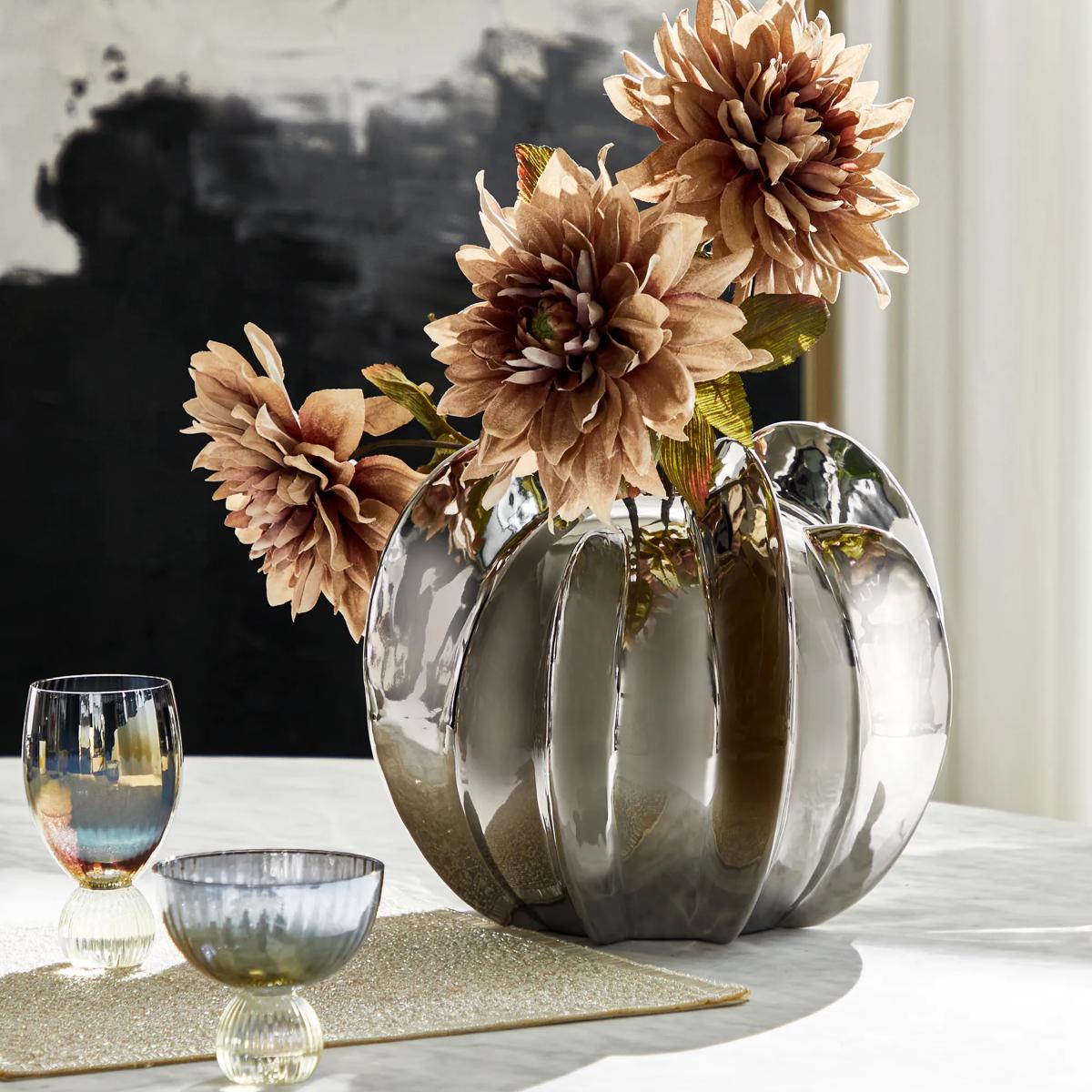 Voyage Vase$99
A reflective silver ceramic vase featuring a bold orb shape and dimensional vertical finned texture.
Add To Cart -
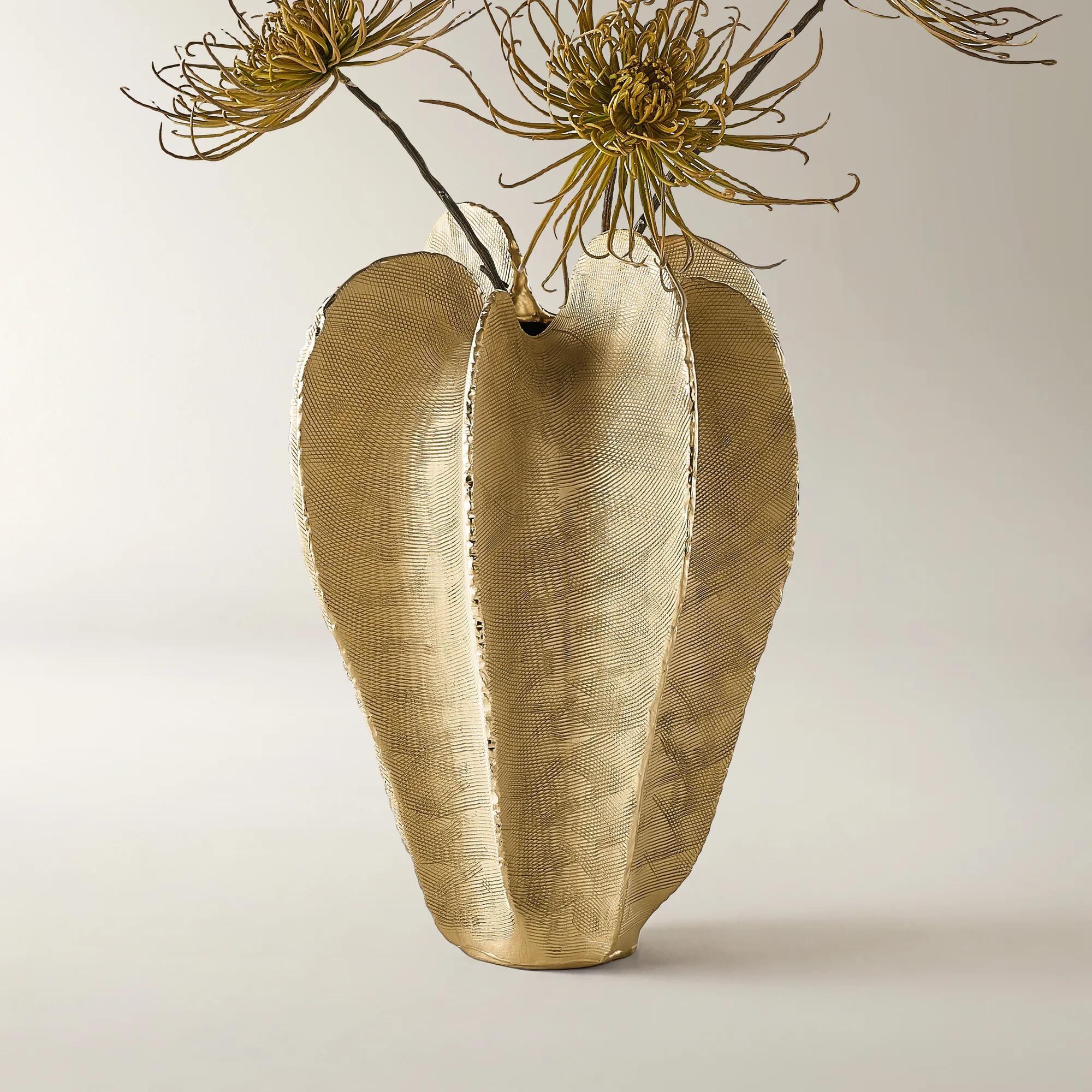 Kosta Soft Gold Textured Ceramic Vase 15.75"$129
A sculptural stoneware vase in a soft gold finish that adds artisanal texture and refined glamour.
Add To Cart -
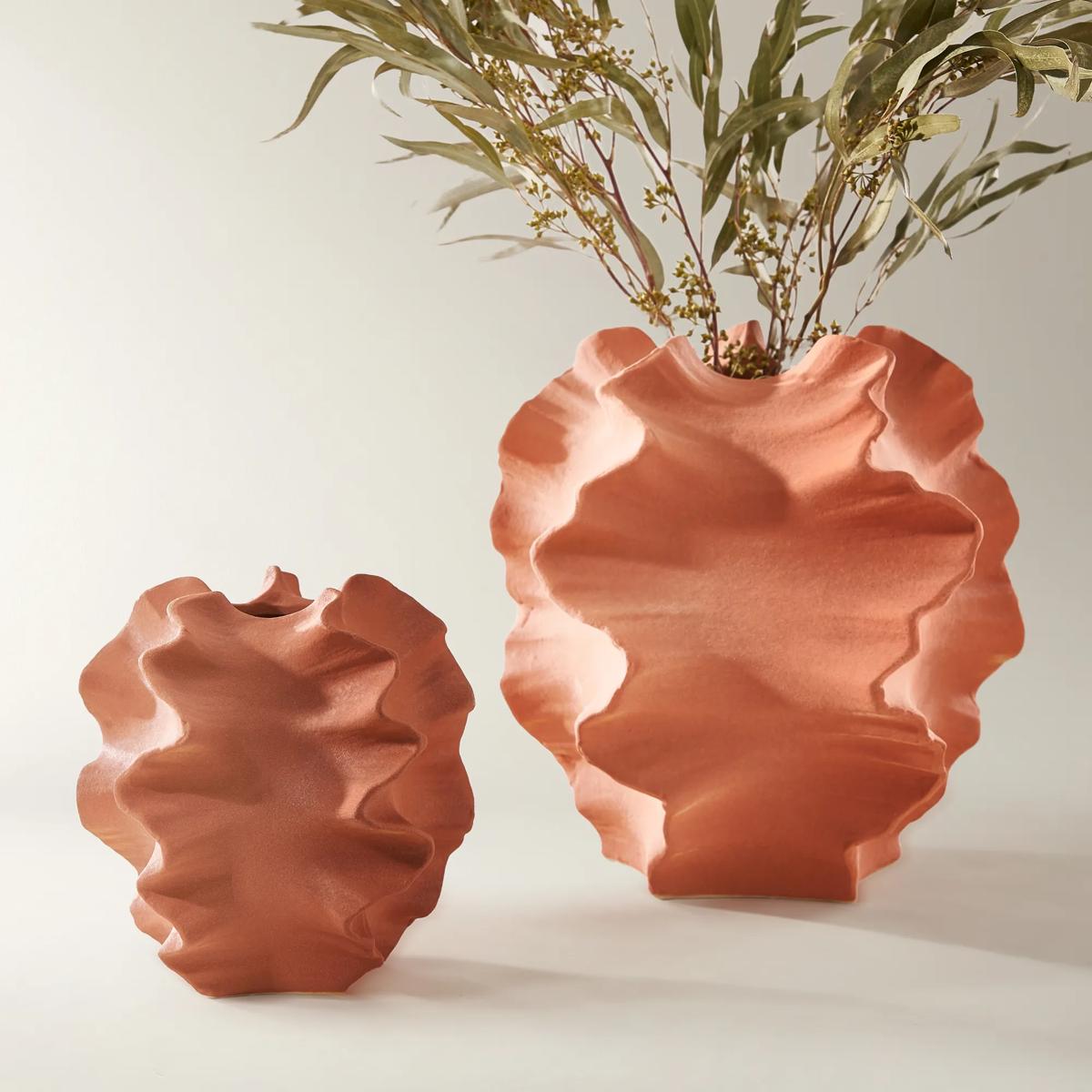
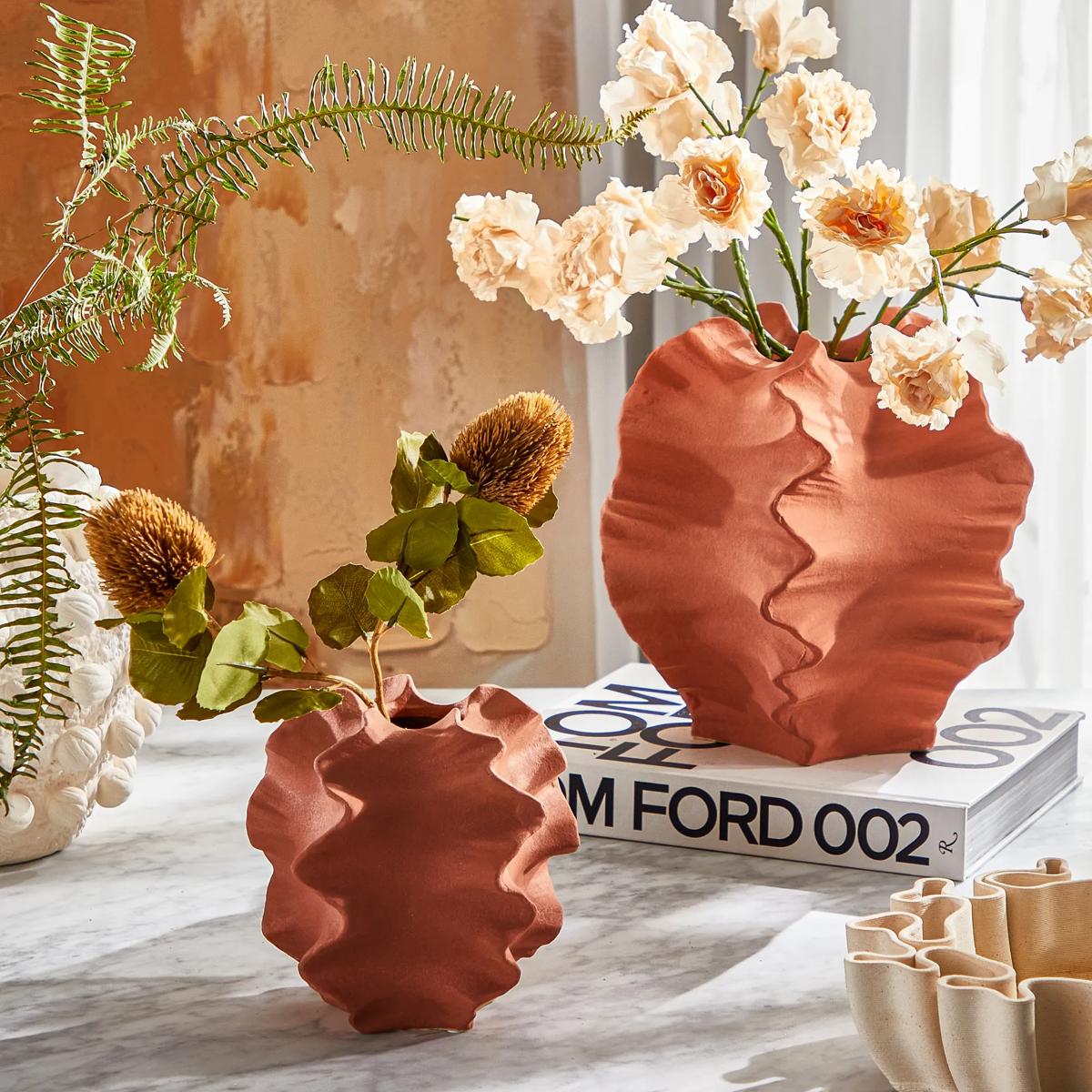 Morra Terracotta Sculptural Vases$79
A sculptural terracotta stoneware vase with rippling contours and a matte, earthy finish.
Add To Cart -

 Odessey Collection$159
A decorative porcelain accent in shiny silver, perfect for adding modern elegance to any space.
Add To Cart -

 Coral Ivory Porcelain Vase & Bowl$139
An ivory porcelain accent featuring flowing, coral-inspired curves for a modern, gallery-worthy display.
Add To Cart

Ceramic Centerpiece Vases
Find ceramic centerpiece vases that give dining tables, coffee tables, and consoles an artful focal point. Let scale, silhouette, and color guide your choice: favor a lower profile to keep dining-table sightlines open, or a more commanding shape to bring drama to a console vignette.
Ceramic centerpiece vases bring sculptural weight, expressive surfaces, and a sense of permanence to dining tables, sideboards, mantels, and generously scaled coffee tables. Made from clay shaped and fired in a kiln, they can serve as vessels for floral arrangements or stand alone as decorative objects, giving a room a focal point without requiring an elaborate display. Their appeal lies in the relationship between form and finish: a rounded silhouette feels sumptuous and grounded, while an elongated neck or an asymmetrical profile introduces movement. A glossy glaze catches the gleam of nearby lighting; a matte surface draws attention to curves, ridges, and subtle changes in tone. Ceramic is a broad material category that includes earthenware, stoneware, and porcelain, each with different characteristics depending on its composition, firing, and finish. Earthenware is generally more porous, stoneware is typically dense and substantial, and porcelain can achieve refined shapes with comparatively slender walls. Those distinctions influence appearance and handling, but the individual vase’s care instructions and suitability for water matter more than the material name alone. Glazing does not automatically make a vessel watertight, and a decorative ceramic vase should only hold fresh flowers in water when its specifications permit that use. Beyond function, the finish establishes the mood of the centerpiece. Smooth ivory ceramics lend definition to a richly patterned room, dark glazes create a dramatic counterpoint to pale upholstery, and dimensional surfaces reward a closer look. For a luminous interpretation, white ceramic vases for centerpieces offer a tonal foundation that lets silhouette, floral color, and surrounding materials become the expression. Against a mirrored tray, white ceramic creates a crisp contrast; beside richly grained wood, it highlights the warmth and variation of the grain. Whether filled with an abundant arrangement or displayed empty, a thoughtfully proportioned vase can make the center of a room feel composed rather than crowded.
Scale gives ceramic centerpiece vases their presence, and the right proportions depend as much on daily life as on the dimensions of the furniture. On a dining table used for conversation, a low, generous form can hold a compact arrangement without placing a wall of flowers between guests. A taller vase may feel more at home on a sideboard, entry console, or dining table between gatherings, where its height can establish a striking vertical line. The relevant measurement is the complete display, including stems, rather than the vessel alone. A wide arrangement needs room beside place settings, serving pieces, and glassware, while a substantial vase on a narrow console should leave enough space around its base to sit securely. Round tables often suit a single centered vessel, whereas a long rectangular surface can support a more expansive composition with space between elements. The vase opening also shapes the result. A narrow mouth gathers a few branches into a defined silhouette, while a wider opening allows fuller bouquets to spread and may require additional floral support. Large flower heads and long stems call for a base with enough stability to balance the arrangement; a visually delicate neck is not a substitute for a secure footprint. Ceramic’s opaque surface conceals stems and floral mechanics, keeping attention on the flowers and the vessel’s profile. For those who prefer a permanent display, dried botanicals and artificial stems offer expressive height without standing water, provided their weight and proportions suit the vase. An empty sculptural vessel can be equally compelling, particularly where an unusual outline or richly worked surface deserves uninterrupted attention. Pairing ceramic with polished metal, glass, or stone creates contrast without requiring every finish to match. A ribbed vase can bring rhythm to a smooth lacquered surface, while a sleek vessel offers relief beside heavily textured accessories. Repeating one color or curve elsewhere in the room helps a dramatic centerpiece feel connected to its surroundings, allowing the display to command attention without competing with every detail around it.
The lasting beauty of a ceramic centerpiece depends on thoughtful placement and care that respects its finish. Fired ceramic holds its form, but it remains vulnerable to chips and cracks from impact, especially around narrow rims, projecting details, and slender handles. A substantial appearance should not be mistaken for resistance to being knocked against a countertop or dropped. Moving a vase with both hands around its body and supporting the base is generally safer than lifting it by the neck or a decorative feature, particularly when it contains water. Felt or another suitable protective layer beneath an unglazed foot can help protect a polished tabletop, provided the vase remains level and stable. Surface care varies: many glazed finishes can be gently wiped with a soft, damp cloth, while porous, textured, metallic, or otherwise embellished surfaces may require a different approach. Abrasive pads and harsh cleaners can damage finishes, and decorative ceramics should not be assumed dishwasher-safe. For water-approved vessels, regular water changes and gentle interior cleaning help prevent residue from collecting out of sight. A vase intended only for dry display needs a separate watertight insert before fresh flowers can be considered, and that insert must fit securely without trapping moisture against vulnerable surfaces. Protecting ceramic from sudden temperature changes and placing it away from busy edges can also reduce avoidable damage. These practical considerations make the distinction between a centerpiece that is admired occasionally and one that fits gracefully into everyday living. Ceramic vases appeal to design enthusiasts who enjoy rearranging a room, hosts who want a memorable table without an elaborate setting, and anyone drawn to objects with both decorative presence and flexible use. They can also make thoughtful housewarming, wedding, or anniversary gifts when the size and palette reflect the recipient’s home. A modestly scaled vessel suits someone with limited display space, while a larger sculptural form rewards a room with generous surfaces. The most personal choice balances visual drama with the way its owner lives, bringing artistry to an ordinary table and giving flowers—or simply the beauty of the ceramic itself—a distinguished place in the room.
FAQs
Give a ceramic centerpiece vase a defined moment at the heart of the table, then build around it with candleholders, textured linens, or sculptural objects. Repeat a color from your dinnerware for a composed setting, or introduce a contrasting hue to bring expressive energy to the arrangement.
Sculptural branches, airy dried botanicals, and richly colored faux blooms create distinct moods against ceramic. Choose a single variety for a deliberate, gallery-inspired composition, or combine contrasting botanical textures for a more lavish display. Let the vase’s silhouette guide the arrangement: expressive vessels often shine with a restrained selection of stems.
Absolutely. A ceramic vase can serve as a sculptural focal point, with its contours, surface texture, and color creating the drama. Display it alone for an artful statement, or pair it with decorative objects in contrasting finishes to give the vignette depth.
Start with the atmosphere you want to create. Pale tones lend a luminous quality, while saturated hues bring richness and definition. A glossy finish catches the light; a matte surface offers a softer visual counterpoint. Echo an accent from your artwork or textiles to connect the centerpiece to the room.
Ceramic centerpiece vases can bring an artistic accent to a range of interiors. Clean silhouettes complement modern rooms, while expressive curves add movement to glamorous settings. In an eclectic space, use a shared color to connect the vase with surrounding pieces, allowing contrasting shapes and textures to give the room its personality.