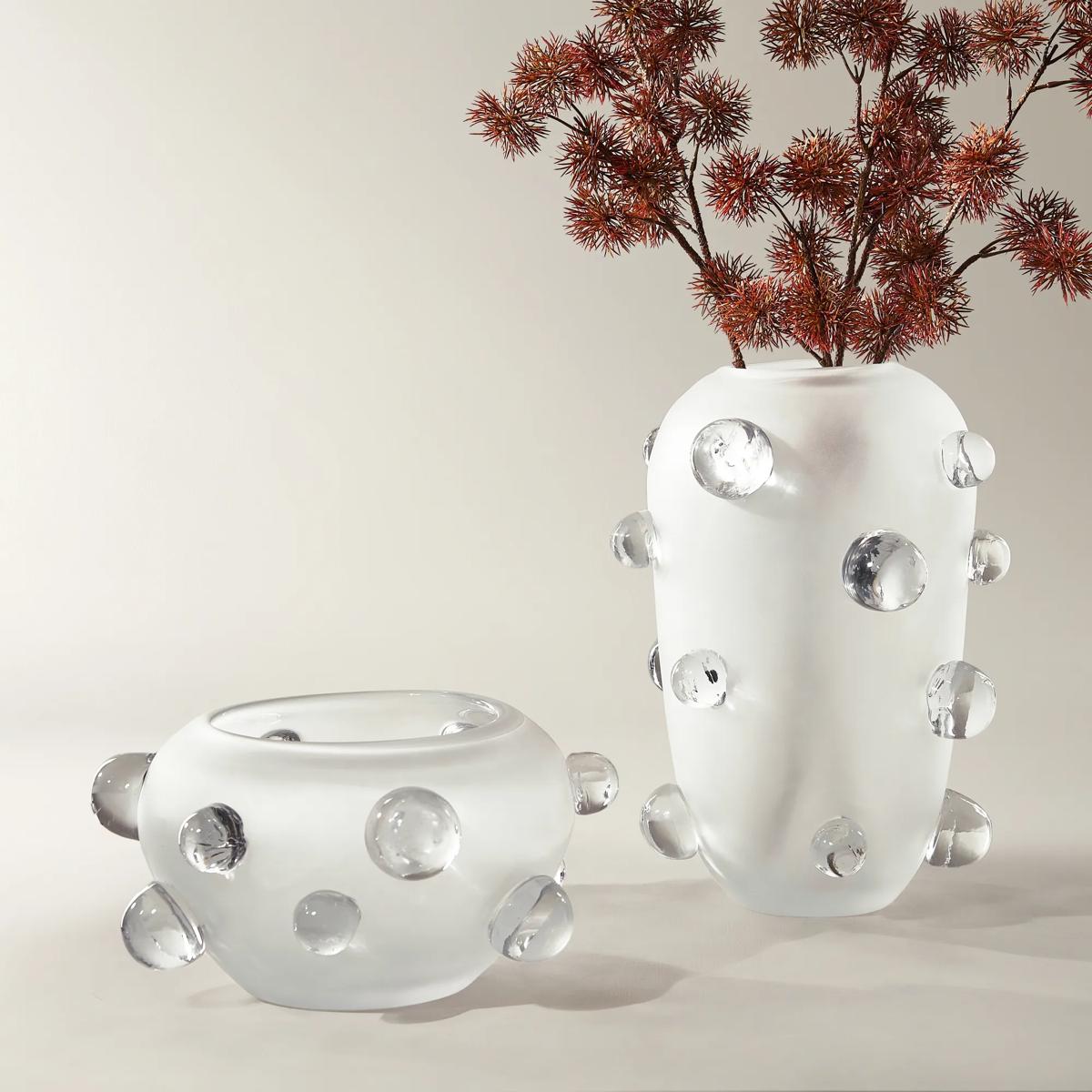
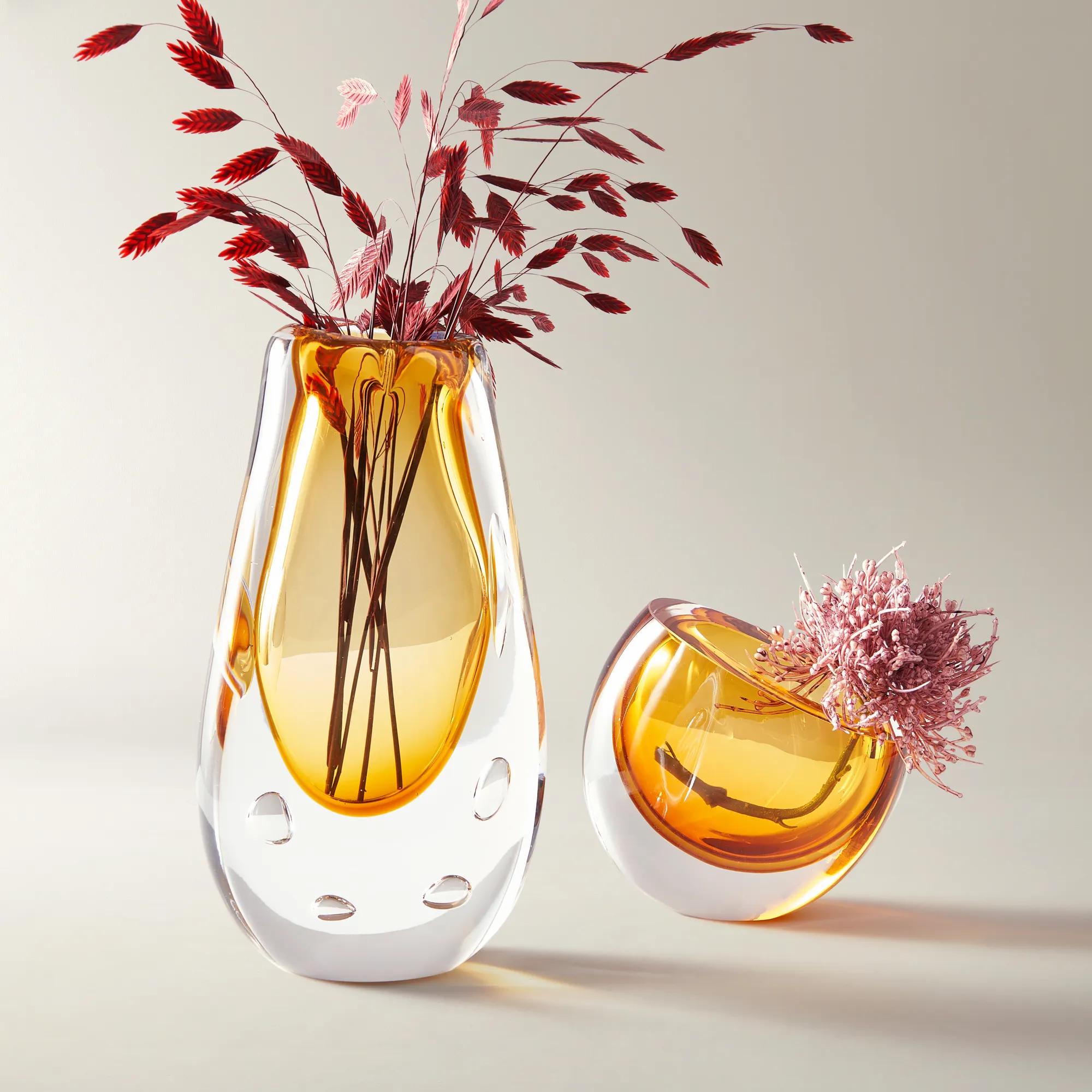
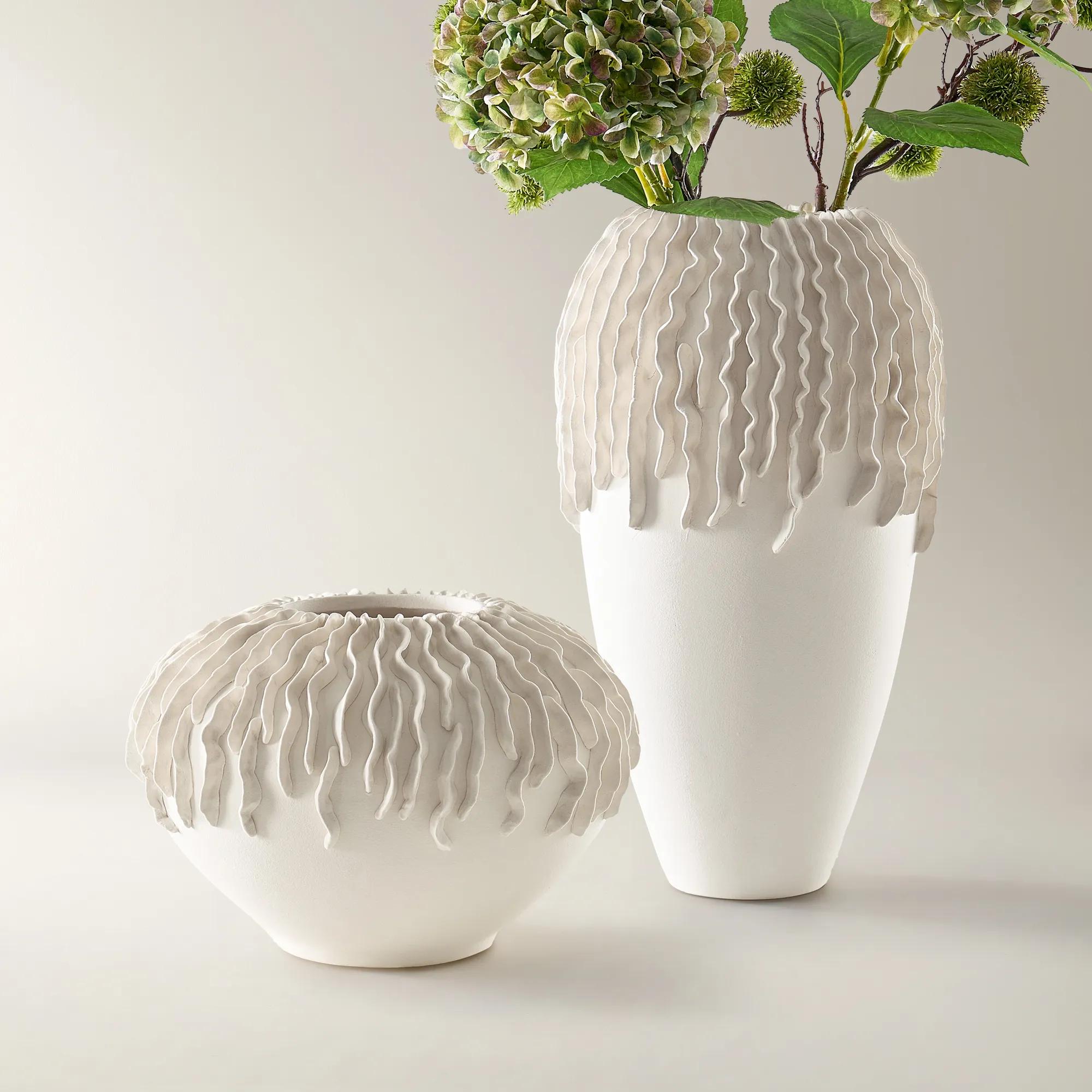
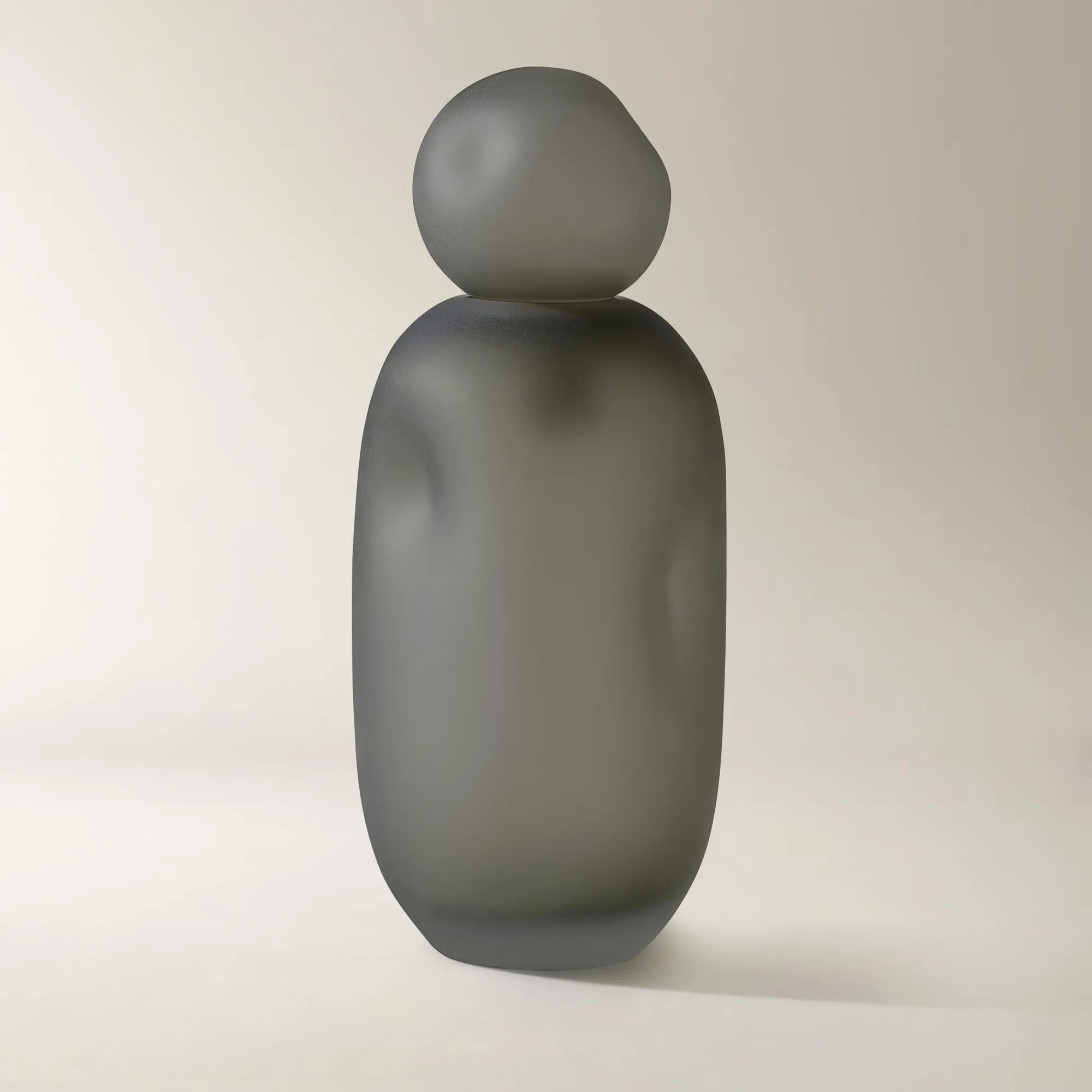
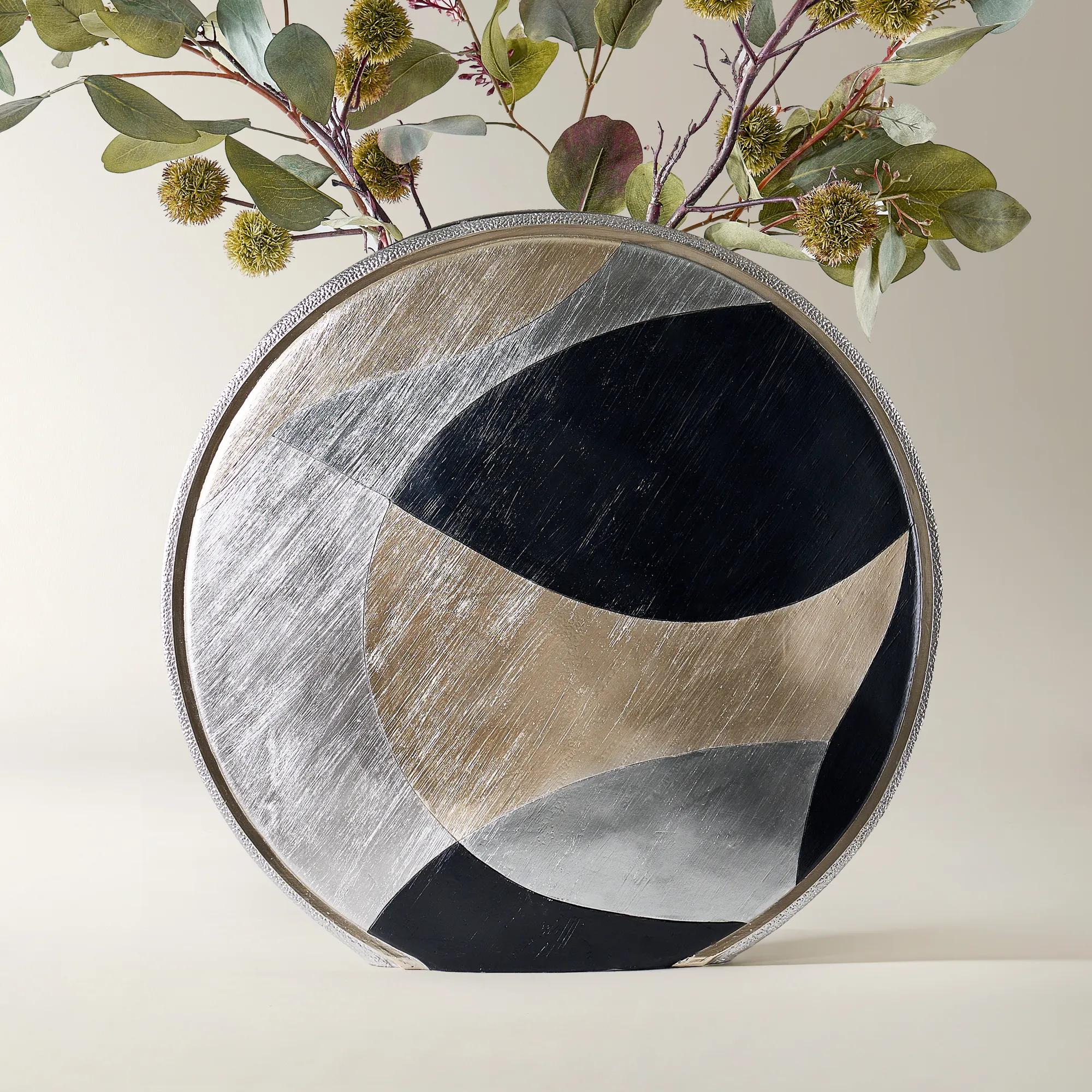
Dining Table Centerpiece Vases
Dining Table Centerpiece Vases
-
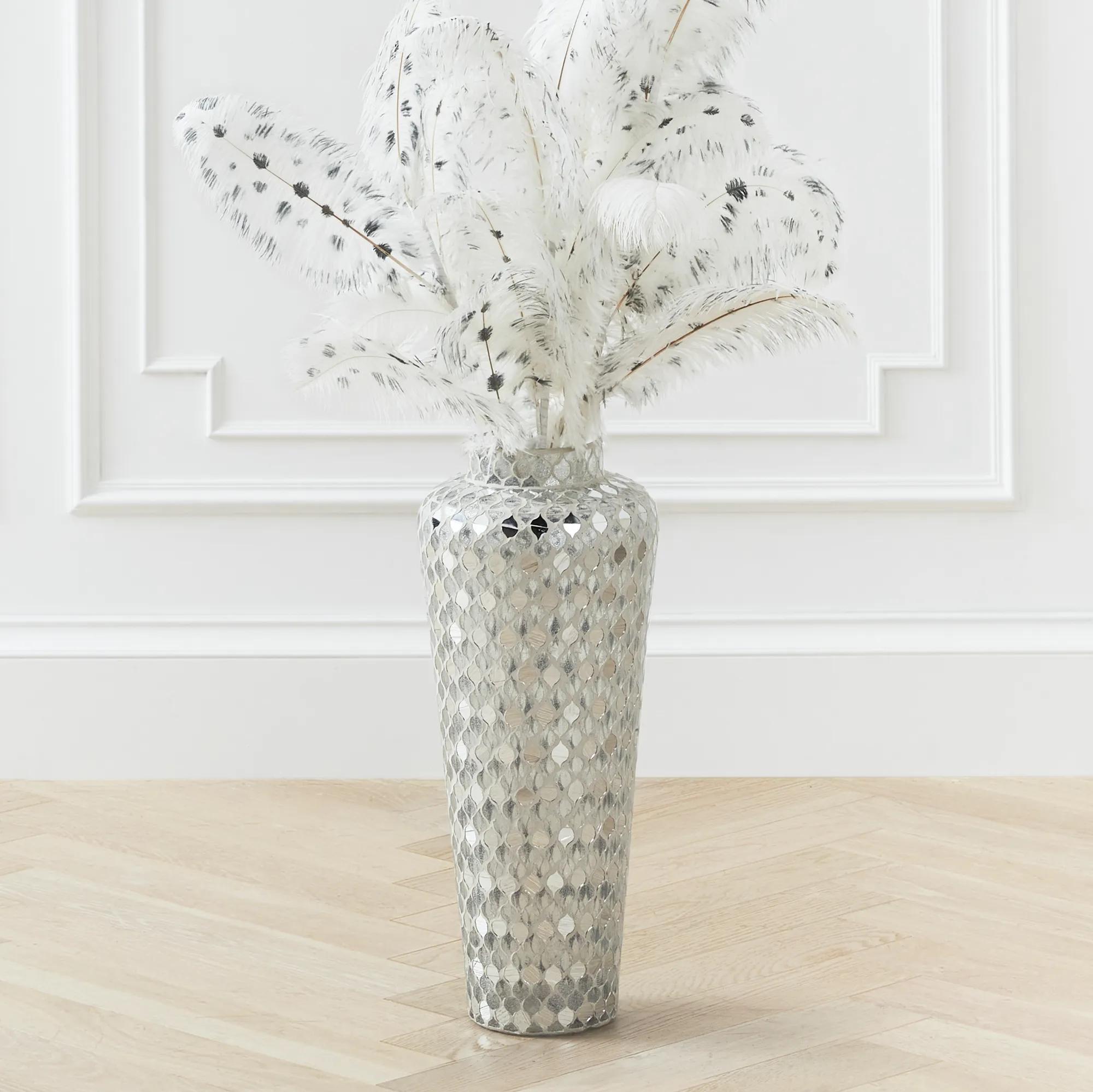 Fez Vase$139
A dazzling glass vase adorned with iridescent mirror and clear tiles for a glamorous decorative accent.
Add To Cart -
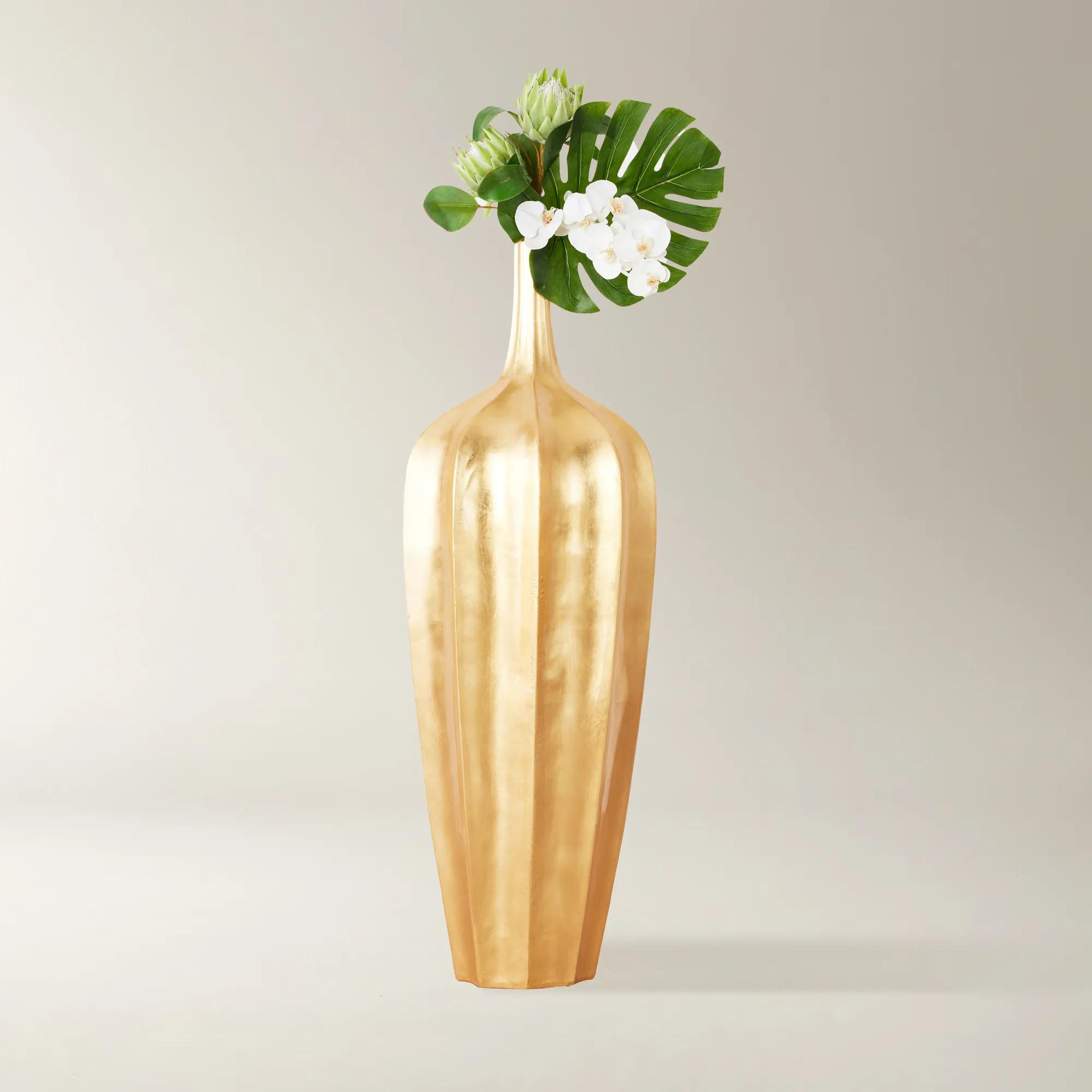 Accolade Gold Leaf Resin Floor Vase 48.75"$539
A fluted fiberglass vase featuring a lustrous gold foil finish for a striking decorative accent.
Add To Cart -
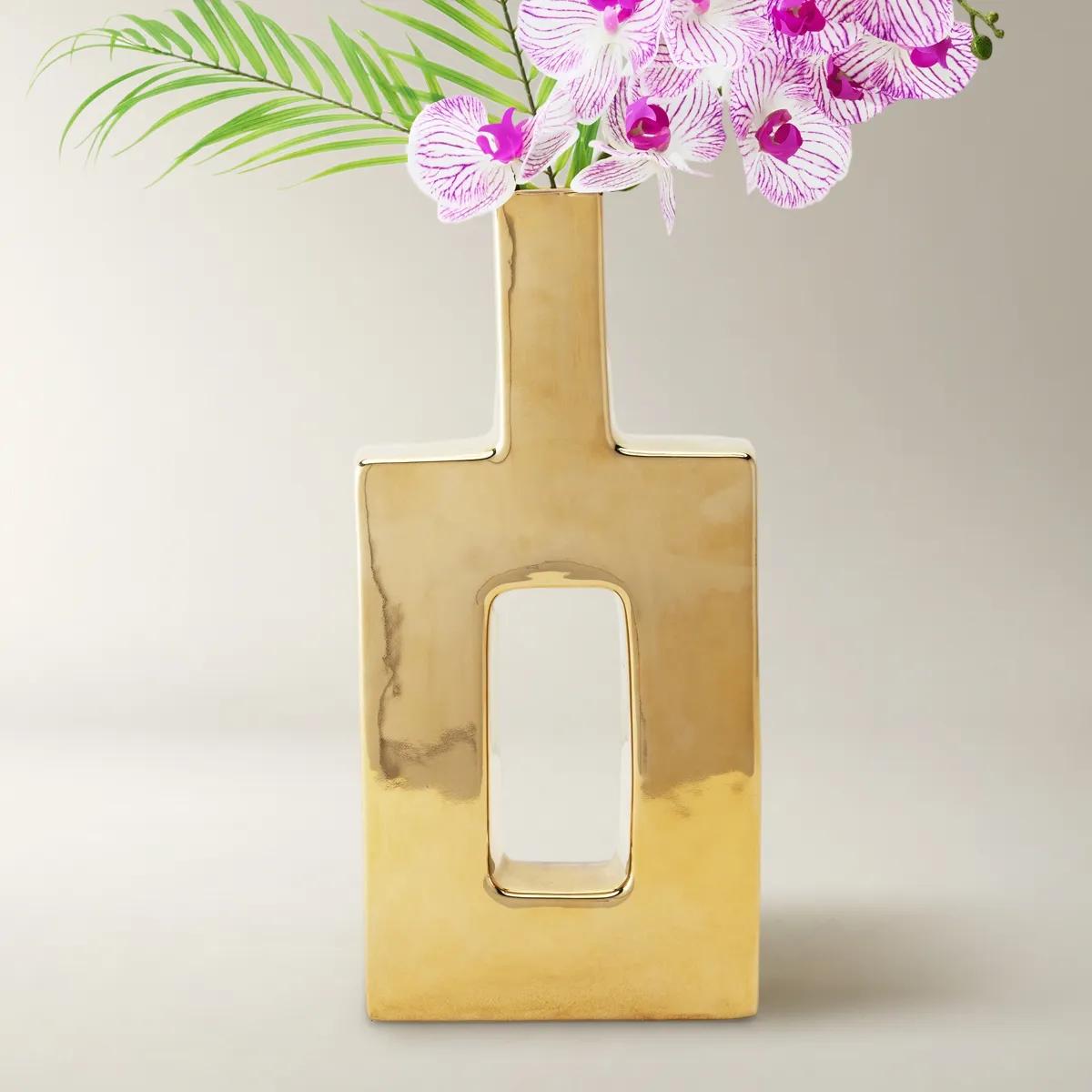 Miami Gold Ceramic High Gloss Vase 18.5"$69
A contemporary gold ceramic vase designed for decorative use or displaying faux foliage.
Add To Cart -
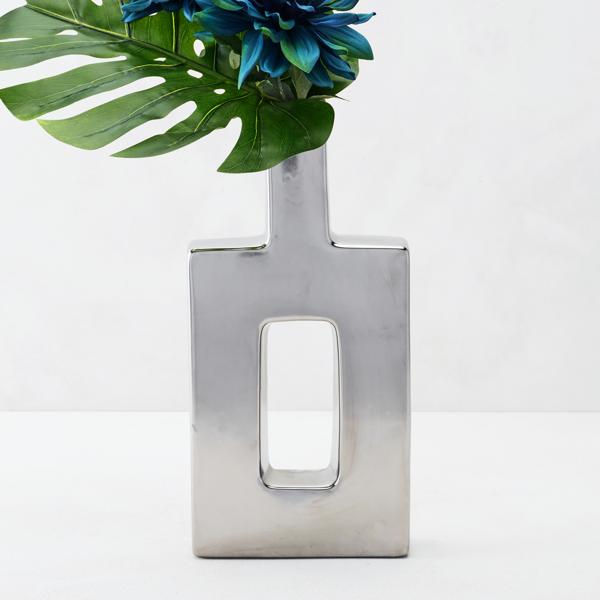
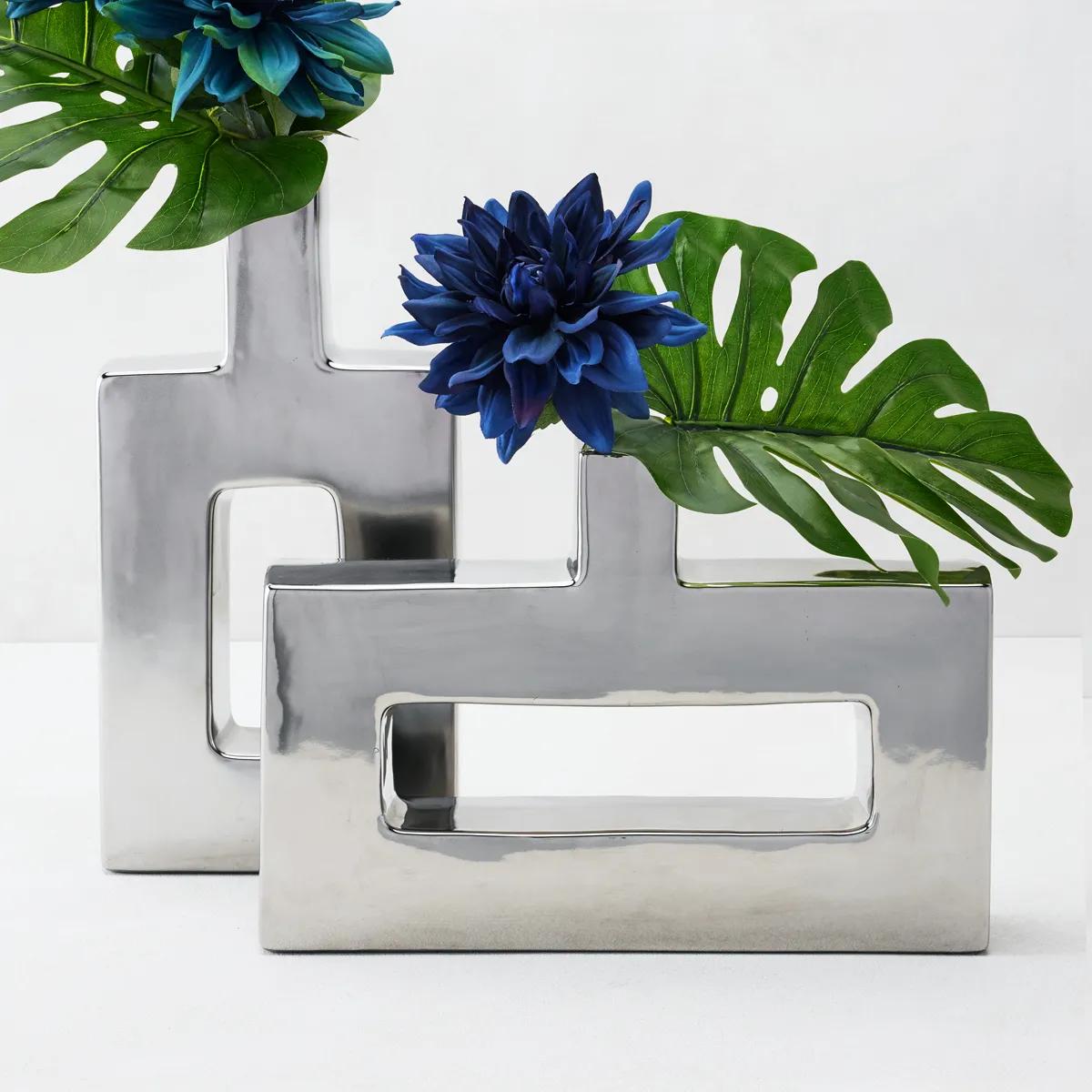 Miami Silver Ceramic High Gloss Vase 18.5"$69
A contemporary silver ceramic vase with a stylish gold glaze, perfect for decorative foliage or display.
Add To Cart -
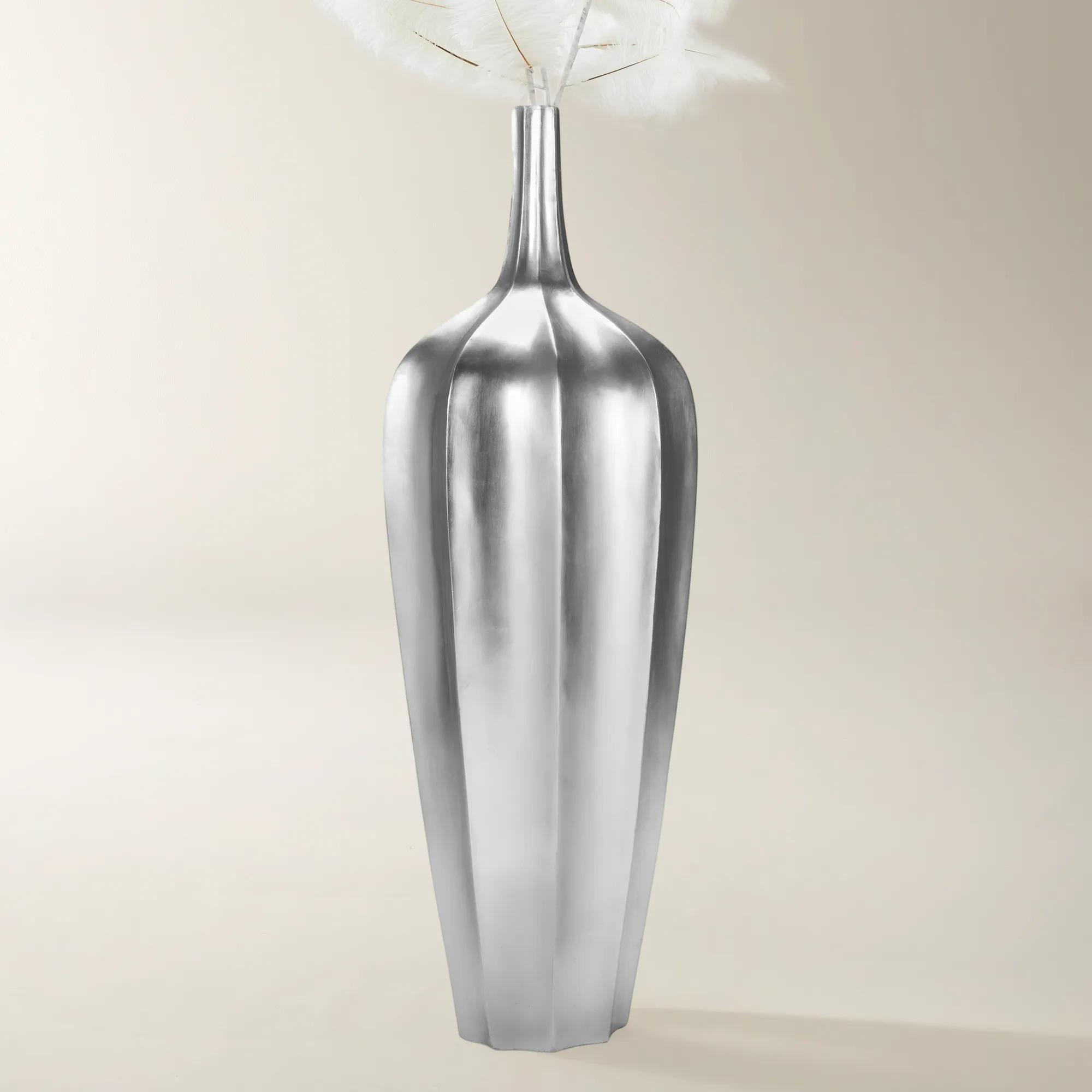
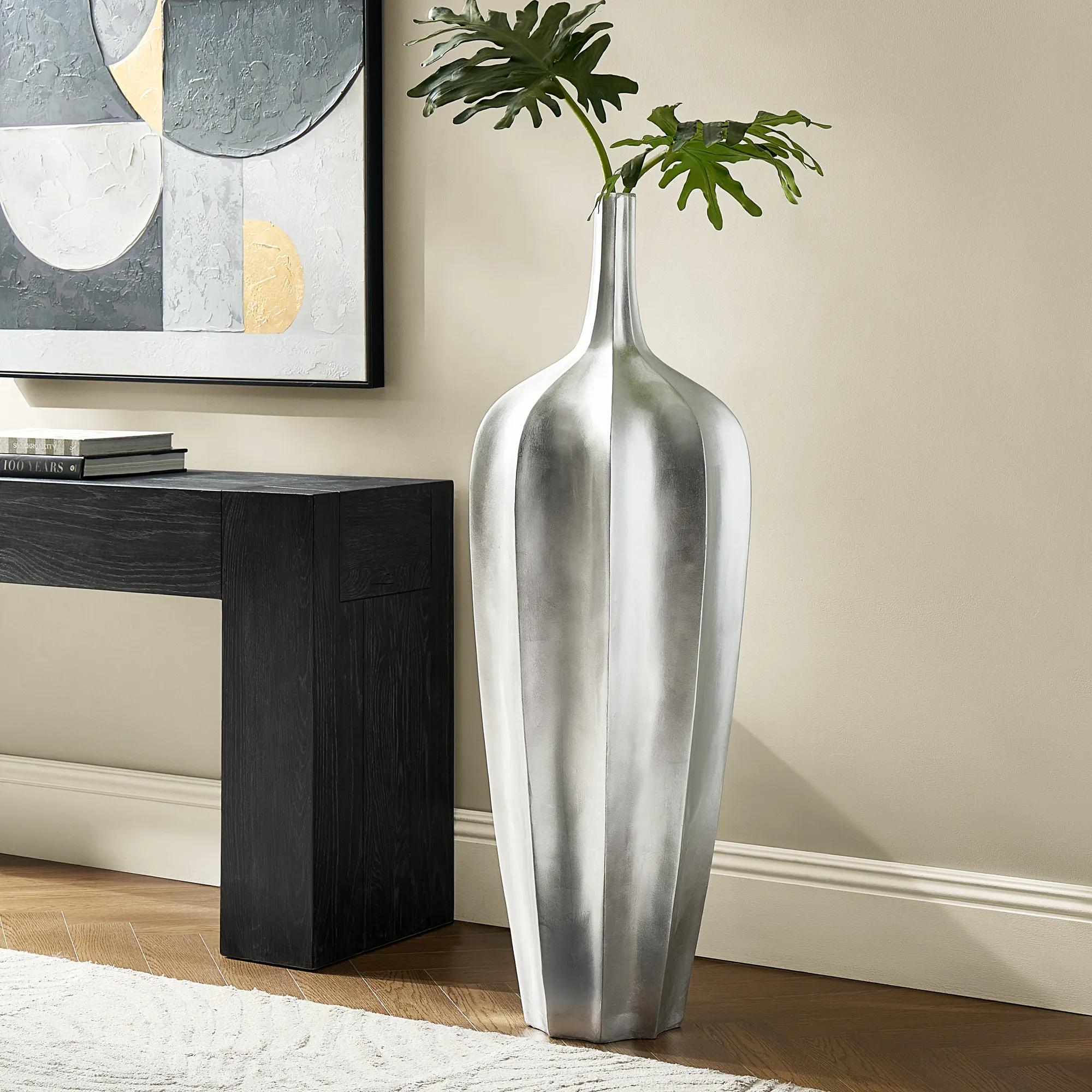 Accolade Silver Leaf Resin Floor Vase 48.75"$539
A fluted fiberglass vase featuring a lustrous metallic silver foil finish for a striking decorative accent.
Add To Cart -
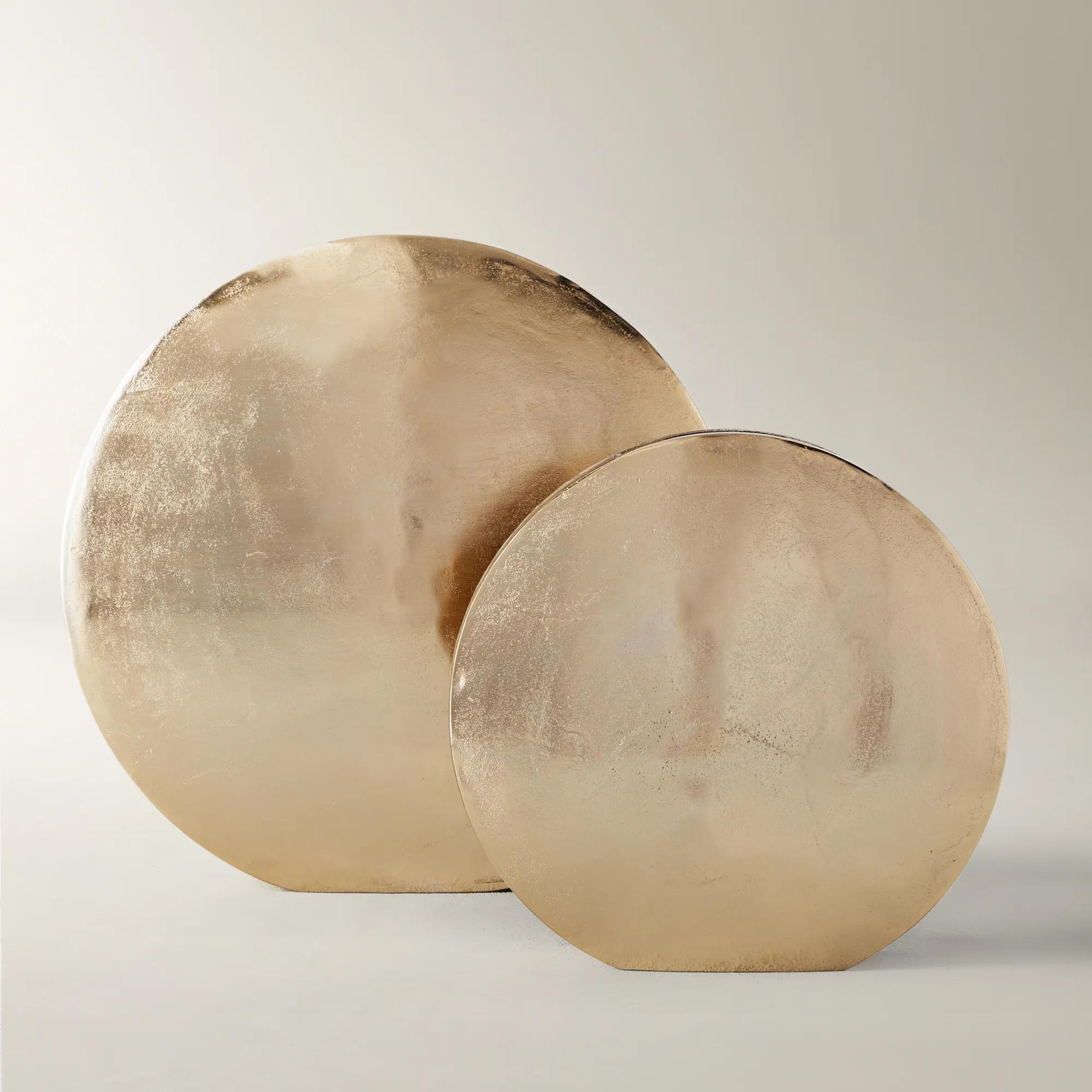
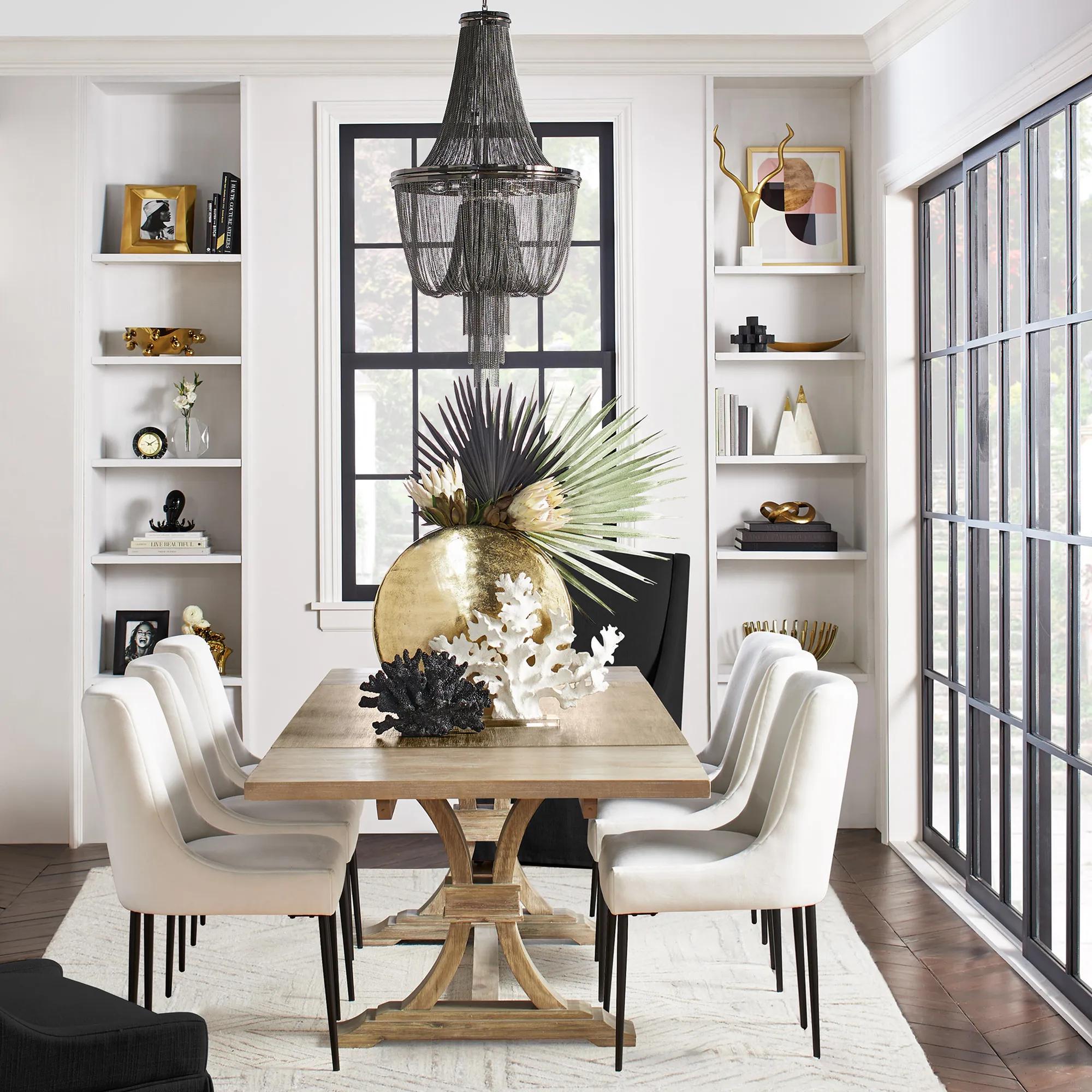 Greer Gold Aluminum Vases$249
A striking gold aluminum disc vase perfect for showcasing dried blooms or as a decorative accent.
Add To Cart -
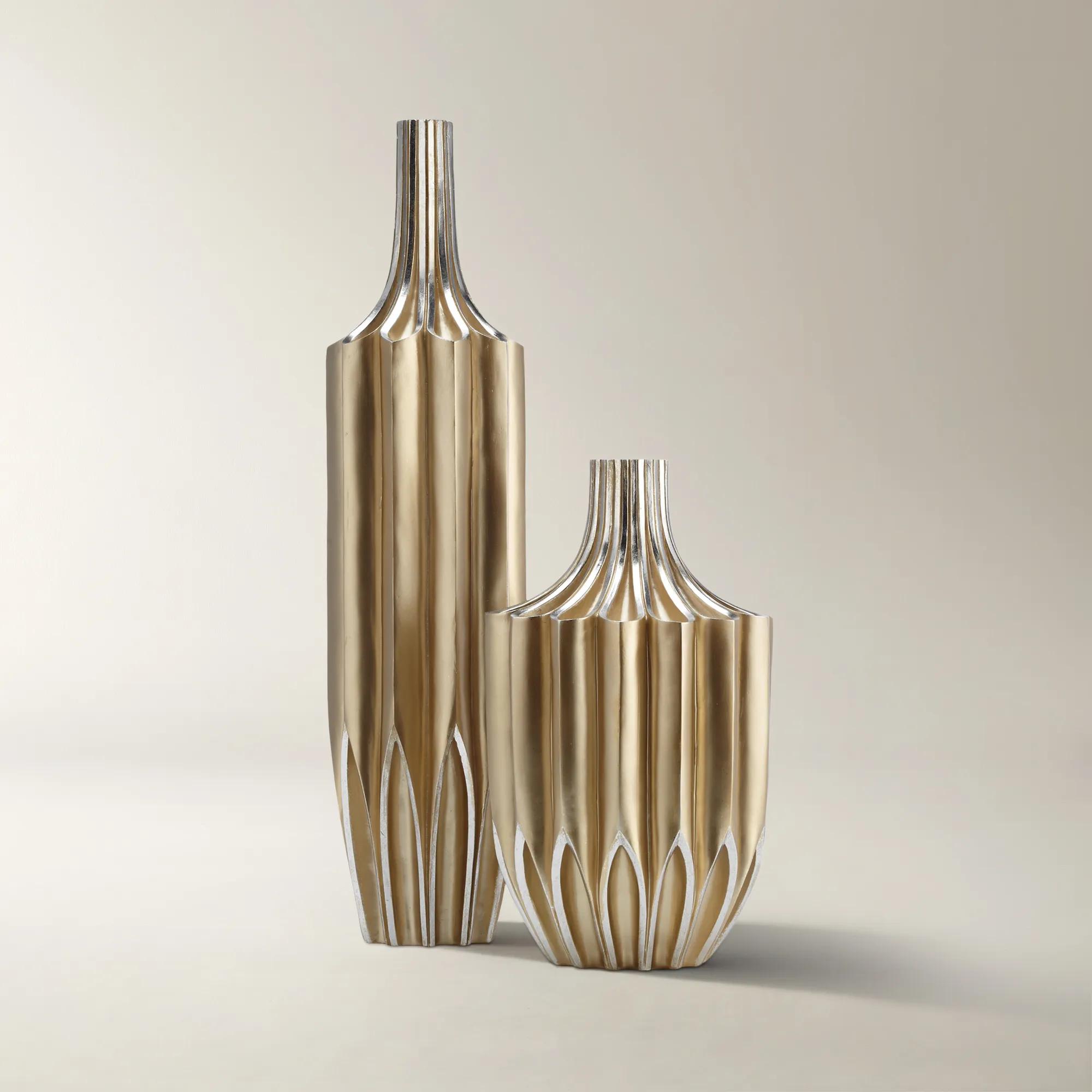
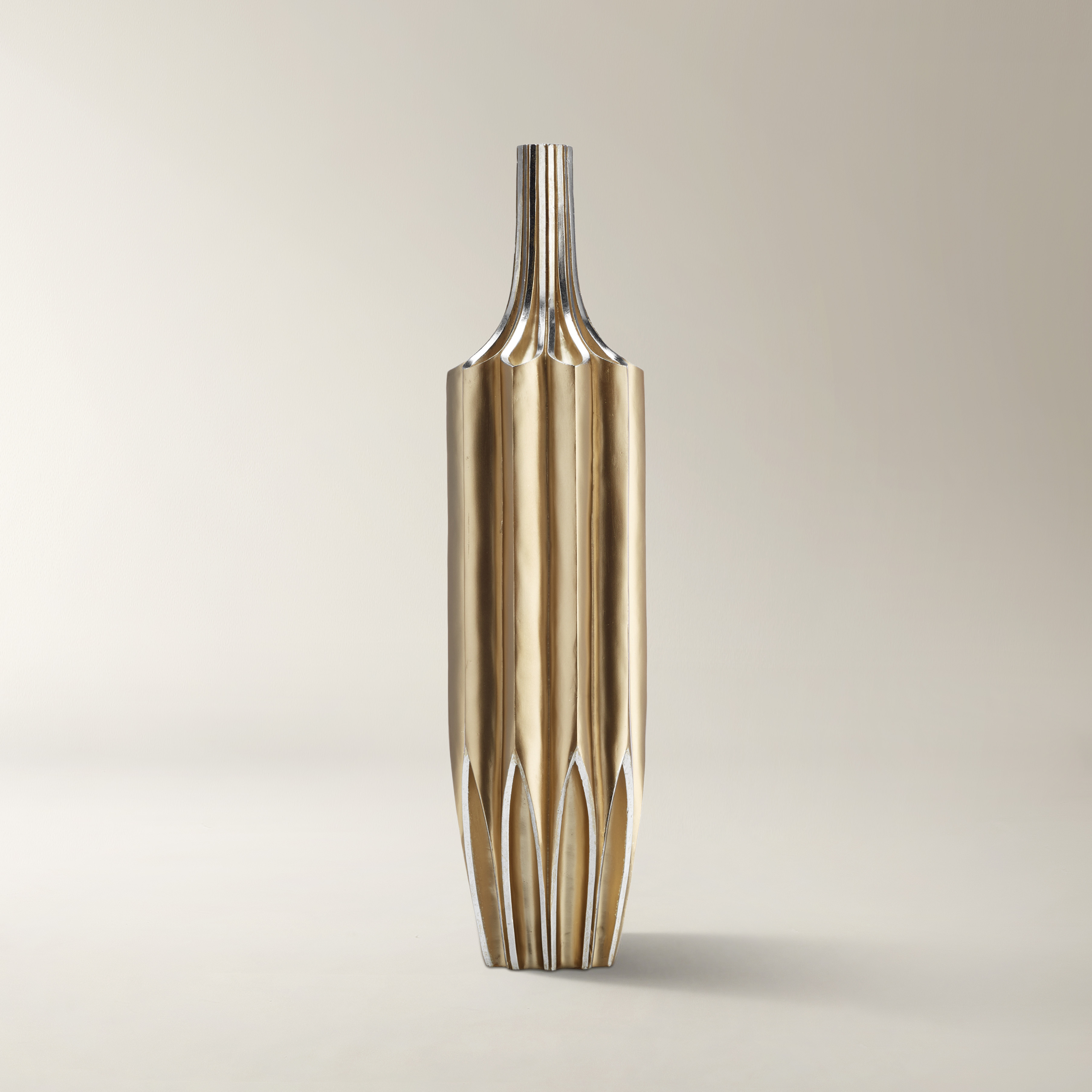 Savannah Gold Resin Vases$69
A sophisticated polyresin vase featuring sleek vertical curves and a modern, inward-flaring design.
Add To Cart -
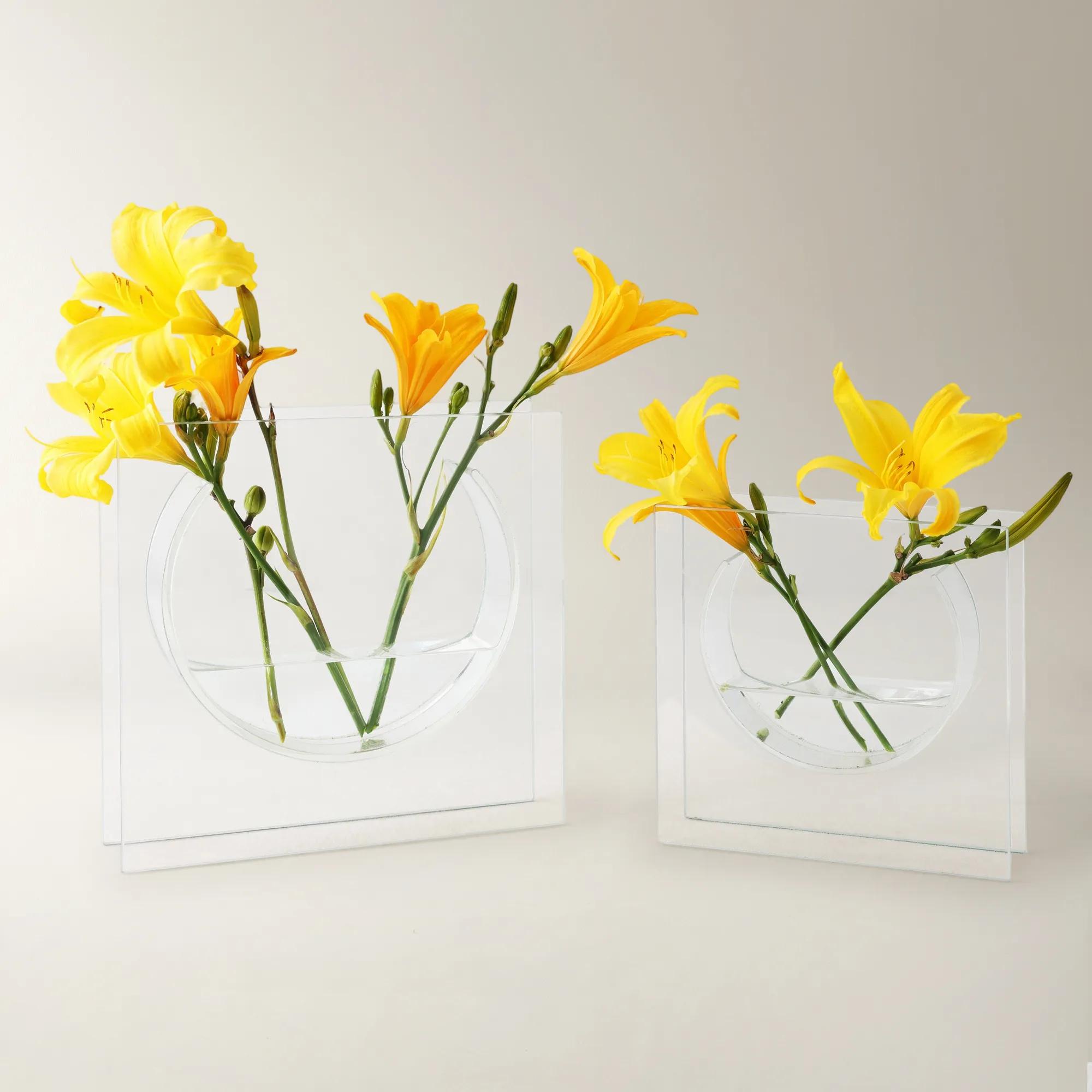
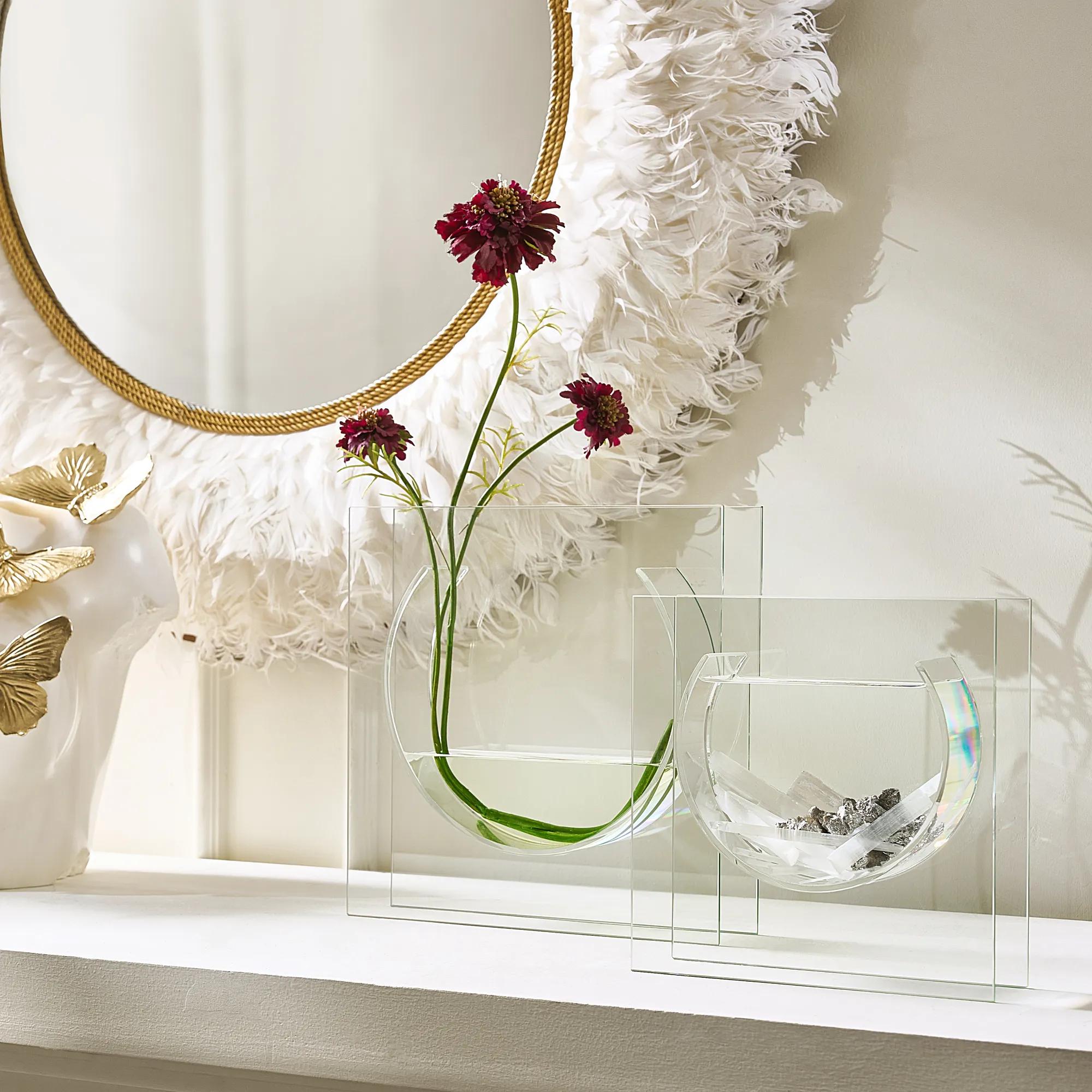 Solaris Clear Glass Vases$29
A clear glass vase with an elliptical bowl and bold modern design between two glass panels.
Add To Cart -
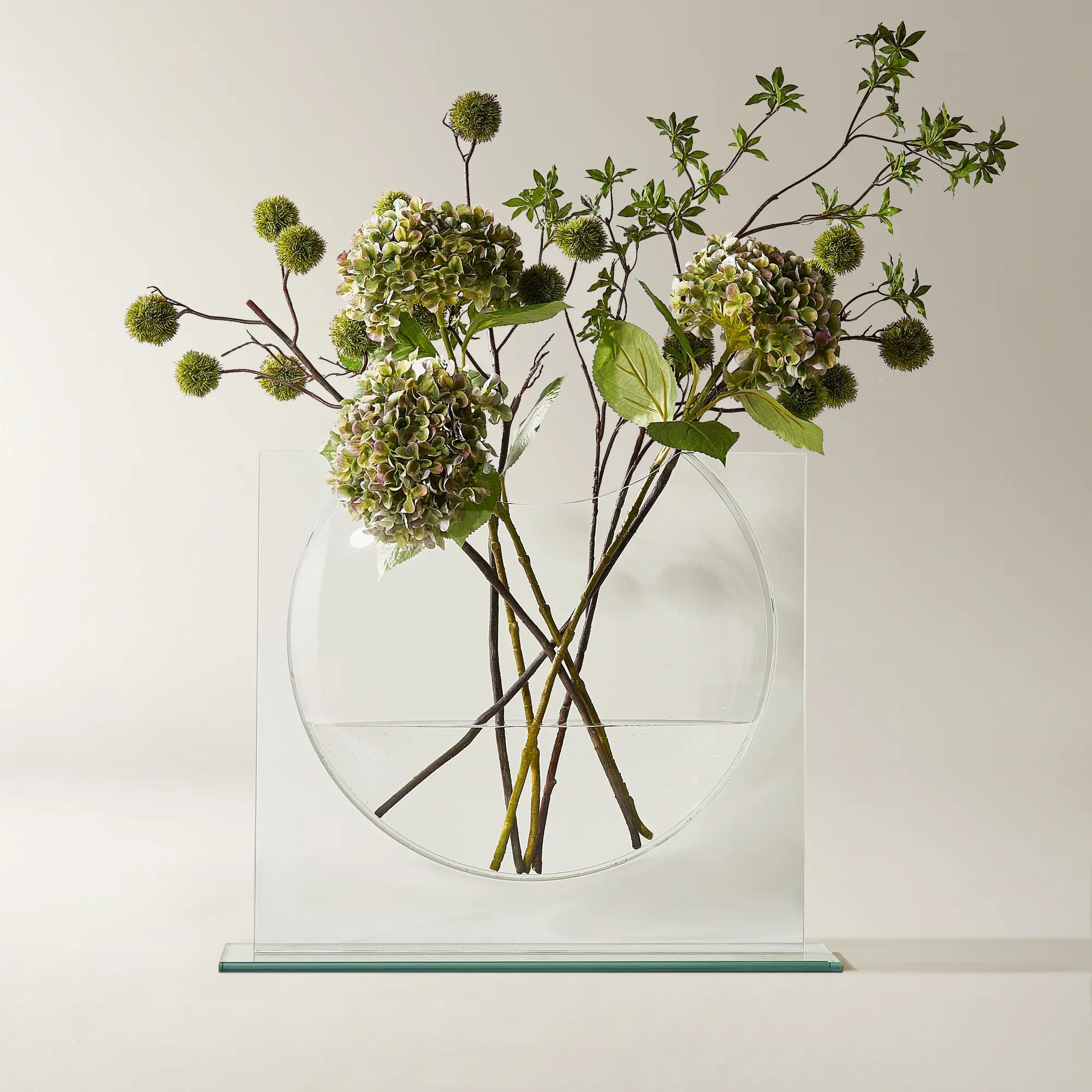
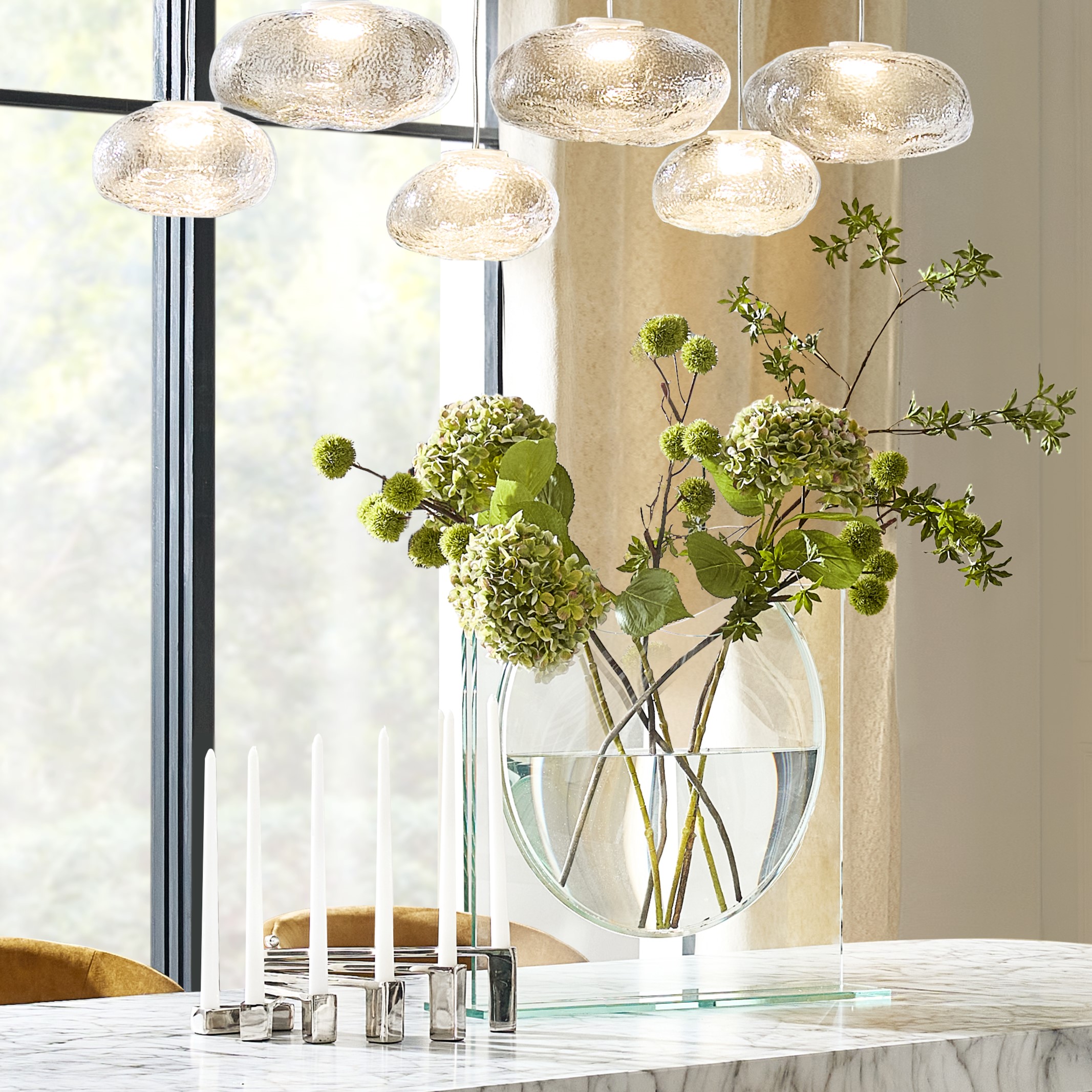 Ellipse Clear Glass Vase 20"$259
A sleek elliptical glass vase offering a modern, functional accent for fresh floral arrangements.
Add To Cart -
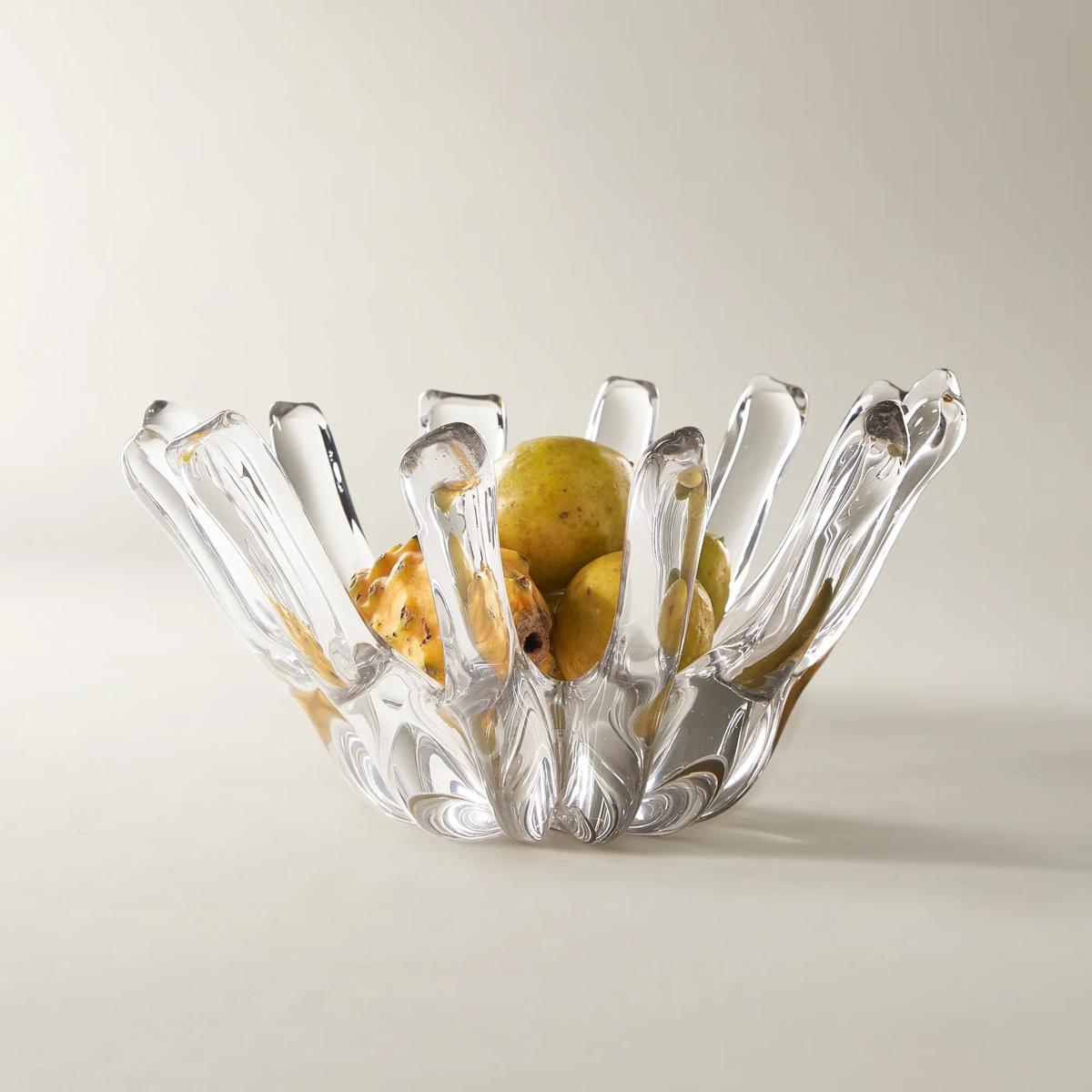
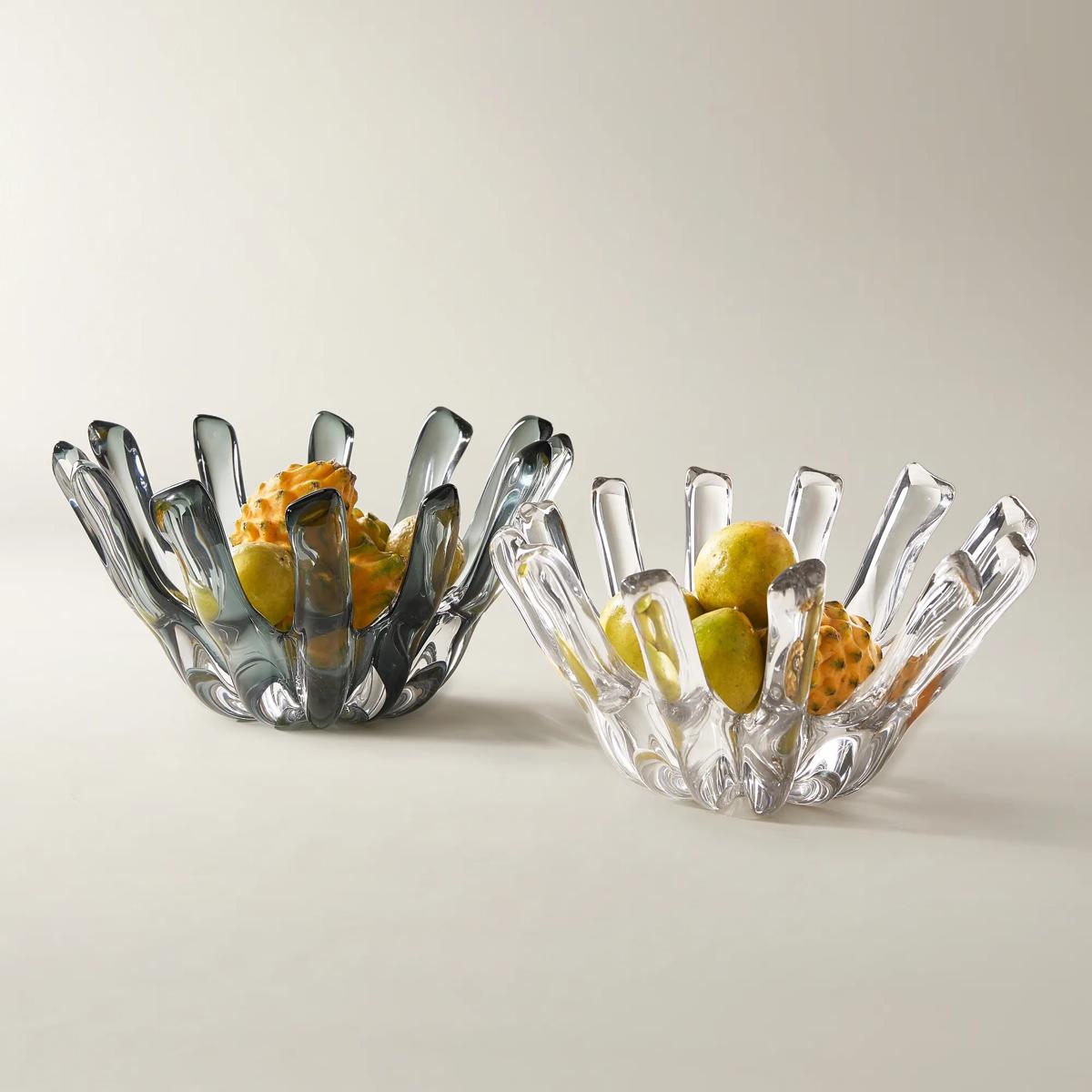 Bossa Clear Handblown Glass Decorative Bowl 13" x 7"$129
A hand-blown clear glass bowl featuring an expressive, sculptural form for modern decorative displays.
Add To Cart -
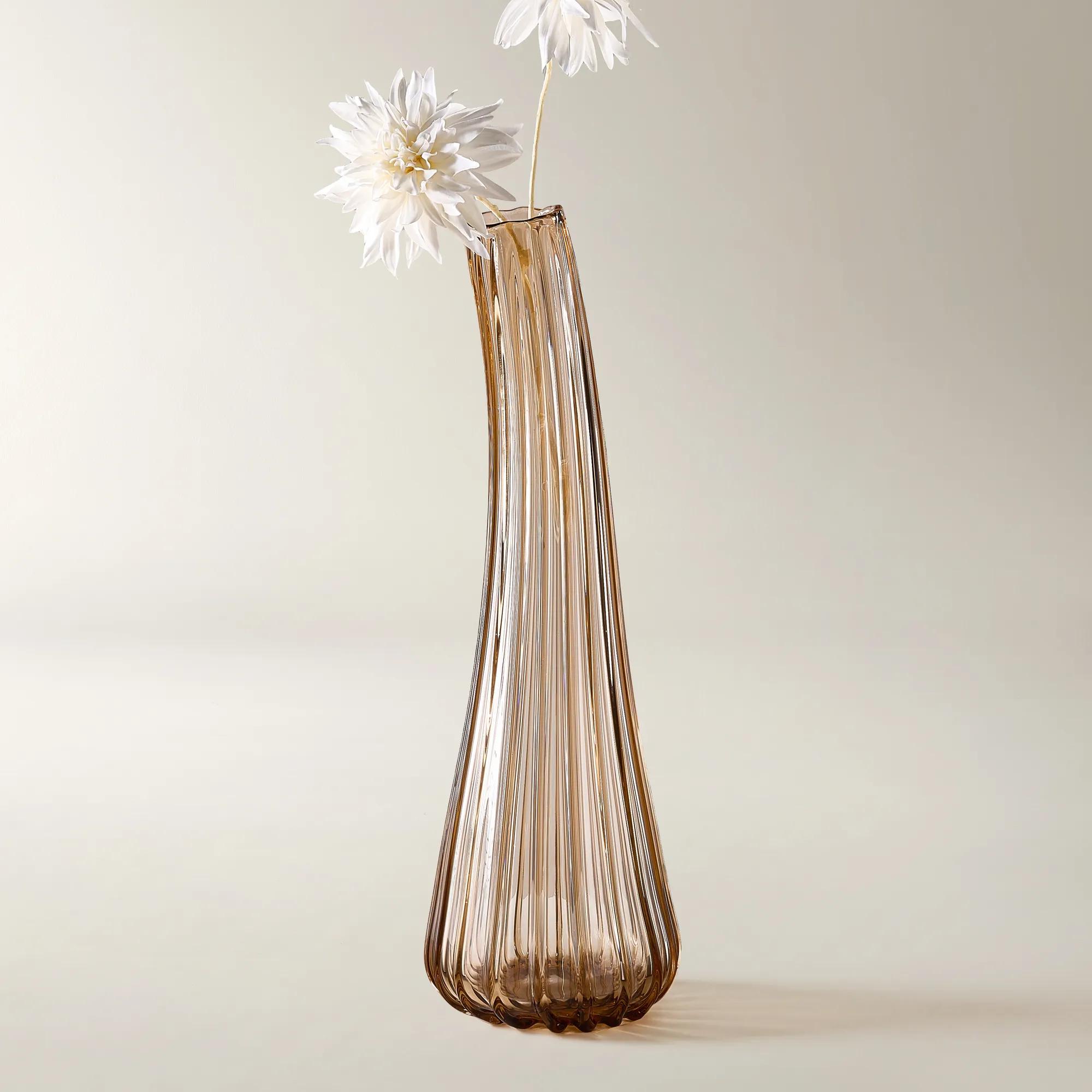
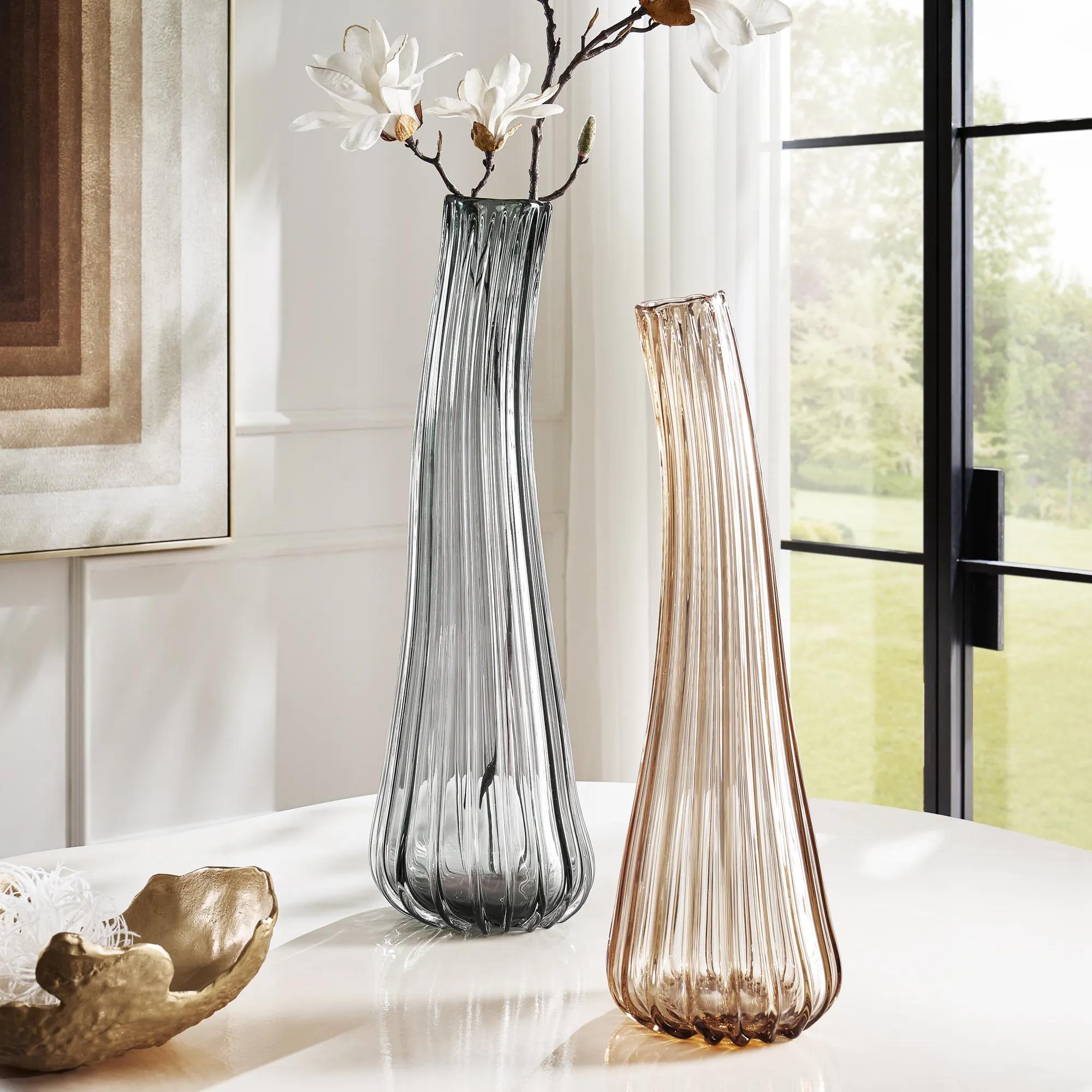 Tango Mouth Blown Soft Amber Vase 24.75"$179
A handblown glass vase in a soft amber finish with a textured, sculptural centerpiece design.
Add To Cart -
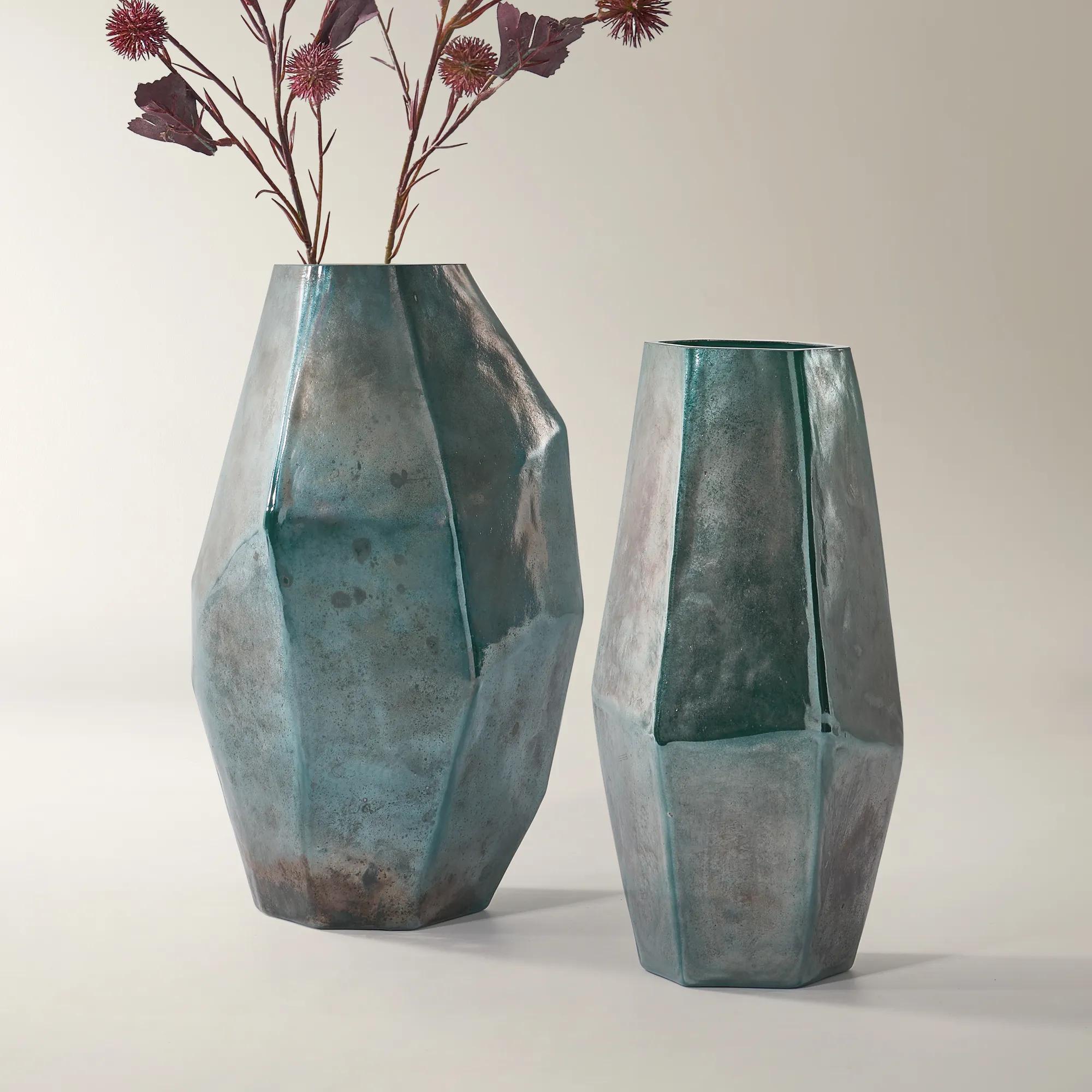
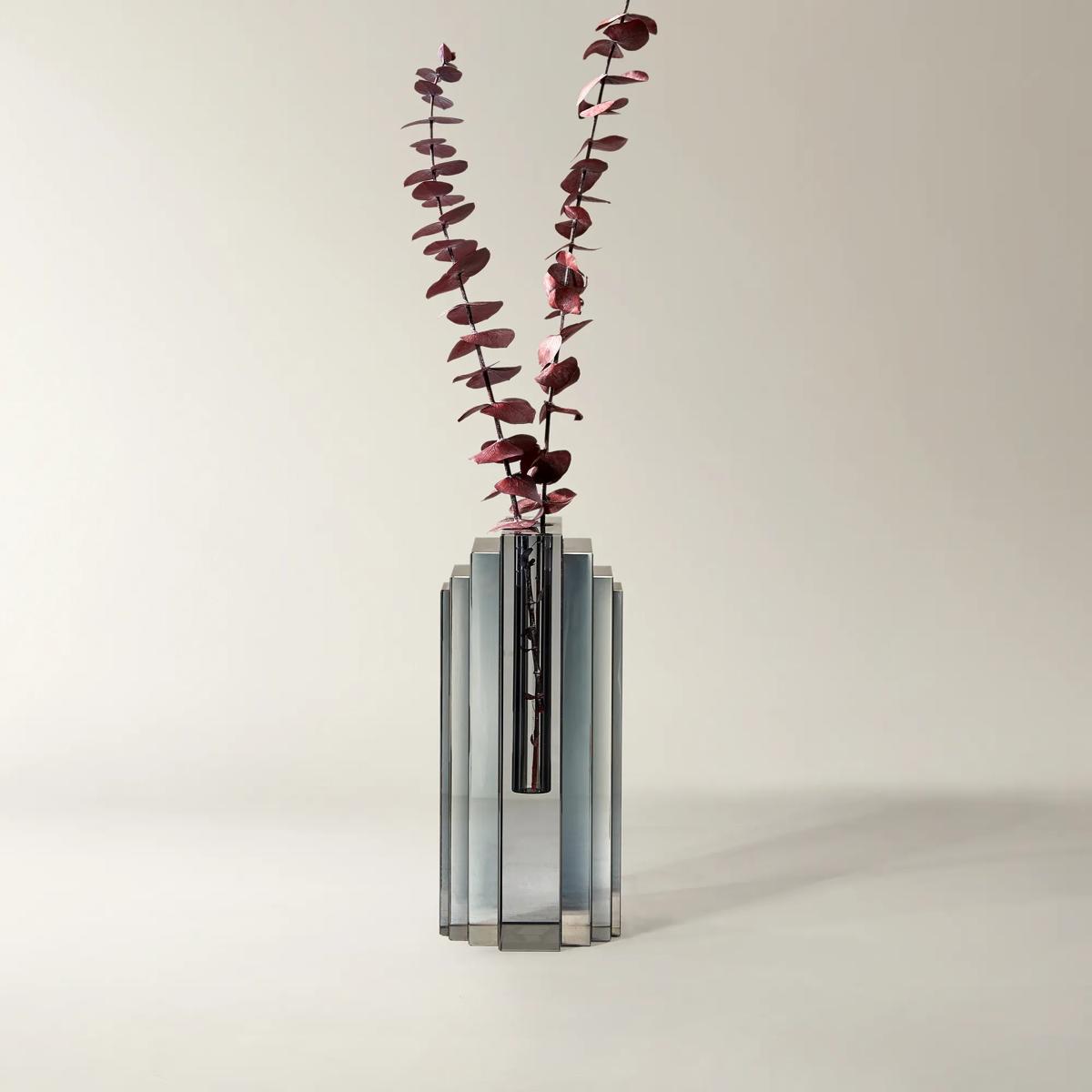 Lucca Crystal Vase - Mirrored Graphite$109
A mirrored graphite crystal vase with a multifaceted geometric design that reflects light for sculptural brilliance.
Add To Cart -
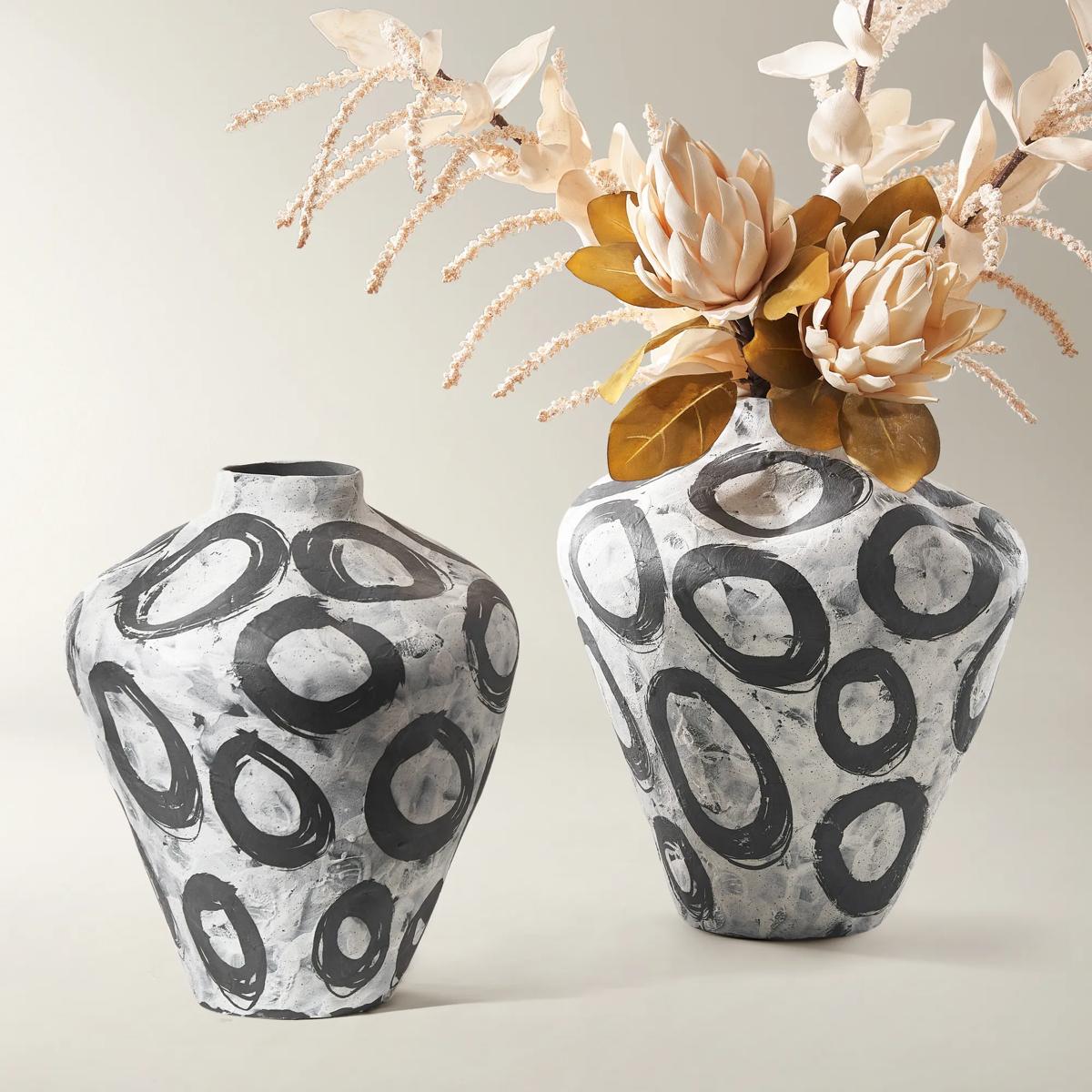
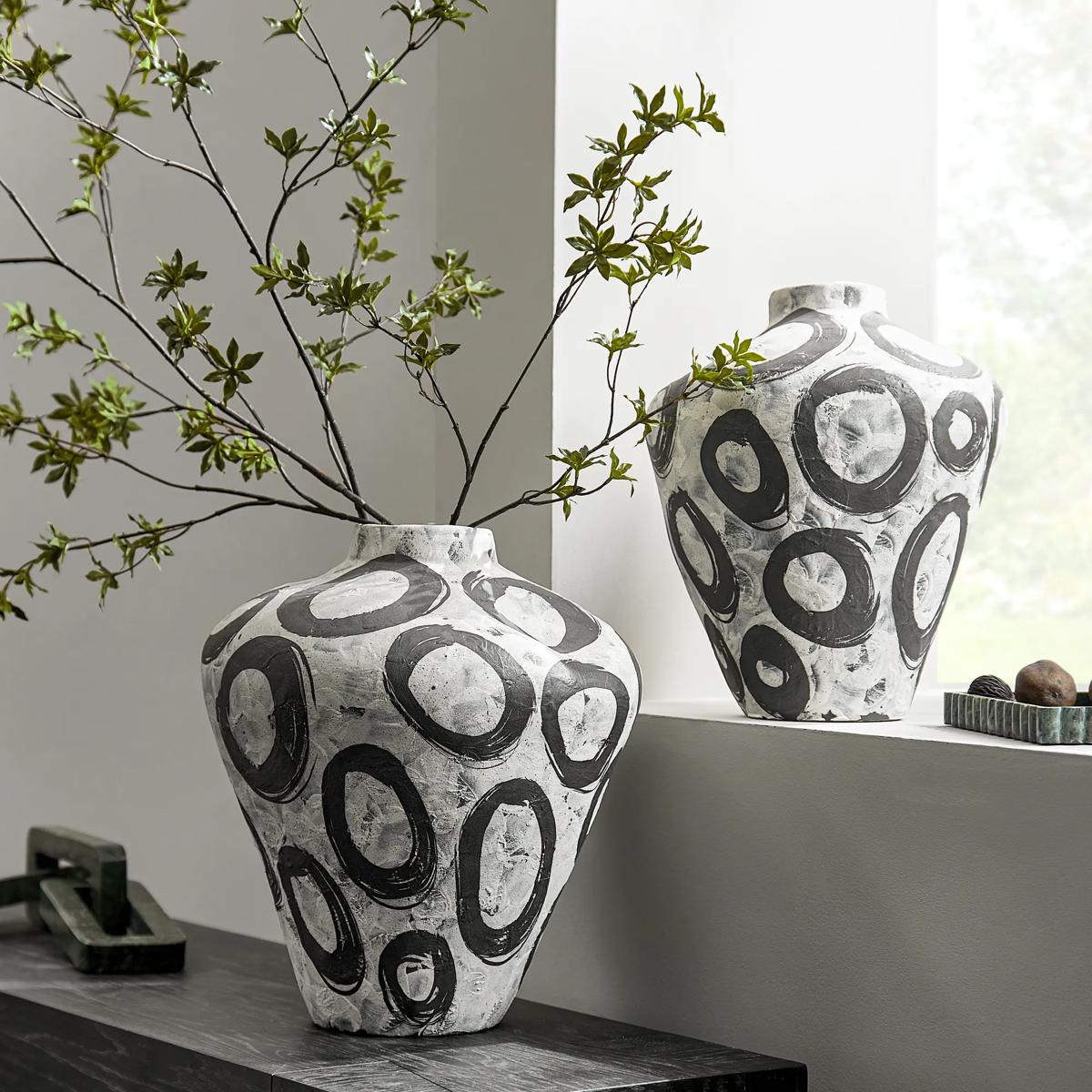 Stone Porcelain Vase$199
A sculptural porcelain vase featuring hand-painted black and white circular brushwork with a matte stone texture.
Add To Cart -
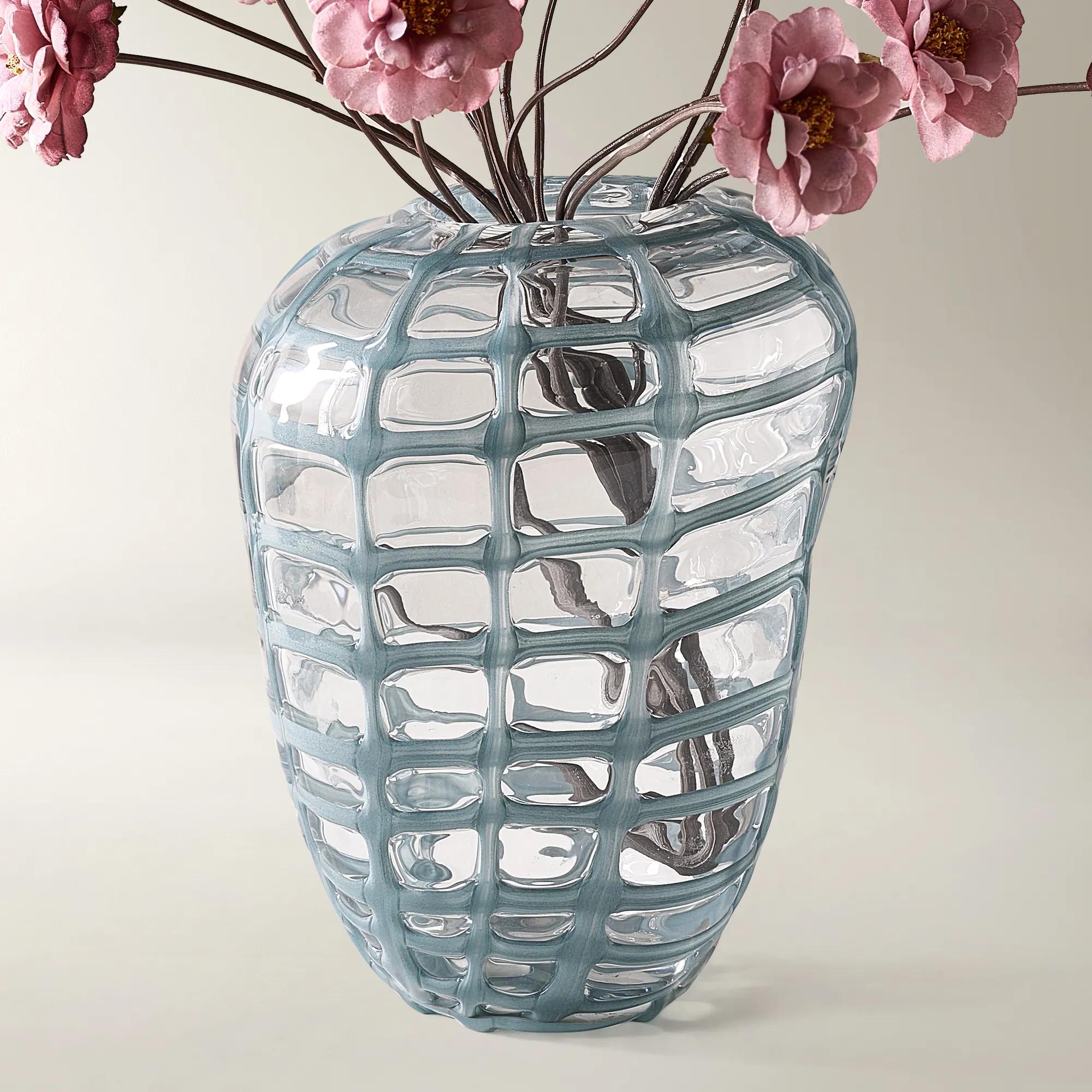 Contra Mouth Blown Dusty Blue Grid Glass Vase 10.25"$79
A handblown dusty blue glass vase featuring a graphic grid pattern and softly organic silhouette.
Add To Cart -
.jpeg?w=1200&h=1200)
 Odessey Collection$99
Odessey Collection$99A shiny silver porcelain accent piece perfect for adding modern elegance to any decorative display.
Add To Cart -
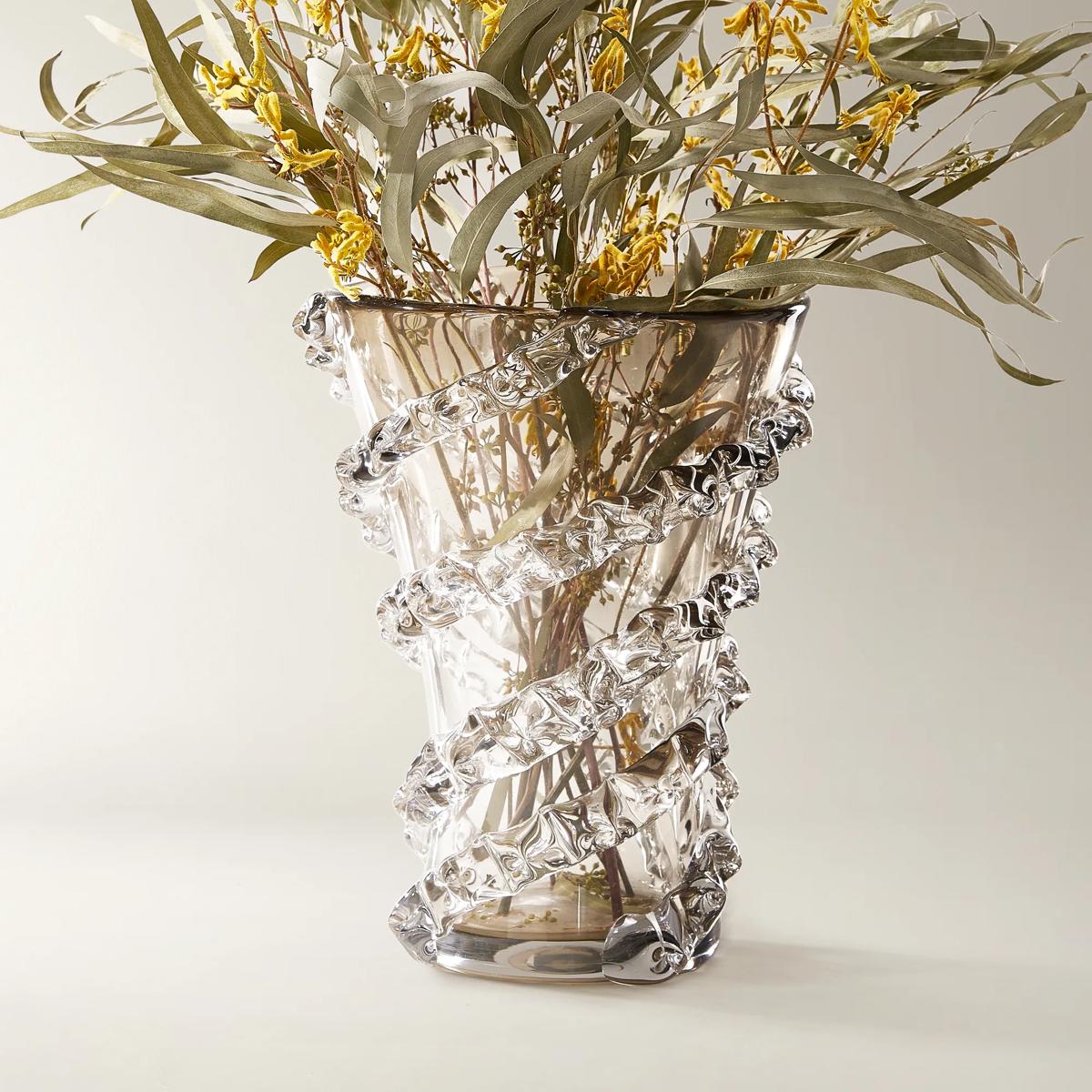
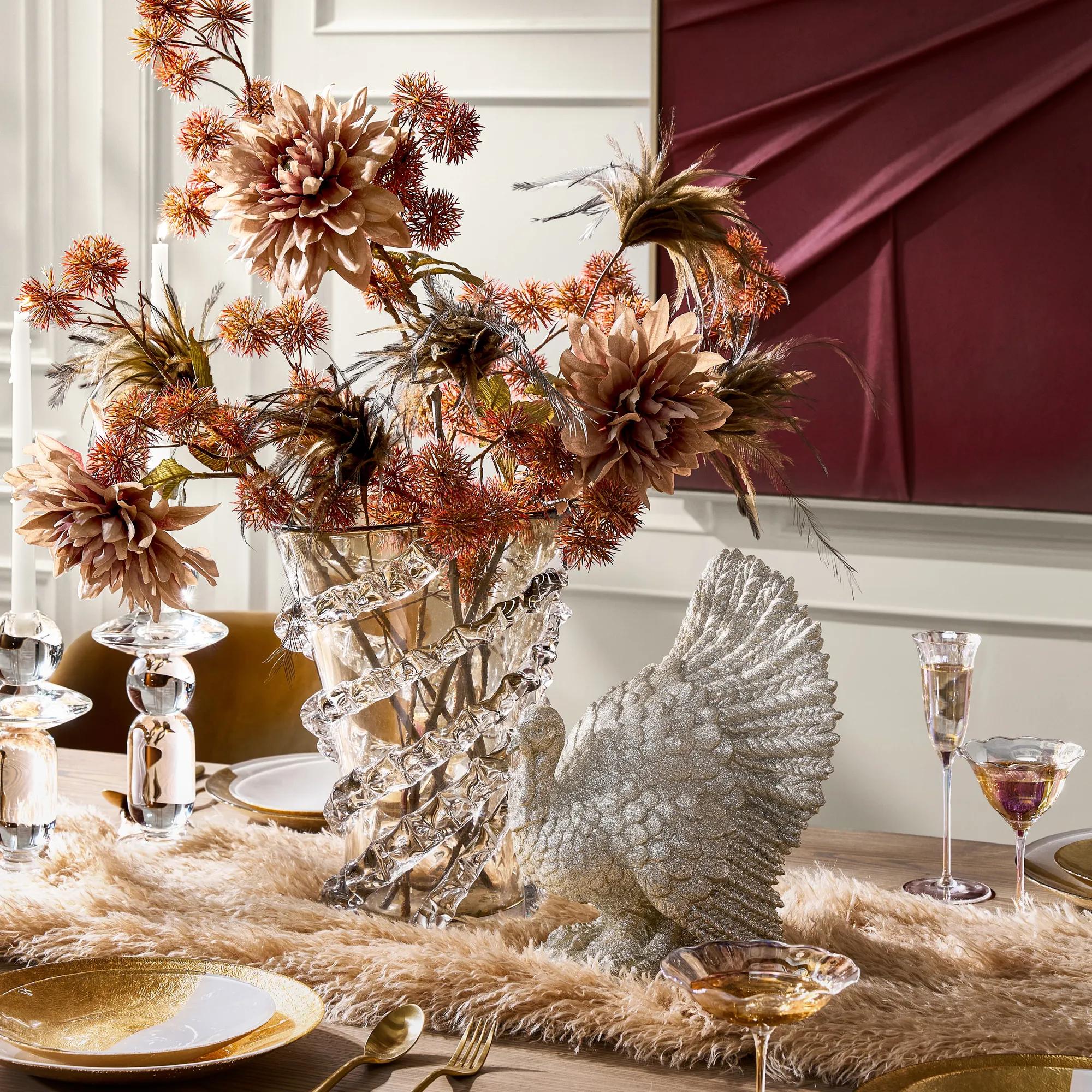 Reyna Glass Vase$299
A hand-blown glass vase featuring a sculptural swirl design and a smoky grey-brown finish.
Add To Cart -
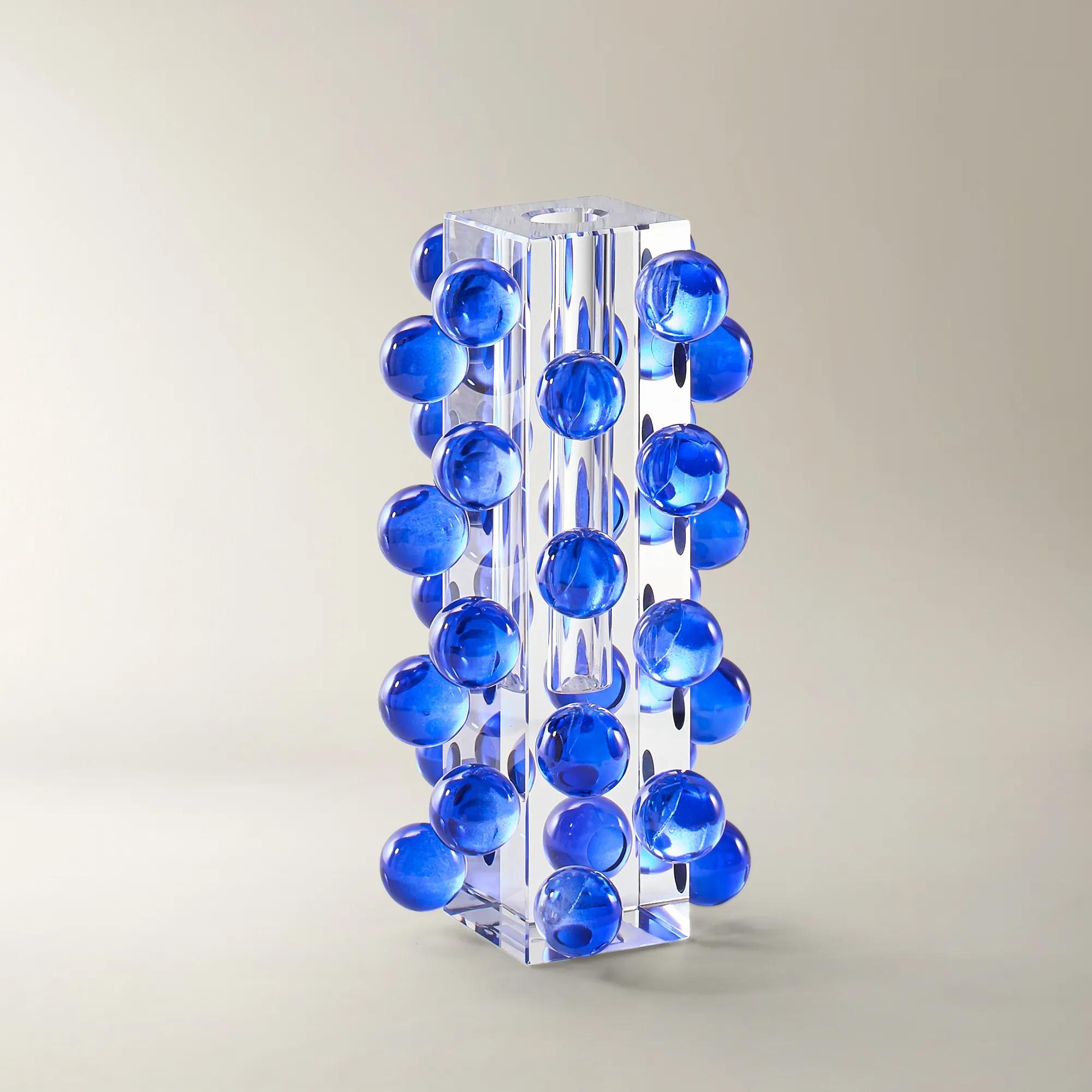 Bubble Vase Blue$79
A vibrant blue crystal glass vase featuring playful clusters of spheres for a striking decorative accent.
Add To Cart -
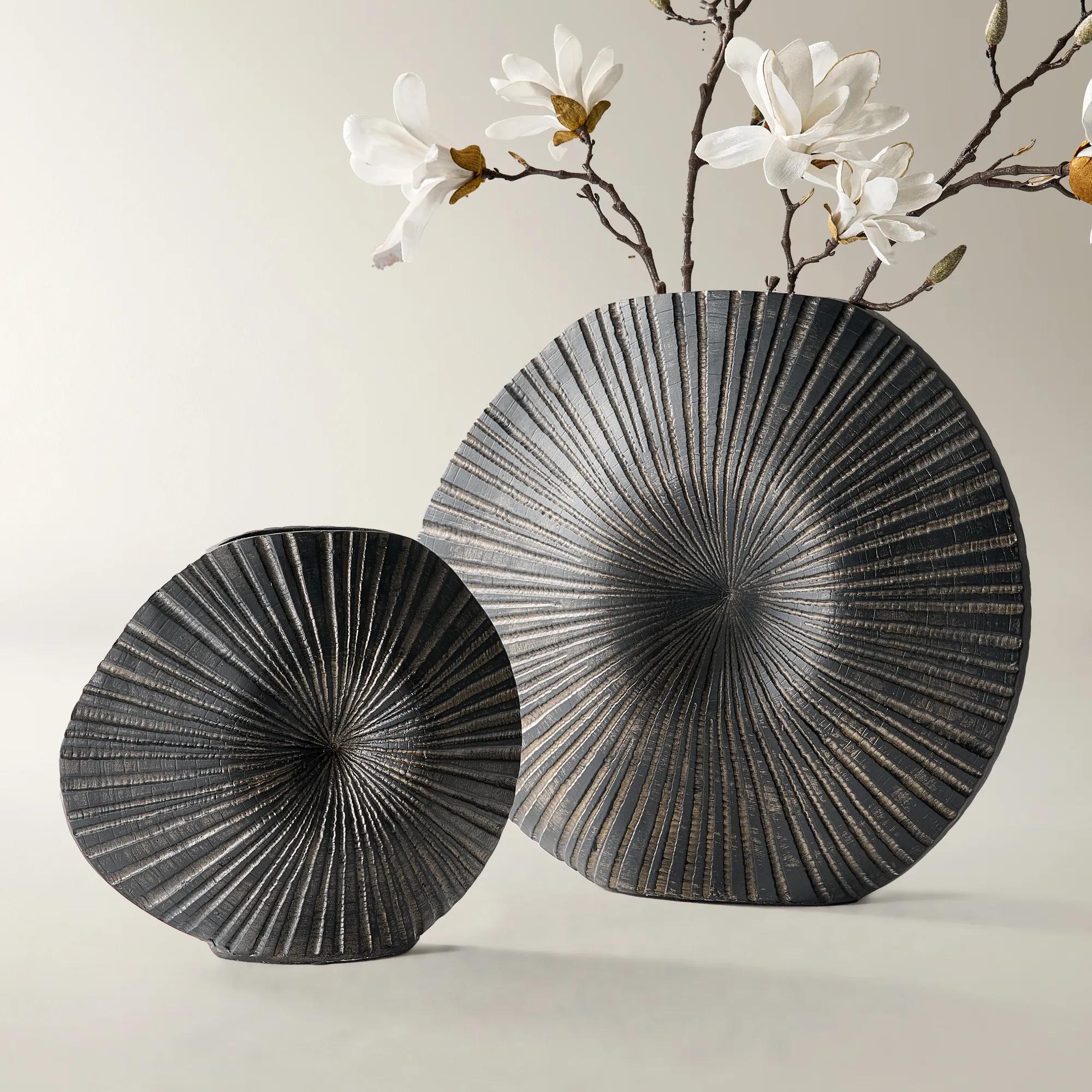
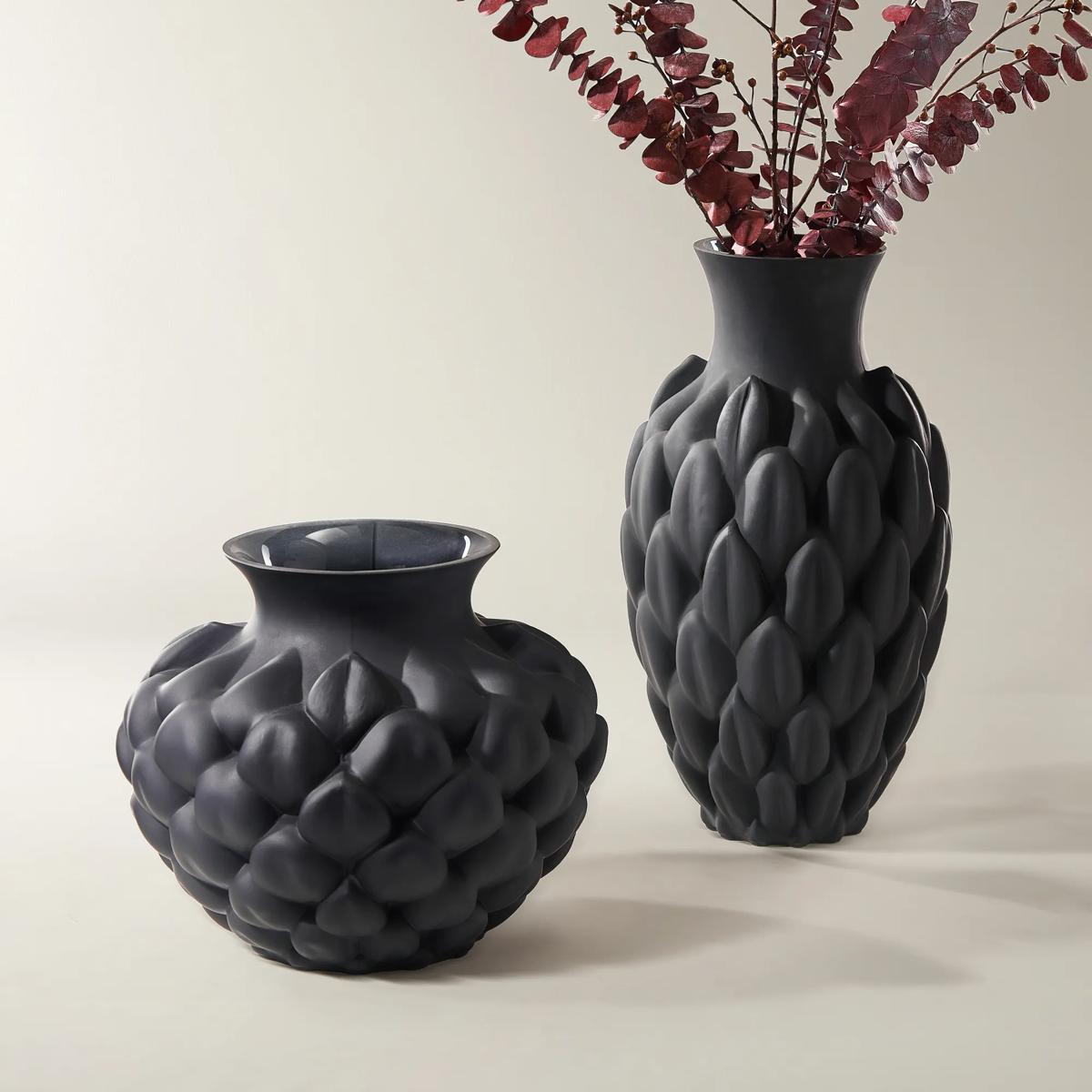
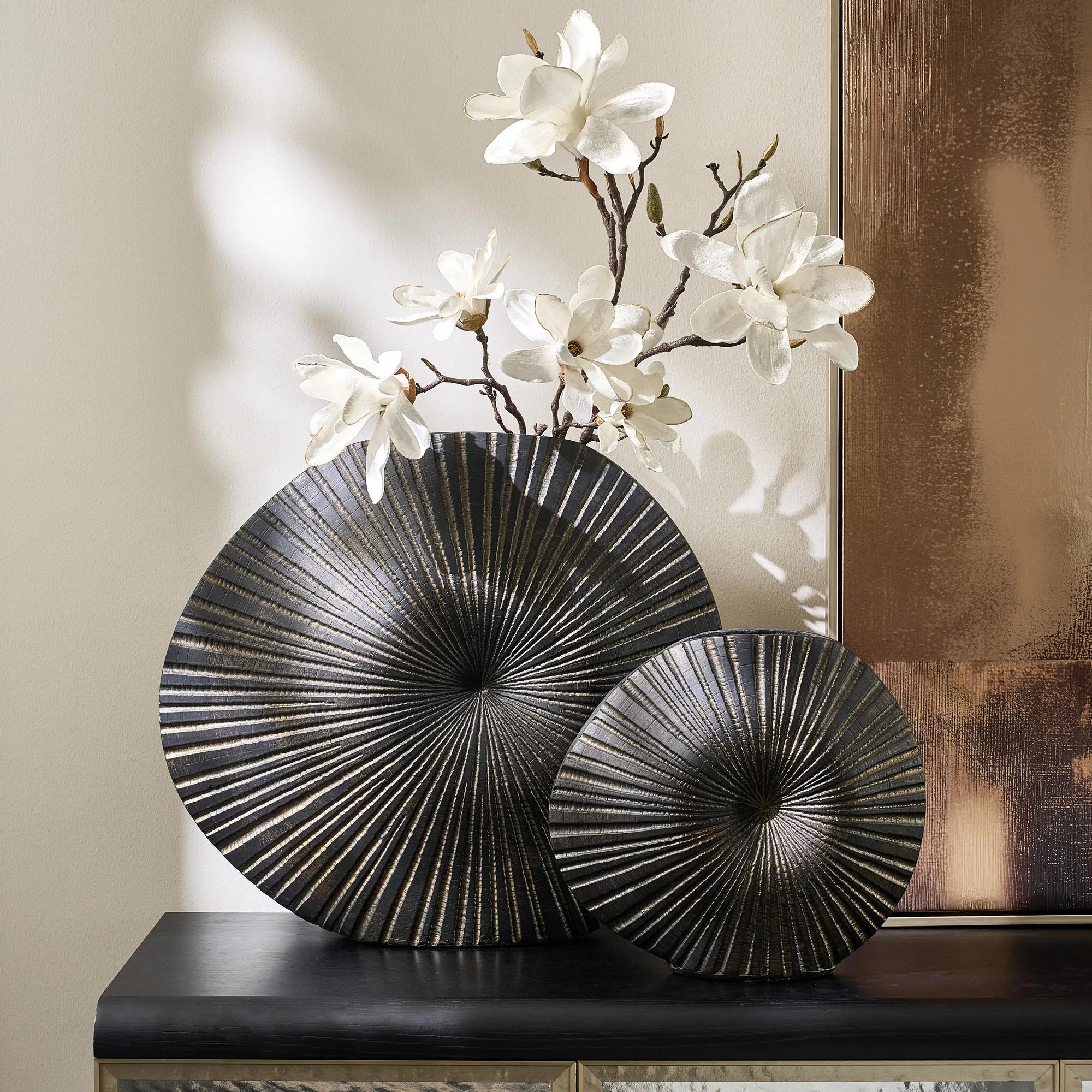 Stellar Black Champagne Resin Vases$169
A sculptural resin vase in black and champagne tones, offering modern glamour and artful visual depth.
Add To Cart -
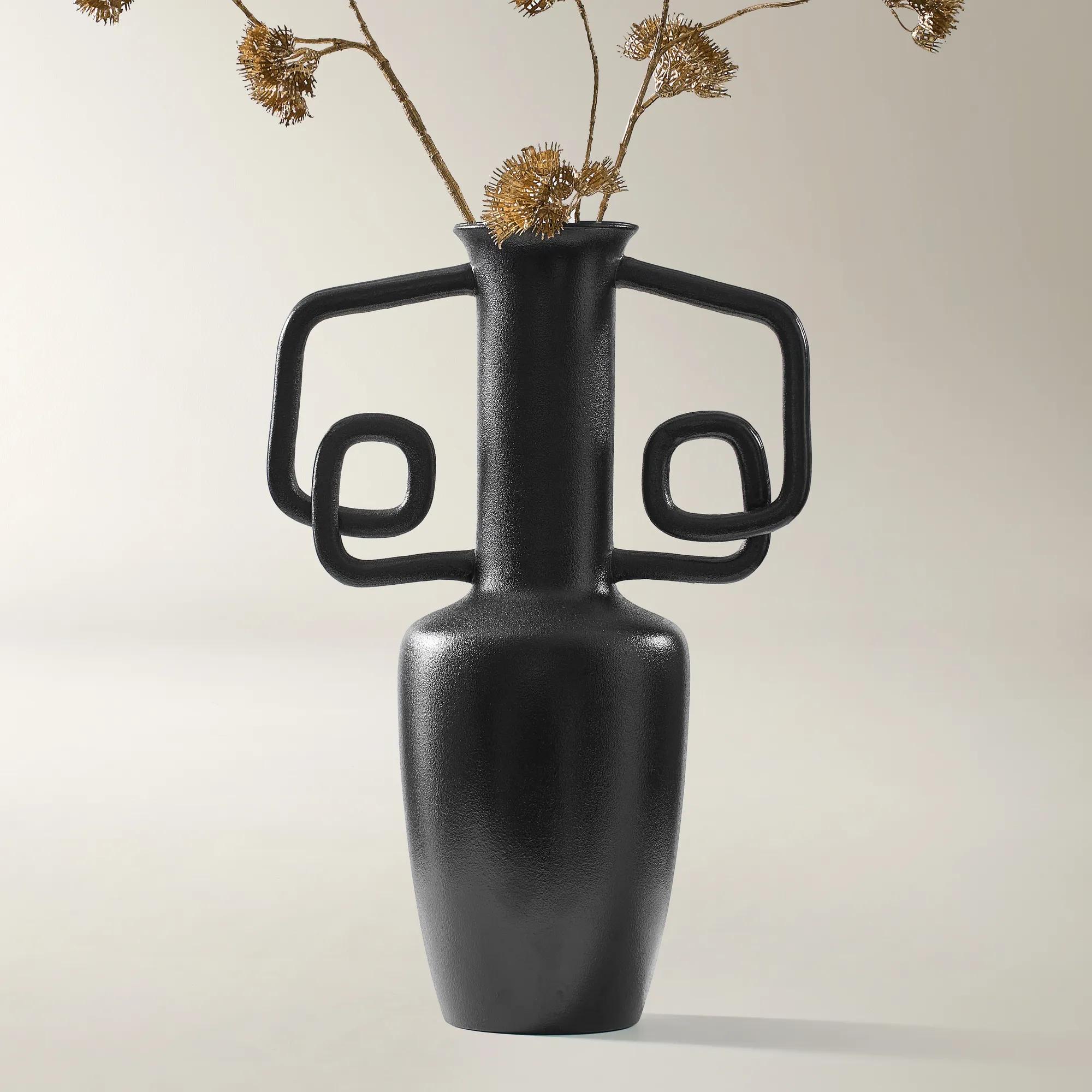 Cleo Handcrafted Black Porcelain Vase 19"$159
A sculptural black porcelain vase with exaggerated handles and a smooth, refined finish for modern decor.
Add To Cart -
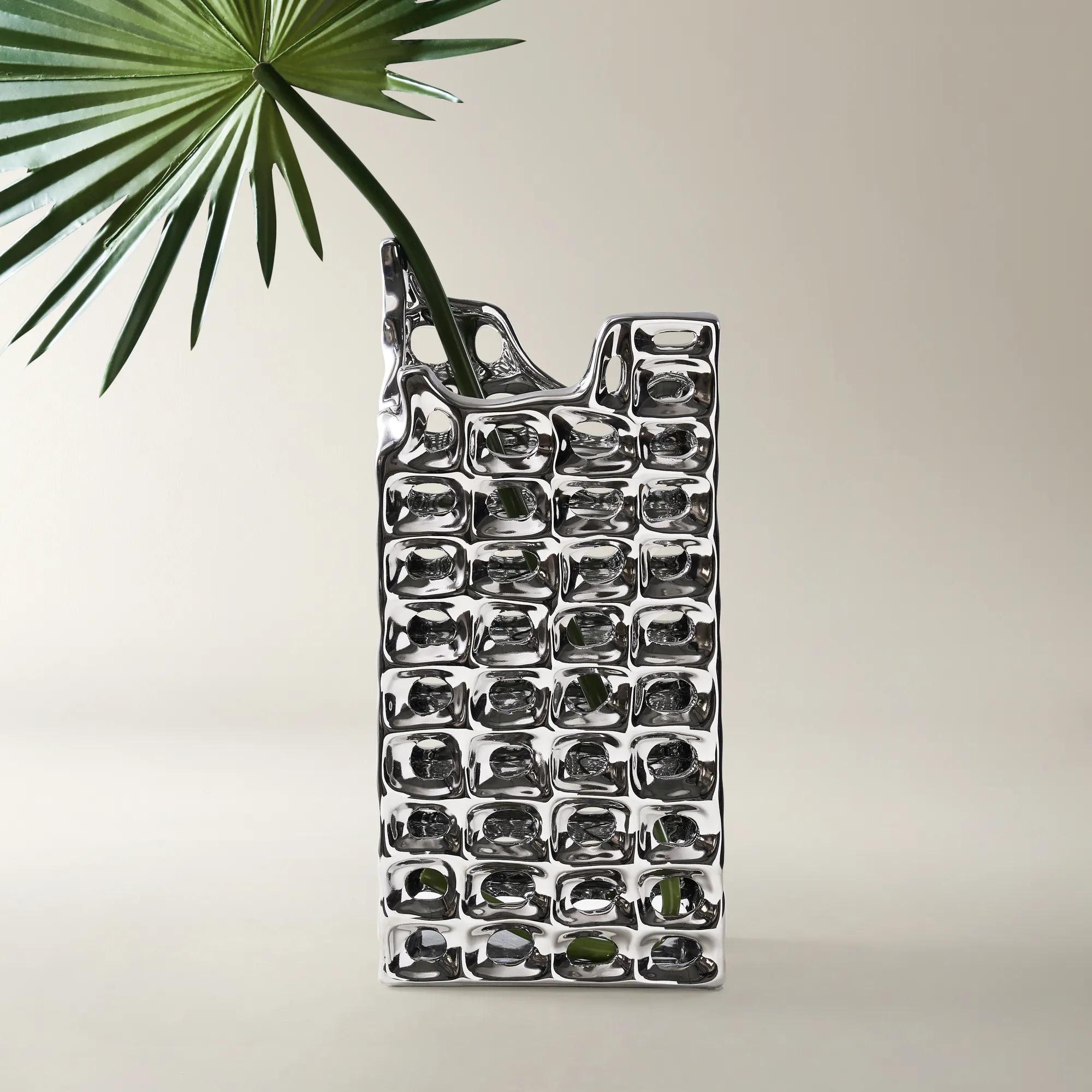
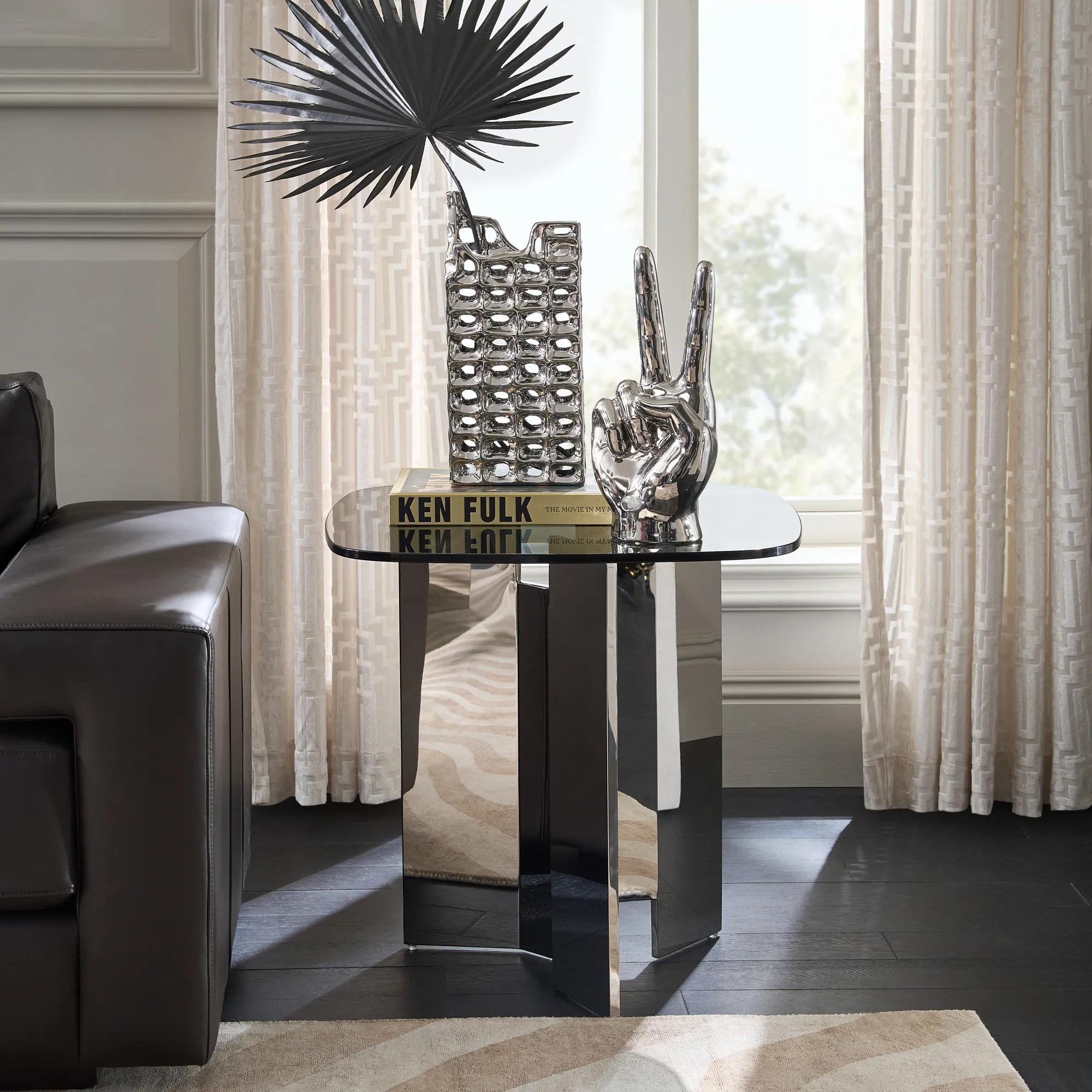 Pierce Vase$69
A ceramic vase with intricate facets and a gleaming silver finish for striking visual impact.
Add To Cart -
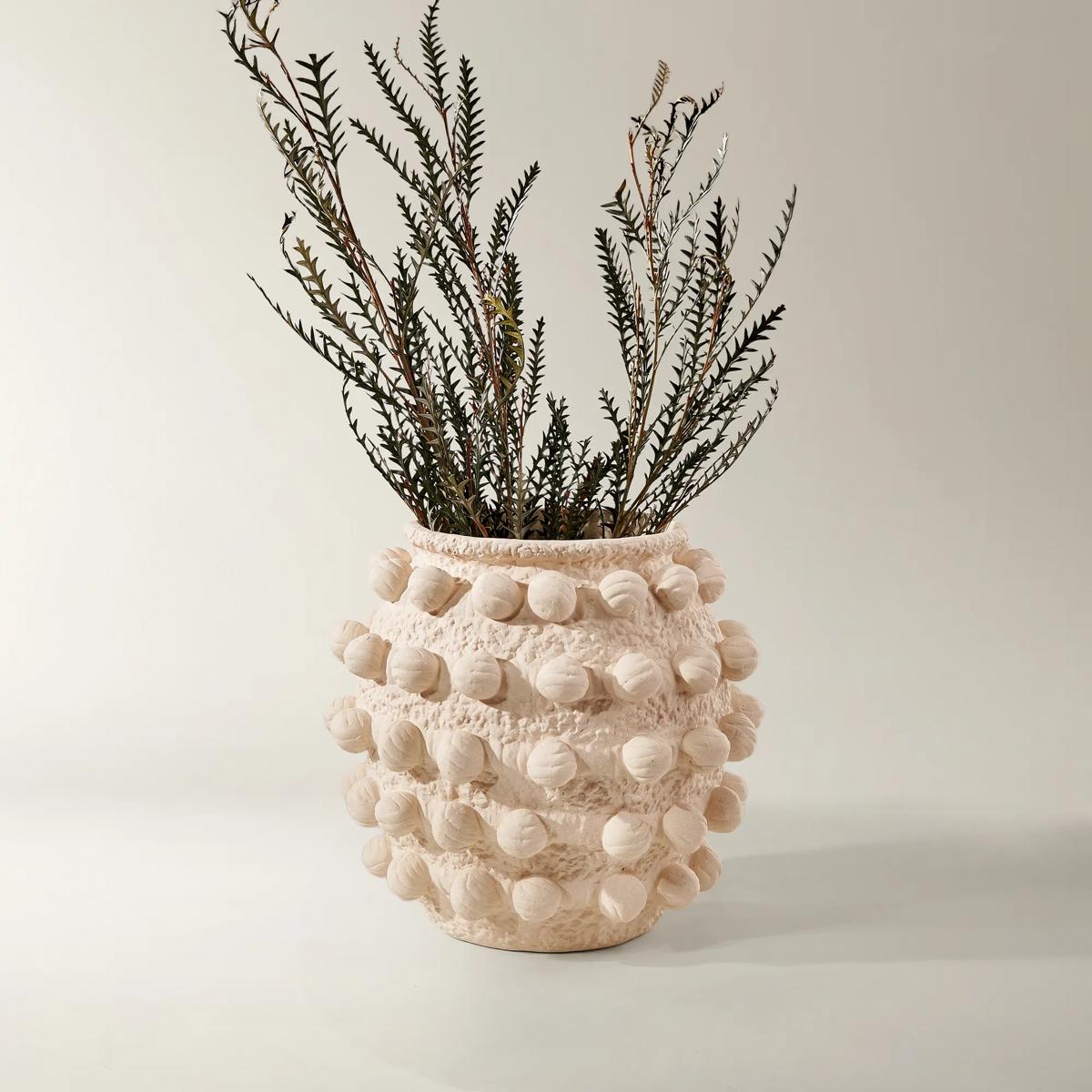
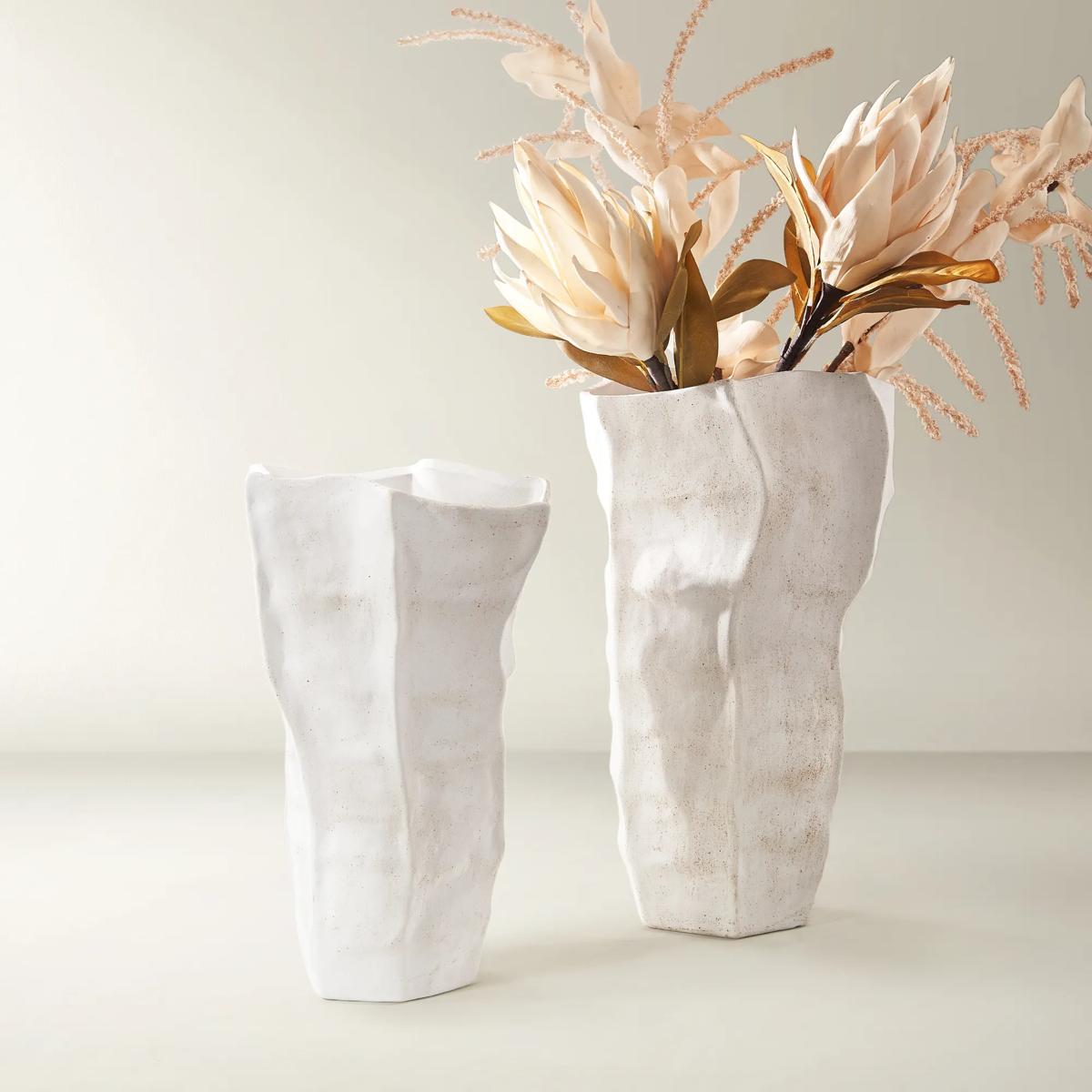
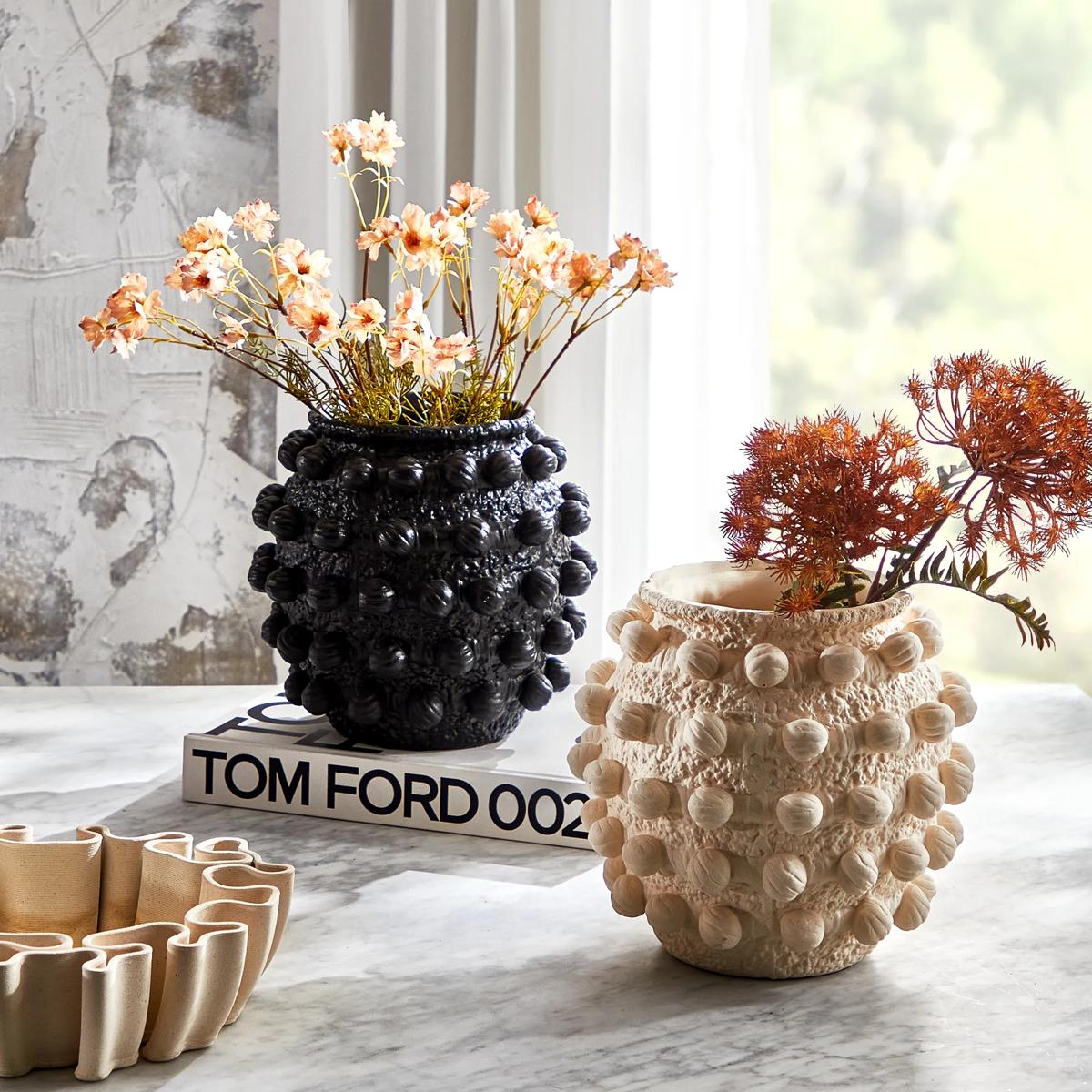 Pompa Vase - Ivory$119
An ivory porcelain vase featuring sculptural rounded forms and a richly textured, tactile surface.
Add To Cart -
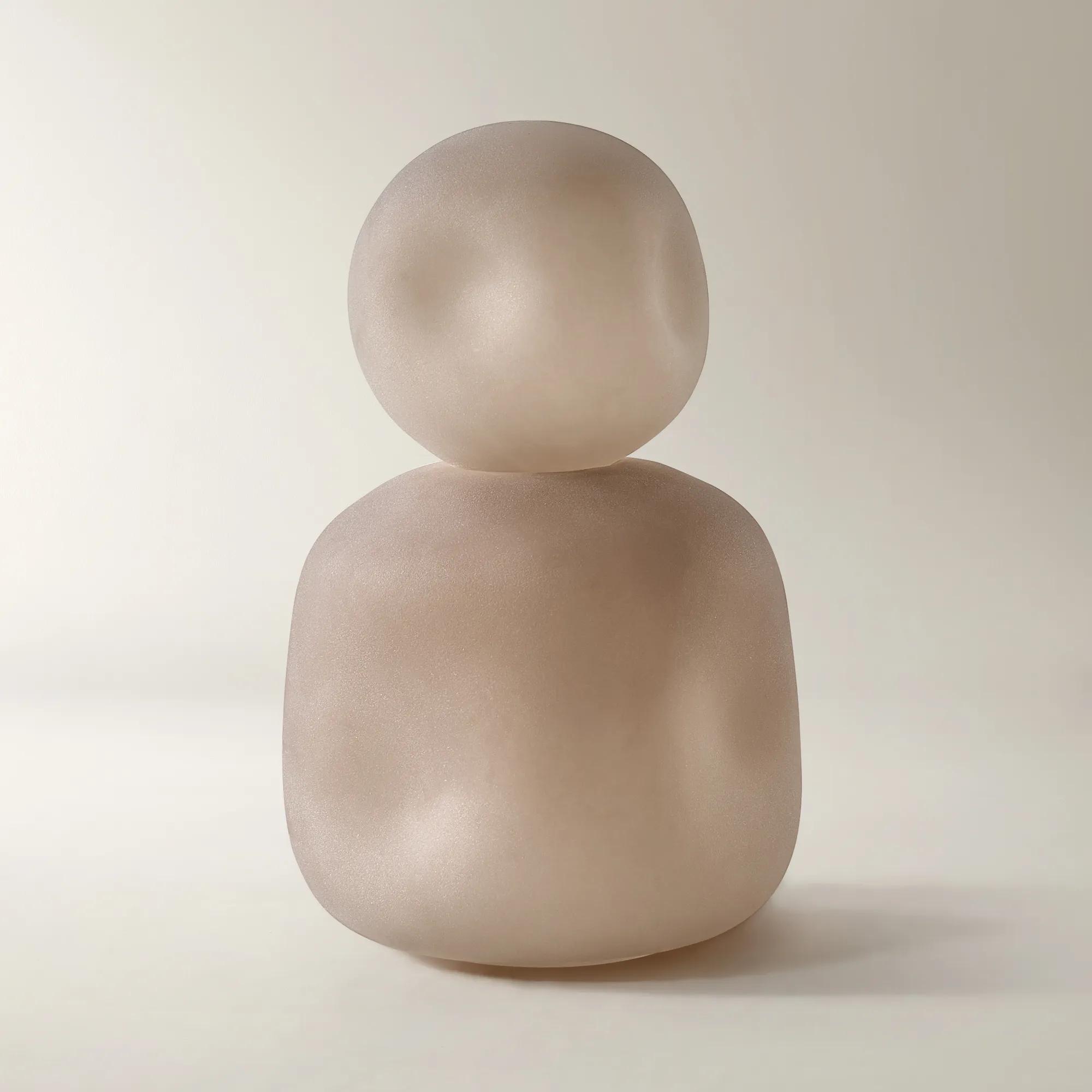
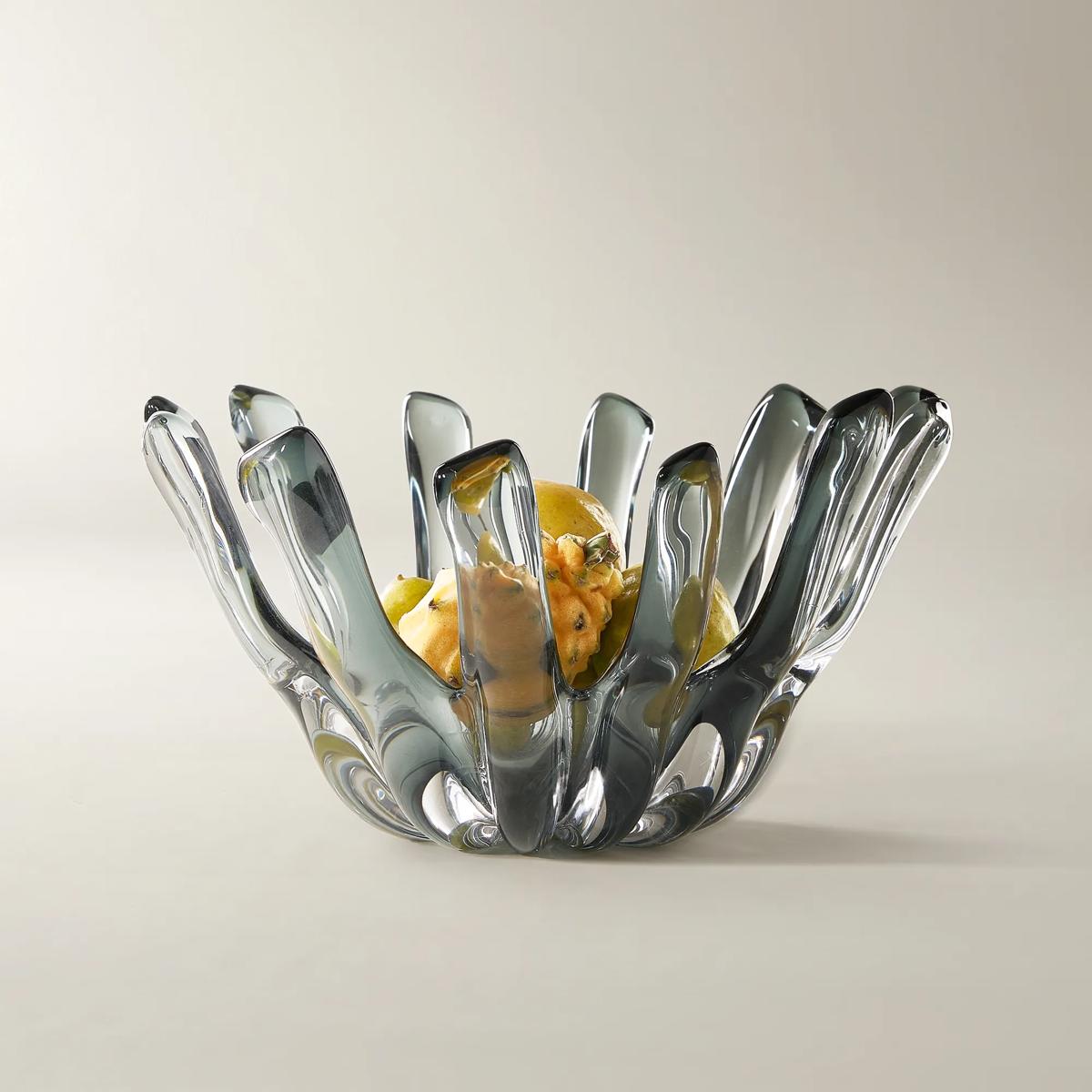 Bossa Smoke Handblown Glass Decorative Bowl 13" x 7"$129
A hand-blown smoky grey glass bowl featuring an expressive, sculptural design for modern decorative displays.
Add To Cart -
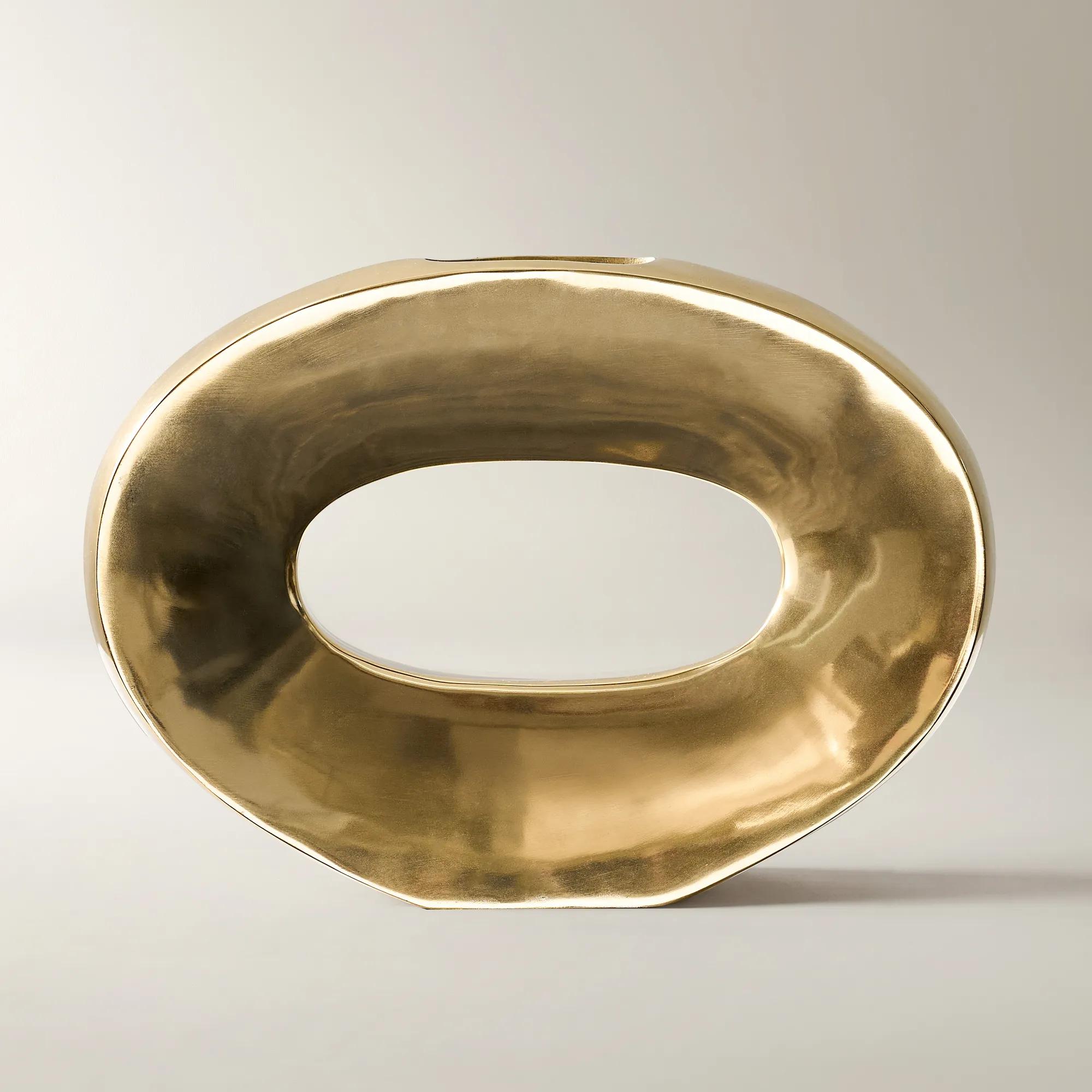
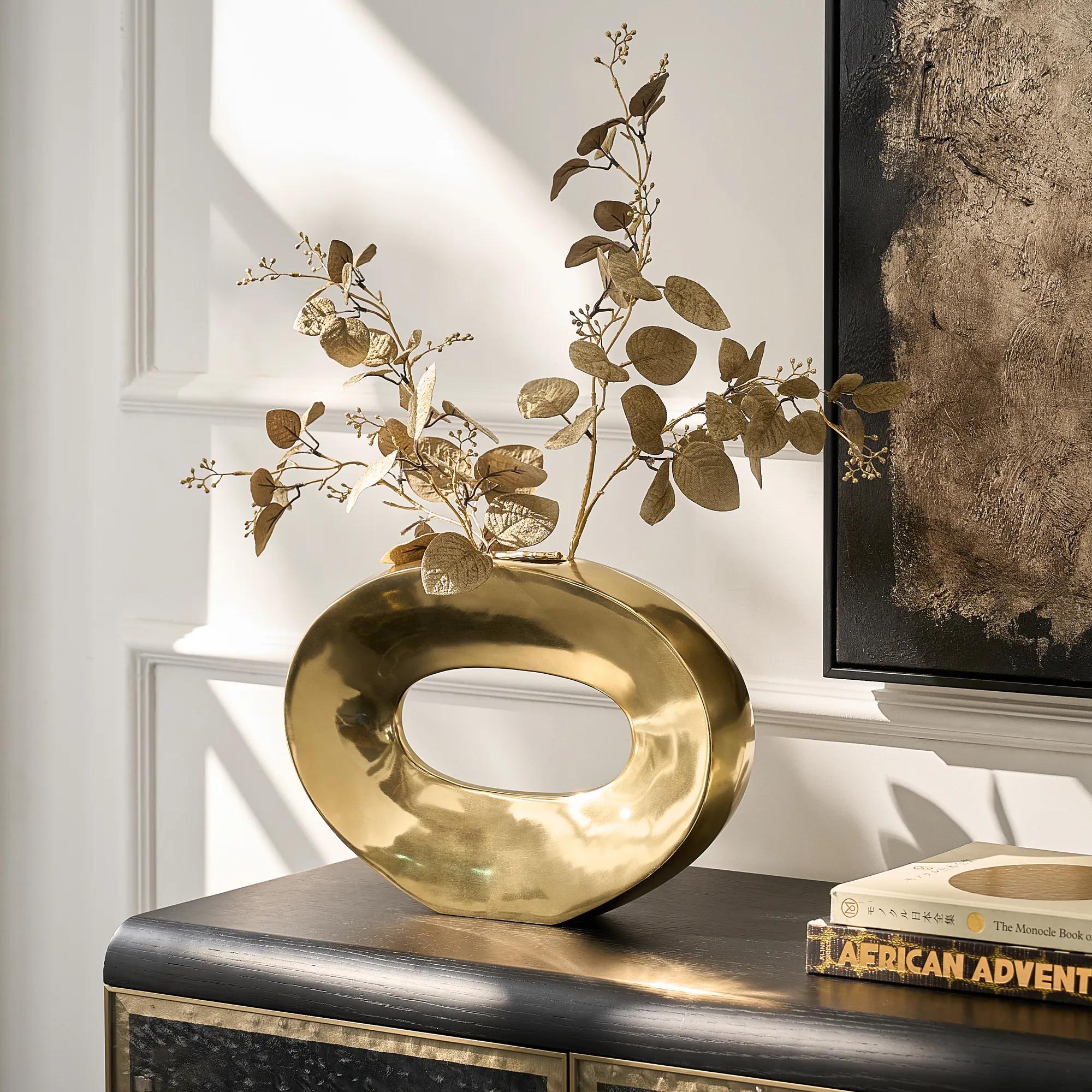 Hera Soft Gold Aluminum Vase 11.75"$169
A sculptural aluminum vase in a soft gold finish, offering modern glamour and architectural appeal.
Add To Cart -
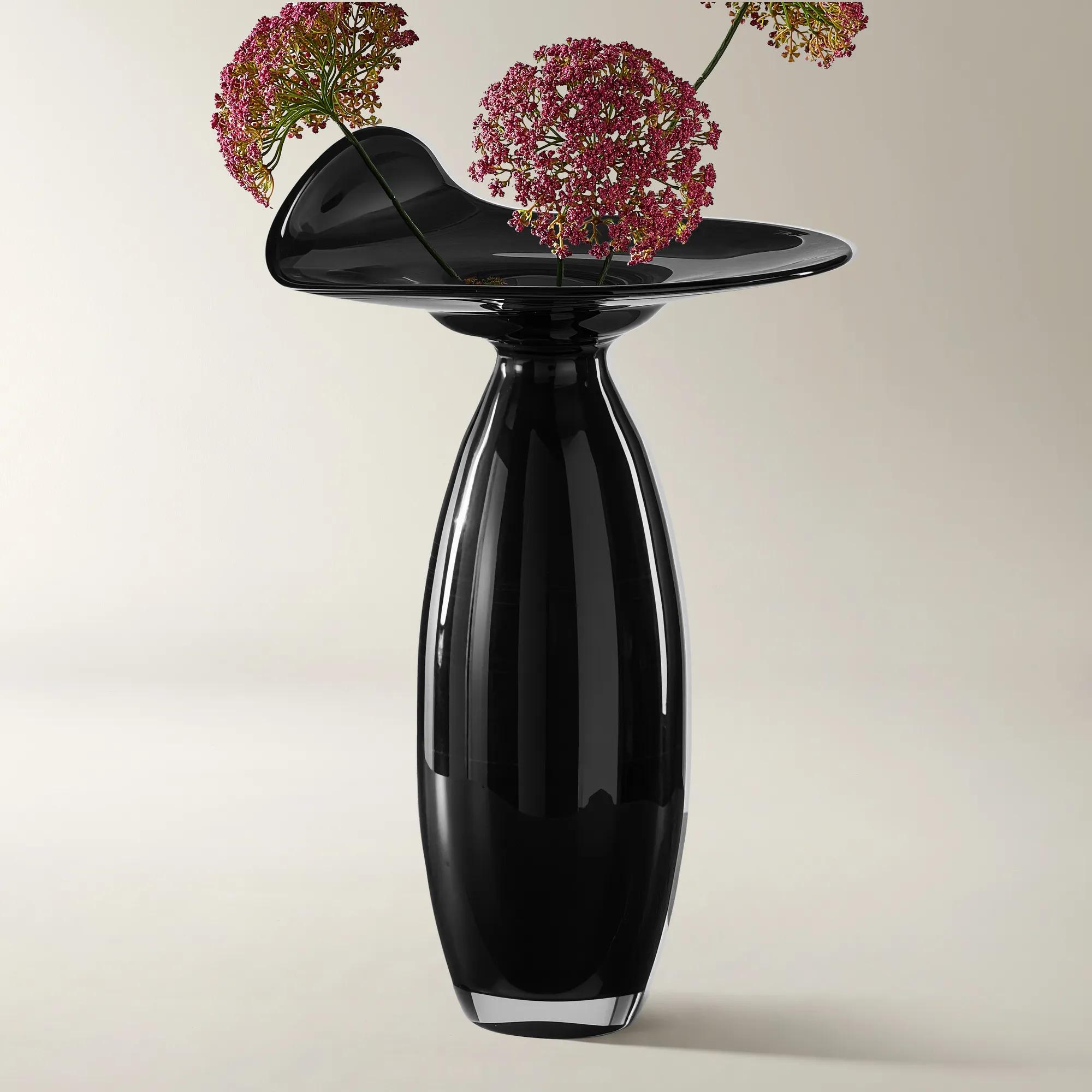 Folia Mouth Blown Glossy Black Glass Vase 22"$199
A handblown glass vase with a glossy black finish and organic sculptural silhouette for modern decor.
Add To Cart

Dining Table Centerpiece Vases
Dining Table Centerpiece Vases are the artful punctuation that transforms every meal into a celebration. Imagine your dining room scene: a sculptural vessel brimming with fresh blooms, or a gleaming glass silhouette reflecting candlelight, each vase designed to capture attention and spark conversation. These curated accents invite you to frame your table with drama and elegance, turning everyday gatherings into extraordinary moments. With Dining Table Centerpiece Vases, your tablescape becomes an expression of personality and panache—an unforgettable stage set for both grand feasts and intimate dinners alike.
Dining table centerpiece vases bring sculptural presence to the place where conversation, celebration, and everyday rituals meet. A curved ceramic vessel can soften the geometry of a rectangular table; a faceted glass vase can scatter light across polished flatware; a gleaming metallic finish can lend a restrained place setting a more expressive edge. The most successful dining table vase centerpiece balances that visual drama with room for people to gather comfortably. Its proportions should complement the tabletop, its arrangement should preserve clear sightlines, and its footprint should leave space for plates, glasses, and serving dishes. Low-profile vases and compact clusters of bud vases are especially well suited to tables used throughout the day, keeping flowers close to the surface rather than suspended between guests. A single broad vessel gives a round table a confident focal point, while several smaller vases can establish a graceful rhythm along an elongated dining table. On a square table, a rounded silhouette offers contrast without competing with the symmetry of the place settings. As a starting point, a centerpiece footprint spanning roughly one-third or less of the table’s width often leaves a comfortable balance of decoration and usable surface, though generous place settings and shared platters may call for something smaller. The flowers count toward that footprint, too: a compact base with dramatically spreading branches can occupy far more space than the vase itself. Height deserves the same consideration. An arrangement that looks magnificent on an empty table may interrupt conversation once everyone is seated, so the full silhouette matters more than the vessel’s dimensions alone. For a dining room that doubles as a gathering space between meals, a substantial statement vase can hold the center beautifully, then move to a sideboard when dinner is served. Even without stems, an expressive shape or richly worked surface can give the room a finished, intentional character.
Material determines much of a vase’s personality, from the way it receives light to how it lives with repeated use. Clear glass brings transparency and precision to a dining table centerpiece, allowing stems and water to become part of the composition. Ribbed, etched, or textured glass adds depth while partially veiling the contents, and tinted glass introduces color without the visual weight of an opaque vessel. Glass has a particularly luminous presence near reflective tableware, although fingerprints, water marks, and mineral deposits can be more noticeable on smooth, transparent surfaces. Ceramic and porcelain vases create a different mood: substantial, tactile, and often striking enough to display unfilled. Glossy glazes catch highlights along sculptural curves, while matte finishes emphasize contour and can make pale flowers or richly colored foliage appear more pronounced. Metallic finishes contribute a jewel-like accent, whether paired with dark wood for contrast or a pale tabletop for a softer shimmer. Those finishes can require delicate handling, and a decorative metal exterior does not necessarily mean the interior is suitable for water. Intended use is essential across all materials. Fresh floral arrangements need a vase specifically identified as watertight; decorative vessels, porous ceramics, and some coated designs may be intended only for dried stems, faux botanicals, or display. Where appropriate, a compatible watertight insert can separate water from a decorative outer vessel, provided it fits securely and follows the product’s care guidance. The opening also shapes the arrangement. A narrow neck supports a few deliberate stems, while a wider mouth accommodates fuller flowers but may need a suitable floral support to hold them in position. A stable base and balanced proportions are especially important with tall branches, since height and an uneven distribution of stems can make a vessel easier to tip. Durability depends on construction and finish as well as material; thick walls do not make glass or ceramic unbreakable. On a frequently used table, a smooth base and discreet, nonstaining protective pad can help protect the surface, while careful lifting rather than sliding helps preserve both the vase and the furniture beneath it.
The appeal of decorative dining table vases lies in their flexibility: the same vessel can frame a handful of fresh blooms for an intimate dinner, support an airy faux arrangement for everyday display, or stand alone as a sculptural accent. For hosts who serve meals family-style, small vases offer particular freedom because they can sit between platters or be repositioned individually without dismantling the entire table. A trio in related tones can feel collected rather than rigidly matched, with subtle differences in height or texture creating movement across the setting. Odd-numbered groupings often provide an appealing asymmetry, but there is no need to force a trio onto a table better served by one beautifully proportioned vase. A pair can look equally assured when it echoes the architecture of a long table or anchors opposite ends of a central arrangement. Color connects these choices to the wider room. Ivory ceramic against dark wood creates crisp definition, smoky glass introduces depth beside upholstered dining chairs, and a restrained metallic accent can pick up the finish of a chandelier without repeating it everywhere. A patterned tablecloth often benefits from a simpler vase silhouette, whereas a bare tabletop gives intricate texture more space to register. Additional Centerpiece Ideas for Dining Tables can offer inspiration for relating a vase to neighboring accents while keeping the setting cohesive. Care keeps that composition looking polished: follow the material-specific instructions, empty and refresh water regularly when displaying fresh flowers, and use gentle cleaning methods approved for the finish. Abrasive cleaners, prolonged soaking, and dishwasher heat can damage delicate coatings or decorative details unless the maker explicitly permits them. Drying the underside before returning a vase to the table also helps prevent trapped moisture from marking the surface. As housewarming or wedding gifts, centerpiece vases offer lasting decorative possibility, especially when their scale and palette reflect the recipient’s home. For expressive decorators and frequent entertainers alike, the right vase lends an unmistakable point of view without asking the dining table to stop being a place to gather.
FAQs
For a winter gathering, embrace the season’s natural elegance by filling your centerpiece vase with frosted branches, silvery eucalyptus, or pristine white blooms. Layer in metallic accents or crystal ornaments for a touch of glamour, and pair with candlelight to create a warm, inviting glow that transforms the dining space into a sophisticated sanctuary.
Centerpiece vases crafted from glass, ceramic, or metal instantly elevate the dining experience. Look for gleaming mirror finishes, hand-glazed ceramics, or bold matte black vessels for a modern twist. These materials not only enhance the visual drama but also reflect light and texture, creating a dynamic focal point for your table.
Absolutely. A beautifully designed centerpiece vase brings artistry to everyday dining, anchoring the table with personality and style. Even when not in use for formal gatherings, it can hold fresh greenery, dried botanicals, or stand alone as a sculptural statement, ensuring your dining space always feels curated and inviting.
A centerpiece vase makes a striking and meaningful gift for housewarmings, weddings, or anniversaries. It’s a versatile piece that invites creativity and personal expression, allowing the recipient to celebrate new beginnings and create beautiful moments around their dining table for years to come.
To create visual interest with multiple vases, play with varying heights, shapes, and finishes. Arrange them in odd-numbered clusters for a curated, designer look, and mix in different textures—such as pairing sleek metallic vases with organic ceramics—to add depth and intrigue to your dining table vignette.