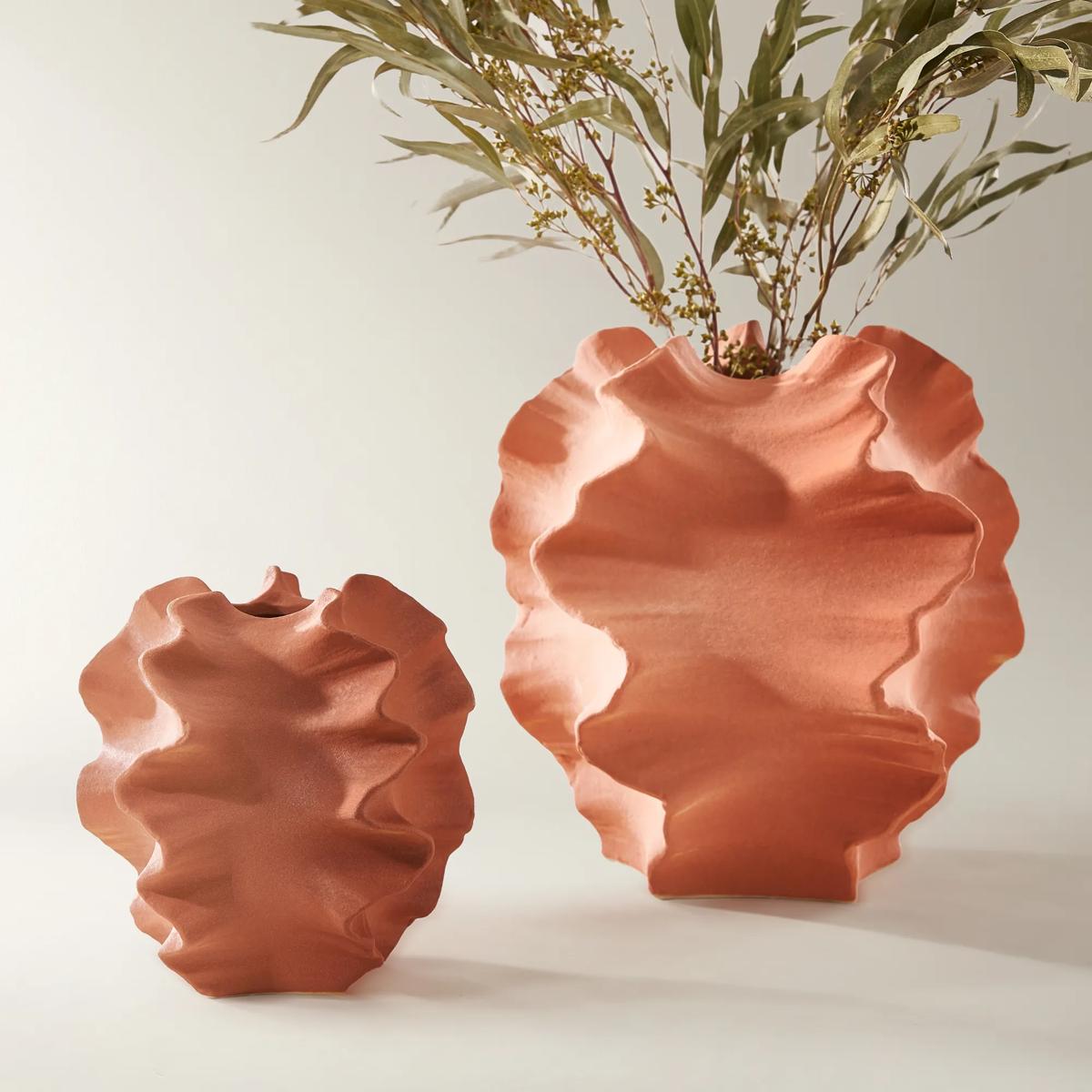
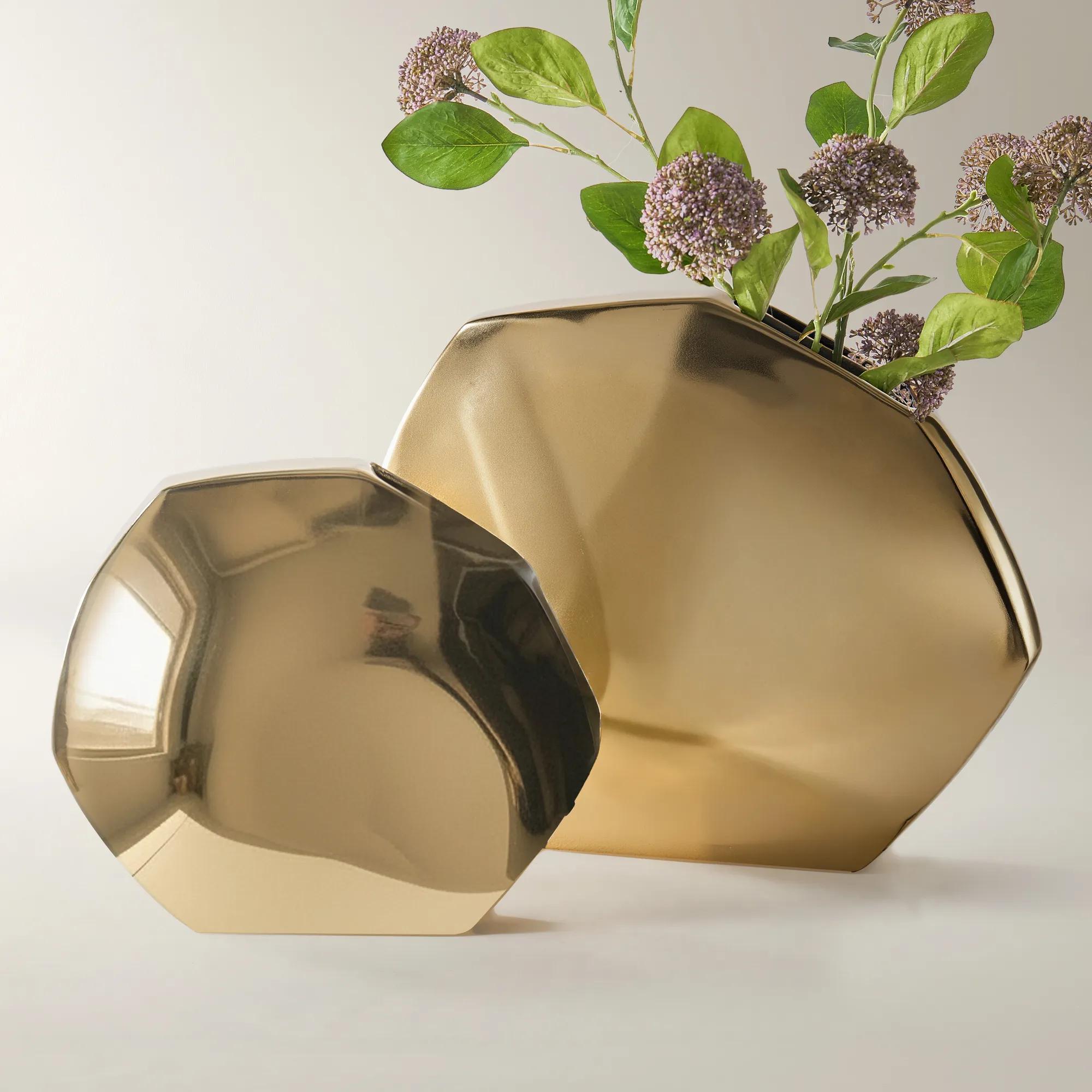
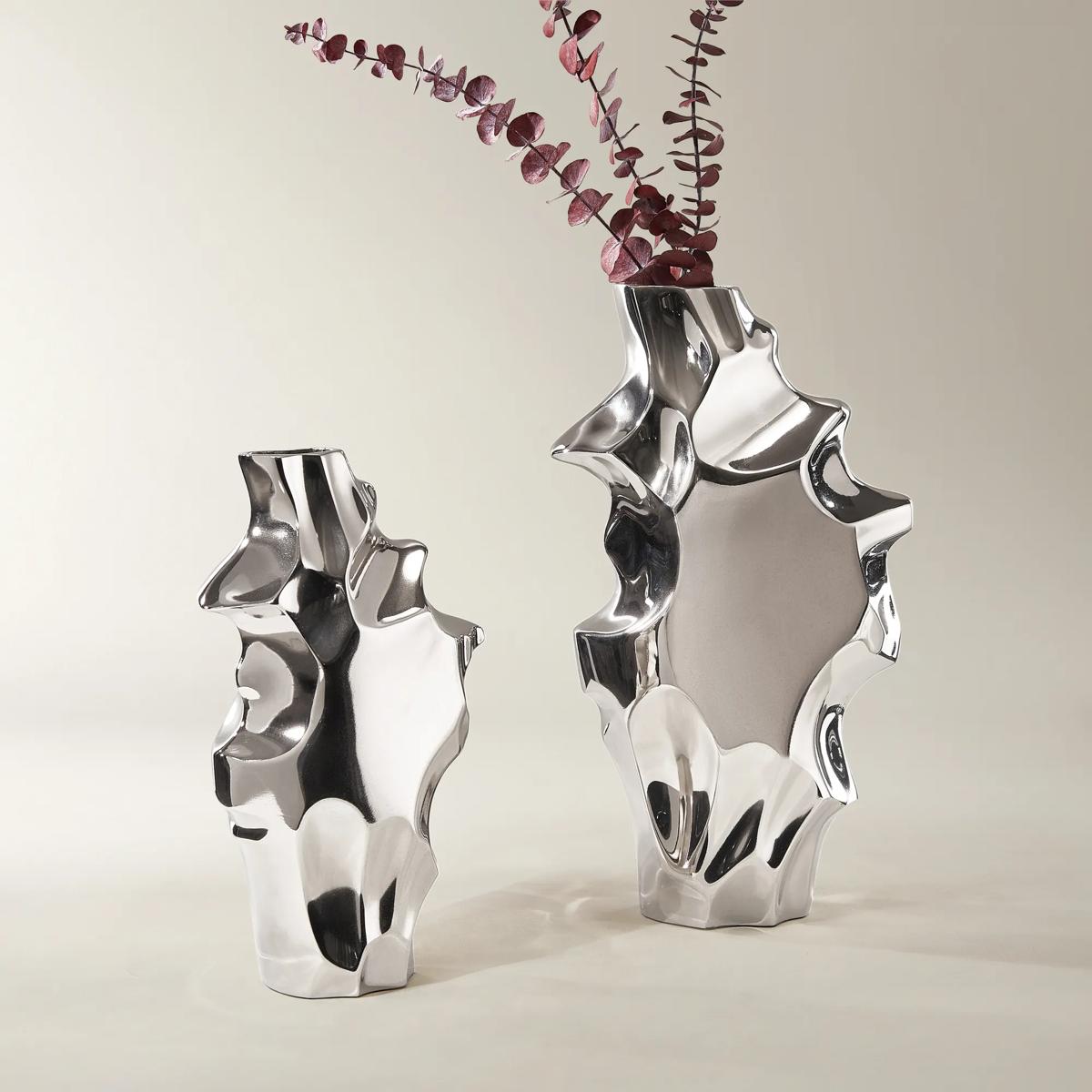
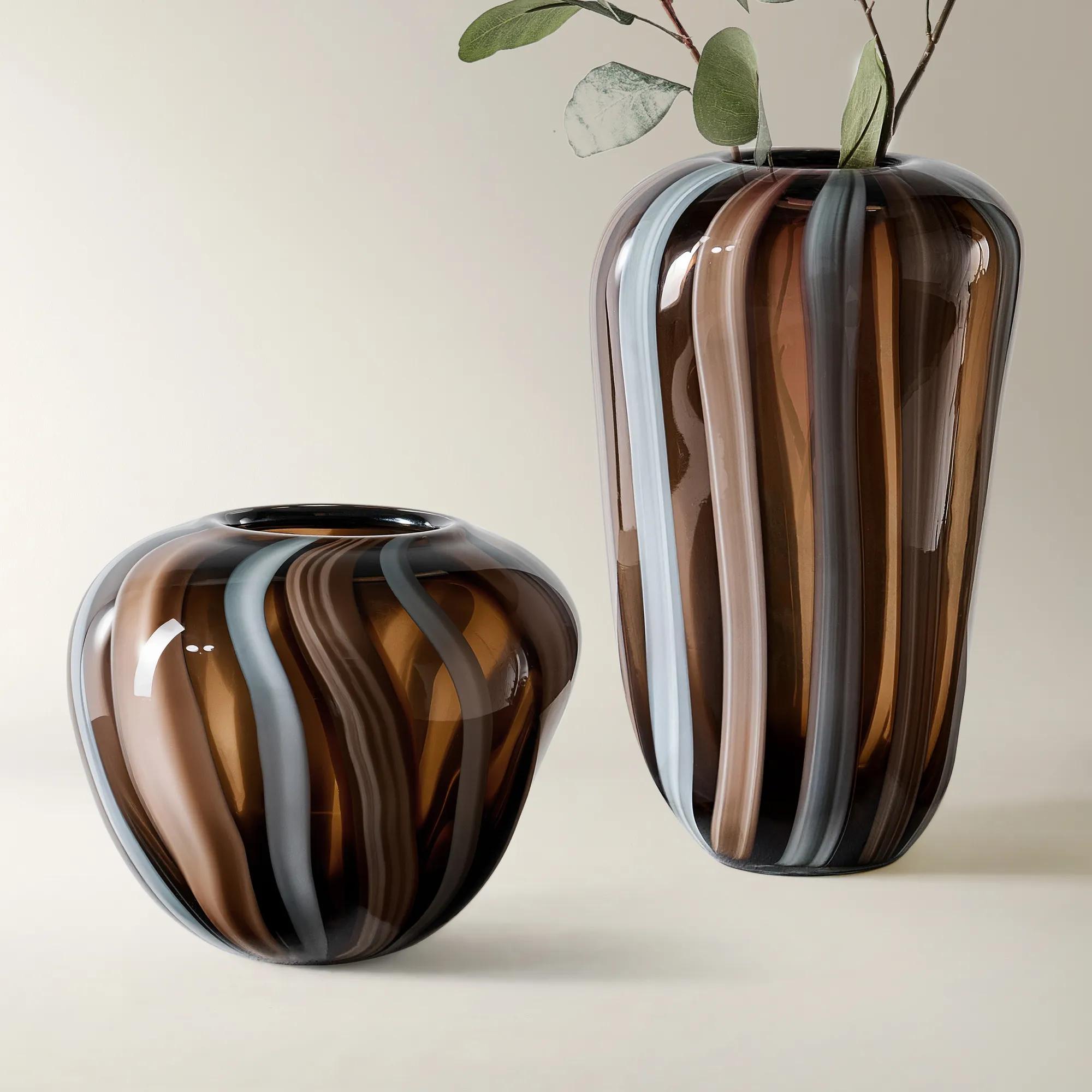
Large Table Vases
Large Table Vases
-
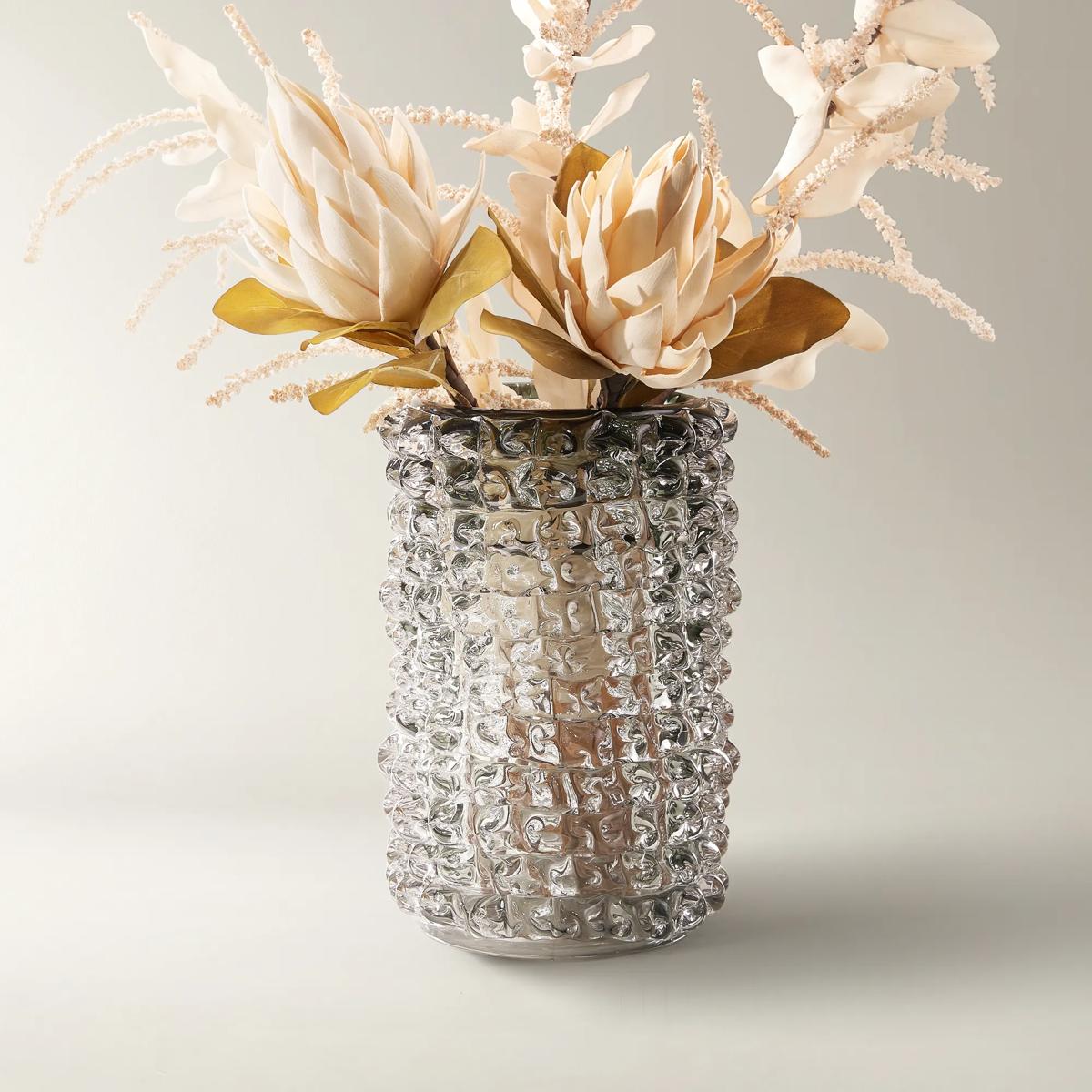
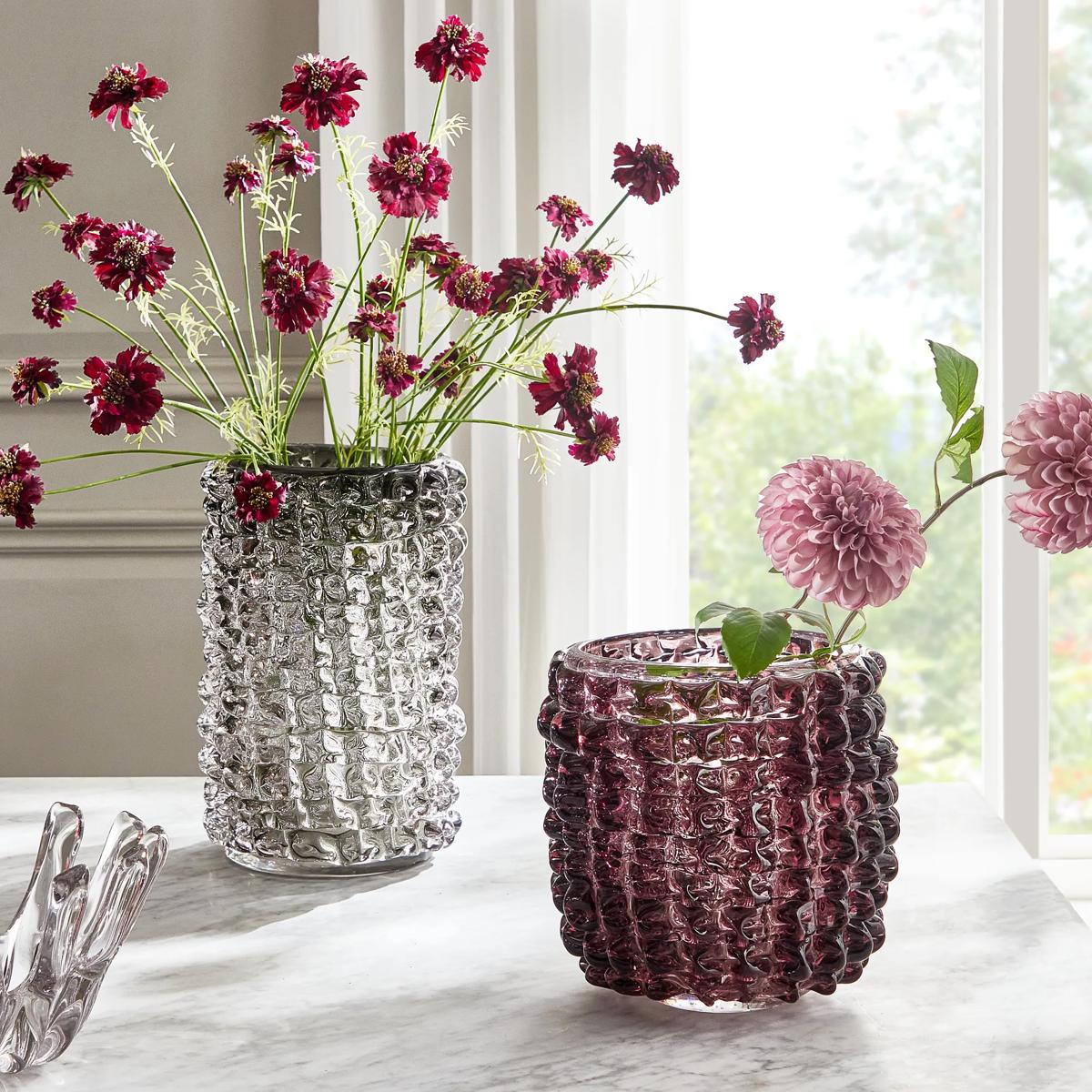 Laurel Glass Vase - Large Graphite$399
A hand-blown glass vase in smoky graphite with a bubbled, light-catching organic texture.
Add To Cart -
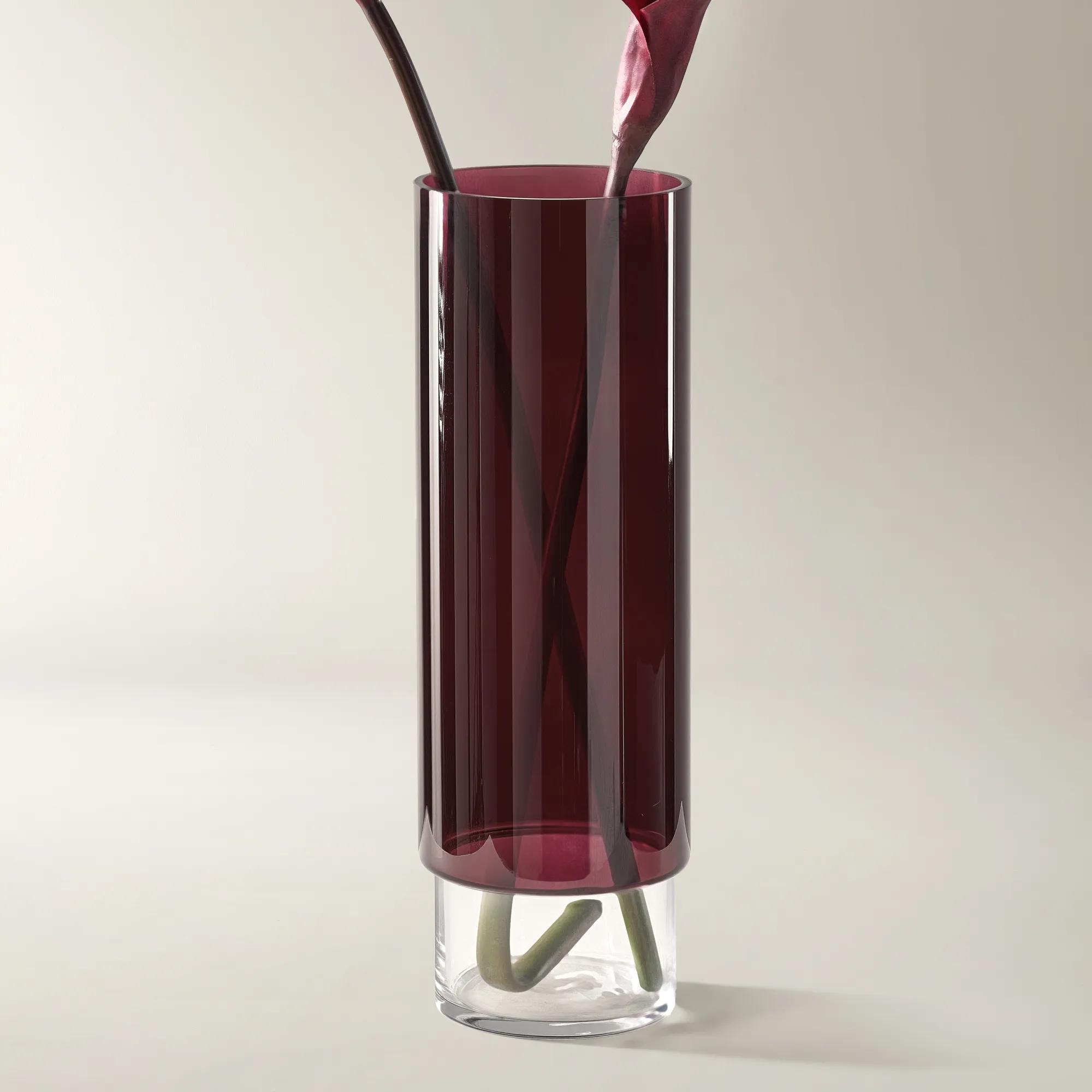 Bennet Mouth Blown Burgundy Glass Vase 19.5"$99
A handblown glass vase in rich burgundy with a sculptural Deco-inspired column silhouette.
Add To Cart -
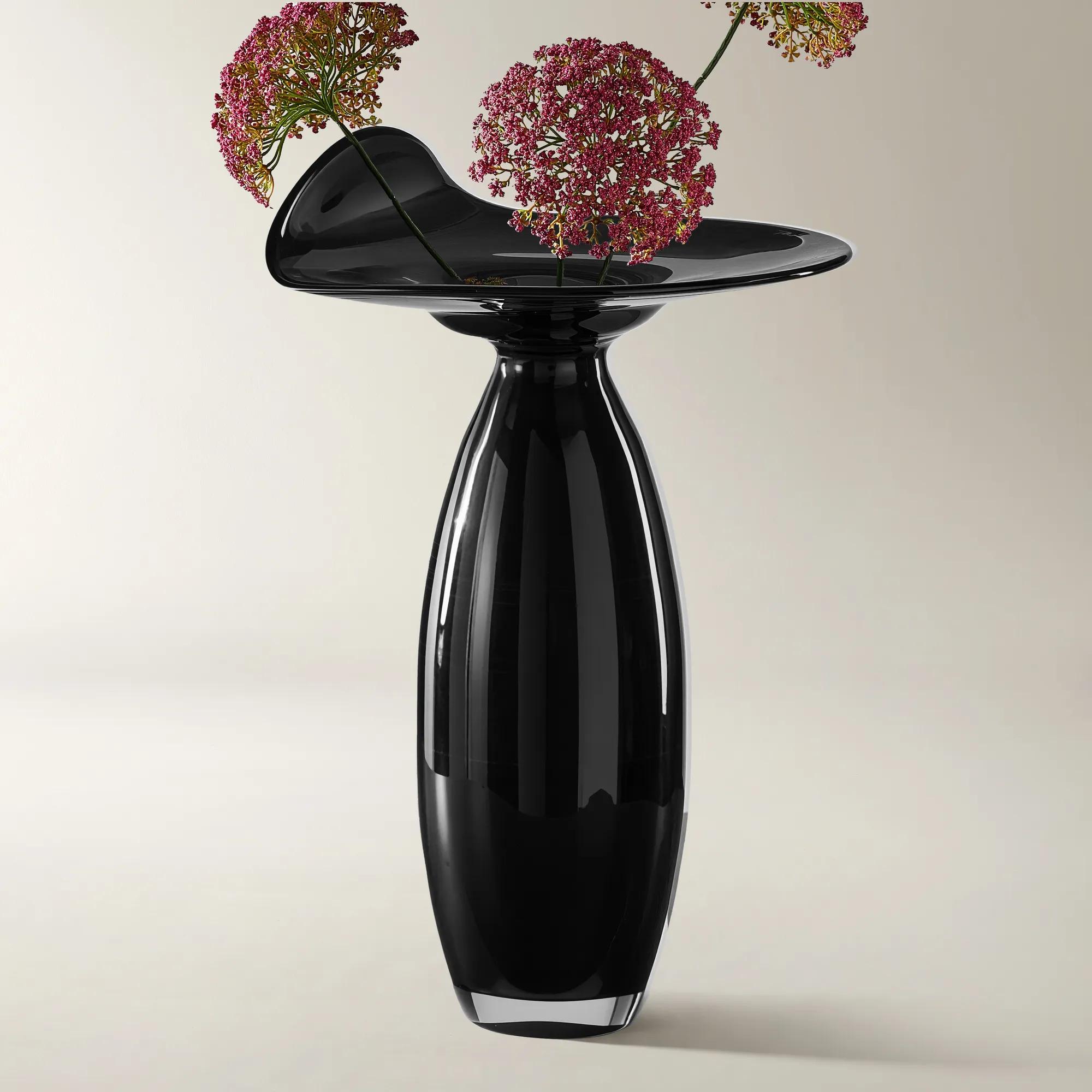 Folia Mouth Blown Glossy Black Glass Vase 22"$199
A handblown glass vase with a glossy black finish and organic sculptural silhouette for modern decor.
Add To Cart -
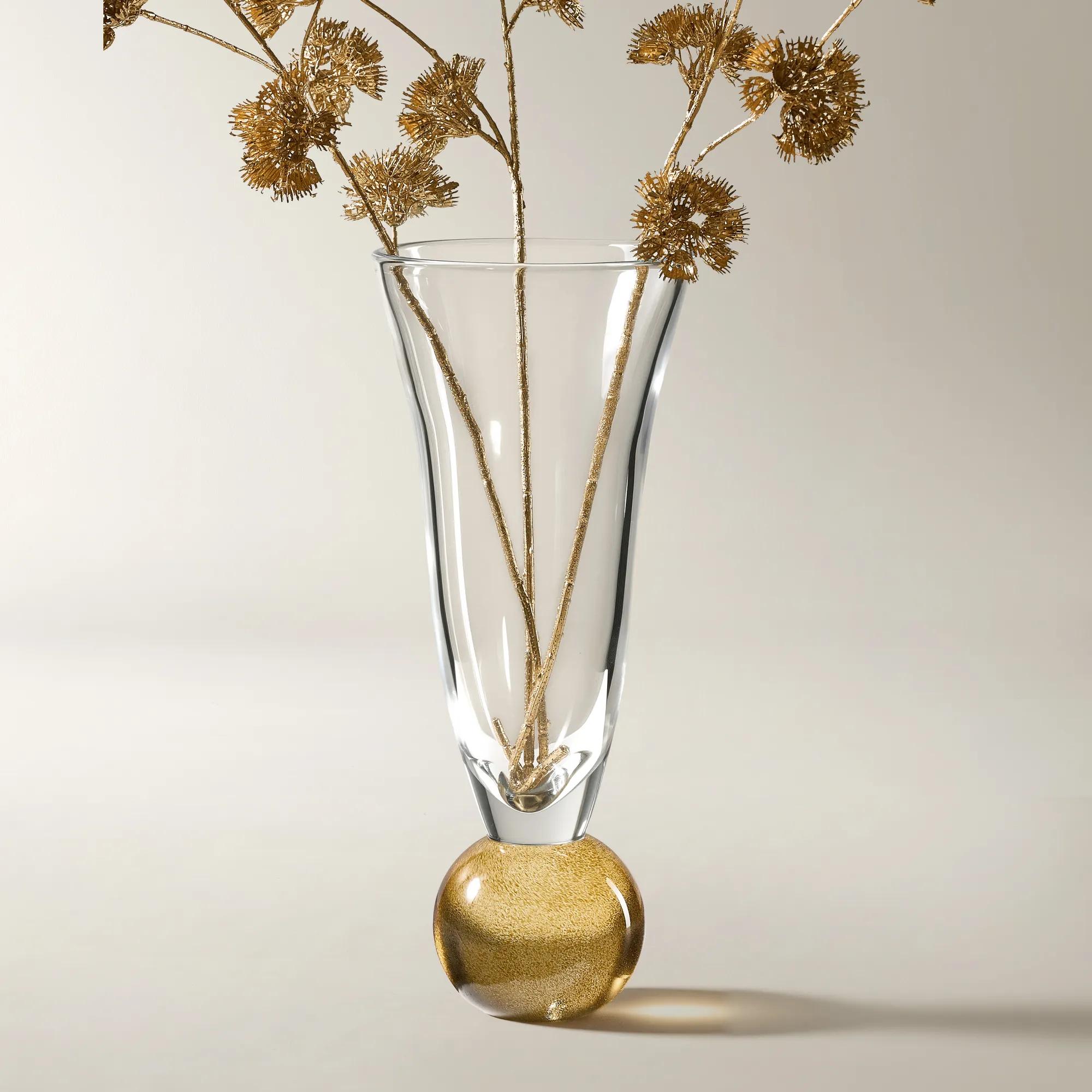 Palazzo Mouth Blown Honey Gold Clear Glass Vase 17.25"$119
A handblown glass vase in luminous honey gold with a sculptural, bauble-inspired silhouette.
Add To Cart -
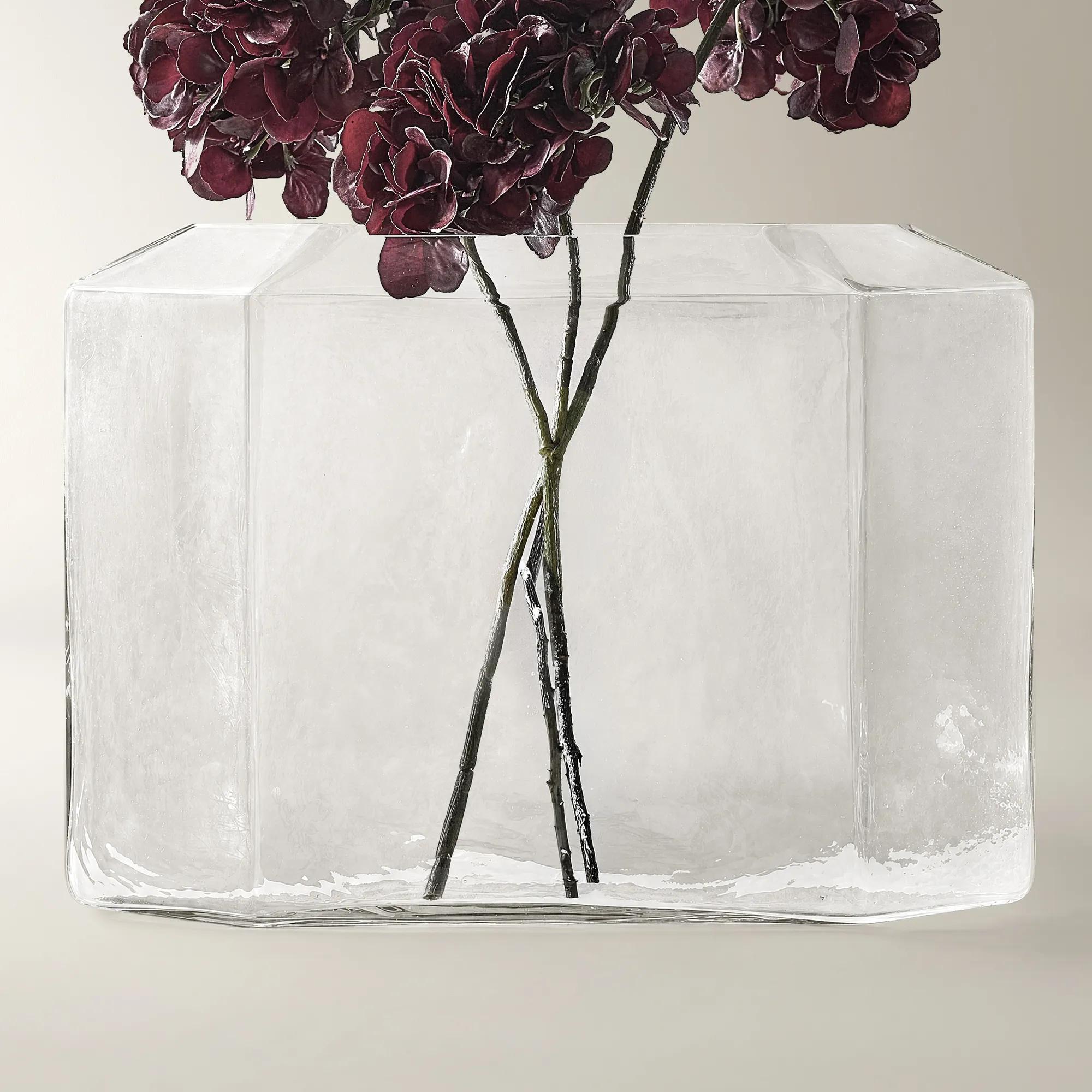 Studio Mouth Blown Clear Glass Vase 13.75"$199
A handblown clear glass vase with faceted detailing that beautifully reflects light for modern elegance.
Add To Cart -
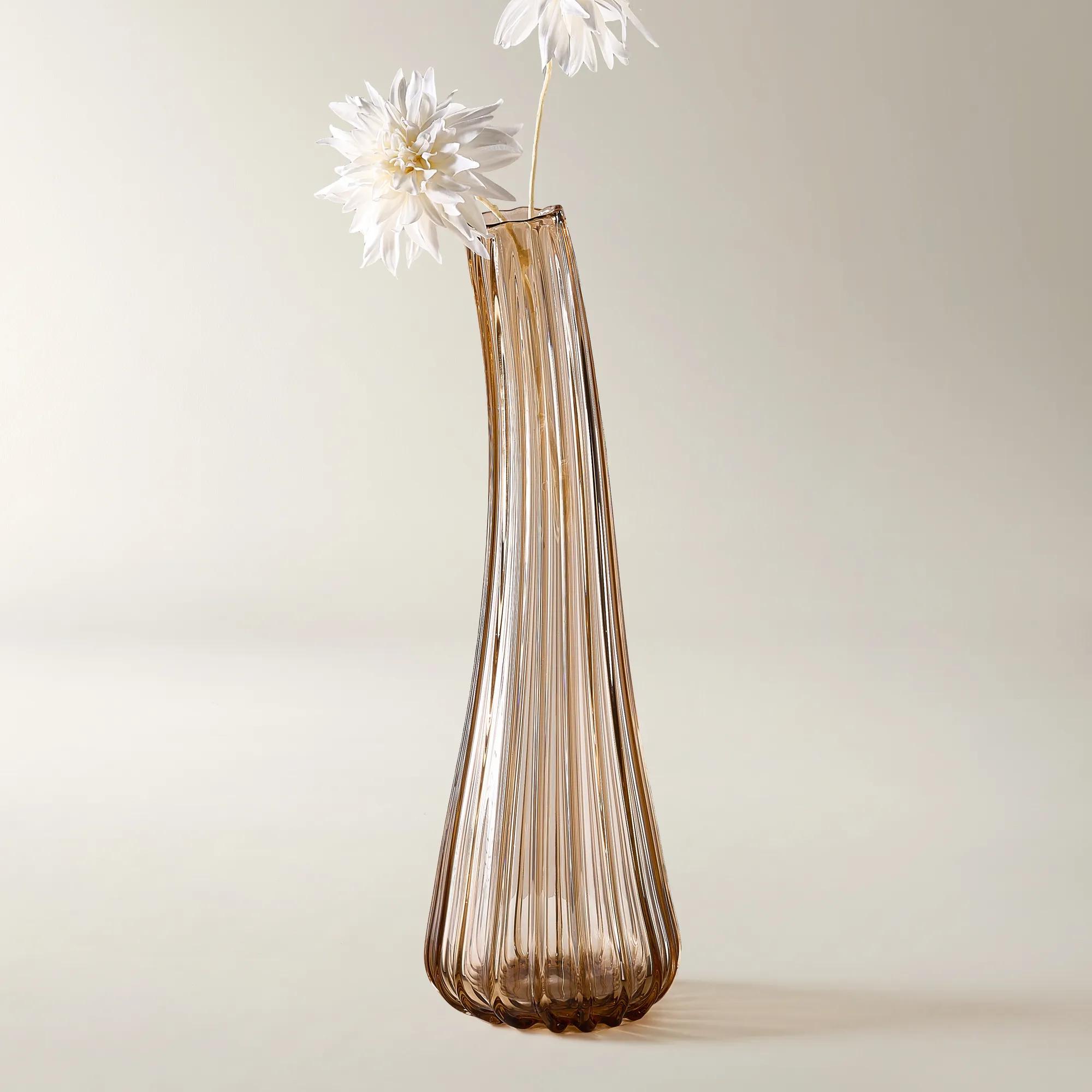
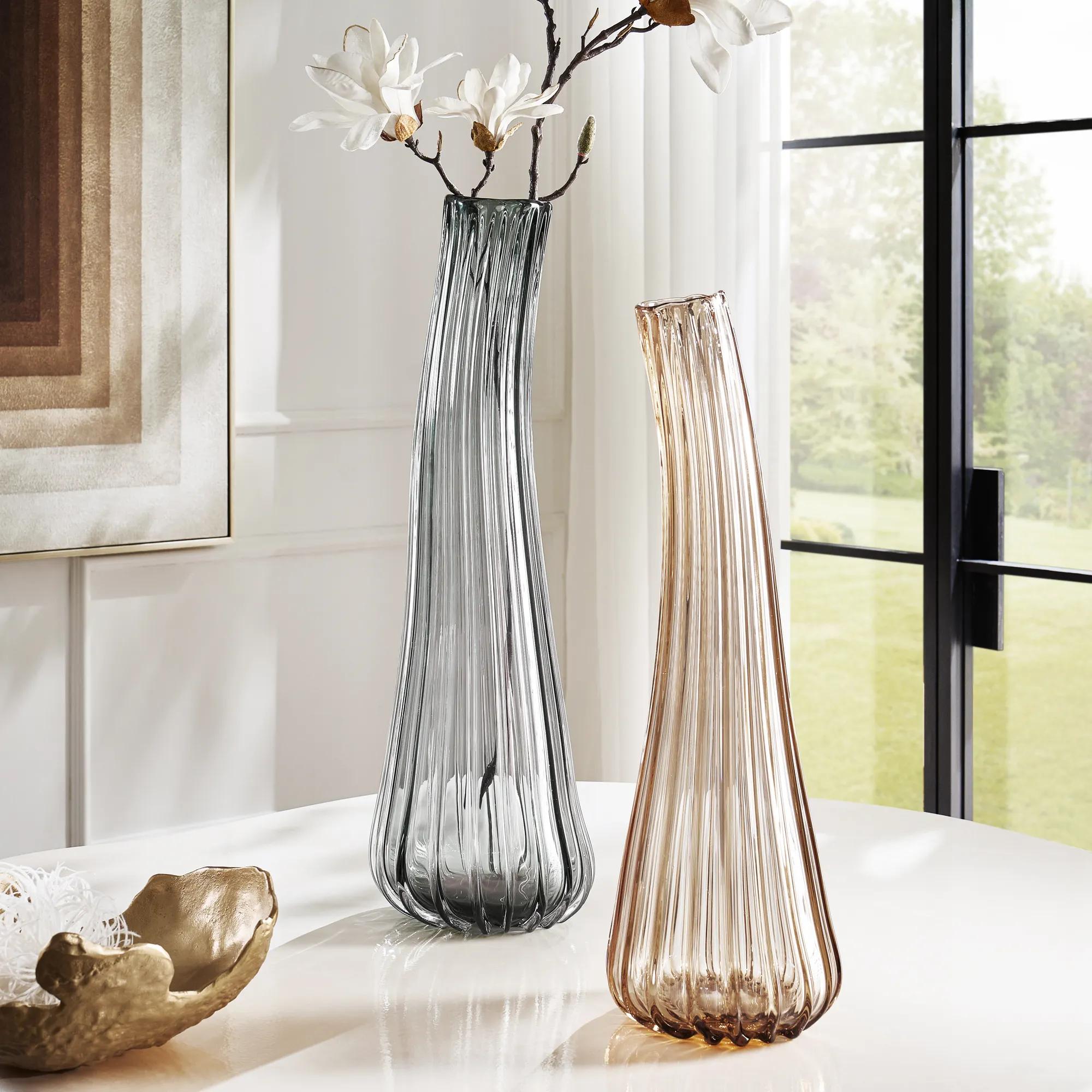 Tango Mouth Blown Soft Amber Vase 24.75"$179
A handblown glass vase in a soft amber finish with a textured, sculptural centerpiece design.
Add To Cart -
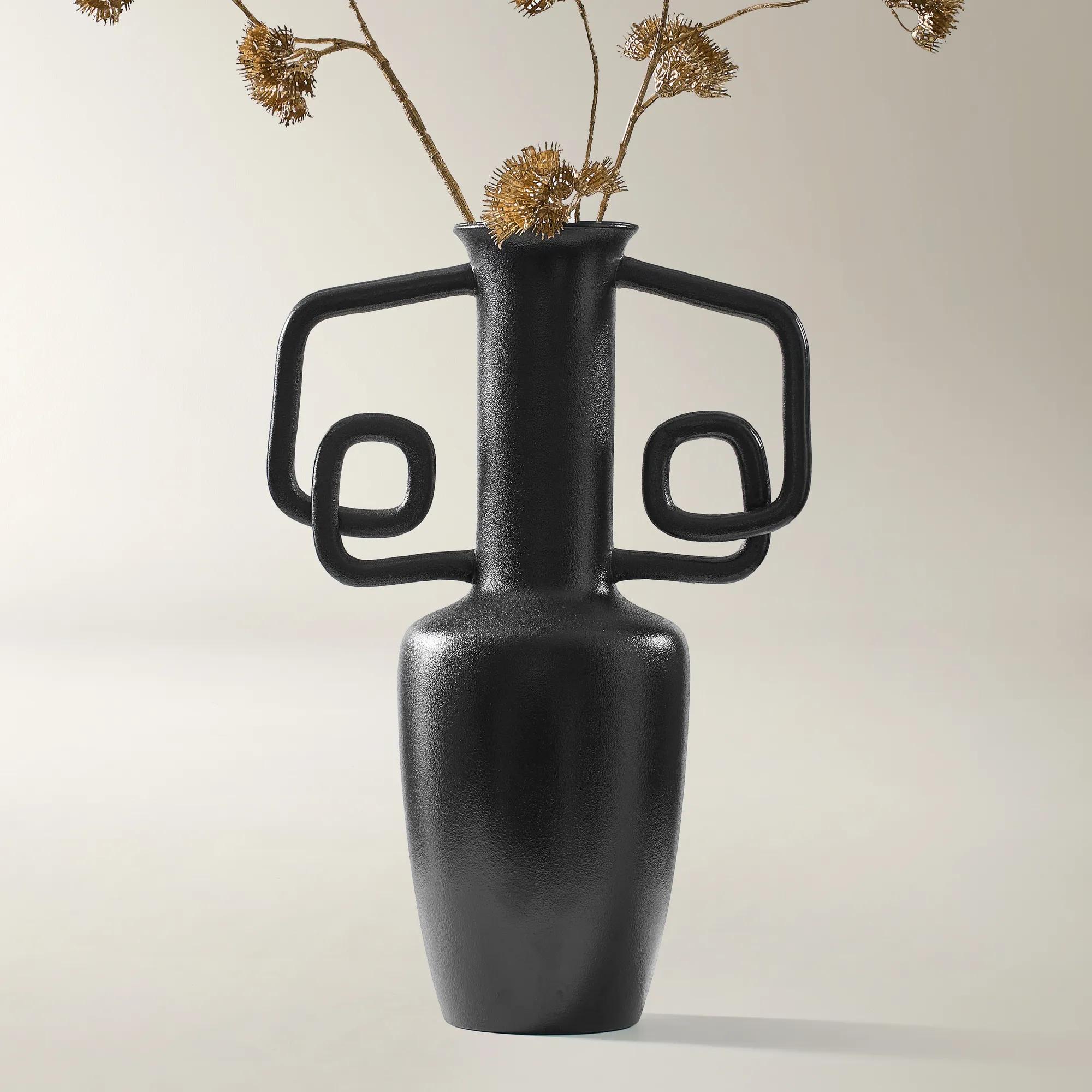 Cleo Handcrafted Black Porcelain Vase 19"$159
A sculptural black porcelain vase with exaggerated handles and a smooth, refined finish for modern decor.
Add To Cart -
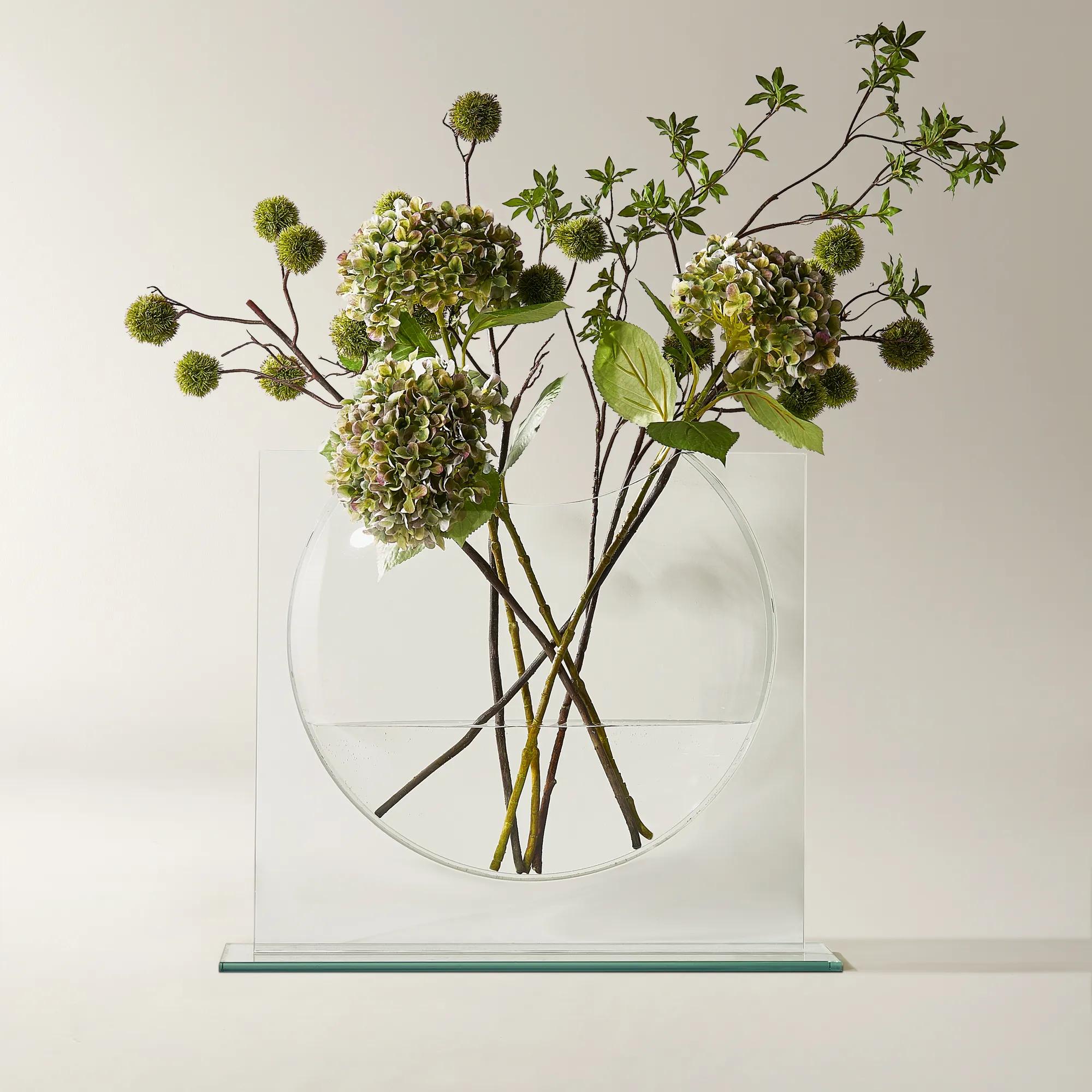
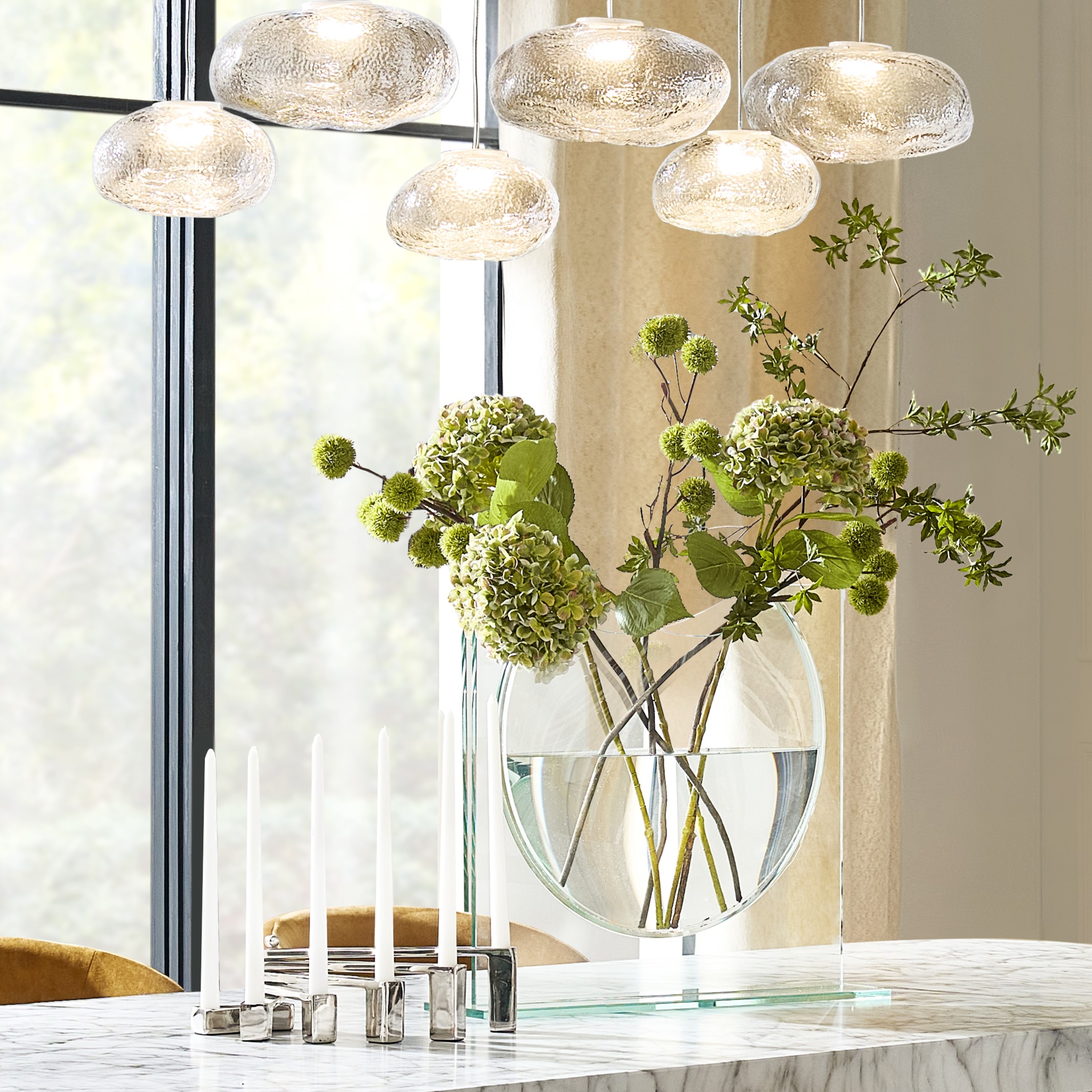 Ellipse Clear Glass Vase 20"$259
A sleek elliptical glass vase offering a modern, functional accent for fresh floral arrangements.
Add To Cart -
 Daria Metallic Champagne Resin Vase 20"$199
A sculpted black resin vase featuring layered brushed champagne and silver metallic panels for modern impact.
Add To Cart -
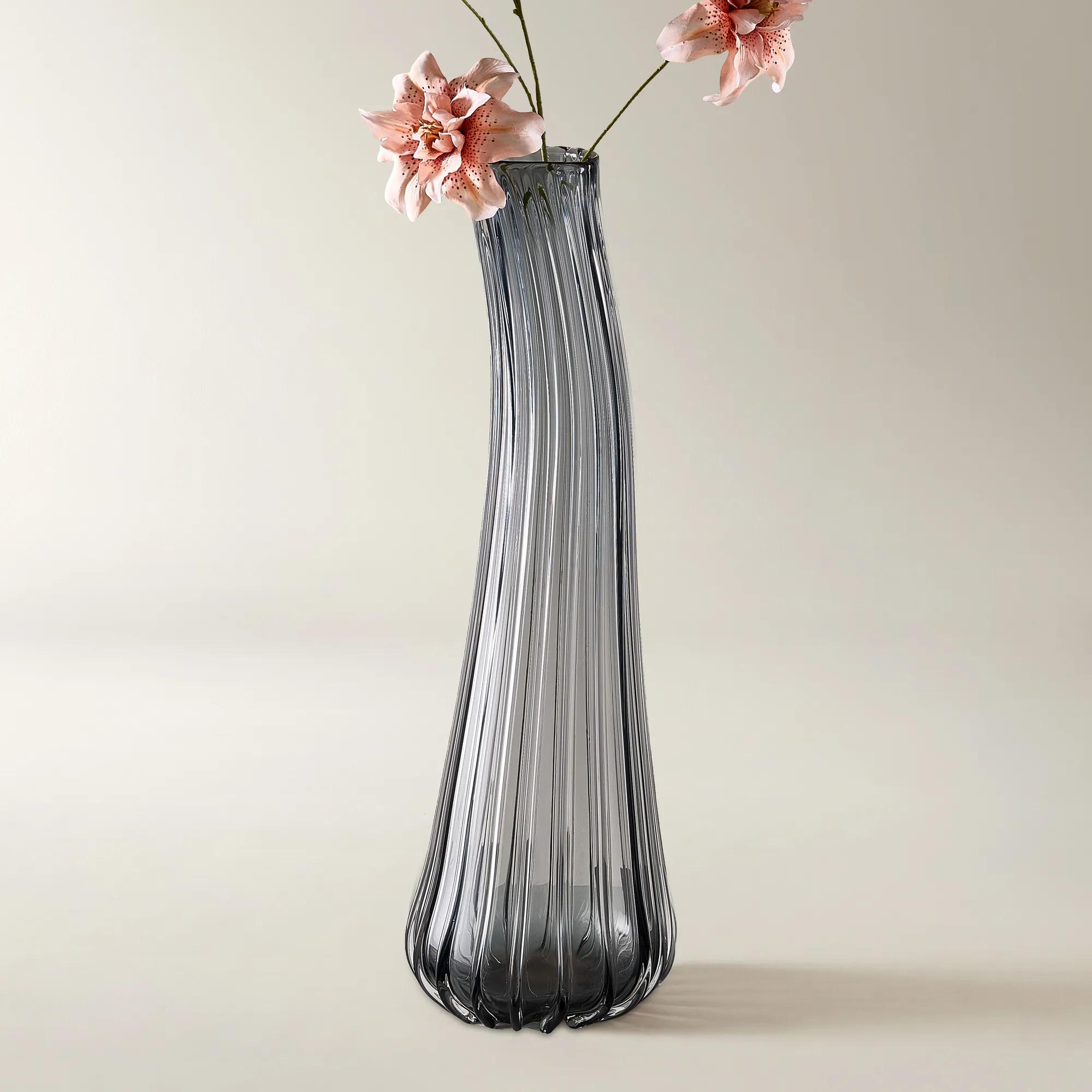 Tango Mouth Blown Smoked Pearl Vase 29"$199
A handblown glass vase in a smoked pearl finish with a textured surface for sculptural elegance.
Add To Cart -
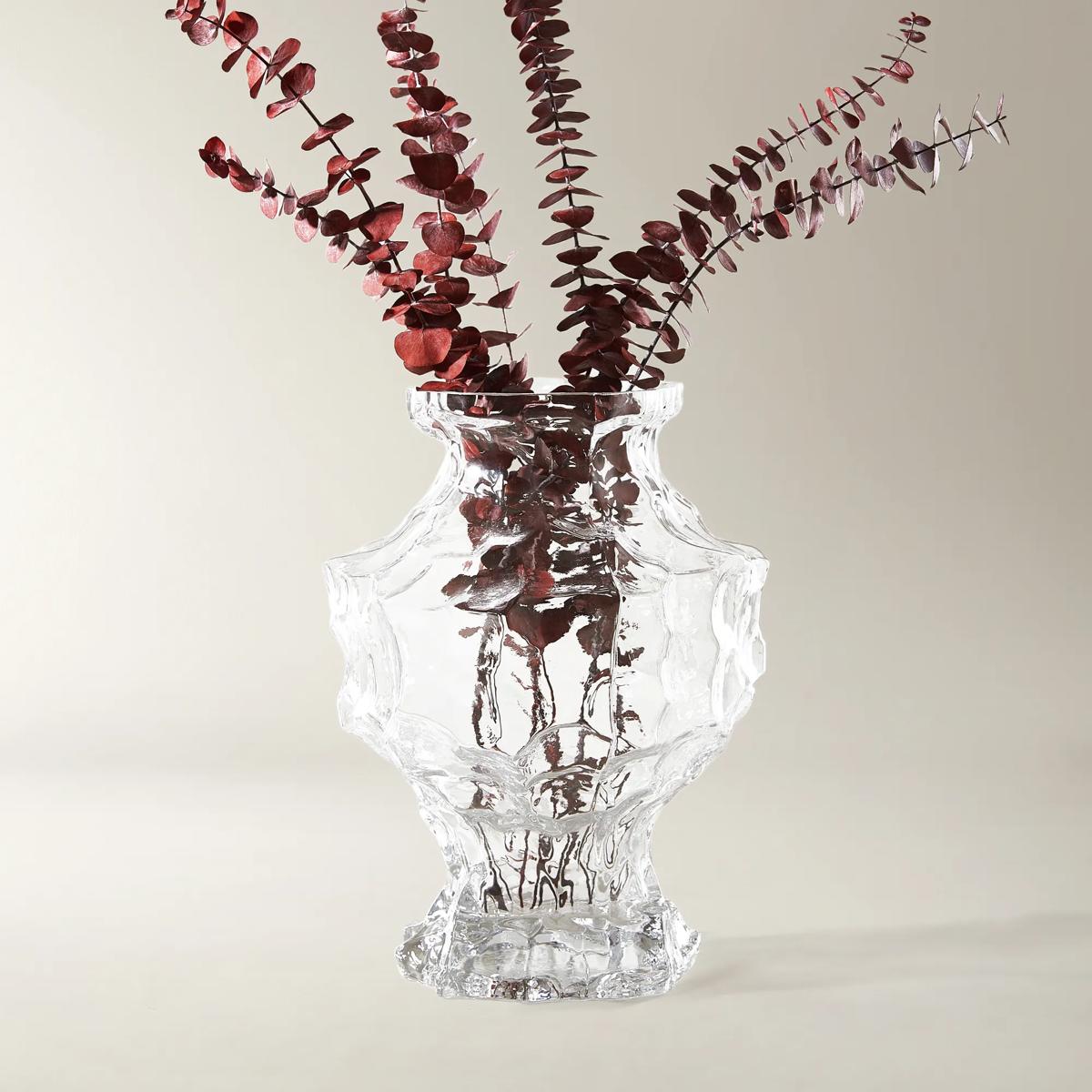
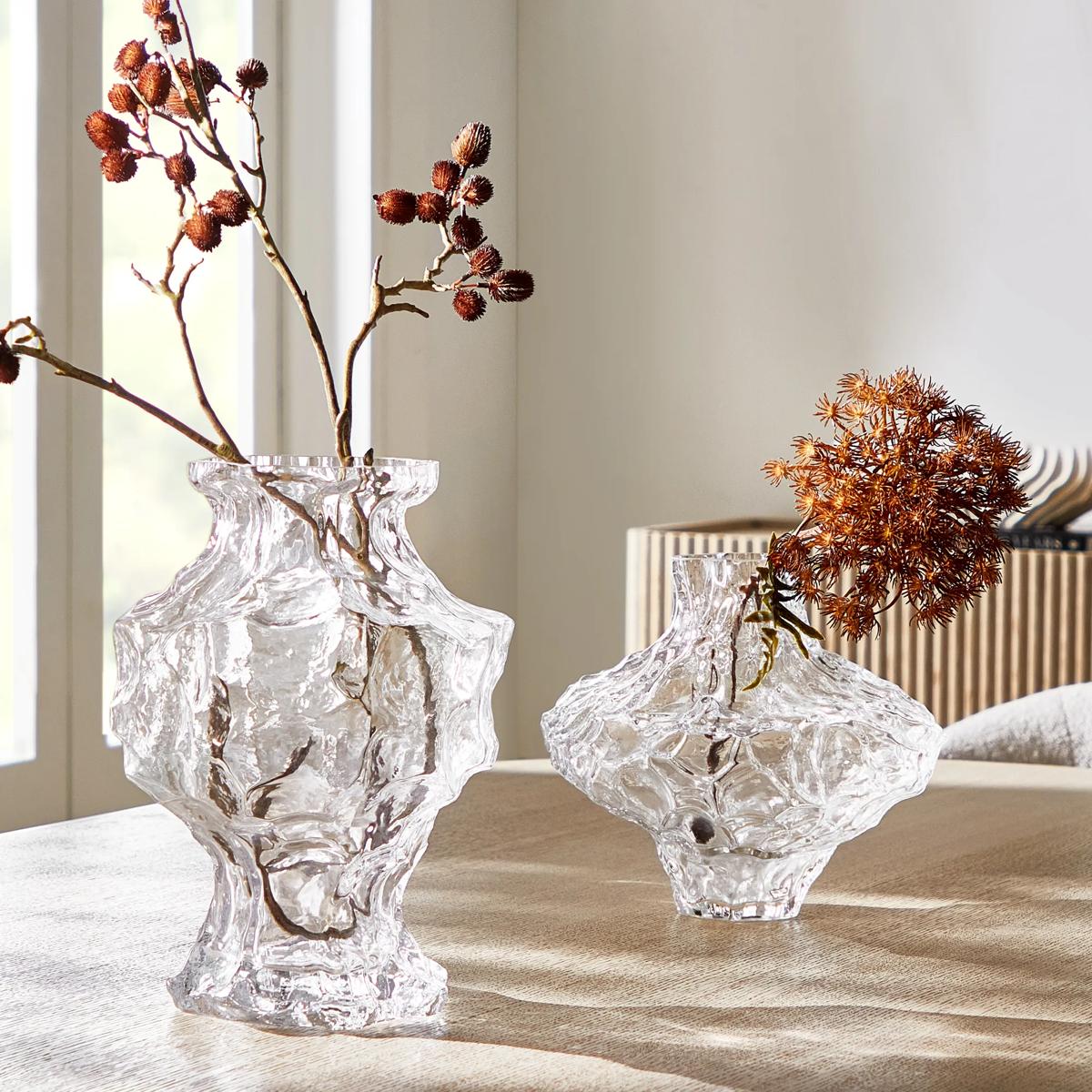 Mari Glass Vase$99
A hand-blown clear glass vase featuring rippling texture and modern, elegant curves.
Add To Cart -
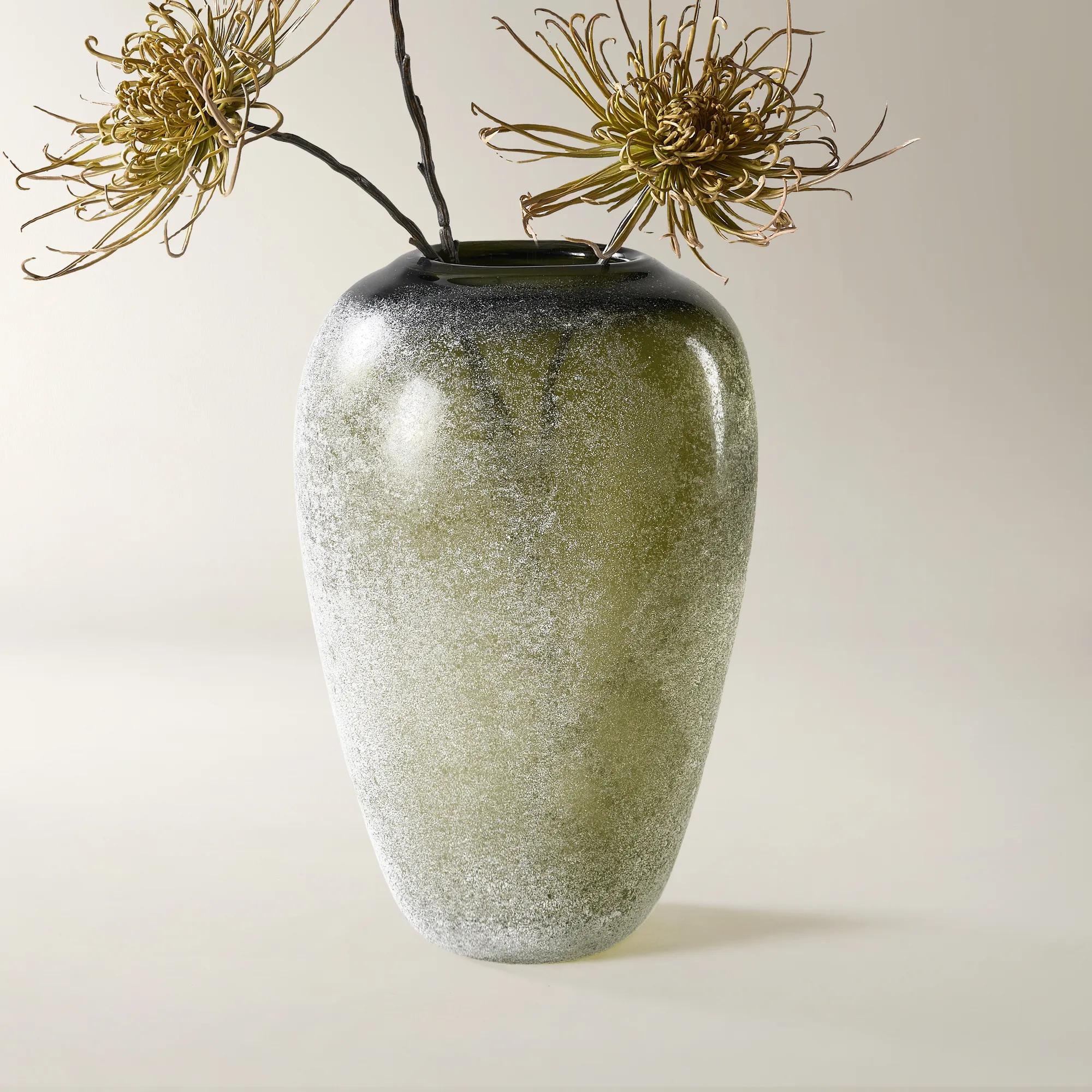 Linden Mouth Blown Pistachio Green Glass Vase 13.75"$129
A handblown glass vase in pistachio green adds a fresh, artful accent to any space.
Add To Cart -
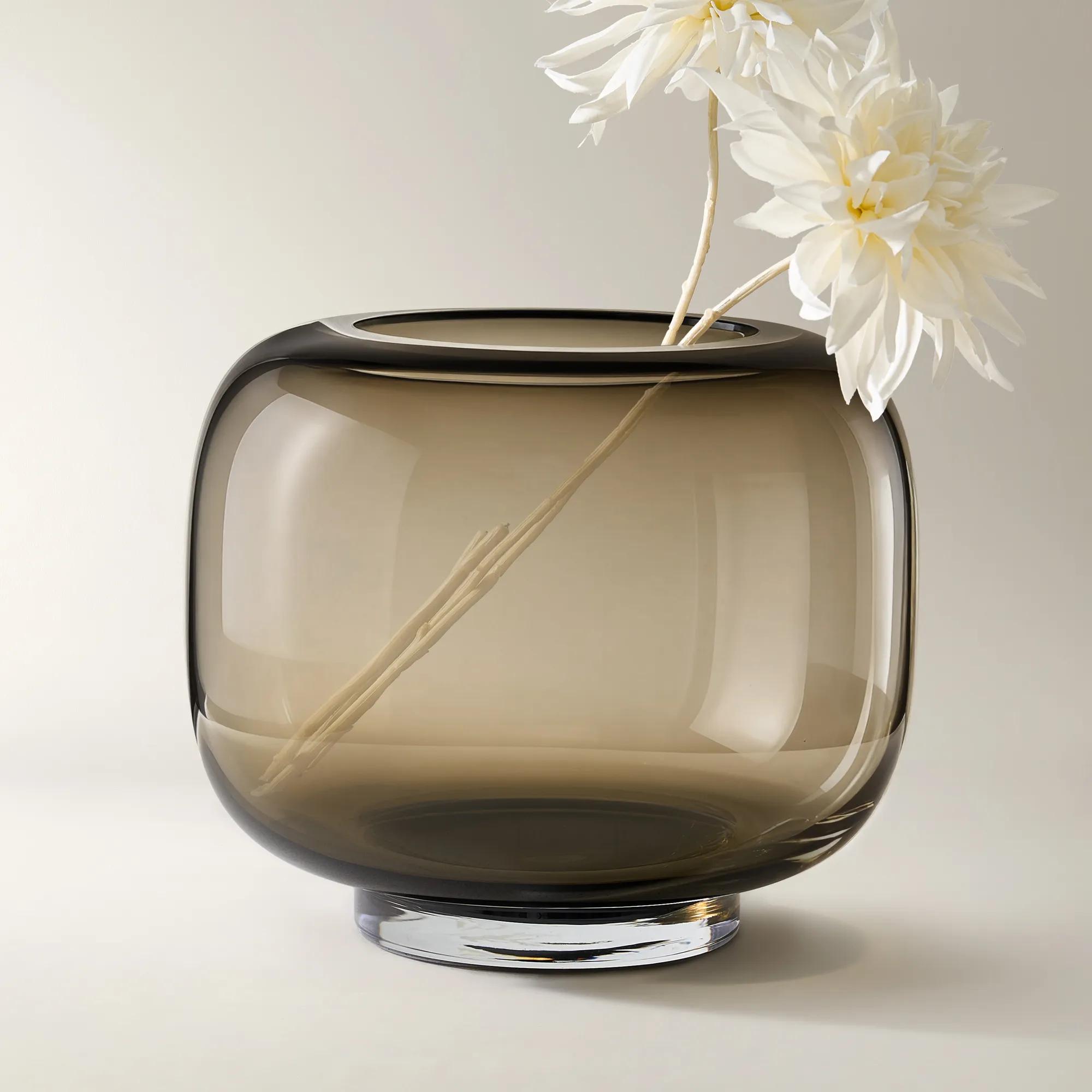 Mateo Smoke Handblown Glass Vase 9.75"$89
A smoke-toned handblown glass vase adding sculptural elegance to modern interiors.
Add To Cart -
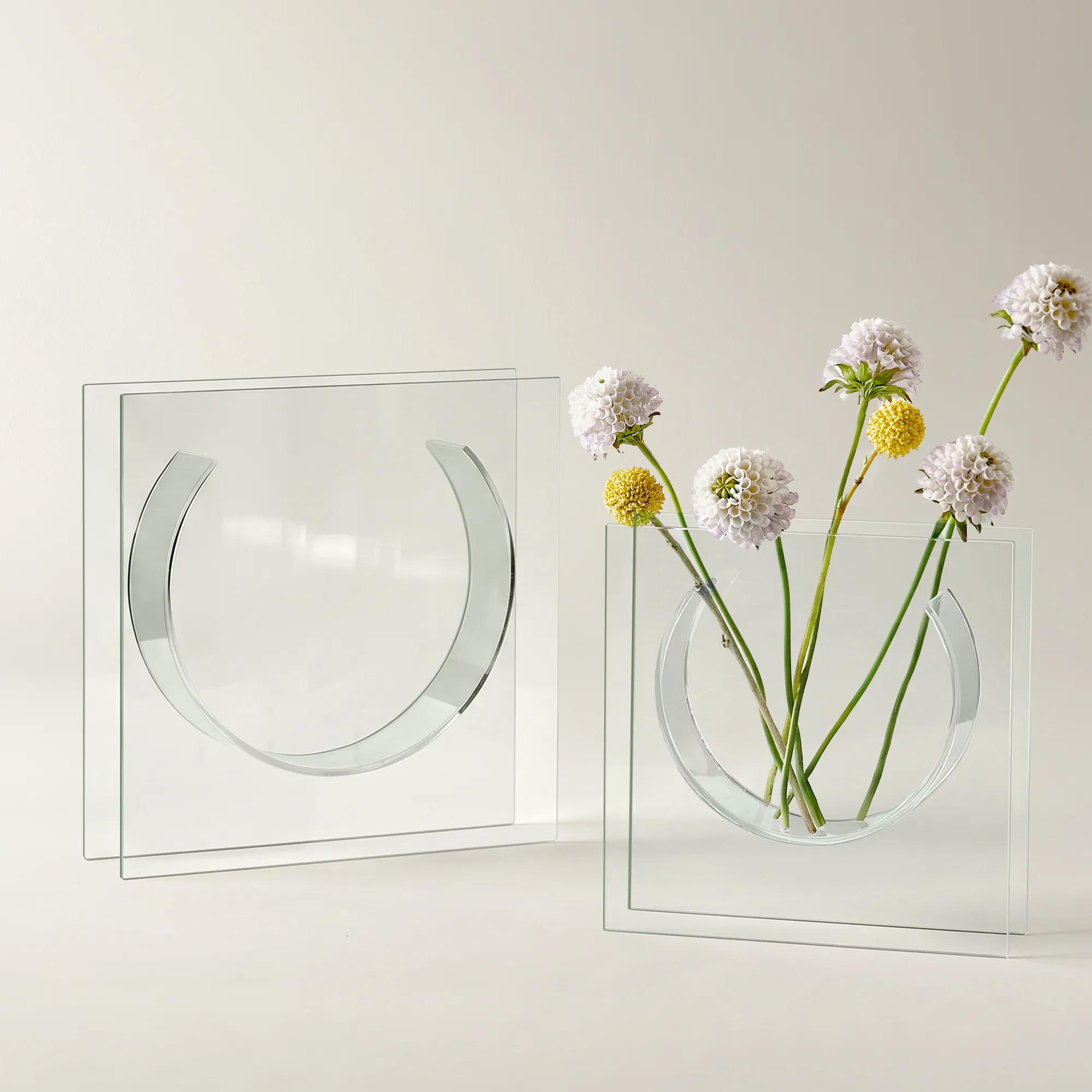
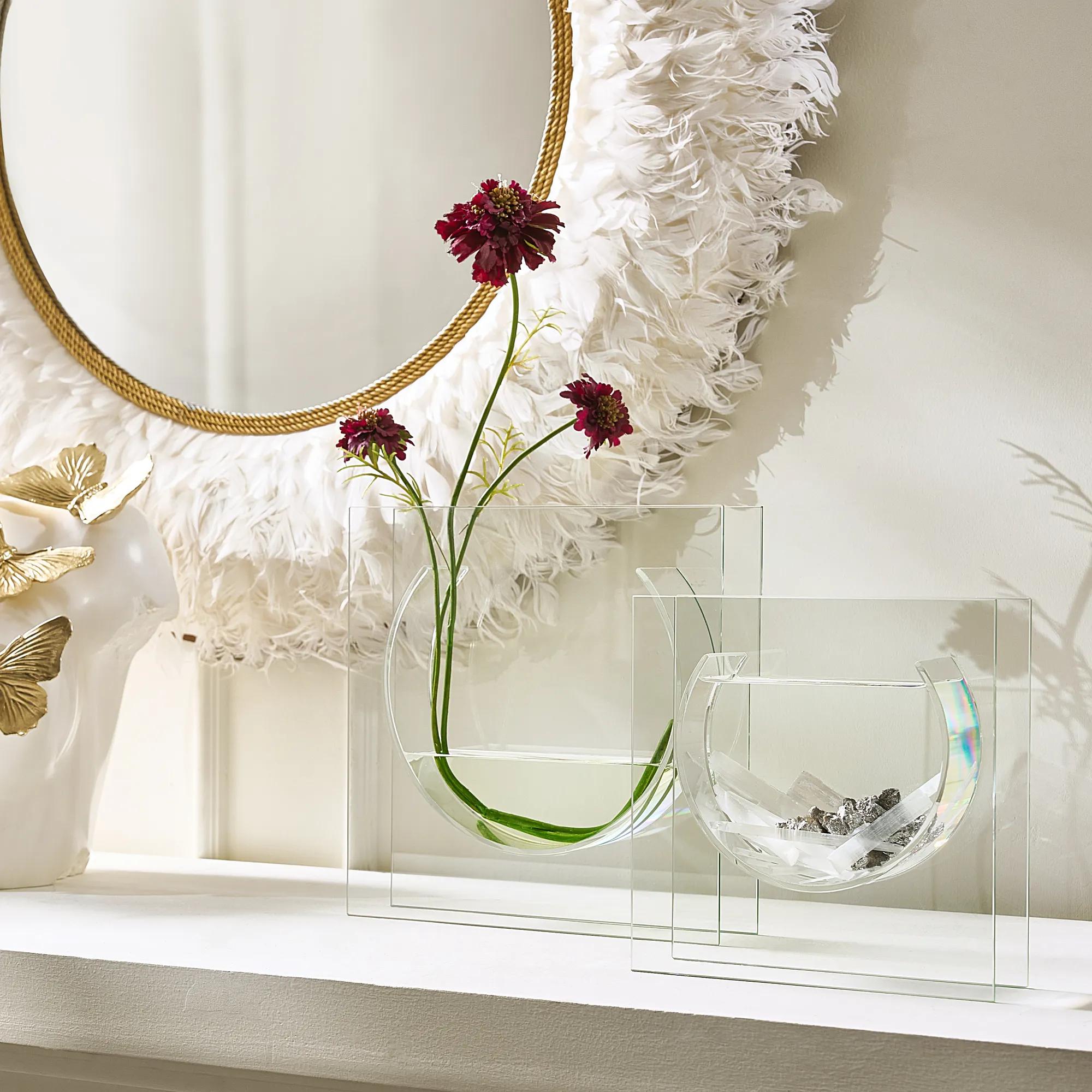 Solaris Clear Glass Vases$39
A bold modern vase crafted from clear glass with an elliptical bowl between two sleek glass panels.
Add To Cart -
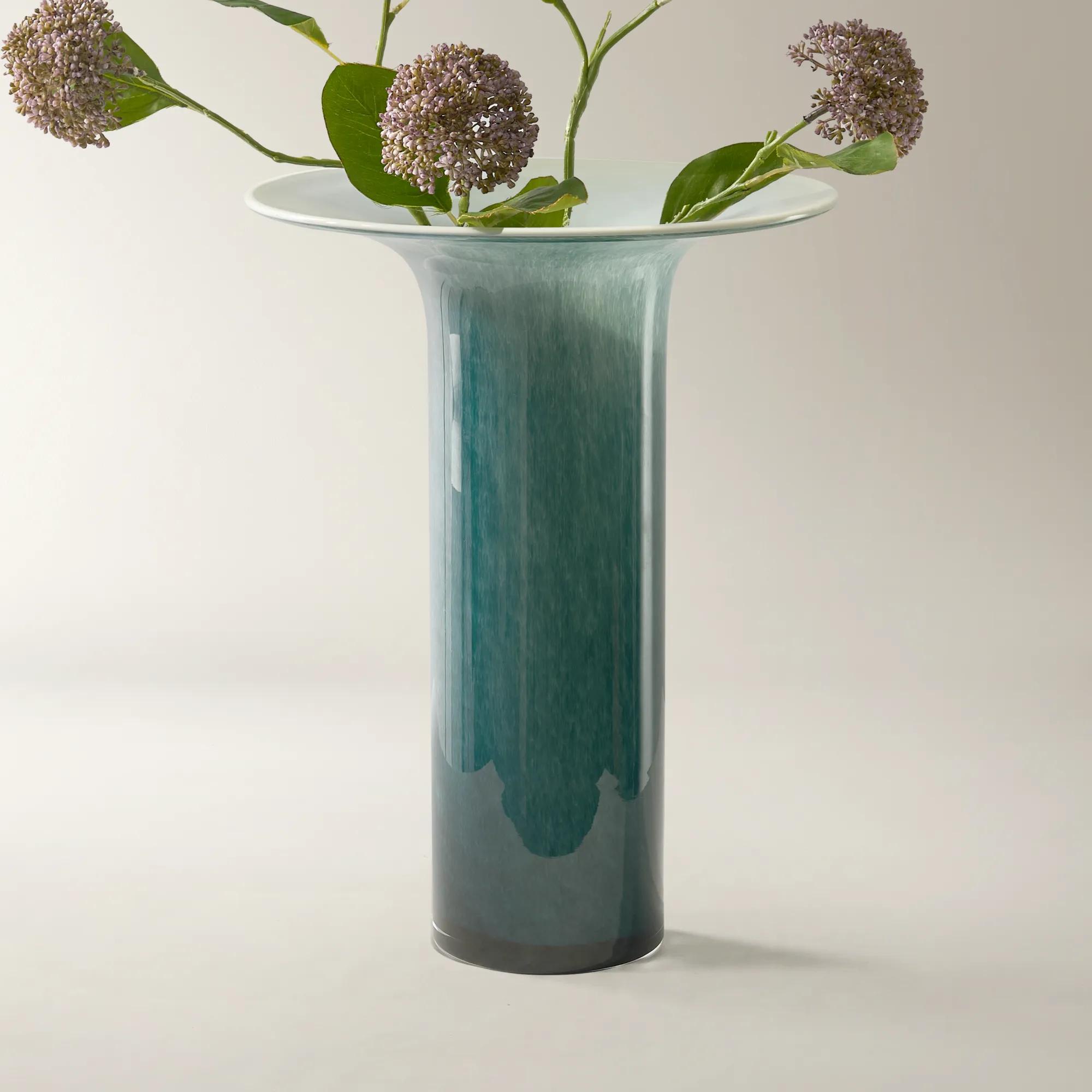 Loft Mouth Blown Deep Teal Glass Vase 15.75"$129
A handblown glass vase in deep teal with a sculptural column silhouette for bold, artful impact.
Add To Cart -
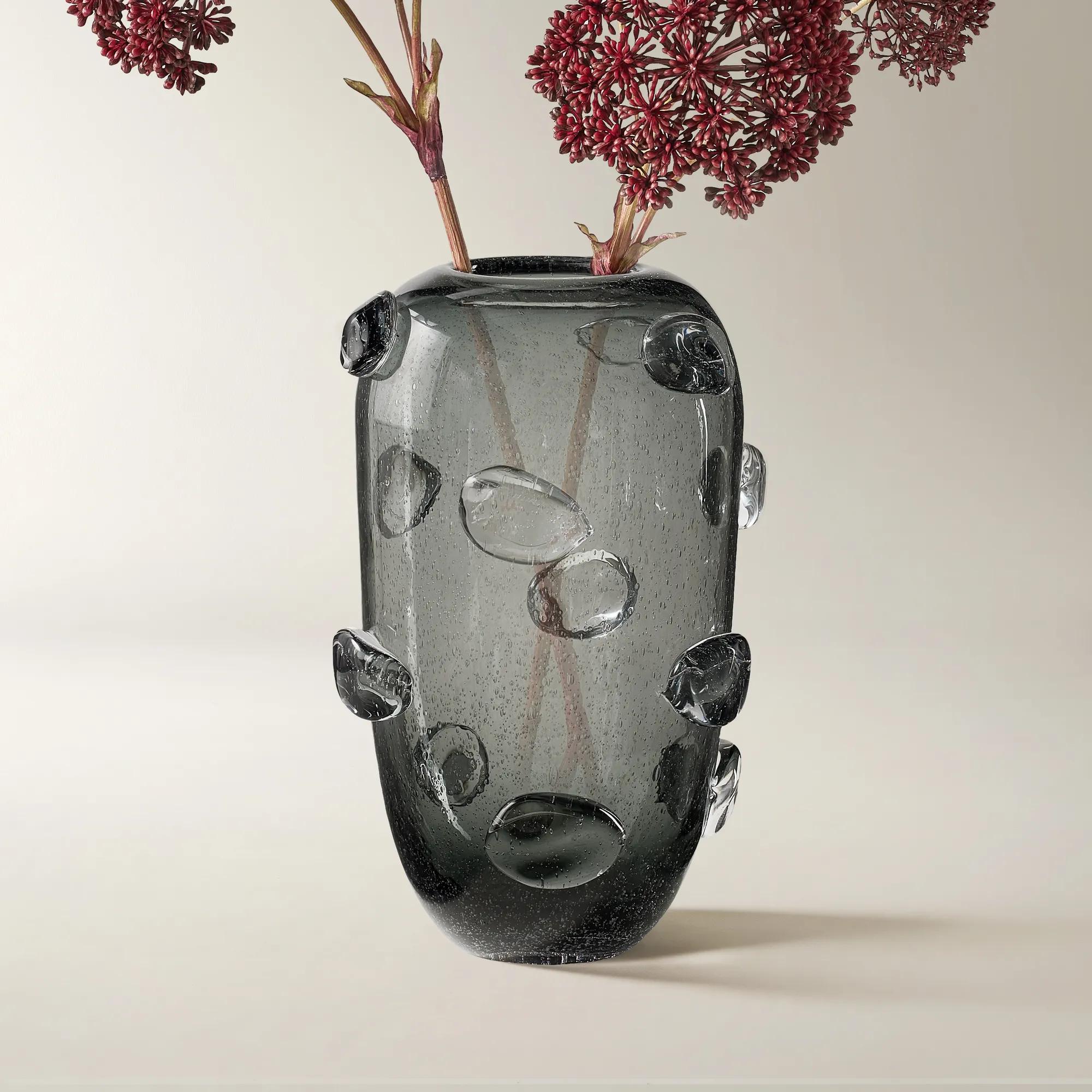 Surel Mouth Blown Graphite Glass Vase 13.5"$149
A handblown glass vase in moody graphite with playful bauble accents for sculptural sophistication.
Add To Cart -

 Madre Handcrafted Ivory Porcelain Vases$129
A handcrafted ivory porcelain vase featuring cascading textured fronds and a smooth matte finish.
Add To Cart -
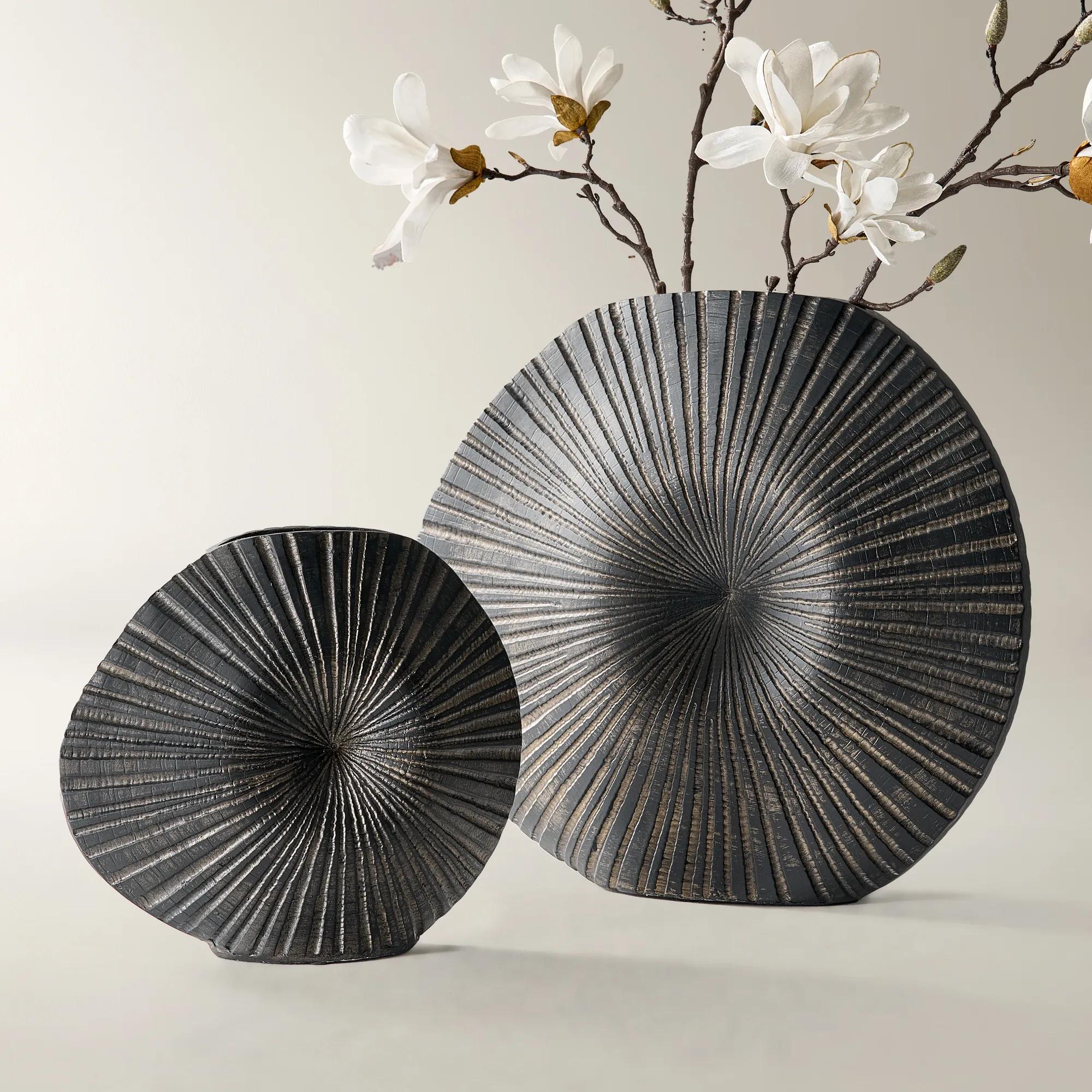
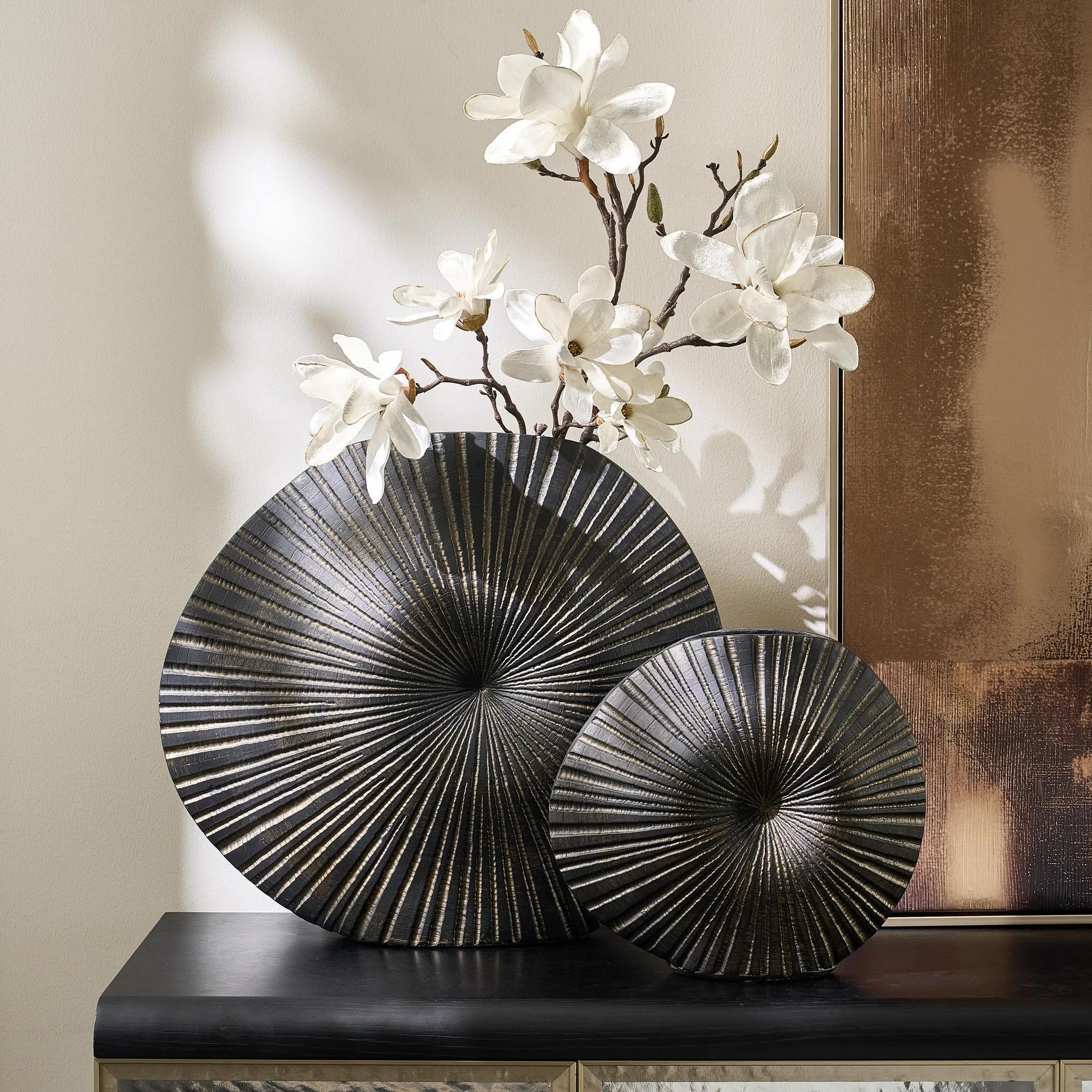 Stellar Black Champagne Resin Vases$169
A sculptural resin vase in black and champagne tones, offering modern glamour and artful visual depth.
Add To Cart -
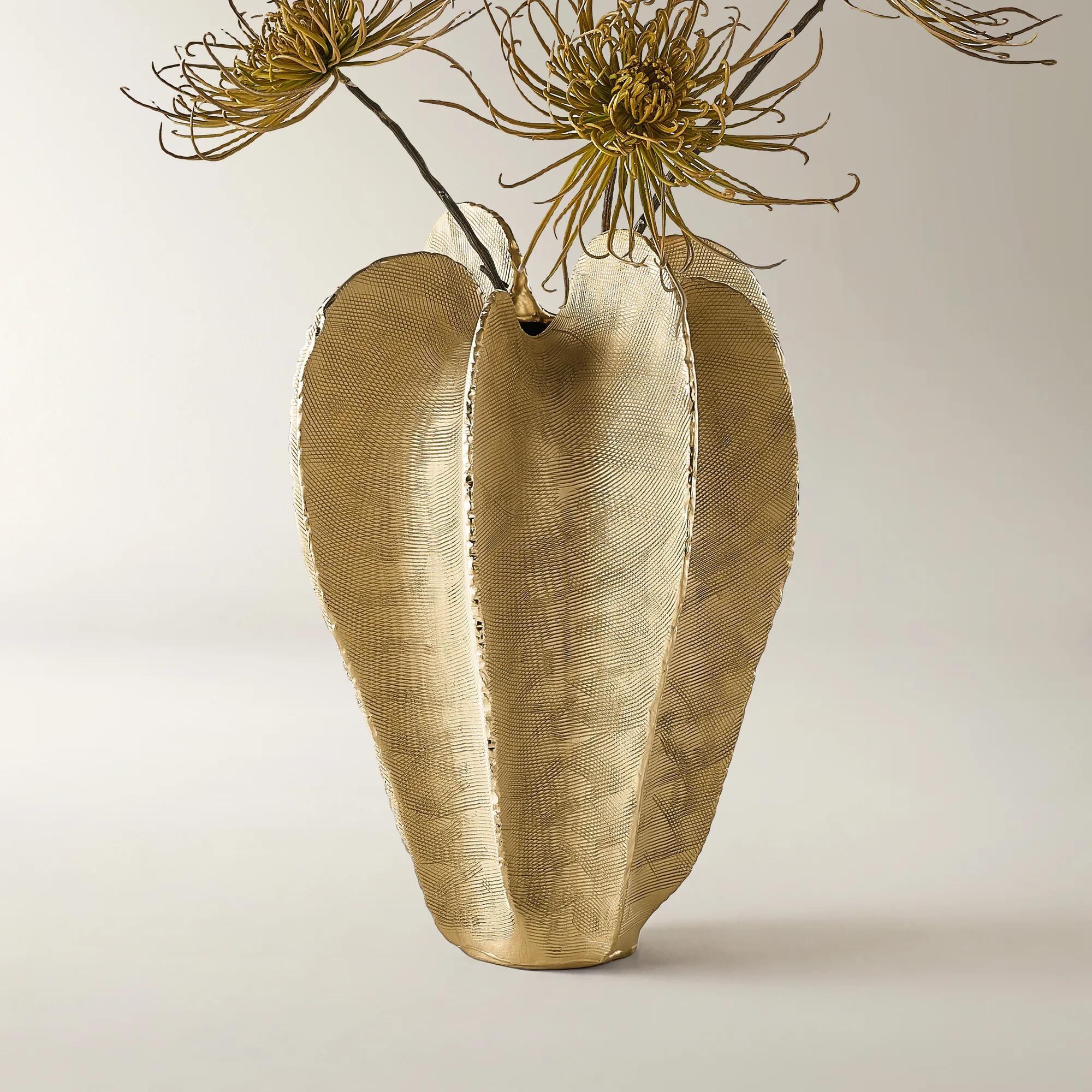 Kosta Soft Gold Textured Ceramic Vase 15.75"$129
A sculptural stoneware vase in a soft gold finish that adds artisanal texture and refined glamour.
Add To Cart -
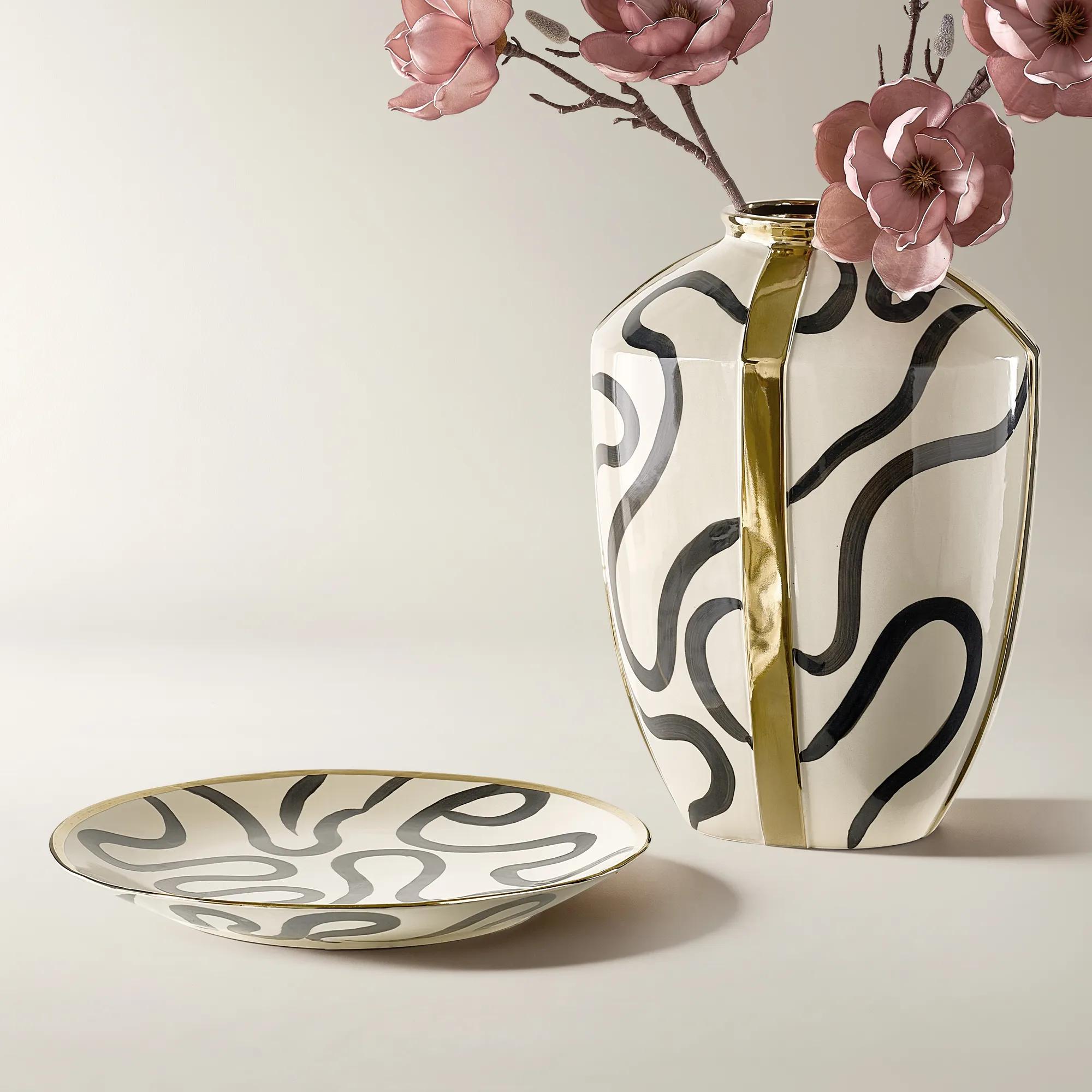
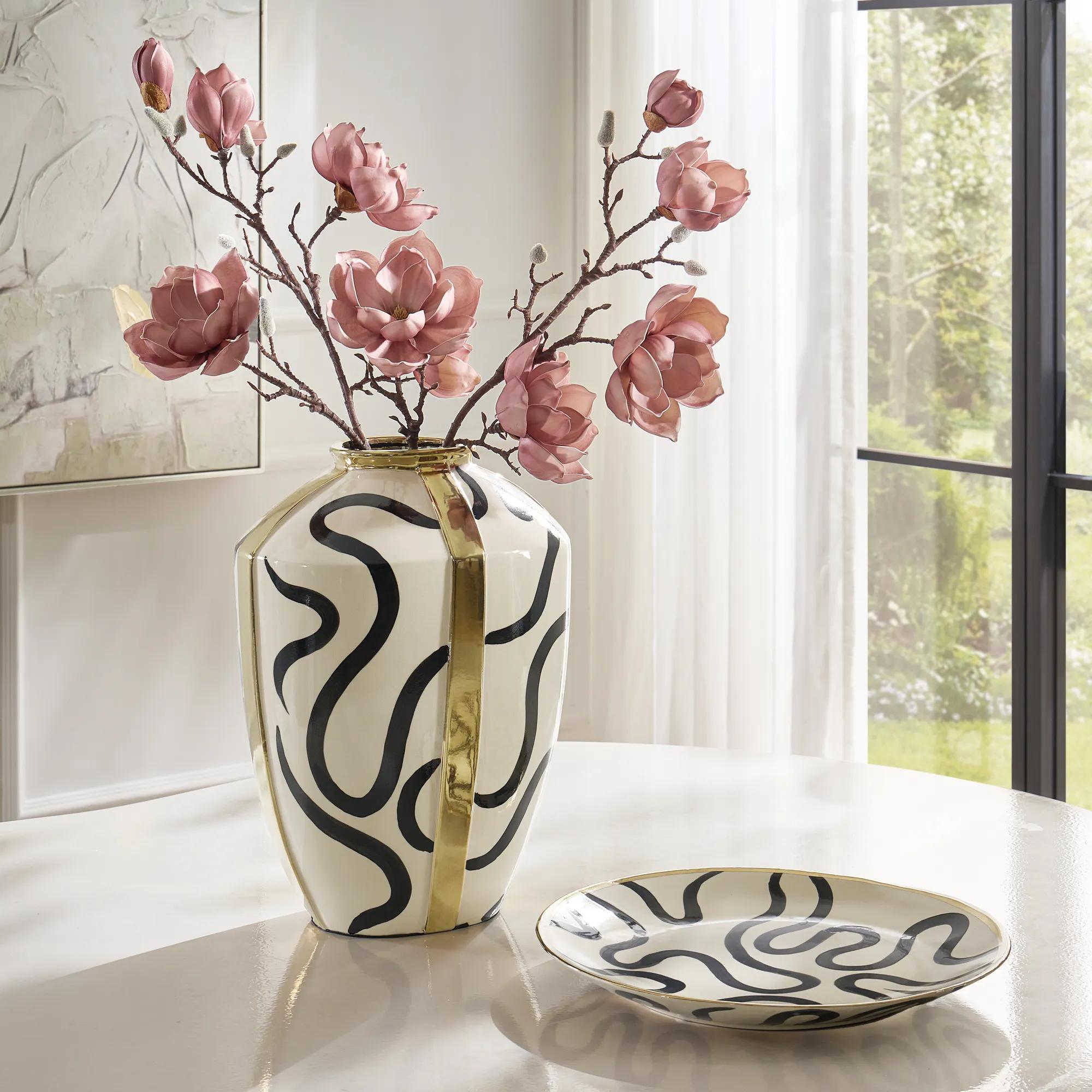 Sonder Soft Gold Black Ceramic Vase & Plate$149
A sculptural ceramic vase featuring interlacing wavy loops and soft gold, alabaster, and black accents.
Add To Cart -
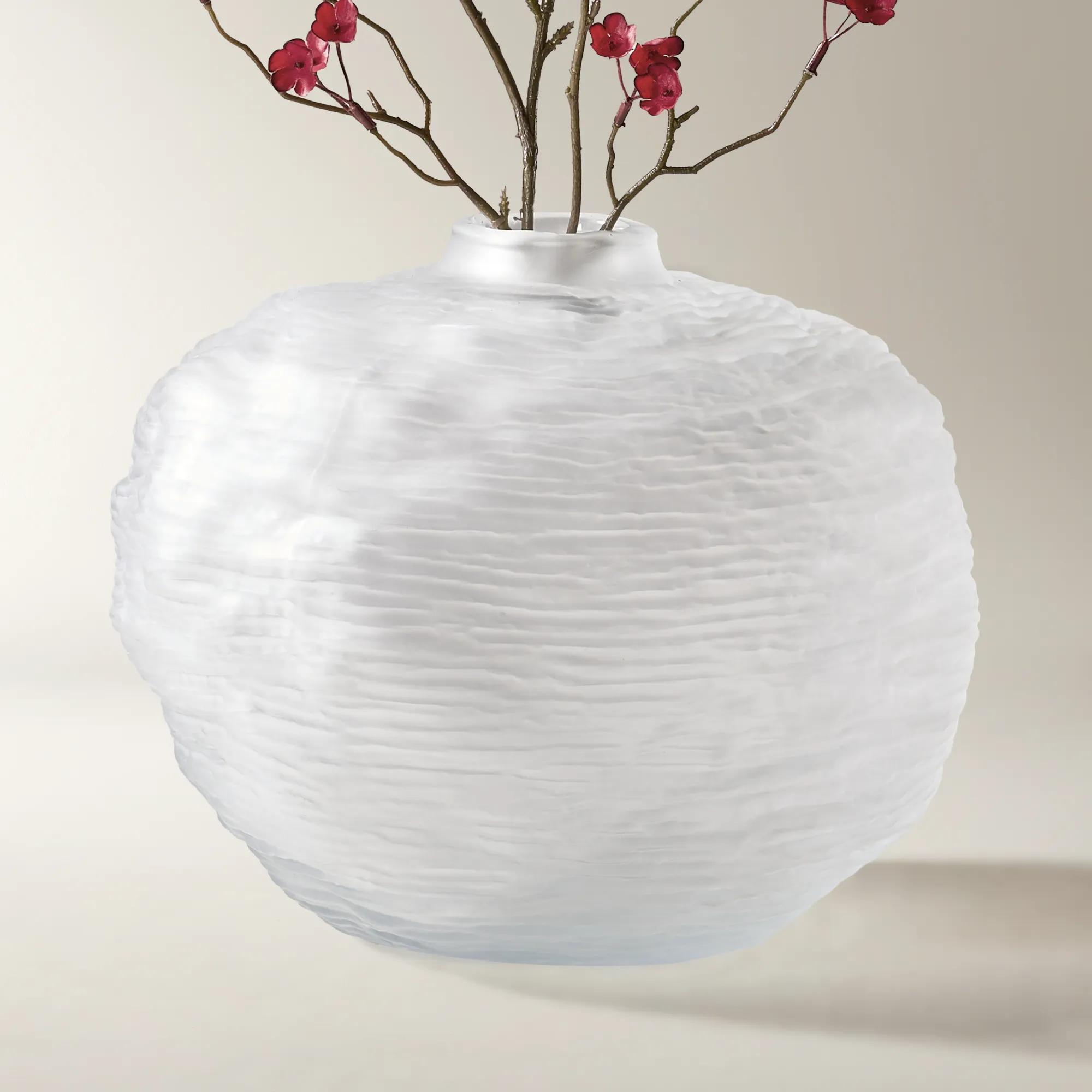 Lucid Mouth Blown Frosted Glass Vase 9.25"$99
A handblown frosted white glass vase with a sculptural, softly textured surface for modern elegance.
Add To Cart -
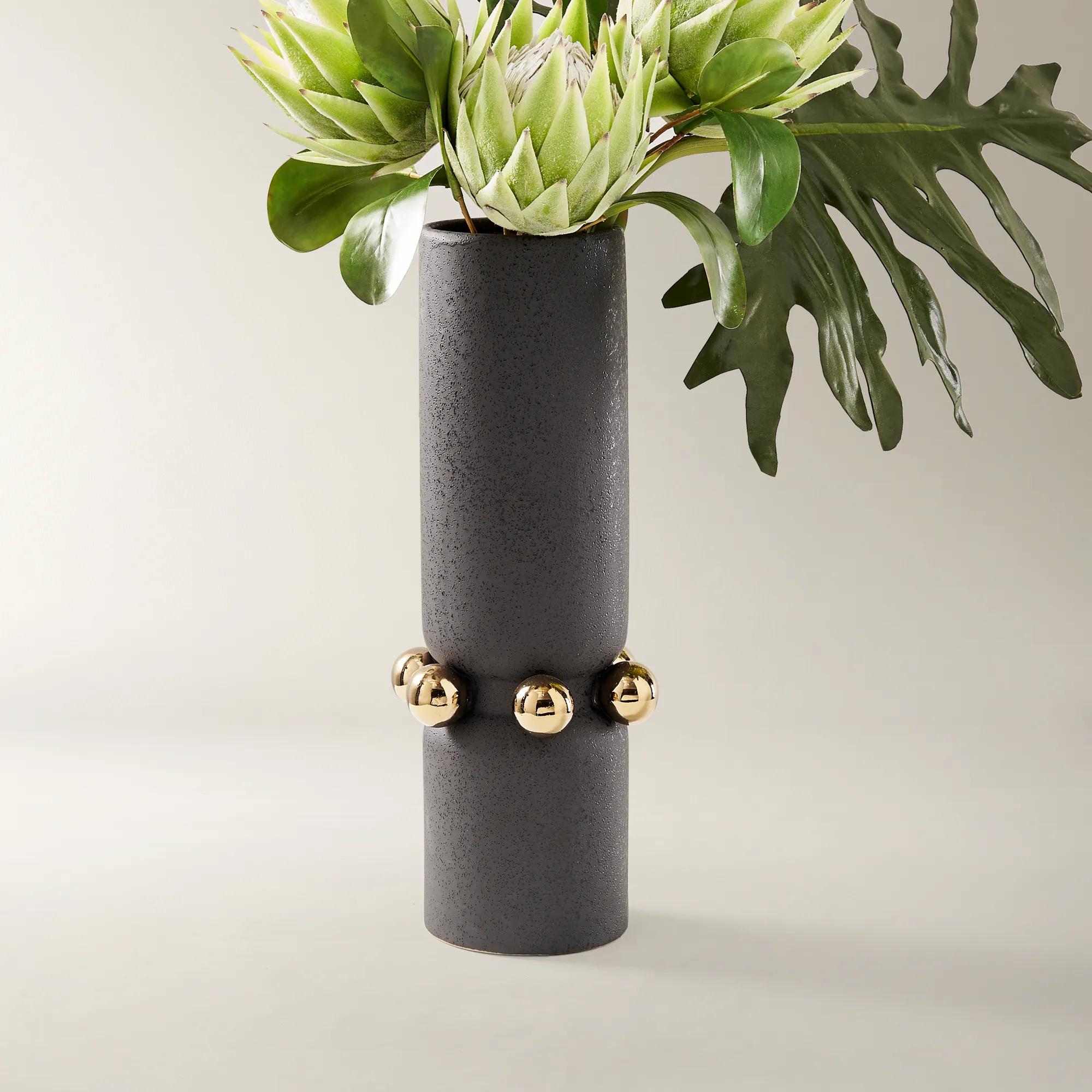 Zerra Vase$99
A ceramic vase featuring a striking matte black and shimmering gold contrast for bold, glamorous decor.
Add To Cart -
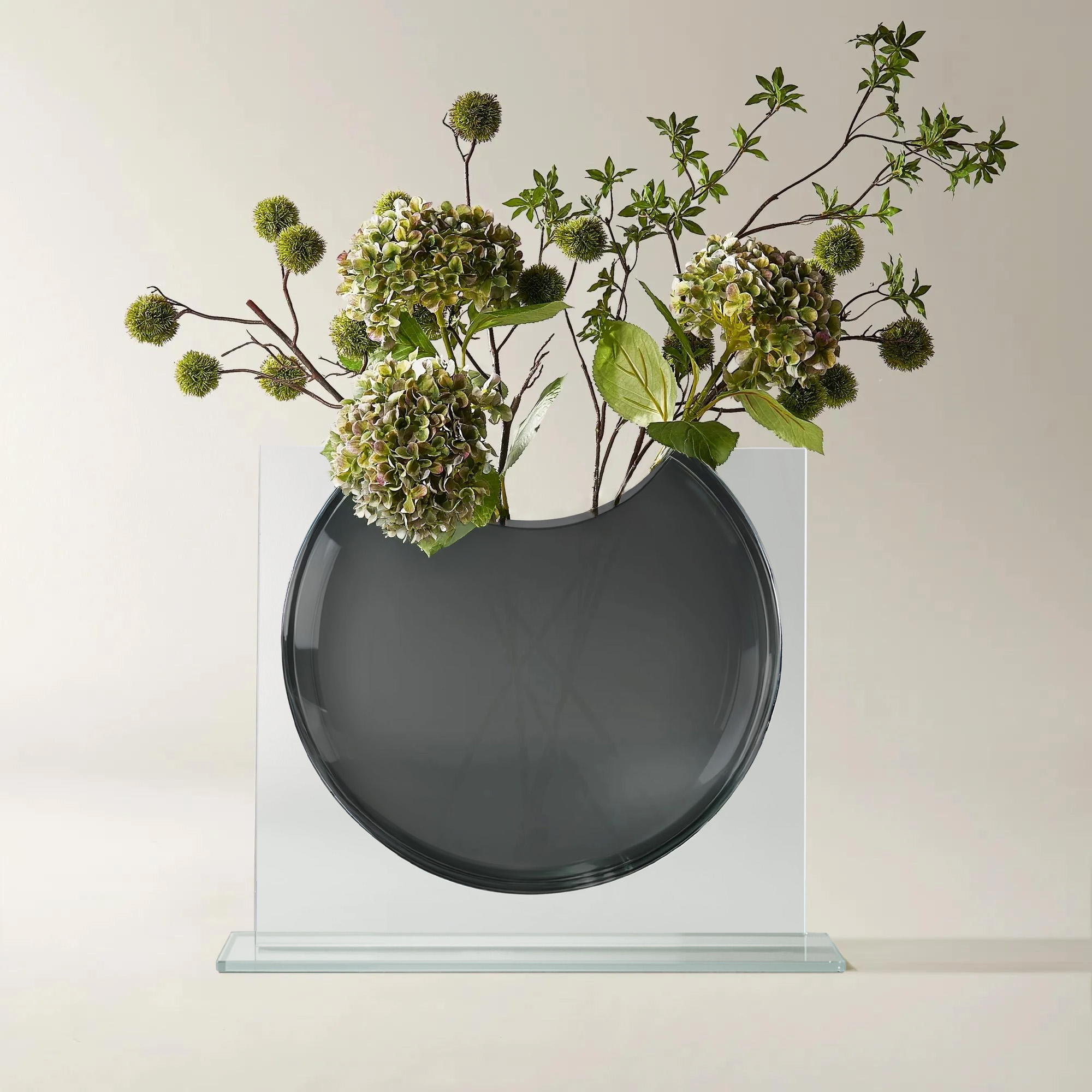
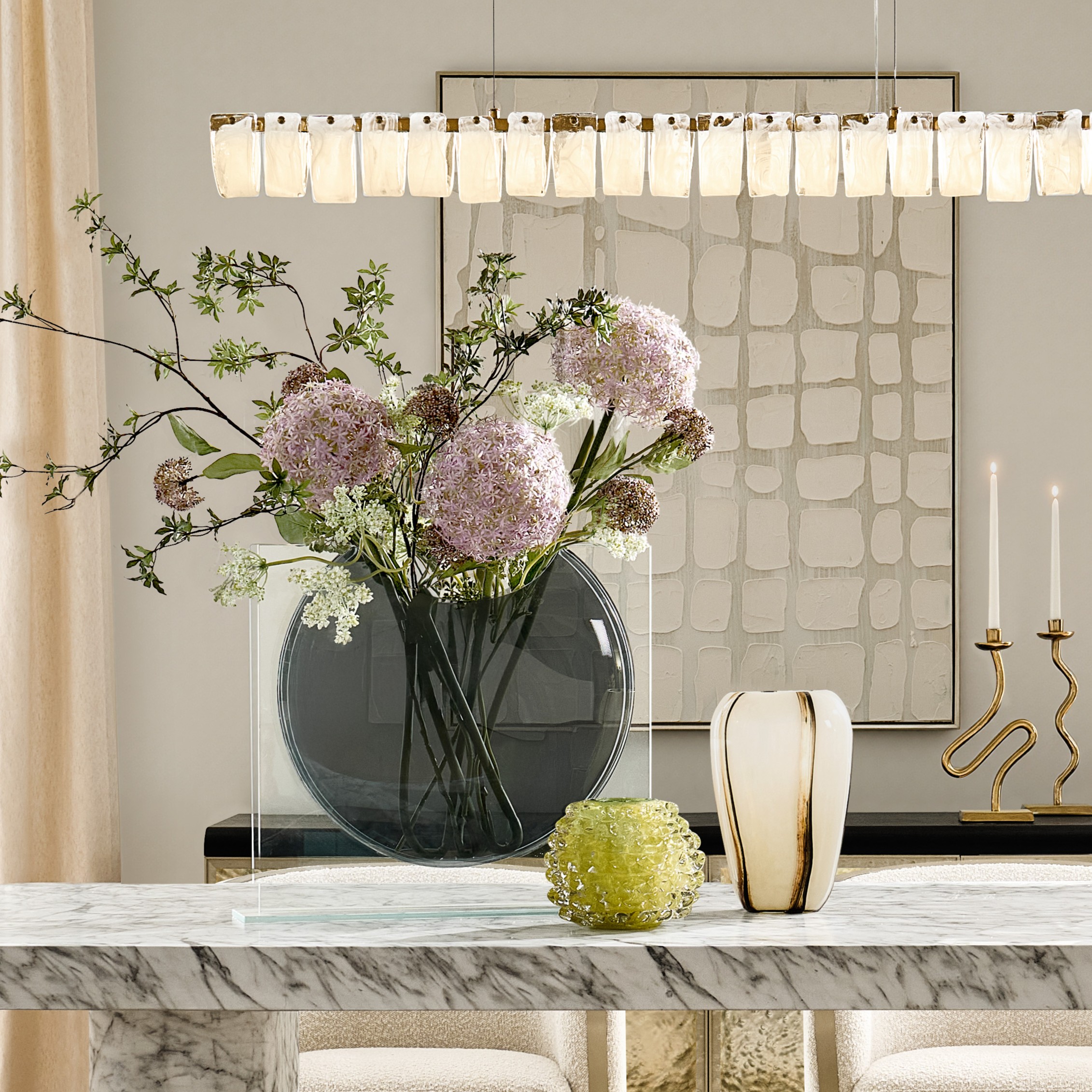 Ellipse Charcoal Glass Vase 20"$299
A sleek elliptical glass vase in clear and charcoal, perfect for displaying fresh flowers in modern spaces.
Add To Cart -
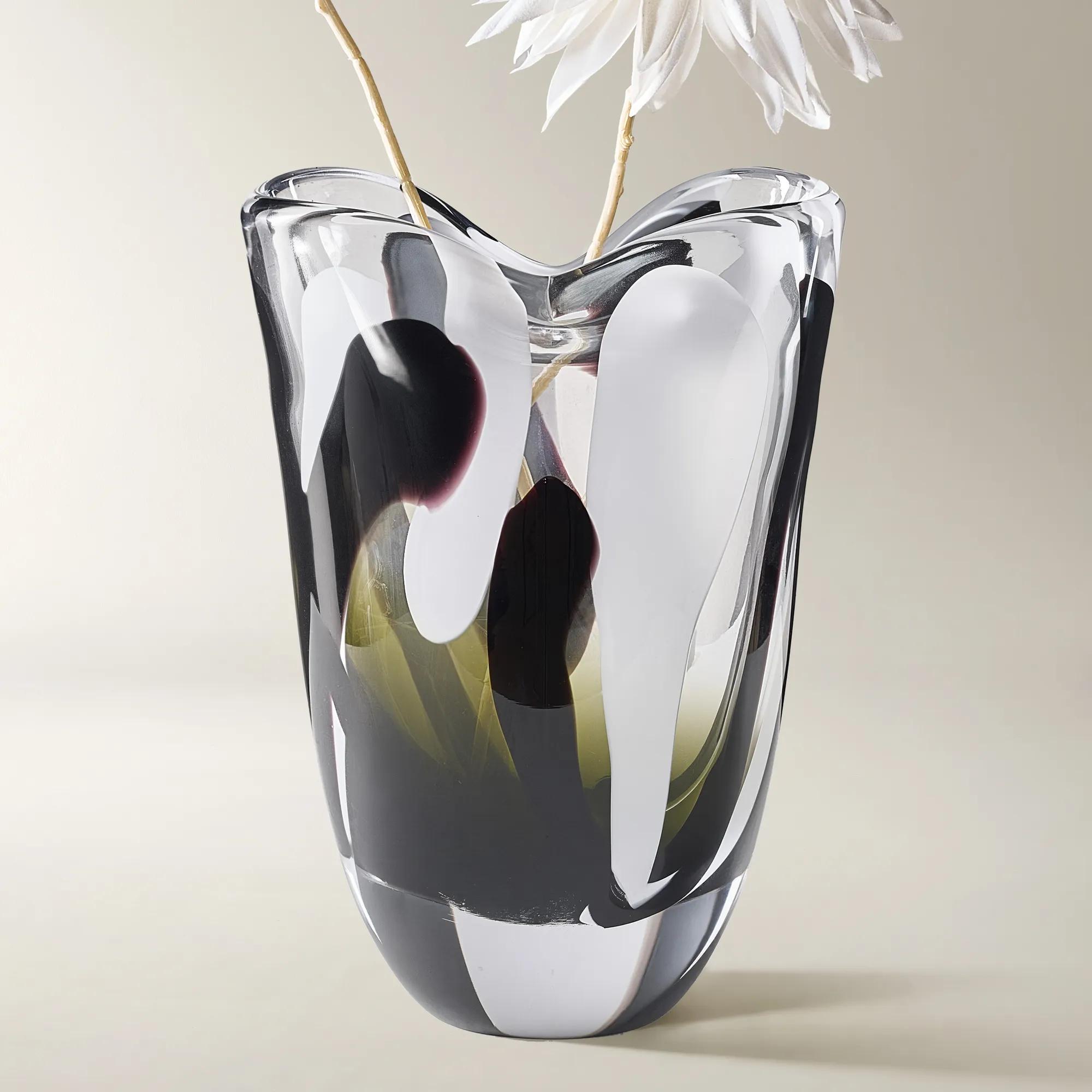 Melrose Mouth Blown Black White Glass Vase 11.25"$109
A handblown glass vase featuring a bold black and white abstract animal pattern for modern appeal.
Add To Cart

Large Table Vases
Large Table Vases command attention, transforming the ordinary tabletop into a stage for artistry and allure. These sculptural vessels invite the eye with grand proportions and dramatic silhouettes, instantly elevating any room from simple to sensational. Whether anchoring a lavish dining setting or punctuating an entryway with bold presence, each vase becomes a statement of personal style and creative vision. Let your space bloom with personality as you curate moments of grandeur and intrigue through the artful placement of Large Table Vases.
Large table vases are oversized decorative vessels that bring height, sculptural form, and visual presence to dining tables, entry consoles, buffets, and substantial accent tables. Their appeal extends beyond holding flowers: a generous silhouette can anchor a room, introduce a luminous finish, or turn an otherwise quiet surface into a composed focal point. On a long console beneath an expansive mirror, a tall vase draws the eye upward and gives the arrangement a sense of architecture. On a broad dining table, a rounded vessel creates a more grounded centerpiece, especially when its curves contrast with the table’s crisp edges. Scale matters more than any single measurement. A vase should feel deliberate beside the furniture supporting it, with enough surrounding space for its outline to remain distinct. Consider both the vessel’s footprint and the full height of any arrangement, rather than judging the empty vase alone. A narrow neck can support an upright composition without taking over the tabletop, while a wide opening accommodates fuller stems and a more generous spread. For a table used for meals, a lower profile helps preserve conversation and leaves room for place settings, glassware, and serving pieces. A taller arrangement can be more effective on a buffet or console, where it adds drama without dividing seated guests. On an entry table, placement toward one side can leave a practical landing area while giving the vignette a strong visual anchor. The same attention to proportion applies to nearby artwork and lighting: allow a vase to complement a framed piece rather than obscure it, and keep branches clear of lampshades. Large decorative vases are especially compelling in rooms with generous furniture, lofty ceilings, or broad stretches of wall, but a smaller room can also carry a substantial vessel when the surrounding arrangement stays edited. A single expressive form often has more impact than a crowded collection of smaller accents, particularly when its shape is visible from the doorway.
Material gives a large table vase much of its character, influencing how it catches light, how substantial it feels, and how it should be used. Clear glass creates an airy outline even at a generous scale, allowing stems and water to become part of the composition. Tinted or opaque glass offers more visual density, bringing color to a tabletop without requiring an elaborate arrangement. Ceramic and porcelain can range from smooth, reflective glazes to softly textured surfaces that reveal subtle variations in tone. A sculpted ceramic silhouette can feel almost architectural, while a glossy porcelain surface lends a polished counterpoint to richly grained wood. Metal vases introduce a different kind of presence, with brushed, polished, or textured finishes that interact with nearby lighting. Their reflective surfaces can echo other metallic details in the room without requiring every finish to match. Practical distinctions are just as important as appearance. Decorative vessels are not automatically watertight, and a glazed exterior does not establish that the interior is suitable for fresh flowers. Follow the vessel’s care and intended-use information; when appropriate, a properly fitted waterproof insert can separate water from a decorative shell. Dried stems and faux botanicals offer alternatives for vessels intended only for dry display. Before placing a large vase, consider its weight when filled, the stability of its base, and the strength of the supporting surface. A broad, level base is particularly useful for arrangements with substantial branches, which can shift the center of gravity. Protect delicate furniture finishes from scratches and moisture with a suitable barrier that does not compromise stability. Routine care should reflect the material and finish: dust gently with a soft cloth, avoid abrasive scrubbers, and use cleaning methods recommended for the vessel. Where washing is permitted, dry the exterior and base thoroughly before returning it to the tabletop. Glass may reveal mineral deposits, textured surfaces can collect dust in recessed details, and metallic coatings may react poorly to harsh cleaners. Thoughtful handling preserves the surface that makes the vase distinctive.
An arrangement begins with the relationship between the vase’s shape and what it holds. Slender branches can extend the lines of a tall, narrow vessel, creating an open composition with expressive movement. Broad leaves or a gathered bouquet bring fullness to a rounded form, while a few carefully placed stems allow an unusual rim or sculptural body to remain visible. The opening should support the intended arrangement rather than force stems into an awkward bundle; a wide mouth generally calls for more volume or an appropriate floral support. For fresh flowers, remove foliage below the waterline and maintain clean water within a water-safe vessel or liner. For dried arrangements, leave enough breathing room around each stem to emphasize its texture and protect delicate pieces from busy pathways. An empty vase can be equally persuasive, especially when its surface carries dimensional pattern, a richly layered glaze, or a striking contrast between light and shadow. Pair it with a low tray or a compact stack of books to vary heights without competing with its silhouette. In a room with patterned upholstery or assertive artwork, a restrained vase color can give the eye a place to rest; against quieter furnishings, a saturated hue or gleaming finish can become the defining accent. The broader category of Large Luxury Vases offers another way to consider substantial vessels through their form, finish, and decorative presence, with tabletop suitability determined by dimensions, weight, and placement. Large table vases can also make thoughtful wedding or housewarming gifts for recipients who enjoy entertaining, floral arranging, or expressive interiors. A versatile silhouette leaves room for personal interpretation, whether displayed with fresh stems on a dining table or standing alone on an entry console. Consider the recipient’s furniture scale and preferred palette so the gift feels connected to the home rather than imposing on it. The most compelling choice has presence even before the first stem is added, bringing an artful sense of proportion to the surface it inhabits.
FAQs
To create a dramatic focal point, select a large table vase with a sculptural silhouette and pair it with bold floral arrangements such as tall branches, lush seasonal blooms, or even dried botanicals for added texture. Consider layering the vase with complementary decor—think metallic candleholders, mirrored trays, or artful linens—to enhance its presence. The key is to balance scale and proportion with the surrounding furniture, allowing the vase to shine as the centerpiece of your dining experience.
During winter, opt for arrangements that evoke warmth and richness—deep-hued amaryllis, velvety roses, or dramatic greenery like eucalyptus and magnolia branches. For a touch of seasonal romance, incorporate berries, pinecones, or frosted faux stems. The generous size of a large table vase allows for creative, layered compositions that bring a sense of luxury and comfort to your space.
Absolutely. Large table vases make unforgettable gifts for housewarmings, anniversaries, weddings, or milestone celebrations. Their statement-making presence transforms any room and offers endless opportunities for personal expression, making them a thoughtful and enduring choice for design enthusiasts and art lovers alike.
A large table vase is remarkably versatile—fill it with fresh flowers in spring, vibrant greenery in summer, dried grasses in autumn, and sculptural branches in winter. Even when left empty, its bold form and finish can stand alone as a work of art, reflecting your evolving style and the changing seasons.
For a luxe aesthetic, consider vases crafted from hand-blown glass, high-gloss ceramic, metallic finishes like gold or silver, or textured stoneware. These materials not only elevate the visual impact of the vase but also enhance the atmosphere of the room, catching and reflecting light in captivating ways.