Glass Bowls For Modern Interiors
Glass Bowls For Modern Interiors
-
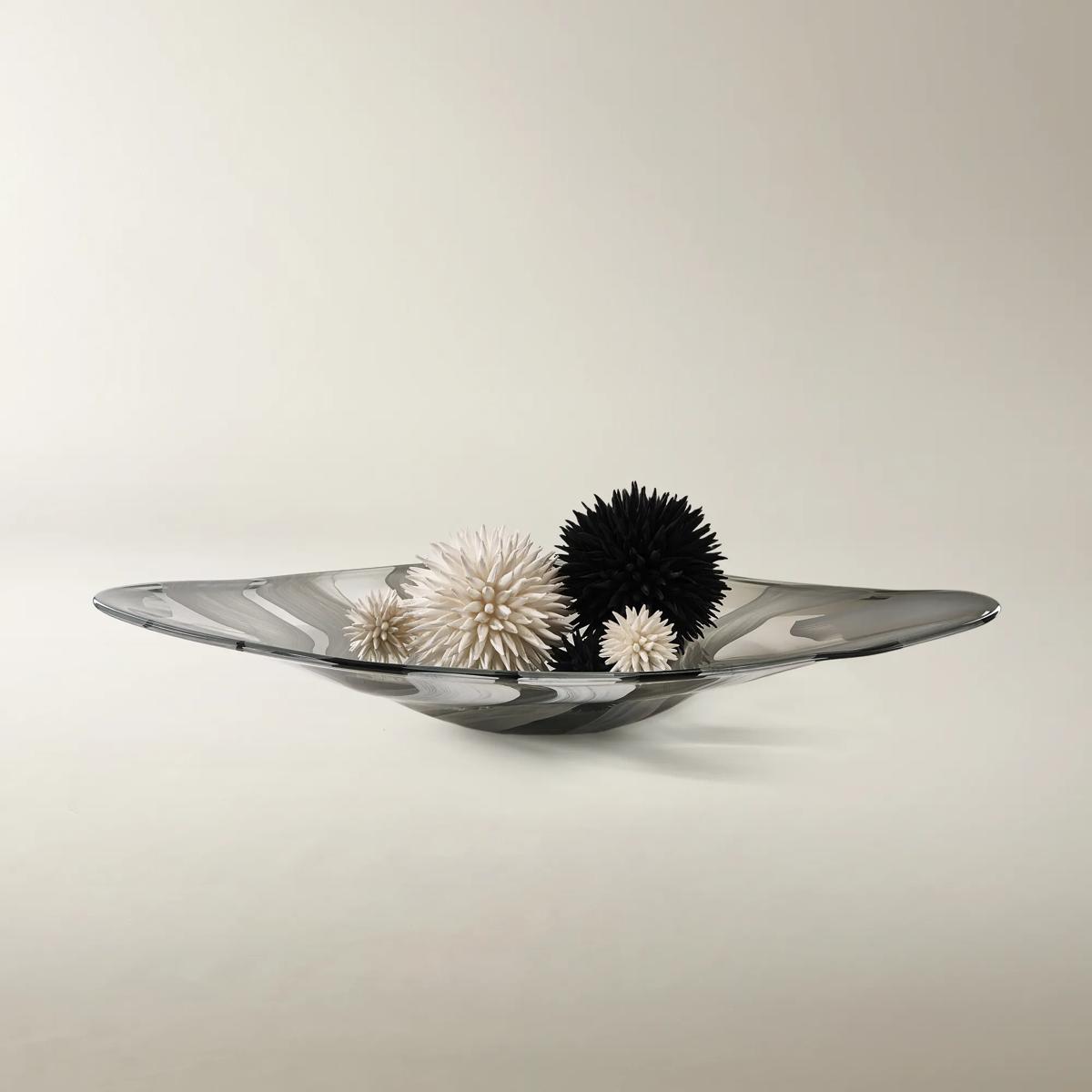
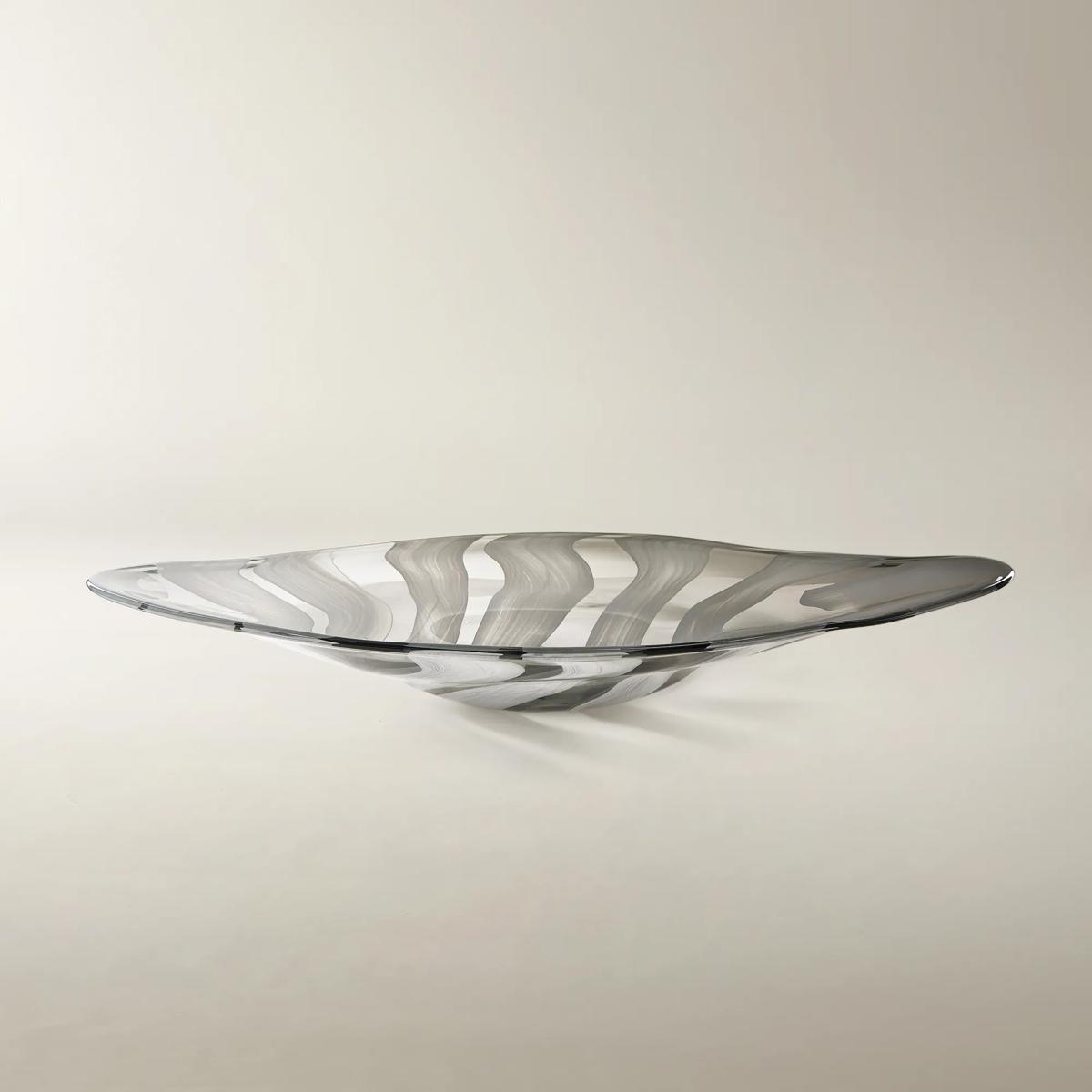 Zoya Glass Bowl$349
A hand-blown grey glass bowl with a marbled pattern and organic silhouette for modern decor.
Add To Cart -
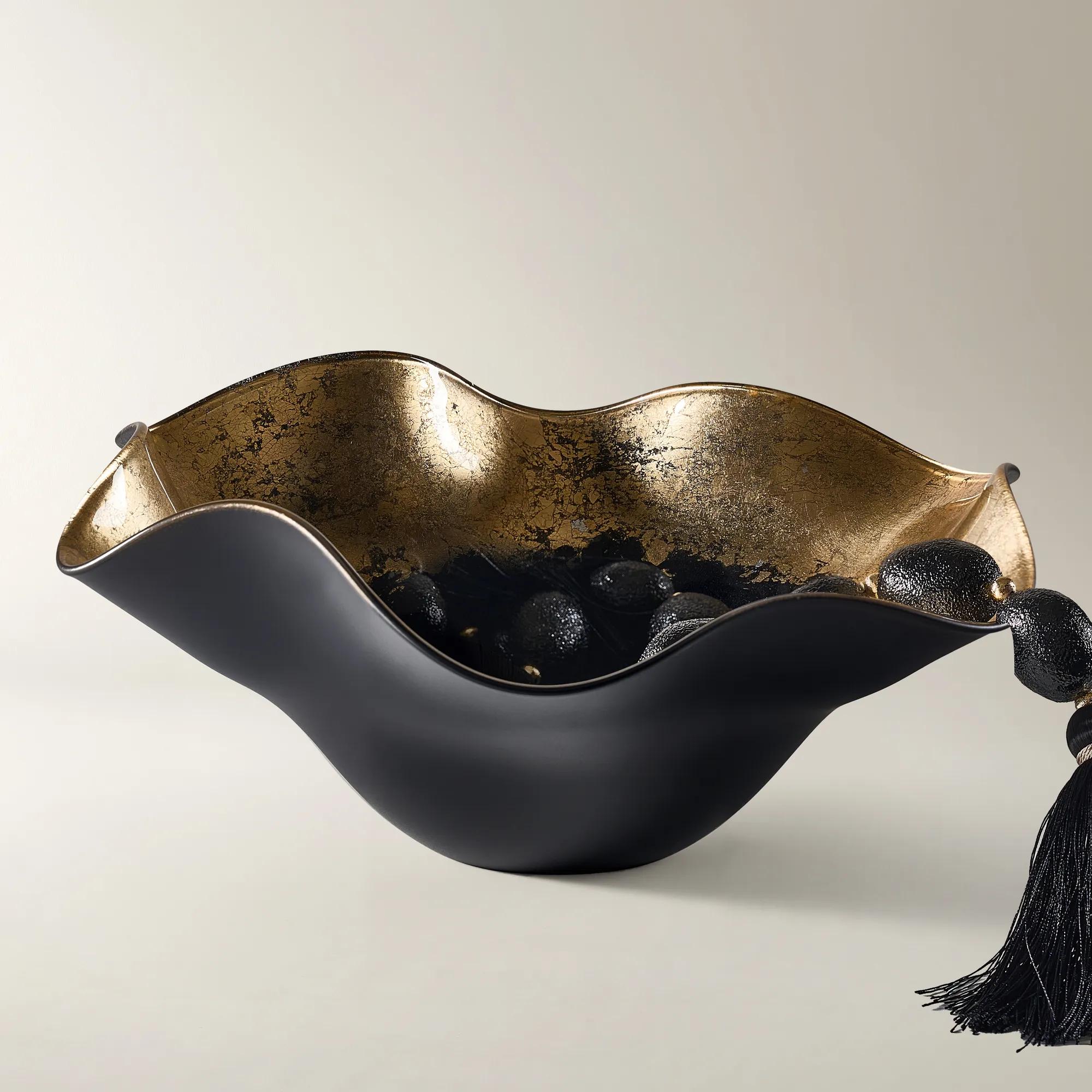
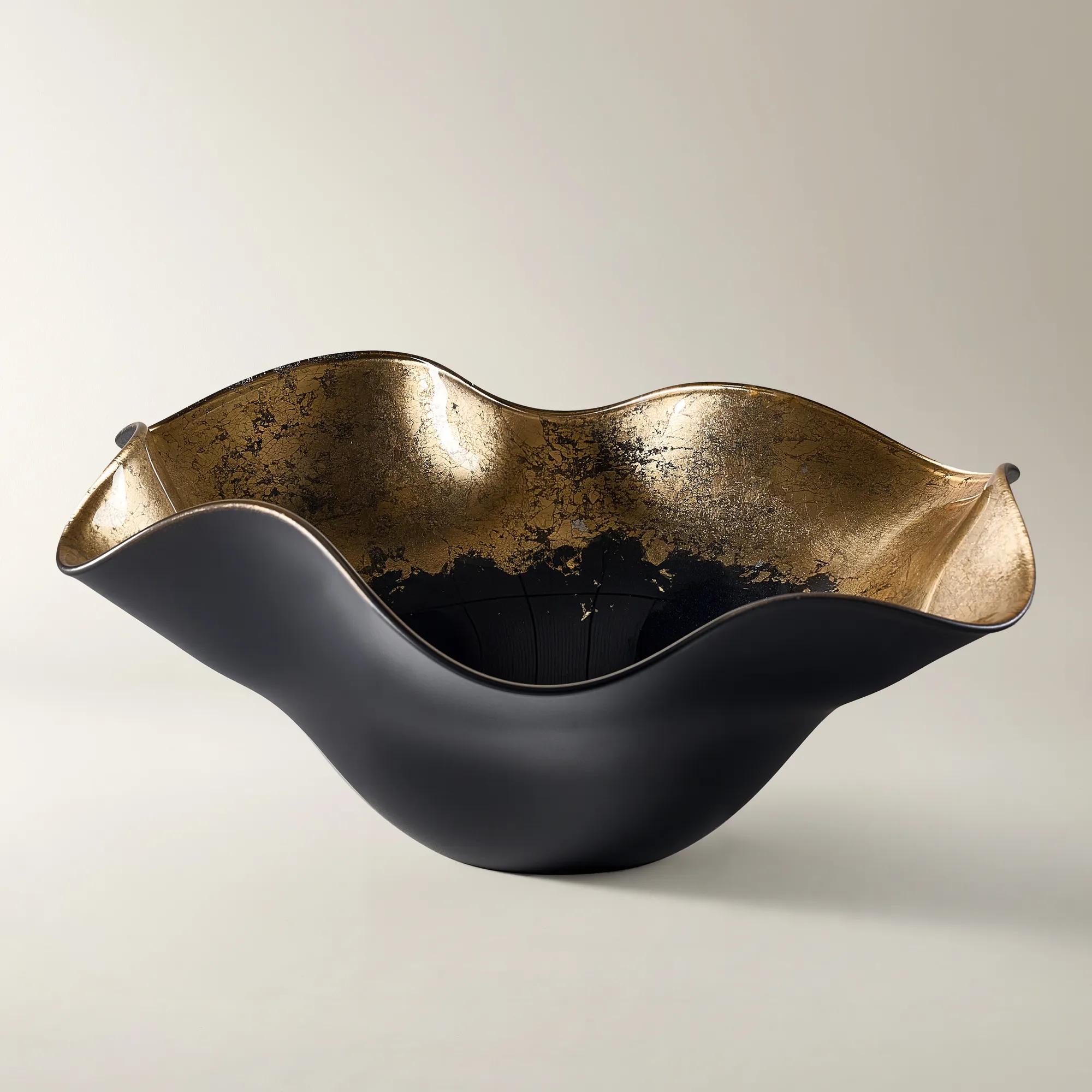 Goldie Mouth Blown Gold Black Glass Decorative Bowl 15.5" x 8.75"$199
A handblown glass bowl in soft gold and black with an organic, sculptural silhouette for modern decor.
Add To Cart -
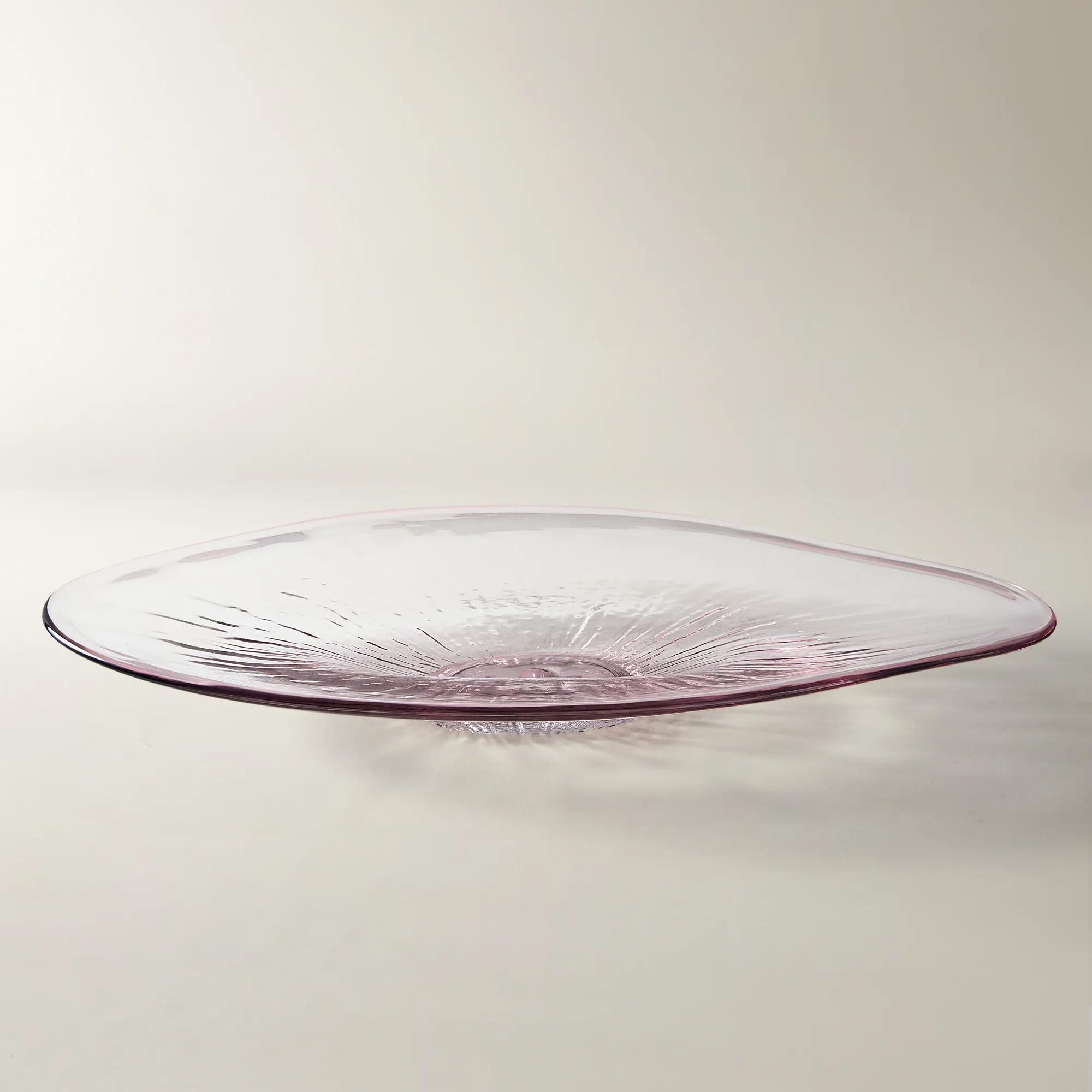 Cortina Decorative Bowl$129
A handblown glass bowl in an ethereal pink hue that brings artistic flair to modern interiors.
Add To Cart -
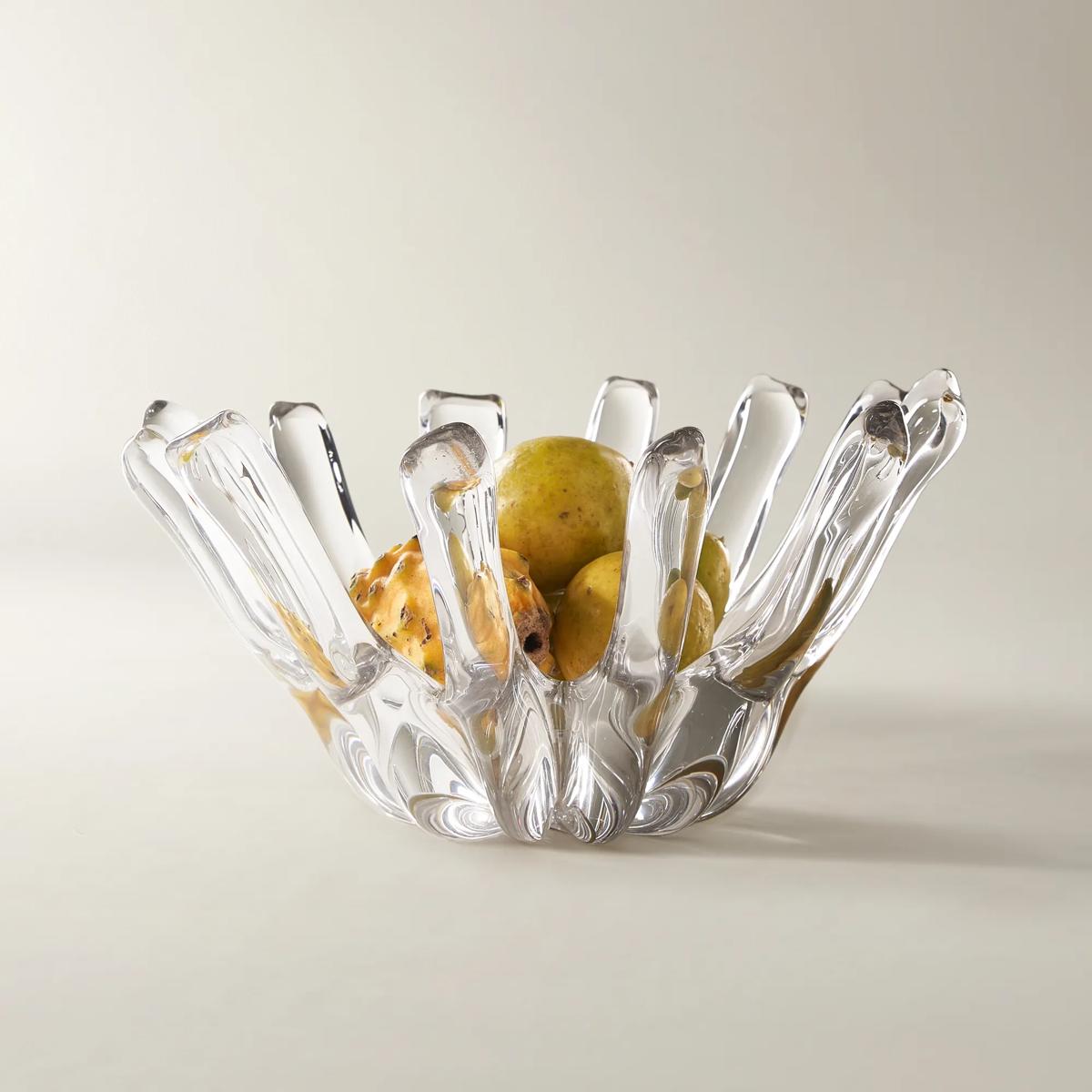
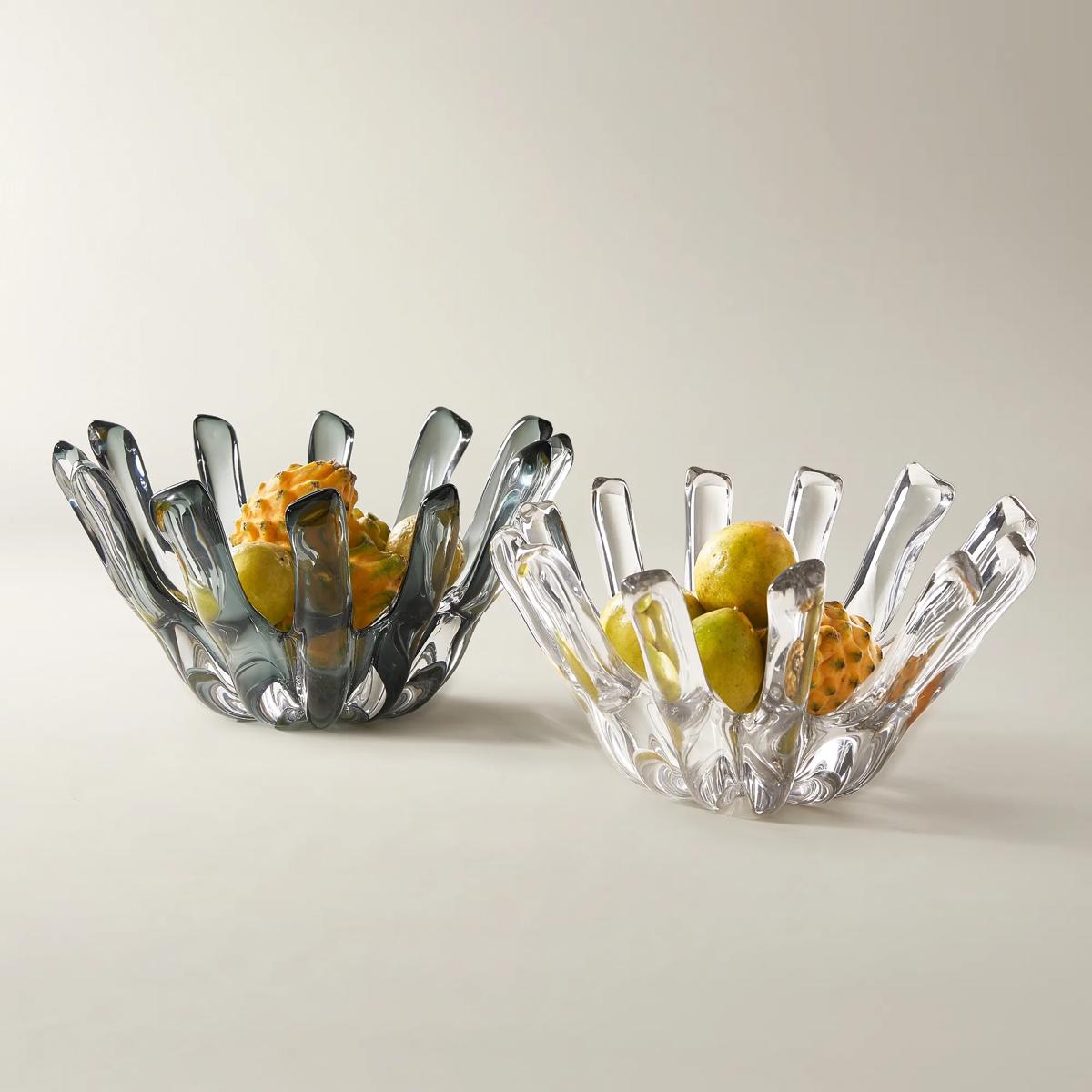 Bossa Clear Handblown Glass Decorative Bowl 13" x 7"$129
A hand-blown clear glass bowl featuring an expressive, sculptural form for modern decorative displays.
Add To Cart -
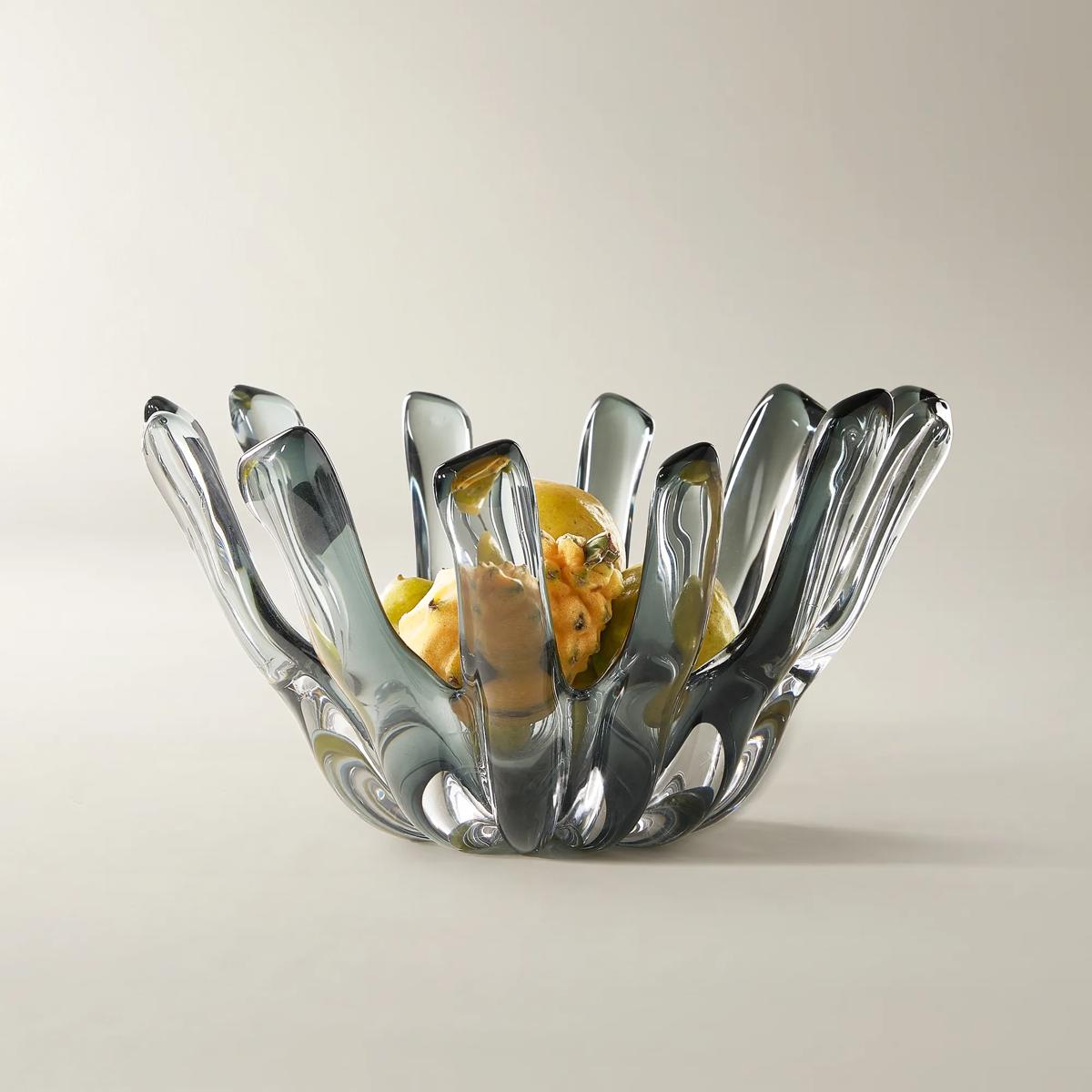 Bossa Smoke Handblown Glass Decorative Bowl 13" x 7"$129
A hand-blown smoky grey glass bowl featuring an expressive, sculptural design for modern decorative displays.
Add To Cart -
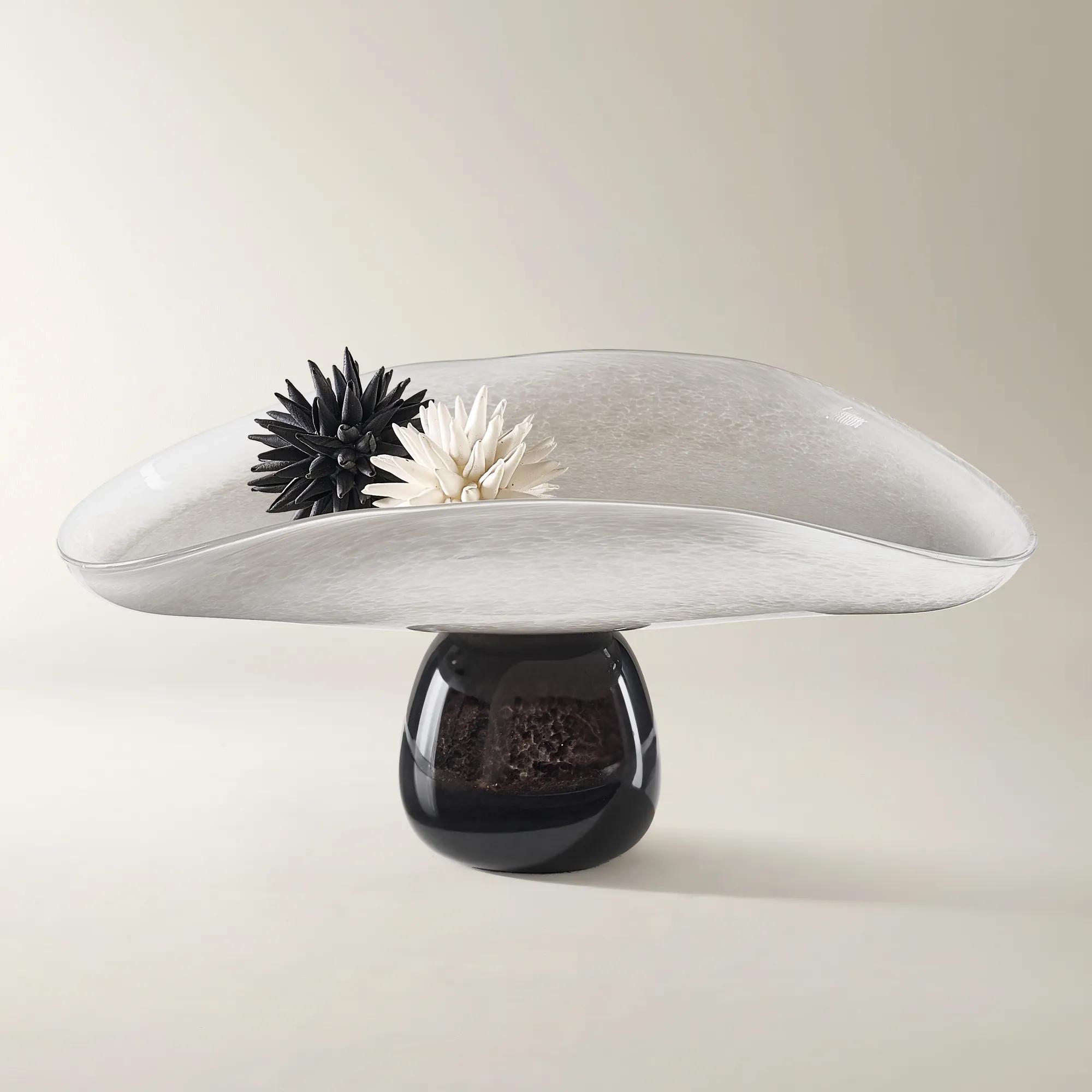 Elois Mouth Blown White Black Pedestal Bowl 14.5" x 7"$149
A handblown glass pedestal bowl featuring striking black and white contrast for a sculptural, modern accent.
Add To Cart -
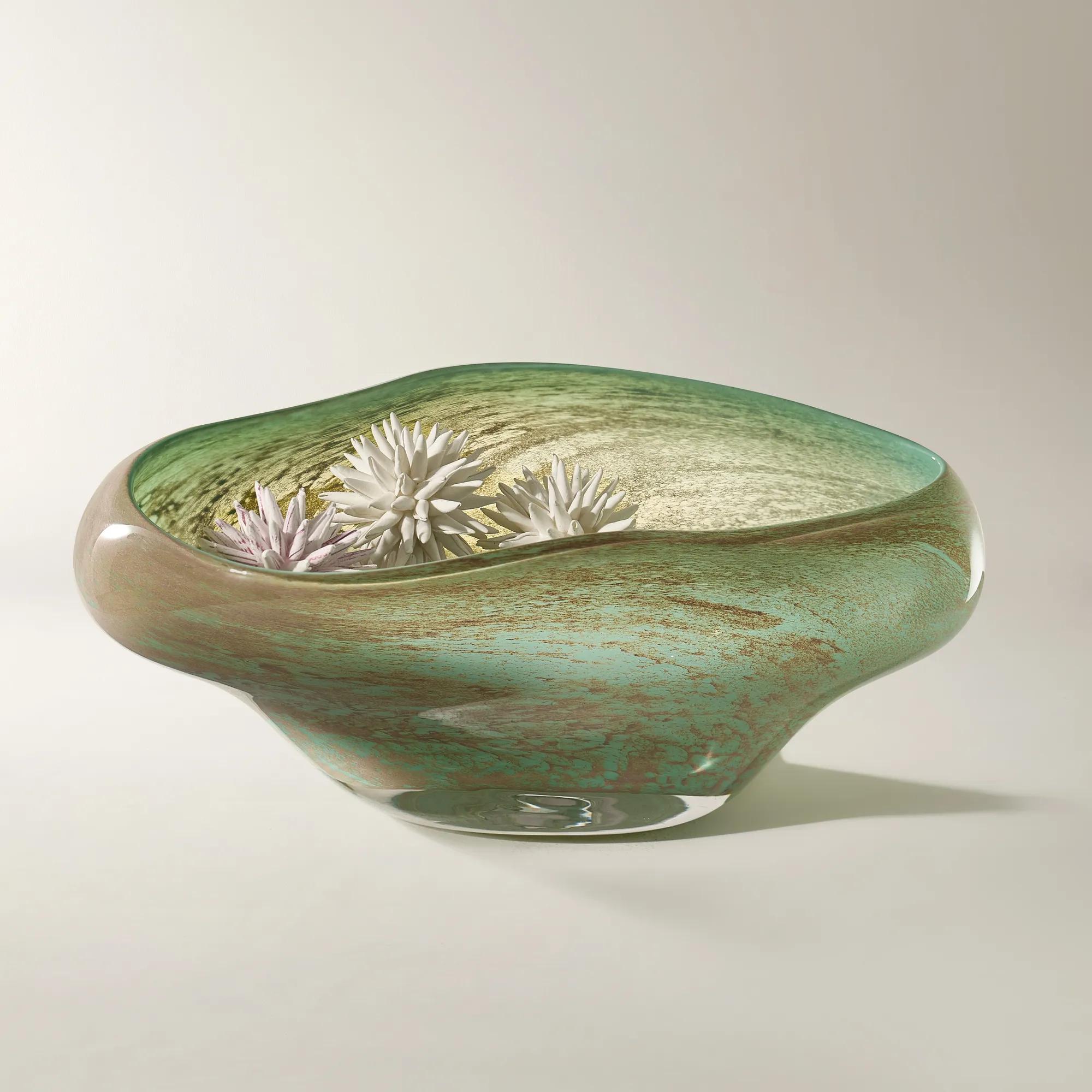
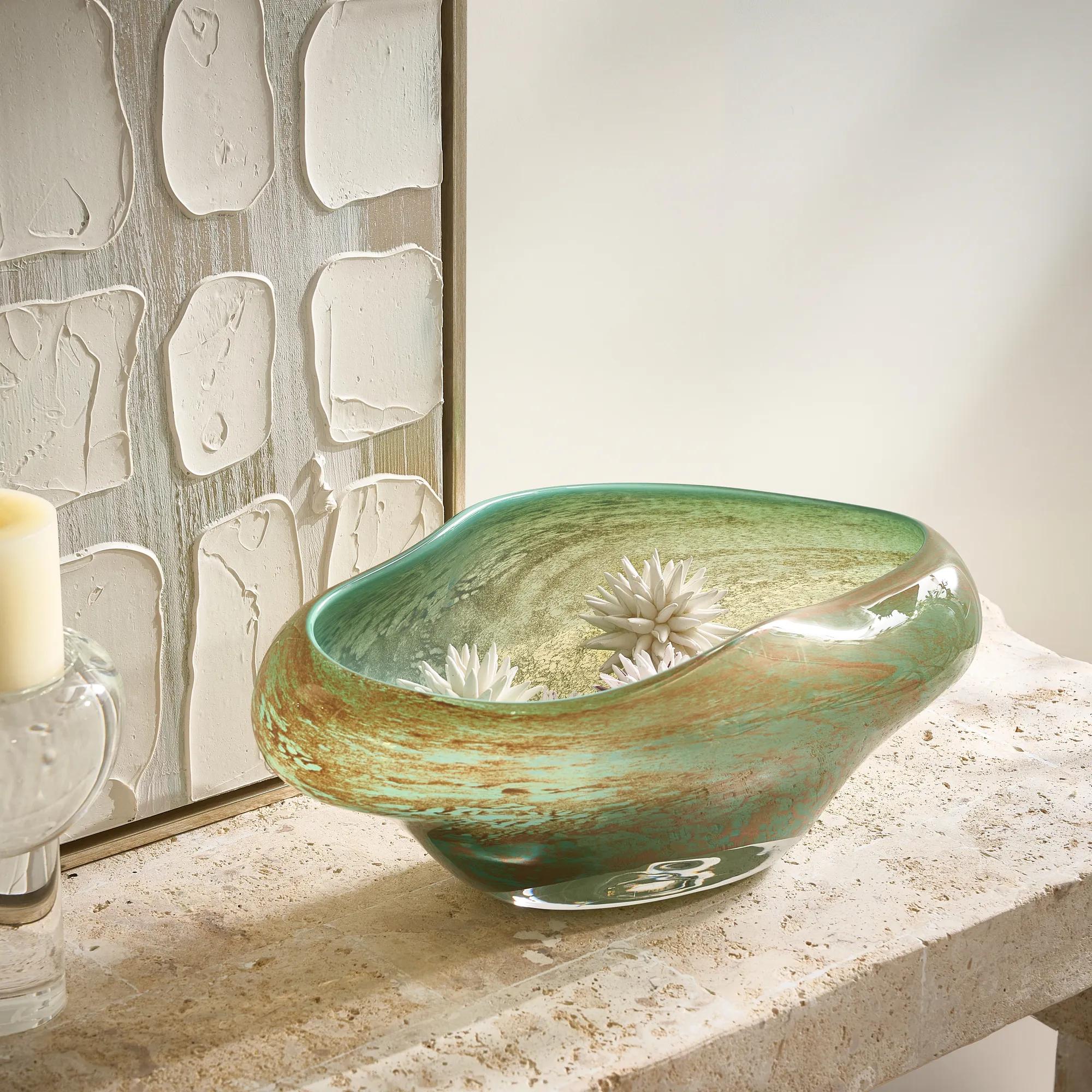 Green Mist Glass Bowl$179
A green glass bowl adding modern elegance to decorative displays.
Add To Cart -
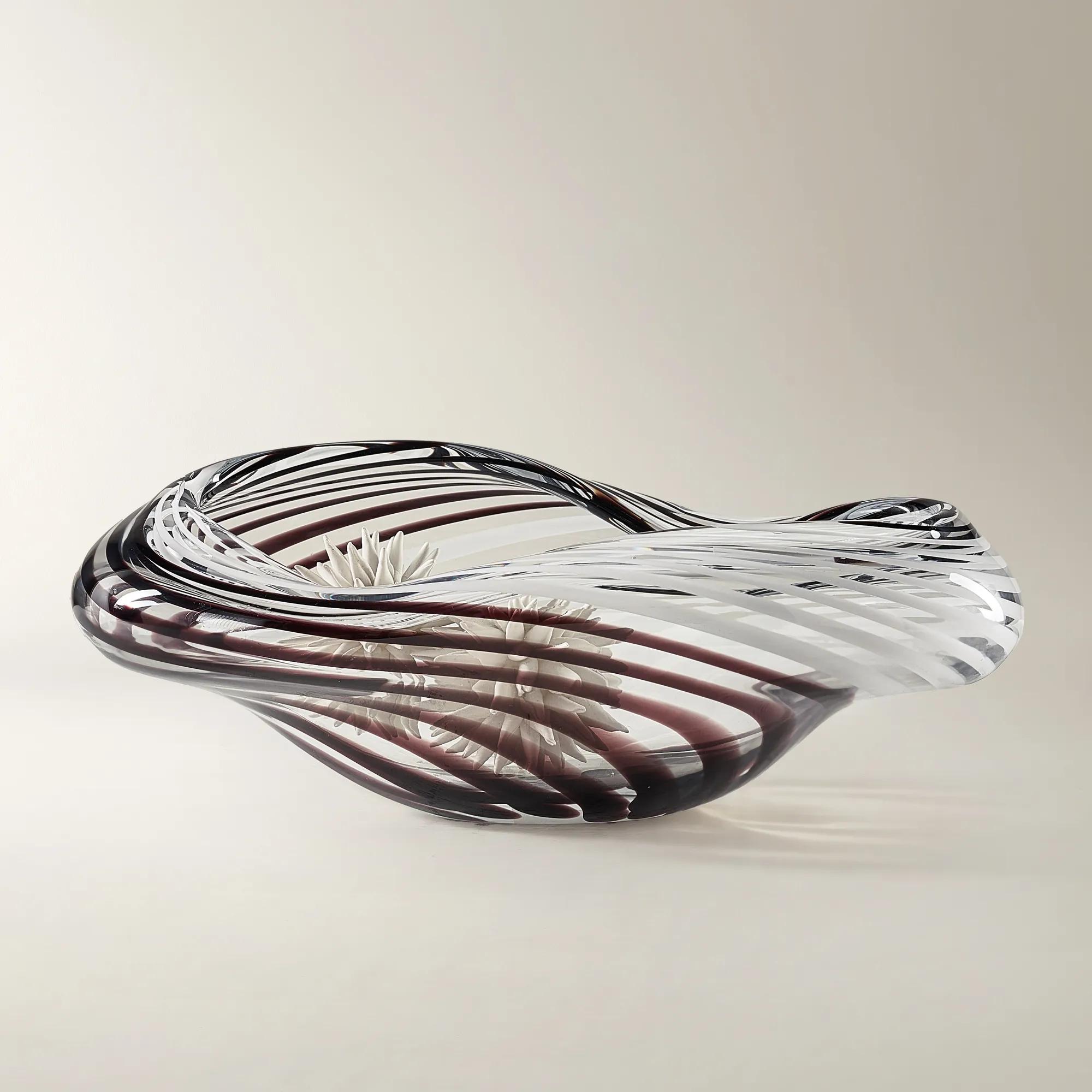 Optic Mouth Blown Black/White Glass Decorative Bowl 17.25" x 5.5"$99
A handblown glass bowl featuring charcoal stripes and a sculptural, Deco-inspired silhouette for decorative display.
Add To Cart -
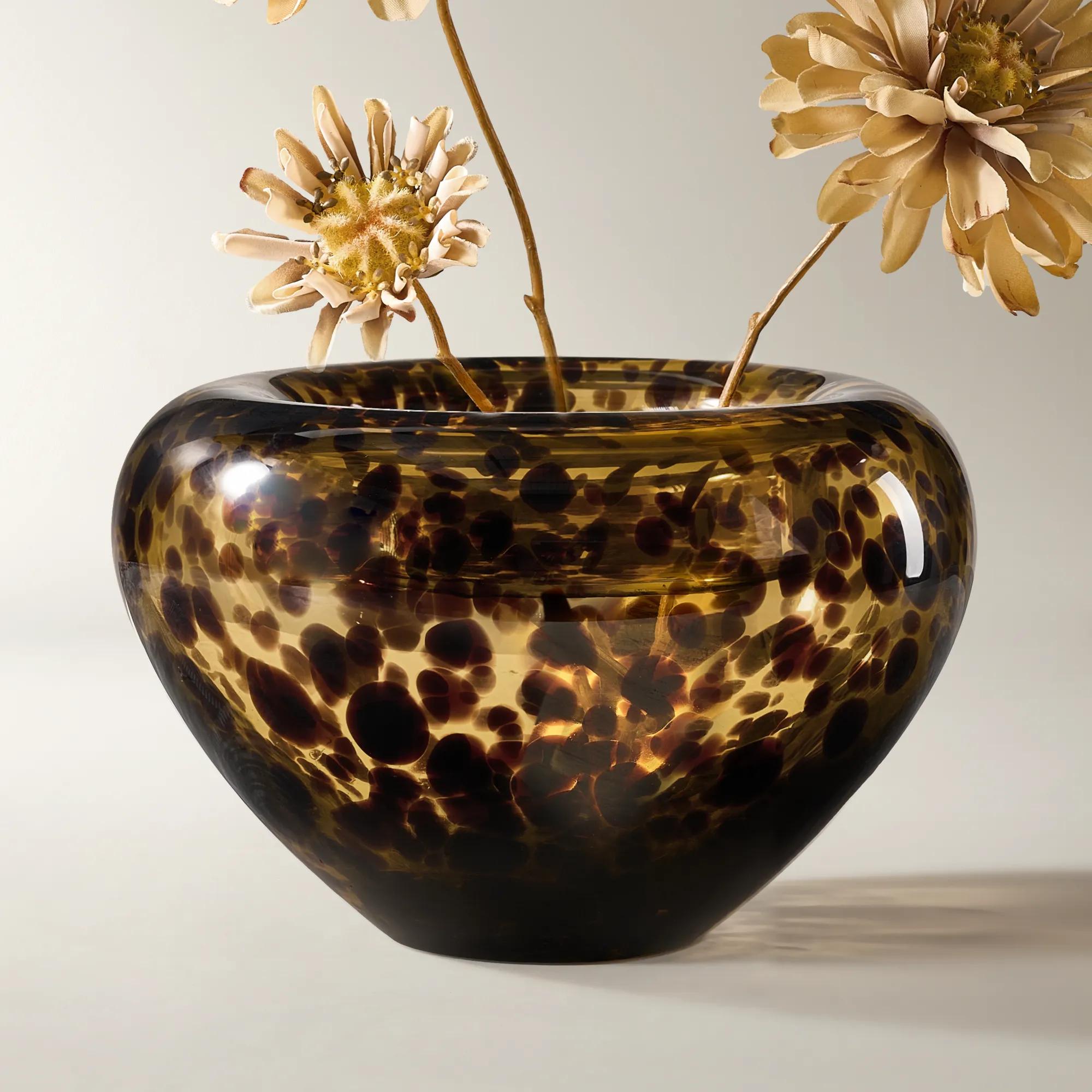 Tortoise Mouth Blown Brown Glass Decorative Bowl 8.25" x 4.25"$69
A handblown glass bowl featuring a warm brown tortoise pattern and a sculptural, rounded silhouette.
Add To Cart -
 Calla Mouth Blown Blue Glass Decorative Bowl 15.35" x 5.7"$79
A handblown blue glass bowl featuring unique curves and translucent artistry for striking decorative appeal.
Add To Cart -
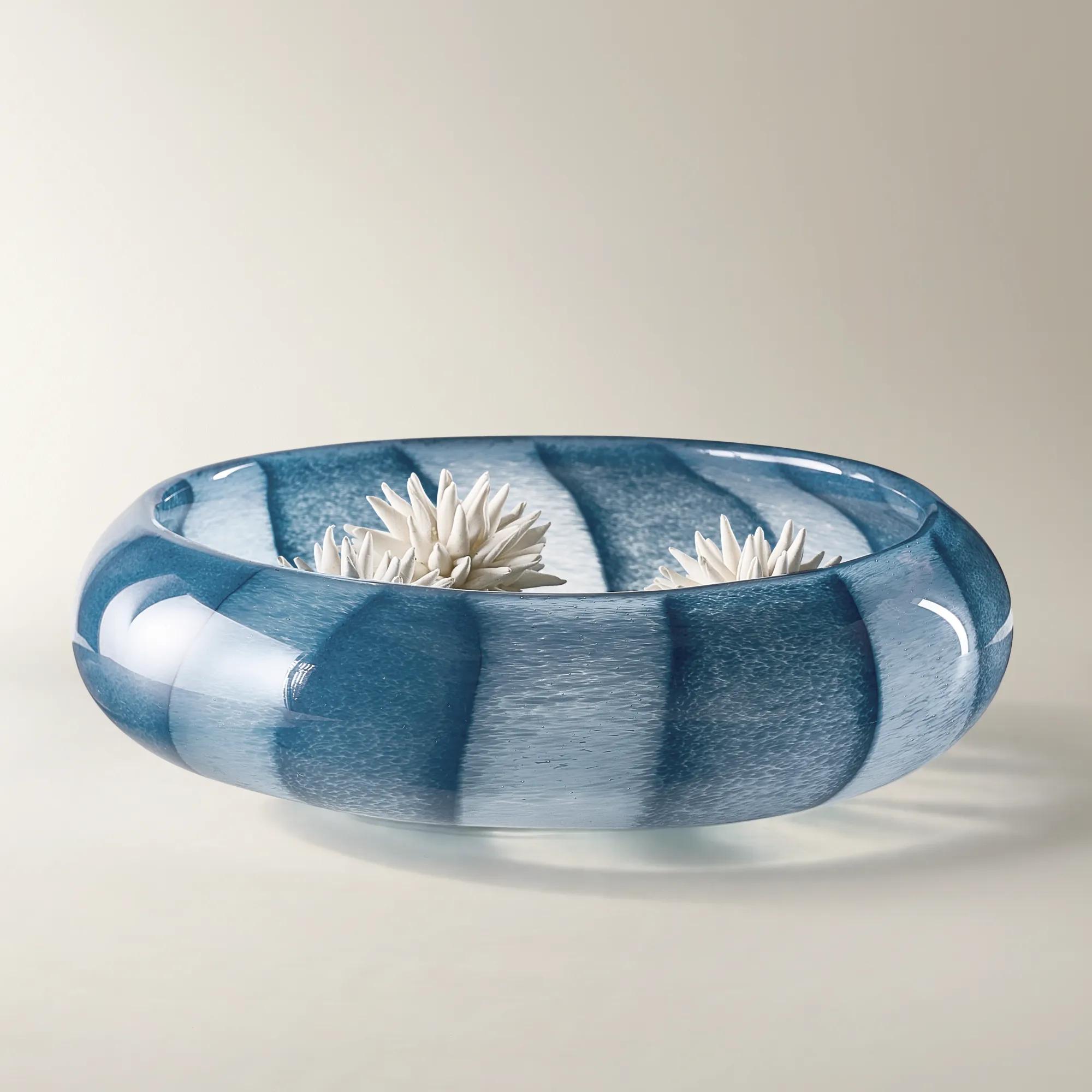 Jonah Mouth Blown Dusty Blue Glass Decorative Bowl 11.75" x 3.5"$89
A handblown glass bowl featuring dusty blue stripes and a sculptural, low rounded silhouette for decor.
Add To Cart -
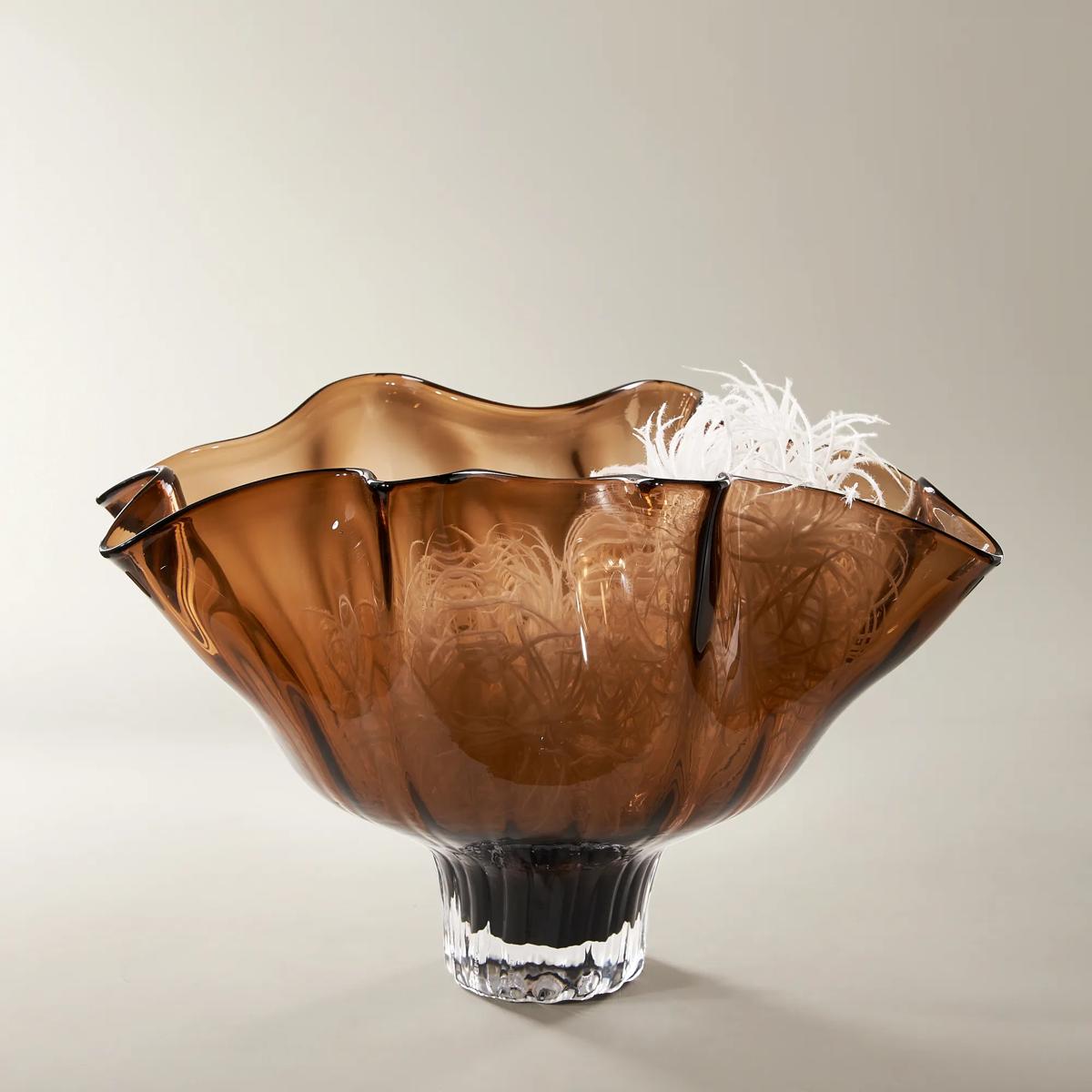
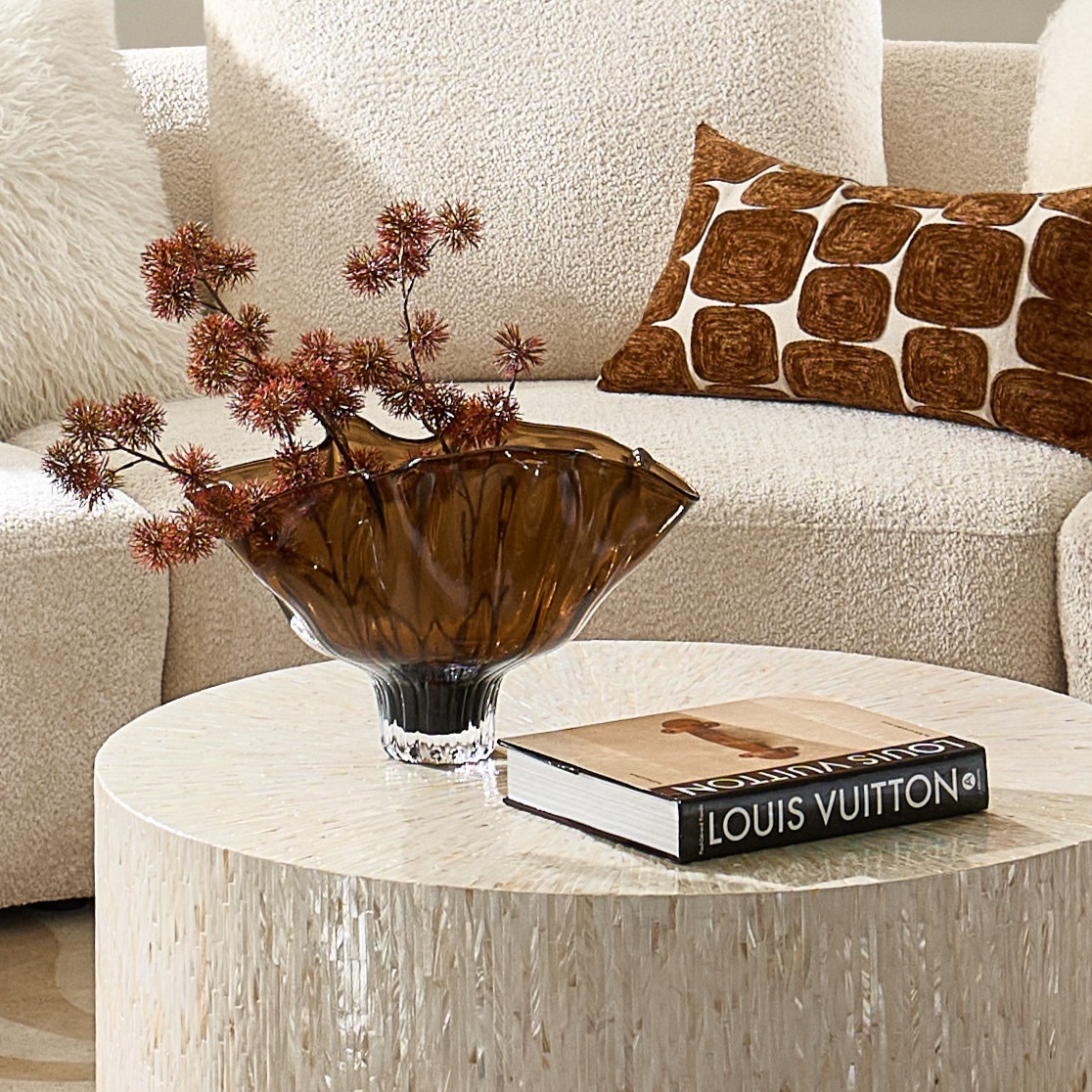 Coco Mouthblown Brown Glass Bowl 17" x 9.75"$139
A hand-blown brown glass bowl with an undulating rim and clear tapered base for sculptural elegance.
Add To Cart -
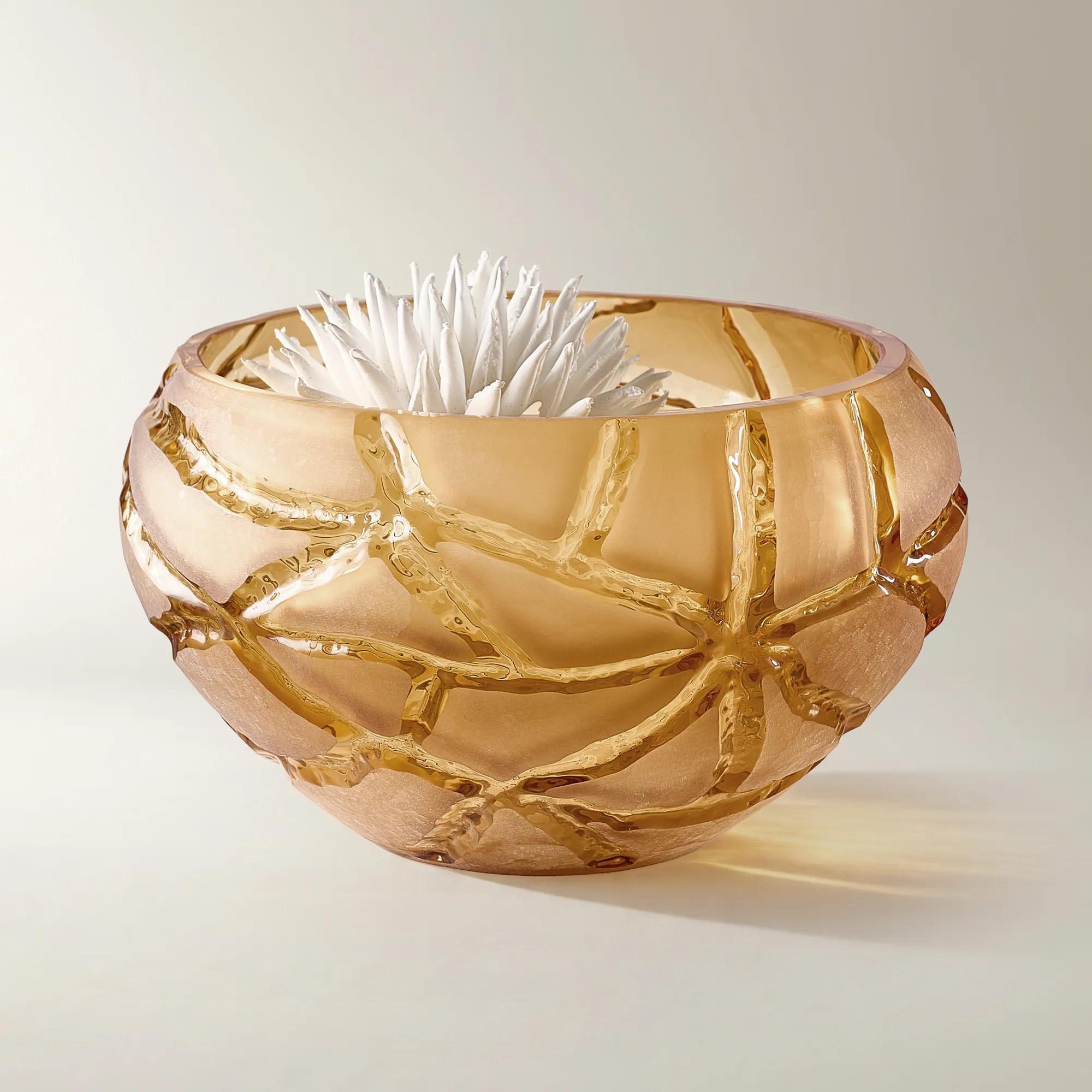 Rowen Mouth Blown Honey Gold Glass Decorative Bowl 11" x 6.25"$129
A handblown glass bowl in honey gold with a textured surface for a luminous, sculptural accent.
Add To Cart -
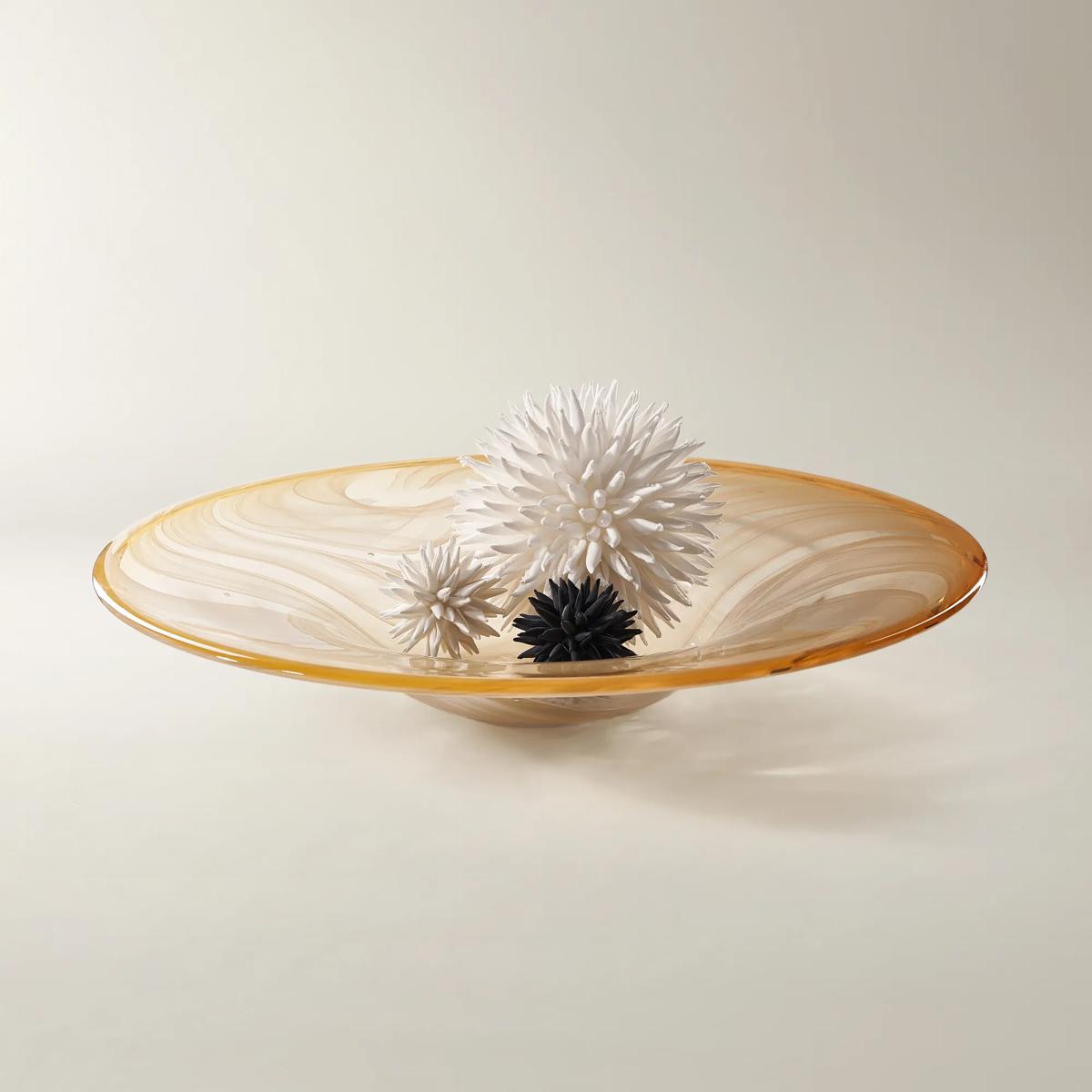
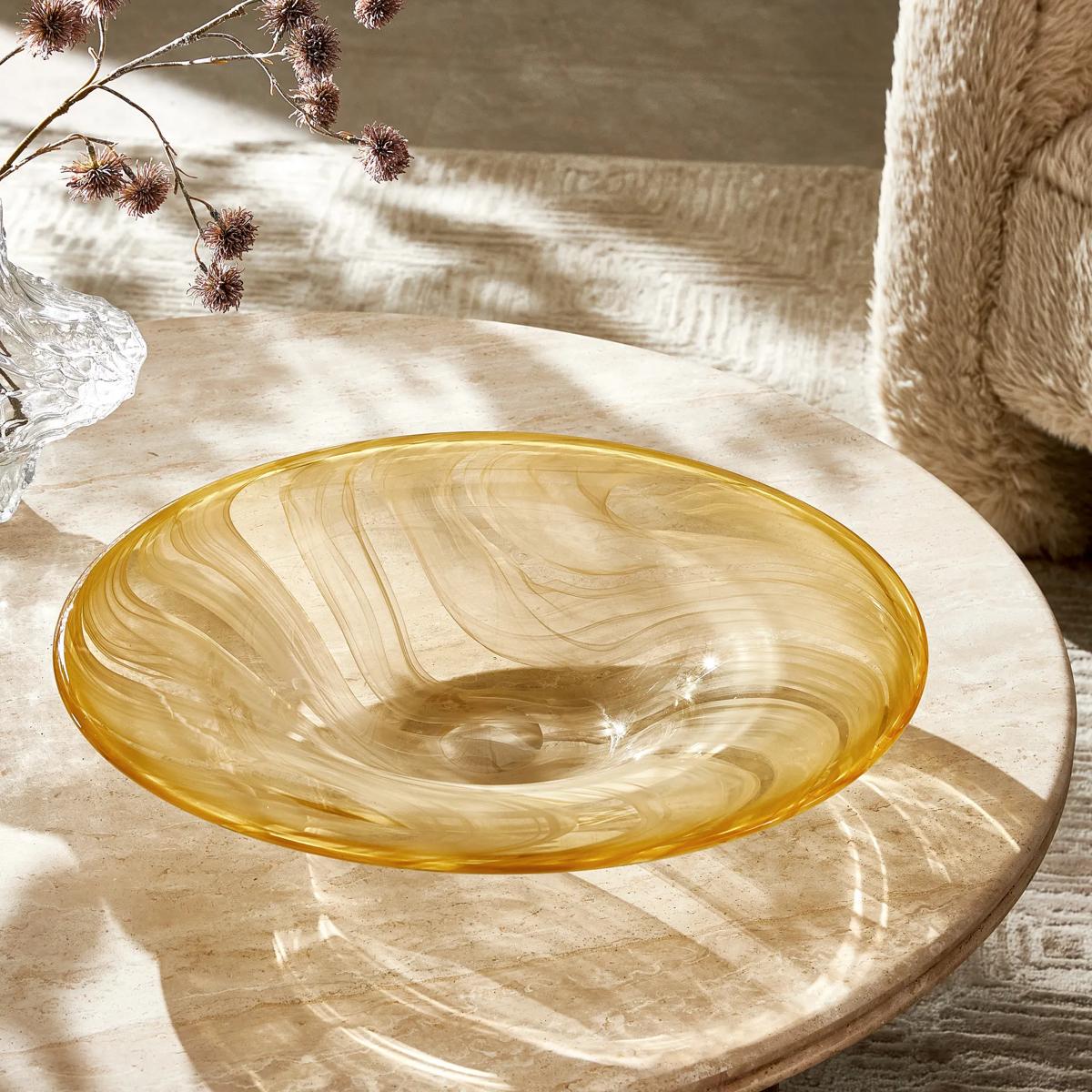 Paradis Glass Plate$239
A hand-blown amber glass plate featuring a swirling, organic design for a radiant decorative accent.
Add To Cart -
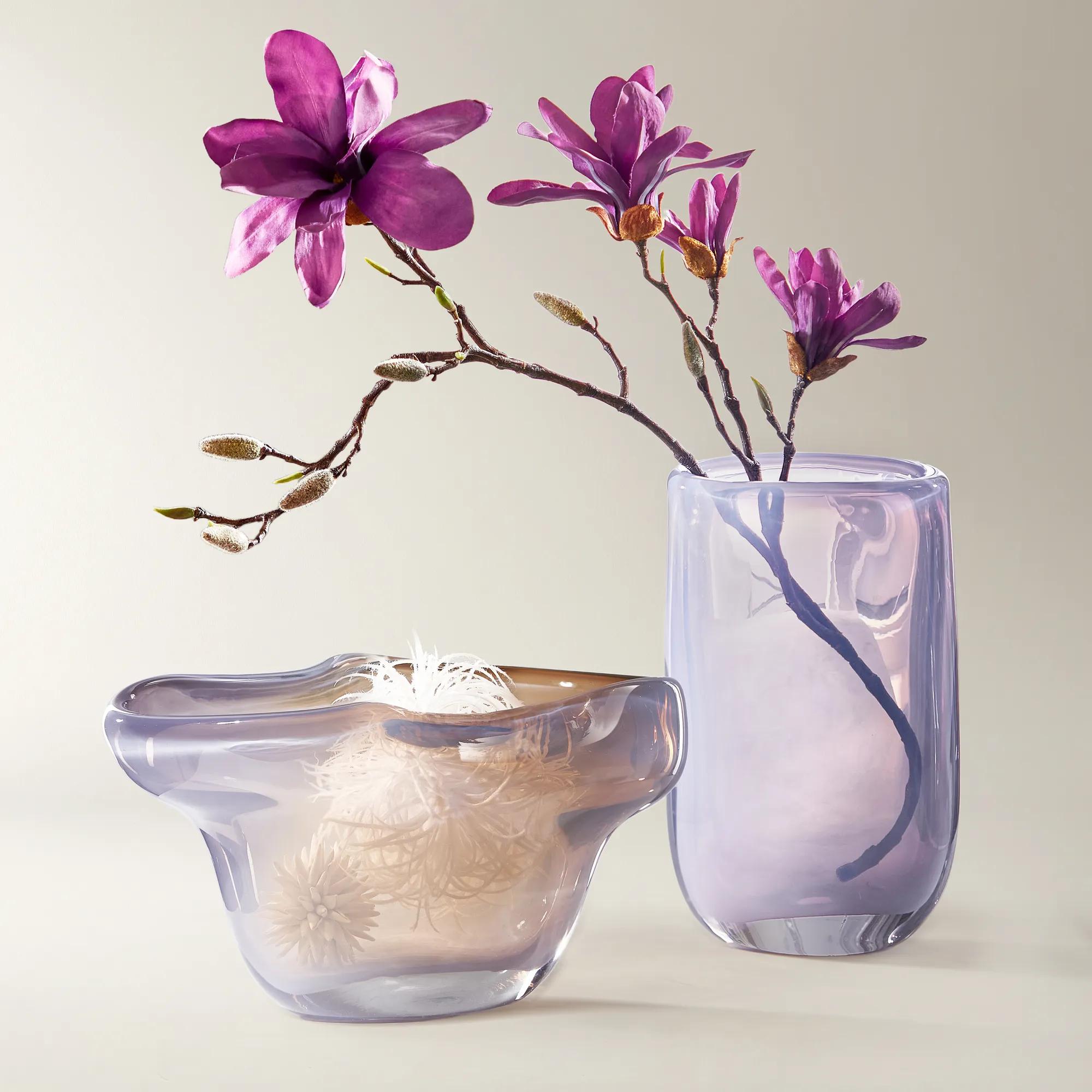
 Aura Collection$189
A hand-blown glass accent in dreamy lavender, showcasing fluid curves and modern sculptural artistry.
Add To Cart -

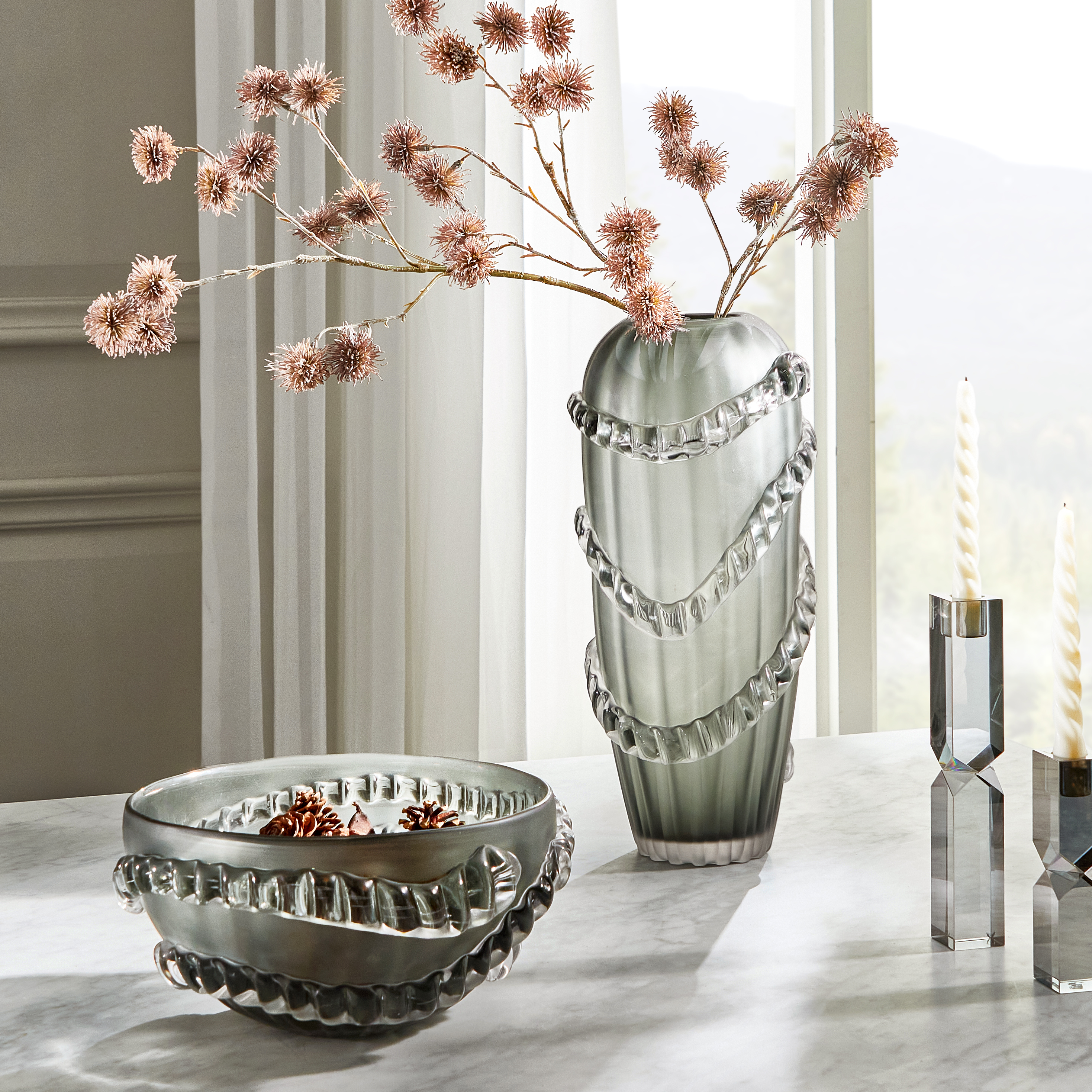 Helix Glass Collection$139
A hand-blown dark gray glass piece featuring fluted bodies and rippling sculptural ribbons for modern decor.
Add To Cart -
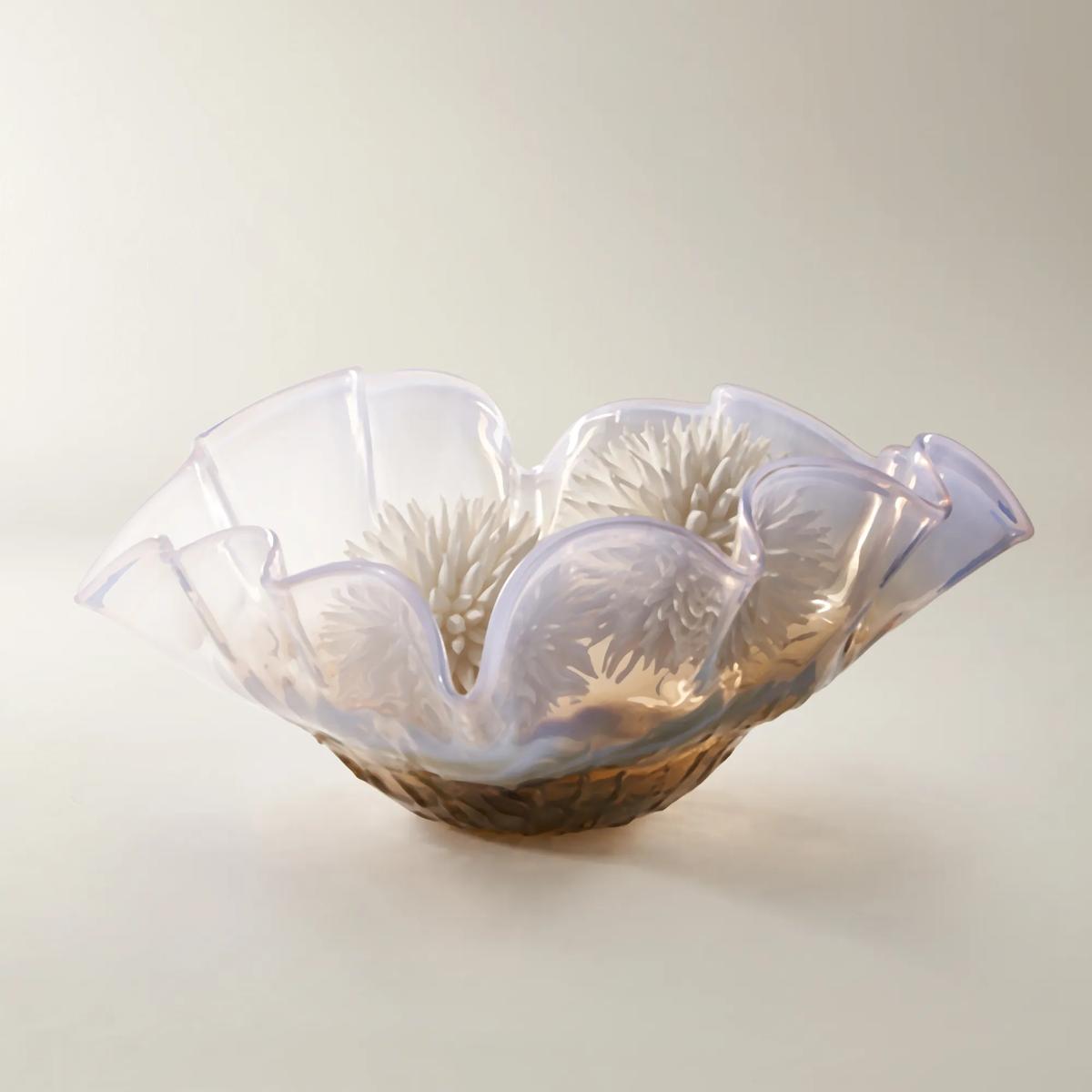
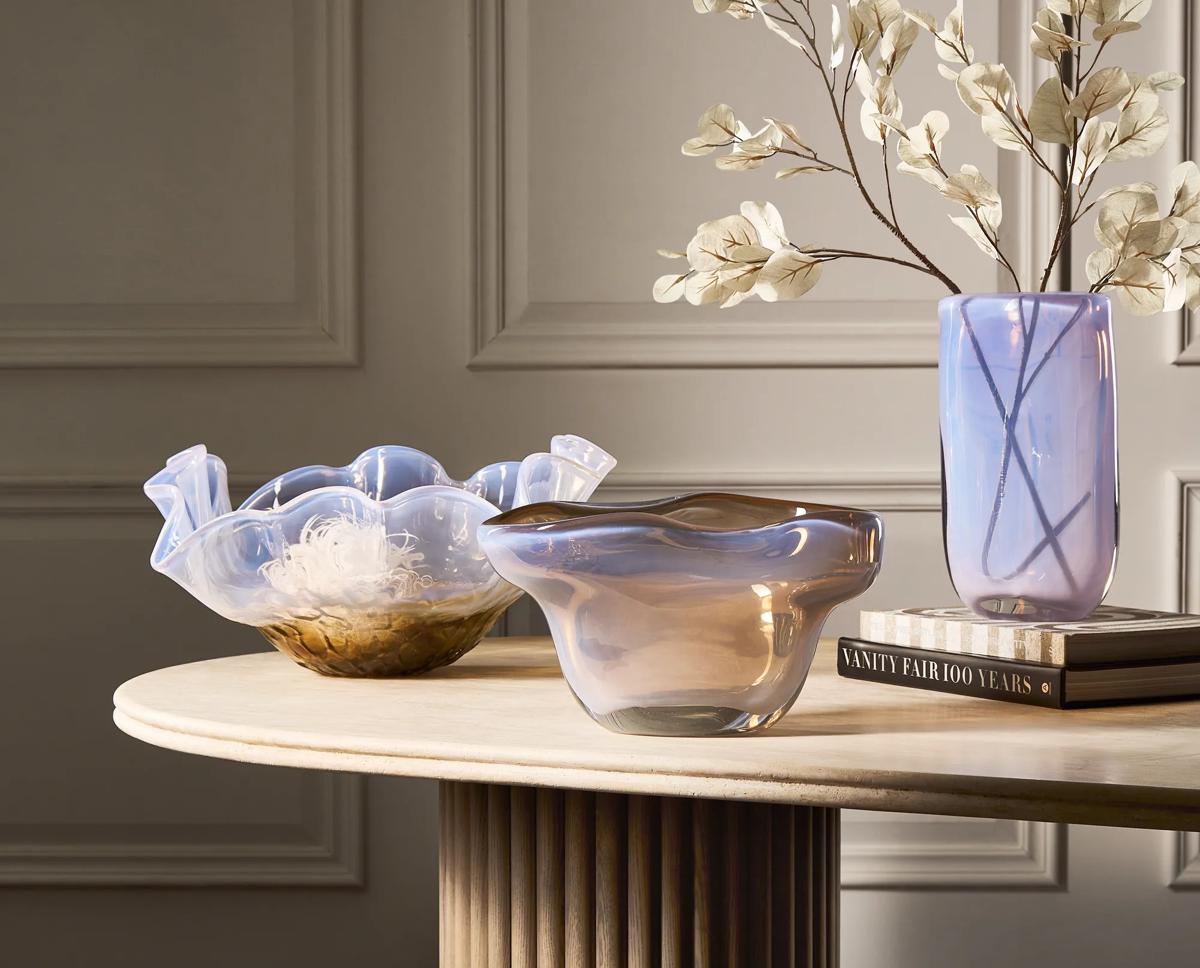 Glacier Glass Bowl$269
A hand-blown glass bowl featuring scalloped edges and swirling lavender and amber hues for artistic elegance.
Add To Cart -
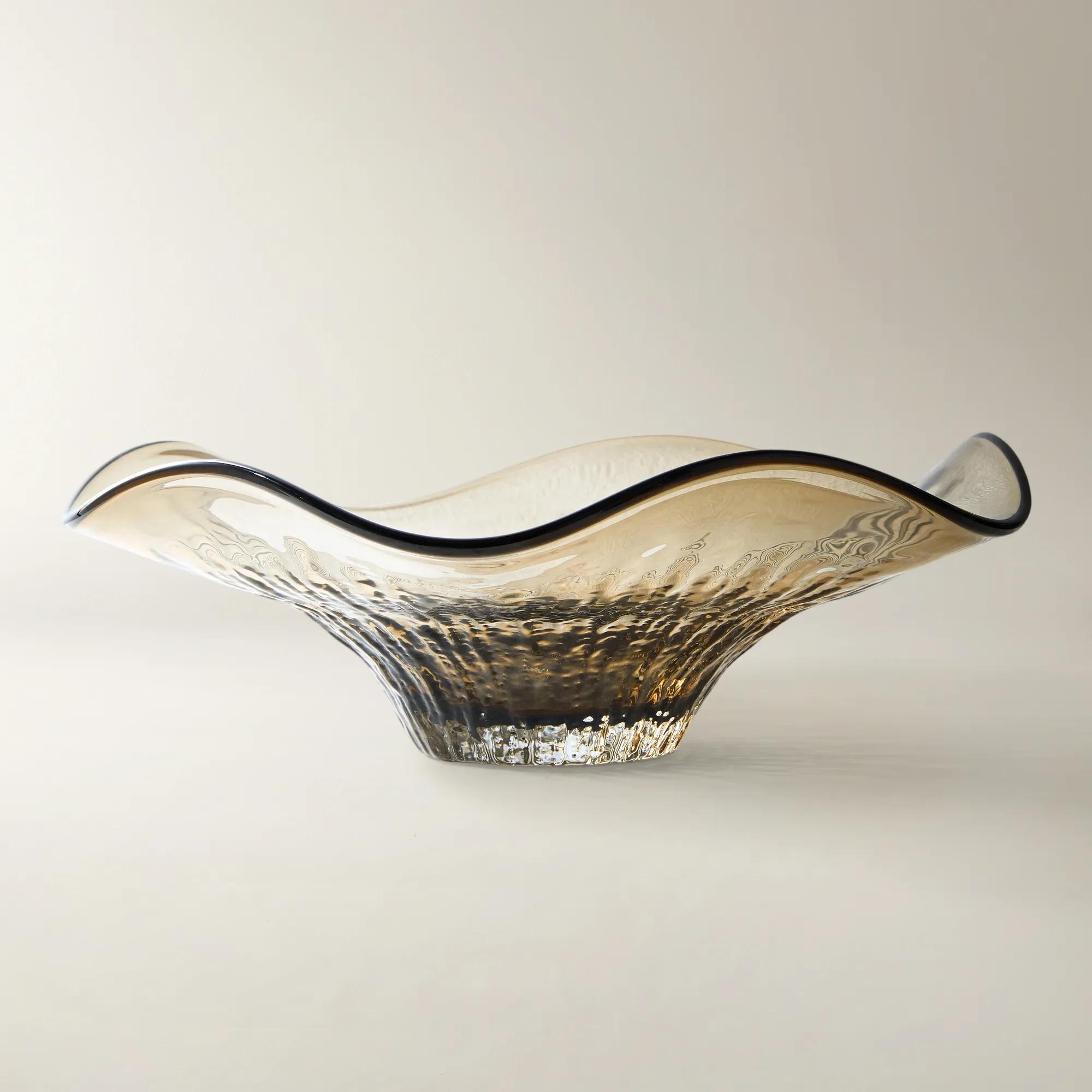 Corsi Brown Handblown Glass Decorative Bowl 15.35" x 5.1"$99
A hand-blown glass bowl in warm amber with organic shape and intricate textural details.
Add To Cart -
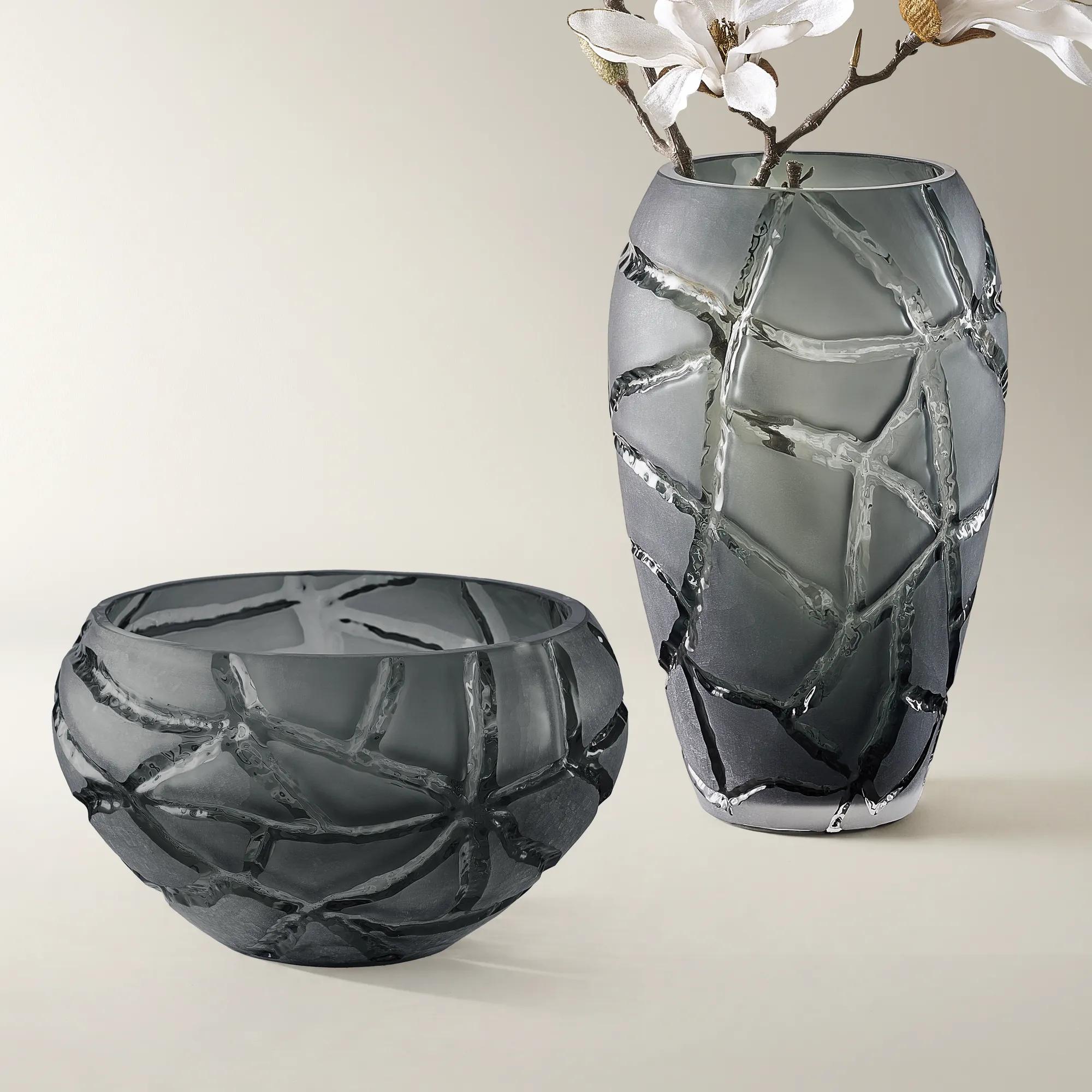 Rowen Mouth Blown Charcoal Glass Vase & Bowl$149
A handblown charcoal glass vase featuring a textured surface for moody sophistication and sculptural appeal.
Add To Cart -
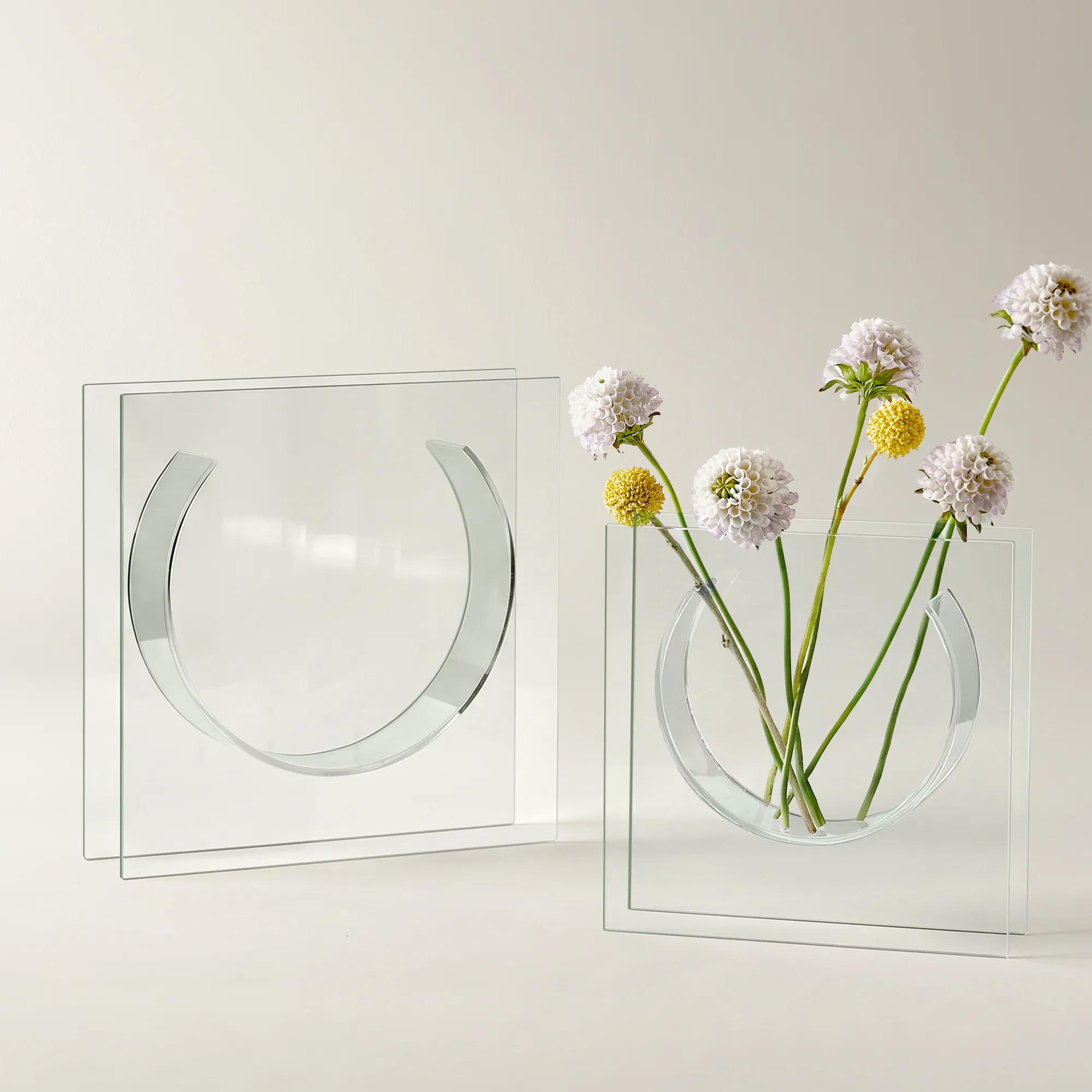
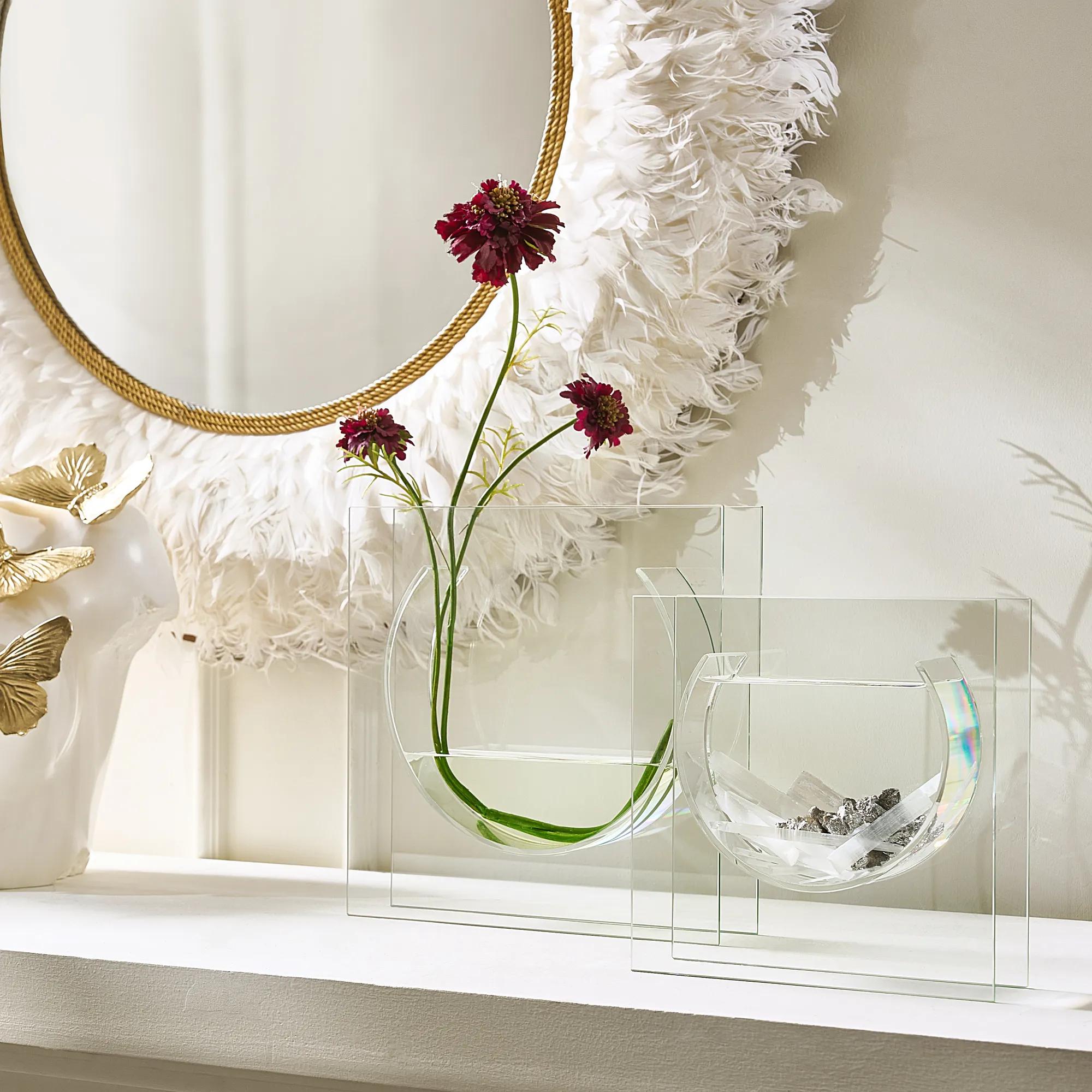 Solaris Clear Glass Vases$29
A clear glass vase with an elliptical bowl and bold modern design between two glass panels.
Add To Cart -
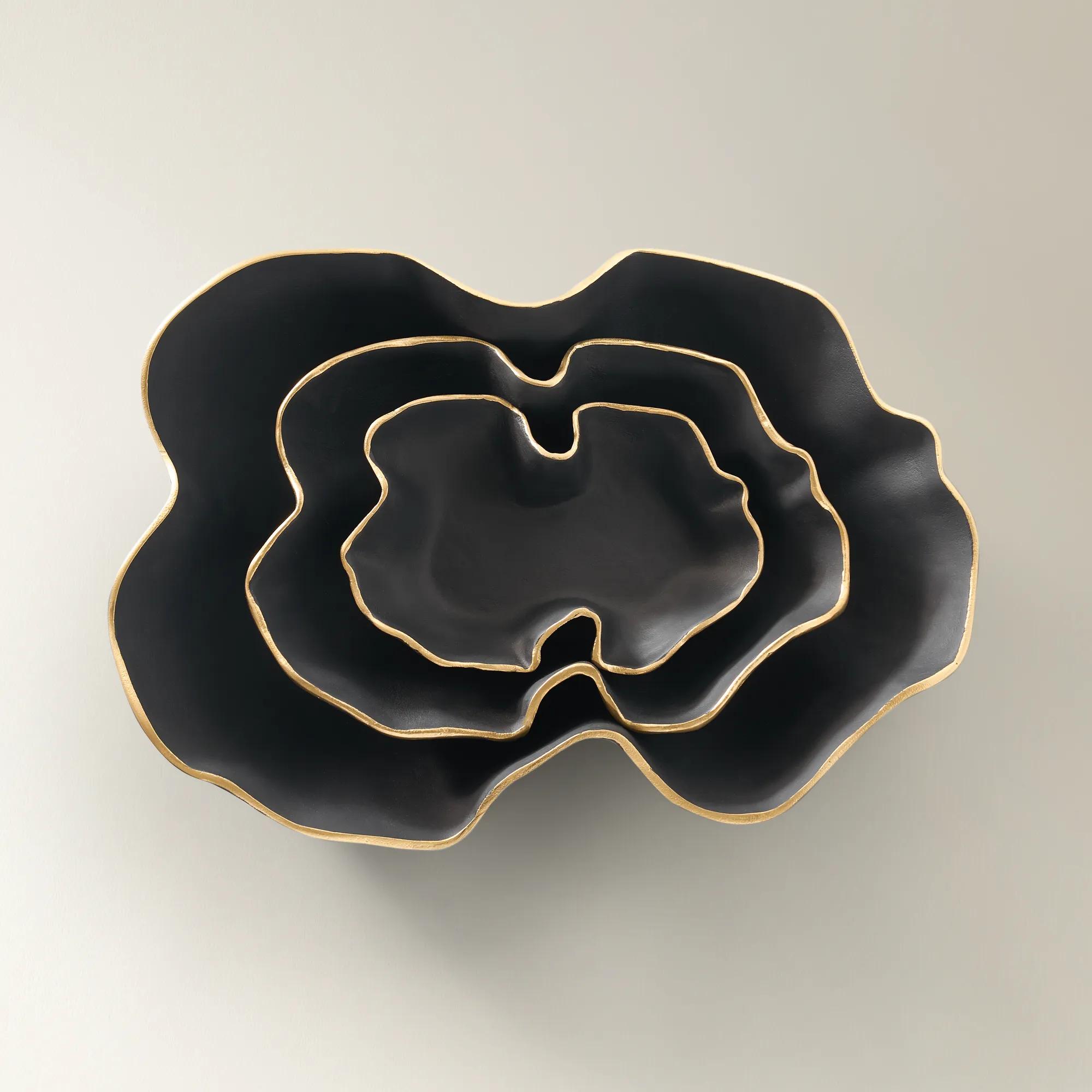
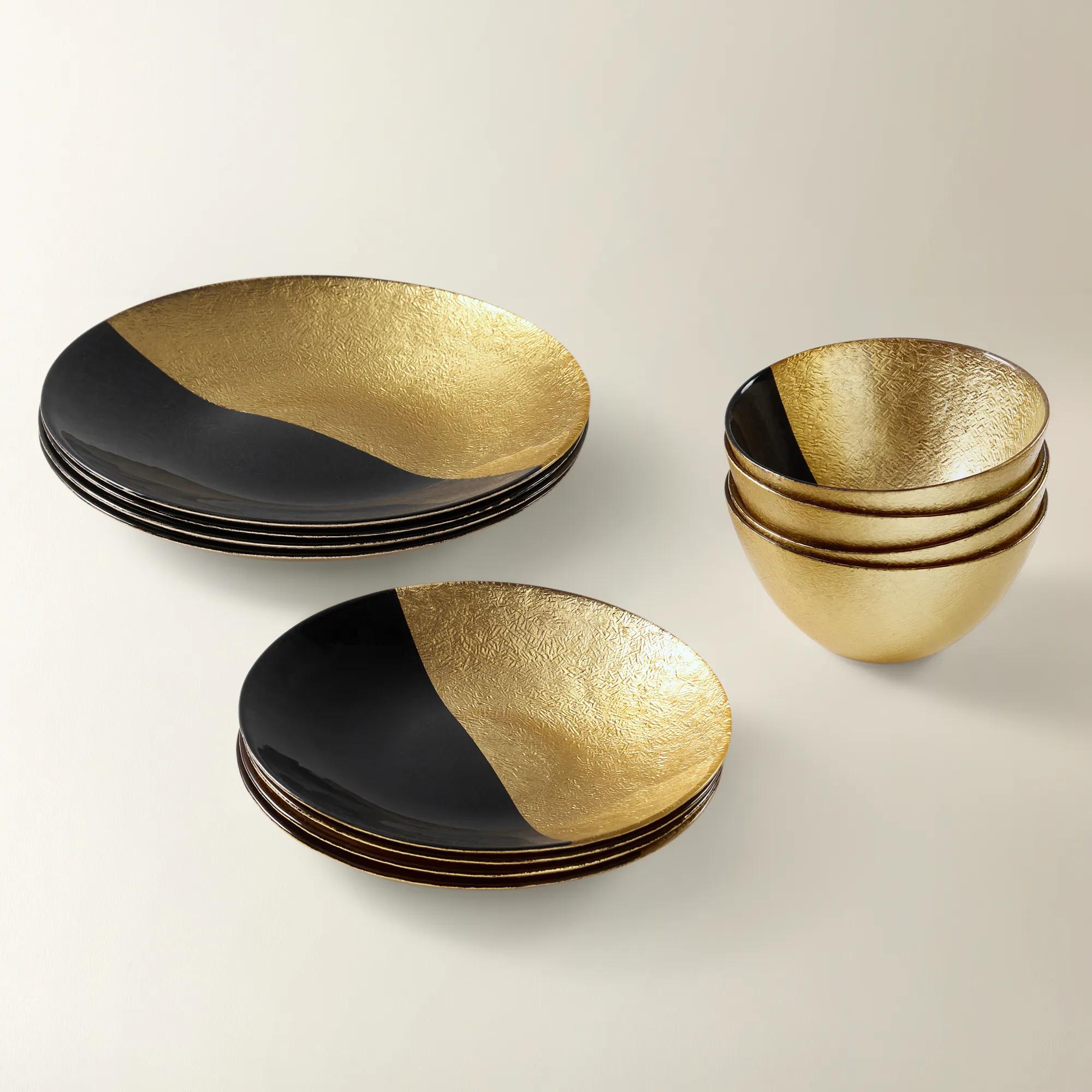 Gemini Black and Gold Leaf Dinnerware Sets$59
A striking set of black and gold glass dinnerware that brings modern elegance to any table.
Add To Cart -
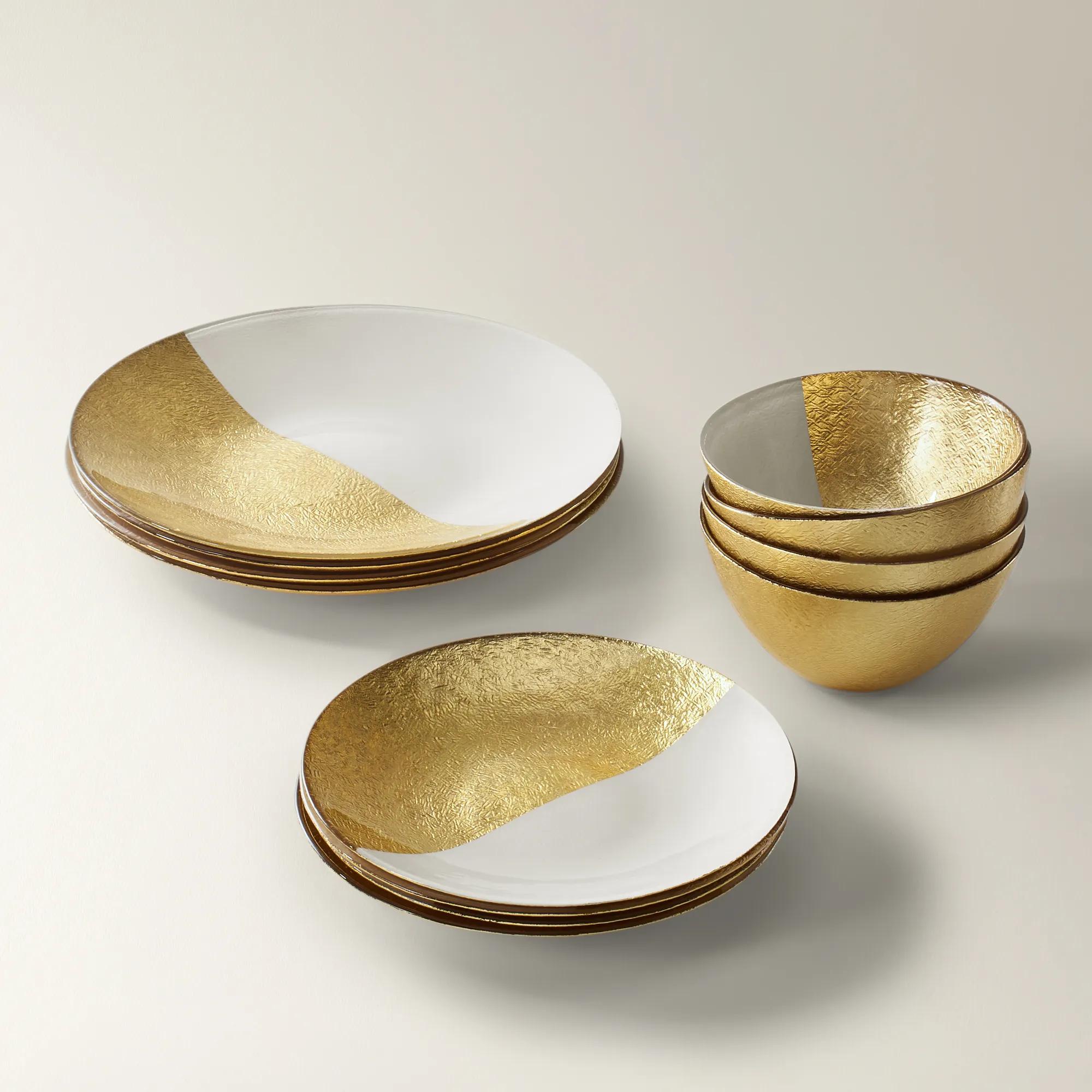
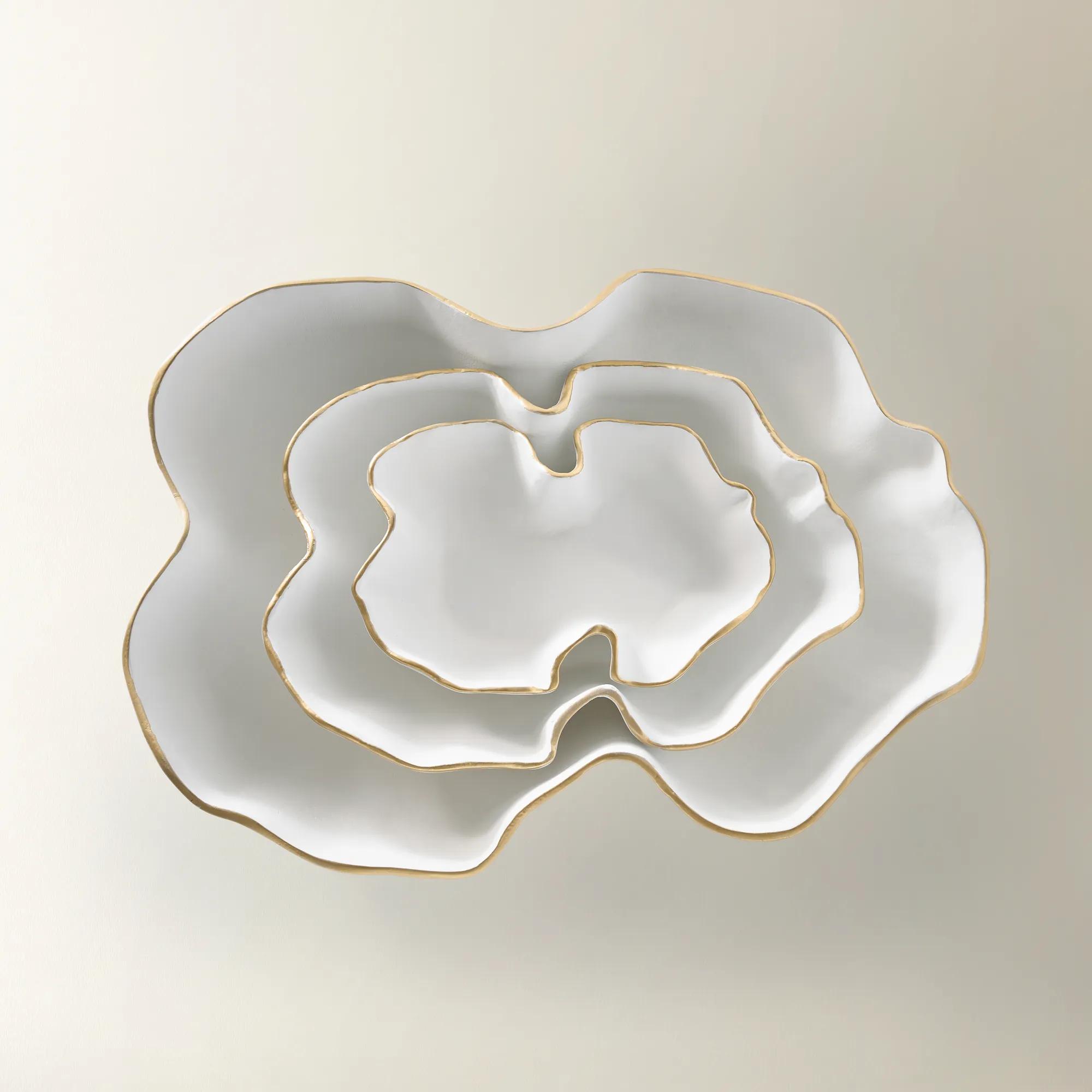
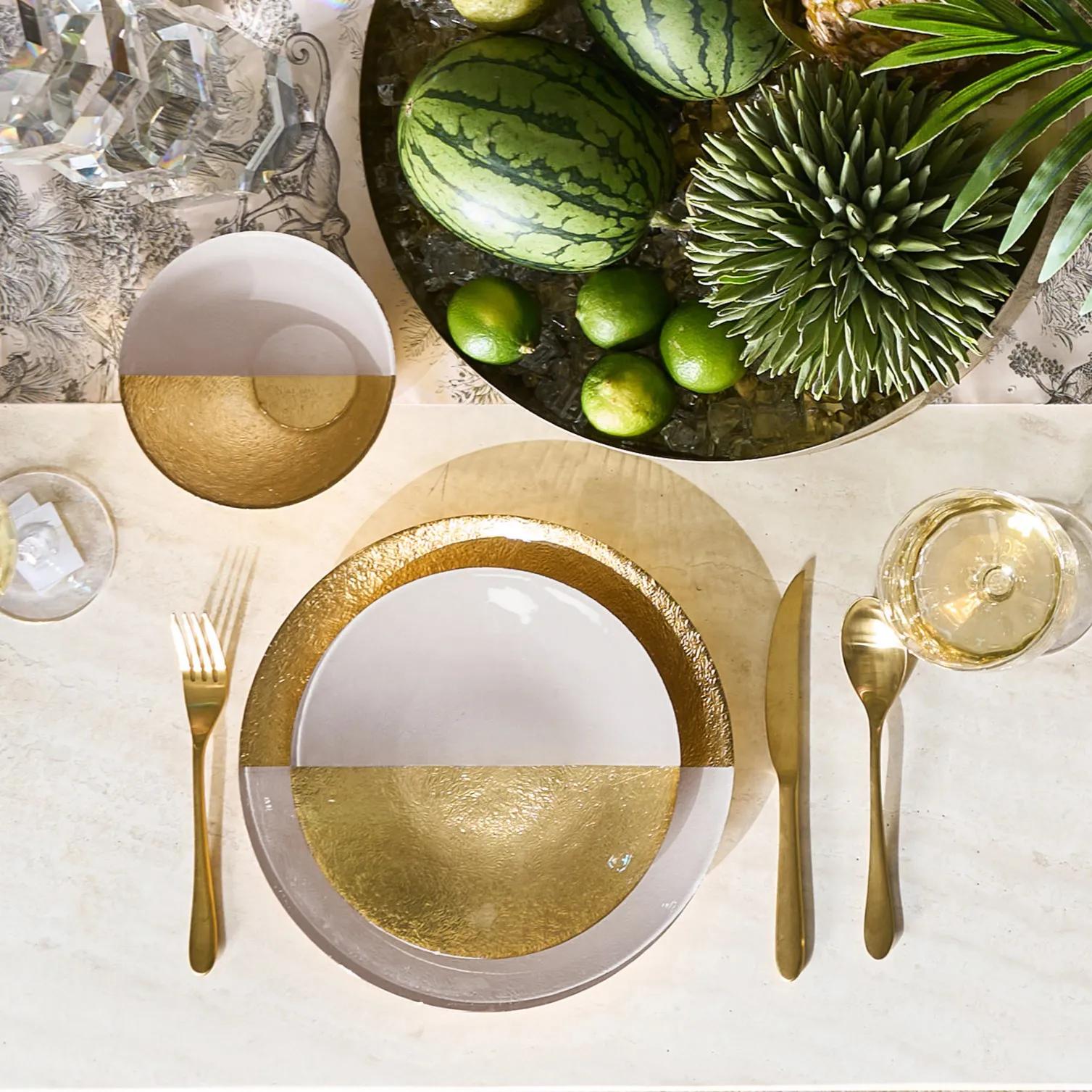 Gemini White and Gold Leaf Dinnerware Sets$79
A sophisticated glass dinnerware set featuring a sleek two-toned white and gold design.
Add To Cart

Glass Bowls For Modern Interiors
Glass Bowls for Modern Interiors are the secret to elevating everyday moments into artful displays of style. Their crystalline allure captures and reflects light, transforming surfaces into shimmering showcases and turning ordinary arrangements into captivating centerpieces. Whether perched atop a sculptural console or anchoring a dramatic dining tableau, these glass vessels evoke a sense of refined wonder—each piece a testament to modern glamour and expressive design. Let your space shine with the unexpected brilliance only glass can bring, and discover how a single bowl can redefine the mood of an entire room.
Glass bowls for modern interiors bring sculptural form, reflected light, and expressive detail to coffee tables, dining tables, consoles, and shelves. Their transparency gives them a distinctive presence: substantial enough to anchor a composition, yet open enough to reveal the surface beneath. A clear glass bowl on dark wood draws attention to both its curved silhouette and the grain below, while a smoky or richly colored vessel introduces depth against pale stone. Even without a decorative filling, a beautifully proportioned bowl can hold its own as an artful focal point. The effect comes from the relationship between shape, thickness, color, and finish. Wide, shallow profiles emphasize sweeping lines and generous curves; deeper silhouettes create a more contained, architectural statement. A footed base lifts the bowl above the tabletop, giving its outline added definition, while an irregular rim brings movement to otherwise restrained furnishings. Smooth glass catches light in broad reflections, whereas ribbed, rippled, or faceted surfaces break it into smaller highlights. Colored glass can appear translucent or nearly opaque depending on its thickness and the light around it, so the same bowl may look luminous near a window and more saturated against a dark wall. Mouth-blown glass may display subtle variations in shape or small bubbles that reflect the making process, while molded glass can offer more consistent contours and repeating detail. These characteristics are worth considering alongside the overall design rather than treating every variation as interchangeable. Material descriptions also matter: clear glass, colored glass, and glass with an applied finish can have different care requirements. The most compelling choice is not necessarily the most elaborate. A single generous curve, an unexpected tint, or a beautifully finished edge can supply all the drama a modern room needs, especially when the surrounding furniture allows that detail to remain visible.
Scale determines whether a decorative glass bowl feels intentional within a room. On a spacious coffee table, a broad bowl can establish a focal point without introducing the visual weight of a solid, opaque vessel. On a narrow entry console, a more compact profile preserves room for a lamp and leaves a comfortable landing area for everyday essentials. Both the bowl’s widest measurement and its base deserve attention: a flared rim may extend well beyond the footprint, particularly on a slender shelf or small pedestal table. Height matters just as much. A low centerpiece maintains conversation across a dining table, while a taller, footed silhouette can give an open console the elevation it needs. Leaving visible space around the bowl allows its outline and reflections to become part of the composition rather than disappear among neighboring accessories. A useful arrangement might pair a shallow glass bowl with a short stack of books and one taller sculptural accent, creating distinct levels without crowding the tabletop. On patterned marble, clear glass allows the veining to remain a feature; on mirrored furniture, textured or colored glass can establish contrast where another highly reflective surface might blur into the background. The room’s palette offers another point of connection. Smoke tones can echo charcoal upholstery, blue glass can pick up a thread in an abstract artwork, and warm amber can enrich the glow of brass accents. Repeating one color in a different material feels more considered than matching every accessory. Glass also creates an intriguing counterpoint to velvet, woven textiles, and matte ceramics, balancing softness with a crisp, luminous surface. For compositions that bring several materials together, Decorative Bowls For Elegant Interiors offers a broader decorative direction. Whether the setting is a streamlined apartment or an expansive living room, proportion and contrast help a bowl feel connected to the architecture rather than simply placed on a vacant surface.
Intended use is just as important as appearance, particularly when a glass bowl moves between decorative display and everyday activity. A bowl designated for decoration should not be assumed suitable for serving food, holding water, or accommodating candles. Food contact, dishwasher use, and exposure to heat each require confirmation in the maker’s instructions; a decorative finish or an attached metal base may change what is appropriate. A shallow bowl can make a graceful resting place for wrapped keepsakes or other lightweight accents, but sharp keys and abrasive objects may scratch its surface. For an entryway where essentials are dropped in a hurry, suitability for repeated handling matters more than delicate detailing. In a dining room, a bowl intended only for display can still create a striking centerpiece without doubling as serveware. Leaving it empty often reveals the interior curves and variations in color most clearly. If a decorative filling is used, a restrained quantity keeps the glass visible and avoids unnecessary weight. Glass can retain its clarity and beauty with thoughtful care, but it remains vulnerable to chips, impact, and sudden temperature changes. A stable, level placement away from table edges is especially important in homes with active children or pets. Substantial weight does not make a bowl unbreakable, and projecting rims need room to avoid accidental contact. For routine care, follow the product instructions; where handwashing is permitted, mild soap, a soft cloth, and thorough drying generally help preserve a polished appearance. Abrasive pads and harsh cleaners can damage surfaces, particularly painted, metallic, or otherwise applied finishes. Lift a bowl to move it rather than sliding it across stone or wood, and use appropriate surface protection where needed. These practical considerations also make glass bowls thoughtful housewarming, wedding, or host gifts when chosen with the recipient’s space and habits in mind. A compact silhouette suits a carefully edited apartment, while a generous centerpiece complements someone who enjoys creating expressive tablescapes. The lasting appeal lies in that balance of beauty and purpose: an object that gives familiar surroundings a more deliberate, artful presence.
FAQs
Glass bowls introduce a sophisticated interplay of light, color, and texture to modern interiors. Their reflective surfaces and sculptural forms act as visual focal points, elevating consoles, coffee tables, or dining spaces with artistic flair. Whether displayed alone or as part of a curated vignette, they infuse the room with a sense of luxury and expressive design.
Glass bowls can be styled to reflect the changing seasons and your evolving mood. In winter, fill them with metallic ornaments or floating candles for a warm, inviting glow. As spring arrives, showcase fresh blooms or vibrant citrus. Their versatility allows you to continually refresh your décor, making each display feel curated and intentional.
Absolutely. A glass bowl is a timeless and thoughtful gift, perfect for housewarmings, anniversaries, or milestone celebrations. Hand-blown or artisan-crafted bowls, in particular, convey a sense of artistry and individuality, making them cherished keepsakes that recipients can display and use in their own unique ways.
Frosted glass bowls diffuse light softly, creating a tranquil, ethereal effect, while colored glass introduces bold personality and drama. Mirror-finish or metallic-accented bowls reflect their surroundings, amplifying the sense of space and luxury. Each finish offers a distinct mood, allowing you to tailor your décor to your personal vision.
Glass bowls beautifully complement other luxe materials like marble, metallics, and rich woods. Layer them with candles, art books, or sculptural objects to create depth and intrigue. For a touch of glamour, consider filling them with gemstones, gold leaf, or seasonal botanicals—each accent transforms the bowl into a personalized work of art.