Geometric Shell-Mosaic Tables
Geometric Shell-Mosaic Tables
-
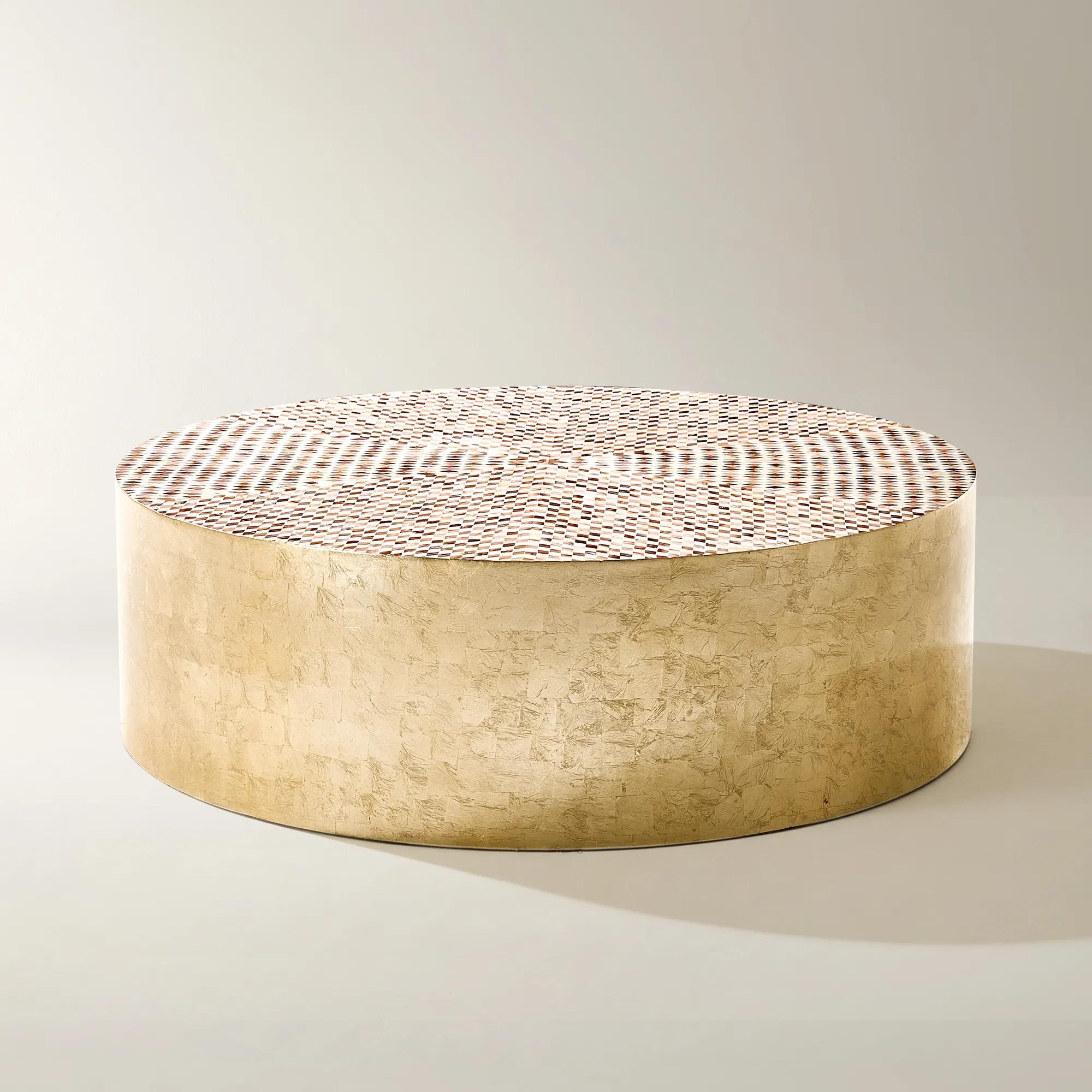
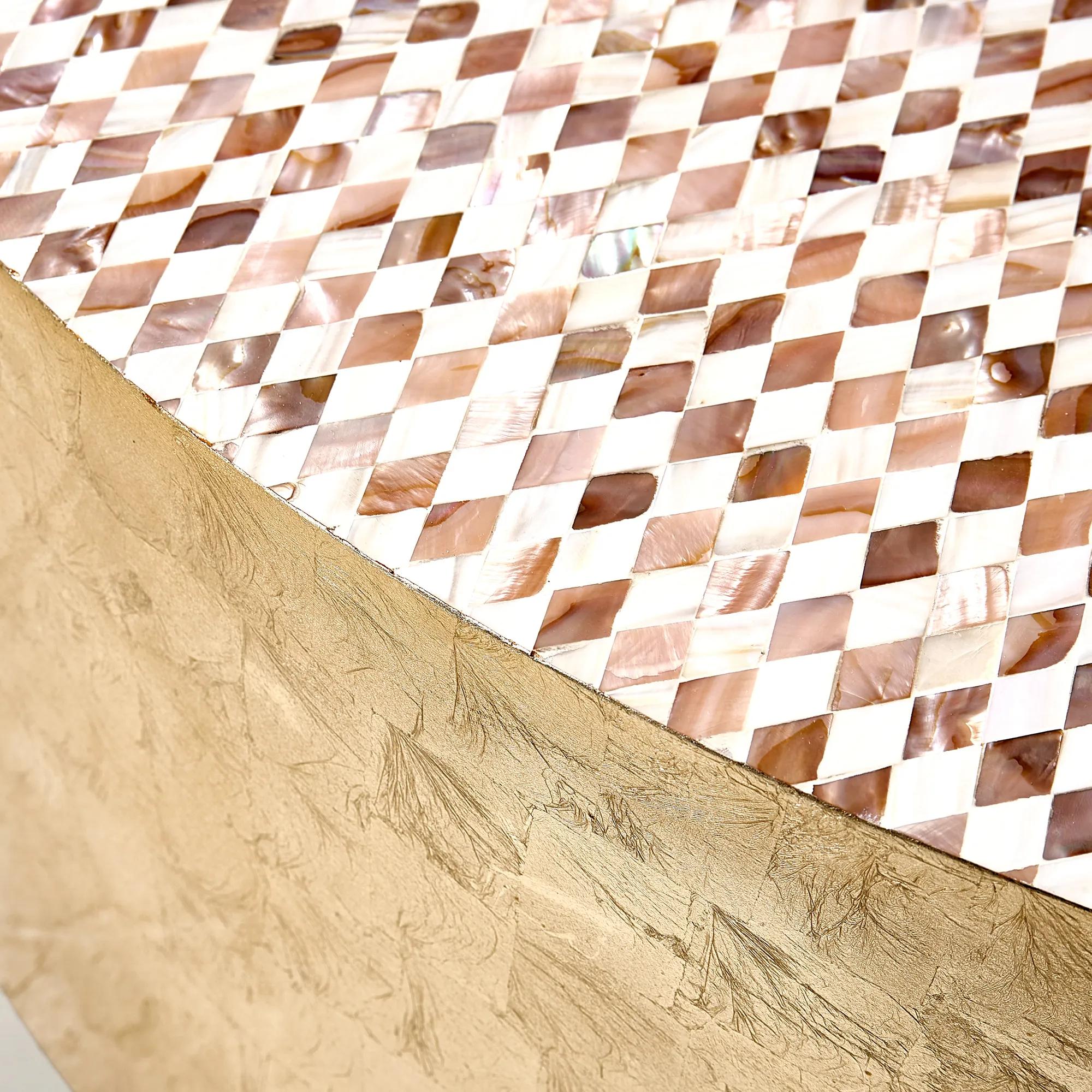 Lucien Round Diamond Coffee Table (47.24")$1299
A sculptural round coffee table featuring a hand-laid mother-of-pearl diamond mosaic and gold leaf sides.
Add To Cart -
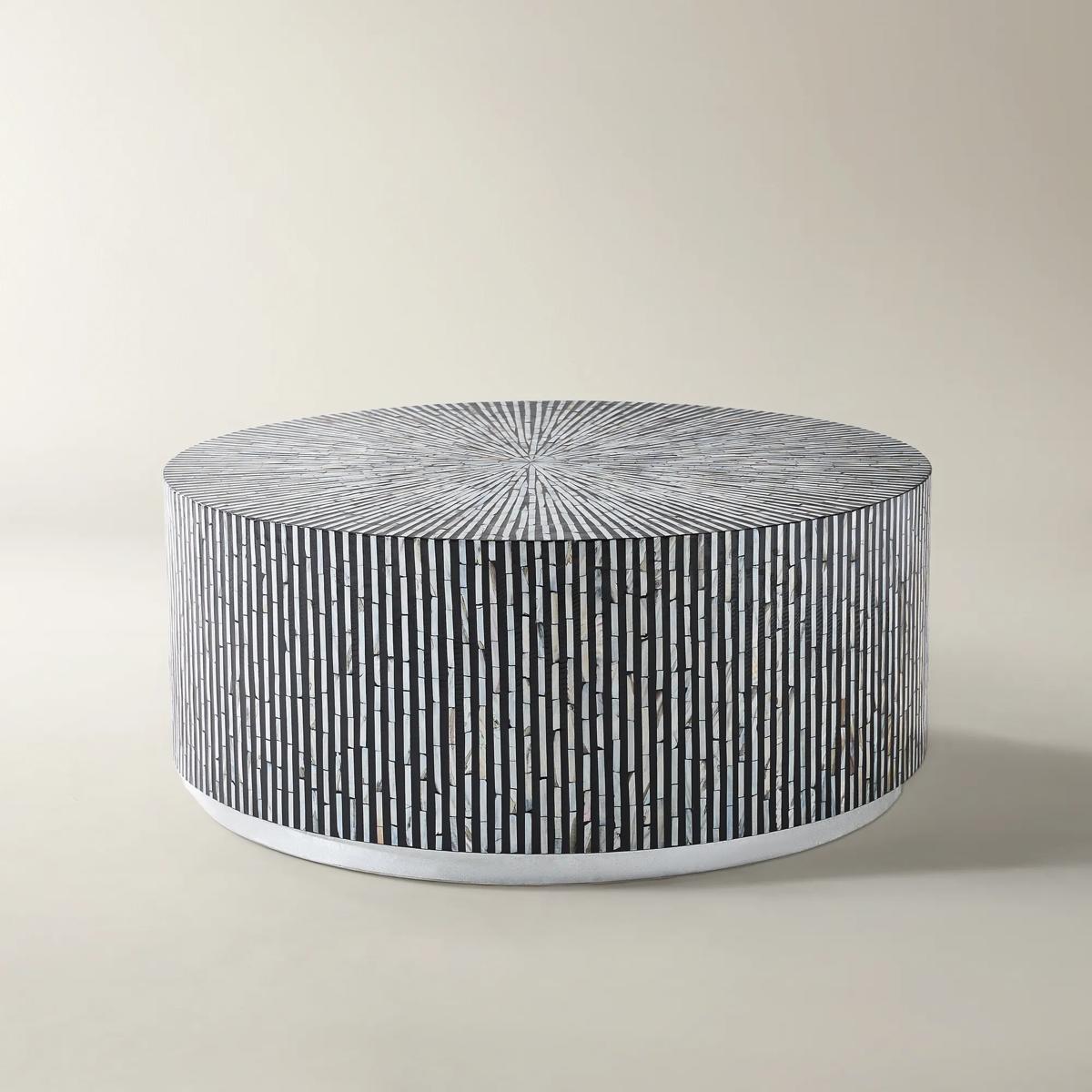
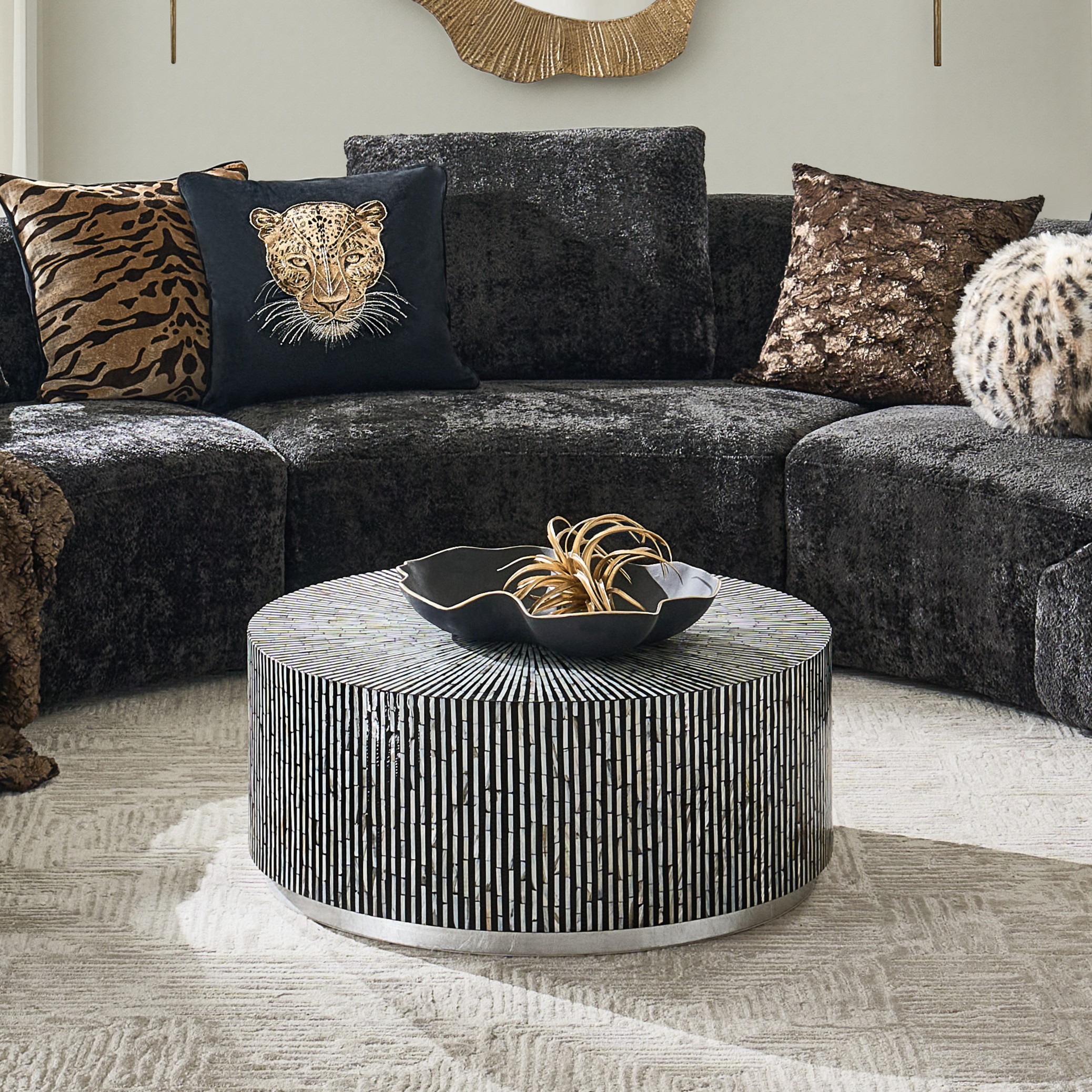 Marina Round Mosaic Black Coffee Table (35.8")$799
A handcrafted round coffee table featuring iridescent mother-of-pearl inlay and a silver leaf base.
Add To Cart -
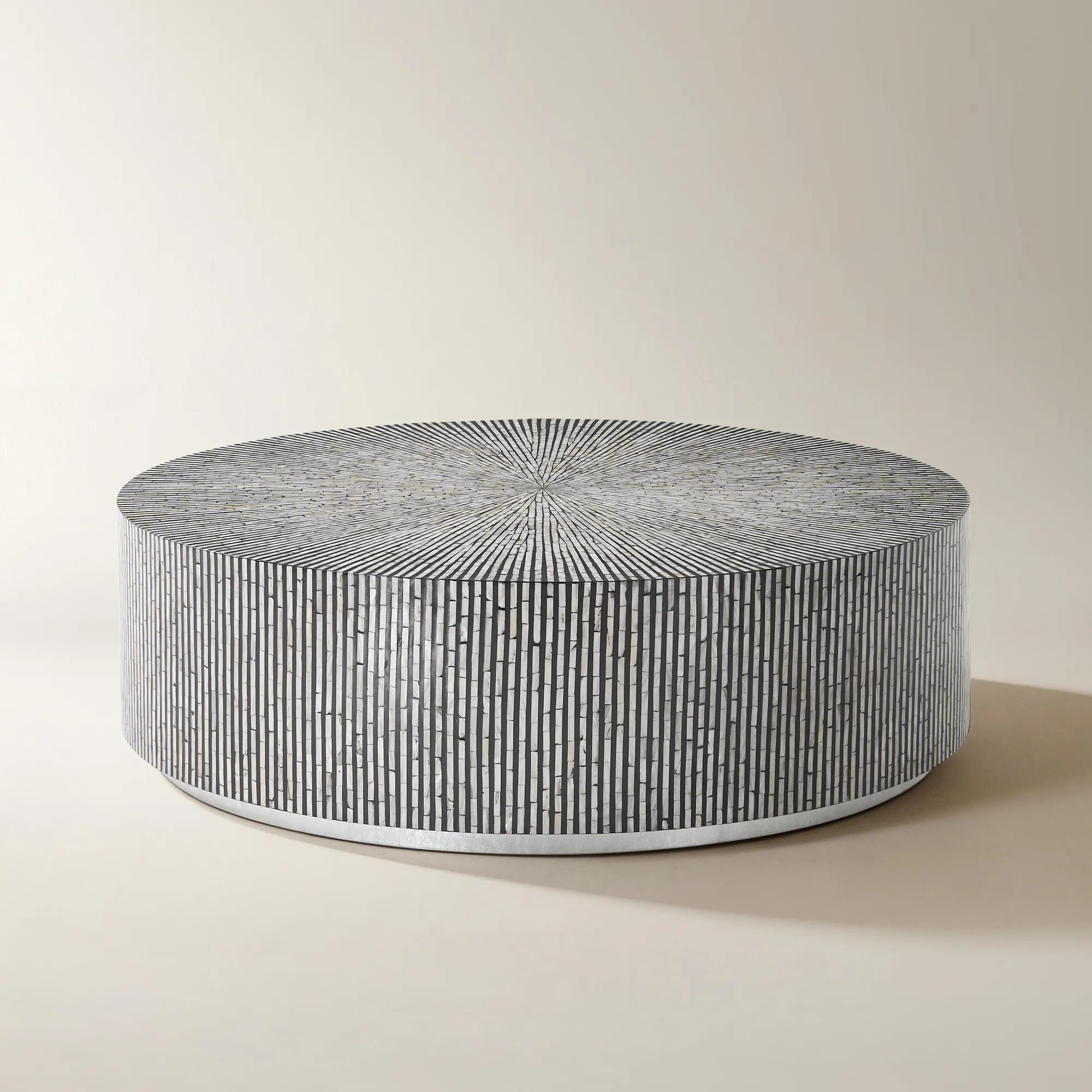
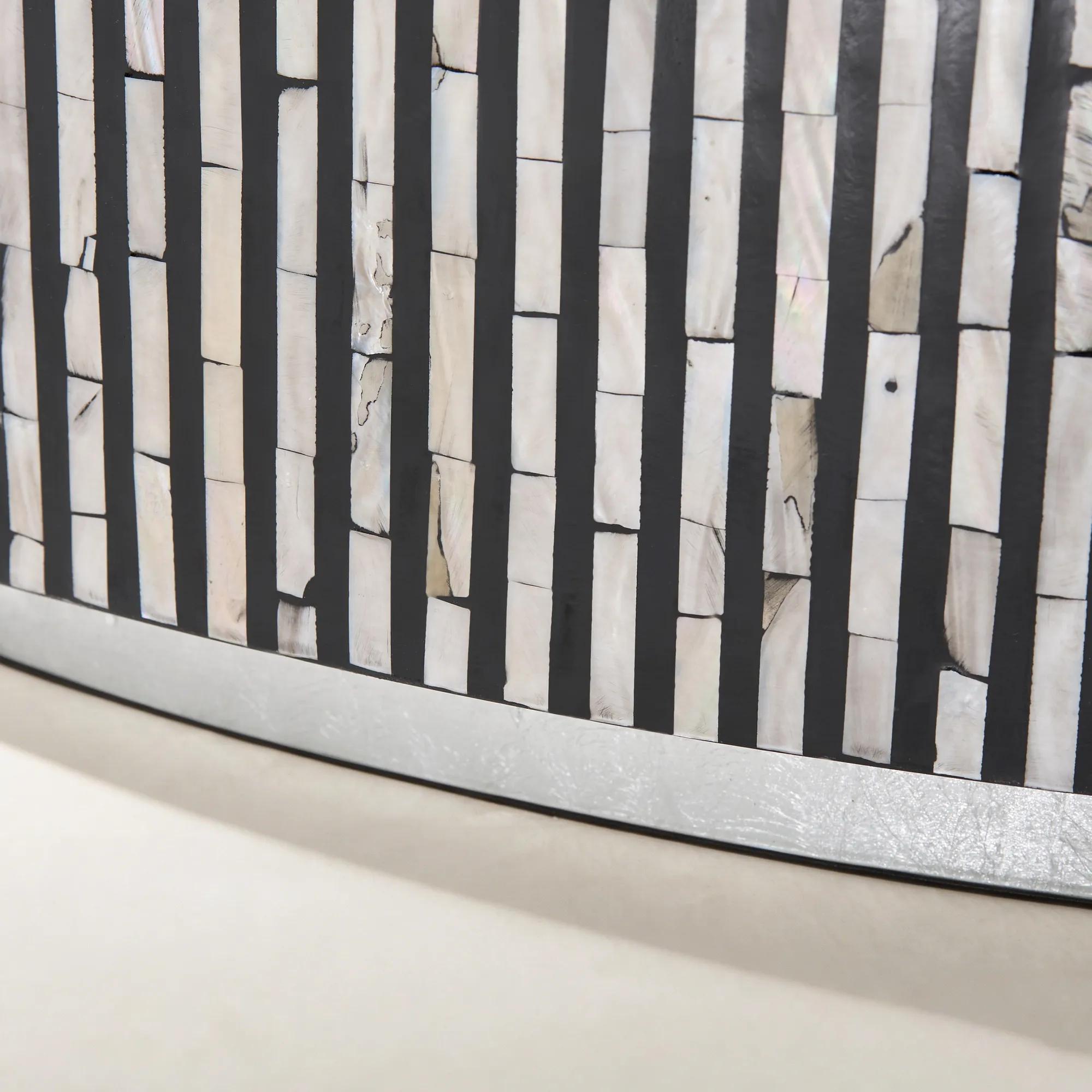 Marina Round Mosaic Black Coffee Table (52")$1399
A sculptural black coffee table featuring hand-applied mother-of-pearl mosaic and a silver leaf base.
Add To Cart -
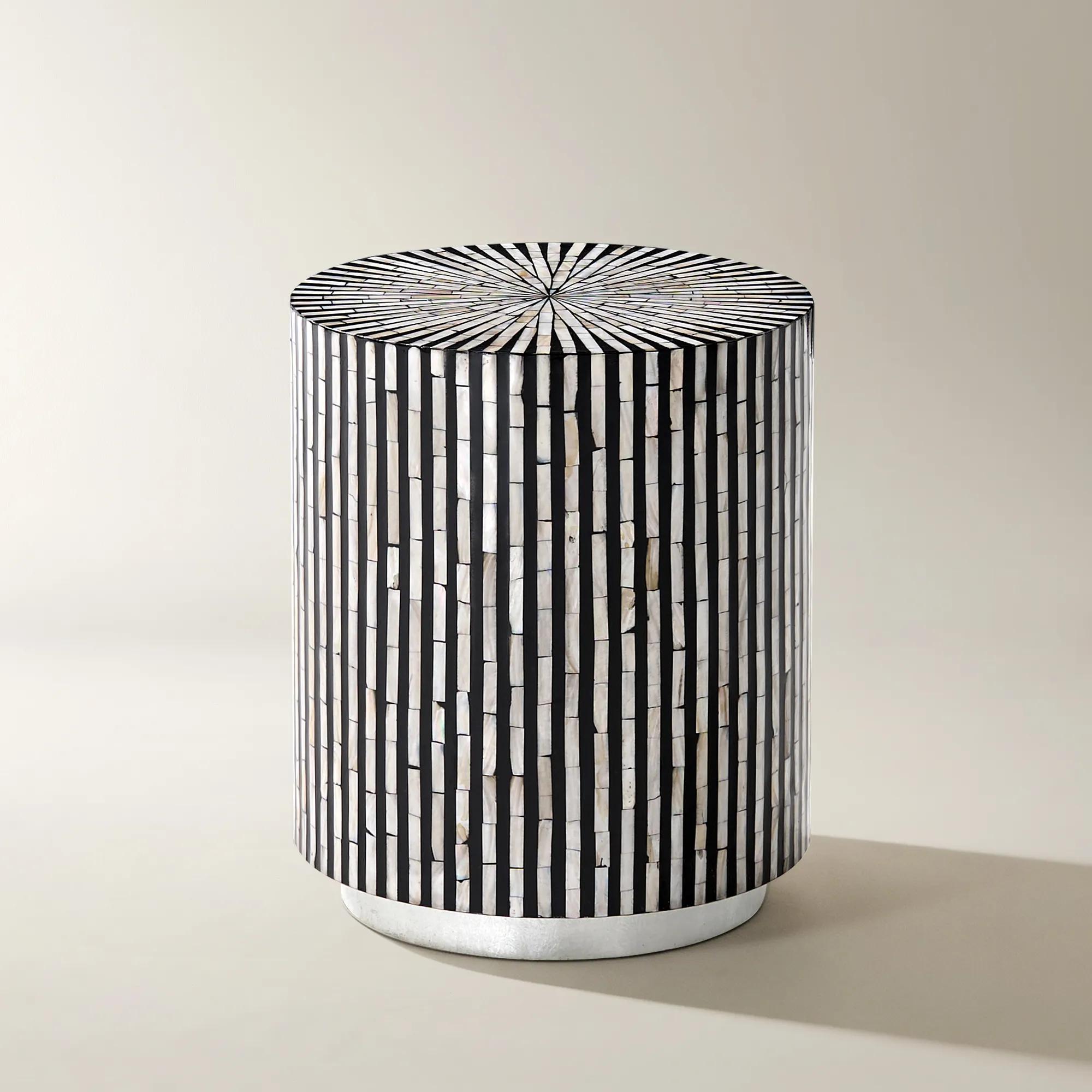
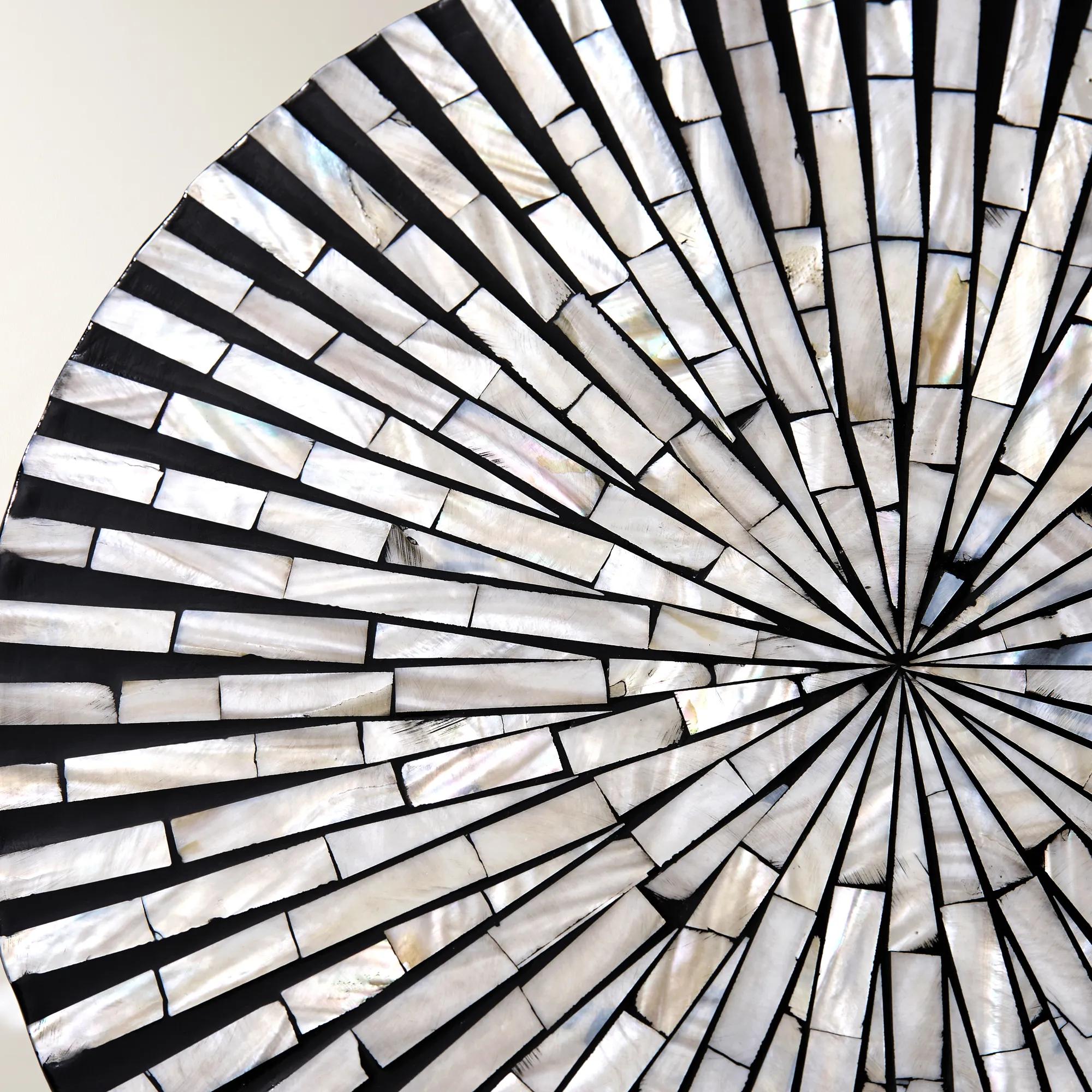 Marina Round Mosaic Black End Table (13.75")$299
A sculptural black end table featuring hand-applied mother-of-pearl mosaic and a silver leaf–accented base.
Add To Cart -
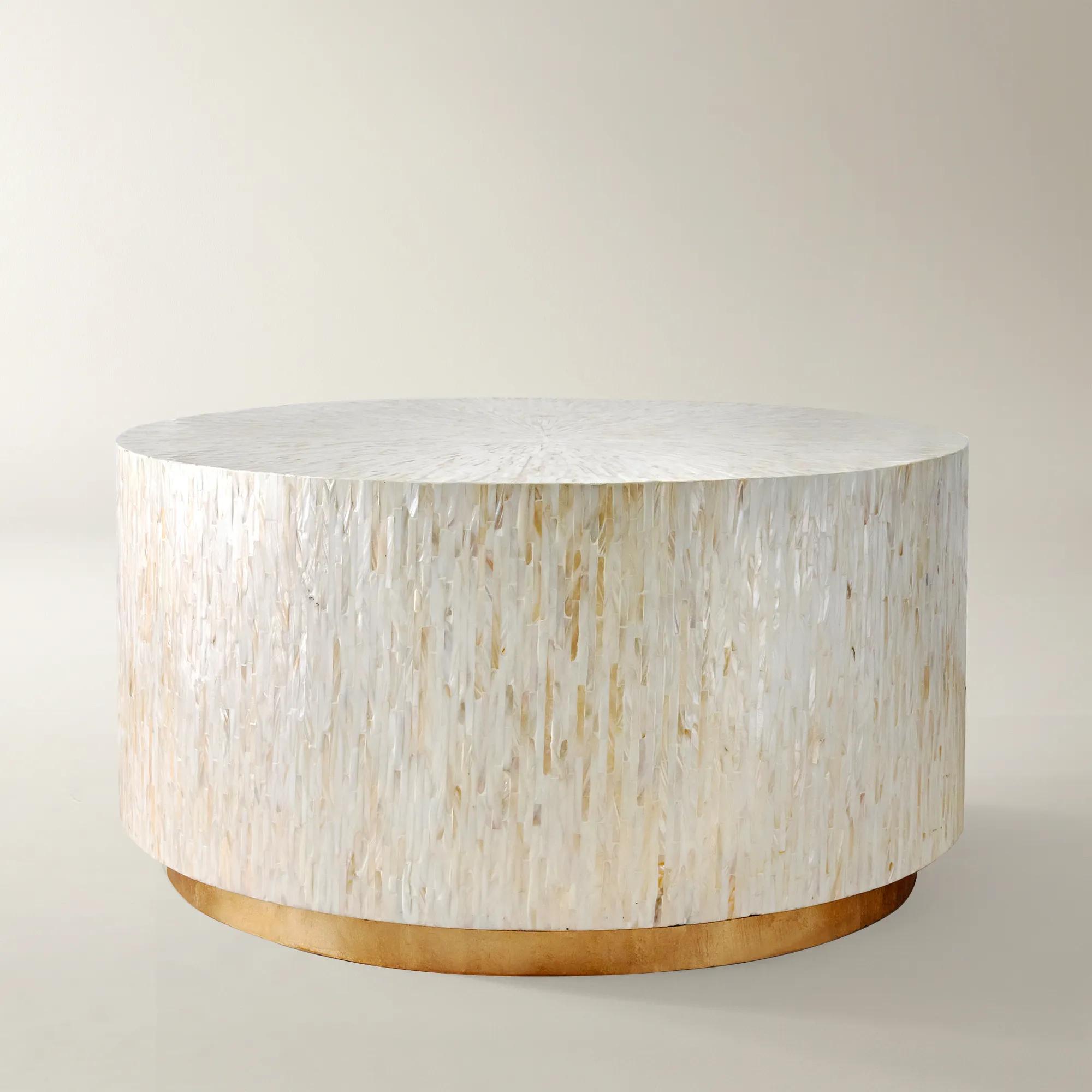
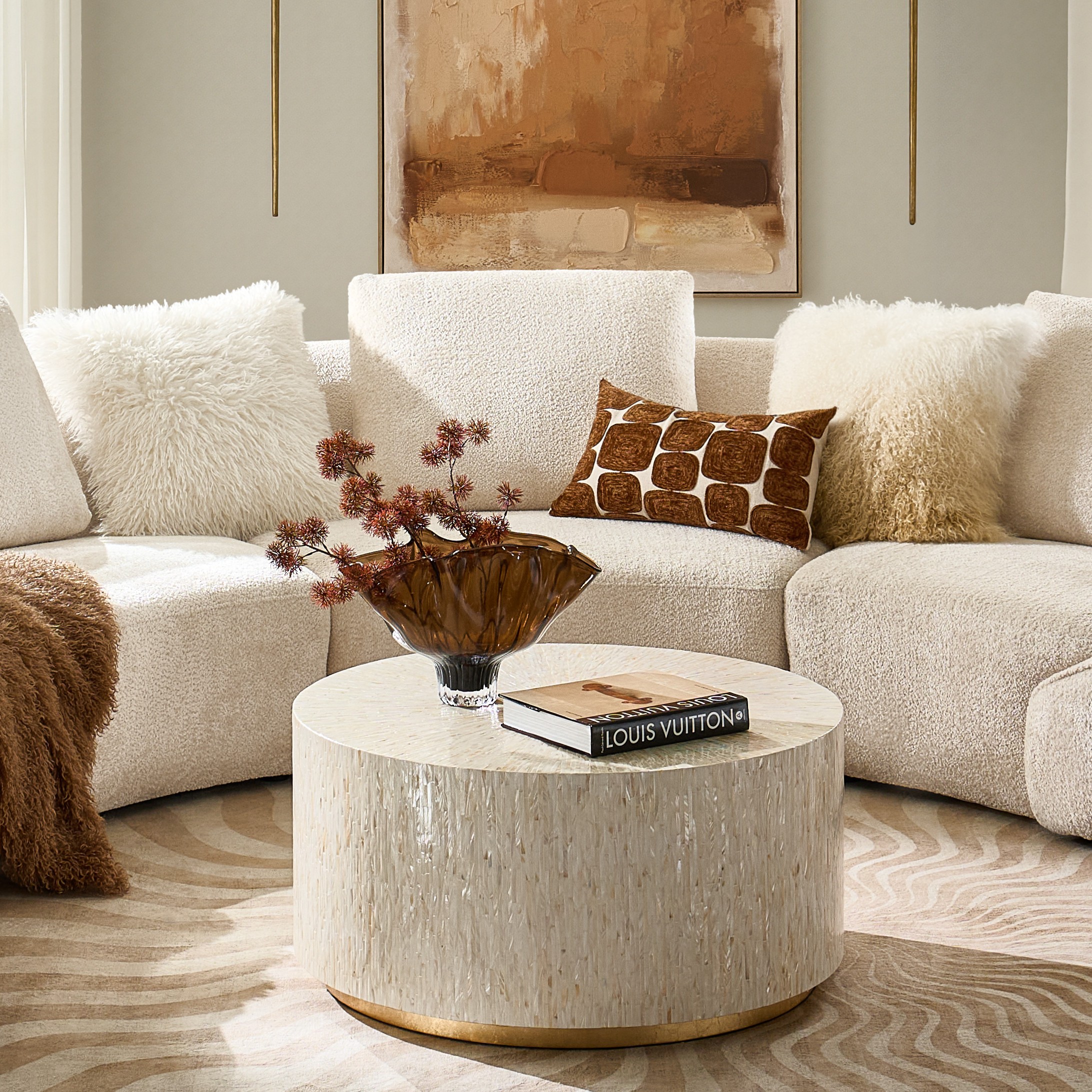 Alexandria Round Mosaic Platinum Coffee Table (36")$799
A luminous ivory coffee table featuring hand-applied mother-of-pearl mosaic and a gold leaf-accented base.
Add To Cart -
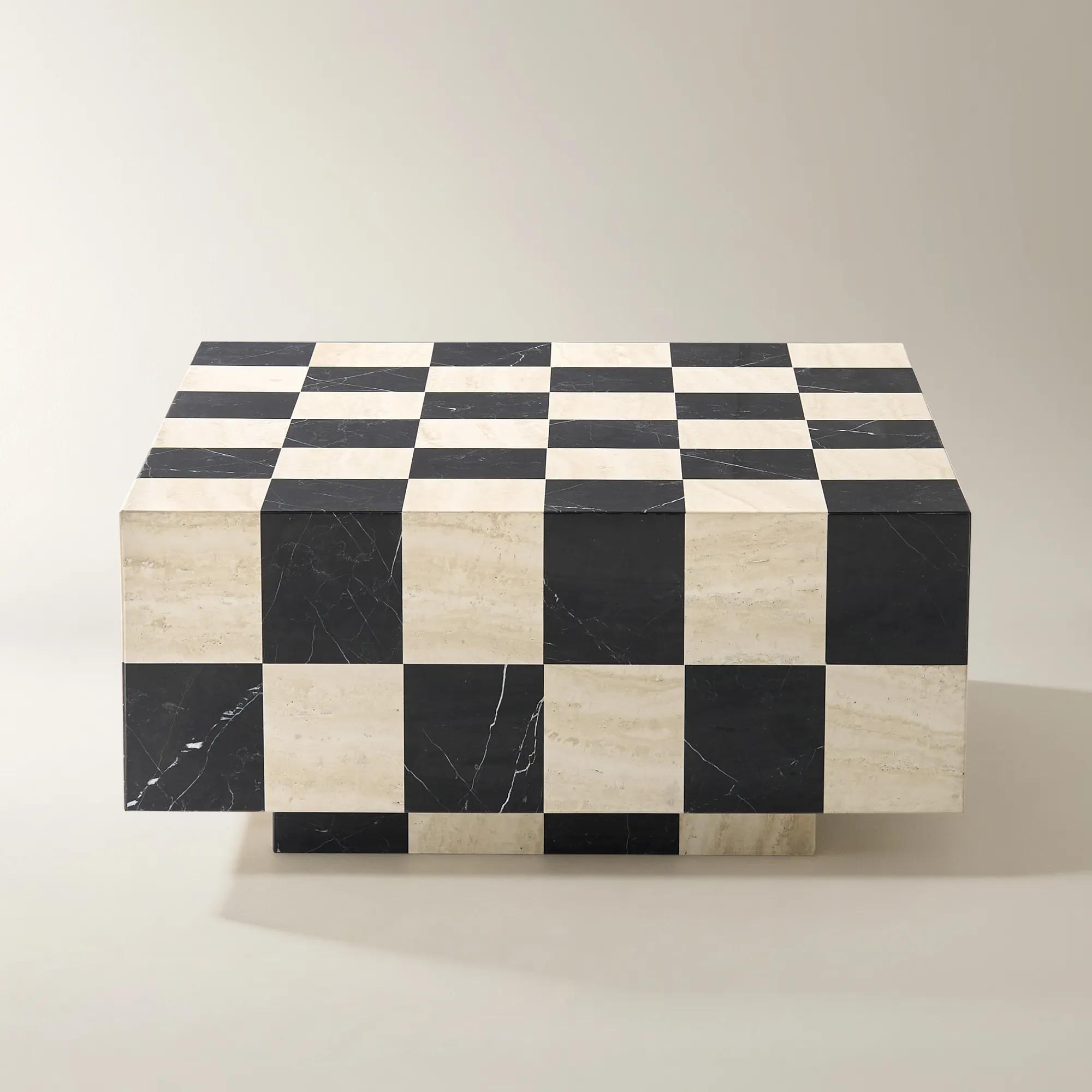
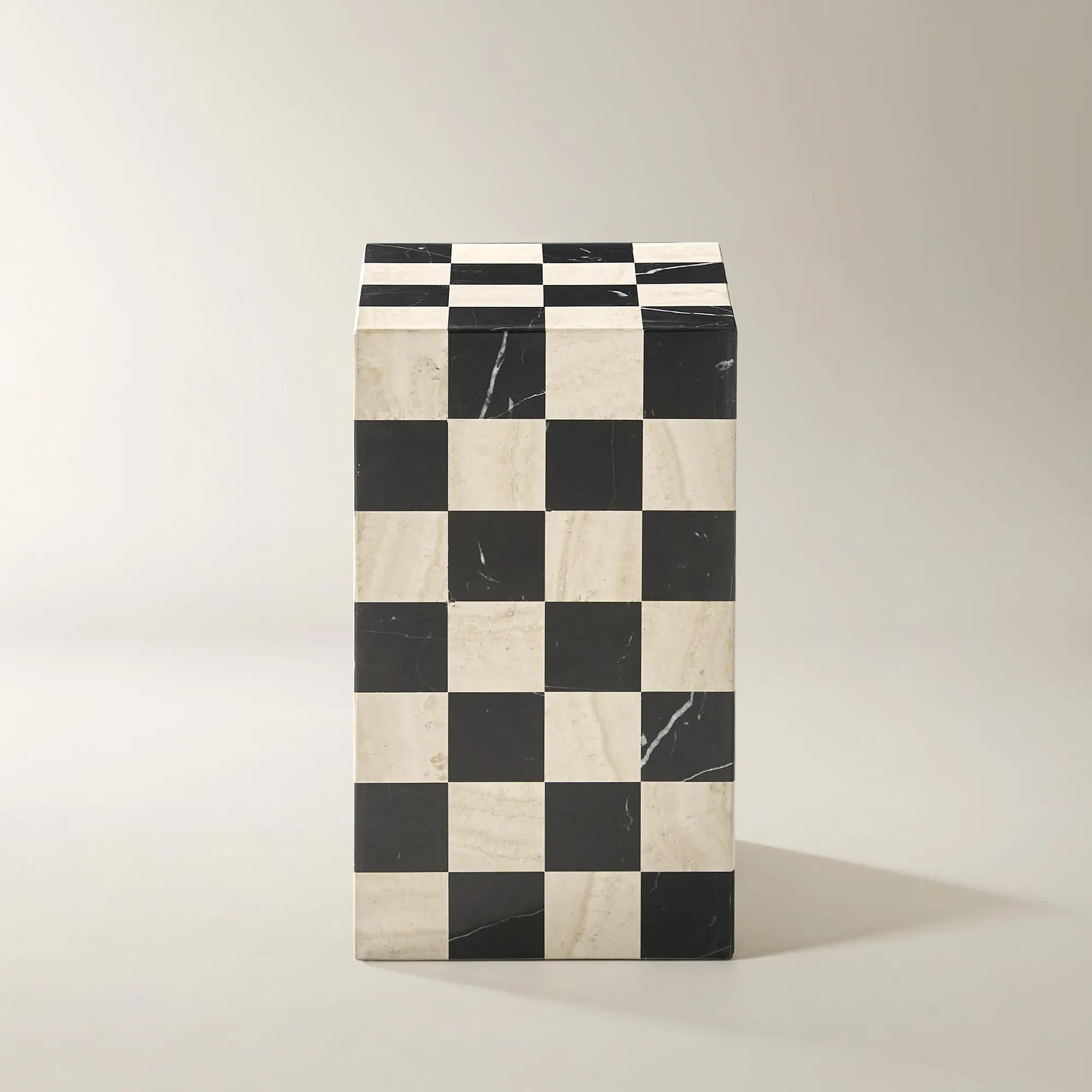 Chessa Square Chequered Marble End Table (12")$999
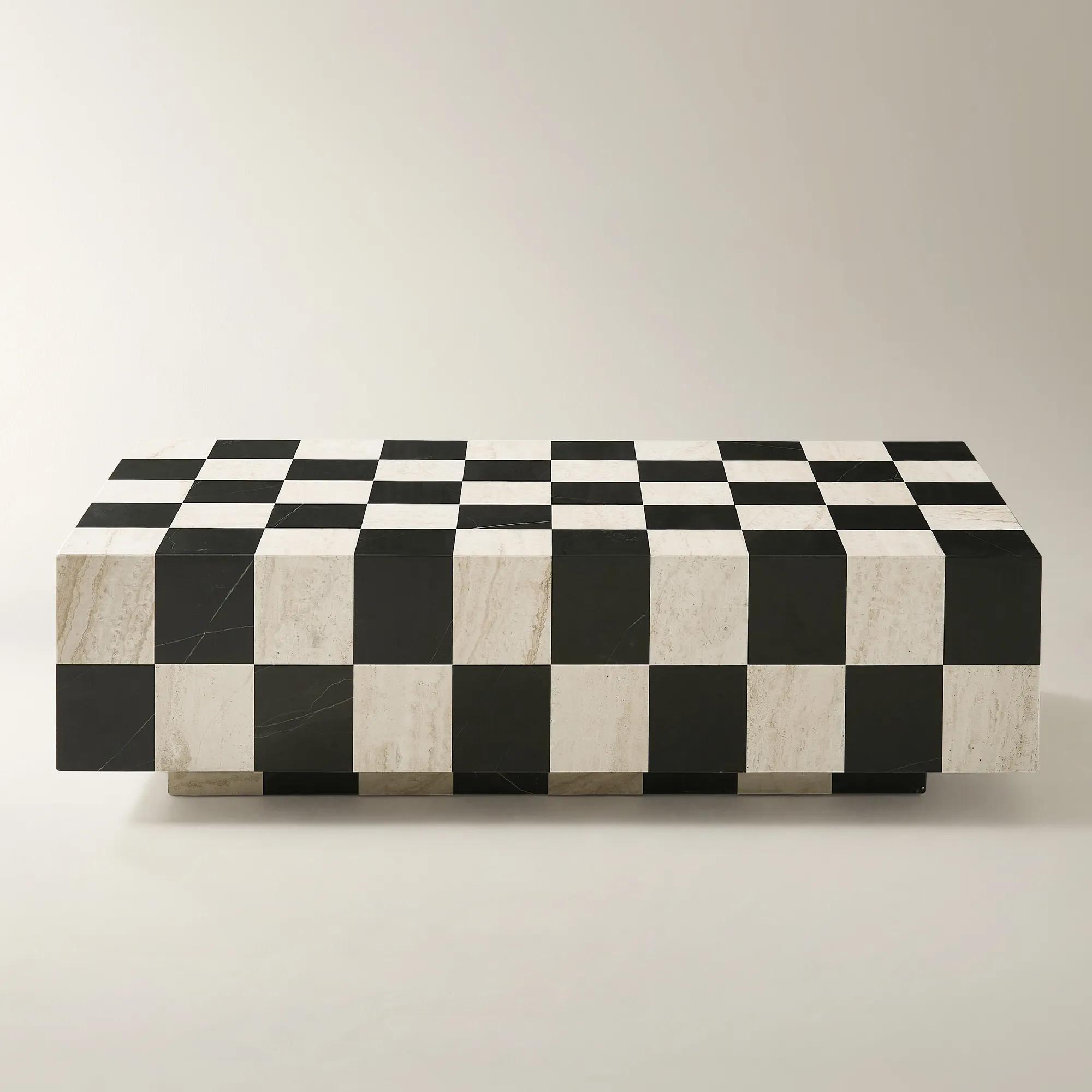
A sculptural end table featuring a bold black marble and travertine checkerboard mosaic design.
Add To Cart -
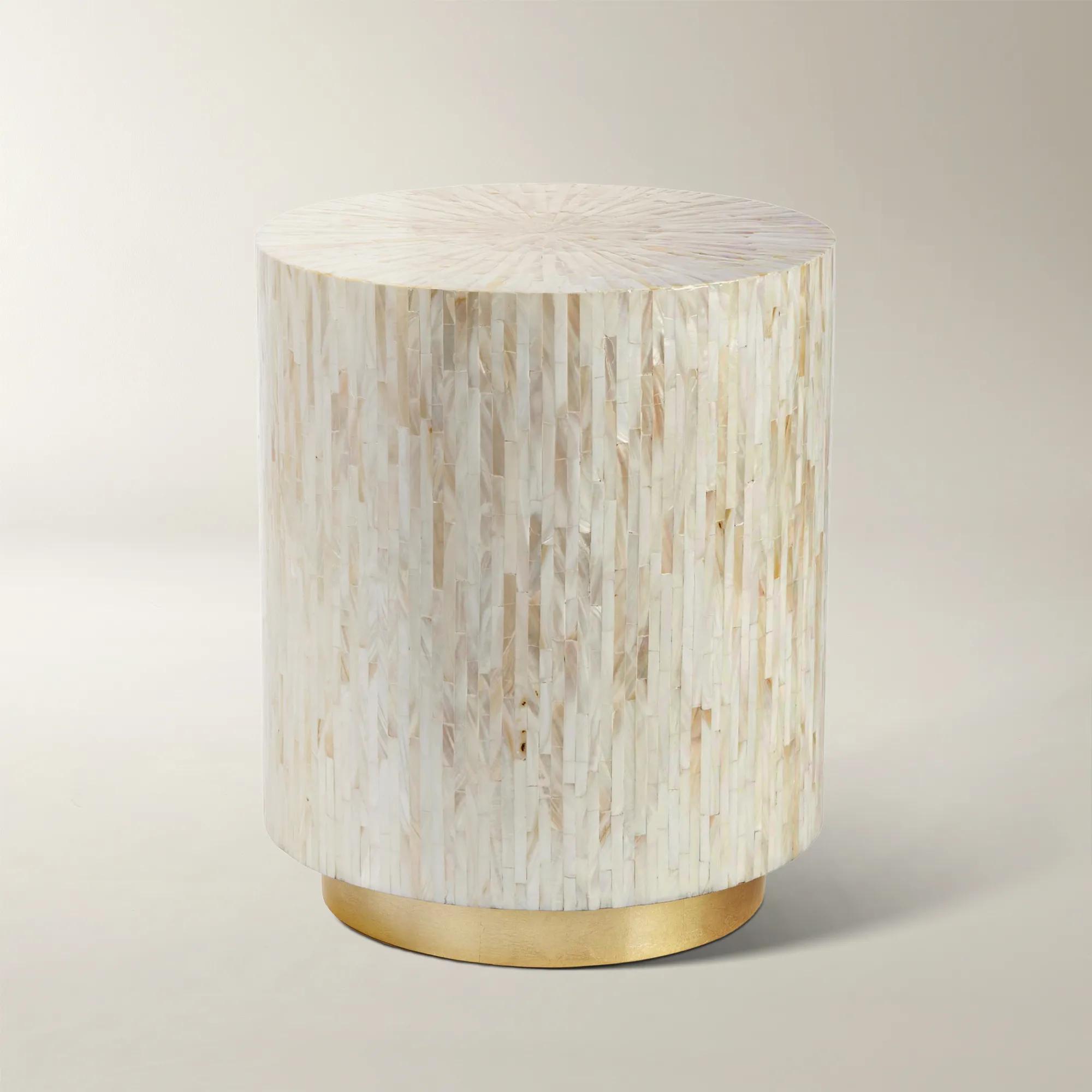 Alexandria Round Mosaic Platinum End Table (13.75")$299
A glamorous accent table featuring hand-applied mother-of-pearl mosaic and a gold leaf-accented base.
Add To Cart -
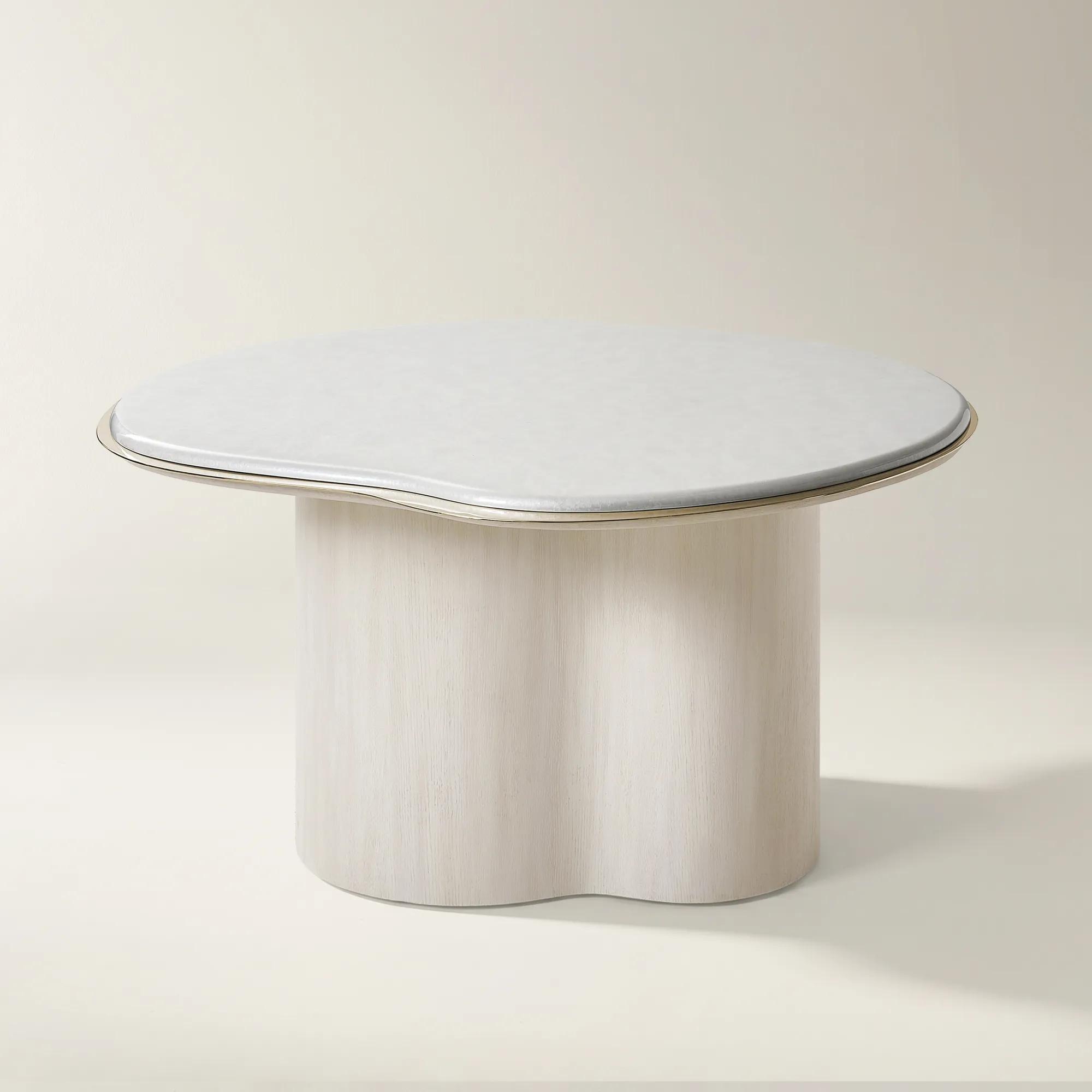 Lumina Bleached Oak Dining Table With Pearl Lacquered Top (58")$2699
A sculptural dining table featuring a pearl lacquered top, bleached oak base, and champagne gold trim.
Add To Cart -
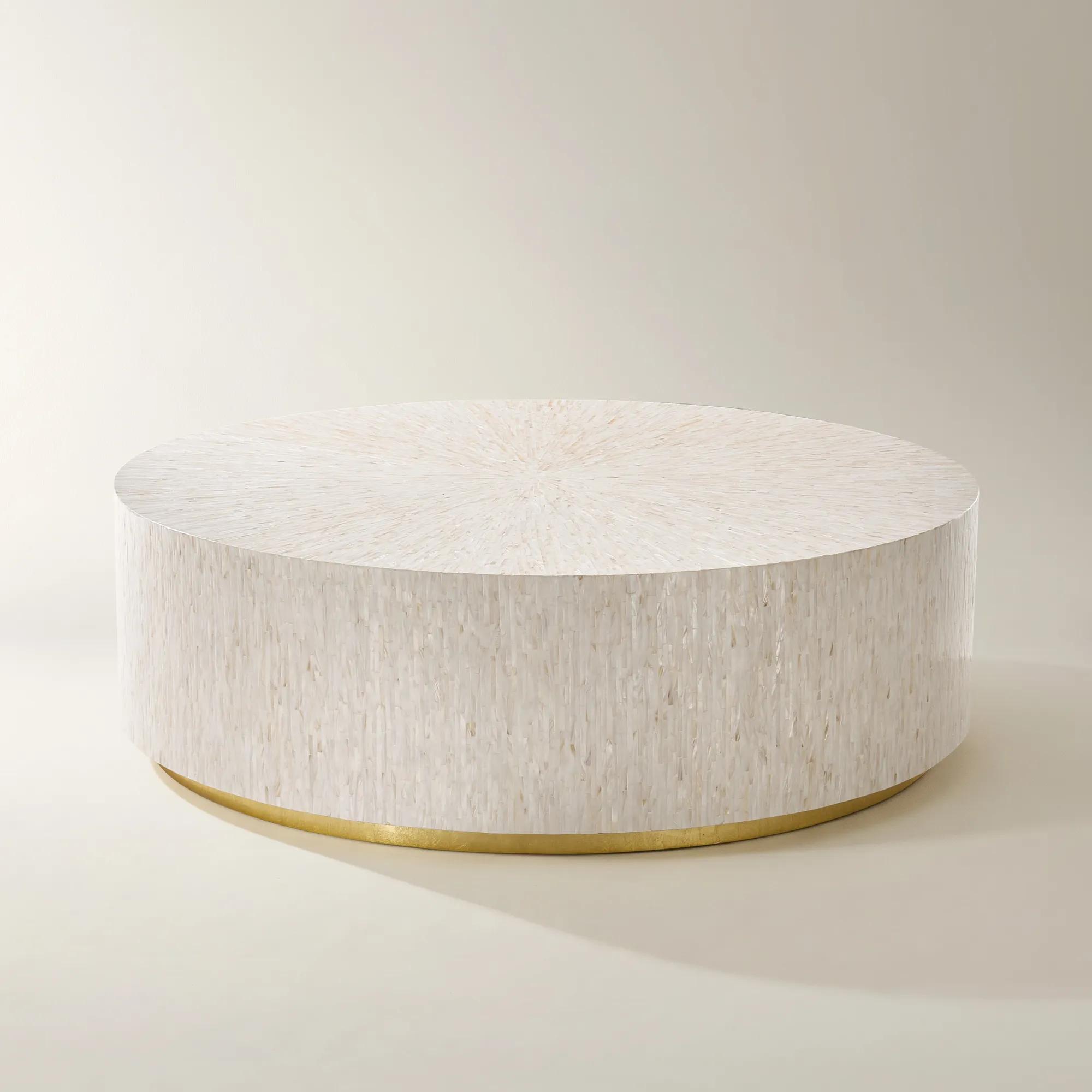 Alexandria Round Mosaic Platinum Coffee Table (52")$1399
A luminous mother-of-pearl mosaic coffee table with a sculptural round form and gold leaf–accented base.
Add To Cart

Geometric Shell-Mosaic Tables
Explore geometric shell-mosaic tables that bring intricate pattern and sculptural presence to your living space. This selection pairs shell mosaic surfaces with geometric design for an expressive accent that feels both decorative and architectural. Consider each table’s dimensions, silhouette, and surface pattern to find a piece that complements your seating and adds a distinctive focal point.
Geometric shell-mosaic tables bring two distinct forms of beauty into conversation: the precision of architectural shapes and the luminous variation of natural shell. Faceted silhouettes, crisp angles, and repeating patterns give these accent pieces their sculptural presence, while small sections of shell introduce an iridescent surface that changes subtly with the light. The effect is expressive rather than uniform. Depending on the shell and finish, a tabletop may reveal creamy ivory, soft silver, pale gold, or delicate hints of pink and gray, creating depth within a restrained palette. That interplay makes shell mosaic especially compelling in rooms where texture carries as much importance as color. Beside a sumptuous velvet sofa, it offers a lustrous contrast to plush upholstery; against a dark wall, a pale mosaic surface can feel almost illuminated. In a lighter interior, its individual fragments create detail without requiring another dominant hue. Geometric forms give that shimmer definition, whether the overall shape is angular and assertive or rounded with a precisely arranged mosaic pattern. The category draws its appeal from this balance of organic material and deliberate composition: each shell fragment contributes to a larger design, yet its natural markings keep the surface from feeling mechanically repeated. Some constructions use shell across the top alone, while others extend the mosaic over the sides for a more enveloping decorative effect. A fully clad silhouette reads like a small piece of sculpture, particularly when positioned where its edges and changing reflections remain visible. For anyone drawn to expressive interiors, these tables offer a way to introduce ornament through material rather than an abundance of accessories. A single ceramic vessel, a restrained arrangement of branches, or a beautifully bound book can be enough to complete the composition. Leaving some of the mosaic exposed allows its pattern and luster to remain part of the room’s visual story, rather than disappearing beneath layers of decoration.
The most successful geometric shell-mosaic tables feel intentional in both proportion and placement. An accent table beside a reading chair should bring a drink or book within comfortable reach, with a top near the height of the chair’s arm rather than so low that every reach becomes a stretch. Next to a deep sofa, consider the table’s usable surface as carefully as its silhouette: a dramatic taper or sharply faceted base may have a smaller footprint at floor level than at the top. Checking both dimensions helps establish how the piece will sit beside upholstery and whether it leaves comfortable passage through the room. Where a shell-mosaic design serves as a coffee table, allow enough space for people to move around it and sit down without navigating tight corners. In a compact seating arrangement, a smaller accent table can deliver substantial visual impact without the footprint of a broad central table. A pair placed on either side of a sofa creates symmetry, while a single sculptural form beside an occasional chair gives an otherwise quiet corner a distinct point of interest. Intended use matters just as much as scale. A surface chosen primarily to display an art object has different demands from one expected to support a frequently used lamp, drinks, and reading materials. For a lamp, check that the base sits fully and securely on a level area, and consider where the cord will fall so it does not interrupt the mosaic’s lines or cross a walkway. Material combinations also influence the room’s overall mood. Shell against polished metal feels crisp and glamorous; alongside richly grained wood, it introduces light and contrast without competing with the grain. For a complementary exploration of veined effects and substantial-looking silhouettes, Handcrafted Marble Look Tables offer another decorative direction. When combining different table finishes, a shared undertone or related geometric shape can create cohesion while allowing each surface its own character.
Construction and care deserve close attention because a shell-mosaic table is both a working surface and a decorative finish. Shell mosaic generally consists of small pieces secured to an underlying structure, which may incorporate engineered wood, wood, metal, or other supporting materials depending on the design. The substrate, joinery, base, adhesive system, and protective finish all contribute to performance; the shell itself does not establish how much weight a table can hold or where it can be used. Review the stated materials, dimensions, weight limits, and care directions before choosing a piece for a particular setting. Natural variation in shell color and pattern is part of the material’s appeal, but the finished surface should still suit its intended function. A highly textured mosaic may be better for decorative display than for a narrow-stemmed glass unless an appropriate tray provides a stable resting place. Coasters help separate drinkware from the finish, and protective pads beneath vases, bowls, and decorative objects can reduce scratches from rough undersides. Blot spills promptly with a soft cloth rather than letting moisture linger along seams, and follow the manufacturer’s instructions before using a damp cloth or any cleaning solution. Avoid abrasive scrubbers and unapproved acidic or solvent-based cleaners, which can damage shell, coatings, or the materials surrounding the mosaic. Hot vessels should not rest directly on the surface. Lift objects instead of dragging them, and move the table by its supporting structure rather than pulling on a decorative edge. Unless expressly designated otherwise, treat shell-mosaic tables as indoor furniture, not as seating, step stools, or outdoor accents. In active households, placement outside busy circulation paths can help protect angular edges from repeated knocks. For a design-minded housewarming or wedding gift, a smaller accent table can make a memorable gesture when the recipient’s space, taste, and practical needs are known. Chosen with that same attention for a personal interior, a geometric shell-mosaic table becomes a lasting focal point: luminous enough to command attention, useful enough to belong in everyday life, and richly detailed enough to reward a closer look.
FAQs
Geometric shell-mosaic tables feature pieces of shell arranged into angular, repeating, or abstract patterns across a tabletop or base. The shell’s natural variation lends depth and iridescence to the crisp geometry, creating an artful focal point with a luminous finish.
Geometric shell-mosaic tables bring luminous texture to modern glam, Art Deco–inspired, and refined coastal interiors. Their graphic patterns complement sculptural furniture, while their organic shimmer adds an expressive contrast to velvet upholstery, lacquered accents, and polished metal.
Let the mosaic remain the centerpiece by choosing a few distinctive accents rather than covering the surface. A sculptural vase, a stack of art books, or a matte ceramic object creates a compelling contrast with the shell’s luster. Echo one tone from the mosaic elsewhere in the room for a composition that feels intentional.
Natural shell has variations in tone, markings, and iridescence, so individual pieces can reflect light differently within the same mosaic. Depending on the shell and finish, the effect may range from softly pearlescent to richly reflective. These nuances give the geometric design an organic dimension that shifts with your viewpoint and the room’s lighting.
Follow the table’s care instructions, since shell treatments, finishes, and underlying materials vary. For routine dusting, use a soft, dry cloth, and blot spills promptly rather than letting moisture linger. Use coasters beneath drinks, and avoid abrasive tools or harsh cleaners that could mar the mosaic’s luminous surface.