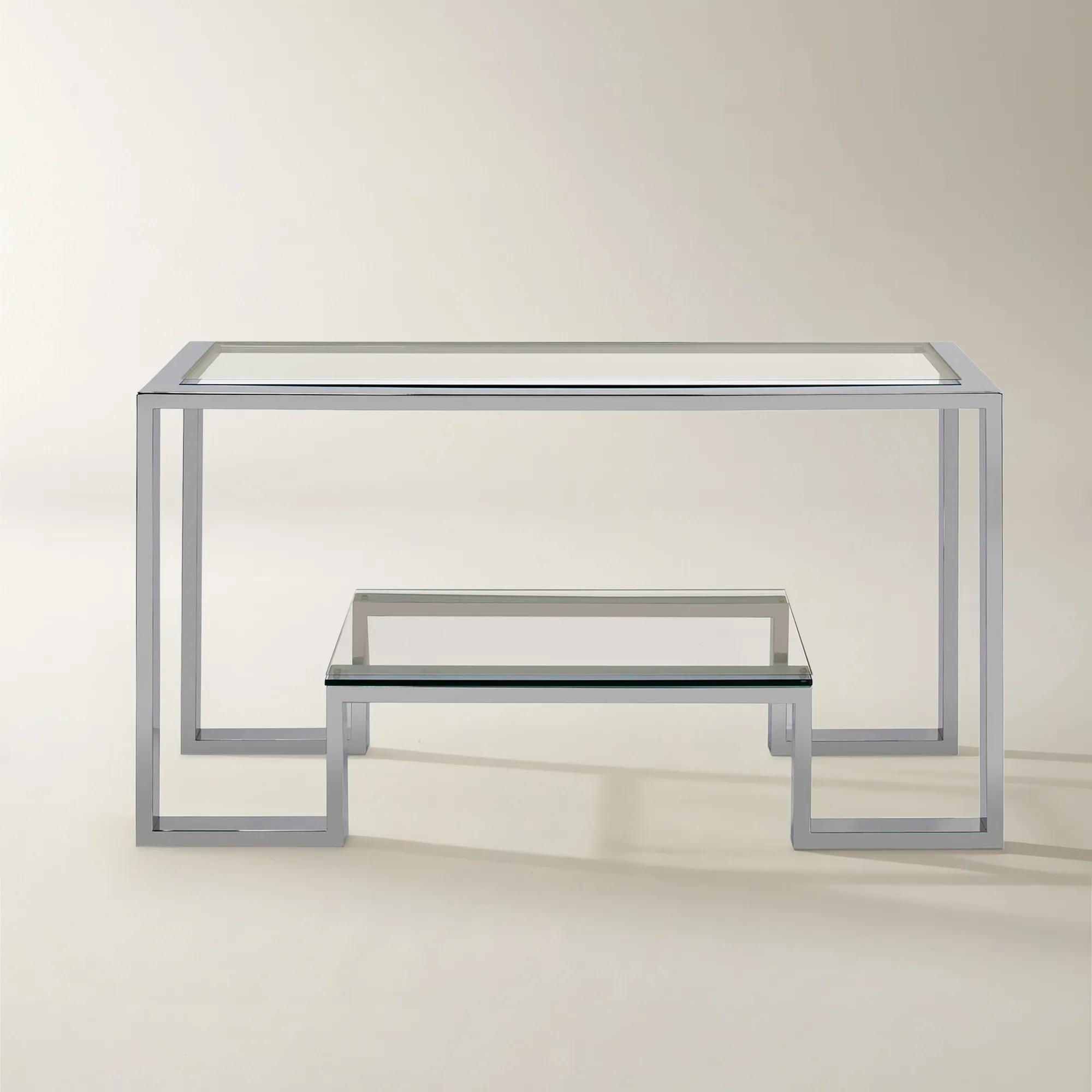
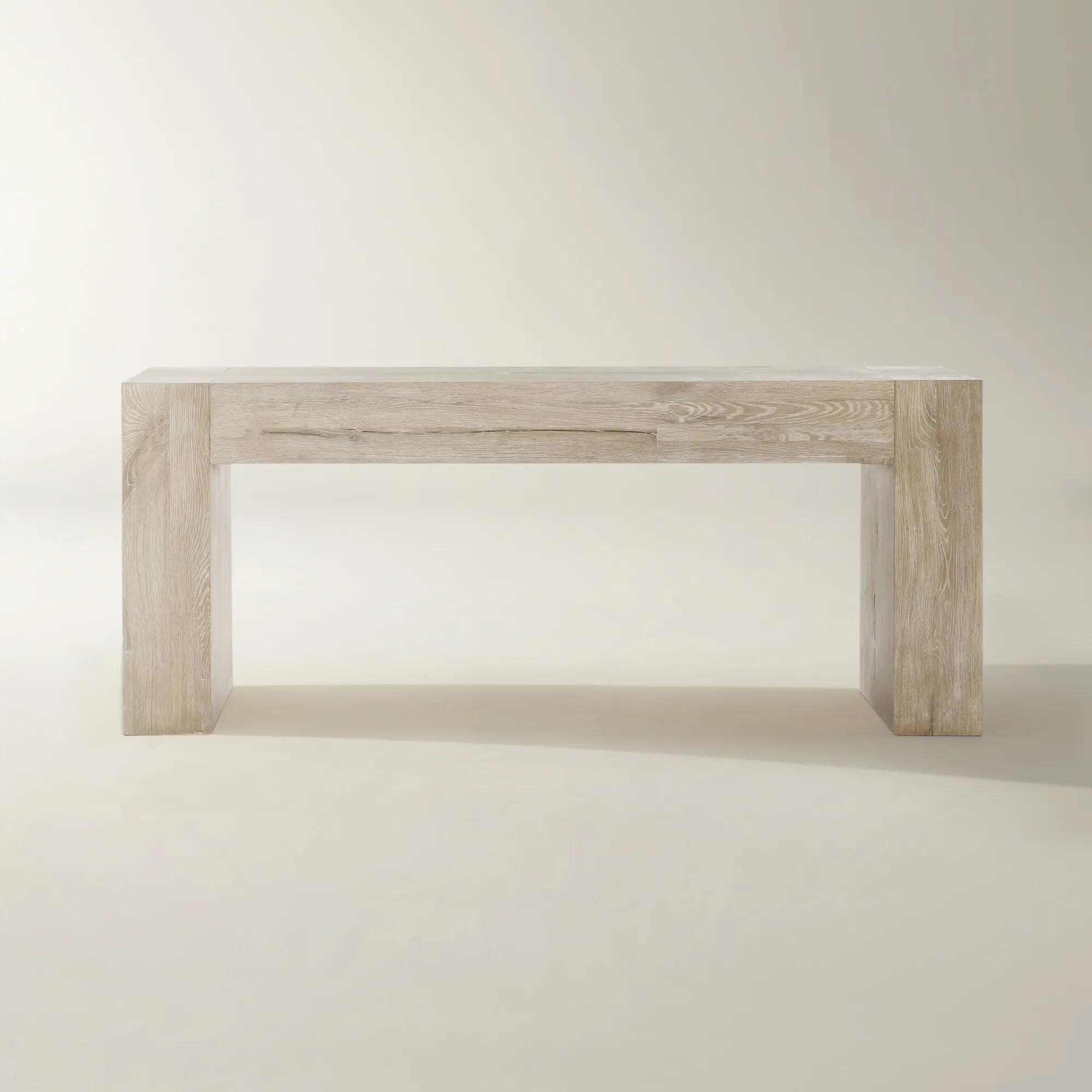
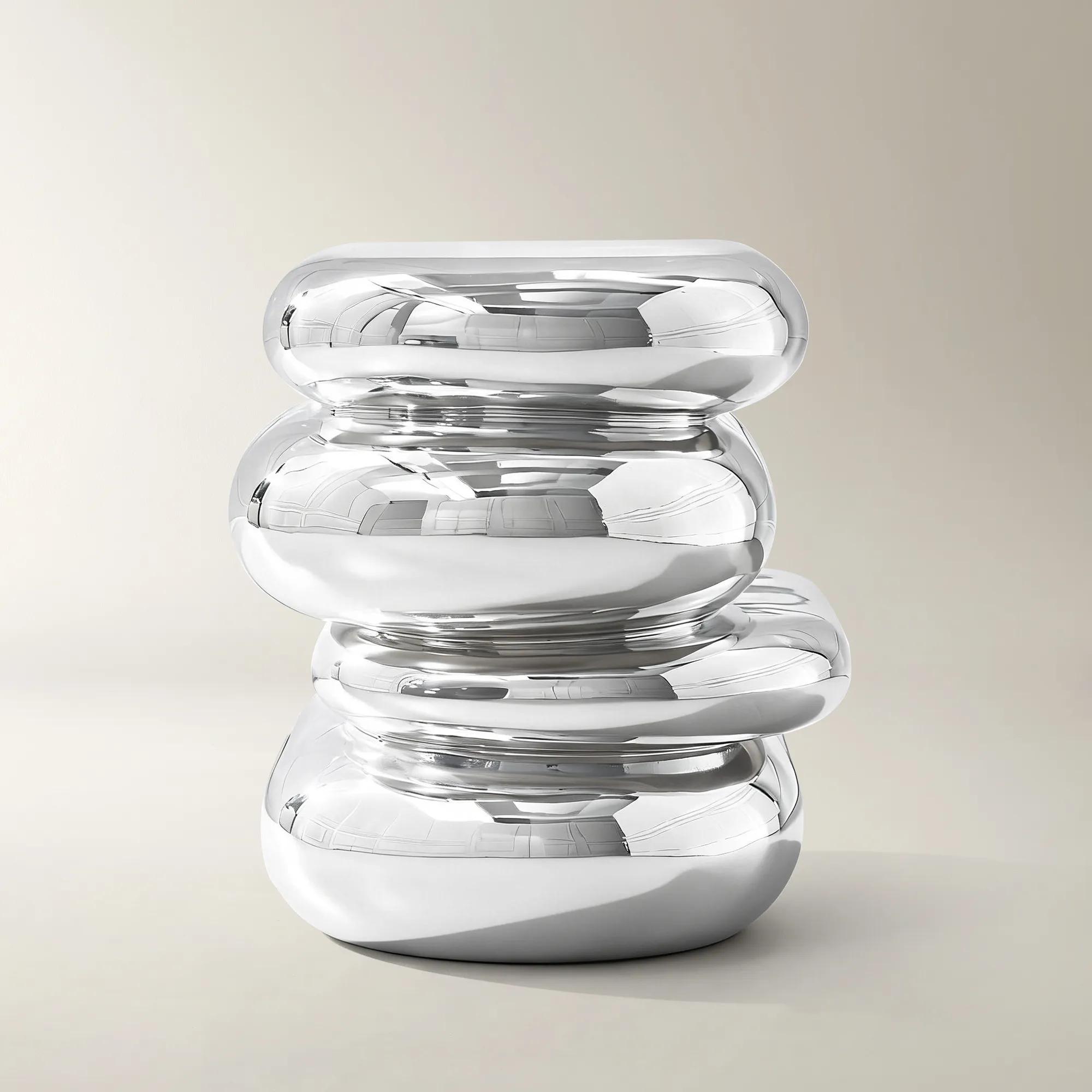
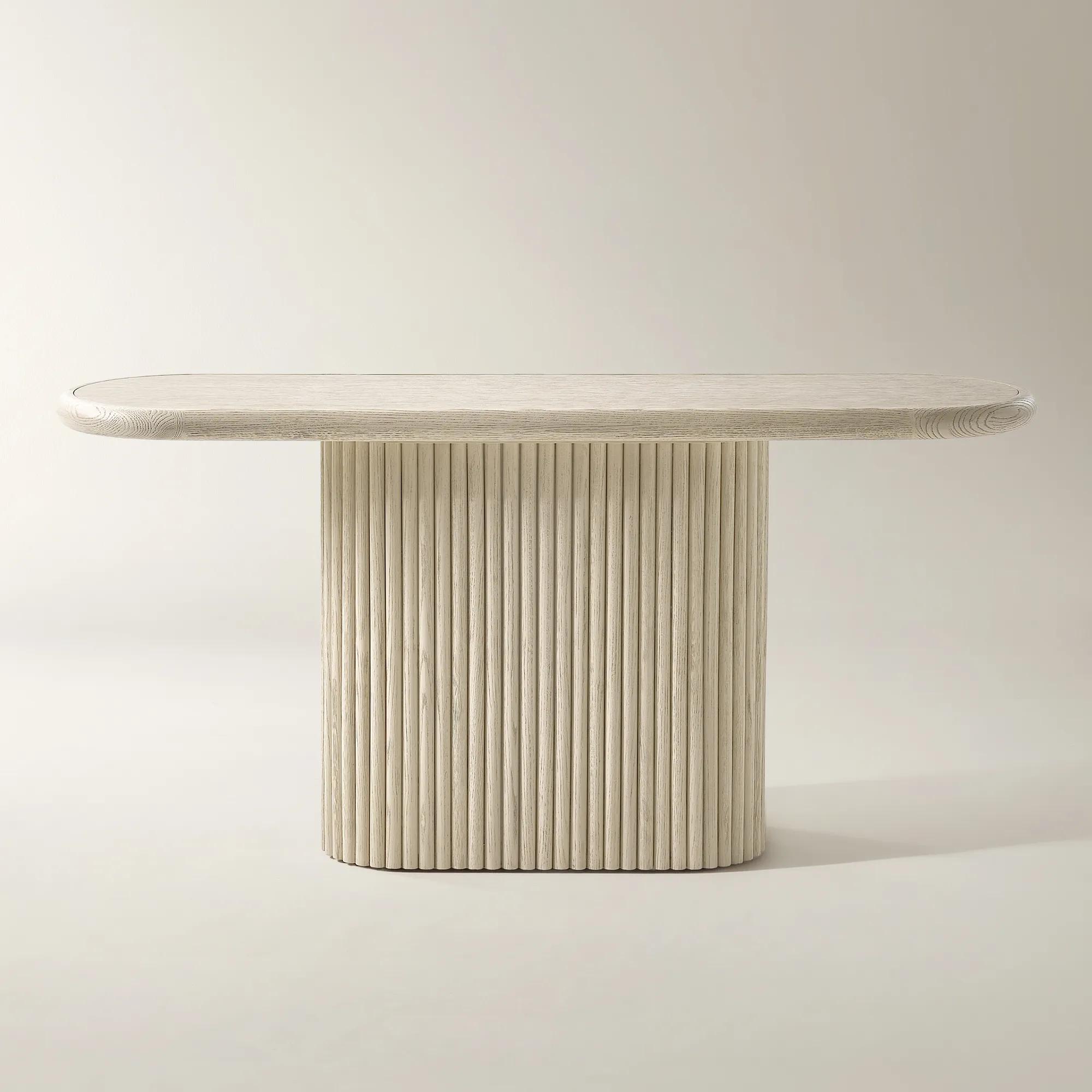
Handcrafted Marble Look Tables
Handcrafted Marble Look Tables
-

 Matera Rectangular White Marble Dining Table With Stainless Steel Base (86.61")$2499
A modern dining table featuring a white marble top and polished stainless steel base for timeless elegance.
Add To Cart -
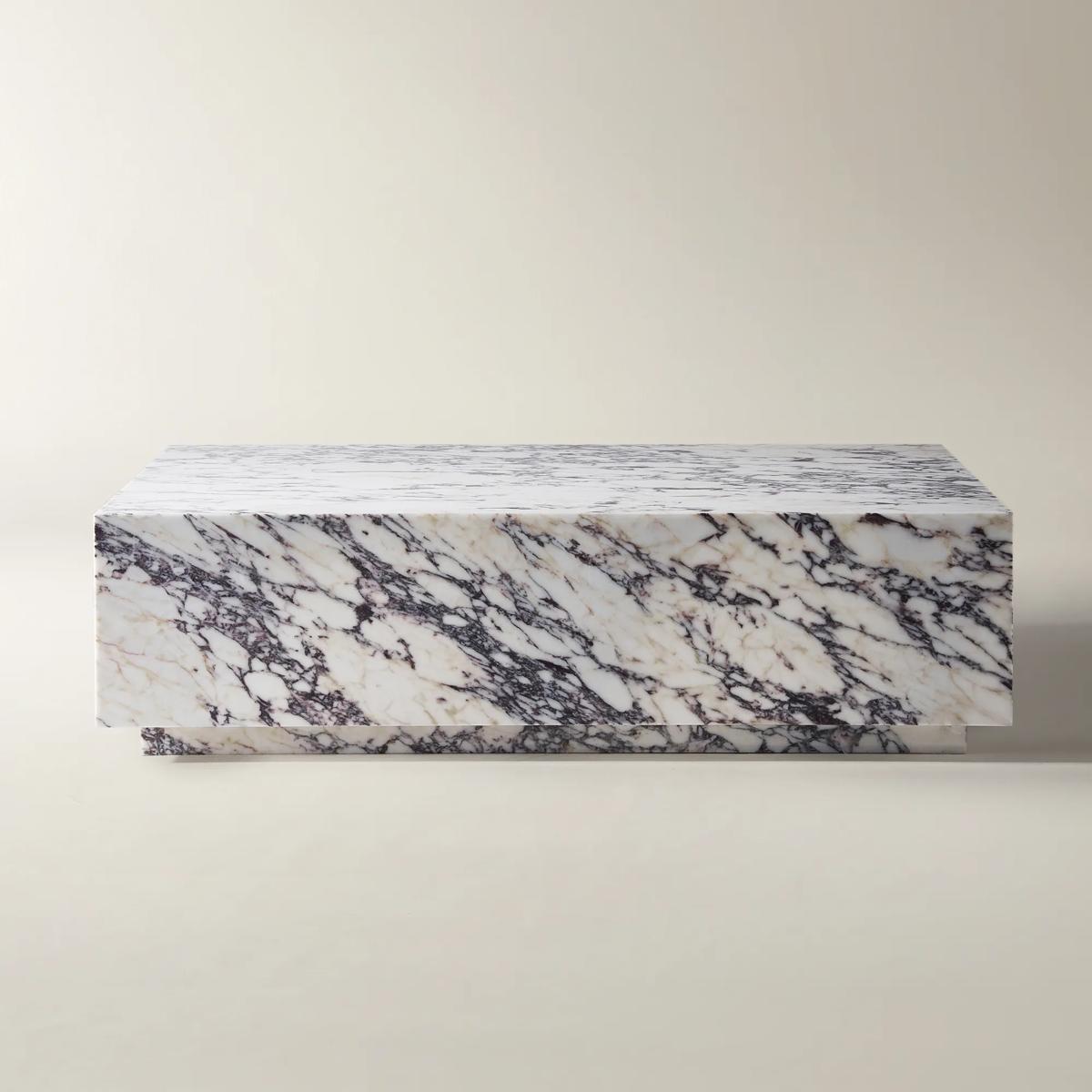
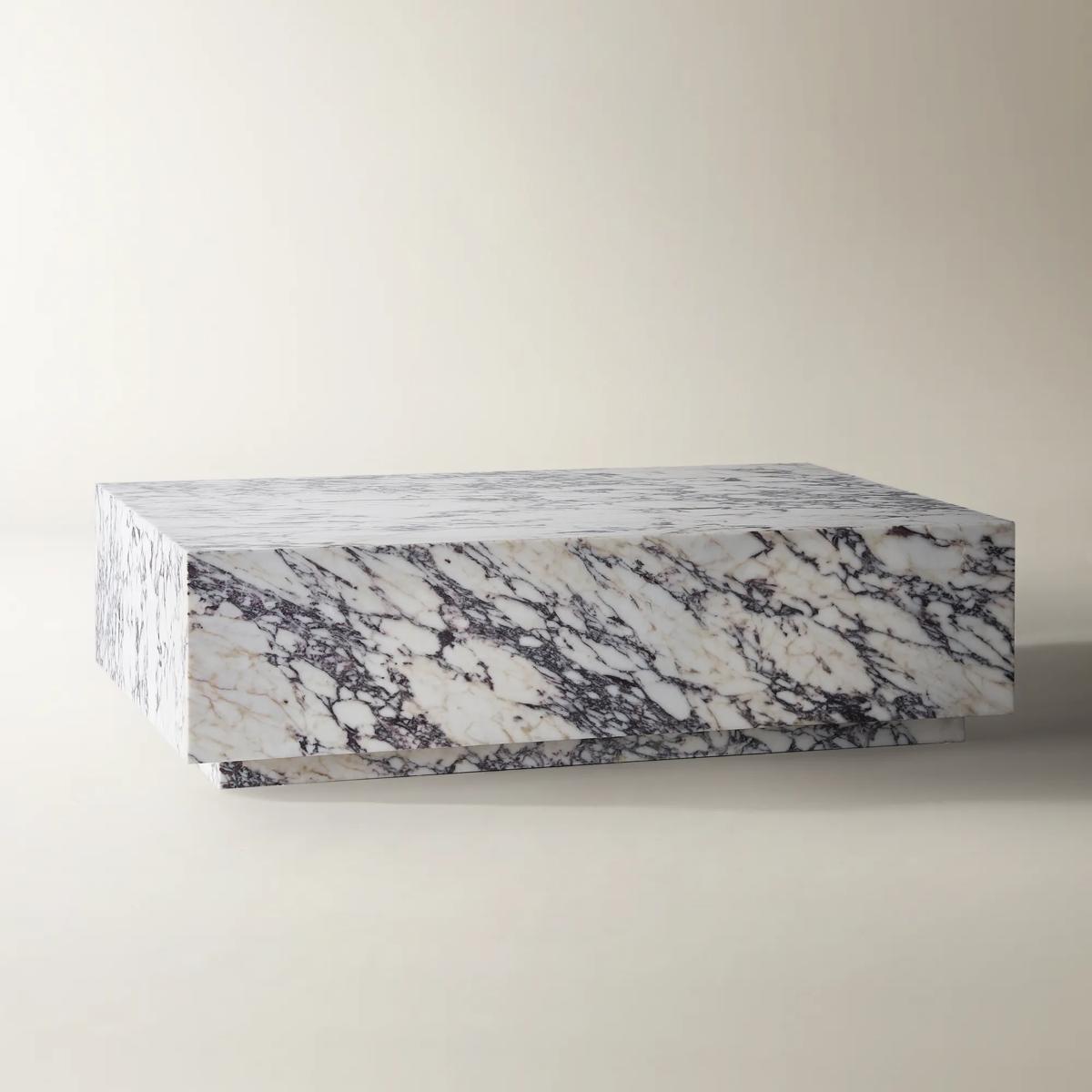 Vanta Rectangular Viola Calacatta Marble Coffee Table (54")$3699
A sculptural coffee table in Calacatta Viola marble, featuring an aluminum core and recessed plinth base.
Add To Cart -
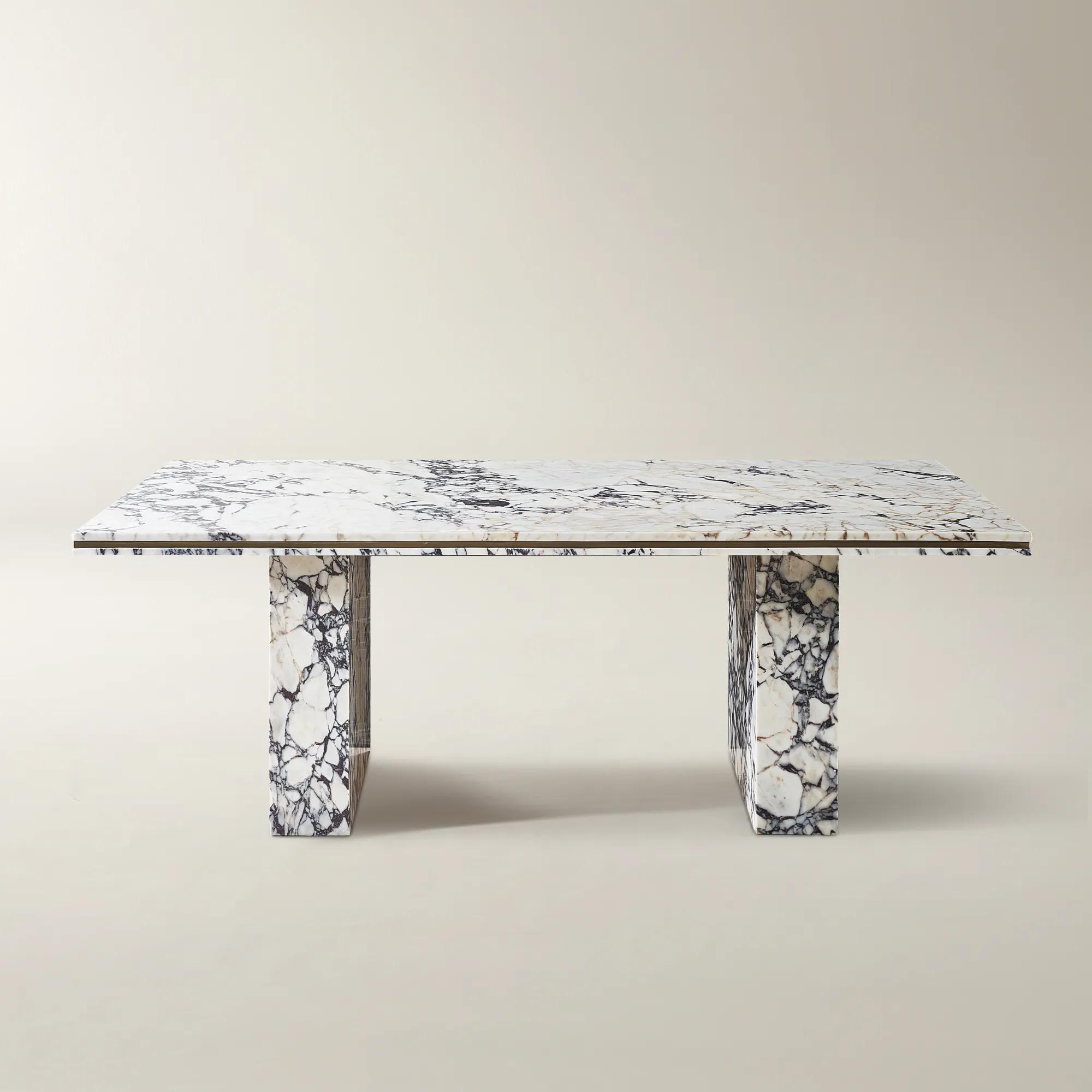
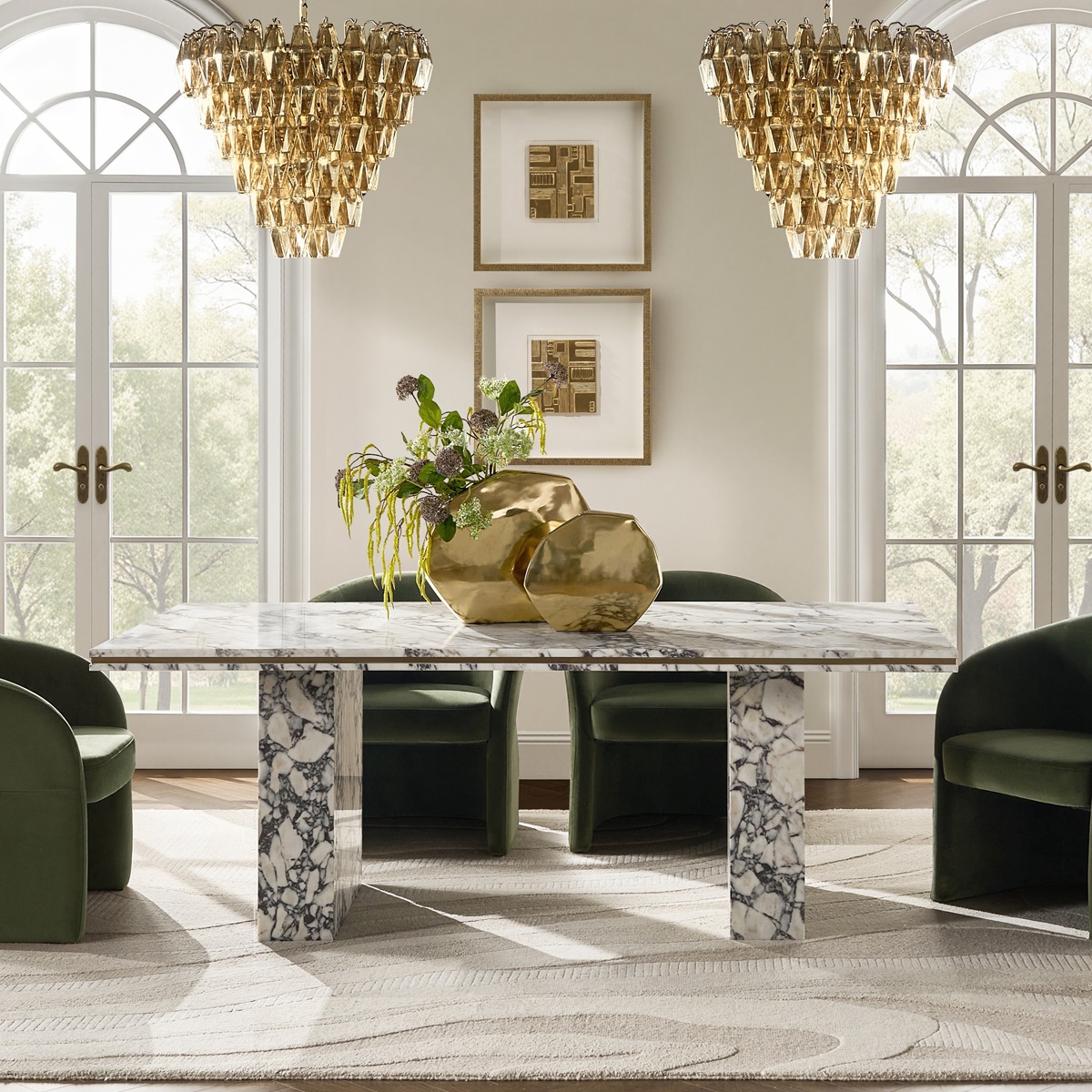 Vanta Rectangular Viola Calacatta Marble Dining Table (84")$6599
A marble dining table with dramatic violet veining, soft-gold inlay, and a sculptural twin-panel base.
Add To Cart -
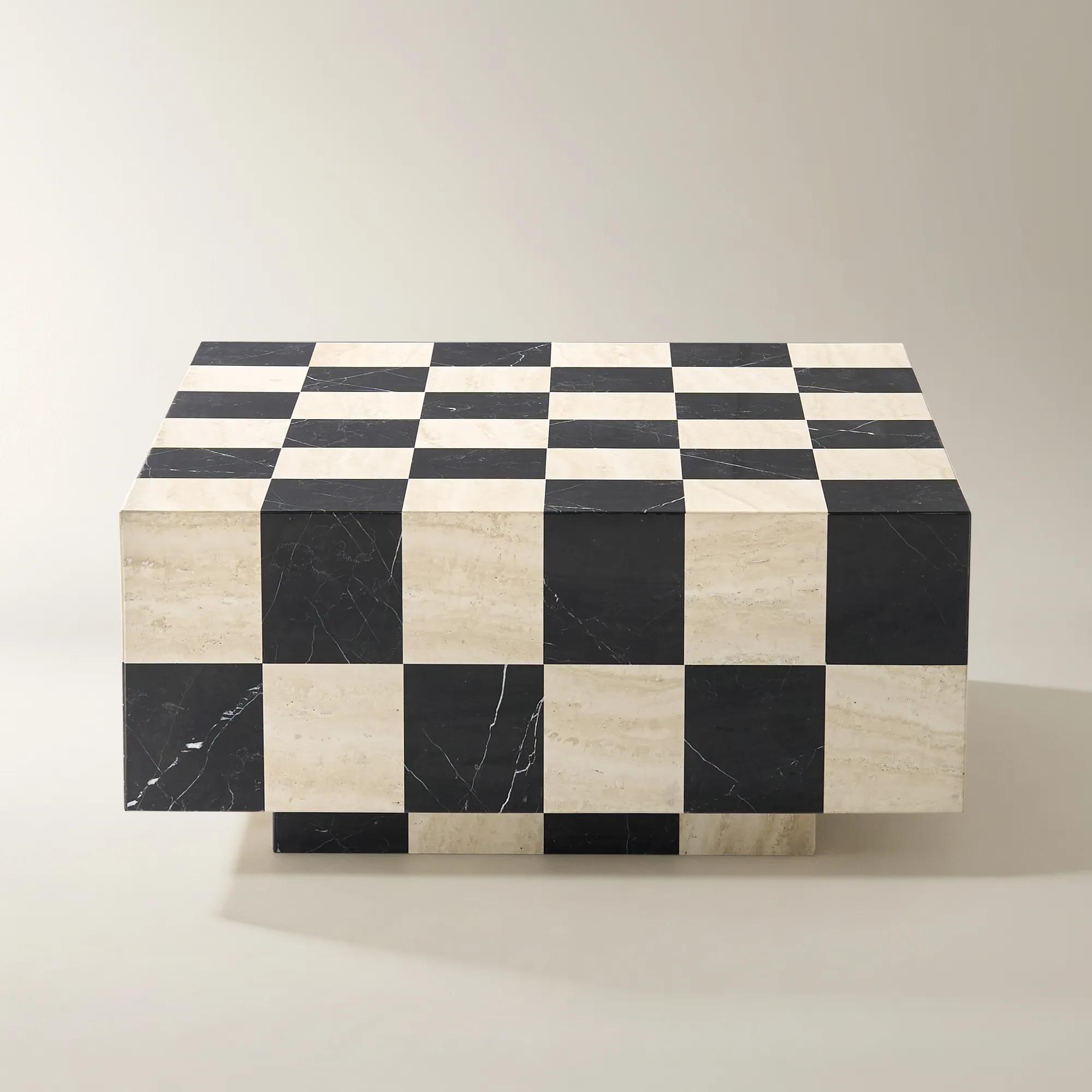
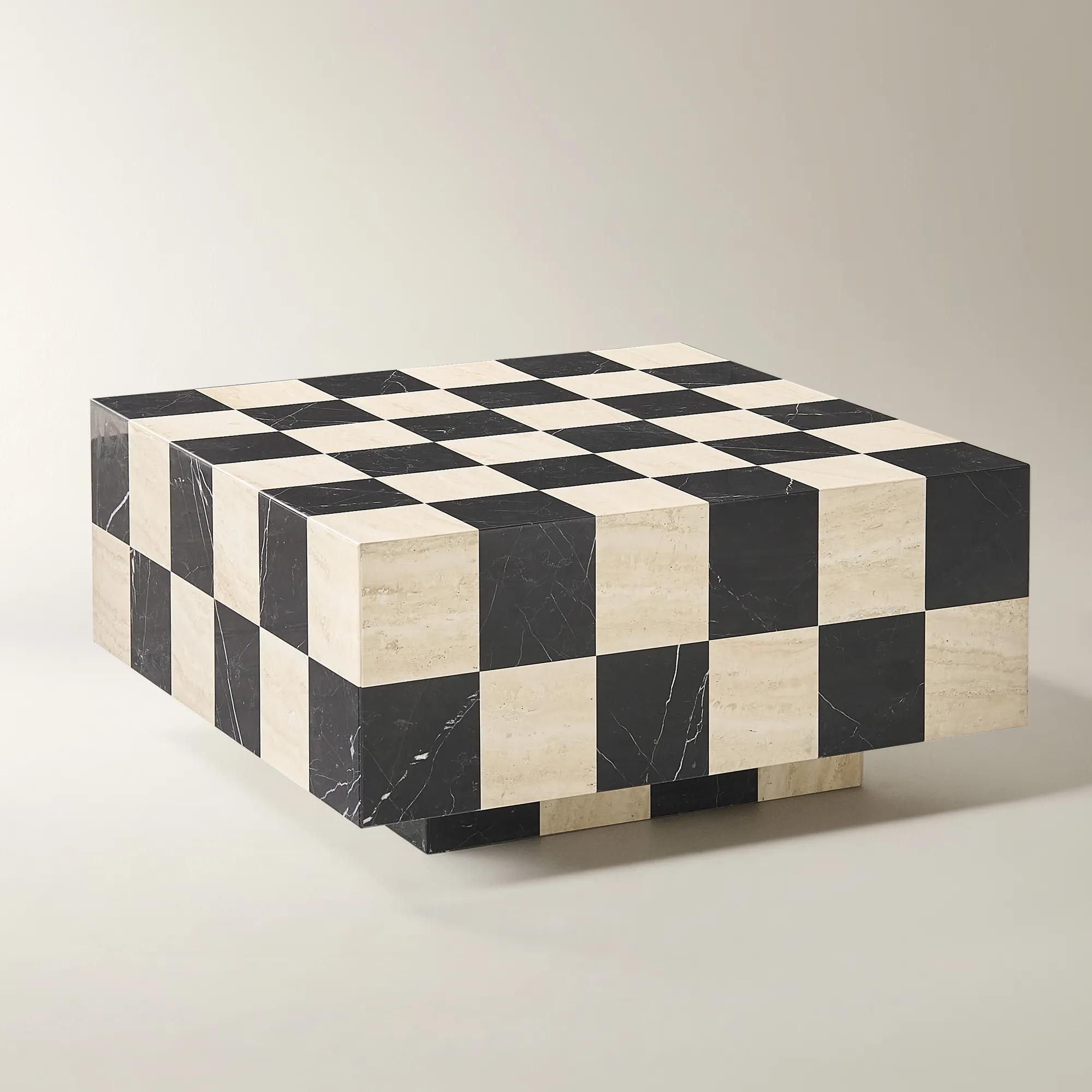 Chessa Square Chequered Marble Coffee Table (31.9")$1699
A striking coffee table featuring a dimensional black marble and travertine checkerboard mosaic with polished finish.
Add To Cart -
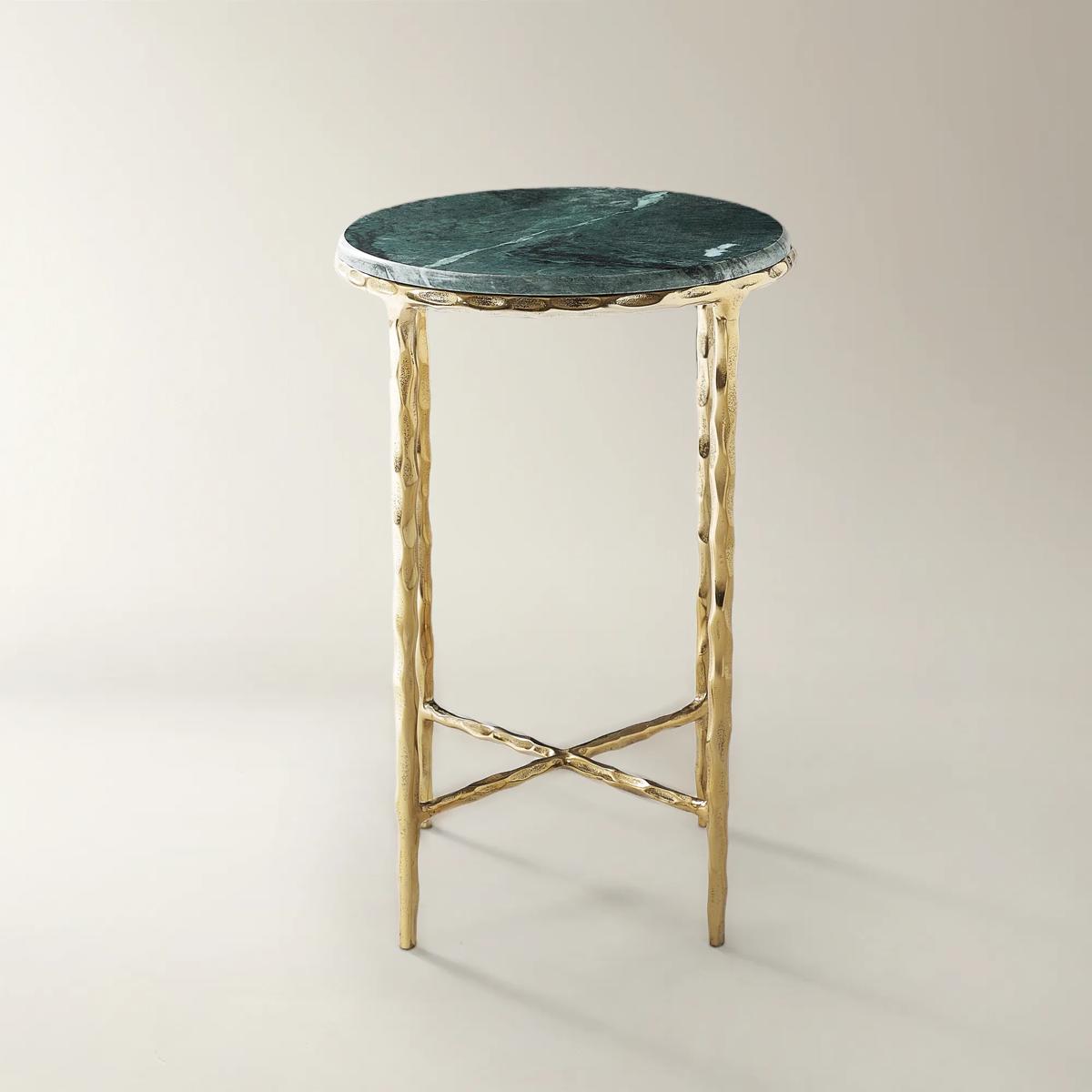
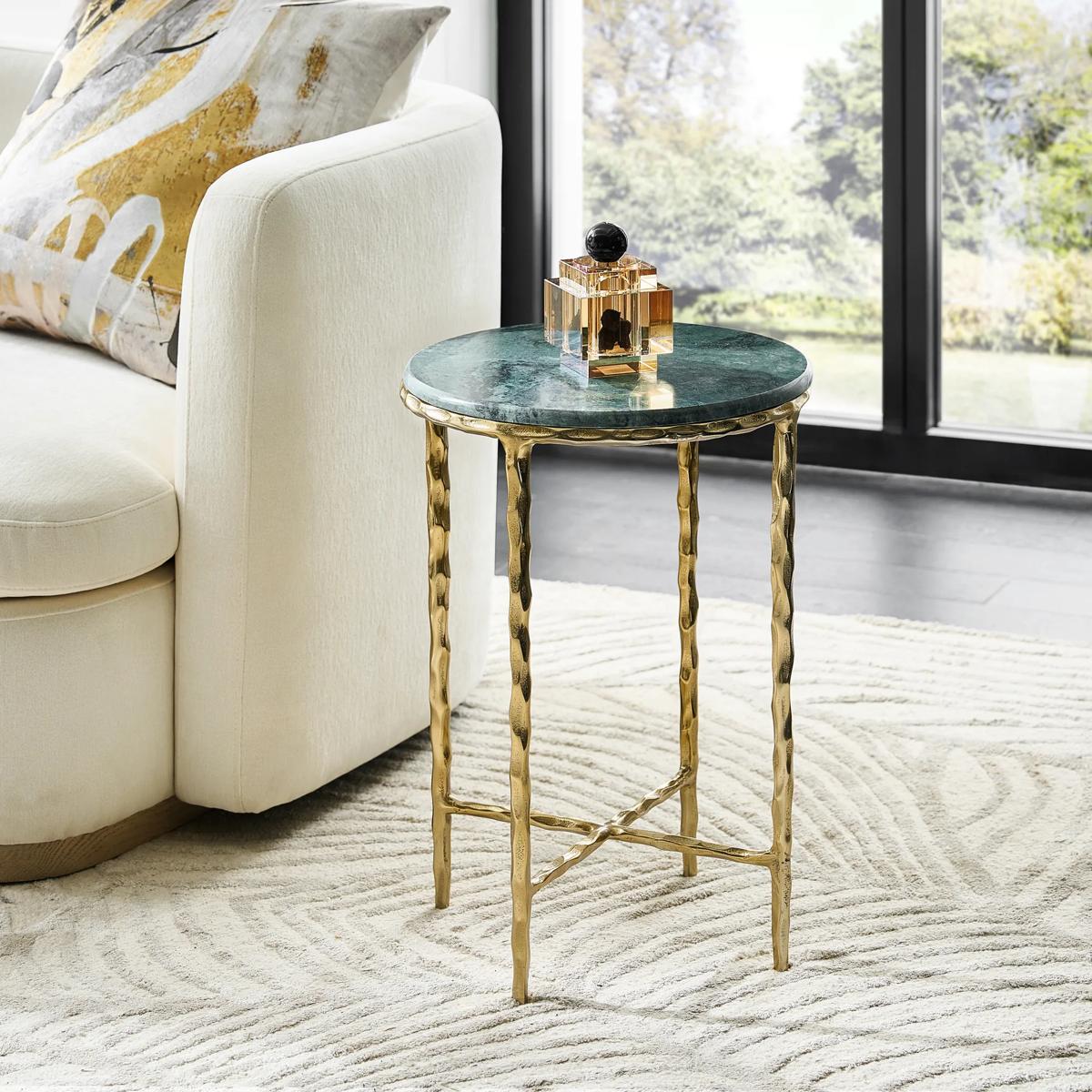 Juliet Round Green Marble Side Table (15")$269
A striking side table featuring a deep green Indian marble top and a hand-hammered metal base.
Add To Cart -
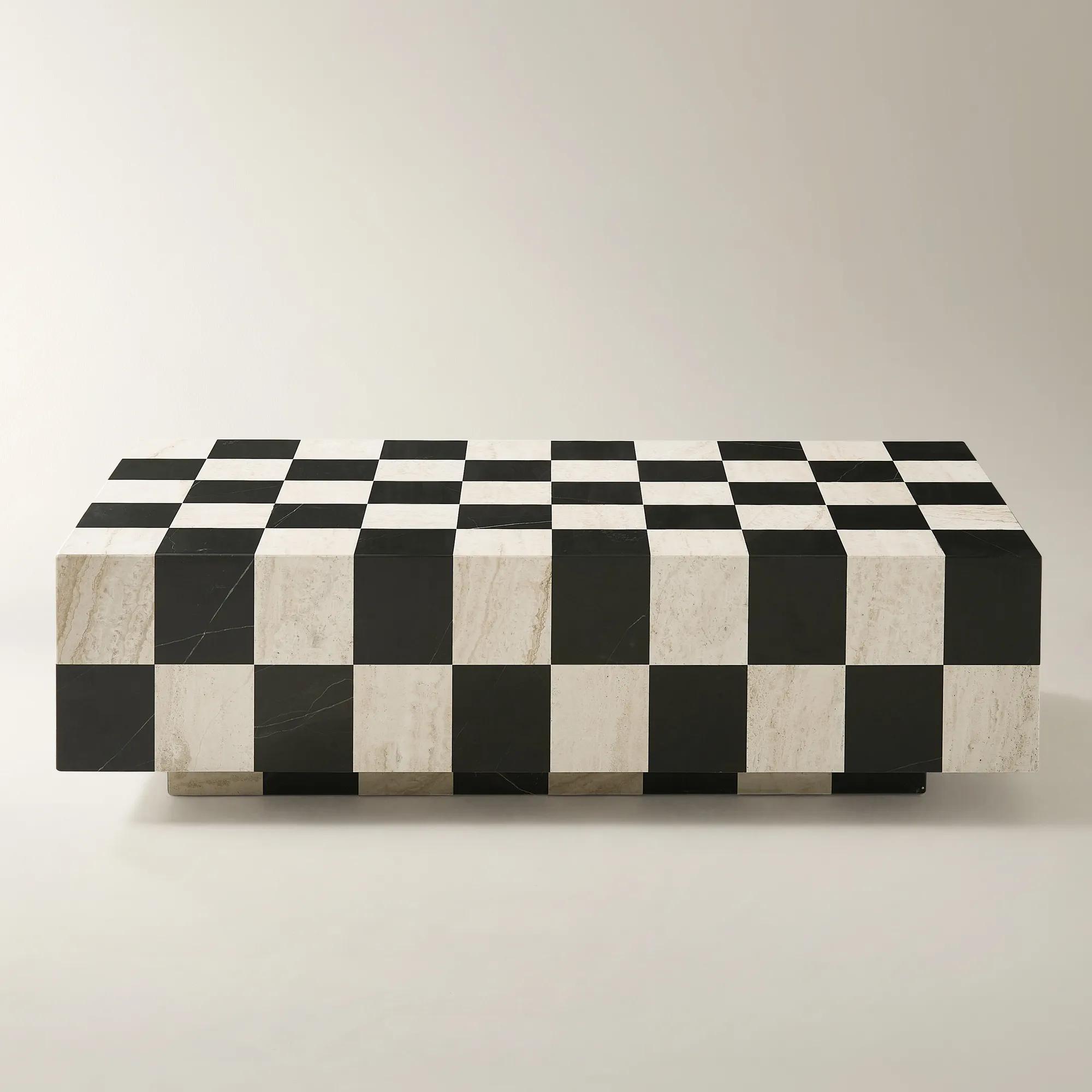 Chessa Rectangular Chequered Marble Coffee Table (53.1")$2399
A sculptural coffee table featuring polished black marble and travertine checkerboard mosaic with a monolithic silhouette.
Add To Cart -
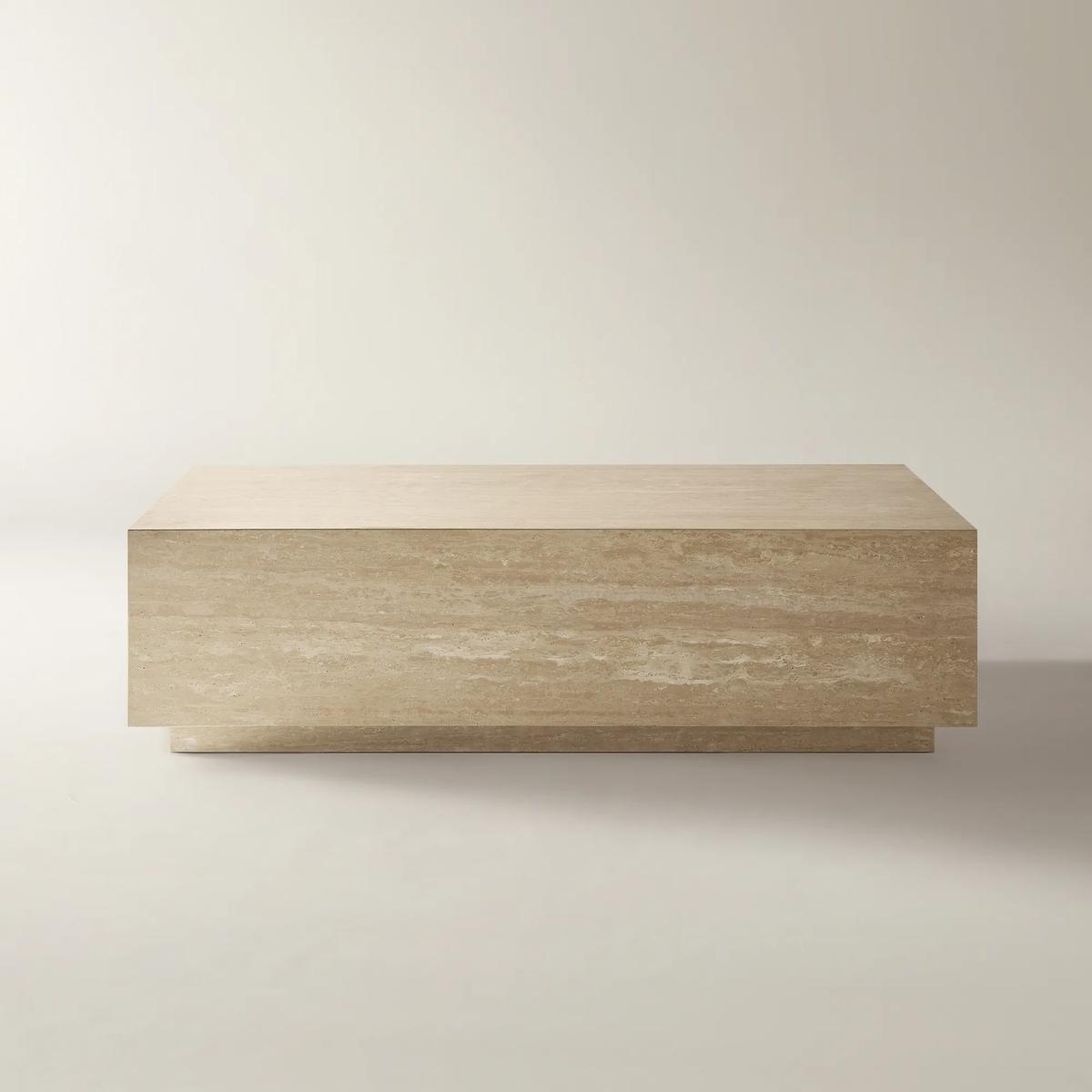
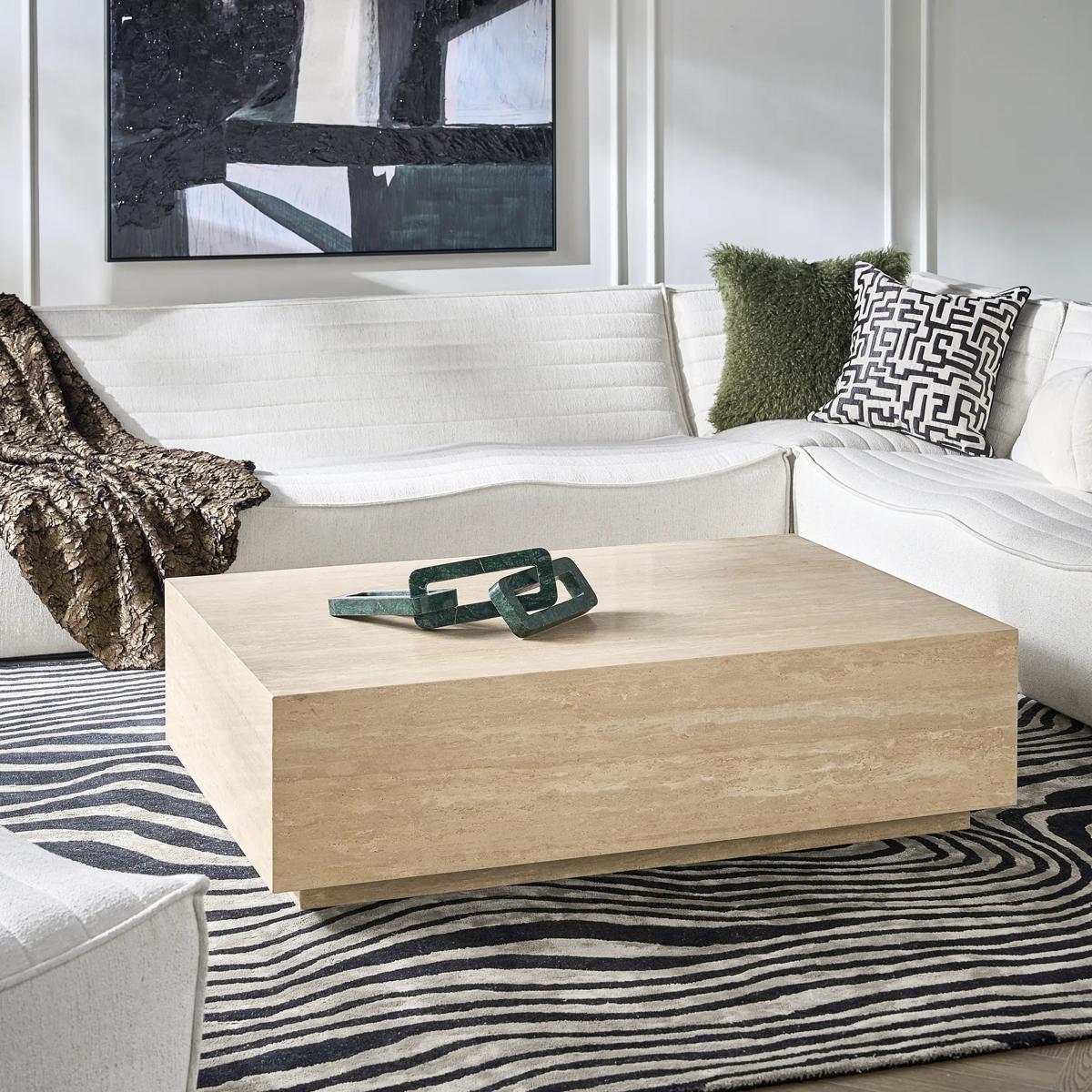 Vanta Rectangular Travertine Coffee Table (54")$2599
A sculptural travertine coffee table with an aluminum honeycomb core and recessed plinth base.
Add To Cart -
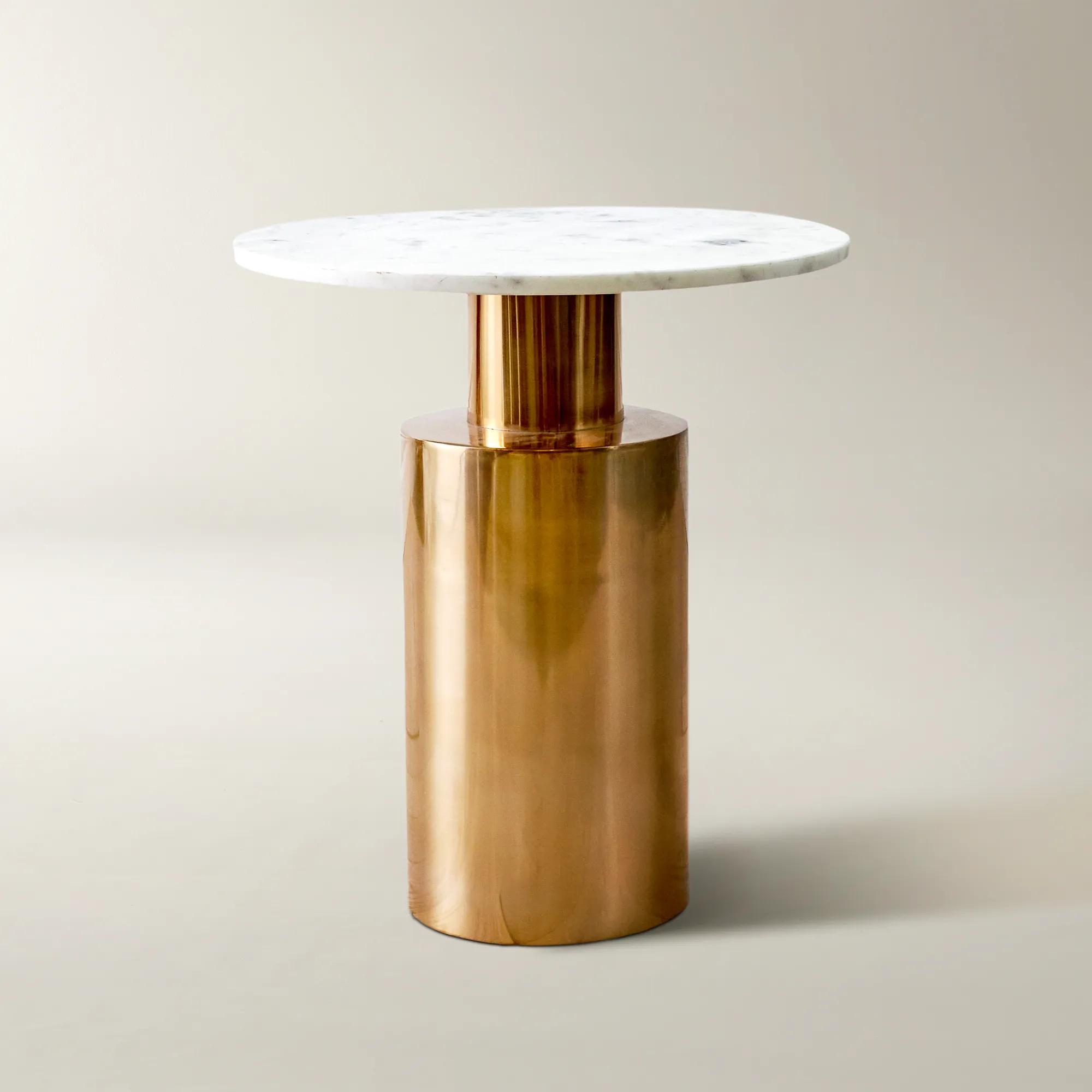 Capri Round White Marble Accent Table (16")$299
A striking accent table featuring a white marble top and gold-finished stainless steel base.
Add To Cart -
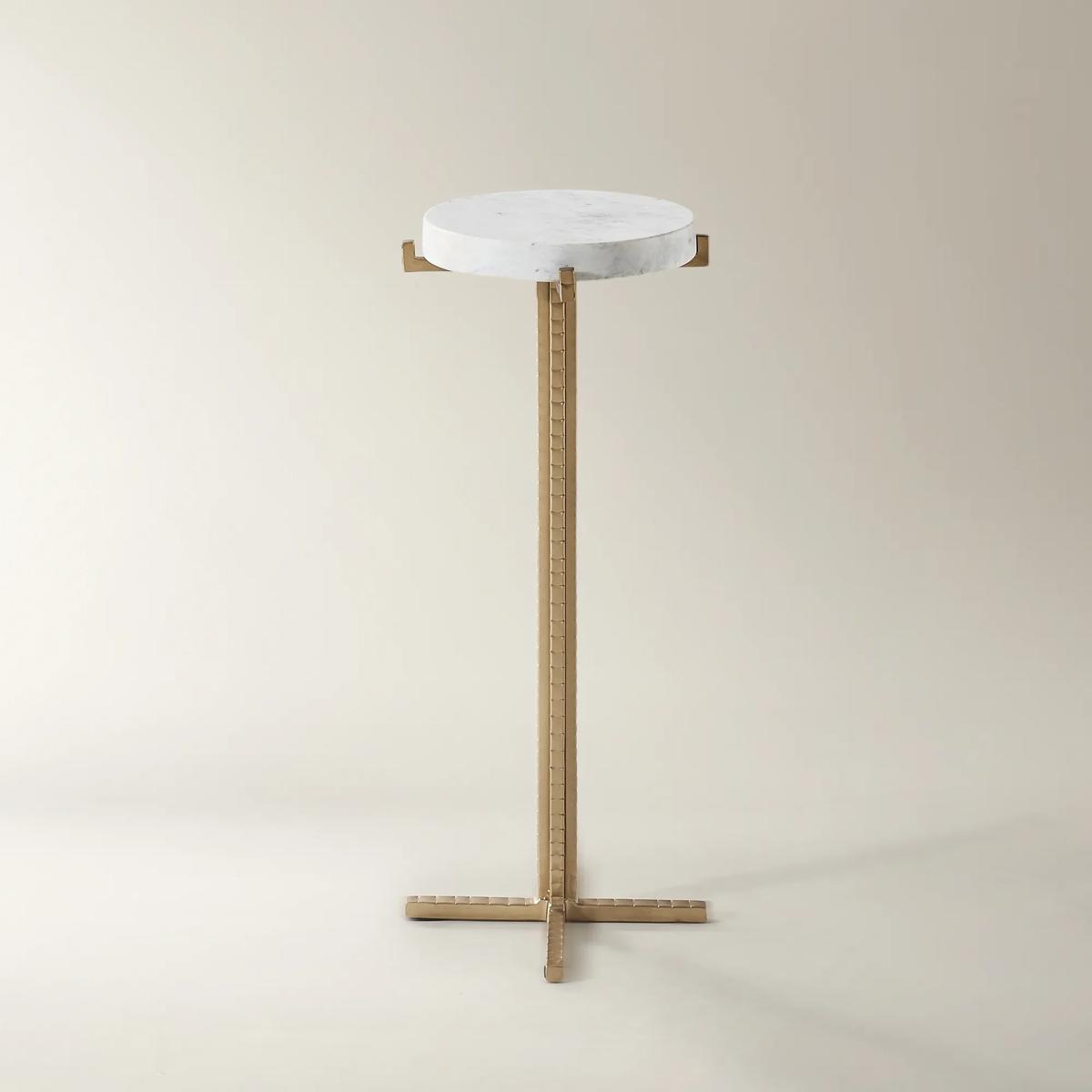 Anya Round White Marble Side Table (10")$199
A sculptural side table featuring a genuine white marble top and gold-finished metal pedestal base.
Add To Cart -
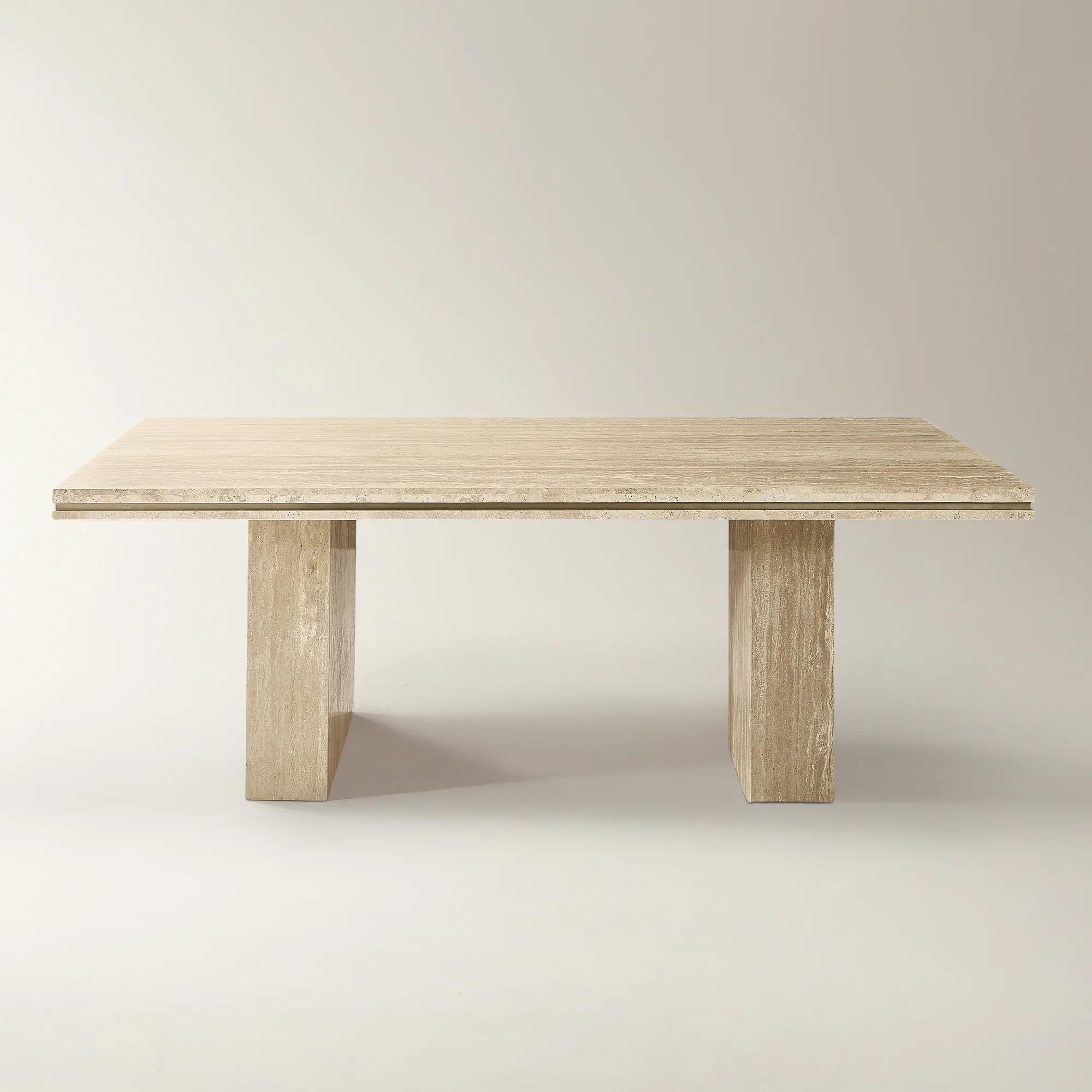 Vanta Rectangular Travertine Dining Table (84")$4199
A natural travertine dining table featuring a soft gold stainless-steel inlay and sculptural twin-panel base.
Add To Cart -
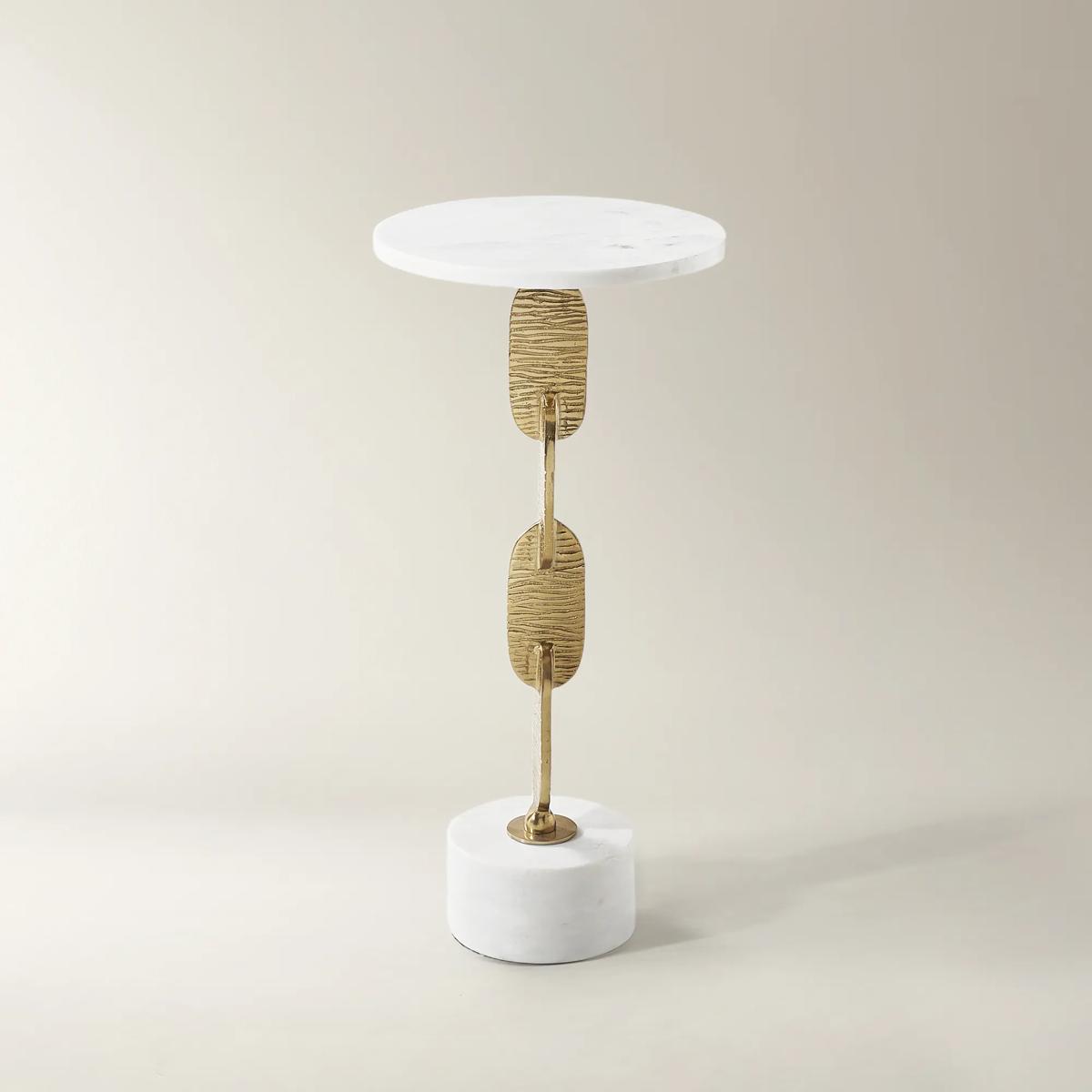
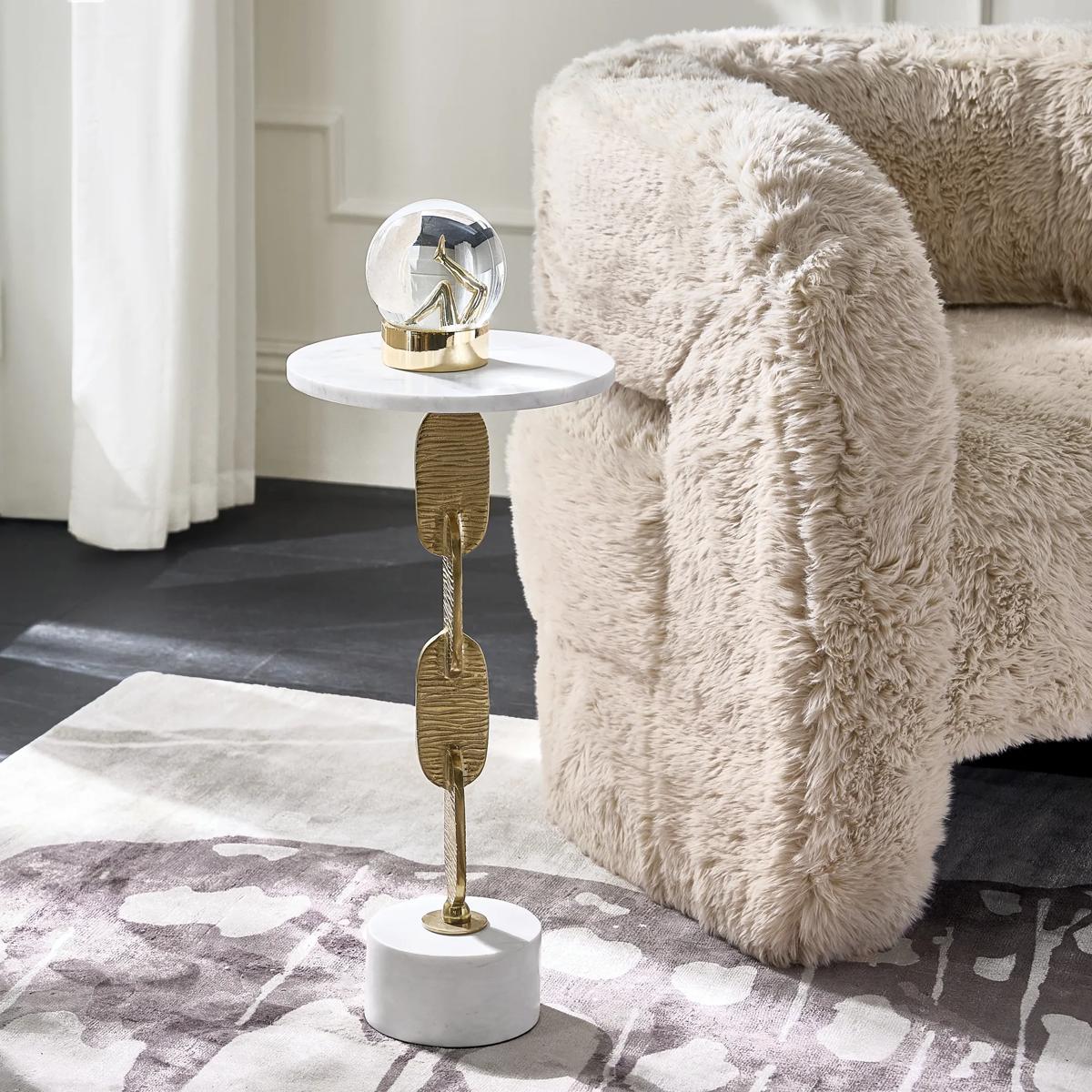 Luna Round White Marble Side Table (11.25")$199
A sculptural side table featuring a genuine white marble top and an open gold-finished metal frame.
Add To Cart -
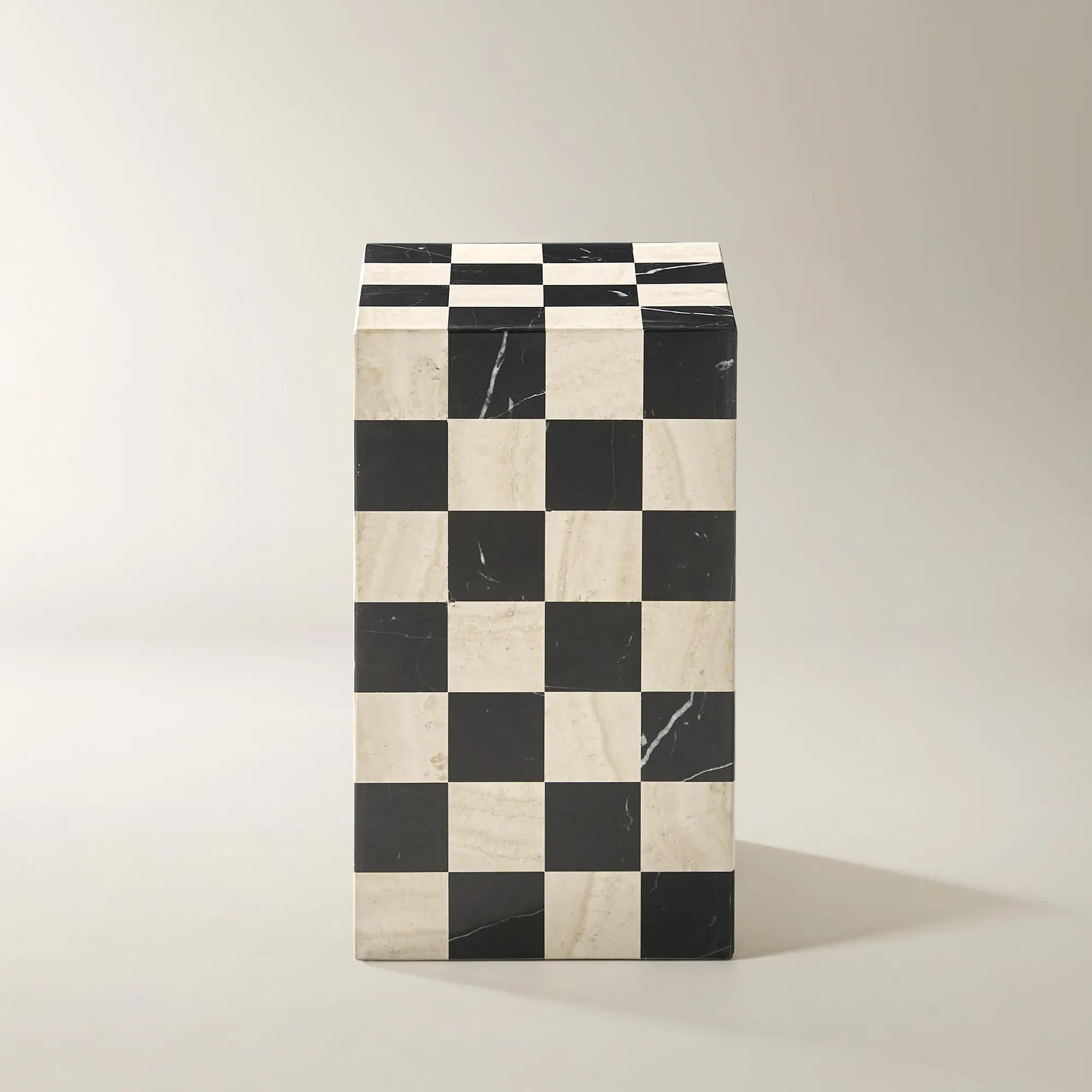 Chessa Square Chequered Marble End Table (12")$999
A sculptural end table featuring a bold black marble and travertine checkerboard mosaic design.
Add To Cart -

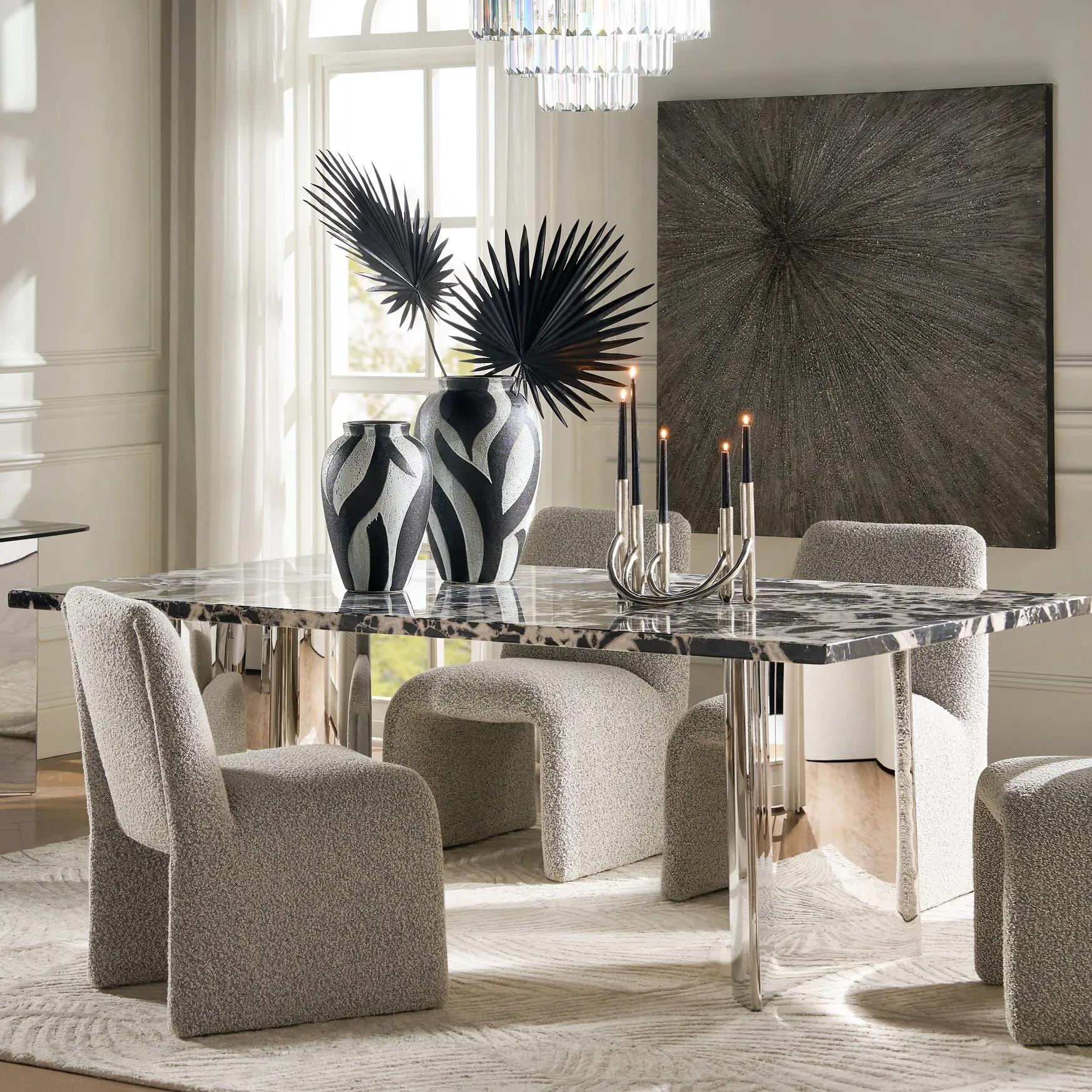 Muscat Rectangular Black Marble Dining Table With Stainless Steel Base (84")$3099
A dramatic black marble dining table with unique veining and a polished stainless steel base.
Add To Cart -
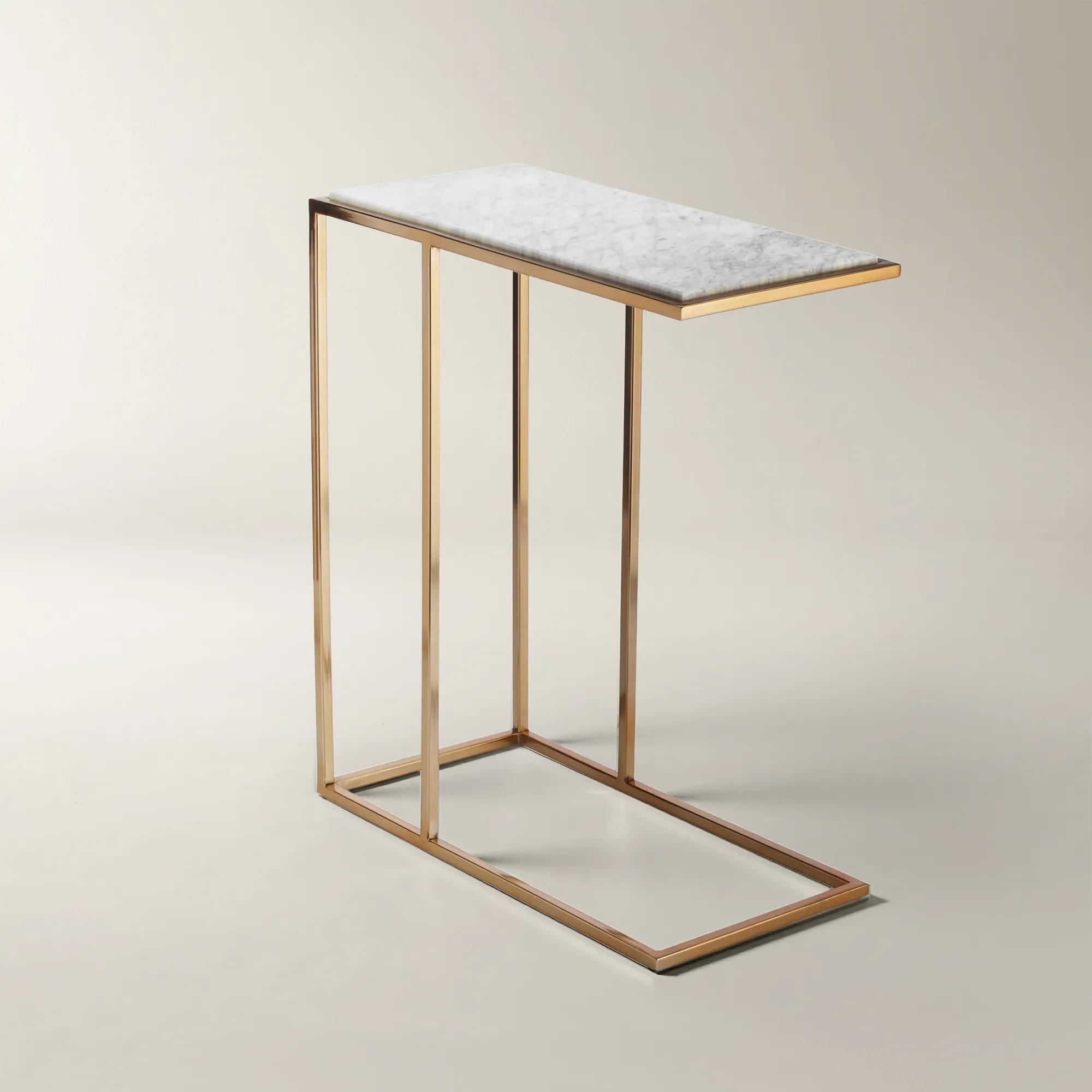
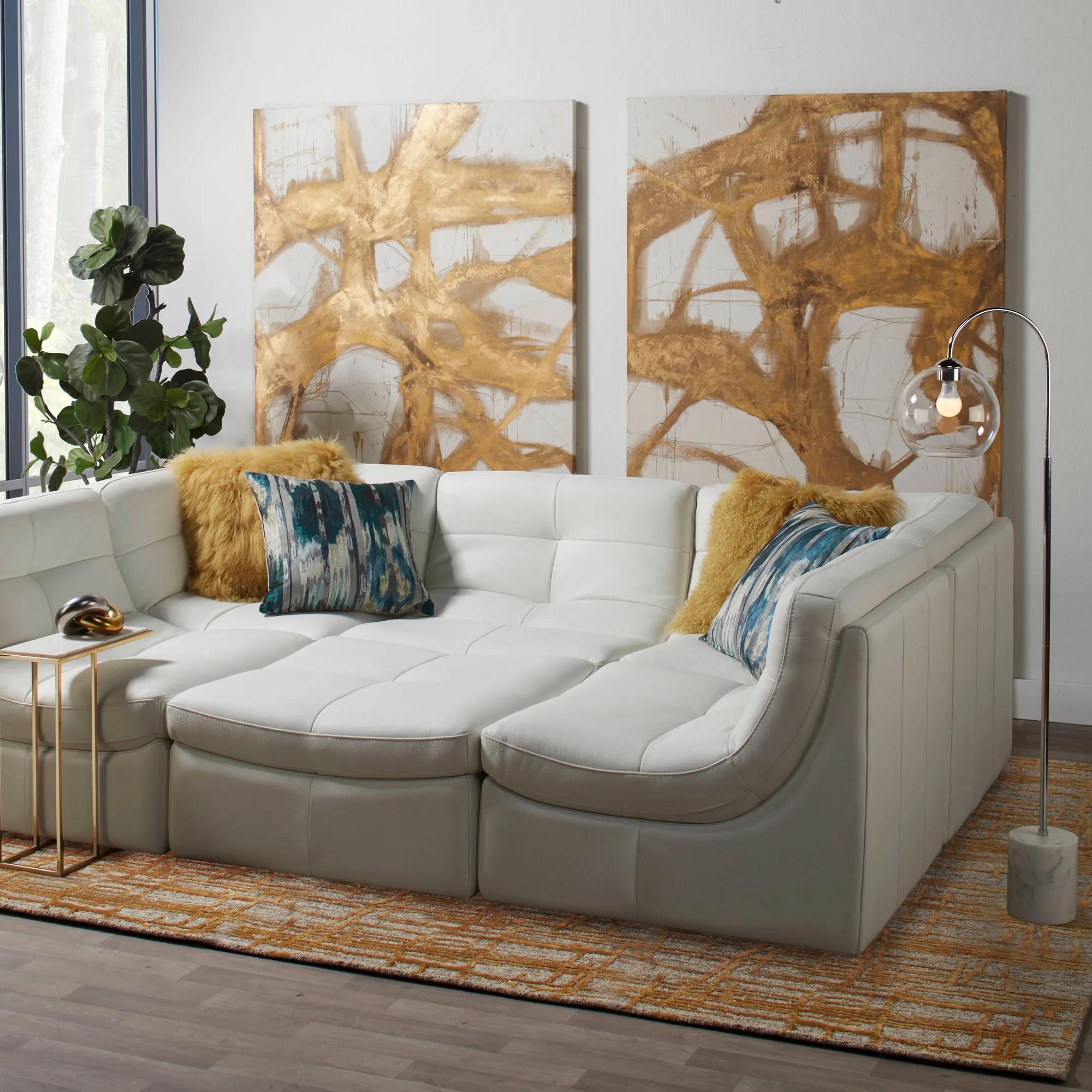 Lawton Rectangular Gold Stainless steel Accent Table With Marble Top (19.75")$259
A space-saving table featuring a white marble top and gold-finished stainless steel base.
Add To Cart -
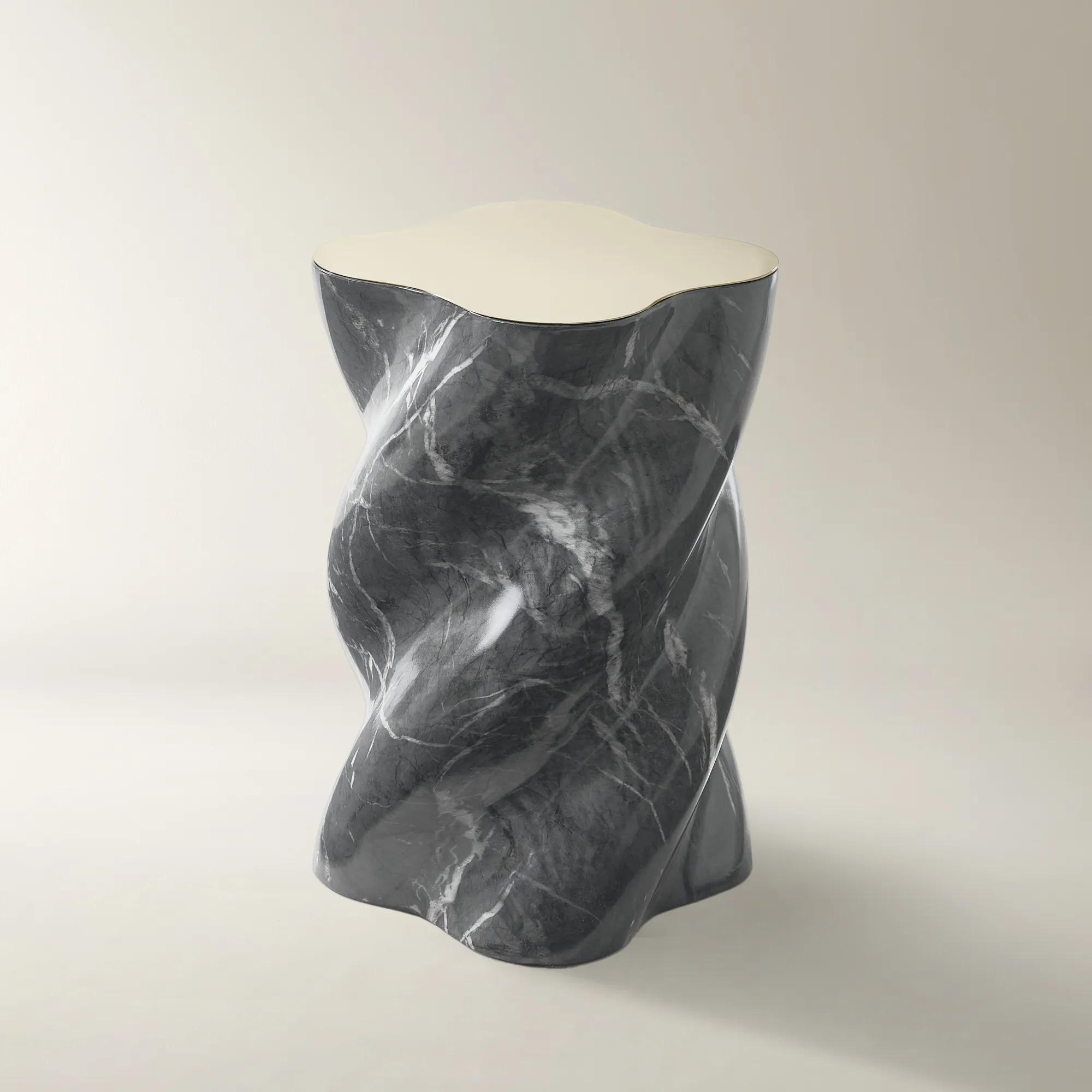 Vega Bvlgary Black Concrete Indoor/Outdoor Side Table With Stainless Steel Top (13.8")$459
A black concrete side table with a sculptural pedestal, removable stainless-steel top, and marble-inspired finish.
Add To Cart -
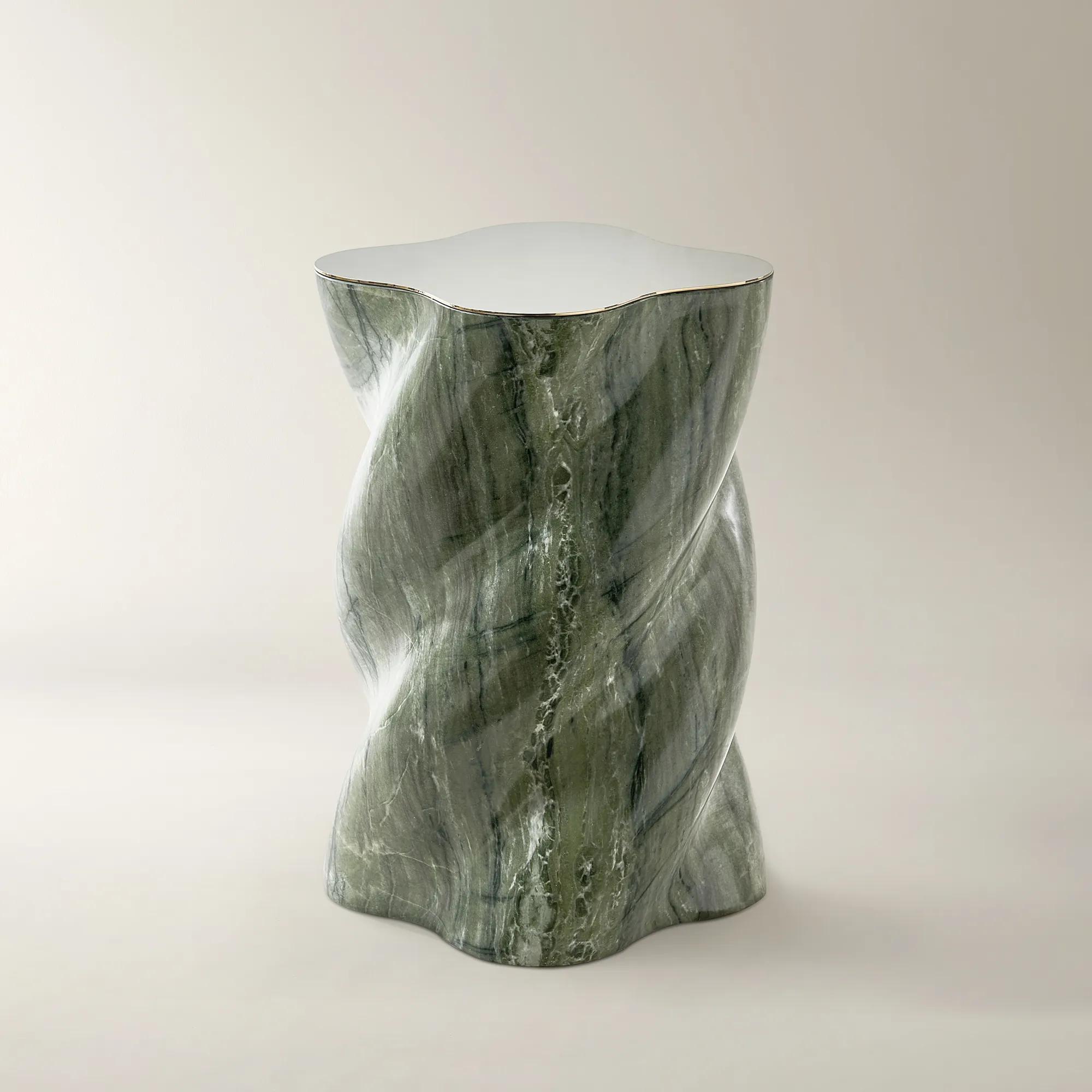 Vega Malachite Green Concrete Indoor/Outdoor Side Table With Stainless Steel Top (13.8")$459
A green concrete side table with a sculptural pedestal, marble-inspired finish, and removable stainless-steel top.
Add To Cart -

 Flare Round White Marble End Table (21.5")$799
A sophisticated end table featuring a natural white marble top and polished stainless steel base.
Add To Cart -
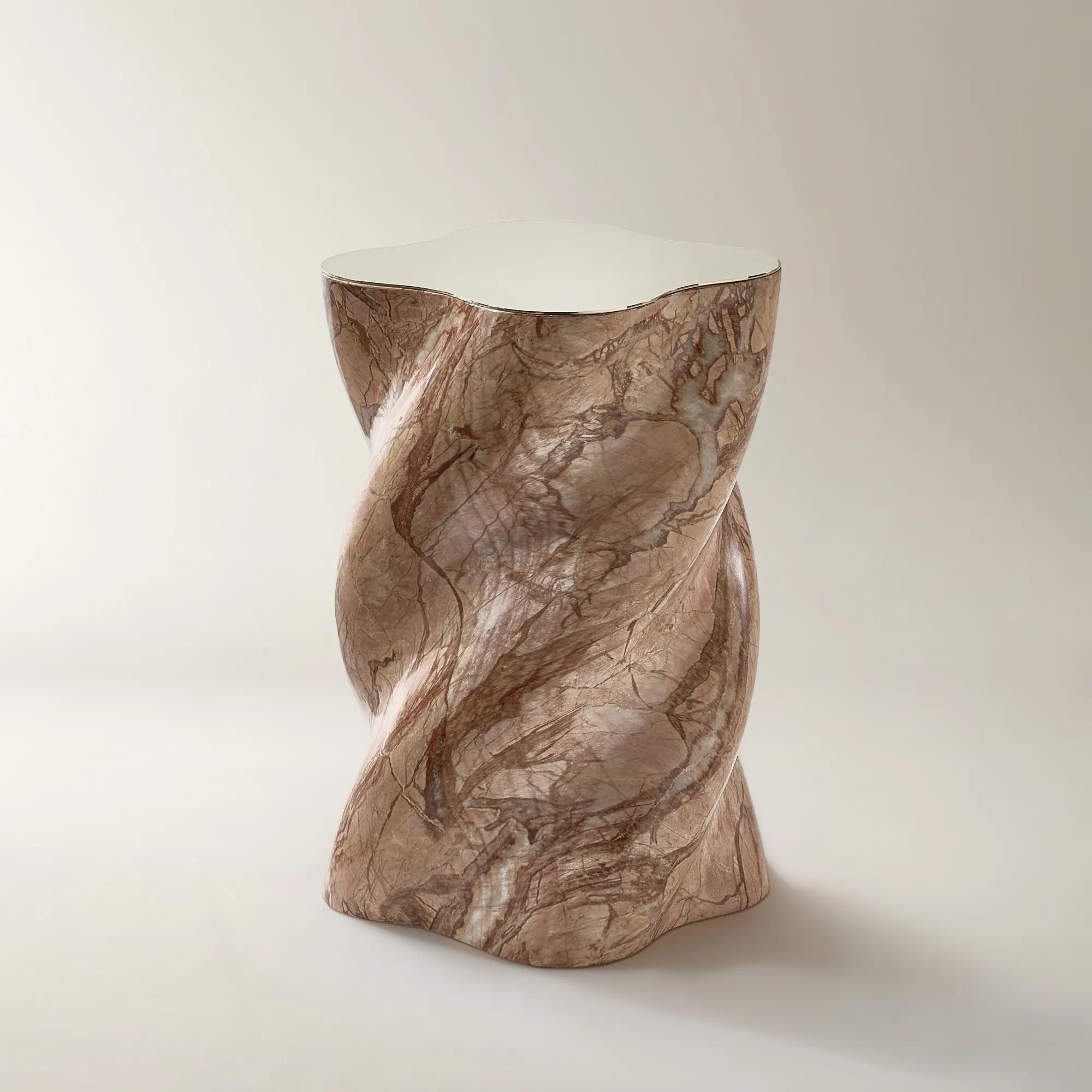
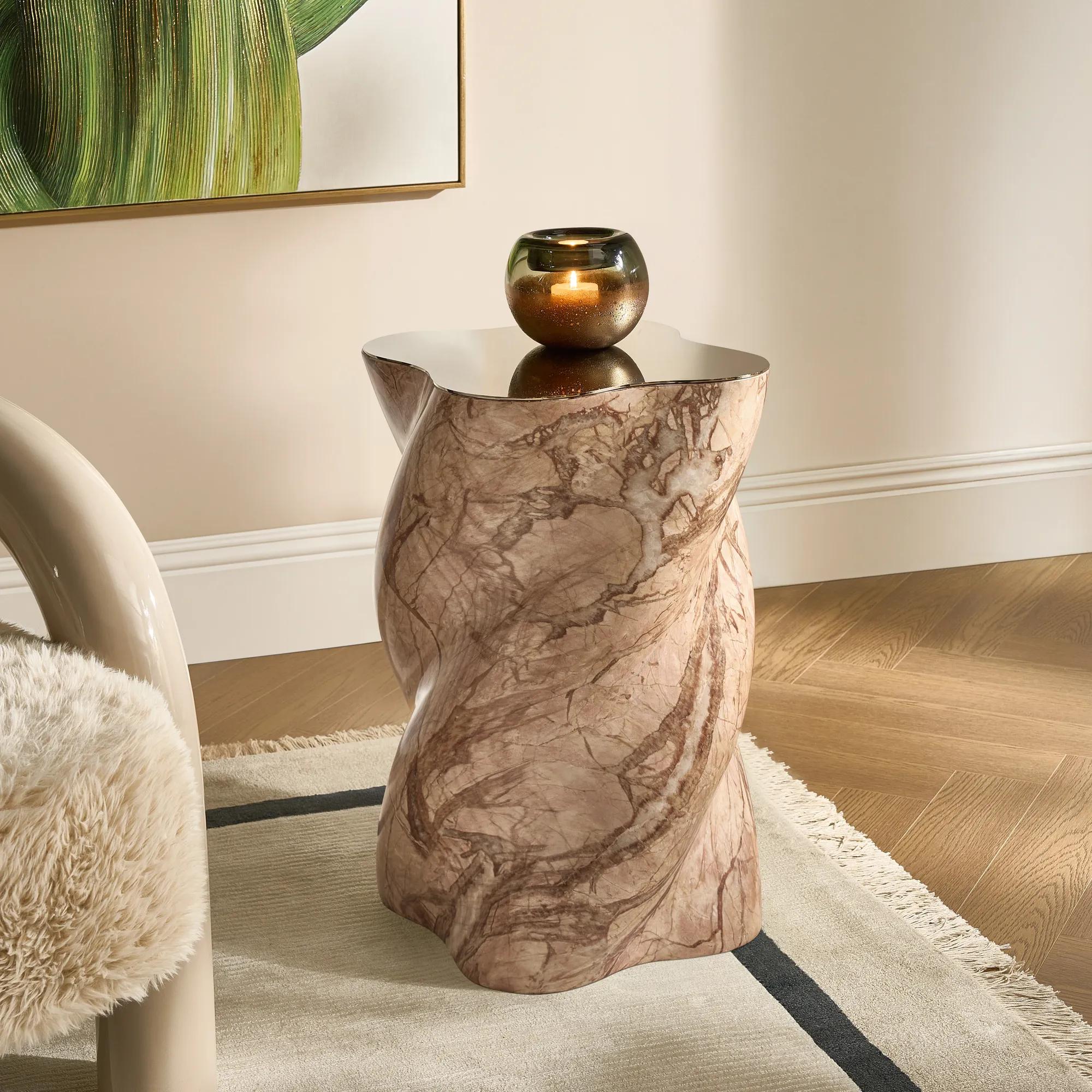 Vega Concrete Indoor/Outdoor Side Table With Stainless Steel Top (13.8")$459
A black, orange, or green concrete side table with removable stainless-steel top and marble-inspired veining.
Add To Cart -

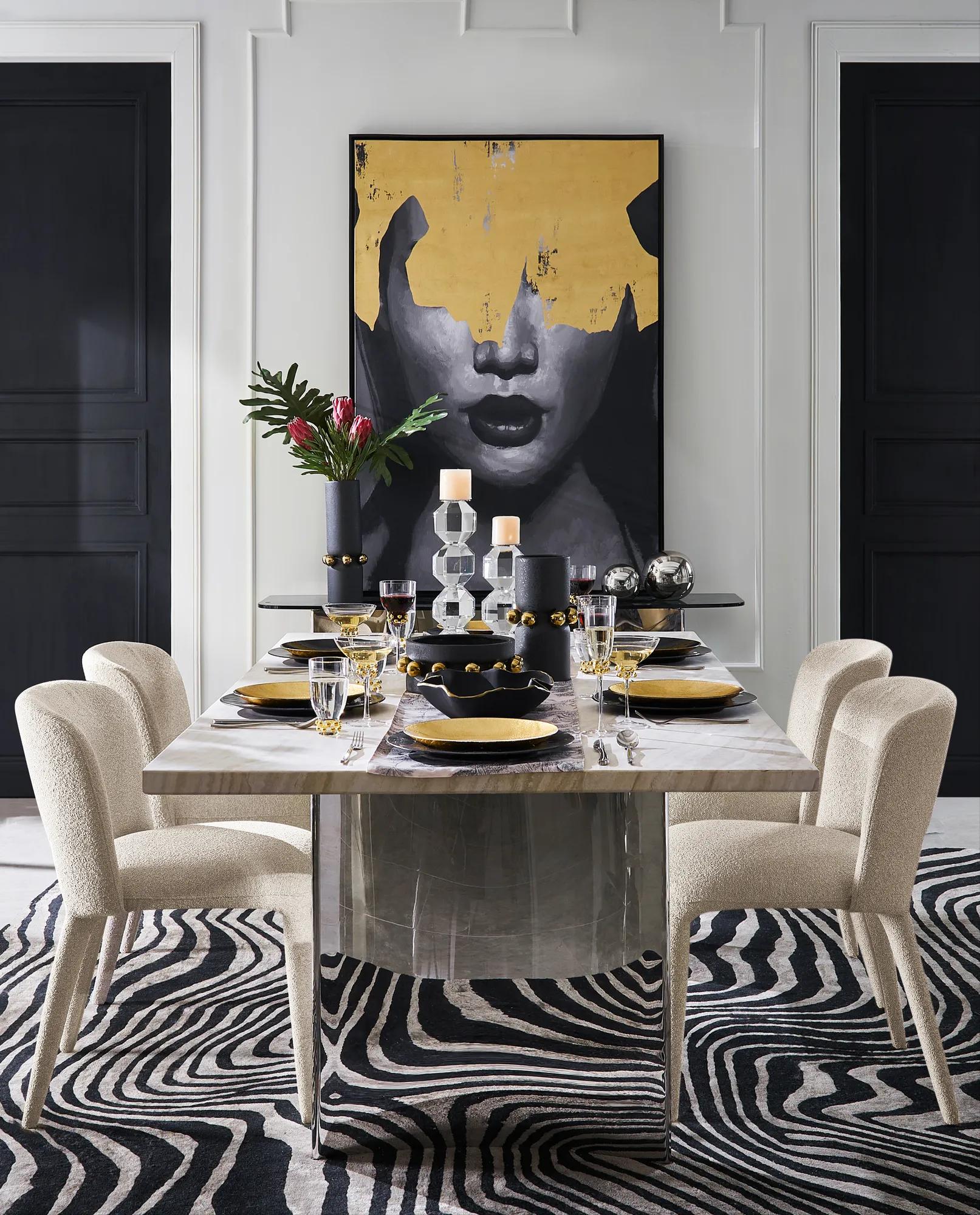 Muscat Rectangular Tan Marble Dining Table With Stainless Steel Base (84")$3099
A sophisticated dining table featuring a tan travertine marble top and polished stainless steel base.
Add To Cart -
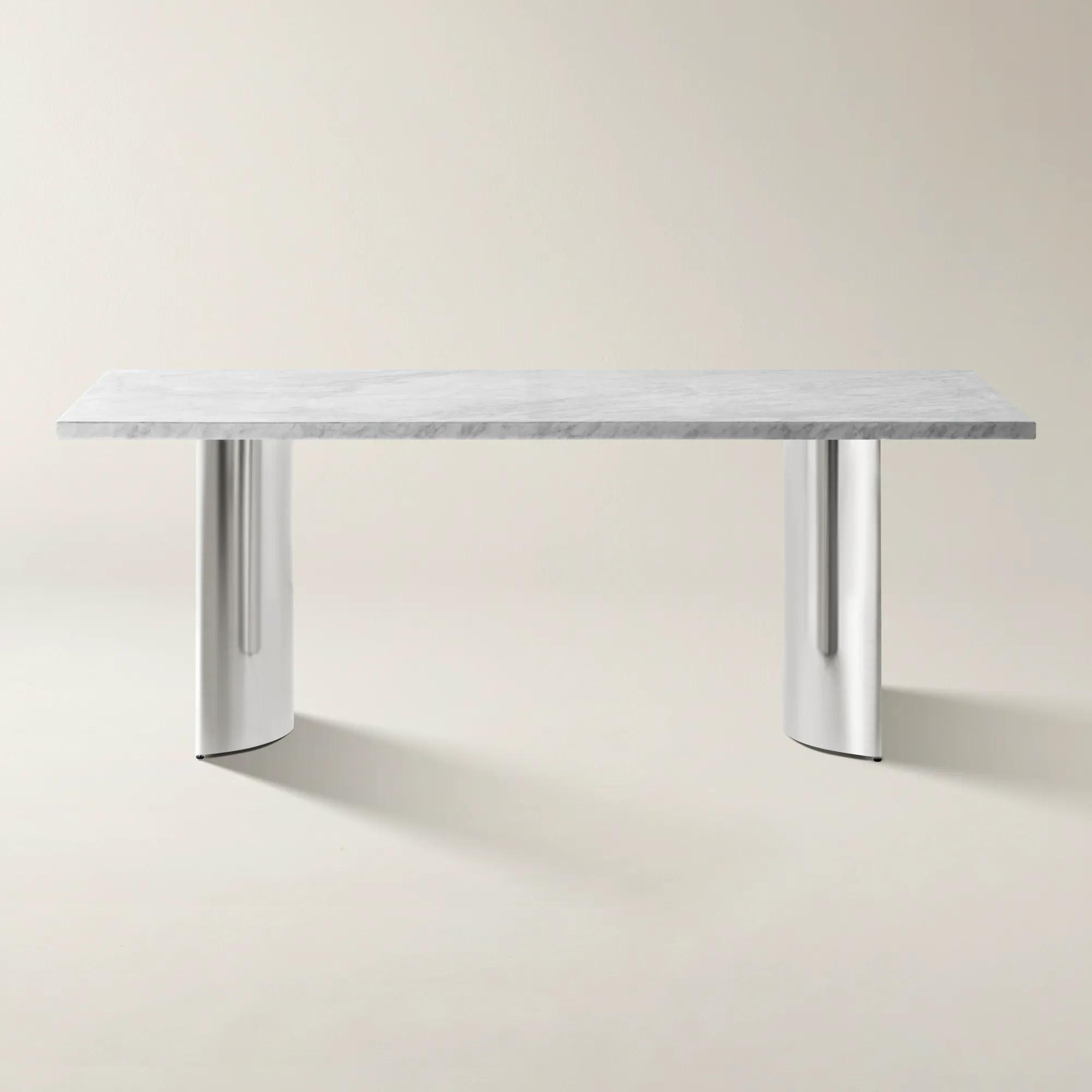 Muscat Rectangular White Marble Dining Table With Stainless Steel Base (84")$3099
A striking dining table featuring a natural white marble top with unique veining and a polished stainless steel base.
Add To Cart -
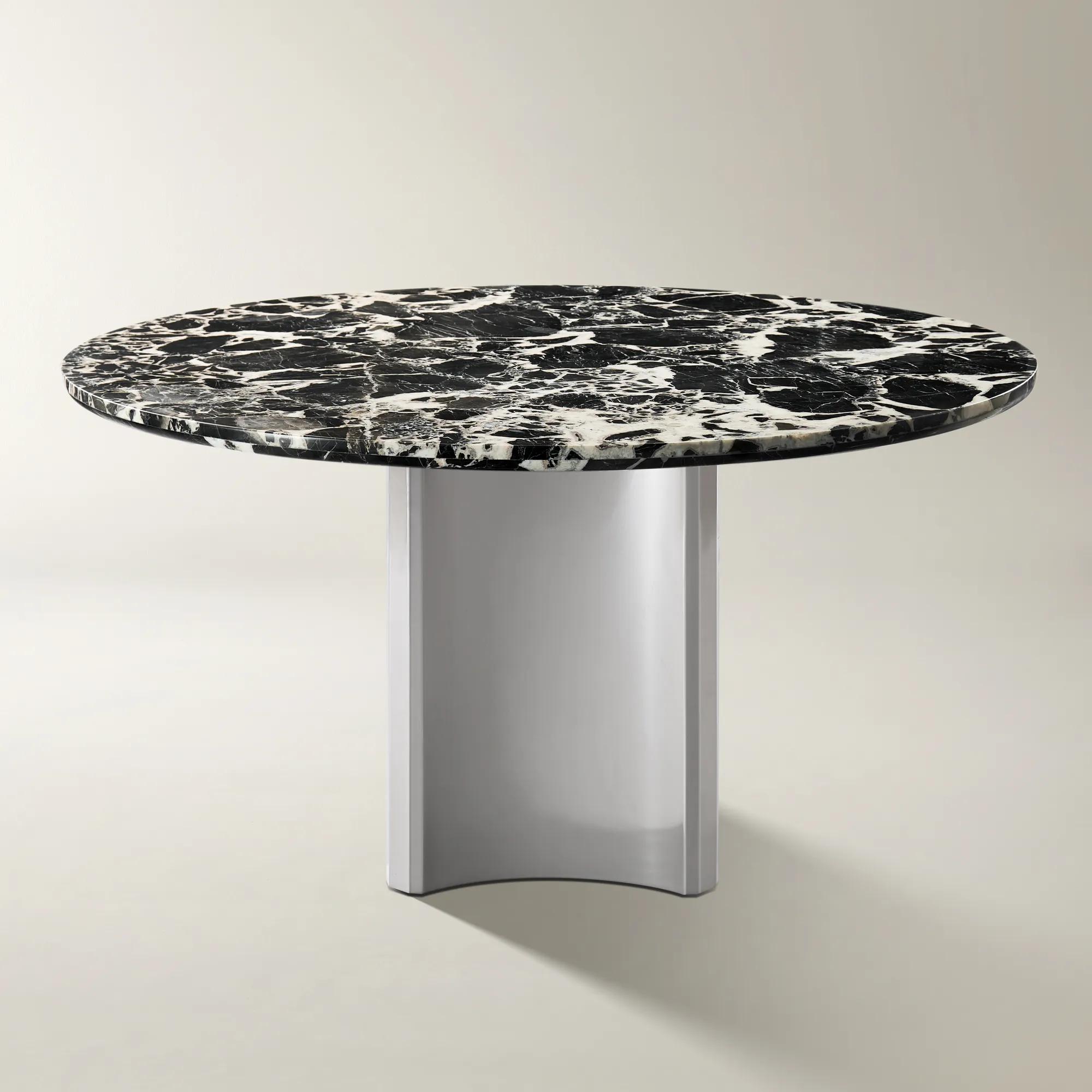
 Ventane Round Black Marble and Stainless steel Dining Table (58")$2999
A dramatic round dining table featuring a natural black marble top and polished stainless steel base.
Add To Cart -
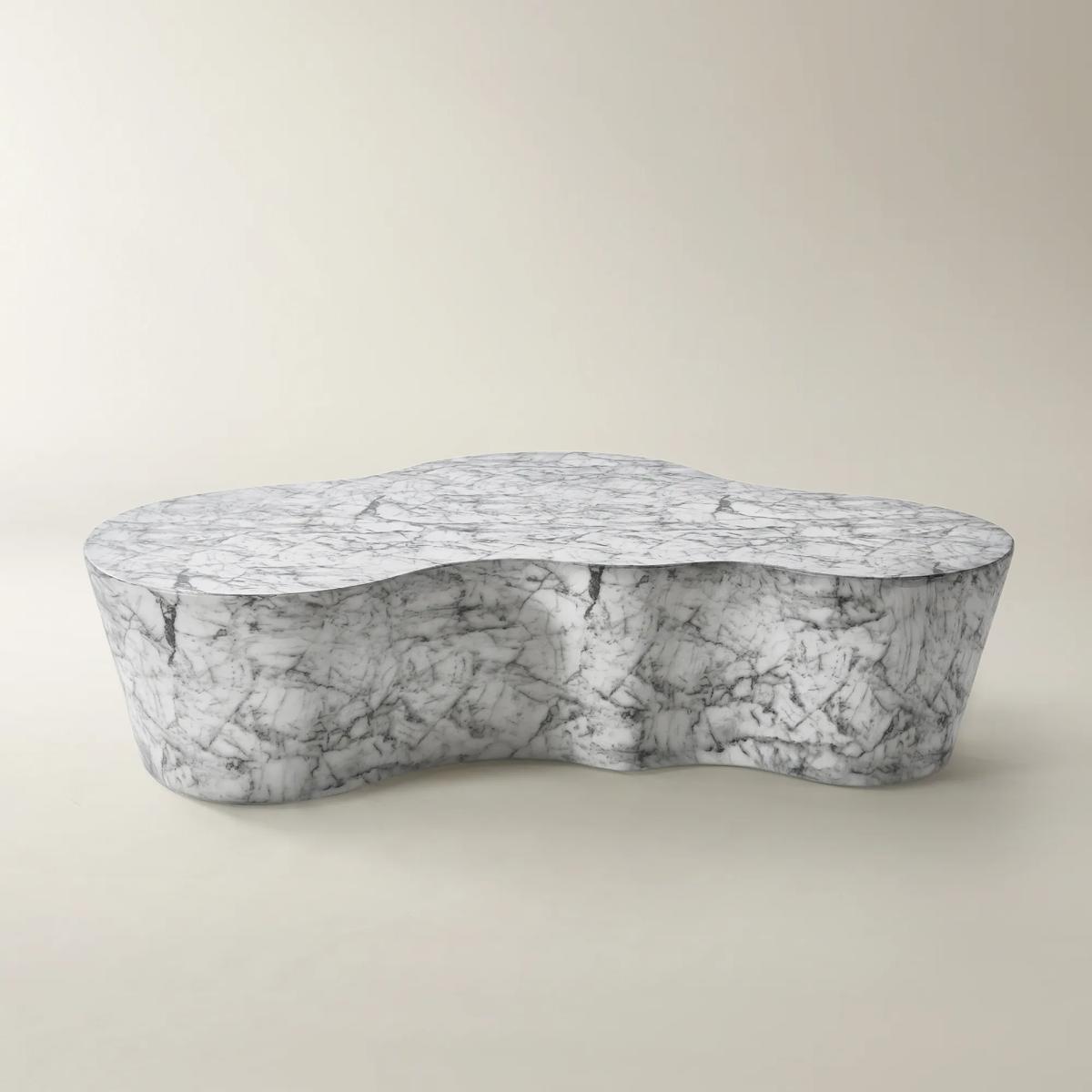
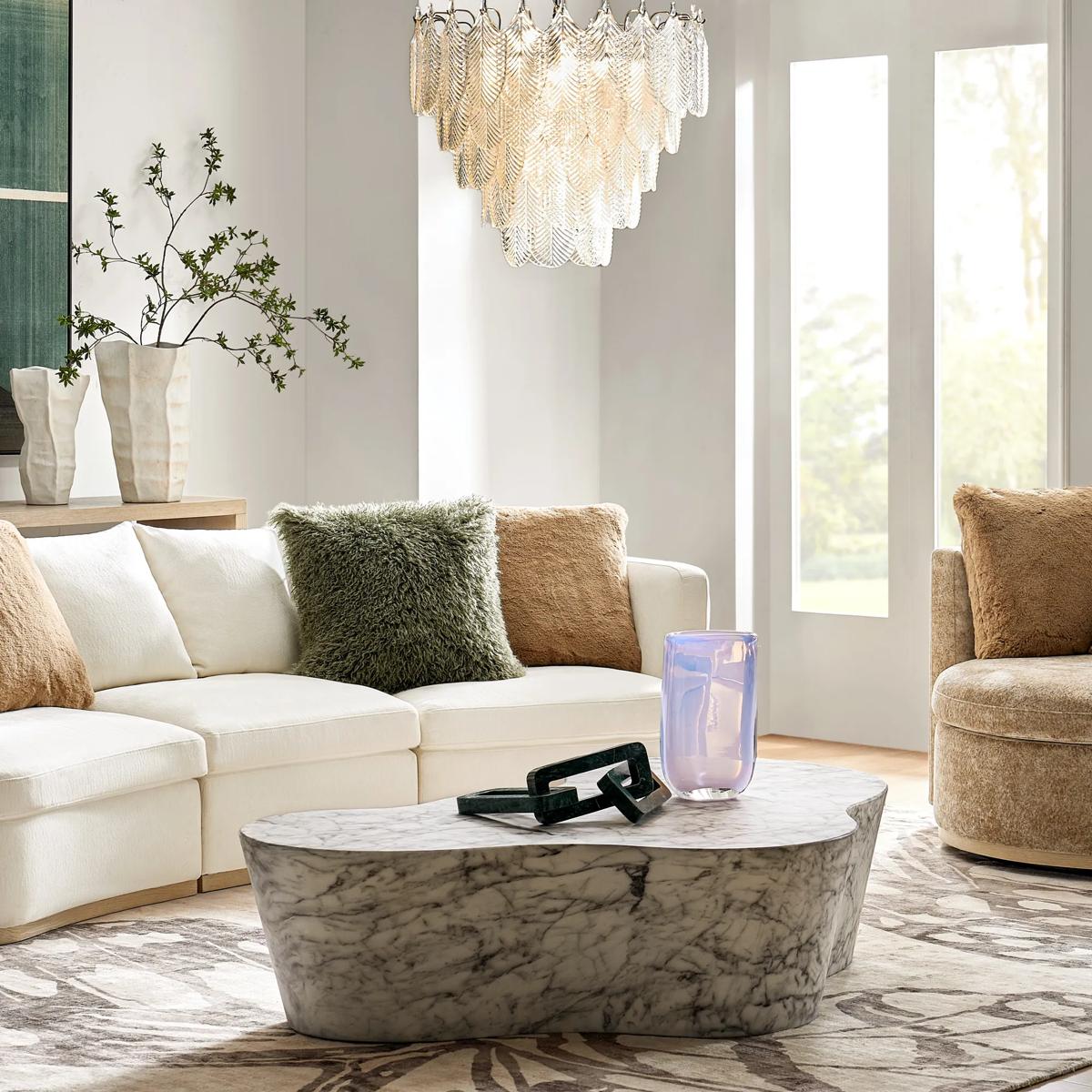 Petra White Concrete Indoor/Outdoor Coffee Table (59.4")$1099
A sculptural white concrete coffee table with cloud-like contours and marble-look veining, suitable indoors or outdoors.
Add To Cart -
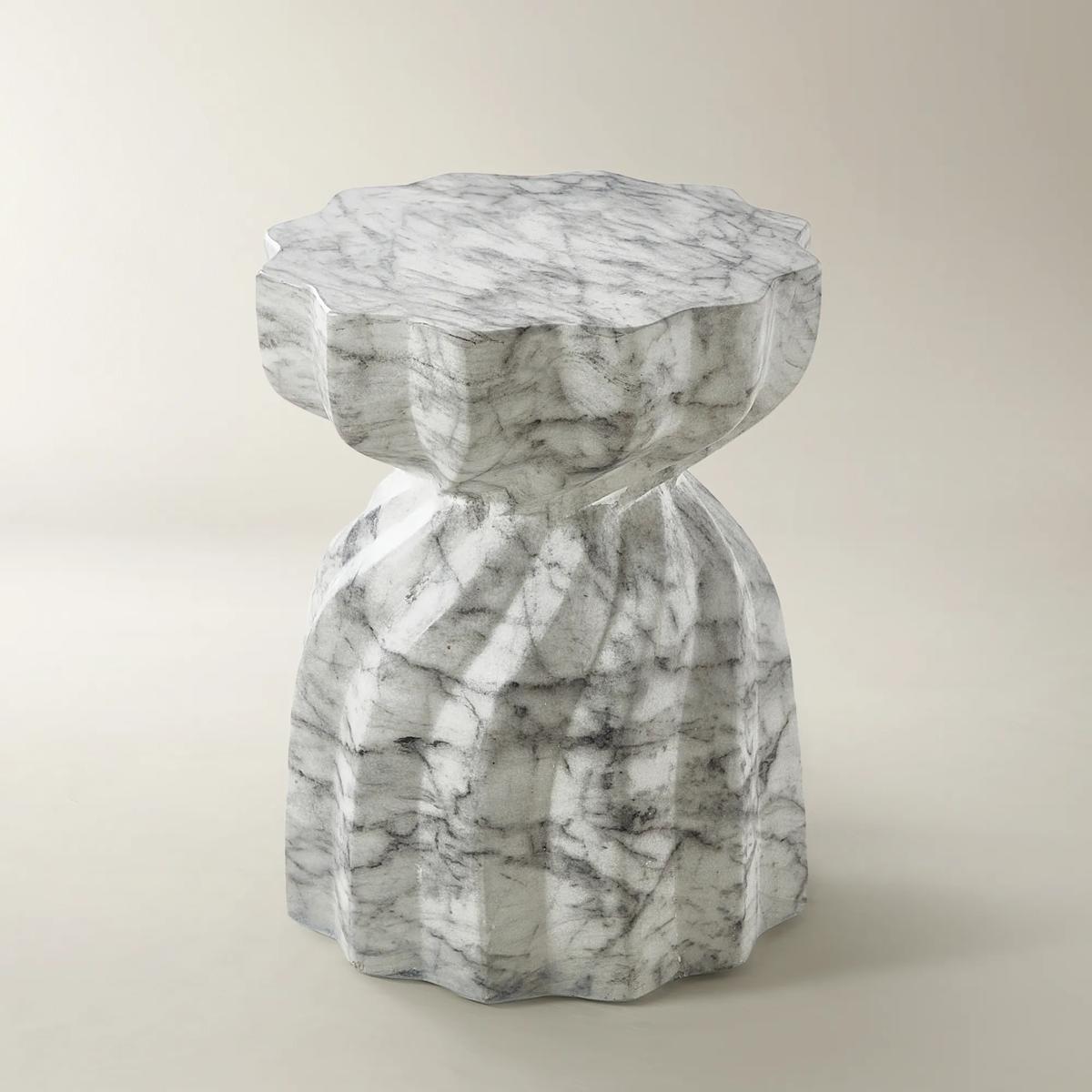
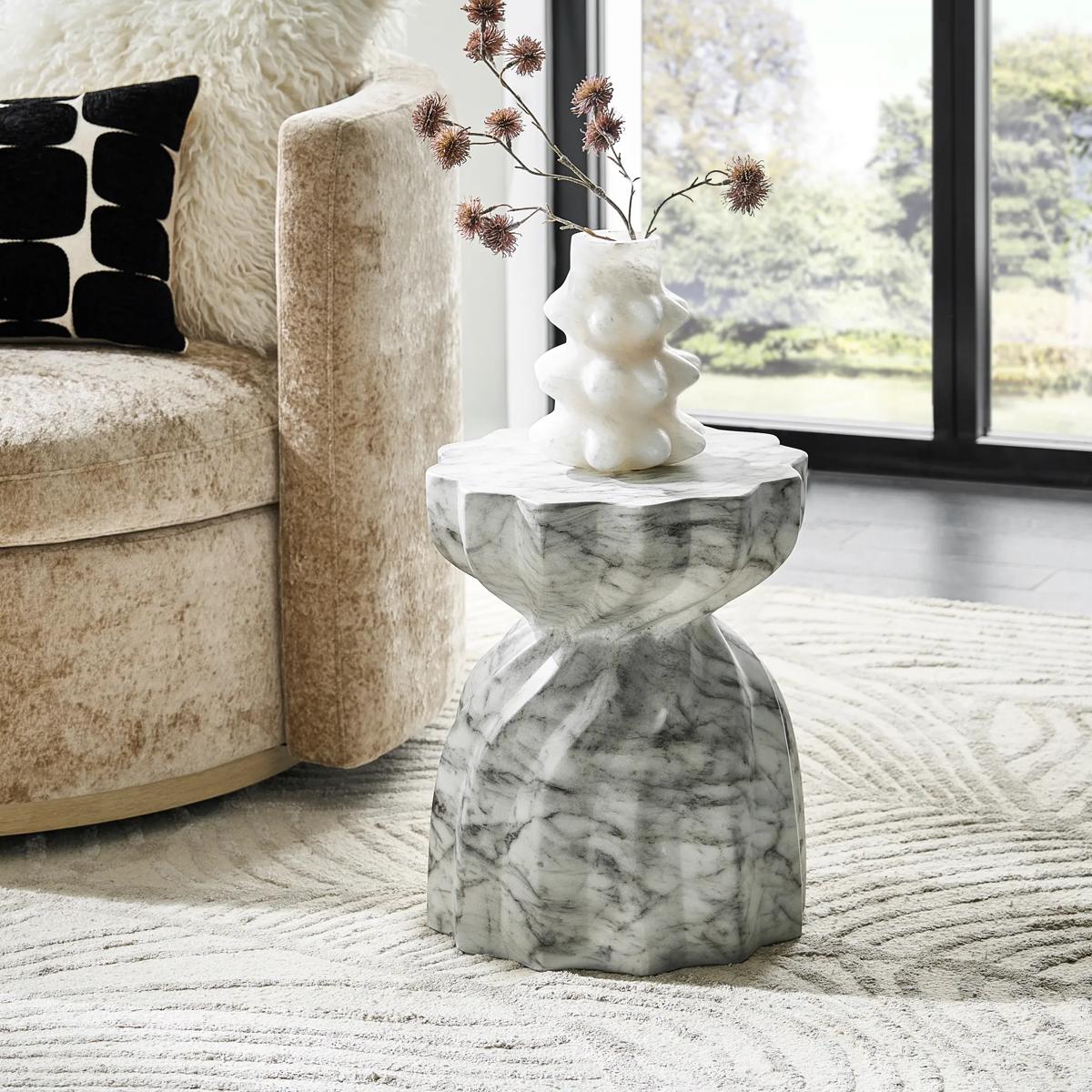 Lithia Scalloped White Concrete Indoor/Outdoor Side Table (15")$349
A white concrete side table with a scalloped silhouette and marble-look finish for indoor-outdoor living.
Add To Cart -
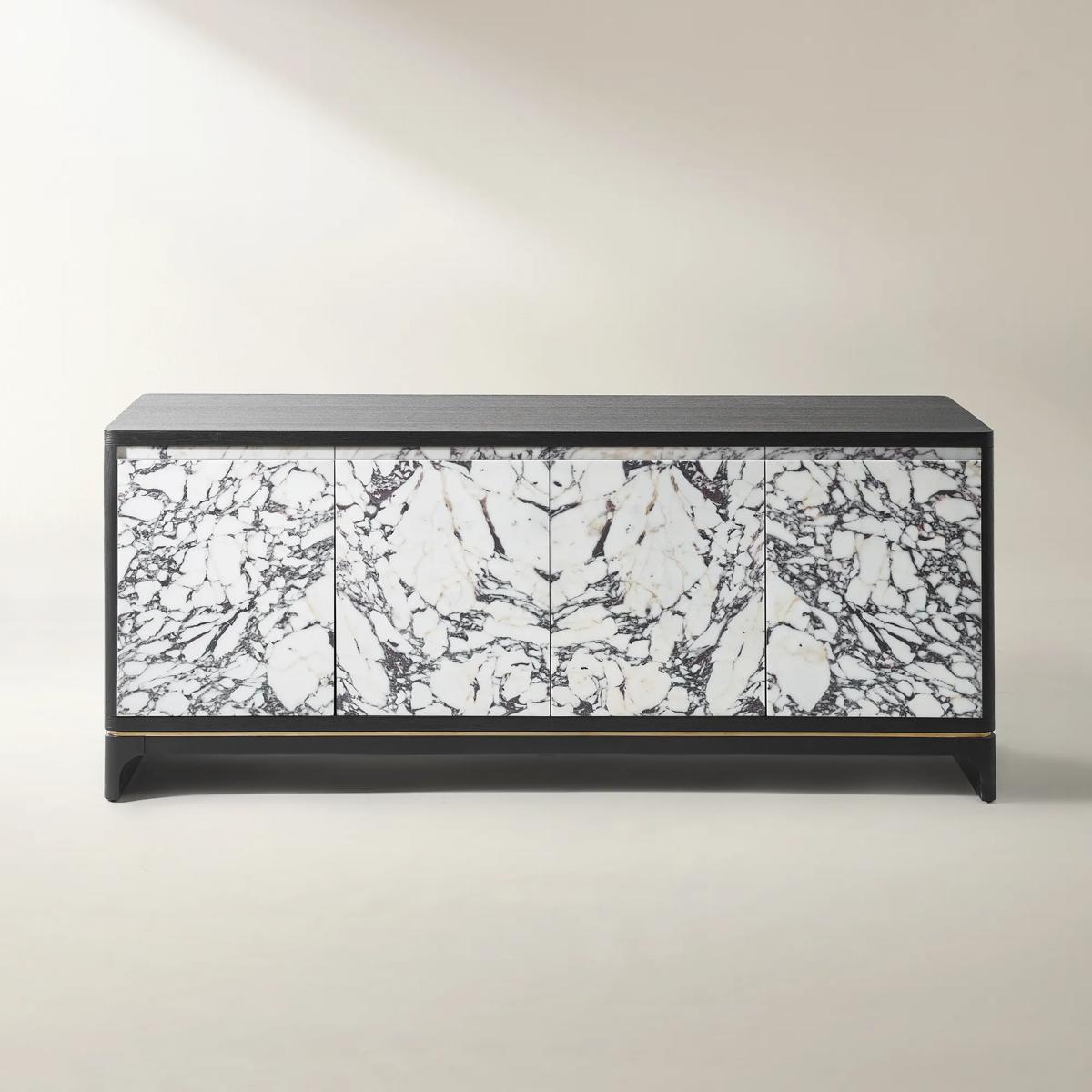
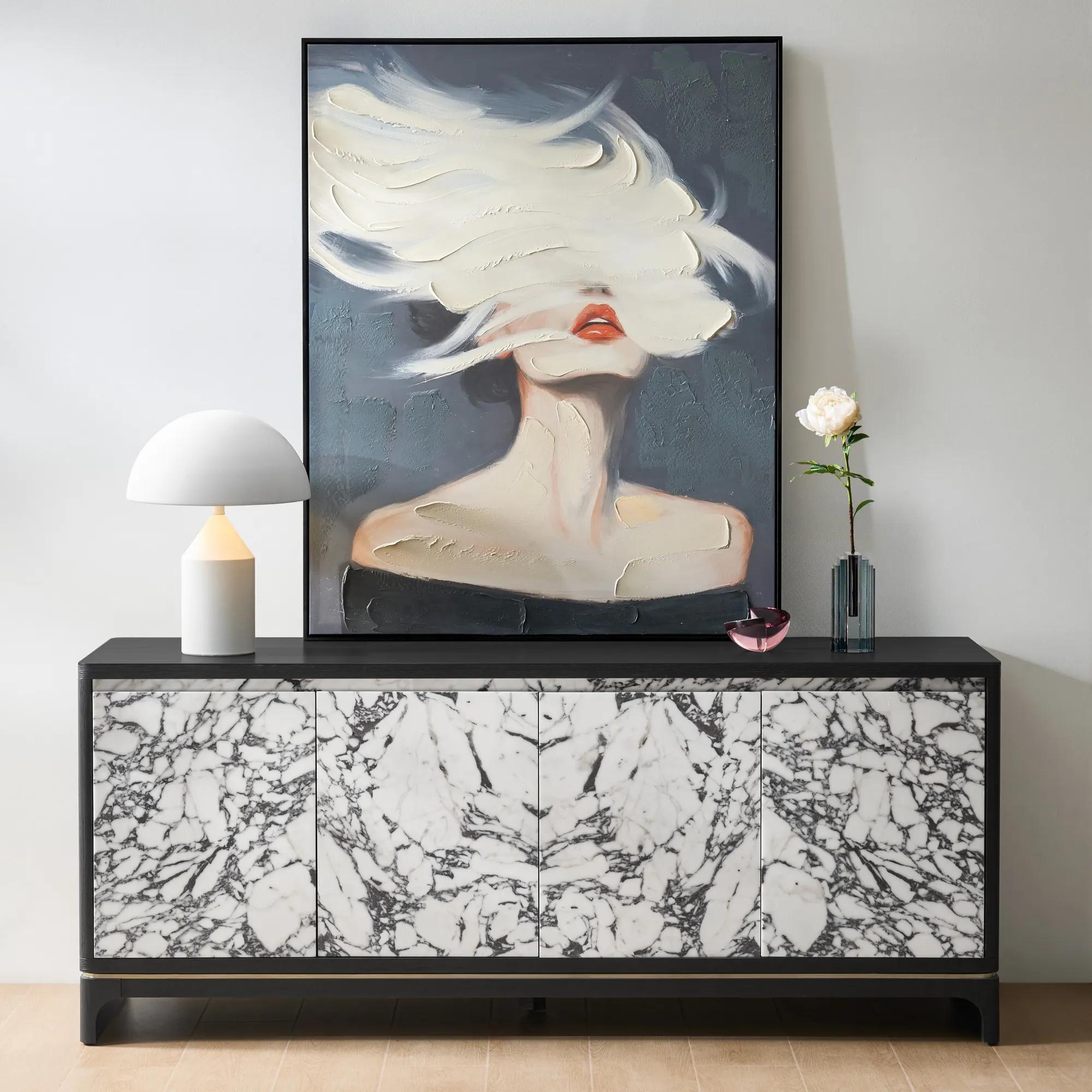 Vanta Black Oak And Calacatta Marble Buffet (72")$2699
A striking matte black oak sideboard featuring genuine Calacatta Viola marble fronts with dramatic violet veining.
Add To Cart

Handcrafted Marble Look Tables
Handcrafted marble look tables command attention, transforming everyday interiors into curated galleries of style and sophistication. Each piece is a celebration of artistry, where swirling veining and luminous surfaces evoke the grandeur of classic sculpture—yet with a modern twist that dazzles at every angle. These tables are more than functional; they are conversation starters, grounding your space in elegance while inviting endless admiration. Elevate your home with handcrafted marble look tables that turn every gathering into an occasion and every room into a masterpiece.
Handcrafted marble look tables bring the visual richness of veined stone into furniture designed for living, gathering, and display. Their defining feature is a marble-inspired surface: a field of color crossed by delicate threads, sweeping ribbons, or dramatic mineral-like markings. Unlike solid marble tables, marble-look designs may achieve that appearance through decorative finishes, resin, engineered materials, porcelain, or other surfaces applied to a supporting structure. The construction matters as much as the pattern, since two tables with similar veining can differ considerably in weight, texture, durability, and care. Handcrafted elements may include an artisan-applied finish, hand-finished edges, or a sculpted base; the term does not necessarily mean the entire table is carved by hand or made from natural stone. Material descriptions help distinguish those details while revealing the character behind the silhouette. A softly rounded tabletop can temper the strong geometry of a room, while an angular profile creates a more architectural presence. Pale marble effects introduce luminosity beside richly upholstered seating, and darker stone-inspired finishes give a space depth without relying on additional ornament. The base adds another layer of expression: gleaming metal sharpens the composition, wood lends warmth, and a substantial pedestal creates a sculptural focal point. When a finish is applied by hand, differences in pattern placement or tone may contribute to its individuality, though the degree of variation depends on the construction. For interiors that favor expressive design, this interplay of movement, proportion, and craftsmanship offers more than a place to set a glass. A marble-look table can establish the mood of an entire seating arrangement, balancing the softness of velvet, the clarity of glass, or the sheen of metallic accents with a surface that feels visually grounded. The most compelling combinations give the veining room to breathe, allowing its distinctive rhythm to become part of the room rather than disappearing beneath a crowded display.
Across coffee tables, side tables, consoles, and dining tables, the marble look takes on a different role according to scale and placement. A coffee table anchors conversation, bringing a broad sweep of pattern to the center of a seating area. Its proportions work best when they relate to the sofa rather than competing with it: a tabletop near the height of the seat cushions generally keeps everyday essentials within comfortable reach, while approximately 14 to 18 inches between the sofa and table often leaves useful legroom. That spacing is a starting point, not a substitute for the circulation a particular room requires. Rounded profiles can soften a compact arrangement or ease movement beside a sectional; rectangular forms can echo a long sofa and create a generous surface for a tray, an art book, and a single sculptural object. Side tables offer a more concentrated gesture. Beside a deep armchair, a pale veined surface provides contrast and a convenient landing place for a reading light or drink. For that luminous accent, White Marble Look Side Tables bring the stone-inspired aesthetic into a smaller footprint. A side table close to the height of the adjacent chair or sofa arm tends to feel more natural in use than one positioned noticeably above or below it. In an entryway, a slender console can carry the same visual drama without projecting too far into the passage. Dining settings call for a broader assessment of legroom, chair placement, and clearance. Around 36 inches between the table edge and nearby walls or furniture is a useful starting point for pulling out chairs, with additional space beneficial along busy walkways. Pedestal bases may free the corners, but their width and shape still affect where feet and chair legs can settle. Measuring the base as well as the top helps preserve the elegance of the arrangement when people actually sit down.
The lasting appeal of a handcrafted marble-look table depends on how well its construction suits its intended use. A surface reserved for decorative objects faces different demands from a dining tabletop used for daily meals, and a sculptural accent beside an occasional chair may not need the same footprint as a frequently used coffee table. Marble look describes an appearance, not a single performance standard: resistance to scratching, staining, heat, and moisture varies with the surface material, protective coating, edges, and underlying structure. Porcelain, resin, and decorative finishes each have their own characteristics, so care should follow the manufacturer’s directions rather than assumptions based on the stone-like pattern. Some designs are lighter than comparable solid-stone furniture, but others remain substantial; dimensions, assembled weight, stability, and stated weight limits deserve attention before placement. For routine upkeep, a soft cloth and a cleaner approved for the particular finish help preserve the surface without unnecessary abrasion. Spills are best addressed promptly, especially around seams and edges where moisture may reach the supporting material. Coasters beneath drinks, placemats at dining settings, and suitable trivets beneath hot serving pieces provide a discreet layer of protection. Neither a marble effect nor a glossy finish guarantees that a tabletop is heatproof, waterproof, or impervious to marks. Abrasive pads, acidic cleaners, solvents, and polishing compounds can damage certain finishes, and a stone sealer should not be applied unless the manufacturer specifically recommends it. Felt beneath decorative objects helps prevent scratches when a vase or bowl is repositioned; appropriate floor protectors can also safeguard the surface below the table. Heavy tables should be lifted with suitable assistance rather than dragged or pulled by the top. Indoor designs belong indoors unless expressly rated otherwise. With construction, placement, and care considered together, these tables can deliver their intended balance of artistry and function: expressive surfaces that hold the eye, purposeful proportions that support daily rituals, and sculptural forms that give a room its own unmistakable presence.
FAQs
Handcrafted marble furniture is distinguished by the artistry and attention to detail that each artisan brings to the process. Every table features unique veining and subtle variations, creating one-of-a-kind pieces that reflect both natural beauty and expert craftsmanship. This personal touch ensures that no two tables are exactly alike, infusing your space with individuality and timeless elegance.
Luxury marble tables naturally draw the eye, making them ideal for creating a striking centerpiece. Pair them with bold metallic accents, sculptural lighting, and plush textiles to amplify their opulent presence. For added drama, display a curated selection of art books or a statement floral arrangement atop the table, allowing the marble’s organic patterns to shine through and elevate the overall ambiance.
Absolutely. Marble-effect tables possess a chameleon-like quality, seamlessly blending with a variety of design styles. In modern spaces, their sleek surfaces and clean lines enhance a sense of contemporary sophistication, while in traditional settings, their classic elegance and rich textures provide a timeless foundation. The versatility of these tables makes them a favorite among interior designers and style enthusiasts alike.
Designer marble furniture makes an unforgettable gift for milestone celebrations such as weddings, anniversaries, housewarmings, or even significant career achievements. Its enduring beauty and functional artistry symbolize both luxury and lasting appreciation, making it a cherished gesture for loved ones embarking on new chapters or commemorating special moments.
Classic marble furniture can be seamlessly integrated into smaller spaces by choosing pieces with airy silhouettes or opting for multi-functional designs, such as nesting tables or slim console tables. The reflective qualities of marble help to visually expand a room, while its timeless appeal adds a layer of sophistication—ensuring that even the most compact spaces feel curated and luxurious.