
Fully Assembled Dining Chairs
Fully Assembled Dining Chairs
-
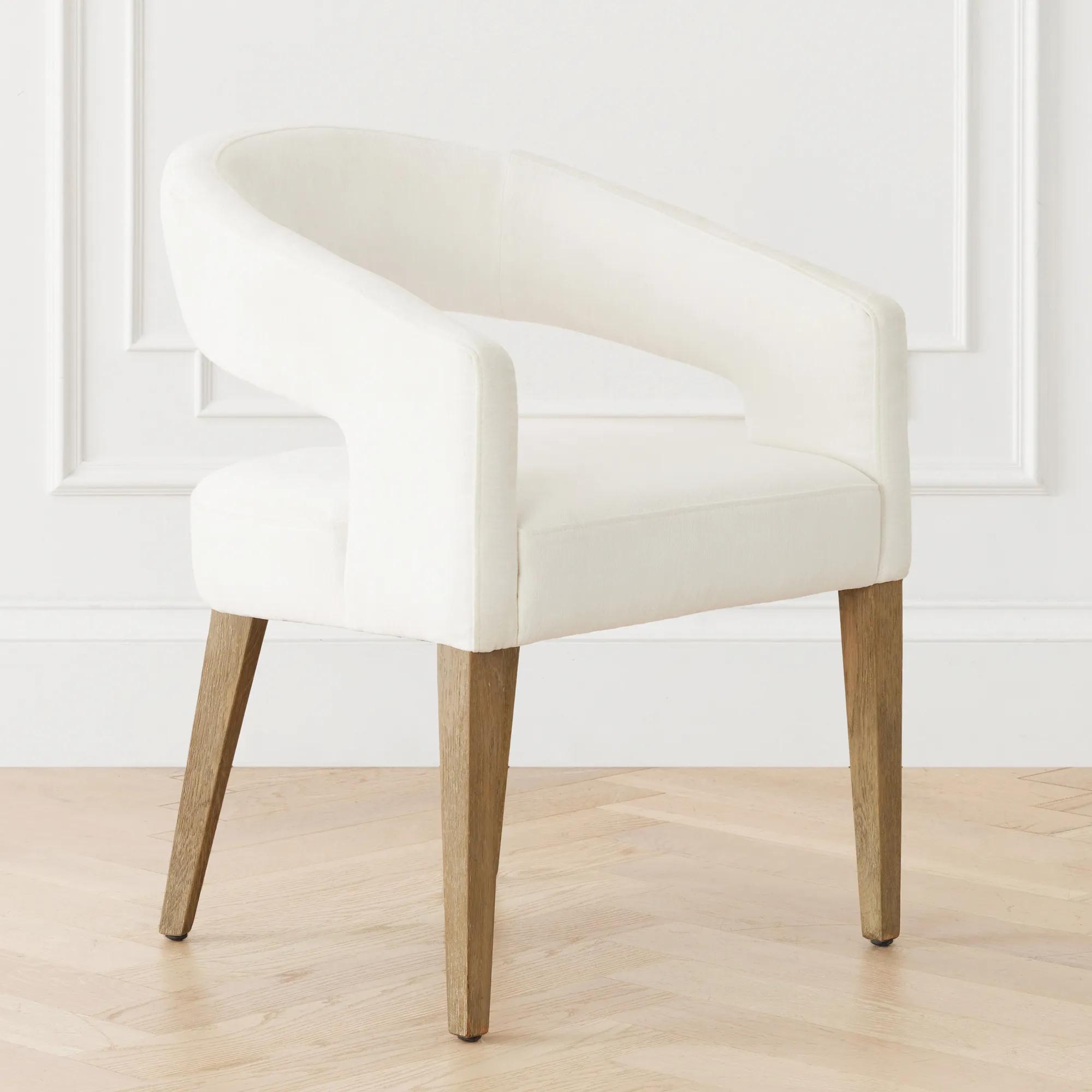 Philippa Dining Chair - Natural Grey$845
A modern dining chair featuring a curved silhouette, grey upholstery, and a kiln-dried hardwood frame.
Add To Cart -
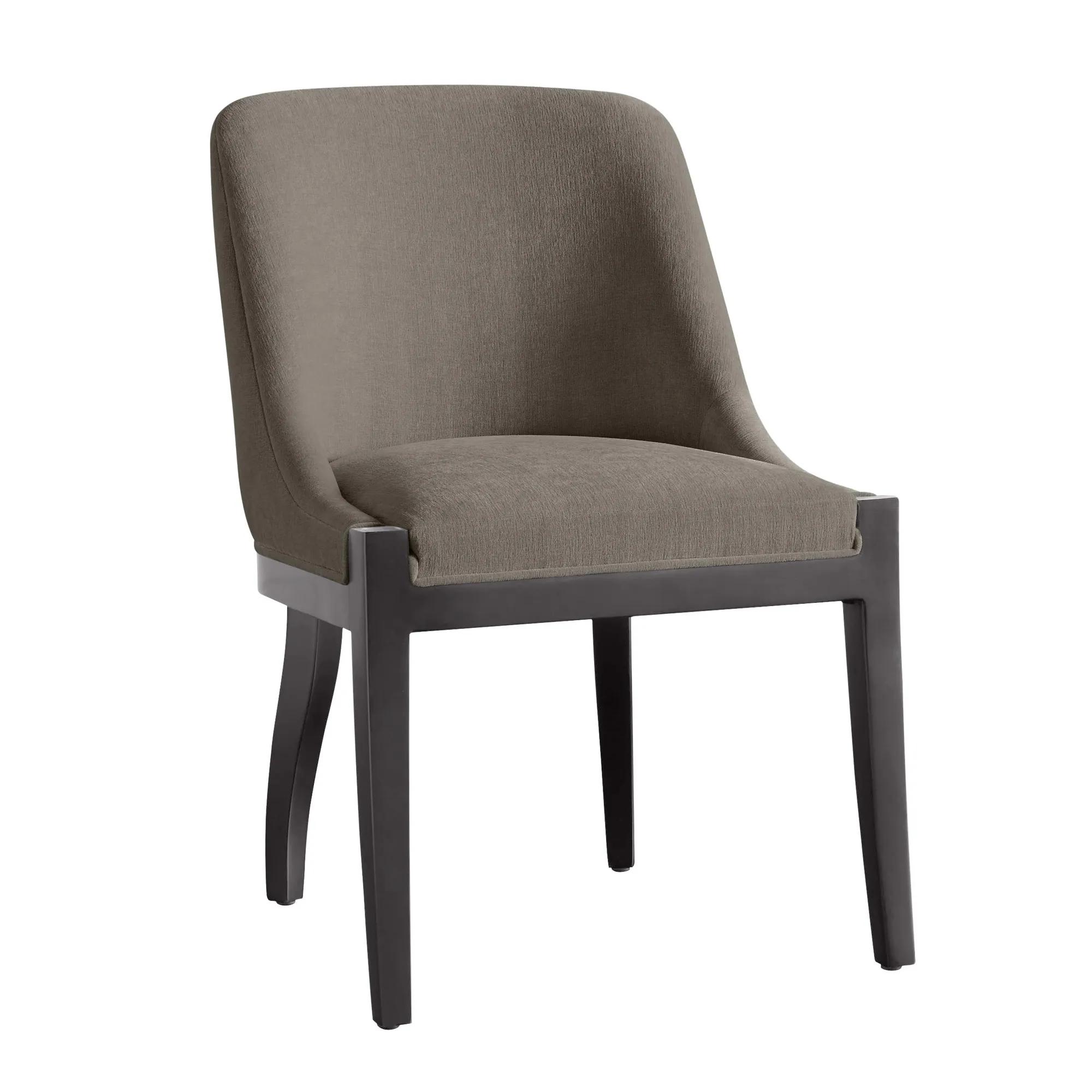
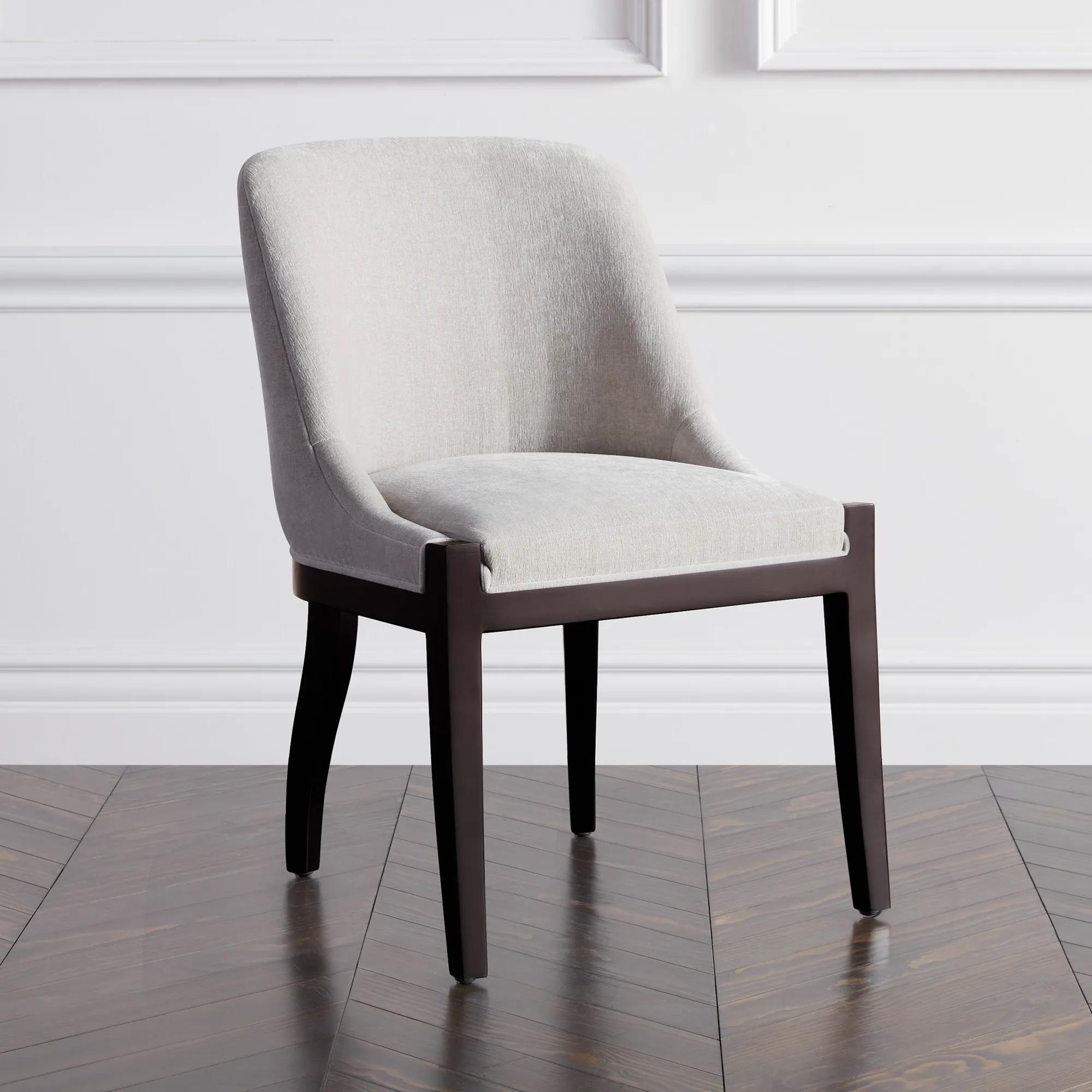 Lily Dining Chair - Espresso$649
A modern dining chair featuring espresso-finished hardwood, curvaceous silhouette, and plush tailored upholstery.
Add To Cart -
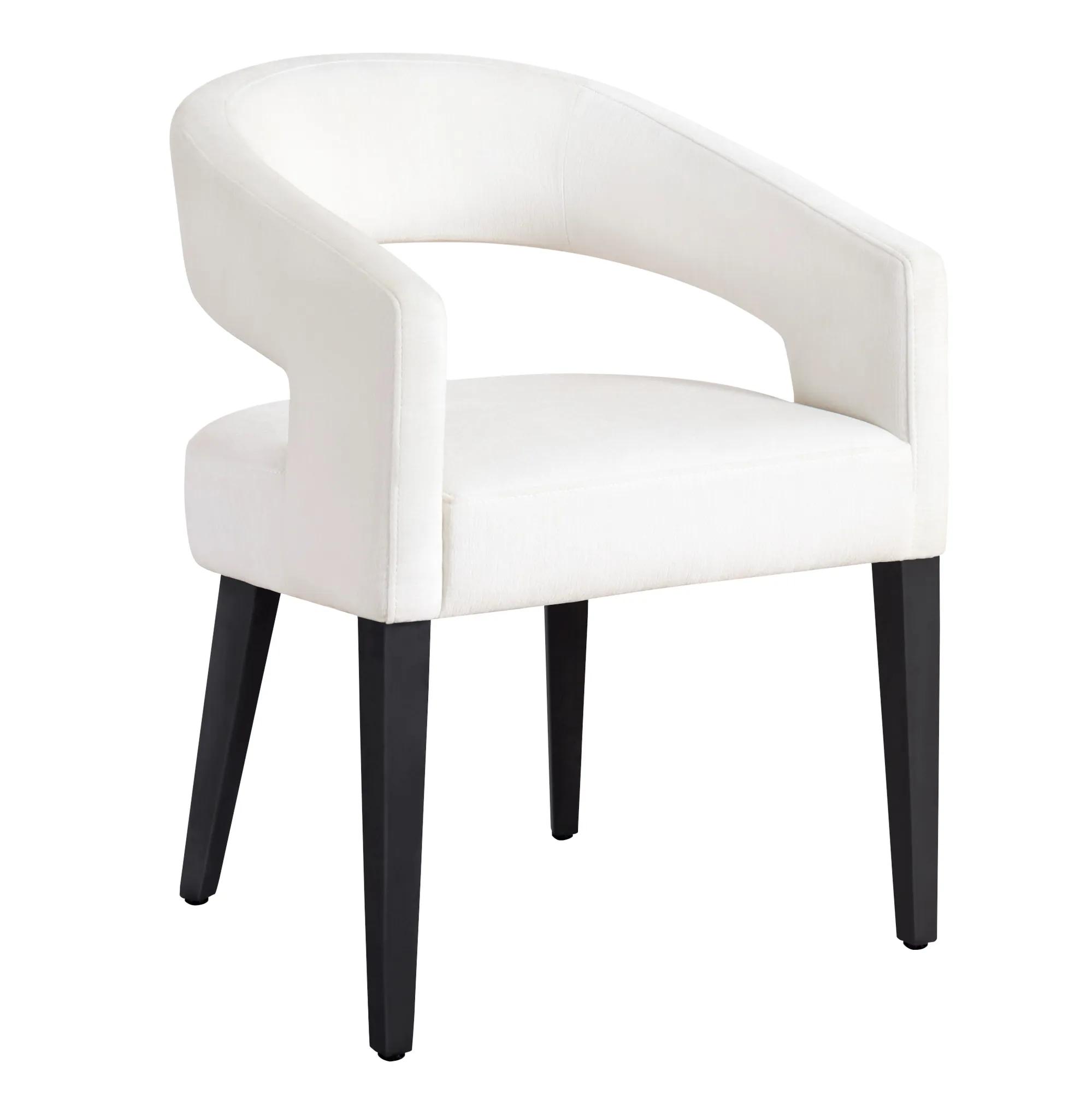
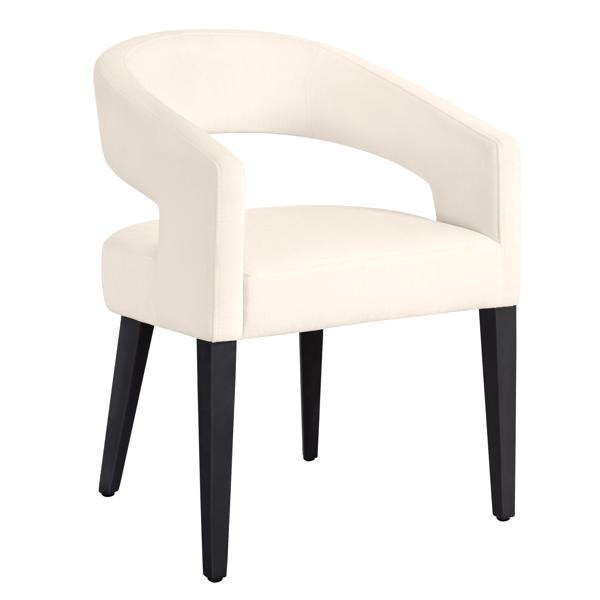 Philippa Dining Chair - Matte Black$599
A modern dining chair featuring a curved silhouette, matte black legs, and neatly tailored upholstery.
Add To Cart -
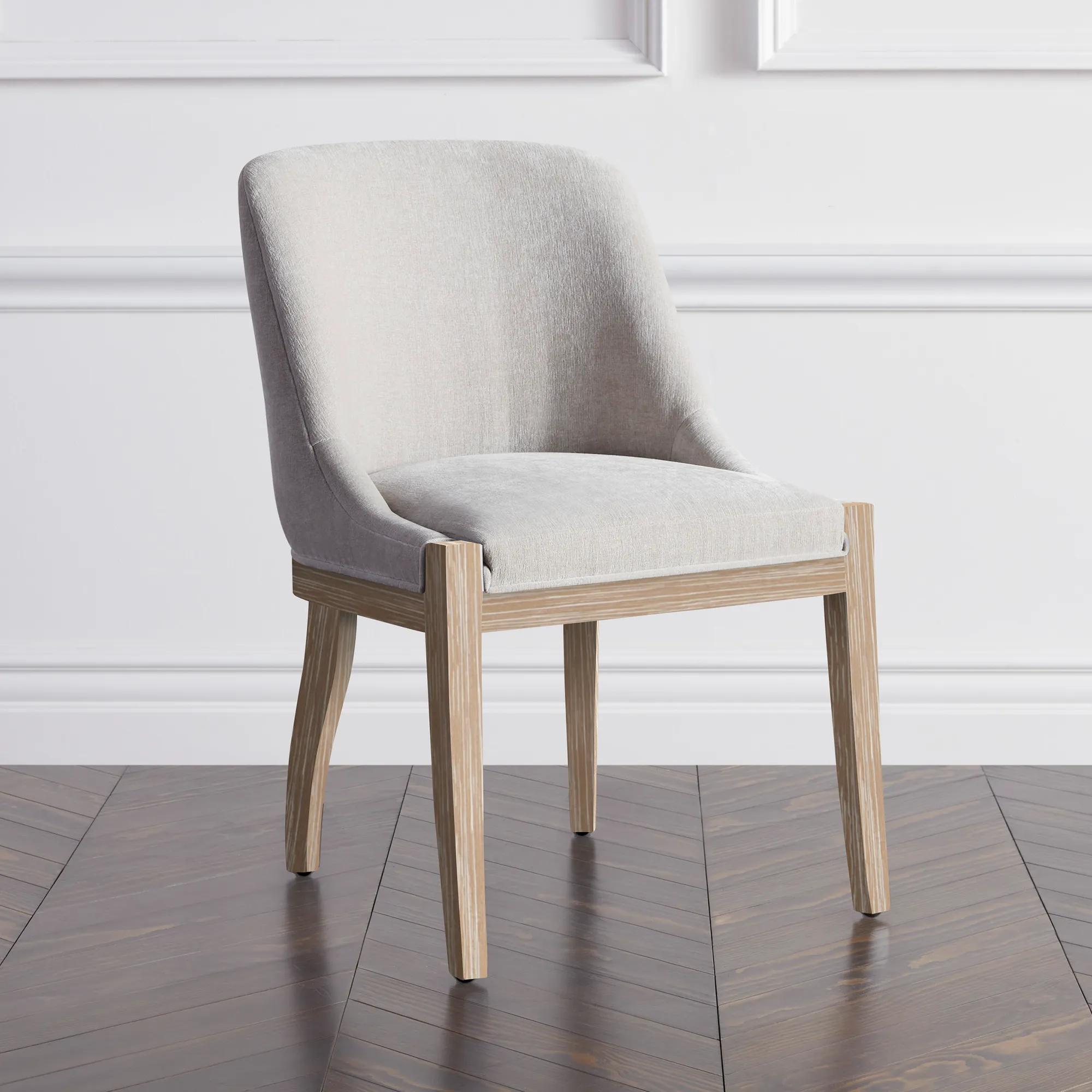
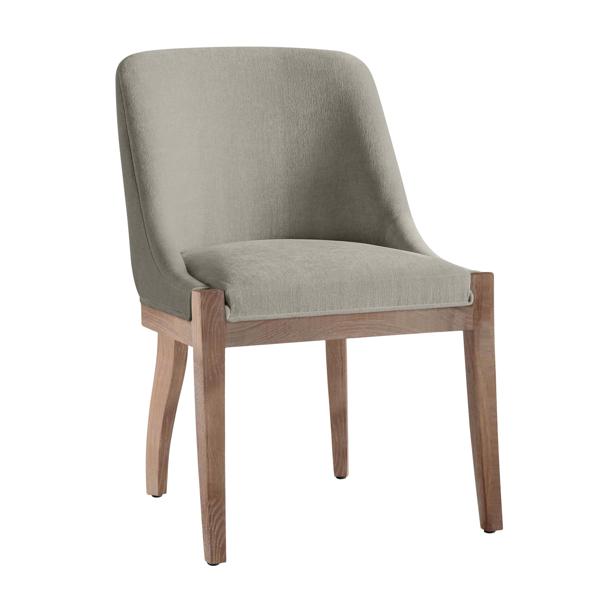 Lily Dining Chair - Wash Oak$749
A modern dining chair featuring a kiln-dried hardwood frame, wash oak legs, and tailored chenille upholstery.
Add To Cart -
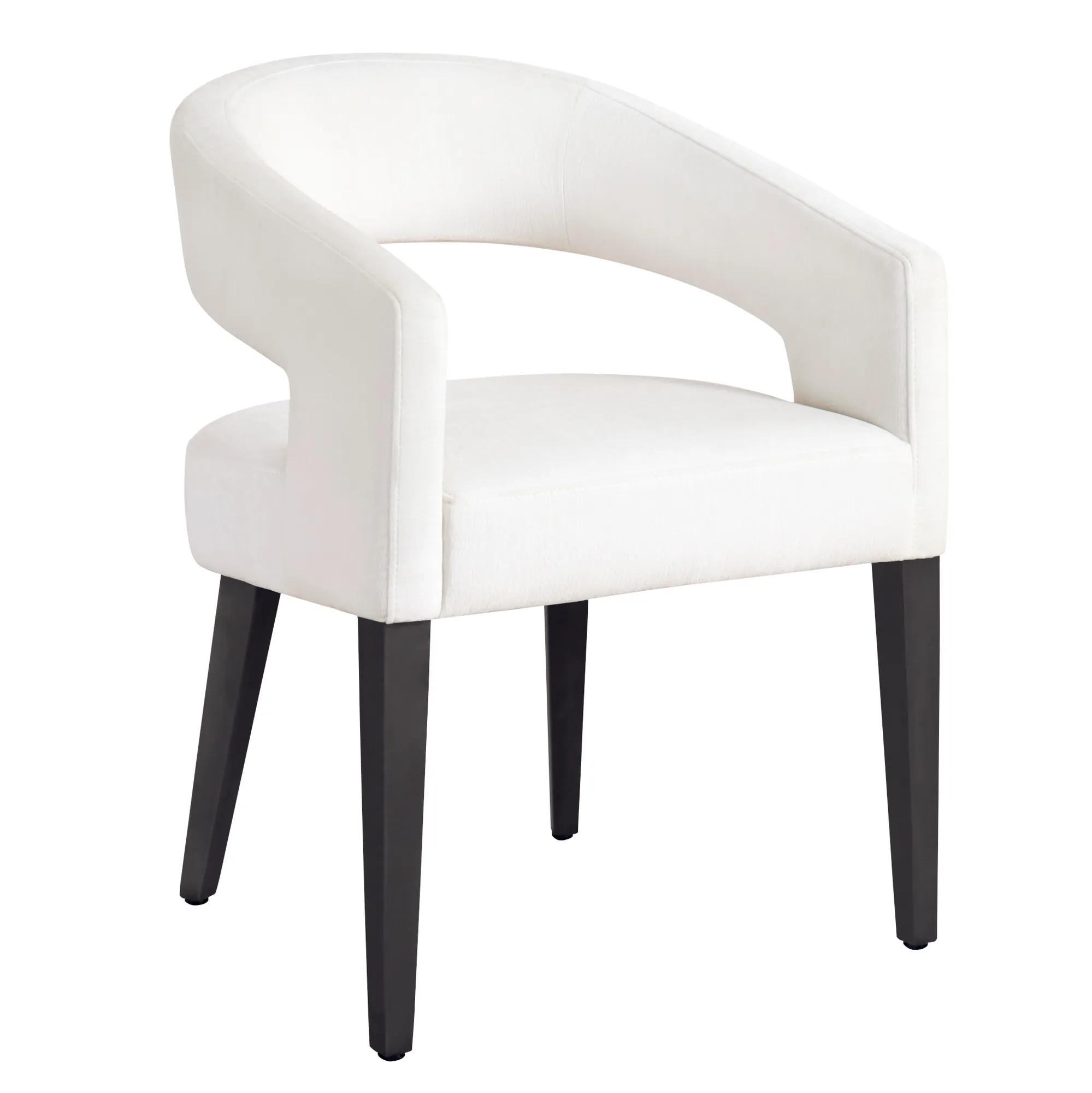
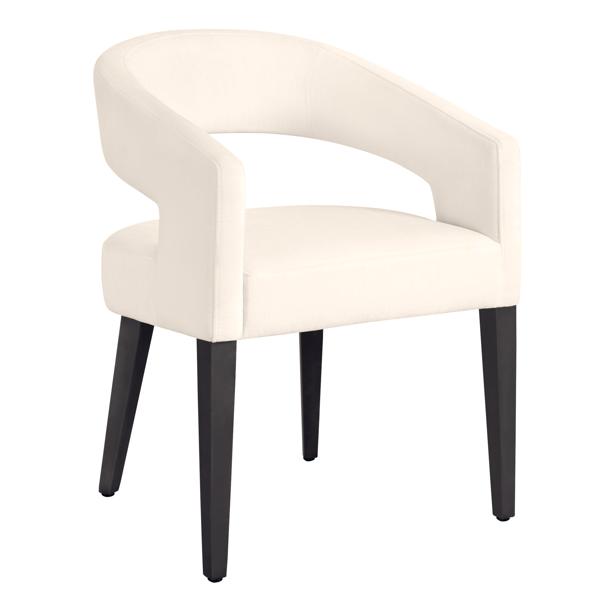 Philippa Dining Chair - Espresso$599
A modern dining chair featuring a curved silhouette, espresso legs, and neatly tailored chenille upholstery.
Add To Cart -
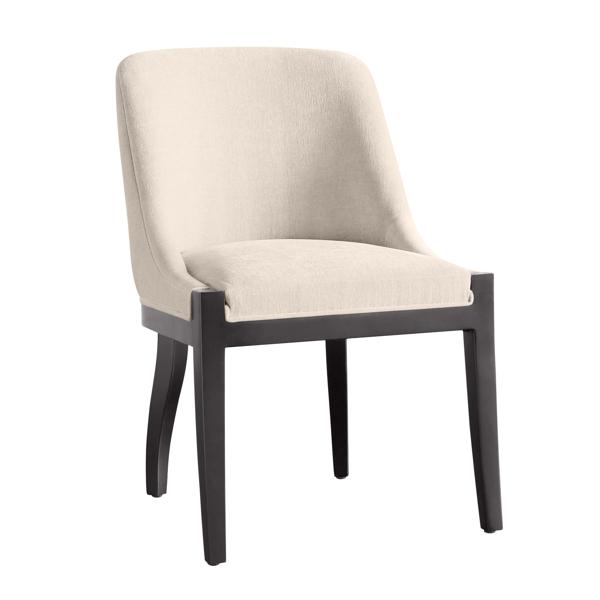 Lily Dining Chair - Espresso$749
A modern dining chair with espresso-finished hardwood frame and plush, tailored upholstery for lasting comfort.
Add To Cart -
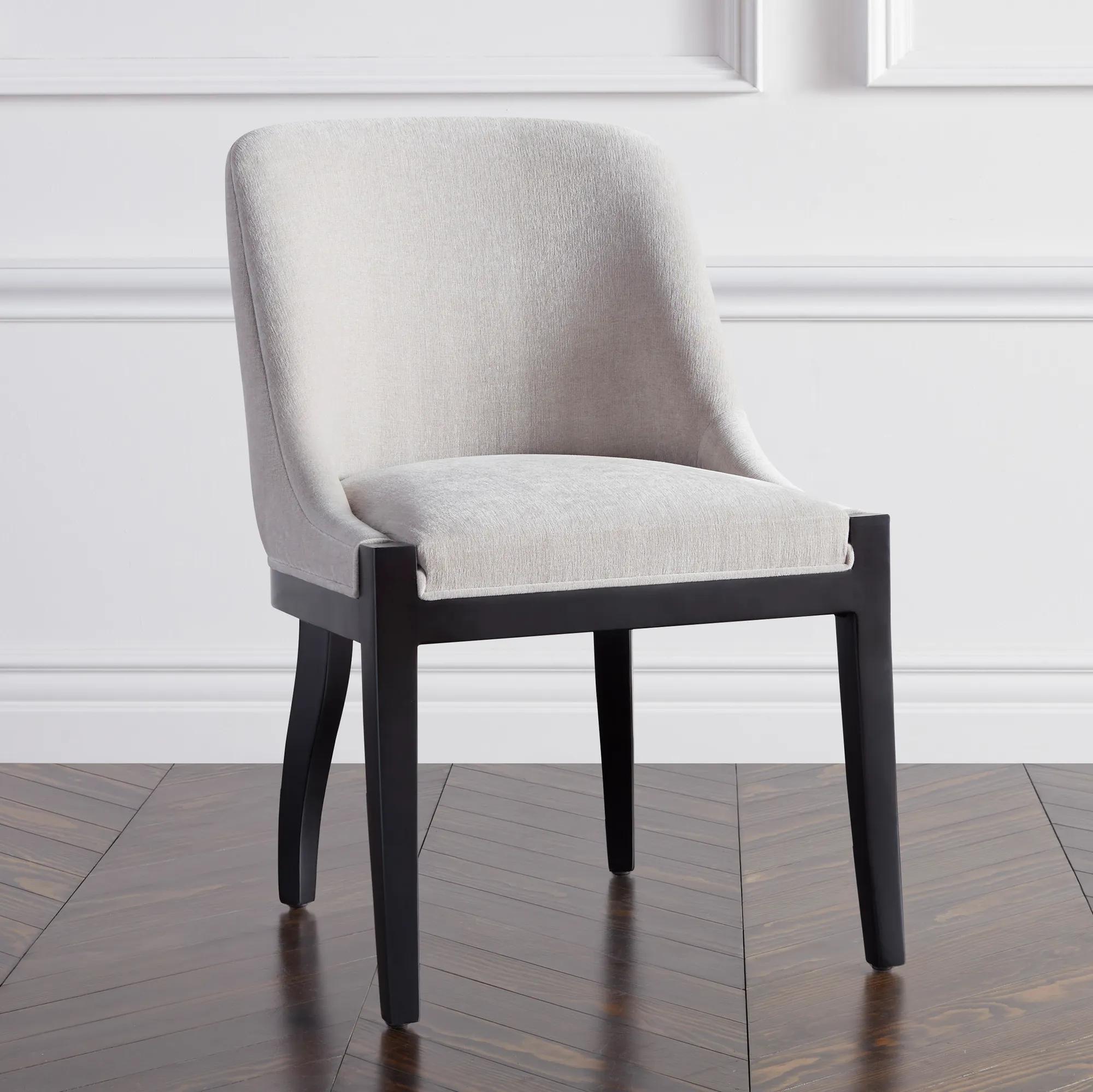 Lily Dining Chair - Matte Black$599
A modern dining chair featuring a matte black hardwood frame and plush, tailored upholstery for lasting comfort.
Add To Cart -
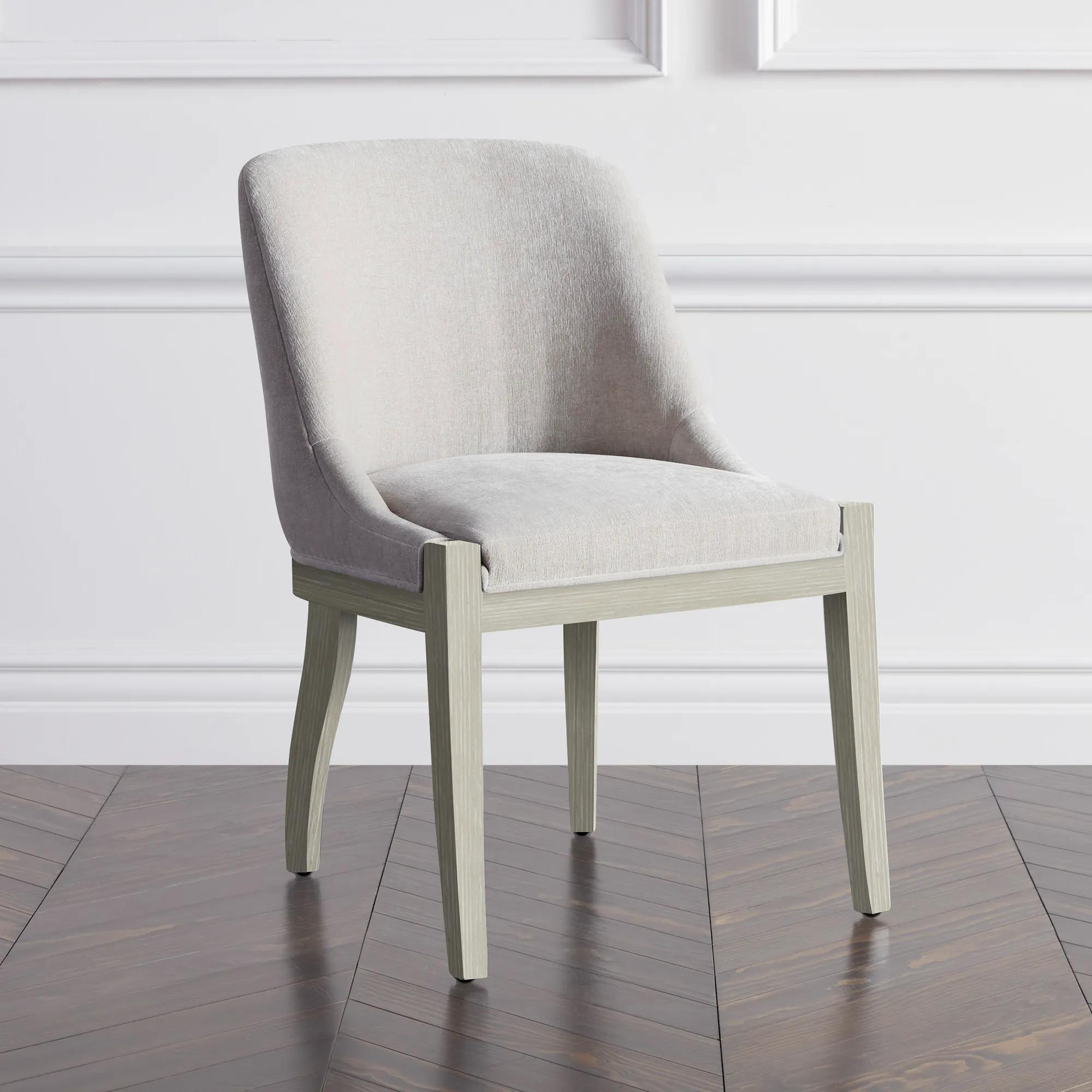 Lily Dining Chair - Natural Grey$649
A modern grey dining chair featuring kiln-dried hardwood, plush foam cushioning, and tailored chenille upholstery.
Add To Cart -
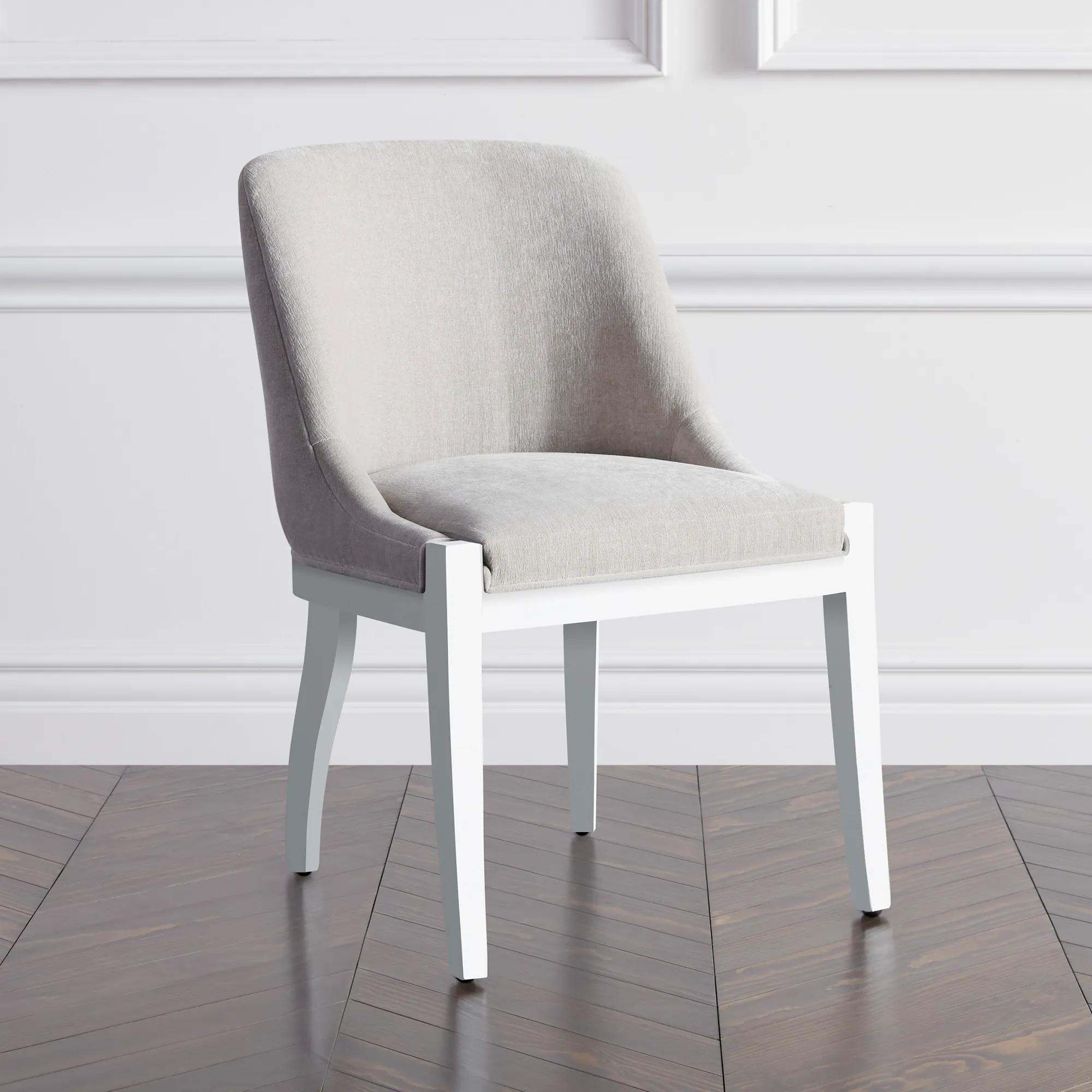
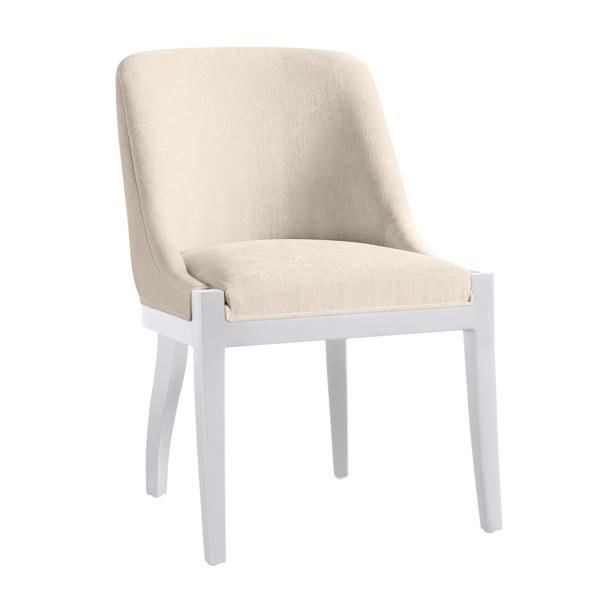 Lily Dining Chair - High Gloss White$649
A modern white dining chair featuring kiln-dried hardwood, high-gloss legs, and plush tailored upholstery.
Add To Cart -
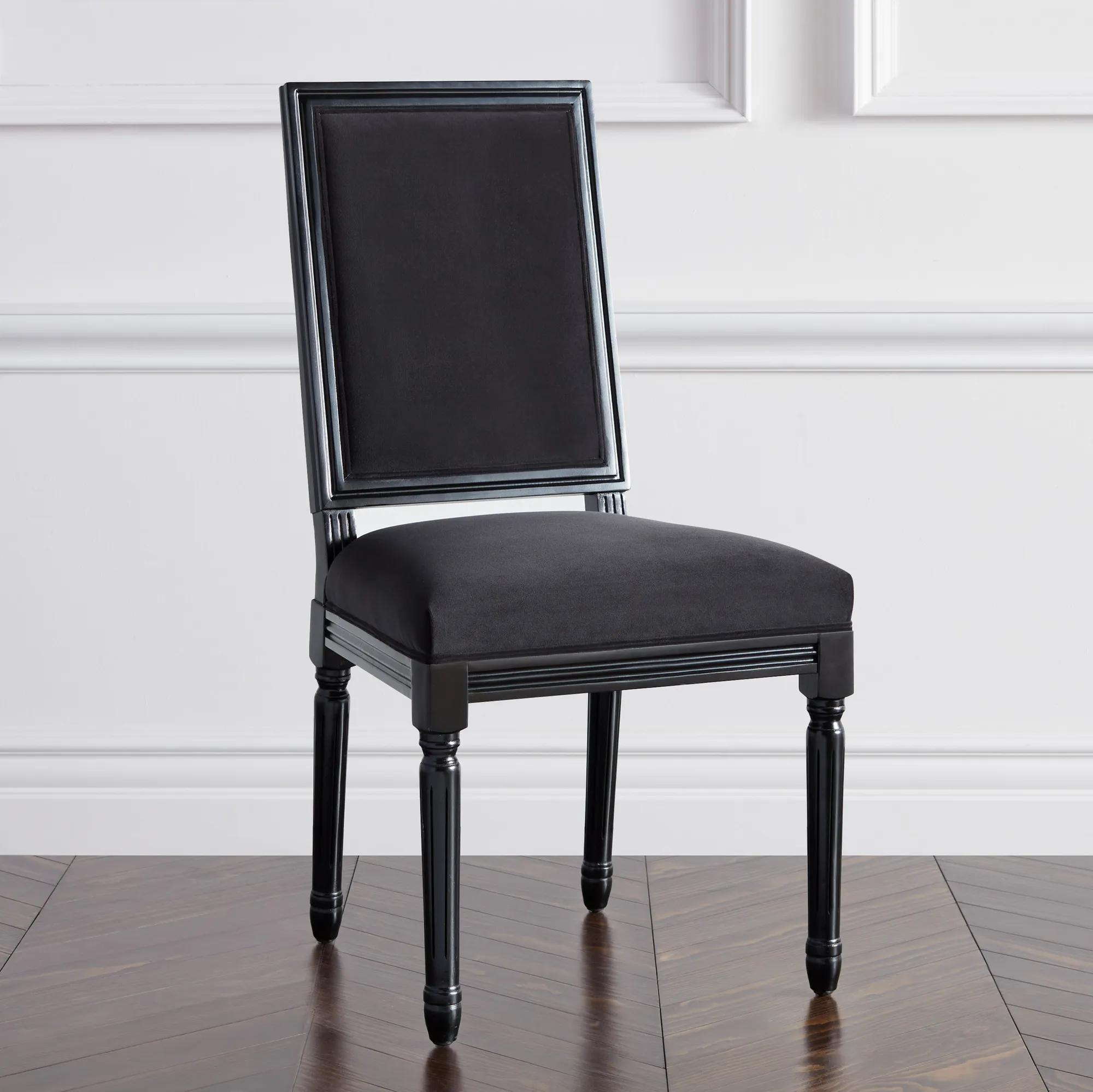
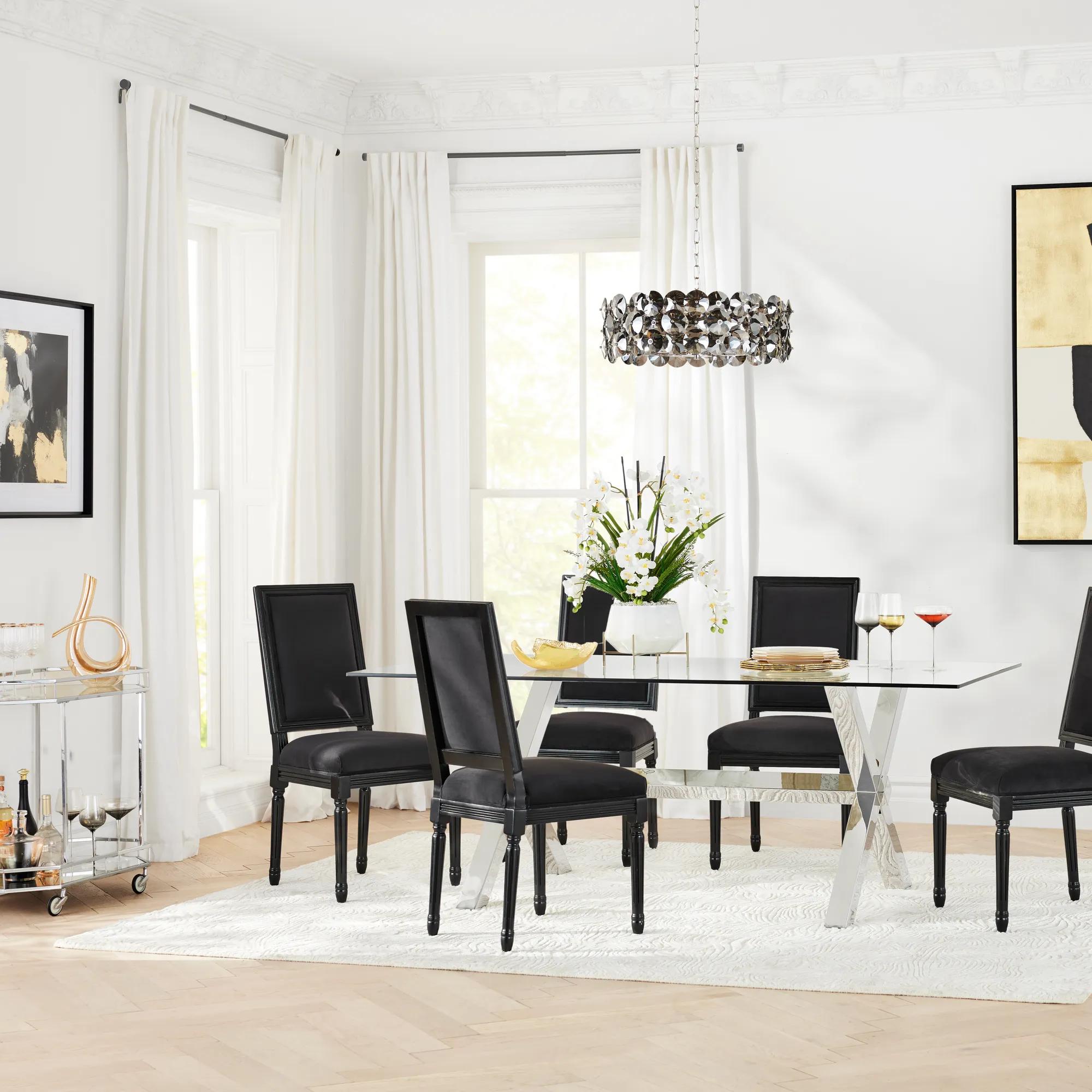 Callan Dining Chair - High Gloss Black$599
A handcrafted dining chair featuring high-gloss black Bella Velvet upholstery, fluted legs, and a squared back.
Add To Cart -
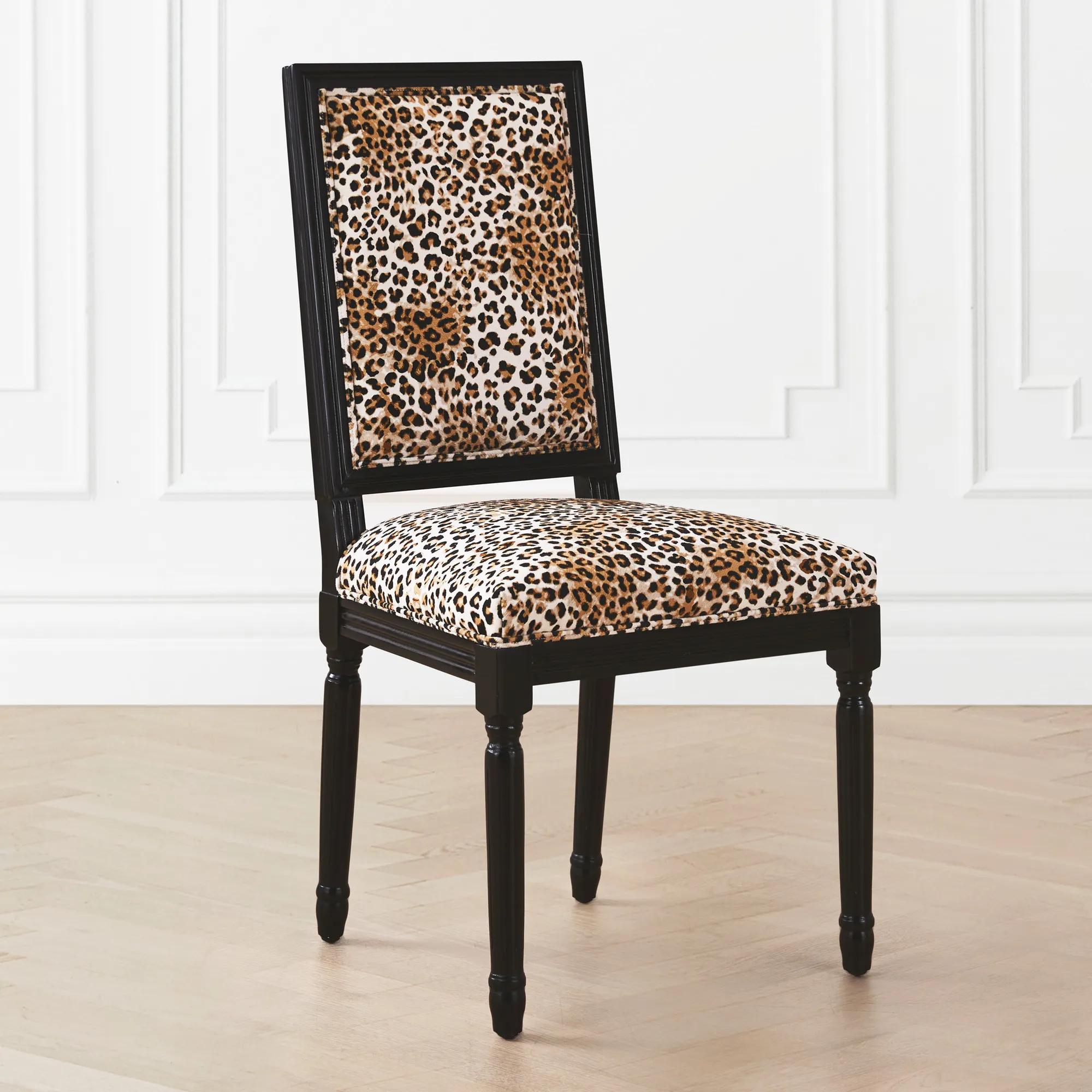
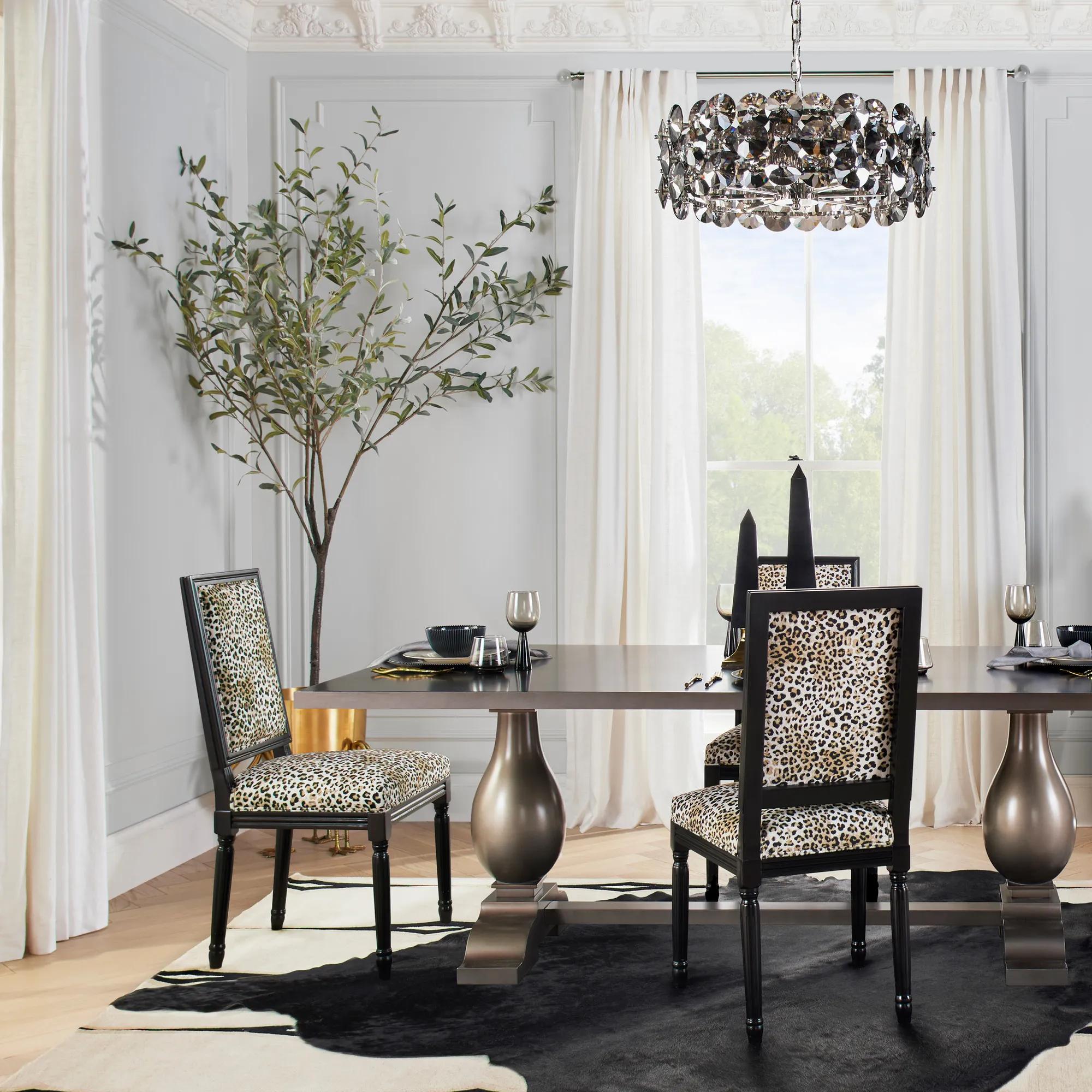 Callan Dining Chair$599
A handcrafted modern chair featuring classic upholstery, squared back, fluted legs, and high-gloss finish.
Add To Cart -
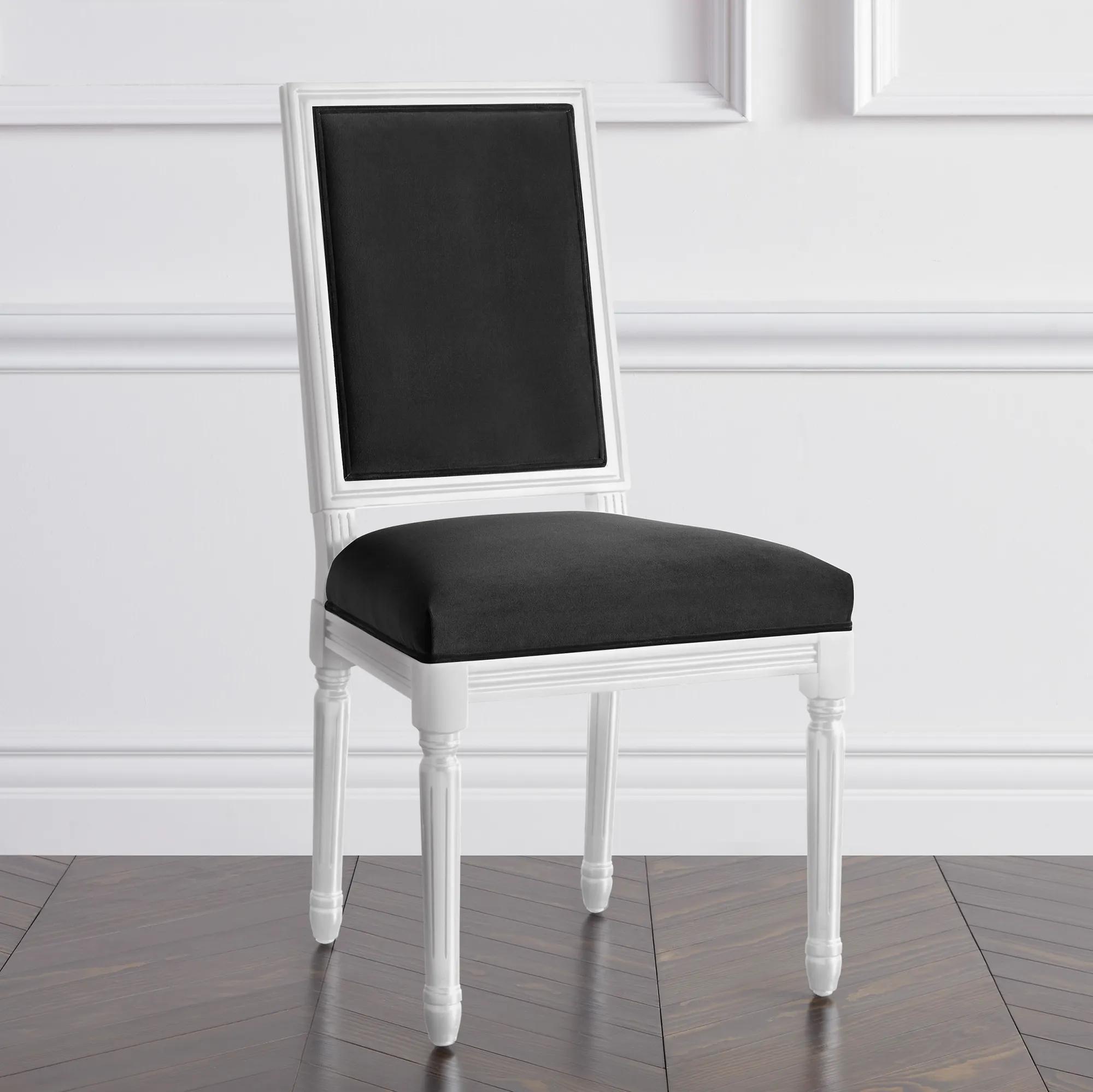
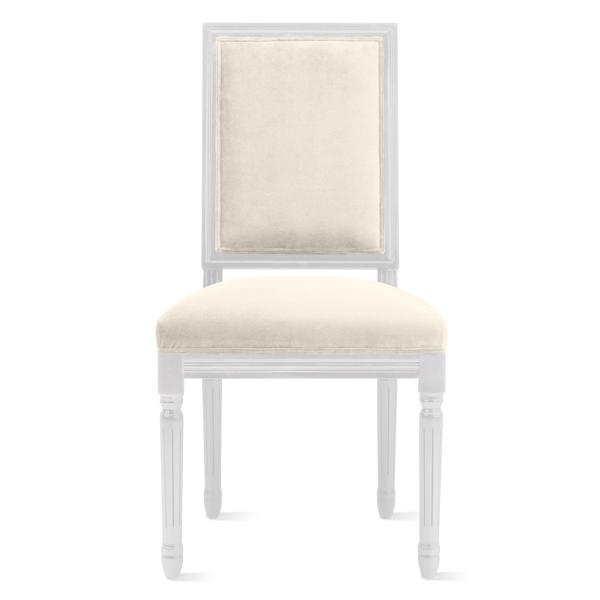 Callan Dining Chair - High Gloss White$599
A handcrafted dining chair featuring high-gloss white finish, kiln-dried hardwood frame, and plush velvet upholstery.
Add To Cart -
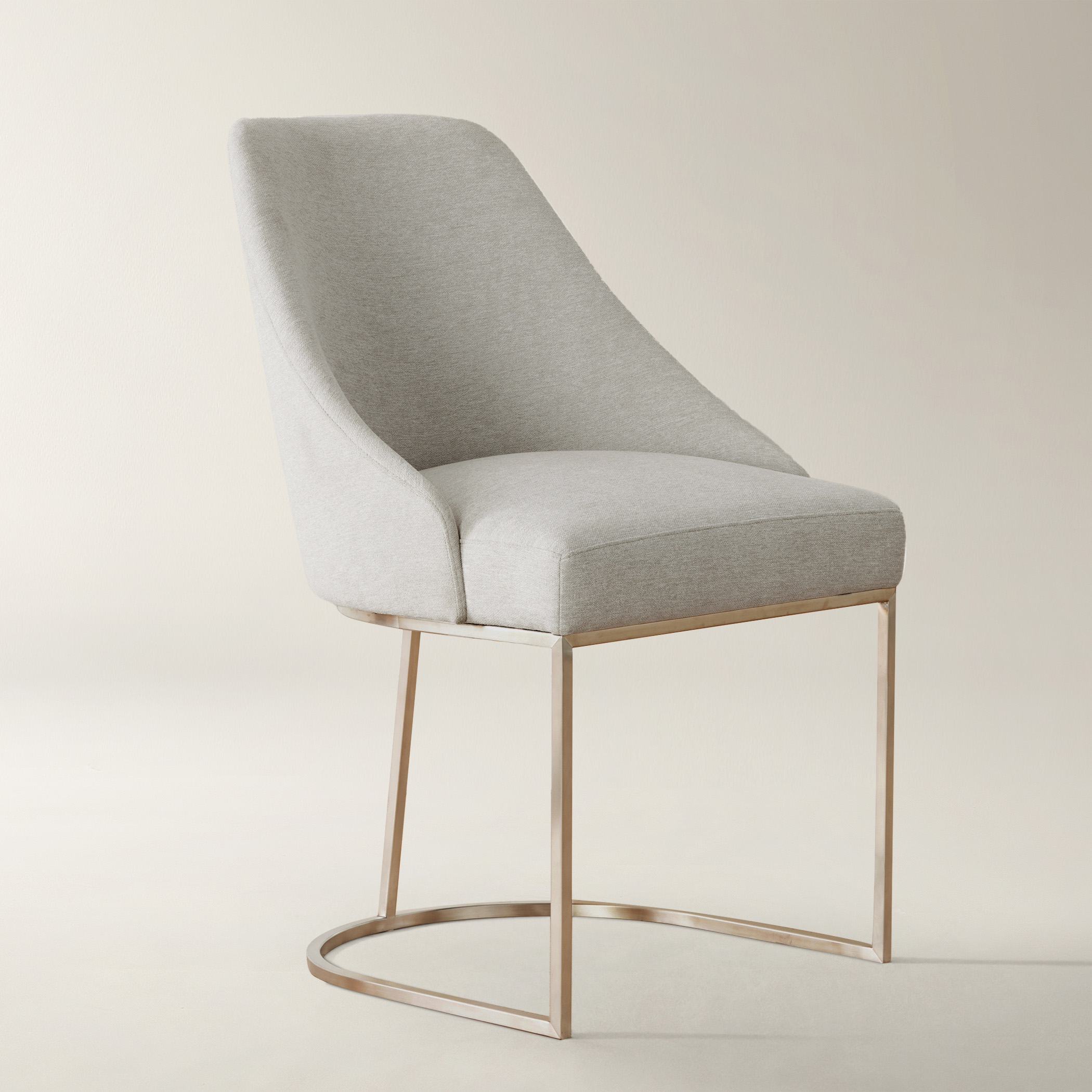
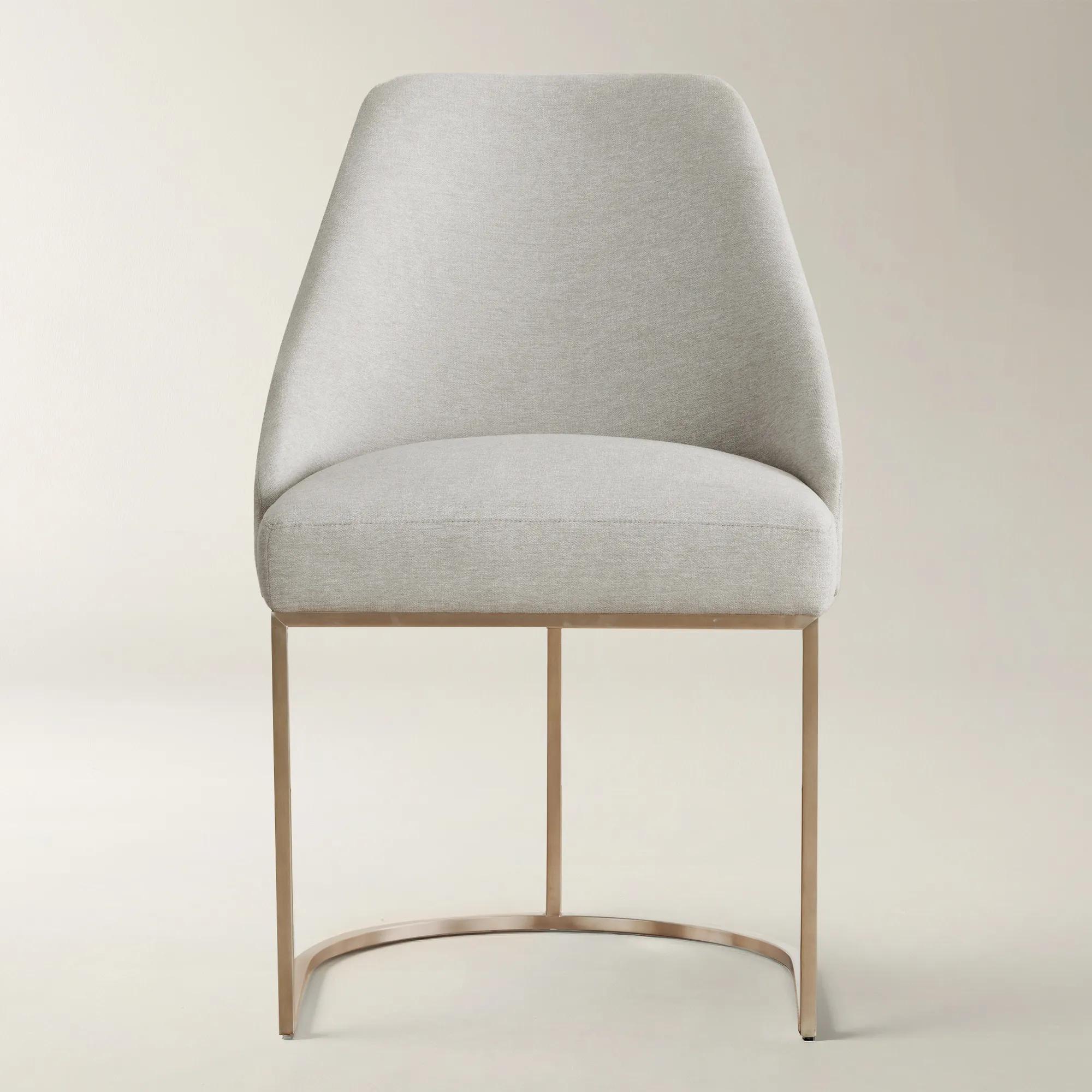 Rowan Ivory Fabric Dining Chair$599
A modern chair featuring brushed stainless steel legs and stain-resistant, water-repellent Roxboro Frost fabric.
Add To Cart -
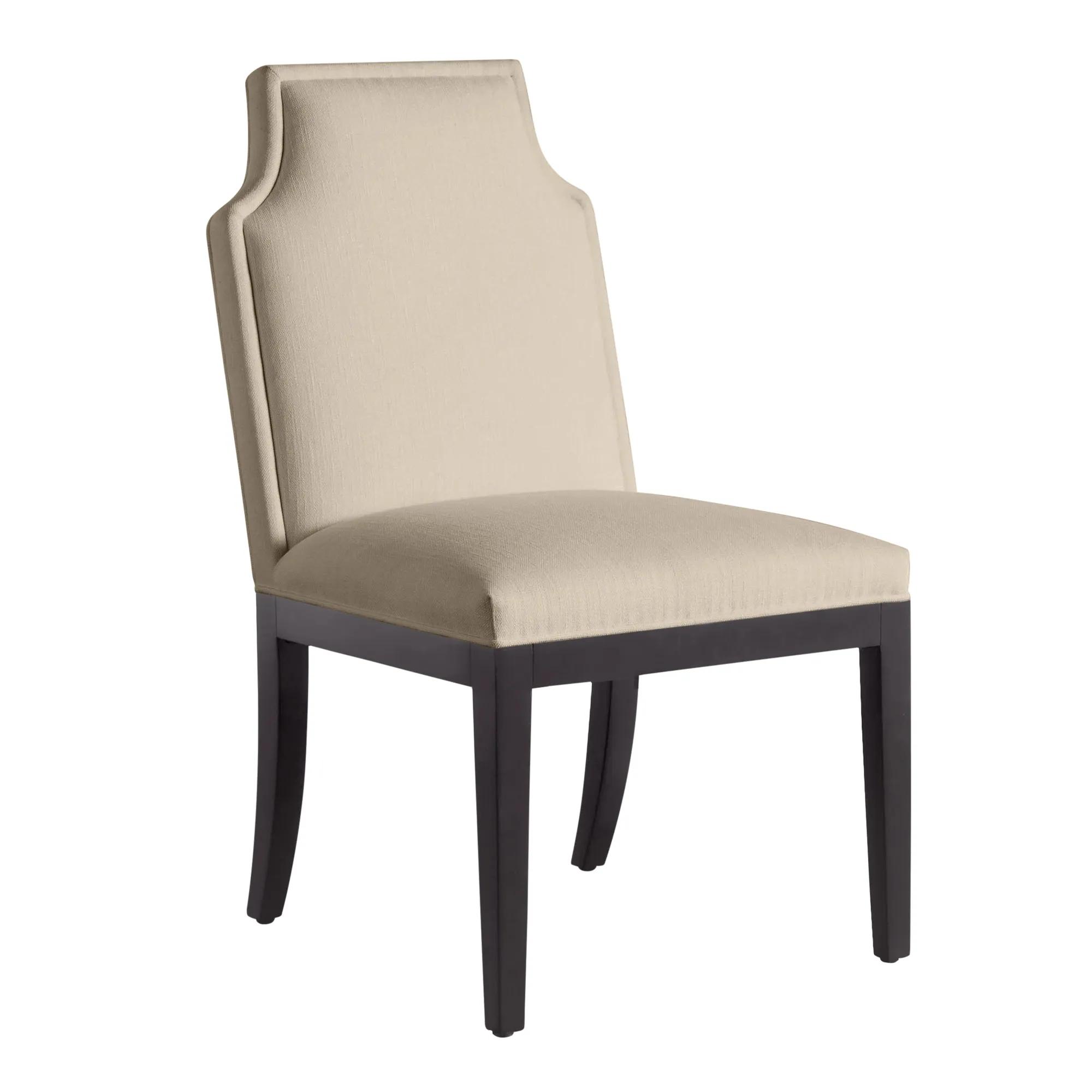
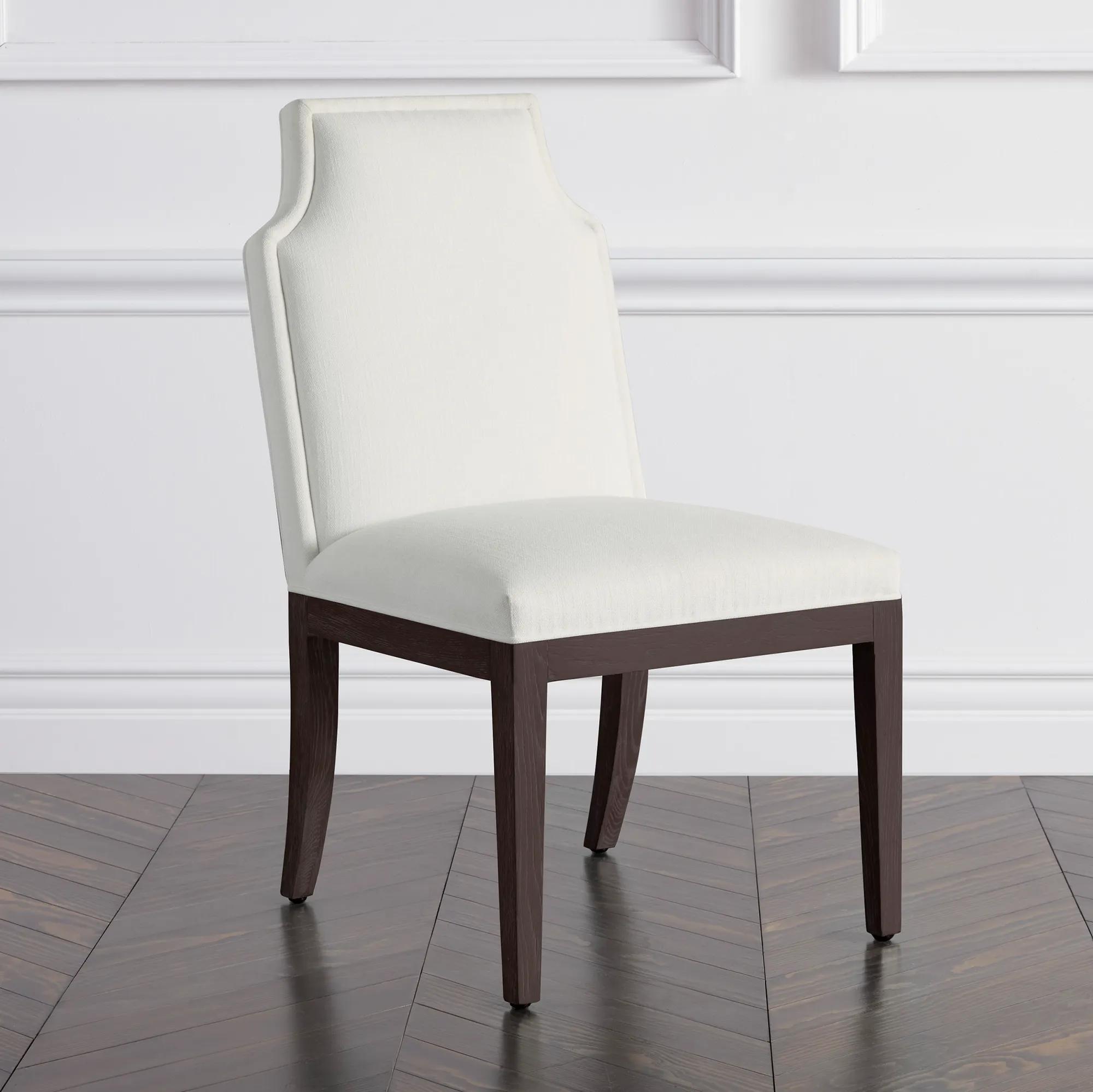 Jasmine Dining Chair - Espresso$649
A chic dining chair featuring a notched back, espresso legs, and plush upholstery for lasting comfort.
Add To Cart -
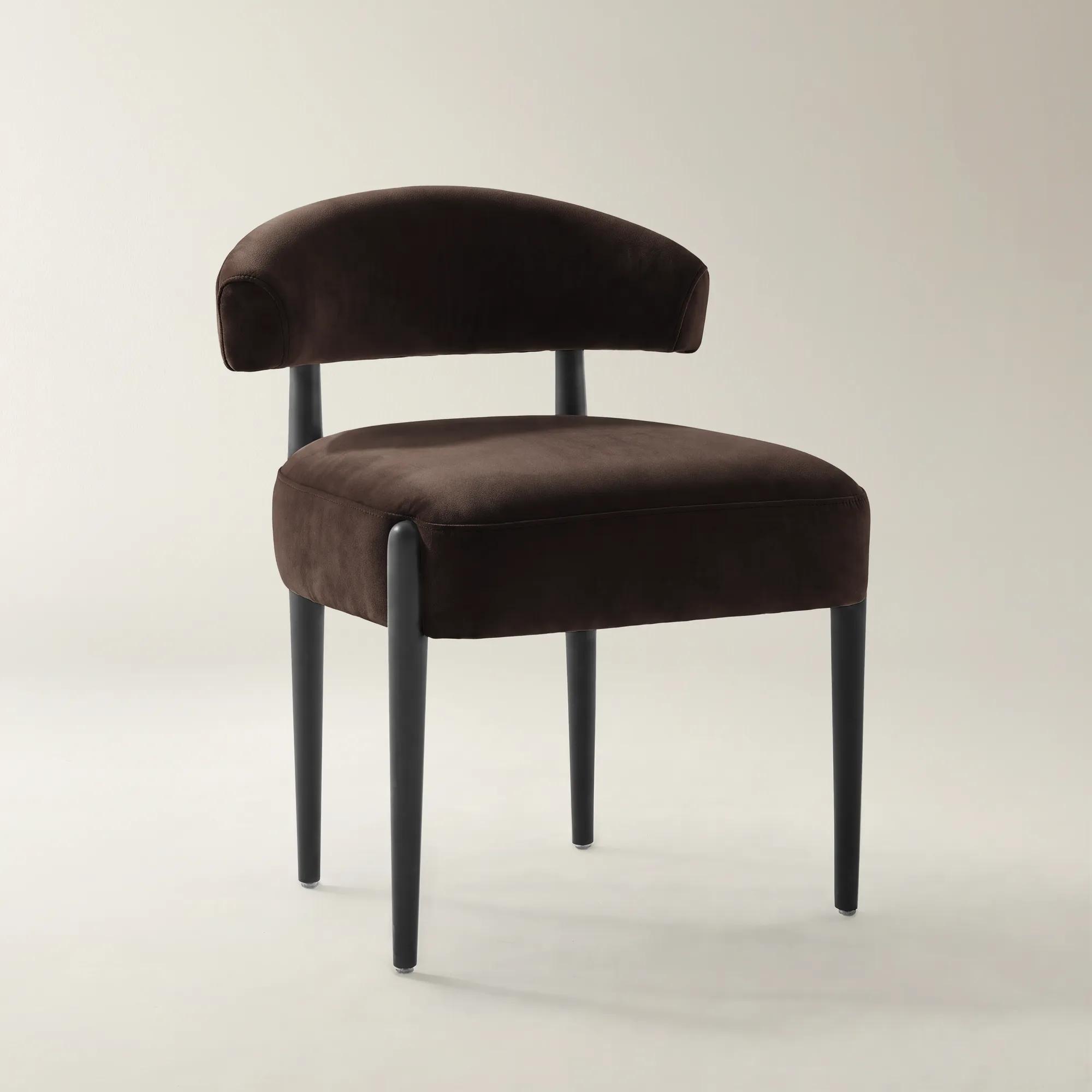
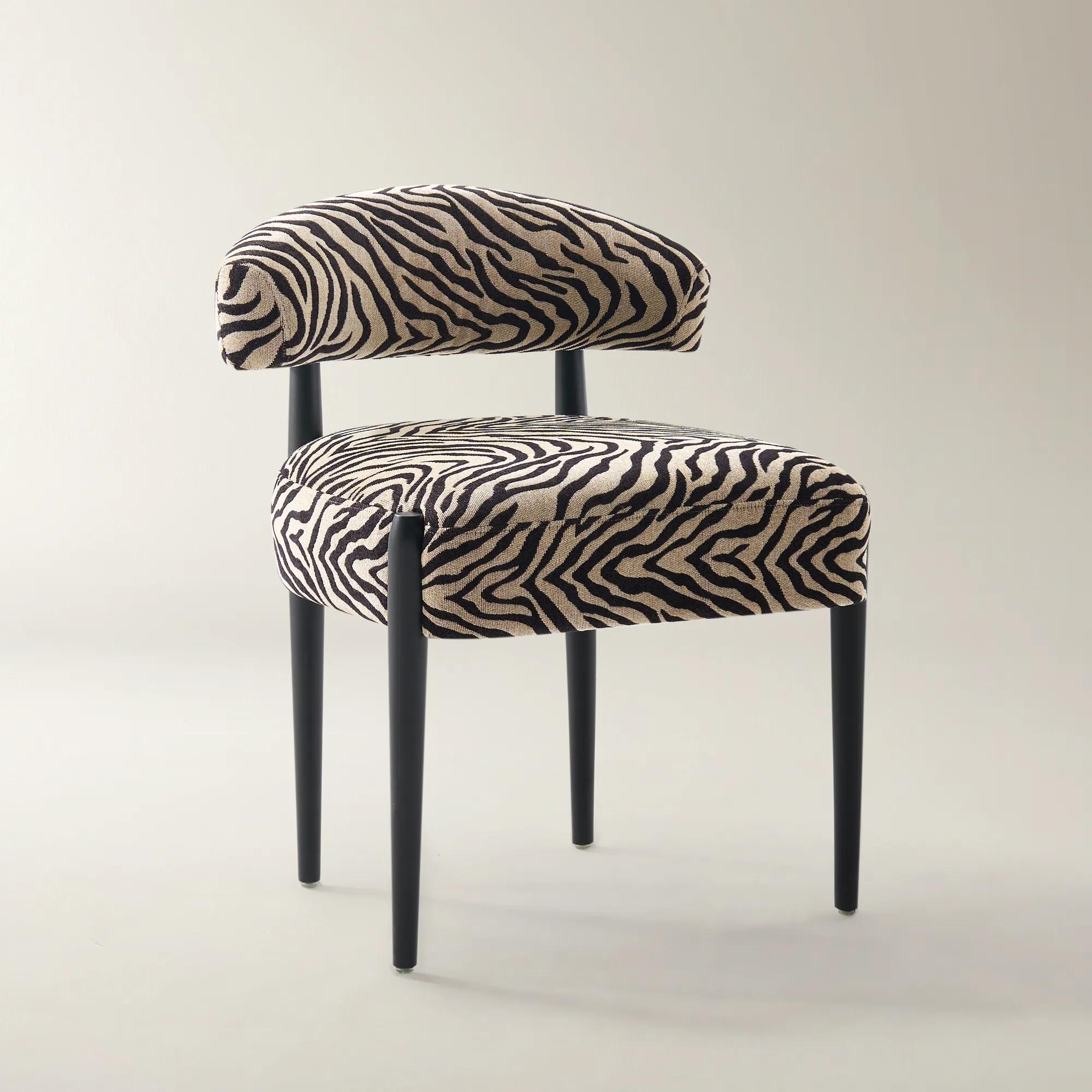 Anna Dark Chocolate Velvet Dining Chair Set of 2$699
A dark chocolate velvet dining chair set featuring an arched back, high-density foam, and solid wood construction.
Add To Cart -
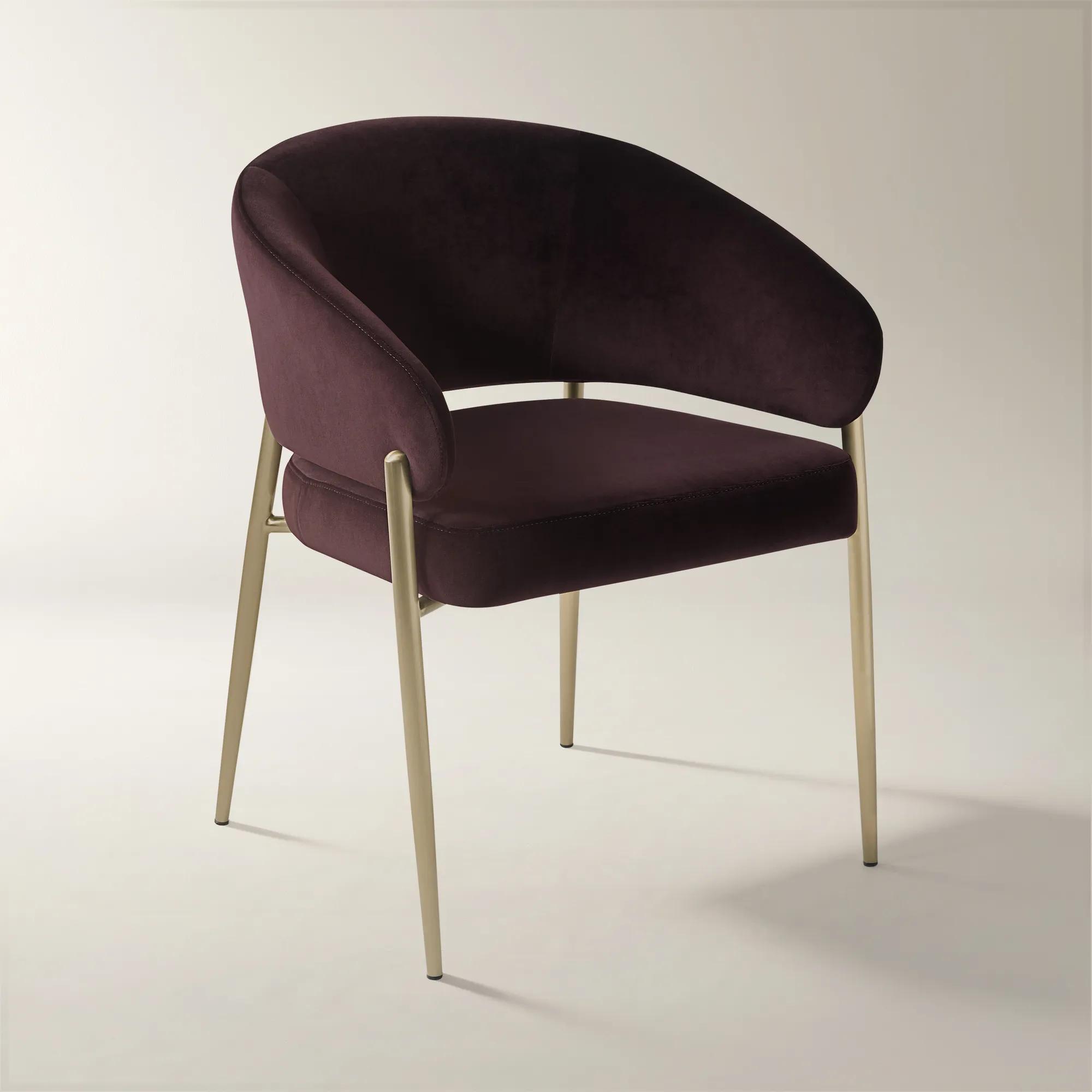 Nara Fig Velvet Dining Chair Set Of 2$599
A set of two dining chairs featuring plush fig velvet upholstery and brushed brass stainless-steel legs.
Add To Cart -
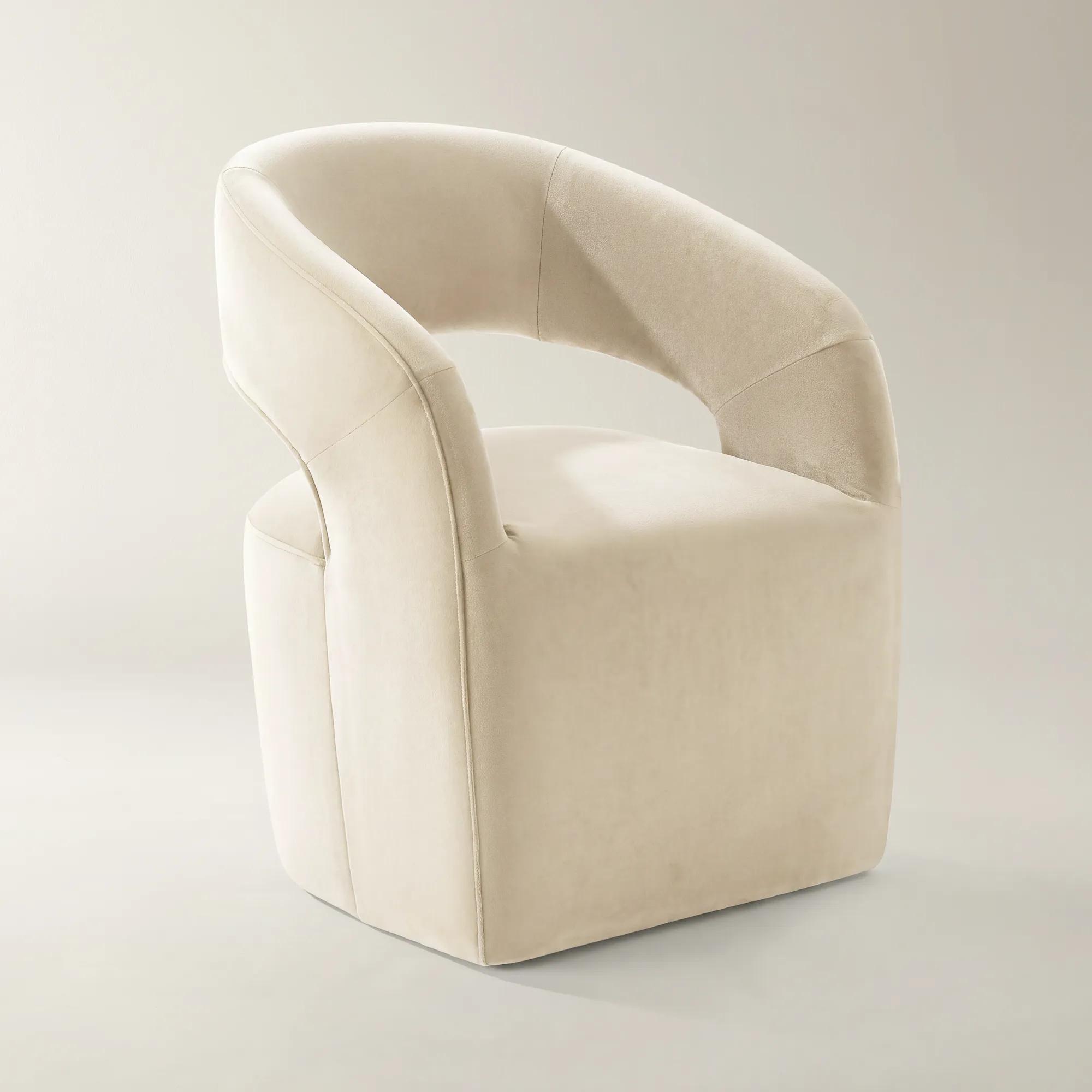
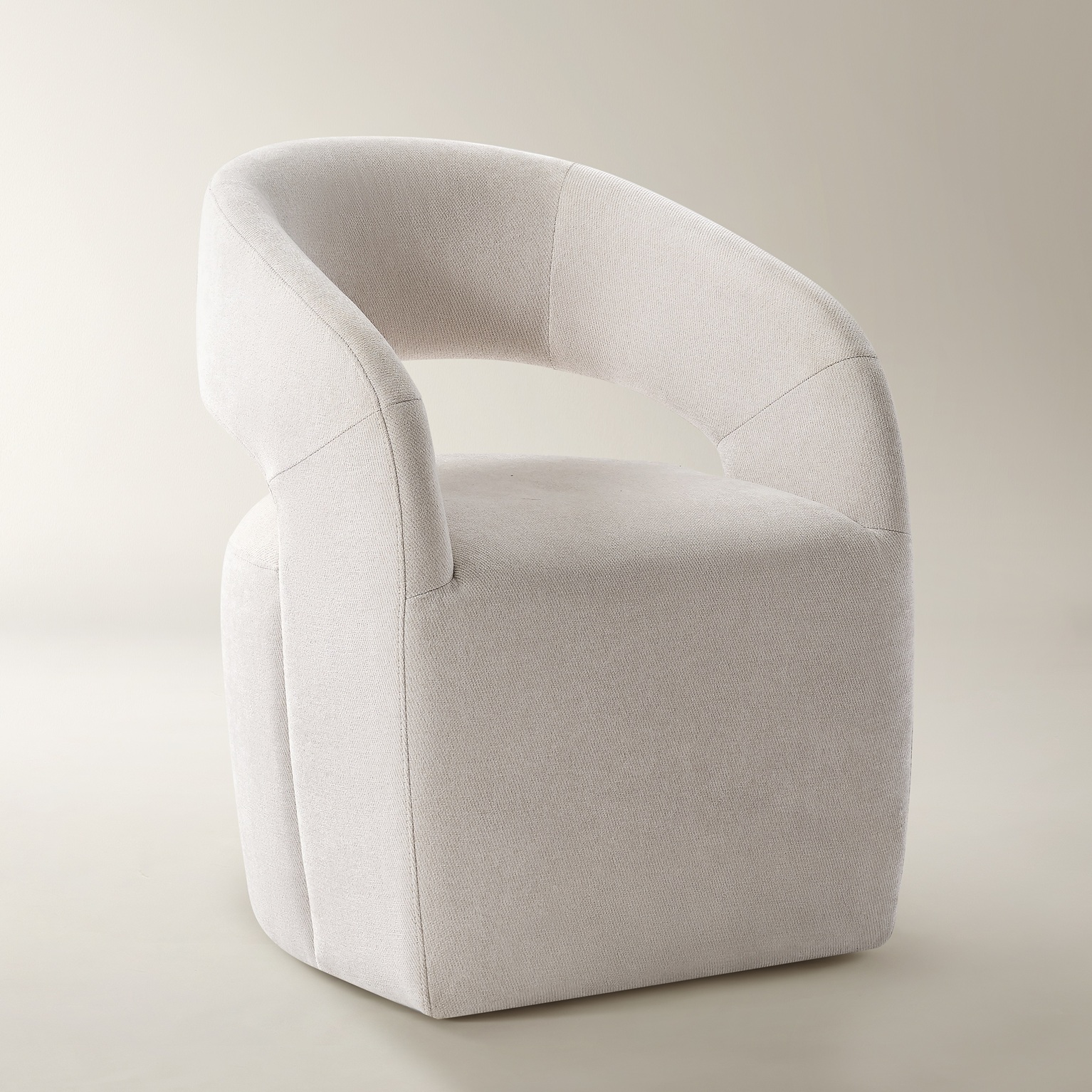 Harrison Oatmeal Velvet Dining Chair$499
A sculptural dining chair upholstered in oatmeal velvet with a curved back, feather-blend seat, and integrated arms.
Add To Cart -
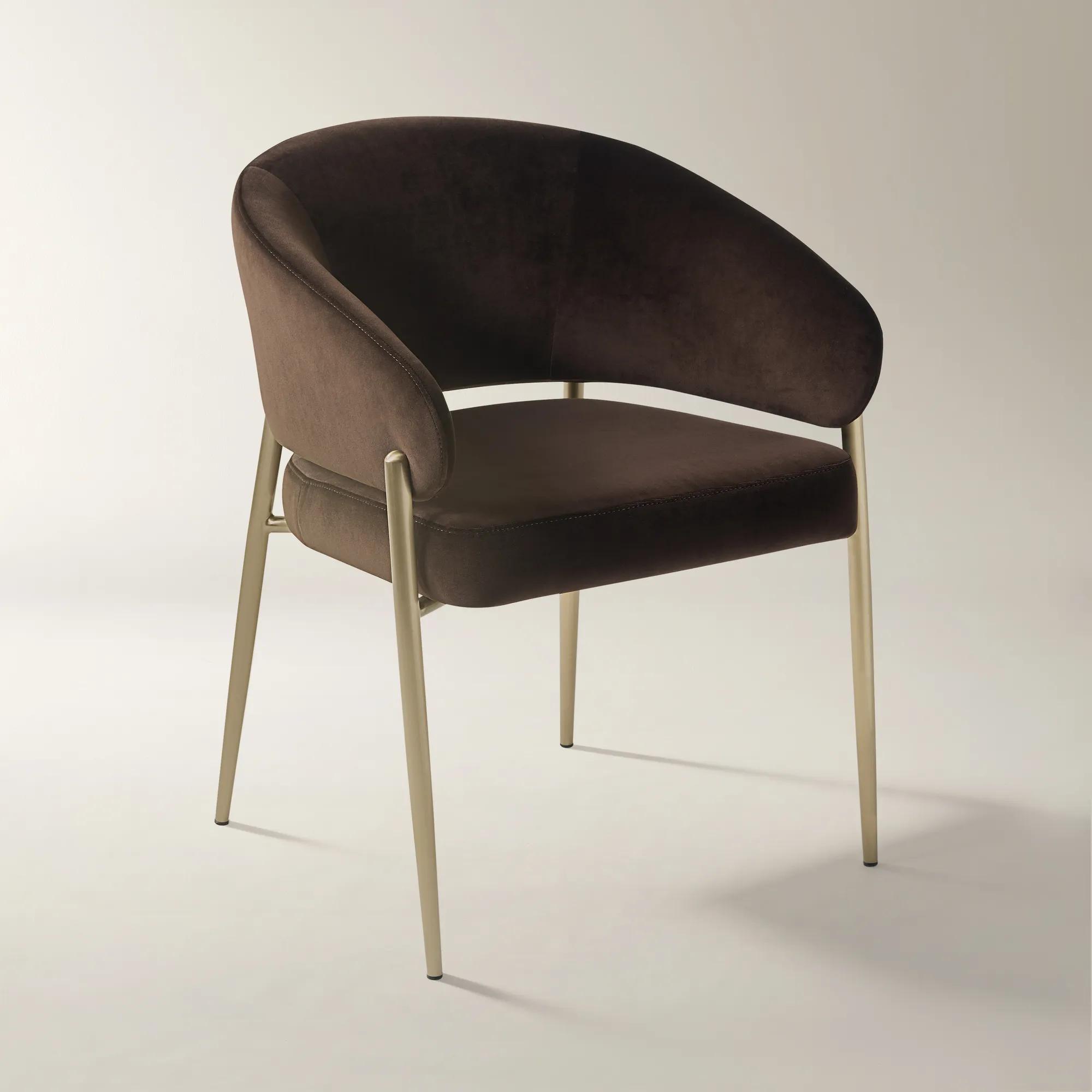 Nara Dark Chocolate Velvet Dining Chair Set Of 2$599
A pair of dark chocolate velvet chairs with curved backs and brushed brass stainless-steel legs for modern elegance.
Add To Cart -
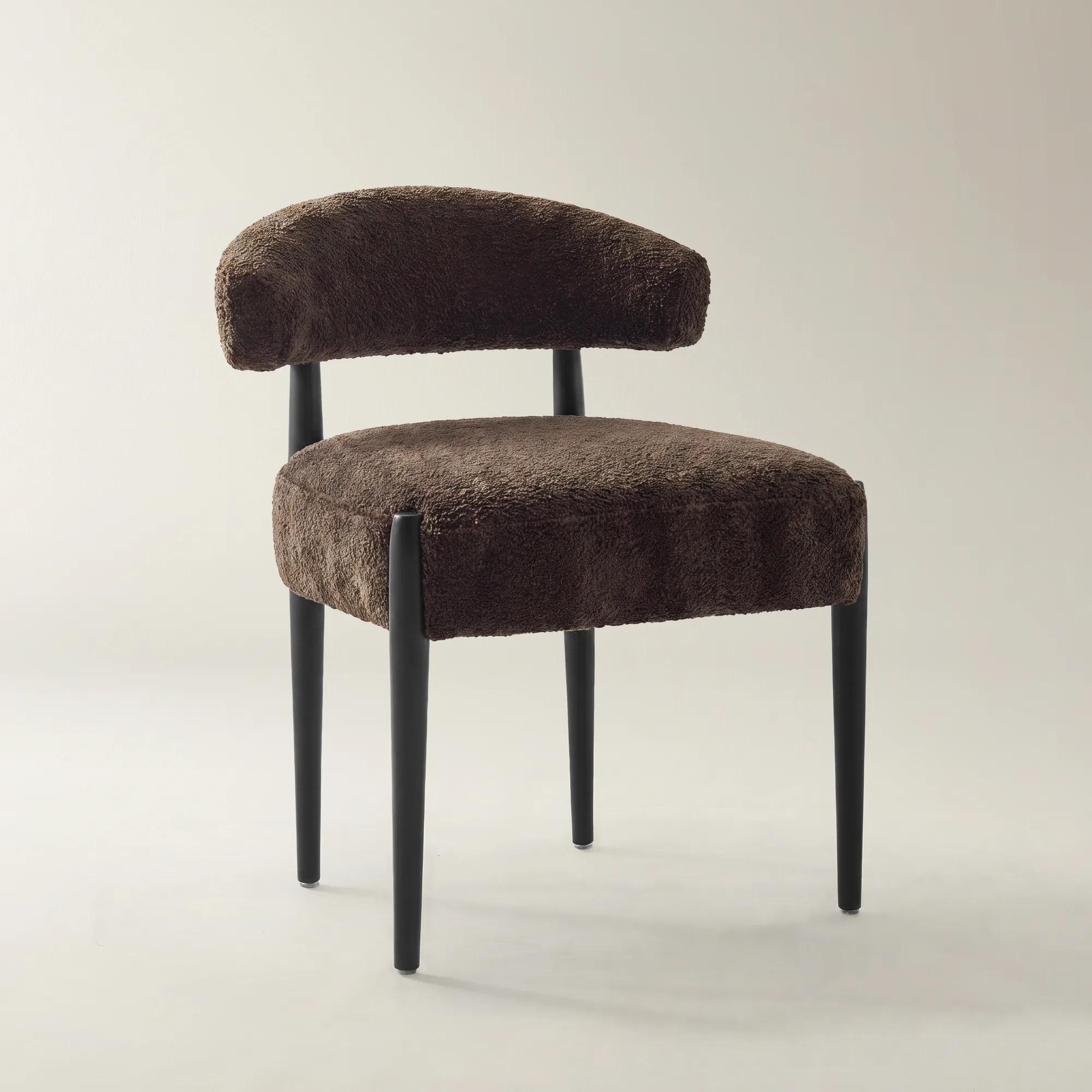 Anna Dark Chocolate Chenille Dining Chair Set of 2$699
A dark chocolate chenille chair pair featuring tailored curved backs, high-density foam, and solid rubberwood legs.
Add To Cart -
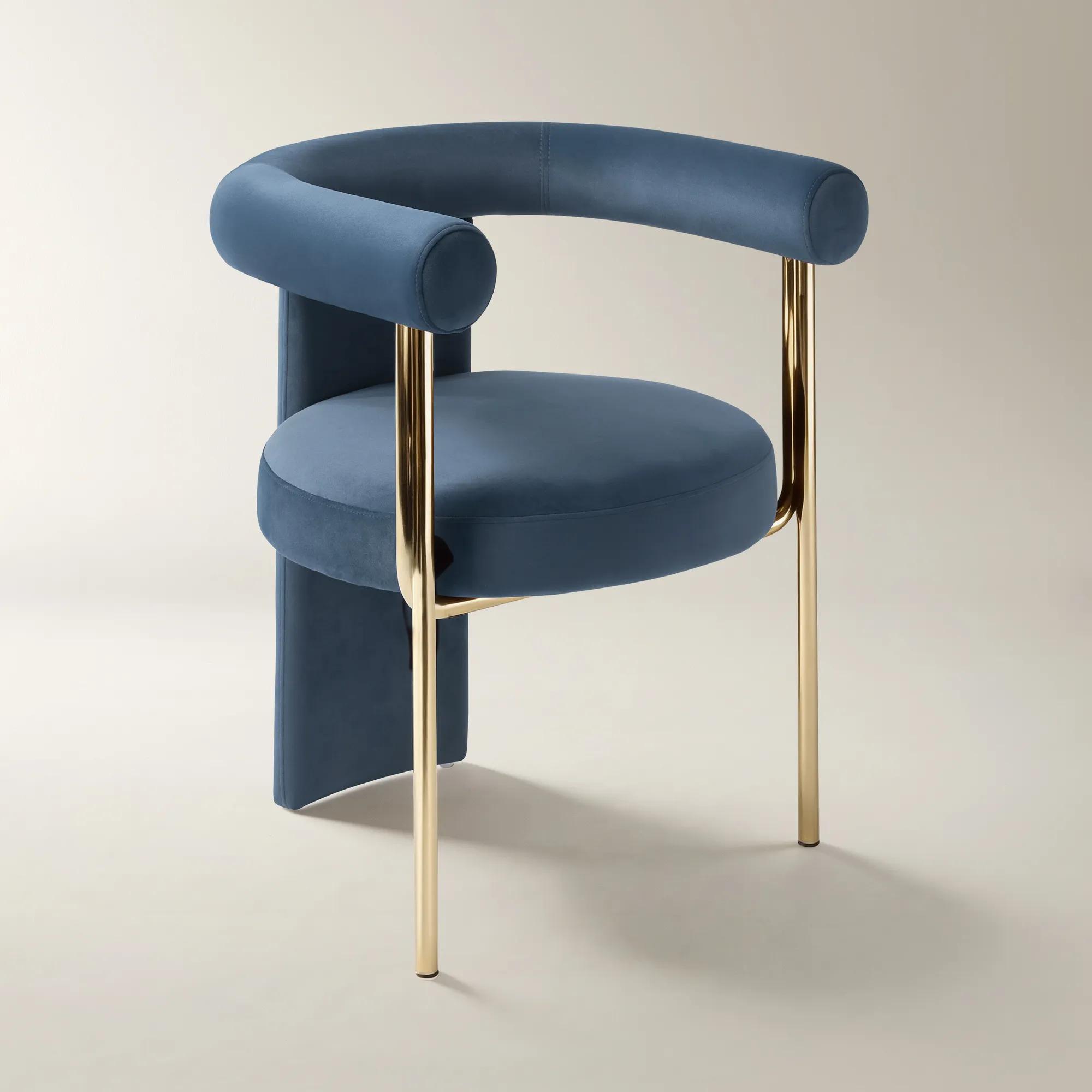 Davina Dusty Blue Velvet Dining Chair Set Of 2$899
A set of two dining chairs featuring dusty blue velvet upholstery and a polished gold metal frame.
Add To Cart -
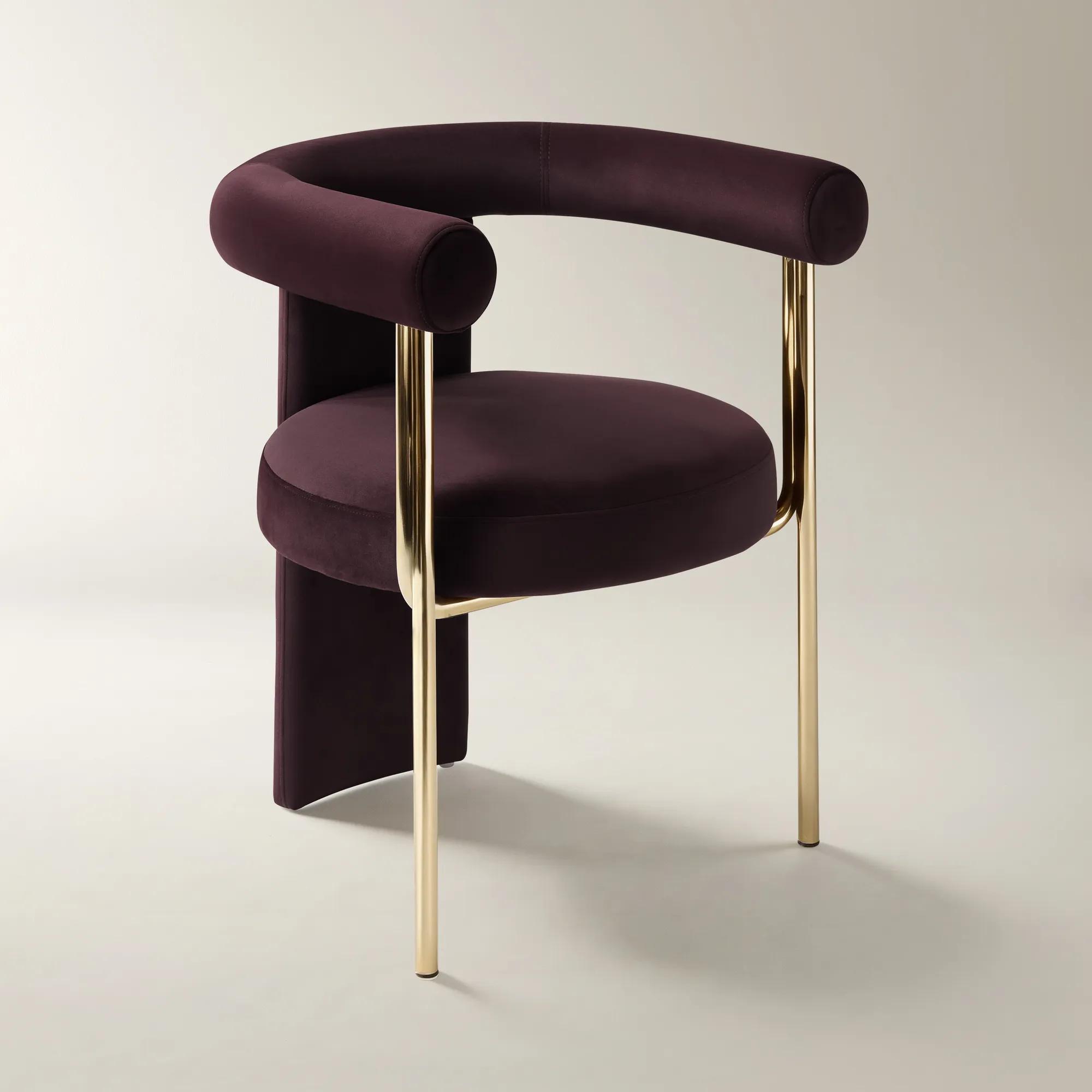 Davina Fig Velvet Dining Chair Set Of 2$899
A set of two dining chairs featuring plush fig velvet upholstery and a sleek gold-finished metal frame.
Add To Cart -
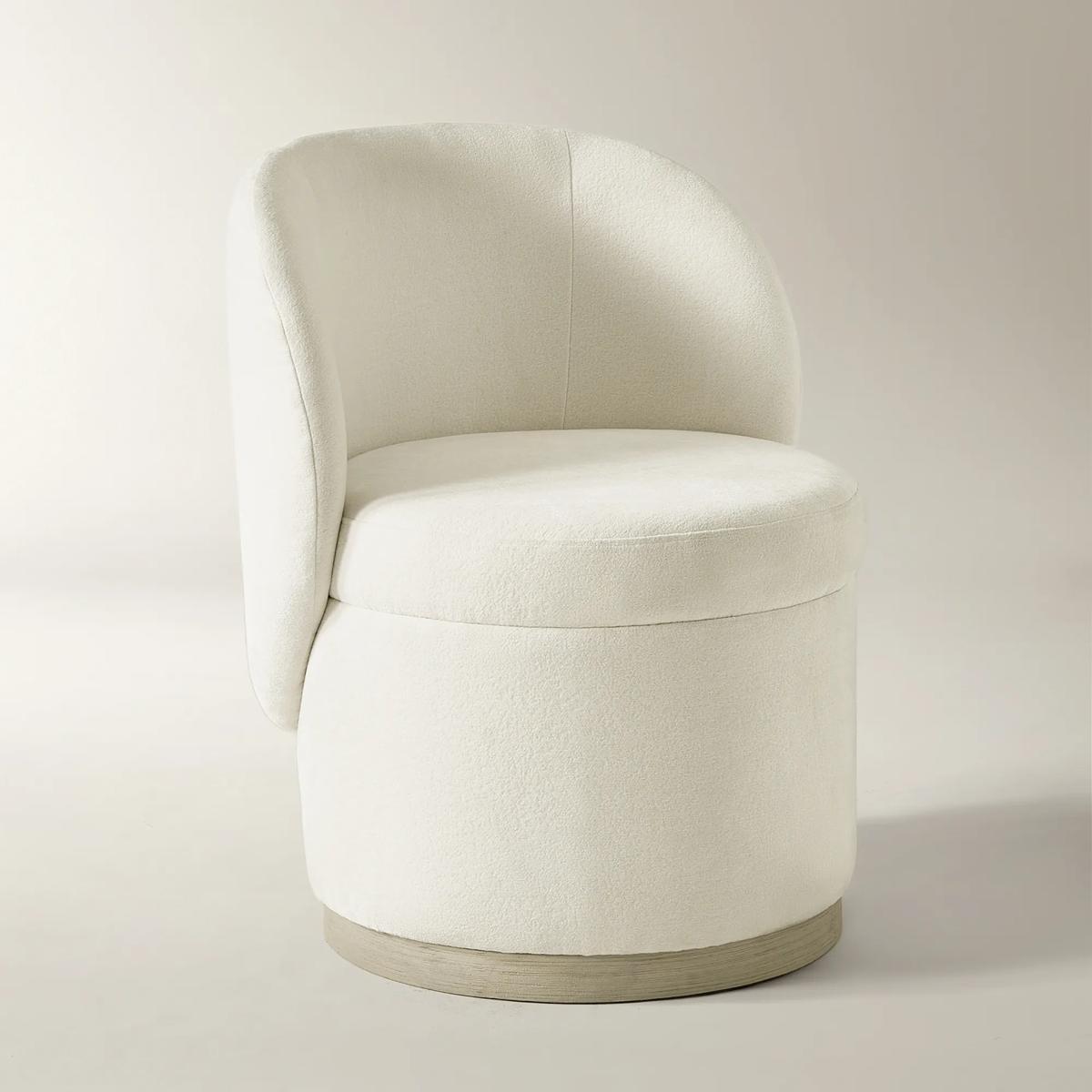 Stria Ivory Chenille Dining Chair With Oak Base$599
An ivory chenille chair featuring a plush, velvet-like finish and a handcrafted solid oak base.
Add To Cart -
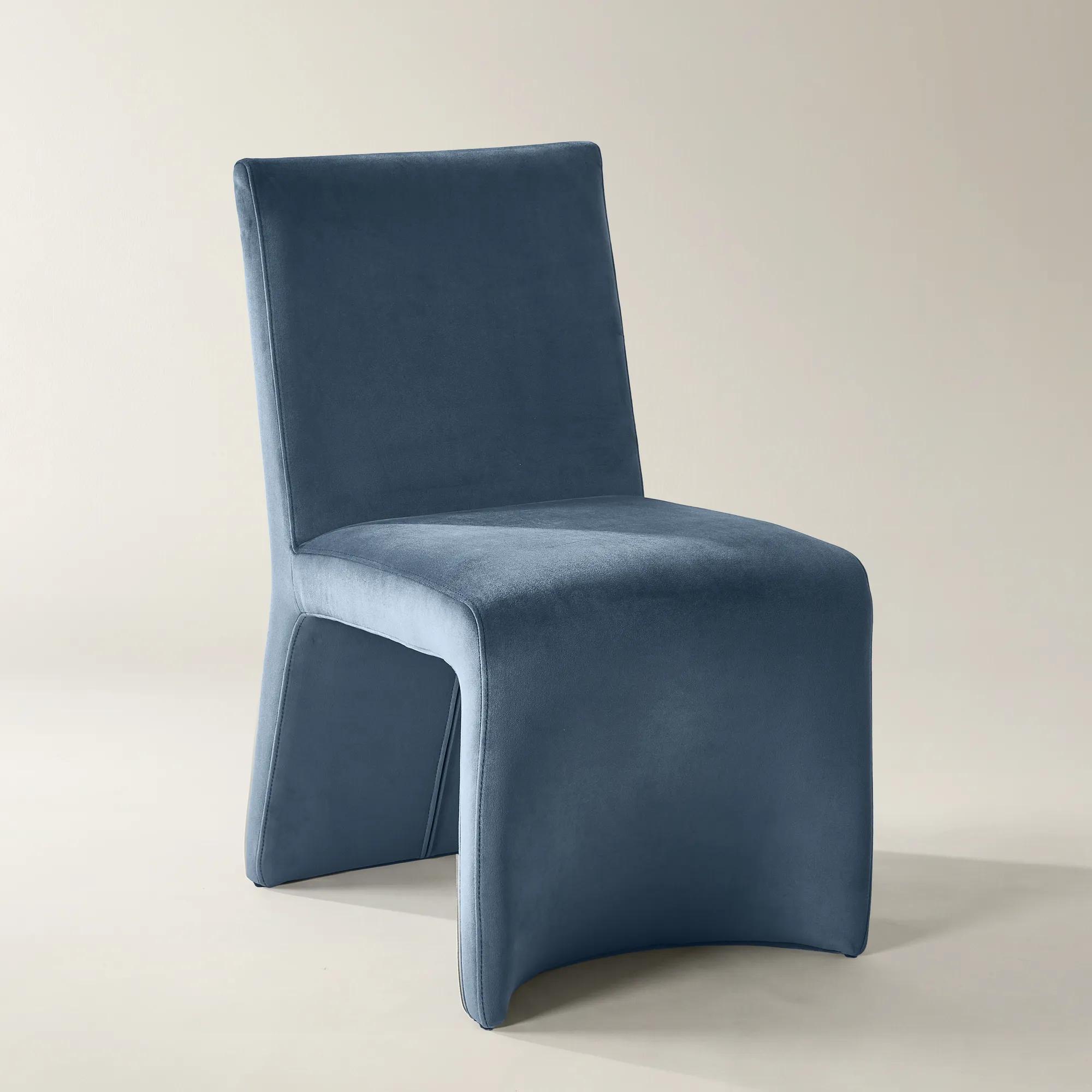 Elara Dusty Blue Velvet Dining Chair Set Of 2$799
A set of two dining chairs featuring plush dusty blue velvet upholstery and a seamless, artful silhouette.
Add To Cart -
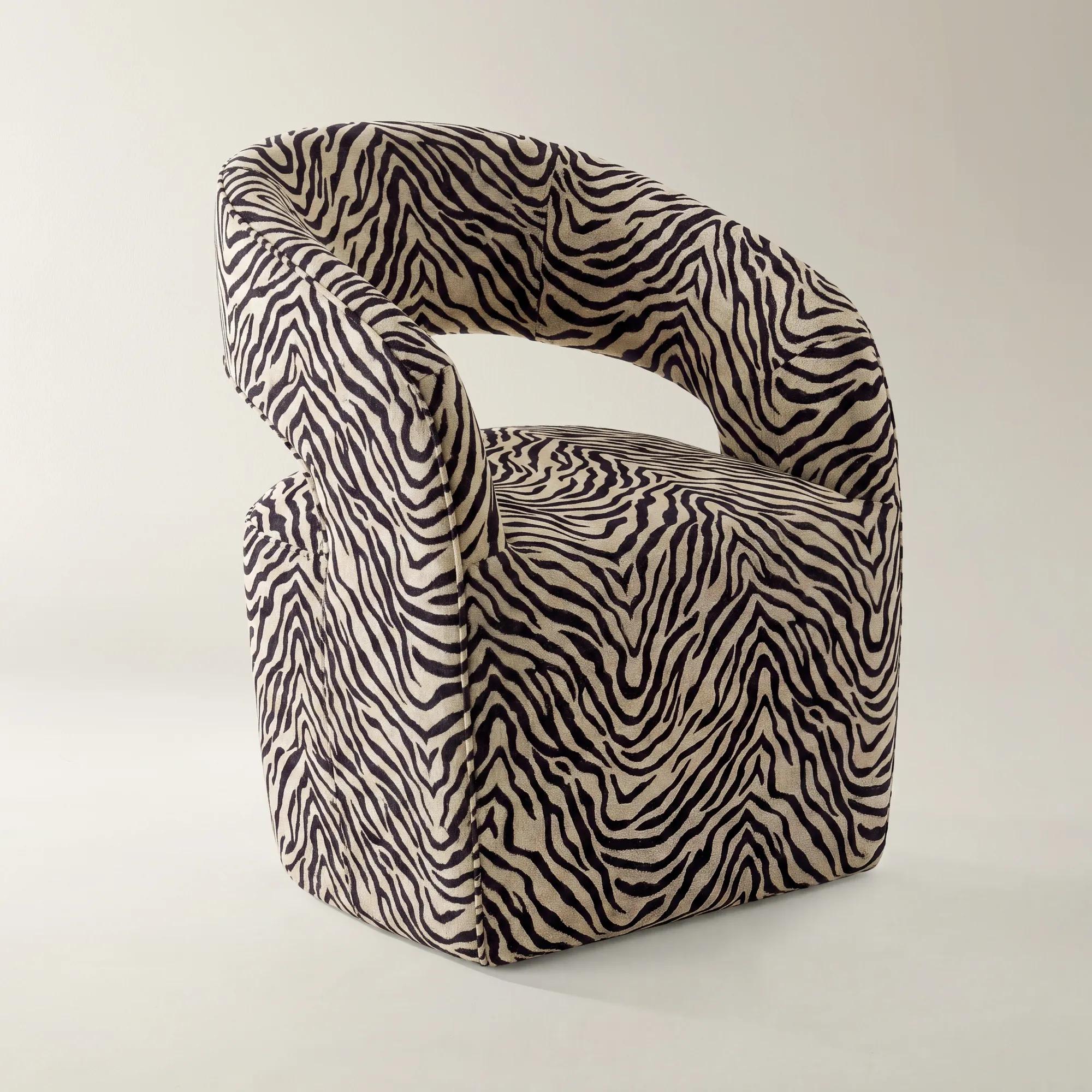 Harrison Zebra Performance Chenille Dining Chair$499
A sculptural dining chair upholstered in zebra performance chenille with a curved back and feather-blend comfort.
Add To Cart

Fully Assembled Dining Chairs
Fully assembled dining chairs bring expressive style to the table without the extra step of assembly. Explore dining seating with an eye for silhouette, proportion, and the mood you want to create—from an intimate setting to a dramatic gathering space. Compare chair dimensions with your table’s height and available space to find a fit that gives every guest room to settle in.
Fully assembled dining chairs arrive with the frame, seat, and legs already joined, so the chair itself requires no assembly before use. That distinction makes them an appealing choice for a dining room refresh, a new home, or an entertaining space where every detail deserves attention without an additional furniture-building project. Protective packaging still needs to be removed, and delivery placement is separate from the chair’s assembly status. Beyond that practical advantage, these chairs bring a finished presence to the table: a sculptural back silhouetted against a wall, a richly upholstered seat beneath a polished tabletop, or a gleaming metal frame that introduces a deliberate flash of light. Their shape helps establish the room’s character, whether the setting calls for a tailored row of matching side chairs or more dramatic armchairs at the heads of the table. A curved back can soften the strong geometry of a rectangular table, while an open frame gives a compact dining area visual breathing room. Fully assembled describes how a chair arrives, not a particular material, style, or level of durability. Frames may be made from solid woods such as oak, ash, or rubberwood, or from metals such as steel and iron. Wood brings grain, warmth, and variations that lend depth to a dining arrangement; metal can create a slender outline, an architectural stance, or a reflective accent. The construction beneath the finish matters as much as the surface. Secure joints, a stable stance, and a stated weight capacity appropriate to the household are useful considerations, especially for chairs that will move in and out from the table every day. Assembly alone is not a guarantee of strength. Thoughtfully proportioned seating balances its decorative impact with the realities of the room, giving guests enough space to settle in comfortably while allowing the table, lighting, and surrounding furnishings to remain part of a cohesive composition. The result feels considered rather than crowded, with each chair contributing its own line, texture, and presence.
Upholstery introduces another dimension to fully assembled dining chairs, turning an everyday seat into a tactile part of the room’s design. Velvet offers a dense, light-catching surface that reveals subtle shifts in color as its pile changes direction, lending even a restrained silhouette a sense of depth. Linen and linen-blend fabrics create a more textured expression, while genuine leather develops character through use and brings a smooth contrast to wood, stone, or glass. Faux leather offers a similar visual direction with different care requirements; its cleaning instructions should not be treated as interchangeable with those for genuine leather. Performance fabrics may provide added resistance to certain spills or stains, but the specific fabric description matters, and resistance does not mean that a chair is stainproof. For households with children, frequent dinner guests, or a table that doubles as a place for homework, an upholstery choice suited to regular cleaning can be as important as the color. The upholstered seat dining chairs category focuses attention on that inviting layer of cushioning, whether paired with an exposed frame or a fully upholstered silhouette. Comfort depends on more than softness: seat depth, cushion firmness, back angle, and support all affect how a chair feels through a lingering meal. Fit at the table deserves equal consideration. Many dining tables are approximately 28 to 30 inches high, while dining chair seats often sit around 17 to 19 inches from the floor. Roughly 10 to 12 inches between the seat and tabletop is a common starting point, although a deep table apron can reduce usable legroom. Arm height determines whether an armchair can tuck underneath, and the chair’s overall width—not just its seat width—affects how many places fit comfortably. Allowing about 24 inches of table edge per person is a useful baseline, with wider chairs requiring more room. Space behind the chairs also matters, particularly where someone needs to pass while guests are seated. In a smaller dining room, an armless silhouette can preserve movement without sacrificing a richly finished look; in a generous room, a broad upholstered back can give the table the visual weight it needs.
The lasting appeal of fully assembled dining chairs comes from how gracefully they move between daily rituals and more expressive occasions. A quiet breakfast, a family dinner, and an evening of conversation all ask something slightly different of the same seat. For regular use, a supportive back and a stable frame help make the chair welcoming beyond the first impression. For entertaining, the view from across the room becomes part of the experience: the rhythm of repeated chair backs, the contrast between sumptuous upholstery and a crisp table edge, and the way a metallic finish catches the light. Chairs used near a kitchen may encounter more splashes and handling than those in a formal dining room, so intended use should inform both the finish and fabric. Most indoor dining chairs are not designed for outdoor exposure unless explicitly identified for that purpose. Care should follow the manufacturer’s instructions, with spills addressed promptly using the method recommended for the material. Regular gentle vacuuming can remove crumbs and dust from upholstered seats and seams; an approved cleaner and a discreet spot test help reduce the risk of discoloration. Wood and metal frames generally benefit from soft cloths and cleaning products suited to their finishes rather than abrasive treatments. Leather may require a compatible conditioner, while velvet can need careful attention to pile direction. Prolonged direct sunlight can affect upholstery and finishes, making placement part of preservation. Floor protection is equally practical: appropriate felt pads or glides can help protect flooring and reduce scraping, provided they suit the chair and floor surface. Moving a chair by its frame rather than pulling on upholstery helps protect both structure and fabric. A coordinated set can make a meaningful housewarming or wedding gift when the recipient’s table dimensions and style are known; dining chairs are deeply personal pieces, with comfort and scale best considered alongside appearance. Whether arranged in a formal dining room or around an intimate kitchen table, fully assembled seating leaves room for the pleasure of composing the space—layering texture, shaping a silhouette, and making the table a place worth lingering.
FAQs
Fully assembled dining chairs are dining seats that require no customer assembly. With no construction step between you and your design vision, they let you focus on composing a dining space with personality—from a polished, coordinated arrangement to an expressive mix of silhouettes.
Create a dialogue between your chairs and the room’s statement details. A sculptural chair silhouette can echo the curves of a chandelier, while a rich upholstery color can draw out a dramatic note in your artwork. Finish with gleaming tabletop accents for a setting that feels artfully composed.
Mixing chair styles brings a collected, expressive quality to the dining room. Keep one element consistent—such as color, finish, or a recurring curve—then introduce contrast through silhouette or detailing. Distinctive chairs at the heads of the table can give the arrangement a deliberate, dramatic focal point.
Dining chairs do not need to match the table to create a cohesive setting. Complementary finishes lend quiet polish, while contrasting shapes make the composition more expressive. Pair an angular table with curved chair backs, for example, and repeat a shared tone elsewhere in the room to bring the look together.
Decide whether your chairs will anchor the palette or become its boldest expression. Deep, saturated hues introduce drama, while layered neutrals let sculptural details take focus. Draw inspiration from a favorite painting, rug, or wall color to make the dining area feel connected to your home’s larger design story.


