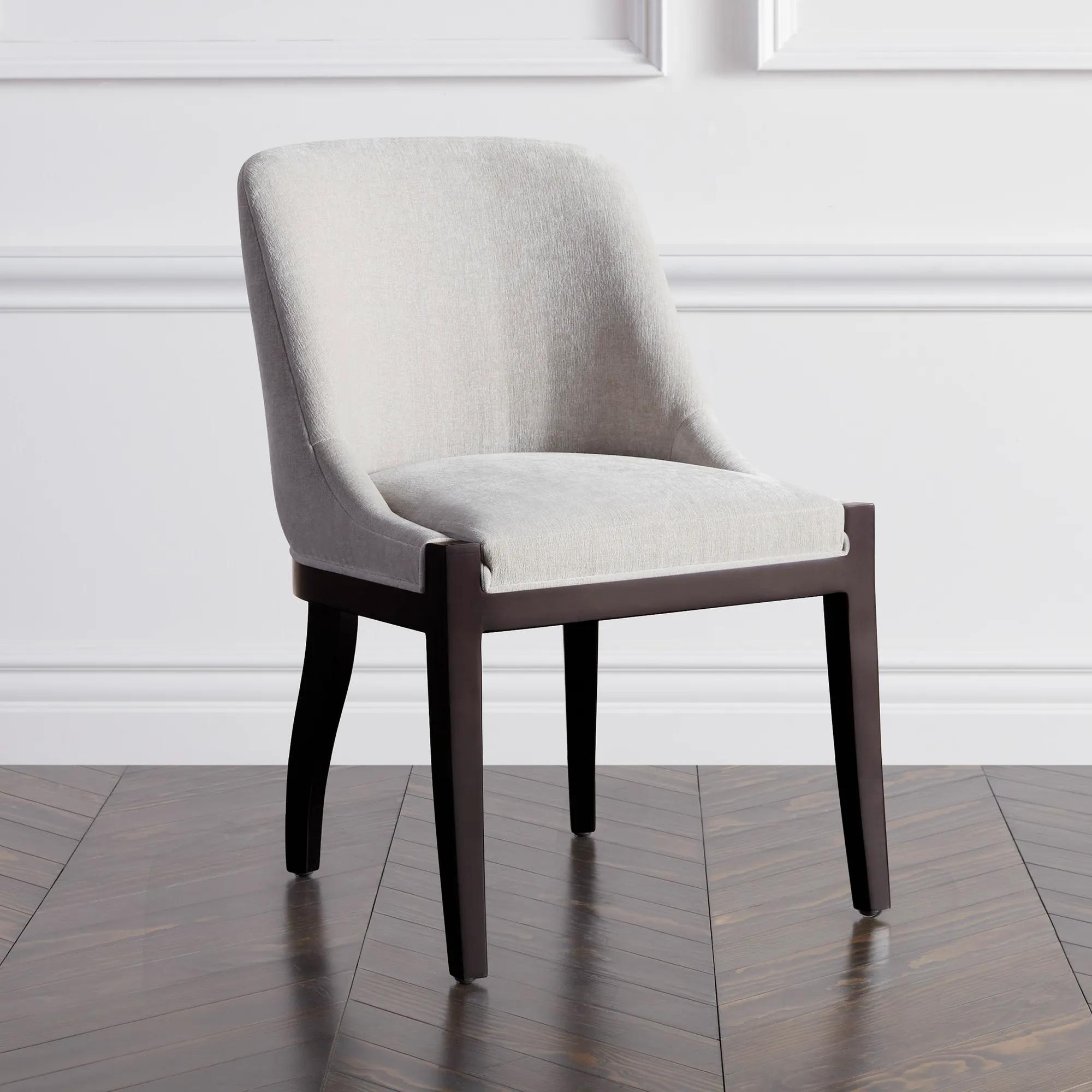
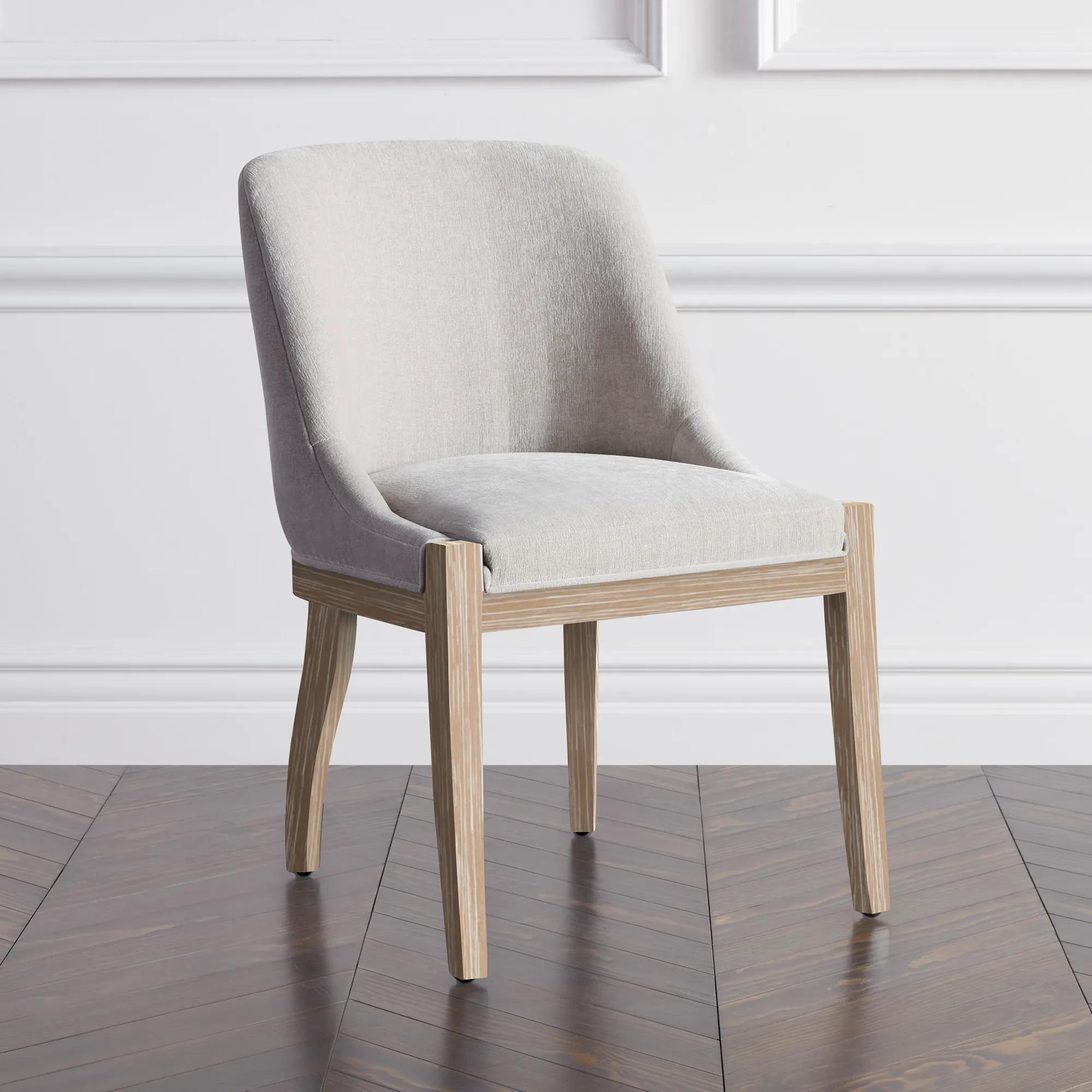
Hand Crafted Dining Chairs
Hand Crafted Dining Chairs
-
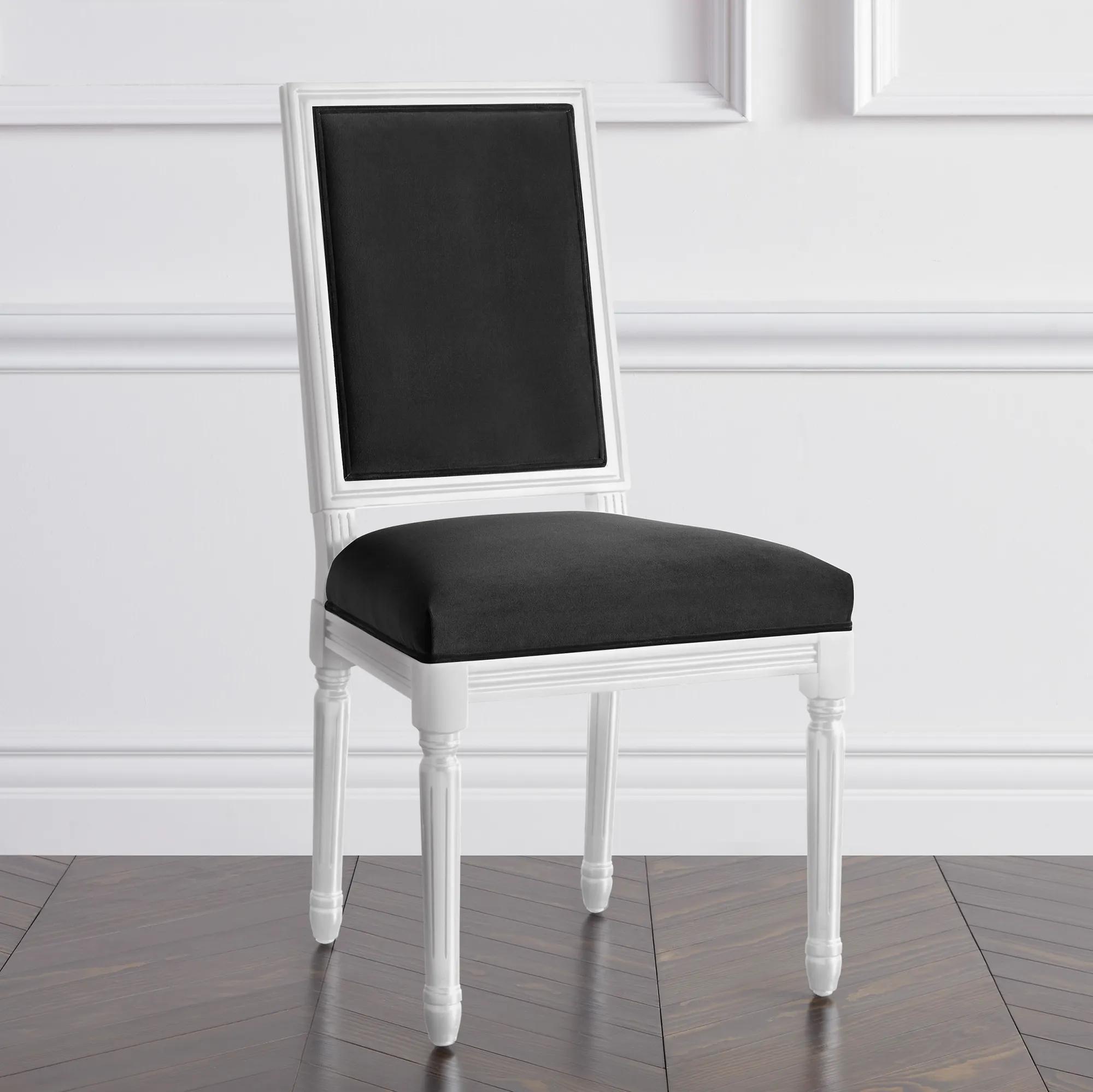
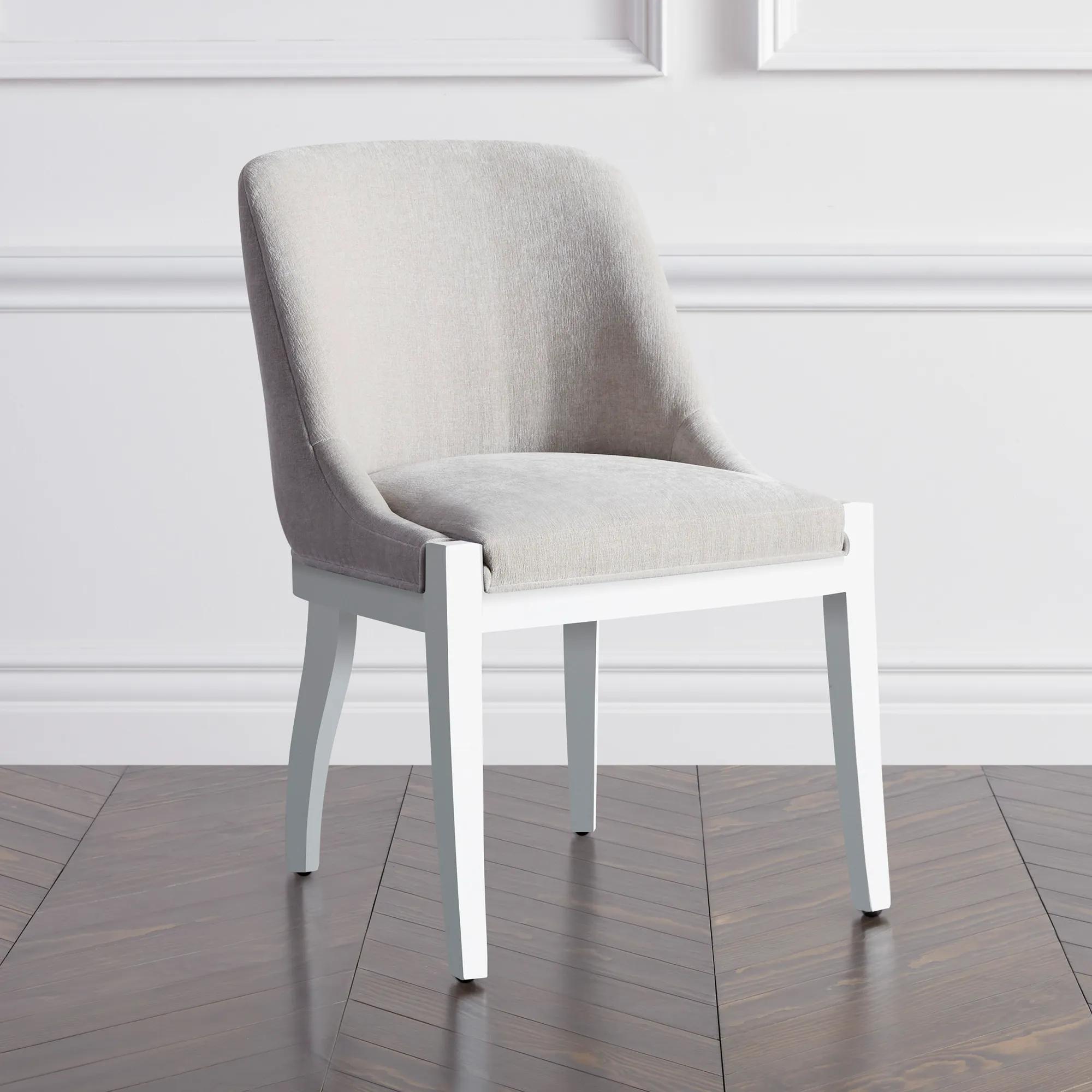
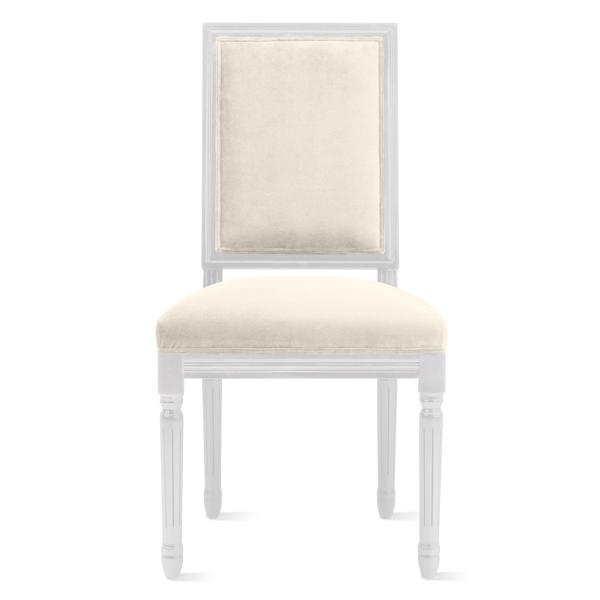 Callan Dining Chair - High Gloss White$599
A handcrafted dining chair featuring a high-gloss white finish, kiln-dried hardwood frame, and plush upholstery.
Add To Cart -
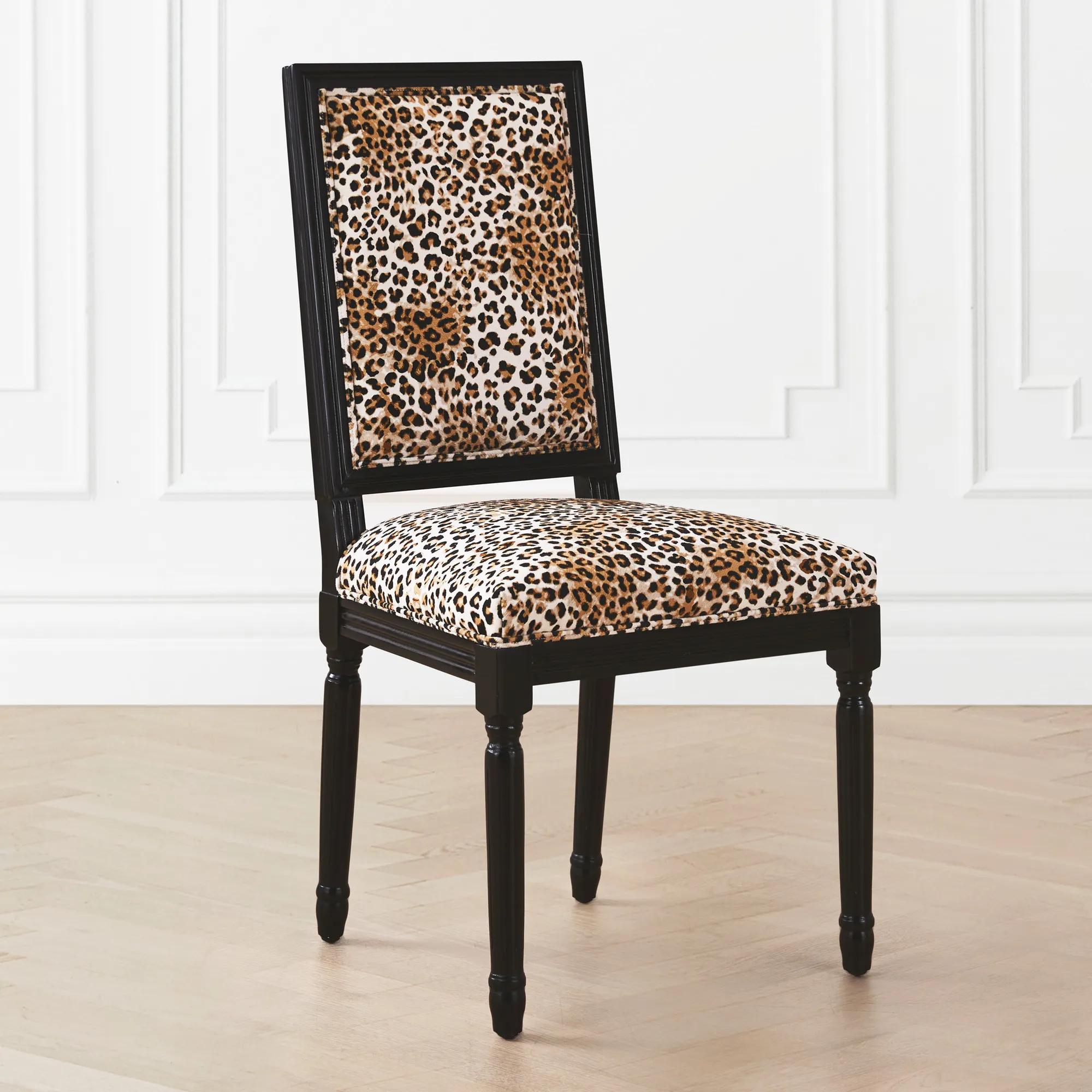
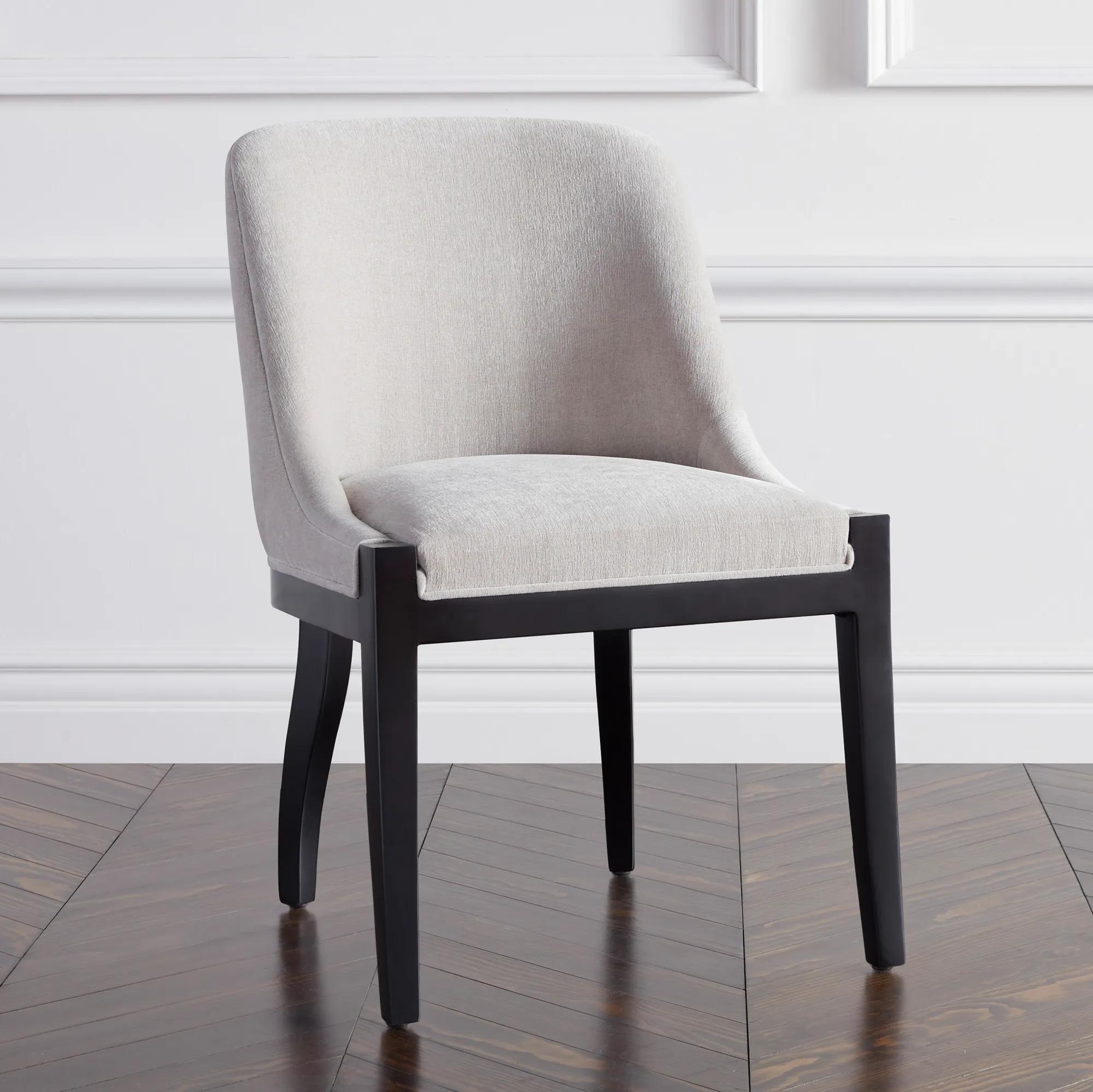
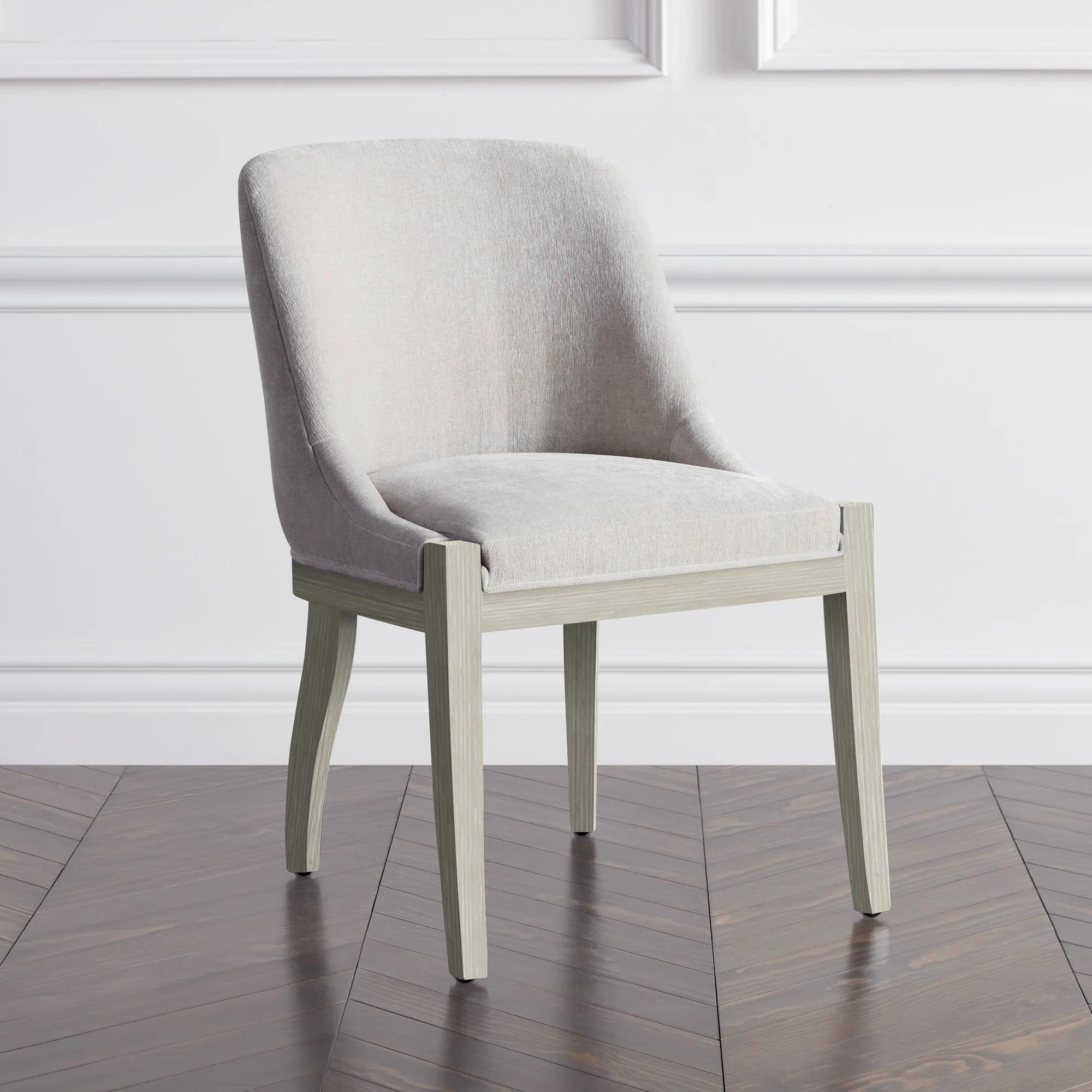
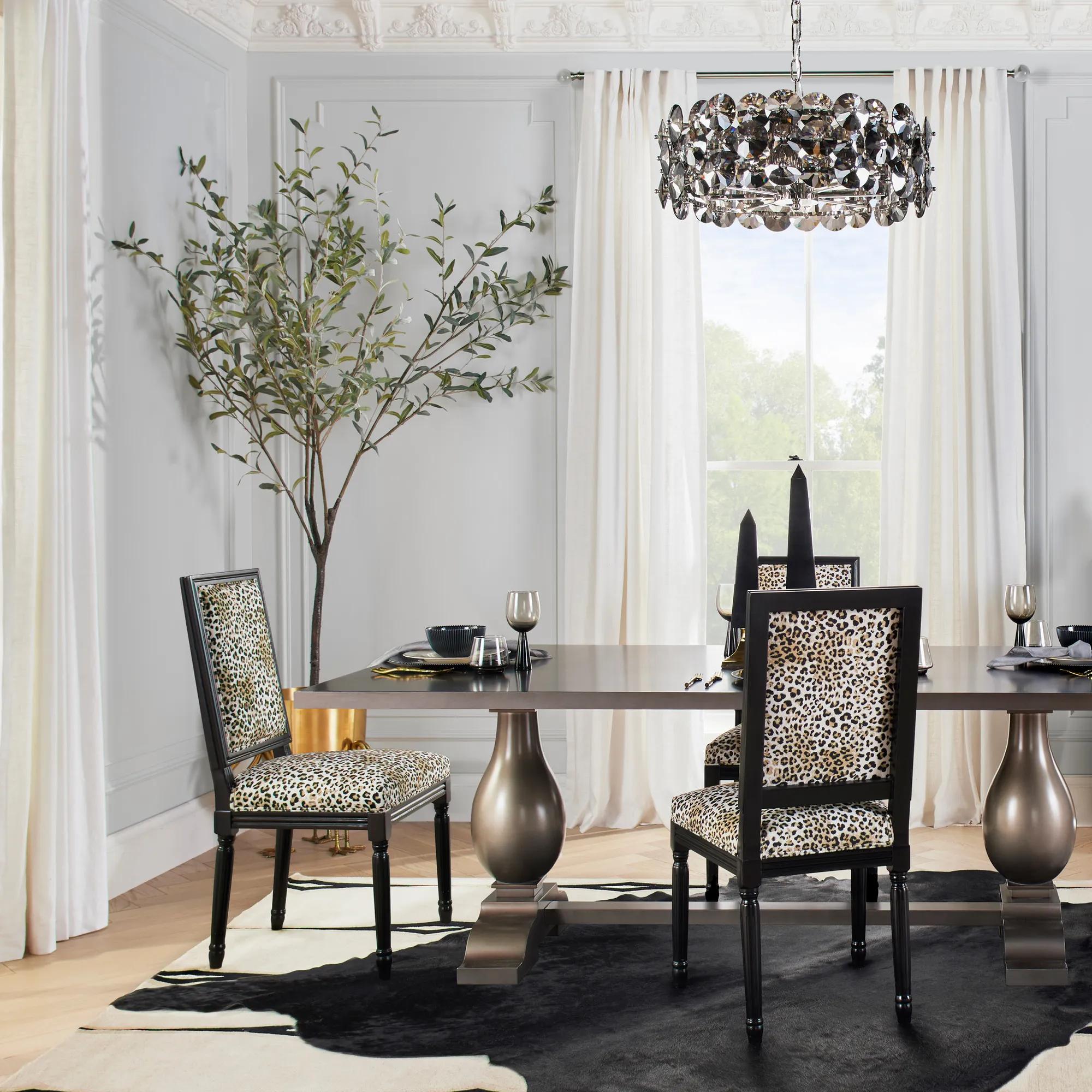 Callan Dining Chair$599
A handcrafted modern chair featuring classic upholstery, squared back, fluted legs, and high-gloss finish.
Add To Cart -
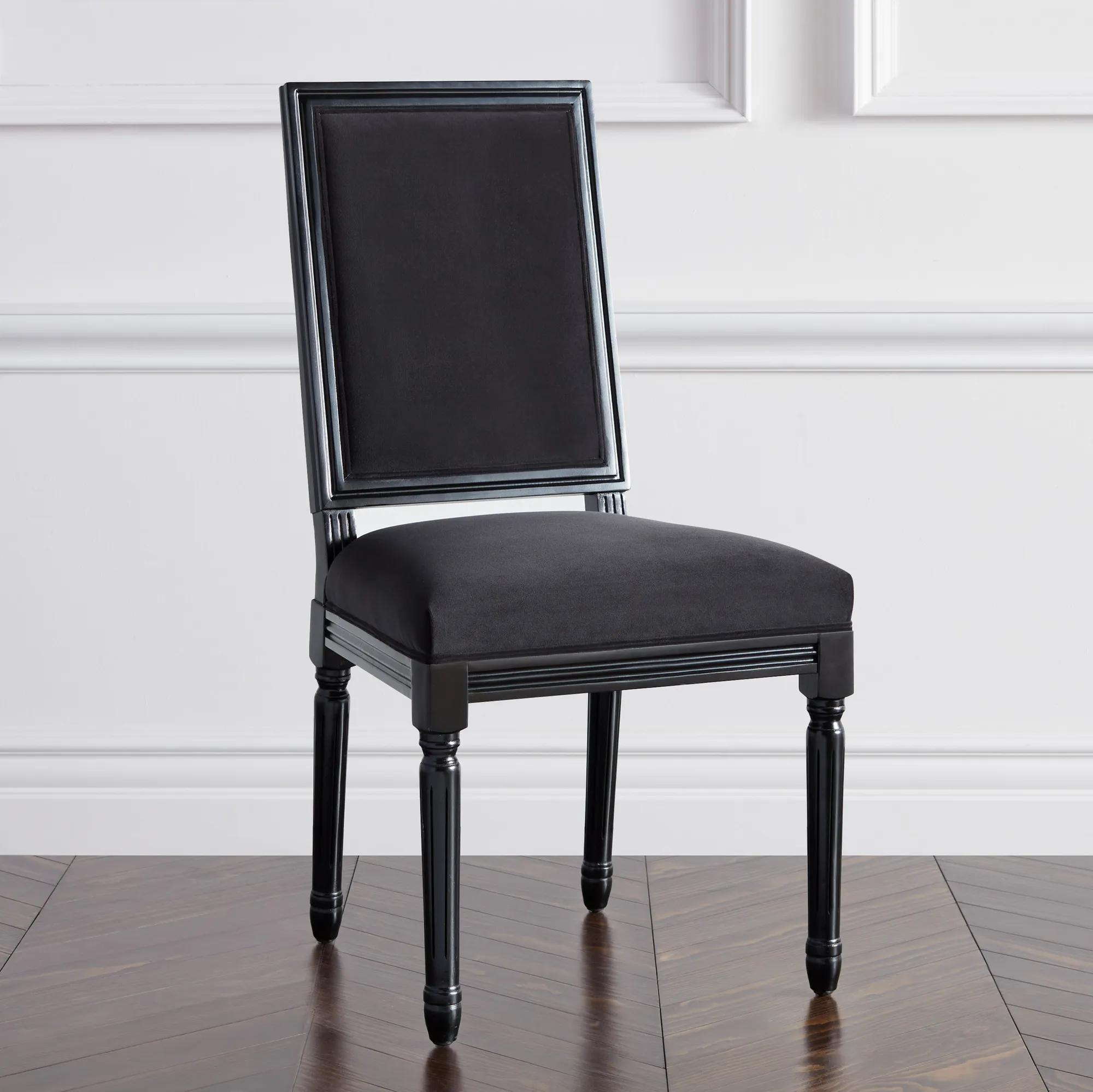
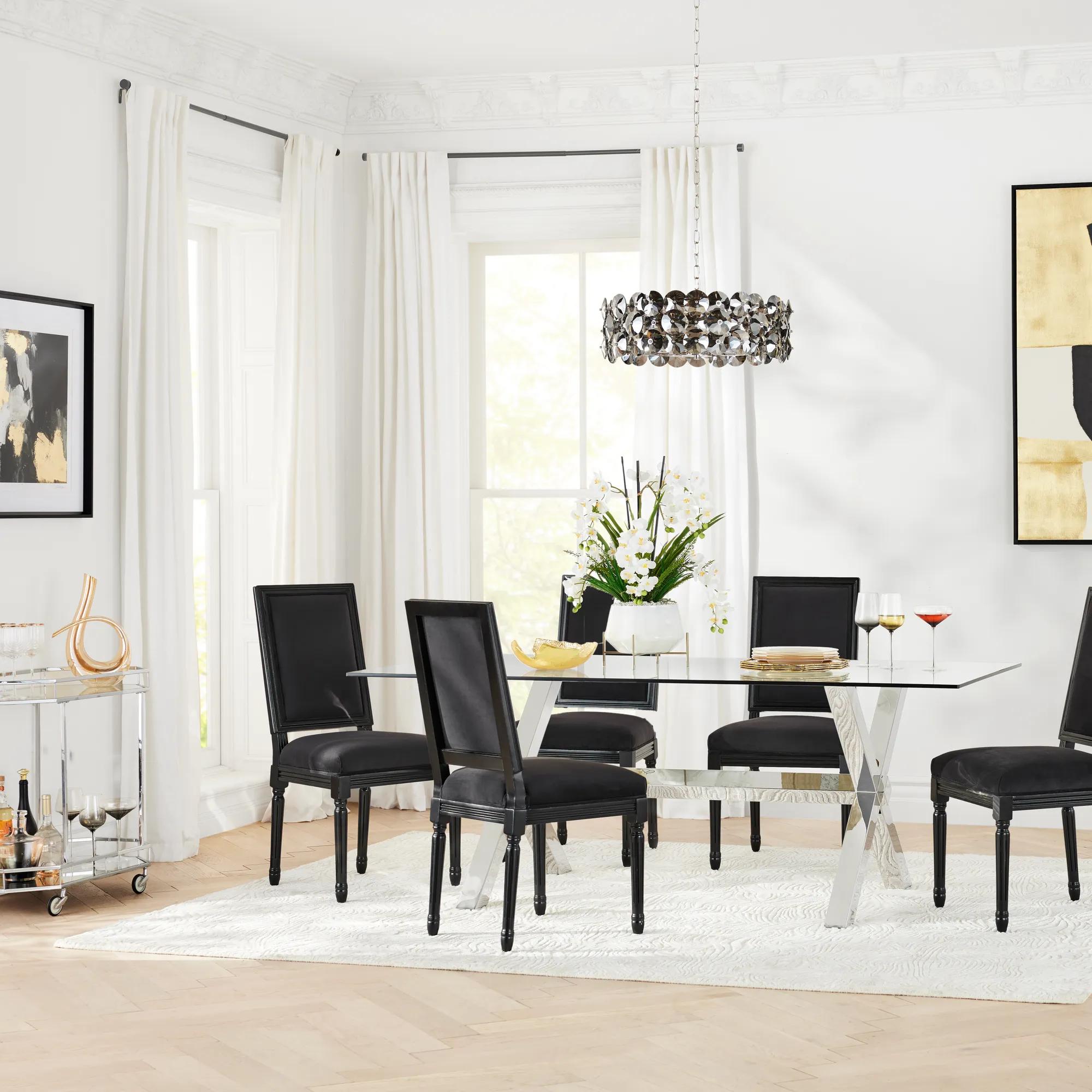 Callan Dining Chair - High Gloss Black$599
A handcrafted dining chair featuring high-gloss black Bella Velvet upholstery, fluted legs, and a squared back.
Add To Cart -
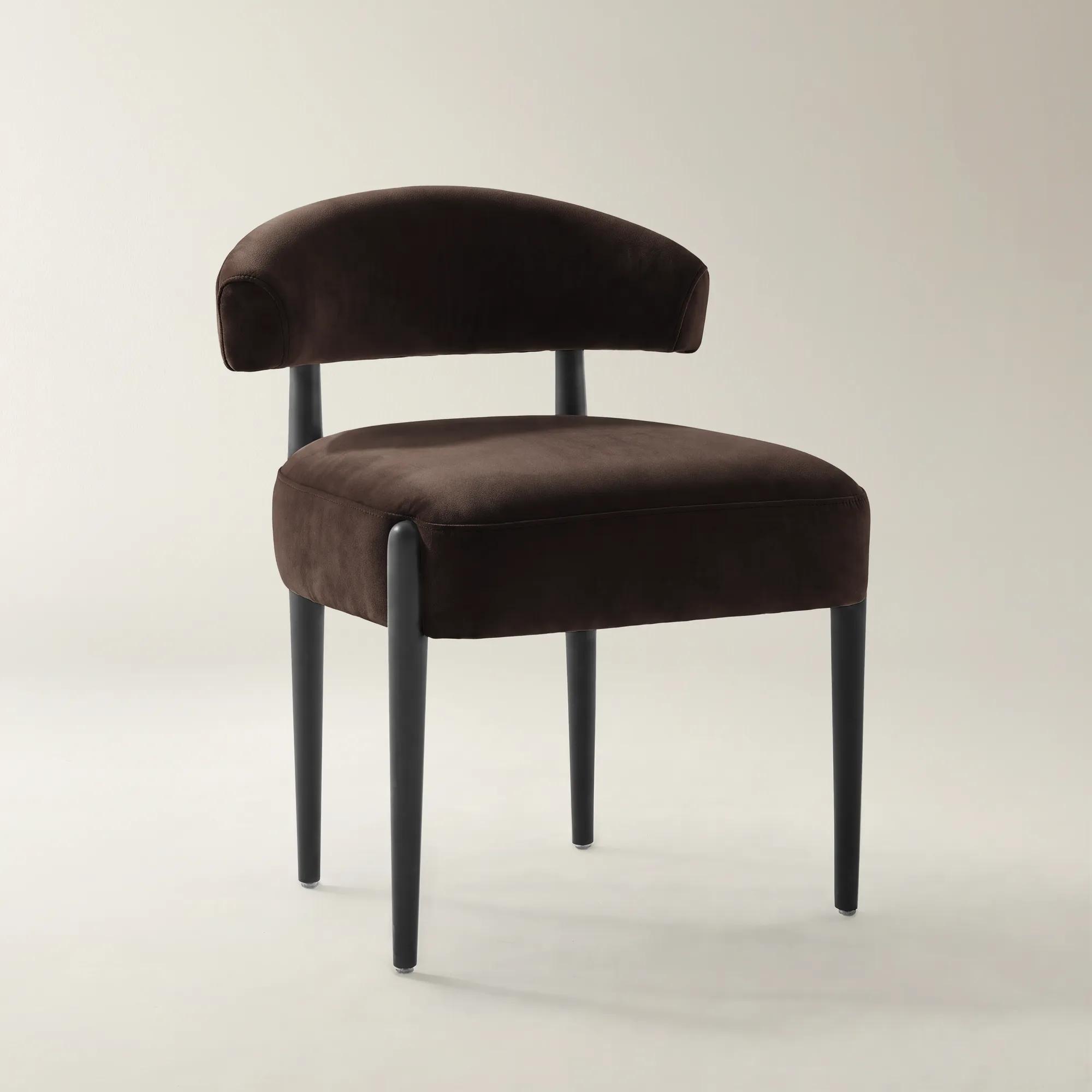
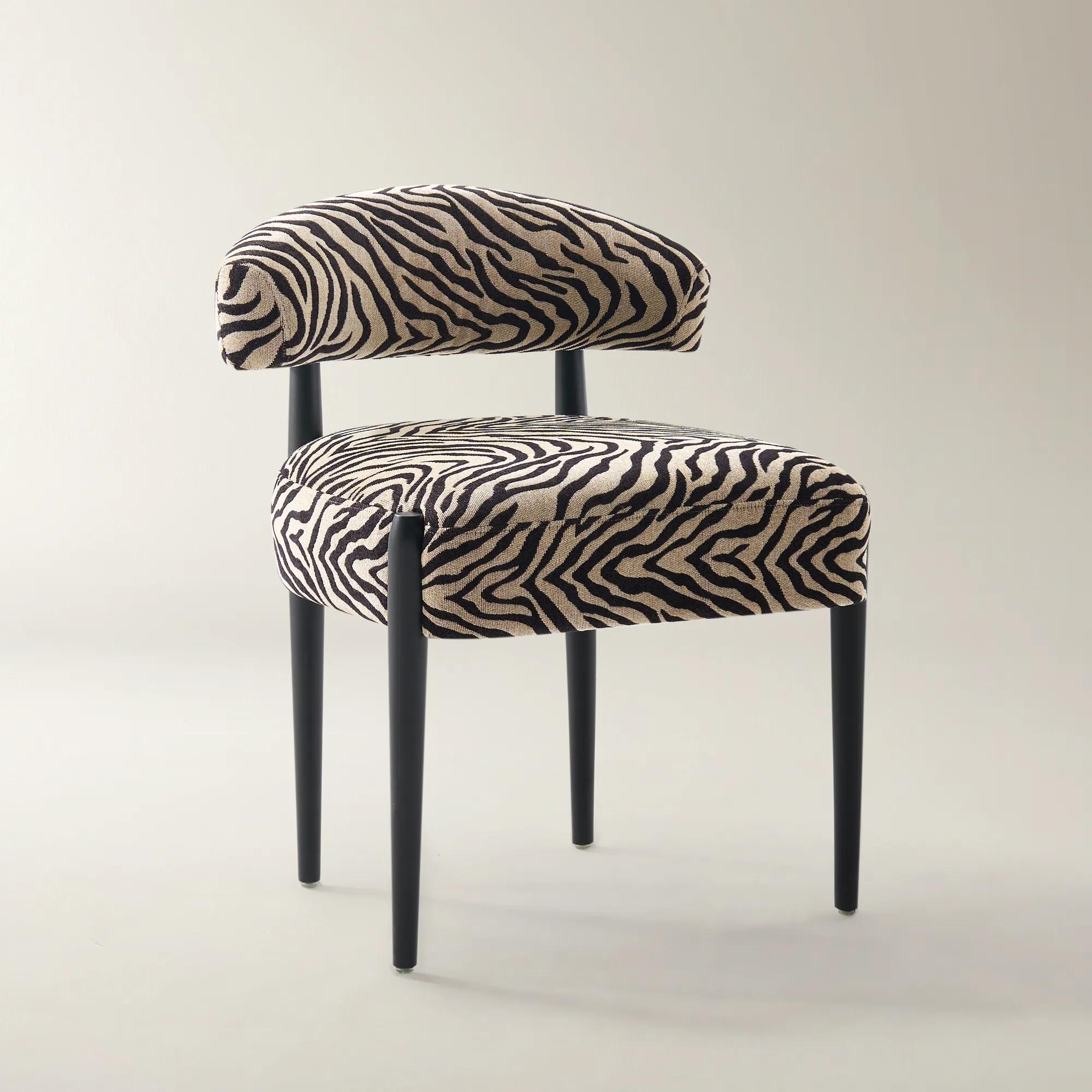 Anna Dark Chocolate Velvet Dining Chair Set of 2$699
A dark chocolate velvet dining chair set featuring an arched back, high-density foam, and solid wood construction.
Add To Cart -
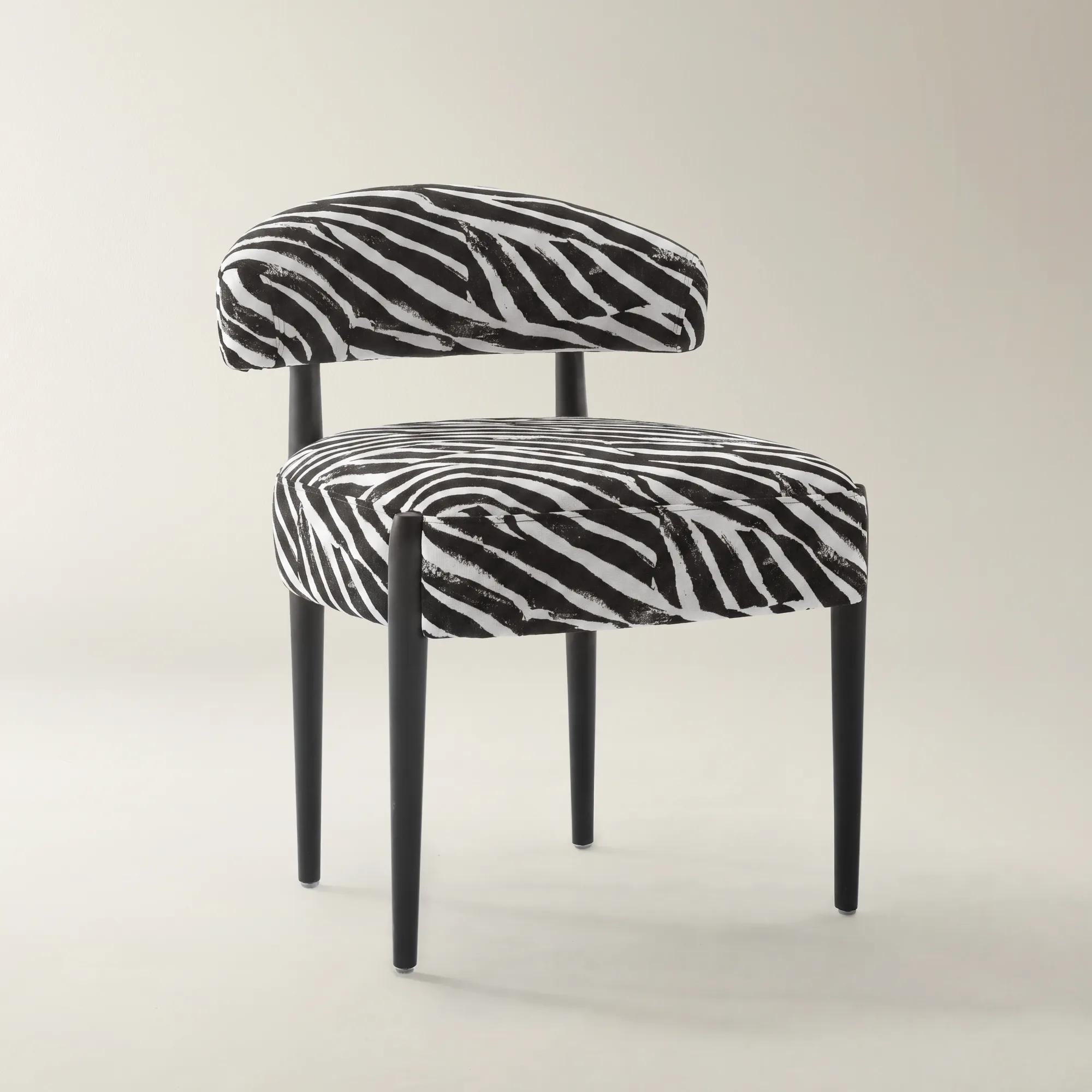 Anna White/Black Performance Chenille Dining Chair Set of 2$699
A black-and-white performance chenille chair set with arched backs, high-density foam, and solid rubberwood legs.
Add To Cart -
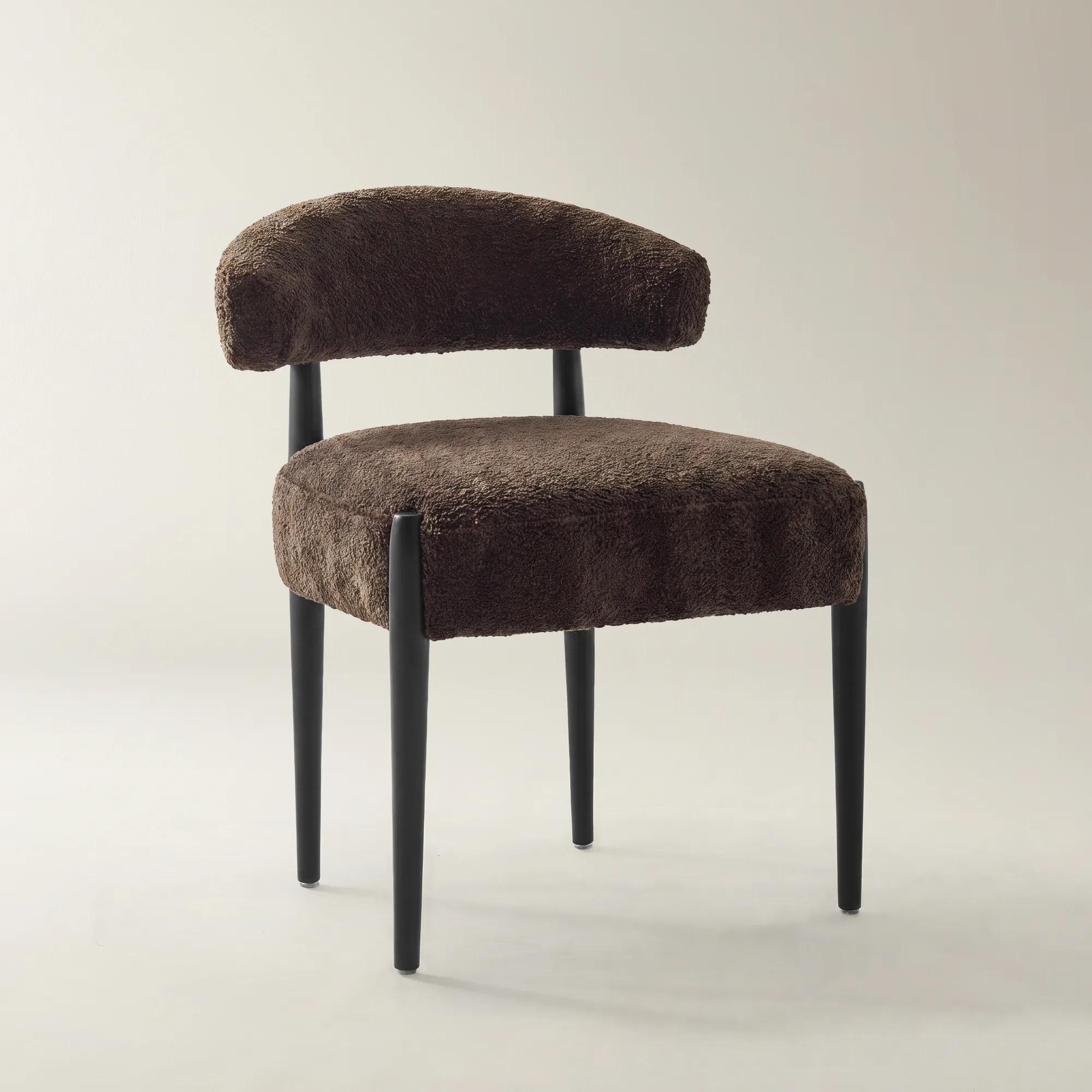 Anna Dark Chocolate Chenille Dining Chair Set of 2$699
A dark chocolate chenille chair pair featuring tailored curved backs, high-density foam, and solid rubberwood legs.
Add To Cart -
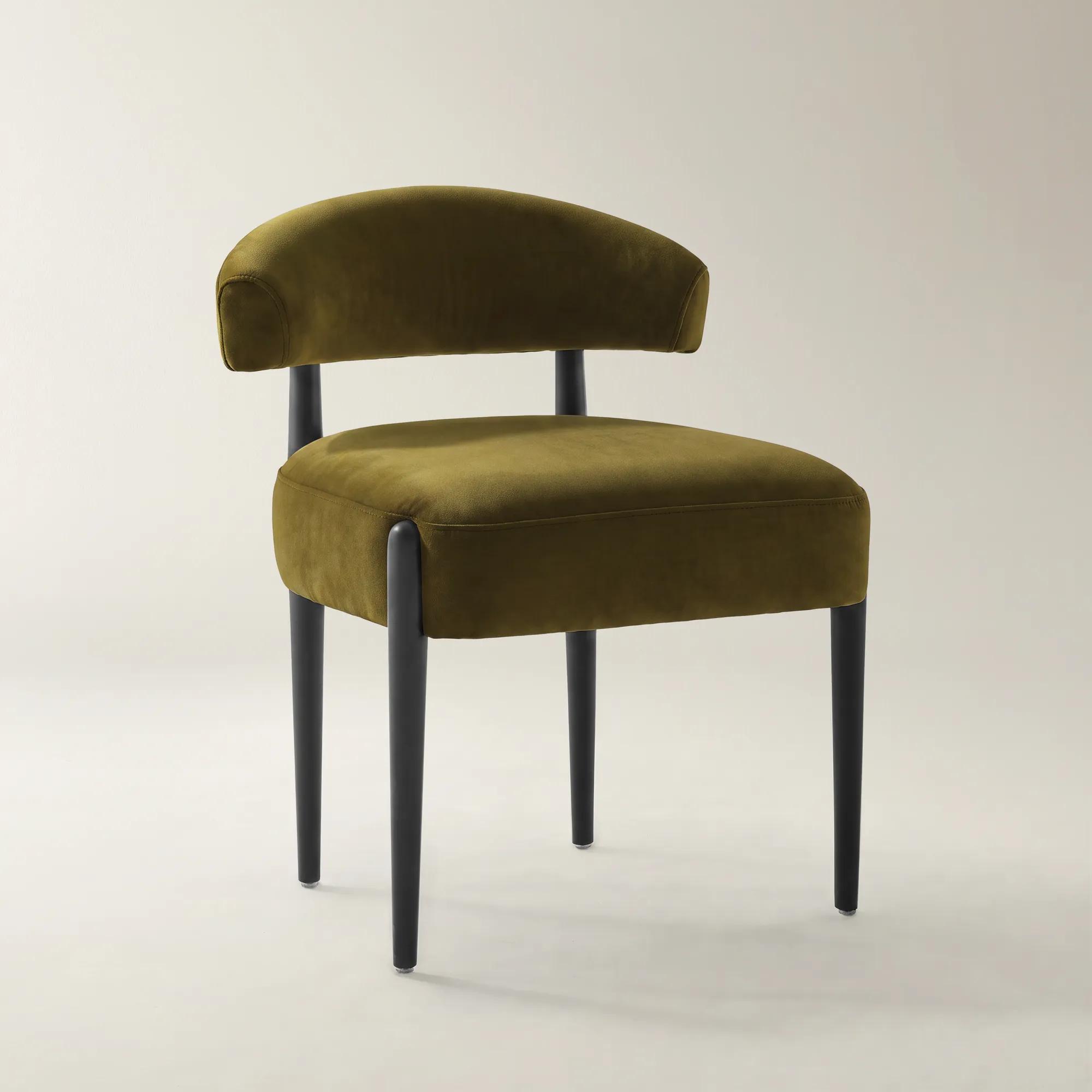 Anna Deep Olive Velvet Dining Chair Set of 2$699
A deep olive velvet dining chair with a tailored curved back, high-density cushioning, and solid rubberwood legs.
Add To Cart -
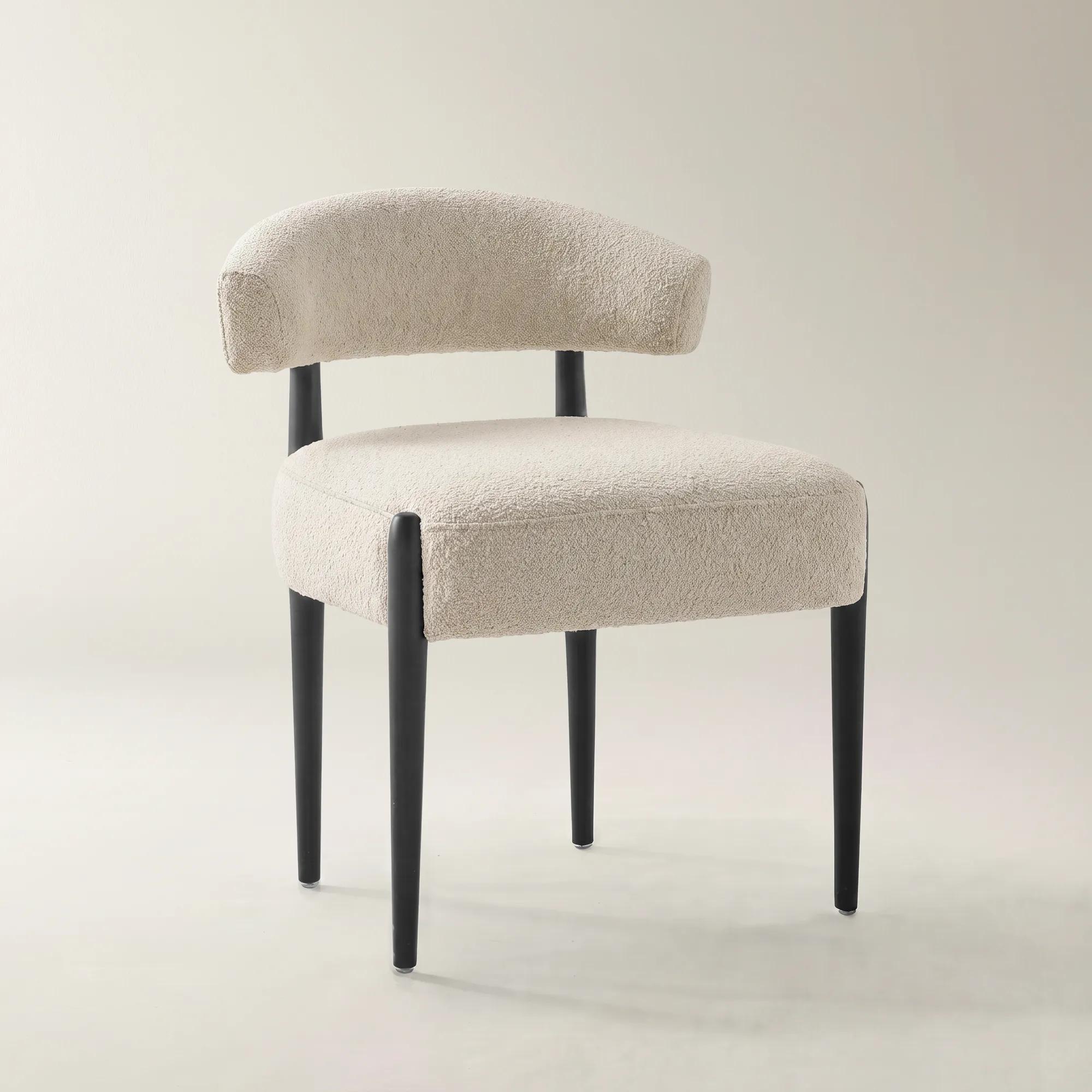 Anna Utopia Sand Chenille Dining Chair Set of 2$699
A sand chenille dining chair set featuring tailored armless curves, high-density cushioning, and solid rubberwood legs.
Add To Cart -
Anna Zebra Chenille Dining Chair Set Of 2$699
A set of zebra-print chenille dining chairs with high-density foam cushions and sturdy rubberwood legs.
Add To Cart -
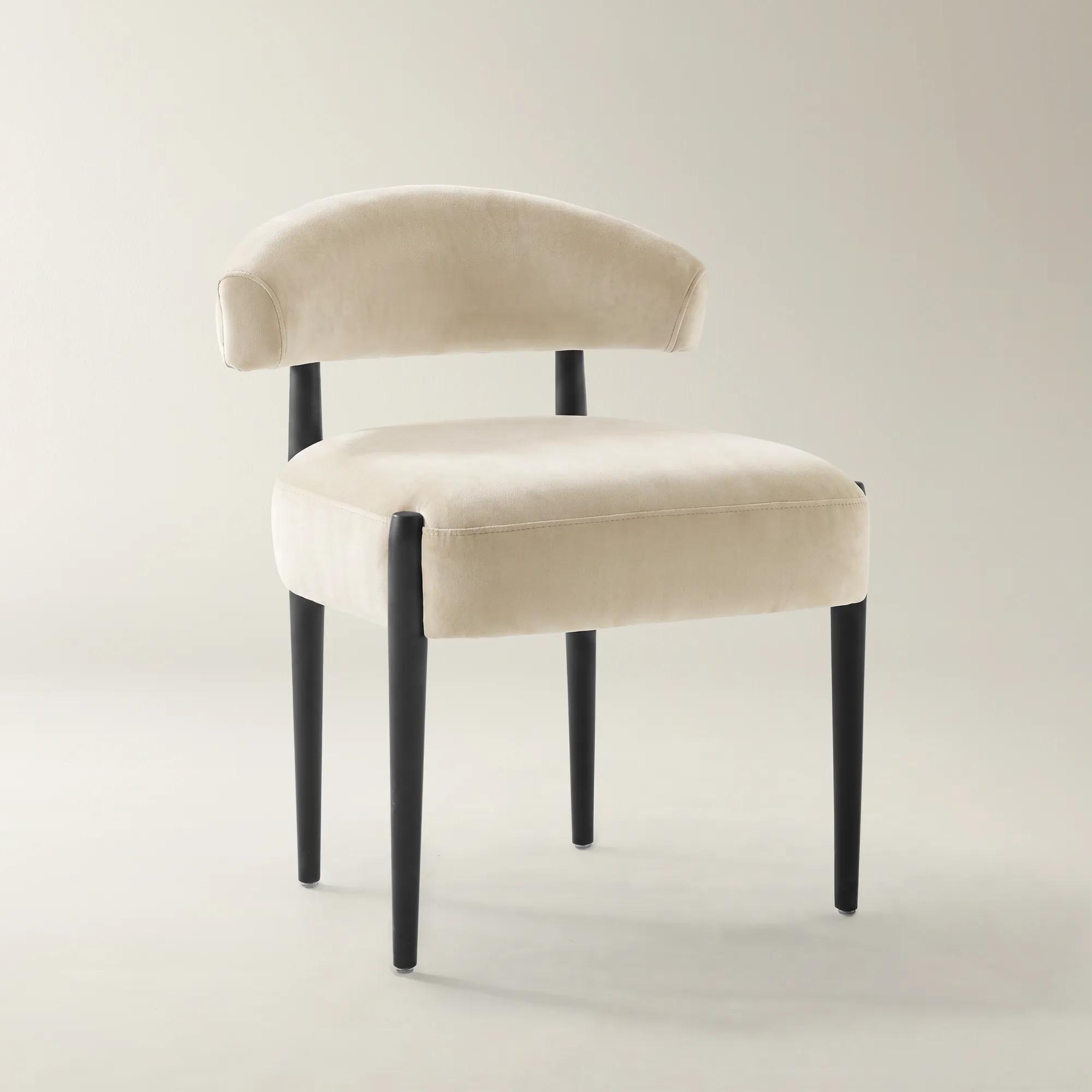 Anna Oatmeal Velvet Dining Chair Set of 2$699
A pair of oatmeal velvet dining chairs with arched backs, supportive foam cushioning, and rubberwood legs.
Add To Cart -
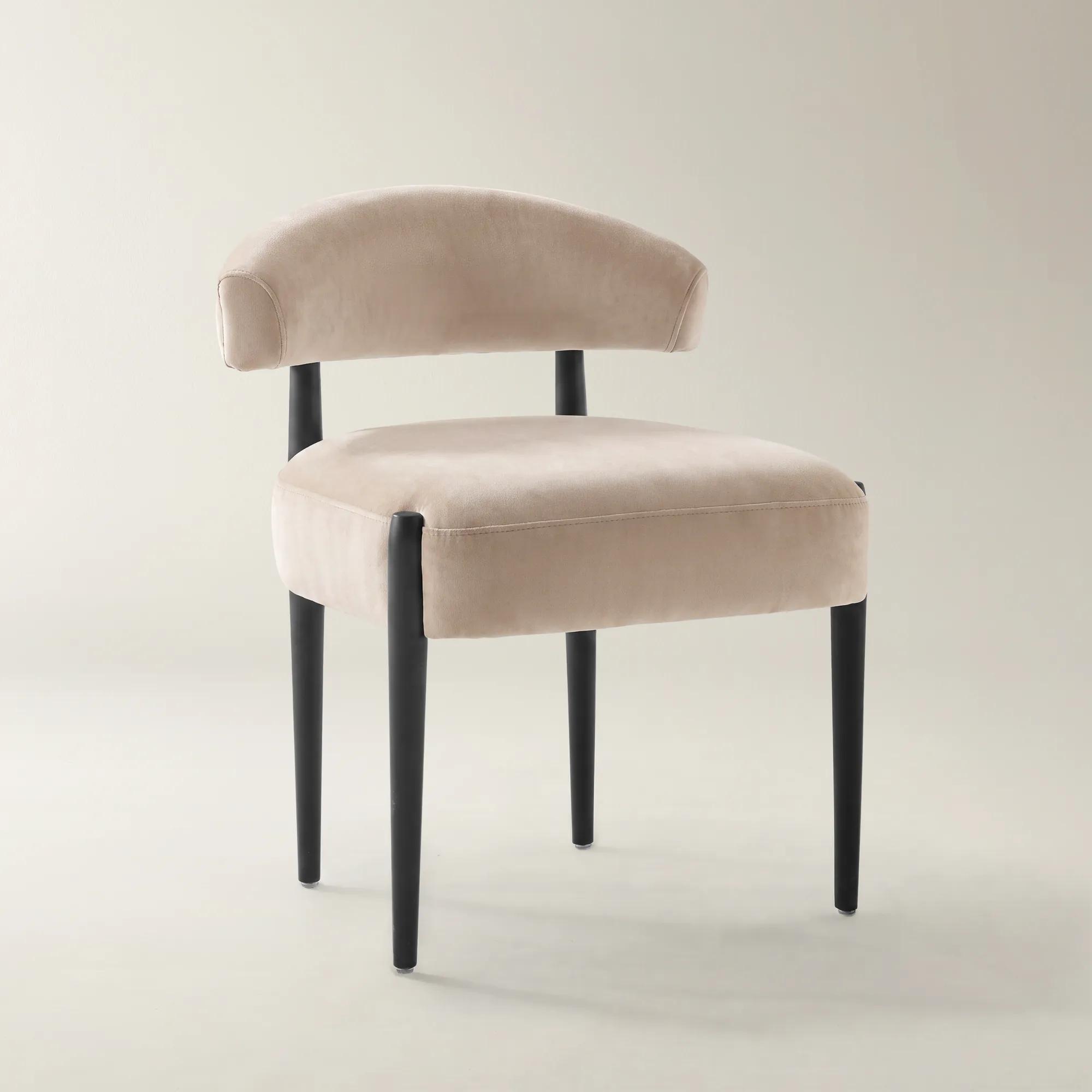 Anna Simply Taupe Velvet Dining Chair Set of 2$699
A taupe velvet dining chair featuring a tailored arched back, high-density foam cushioning, and rubberwood legs.
Add To Cart -
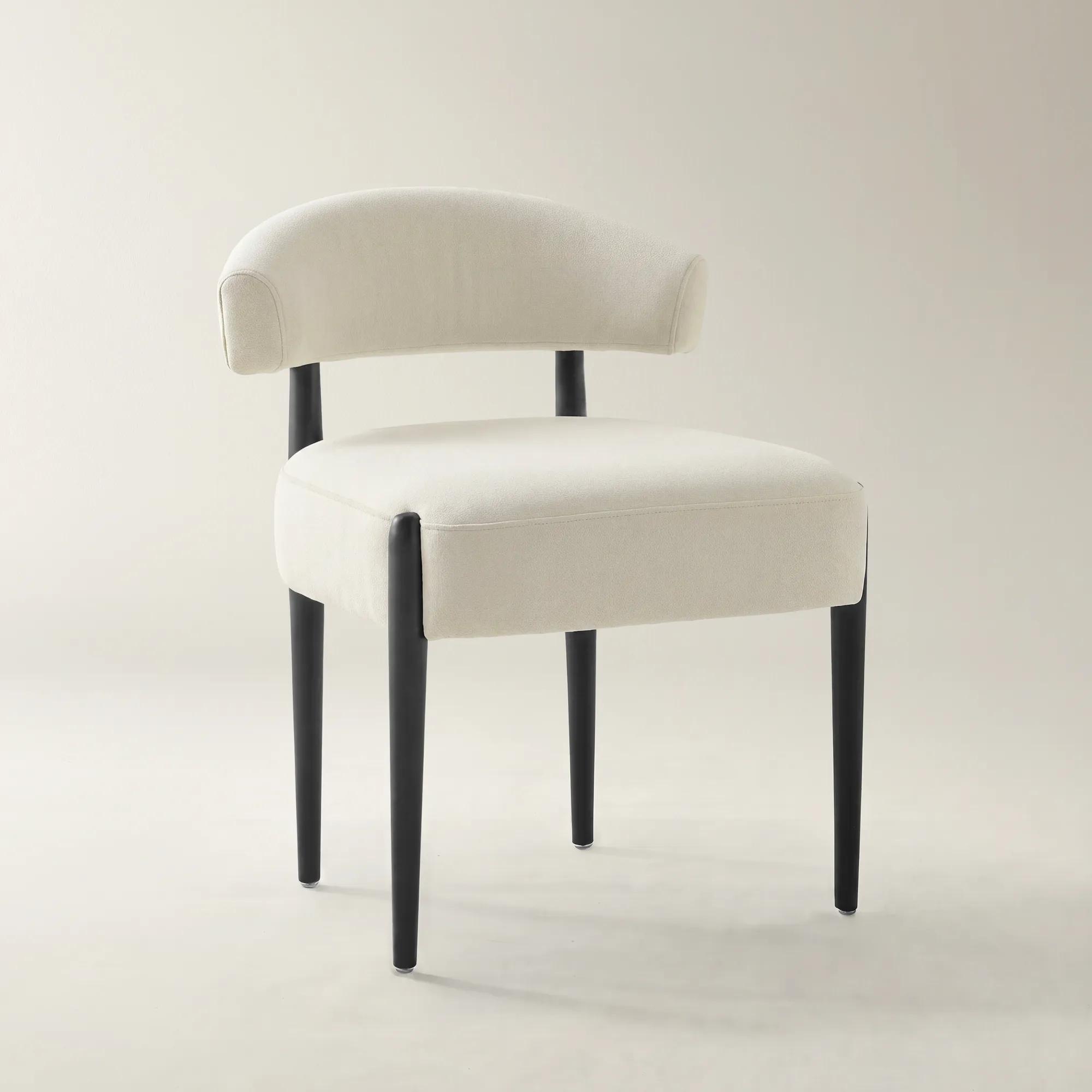 Anna Ivory Performance Chenille Dining Chair Set of 2$699
An ivory performance chenille chair pair featuring curved backs, high-density foam, and solid rubberwood legs.
Add To Cart -
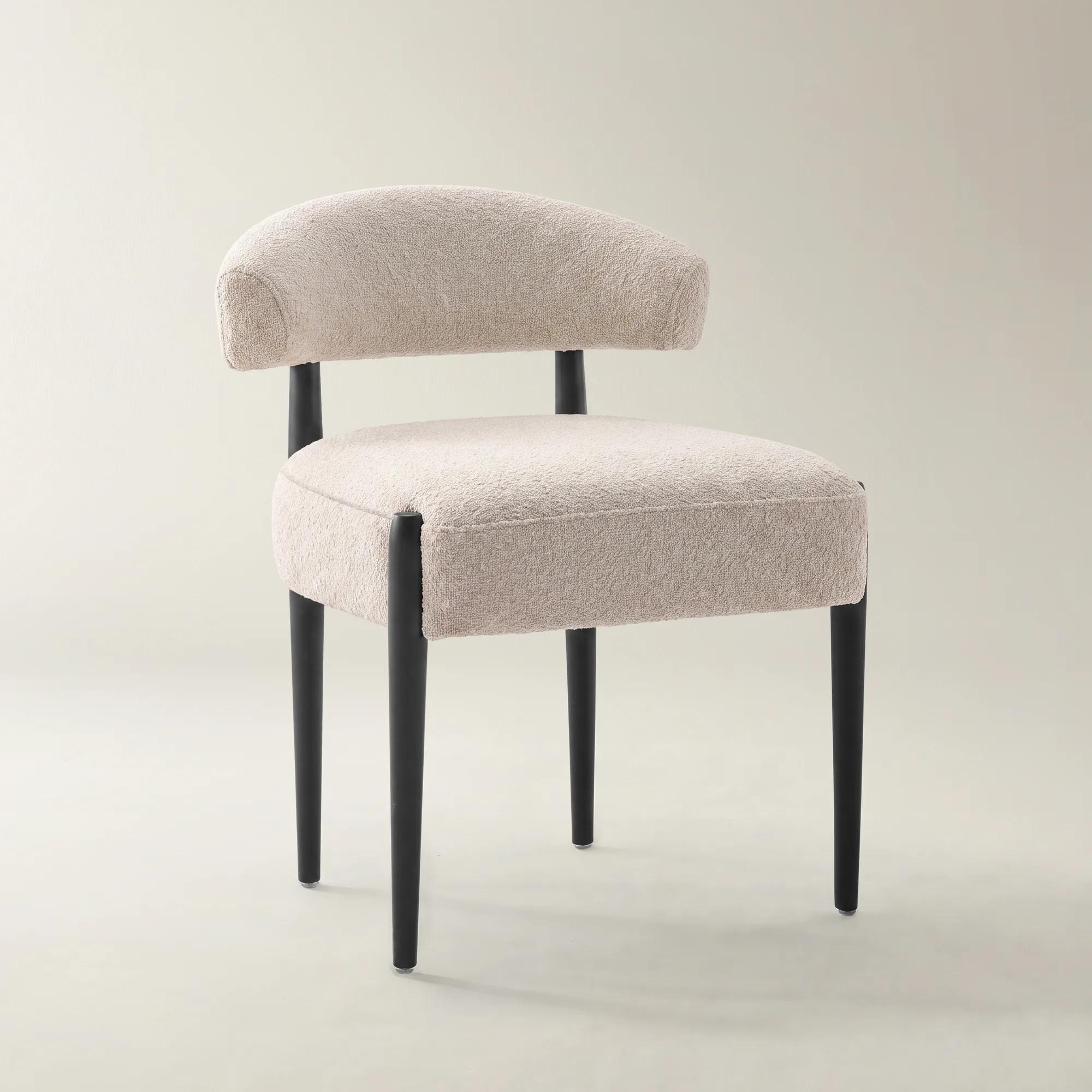 Anna Ivory Performance Boucle Dining Chair Set of 2$699
An ivory performance bouclé dining chair set with arched backs, high-density foam, and solid wood construction.
Add To Cart -
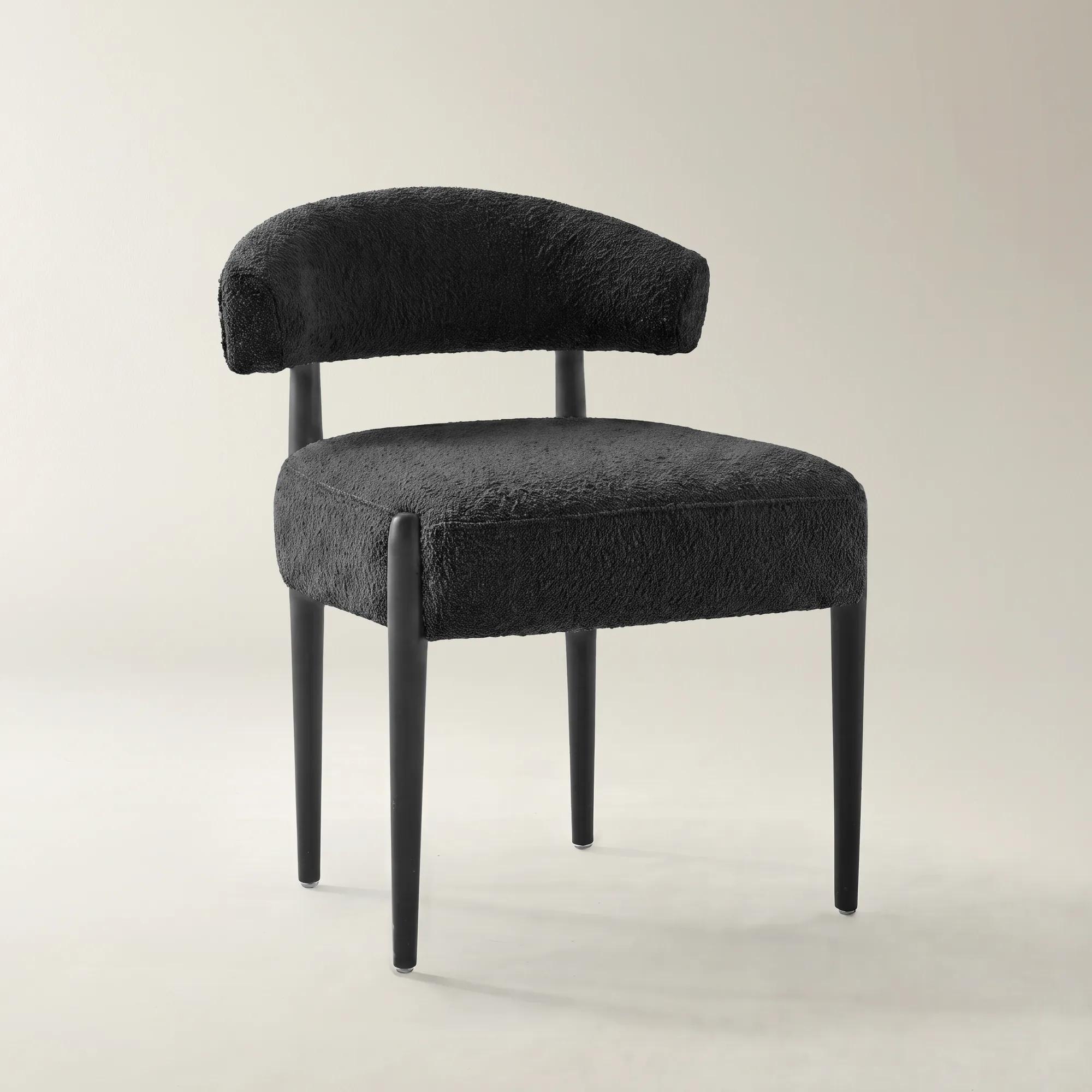 Anna Black Chenille Dining Chair Set of 2$699
A charcoal chenille dining chair set with curved backs, high-density foam cushioning, and rubberwood legs.
Add To Cart -
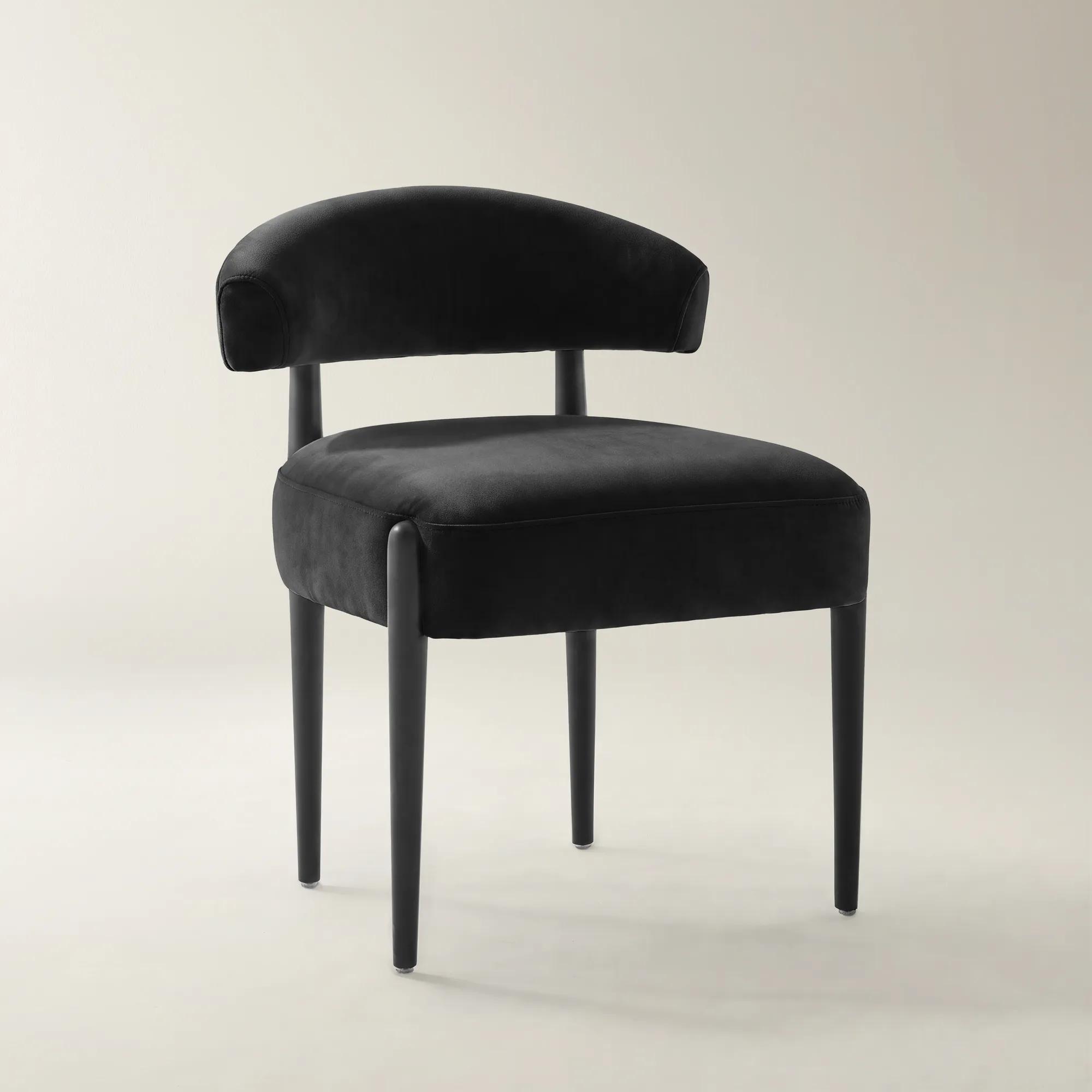 Anna Charcoal Velvet Dining Chair Set of 2$699
A charcoal velvet dining chair with an arched back, supportive foam cushioning, and solid rubberwood legs.
Add To Cart -
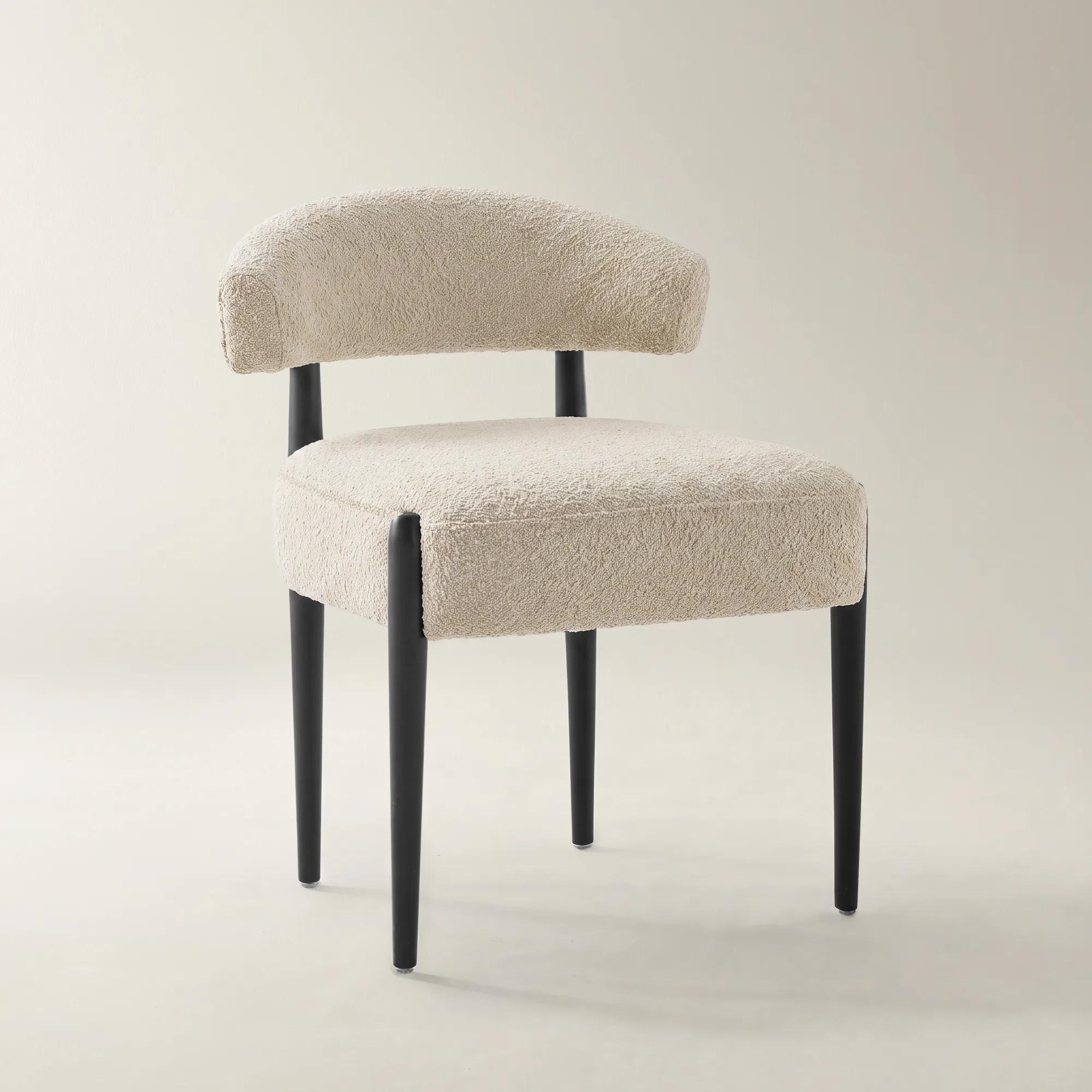 Anna Ivory Performance Boucle Dining Chair Set of 2$699
A pair of ivory performance boucle chairs with curved backs, cushioned comfort, and solid wood frames.
Add To Cart -
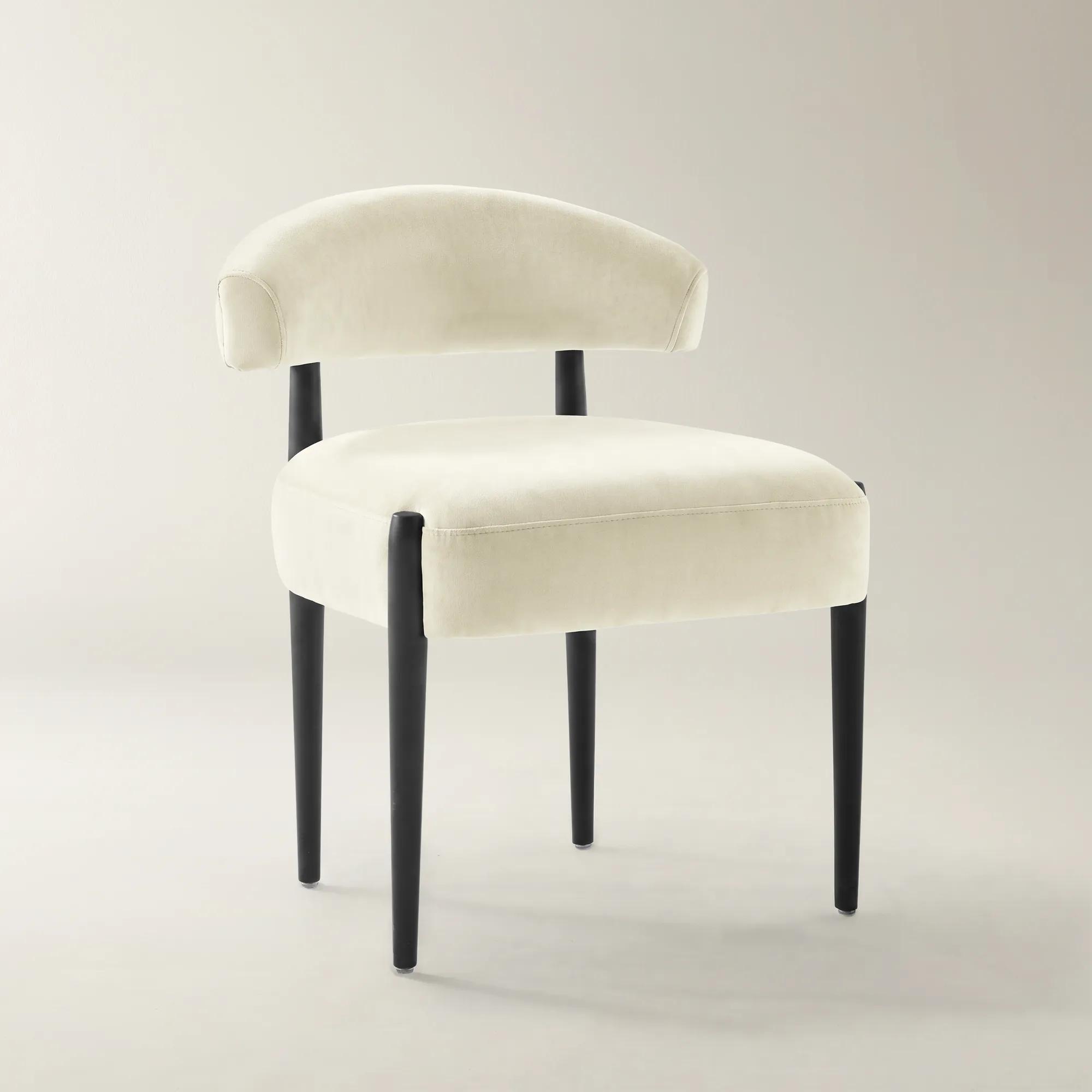 Anna Cloud Velvet Dining Chair Set of 2$699
A hand-upholstered Cloud velvet chair set featuring curved backs, high-density foam, and solid rubberwood legs.
Add To Cart -
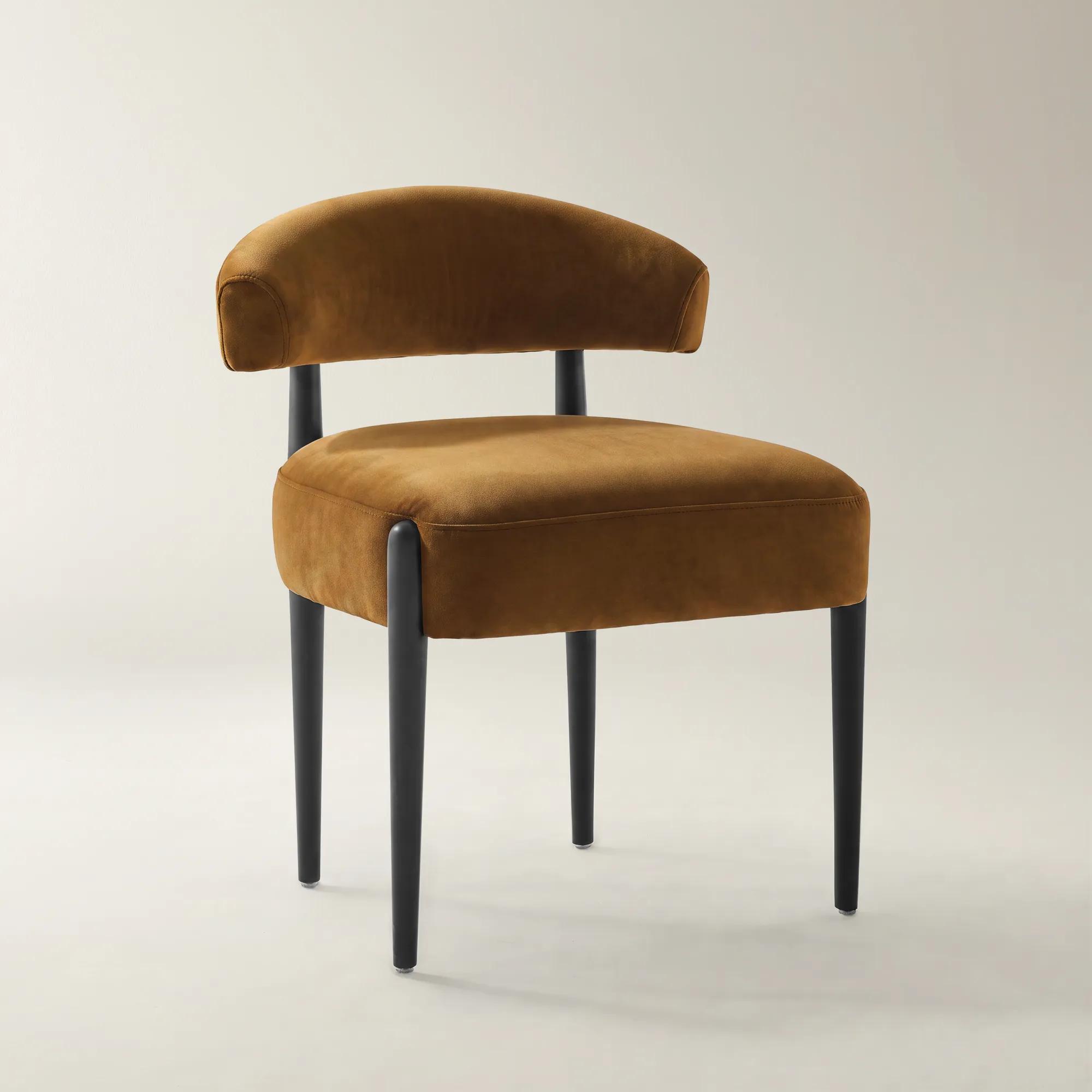 Anna Roasted Pecan Velvet Dining Chair Set of 2$699
A roasted pecan velvet dining chair set featuring a tailored curved back and high-density foam cushioning.
Add To Cart -
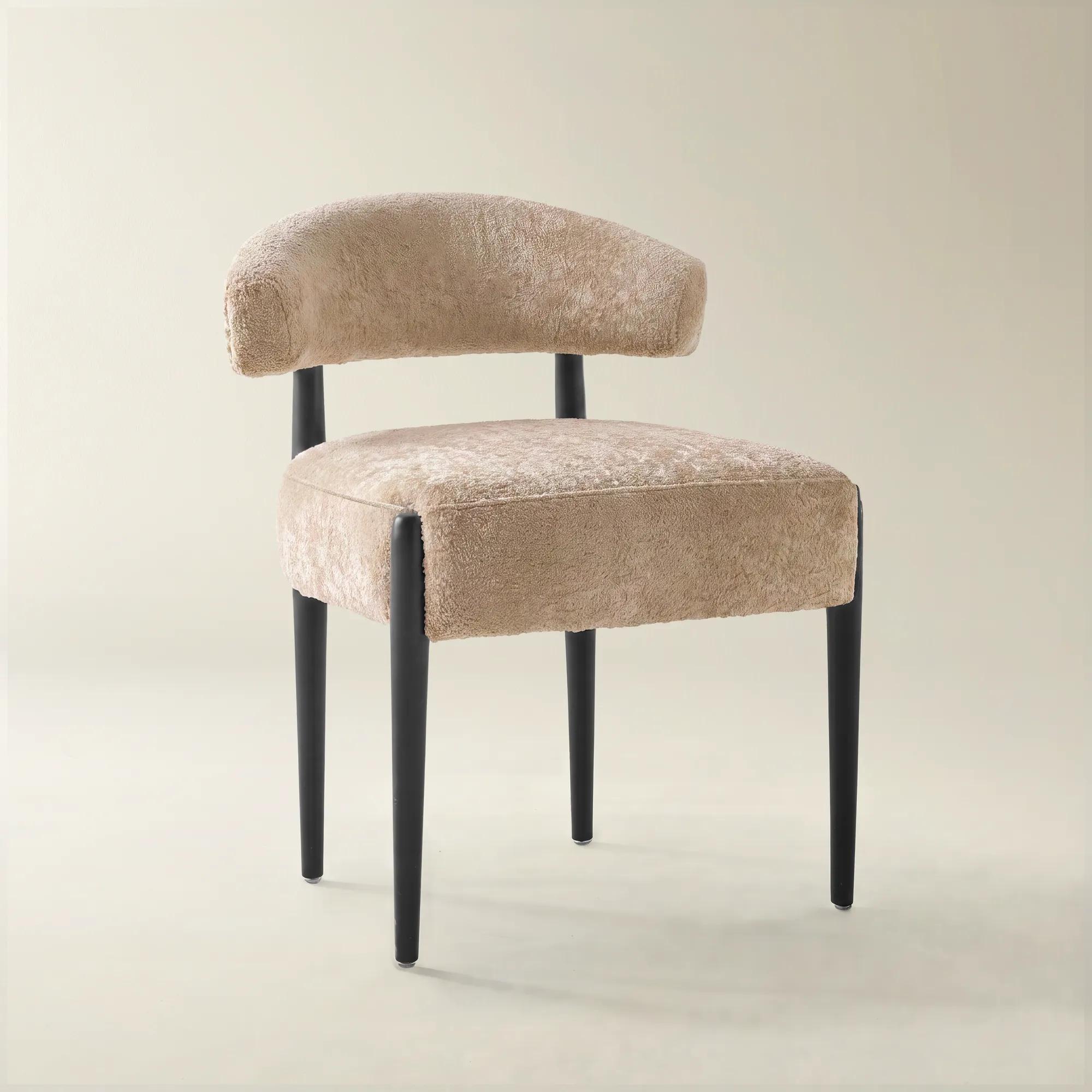 Anna Light Brown Chenille Dining Chair Set of 2$699
A light brown chenille chair set featuring arched backs, high-density foam cushioning, and solid rubberwood legs.
Add To Cart -
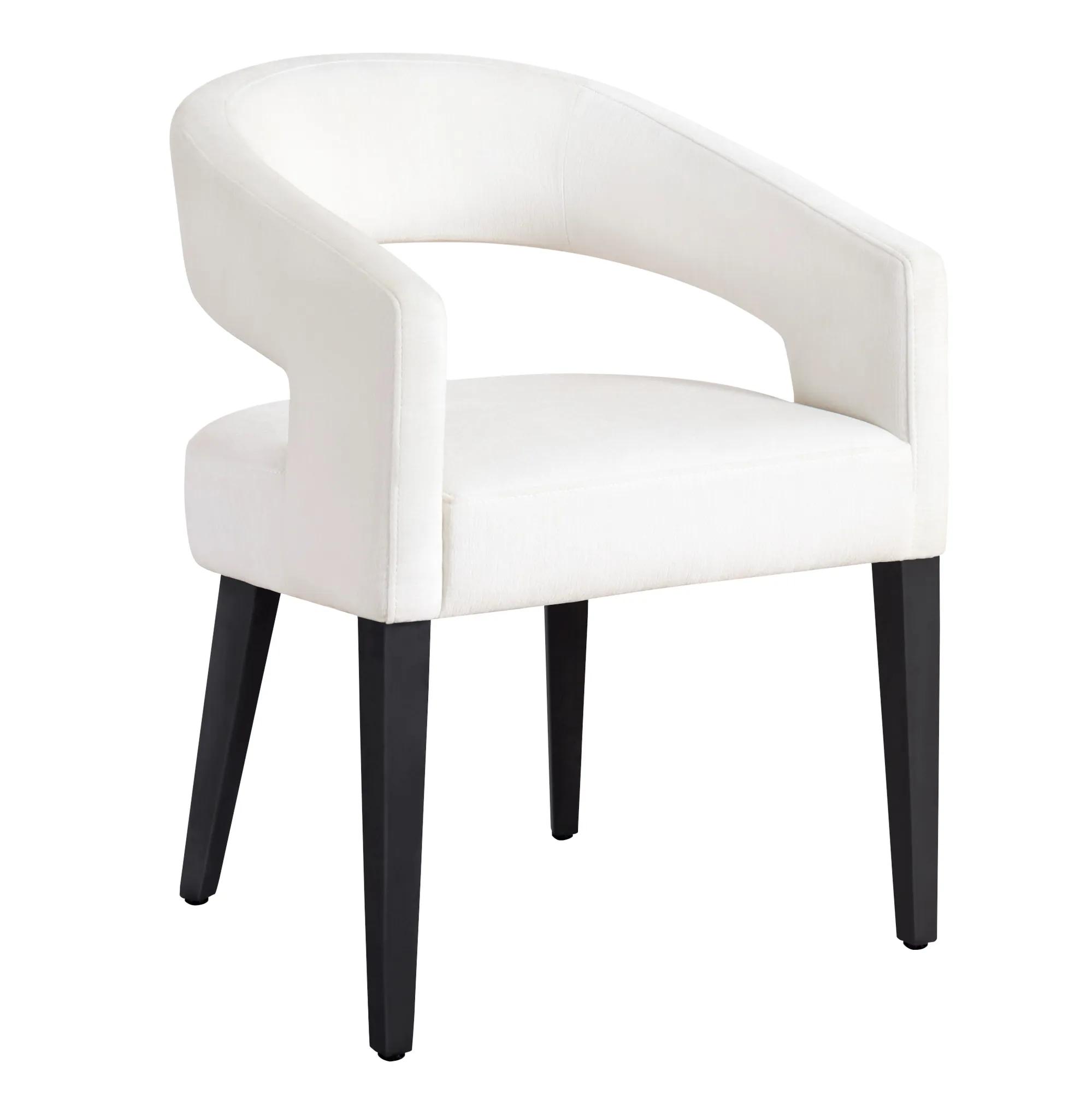
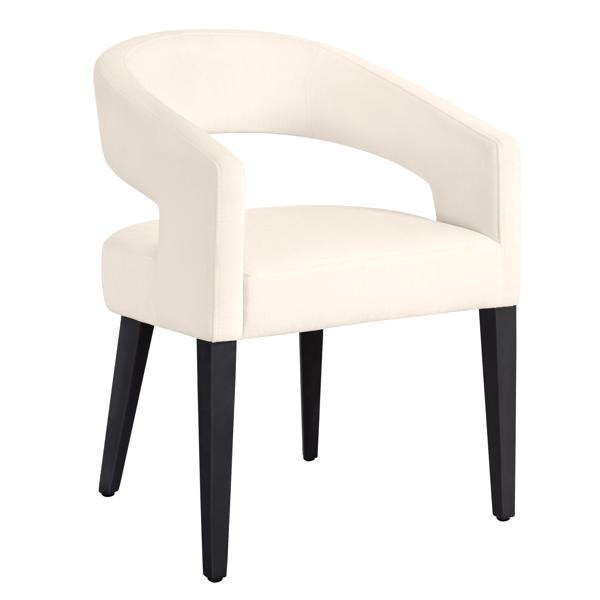 Philippa Dining Chair - Matte Black$599
A modern dining chair featuring a curved silhouette, matte black legs, and neatly tailored upholstery.
Add To Cart -
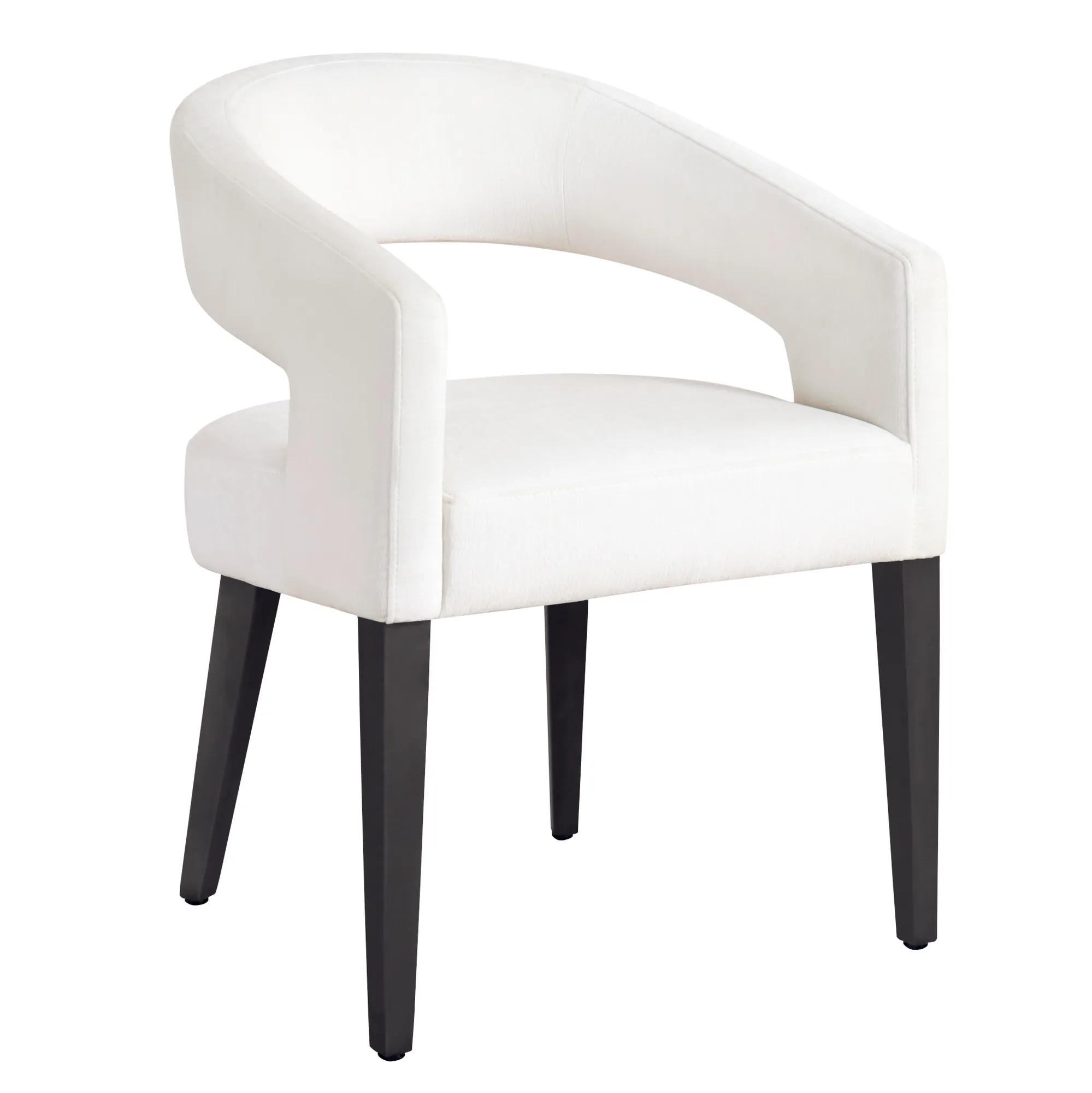
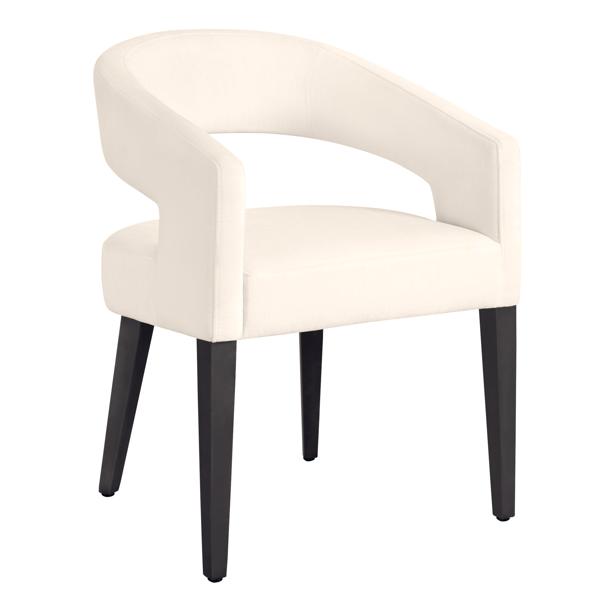 Philippa Dining Chair - Espresso$649
A modern dining chair featuring a curved silhouette, espresso legs, and neatly tailored chenille upholstery.
Add To Cart -
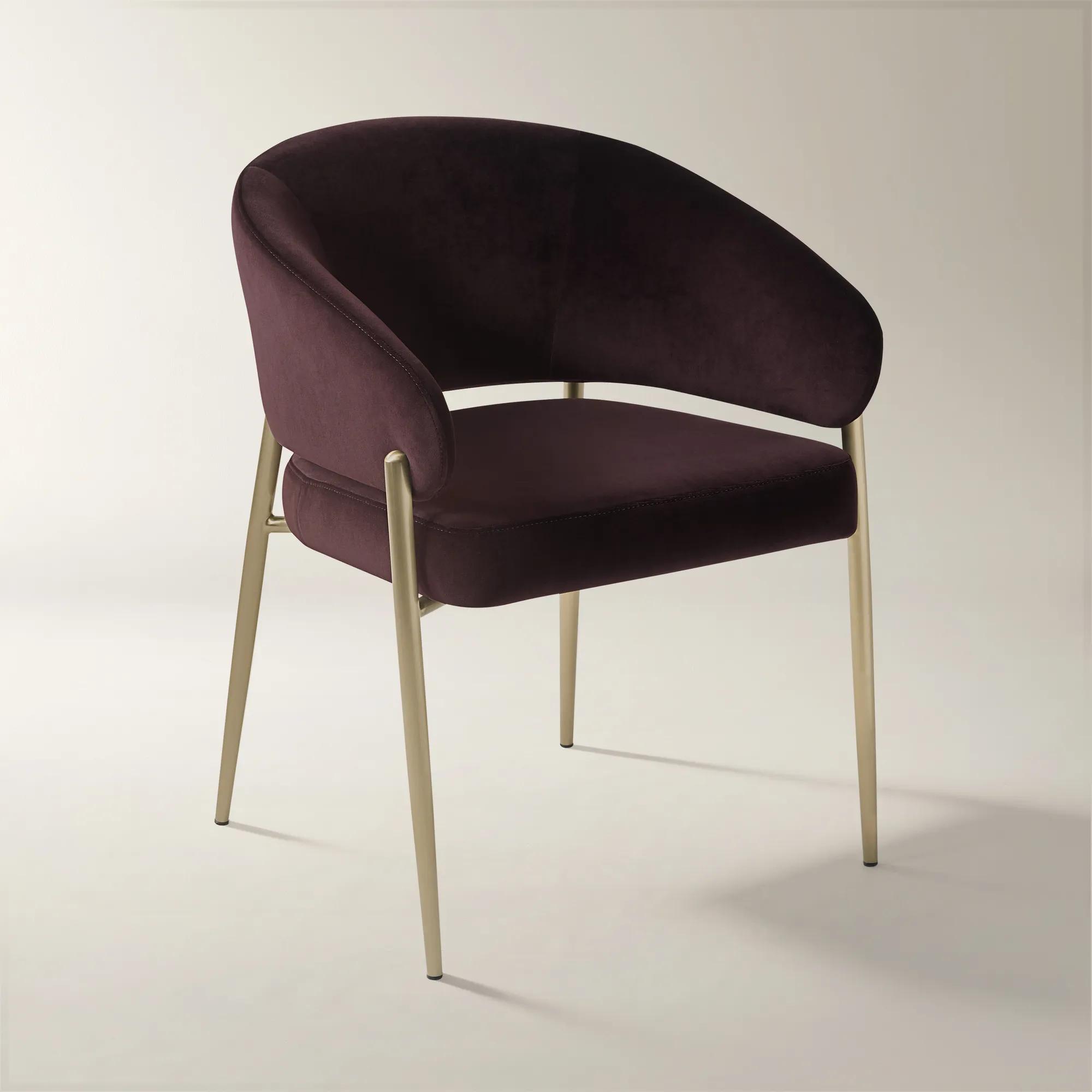 Nara Fig Velvet Dining Chair Set Of 2$599
A set of two dining chairs featuring plush fig velvet upholstery and brushed brass stainless-steel legs.
Add To Cart -
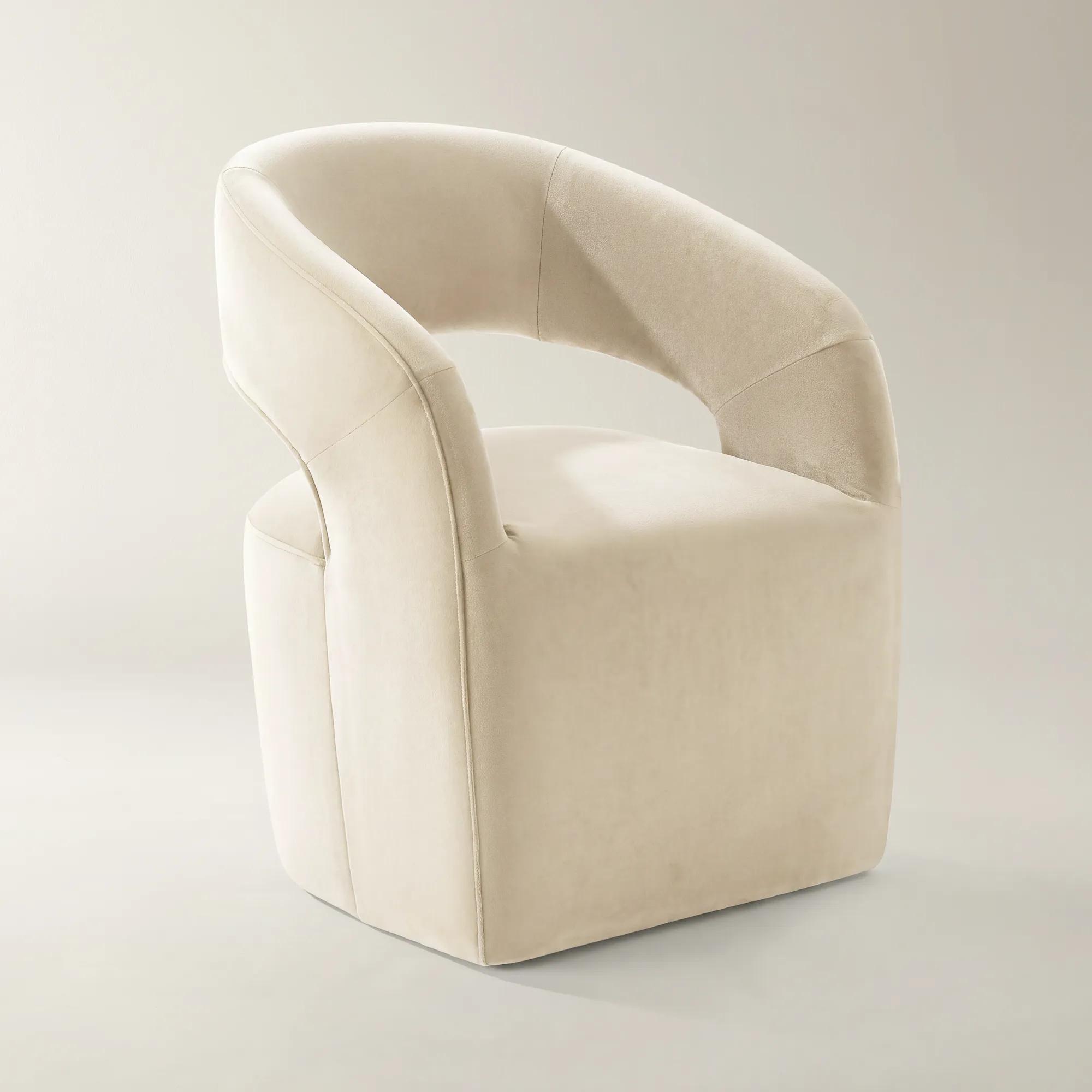
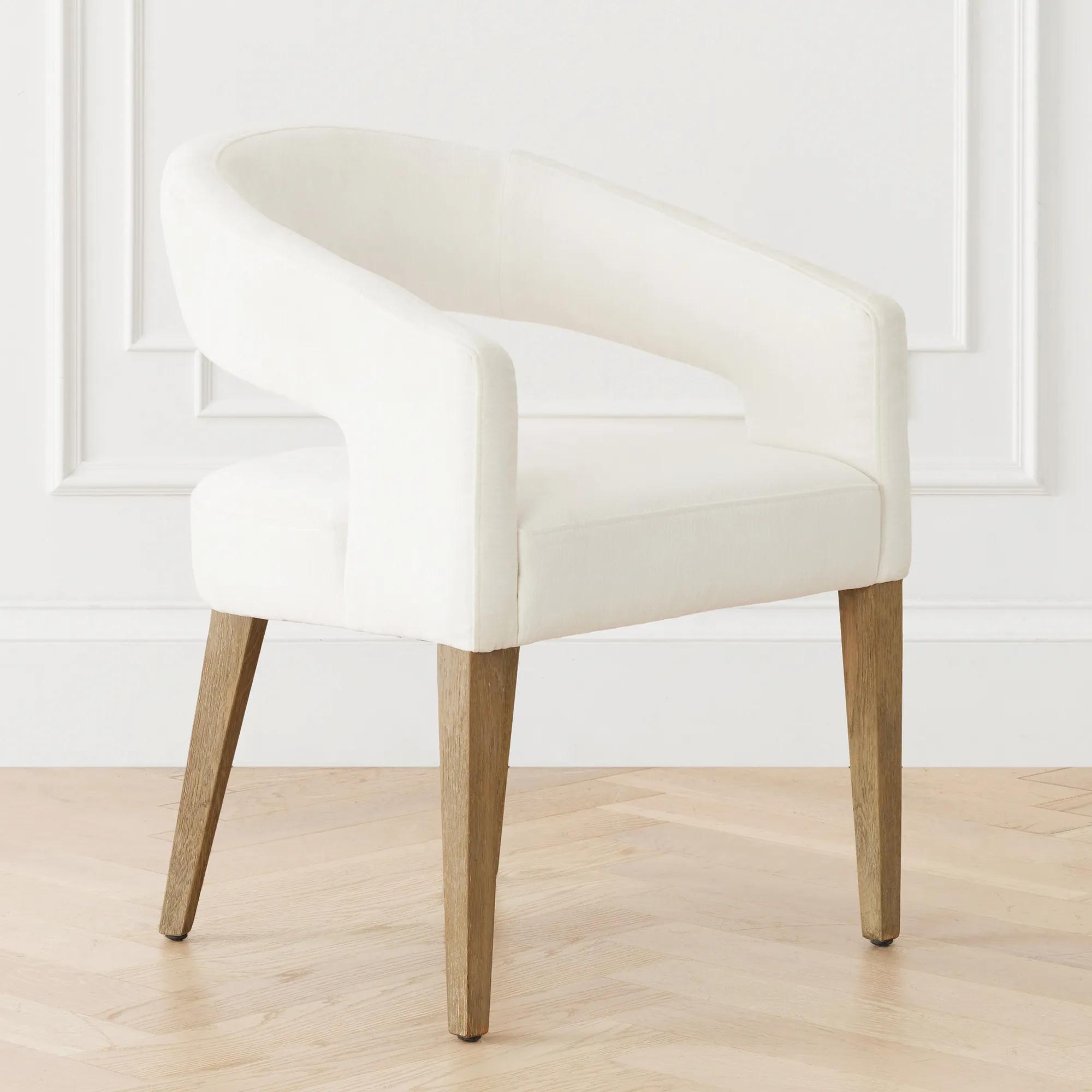
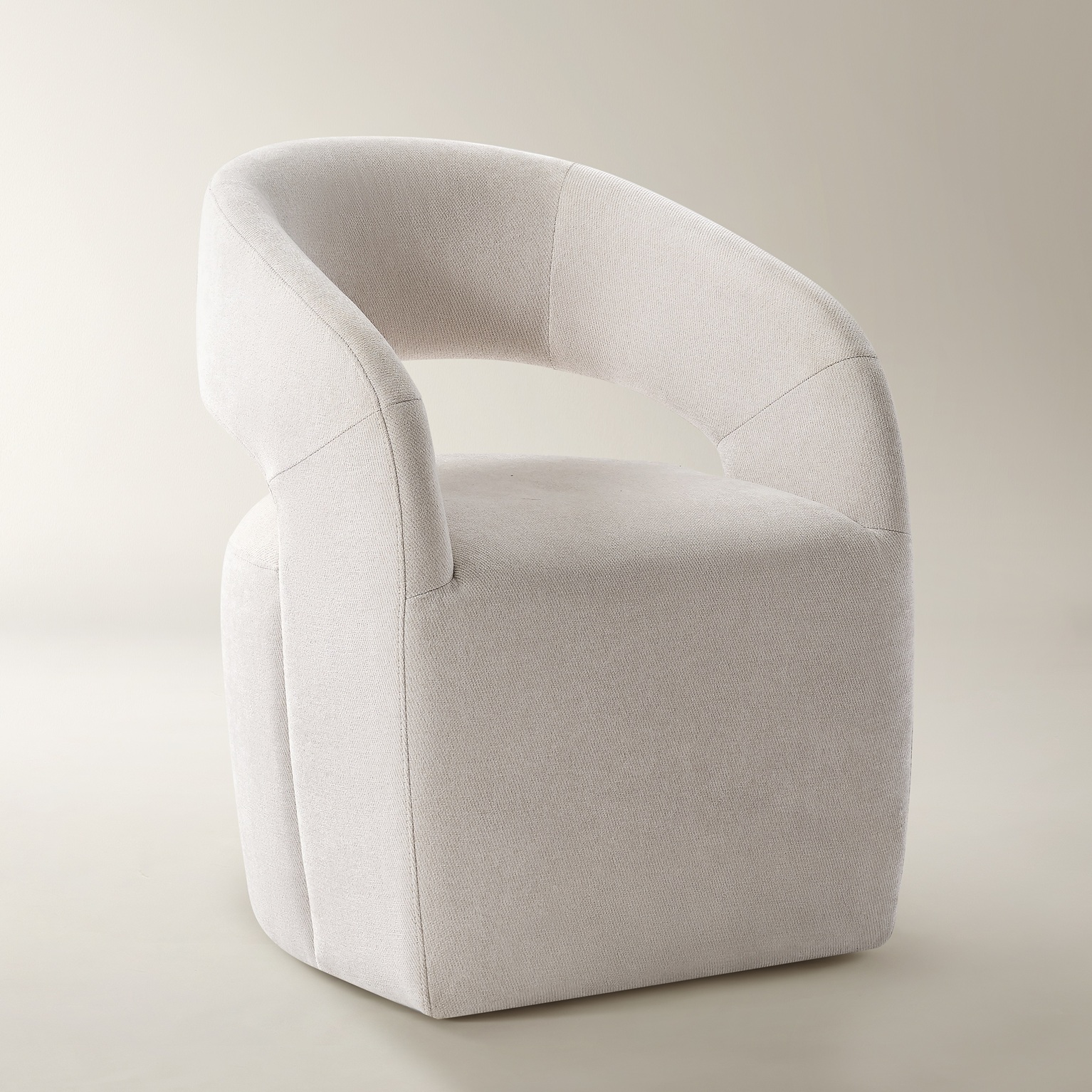 Harrison Oatmeal Velvet Dining Chair$499
A sculptural dining chair upholstered in oatmeal velvet with a curved back, feather-blend seat, and integrated arms.
Add To Cart -
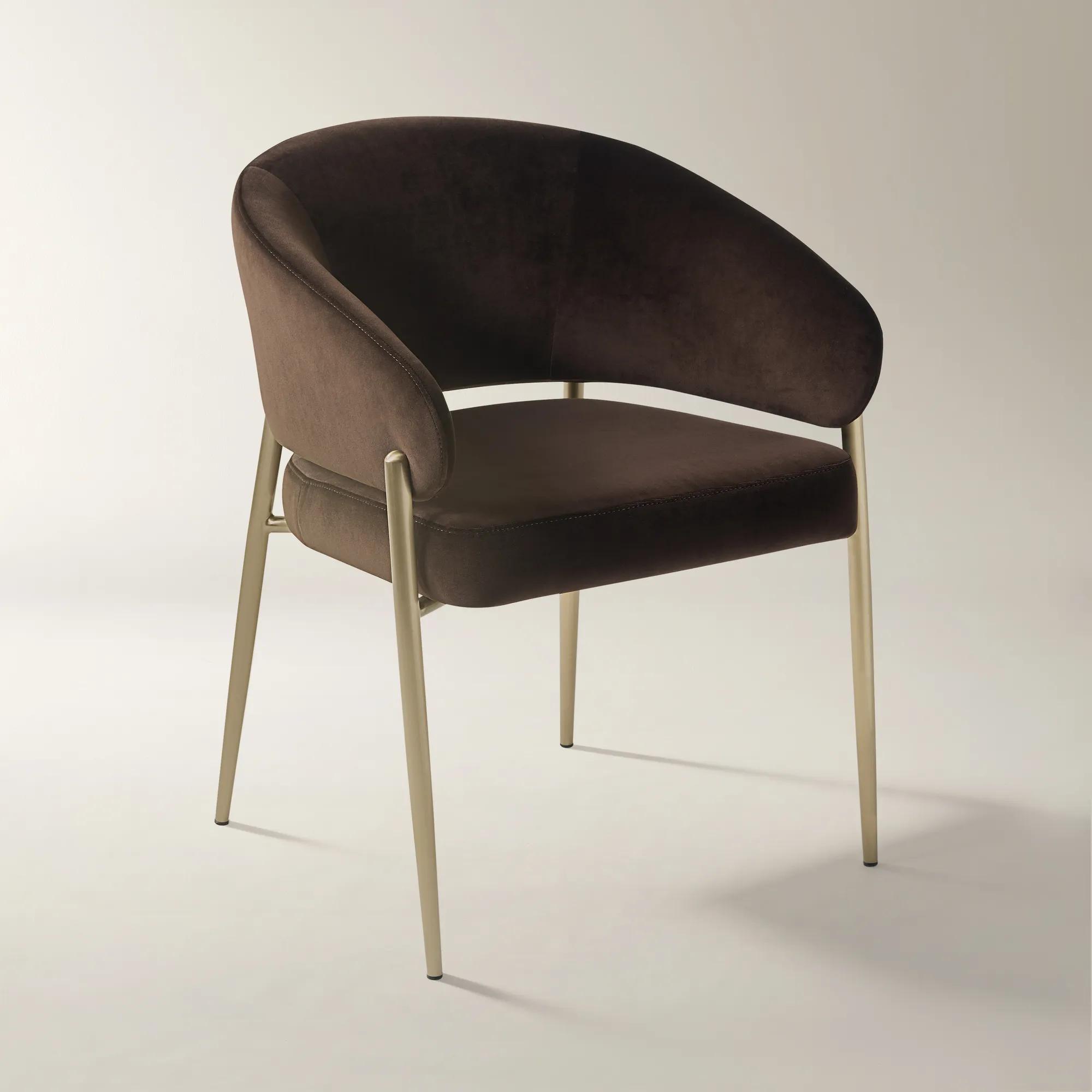 Nara Dark Chocolate Velvet Dining Chair Set Of 2$599
A pair of dark chocolate velvet chairs with curved backs and brushed brass stainless-steel legs for modern elegance.
Add To Cart

Hand Crafted Dining Chairs
Explore hand crafted dining chairs for seating that brings an artful presence to the table. Compare silhouettes and proportions to complement your dining room’s style, then check seat height and overall dimensions against your table’s clearance for a setting that feels as inviting as it looks.
Handcrafted dining chairs bring the maker’s touch to one of the most personal spaces in the home: the place where conversation unfolds, guests linger, and everyday meals become occasions. Their character comes from skilled handwork in shaping, assembling, finishing, or upholstering the chair, rather than from a single prescribed style or material. A handcrafted chair may combine machine-cut components with hand-fitted joinery, hand-applied finishes, or carefully tailored upholstery; the construction details reveal more than the label alone. The result can be strikingly sculptural or quietly refined, with beauty expressed through a curved back, a tapered leg, or the precise meeting of wood and fabric. Solid hardwoods such as oak, walnut, and ash offer distinct grain patterns and lend themselves to thoughtfully shaped frames. Oak often presents pronounced texture, walnut brings rich tonal depth, and ash offers an expressive grain that can look especially dramatic beneath a translucent finish. Upholstered designs introduce another dimension, from the light-catching pile of velvet to the tactile appeal of a woven fabric. Neither appearance nor weight alone establishes quality: secure joints, balanced proportions, appropriate reinforcement, and a smooth, consistent finish all contribute to a chair’s lasting appeal. Mortise-and-tenon or doweled joints, when properly executed, help connect the frame securely, while corner blocks can reinforce areas exposed to the movement of daily seating. Natural variations in grain and subtle differences in hand-applied finishes give individual chairs their own expression without needing to appear perfectly identical. Thoughtful craftsmanship should still deliver a stable chair, a comfortable sitting position, and surfaces finished for their intended use. For a dining room with presence, these details matter as much as the silhouette. A beautifully resolved back remains visible even when the chair is tucked beneath the table, turning the entire dining arrangement into a composition of texture, line, and light.
The most compelling dining chairs feel as considered in use as they look across the room. Seat height, seat depth, back angle, and overall width shape that experience, especially when dinner stretches into a long conversation. A common starting point is approximately 10 to 12 inches between the seat and the tabletop, with additional attention to the table apron so knees have comfortable clearance. Upholstered seats may compress under weight, and arms need enough clearance to slide beneath the table if that is how the chairs will be stored. Allowing roughly 24 inches of table edge per person offers a useful starting point for spacing, although broad chairs, substantial arms, and pedestal or trestle bases can change the arrangement. Room circulation deserves equal consideration: approximately 36 inches between the table edge and a wall or nearby furniture generally provides space to pull out a chair, while a frequently used walkway may call for more. These proportions help preserve the room’s sense of ease without diminishing its drama. Armless dining chairs keep the composition visually open and can suit a narrower table or a smaller dining area; armchairs at the ends create a more enveloping place to settle. A supportive curved back can feel welcoming without upholstery, while a padded seat adds softness for those who spend time dining, reading, or gathering around the table. For a crisp, architectural contrast, handcrafted black dining chairs can outline a pale stone tabletop, deepen the richness of warm wood, or bring definition to a room layered with metallic accents. Matching every finish is not essential. A shared curve, repeated wood tone, or consistent upholstery color can unite different chair silhouettes with confidence. In an open living and dining space, the backs of the chairs become part of the broader view, making their shape and finishing especially important. The dining arrangement feels intentional when it relates to nearby lighting, cabinetry, and decorative accents without repeating every detail.
Materials and care requirements help determine which handcrafted dining chairs belong in a particular household. A formal dining room used primarily for entertaining may welcome sumptuous upholstery and intricate detailing, while a table that hosts daily meals, homework, and frequent visitors benefits from finishes and fabrics selected for regular contact. Durability depends on the complete construction, including frame materials, joint execution, upholstery attachment, and the suitability of the finish—not simply whether a chair is described as handmade. Fabric performance claims deserve attention to their specifics: stain resistance does not make upholstery stainproof, and an abrasion rating alone does not predict how a textile will respond to spills, sunlight, or pet claws. Tightly woven fabrics can offer a smooth, tailored appearance, while velvet brings tonal movement as its pile catches the light. Leather develops its own character, though its care needs vary by finish and treatment. The manufacturer’s care instructions should govern cleaning for each material. Gentle dusting with a soft cloth helps maintain exposed wood, and an upholstery attachment can lift loose debris from fabric when its care directions permit vacuuming. Spills are best addressed promptly by blotting rather than rubbing, with any cleaner checked against the recommended cleaning method before use. Prolonged direct sunlight can alter wood and upholstery color, while significant indoor humidity changes can affect solid wood. Felt glides suited to the flooring help protect surfaces as chairs move, and lifting rather than dragging reduces unnecessary strain on the frame. For a newly established dining room, a redesigned gathering space, or a meaningful housewarming gift chosen with the recipient’s dimensions and preferences in mind, handcrafted seating offers both personal expression and daily purpose. Its appeal lies in that balance: the pleasure of a sculptural profile, the reassurance of sound construction, and the comfort of a seat that invites another course, another story, another hour at the table.
FAQs
Handcrafted dining chairs celebrate the artistry of furniture through considered details, expressive silhouettes, and thoughtfully executed finishes. Their appeal lies in the design itself: a sculptural curve or an artful accent can turn everyday seating into a defining element of your dining room.
Create a dialogue between clean lines and expressive detail. Pair handcrafted dining chairs with a streamlined table, then introduce dramatic artwork or statement lighting. A focused color palette lets the chairs’ artistry take center stage without competing with the rest of the room.
A compelling dining room does not require an exact match. Connect your chairs and table through a shared undertone, complementary finish, or recurring curve. For a more daring composition, contrast a visually restrained table with chairs that bring sculptural detail and a confident point of view.
Mixing chair styles can give your dining room a collected, expressive character. Choose one visual thread—such as color, finish, or back shape—to unite the arrangement. Contrasting head chairs with coordinated side chairs creates an intentional composition with a touch of drama.
Color sets the mood, while texture adds visual depth. Rich tones create a dramatic dining vignette; softer hues offer a luminous backdrop for artful details. Where upholstery is part of the design, its texture can introduce another layer of expression alongside the chair’s frame and finish.