Artisan Upholstered Chairs
Artisan Upholstered Chairs
-
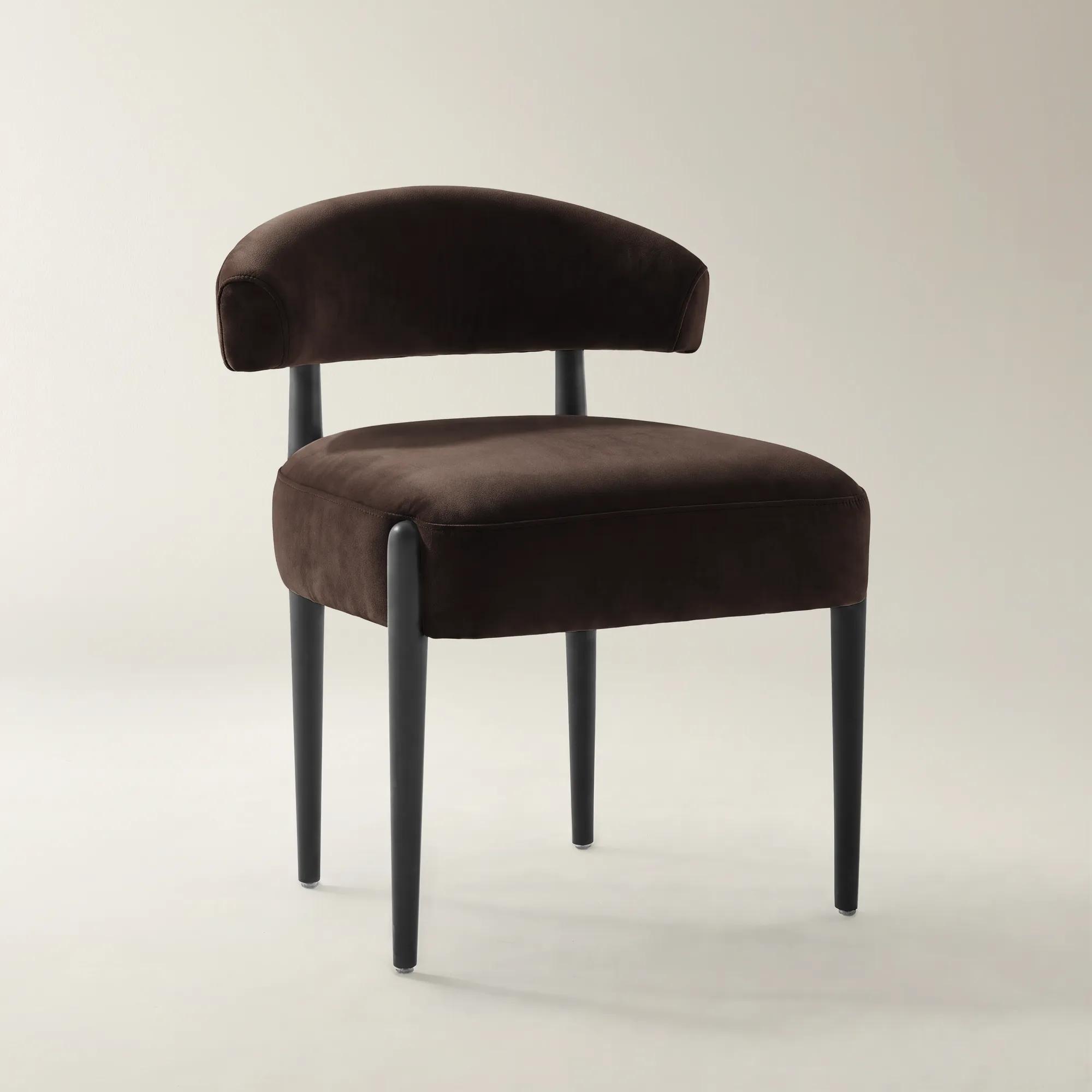
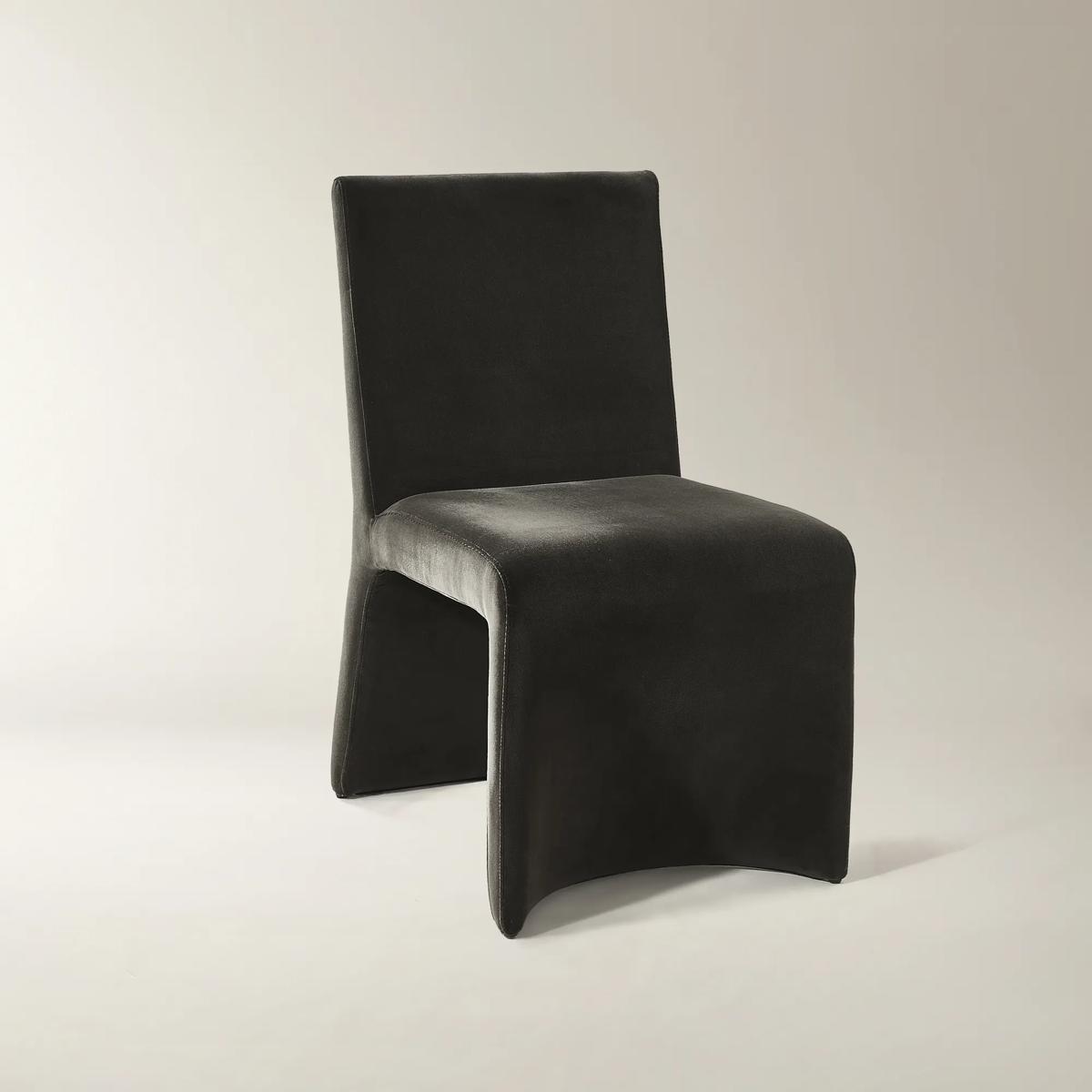
 Anna Dark Chocolate Velvet Dining Chair Set of 2$699
A dark chocolate velvet dining chair set featuring an arched back, high-density foam, and solid wood construction.
Add To Cart -
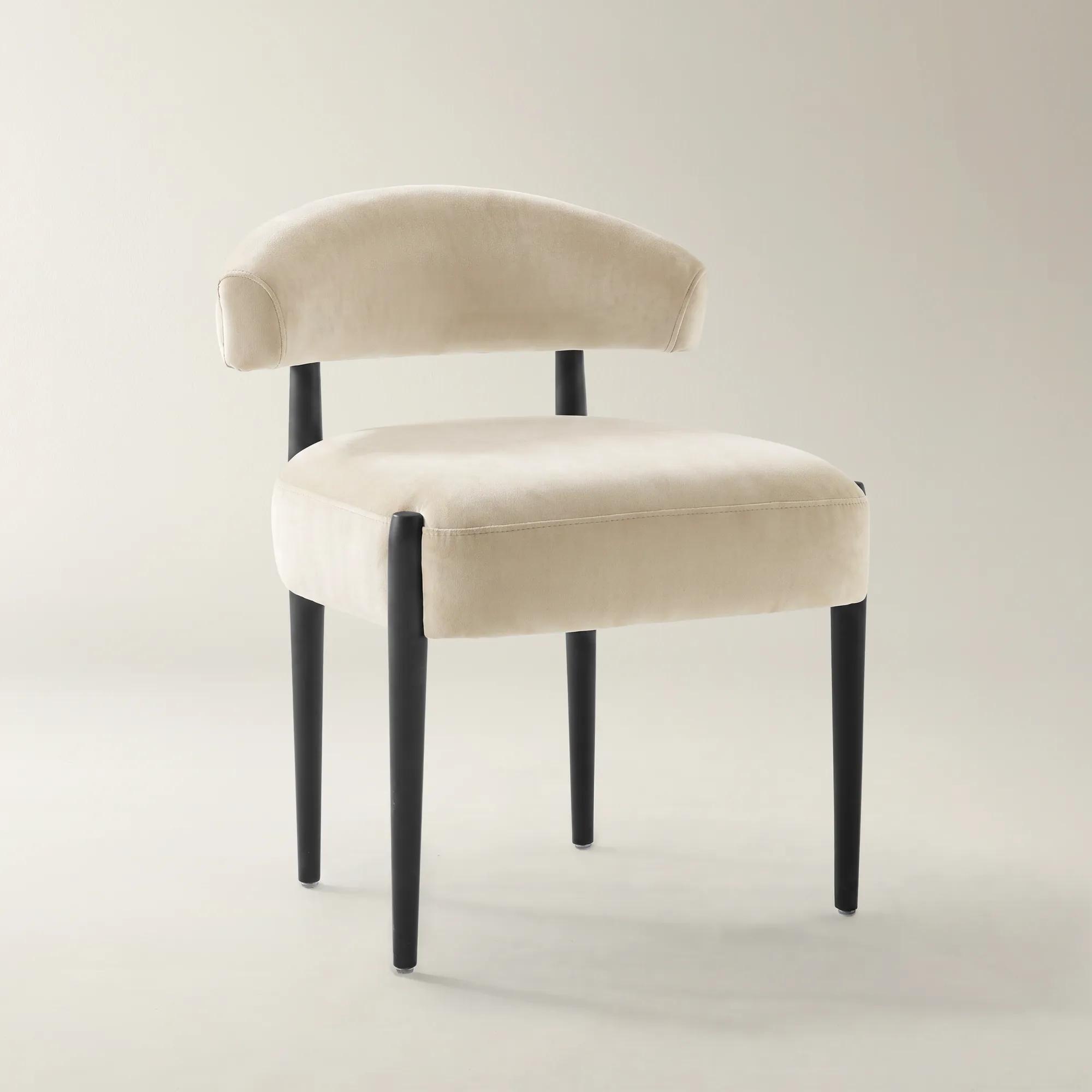
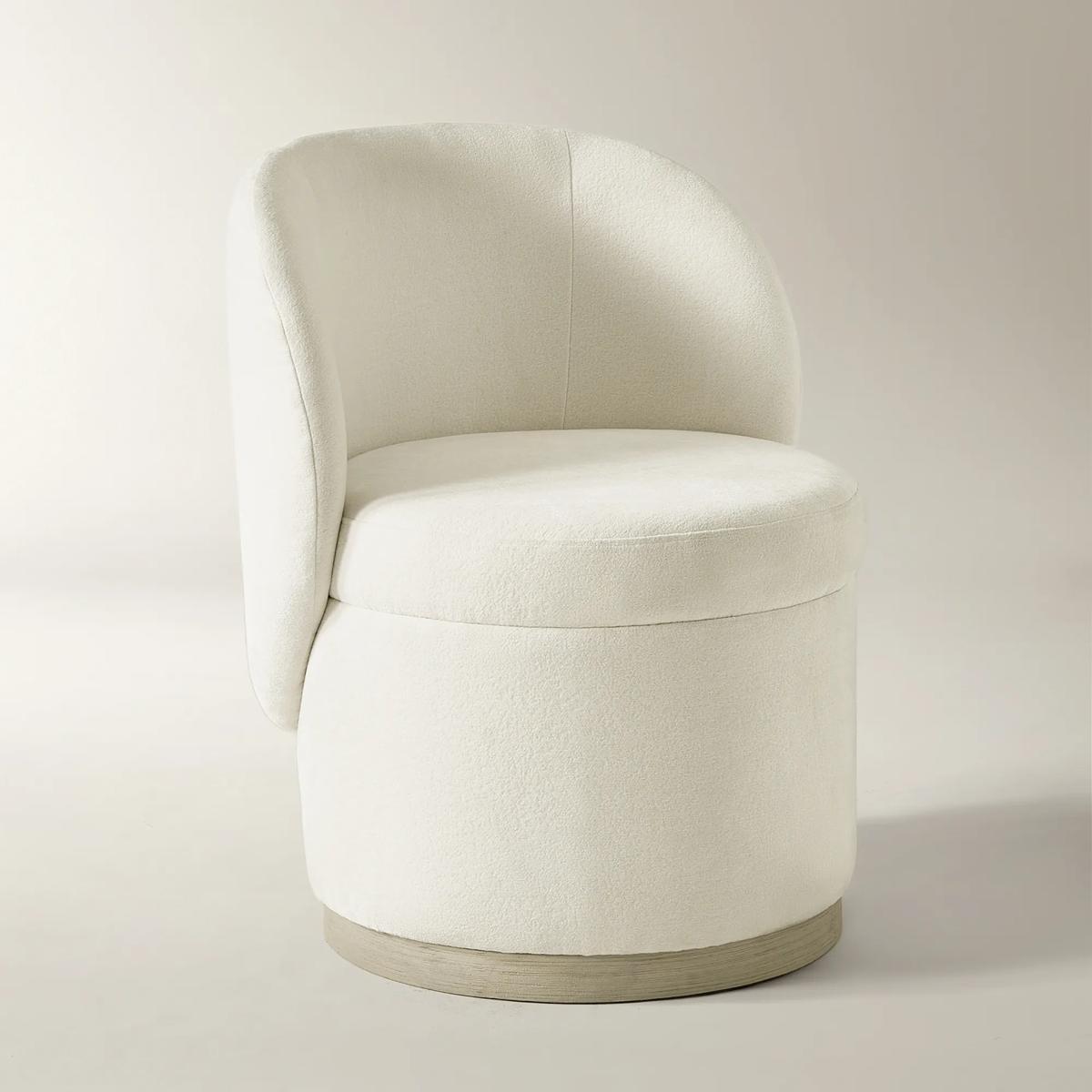 Stria Ivory Chenille Dining Chair With Oak Base$599
An ivory chenille chair featuring a plush, velvet-like finish and a handcrafted solid oak base.
Add To Cart -
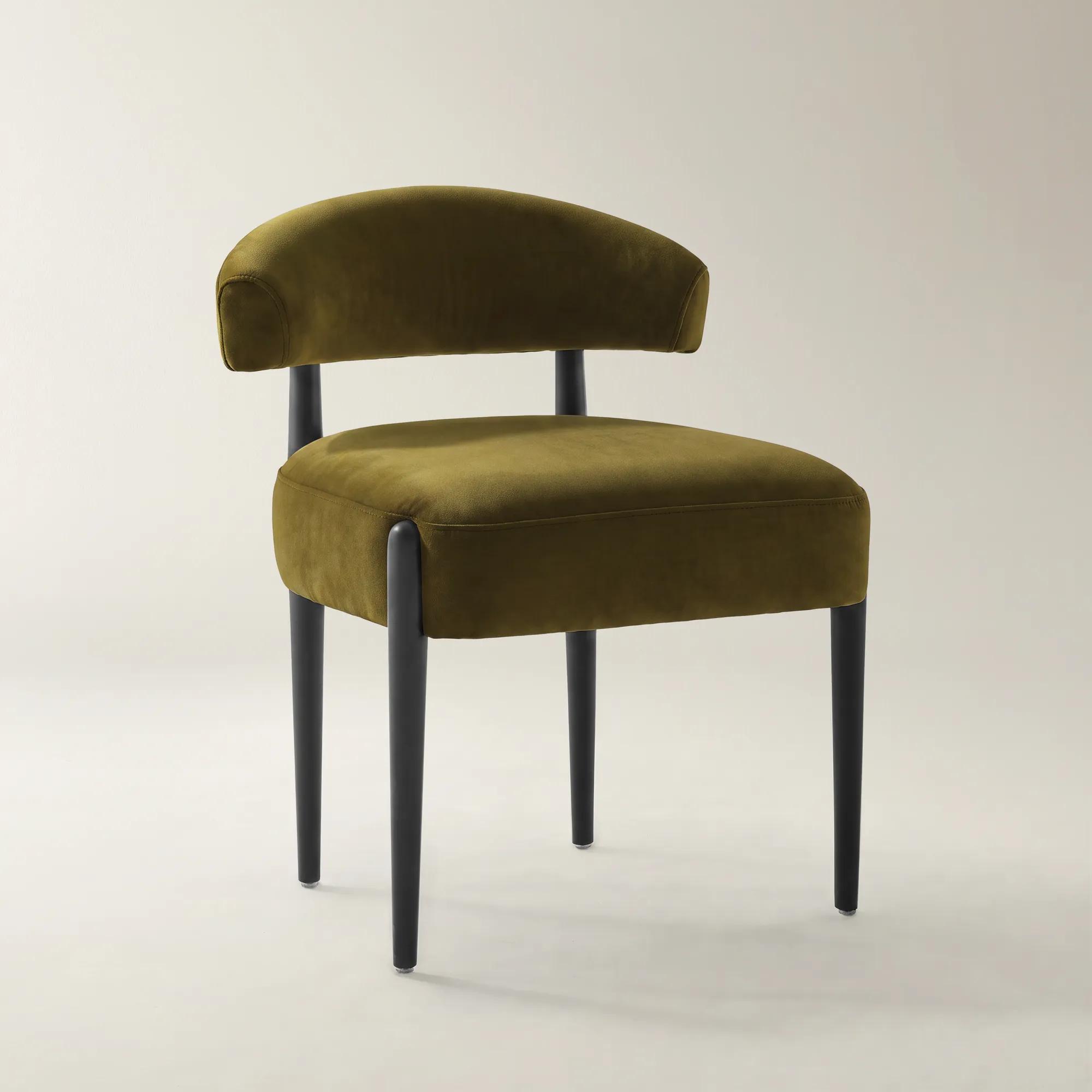 Anna Deep Olive Velvet Dining Chair Set of 2$699
A deep olive velvet dining chair with a tailored curved back, high-density cushioning, and solid rubberwood legs.
Add To Cart -
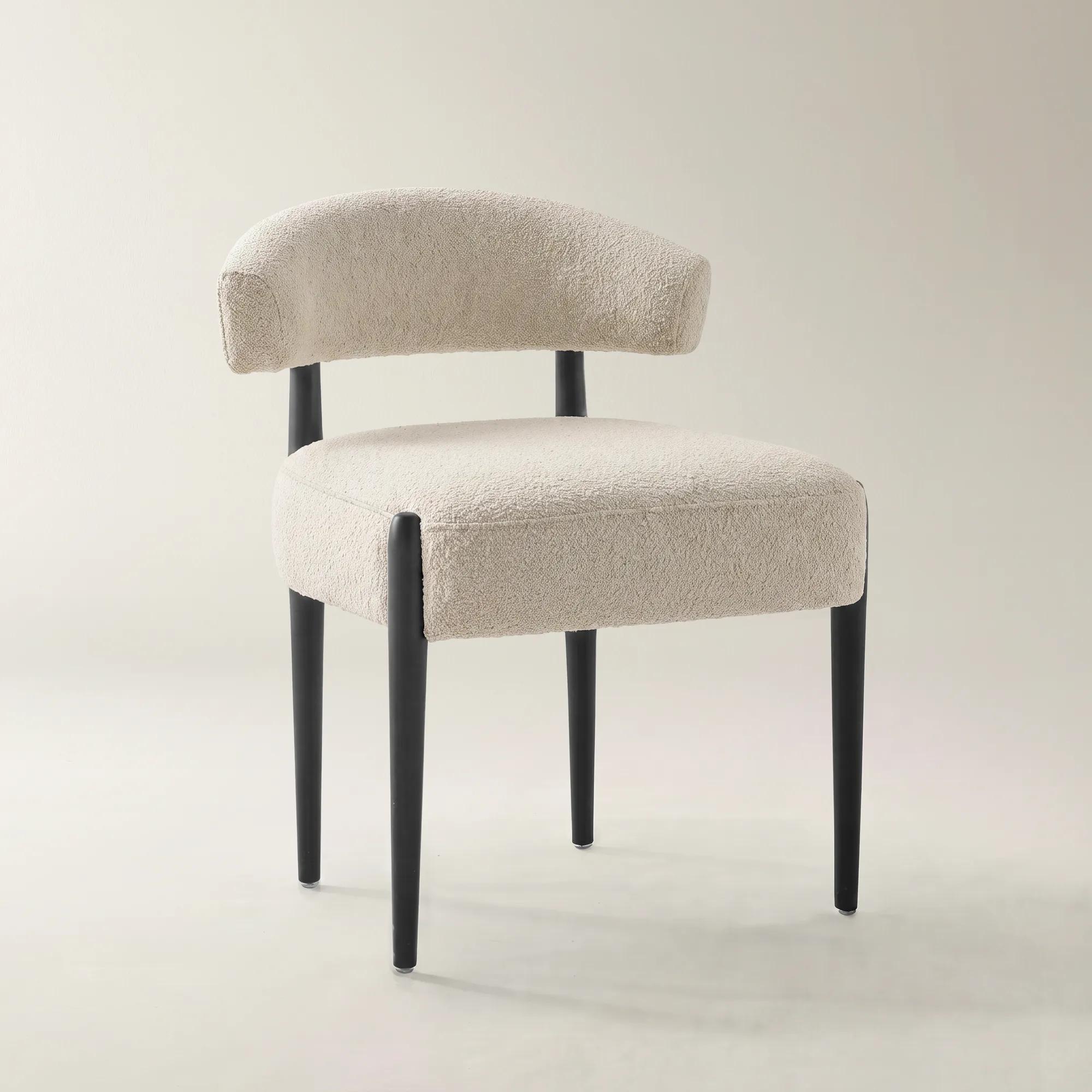 Anna Utopia Sand Chenille Dining Chair Set of 2$699
A sand chenille dining chair set featuring tailored armless curves, high-density cushioning, and solid rubberwood legs.
Add To Cart -
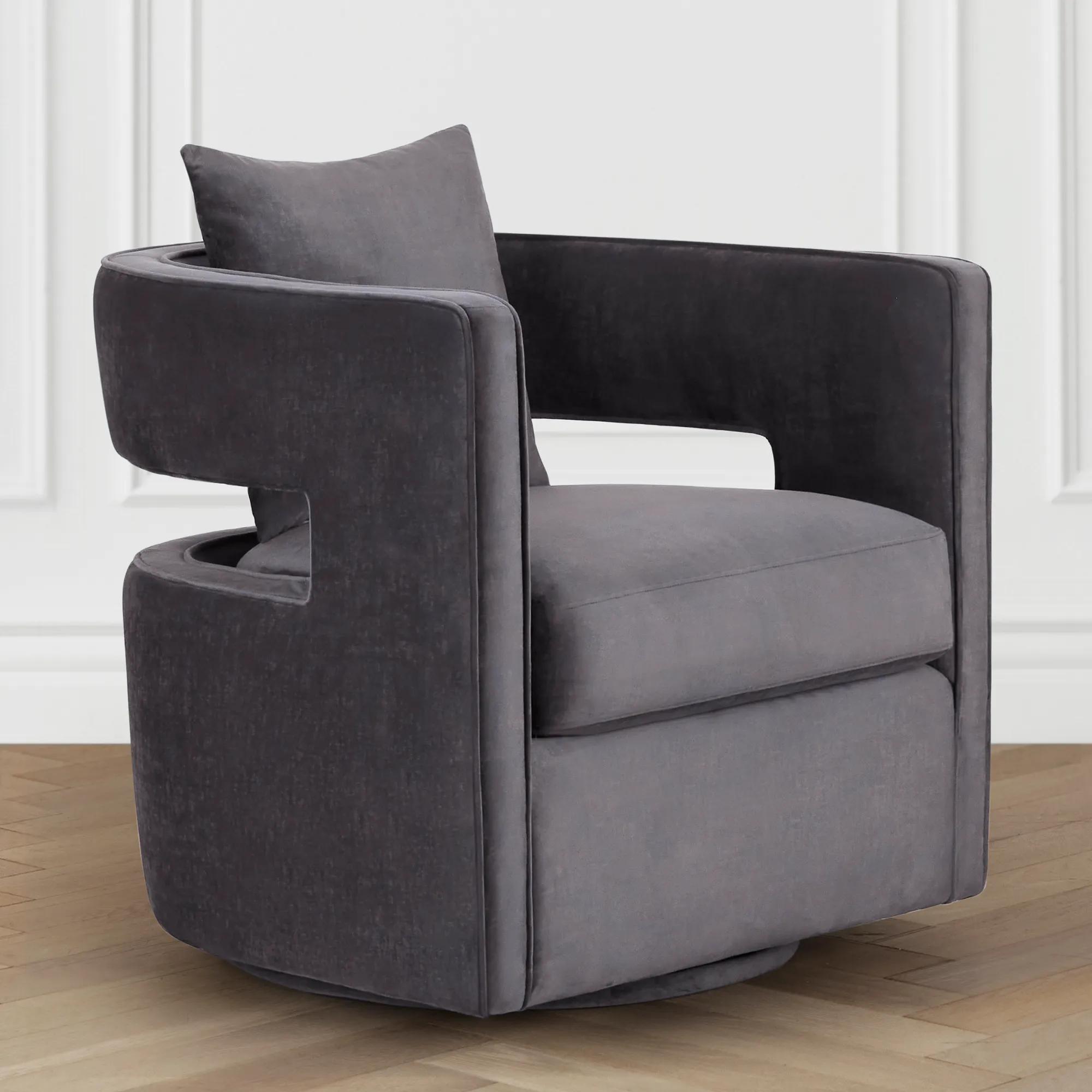 Lottie Grey Velvet Swivel Accent Chair$999
A glamorous grey velvet swivel chair featuring a barrel back, cutout arms, and plush foam cushioning.
Add To Cart -
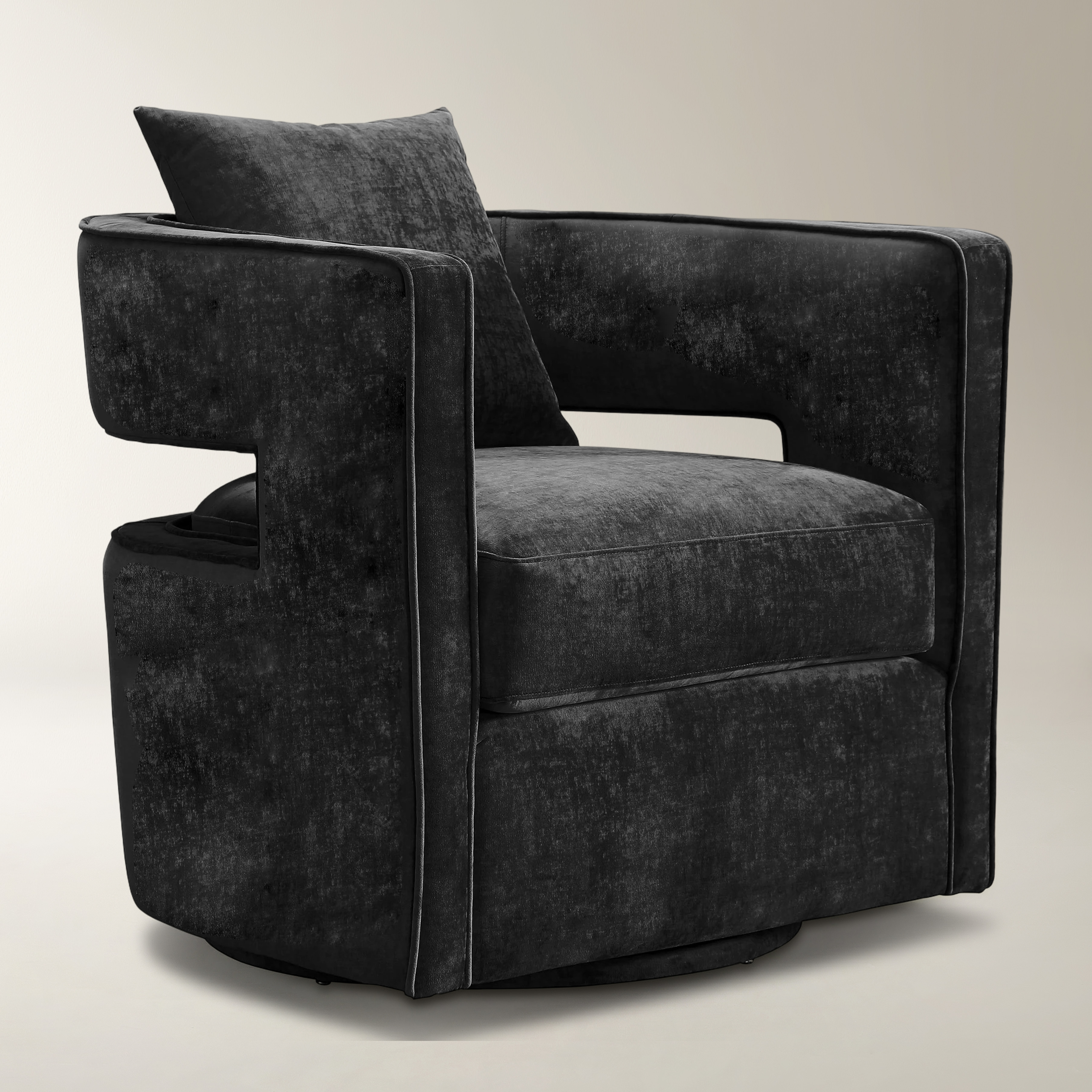 Lottie Black Velvet Swivel Accent Chair$999
A black velvet swivel accent chair with a sculpted barrel silhouette, open arms, and supportive cushioning.
Add To Cart -
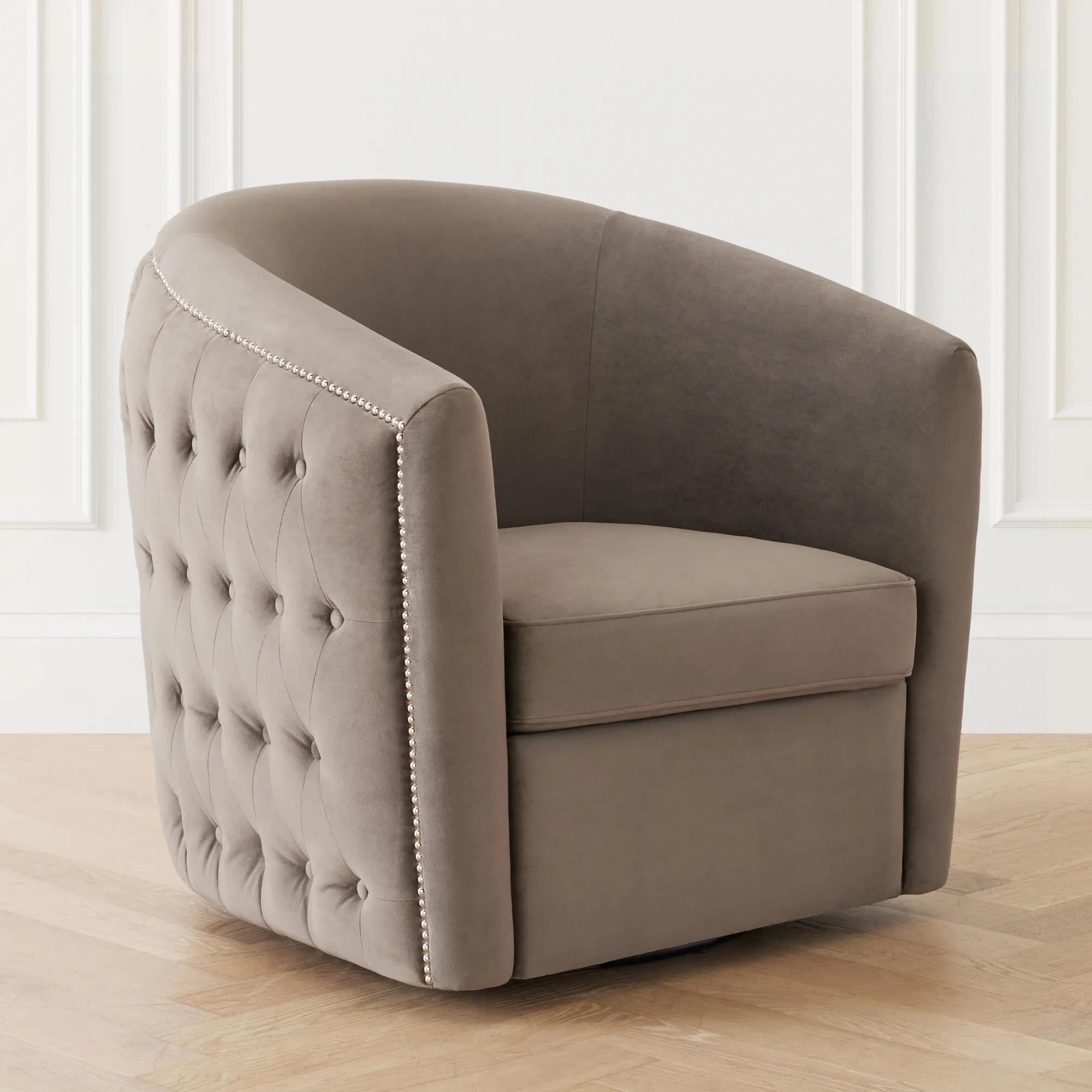
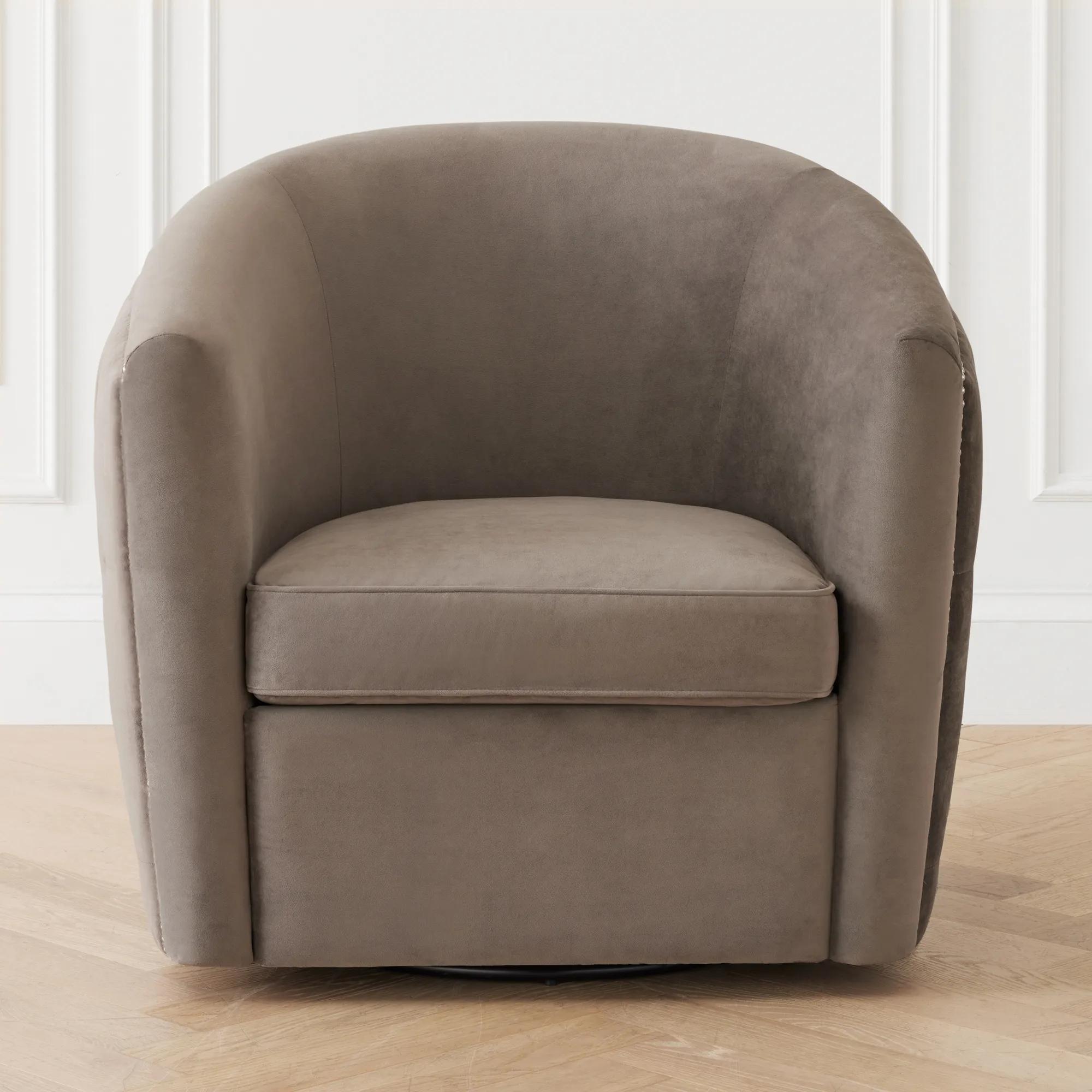 Aria Tufted Swivel Chair$1449
A barrel silhouette chair in Bella Velvet Otter with tufted detailing, kiln-dried hardwood, and swivel base.
Add To Cart -
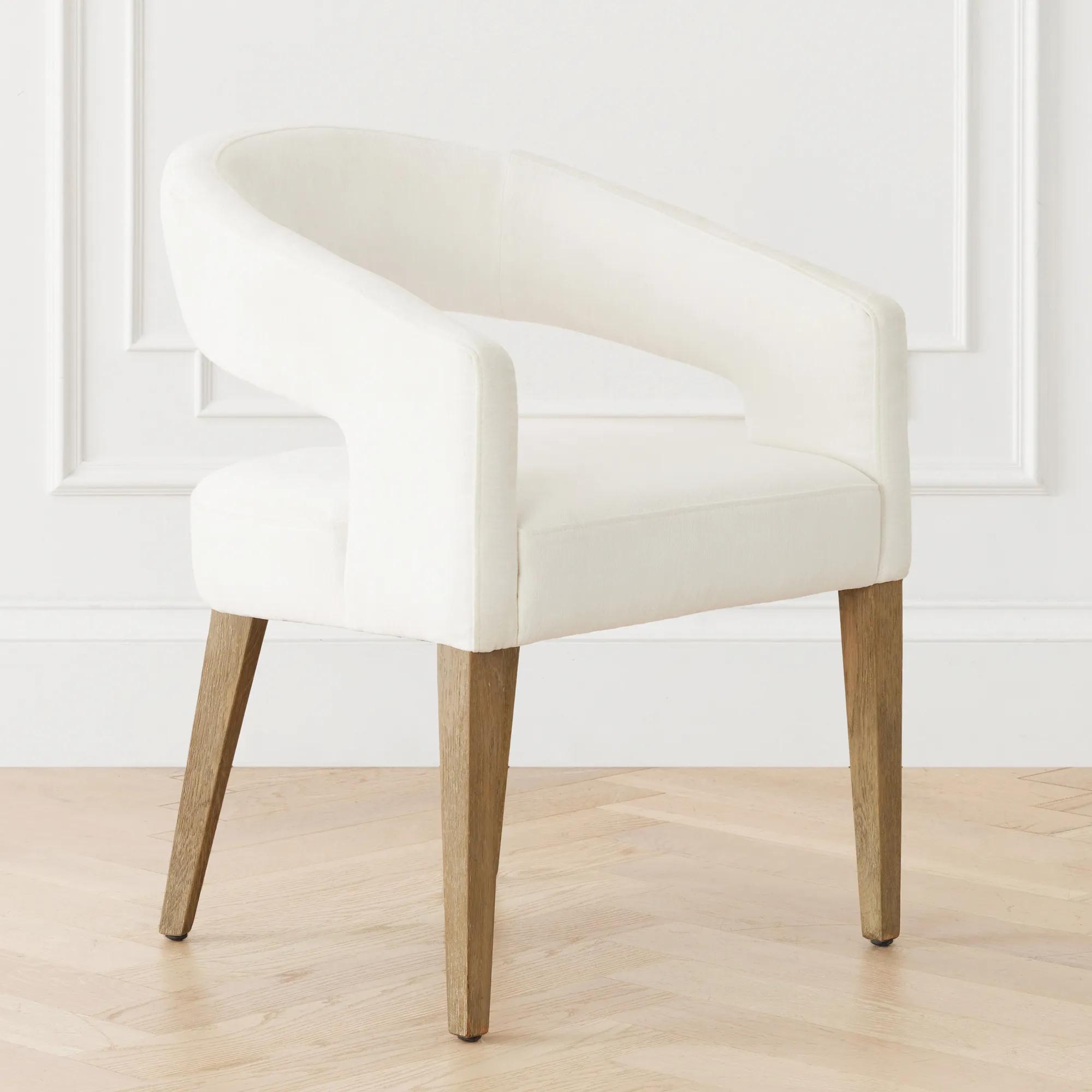 Philippa Dining Chair - Natural Grey$845
A modern dining chair featuring a curved silhouette, grey upholstery, and a kiln-dried hardwood frame.
Add To Cart -
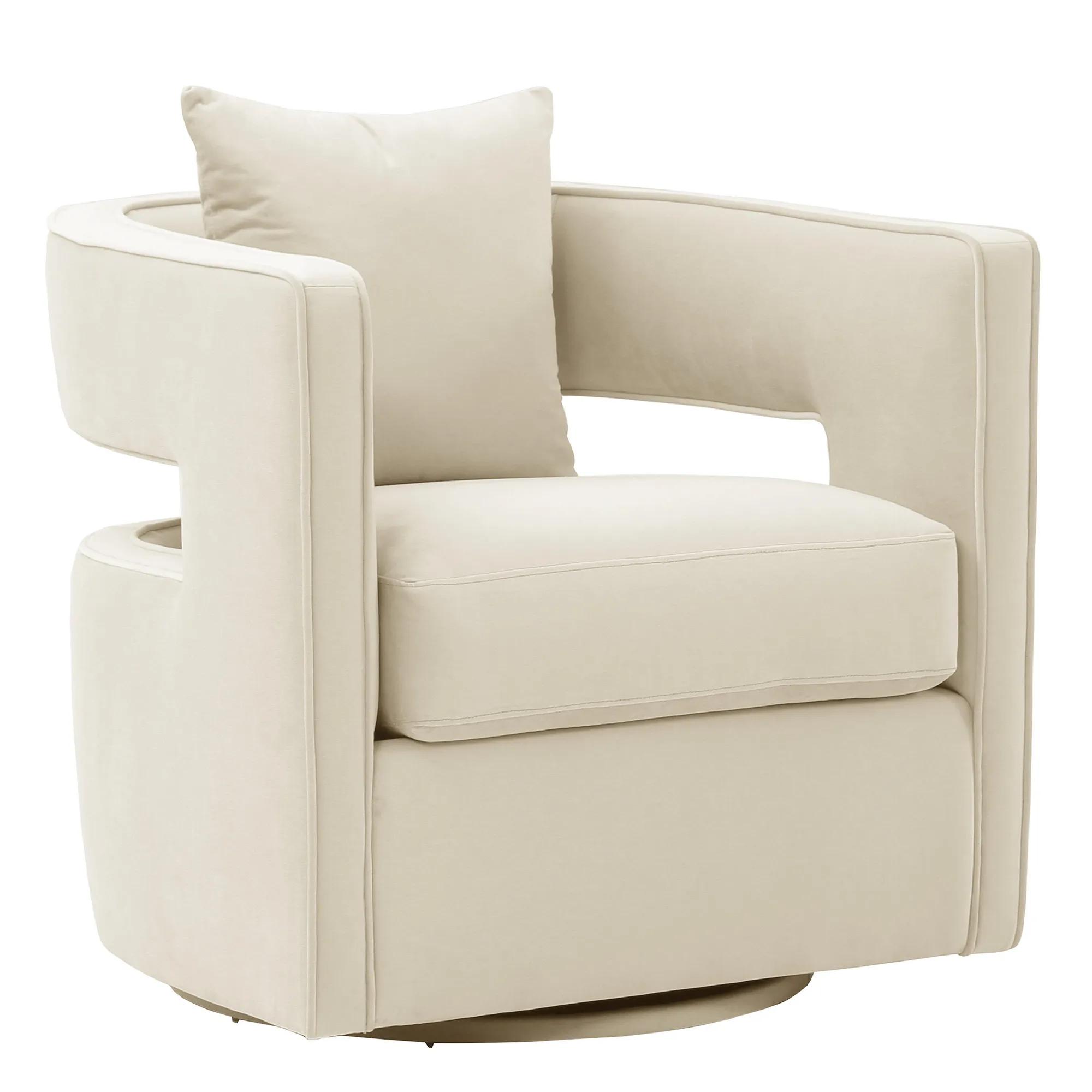
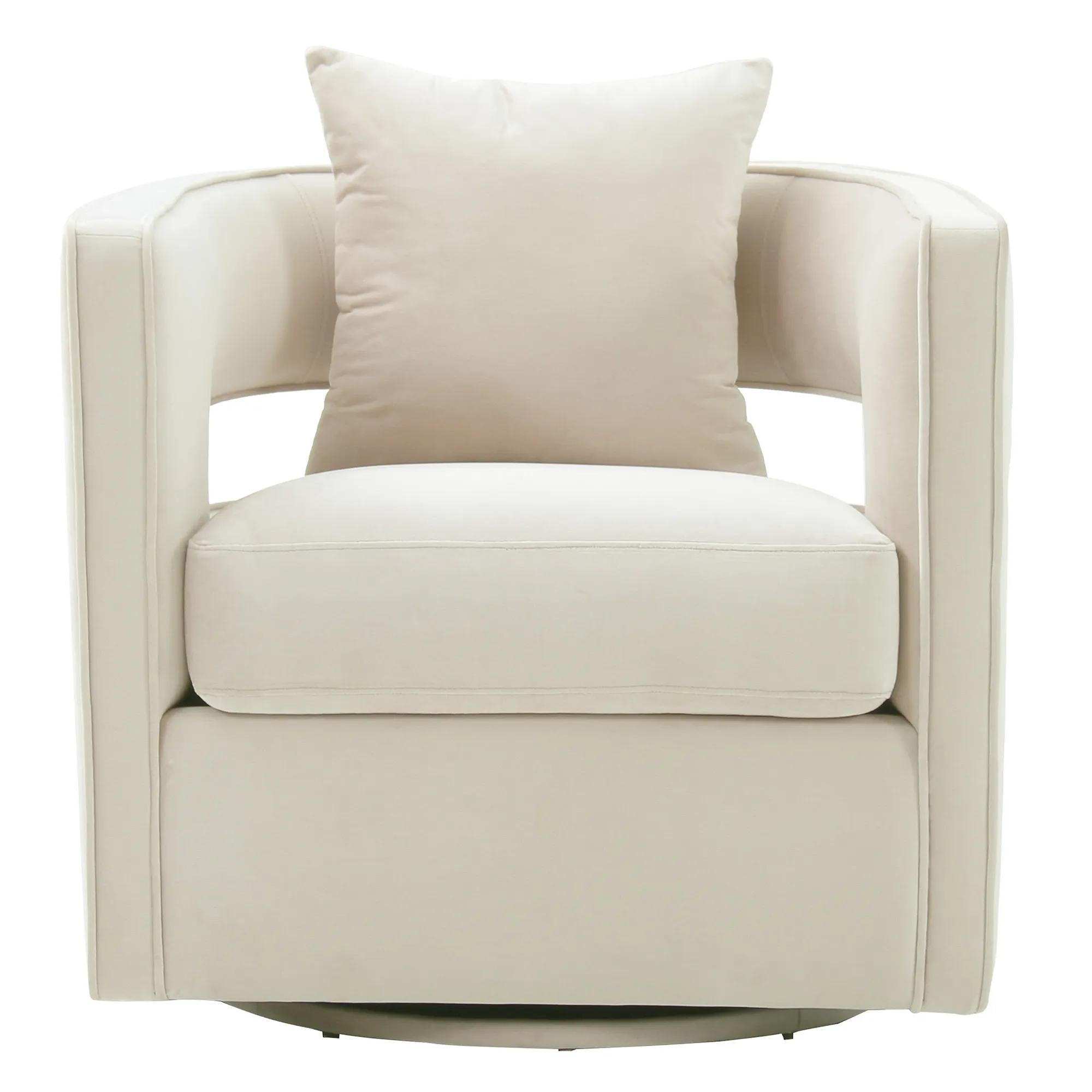 Lottie Cream Velvet Swivel Accent Chair$999
A glamorous cream velvet swivel chair featuring a barrel back, cutout arms, and plush foam cushioning.
Add To Cart -
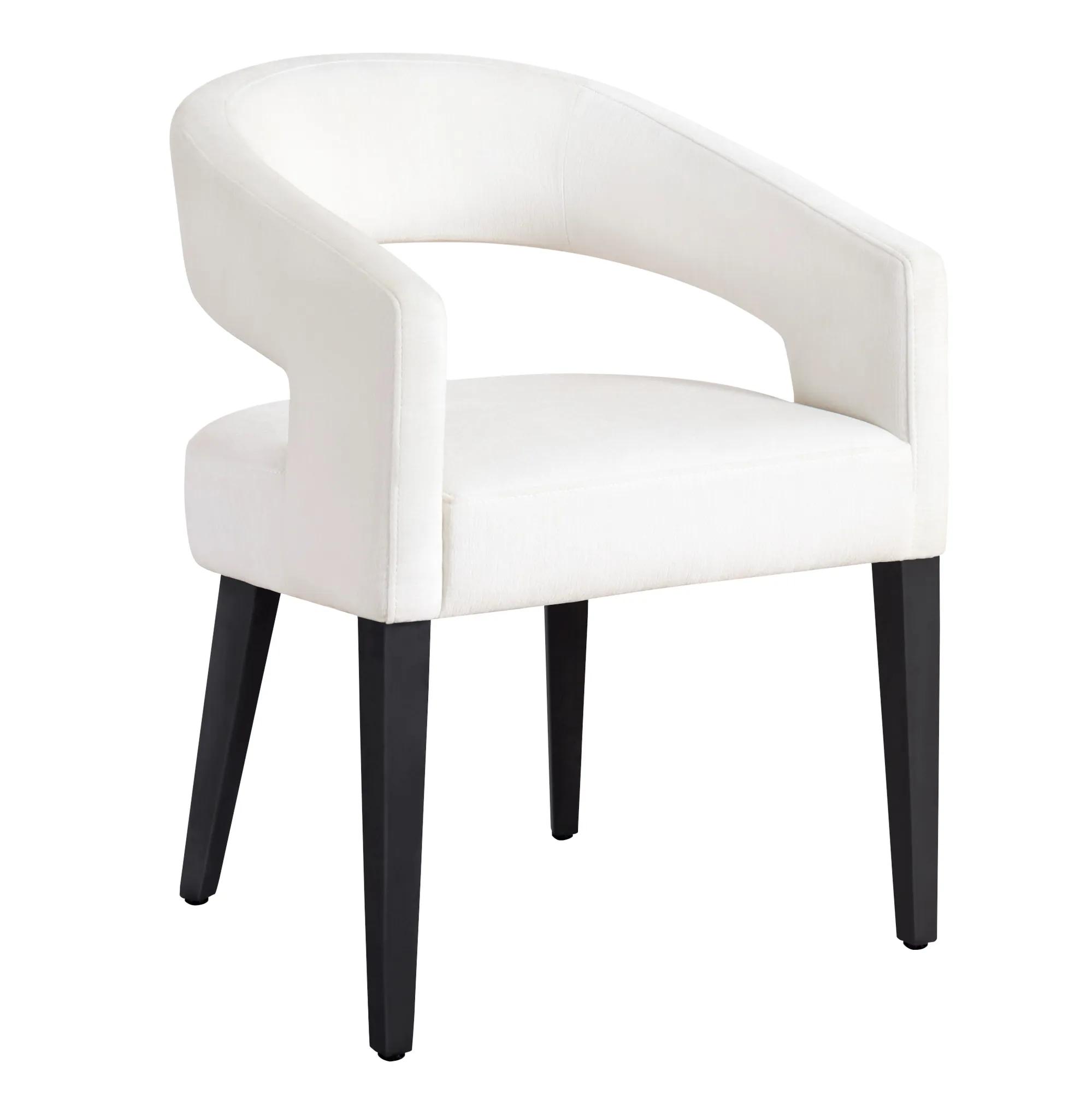
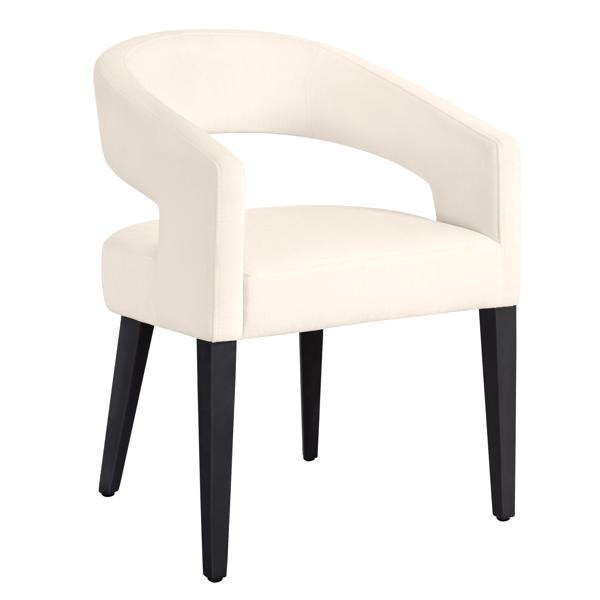 Philippa Dining Chair - Matte Black$599
A modern dining chair featuring a curved silhouette, matte black legs, and neatly tailored upholstery.
Add To Cart -
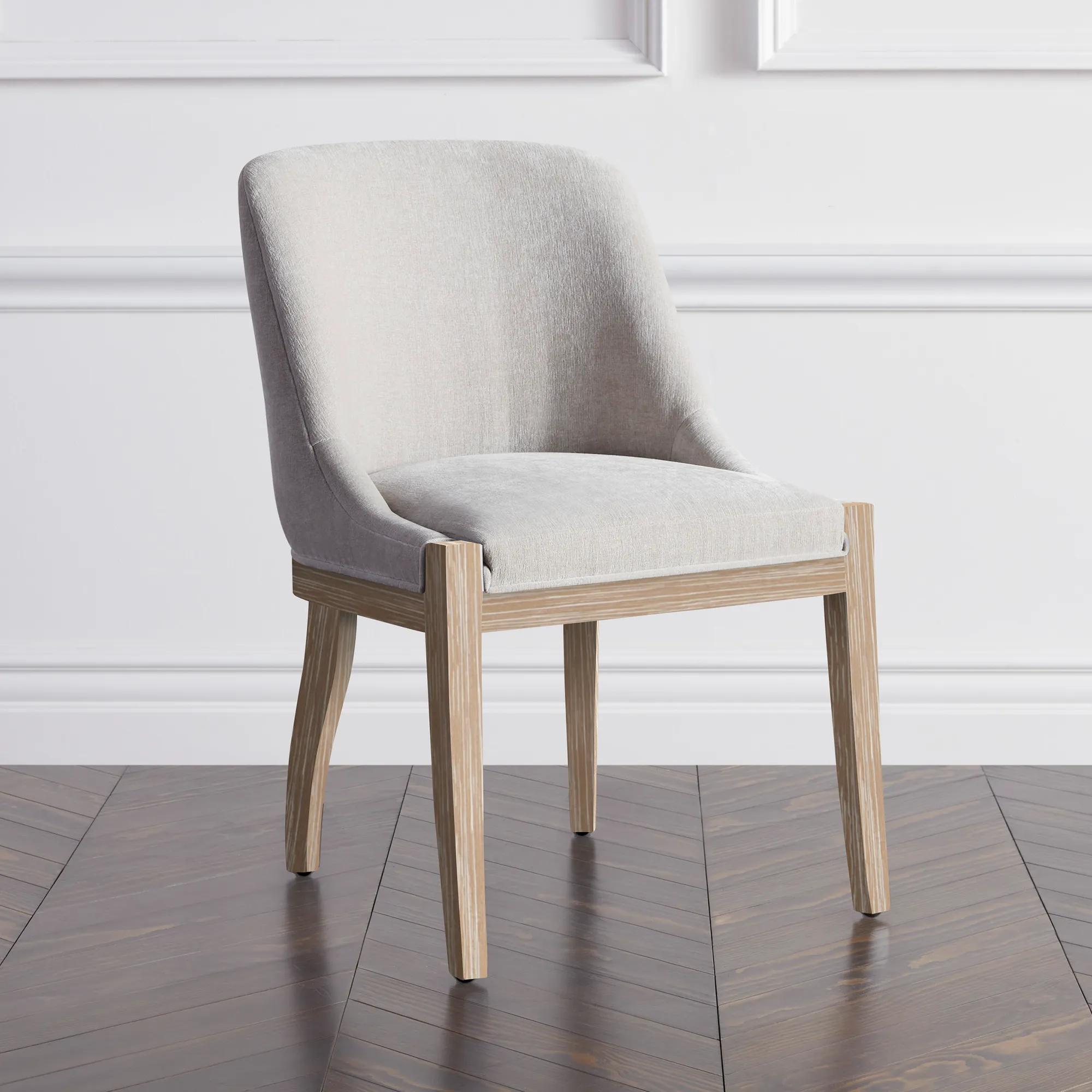
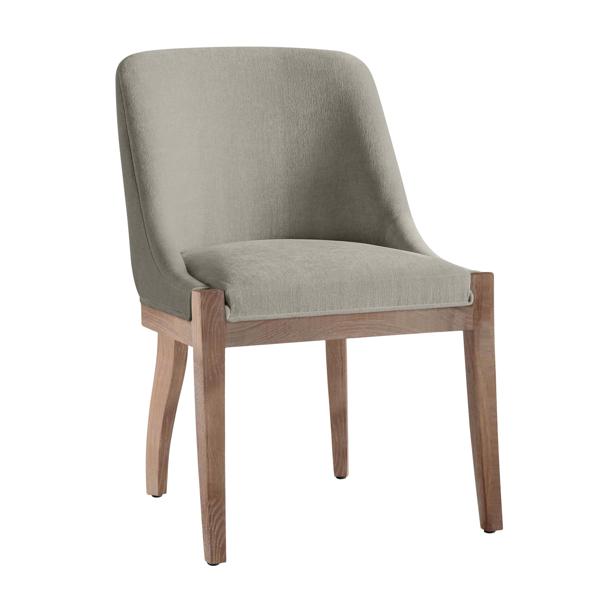 Lily Dining Chair - Wash Oak$699
A modern dining chair featuring a kiln-dried hardwood frame, wash oak legs, and tailored chenille upholstery.
Add To Cart -

 Aria Pleated Swivel Chair$1799
A modern barrel chair in kiln-dried hardwood and pleated velvet, featuring a smooth swivel mechanism.
Add To Cart -
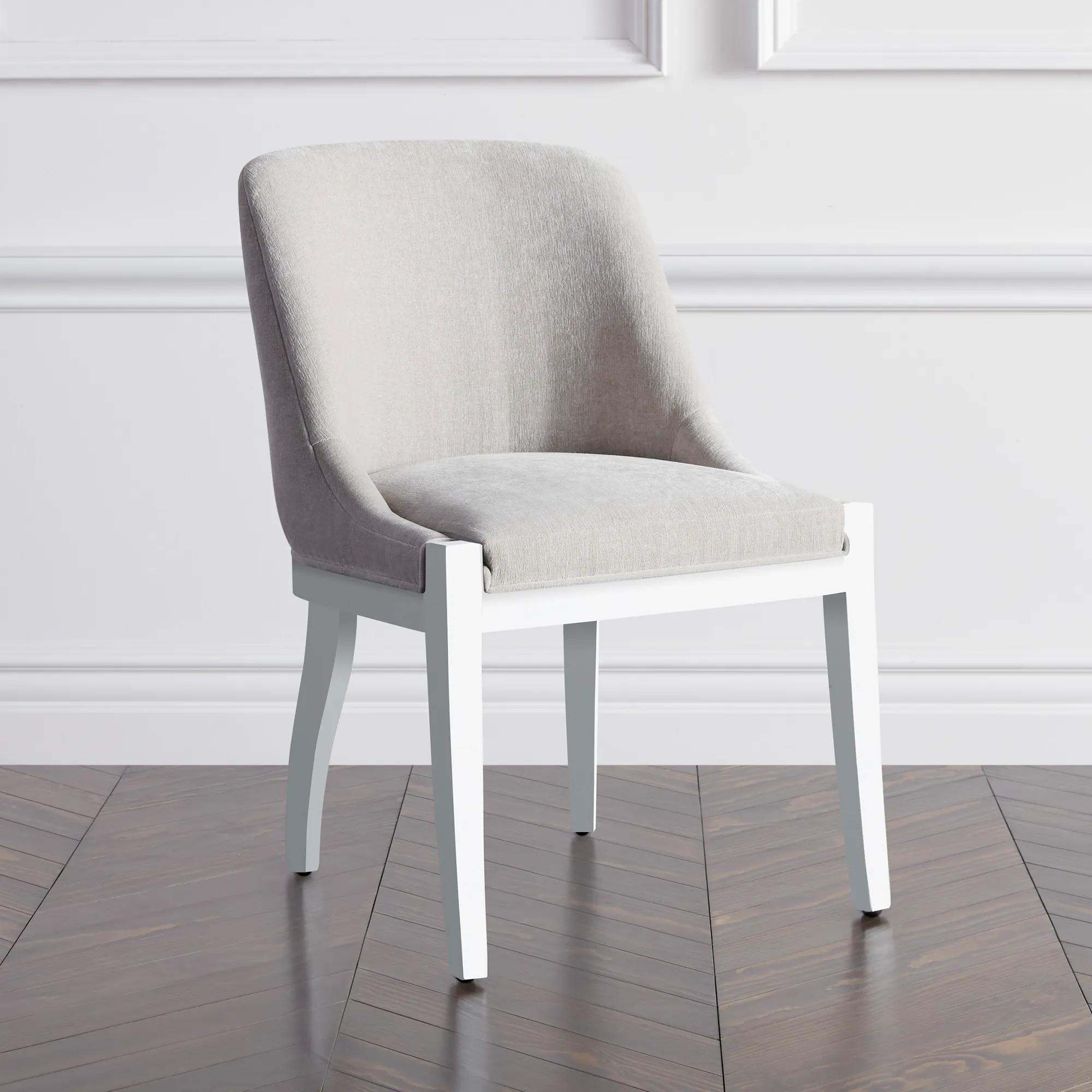
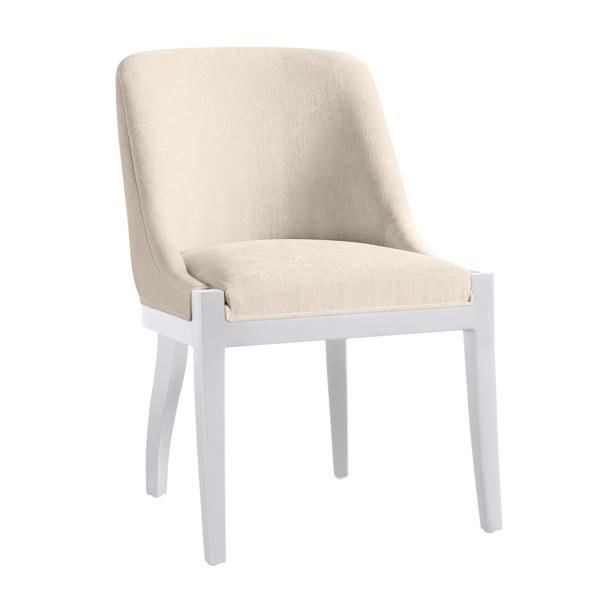 Lily Dining Chair - High Gloss White$649
A modern white dining chair featuring kiln-dried hardwood, high-gloss legs, and plush tailored upholstery.
Add To Cart -
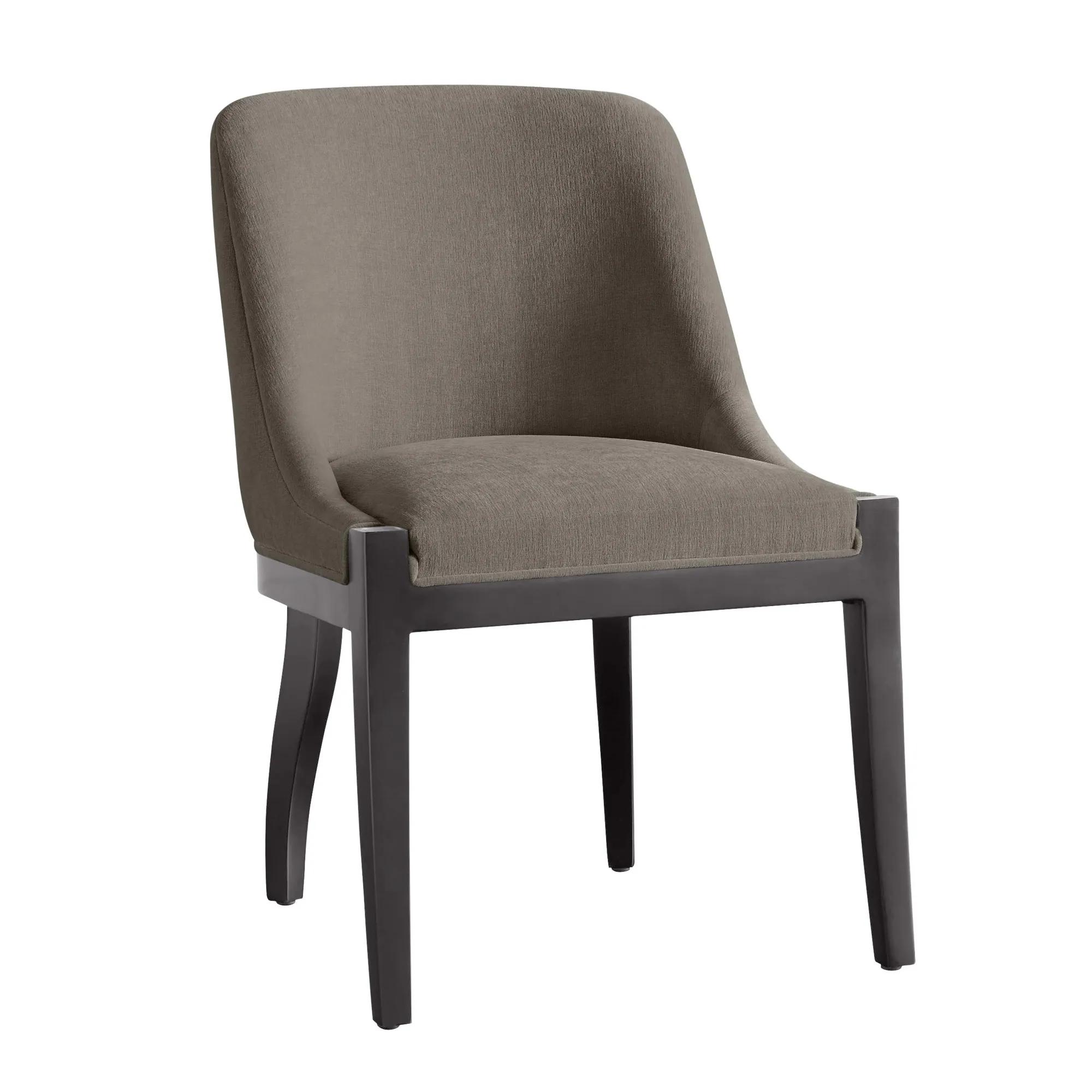
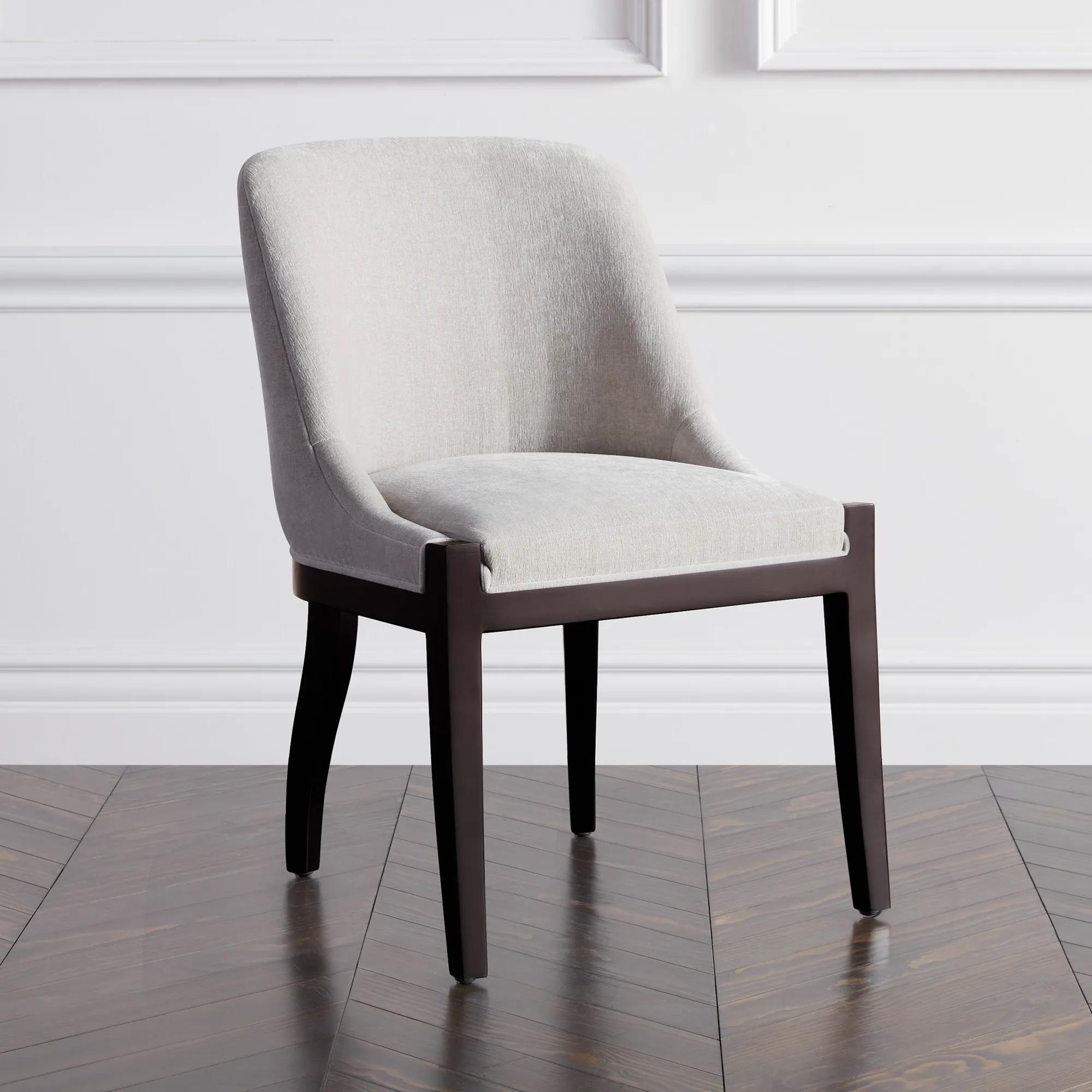 Lily Dining Chair - Espresso$649
A modern dining chair featuring espresso-finished hardwood, curvaceous silhouette, and plush tailored upholstery.
Add To Cart -
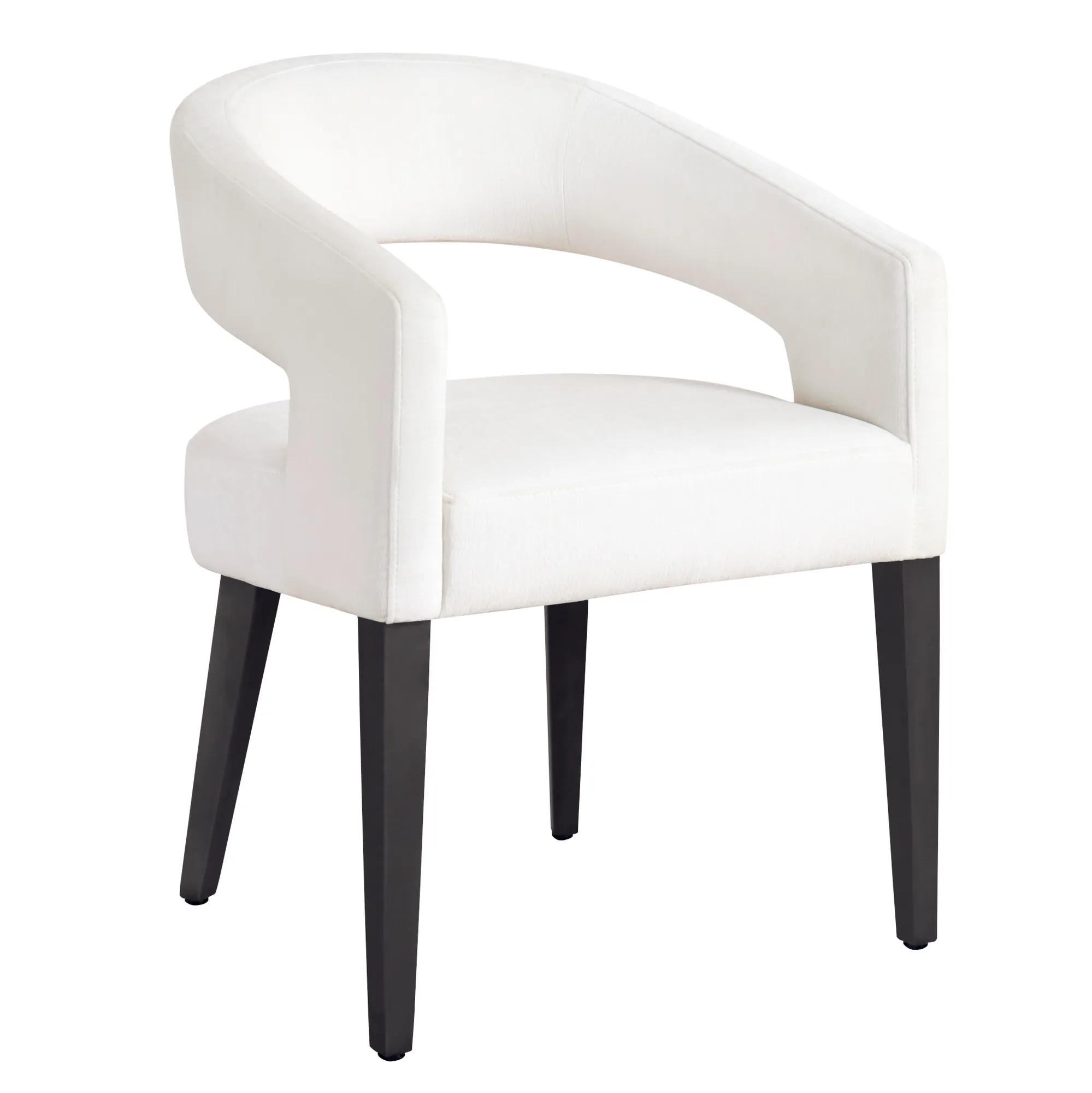
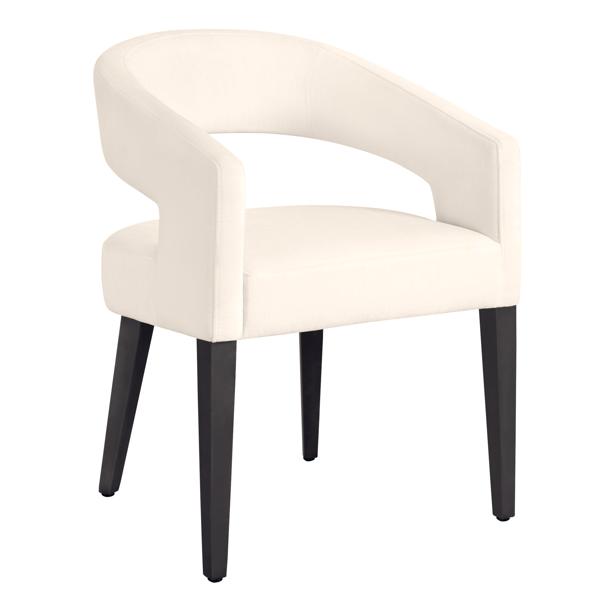 Philippa Dining Chair - Espresso$649
A modern dining chair featuring a curved silhouette, espresso legs, and neatly tailored chenille upholstery.
Add To Cart -
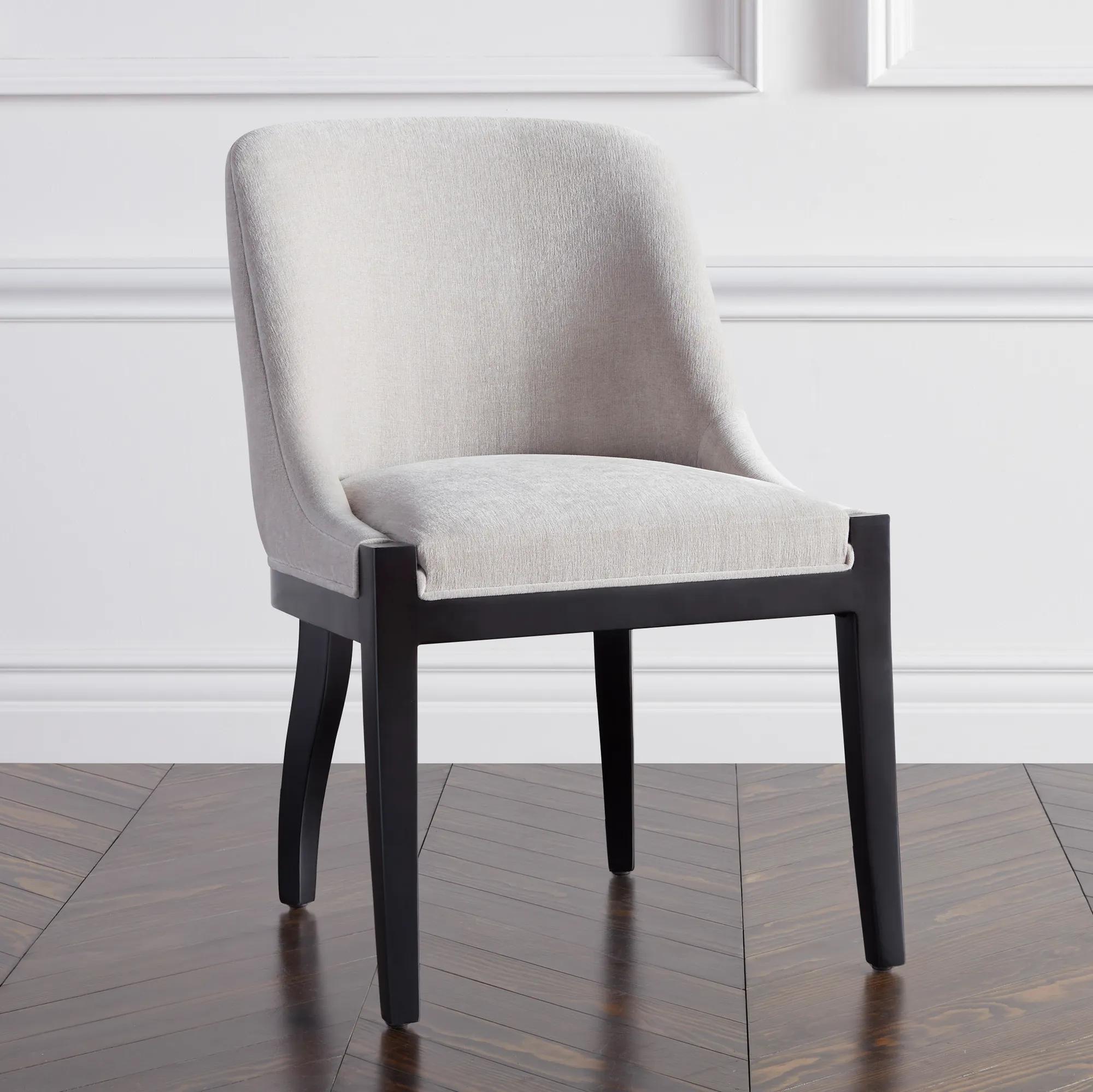 Lily Dining Chair - Matte Black$599
A modern dining chair with a kiln-dried hardwood frame, matte black legs, and plush tailored upholstery.
Add To Cart -
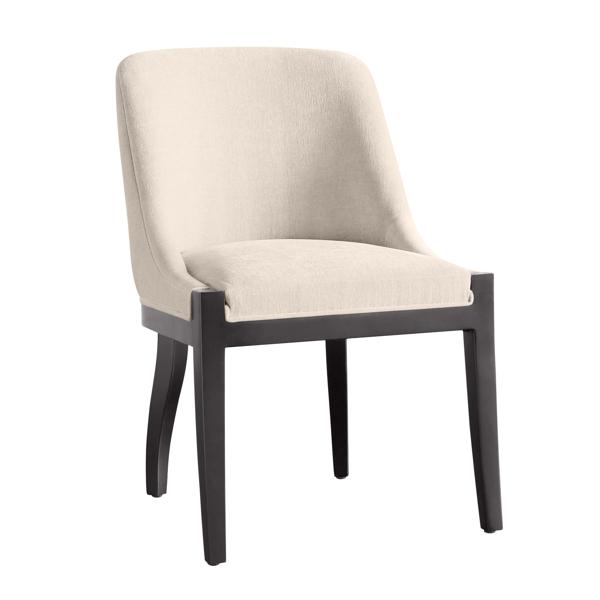 Lily Dining Chair - Espresso$749
A modern dining chair with espresso-finished hardwood frame and plush, tailored upholstery for lasting comfort.
Add To Cart -
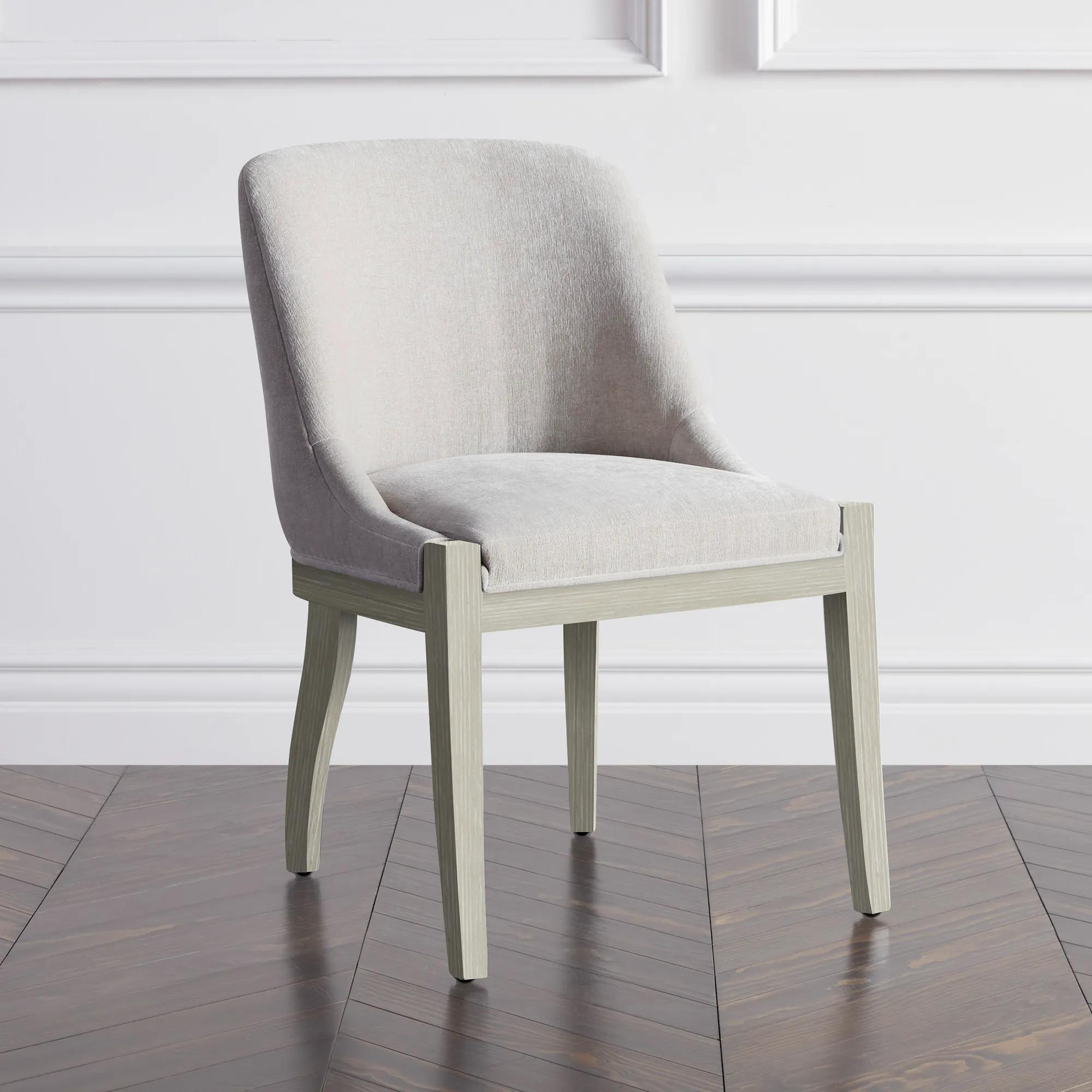 Lily Dining Chair - Natural Grey$649
A modern grey dining chair featuring kiln-dried hardwood, plush foam cushioning, and tailored chenille upholstery.
Add To Cart -
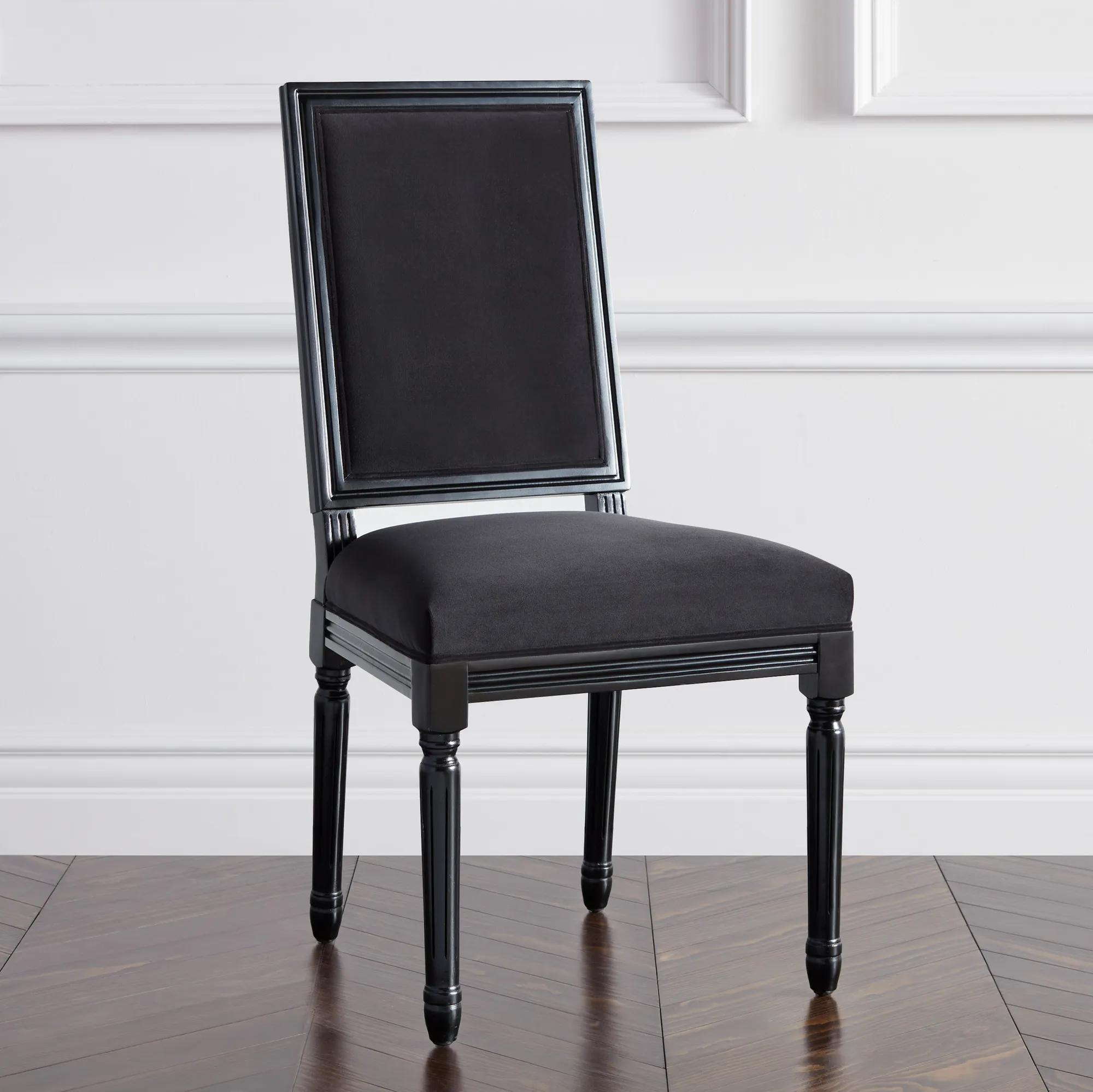
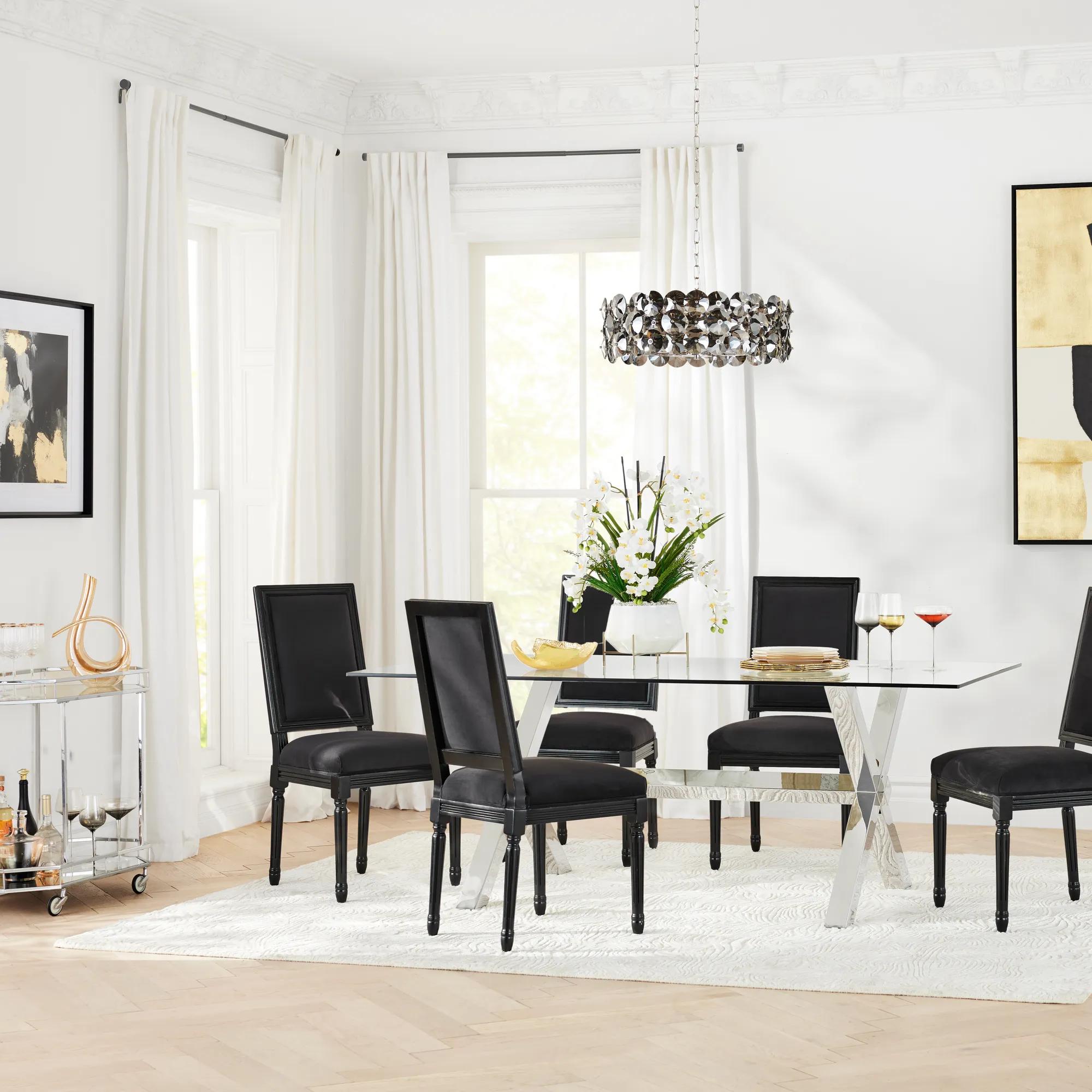 Callan Dining Chair - High Gloss Black$599
A handcrafted dining chair featuring high-gloss black Bella Velvet upholstery, fluted legs, and a squared back.
Add To Cart -
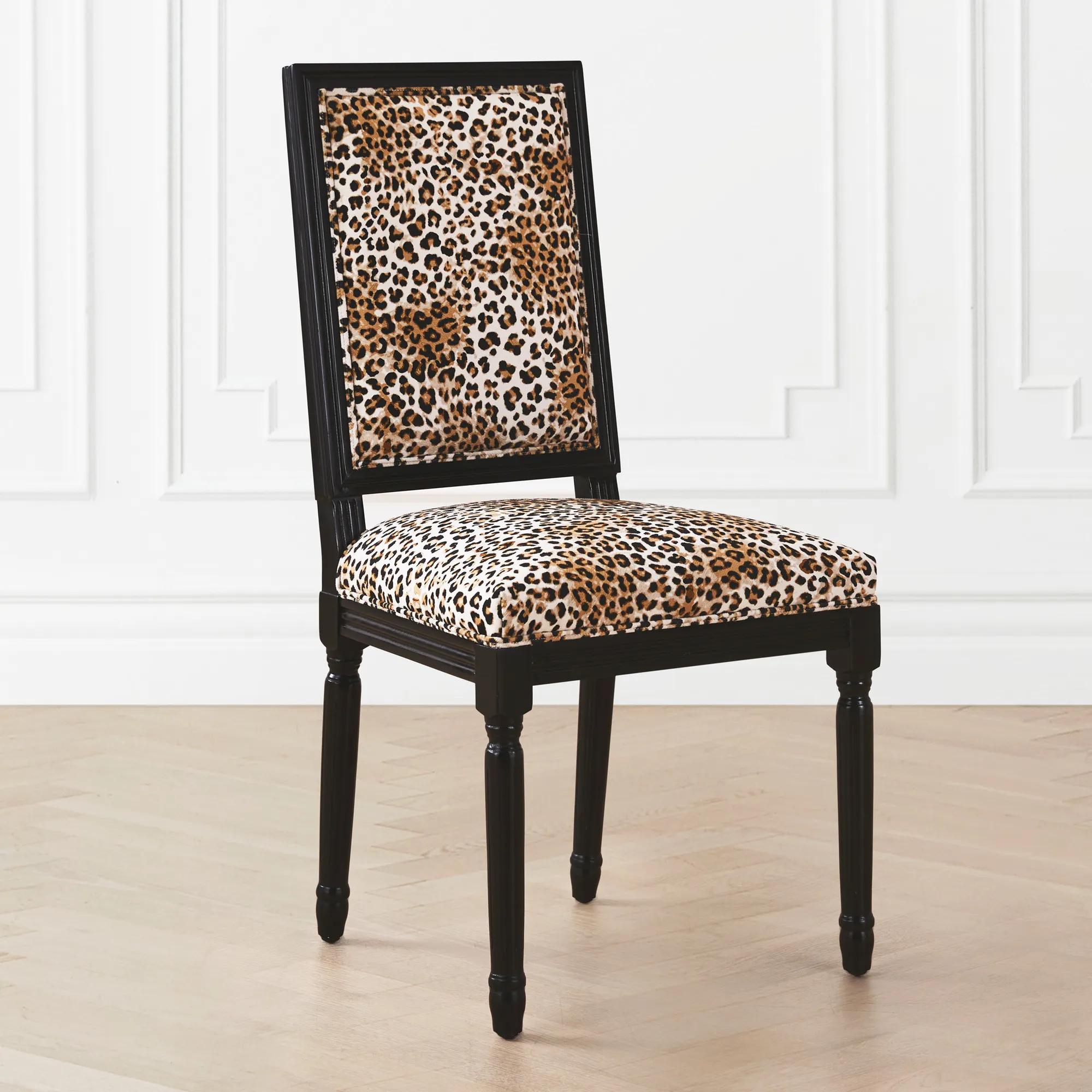
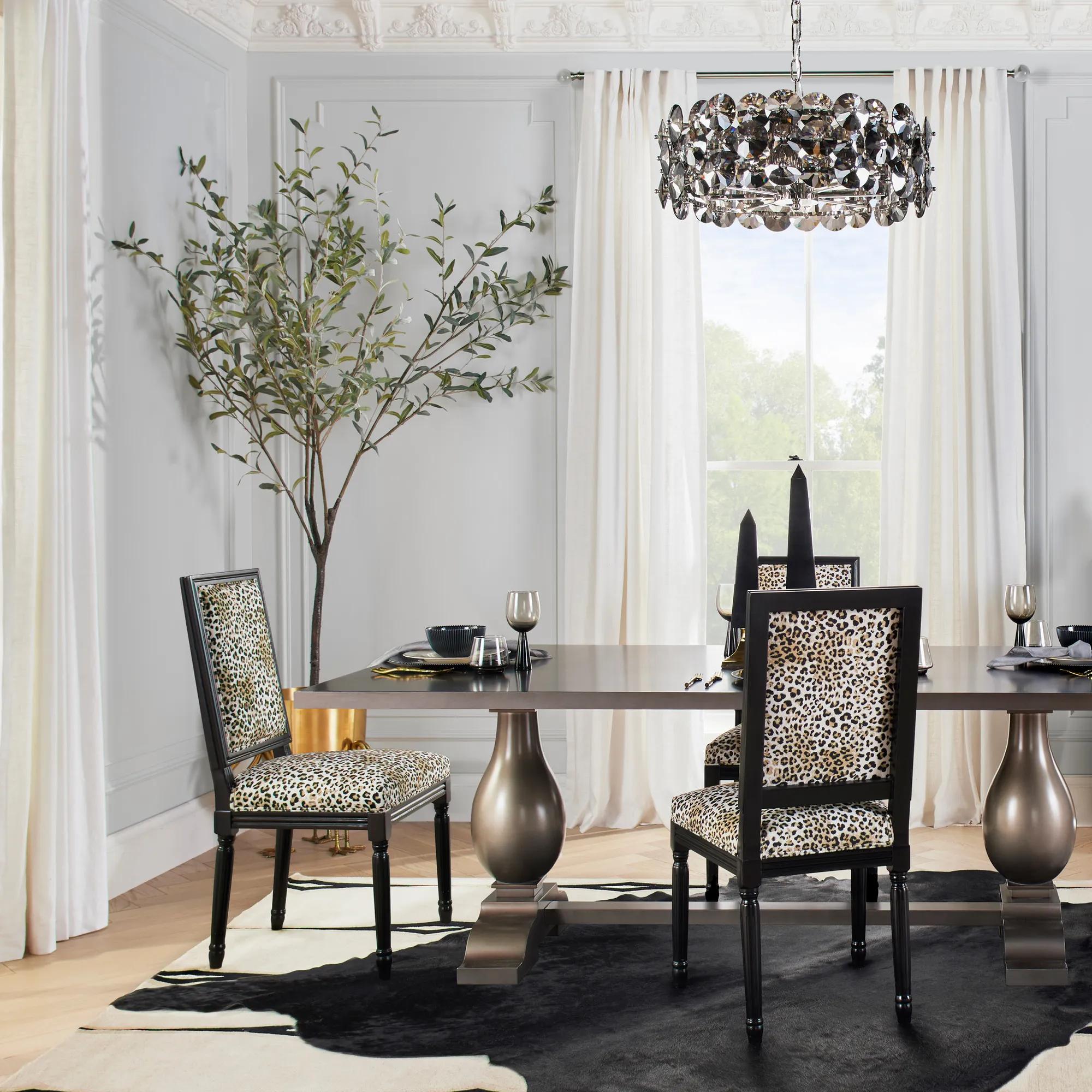 Callan Dining Chair$599
A handcrafted modern chair featuring classic upholstery, squared back, fluted legs, and high-gloss finish.
Add To Cart -
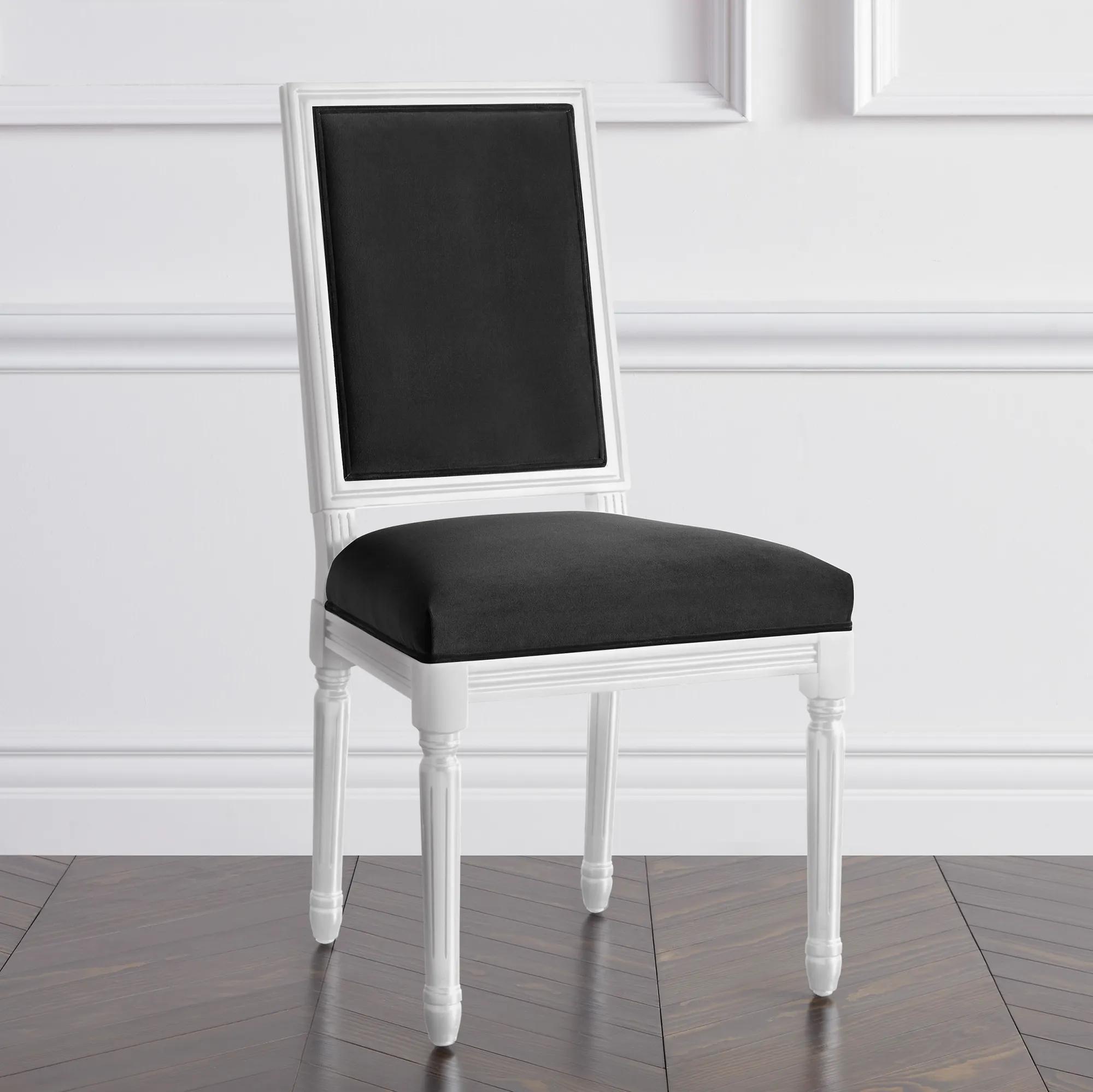
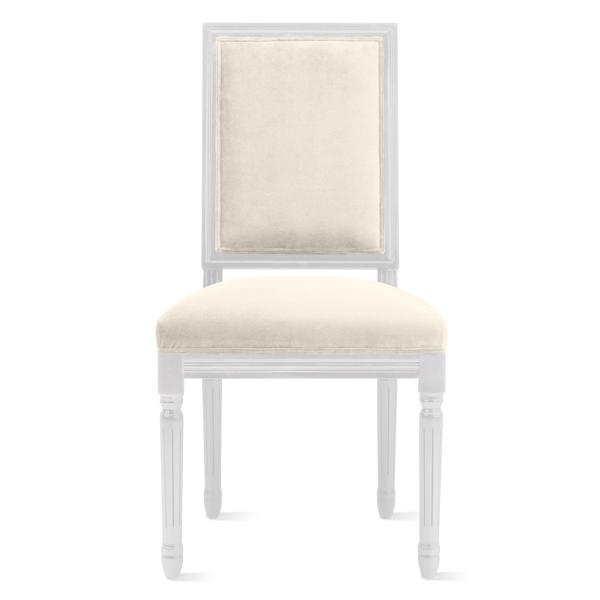 Callan Dining Chair - High Gloss White$599
A handcrafted dining chair featuring high-gloss white finish, kiln-dried hardwood frame, and plush velvet upholstery.
Add To Cart -
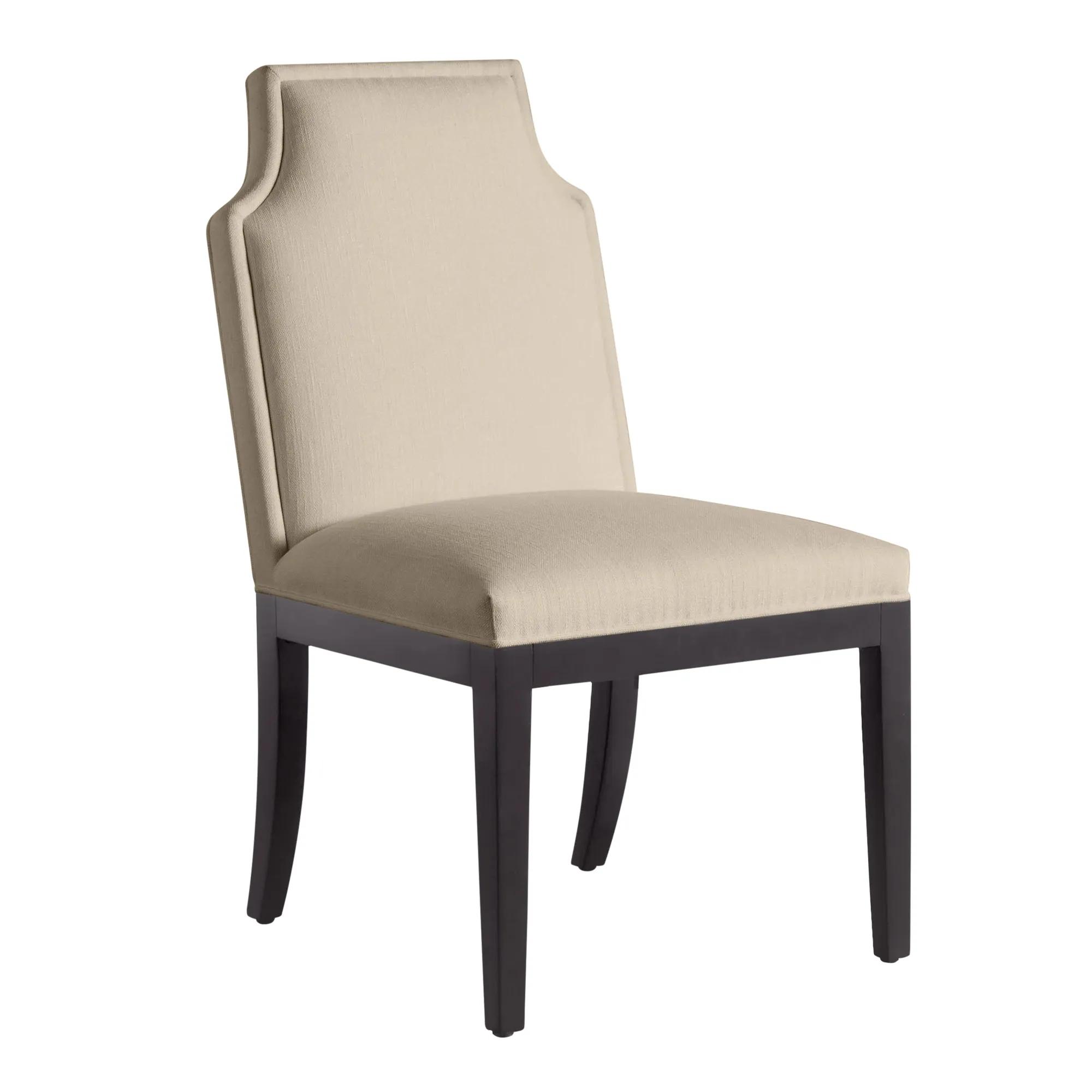
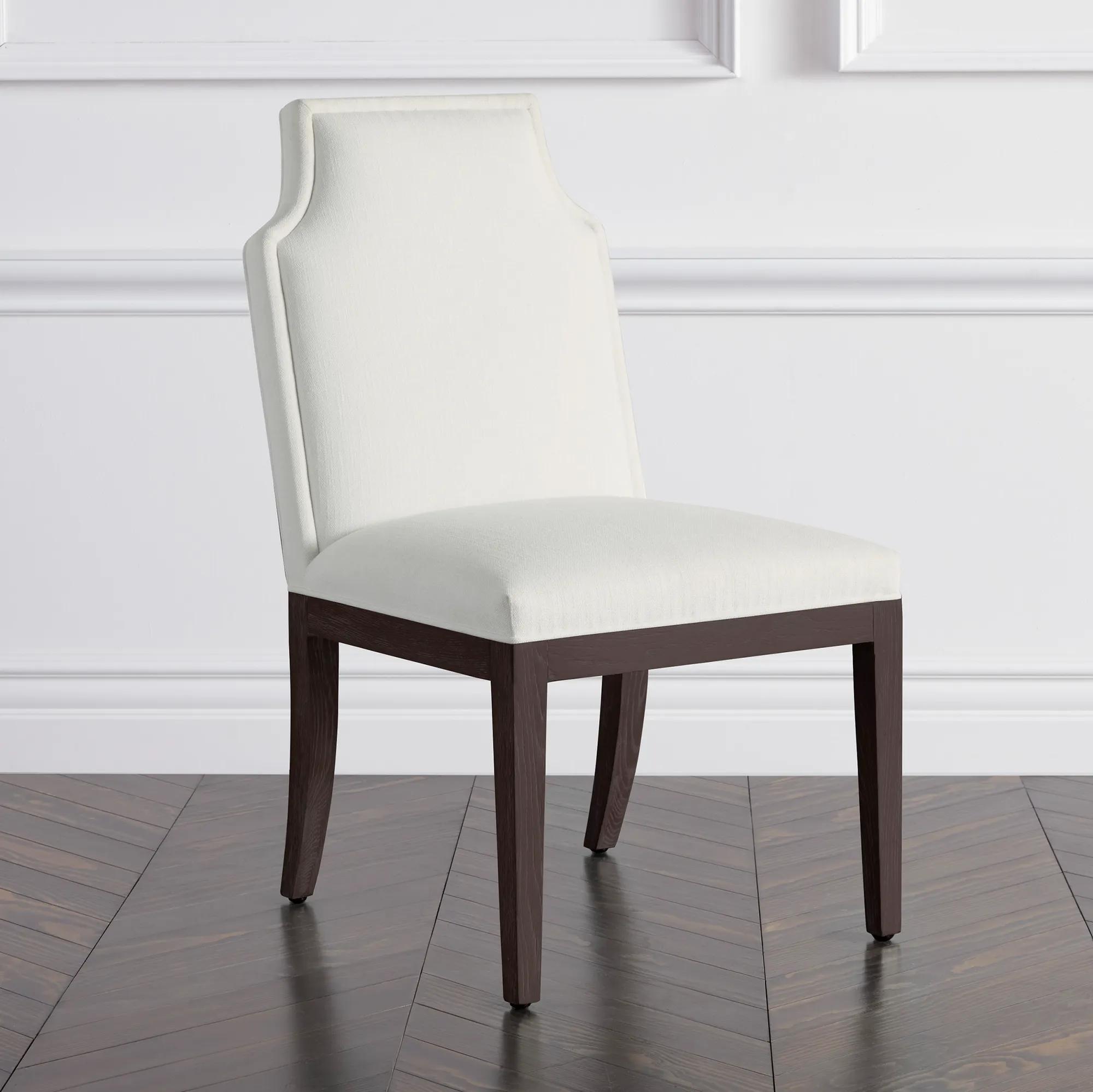 Jasmine Dining Chair - Espresso$649
A chic dining chair featuring a notched back, espresso legs, and plush upholstery for lasting comfort.
Add To Cart -
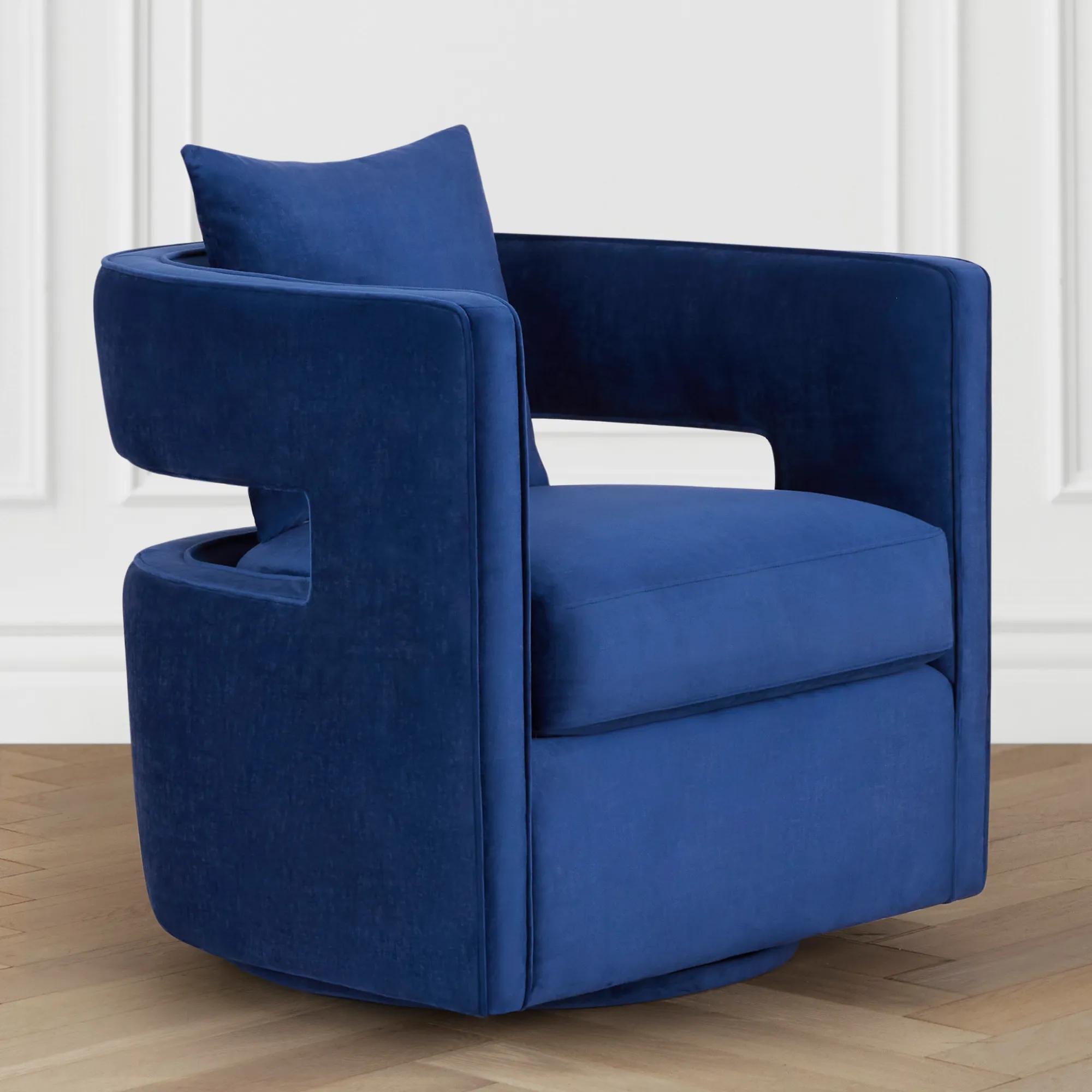
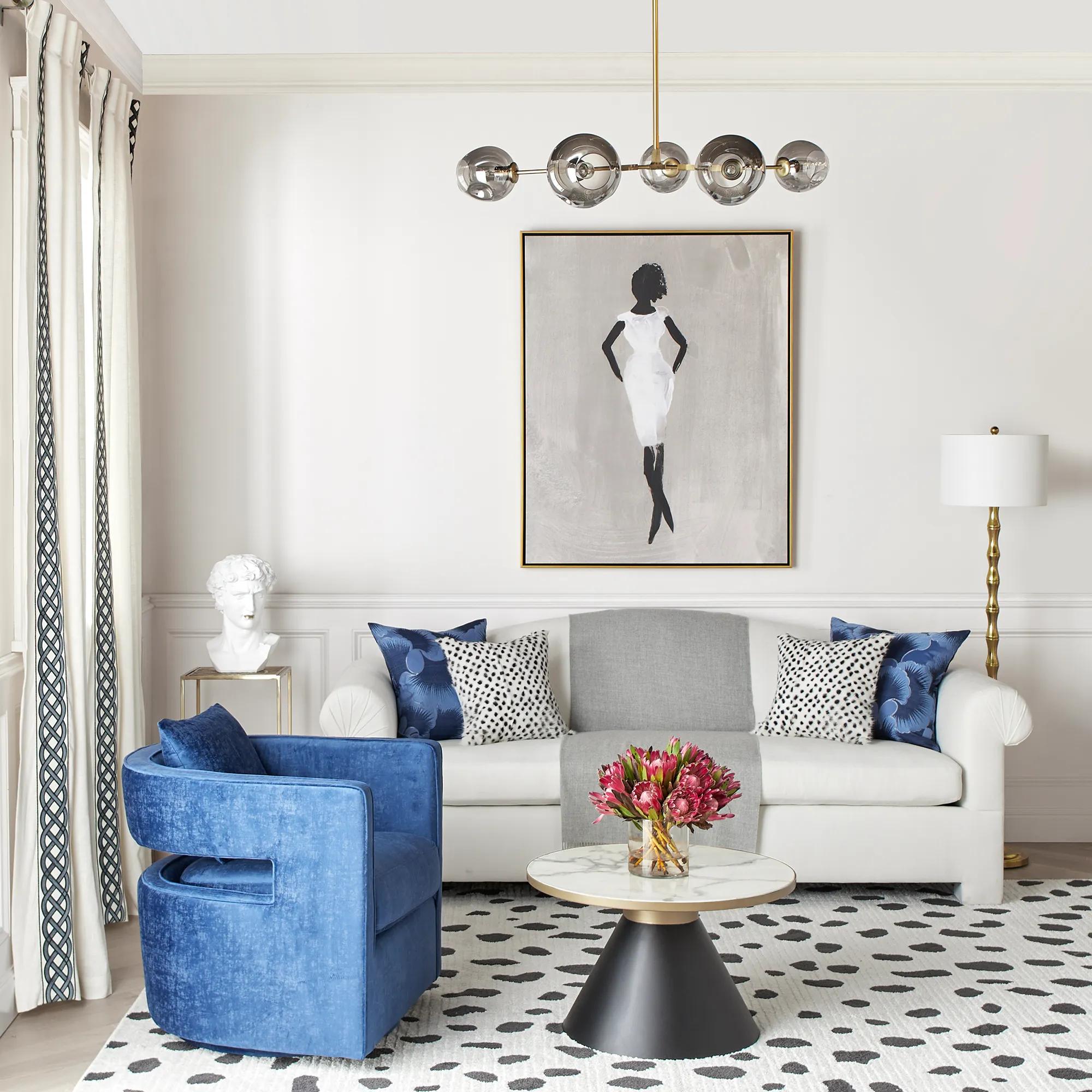 Lottie Navy Velvet Swivel Accent Chair$999
A navy velvet swivel accent chair featuring a sculpted barrel silhouette, open arms, and supportive cushioning.
Add To Cart -
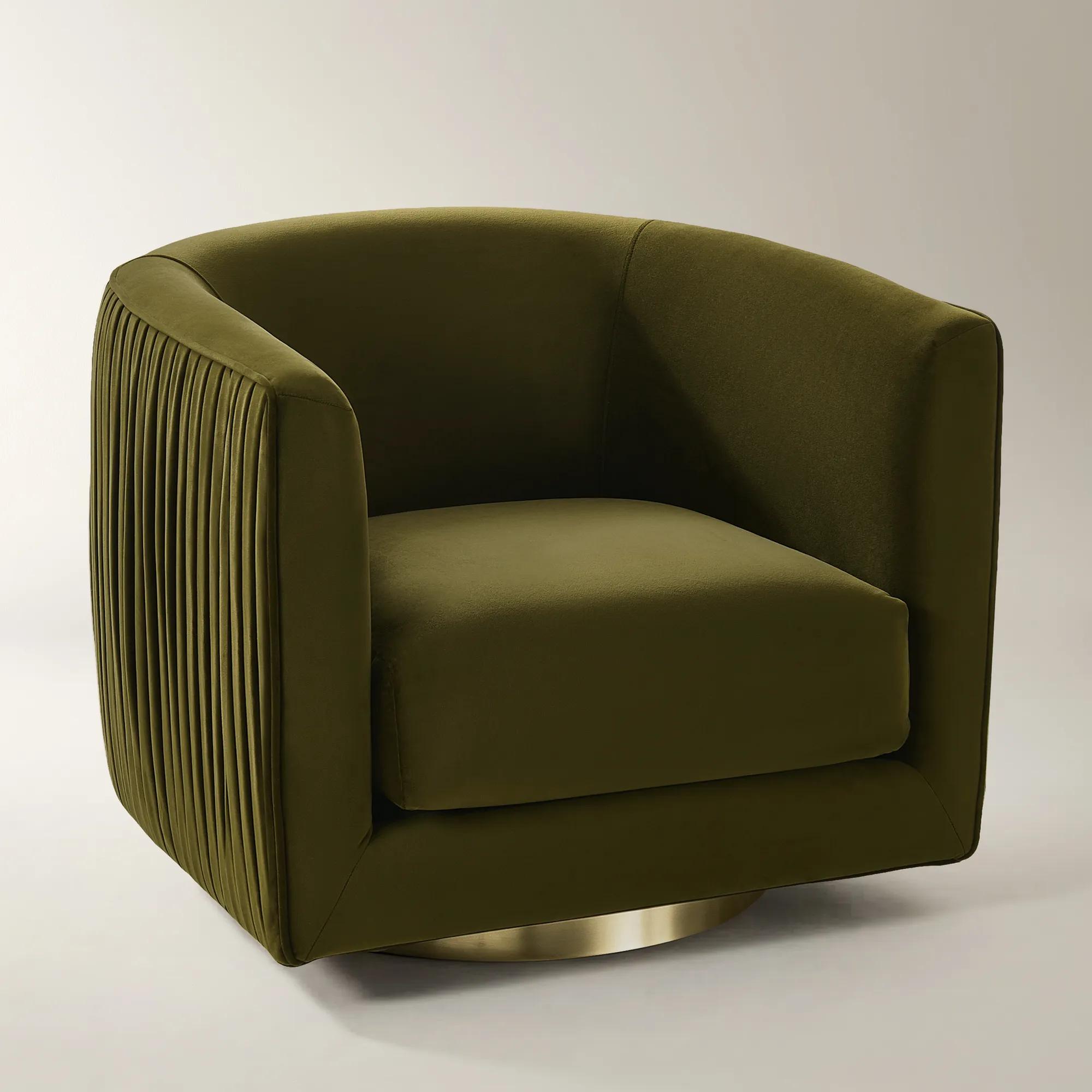
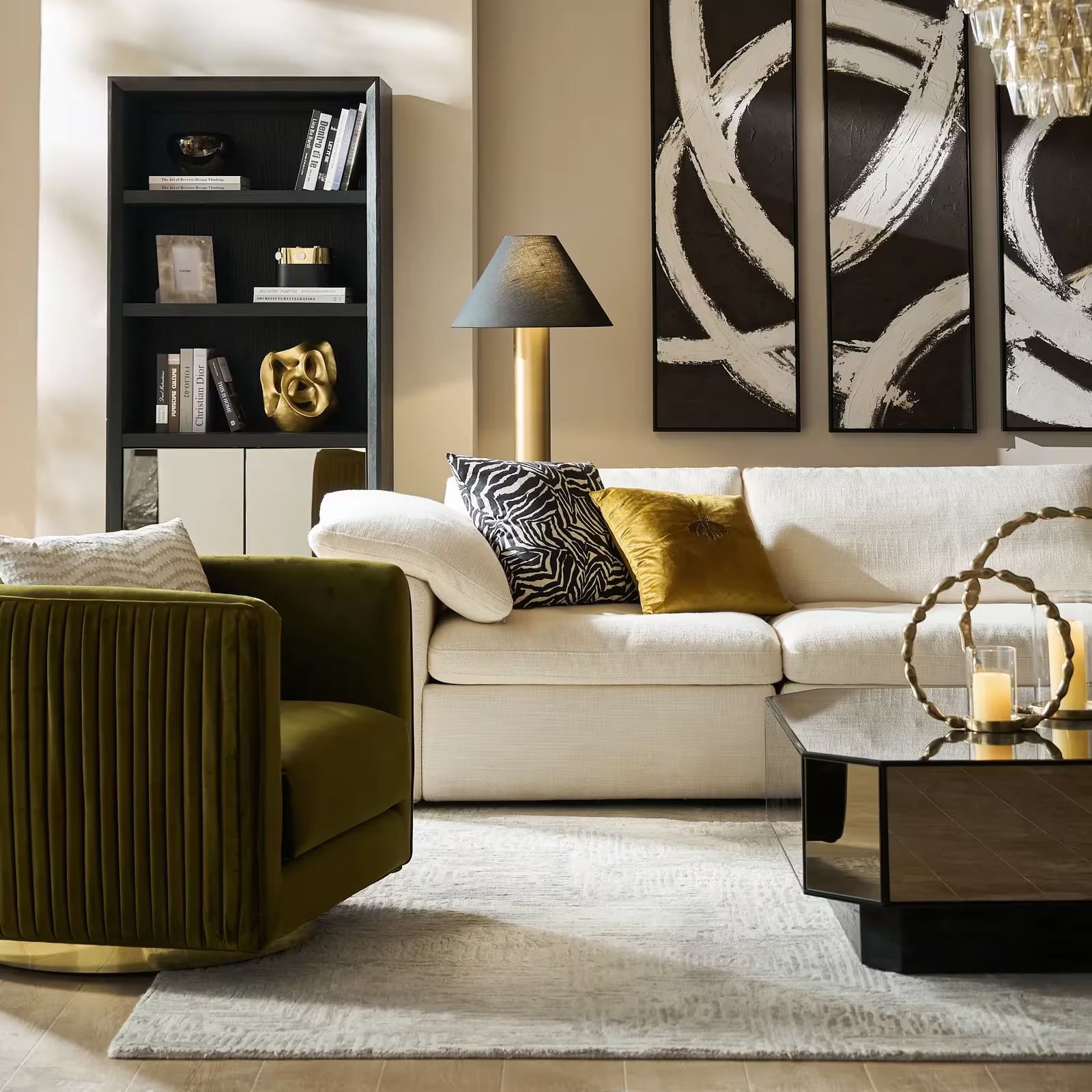 Lyssa Pleated Deep Olive Velvet Swivel Accent Chair$1099
A deep olive velvet accent chair with pleated panels, 360-degree swivel, and gold metal base.
Add To Cart

Artisan Upholstered Chairs
Explore artisan upholstered chairs for seating that brings texture and expressive style to your space. Compare silhouettes, upholstery details, and dimensions to find the right proportions for your room—whether you’re completing a layered seating arrangement or choosing a chair that commands attention on its own.
Artisan upholstered chairs combine cushioned seating with an emphasis on craftsmanship, expressive design, and carefully resolved details. Often associated with handcrafted construction, custom upholstery, or designer silhouettes, they bring the character of a considered furniture piece to the comfort of an everyday seat. Their appeal lies in the relationship between structure and surface: a curved wood arm against richly textured fabric, a precise line of welt tracing a sweeping back, or a tailored cushion framed by sculptural legs. The term artisan describes an approach rather than a single style, so these chairs can feel elegantly traditional, boldly contemporary, or somewhere in between. Construction and material descriptions reveal more than the label alone, particularly when they identify frame materials, joinery, upholstery composition, and finishing methods. Solid wood can lend warmth and visible grain, while metal accents introduce a sharper, more architectural note. Velvet catches light differently across its pile, giving even a restrained color a sense of movement. Woven upholstery creates depth through intersecting yarns, and bouclé brings a dimensional surface that contrasts beautifully with smooth stone or polished metal nearby. Leather offers another expression of luxury, with a feel and appearance that depend on its finish and treatment. Some leathers develop a visible patina; others have protective coatings intended to maintain a more consistent surface. Beneath those finishes, the proportions do much of the storytelling. A generous barrel back suggests an enveloping retreat, while an exposed frame allows the chair to feel lighter within a layered room. Button tufting, channel stitching, and neatly matched seams can add definition without relying on ornament alone. A beautifully resolved chair has presence from more than one angle, especially when its back remains visible from an adjoining space. Whether placed beside a lacquered console or facing a deeply upholstered sofa, artisan seating introduces a distinct point of view through shape, touch, and the small details that reward a closer look.
That expressive character works best when it supports the way a room is actually used. In a living room arranged for conversation, a pair of upholstered chairs can create balance without repeating the sofa’s shape or fabric. A rounded silhouette softens an angular seating arrangement, while a taller back gives a quiet reading corner a stronger visual boundary. In a bedroom, an upholstered accent chair offers a composed place to sit while dressing or a comfortable pause beside a window. A dining chair has different demands: its seat height, back support, and overall width need to work with the table, neighboring seats, and the movement of guests. Armchairs require particular attention to the relationship between arm height and the underside of a tabletop or desk. For occasional correspondence, a decorative upholstered chair can bring elegance to a writing surface, though extended computer work generally calls for seating designed with ergonomic adjustments. Comfort also depends on the person using the chair. A deep seat may feel indulgent for someone who likes to curl up, yet less supportive for someone who prefers to sit upright with feet resting on the floor. A firmer cushion can make standing easier, while a softer fill creates a more relaxed impression and may need regular reshaping. Overall width matters beyond the footprint: broad arms occupy space that might otherwise become usable seating area. Passageways, nearby doors, and delivery access are part of a successful fit, particularly for substantial frames. The appeal of custom upholstered armchairs lies in the opportunity to create a more deliberate relationship between seating and its surroundings, with any personalization depending on the options specified for the piece. Color can establish that relationship quietly or dramatically. Ivory upholstery against a dark wall emphasizes the chair’s outline; a saturated jewel tone beside a neutral sofa creates a confident focal point. Repeated accents in artwork, a rug, or a decorative pillow can connect the composition without making every surface match.
Lasting beauty depends as much on what supports the upholstery as on the fabric itself. A well-built frame, sound joints, an appropriate suspension system, and resilient cushioning all contribute to how a chair feels after repeated use. Kiln-dried wood, reinforced corners, and clearly described support materials can be useful construction details when specified, but no single feature establishes overall quality on its own. Intended use matters just as much. A chair reserved for occasional guests faces different demands from the favorite seat used every evening, and upholstery should suit that rhythm. Fabric composition, weave, texture, and manufacturer-provided performance information help clarify its suitability. A tightly woven surface may be more practical around pets than an open, looped texture that can catch claws, although no upholstery is entirely resistant to damage. Performance treatments can improve resistance to certain spills or stains, but they do not make a chair maintenance-free. The upholstery care label remains the authority on cleaning methods, including whether a fabric permits water-based products, solvent-based products, or professional cleaning only. Routine attention can be discreet: gentle vacuuming with an appropriate upholstery attachment removes surface dust, while prompt blotting helps keep a spill from spreading through the fabric. Rubbing can distort fibers or work a mark deeper into the surface. Velvet may show changes in shading as the pile shifts, and leather requires products suited to its particular finish rather than a general household cleaner. Direct sunlight can alter color over time, while proximity to heating vents or fireplaces may affect upholstery and exposed materials. Where the construction allows, rotating loose cushions helps distribute wear; feather or fiber fills may also benefit from regular fluffing. These practical considerations preserve the very qualities that make artisan upholstered chairs compelling: a graceful profile, a welcoming seat, and a surface that invites touch. For a dedicated reader, an enthusiastic host, or someone furnishing a personal retreat, the right chair brings comfort into focus without surrendering individuality. Its craftsmanship provides substance, its proportions establish presence, and its upholstery gives the room another layer of expression.
FAQs
Artisan upholstered chairs celebrate the artistry of seating through expressive silhouettes, considered tailoring, and distinctive decorative details. Their appeal lies in the interplay of upholstery and form, giving a room a focal point that feels thoughtfully chosen rather than simply coordinated.
Give the chair a distinct role in your living room’s composition. Pair it with a sculptural side table and an expressive piece of art, then echo one color or contour elsewhere in the room. The result feels connected without losing the chair’s individual character.
Start with the mood you want to create. Deep, saturated hues bring drama, while luminous neutrals let the chair’s silhouette take center stage. Draw inspiration from your artwork or rug, choosing a color that either continues the palette or introduces a deliberate, striking contrast.
Yes. In a modern interior, an expressive upholstered chair can introduce decorative richness alongside clean-lined furniture. In a traditional setting, a more sculptural silhouette creates an unexpected counterpoint. Connect the chair to surrounding pieces through a shared color, recurring curve, or complementary detailing.
Let the pattern lead, then give it a considered supporting cast. Repeat one of its colors in nearby accents and balance its visual energy with quieter upholstery or understated artwork. For a more layered composition, mix contrasting motifs while keeping the palette cohesive.