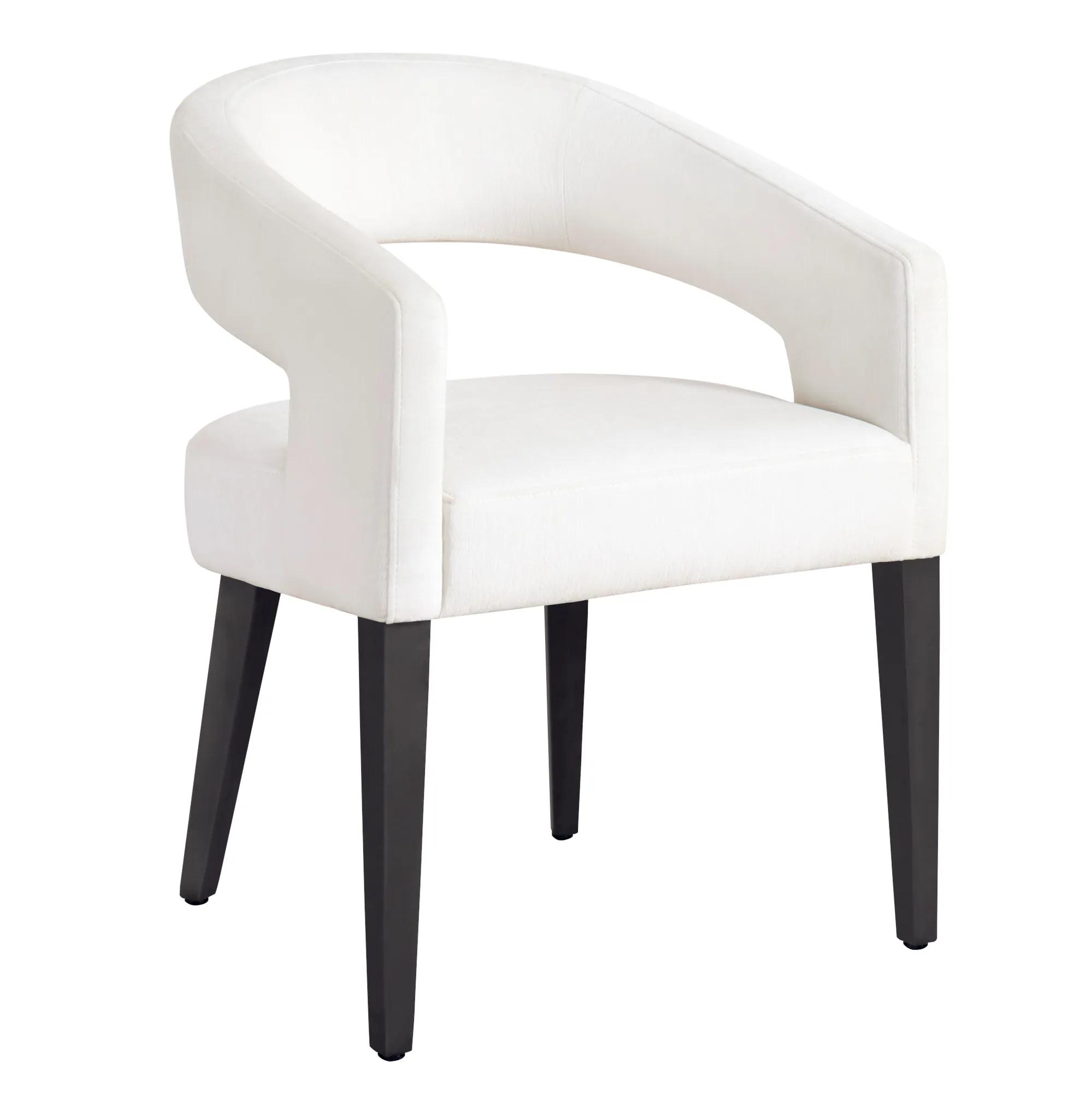
Upholstered Oak Dining Chairs
Upholstered Oak Dining Chairs
-
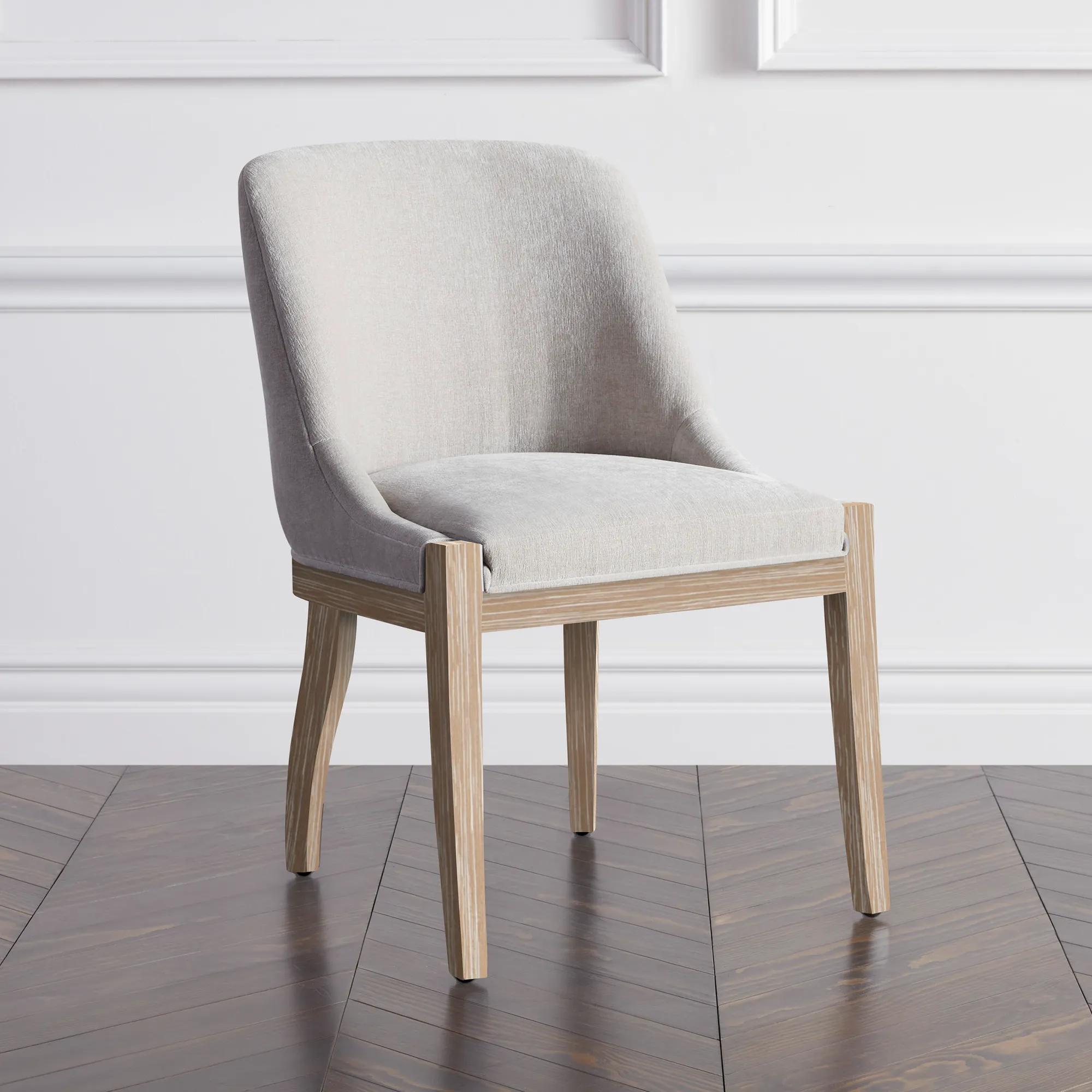
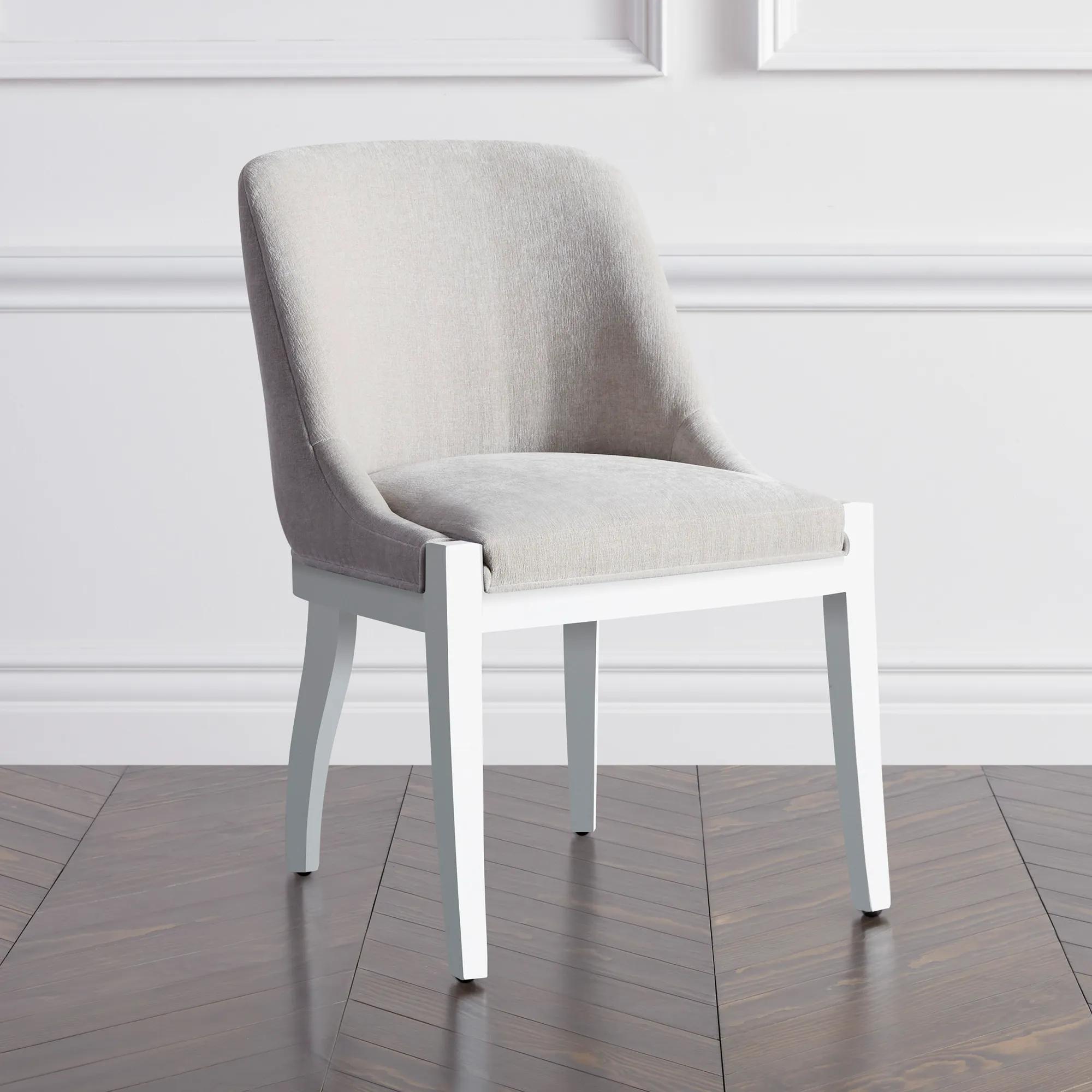
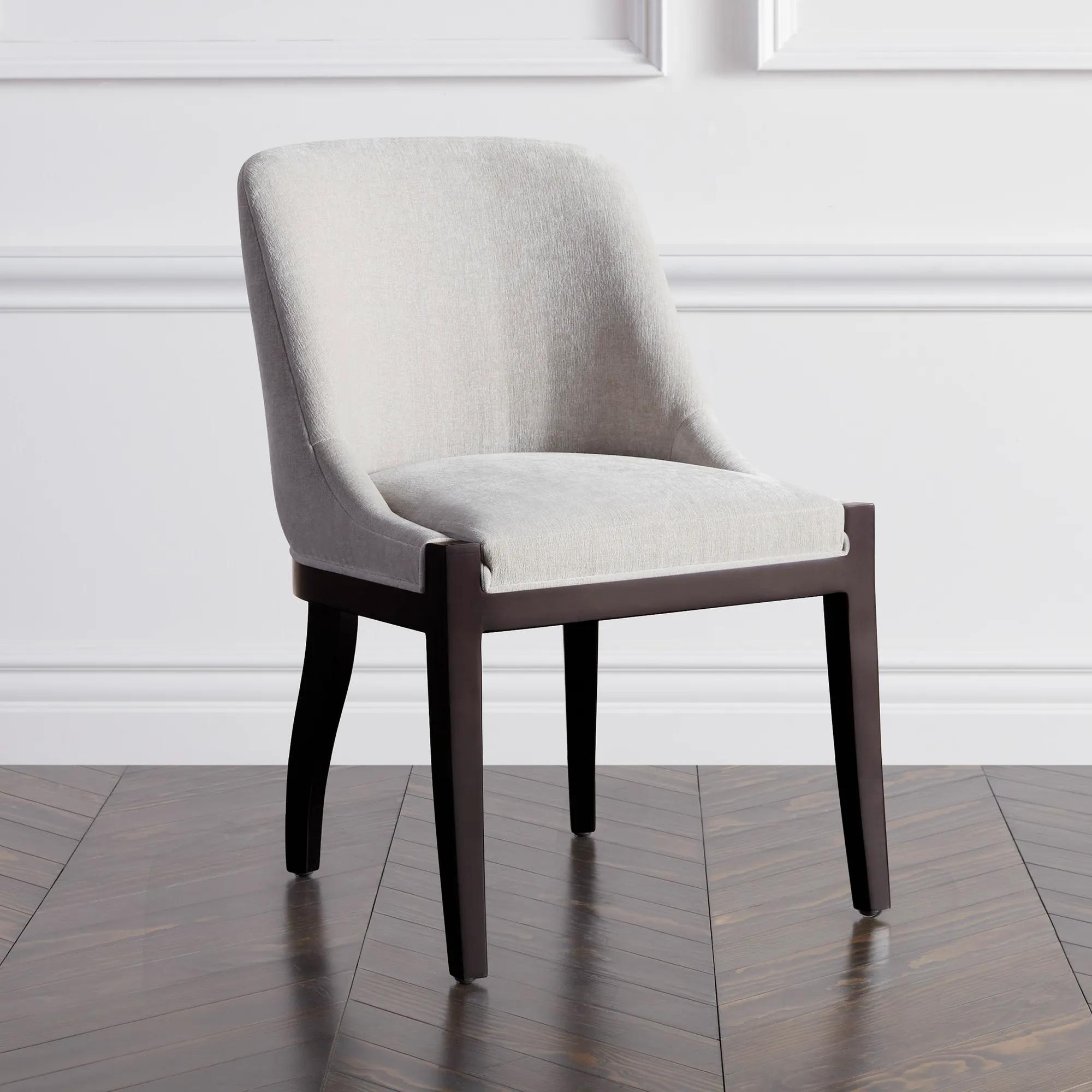
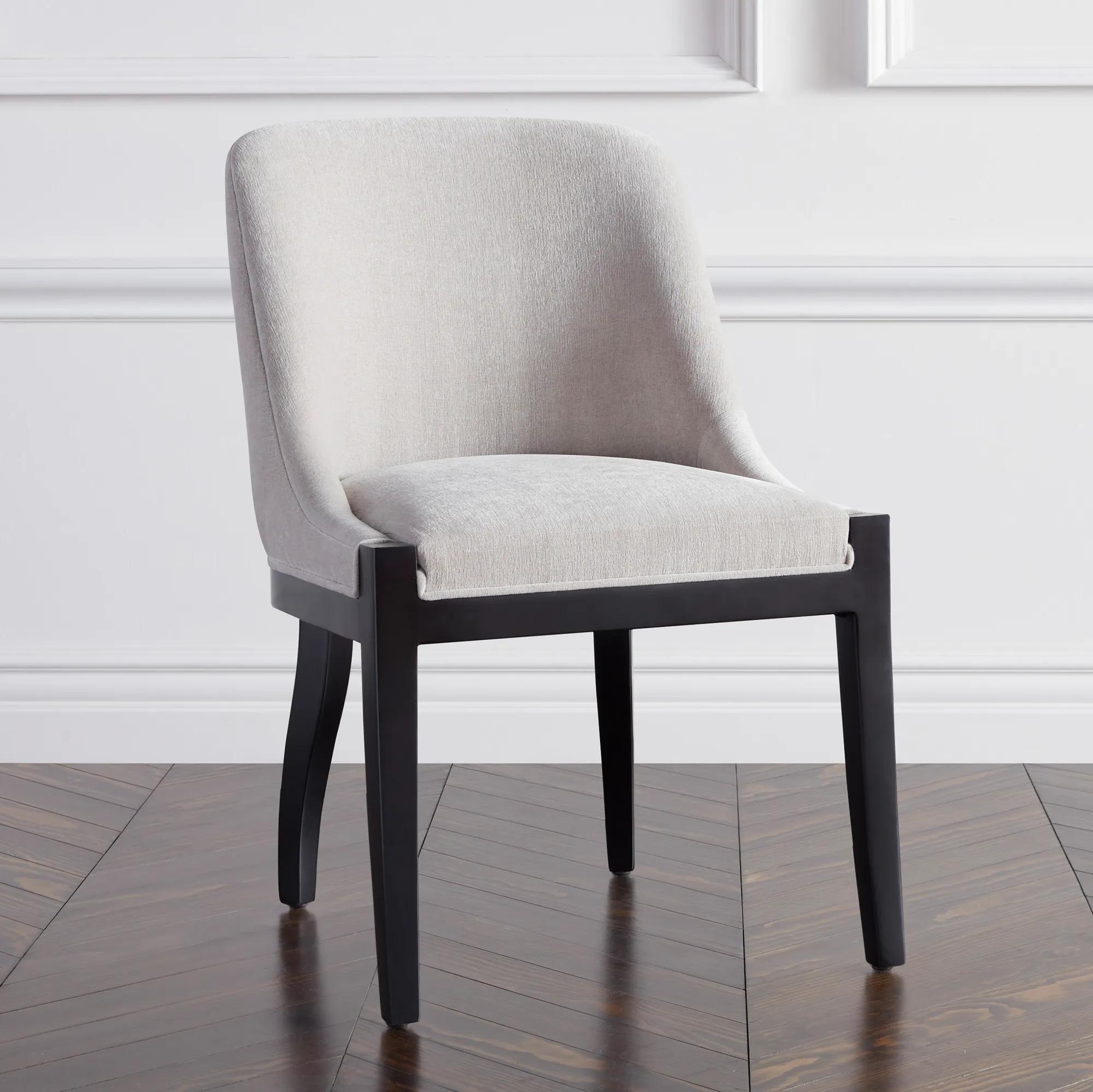
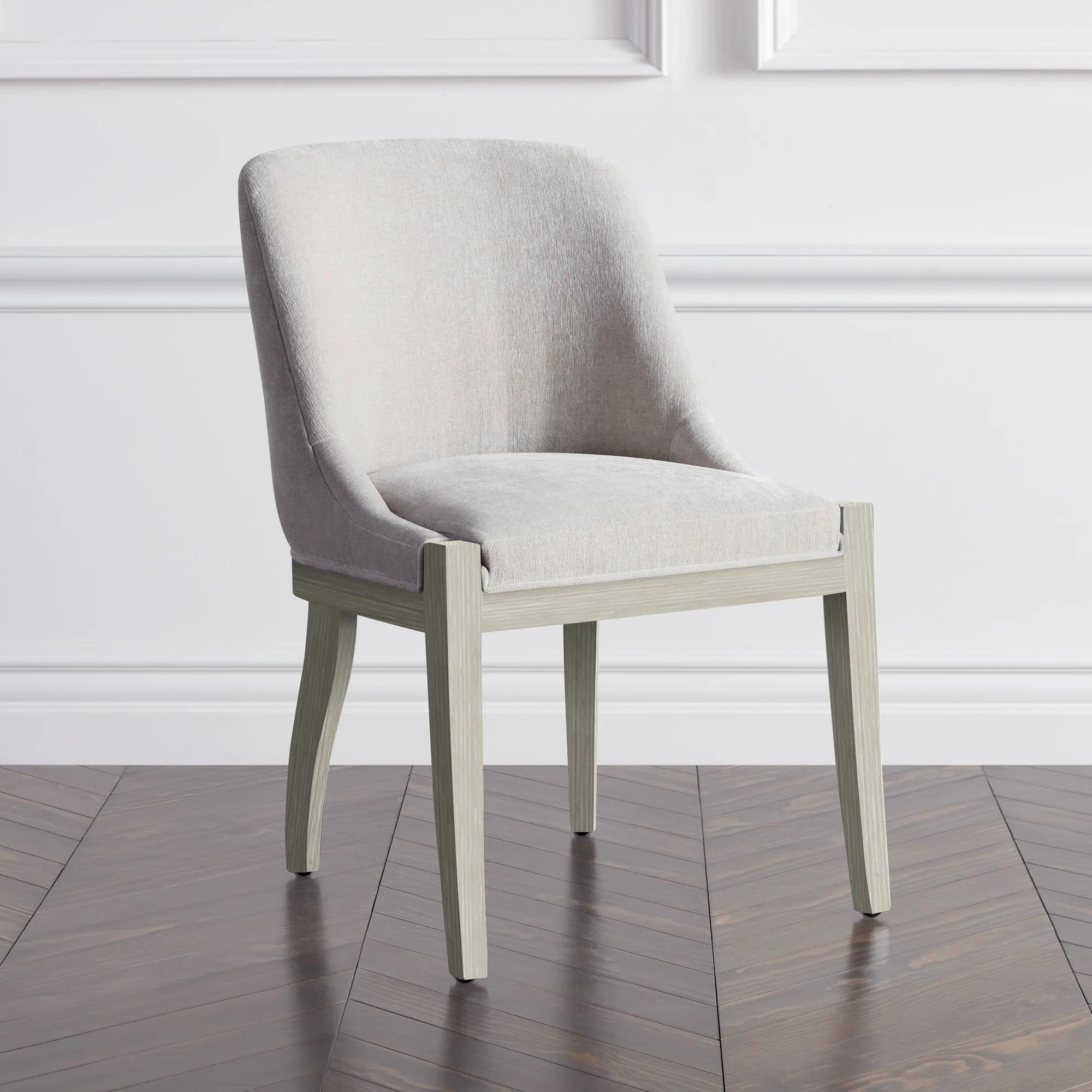
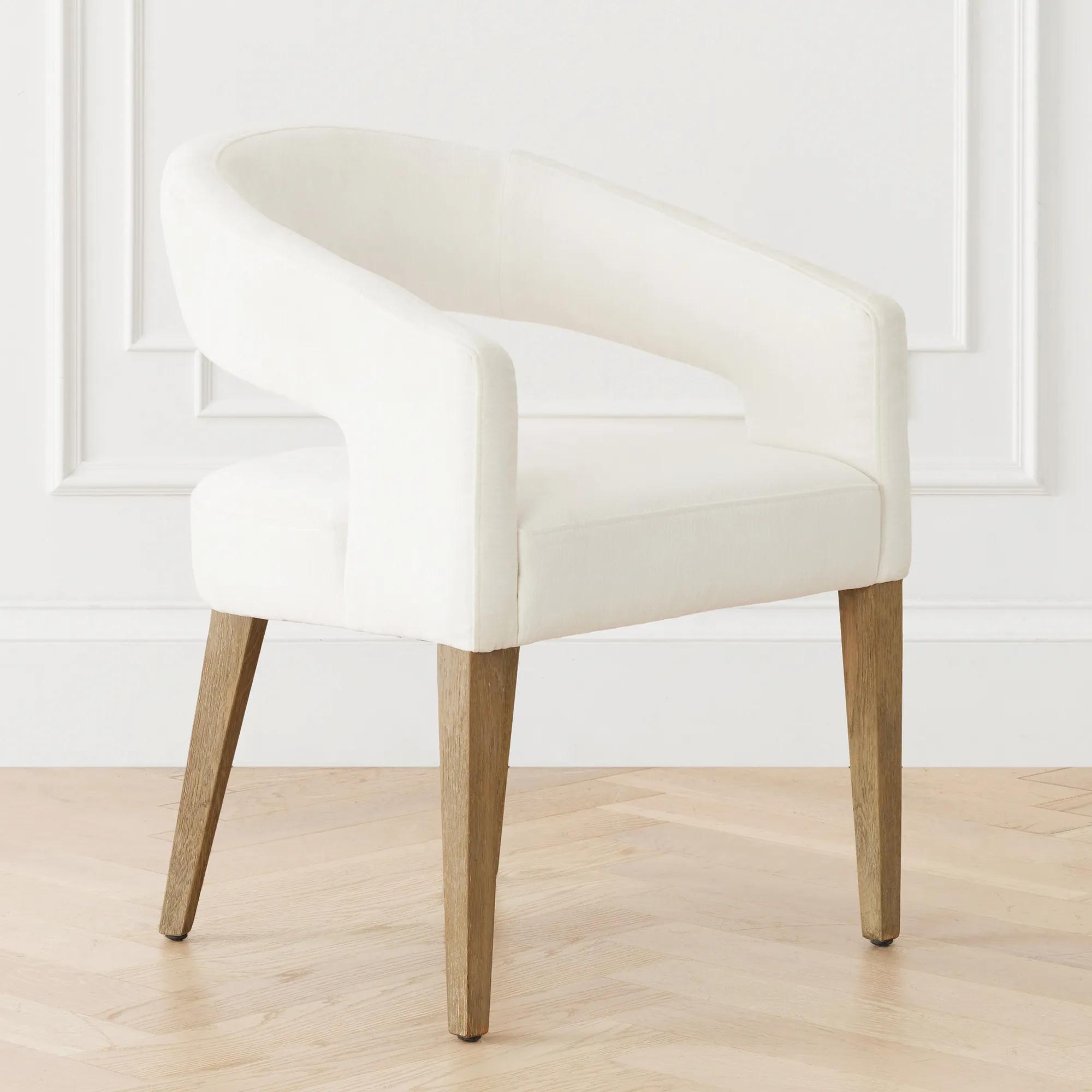
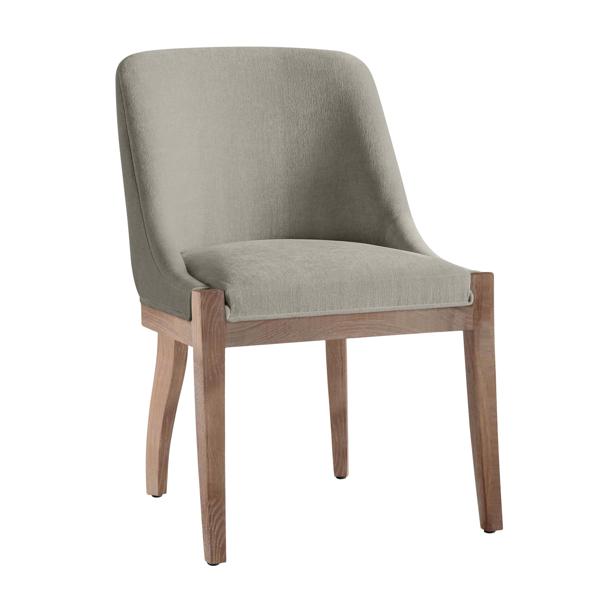 Lily Dining Chair - Wash Oak$749
A modern dining chair featuring a kiln-dried hardwood frame, wash oak legs, and tailored chenille upholstery.
Add To Cart -
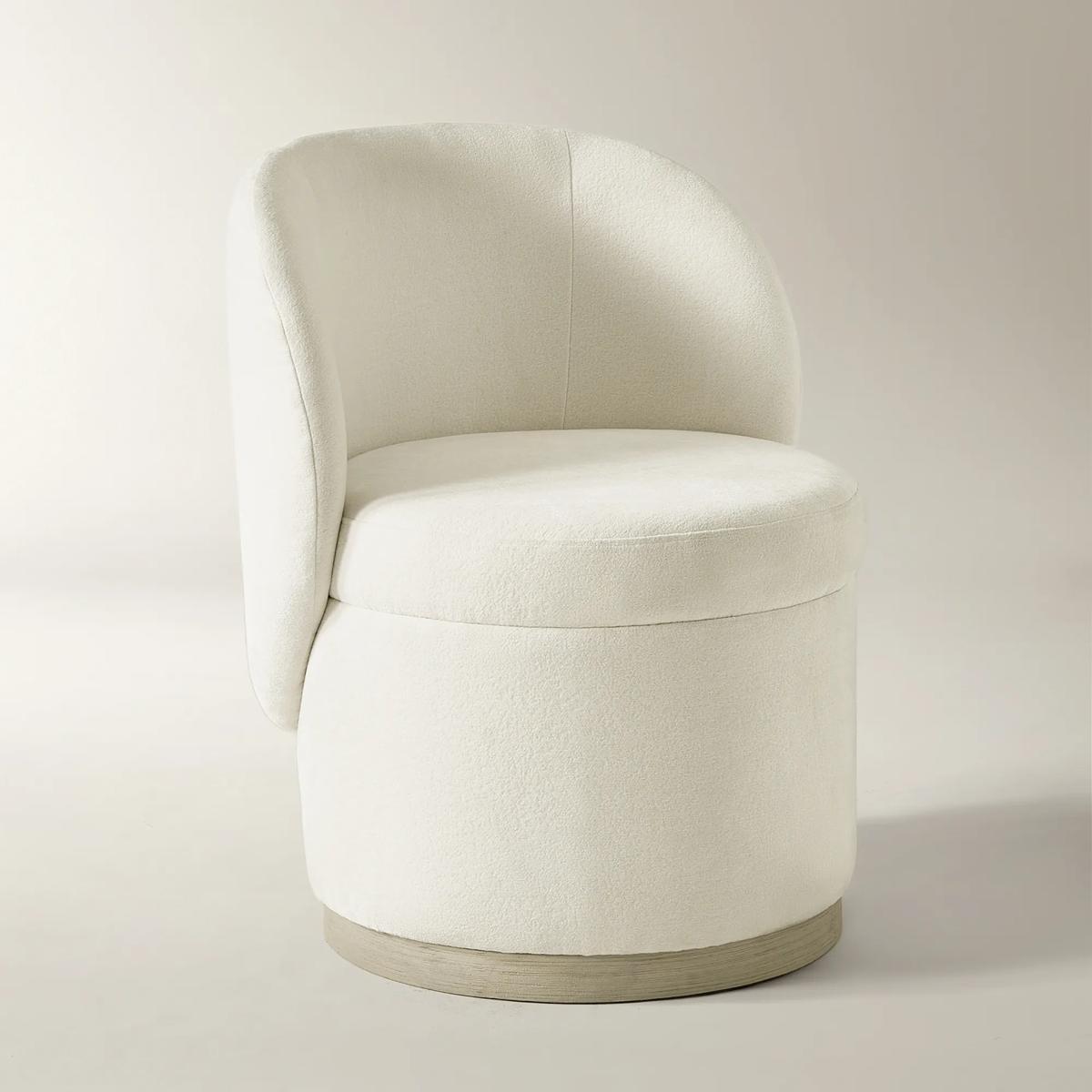 Stria Ivory Chenille Dining Chair With Oak Base$599
An ivory chenille chair featuring a plush, velvet-like finish and a handcrafted solid oak base.
Add To Cart -
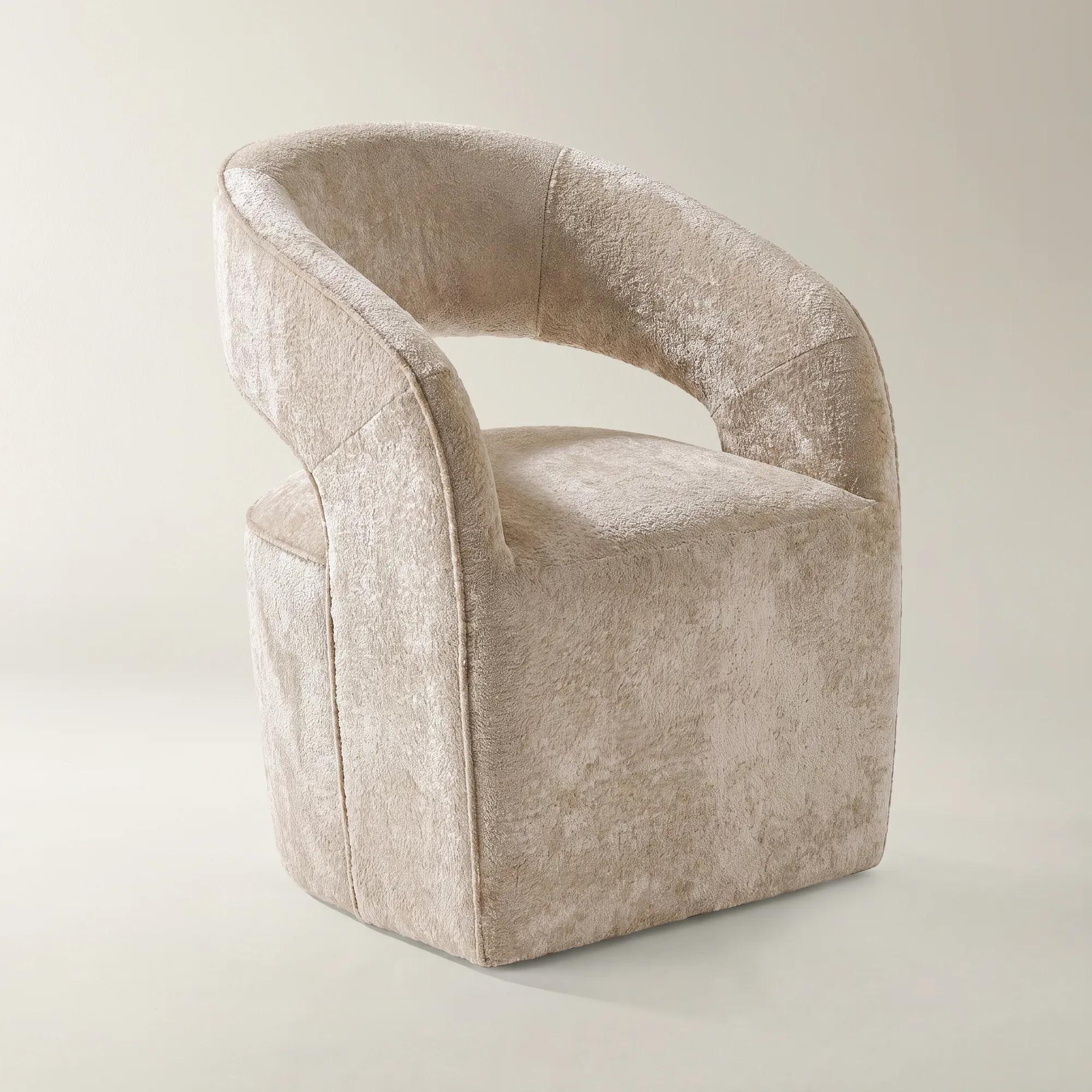
 Stria Roasted Pecan Velvet Swivel Dining Chair With Oak Base$699
A velvet swivel dining chair with a sculpted curved profile and warm solid oak base.
Add To Cart -
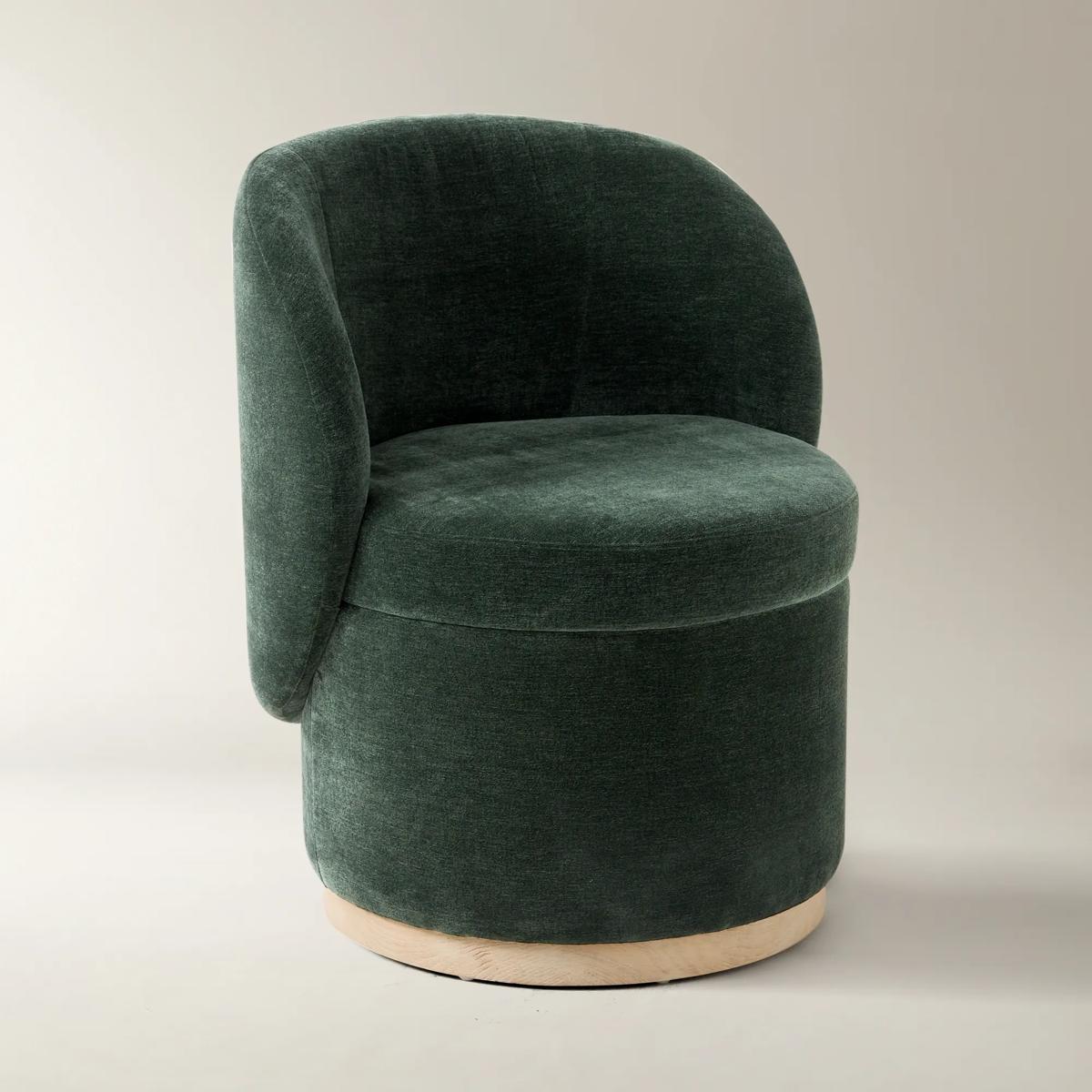
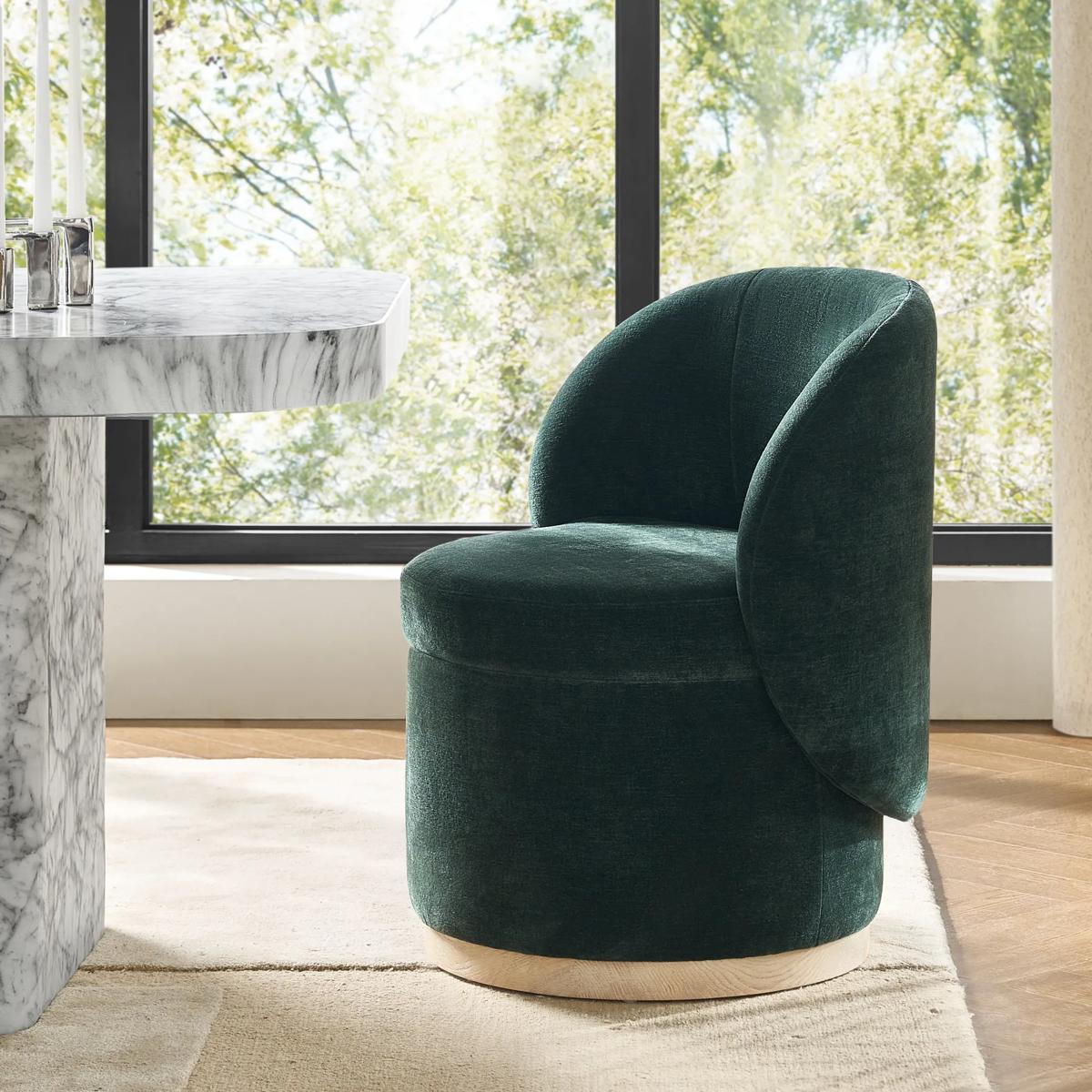 Stria Green Chenille Dining Chair With Oak Base$599
A green chenille dining chair with a handcrafted solid oak base and inviting, softly curved silhouette.
Add To Cart -
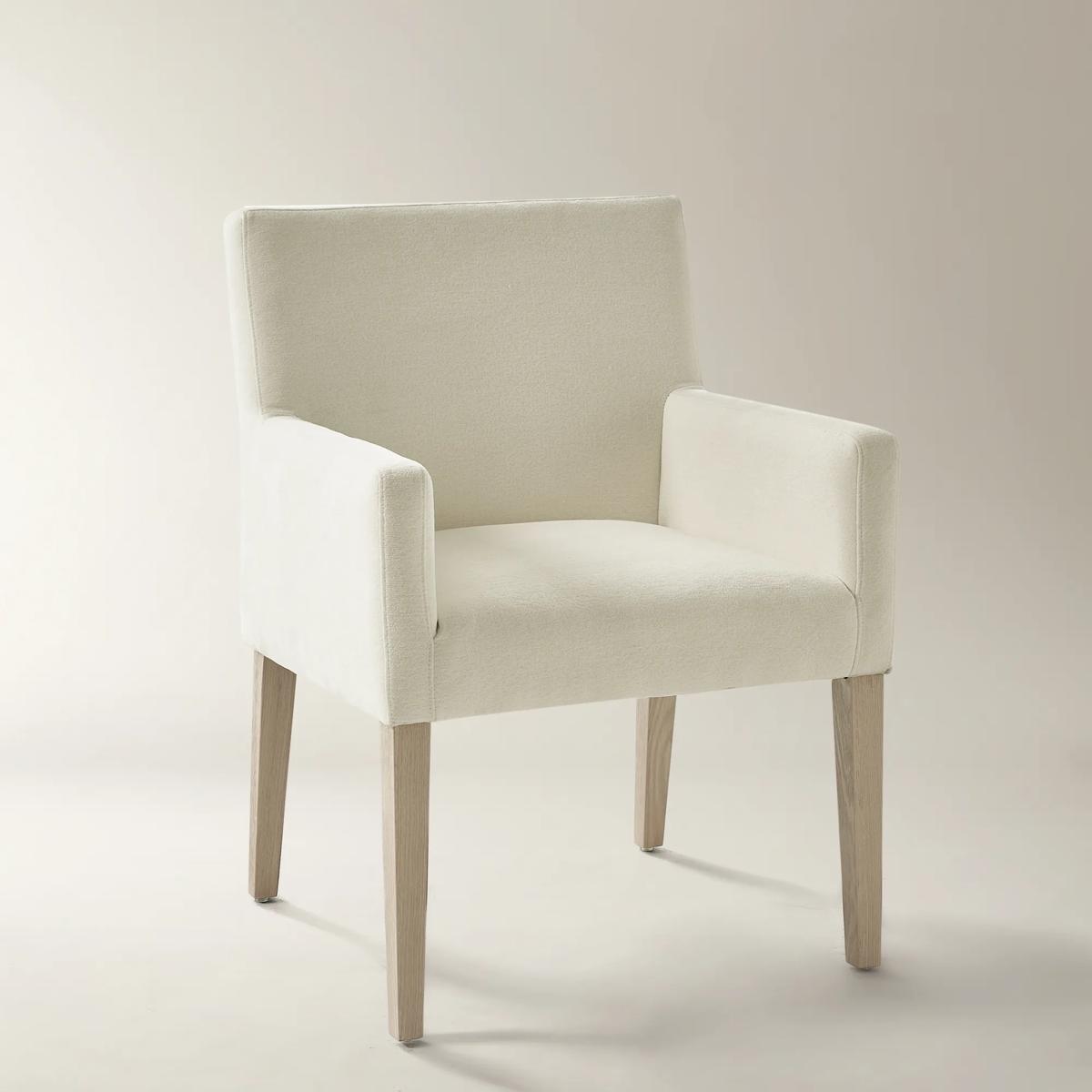
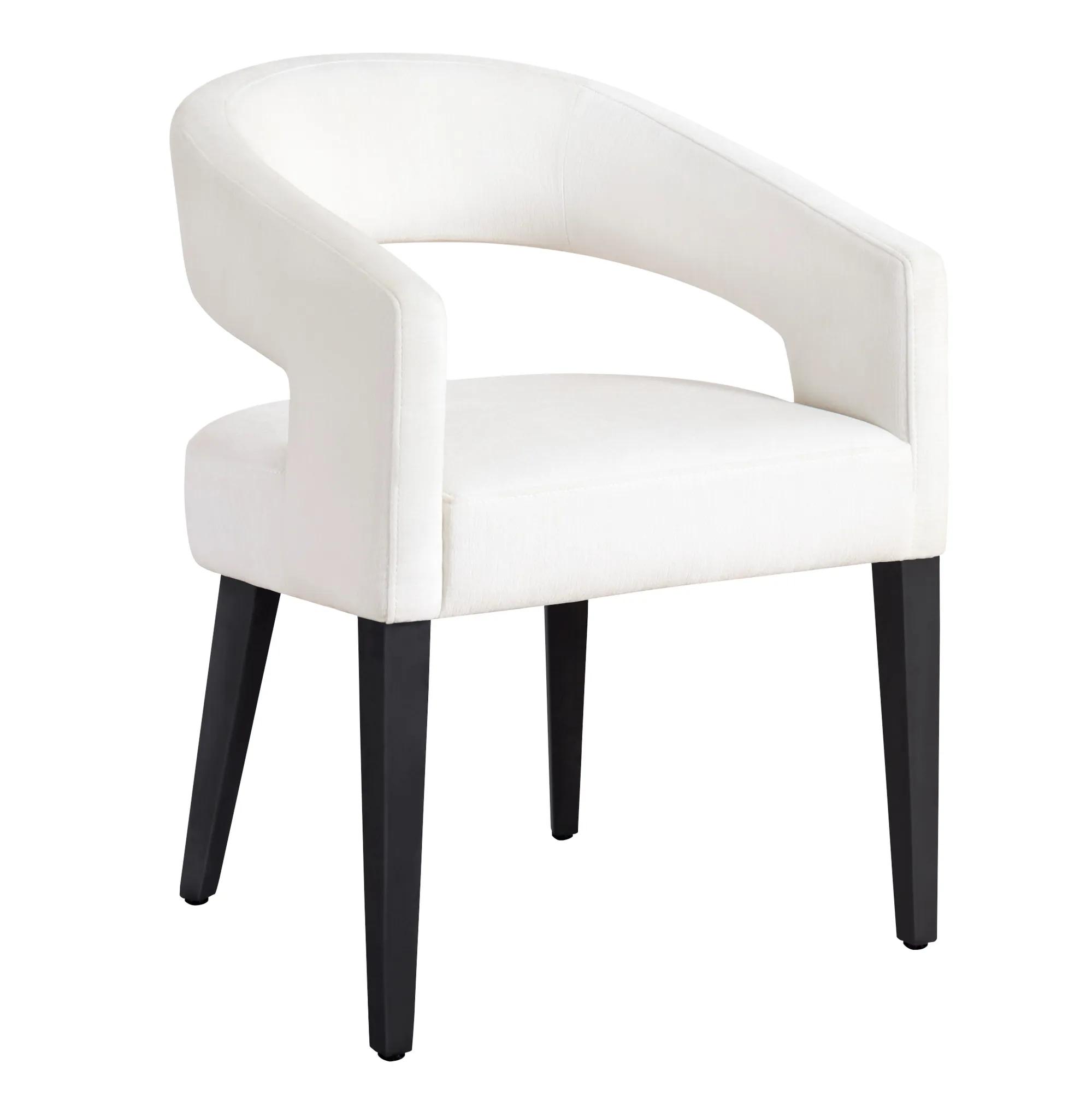
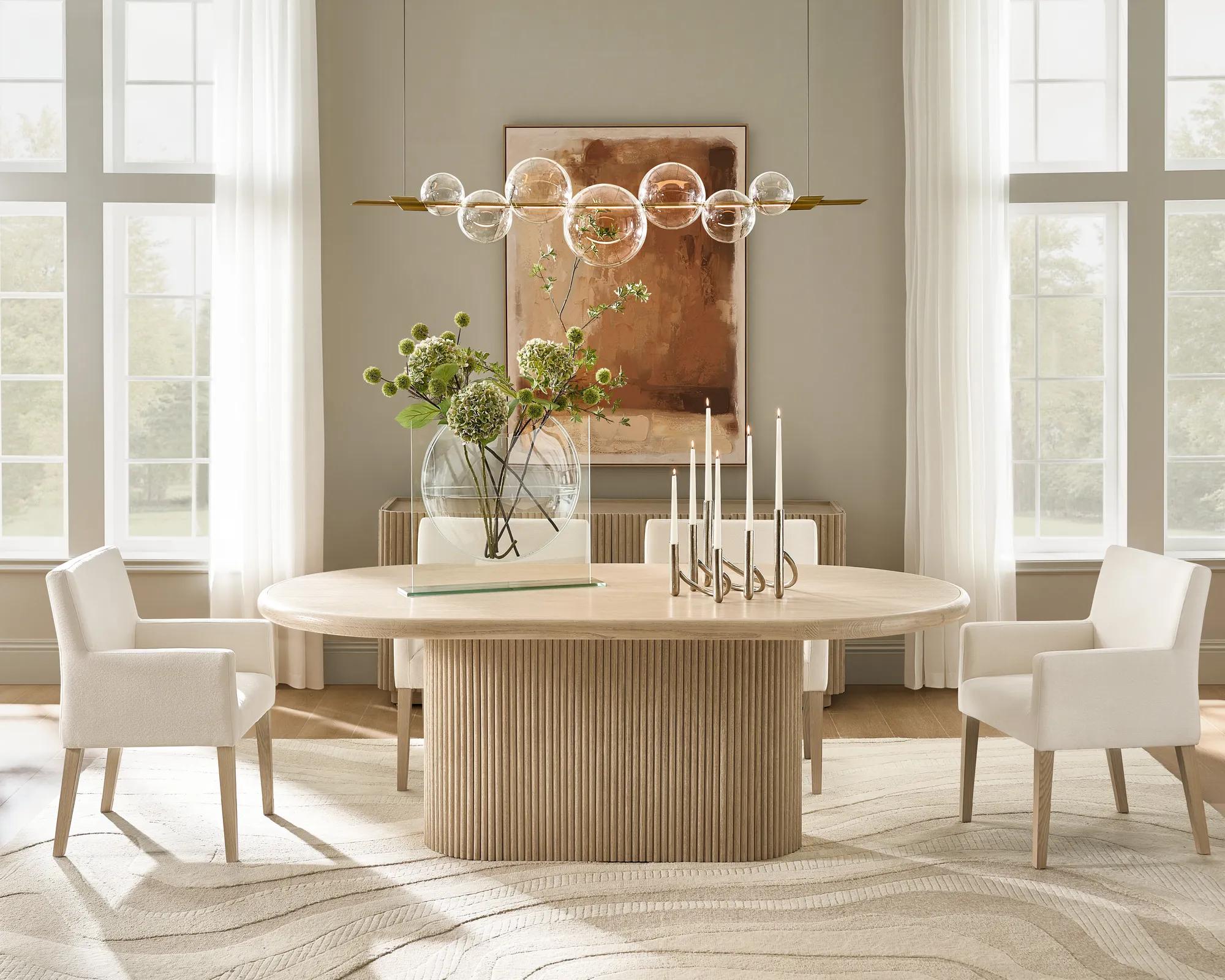 Stria Ivory Chenille Dining Chair Set Of 2$599
A pair of ivory chenille arm chairs with natural oak legs, offering plush comfort and modern elegance.
Add To Cart -
 Stria Ivory Chenille Swivel Dining Chair With Oak Base$699
A sculpted ivory chenille dining chair with a solid oak base and smooth 360-degree swivel.
Add To Cart -

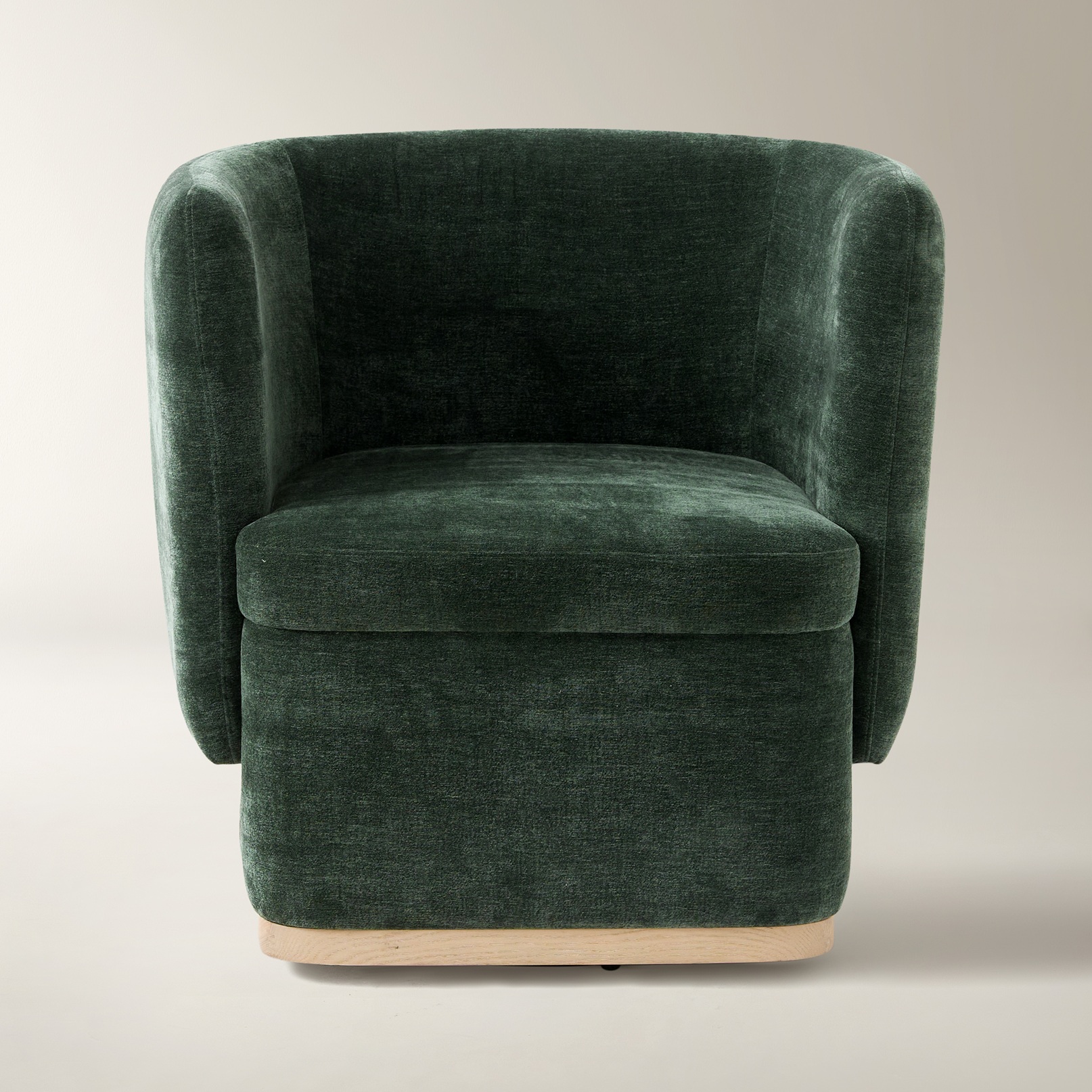 Stria Green Chenille Swivel Dining Chair With Oak Base$699
A green chenille dining chair with a sculpted curved profile, solid oak base, and 360° swivel.
Add To Cart -
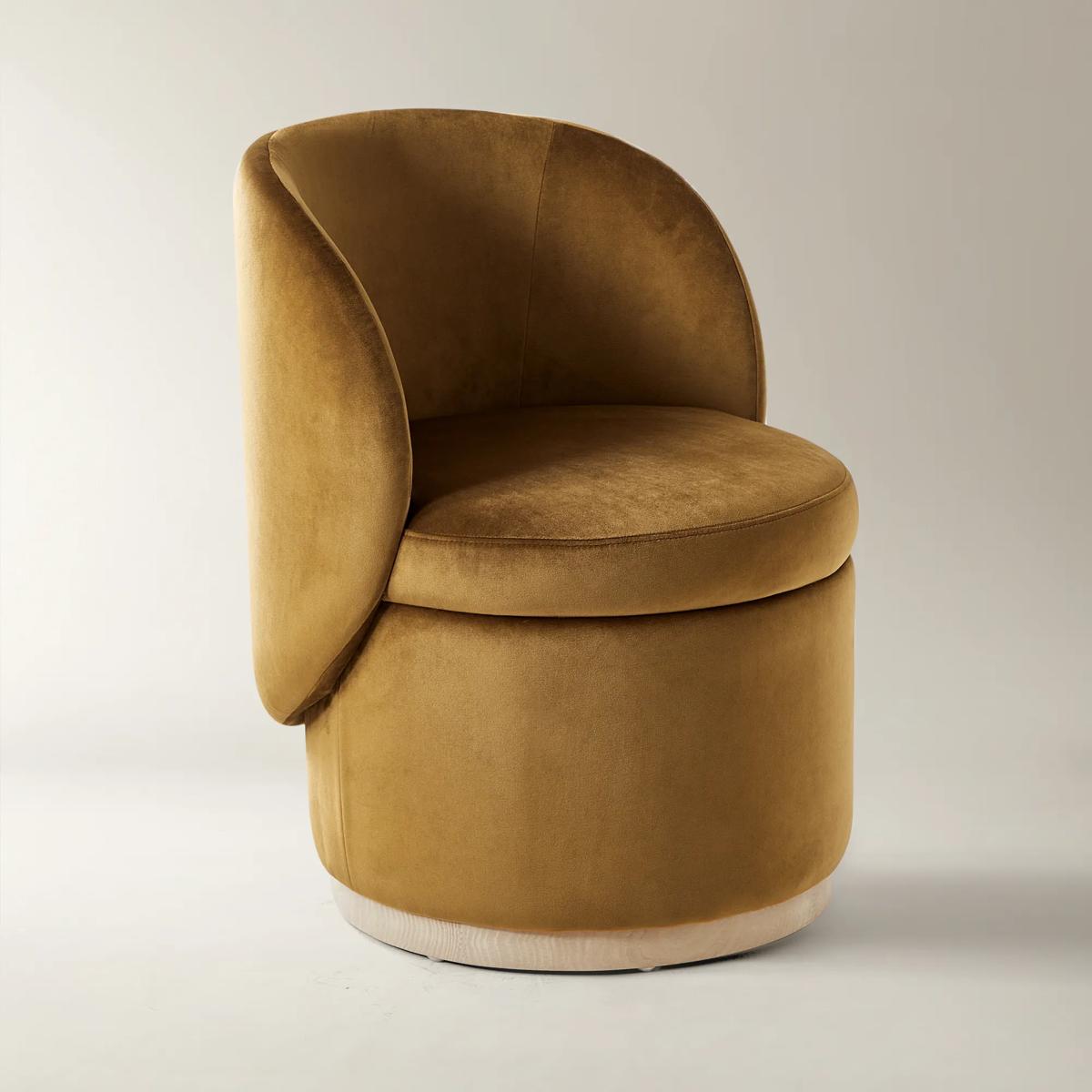
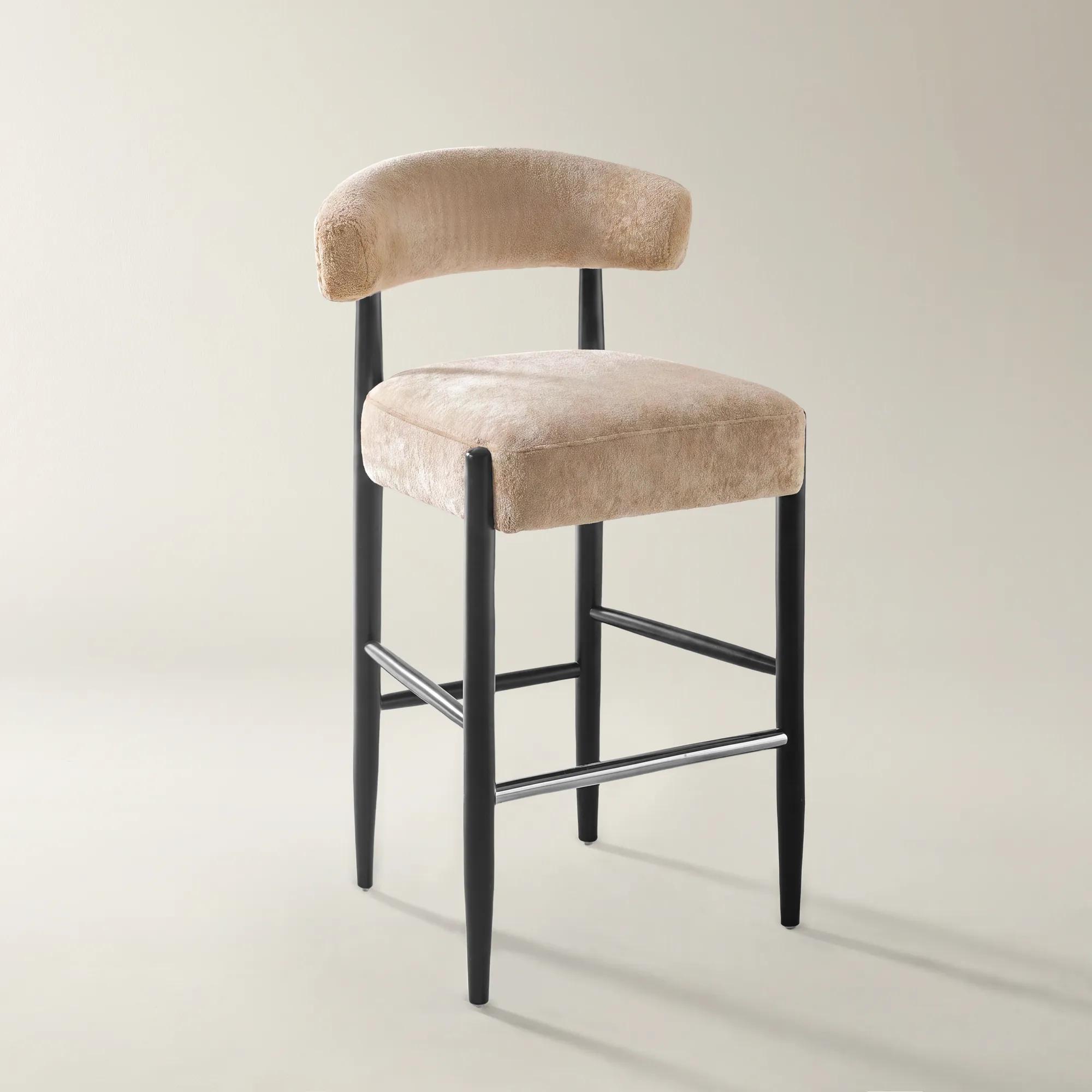
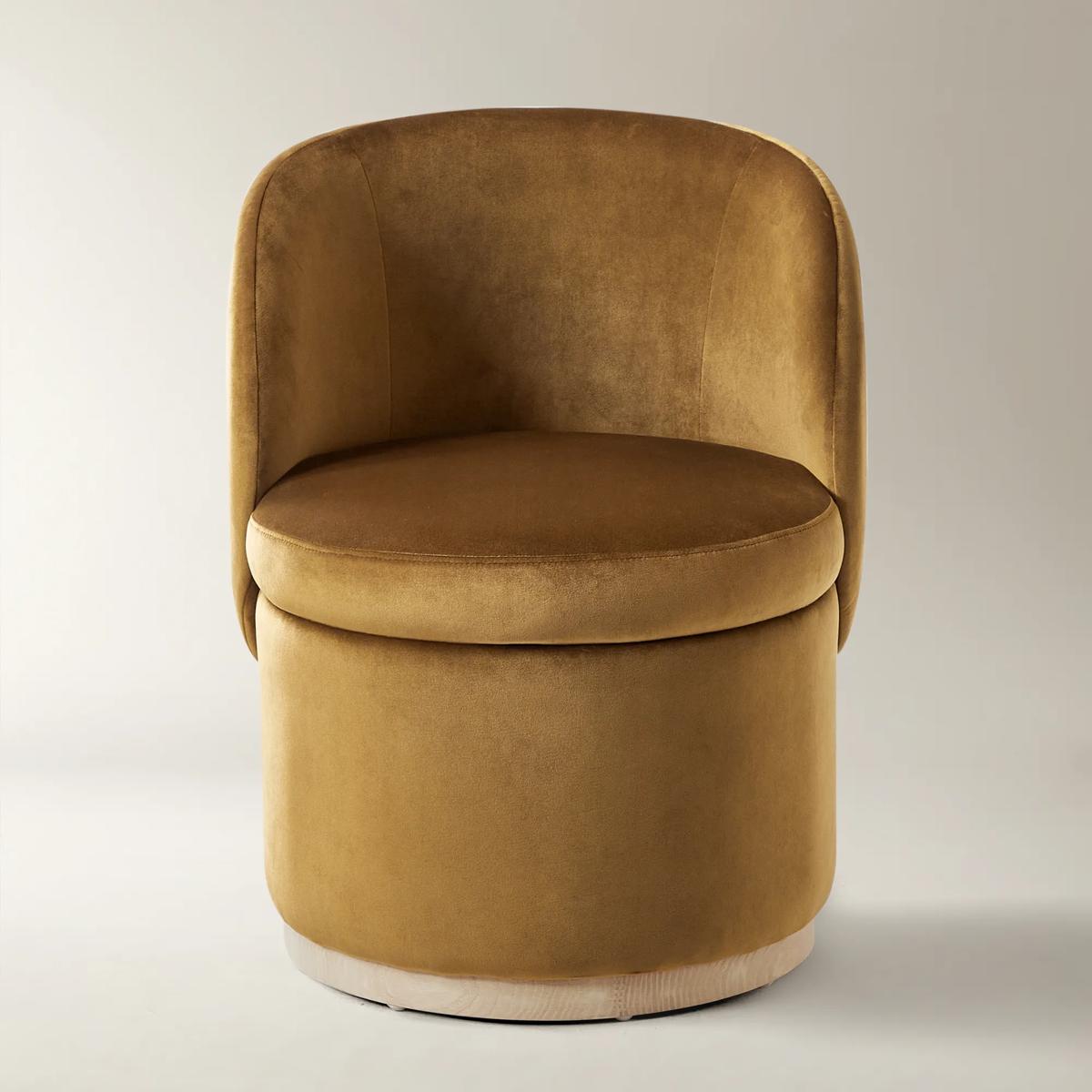 Stria Roasted Pecan Velvet Dining Chair With Oak Base$599
A khaki chenille chair featuring cozy upholstery and a handcrafted solid oak base for organic warmth.
Add To Cart

Upholstered Oak Dining Chairs
Explore upholstered oak dining chairs that pair the natural warmth of wood with the inviting texture of upholstery. Consider chair dimensions, silhouettes, and upholstery tones alongside your dining table to create a layered, polished setting, leaving enough space for guests to sit comfortably and chairs to pull out easily.
Upholstered oak dining chairs pair oak frames or oak-finished structural elements with cushioned seats and, in many designs, padded backs, bringing natural wood character and inviting comfort to the dining room. Their appeal lies in the contrast: expressive grain against softly tailored fabric, architectural lines balanced by a welcoming place to settle in. Oak gives a chair visual substance without requiring a heavy silhouette, while upholstery introduces color, texture, and a more intimate sense of luxury. Pale finishes can draw out the wood’s grain beside a luminous stone tabletop; deeper stains create a richer outline against ivory upholstery or a softly patterned rug. Brushed, cerused, and smoother finishes each reveal oak differently, from pronounced texture to a more polished presentation. Within the expressive range of Stylish Oak Dining Chairs, upholstered silhouettes offer a compelling balance of sculptural presence and everyday ease. A curved back can soften the geometry of a rectangular table, while an open wood frame keeps the composition visually airy. Fully upholstered backs create a more enveloping effect, especially when viewed from an adjoining living area. Material descriptions matter as much as the silhouette: solid oak components, oak veneers, engineered substrates, and mixed-material construction are not interchangeable, and each deserves consideration on its own terms. Well-made veneered elements can showcase beautiful grain, while solid oak brings the distinctive variation associated with natural hardwood. Frame joinery, reinforcement, and the quality of the upholstery work contribute to how confidently a chair stands up to repeated use. Subtle differences in grain and tone are part of wood’s appeal, giving a coordinated dining arrangement depth rather than a perfectly uniform finish. The result can feel quietly tailored or unapologetically dramatic, depending on the surrounding finishes. Beside a mirror-finish console, oak provides an organic counterpoint; beneath a statement chandelier, its grain adds detail that remains compelling long after the first impression. These chairs suit interiors where dining furniture is expected to do more than occupy space: it sets the mood for conversation, hospitality, and personal expression.
Comfort and proportion determine whether that visual statement also feels effortless through a leisurely dinner. Upholstered oak dining chairs can range from upright, compact silhouettes to generously cushioned forms, so seat depth, back angle, padding, and overall width deserve attention alongside the exterior dimensions. A deep seat may feel sumptuous to one person yet leave a shorter sitter without comfortable back support; a firmer cushion can offer a more supported perch without feeling severe. Upholstery wrapped over a shaped back creates a different experience from a padded seat paired with an exposed oak backrest. Neither approach is inherently better; the right choice depends on how the dining space is used and who gathers there. For everyday family meals, a balanced seat depth and an easy-to-grasp frame can make moving chairs less cumbersome. For extended entertaining, supportive back contours and room to shift position become especially valuable. Seat height should relate to the table rather than being judged in isolation. Around 10 to 12 inches between the top of the seat and the tabletop is a common starting point, but a low apron, thick cushion, or substantial table base can change the usable space. Armchairs need enough clearance beneath the apron if they are intended to tuck in, and the arms should not force diners too far from their place settings. Approximately 24 inches of table width per person offers an initial planning reference, with broader chairs and more expansive settings requiring additional room. Allowing about 36 inches between the table edge and nearby walls or furniture can help with pulling chairs out; circulation behind occupied seats generally calls for more space. In an open dining area, the backs become part of the room’s larger composition, making their shape and upholstery particularly important. Matching side chairs establish a composed rhythm, while upholstered armchairs at the ends can introduce a more ceremonial presence. A round table often benefits from silhouettes that preserve elbowroom, whereas a long table can carry a bolder sequence of generously scaled seats.
Fabric selection gives upholstered oak dining chairs much of their personality, while also shaping their suitability for daily life. Velvet brings depth and a shifting play of light; woven upholstery can lend a more tactile, tailored character; leather offers a distinctive surface that develops differently depending on its finish and treatment. Fiber content alone does not establish durability or ease of cleaning. Weave, backing, surface treatment, seam construction, and the manufacturer’s care directions all matter, particularly in households where dining includes children, frequent guests, or an occasional working lunch. Performance fabrics may be designed for particular stain-resistance or cleanability benefits, but those qualities should be confirmed in the material specifications rather than assumed from appearance. Light upholstery creates a luminous contrast with oak, while charcoal, cocoa, or saturated jewel tones can make the wood grain appear more pronounced. A subtle pattern may soften the visibility of minor marks, though no textile is immune to wear. Regular care helps preserve the composition: vacuum upholstery gently with an appropriate attachment, blot spills promptly rather than rubbing, and follow the designated cleaning method before applying any solution. Oak surfaces generally benefit from a soft cloth and prompt drying after spills, with cleaners chosen for the specific finish. Excess water, abrasive products, and unsuitable polishes can compromise the surface. Strong direct sunlight may alter wood and fabric color over time, and stable indoor humidity helps limit the movement natural wood experiences. Felt pads suited to the flooring can reduce scuffs when chairs are moved, while periodic checks of accessible hardware help maintain stability where the construction allows adjustment. These practical details support the pleasure of using beautiful furniture rather than reserving it for display. Whether furnishing a formal dining room, defining a breakfast area, or creating a welcoming table in an open-plan home, upholstered oak seating brings texture and intention to daily rituals. The finest visual effect comes from that balance: expressive wood, considered upholstery, and proportions that make every seat feel like an invitation.
FAQs
Upholstered oak dining chairs pair the expressive grain of oak with the visual softness of upholstery. That contrast creates a layered look: grounded in natural texture, yet polished enough for a dining room with a dramatic point of view.
Upholstered oak dining chairs complement modern, transitional, and richly layered interiors. For a glamorous direction, introduce gleaming accents and sculptural lighting. For a more organic composition, let tonal textiles and the oak’s distinctive grain carry the room’s character.
A sculptural dining table gives upholstered oak dining chairs an artful focal point, while a clean-lined table lets their texture take center stage. Wood tones do not need to match exactly; coordinate their undertones for cohesion, or create an intentional contrast that gives the dining room greater depth.
Begin with the mood you want to create. Ivory and warm neutrals can draw attention to oak’s natural character, while charcoal or jewel tones introduce a more dramatic contrast. Connect the upholstery color to a detail in your artwork, rug, or window treatments for a thoughtfully composed dining room.
Follow the manufacturer’s care instructions for both the oak finish and the upholstery. Dust exposed wood with a soft, dry cloth, and use the upholstery’s care label to guide cleaning methods. Blot spills promptly rather than rubbing, and avoid applying cleaners unless they are recommended for the particular finish or fabric.