Oak Dining Chairs With Fabric Seats
Oak Dining Chairs With Fabric Seats
-
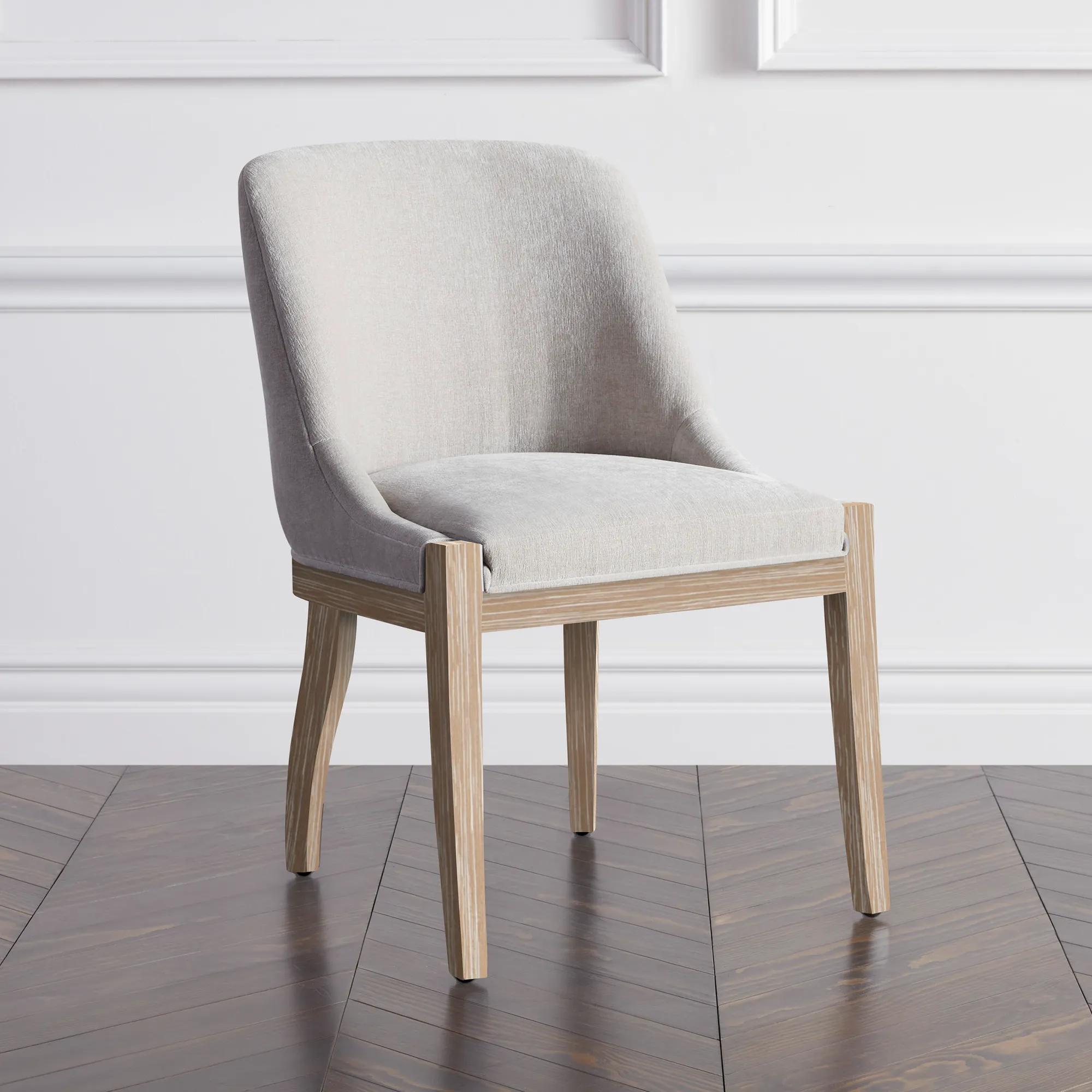
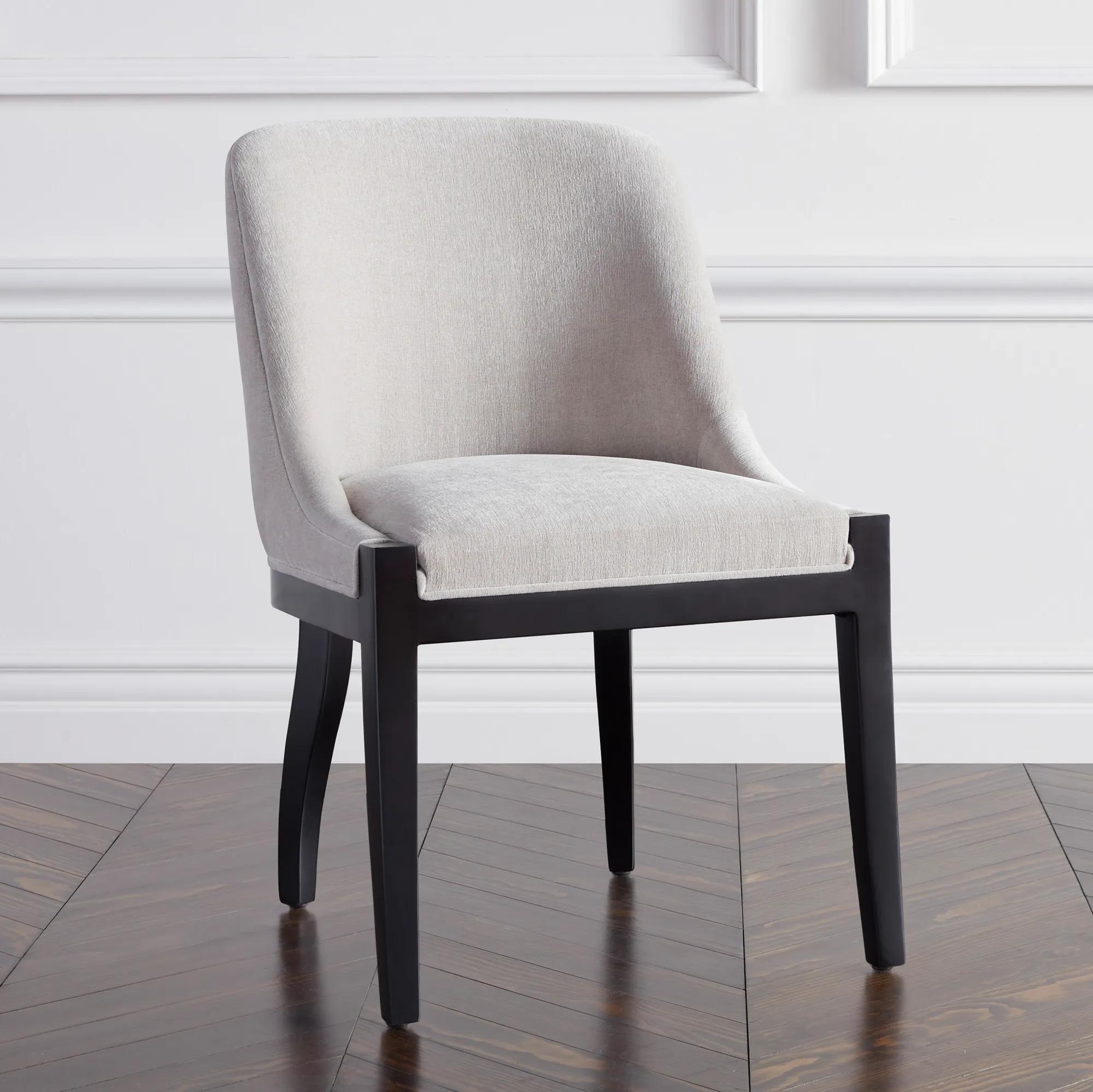
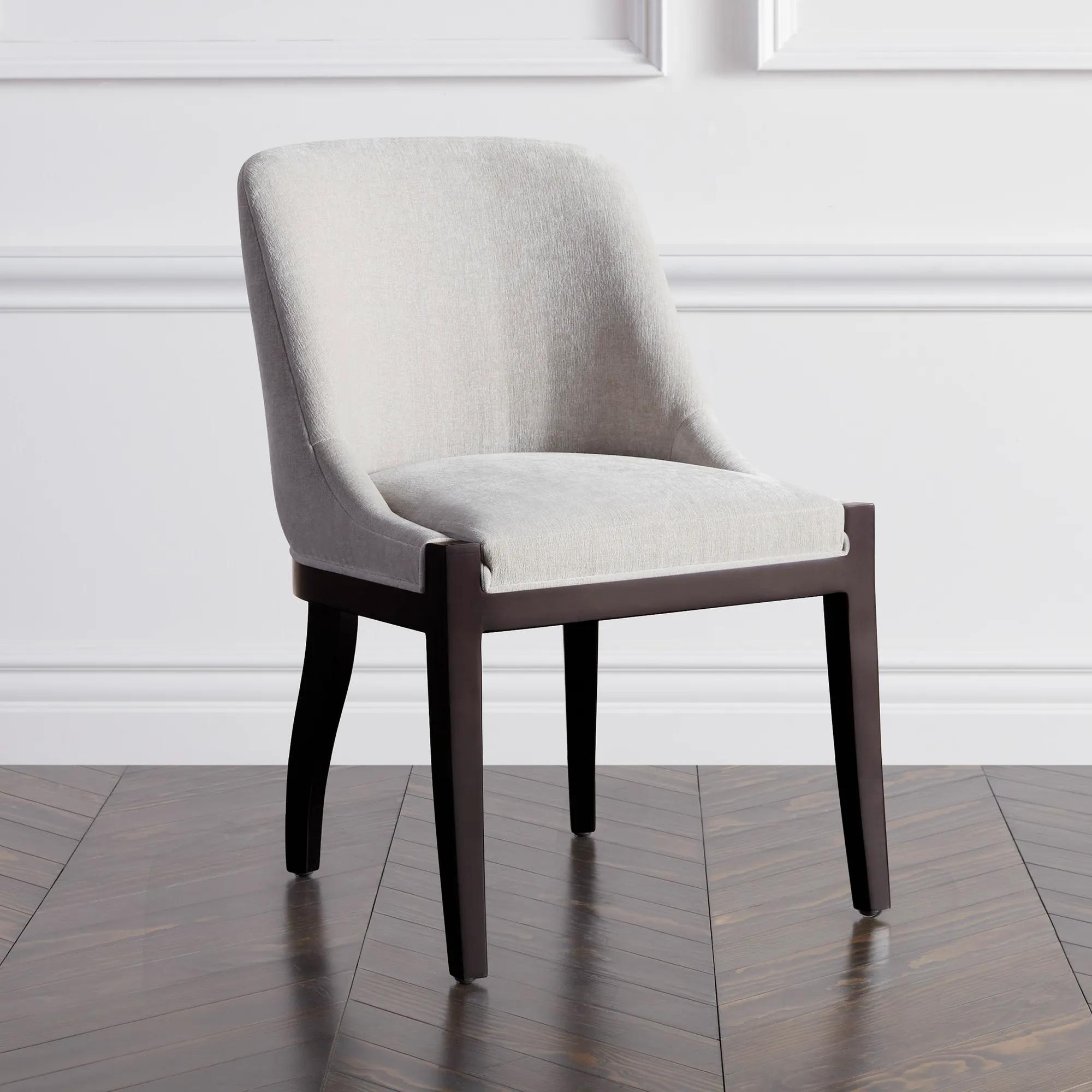
 Lily Dining Chair - Wash Oak$699
A modern dining chair featuring a kiln-dried hardwood frame, wash oak legs, and tailored chenille upholstery.
Add To Cart -

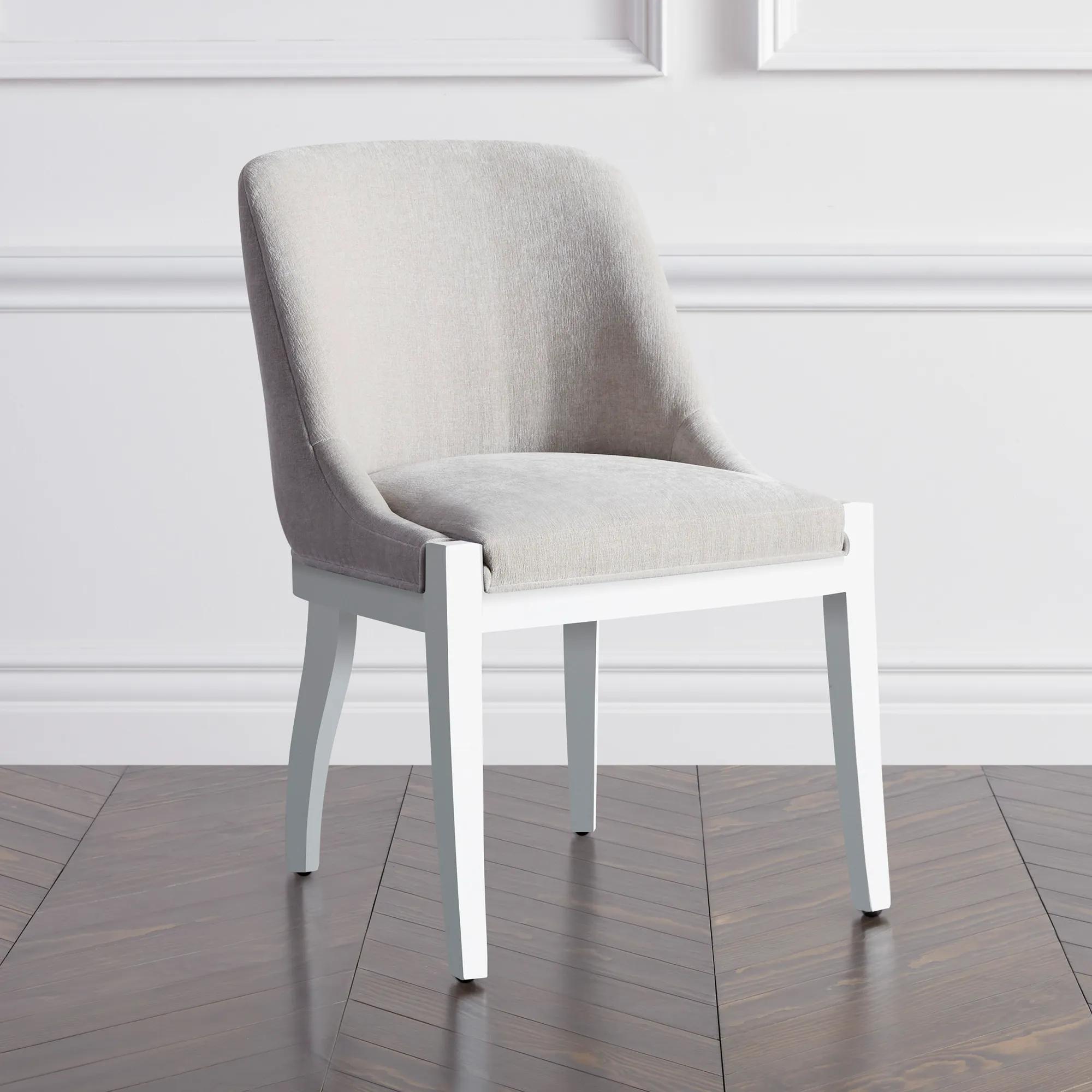
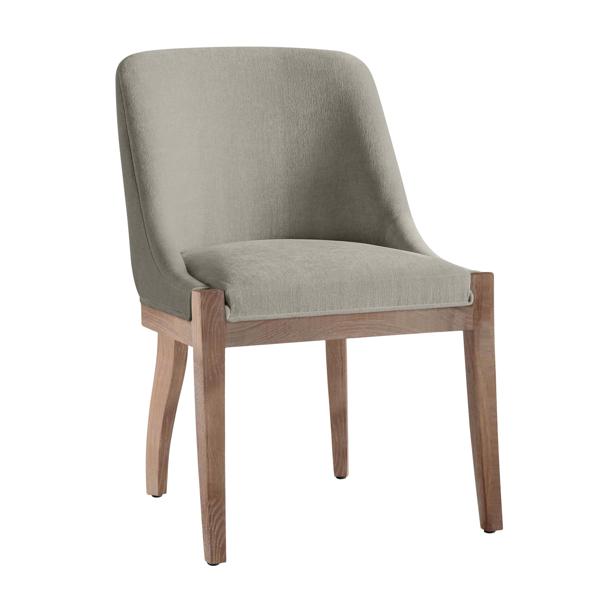
 Alric Dining Chair$599
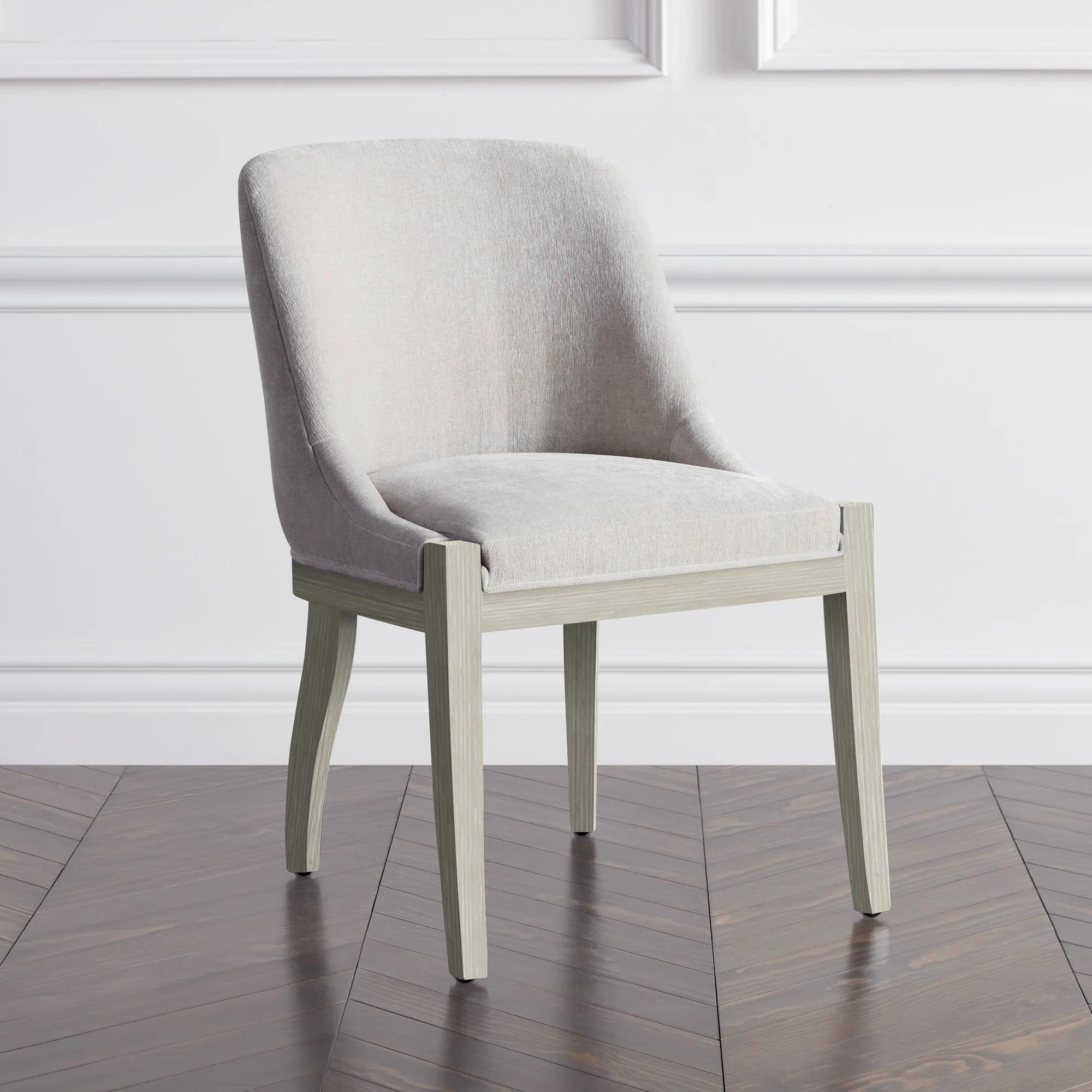
A modern dining chair featuring solid oak in a natural grey finish and neatly tailored upholstery.
Add To Cart -
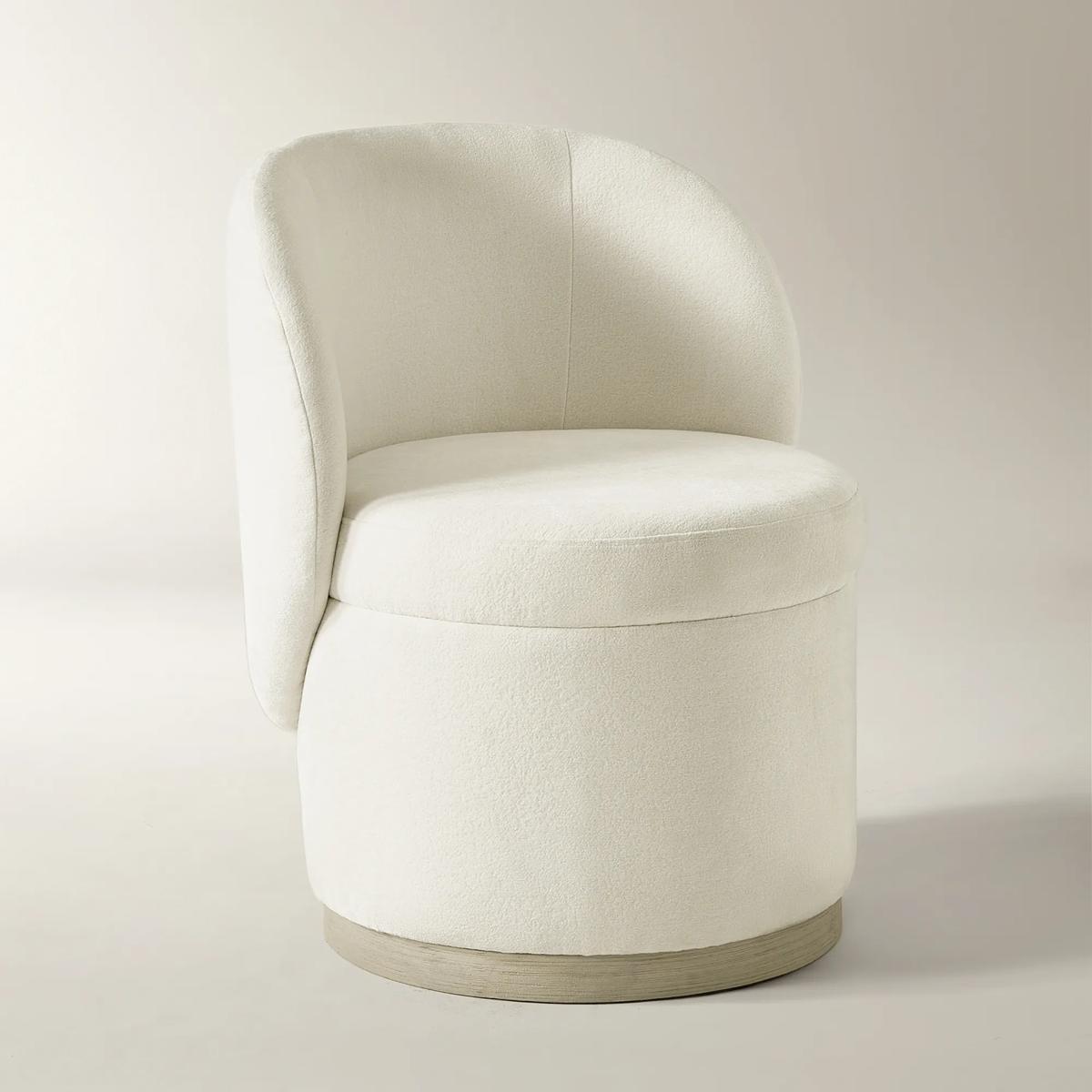 Stria Ivory Chenille Dining Chair With Oak Base$599
An ivory chenille chair featuring a plush, velvet-like finish and a handcrafted solid oak base.
Add To Cart -
 Stria Roasted Pecan Velvet Swivel Dining Chair With Oak Base$699
A velvet swivel dining chair with a sculpted curved profile and warm solid oak base.
Add To Cart -
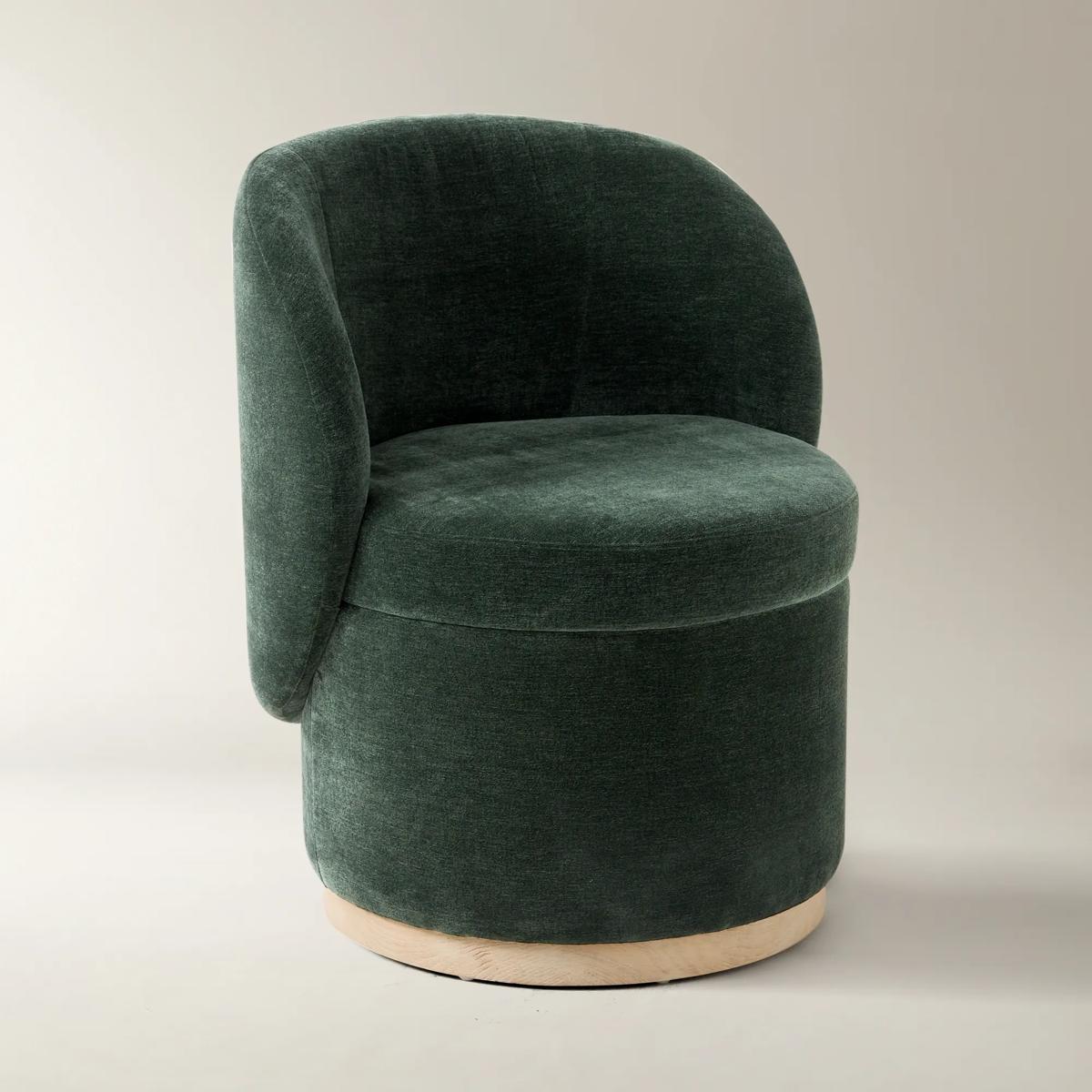
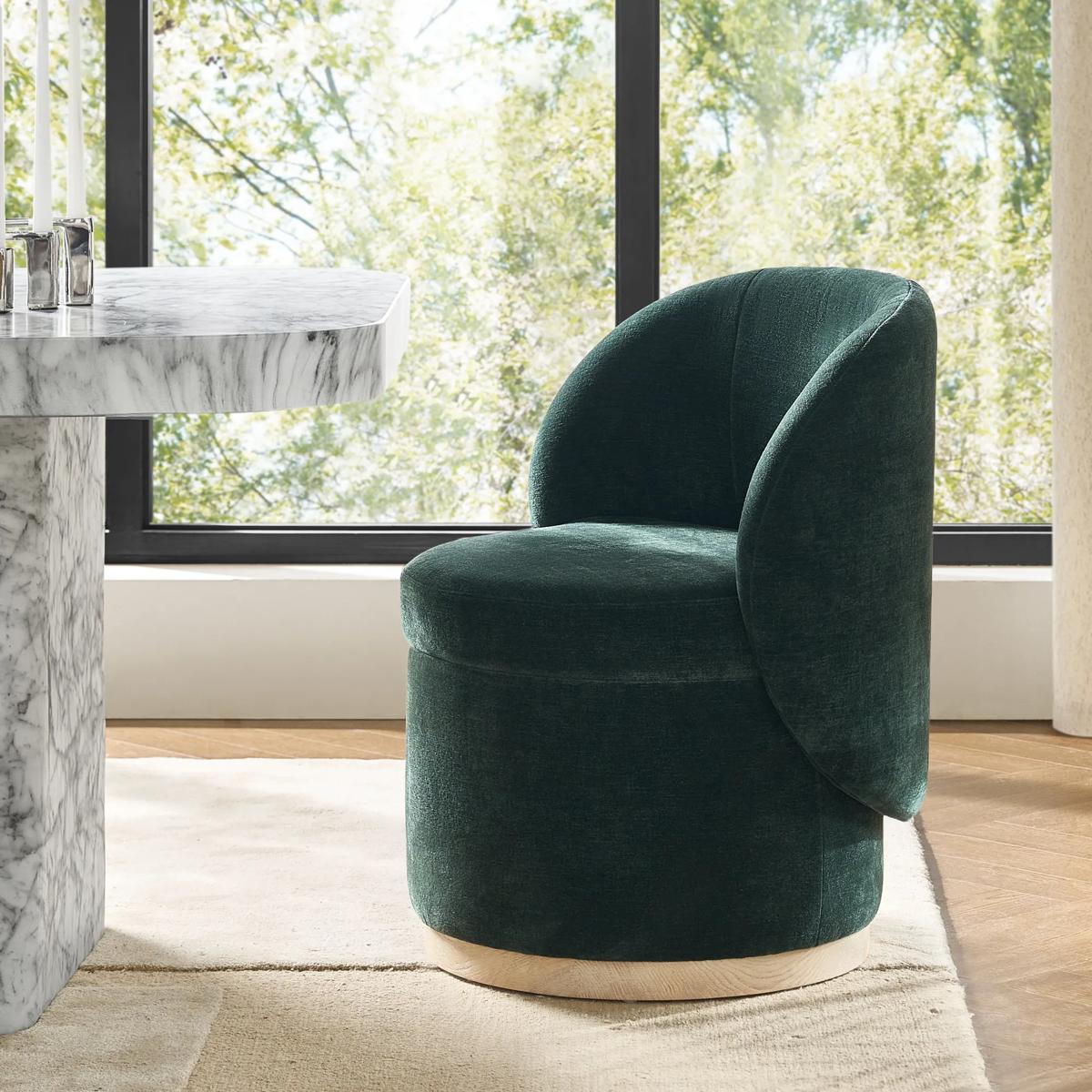 Stria Green Chenille Dining Chair With Oak Base$599
A green chenille dining chair with a handcrafted solid oak base and inviting, softly curved silhouette.
Add To Cart -
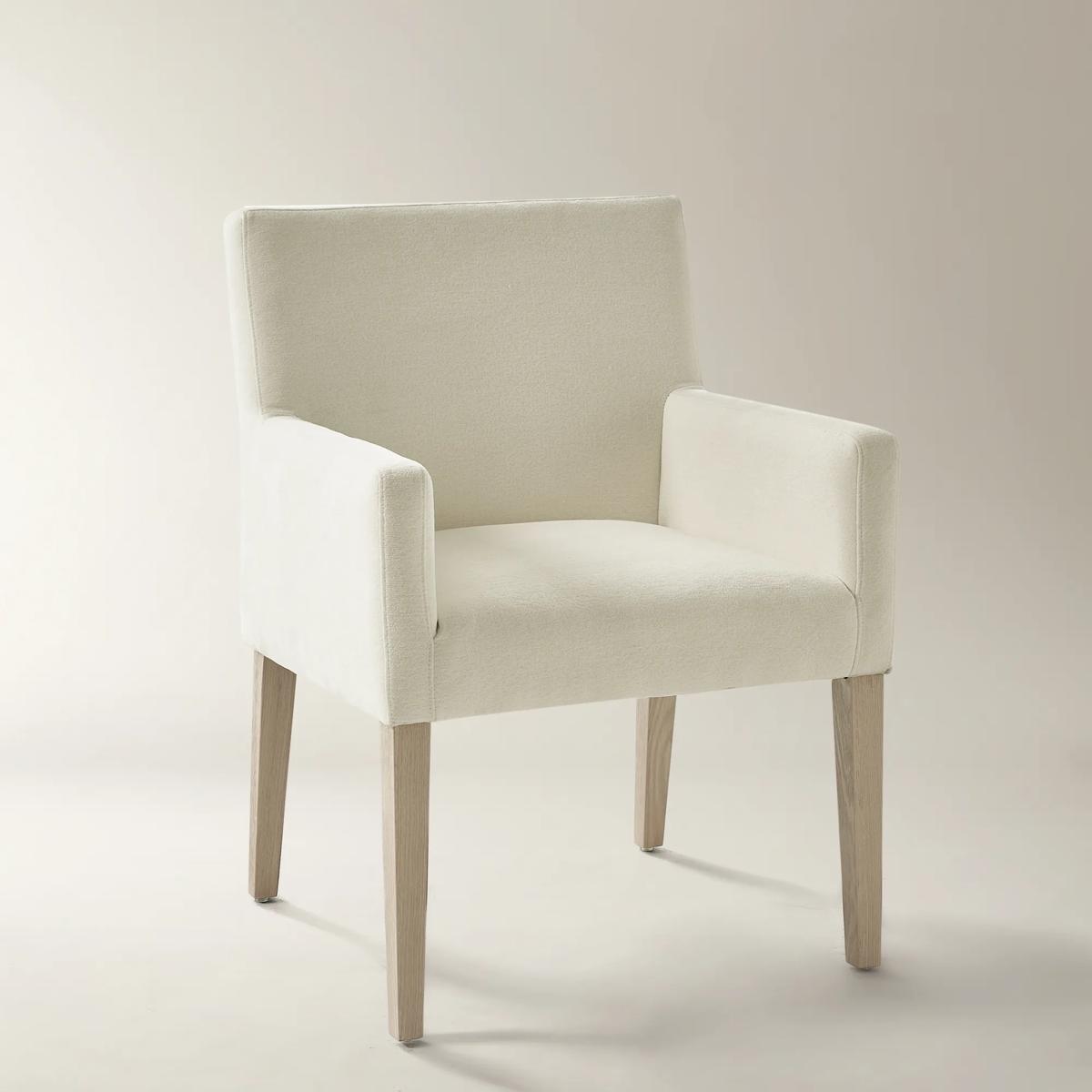
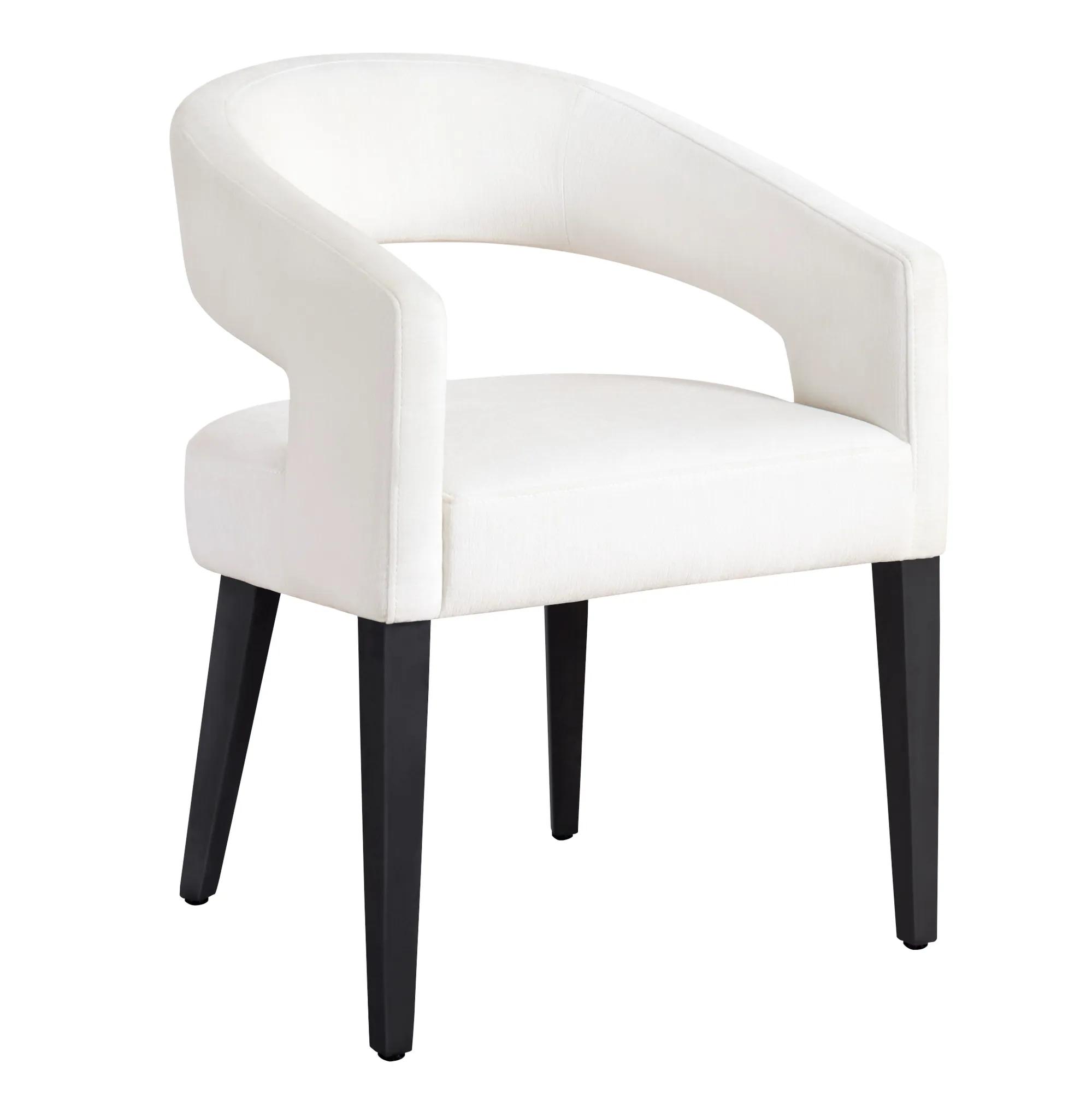
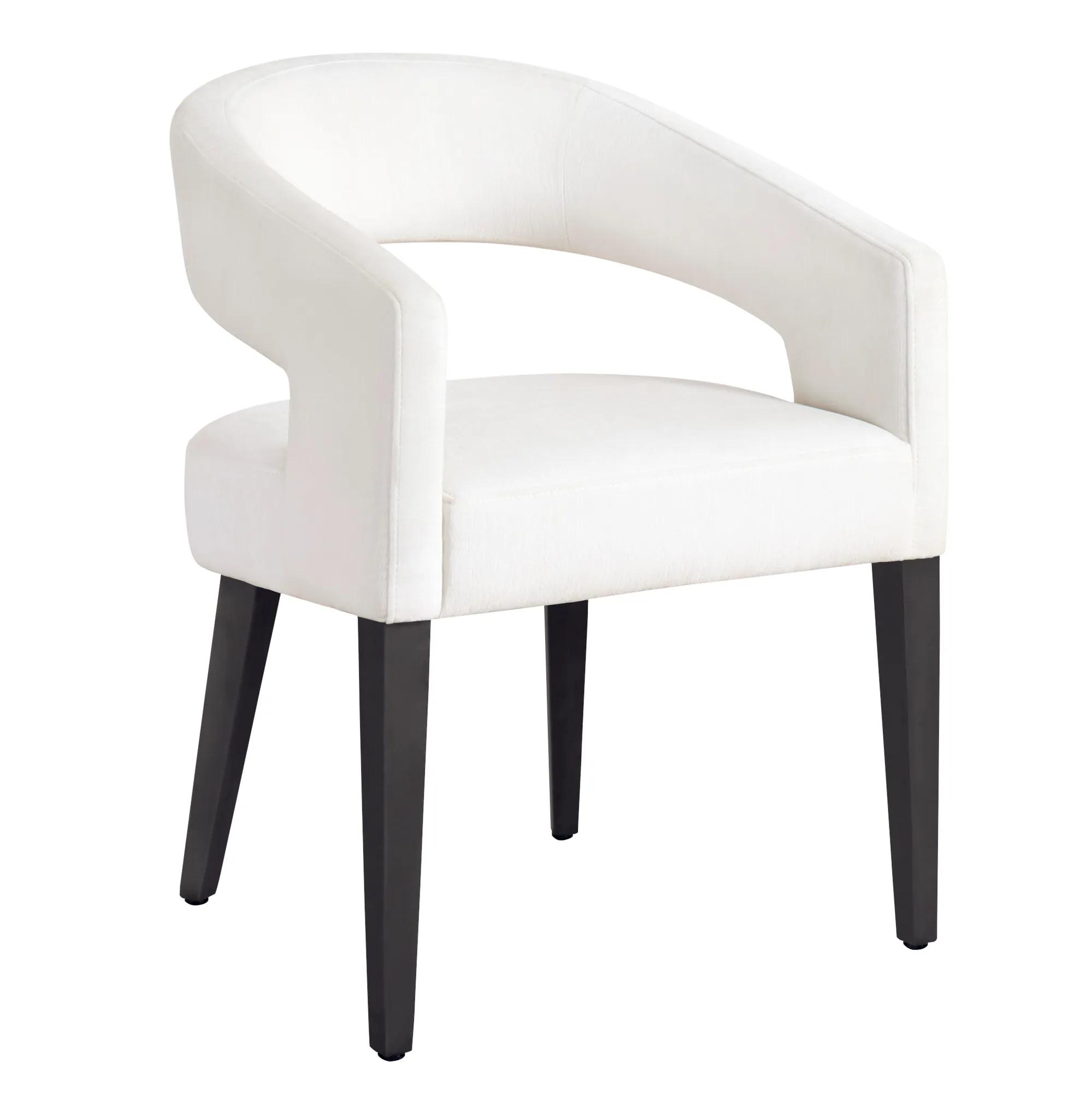
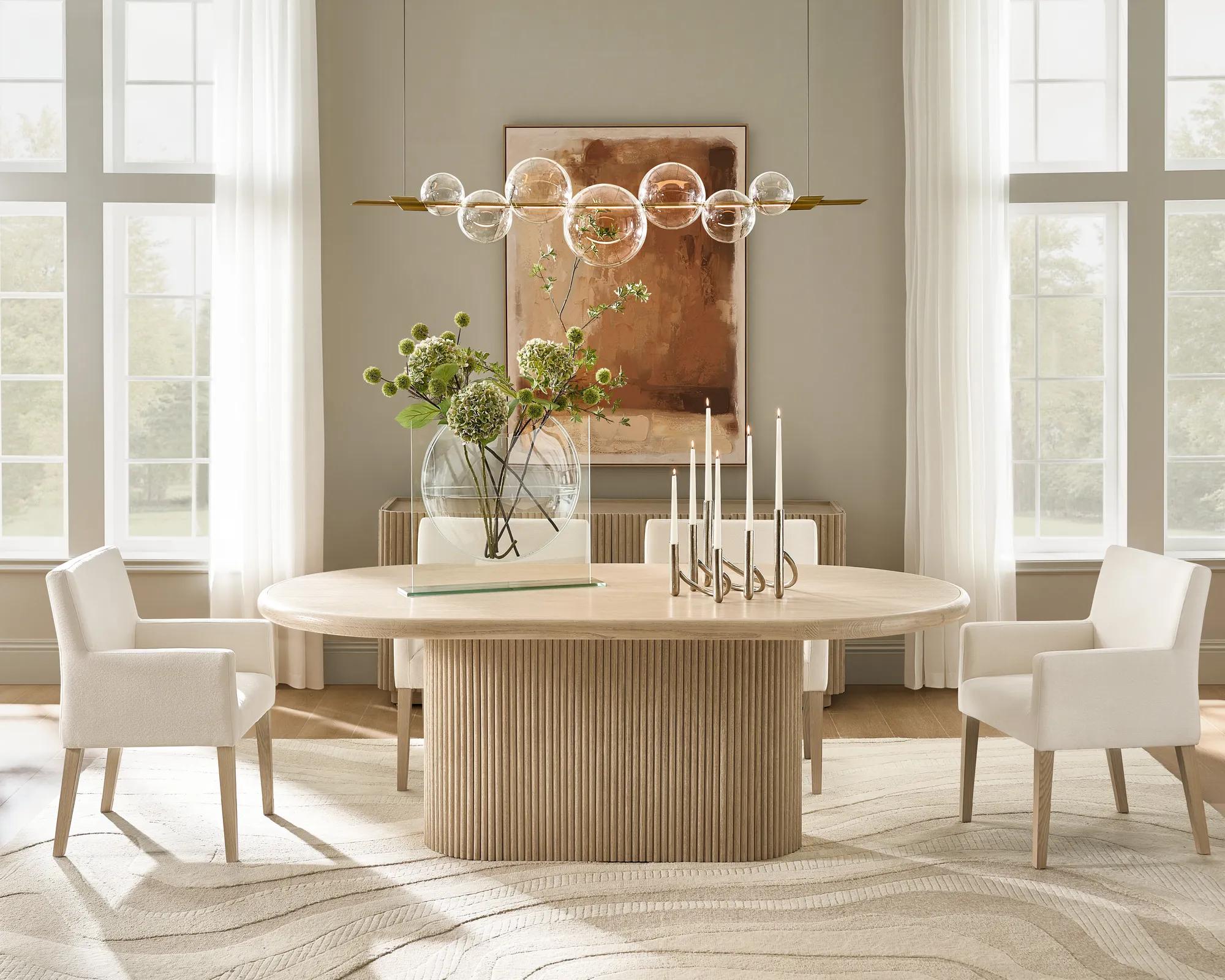 Stria Ivory Chenille Dining Chair Set Of 2$599
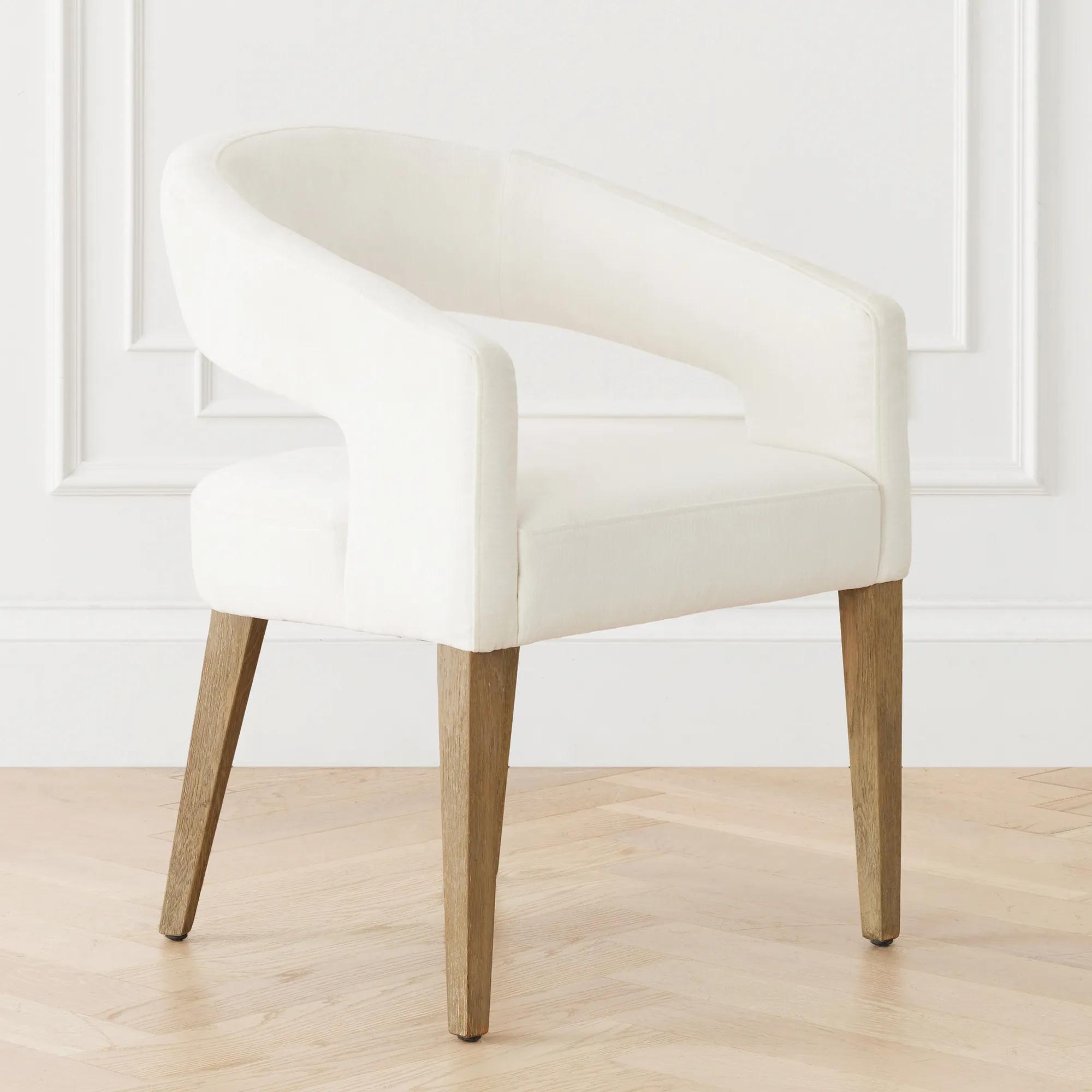
A pair of ivory chenille arm chairs with natural oak legs, offering plush comfort and modern elegance.
Add To Cart -
 Stria Ivory Chenille Swivel Dining Chair With Oak Base$699
A sculpted ivory chenille dining chair with a solid oak base and smooth 360-degree swivel.
Add To Cart -

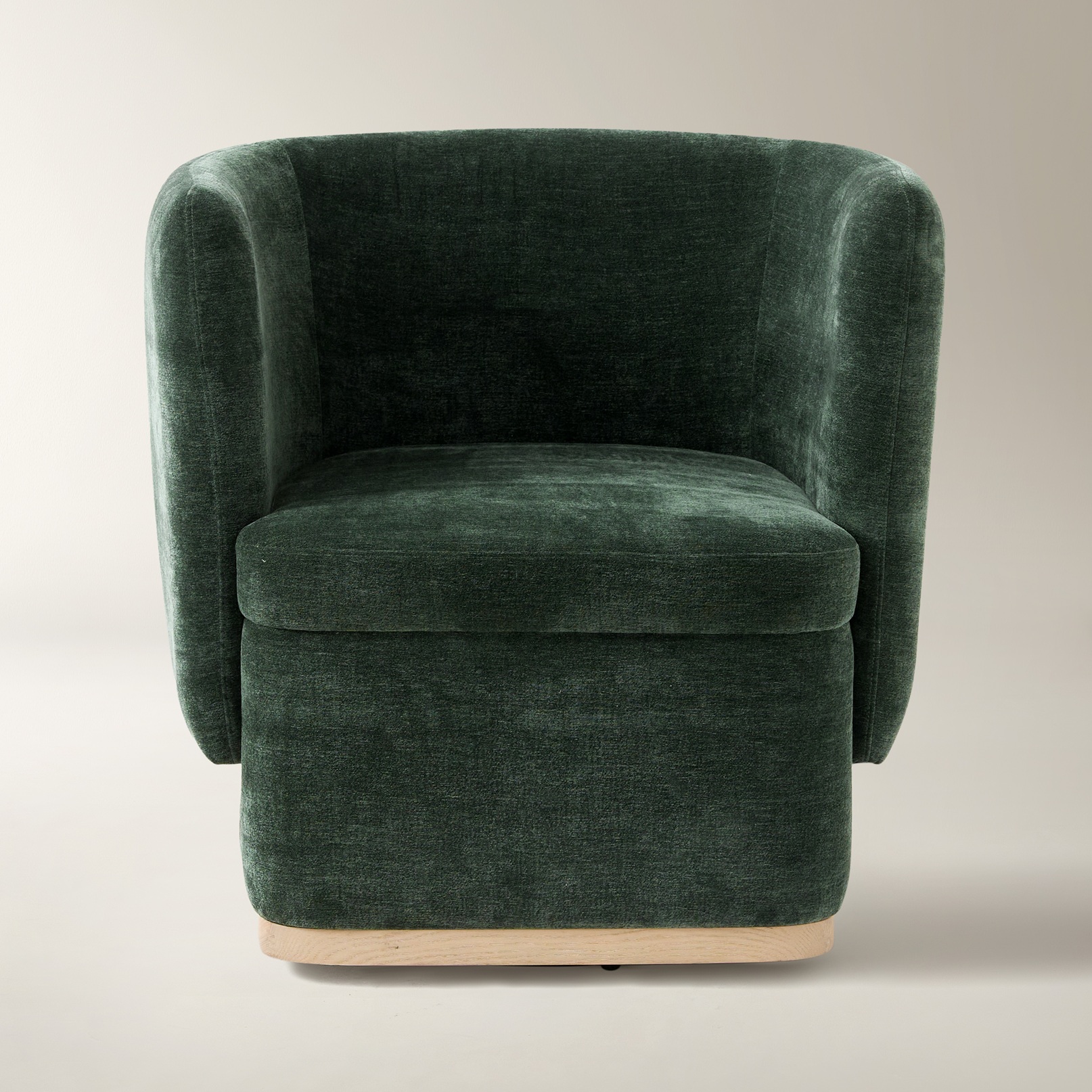 Stria Green Chenille Swivel Dining Chair With Oak Base$699
A green chenille dining chair with a sculpted curved profile, solid oak base, and 360° swivel.
Add To Cart -
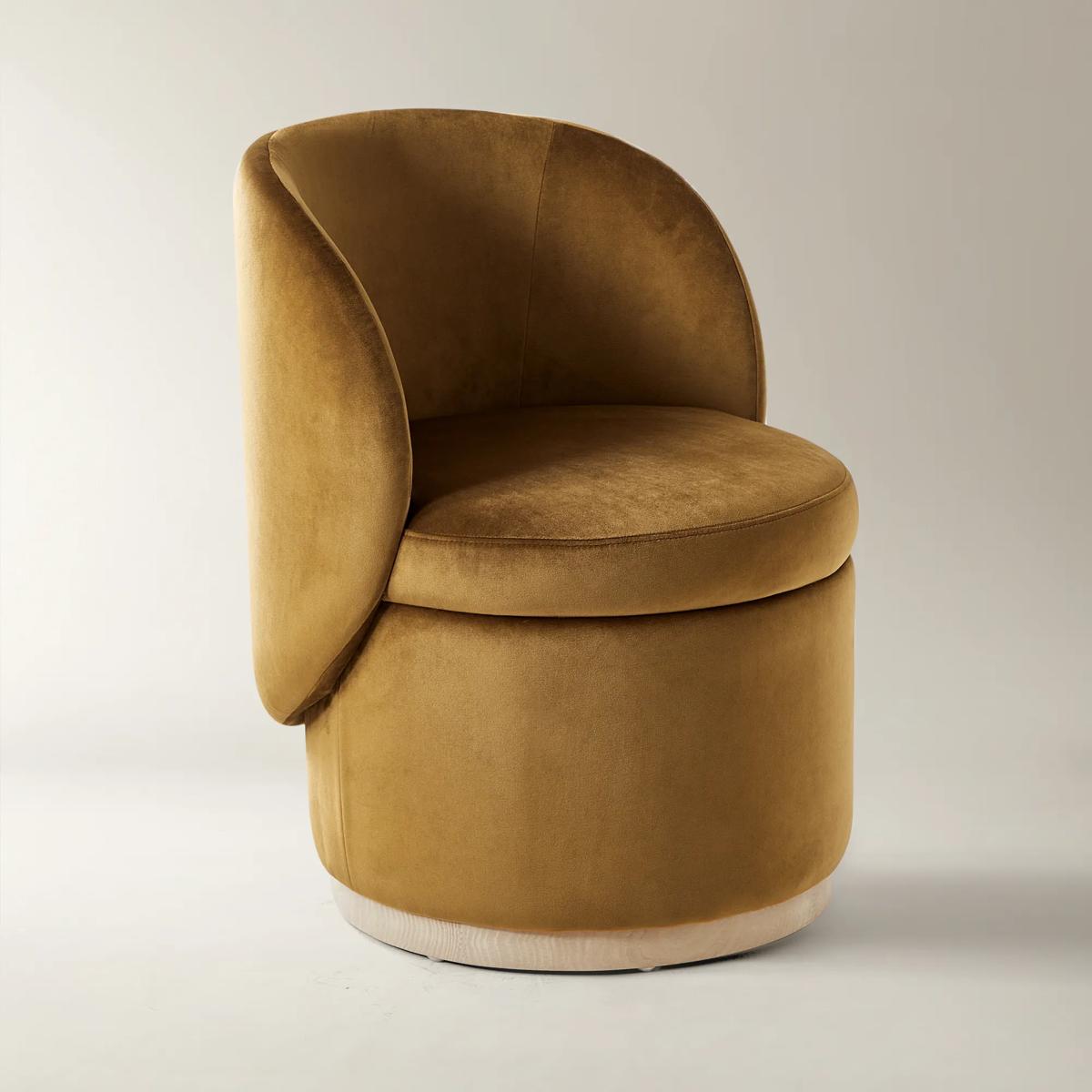
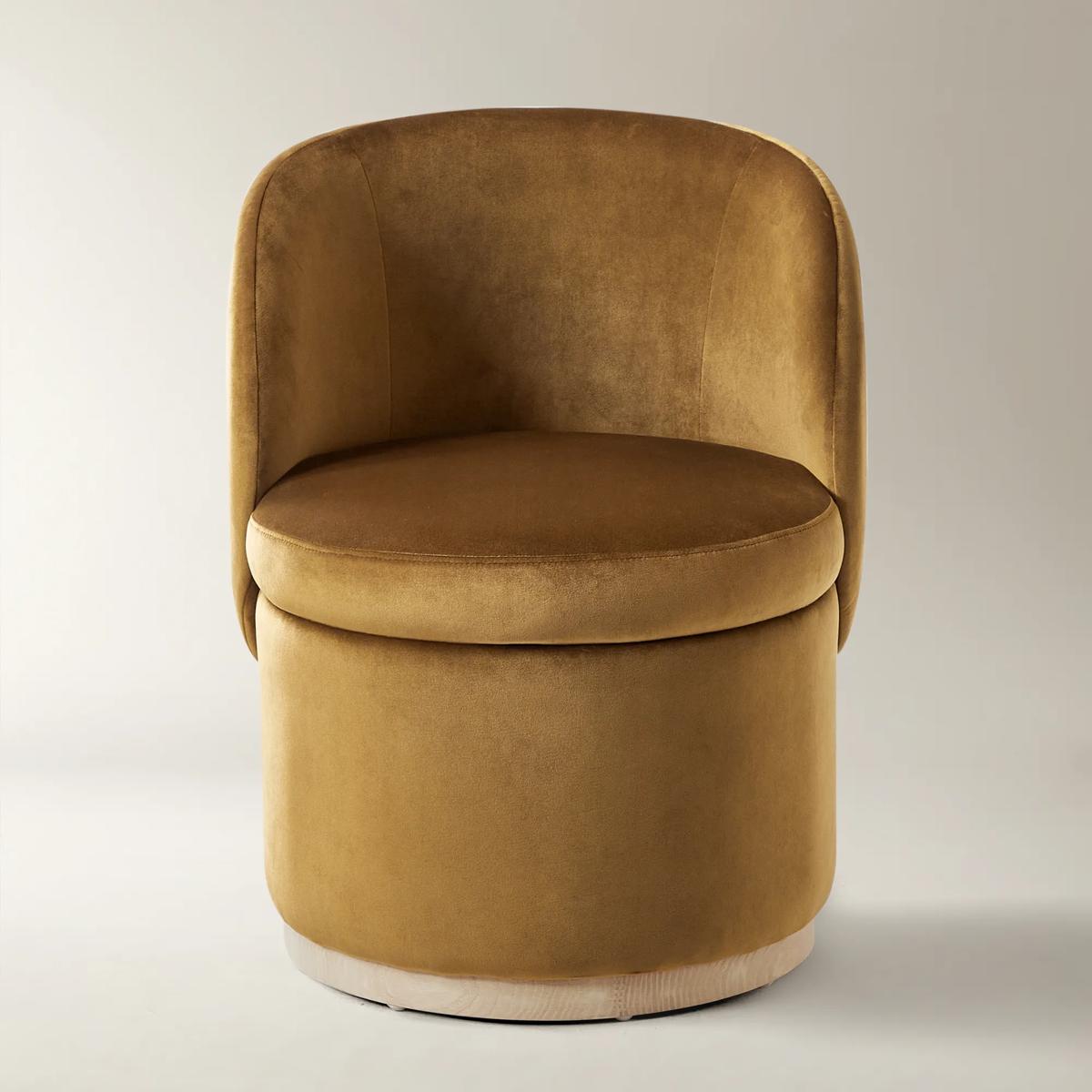 Stria Roasted Pecan Velvet Dining Chair With Oak Base$599
A khaki chenille chair featuring cozy upholstery and a handcrafted solid oak base for organic warmth.
Add To Cart

Oak Dining Chairs With Fabric Seats
Oak dining chairs with fabric seats bring the warmth of wood and the inviting texture of upholstery to your dining room. Compare seat heights, chair widths, and fabric colors to find seating that complements your table, leaves comfortable space to move, and gives your dining setting a tailored, expressive finish.
Oak dining chairs with fabric seats combine the expressive grain of oak with the softness of upholstered seating, creating a dining room that feels polished without becoming formal or distant. The wood brings visual depth and structure; the fabric introduces texture, color, and a more inviting place to settle into conversation. This balance suits everything from an intimate breakfast table to a dining space arranged for generous, lingering dinners. Oak’s grain can remain a defining feature beneath a clear or lightly tinted finish, while deeper stains lend the frame a more dramatic presence. The effect depends as much on the chair’s silhouette as its color. A curved wooden back can frame the table with a graceful line, tapered legs can keep the arrangement visually open, and a substantial frame can give a large dining table the presence it deserves. Seat-only upholstery leaves more of the wood exposed, while an upholstered back adds another layer of softness and a stronger fabric statement. Pale linen-look upholstery against natural oak creates an airy composition with tactile richness. Charcoal, ink, or richly textured neutrals can establish a more tailored mood, particularly beside gleaming metal accents or a sculptural centerpiece. These chairs also offer an elegant connection between contrasting materials: oak adds warmth beside glass, provides a textured counterpoint to marble, and brings dimension to a lacquered table. An exact wood match is not essential. A shared undertone or a repeated accent color can make different finishes feel intentional rather than accidental. Fabric choices shape that relationship, too. A tightly woven surface reads differently from a nubby weave or a plush pile, even when the colors are similar. For an open dining area visible from the living room, upholstery that echoes a nearby sofa, rug, or artwork creates continuity without making every surface look coordinated. The result is seating that contributes to the room’s composition while remaining grounded in its everyday purpose.
Proportion gives oak dining chairs with upholstered seats their place at the table. A chair should feel generous enough to support a relaxed meal without crowding neighboring guests or overwhelming the room. Seat height, overall width, seat depth, and back height all influence that balance, and the listed dimensions matter more than a photograph alone. For many standard dining tables, a seat approximately 10 to 12 inches below the tabletop provides a useful starting point, although a deep table apron can reduce usable legroom. Upholstered seats may compress under weight, so cushioning and seat construction also affect the seated position. Armchairs introduce another consideration: the arms need sufficient clearance beneath the table if the chairs are intended to tuck in fully. Around the table’s perimeter, roughly 24 inches of space per person is a common starting point, with wider chairs and more expansive place settings requiring additional room. Table legs and pedestal bases can change where chairs fit comfortably, especially at corners. Beyond the table, adequate pullback space helps guests sit down without interrupting the flow of the room; about 36 inches between the table edge and a wall or furniture is a useful baseline, with more room desirable along a frequently used walkway. These relationships are especially important in dining areas that share space with a kitchen or living room. Armless silhouettes can preserve an open sightline, while upholstered armchairs at the table ends can introduce a more enveloping feel. Comfort depends on more than visible padding: back angle, seat depth, edge shape, and support beneath the upholstery all contribute. For a household that uses the dining table for conversation, homework, and occasional laptop sessions as well as meals, those details have lasting relevance. A coordinated set creates a composed rhythm, while complementary end chairs can add distinction. As a substantial housewarming or wedding gift, dining seating is most meaningful when its dimensions, upholstery preferences, and relationship to the recipient’s table have already been confirmed.
Materials and construction determine how gracefully the seating supports daily life. Oak is a hardwood valued for its strength and distinctive grain, but the word alone does not describe an entire chair. Solid oak components, oak veneers over another substrate, and oak-colored finishes are different specifications; an oak-toned finish does not necessarily mean the underlying material is oak. Product descriptions should clarify which parts contain oak and how the frame and seat are constructed. Secure joinery, appropriate reinforcement, and a stable base contribute to durability, while the upholstery’s fiber content and weave influence its feel and maintenance needs. Cotton, linen, polyester, and blended fabrics each have different characteristics, and performance claims should be evaluated according to the particular fabric rather than assumed from its appearance. A pale textured seat can make a striking statement in a dining room used for entertaining, but frequent family meals may make cleanability a greater priority. Homes with pets may also benefit from considering how readily a weave could catch claws or retain hair. No fabric should be treated as stainproof unless its specifications support that claim, and protective treatments do not replace prompt attention to spills. Regular, gentle vacuuming with an upholstery attachment can help remove crumbs and surface dust when permitted by the care instructions. Spills are generally best blotted rather than rubbed, with any cleaner selected according to the upholstery’s cleaning code and manufacturer’s directions; water is not appropriate for every fabric. Finished wood benefits from gentle dusting, prompt removal of moisture, and protection from abrasive cleaners and prolonged direct sunlight. Dragging a chair can strain its joints and mark flooring, while suitable floor protectors help preserve both the chair’s movement and the surface beneath it. Natural grain and color variation give oak individual character, so a group of chairs may share a finish without looking identical. For related silhouettes with an emphasis on the wooden base, oak leg dining chairs offer another way to consider proportion and material. Thoughtfully chosen fabric and oak bring lasting visual richness to the table, making practical seating an expressive part of the room.
FAQs
Oak dining chairs with fabric seats bring expressive grain and upholstered texture to modern, transitional, and glam-inspired dining rooms. For a tailored setting, pair them with clean-lined furnishings and tonal accents. To heighten the drama, introduce sculptural lighting, luminous metallic details, and art that gives the room a distinctive point of view.
Let contrast guide the composition. A glass dining table places the oak frames in the spotlight, while a dark wood table creates a rich backdrop for lighter upholstery. An oak table offers a more cohesive look; coordinate the wood undertones without feeling compelled to match every grain or finish.
Begin with the oak’s undertone and the mood you want to create. Ivory and warm neutrals offer a softly layered look, while charcoal introduces a more graphic contrast. For an expressive palette, consider jewel-toned upholstery, then echo that color in artwork or tabletop accents to give the dining room a deliberate, collected feel.
Mixing chair styles can give a dining room an artfully collected character. Establish a visual connection through a shared wood undertone, upholstery color, or silhouette, then introduce contrast through another detail. Oak dining chairs with fabric seats can anchor the arrangement while distinctive head chairs add a fresh layer of expression.
Follow the chair’s care instructions for both the oak finish and the upholstery. Gently remove dust from the wood with a soft cloth, and vacuum fabric using an upholstery attachment when recommended. Blot spills rather than rubbing, and check the fabric’s cleaning code before choosing a cleaning method or treatment.