Upholstered Seat Dining Chairs
Upholstered Seat Dining Chairs
-
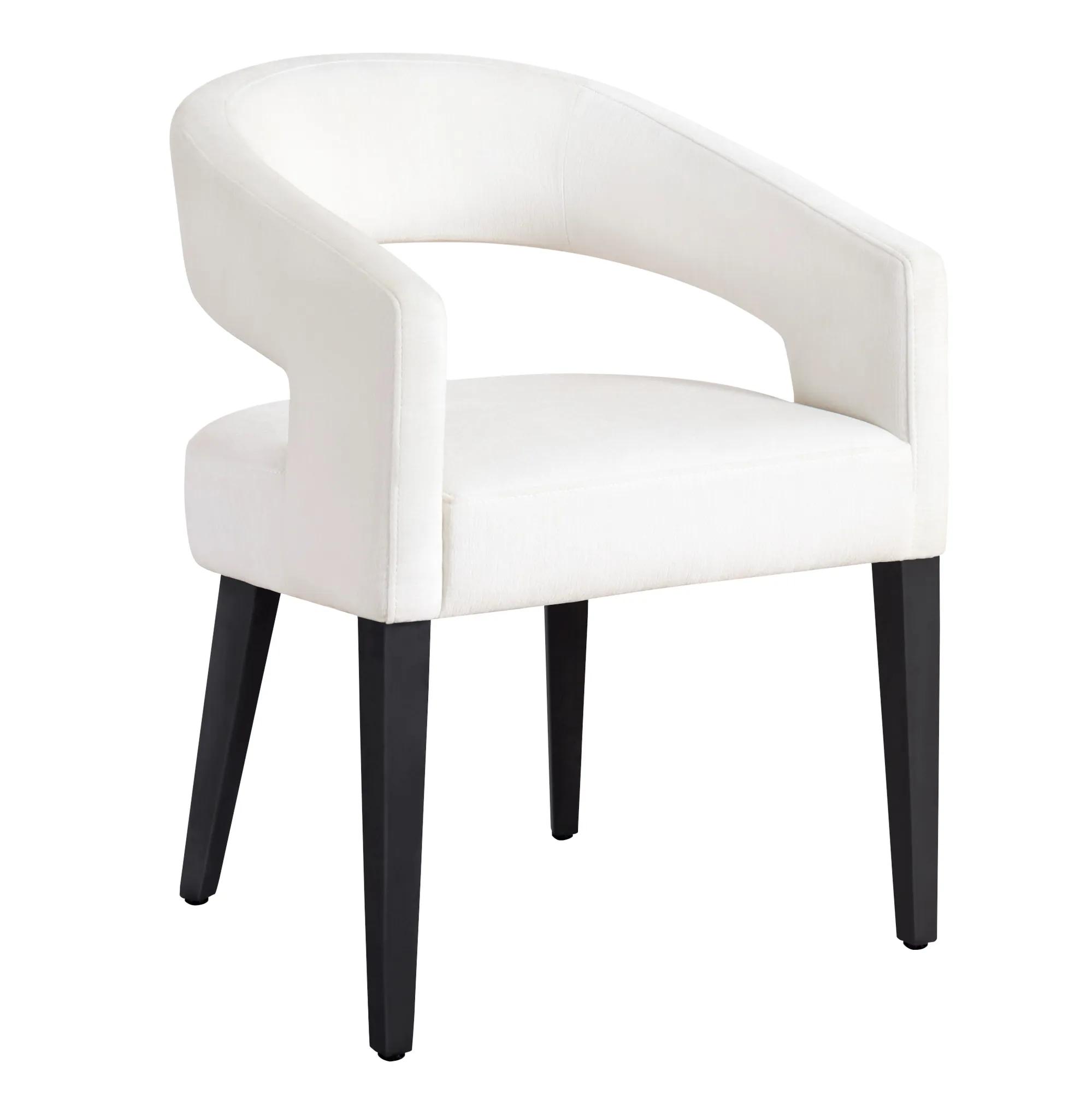
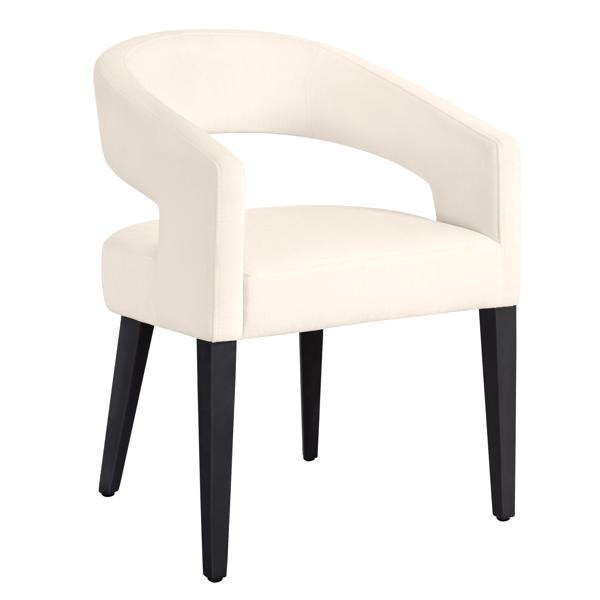 Philippa Dining Chair - Matte Black$599
A modern dining chair featuring a curved silhouette, matte black legs, and neatly tailored upholstery.
Add To Cart -
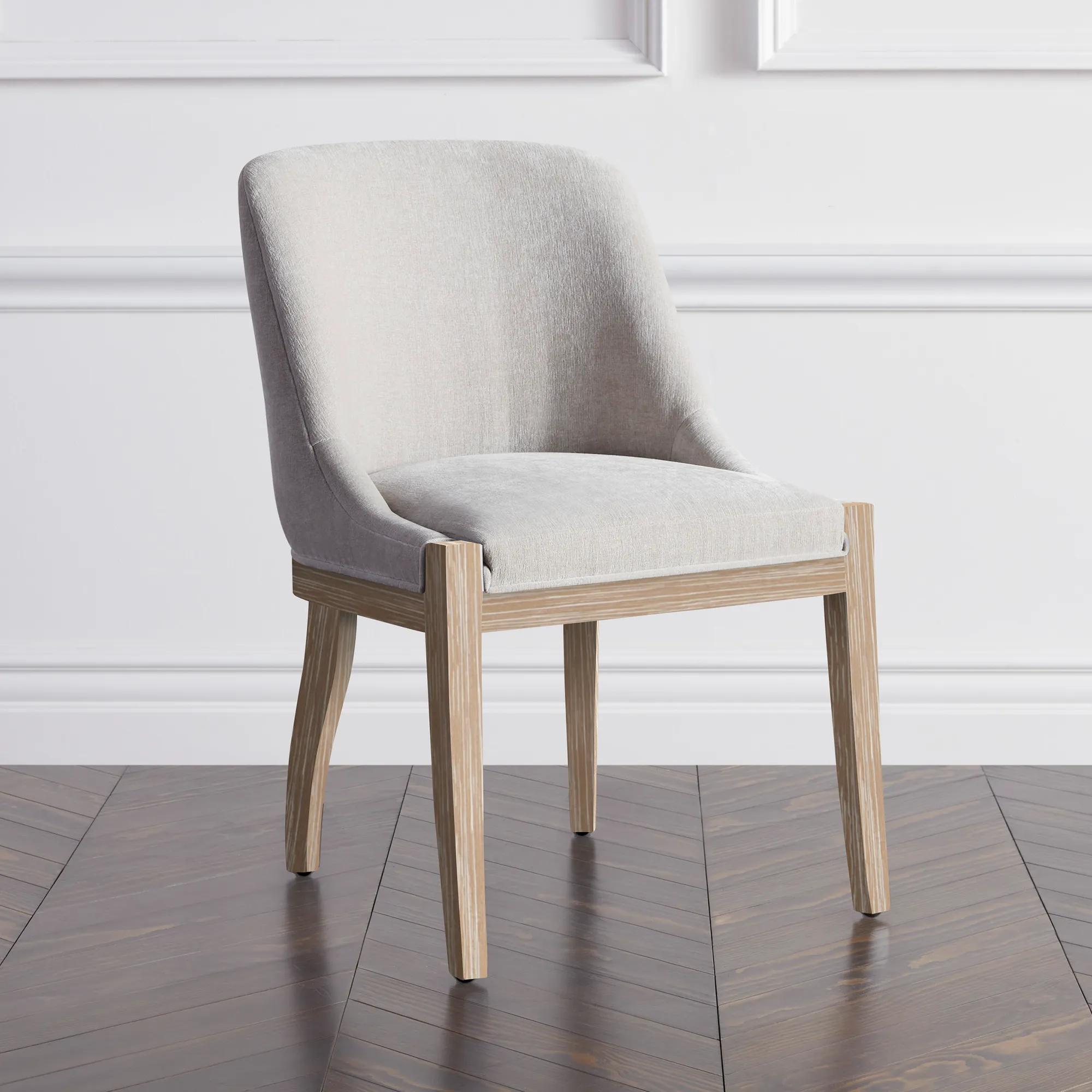
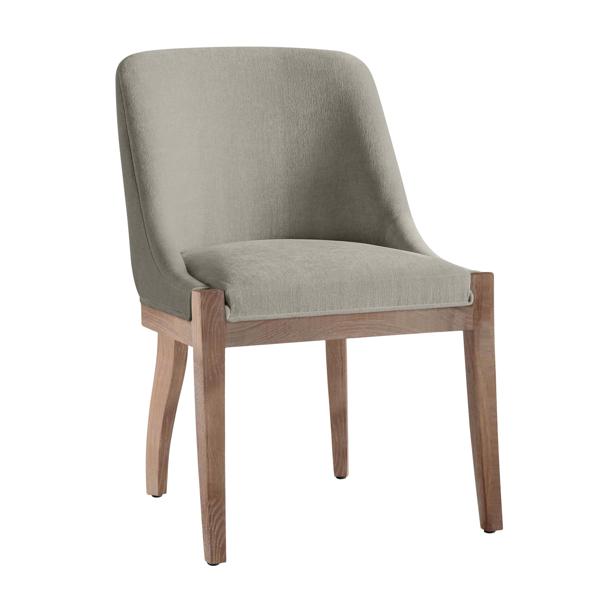 Lily Dining Chair - Wash Oak$699
A modern dining chair featuring a kiln-dried hardwood frame, wash oak legs, and tailored chenille upholstery.
Add To Cart -
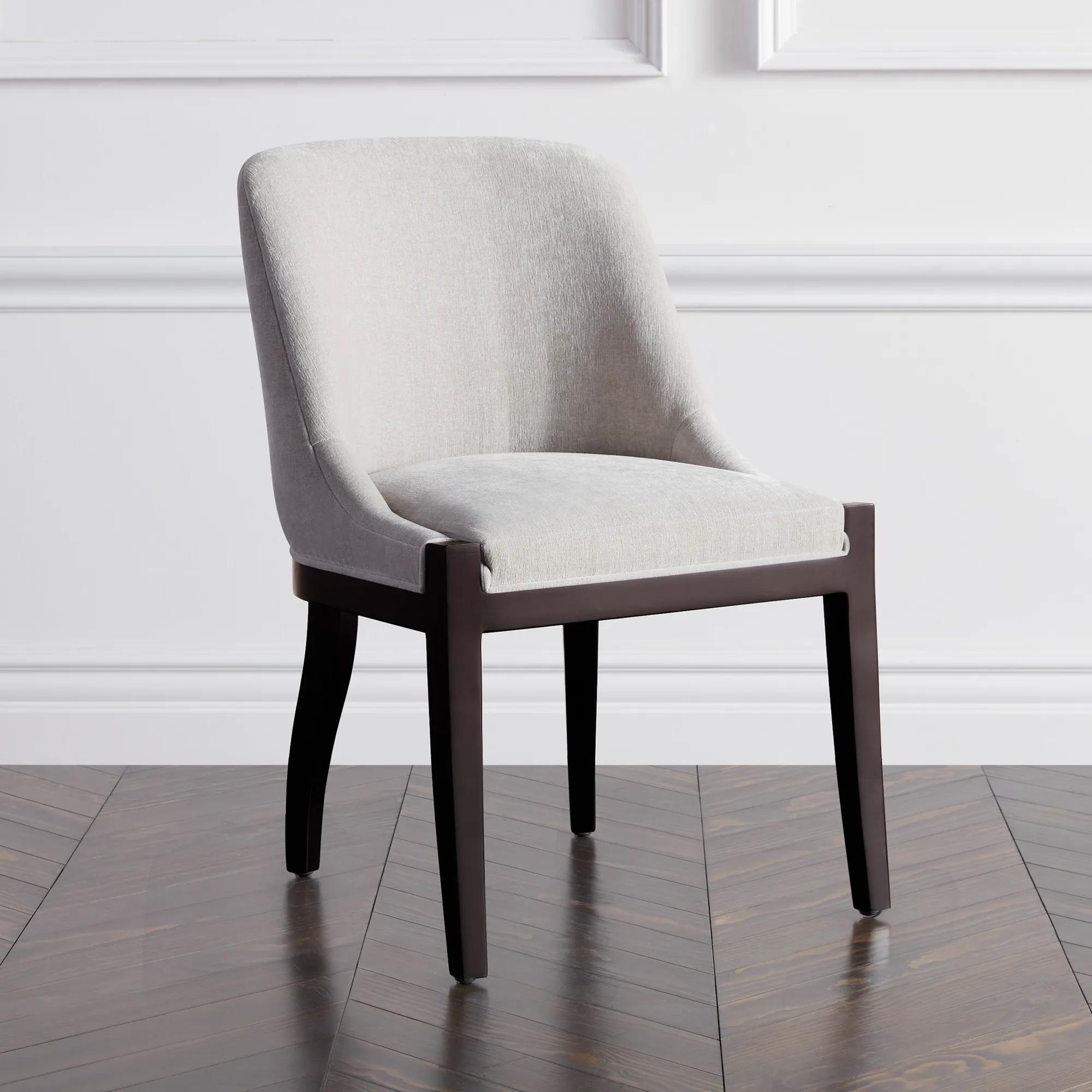
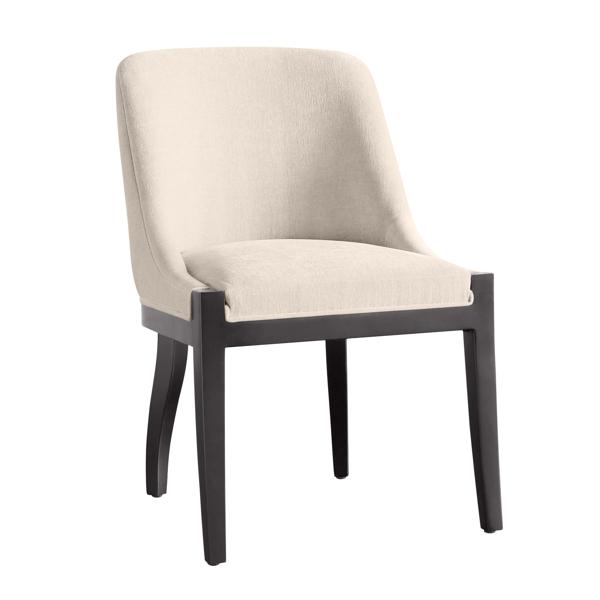 Lily Dining Chair - Espresso$599
A modern dining chair featuring espresso-finished hardwood, curvaceous silhouette, and plush, tailored upholstery.
Add To Cart -
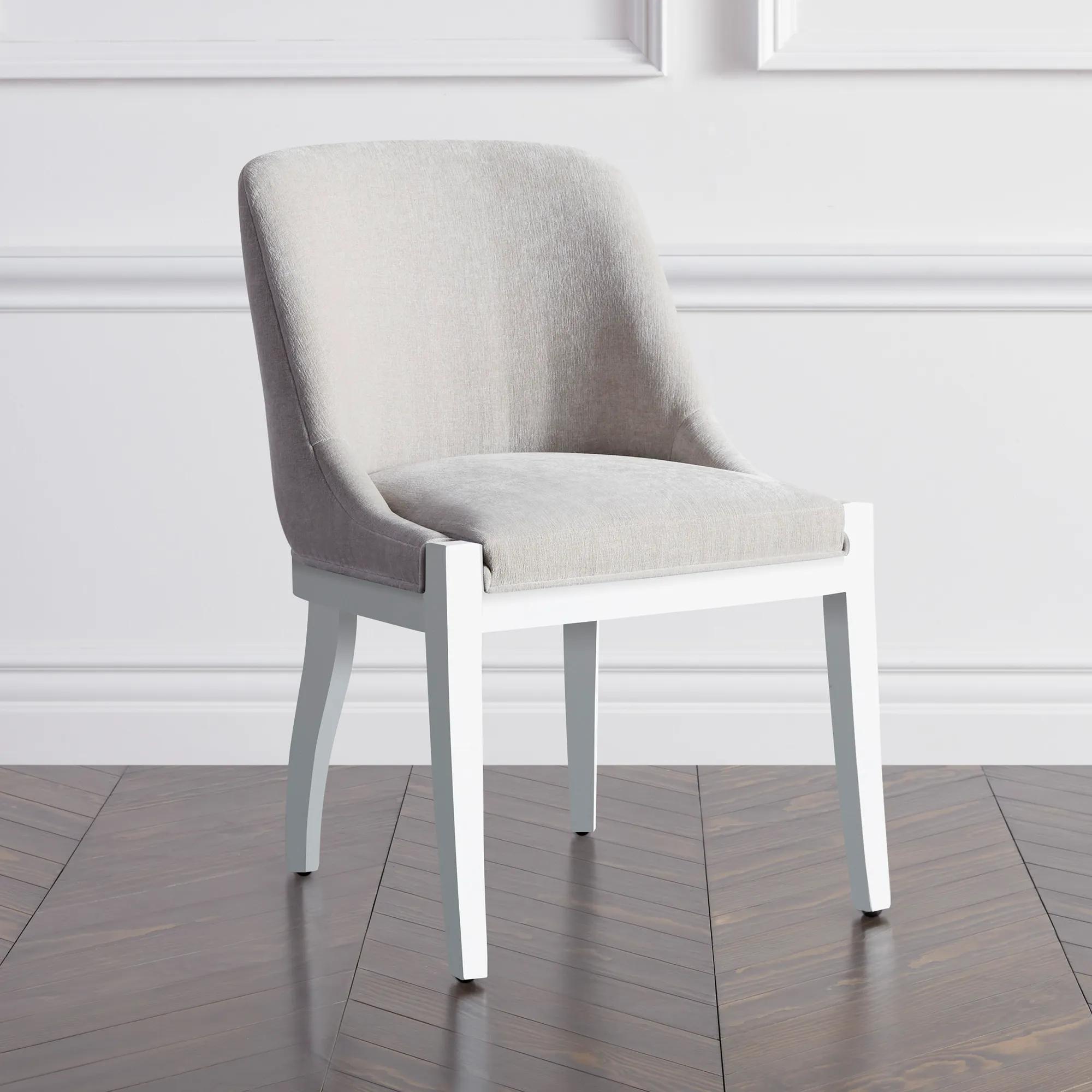
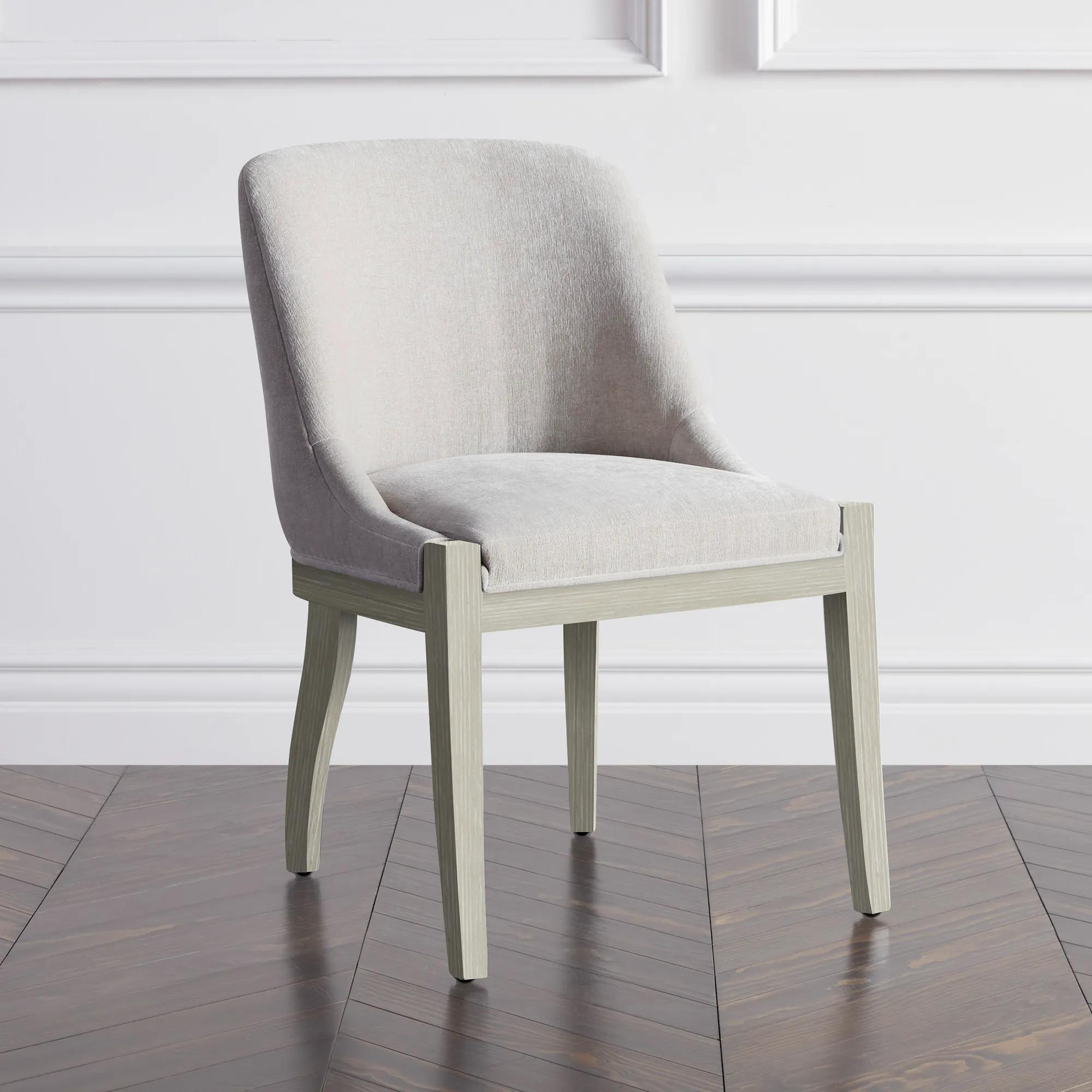 Lily Dining Chair - Natural Grey$649
A modern dining chair featuring kiln-dried hardwood, natural grey upholstery, and cushioned foam-and-fiber comfort.
Add To Cart -
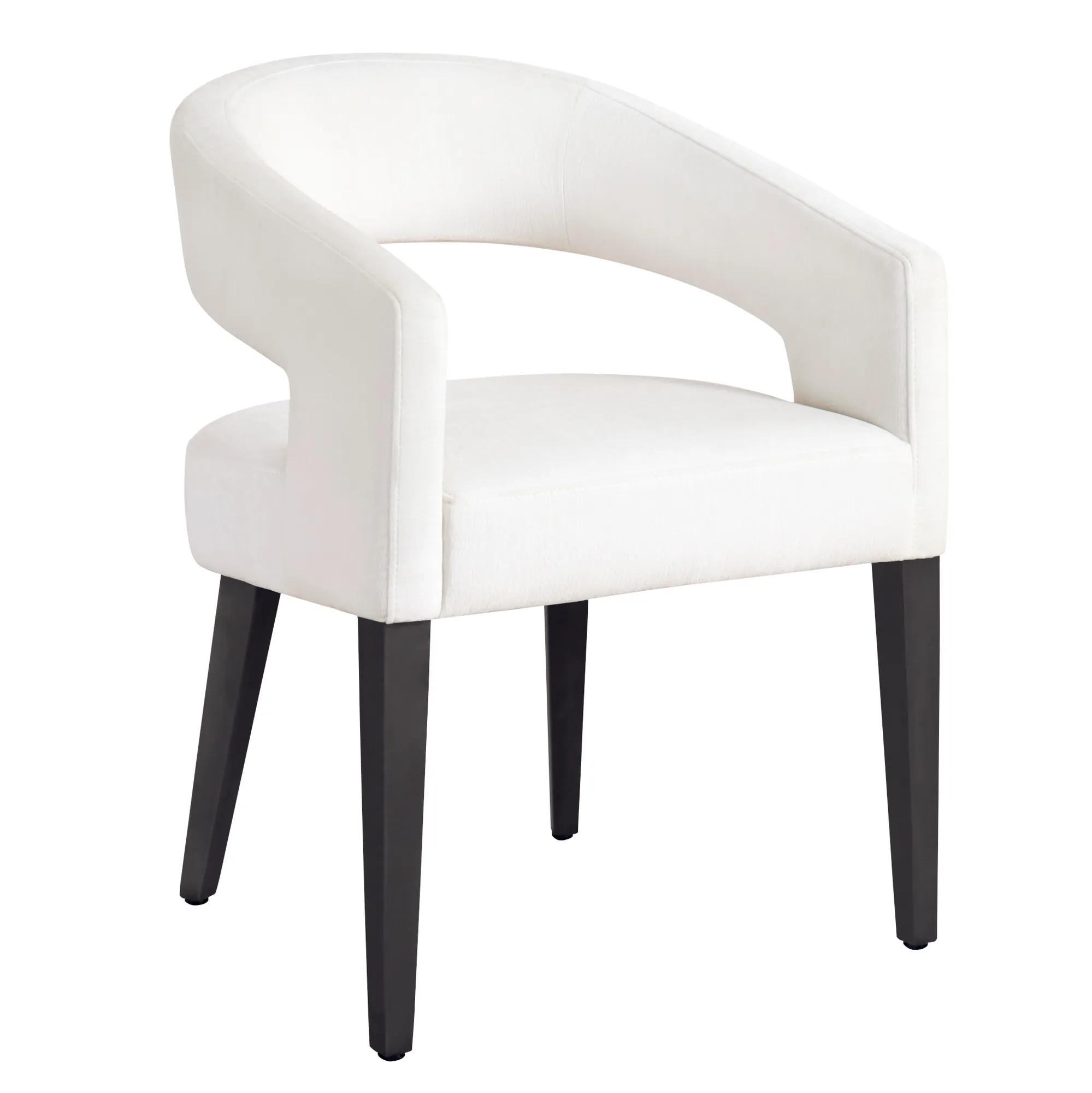
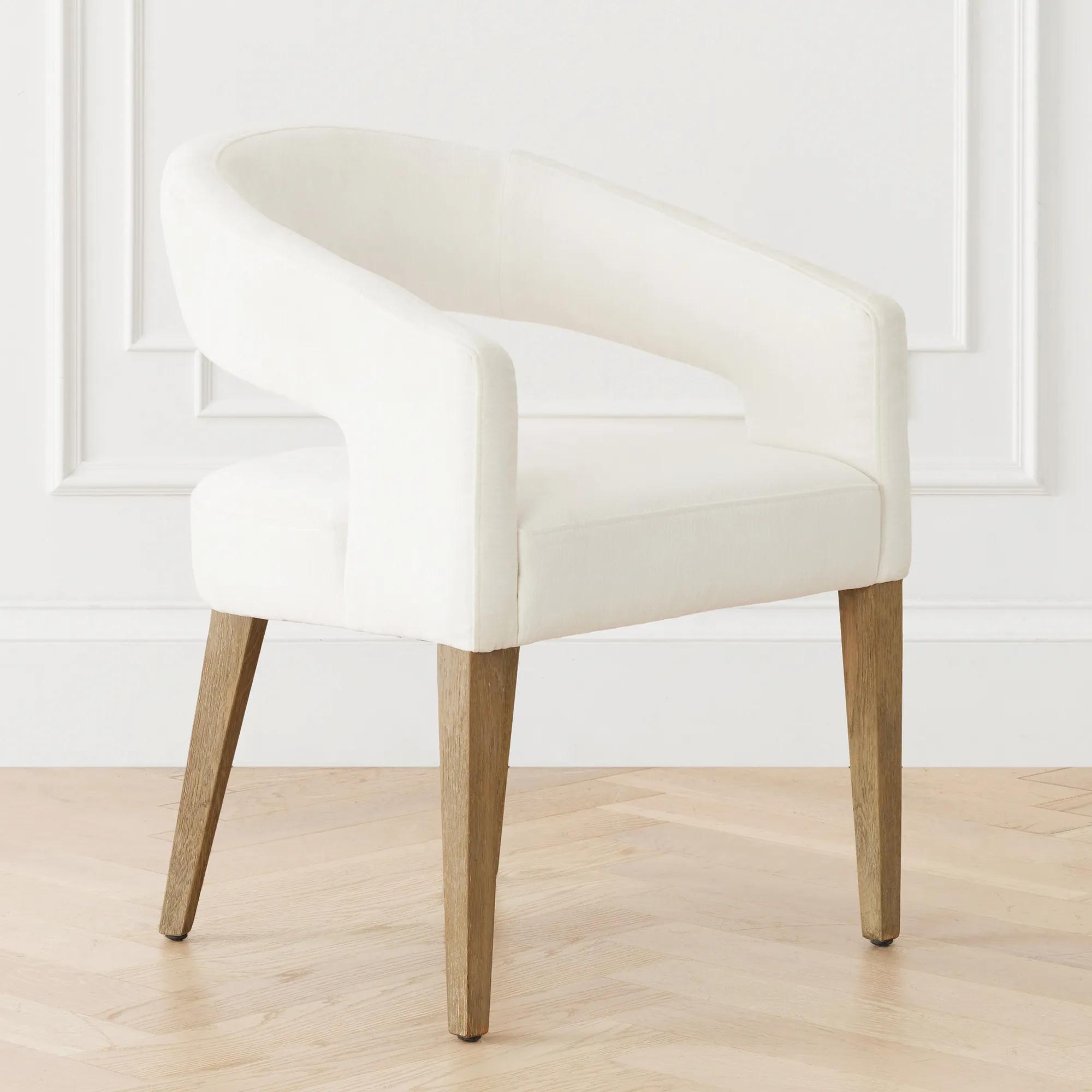
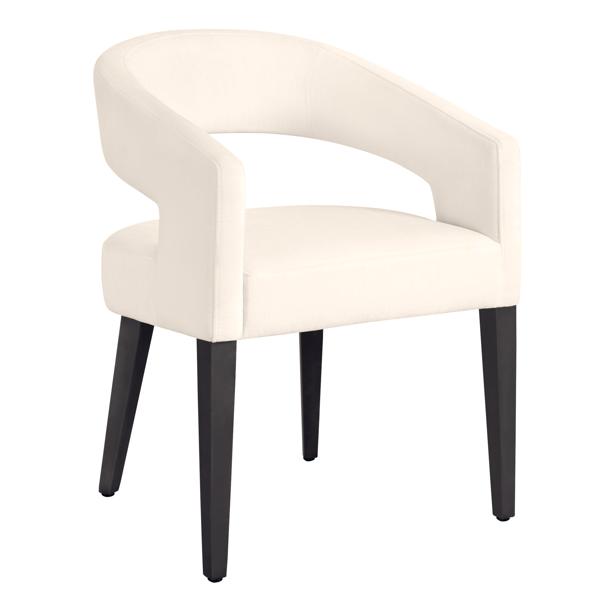 Philippa Dining Chair - Espresso$845
A curved, upholstered chair with an espresso-finished hardwood frame and a sleek back cutout.
Add To Cart -
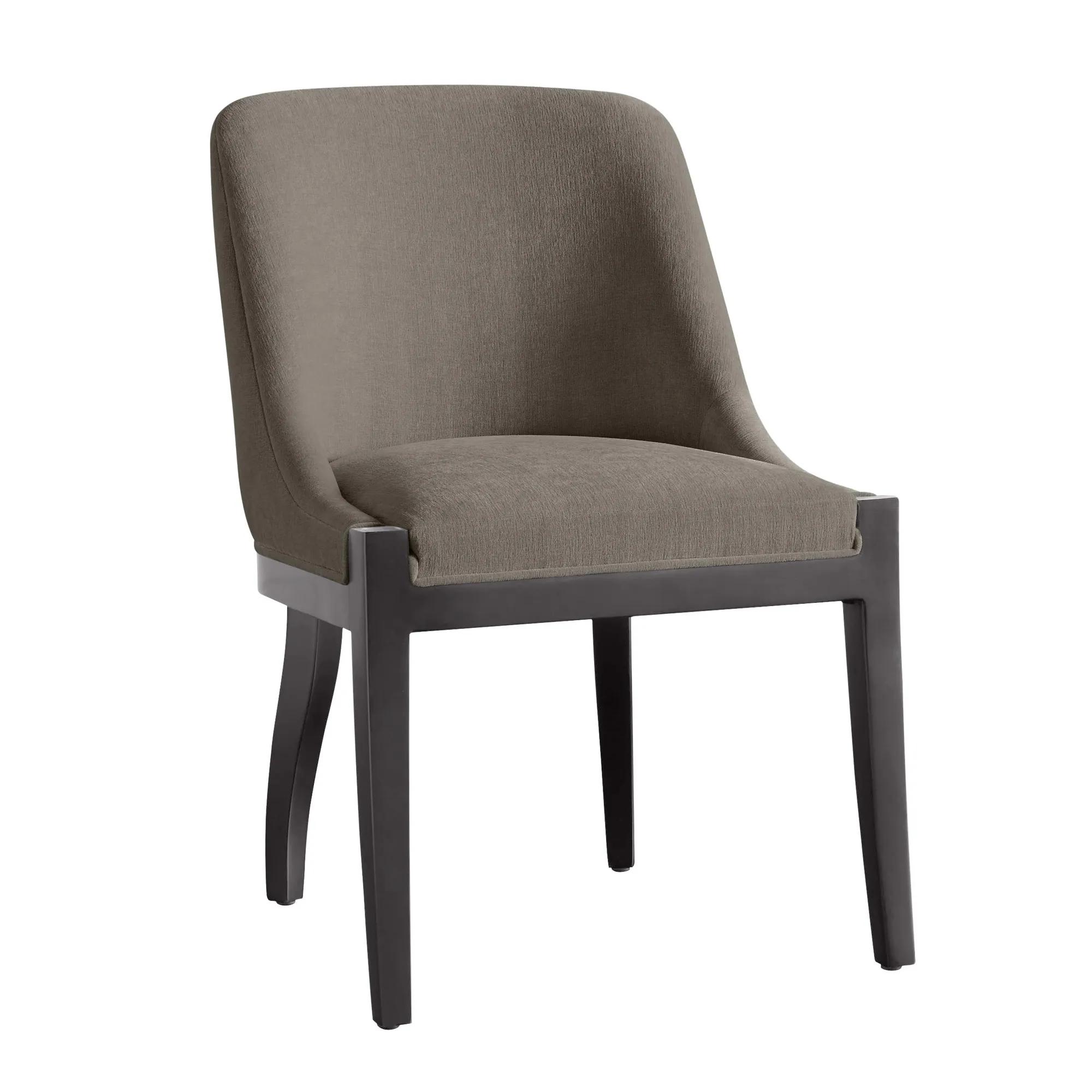 Lily Dining Chair - Espresso$649
A modern dining chair featuring espresso-finished hardwood, curvaceous silhouette, and plush tailored upholstery.
Add To Cart -
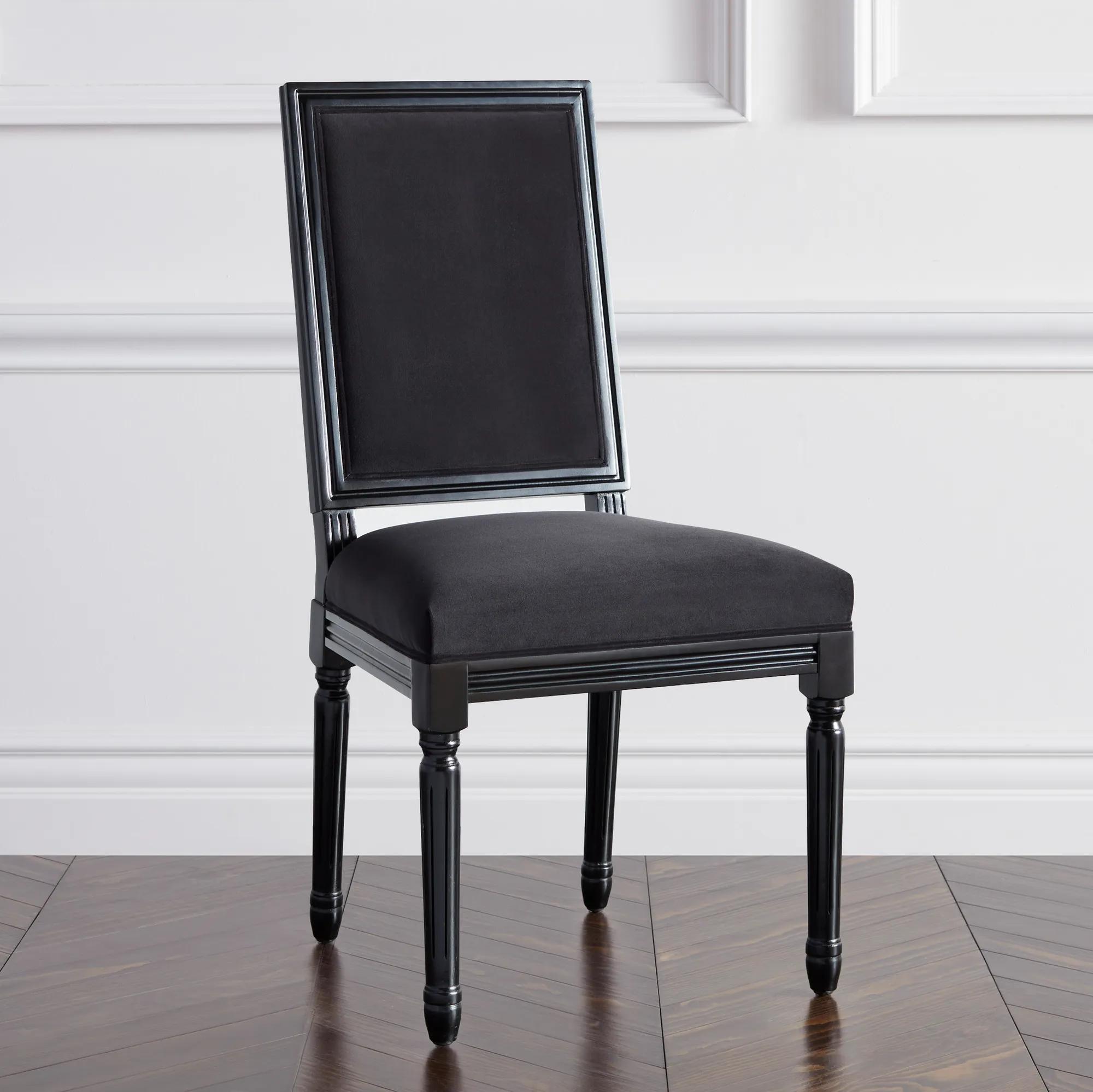
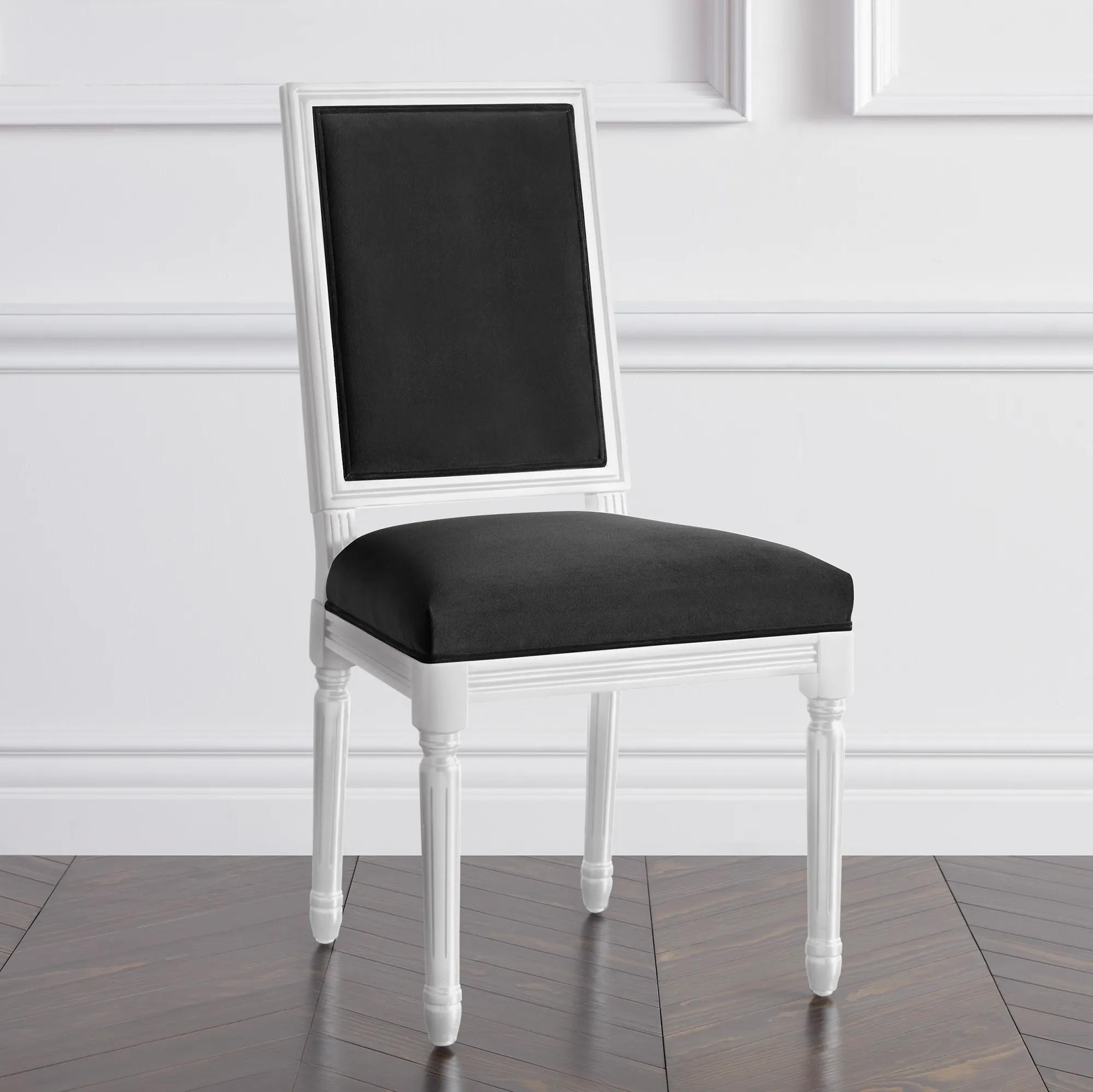
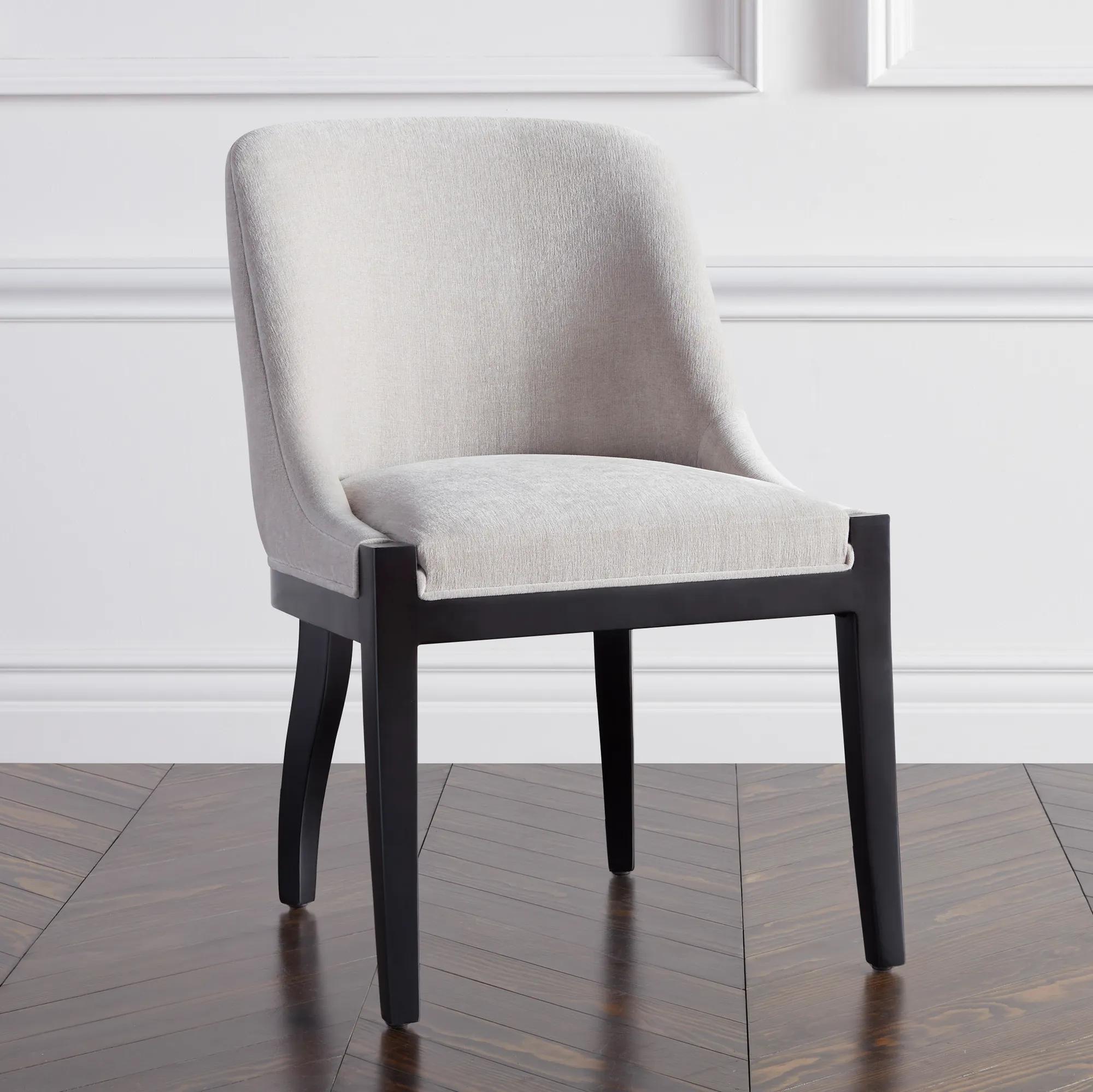 Lily Dining Chair - Matte Black$499
A modern dining chair with a kiln-dried hardwood frame, matte black legs, and plush tailored upholstery.
Add To Cart -
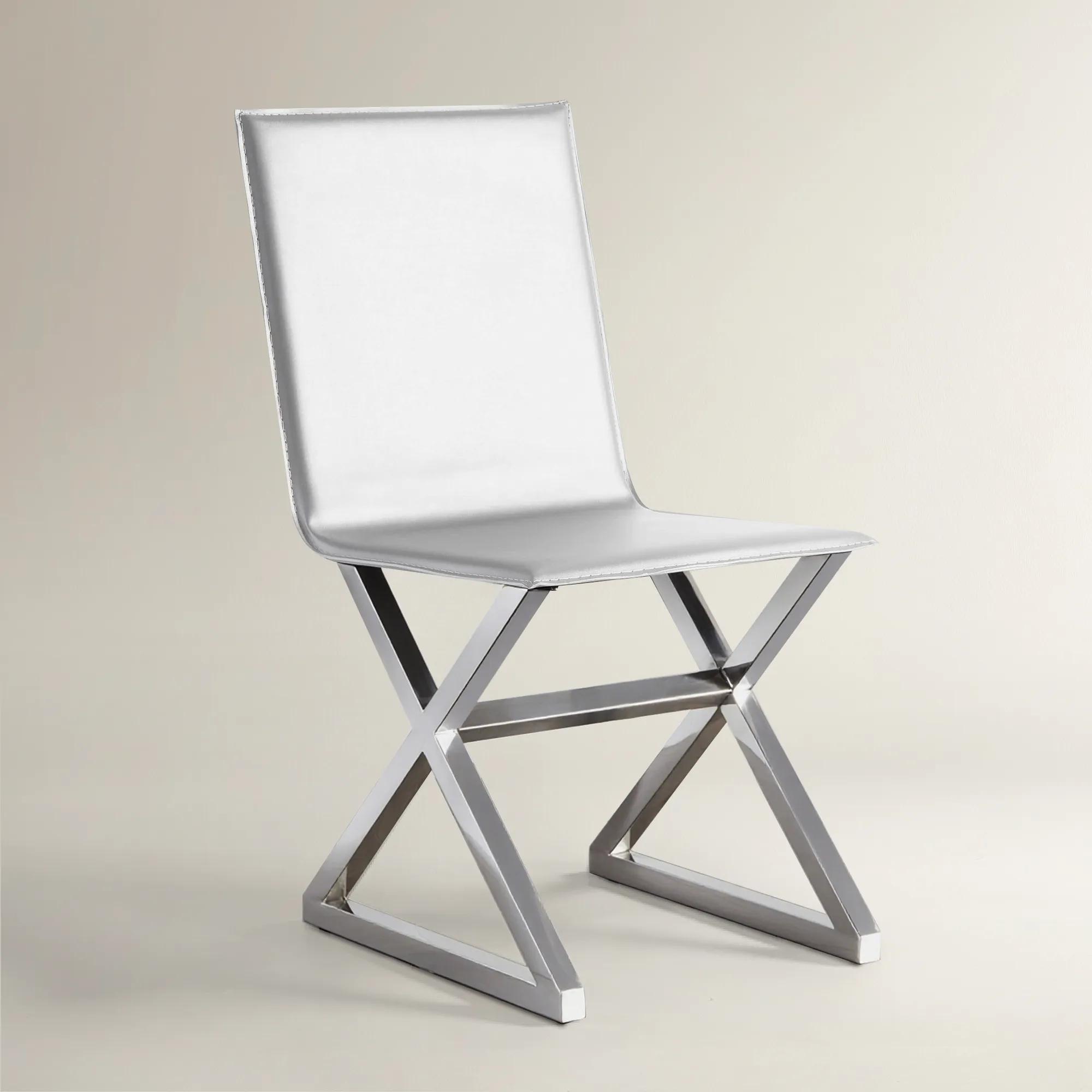
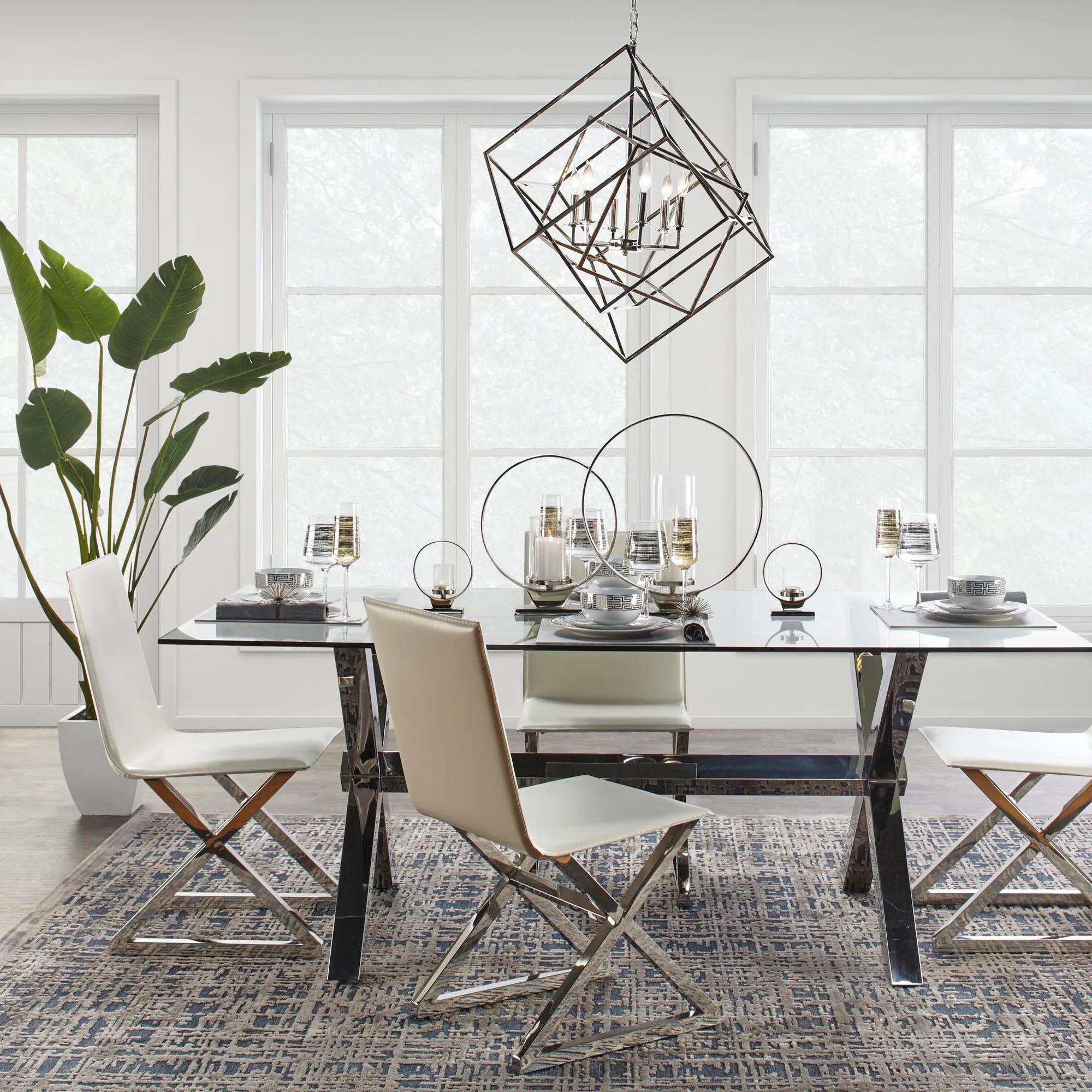 Axis Dining Chair - Set of 2$399
A contemporary chair set featuring white bonded leather upholstery and a polished stainless steel base.
Add To Cart -
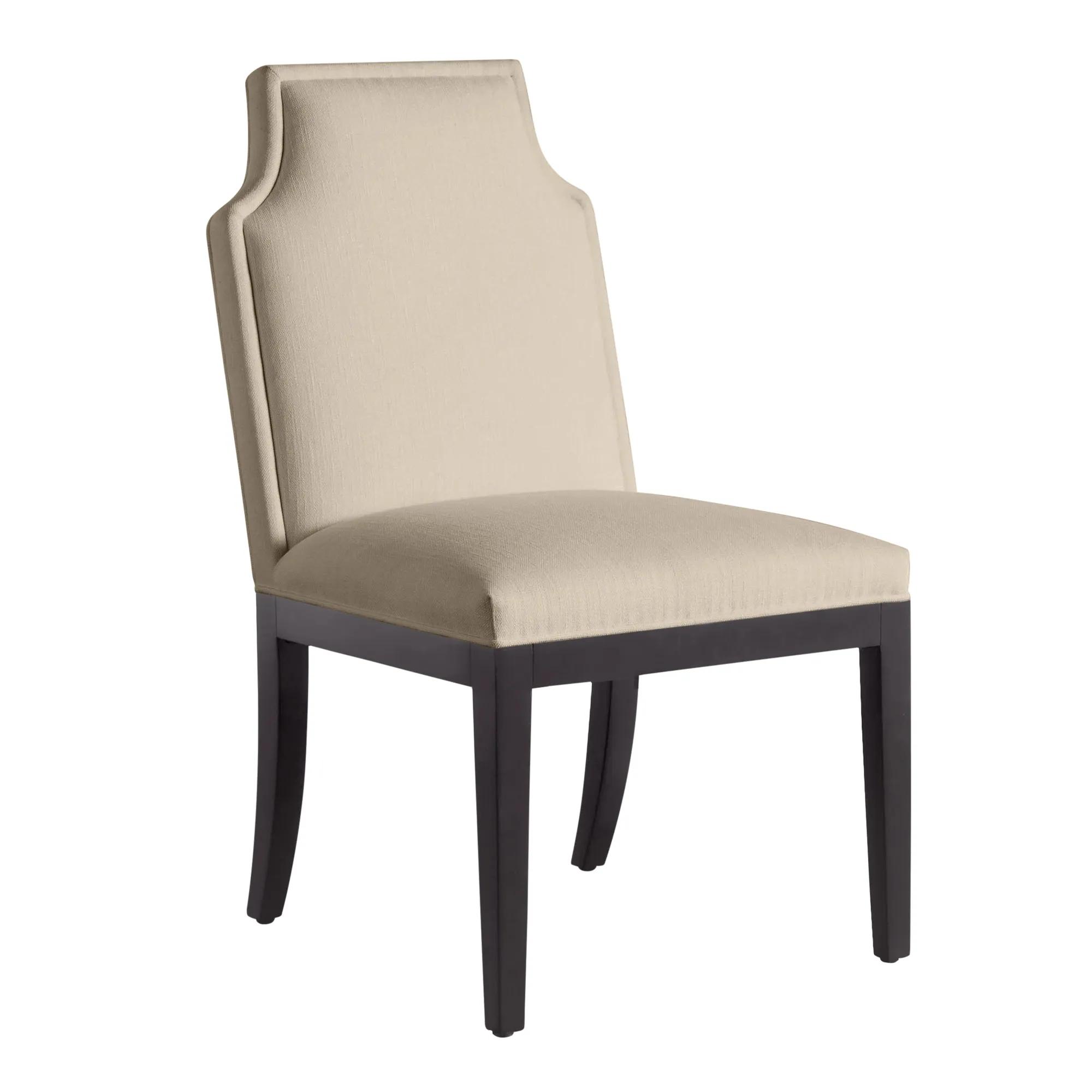
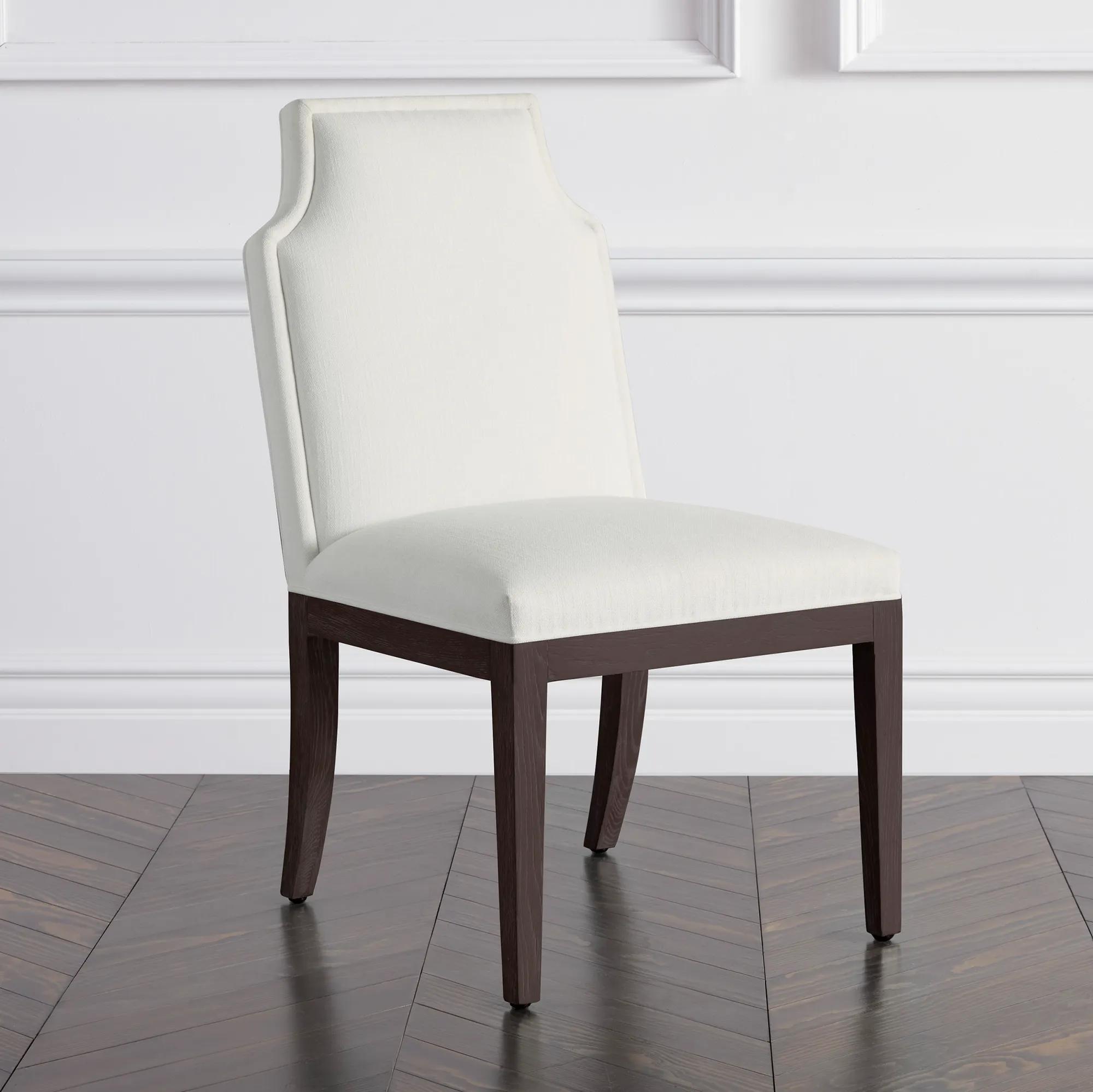 Jasmine Dining Chair - Espresso$649
A chic dining chair featuring a notched back, espresso legs, and plush upholstery for lasting comfort.
Add To Cart -
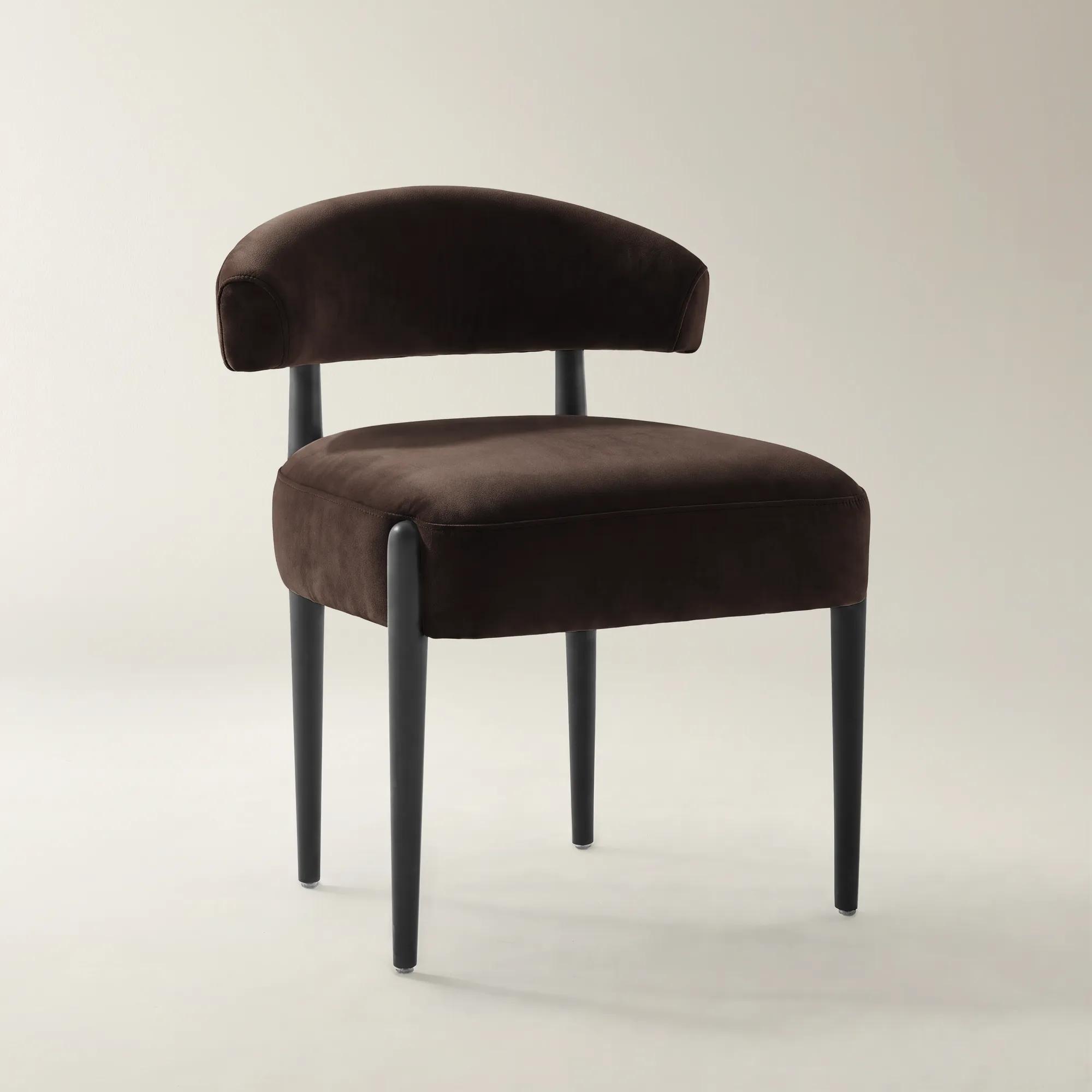
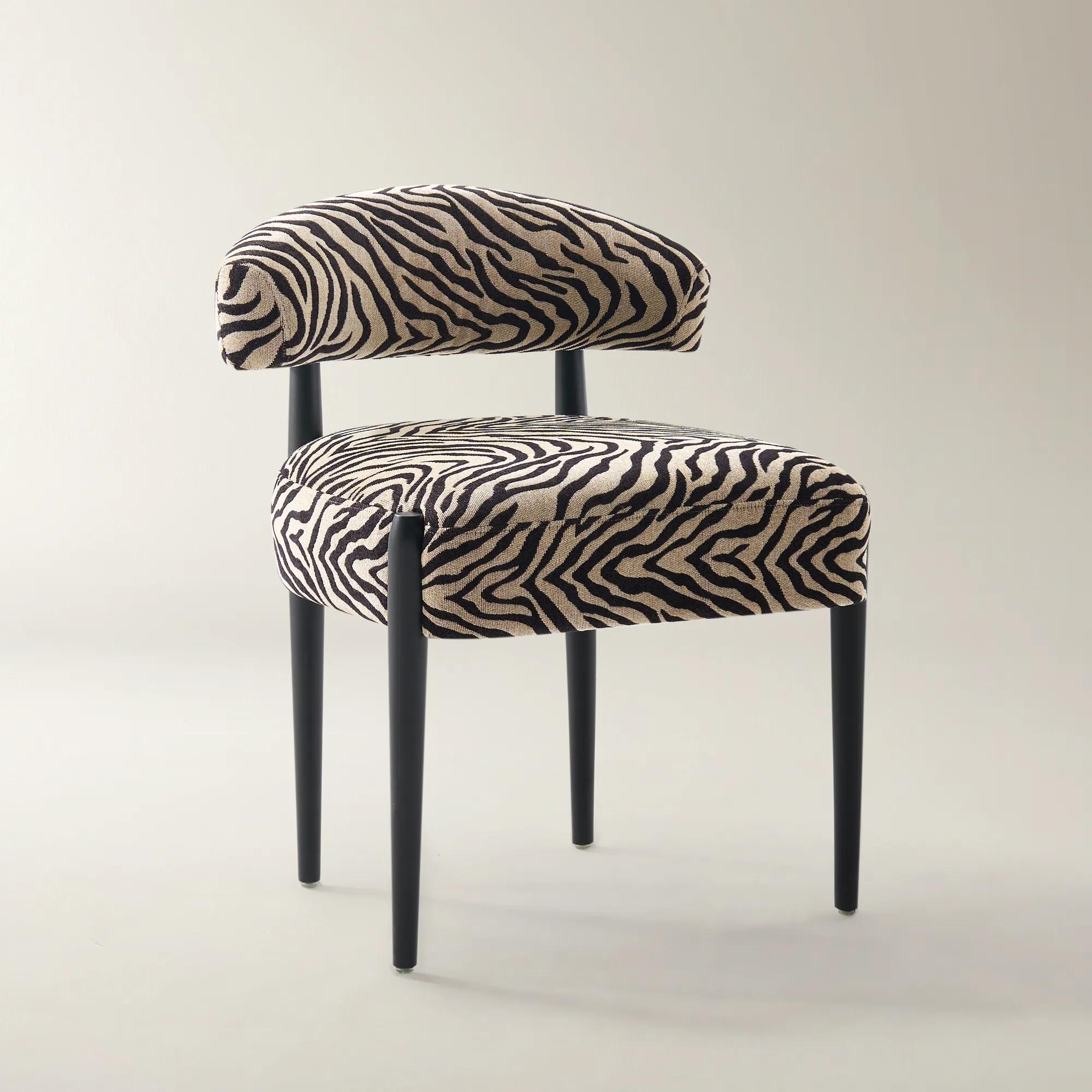 Anna Dark Chocolate Velvet Dining Chair Set of 2$699
A dark chocolate velvet dining chair set featuring an arched back, high-density foam, and solid wood construction.
Add To Cart -
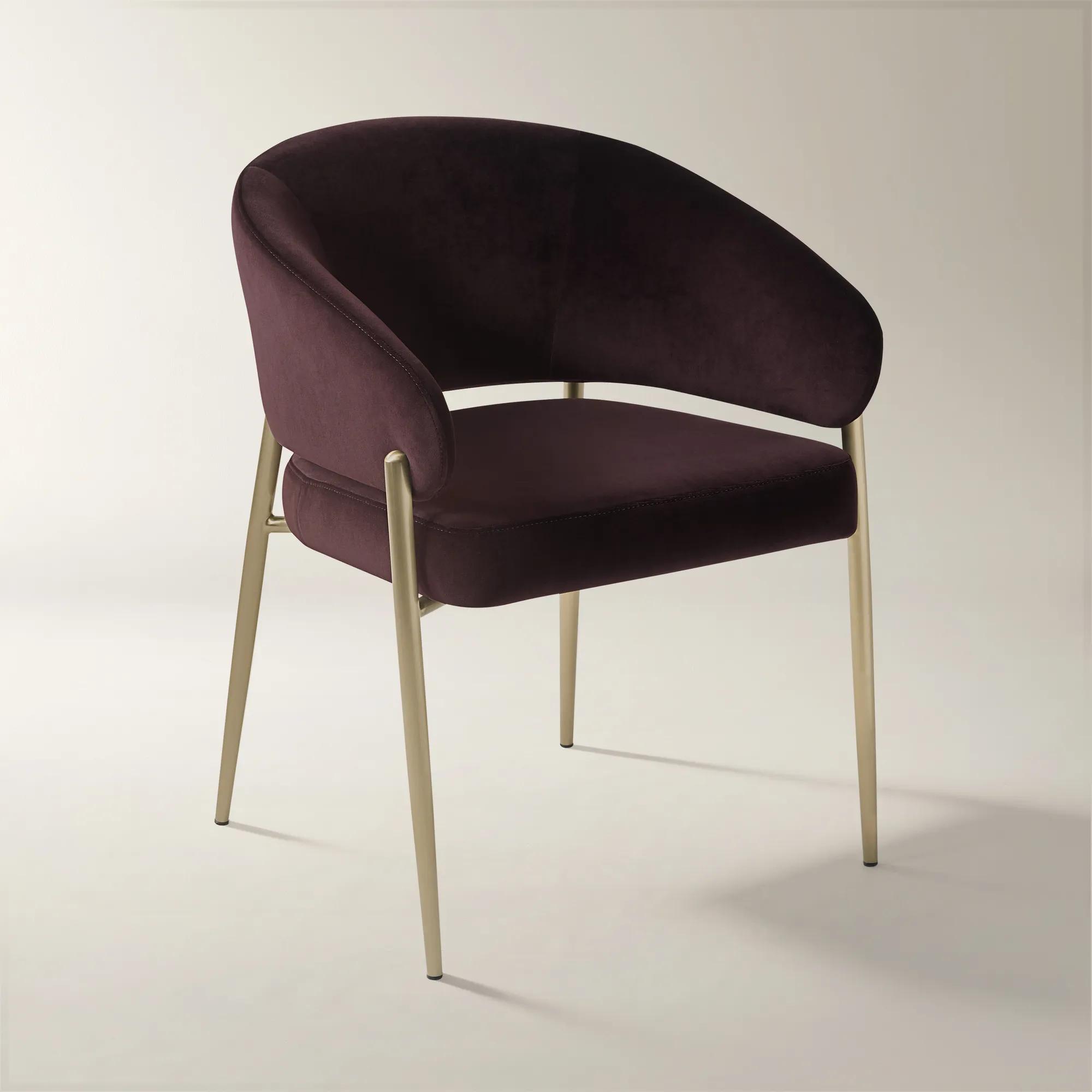 Nara Fig Velvet Dining Chair Set Of 2$599
A set of two dining chairs featuring plush fig velvet upholstery and brushed brass stainless-steel legs.
Add To Cart -
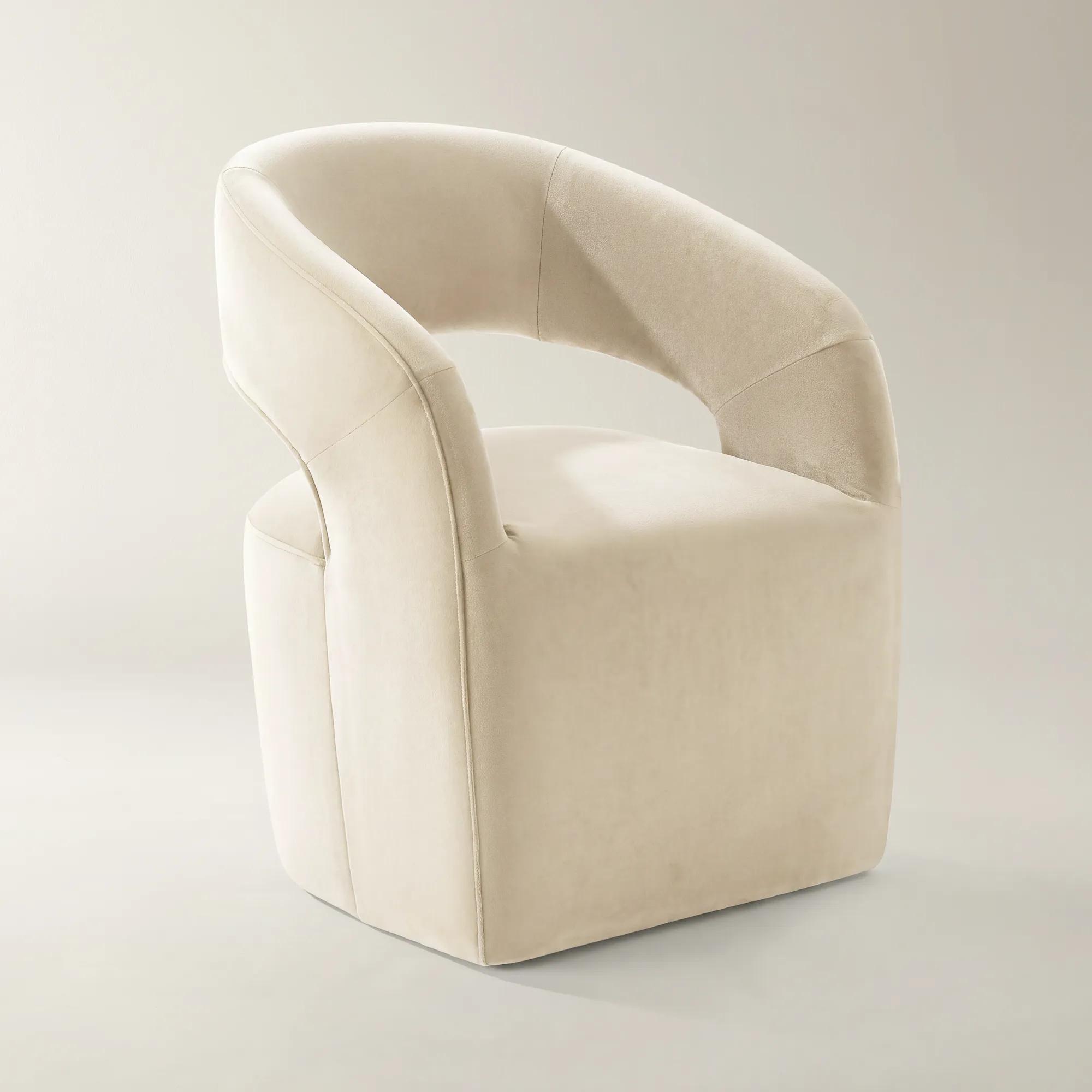
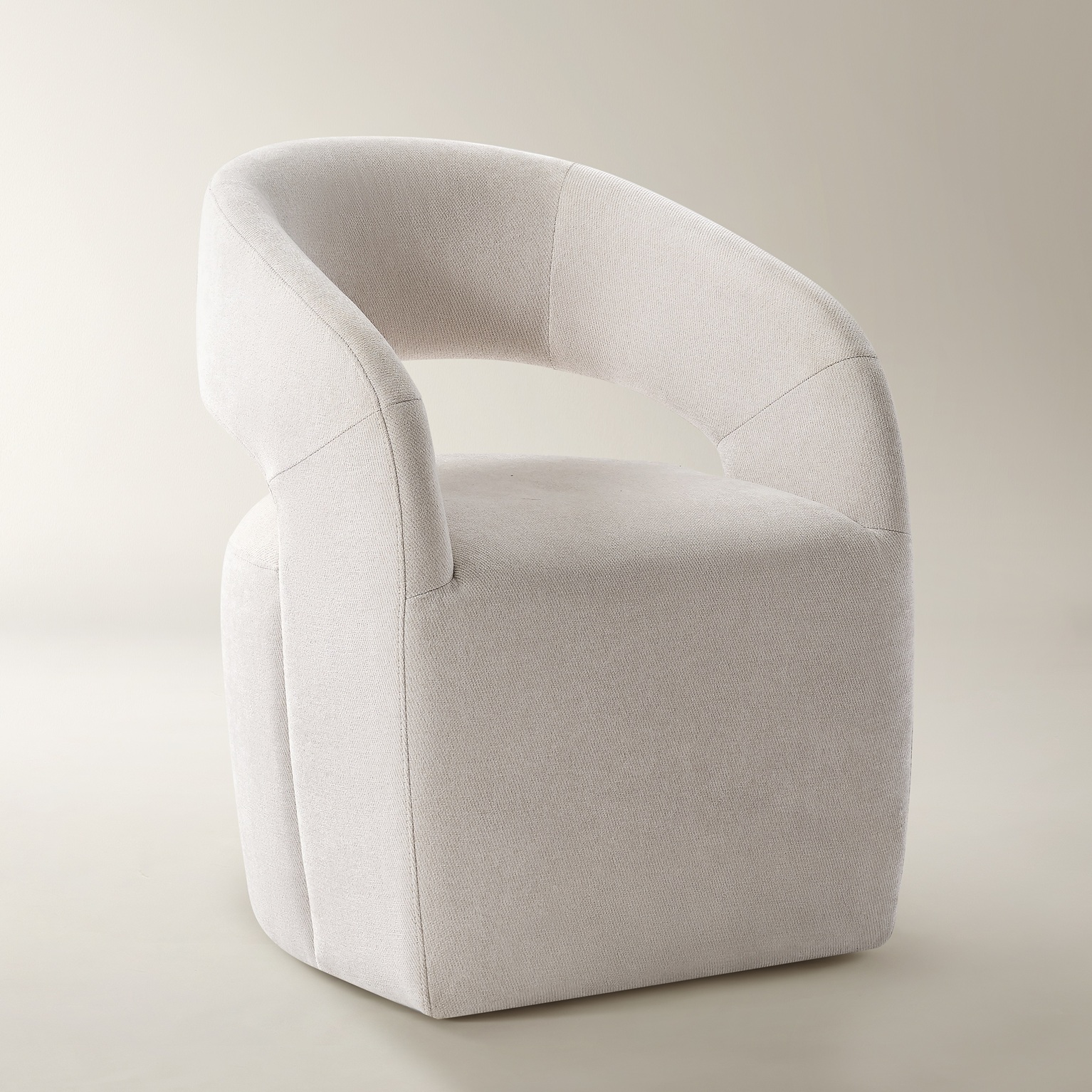 Harrison Oatmeal Velvet Dining Chair$499
A sculptural dining chair upholstered in oatmeal velvet with a curved back, feather-blend seat, and integrated arms.
Add To Cart -
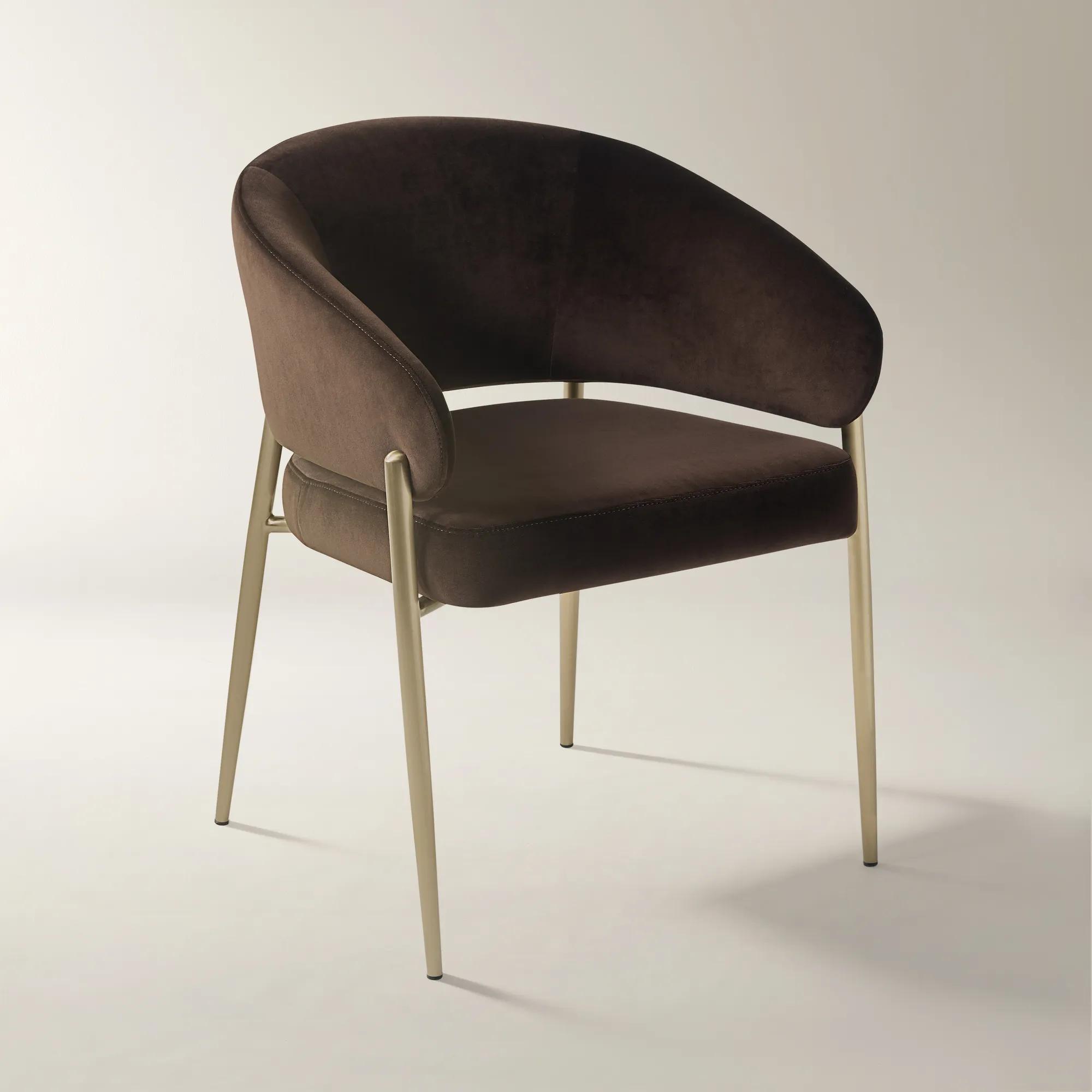 Nara Dark Chocolate Velvet Dining Chair Set Of 2$599
A pair of dark chocolate velvet chairs with curved backs and brushed brass stainless-steel legs for modern elegance.
Add To Cart -
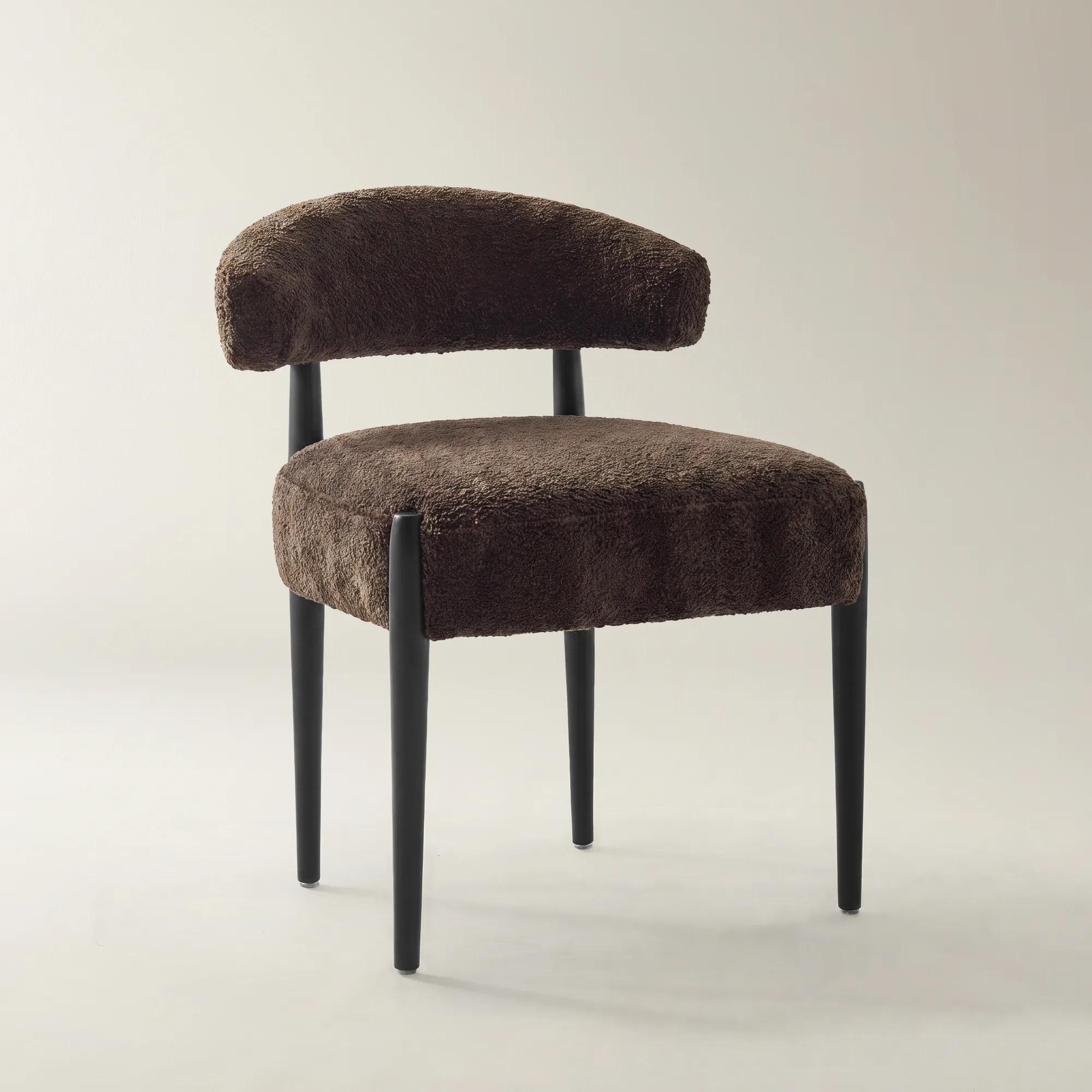 Anna Dark Chocolate Chenille Dining Chair Set of 2$699
A dark chocolate chenille chair pair featuring tailored curved backs, high-density foam, and solid rubberwood legs.
Add To Cart -
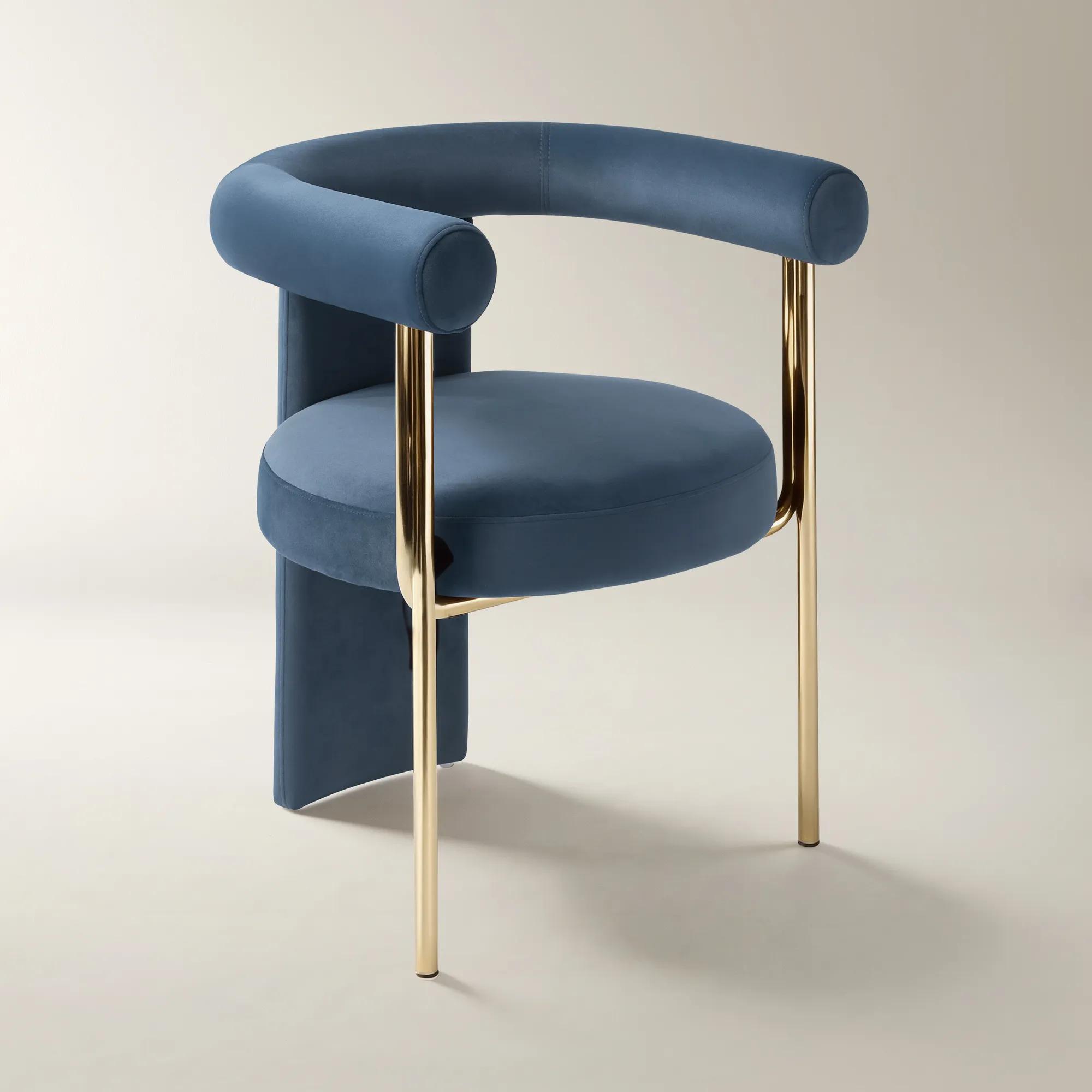 Davina Dusty Blue Velvet Dining Chair Set Of 2$899
A set of two dining chairs featuring dusty blue velvet upholstery and a polished gold metal frame.
Add To Cart -
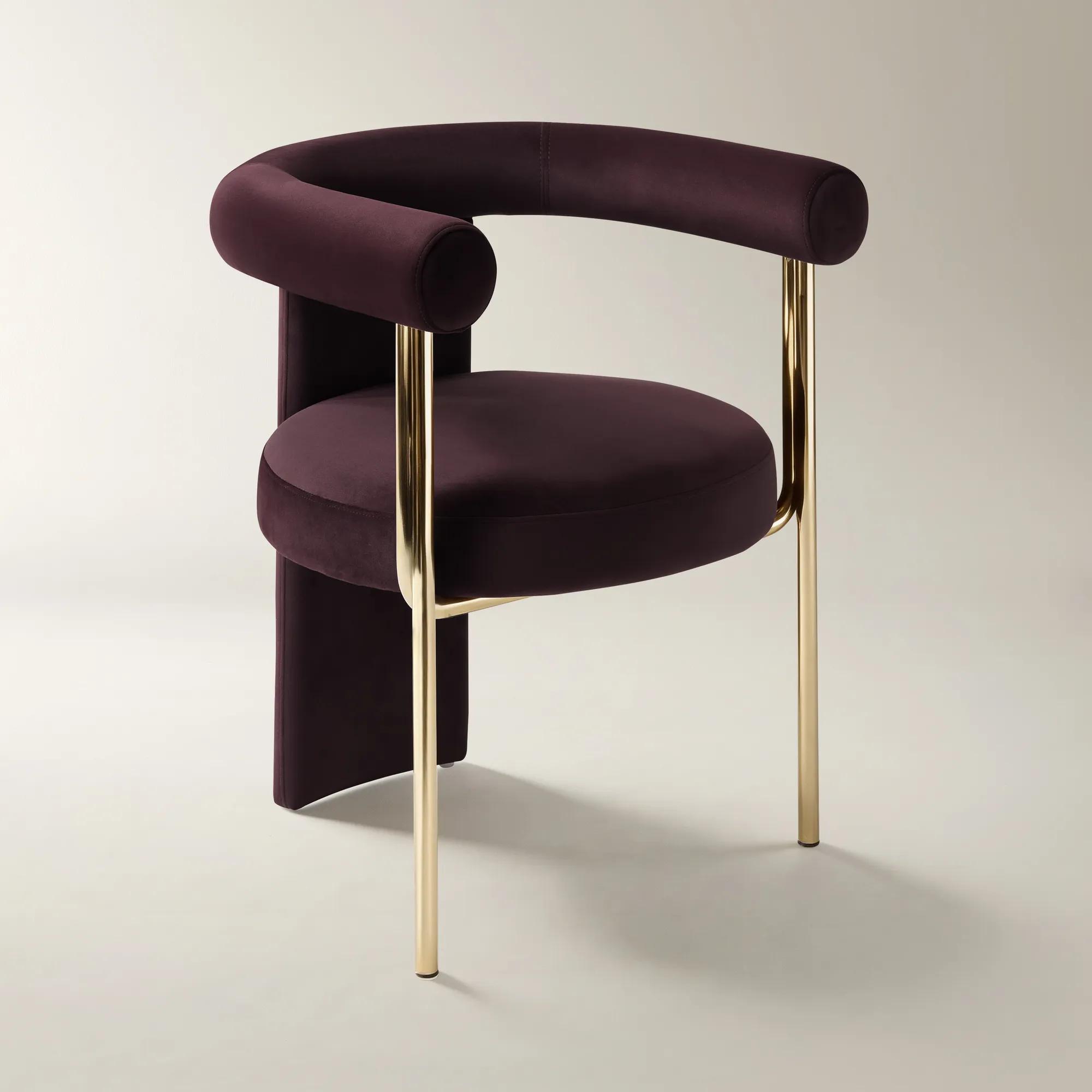 Davina Fig Velvet Dining Chair Set Of 2$899
A set of two dining chairs featuring plush fig velvet upholstery and a sleek gold-finished metal frame.
Add To Cart -
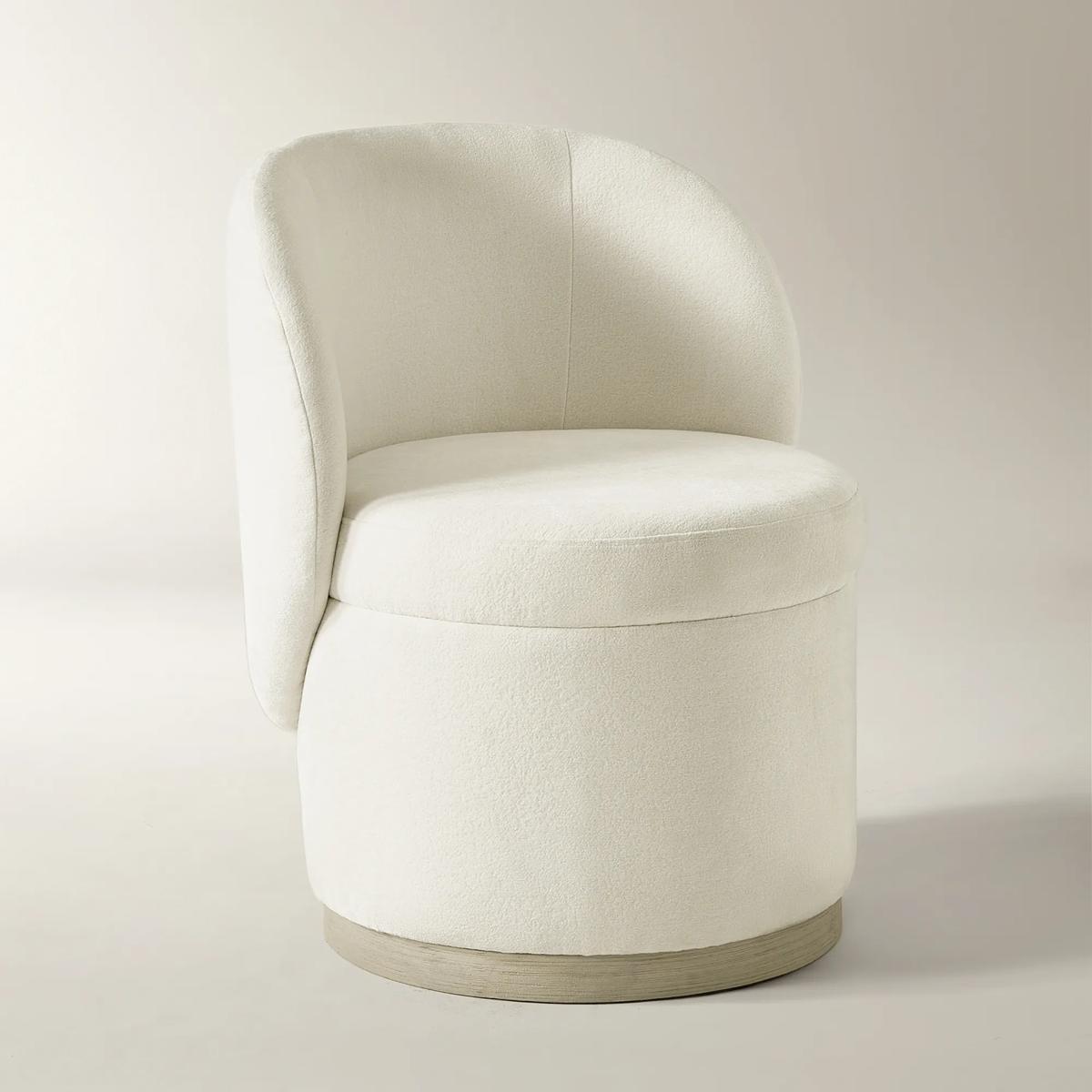 Stria Ivory Chenille Dining Chair With Oak Base$599
An ivory chenille chair featuring a plush, velvet-like finish and a handcrafted solid oak base.
Add To Cart -
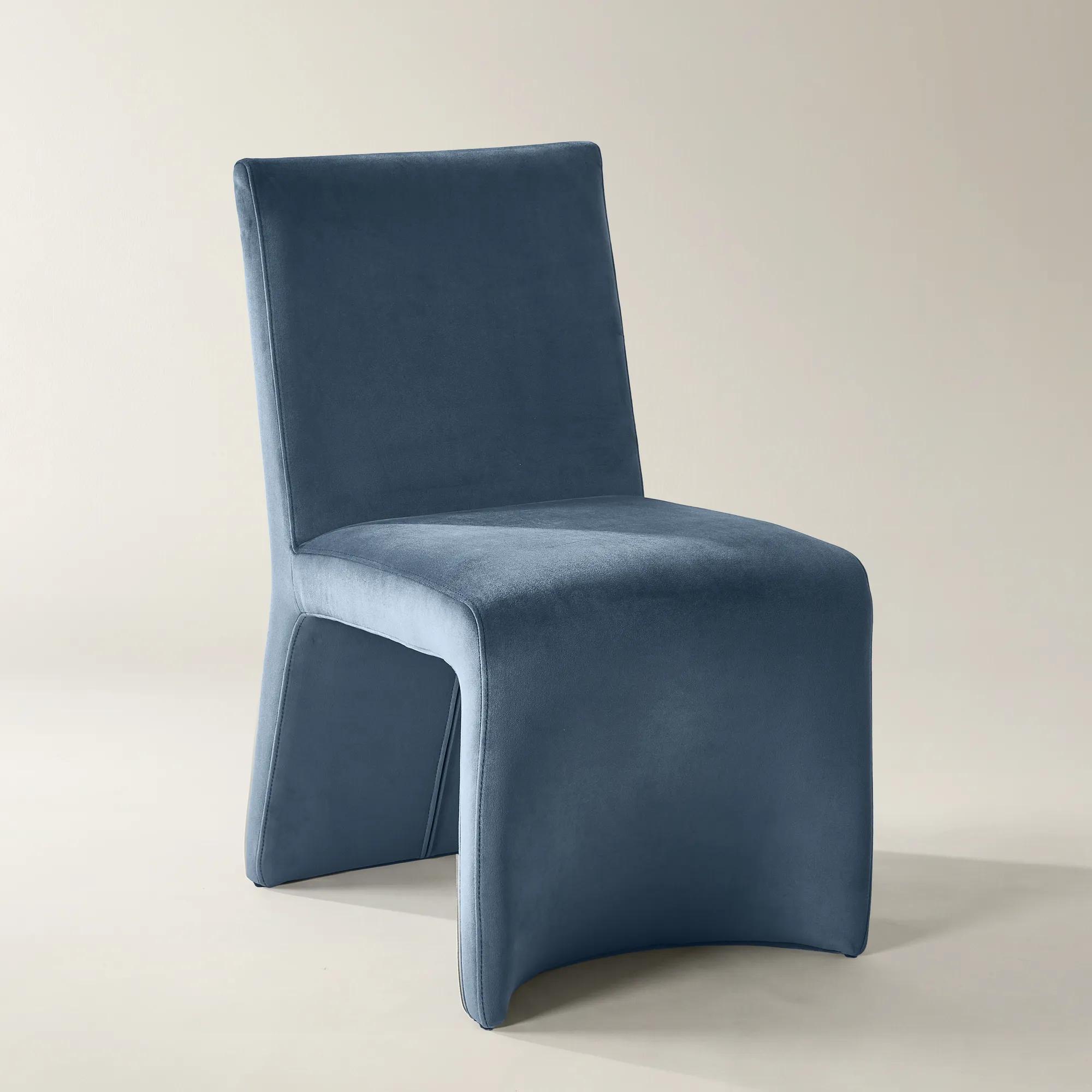 Elara Dusty Blue Velvet Dining Chair Set Of 2$799
A set of two dining chairs featuring plush dusty blue velvet upholstery and a seamless, artful silhouette.
Add To Cart -
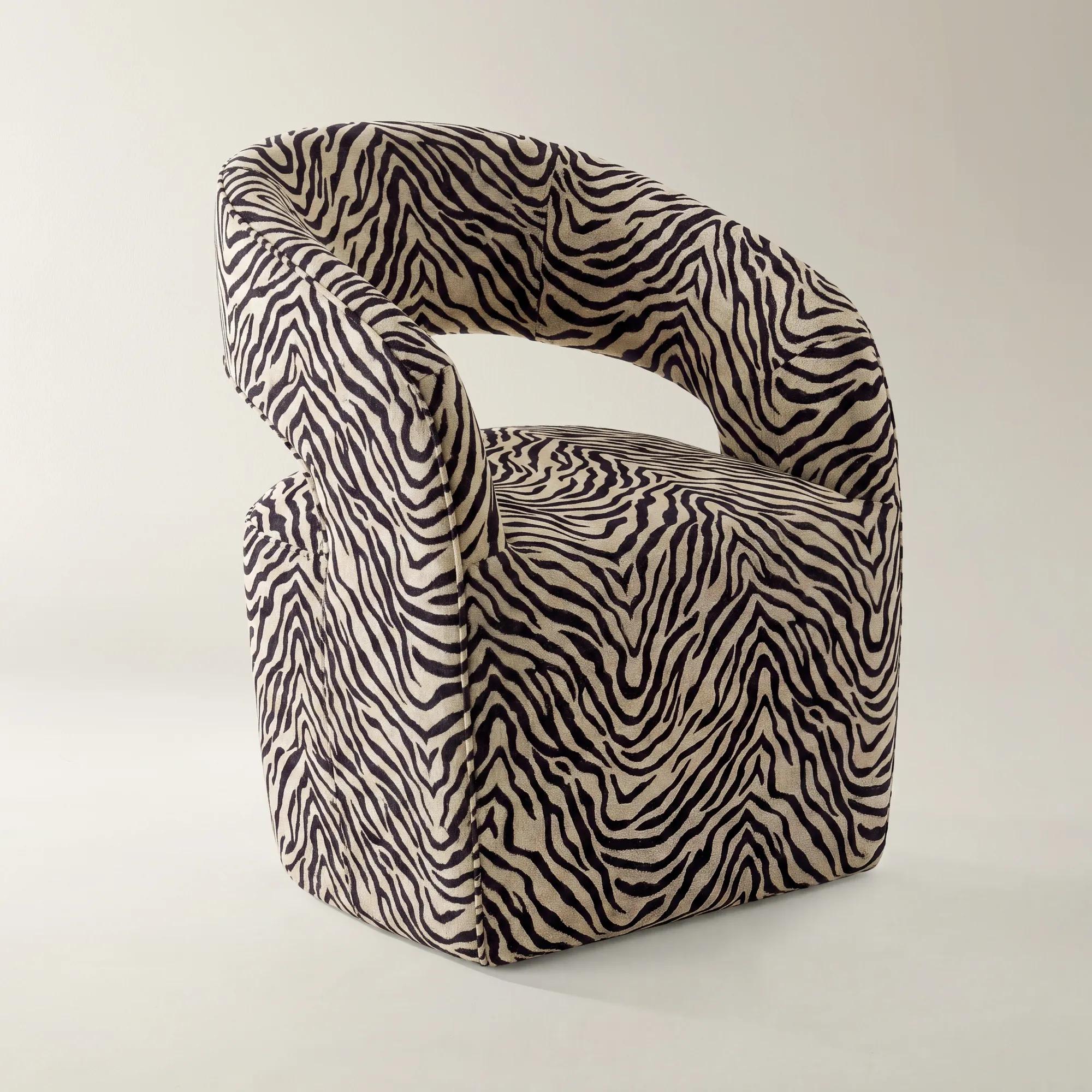 Harrison Zebra Performance Chenille Dining Chair$499
A sculptural dining chair upholstered in zebra performance chenille with a curved back and feather-blend comfort.
Add To Cart -
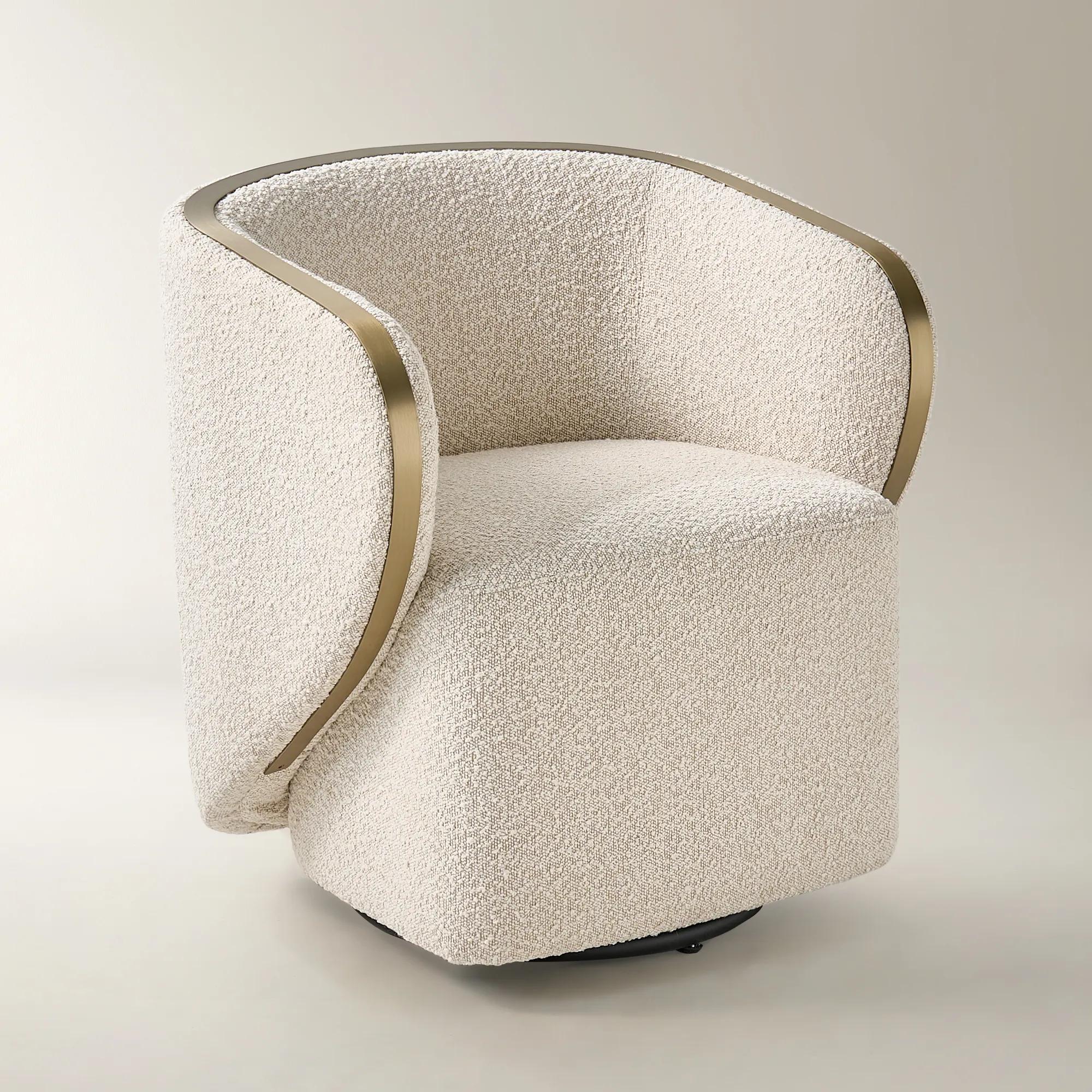 Nova Ivory Performance Boucle Swivel Dining Chair$699
An ivory boucle swivel chair featuring a sculptural wraparound silhouette and elegant metallic trim accents.
Add To Cart -
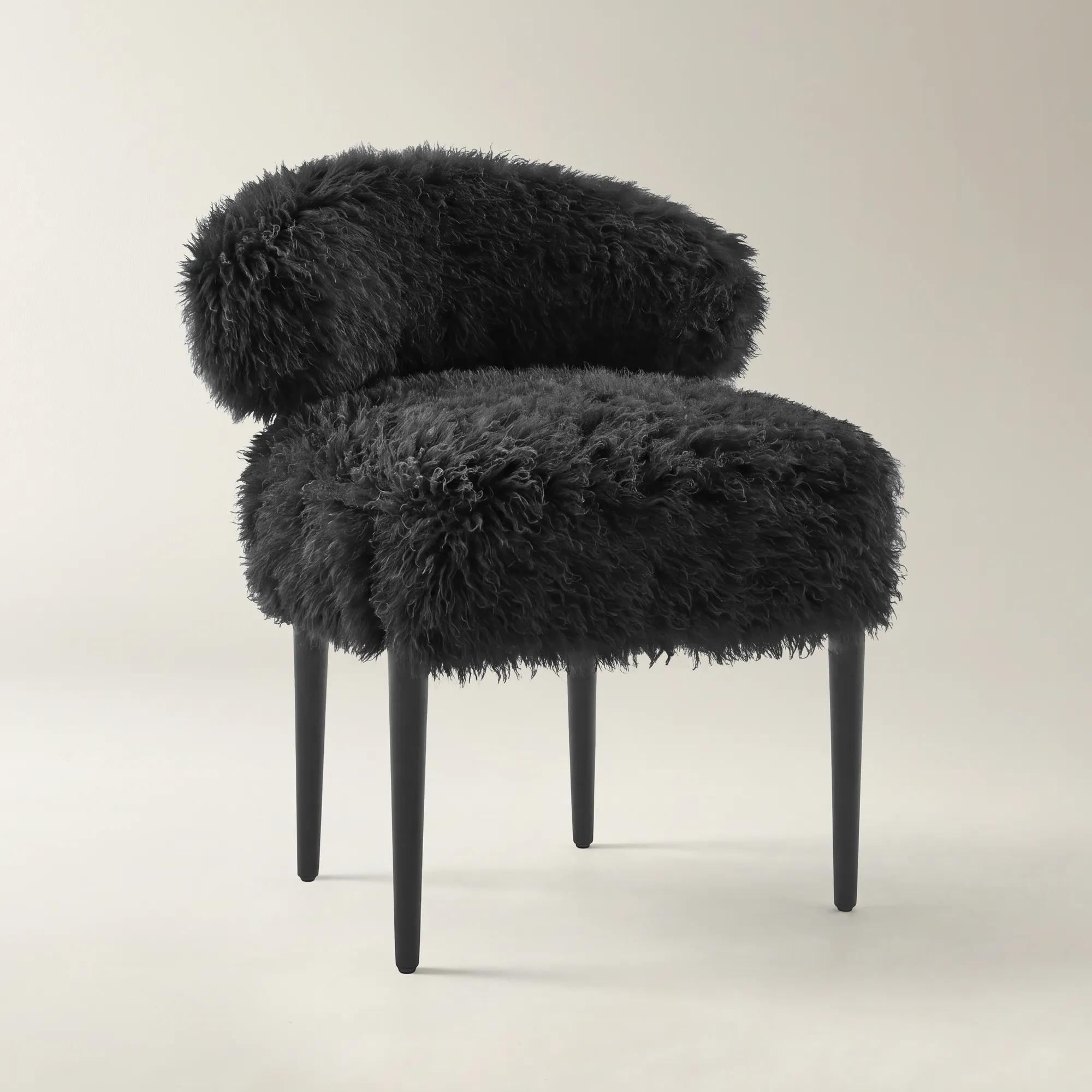 Anna Black Faux Fur Dining Chair Set of 2$799
A black faux fur chair set with arched backs, foam cushioning, and solid wood legs.
Add To Cart -
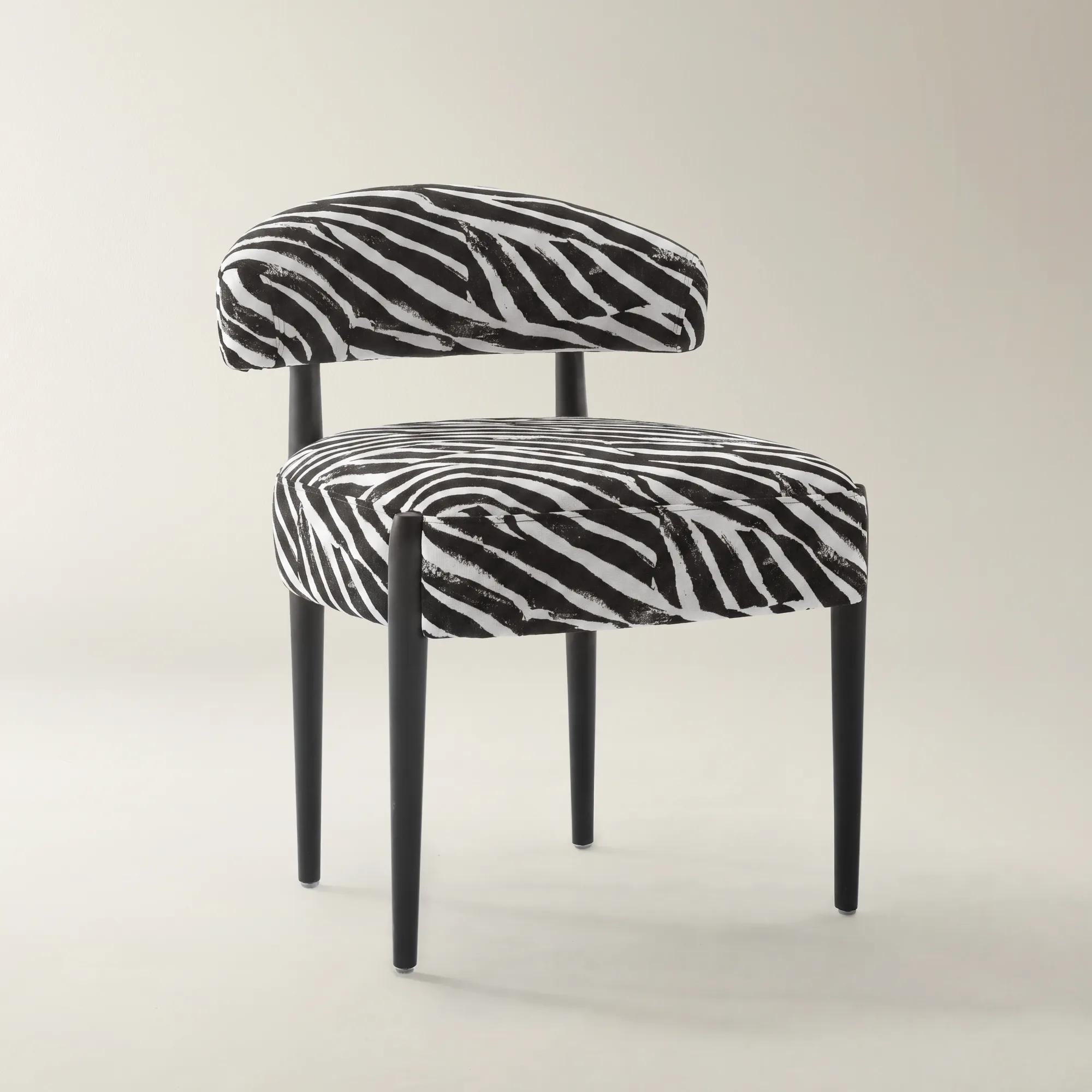 Anna White/Black Performance Chenille Dining Chair Set of 2$699
A black-and-white performance chenille chair set with arched backs, high-density foam, and solid rubberwood legs.
Add To Cart -
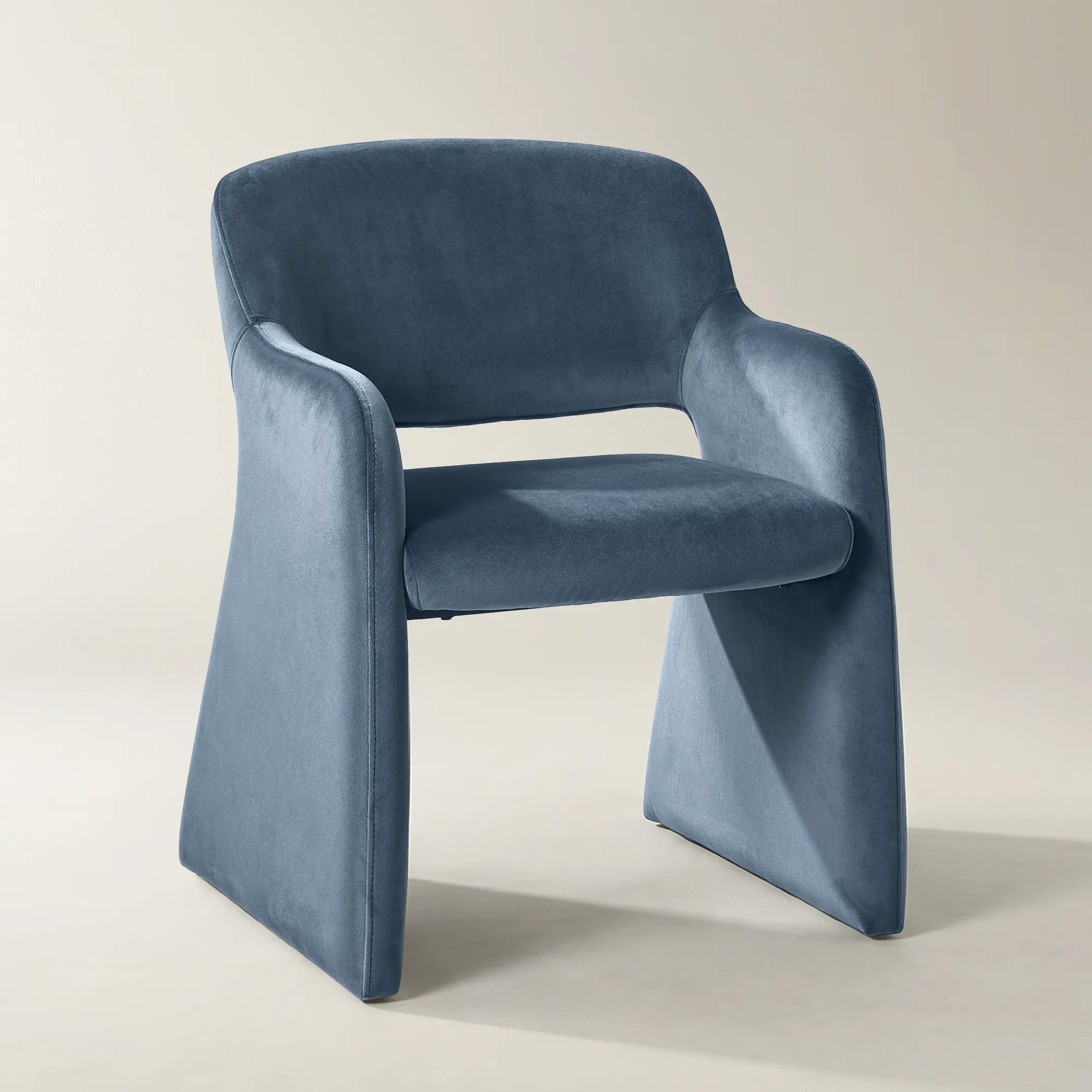 Elara Dusty Blue Velvet Dining Chair$449
A graceful dining chair featuring dusty blue velvet upholstery, integrated arms, and a seamless cantilevered silhouette.
Add To Cart -
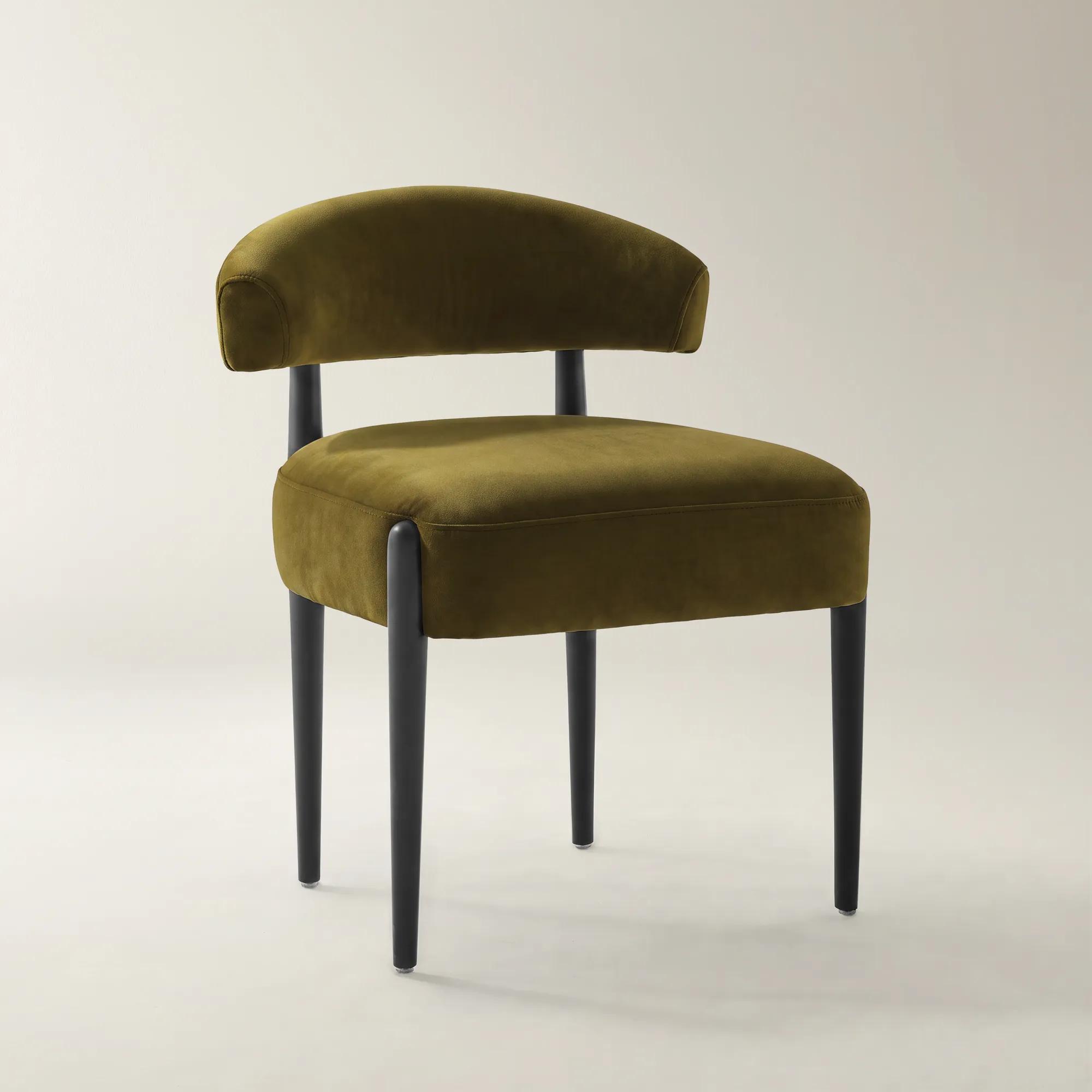 Anna Deep Olive Velvet Dining Chair Set of 2$699
A deep olive velvet dining chair with a tailored curved back, high-density cushioning, and solid rubberwood legs.
Add To Cart

Upholstered Seat Dining Chairs
Explore upholstered seat dining chairs that bring a softer touch and a polished presence to your dining table. As you choose, consider how the seat height, chair width, and silhouette will complement your table and leave room for guests to gather comfortably. Let the upholstery become part of the room’s visual story, whether you prefer a cohesive setting or an expressive contrast.
Upholstered seat dining chairs bring a sumptuous layer to the dining room, balancing the architectural lines of a table with the softness that makes lingering feel natural. A padded seat can transform the presence of a chair without concealing its character: an exposed wood back retains its sculptural rhythm, a slender metal frame adds a gleaming outline, and a fully upholstered silhouette creates a more enveloping impression. That interplay gives these chairs their expressive range. Around a richly grained table, textured upholstery introduces depth without competing with the wood; beside glass or polished stone, a plush seat offers a tactile counterpoint to a sleek surface. Velvet lends richness through its shifting pile, woven fabrics bring dimension through visible threads, and smoother upholstery creates a tailored finish that lets the chair’s shape take the lead. Color shapes the atmosphere just as decisively. Ivory, taupe, and warm gray can establish a luminous foundation for dramatic artwork or a statement chandelier, while saturated jewel tones turn the seating itself into a focal point. Dark upholstery can frame a pale table with striking contrast, and lighter seats can soften the visual weight of substantial furniture. For a cohesive arrangement, repeating one detail—a finish, a curve, or an upholstery tone—often feels more intentional than matching every surface. Chairs at the heads of a rectangular table may have a more generous profile, while slimmer side chairs maintain a graceful rhythm along its length. In an open dining area, where chair backs remain visible from adjacent rooms, the rear silhouette deserves as much attention as the seat fabric. The result should feel considered from every angle, whether the table is set for an intimate dinner, a celebration with friends, or an unhurried breakfast. Upholstered dining seating belongs to those everyday rituals as much as to grand occasions, bringing softness and a sense of ceremony to a room designed for gathering.
The most compelling dining arrangement pairs visual drama with proportions that work beautifully in daily life. Seat height, width, and depth all influence how naturally a chair meets the table and how comfortably guests can settle in. Many standard-height dining tables are about 30 inches tall, with dining chair seats often measuring roughly 18 to 20 inches from the floor, but the actual relationship matters more than a nominal size. Around 10 to 12 inches between the seat surface and the underside of the tabletop is a useful starting point; a low apron, deep cushion, or individual seating preference can change that fit. Armchairs need additional attention because their arms must clear the table apron if they are intended to tuck underneath. A broad, generously padded chair may create a luxurious place setting, yet its full width—not just the cushion—determines how many chairs sit comfortably along the table. Allowing about 24 inches of table edge per person offers a starting point, with more room often needed for wide frames or arms. Clearance behind the chairs also matters, particularly when the dining area shares a passage to the kitchen or living room. A chair should pull back easily without interrupting the flow of the space. Cushion feel contributes another layer: firmer padding can provide a supported seat for meals and conversation, while deeper softness may feel inviting but alter the seated height as it compresses. Back shape and seat depth should suit the people who use the room most often, including those who appreciate arm support when sitting down or standing up. Compact dining spaces benefit from visually lighter frames and restrained widths, while expansive rooms can accommodate more substantial silhouettes. The weight of the chair matters, too, especially when it moves several times a day. Thoughtful proportions preserve the elegance of the arrangement while making room for serving dishes, animated conversation, and guests who stay well beyond dessert.
Upholstery and construction determine how gracefully dining chairs live with the realities of a well-used home. Velvet creates a lustrous surface with distinctive shading, though its pile can show pressure marks and may require care specific to the fabric. Linen blends and other woven textiles offer texture and a relaxed elegance, with cleanability depending on fiber content, weave, and any applied finish. Tightly woven materials may be a practical consideration for frequently used dining areas, while fabrics described as performance upholstery should be evaluated for their stated stain resistance and cleaning requirements rather than assumed to resist every spill. For a smoother look with a rich, tailored character, upholstered leather dining chairs introduce another material direction; leather type and finish influence its feel, markings, and care needs. Beneath any upholstery, a stable frame, secure joinery, and well-supported cushioning contribute to lasting comfort. Wood and metal frames each bring a different visual character, but sound construction matters more than appearance alone. In homes where dining chairs also serve as occasional desk seating or additional places for guests, those structural details take on particular importance. Care begins with the upholstery label: some fabrics permit water-based cleaning, others require solvent-based treatment, and certain materials call for professional attention. Promptly blotting a spill rather than rubbing it helps limit its spread, while regular gentle vacuuming with an appropriate upholstery attachment removes crumbs and dust from seams. Leather should be cleaned only with products suitable for its finish, and prolonged direct sunlight can affect both leather and fabric. Floor protectors appropriate to the flooring can help reduce scratches as chairs move. For a new home or a thoughtfully planned housewarming gift, dining seating is most meaningful when the recipient’s table dimensions and design preferences are known. With considered materials, comfortable proportions, and attentive care, upholstered seats bring enduring texture and distinction to the shared pleasures of the dining room.
FAQs
Upholstered seat dining chairs introduce a soft, tailored layer to a space often defined by crisp surfaces. Their fabric-covered seats create an opportunity for expressive color and texture, helping turn a dining arrangement into a richly composed setting for intimate dinners and celebratory evenings.
Let contrast guide the composition. Upholstered seats lend tactile richness to a sleek modern table, while chair frames can echo its lines or introduce a sculptural counterpoint. Repeat a color or finish in your centerpiece, lighting, or artwork to give the room a deliberate, collected feel.
Yes—mixing dining chair styles can create an expressive, layered arrangement. Establish a visual connection through a shared color, frame finish, or silhouette, then vary the upholstery or detailing. Distinctive chairs at the ends of the table can punctuate the composition without making every seat look identical.
Start with the atmosphere you want to create. Light neutrals offer a luminous backdrop for dramatic accents, while deeper tones bring a more enveloping mood. For a cohesive palette, draw an upholstery color from your rug or artwork; for a bolder statement, choose a contrasting hue and repeat it selectively throughout the room.
Follow the care label or manufacturer's guidance, since cleaning methods depend on the upholstery. When vacuuming is permitted, use an upholstery attachment to gently remove surface dust and crumbs. Blot spills rather than rubbing, and check the care instructions before applying any cleaning solution to preserve the fabric's distinctive texture and finish.