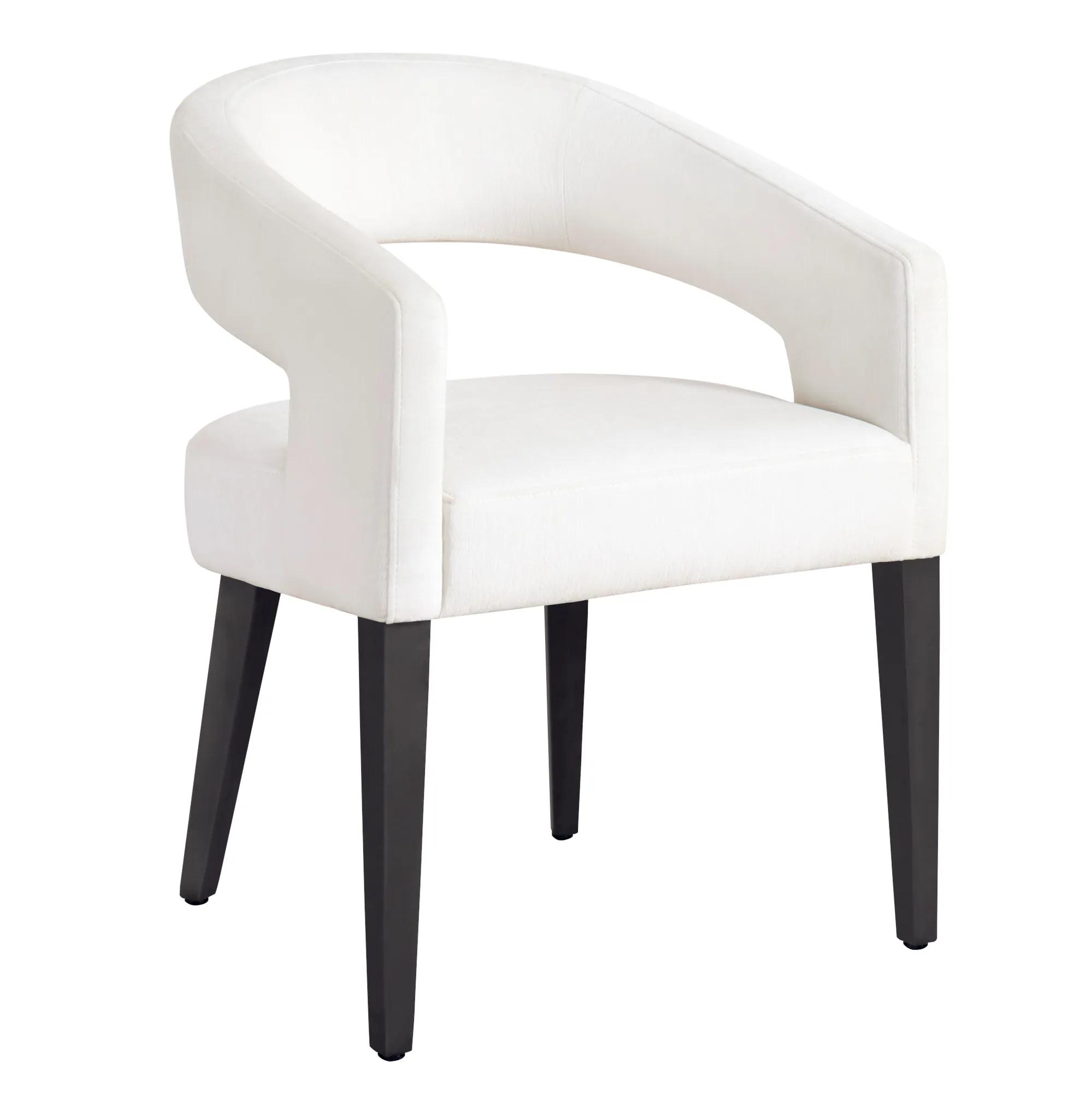
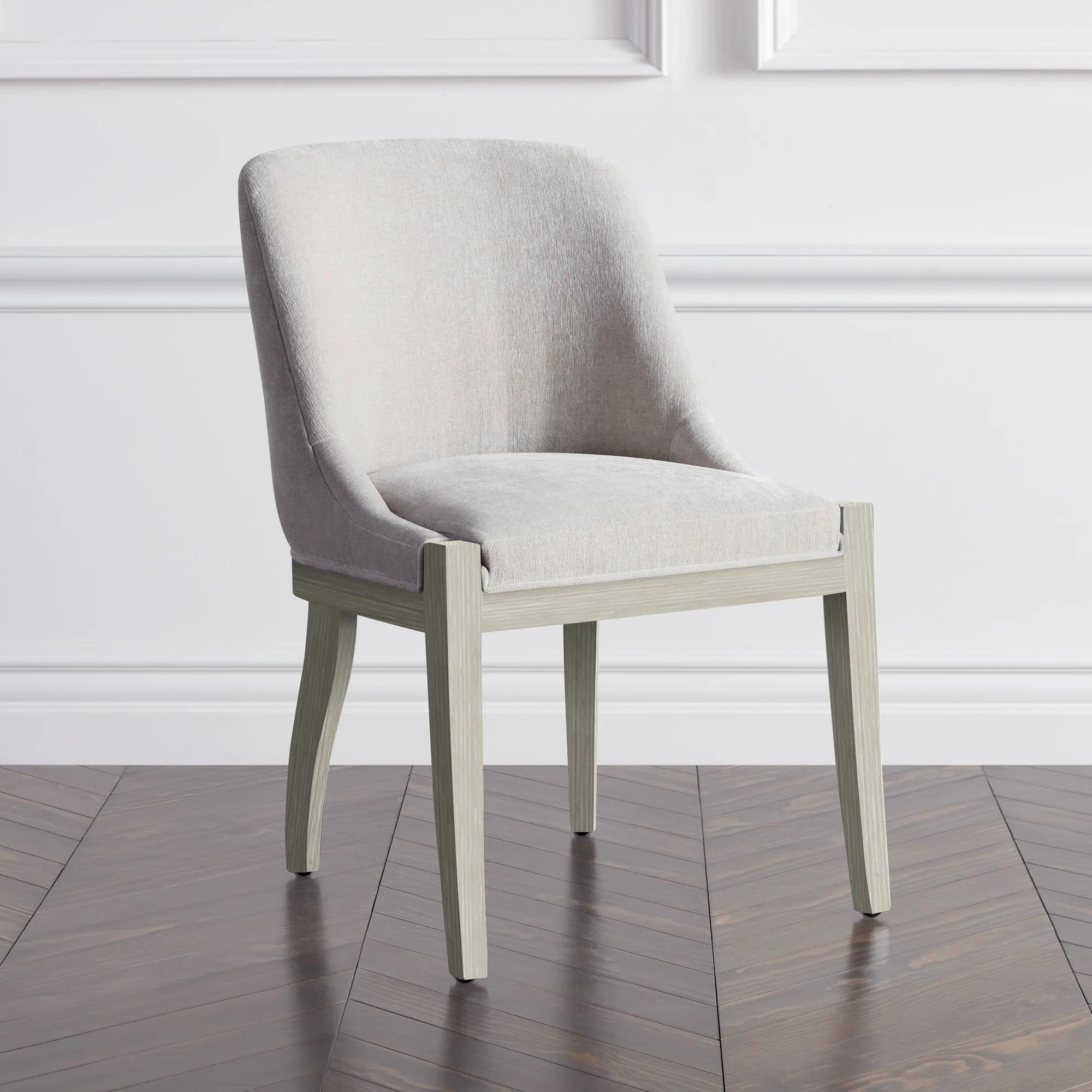
Black Dining Chairs With Sturdy Construction
Black Dining Chairs With Sturdy Construction
-
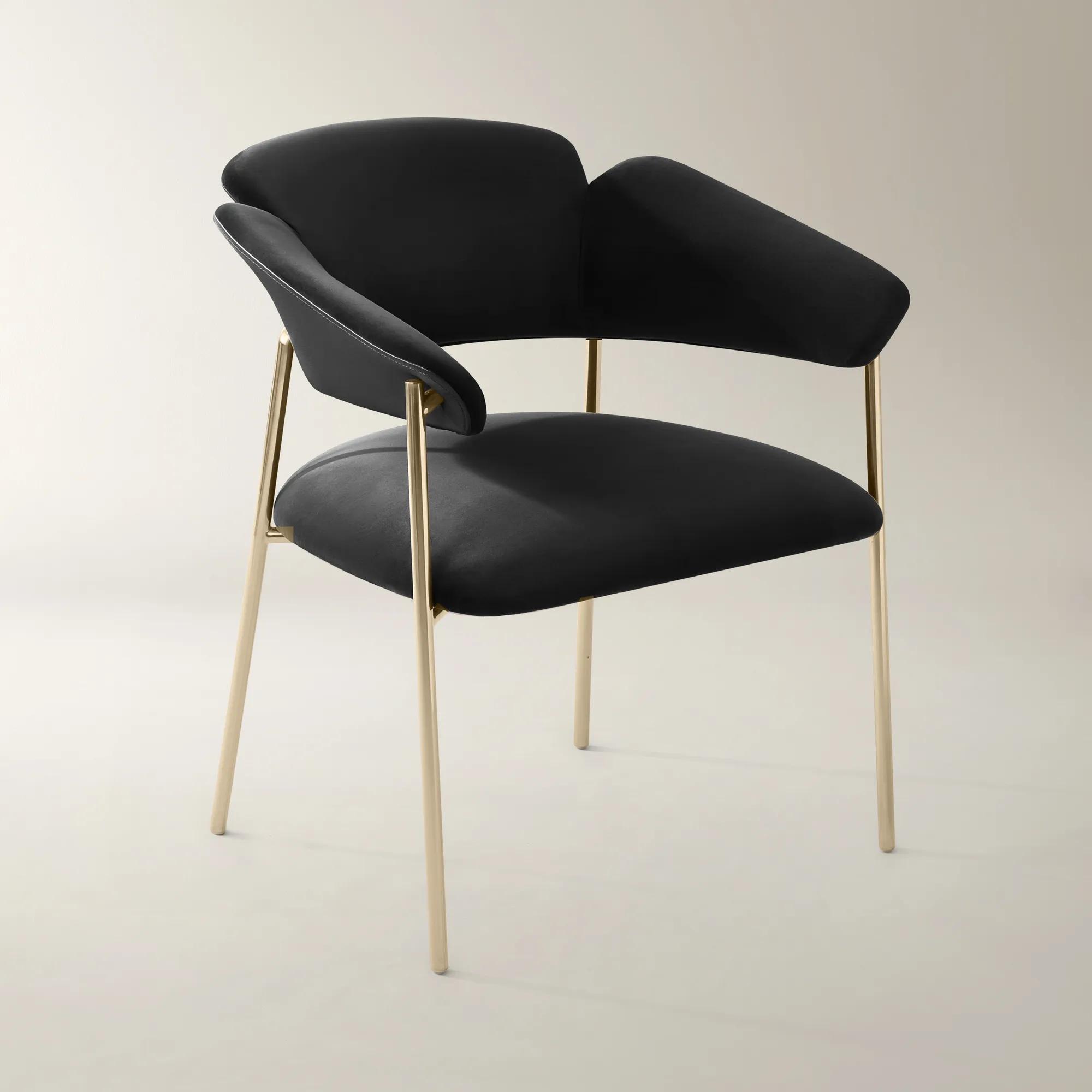 Odette Charcoal Velvet Dining Chair$499
A charcoal velvet chair featuring a wraparound open-back design, tonal faux leather accents, and gold metal legs.
Add To Cart -
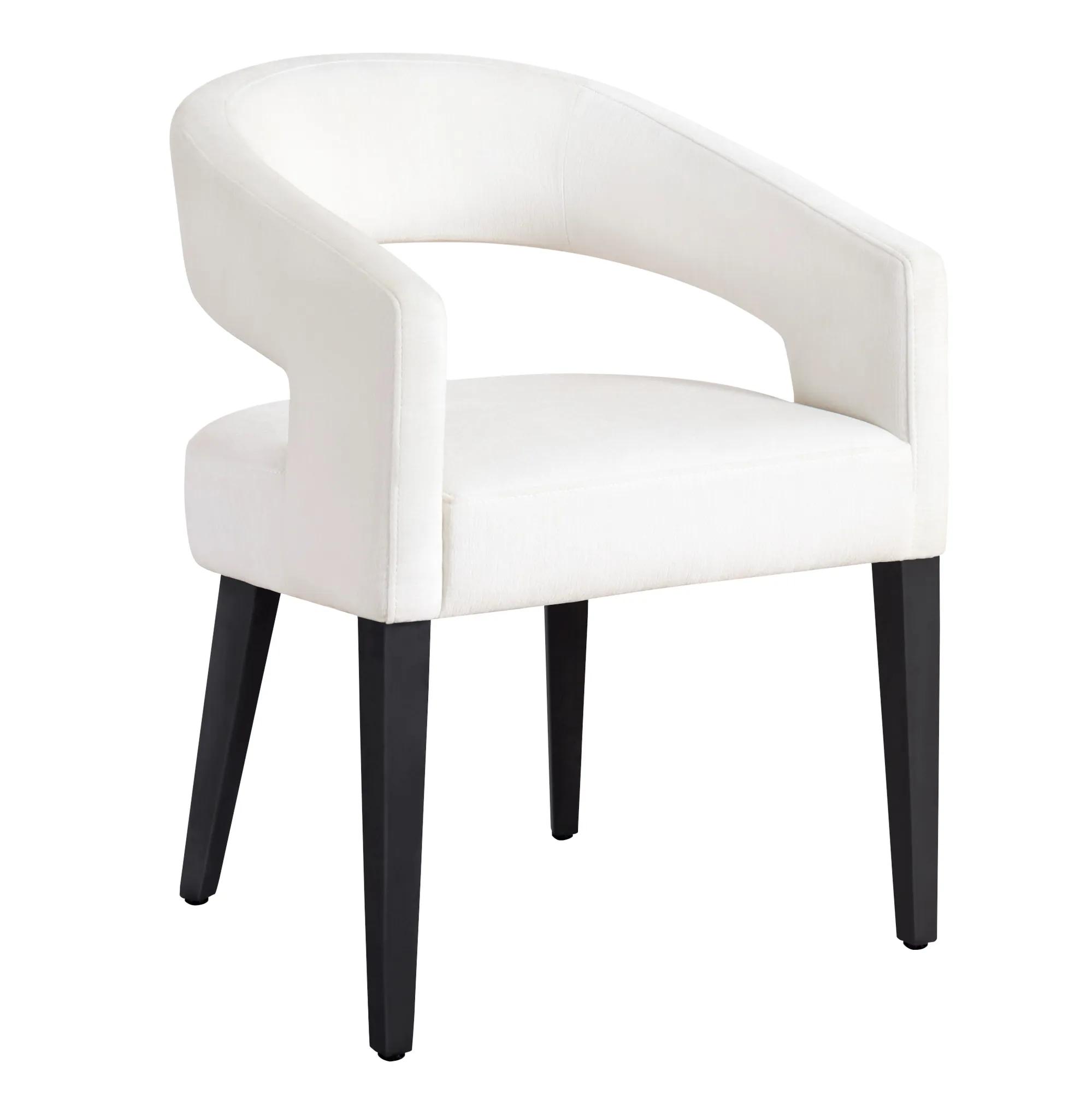
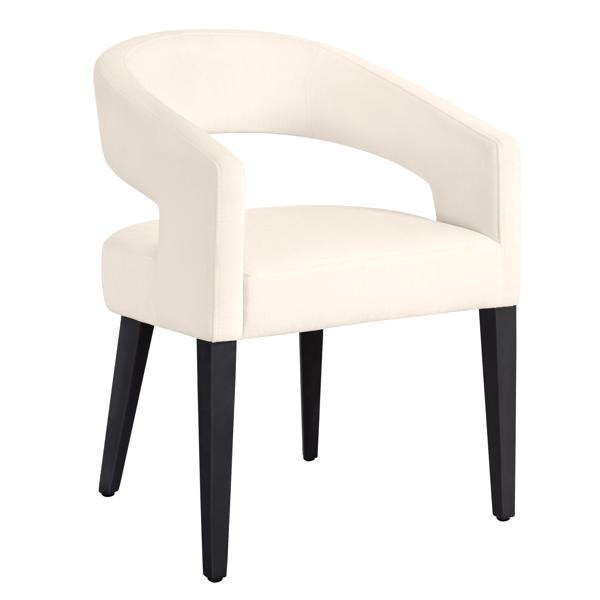 Philippa Dining Chair - Matte Black$599
A modern dining chair featuring a curved silhouette, matte black legs, and neatly tailored upholstery.
Add To Cart -
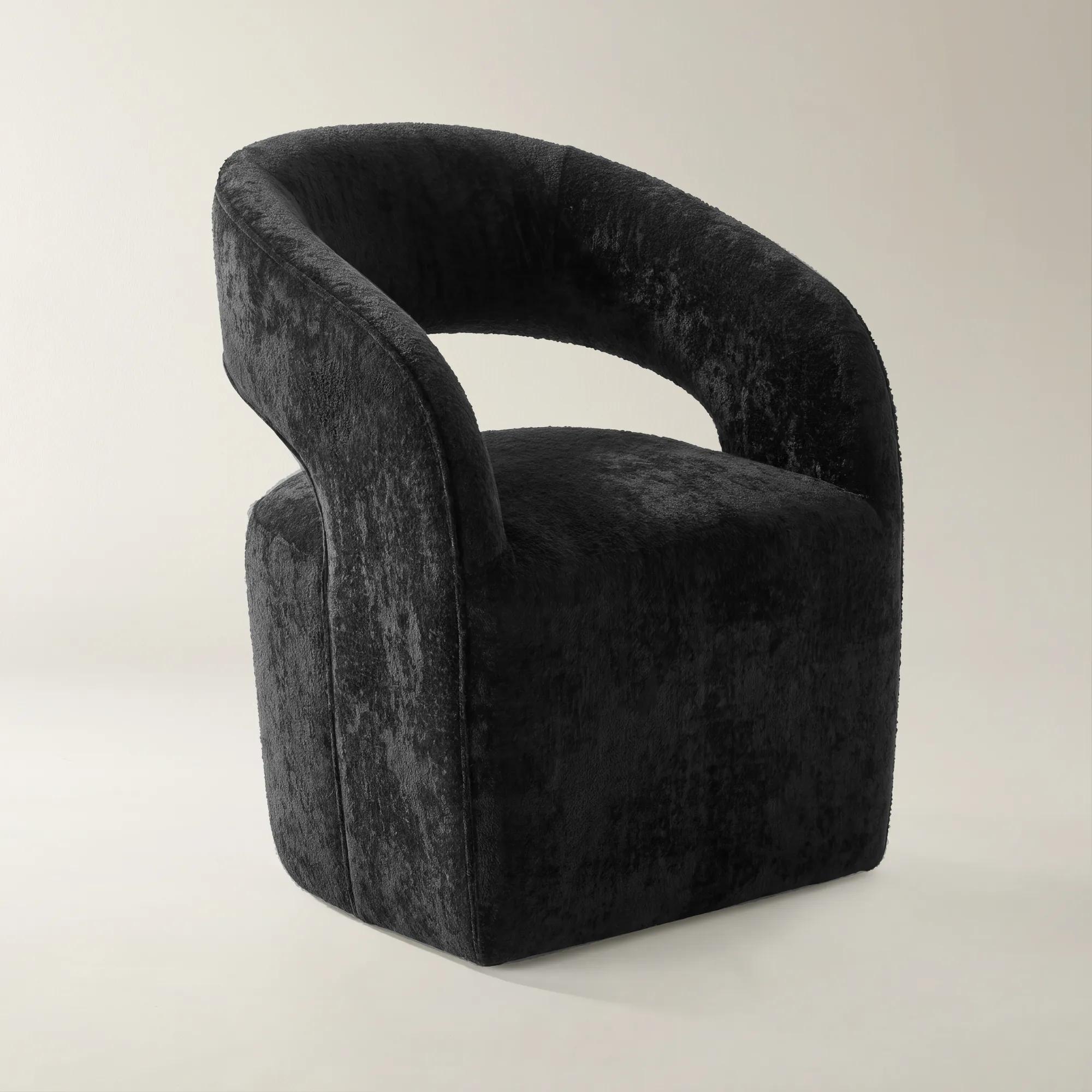 Harrison Black Chenille Dining Chair$499
A sculptural dining chair upholstered in charcoal chenille with a curved back, feather-blend seat, and integrated arms.
Add To Cart -
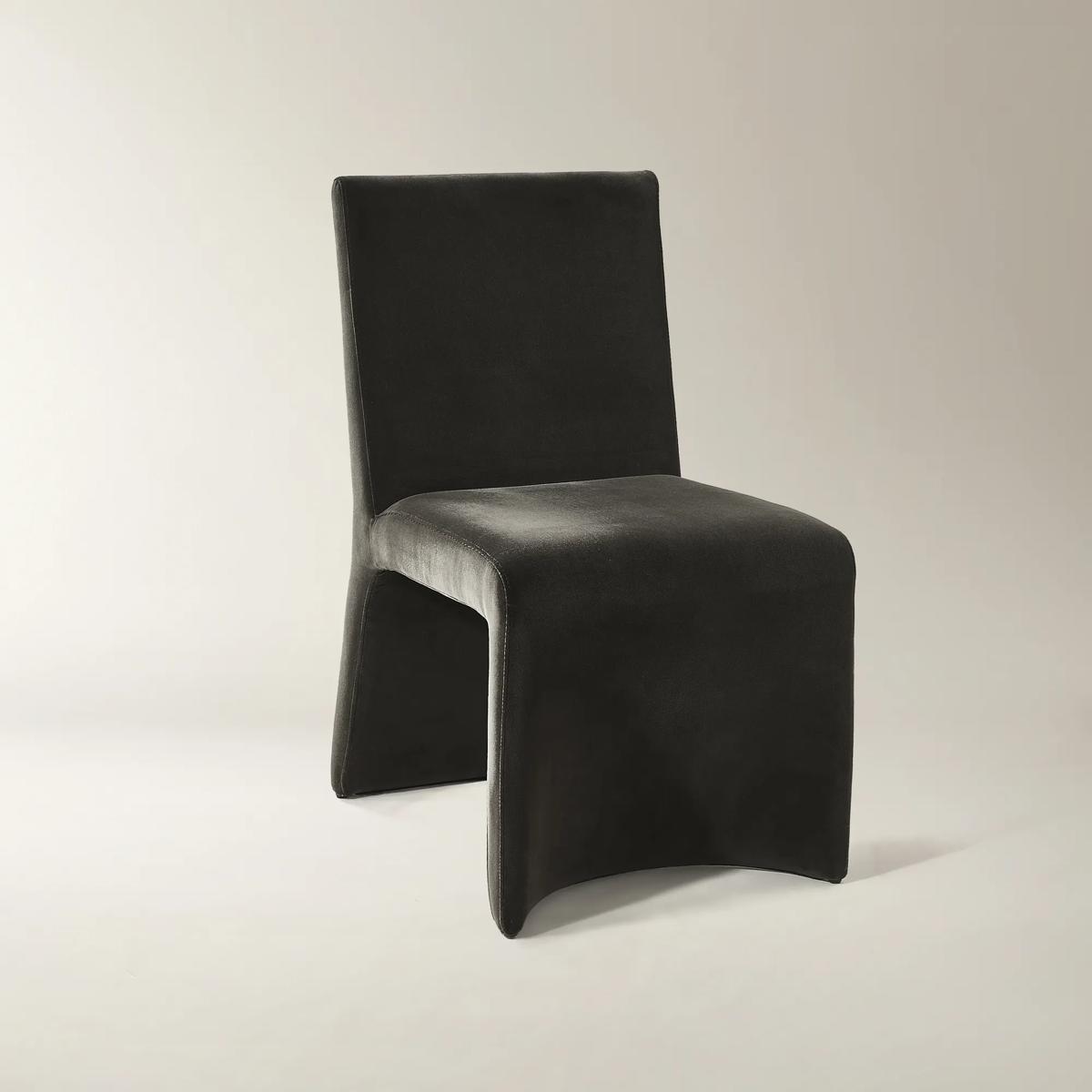
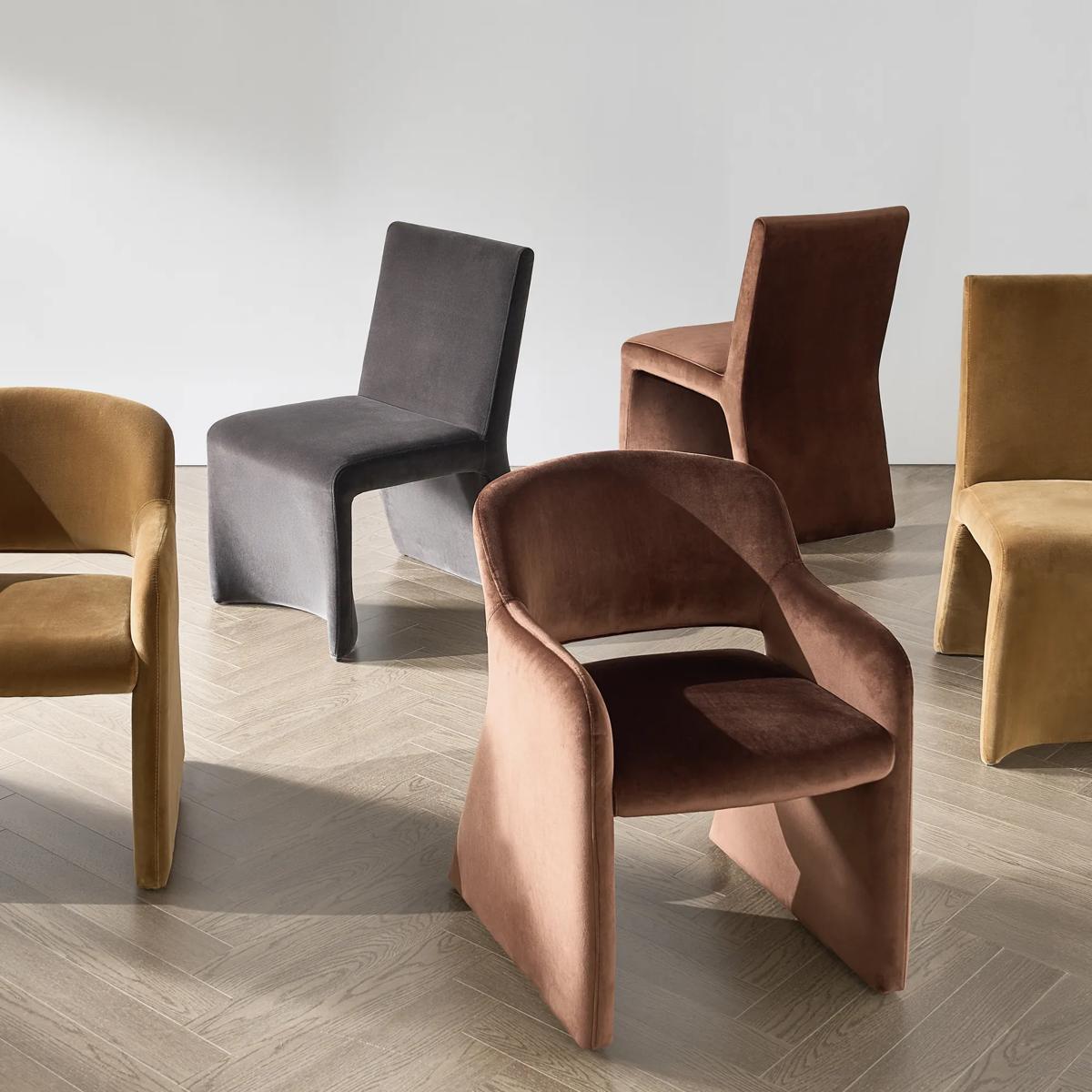 Elara Charcoal Velvet Dining Chair Set Of 2$799
A pair of charcoal velvet dining chairs featuring curved ergonomic silhouettes, plush upholstery, and hand-crafted details.
Add To Cart -
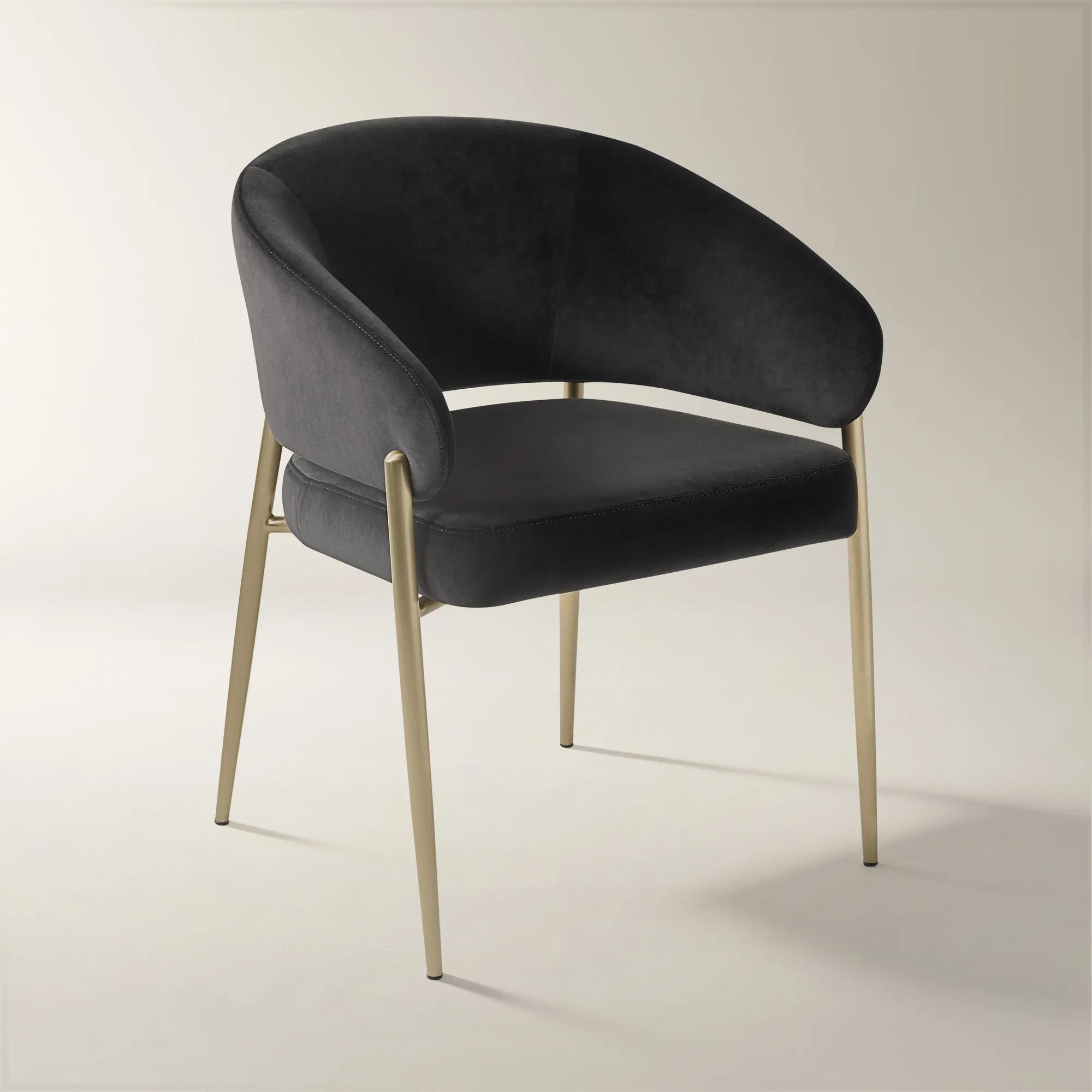 Nara Charcoal Velvet Dining Chair Set Of 2$599
A set of two charcoal velvet chairs featuring curved backs, plush upholstery, and brushed brass metal legs.
Add To Cart -
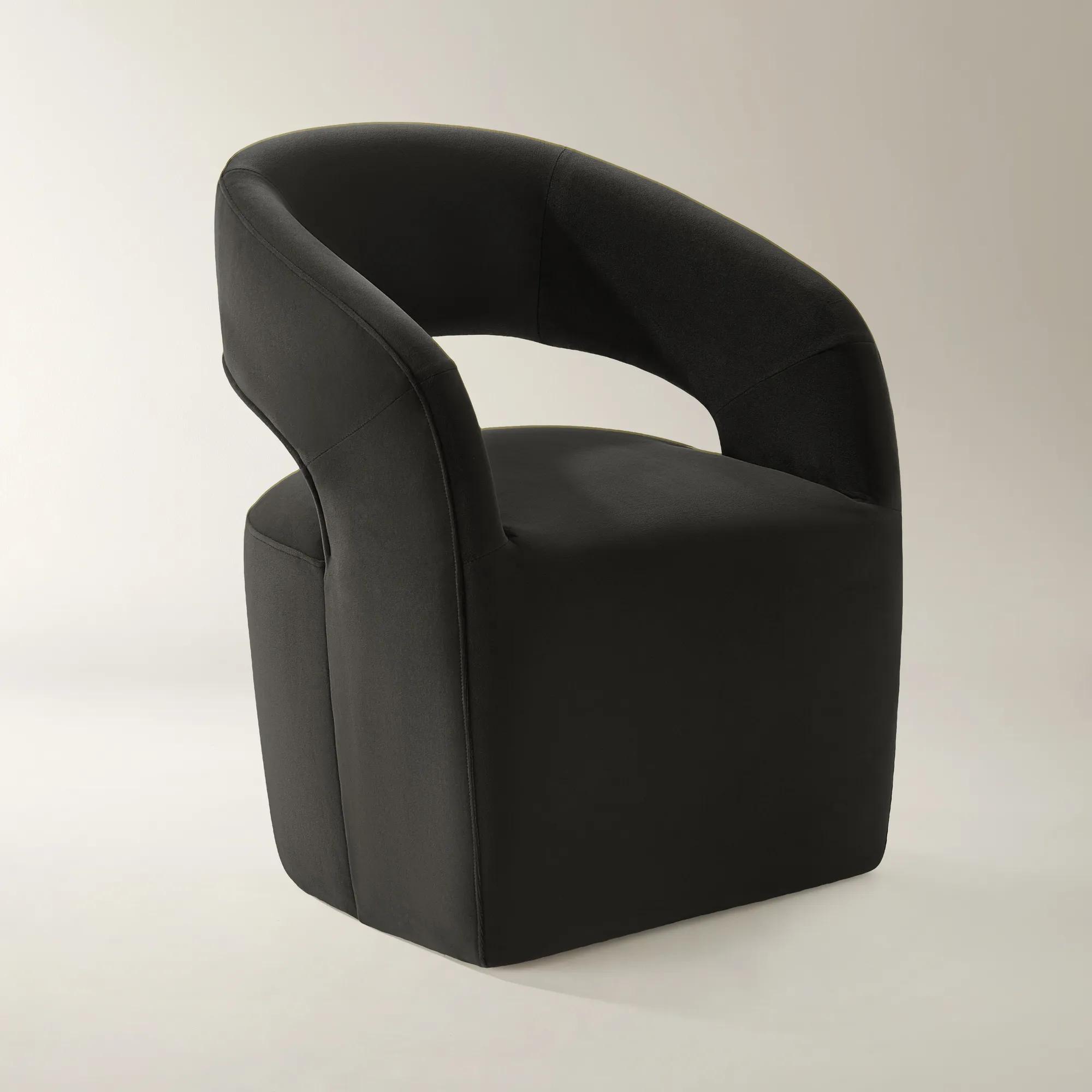 Harrison Charcoal Velvet Dining Chair$499
A sculptural dining chair upholstered in charcoal velvet with a continuous curved back and feather-blend comfort.
Add To Cart -
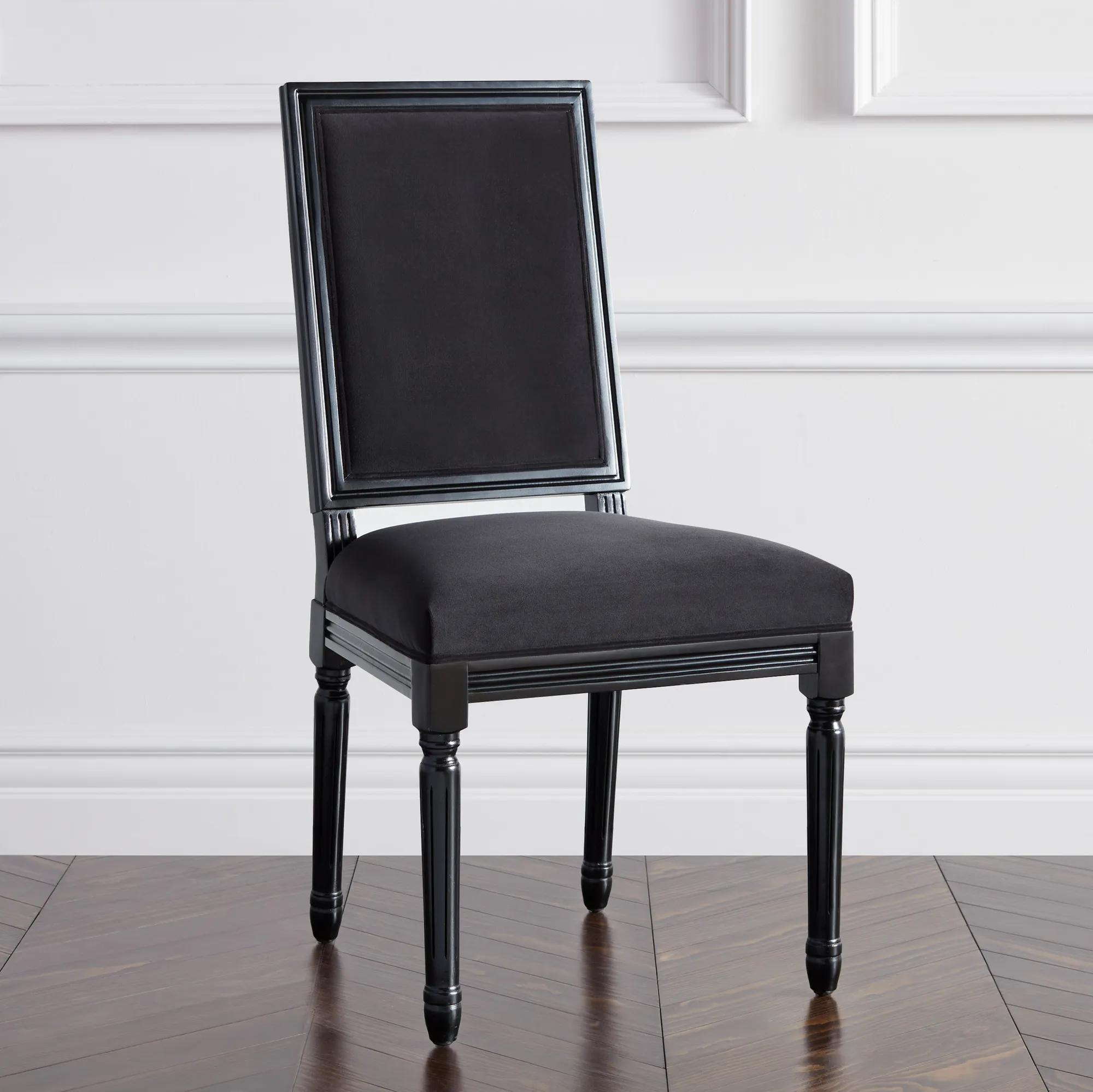
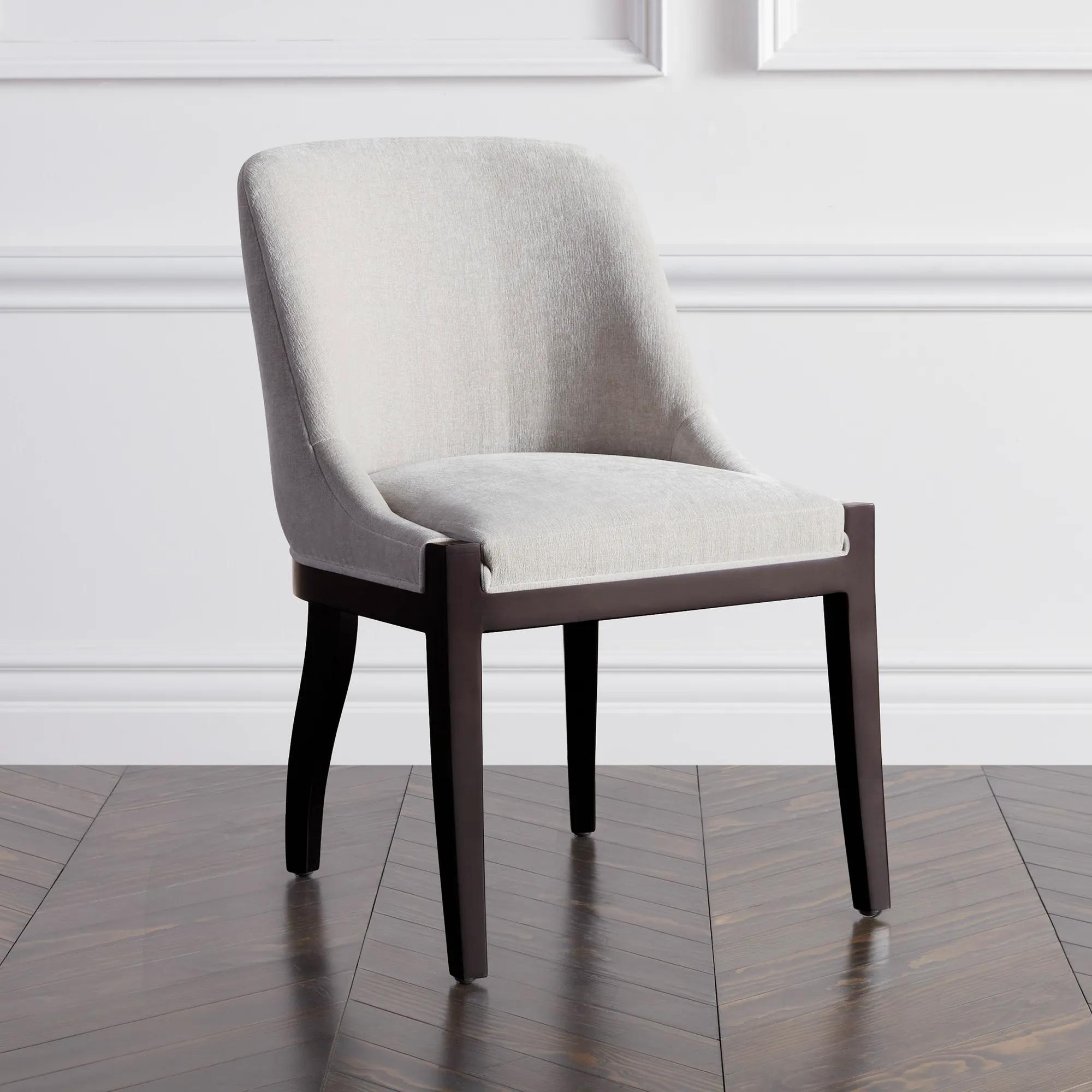
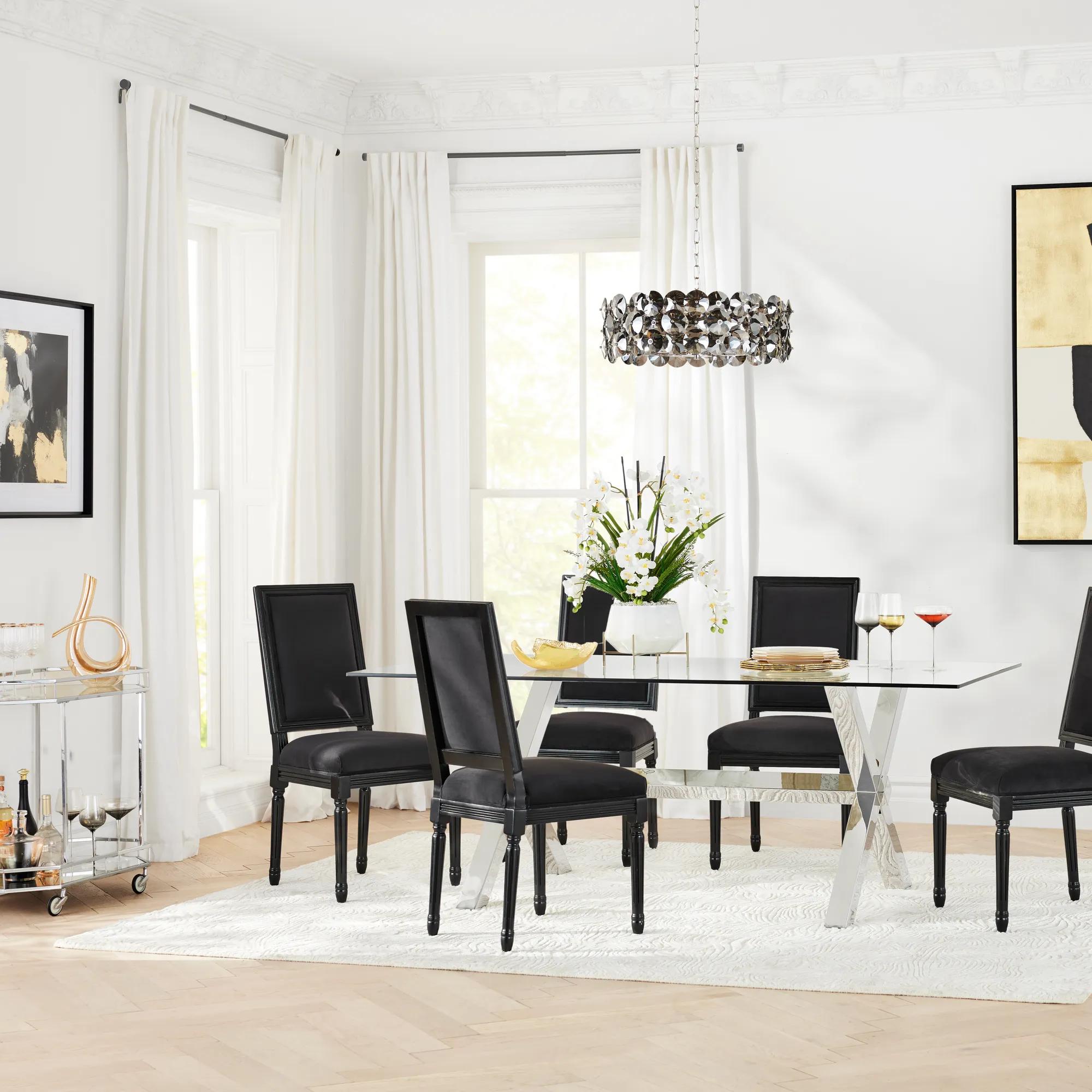 Callan Dining Chair - High Gloss Black$599
A handcrafted dining chair featuring high-gloss black Bella Velvet upholstery, fluted legs, and a squared back.
Add To Cart -
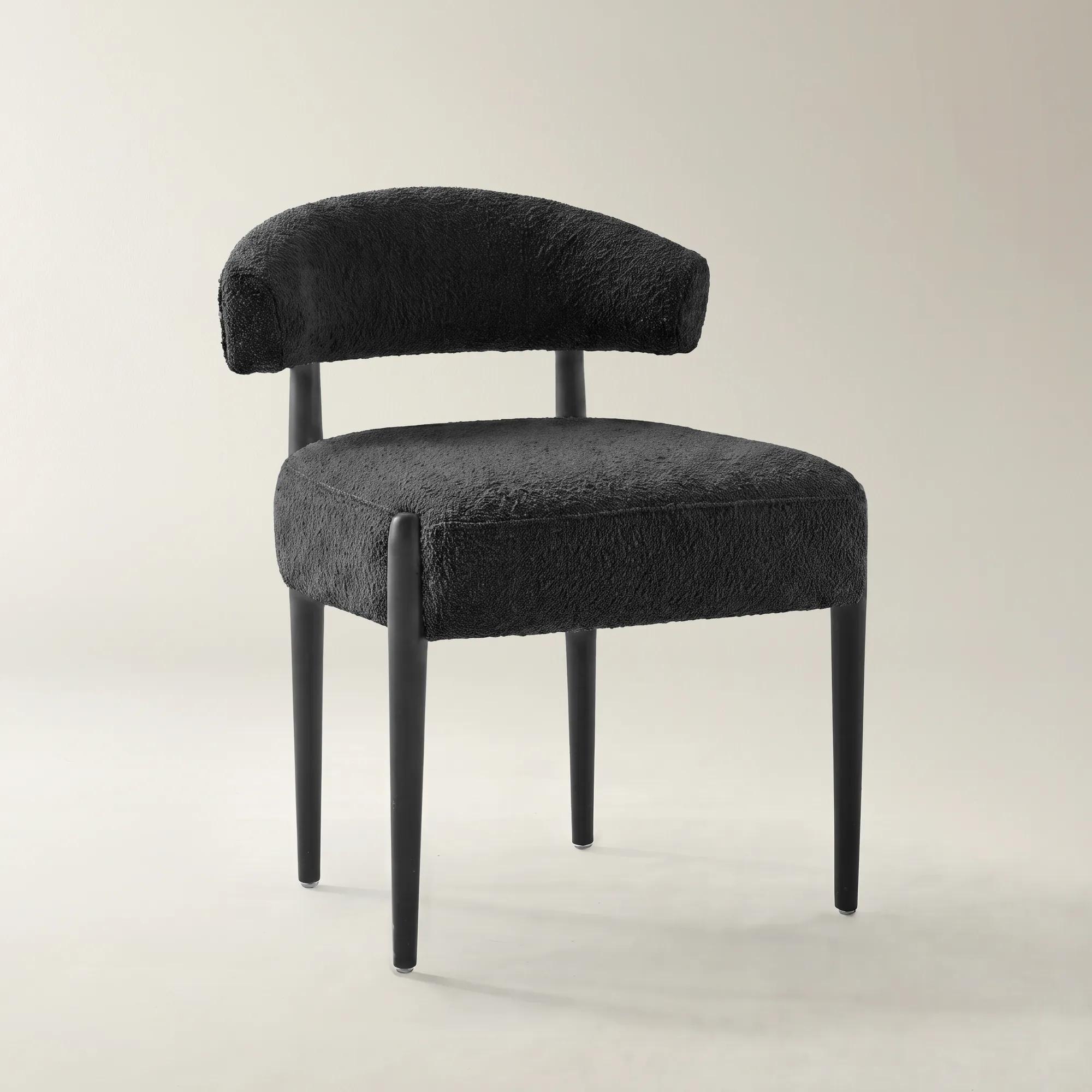
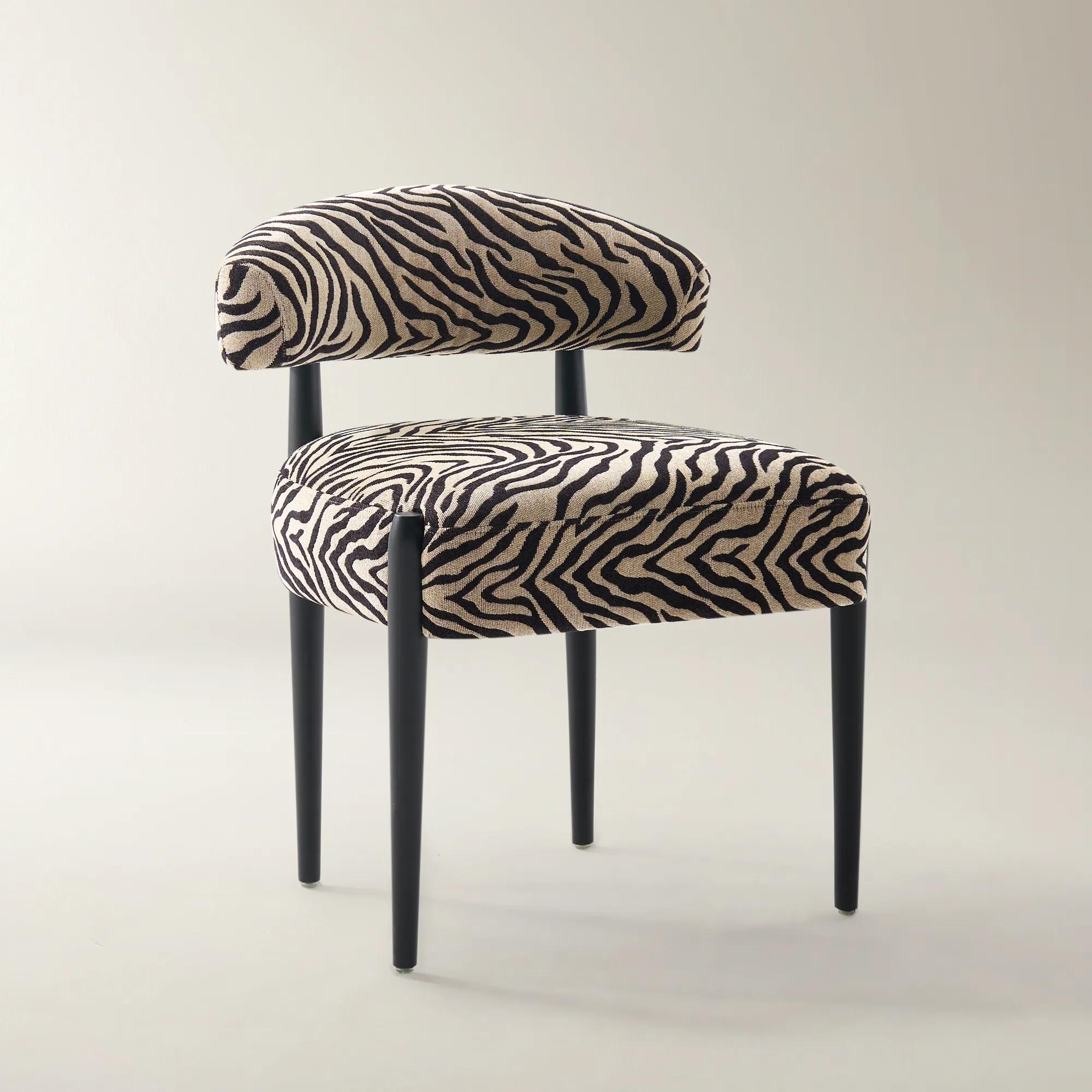 Anna Black Chenille Dining Chair Set of 2$699
A charcoal chenille dining chair set with curved backs, high-density foam cushioning, and rubberwood legs.
Add To Cart -
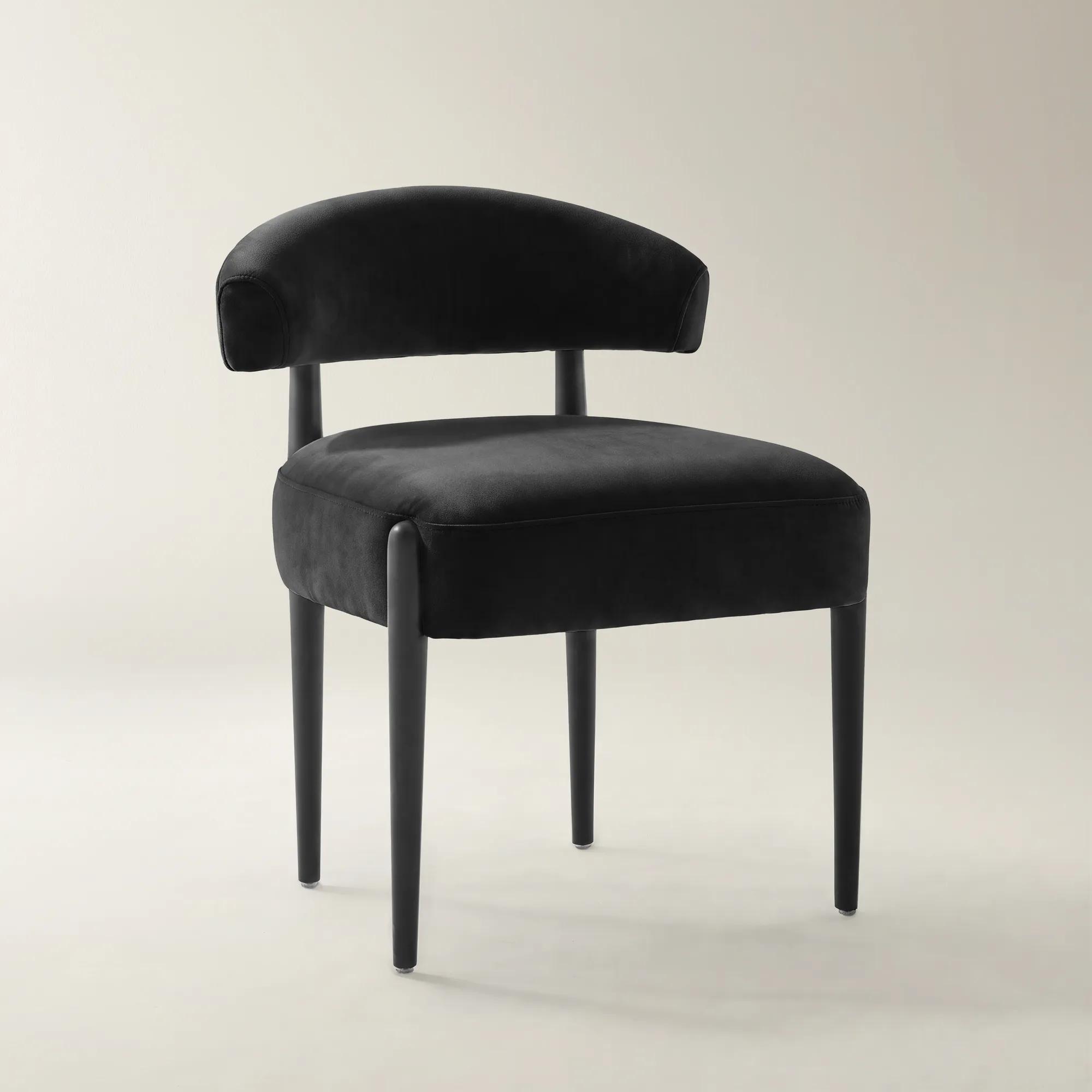 Anna Charcoal Velvet Dining Chair Set of 2$699
A charcoal velvet dining chair with an arched back, supportive foam cushioning, and solid rubberwood legs.
Add To Cart -
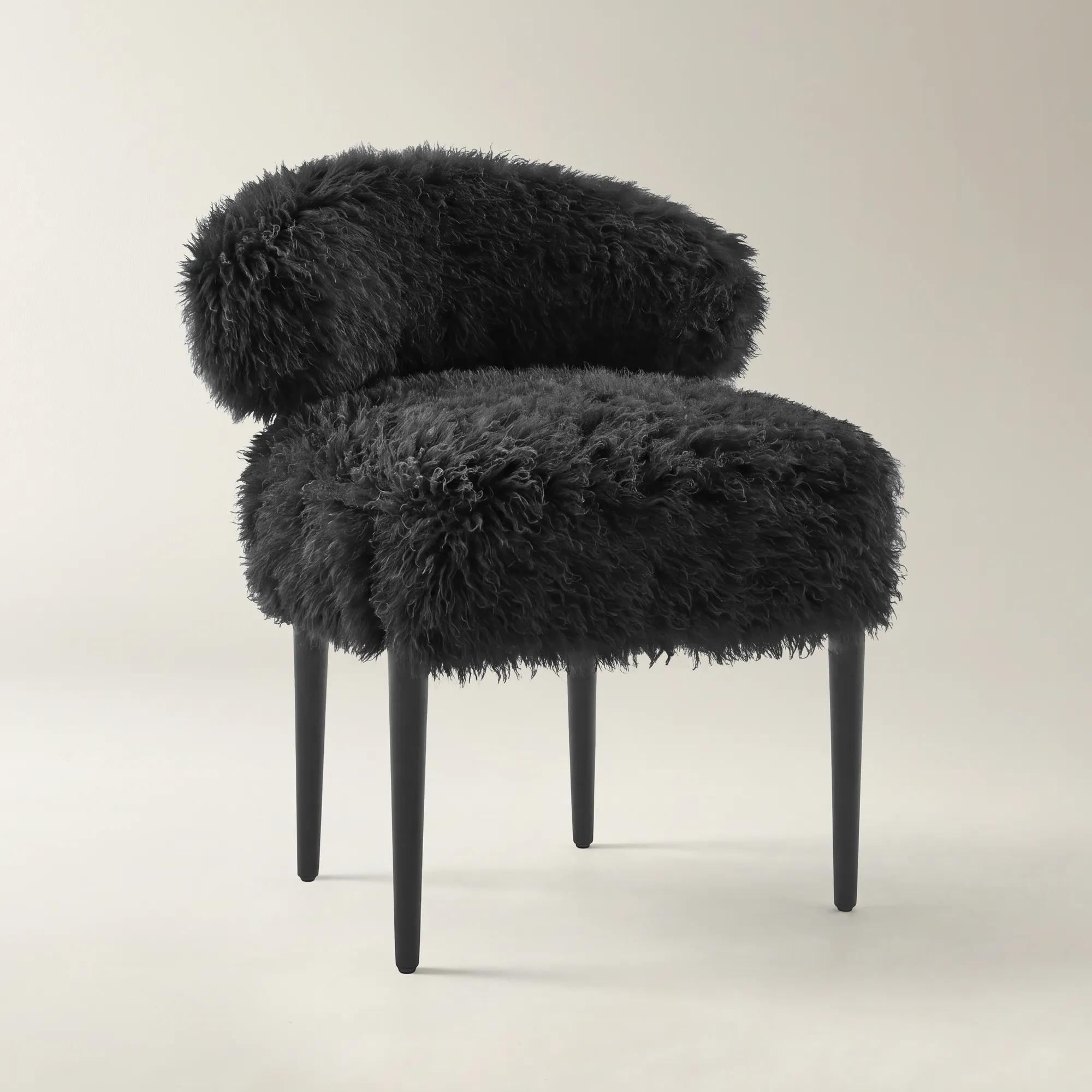 Anna Black Faux Fur Dining Chair Set of 2$799
A black faux fur chair set with arched backs, foam cushioning, and solid wood legs.
Add To Cart -
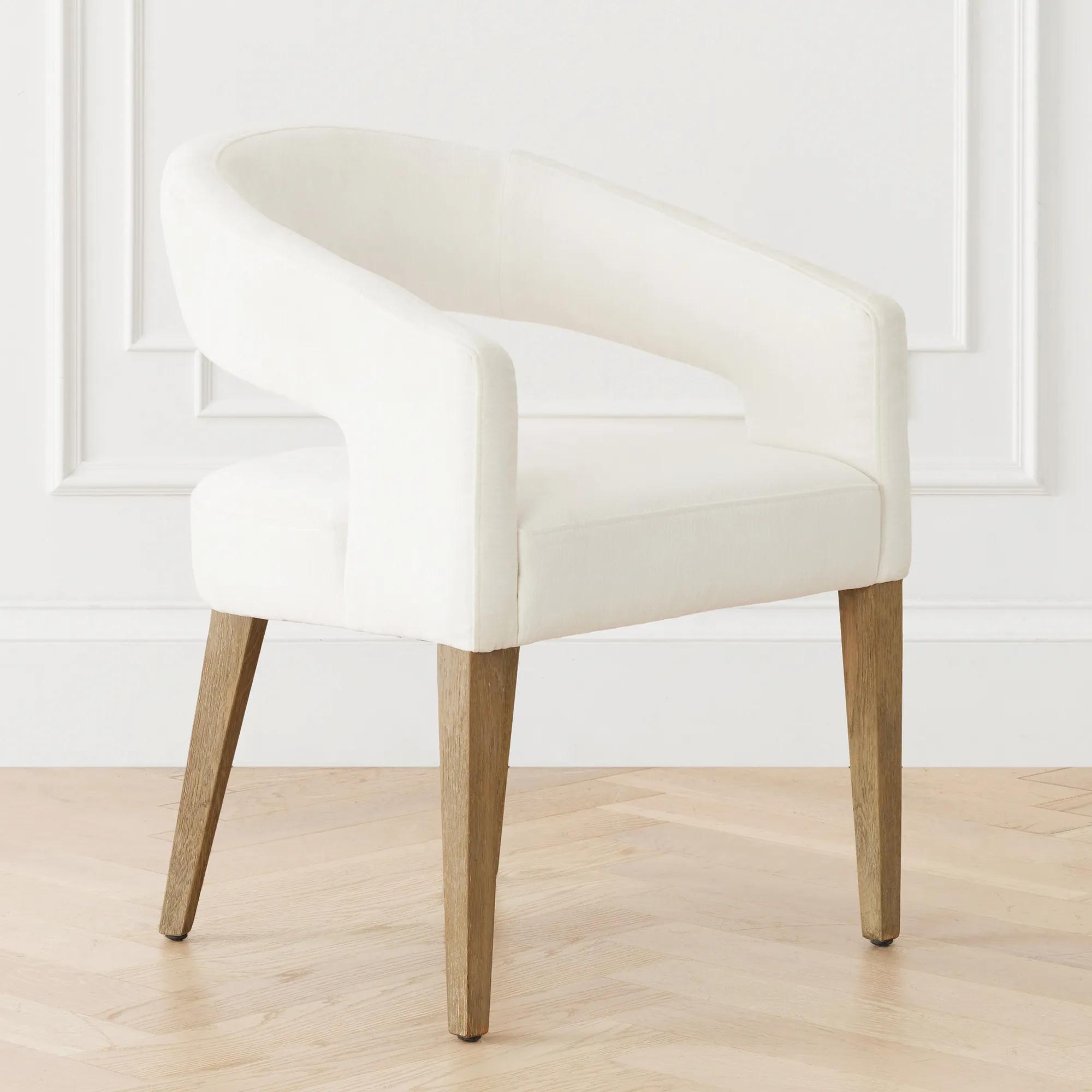
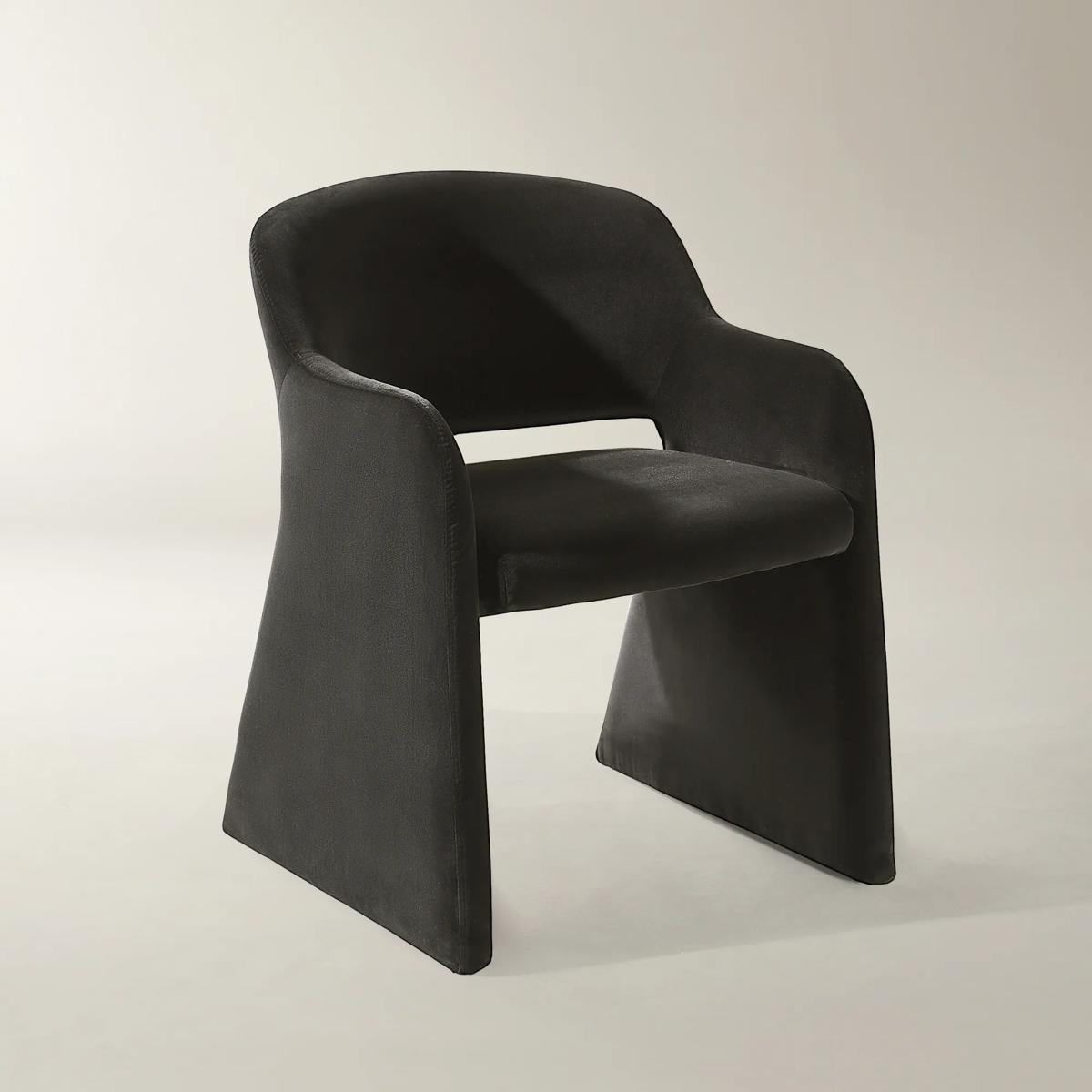 Elara Charcoal Velvet Dining Chair$449
A charcoal velvet armchair with sinuous curves, supportive embrace, and hand-crafted, reinforced construction.
Add To Cart -
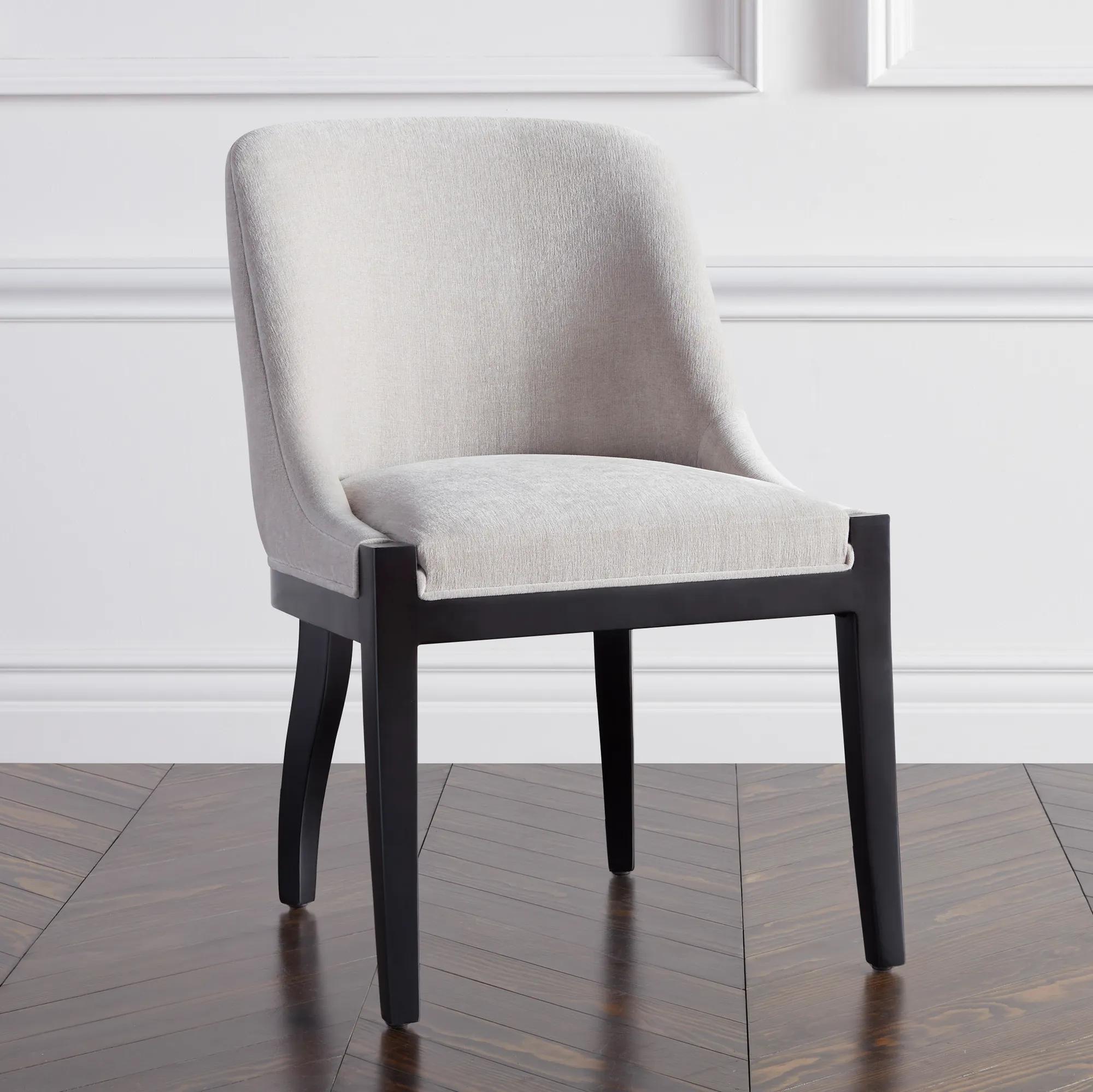 Lily Dining Chair - Matte Black$649
A modern dining chair featuring a kiln-dried hardwood frame and matte black legs with tailored upholstery.
Add To Cart -
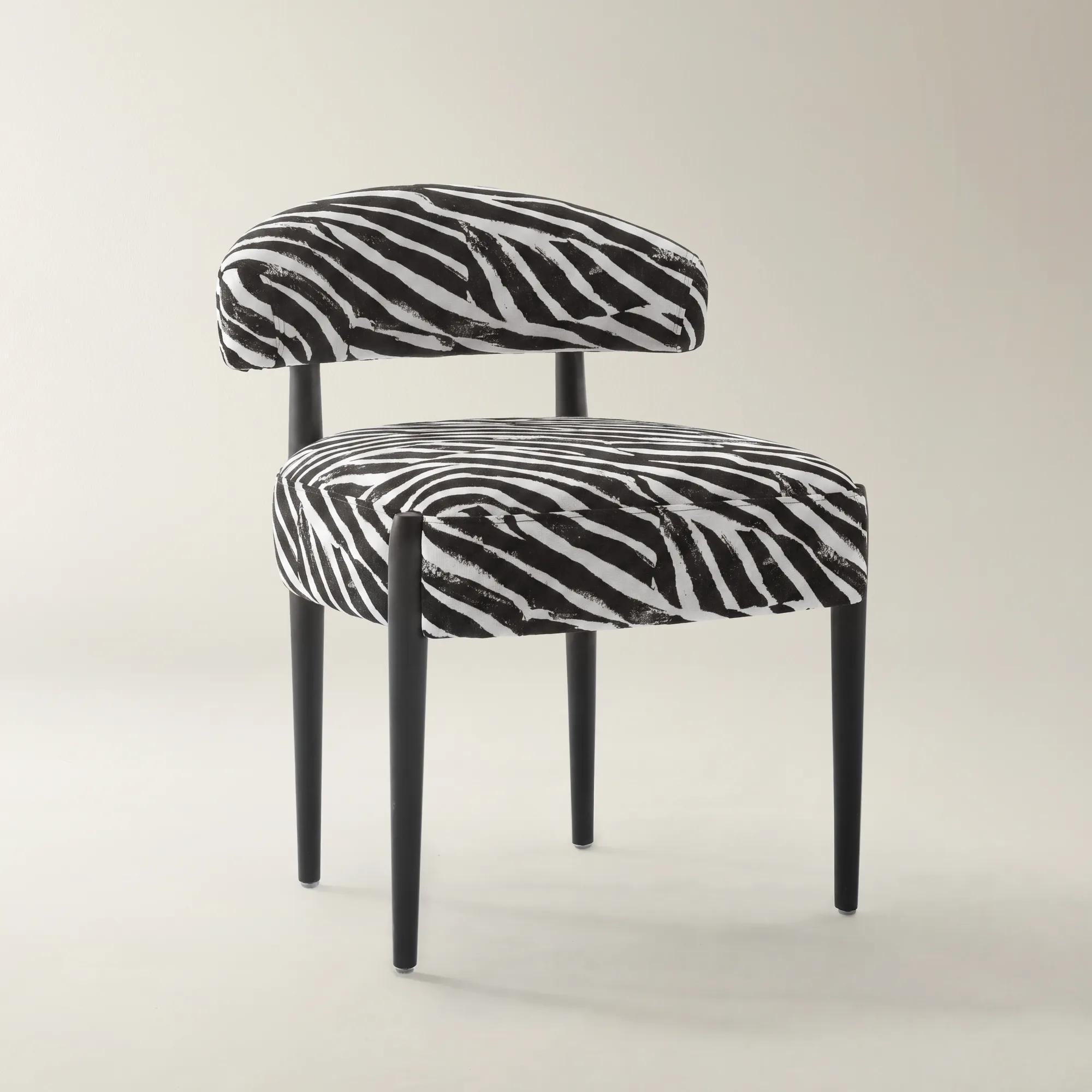 Anna White/Black Performance Chenille Dining Chair Set of 2$699
A black-and-white performance chenille chair set with arched backs, high-density foam, and solid rubberwood legs.
Add To Cart -
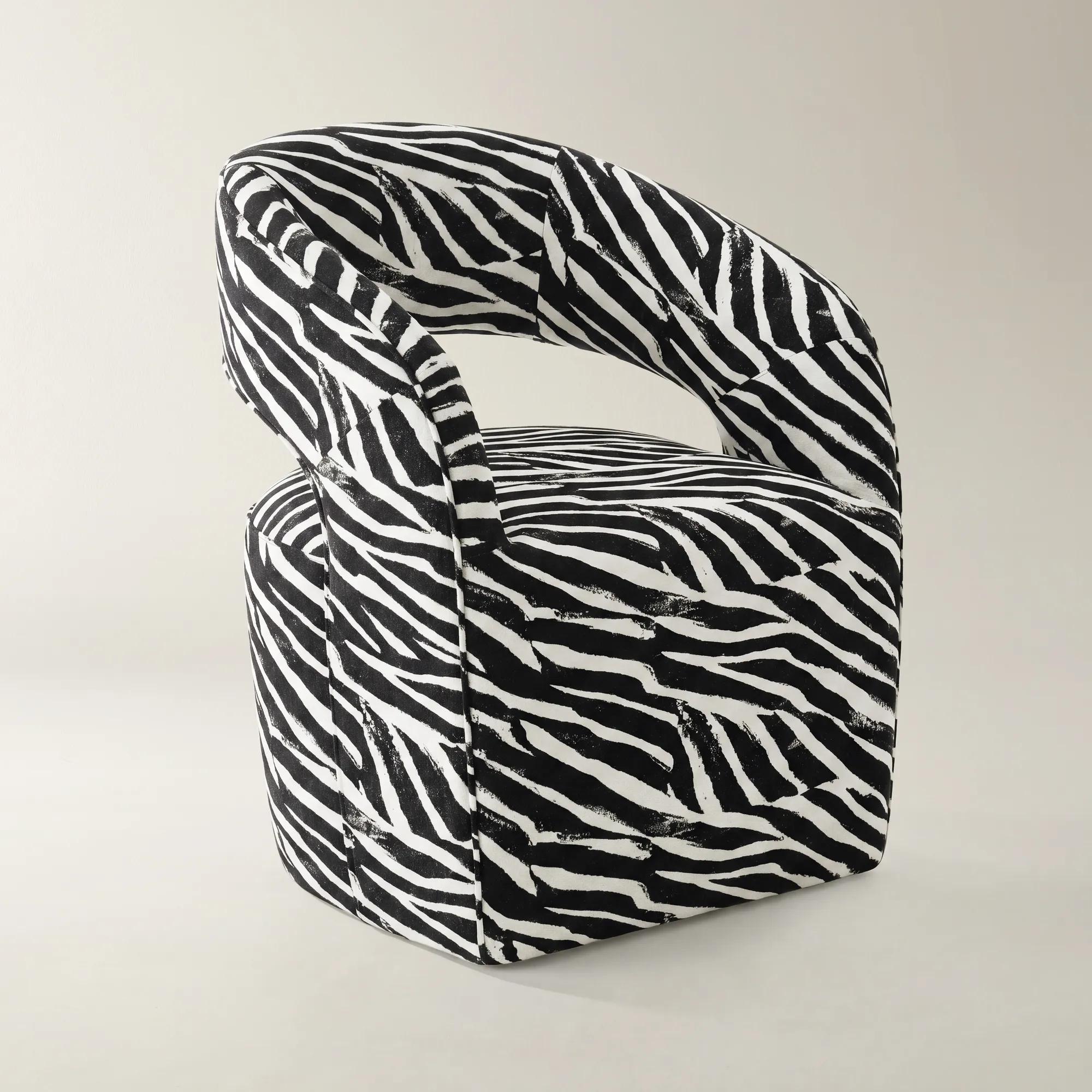
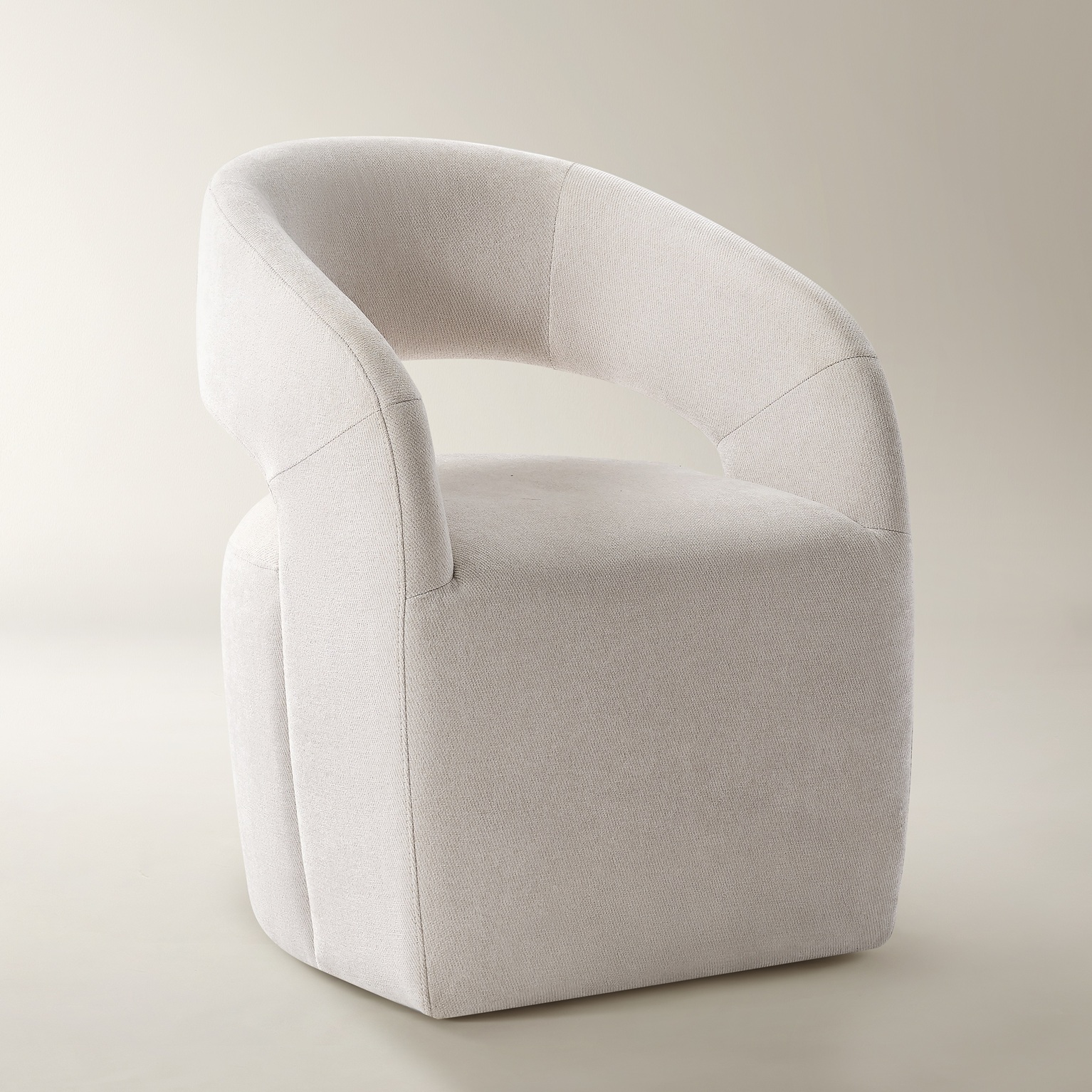 Harrison White/Black Performance Chenille Dining Chair$499
A sculptural dining chair in white and black performance chenille with plush feather-blend cushioning and curved arms.
Add To Cart -
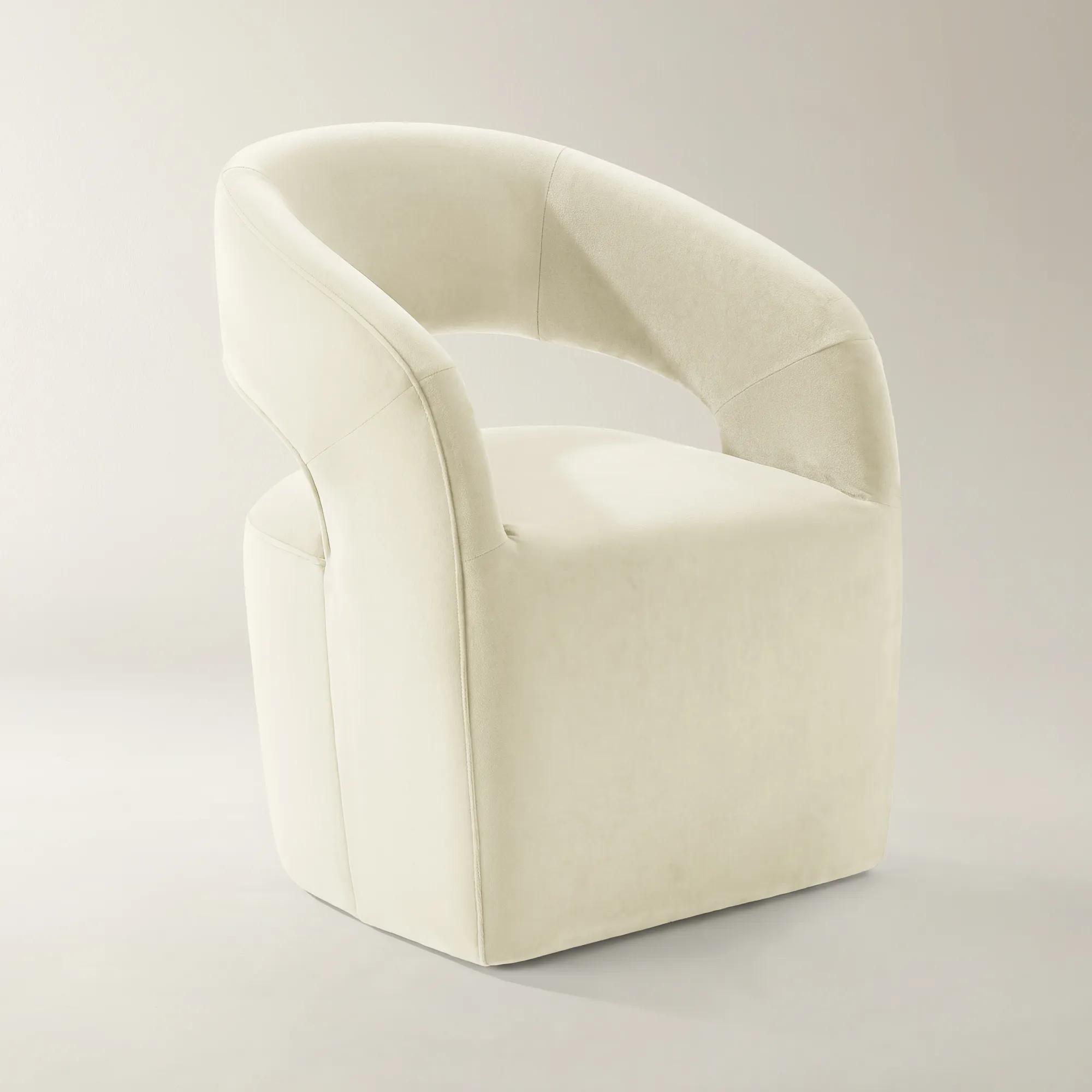 Harrison Cloud Velvet Dining Chair$499
A sculptural dining chair featuring cloud velvet upholstery, feather-blend cushioning, and a continuous curved back.
Add To Cart -
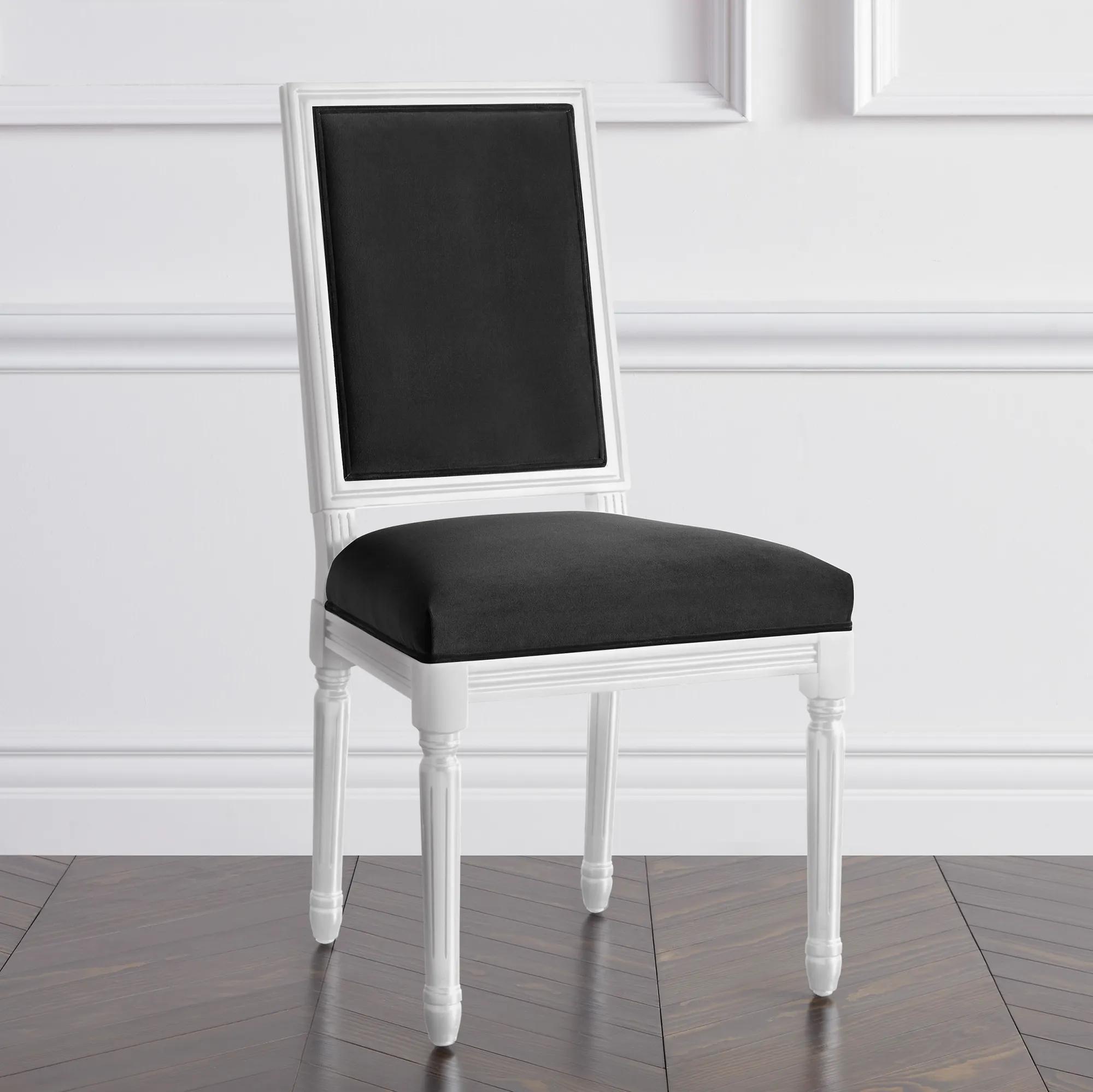
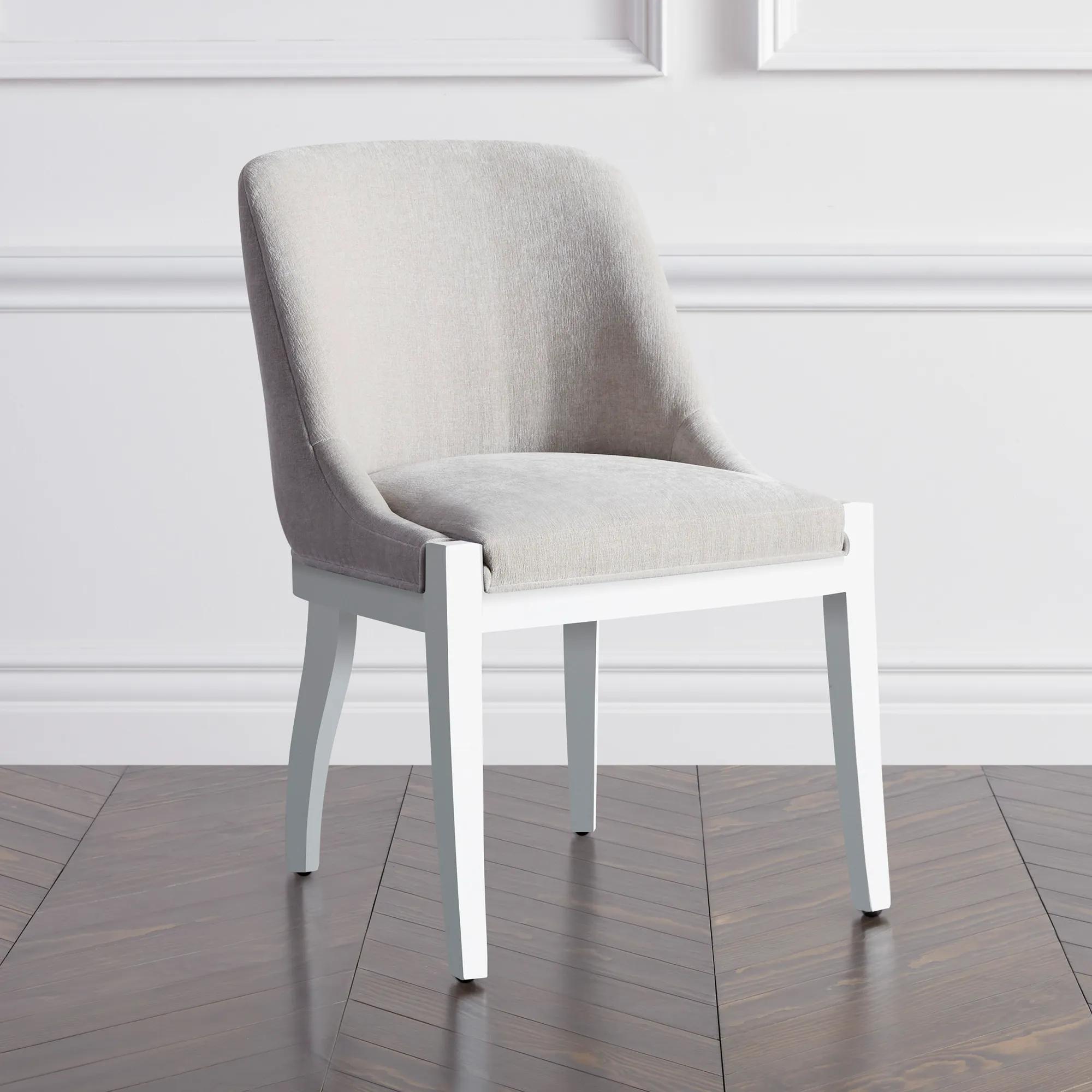
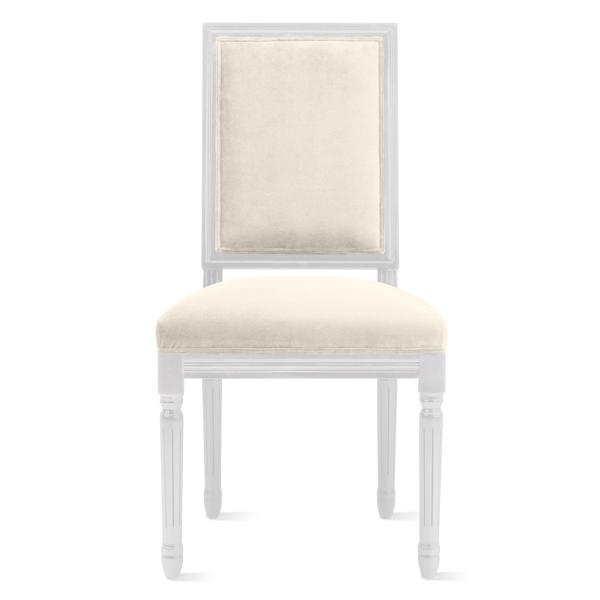 Callan Dining Chair - High Gloss White$599
A handcrafted dining chair featuring high-gloss white finish, kiln-dried hardwood frame, and plush velvet upholstery.
Add To Cart -
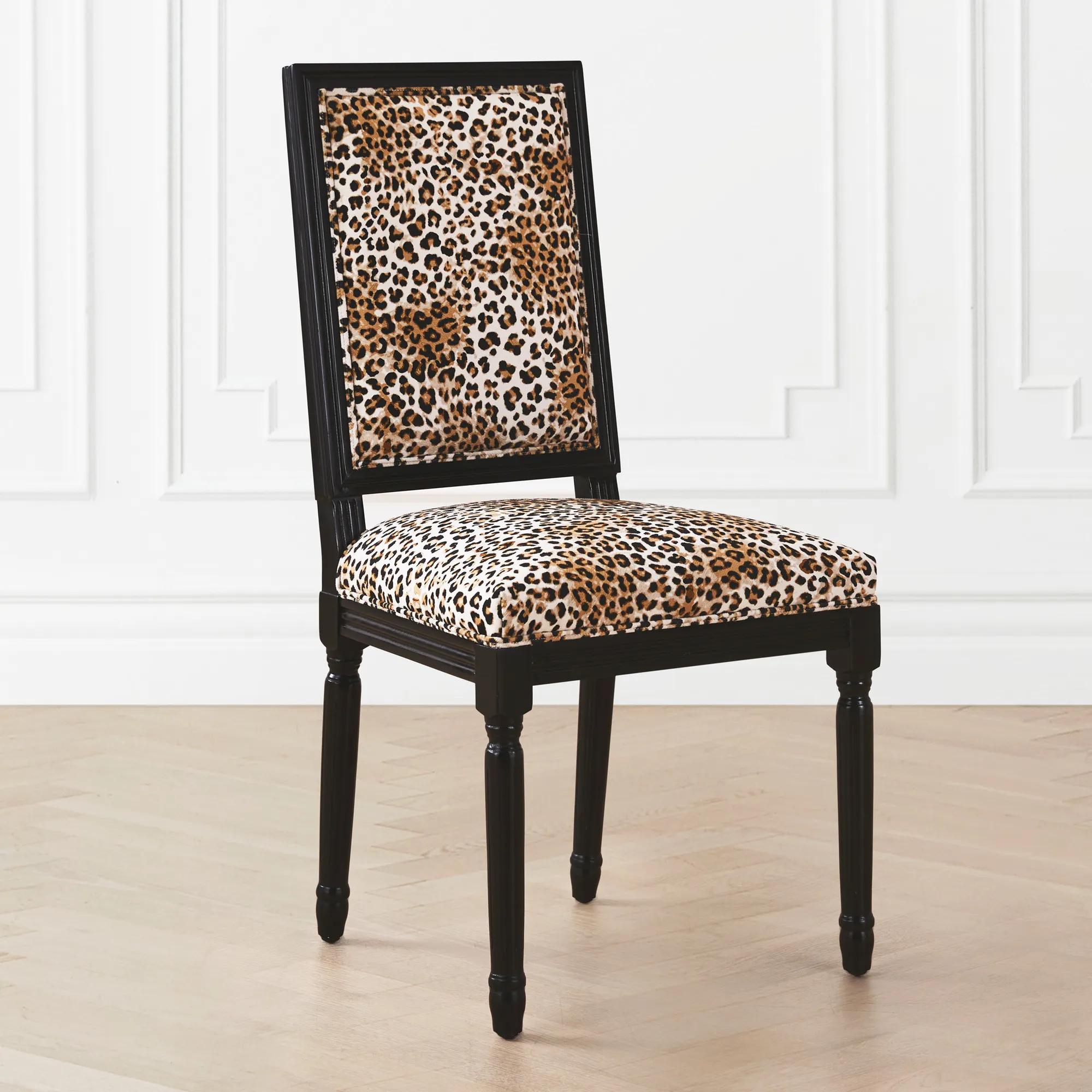
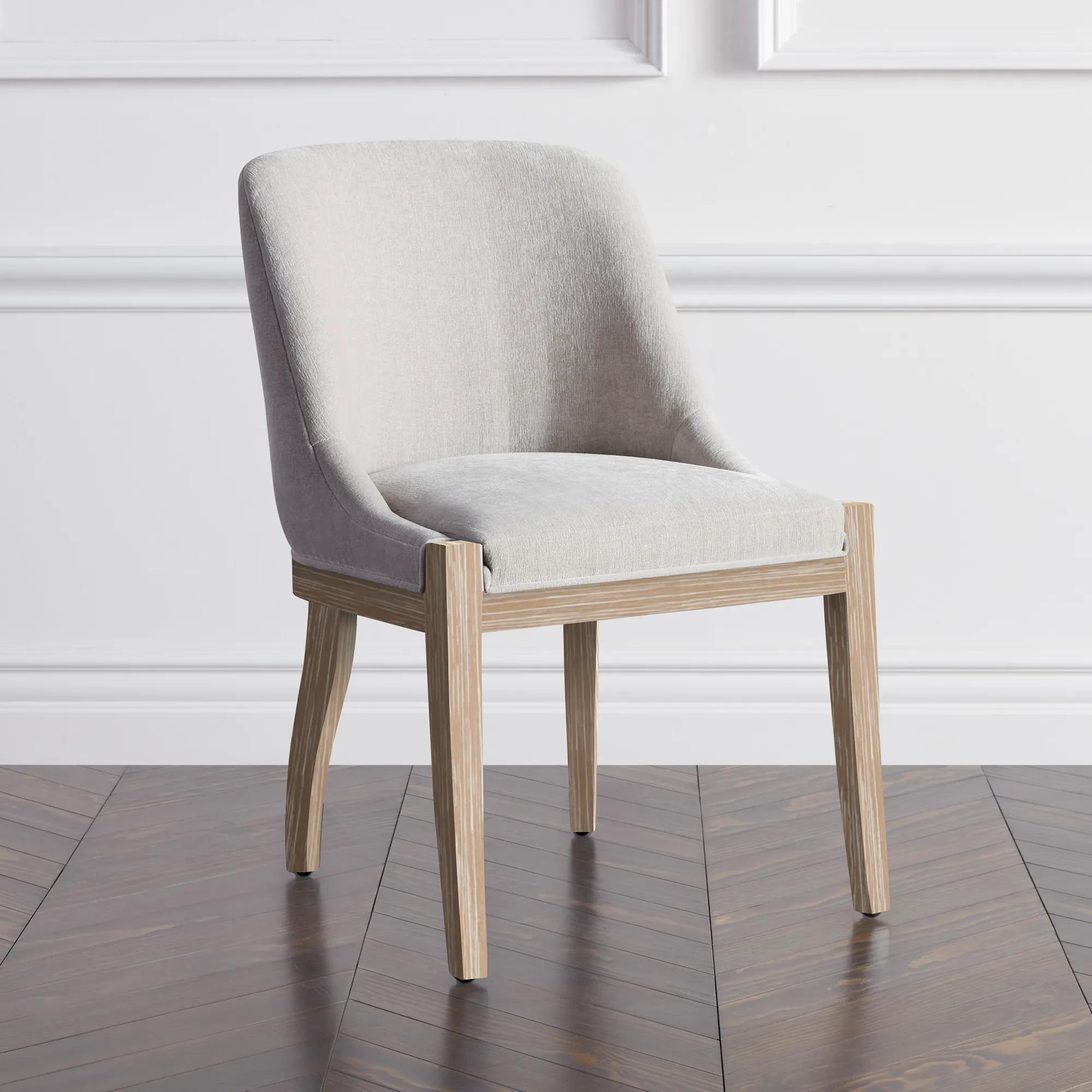
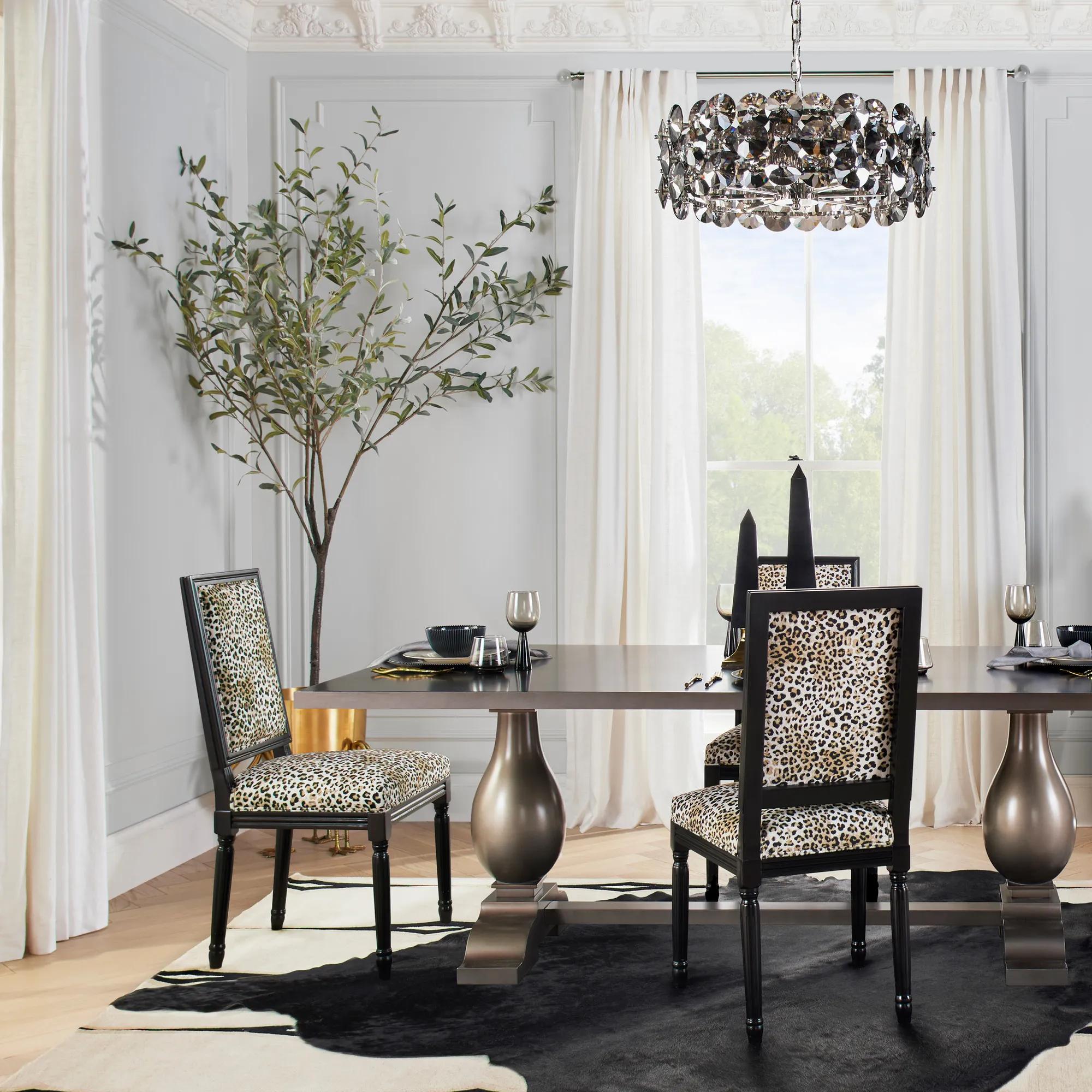 Callan Dining Chair$599
A handcrafted modern chair featuring classic upholstery, squared back, fluted legs, and high-gloss finish.
Add To Cart -
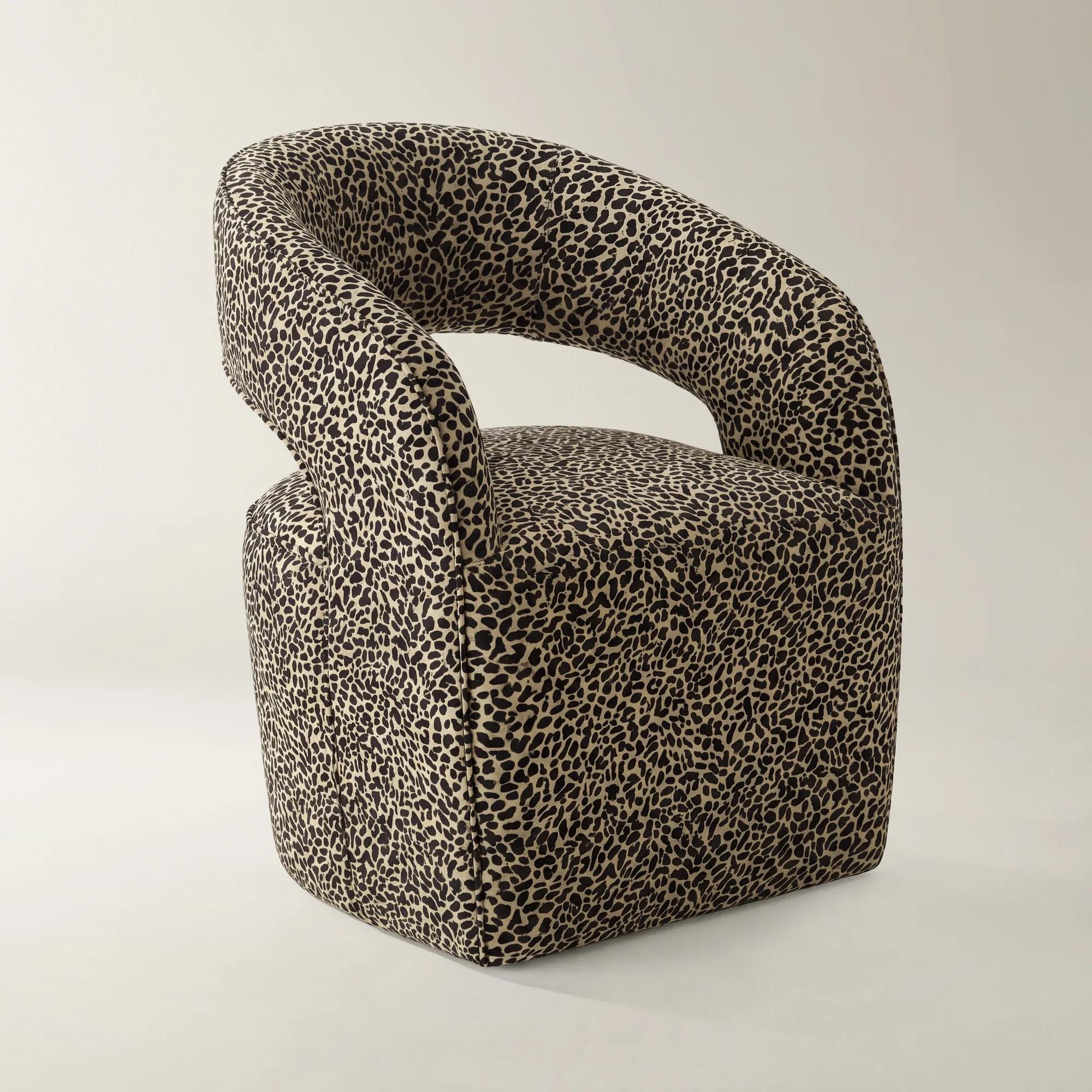 Harrison Leopard Performance Chenille Dining Chair$499
A sculptural dining chair featuring leopard performance chenille upholstery, feather-blend cushioning, and a curved silhouette.
Add To Cart -
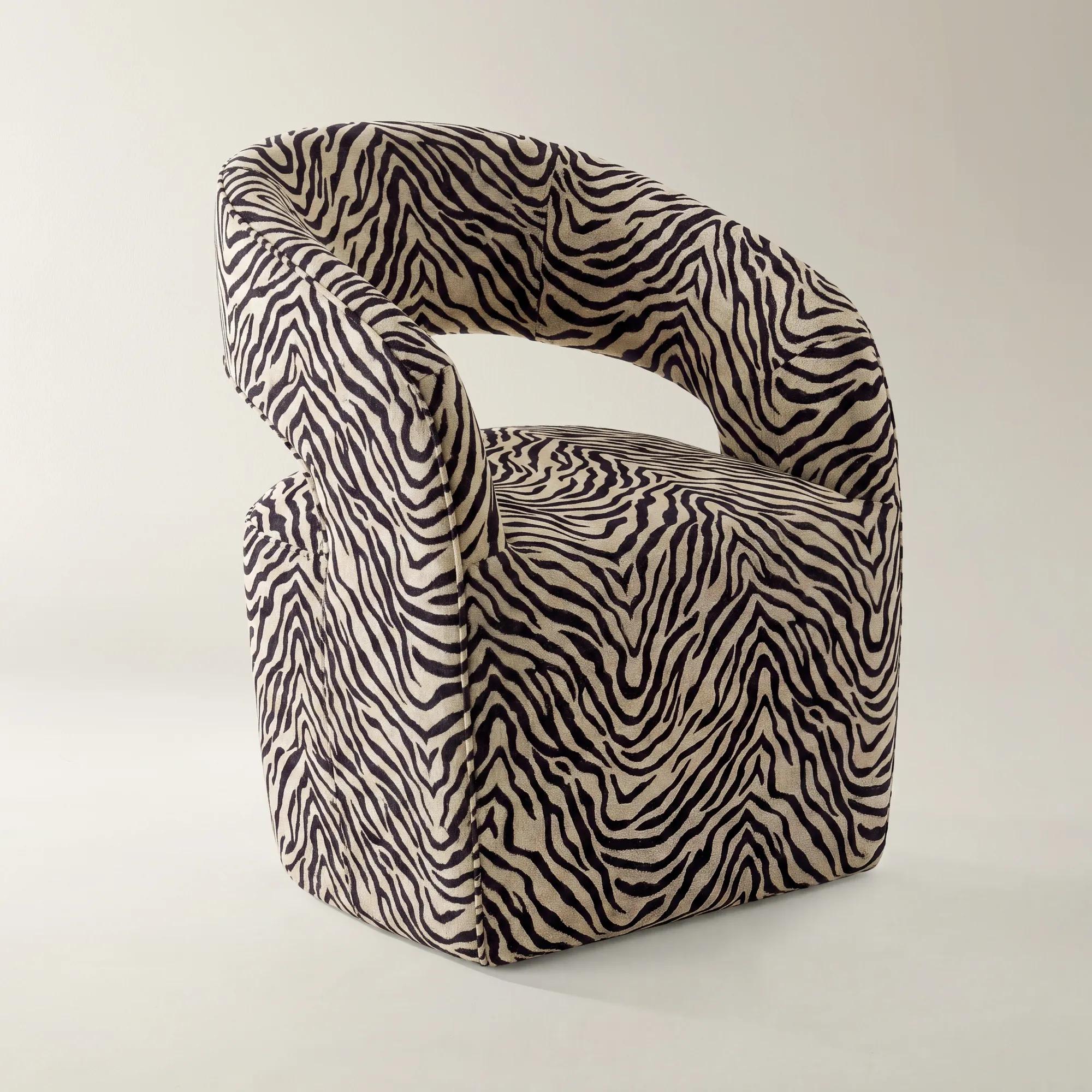 Harrison Zebra Performance Chenille Dining Chair$499
A sculptural dining chair upholstered in zebra performance chenille with a curved back and feather-blend comfort.
Add To Cart -
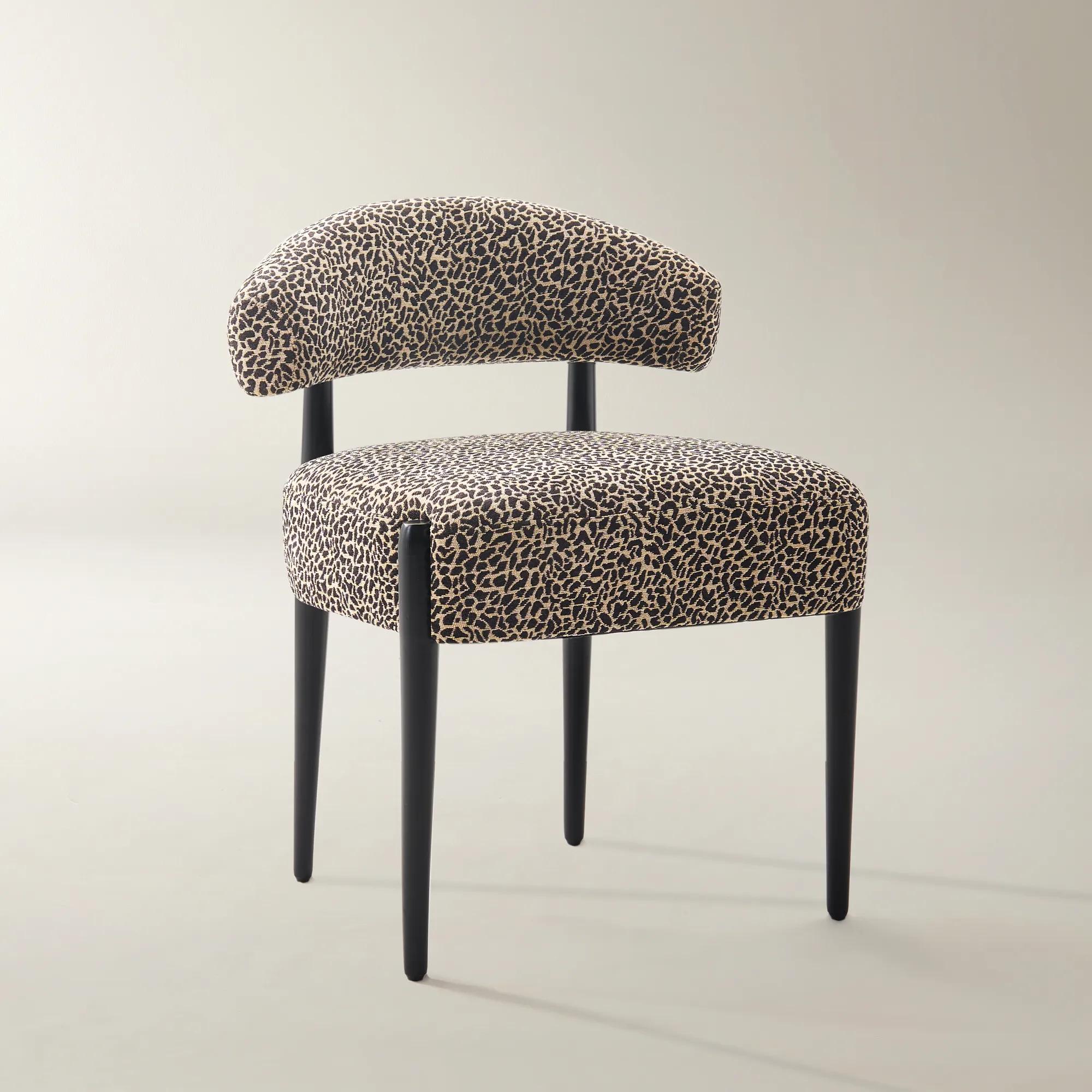
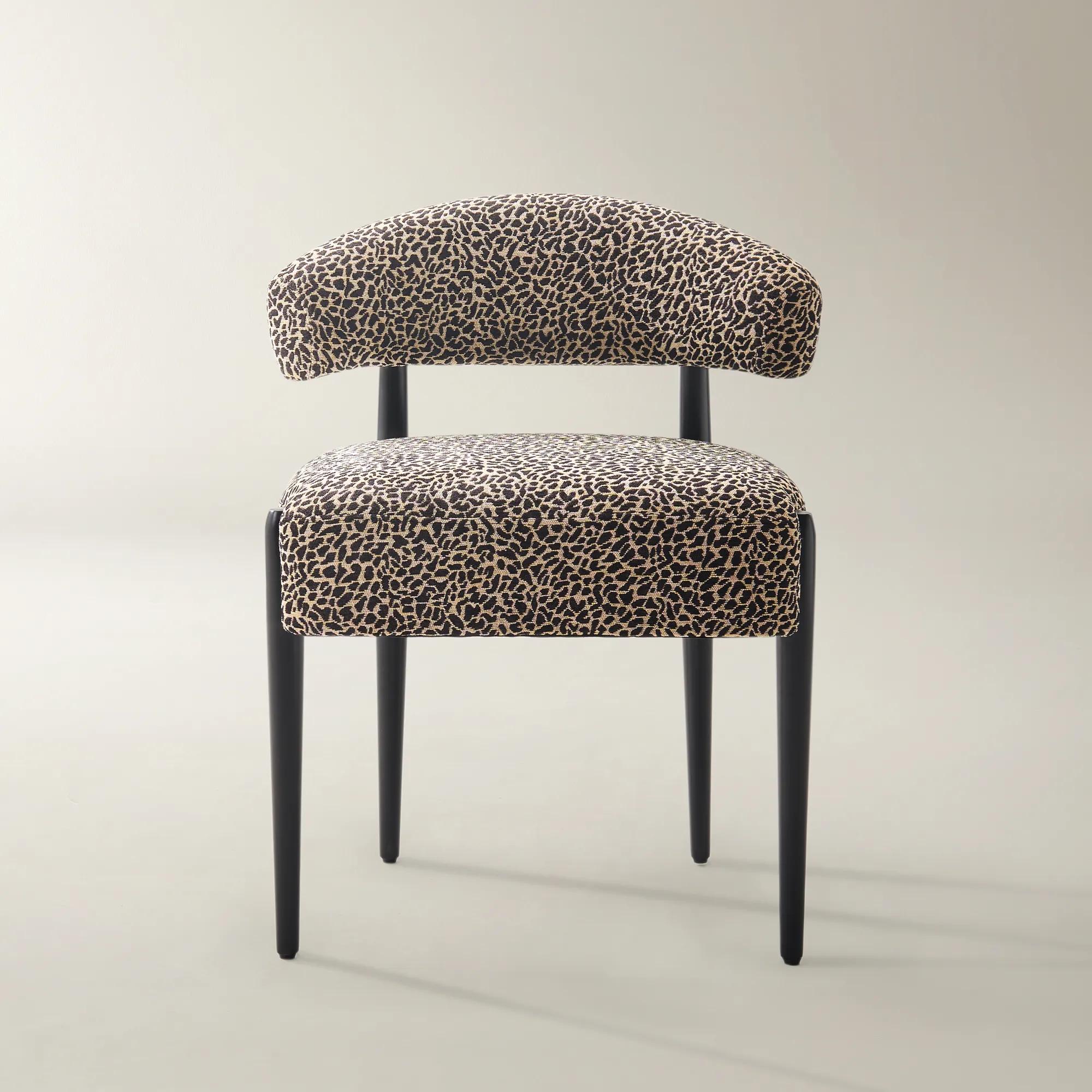 Anna Leopard Chenille Dining Chair Set Of 2$699
A pair of leopard-print chenille chairs with solid rubberwood legs and high-density foam for lasting comfort.
Add To Cart -

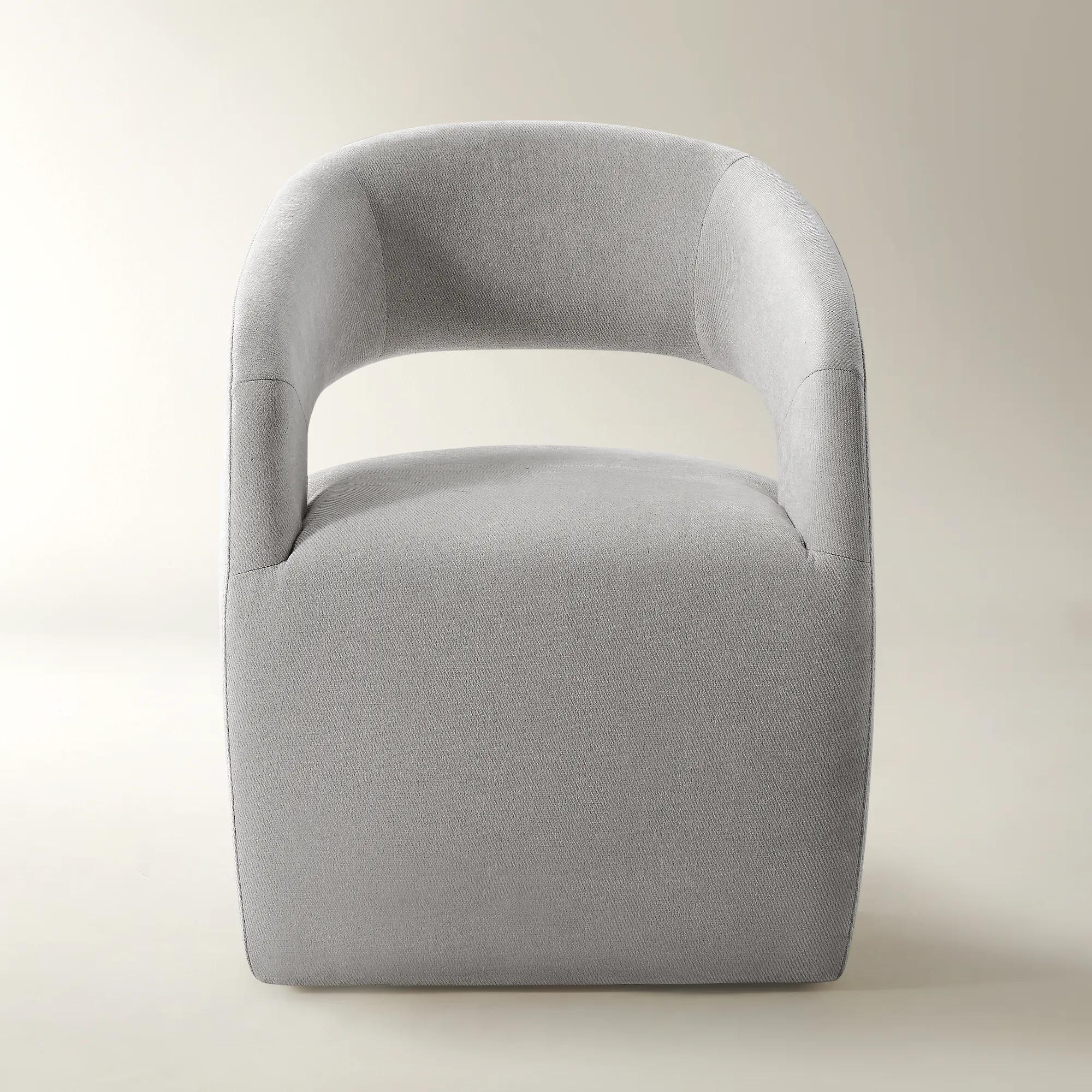 Harrison Flint Chenille Dining Chair$499
A fully upholstered flint chenille dining chair with high-density foam cushioning for superior comfort and style.
Add To Cart

Black Dining Chairs With Sturdy Construction
Black dining chairs with sturdy construction command attention—each piece a striking interplay of strength and sophistication. Imagine the allure of deep, inky finishes anchoring your dining space, their silhouettes bold and unapologetic against any backdrop. These chairs are more than mere seating; they are sculptural statements, inviting guests to linger in comfort while elevating every gathering with an air of modern elegance. Let each detail—every curve, every angle—transform your dining room into a gallery-worthy tableau, where durability meets daring design and your personal style takes center stage.
Black dining chairs with sturdy construction combine a commanding silhouette with dependable support, bringing visual depth and lasting function to the dining room. Their strength comes from the complete structure: a well-built frame, secure joints, a supported seat, and legs designed to distribute weight evenly. Solid wood, including rubberwood and hardwoods, engineered bentwood, and reinforced steel are common frame materials, each offering a distinct expression of black. Painted wood can feel architectural and substantial; shaped bentwood introduces sweeping curves; powder-coated metal gives slender profiles a crisp, graphic presence. Material alone, however, does not establish durability. Carefully fitted joinery, appropriate bracing, secure hardware, and consistent assembly all contribute to a chair that feels stable through repeated use. On wood frames, stretchers between the legs can add support, while metal frames may rely on welded connections or securely fastened structural components. A deep black finish draws these details into a cohesive form, allowing a curved back, tapered leg, or sculptural base to stand out without overwhelming the table. Matte finishes create a velvety visual effect, satin surfaces offer a restrained sheen, and glossier treatments reflect light with greater drama. Finish quality matters alongside frame strength, particularly around seat edges and lower legs that encounter frequent contact. Black also provides a compelling foundation for expressive interiors, grounding pale stone, luminous glass, richly grained wood, and metallic accents. The effect can be formal and gallery-like or warmly layered, depending on the surrounding materials. For households that gather at the table every day, sturdy construction supports a rhythm of breakfasts, shared meals, and conversations that linger. For frequent hosts, it brings substance to seating that must be as comfortable in use as it is striking across the room. A stated weight capacity offers useful product-specific information, but it should come from the individual chair’s specifications rather than assumptions about its appearance, material, or overall weight.
Comfort gives that strength a more inviting dimension. Black upholstered dining chairs soften a bold frame with texture, while unupholstered styles place greater emphasis on sculpted seats, shaped backs, and the character of the finish. Velvet lends a light-catching richness that changes subtly across the surface; woven upholstery offers tactile depth; leather and leather-look materials create a tailored expression, though their care requirements and performance differ. Seat padding should complement a supportive base rather than substitute for one, and a gently contoured back can make longer meals more comfortable without requiring an oversized silhouette. Proportion is equally important. A dining chair needs room not only to sit beneath the tabletop, but also to clear any apron, accommodate the sitter’s legs, and pull back without crowding a wall or neighboring furniture. Many standard-height dining arrangements pair a tabletop around 28 to 30 inches high with a seat around 18 inches high, leaving approximately 10 to 12 inches between the seat and tabletop; actual comfort also depends on cushion compression, apron depth, and the sitter’s proportions. Armchairs require additional attention because their arms may not slide beneath the table, changing how far the seating extends into the room. Armless chairs can offer a more open arrangement around compact tables, while substantial end chairs introduce an elegant sense of ceremony to a longer setting. Overall width matters as much as seat height: broad upholstered backs bring luxurious presence, but closely spaced chairs can make even a generous table feel constrained. The most successful arrangement preserves space for elbows, conversation, and an easy path behind occupied seats. Against a glass table, black chair frames become part of the composition beneath the surface. Beside warm wood, they establish contrast without competing with the grain. Around a pale stone table, their dark outlines give the entire dining area a deliberate, sculptural focus, especially when the chair backs remain visible from an adjoining living space.
Durability also depends on how well a chair’s surfaces suit its intended setting. A dining area used for everyday meals benefits from finishes and fabrics whose care requirements fit the household, particularly where spills, crumbs, and frequent movement are part of the routine. Performance upholstery may offer useful stain resistance when that feature is specifically documented, but no fabric should be assumed to resist every spill or cleaning method. Removable cushions or covers can simplify maintenance where the design includes them; fixed upholstery creates a seamless appearance but calls for attention to the manufacturer’s cleaning instructions. On black finishes, dust and pale scuffs may be more noticeable, making gentle, regular cleaning especially worthwhile. A soft cloth is generally preferable to abrasive pads, while wood, metal, leather, and upholstery each require surface-appropriate care. Spills are best addressed promptly according to the material’s instructions, without saturating seams or allowing moisture to linger around joints. Protective floor glides help reduce friction when chairs move and can protect compatible flooring, although the glide material should suit the floor surface. Periodic hardware checks are useful for assembled designs, and a chair that begins to wobble deserves attention before continued use. Even a robust frame is intended to rest on all of its legs rather than be tipped backward. These practical details preserve the distinction that makes black dining seating so compelling: a polished presence that remains welcoming through regular use. Matching chairs create a composed, immersive setting, while a considered mix of silhouettes can give a dining room a more collected character. For a contrasting arrangement, white dining chairs with sturdy construction introduce a lighter counterpoint, particularly when linked by similar proportions, upholstery textures, or leg finishes. Whether surrounding a family dining table, defining an apartment’s open-plan dining area, or furnishing a room devoted to entertaining, substantial black seating gives the setting an assured foundation. Its appeal lies in the balance of expressive form, comfortable scale, and construction designed for the way the room is actually lived in.
FAQs
Sturdy black dining chairs are remarkably versatile, complementing a wide array of interior styles. Their dramatic hue and sculptural presence suit glamorous Art Deco spaces, sleek contemporary dining rooms, and even eclectic, layered environments. Whether paired with metallic accents for a luxe statement or set against natural materials for a modern organic look, these chairs elevate any setting with their bold sophistication.
To create a warm and inviting winter dining space, pair your sturdy black dining chairs with a plush area rug and a table dressed in textured linens. Add candlelight or a statement chandelier to cast a golden glow, and incorporate soft throws or velvet seat cushions for extra comfort. Accents in gold, brass, or jewel tones bring a sense of seasonal richness, making every gathering feel intimate and special.
Absolutely. The beauty of sturdy black dining chairs lies in their ability to transition seamlessly between formal and casual settings. In a formal dining room, they add gravitas and refinement, while in a kitchen or breakfast nook, their durability and striking profile offer everyday elegance. Their adaptability allows you to create a dining experience that suits your lifestyle and aesthetic preferences.
Sturdy black dining chairs are often crafted from solid hardwoods, reinforced metals, or expertly engineered composites. These materials are chosen for their durability and ability to maintain structural integrity over time. Details like mortise-and-tenon joinery, welded steel frames, and high-quality upholstery further enhance both the strength and luxurious feel of each piece.
Yes, mixing sturdy black dining chairs with other colors or finishes creates visual interest and a curated feel. Pair them with a light-toned dining table for striking contrast, or combine with metallic or mirrored accents for added glamour. For a harmonious look, layer in complementary textiles and accessories that echo the richness of the chairs while introducing subtle variation.