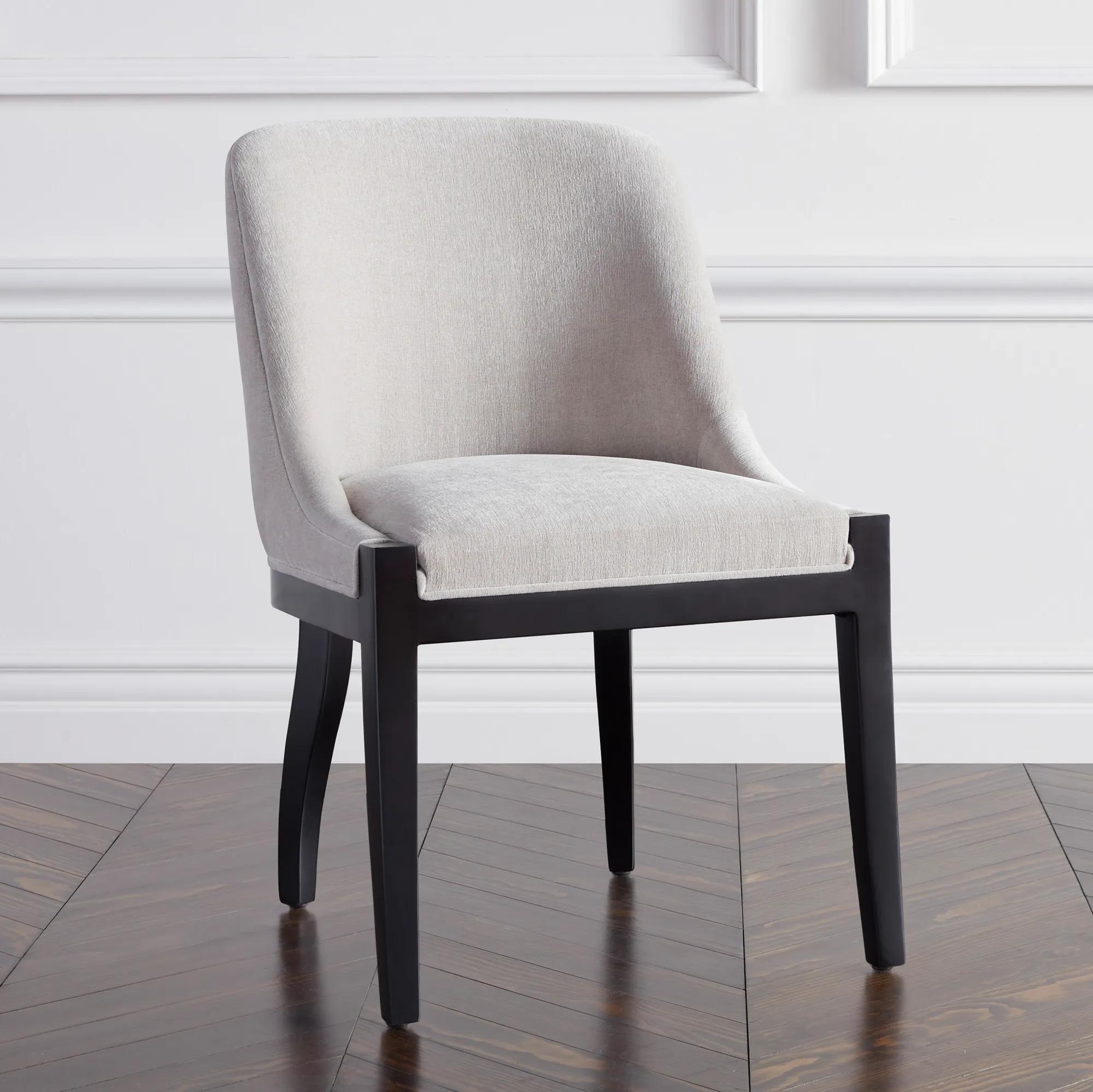
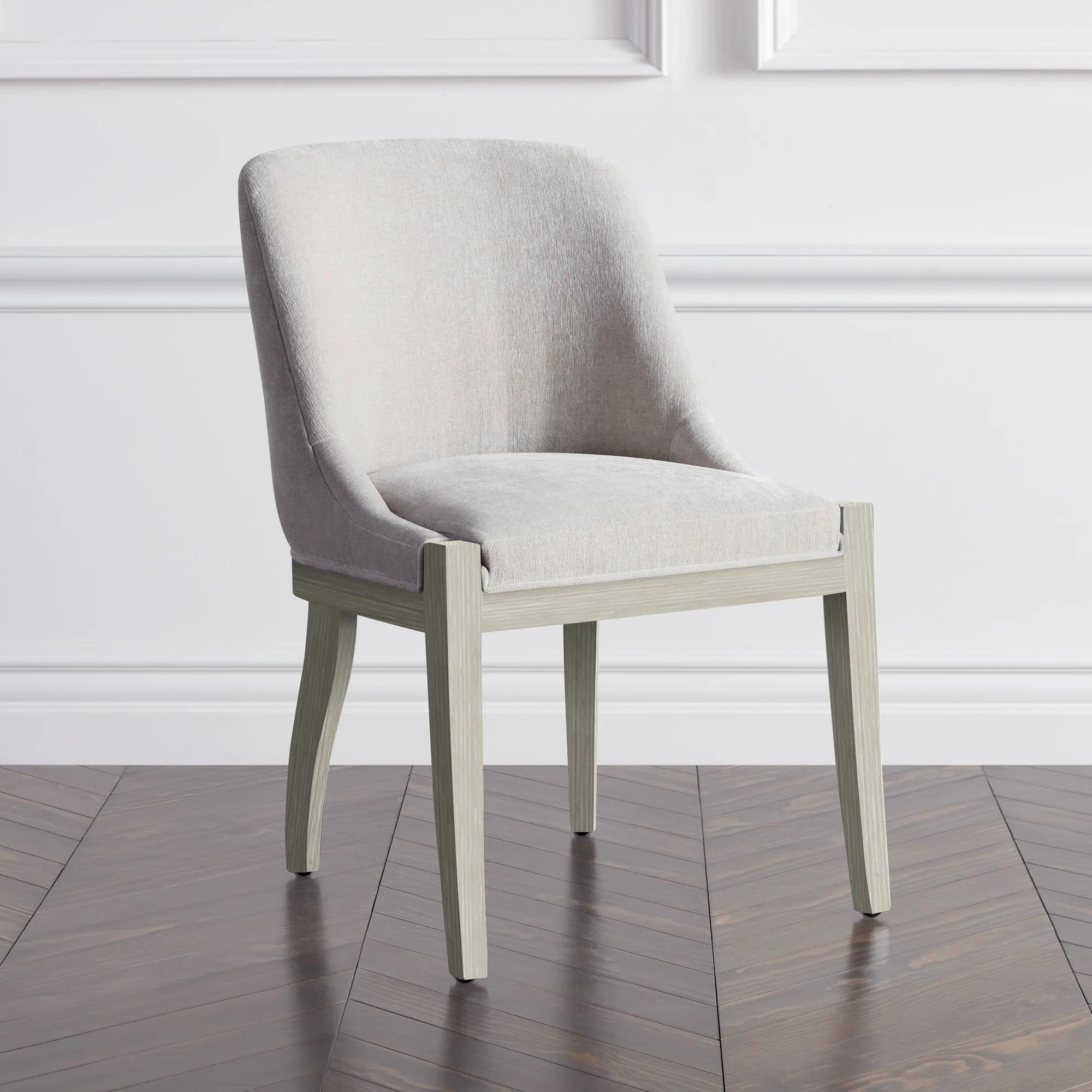
Durable Frame Dining Chairs
Durable Frame Dining Chairs
-
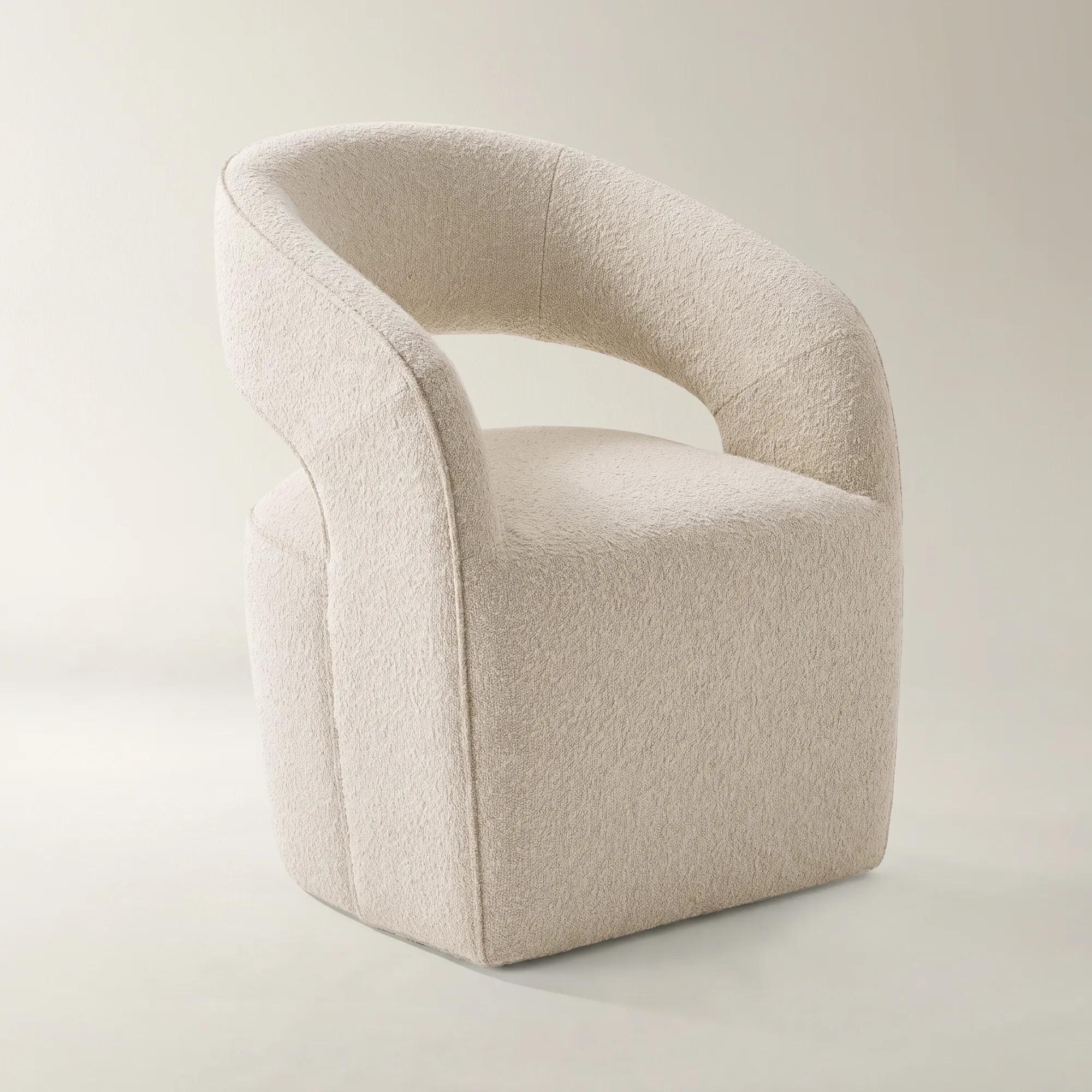
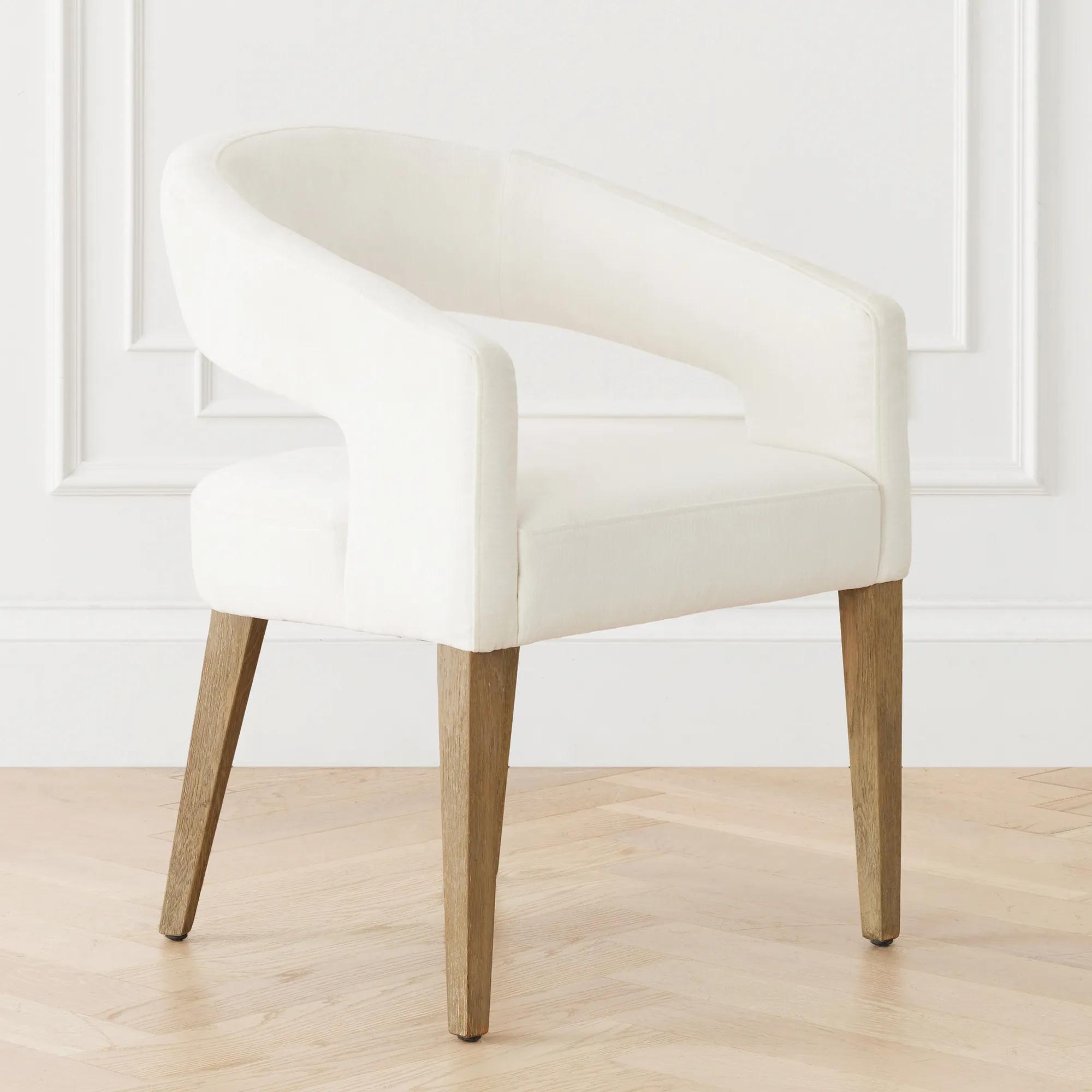
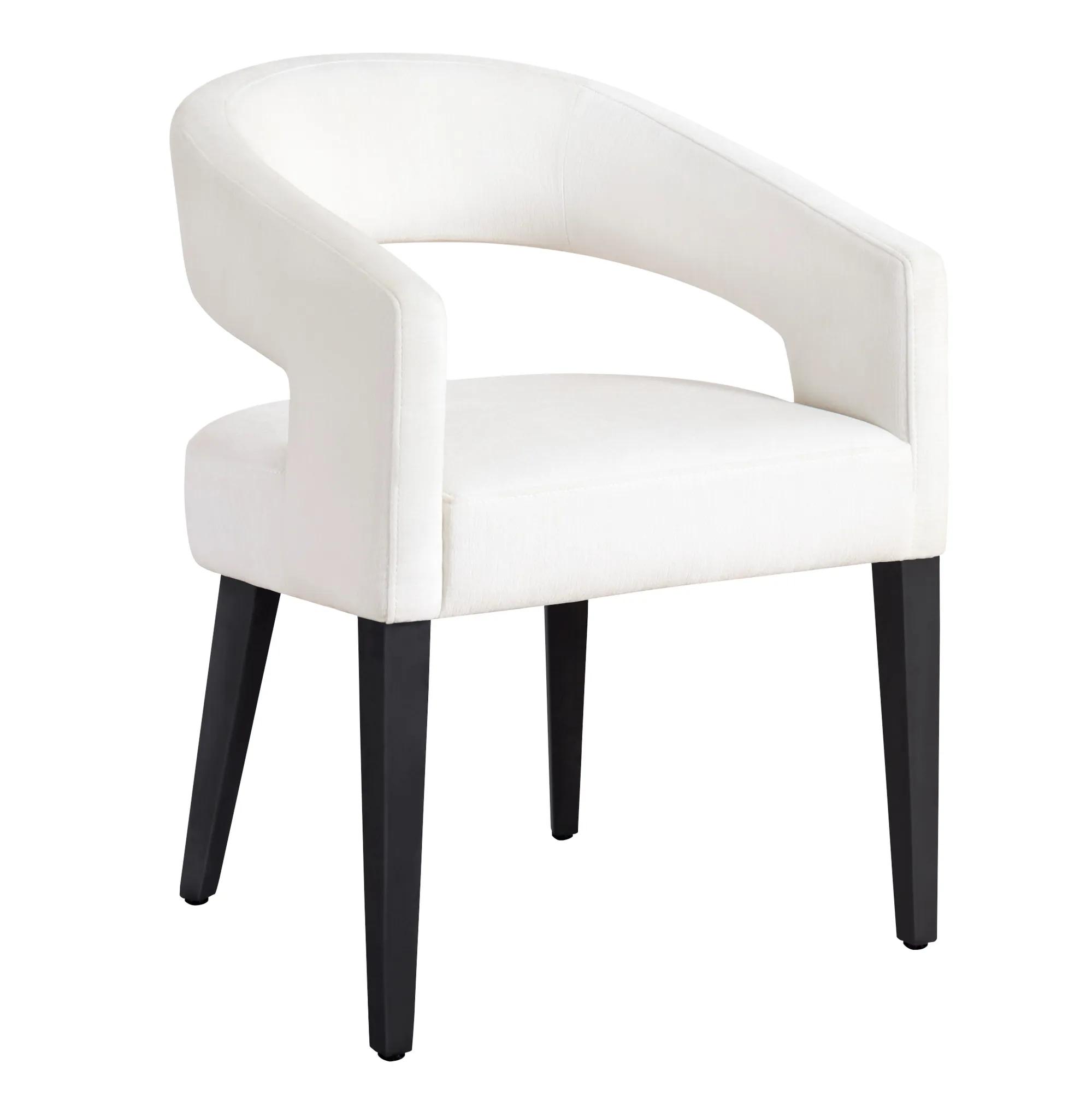
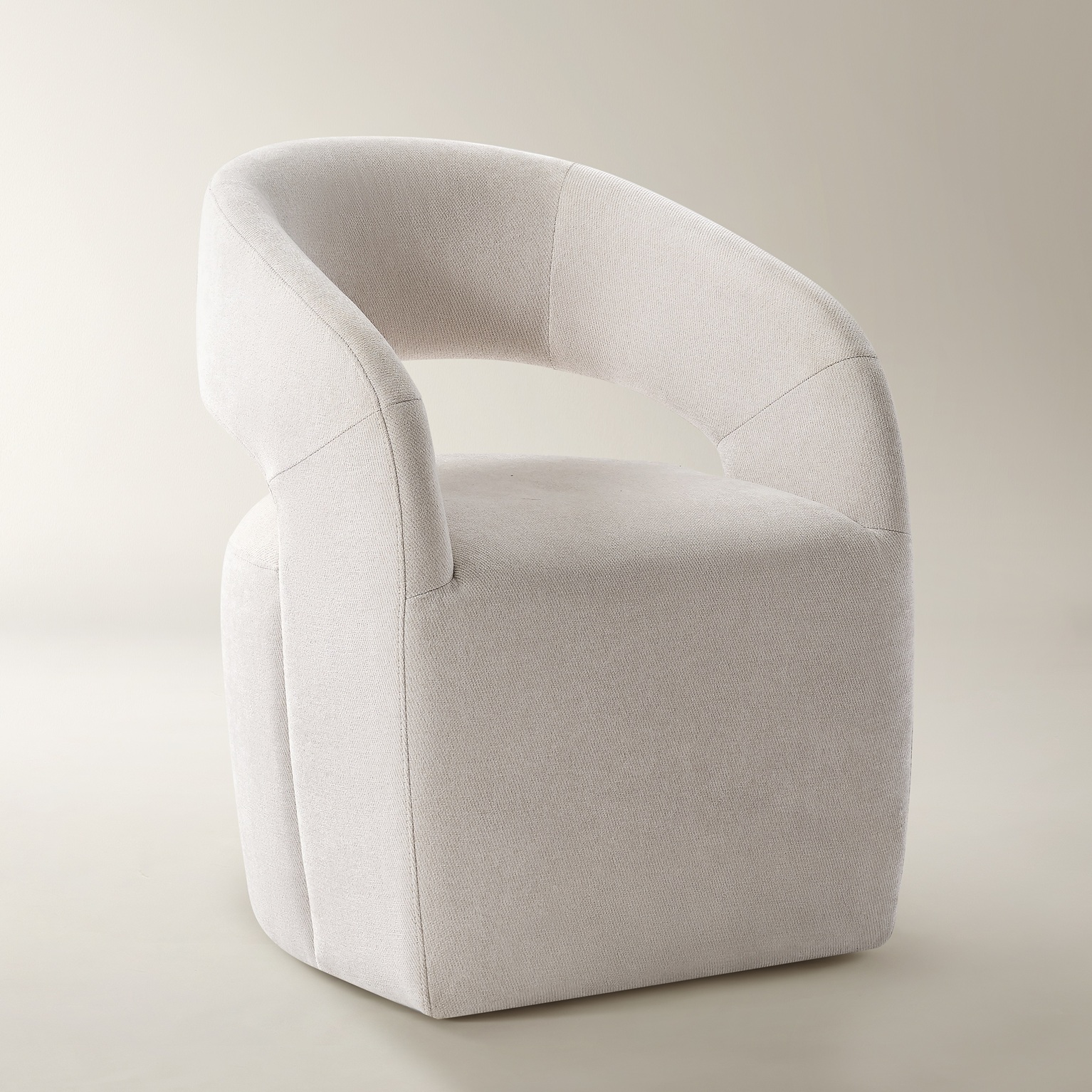 Harrison Ivory Performance Boucle Dining Chair$499
A sculptural dining chair in ivory performance boucle with a curved back, integrated arms, and feather-blend comfort.
Add To Cart -
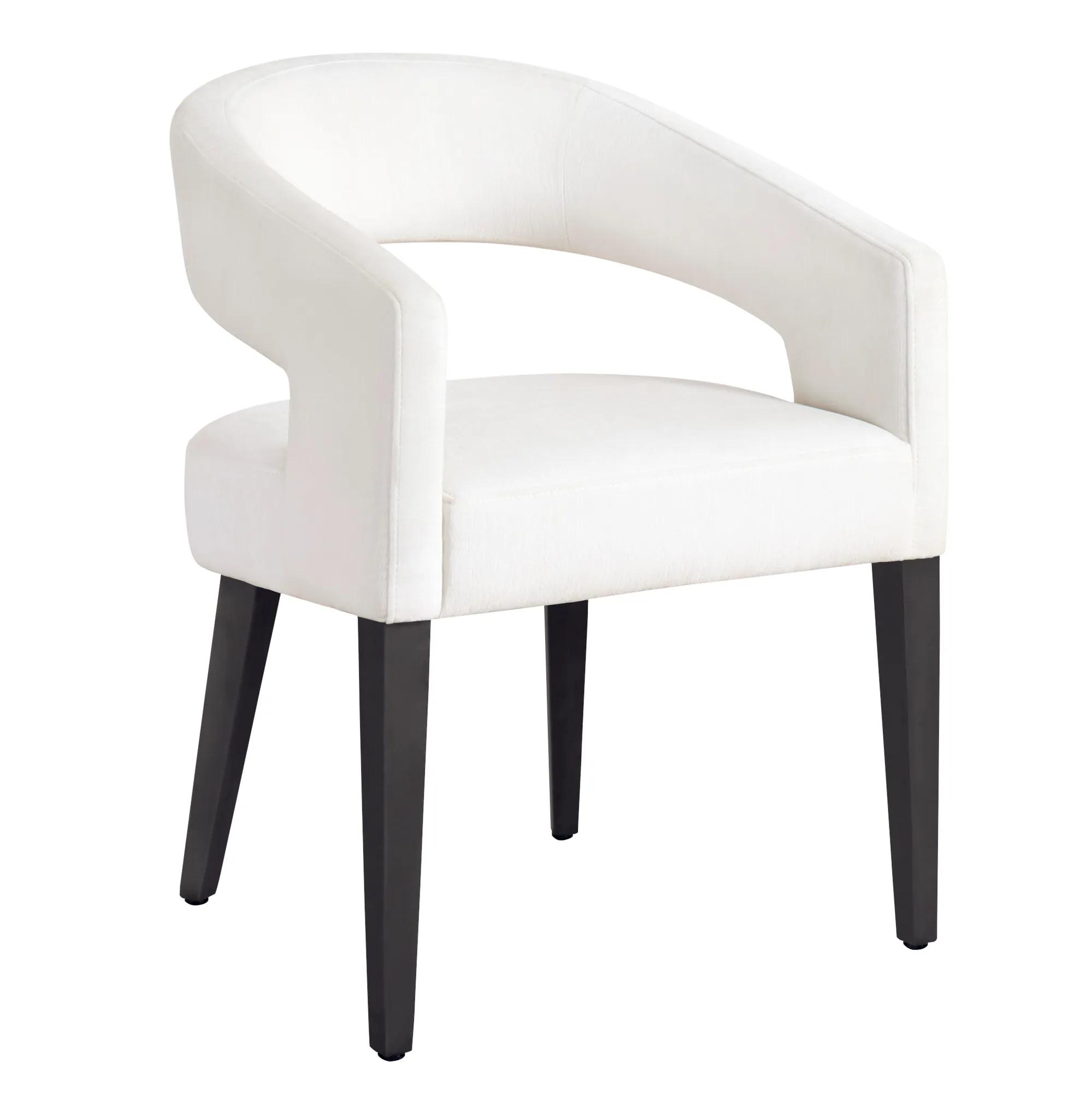
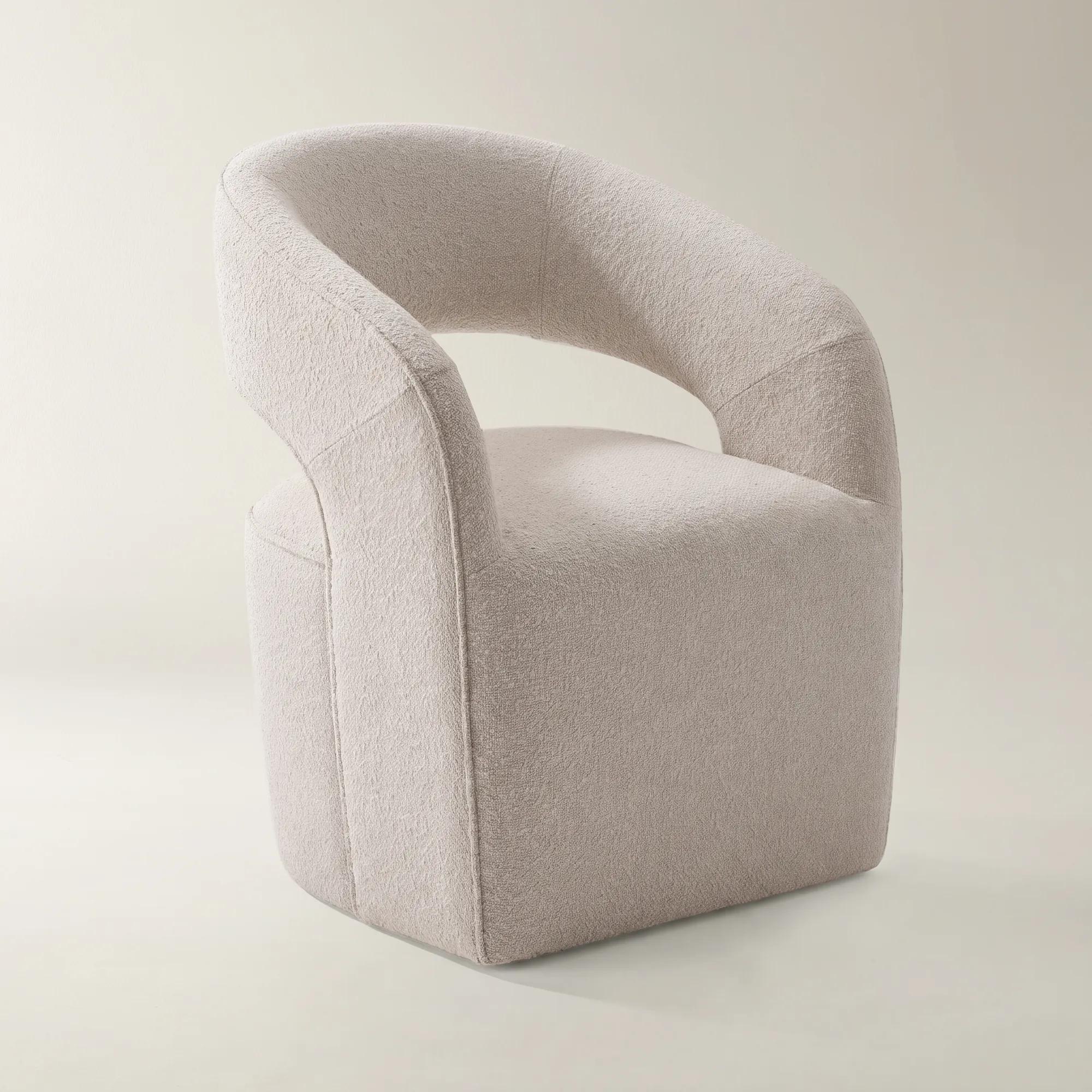 Harrison Ivory Performance Boucle Dining Chair$499
A sculptural dining chair in ivory performance boucle with a curved back, feather-blend seat, and modern elegance.
Add To Cart -
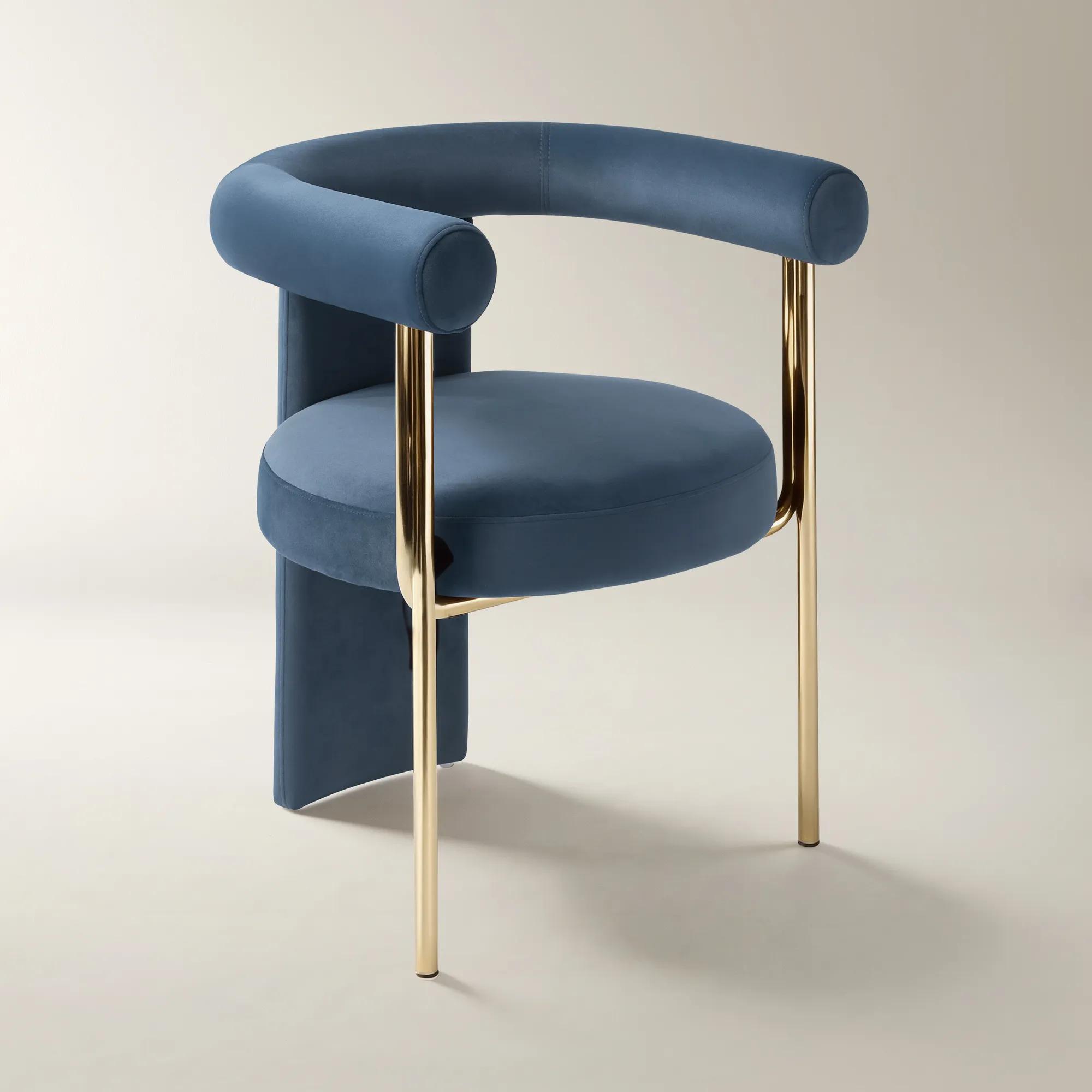 Davina Dusty Blue Velvet Dining Chair Set Of 2$899
A set of two dining chairs featuring dusty blue velvet upholstery and a polished gold metal frame.
Add To Cart -
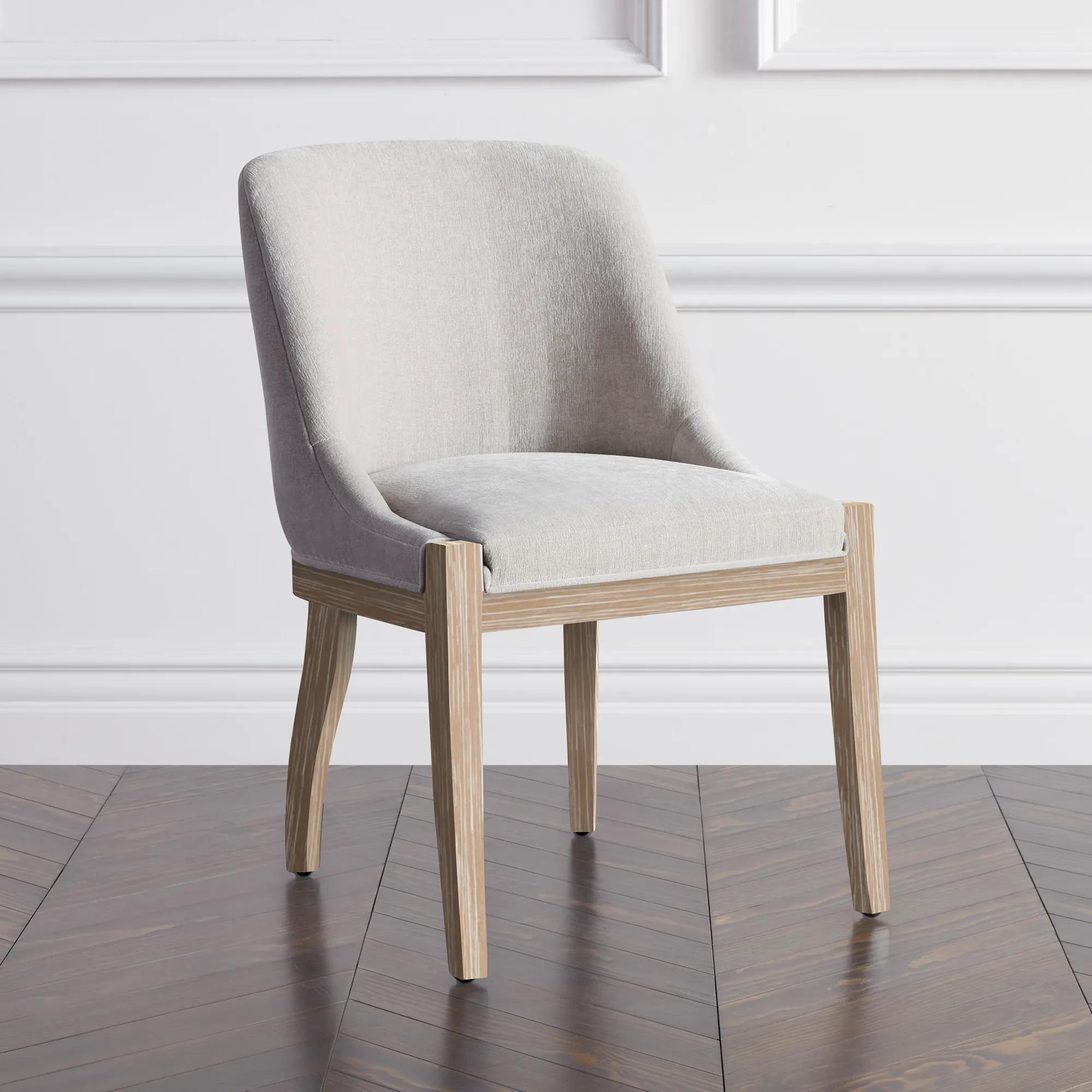
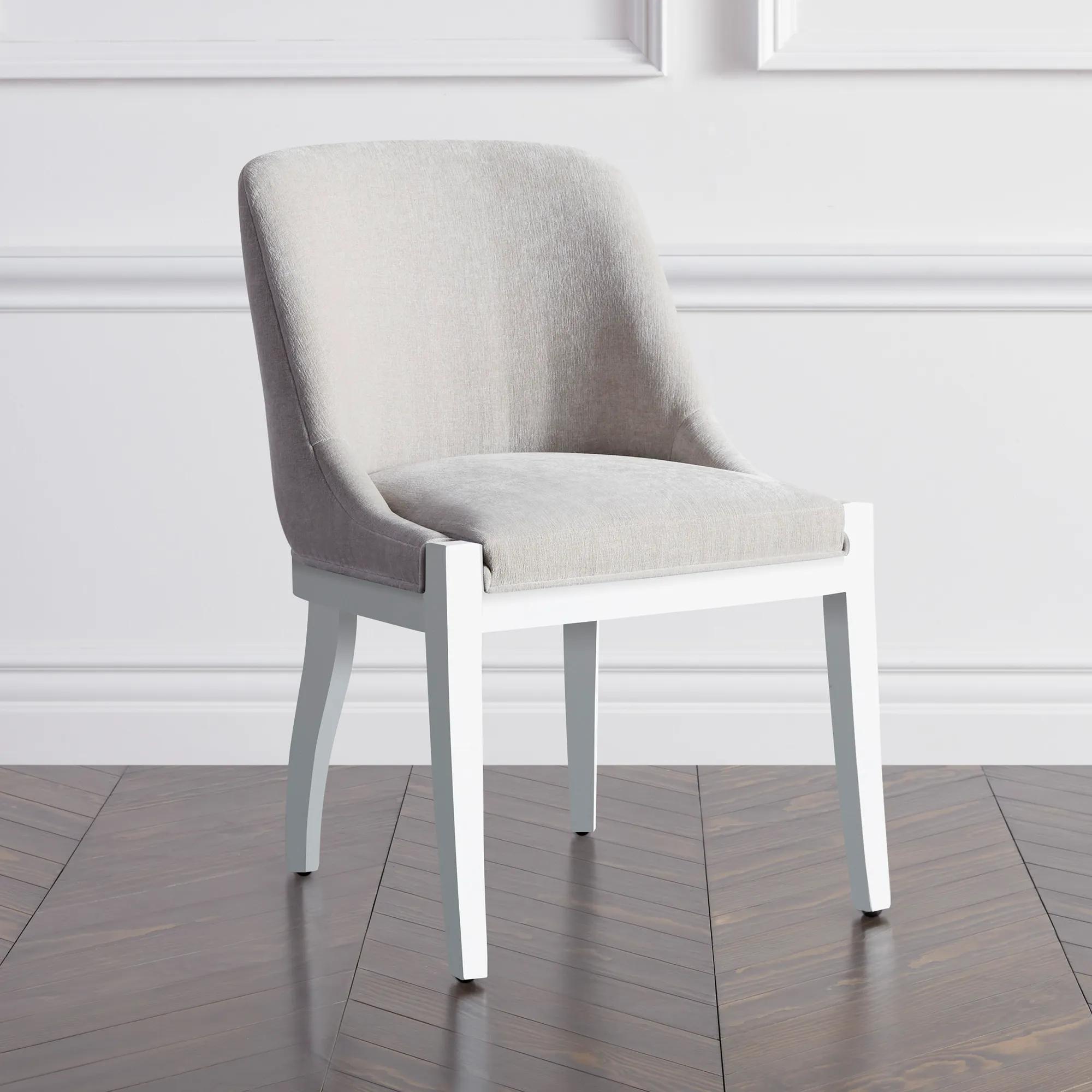
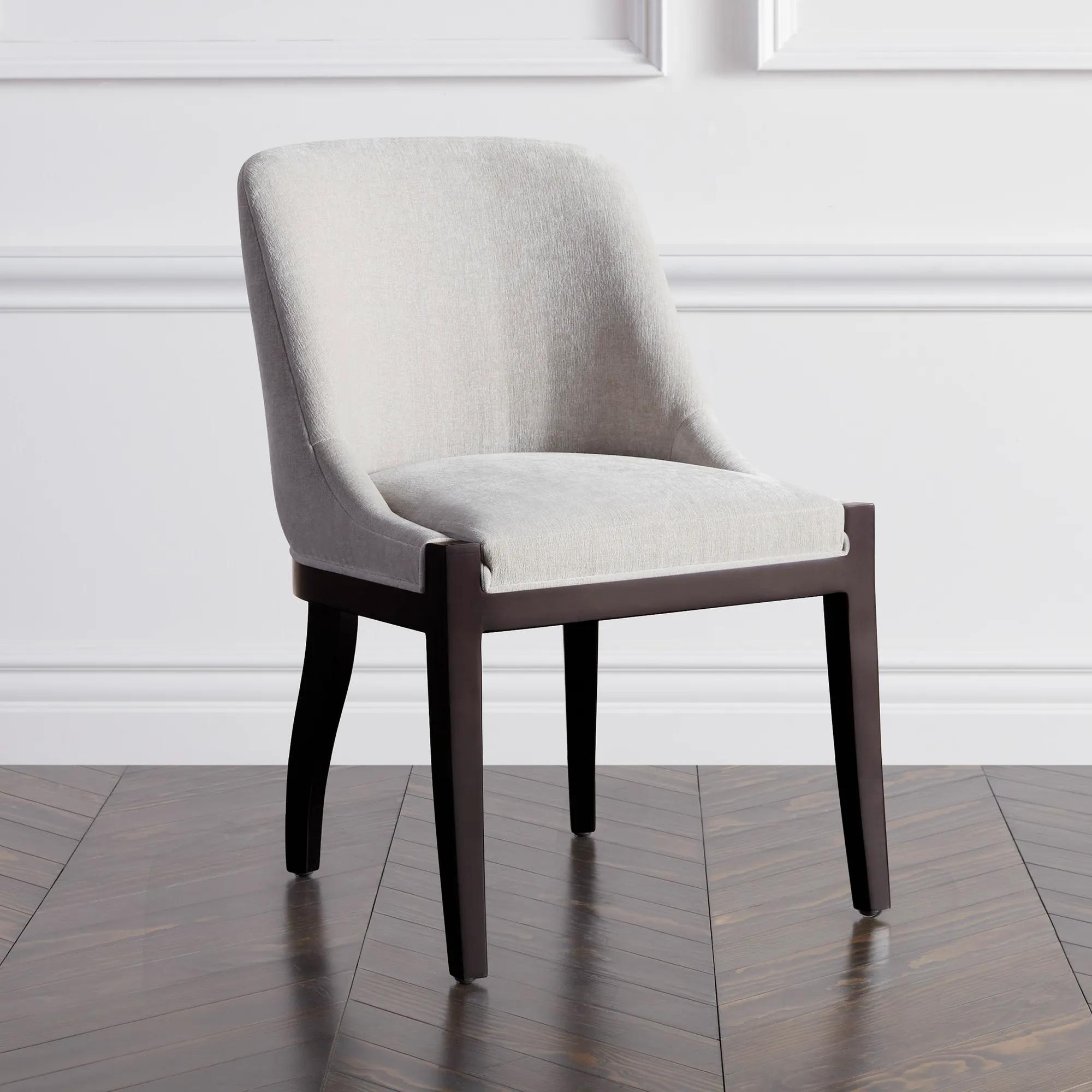
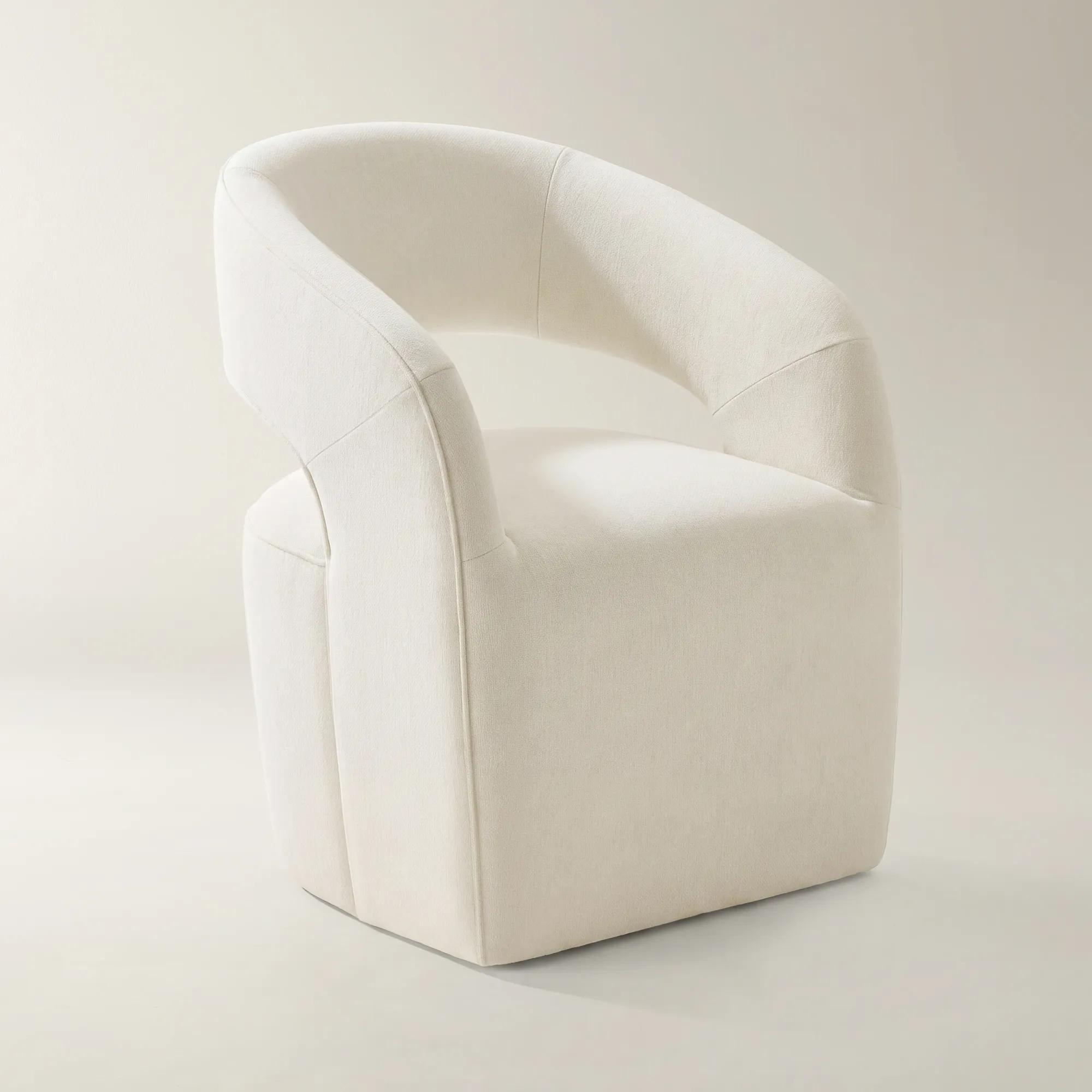 Harrison Ivory Performance Chenille Dining Chair$499
A sculptural ivory chenille chair featuring a continuous curved back, feather-blend comfort, and performance upholstery.
Add To Cart -
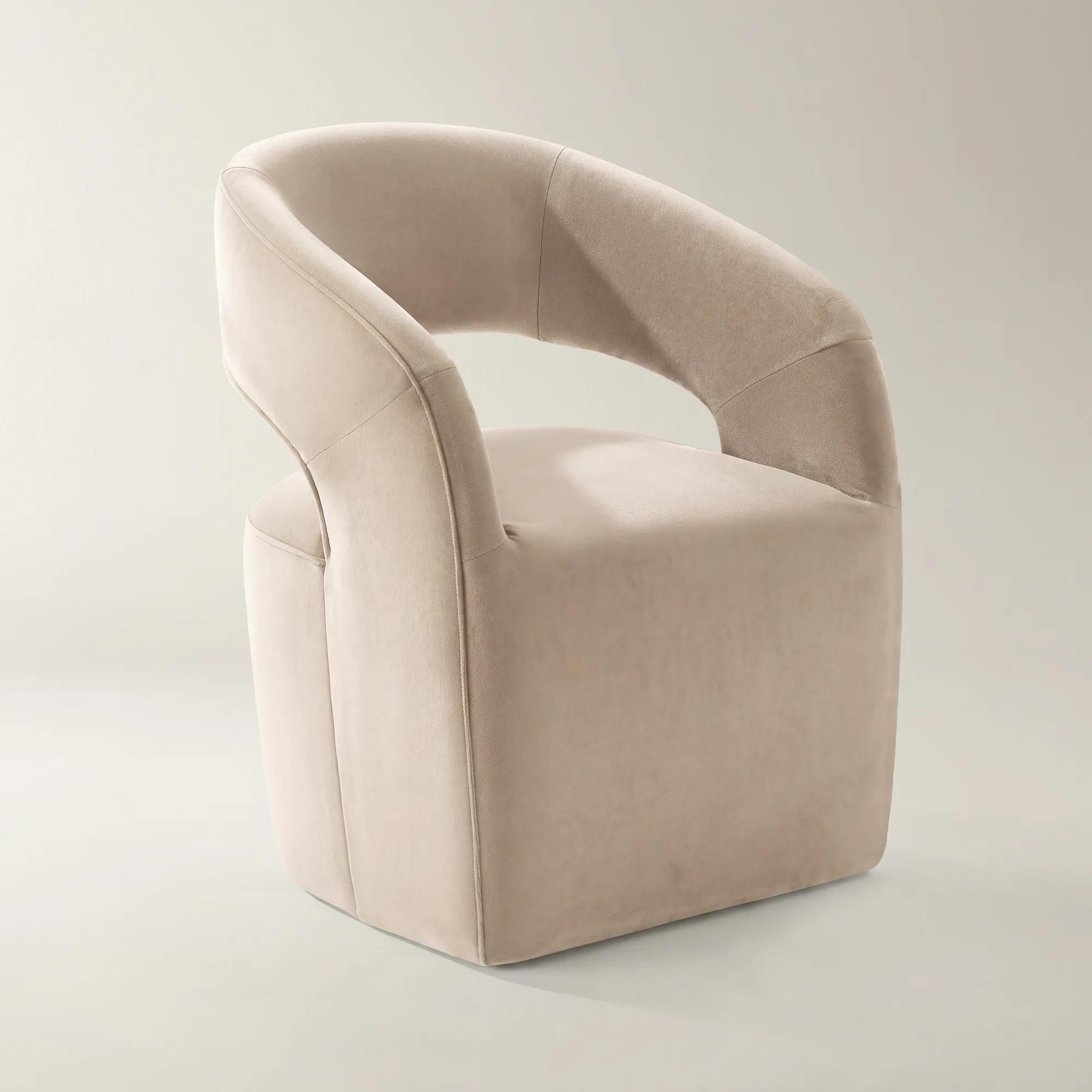 Harrison Simply Taupe Velvet Dining Chair$499
A sculptural dining chair in simply taupe velvet with a curved back, feather-blend seat, and modern elegance.
Add To Cart -
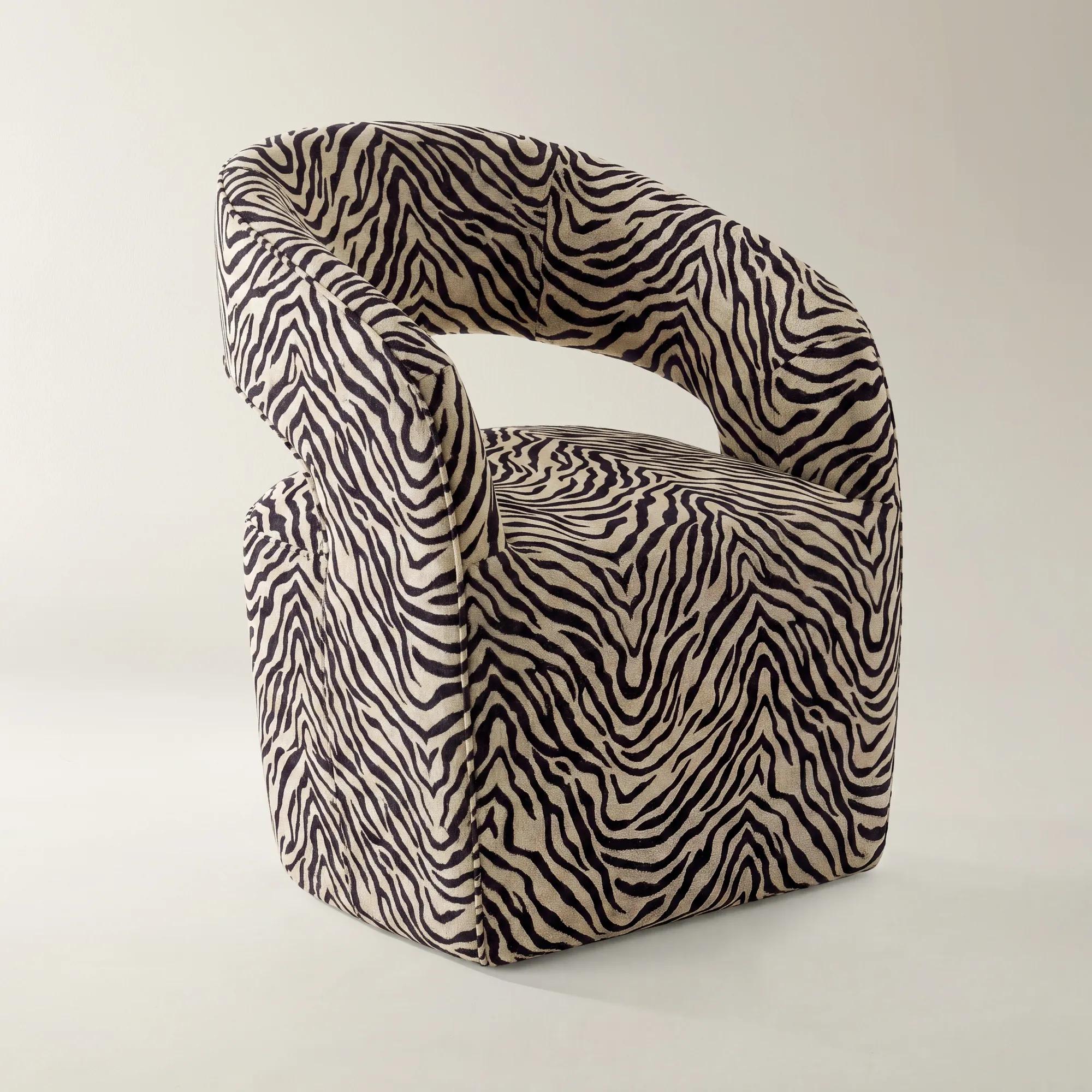 Harrison Zebra Performance Chenille Dining Chair$499
A sculptural dining chair upholstered in zebra performance chenille with a curved back and feather-blend comfort.
Add To Cart -
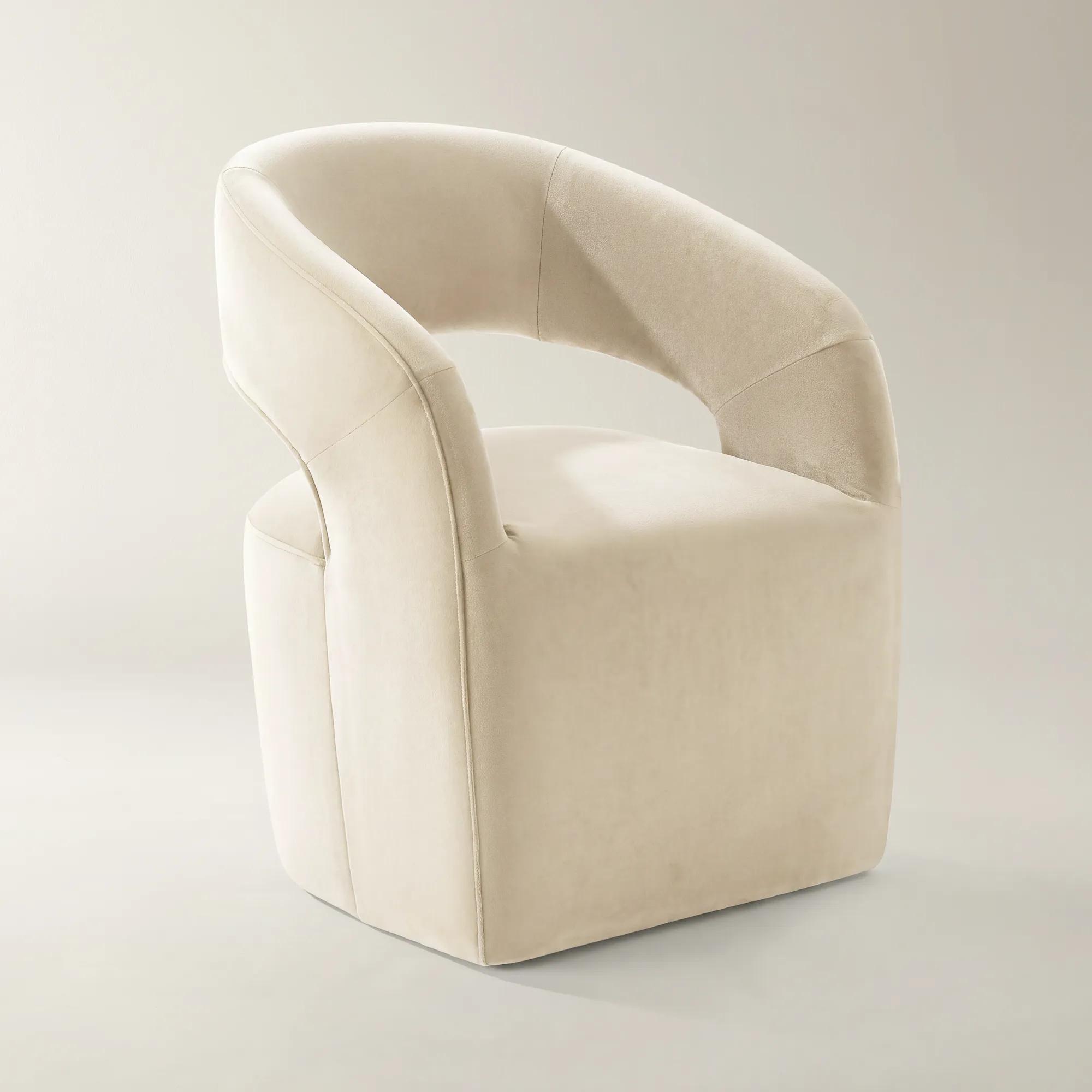 Harrison Oatmeal Velvet Dining Chair$499
A sculptural dining chair upholstered in oatmeal velvet with a curved back, feather-blend seat, and integrated arms.
Add To Cart -
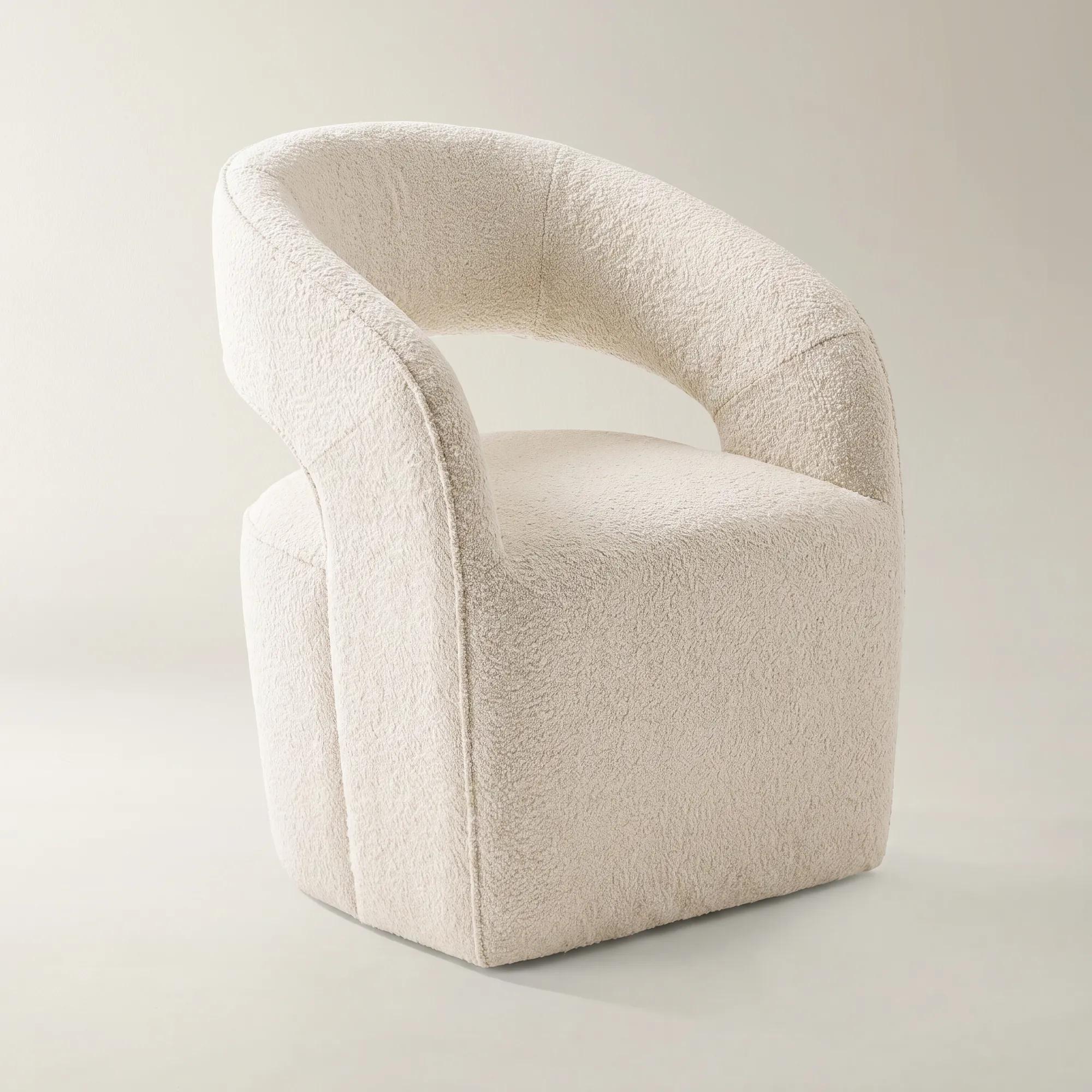 Harrison Utopia Sand Chenille Dining Chair$499
A sculptural dining chair upholstered in sand chenille with a curved back, feather-blend seat, and integrated arms.
Add To Cart -
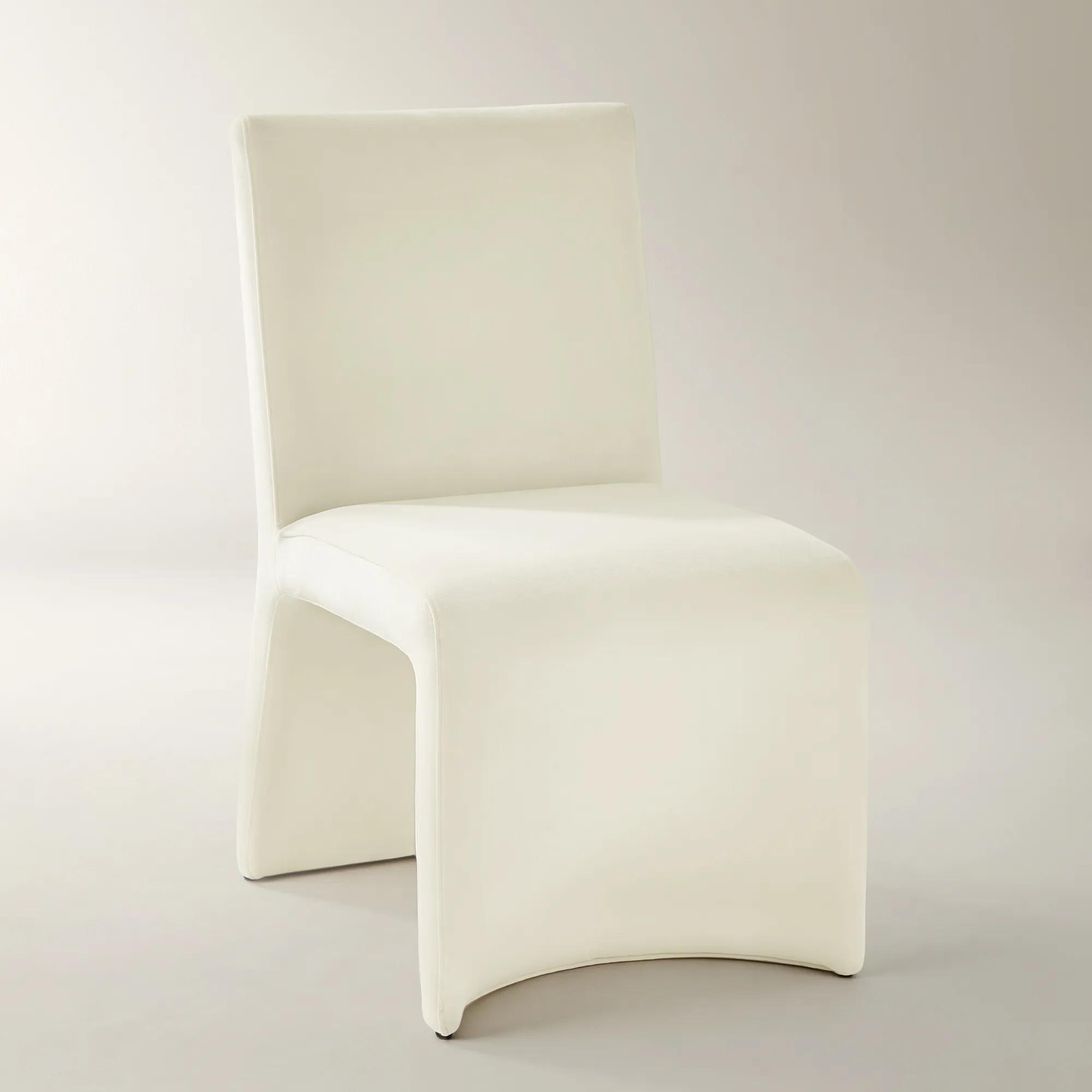 Elara Cloud Velvet Dining Chair Set Of 2$799
A set of two dining chairs featuring plush velvet upholstery, a seamless curved silhouette, and a sturdy steel frame.
Add To Cart -
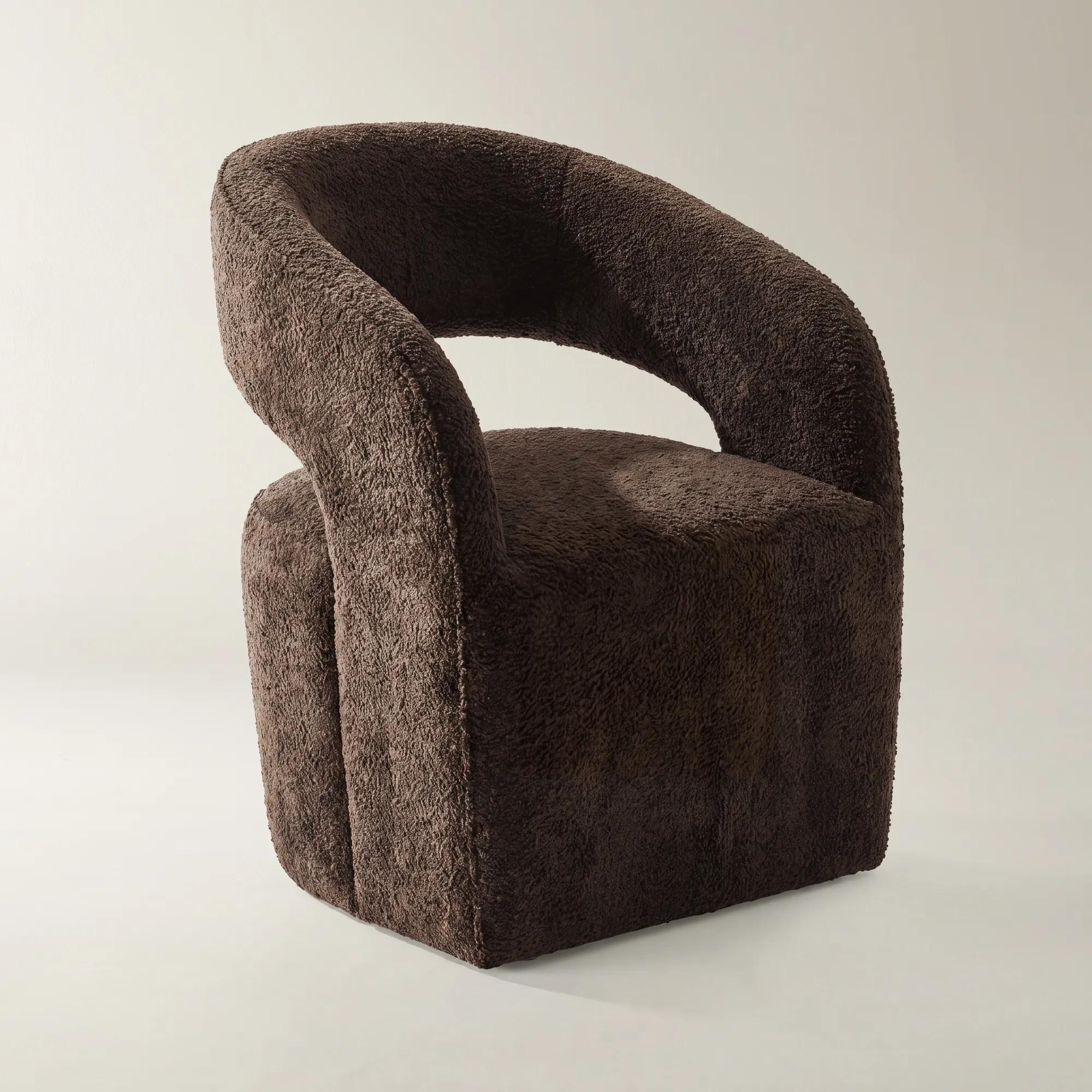 Harrison Dark Chocolate Chenille Dining Chair$499
A sculptural dining chair upholstered in dark chocolate chenille with feather-blend cushioning and curved arms.
Add To Cart -
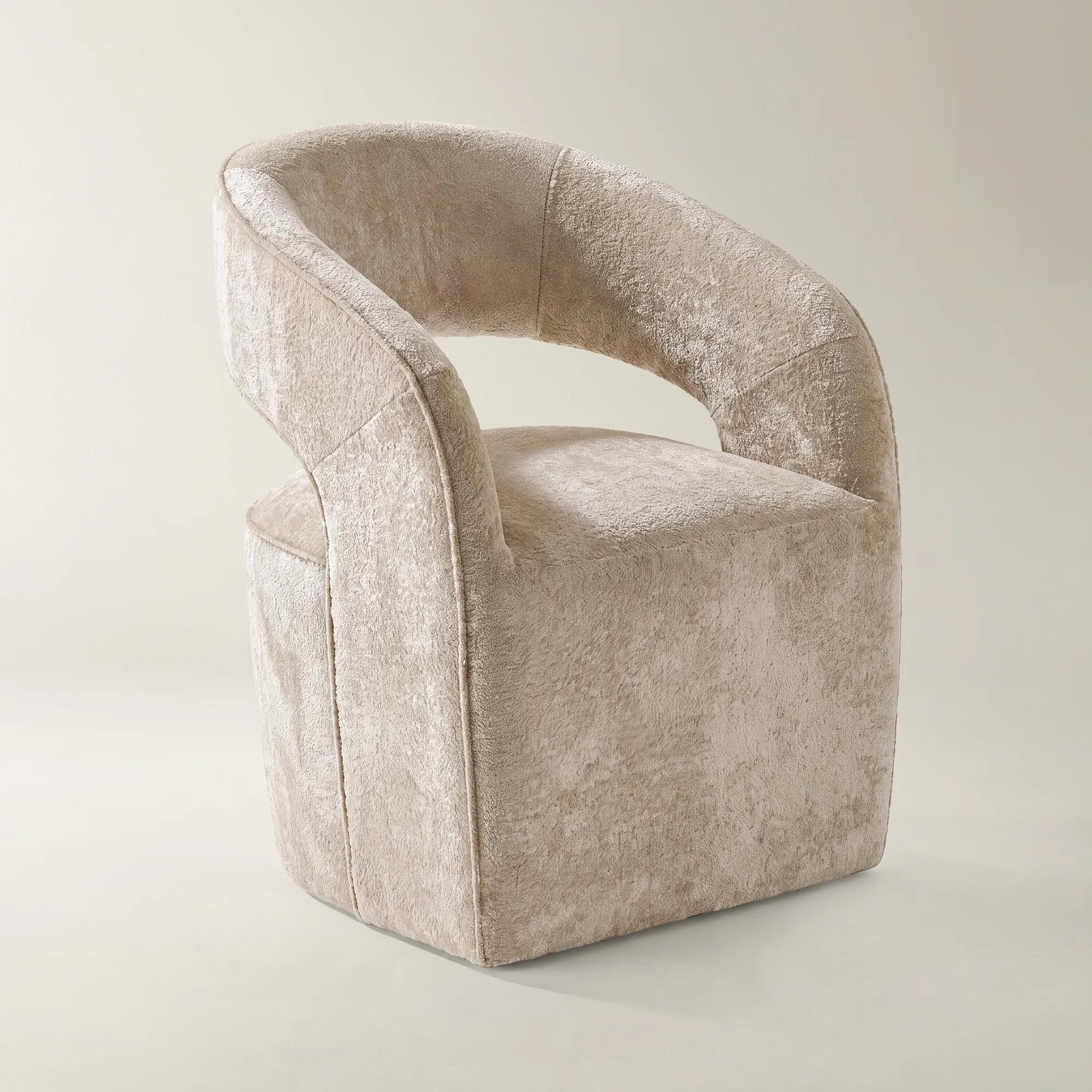 Harrison Light Brown Chenille Dining Chair$499
A sculptural dining chair upholstered in light brown chenille with a feather-blend cushion for plush comfort.
Add To Cart -
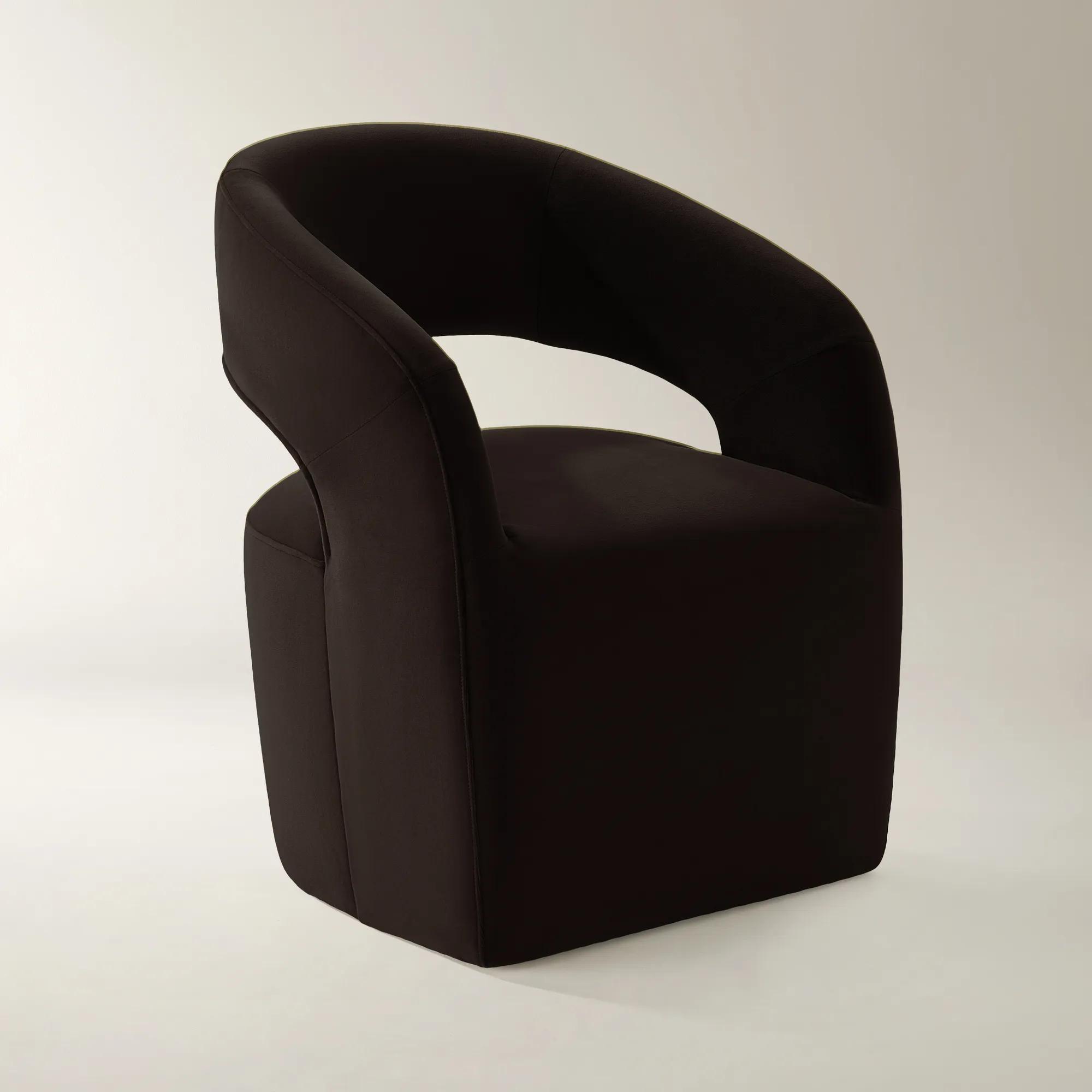 Harrison Dark Chocolate Velvet Dining Chair$499
A sculptural dining chair upholstered in dark chocolate velvet with a plush feather-blend seat and curved back.
Add To Cart -
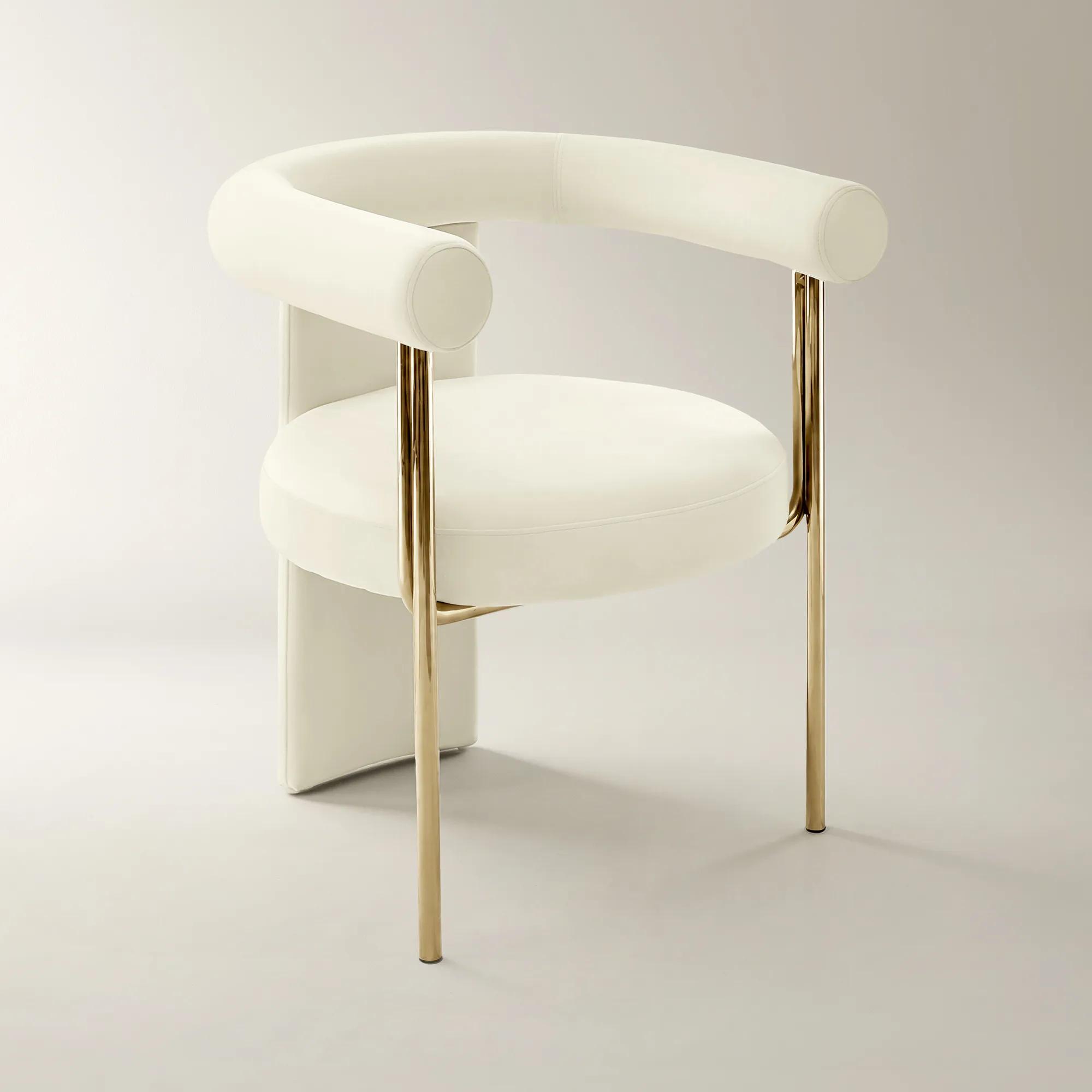 Davina Cloud Velvet Dining Chair Set Of 2$899
A set of two dining chairs featuring plush cloud velvet upholstery and a sculptural gold metal frame.
Add To Cart -
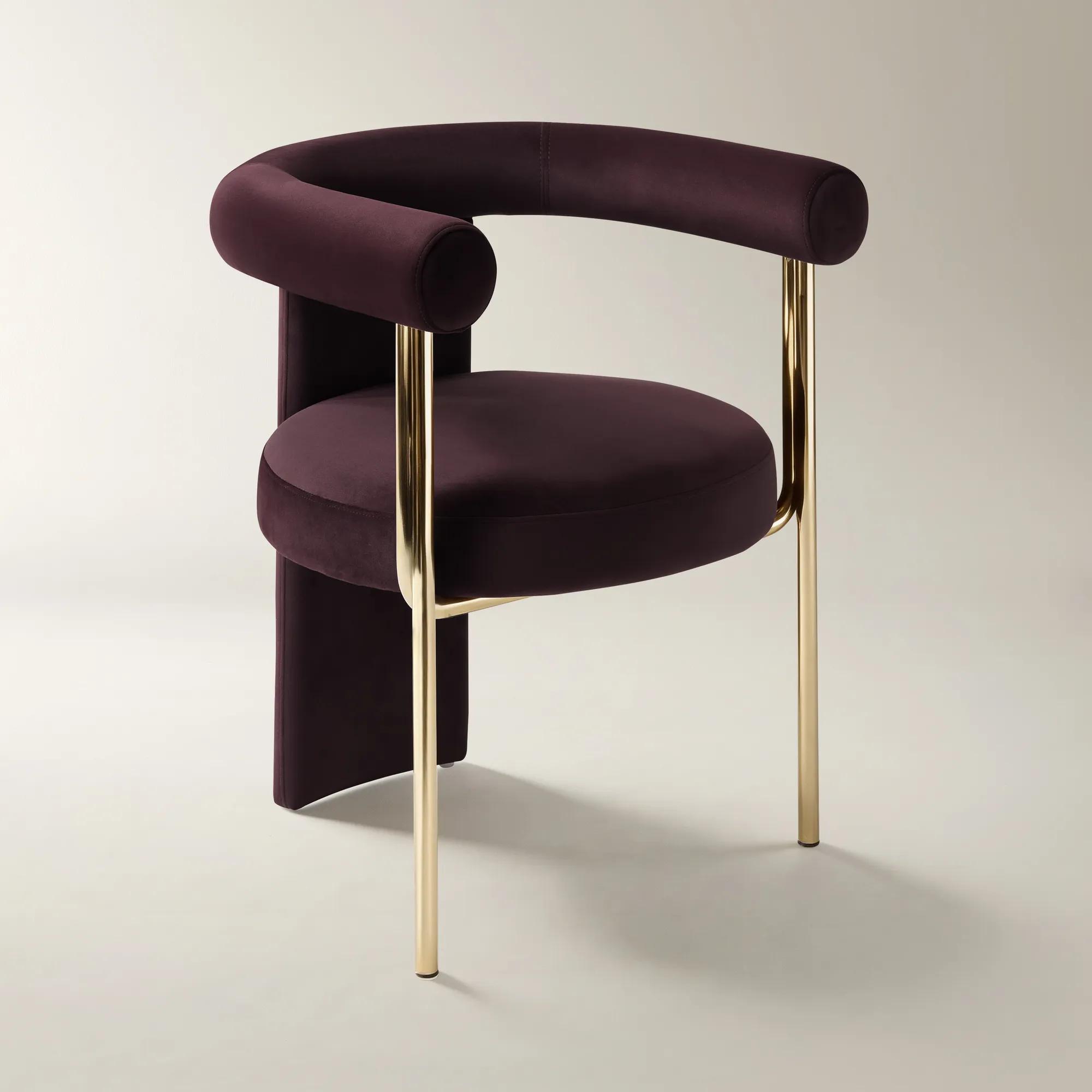 Davina Fig Velvet Dining Chair Set Of 2$899
A set of two dining chairs featuring plush fig velvet upholstery and a sleek gold-finished metal frame.
Add To Cart -
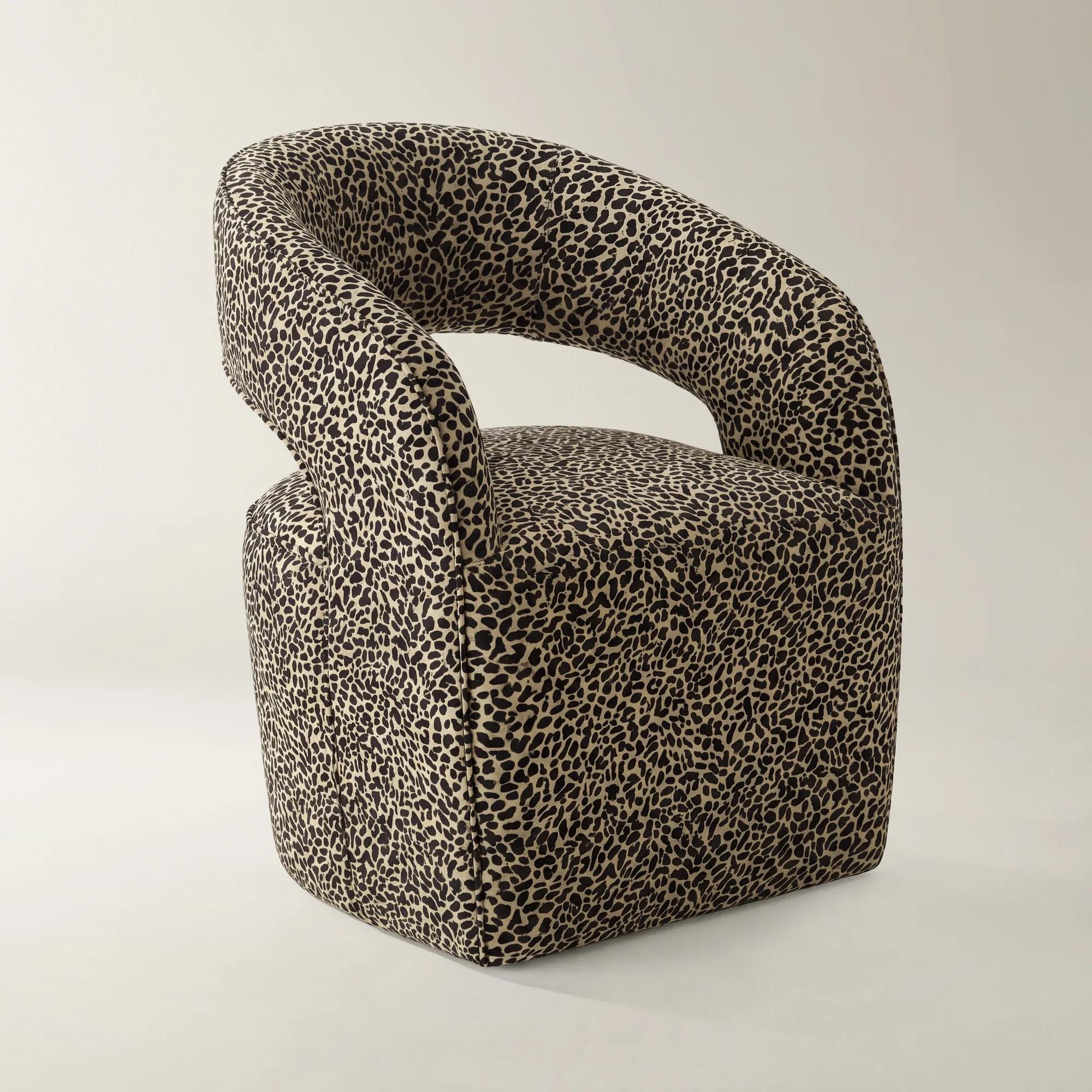 Harrison Leopard Performance Chenille Dining Chair$499
A sculptural dining chair featuring leopard performance chenille upholstery, feather-blend cushioning, and a curved silhouette.
Add To Cart -
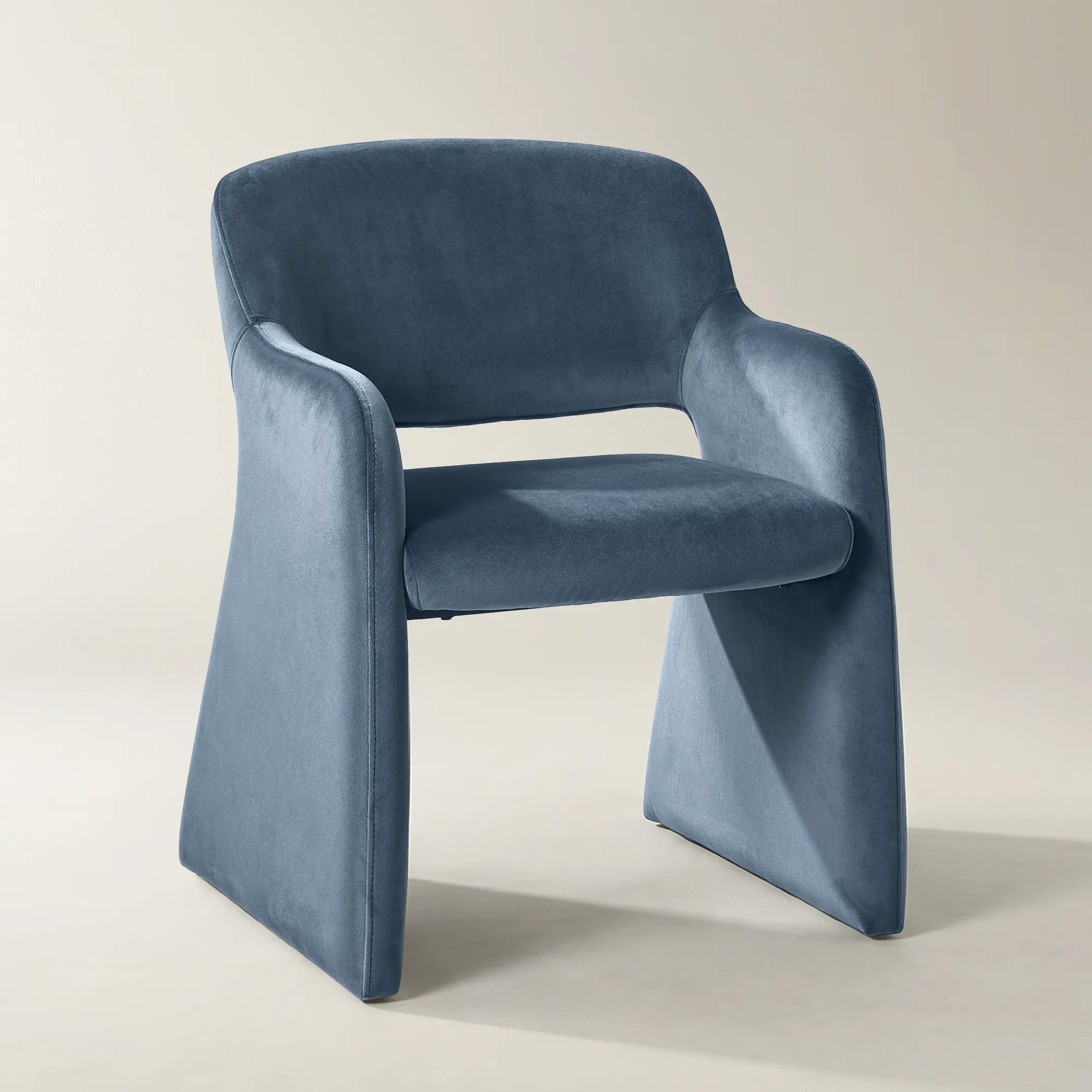 Elara Dusty Blue Velvet Dining Chair$449
A graceful dining chair featuring dusty blue velvet upholstery, integrated arms, and a seamless cantilevered silhouette.
Add To Cart -
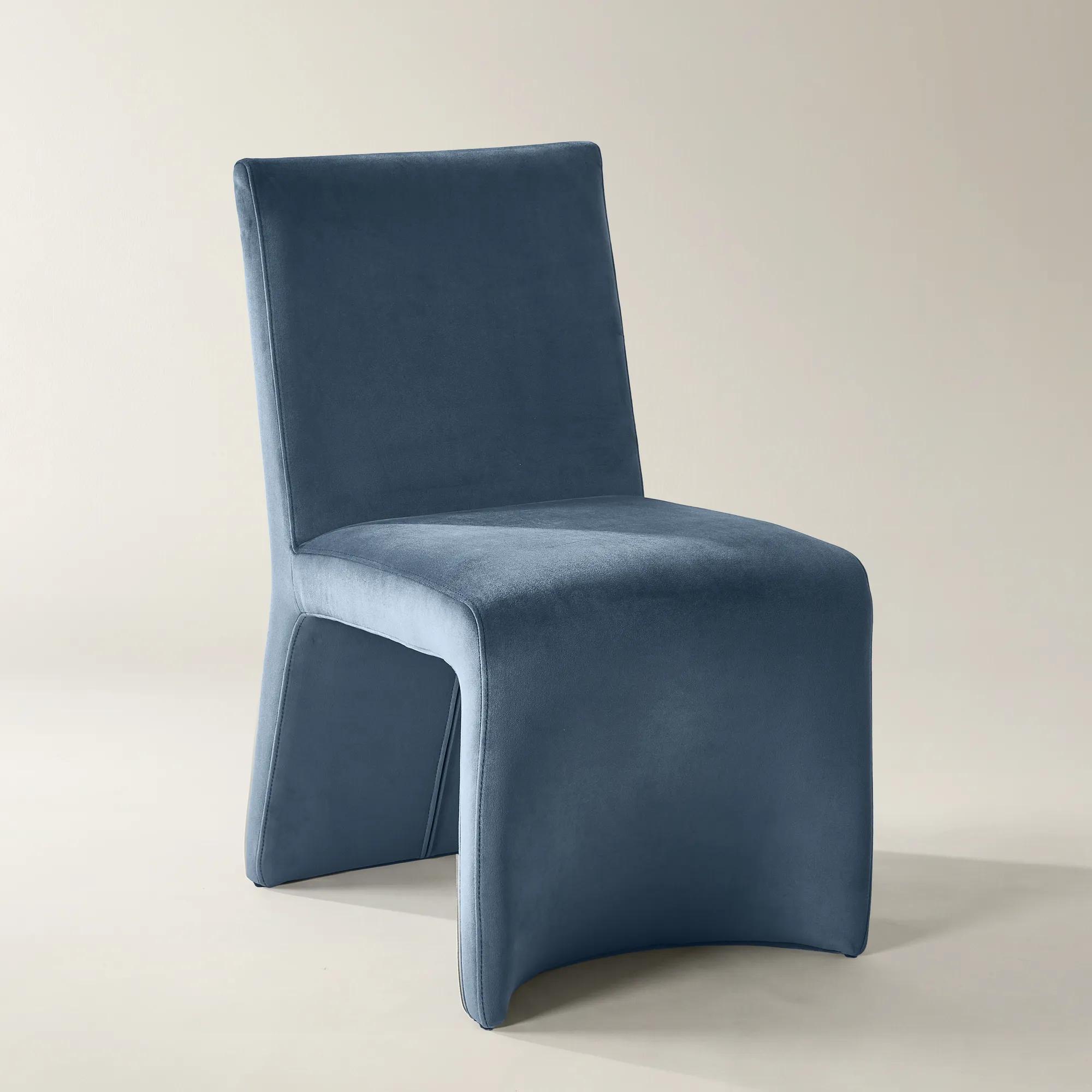 Elara Dusty Blue Velvet Dining Chair Set Of 2$799
A set of two dining chairs featuring plush dusty blue velvet upholstery and a seamless, artful silhouette.
Add To Cart -
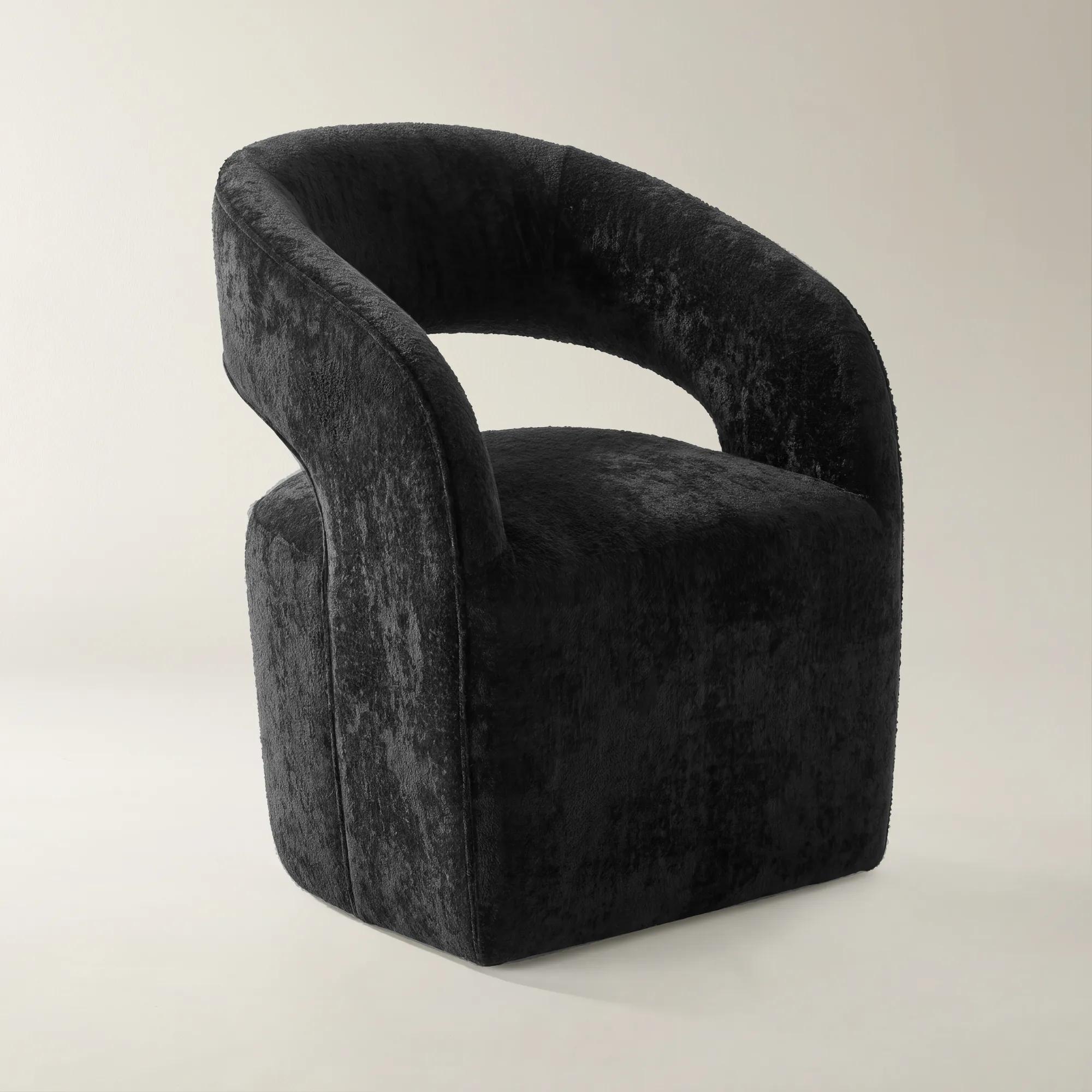 Harrison Black Chenille Dining Chair$499
A sculptural dining chair upholstered in charcoal chenille with a curved back, feather-blend seat, and integrated arms.
Add To Cart -
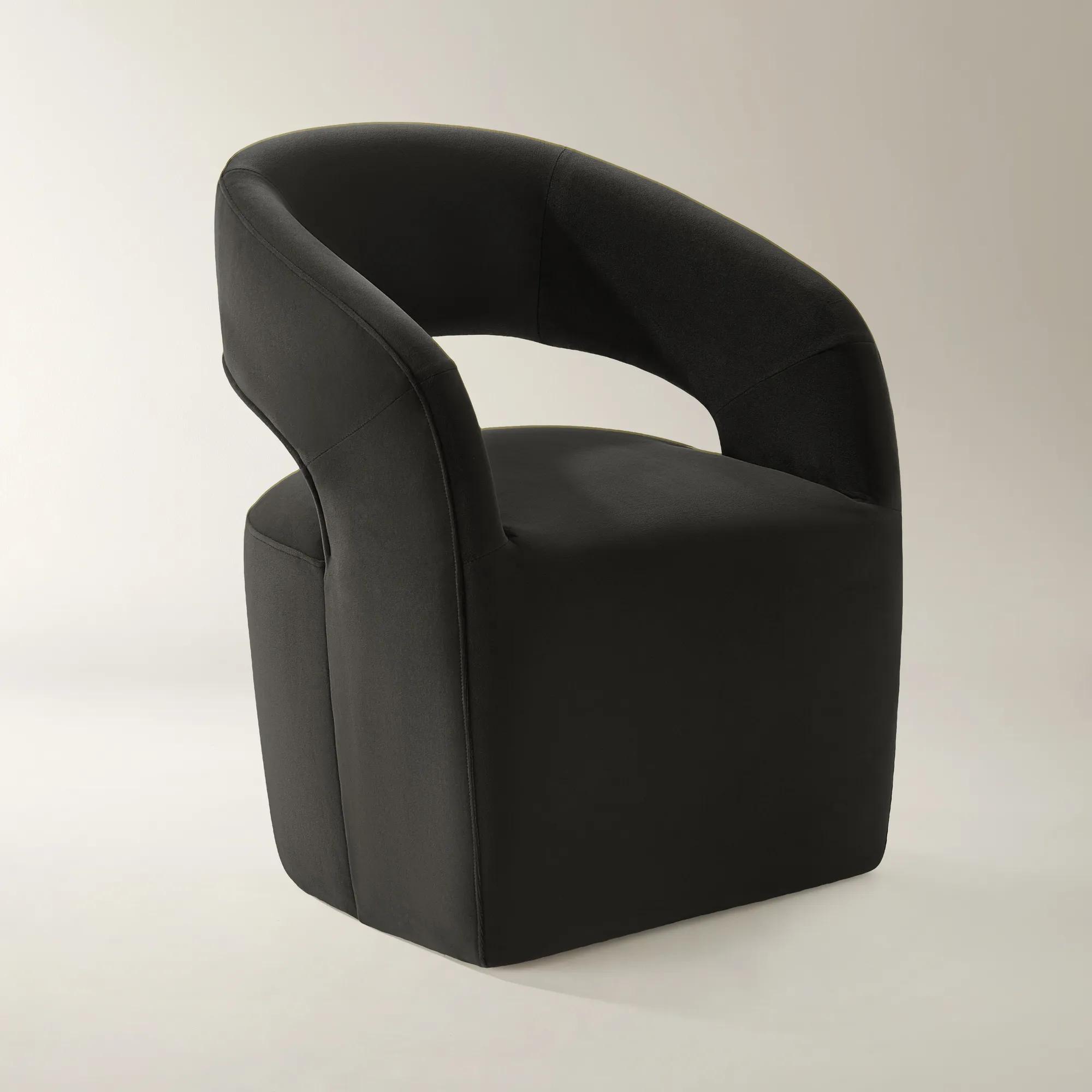 Harrison Charcoal Velvet Dining Chair$499
A sculptural dining chair upholstered in charcoal velvet with a continuous curved back and feather-blend comfort.
Add To Cart -
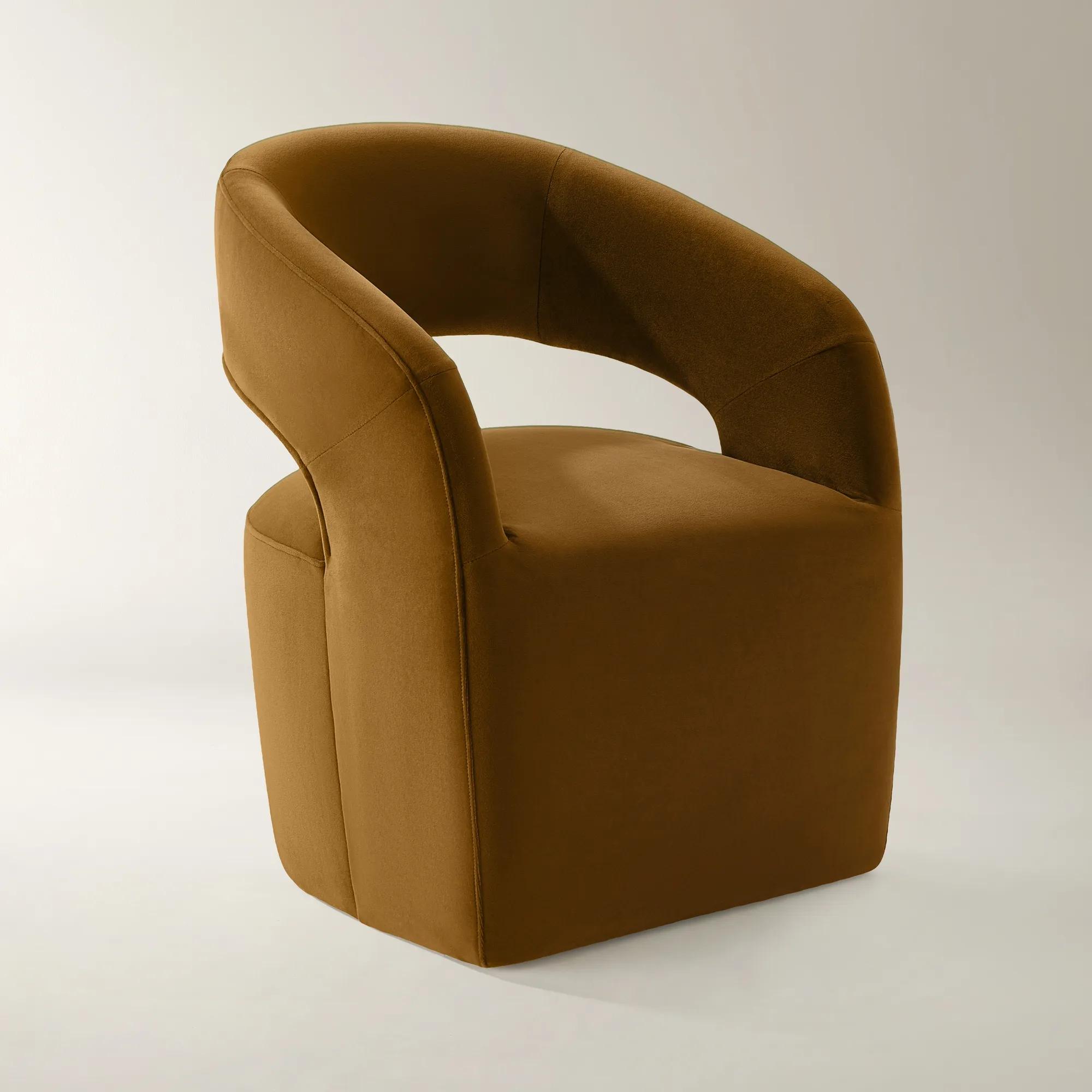 Harrison Roasted Pecan Velvet Dining Chair$499
A sculptural dining chair upholstered in roasted pecan velvet with feather-blend cushioning and integrated arms.
Add To Cart -
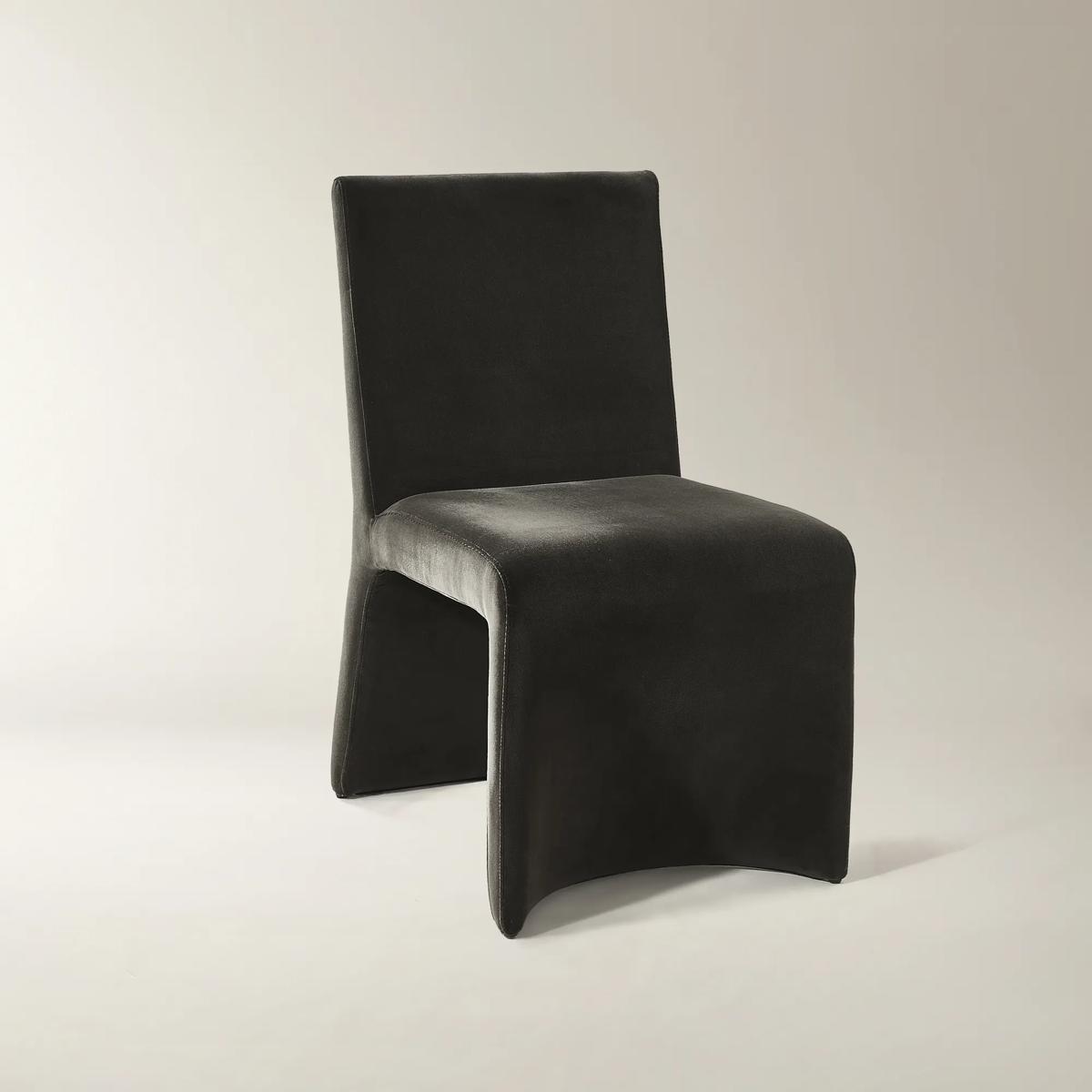
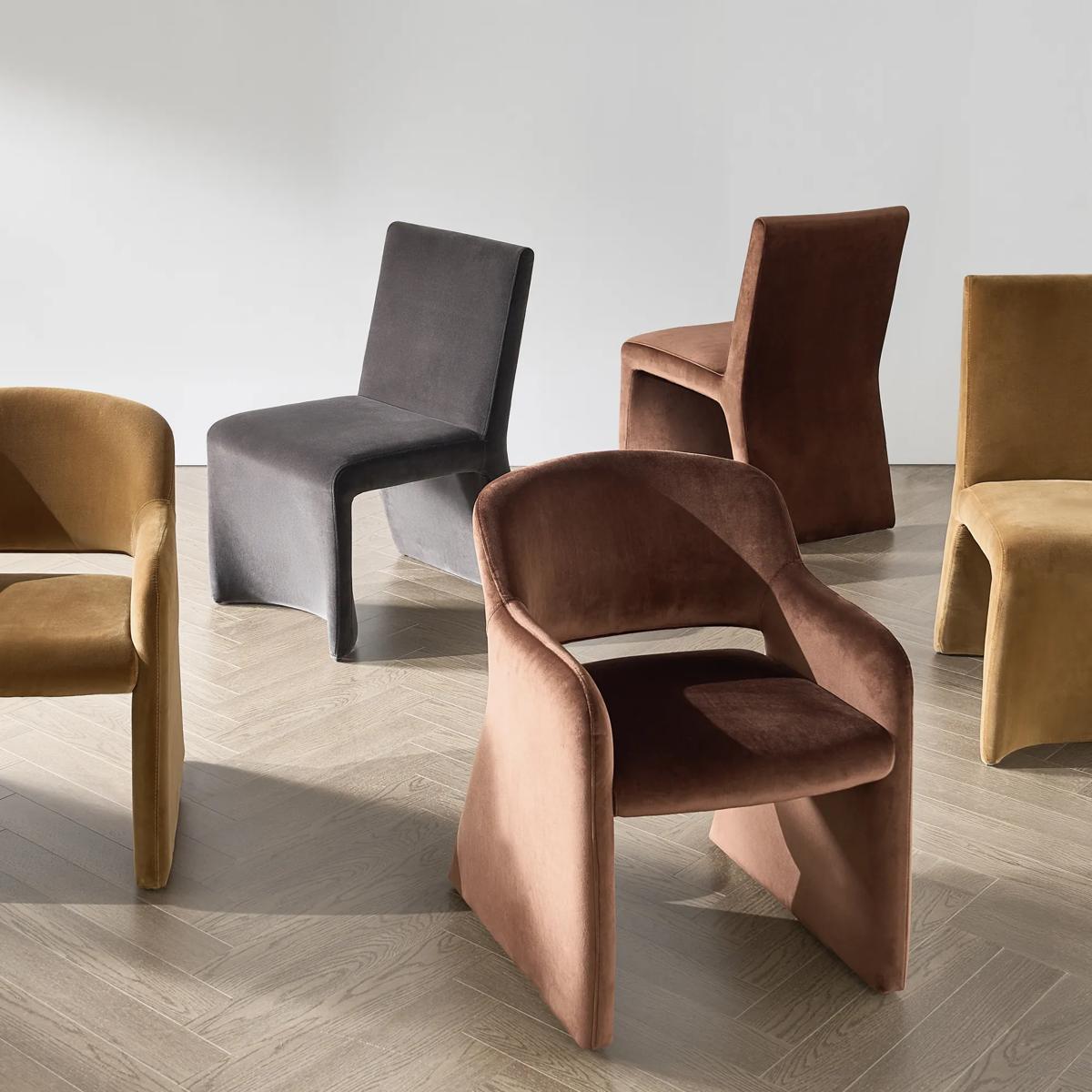 Elara Charcoal Velvet Dining Chair Set Of 2$799
A pair of charcoal velvet dining chairs featuring curved ergonomic silhouettes, plush upholstery, and hand-crafted details.
Add To Cart -
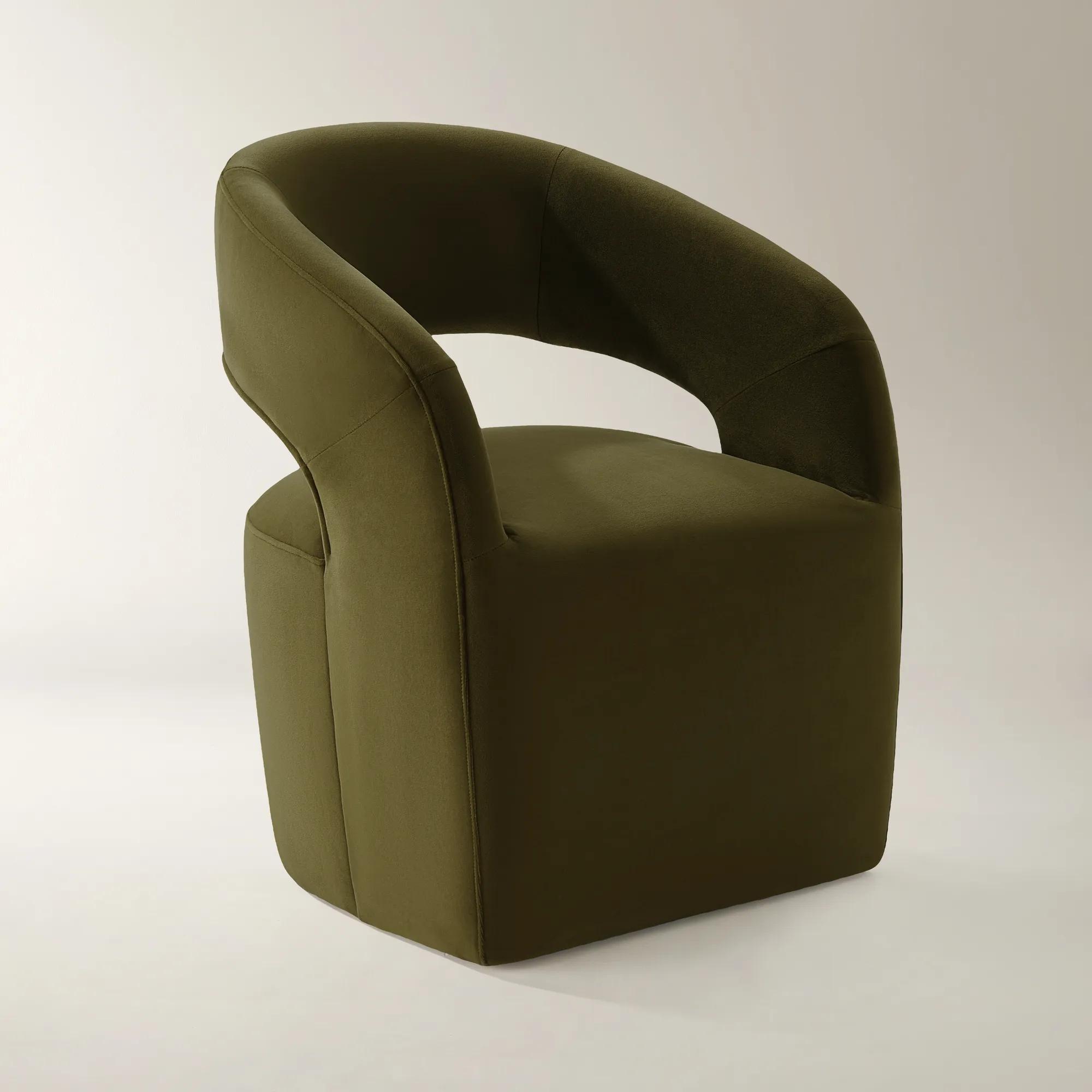 Harrison Deep Olive Velvet Dining Chair$499
A sculptural dining chair in deep olive velvet with a curved back, integrated arms, and plush feather-blend comfort.
Add To Cart -
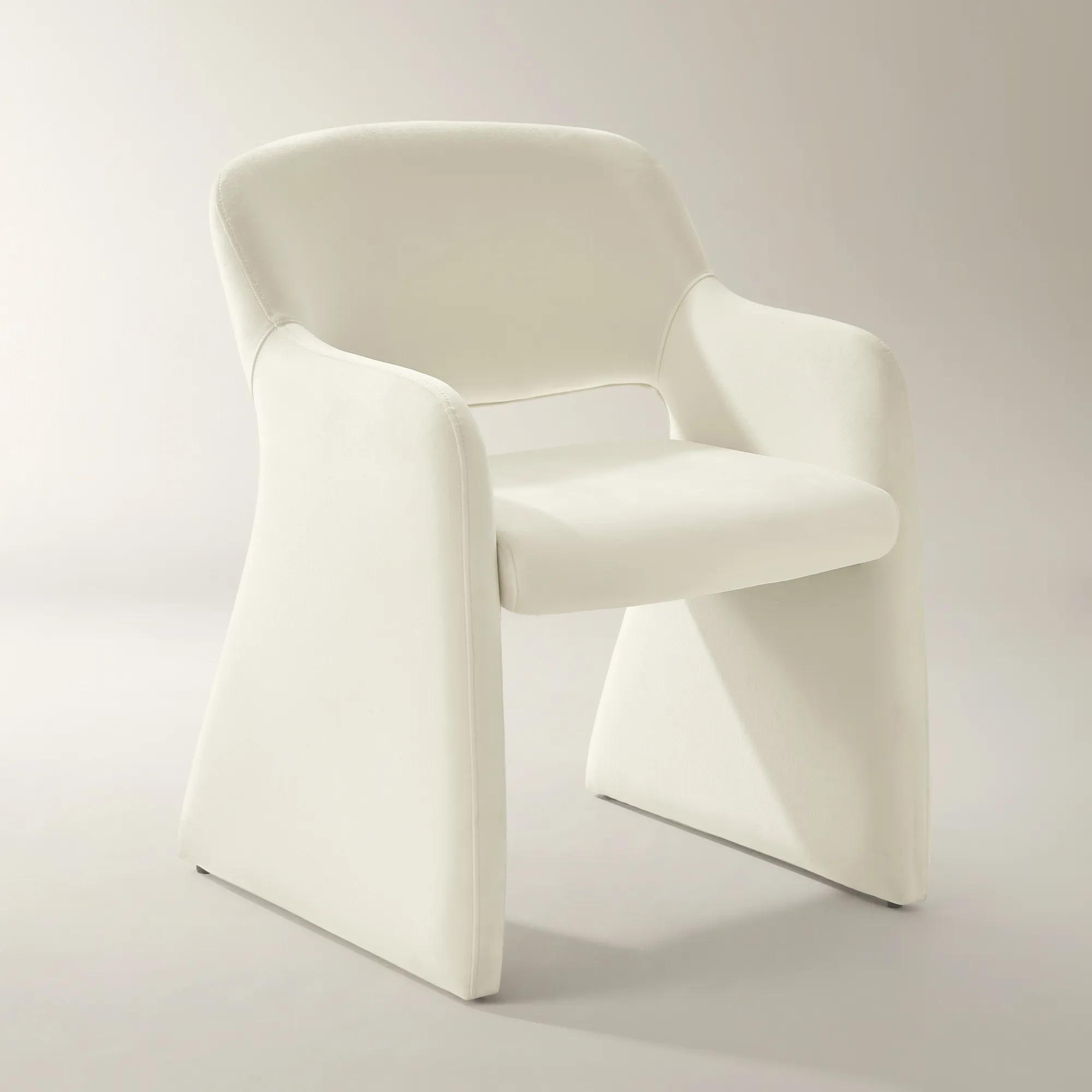 Elara Cloud Velvet Dining Chair$449
A plush velvet dining chair featuring a seamless wraparound silhouette and supportive carbon steel frame.
Add To Cart -

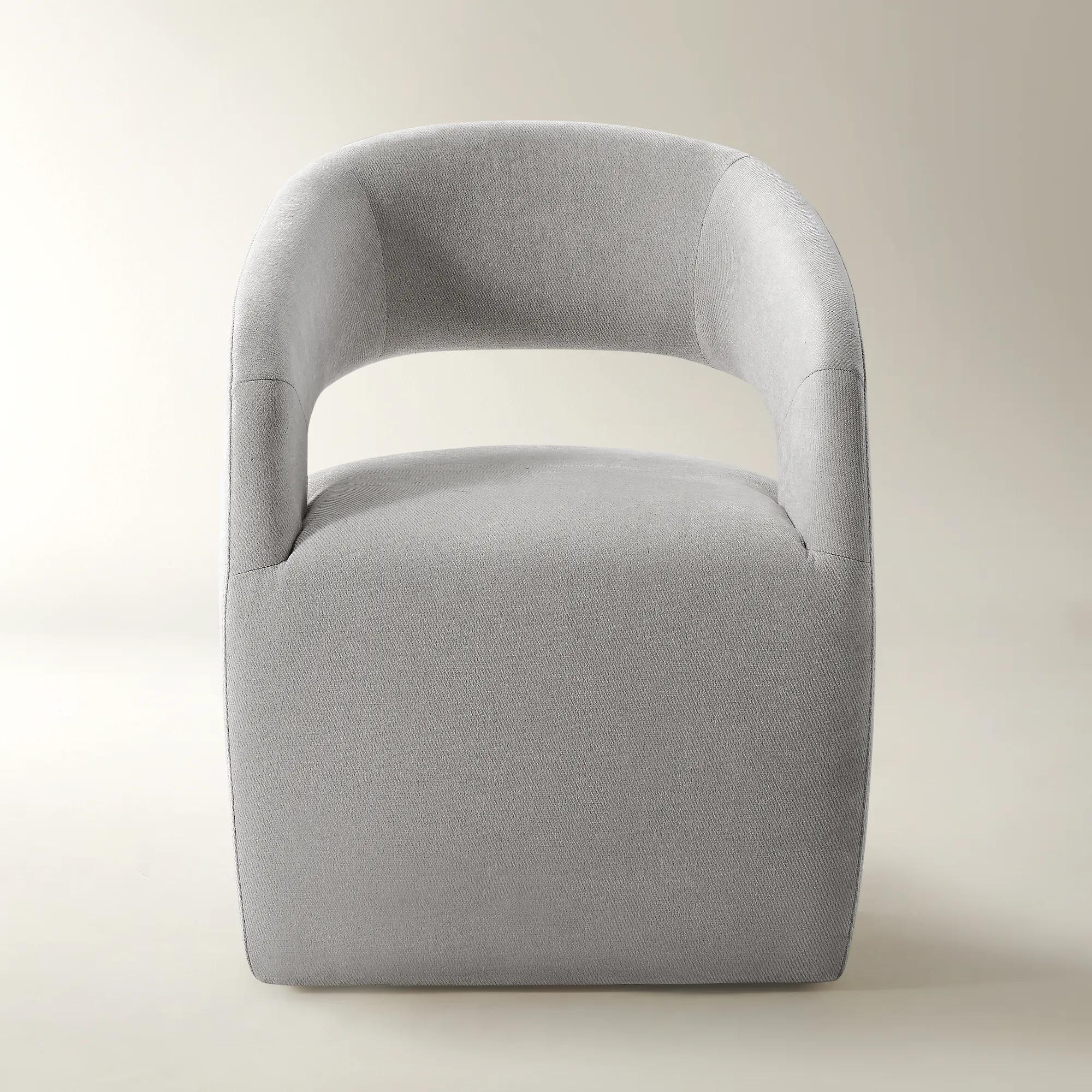 Harrison Flint Chenille Dining Chair$499
A fully upholstered flint chenille dining chair with high-density foam cushioning for superior comfort and style.
Add To Cart

Durable Frame Dining Chairs
Elevate your dining experience with durable frame dining chairs that blend enduring strength with unapologetic style. Each piece is a celebration of resilience and artistry, designed to anchor your space with confidence while inviting guests to linger in comfort and luxury. Sculptural silhouettes, refined finishes, and bold lines create an atmosphere where every meal becomes a moment—proof that durability and design can coexist in dramatic harmony. Let your dining room become a showcase of both lasting quality and expressive flair, where every chair is as striking as it is steadfast.
Durable frame dining chairs combine a supportive structure with the comfort and visual presence that make a dining room feel complete. Their strength comes from more than substantial legs: frame material, joint construction, bracing, and the connection between the seat and base all contribute to stability through repeated use. Solid wood, steel, and iron are common frame materials, each offering a distinct expression of strength. Hardwood brings expressive grain and a warm, architectural character, while metal can create slender silhouettes, sweeping curves, or a striking sculptural profile. Neither material alone guarantees lasting performance; thoughtful construction matters just as much as appearance. Well-fitted wood joinery, reinforced connections, and properly executed metal welds help a chair withstand the regular movement of sitting, standing, and gathering around the table. A durable frame should feel composed beneath its upholstery or finish, supporting the design rather than relying on visual bulk to suggest strength. That distinction leaves room for glamour: a graceful leg, a beautifully pitched back, or a gleaming metal accent can feel refined without appearing fragile. For a dining space used every day, these chairs bring practical reassurance to a setting that still deserves drama. They suit the household where breakfast becomes a planning session, dinner stretches into conversation, and an extra place setting often appears at the last moment. Upholstered frames can introduce sumptuous texture, while exposed wood or metal gives the room a more pronounced architectural rhythm. A substantial table may benefit from chairs with lighter-looking frames; a glass tabletop can reveal an expressive base from every angle. The most compelling pairing balances the table’s proportions with seating that feels confident in its own right. Durability also depends on intended use, so stated weight capacities and manufacturer specifications deserve attention rather than assumptions based on size or heft. Residential dining chairs are not automatically suitable for restaurant or commercial use, even when their frames look especially substantial.
Comfort gives a strong frame its purpose, turning a dining chair from an impressive silhouette into a place guests are happy to linger. Seat height, usable seat width, back angle, and cushioning all shape that experience. A generous seat may feel luxurious, but its dimensions still need to work with the table, neighboring chairs, and the room’s circulation. About 10 to 12 inches between the seat and the underside of the tabletop is a common starting point for comfortable legroom, although a deep table apron can reduce the actual clearance. Arms need their own space beneath the table if the chairs are intended to tuck in neatly. At the table’s edge, roughly 24 inches per person offers a useful starting point, with wider seats and upholstered arms often requiring more. These relationships matter particularly around pedestal bases, trestles, and thick table legs, where an appealing arrangement can conceal a tight fit. Armless dining chairs often create a cleaner line along the sides of a table, while armchairs can lend a more enveloping presence at either end. Both can share a similar frame finish or upholstery tone without matching every contour. A curved back softens the geometry of a rectangular table; a tailored, upright profile introduces crisp definition beside a round one. Upholstery adds another layer of character and practicality. Velvet offers a luminous surface that changes with the light, woven fabrics bring depth through texture, and leather develops a character shaped by its finish and care. Materials described as performance fabrics should be evaluated by their stated properties, since stain resistance, abrasion resistance, and cleaning requirements are not interchangeable. Cushion density and seat support also matter: a plush surface can feel inviting initially, while a well-supported cushion helps maintain comfort throughout a longer meal. For homes with frequent guests or children, accessible cleaning instructions and finishes suited to everyday contact can make an expressive design easier to live with. The result is seating that earns its place through both presence and repeated use.
Lasting beauty depends on how a dining chair lives within the room as much as how it is made. Protective finishes can help wood and metal frames tolerate routine handling, but no finish should be assumed immune to scratches, moisture, or harsh cleaning products. A soft cloth, prompt attention to spills, and care matched to the manufacturer’s instructions help preserve the surface without dulling its character. Upholstery benefits from regular attention appropriate to its cleaning code, including gentle vacuuming where recommended and blotting rather than rubbing fresh spills. Wood frames generally benefit from avoiding prolonged moisture and direct heat, while metal frames need care suited to their coating or plating. Loose connections deserve attention according to the assembly instructions; repeated use can affect fasteners even when a frame is well constructed. Properly fitted floor protectors help reduce friction and protect flooring, and lifting a chair rather than dragging it limits unnecessary strain on its joints. A level resting position matters, too, since an uneven floor can make sound construction appear unstable. These small details support a dining space that remains polished through ordinary life, from a quiet meal for two to a full table of animated guests. In open-plan homes, frame finishes can echo nearby lighting, cabinet hardware, or a console without turning the room into a matching set. A dark wood frame gives pale upholstery a decisive outline; a metallic finish can catch the light beneath a richly textured seat. For dining areas that share daily duties with a breakfast nook or kitchen table, Durable Kitchen Dining Chairs offer a related seating category to consider alongside table dimensions, cleaning needs, and frequency of use. Whether furnishing a first shared home, refreshing a formal dining room, or creating a gathering place for an active household, durable seating supports a deeply personal setting. The strongest impression comes from that balance: frames built for their intended demands, upholstery chosen for real routines, and proportions that allow every chair to look intentional, feel welcoming, and hold its own around the table.
FAQs
Durable frame dining chairs are most often crafted from solid hardwoods like oak, walnut, maple, or ash, as well as sturdy metals such as stainless steel, iron, or aluminum. These materials are chosen for their strength, longevity, and ability to maintain their beauty through years of daily use.
To preserve the appearance and integrity of your dining chairs, regularly dust wooden frames with a soft cloth and clean any spills promptly with a damp cloth. For metal frames, use a gentle cleaner to prevent tarnishing or rust. Upholstered seats benefit from occasional vacuuming and spot cleaning according to the fabric’s care instructions.
Durable frame dining chairs are available in a wide range of design styles, from classic and traditional to sleek and modern. Whether you prefer the sculptural lines of contemporary metal or the timeless elegance of carved wood, there’s a chair to complement every aesthetic, making them a versatile choice for any dining space.
Absolutely. These chairs are not only suited for the dining room but also make stylish additions to home offices, entryways, or even as accent seating in living spaces. Their robust construction ensures they stand up to frequent use wherever you place them.
Look for chairs with reinforced joints, substantial legs, and high-quality materials. Details like mortise-and-tenon joinery in wood frames or welded seams in metal frames indicate superior craftsmanship. Upholstered seats and backs add comfort, while protective finishes help preserve the chair’s appearance over time.