Sturdy Espresso Dining Chairs
Sturdy Espresso Dining Chairs
-
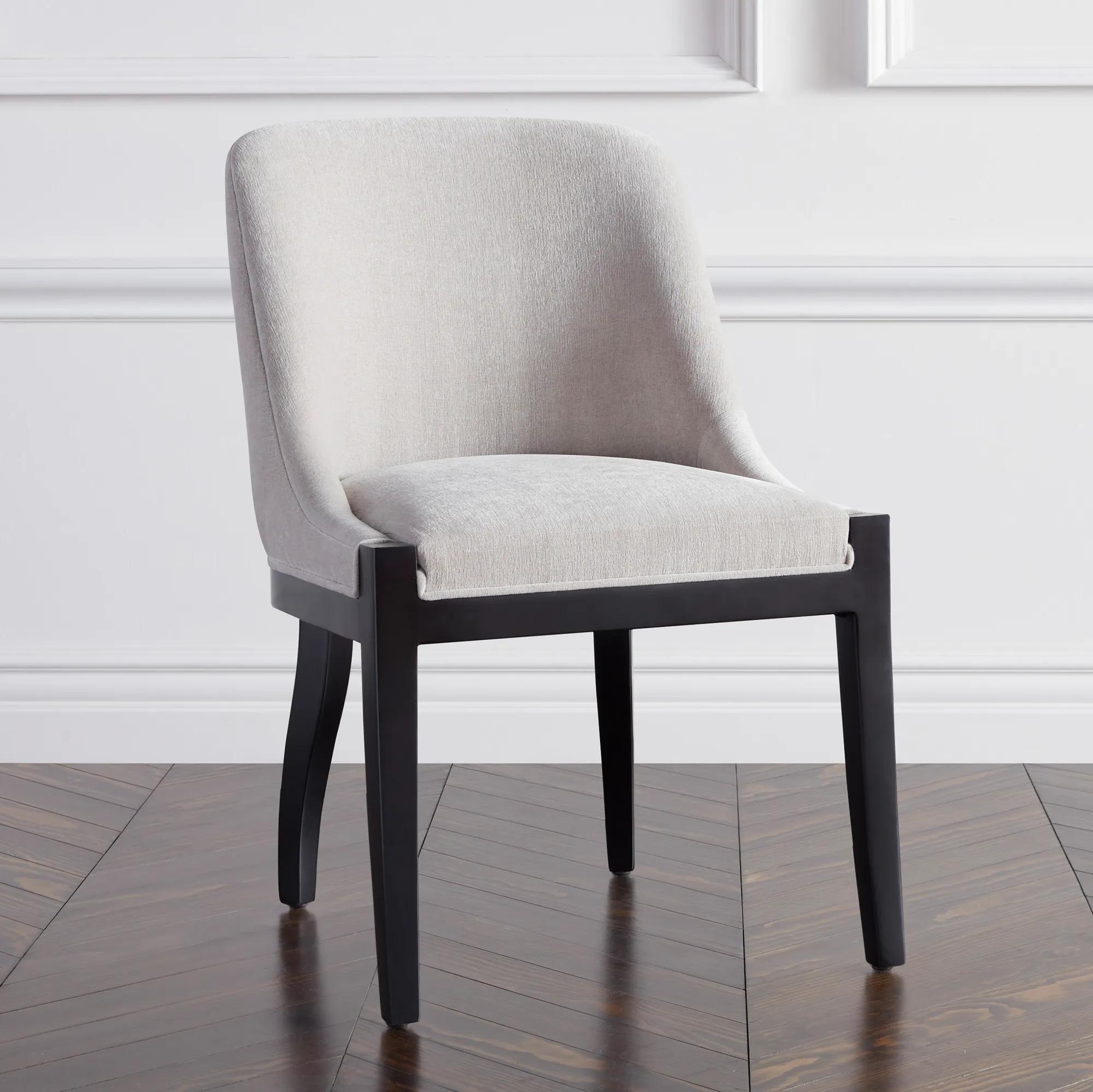
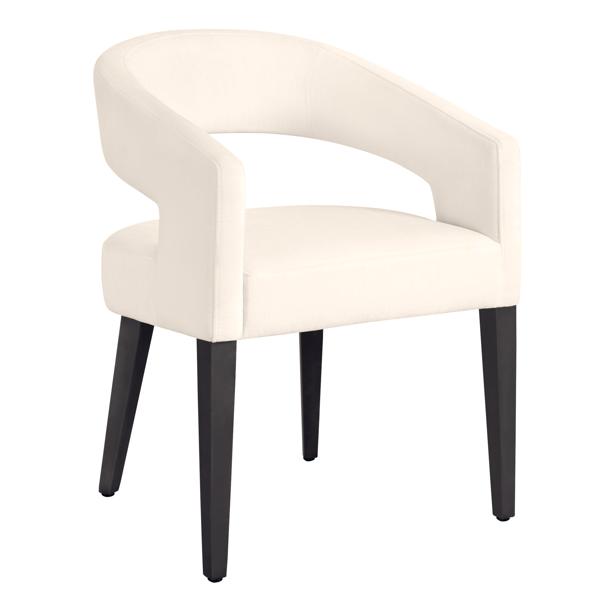 Philippa Dining Chair - Espresso$599
A modern dining chair featuring a curved silhouette, espresso legs, and neatly tailored chenille upholstery.
Add To Cart -
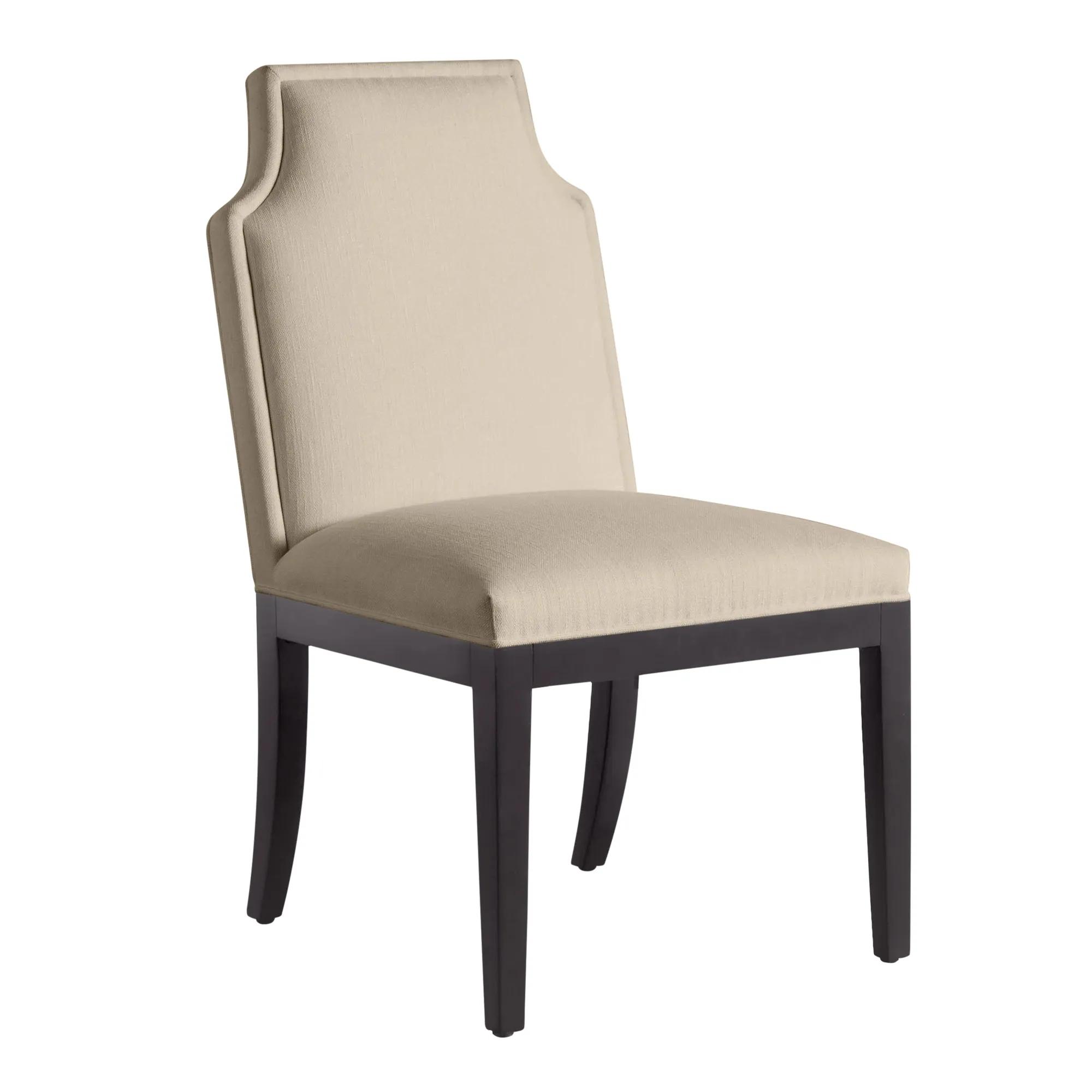
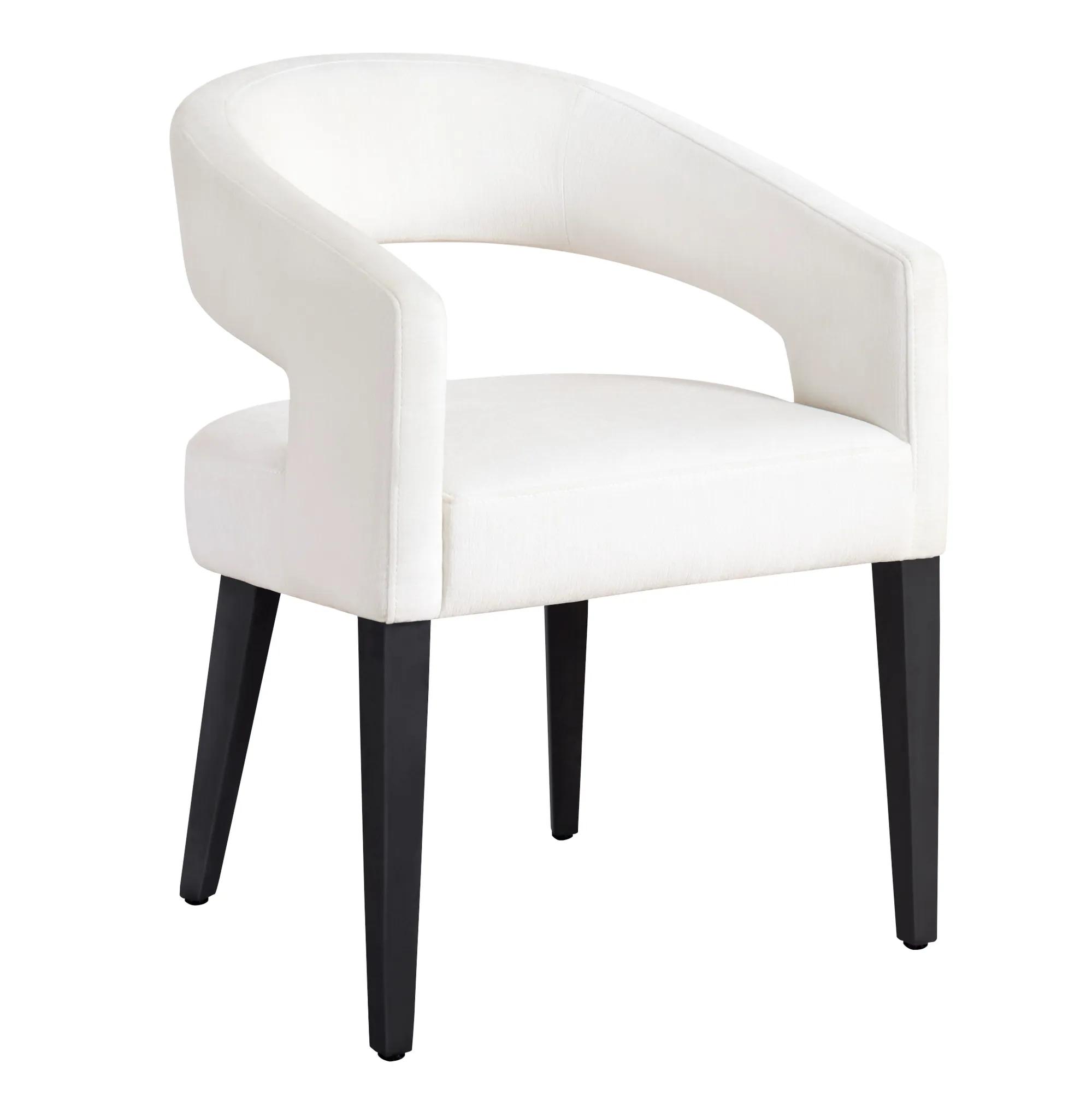
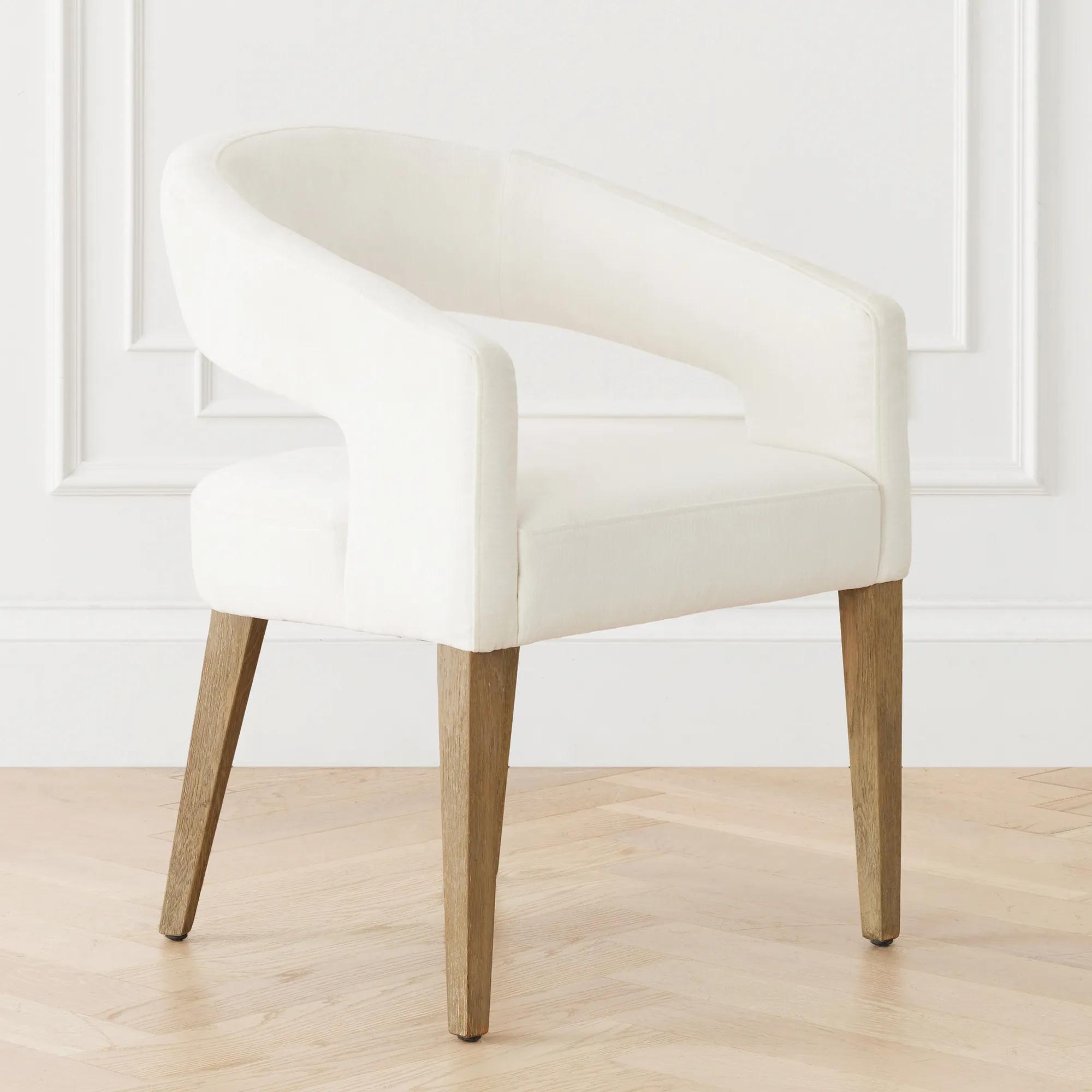
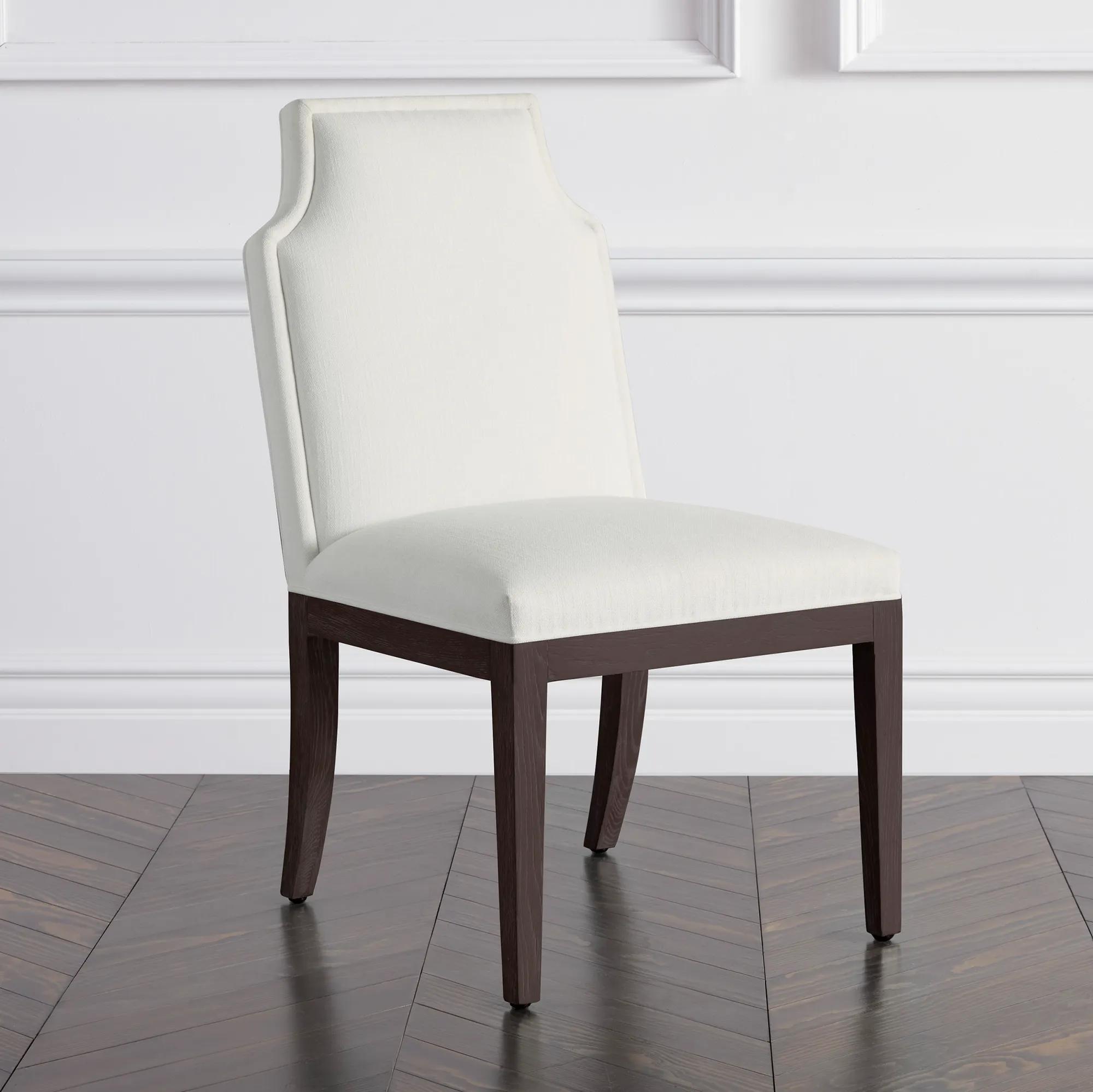 Jasmine Dining Chair - Espresso$649
A chic dining chair featuring a notched back, espresso legs, and plush upholstery for lasting comfort.
Add To Cart -
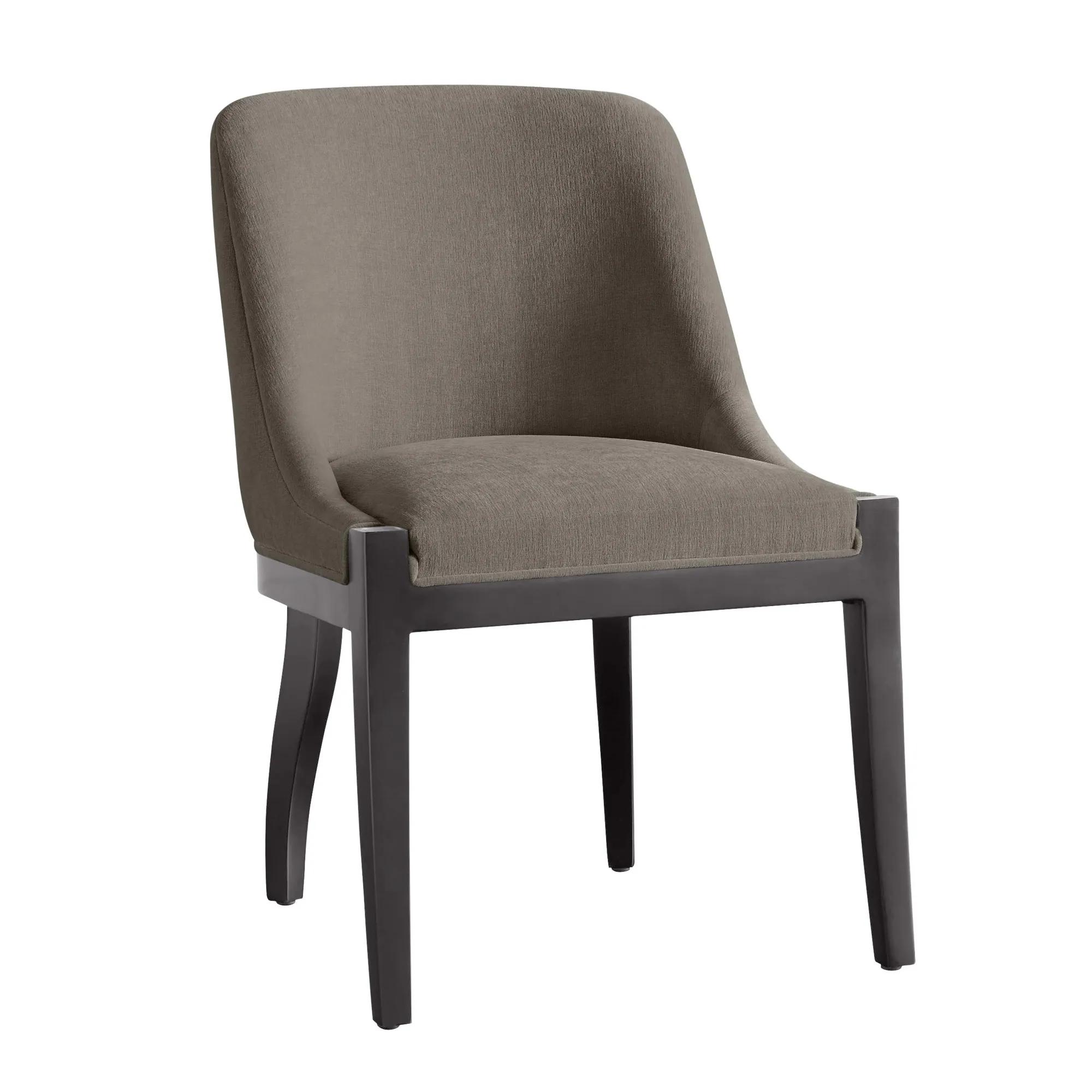
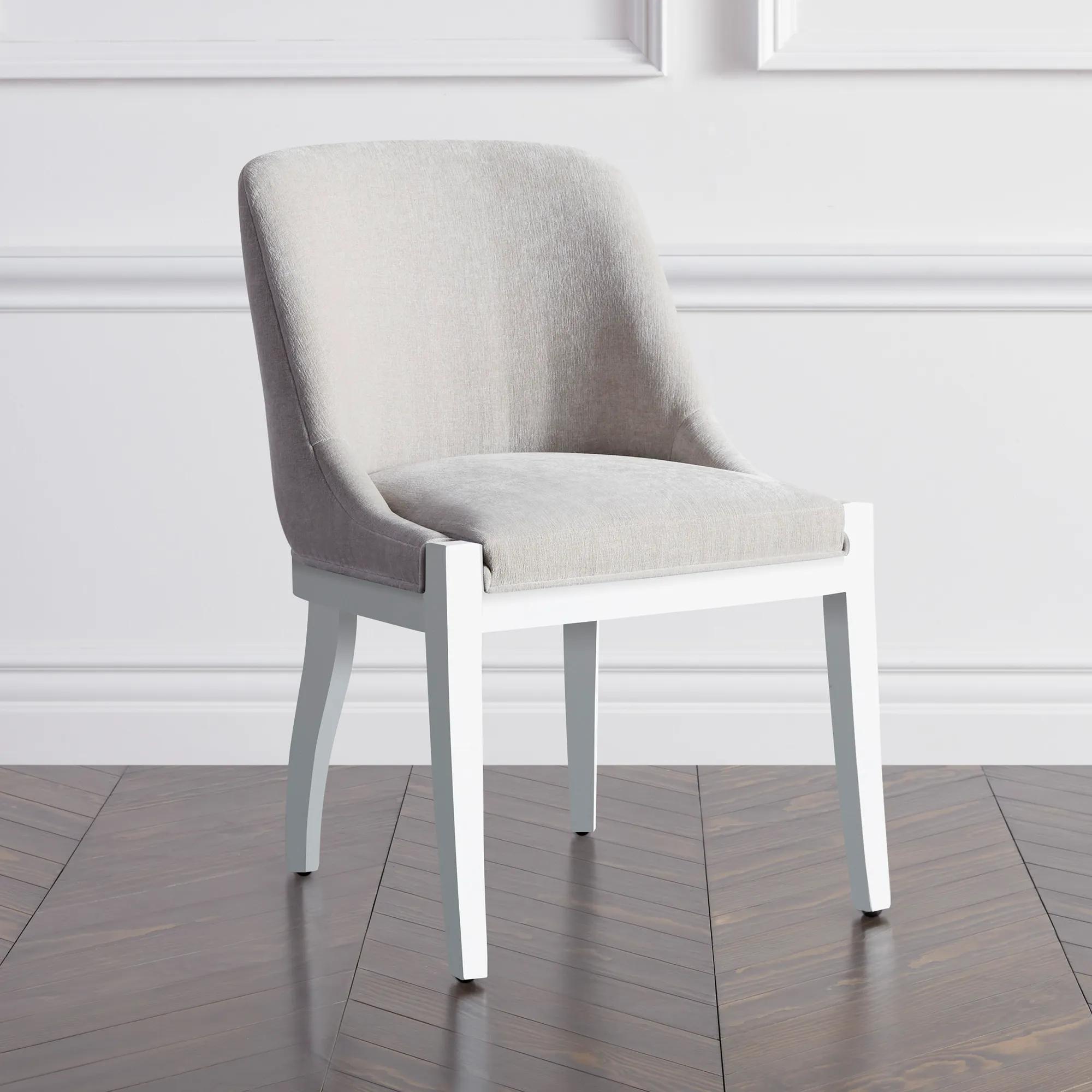
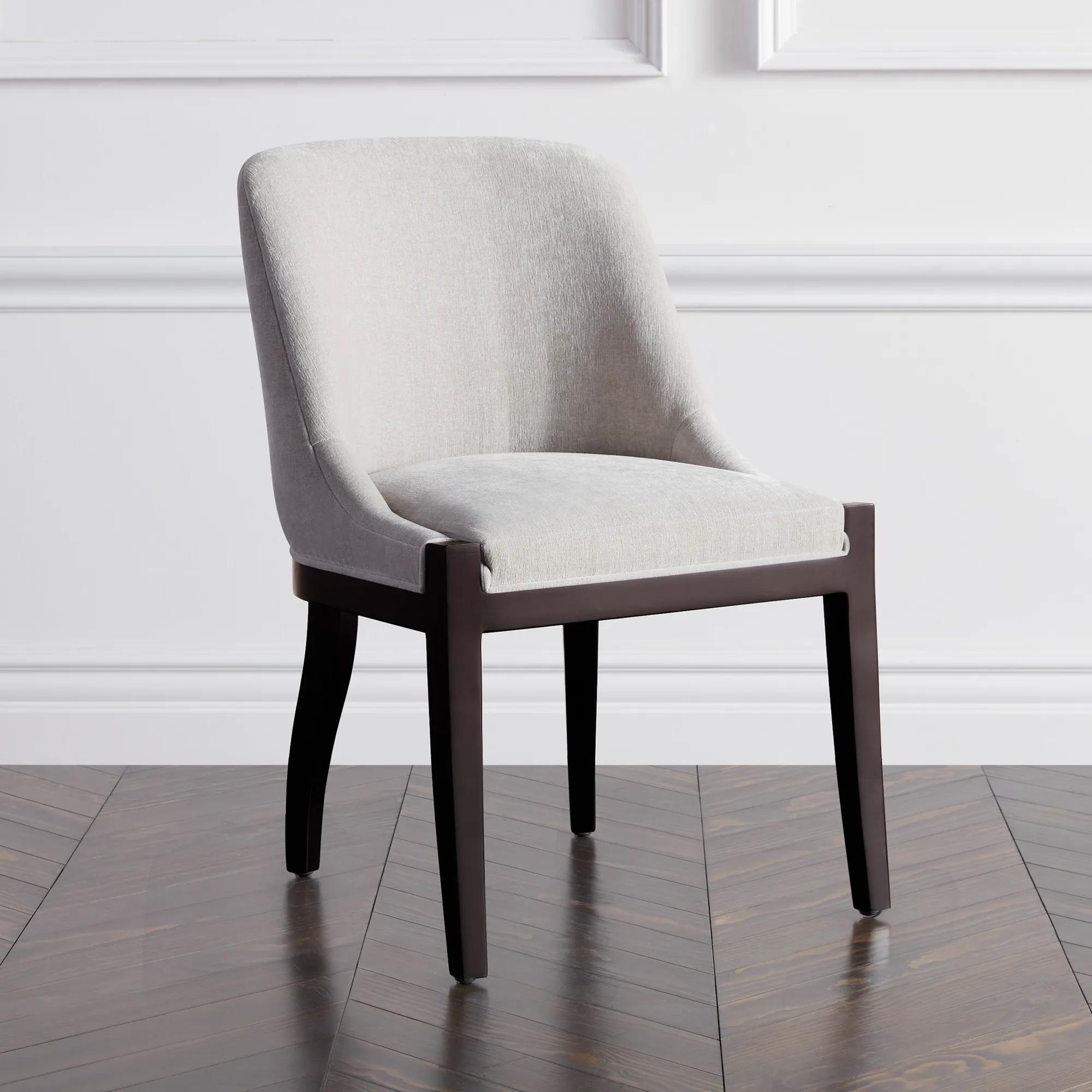 Lily Dining Chair - Espresso$649
A modern dining chair featuring espresso-finished hardwood, curvaceous silhouette, and plush tailored upholstery.
Add To Cart -
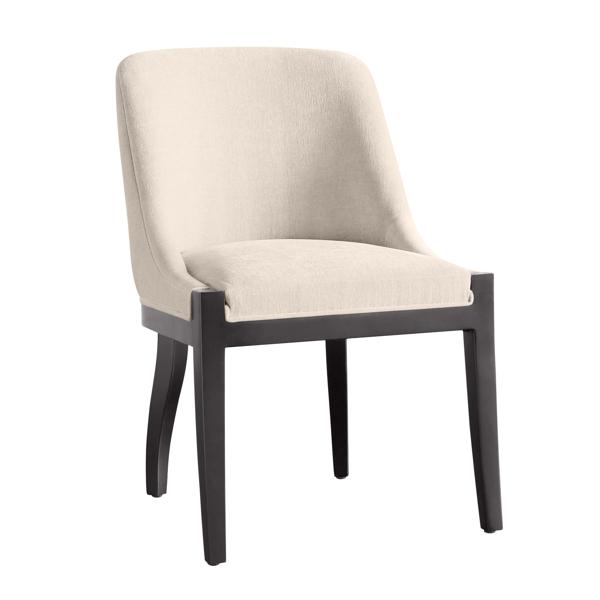 Lily Dining Chair - Espresso$699
A modern dining chair with espresso-finished hardwood frame and tailored upholstery for lasting comfort and support.
Add To Cart -
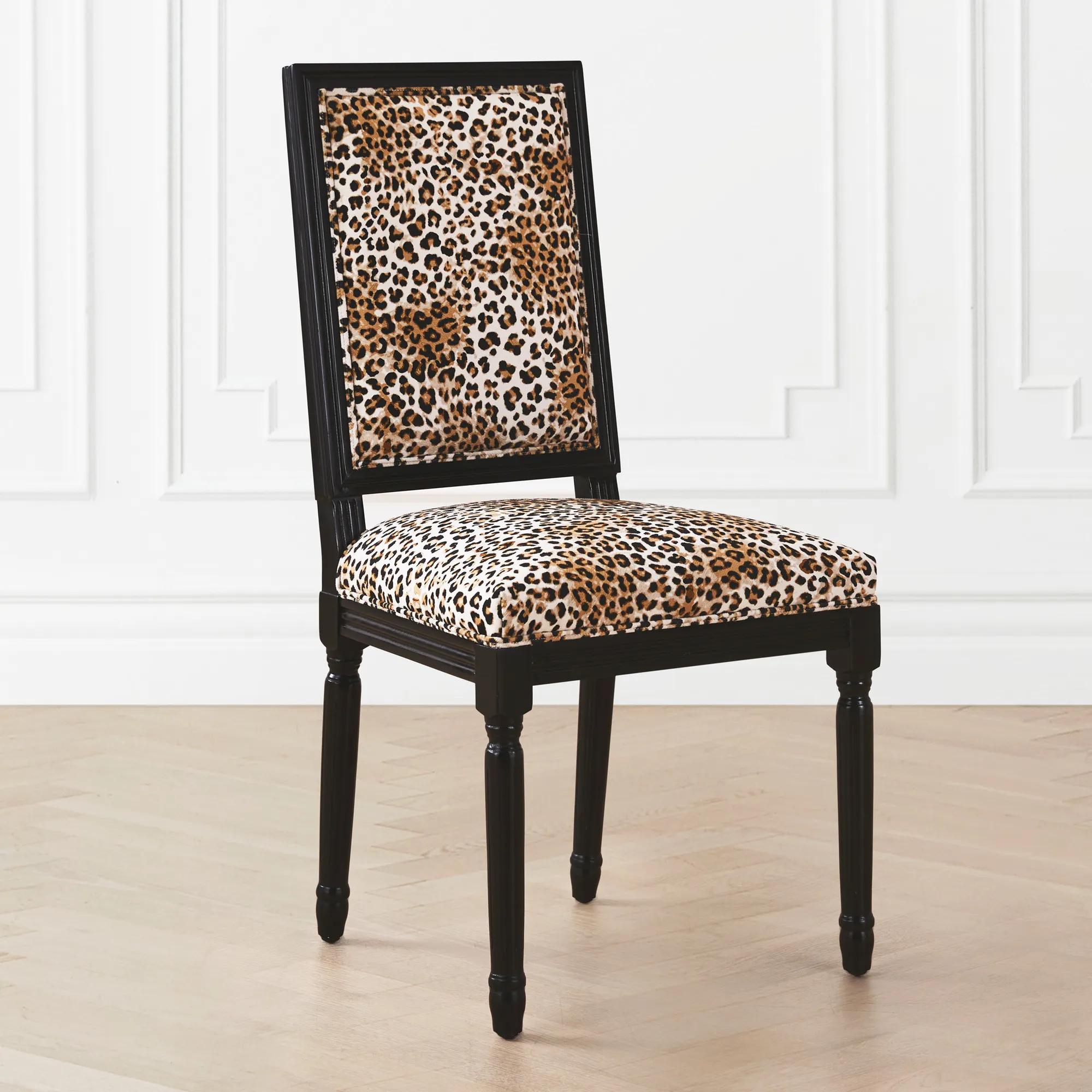
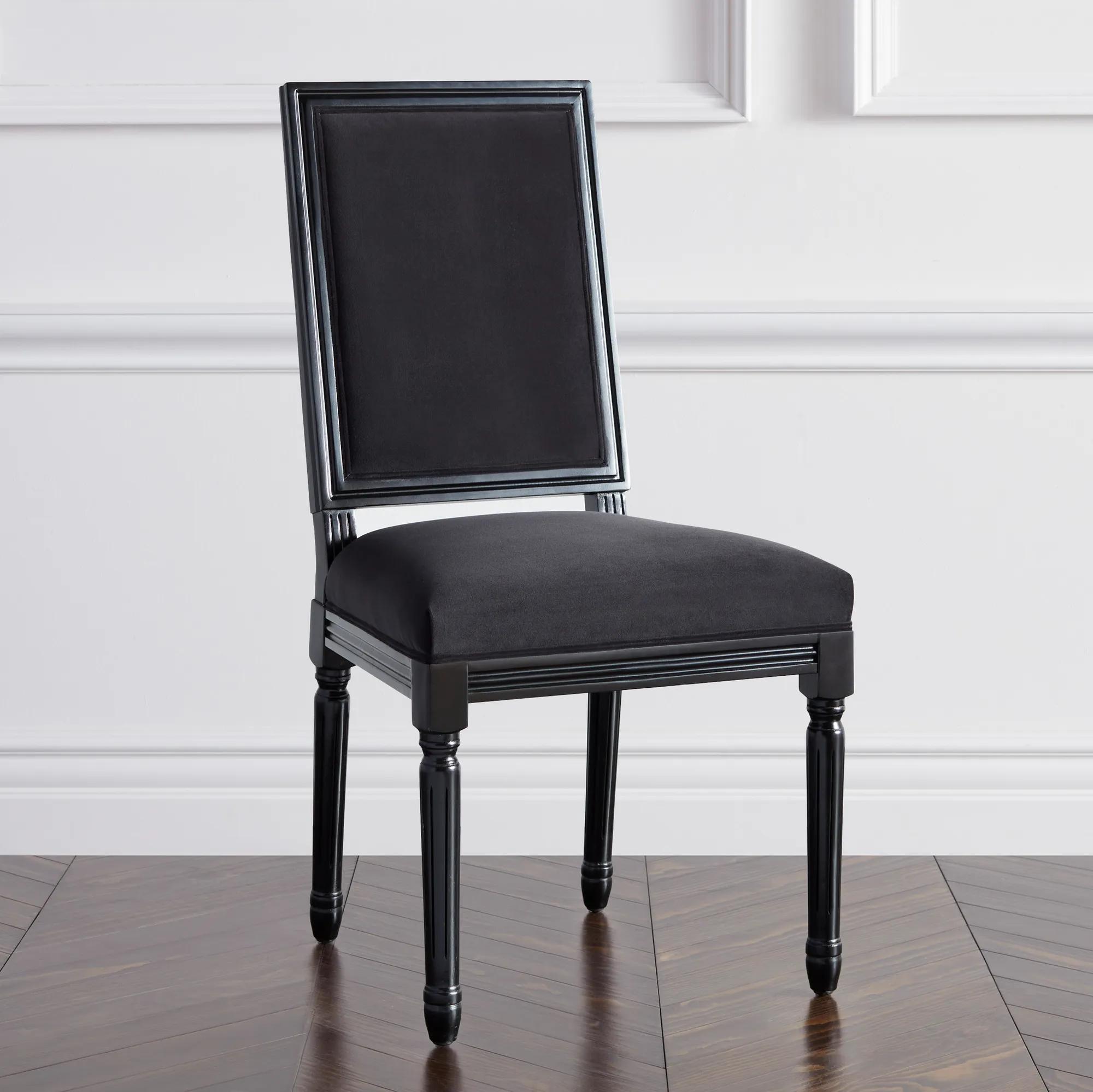
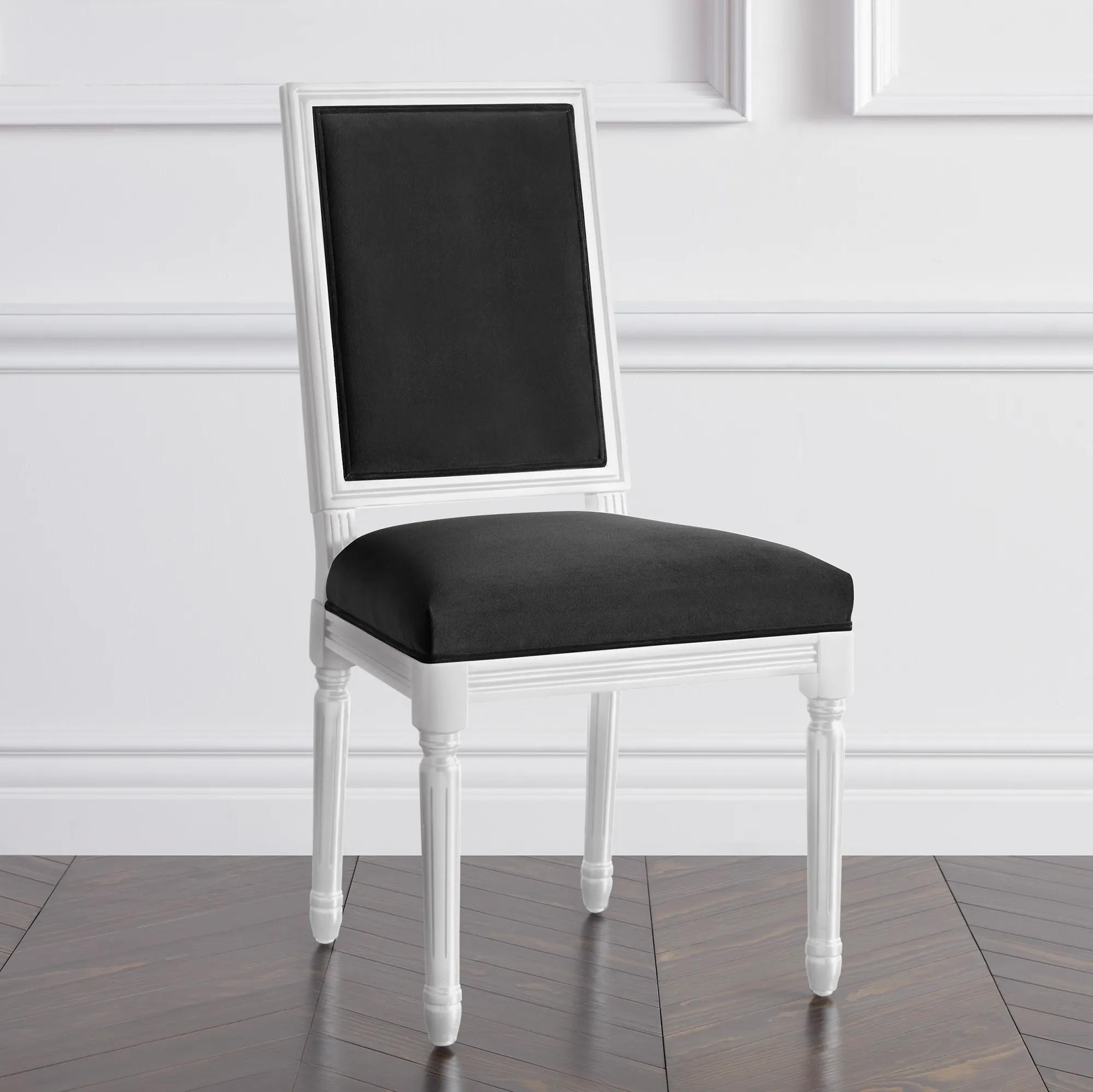
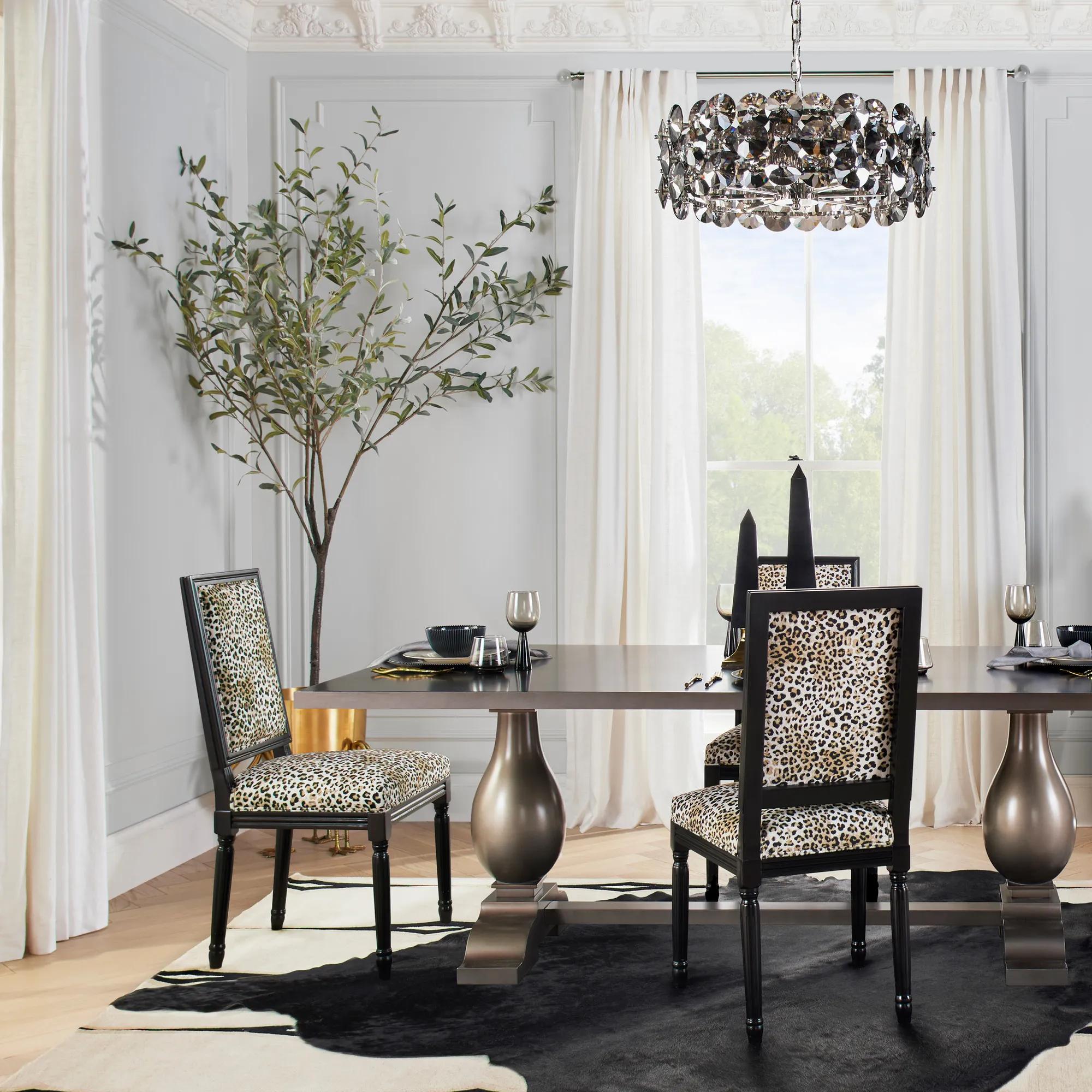 Callan Dining Chair$599
A handcrafted modern chair featuring classic upholstery, squared back, fluted legs, and high-gloss finish.
Add To Cart -
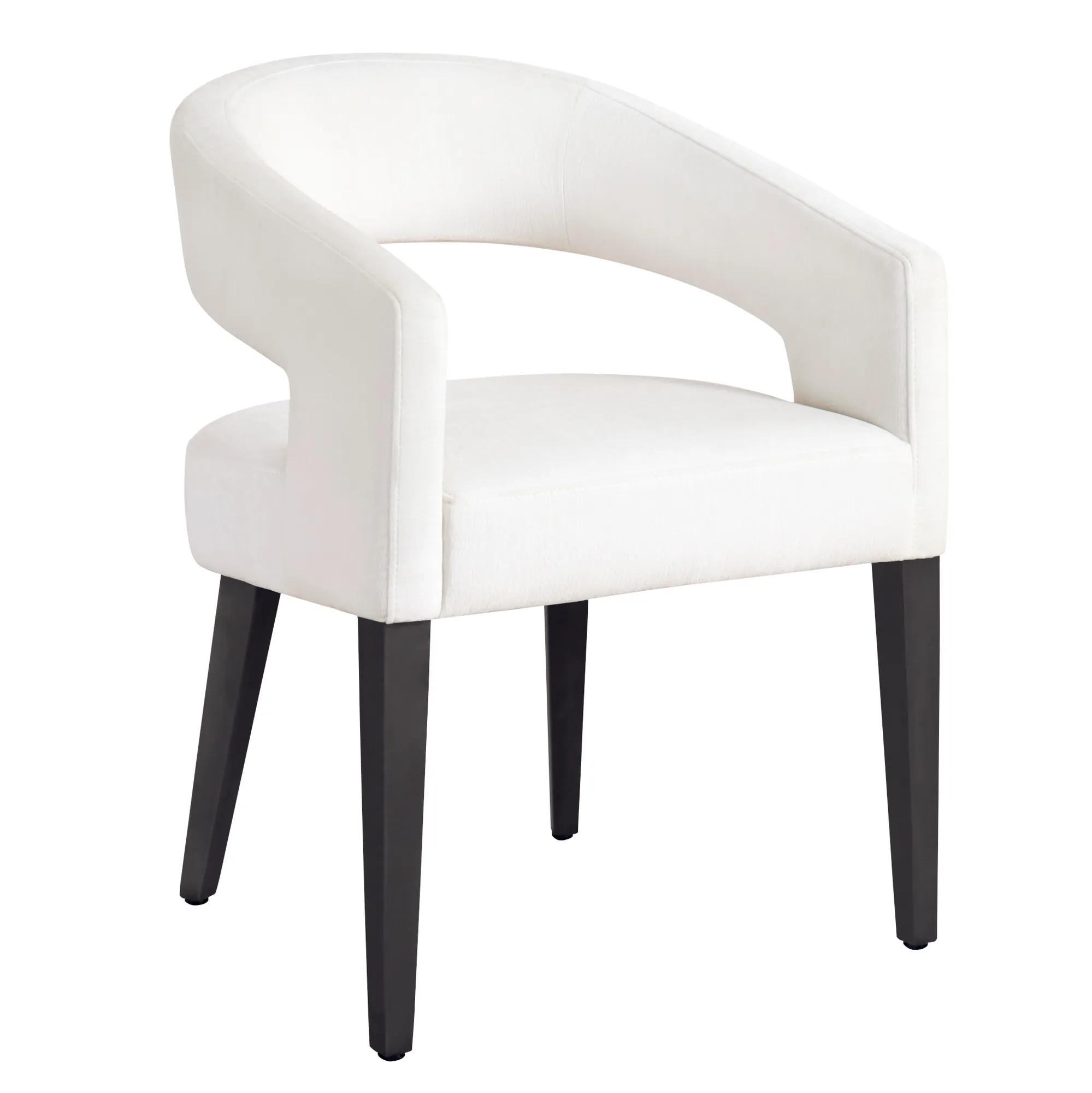
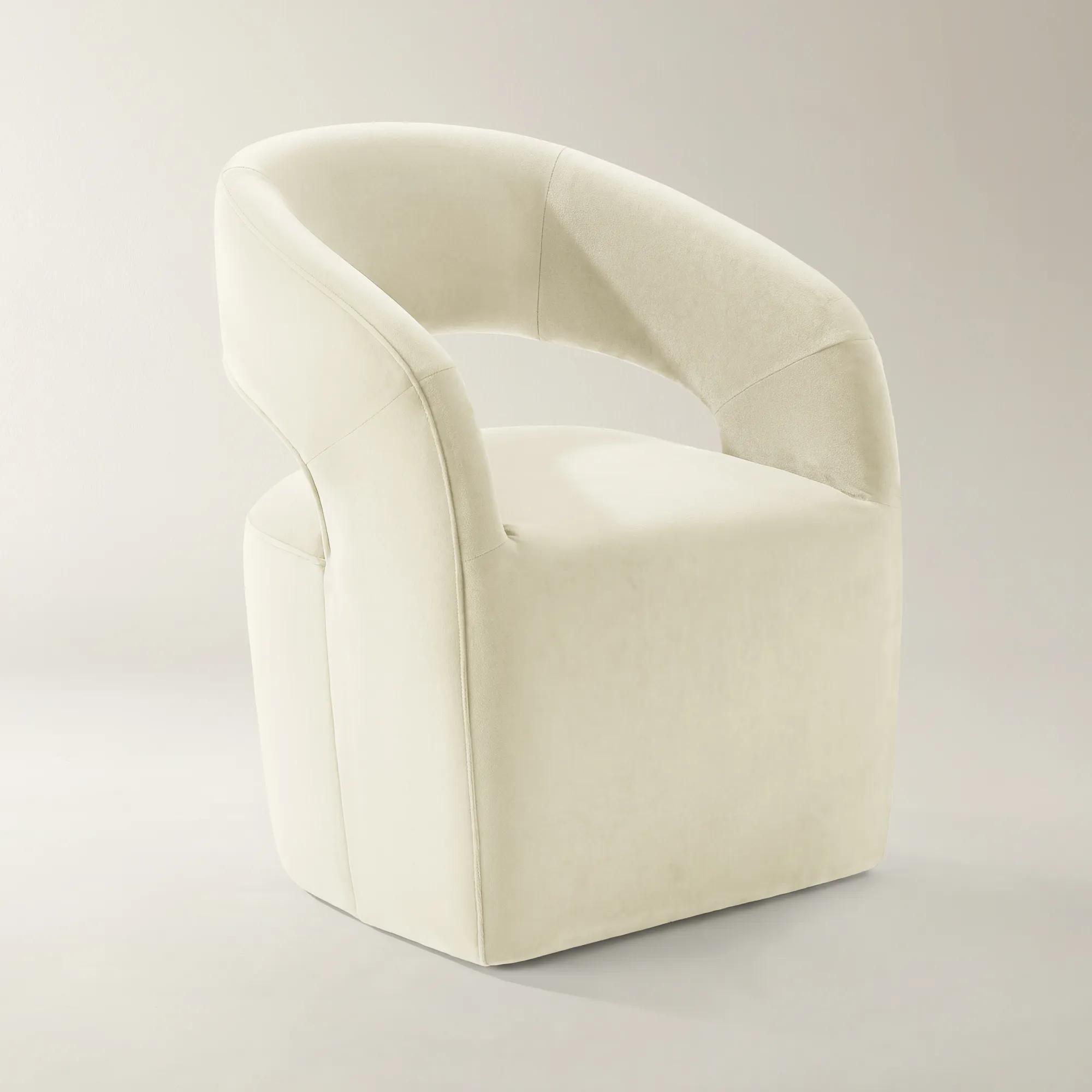 Harrison Cloud Velvet Dining Chair$499
A sculptural dining chair featuring cloud velvet upholstery, feather-blend cushioning, and a continuous curved back.
Add To Cart -
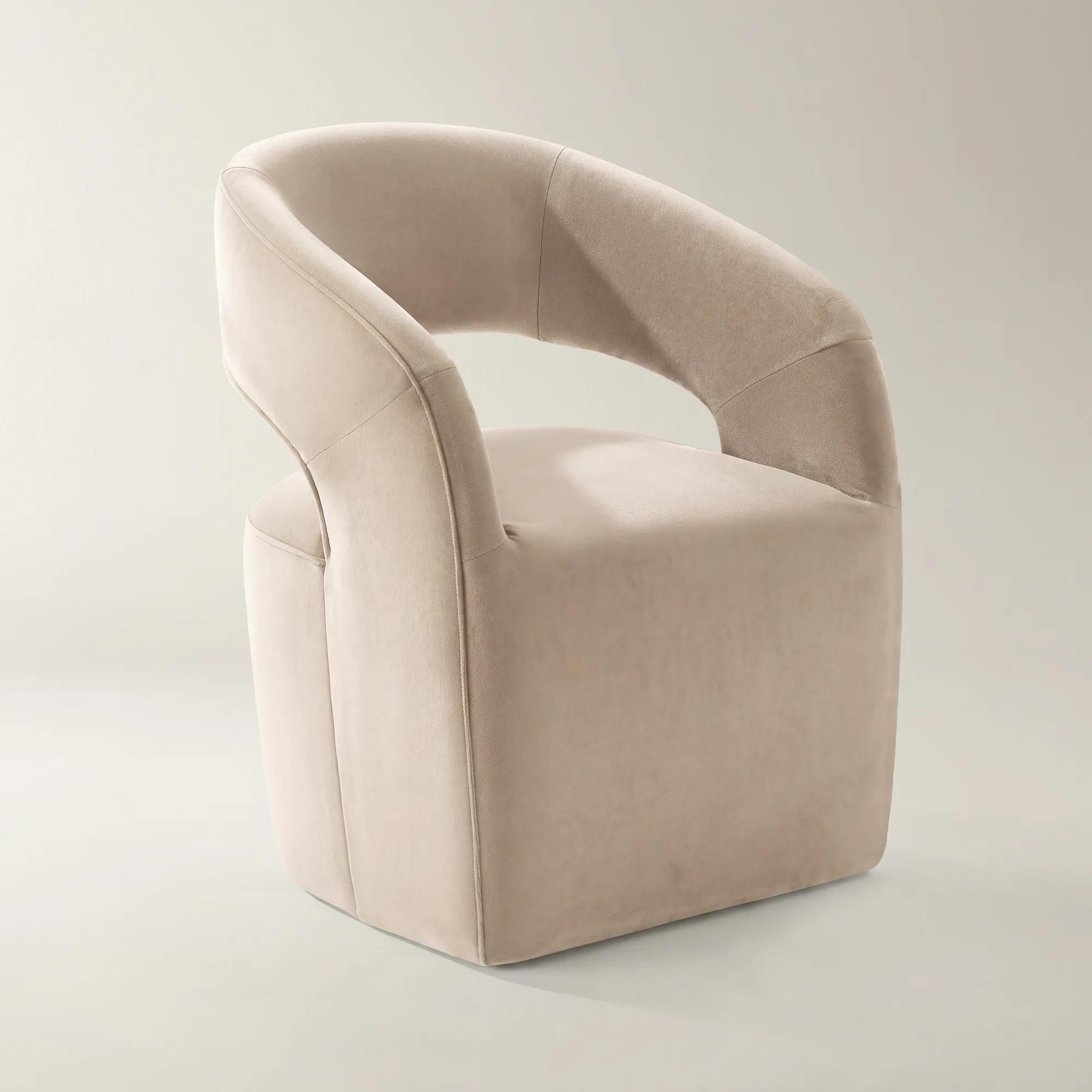
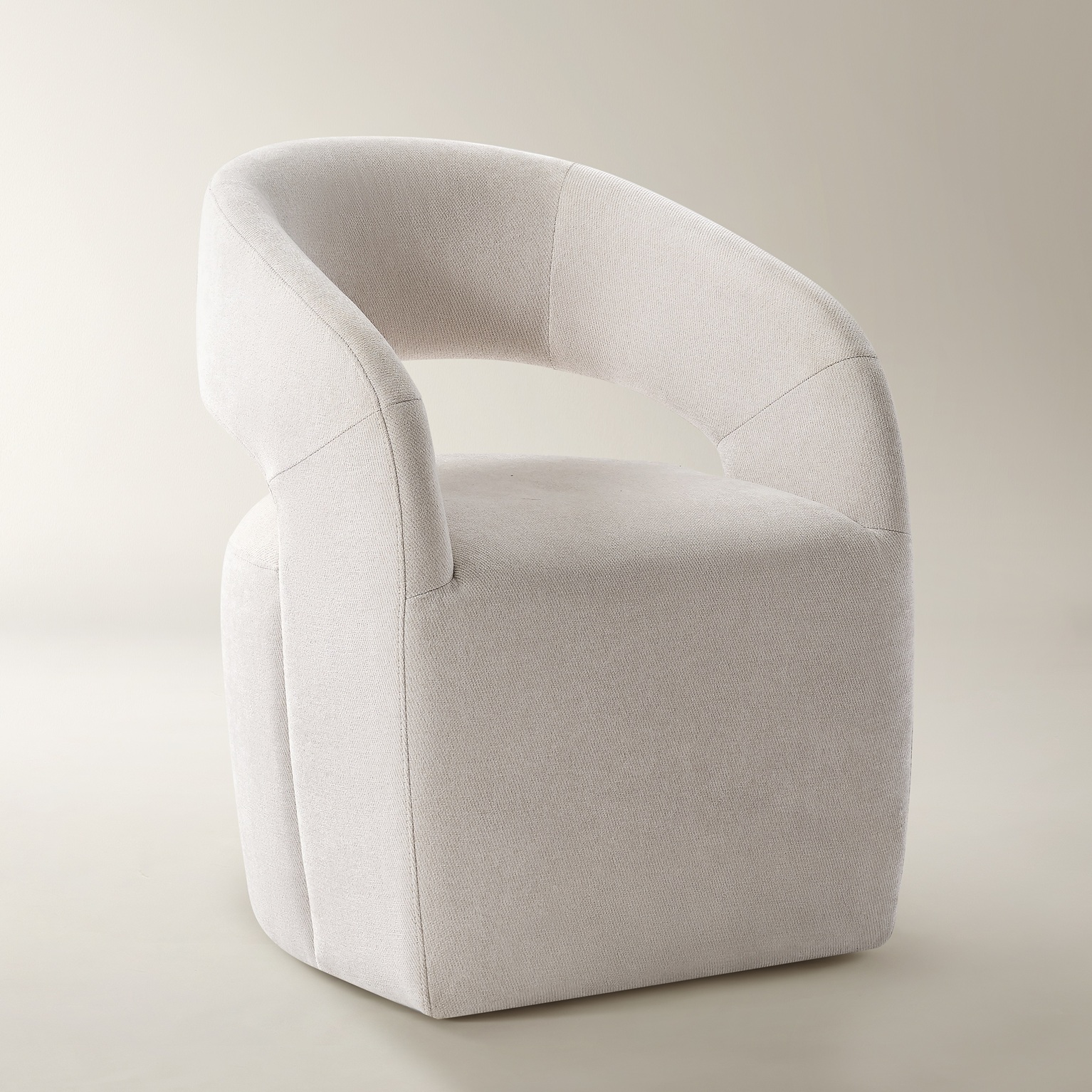 Harrison Simply Taupe Velvet Dining Chair$499
A sculptural dining chair in simply taupe velvet with a curved back, feather-blend seat, and modern elegance.
Add To Cart -
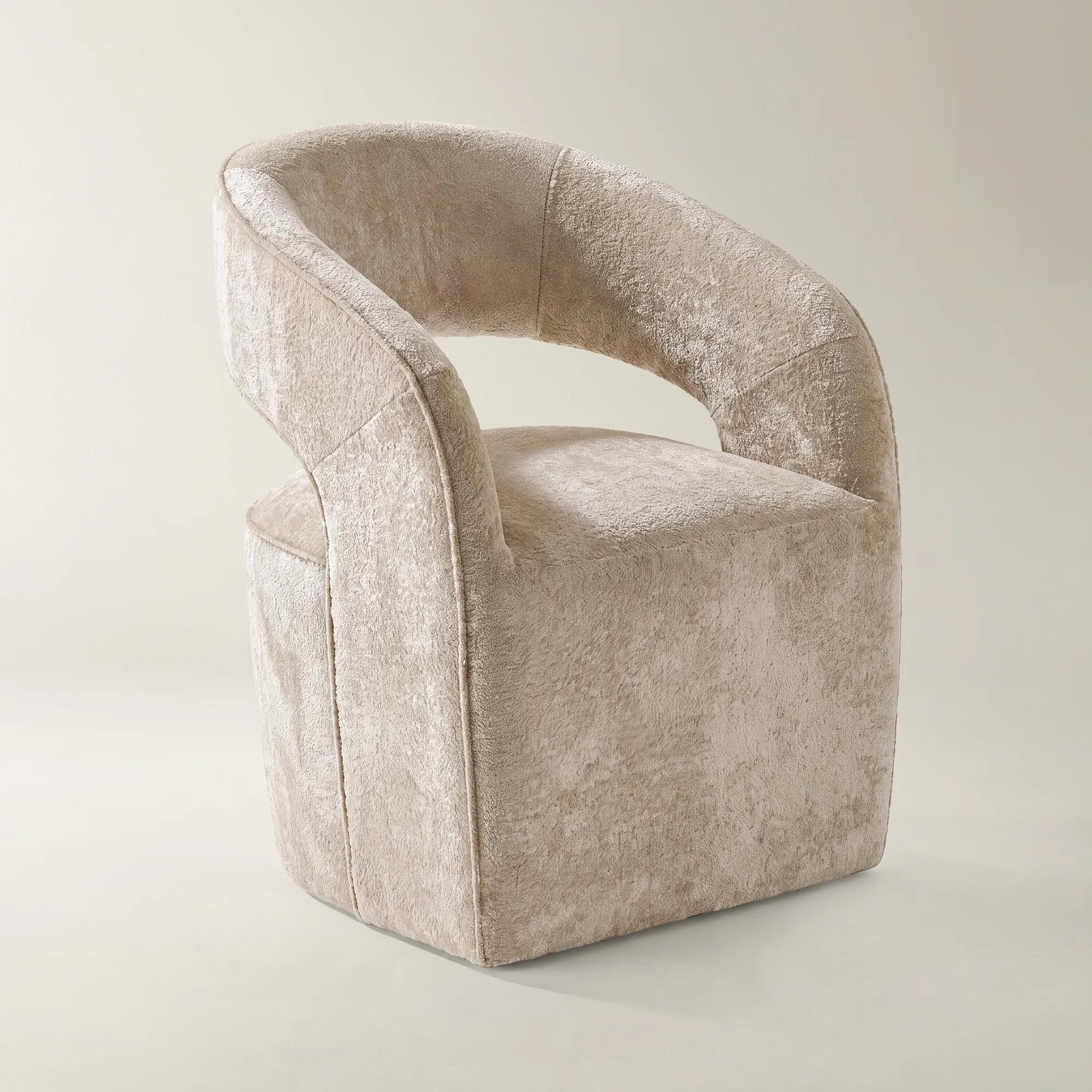 Harrison Light Brown Chenille Dining Chair$499
A sculptural dining chair upholstered in light brown chenille with a feather-blend cushion for plush comfort.
Add To Cart -
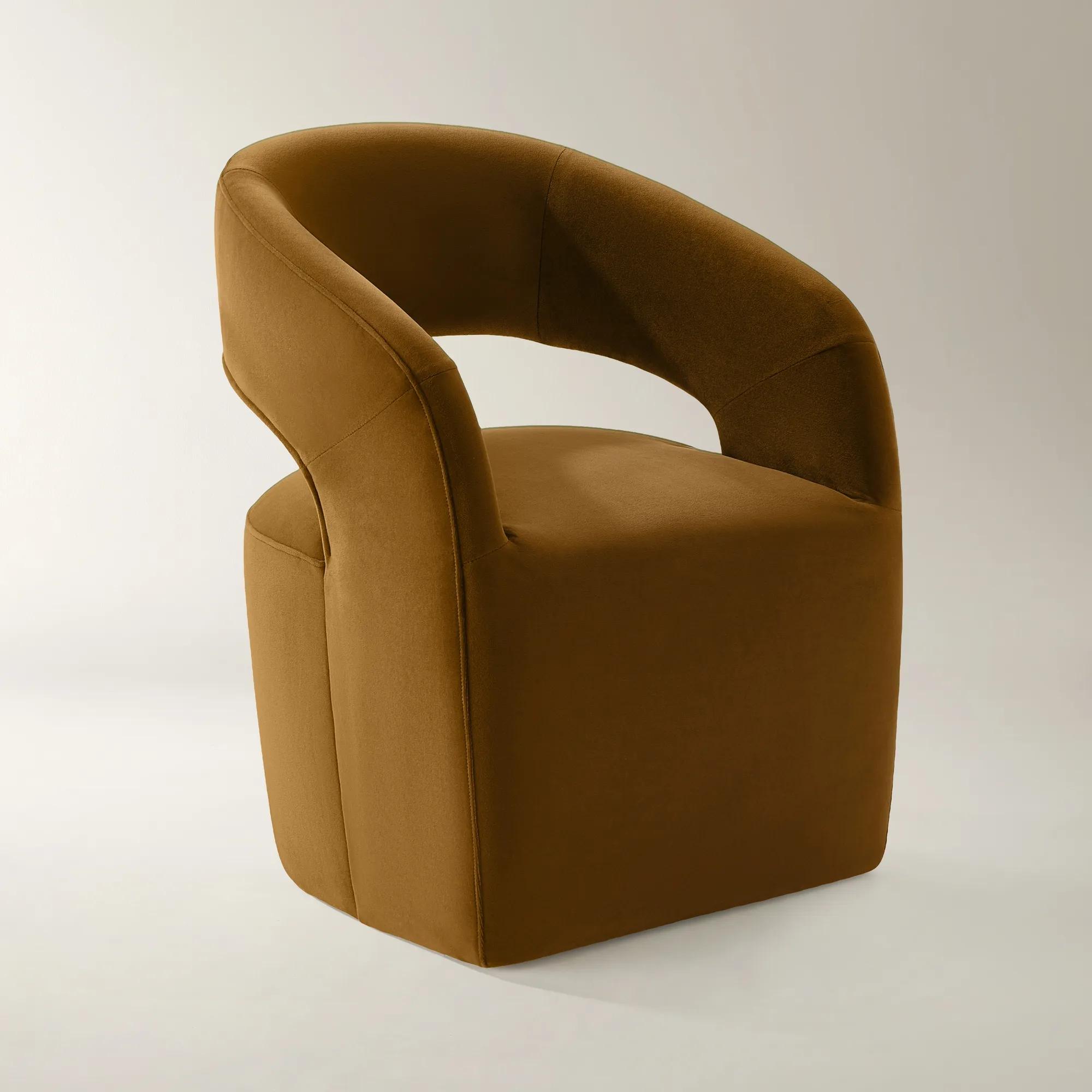 Harrison Roasted Pecan Velvet Dining Chair$499
A sculptural dining chair upholstered in roasted pecan velvet with feather-blend cushioning and integrated arms.
Add To Cart -
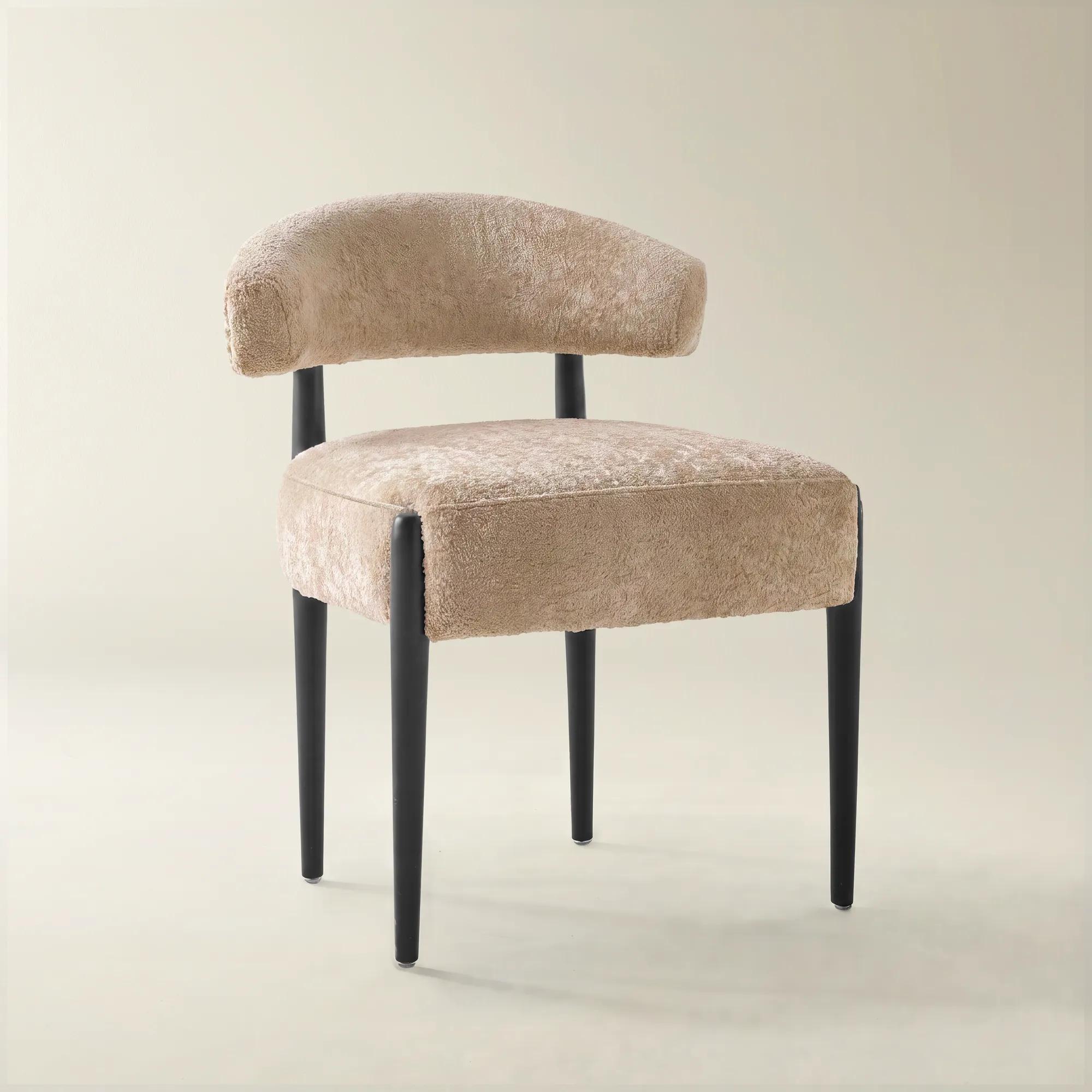
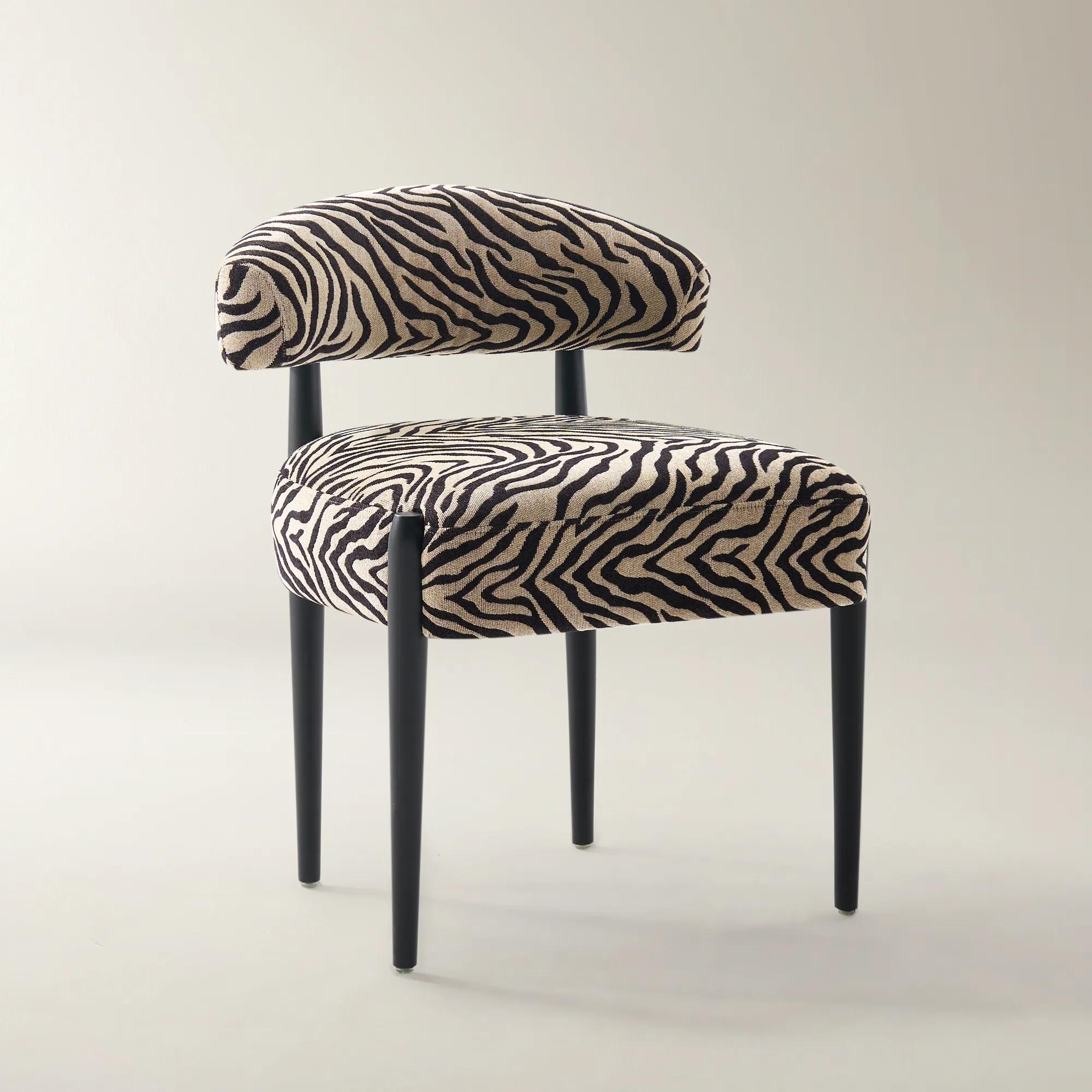 Anna Light Brown Chenille Dining Chair Set of 2$699
A light brown chenille chair set featuring arched backs, high-density foam cushioning, and solid rubberwood legs.
Add To Cart -
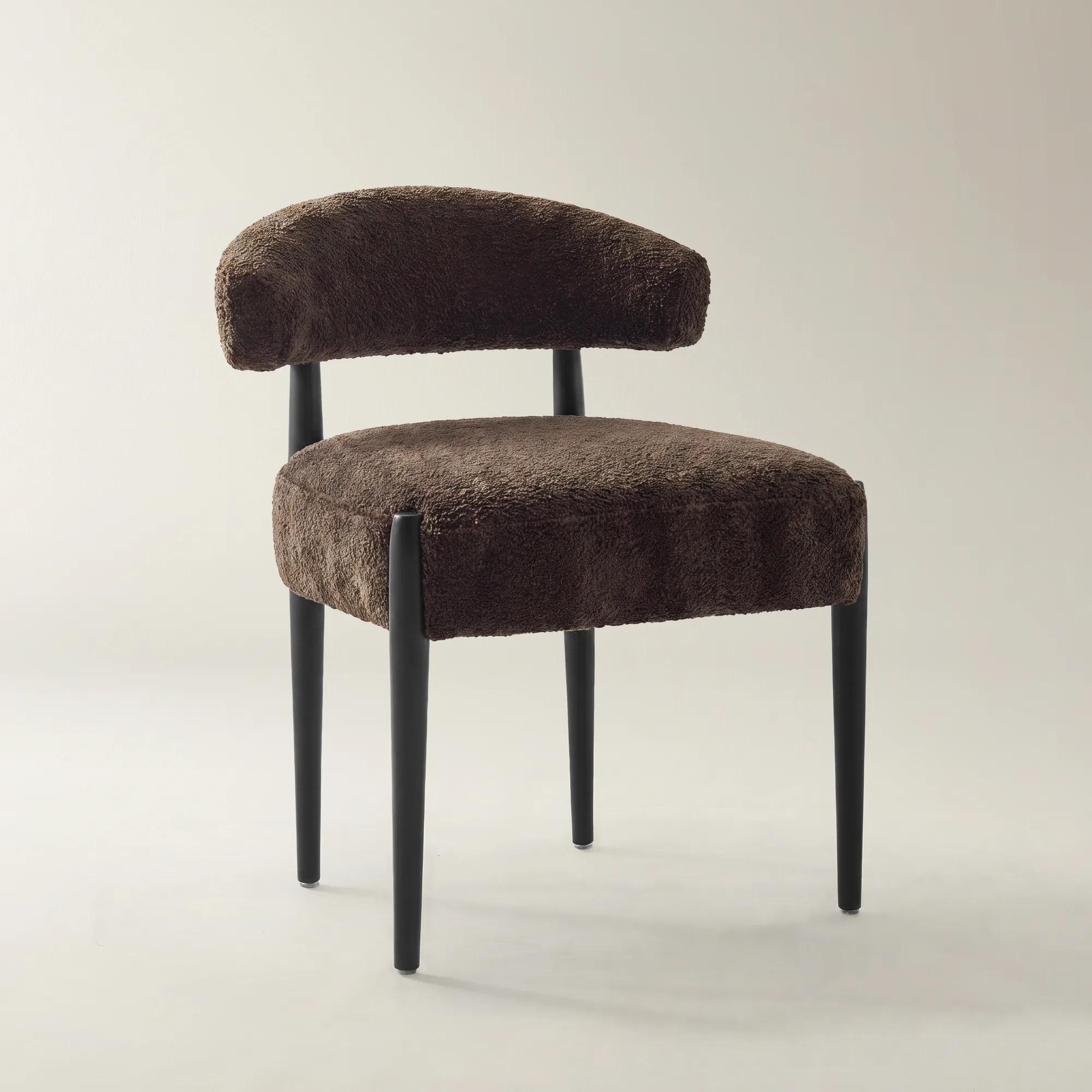 Anna Dark Chocolate Chenille Dining Chair Set of 2$699
A dark chocolate chenille chair pair featuring tailored curved backs, high-density foam, and solid rubberwood legs.
Add To Cart -
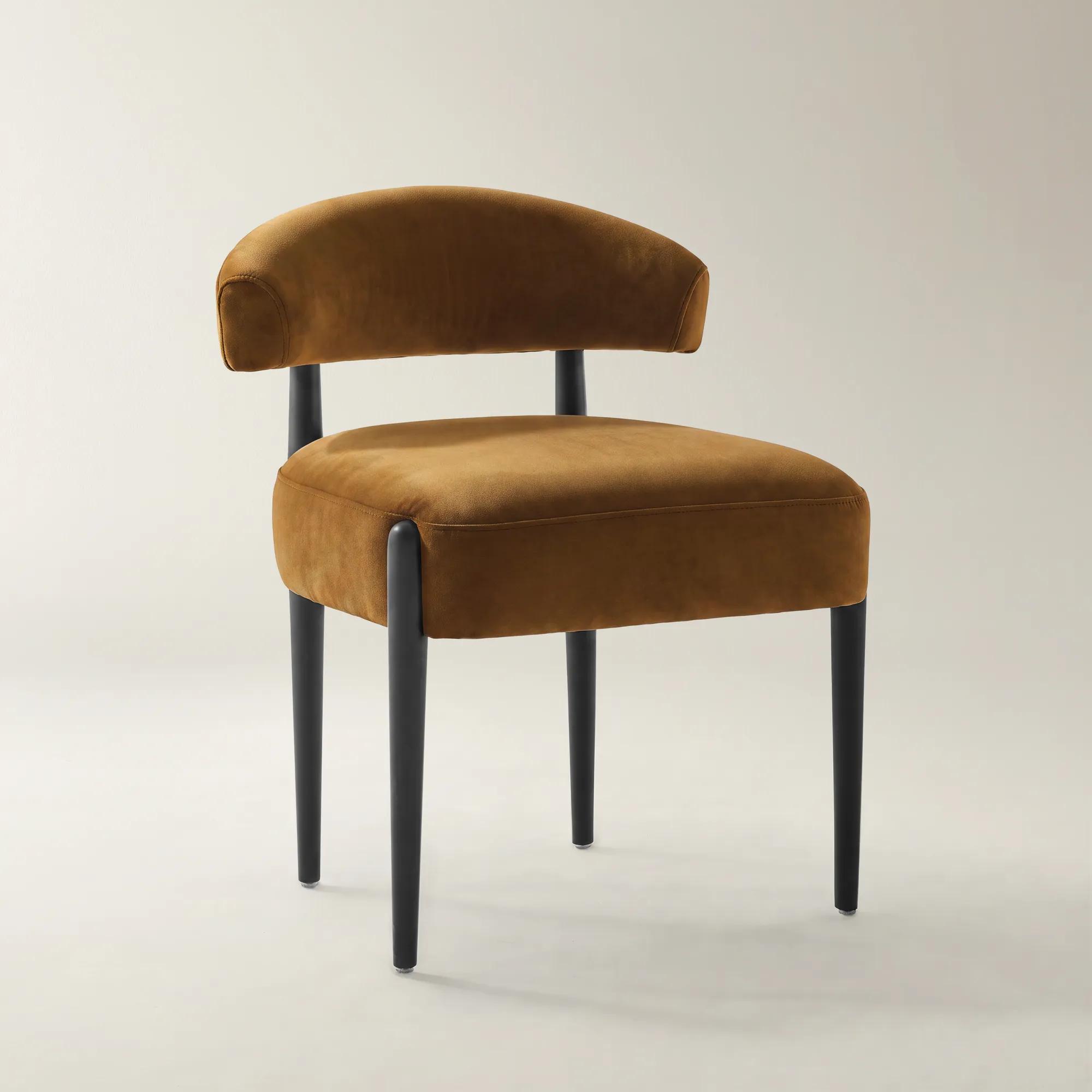 Anna Roasted Pecan Velvet Dining Chair Set of 2$699
A roasted pecan velvet dining chair set featuring a tailored curved back and high-density foam cushioning.
Add To Cart -
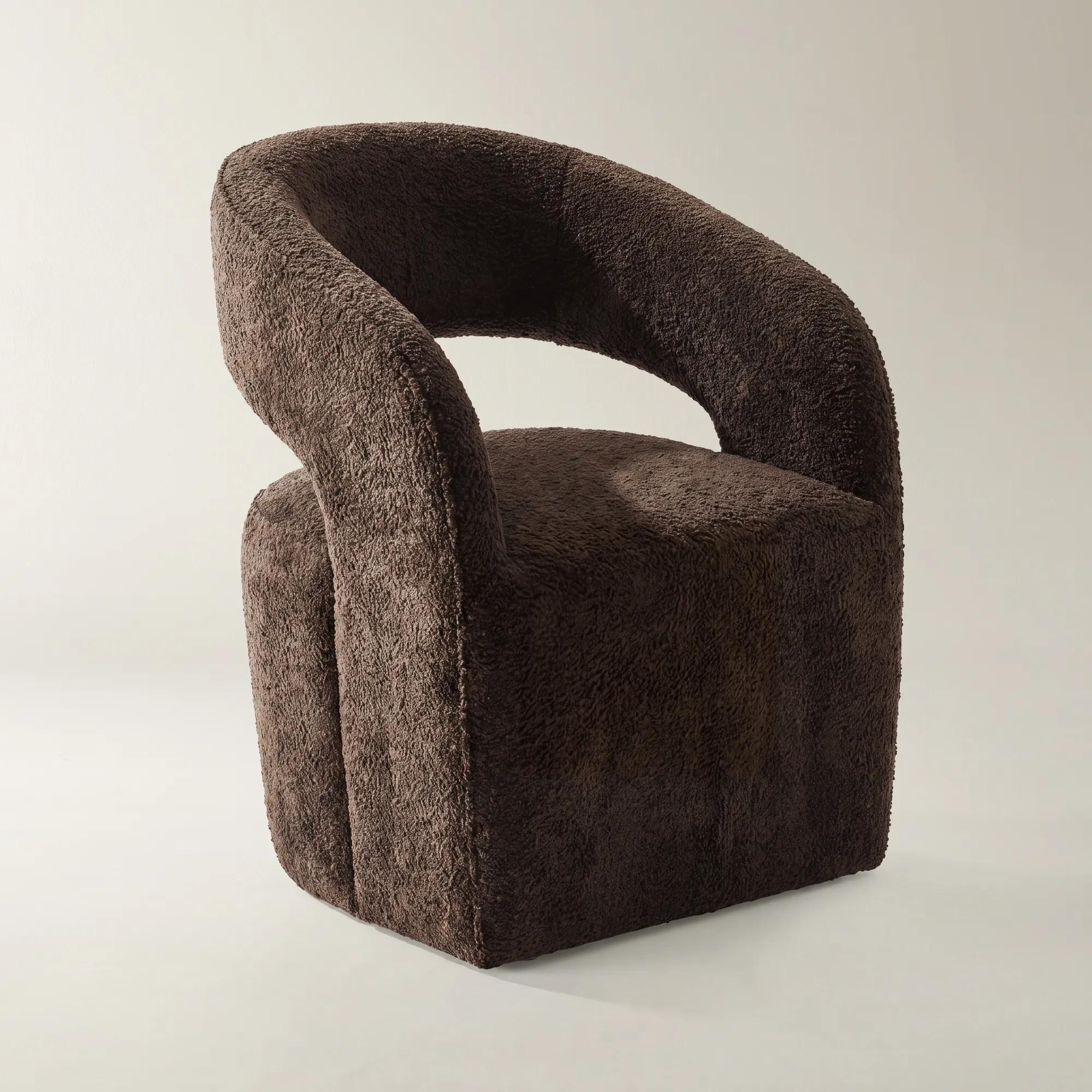 Harrison Dark Chocolate Chenille Dining Chair$499
A sculptural dining chair upholstered in dark chocolate chenille with feather-blend cushioning and curved arms.
Add To Cart -
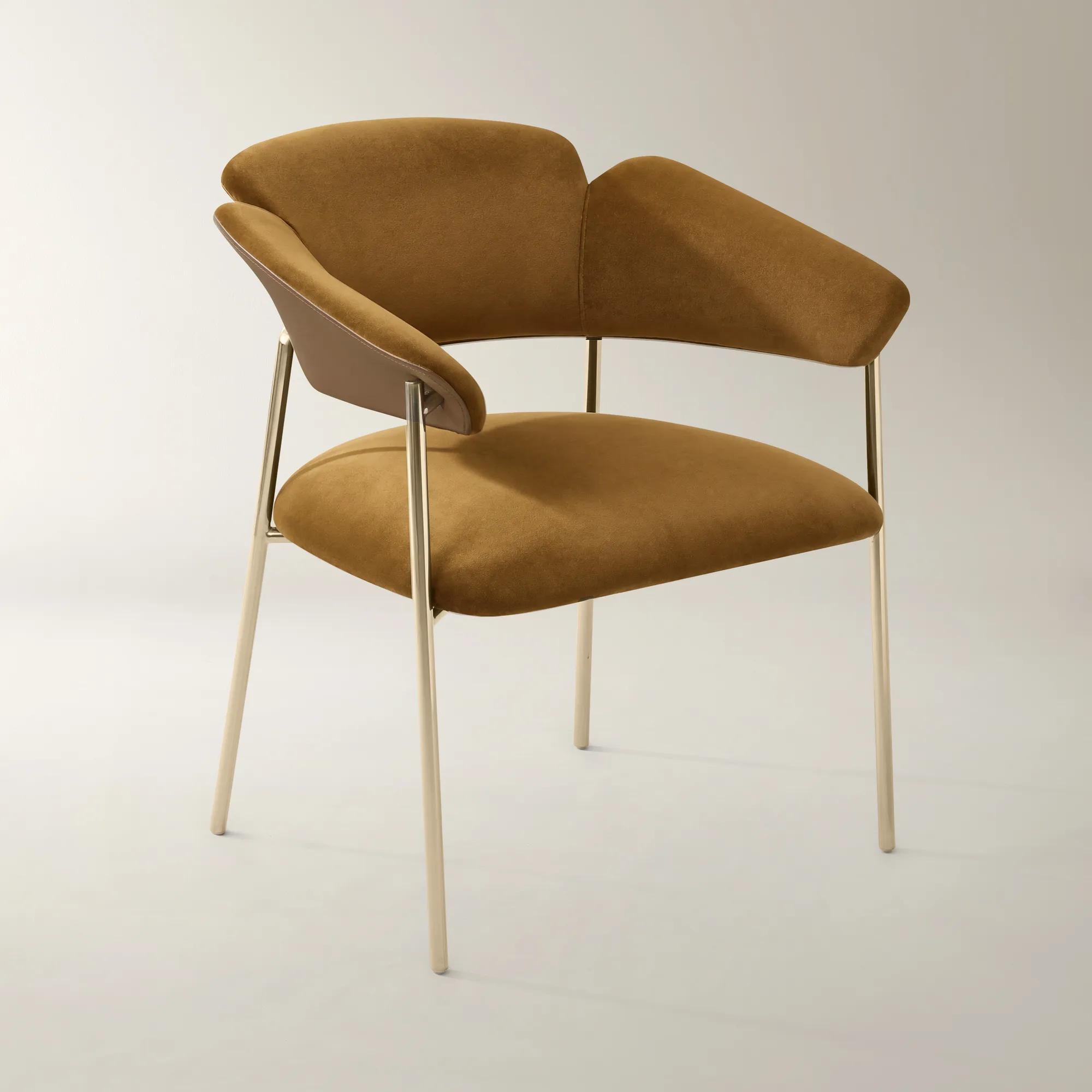 Odette Roasted Pecan Velvet Dining Chair$499
A sculptural dining chair featuring roasted pecan velvet, tonal faux leather accents, and gold stainless steel legs.
Add To Cart -
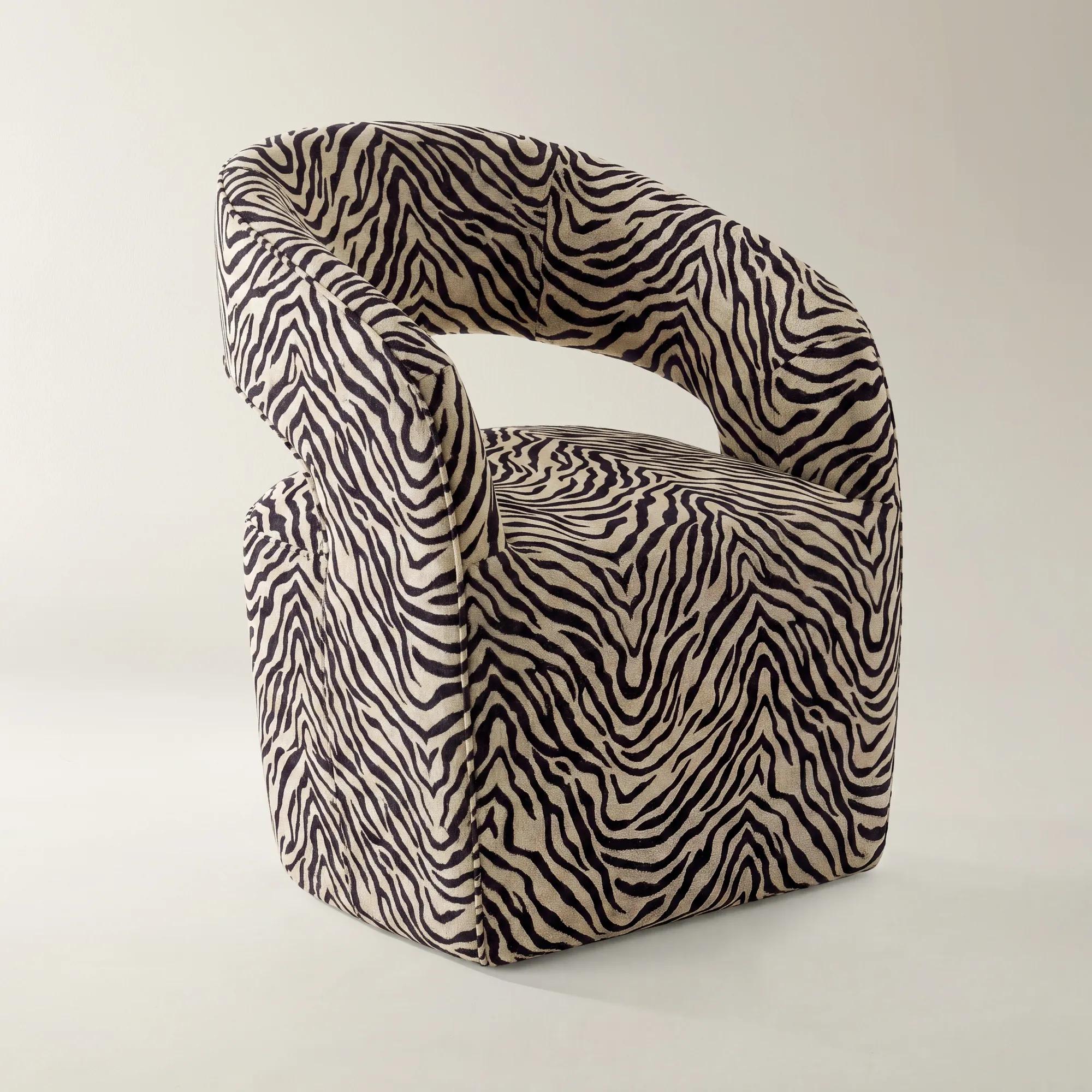 Harrison Zebra Performance Chenille Dining Chair$499
A sculptural dining chair upholstered in zebra performance chenille with a curved back and feather-blend comfort.
Add To Cart -
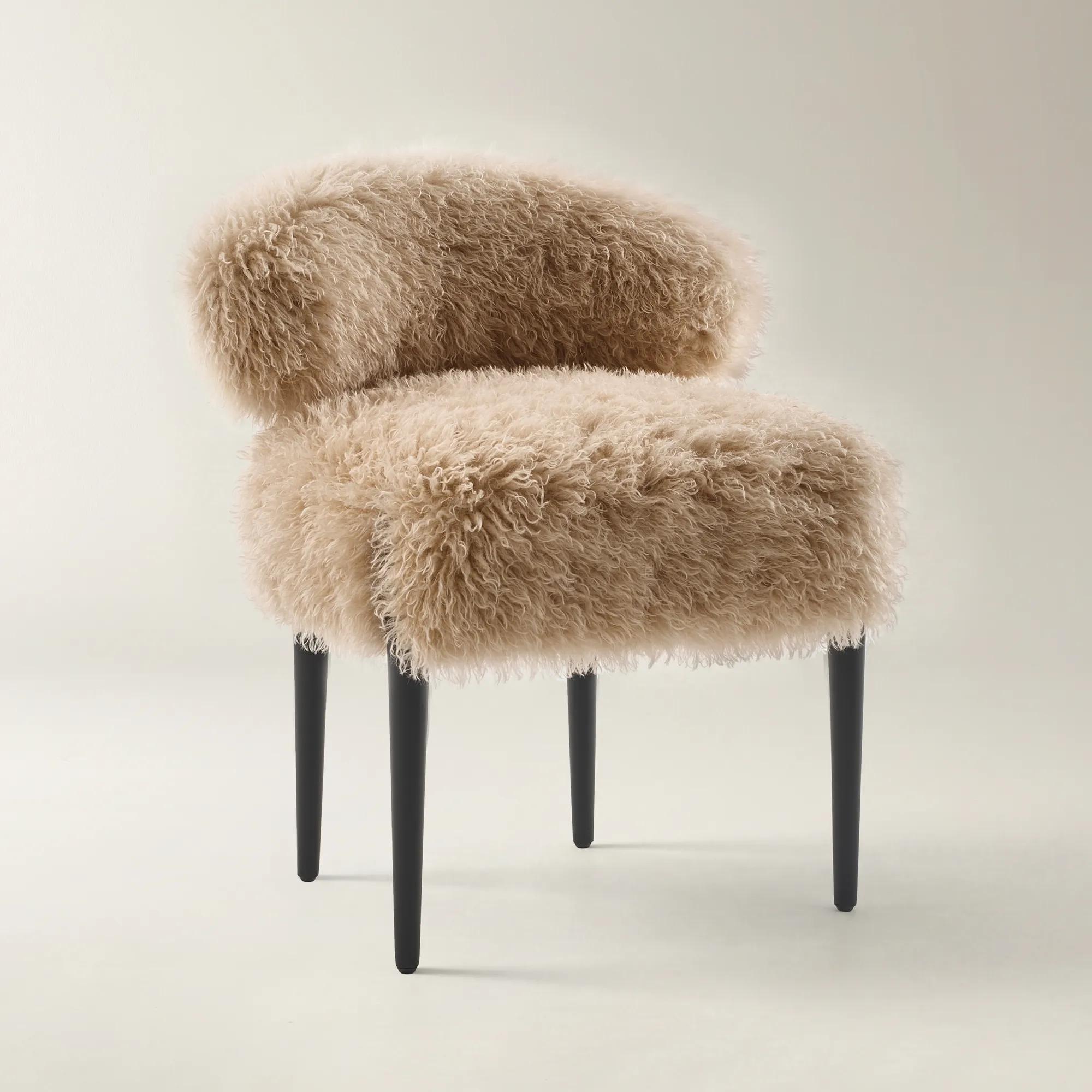 Anna Tan Faux Fur Dining Chair Set of 2$799
A tan faux fur dining chair set with curved backs, cushioned comfort, and solid rubberwood legs.
Add To Cart -
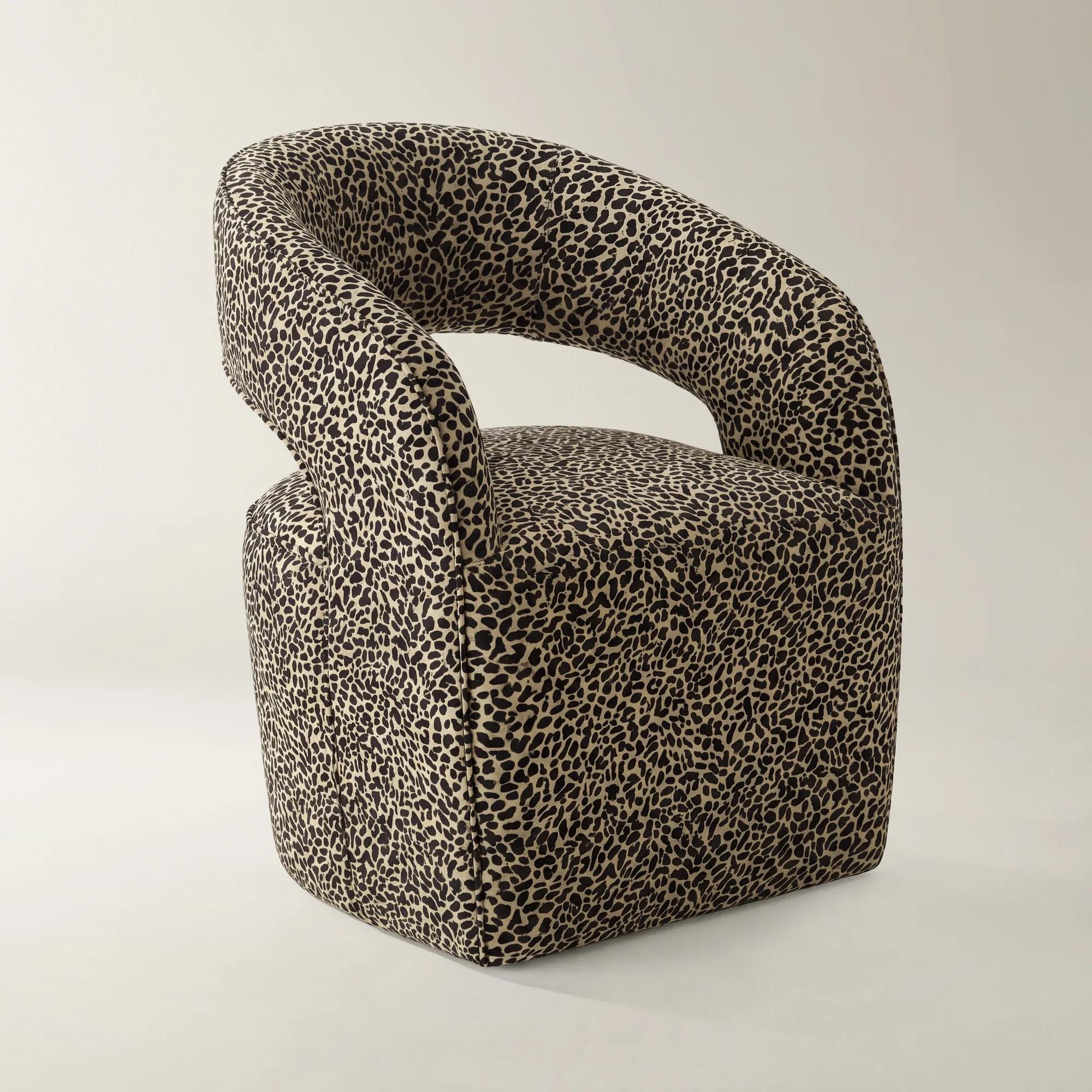 Harrison Leopard Performance Chenille Dining Chair$499
A sculptural dining chair featuring leopard performance chenille upholstery, feather-blend cushioning, and a curved silhouette.
Add To Cart -
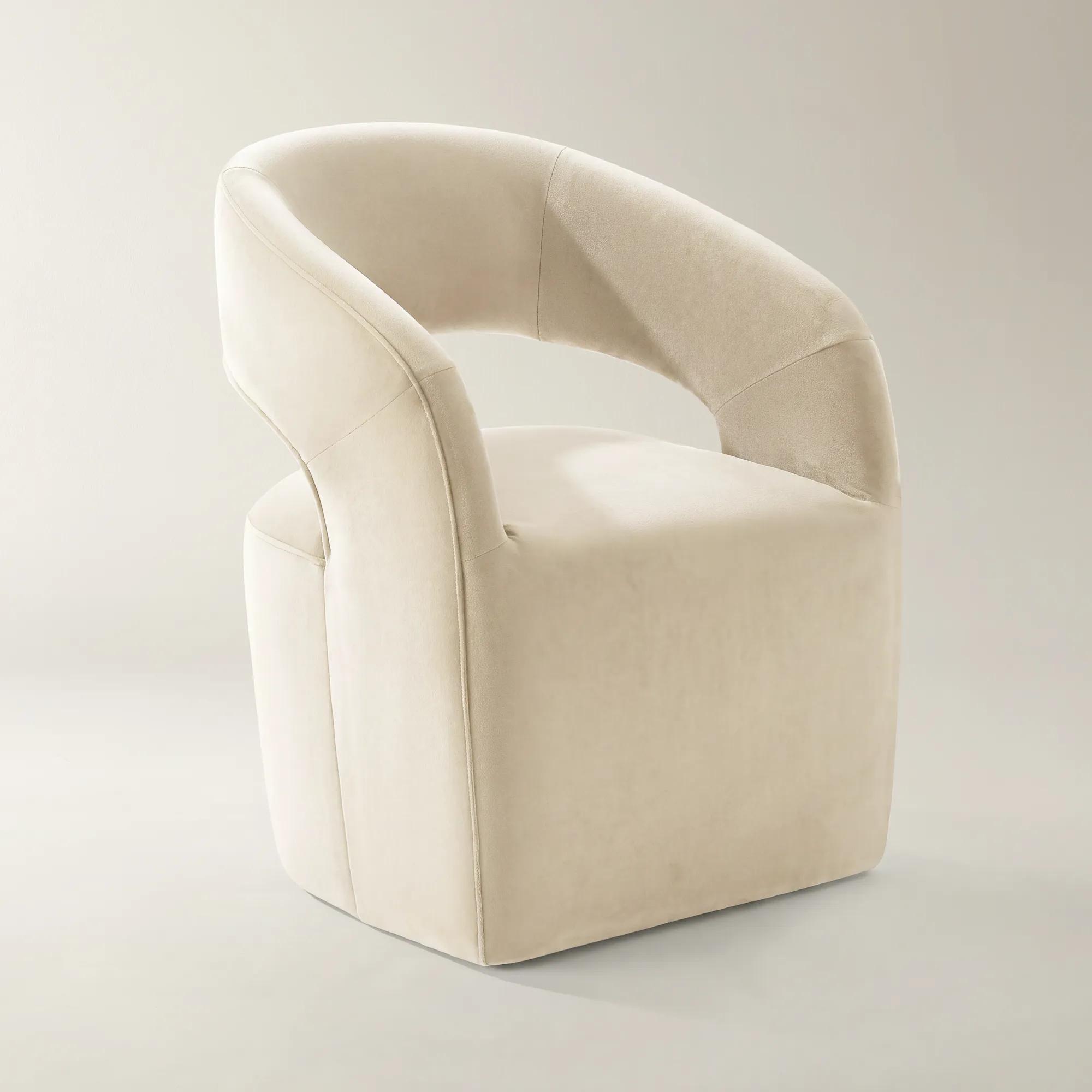 Harrison Oatmeal Velvet Dining Chair$499
A sculptural dining chair upholstered in oatmeal velvet with a curved back, feather-blend seat, and integrated arms.
Add To Cart -
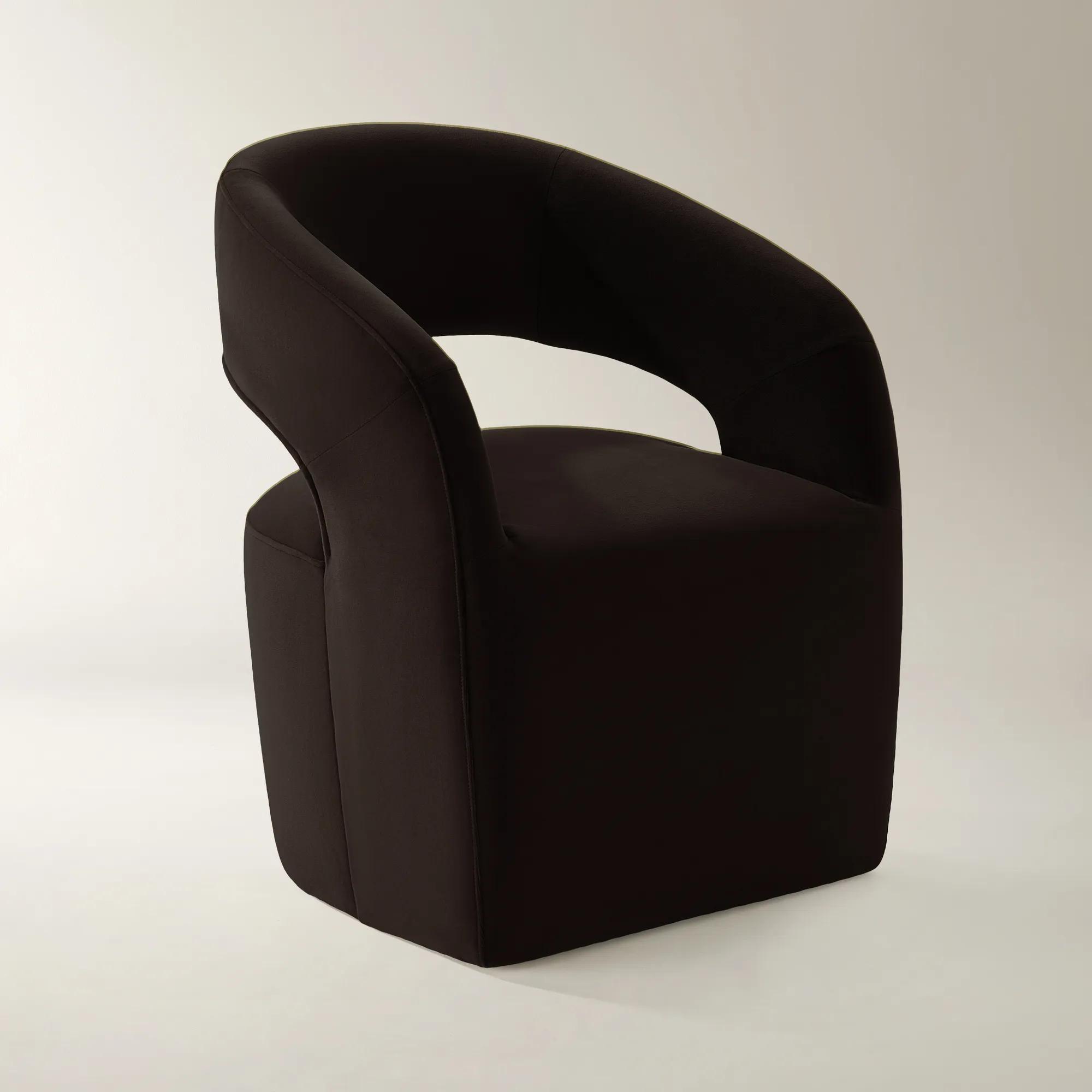 Harrison Dark Chocolate Velvet Dining Chair$499
A sculptural dining chair upholstered in dark chocolate velvet with a plush feather-blend seat and curved back.
Add To Cart -

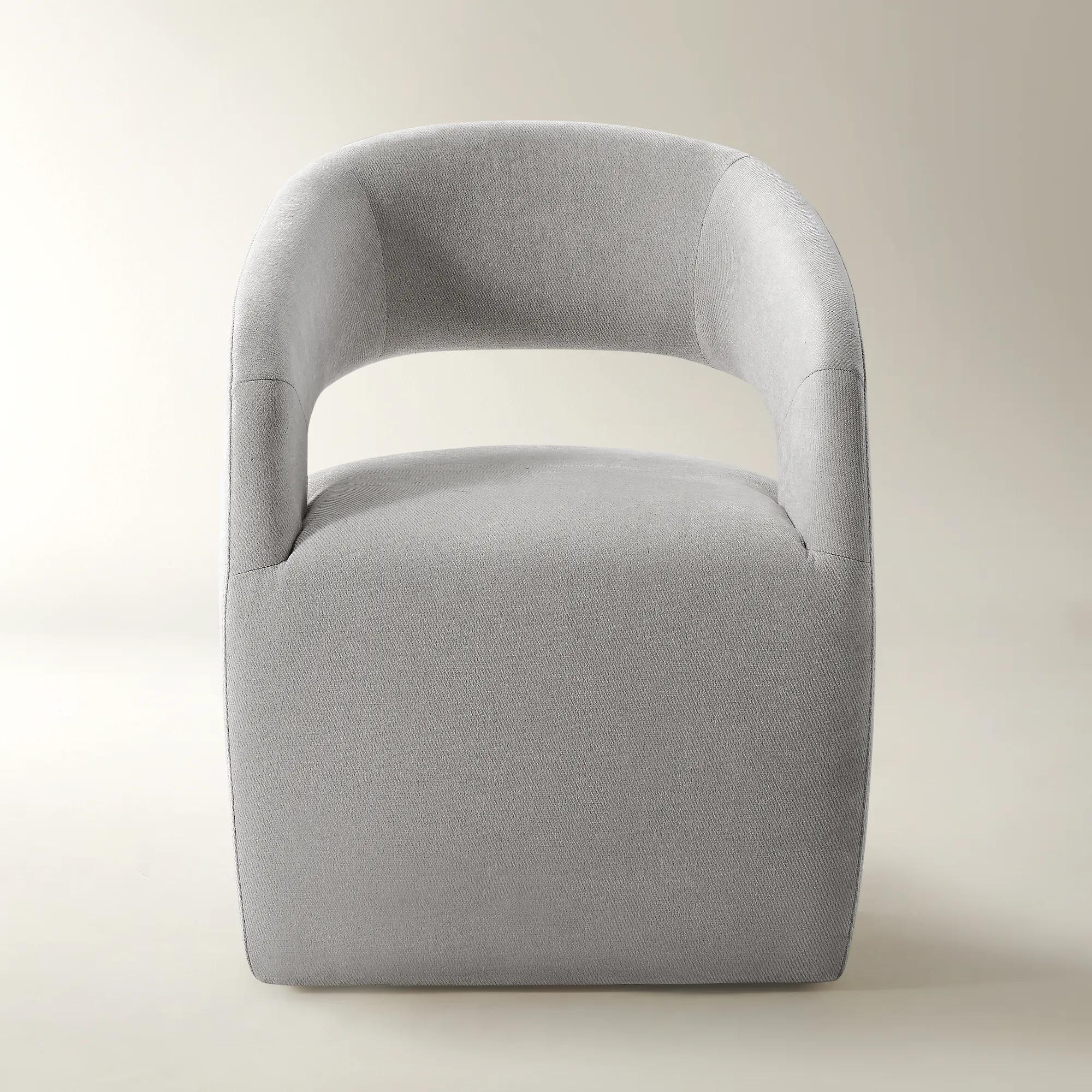 Harrison Flint Chenille Dining Chair$499
A fully upholstered flint chenille dining chair with high-density foam cushioning for superior comfort and style.
Add To Cart -
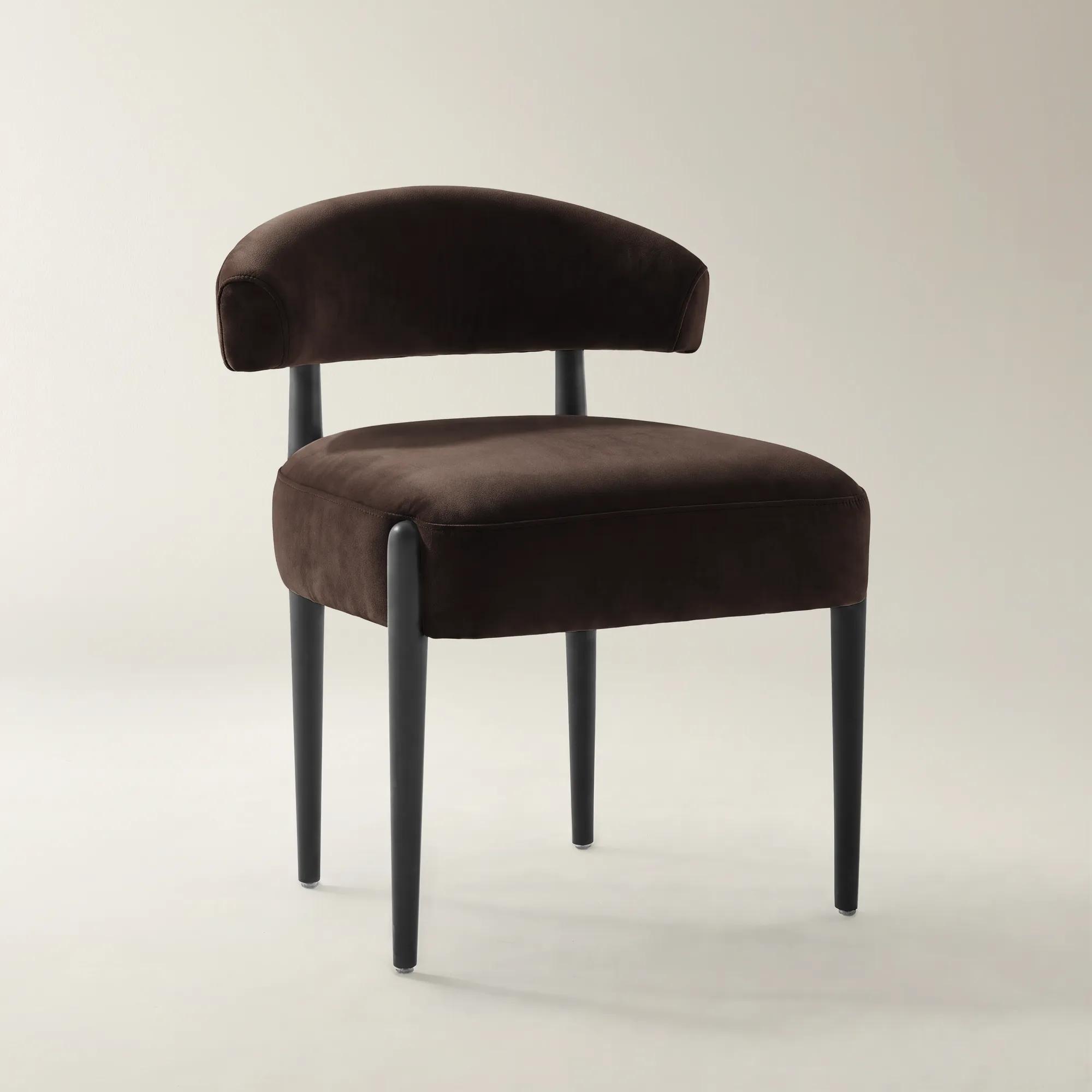 Anna Dark Chocolate Velvet Dining Chair Set of 2$699
A dark chocolate velvet dining chair set featuring an arched back, high-density foam, and solid wood construction.
Add To Cart -
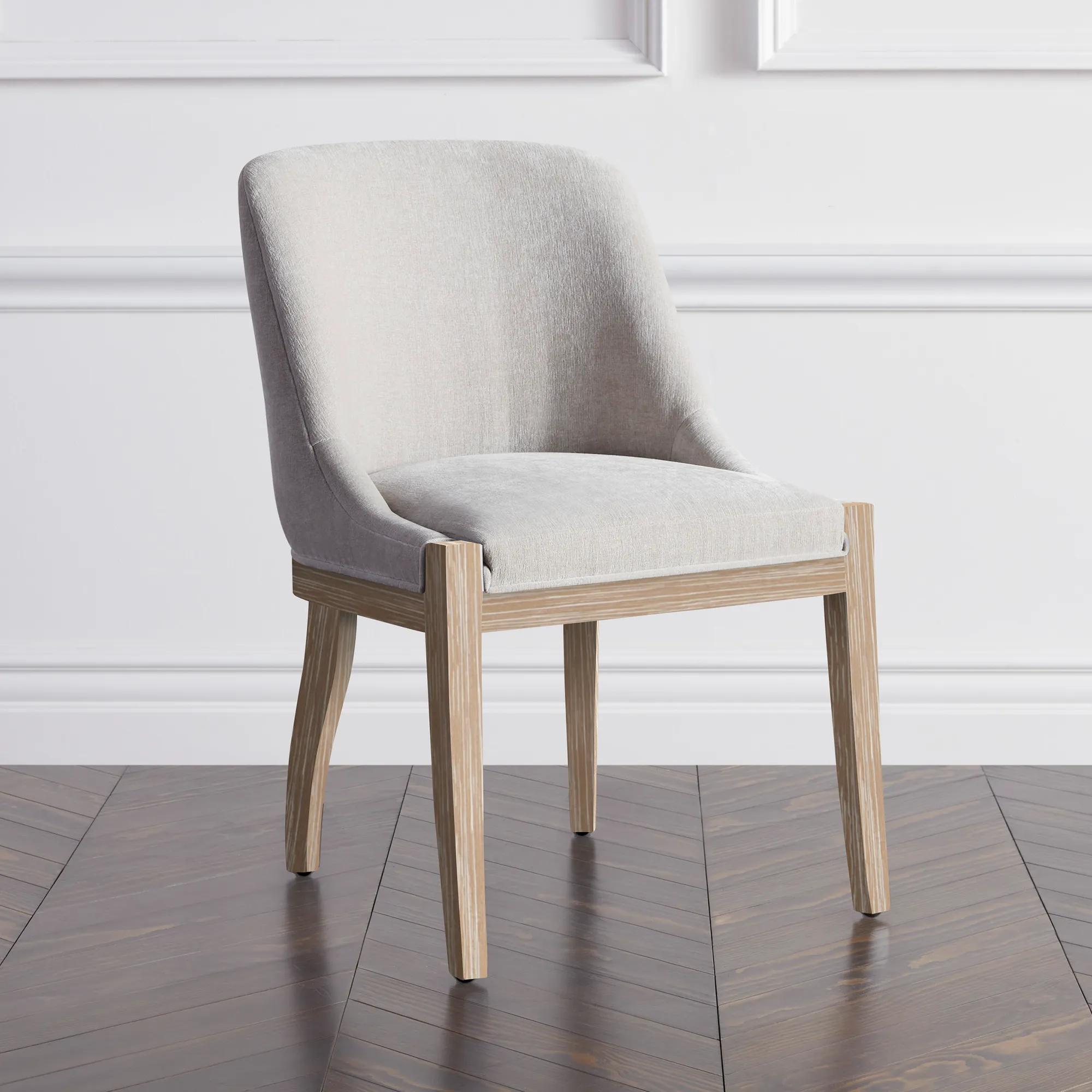
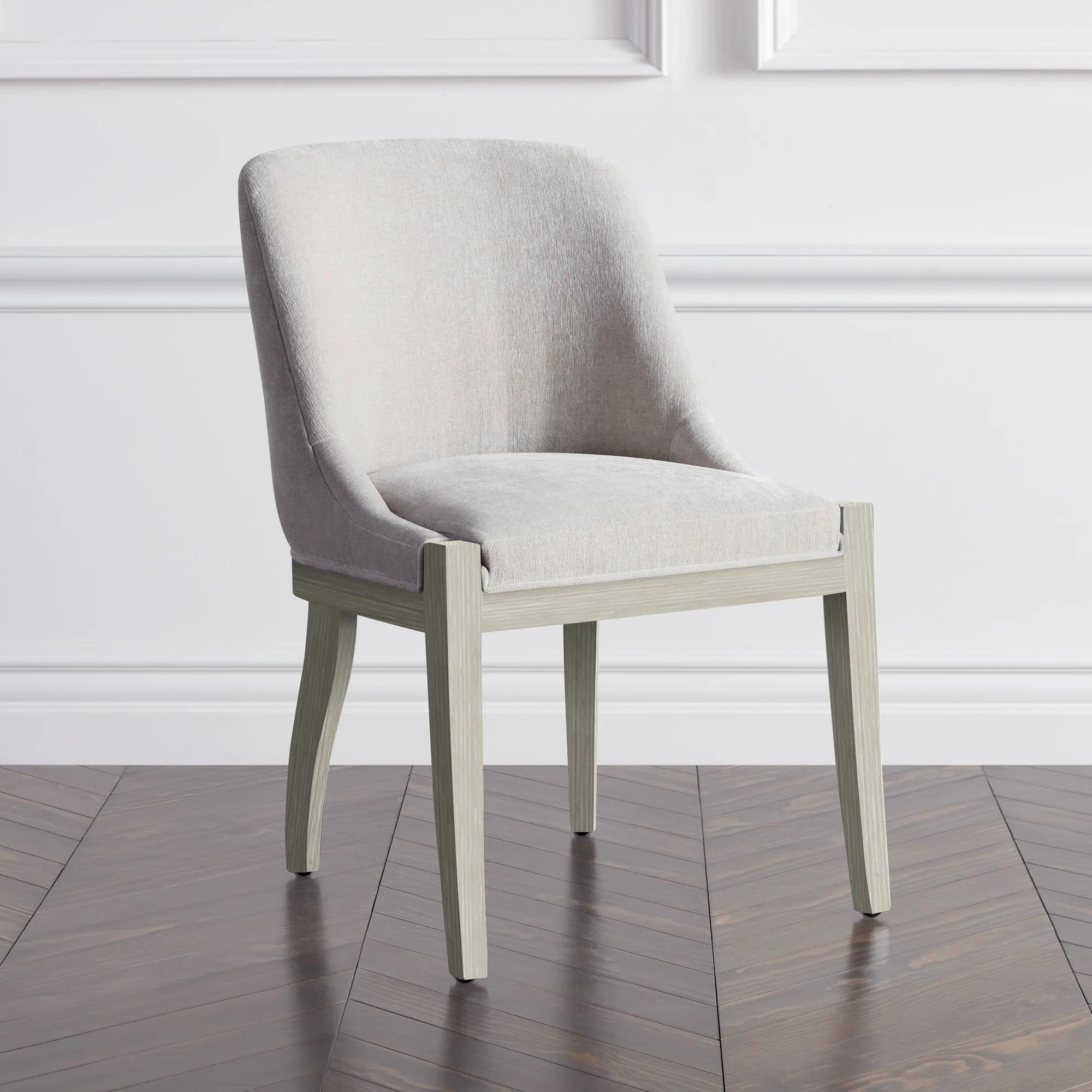
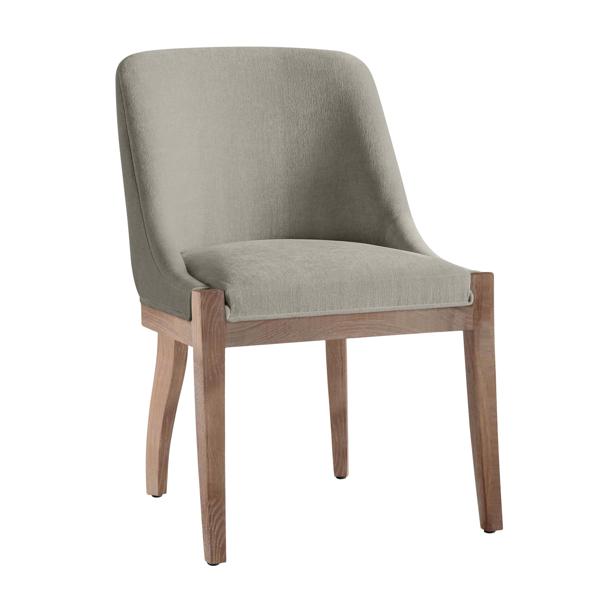 Lily Dining Chair - Wash Oak$699
A modern dining chair featuring a kiln-dried hardwood frame, wash oak legs, and tailored chenille upholstery.
Add To Cart -
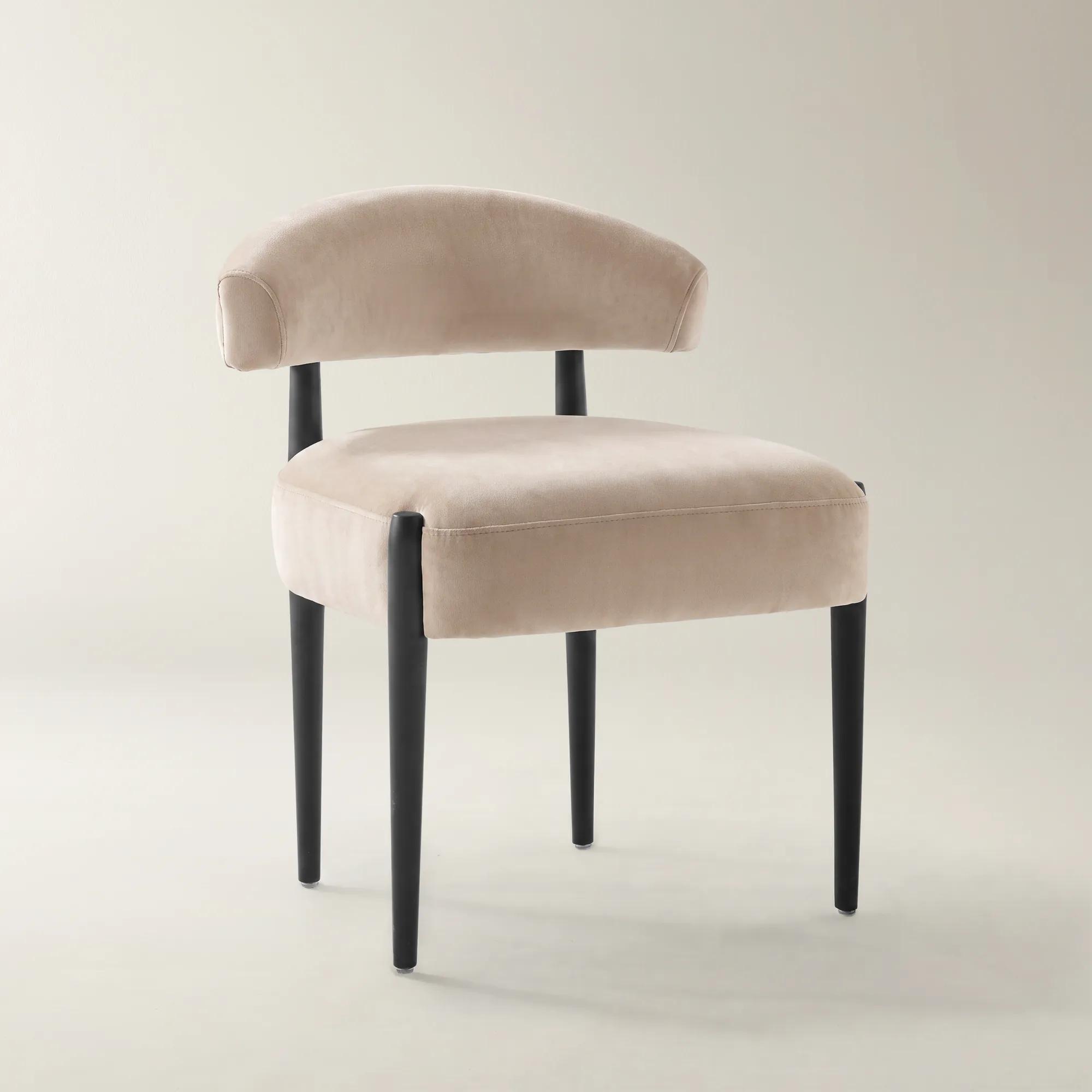 Anna Simply Taupe Velvet Dining Chair Set of 2$699
A taupe velvet dining chair featuring a tailored arched back, high-density foam cushioning, and rubberwood legs.
Add To Cart -
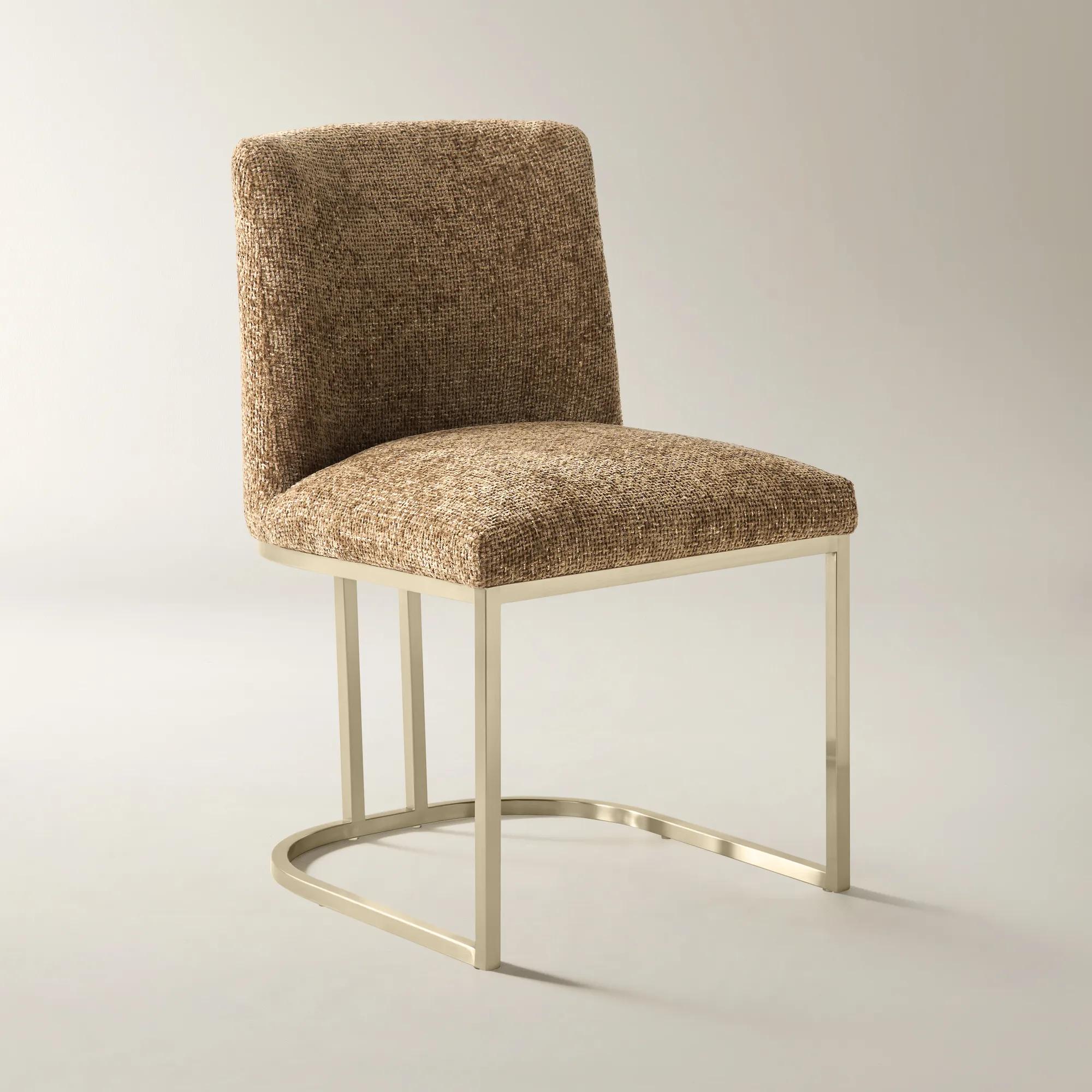 Bergen Bronze Chenille Dining Chair Set Of 2$549
A set of two dining chairs featuring bronze chenille upholstery and a sculptural brushed gold metal base.
Add To Cart

Sturdy Espresso Dining Chairs
Sturdy Espresso Dining Chairs bring a dramatic richness to the dining room, transforming every gathering into an experience of elegance and depth. Their deep, coffee-hued finish exudes sophistication, grounding your space with a sense of refined stability. Perfect for those who crave both style and substance, these chairs invite you to indulge in lavish dinners and lively conversations, all while enveloped in the warm embrace of espresso tones. Elevate your table with seating that’s as enduring as it is exquisite—where every detail speaks to confident taste and unapologetic artistry.
Sturdy espresso dining chairs bring depth, structure, and a beautifully grounded presence to the dining room. Their appeal begins with a rich brown tone that can read almost black in softer light, yet reveal warmer undertones beside a window or beneath a luminous pendant. Espresso describes a color rather than a particular wood species, so the finish alone does not establish a chair’s strength. Frame materials, joint construction, reinforcement, and any stated weight capacity are more meaningful indicators of suitability for everyday dining. Solid hardwood frames can provide a substantial foundation, while carefully constructed engineered wood components may contribute dimensional stability in certain designs. The quality of the complete frame matters more than any single material claim. Well-fitted joints, secure seat connections, and bracing between the legs can help a dining chair withstand the repeated movement of being pulled out, occupied, and returned to the table. Mortise-and-tenon or doweled joints are construction details worth noting when specified, although no joint type guarantees durability without sound execution. A substantial silhouette may suggest strength, but a chair’s appearance and weight are not substitutes for construction information. Beyond those practical distinctions, espresso offers remarkable decorative range. Visible grain brings organic character to a tailored dining space, while a smoother, more uniform finish emphasizes sculptural lines and a polished silhouette. Straight legs and an architectural back create a composed profile; curved backs and upholstered seats introduce a softer counterpoint. The result can feel commanding without becoming visually heavy, especially when the surrounding room includes reflective surfaces, pale textiles, or art with generous negative space. For households that gather around the table daily, the most compelling chairs balance that expressive presence with stable construction and comfortable proportions. They should feel as appropriate beneath a carefully arranged centerpiece as they do beside a breakfast plate, giving everyday rituals the same sense of intention as an evening of entertaining.
The right proportions allow espresso dining chairs to frame a table gracefully rather than crowd it. Seat height, seat width, overall depth, and arm height all influence how comfortably a chair works within a particular dining arrangement. For a standard-height dining table, roughly 10 to 12 inches between the seat surface and the tabletop is a common starting point, with the table’s underside and apron also requiring attention. An upholstered seat may compress when occupied, and a thick apron can limit thigh clearance even when the listed heights initially appear compatible. Armchairs need enough clearance to slide beneath the table if a tucked-in arrangement is part of the desired look. At a pedestal table, the shape of the base affects footroom; at a table with corner legs, those legs can reduce the usable width for seating. These details become especially noticeable when several people sit down together, pass serving dishes, or linger over conversation. A generous chair deserves sufficient elbow room, while a more streamlined profile can preserve breathing space in a compact dining area. Back shape matters, too: a supportive curve and a seat depth suited to the people using the chair can make extended meals more comfortable. Upholstery adds another layer of expression, from the quiet texture of a woven fabric to the dimensional richness of velvet or the tailored finish of leather. Each material has distinct care requirements, and any performance claims should be confirmed in the specifications. Visually, a palette centered on Dark Espresso Dining Chairs can take several directions. Cream upholstery and pale stone create luminous contrast, while warm wood tones produce a layered, enveloping room. Brushed brass accents lend warmth; clear glass and polished metal introduce lightness around the darker frames. When coordinating with an existing table, matching undertones often creates greater harmony than pursuing an exact color match. A slightly varied wood palette can feel collected and deliberate when the silhouettes share a consistent level of refinement.
Durability also depends on how dining chairs are used and maintained after they become part of the room. Espresso finishes can give everyday seating a beautifully tailored appearance, but dark surfaces may make pale dust, scratches, or edge wear more noticeable. Routine dusting with a soft cloth helps preserve the finish’s clarity, while prompt attention to spills keeps moisture from lingering around joints or beneath seat cushions. Manufacturer care instructions should determine which cleaners are suitable; abrasive products, harsh solvents, and excessive water can damage finishes or upholstery. For fabric seats, regular gentle vacuuming helps remove crumbs and surface debris before they settle into seams. Spills generally call for blotting rather than rubbing, followed by the treatment appropriate to the upholstery’s cleaning code. Leather and faux leather require different care, so a product intended for one should not automatically be used on the other. Felt pads compatible with the floor surface can soften movement and reduce abrasion, provided they are checked and replaced as they wear. Lifting a chair when moving it a significant distance avoids unnecessary strain from dragging, and keeping all four legs on the floor protects both balance and the frame. Where assembly hardware is present, periodic checks in accordance with the manufacturer’s directions help maintain secure connections. Direct sunlight and prolonged exposure to moisture may affect some finishes, making placement part of long-term care as well as room design. For homes with children, frequent dinner guests, or a dining area that also hosts homework and conversation, accessible cleaning surfaces and clearly stated use limits can be particularly valuable. Chairs intended for indoor residential dining should not be assumed suitable for outdoor settings or commercial demands. A well-considered dining arrangement brings these practical realities together with a distinct aesthetic point of view: deep espresso framing the table, tactile seating inviting guests to settle in, and enough space for the gathering to unfold comfortably. The strongest impression comes from that balance of visual drama, thoughtful scale, and construction suited to the way the room is truly lived in.
FAQs
Espresso dining chairs feature a deep, rich finish that pairs effortlessly with a wide range of décor—from classic elegance to contemporary chic. Their timeless hue acts as a neutral base, allowing you to experiment with bold table settings, vibrant textiles, or metallic accents, making them a versatile foundation for any dining space.
To preserve the luxurious sheen of espresso-finished chairs, dust them regularly with a soft cloth and avoid harsh chemicals. For occasional deeper cleaning, use a damp, lint-free cloth followed by a dry wipe. Place chairs away from direct sunlight to prevent fading, and consider felt pads on the legs to protect both the chair and your flooring.
Absolutely. The rich espresso finish and robust construction lend an air of sophistication to formal dinners, while their comfort and durability make them equally at home in relaxed, everyday meals. Their adaptability allows them to transition seamlessly between intimate gatherings and festive celebrations.
Premium espresso dining chairs are often crafted from solid hardwoods such as oak, maple, or rubberwood, ensuring both strength and longevity. Upholstered seats may feature sumptuous fabrics or luxe faux leathers, adding a layer of comfort and visual intrigue to the sturdy wooden frame.
Yes, sturdy espresso dining chairs make a thoughtful and enduring gift for milestones like weddings, housewarmings, or anniversaries. Their timeless appeal and practical elegance ensure they become cherished pieces, woven into the fabric of countless shared moments and celebrations.