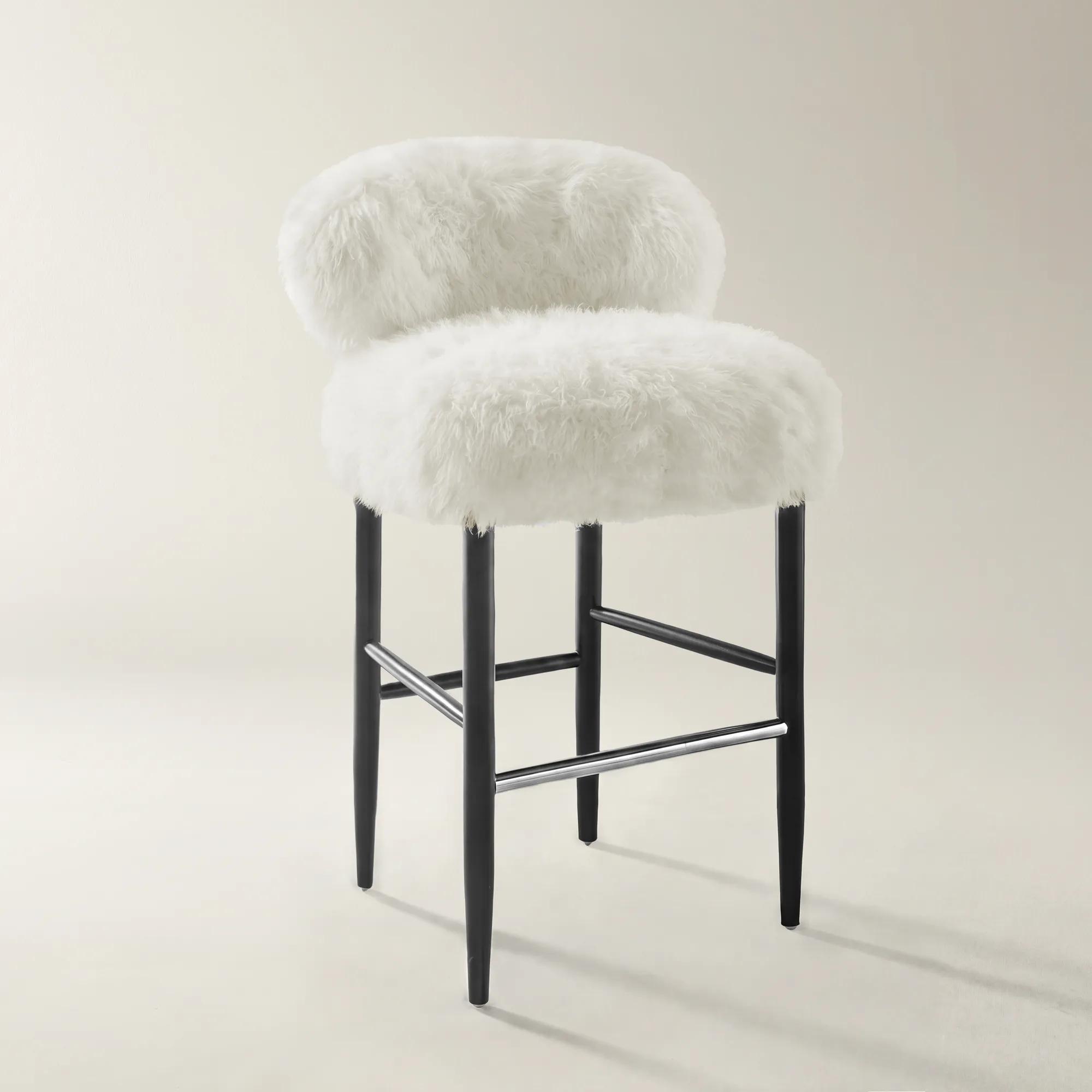
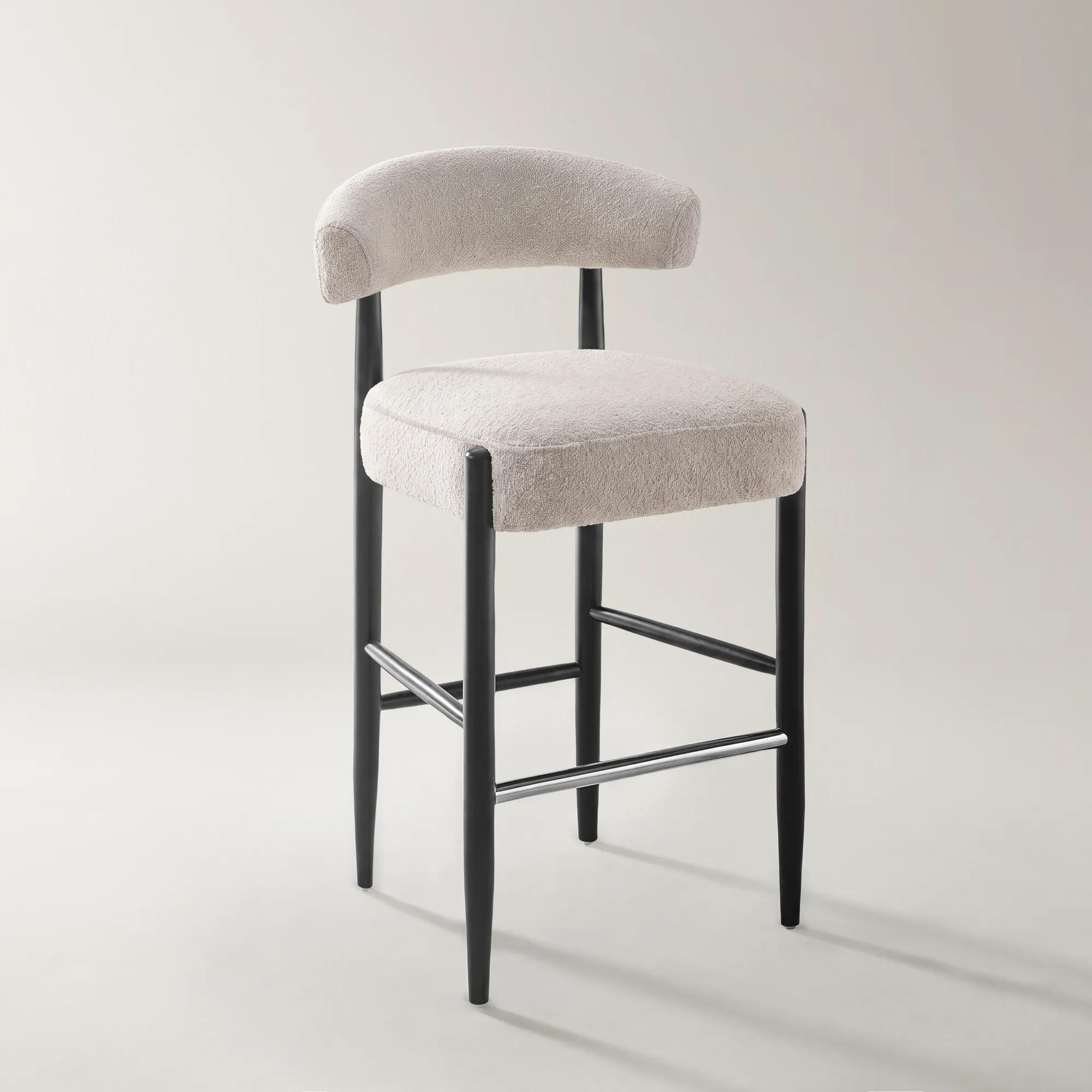
Modern Espresso Dining Chairs
Modern Espresso Dining Chairs
-
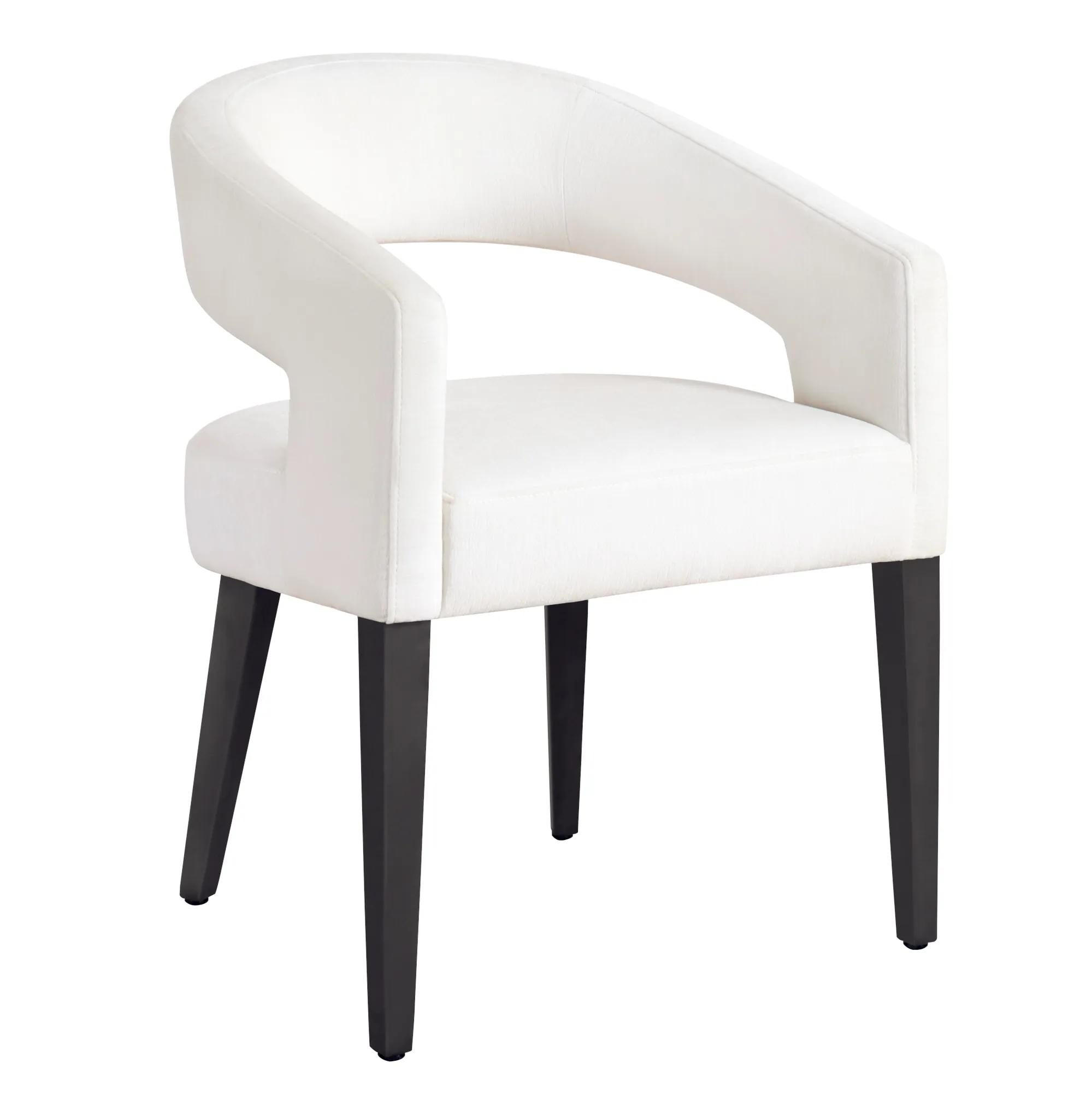
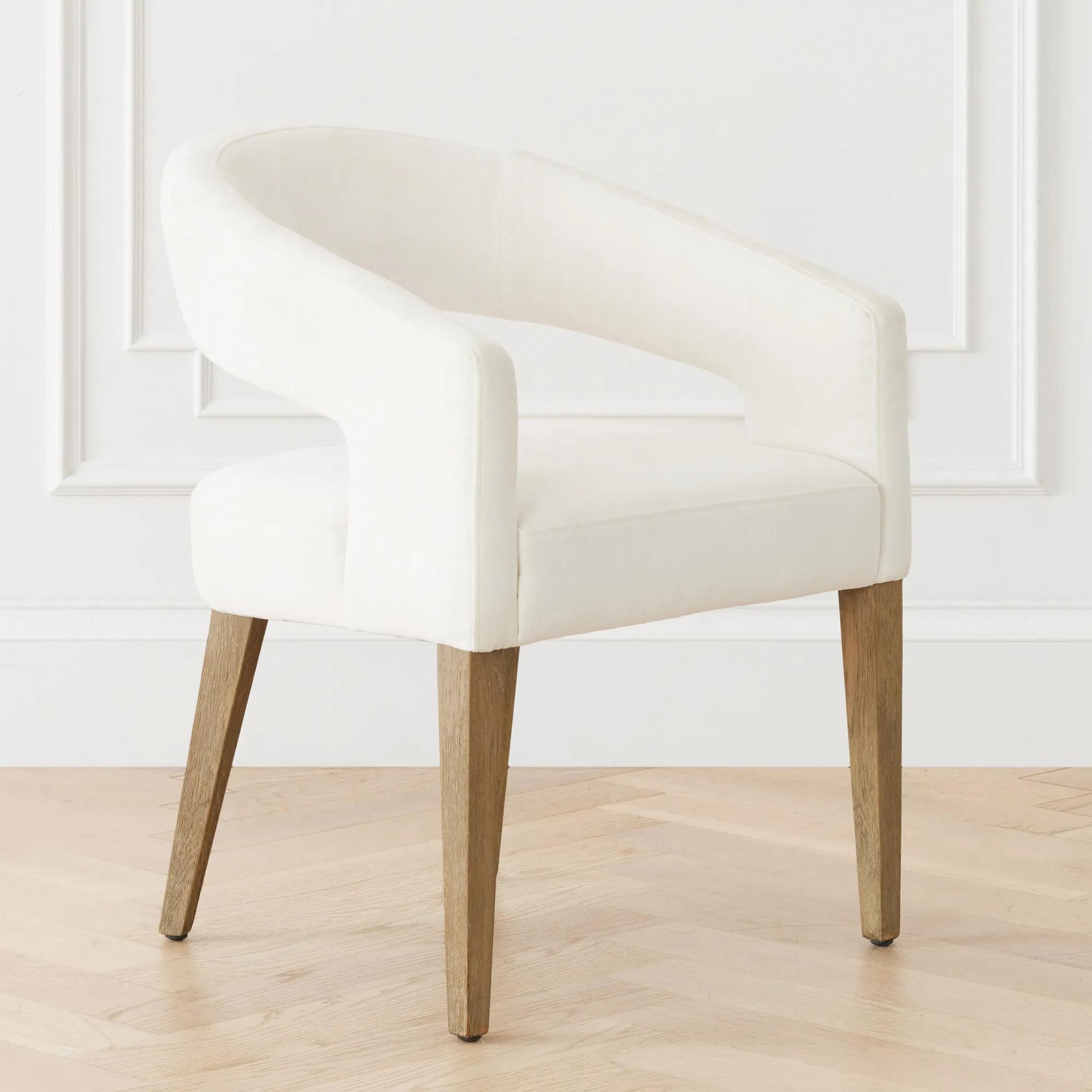
 Philippa Dining Chair - Espresso$699
A modern dining chair featuring a curved silhouette, espresso legs, and neatly tailored chenille upholstery.
Add To Cart -
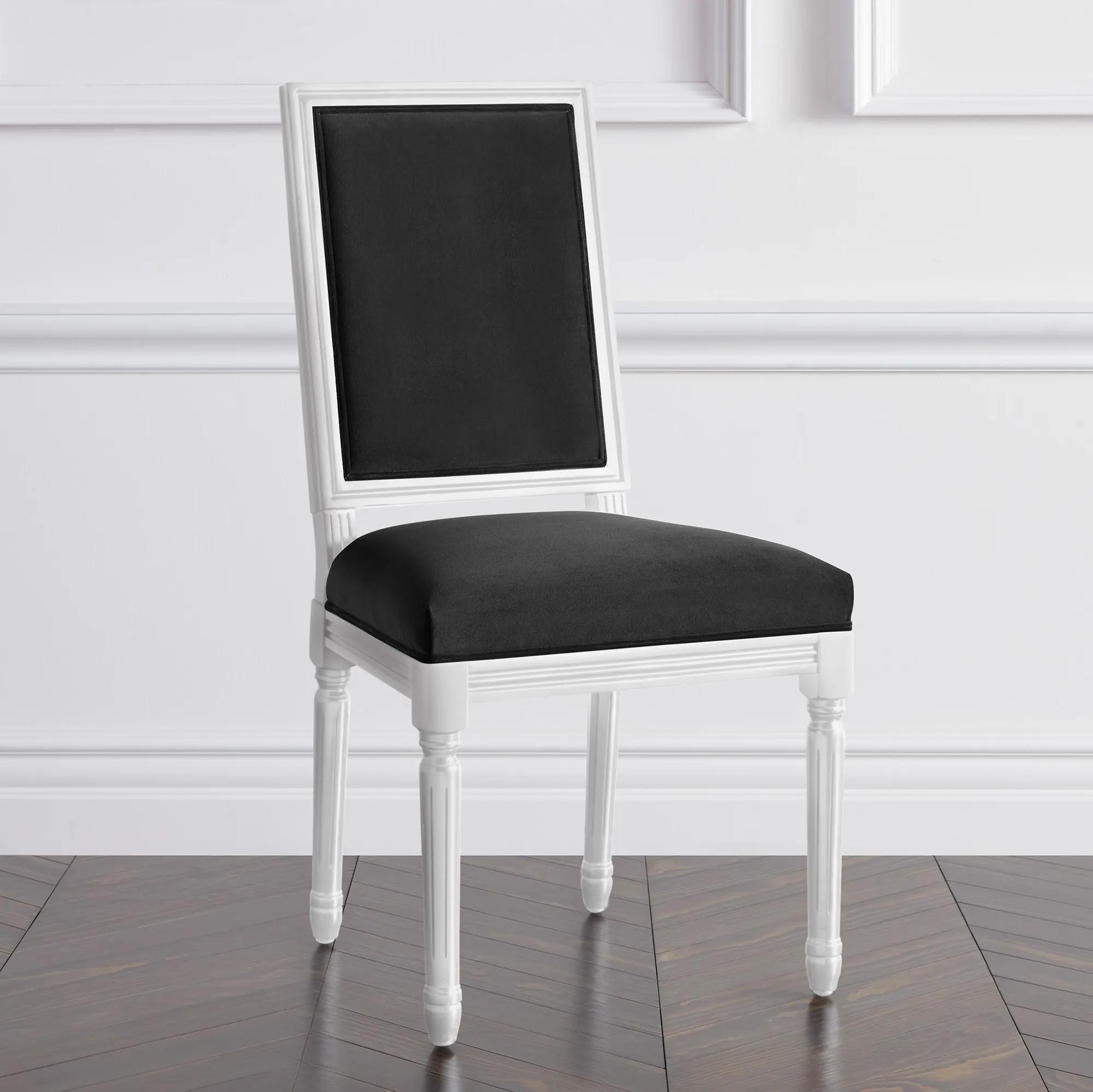
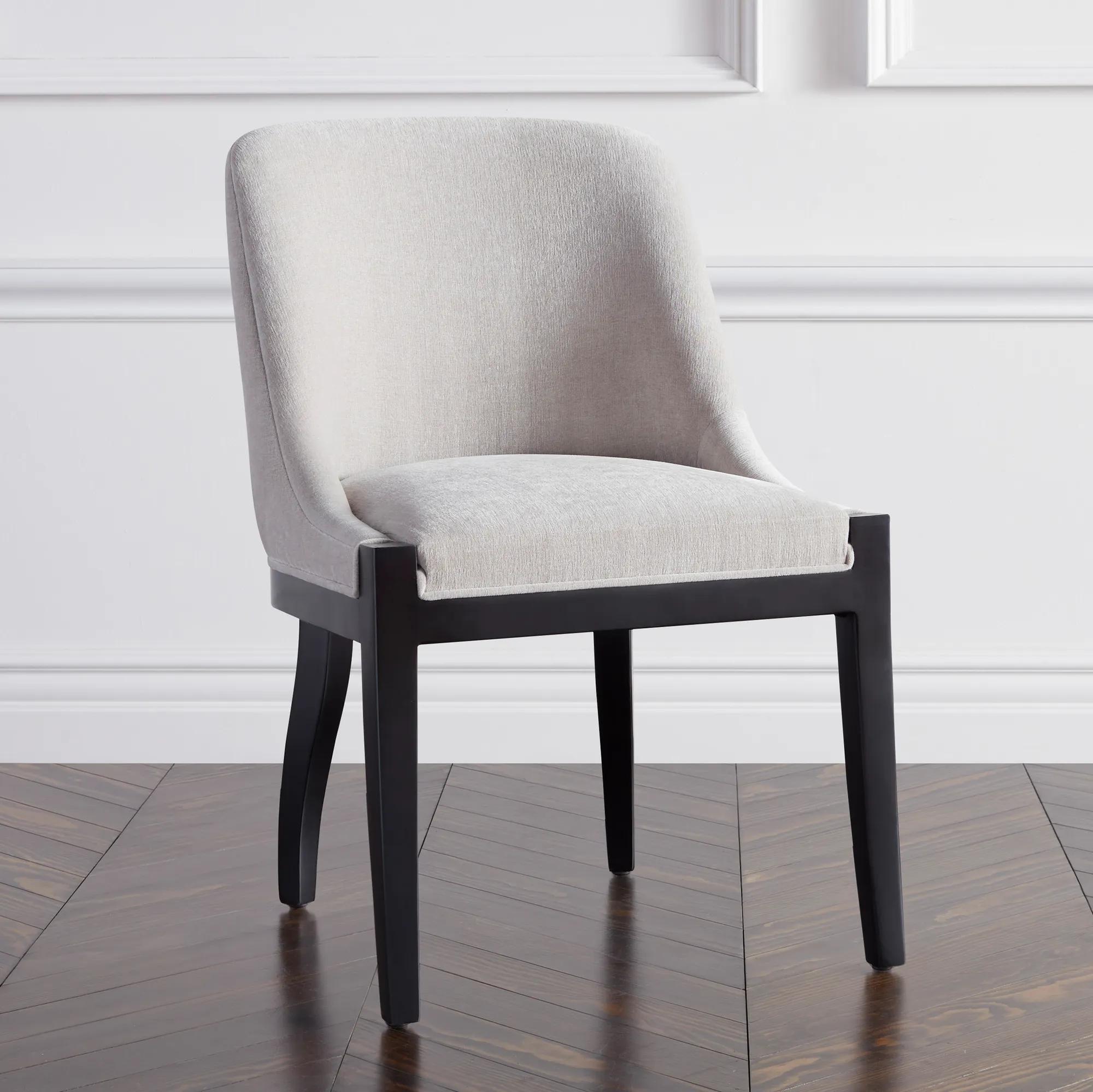 Lily Dining Chair - Matte Black$599
A modern dining chair featuring a kiln-dried hardwood frame and plush, tailored upholstery in matte black.
Add To Cart -
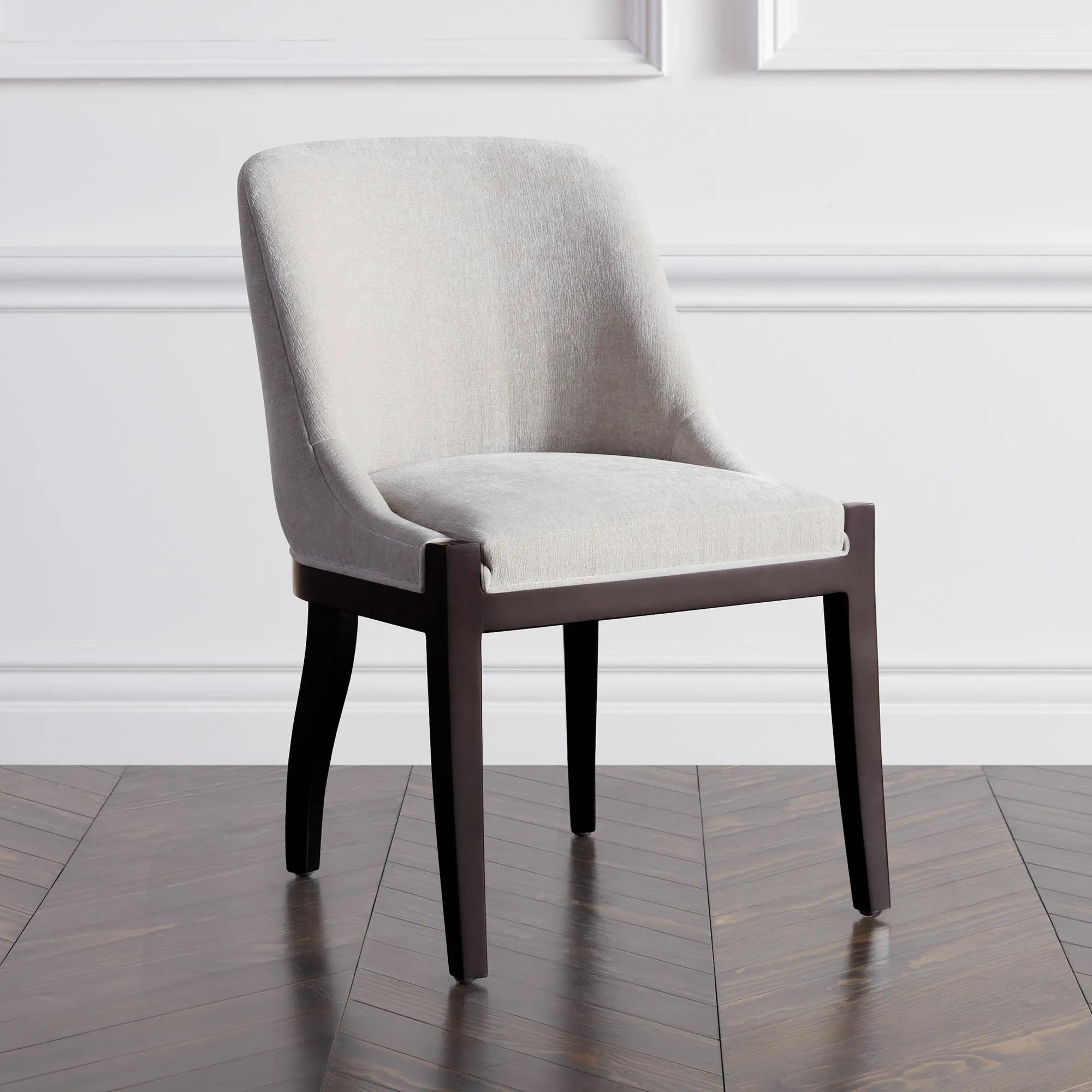
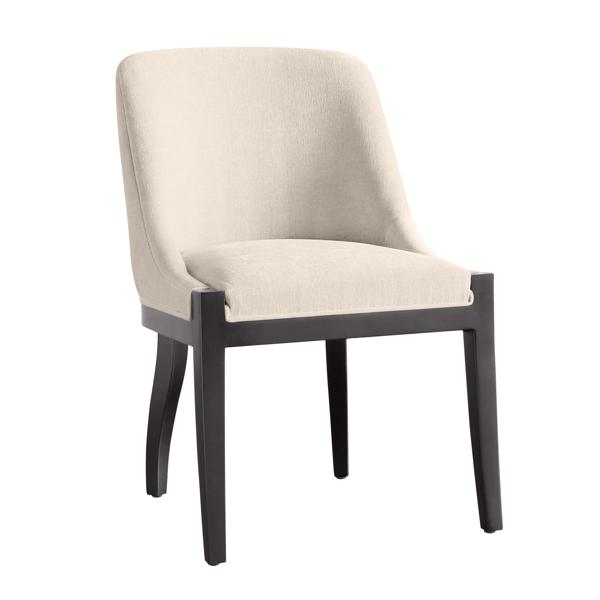 Lily Dining Chair - Espresso$699
A modern dining chair with espresso-finished hardwood frame and tailored upholstery for lasting comfort and support.
Add To Cart -
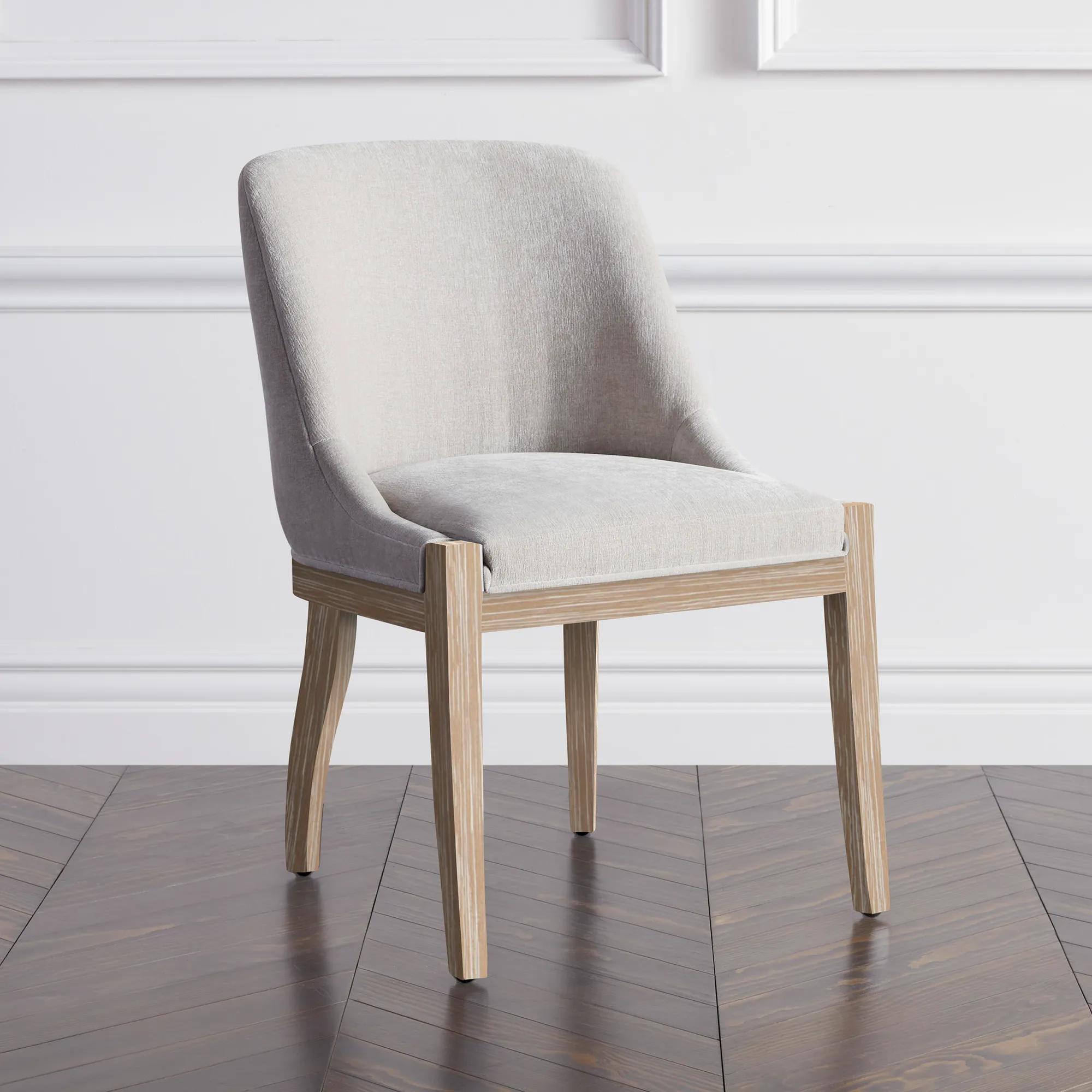
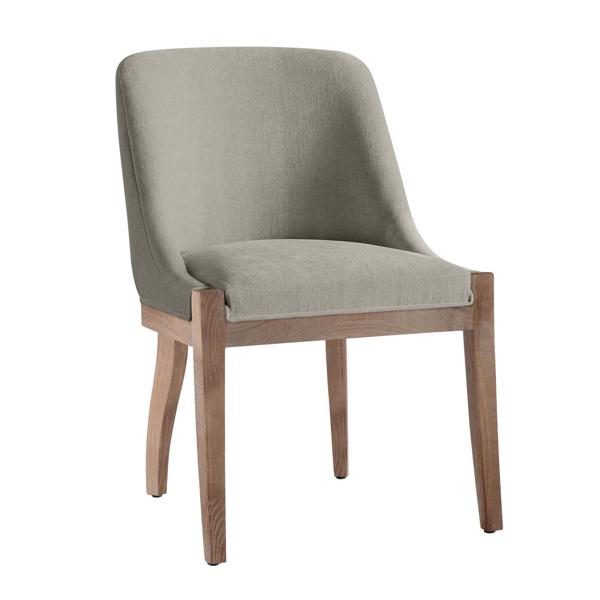 Lily Dining Chair - Wash Oak$699
A modern dining chair featuring a kiln-dried hardwood frame, wash oak legs, and tailored chenille upholstery.
Add To Cart -
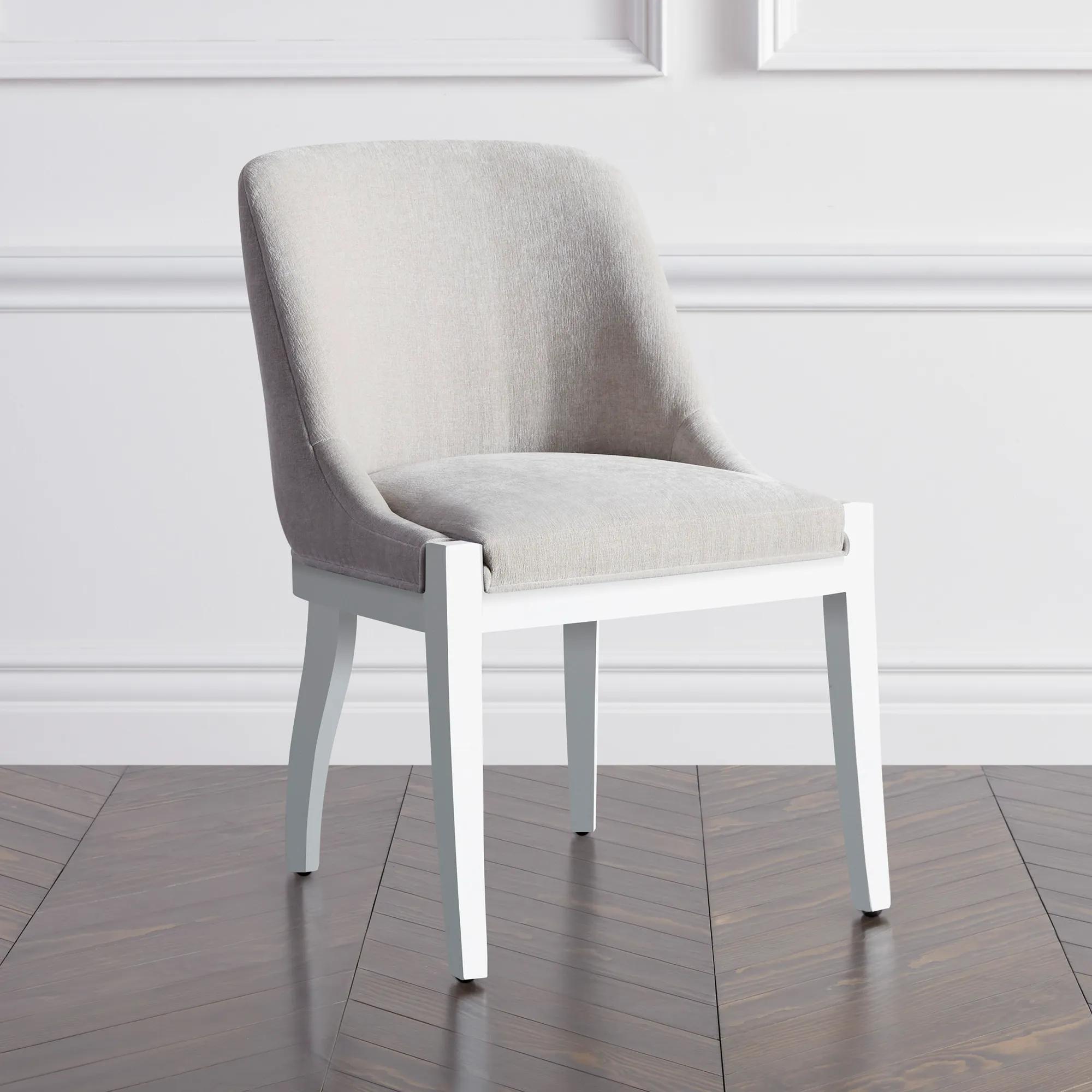
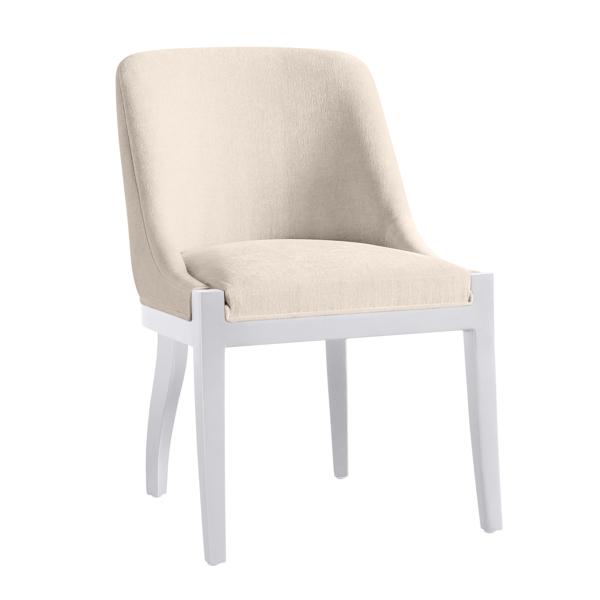 Lily Dining Chair - High Gloss White$699
A modern dining chair with a kiln-dried hardwood frame and high-gloss white legs for lasting elegance.
Add To Cart -
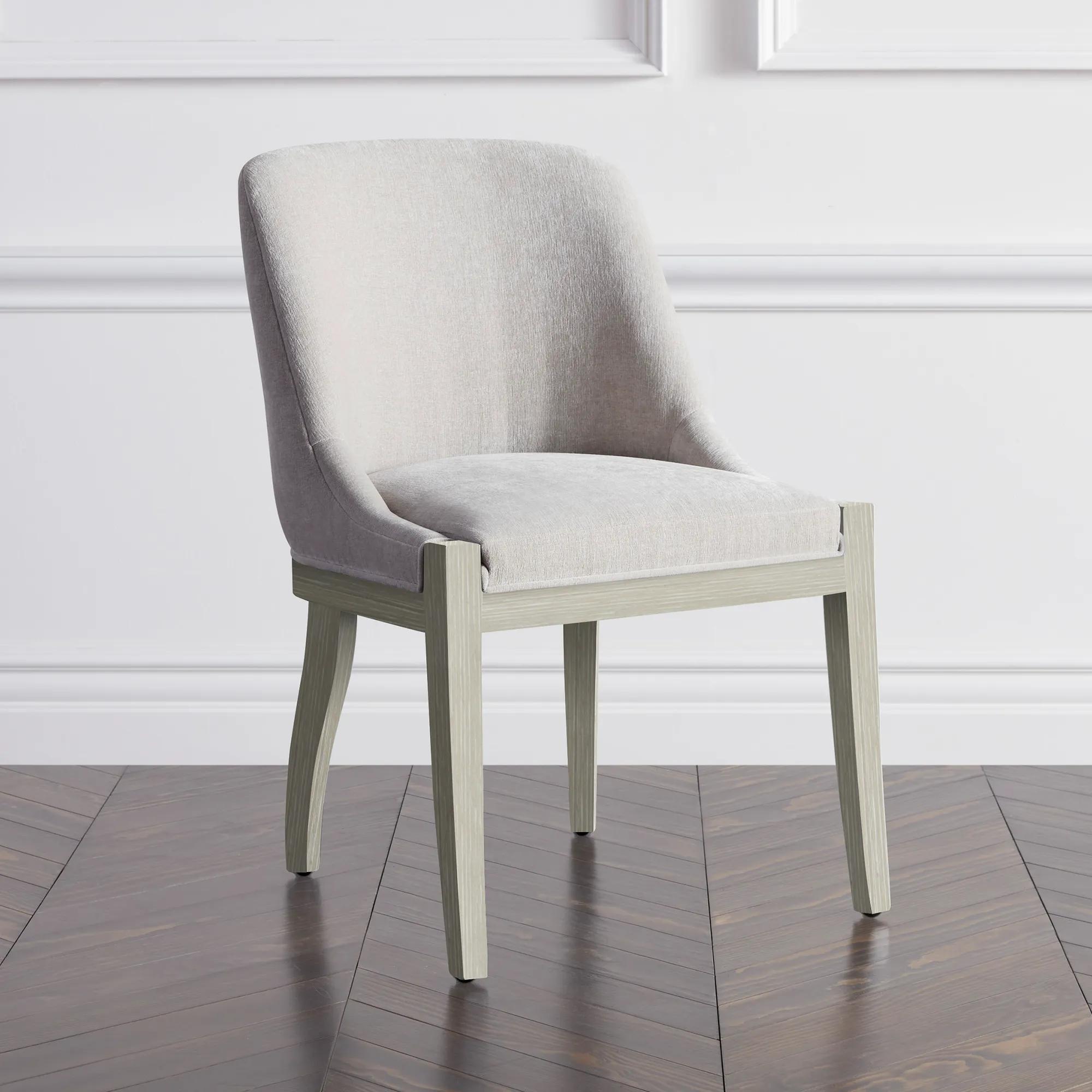 Lily Dining Chair - Natural Grey$799
A modern dining chair featuring natural grey upholstery, kiln-dried hardwood frame, and plush foam cushioning.
Add To Cart -
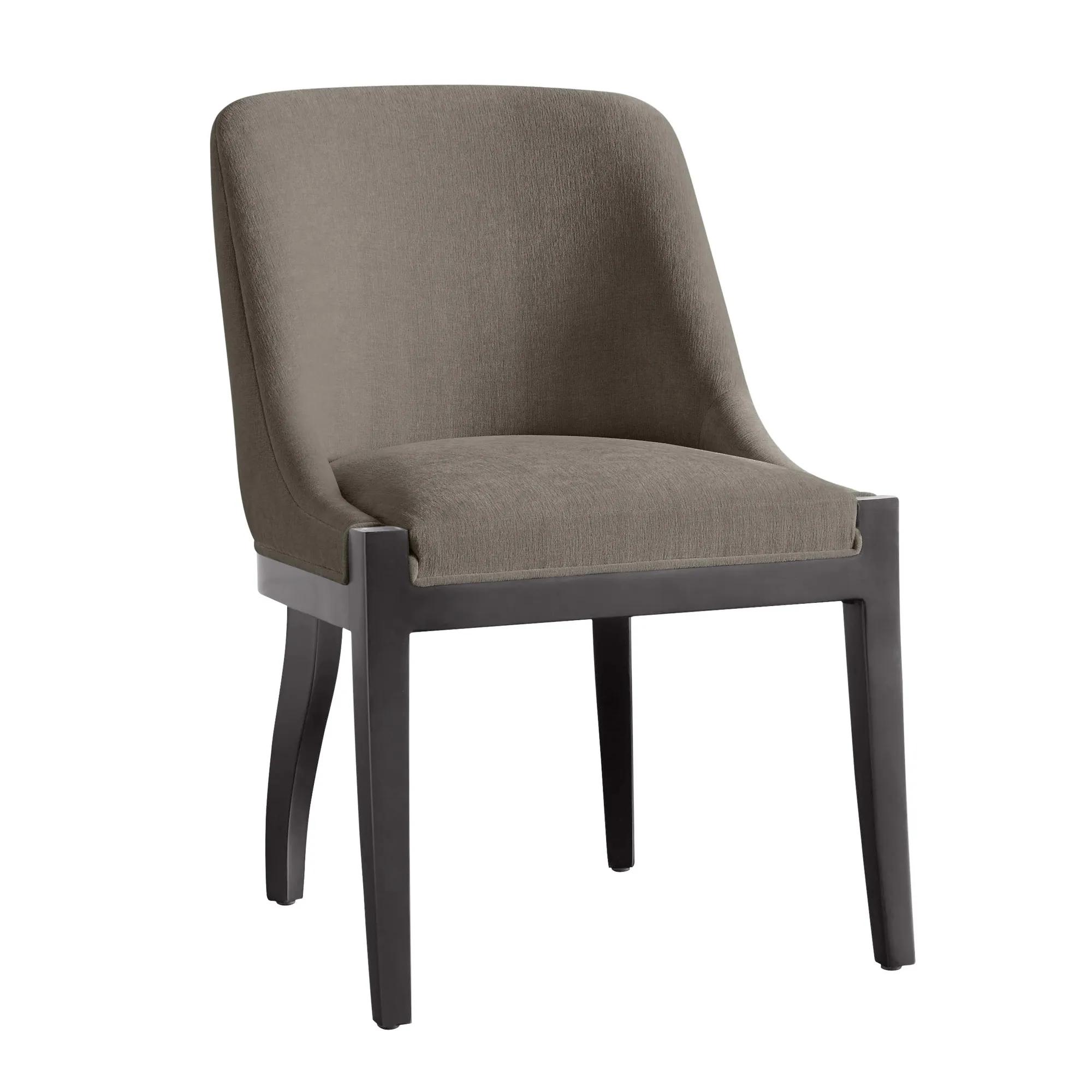 Lily Dining Chair - Espresso$649
A modern dining chair featuring espresso-finished hardwood, curvaceous silhouette, and plush tailored upholstery.
Add To Cart -
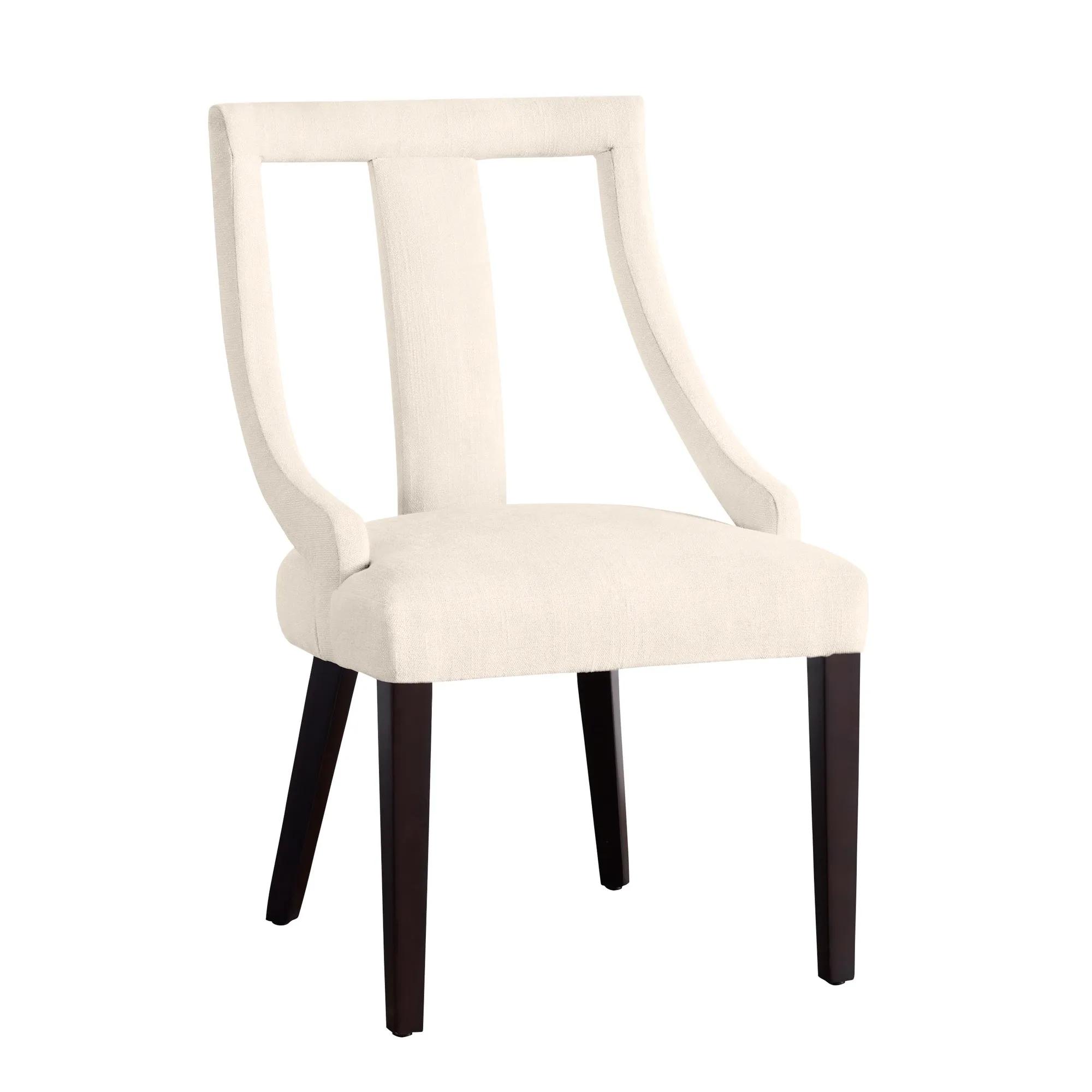
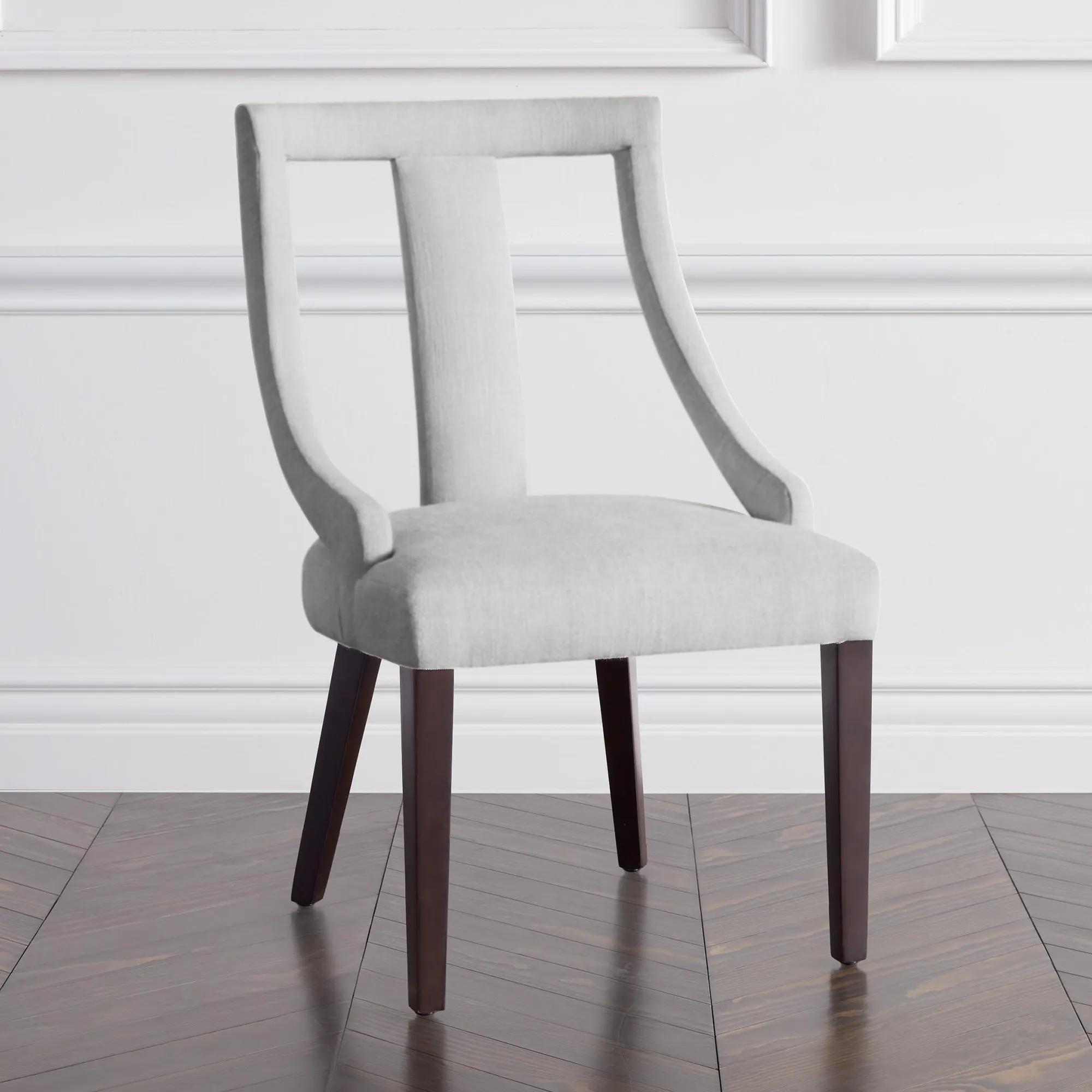 Jade Dining Chair - Espresso$649
A modern dining chair featuring a cutout back, espresso legs, and plush velvet upholstery for lasting comfort.
Add To Cart -
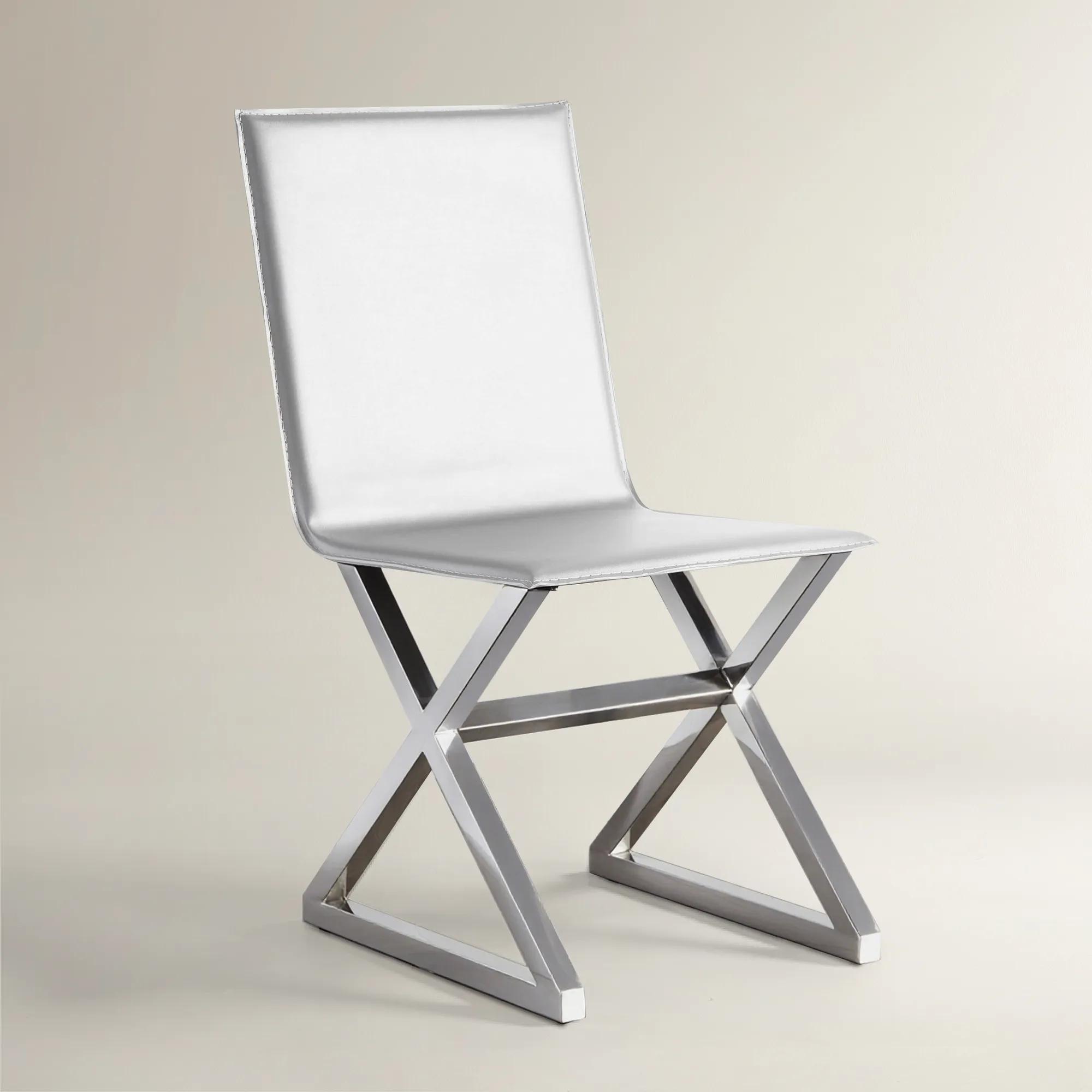
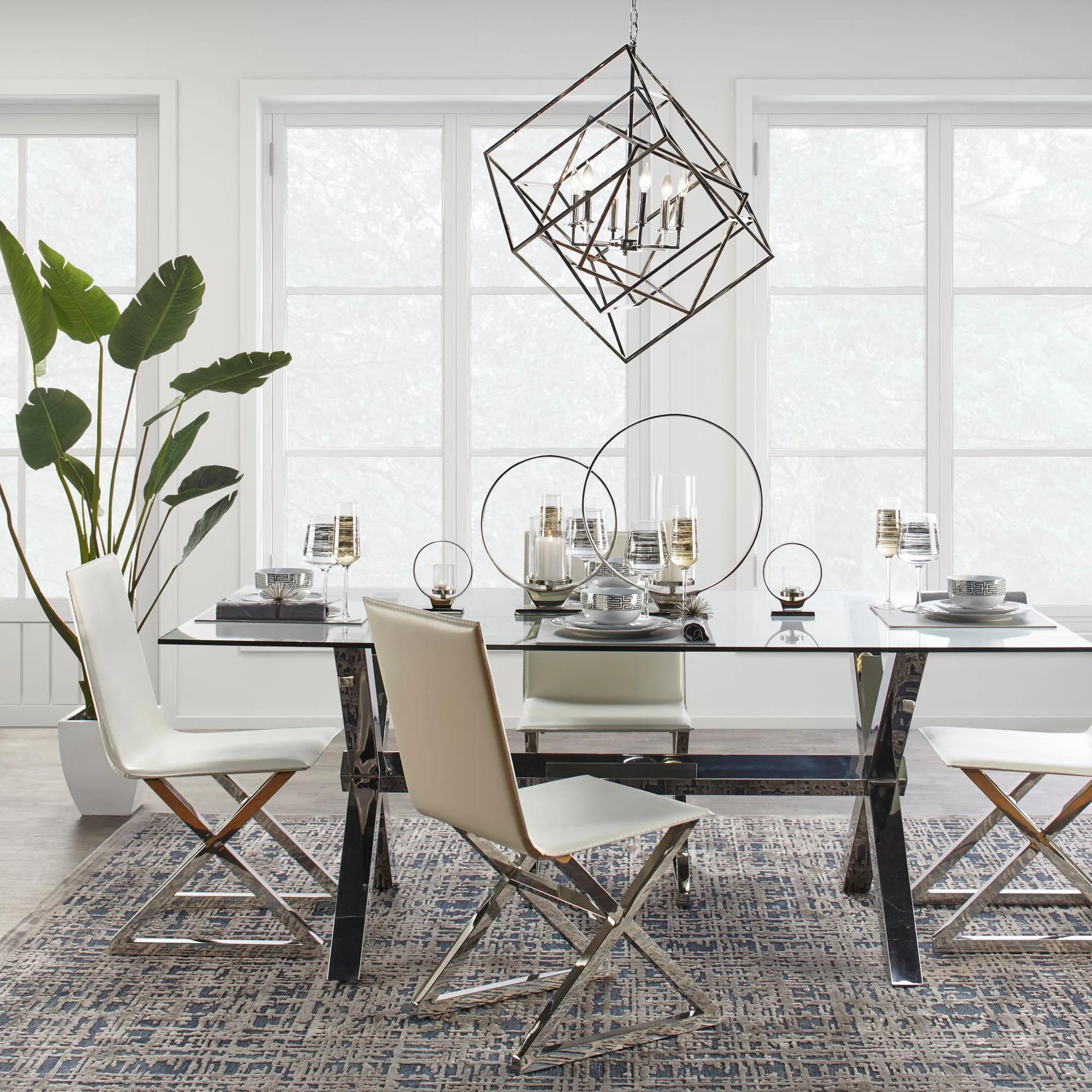 Axis Dining Chair - Set of 2$399
A contemporary chair set featuring white bonded leather upholstery and a polished stainless steel base.
Add To Cart -
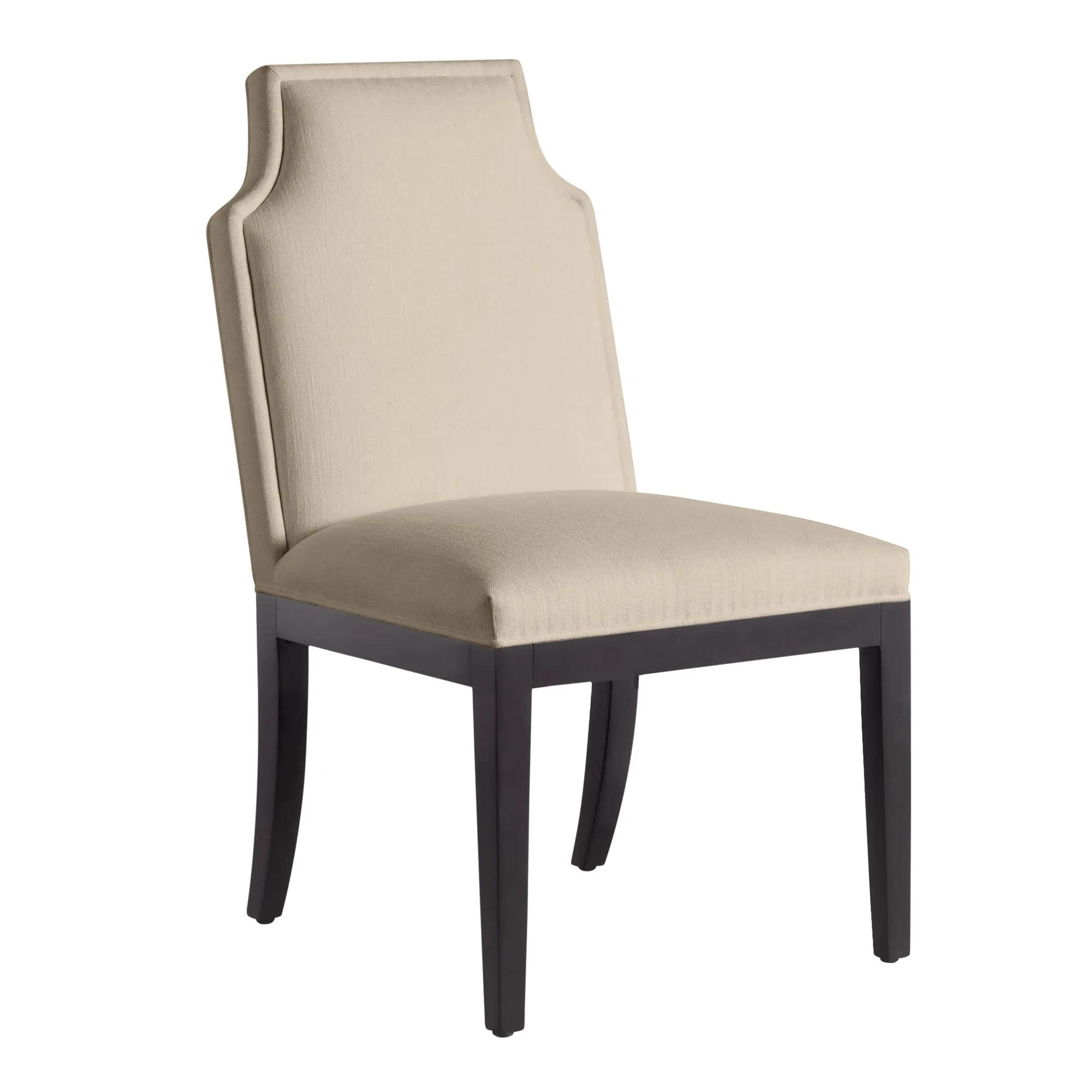
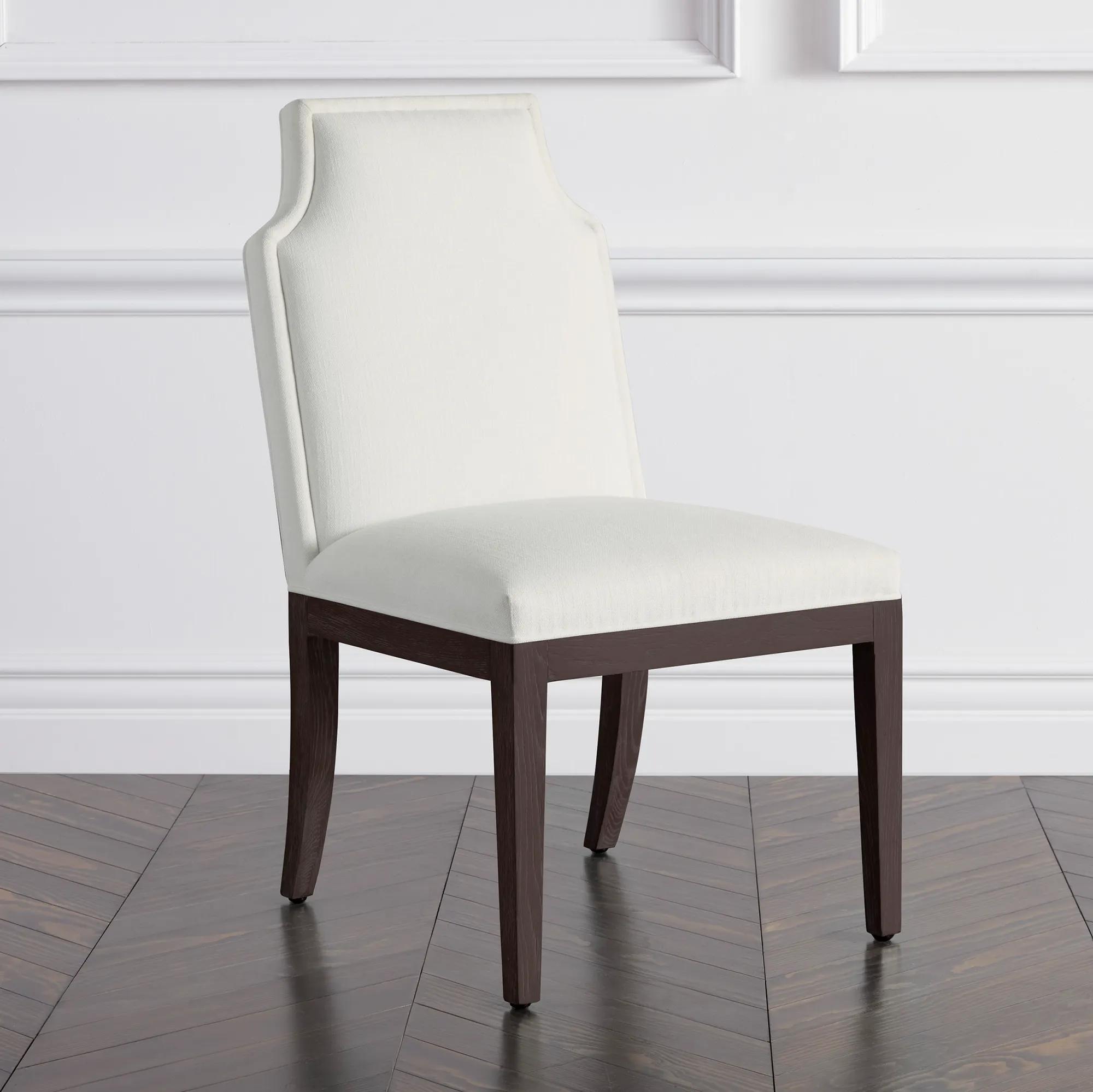 Jasmine Dining Chair - Espresso$649
A chic dining chair featuring a notched back, espresso legs, and plush upholstery for lasting comfort.
Add To Cart -
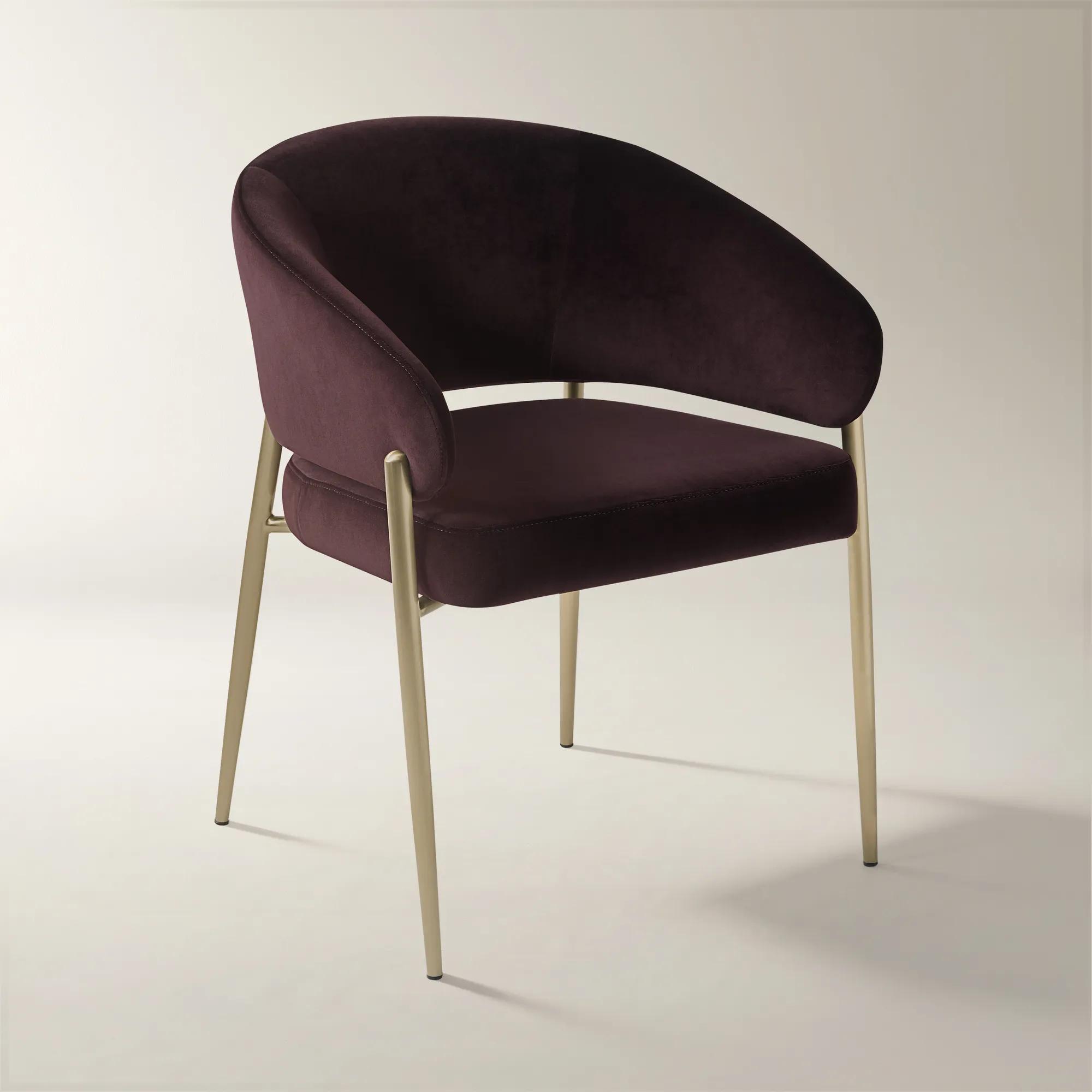 Nara Fig Velvet Dining Chair Set Of 2$599
A set of two dining chairs featuring plush fig velvet upholstery and brushed brass stainless-steel legs.
Add To Cart -
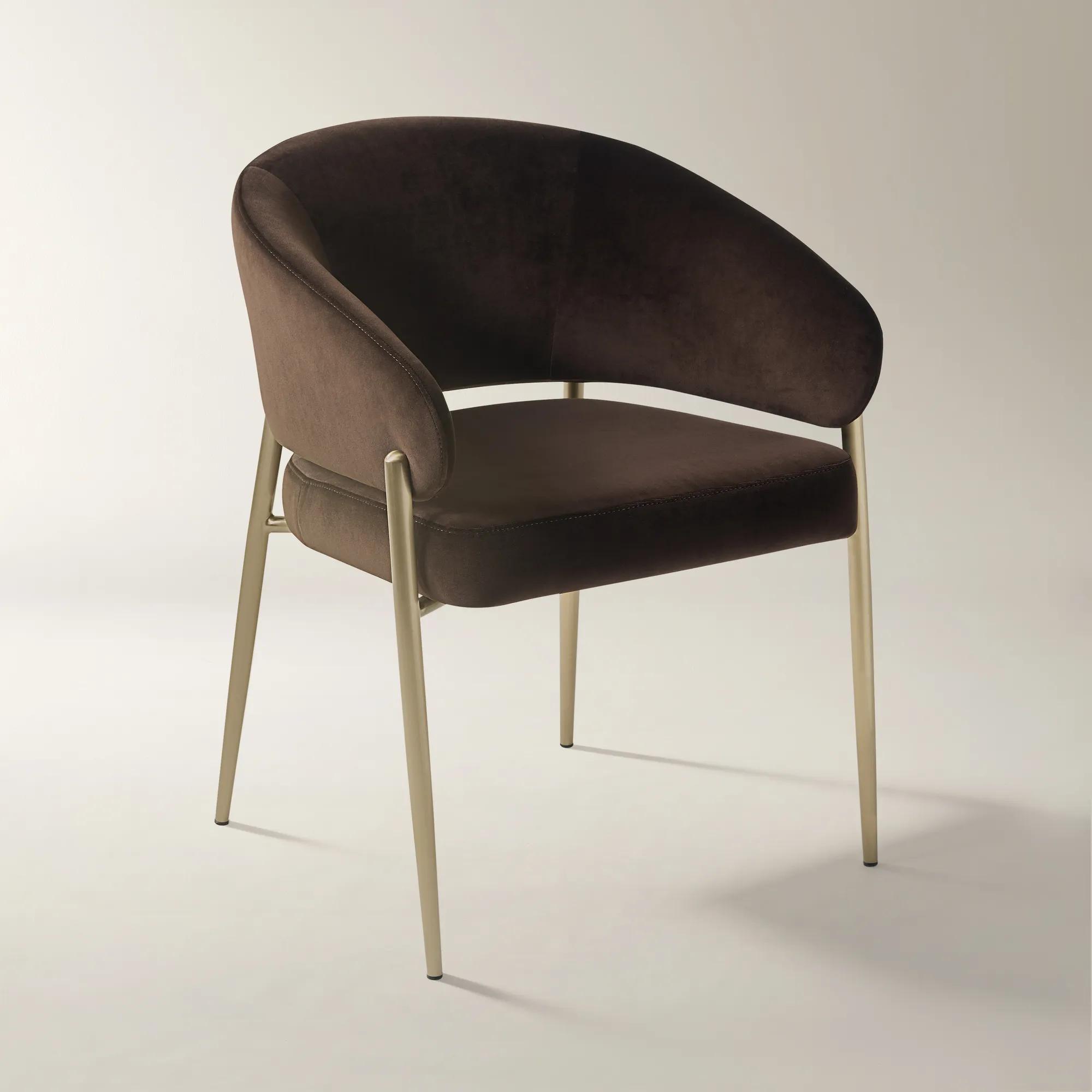 Nara Dark Chocolate Velvet Dining Chair Set Of 2$599
A pair of dark chocolate velvet chairs with curved backs and brushed brass stainless-steel legs for modern elegance.
Add To Cart -
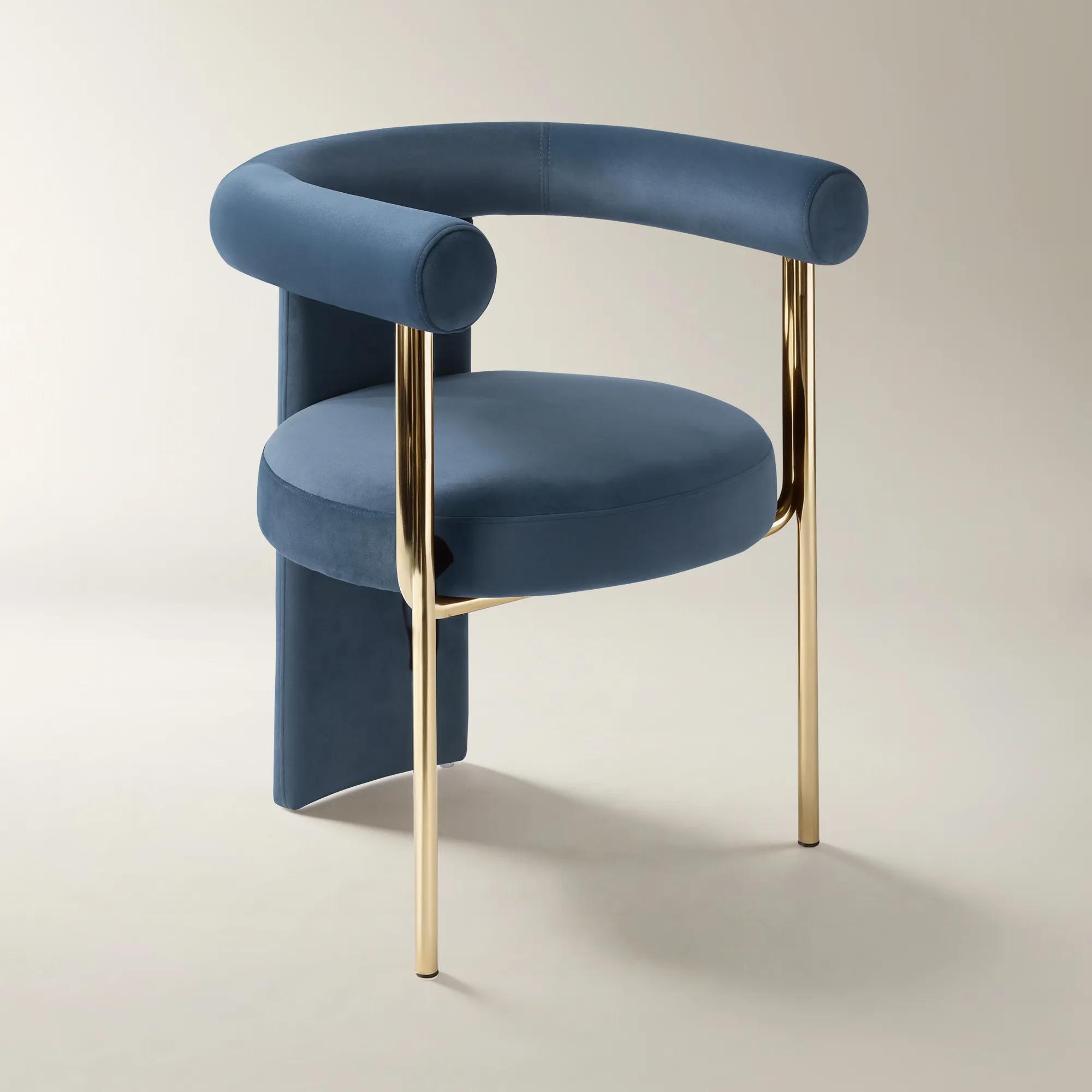 Davina Dusty Blue Velvet Dining Chair Set Of 2$799
A set of two dining chairs featuring dusty blue velvet upholstery and a polished gold metal frame.
Add To Cart -
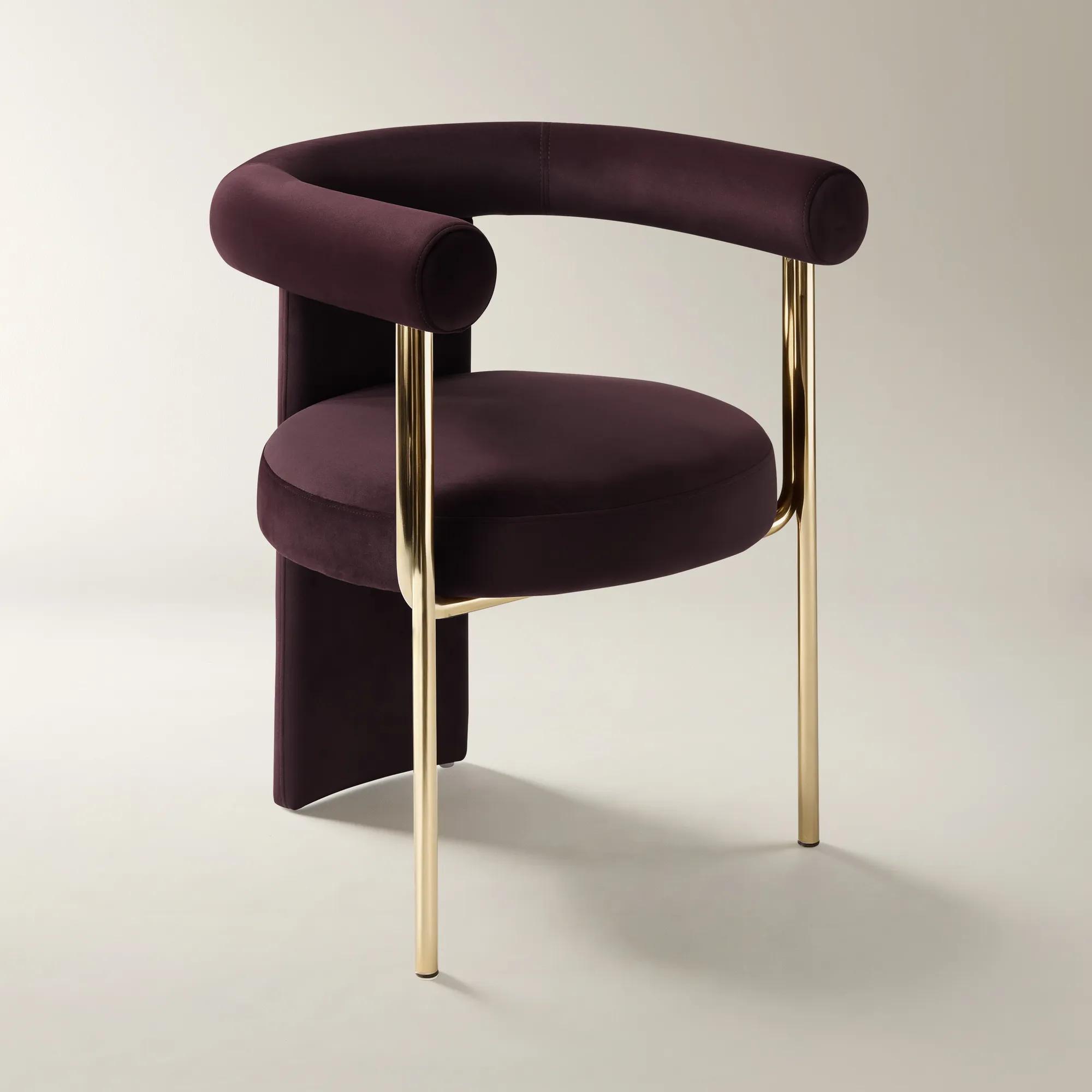 Davina Fig Velvet Dining Chair Set Of 2$799
A set of two dining chairs featuring plush fig velvet upholstery and a sleek gold-finished metal frame.
Add To Cart -
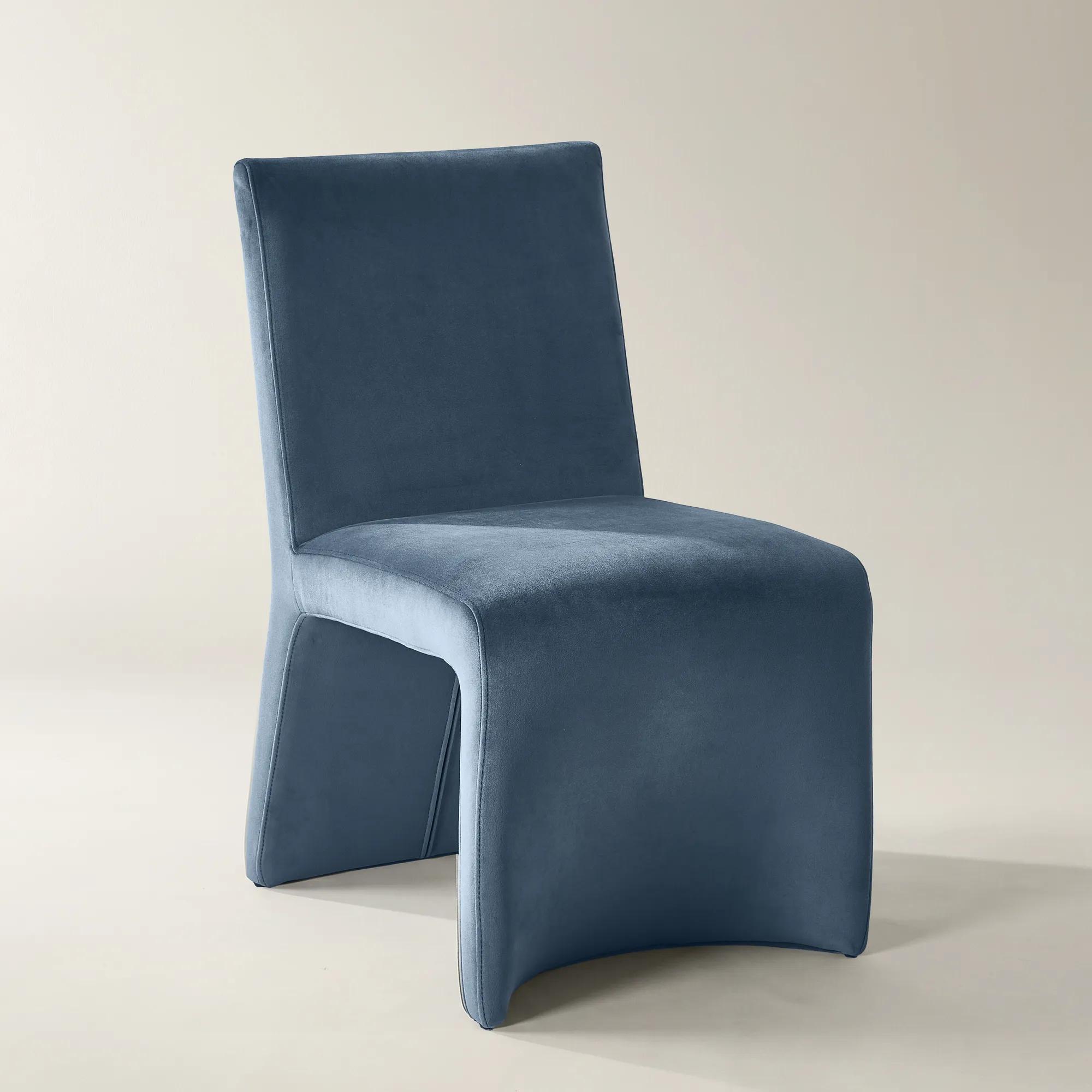 Elara Dusty Blue Velvet Dining Chair Set Of 2$649
A set of two dining chairs featuring plush dusty blue velvet upholstery and a seamless, artful silhouette.
Add To Cart -
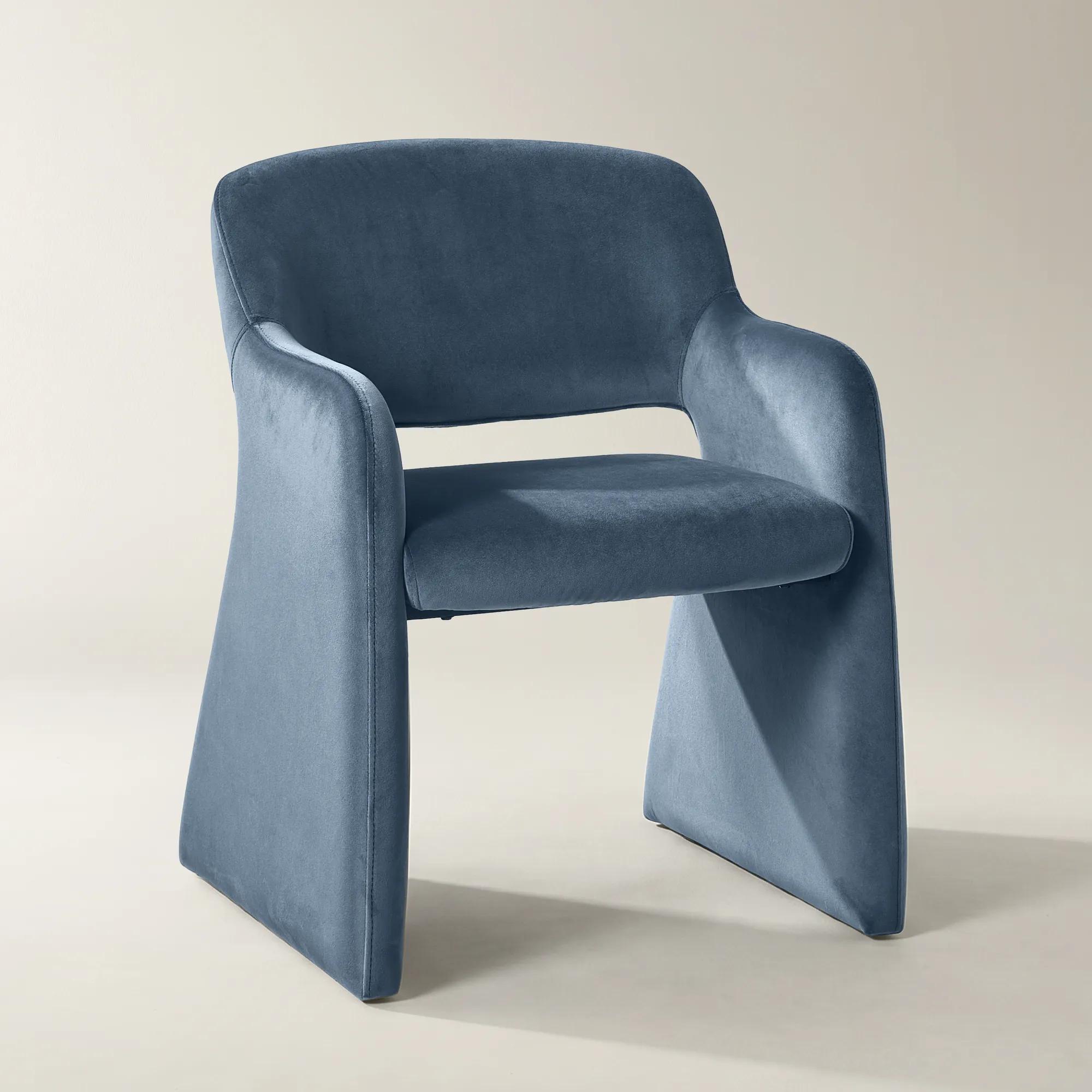 Elara Dusty Blue Velvet Dining Chair$399
A graceful dining chair featuring dusty blue velvet upholstery, integrated arms, and a seamless cantilevered silhouette.
Add To Cart -
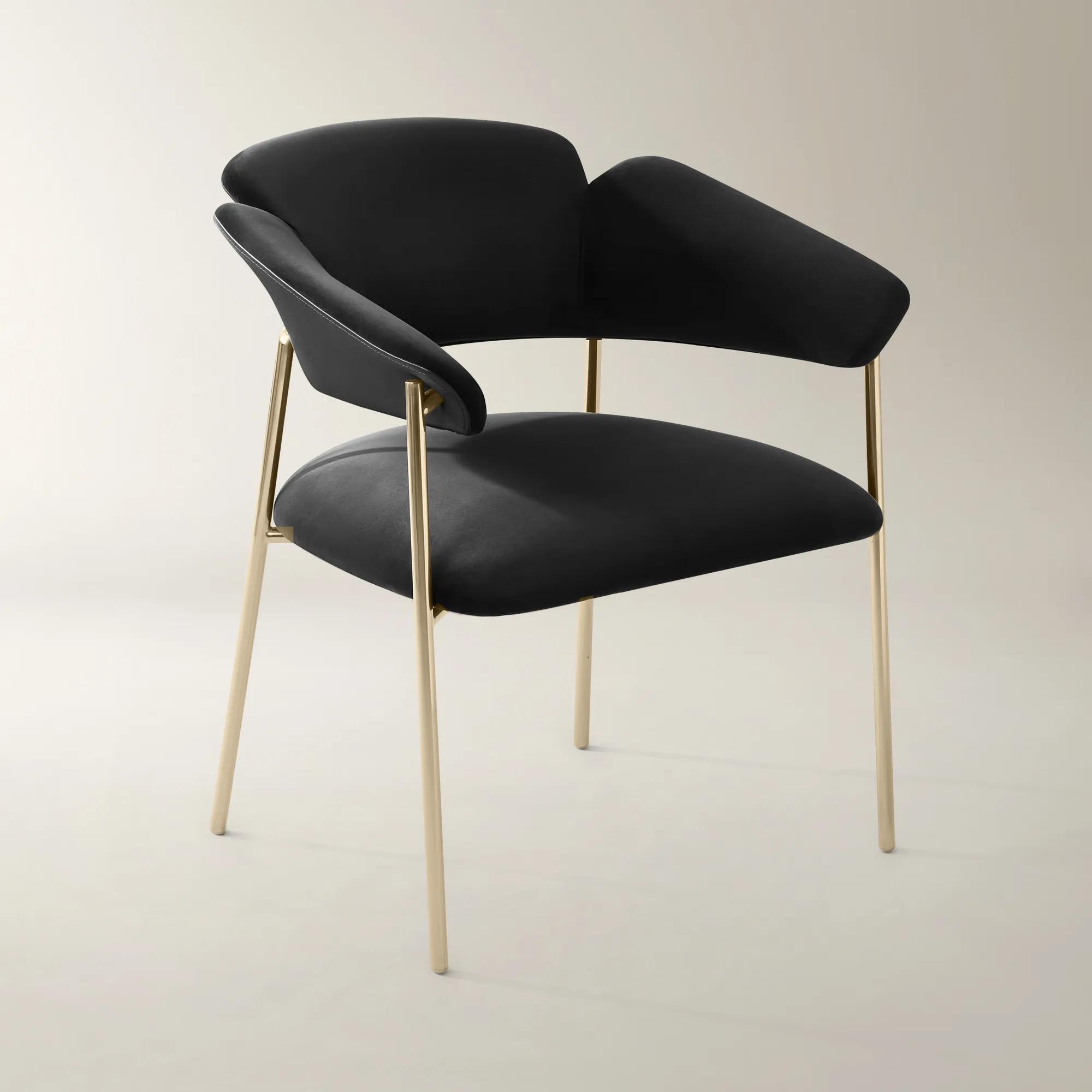 Odette Charcoal Velvet Dining Chair$499
A charcoal velvet chair featuring a wraparound open-back design, tonal faux leather accents, and gold metal legs.
Add To Cart -
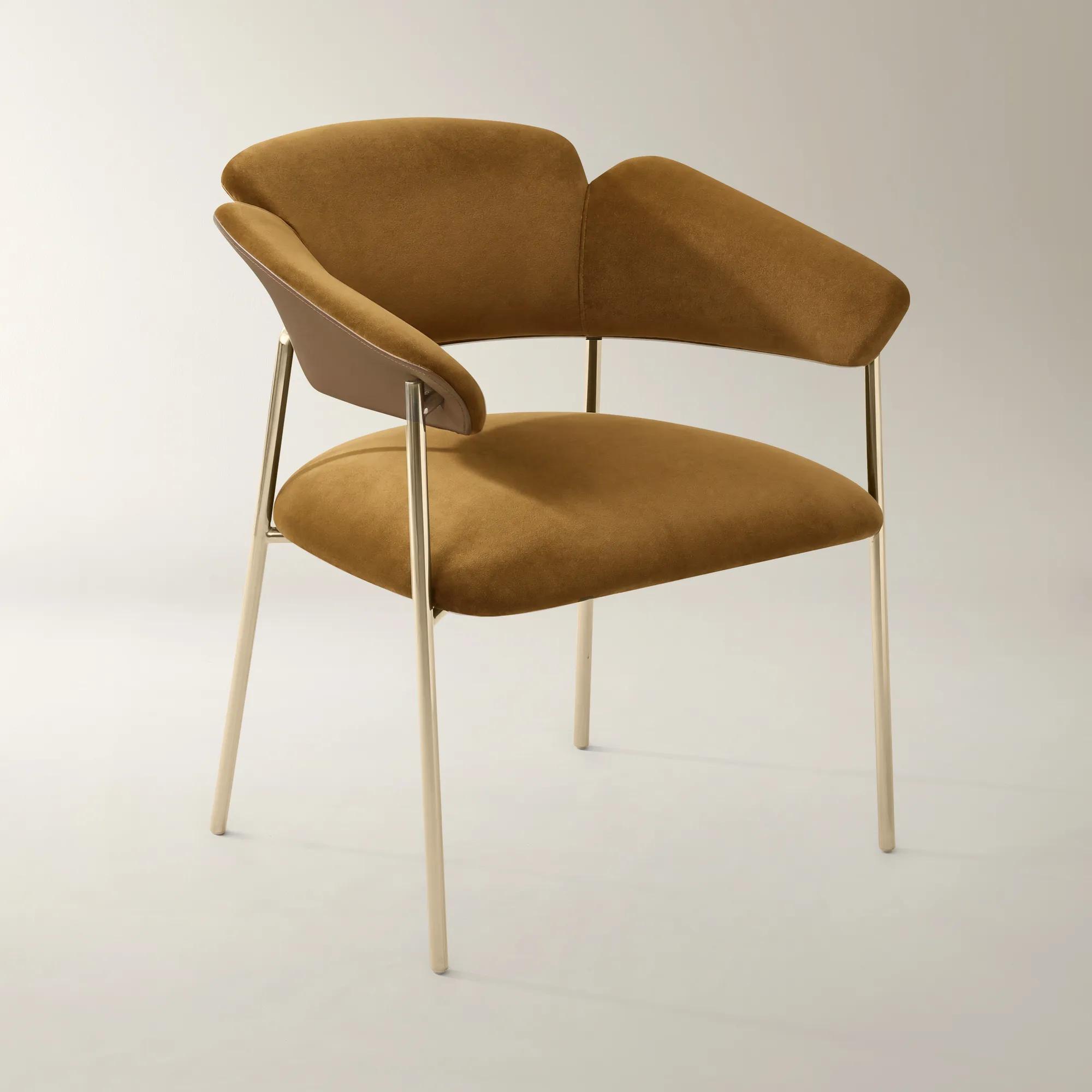 Odette Roasted Pecan Velvet Dining Chair$499
A sculptural dining chair featuring roasted pecan velvet, tonal faux leather accents, and gold stainless steel legs.
Add To Cart -
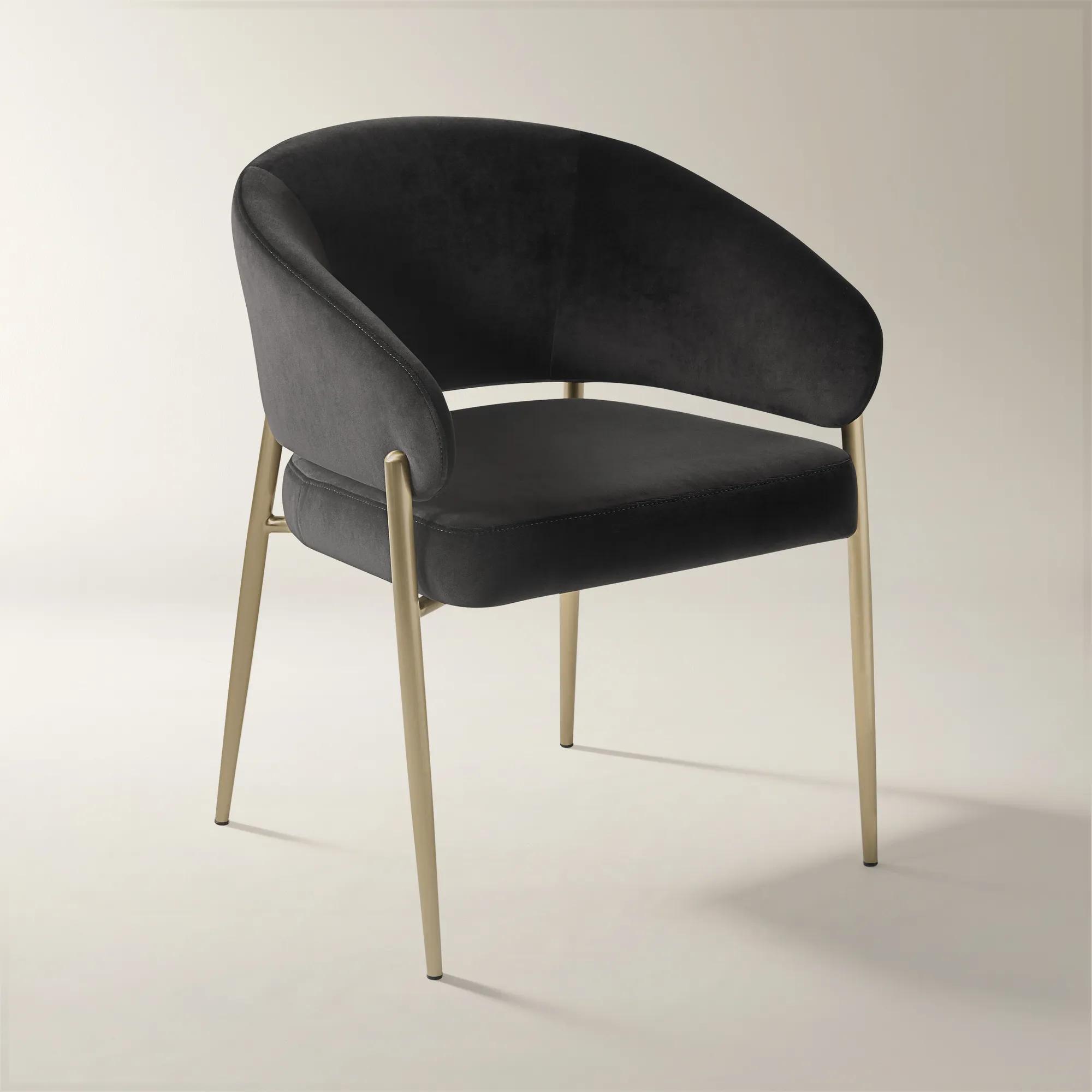 Nara Charcoal Velvet Dining Chair Set Of 2$599
A set of two charcoal velvet chairs featuring curved backs, plush upholstery, and brushed brass metal legs.
Add To Cart -
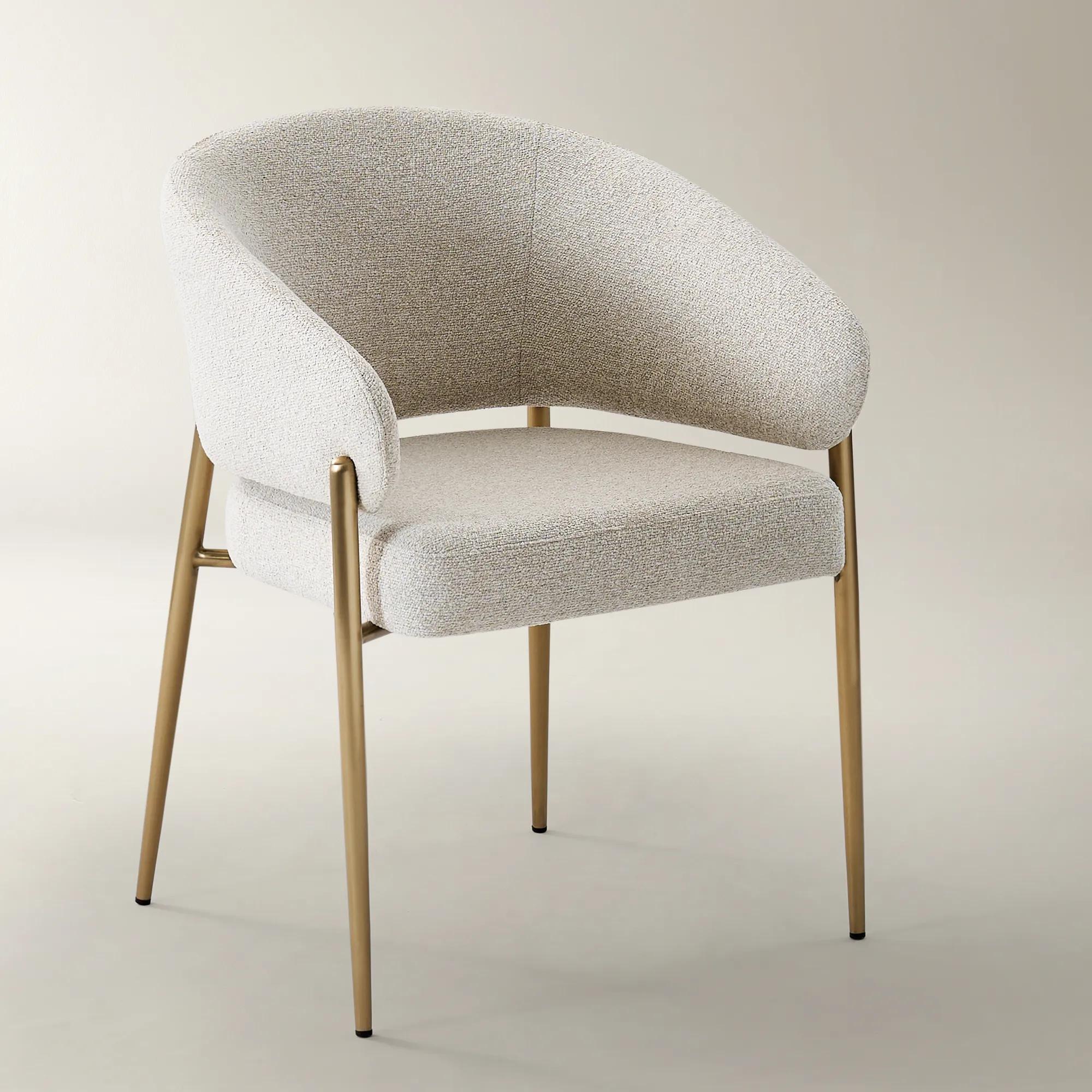
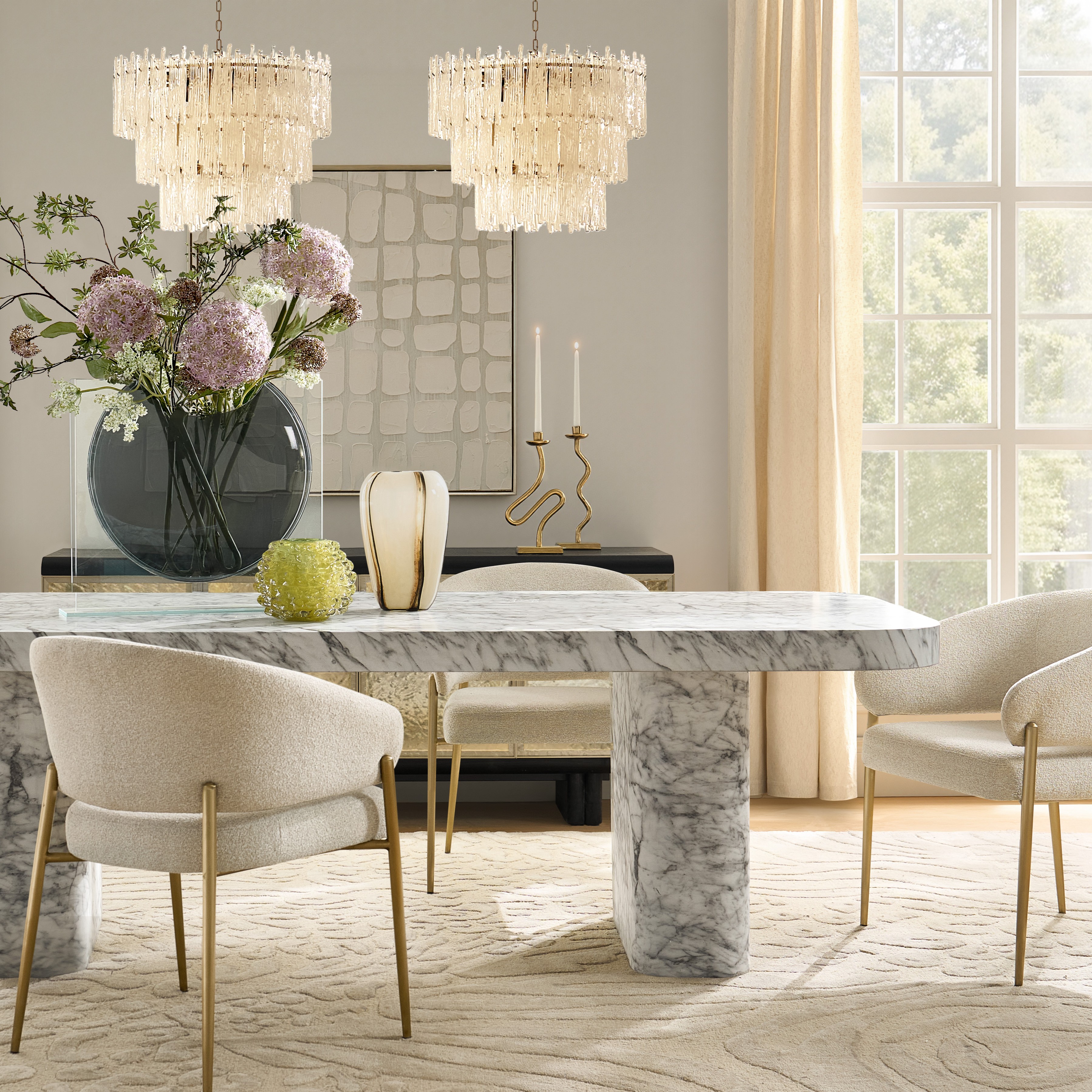 Nara Ivory Boucle Dining Chair Set Of 2$599
An ivory boucle dining chair set with a curved backrest and brushed stainless steel frame for modern elegance.
Add To Cart -
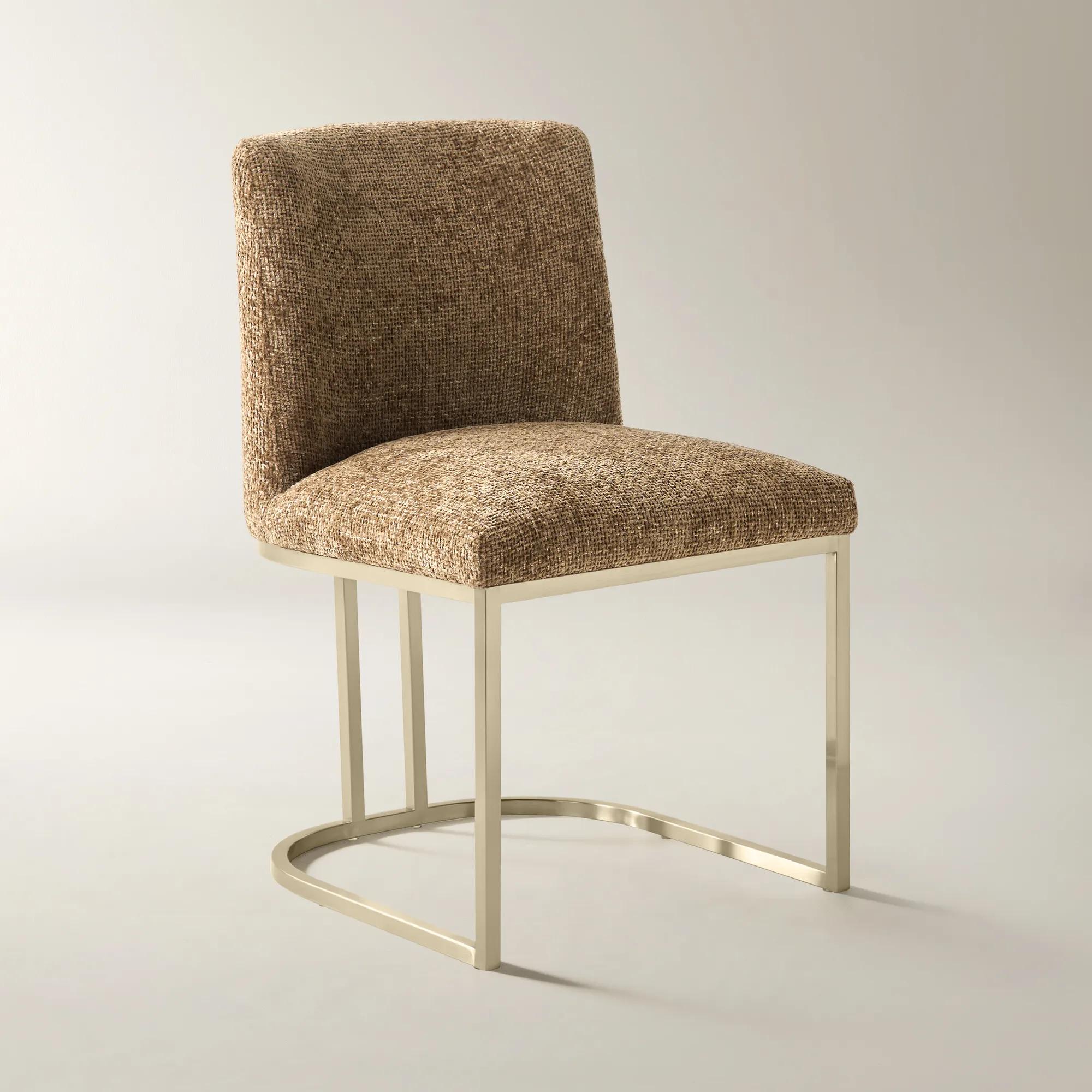 Bergen Bronze Chenille Dining Chair Set Of 2$499
A set of two dining chairs featuring bronze chenille upholstery and a sculptural brushed gold metal base.
Add To Cart -
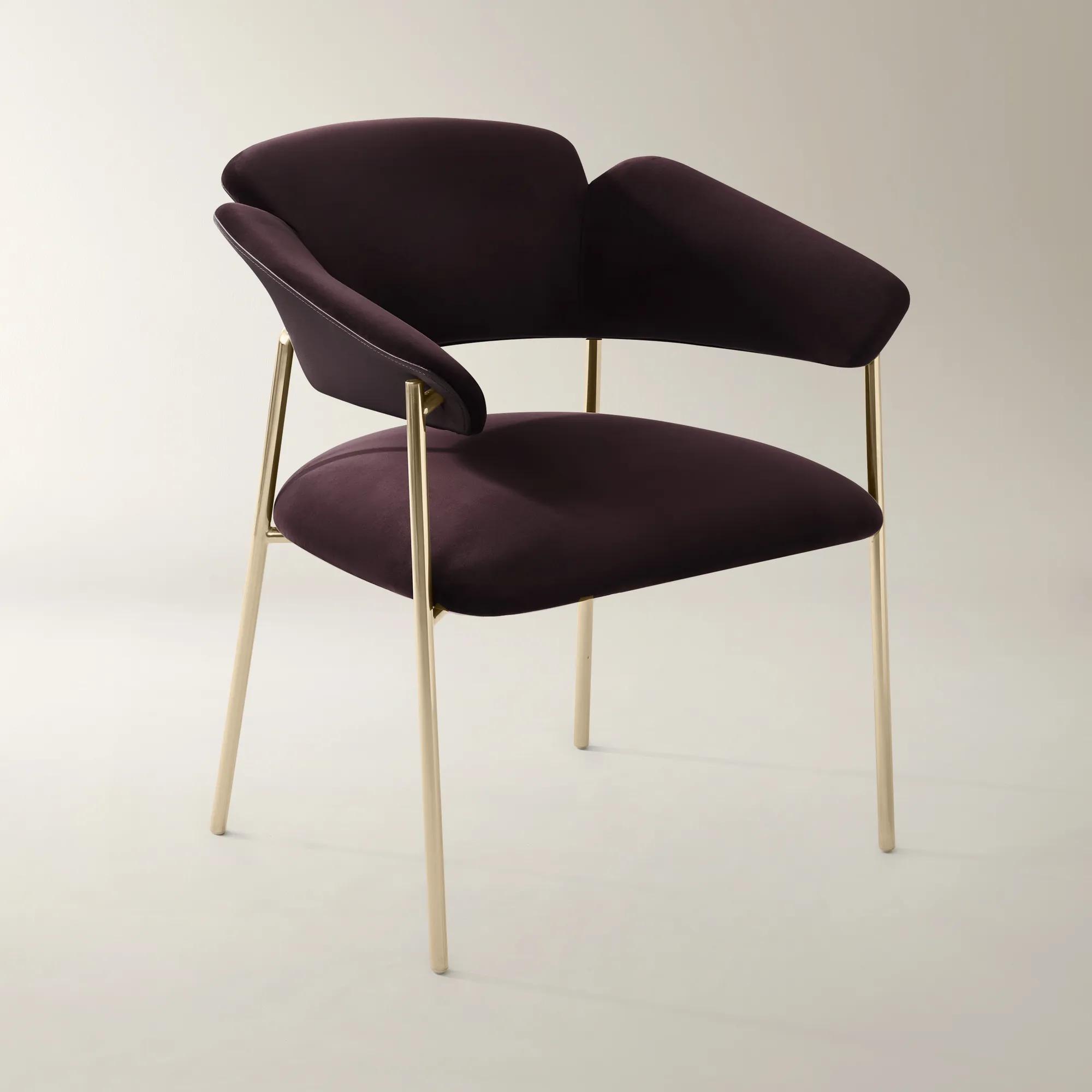 Odette Fig Velvet Dining Chair$499
A sculptural dining chair featuring fig velvet, tonal faux leather accents, and slender gold-finished metal legs.
Add To Cart -
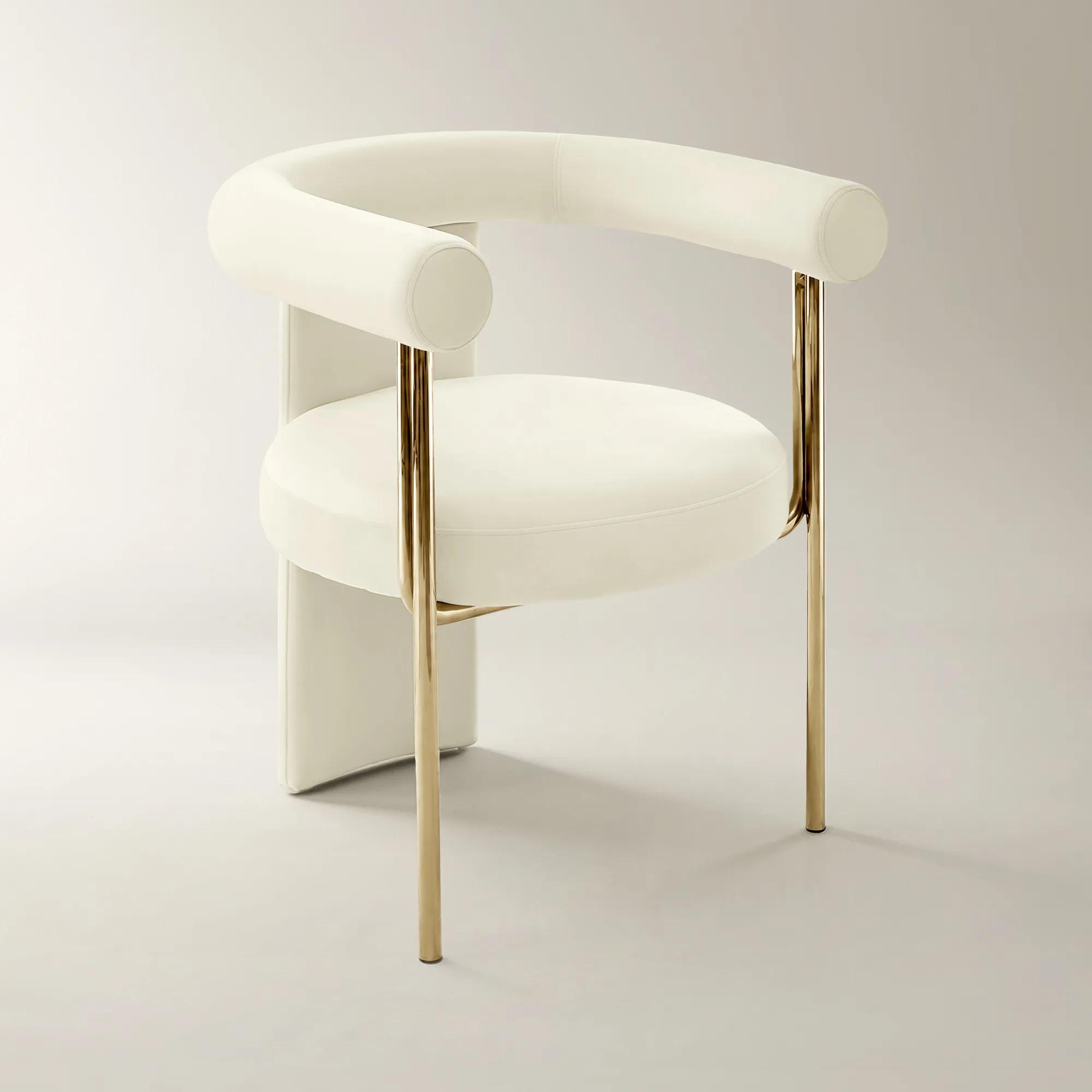 Davina Cloud Velvet Dining Chair Set Of 2$799
A set of two dining chairs featuring plush cloud velvet upholstery and a sculptural gold metal frame.
Add To Cart -
-0.jpeg?w=1200&h=1200)
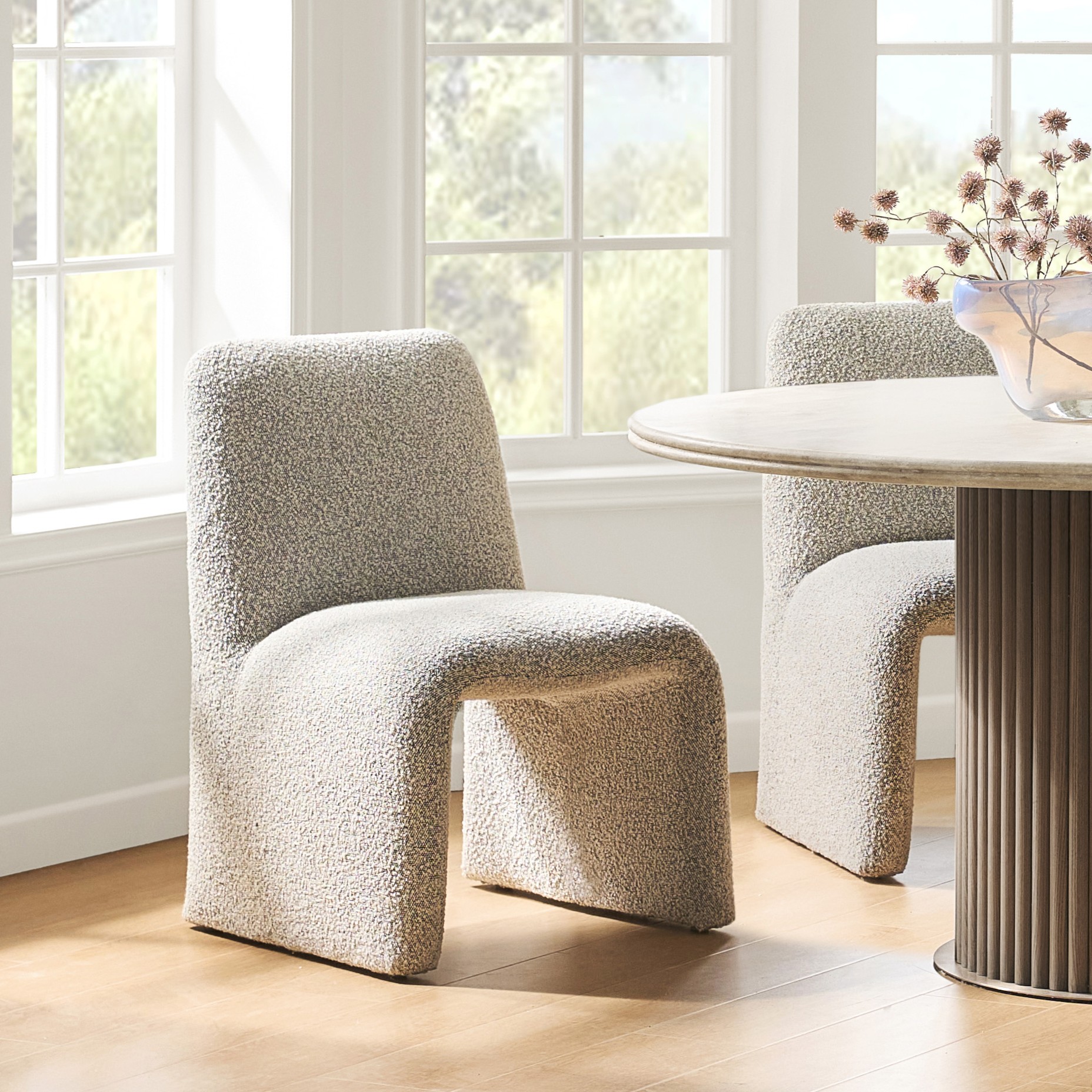 Cayenne Grey Boucle Dining Chair$399
A modern armless chair in grey boucle upholstery with a sleek metal frame and hand-crafted details.
Add To Cart

Modern Espresso Dining Chairs
Modern espresso dining chairs invite a sense of depth and sophistication to your dining space, transforming everyday meals into extraordinary occasions. The rich, dark finish of espresso evokes an air of refined drama—striking yet timeless—while sleek silhouettes and artful contours create an instant focal point. Whether set against a luminous marble table or layered with metallic accents, these chairs are designed for those who savor bold contrasts and crave a dining room that dazzles with confidence. Elevate your next gathering with seating that celebrates the artistry of modern living—where every detail is curated, every moment unforgettable.
Modern espresso dining chairs combine deep, coffee-brown finishes or upholstery with contemporary silhouettes, bringing visual richness to the dining room without relying on elaborate ornament. Espresso describes a color rather than a wood species: depending on the material, finish, and lighting, it can read as warm dark brown or approach an almost-black tone. That depth gives a sculptural back, tapered leg, or sweeping arm a distinctive presence, especially against pale walls, textured rugs, and luminous tabletops. An espresso wood frame with ivory upholstery creates a crisp, tailored contrast, while dark brown leather or faux leather lends a more enveloping effect. Bentwood forms introduce fluid curves; exposed wood grain adds subtle variation; metal accents can sharpen the composition with a gleam of chrome or the warmth of brass. The result is seating that feels expressive enough for a formal dining room yet grounded enough for meals shared every day. Around a glass table, darker chair frames become part of the architecture of the room, visible from every angle. Beside a light stone surface, they supply a strong visual counterpoint. With a wood table, espresso seating can either echo a similarly deep finish or create deliberate contrast with a lighter grain. Matching every wood tone is not essential, but repeating an undertone or another detail, such as a curved profile, helps the setting feel composed. Modern espresso dining room chairs also work beautifully in open-plan interiors, where their dark outlines can connect the dining area to a console, shelving, or an adjacent living room. For those drawn to a softer, more formal expression of the same palette, Elegant Espresso Dining Chairs offers a related design direction. Whether the room centers on intimate dinners or a generous table for entertaining, espresso seating gives the arrangement depth, definition, and a confident foundation for personal style.
Materials and construction shape how espresso dining chairs look, feel, and perform over time. Solid wood frames can showcase natural grain beneath a dark stain, while wood veneers can bring a similarly rich surface to thoughtfully constructed components. Neither the color nor the presence of solid wood alone establishes durability; secure joinery, a stable frame, a suitable protective finish, and the quality of the overall construction matter as well. Molded plywood or bentwood can create a gracefully contoured seat or back with less visual bulk, an appealing choice when the table itself has a substantial base. Upholstered dining chairs introduce another layer of comfort and texture. A tightly tailored woven fabric gives dark legs a softer counterpoint, while velvet catches the light and brings a more theatrical quality to the table. Genuine leather develops character according to its type and finish, and faux leather offers a smooth alternative whose wear and cleaning requirements depend on its composition. Fabric labeled for performance use may have useful stain-resistance or cleaning properties, but the specific care instructions remain more informative than the label alone. In a household where the dining table hosts breakfast, homework, and evening meals, cleanable surfaces and upholstery suited to frequent use deserve particular attention. For hosts who enjoy lingering over several courses, a supportive back, comfortable seat depth, and well-balanced cushioning can matter more than a generously padded appearance. A curved back may cradle the body, but its comfort still depends on individual proportions and posture. Armless side chairs keep the perimeter visually open and can make sitting down easier in a compact arrangement; upholstered armchairs at the ends of a rectangular table add a more commanding silhouette. Different chair shapes can share the same table successfully when their seat heights, proportions, and finish undertones relate. This measured mix brings personality to a dining space while preserving the sense of a considered whole, rather than letting one dramatic detail overwhelm the room.
Scale makes the difference between a dining setting that merely looks impressive and one that welcomes people comfortably. Many standard dining tables measure approximately 28 to 30 inches high, and dining chair seats commonly fall around 17 to 19 inches, though individual dimensions vary. A useful starting point is roughly 10 to 12 inches between the seat and the tabletop, with special attention to any apron beneath the surface that reduces thigh clearance. Upholstered seats may compress when occupied, and chair arms need their own clearance if they are intended to slide under the table. Allowing about 24 inches of table edge per diner is another starting point, not a guarantee of fit: broad seats, flared legs, and sculptural arms may require more room. Table legs and pedestal bases can also affect where chairs sit, particularly at corners. Around the outside of the setting, approximately 36 inches between the table edge and a wall or nearby furniture often allows space to pull out a chair; a passage used behind seated diners generally benefits from more generous clearance. These relationships are especially important when bringing substantial espresso seating into an apartment dining area or placing a large upholstered chair beside a narrow table. Care should be equally considered. Dust finished wood with a soft cloth, blot spills promptly, and follow the specified cleaning method rather than assuming every dark surface tolerates the same polish or cleaner. Avoid abrasive pads and excessive moisture, which can damage finishes or affect wood components. Vacuum upholstery with an appropriate attachment, and use only treatments recommended for the particular fabric or leather. Direct sunlight can alter color over time, while suitable floor protectors help limit scratches as chairs move across hard flooring. Inspect connections periodically and tighten hardware only as directed. With proportions suited to the room and care matched to the materials, modern espresso dining chairs offer an enduring visual anchor: dark, expressive seating that frames the table beautifully and supports the everyday pleasure of gathering around it.
FAQs
Modern espresso dining chairs are remarkably versatile and complement a range of interiors, from contemporary and mid-century modern to transitional and even glam settings. Their rich, dark finish adds depth and contrast to minimalist spaces, while their sleek lines and tailored profiles harmonize beautifully with bold art, metallic accents, and luxurious textures.
To preserve the striking espresso finish, dust chairs regularly with a soft, dry cloth and promptly wipe away spills with a damp (not wet) cloth. Avoid harsh chemicals or abrasive cleaners, which can dull the surface. For upholstered seats, gentle spot cleaning and occasional vacuuming will help maintain their sumptuous look and feel.
Absolutely. The sophisticated tone of espresso dining chairs acts as a unifying element in open-plan homes, anchoring the dining area while seamlessly blending with adjacent living and kitchen spaces. Their timeless elegance and rich color provide a visual anchor that helps define the dining zone without overpowering the overall aesthetic.
Yes—mixing espresso dining chairs with pieces in contrasting finishes, such as glass, marble, or brushed metals, creates a layered and curated look. Pairing them with a lighter dining table or adding accent chairs in complementary hues can elevate the visual interest and showcase your personal style.
Modern espresso dining chairs make a memorable and sophisticated gift, especially for housewarmings, weddings, or milestone celebrations. Their enduring style and impeccable craftsmanship ensure they become cherished additions to any home, serving as the backdrop for countless shared meals and treasured moments.