Espresso Wood Dining Chairs
Espresso Wood Dining Chairs
-
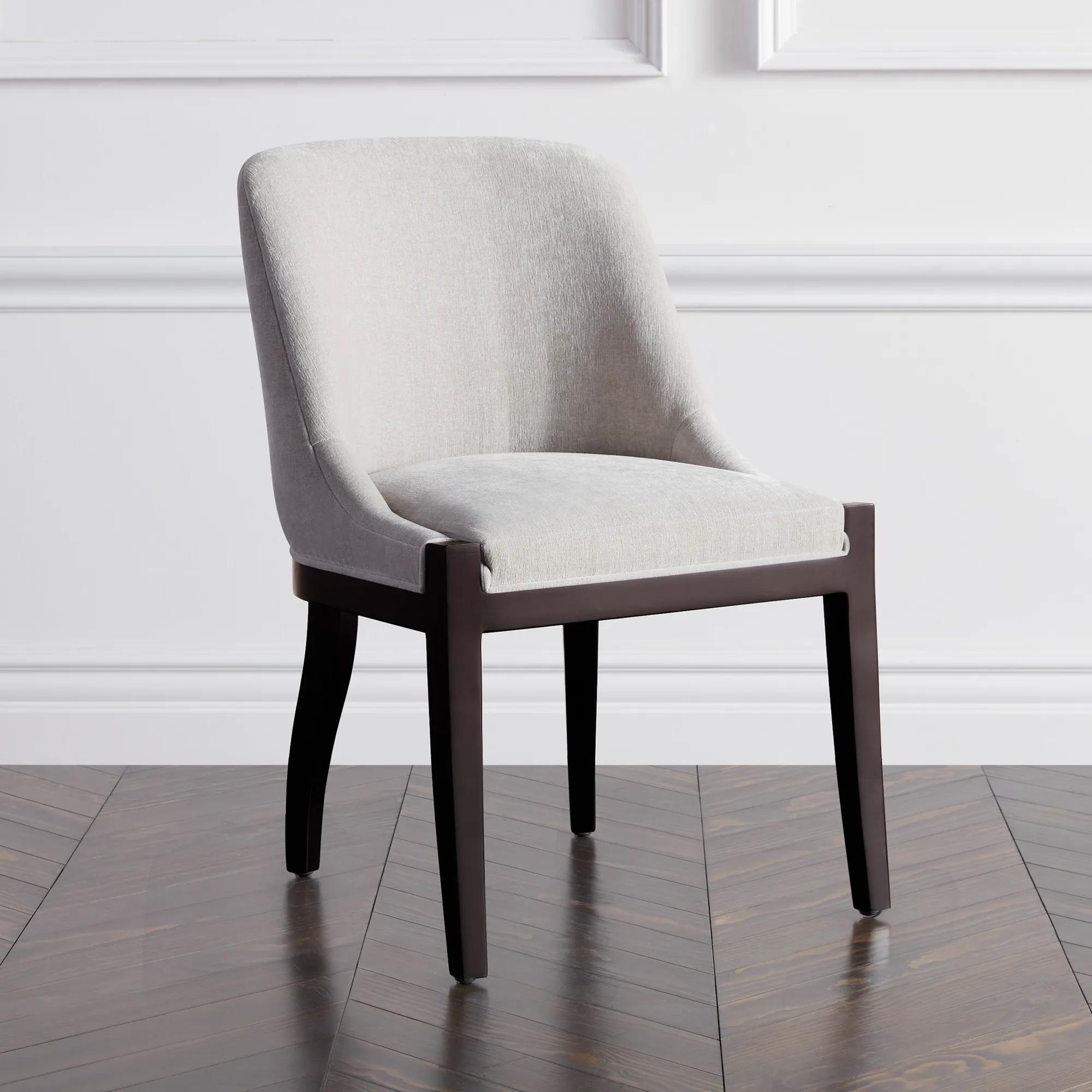
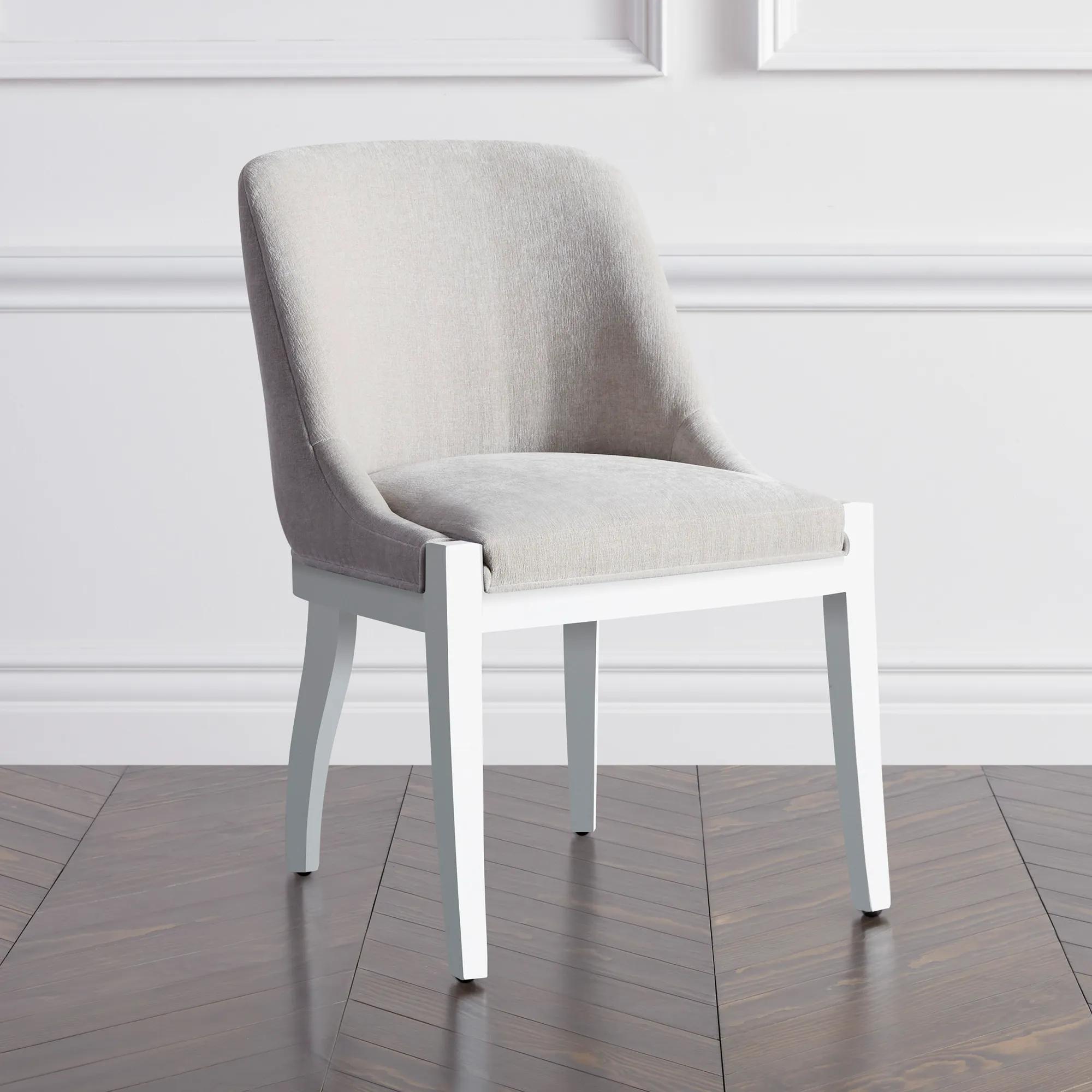
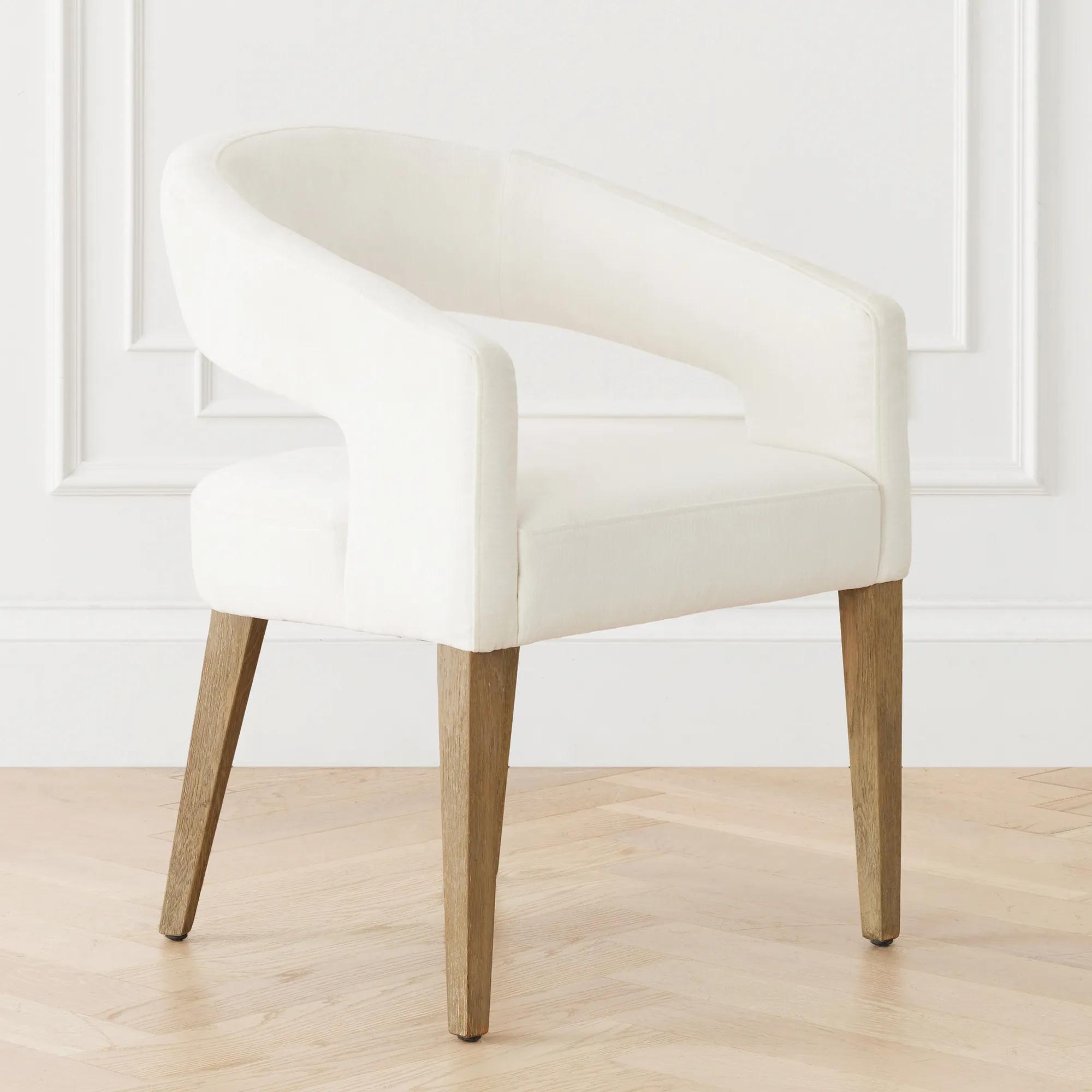
 Lily Dining Chair - Espresso$599
A modern dining chair with espresso-finished hardwood frame and plush, tailored upholstery for lasting comfort.
Add To Cart -
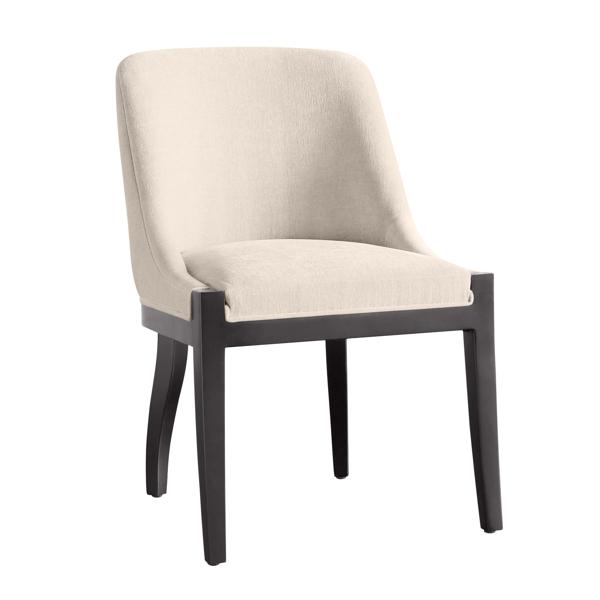
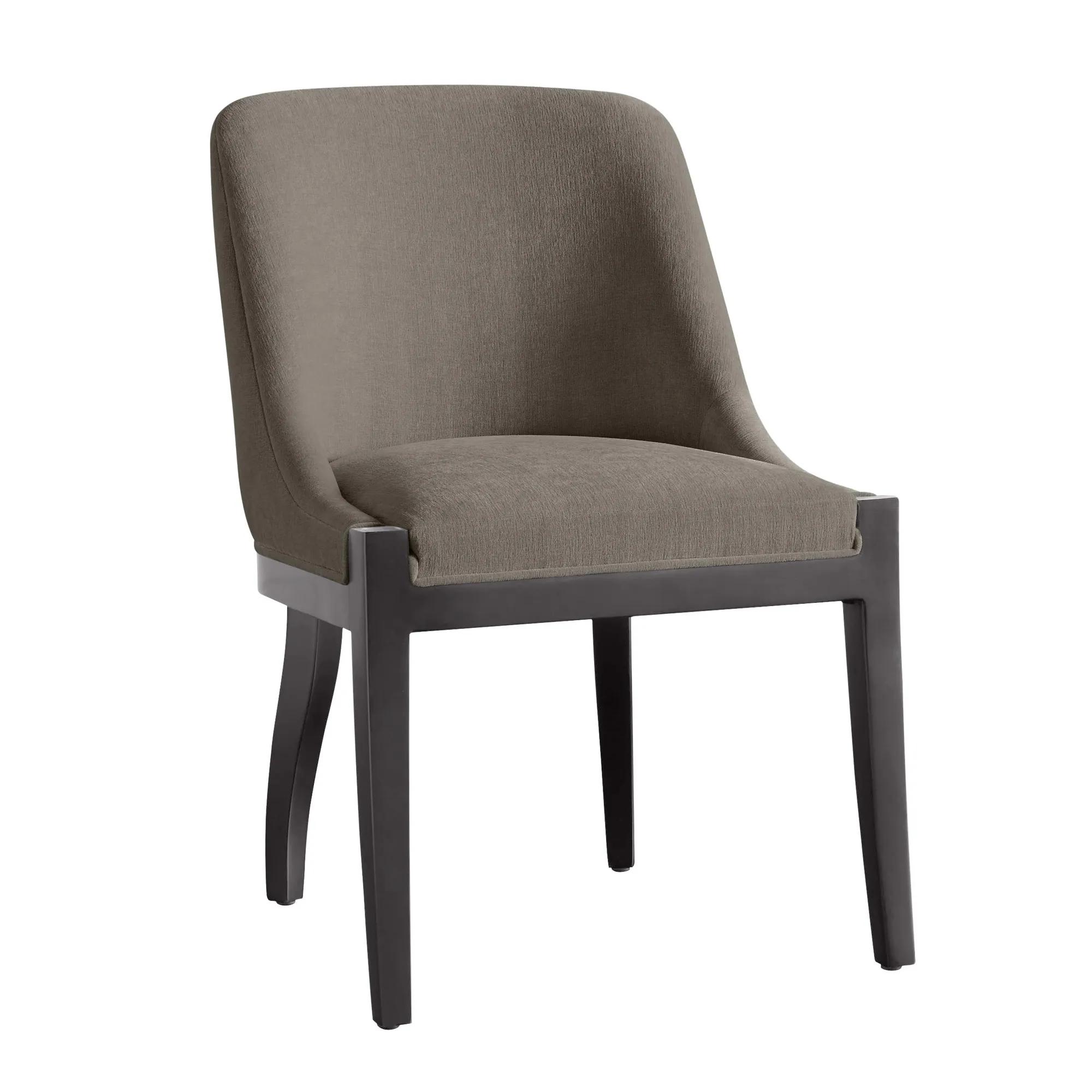 Lily Dining Chair - Espresso$649
A modern dining chair featuring espresso-finished hardwood, curvaceous silhouette, and plush tailored upholstery.
Add To Cart -
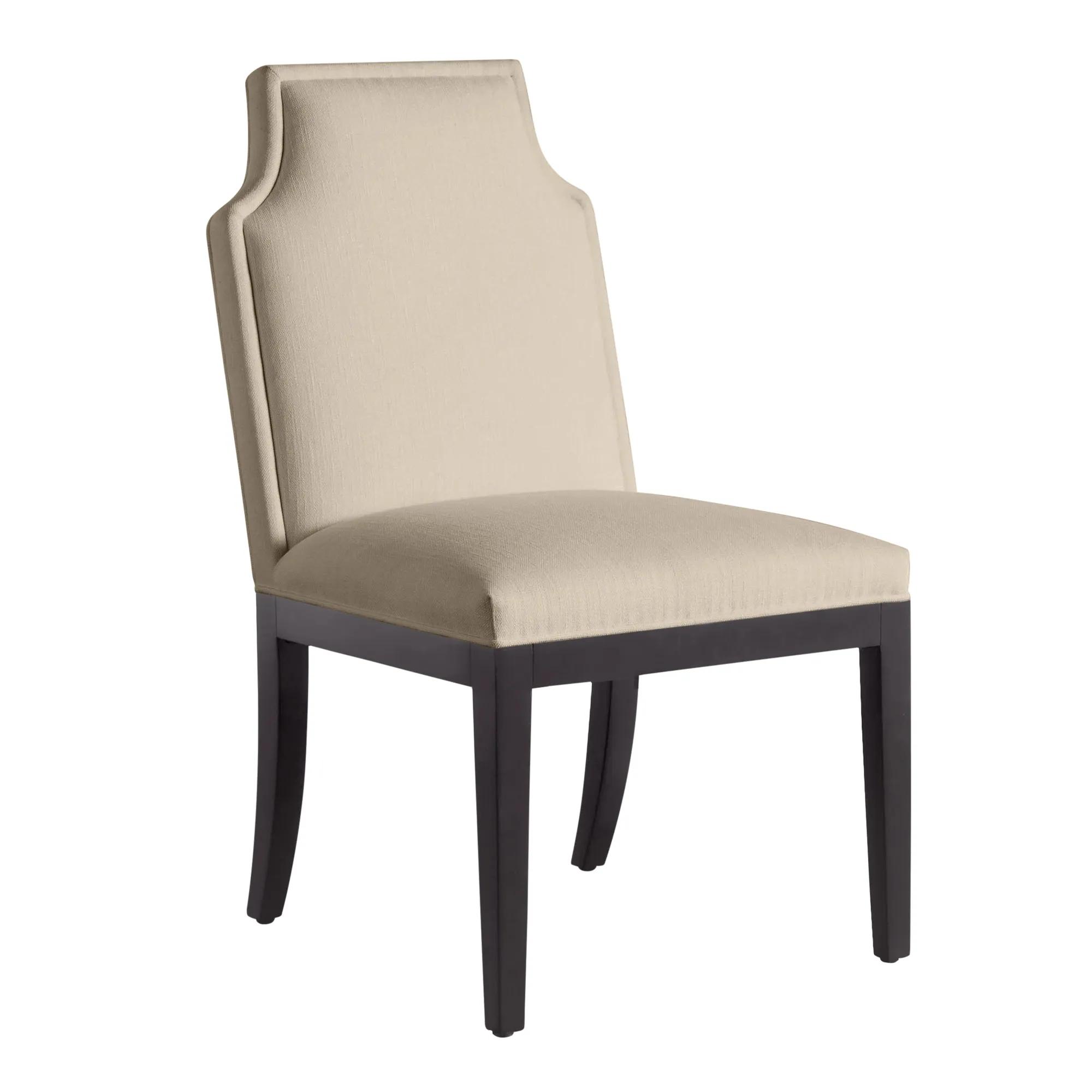
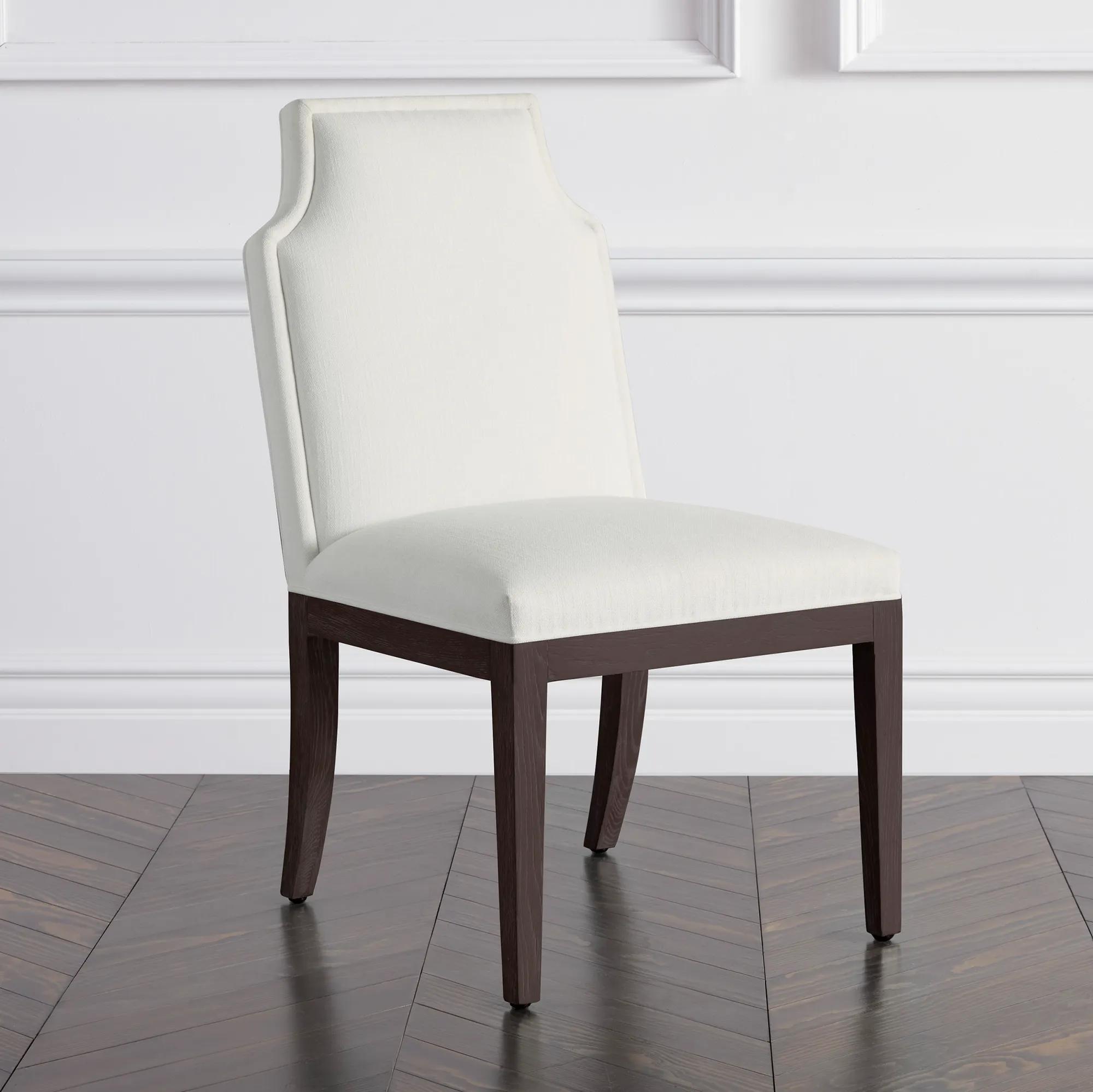 Jasmine Dining Chair - Espresso$649
A chic dining chair featuring a notched back, espresso legs, and plush upholstery for lasting comfort.
Add To Cart -
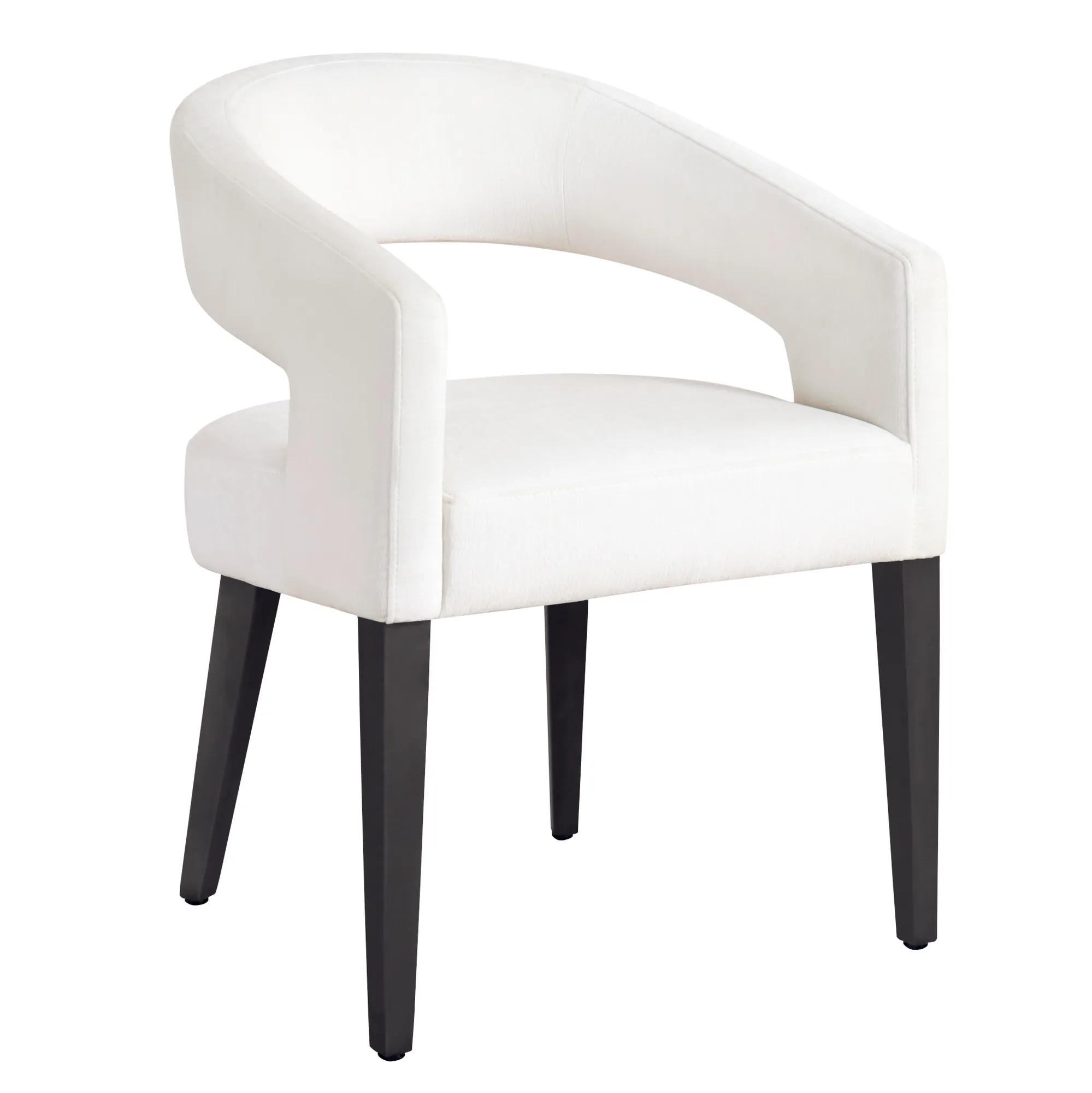
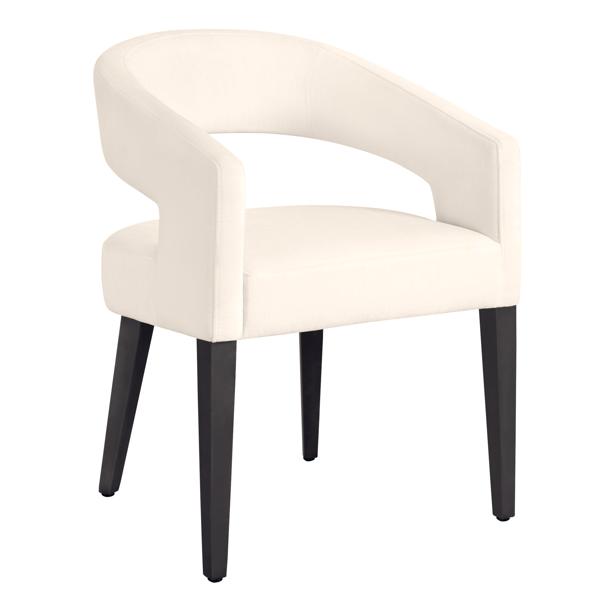 Philippa Dining Chair - Espresso$599
A modern dining chair featuring a curved silhouette, espresso legs, and neatly tailored chenille upholstery.
Add To Cart -
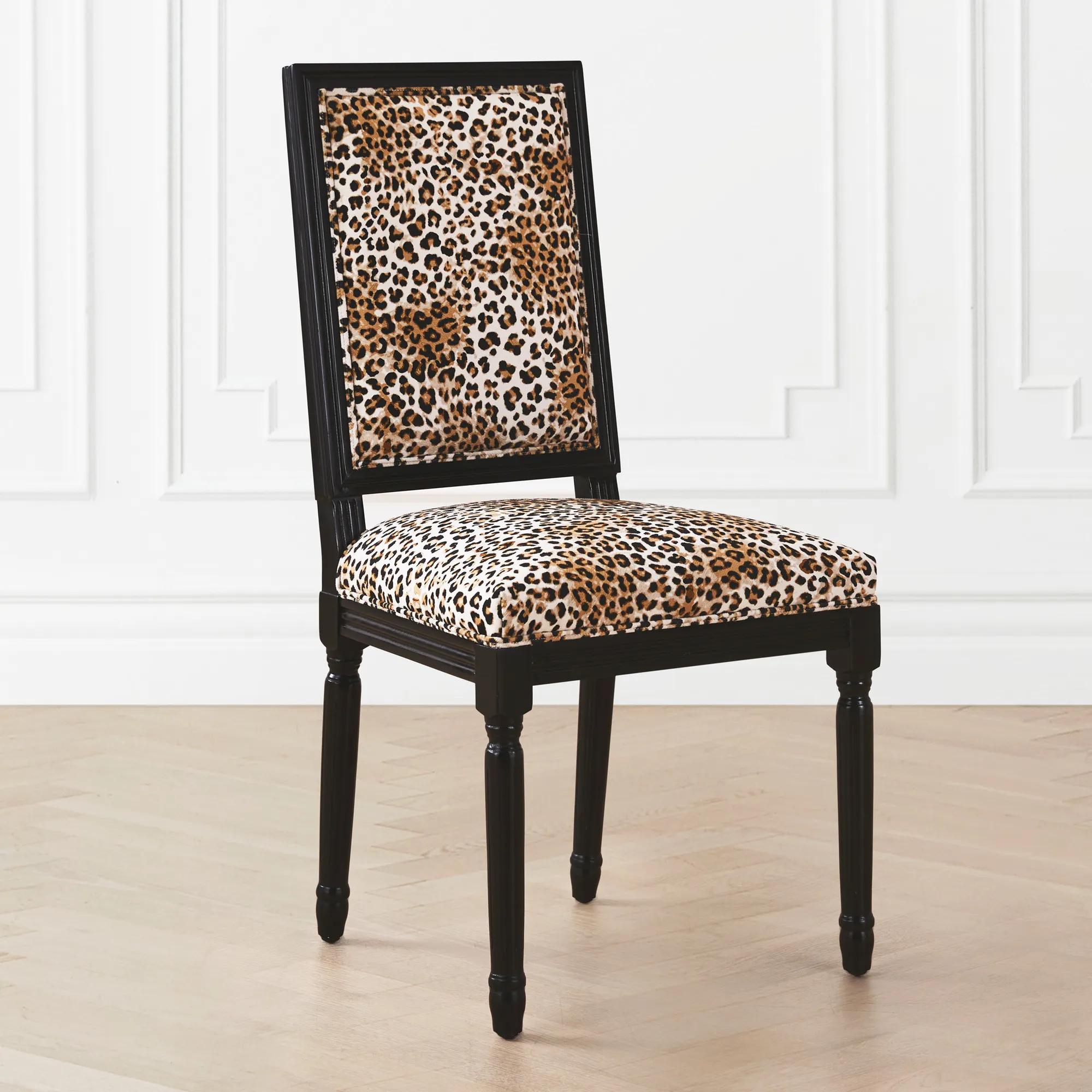
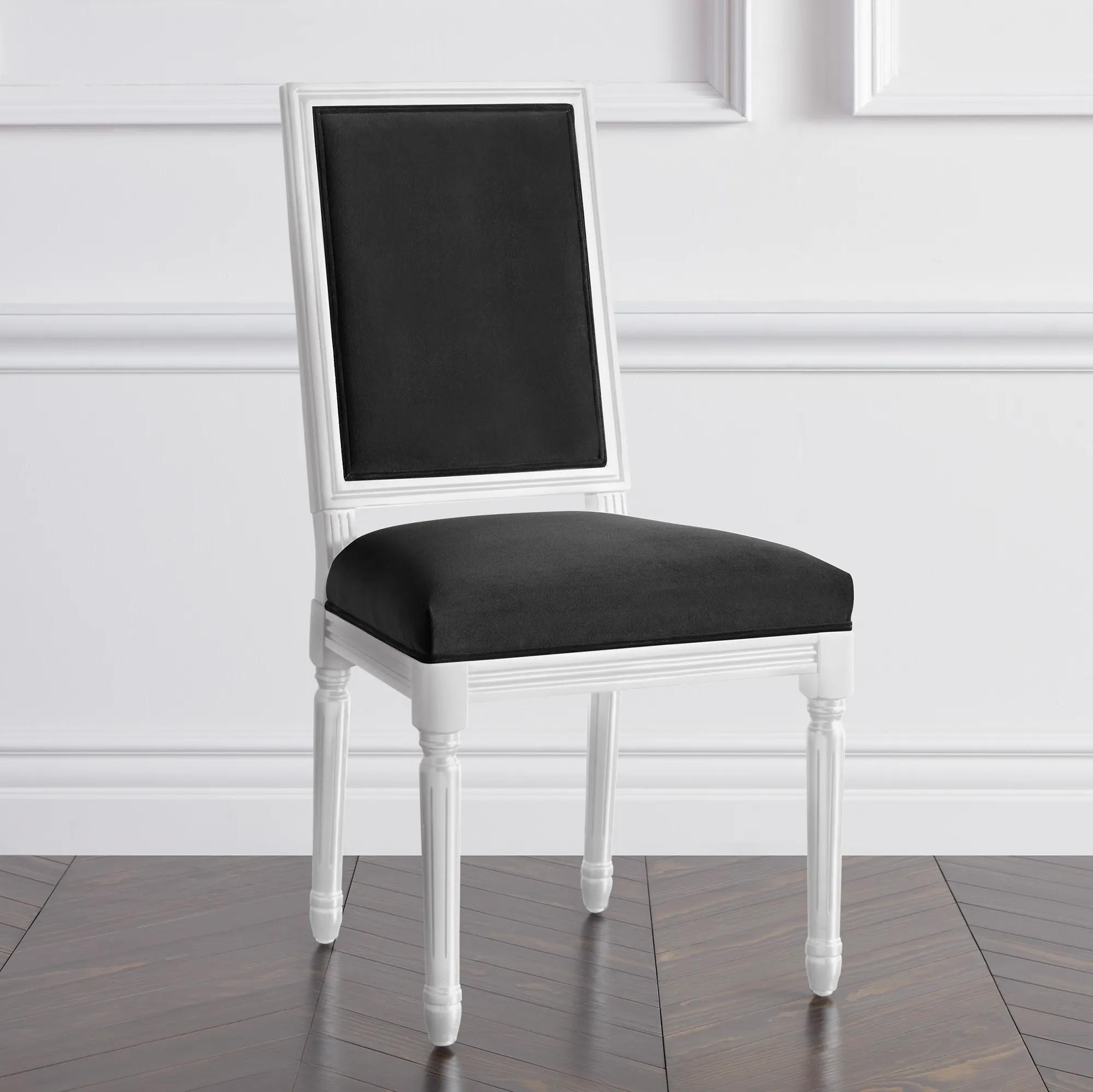
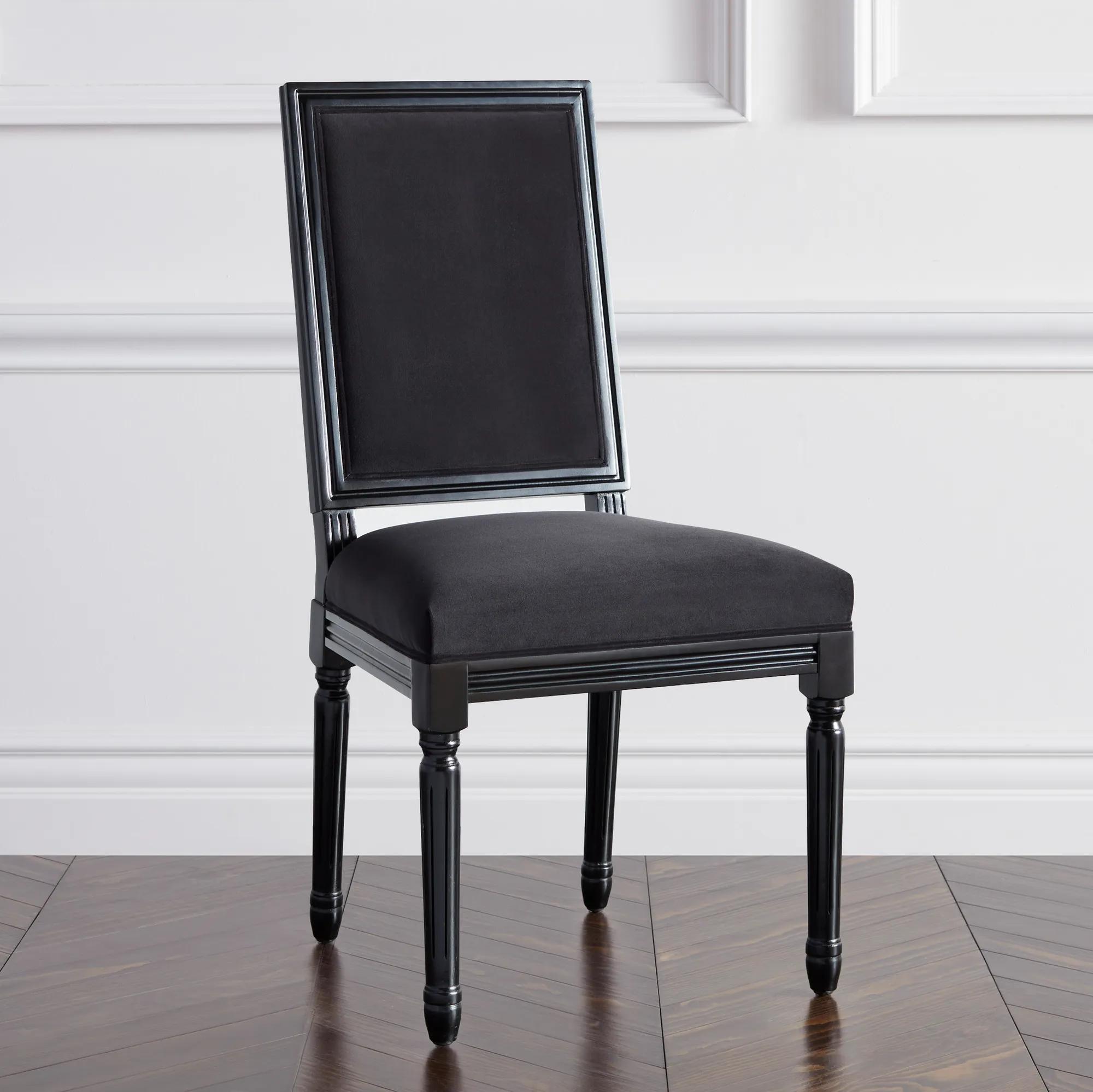
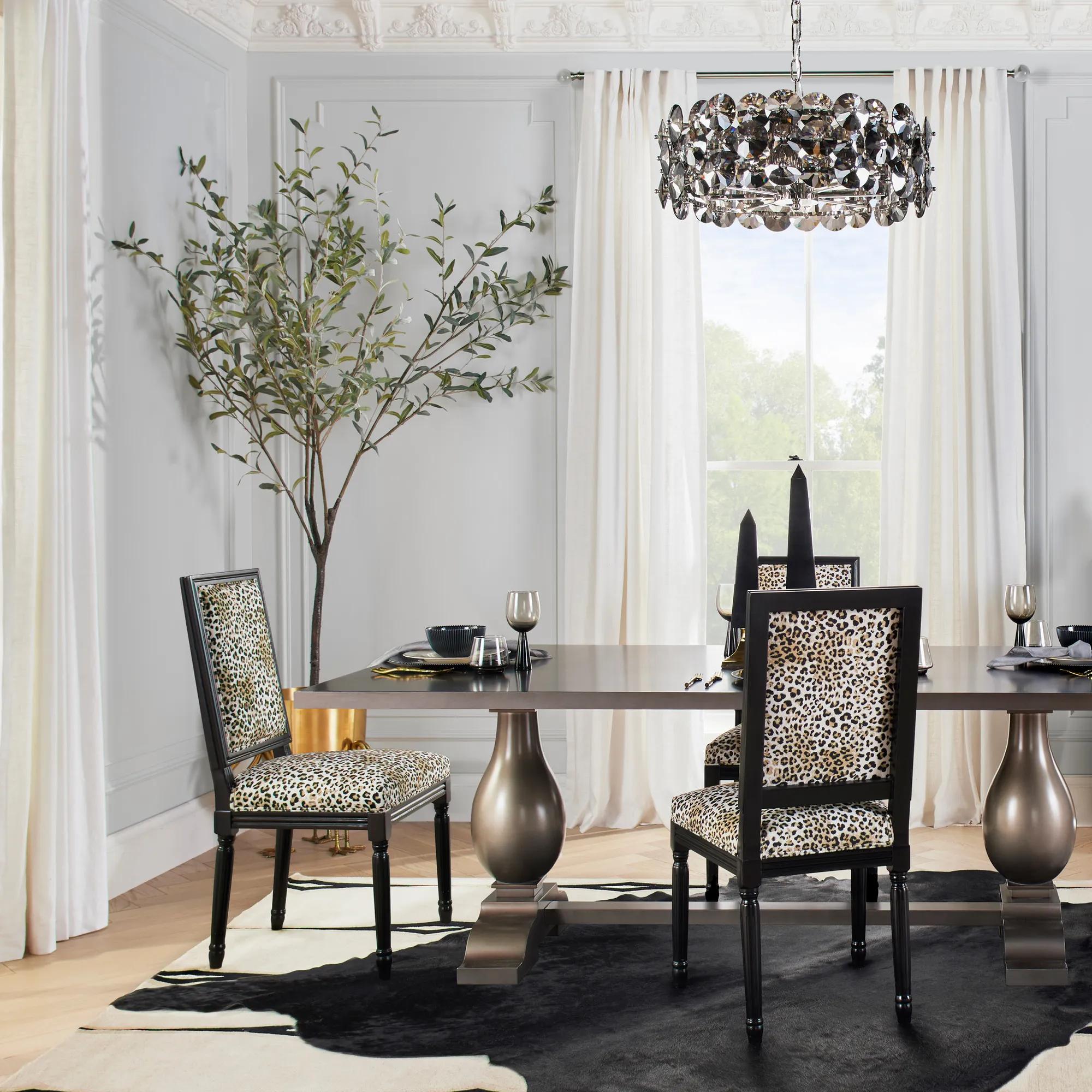 Callan Dining Chair$599
A handcrafted modern chair featuring classic upholstery, squared back, fluted legs, and high-gloss finish.
Add To Cart -
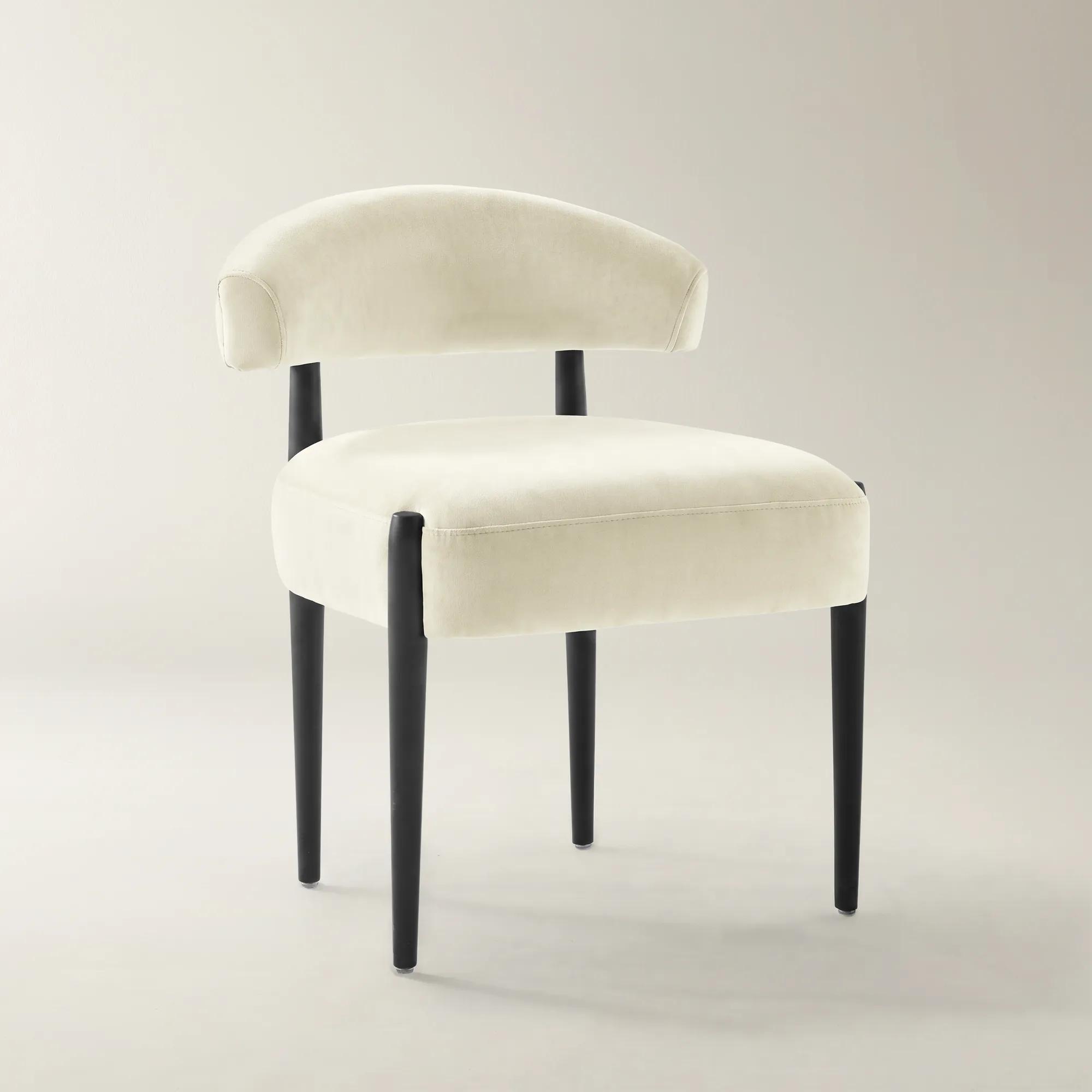
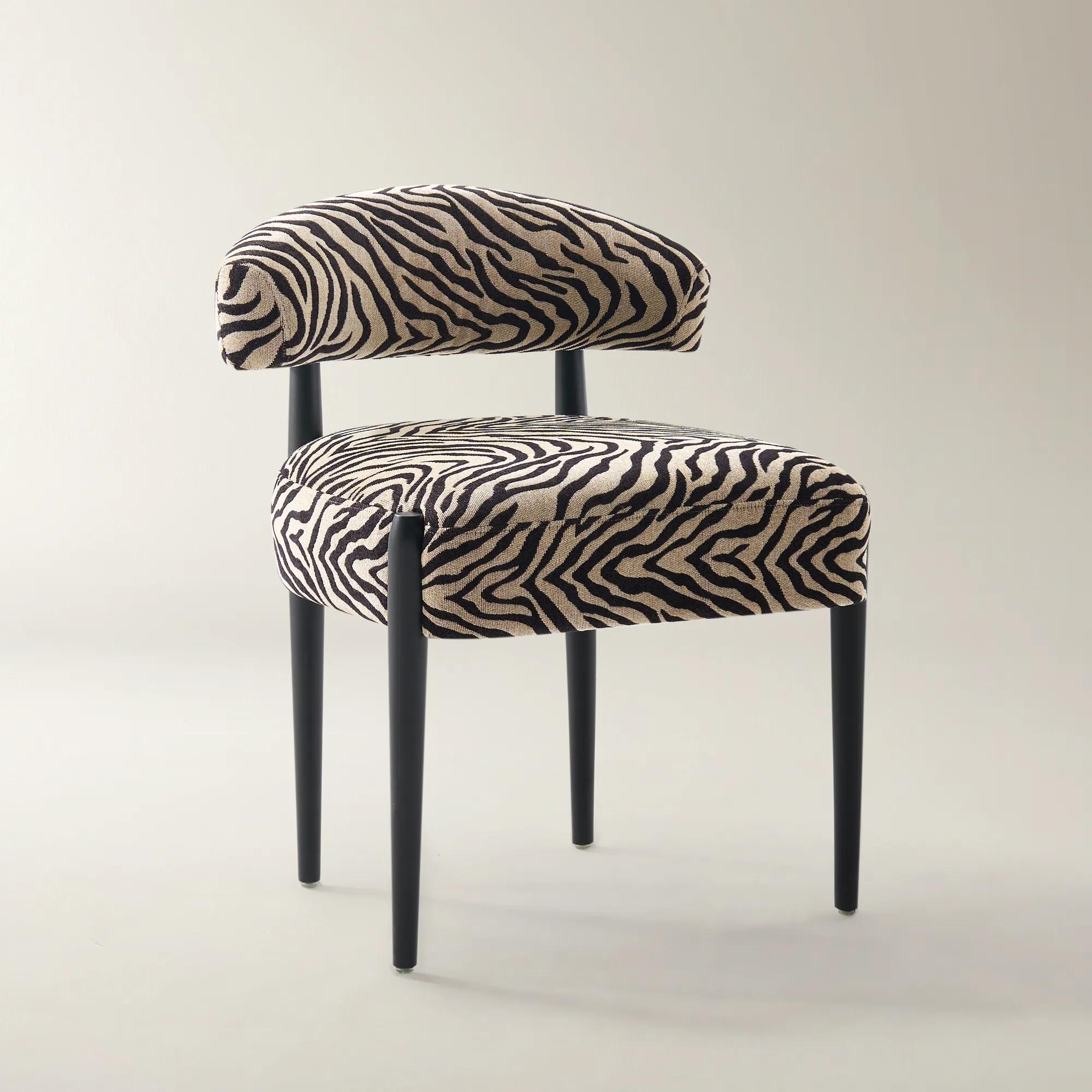 Anna Cloud Velvet Dining Chair Set of 2$599
A hand-upholstered Cloud velvet chair set featuring curved backs, high-density foam, and solid rubberwood legs.
Add To Cart -

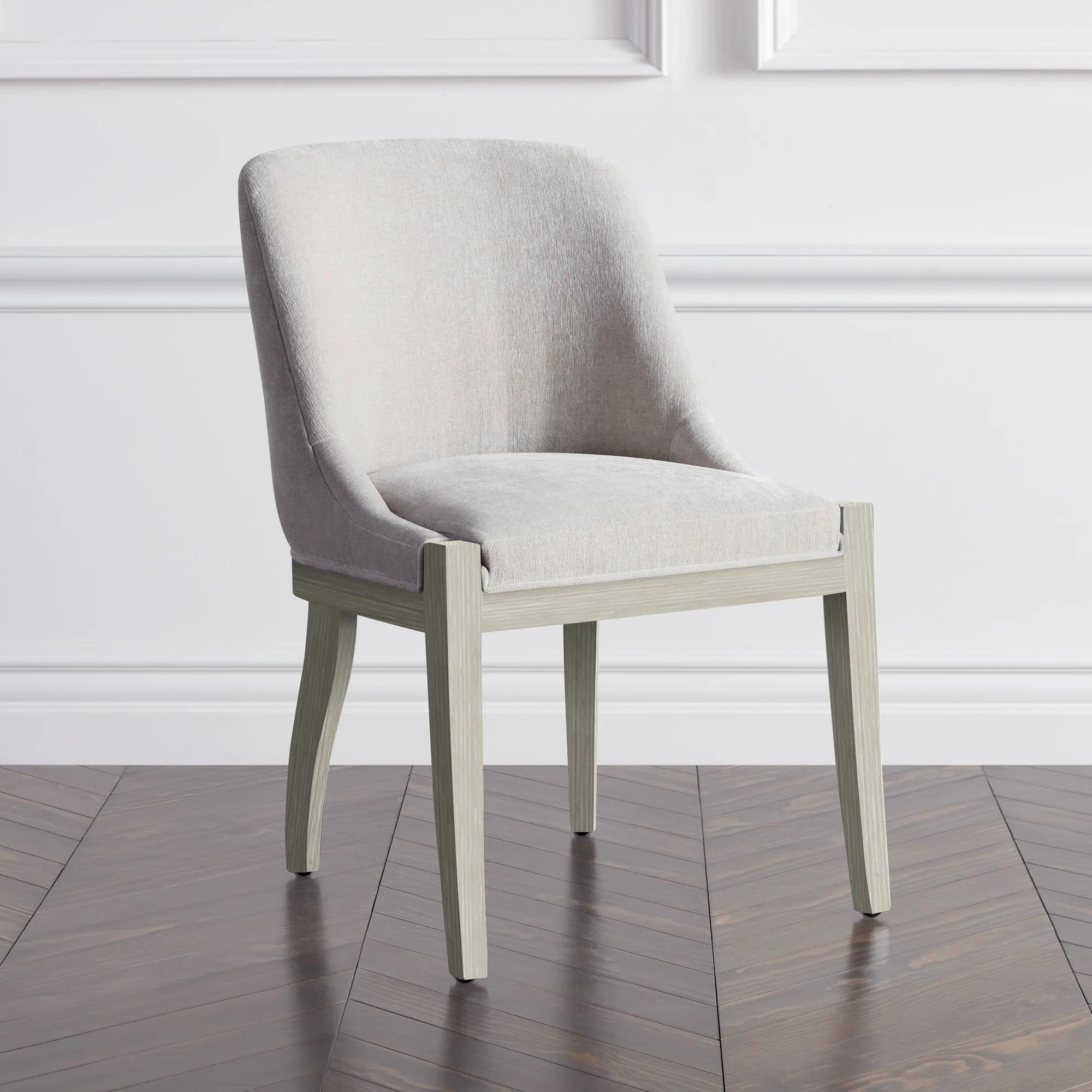
 Alric Dining Chair$599
A modern dining chair featuring solid oak in a natural grey finish and neatly tailored upholstery.
Add To Cart -

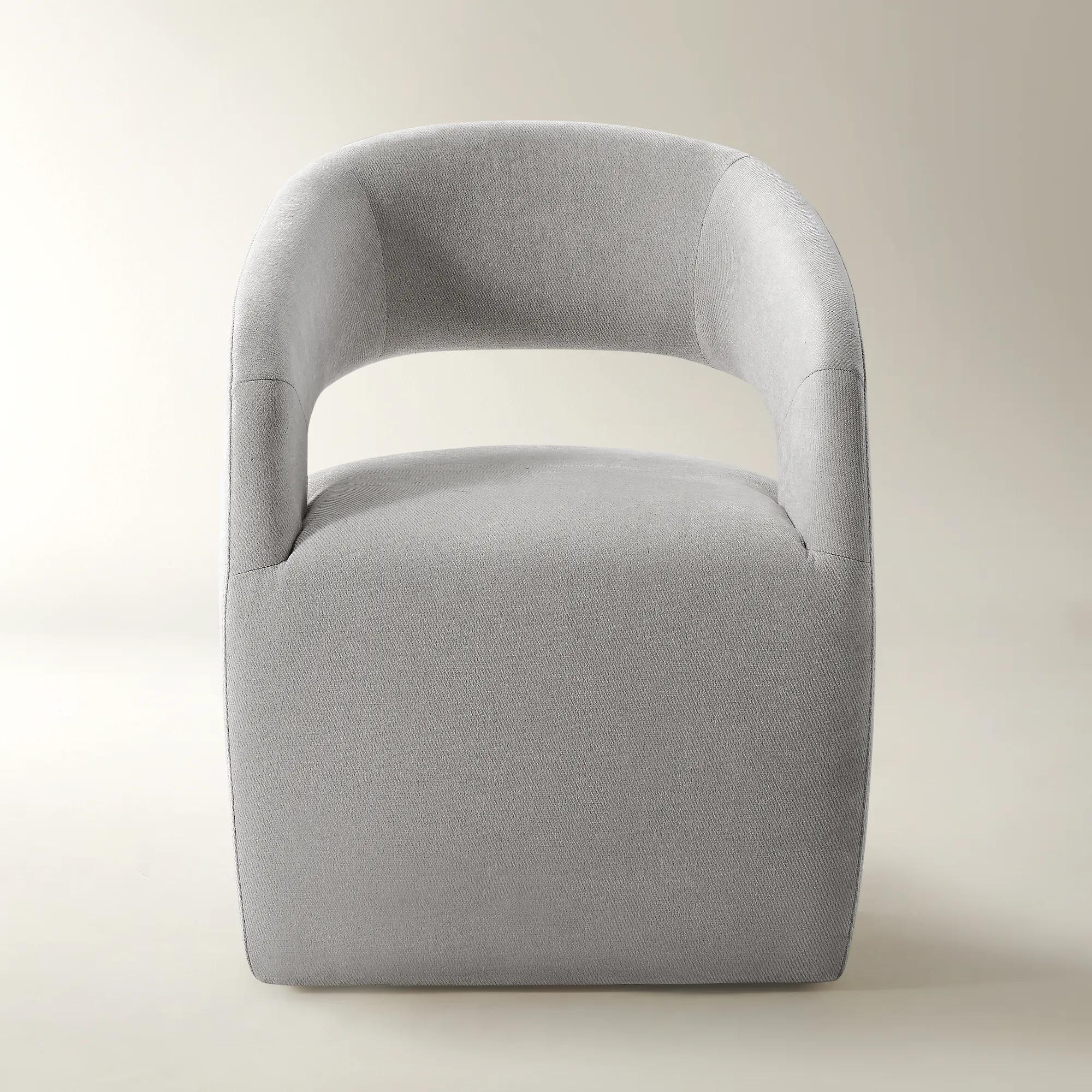 Harrison Flint Chenille Dining Chair$499
A fully upholstered flint chenille dining chair with high-density foam cushioning for superior comfort and style.
Add To Cart -
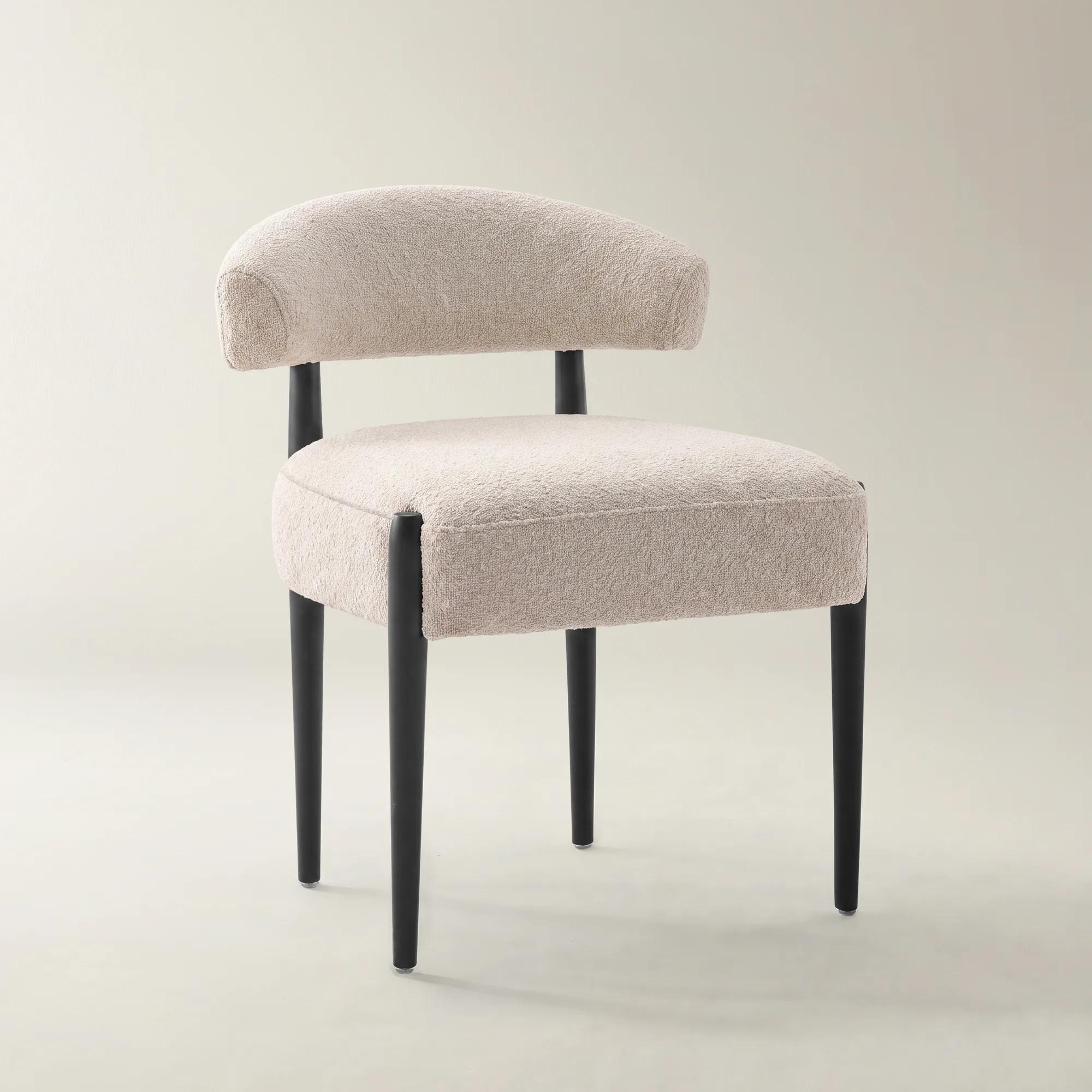 Anna Ivory Performance Boucle Dining Chair Set of 2$599
An ivory performance bouclé dining chair set with arched backs, high-density foam, and solid wood construction.
Add To Cart -
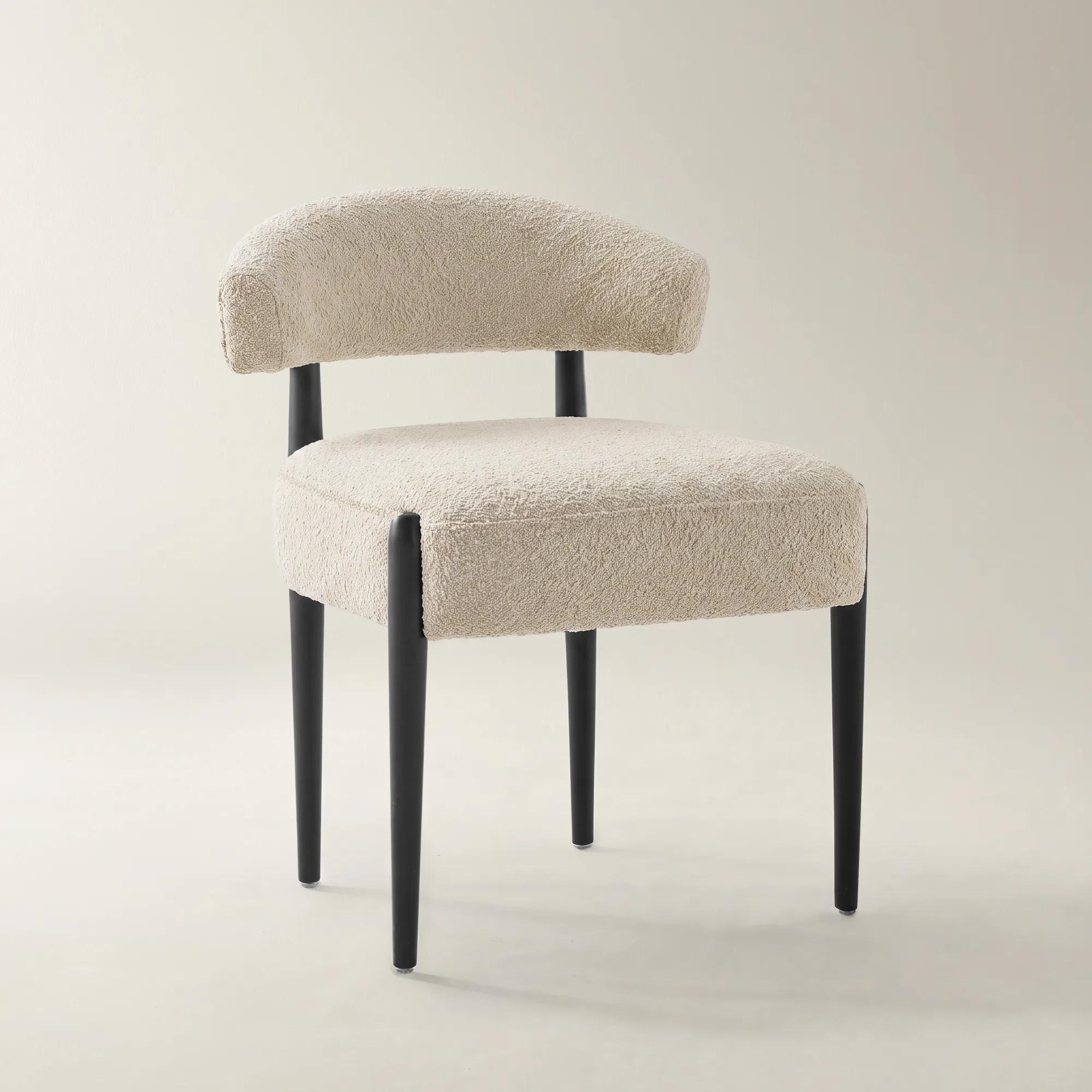 Anna Ivory Performance Boucle Dining Chair Set of 2$599
A pair of ivory performance boucle chairs with curved backs, cushioned comfort, and solid wood frames.
Add To Cart -
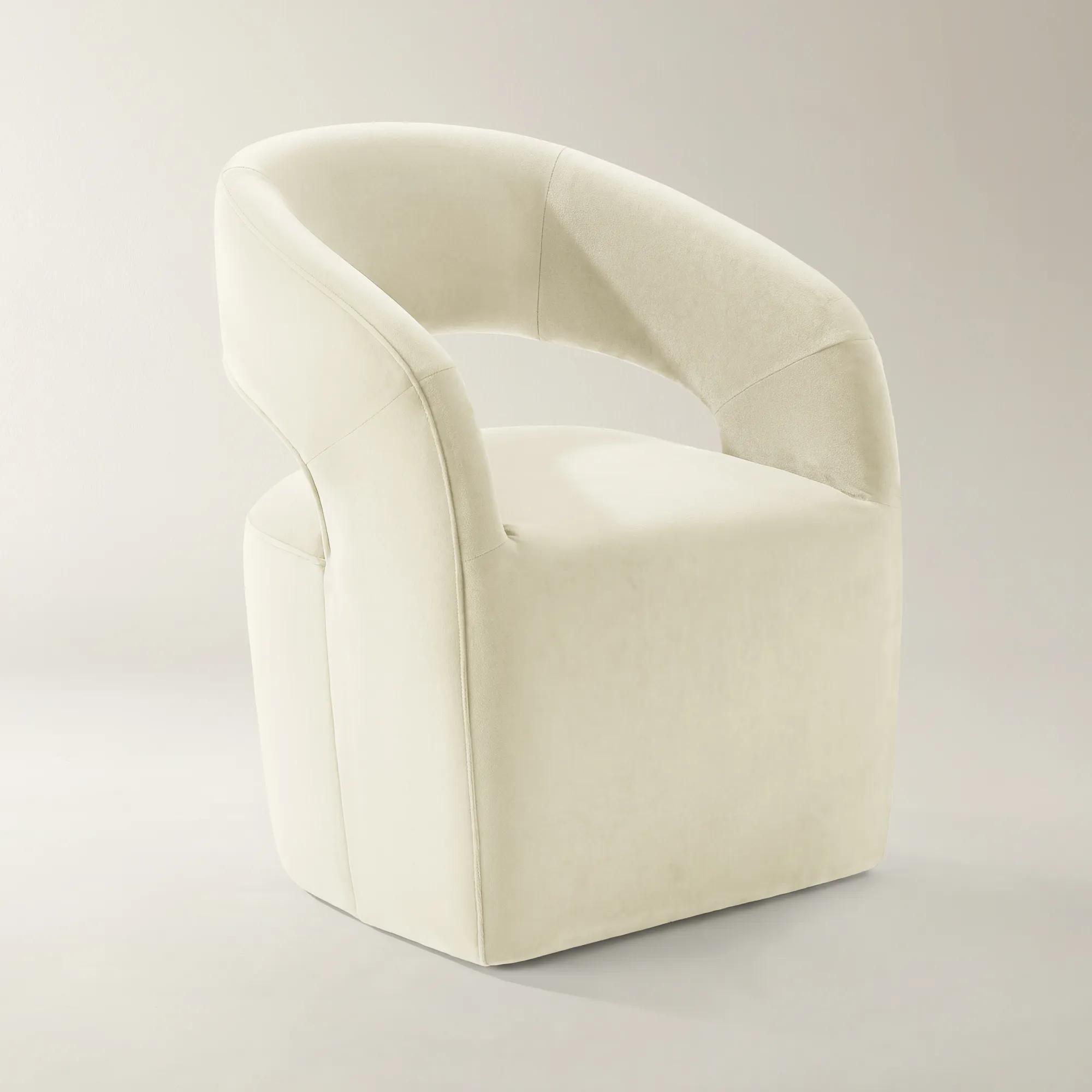 Harrison Cloud Velvet Dining Chair$449
A sculptural dining chair featuring cloud velvet upholstery, feather-blend cushioning, and a continuous curved back.
Add To Cart -
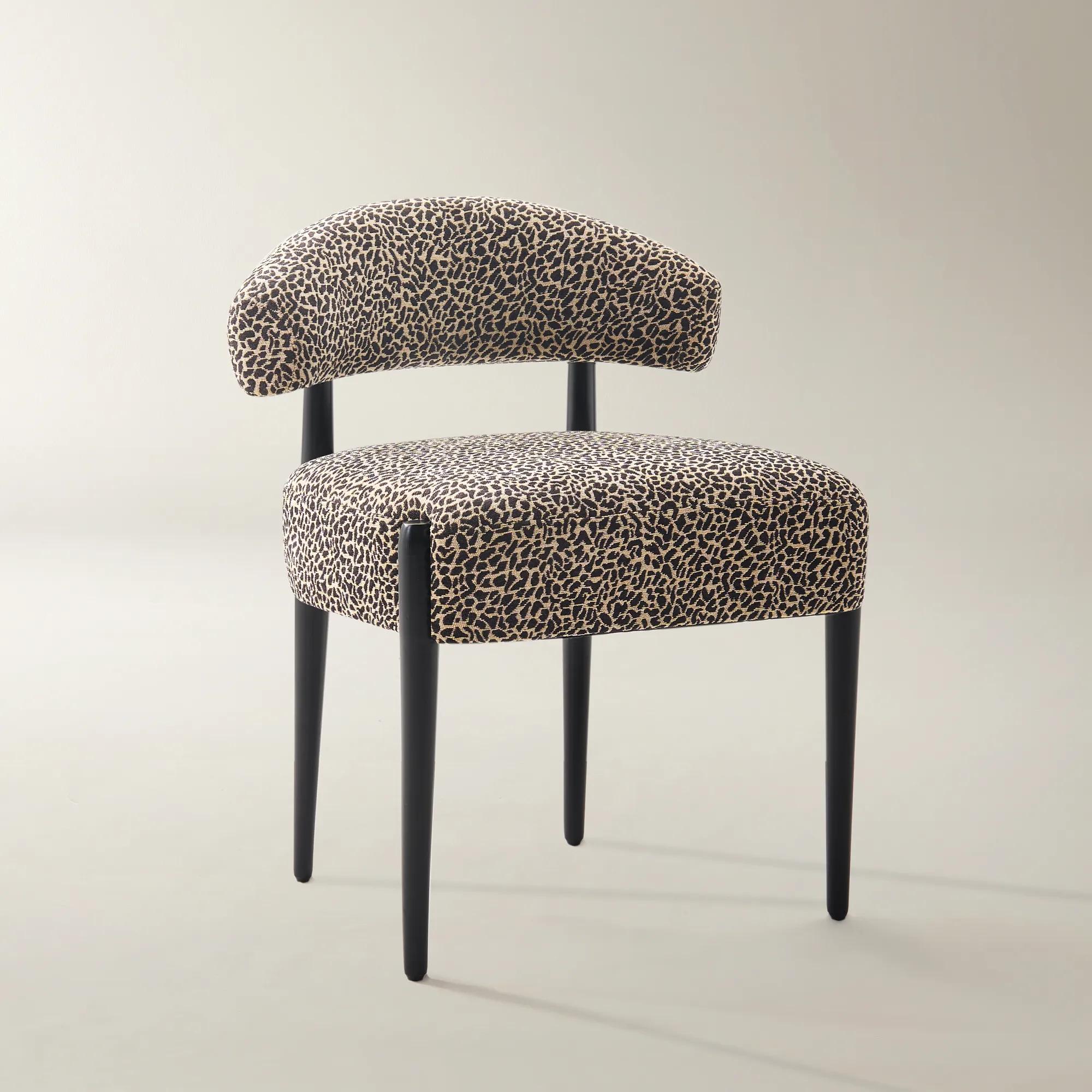
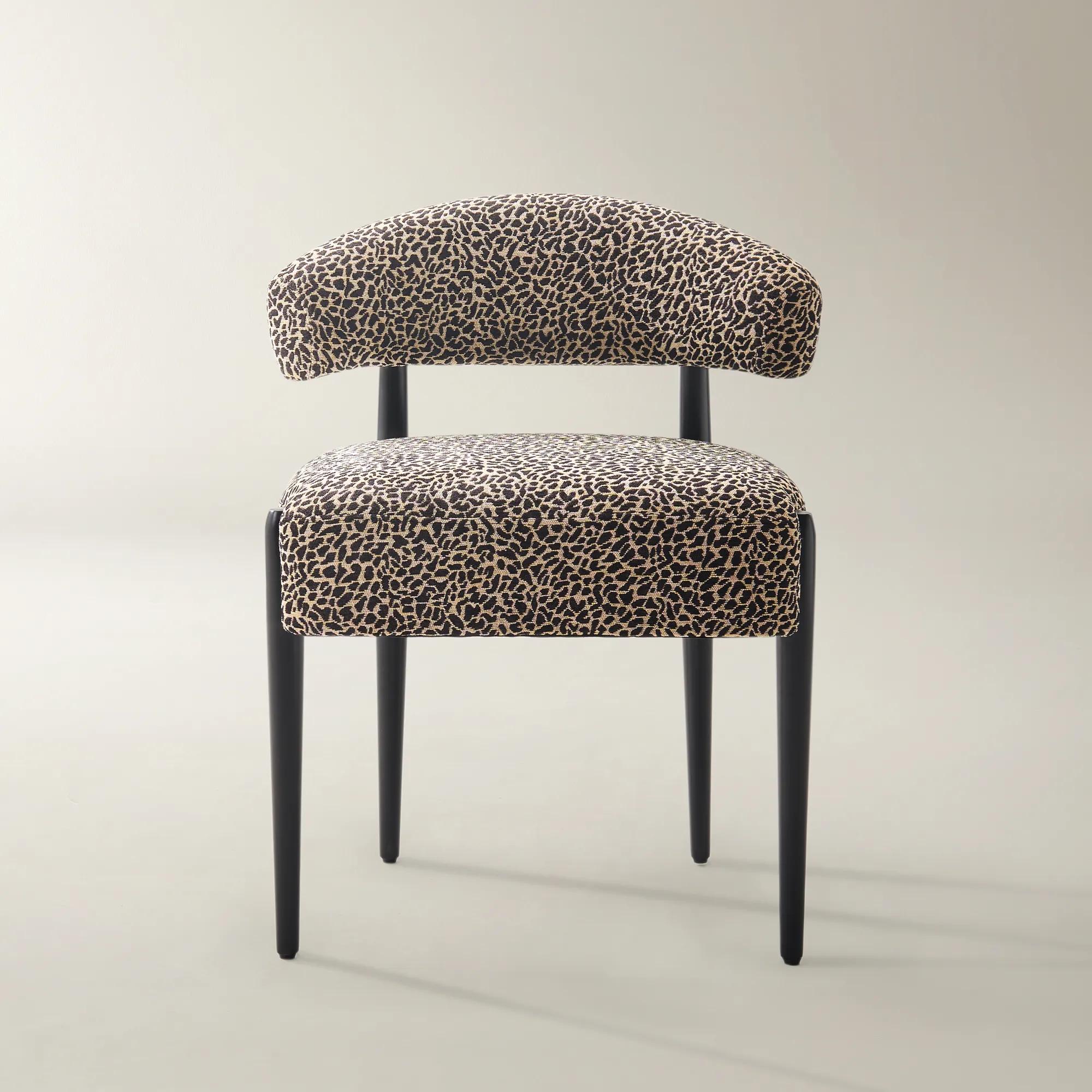 Anna Leopard Chenille Dining Chair Set Of 2$699
A pair of leopard-print chenille chairs with solid rubberwood legs and high-density foam for lasting comfort.
Add To Cart -
 Stria Roasted Pecan Velvet Swivel Dining Chair With Oak Base$699
A khaki chenille swivel armchair with a handcrafted solid oak base and plush, modern comfort.
Add To Cart -
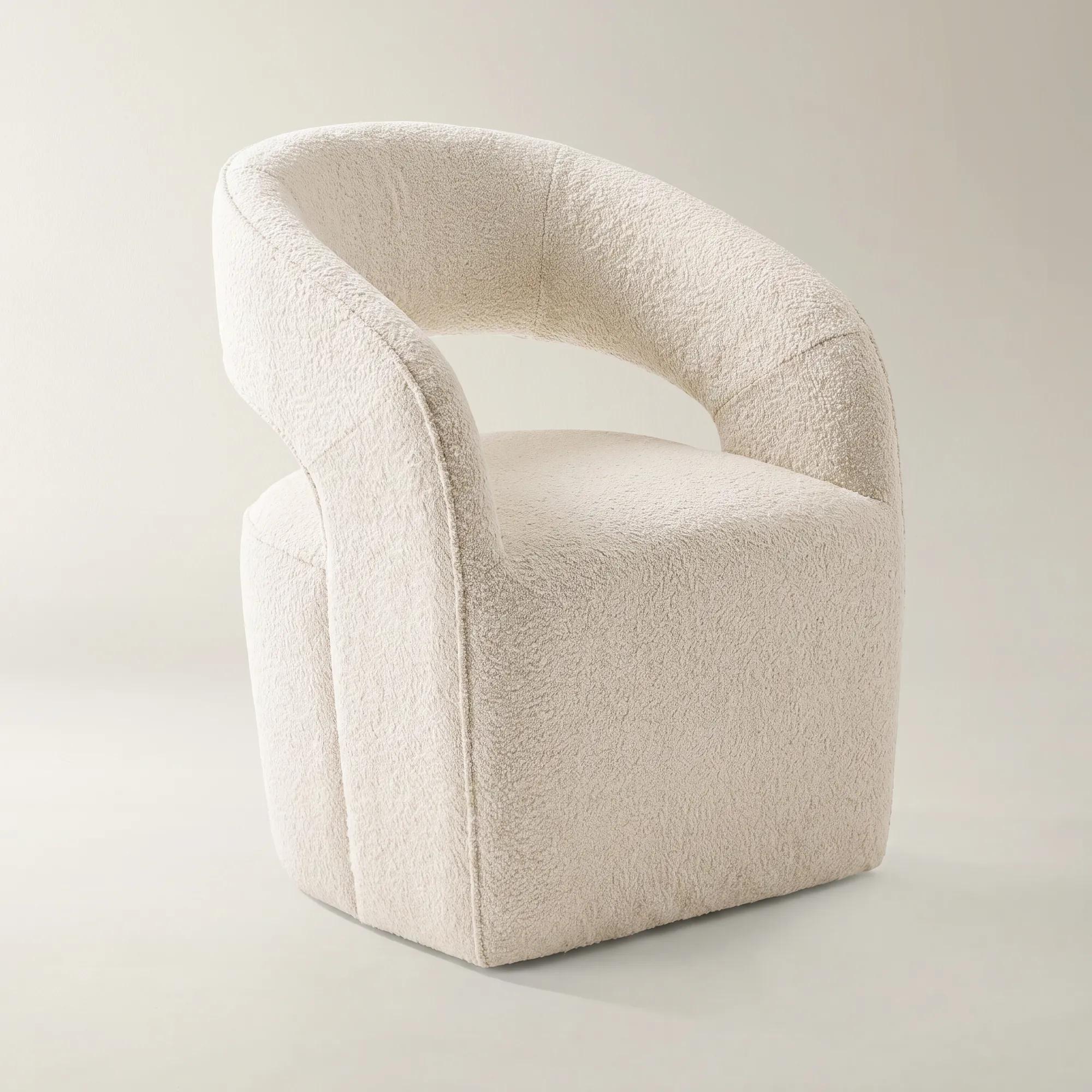
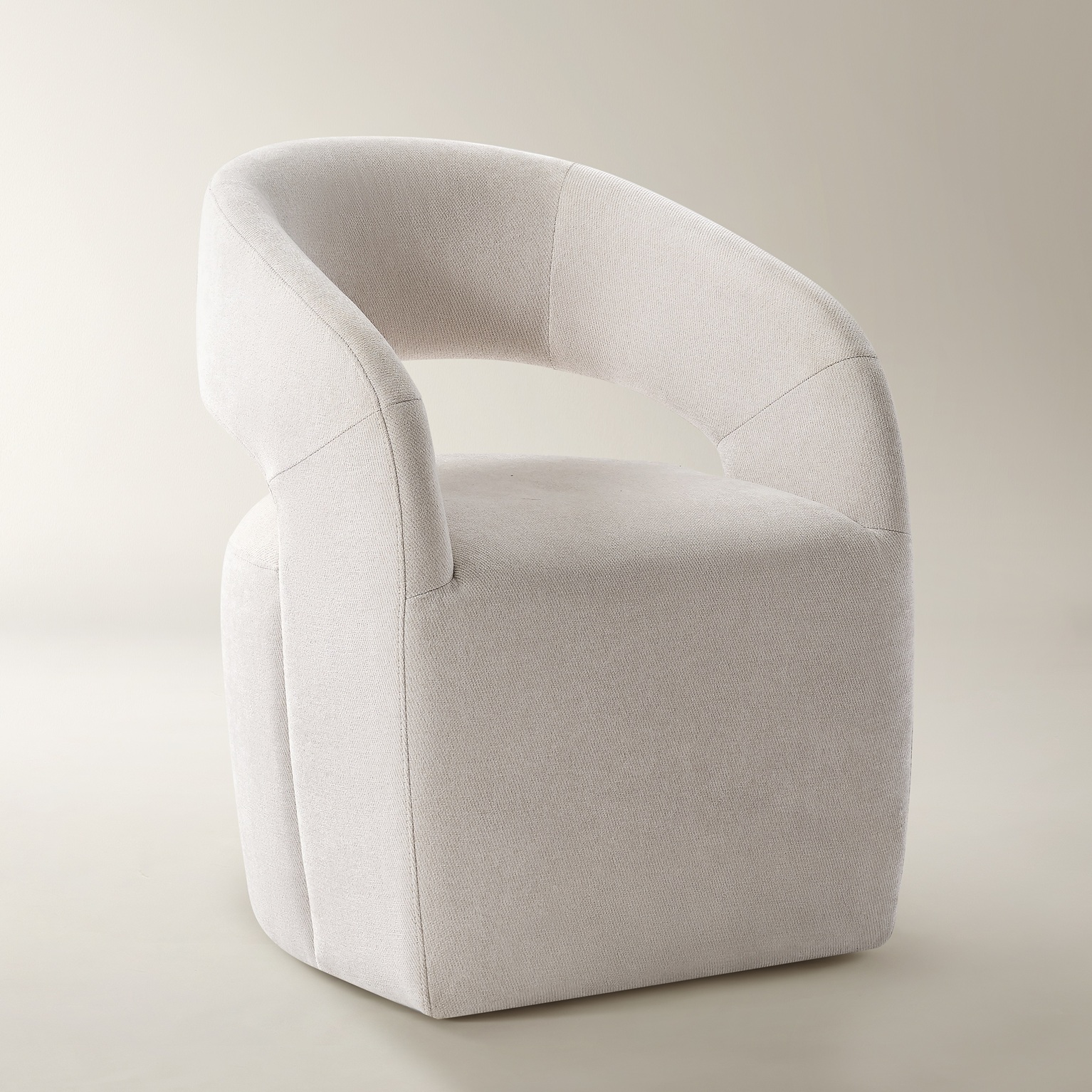 Harrison Utopia Sand Chenille Dining Chair$449
A sculptural dining chair upholstered in sand chenille with a curved back, feather-blend seat, and integrated arms.
Add To Cart -
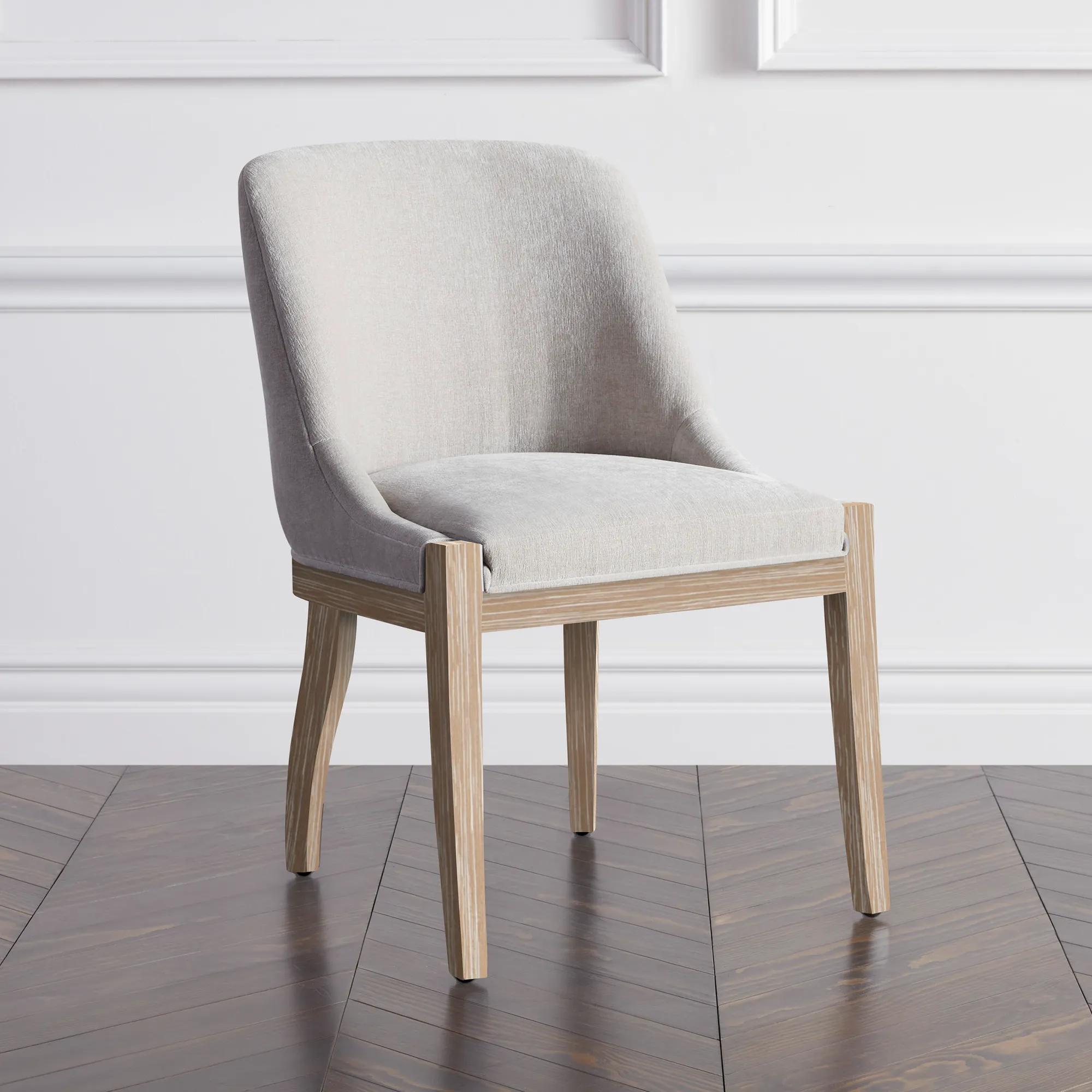
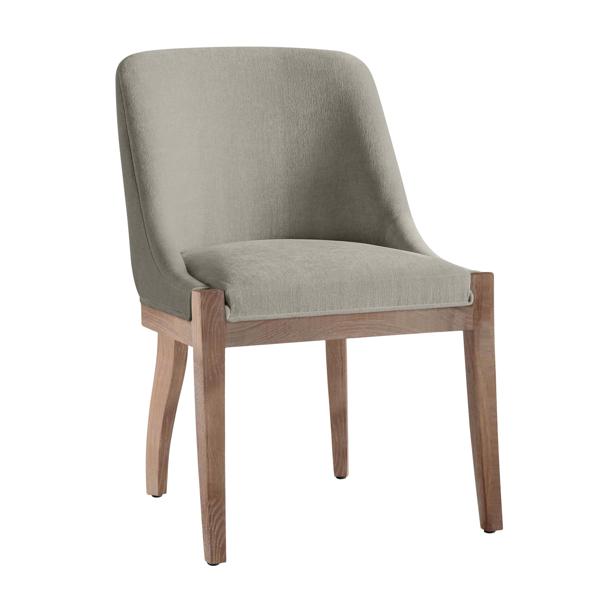 Lily Dining Chair - Wash Oak$649
A modern dining chair featuring a kiln-dried hardwood frame, wash oak legs, and plush tailored upholstery.
Add To Cart -
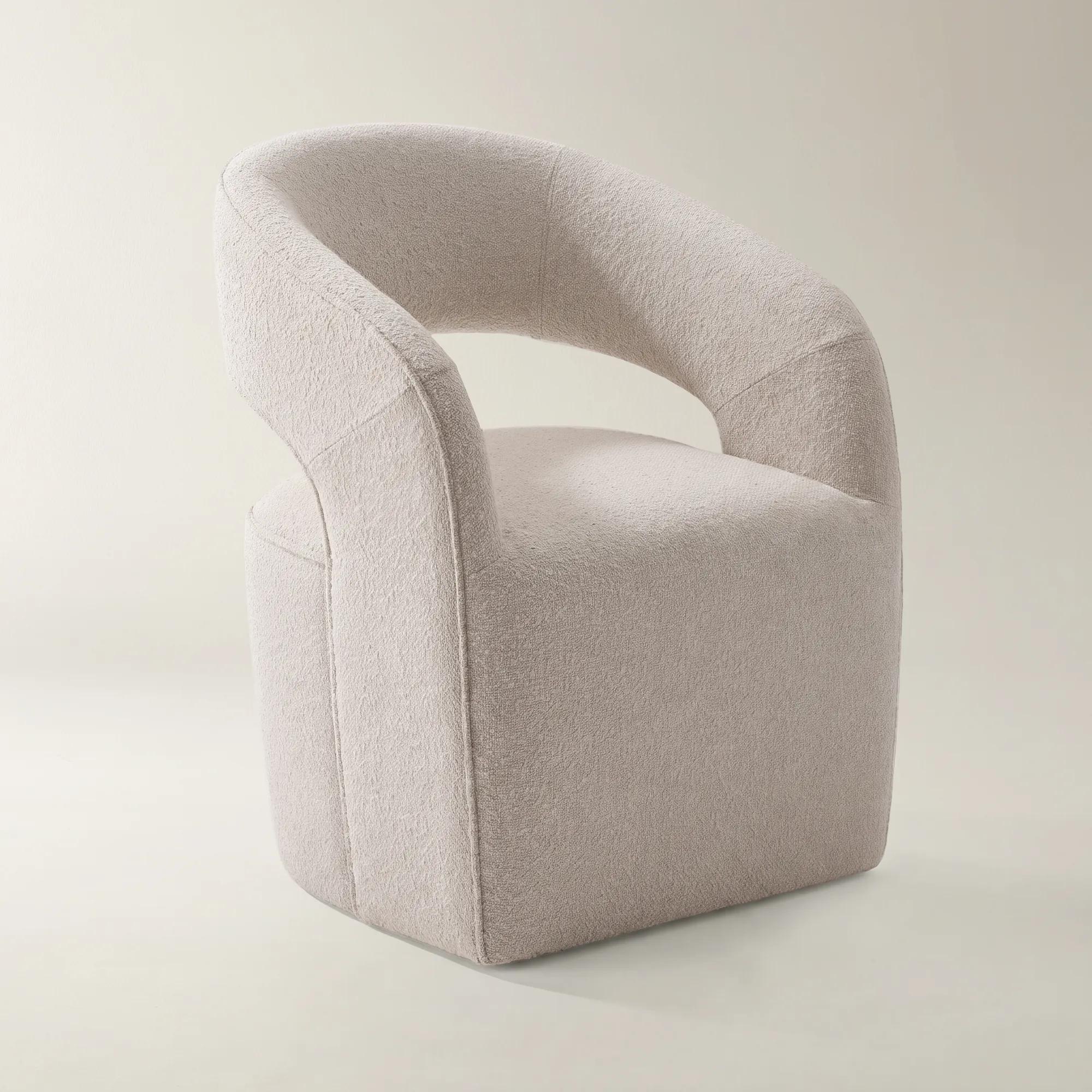 Harrison Ivory Performance Boucle Dining Chair$449
A sculptural dining chair in ivory performance boucle with a curved back, feather-blend seat, and modern elegance.
Add To Cart -
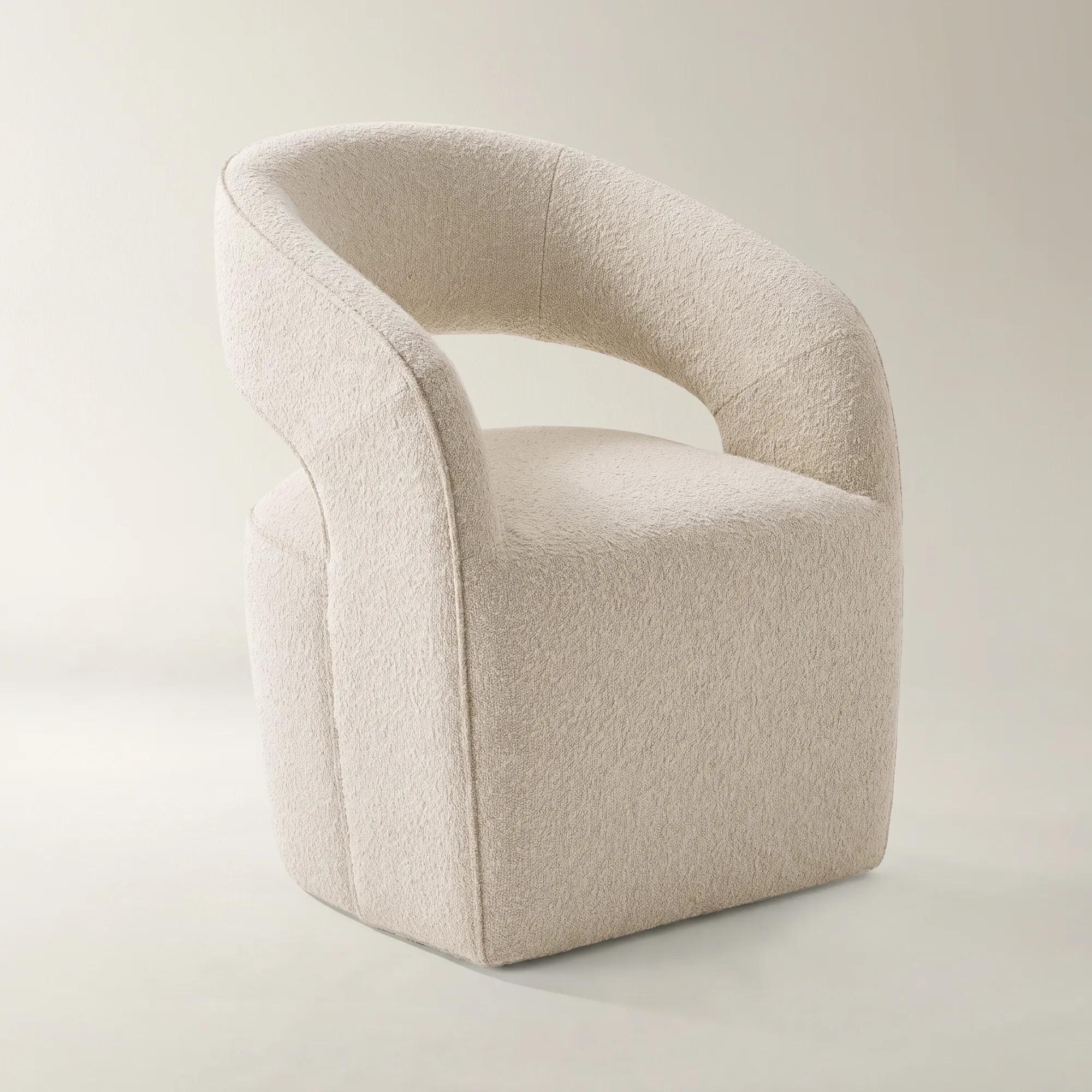 Harrison Ivory Performance Boucle Dining Chair$449
A sculptural dining chair in ivory performance boucle with a curved back, integrated arms, and feather-blend comfort.
Add To Cart -
Anna Zebra Chenille Dining Chair Set Of 2$699
A set of zebra-print chenille dining chairs with high-density foam cushions and sturdy rubberwood legs.
Add To Cart -
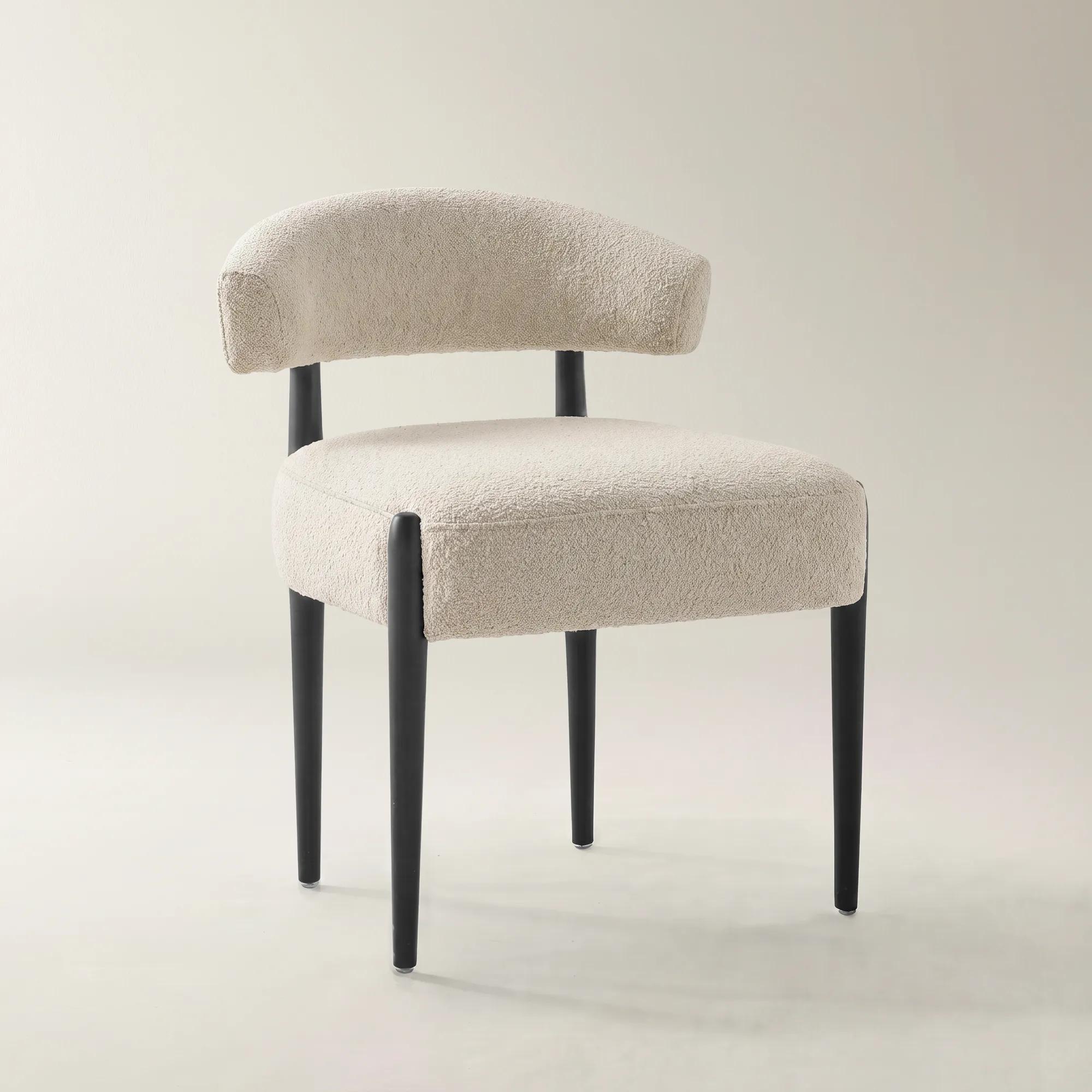 Anna Utopia Sand Chenille Dining Chair Set of 2$599
A sand chenille dining chair set featuring tailored armless curves, high-density cushioning, and solid rubberwood legs.
Add To Cart -
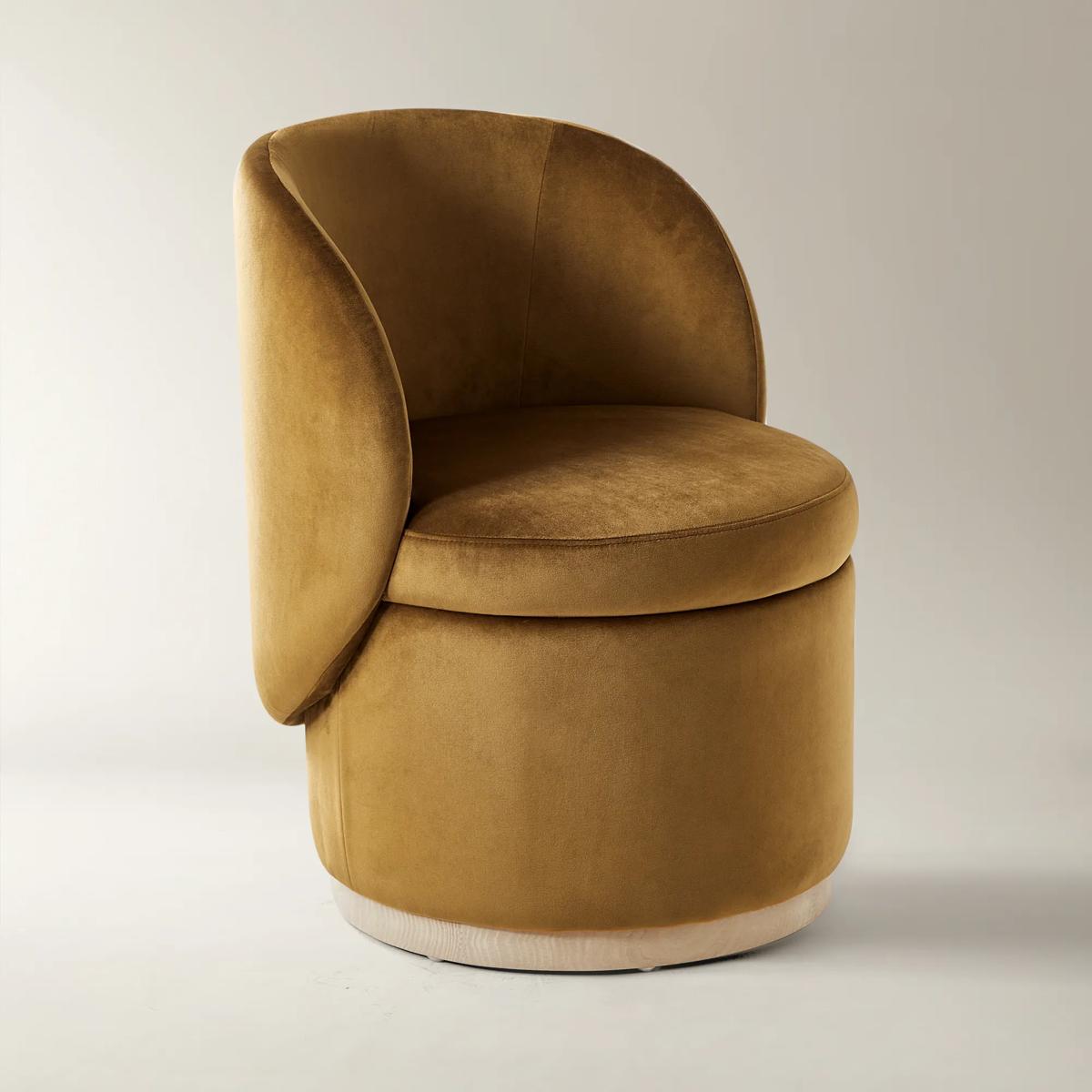
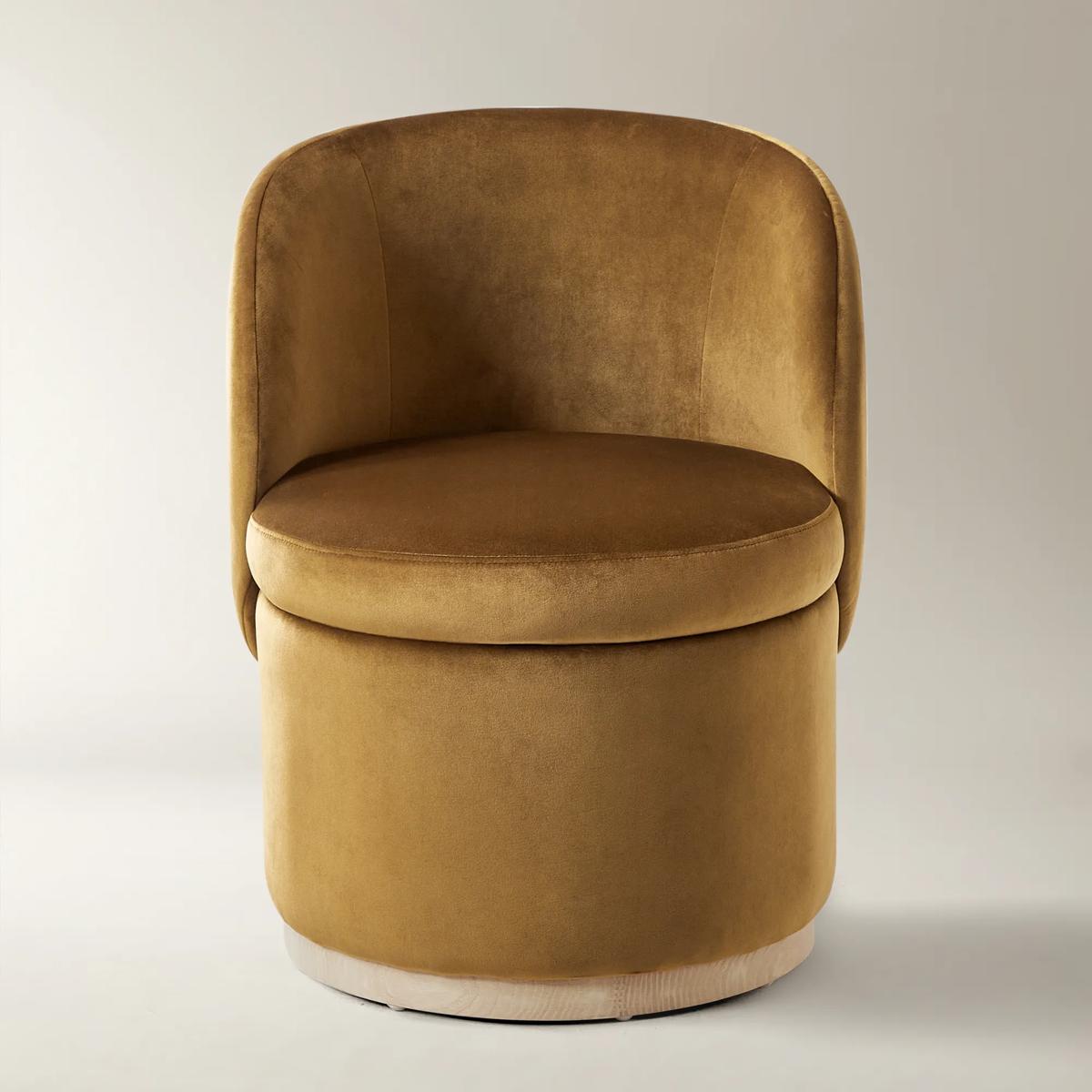 Stria Roasted Pecan Velvet Dining Chair With Oak Base$599
A khaki chenille chair featuring cozy upholstery and a handcrafted solid oak base for organic warmth.
Add To Cart -
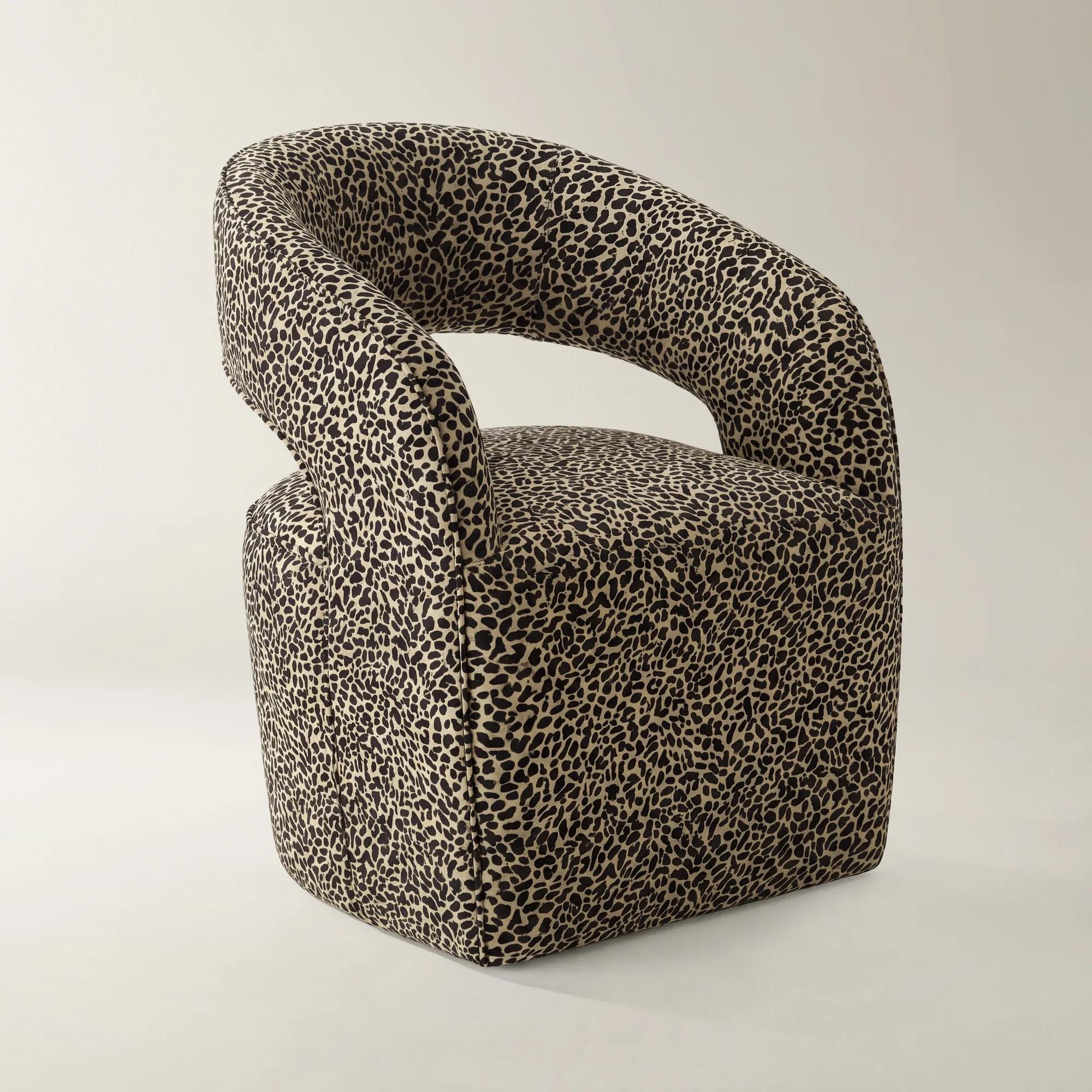 Harrison Leopard Performance Chenille Dining Chair$449
A sculptural dining chair featuring leopard performance chenille upholstery, feather-blend cushioning, and a curved silhouette.
Add To Cart -
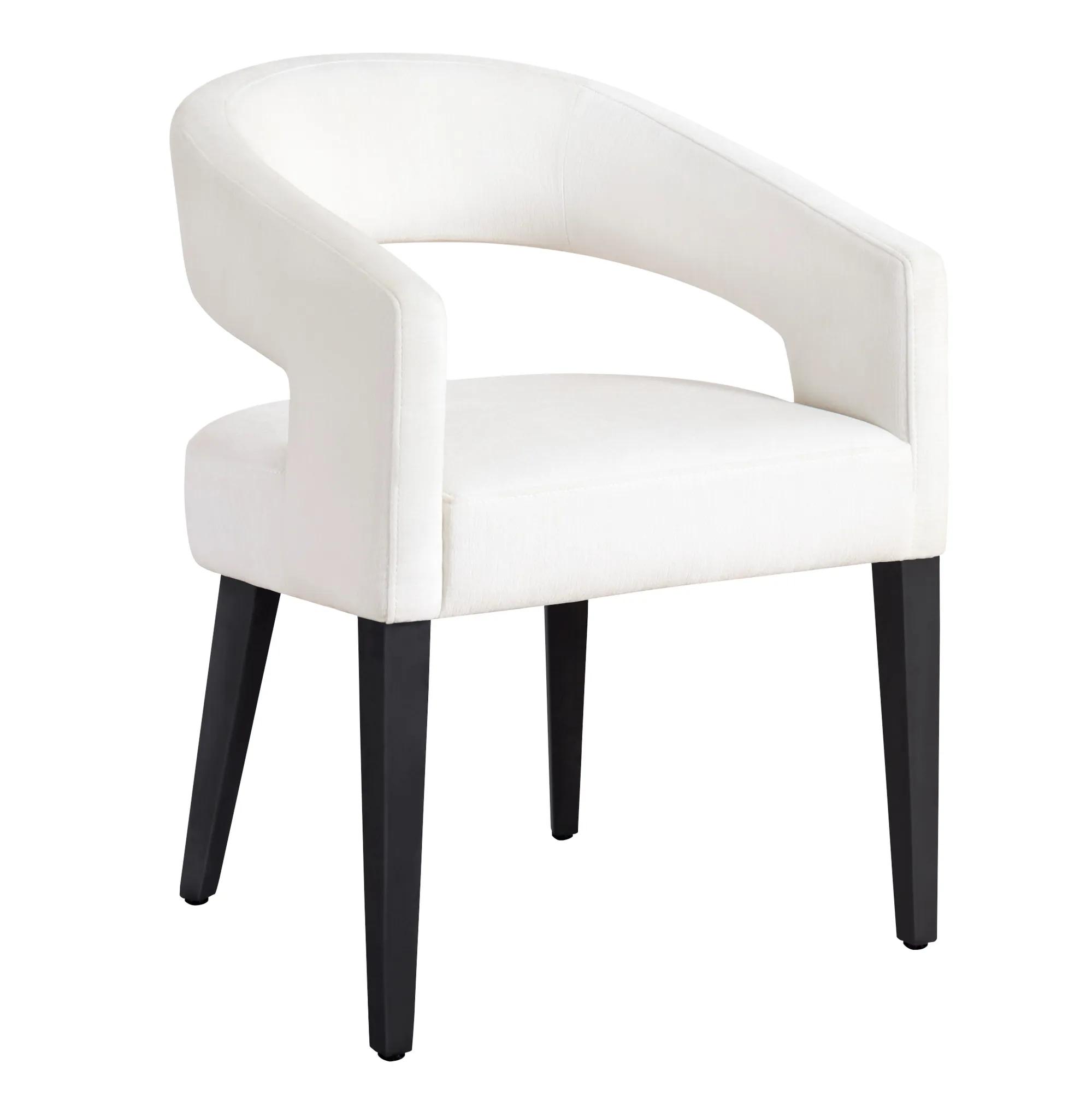
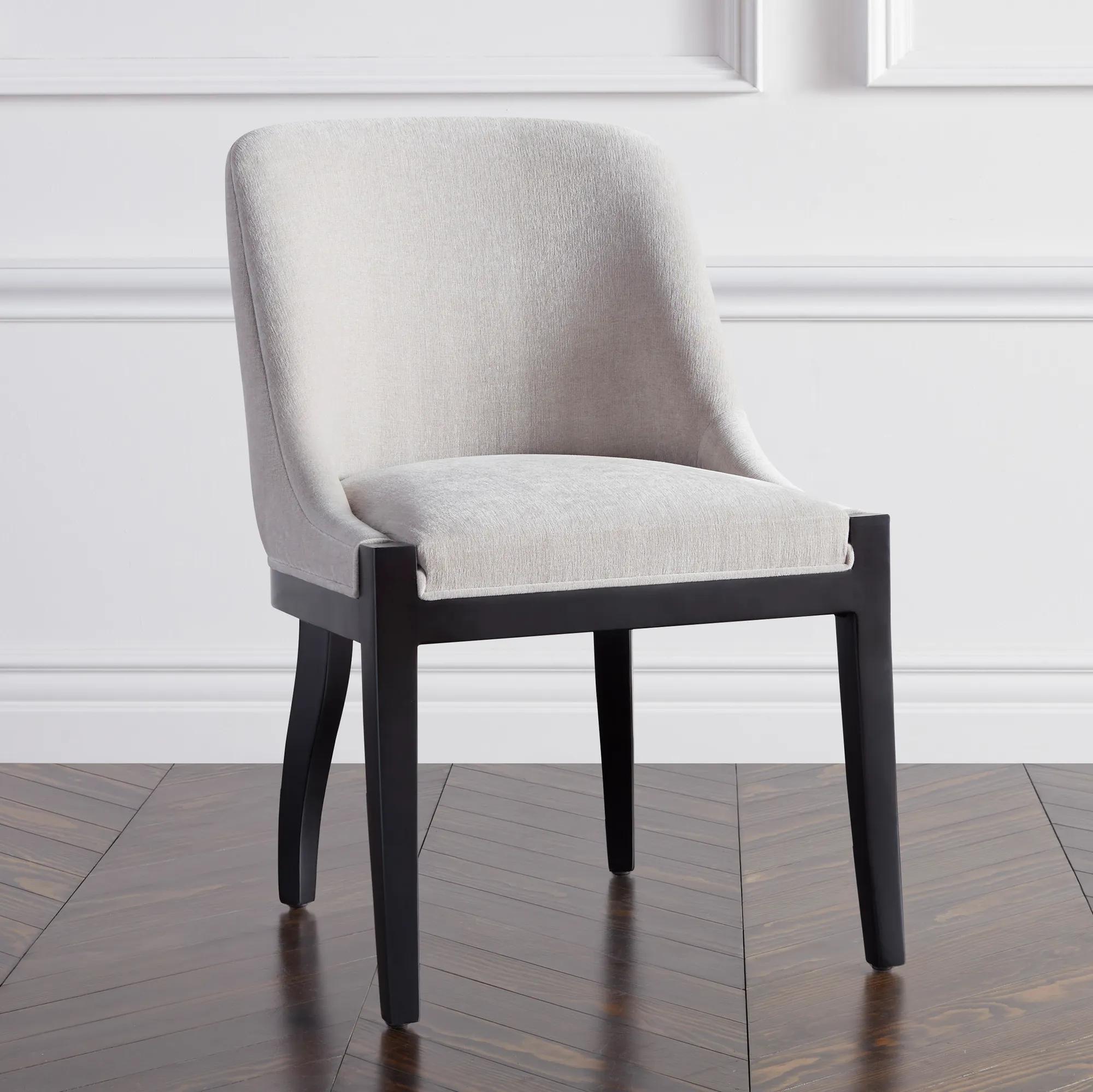 Lily Dining Chair - Matte Black$599
A modern dining chair with a kiln-dried hardwood frame, matte black legs, and plush tailored upholstery.
Add To Cart -
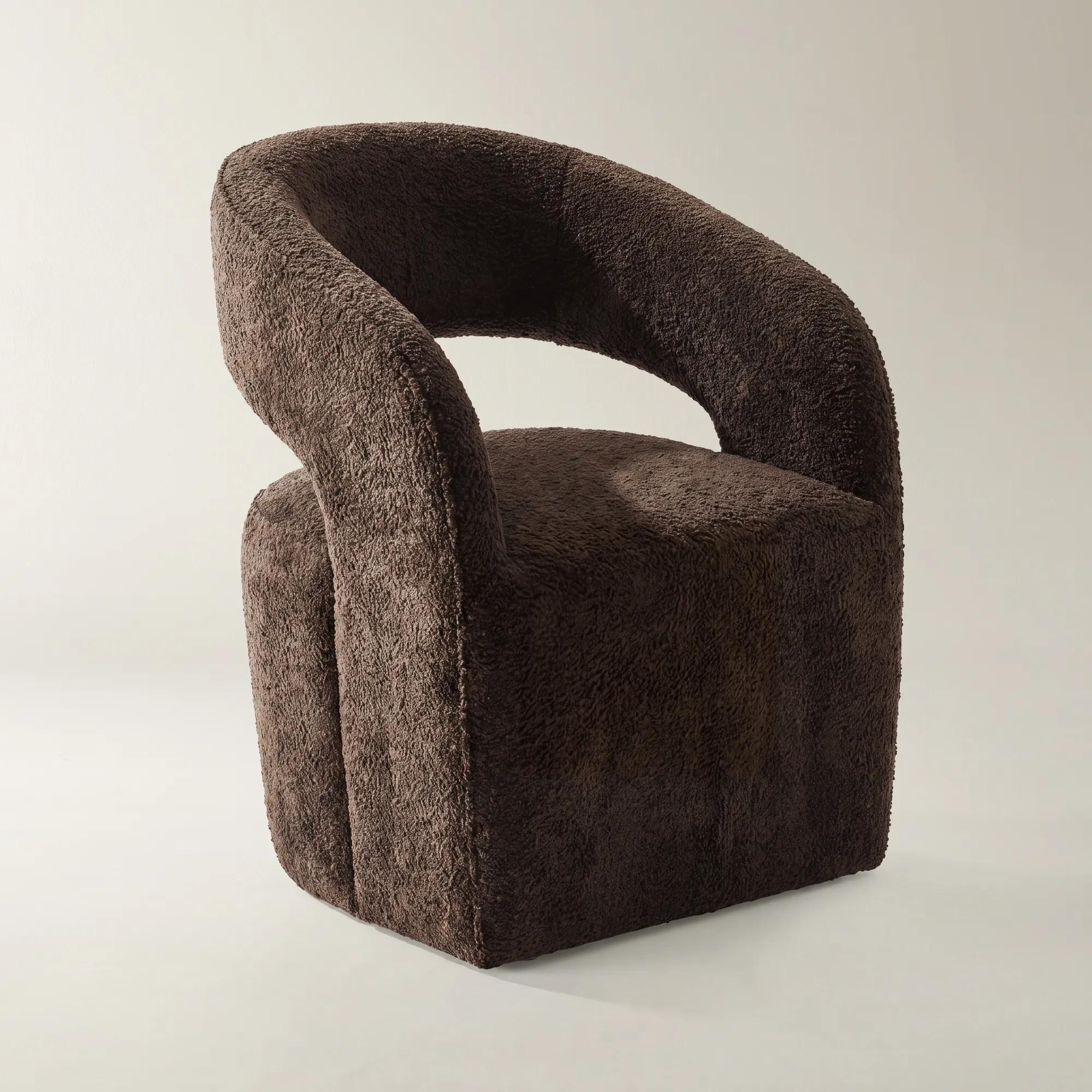 Harrison Dark Chocolate Chenille Dining Chair$449
A sculptural dining chair upholstered in dark chocolate chenille with feather-blend cushioning and curved arms.
Add To Cart -
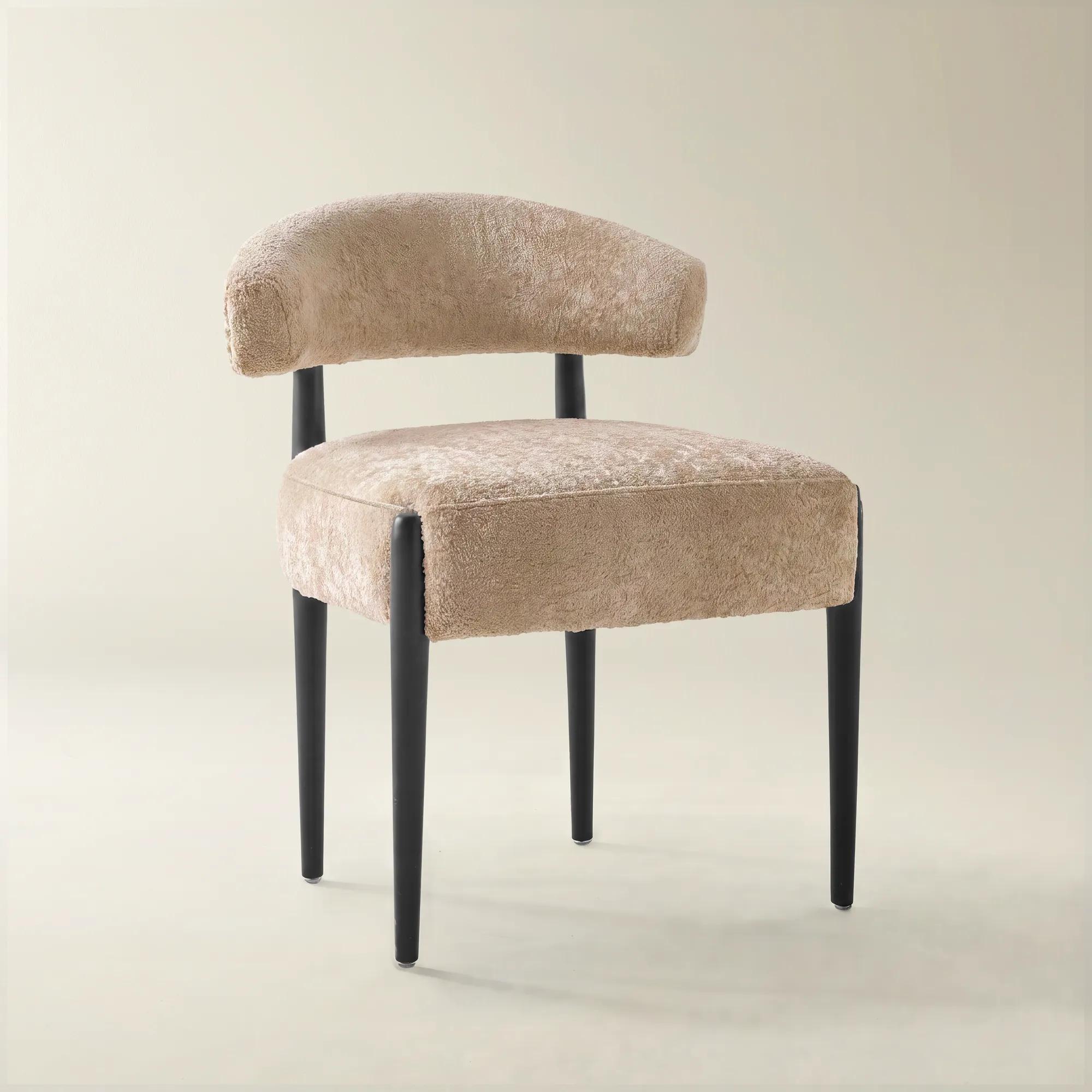 Anna Light Brown Chenille Dining Chair Set of 2$599
A light brown chenille chair set featuring arched backs, high-density foam cushioning, and solid rubberwood legs.
Add To Cart

Espresso Wood Dining Chairs
Espresso wood dining chairs invite a sense of refined drama to the dining room, where every gathering becomes an elevated affair. The deep, velvety richness of espresso-finished wood transforms ordinary seating into sculptural statements—each chair a testament to bold taste and expressive living. With their alluring dark tones and artful silhouettes, espresso wood dining chairs ground your space in sophistication, creating a captivating stage for memorable meals and inspired conversation. Let your dining area become a gallery of style, where every detail is curated for impact and intrigue.
Espresso wood dining chairs bring depth, definition, and a quietly dramatic presence to the dining room. Espresso describes a deep brown finish rather than a wood species; depending on the stain, underlying grain, and lighting, the color may reveal warm chocolate undertones or appear almost black. That richness gives a chair visual substance without requiring an elaborate silhouette. Against a pale stone tabletop, espresso legs create a striking outline; beside a warm wood table, they build a layered composition with the intimacy of a private dining room. These chairs suit interiors that favor expressive contrast, tailored detail, and furniture with an enduring sense of occasion. A sculpted back can introduce movement to an otherwise linear arrangement, while an open frame lets a distinctive table base remain part of the scene. Ladder backs and cross backs lend architectural rhythm, curved backs soften the setting, and upholstered backs create a more enveloping look. For a room centered on familiar proportions and a deep, polished palette, Classic Espresso Dining Chairs offer a related expression of this aesthetic. Espresso also works beautifully beyond a perfectly matched dining set. Chairs in a consistent finish can unify a collection of different forms, or upholstered armchairs at the ends of a table can add emphasis without interrupting the composition. Ivory fabric makes the dark frame feel crisp and graphic; charcoal creates a more tonal effect; saturated upholstery introduces the drama of a jewel against dark wood. The finish need not match every nearby surface exactly. A shared undertone or repeated accent often creates a more considered relationship than identical color throughout the room. Because deep brown finishes change in appearance under different light sources, finish samples, when offered, help reveal how the wood will sit beside flooring, cabinetry, and the table itself. The result is a dining space with a clear point of view, equally suited to a leisurely dinner with guests and a beautifully composed everyday meal.
The substance beneath an espresso finish matters as much as its color. Wood dining chairs may feature solid hardwood frames, engineered wood components, veneers, or combinations of these materials, so construction details provide a clearer picture than the finish name alone. Hardwoods such as beech, birch, and rubberwood are commonly used in dining furniture, although lasting performance depends on drying, joinery, design, and care rather than species alone. Well-fitted joints and appropriate reinforcement help a chair withstand the repeated movement of sitting, rising, and pulling away from the table. Mortise-and-tenon or doweled joints can contribute to a sturdy frame when properly executed; chairs with assembly hardware benefit from periodic checks according to their care instructions. A residential dining chair should not be assumed suitable for restaurant or other commercial use unless expressly rated for that purpose. Seating surfaces introduce another layer of character and comfort. A contoured wood seat keeps the grain and silhouette in focus, while an upholstered seat adds softness for dinners that linger over several courses. Cushion comfort depends on the full combination of foam, support, depth, and shape, not simply a plush appearance. Velvet lends a luminous surface to the dark frame, textured woven fabric adds tactile contrast, and leather or leather-look upholstery creates a smoother, more tailored impression. Each material has distinct maintenance requirements, and leather-look upholstery should not be treated as though it were genuine leather. In a dining area used for shared meals, homework, and conversation, documented stain resistance or cleanability may matter more than decorative texture alone. Performance upholstery can be useful in these settings, but the designation does not mean every spill or cleaning method is harmless. For households with children or frequent guests, a stable frame, manageable chair weight, and upholstery suited to regular use offer reassurance without sacrificing elegance. The most successful choice combines a compelling profile with construction and seating materials appropriate to the way the room is actually lived in.
Proportion gives espresso dining room chairs their most convincing place at the table. A generous upholstered chair can feel luxurious in a spacious dining room, while a slimmer open-back design preserves sightlines in an apartment or a dining area connected to the living room. Overall width, seat height, seat depth, back height, and arm height all influence the experience. Many standard dining seats measure roughly 18 to 20 inches high, but compatibility depends on the actual table and chair dimensions. About 10 to 12 inches between the seat and tabletop is a common starting point; a low table apron can reduce usable thigh clearance even when the overall heights seem compatible. Arms also need enough clearance to tuck beneath the table if that is part of the intended arrangement. Allowing approximately 24 inches of table edge per diner provides an initial spacing reference, with wider chairs and armchairs often requiring more. Around 36 inches between the table edge and a wall or furnishing can accommodate pulling a chair out, while an active walkway generally benefits from additional space. These relationships make the difference between an impressive arrangement and one that feels genuinely welcoming when every seat is occupied. Everyday care helps preserve that impression. A soft cloth removes dust from espresso-finished wood without introducing unnecessary abrasion, and prompt blotting keeps spills from lingering on the finish or upholstery. Manufacturer-approved cleaning methods are essential: excess water, harsh solvents, and abrasive pads can damage surfaces, while fabric cleaning codes determine which treatments are appropriate. Direct sunlight can alter wood and upholstery color over time. Compatible floor protectors, kept clean and replaced when worn, help reduce scratching; lifting rather than dragging chairs protects both the floor and the frame. With thoughtful proportions and attentive care, espresso wood dining chairs become more than a dark accent. They give the room a grounded, expressive character, framing the table with rich color and sculptural detail while making space for the rituals that bring people together.
FAQs
Espresso wood dining chairs are remarkably versatile, effortlessly complementing a range of interior aesthetics. Their rich, dark finish enhances modern, transitional, and classic spaces alike. In contemporary settings, the deep espresso tone grounds metallic accents and bold artwork, while in traditional rooms, it echoes the warmth of vintage woodwork and luxurious textiles. For eclectic or glam interiors, espresso chairs provide a dramatic backdrop for vibrant colors and statement lighting.
To preserve the signature luster of espresso dining chairs, dust them regularly with a soft, dry cloth. For deeper cleaning, use a slightly damp microfiber cloth and avoid harsh chemicals or abrasive pads. Occasionally, a gentle wood polish can restore shine and protect the finish. Always wipe up spills promptly to prevent staining, and use felt pads under chair legs to protect both the wood and your floors.
Absolutely. The depth and elegance of espresso wood make these chairs equally at home in grand dining rooms and relaxed kitchen nooks. Pair them with a glass or marble table for a formal, refined look, or mix with rustic elements and soft textiles for a more laid-back, inviting atmosphere. Their ability to elevate any setting makes them a favorite for those who love to entertain or simply enjoy everyday meals in style.
Espresso wood dining chairs often feature luxurious materials such as plush velvet or linen upholstery, gleaming metal accents, or sculptural detailing. These combinations create a striking interplay of texture and tone, enhancing both comfort and visual appeal. Upholstered seats add sumptuous softness, while exposed woodwork highlights the artistry of the espresso finish.
Yes—espresso chairs are as versatile as they are beautiful. Their dramatic color and refined silhouette make them ideal as accent seating in living rooms, home offices, or entryways. Use a single chair to anchor a reading corner, or place a pair in a conversation nook to add both function and flair to your space.