Imported Dining Chairs Set
Imported Dining Chairs Set
-
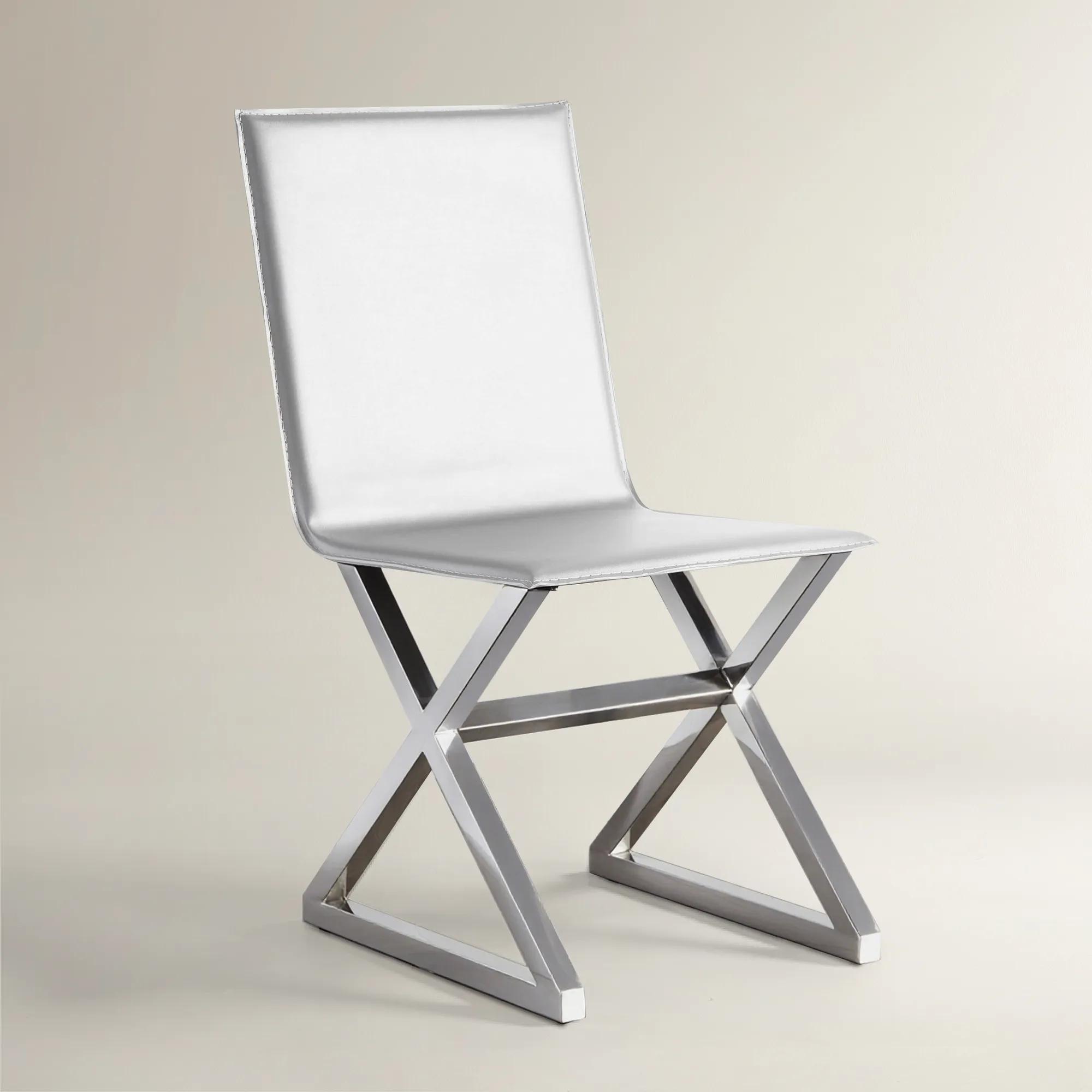
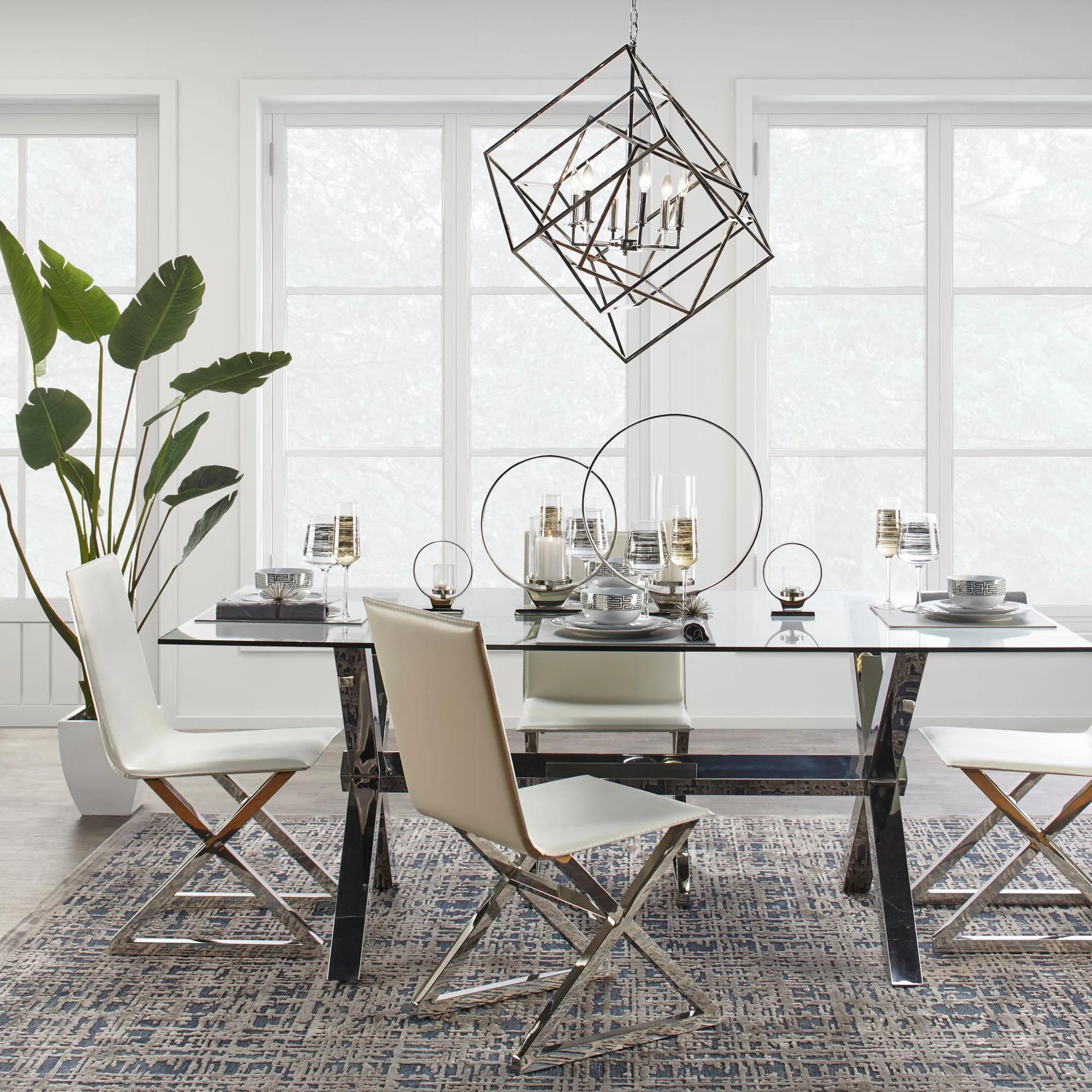 Axis Dining Chair - Set of 2$399
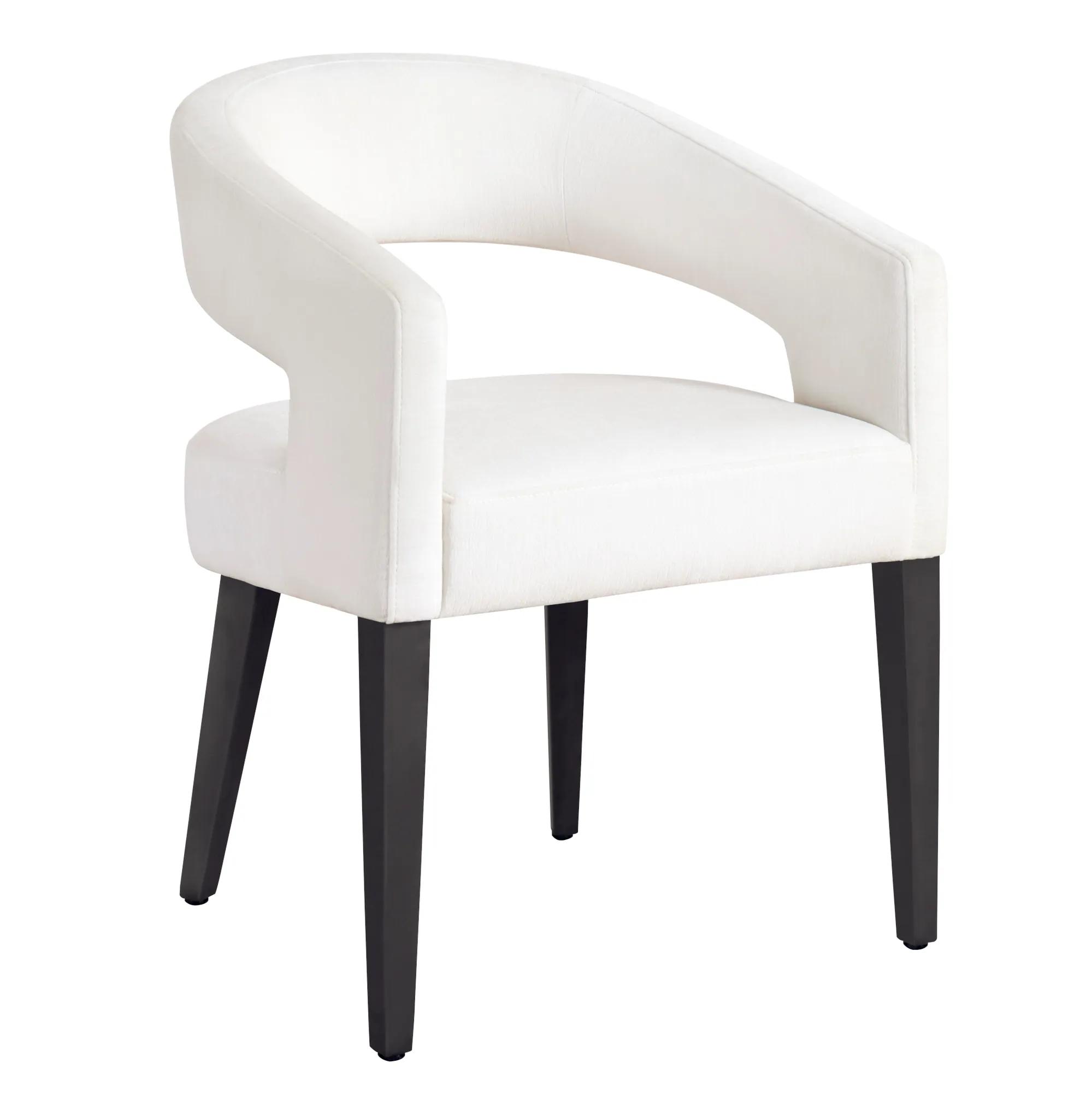
A contemporary chair set featuring white bonded leather upholstery and a polished stainless steel base.
Add To Cart -
.jpg?w=1200&h=1200) Elara Burnt Umber Velvet Dining Chair Set Of 2$699
Elara Burnt Umber Velvet Dining Chair Set Of 2$699A pair of brown velvet chairs with sinuous curves, ergonomic support, and hand-crafted, sculptural design.
Add To Cart -
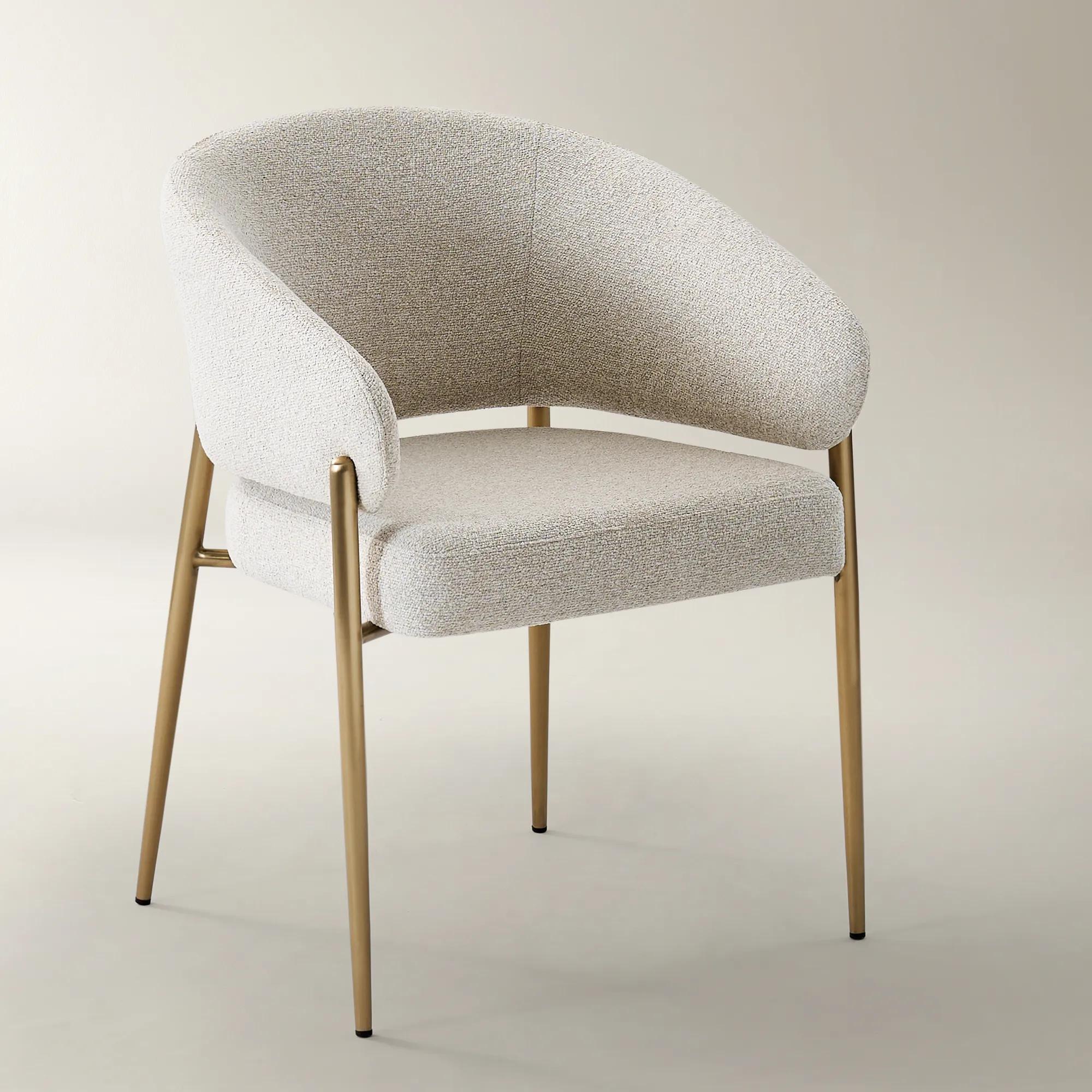
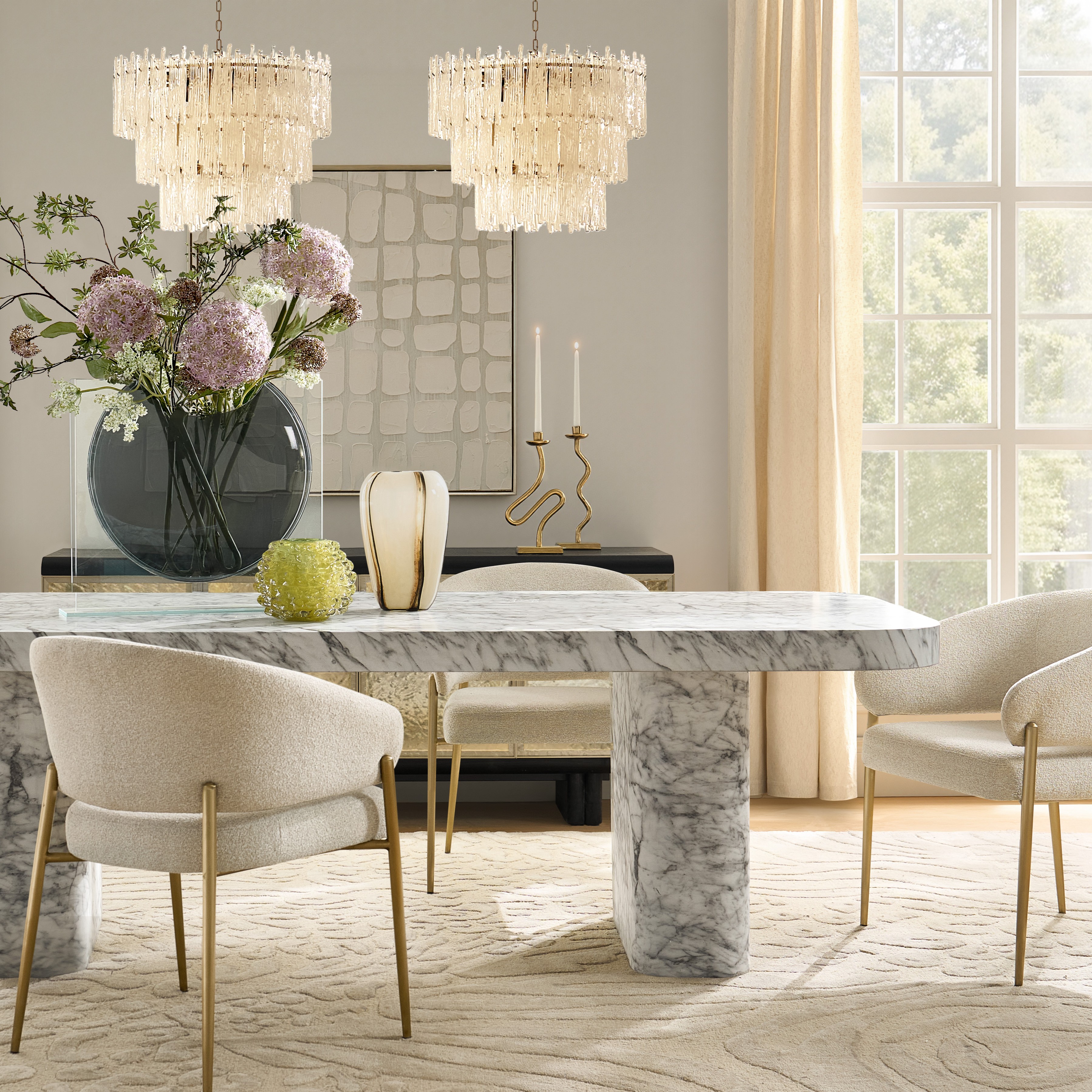 Nara Ivory Boucle Dining Chair Set Of 2$599
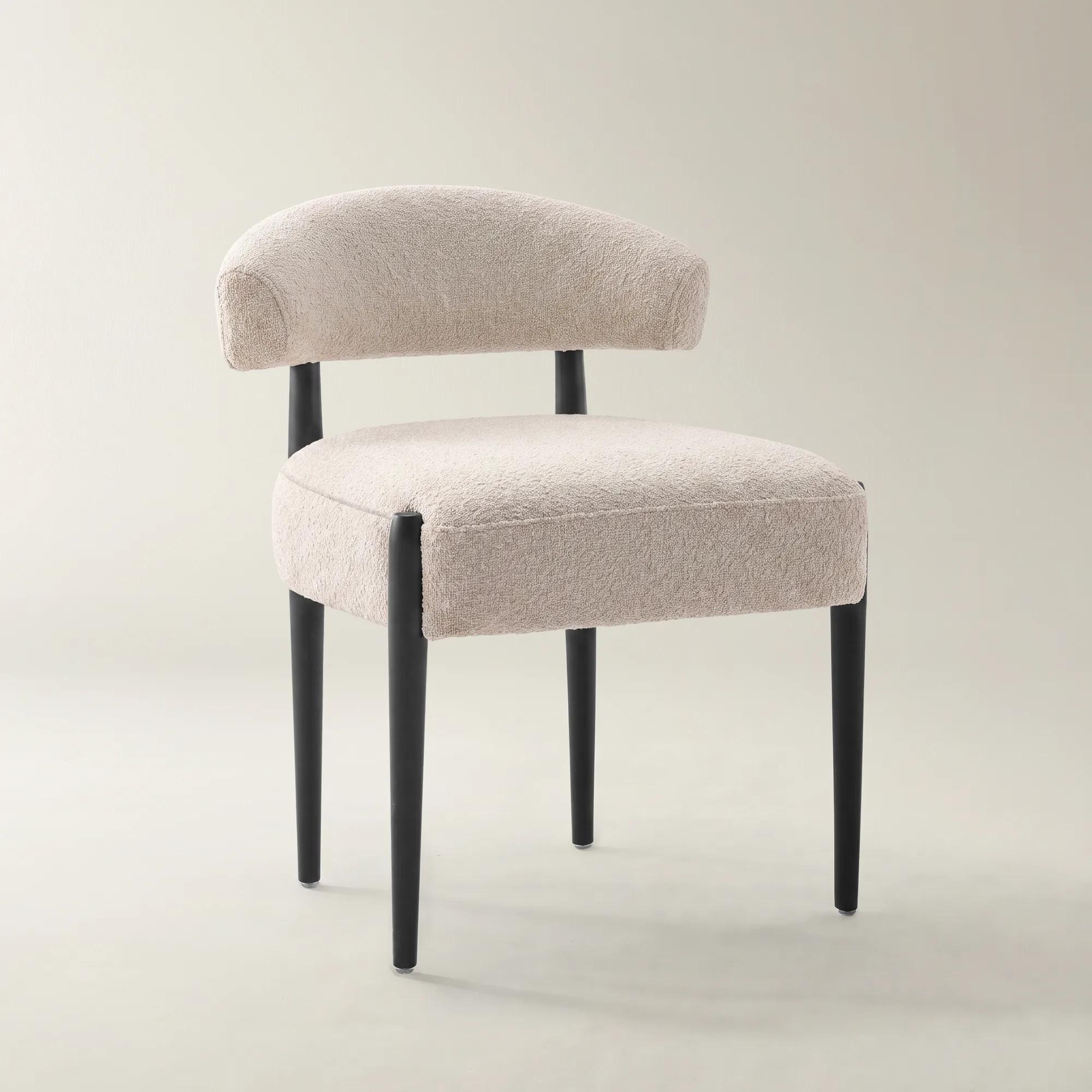
An ivory boucle dining chair set with a curved backrest and brushed stainless steel frame for modern elegance.
Add To Cart -
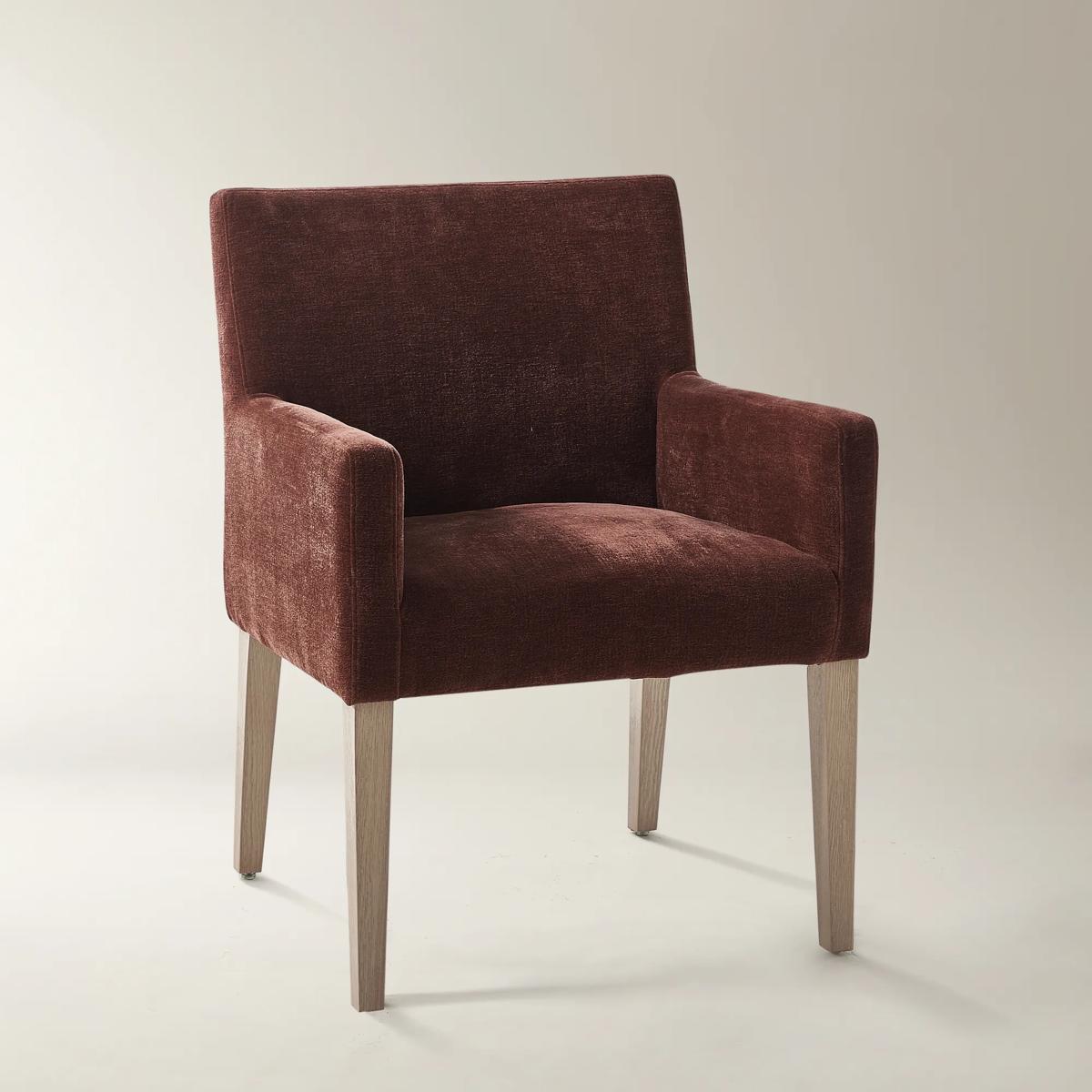
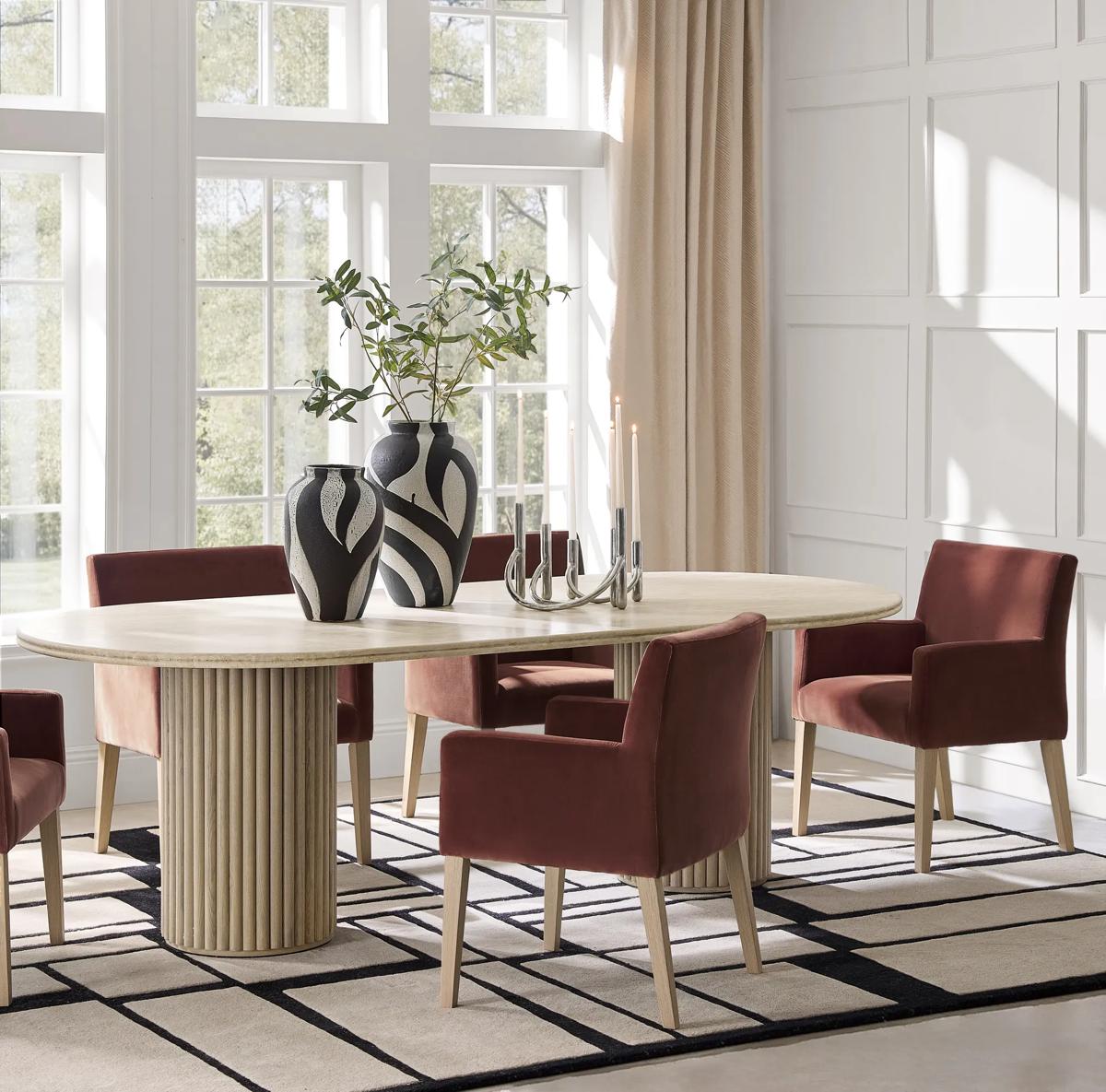 Stria Rust Velvet Dining Chair Set Of 2$599
A set of two arm chairs featuring cognac chenille upholstery and handcrafted solid oak legs for timeless style.
Add To Cart -
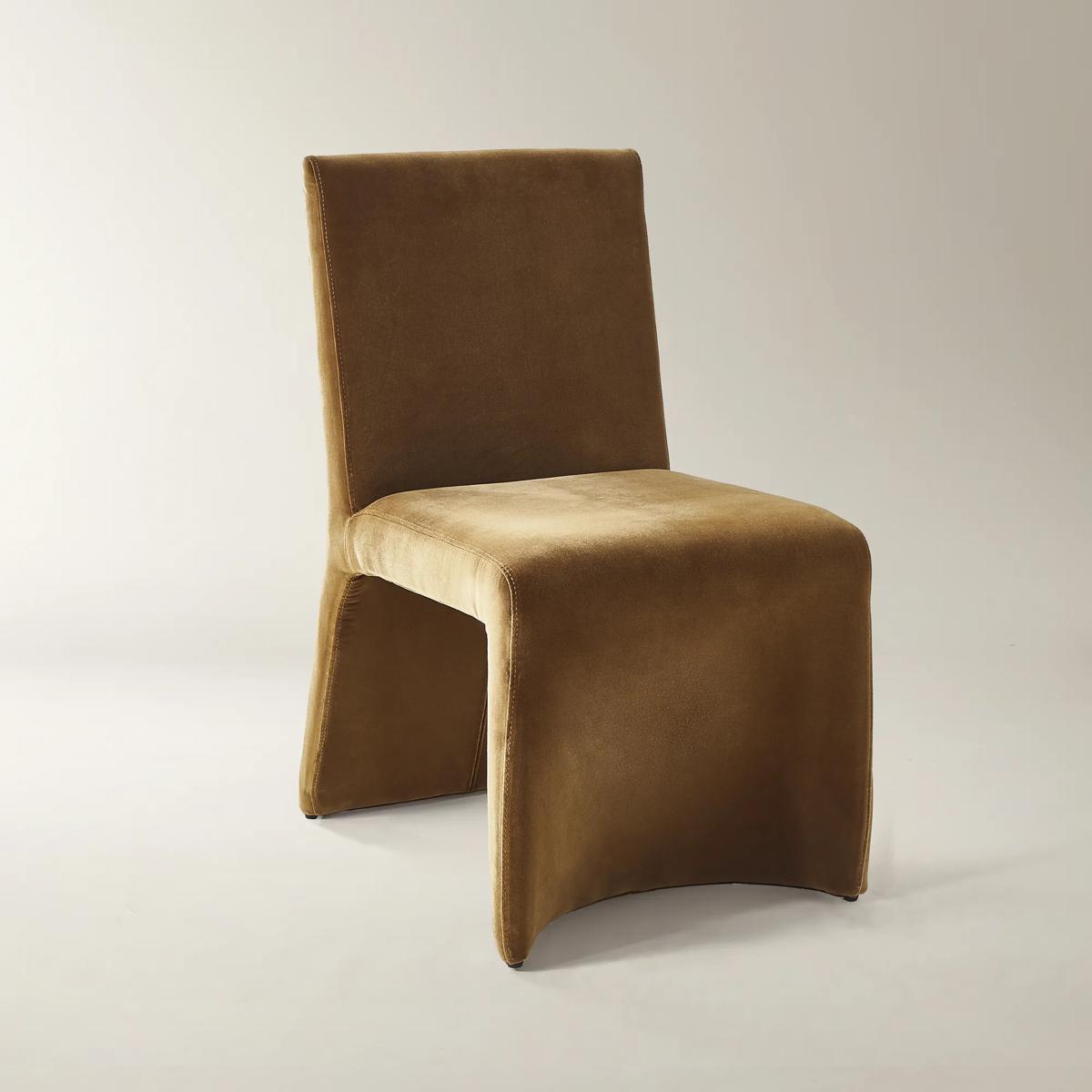 Elara Roasted Pecan Velvet Dining Chair Set Of 2$699
A pair of mustard velvet dining chairs featuring curved ergonomic silhouettes and hand-upholstered, reinforced construction.
Add To Cart -
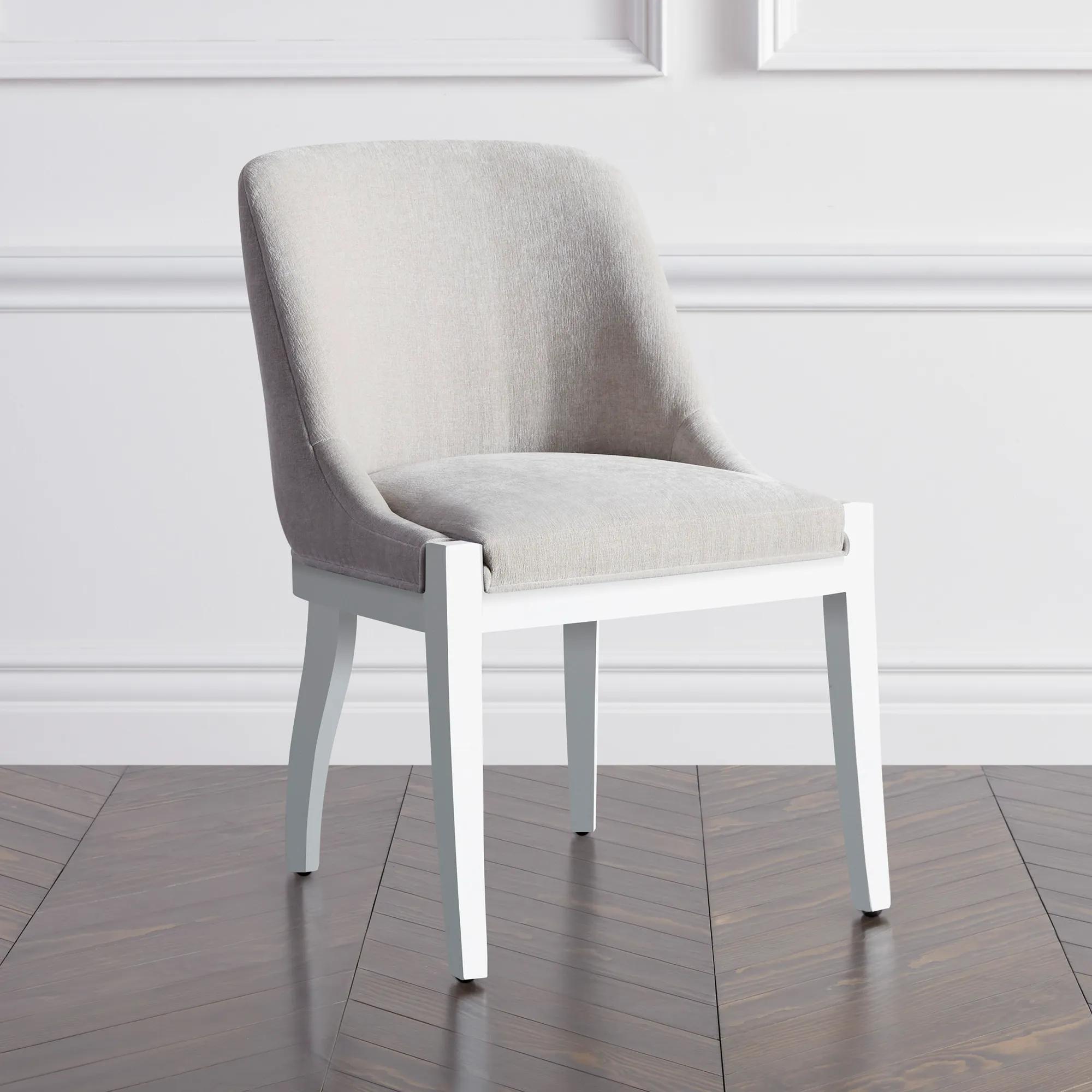
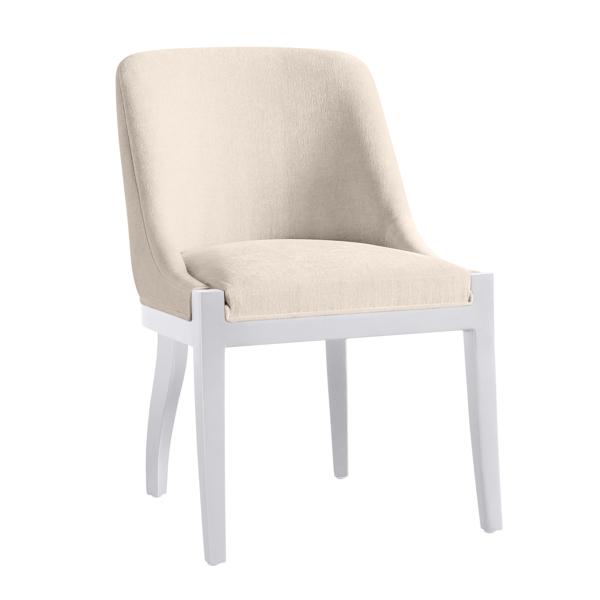 Lily Dining Chair - High Gloss White$649
A modern dining chair featuring kiln-dried hardwood, high-gloss white legs, and neatly tailored upholstery.
Add To Cart -
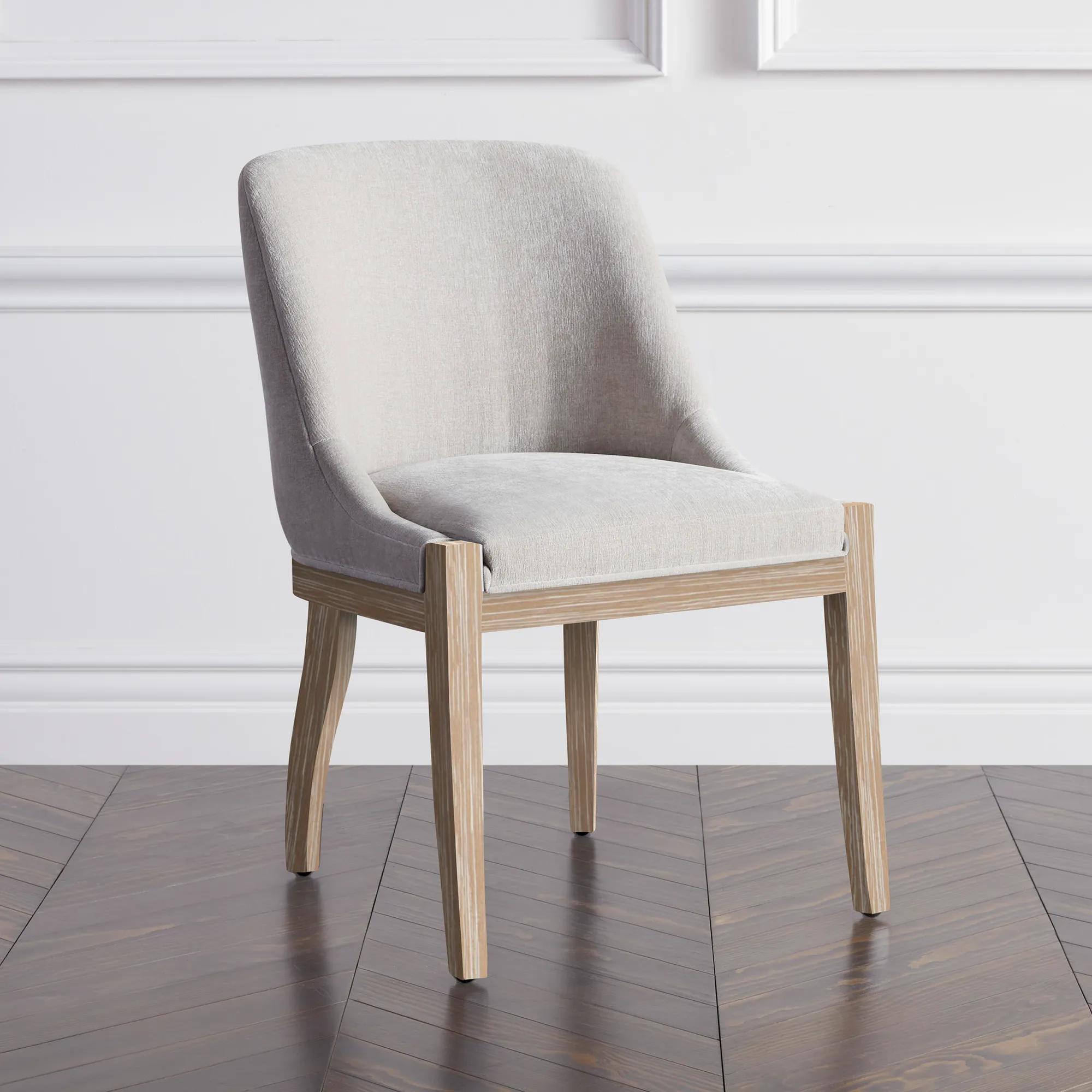
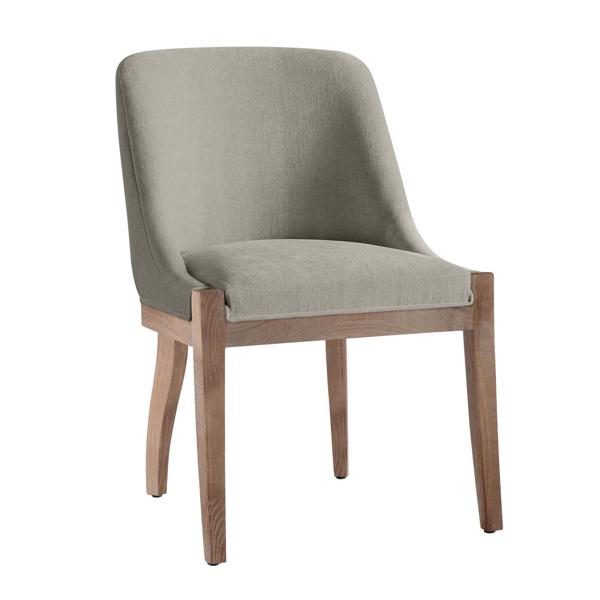 Lily Dining Chair - Wash Oak$649
A modern dining chair featuring a kiln-dried hardwood frame, wash oak legs, and tailored chenille upholstery.
Add To Cart -
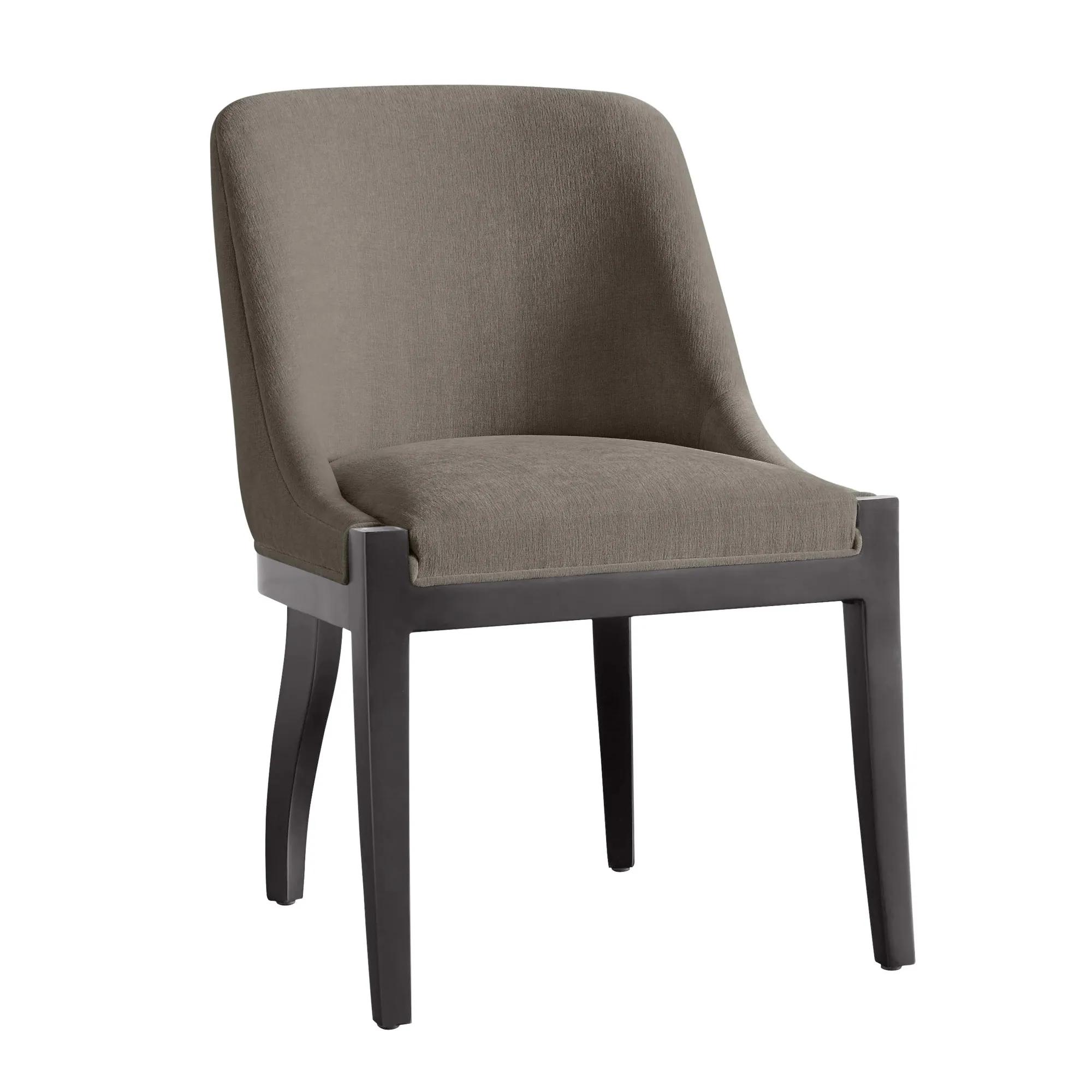
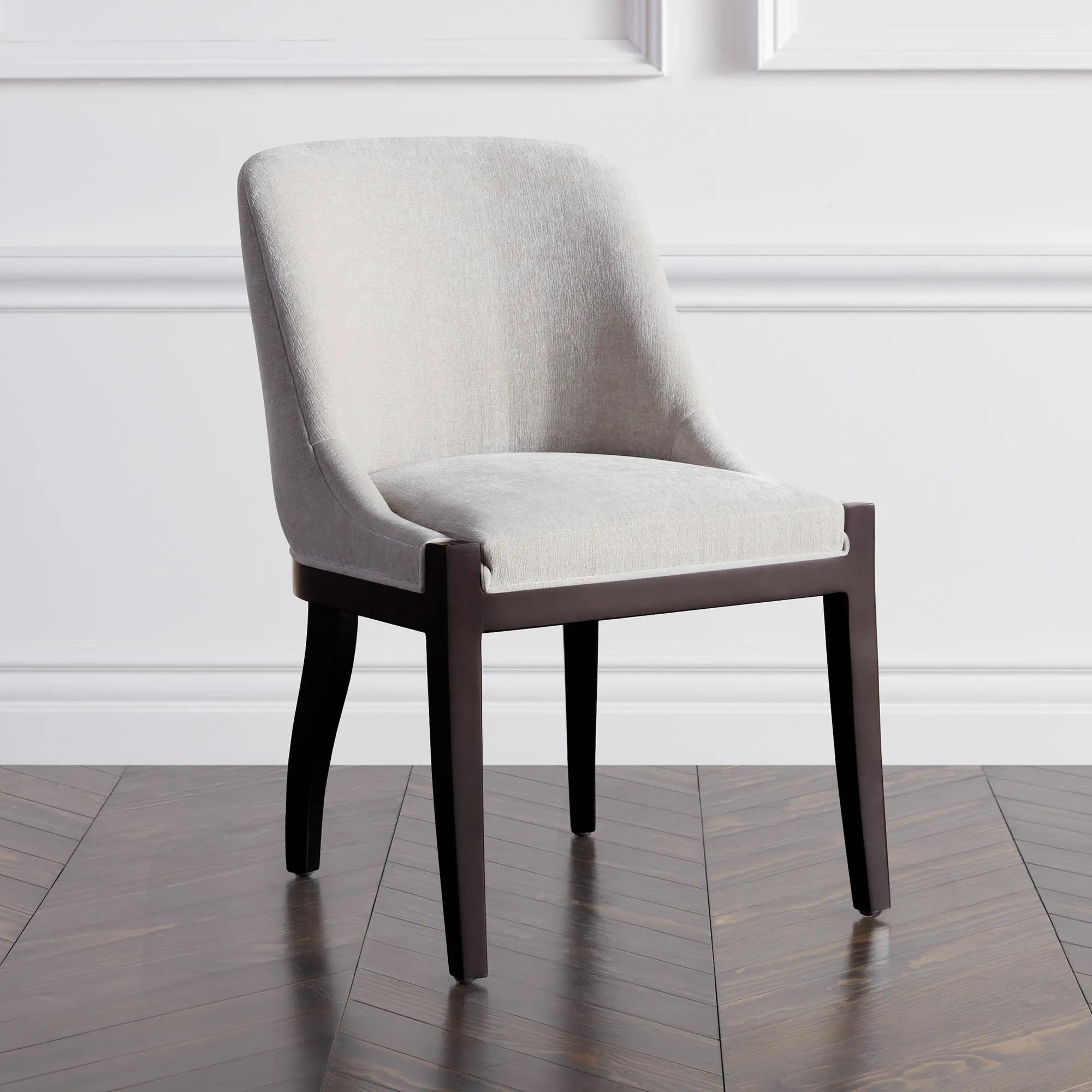 Lily Dining Chair - Espresso$649
A modern dining chair featuring espresso-finished hardwood, curvaceous silhouette, and plush tailored upholstery.
Add To Cart -
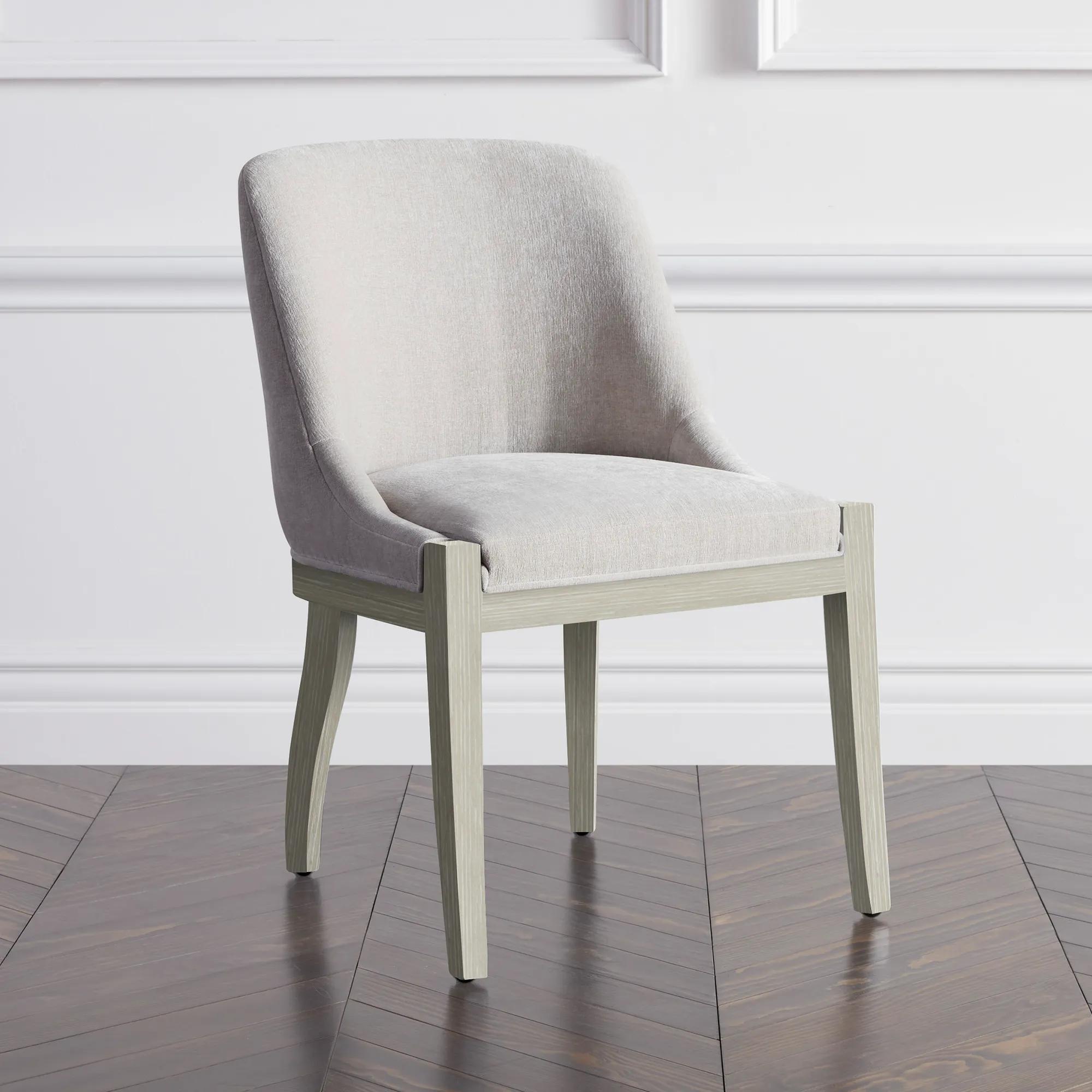 Lily Dining Chair - Natural Grey$649
A modern dining chair featuring kiln-dried hardwood, natural grey upholstery, and plush foam cushioning for comfort.
Add To Cart -
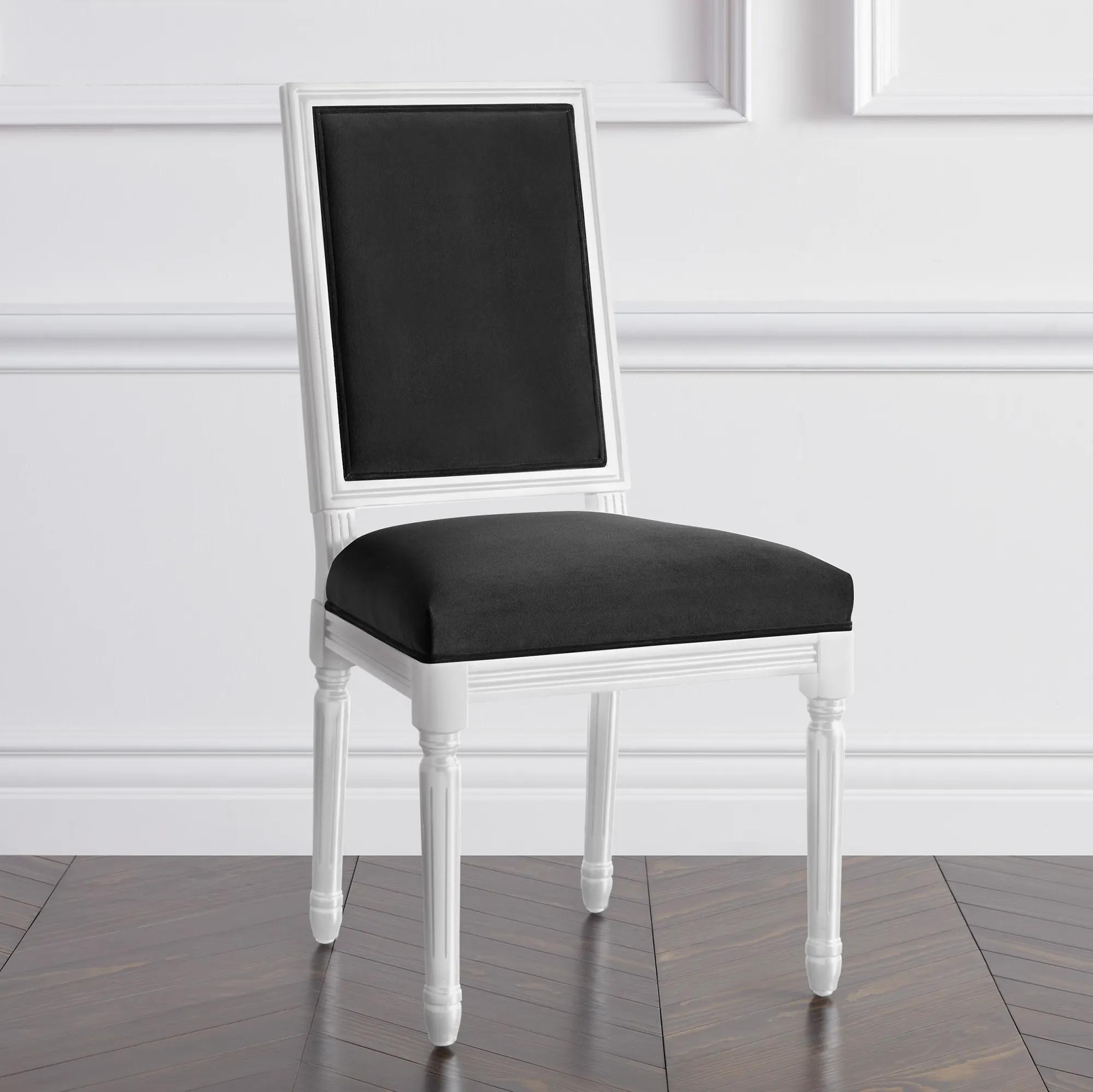
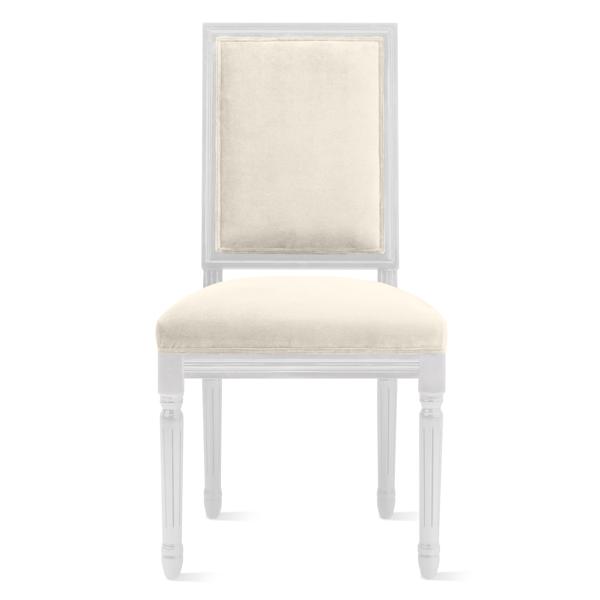 Callan Dining Chair - High Gloss White$699
A handcrafted dining chair featuring high-gloss white finish, kiln-dried hardwood frame, and plush velvet upholstery.
Add To Cart -
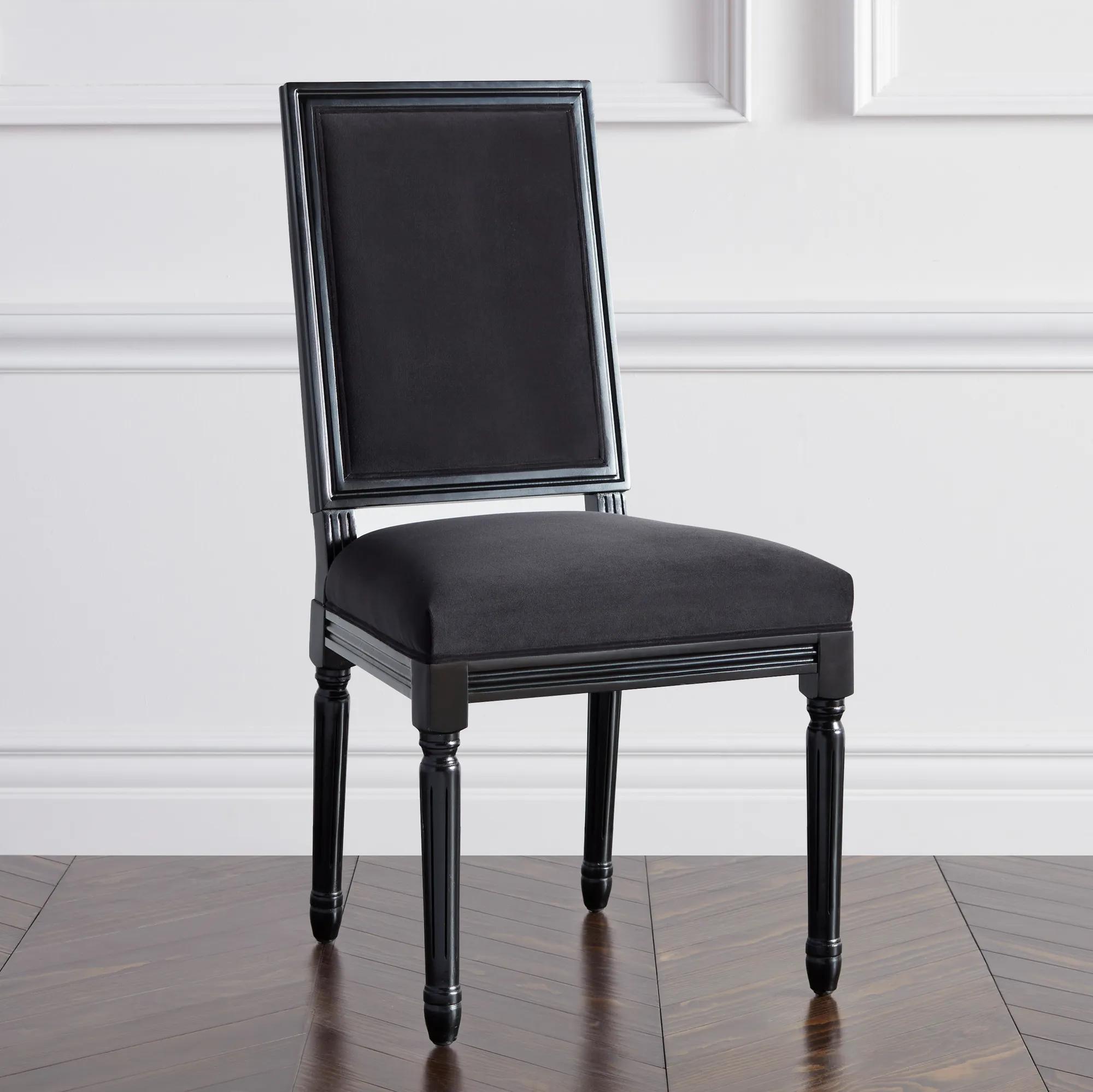
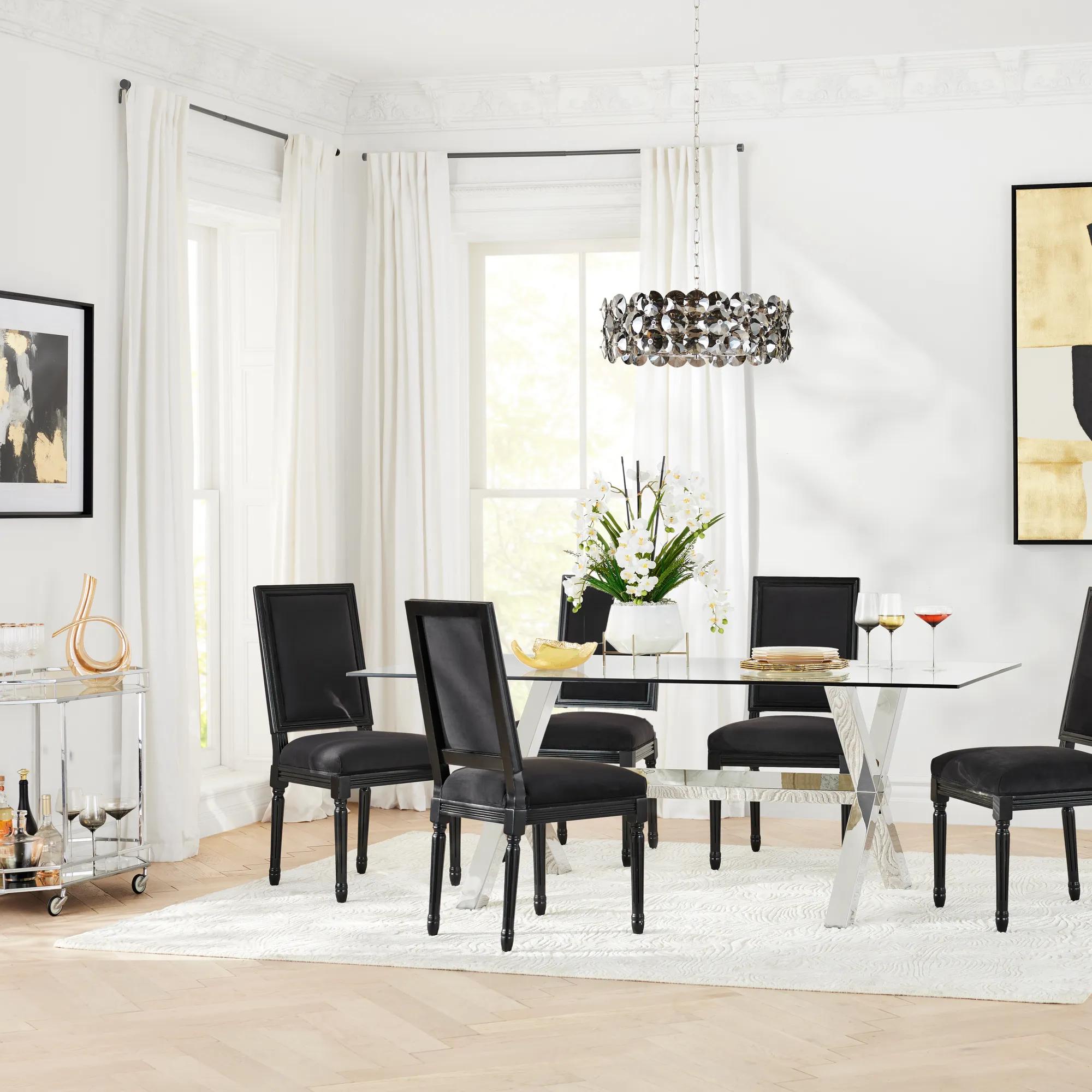 Callan Dining Chair - High Gloss Black$599
A handcrafted dining chair featuring high-gloss black Bella Velvet upholstery, fluted legs, and a squared back.
Add To Cart -
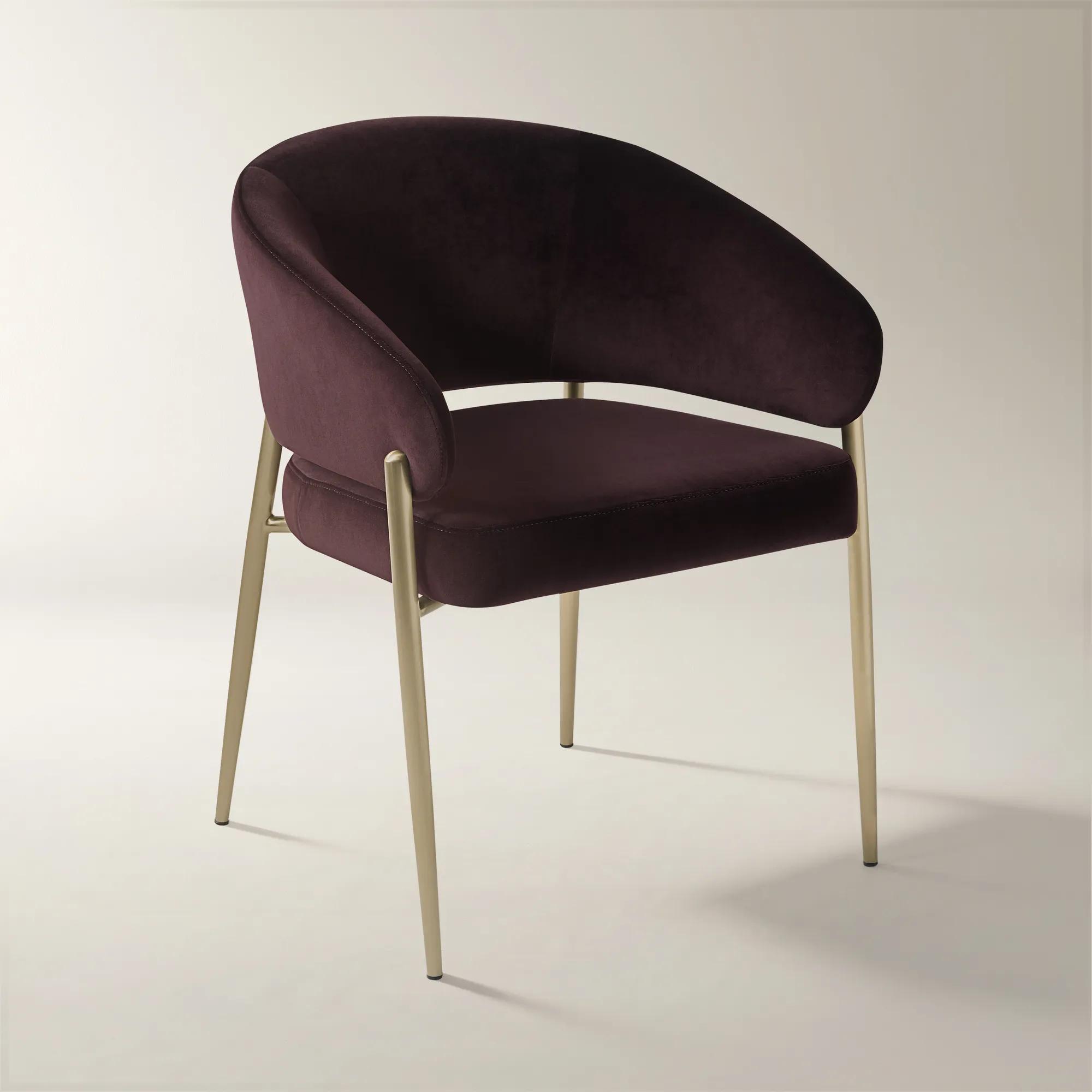 Nara Fig Velvet Dining Chair Set Of 2$599
A set of two dining chairs featuring plush fig velvet upholstery and brushed brass stainless-steel legs.
Add To Cart -
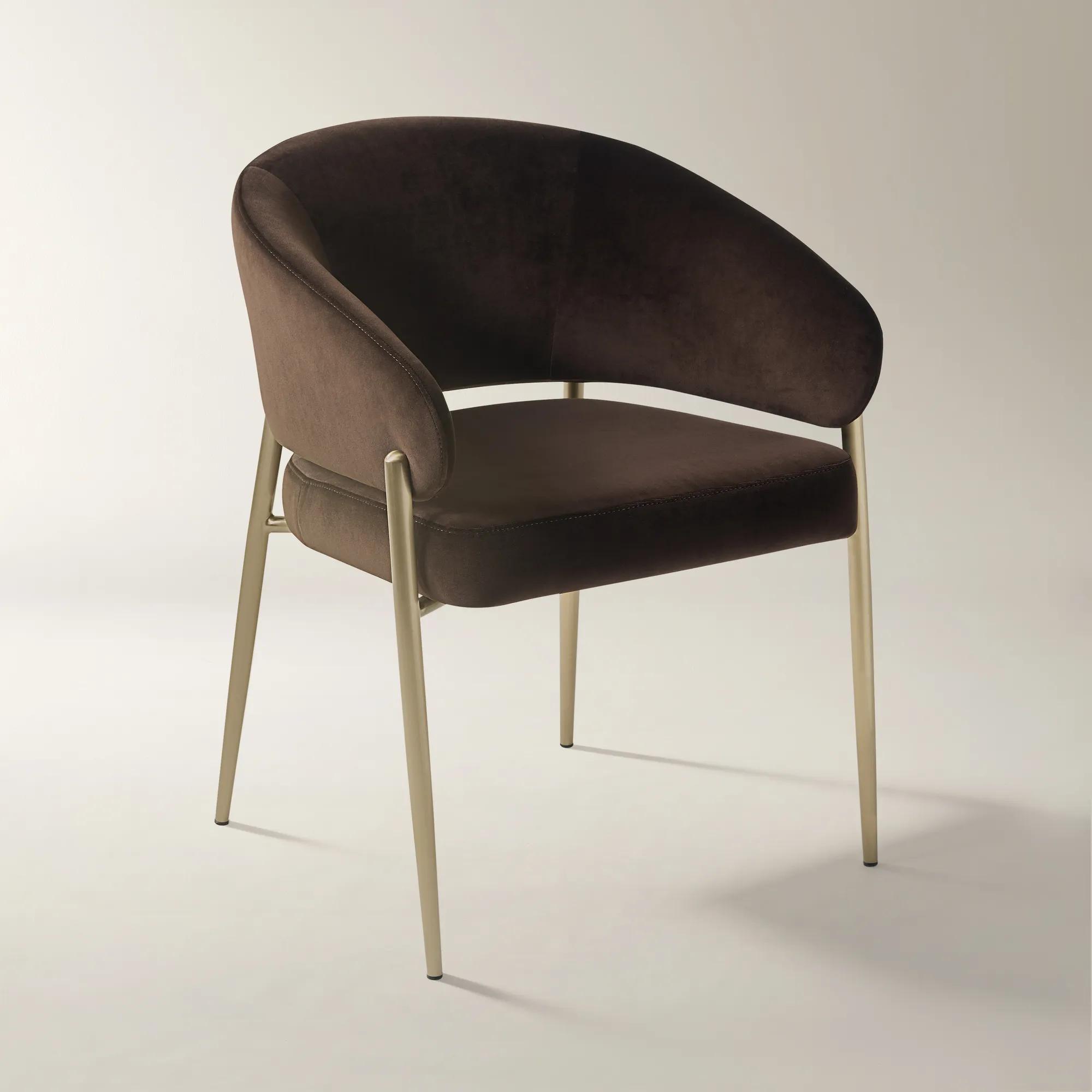 Nara Dark Chocolate Velvet Dining Chair Set Of 2$599
A pair of dark chocolate velvet chairs with curved backs and brushed brass stainless-steel legs for modern elegance.
Add To Cart -
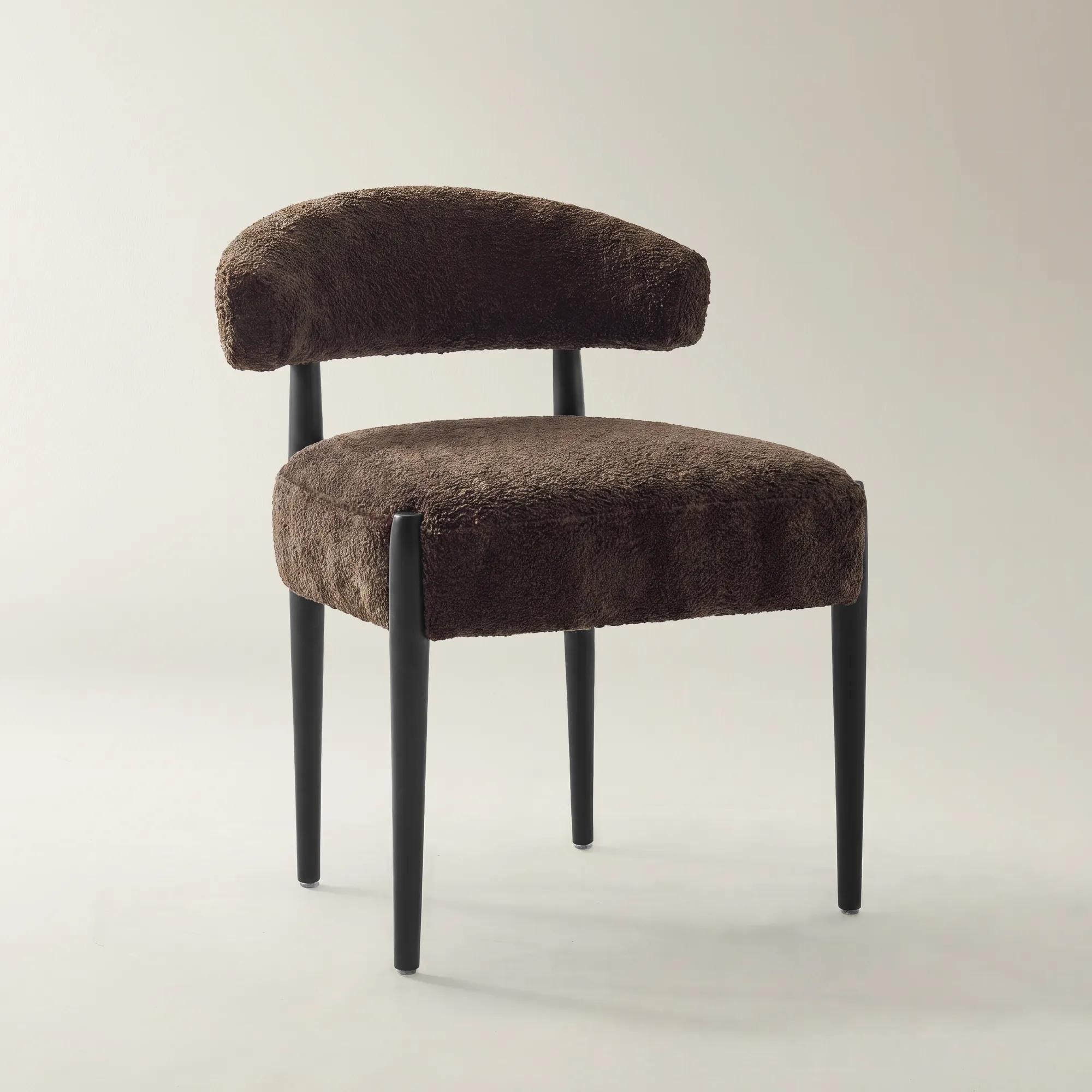
 Anna Dark Chocolate Chenille Dining Chair Set of 2$599
A dark chocolate chenille chair pair featuring tailored curved backs, high-density foam, and solid rubberwood legs.
Add To Cart -
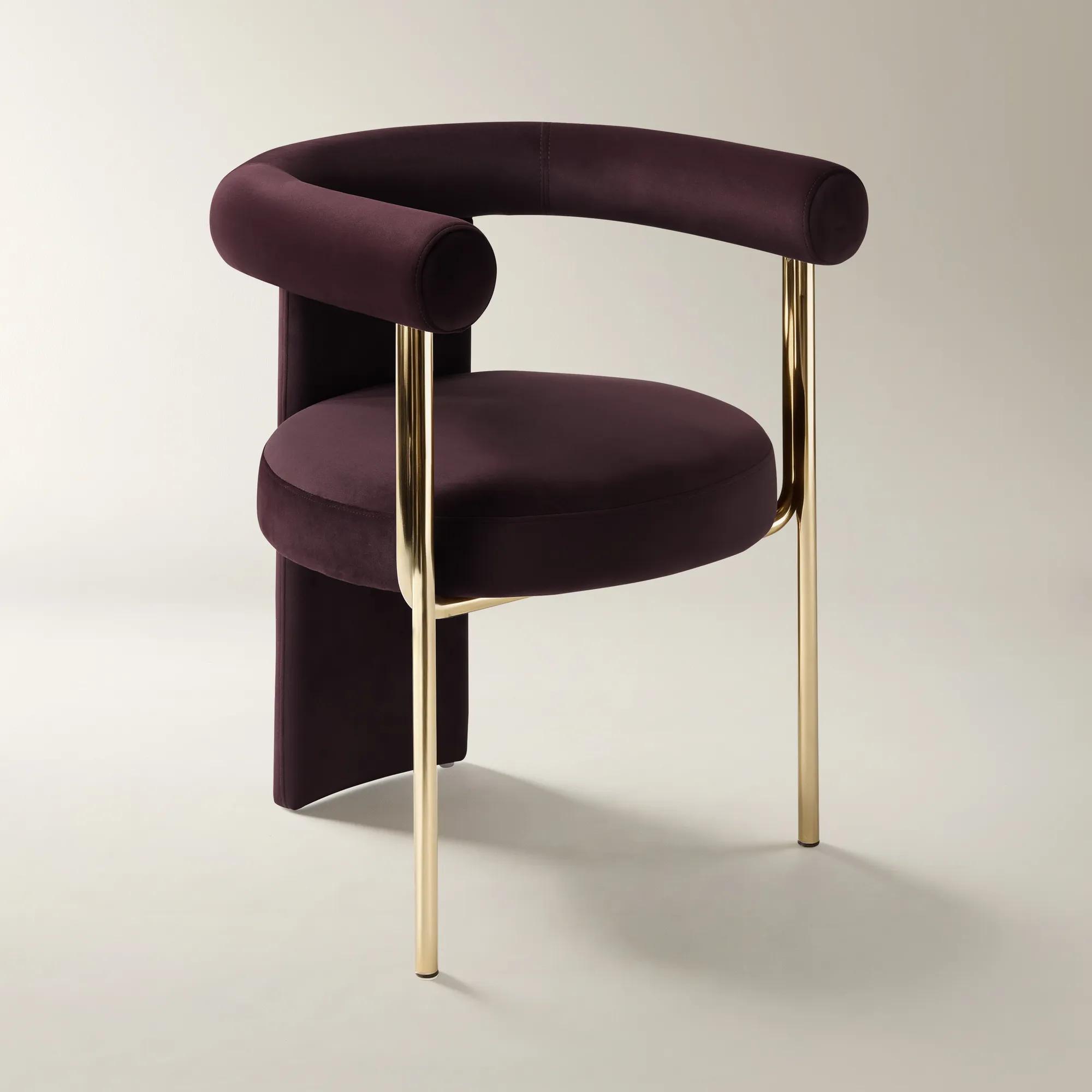 Davina Fig Velvet Dining Chair Set Of 2$799
A set of two dining chairs featuring plush fig velvet upholstery and a sleek gold-finished metal frame.
Add To Cart -
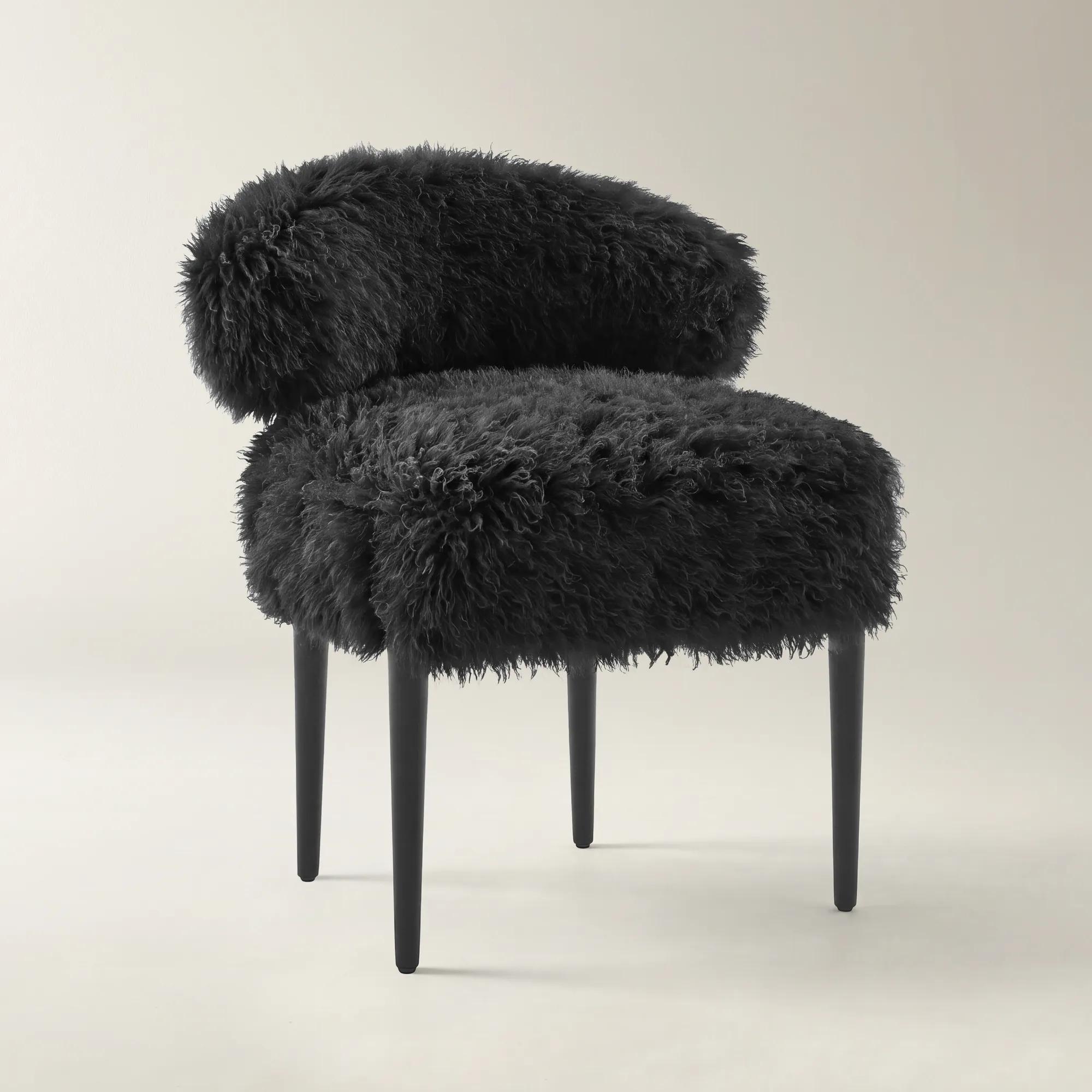 Anna Black Faux Fur Dining Chair Set of 2$699
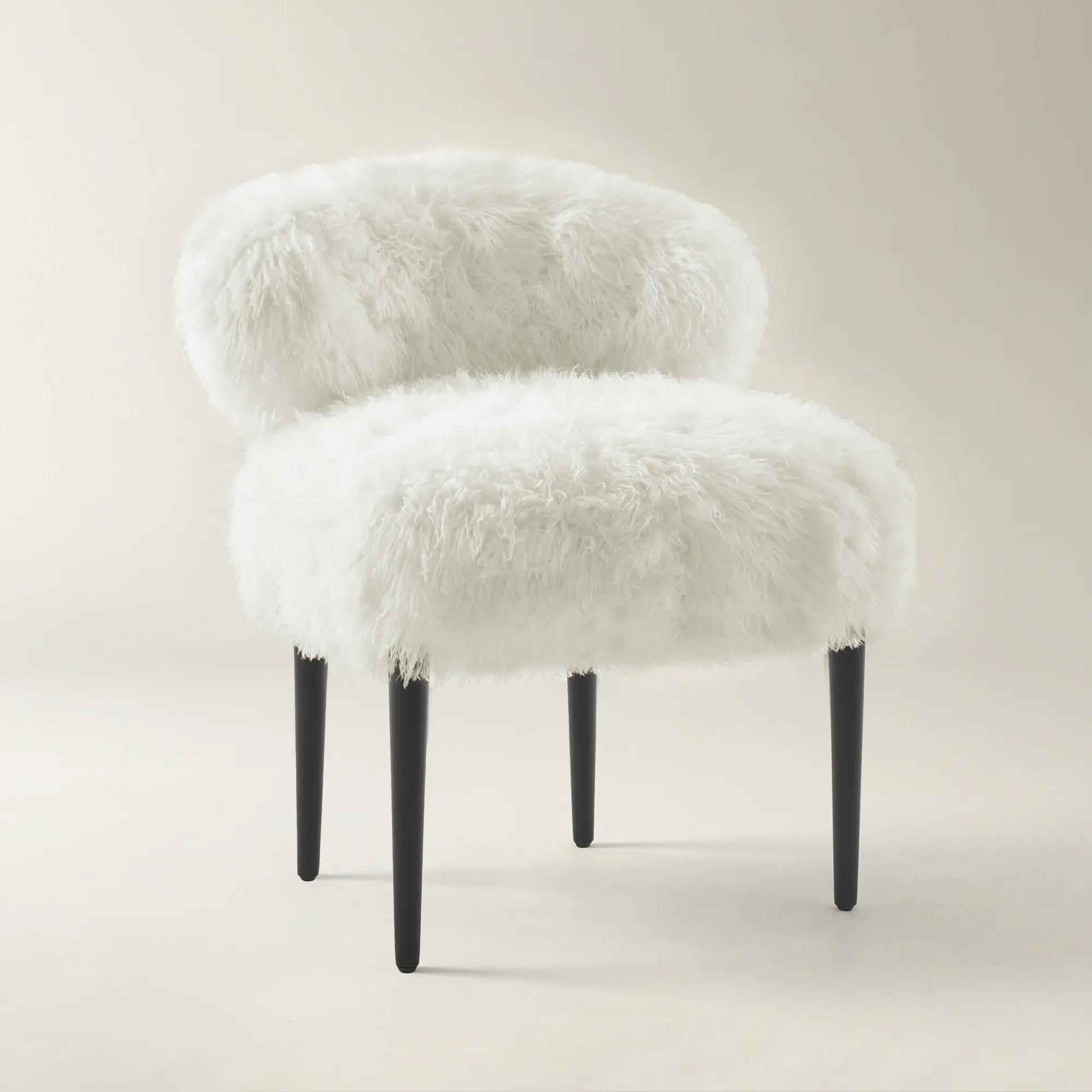
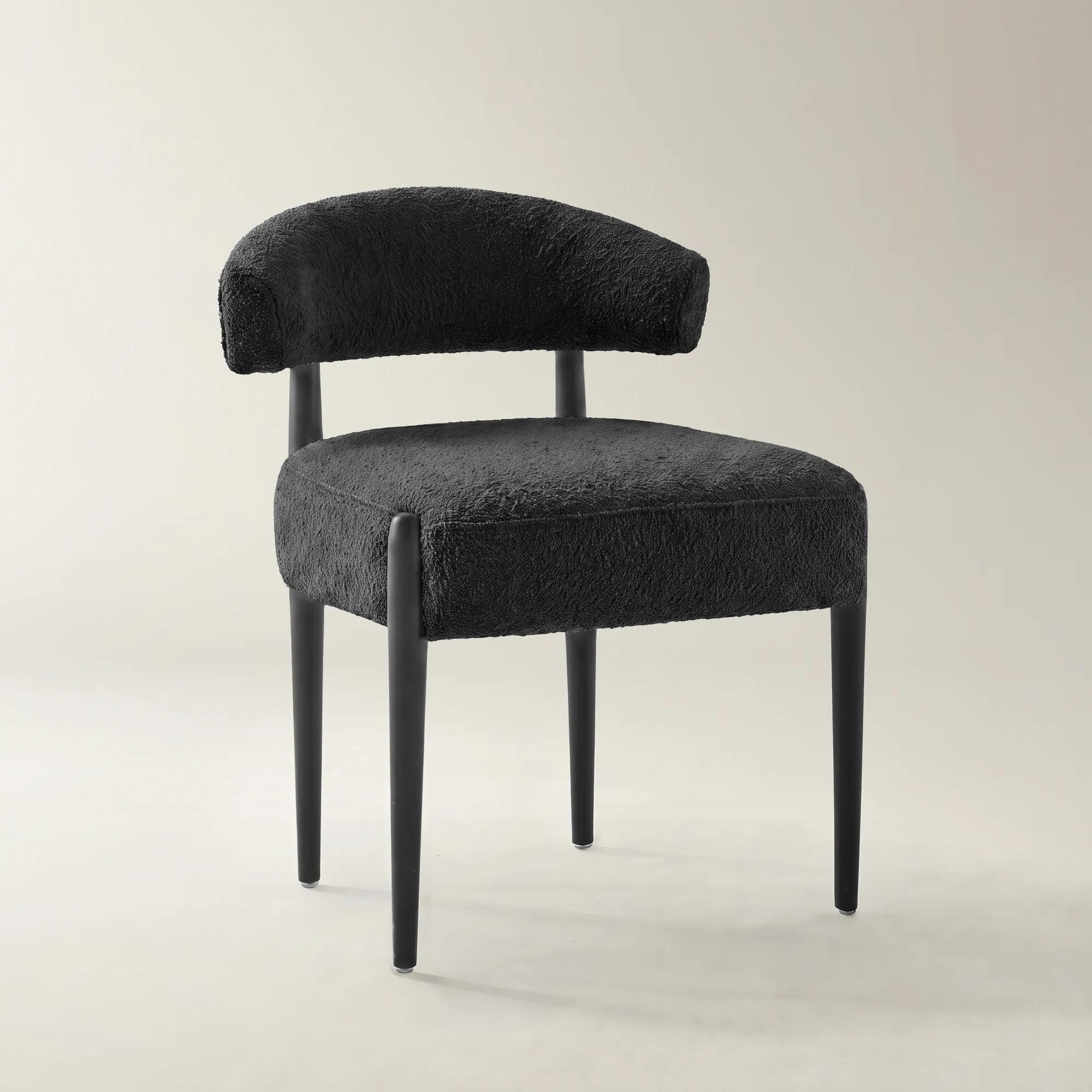
A black faux fur chair set with arched backs, foam cushioning, and solid wood legs.
Add To Cart -
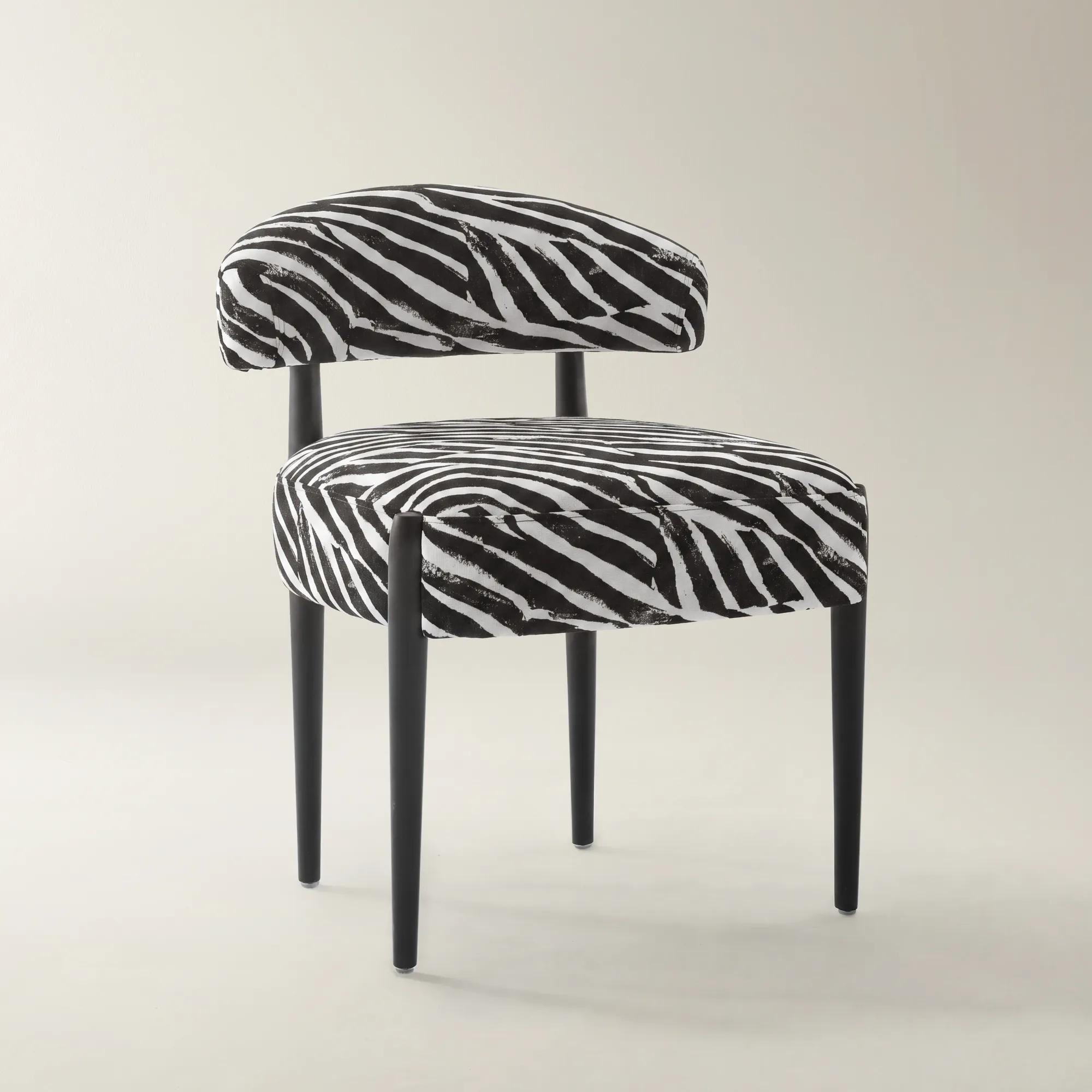 Anna White/Black Performance Chenille Dining Chair Set of 2$599
A black-and-white performance chenille chair set with arched backs, high-density foam, and solid rubberwood legs.
Add To Cart -
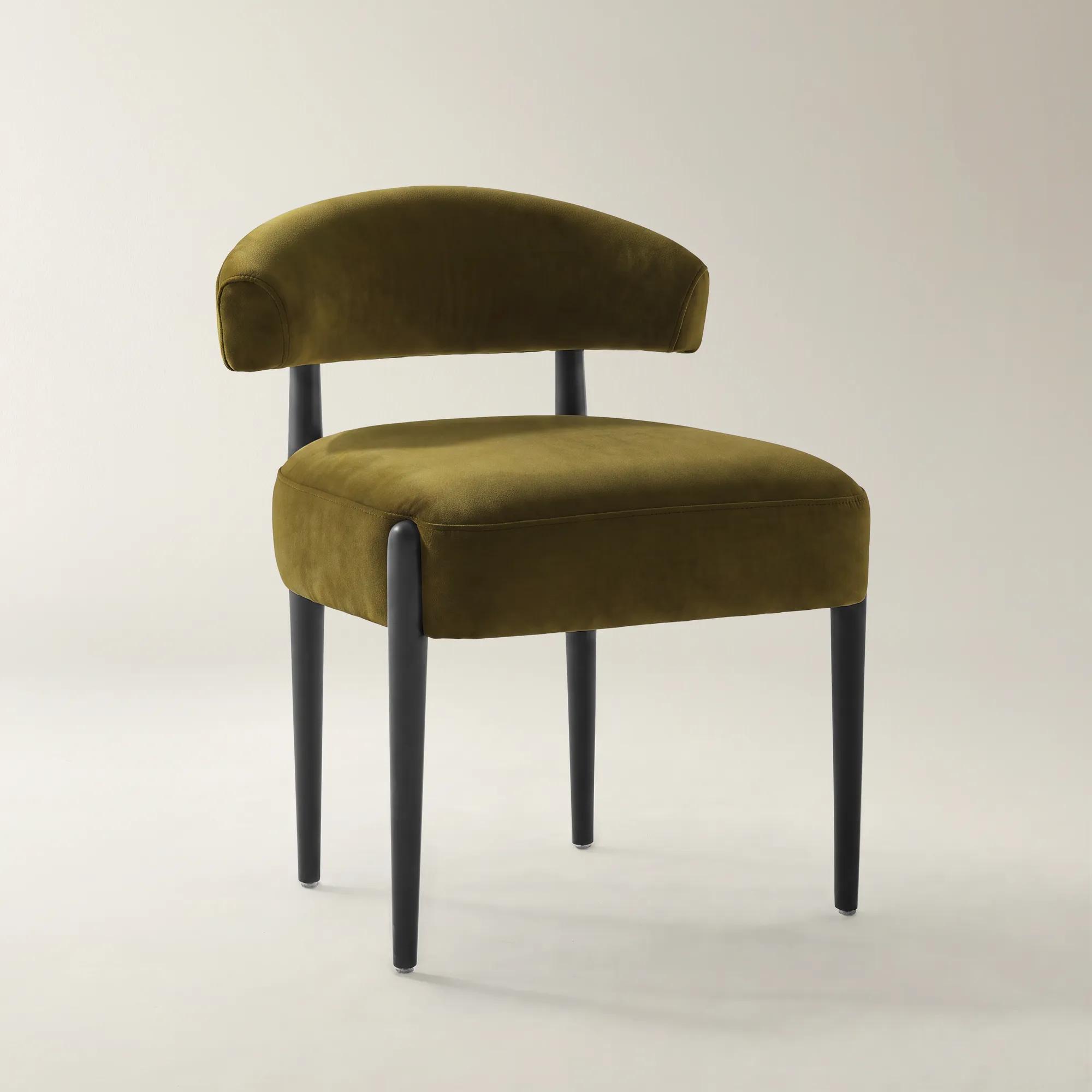 Anna Deep Olive Velvet Dining Chair Set of 2$599
A deep olive velvet dining chair with a tailored curved back, high-density cushioning, and solid rubberwood legs.
Add To Cart -
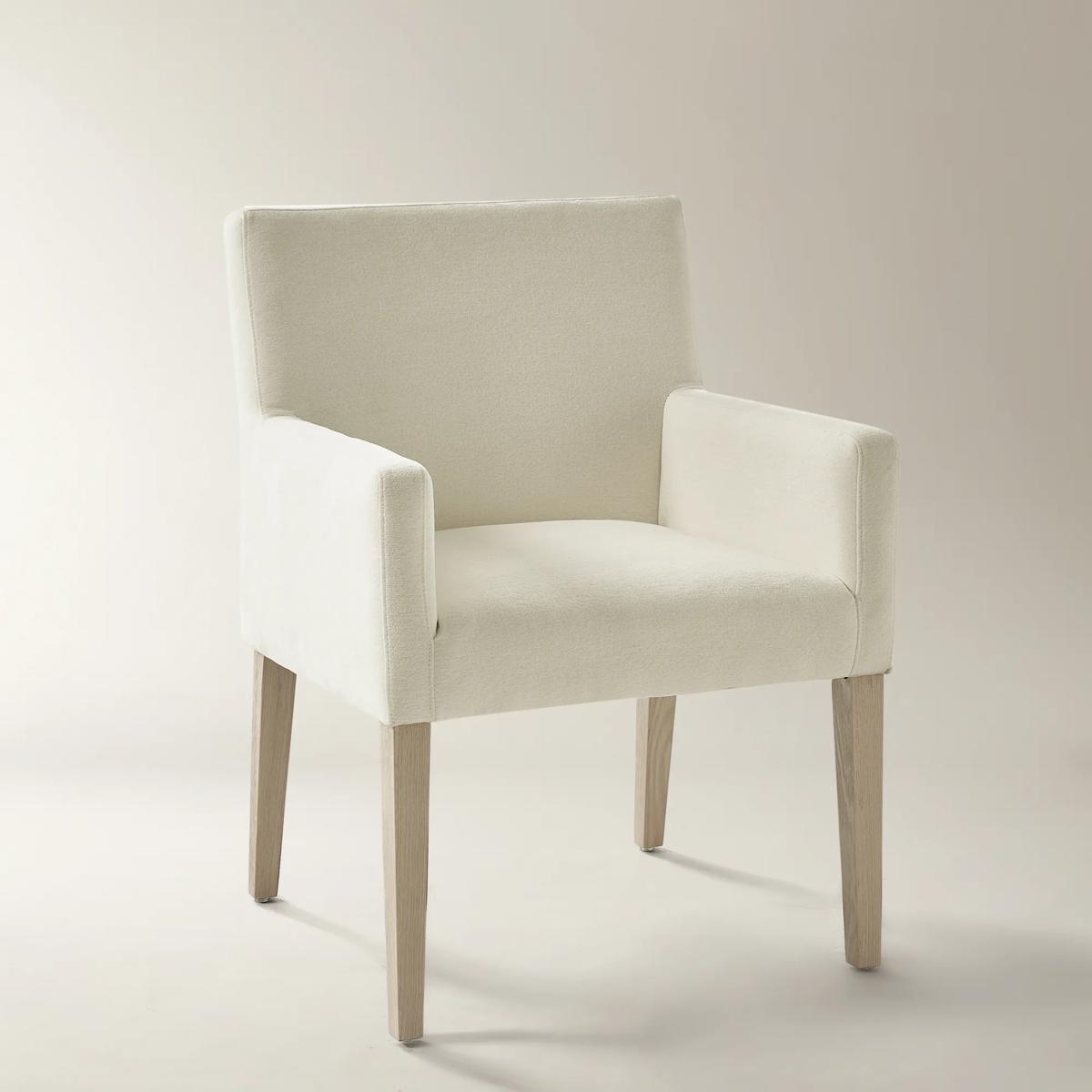
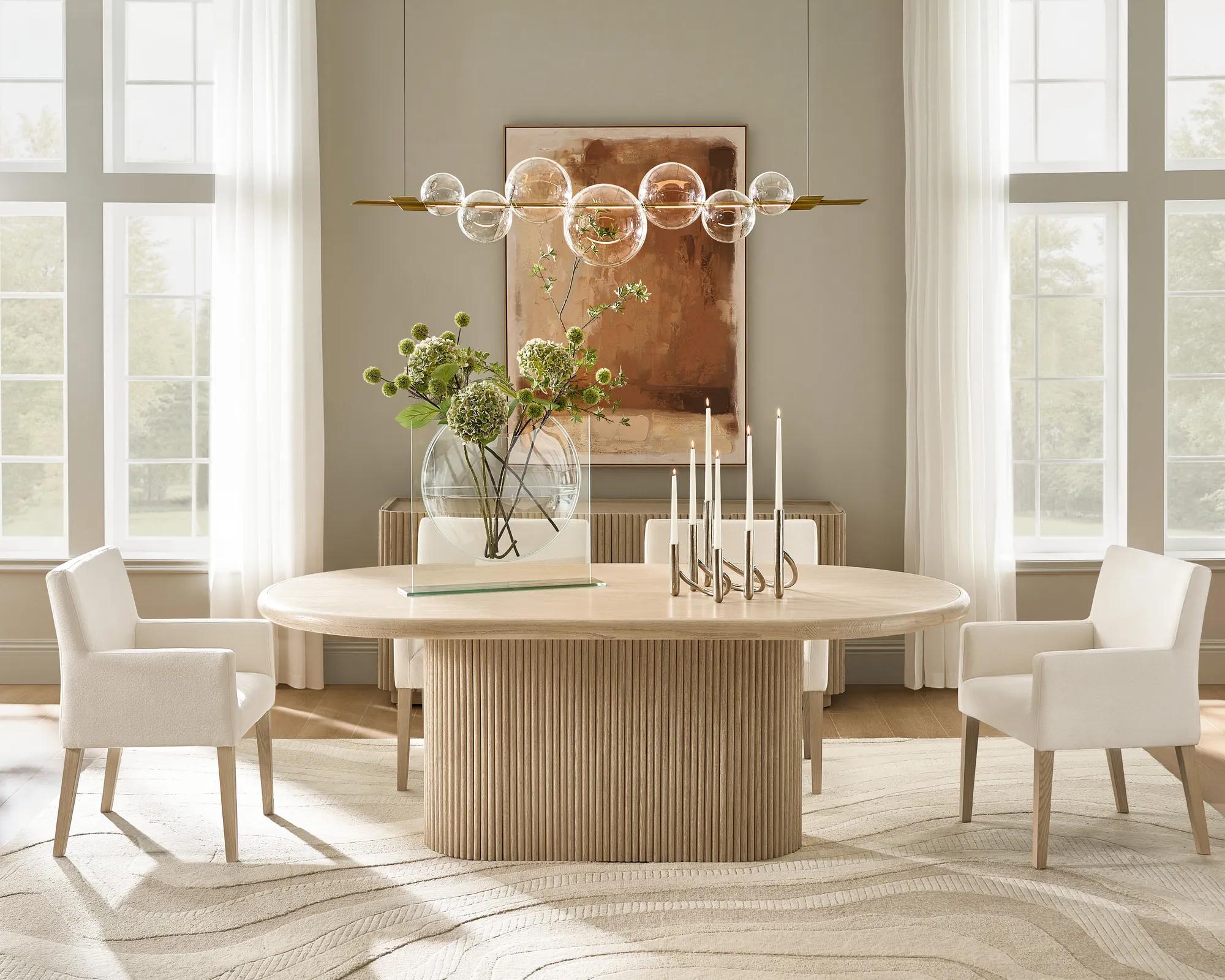 Stria Ivory Chenille Dining Chair Set Of 2$599
A pair of ivory chenille arm chairs with natural oak legs, offering plush comfort and modern elegance.
Add To Cart -
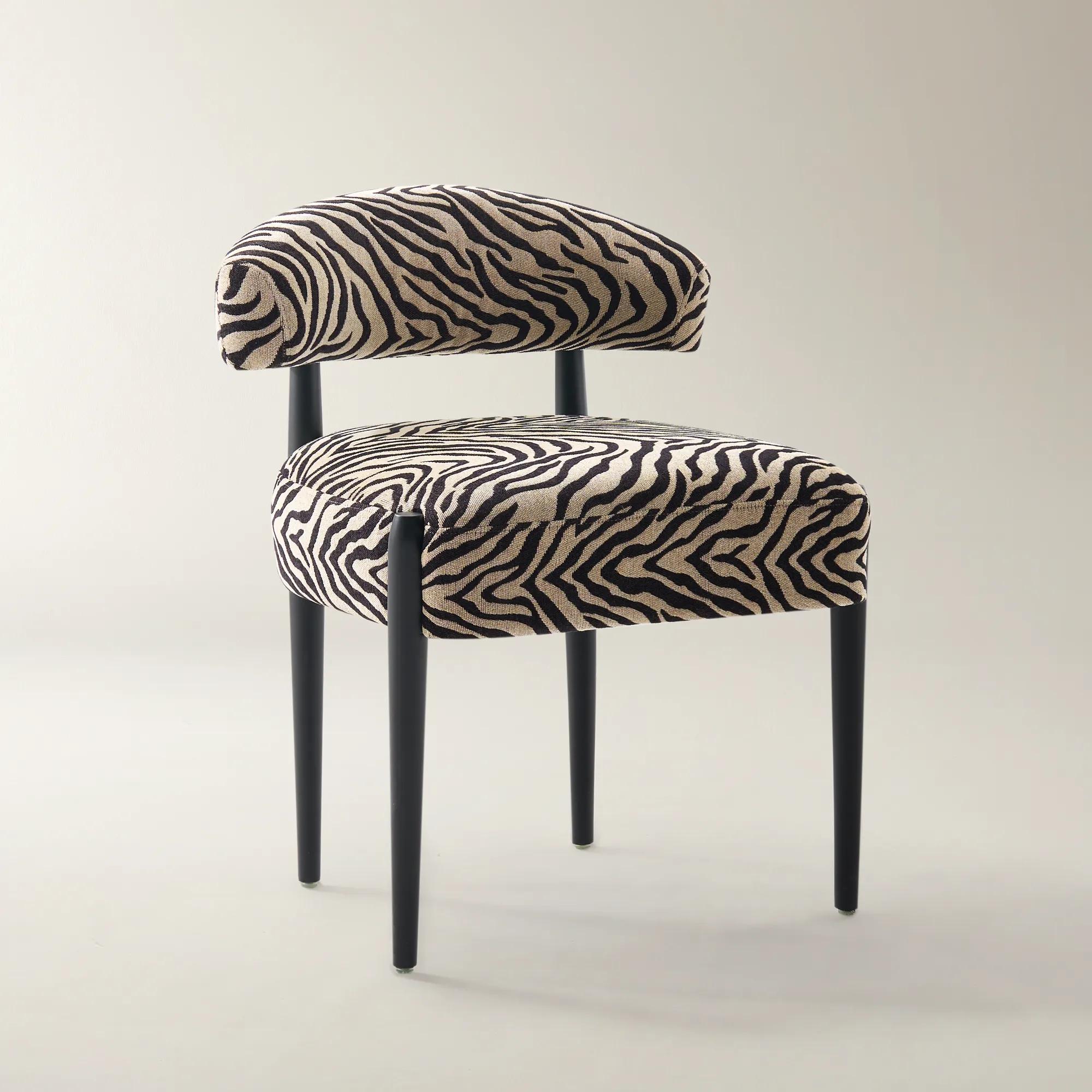
Anna Zebra Chenille Dining Chair Set Of 2$599
A set of zebra-print chenille dining chairs with high-density foam cushions and sturdy rubberwood legs.
Add To Cart -
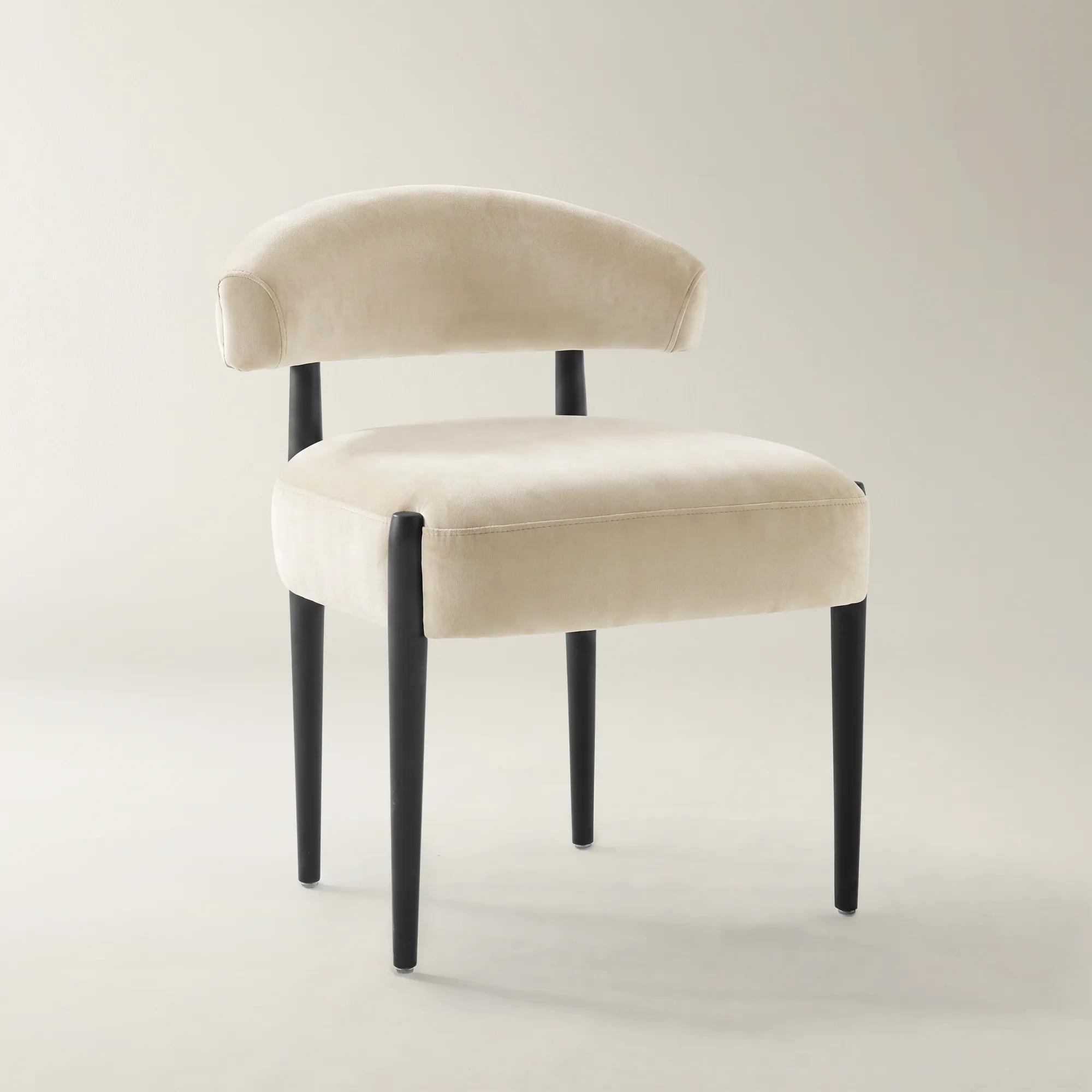 Anna Oatmeal Velvet Dining Chair Set of 2$599
A pair of oatmeal velvet dining chairs with arched backs, supportive foam cushioning, and rubberwood legs.
Add To Cart -
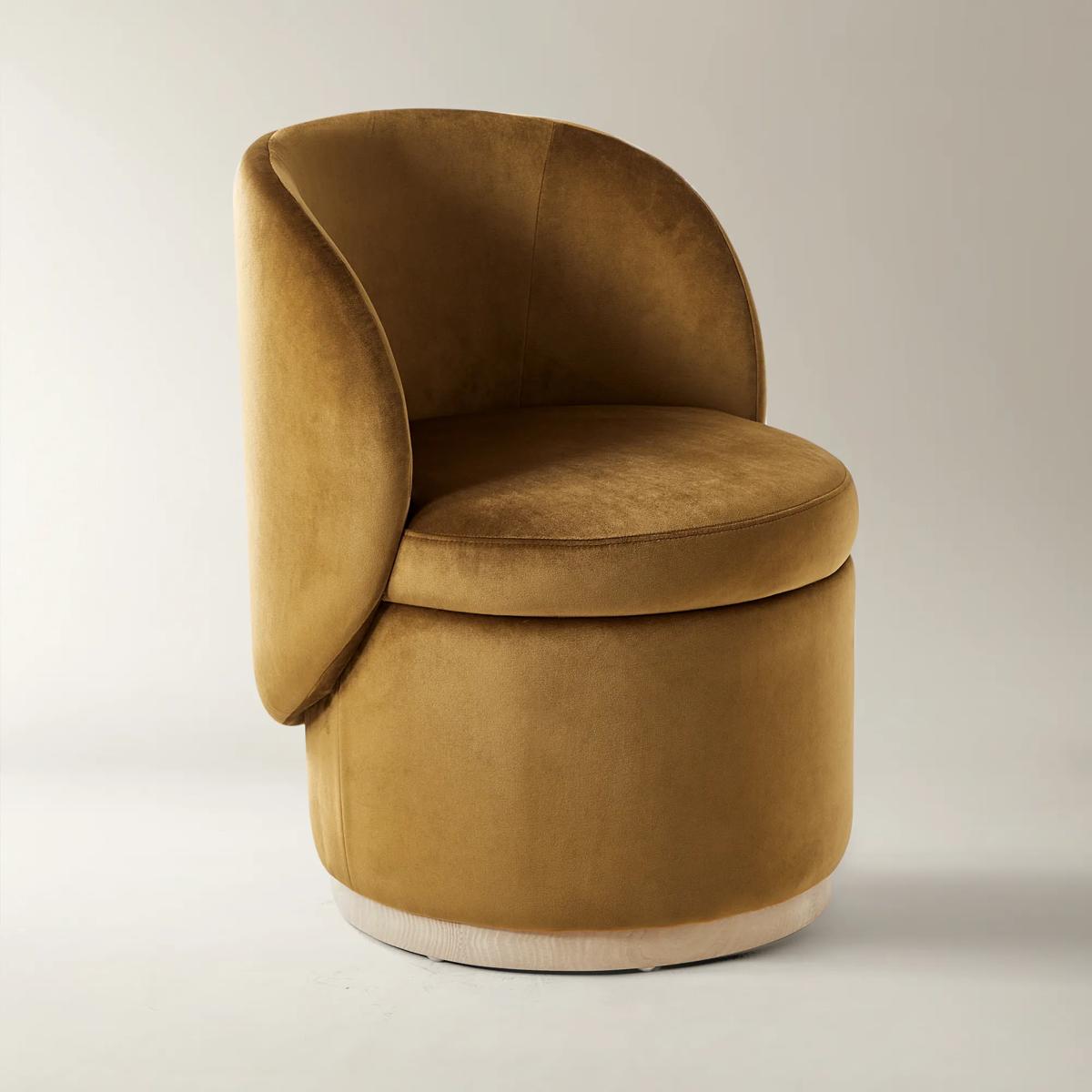
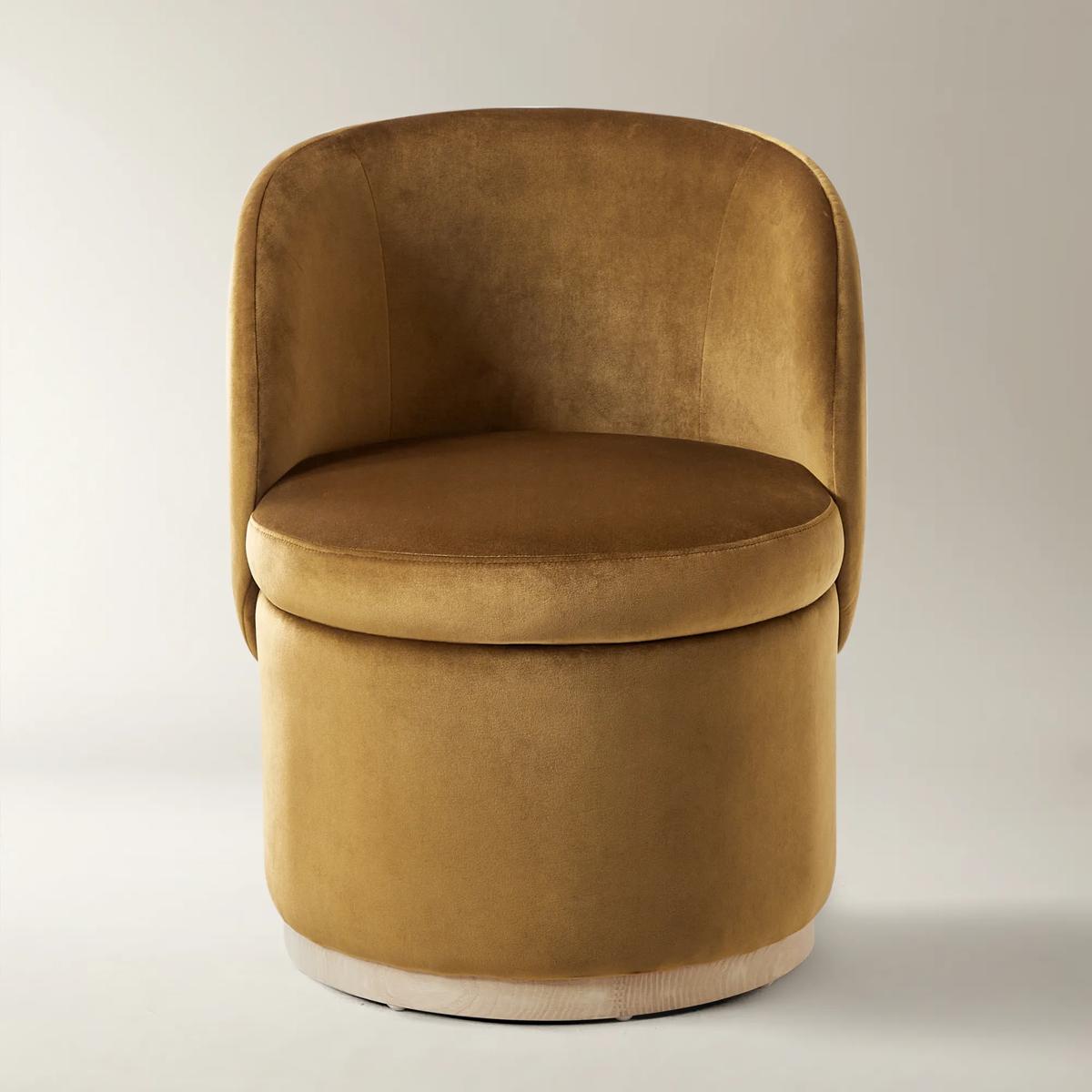 Stria Roasted Pecan Velvet Dining Chair With Oak Base$449
A khaki chenille chair featuring cozy upholstery and a handcrafted solid oak base for organic warmth.
Add To Cart -
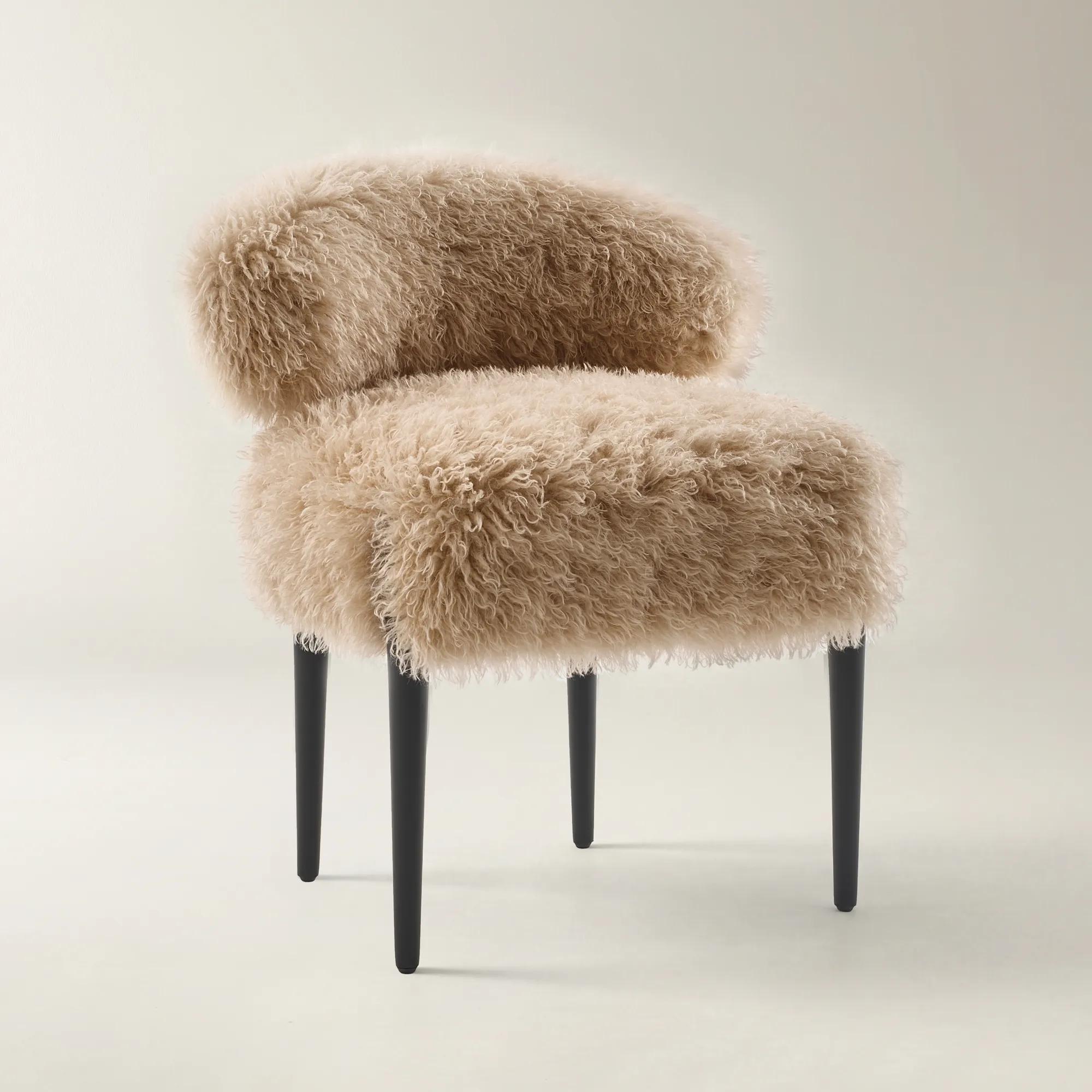 Anna Tan Faux Fur Dining Chair Set of 2$699
A tan faux fur dining chair set with curved backs, cushioned comfort, and solid rubberwood legs.
Add To Cart -
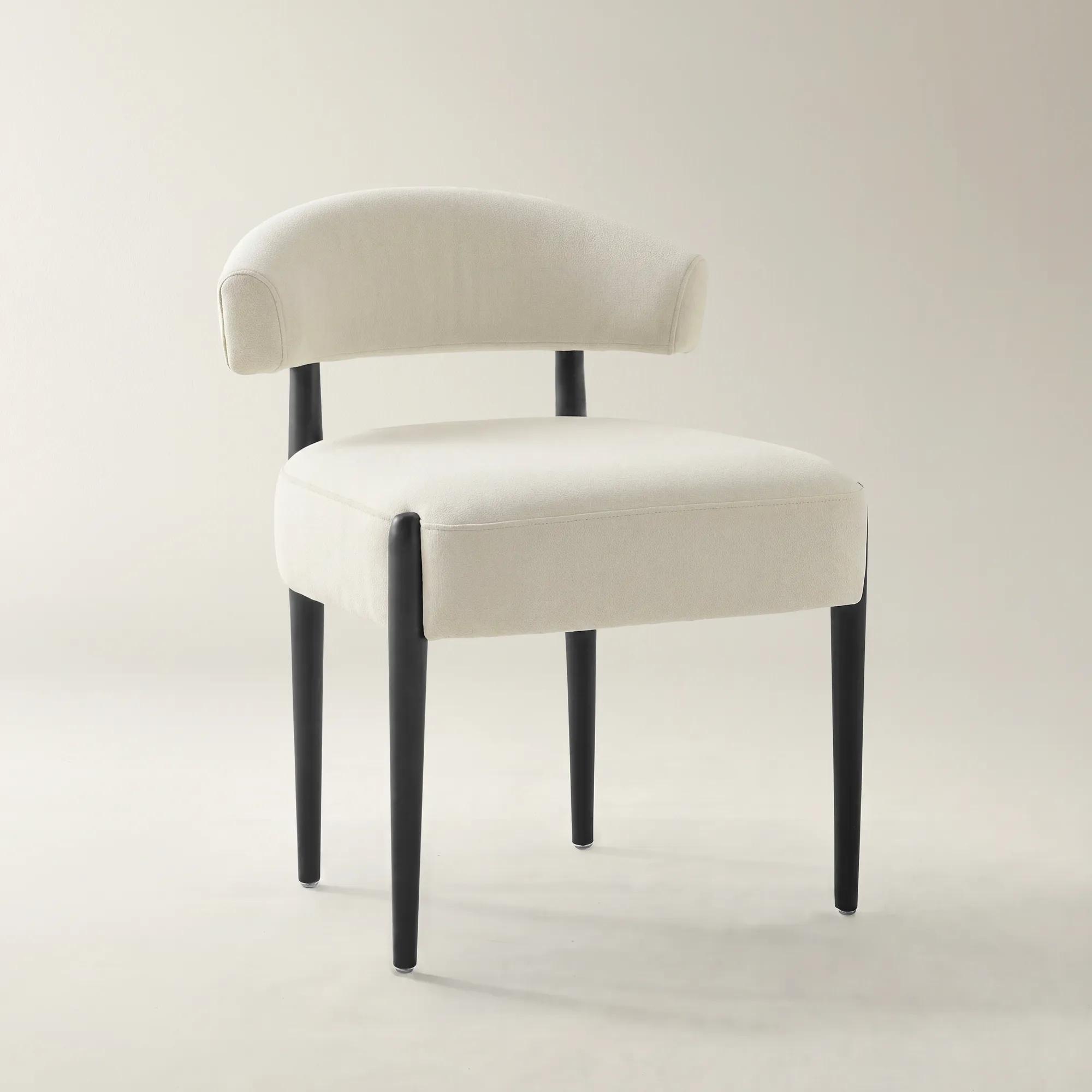 Anna Ivory Performance Chenille Dining Chair Set of 2$599
An ivory performance chenille chair pair featuring curved backs, high-density foam, and solid rubberwood legs.
Add To Cart

Imported Dining Chairs Set
Imported Dining Chairs Set—where artistry meets indulgence and every meal becomes a celebration. Elevate your dining experience with seating that exudes cosmopolitan allure, transforming the ordinary into the extraordinary. Each chair is a curated masterpiece, designed to infuse your space with global sophistication and a hint of drama. Let your dining room become a stage for conversation, laughter, and unforgettable memories, all anchored by the unmistakable presence of an Imported Dining Chairs Set that speaks volumes about your taste for the exceptional.
An imported dining chairs set brings a coordinated collection of seating to the dining room, creating a visual rhythm around the table through repeated silhouettes, upholstery, and finishes. In the United States, “imported” generally means the chairs were manufactured outside the country; the designation alone does not establish a particular material, construction method, or level of craftsmanship. Those qualities come into focus through the details: the curve of a backrest, the character of a wood grain, the tailoring along a cushion, and the stability of the frame beneath it. For a room with expressive proportions and a strong point of view, coordinated chairs give the table a deliberate frame without asking every furnishing to match. A richly upholstered silhouette can soften the architectural lines of a glass dining table, while exposed wood introduces warmth beside polished stone or gleaming metal. High backs establish a more formal presence, low profiles preserve sightlines across an open living space, and gently curved backs lend movement to an otherwise angular arrangement. Sets may be offered in pairs or larger groupings, so the stated quantity matters as much as the photographed arrangement; a styled dining scene does not necessarily represent everything included. A pair can complete the ends of a rectangular table, while a larger set can establish a consistent look for family meals and entertaining. Armless chairs often create a visually lighter perimeter, whereas armchairs bring a more enveloping presence to the head of the table. For hosts who favor layered interiors, matching side chairs paired with distinct end chairs can feel composed rather than uniform. For a compact dining area, repeating one elegant silhouette keeps the composition clear. The appeal extends beyond formal dining rooms to breakfast spaces and open-plan apartments where seating remains visible throughout the day. Beautiful from the back as well as the front, dining chairs become part of the room’s architecture, framing everything from a quiet breakfast to a conversation that lasts long after dessert.
Materials give imported dining chair sets much of their personality, but their value is also tactile and practical. Velvet can catch the light with a sumptuous depth that shifts as someone moves around the table; its directional pile may also show pressure marks or variations in shading. Textured woven upholstery lends dimension to a restrained palette, while smooth leather offers a different sensory experience and develops character according to its type and finish. Faux leather has its own cleaning requirements and should not automatically be treated with products formulated for genuine leather. Pale upholstery can look luminous against a dark table, although households with frequent spills may prefer a fabric with clearly documented cleaning instructions or performance characteristics. A performance designation is not a promise against every stain, and removable-looking cushions should not be assumed to have washable covers. Beneath the upholstery, foam density, cushion construction, and suspension influence how a seat feels over time; thickness alone does not establish lasting support. Solid wood frames offer visible grain and sculptural possibilities, while metal frames can deliver slender lines and a crisp contrast to plush seating. Engineered wood and veneers may also appear in chair construction, with their suitability depending on where and how they are used. For an emphasis on exposed grain and wood-framed silhouettes, Imported Hardwood Dining Chairs offer a related direction for a richly layered dining space. Hardwood describes a botanical category rather than a guarantee that every species resists dents equally, so species, finish, joinery, and intended use remain meaningful distinctions. Tight joints, secure connections, and an appropriate weight capacity matter more than country of origin alone. Cane and other woven back details can introduce an airy contrast, but they require care appropriate to their construction and are not surfaces to lean on with concentrated force. Across materials, the most convincing luxury is both visible and felt: balanced proportions, thoughtfully finished edges, supportive seating, and surfaces suited to the way the household actually gathers.
Fit determines whether that visual promise translates into comfortable everyday use. Dining chair dimensions deserve to be considered alongside the table’s height, apron, base, and leg placement, not just its overall length. Many standard dining arrangements work well with approximately 10 to 12 inches between the seat and tabletop, though a deep apron can reduce usable thigh clearance. Upholstered seats may compress when occupied, and armrests need enough clearance to slide beneath the table if a tucked-in arrangement is important. Allowing roughly 24 inches of table edge per diner is a useful starting point, with more room often needed for broad seats or substantial arms. Around the table, approximately 36 inches to a wall or nearby furnishing generally provides space to pull out a chair; an active walkway behind seated guests benefits from greater clearance. A pedestal base may free up space near the corners, while widely positioned table legs can interrupt an otherwise generous seating plan. These distinctions matter during a dinner party, when guests need room to settle in, and during daily meals, when a chair should move easily without colliding with a sideboard. Seat depth, back angle, and chair weight also shape the experience, particularly for people who prefer firm support or regularly move seating between rooms. Unless specifically rated otherwise, indoor dining chairs belong in interior spaces rather than on patios or in damp environments. Long-term care starts with the manufacturer’s directions: promptly blotting spills rather than rubbing, vacuuming upholstery with a suitable attachment, and using cleaning products approved for the specific surface. Felt pads or compatible floor protectors can help limit scratching, while lifting chairs instead of dragging them reduces strain on joints. Assembly hardware may need periodic checks when the care instructions call for them. With that attention, a coordinated dining chair set can support both the ceremony of entertaining and the intimacy of daily life, giving every place at the table a considered presence.
FAQs
Imported dining chairs often showcase distinctive craftsmanship, rare materials, and design influences from around the globe. These pieces bring a sense of artistry and cultural richness to your dining space, offering details and finishes that are sometimes unavailable in domestic collections.
Imported dining chairs infuse your dining room with a sense of sophistication and worldly charm. Their unique silhouettes, luxurious textures, and refined finishes create a focal point, elevating both everyday meals and special gatherings with an unmistakable sense of occasion.
Absolutely. Imported dining chairs make exceptional gifts for housewarmings, weddings, or anniversaries. Their enduring beauty and craftsmanship turn them into cherished heirlooms, perfect for anyone who appreciates luxurious design and meaningful artistry.
Imported dining chairs often feature a variety of premium materials such as solid hardwoods, hand-finished metals, sumptuous velvets, fine leathers, and artisanal inlays. Each material is chosen for its durability, tactile appeal, and ability to express a unique design perspective.
Consider the mood and palette of your dining space. Imported dining chairs are available in a wide range of styles, from sleek and modern to ornate and traditional. Select finishes and fabrics that echo your room’s existing tones, or use bold, contrasting designs to create a dramatic centerpiece.