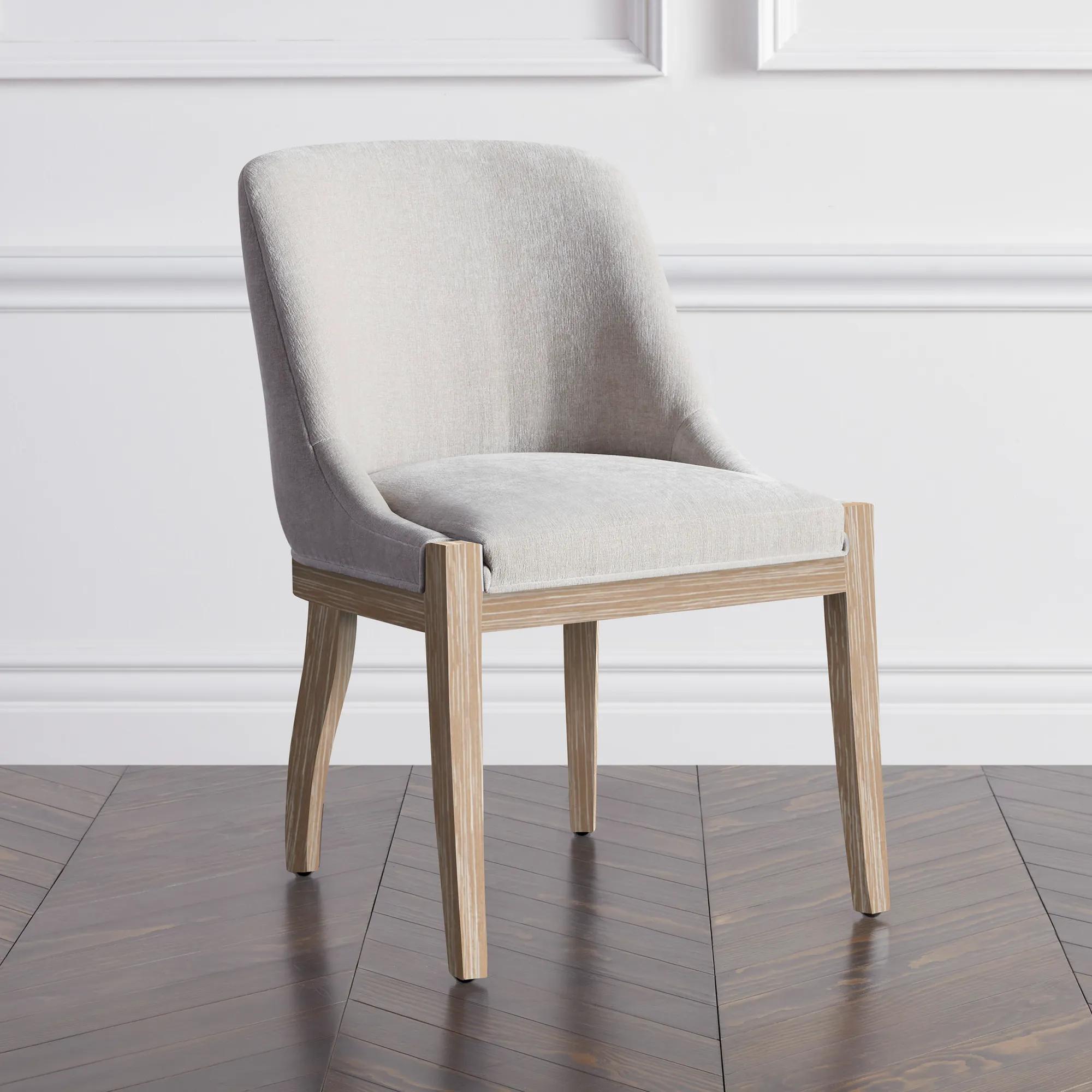
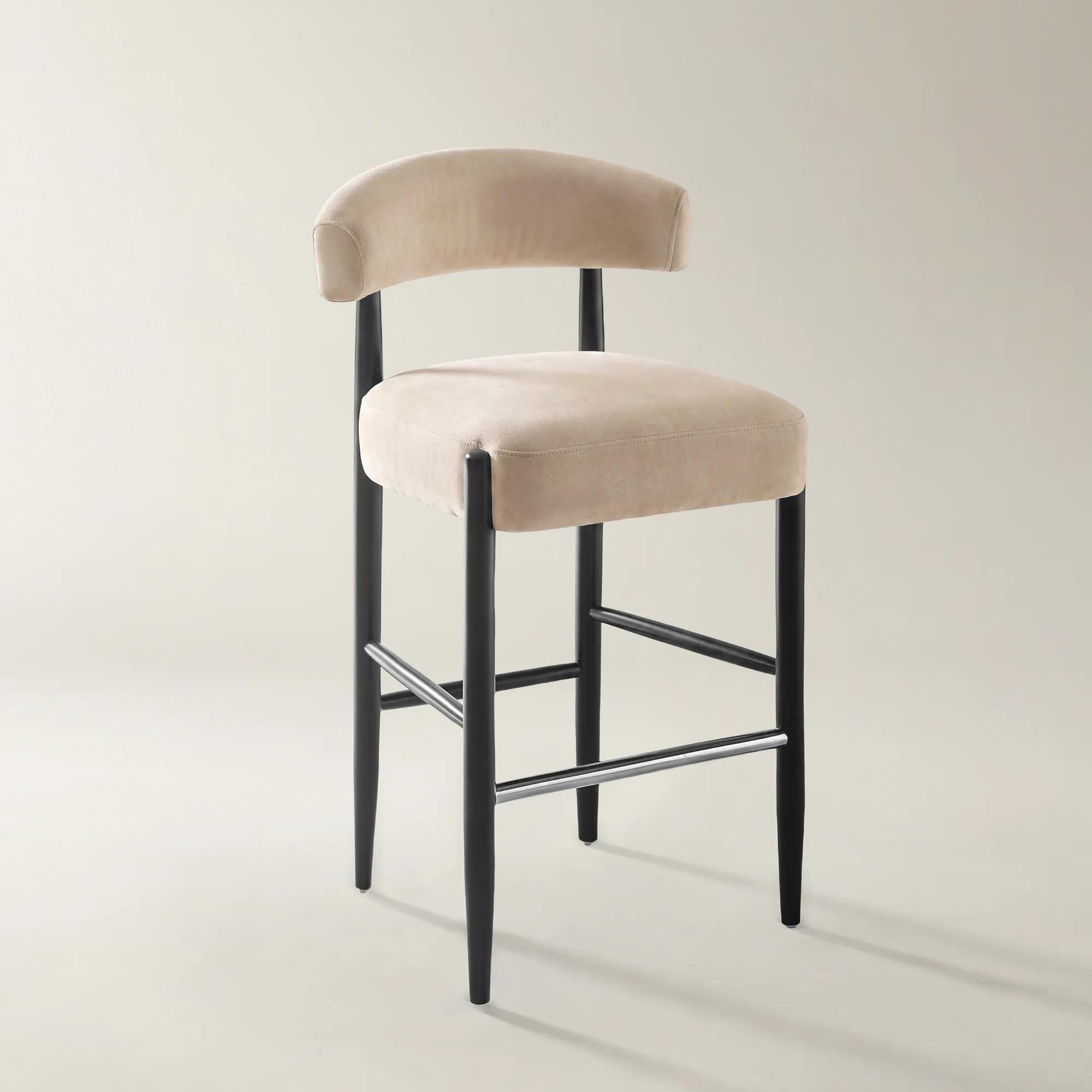
Dining Room Chair Sets
Dining Room Chair Sets
-
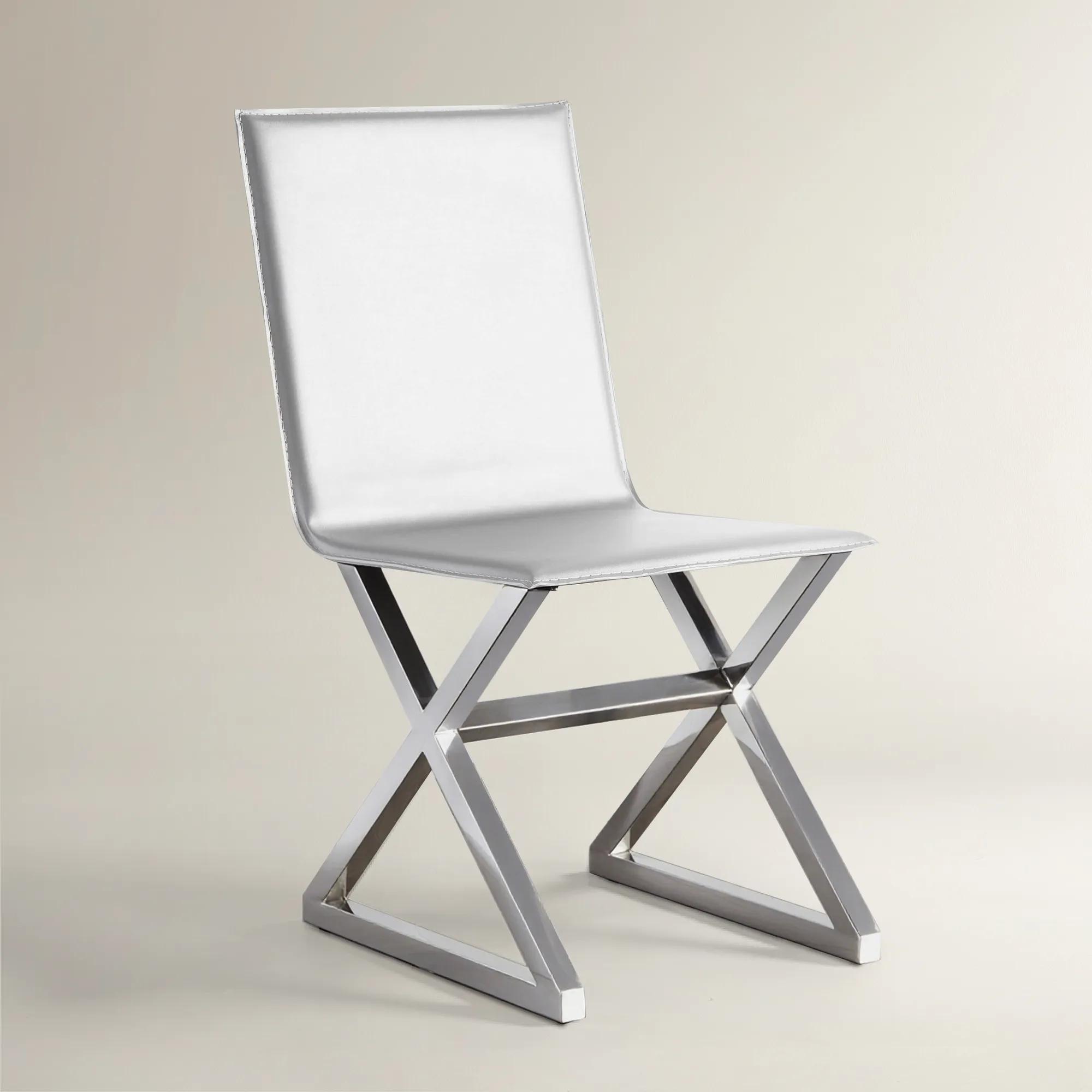
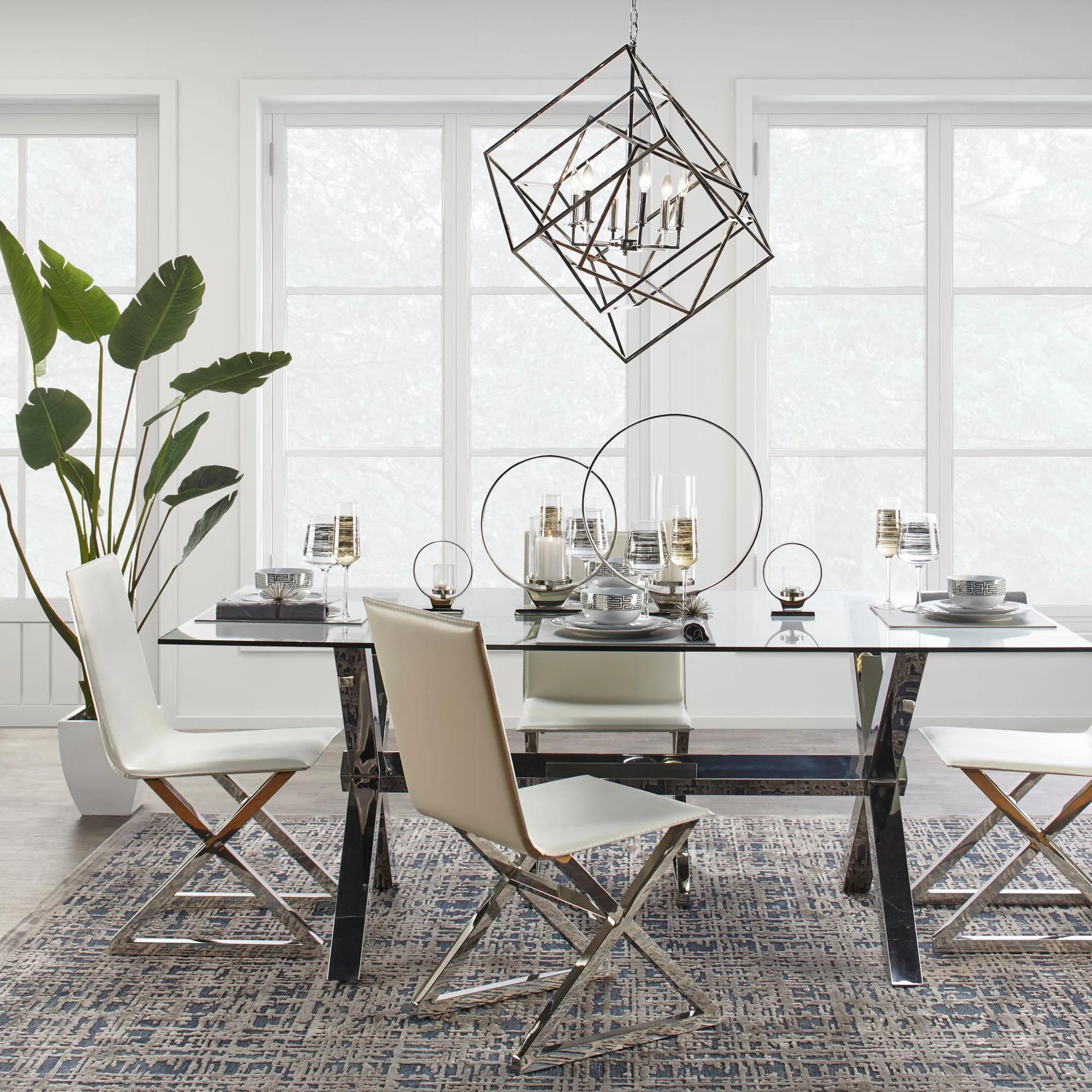 Axis Dining Chair - Set of 2$399
A contemporary chair set featuring white bonded leather upholstery and a polished stainless steel base.
Add To Cart -
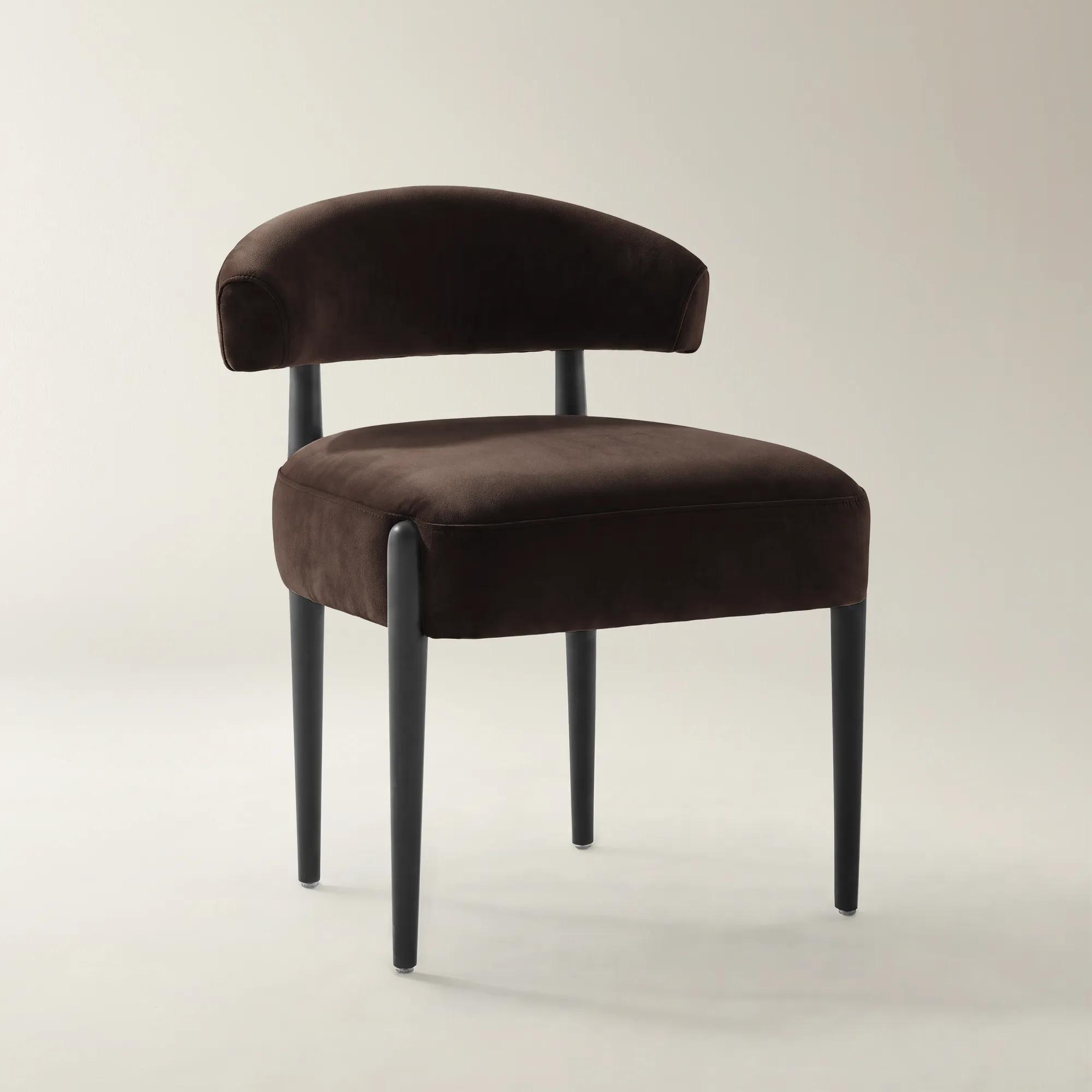
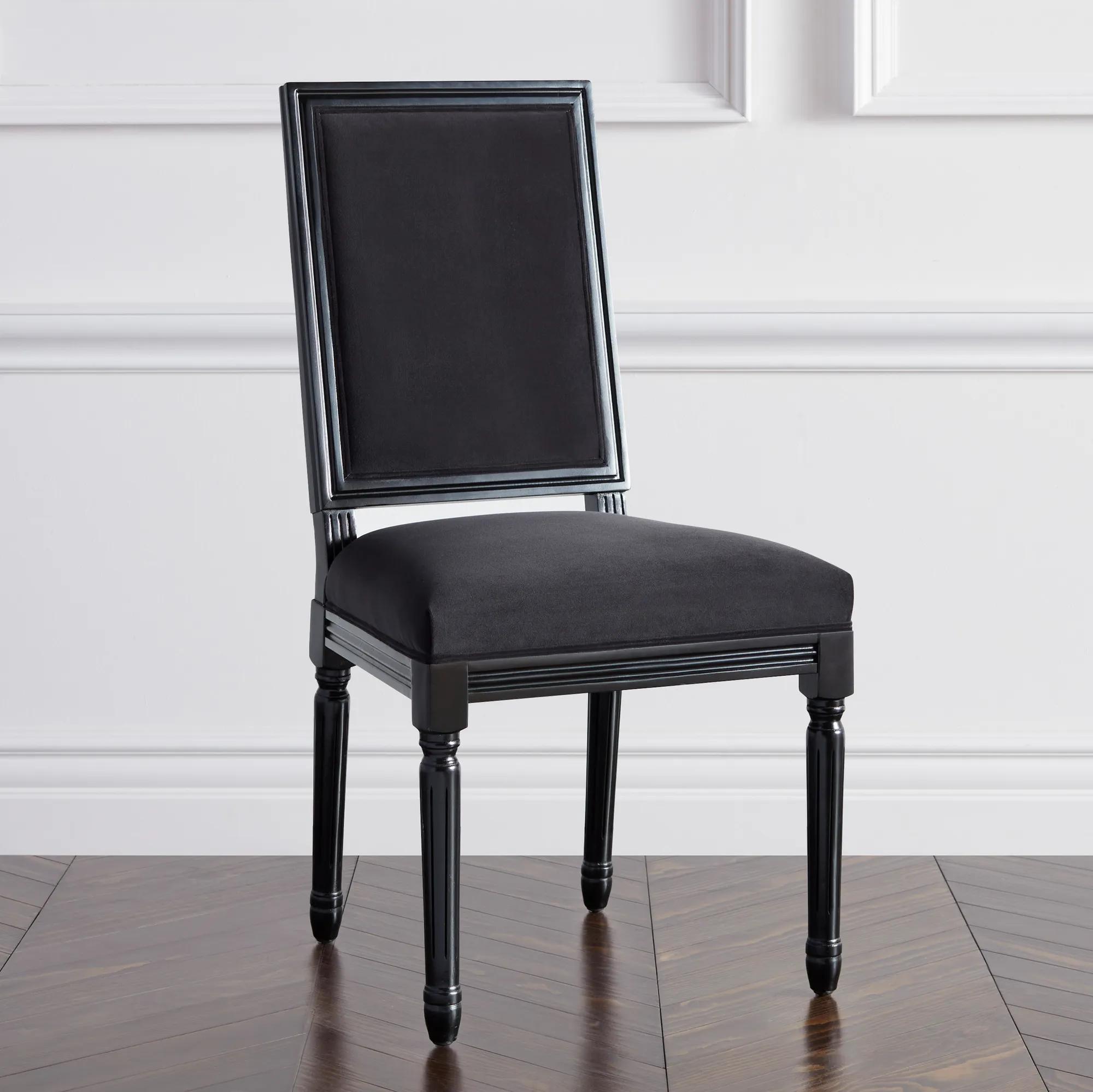
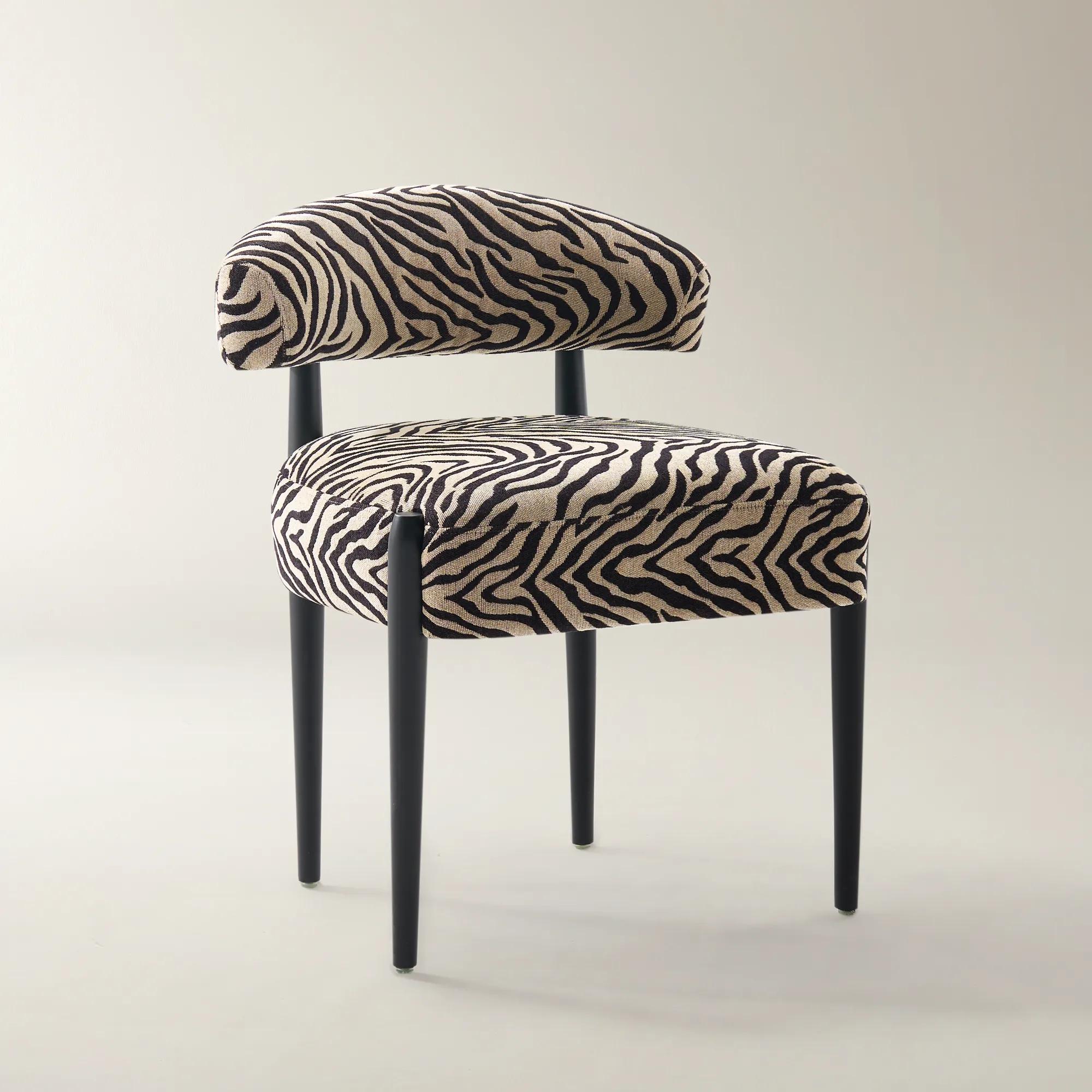 Anna Dark Chocolate Velvet Dining Chair Set of 2$599
A dark chocolate velvet dining chair set featuring an arched back, high-density foam, and solid wood construction.
Add To Cart -
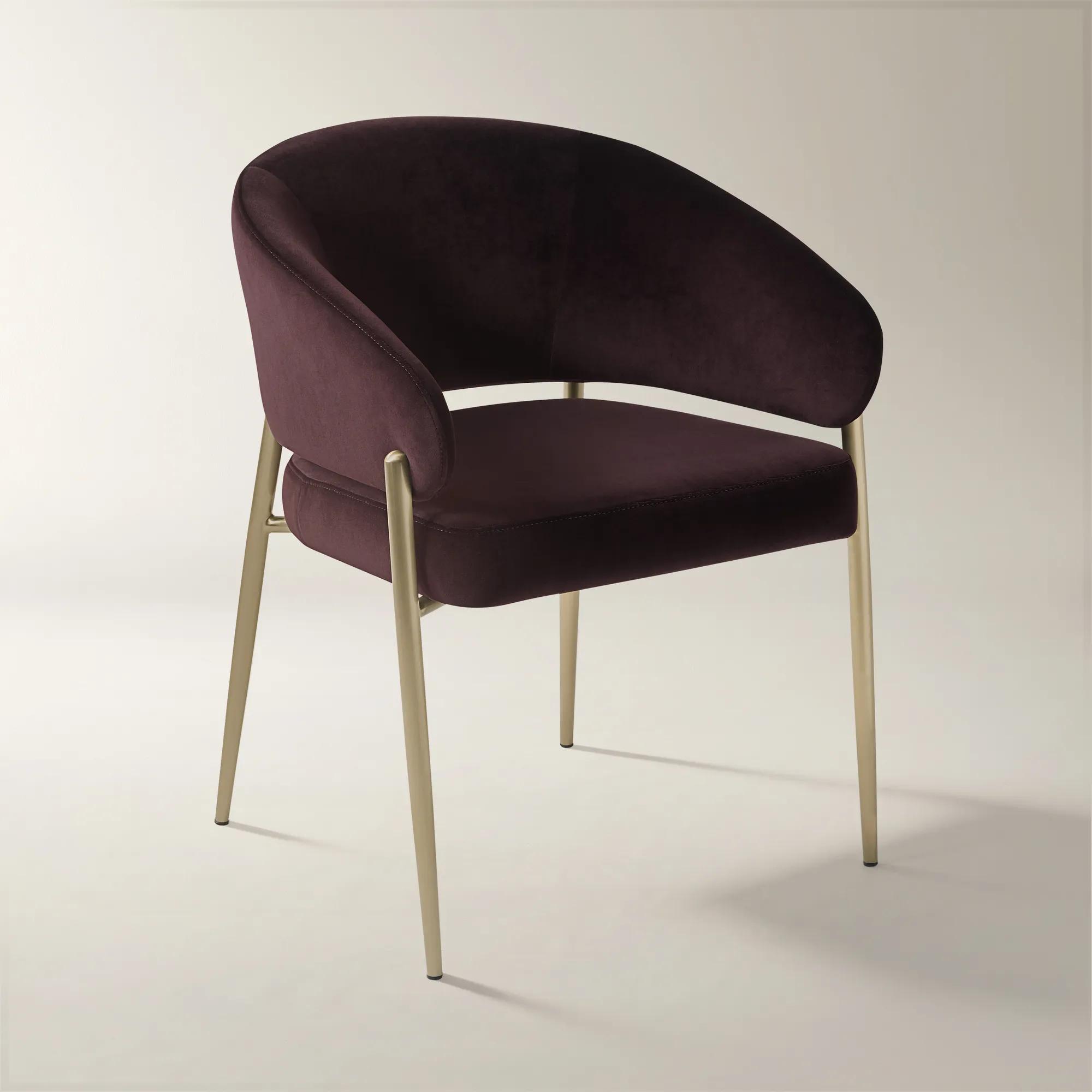 Nara Fig Velvet Dining Chair Set Of 2$599
A set of two dining chairs featuring plush fig velvet upholstery and brushed brass stainless-steel legs.
Add To Cart -
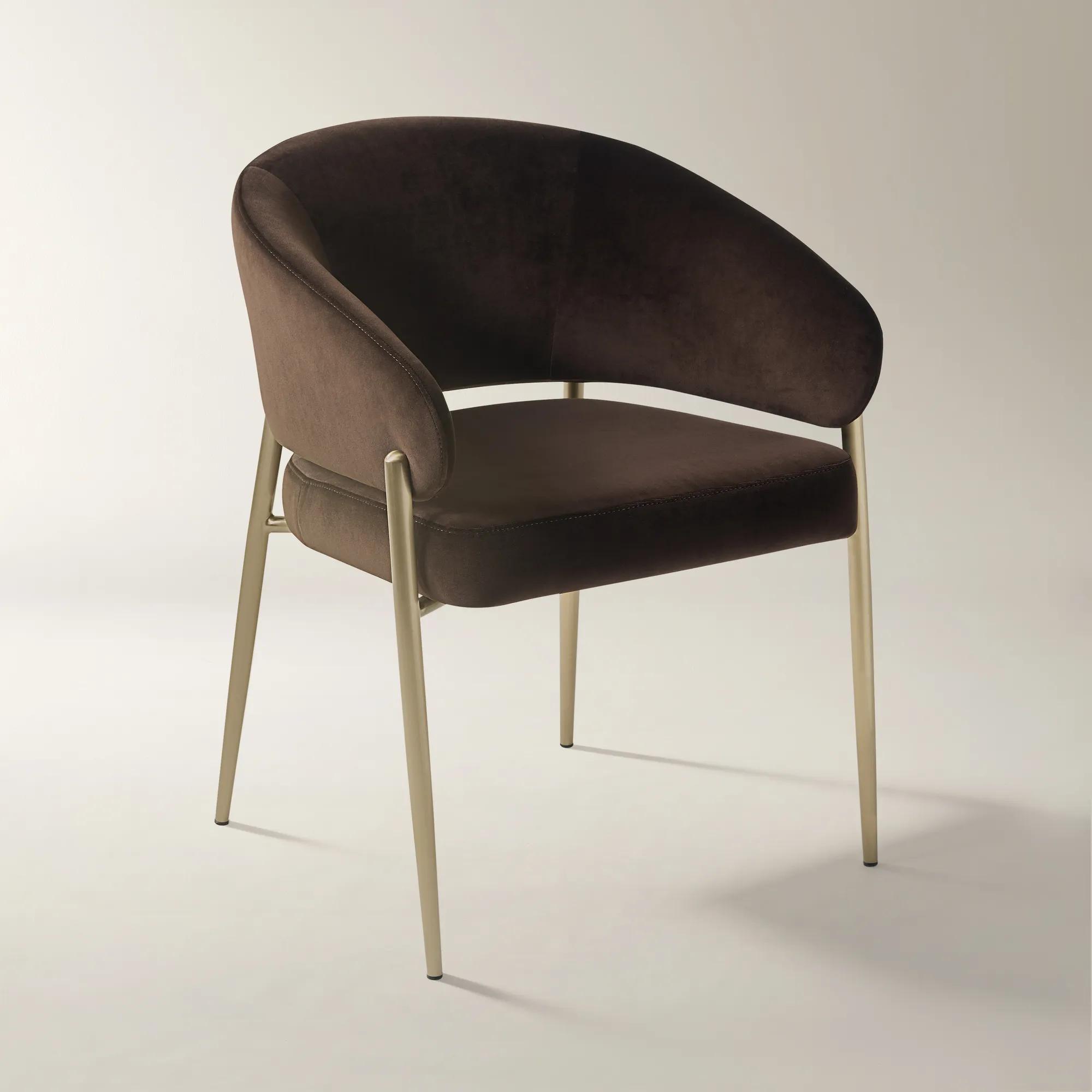 Nara Dark Chocolate Velvet Dining Chair Set Of 2$599
A pair of dark chocolate velvet chairs with curved backs and brushed brass stainless-steel legs for modern elegance.
Add To Cart -
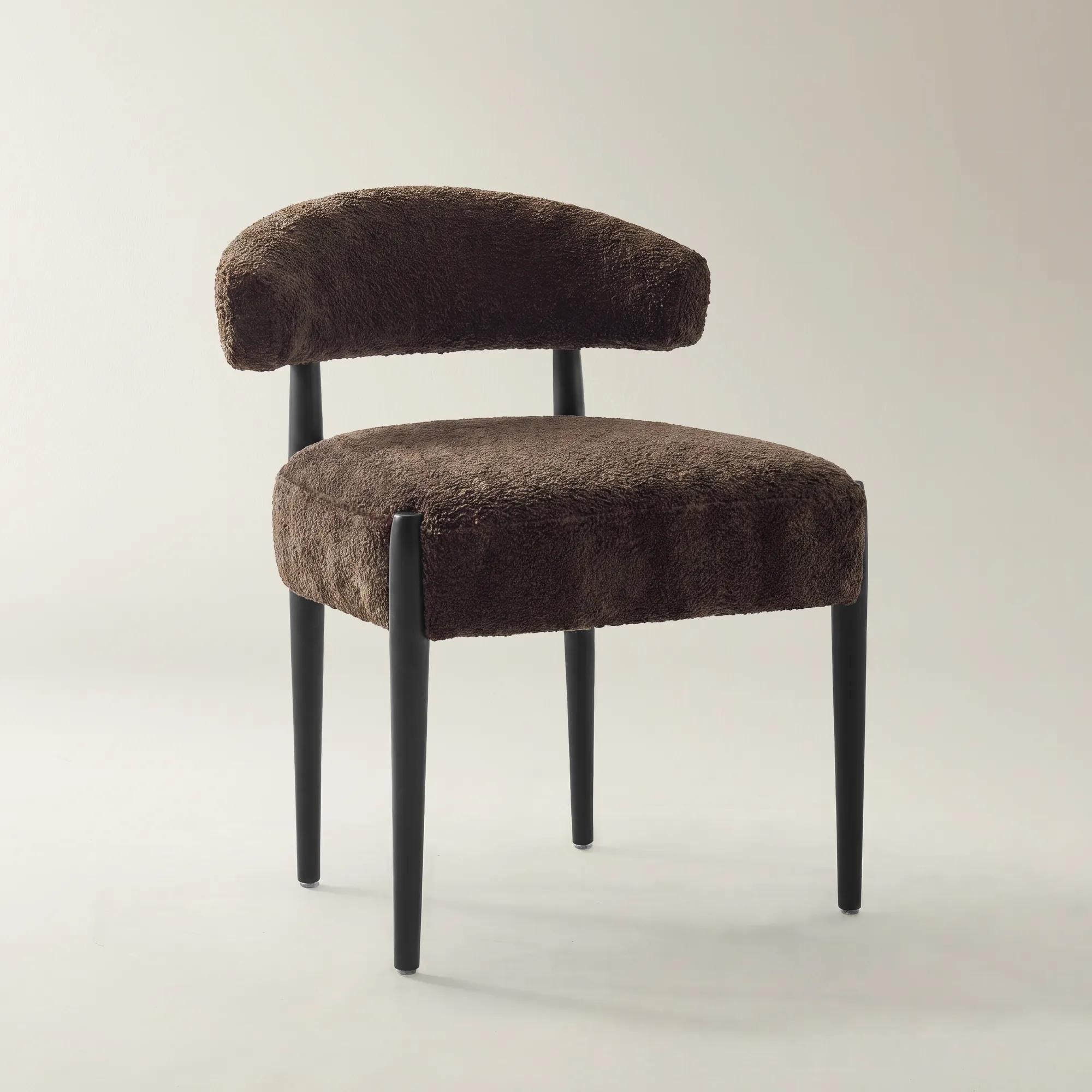 Anna Dark Chocolate Chenille Dining Chair Set of 2$599
A dark chocolate chenille chair pair featuring tailored curved backs, high-density foam, and solid rubberwood legs.
Add To Cart -
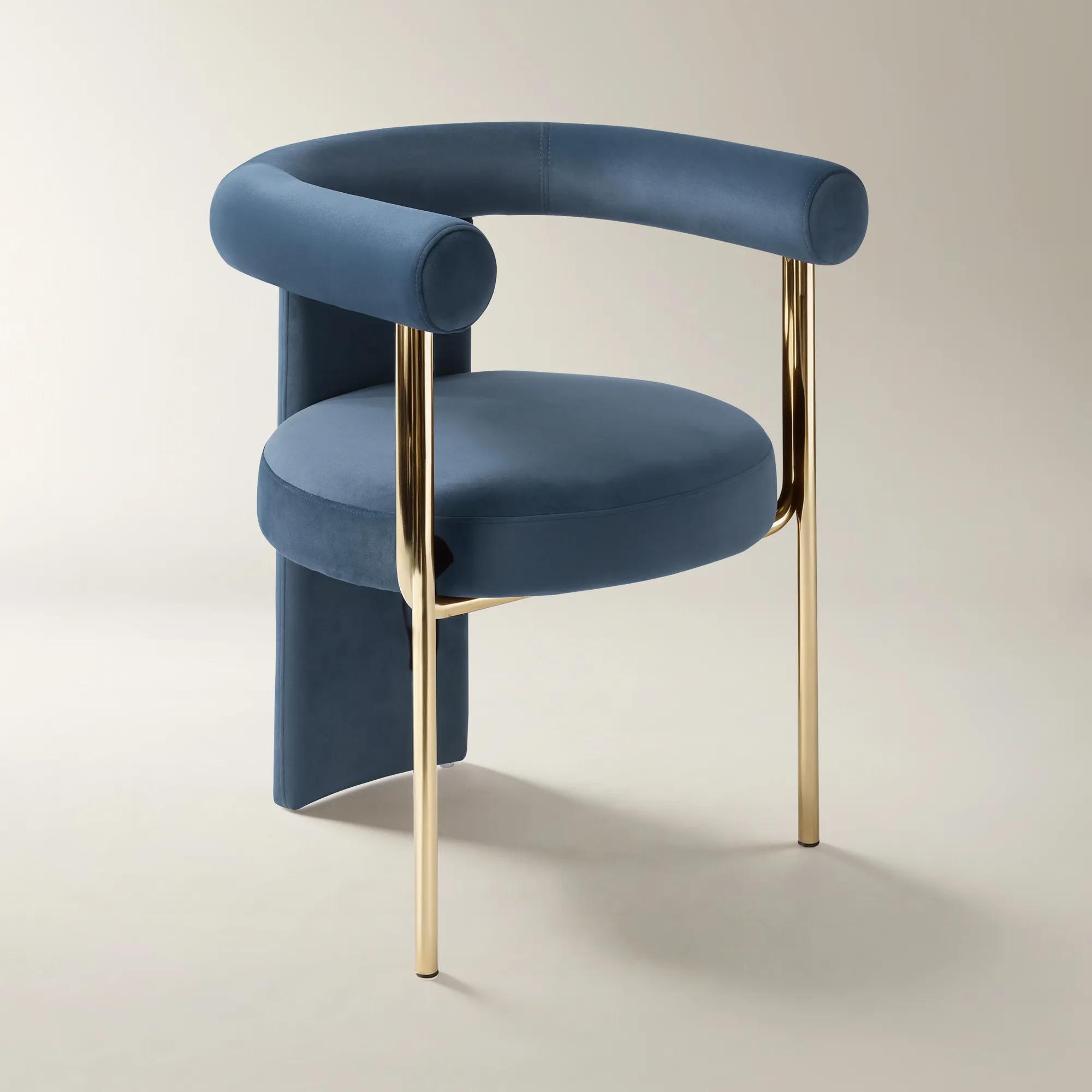 Davina Dusty Blue Velvet Dining Chair Set Of 2$799
A set of two dining chairs featuring dusty blue velvet upholstery and a polished gold metal frame.
Add To Cart -
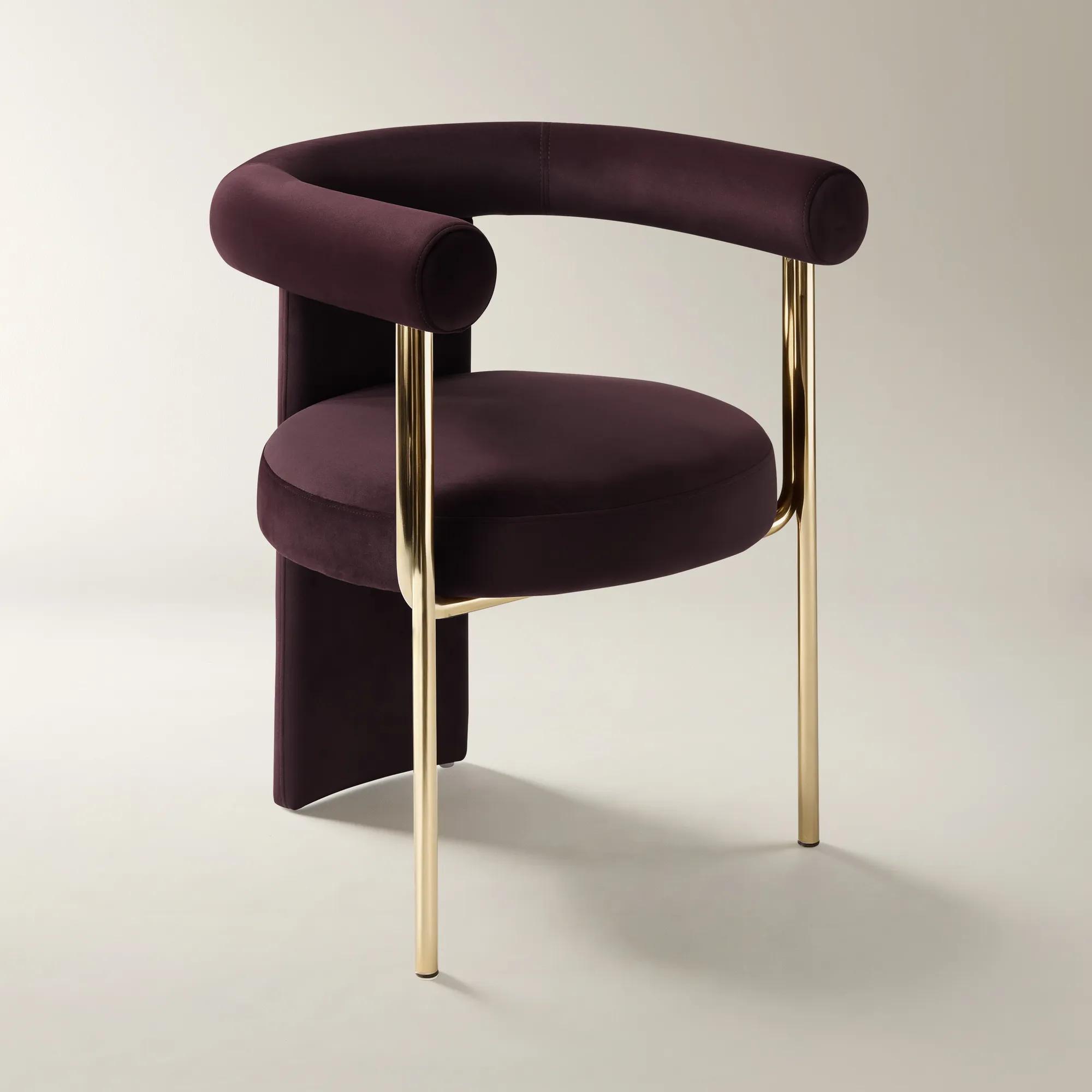 Davina Fig Velvet Dining Chair Set Of 2$799
A set of two dining chairs featuring plush fig velvet upholstery and a sleek gold-finished metal frame.
Add To Cart -
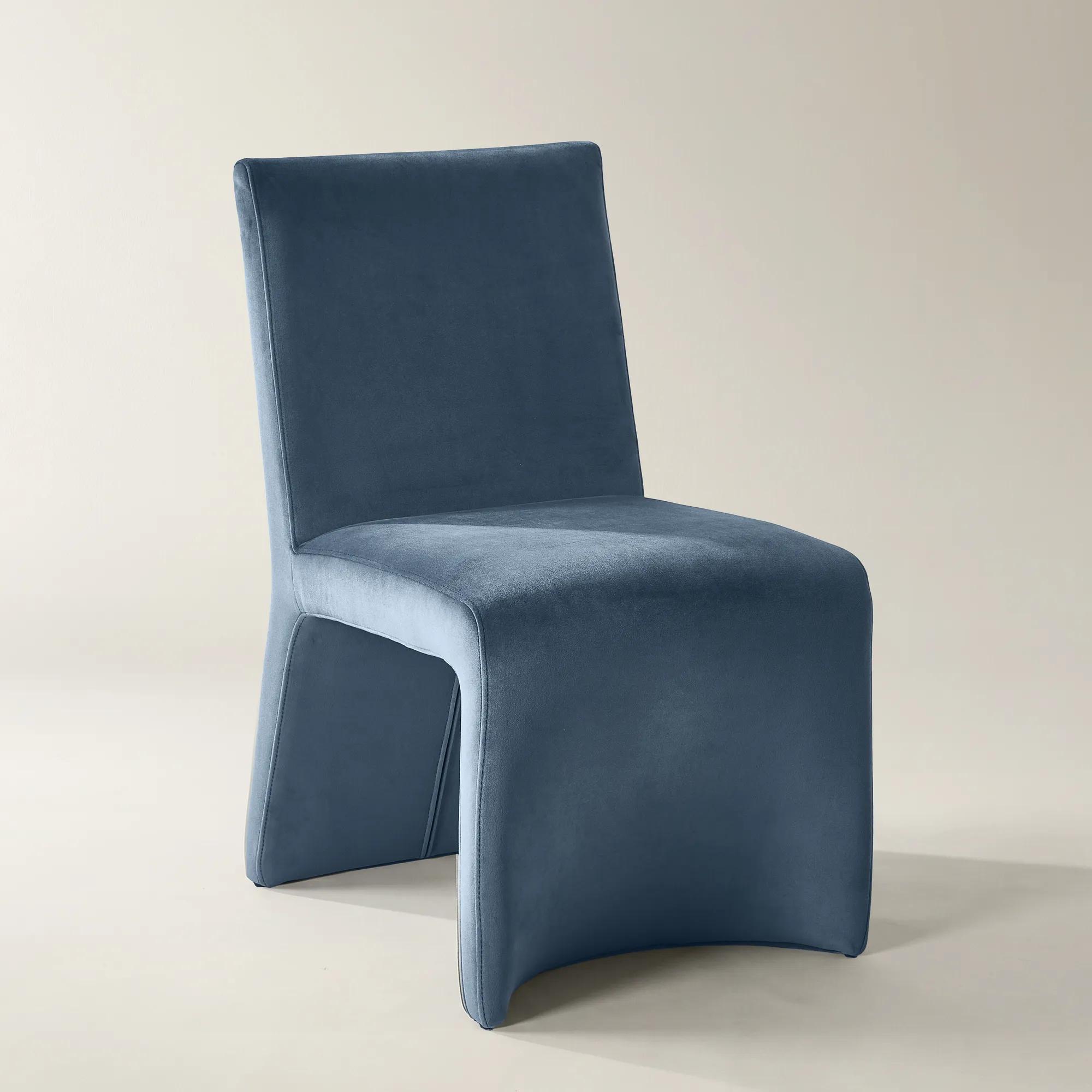 Elara Dusty Blue Velvet Dining Chair Set Of 2$649
A set of two dining chairs featuring plush dusty blue velvet upholstery and a seamless, artful silhouette.
Add To Cart -
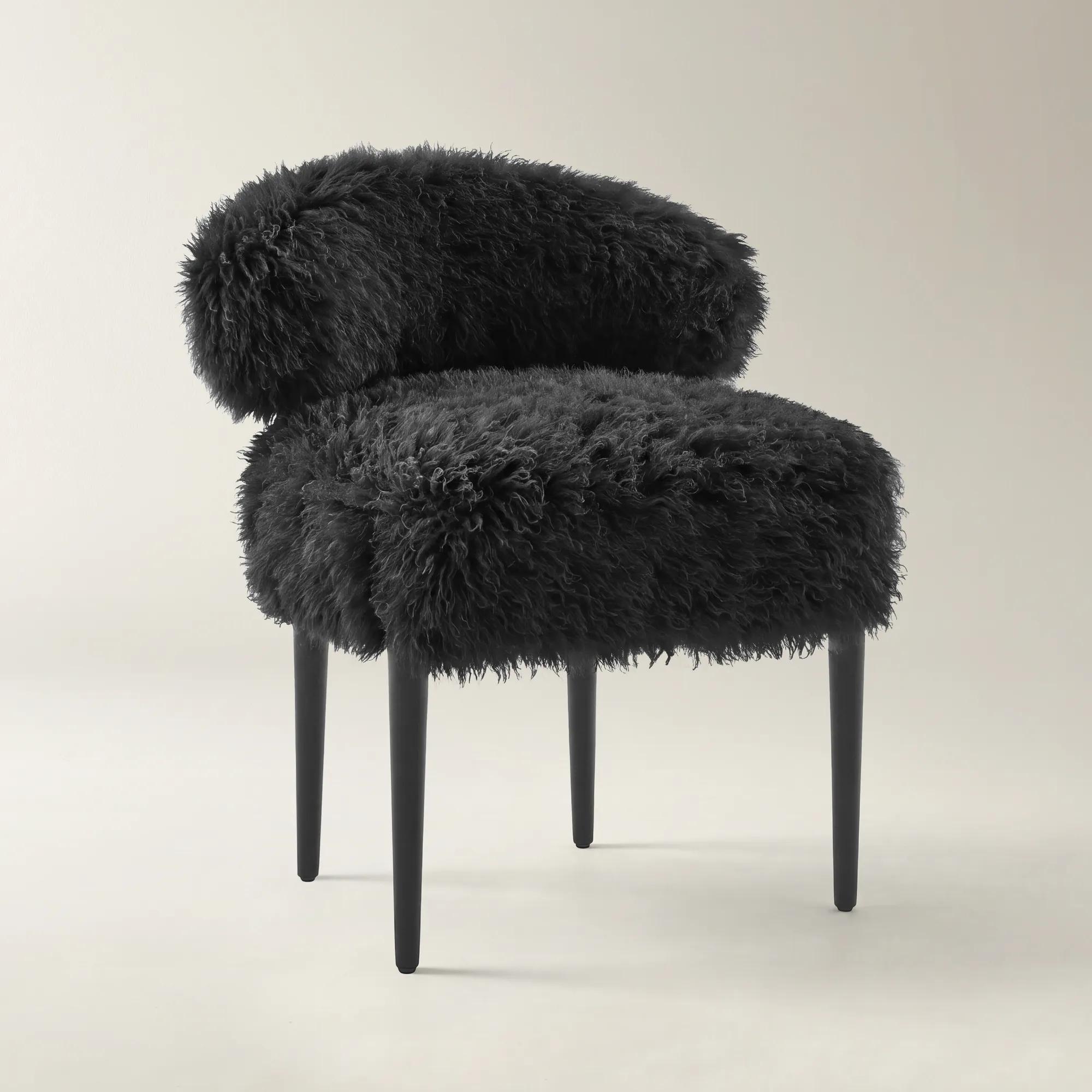 Anna Black Faux Fur Dining Chair Set of 2$699
A black faux fur chair set with arched backs, foam cushioning, and solid wood legs.
Add To Cart -
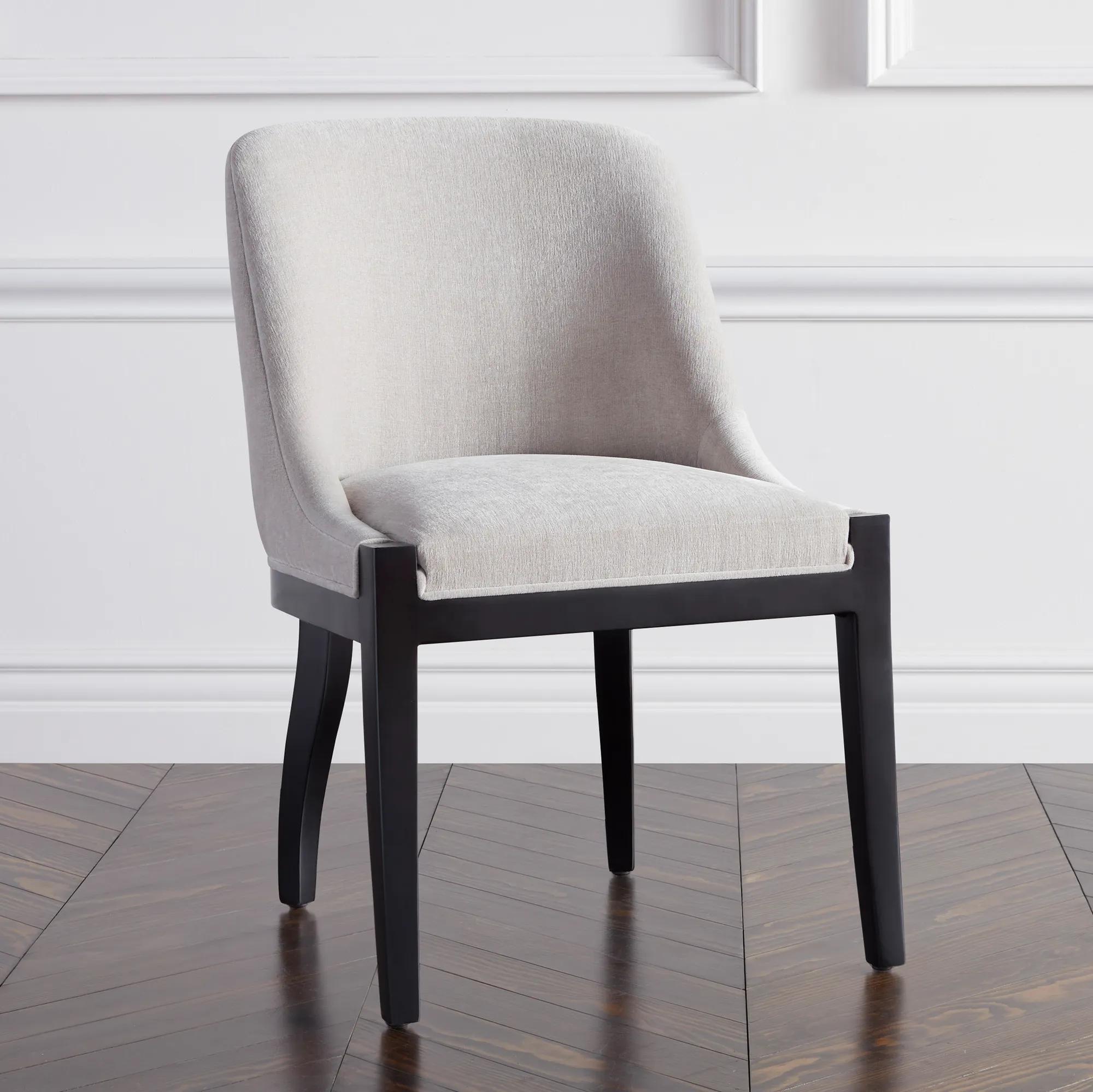
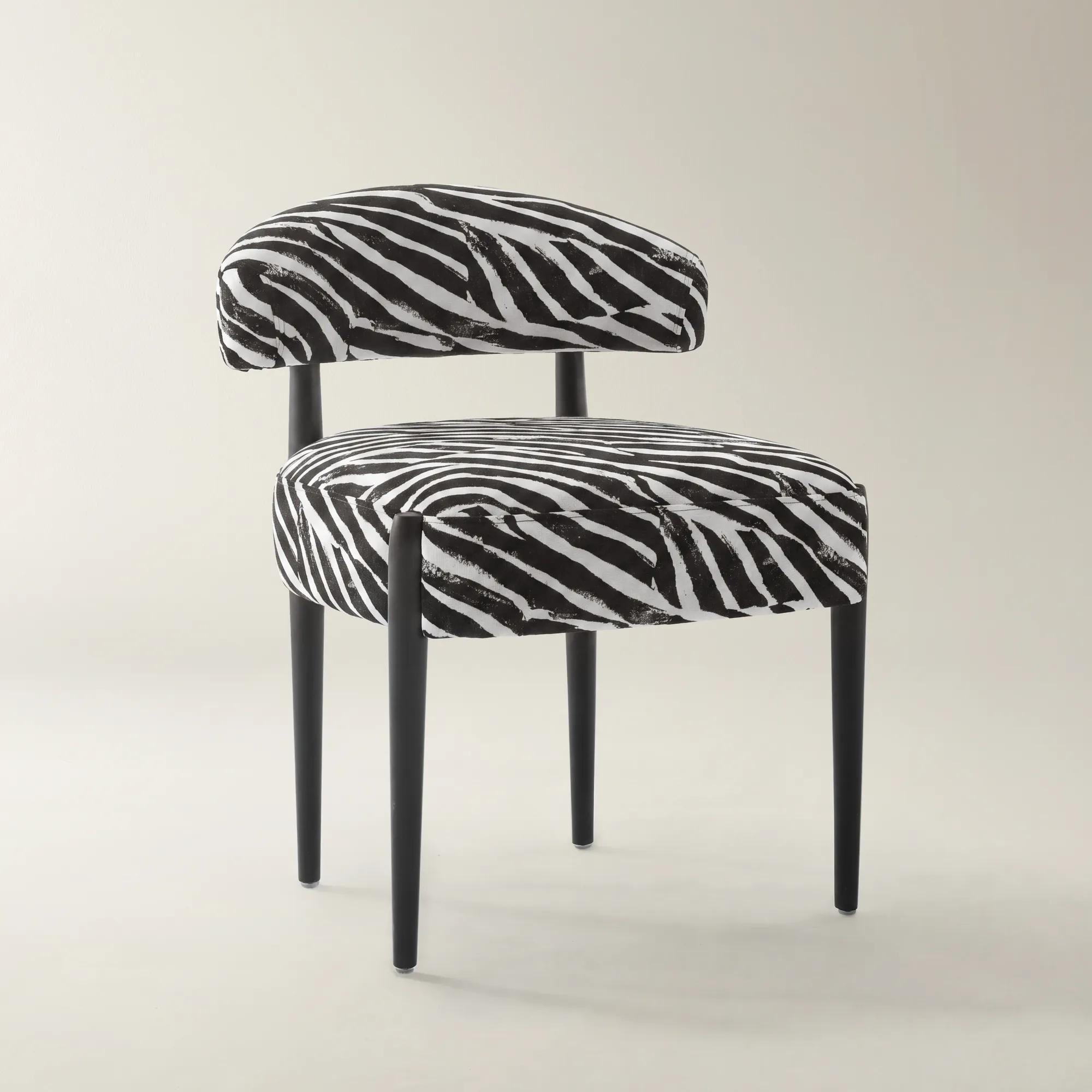 Anna White/Black Performance Chenille Dining Chair Set of 2$599
A black-and-white performance chenille chair set with arched backs, high-density foam, and solid rubberwood legs.
Add To Cart -
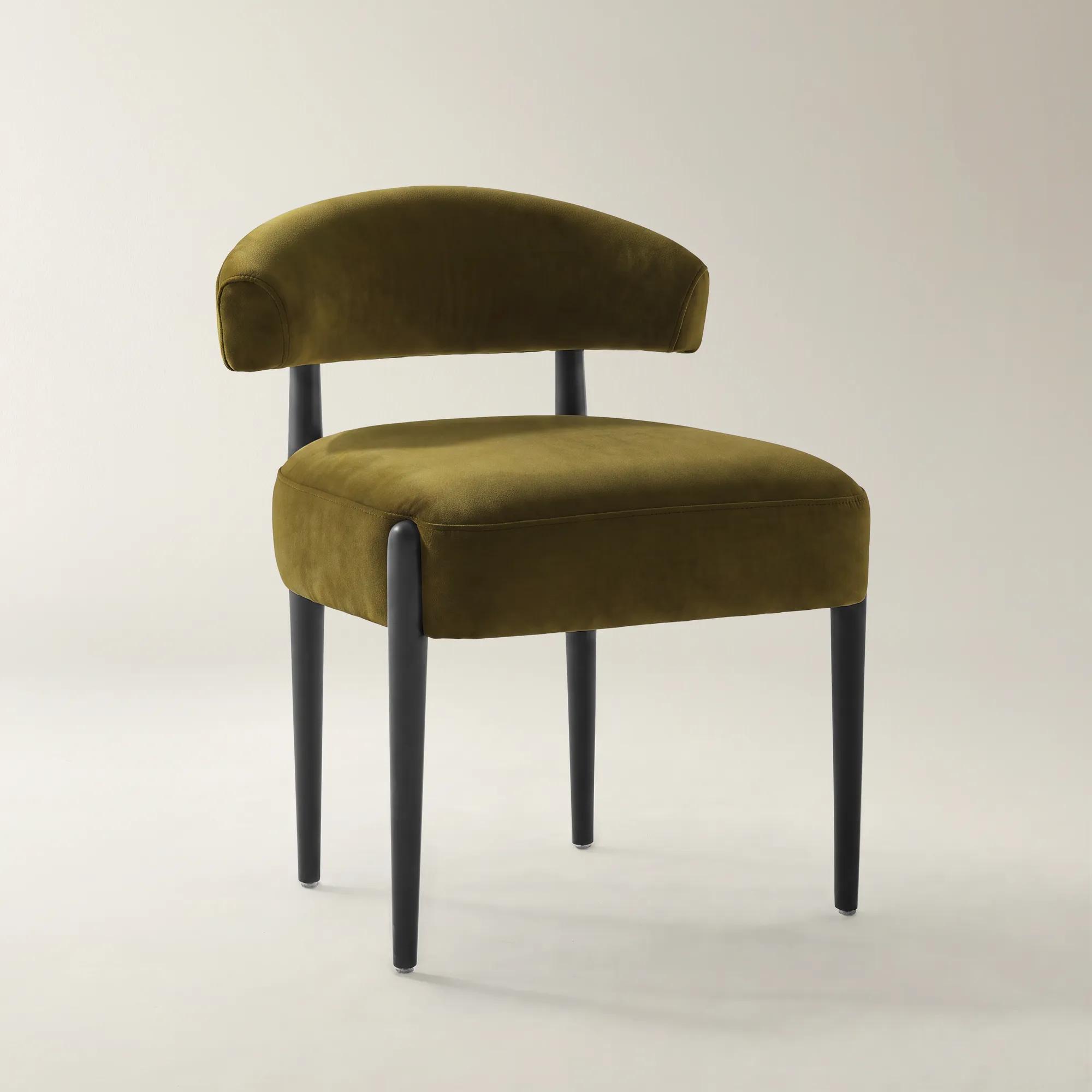 Anna Deep Olive Velvet Dining Chair Set of 2$599
A deep olive velvet dining chair with a tailored curved back, high-density cushioning, and solid rubberwood legs.
Add To Cart -
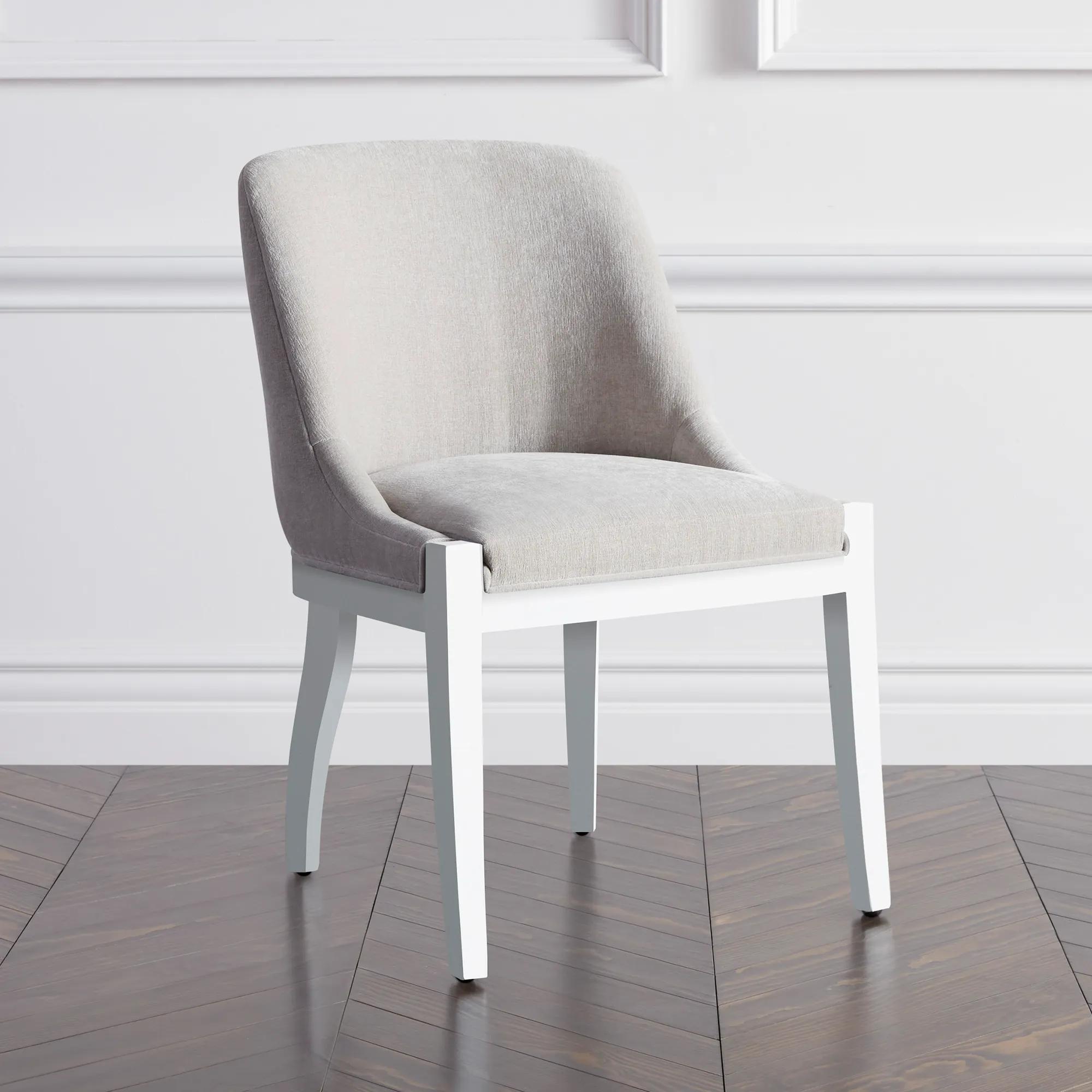
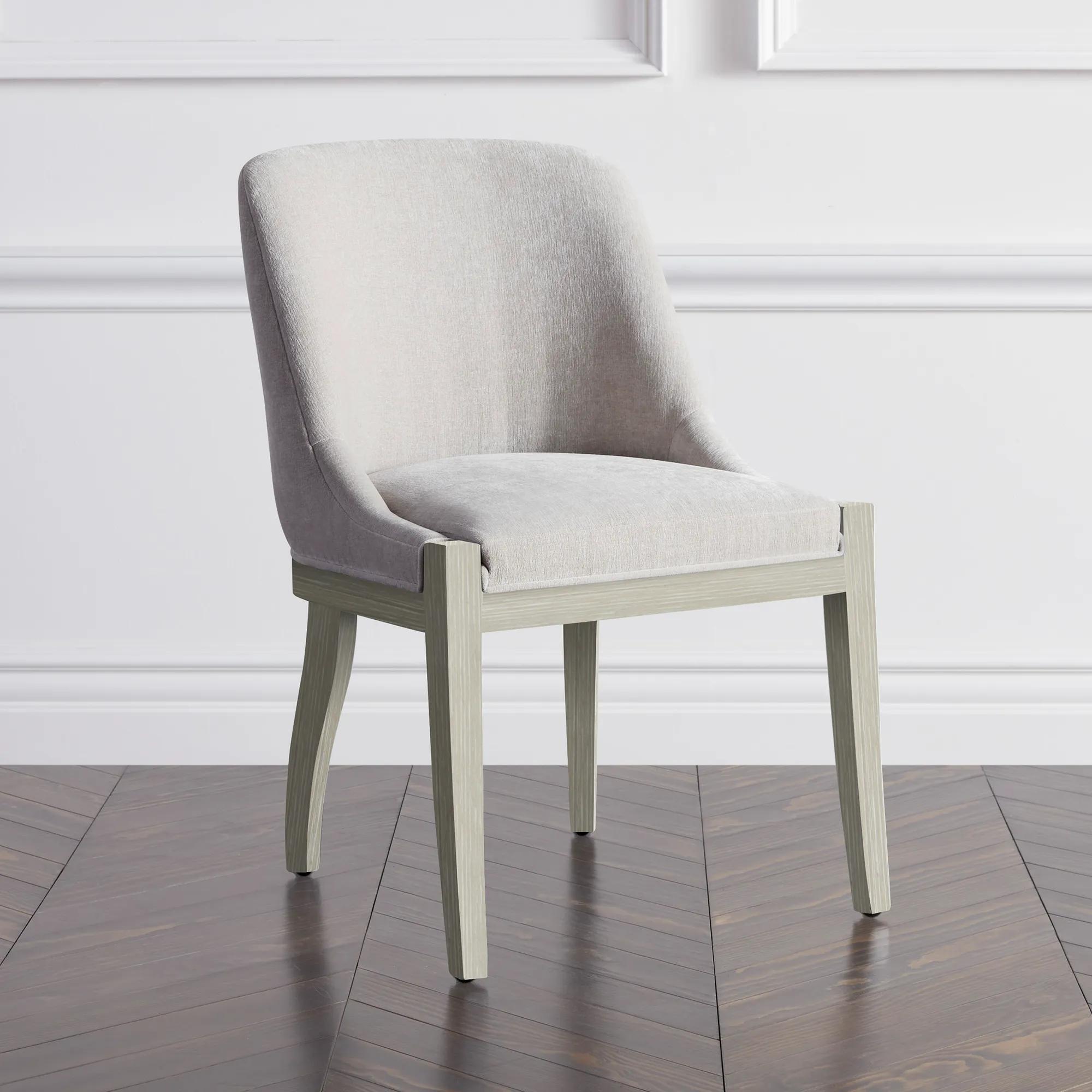
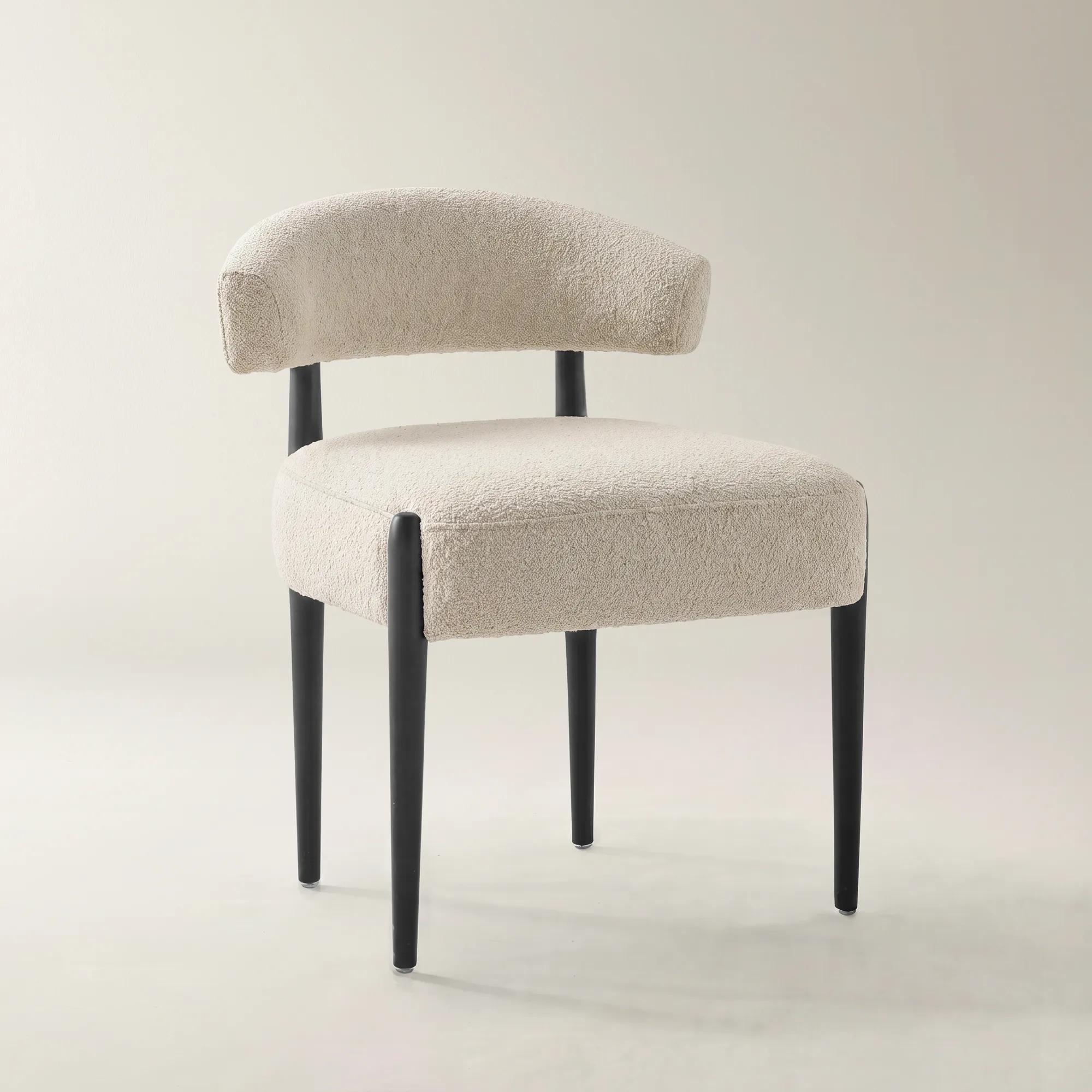 Anna Utopia Sand Chenille Dining Chair Set of 2$599
A sand chenille dining chair set featuring tailored armless curves, high-density cushioning, and solid rubberwood legs.
Add To Cart -
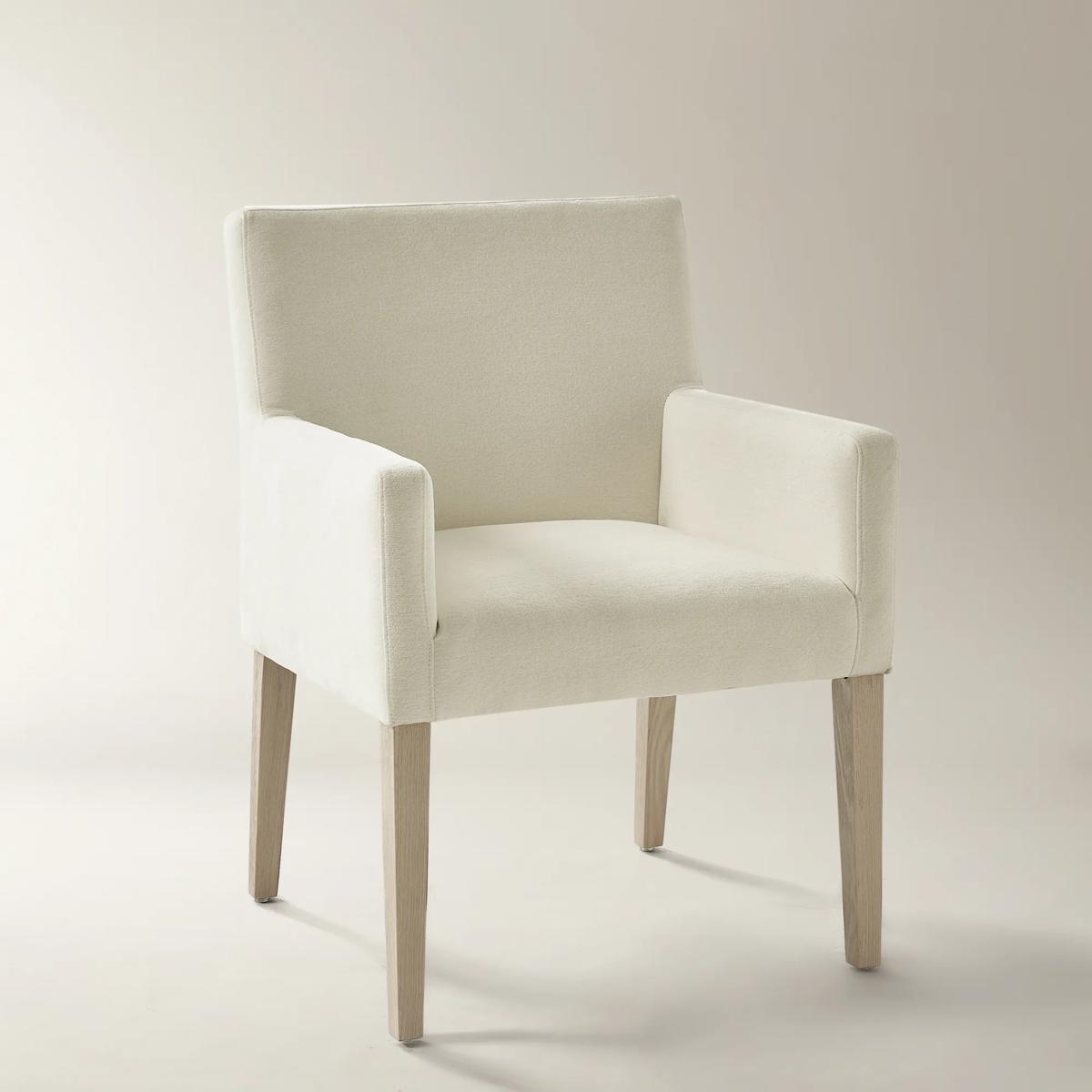
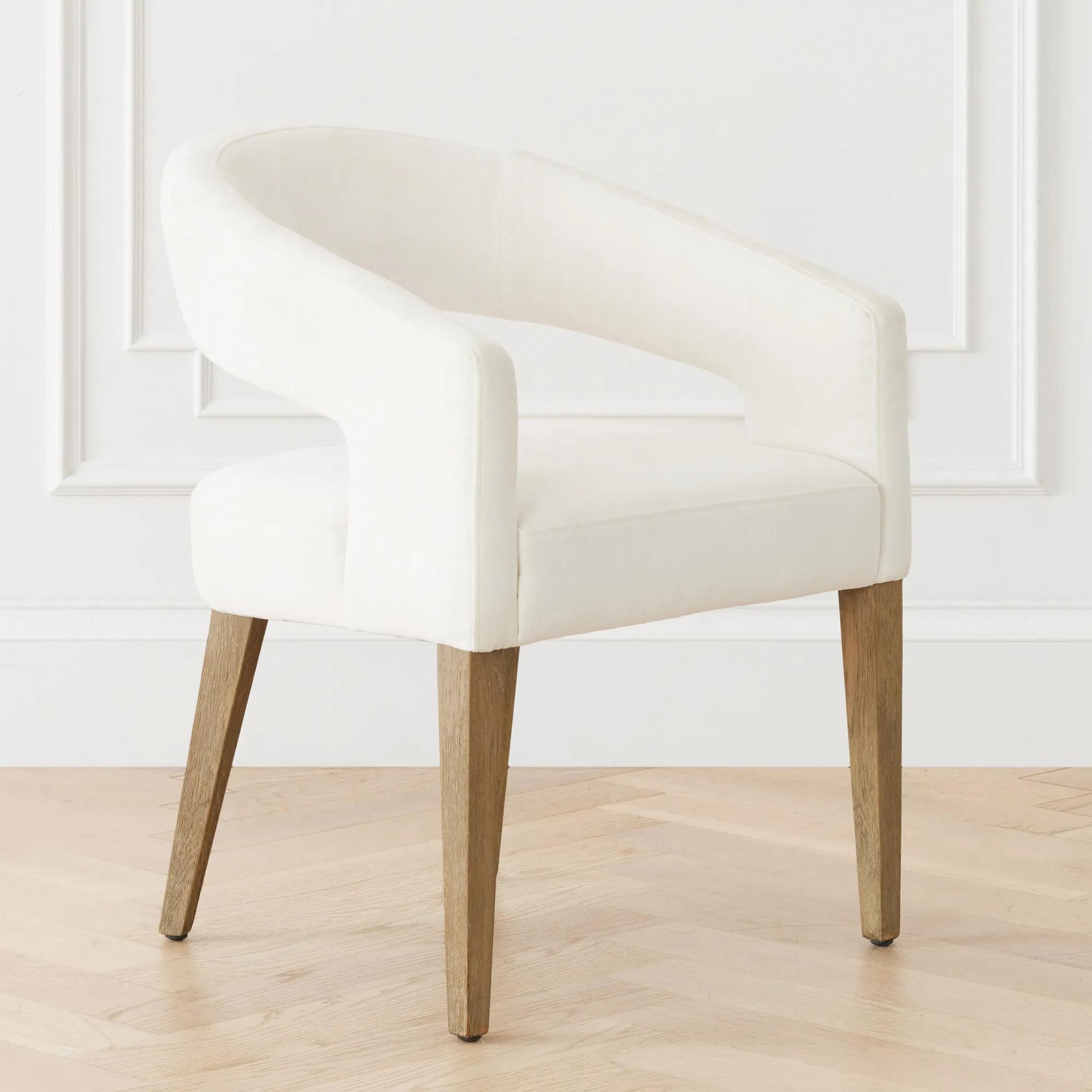
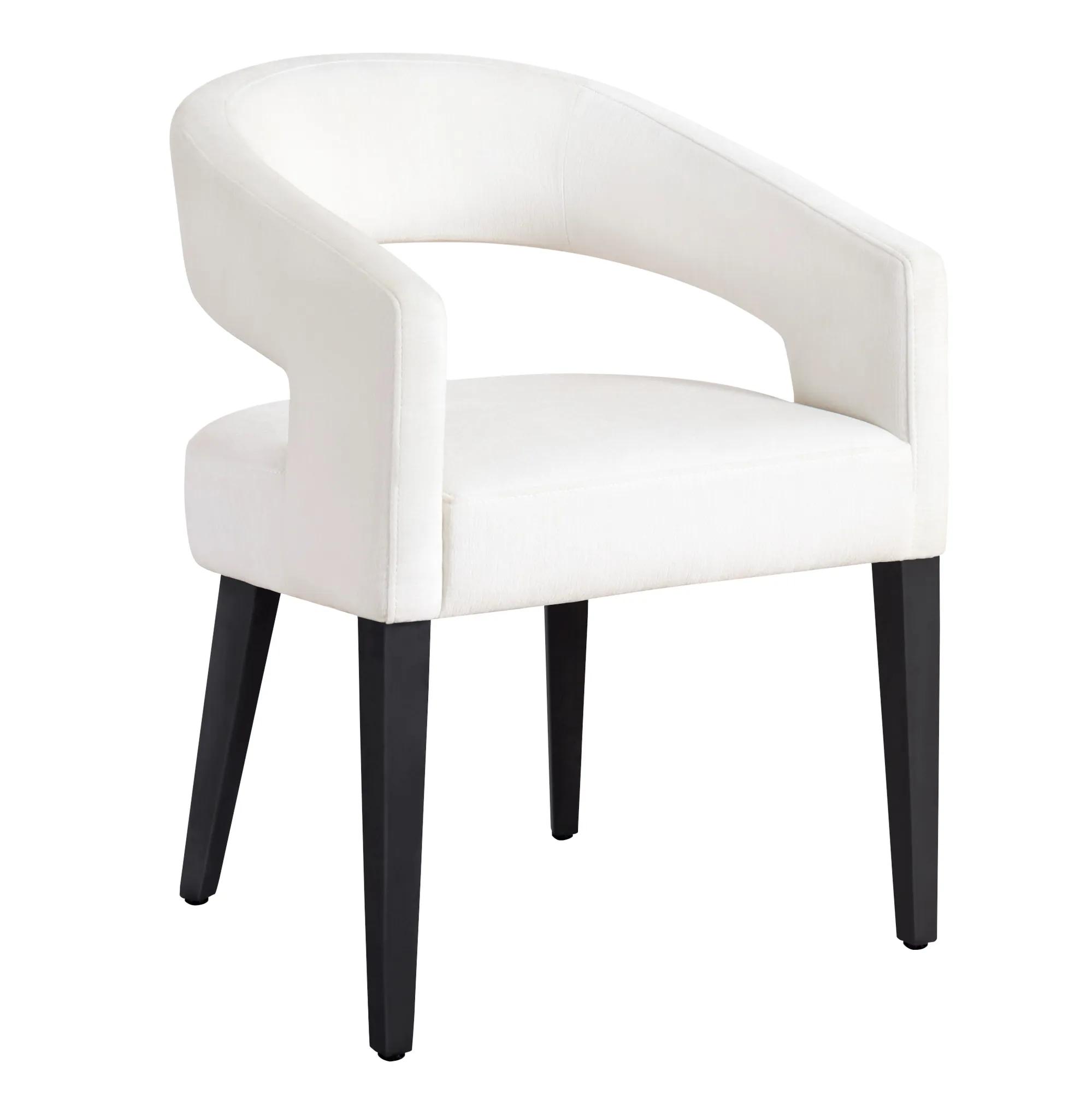
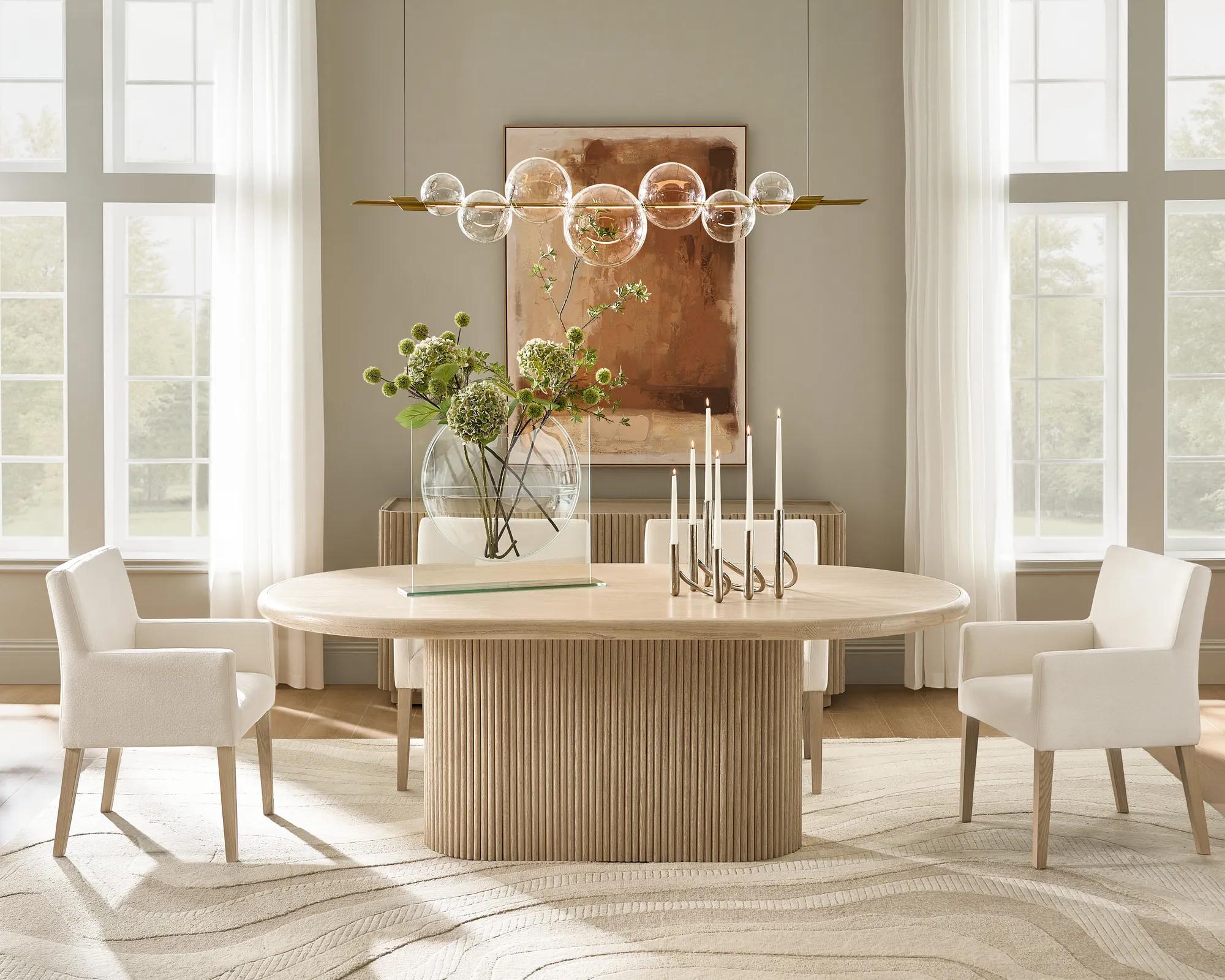 Stria Ivory Chenille Dining Chair Set Of 2$599
A pair of ivory chenille arm chairs with natural oak legs, offering plush comfort and modern elegance.
Add To Cart -
Anna Zebra Chenille Dining Chair Set Of 2$599
A set of zebra-print chenille dining chairs with high-density foam cushions and sturdy rubberwood legs.
Add To Cart -
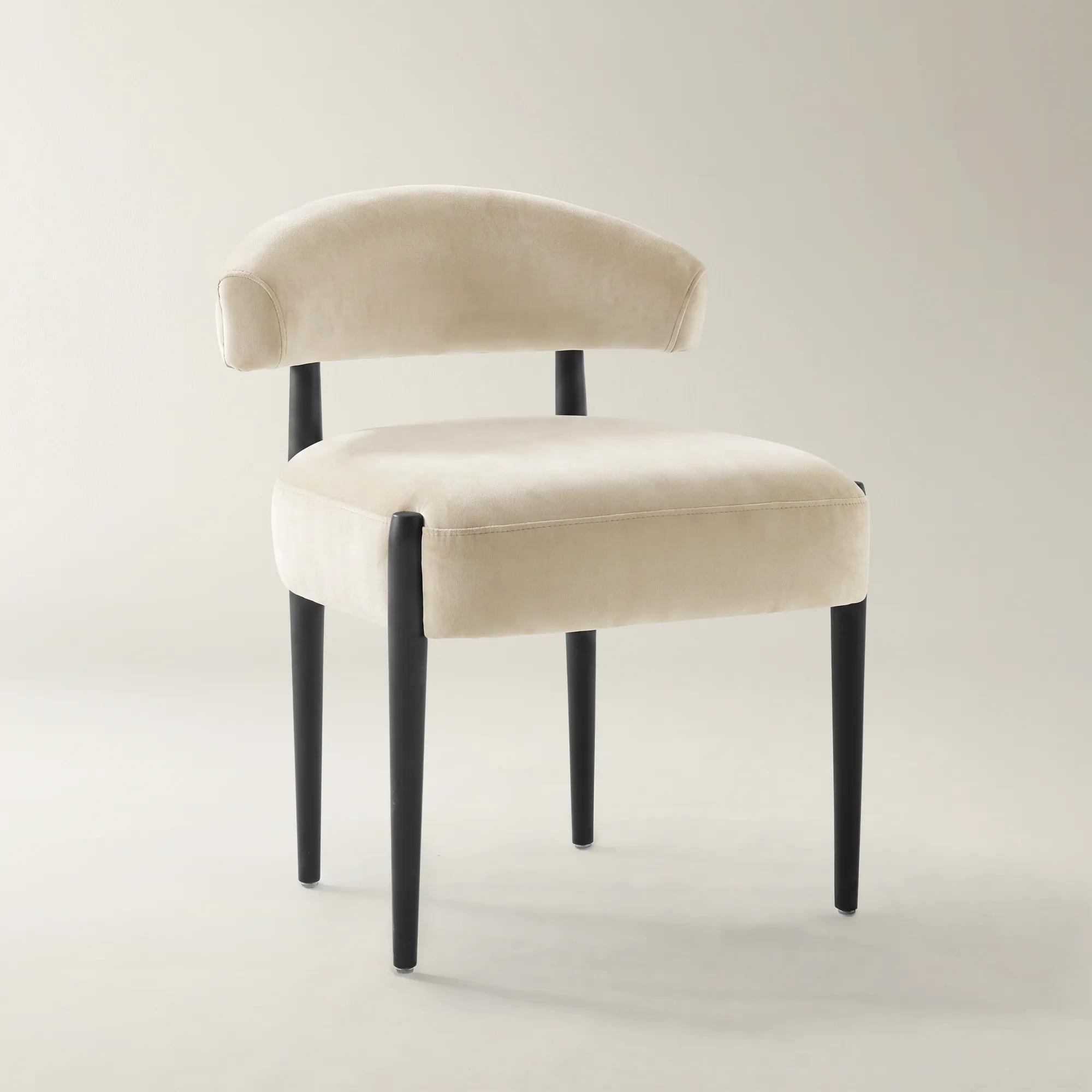 Anna Oatmeal Velvet Dining Chair Set of 2$599
A pair of oatmeal velvet dining chairs with arched backs, supportive foam cushioning, and rubberwood legs.
Add To Cart -
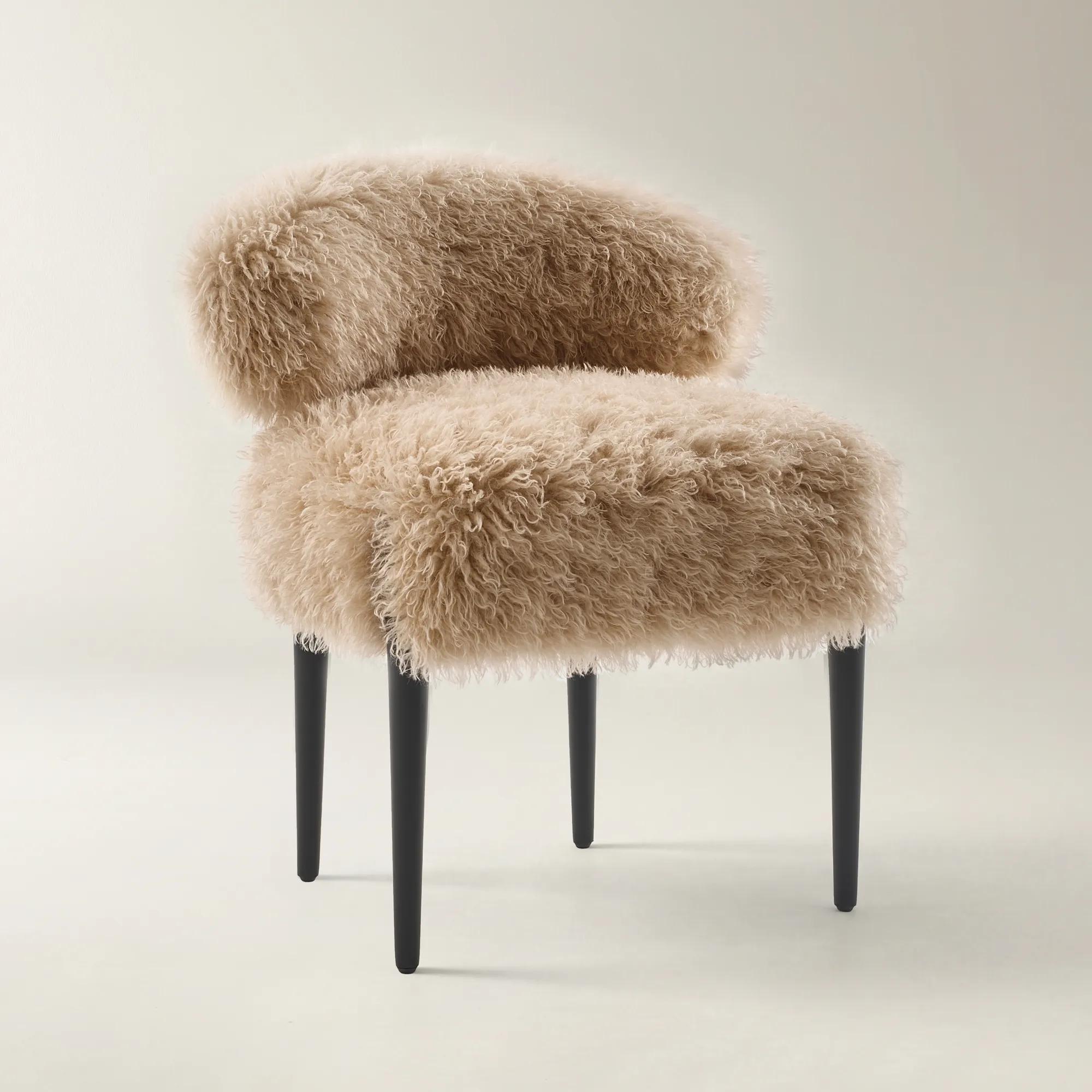 Anna Tan Faux Fur Dining Chair Set of 2$699
A tan faux fur dining chair set with curved backs, cushioned comfort, and solid rubberwood legs.
Add To Cart -
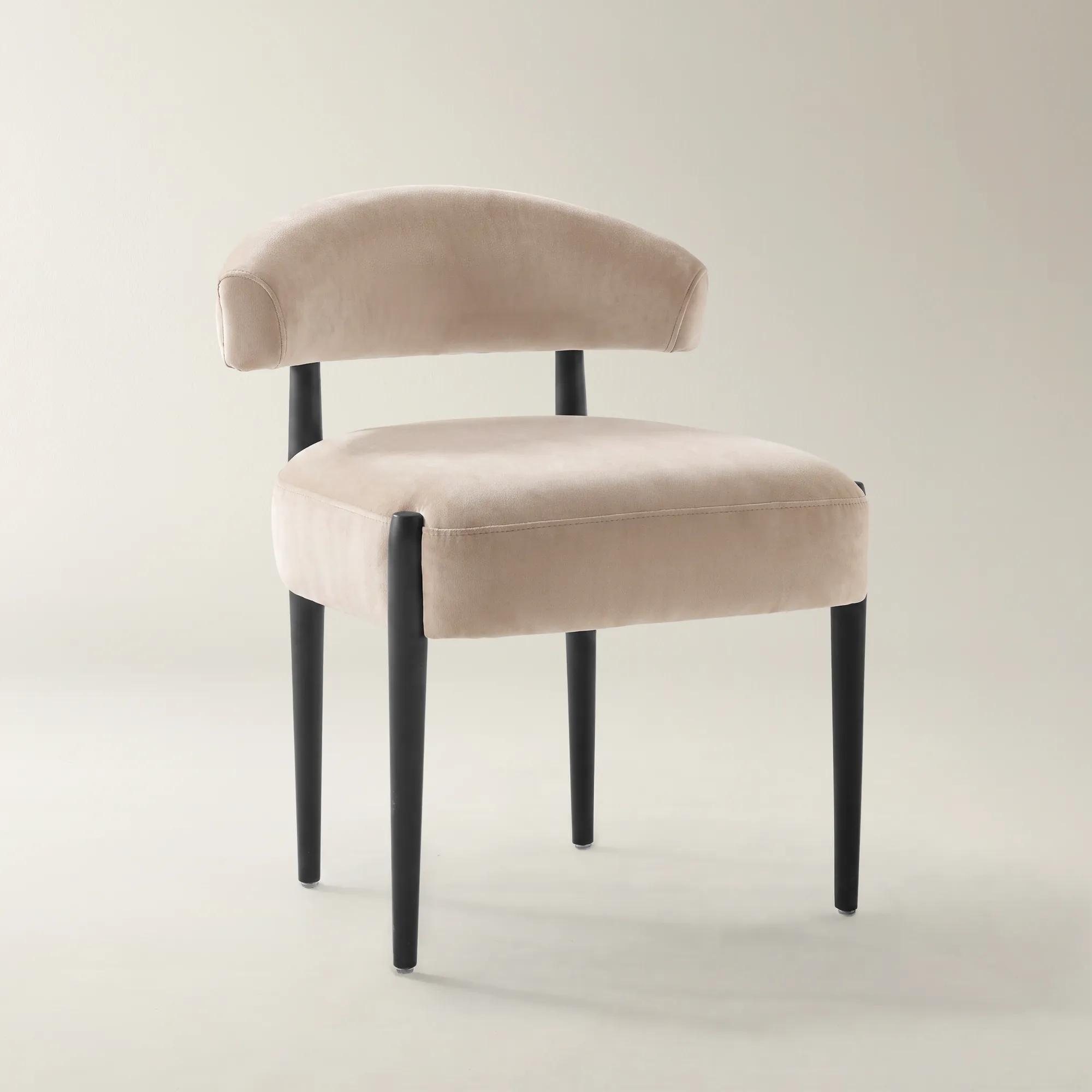 Anna Simply Taupe Velvet Dining Chair Set of 2$599
A taupe velvet dining chair featuring a tailored arched back, high-density foam cushioning, and rubberwood legs.
Add To Cart -
.jpg?w=1200&h=1200) Elara Burnt Umber Velvet Dining Chair Set Of 2$699
Elara Burnt Umber Velvet Dining Chair Set Of 2$699A pair of brown velvet chairs with sinuous curves, ergonomic support, and hand-crafted, sculptural design.
Add To Cart -
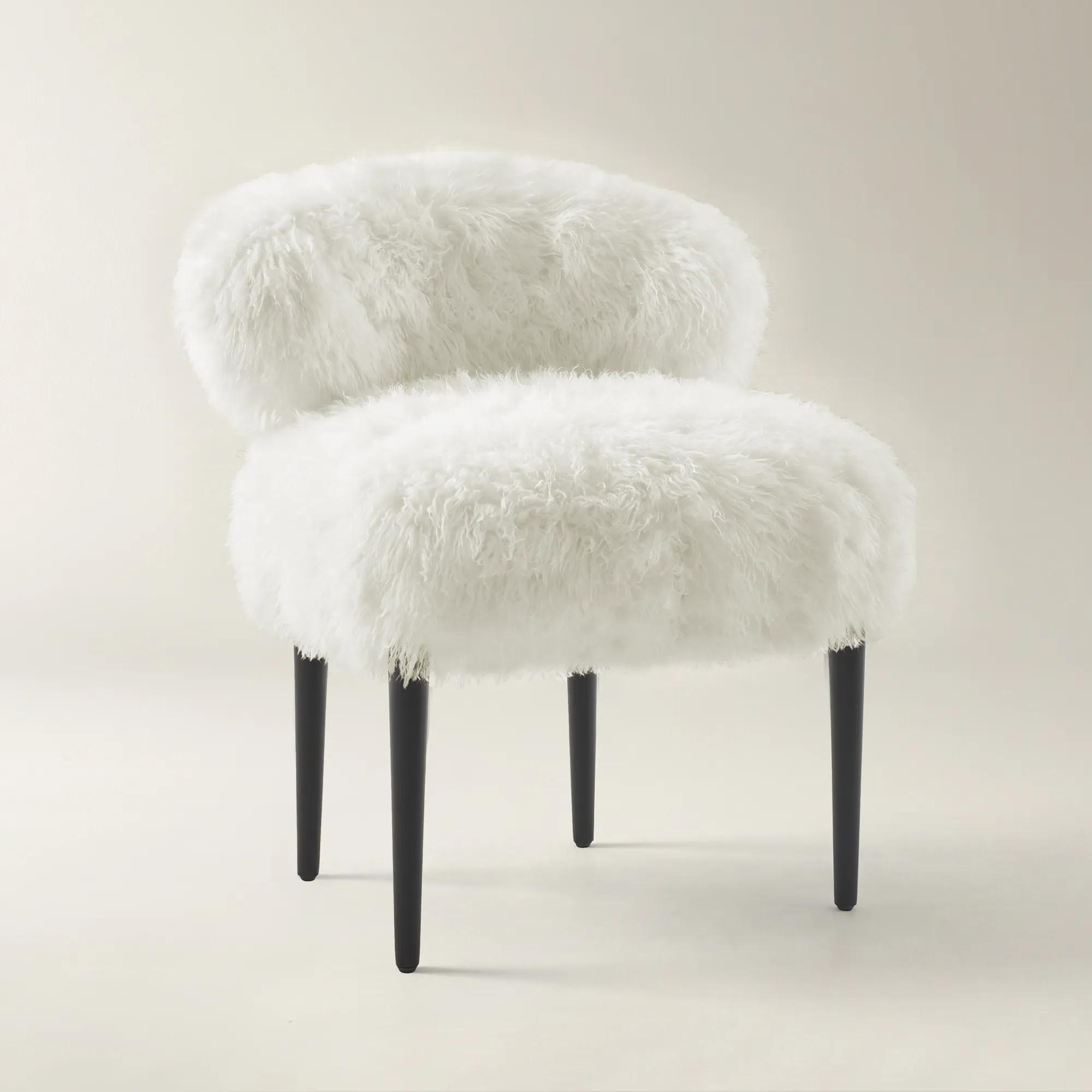 Anna Ivory Faux Fur Dining Chair Set of 2$699
A hand-upholstered ivory faux fur dining chair with a curved back, high-density foam cushioning, and rubberwood legs.
Add To Cart -
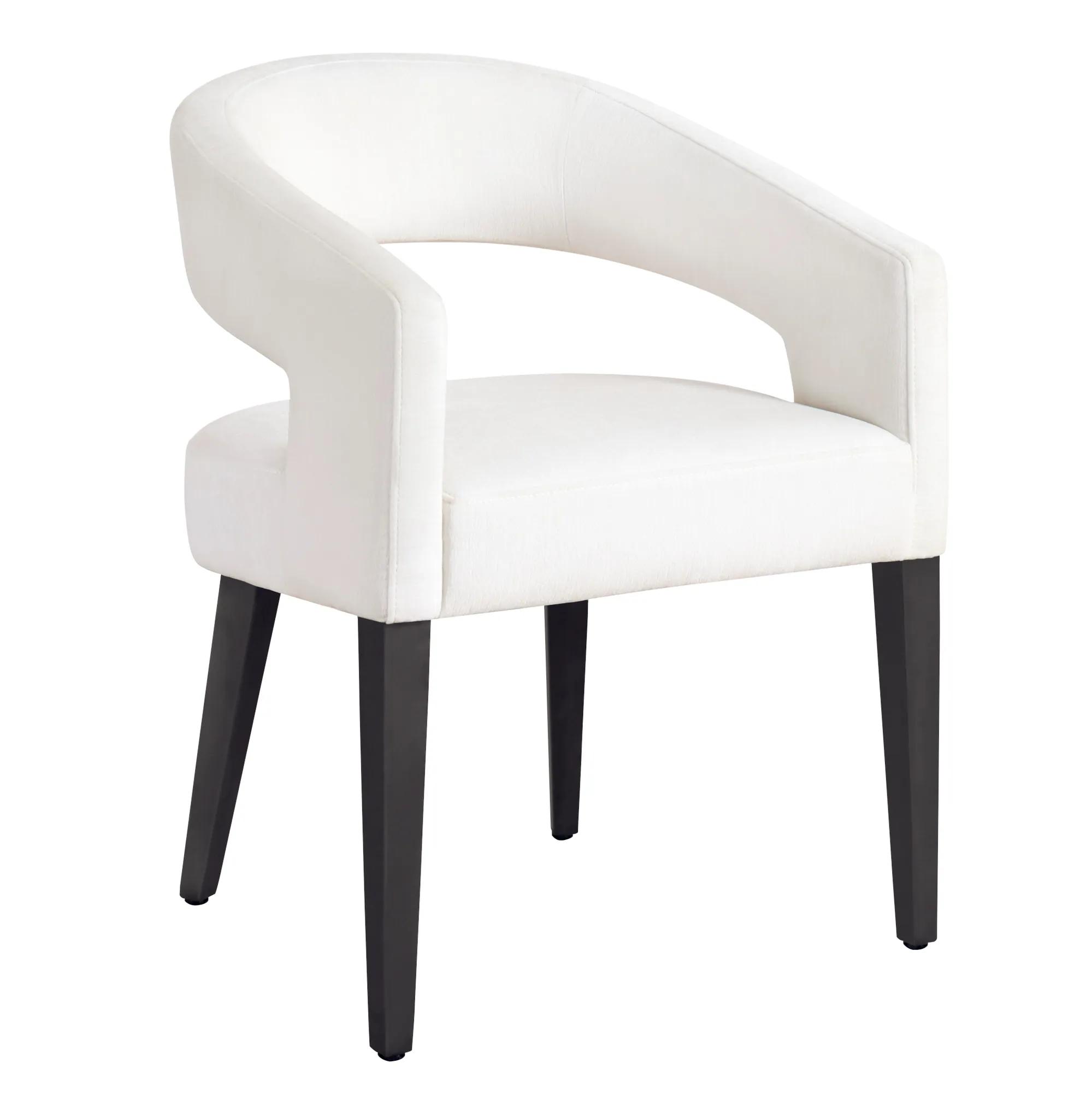
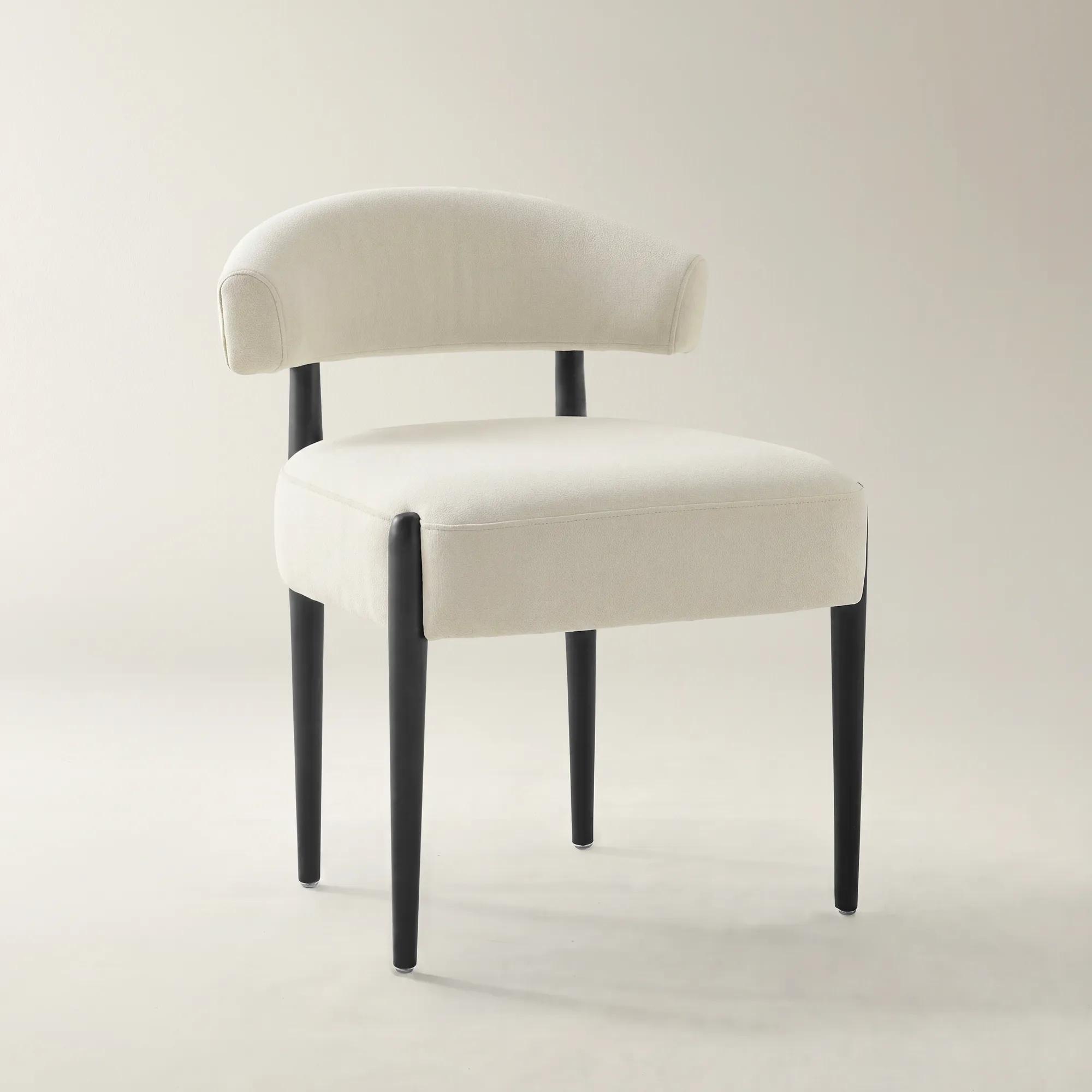 Anna Ivory Performance Chenille Dining Chair Set of 2$599
An ivory performance chenille chair pair featuring curved backs, high-density foam, and solid rubberwood legs.
Add To Cart -
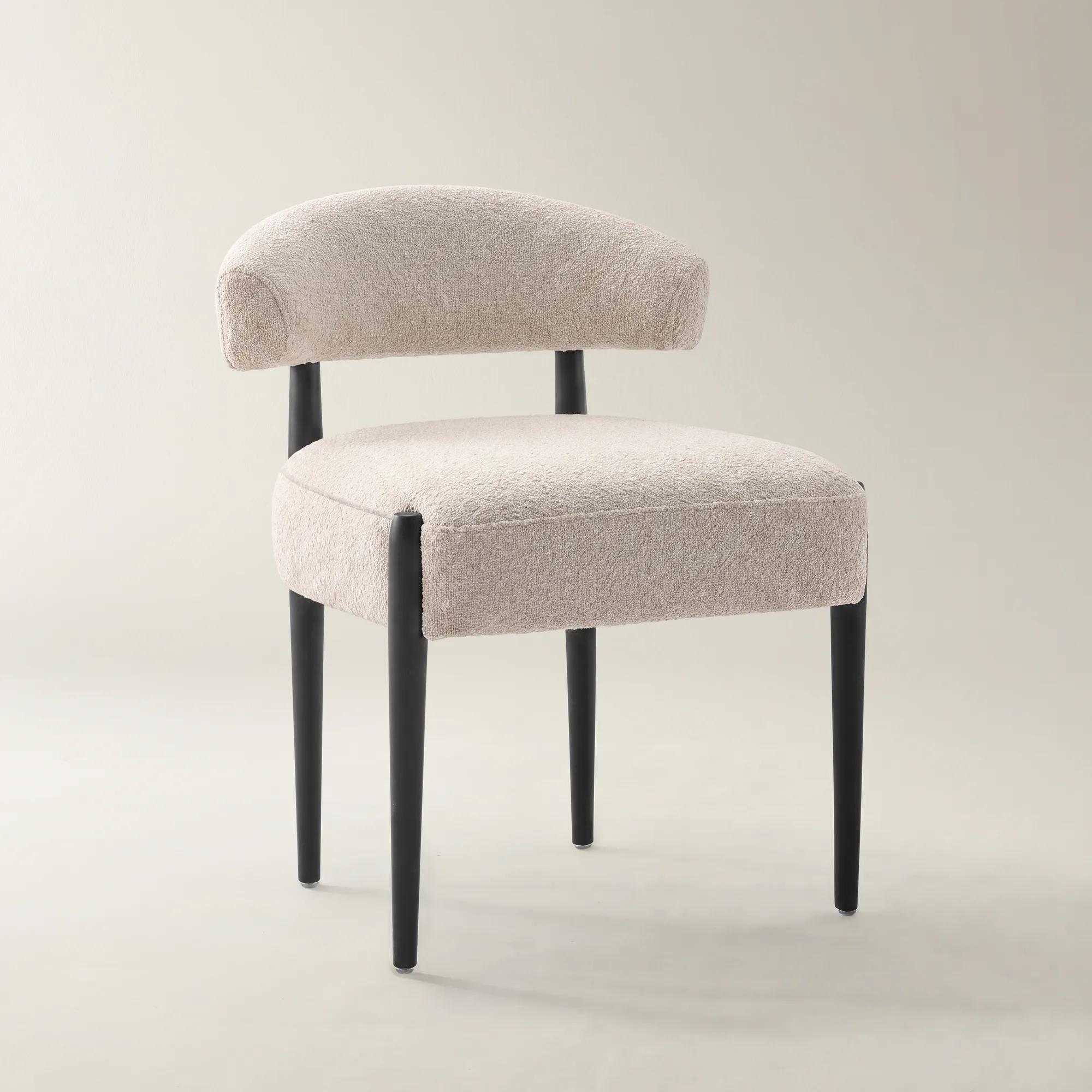 Anna Ivory Performance Boucle Dining Chair Set of 2$599
An ivory performance bouclé dining chair set with arched backs, high-density foam, and solid wood construction.
Add To Cart -
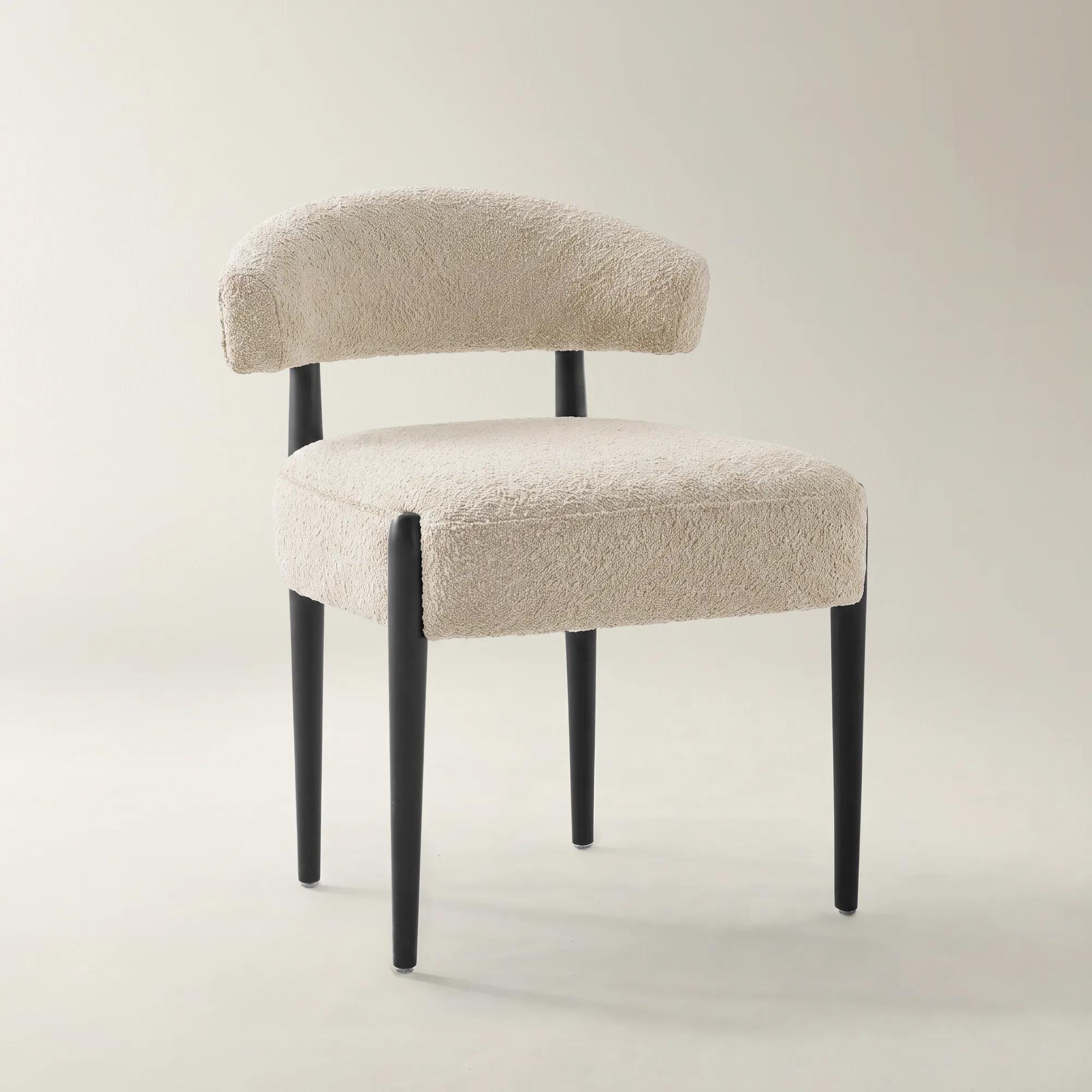 Anna Ivory Performance Boucle Dining Chair Set of 2$599
A pair of ivory performance boucle chairs with curved backs, cushioned comfort, and solid wood frames.
Add To Cart -
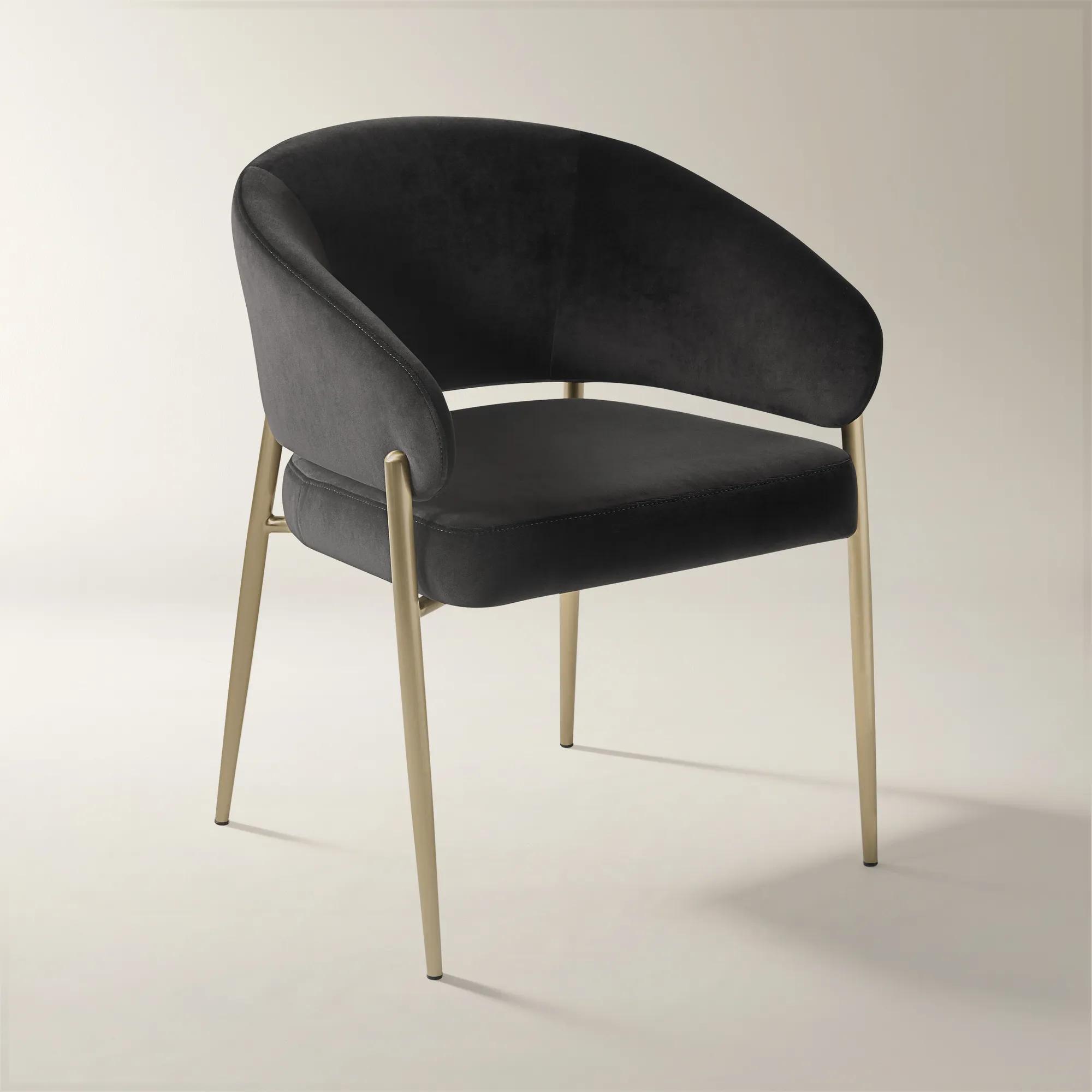 Nara Charcoal Velvet Dining Chair Set Of 2$599
A set of two charcoal velvet chairs featuring curved backs, plush upholstery, and brushed brass metal legs.
Add To Cart -
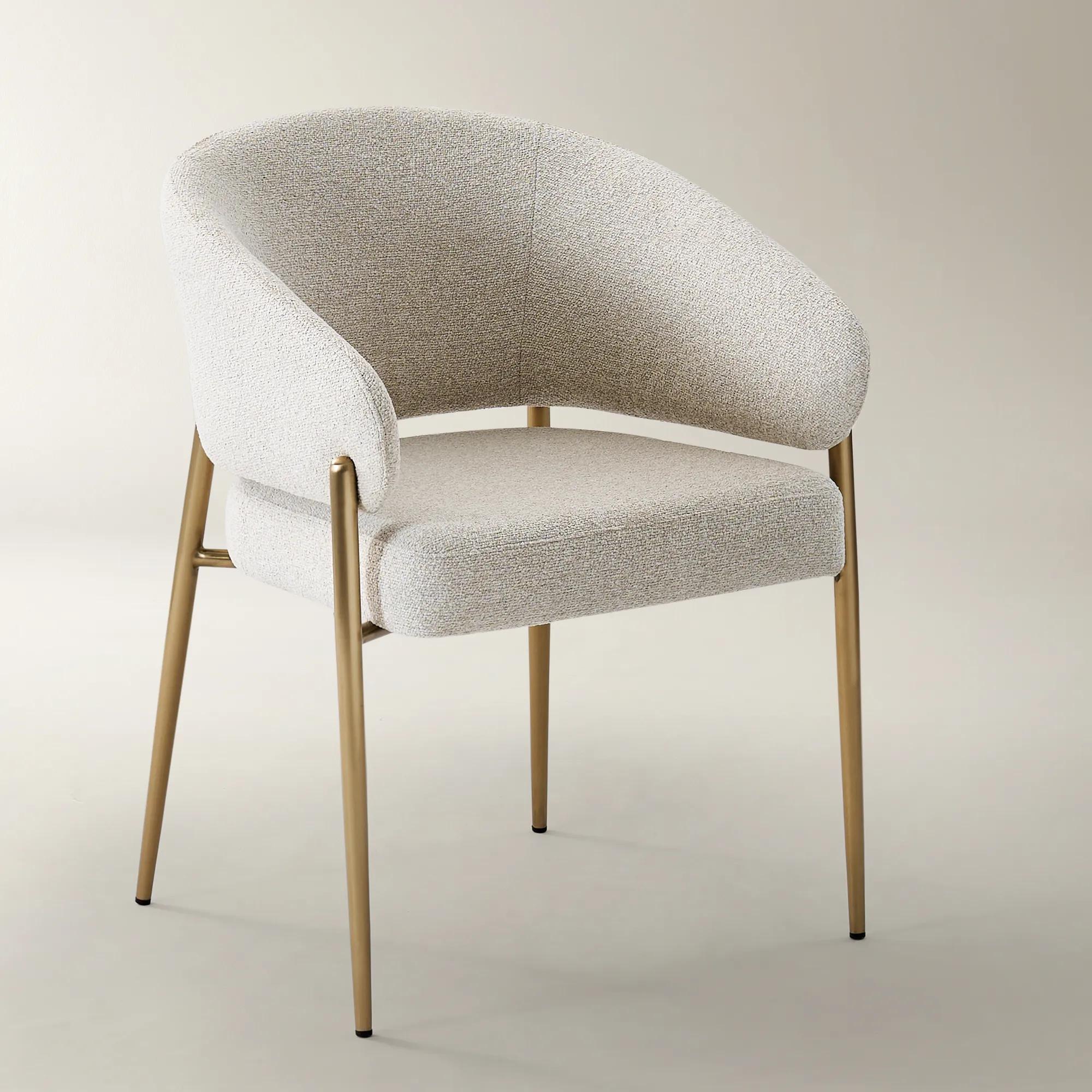
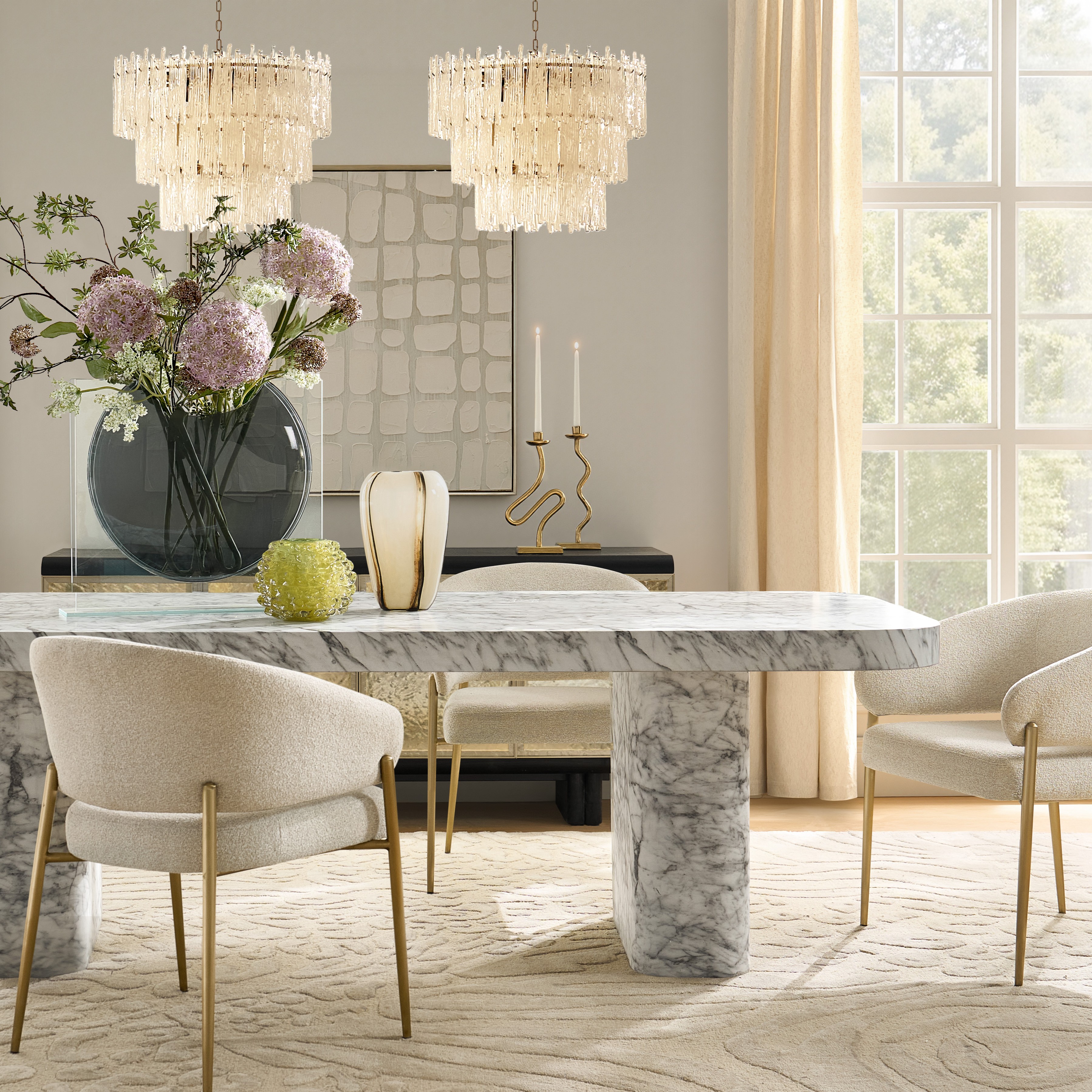 Nara Ivory Boucle Dining Chair Set Of 2$599
An ivory boucle dining chair set with a curved backrest and brushed stainless steel frame for modern elegance.
Add To Cart

Dining Room Chair Sets
Explore dining room chair sets that bring a cohesive, expressive look to your table. Consider how each set’s silhouette complements your dining table, then check chair dimensions and quantities to find the right fit for your space and guest list. Leave room between seats and behind each chair so your dining area feels as inviting as it looks.
Dining room chair sets give the table its surrounding architecture: a rhythm of silhouettes, textures, and finishes that shapes the room even before the first place setting is arranged. A coordinated set creates visual continuity, allowing the curves of a chair back or the gleam of a slender frame to repeat with intention. Tall, upholstered backs lend a dining space a composed, enveloping presence, while lower profiles leave more of the tabletop and surrounding artwork in view. A softly rounded back can temper the sharp geometry of a rectangular table; a sculptural, angular silhouette brings definition to a room layered with plush textiles. The effect comes from the relationship between the pieces, not simply their matching finishes. Velvet upholstery introduces depth as its pile catches the light, giving a single color subtle variations across the seat and back. Woven fabrics offer a more textured surface, with visual character that can complement both polished and richly grained tables. Leather and leather-look upholstery create a tailored impression, though their composition and care requirements differ. Wood frames contribute grain, warmth, and architectural substance, while metal frames can draw a fine, gleaming outline around the table. These materials also influence the experience of sitting: upholstery adds cushioning, an exposed wood seat feels firmer, and a contoured back provides a different point of contact than a straight, upright design. For a more ceremonial setting, a formal dining room chairs set can establish the poised backdrop for layered linens, luminous glassware, and conversation that stretches beyond dessert. Yet coordinated seating need not feel rigid. A richly colored set beside a restrained table can become the room’s central gesture, while tonal upholstery lets an expressive tabletop or chandelier command attention. The most compelling combinations have a clear visual relationship without making every surface compete for the spotlight. Repeated chair forms give decorative details room to breathe, turning a collection of individual furnishings into a dining space with presence and purpose.
Scale is what allows that visual composition to function gracefully in daily life. Dining room chair sets need to suit the table’s height, the shape of its base, and the space around it—not just the number of places along the edge. Many standard dining tables stand around 30 inches high, with dining chair seats often measuring approximately 18 to 20 inches high, but the actual relationship matters more than either measurement alone. Roughly 10 to 12 inches between the seat and the underside of the tabletop generally provides comfortable legroom; a deep apron can reduce that clearance even when the table height appears suitable. Armchairs introduce another dimension, since the arms must clear the apron if the chairs are intended to tuck beneath the table. A generous upholstered seat may look exquisite at either end of a long table but feel crowded when several are placed close together. Allowing about 24 inches of table edge per person is a useful starting point, with wider chairs and substantial arms calling for more space. Table legs, pedestal bases, and trestle supports can also interrupt an otherwise generous seating arrangement, particularly at corners. In a compact dining area, slim frames and armless profiles preserve movement without sacrificing an expressive silhouette. In a larger room, fuller proportions can hold their own beside a substantial table and expansive artwork. Approximately 36 inches between the table edge and a wall or nearby furnishing generally allows room to pull a chair back, while a walkway behind occupied chairs benefits from additional clearance. Comfort deserves equal attention. Seat depth, back angle, cushioning, and the placement of arms all affect whether a chair suits a brief breakfast or an unhurried evening of entertaining. A deeper seat may appeal to a taller diner, while someone with a shorter frame may prefer a shallower seat that allows the backrest to offer support. Where dining and living areas share an open floor plan, the chair backs remain part of the larger room’s composition, making their rear view as important as their appearance from the table.
Daily use gives dining seating a different set of demands than its decorative role alone suggests. A household that gathers at the table for meals, homework, and occasional laptop sessions benefits from chairs whose construction and upholstery suit that rhythm. Secure joints, a stable frame, and clearly stated weight capacities are more useful indicators than a substantial appearance by itself. Solid wood, engineered wood, and metal each have distinct characteristics, and durability depends on construction, finish, and use rather than a material name alone. Fabric performance also varies: a dense weave or upholstery labeled for stain resistance may be practical around frequent meals, but no treatment makes every spill inconsequential. Velvet’s directional pile can show shading and impressions as part of its character, while textured weaves may collect crumbs in their surface. Regular vacuuming with an appropriate upholstery attachment helps remove loose debris, and prompt blotting limits the spread of a spill. The manufacturer’s care instructions should determine whether water-based cleaners, solvents, or professional cleaning are appropriate; vigorous rubbing can damage fibers or leave a visible mark. Leather and leather-look surfaces require their own approved cleaning methods, rather than the same products used on woven upholstery. Finished wood and metal generally benefit from gentle dusting and cleaning suited to the finish, with abrasive products avoided unless specifically recommended. Felt pads beneath chair legs can help protect compatible flooring, and lifting rather than dragging reduces unnecessary strain on the frame. These considerations leave room for beauty rather than diminishing it. A set chosen for both the room and the people who gather there can make an intimate anniversary dinner feel beautifully composed, lend polish to a celebratory gathering, or bring a sense of occasion to an ordinary shared meal. Dining room chair sets create a consistent setting for those moments, with tactile surfaces and thoughtful proportions that invite guests to settle in. Their lasting appeal lies in that balance: enough drama to define the room, and enough comfort to keep the conversation at the table.
FAQs
For a modern dining room with a glamorous point of view, explore chair sets with sculptural silhouettes, tailored upholstery, or gleaming metal accents. Curved backs introduce softness, while angular frames lend architectural presence. Choose a design that echoes your table’s lines or creates a deliberate contrast for a more expressive setting.
Materials set the mood for your dining space. Velvet upholstery brings sumptuous texture and rich color, while leather offers a polished, tailored look. Wood frames introduce warmth and distinctive grain; metal frames add crisp definition and a touch of luster. Consider how those textures will interact with your table, lighting, and surrounding decor.
Dining room chairs do not need to match the table to create a cohesive statement. A shared undertone, finish, or design detail can unite contrasting pieces beautifully. Try upholstered chairs against a richly grained wood table, or pair sculptural wood seating with a glass tabletop that lets each silhouette command attention.
Begin with the atmosphere you want to create. Ivory and champagne tones bring luminous elegance, while charcoal and black establish a dramatic foundation. Jewel-toned upholstery introduces expressive color that can resonate with artwork or decorative accents. Carry a subtle thread of the chair color through the room for a composition that feels intentional rather than overly coordinated.
Let your dining room chair set establish a visual rhythm, then layer in contrasting textures and distinctive accents. Pair plush upholstery with a reflective centerpiece, or balance sleek chair frames with richly textured drapery. A statement chandelier and expressive artwork draw the eye beyond the table, creating a dining space with depth, drama, and a personal point of view.