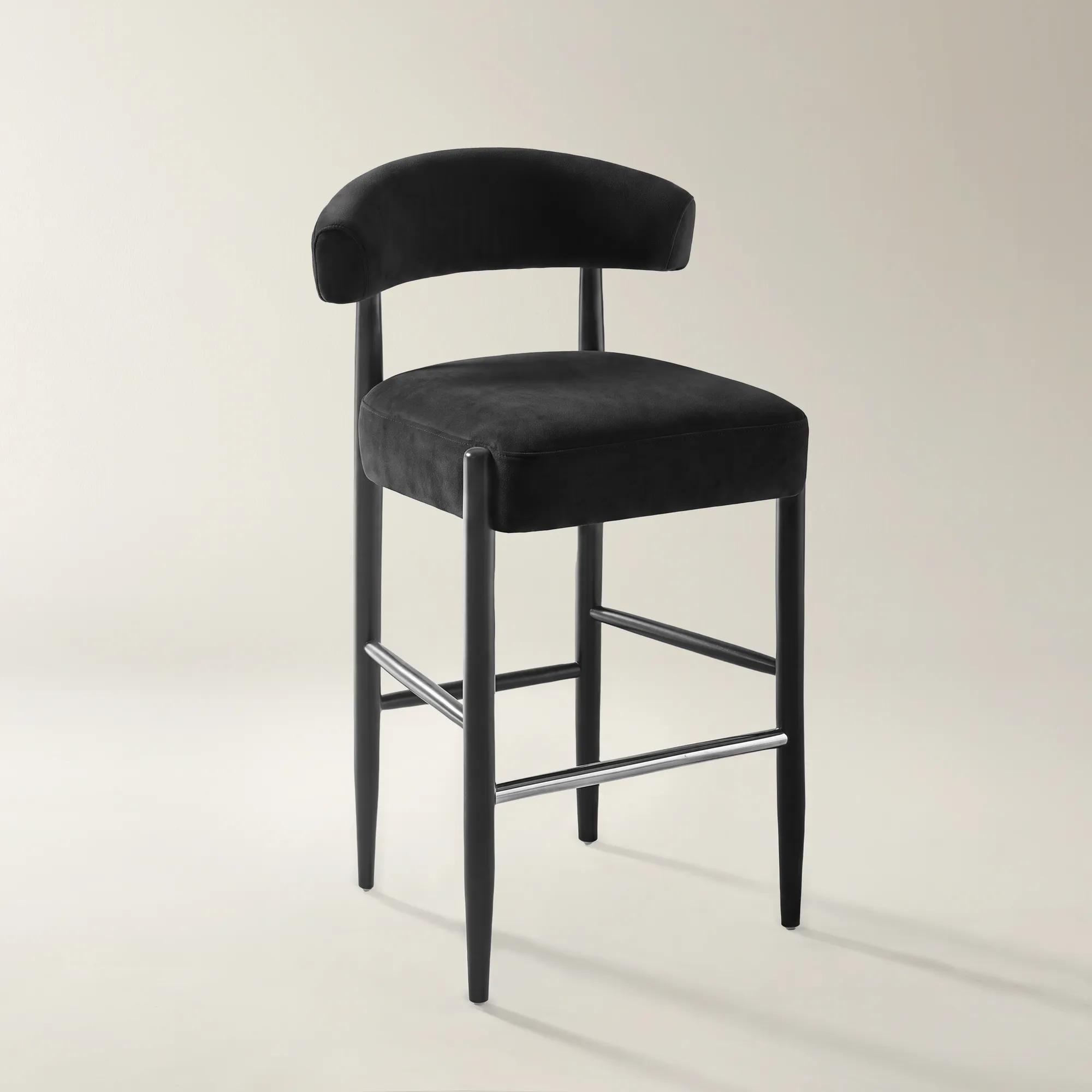
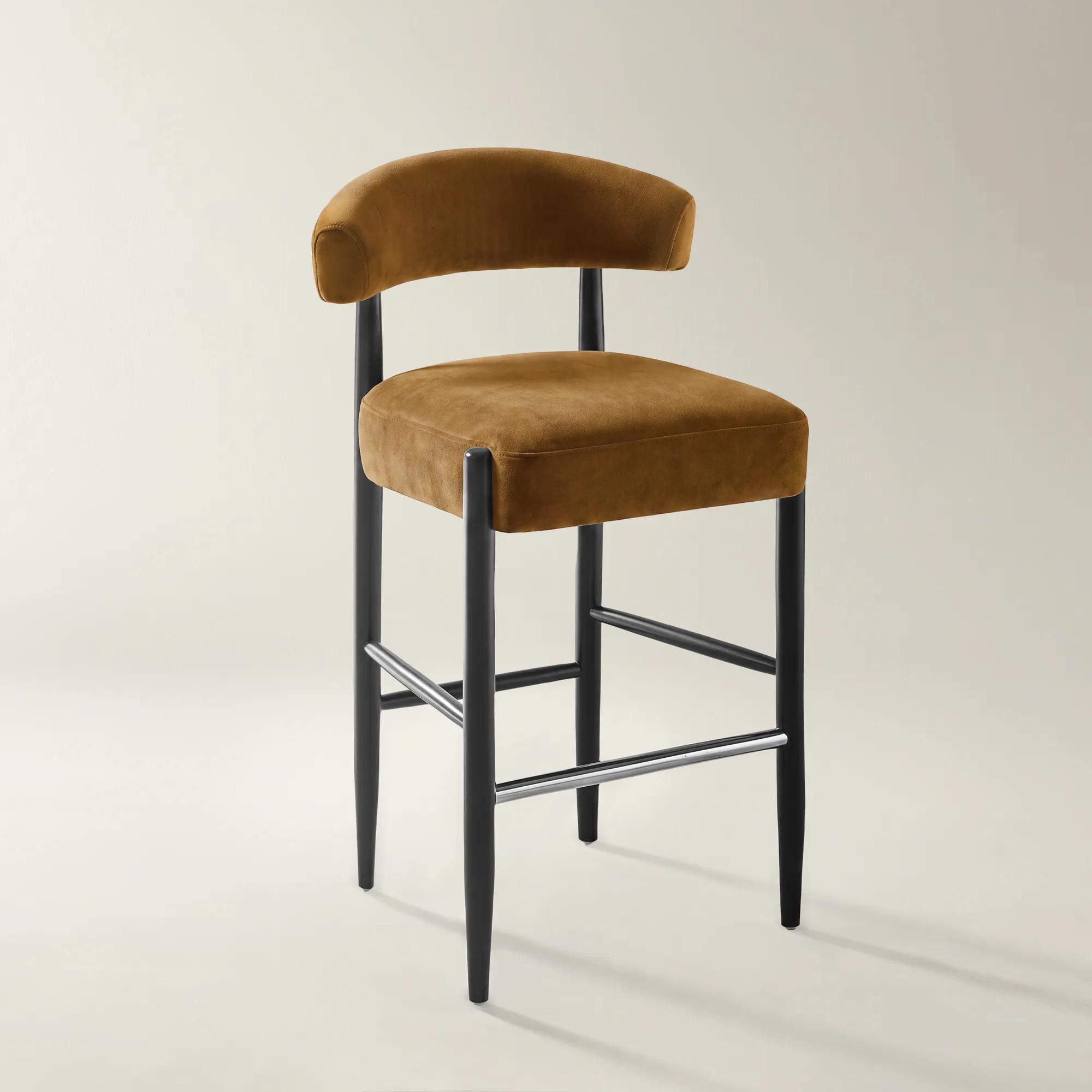
Imported Hardwood Dining Chairs
Imported Hardwood Dining Chairs
-
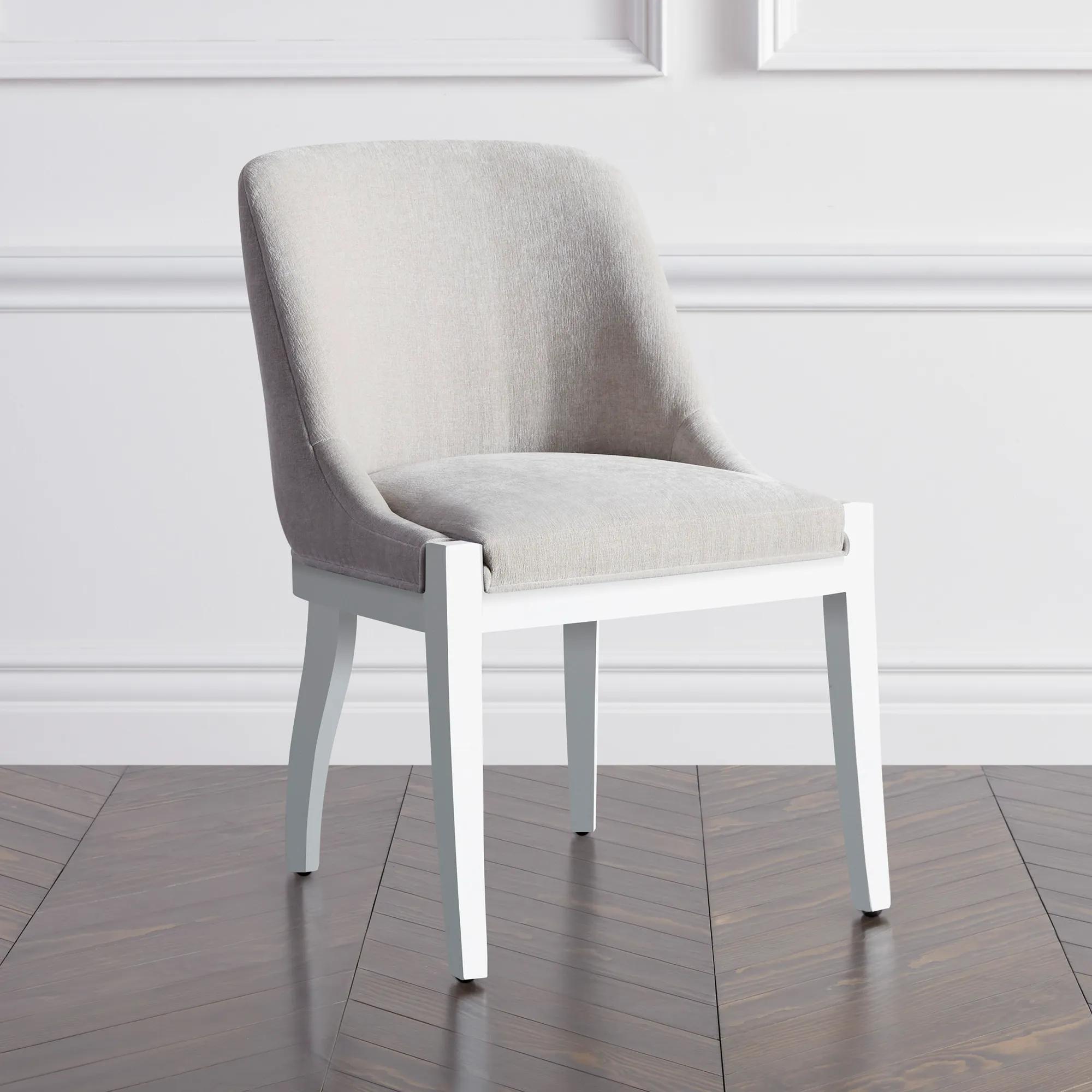
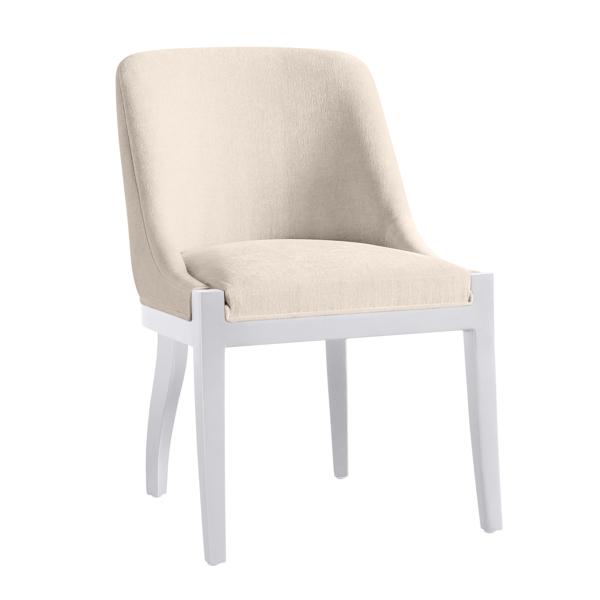 Lily Dining Chair - High Gloss White$649
A modern dining chair featuring kiln-dried hardwood, high-gloss white legs, and neatly tailored upholstery.
Add To Cart -
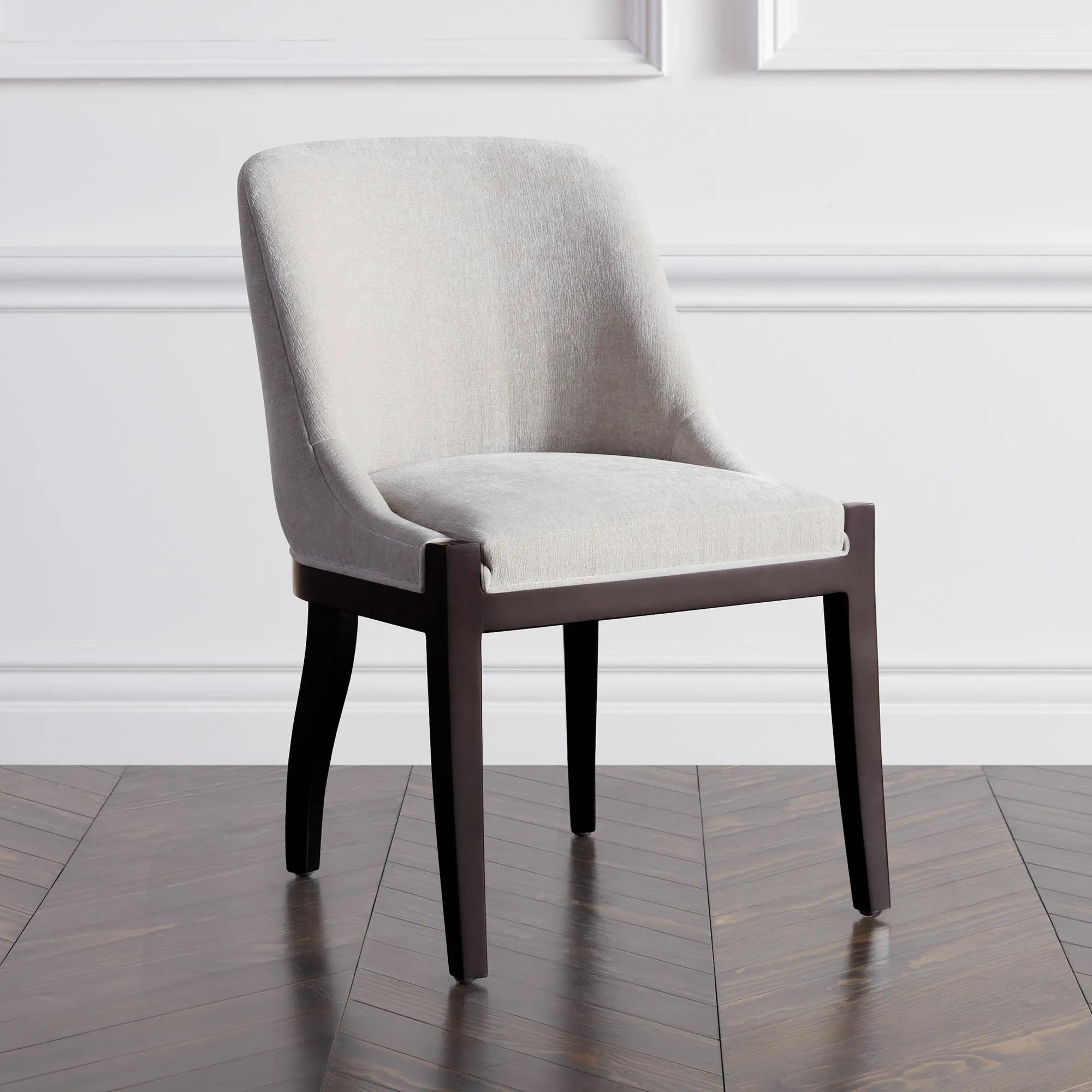
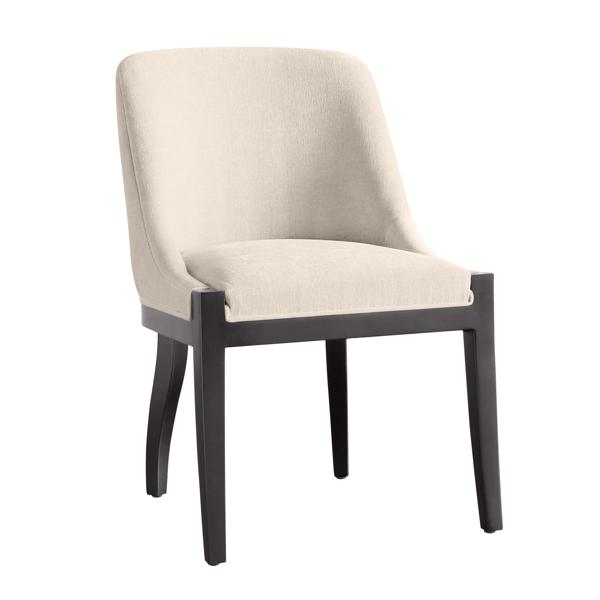 Lily Dining Chair - Espresso$699
A modern dining chair with espresso-finished hardwood frame and tailored upholstery for lasting comfort and support.
Add To Cart -
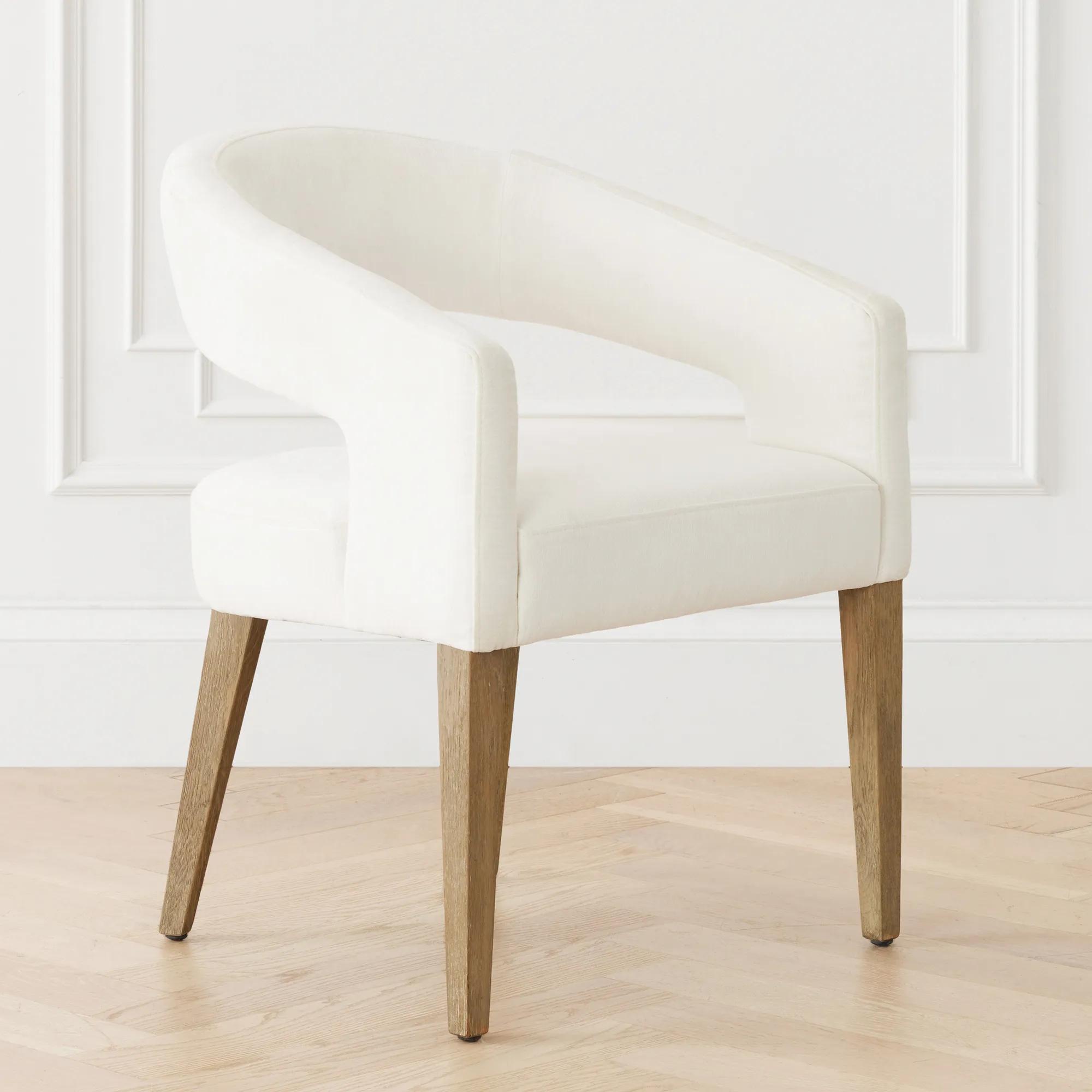 Philippa Dining Chair - Natural Grey$845
A modern dining chair featuring a curved silhouette, grey upholstery, and a kiln-dried hardwood frame.
Add To Cart -
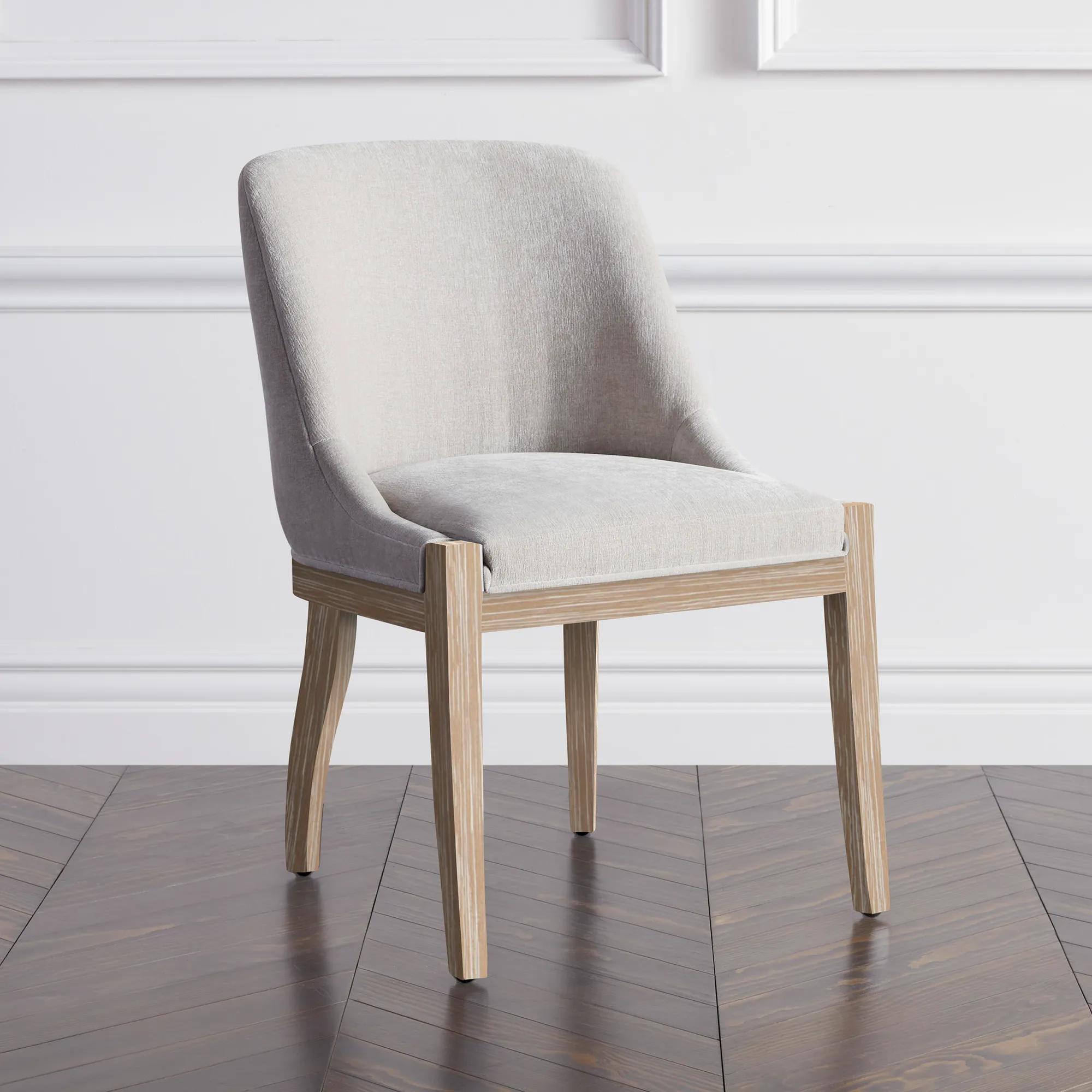
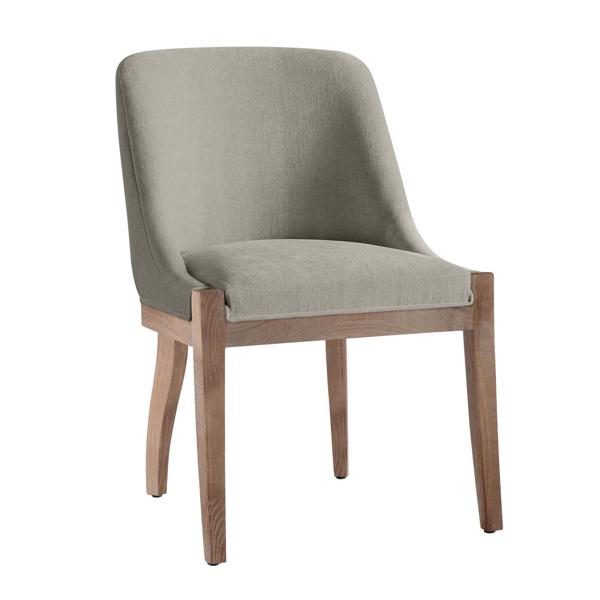 Lily Dining Chair - Wash Oak$699
A modern dining chair featuring a kiln-dried hardwood frame, wash oak legs, and tailored chenille upholstery.
Add To Cart -
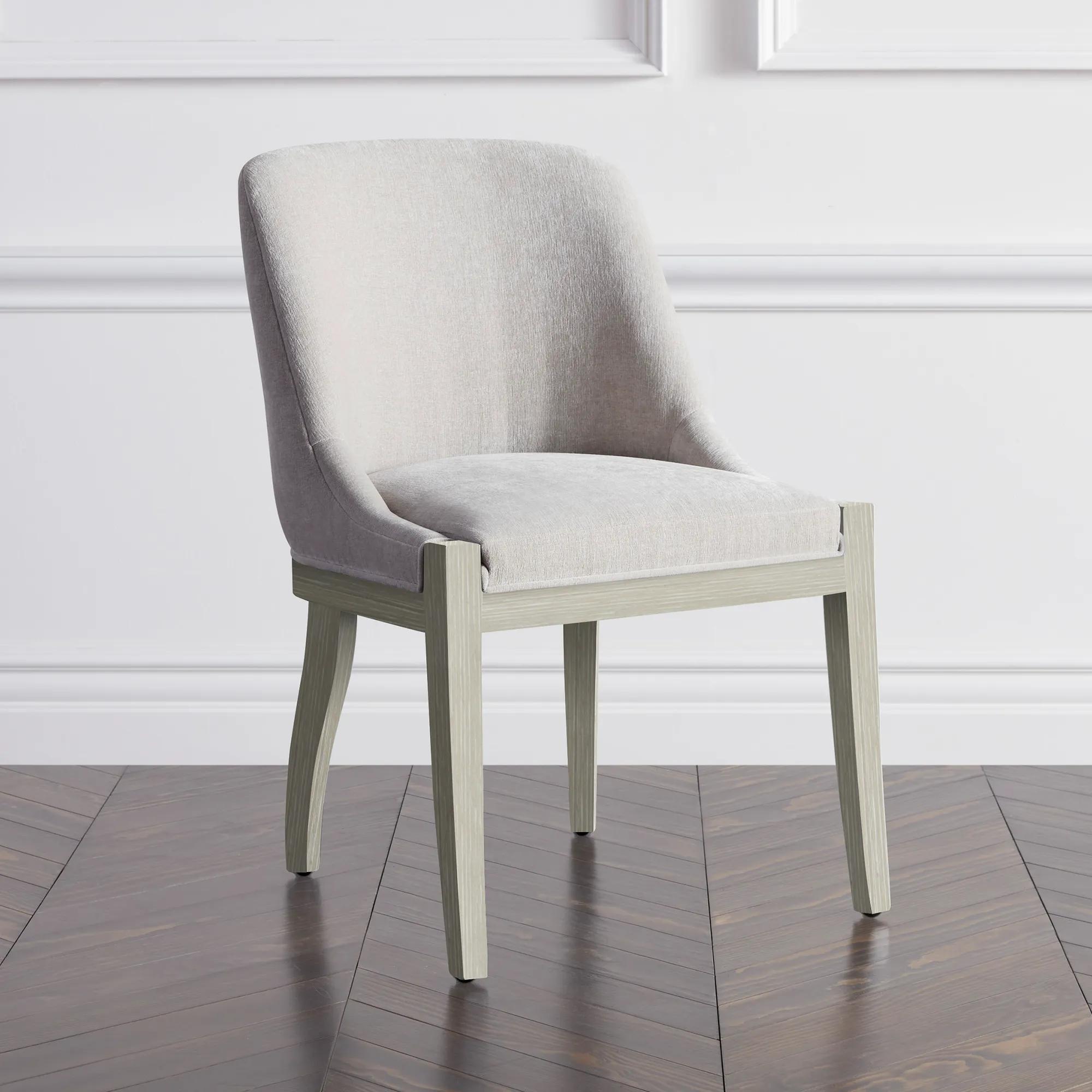 Lily Dining Chair - Natural Grey$799
A modern dining chair featuring natural grey upholstery, kiln-dried hardwood frame, and plush foam cushioning.
Add To Cart -
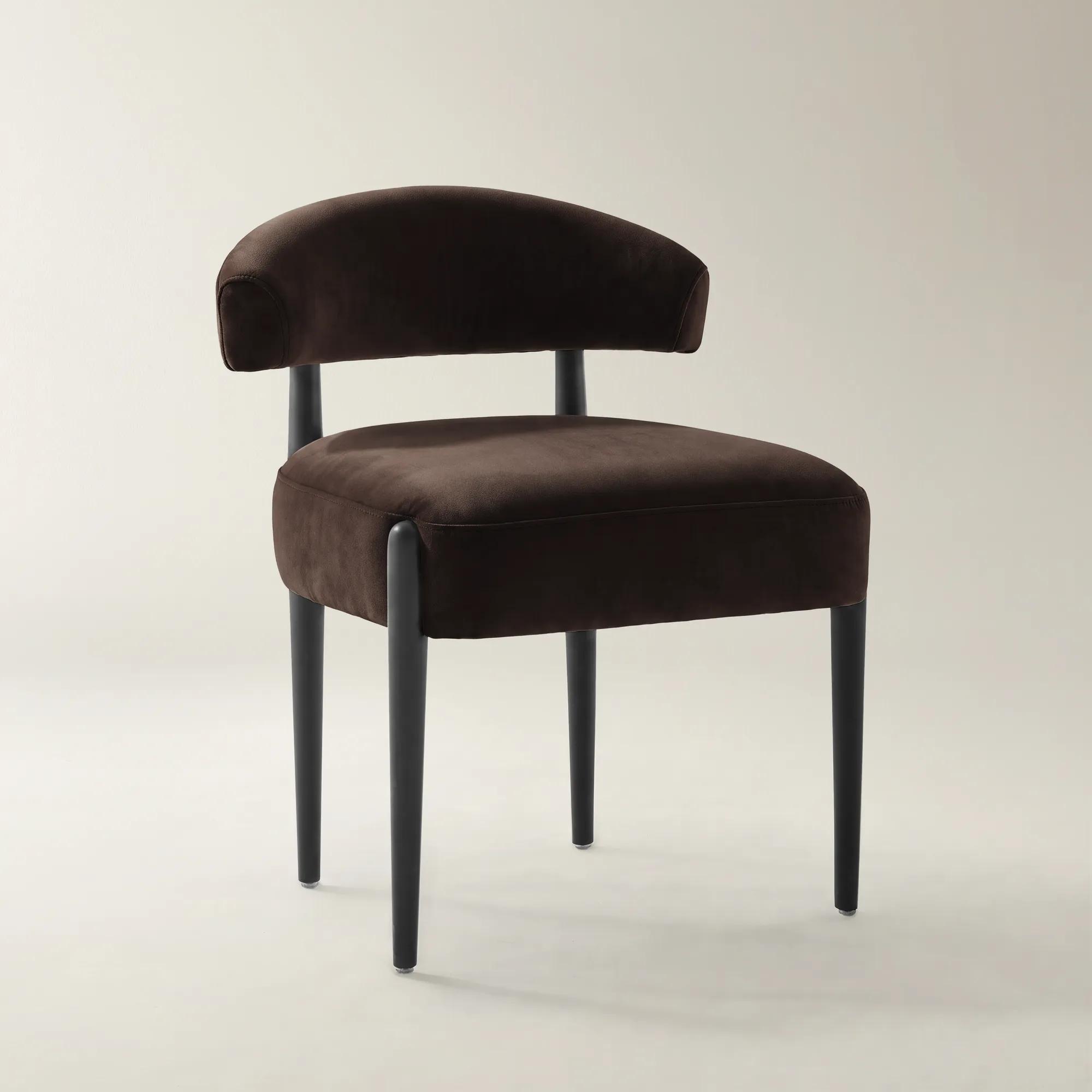
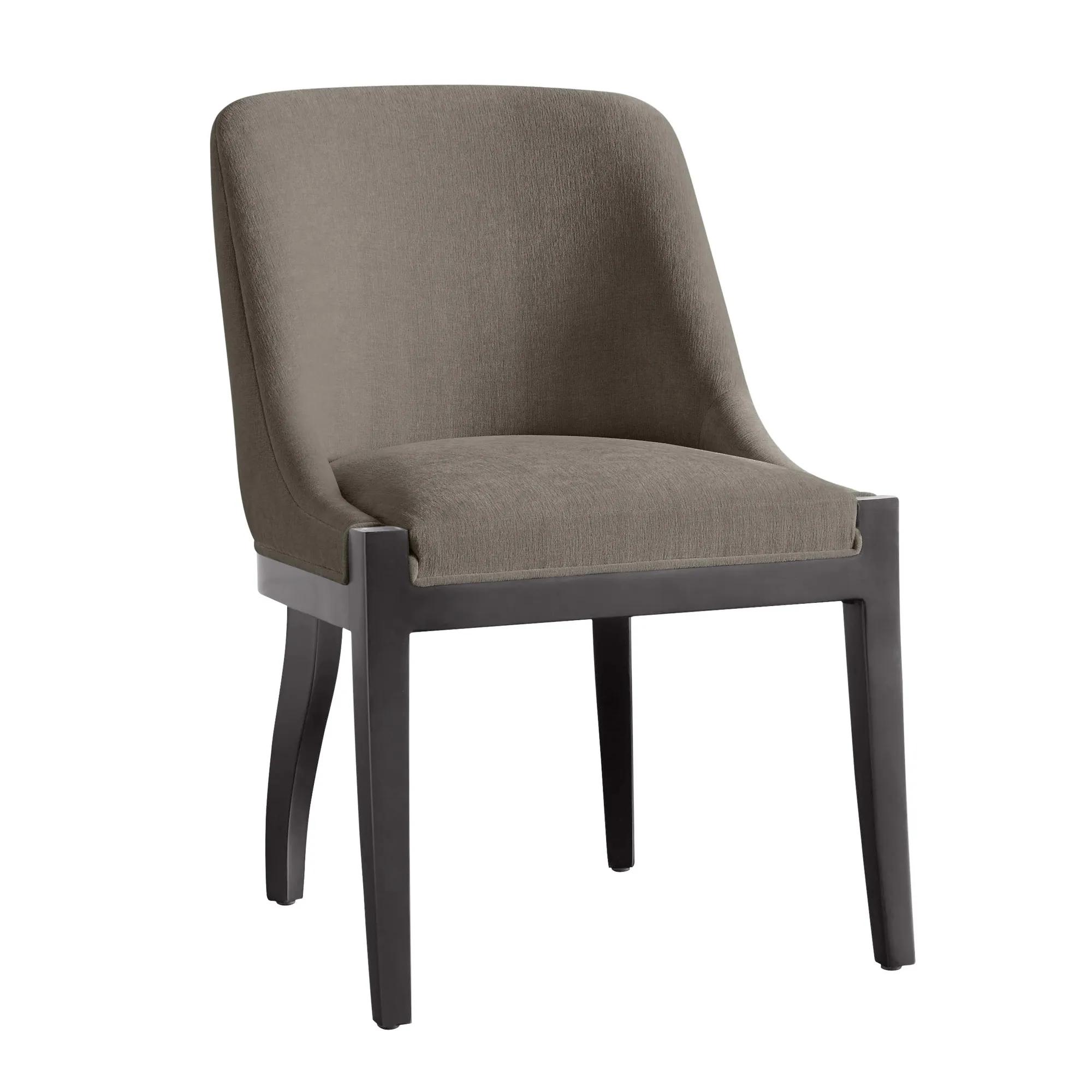 Lily Dining Chair - Espresso$649
A modern dining chair featuring espresso-finished hardwood, curvaceous silhouette, and plush tailored upholstery.
Add To Cart -
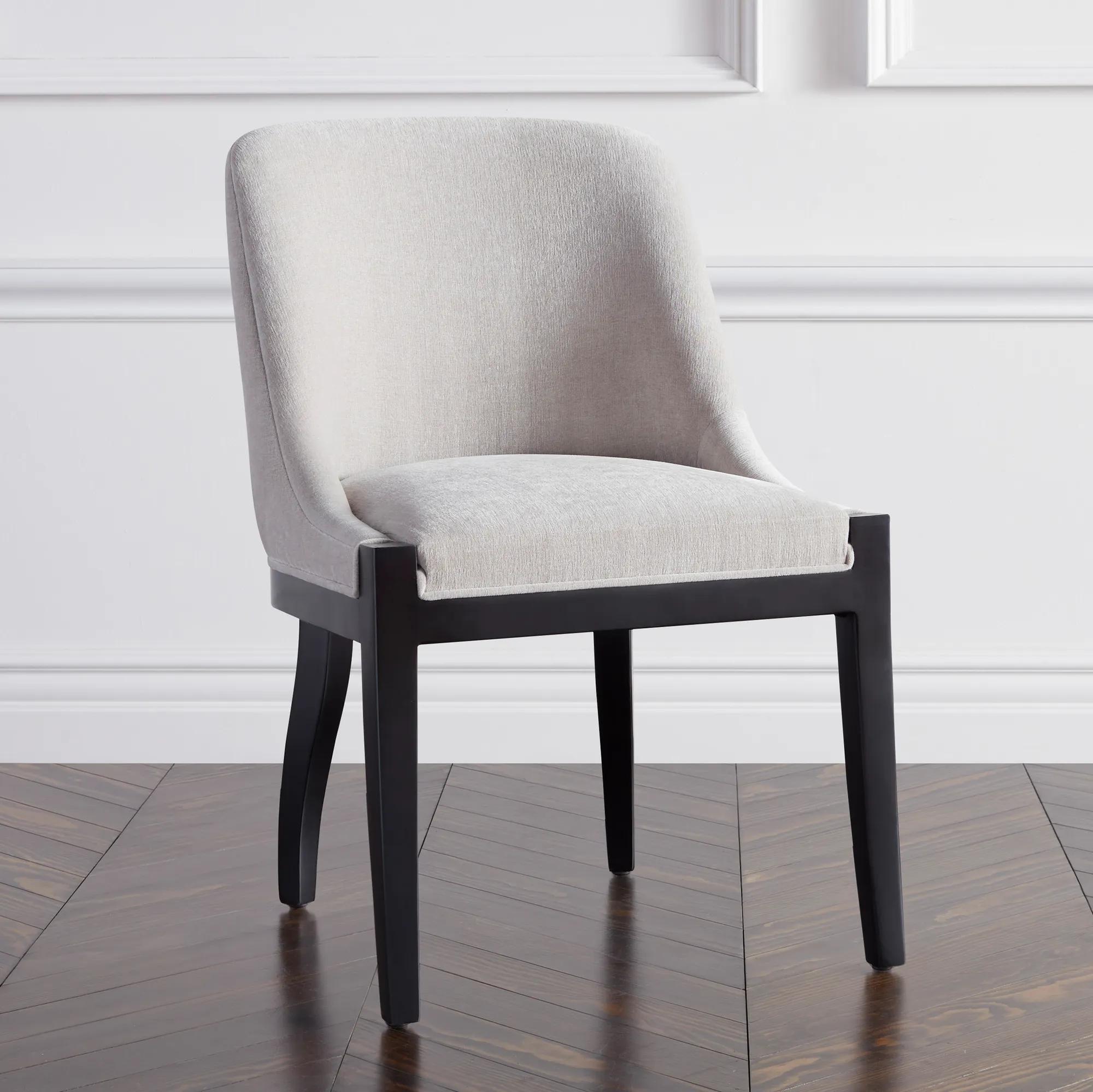 Lily Dining Chair - Matte Black$599
A modern dining chair featuring a matte black hardwood frame and plush, tailored upholstery for lasting comfort.
Add To Cart -
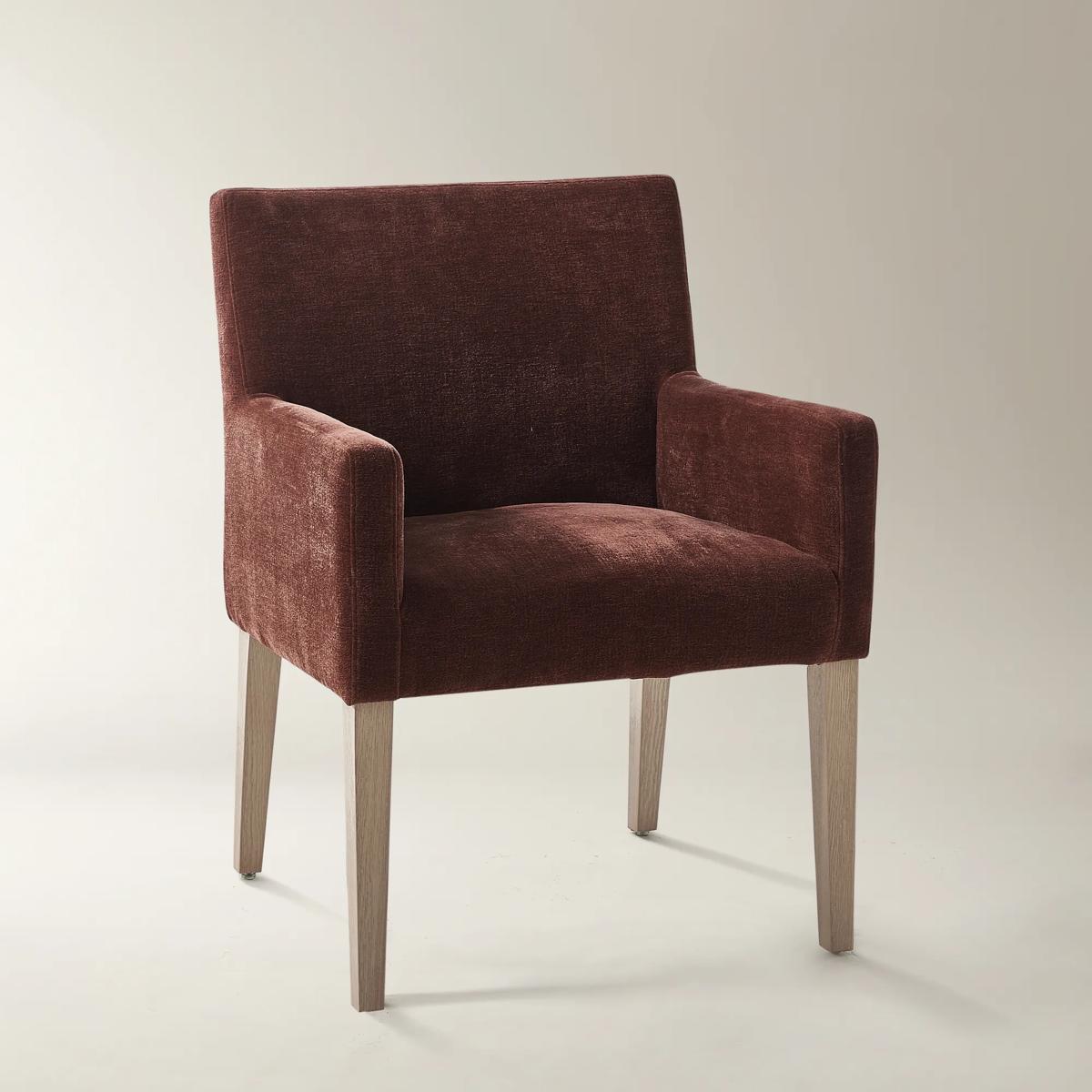
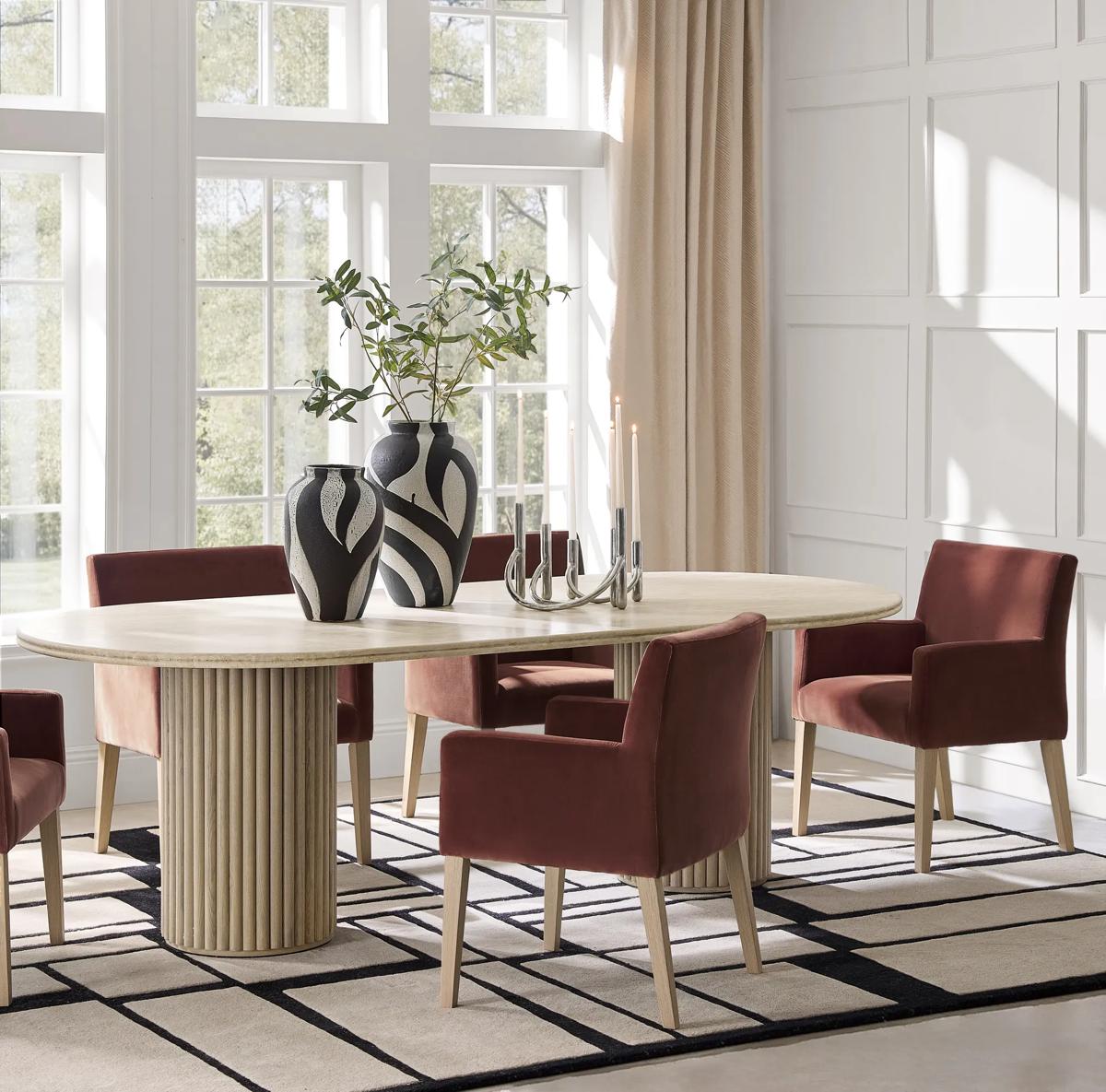 Stria Rust Velvet Dining Chair Set Of 2$599
A set of two arm chairs featuring cognac chenille upholstery and handcrafted solid oak legs for timeless style.
Add To Cart -
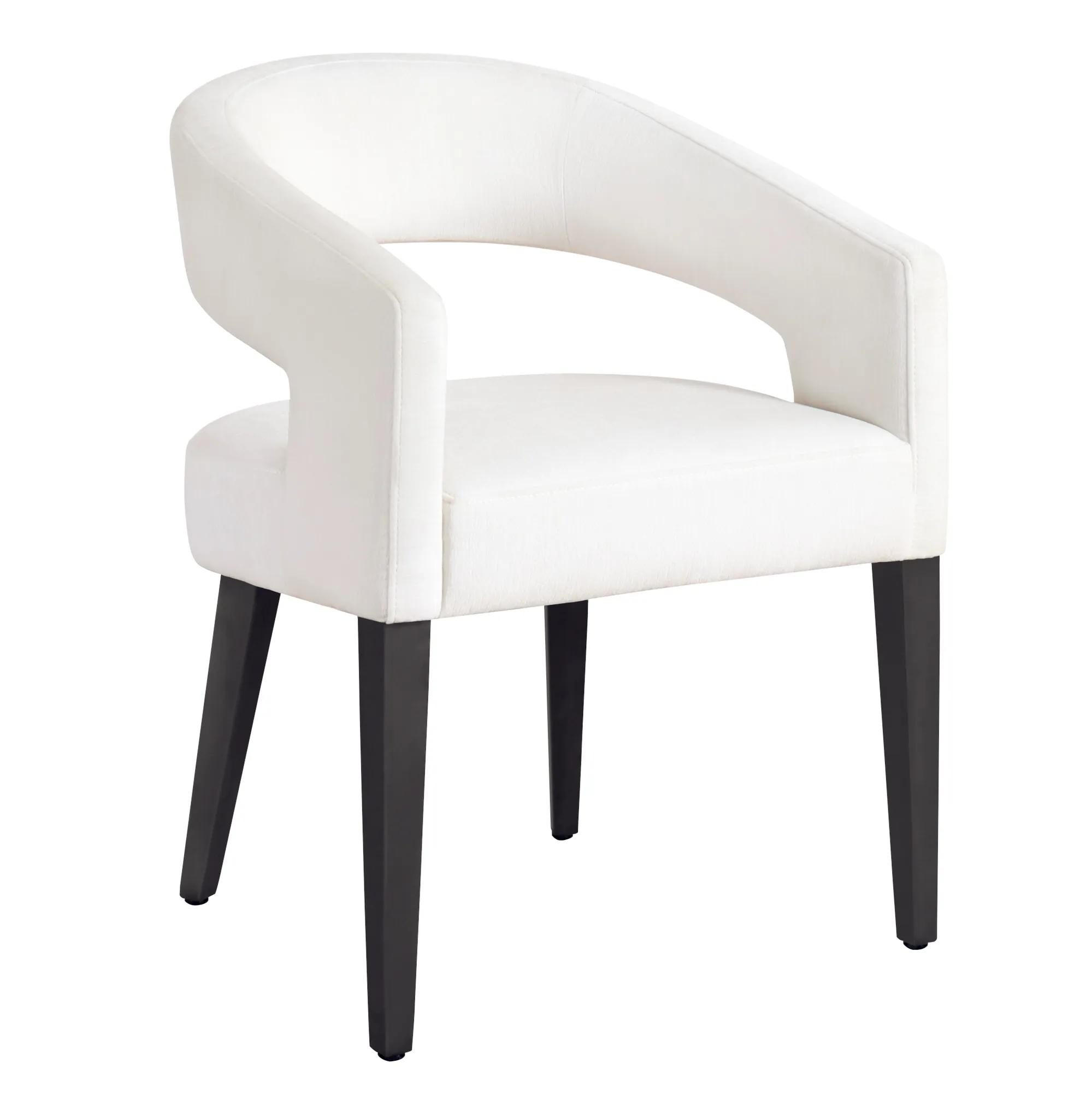
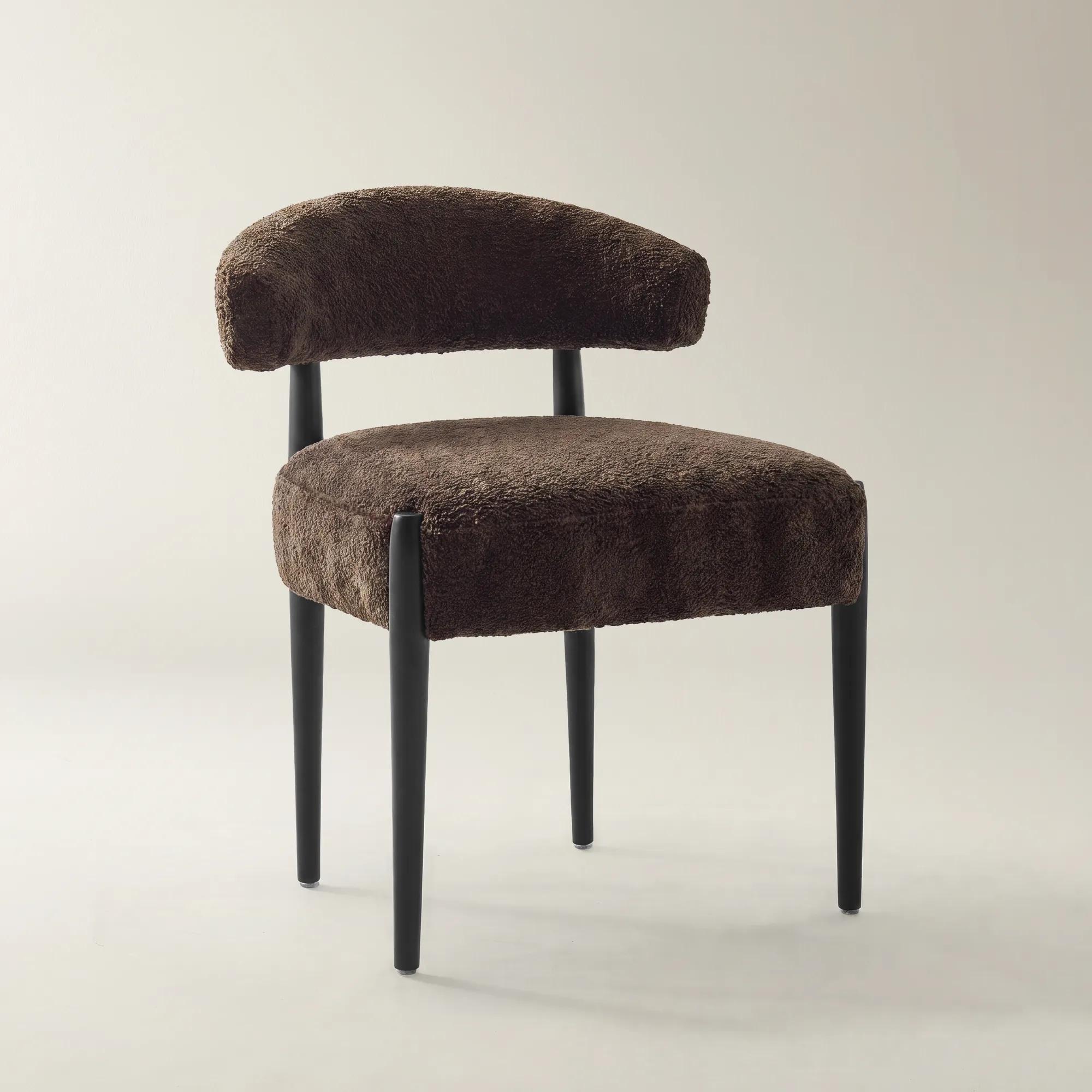
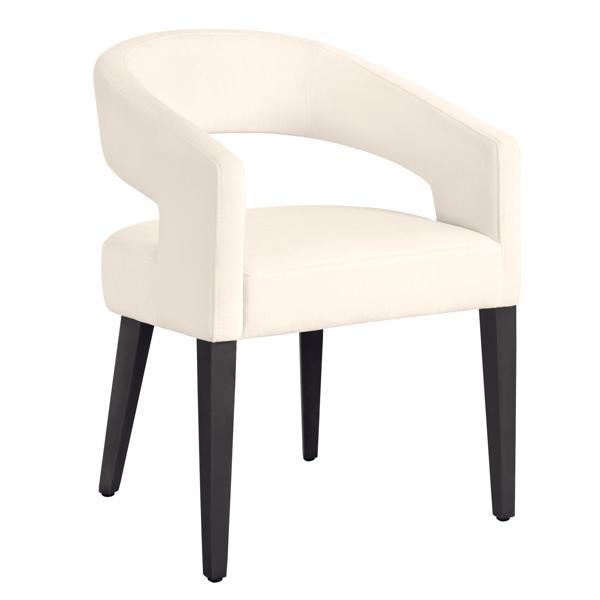 Philippa Dining Chair - Espresso$699
A modern dining chair featuring a curved silhouette, espresso legs, and neatly tailored chenille upholstery.
Add To Cart -
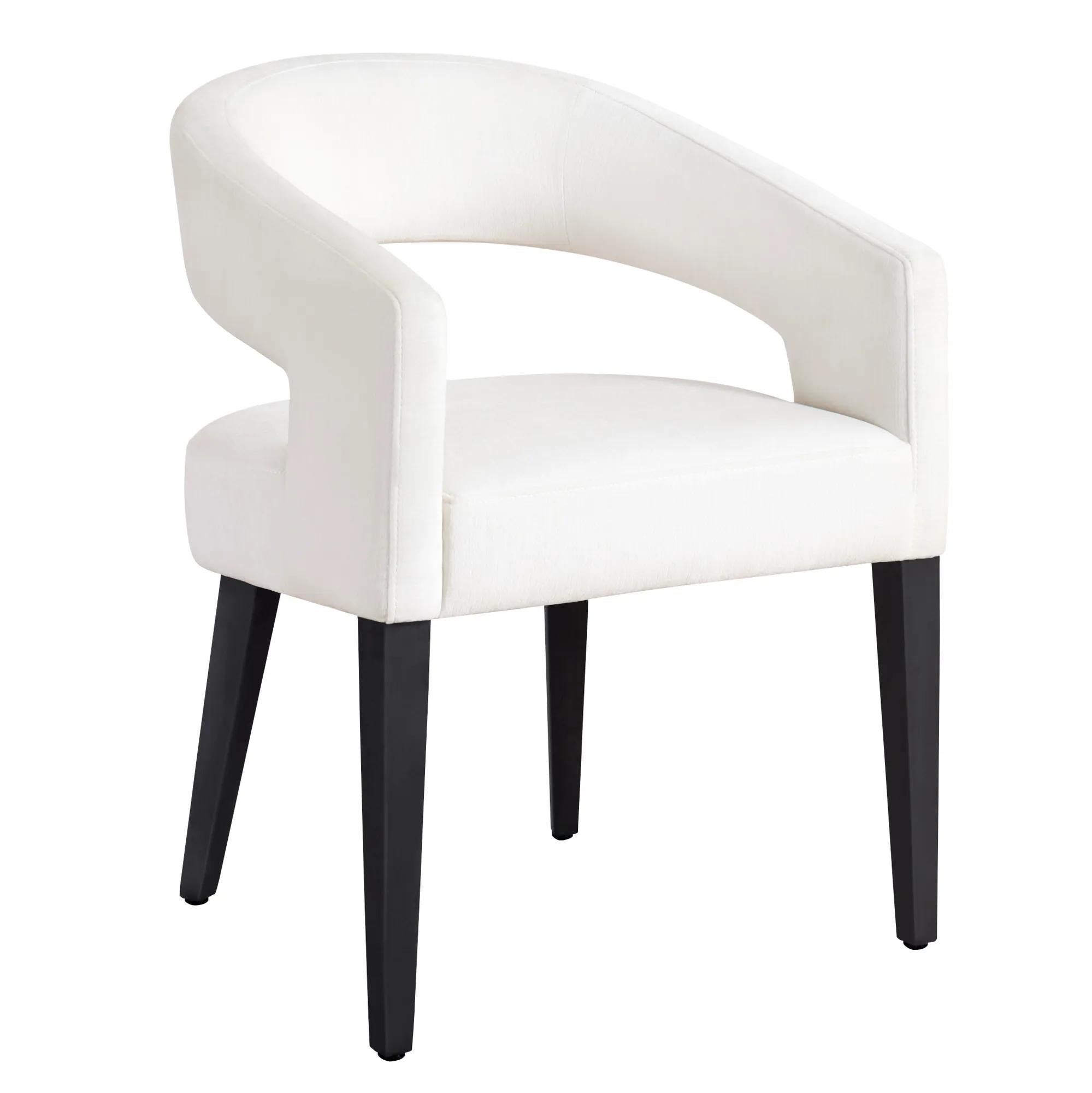
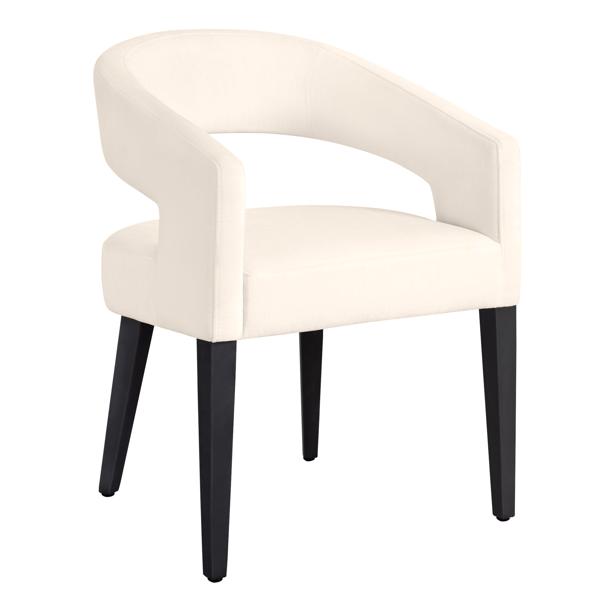 Philippa Dining Chair - Matte Black$599
A modern dining chair featuring a curved silhouette, matte black legs, and neatly tailored upholstery.
Add To Cart -
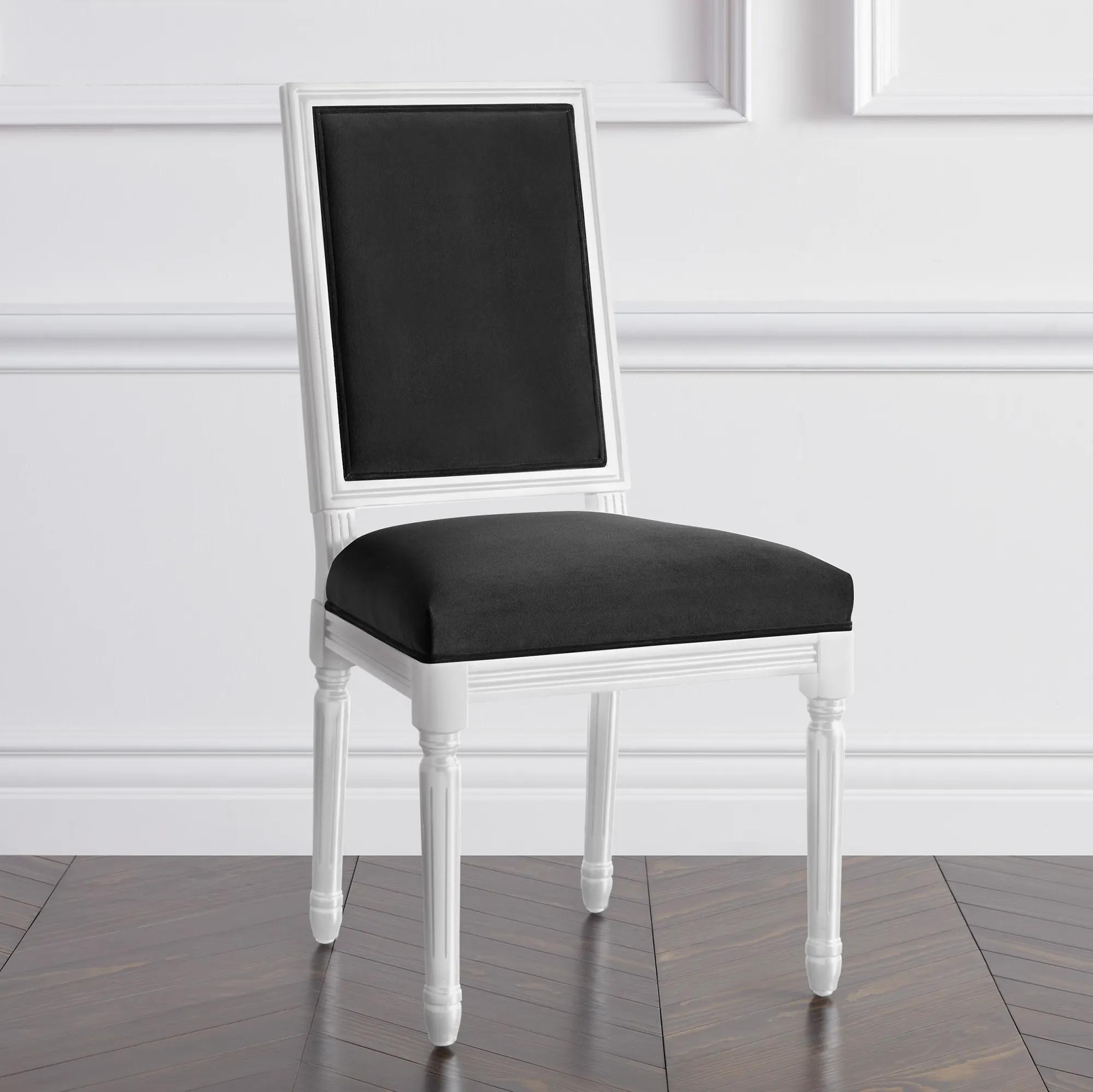
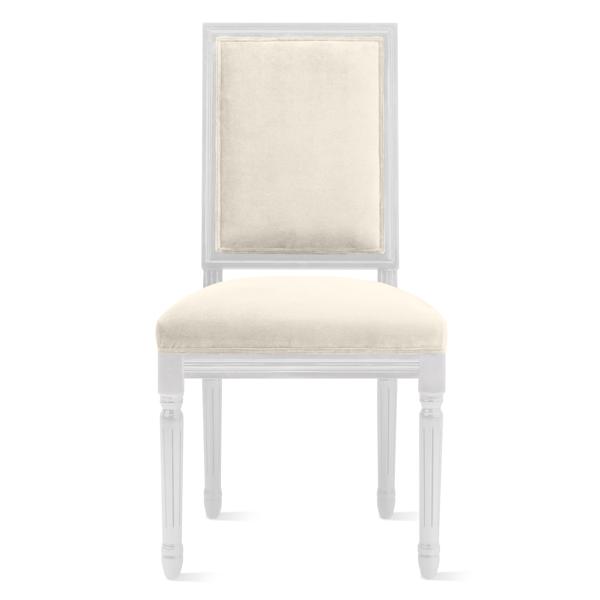 Callan Dining Chair - High Gloss White$599
A handcrafted dining chair featuring high-gloss white finish, kiln-dried hardwood frame, and plush velvet upholstery.
Add To Cart -
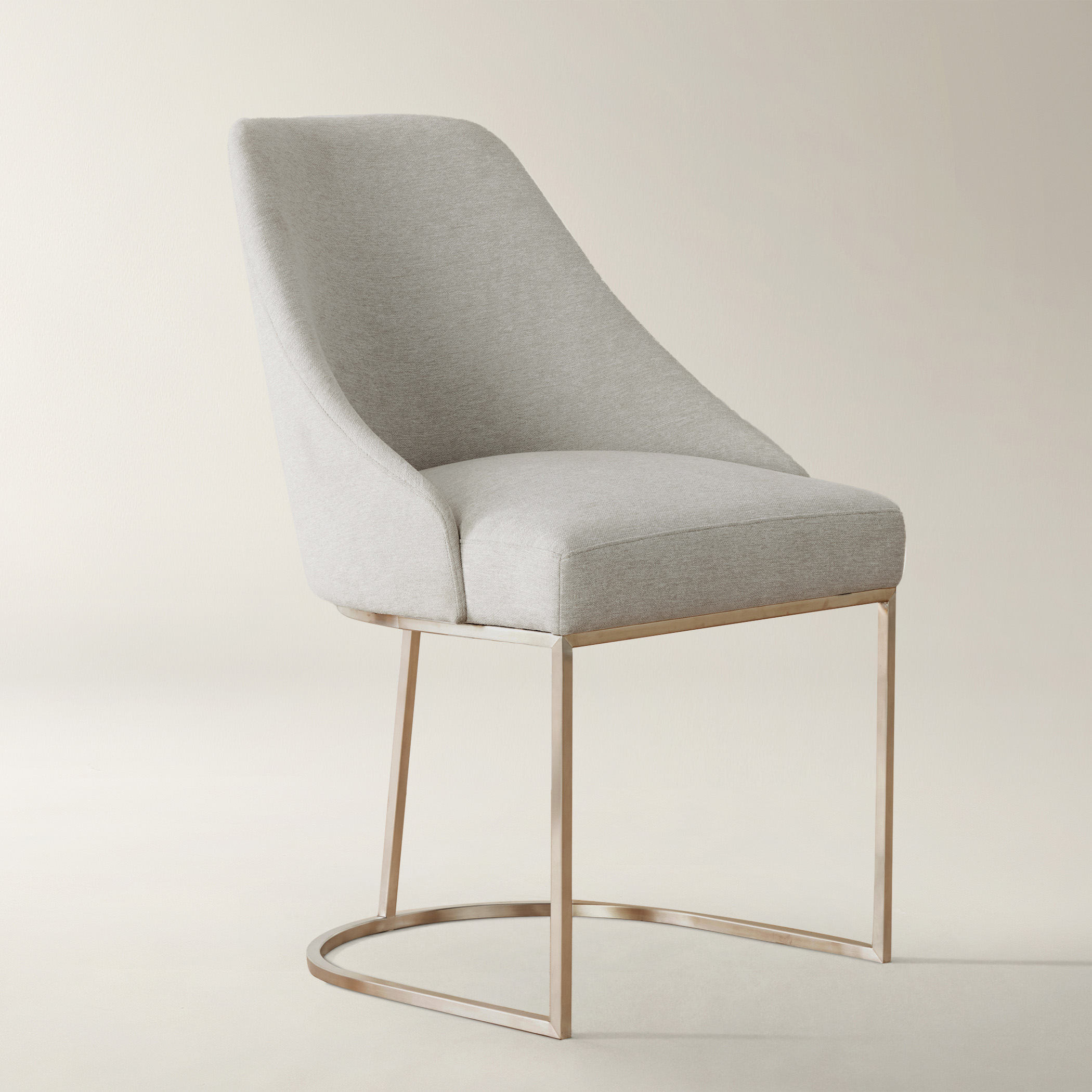
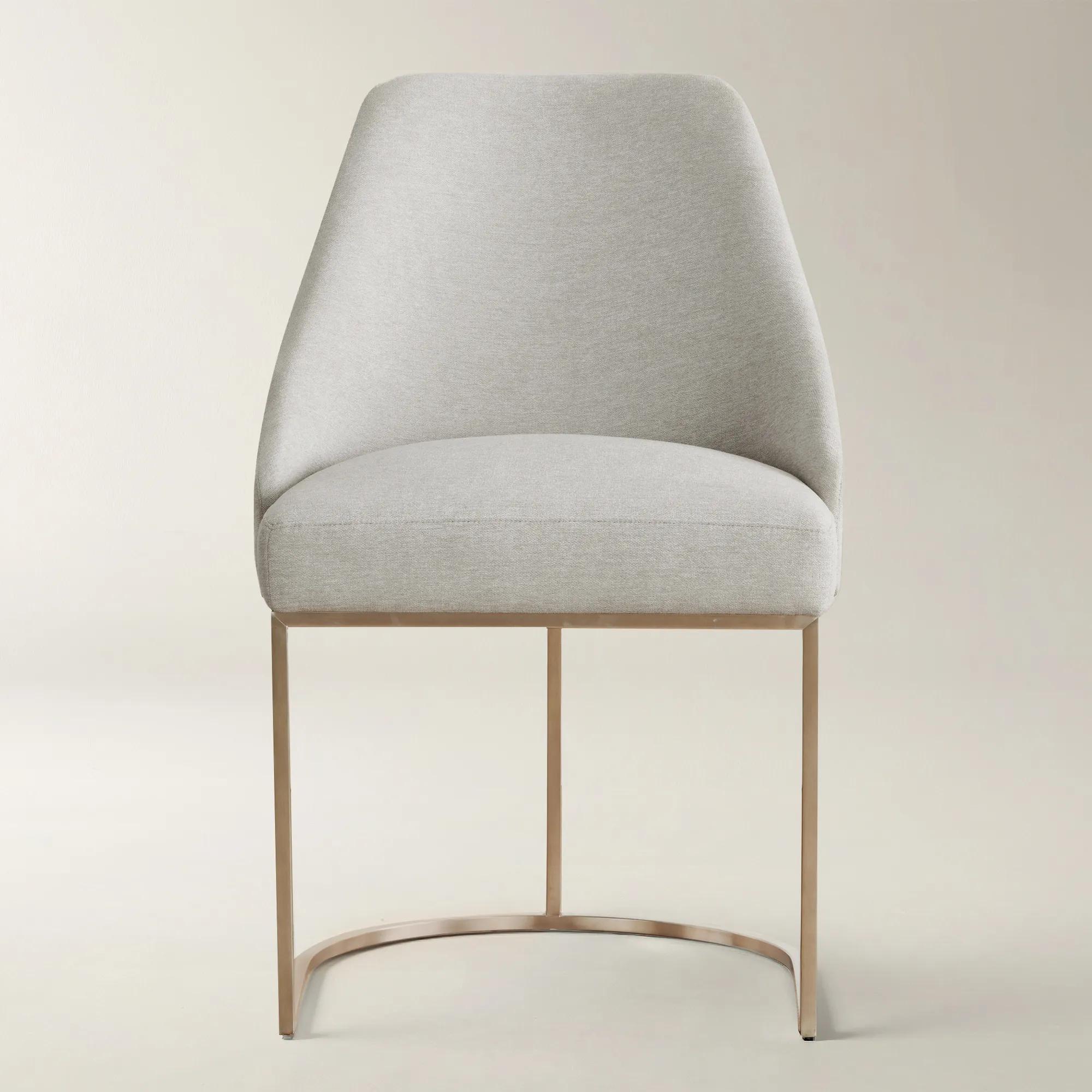 Rowan Ivory Fabric Dining Chair$599
A modern chair featuring brushed stainless steel legs and stain-resistant, water-repellent Roxboro Frost fabric.
Add To Cart -
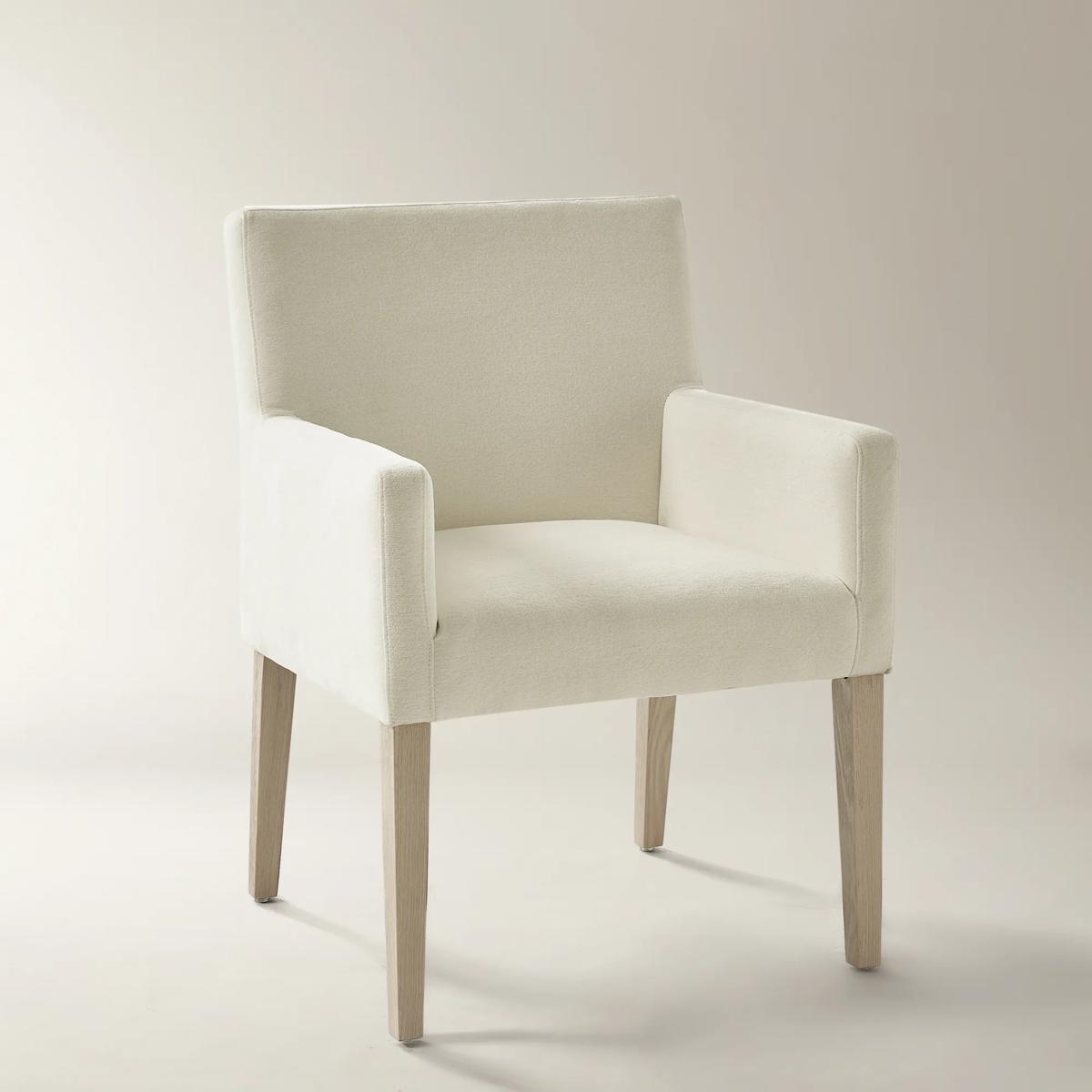
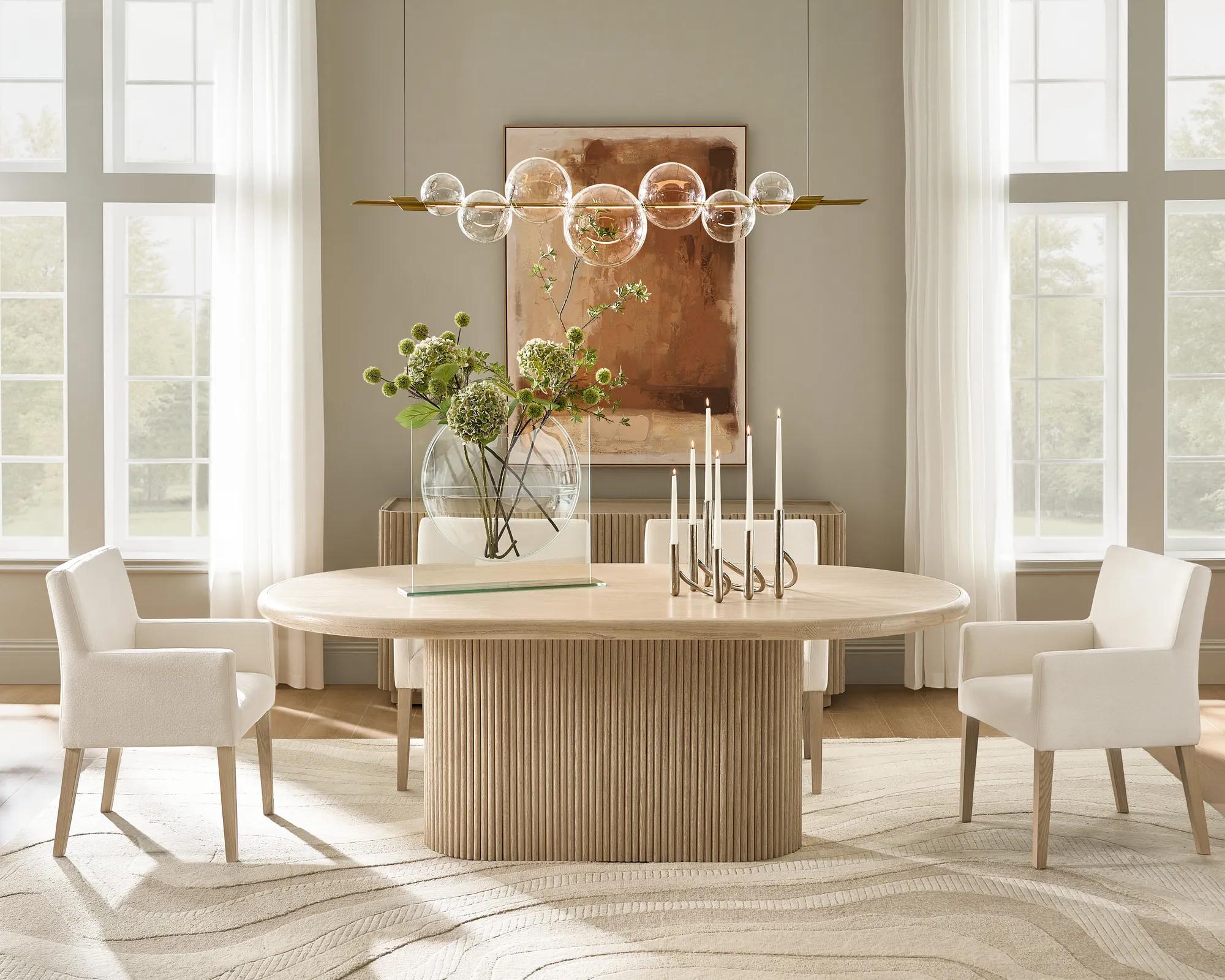 Stria Ivory Chenille Dining Chair Set Of 2$599
A pair of ivory chenille arm chairs with natural oak legs, offering plush comfort and modern elegance.
Add To Cart -
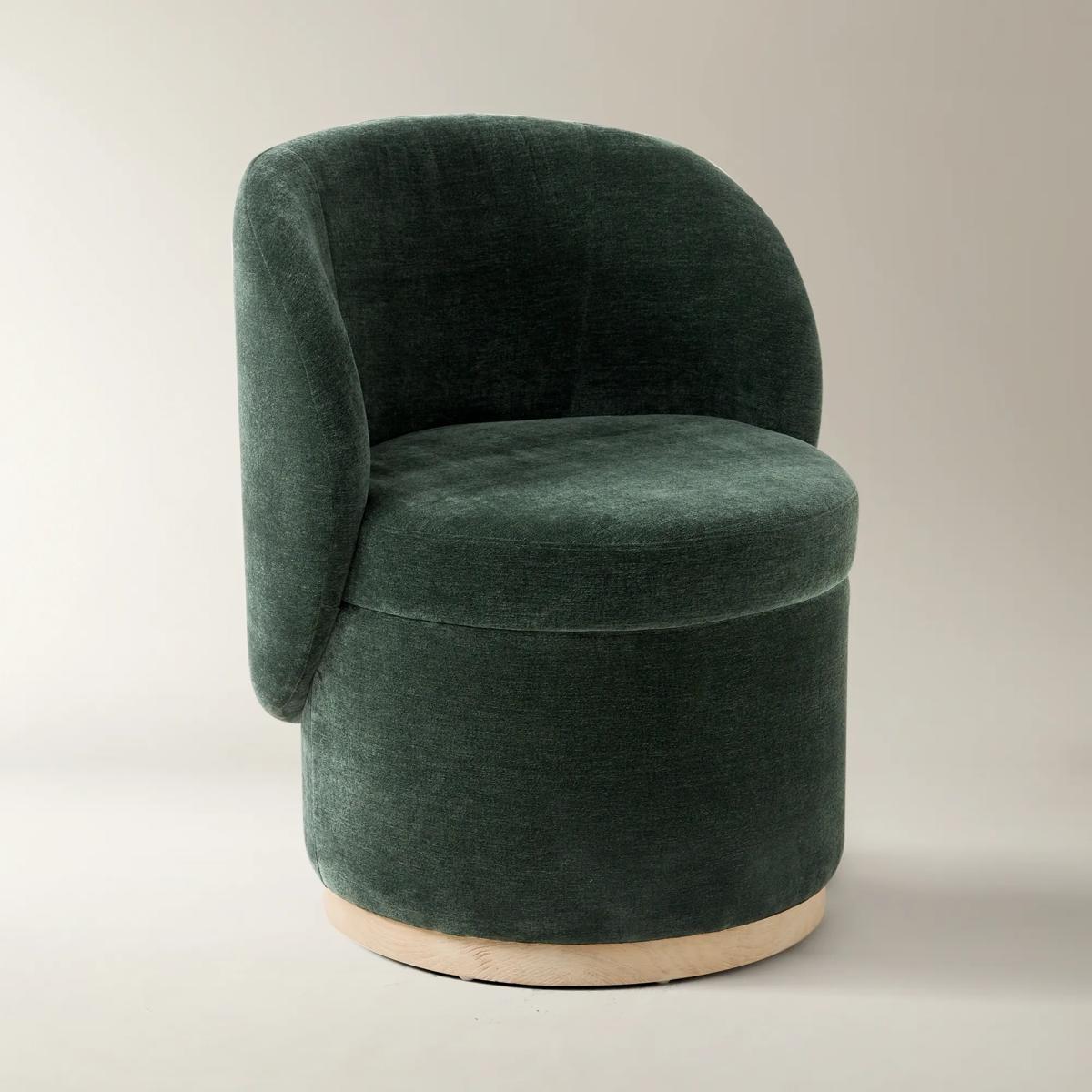
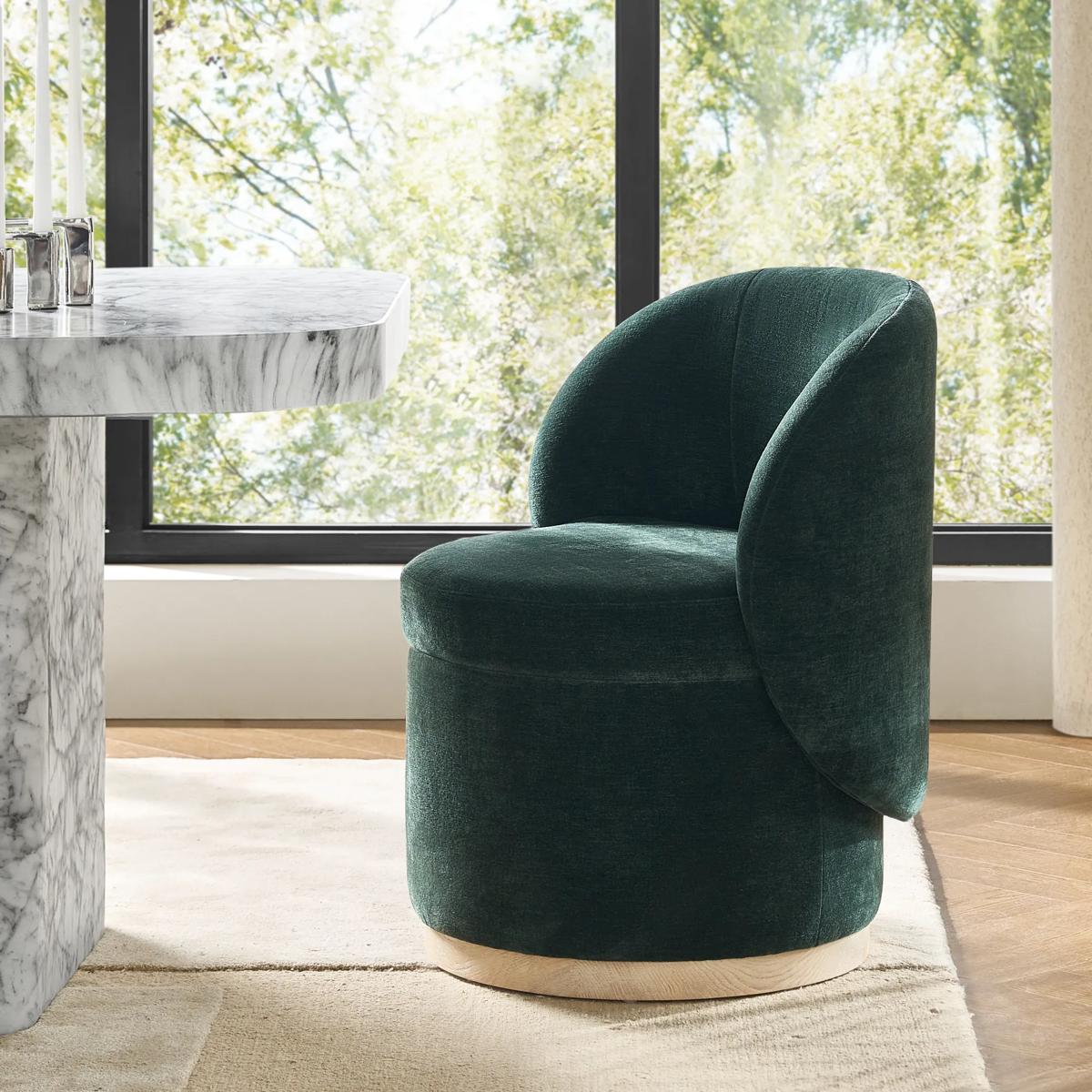 Stria Green Chenille Dining Chair With Oak Base$449
A green chenille dining chair with a handcrafted solid oak base and inviting, softly curved silhouette.
Add To Cart -
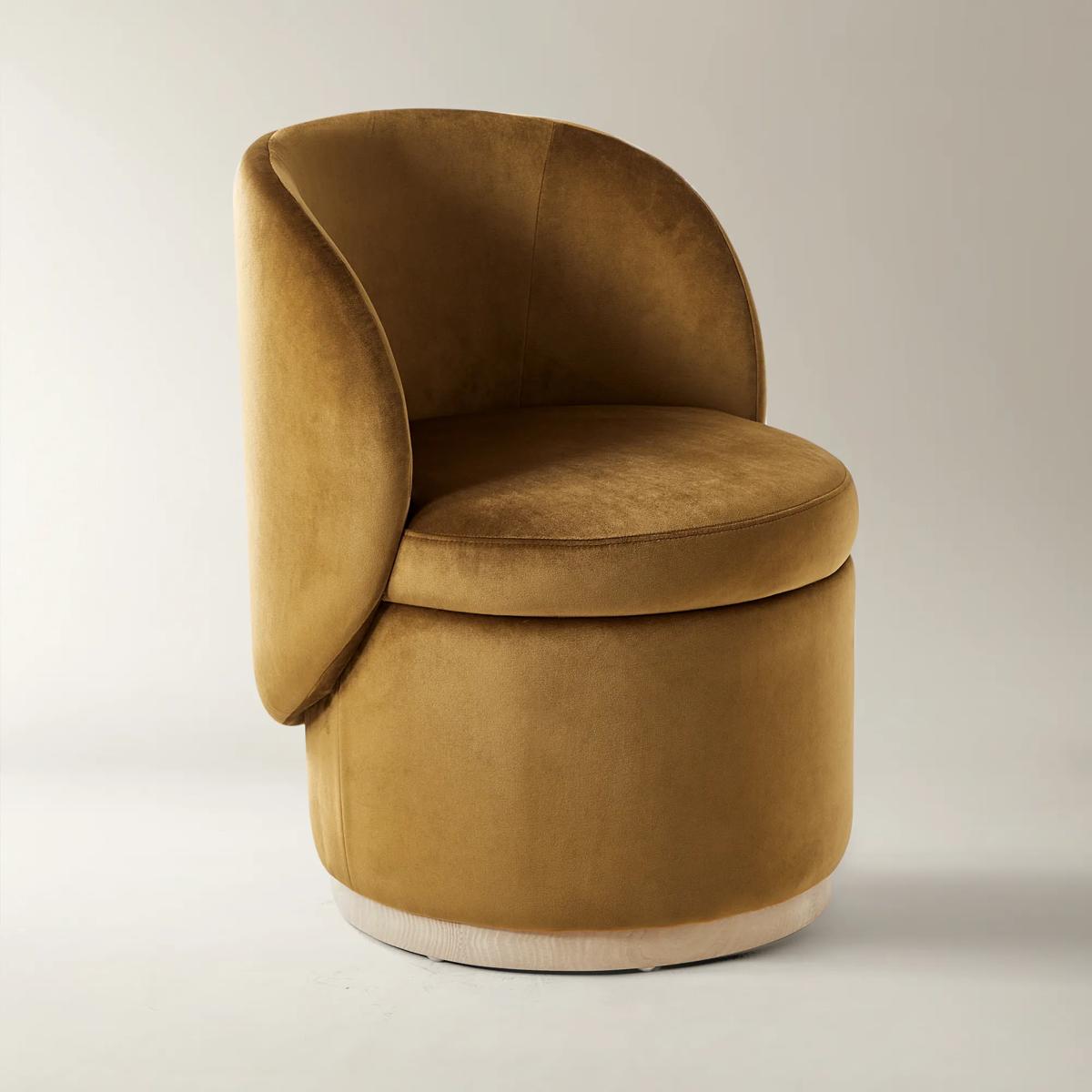
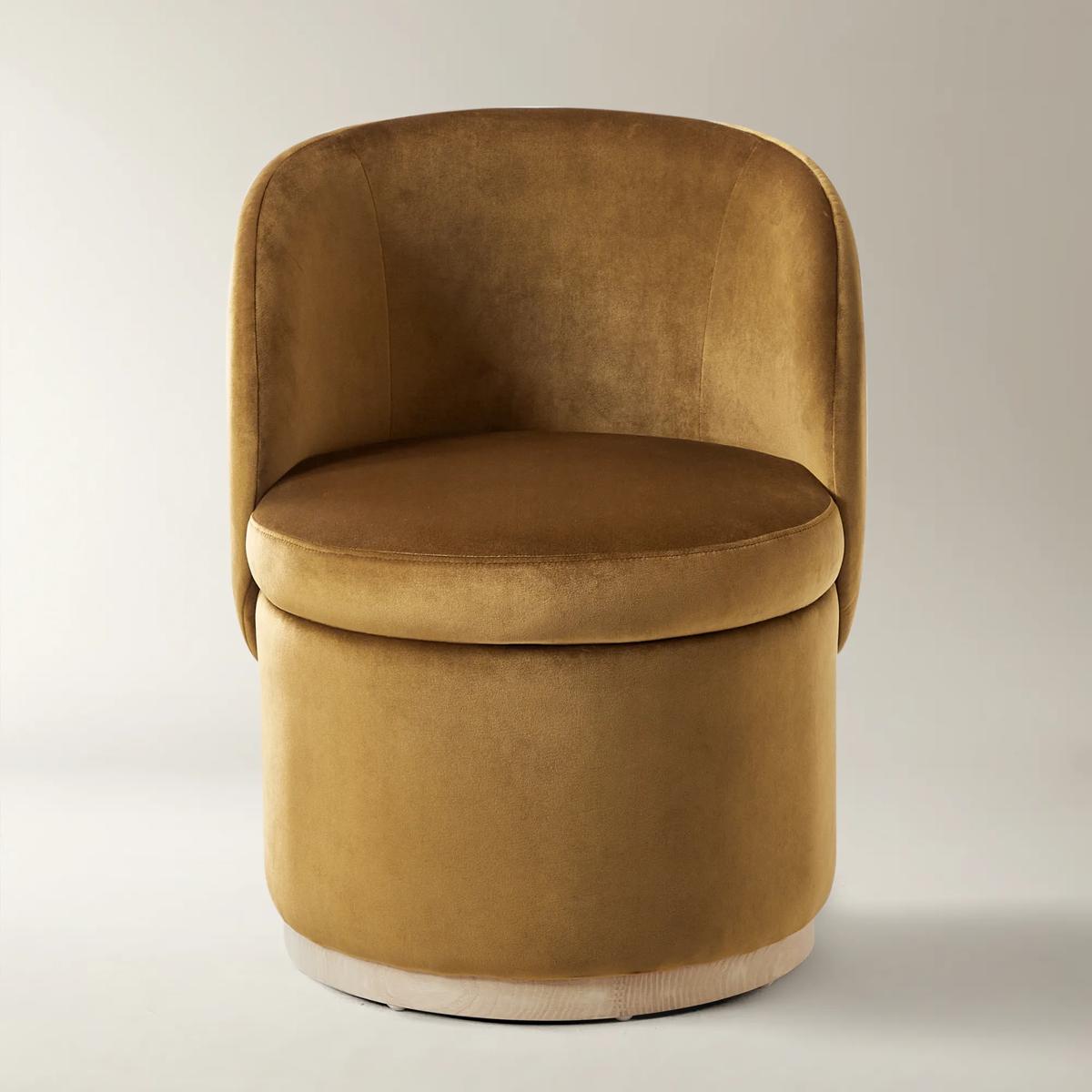 Stria Roasted Pecan Velvet Dining Chair With Oak Base$449
A khaki chenille chair featuring cozy upholstery and a handcrafted solid oak base for organic warmth.
Add To Cart -
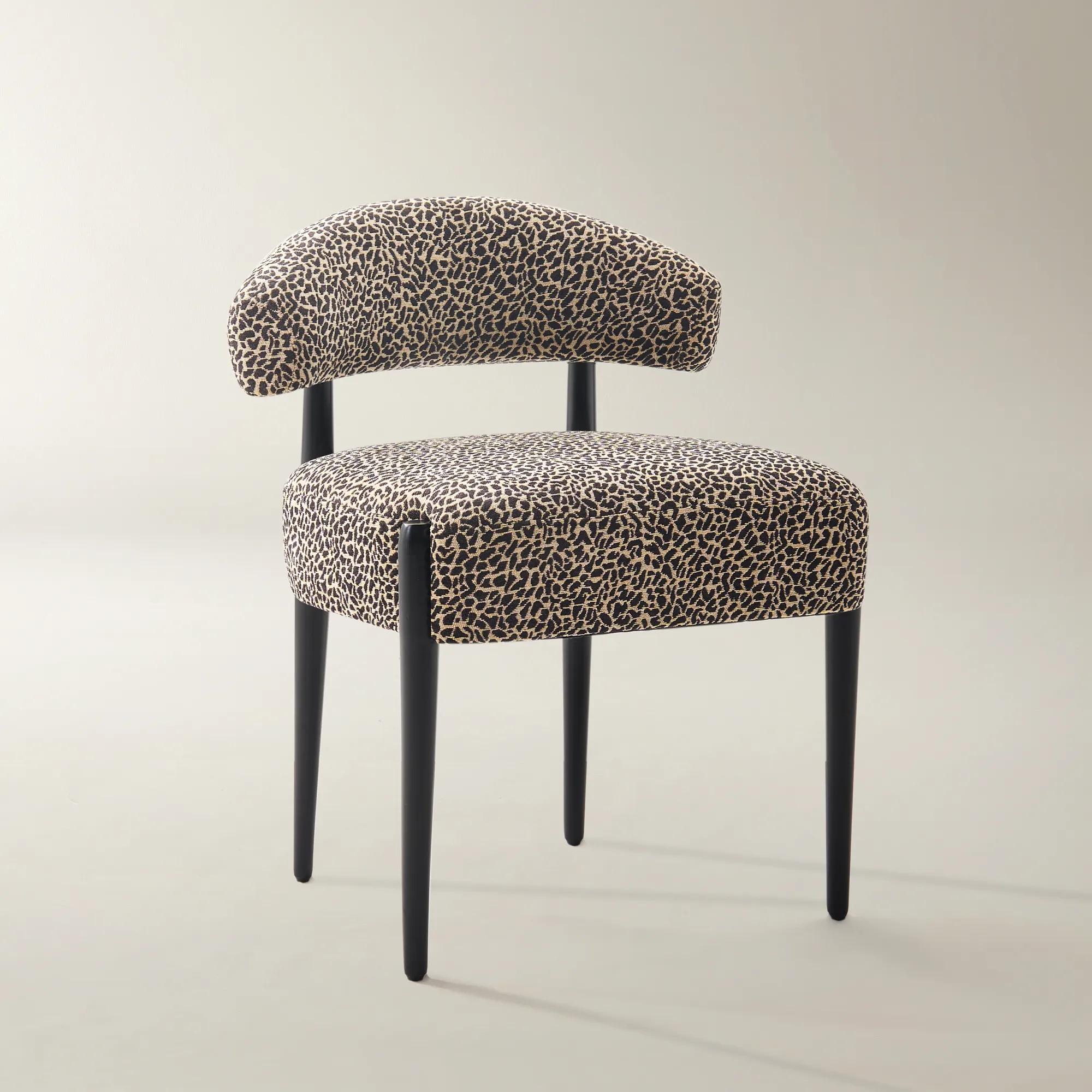
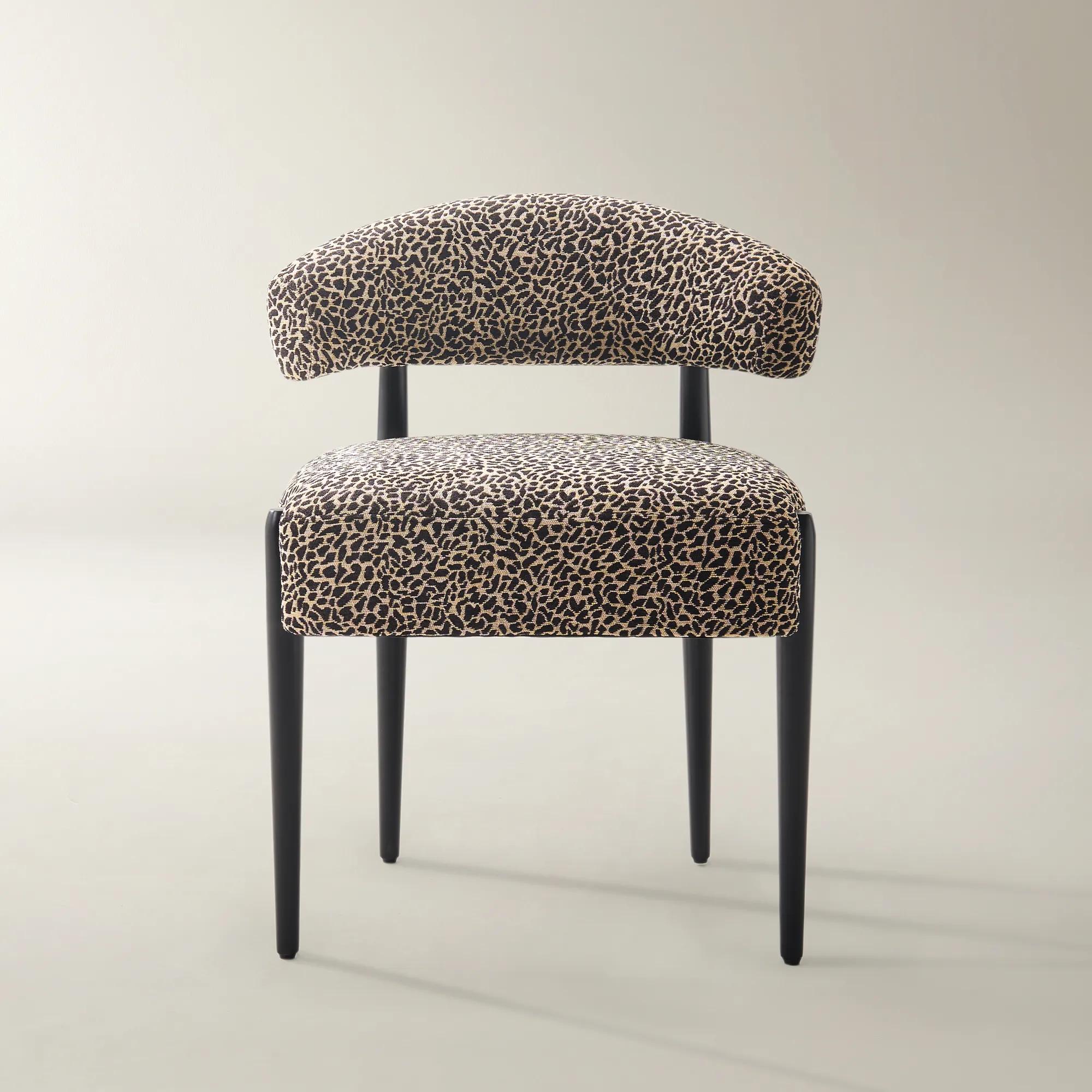 Anna Leopard Chenille Dining Chair Set Of 2$599
A pair of leopard-print chenille chairs with solid rubberwood legs and high-density foam for lasting comfort.
Add To Cart

Imported Hardwood Dining Chairs
Imported Hardwood Dining Chairs invite you to indulge in the art of dining with pieces that transcend the ordinary. Every curve and grain tells a story of far-flung origins and exquisite craftsmanship, transforming your table into a stage for unforgettable gatherings. Rich woods, sculpted silhouettes, and polished finishes create a sense of grandeur—each chair a statement, each seat an invitation to linger. Elevate your dining experience with Imported Hardwood Dining Chairs that bring depth, drama, and timeless elegance to every meal.
Imported hardwood dining chairs bring the expressive grain of real wood into one of the home’s most social spaces, giving every place at the table a distinct sense of presence. Their appeal lies in the balance between substance and silhouette: a sweeping back can soften a sharply architectural table, while a substantial frame can lend visual weight to an airy room. Hardwood refers to wood from broadleaf trees, with oak, ash, beech, maple, and rubberwood among the species used in furniture; the term does not mean that every species has the same hardness or resistance to wear. Oak often displays pronounced grain, ash can have long, flowing grain lines, and beech typically offers a finer, more understated texture. These natural differences contribute to the character of a chair, particularly when a stain allows the wood’s pattern to remain visible. An opaque finish creates a different effect, emphasizing the outline of the frame rather than its grain. Imported describes origin, not a particular wood species, construction method, or quality standard, so country-of-origin information and material descriptions deserve attention alongside appearance. Solid hardwood components, engineered wood, and decorative veneers may serve different roles within a chair, and a hardwood frame does not necessarily mean that every part is solid wood. Veneer can provide a decorative wood surface over a stable substrate, while solid wood is commonly used for structural elements such as legs and rails. For a dining room with a strong artistic point of view, these distinctions help connect the desired look with an appropriate construction. Dark wood can establish a dramatic outline against pale upholstery; a lighter finish can reveal the intricate movement of the grain beside a richly veined stone table. The most compelling combinations do not depend on matching every surface. They repeat a deliberate detail—a curve, an undertone, a degree of sheen—so the chairs feel connected to the room without disappearing into it.
Comfort and proportion give that visual statement its staying power. Dining chairs need to work with both the table and the people who gather around it, whether the room hosts leisurely dinners, everyday meals, or conversations that continue long after the plates have been cleared. For many standard-height dining arrangements, a seat approximately 10 to 12 inches below the tabletop provides a useful starting point, but the table apron, seat cushioning, and individual preferences can change the fit. An apron that extends well below the tabletop may restrict thigh clearance even when the overall table height appears suitable. Armchairs introduce another measurement: their arms must clear the underside of the table if the chairs are intended to tuck in fully. Seat width, back angle, and depth matter just as much. A deep seat can feel generous to a taller diner but may leave someone shorter sitting forward without back support. Upholstered seats add softness for extended gatherings, while shaped wood seats offer a more exposed expression of the material and may be easier to wipe clean, depending on the finish. Textured fabric can enrich a restrained wood frame, and a smooth upholstered surface can sharpen the drama of a sculptural back. In either case, fiber content and the manufacturer’s cleaning instructions are more useful indicators of maintenance needs than appearance alone. Around the table, roughly 24 inches of width per place setting is a common planning baseline, although broad frames and generous arms may require more. Allowing approximately 36 inches between the table edge and a wall or furniture helps accommodate chair movement; a frequently used passage behind seated diners usually benefits from additional space. A coordinated imported dining chairs set creates a repeated rhythm around the table, while contrasting armchairs at the ends can give the arrangement a more layered composition. In a compact dining area, an open back can preserve sightlines without sacrificing a strong outline. In a larger room, taller backs or fuller upholstery can hold their own beside substantial furnishings.
Construction and care determine how gracefully hardwood dining chairs settle into daily life. Well-fitted joints, appropriate reinforcement, and a stable frame matter more than the imported designation alone. Mortise-and-tenon or doweled joints can contribute to a strong structure when properly executed, but the name of a joint is not a guarantee of the finished chair’s performance. Kiln drying helps prepare wood for furniture making by reducing its moisture content; it does not make wood immune to movement. Hardwood continues to respond to its environment, so consistent indoor humidity and placement away from direct heat sources help protect frames and finishes. Prolonged direct sunlight can alter the color of wood and upholstery, making placement particularly relevant beside expansive windows. For routine care, remove dust with a soft cloth, blot spills promptly, and follow the specified cleaning method rather than assuming that a general household cleaner is suitable. Excess moisture, abrasive pads, and unapproved solvents can damage a finish that otherwise withstands normal dining use. Upholstery requires its own approach: a fabric cleaning code may call for water-based treatment, solvent-based treatment, or professional attention, and removable cushions are not necessarily machine washable. In a home with children or frequent guests, a clearly specified cleanable fabric and a finish suited to regular use can make a distinctive chair feel less precious and more inviting. Protective pads beneath the legs help reduce floor scratches, provided they are kept free of grit and replaced as needed. Lifting a chair rather than dragging it also reduces strain on its joints, and any assembly hardware should be checked according to the manufacturer’s directions. These chairs are generally intended for indoor dining unless explicitly rated otherwise, and residential furniture should not be assumed suitable for commercial use without the relevant specifications. With thoughtful proportions and appropriate care, imported hardwood dining chairs can anchor a formal dining room, enrich an intimate breakfast space, or provide elegant extra seating when company arrives. Their lasting appeal is both visual and personal: the trace of grain beneath a polished finish, the sweep of a back against the table, and the ease of a seat that invites another hour of conversation.
FAQs
Imported hardwood dining chairs are crafted from premium woods such as oak, walnut, maple, or teak, often sourced from renowned forests around the globe. Their distinctiveness lies in the unique grain patterns, rich finishes, and artisanal craftsmanship that set them apart, creating a luxurious and elevated dining experience.
These chairs serve as both functional seating and striking design elements, infusing the dining room with warmth, elegance, and personality. The natural textures and finishes of hardwood, paired with sculptural silhouettes, create an inviting atmosphere that encourages guests to linger and savor every moment.
Absolutely. The versatility of imported hardwood allows these chairs to transition effortlessly between formal dinner parties and everyday family meals. Whether paired with a grand dining table or a cozy breakfast nook, their timeless appeal and refined construction complement a wide range of interior styles.
Seek out details such as contoured backrests for ergonomic support, upholstered or woven accents for added comfort, and finishes that harmonize with your existing décor. Artful joinery, subtle curves, and thoughtfully proportioned frames all contribute to both the beauty and longevity of the chair.
Imported hardwood dining chairs make a memorable and lasting gift, ideal for weddings, housewarmings, or milestone celebrations. Their enduring craftsmanship and timeless design ensure they will be cherished and used for years, becoming part of the recipient’s most meaningful gatherings.