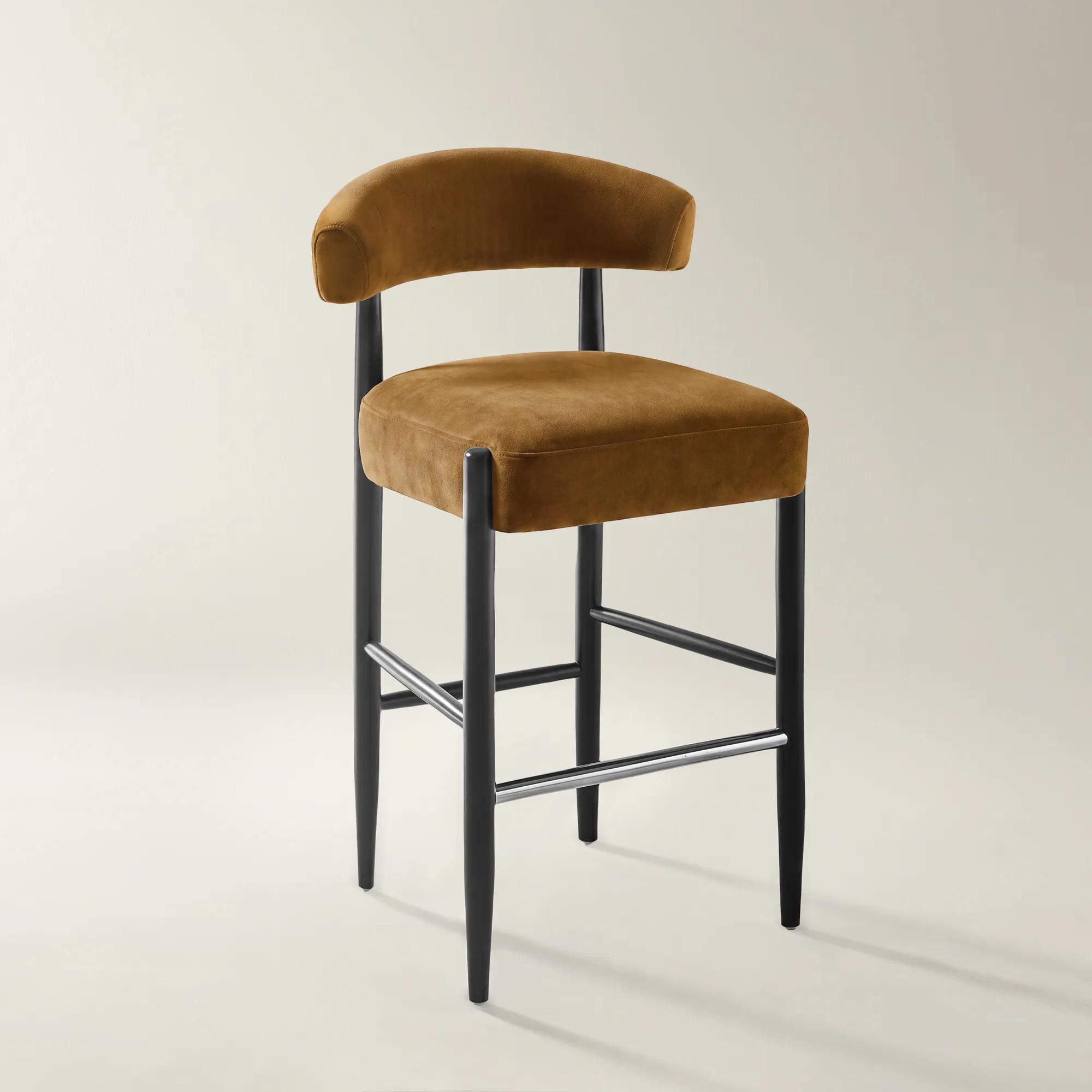
Imported Velvet Dining Chairs
Imported Velvet Dining Chairs
-
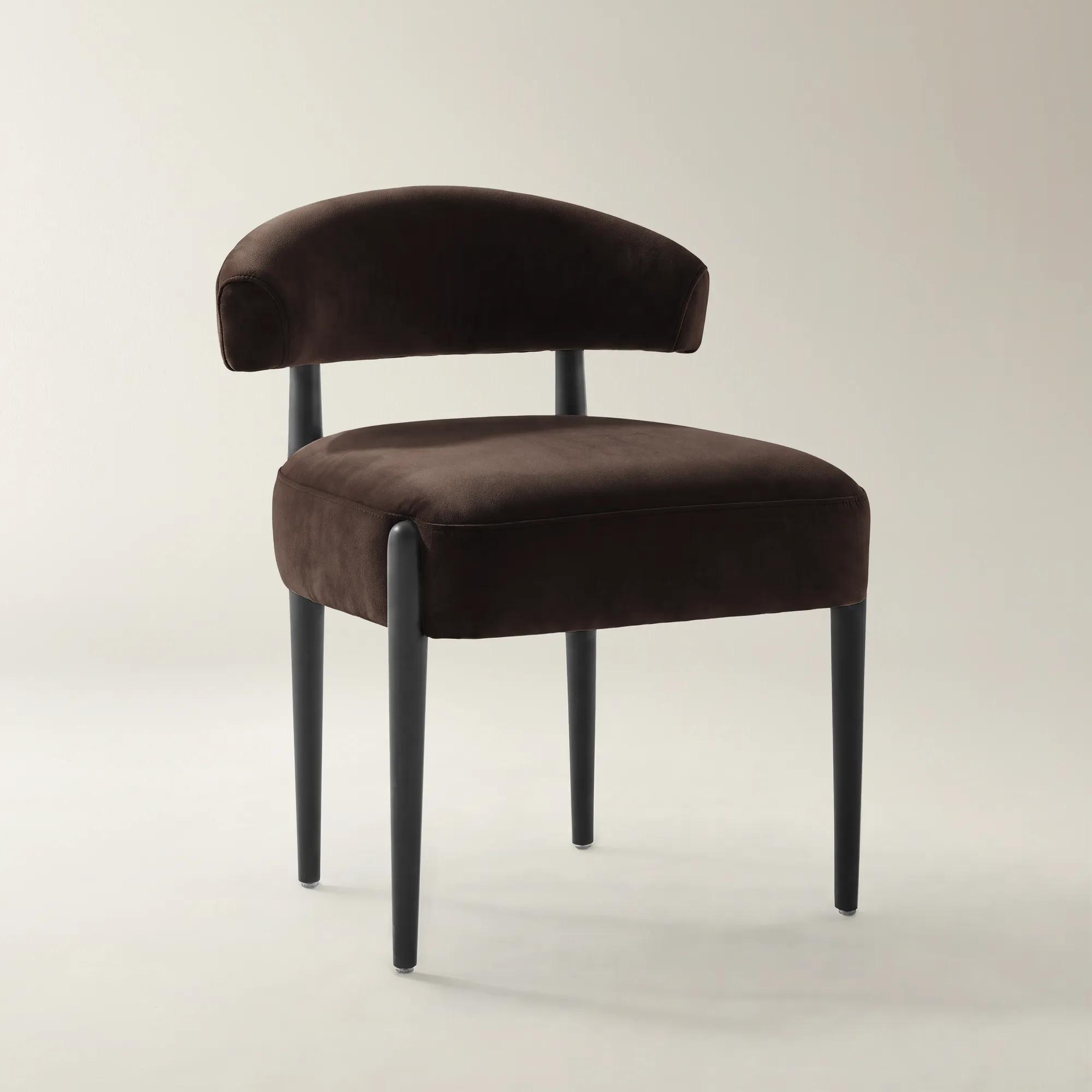
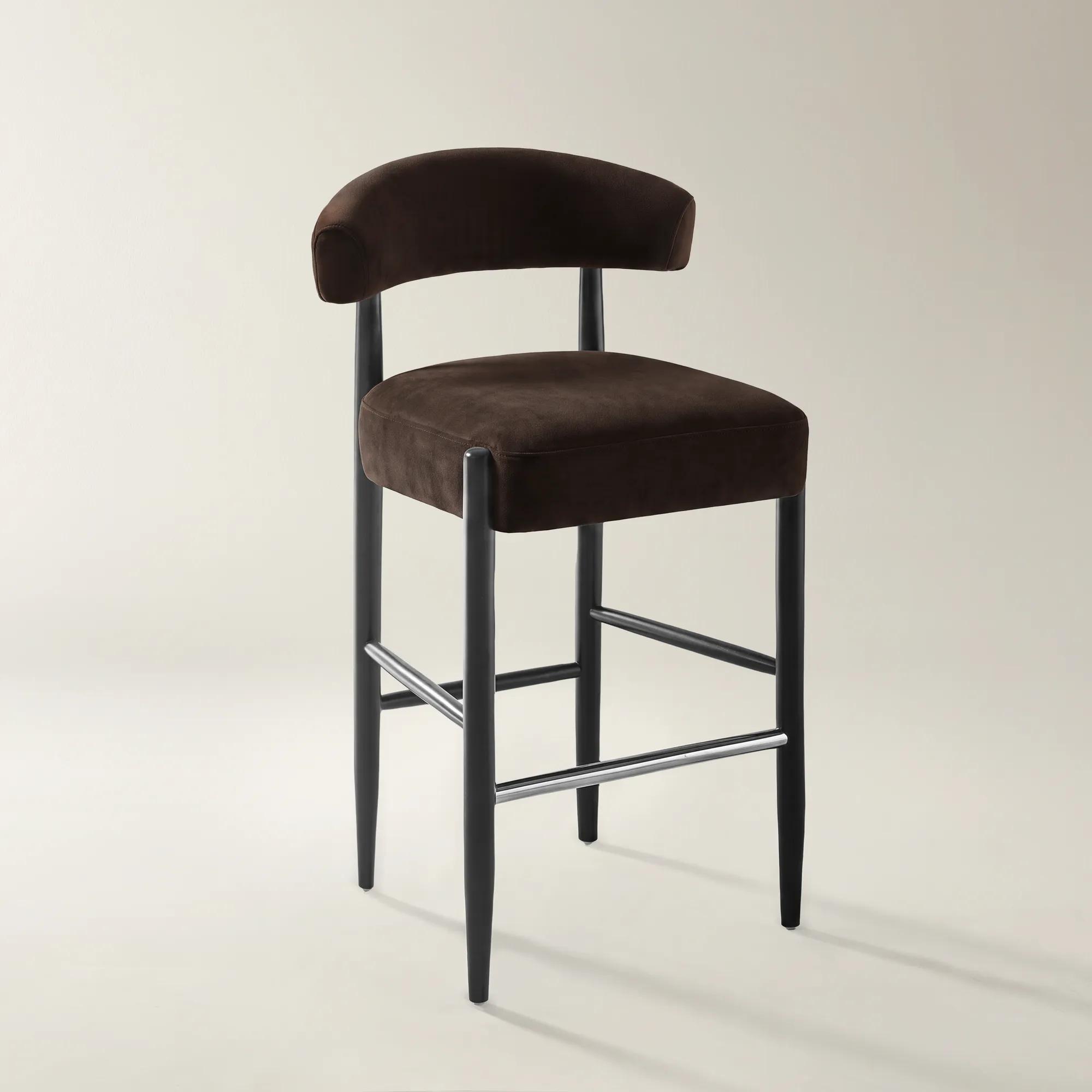
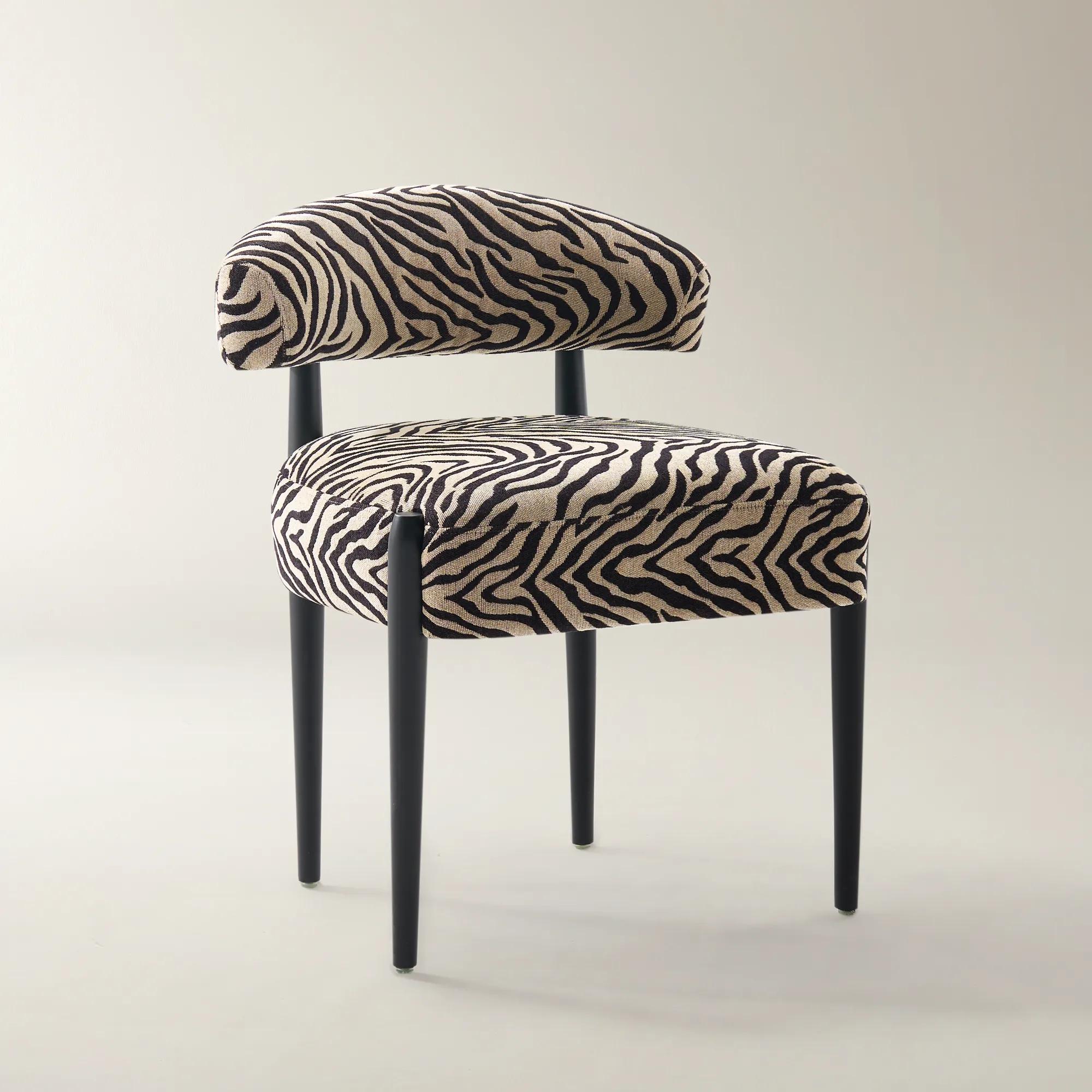 Anna Dark Chocolate Velvet Dining Chair Set of 2$599
A dark chocolate velvet dining chair set featuring an arched back, high-density foam, and solid wood construction.
Add To Cart -
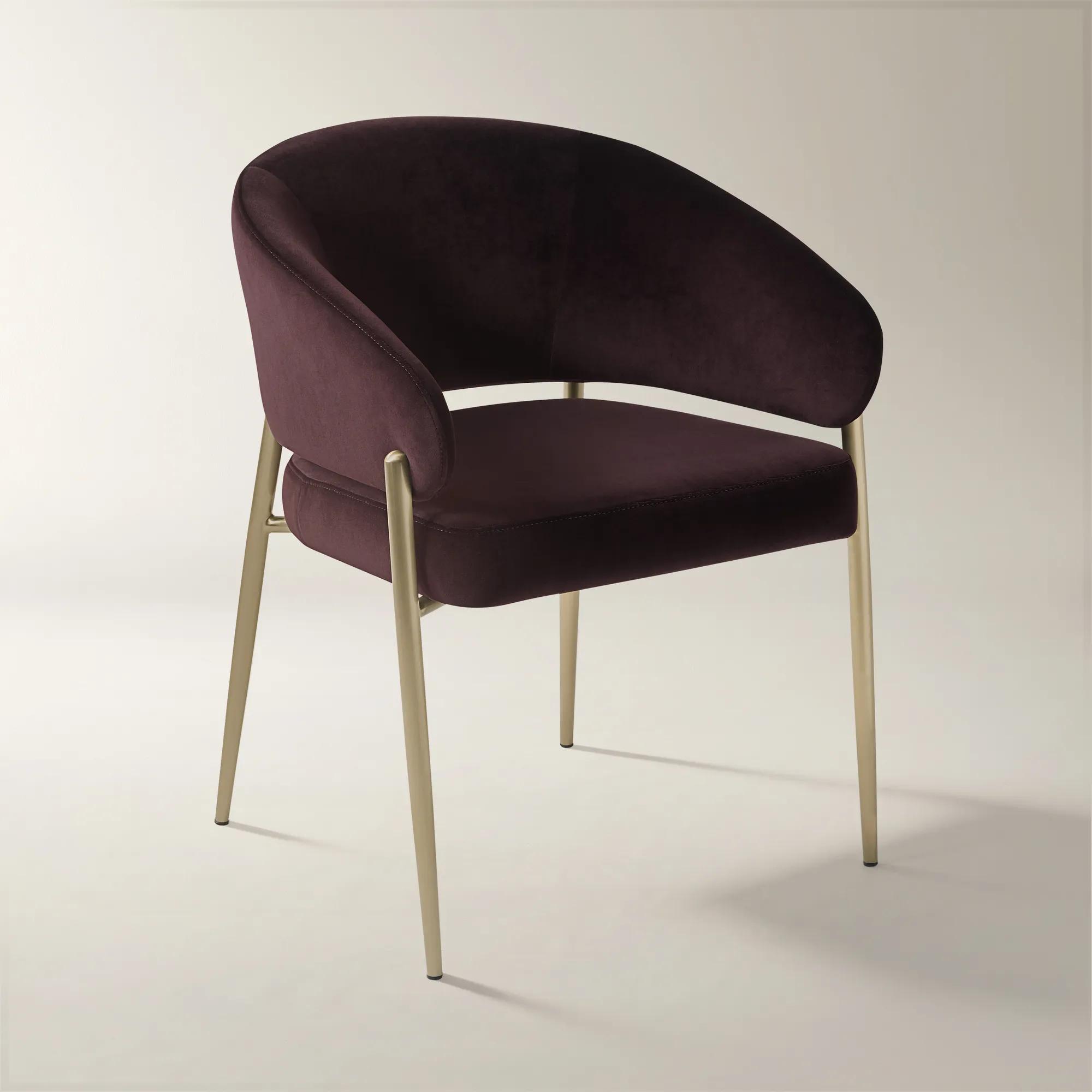 Nara Fig Velvet Dining Chair Set Of 2$599
A set of two dining chairs featuring plush fig velvet upholstery and brushed brass stainless-steel legs.
Add To Cart -
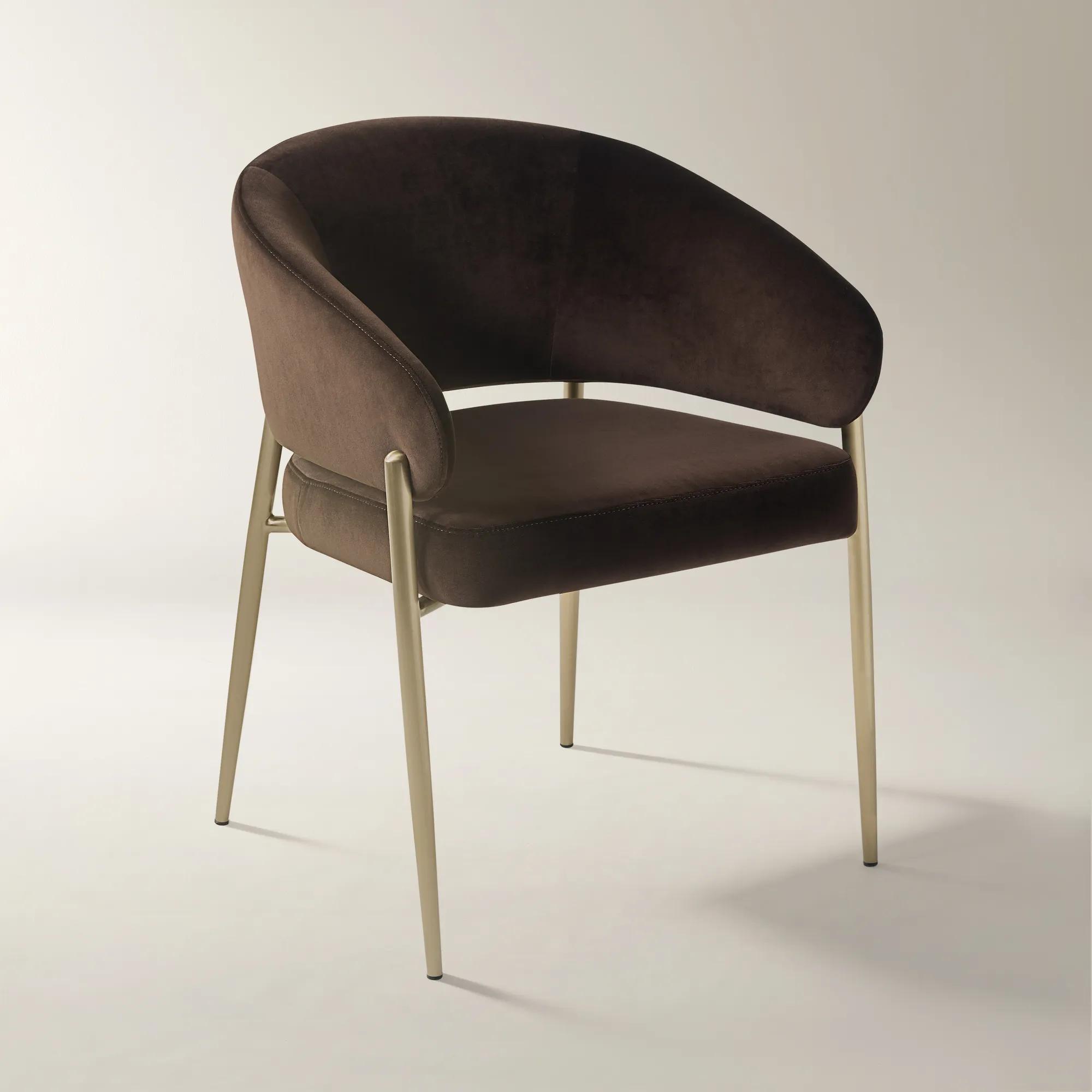 Nara Dark Chocolate Velvet Dining Chair Set Of 2$599
A pair of dark chocolate velvet chairs with curved backs and brushed brass stainless-steel legs for modern elegance.
Add To Cart -
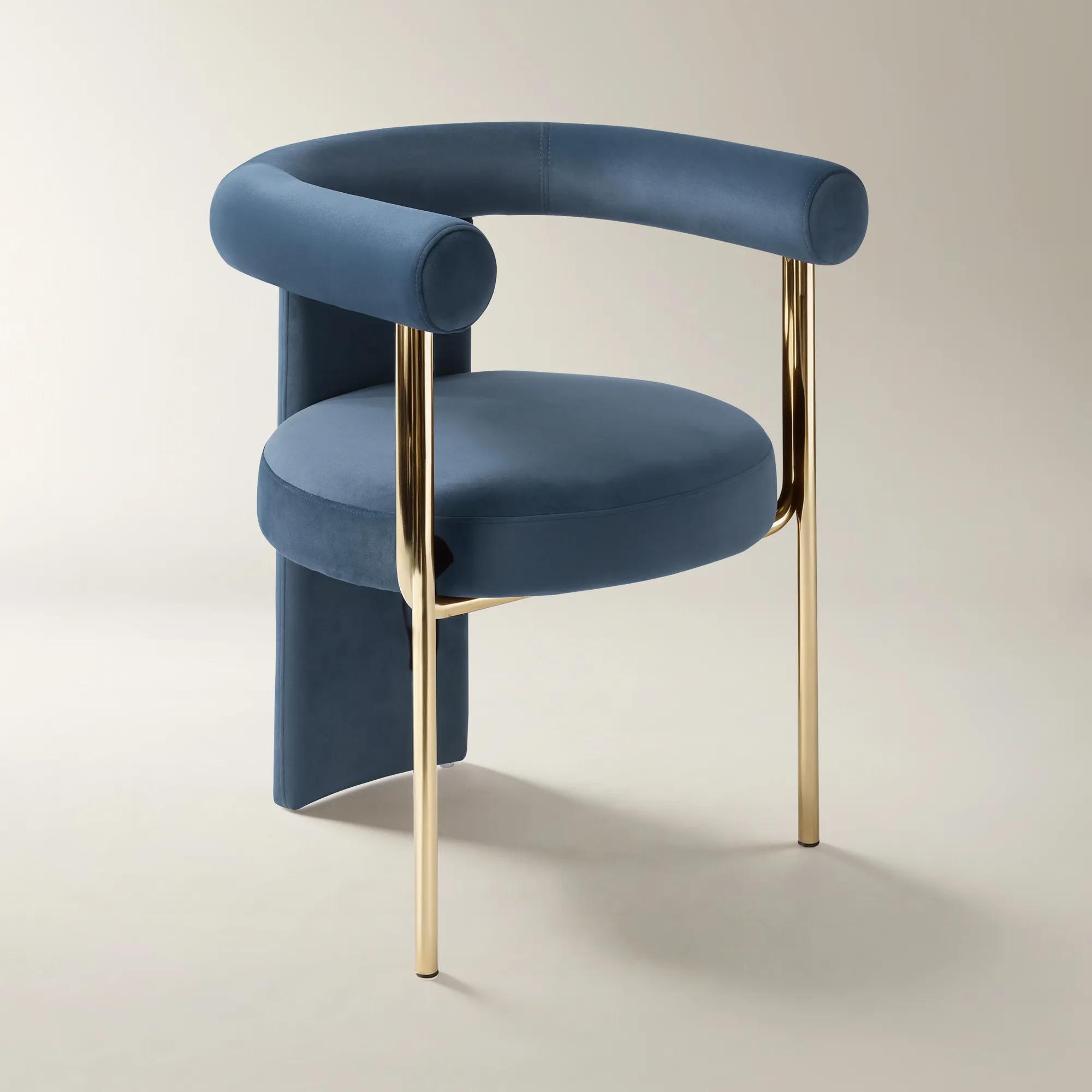 Davina Dusty Blue Velvet Dining Chair Set Of 2$799
A set of two dining chairs featuring dusty blue velvet upholstery and a polished gold metal frame.
Add To Cart -
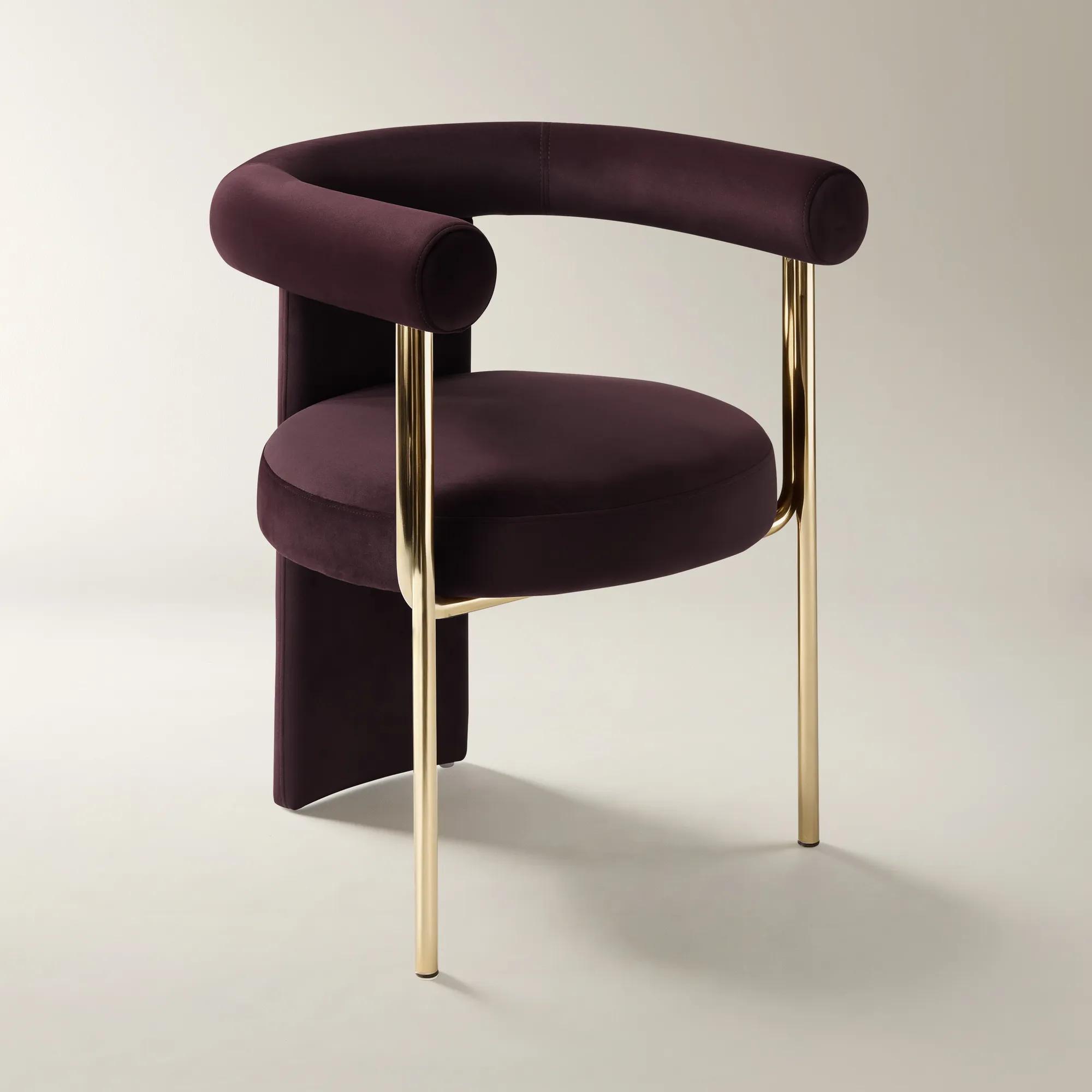 Davina Fig Velvet Dining Chair Set Of 2$799
A set of two dining chairs featuring plush fig velvet upholstery and a sleek gold-finished metal frame.
Add To Cart -
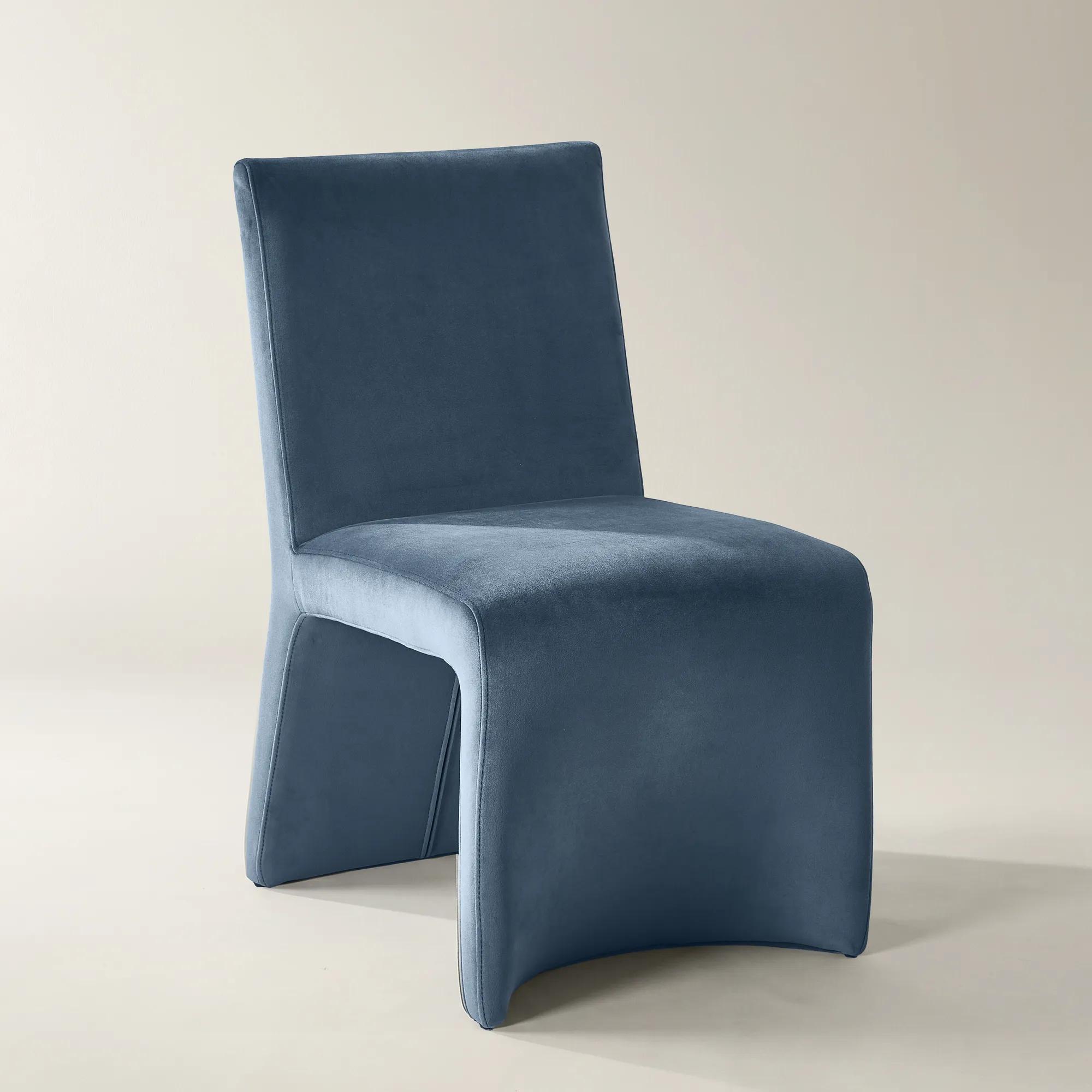 Elara Dusty Blue Velvet Dining Chair Set Of 2$649
A set of two dining chairs featuring plush dusty blue velvet upholstery and a seamless, artful silhouette.
Add To Cart -
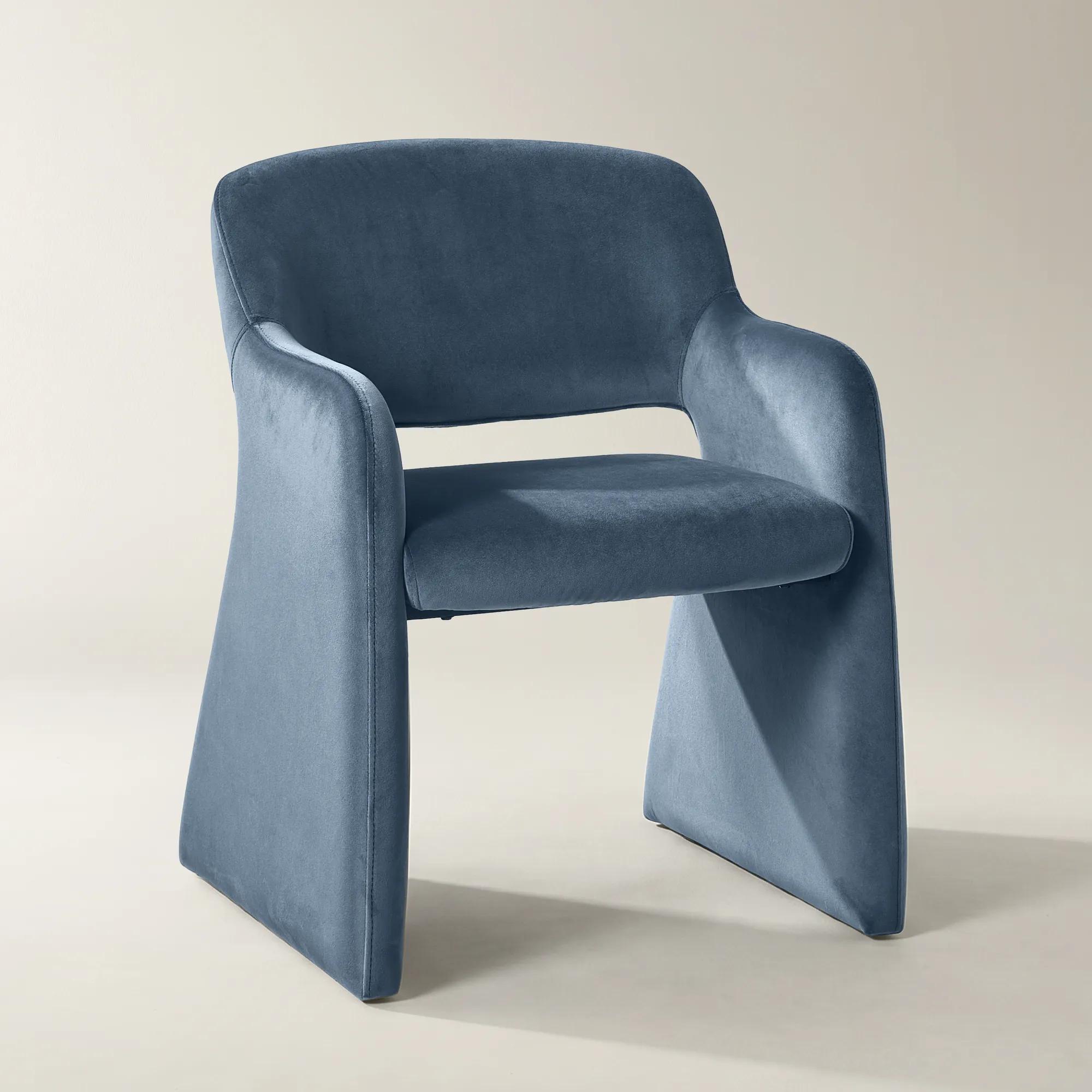 Elara Dusty Blue Velvet Dining Chair$399
A graceful dining chair featuring dusty blue velvet upholstery, integrated arms, and a seamless cantilevered silhouette.
Add To Cart -
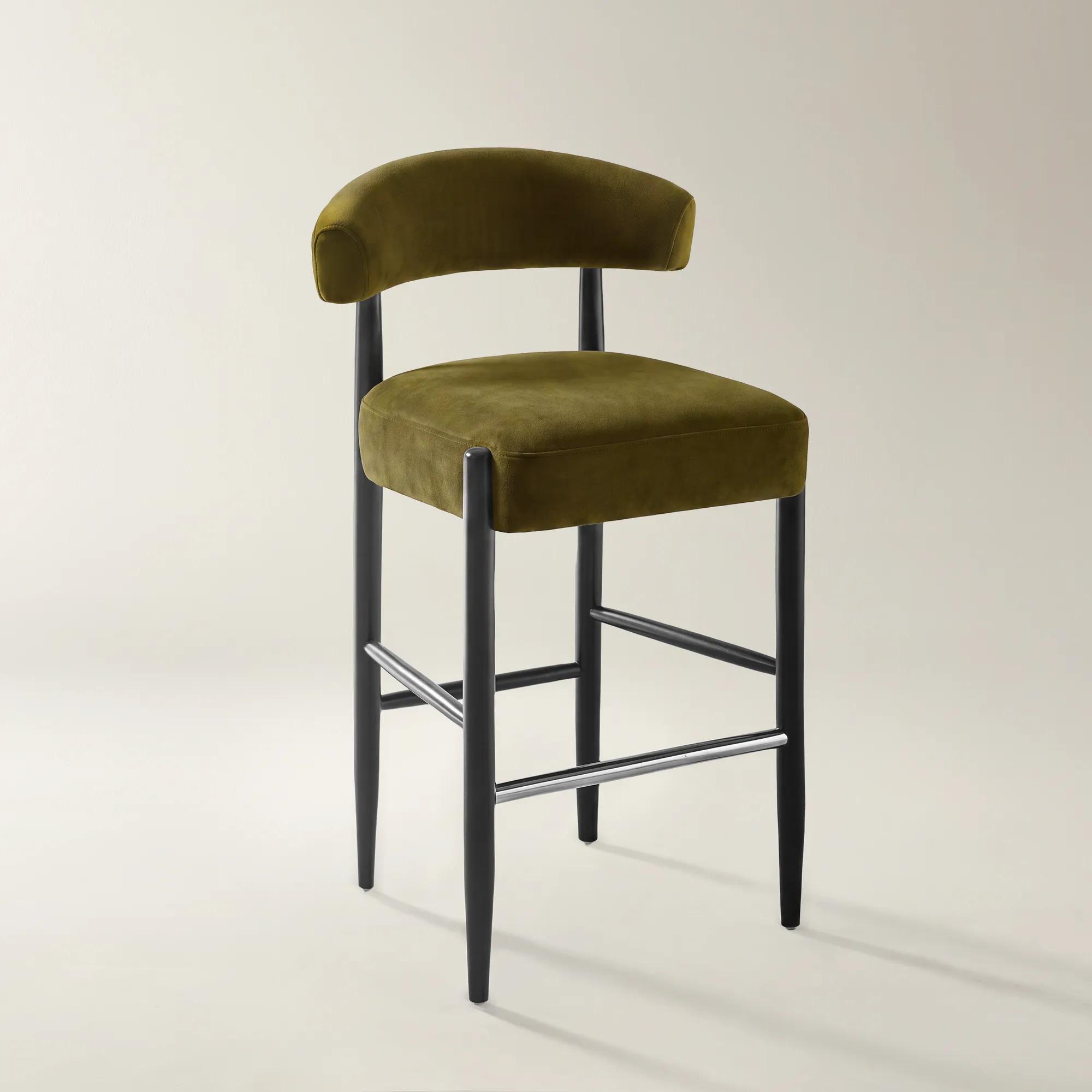
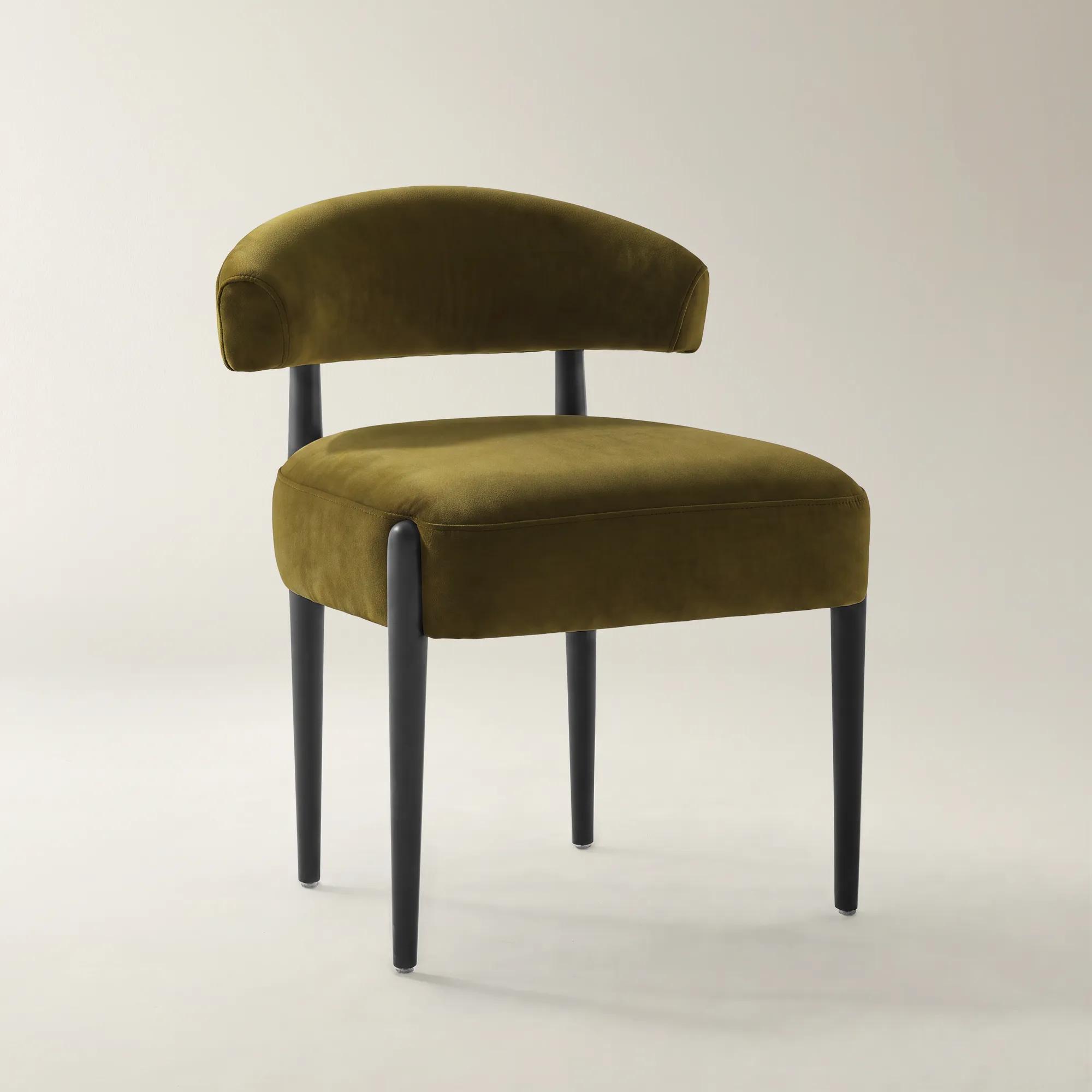 Anna Deep Olive Velvet Dining Chair Set of 2$599
A deep olive velvet dining chair with a tailored curved back, high-density cushioning, and solid rubberwood legs.
Add To Cart -
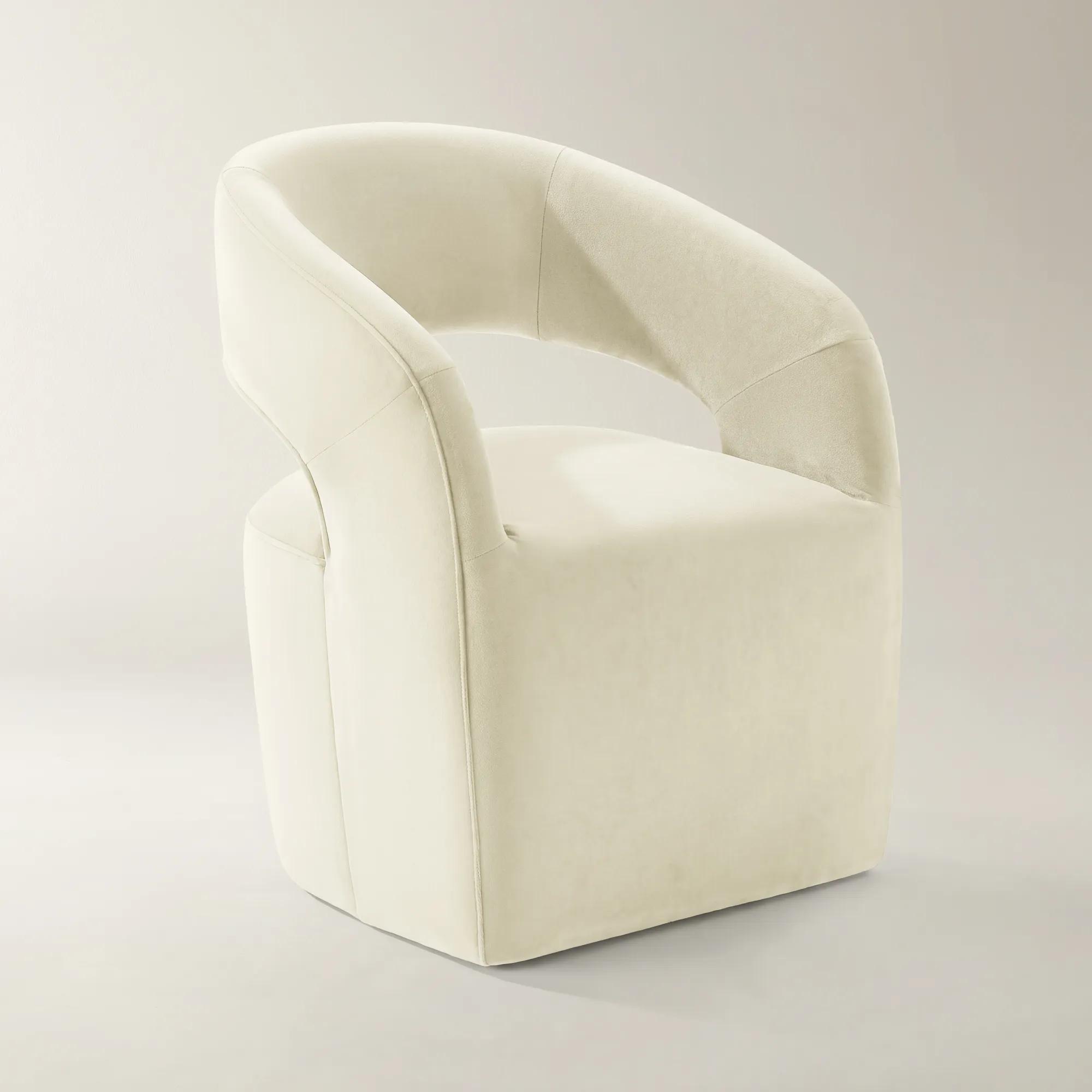 Harrison Cloud Velvet Dining Chair$449
A sculptural dining chair featuring cloud velvet upholstery, feather-blend cushioning, and a continuous curved back.
Add To Cart -
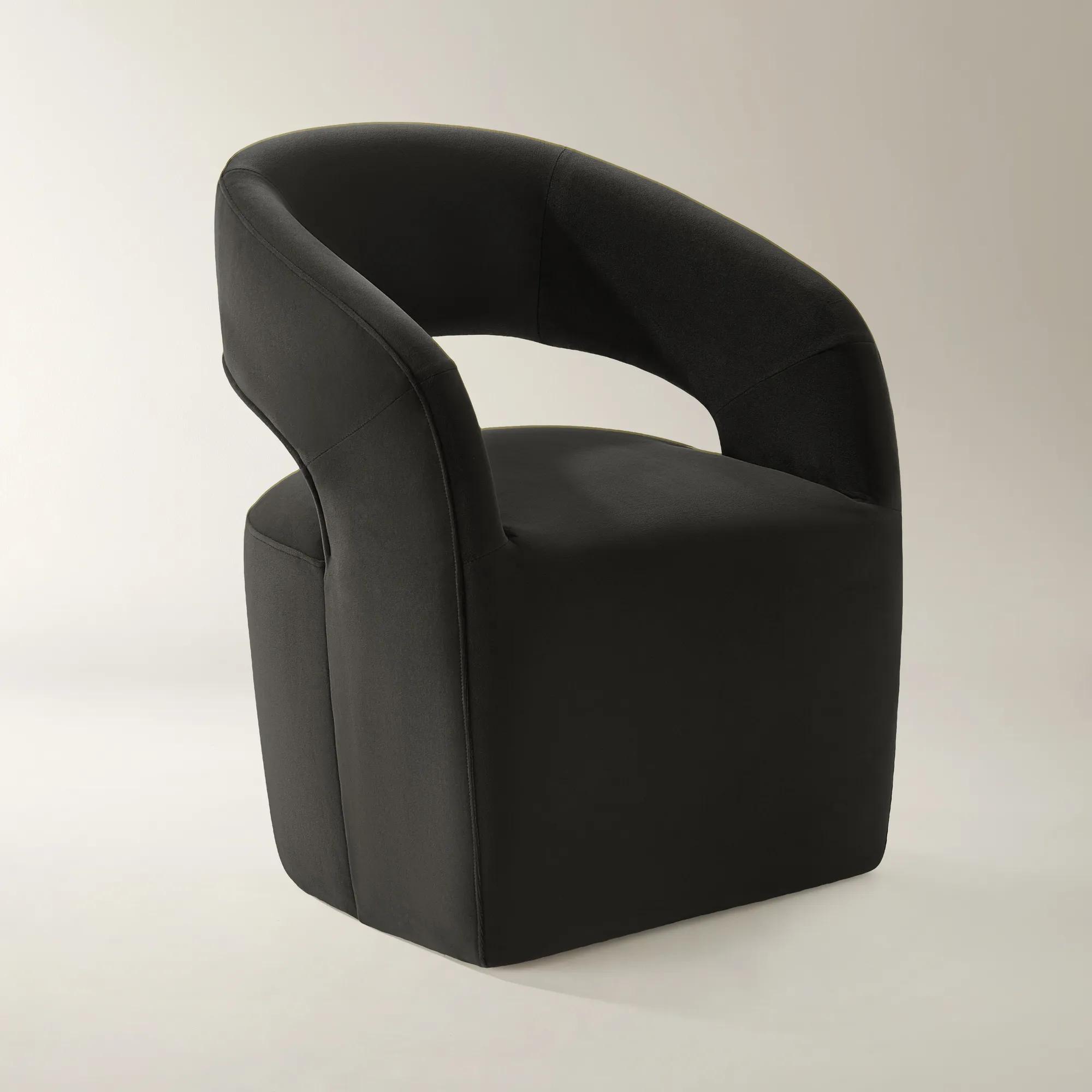 Harrison Charcoal Velvet Dining Chair$449
A sculptural dining chair upholstered in charcoal velvet with a continuous curved back and feather-blend comfort.
Add To Cart -
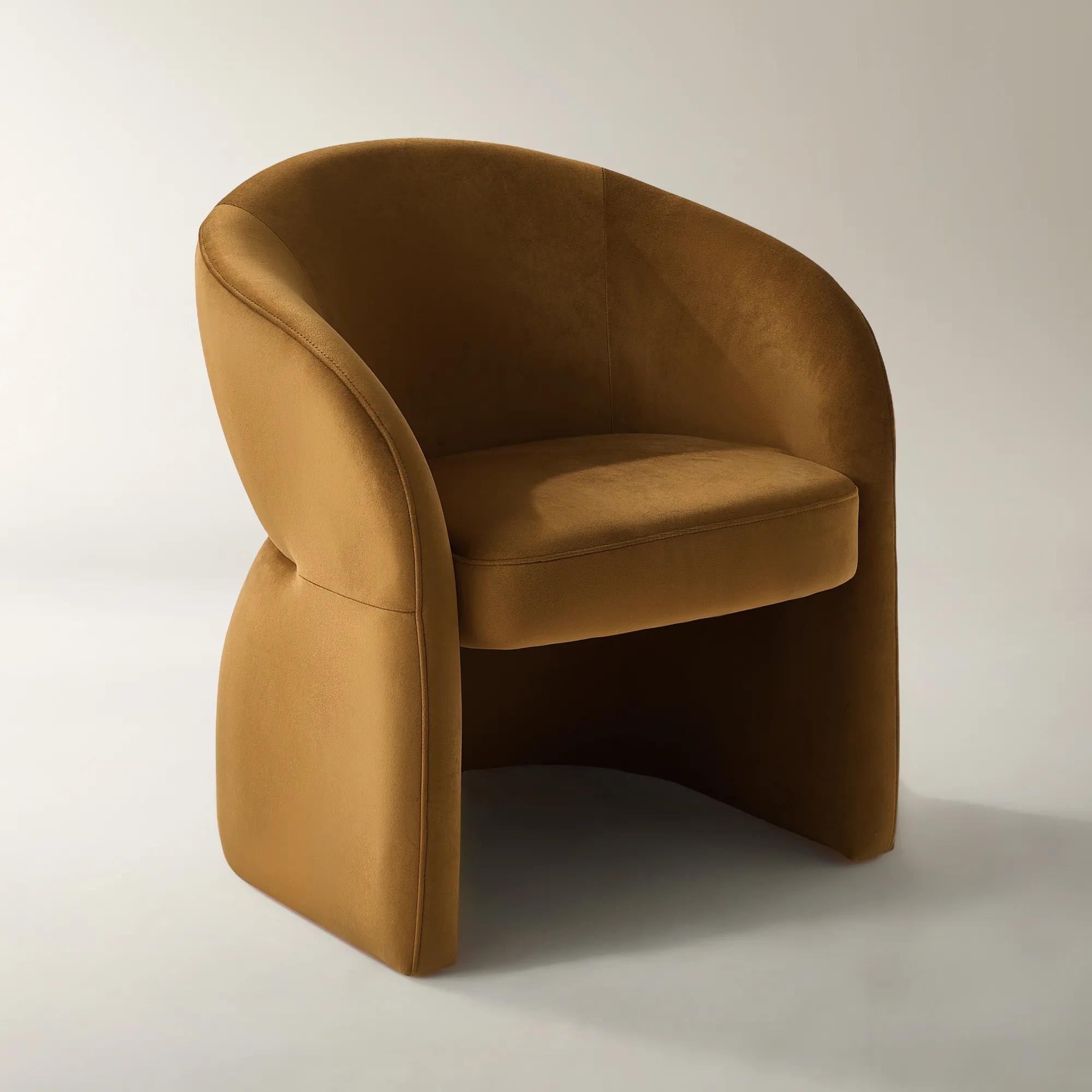
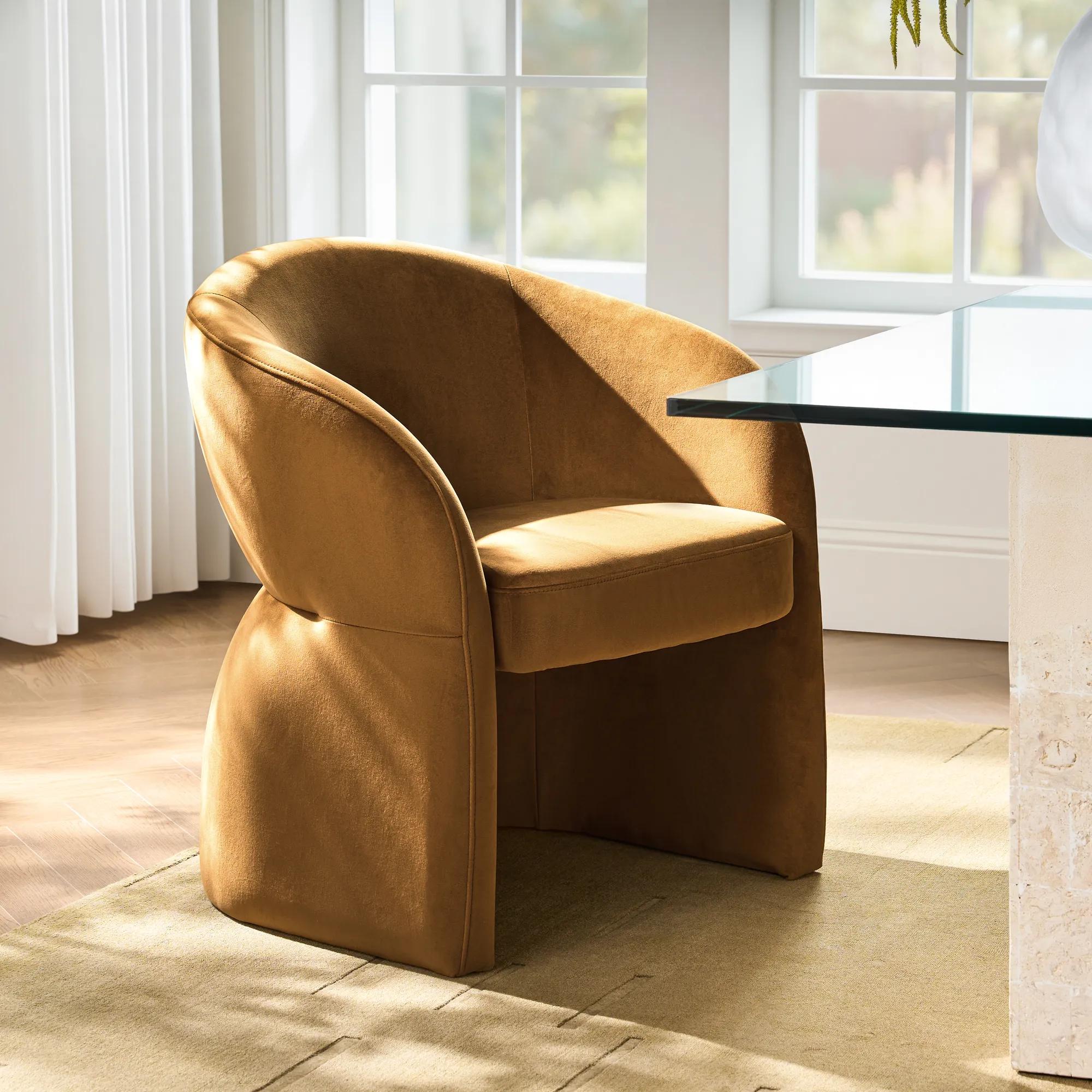 Sierra Roasted Pecan Velvet Dining Chair$499
A sculptural accent chair in roasted pecan velvet with arched arms, curved back, and plush cushioning.
Add To Cart -
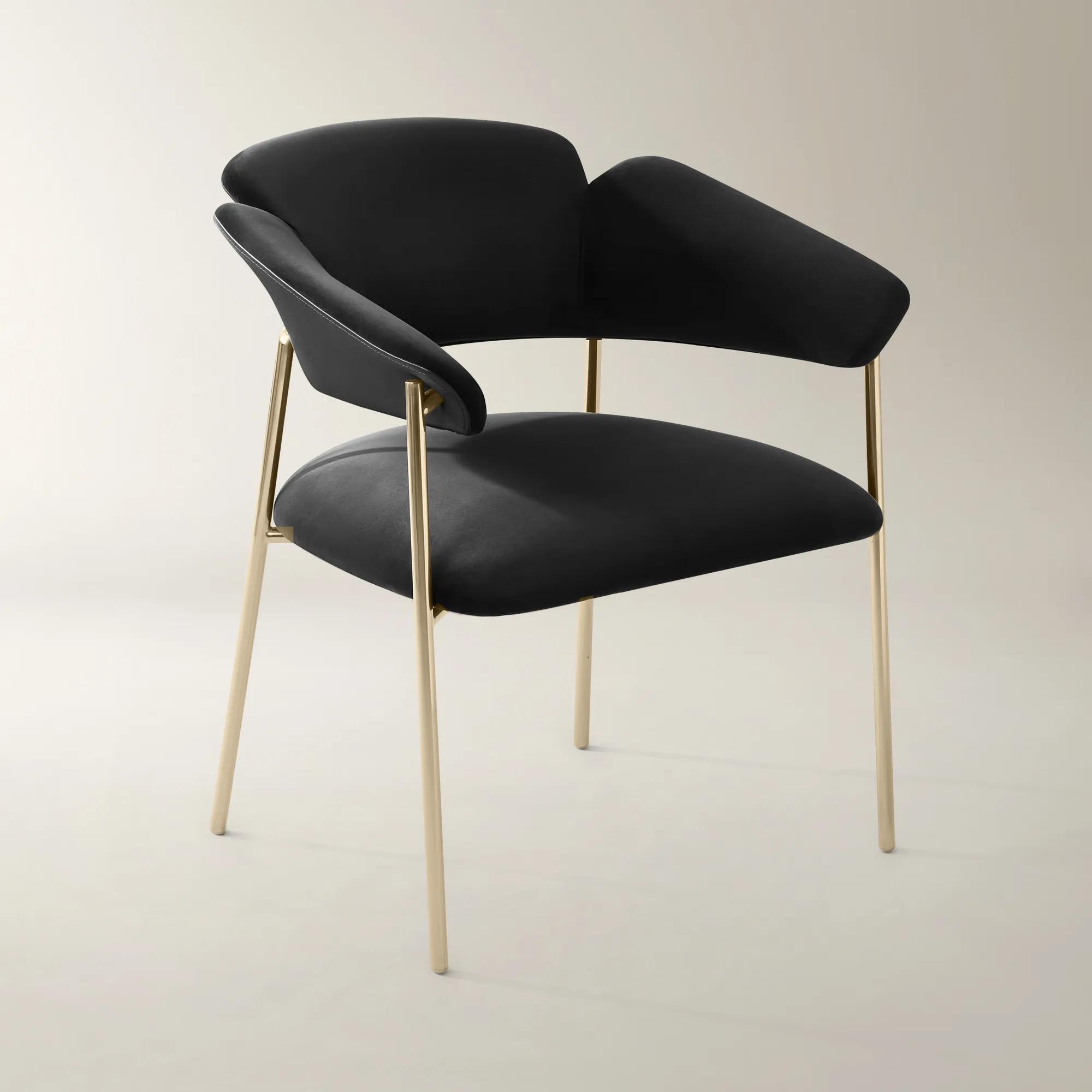 Odette Charcoal Velvet Dining Chair$499
A charcoal velvet chair featuring a wraparound open-back design, tonal faux leather accents, and gold metal legs.
Add To Cart -
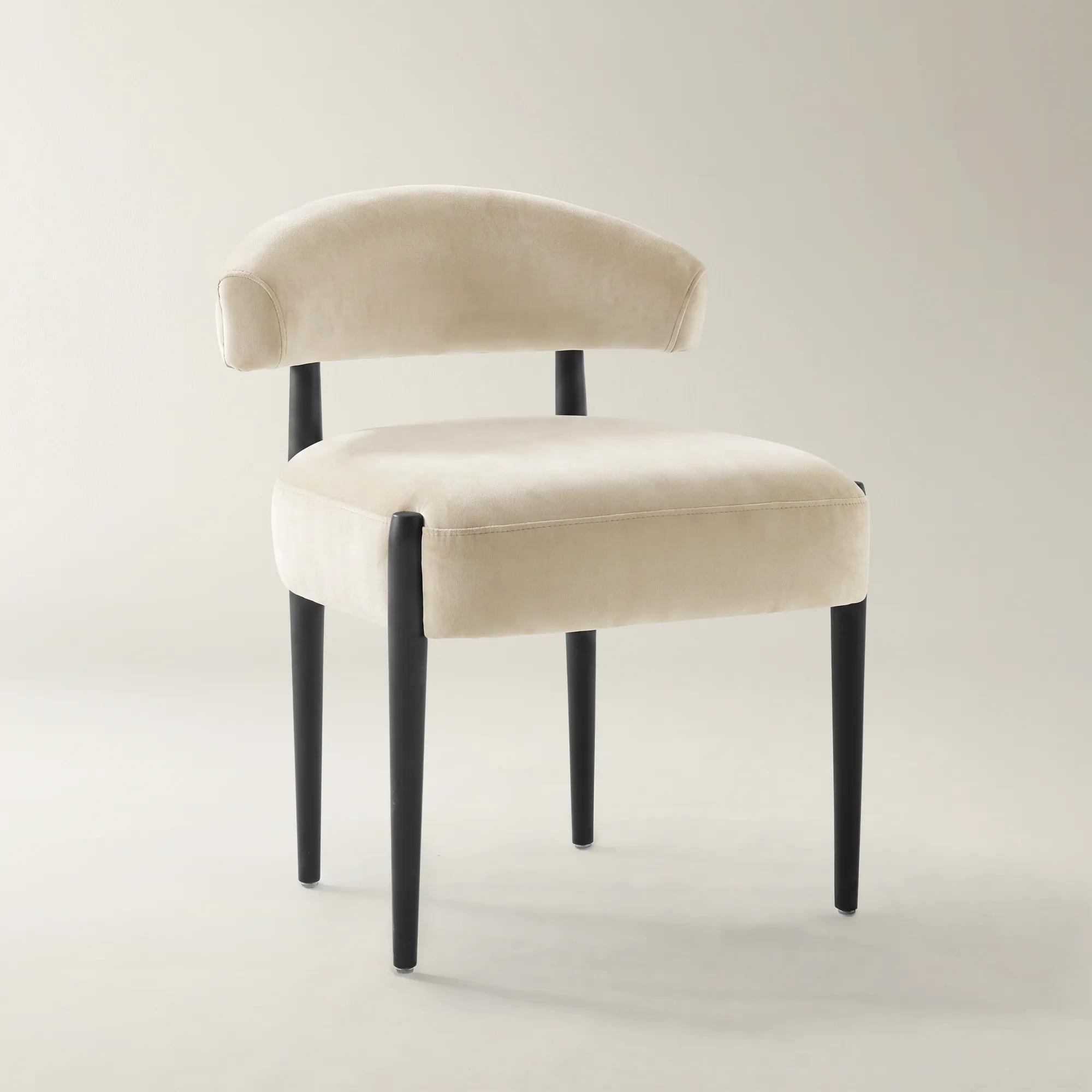 Anna Oatmeal Velvet Dining Chair Set of 2$599
A pair of oatmeal velvet dining chairs with arched backs, supportive foam cushioning, and rubberwood legs.
Add To Cart -
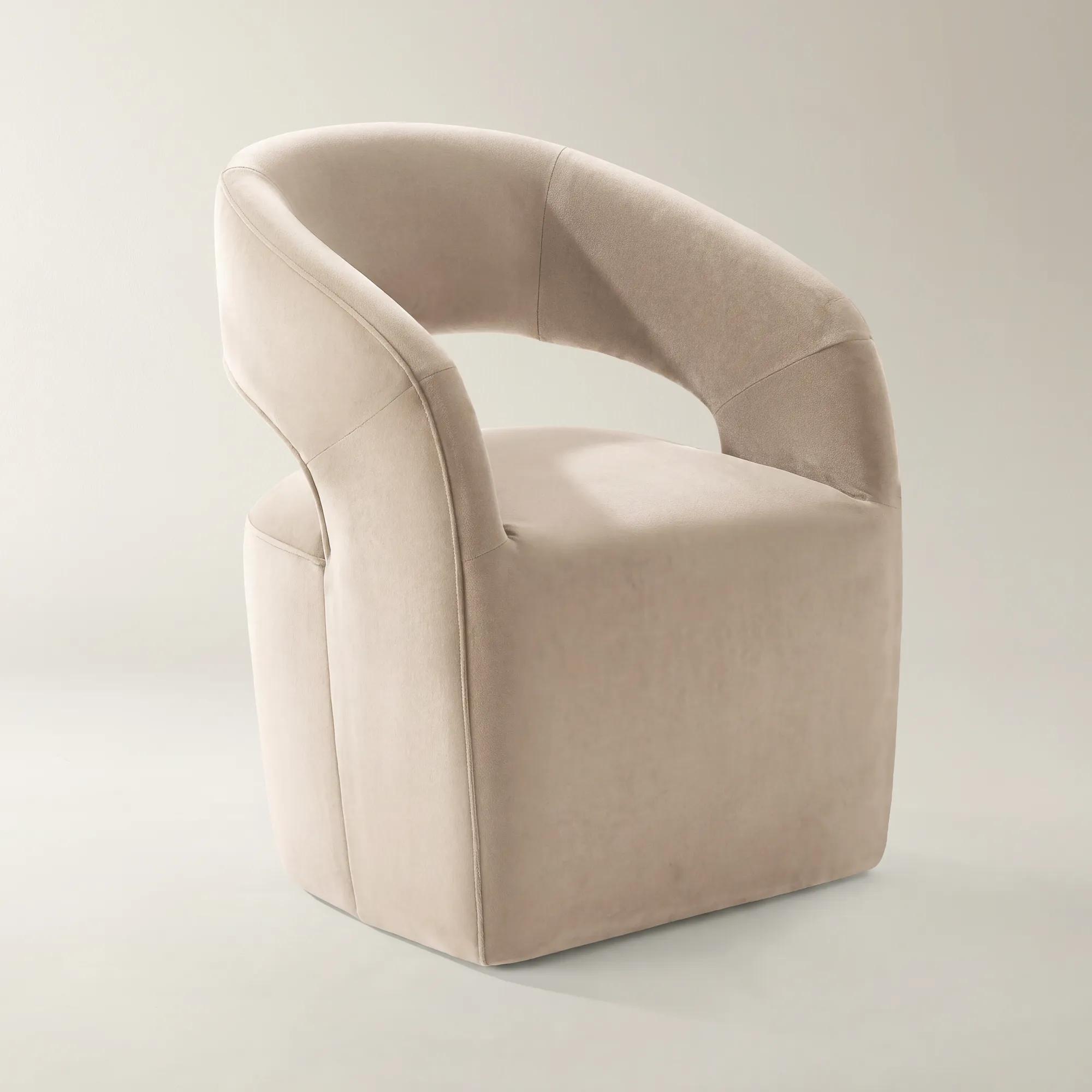
-2.jpg?w=1200&h=1200) Harrison Simply Taupe Velvet Dining Chair$449
Harrison Simply Taupe Velvet Dining Chair$449A sculptural dining chair in simply taupe velvet with a curved back, feather-blend seat, and modern elegance.
Add To Cart -
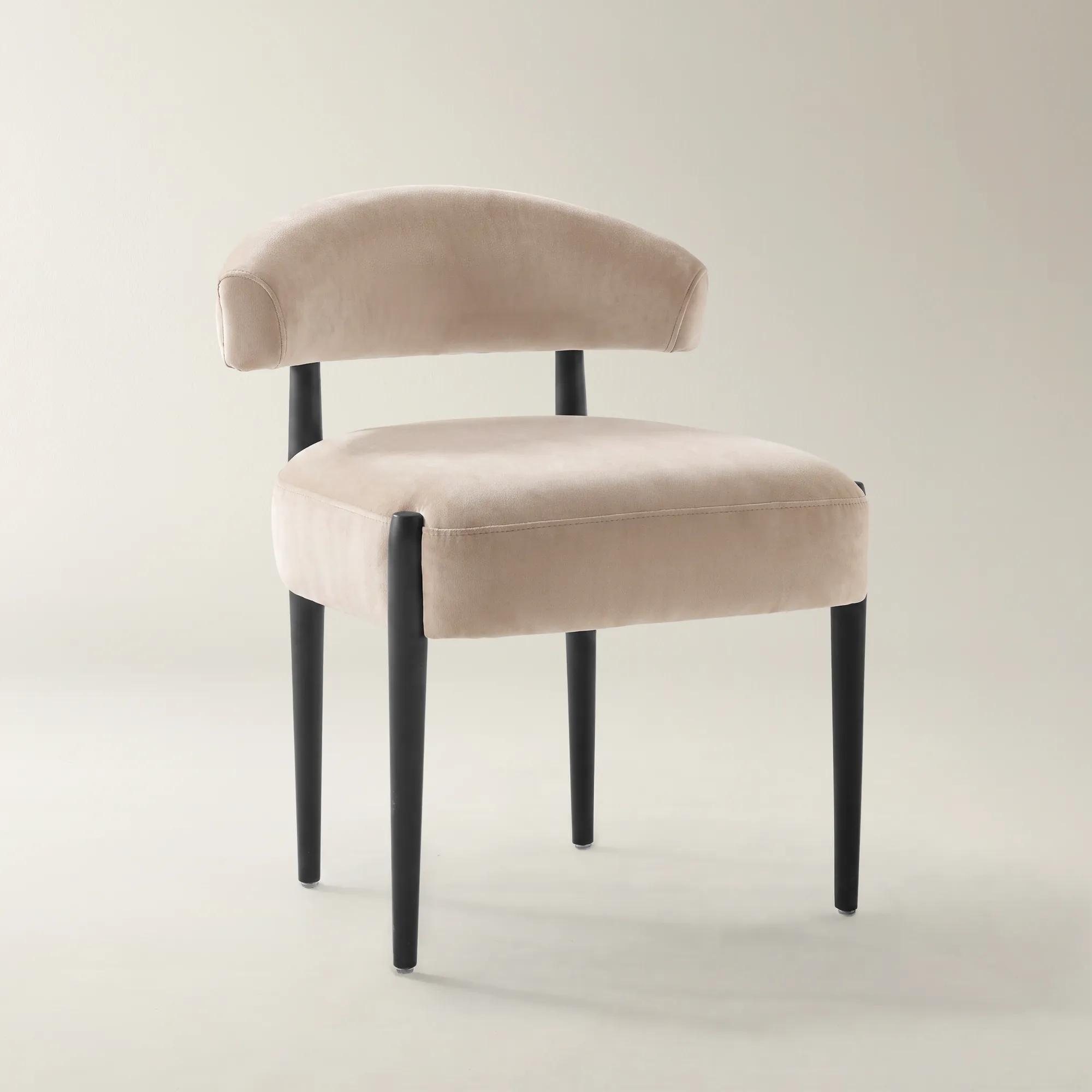 Anna Simply Taupe Velvet Dining Chair Set of 2$599
A taupe velvet dining chair featuring a tailored arched back, high-density foam cushioning, and rubberwood legs.
Add To Cart -
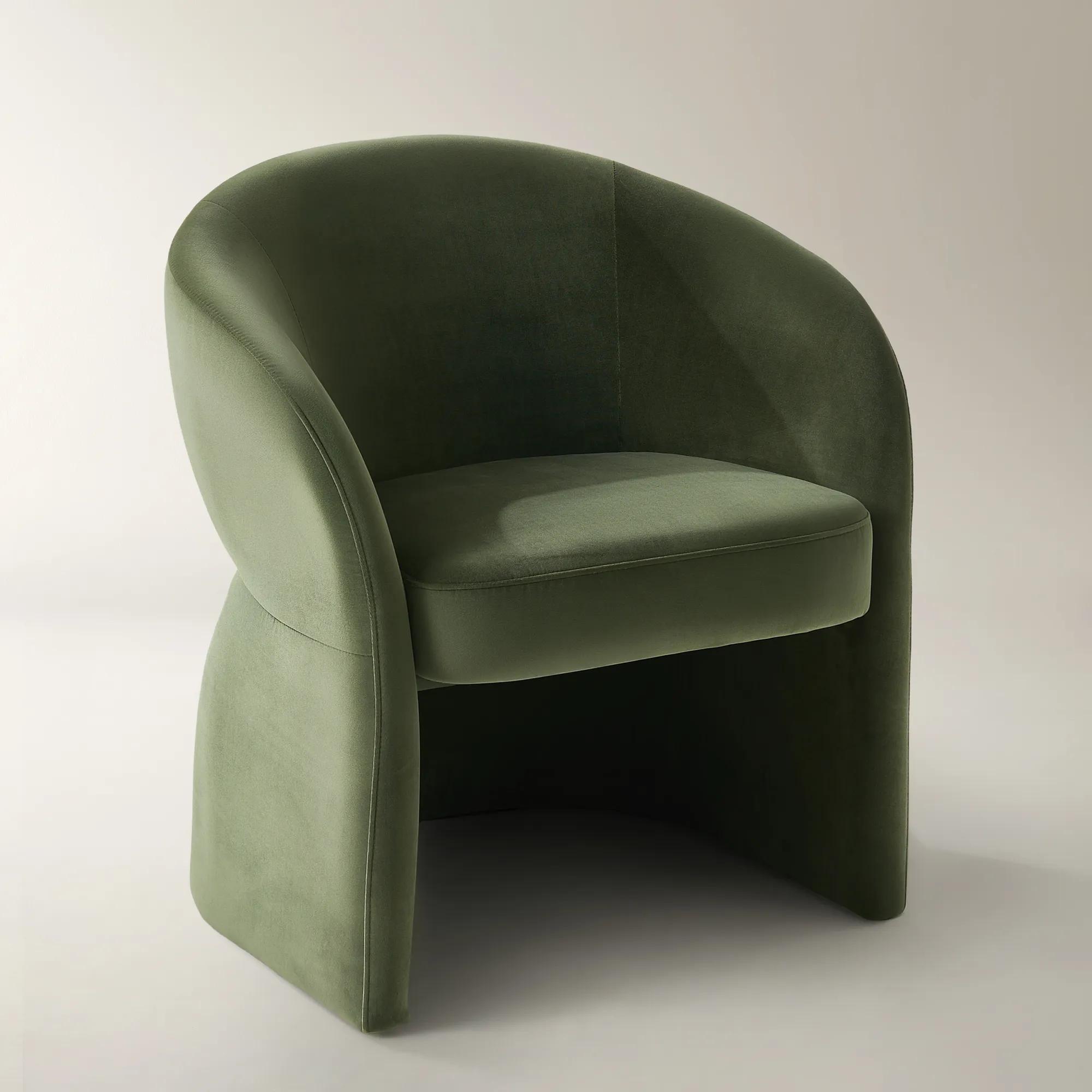
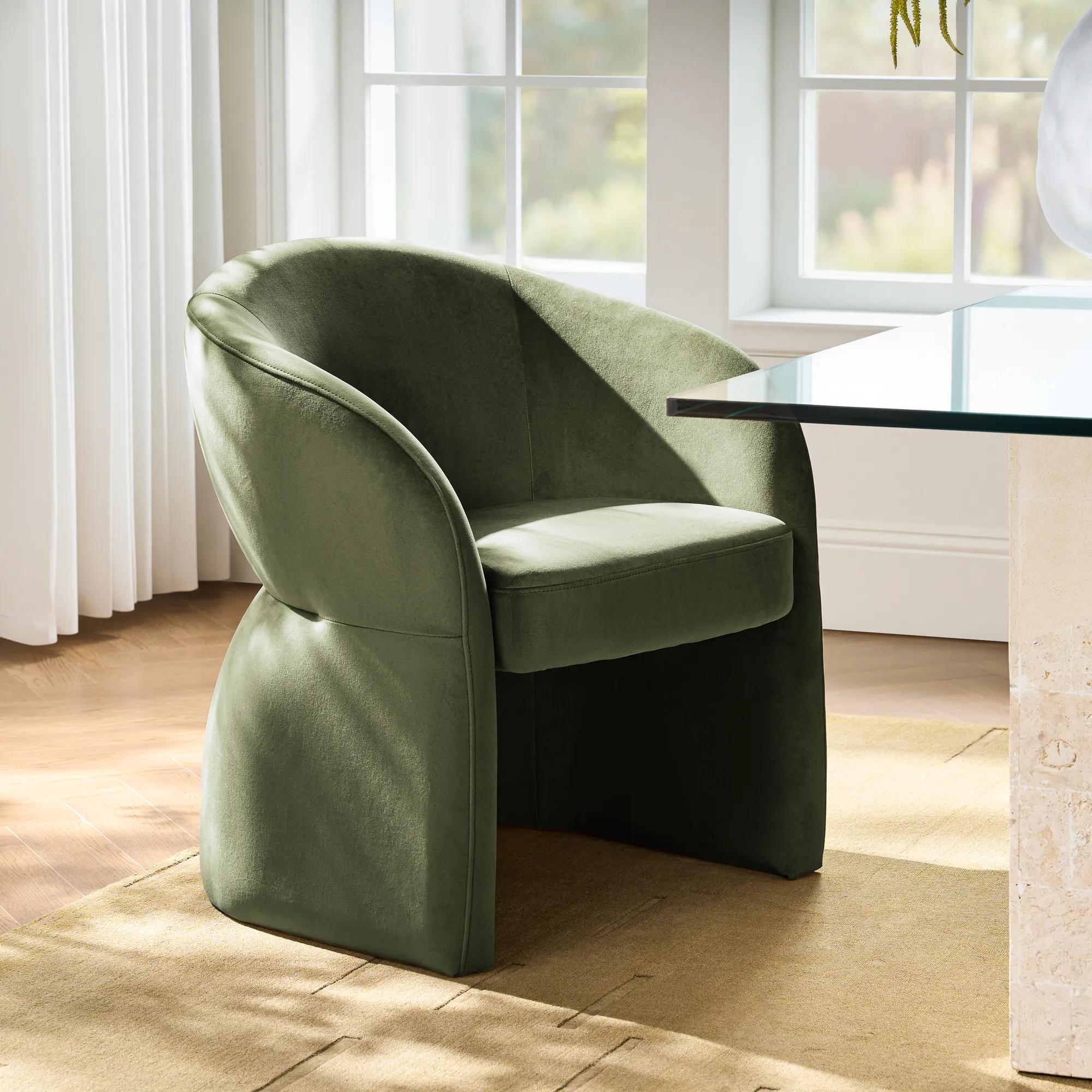 Sierra Jade Green Velvet Dining Chair$499
A sculptural accent chair in jade green velvet with gracefully arched arms and plush, supportive cushioning.
Add To Cart -
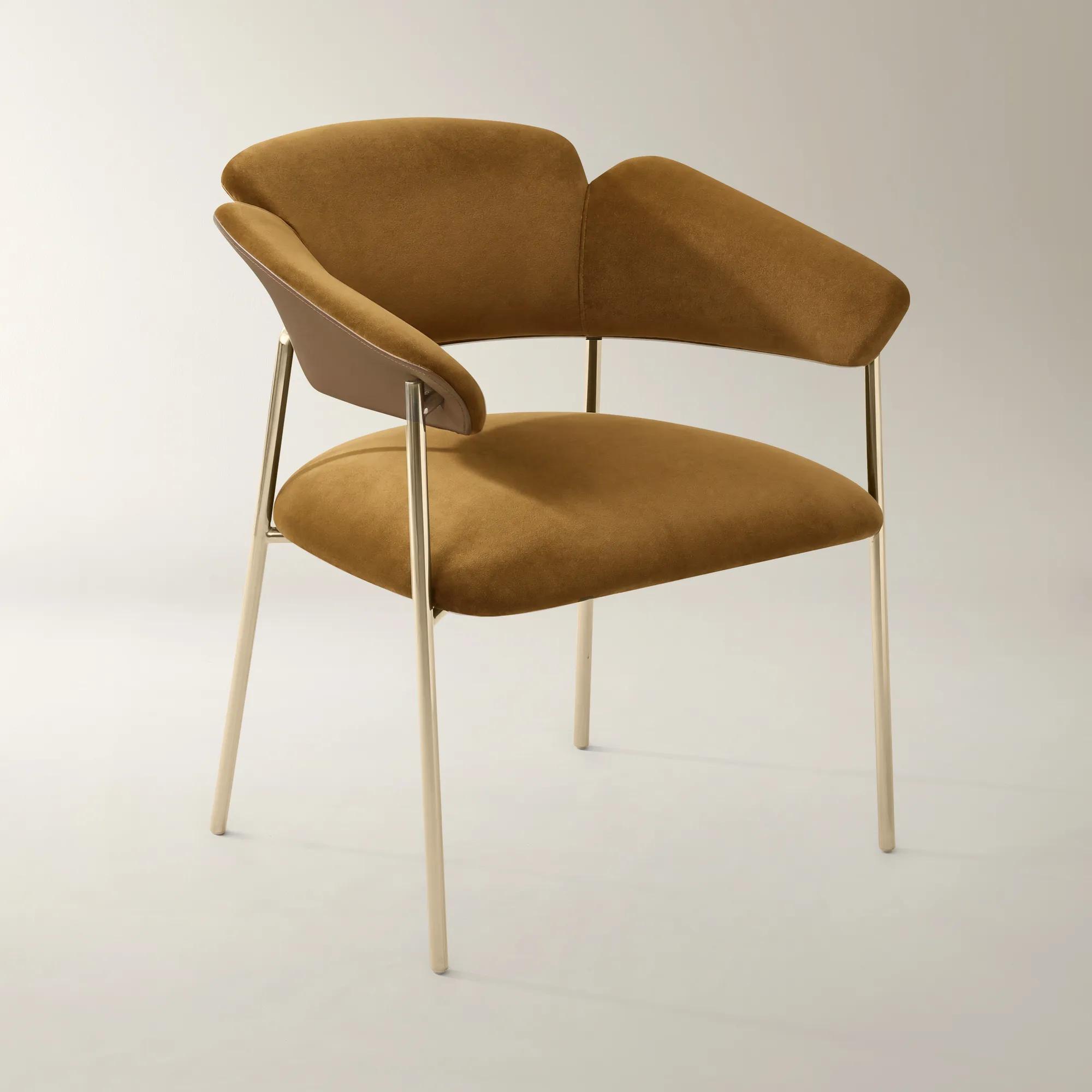 Odette Roasted Pecan Velvet Dining Chair$499
A sculptural dining chair featuring roasted pecan velvet, tonal faux leather accents, and gold stainless steel legs.
Add To Cart -
.jpg?w=1200&h=1200) Elara Burnt Umber Velvet Dining Chair Set Of 2$699
Elara Burnt Umber Velvet Dining Chair Set Of 2$699A pair of brown velvet chairs with sinuous curves, ergonomic support, and hand-crafted, sculptural design.
Add To Cart -
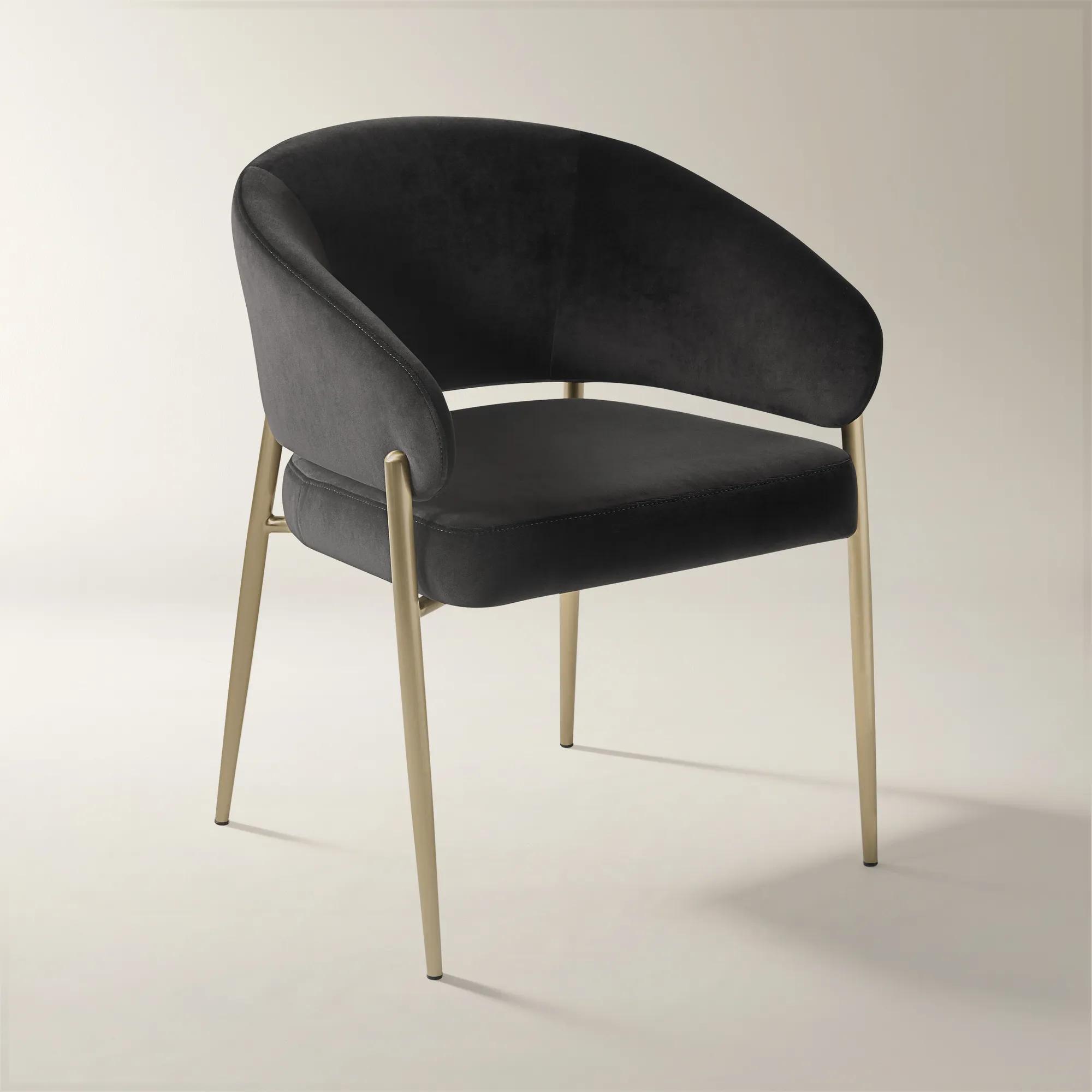 Nara Charcoal Velvet Dining Chair Set Of 2$599
A set of two charcoal velvet chairs featuring curved backs, plush upholstery, and brushed brass metal legs.
Add To Cart -
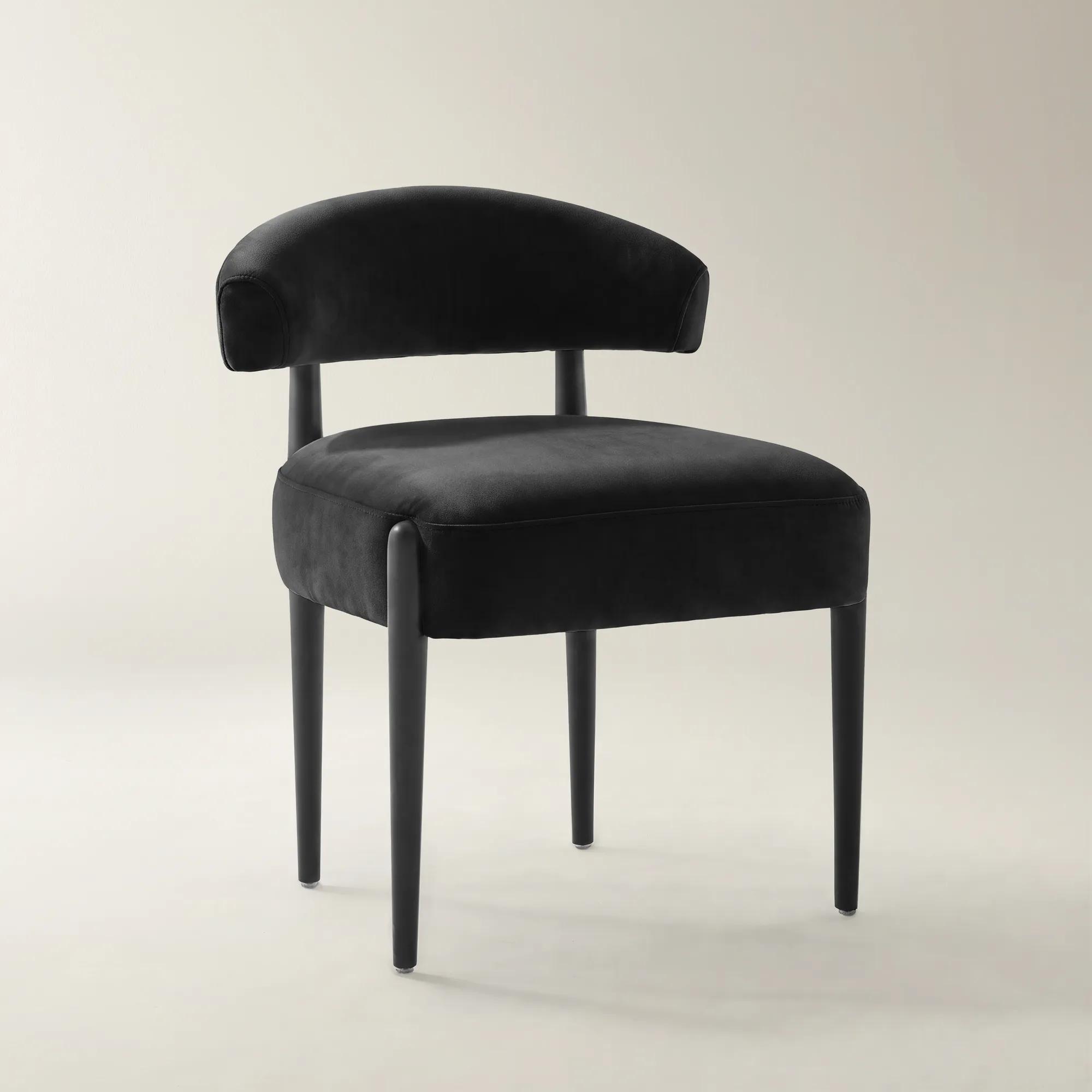 Anna Charcoal Velvet Dining Chair Set of 2$599
A charcoal velvet dining chair with an arched back, supportive foam cushioning, and solid rubberwood legs.
Add To Cart -
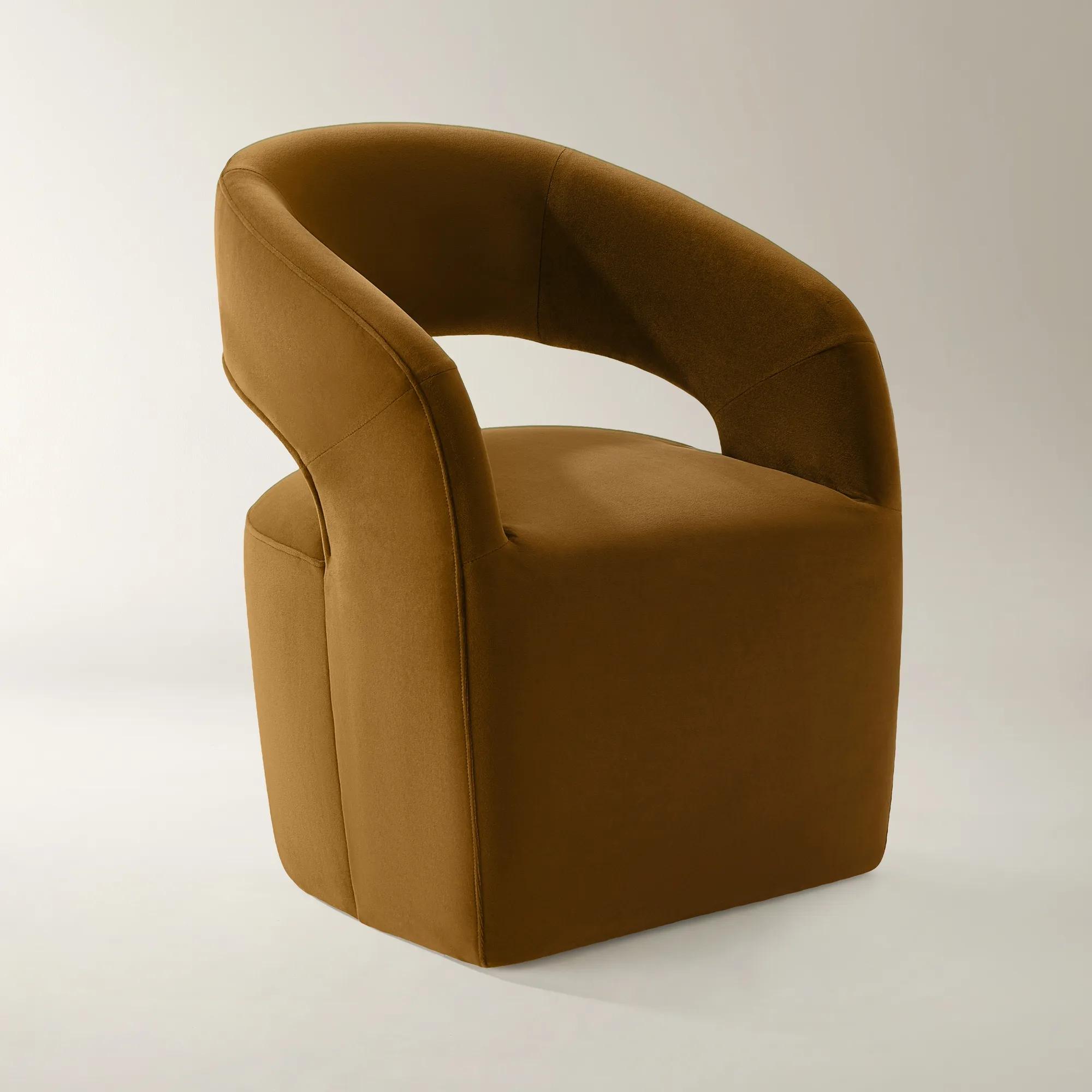 Harrison Roasted Pecan Velvet Dining Chair$449
A sculptural dining chair upholstered in roasted pecan velvet with feather-blend cushioning and integrated arms.
Add To Cart -
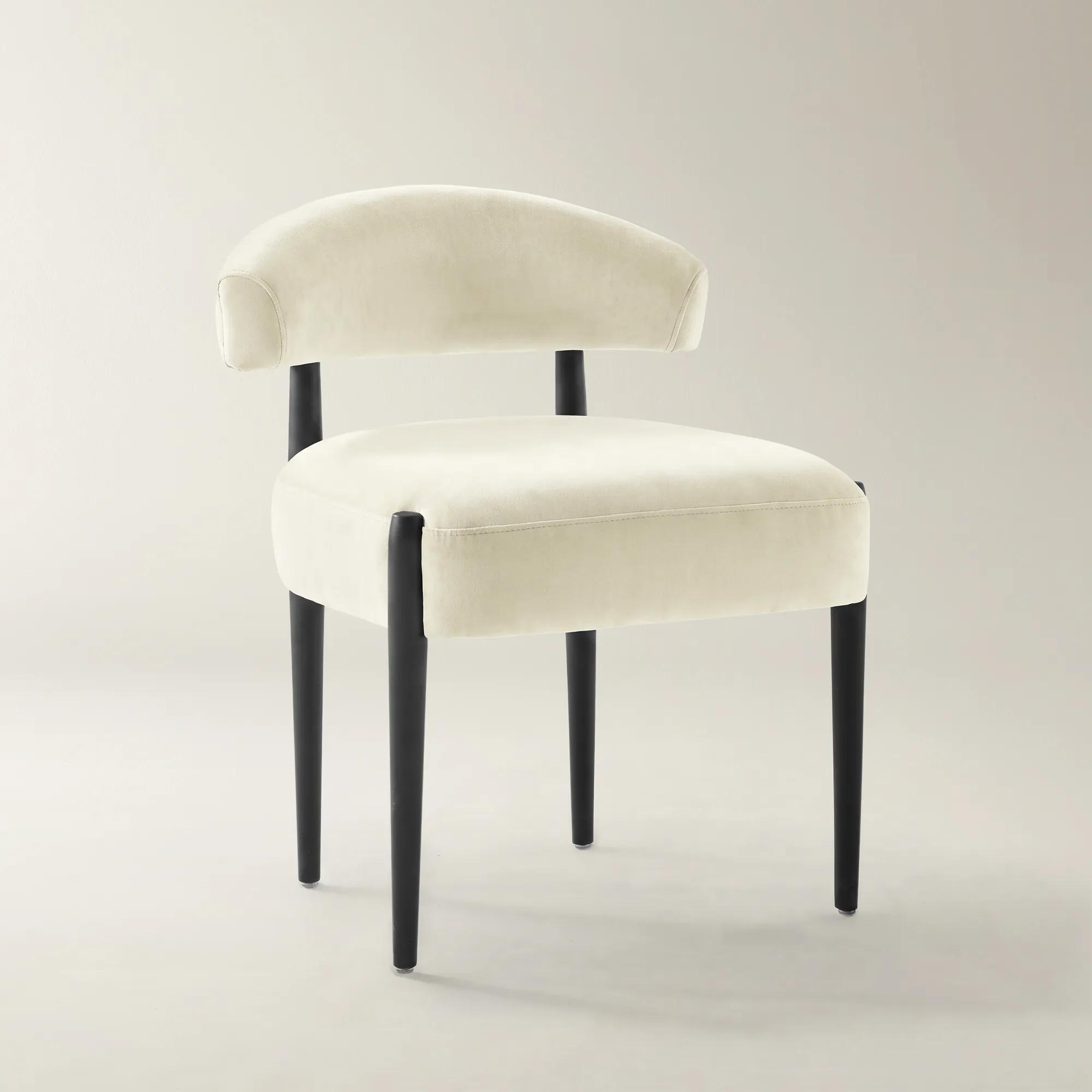 Anna Cloud Velvet Dining Chair Set of 2$599
A hand-upholstered Cloud velvet chair set featuring curved backs, high-density foam, and solid rubberwood legs.
Add To Cart -
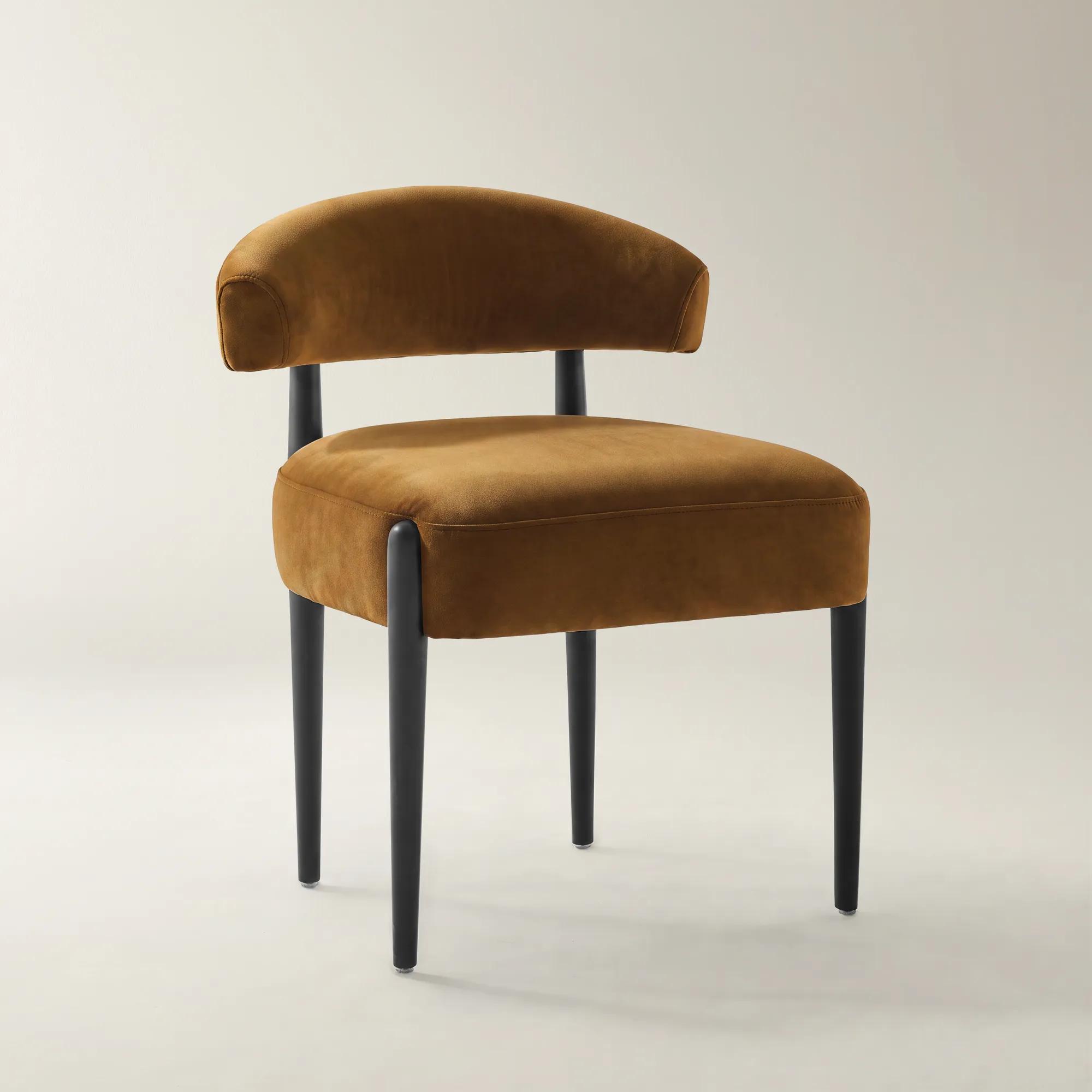 Anna Roasted Pecan Velvet Dining Chair Set of 2$599
A roasted pecan velvet dining chair set featuring a tailored curved back and high-density foam cushioning.
Add To Cart -
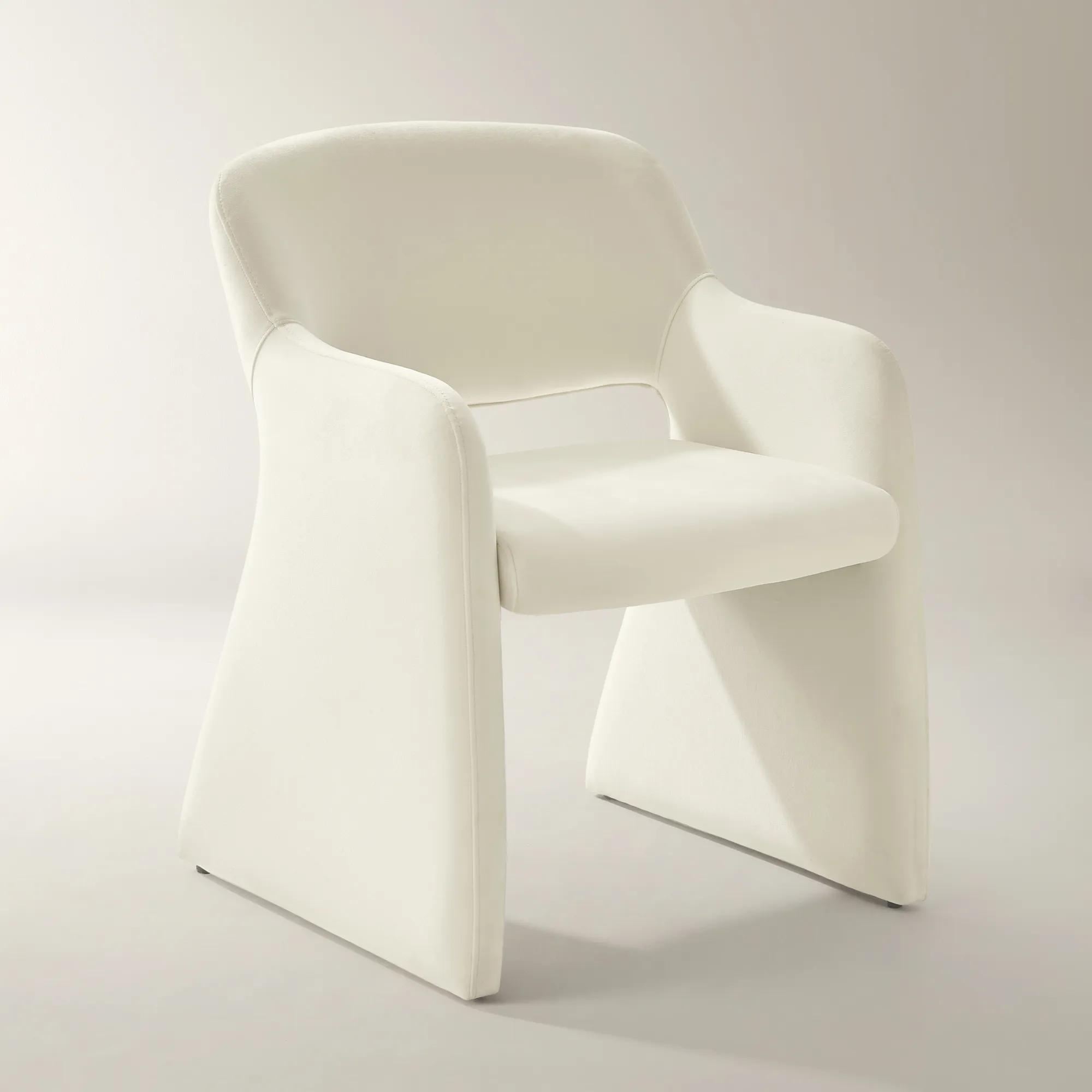 Elara Cloud Velvet Dining Chair$399
A plush velvet dining chair featuring a seamless wraparound silhouette and supportive carbon steel frame.
Add To Cart

Imported Velvet Dining Chairs
Imported velvet dining chairs invite you to indulge in a dining experience defined by elegance and allure. Each piece transforms the ordinary meal into an occasion, enveloping your space in sumptuous texture and rich color. With their sculptural silhouettes and tactile appeal, these chairs offer more than mere seating—they become the centerpiece of a room that celebrates artistry and self-expression. Discover how imported velvet dining chairs can elevate your table with a sense of drama, sophistication, and undeniable glamour.
Imported velvet dining chairs bring plush texture, expressive color, and a distinctly dressed-up presence to the dining room. Defined by their velvet upholstery and international origin, these chairs can span a broad range of silhouettes, from slender side chairs with gently curved backs to generous armchairs that give the head of the table a sculptural focal point. Velvet’s signature character comes from its closely cut pile, which catches light differently as the viewing angle changes. A charcoal seat may look almost silver along one edge, while deep blue upholstery can shift between inky shadow and luminous jewel tones. That movement gives even a restrained dining arrangement depth, particularly beside a glass tabletop, richly grained wood, or a polished metal base. Smooth upholstery emphasizes the outline of a chair; channeling, tufting, and tailored seams introduce another layer of dimension. Neither approach needs an elaborate room to feel intentional. A row of clean-lined velvet chairs can soften the geometry of a contemporary dining table, while curved backs and gleaming legs lend a more theatrical rhythm to a formal setting. Color shapes the mood just as decisively: ivory and warm neutrals create a luminous backdrop for patterned dinnerware, while emerald, burgundy, and midnight tones make the seating itself part of the composition. During the cooler months, velvet feels especially inviting against candlelight and layered table linens, yet its visual richness works throughout the year. These are chairs for people who see dining as more than a brief pause between activities: the host who lingers over dessert, the household that gathers for an unhurried evening meal, or the apartment dweller making a compact dining alcove feel beautifully considered. Imported describes where a chair comes from, rather than a particular construction method or quality level. The more meaningful distinctions lie in the upholstery composition, frame materials, joinery, cushioning, and finishing details that determine how the chair looks, feels, and performs in its intended setting.
The appeal of velvet dining room chairs begins with touch, but lasting satisfaction depends on what supports that sumptuous surface. Velvet is a fabric construction, not a single fiber; upholstery may contain polyester, cotton, viscose, or a blend, and each composition can respond differently to friction, moisture, and everyday use. Polyester velvet is often chosen for its resilience, although stain resistance and ease of cleaning depend on the particular fabric and any documented treatment. A performance designation deserves a closer look at the stated properties rather than an assumption that spills cannot leave a mark. Beneath the upholstery, frame construction, secure connections, and appropriate cushioning help establish a chair’s stability and comfort. Wood frames can lend warmth and substance, while metal frames may create a leaner profile with a crisp, architectural presence. Gold-toned, silver-toned, dark, and wood finishes each draw out a different aspect of velvet’s sheen; coordinating them with a table base or nearby lighting creates continuity without requiring every surface to match. Proportion matters equally. For many conventional dining arrangements, approximately 10 to 12 inches between the seat and the underside of the tabletop allows comfortable legroom, but a deep table apron can reduce that clearance. Seat height should therefore be considered alongside the actual table construction, not the tabletop height alone. Armchairs need enough clearance to slide beneath the table if a tucked-in arrangement is desired, and their overall width may limit how many places fit comfortably. Allowing roughly 24 inches of table edge per diner is a useful starting point, with more room for wider chairs or expansive place settings. About 36 inches behind a chair is another common planning reference; busy walkways often benefit from additional space. In a smaller room, armless profiles can preserve an open sight line and simplify movement around the table. In a larger setting, upholstered arms and taller backs introduce a more enveloping feel. Seat depth, back angle, cushioning firmness, and the manufacturer’s stated weight capacity remain important individual considerations, especially when meals tend to become long conversations.
Velvet rewards thoughtful care with a surface that continues to look inviting, but cleaning should always follow the upholstery label and the manufacturer’s directions. A damp sponge is not a universal solution: some velvet fabrics tolerate approved water-based spot cleaning, while others require solvent-based treatment or professional attention. Routine maintenance may include gentle vacuuming with an upholstery attachment, when permitted, to lift crumbs and dust before they settle into seams or tufted details. Spills call for prompt blotting with a clean, absorbent cloth rather than vigorous rubbing, which can spread moisture and disturb the pile. Any approved cleaner should first be tested in an inconspicuous area. Velvet can also develop shading or pressure marks where the pile changes direction; these are not necessarily stains, and brushing or other restorative treatment should be used only if the care instructions allow it. Positioning upholstered seating away from prolonged direct sunlight helps limit uneven fading, while suitable floor protectors can reduce scratches beneath chair legs. For dining rooms that welcome children, pets, or frequent guests, documented fabric durability and realistic maintenance requirements deserve as much attention as color. Reinforced construction, securely attached legs, and an upholstery specification suited to regular residential use are more useful signals than decorative detail alone. Commercial dining environments require seating explicitly rated for that purpose; a glamorous residential chair should not be assumed to meet hospitality demands. Within the home, a coordinated set creates a composed, gallery-like arrangement, while a pair of velvet host chairs can add depth to an existing group of wood or upholstered side chairs. Those drawn to construction techniques and hand-finished details can also explore Handmade Velvet Dining Chairs, keeping in mind that imported origin and handmade production describe different attributes and may overlap. Whether surrounding a generous entertaining table or defining a breakfast space, velvet seating brings softness to the surfaces that frame it. The strongest choice balances that visual drama with dimensions, materials, and care requirements that suit the way the room is actually lived in—creating a dining setting as comfortable in conversation as it is striking from across the room.
FAQs
Imported velvet dining chairs elevate a dining area with their sumptuous texture, rich color saturation, and refined craftsmanship. The interplay of plush velvet and sophisticated design details—such as hand-applied nailhead trim, sculptural metal legs, or dramatic tufting—creates an atmosphere of opulence and artistry, making every meal feel like a special occasion.
To preserve the elegance of velvet dining chairs, gently vacuum the fabric with a soft brush attachment to remove dust and debris. Address spills promptly by blotting with a clean, dry cloth—avoid rubbing, which can damage the pile. For deeper cleaning, consult a professional upholstery service experienced with velvet. Regularly rotate chairs to ensure even wear and maintain their plush, inviting appearance.
Absolutely. The versatile nature of velvet allows these chairs to seamlessly transition from lavish dinner parties to relaxed family gatherings. Pairing them with a sleek modern table creates a contemporary vibe, while mixing in metallic accents or dramatic lighting enhances their glamor for formal occasions. Their tactile appeal and rich colors make them equally at home in everyday dining spaces or curated, gallery-inspired rooms.
Consider features that reflect your personal style and the mood you wish to create—look for elegant tufting, distinctive leg finishes, or sculptural silhouettes. Details like curved backs, armrests, or decorative trims can add comfort and visual intrigue. The color of the velvet, from deep jewel tones to luminous neutrals, will set the tone for your space and can be coordinated with other décor elements for a cohesive, expressive look.
Yes, luxury velvet dining chairs are as versatile as they are striking. Use one as a statement piece in a bedroom reading nook, as a glamorous desk chair in a home office, or to add a splash of color to a living room vignette. Their dramatic presence and tactile comfort make them ideal for creating focal points in any room where artistry and comfort are desired.