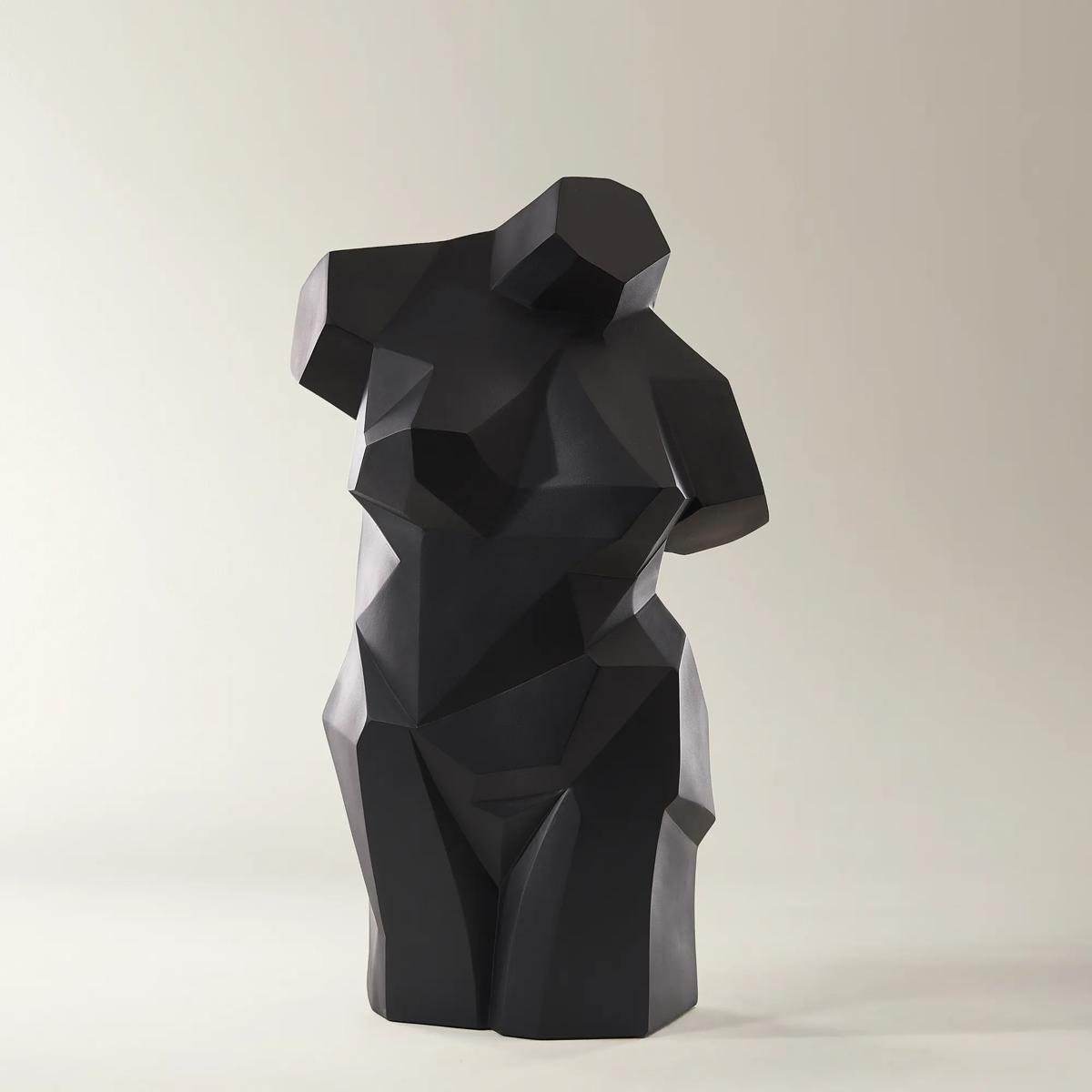
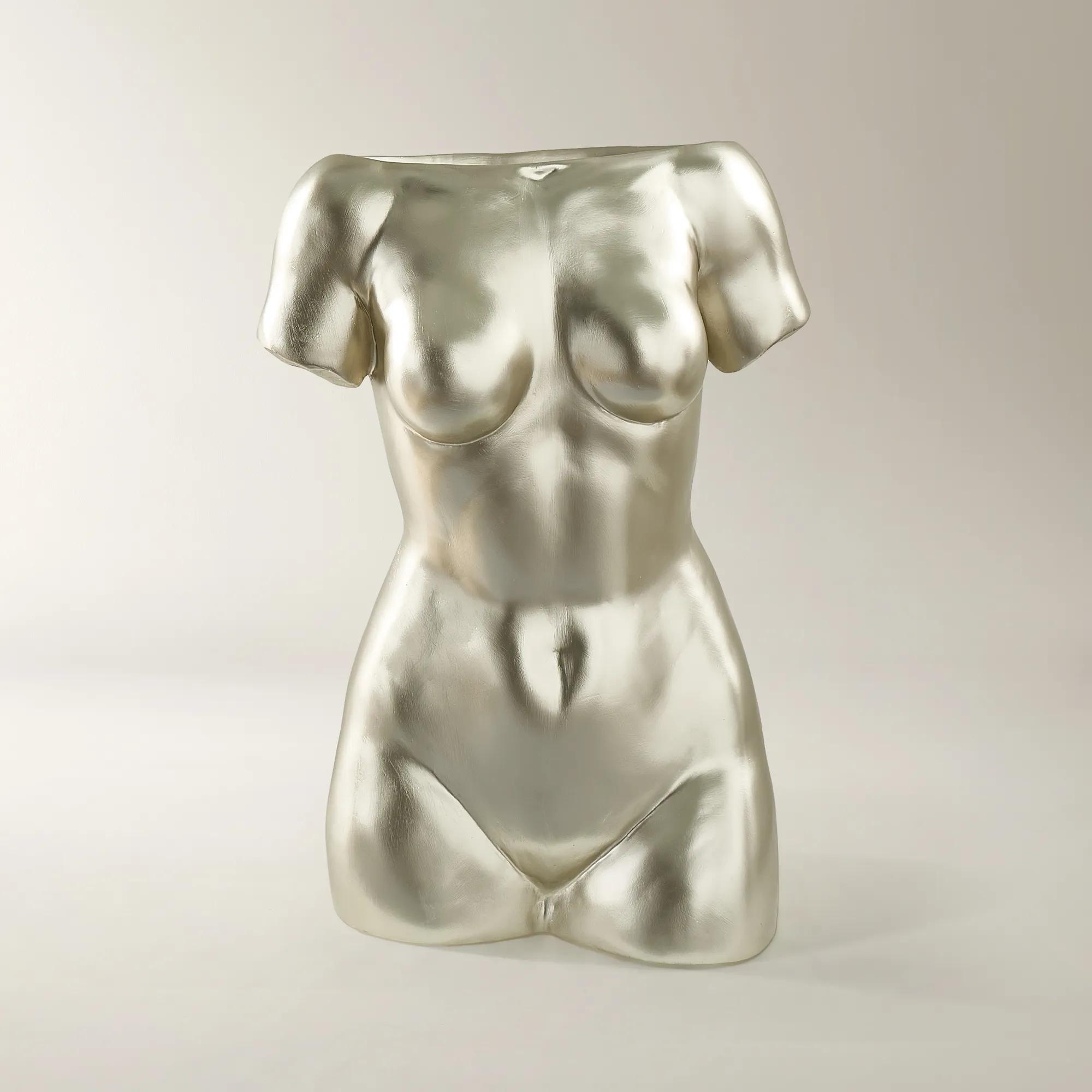
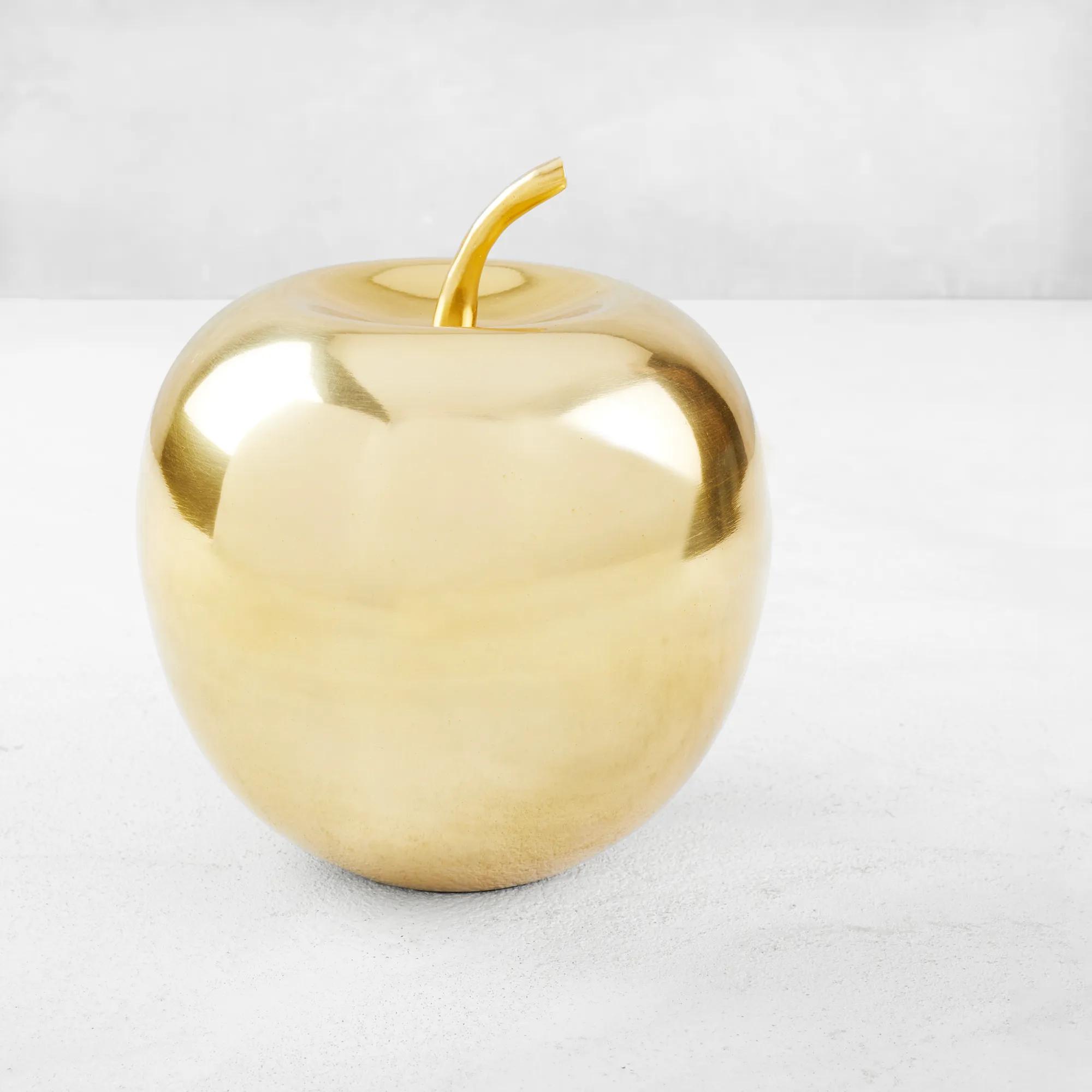
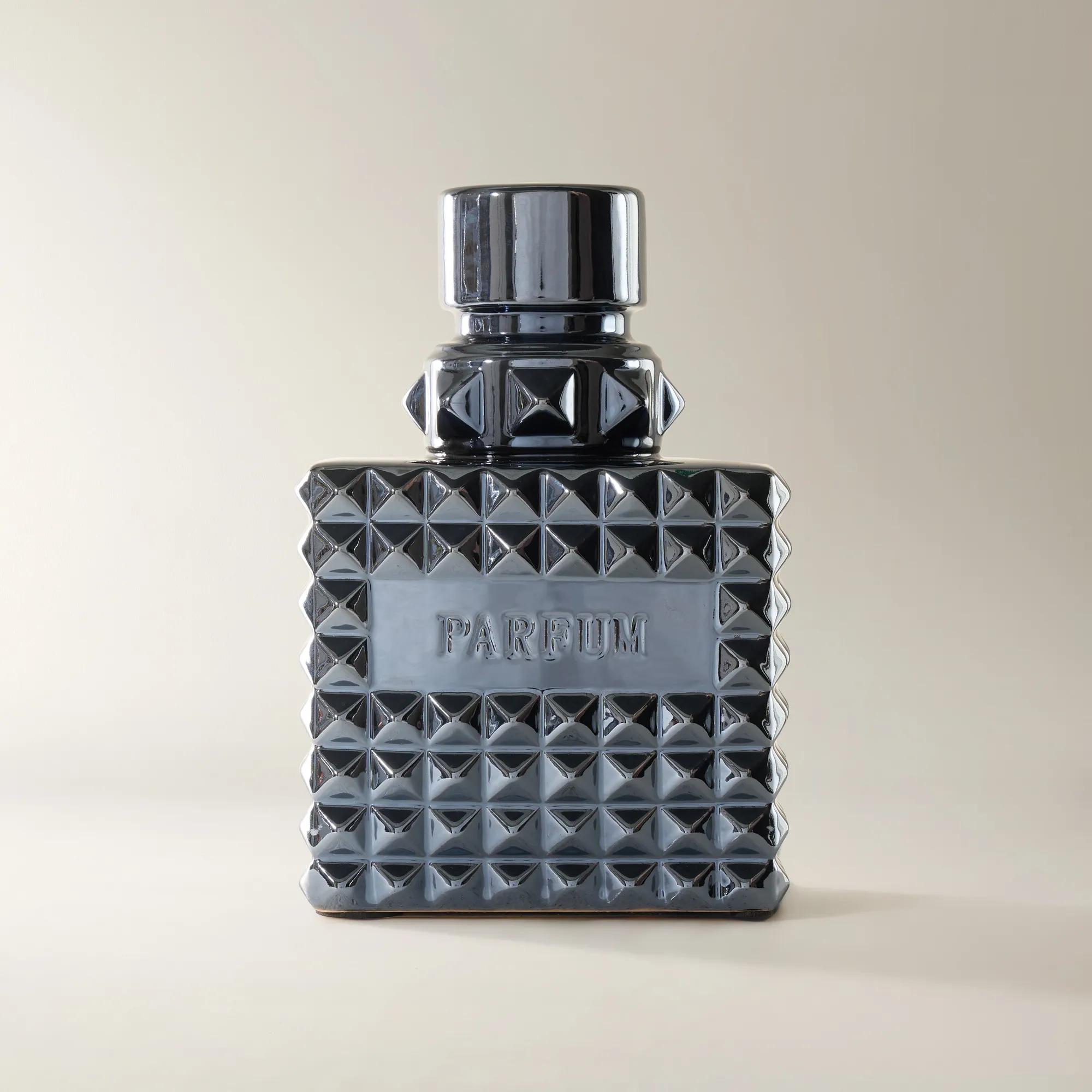
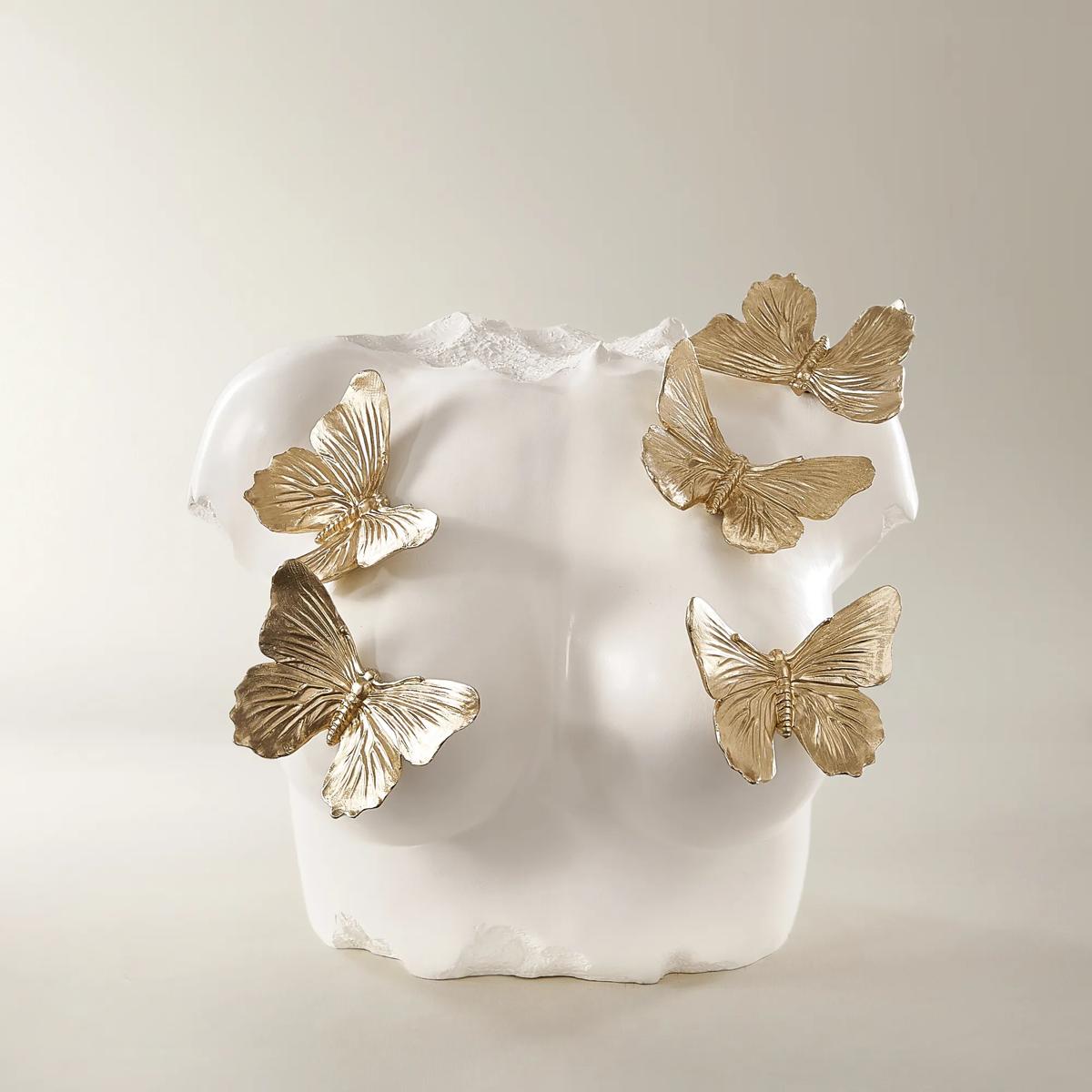
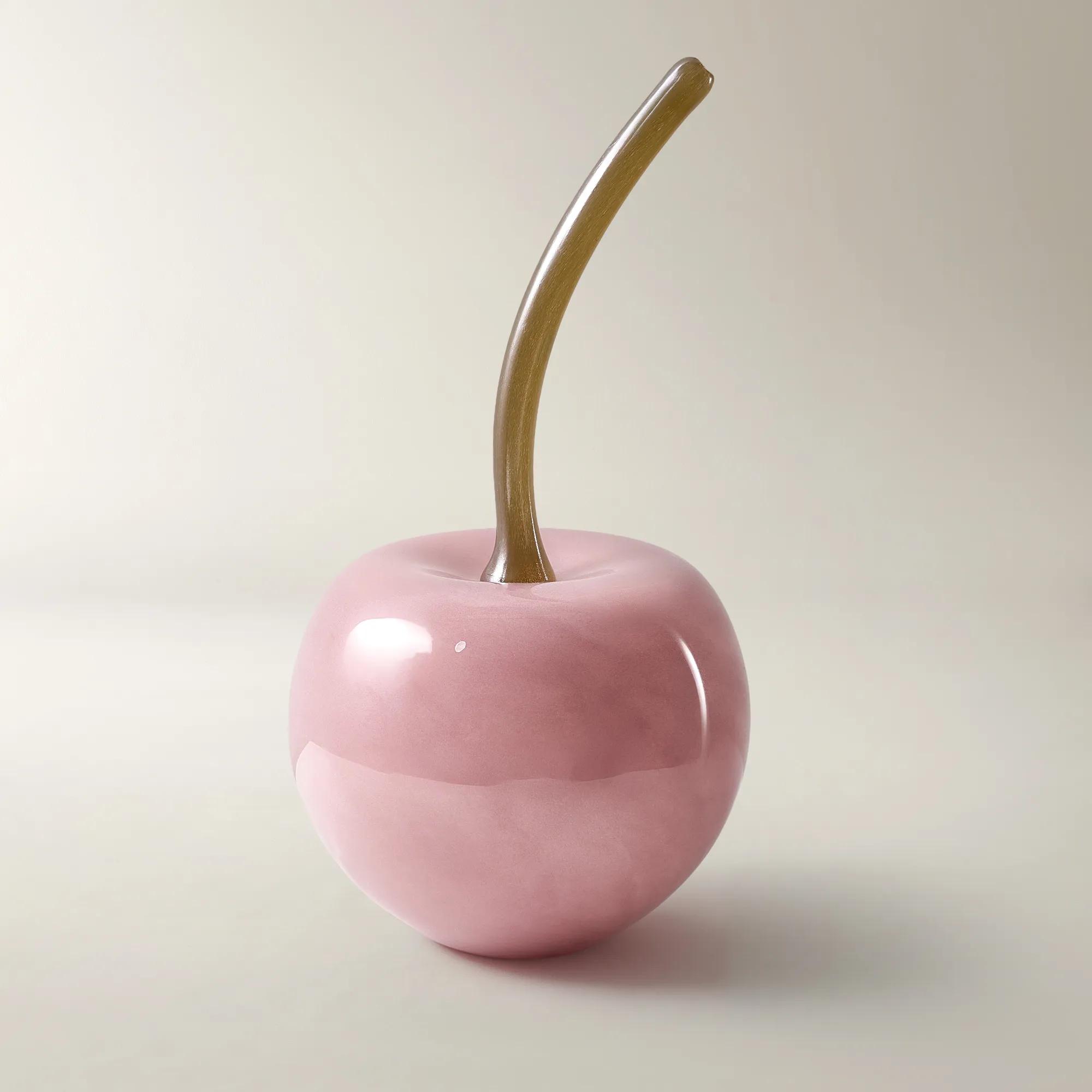
Figurative Ceramic Sculptures
Figurative Ceramic Sculptures
-
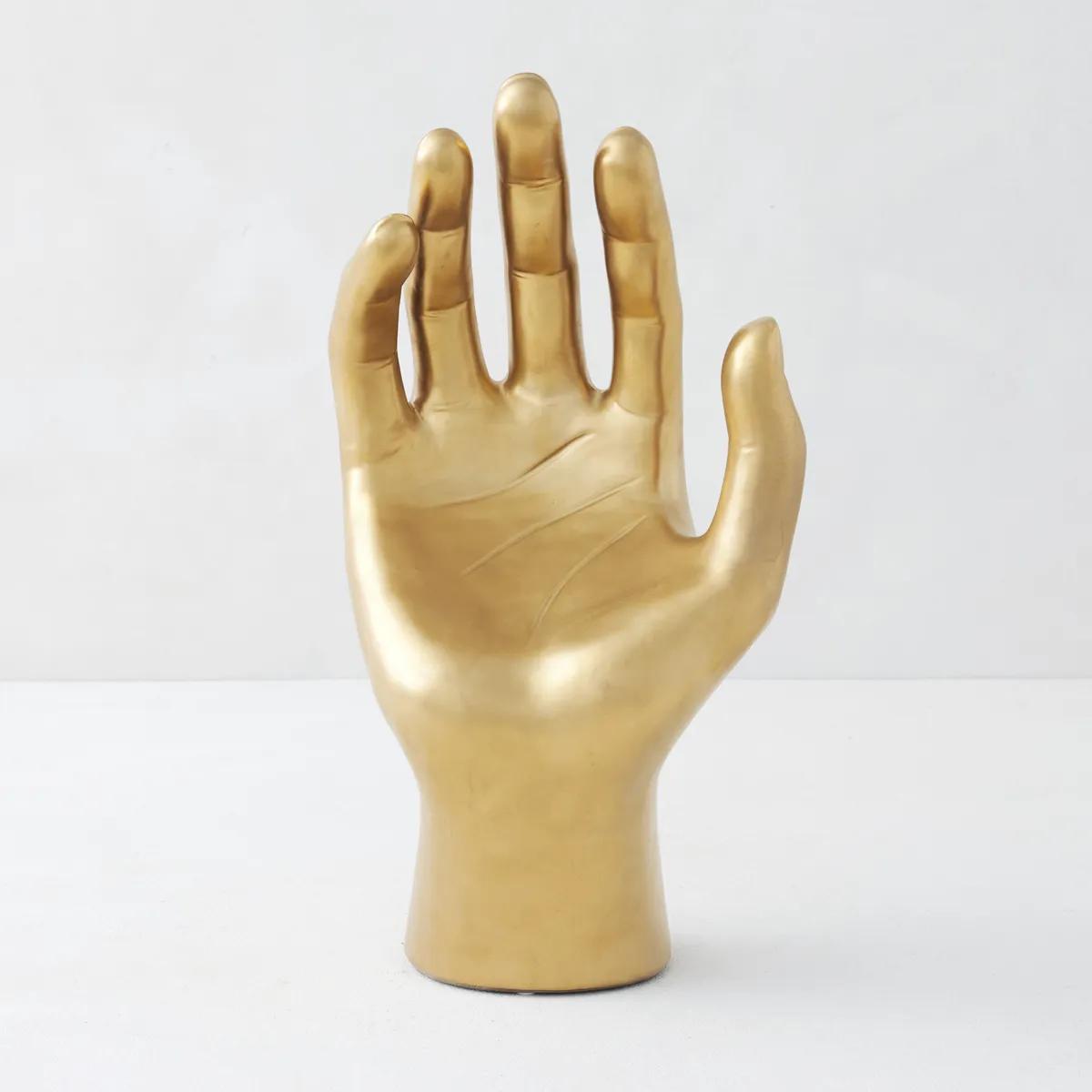
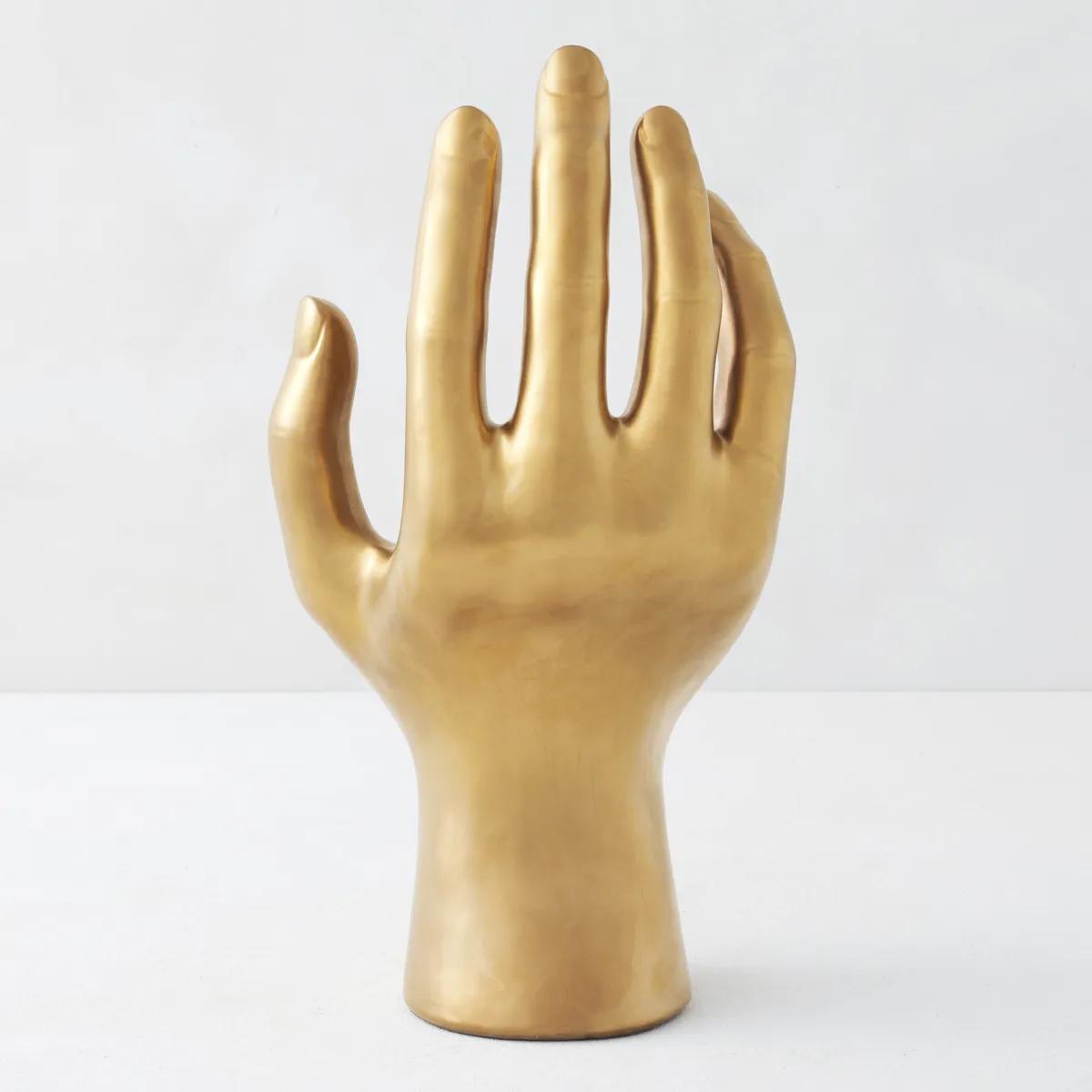 Ceramic Hand Metallic Gold Decorative Object 17.75"$69
A striking ceramic sculpture with a metallic gold finish, perfect for displaying jewelry or as decor.
Add To Cart -
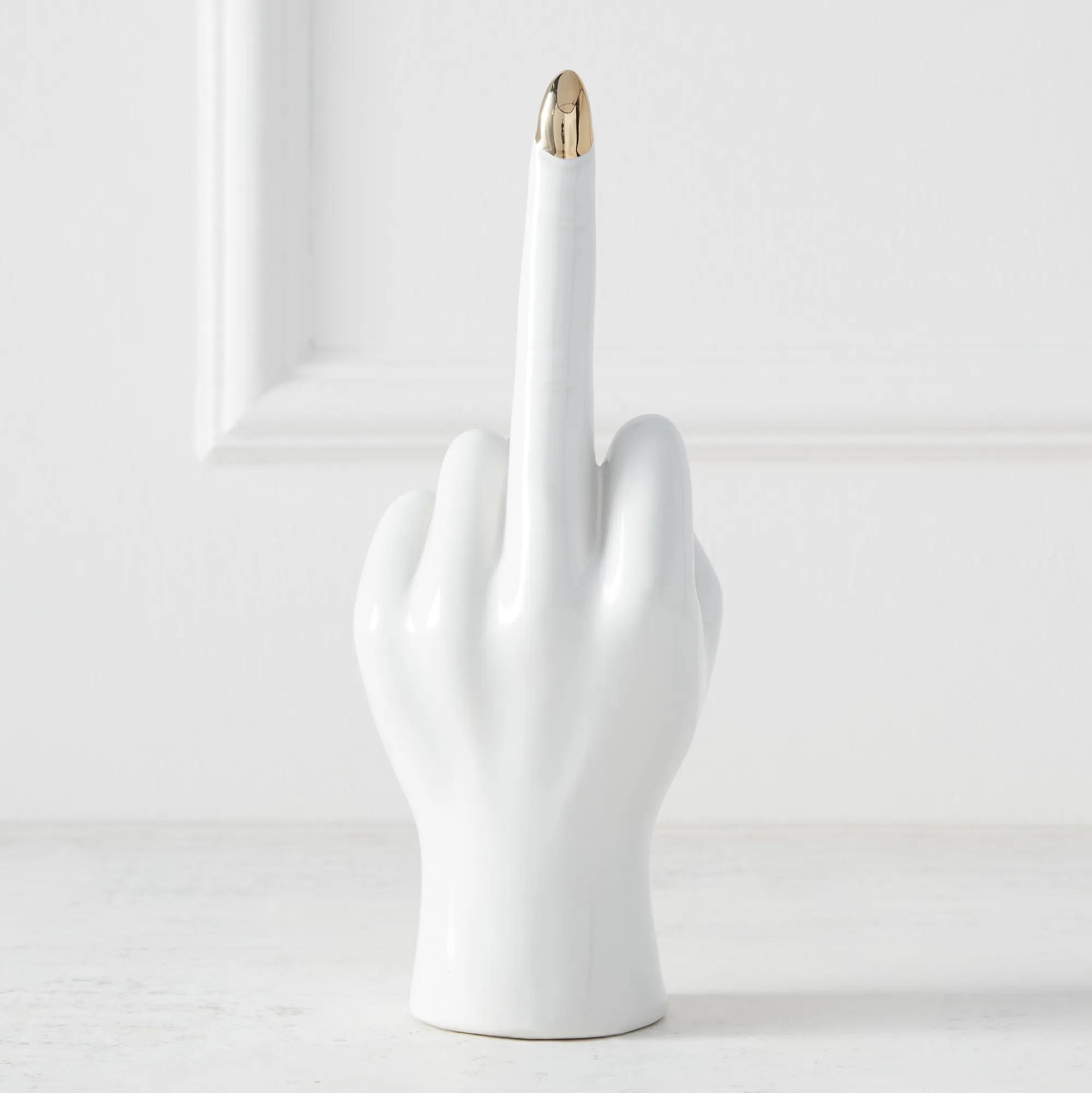
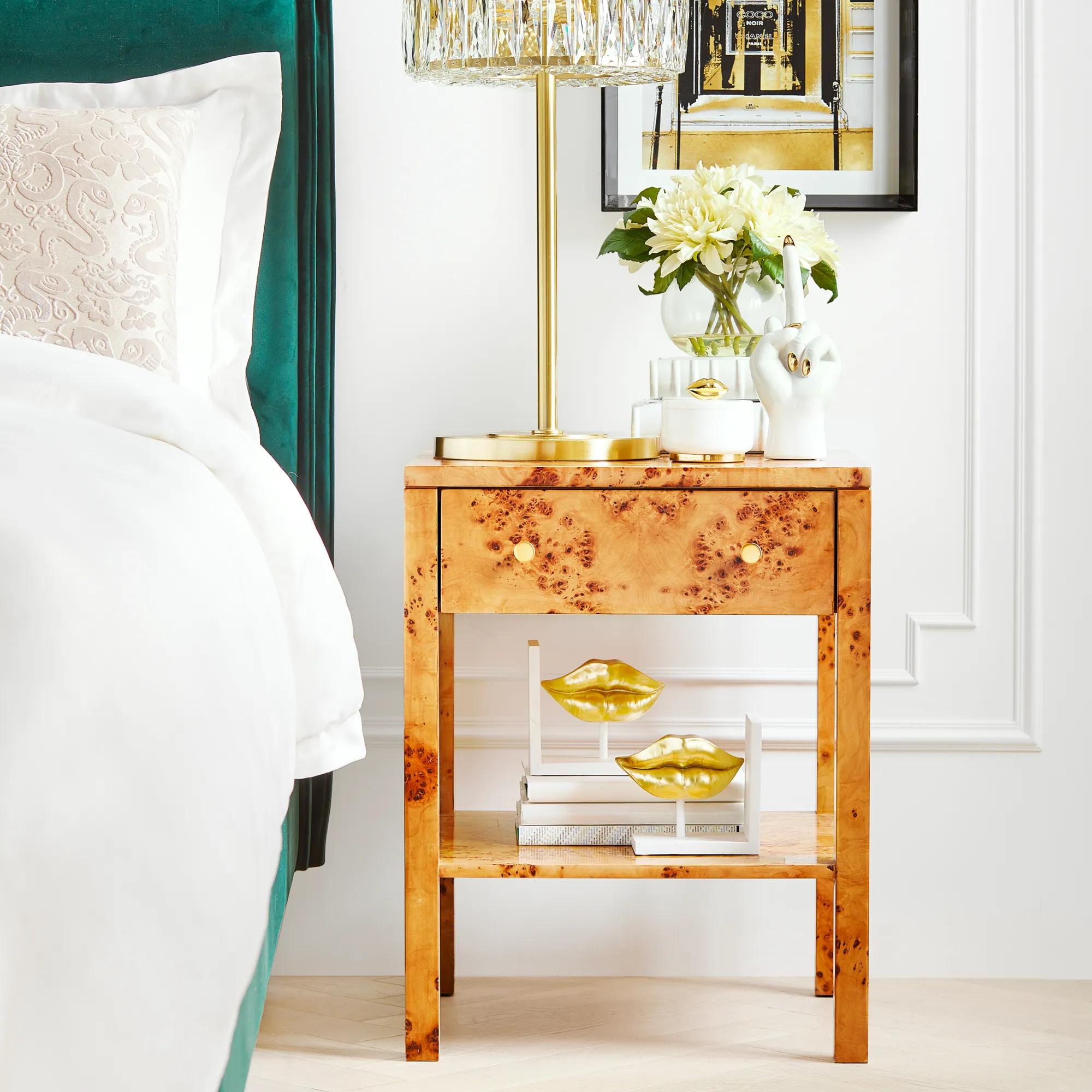 The Finger Hand$39
A glossy white and gold ceramic hand sculpture perfect for displaying jewelry or as a playful accent.
Add To Cart -
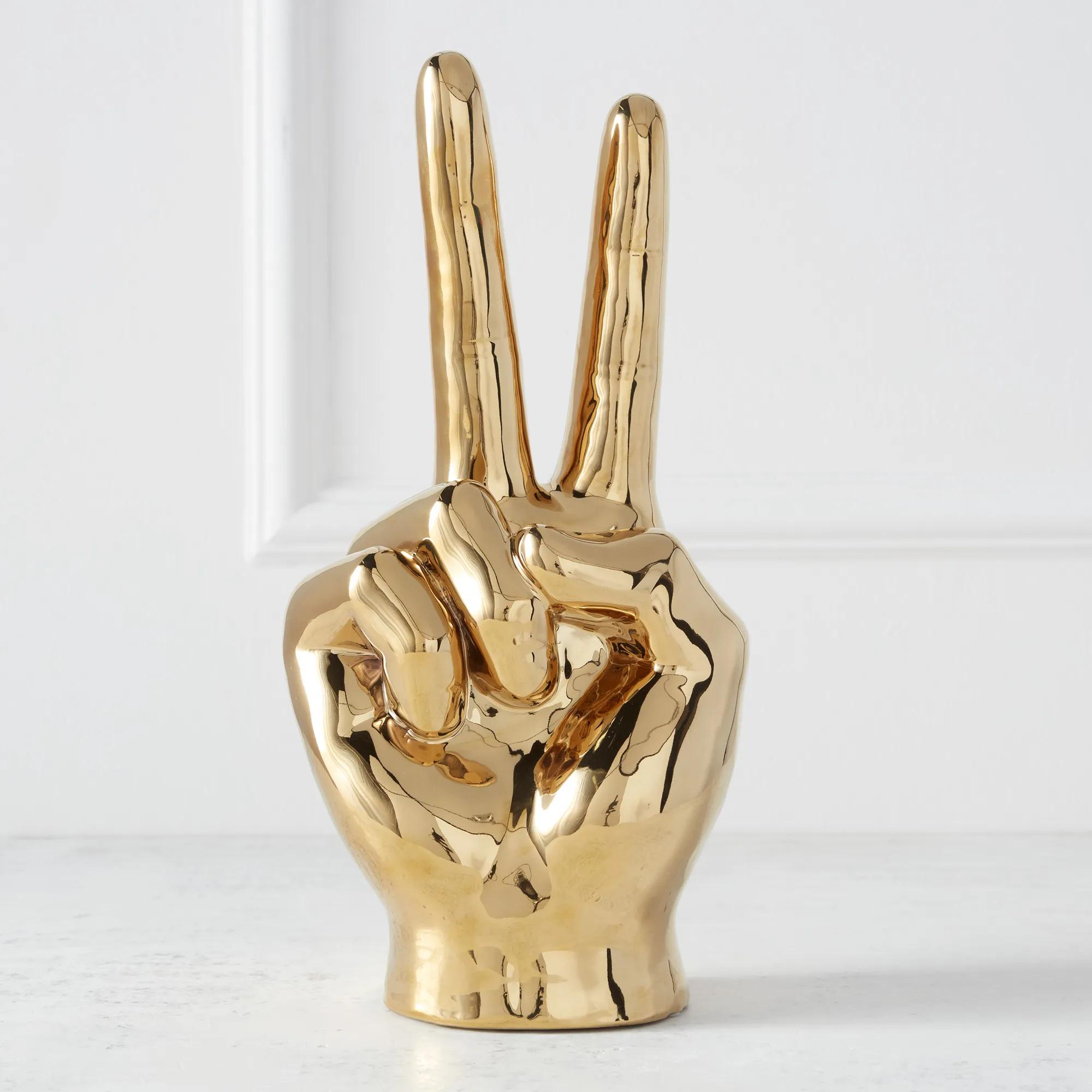 Peace Sign Gold Hand Ceramic Decorative Object 14"$49
A metallic gold ceramic hand sculpture perfect for displaying jewelry or as a decorative accent.
Add To Cart -
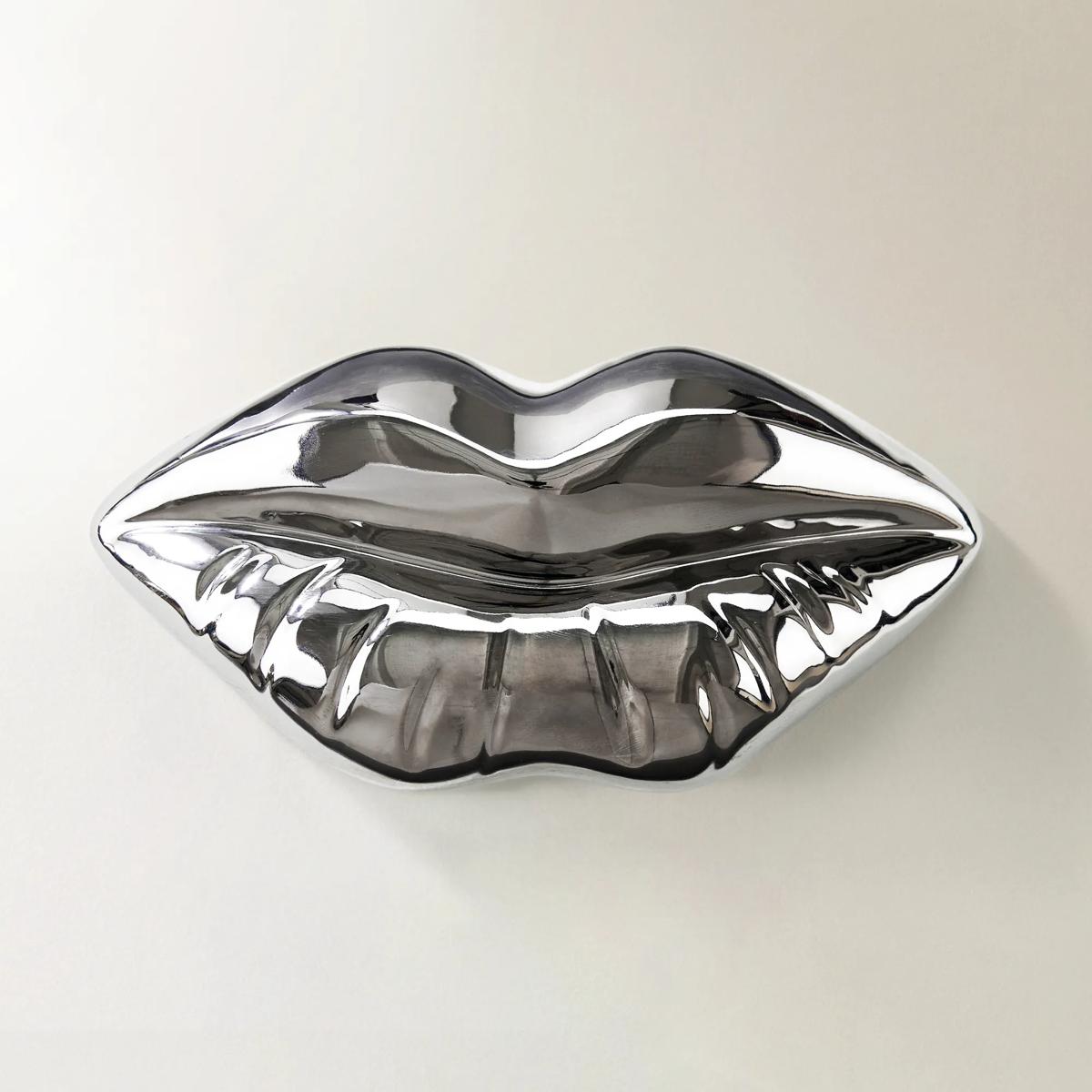 Chrome Lips Ceramic Decorative Object 5.25"$29
A high-shine silver ceramic sculpture that adds modern pop art flair and playful sophistication to any space.
Add To Cart -
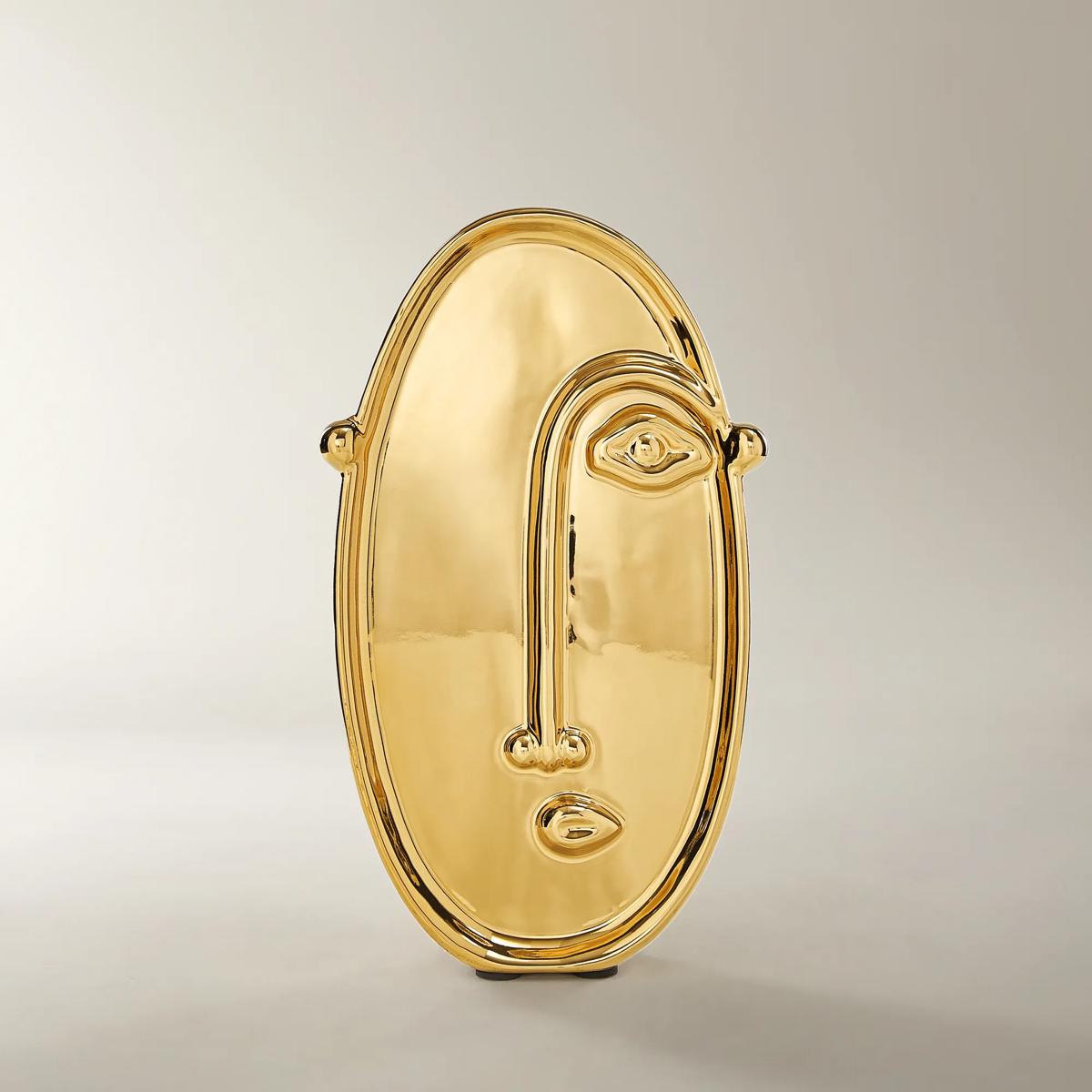
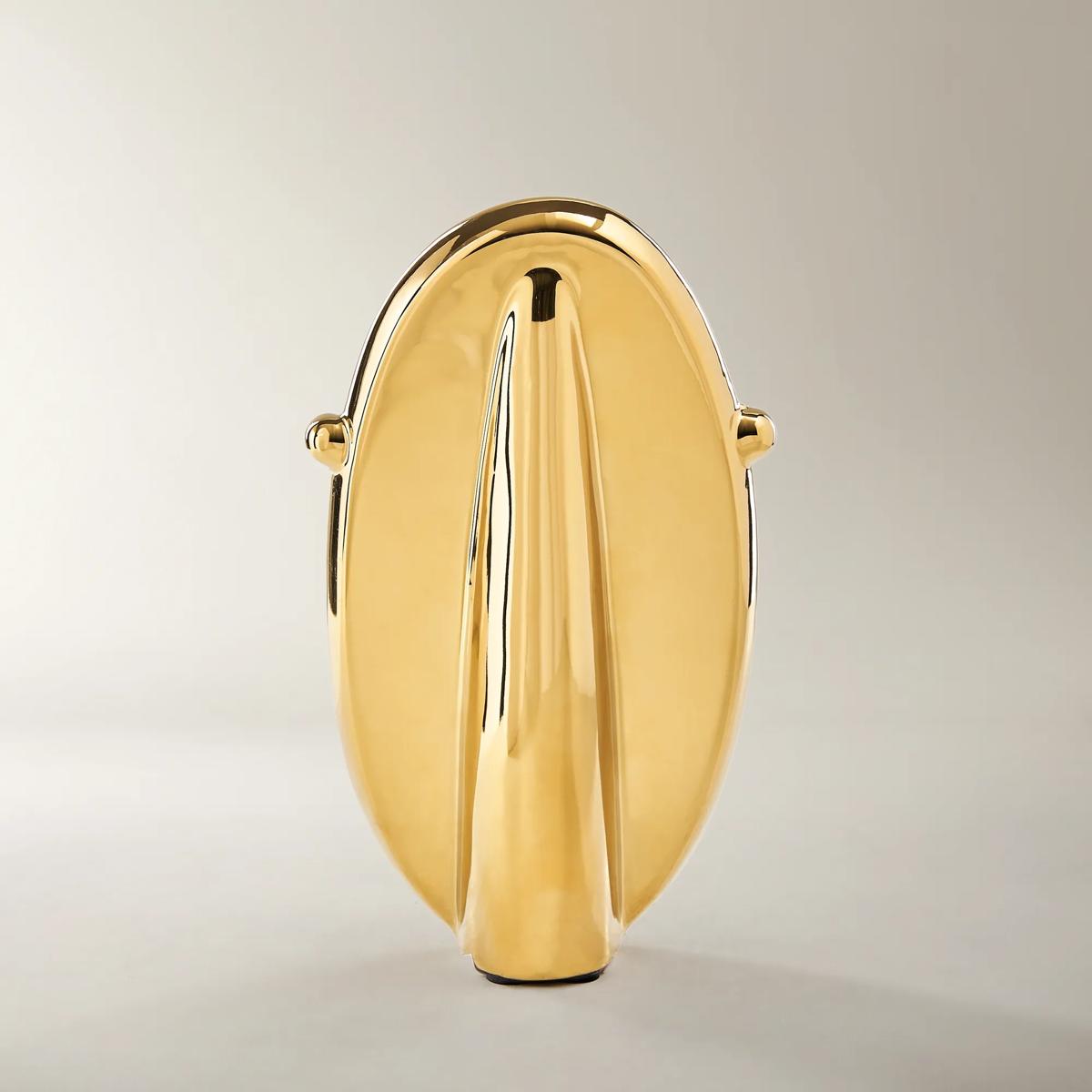 Golden Eye Ceramic Decorative Object 8"$39
A radiant gold ceramic sculpture featuring abstract, elongated facial details for a bold, modern accent.
Add To Cart

Figurative Ceramic Sculptures
Explore figurative ceramic sculptures that bring expressive form and artistic presence to shelves, consoles, and tabletops. Browse decorative figures with an eye for silhouette and scale, choosing a piece that complements your space while giving its contours room to stand out. Display it alone for dramatic focus or make it the centerpiece of a layered vignette.
Figurative ceramic sculptures are decorative artworks made from fired clay that represent human figures, faces, animals, or recognizable gestures, whether rendered realistically or distilled into abstract forms. Their appeal lies in that balance between recognition and interpretation: a bowed head can suggest reflection, an elongated silhouette can convey poise, and an animal form can introduce a sense of movement to a composed room. Unlike purely geometric objects, figurative sculptures bring character into an interior, giving a mantel, console, or bookcase a focal point with emotional resonance. The medium adds another dimension to that presence. Ceramic is a broad category that includes earthenware, stoneware, and porcelain, each offering different possibilities for texture, weight, and detail. Earthenware can lend an earthy, tactile quality; stoneware is generally denser and can support substantial sculptural forms; porcelain allows for refined detail and delicate-looking contours. The final appearance also depends on how the clay is shaped, fired, and finished, so the material name alone does not determine the mood or durability of a piece. A glossy glaze catches highlights along a cheekbone or curved shoulder, while a matte surface draws attention to volume and silhouette. Textured finishes can emphasize the impression of modeling, and metallic-look accents introduce a flash of glamour without changing the underlying ceramic construction. Color shapes the effect just as decisively. An ivory figure can stand out against richly painted walls, while a dark sculpture creates a striking outline on pale shelving. More expressive hues allow figurative ceramic art to become a deliberate color accent rather than a quiet supporting detail. For interiors that celebrate personal expression, these sculptures offer something distinct from pattern or upholstery: a recognizable presence, interpreted through an artist’s sense of proportion, surface, and form. The result can feel contemplative, theatrical, whimsical, or commanding, depending on the relationship between the figure and its setting.
Scale determines how that presence unfolds within a room. A tall, slender figure can give a low console a sense of height, while a compact seated form adds visual weight to an open shelf without overwhelming neighboring objects. Overall dimensions matter, but so do the sculpture’s stance, base, and projecting details. An outstretched arm or sweeping animal silhouette may require more clearance than its central body suggests, particularly near a walkway or beneath an overhanging shelf. On a narrow entry table, a stable footprint and a little breathing room help the shape remain legible rather than crowded. In a living room, a figurative sculpture can anchor one end of a mantel while a lower arrangement balances the opposite side; the contrast feels more expressive than repeating objects of identical height. For smaller surfaces, small decorative sculptures offer an artful accent without consuming the entire vignette. A compact figure beside a few generously sized books can create a compelling shift in scale, especially when the books provide a restrained backdrop rather than competing decoration. Ceramic also brings contrast to surrounding materials. A softly modeled form against sharply grained wood creates tension between organic character and precise furniture lines. Glossy ceramic near brushed metal layers reflected light with a more subdued sheen, while a matte figure on glass introduces visual substance to an otherwise transparent surface. Lighting deserves equal attention: illumination from the side reveals contours and recessed details that can disappear under flat overhead light. Highly reflective finishes may benefit from placement away from a direct glare, allowing the silhouette to remain the focus. Viewing angle matters, too. A figure intended to be appreciated from the front can work beautifully within shelving, whereas a sculpture with expressive contours on every side rewards an open console or pedestal. These relationships allow figurative ceramic decor to connect with the room’s architecture and furnishings while retaining its own artistic identity.
The most satisfying choice also suits the way a home is lived in. A dramatic sculpture can be a natural centerpiece for a formal sitting room, while a smaller, quietly expressive figure may feel more personal on a bedroom dresser or in a study. Collectors drawn to portraiture, animal imagery, dance, or abstract art may gravitate toward forms that echo those interests without requiring a literal match to the surrounding decor. As gifts, figurative ceramic sculptures can mark a housewarming, wedding, or anniversary with a sense of permanence and individuality, especially when the subject reflects the recipient’s taste rather than a presumed symbolic meaning. A poised human form might appeal to someone who favors restrained interiors; an expressive animal silhouette may suit a home filled with adventurous color and pattern. Practical considerations protect that visual impact over time. Fired ceramic is hard, but it is not shatterproof, and slender limbs, ears, fingers, or other projecting details can be vulnerable to knocks. A level, stable surface away from busy edges is especially important in homes with children or pets. When moving a sculpture, support its body and base rather than lifting it by a delicate extension. Material and finish should also inform care: a soft, dry cloth or gentle brush is often appropriate for routine dusting, while any damp cleaning should follow the maker’s recommendations. Unglazed surfaces may absorb moisture or oils, and metallic, painted, or specialty finishes can be damaged by abrasive cleaners, soaking, or vigorous rubbing. Protective pads beneath a base can help safeguard furniture when appropriate, provided they do not compromise stability. Indoor decorative sculptures should remain indoors unless specifically identified as suitable for outdoor conditions. With thoughtful placement and gentle handling, ceramic figures can retain their visual presence through many rearrangements of a room, becoming familiar accents whose curves, expressions, and shadows continue to invite attention. Their enduring contribution is the way they make an interior feel considered: not simply furnished, but composed around objects with personality and presence.
FAQs
Figurative ceramic sculptures interpret recognizable subjects, such as human forms or animals, through ceramic artistry. They may capture lifelike gestures or reduce a figure to expressive curves and silhouettes. These sculptural accents bring personality and narrative to a room, turning a decorative arrangement into a reflection of your artistic point of view.
Give a figurative ceramic sculpture a distinct role within your arrangement. Pair it with art books on a console, contrast its contours with a geometric vase, or let it command attention on a mantel. Leave visual breathing room around the figure so its gesture and silhouette remain the focus.
Figurative ceramic sculptures introduce expressive curves and a human element to modern interiors. Abstract interpretations create a compelling dialogue with streamlined furniture, while more representational figures add narrative contrast. Echo a color or contour elsewhere in the room to connect the sculpture with your broader design story.
Finish shapes the way a ceramic figure interacts with light. Glossy surfaces emphasize reflections and lend a luminous presence, while matte finishes draw attention to contours and form. Textured surfaces invite closer observation, giving the sculpture a richly dimensional character within a layered decorative arrangement.
A figurative ceramic sculpture can express a personal connection through its subject, posture, or artistic treatment. Choose a figure that recalls a shared memory, reflects the recipient’s interests, or complements their design sensibility. The result is an artful gesture with a story beyond its decorative appeal.