Decorative Trays For Ottomans | Z Gallerie
Decorative Trays For Ottomans | Z Gallerie
-
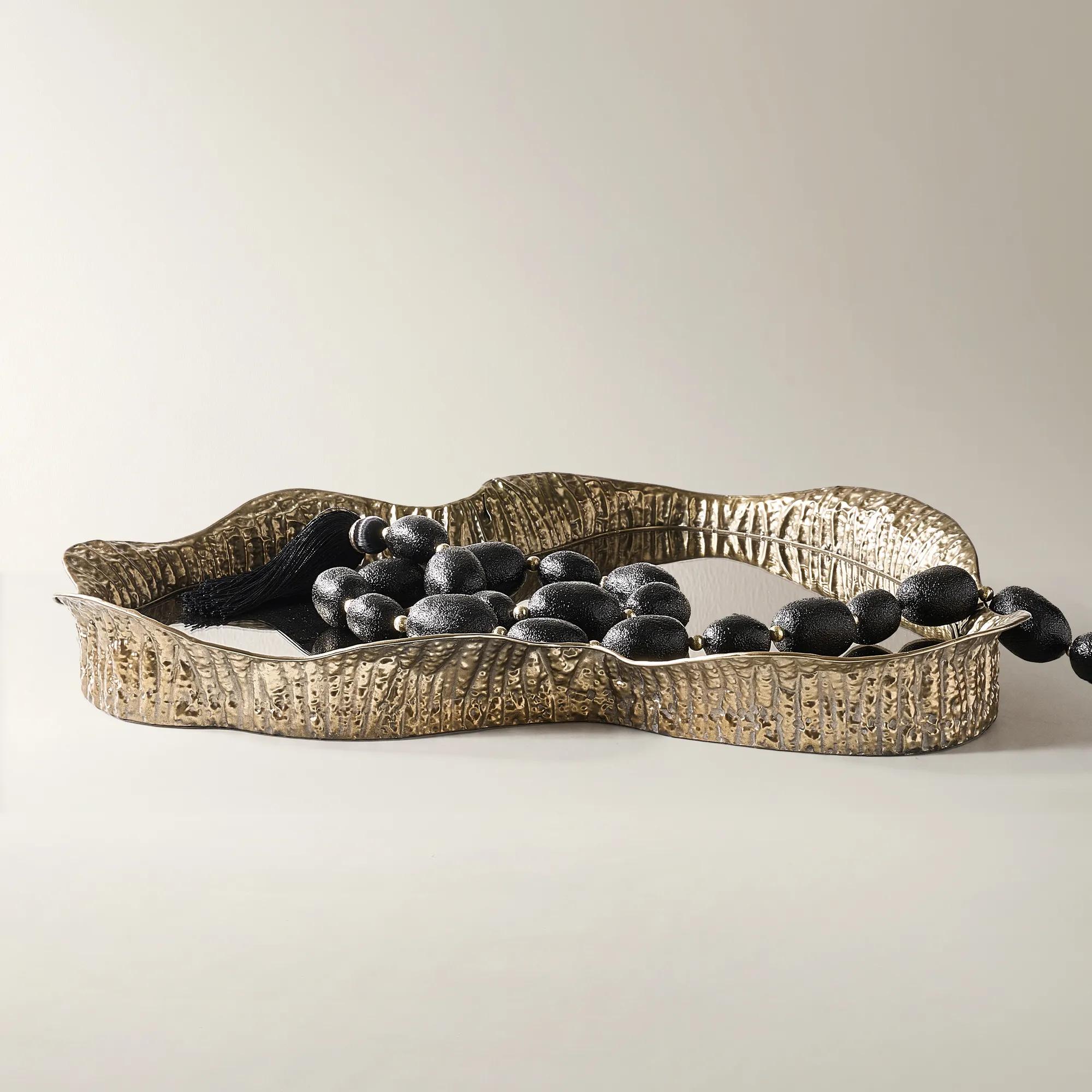 Cara Antique Gold Hand-Forged Iron Organic Shaped Amber Mirror Decorative Tray 21" x 23.5"$319
An antiqued gold iron tray with a bronze-tinted mirror surface for elegant, decorative display.
Add To Cart -
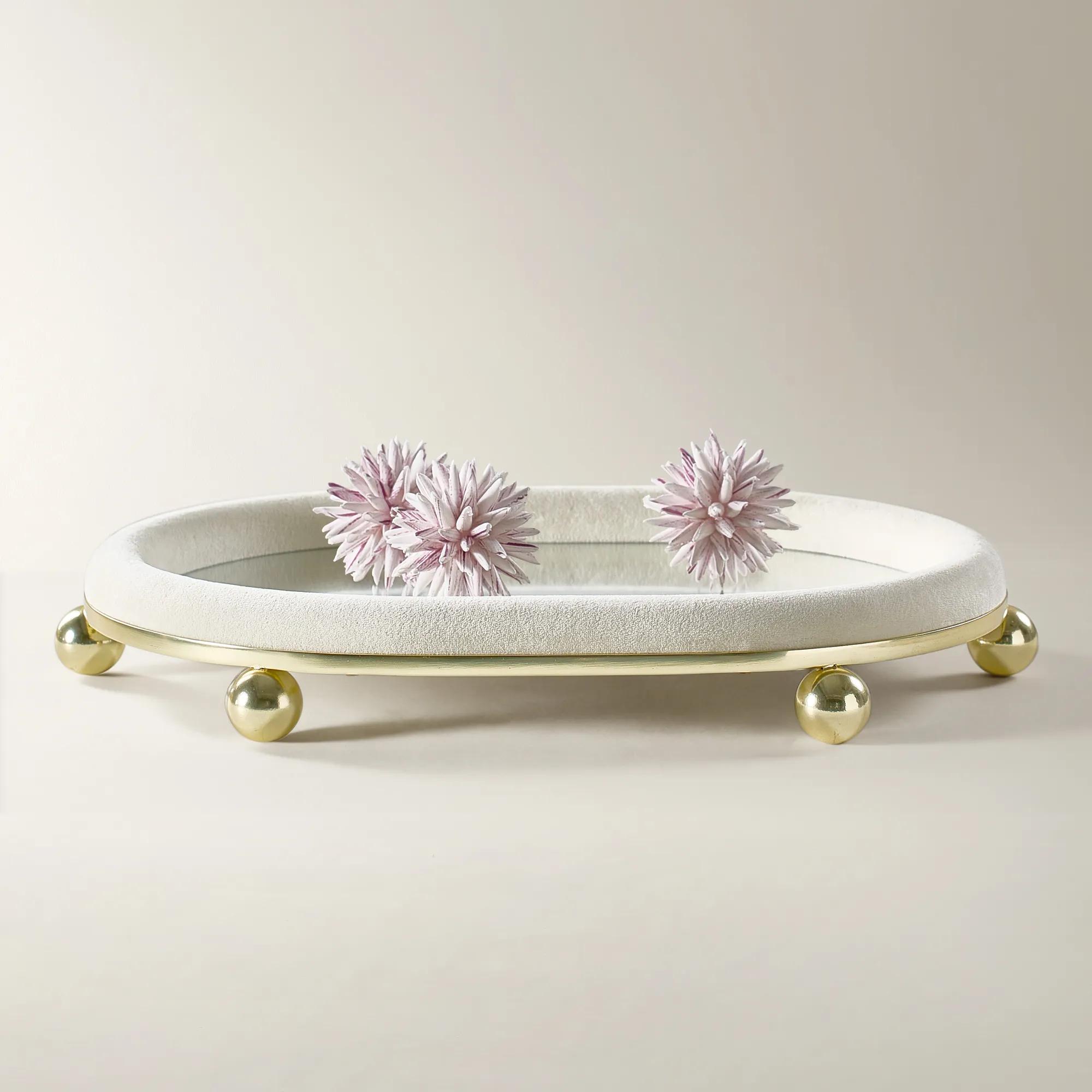
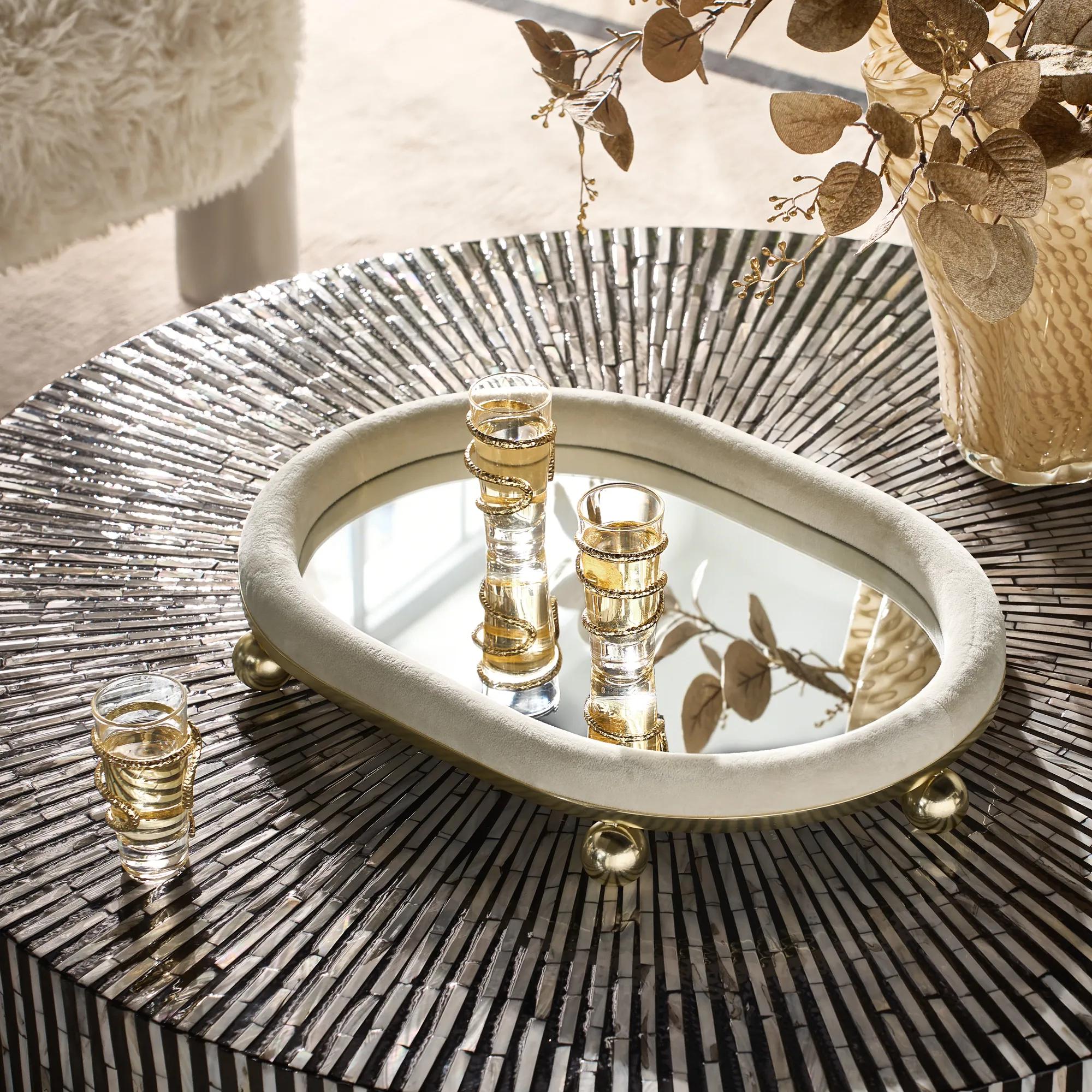 Capri Vanity Ivory Soft Gold Velvet Mirror Tray 17.75" x 2.25"$99
A soft gold iron tray with a mirrored base, velvet accents, and playful bauble details for chic display.
Add To Cart -
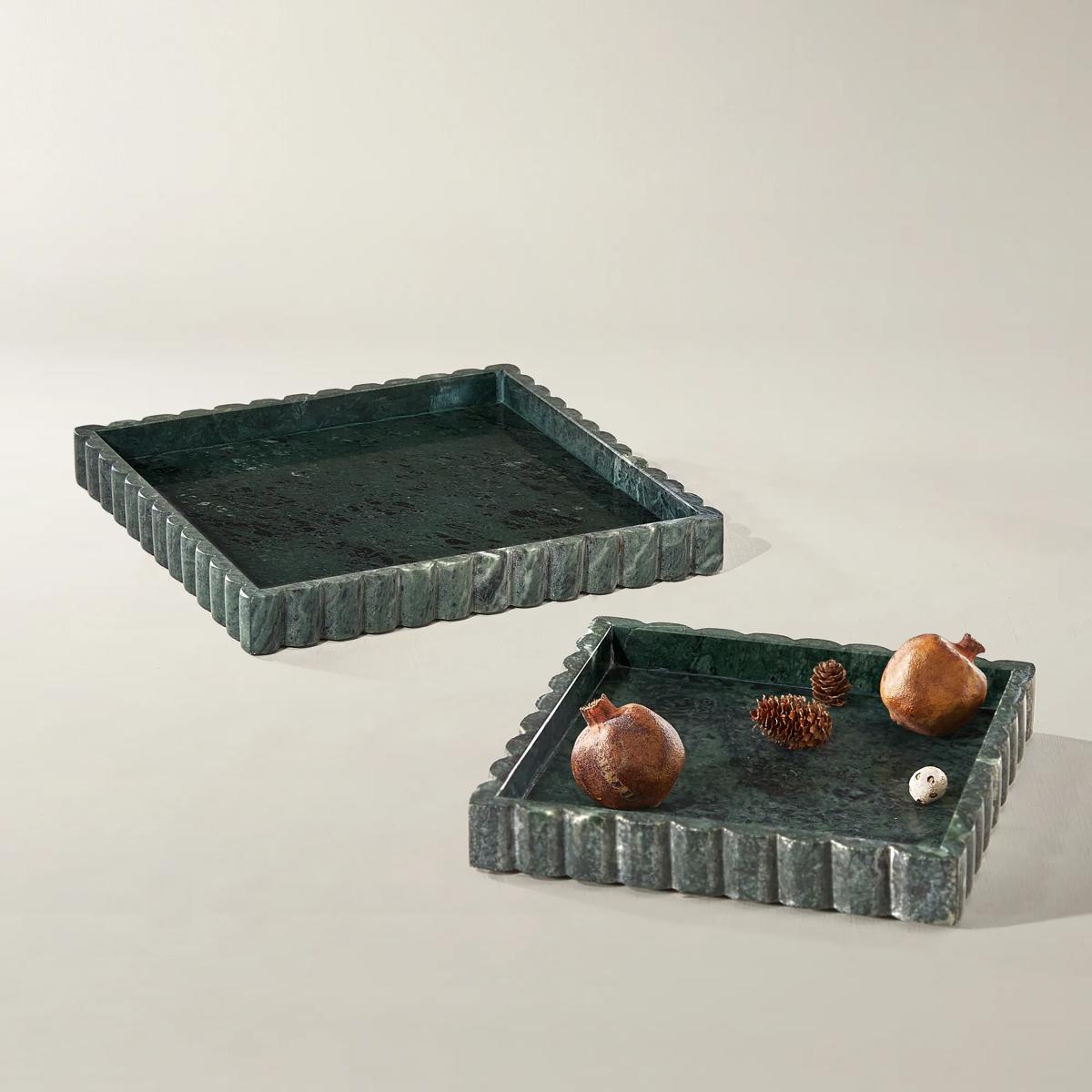
 Scallop Tray - Emerald Marble$69
A handcrafted Baroda green marble tray featuring unique veining and elegant scalloped edges for decorative display.
Add To Cart -
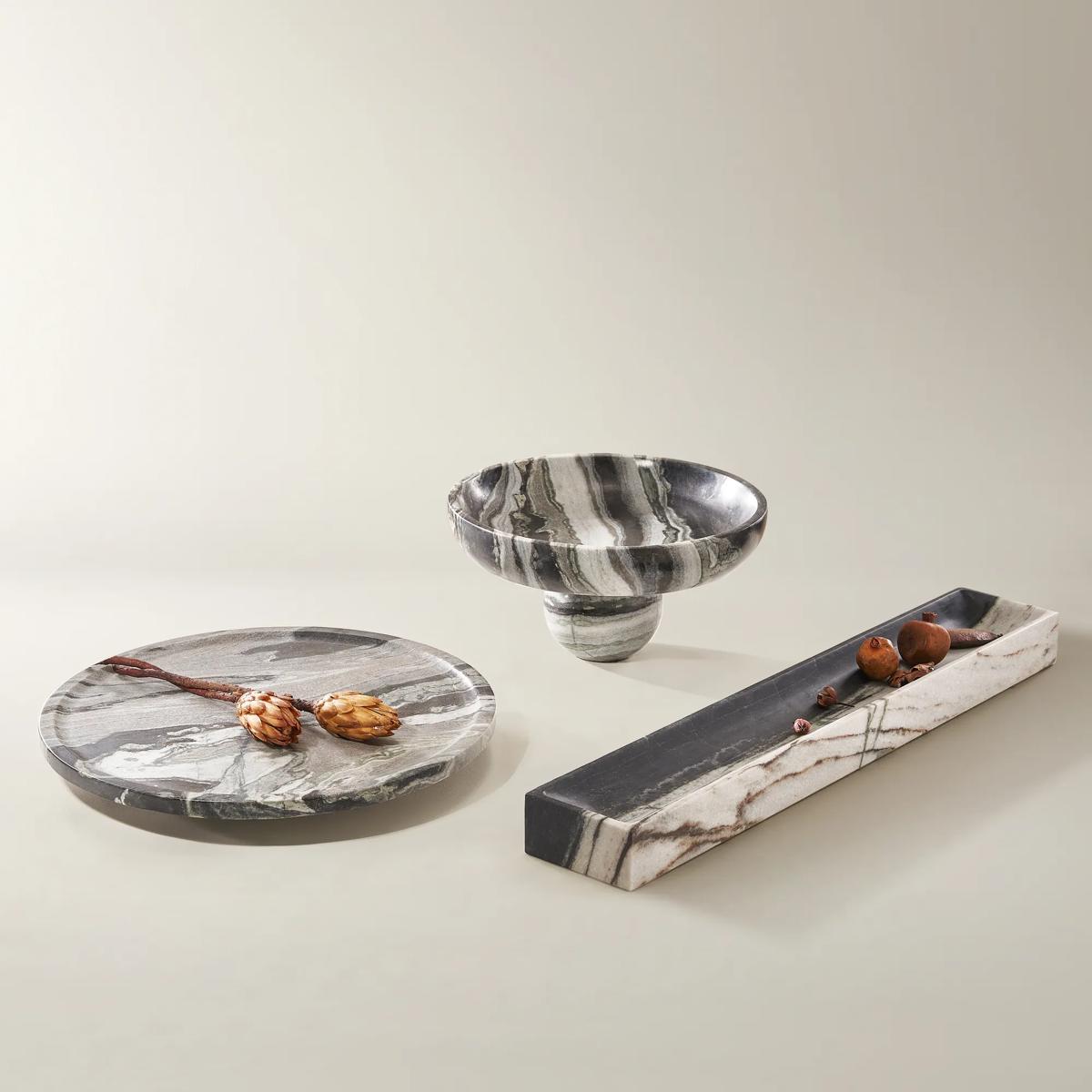
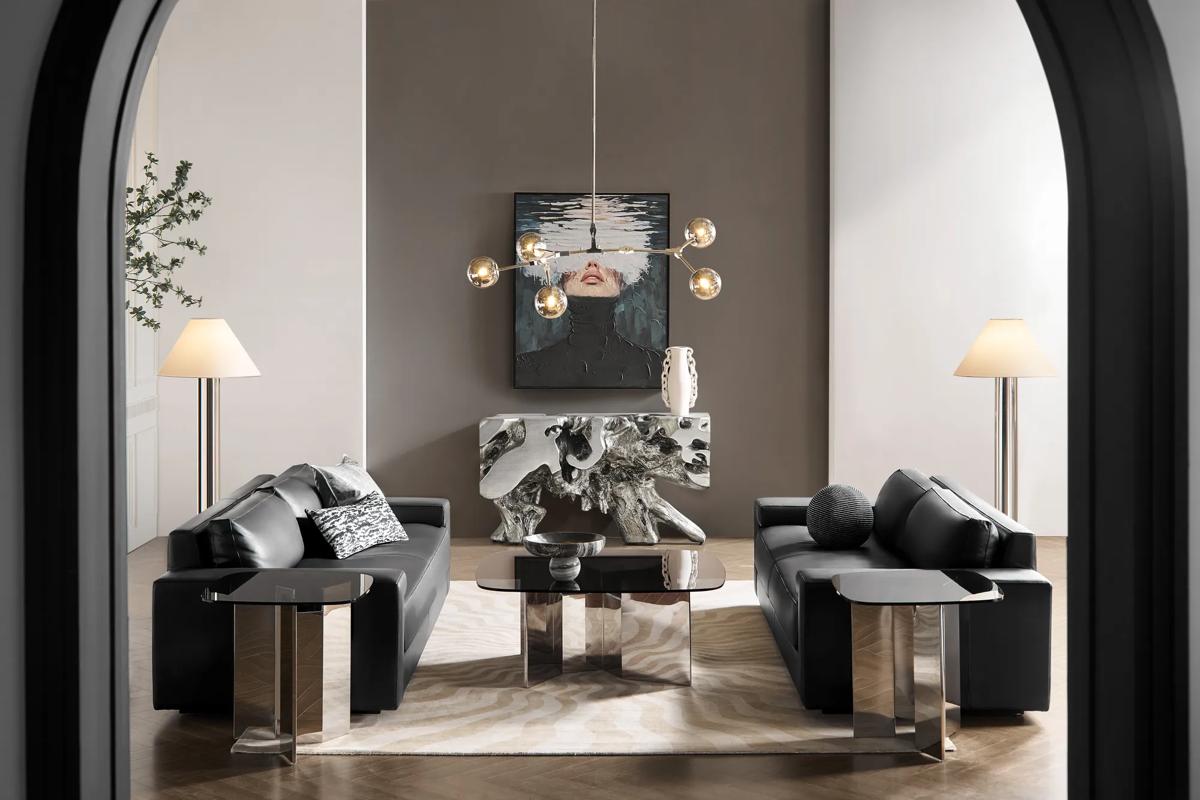 Luxe Marble Collection$119
A striking black marble decor collection featuring unique veining and elegant footed bowl, tray, and riser.
Add To Cart -
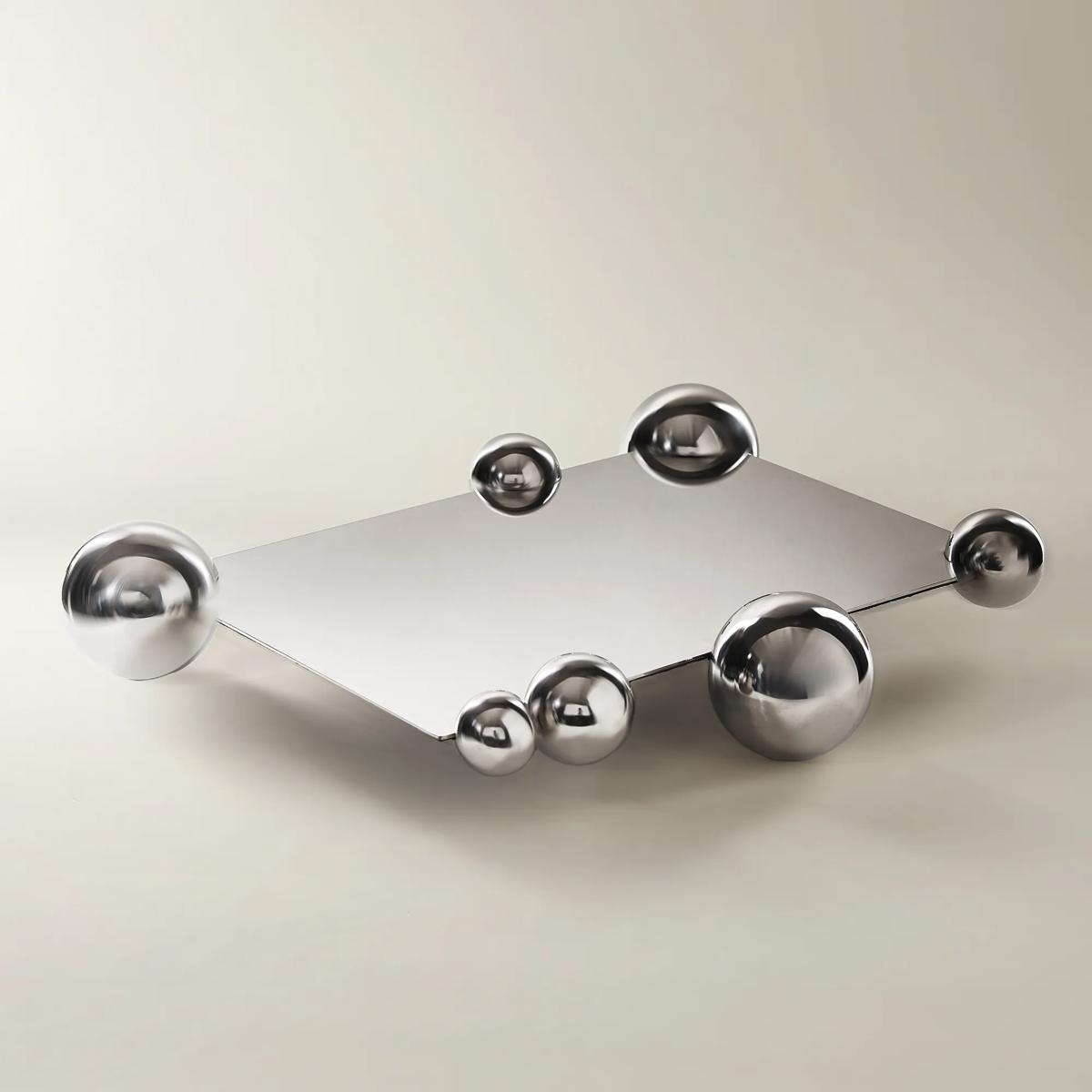 Chrome Bubble Silver Stainless Steel Serving Tray 13.25" x 3.25"$139
A polished stainless steel tray with sculptural bubble accents for a playful, modern entertaining statement.
Add To Cart

Decorative Trays For Ottomans | Z Gallerie
Decorative trays for ottomans give soft seating a striking focal point, framing cherished accents with color, reflection, and sculptural detail. Explore expressive designs with an eye for proportion and finish, choosing a tray that complements your upholstery and leaves room for the ottoman’s relaxed character. The result is a living room that feels thoughtfully composed—and distinctly yours.
Decorative trays for ottomans bring a defined, flat surface to upholstered seating, creating a place for decorative objects, reading material, and refreshments while adding a striking layer of texture and finish. Against velvet, a mirrored tray introduces a flash of light; over woven upholstery, a sculptural metal silhouette creates a crisp contrast. The effect is both practical and expressive: an ottoman retains its inviting softness while gaining the visual presence of a beautifully composed coffee table. Material sets much of the mood. Mirrored and glass surfaces reflect nearby lighting and lend depth to an arrangement without adding visual heaviness, especially when paired with transparent vessels or a single architectural accent. Polished metal brings brilliance and a sharper outline, while brushed or antiqued finishes offer a more subdued glow with visible tonal variation. Wood adds warmth and grain, providing an appealing counterpoint to sleek upholstery, metallic furniture legs, or lacquered accents elsewhere in the room. Clear acrylic offers another distinct expression, allowing the fabric beneath it to remain part of the composition. Each material also has practical characteristics worth considering: glass and mirror can show fingerprints and require protection from impact, wood needs attention around moisture, and acrylic can scratch when cleaned with abrasive materials. Construction matters as much as appearance. A rigid base, securely attached details, and a smooth underside help a tray feel substantial without creating unnecessary friction against upholstery. Decorative edging can frame an arrangement with jewelry-like precision, but the underside deserves equal attention, particularly on delicate velvet, leather, or loosely woven fabric. An ottoman tray is not simply an accessory placed on top of furniture; it establishes a focal point at the center of the seating area. For someone who enjoys a room with contrast and personality, that combination of a soft foundation and a luminous, structured surface makes a compelling statement.
Proportion determines whether an ottoman tray looks thoughtfully integrated or visually crowded. A large decorative tray can give a generous ottoman a strong center, while a smaller design leaves more upholstery exposed and makes it easier to preserve space for seating or resting feet. The most successful fit accounts for the usable, level area of the top rather than relying on the ottoman’s overall dimensions alone. Rounded edges, deep tufting, sloping sides, and separate cushion sections can reduce the surface that will support a tray evenly. Leaving a visible border of upholstery around the tray gives the arrangement breathing room and helps prevent the edges from extending into a walkway. Shape offers another opportunity for expression. A round ottoman tray can soften the lines of an angular seating arrangement, while a rectangular silhouette creates an elongated stage for books and decorative accents. Square trays offer a centered, architectural presence, particularly on broad ottomans with clean lines. Matching shapes creates visual continuity; contrasting them can introduce tension, provided the entire base remains supported. Weight deserves consideration, too. A substantial tray may feel reassuring on a firm top, but weight alone cannot make a deeply cushioned or uneven ottoman stable. A tray does not turn every upholstered surface into a dependable table, and drinks belong only where the base rests level and secure. Coasters offer an additional barrier between glassware and the tray’s finish, while raised sides help contain small objects without making the surface spillproof. Handles can make repositioning more convenient, although decorative handles should not be assumed to support a fully loaded tray. In a room where the ottoman also serves as extra seating, an arrangement that can be moved easily has particular value. Keeping the composition manageable allows the furniture to change roles gracefully, from a polished centerpiece during conversation to an open, comfortable seat when guests gather.
The most persuasive ottoman arrangements balance beauty with the way the room is actually lived in. A stack of art books can establish a low, graphic foundation, with a small sculptural object introducing a different outline. A compact floral arrangement adds movement, while a lidded decorative box gives remotes and other everyday necessities a more considered home. Varying heights creates dimension, but an arrangement kept below seated sightlines preserves conversation and the view across the room. Empty space is equally important: a tray filled from edge to edge loses both its visual definition and its usefulness. One reflective surface, one tactile element, and room to set down a cup can feel more deliberate than a crowded collection of accents. Color can connect the tray to the larger interior without requiring an exact match. Warm metallic tones draw out the richness of caramel leather or jewel-toned upholstery; cool silver finishes and clear surfaces can emphasize the precision of a monochromatic room. For a related surface elsewhere in the seating area, Decorative Trays for Tables offer another way to carry that visual language through the space. Lasting appeal also depends on care suited to the material. A soft cloth and prompt attention to moisture help protect many decorative finishes, but the manufacturer’s care directions should govern the choice of cleaner. Abrasive pads, harsh chemicals, standing water, and direct heat can damage surfaces or detailing, and mirrored designs need particular care around edges and seams. Decorative trays should not be assumed to be food-safe unless specifically identified for that purpose; dishes and serving pieces keep refreshments separate from the decorative surface. As a housewarming or wedding gift, an ottoman tray suits someone who loves entertaining, collecting beautiful objects, or giving familiar rooms a fresh point of view. Consider the recipient’s upholstery, room palette, and available surface space for a gift that feels personal, useful, and worthy of display.
FAQs
Build a small composition with varied heights: a favorite book, a low sculptural accent, and one taller decorative piece. Leave part of the tray’s surface visible so its finish remains part of the arrangement.
An exact match is not necessary. Repeat one finish elsewhere in the room to give the tray a visual connection, or pair warm and cool metals deliberately for a more layered, expressive look.
A saturated tray can give a neutral room a jewel-like focal point. Echo its color subtly in artwork or a textile, then let the surrounding neutrals emphasize its presence.
Draw out a quieter color from the fabric and look for a tray with a clear, confident silhouette. If the tray itself has intricate detailing, keep the objects within it visually restrained so the patterns do not compete.
Keep a favorite anchor piece and change the surrounding colors, textures, or decorative objects. A lighter palette can create an airy mood, while deeper tones and richer textures bring a more enveloping character to the same tray.