Decorative Glass Top Tables
Decorative Glass Top Tables
-
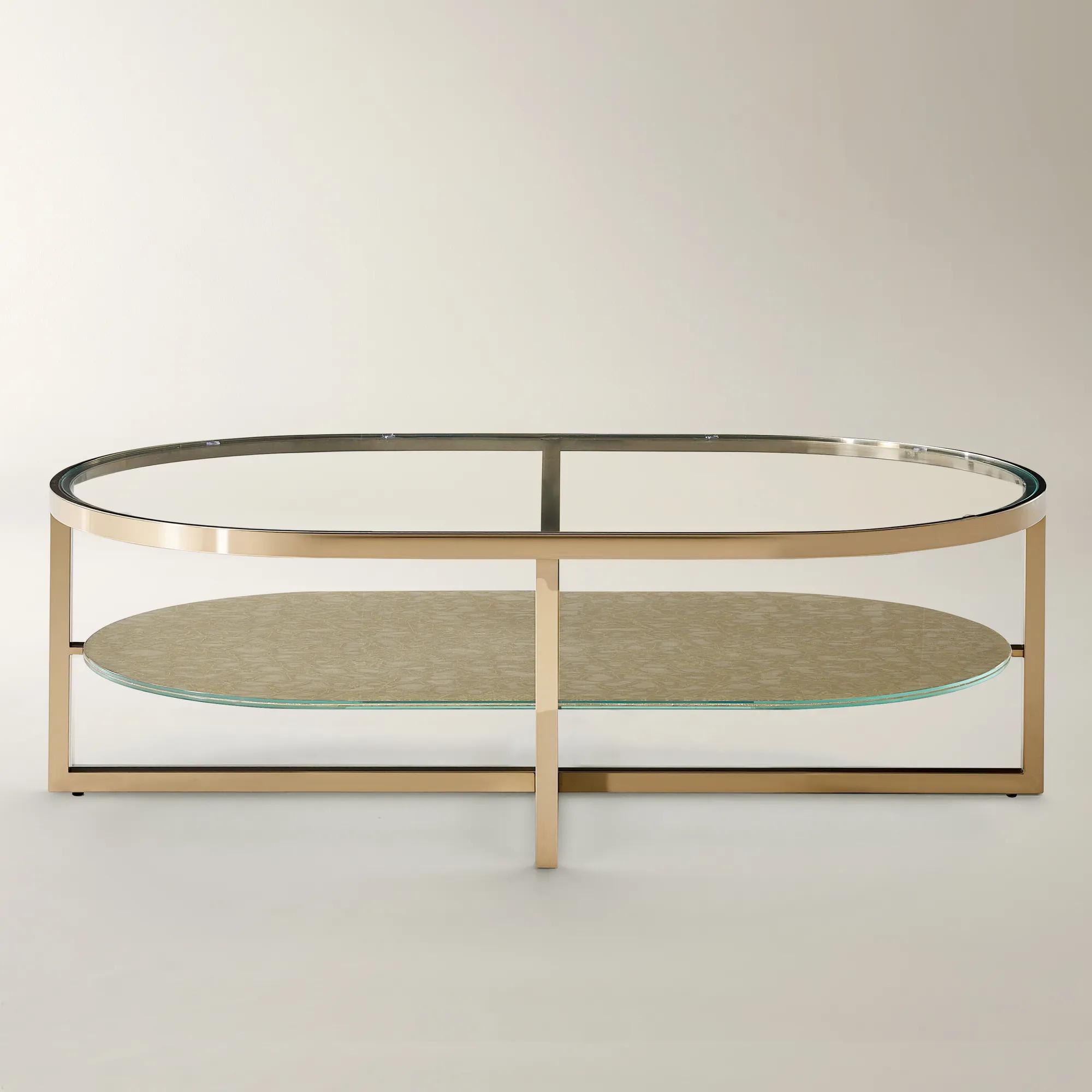
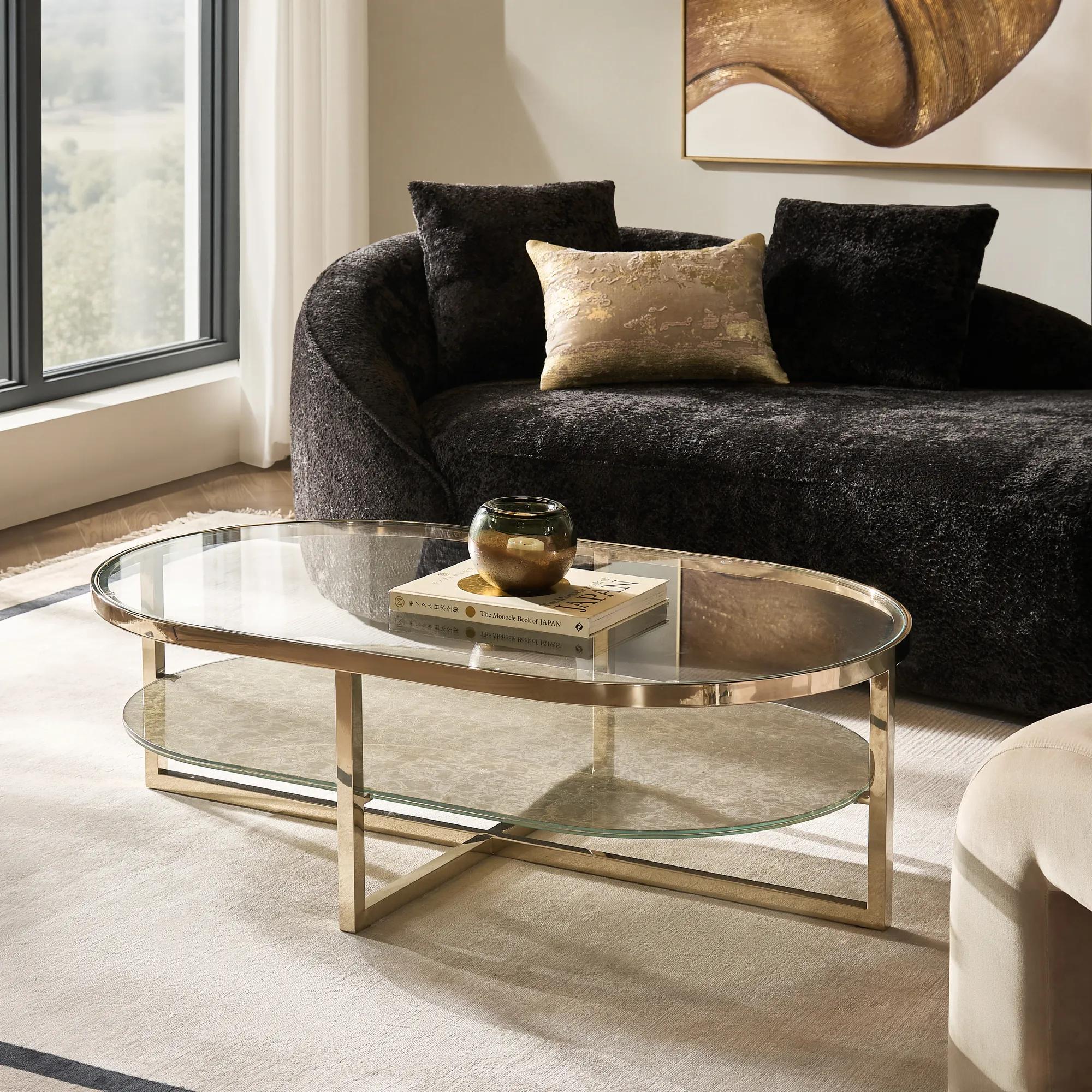 Duality Oval Fabric-Laminated Glass Coffee Table (47")$999
An oval coffee table with a clear tempered-glass top, fabric-laminated shelf, and soft gold stainless-steel frame.
Add To Cart -
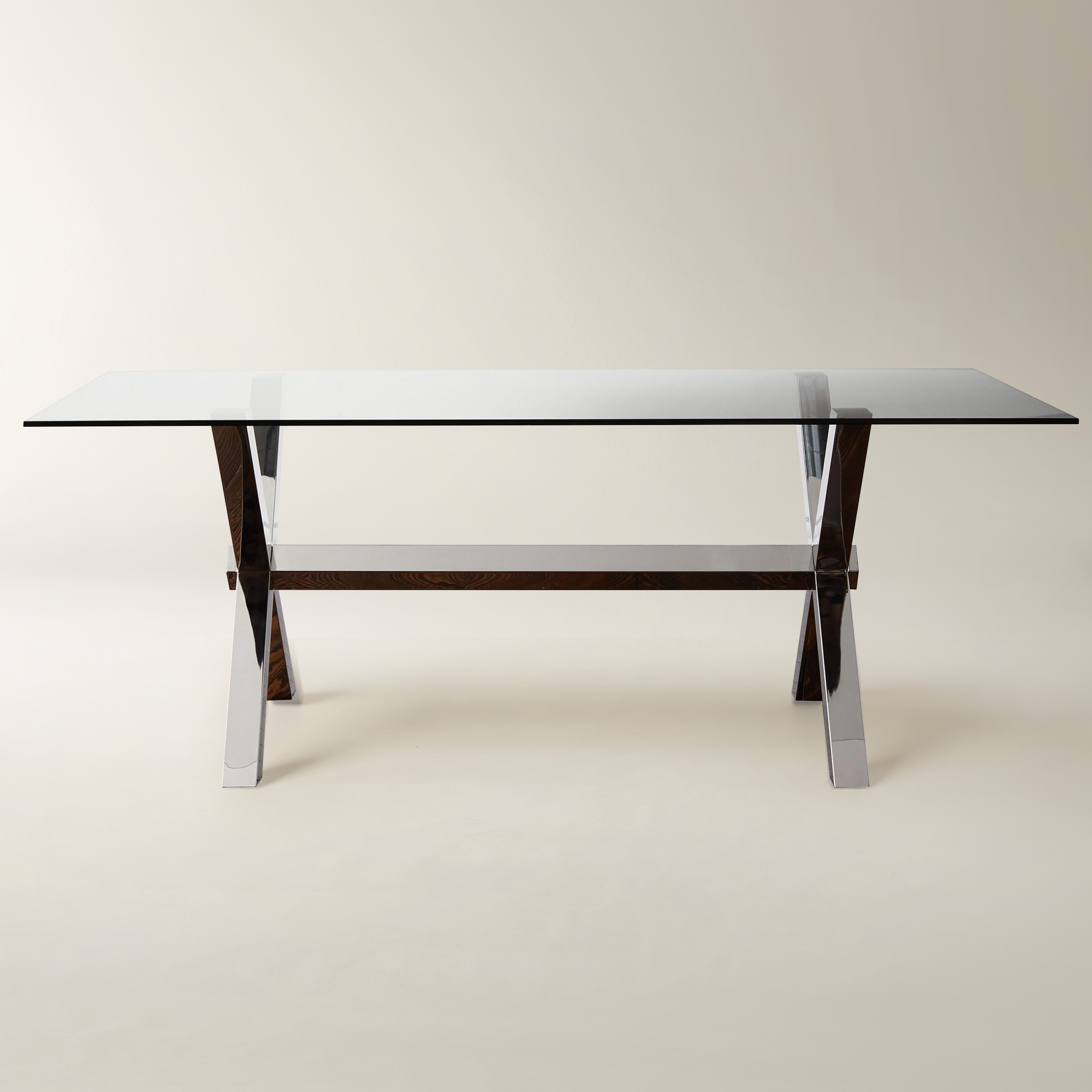
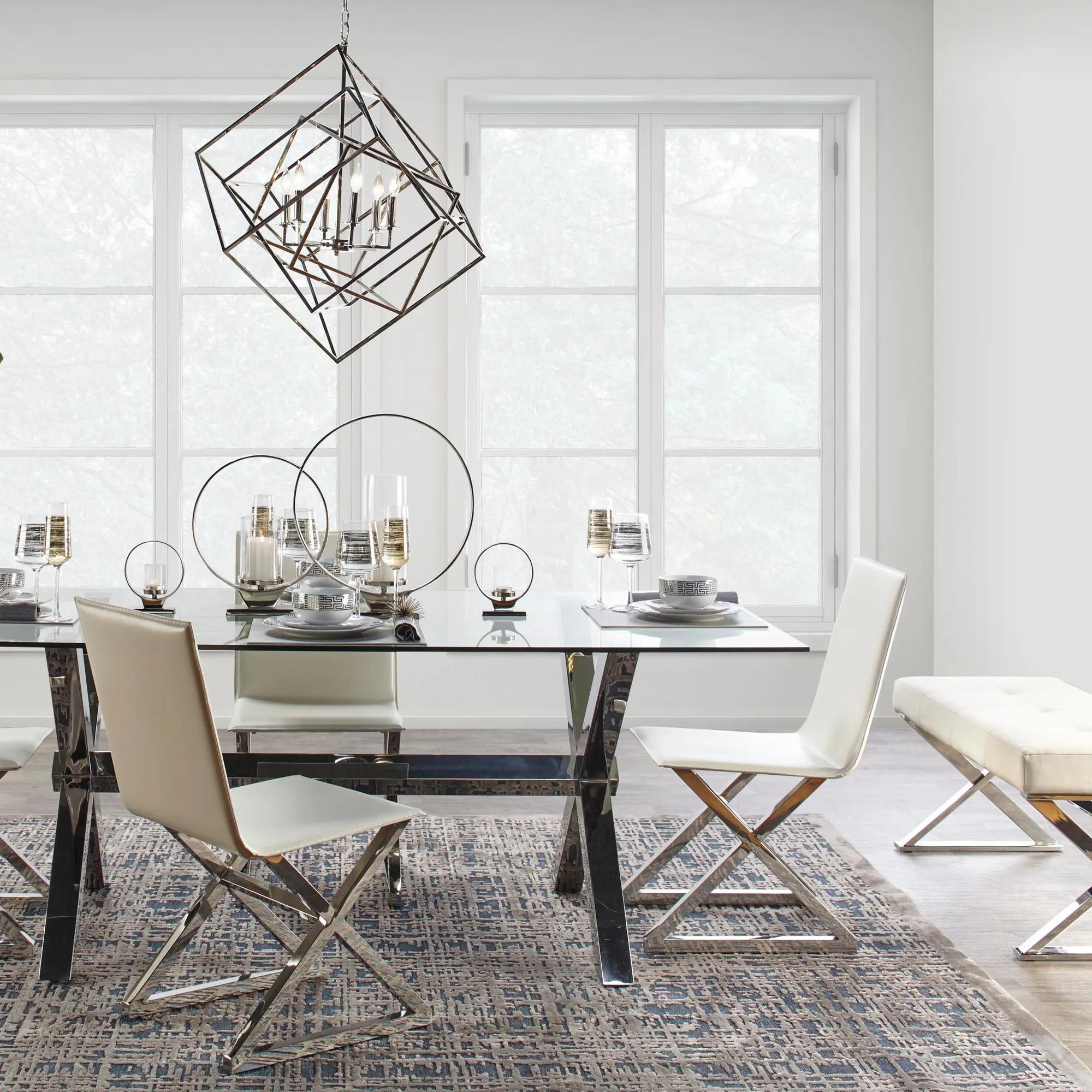 Axis Rectangular Silver Dining Table With Glass Top (78")$1199
A contemporary dining table featuring a polished stainless steel base and durable tempered glass top.
Add To Cart -
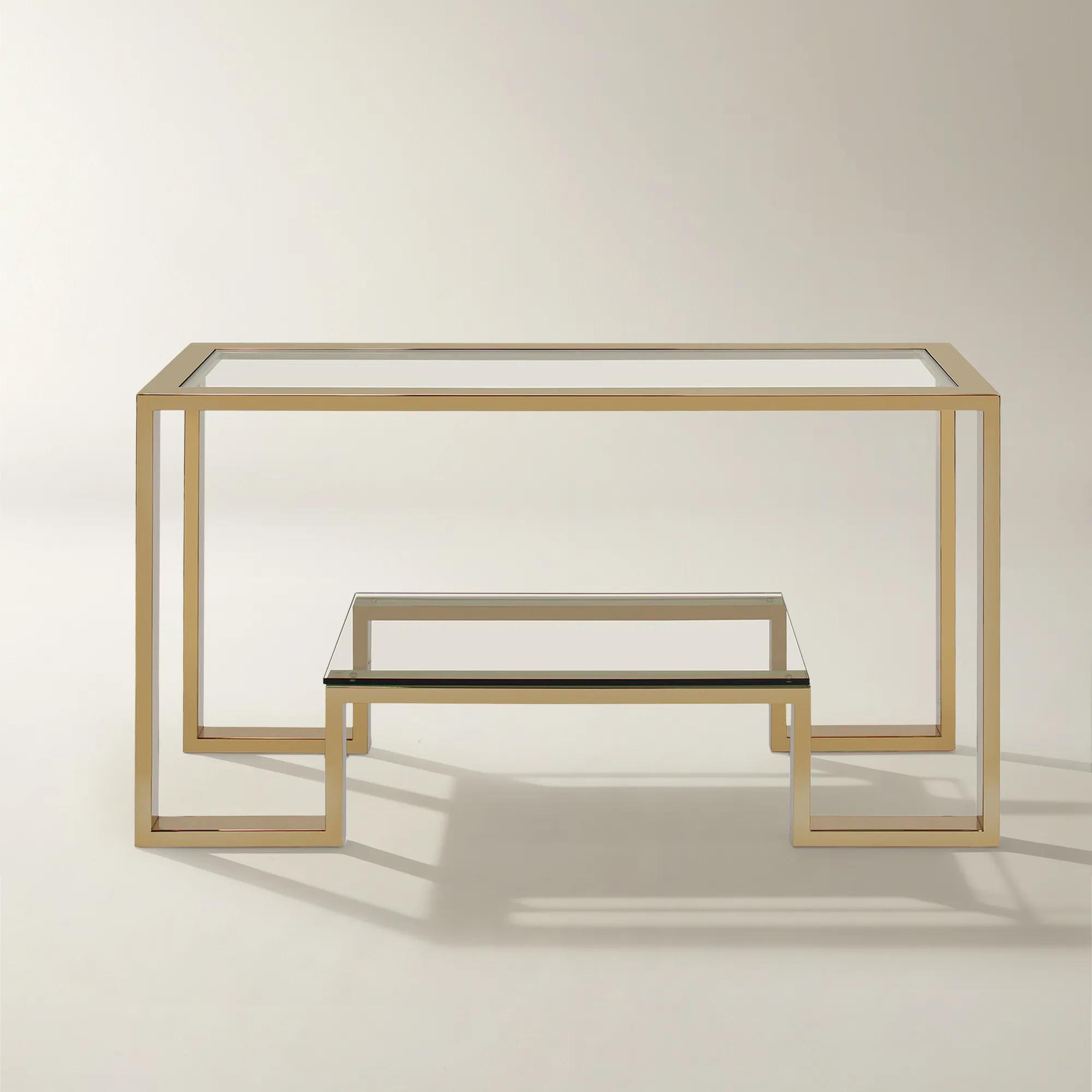
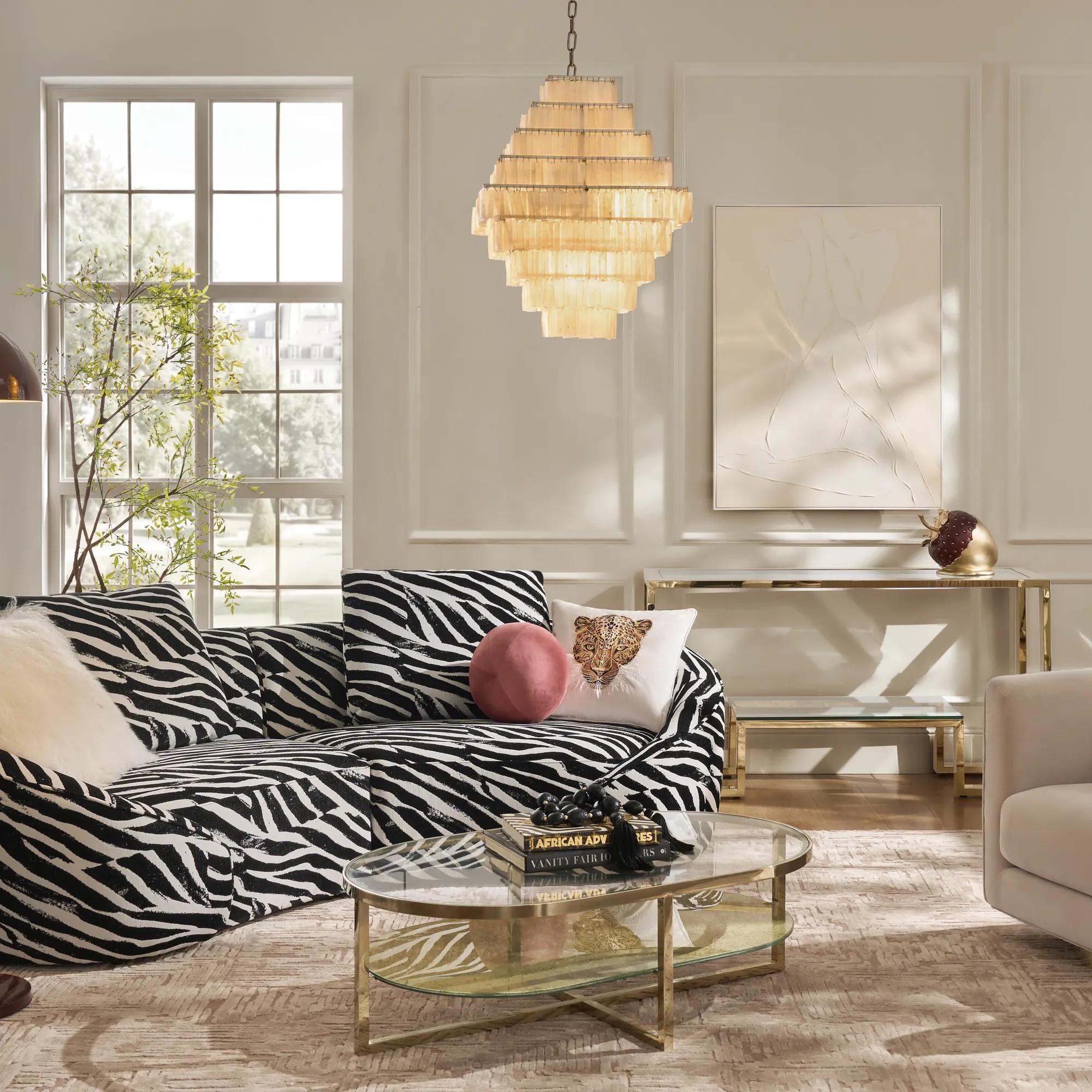 Duplicity Rectangular Gold Stainless Steel Console Table With Glass Top (59")$1399
A modern console table crafted from stainless steel and tempered glass with a floating bottom shelf.
Add To Cart -
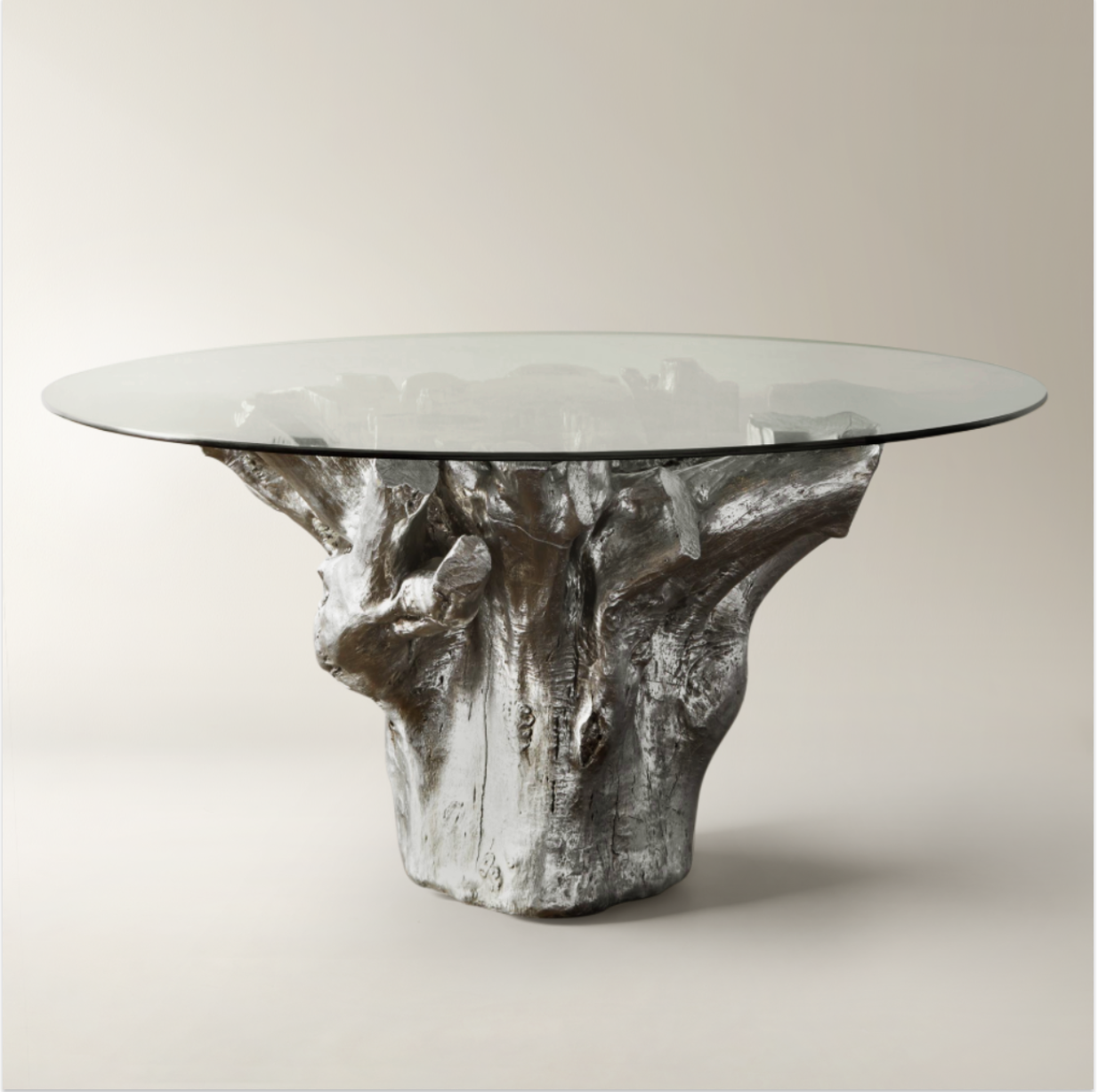 Sequoia Silver Resin Dining Table With Glass Top (60")$2199
A sculptural resin base with hand-applied silver leaf supports a round tempered glass top for modern elegance.
Add To Cart -
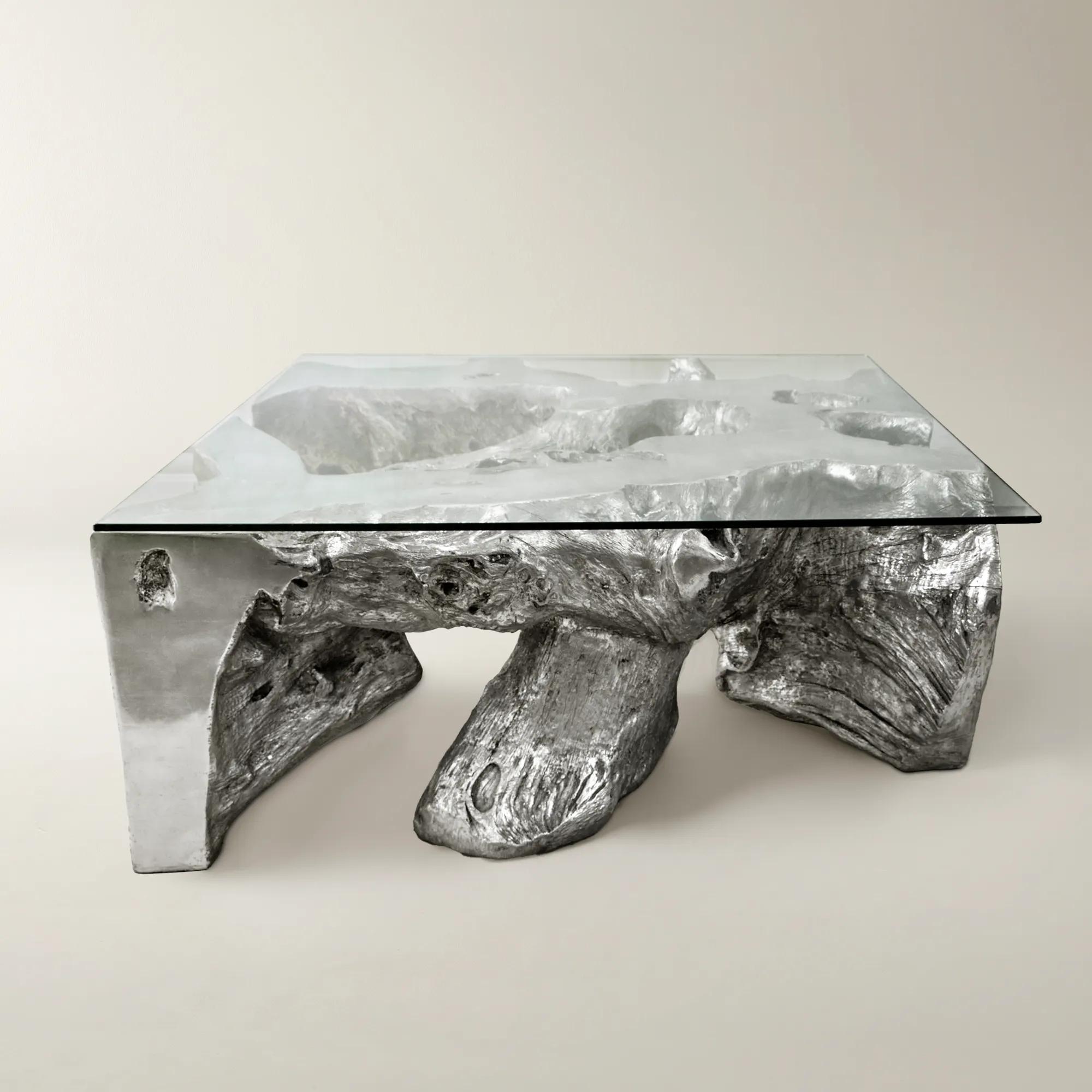 Sequoia Silver Resin Coffee Table With Glass Top (44")$2299
A sculptural coffee table featuring a hand-applied silver leaf resin base and a tempered glass top.
Add To Cart -
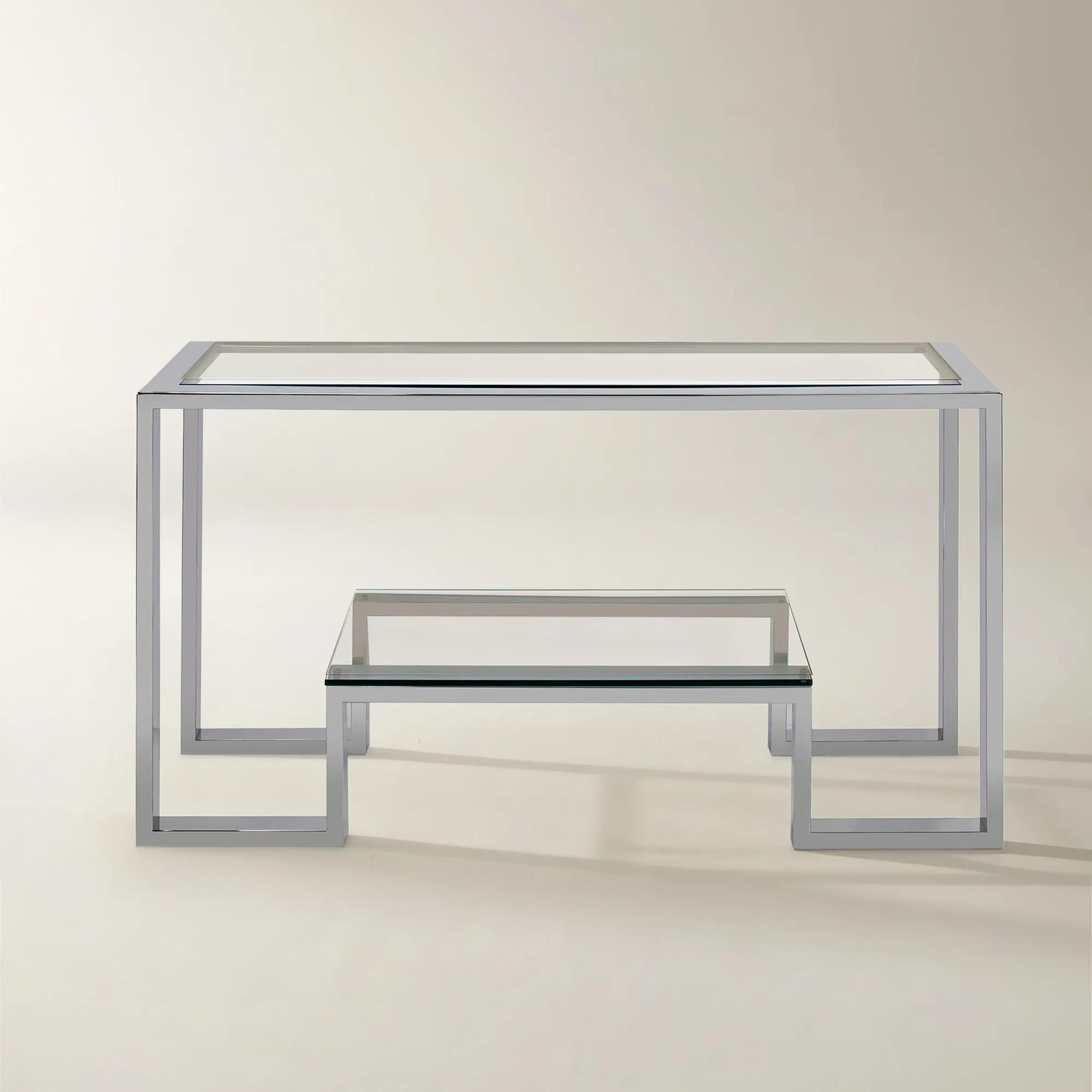
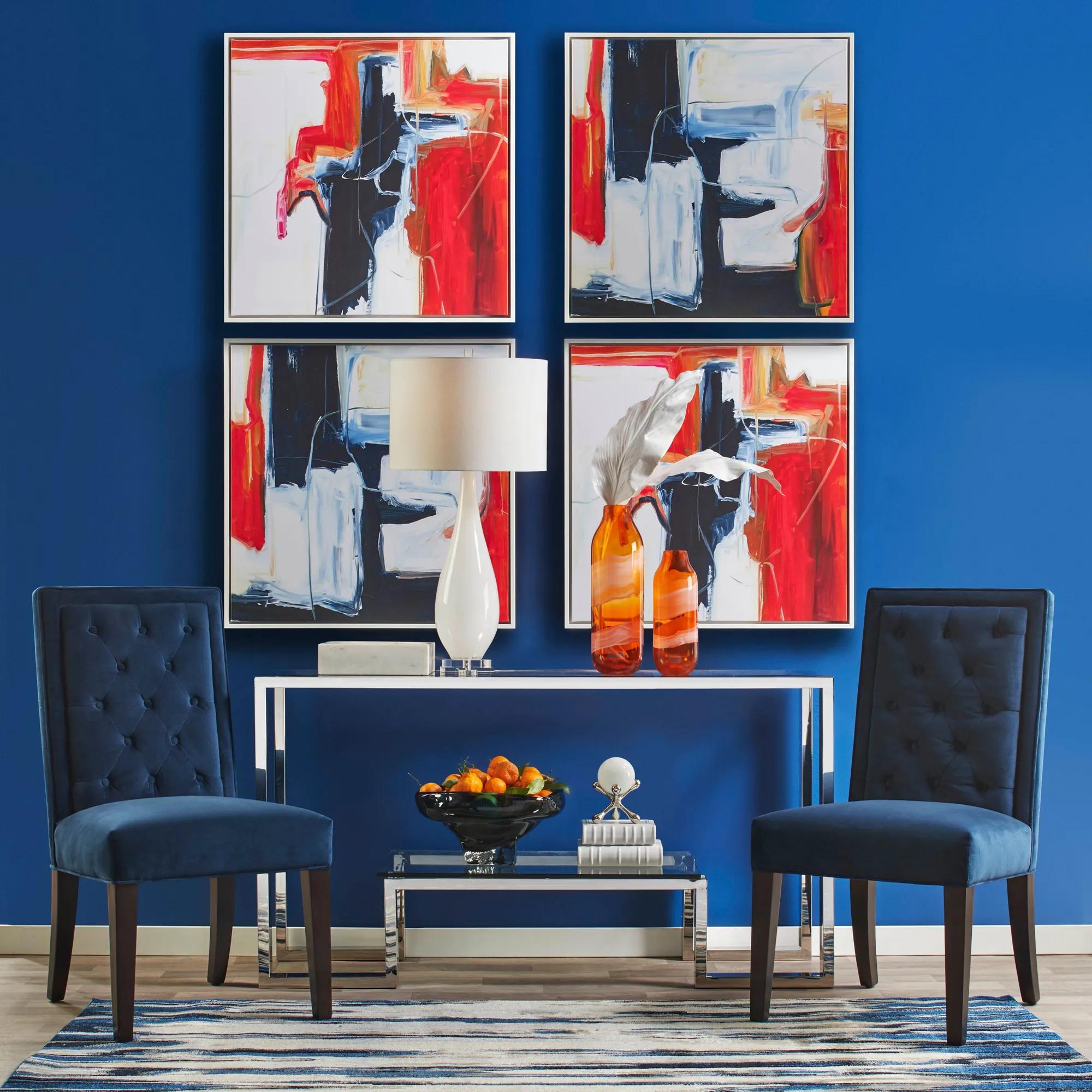 Duplicity Rectangular Silver Stainless Steel Console Table With Glass Top (59")$1399
A modern console table crafted from stainless steel and tempered glass with a floating bottom shelf.
Add To Cart -
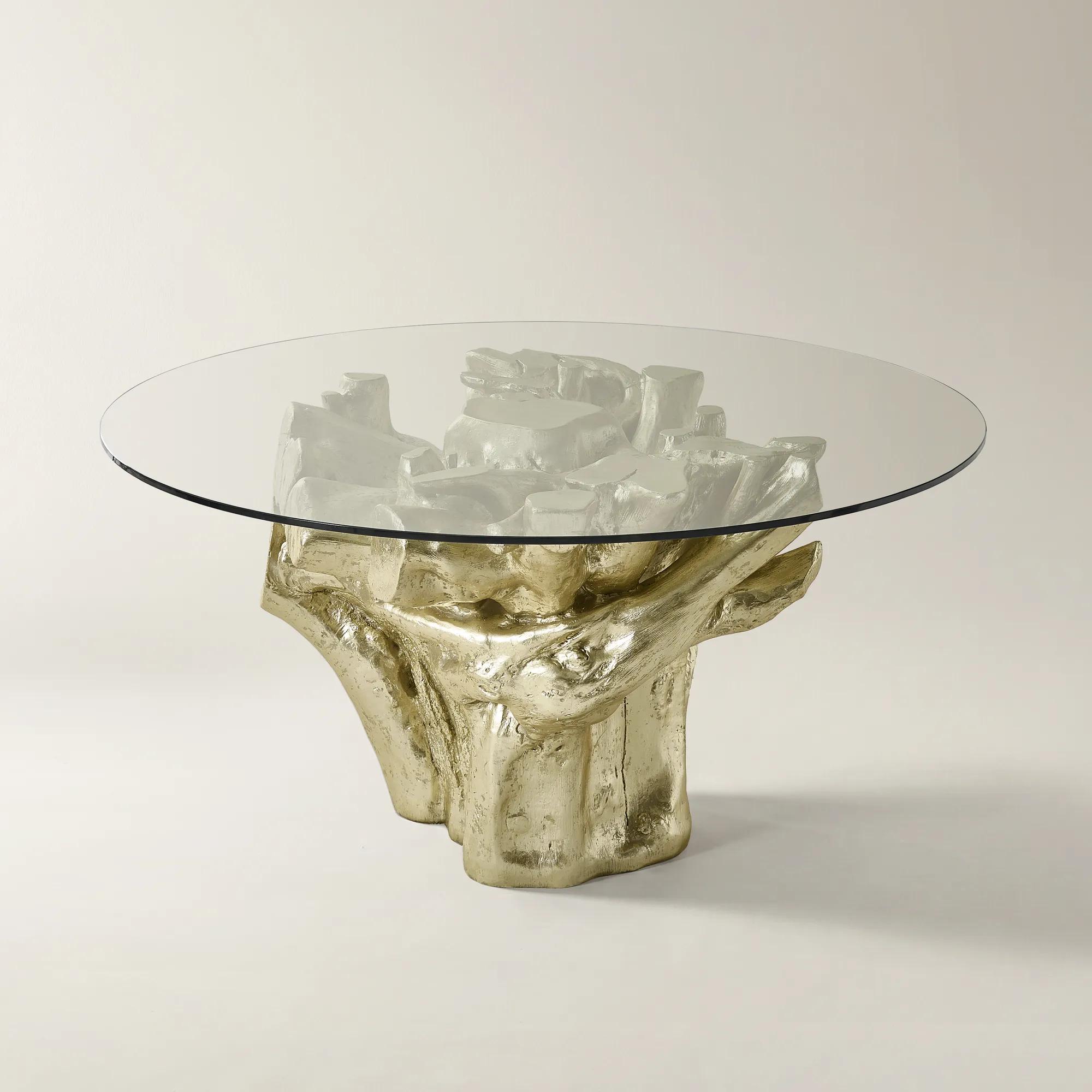 Sequoia Champagne Gold Resin Dining Table With Glass Top (60")$2199
A sculptural resin dining table with a champagne gold leaf base and a clear tempered glass top.
Add To Cart -
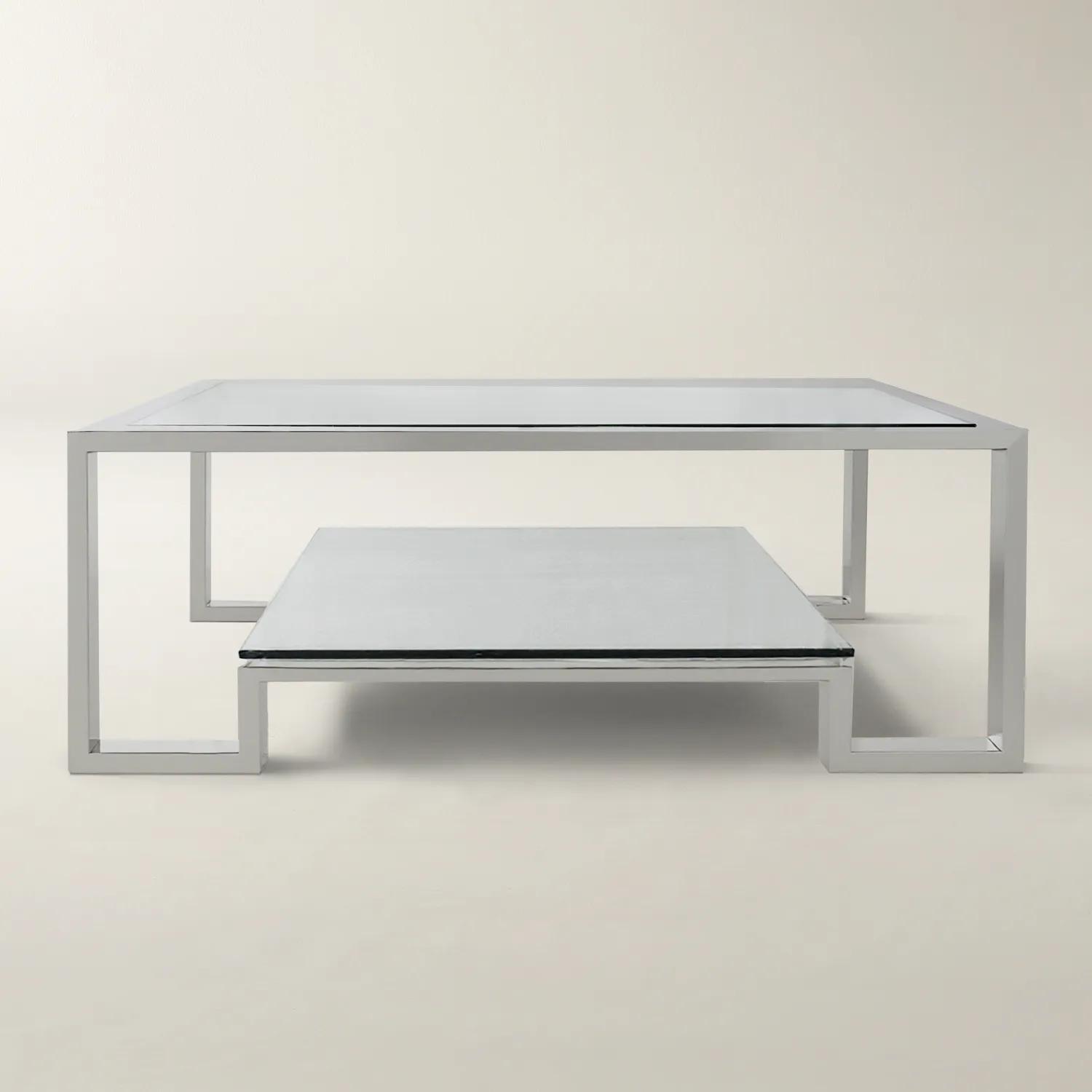
 Duplicity Rectangular Silver Stainless Steel Coffee Table With Glass Top (50")$1399
A modern coffee table featuring a stainless steel frame, tempered glass top, and floating bottom shelf.
Add To Cart -
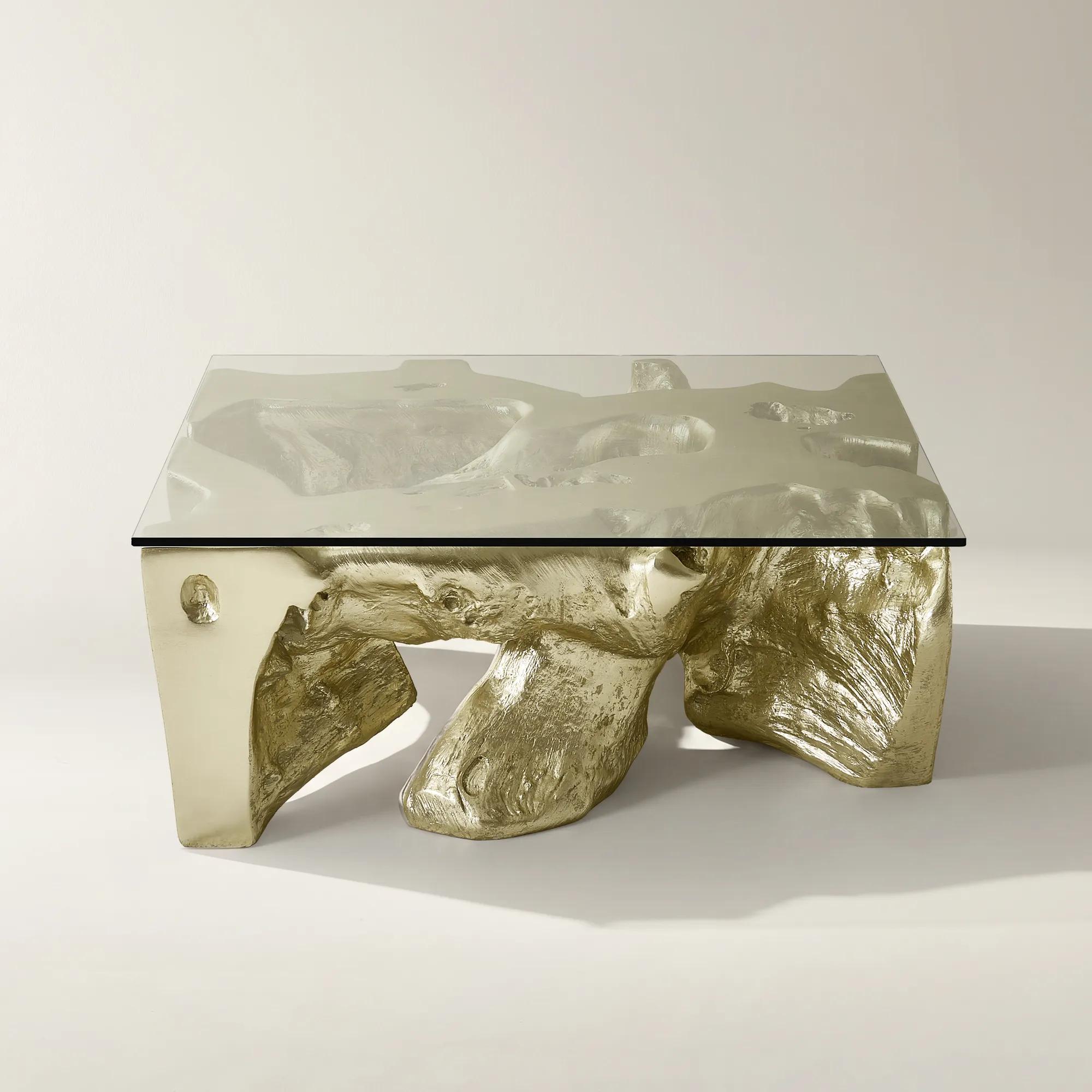 Sequoia Champagne Gold Resin Coffee Table With Glass Top (44")$2299
A sculptural resin coffee table with a champagne gold leaf finish and a clear tempered glass top.
Add To Cart -
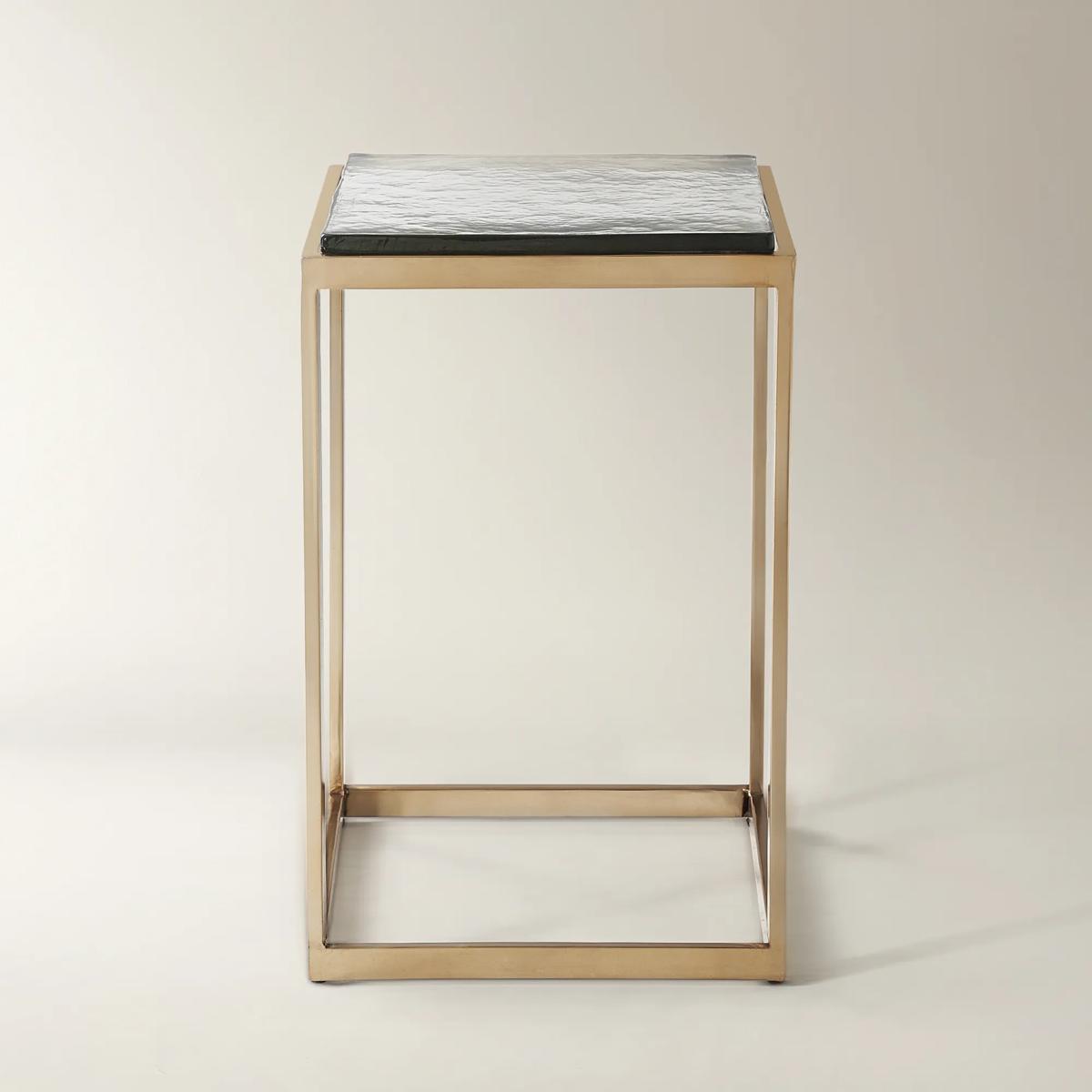
 Lyra Square Brass Metal Side Table With Glass Top (13.8")$239
A sculptural side table featuring a thick cast glass top and a lustrous brass-finished metal base.
Add To Cart -
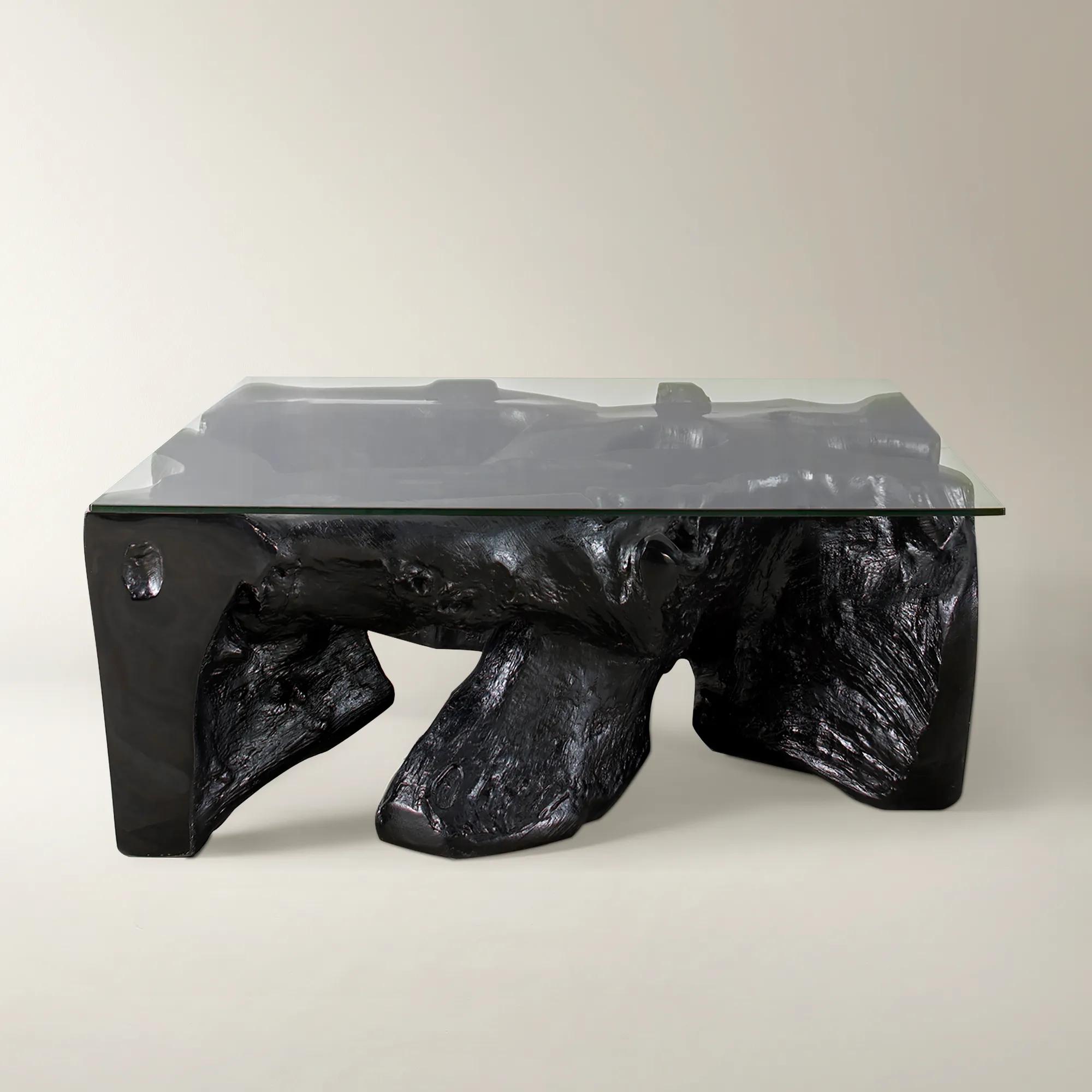
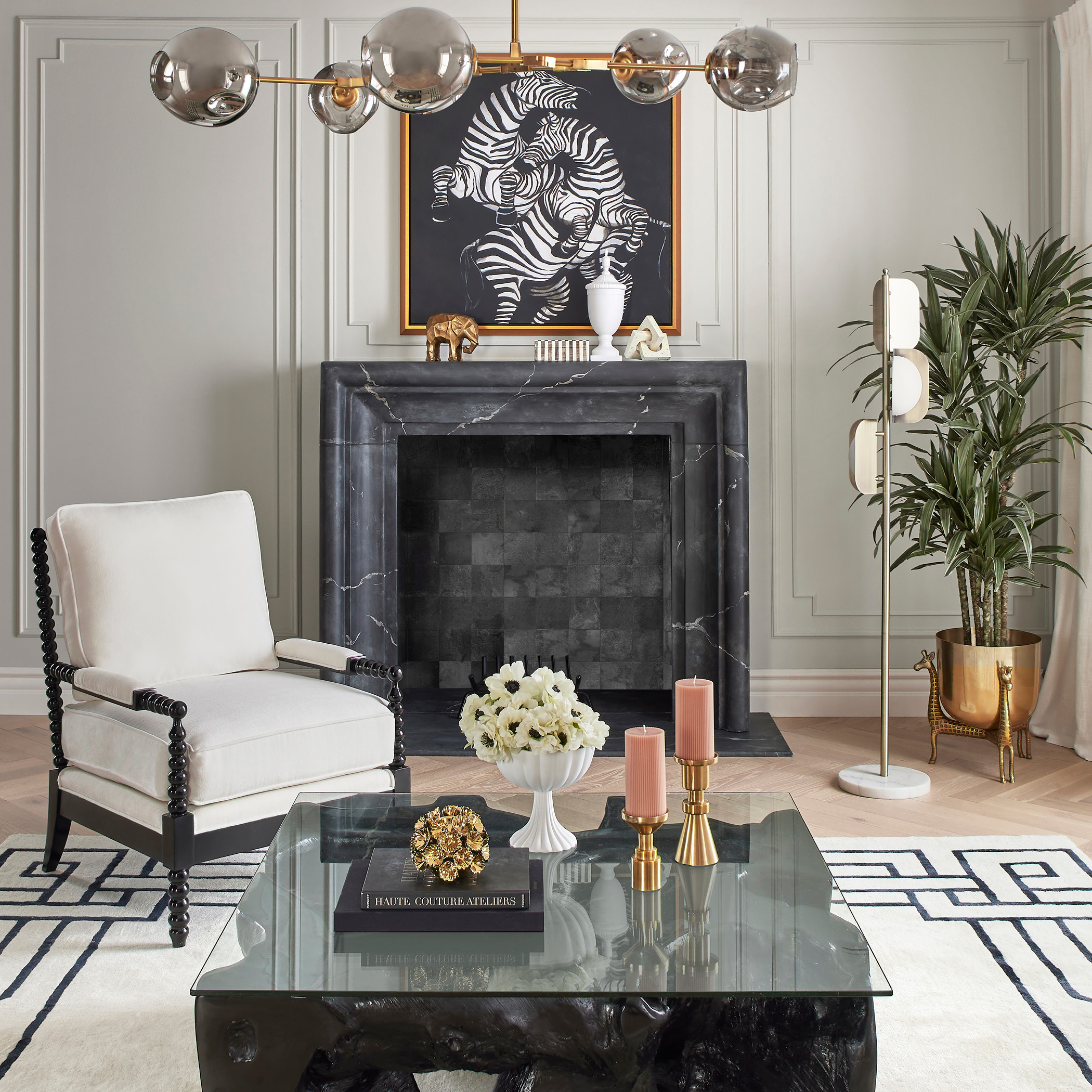 Sequoia Black Resin Coffee Table With Glass Top (44")$2299
A sculptural black coffee table crafted from resin and polished stone fragments for indoor or outdoor use.
Add To Cart -
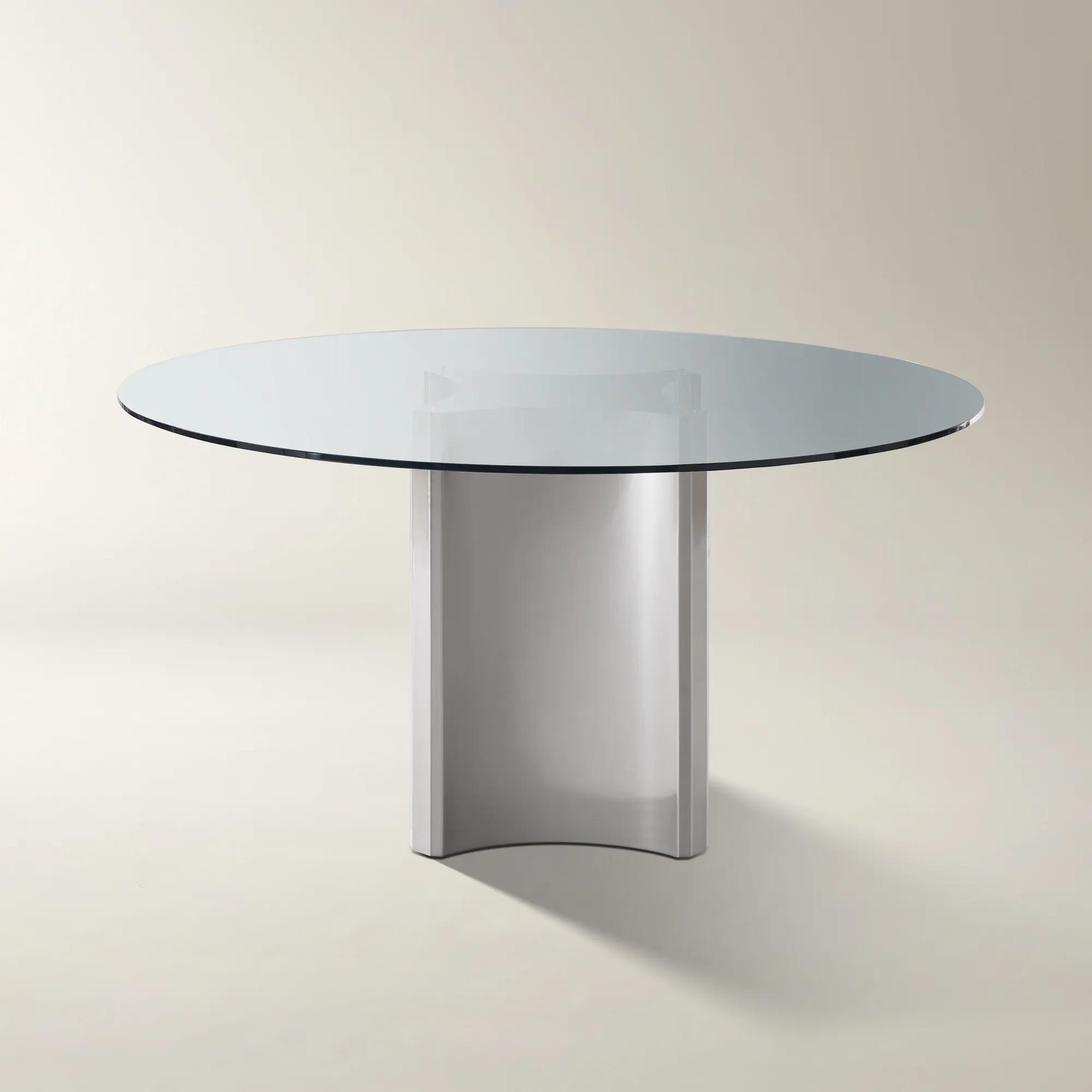 Ventane Round Clear Glass and Stainless steel Dining Table (58")$1499
A modern dining table featuring a clear tempered glass top and polished stainless steel base with anti-fingerprint finish.
Add To Cart -
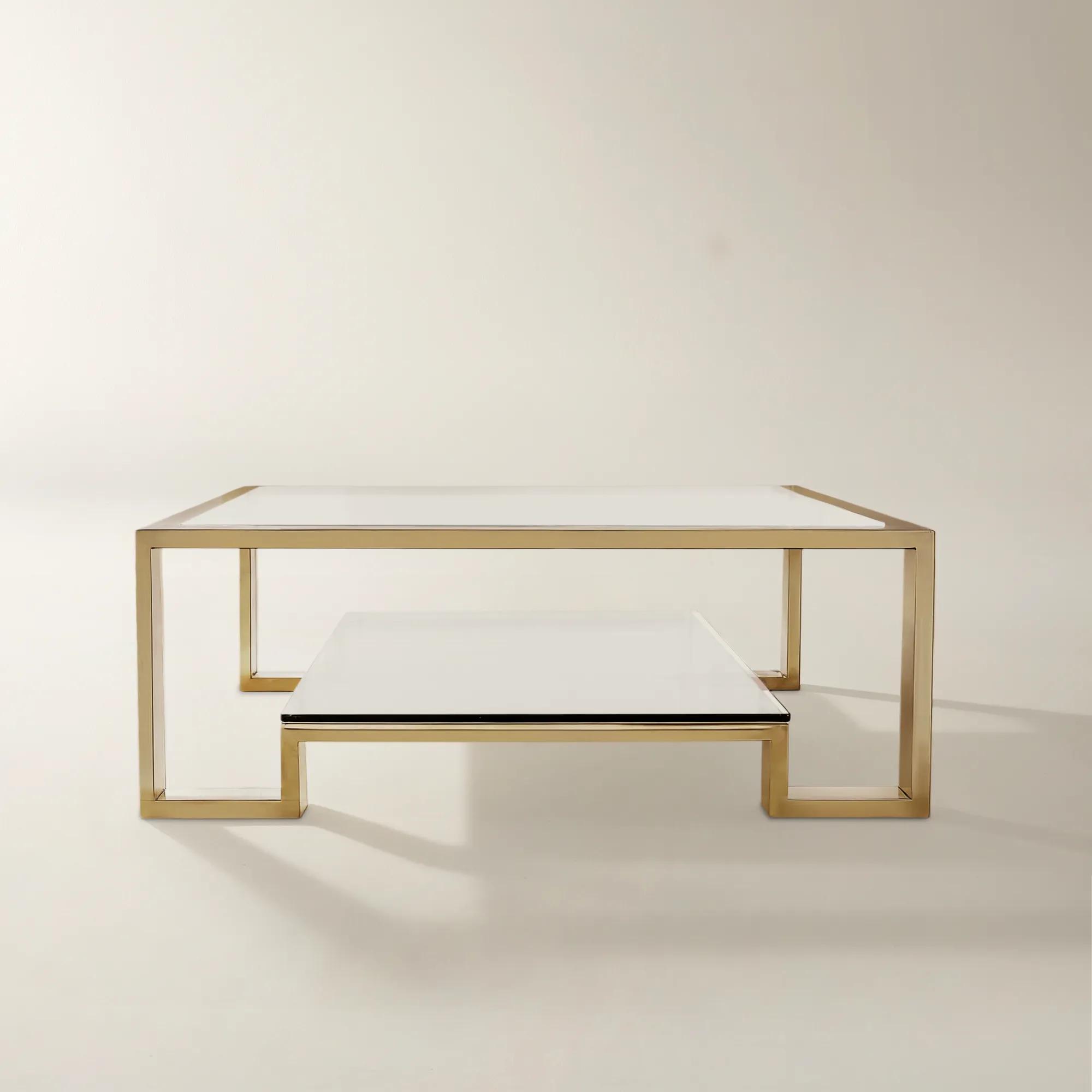 Duplicity Rectangular Gold Stainless Steel Coffee Table With Glass Top (50")$1399
A modern coffee table featuring a stainless steel frame, tempered glass top, and floating storage shelf.
Add To Cart -
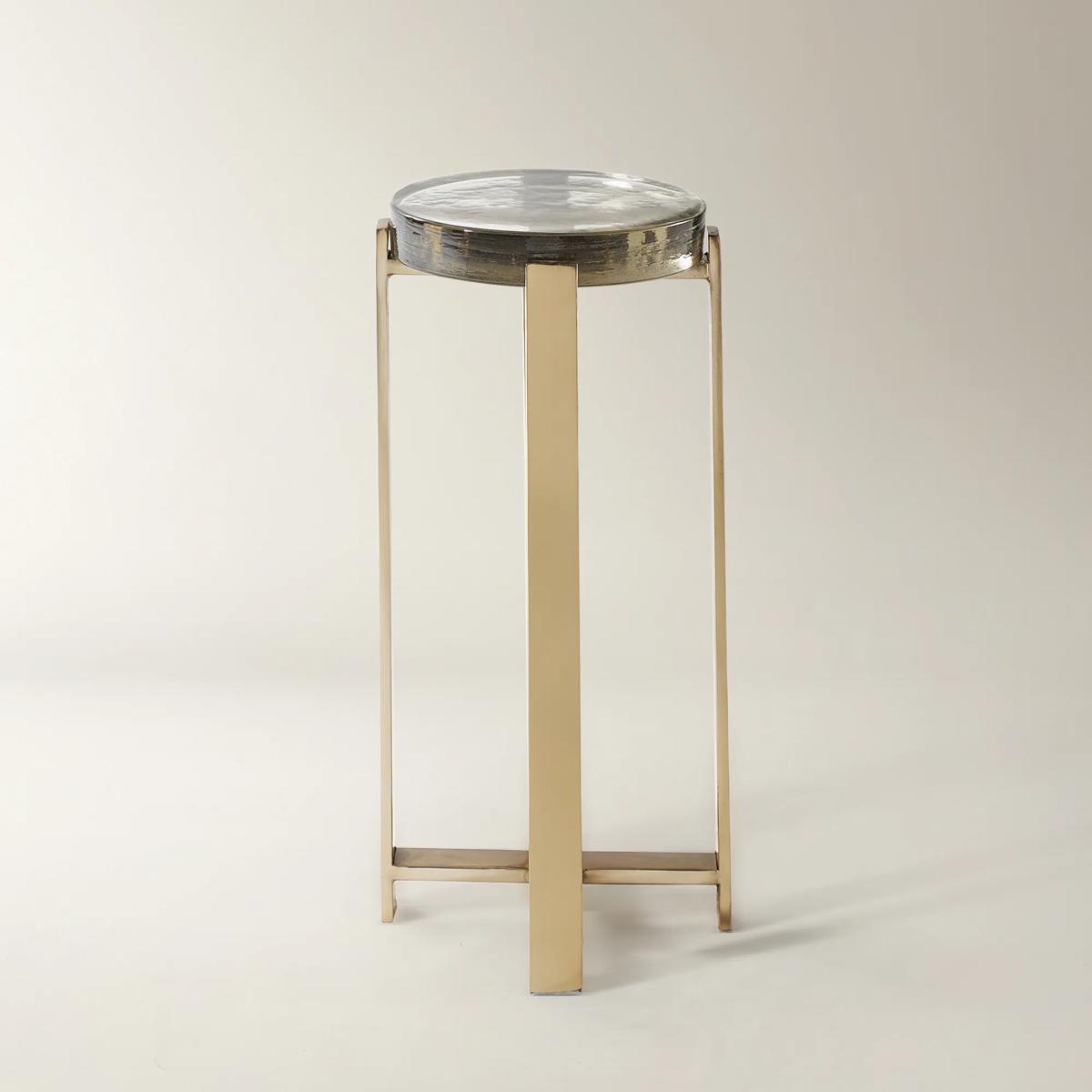
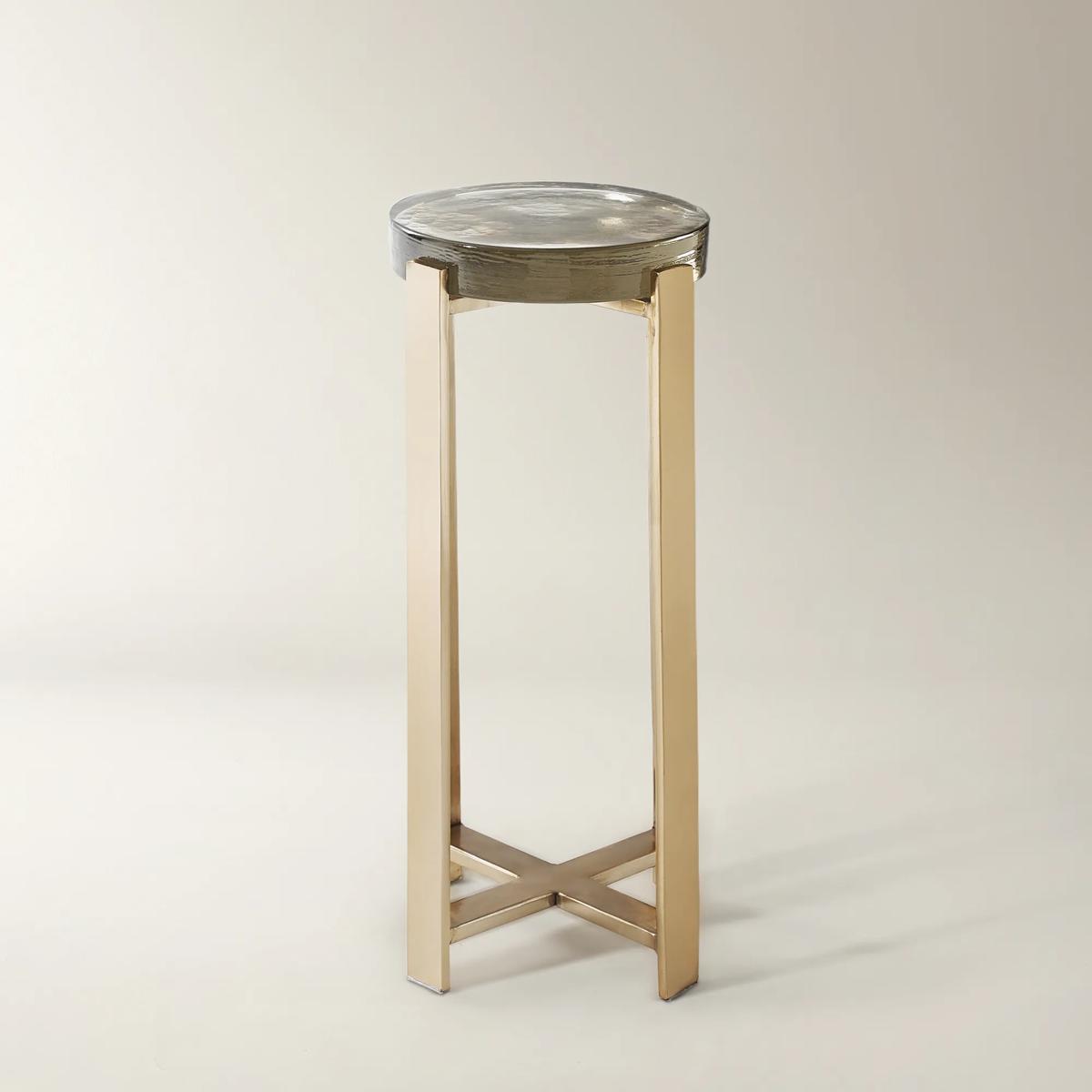 Lyra Round Brass Metal Side Table With Glass Top (10.75")$259
A sculptural side table featuring a thick cast glass top and lustrous brass-finished metal base.
Add To Cart -
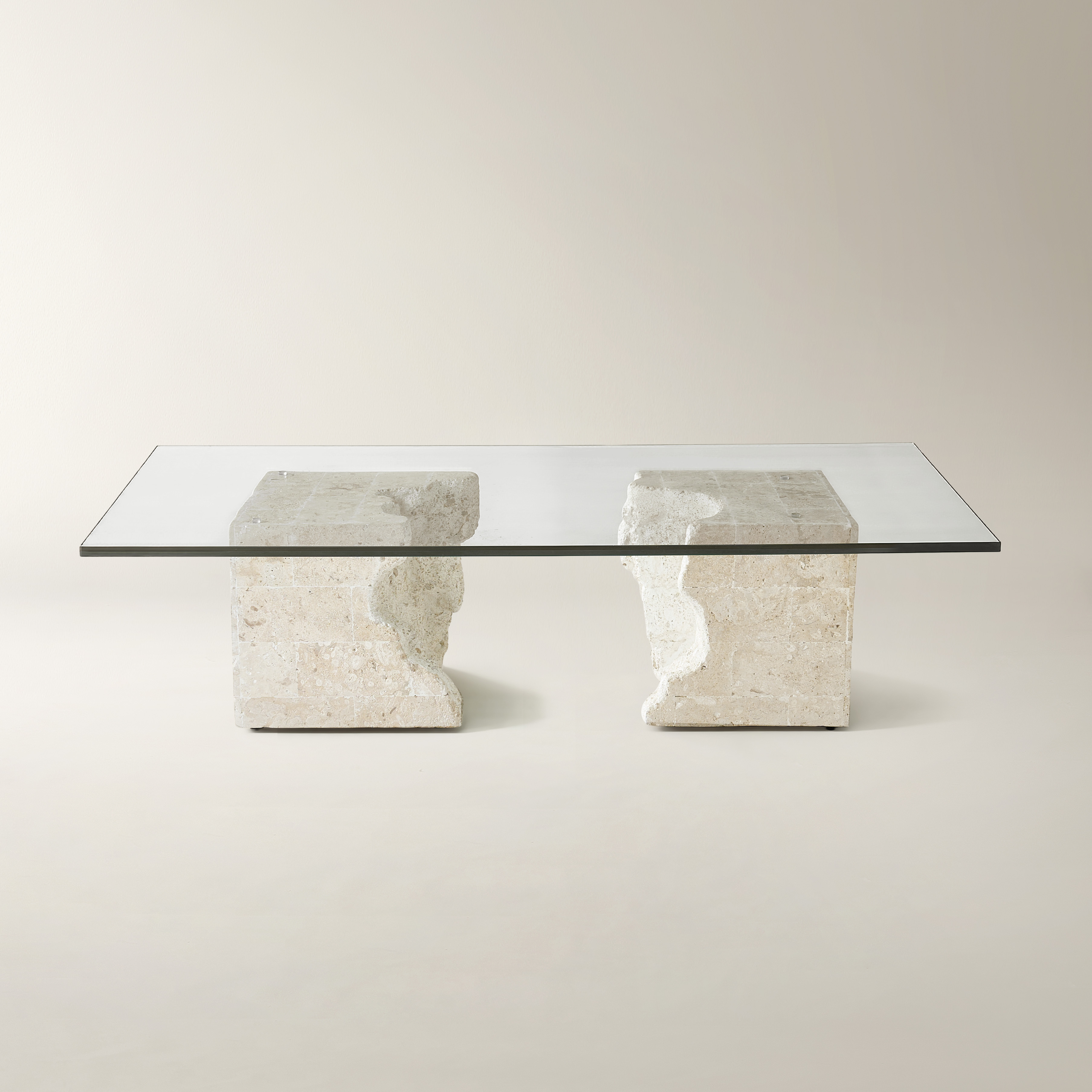 Cairo Rectangular Mactan Stone Coffee Table With Glass Top (63")$1899
A contemporary coffee table featuring a clear tempered glass top floating above hand-carved Mactan stone bases.
Add To Cart -
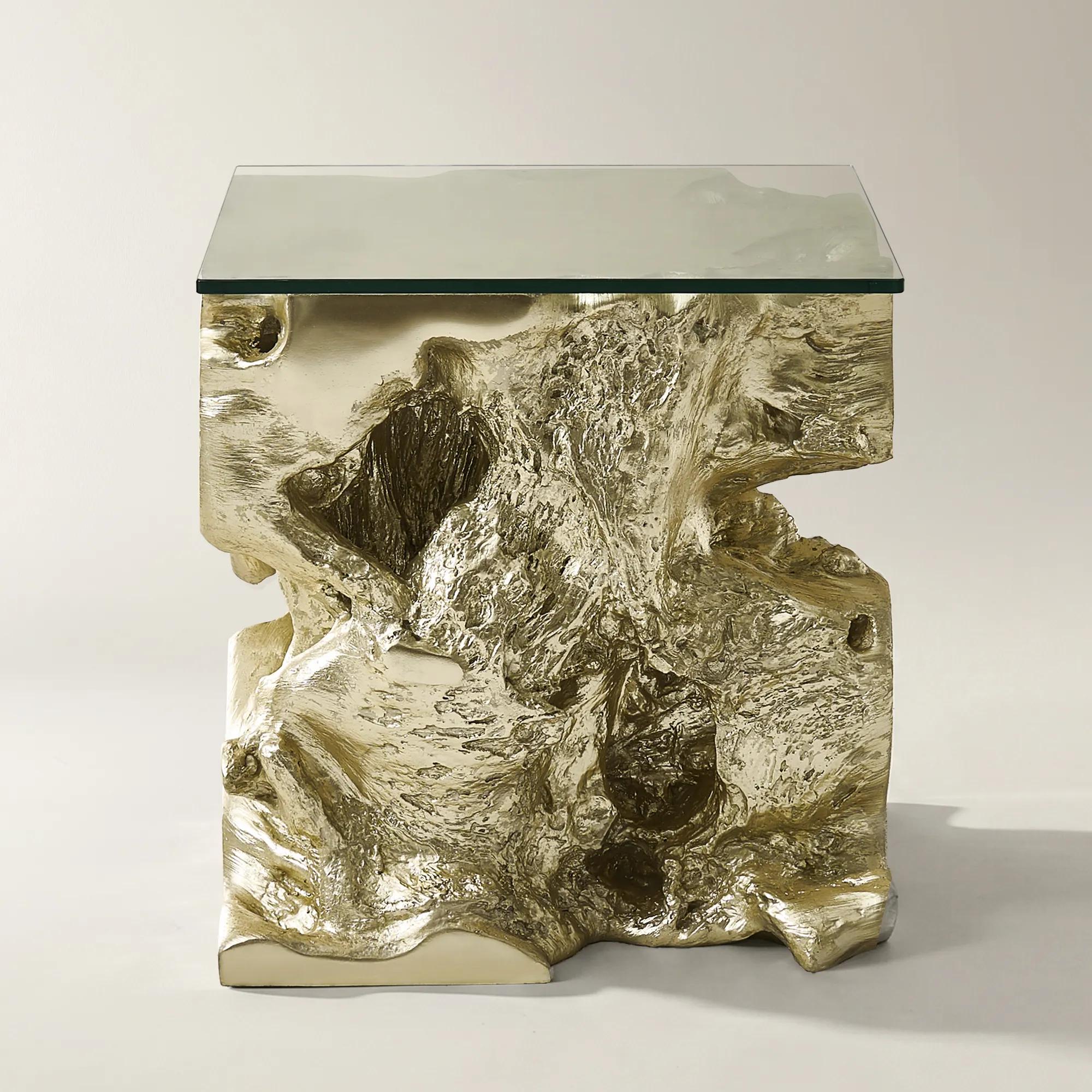 Sequoia Champagne Gold Resin End Table With Glass Top (22")$999
A sculptural resin end table with a champagne gold leaf finish and a clear tempered glass top.
Add To Cart -
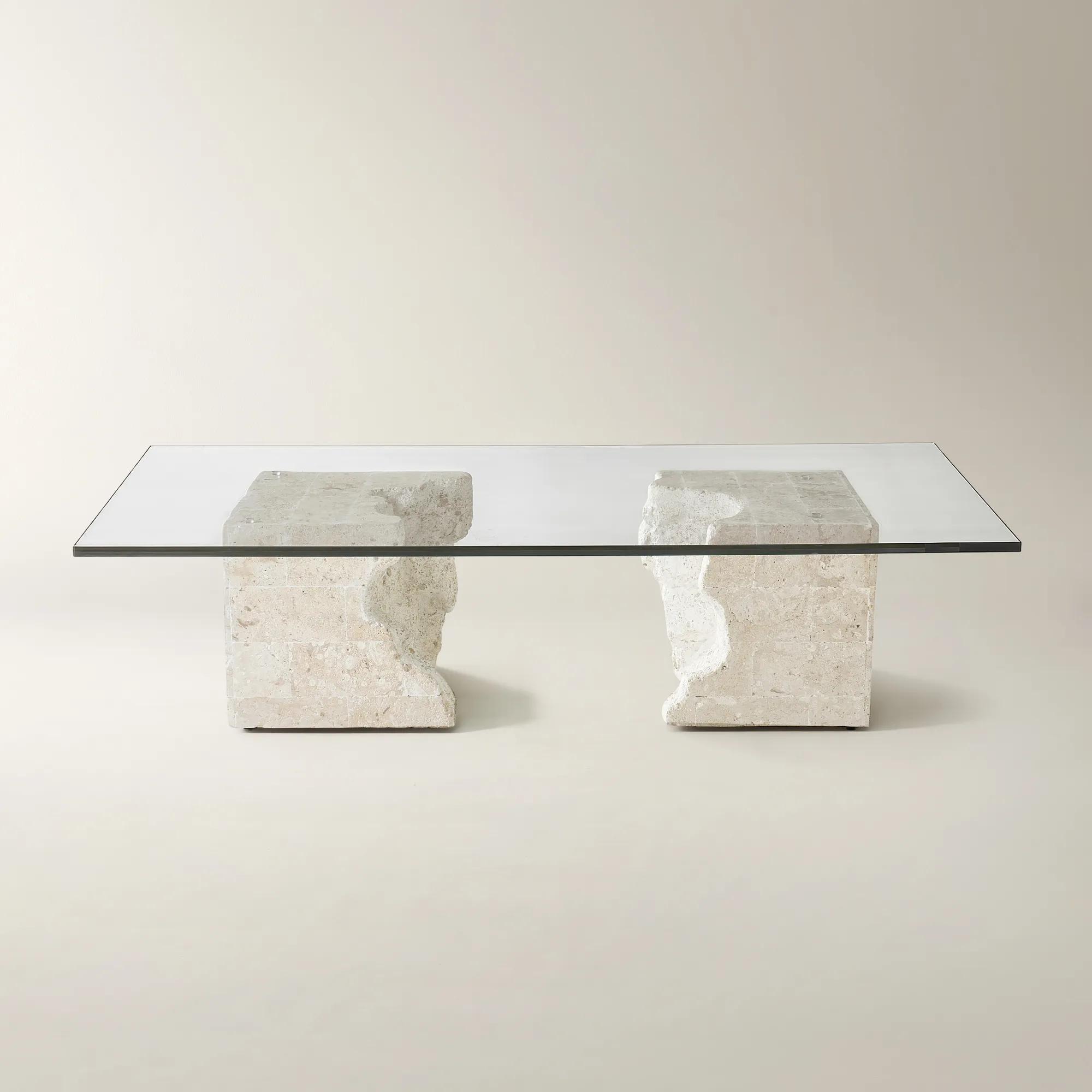 Cairo Rectangular Mactan Stone Coffee Table With Glass Top (70.87")$1999
A contemporary coffee table featuring a clear tempered glass top floating above hand-carved Mactan stone bases.
Add To Cart -
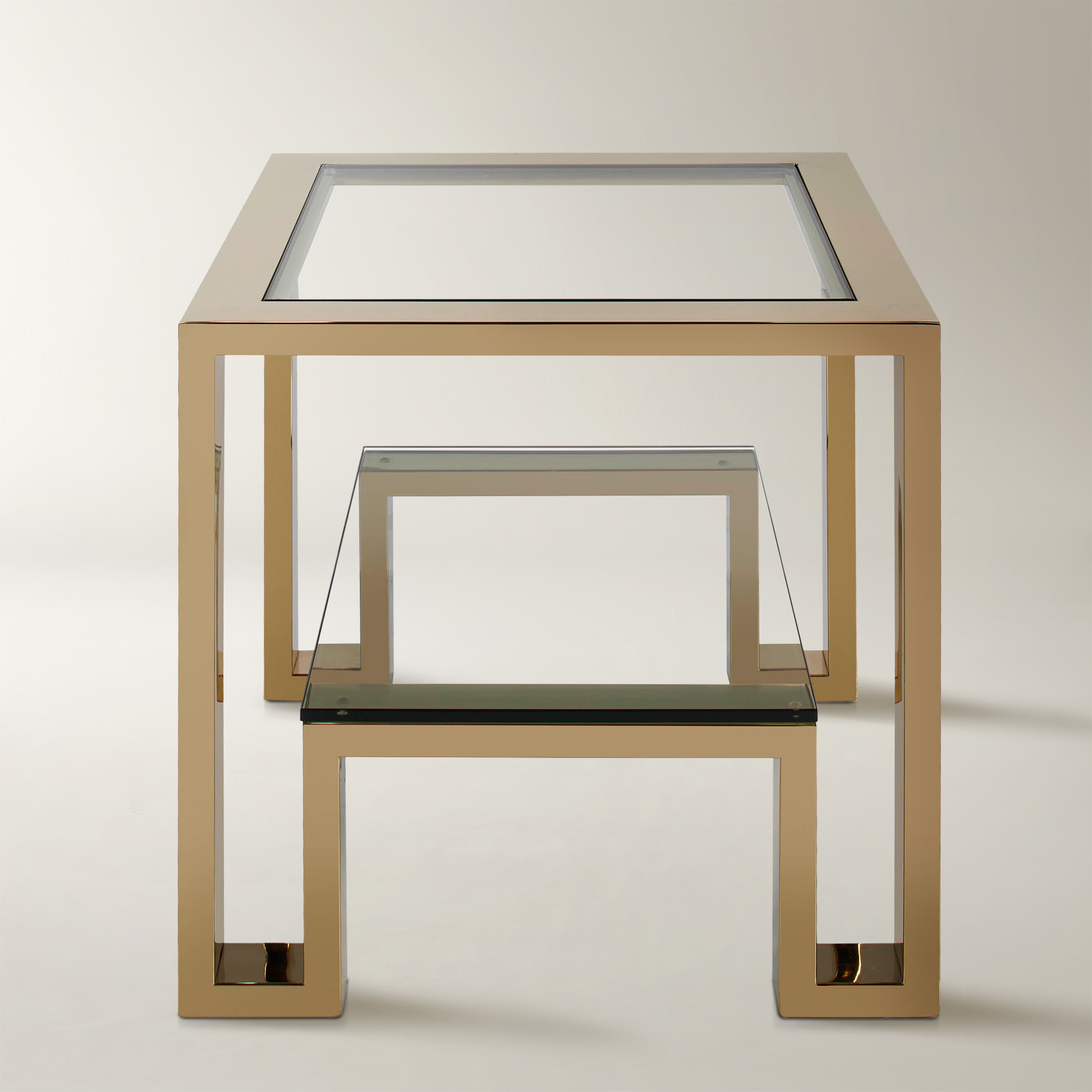 Duplicity Square Gold Stainless Steel End Table With Glass Top (24")$749
A modern end table crafted from stainless steel and tempered glass with a floating bottom shelf.
Add To Cart -
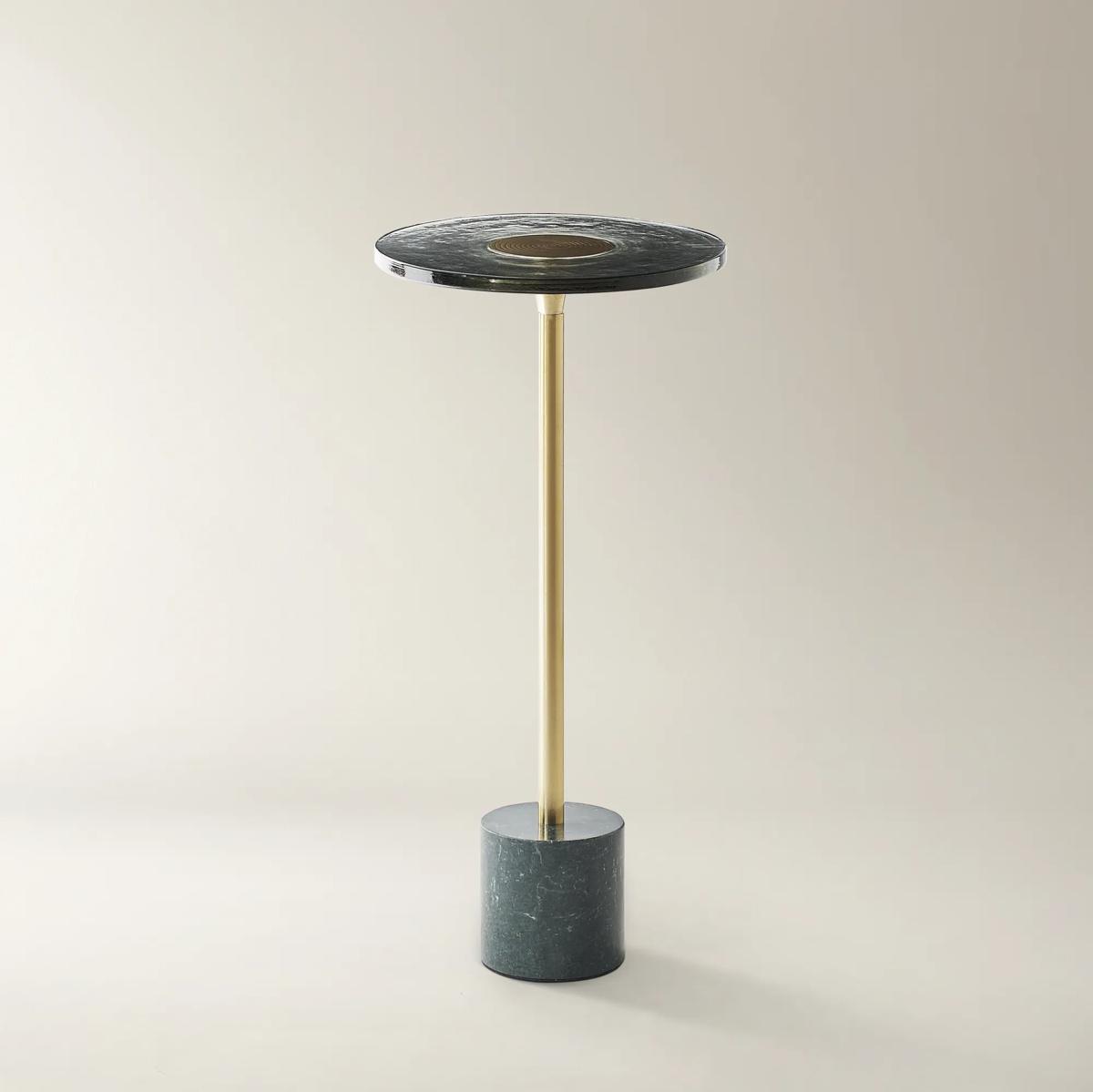
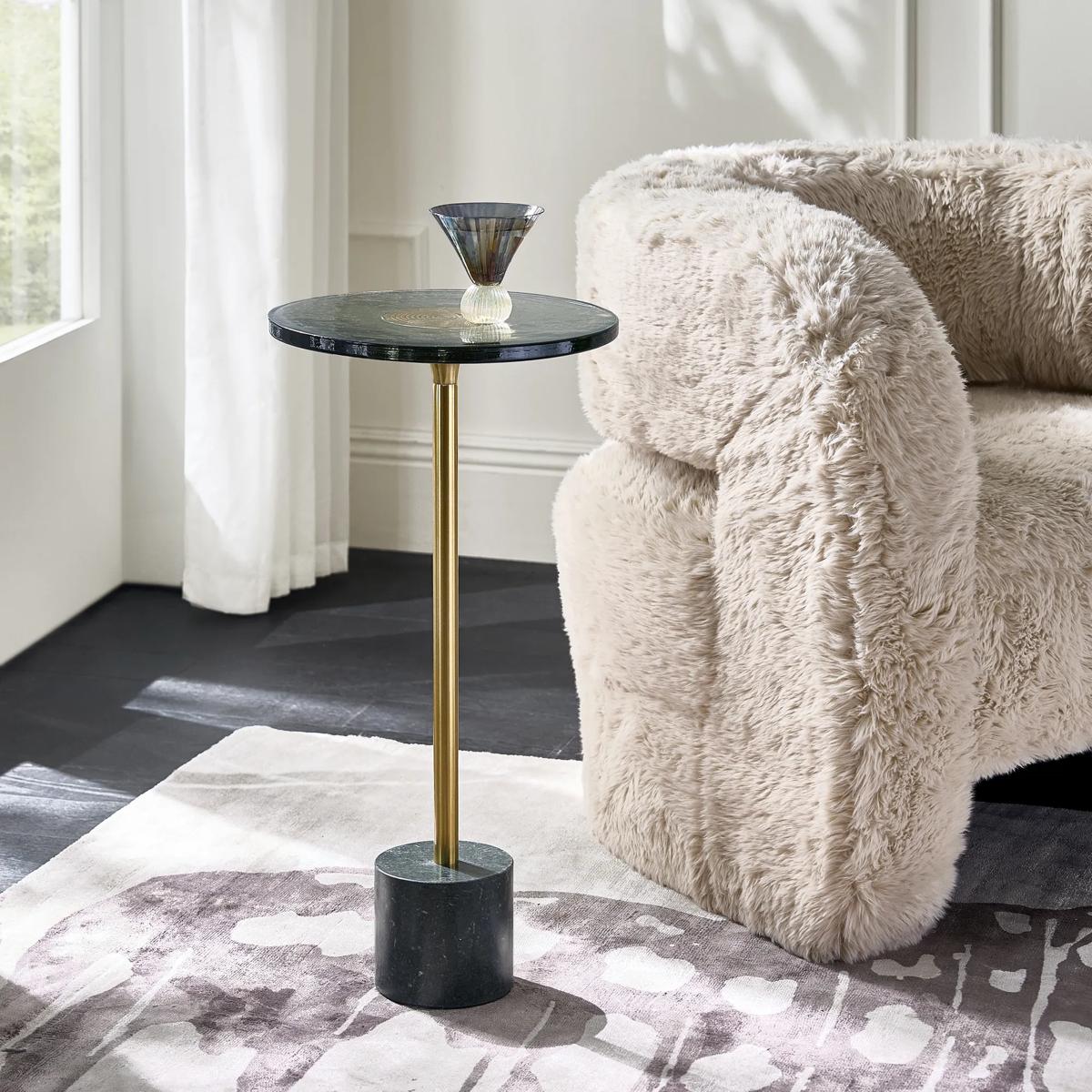 Seraphy Round Green Metal Side Table With Glass Top (13.75")$179
A modern side table featuring a green cast glass top, brass-finished post, and Indian green marble base.
Add To Cart -
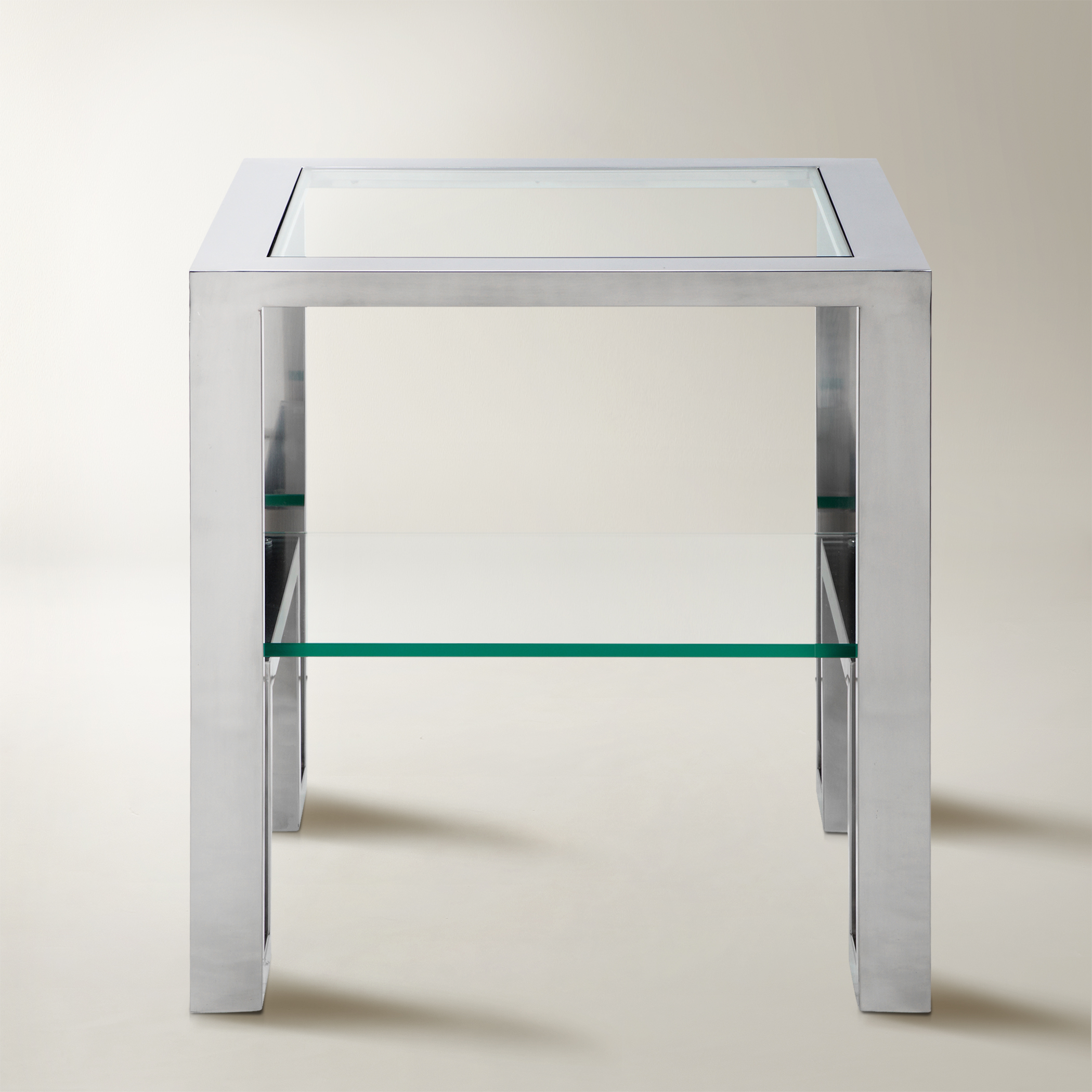
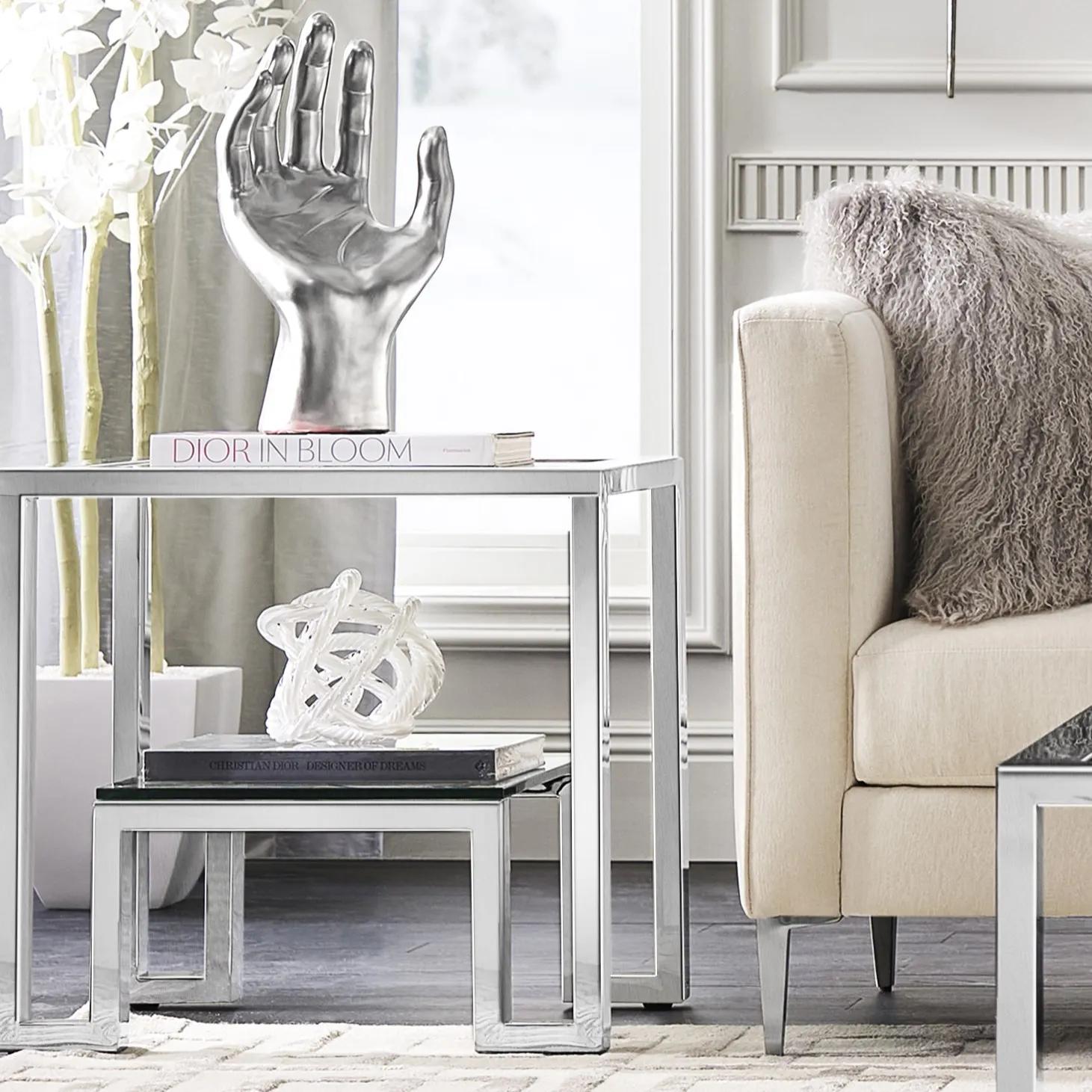 Duplicity Square Silver Stainless Steel End Table With Glass Top (24")$749
A modern end table featuring a stainless steel frame, tempered glass top, and floating bottom shelf.
Add To Cart -
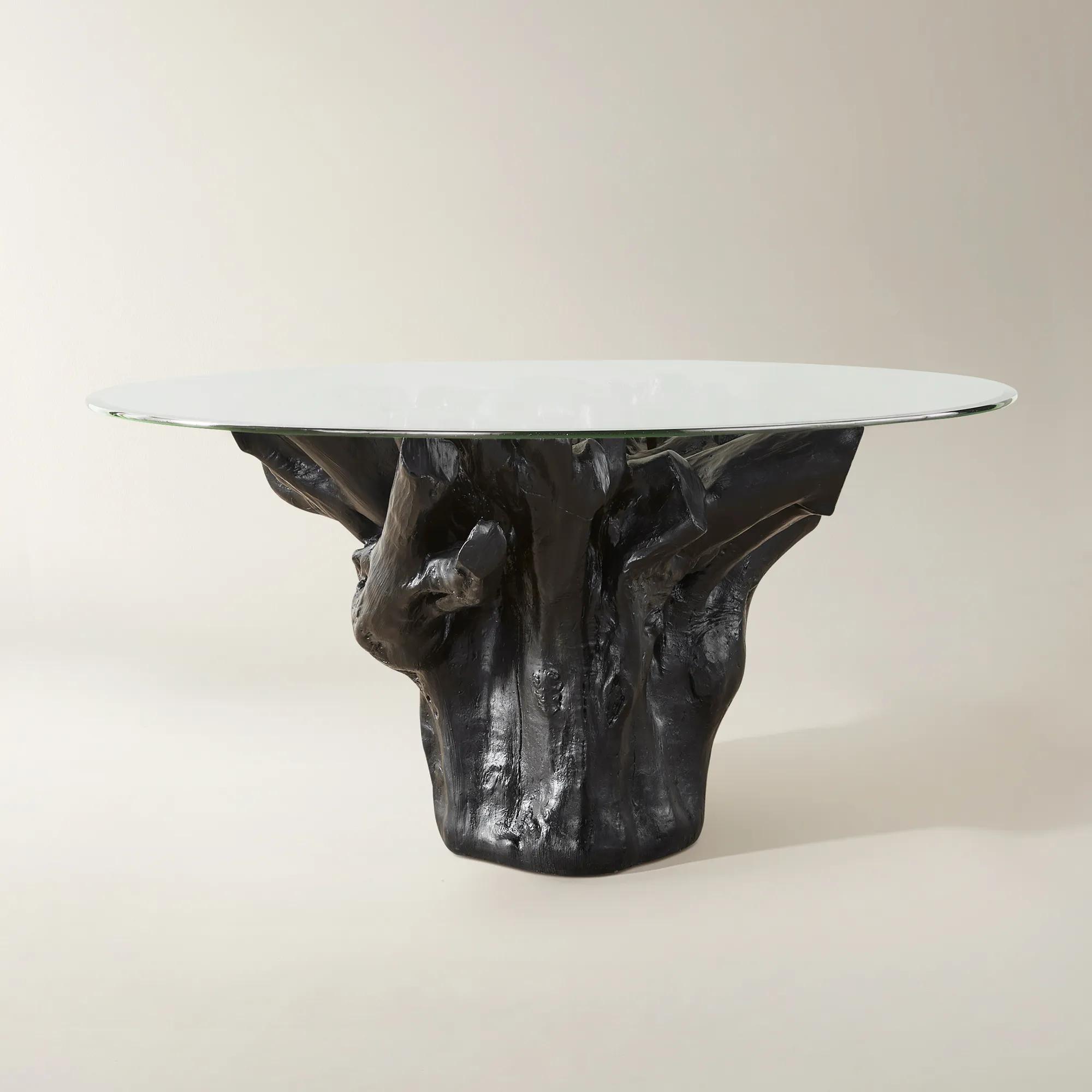 Sequoia Black Resin Dining Table With Glass Top (60")$2299
A sculptural black resin base with real stone fragments supports a round tempered glass top for organic elegance.
Add To Cart -
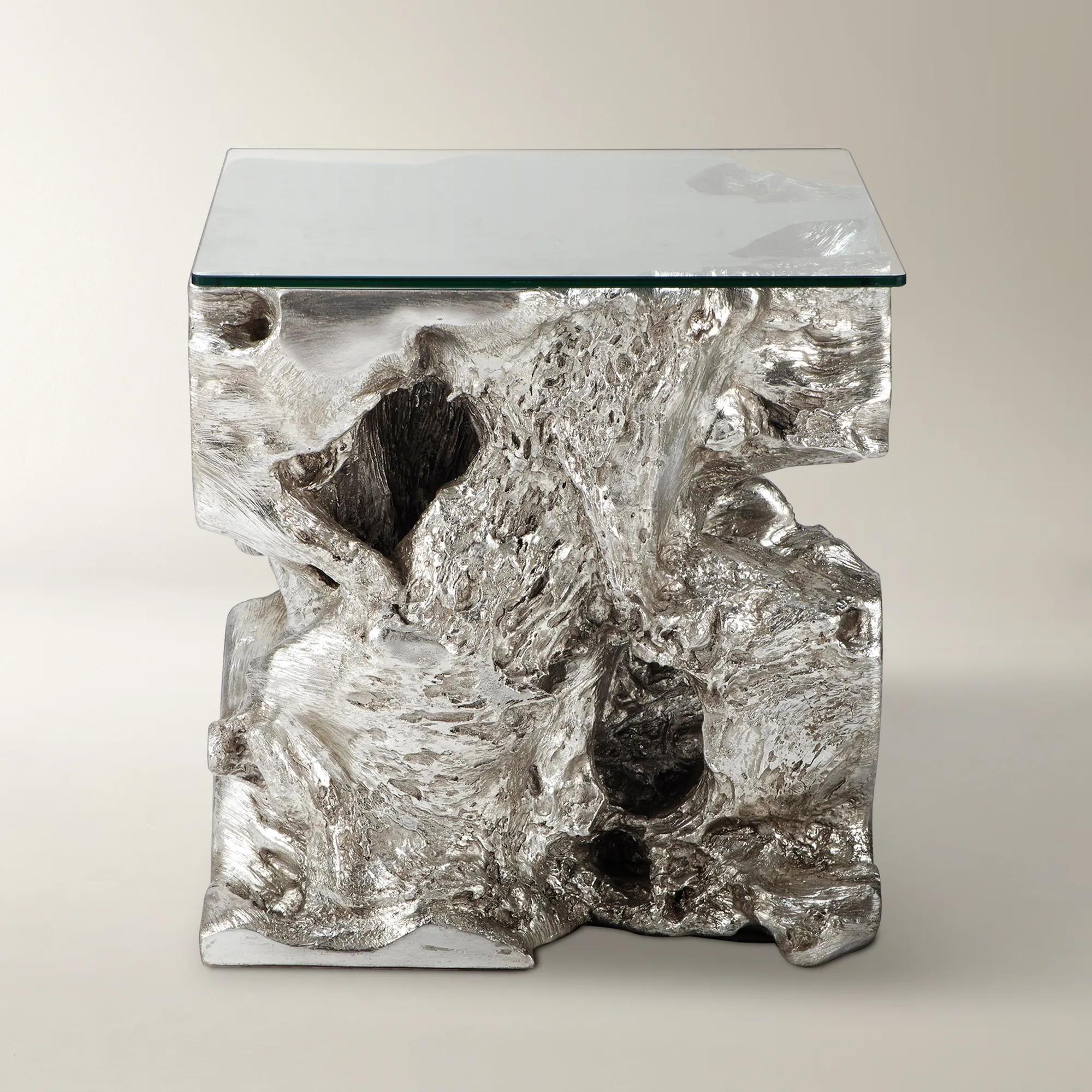 Sequoia Silver Resin End Table With Glass Top (22")$999
A sculptural end table featuring a silver leaf resin base and tempered glass top for modern elegance.
Add To Cart -
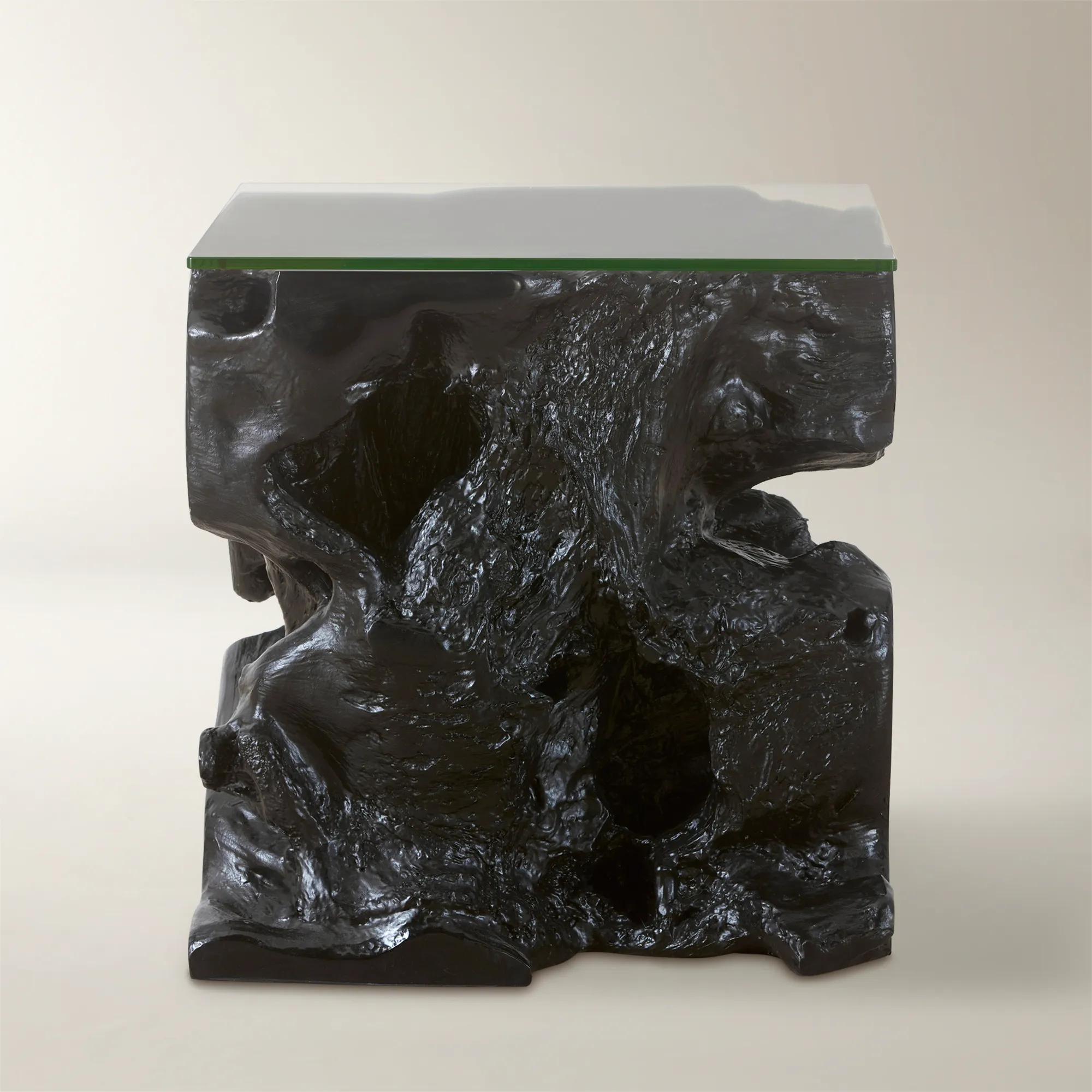 Sequoia Black Resin End Table With Glass Top (22")$999
A sculptural black resin and stone end table inspired by Acacia roots, suitable for indoor or outdoor use.
Add To Cart -
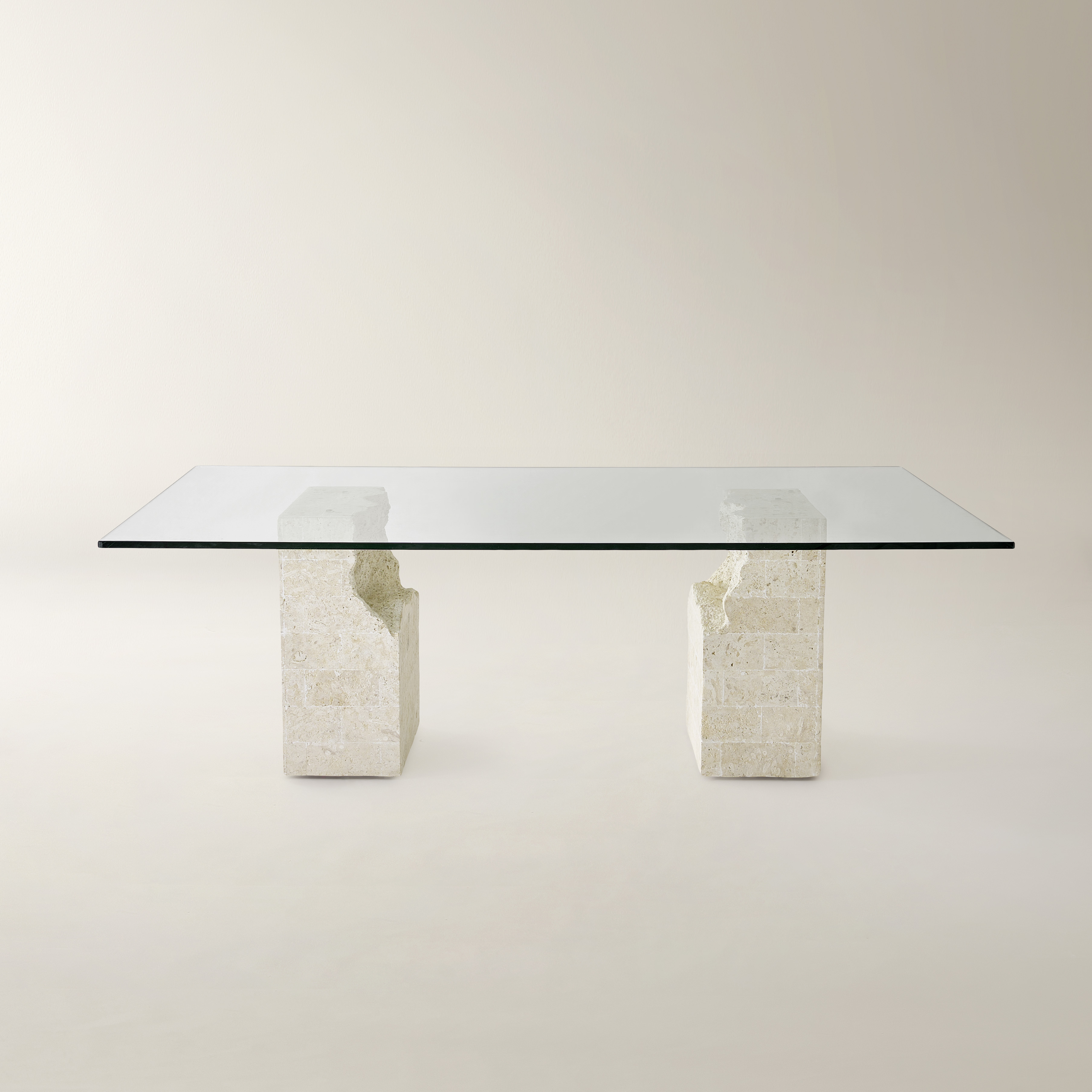 Cairo Rectangular Mactan Stone Dining Table With Glass Top (86.6")$2399
A contemporary dining table featuring a clear tempered glass top over hand-carved Mactan stone bases.
Add To Cart

Decorative Glass Top Tables
Decorative Glass Top Tables are the ultimate statement-makers—elevating any room with a whisper of glamour and a bold stroke of artistry. Their luminous surfaces capture and reflect light, creating an atmosphere that shimmers with possibility. Whether anchoring a dramatic living room vignette or punctuating a chic entryway, these tables transform ordinary spaces into showcases of personal style. Each piece invites you to curate moments of brilliance, turning your home into a gallery where every detail dazzles.
Decorative glass top tables pair a transparent or tinted glass surface with a distinctive base, bringing practical function and sculptural presence to a room. Their appeal lies in the contrast: glass gives the tabletop a light visual footprint, while the structure beneath it introduces shape, texture, and drama. A gleaming metal frame can trace an elegant silhouette against a richly patterned rug; a substantial wood or stone base can anchor the same transparent surface with warmth or architectural weight. Unlike an opaque tabletop, clear glass leaves the base visible from above, making its proportions and craftsmanship part of the composition. That openness also allows a favorite rug, intricate flooring, or beautifully upholstered seating to remain in view. Within this category, glass top coffee tables create a gathering point for conversation, end tables bring useful surface space beside a sofa, and consoles lend definition to an entryway or the wall behind a seating arrangement. Dining tables with glass tops make a different statement, allowing expressive chair shapes and upholstery to become part of the scene. Clear glass feels luminous and revealing, while smoked or tinted glass adds depth and a more enveloping mood. Round and oval tops introduce flowing lines among tailored sofas and angular cabinetry; square and rectangular forms establish a more structured rhythm. The effect depends as much on the base as on the surface. Slender supports offer an airy profile, intersecting metalwork creates movement, and pedestal forms give the table a strong central presence. For interiors layered with velvet, polished accents, and oversized artwork, a glass surface provides a moment of visual breathing room without surrendering glamour. It is equally compelling in a restrained setting, where an artful base can become the room’s defining gesture. These tables suit anyone drawn to furniture that serves a purpose while contributing something expressive: a place to set a drink, display an object, or gather with guests, framed by a silhouette worth noticing.
Materials and proportions determine how a decorative glass top table feels in daily life, not simply how it photographs. Glass thickness, edge treatment, support placement, and construction all deserve attention, particularly for a surface used every day. A polished edge gives the perimeter a clean finish, while a beveled edge introduces an additional facet that catches the light. Tempered glass, when specified, offers greater resistance to impact and temperature changes than ordinary annealed glass, although it is not unbreakable or scratchproof. The full table construction matters just as much: a secure connection between top and base, stable supports, and an appropriate weight capacity help establish suitability for the intended use. Metal bases bring crisp lines and reflective or softly brushed finishes; wood introduces grain and warmth; stone contributes rich variation and substantial presence. Each material has its own care requirements, and the tabletop should never be treated as a substitute for a workbench or step stool. Scale makes an equally important difference. A glass top coffee table should feel connected to the seating rather than isolated in the center of the room, with its height generally close to the sofa’s seat height. About 14 to 18 inches between the sofa and table often provides a comfortable balance of reach and legroom, adjusted for the room and its occupants. A side table works best when a guest can place a glass or reach a lamp without stretching awkwardly. In a dining area, space for chairs to pull back is essential; roughly 36 inches from the table edge to a wall or other obstruction is a useful starting point, with more room needed along busy circulation paths. Pedestal and open-frame bases also affect knee space, so the view beneath the glass should be considered alongside seating comfort. Rounded corners may suit tighter layouts, but clear edges can be less conspicuous, making placement especially important in homes with children, pets, or frequent movement through the room.
Styling a glass top table is an exercise in composition, with the surface, base, and surroundings all visible at once. A low ceramic bowl, a small stack of art books, or a single sculptural vessel can establish a focal point without obscuring the design beneath. On a coffee table, a tray with a clean, protective underside can organize smaller objects and give the arrangement a deliberate boundary. Beside a sofa, decorative glass table lamps can extend the interplay of transparency and illumination; explore decorative glass table lamps for another layer of luminous detail. The relationship between lamp and table should feel balanced, with a stable footprint and enough usable surface remaining for everyday essentials. A console can support a more vertical composition, pairing a tall vessel with artwork above, while a dining table benefits from a centerpiece low enough to preserve conversation across the glass. For entertaining, protective coasters and suitable trivets help separate drinks and hot serving pieces from the tabletop; hot cookware should never be placed directly on glass. Everyday care is straightforward but worth approaching thoughtfully. Dust and grit should be lifted gently with a clean, soft microfiber cloth before wiping, since trapped particles can scratch a surface when dragged across it. Use a cleaner approved for the glass and any surface treatments, apply it to the cloth rather than spraying surrounding materials, and dry the surface to reduce streaking. Abrasive pads, powders, and harsh chemicals can damage glass or nearby finishes. Spills also deserve prompt attention around metal joints, wood supports, and porous stone, where moisture may cause damage even when the glass itself wipes clean. Lift decorative objects rather than sliding them, and check protective pads periodically for embedded debris. With thoughtful placement and care suited to its materials, a decorative glass top table can serve as both a hardworking surface and a lasting visual centerpiece. For a design-minded recipient celebrating a new home or furnishing a personal retreat, a well-proportioned accent table can also be a meaningful gift, especially when its dimensions and finish complement the space it will inhabit.
FAQs
A decorative glass top table instantly elevates the ambiance of any room by reflecting light and creating a sense of openness. Its luminous surface acts as a canvas for artful displays, from vibrant florals to curated books, while its sculptural base adds an extra layer of sophistication. The transparency of glass helps smaller spaces feel larger and more inviting, making it an ideal choice for both grand entertaining areas and intimate nooks.
Styling a glass top table is an opportunity to showcase your personality and design sensibility. Try layering decorative trays, metallic accents, or bold vases to play with reflection and texture. Seasonal touches, such as fresh blooms in spring or shimmering ornaments in winter, keep your table feeling dynamic and fresh. For added drama, position your table beneath a statement chandelier or beside a sculptural lamp to amplify its reflective beauty.
A decorative glass top table makes an unforgettable gift for anyone who delights in expressive interiors—new homeowners, newlyweds, or anyone celebrating a milestone occasion. Its timeless elegance and versatile design ensure it will be cherished for years, serving as both a functional centerpiece and a work of art that sparks conversation and creativity.
Glass top tables are remarkably versatile, seamlessly integrating with a variety of interior aesthetics. In modern spaces, their clean lines and reflective surfaces amplify a sense of minimal glamour. Paired with ornate or vintage-inspired bases, they bring a contemporary edge to classic settings. For eclectic rooms, a glass top table acts as a unifying element, allowing bold colors and patterns to shine without overwhelming the space.
Glass top tables harmonize beautifully with a range of materials. Metallic bases—such as gold, chrome, or brass—add a touch of opulence, while wood introduces warmth and organic texture. Marble, stone, or lacquered finishes create a striking contrast with the clarity of glass. To complete the look, consider pairing your table with plush seating, textured rugs, and radiant lighting for a layered, gallery-worthy effect.