Glass Top Occasional Tables
Glass Top Occasional Tables
-
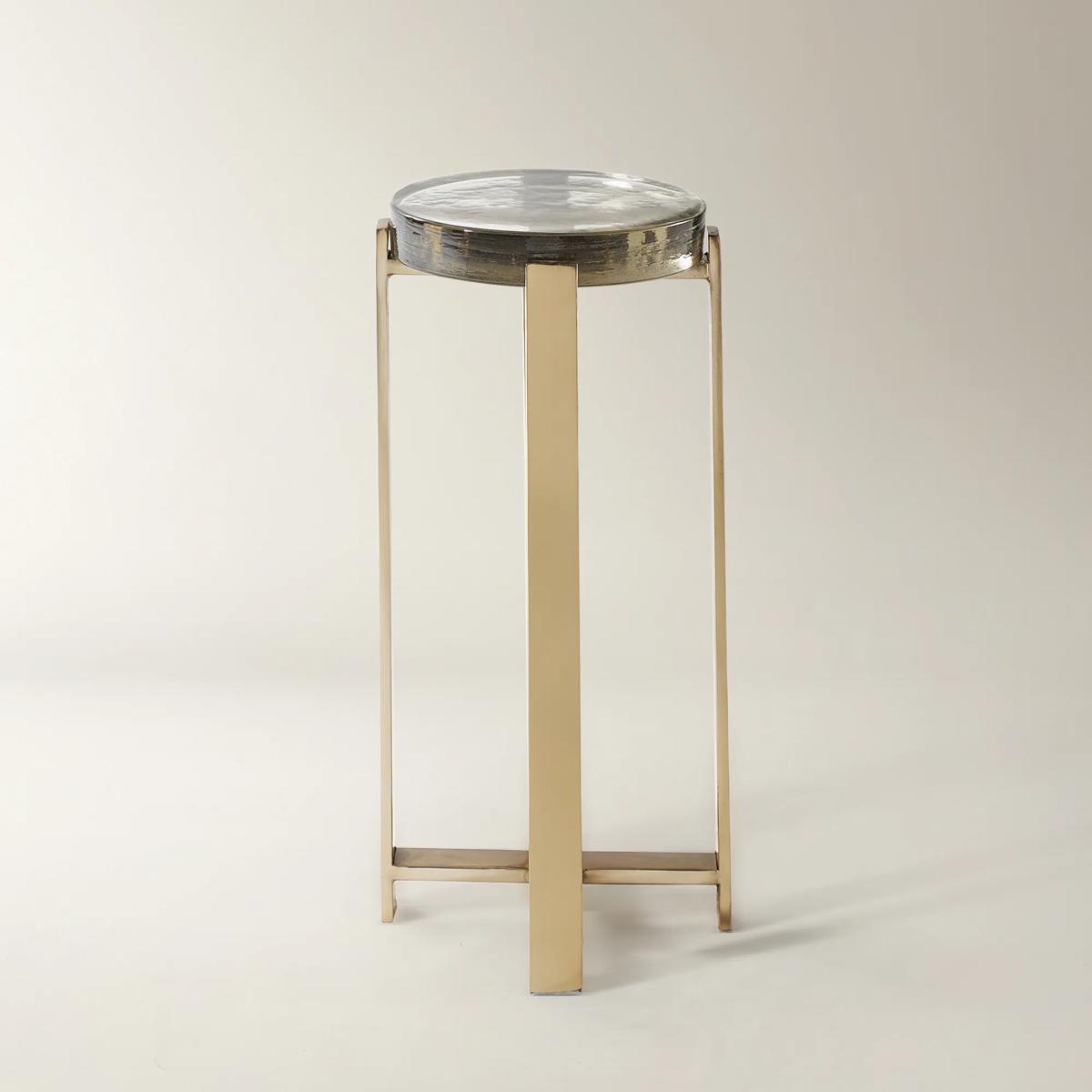
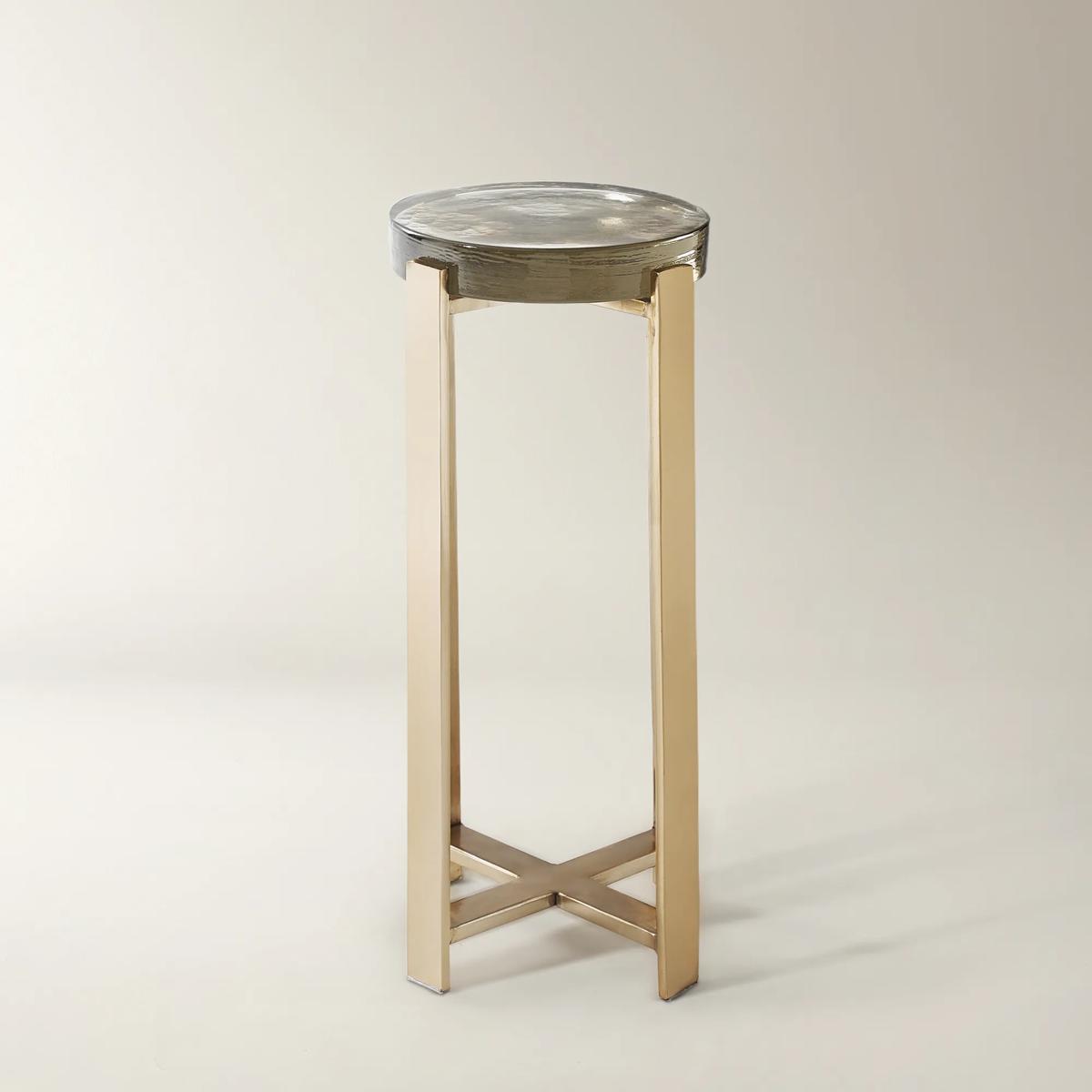 Lyra Round Brass Metal Side Table With Glass Top (10.75")$259
A sculptural side table featuring a thick cast glass top and lustrous brass-finished metal base.
Add To Cart -
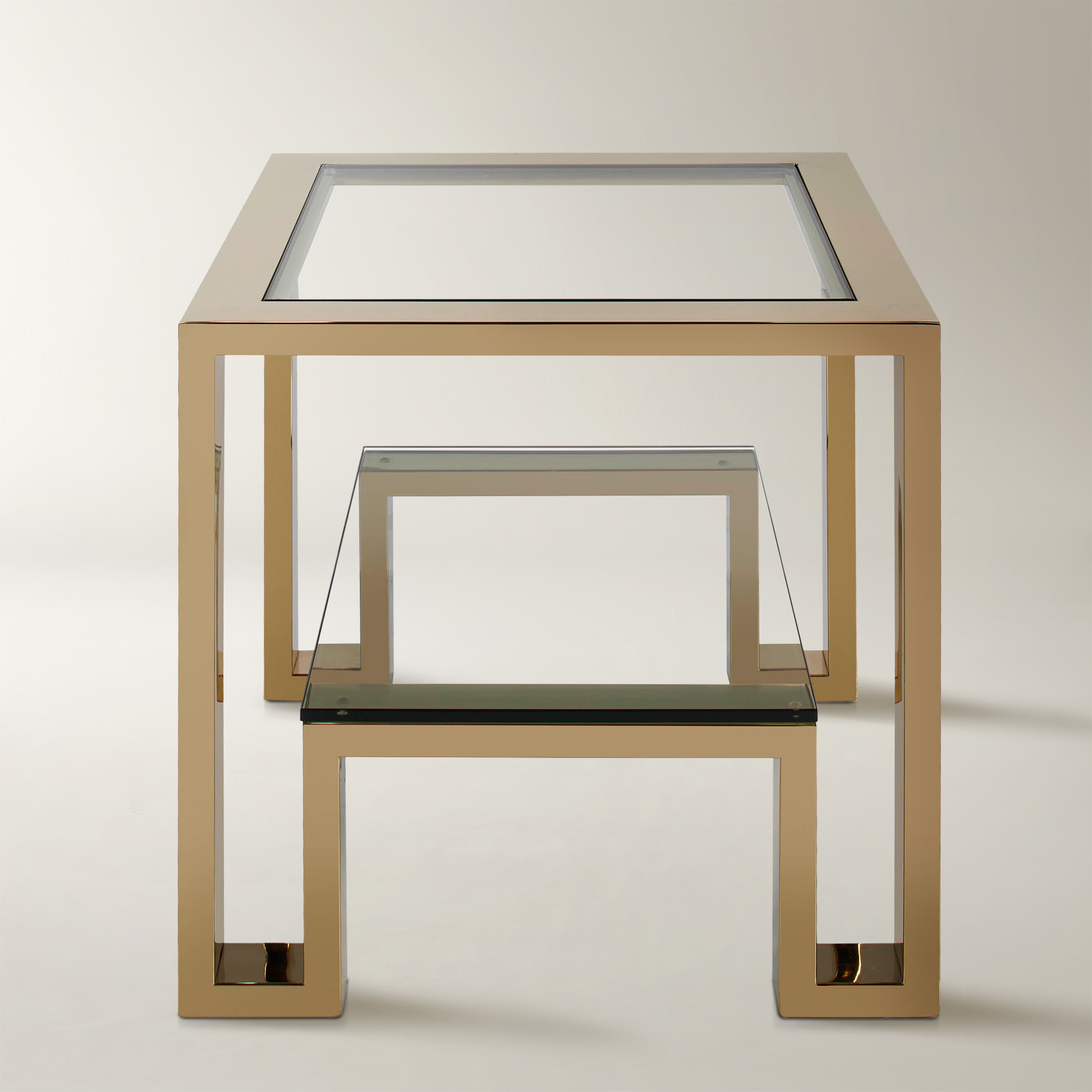 Duplicity Square Gold Stainless Steel End Table With Glass Top (24")$749
A modern end table crafted from stainless steel and tempered glass with a floating bottom shelf.
Add To Cart -
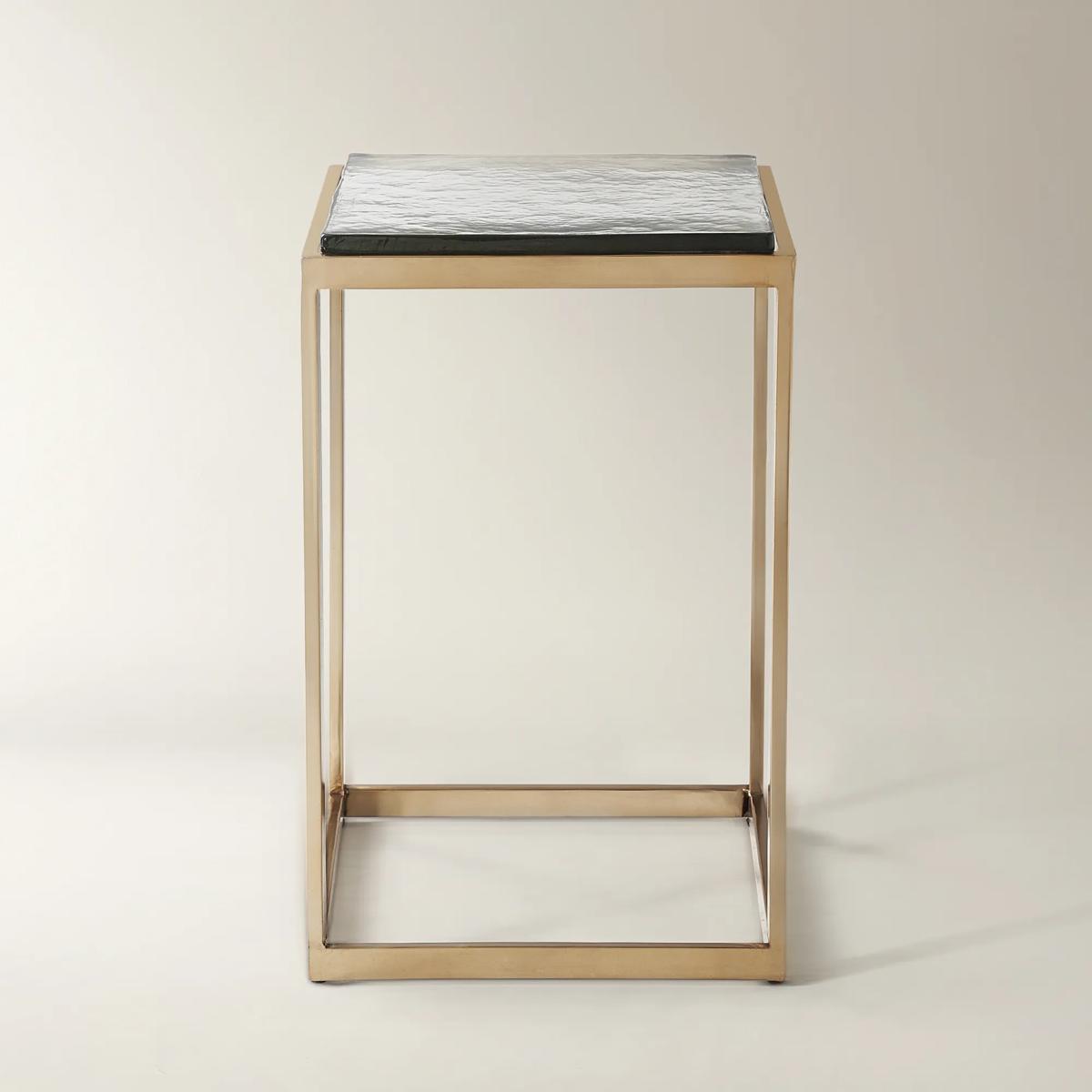
 Lyra Square Brass Metal Side Table With Glass Top (13.8")$239
A sculptural side table featuring a thick cast glass top and a lustrous brass-finished metal base.
Add To Cart -
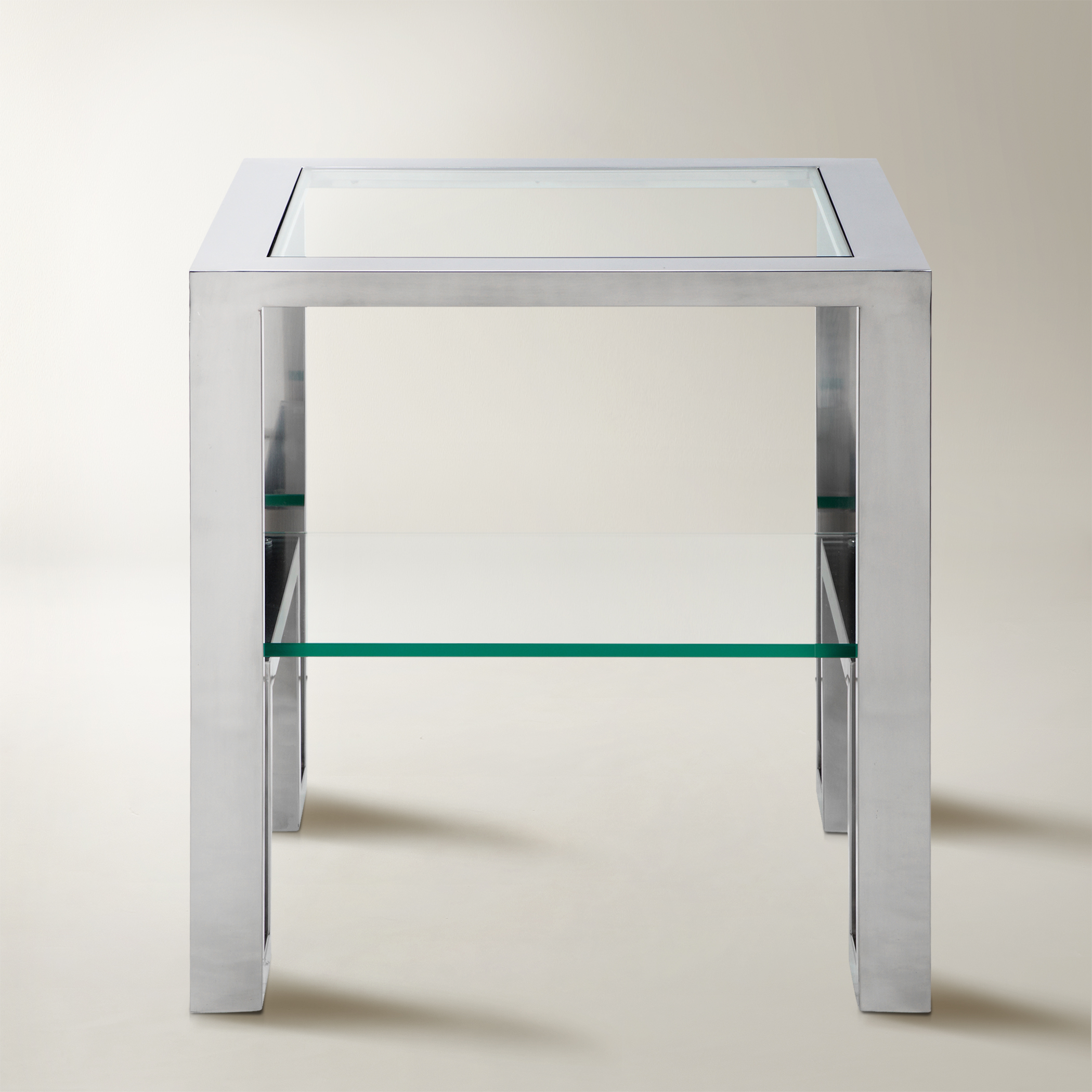
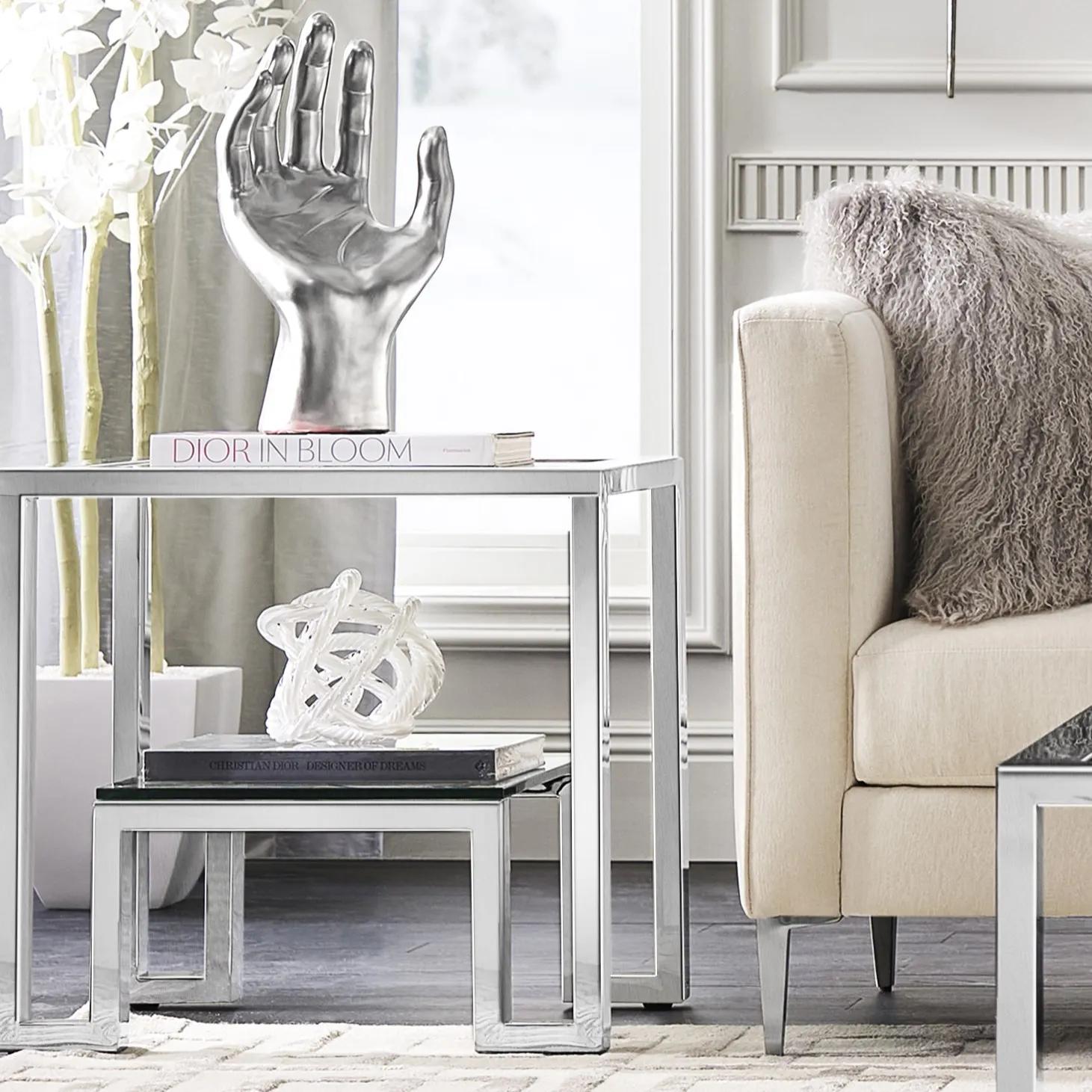 Duplicity Square Silver Stainless Steel End Table With Glass Top (24")$749
A modern end table featuring a stainless steel frame, tempered glass top, and floating bottom shelf.
Add To Cart -
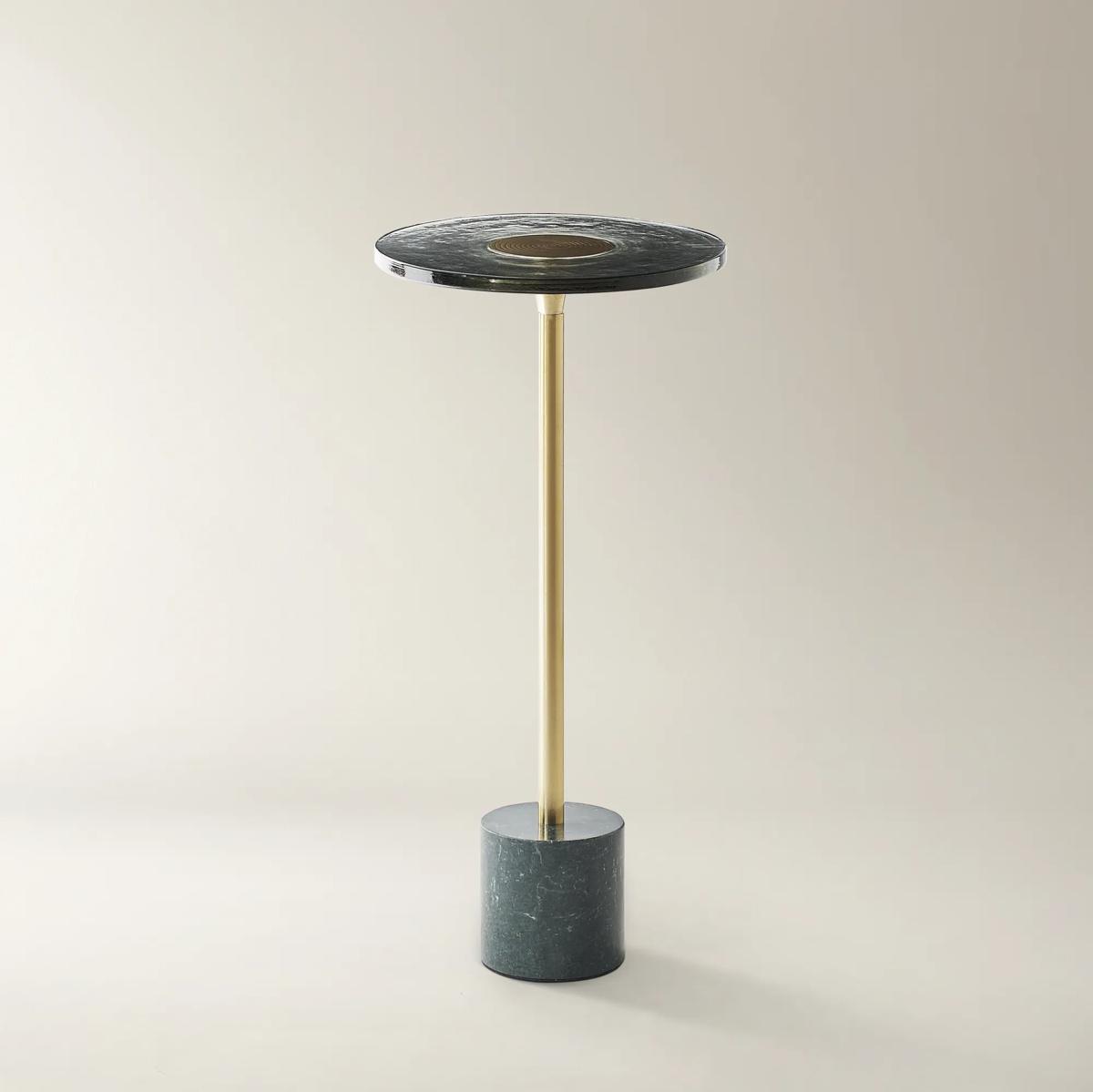
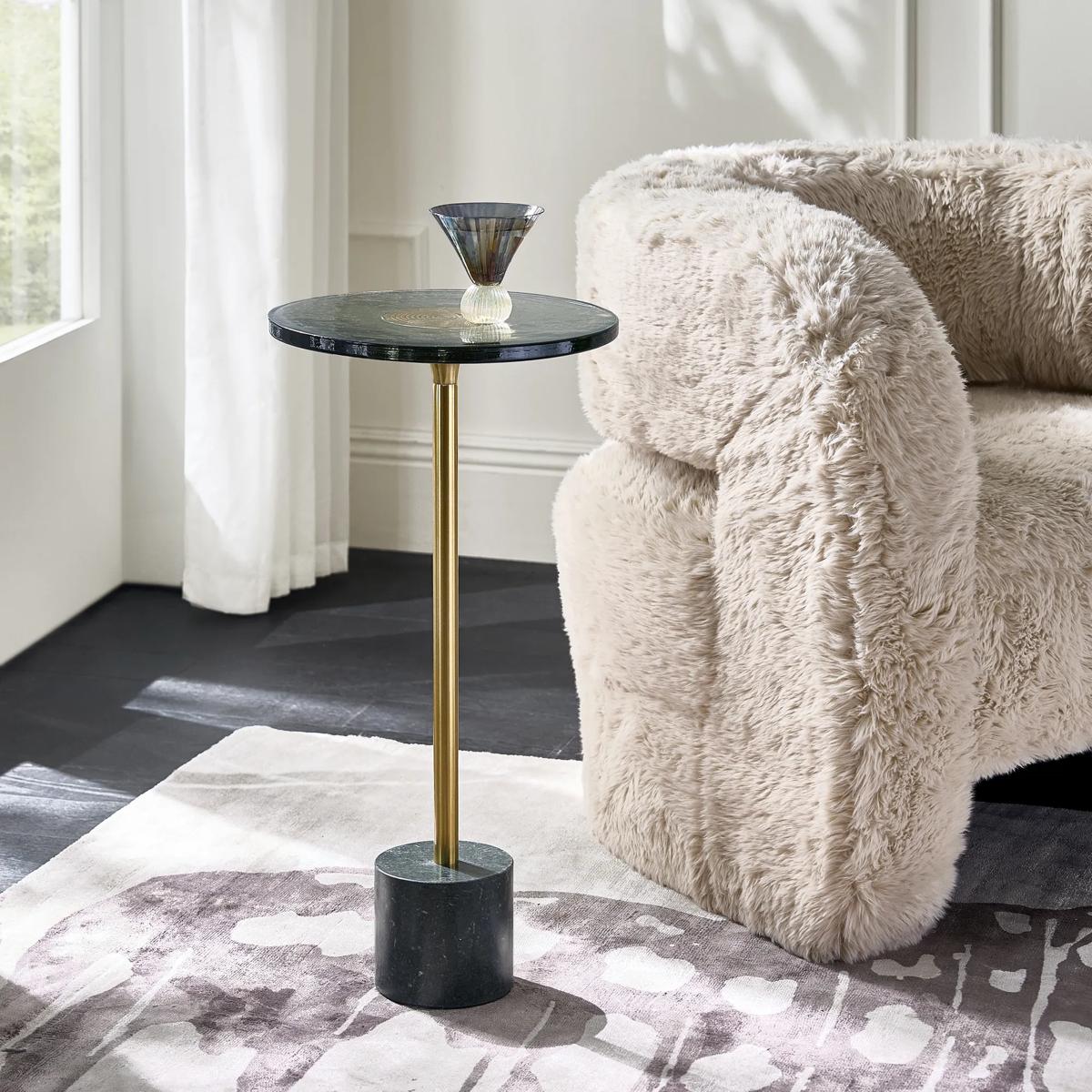 Seraphy Round Green Metal Side Table With Glass Top (13.75")$179
A modern side table featuring a green cast glass top, brass-finished post, and Indian green marble base.
Add To Cart -
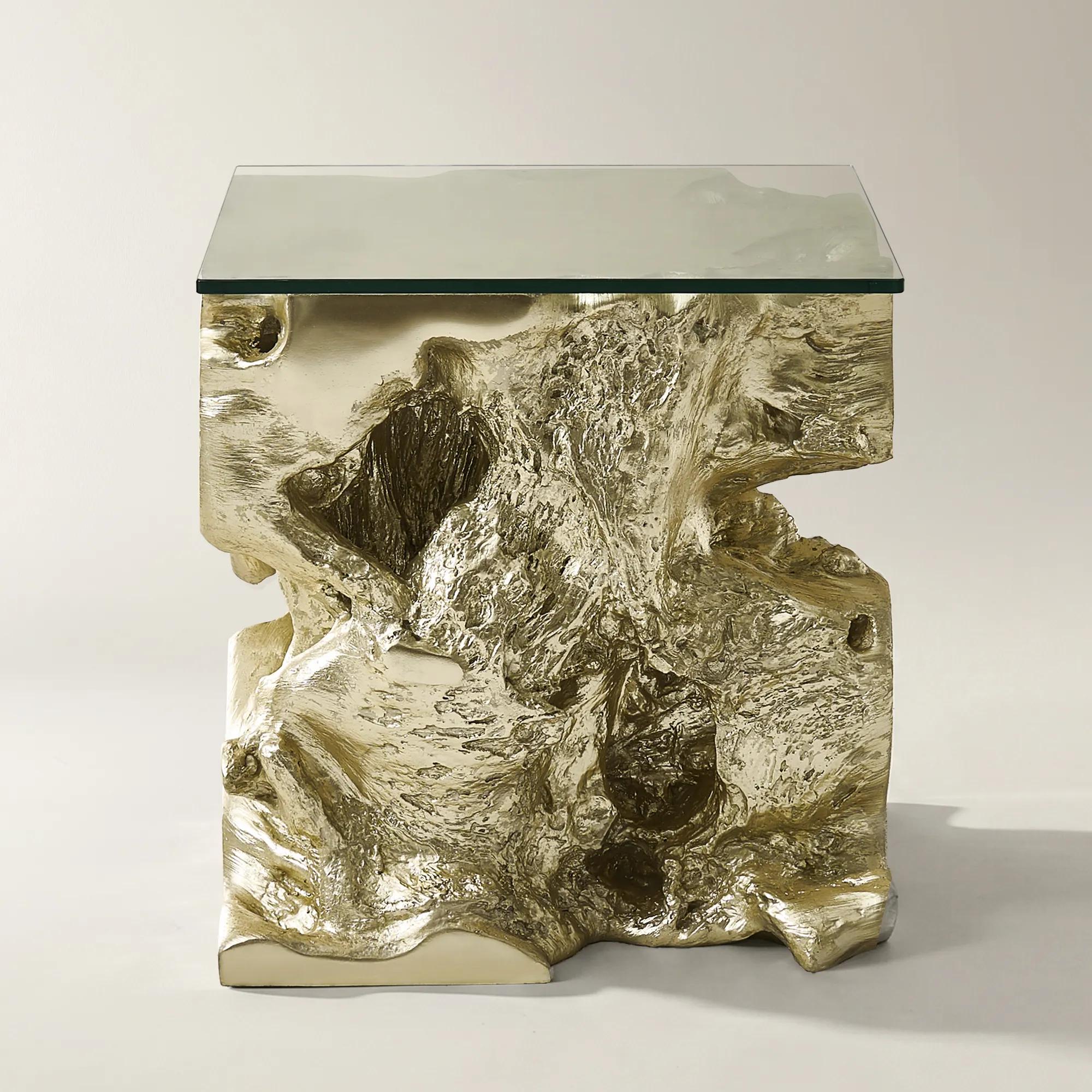 Sequoia Champagne Gold Resin End Table With Glass Top (22")$999
A sculptural resin end table with a champagne gold leaf finish and a clear tempered glass top.
Add To Cart -
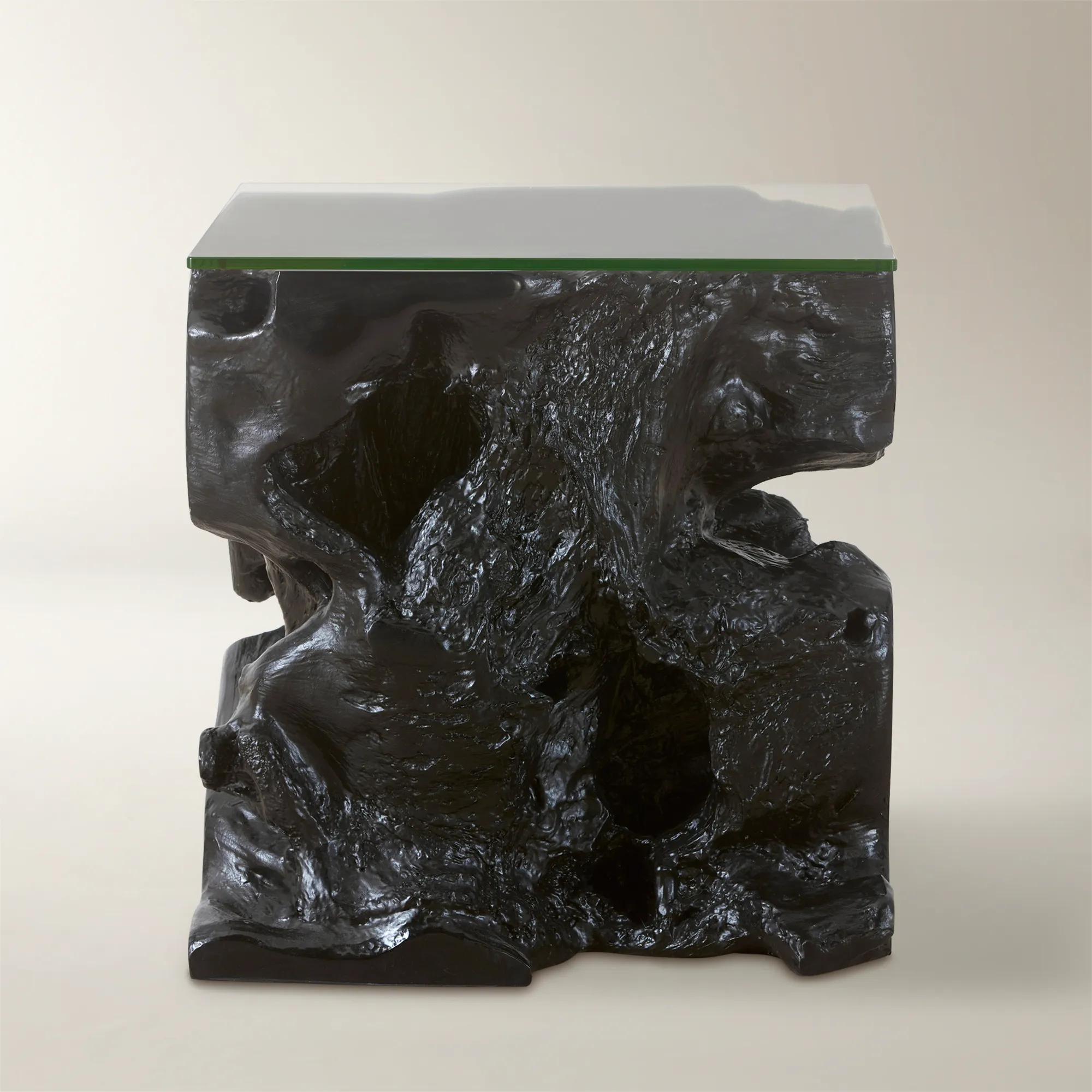 Sequoia Black Resin End Table With Glass Top (22")$999
A sculptural black resin and stone end table inspired by Acacia roots, suitable for indoor or outdoor use.
Add To Cart -
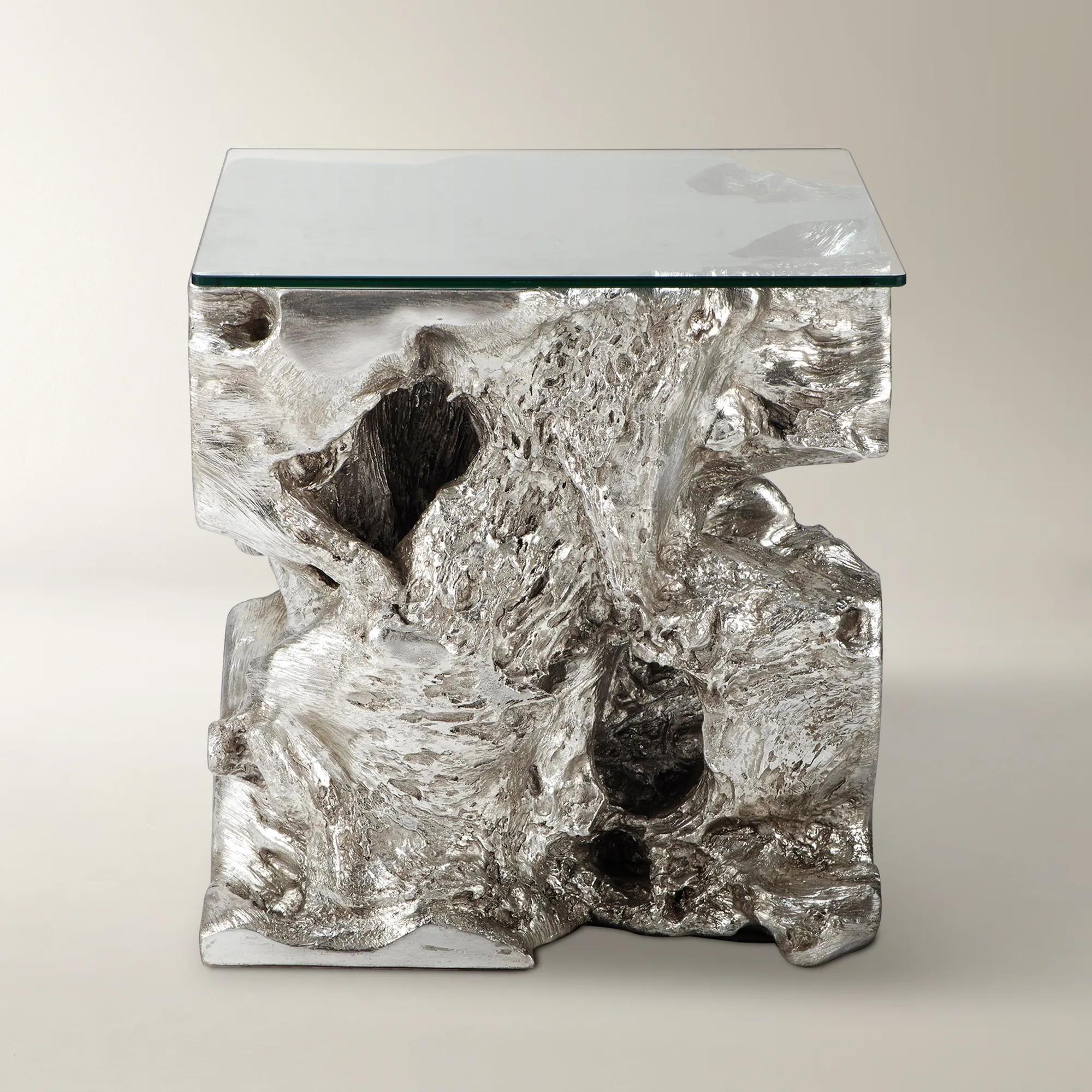 Sequoia Silver Resin End Table With Glass Top (22")$999
A sculptural end table featuring a silver leaf resin base and tempered glass top for modern elegance.
Add To Cart -
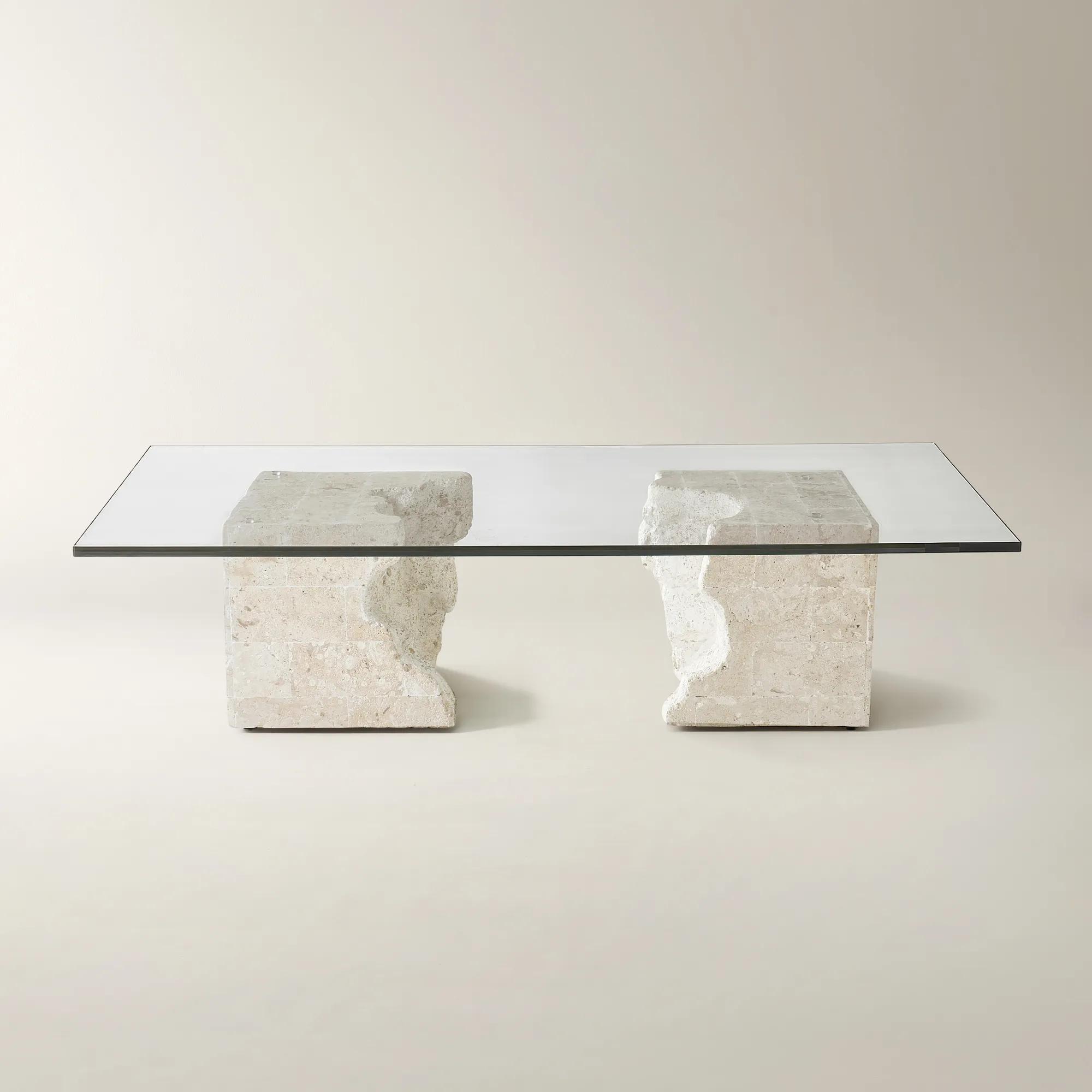 Cairo Rectangular Mactan Stone Coffee Table With Glass Top (70.87")$1999
A contemporary coffee table featuring a clear tempered glass top floating above hand-carved Mactan stone bases.
Add To Cart -
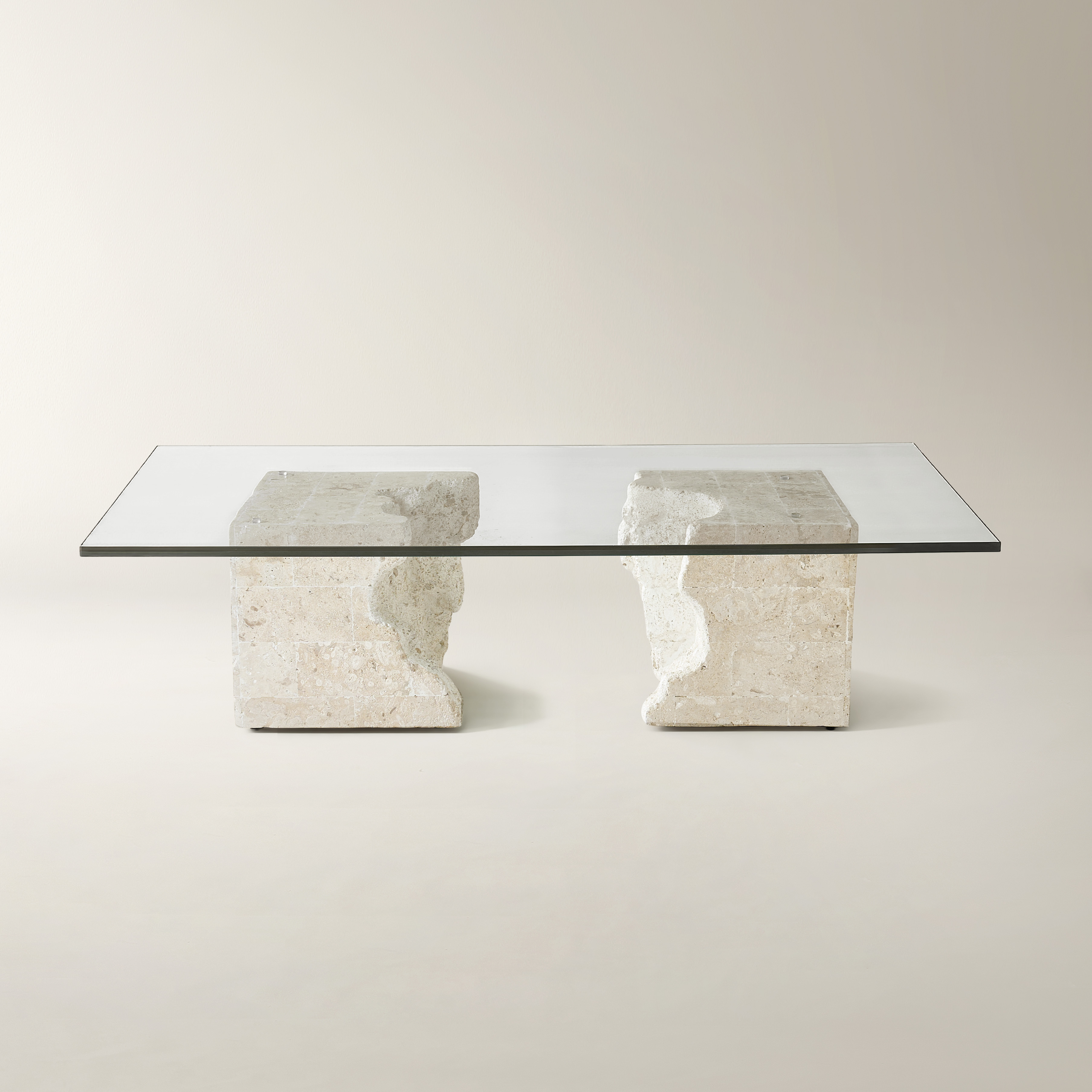 Cairo Rectangular Mactan Stone Coffee Table With Glass Top (63")$1899
A contemporary coffee table featuring a clear tempered glass top floating above hand-carved Mactan stone bases.
Add To Cart -
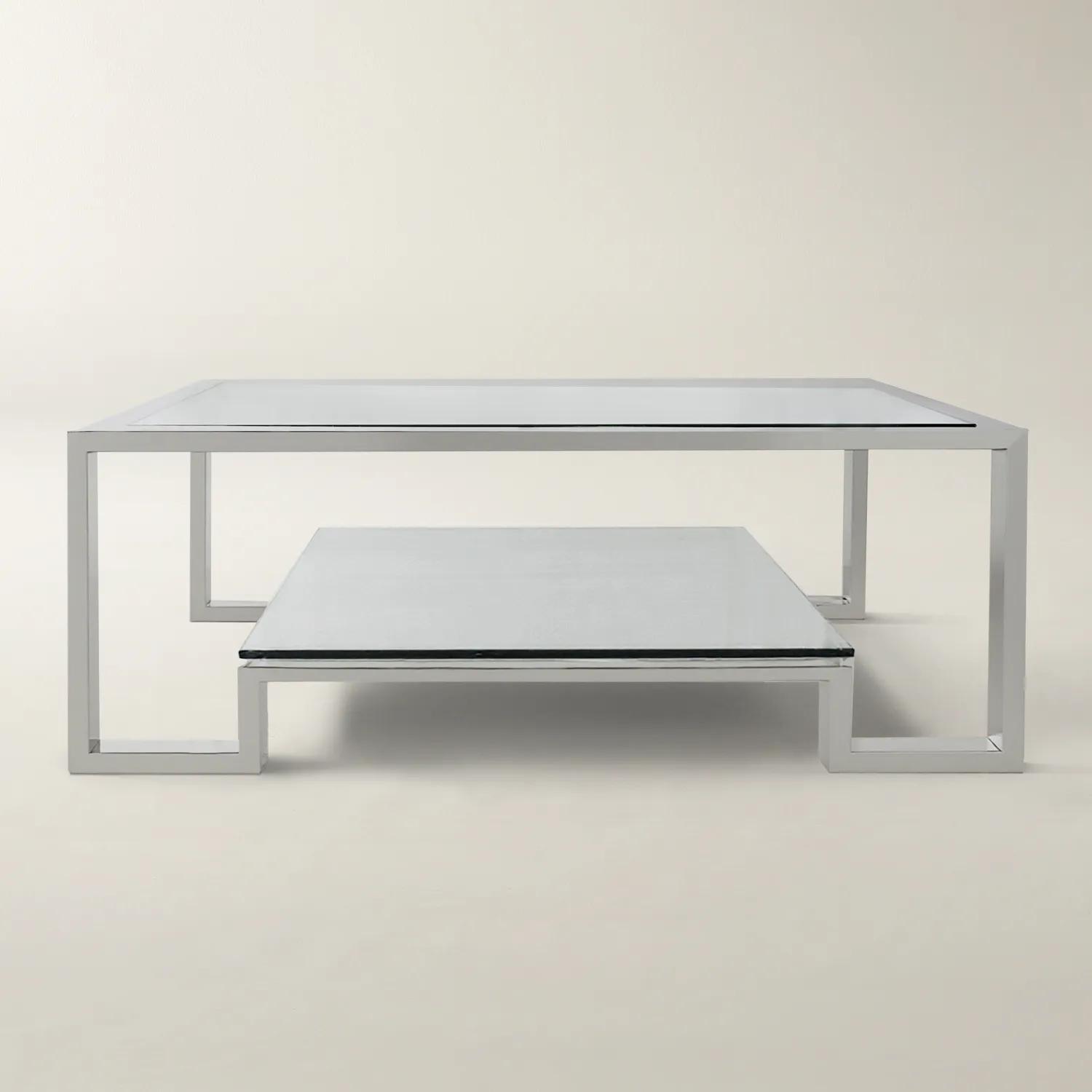
 Duplicity Rectangular Silver Stainless Steel Coffee Table With Glass Top (50")$1399
A modern coffee table featuring a stainless steel frame, tempered glass top, and floating bottom shelf.
Add To Cart -
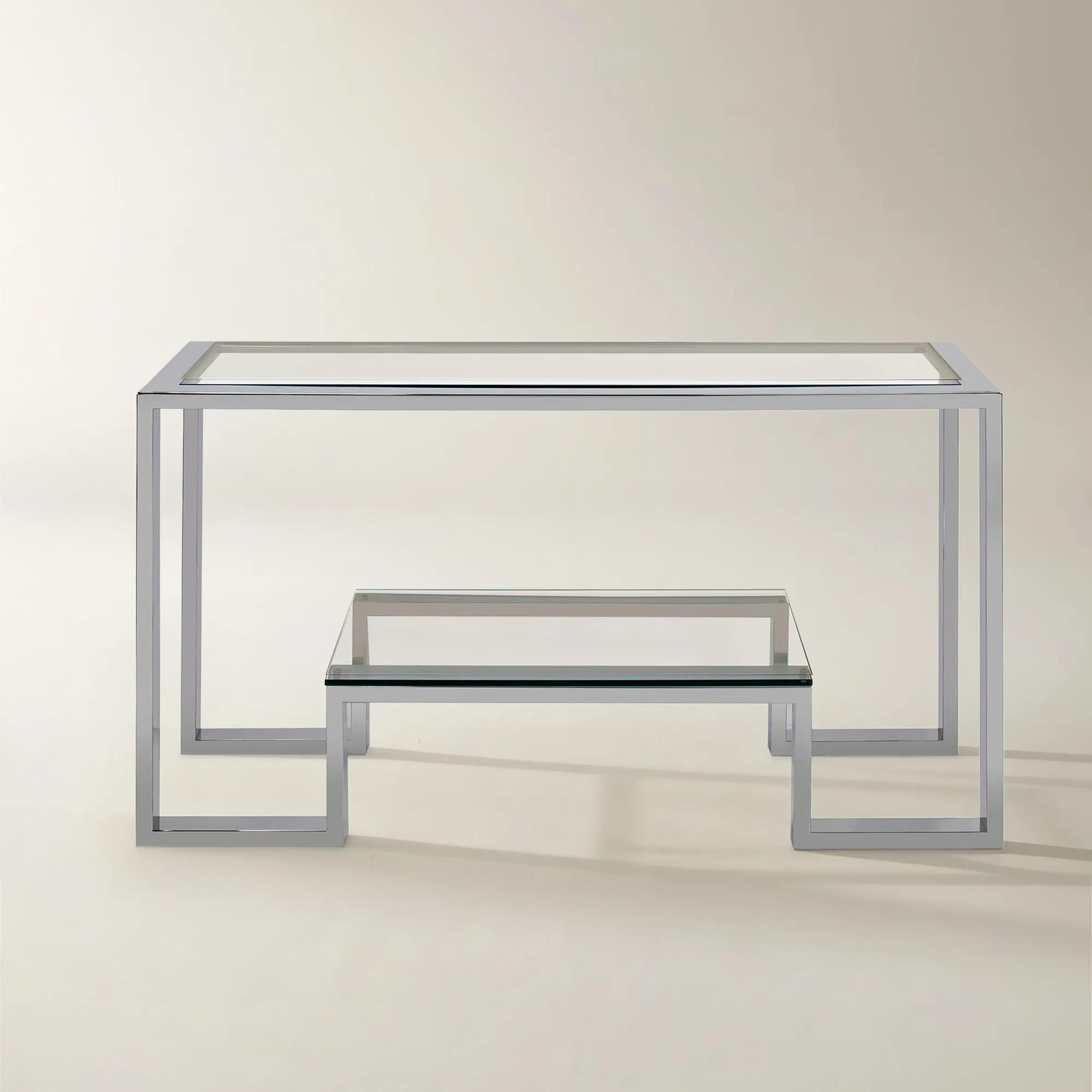
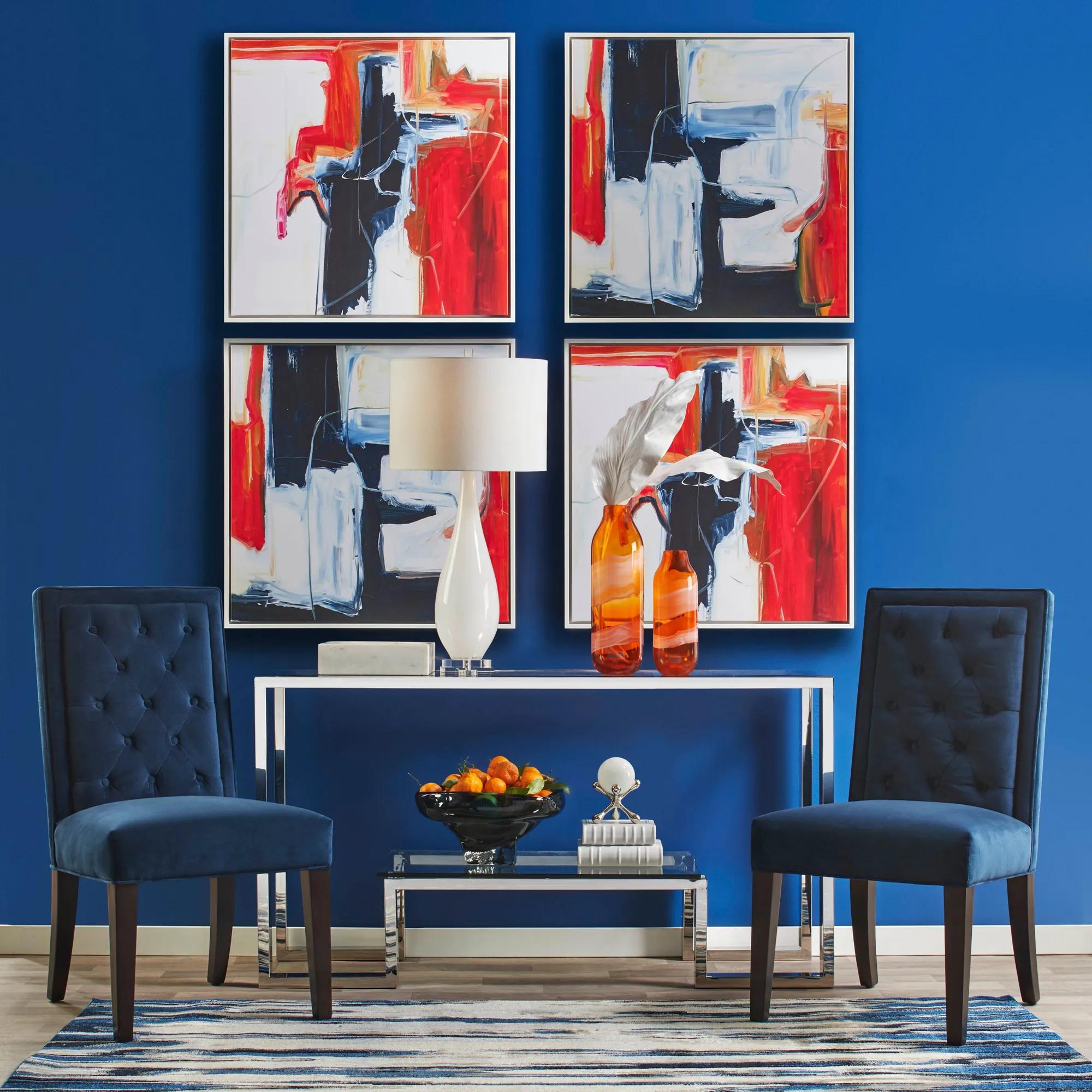 Duplicity Rectangular Silver Stainless Steel Console Table With Glass Top (59")$1399
A modern console table crafted from stainless steel and tempered glass with a floating bottom shelf.
Add To Cart -
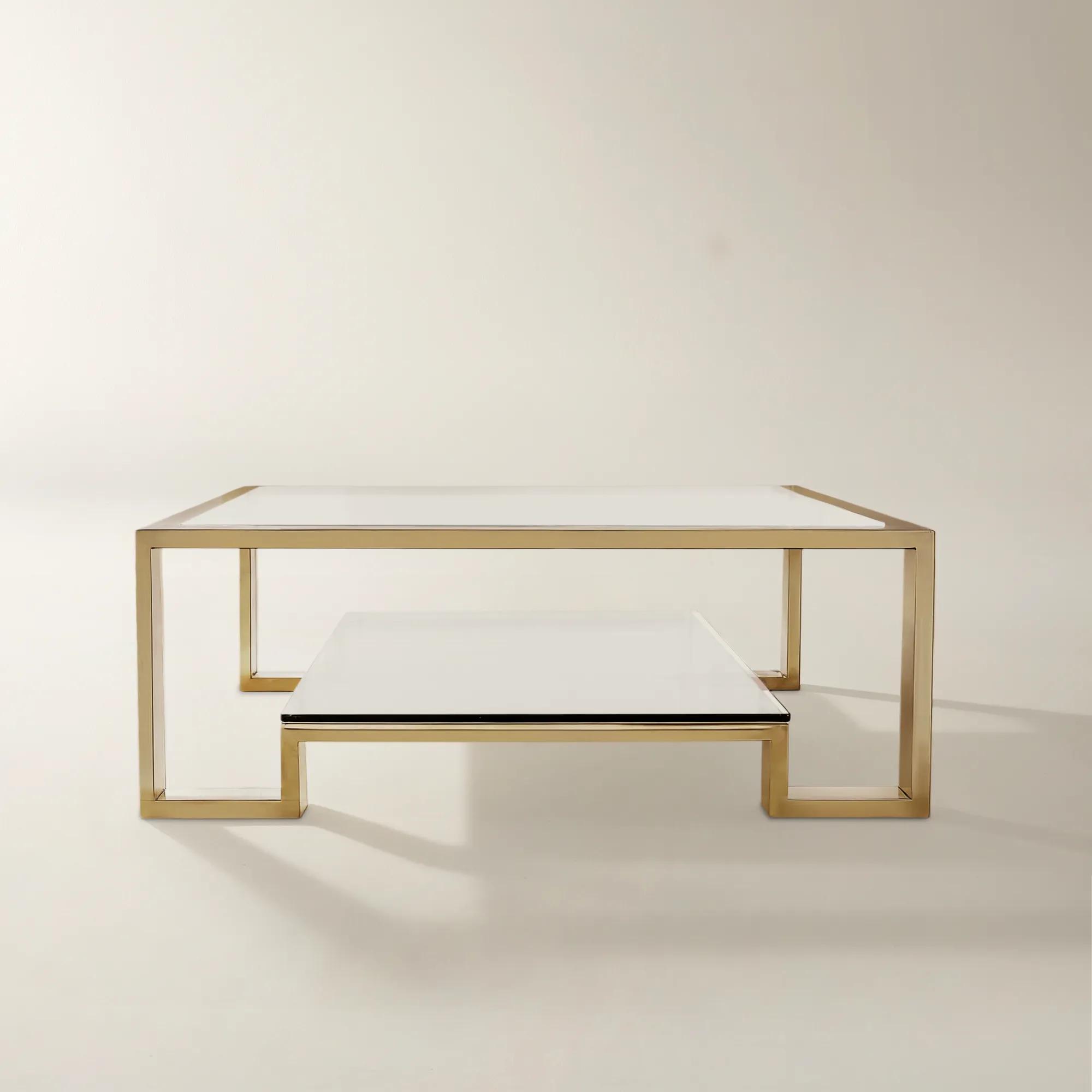 Duplicity Rectangular Gold Stainless Steel Coffee Table With Glass Top (50")$1399
A modern coffee table featuring a stainless steel frame, tempered glass top, and floating storage shelf.
Add To Cart -
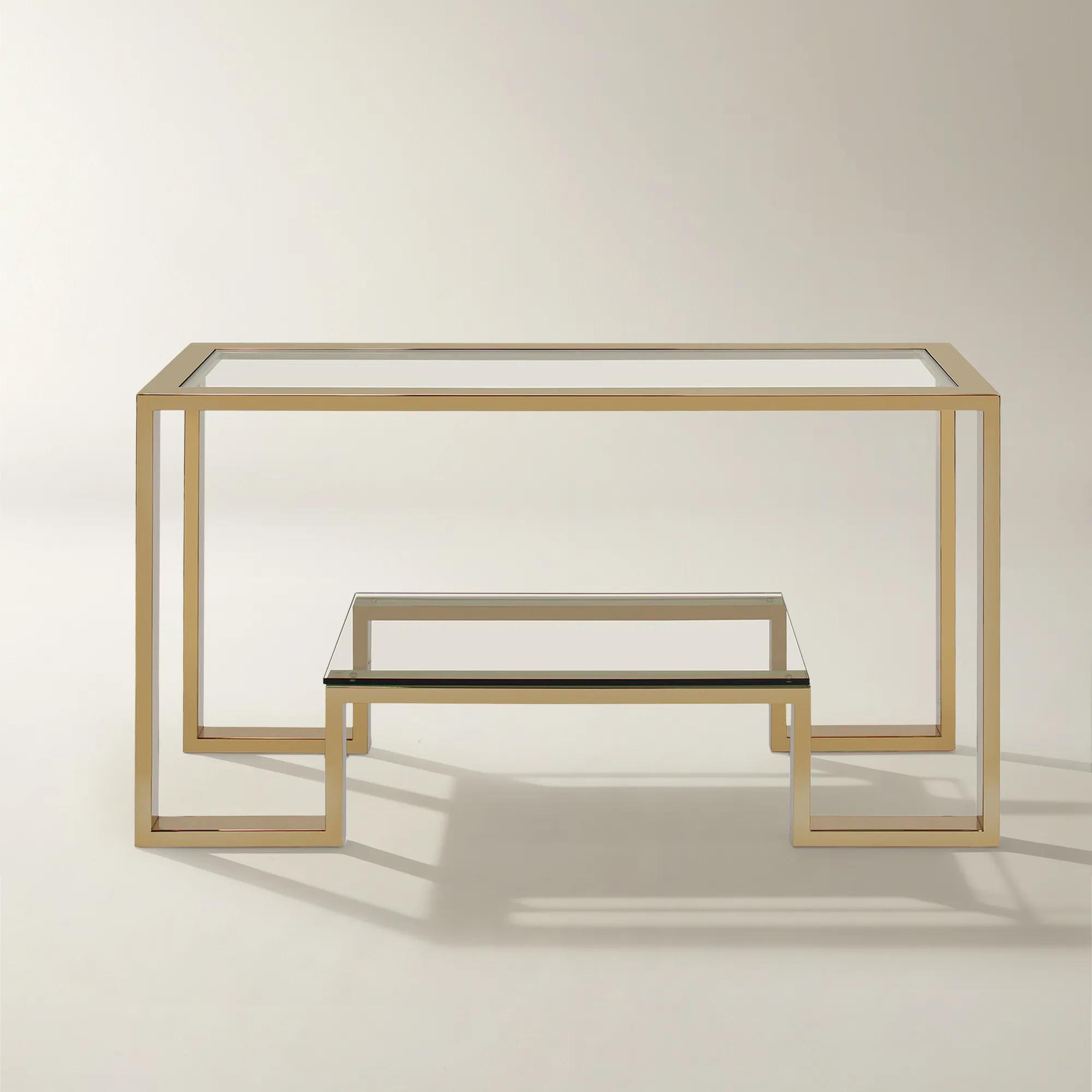
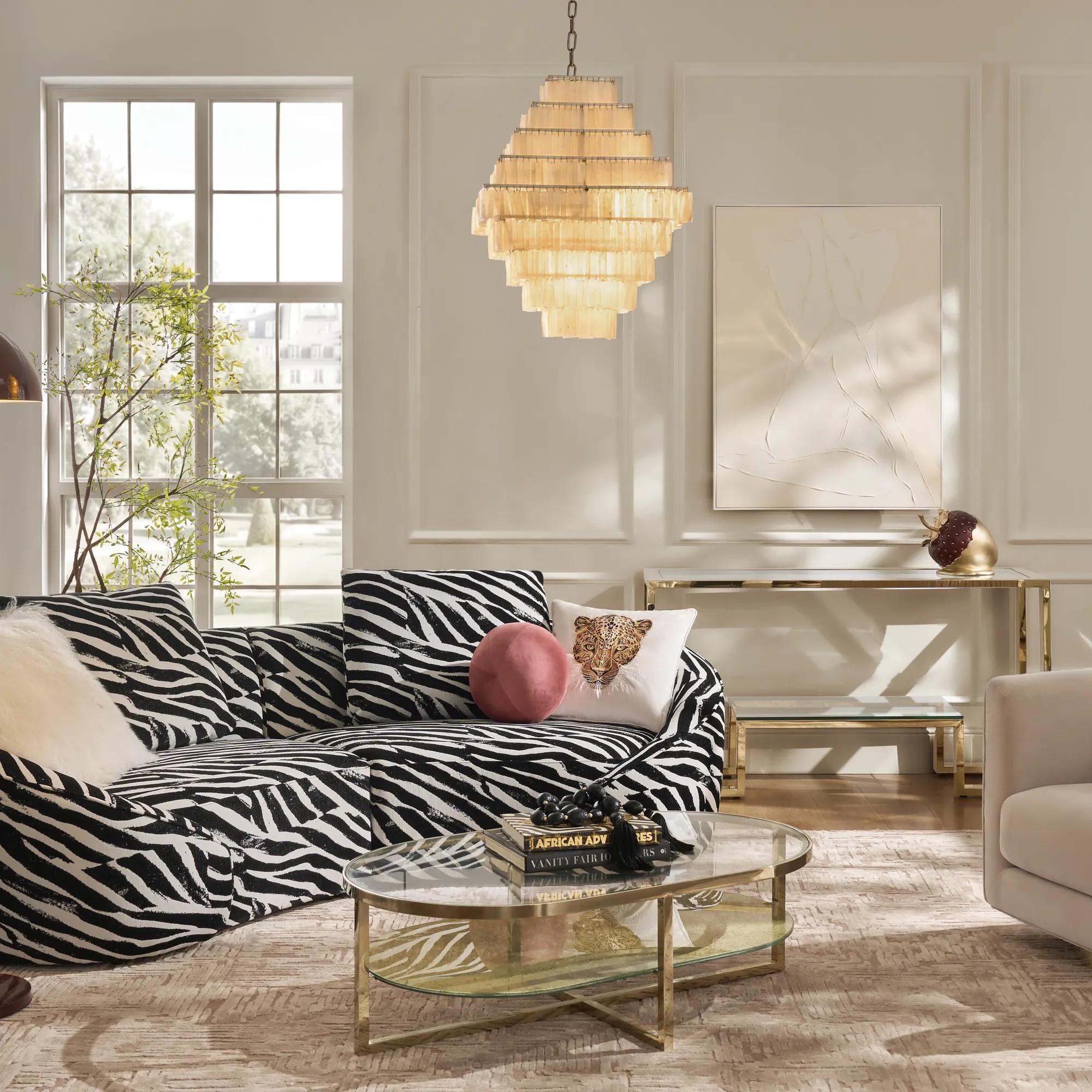 Duplicity Rectangular Gold Stainless Steel Console Table With Glass Top (59")$1399
A modern console table crafted from stainless steel and tempered glass with a floating bottom shelf.
Add To Cart -
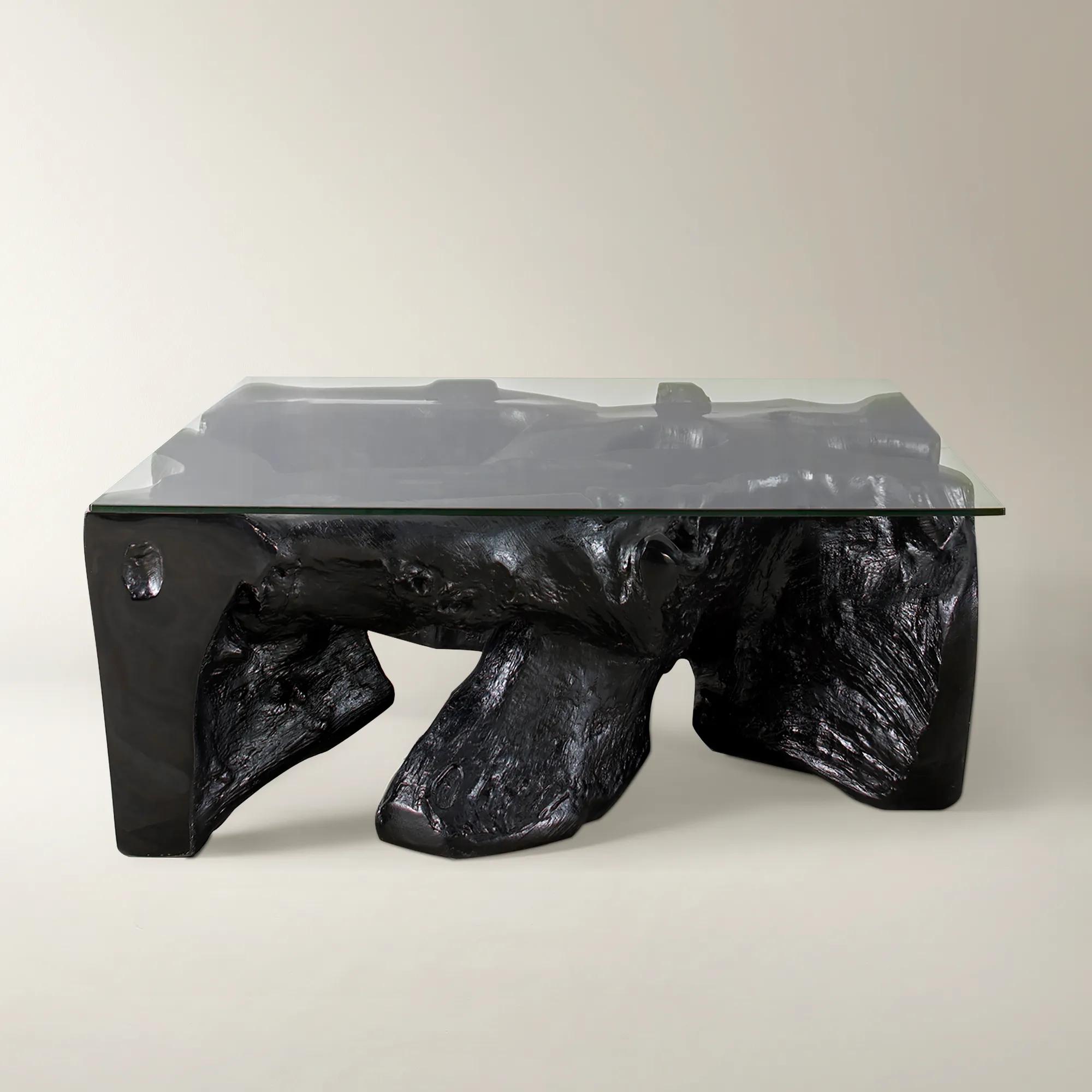
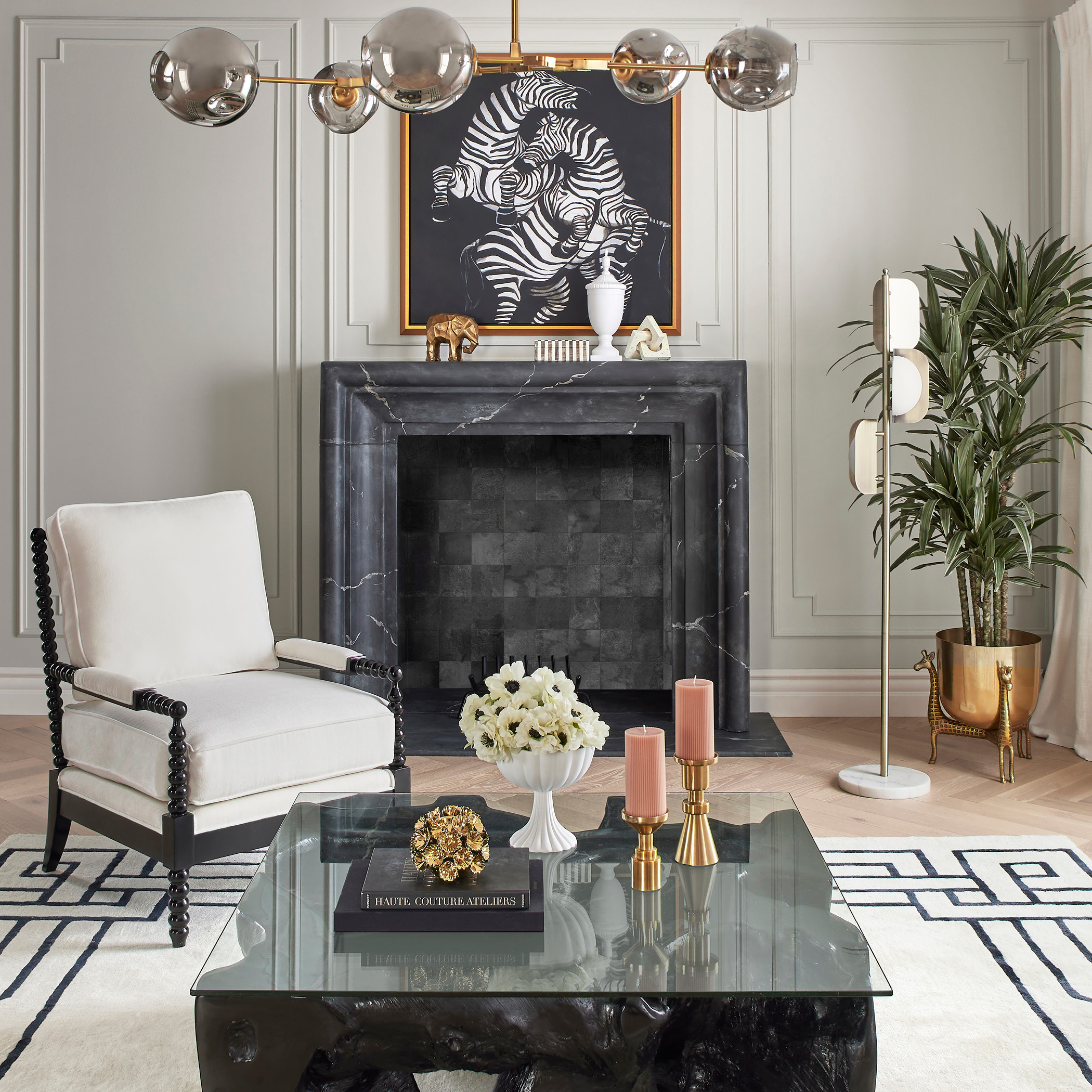 Sequoia Black Resin Coffee Table With Glass Top (44")$2299
A sculptural black coffee table crafted from resin and polished stone fragments for indoor or outdoor use.
Add To Cart -
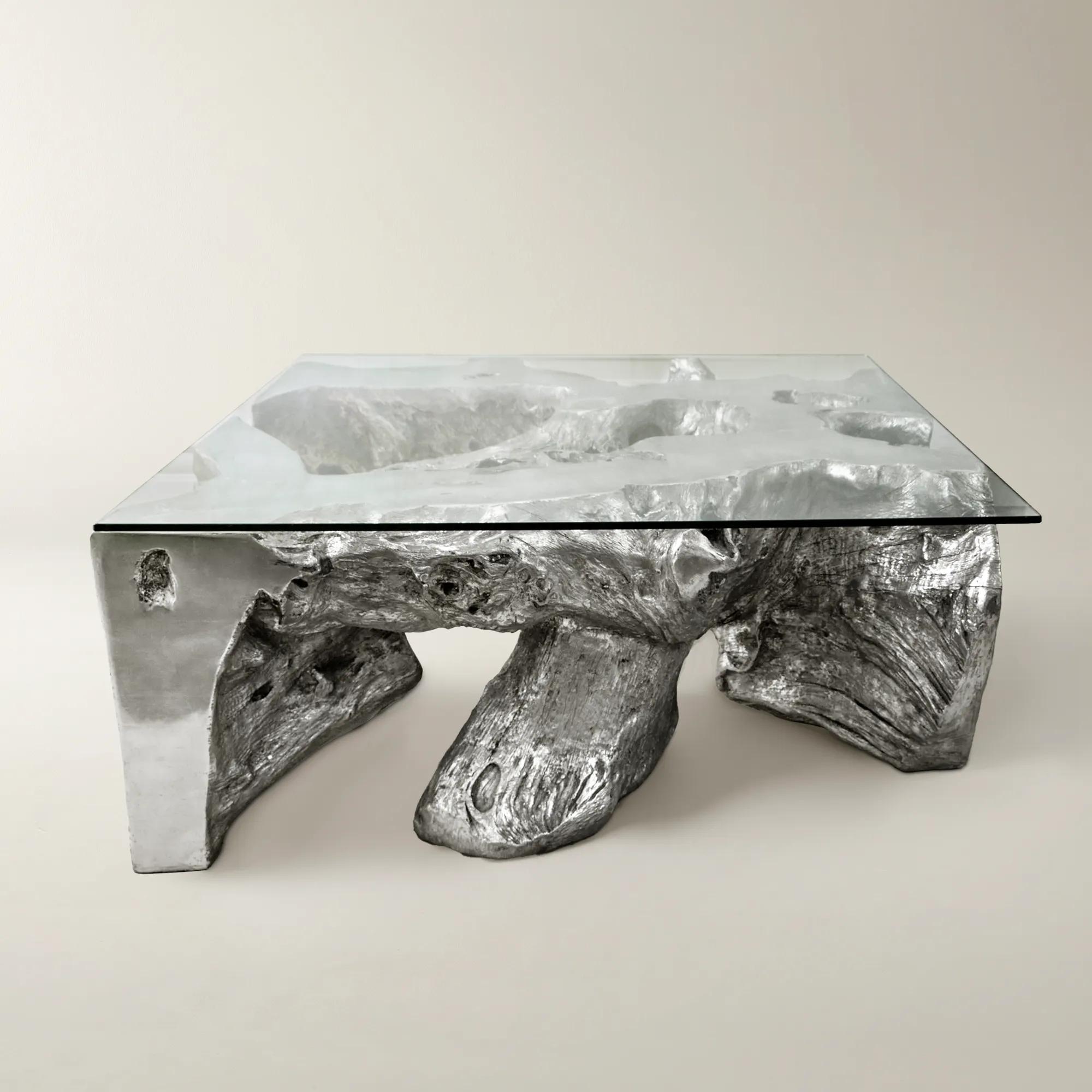 Sequoia Silver Resin Coffee Table With Glass Top (44")$2299
A sculptural coffee table featuring a hand-applied silver leaf resin base and a tempered glass top.
Add To Cart -
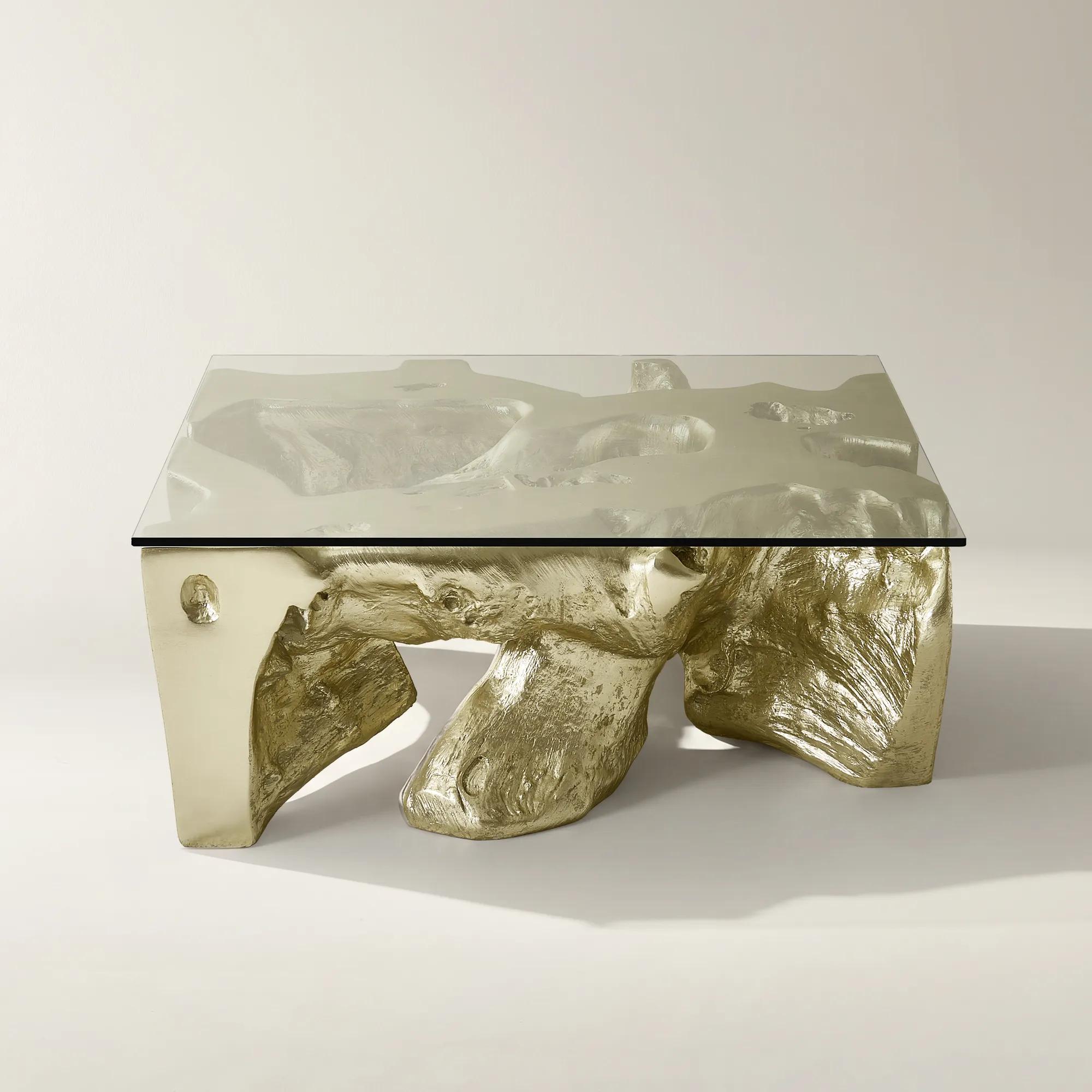 Sequoia Champagne Gold Resin Coffee Table With Glass Top (44")$2299
A sculptural resin coffee table with a champagne gold leaf finish and a clear tempered glass top.
Add To Cart -
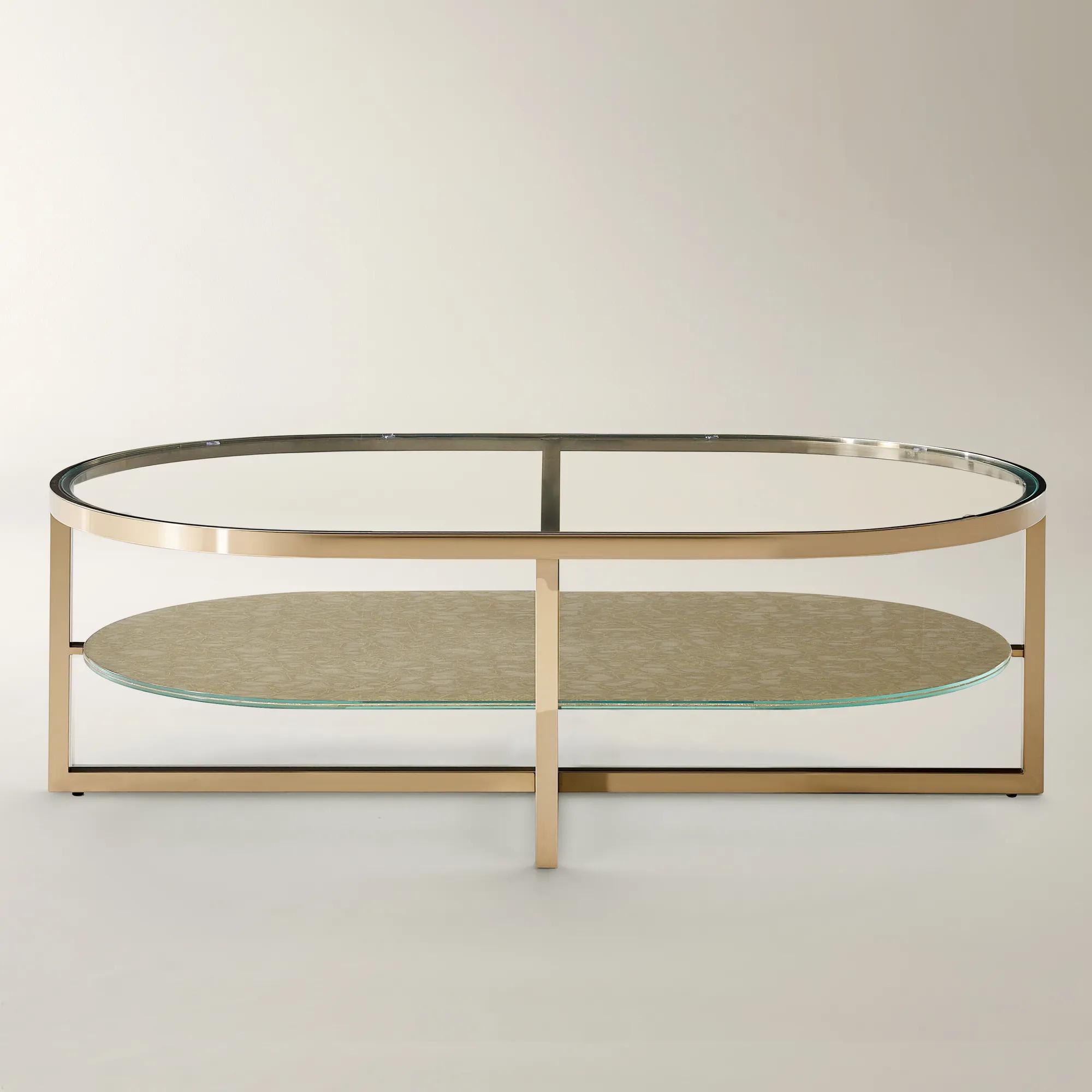
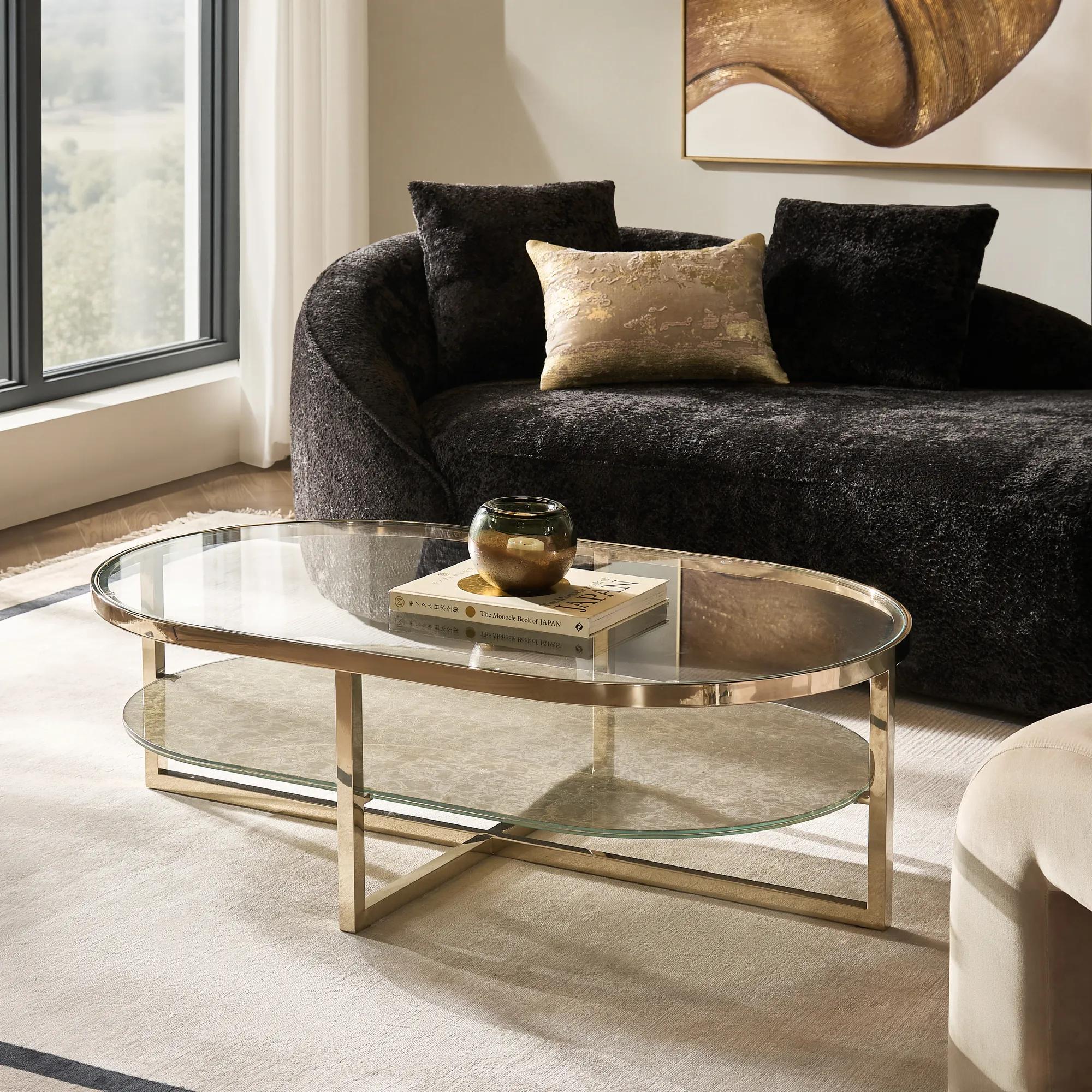 Duality Oval Fabric-Laminated Glass Coffee Table (47")$999
A modern oval coffee table featuring a tempered glass top, fabric-laminated shelf, and soft gold stainless steel frame.
Add To Cart -
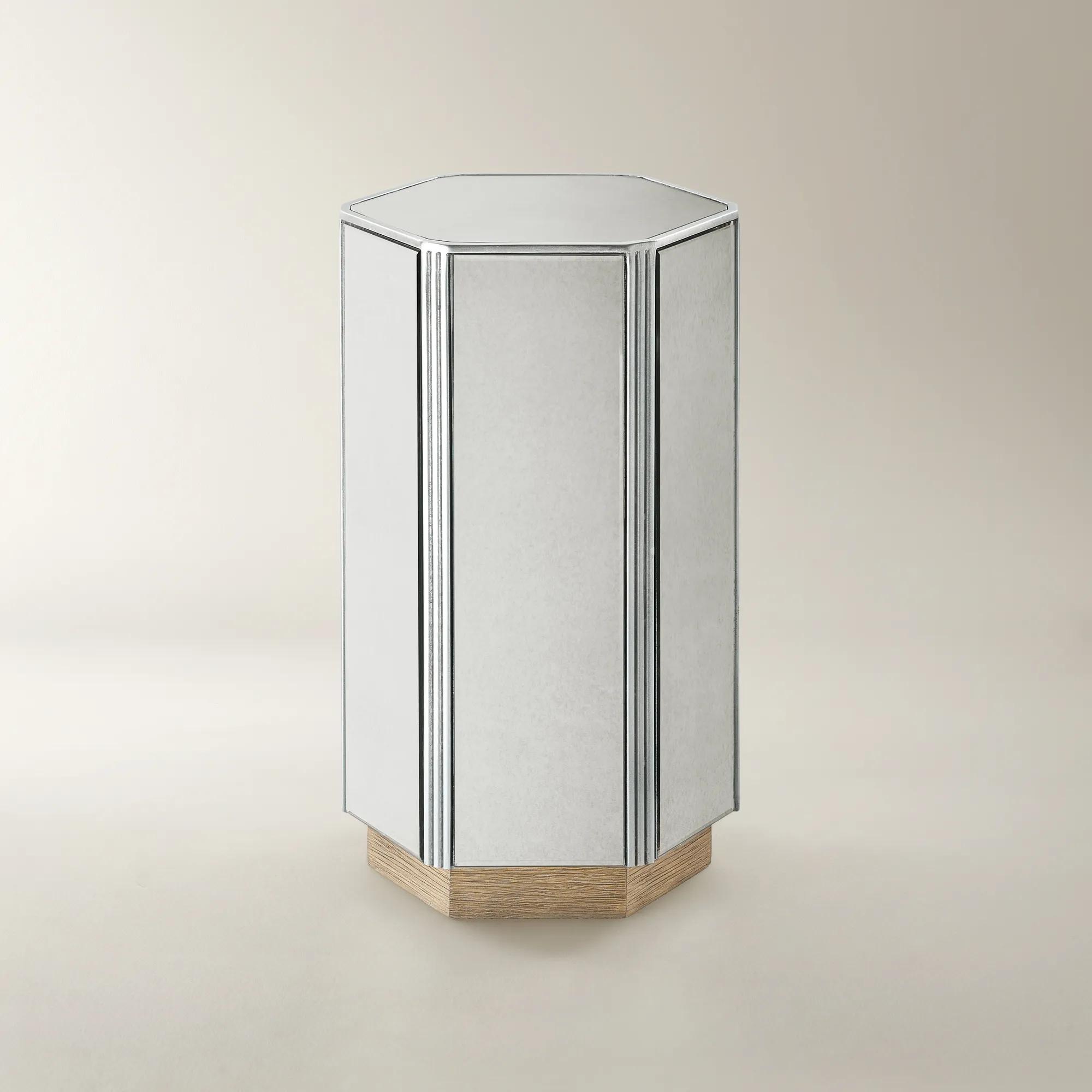 Glimmer Silver Mirrored End Table (12")$399
A chic side table featuring an antique silver mirror top and warm oak veneer base with handcrafted details.
Add To Cart -
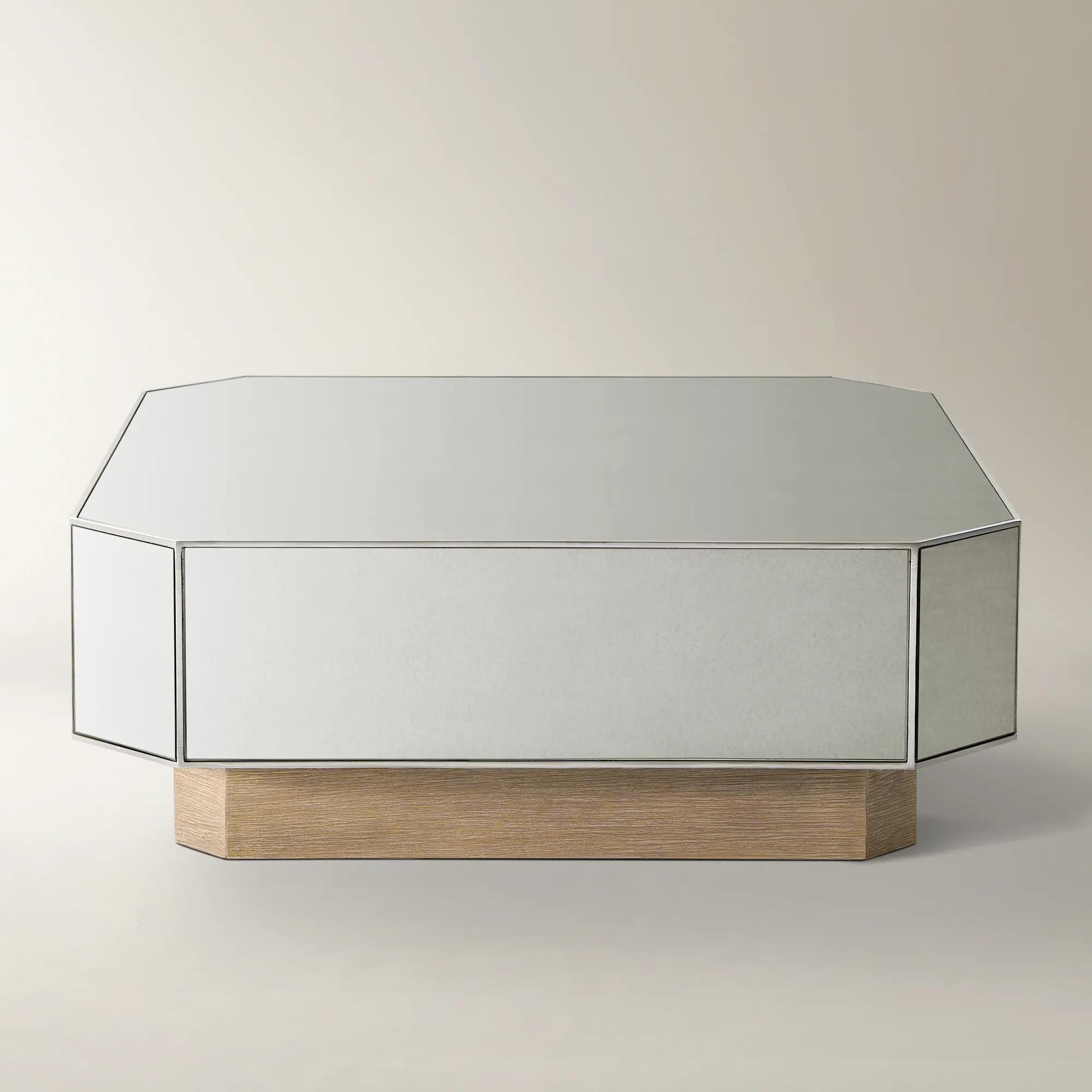 Glimmer Silver Mirrored Coffee Table (44")$1699
A luminous coffee table featuring an antique silver mirror top and warm oak veneer base with handcrafted details.
Add To Cart

Glass Top Occasional Tables
Glass Top Occasional Tables invite light, artistry, and intrigue into every corner of your home. With their luminous surfaces and architectural silhouettes, these tables transform everyday moments into extraordinary displays—reflecting your boldest ideas and amplifying the drama of your décor. Whether poised beside a sumptuous velvet sofa or anchoring an avant-garde vignette, Glass Top Occasional Tables celebrate the beauty of transparency and the allure of modern glamour, turning functional accents into sculptural statements that captivate from every angle.
Glass top occasional tables bring a luminous, architectural presence to a room without concealing the details that make it distinctive. This family of furniture includes coffee tables, end tables, accent tables, and console tables, each designed to support everyday living while adding a deliberate decorative note. A transparent surface lets the pattern of a rug, the silhouette of a sculptural base, or the rich texture of nearby upholstery remain part of the composition. That visual openness is especially valuable in an apartment living room or an intimate seating area, where a substantial opaque table might feel imposing. In a larger space, glass offers a graceful counterpoint to deep velvet seating, generously scaled sectionals, and richly layered textiles. The effect is light, but the statement can be bold: a gleaming metal framework beneath clear glass creates crisp definition, while a curved pedestal introduces fluidity and movement. Clear glass gives the most unobstructed view; smoked or tinted glass adds a more atmospheric finish and subtly changes how the base appears beneath it. Gold-tone and brass-tone metal bases lend warmth, polished silver-tone finishes echo the sparkle of lighting and decorative objects, and black metal outlines the table with graphic precision. Wood bases offer a different kind of richness, pairing visible grain with a smooth, reflective top. Glass and rattan combinations introduce woven texture while preserving an open, layered look. These material pairings suit different expressions of modern decor, from a tailored sitting room with symmetrical end tables to an expressive lounge anchored by one dramatic coffee table. Because the base remains visible, its proportions and construction deserve as much attention as the tabletop itself. An intersecting metal frame can become the focal point beneath a restrained arrangement of books and a low bowl, while a finely shaped wood base may need little embellishment. Glass top living room tables are particularly appealing to anyone who wants functional surfaces without interrupting a carefully composed interior, allowing furniture, flooring, and decorative accents to share the spotlight.
The right proportions give glass top occasional tables their sense of ease. A coffee table should relate to the seating around it rather than simply fill the center of the room. As a general starting point, a length around two-thirds that of the sofa creates balance, while a tabletop near the height of the seat cushions makes drinks and reading material comfortable to reach. Leaving approximately 14 to 18 inches between the sofa and coffee table usually provides useful legroom, although deeper seating, reclining mechanisms, and individual mobility needs may call for a different arrangement. Main walkways need more clearance than the space used to reach a tabletop; transparent furniture still occupies physical space, even when it appears visually weightless. Round and oval glass top coffee tables soften a seating arrangement dominated by straight lines and eliminate projecting corners, though their edges still require care. Rectangular designs complement long sofas, while square shapes can bring coherence to spacious sectional arrangements. An end table works best when its surface sits close to the height of the adjacent sofa or chair arm, keeping a lamp switch or beverage within easy reach. Before choosing a narrow accent table, consider the footprint of the objects it will hold: a broad lamp base can consume most of a small surface, leaving little room for a glass or book. Console tables serve a different role, creating a slender display behind a sofa or along an entry wall. Their depth should preserve passage through the space, and their height should complement nearby furniture and artwork. Nesting tables offer flexible surfaces for entertaining, provided there is room to separate and use them comfortably. Lower shelves add display or storage space, but glass keeps their contents visible, making an edited arrangement especially effective. A few art books, a textured box, or one sculptural vessel can give the lower tier intention without overwhelming the frame. For a room that would benefit from a more opaque surface and expressive natural veining, Marble Top Occasional Tables offer a distinctive material contrast.
Durability depends on the glass specification, the strength and stability of the base, and the way the table is used. Tempered glass is stronger than ordinary annealed glass and, if broken, generally fragments into small pieces rather than large sharp shards; it is not unbreakable or immune to scratches and edge damage. Confirm the stated glass type, dimensions, weight capacity, and care requirements rather than judging strength by appearance alone. Thickness matters, but so do the span between supports, the attachment method, and the quality of the complete construction. A well-supported top should sit securely on the base with the required pads, fittings, or fasteners in place. Adjustable feet, when included, can help steady a table on an uneven floor, while appropriate floor protectors help guard finished surfaces beneath the legs. Glass top occasional tables are intended for uses such as holding drinks, books, lamps, and decorative objects, not for sitting, standing, or supporting loads beyond the stated limit. In homes with active children or pets, consider placement, edge profiles, stability, and the possibility of collisions before selecting a design. Rounded corners can reduce sharp projections, but they do not make glass furniture impact-proof. Everyday care is straightforward when it follows the table’s instructions: use a soft, lint-free cloth and a cleaner approved for the glass and any applied finish. Applying cleaner to the cloth helps prevent overspray from reaching metal, wood, or joints. Avoid abrasive pads, wipe away spills promptly, and use coasters or protective pads beneath drinks and decorative pieces. Lift objects instead of sliding them, particularly ceramics with rough undersides, and protect the top from hot cookware and abrupt temperature changes. These small habits preserve the clarity that gives glass its appeal. For evening entertaining, a low arrangement leaves conversation unobstructed while catching the glow of nearby lamps; beside a reading chair, a carefully scaled end table creates an inviting place for a book and cup. Thoughtfully chosen and cared for, a glass top table brings practical comfort to a room while letting its most expressive details remain beautifully visible.
FAQs
A glass top occasional table is defined by its transparent surface, which adds visual lightness and sophistication to a room. Unlike solid wood or metal tables, the glass top allows for an interplay of light and reflection, making the table feel less obtrusive and more versatile within a variety of design schemes. The base, often crafted from materials like metal, wood, or acrylic, becomes a sculptural element showcased beneath the glass, turning the table into a true statement piece.
To create drama, layer your glass top table with bold decorative objects—think sculptural vases, metallic trays, or stacks of art books with striking covers. Pair the table with plush seating or place it atop a richly textured rug to highlight the contrast between materials. During festive seasons, adorn the surface with candles, ornaments, or greenery to amplify the table’s reflective qualities and set a celebratory mood.
Absolutely. These tables are chameleons, seamlessly fitting into living rooms, bedrooms, entryways, or even home offices. Their transparent nature makes them ideal for smaller spaces, as they don’t visually crowd the room. In larger spaces, they can anchor a bold vignette or serve as an elegant bridge between different areas of your home.
Bases for glass top occasional tables are often crafted from luxe materials such as polished brass, chrome, brushed nickel, lacquered wood, or acrylic. Each material brings its own personality—metallic finishes add opulence and shine, wood offers warmth and grounding, and acrylic provides a modern, barely-there effect. The choice of base can dramatically change the table’s overall aesthetic.
Glass top occasional tables are celebrated for their enduring appeal because they effortlessly blend with both classic and contemporary décor. Their ability to reflect light and showcase the artistry of their bases means they never go out of style. Whether your taste leans toward vintage glamour or modern minimalism, a glass top table remains a versatile and elegant choice that transcends trends.