Classic Furniture For Formal Spaces
Classic Furniture For Formal Spaces
-
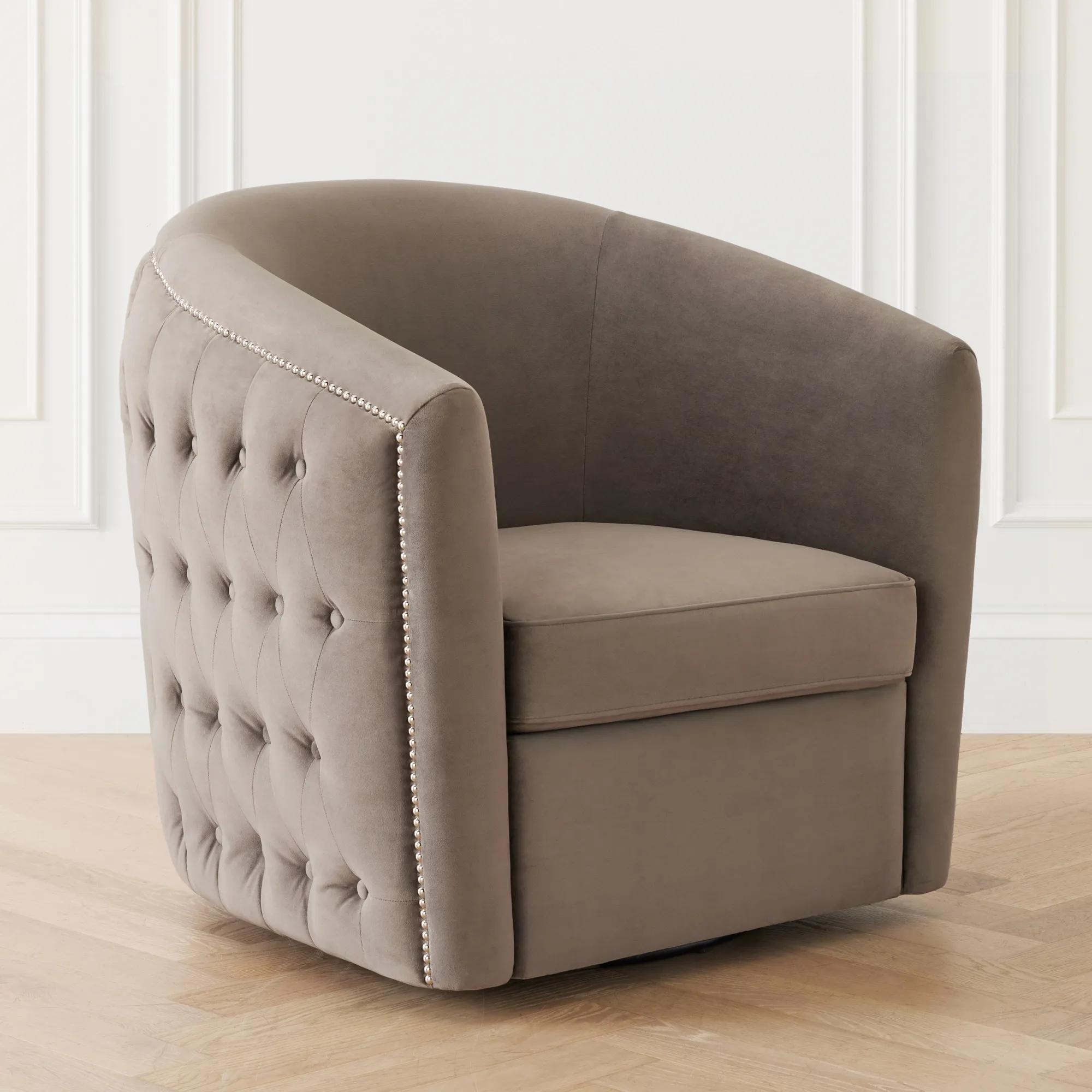
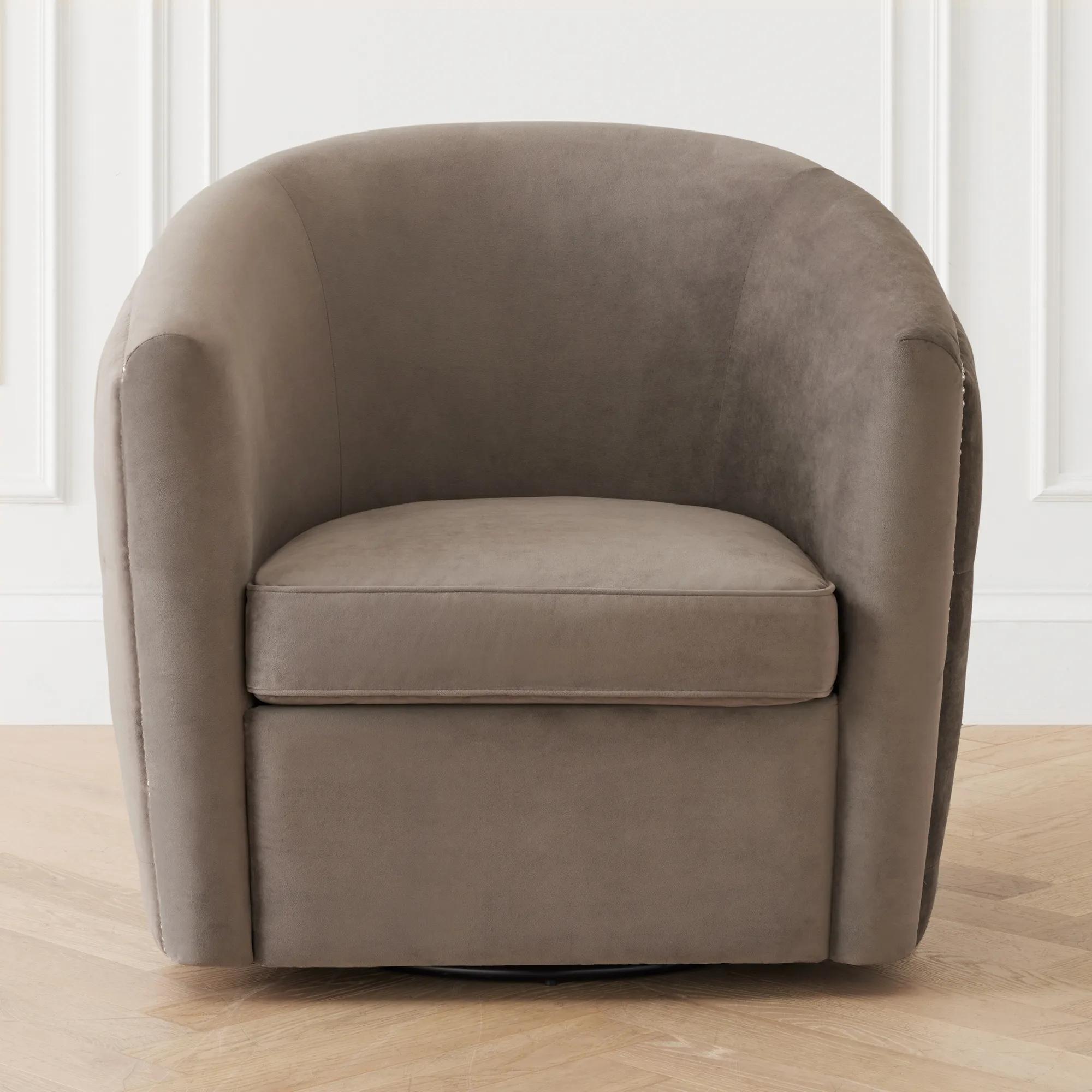 Aria Tufted Swivel Chair$1299
A barrel silhouette swivel chair in Bella Velvet Otter with tufted detailing and bright nickel nailheads.
Add To Cart -

 Aria Pleated Swivel Chair$1249
A barrel-style swivel chair in kiln-dried hardwood, shown in Bella Velvet Pearl with pleated tailoring.
Add To Cart -
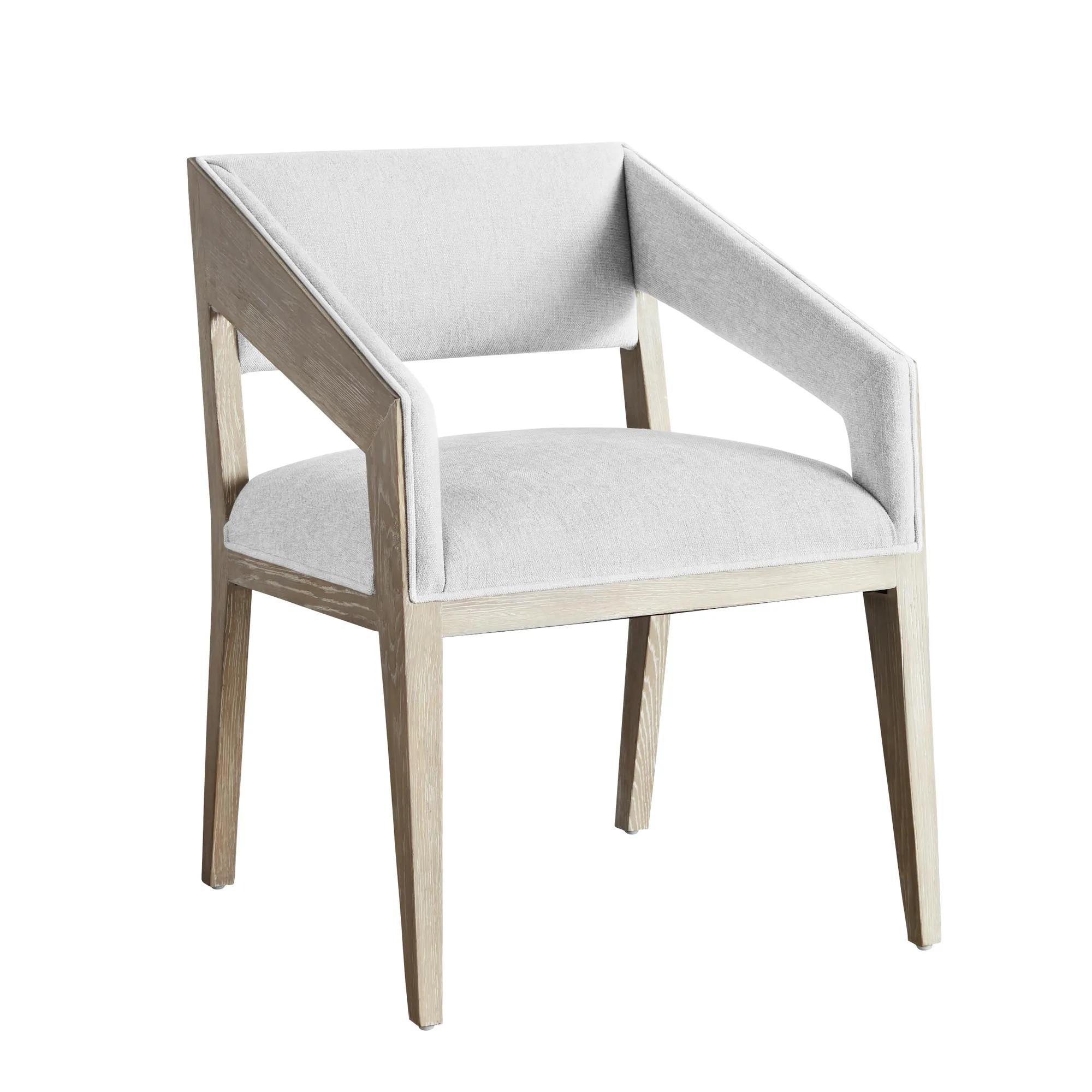
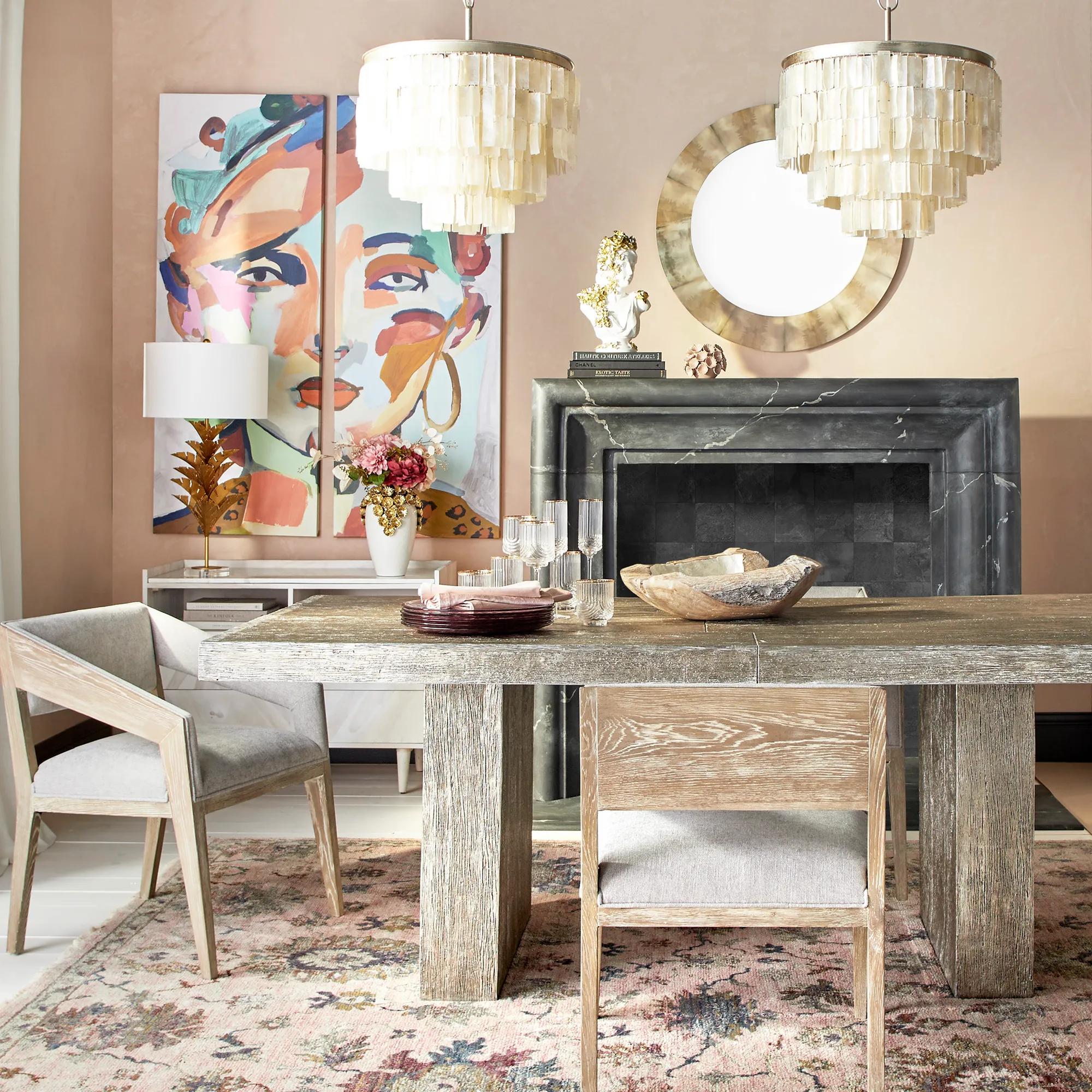 Alric Dining Arm Chair$699
A modern armchair featuring solid oak framing, natural grey finish, and neatly tailored pearl grey upholstery.
Add To Cart -
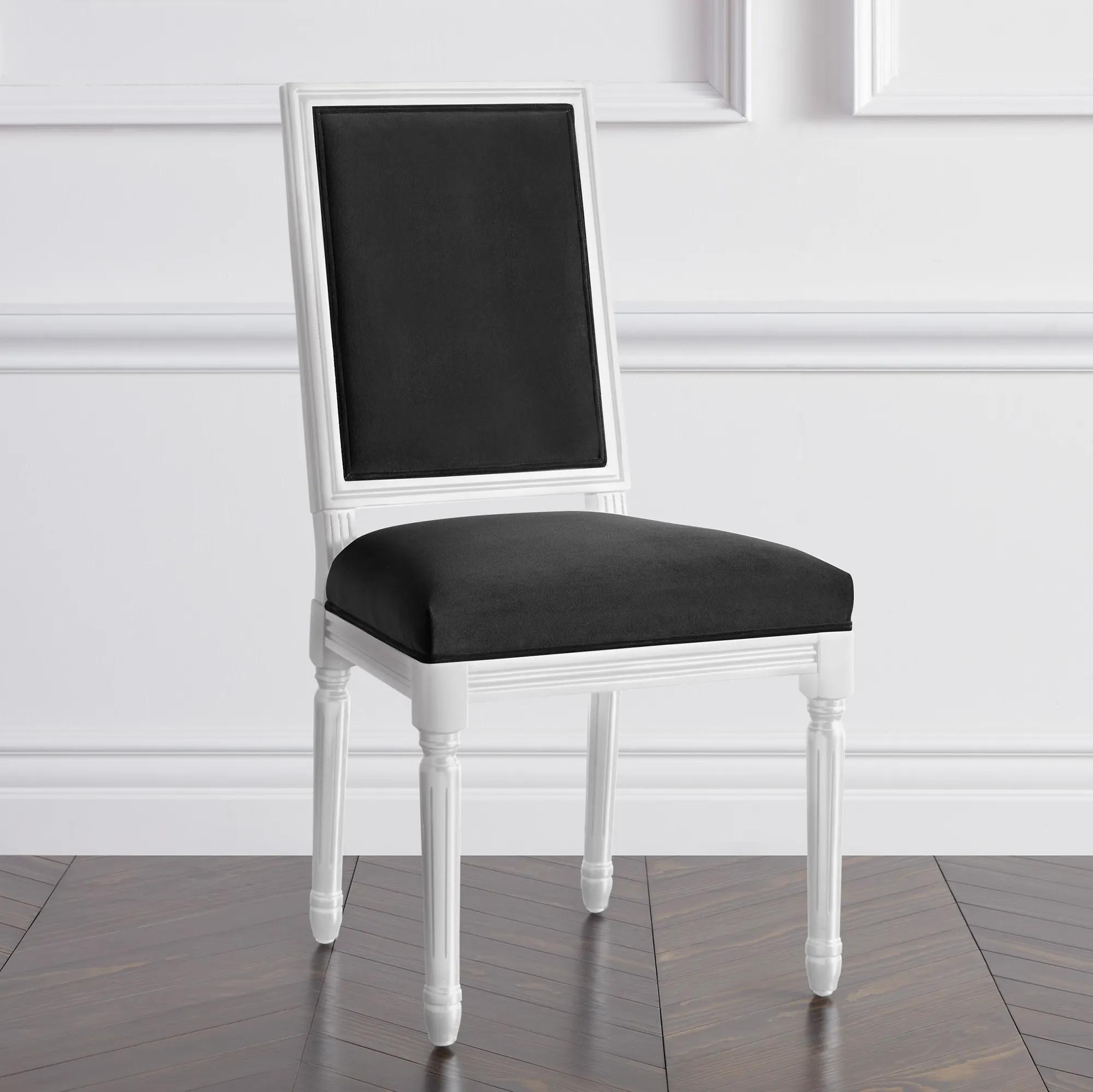
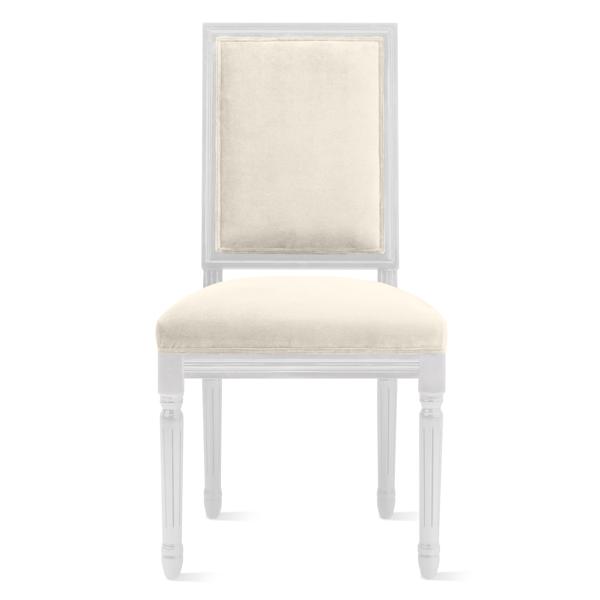 Callan Dining Chair - High Gloss White$599
A handcrafted dining chair featuring a high-gloss white finish, kiln-dried hardwood frame, and plush upholstery.
Add To Cart -
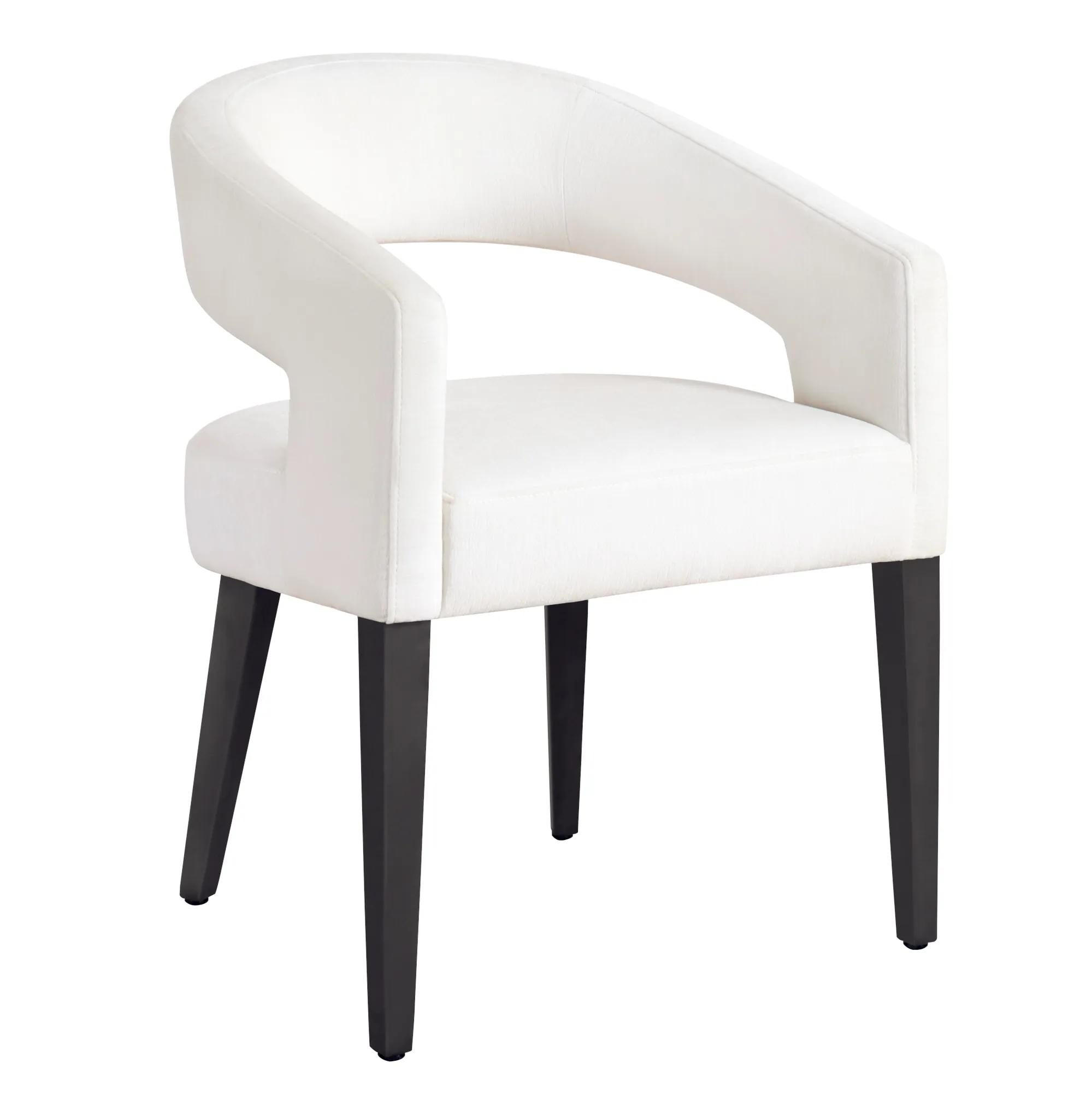
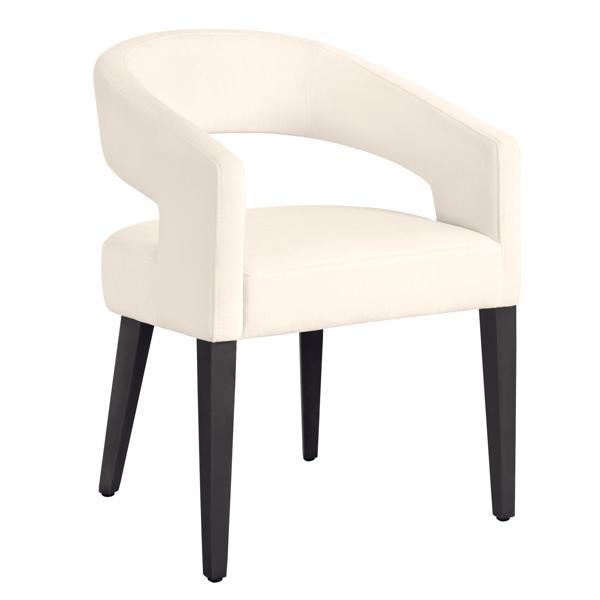 Philippa Dining Chair - Espresso$599
A curved dining chair featuring tailored upholstery, espresso-finished legs, and a sleek back cutout.
Add To Cart -
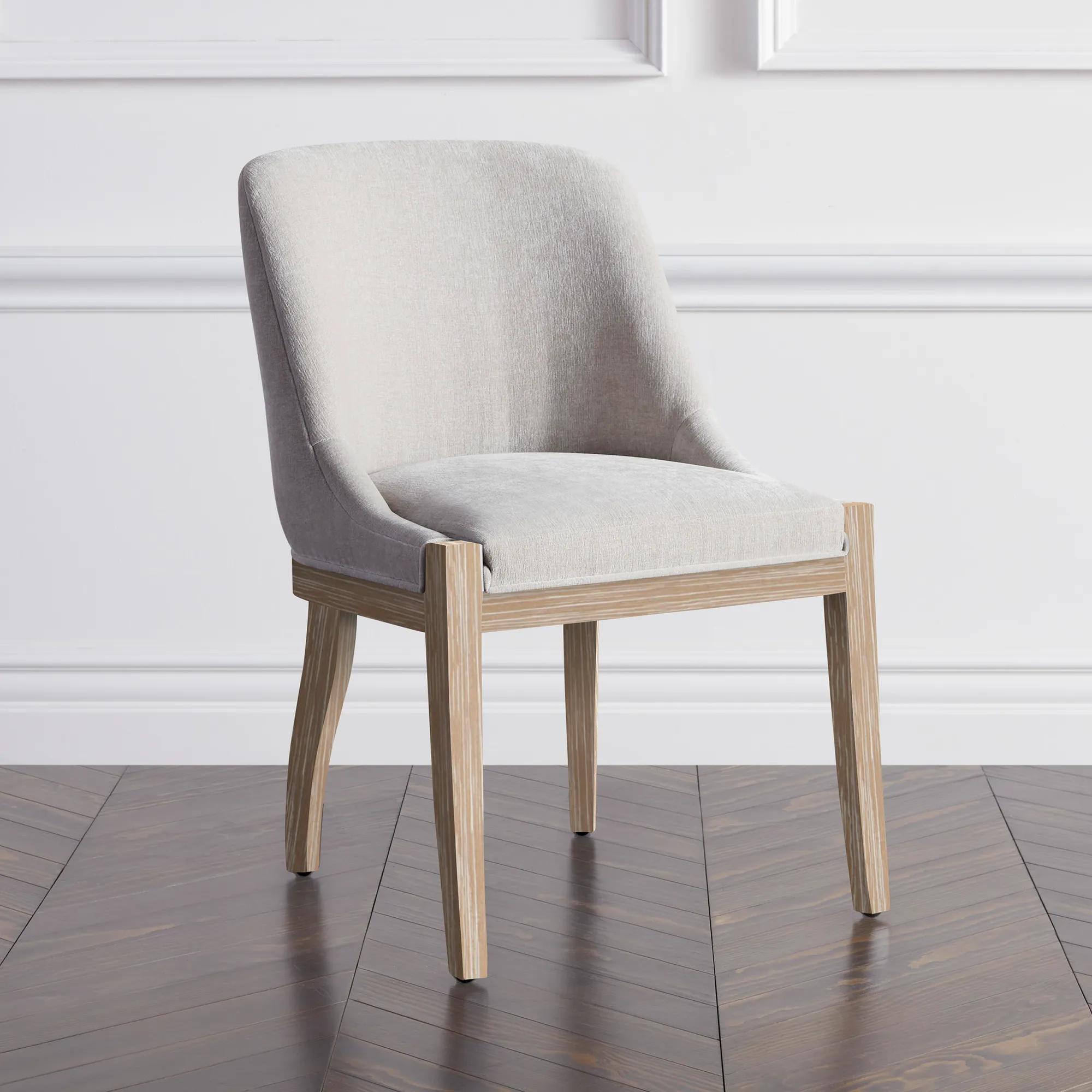
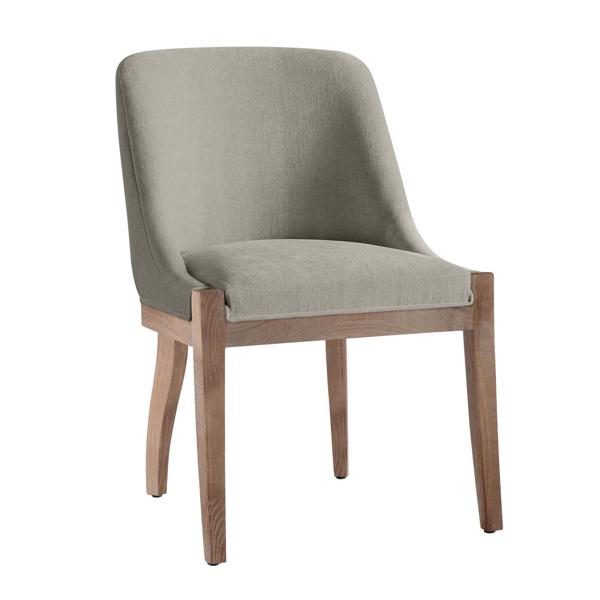 Lily Dining Chair - Wash Oak$699
A modern dining chair with a kiln-dried hardwood frame, wash oak legs, and plush tailored upholstery.
Add To Cart -
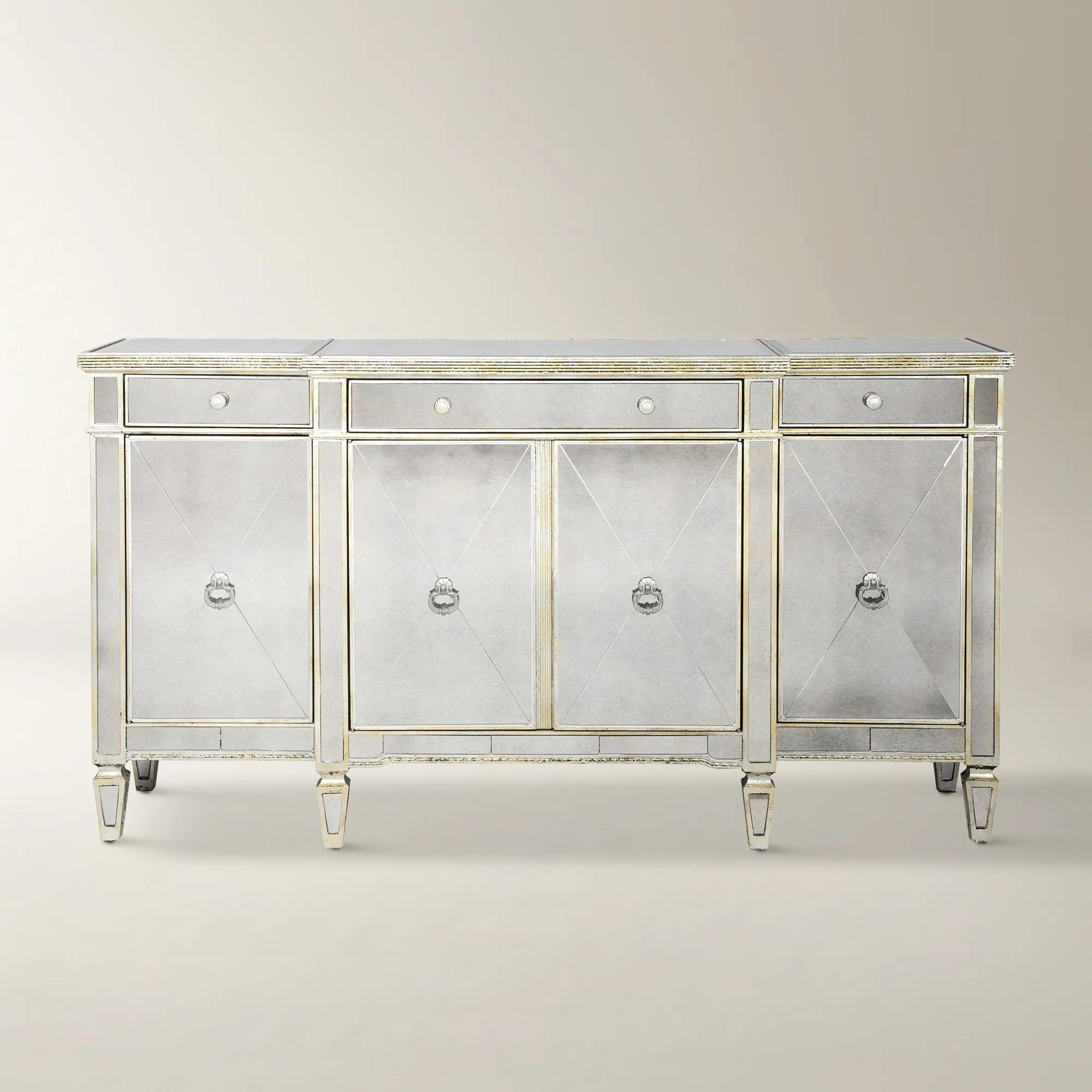
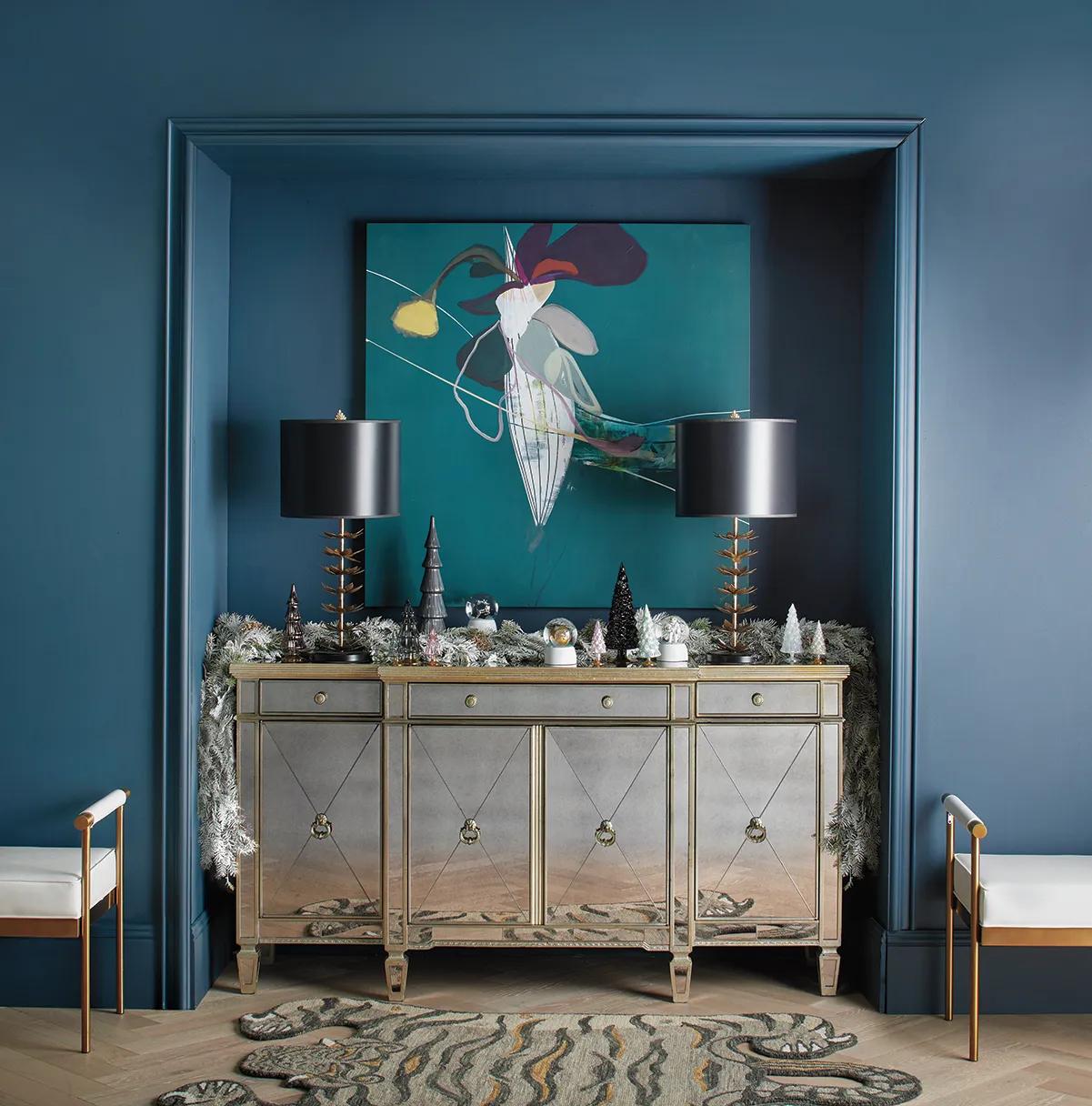 Borghese Mirrored Silver 3-Drawer Buffet (70")$2199
A sophisticated mirrored buffet featuring antique beveled glass, champagne gilt wood trim, and hand-applied silver leaf.
Add To Cart -
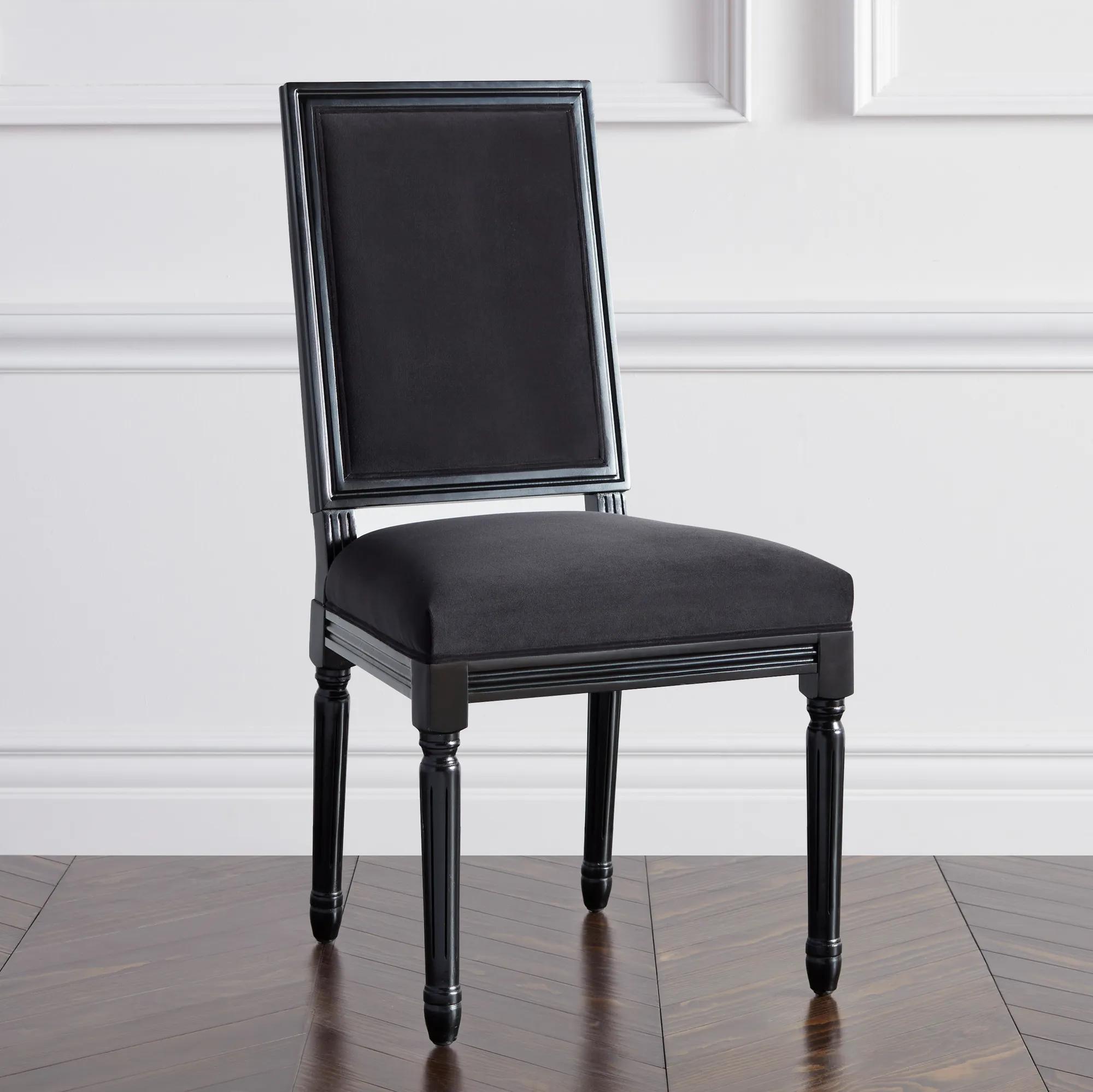
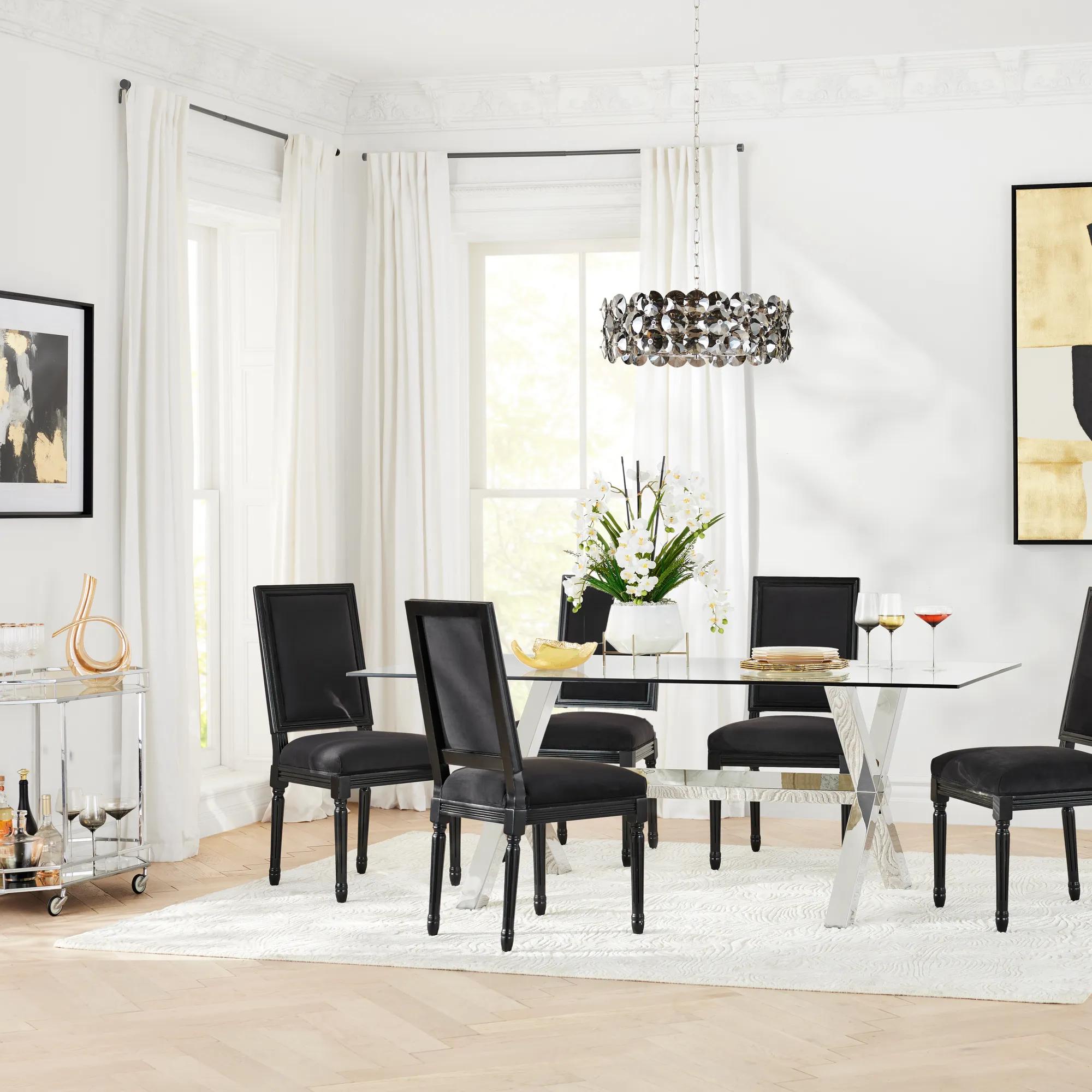 Callan Dining Chair - High Gloss Black$649
A handcrafted dining chair featuring high-gloss black Bella Velvet upholstery, fluted legs, and a squared back.
Add To Cart -
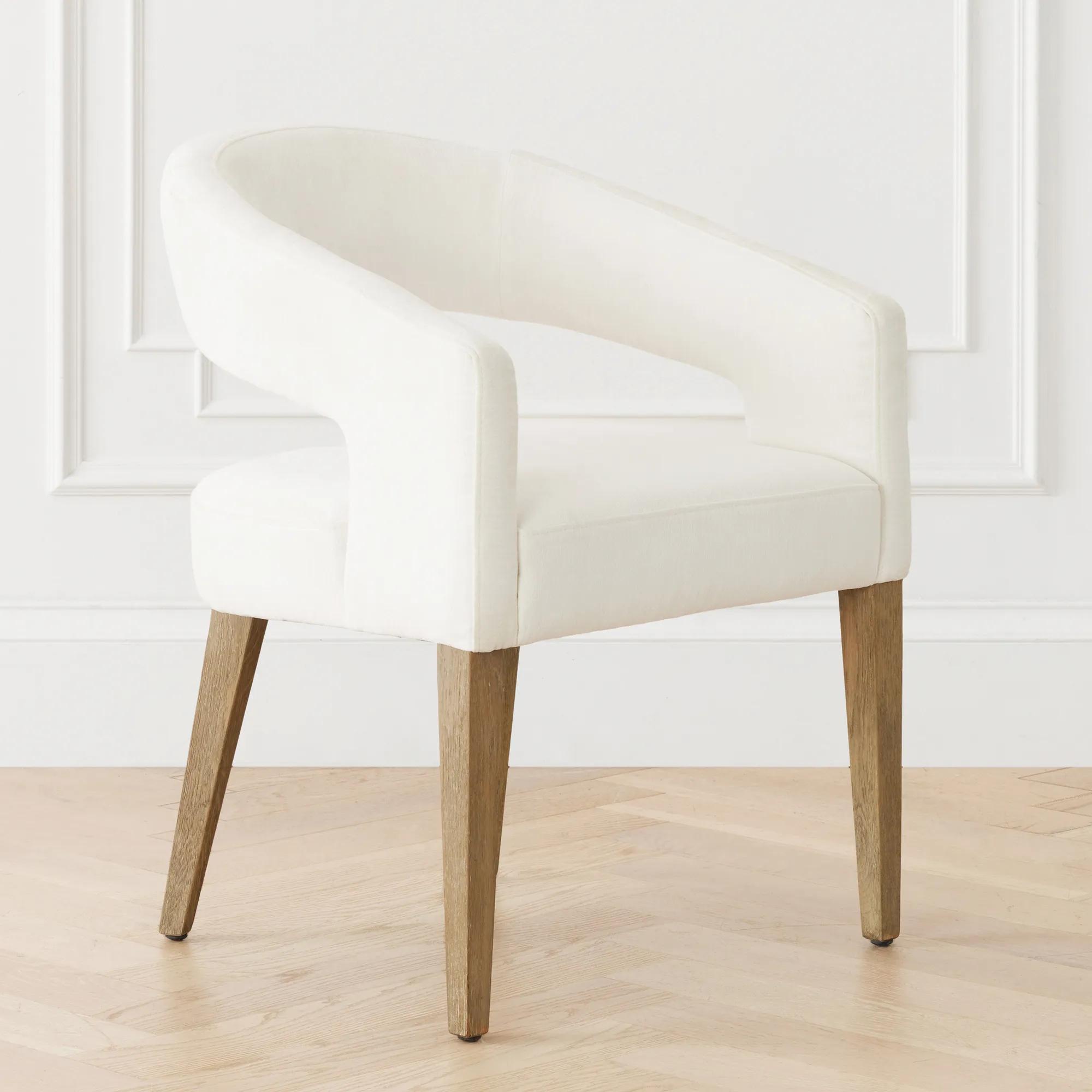 Philippa Dining Chair - Natural Grey$699
A curved grey dining chair featuring tailored chenille upholstery, a sleek back cutout, and sturdy hardwood frame.
Add To Cart -
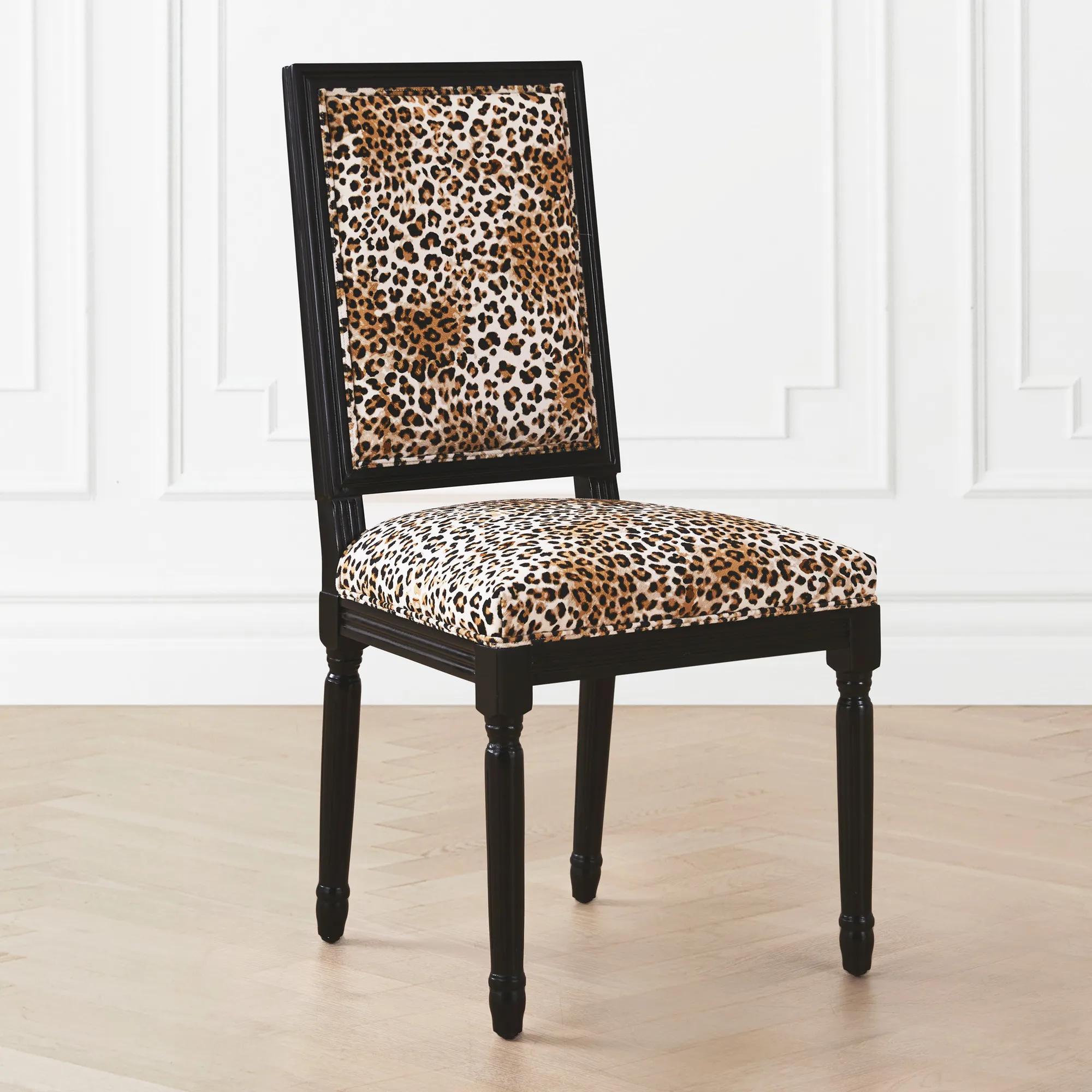
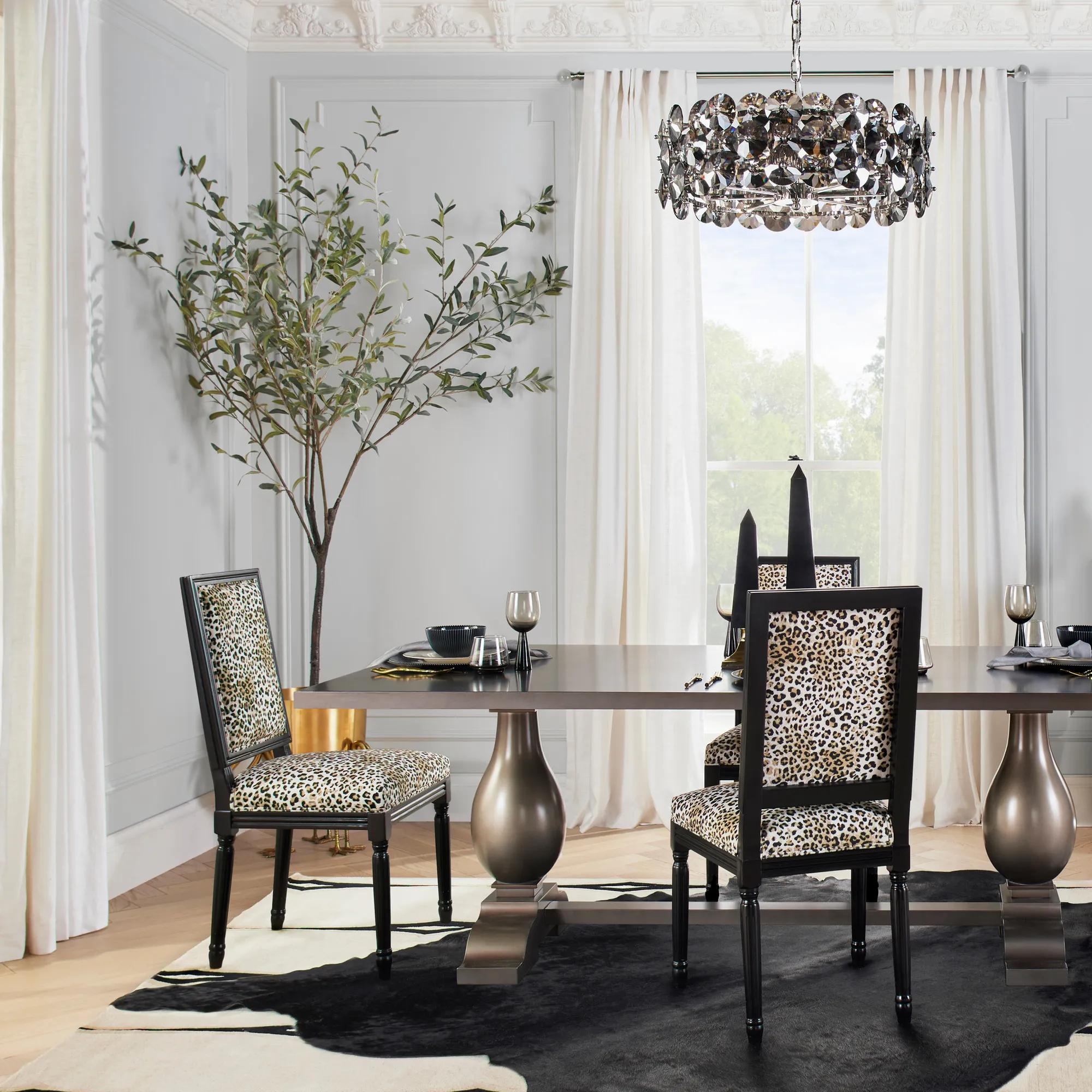 Callan Dining Chair$599
A handcrafted modern chair featuring classic upholstery, squared back, fluted legs, and high-gloss finish.
Add To Cart -
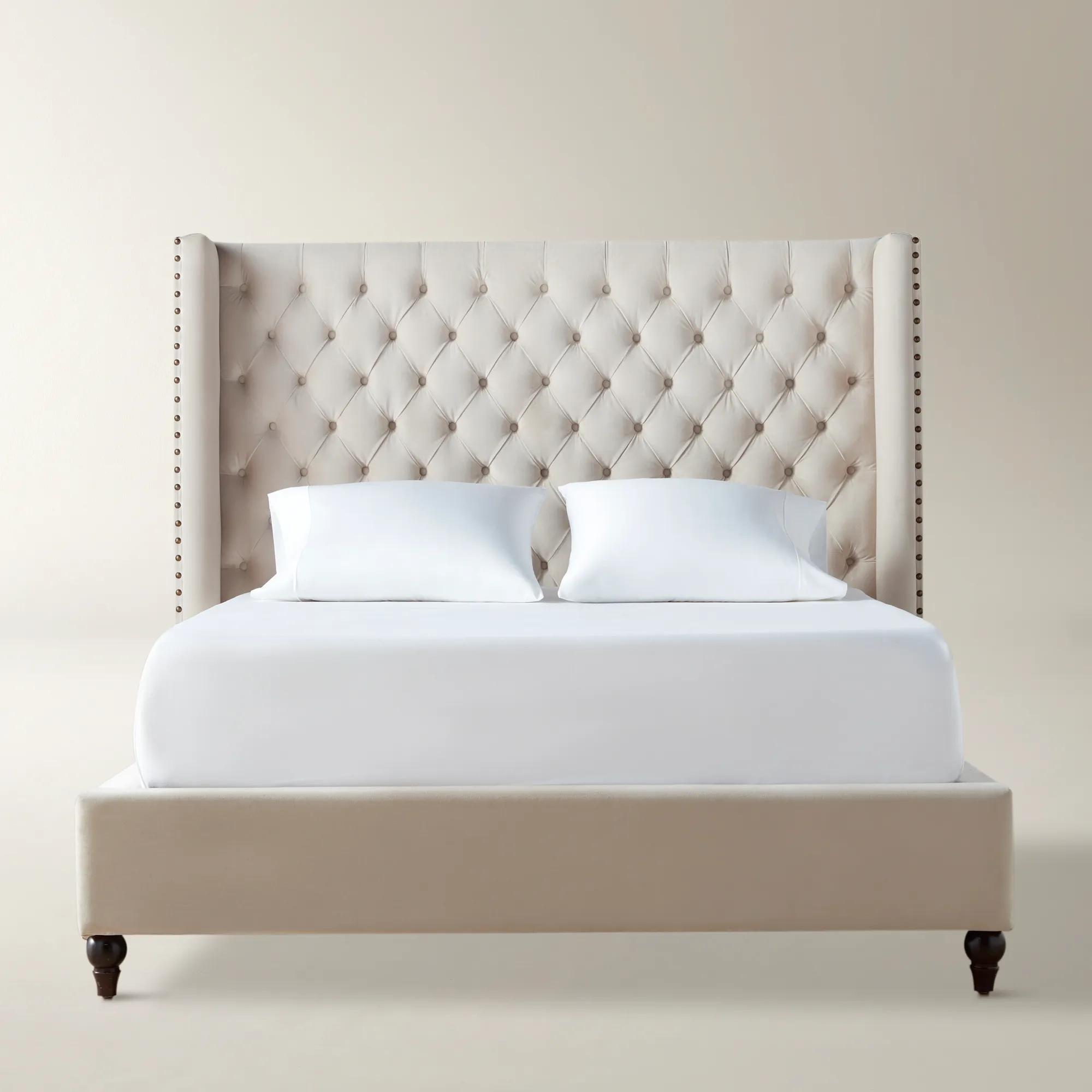
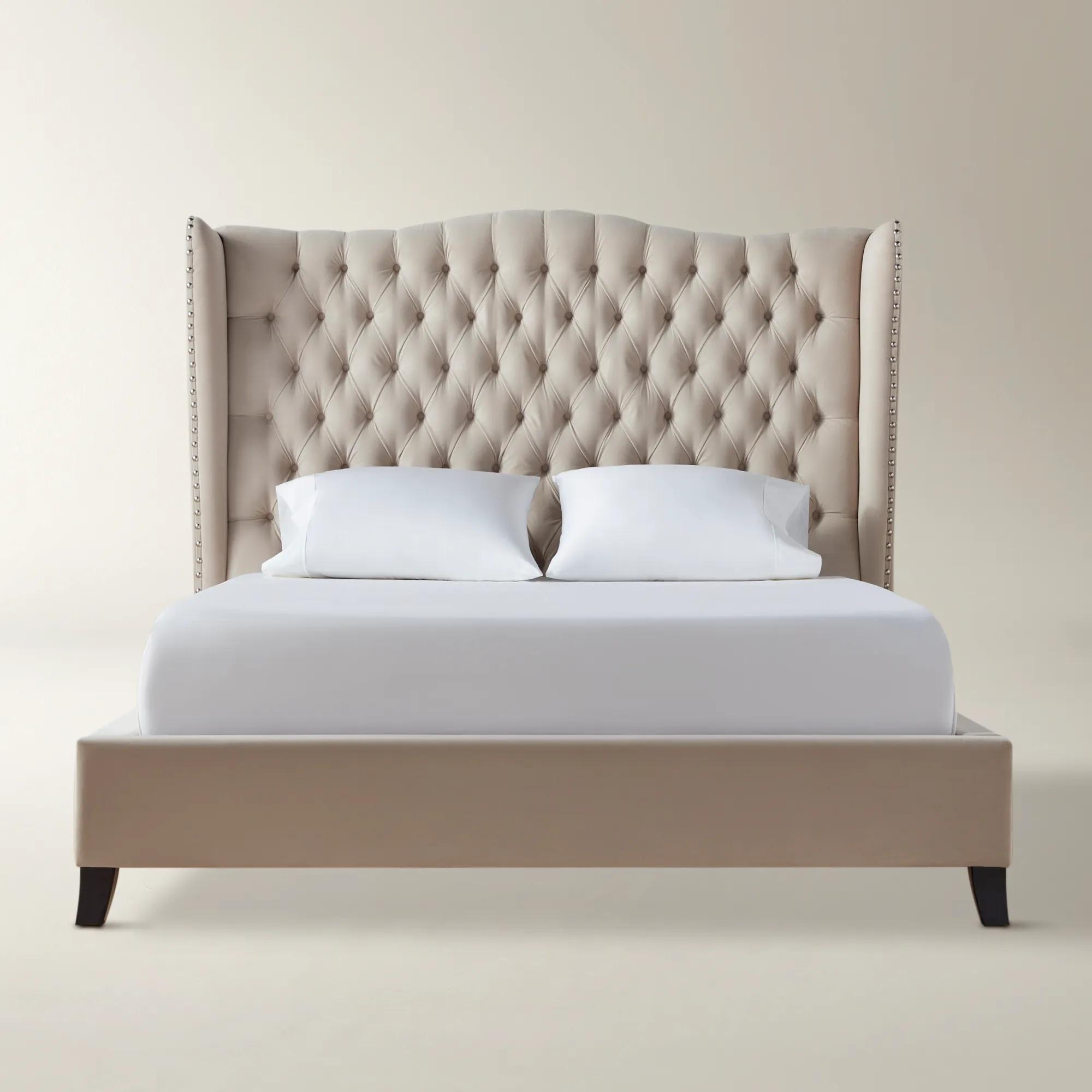
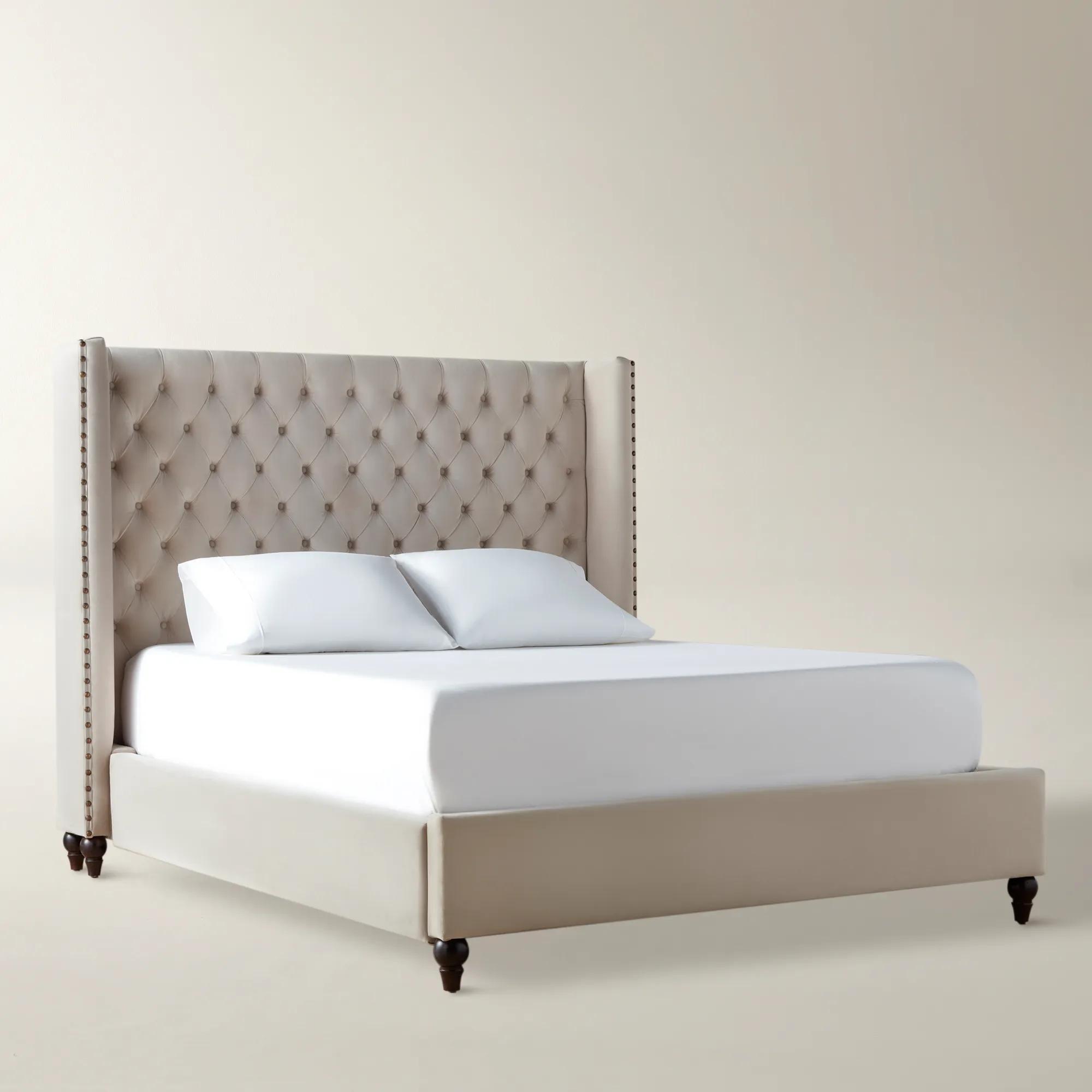 Roberto Bed$2149
A stately bed featuring diamond tufted Bella Velvet Pearl upholstery, kiln-dried hardwood frame, and antique brass nailheads.
Add To Cart -
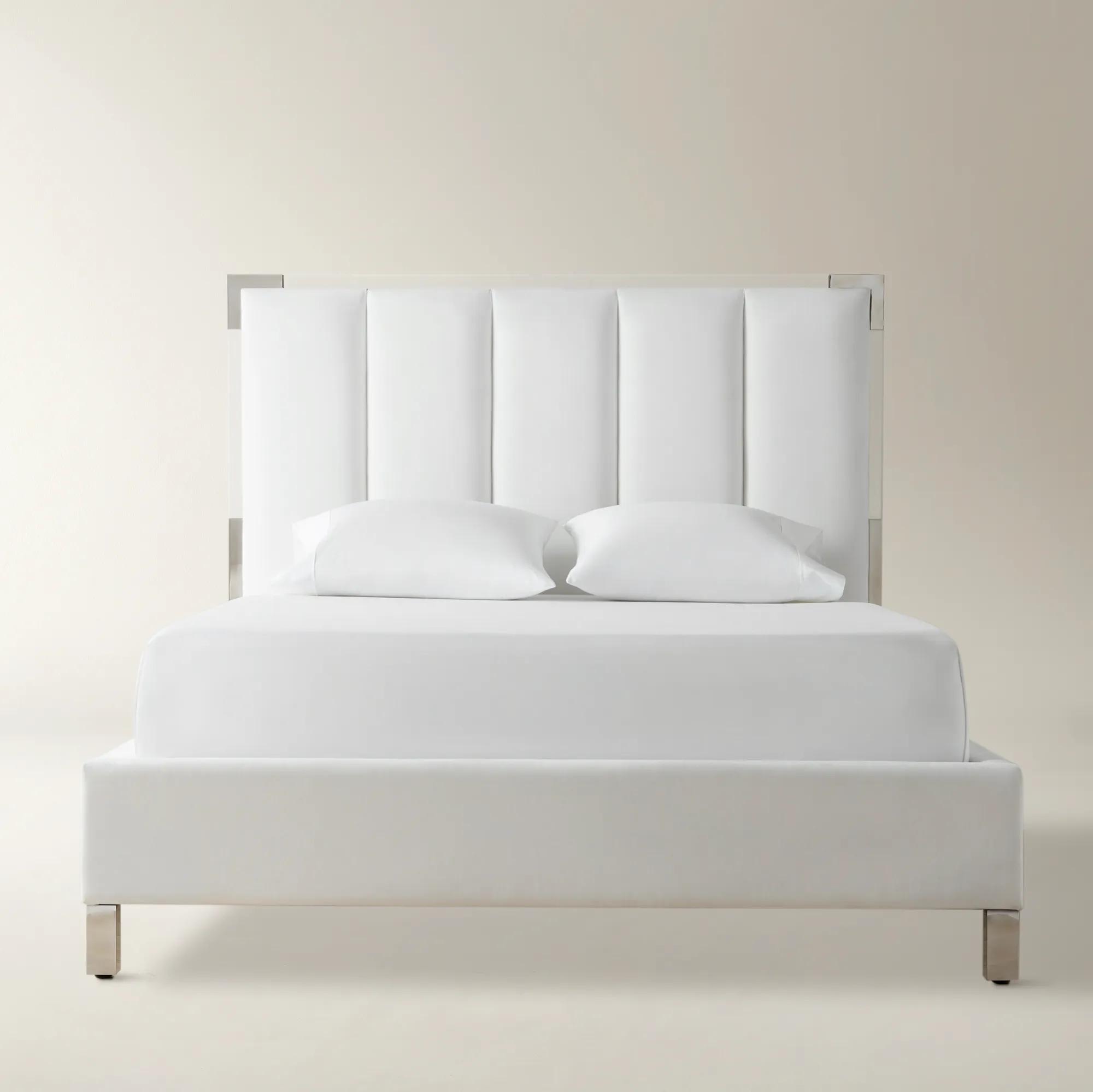
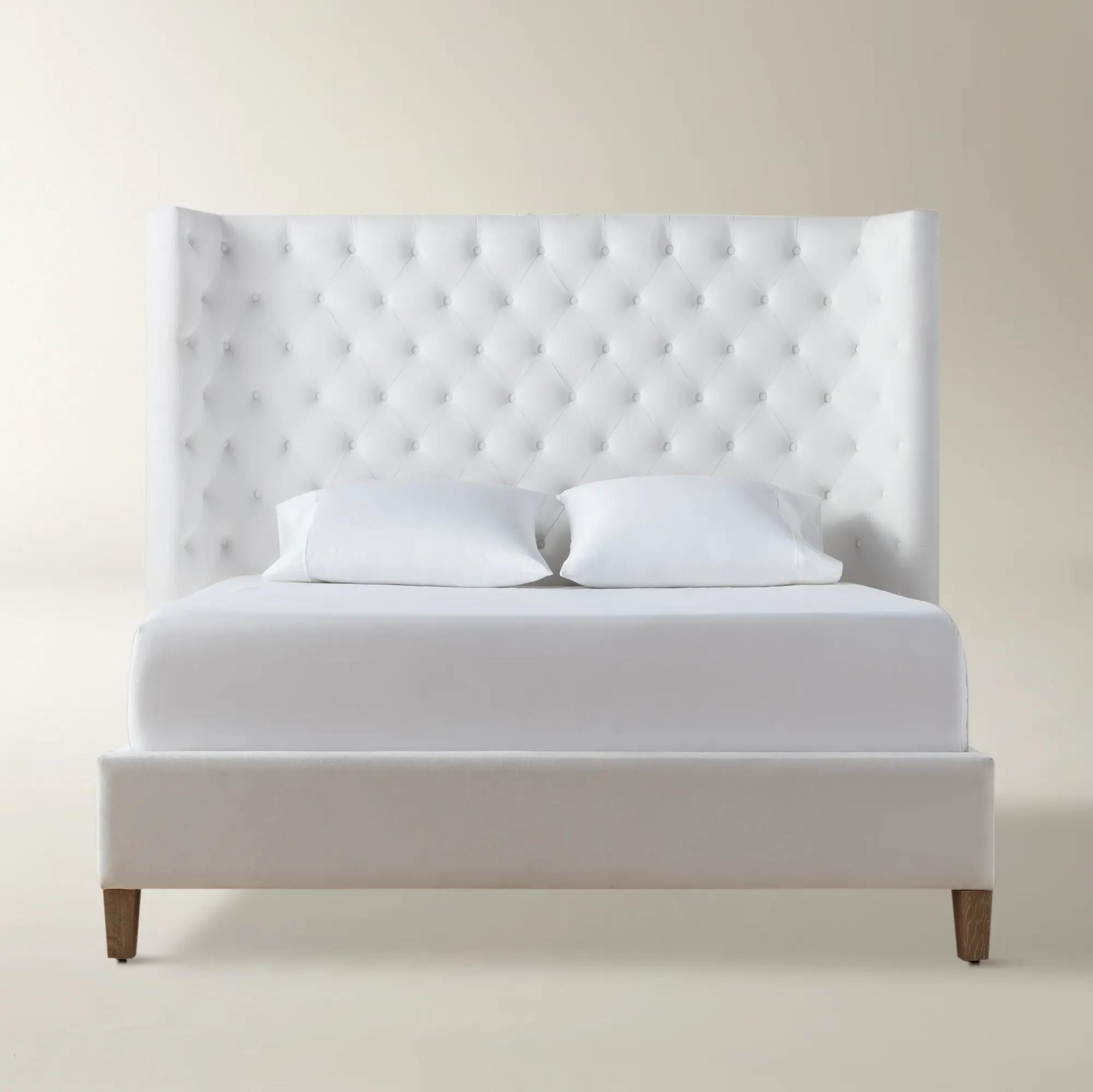 Jen Bed$1899
A glamorous wingback bed with hand-applied diamond button tufting and plush white velvet upholstery.
Add To Cart -
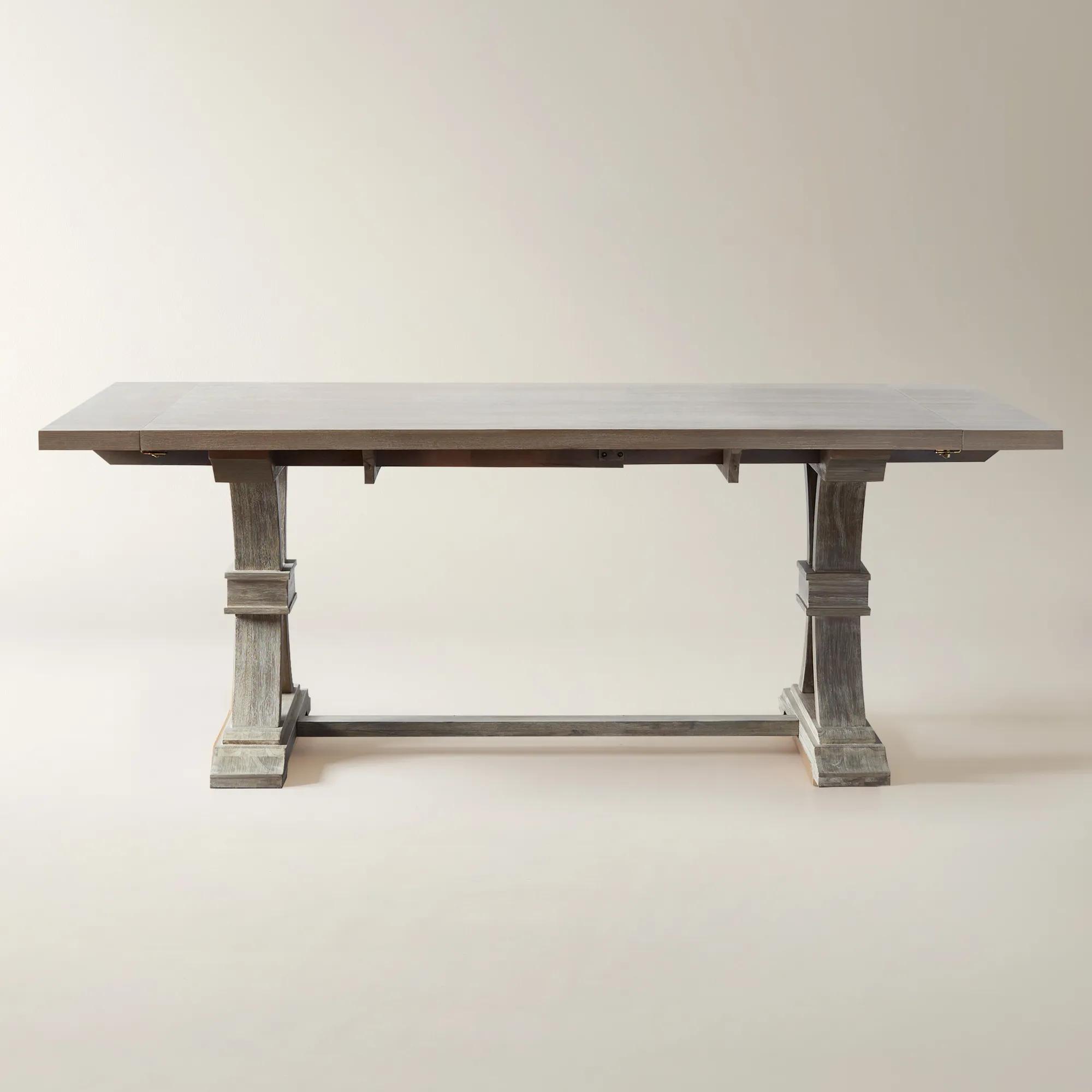 Archer Rectangular Grey Acacia Wood Extending Dining Table (78" - 110")$2499
A weathered grey acacia wood dining table with removable leaves and a kiln-dried hardwood frame.
Add To Cart -
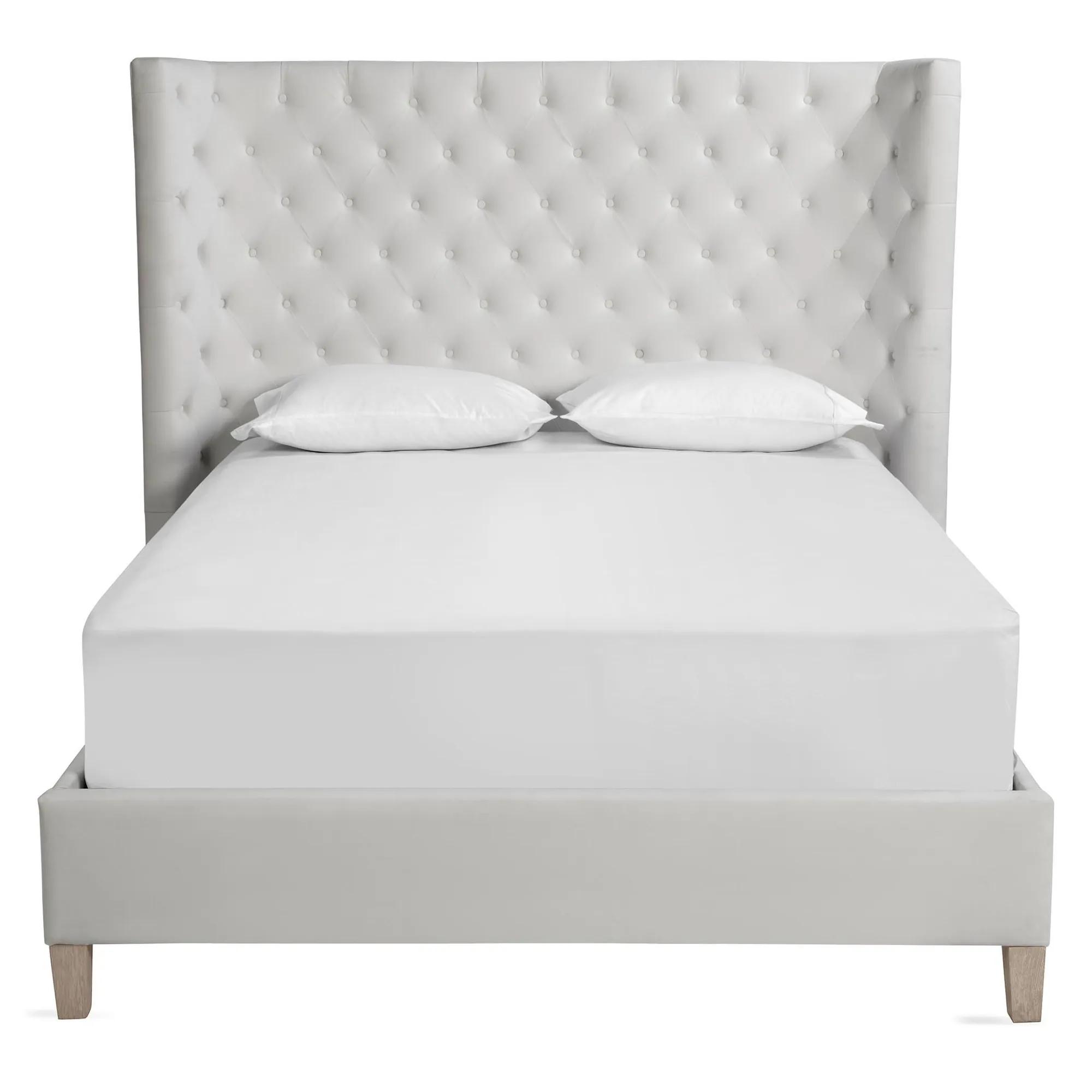
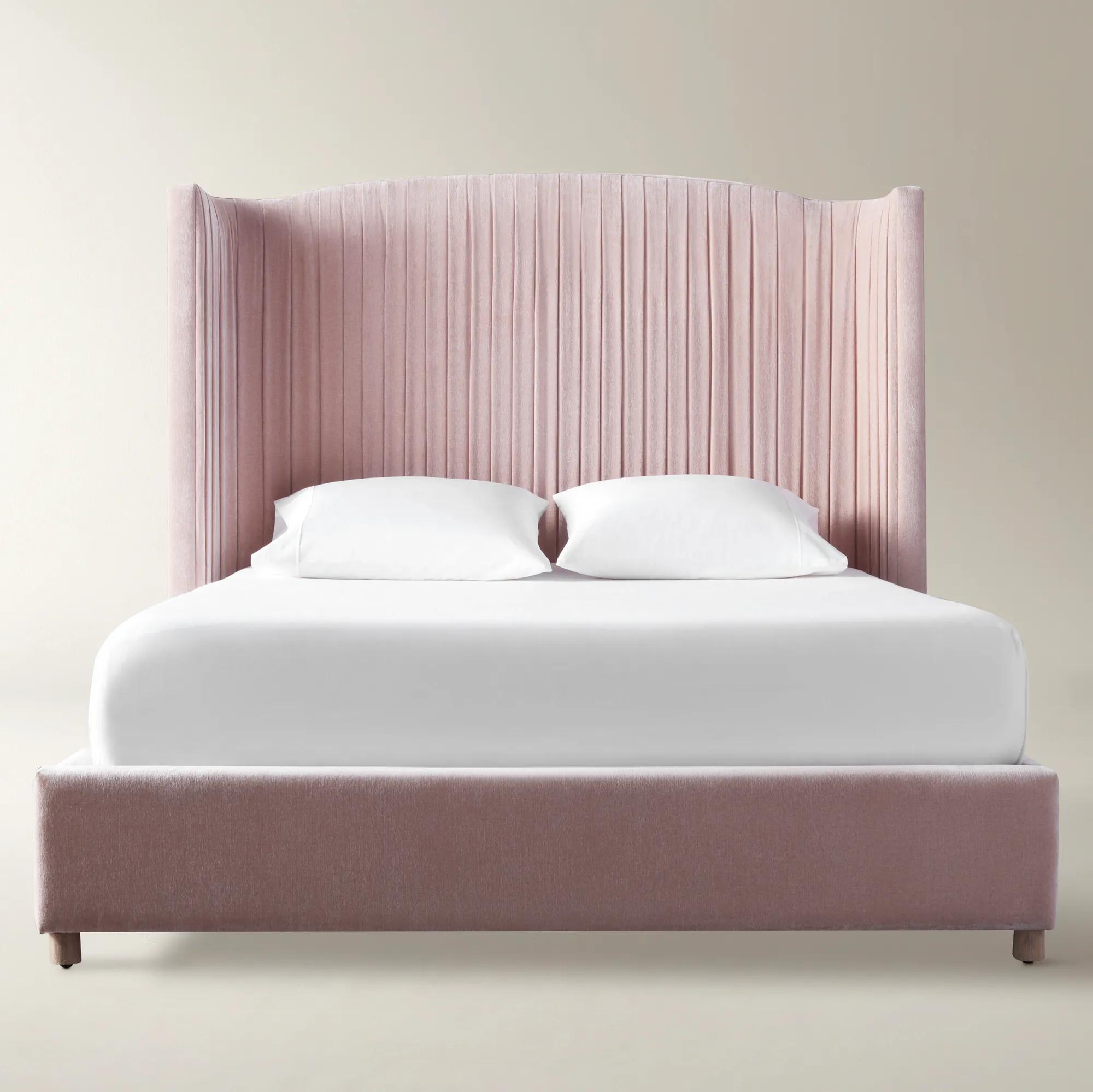
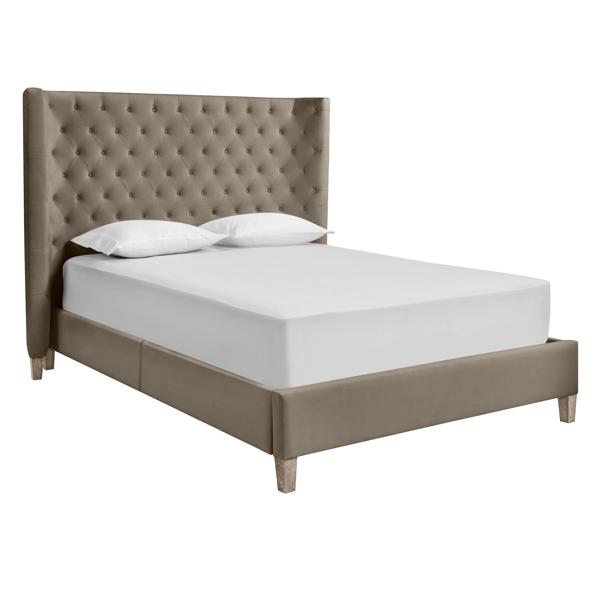 Jen Storage Bed$3399
A glamorous platform bed with a curved wingback headboard, hand-tufted velvet upholstery, and four storage drawers.
Add To Cart -
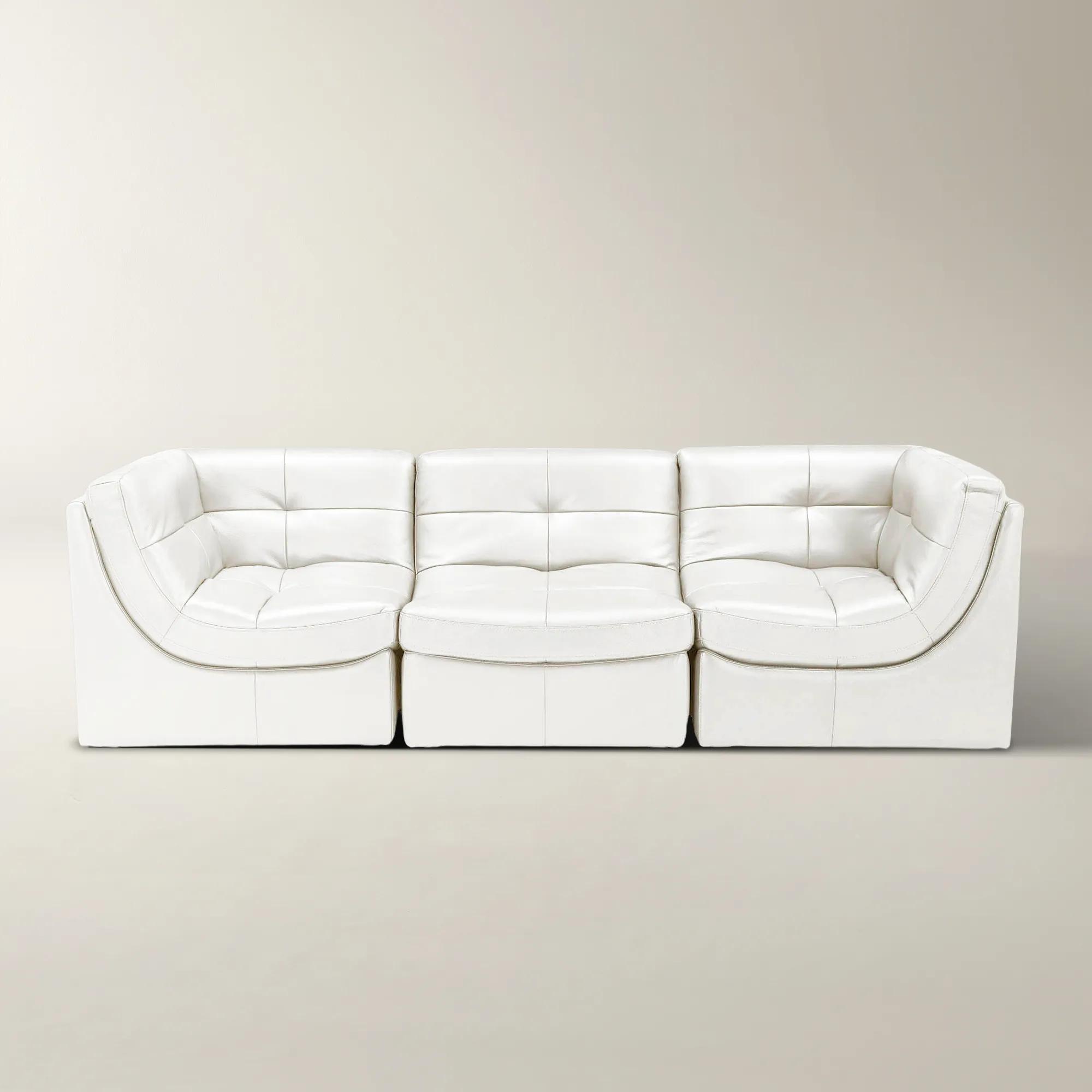 Convo 3-Piece White Leather Sectional Sofa$3999
A modular charcoal leather sofa with kiln-dried hardwood frame and blind-tufted, semi-aniline upholstery.
Add To Cart -
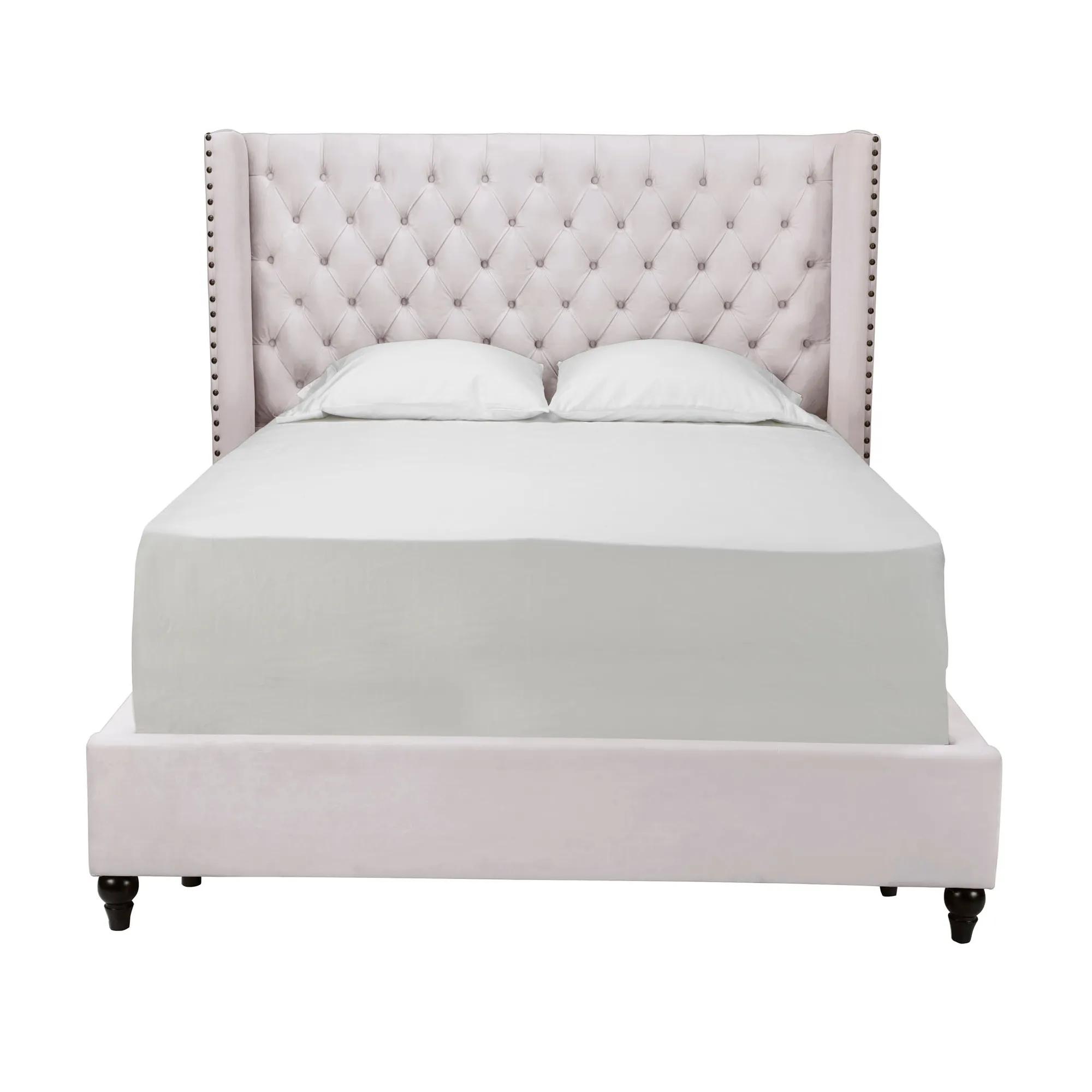
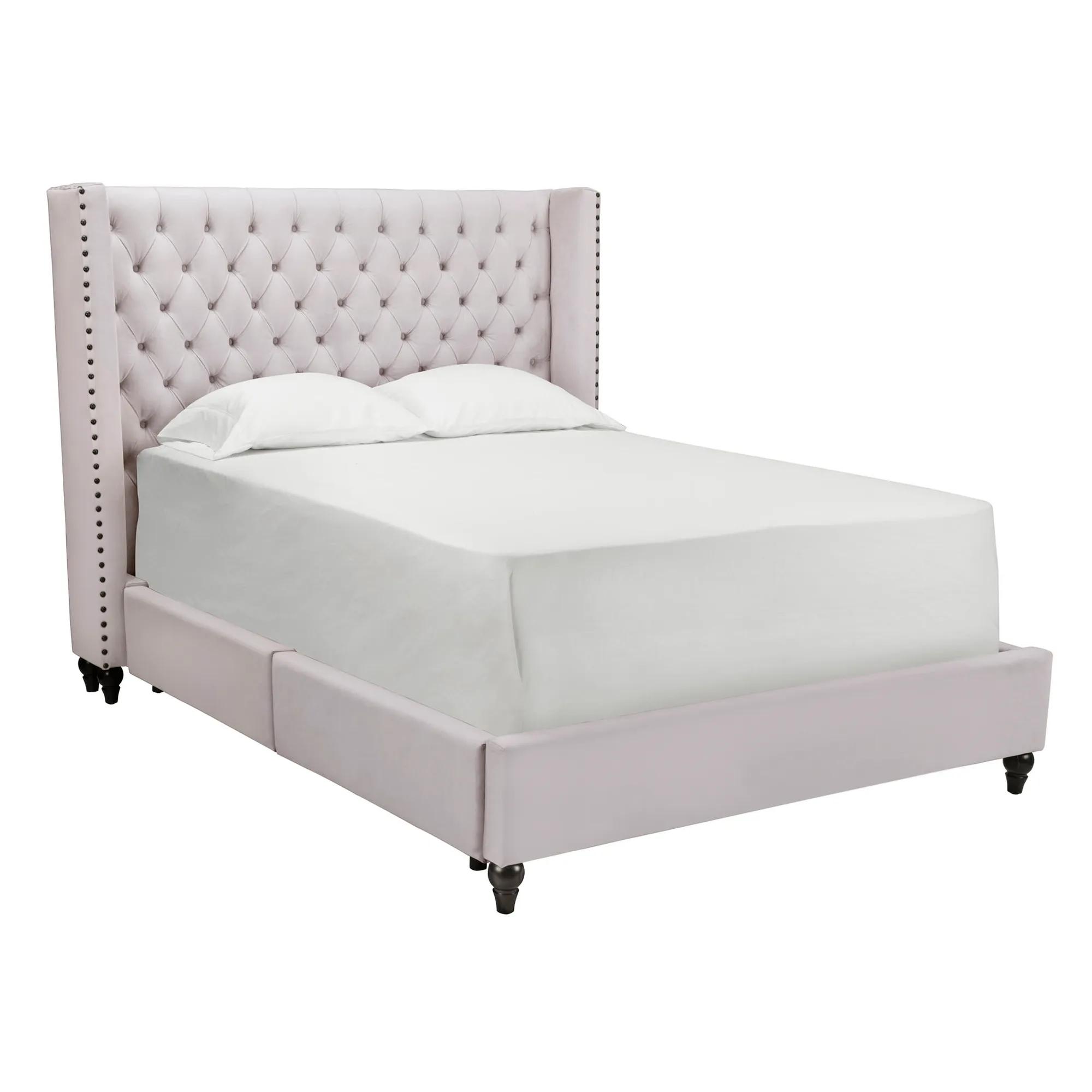 Roberto Storage Bed$3249
A handcrafted velvet-upholstered storage bed featuring diamond tufting, turned legs, and hand-applied antique brass nailheads.
Add To Cart -
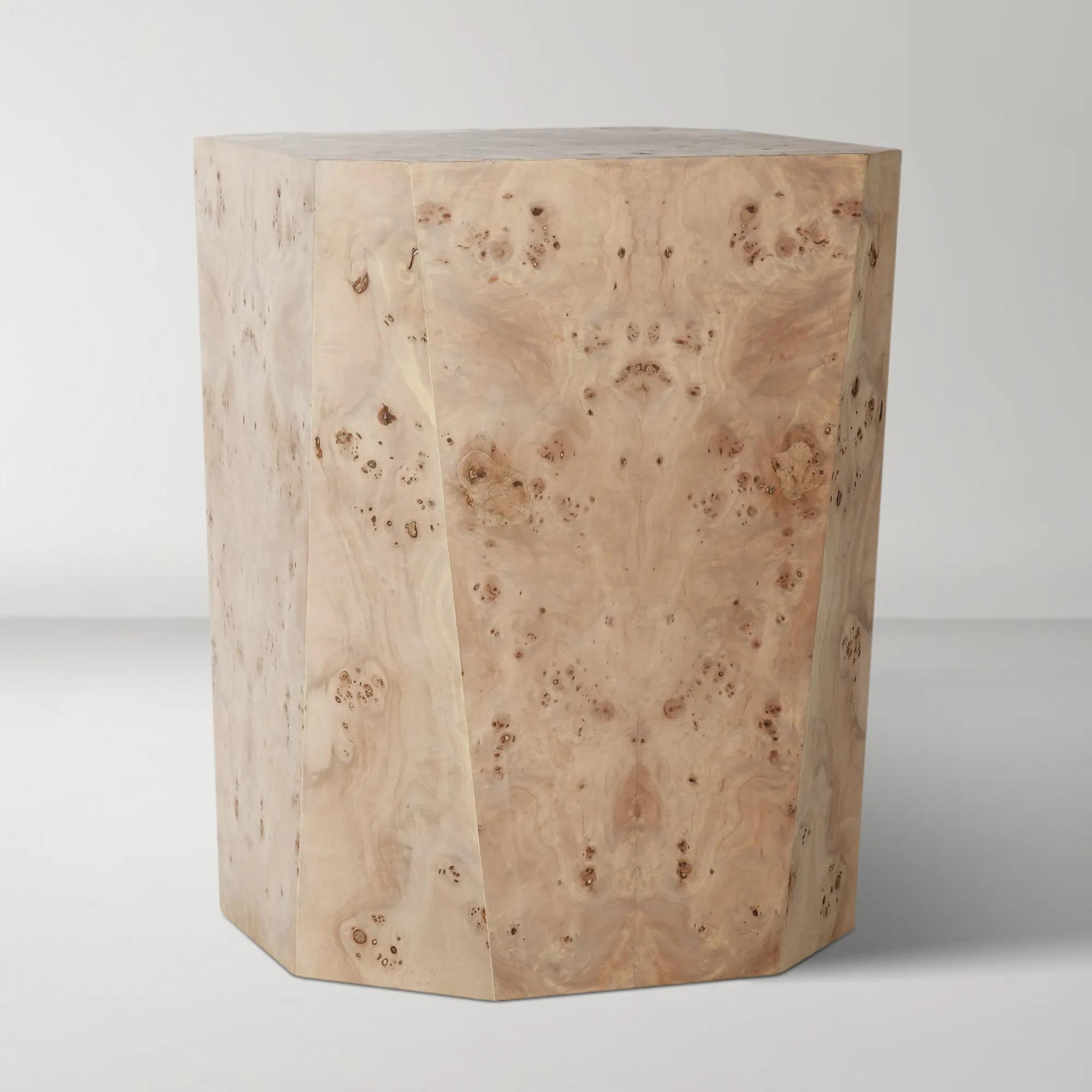
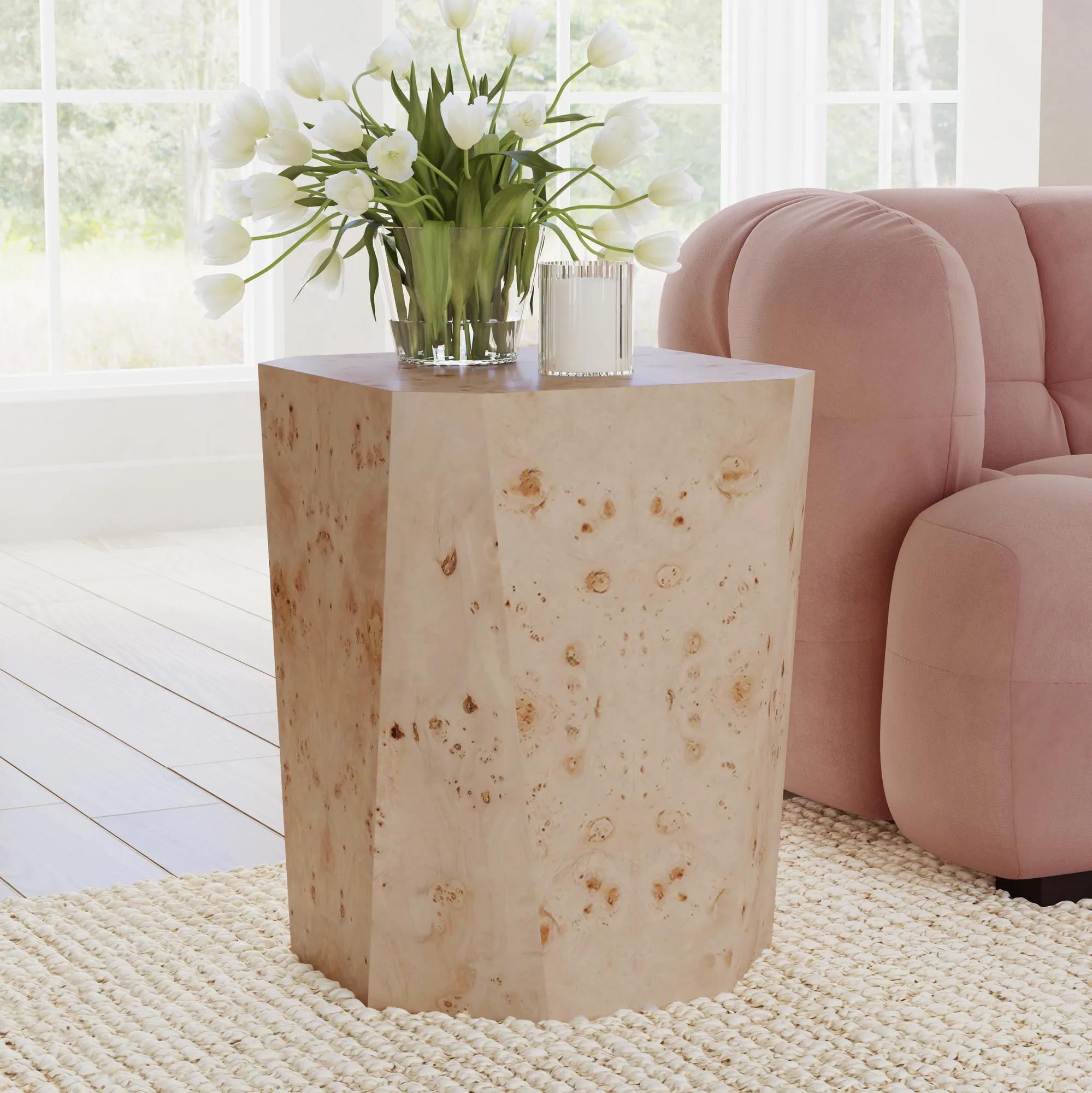 Avena Square Natural Burl Wood End Table (17.75")$699
A striking end table featuring natural burl wood veneer with unique swirling grain and warm, organic tones.
Add To Cart -
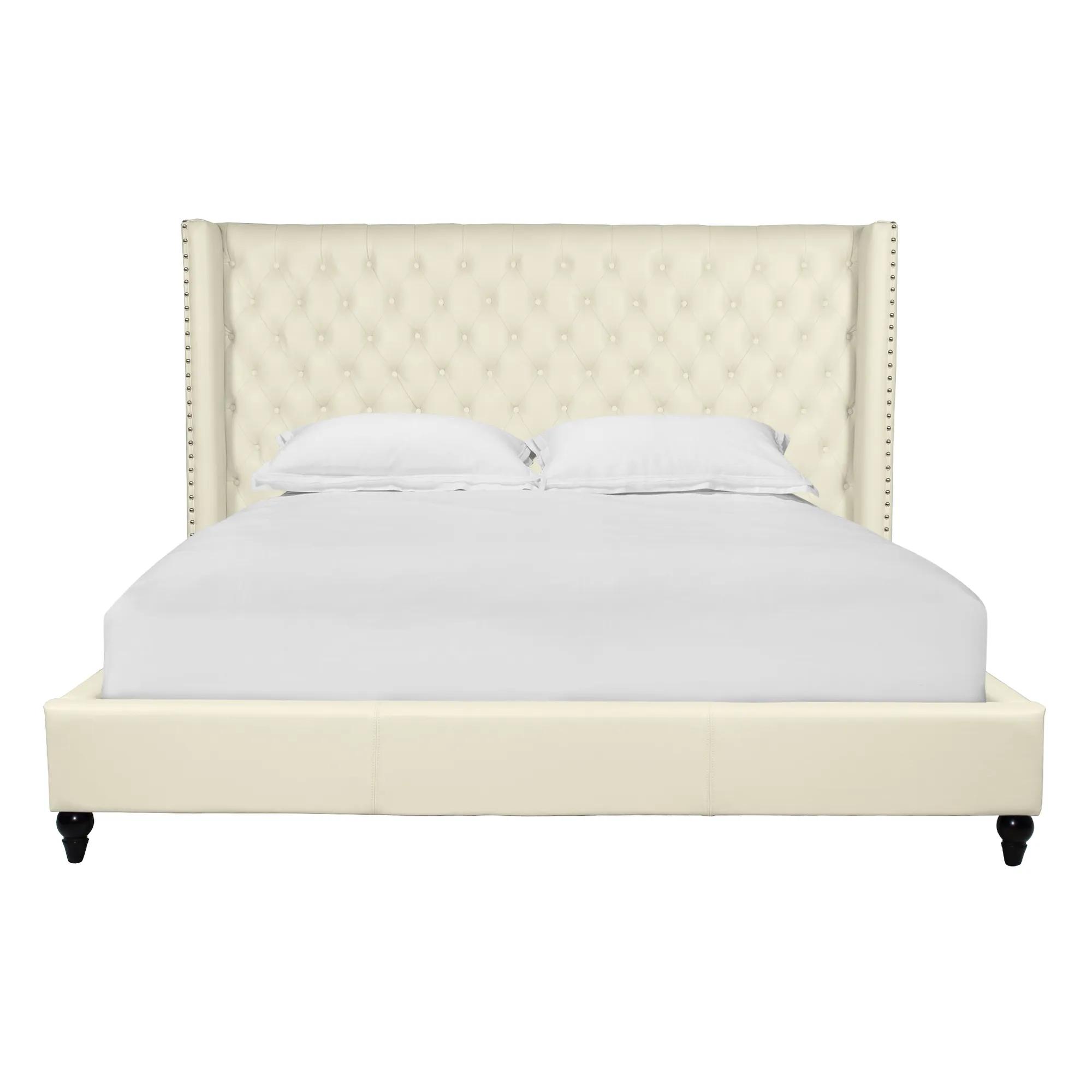
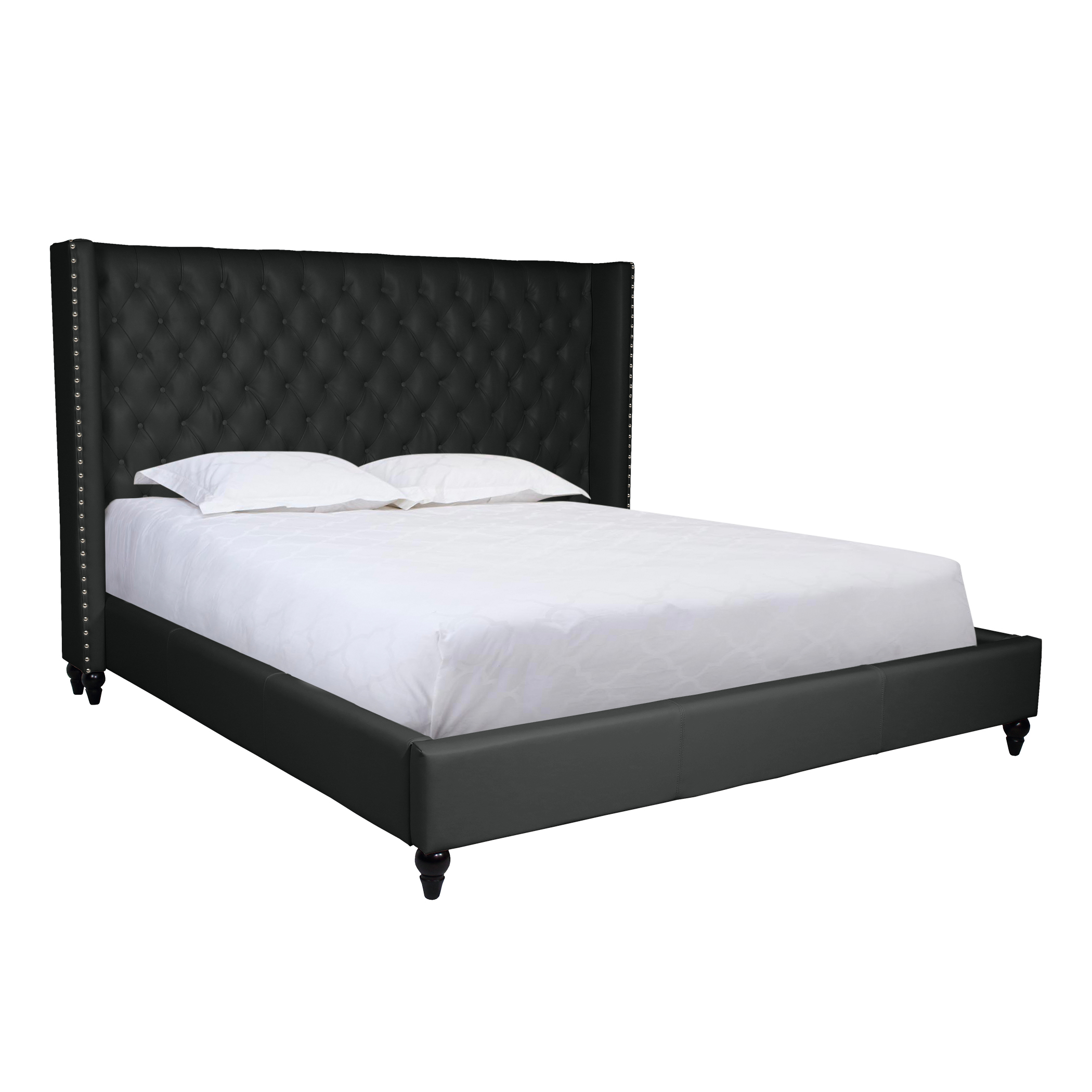 Roberto Leather Bed$3749
A stately bed featuring hand-tufted white top grain leather, bright nickel nailheads, and kiln-dried hardwood.
Add To Cart -
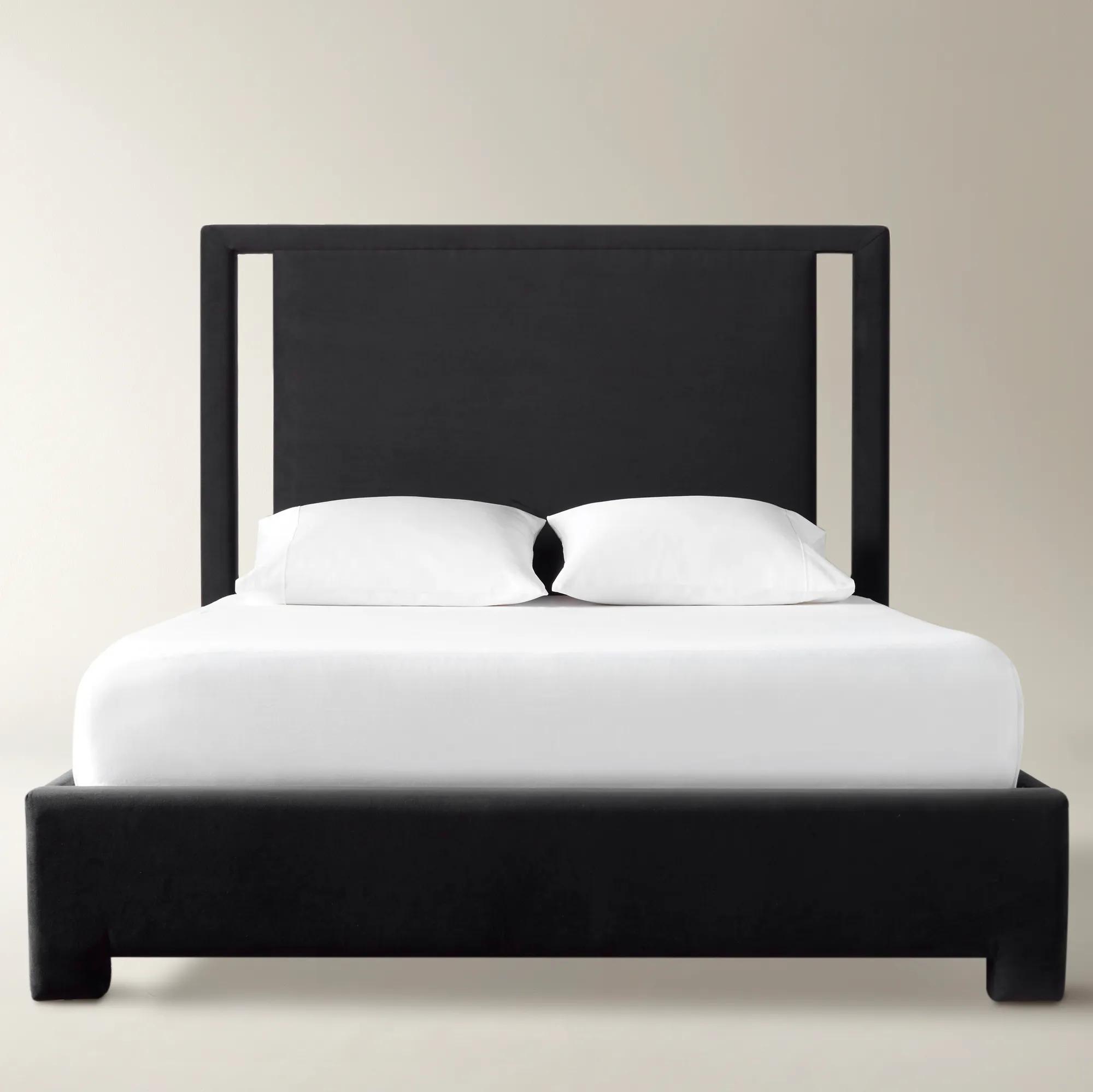
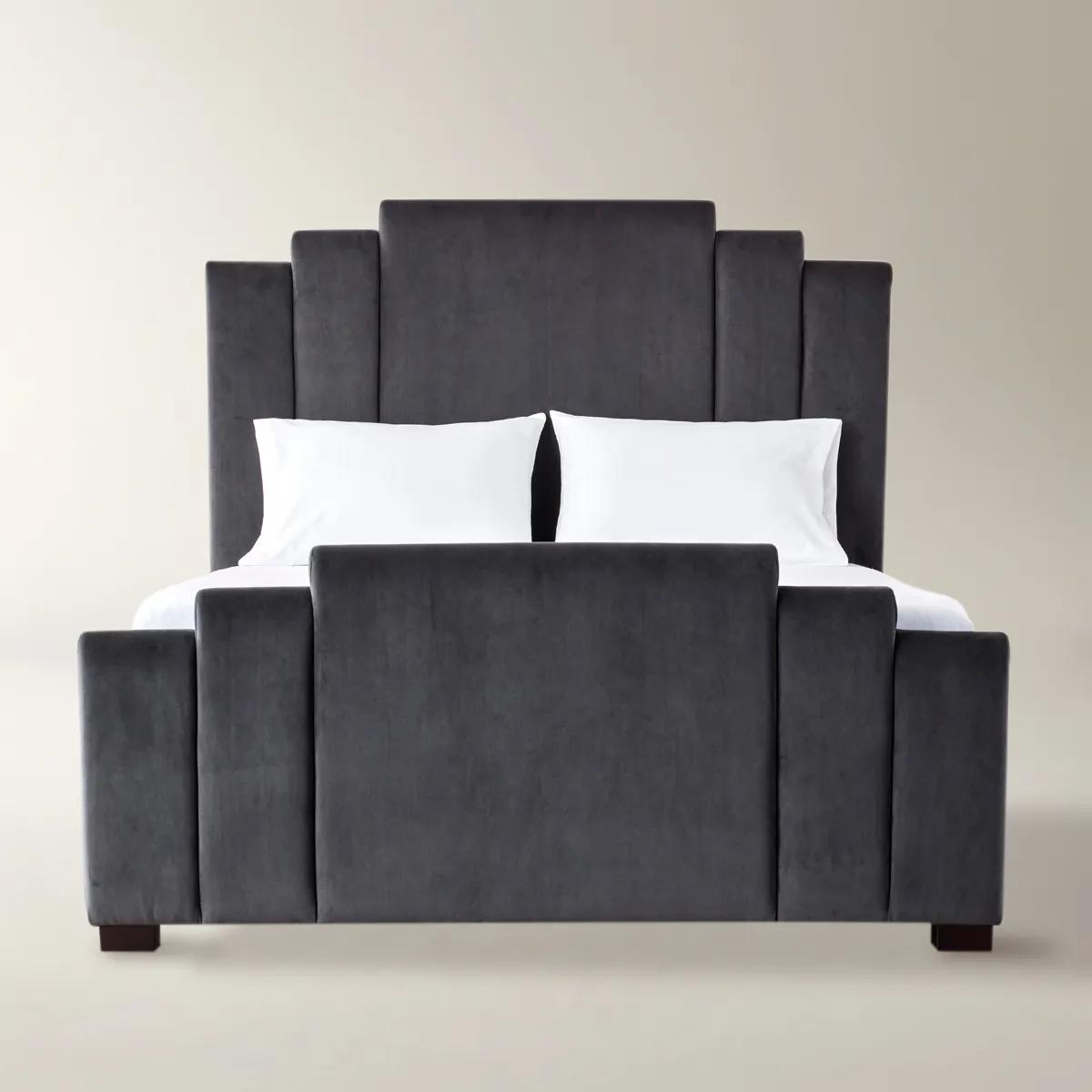 Marlow Bed$2549
A dramatic bed handcrafted from kiln-dried hardwood, upholstered in plush gunmetal velvet with channel detailing.
Add To Cart -
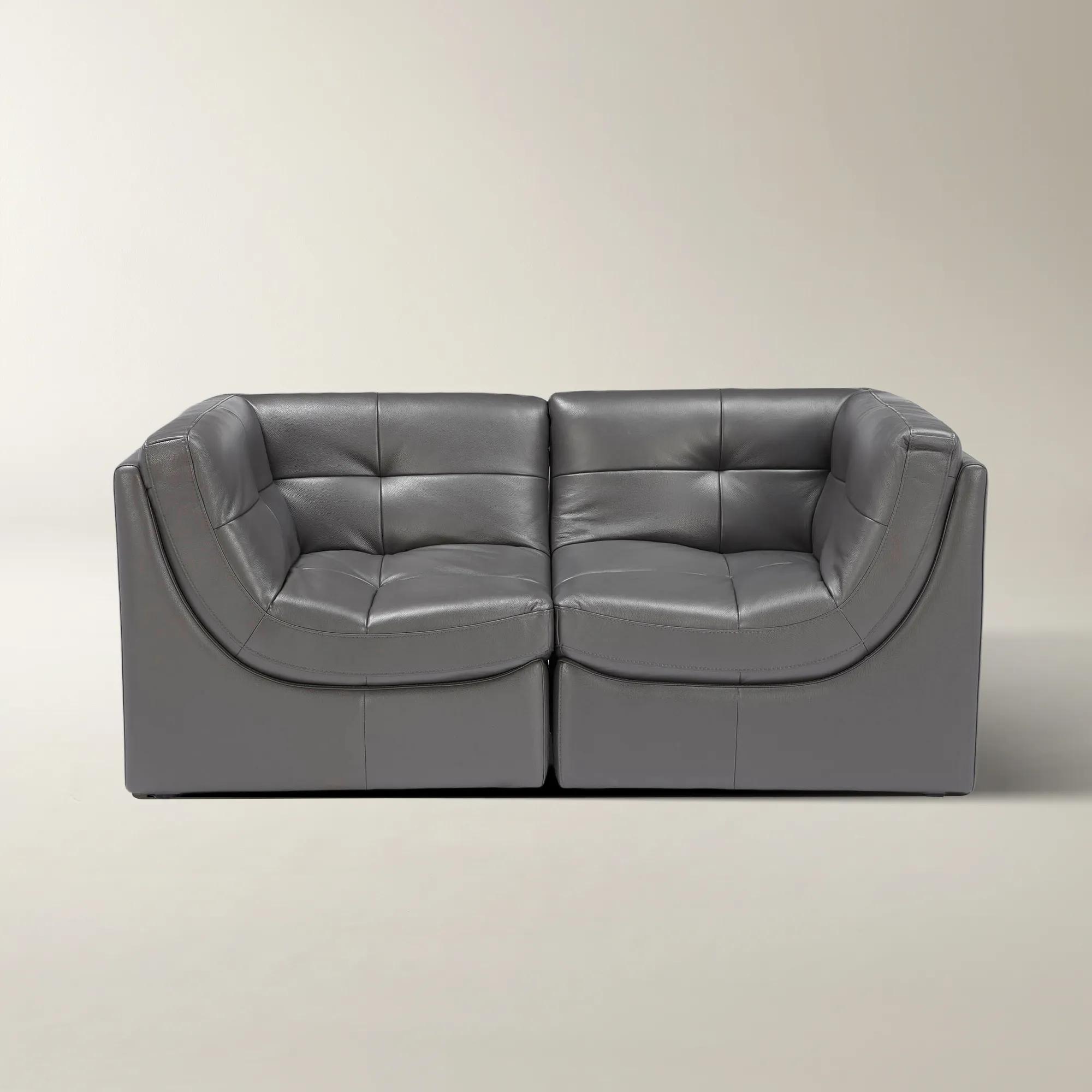 Convo 2-Piece Charcoal Leather Sectional Sofa$2799
A modular charcoal leather sofa with kiln-dried hardwood frame and blind-tufted, semi-aniline upholstery.
Add To Cart -
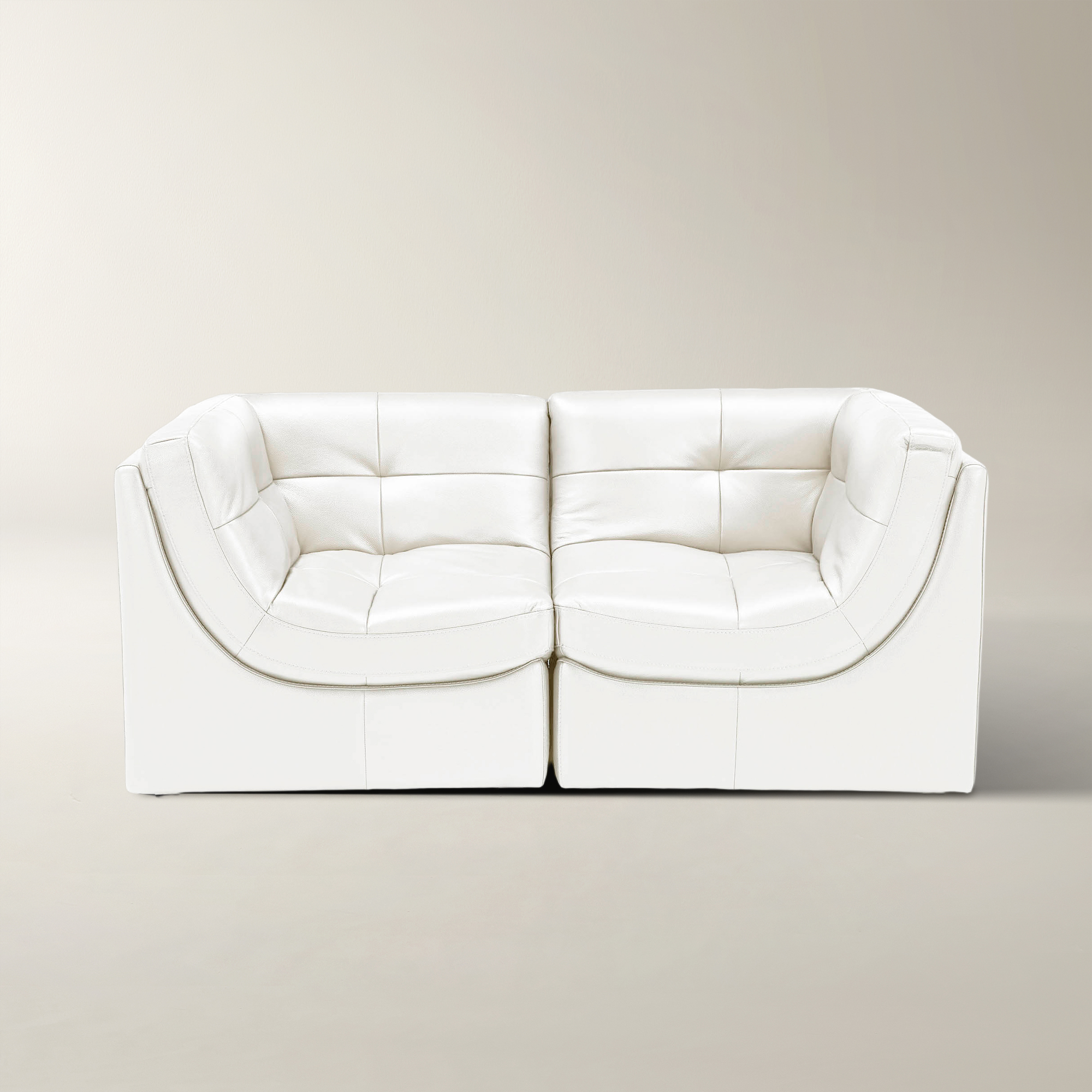 Convo 2-Piece White Leather Sectional Sofa$2799
A modular charcoal leather sofa with kiln-dried hardwood frame and blind-tufted, semi-aniline upholstery.
Add To Cart -
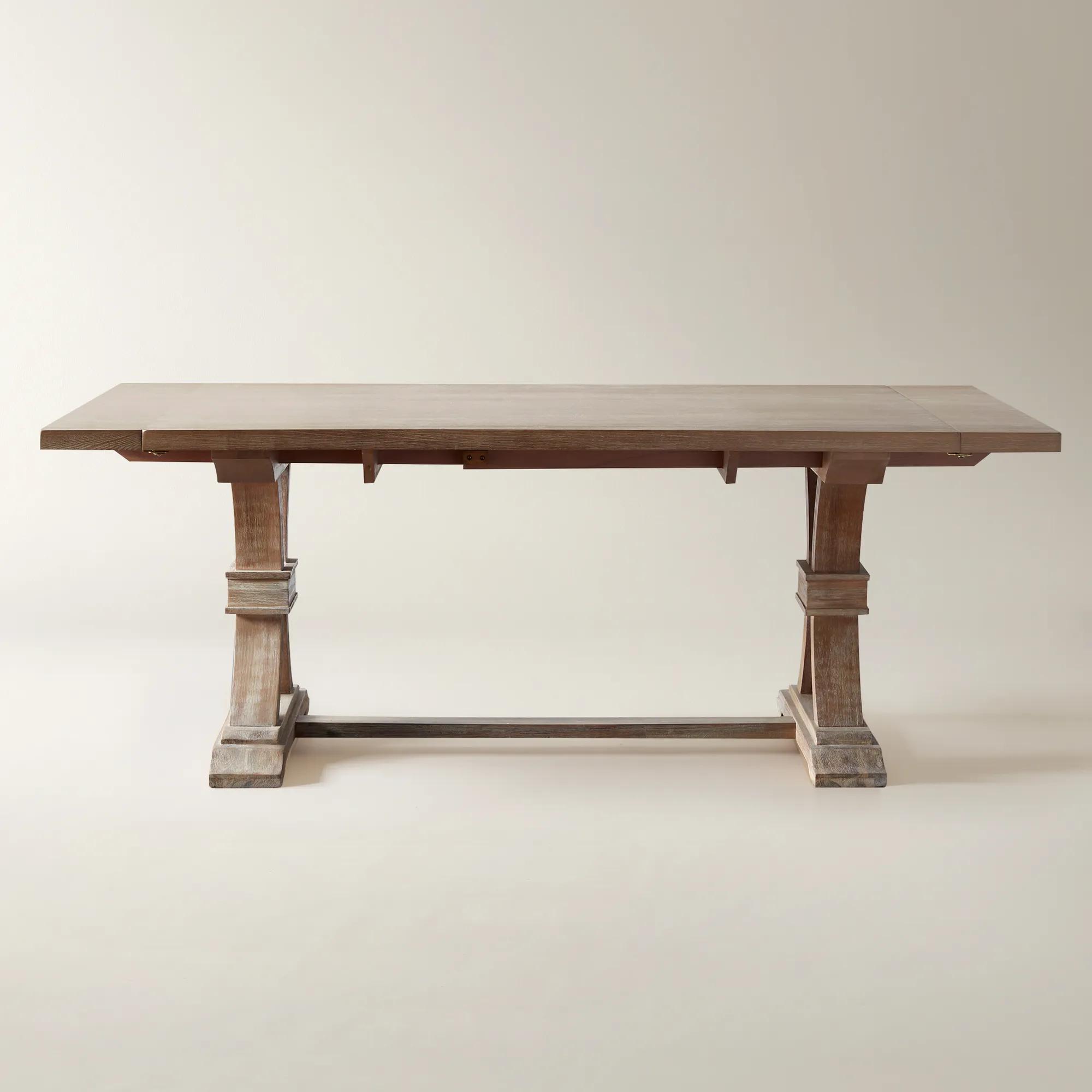 Archer Rectangular Whitewashed Acacia Wood Extending Dining Table (78" - 110")$2499
An extending dining table crafted from kiln-dried hardwood with a whitewashed oak finish and acacia veneer.
Add To Cart -
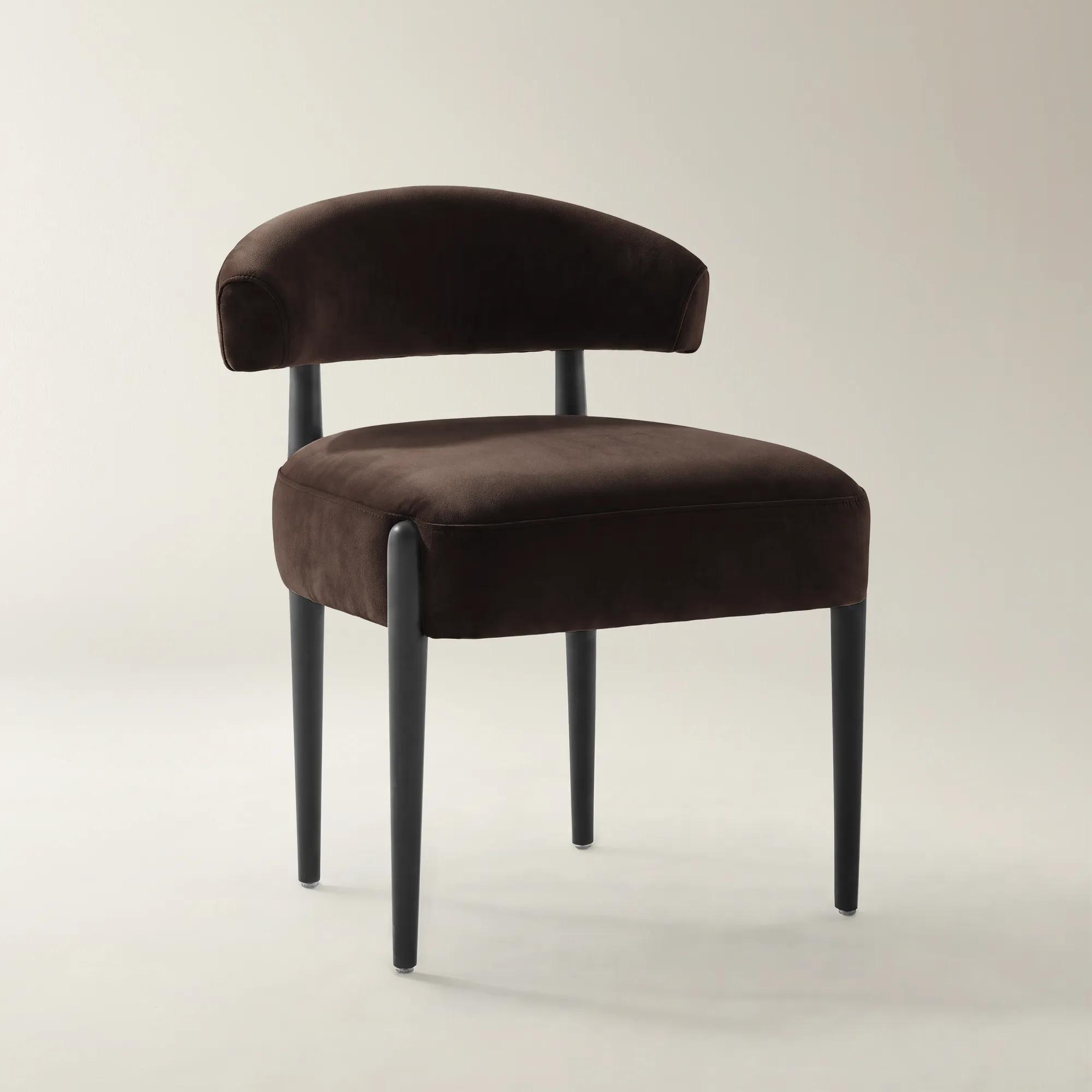
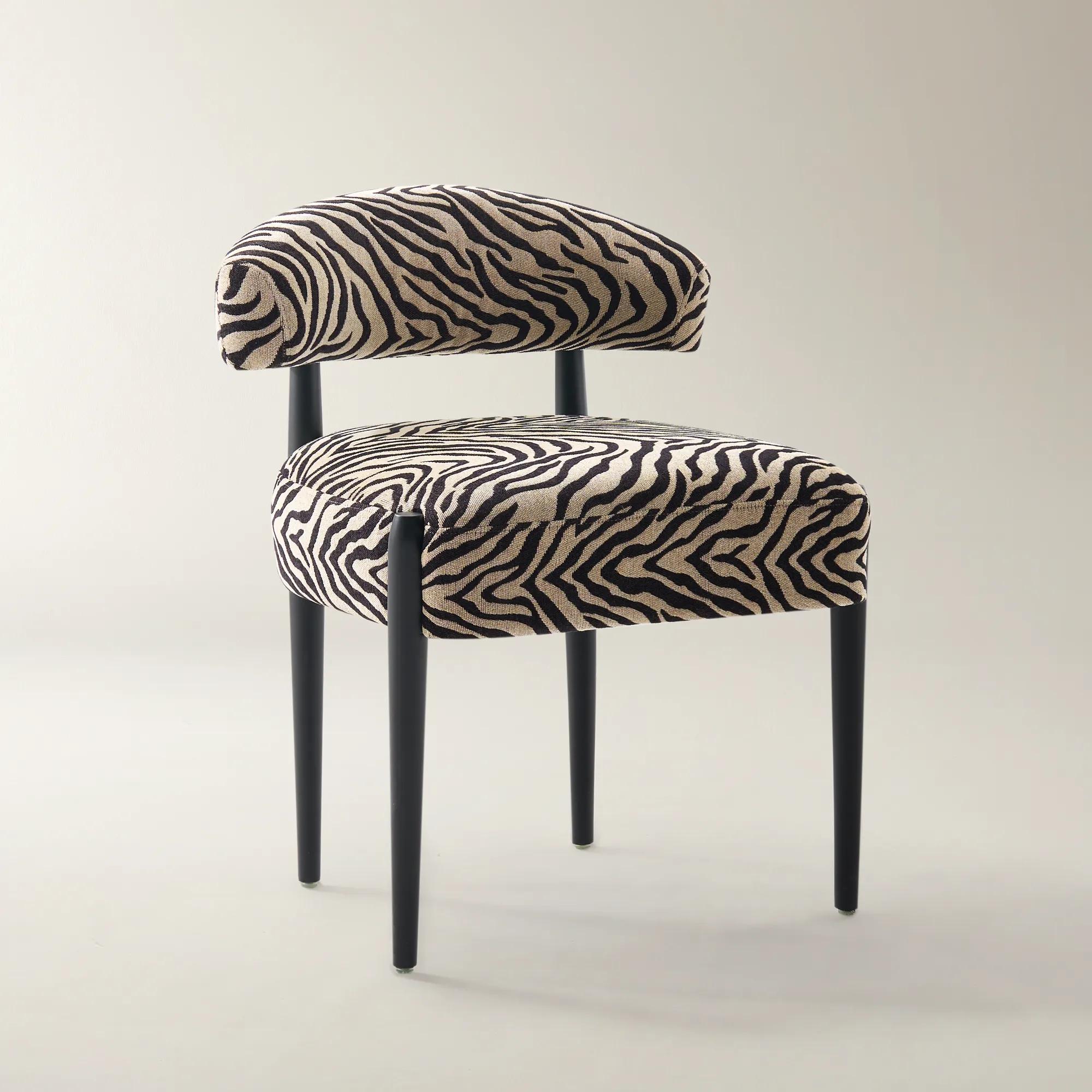 Anna Dark Chocolate Velvet Dining Chair Set of 2$599
A dark chocolate velvet dining chair set featuring an arched back, high-density foam, and solid wood construction.
Add To Cart -
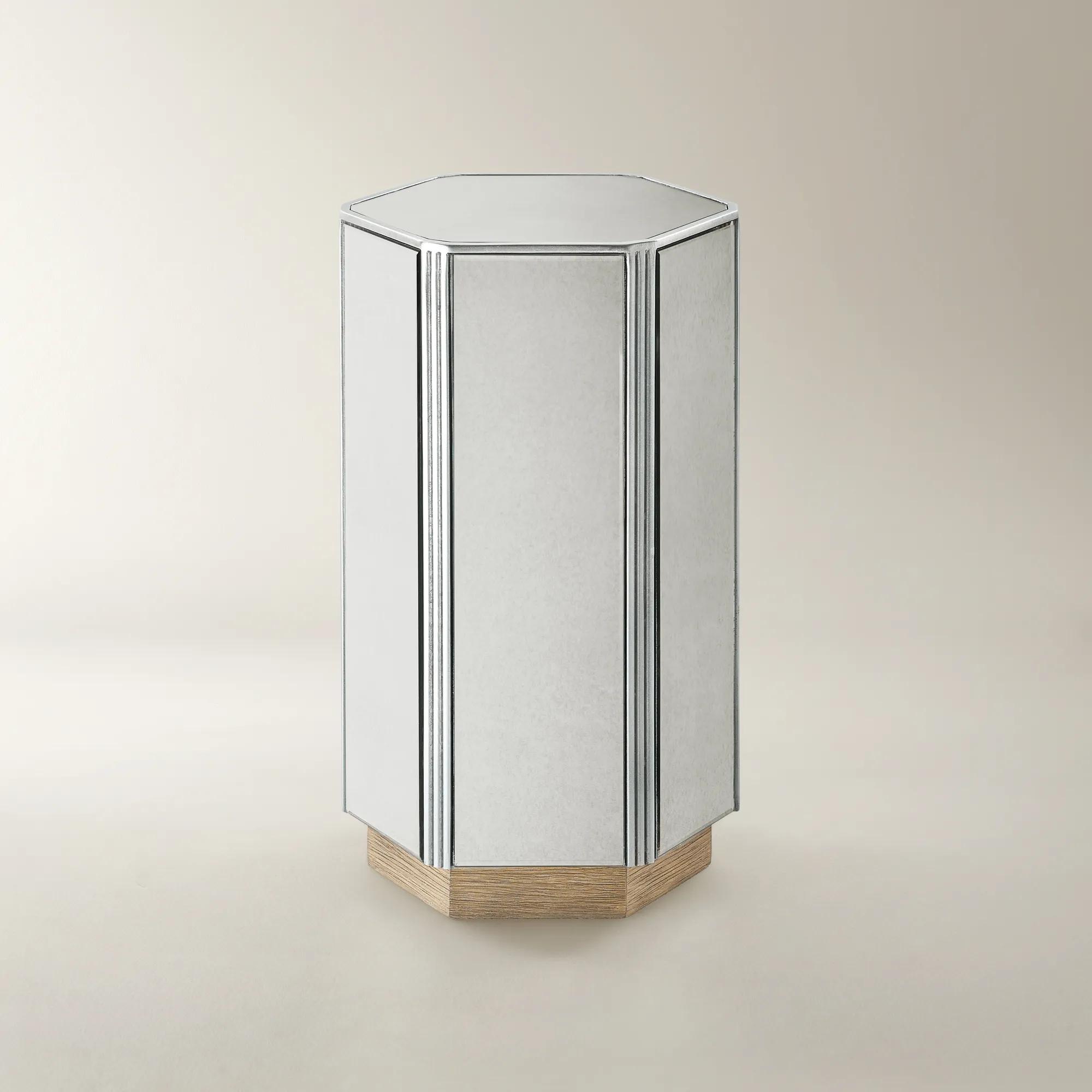 Glimmer Silver Mirrored End Table (12")$399
A chic side table featuring an antique silver mirror top and warm oak veneer base with handcrafted details.
Add To Cart

Classic Furniture For Formal Spaces
Classic Furniture for Formal Spaces is an invitation to indulge in timeless elegance and refined artistry. Here, every silhouette is sculpted to enchant, every detail curated to command attention. Imagine sweeping lines, regal proportions, and a symphony of textures that transform your living or dining room into an unforgettable stage—where sophistication reigns and every gathering becomes a grand affair. Designed for those who revel in tradition yet crave a sense of drama, our collection celebrates the enduring allure of classic design, reimagined for the modern connoisseur. Elevate your interiors and let your formal spaces speak volumes about your taste for opulence and expressive living.
Classic furniture for formal spaces is defined by enduring silhouettes, rich materials, refined detailing, and balanced proportions. It brings a sense of occasion to living rooms, dining rooms, and reception areas without making them feel removed from everyday life. The strongest designs combine visual presence with genuine comfort: graceful curves soften an architectural room, substantial woodwork adds depth, and beautifully tailored upholstery gives a gathering space its inviting center. Rooted in traditional European and American design, classic furniture often features rolled contours, turned or tapered legs, button tufting, carved accents, and carefully placed nailhead trim. These details work best when they reveal the shape of the furniture rather than compete for attention. A restrained outline can carry a sumptuous fabric; a more elaborate profile may benefit from a quieter finish. Materials play an equally expressive role. Woods such as mahogany, cherry, and walnut are associated with formal interiors for their warm coloring and distinctive grain, while velvet, leather, and woven upholstery introduce different kinds of richness. Velvet catches light with a soft, shifting luster, leather develops character through use, and textured weaves lend depth without excessive shine. The mood can be dramatic or luminous depending on the palette: espresso and charcoal create intimacy, while ivory, champagne, and warm taupe give substantial forms a lighter presence. For those who enjoy hosting, these qualities establish a room that feels thoughtfully prepared before the first guest arrives. For anyone drawn to art, architecture, or collected interiors, classic furniture offers a composed backdrop with enough personality to hold its own. Picture an evening gathering as the light fades outside: polished surfaces reflect a gentle glow, upholstery takes on deeper color, and conversation settles into the room. That is the appeal of a formal space furnished with intention—an atmosphere that feels gracious, expressive, and ready to be enjoyed.
Choosing classic furniture for a formal room begins with scale, but scale means more than whether a piece fits against a wall. Consider ceiling height, window placement, architectural trim, and the space needed to move comfortably when the room is full. Furniture with tall backs, pronounced arms, or deep profiles carries more visual weight than its measurements alone suggest. In a compact formal space, exposed legs and slimmer frames can preserve an airy feeling without sacrificing elegance; in a larger room, generous proportions help the arrangement feel anchored rather than scattered. Measure doorways, hallways, stair turns, and delivery access as carefully as the intended placement. Then consider how the furniture will feel in use. Seat height and depth, cushion support, arm placement, and the angle of the back all influence comfort, particularly during longer visits. A low, deep seat may look luxurious but feel less accommodating to someone who prefers upright support or needs to rise easily. In dining areas, check the relationship between seat height and the underside of the tabletop, including any apron, and leave room for guests to pull back comfortably. Materials deserve the same close attention. Solid wood and wood veneer are different construction choices, not a simple distinction between quality and compromise; well-applied veneers can showcase striking grain patterns, while construction, joinery, and finish quality determine much of a piece’s performance. Review the product specifications for frame materials, upholstery composition, cushion fill, and care requirements rather than relying on appearance alone. If the room receives strong sunlight, consider how placement and window treatments may help protect finishes and fabrics. Homes with children, pets, or frequent guests may benefit from upholstery with documented durability and clear cleaning guidance. Fabric and finish samples, when available, are especially useful because a warm neutral can look cool beside existing flooring, and a lustrous textile can change noticeably from daylight to lamplight. The most satisfying purchase is one whose beauty holds up to the way the room is actually used.
A formal interior feels most convincing when its furnishings share a visual language without repeating every detail. Symmetry is a hallmark of classic design because matching heights, paired forms, and balanced placement give the eye a place to rest. Still, balance does not require an entire room to match. Related wood tones, compatible proportions, or a recurring curve can create continuity while allowing individual shapes and textures to remain expressive. Choose a dominant material or finish, then let secondary elements provide contrast: dark wood becomes more striking beside pale upholstery, and a gleaming accent feels richer against a matte surface. When several ornate details appear together, give them breathing room through quieter fabrics and uncluttered spacing. Formal living room furniture should encourage conversation, not simply face the room’s largest wall; bringing seating into a comfortable relationship often makes an expansive space feel more intimate. In a dining room, the furniture should support both the ceremony of entertaining and the practical rhythm of serving, passing, and lingering. Think of the familiar moment when dinner is finished but no one is ready to leave the table. Supportive seating, comfortable spacing, and an inviting atmosphere make that extra hour possible. During the cooler months, when gatherings naturally move indoors, these considerations become especially meaningful, but their value extends well beyond a season. Classic furnishings suit established homes, first homes being furnished with long-term intention, and households creating a dedicated setting for celebrations or quieter evenings with guests. They can also make a meaningful housewarming or wedding gift when dimensions, finish preferences, and the recipient’s plans are known; larger purchases are best chosen together rather than as a surprise. For adjoining spaces that need a more relaxed expression of the same enduring style, Classic Furniture for Family Rooms offers a natural connection. Carrying a few shared colors or silhouettes between rooms creates flow without asking every space to serve the same purpose. Ultimately, classic furniture gives a formal room its lasting structure: distinguished enough for memorable occasions, comfortable enough for unhurried company, and expressive enough to feel unmistakably yours.
FAQs
Classic furniture for formal spaces is distinguished by its timeless silhouettes, refined materials, and attention to detail. These pieces often feature elegant finishes, intricate carvings, and plush upholstery, creating an atmosphere of sophistication and grandeur. Designed to transcend trends, classic furnishings bring a sense of tradition and artistry to any formal setting.
To achieve a harmonious look with classic furniture, focus on unifying elements such as color palettes, complementary materials, and consistent design motifs. Incorporate accents like gilded mirrors, sculptural lighting, and rich textiles to tie the space together. Layering textures and balancing proportions will ensure your formal room feels both curated and inviting.
Absolutely. While classic formal furniture is designed to impress during special occasions, its enduring quality and comfort make it equally suitable for daily enjoyment. Many find that these pieces elevate the everyday, transforming ordinary moments into experiences marked by elegance and artistry.
Classic furniture for formal spaces often showcases luxurious materials such as solid hardwoods, marble, polished metals, and sumptuous fabrics like velvet or silk. These materials not only enhance the visual impact of each piece but also speak to a tradition of craftsmanship and enduring quality.
Yes, classic formal pieces can beautifully complement contemporary décor when styled thoughtfully. Mixing traditional silhouettes with modern accents, such as abstract art or streamlined lighting, creates a dynamic interplay of eras. The result is a sophisticated, layered look that reflects both heritage and personal style.