Luxury Dining Chairs For Formal Dining Spaces
Luxury Dining Chairs For Formal Dining Spaces
-
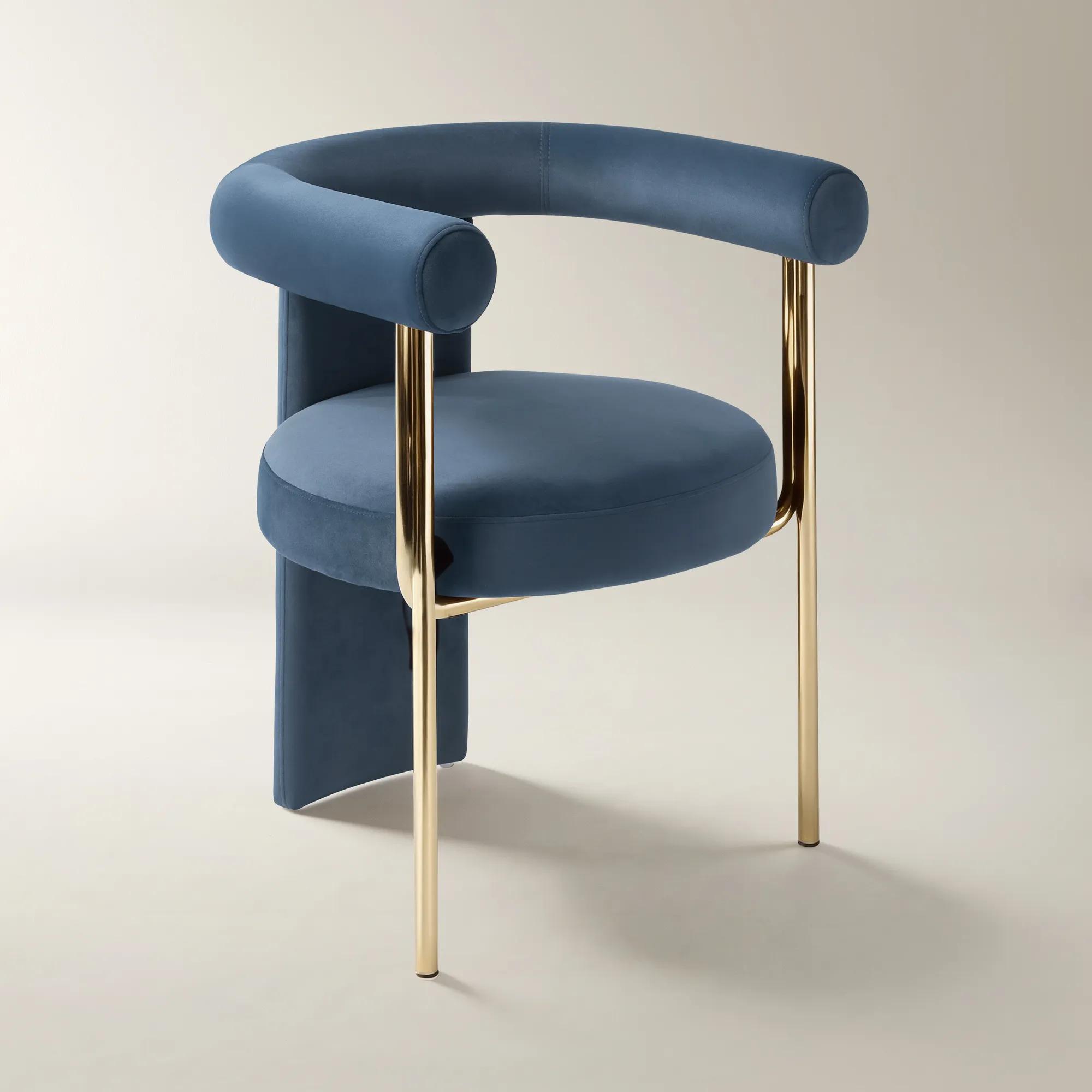 Davina Dusty Blue Velvet Dining Chair Set Of 2$899
A set of two dining chairs featuring dusty blue velvet upholstery and a polished gold metal frame.
Add To Cart -
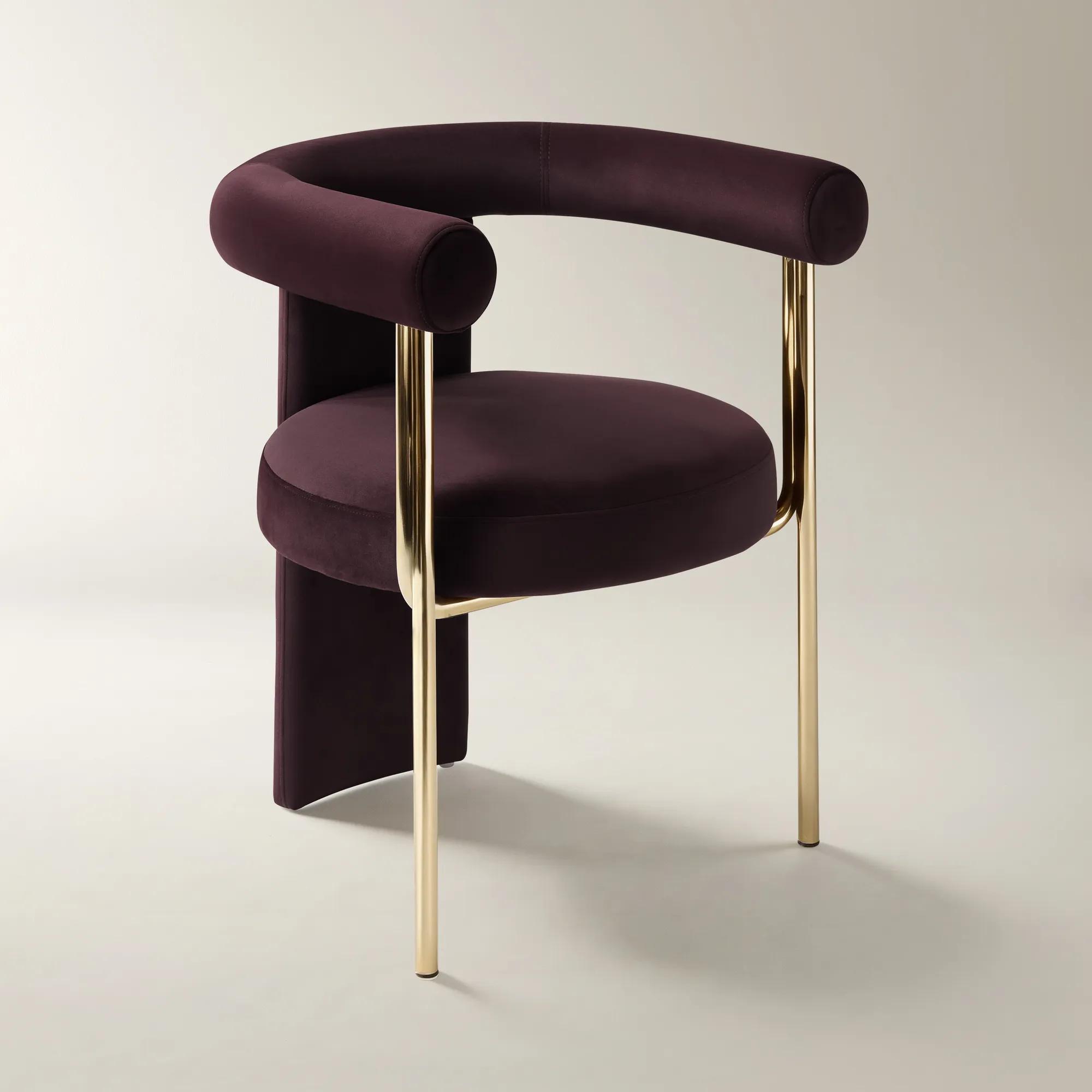 Davina Fig Velvet Dining Chair Set Of 2$899
A set of two dining chairs featuring plush fig velvet upholstery and a sleek gold-finished metal frame.
Add To Cart -
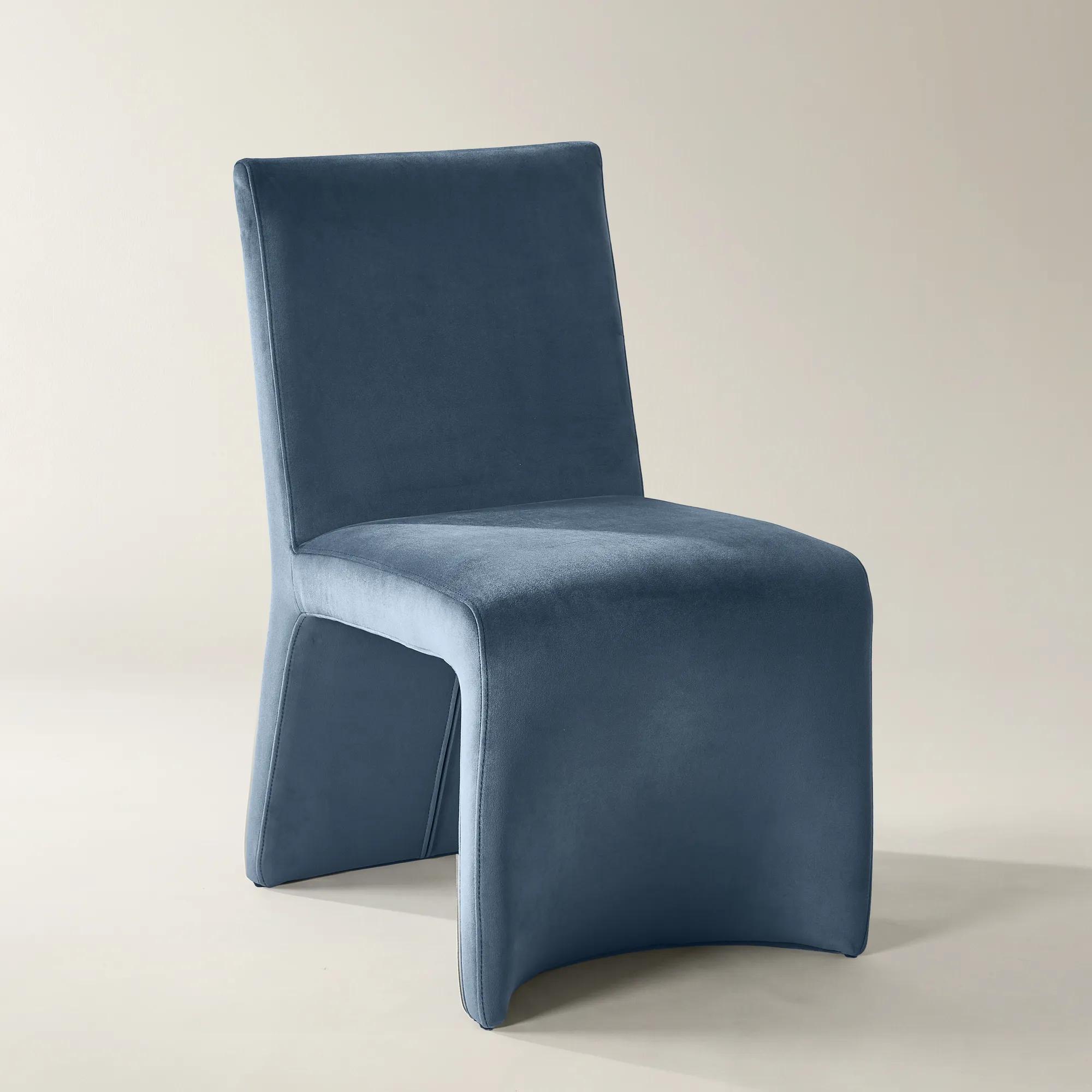 Elara Dusty Blue Velvet Dining Chair Set Of 2$799
A set of two dining chairs featuring plush dusty blue velvet upholstery and a seamless, artful silhouette.
Add To Cart -
 Elara Burnt Umber Velvet Dining Chair Set Of 2$799
A pair of brown velvet chairs with sinuous curves, ergonomic support, and hand-crafted, sculptural design.
Add To Cart -
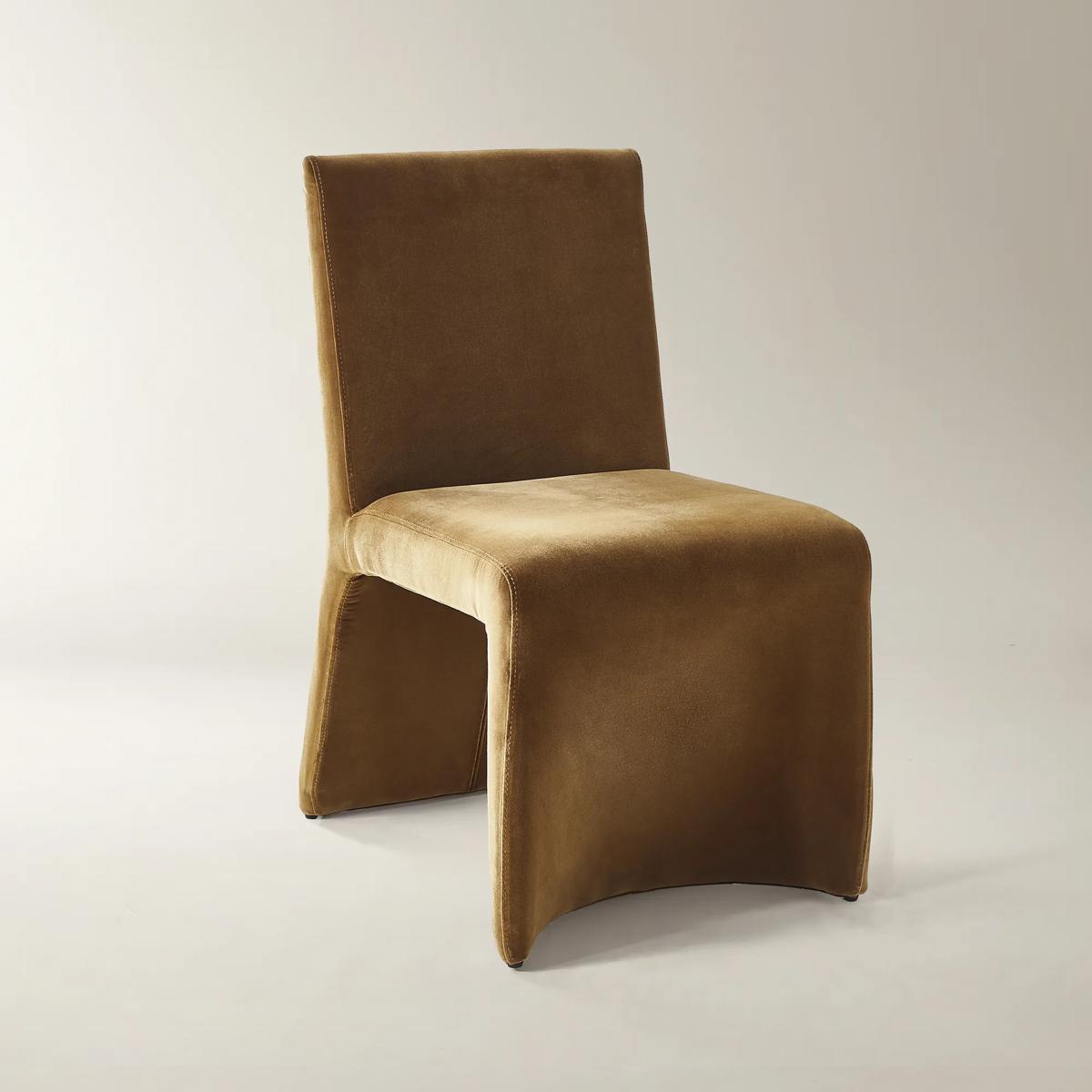 Elara Roasted Pecan Velvet Dining Chair Set Of 2$799
A pair of mustard velvet dining chairs featuring curved ergonomic silhouettes and hand-upholstered, reinforced construction.
Add To Cart -
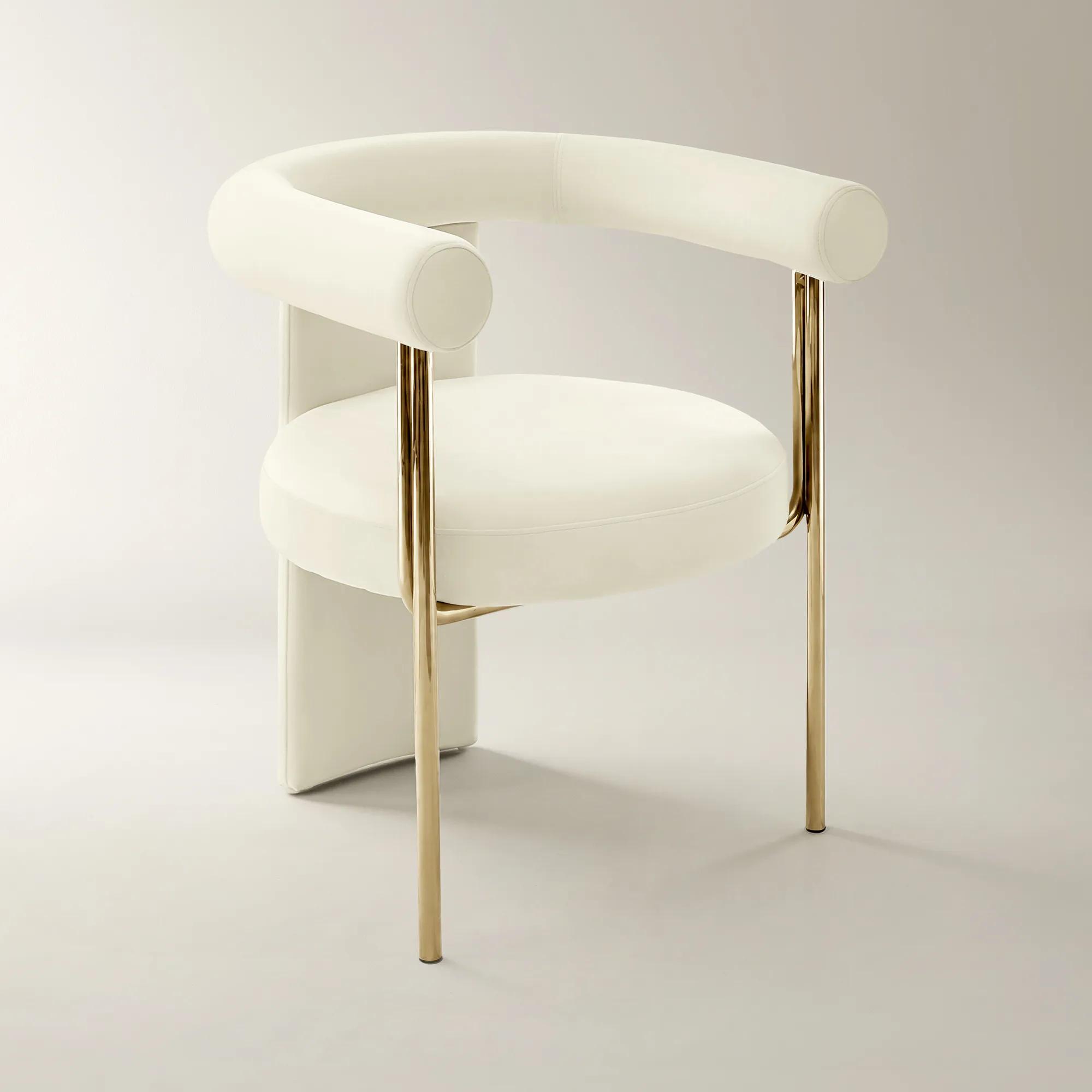 Davina Cloud Velvet Dining Chair Set Of 2$899
A set of two dining chairs featuring plush cloud velvet upholstery and a sculptural gold metal frame.
Add To Cart -
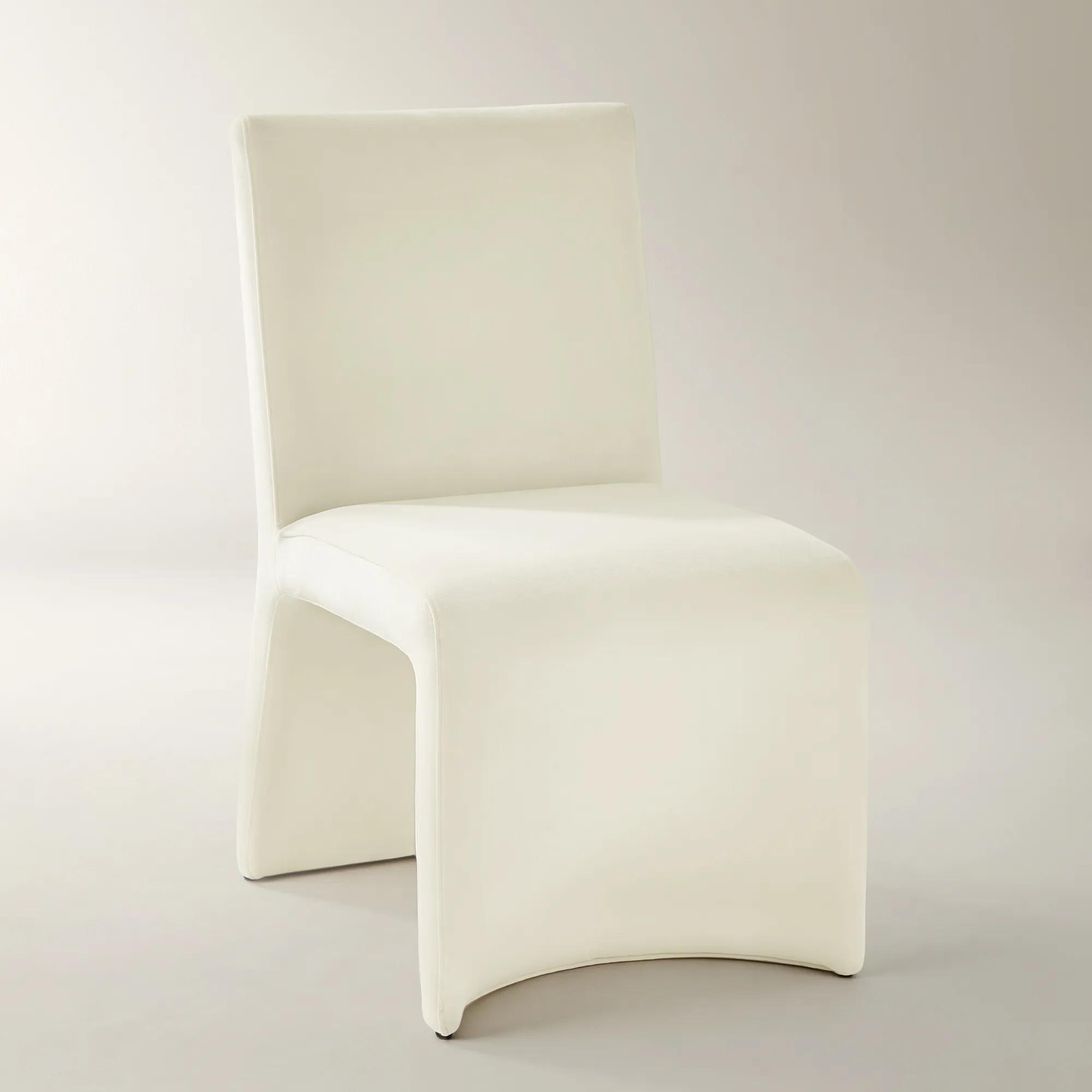 Elara Cloud Velvet Dining Chair Set Of 2$799
A set of two dining chairs featuring plush velvet upholstery, a seamless curved silhouette, and a sturdy steel frame.
Add To Cart -
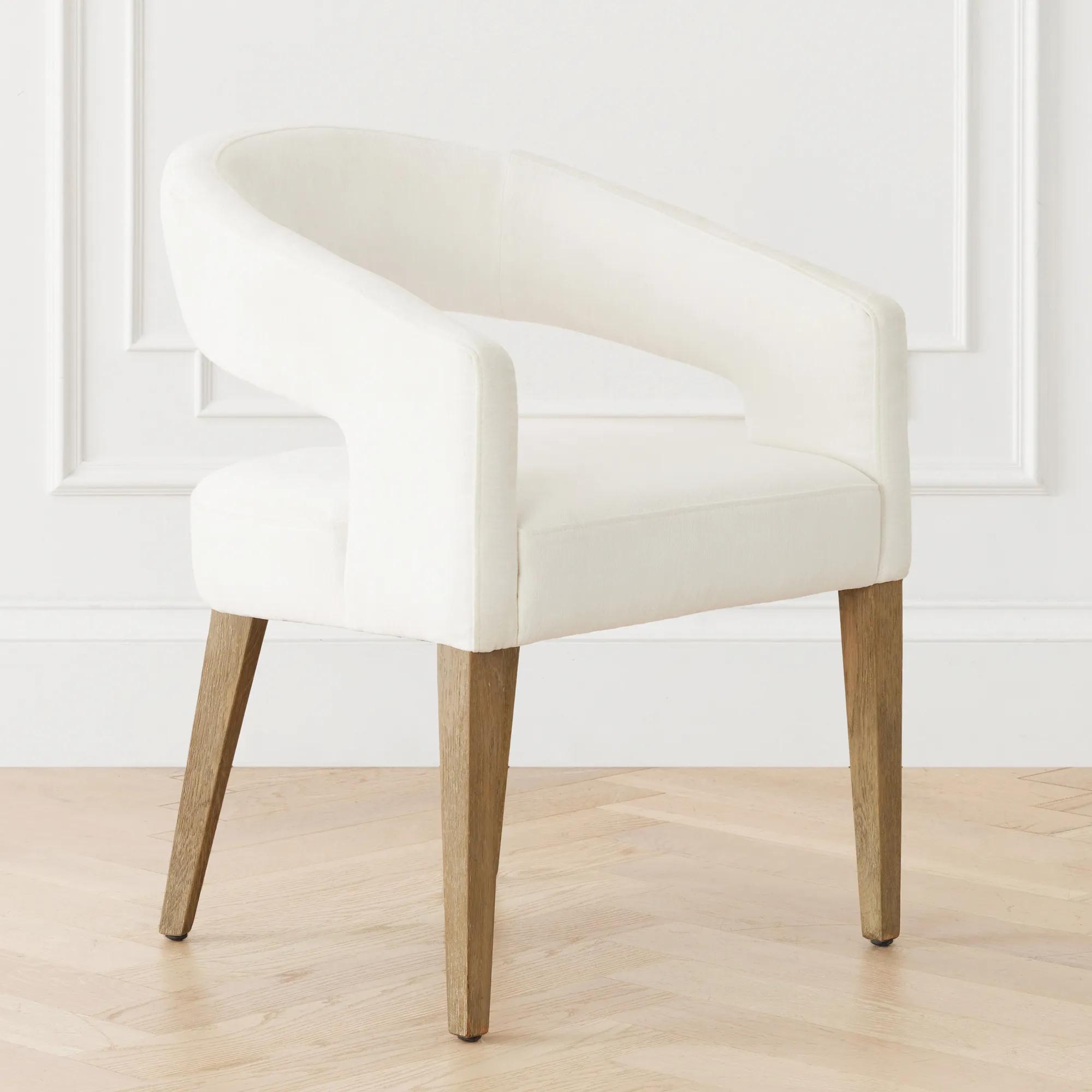 Philippa Dining Chair - Natural Grey$845
A modern dining chair featuring a curved silhouette, grey upholstery, and a kiln-dried hardwood frame.
Add To Cart -
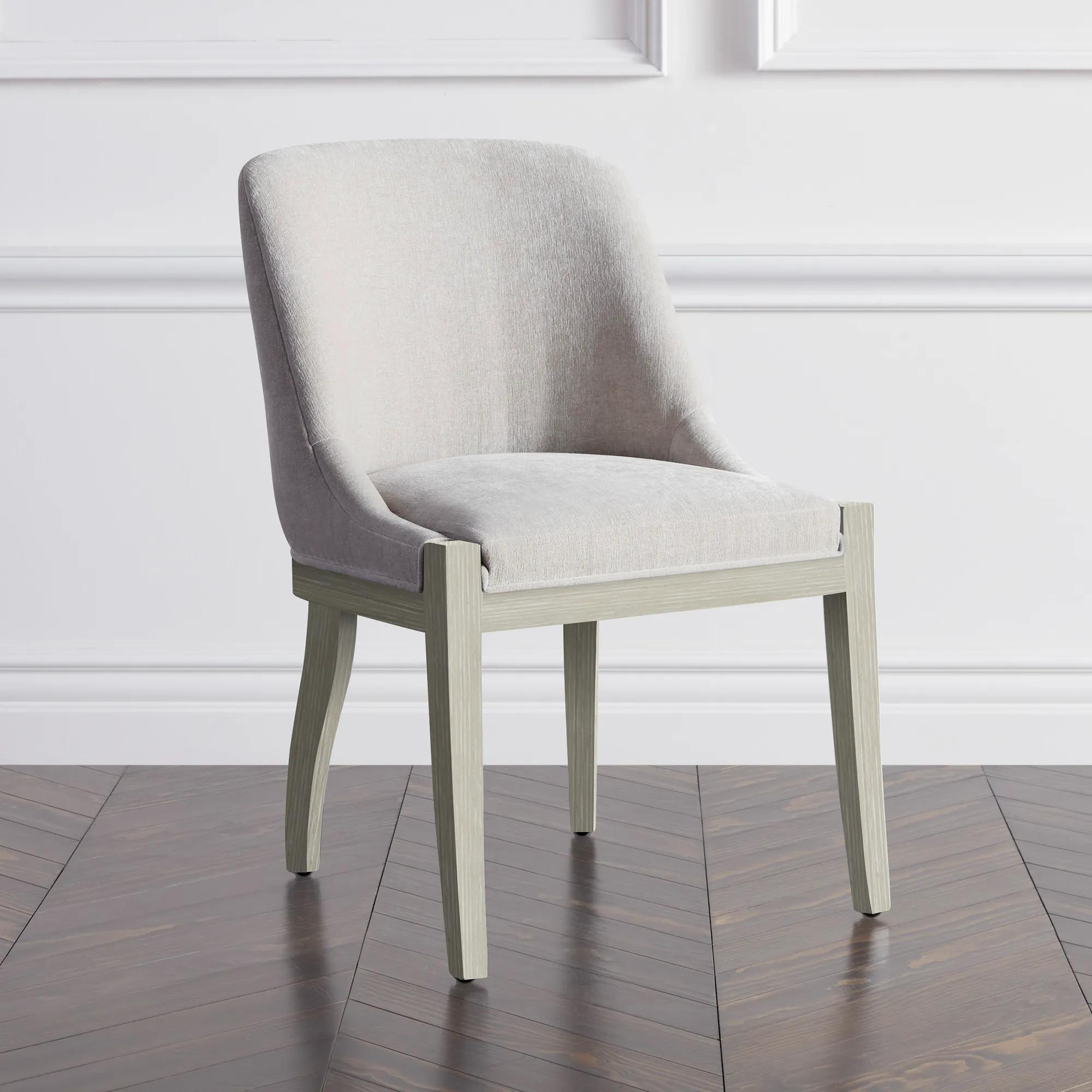 Lily Dining Chair - Natural Grey$799
A modern dining chair featuring natural grey upholstery, kiln-dried hardwood frame, and plush foam cushioning.
Add To Cart -
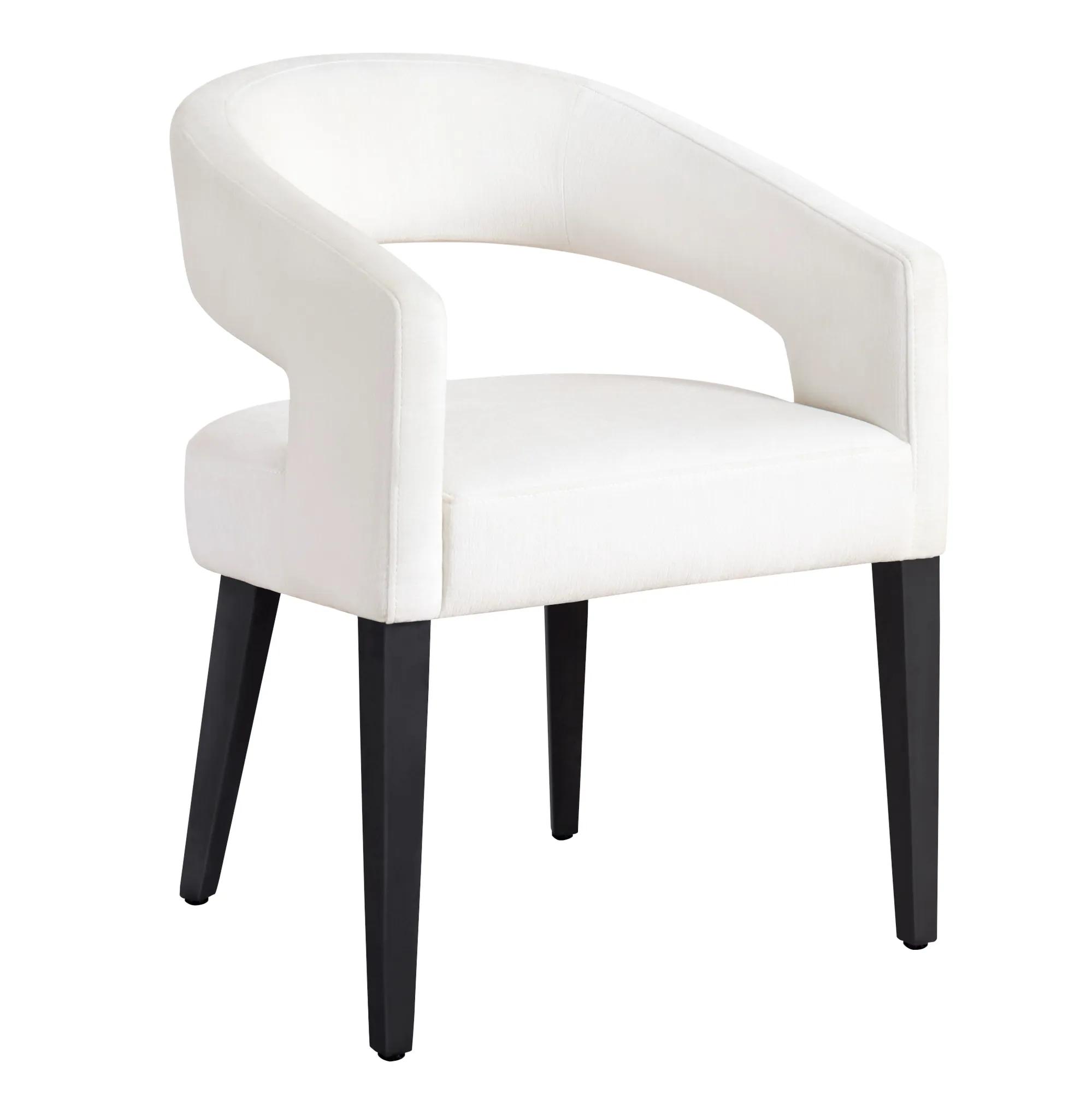
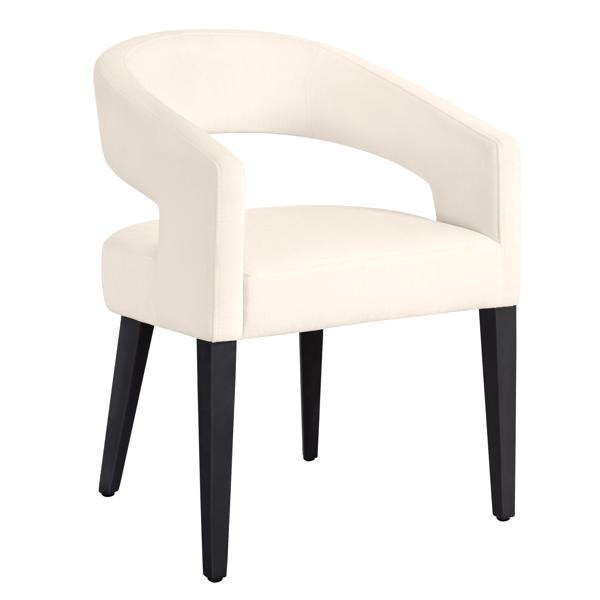 Philippa Dining Chair - Matte Black$845
A modern dining chair featuring a curved silhouette, matte black legs, and neatly tailored upholstery.
Add To Cart -
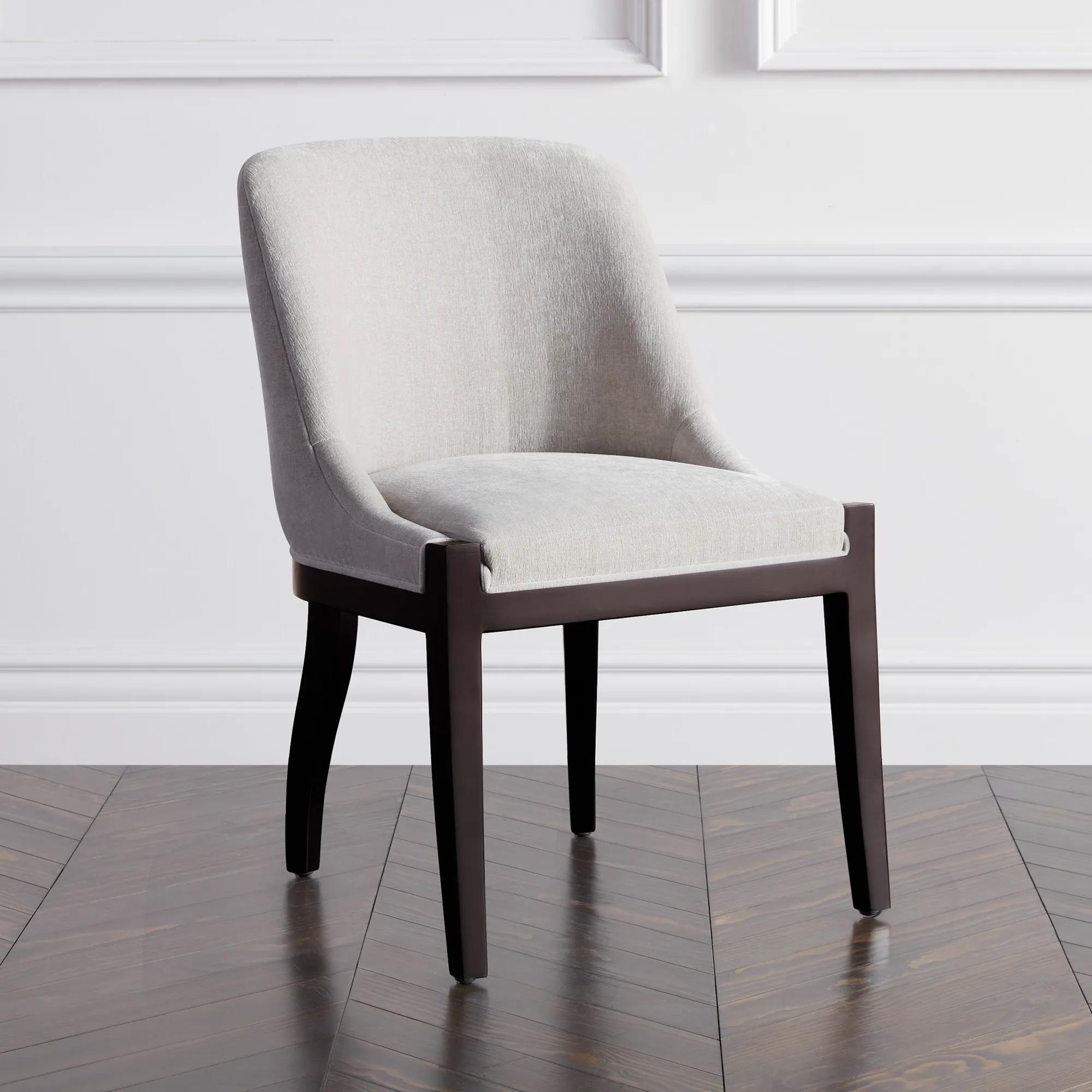
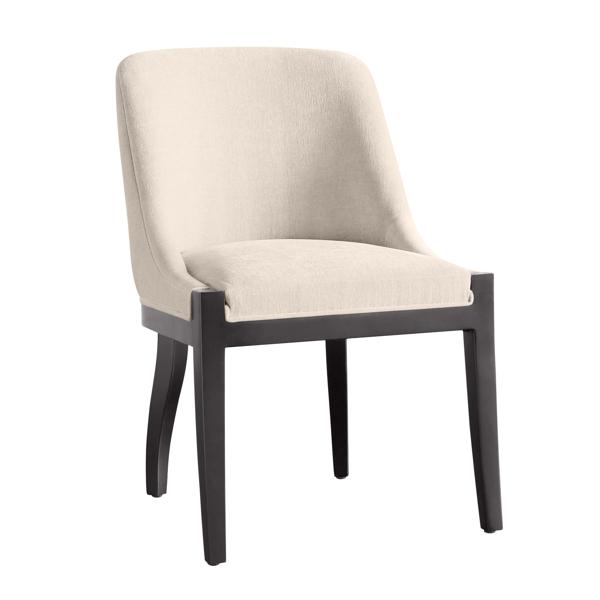 Lily Dining Chair - Espresso$749
A modern dining chair with espresso-finished hardwood frame and plush, tailored upholstery for lasting comfort.
Add To Cart -
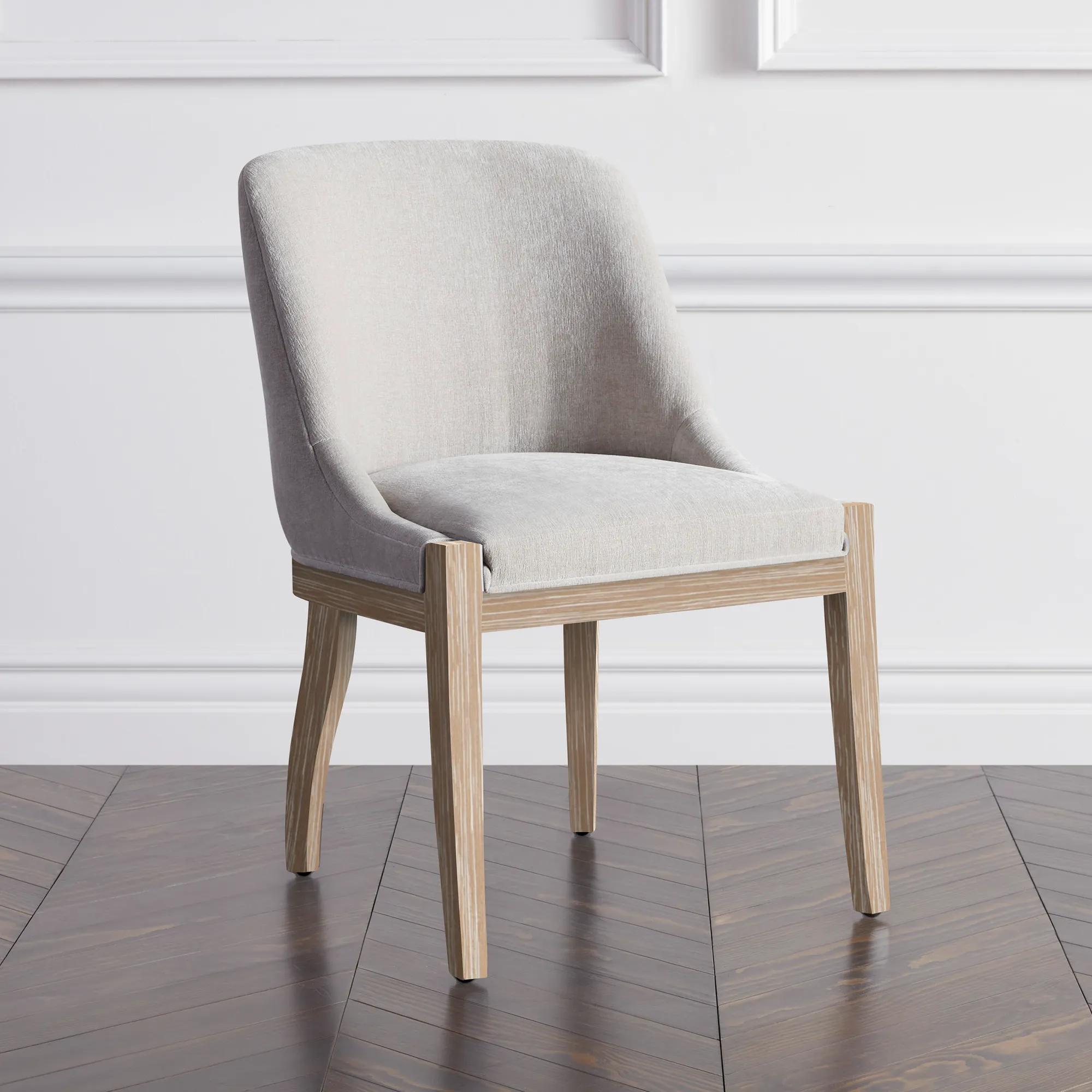
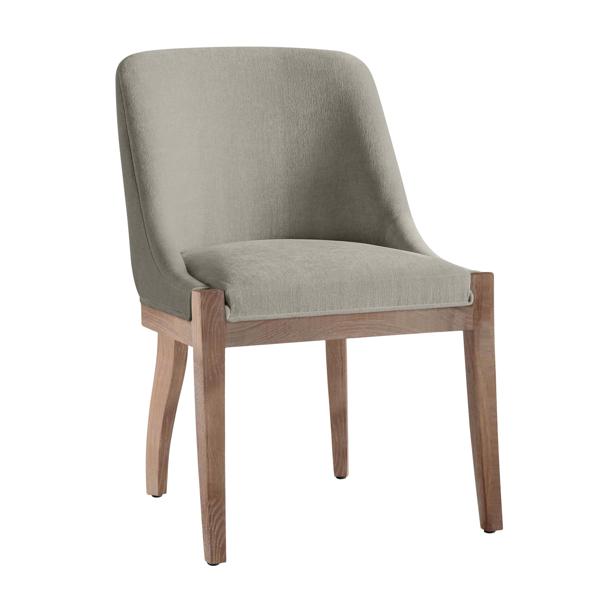 Lily Dining Chair - Wash Oak$749
A modern dining chair featuring a kiln-dried hardwood frame, wash oak legs, and tailored chenille upholstery.
Add To Cart -
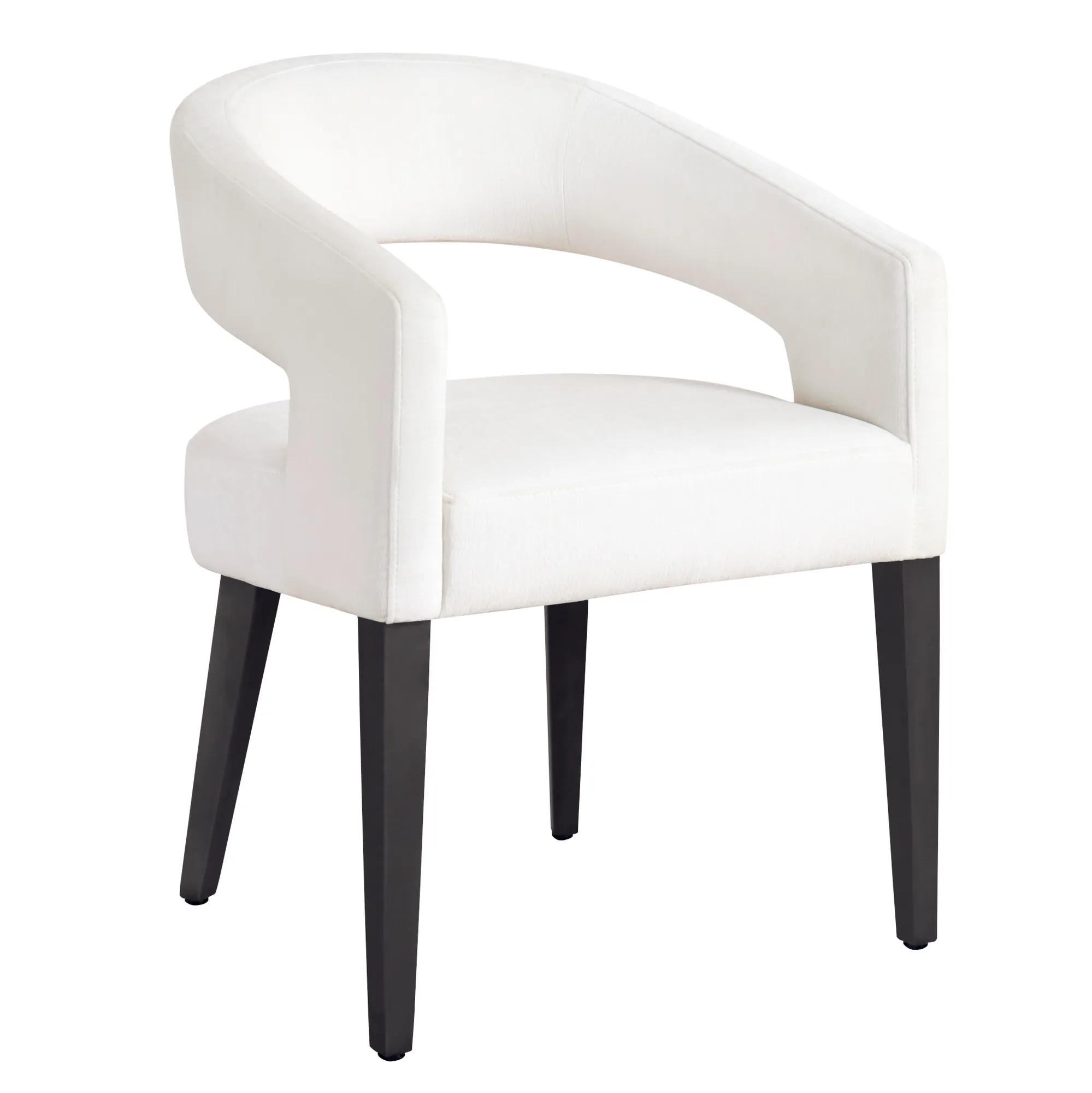
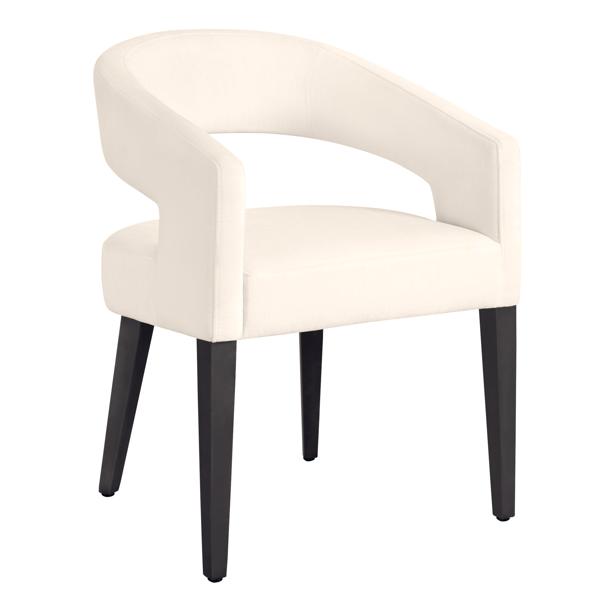 Philippa Dining Chair - Espresso$845
A curved, upholstered chair with an espresso-finished hardwood frame and a sleek back cutout.
Add To Cart -
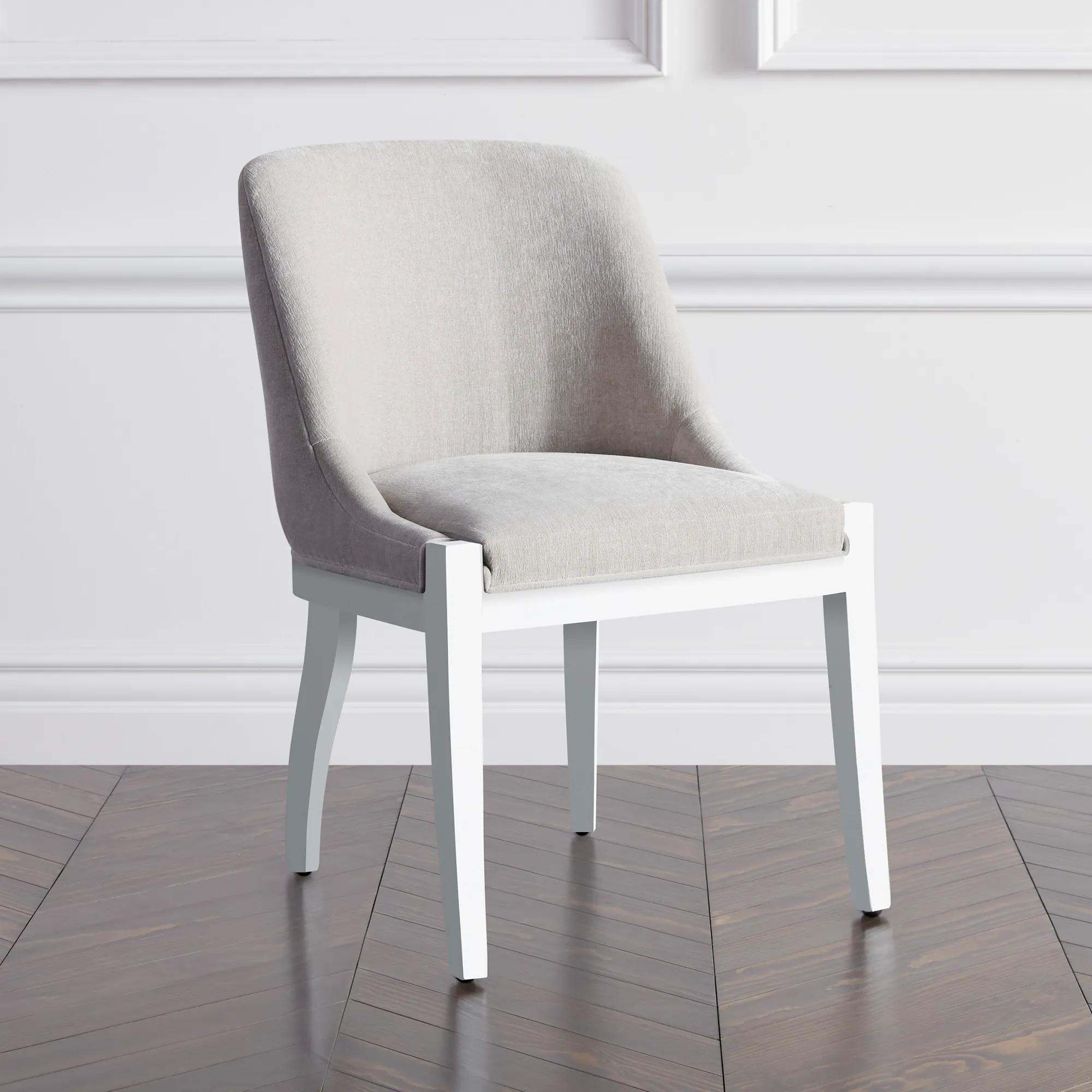
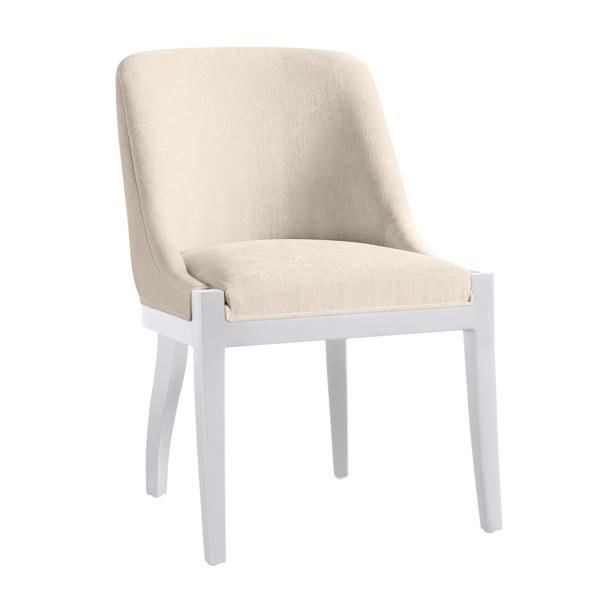 Lily Dining Chair - High Gloss White$799
A modern dining chair featuring a high gloss white finish, kiln-dried hardwood frame, and tailored upholstery.
Add To Cart -
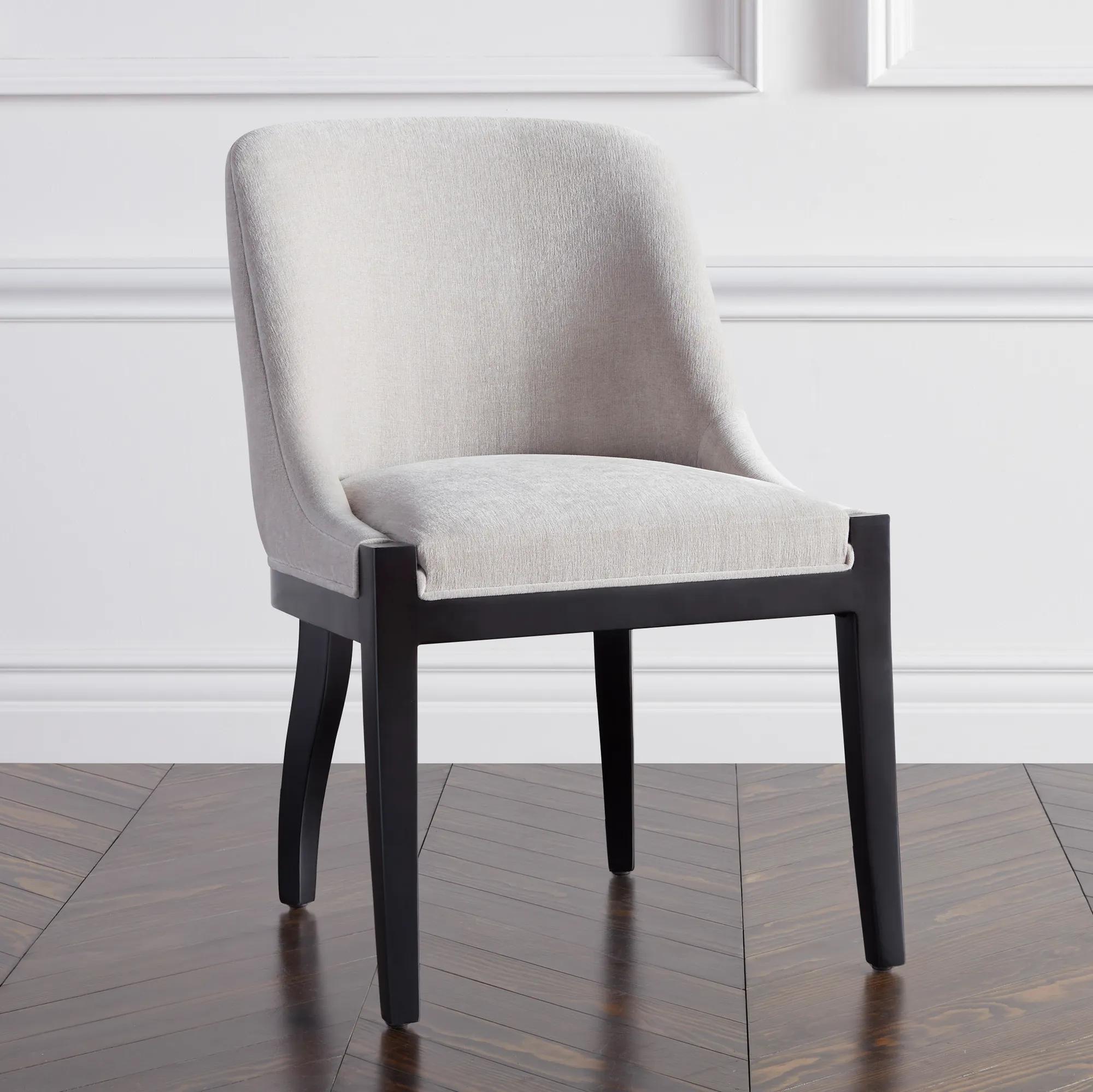 Lily Dining Chair - Matte Black$749
A modern dining chair with a matte black hardwood frame and plush, tailored upholstery for lasting comfort.
Add To Cart -
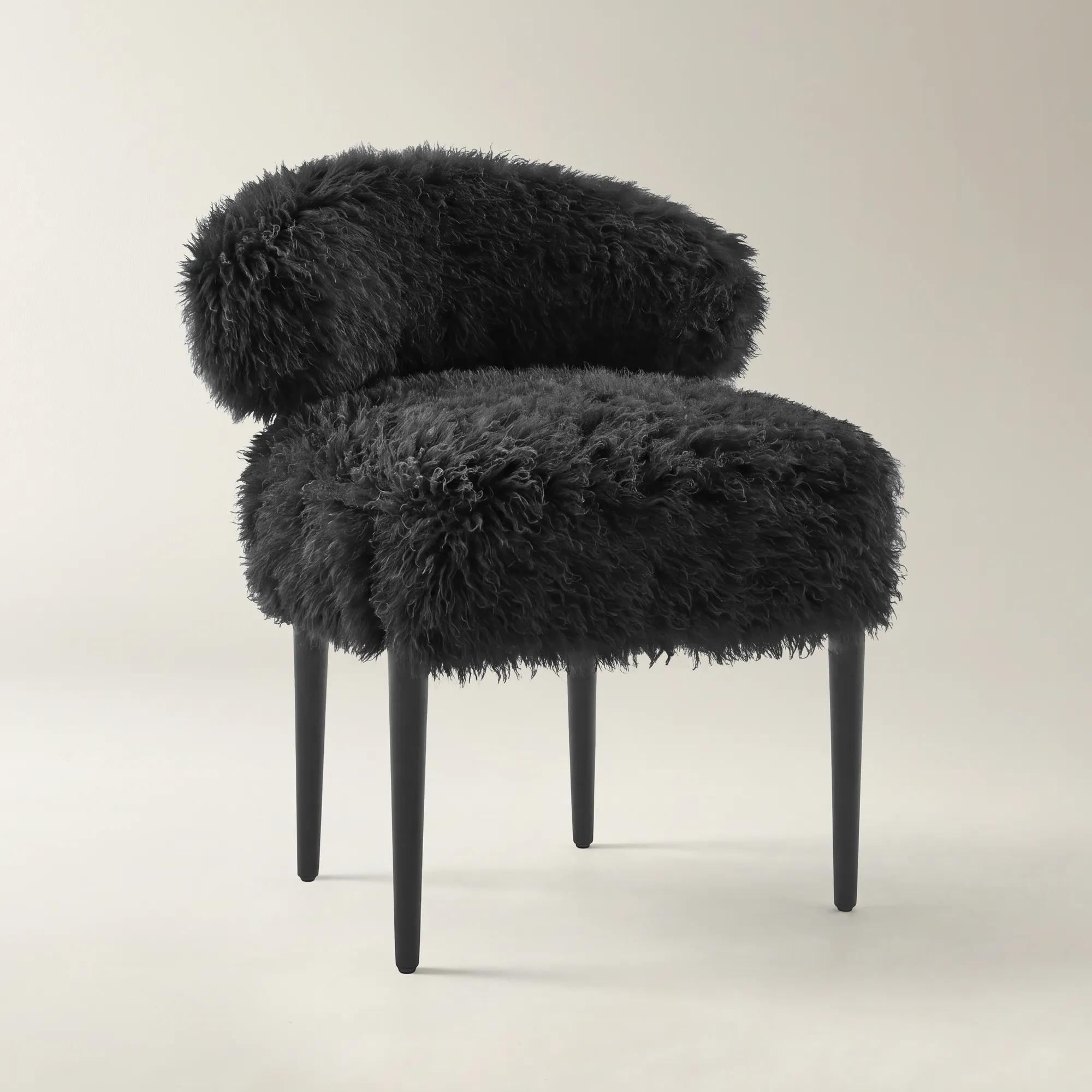
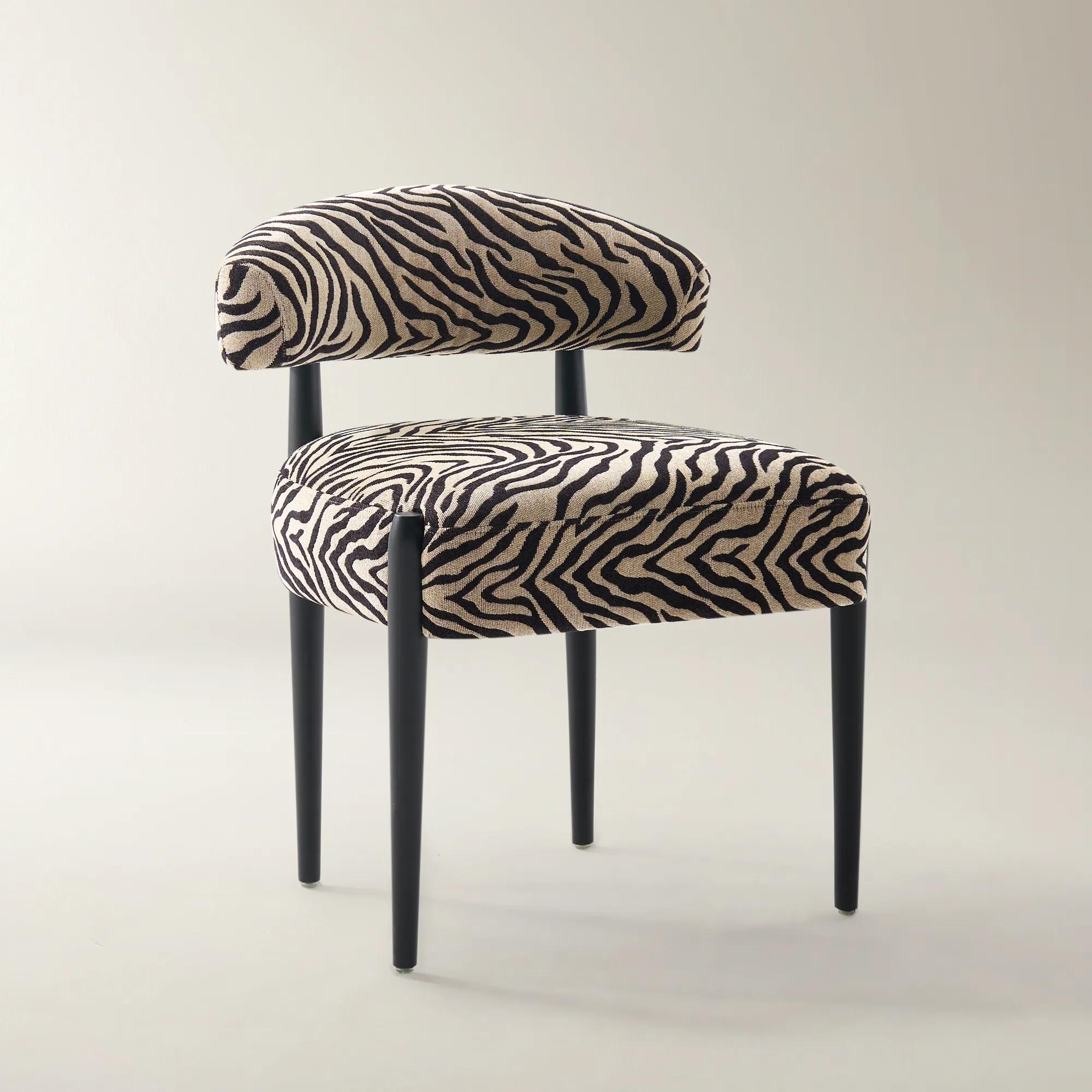 Anna Black Faux Fur Dining Chair Set of 2$799
A black faux fur chair set with arched backs, foam cushioning, and solid wood legs.
Add To Cart -
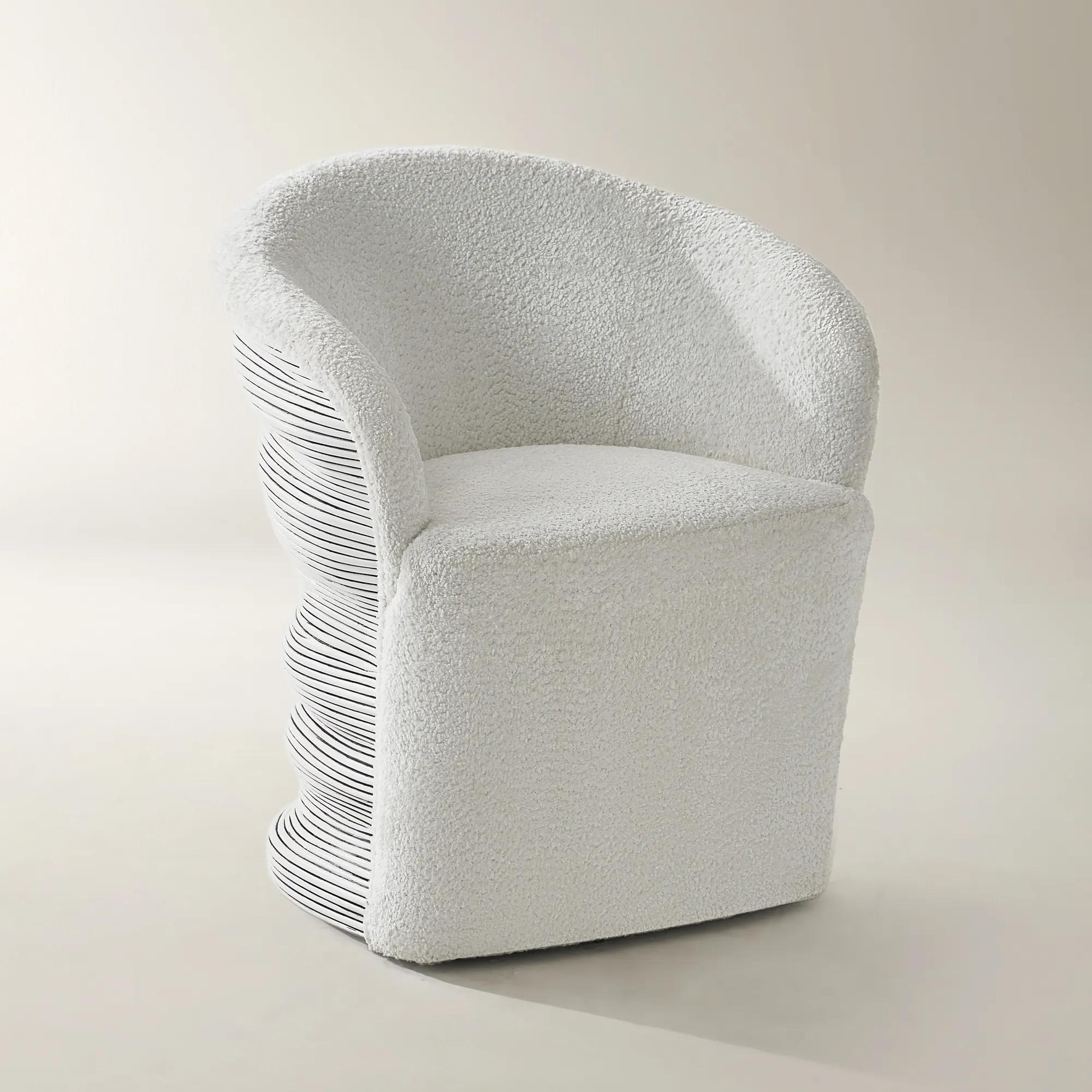
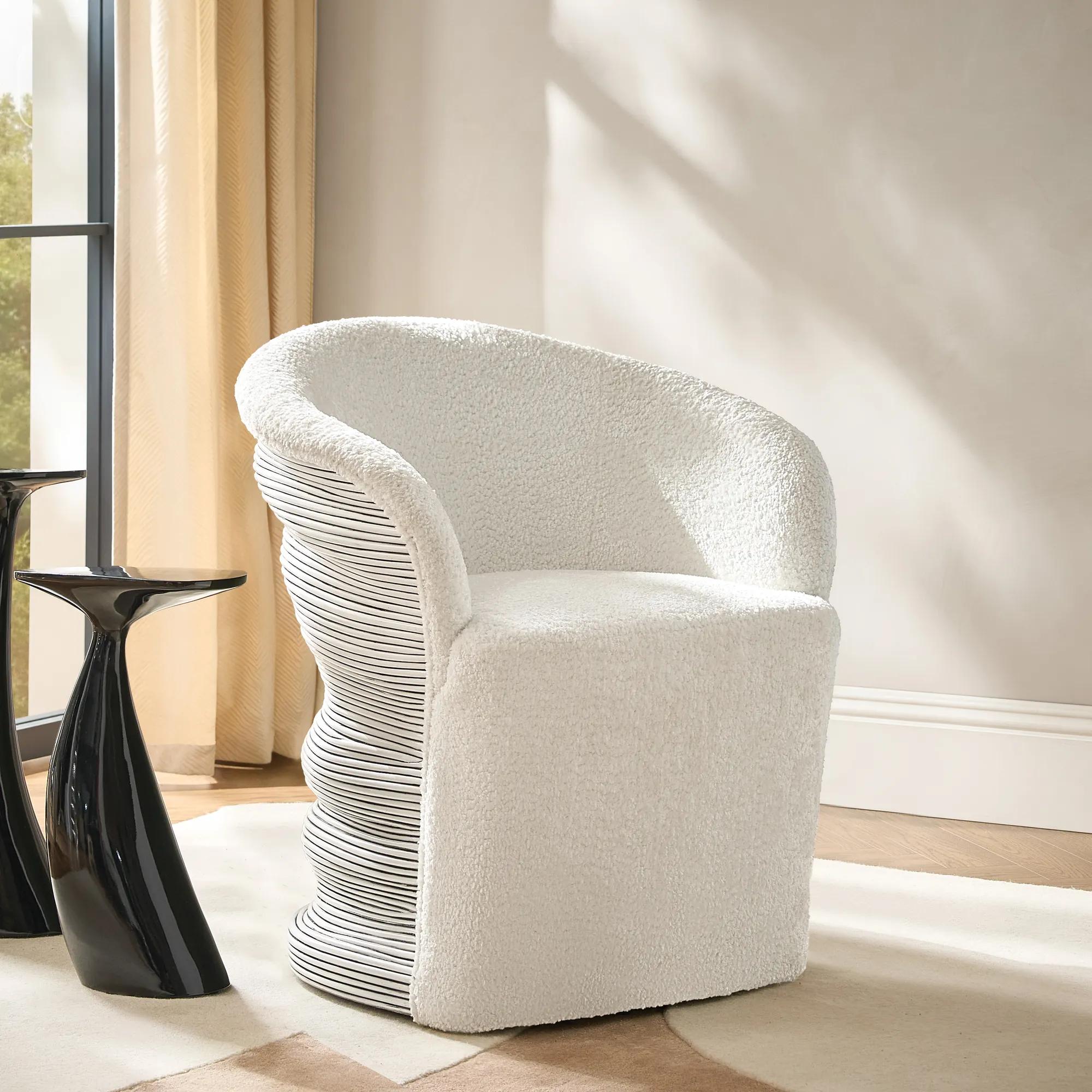 Cairo Rattan Ivory Chenille Dining Chair$999
An artisan-crafted swivel chair featuring handwoven natural rattan and plush ivory chenille upholstery for modern comfort.
Add To Cart -
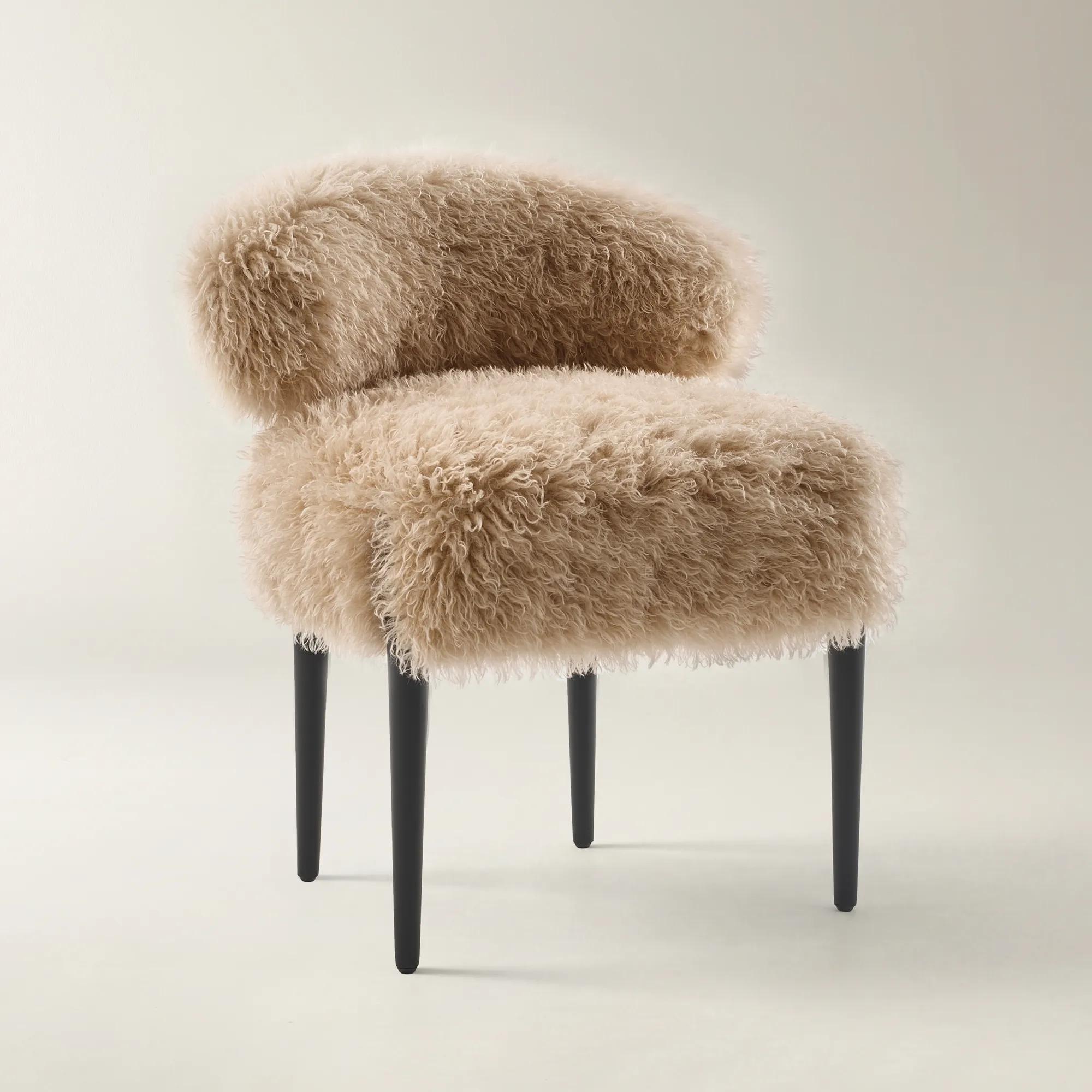 Anna Tan Faux Fur Dining Chair Set of 2$799
A tan faux fur dining chair set with curved backs, cushioned comfort, and solid rubberwood legs.
Add To Cart -
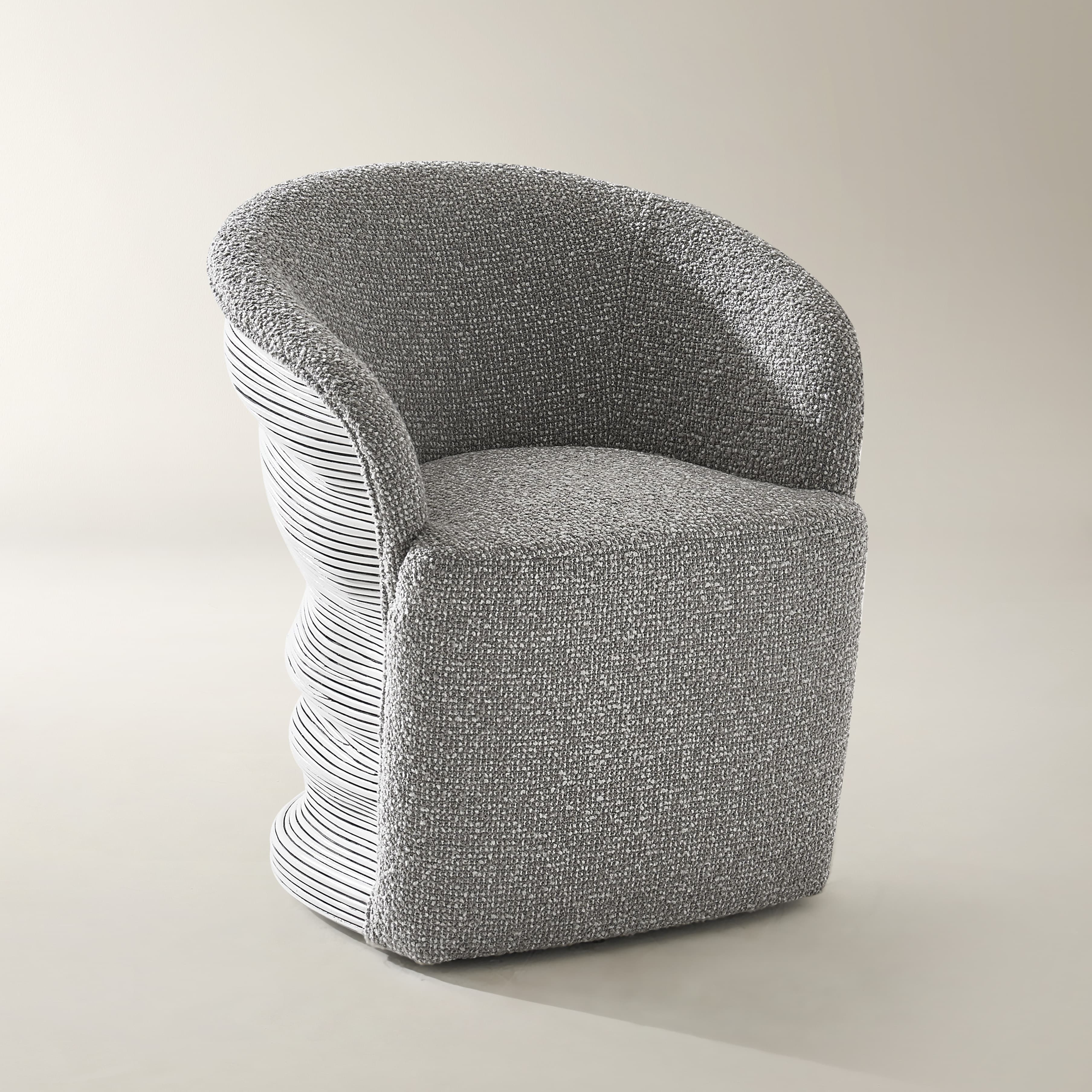
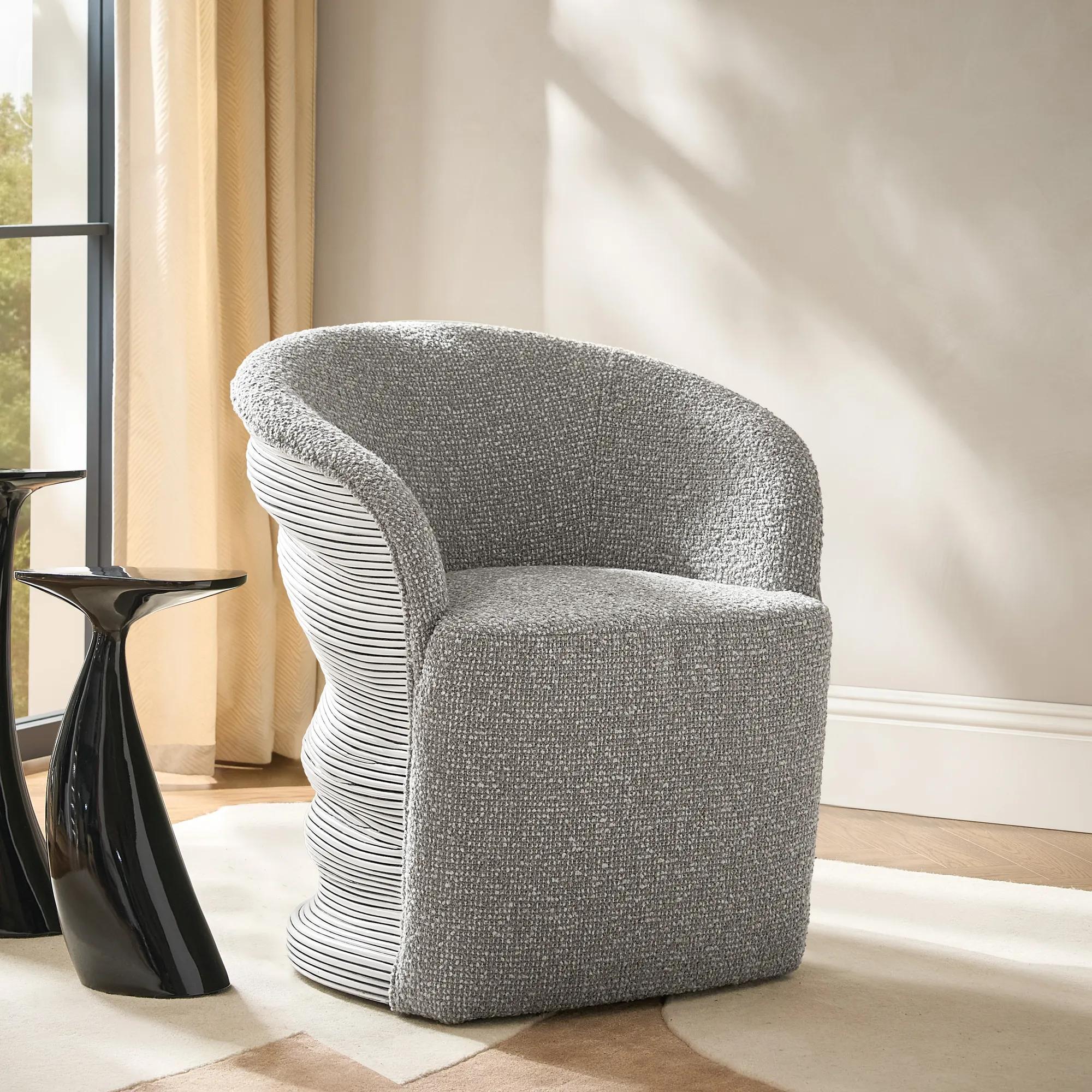 Cairo Rattan Grey Chenille Dining Chair$999
A handwoven natural rattan swivel chair in grey chenille, blending sculptural form with plush comfort.
Add To Cart -
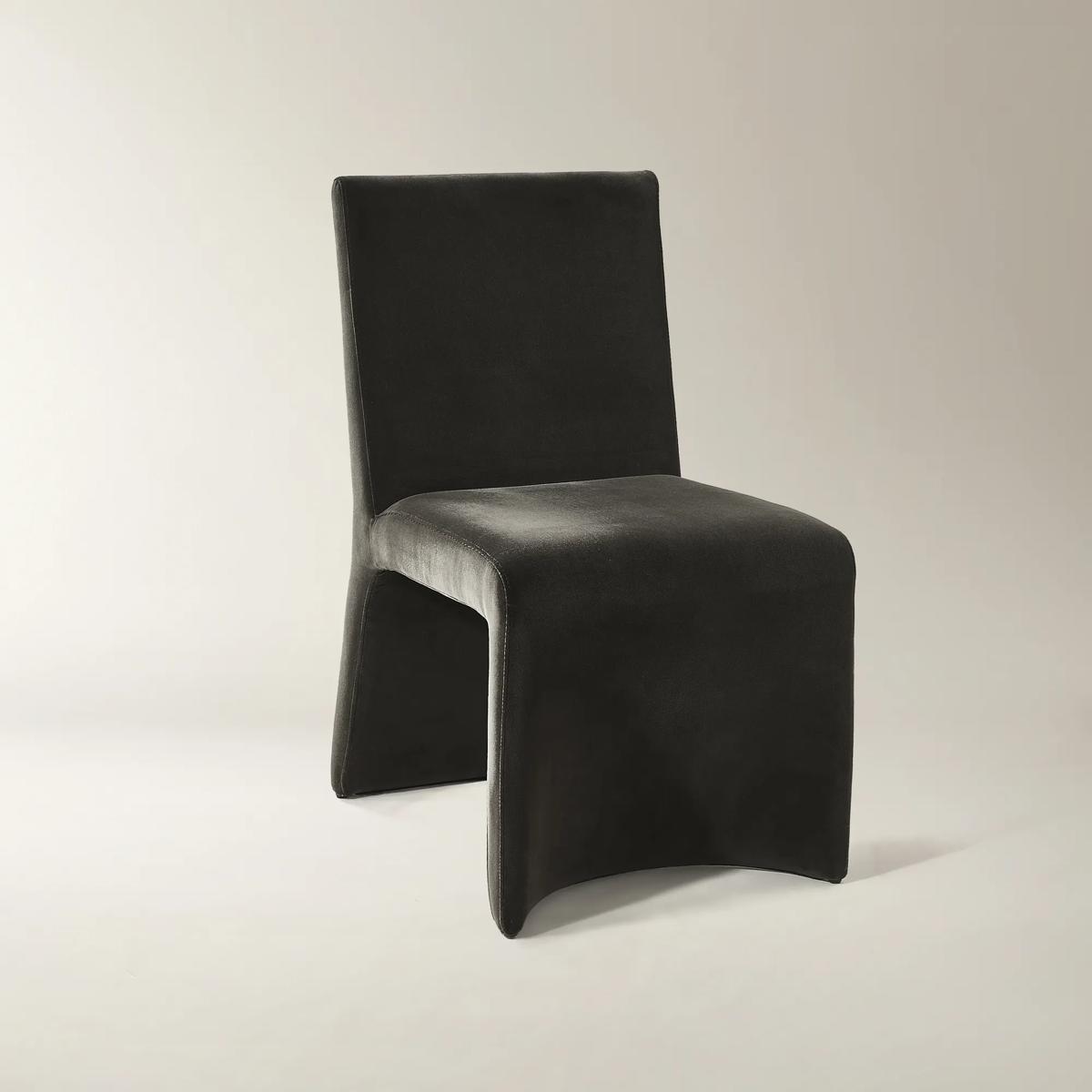
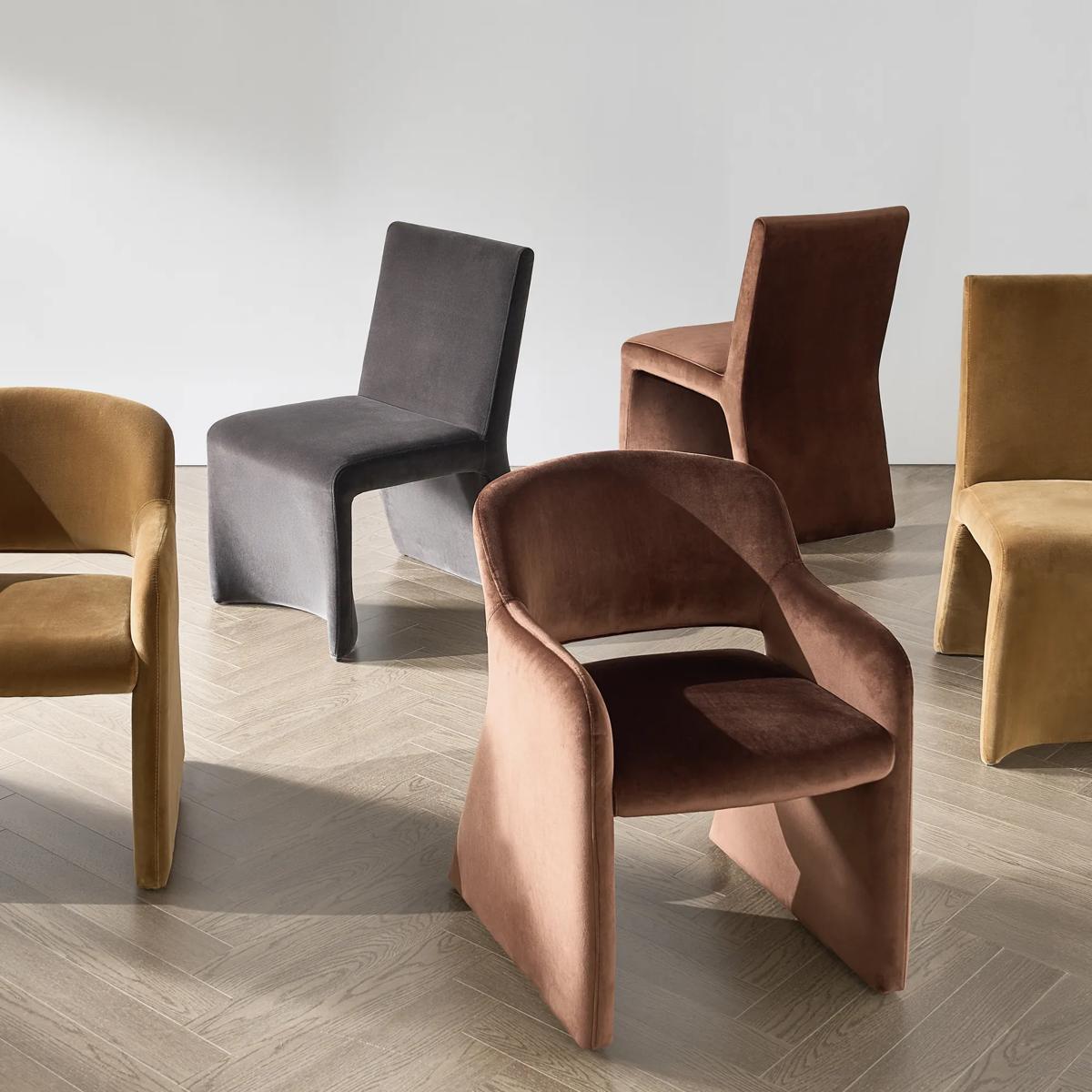 Elara Charcoal Velvet Dining Chair Set Of 2$799
A pair of charcoal velvet dining chairs featuring curved ergonomic silhouettes, plush upholstery, and hand-crafted details.
Add To Cart -
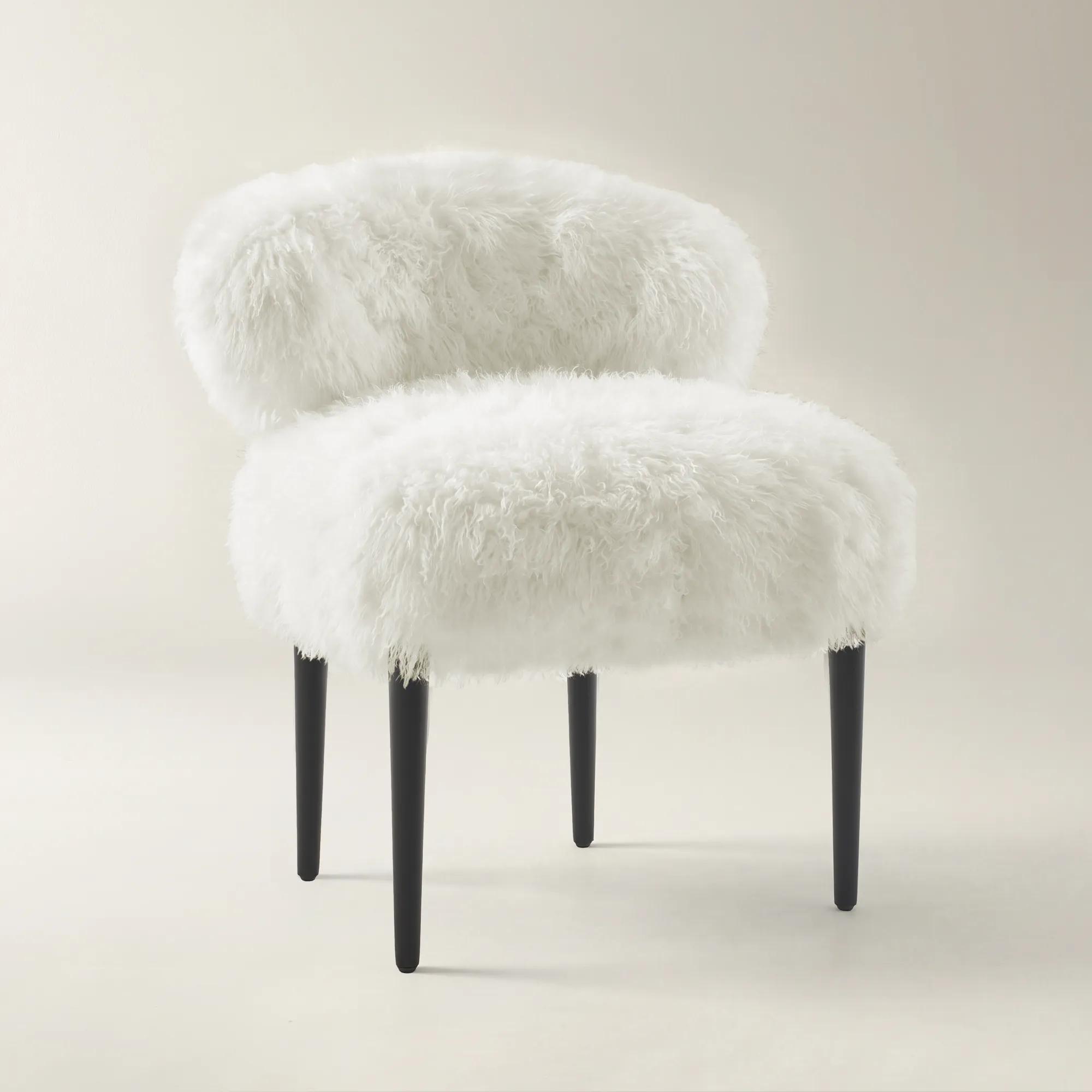 Anna Ivory Faux Fur Dining Chair Set of 2$799
A hand-upholstered ivory faux fur dining chair with a curved back, high-density foam cushioning, and rubberwood legs.
Add To Cart -
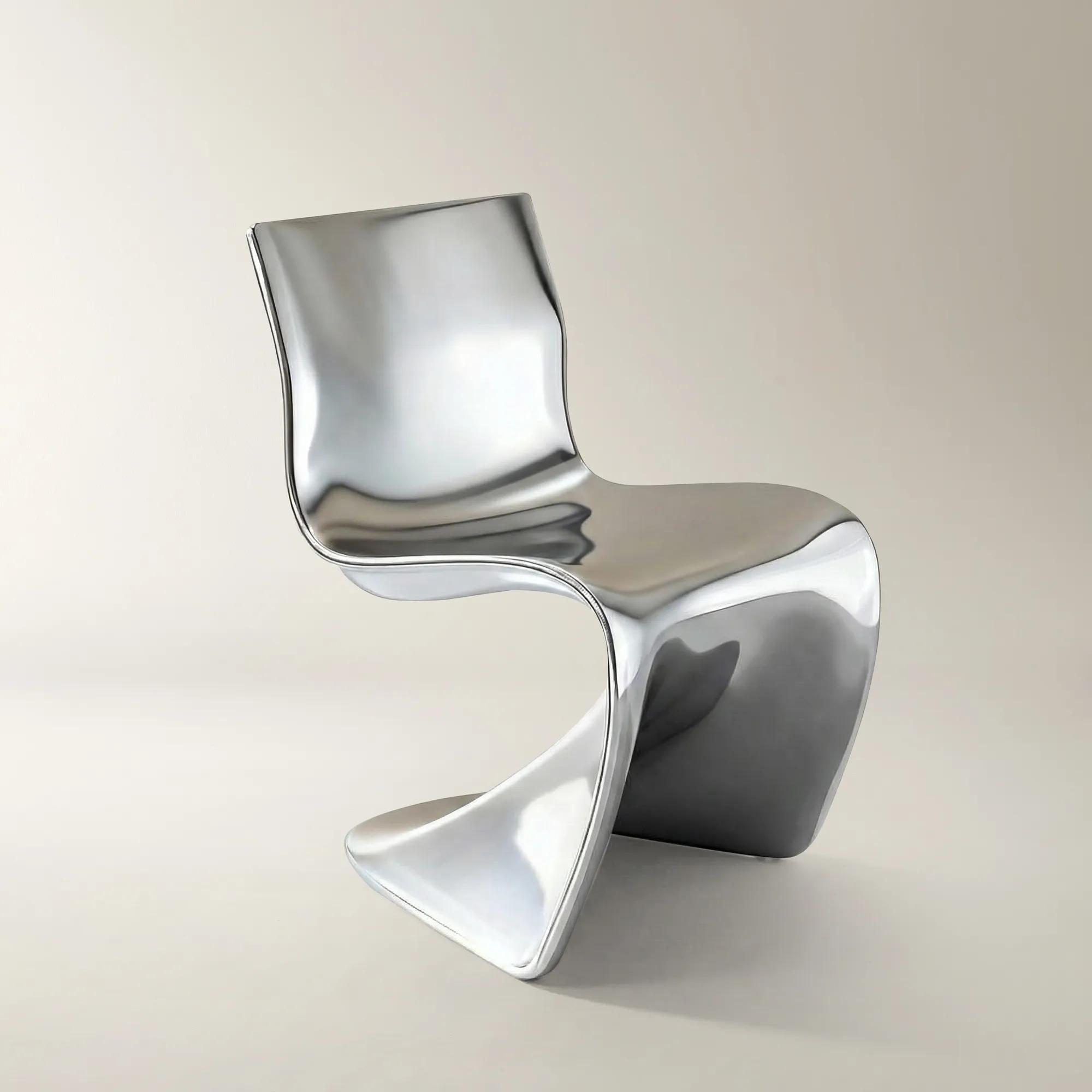
 Sasha Chrome Dining Chair$899
A sculptural accent chair crafted from polished chrome-finished fiberglass for a sleek, modern statement.
Add To Cart

Luxury Dining Chairs For Formal Dining Spaces
Explore luxury dining chairs for formal dining spaces, with distinctive silhouettes that frame your table and give the room a sense of occasion. When selecting dining room seating, consider seat height, chair width, and clearance beneath the table to create a balanced arrangement. Choose a profile that complements your table’s proportions while bringing your own expressive style to the setting.
Luxury dining chairs for formal dining spaces combine refined upholstery, expressive silhouettes, and supportive construction to make the table feel as considered as the occasion. Their presence goes beyond an elegant profile: the right chairs frame the dining table, establish the room’s proportions, and invite guests to settle into conversation. A high, upholstered back can lend a sense of ceremony, while a curved silhouette softens the lines of a rectangular table. Sculptural legs, tailored seams, and carefully placed tufting introduce detail without requiring every surface in the room to compete for attention. Material choices shape that atmosphere in distinctive ways. Velvet catches light across its pile, creating depth and subtle shifts in color; woven upholstery brings texture into focus; leather offers a smooth, richly tactile counterpoint to wood and stone. Each can belong in a formal setting, with the strongest choice reflecting both the room’s character and the way the seating will be used. Deep jewel tones create a dramatic frame around a pale tabletop, while ivory, taupe, and charcoal allow silhouette and texture to lead. Wood frames contribute warmth and visible grain, and polished metal accents can echo the gleam of a chandelier or a decorative mirror. Luxury is most convincing when those elements feel deliberate rather than simply ornate. An enveloping back, a beautifully resolved leg shape, or a crisp upholstered edge may make a stronger impression than several decorative treatments layered together. For hosts who enjoy elaborate dinner parties, couples furnishing a dedicated dining room, or households creating a more ceremonial setting for shared meals, these chairs help turn seating into part of the experience. The result is a room that feels composed before the first place setting is laid, with enough visual richness to hold its own when the table is bare. That balance gives formal dining furniture a lasting role beyond special occasions, bringing intention and artistry to a quiet dinner just as naturally as a full gathering.
Comfort and proportion give that visual drama its purpose. A formal dining chair should support an unhurried meal, with a seat depth that allows the sitter’s back to meet the backrest and a height that lets feet rest comfortably on the floor. Upholstery softness alone does not determine comfort; cushioning, back angle, seat shape, and the relationship between chair and table all matter. Standard dining tables are often about 28 to 30 inches high, paired with seats approximately 18 to 20 inches high, but actual measurements deserve more attention than category labels. Roughly 10 to 12 inches between the top of the seat and the tabletop is a common starting point, with the table apron also affecting usable legroom. Armchairs need enough clearance to slide beneath the table if a tucked-in arrangement is desired. At the ends of a long table, generous upholstered arms can create a distinguished host position; along the sides, armless silhouettes may allow easier movement and a lighter visual rhythm. Each place generally needs about 24 inches of table width, with wider chairs or more expansive place settings calling for additional space. Table legs and pedestal bases can further influence where chairs sit comfortably. Behind the seating, approximately 36 inches between the table edge and a wall or furnishing is a useful planning baseline, while active walkways benefit from more room. These practical relationships preserve the gracious feeling that formal rooms are meant to convey. Construction matters just as much: secure joints, a stable frame, appropriate seat support, and well-fitted upholstery contribute to dependable use. Solid wood, metal, and engineered components can each serve different structural purposes, so material names alone do not establish quality. For a household that uses the dining room frequently, upholstery rated for regular use and cushioning that retains its support deserve particular consideration. A chair should feel poised under a guest, not merely striking from across the room.
The most compelling formal dining spaces also account for life after the gathering. Upholstery care varies by fiber, finish, and construction, making the manufacturer’s cleaning instructions essential to preserving the original look. Regular gentle vacuuming with a suitable upholstery attachment can help remove dust and crumbs before they settle into seams. Spills generally call for prompt blotting rather than rubbing, followed by the cleaning method approved for the fabric; an inconspicuous test area helps reveal an unwanted change before a larger surface is treated. Velvet may show pressure marks or changes in the direction of its pile, while textured weaves can hold small particles within their surface. Leather requires care appropriate to its particular finish, and products intended for wood or fabric should not be assumed suitable for it. Stain-resistant upholstery can make entertaining less demanding, but resistance is not the same as stainproof protection. Wood and metal frames benefit from gentle cleaning appropriate to their finishes, and prolonged direct sunlight may alter the color of some upholstery and wood surfaces. Protective feet suited to the flooring can help reduce scratches when chairs are moved, provided they are kept clean and checked for wear. Thoughtful maintenance allows decorative details to remain a pleasure rather than a source of hesitation. Styling can be equally considered without becoming rigid. Matching chairs create a stately, continuous line, especially around a substantial table, while contrasting host chairs introduce a more collected expression. A shared finish, repeated curve, or related upholstery tone can connect different silhouettes so the arrangement feels intentional. In rooms centered on Luxury Indoor Dining Chairs, surrounding furnishings can give the seating room to command attention: a restrained centerpiece leaves sculptural backs visible, and a rug large enough to accommodate pulled-out chairs helps define the dining area. The strongest composition balances brilliance with breathing space, allowing sumptuous texture, confident proportions, and finely judged detail to give every seat a sense of occasion.
FAQs
Luxury dining chairs bring together expressive silhouettes, refined materials, and considered detailing. Sculptural backs, tailored upholstery, decorative tufting, and gleaming metal accents lend a sense of occasion to the table. Choose a design that echoes your room’s architecture while adding its own distinctive drama.
Velvet creates a sumptuous, light-catching effect, while leather introduces a rich, tailored presence. Textured woven fabrics offer a more understated expression of luxury, especially when paired with sculptural wood or polished metal frames. Let the upholstery set the mood, from jewel-toned opulence to an elegant ivory palette.
Create a visual connection through color, finish, or shape rather than matching every detail. Upholstered dining chairs soften the presence of a glass or metal table, while sleek frames offer a striking contrast to richly grained wood. Repeating one finish, such as brass or dark wood, gives the arrangement a deliberate, composed feel.
A thoughtful mix can give a formal dining room a distinctly collected character. Pair statement armchairs at the ends of the table with side chairs that share an upholstery color, frame finish, or design detail. That common thread allows contrasting silhouettes to feel expressive rather than disconnected.
Ivory, champagne, and charcoal create a refined foundation, while emerald, sapphire, and burgundy introduce a richer, more theatrical mood. Black upholstery makes a striking statement against pale stone or gleaming metallic finishes. Draw a chair color from your artwork or rug to weave the dining area into the room’s larger story.