Classic Furniture For Family Rooms
Classic Furniture For Family Rooms
-
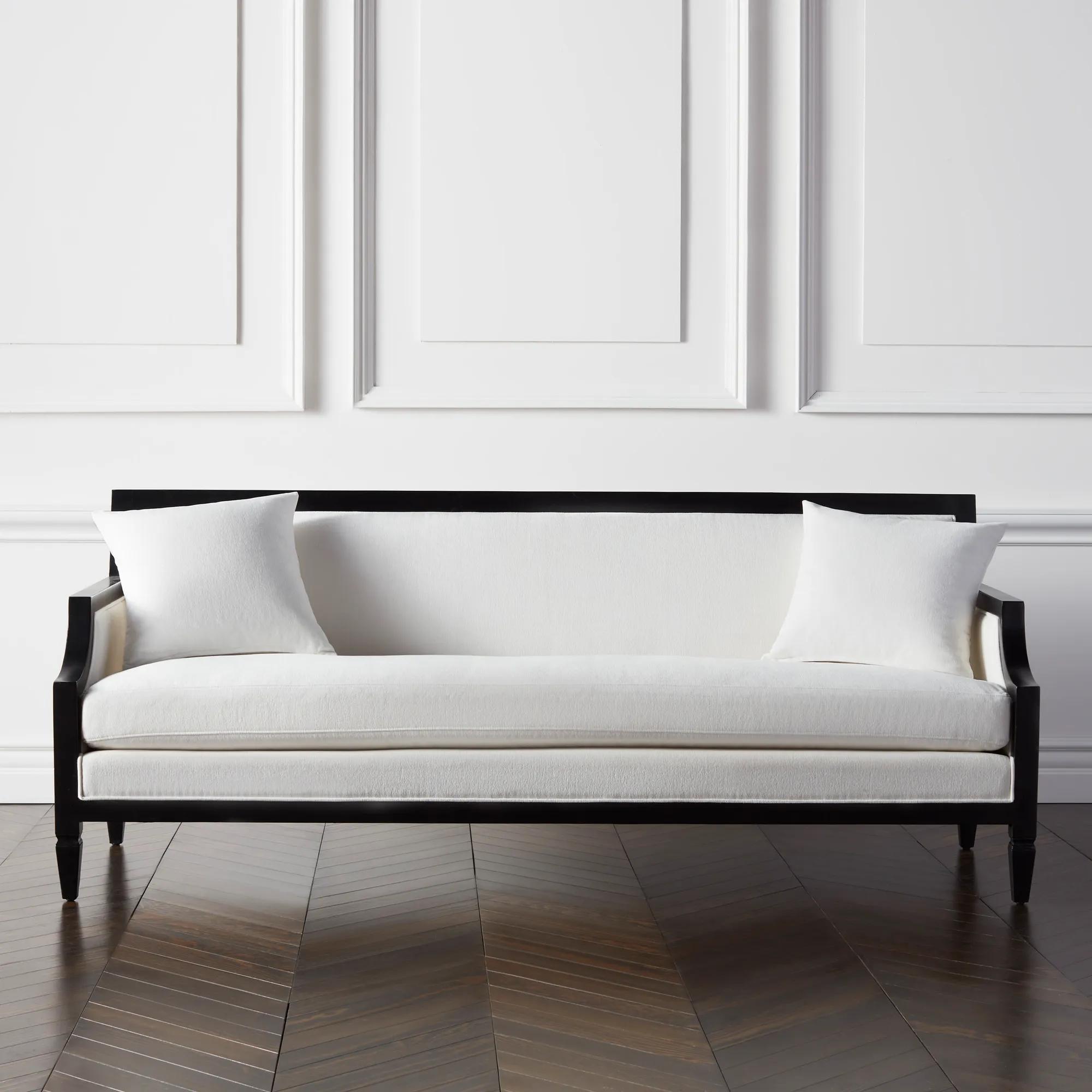
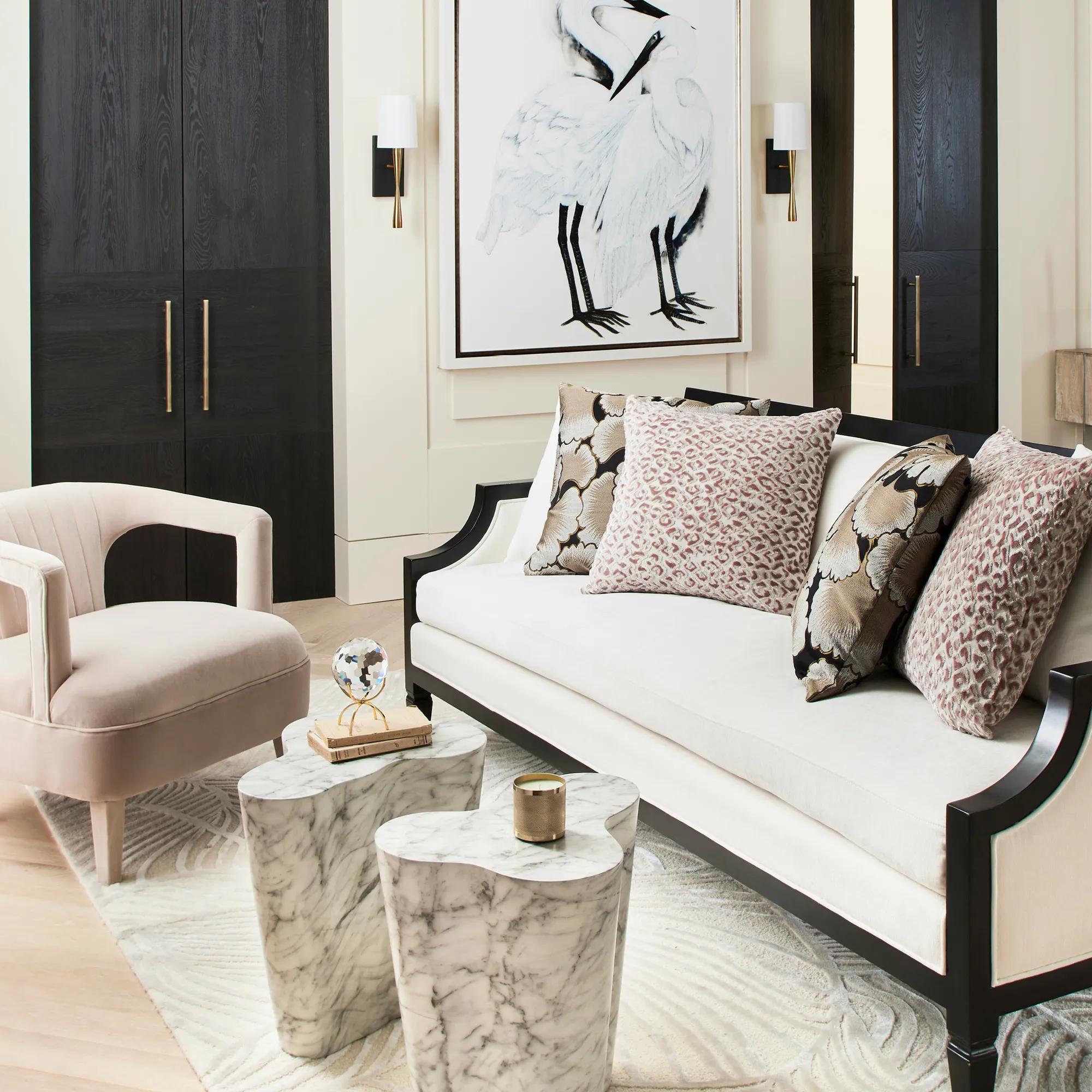 Kayla Sofa$2499
A plush, modern sofa featuring notched arms, matte black wood frame, and soft chenille upholstery.
Add To Cart -

 Aria Pleated Swivel Chair$1249
A barrel-style swivel chair in kiln-dried hardwood, shown in Bella Velvet Pearl with pleated tailoring.
Add To Cart -
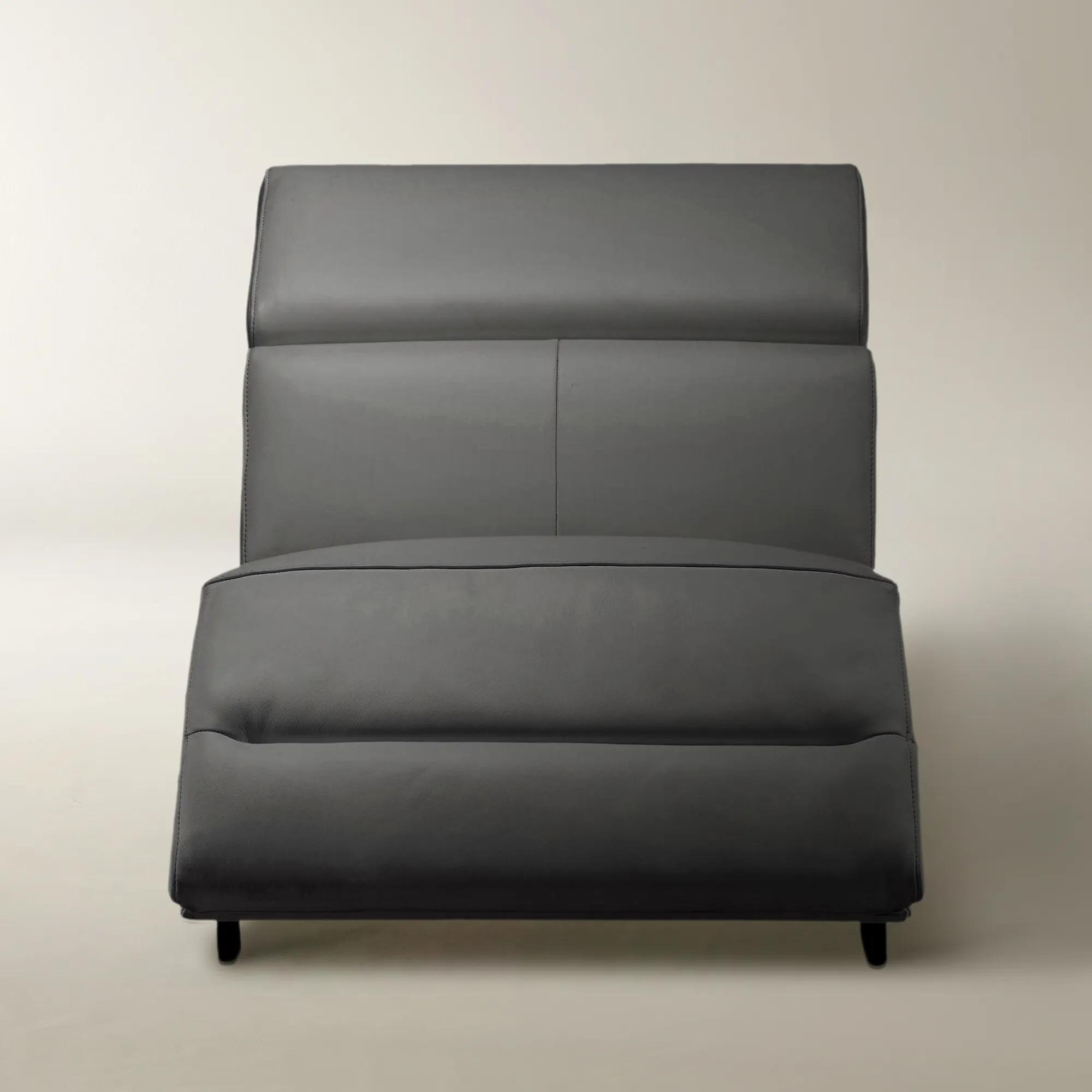
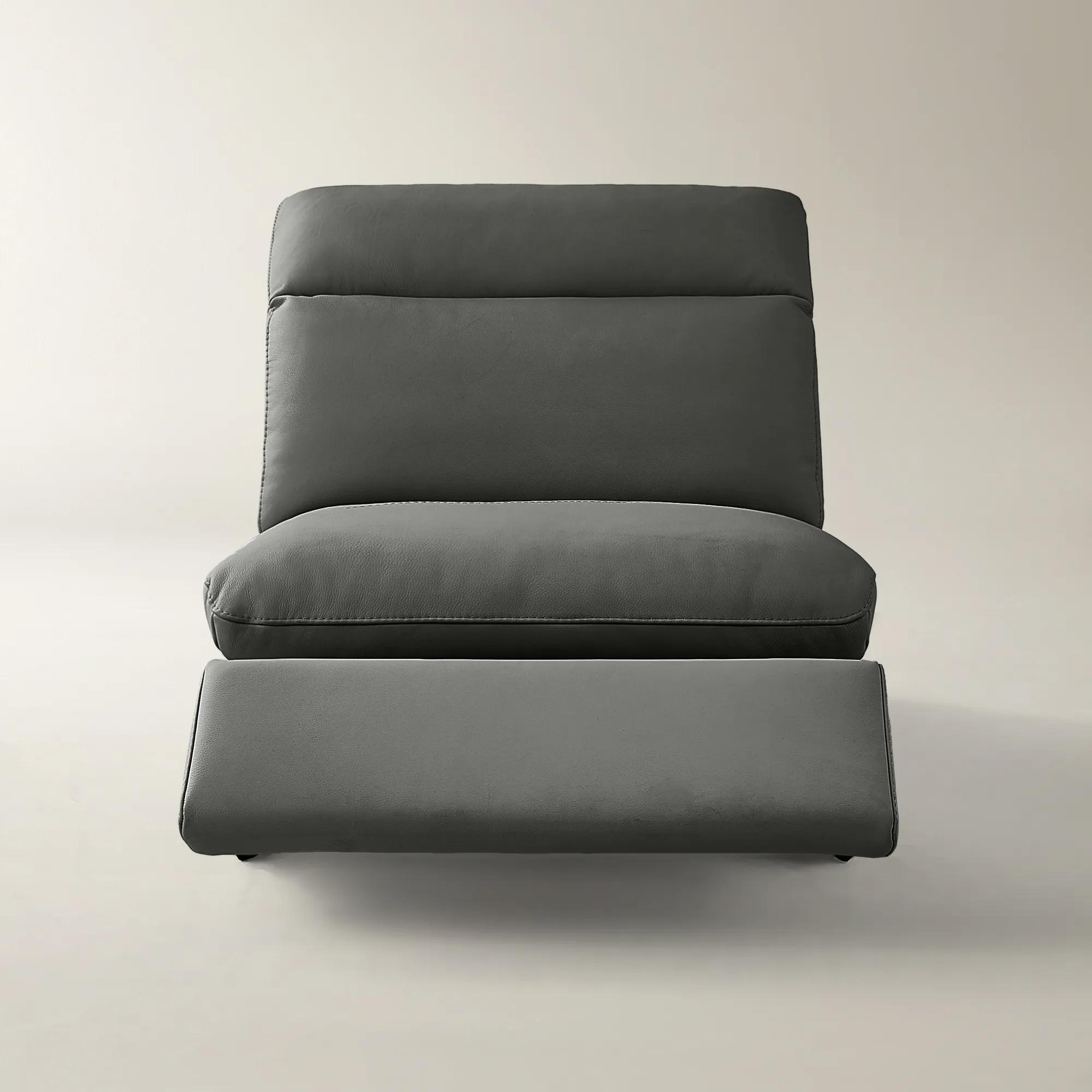
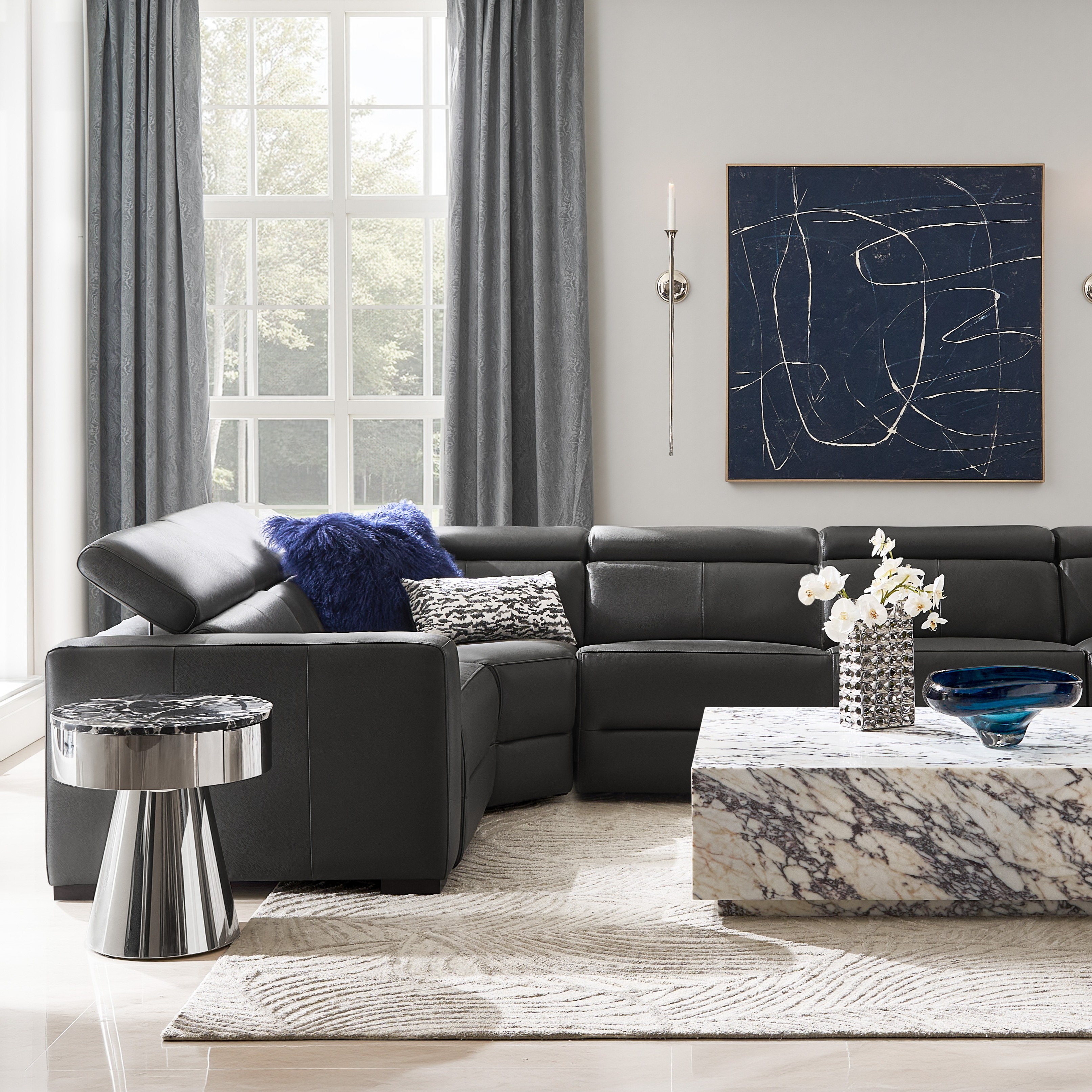 Verona Reclining Charcoal Leather Armless Chair With Power$1249
A charcoal semi-aniline leather sectional with adjustable headrests, power-reclining seats, and kiln-dried hardwood frame.
Add To Cart -
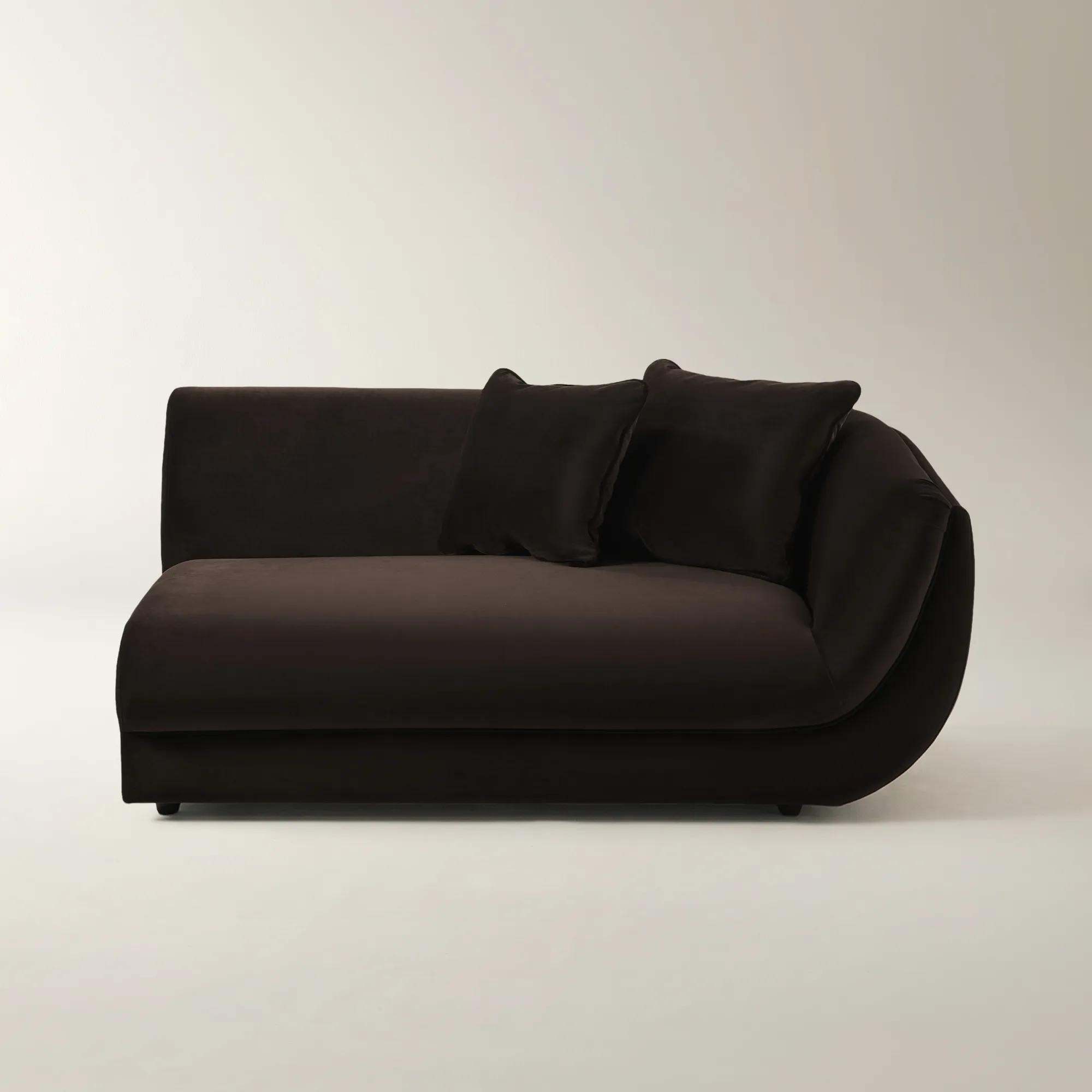
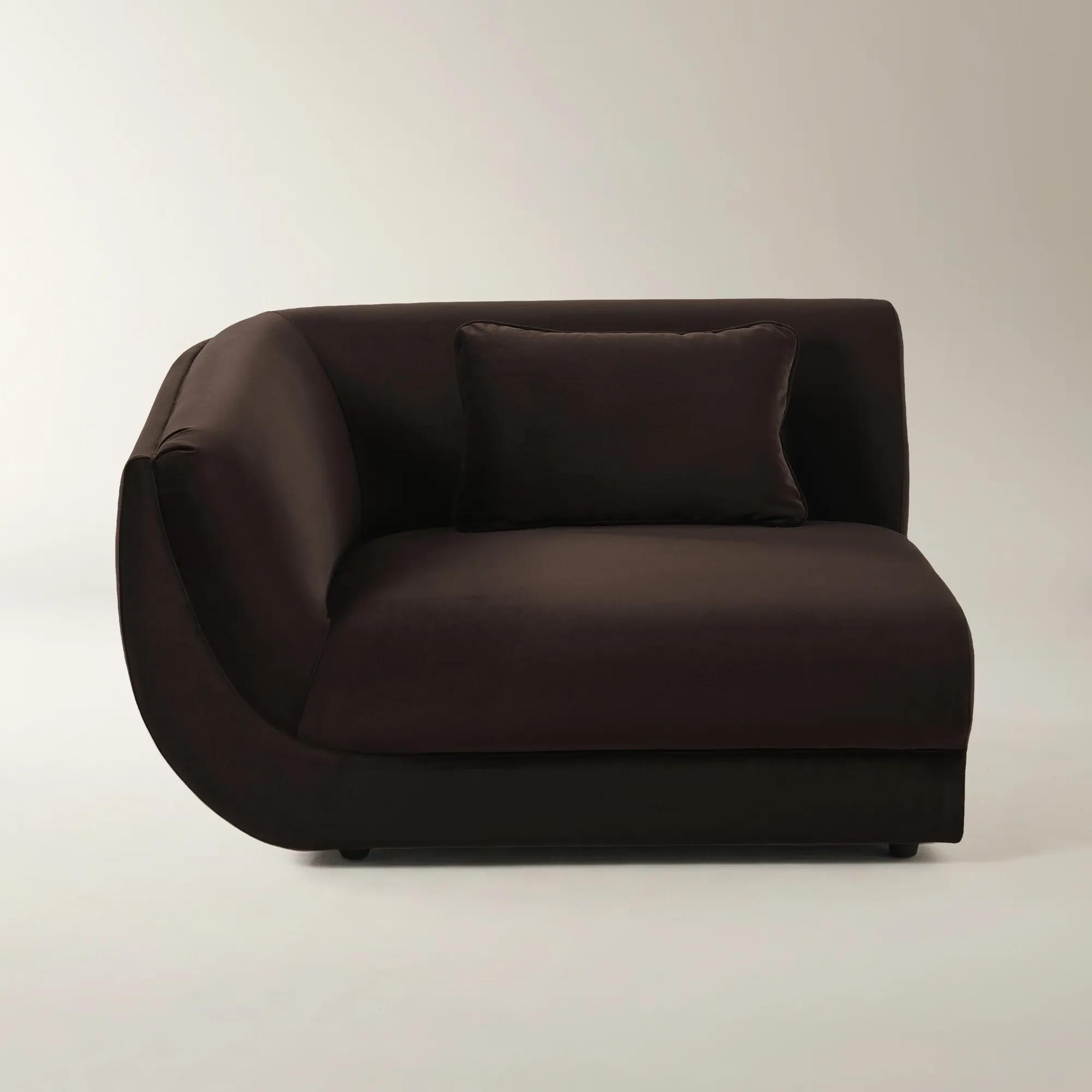
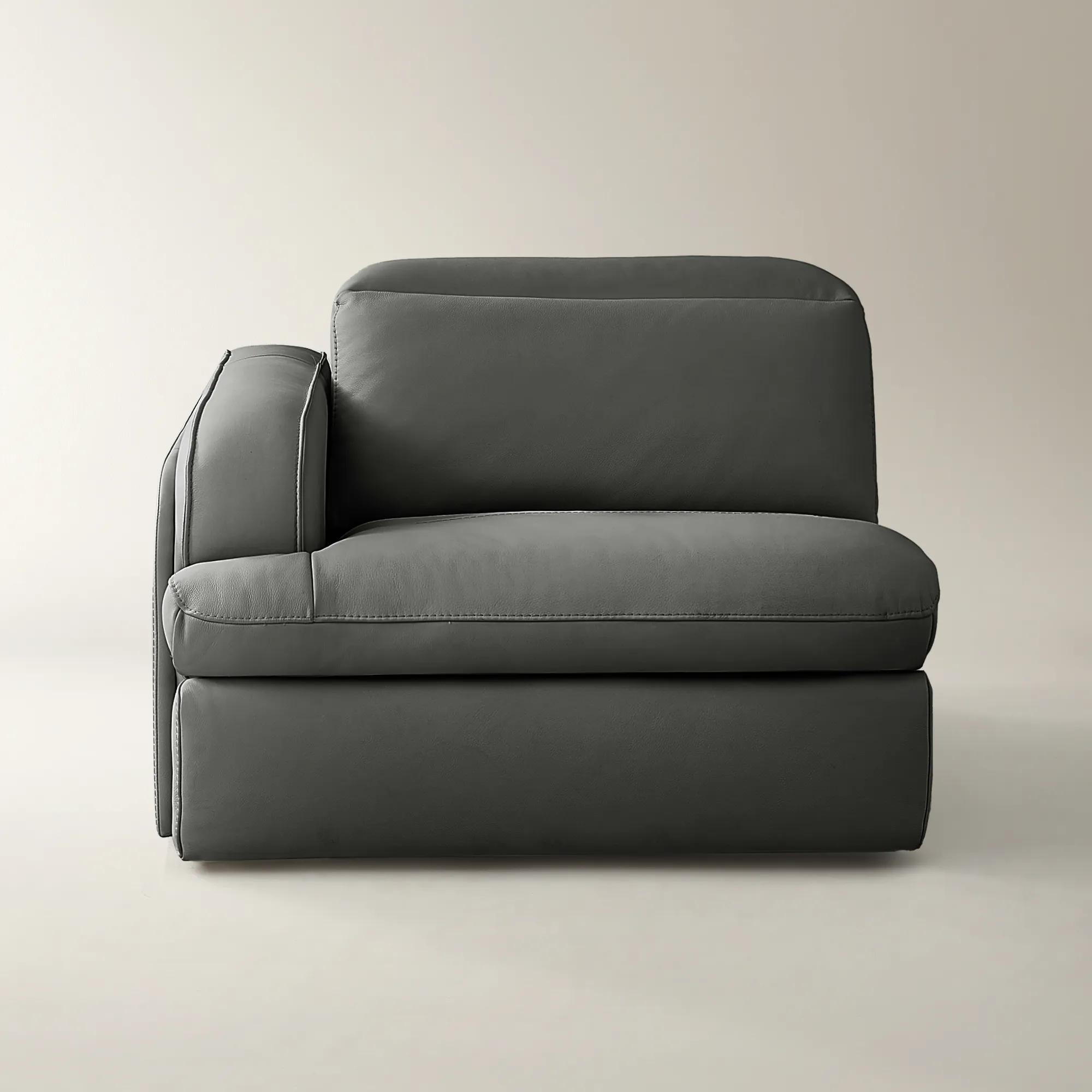
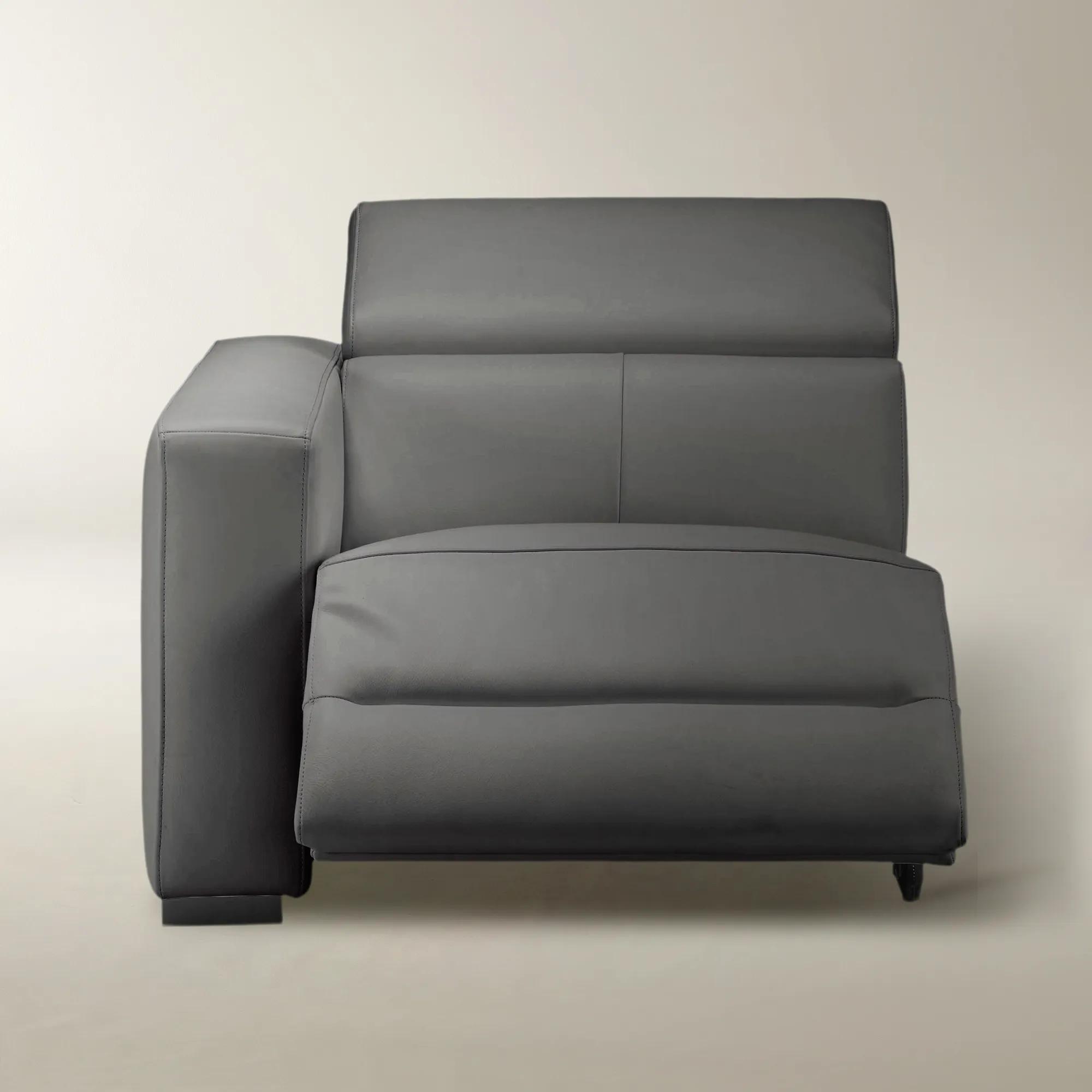 Verona Reclining Charcoal Leather Left Arm Chair With Power$1499
A charcoal semi-aniline leather sectional with adjustable headrests, power-reclining seats, and kiln-dried hardwood frame.
Add To Cart -
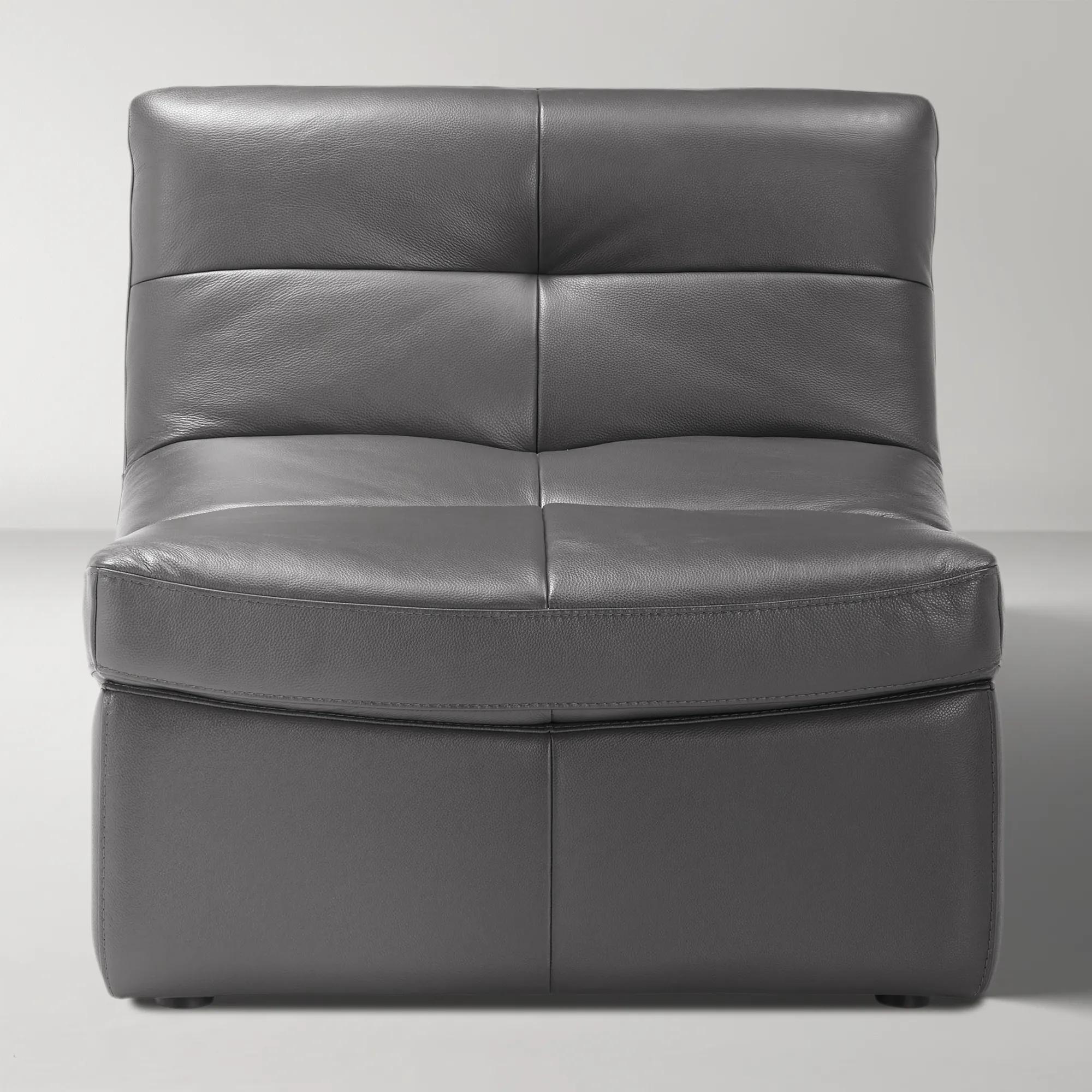
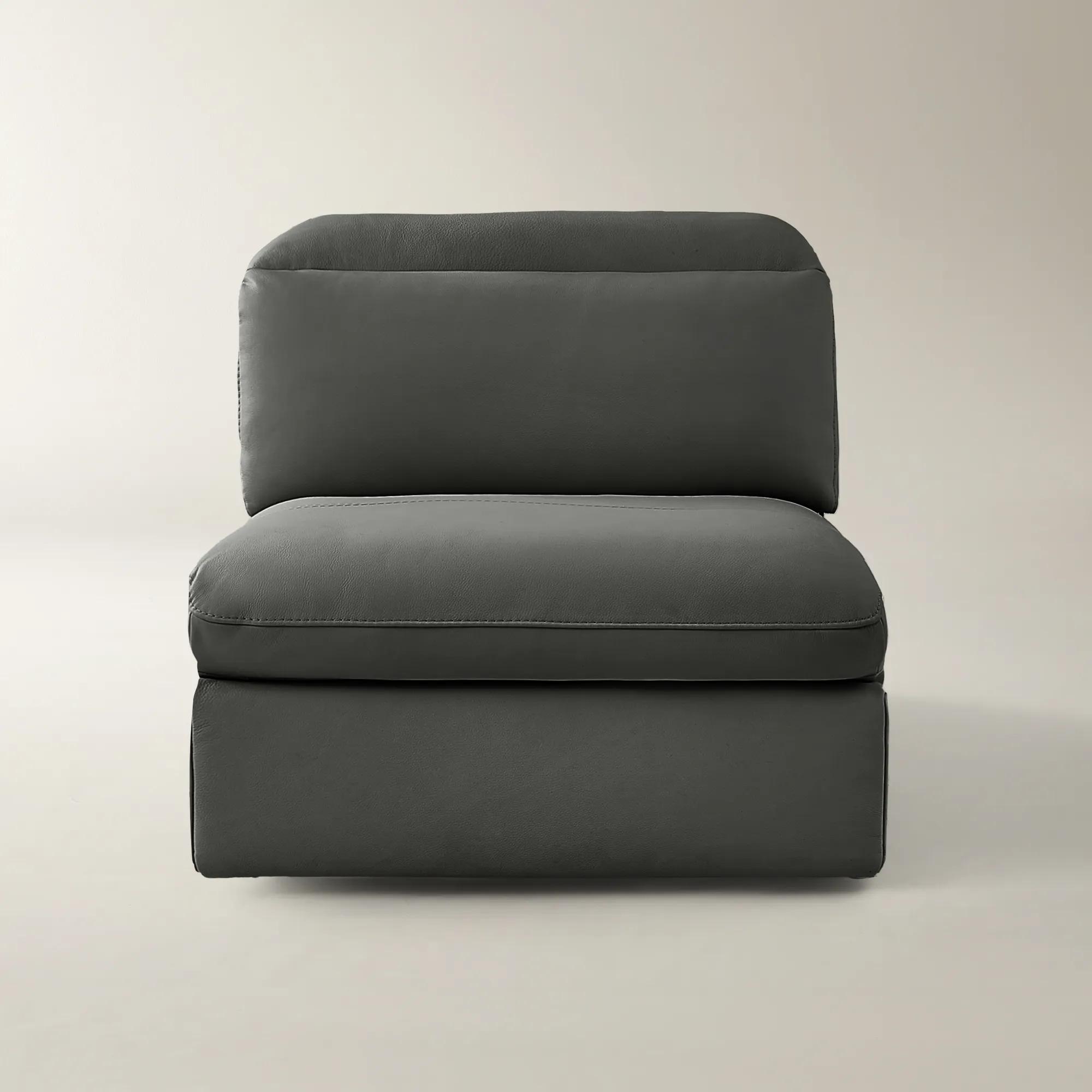
.jpg?w=1200&h=1200) Convo Charcoal Leather Armless Chair$1199
Convo Charcoal Leather Armless Chair$1199A modular sectional with kiln-dried hardwood frame and charcoal semi-aniline leather upholstery for modern versatility.
Add To Cart -
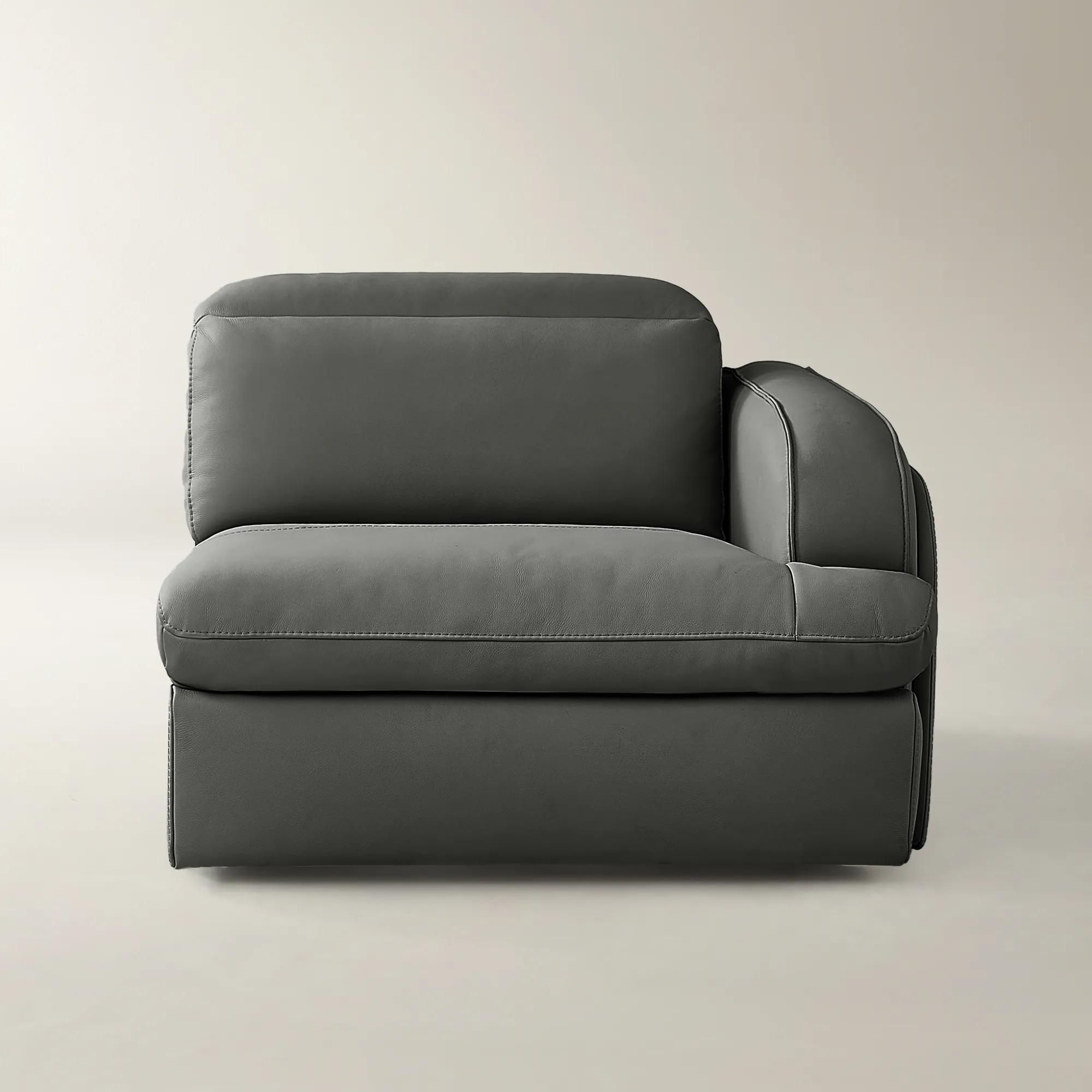
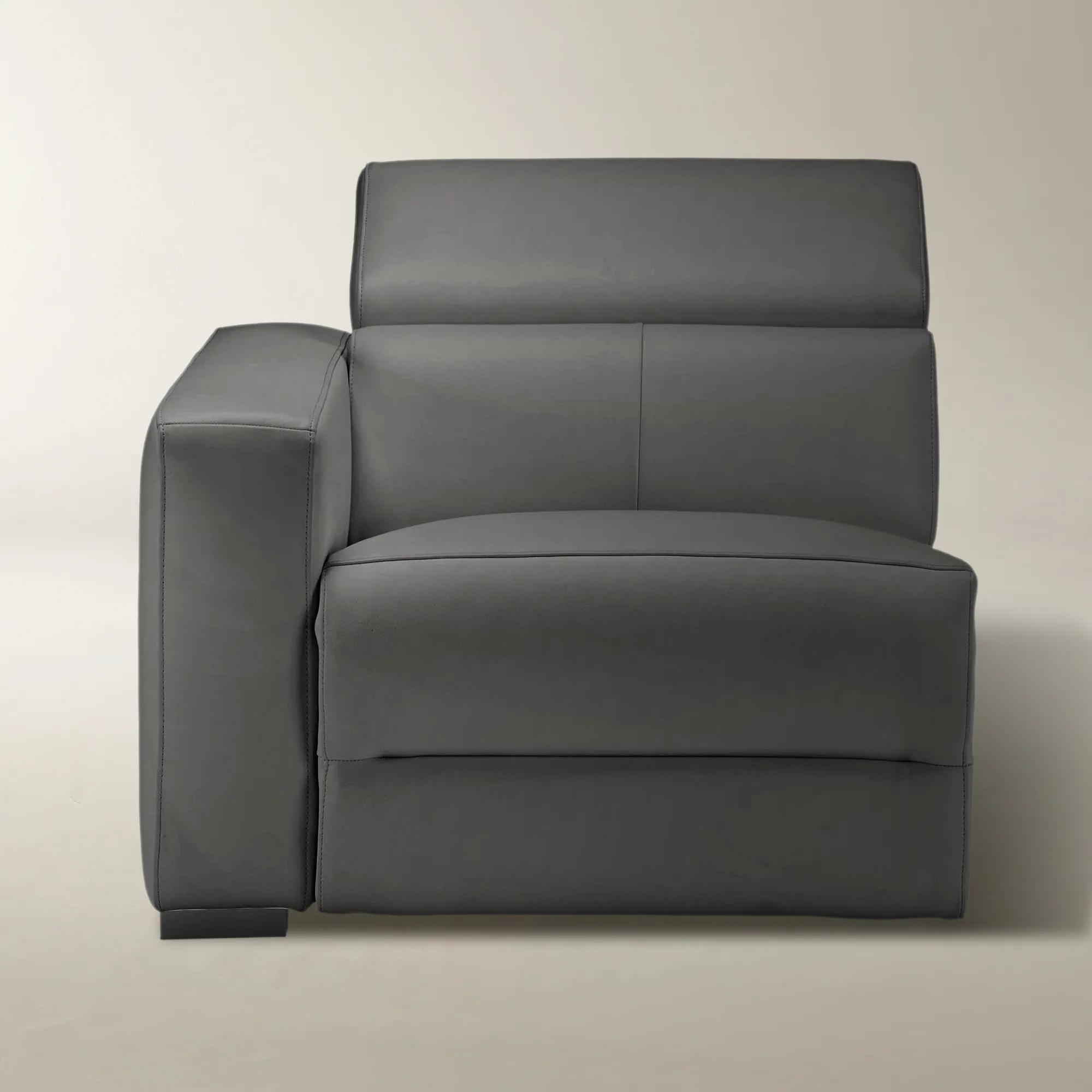 Verona Charcoal Leather Left Arm Chair$1299
A charcoal semi-aniline leather sectional with adjustable headrests, power-reclining seats, and kiln-dried hardwood frame.
Add To Cart -
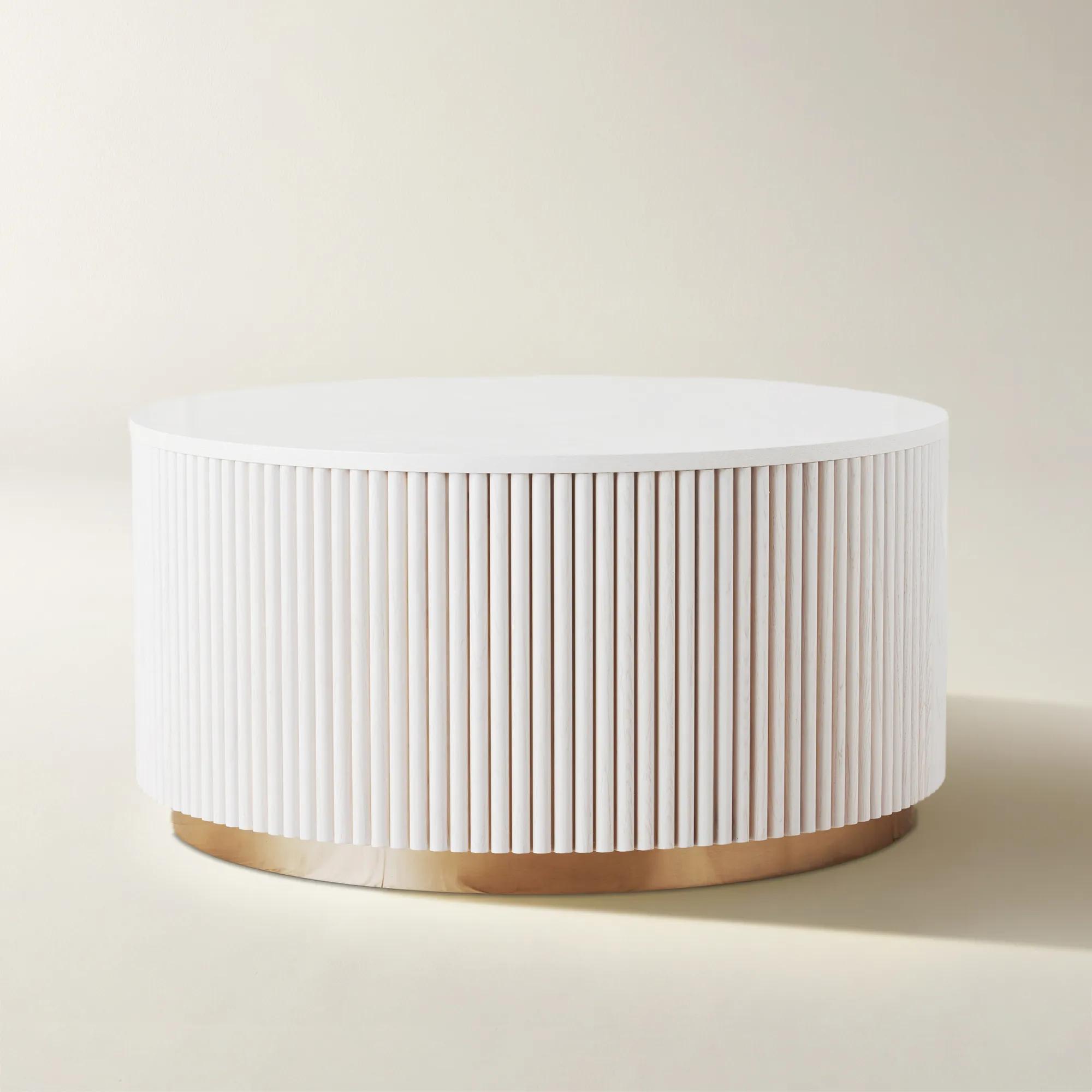
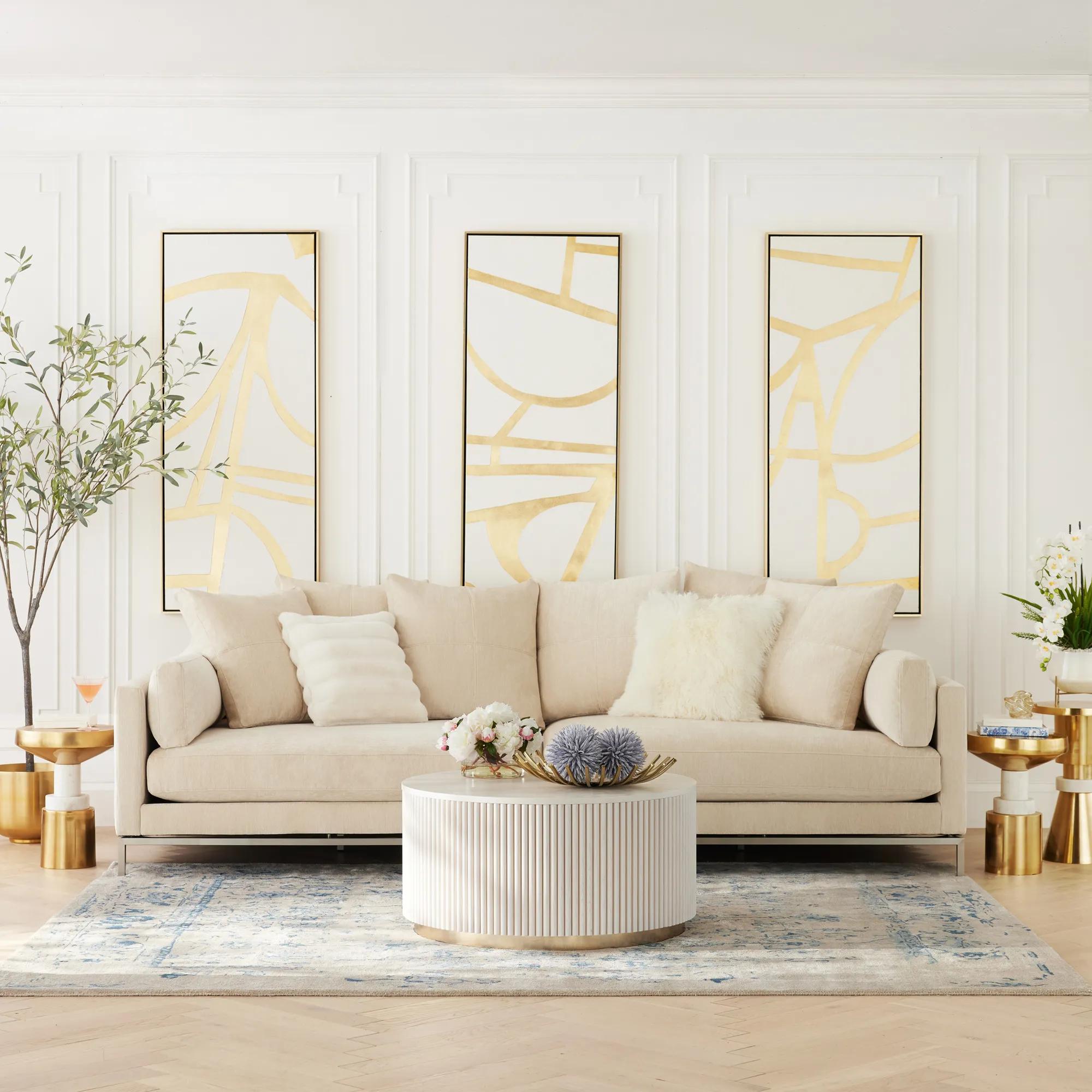 Natalia Round Reeded Whitewashed Ash Wood Coffee Table (36")$1299
A striking coffee table featuring reeded ash wood sides, a smooth top, and a whitewashed finish.
Add To Cart -
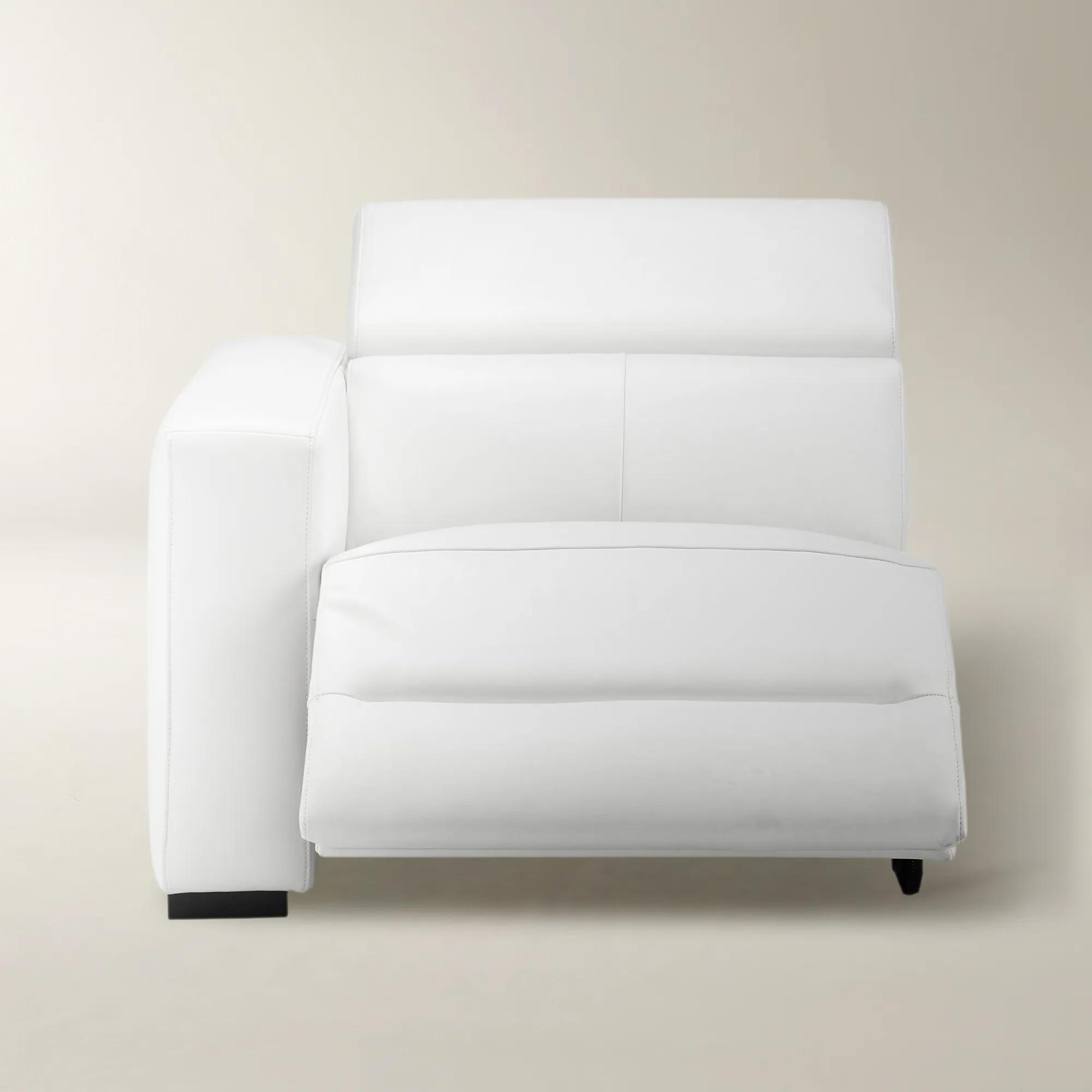
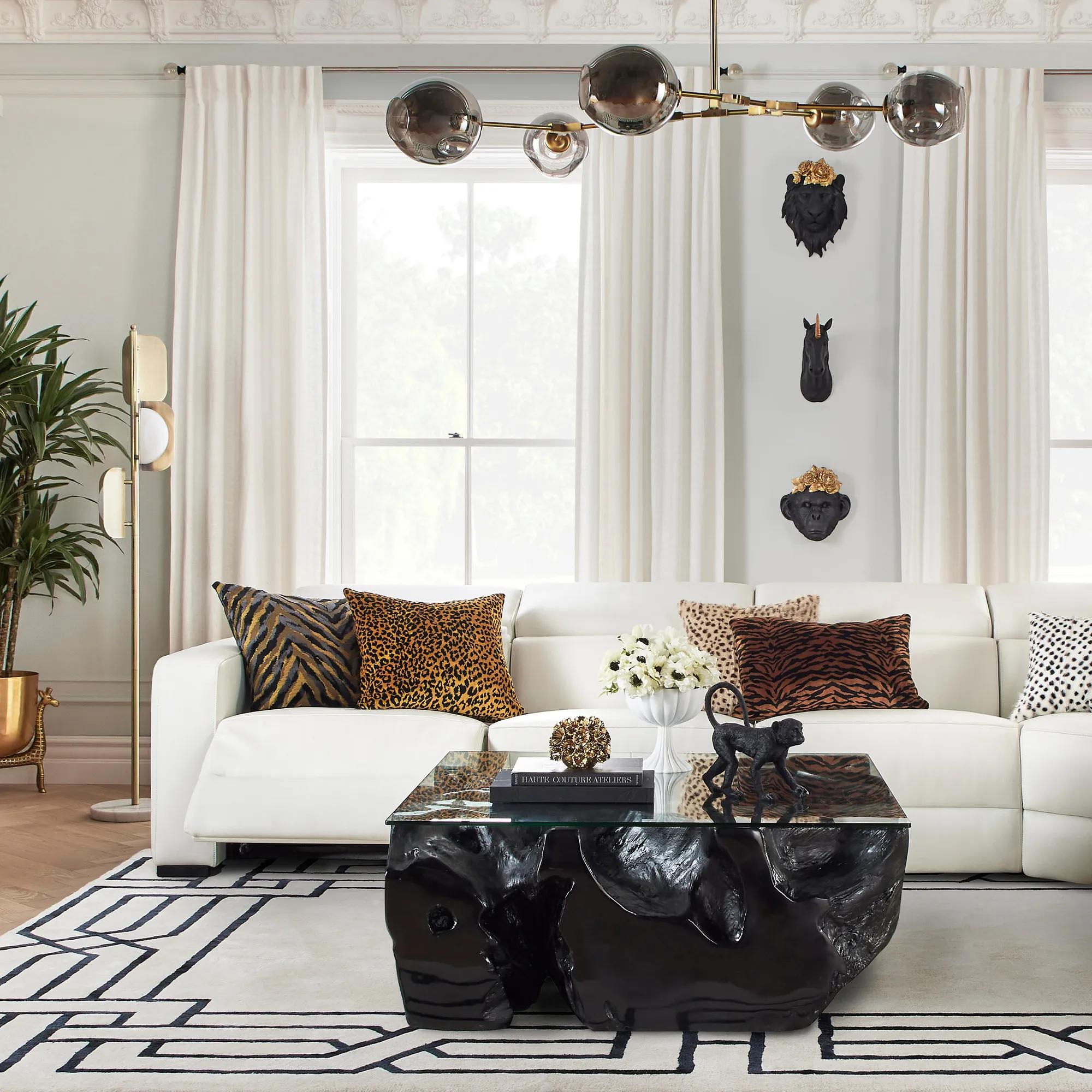 Verona Reclining White Leather Left Arm Chair With Power$1499
A modern white sectional upholstered in supple semi-aniline leather with adjustable headrests and power-reclining seats.
Add To Cart -
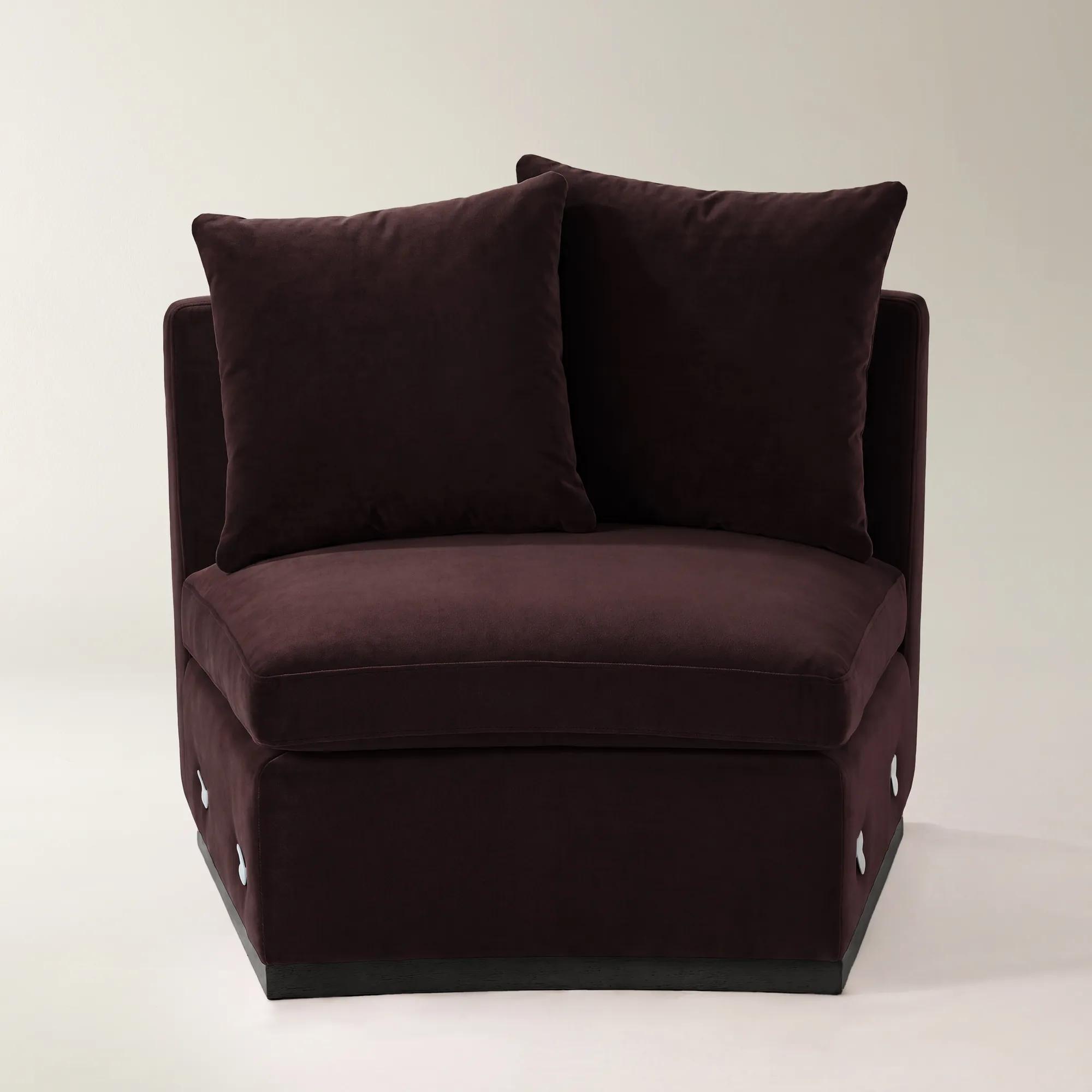
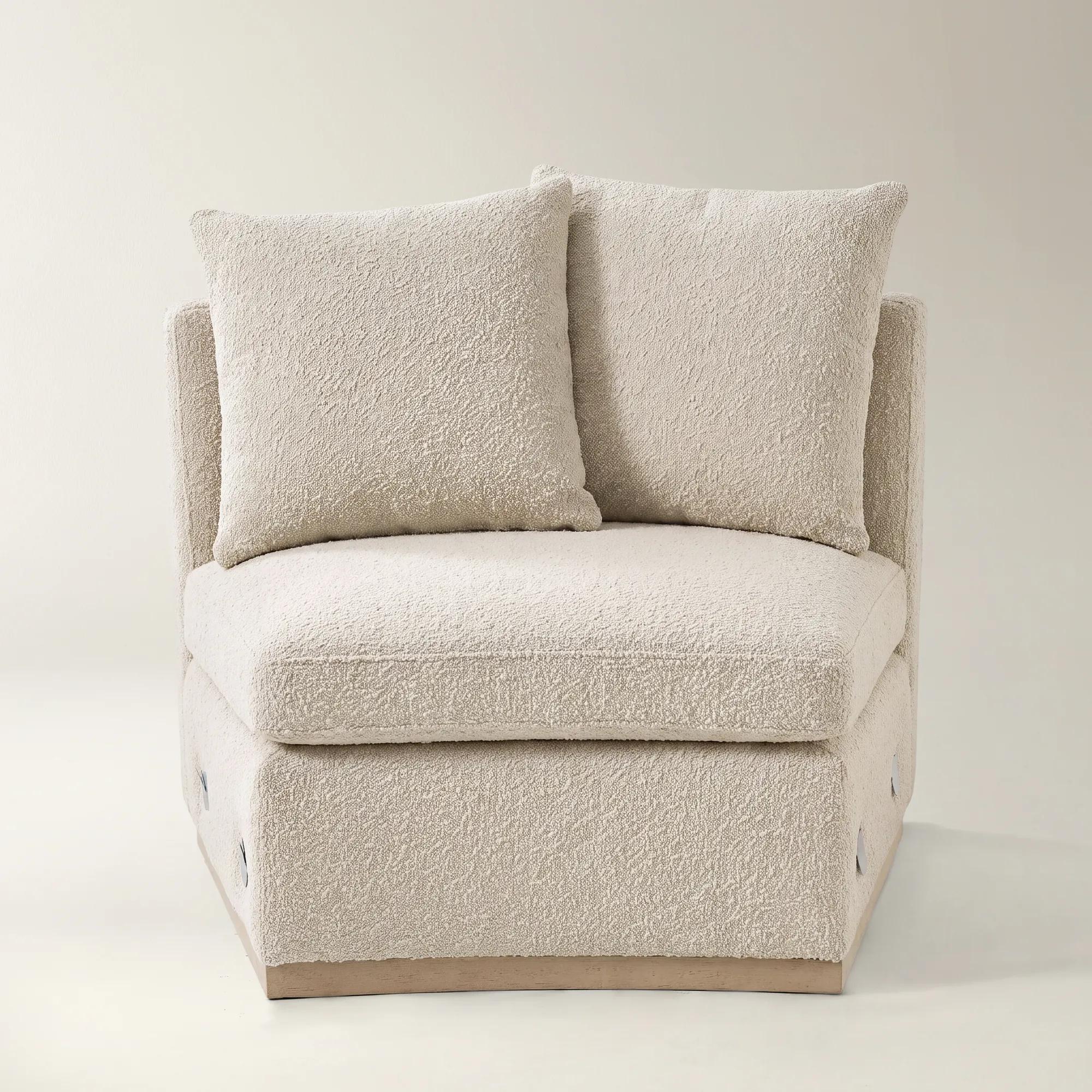
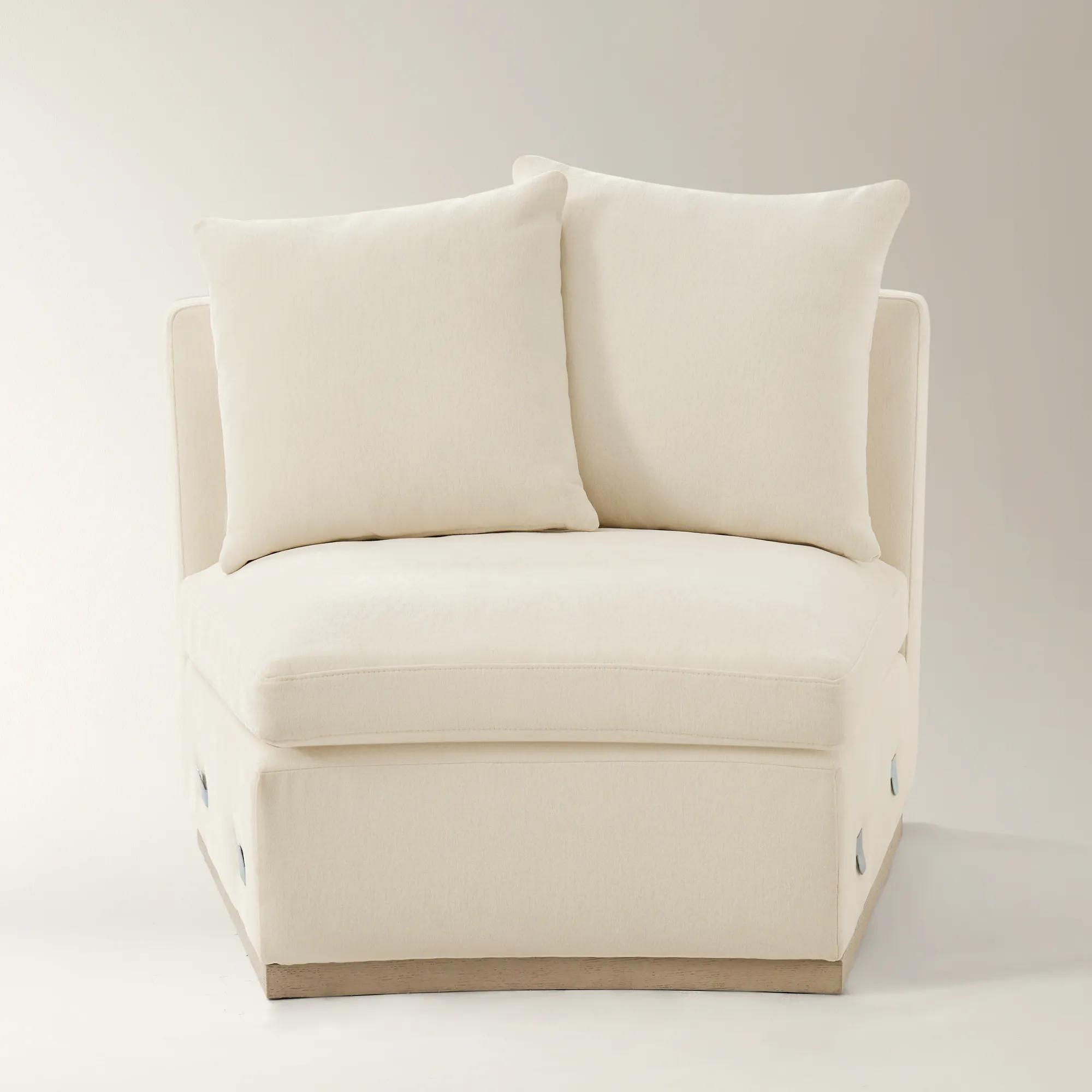
 Convo White Leather Corner Chair$1399
A modular sectional featuring kiln-dried hardwood frames and charcoal semi-aniline leather upholstery for modern versatility.
Add To Cart -
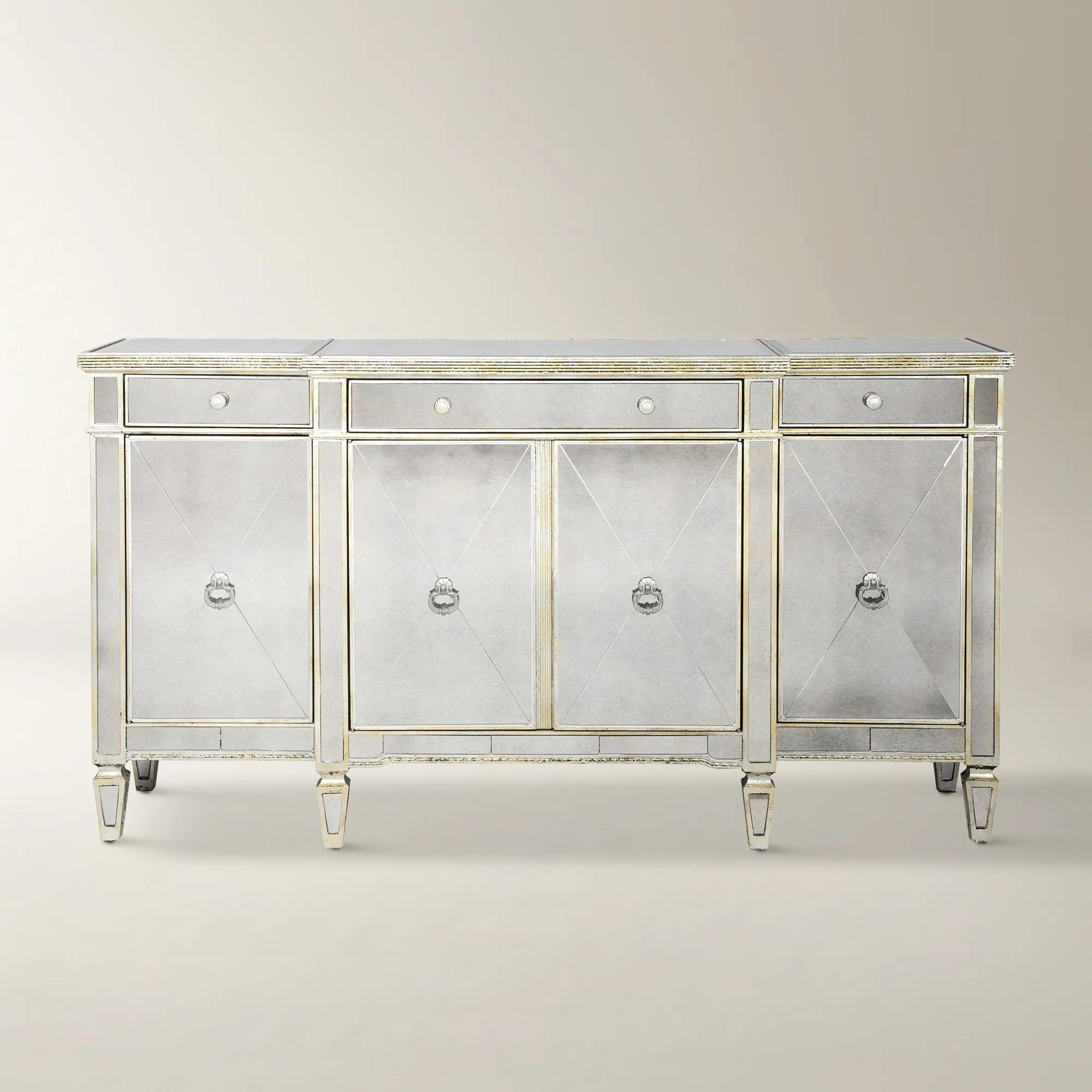
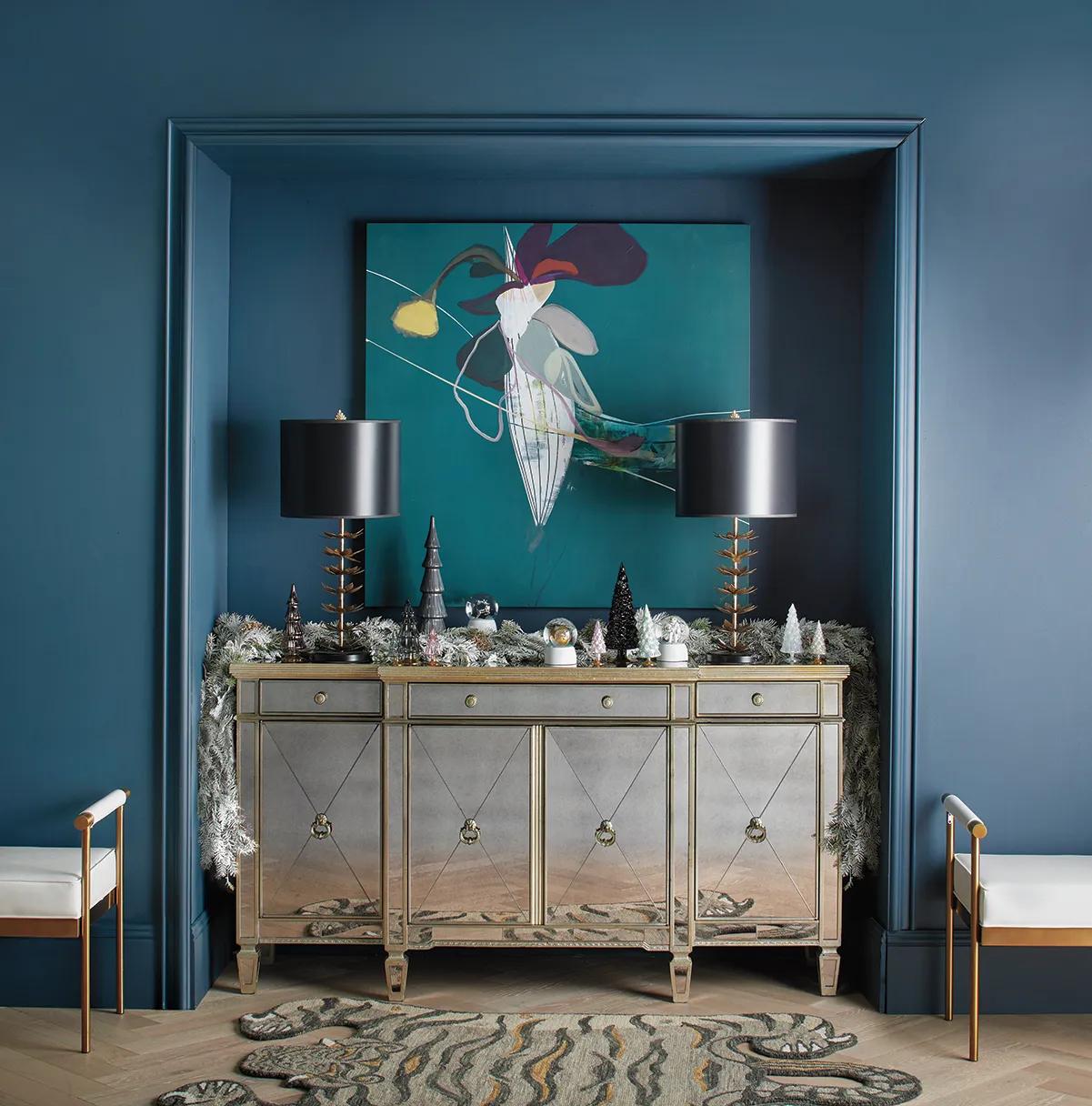 Borghese Mirrored Silver 3-Drawer Buffet (70")$2199
A sophisticated mirrored buffet featuring antique beveled glass, champagne gilt wood trim, and hand-applied silver leaf.
Add To Cart -
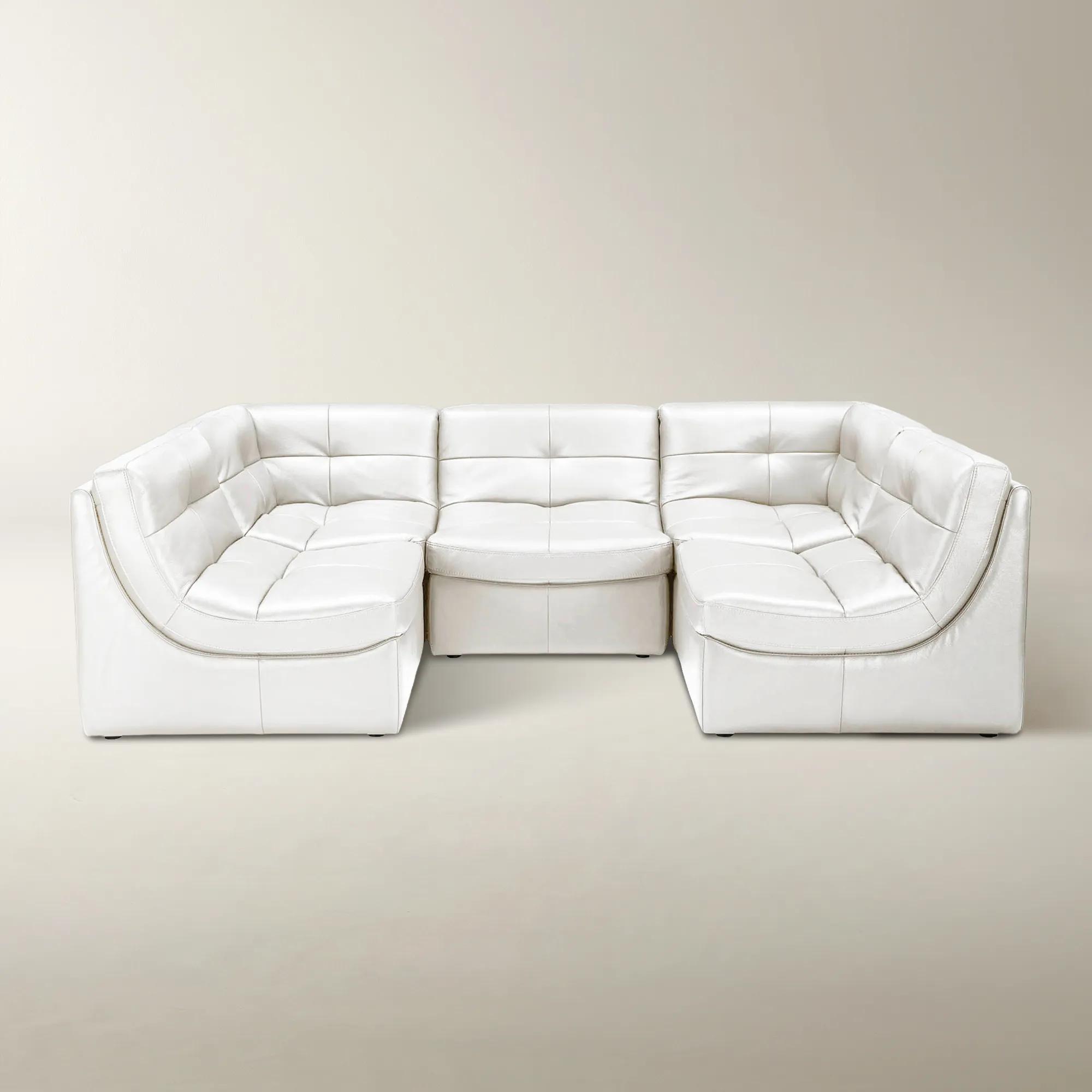 Convo 5-Piece U- Shaped White Leather Sectional Sofa$6399
A modular sectional featuring gently curved seats and charcoal semi-aniline leather upholstery for modern versatility.
Add To Cart -
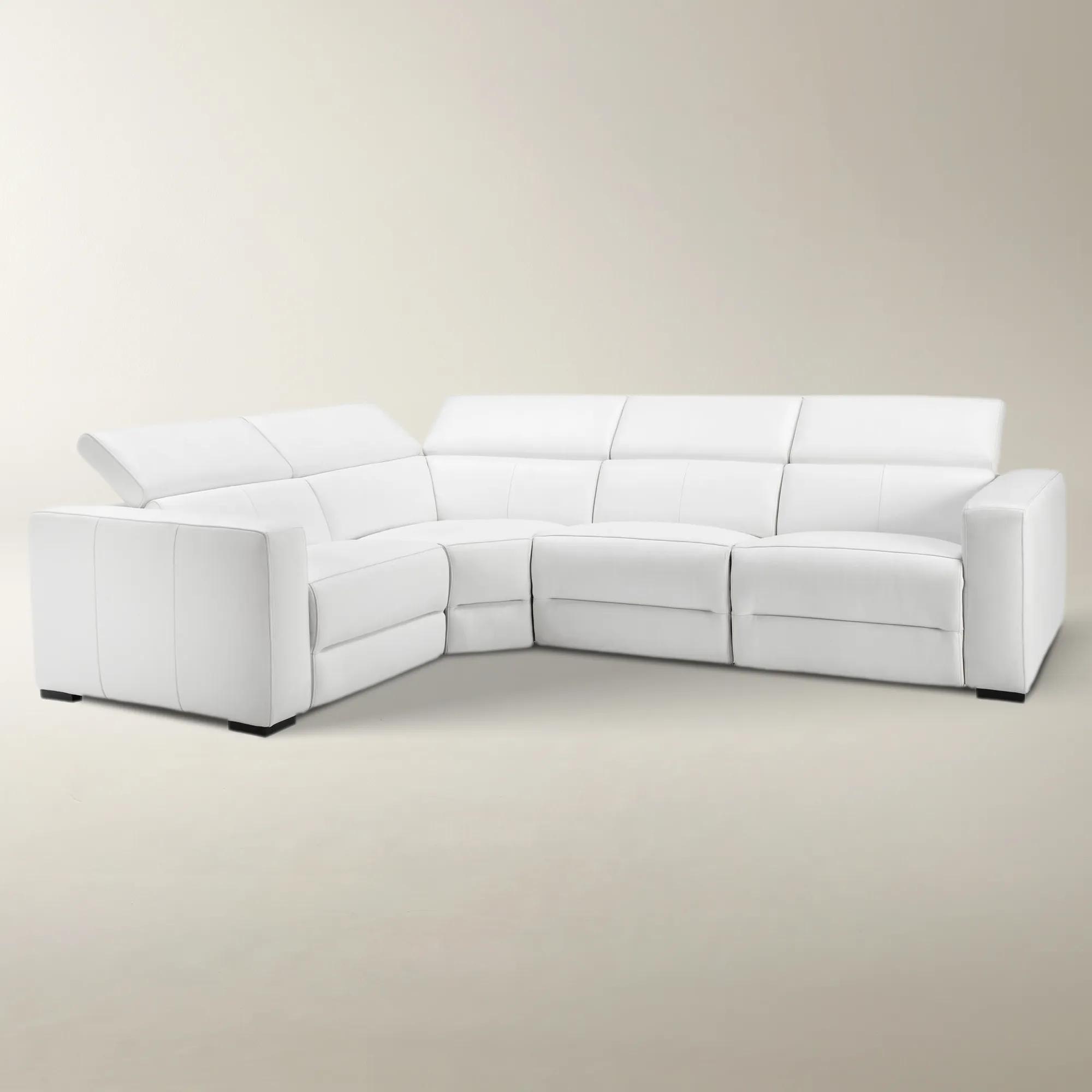 Verona 4-Piece L-Shaped Reclining White Leather Sectional Sofa With Left-Arm$5499
A modern sectional upholstered in supple white semi-aniline leather with adjustable headrests and power-reclining seats.
Add To Cart -
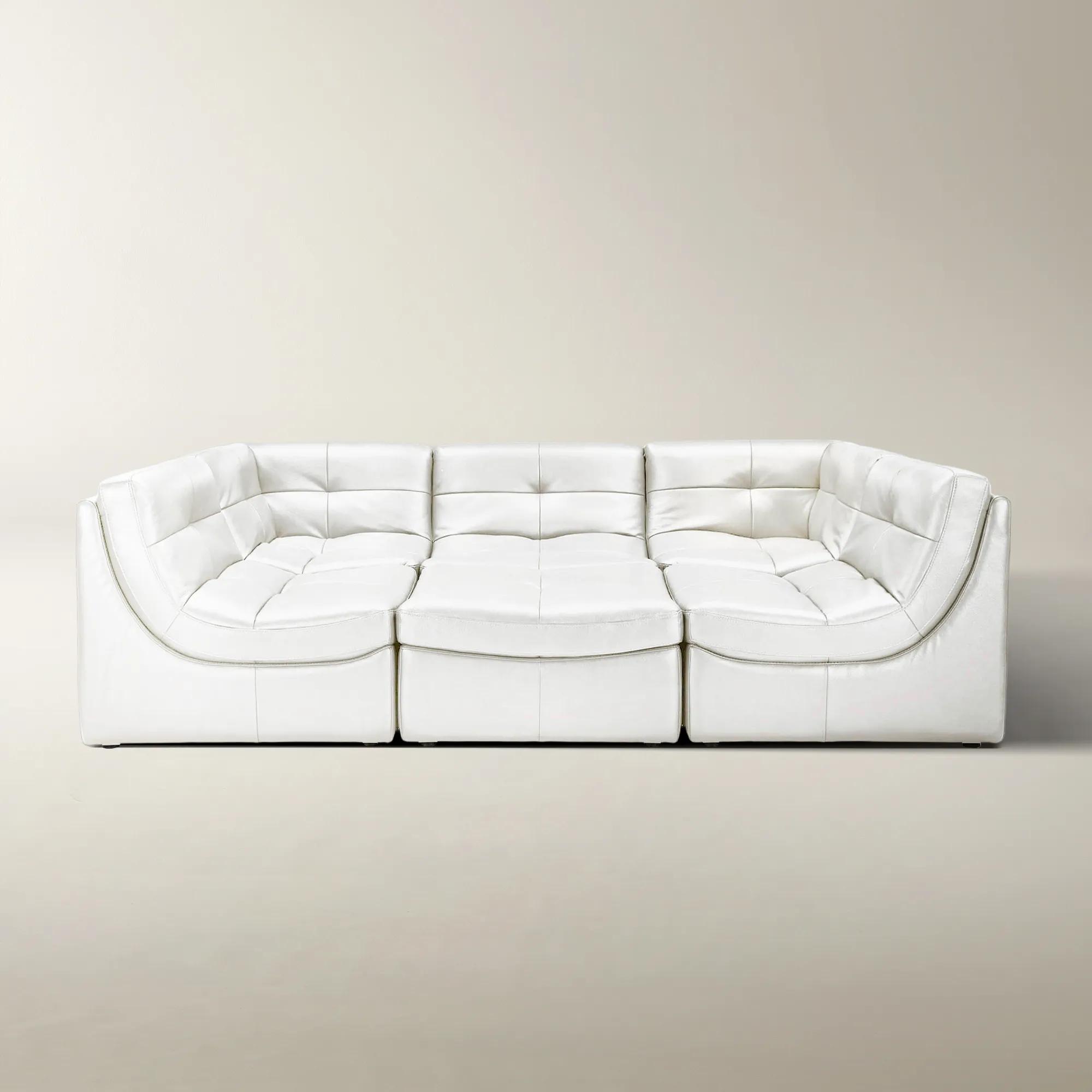 Convo 6-Piece White Leather Sectional Sofa$7249
A modular charcoal leather sectional with kiln-dried hardwood frame and gently curved, blind-tufted seats.
Add To Cart -
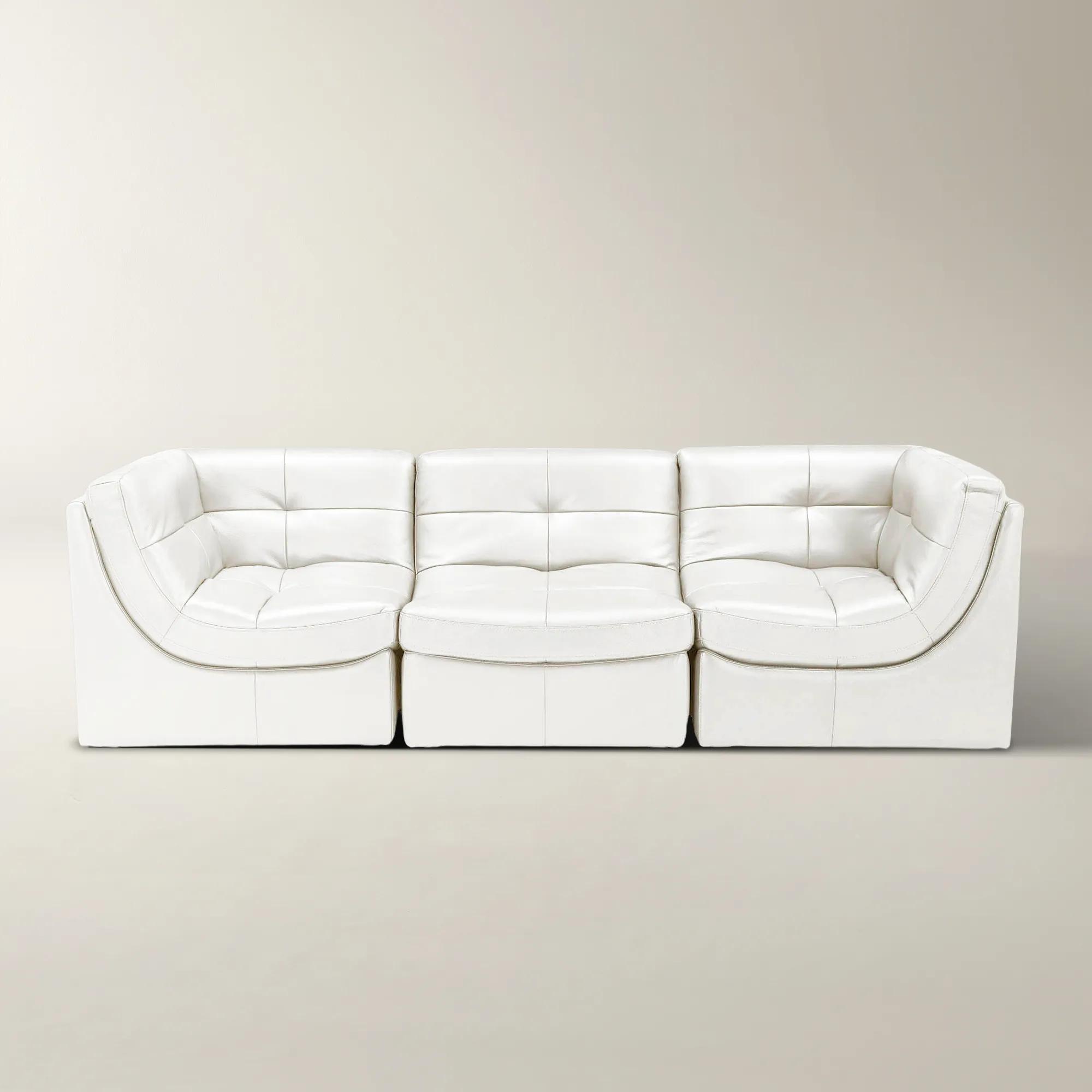 Convo 3-Piece White Leather Sectional Sofa$3999
A modular charcoal leather sofa with kiln-dried hardwood frame and blind-tufted, semi-aniline upholstery.
Add To Cart -
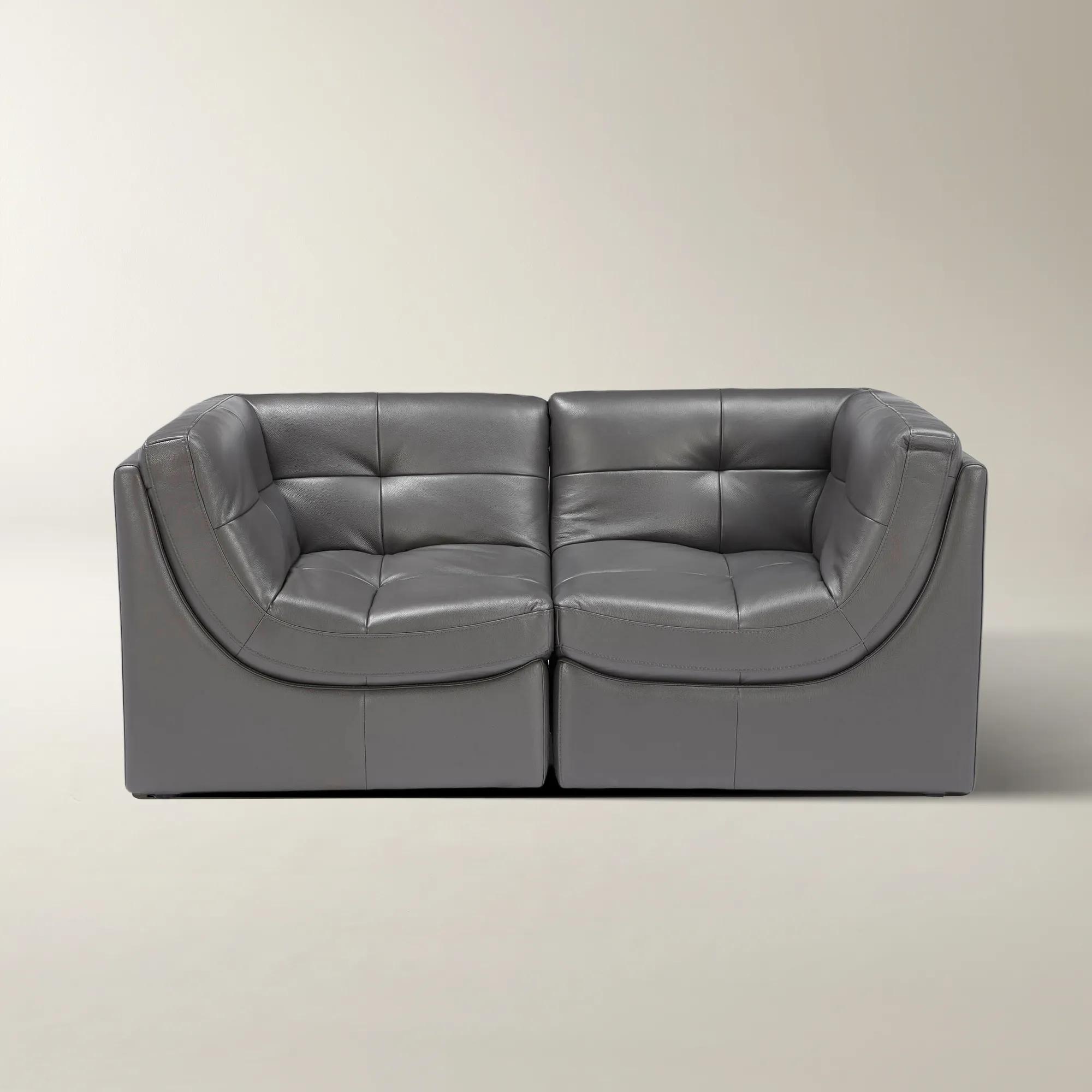 Convo 2-Piece Charcoal Leather Sectional Sofa$2799
A modular charcoal leather sofa with kiln-dried hardwood frame and blind-tufted, semi-aniline upholstery.
Add To Cart -
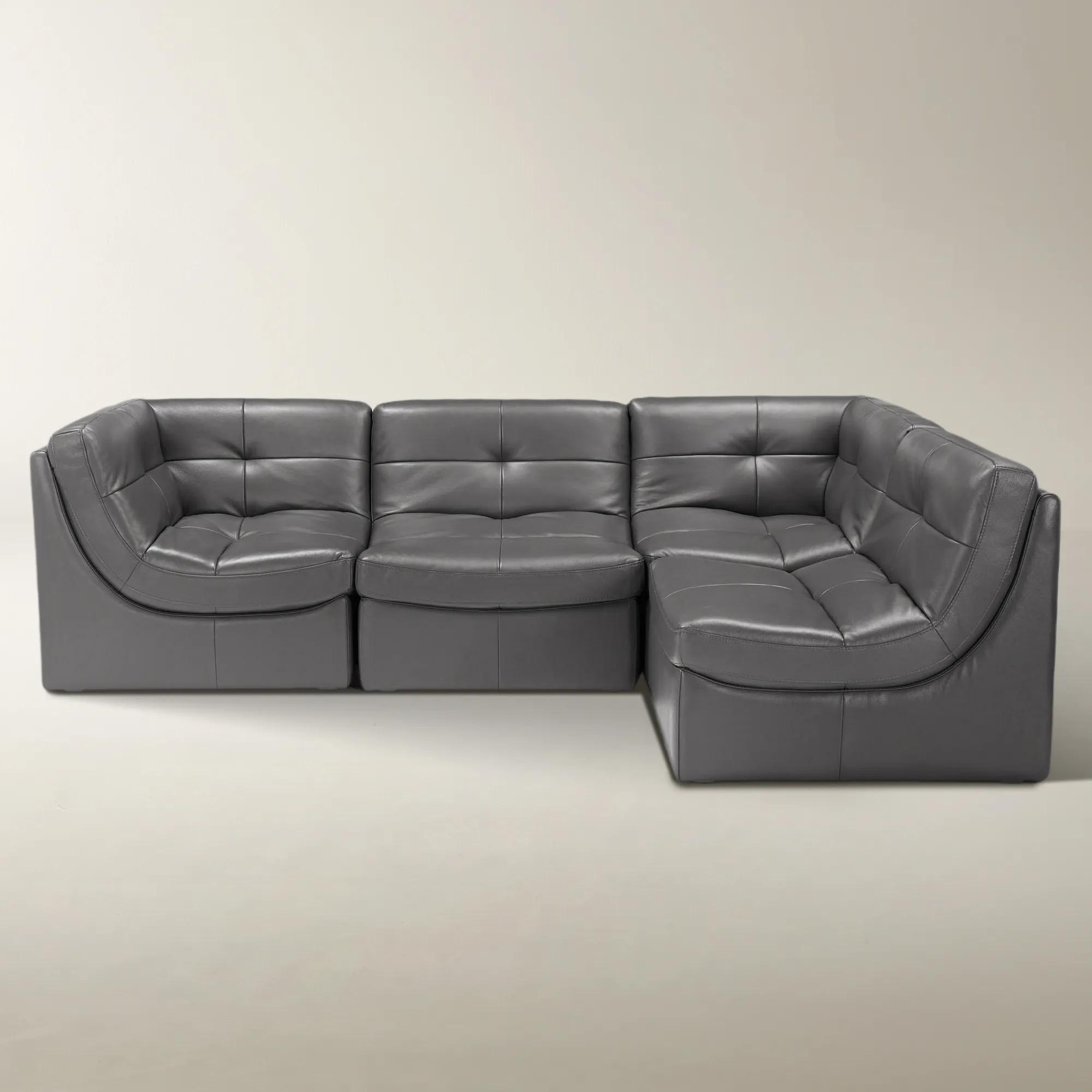 Convo 4-Piece L-Shaped Charcoal Leather Sectional Sofa With Armless Chair$5199
A modular charcoal leather sectional with kiln-dried hardwood frame and gently curved, blind-tufted seats.
Add To Cart -
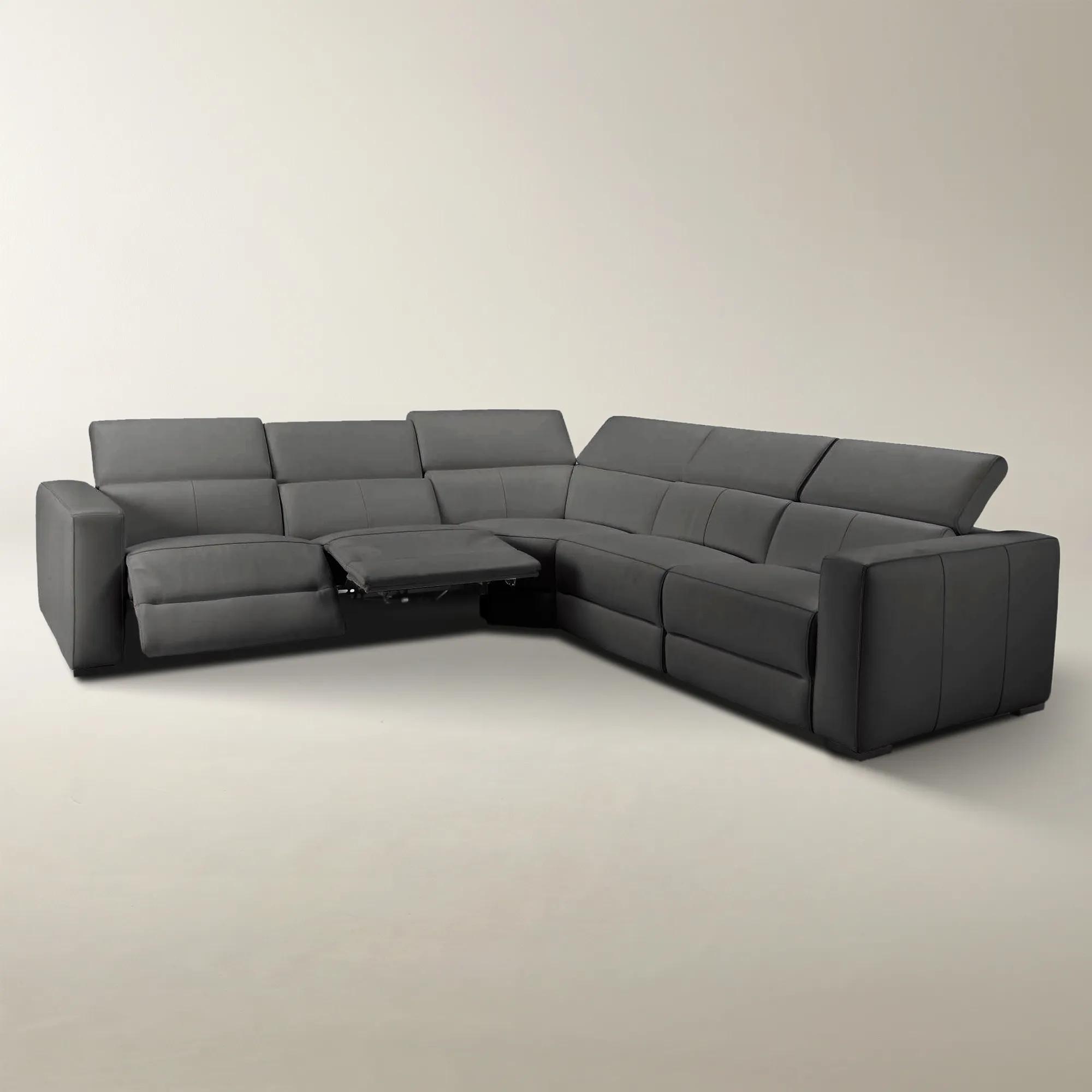 Verona 5-Piece Reclining Charcoal Leather Sectional Sofa$6799
A charcoal semi-aniline leather sectional featuring adjustable headrests, kiln-dried hardwood frame, and optional power recline.
Add To Cart -
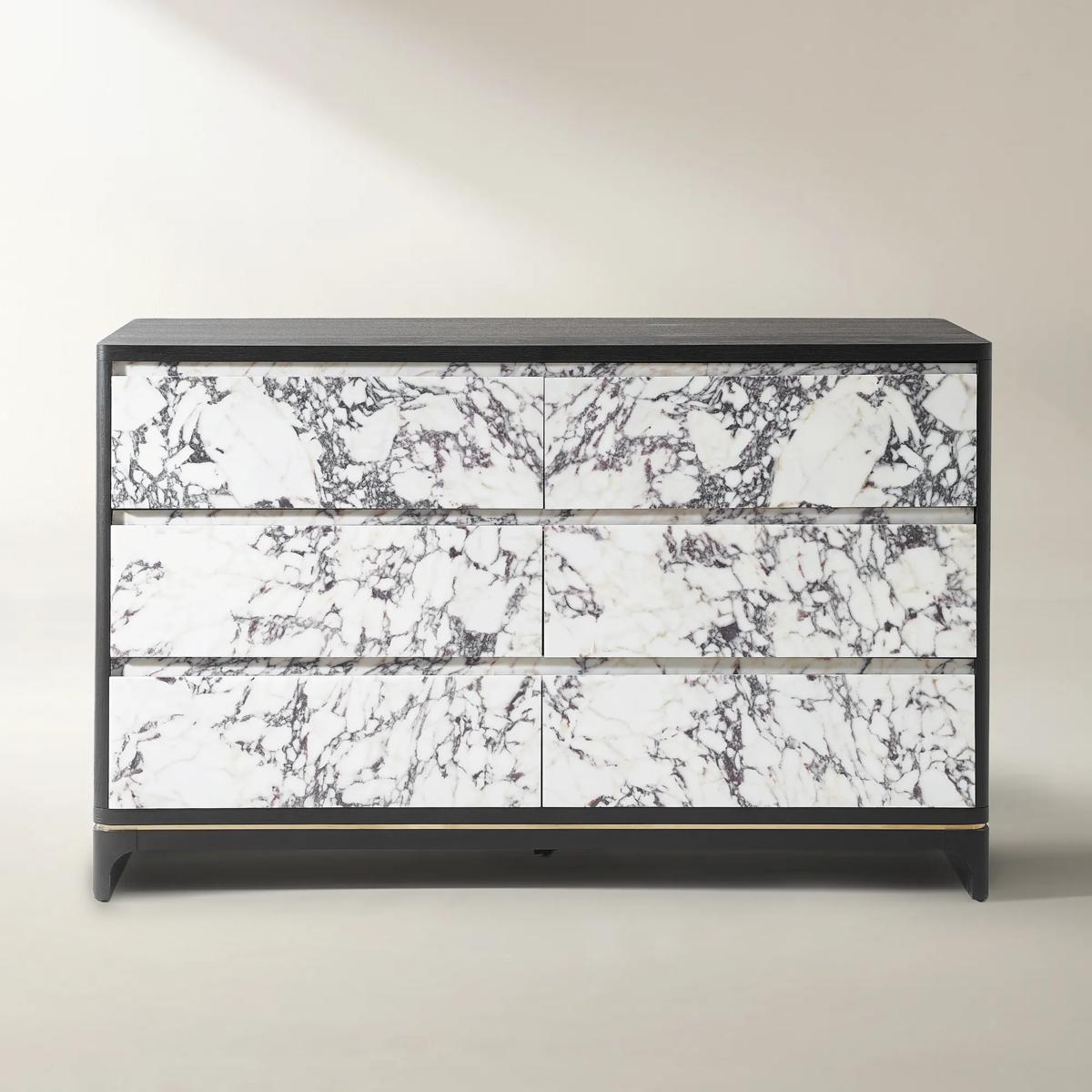 Vanta Black Oak And Calacatta Marble 6-Drawer Dresser (66")$2899
A striking dresser featuring genuine Calacatta Viola marble fronts and matte black oak veneer for modern luxury.
Add To Cart -
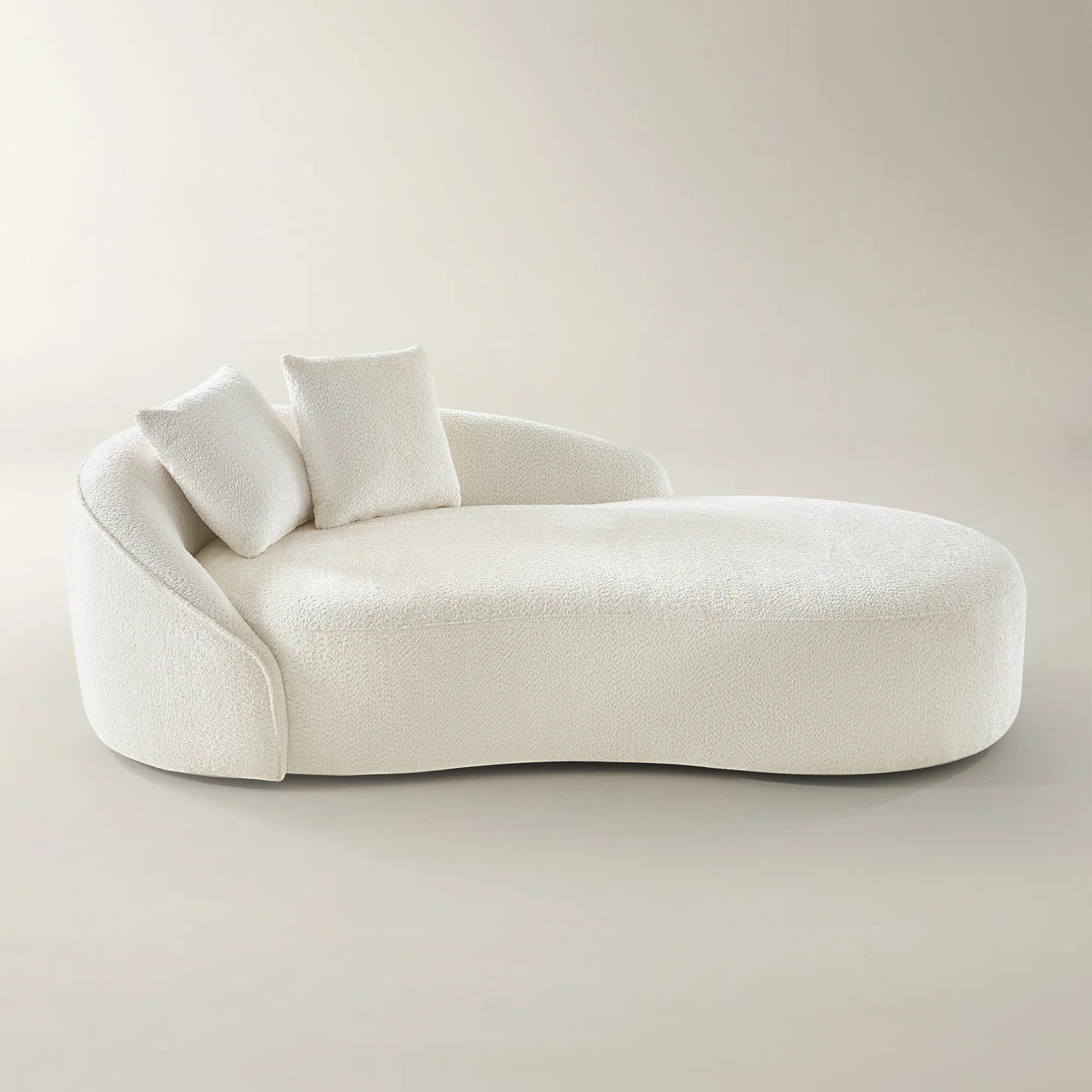 Irene Utopia Sand Chenille Chaise$1699
A sculptural chaise in creamy Utopia Sand chenille, featuring plush foam cushions and artisan hand-finished details.
Add To Cart -
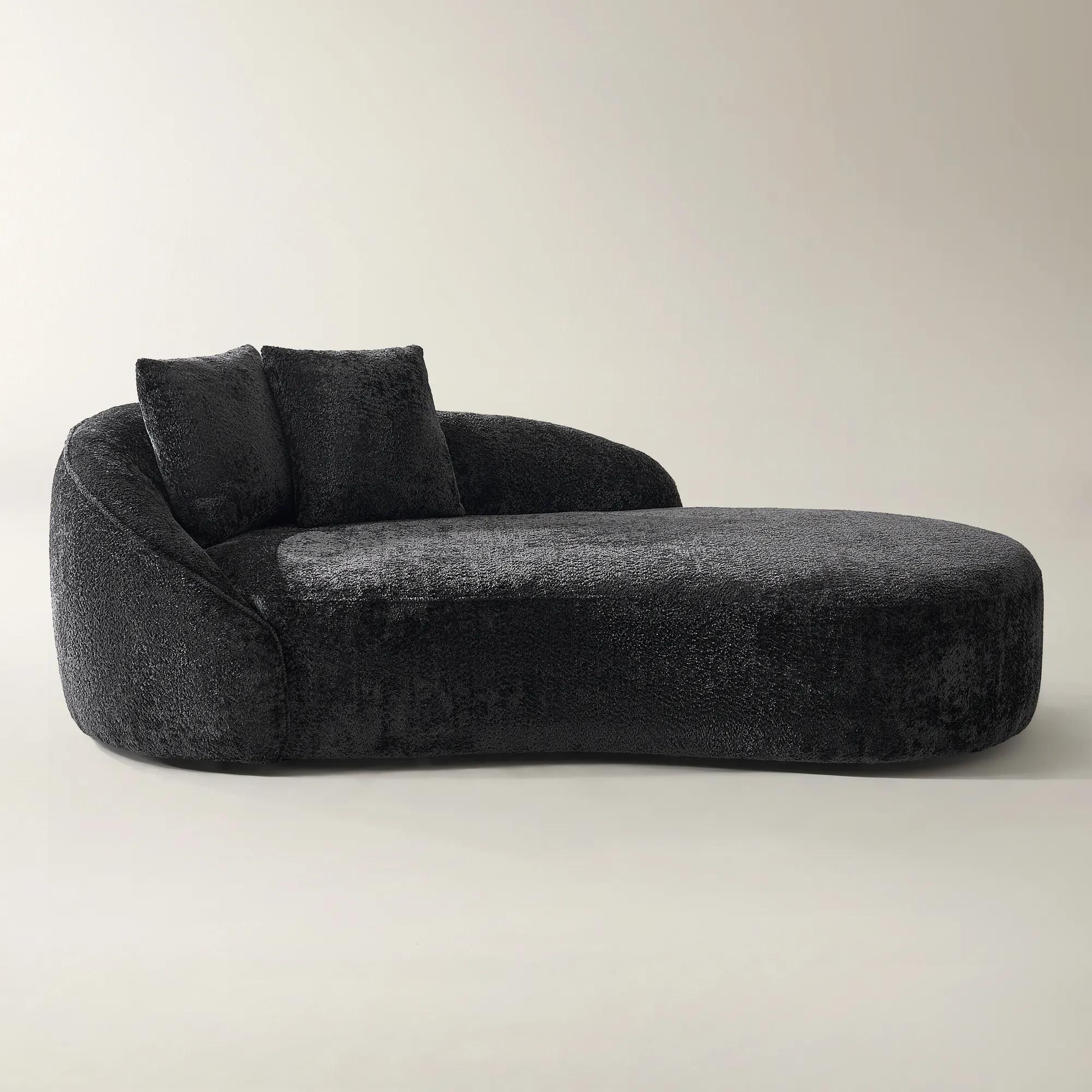 Irene Black Chenille Chaise$1699
A sculptural chaise in charcoal chenille with high-resiliency foam cushions and artisan hand-finished details.
Add To Cart -
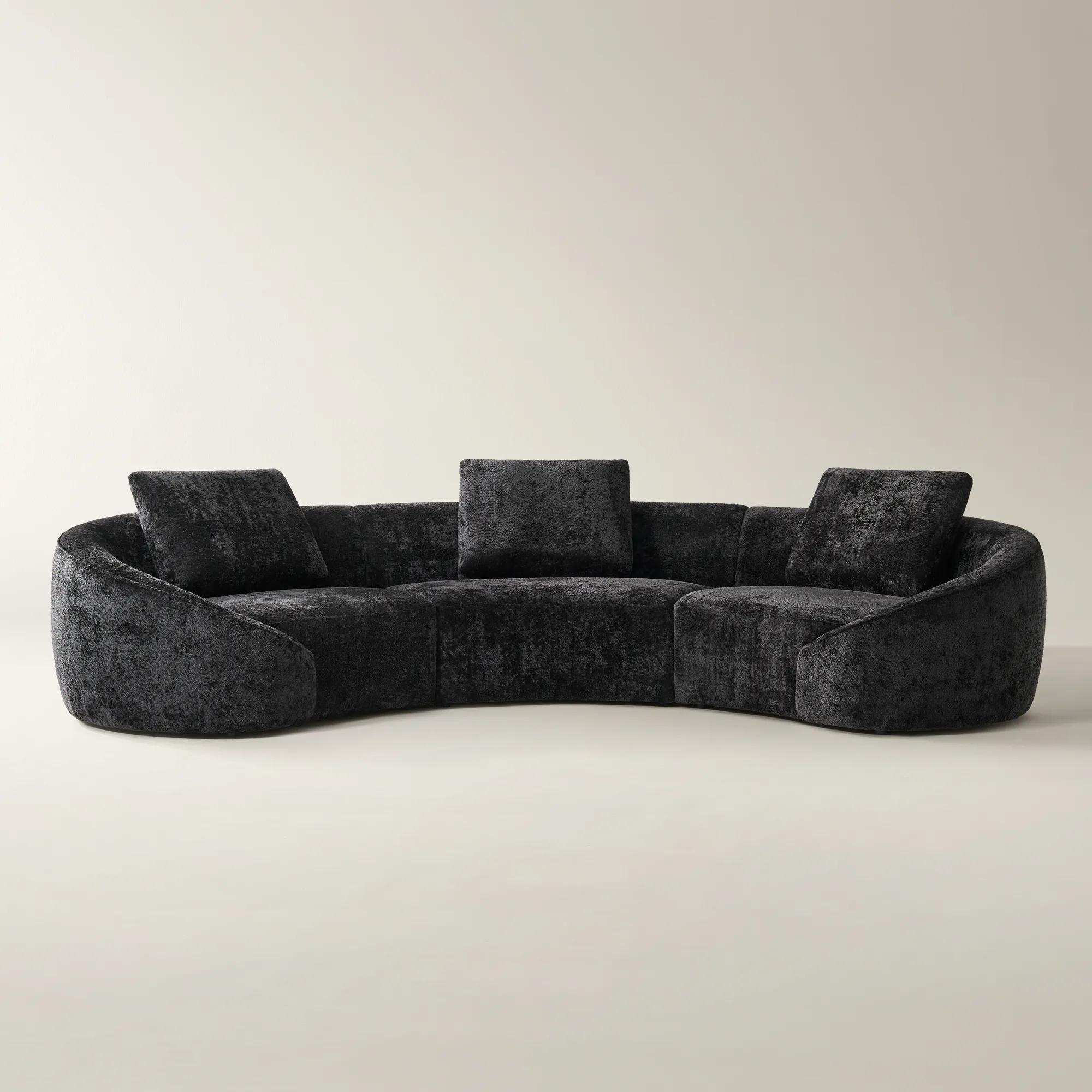 Irene 3-Piece Black Chenille Sectional$3599
A modern curved sectional upholstered in plush utopia sand chenille with high-density foam cushioning for comfort.
Add To Cart -
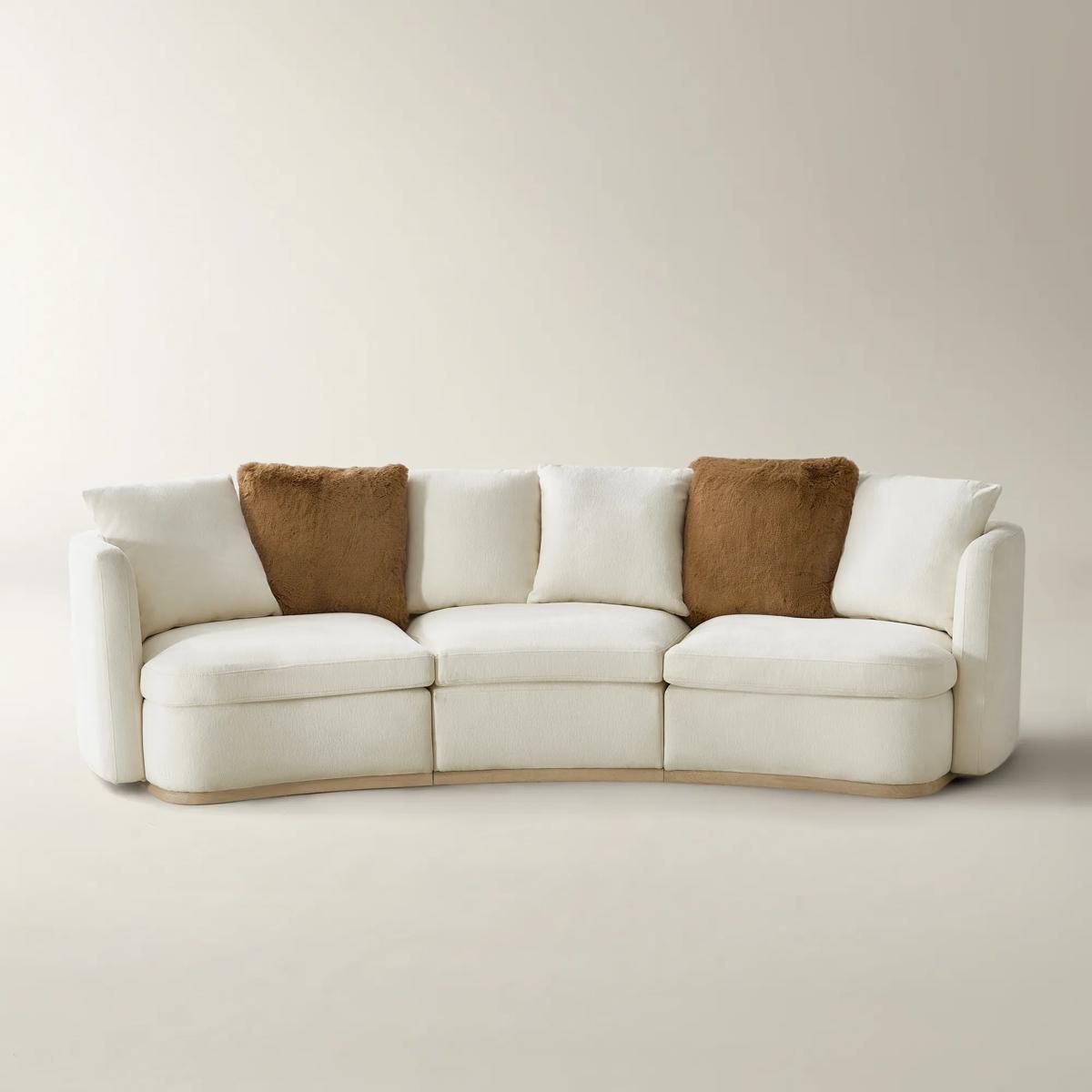 Stria 3-Piece Ivory Chenille Sectional Sofa$3099
An ivory chenille sofa featuring a sculptural curved design, triple-layer cushioning, and a kiln-dried oak frame.
Add To Cart -
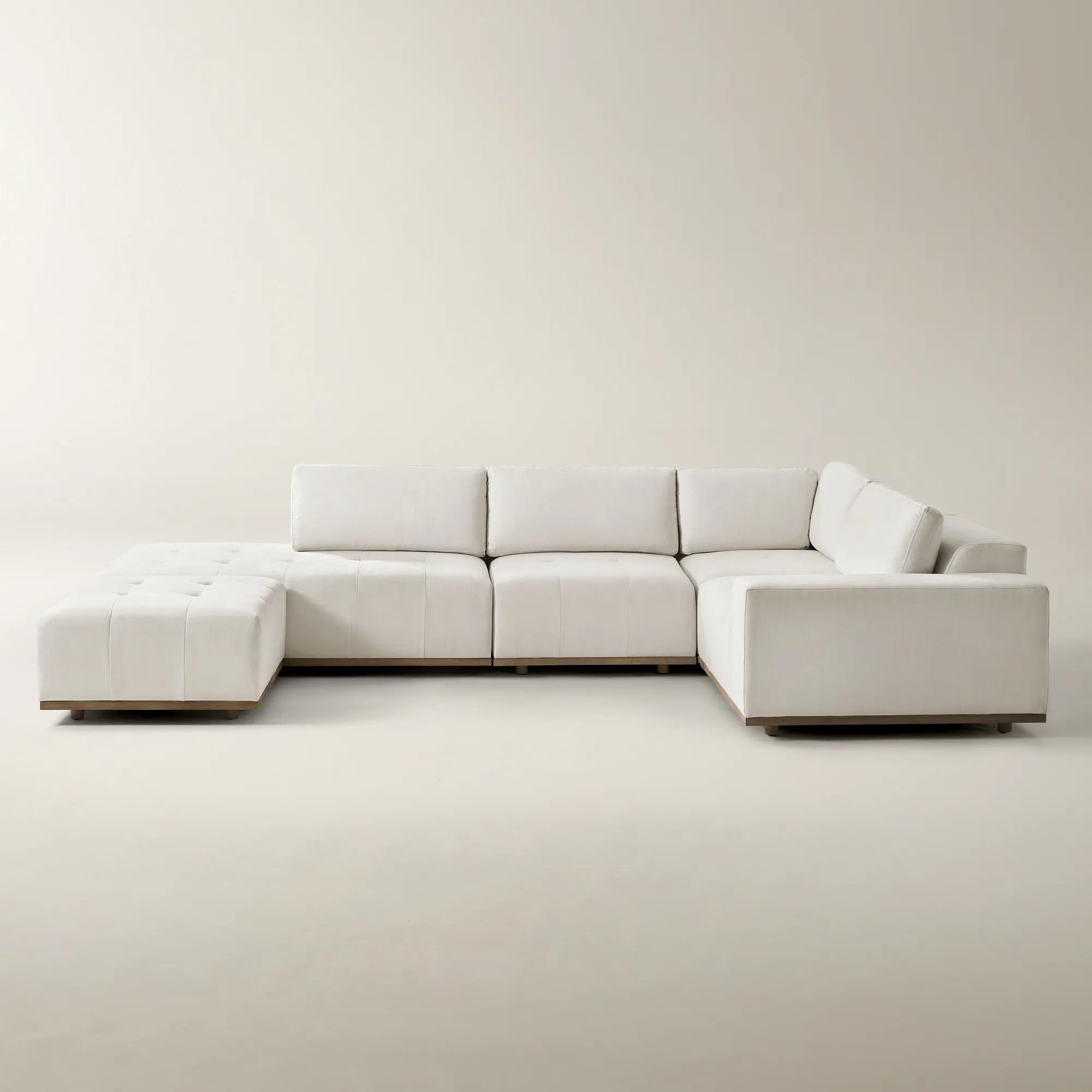
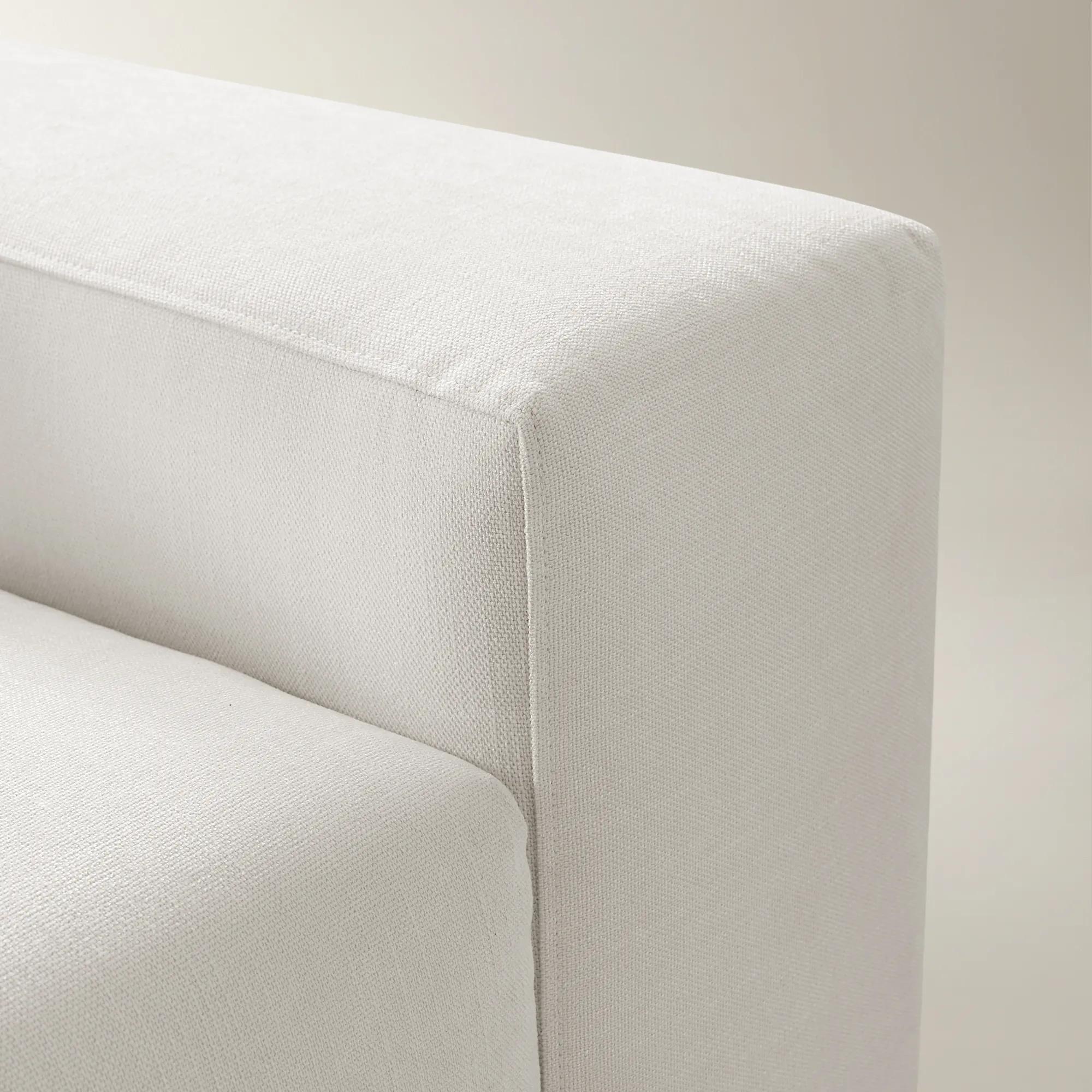 Carlos 5-Piece L-Shaped Oyster Linen Sectional Sofa$6849
A hand-tufted sectional with luxurious linen-blend upholstery and a kiln-dried rubberwood frame for refined comfort.
Add To Cart -
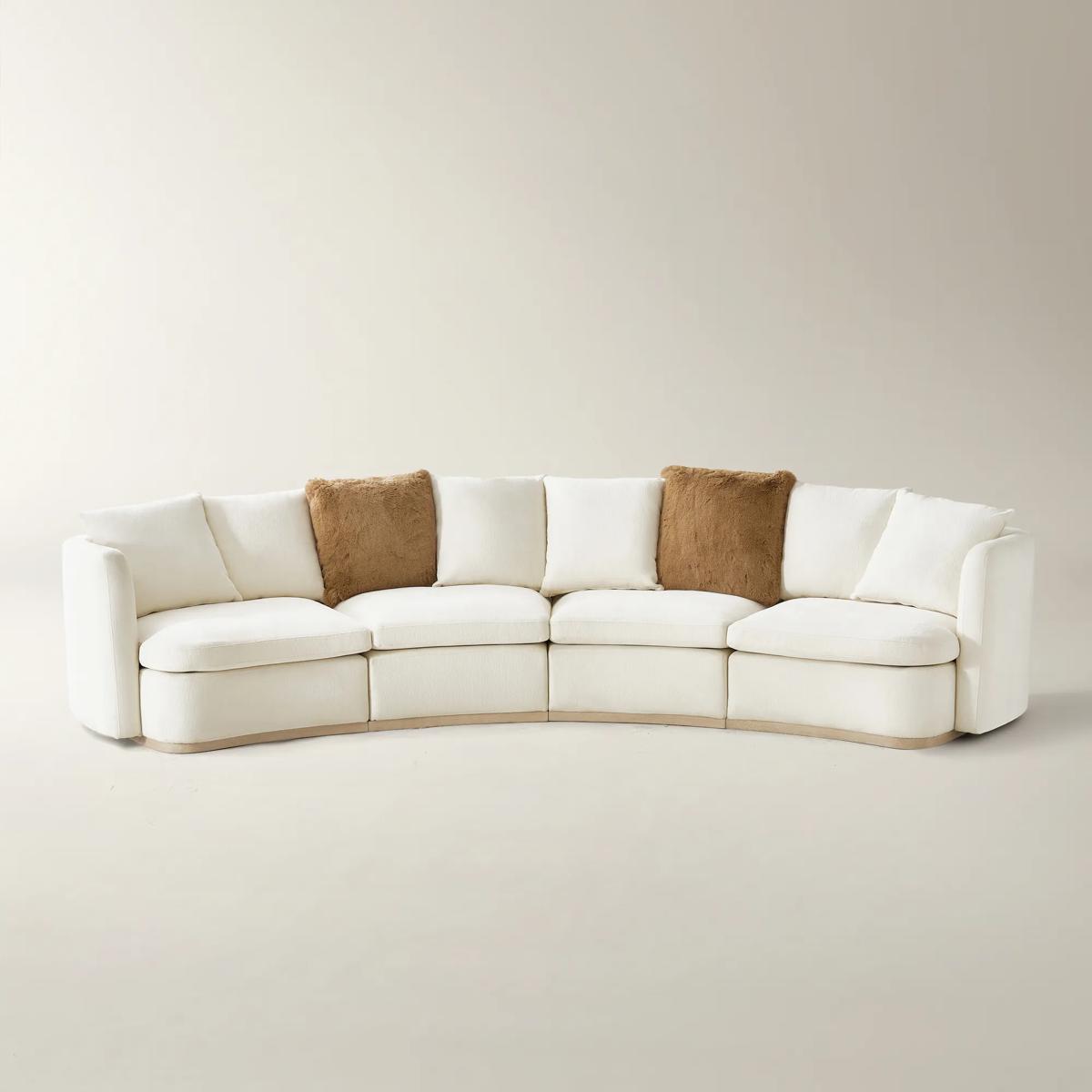
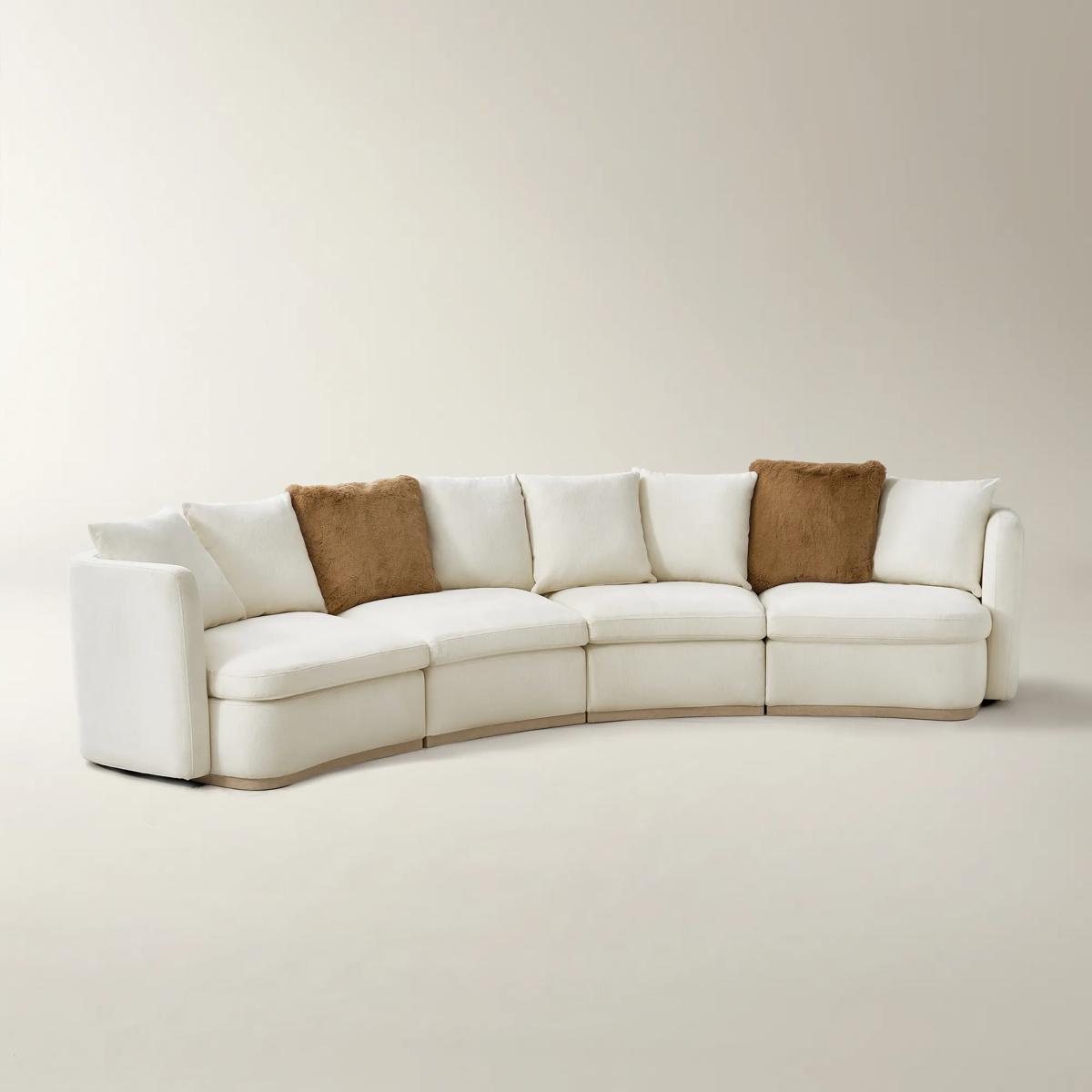 Stria 4-Piece Ivory Chenille Sectional Sofa$4099
An elegantly curved ivory chenille sectional with triple-layer cushioning and a kiln-dried solid oak frame.
Add To Cart

Classic Furniture For Family Rooms
Classic Furniture for Family Rooms is an invitation to transform everyday living into an experience of enduring elegance. Imagine plush seating that beckons you to linger, sculptural silhouettes that anchor conversation, and artful accents that turn gatherings into cherished rituals. Each piece is thoughtfully curated to capture the timeless allure of tradition—refined yet inviting, sophisticated yet endlessly livable. Here, your family room becomes a stage for memory-making and self-expression, where every detail whispers comfort and every corner radiates with the quiet grandeur of classic design. Paint your home boldly; let the heart of your space tell a story that lasts.
Classic furniture for family rooms brings traditional silhouettes, inviting upholstery, and enduring materials into the space where everyday life unfolds. Rolled arms, tailored cushions, button tufting, and exposed wood legs give these furnishings their distinctive character, while generous seating and supportive construction keep the room centered on comfort. The effect is gracious rather than formal: a place where a quiet evening can feel as considered as a gathering of friends. Unlike furniture chosen primarily for a little-used sitting room, family room furniture needs to accommodate reading, conversation, movie nights, and the occasional afternoon stretched out beneath a throw. A curved arm creates a graceful outline, but its height and padding also influence how comfortably someone can lean against it. Tufting adds depth and shadow to upholstery, while smooth seat cushions offer an uninterrupted surface for lounging. Classic sofas and accent chairs can establish a composed arrangement without requiring every shape or finish to match. A substantial upholstered silhouette gains definition beside a slender wood table; a softly rounded chair adds movement to a room anchored by more architectural forms. Warm ivory, camel, taupe, and charcoal make versatile foundations, with jewel-toned upholstery lending a more expressive note. Deep sapphire or emerald against richly grained wood can feel sumptuous without sacrificing the familiarity that makes a family room welcoming. For households balancing traditional detail with a cleaner overall composition, sofas for modern family rooms offer a complementary direction, especially when paired with classic wood accents or sculptural lighting. The strongest connection between furnishings often comes from a shared proportion, an undertone in the upholstery, or a repeated curve rather than an identical finish. That visual continuity allows the room to feel collected, with enough character to reflect the people who gather there. During the cooler months, textured cushions and a softly draped blanket deepen the atmosphere, but the furniture itself supplies the lasting structure: elegant lines, reassuring comfort, and a sense of occasion that belongs as much to an ordinary evening as to entertaining.
Materials determine much of how traditional family room furniture looks, feels, and responds to regular use. Wood brings warmth and individual variation, whether its grain appears in exposed legs, a broad tabletop, or the face of a storage cabinet. Oak often shows pronounced grain, walnut is associated with rich brown tones, and cherry can deepen in color with age and light exposure. Solid wood and wood veneer each have a place in well-made furniture; veneer over a stable substrate can create a beautifully consistent surface, while solid wood offers its own structural and refinishing possibilities, depending on the piece and finish. Durability depends on the entire construction, including joints, supports, hardware, and protective finishes, rather than on a material name alone. Upholstery deserves the same close attention. Velvet catches the light with a luminous depth that gives even a restrained silhouette dramatic presence, though its pile can show pressure marks and shifts in shading. Chenille offers a plush, dimensional surface, while tightly woven fabrics can provide a more tailored appearance. For households with children, pets, or frequent guests, fabric specifications matter more than broad promises: a performance designation should be considered alongside the stated stain resistance, abrasion testing, and cleaning instructions. No upholstery is immune to wear, and loosely woven textures may be more vulnerable to snagging. Leather introduces another kind of richness, with differences in finish affecting its softness, patina, and care requirements; some protected leathers tolerate everyday handling differently from more absorbent aniline varieties. Cushion construction also shapes the experience. Foam can provide a defined, supportive sit, while fiber or feather blends may feel more relaxed and require regular fluffing. Removable covers are not necessarily machine washable, so the care label remains essential. Gentle vacuuming with an appropriate attachment, prompt blotting of spills, and manufacturer-approved cleaning methods help preserve upholstery. Coasters protect wood surfaces during evening refreshments, and thoughtful placement away from strong sunlight and heating vents helps limit fading and material stress. These small habits preserve the richness of the room without making it feel too precious to enjoy.
Scale gives classic family room furniture its poise. A generously proportioned sofa can anchor a large gathering space, but substantial rolled arms and deep frames occupy room beyond the usable seating area. Overall width, seat width, seat depth, and back height each tell a different part of the story, particularly when several people will share the furniture every day. Taller adults may appreciate deeper seating, while a shallower seat and supportive arms can make sitting down and standing up more comfortable for others. In a compact family room, visible legs and a less imposing back can keep a traditional silhouette from feeling overly heavy. Larger rooms often benefit from distinct seating relationships: a sofa facing the main focal point, with chairs angled close enough for conversation rather than pushed to distant corners. An approximate clearance of 14 to 18 inches between a sofa and coffee table often balances reach with legroom, while primary walking routes generally need about 30 to 36 inches or more, depending on household accessibility needs. Door swings, recliner extension, cabinet doors, and the path from the entryway all deserve space within that arrangement. Delivery fit matters, too, including stair turns, elevator dimensions, and narrow interior doorways. Beyond the seating, occasional tables and enclosed storage give everyday objects a considered place. A side table at a comfortable height keeps a reading lamp and glass within reach; a cabinet conceals games and media accessories behind a more composed exterior. Rounded table edges may be preferable where young children play, although no furniture shape removes the need for supervision, and taller storage pieces should be anchored according to their instructions. An upholstered ottoman can soften the center of a seating arrangement and serve as a footrest, with additional seating appropriate only when its construction and weight rating allow it. Together, these details make elegance livable. Classic furnishings earn their place through both presence and purpose, surrounding shared routines with tactile richness, balanced proportions, and enough expressive detail to make the family room unmistakably personal.
FAQs
Classic furniture for family rooms is characterized by timeless silhouettes, refined detailing, and enduring materials. These pieces often feature elegant lines, plush upholstery, and subtle patterns such as stripes, florals, or damask. Designed to evoke a sense of tradition and sophistication, classic furniture balances beauty with comfort, making it ideal for both everyday living and special gatherings.
Styling classic furniture in a modern family room is all about blending tradition with contemporary accents. Pair classic sofas or armchairs with bold artwork, metallic lighting, or geometric rugs to create a fresh, curated look. Layering textures—such as velvet cushions or a luxe throw—adds depth and drama, while a mix of classic and modern pieces ensures the space feels both timeless and current.
Absolutely. Many classic furniture pieces are crafted with durability in mind, featuring robust frames and easy-to-clean fabrics like leather or performance textiles. Slipcovered sofas and chairs offer added practicality, allowing for quick refreshes after spills or messes. Classic design doesn’t mean delicate—these pieces are built to withstand the lively rhythms of family life.
Popular materials include solid hardwoods, rich leathers, and high-quality upholstery fabrics such as chenille, velvet, and linen blends. Polished metal accents, carved wood details, and tailored tufting are common features that add to the luxurious feel. These materials are chosen for their beauty, resilience, and ability to age gracefully over time.
Classic family room furniture makes an extraordinary gift, especially for milestones like housewarmings, anniversaries, or holidays. A beautifully crafted accent chair, a statement coffee table, or a set of nesting tables can become cherished heirlooms, offering both functional beauty and a lasting reminder of thoughtful generosity.