Furniture For Traditional Homes
Furniture For Traditional Homes
-
 Asheville Beige Boucle Sofa$2399
A light grey boucle sofa with feather-filled cushions, removable slipcover, and kiln-dried solid oak feet.
Add To Cart -
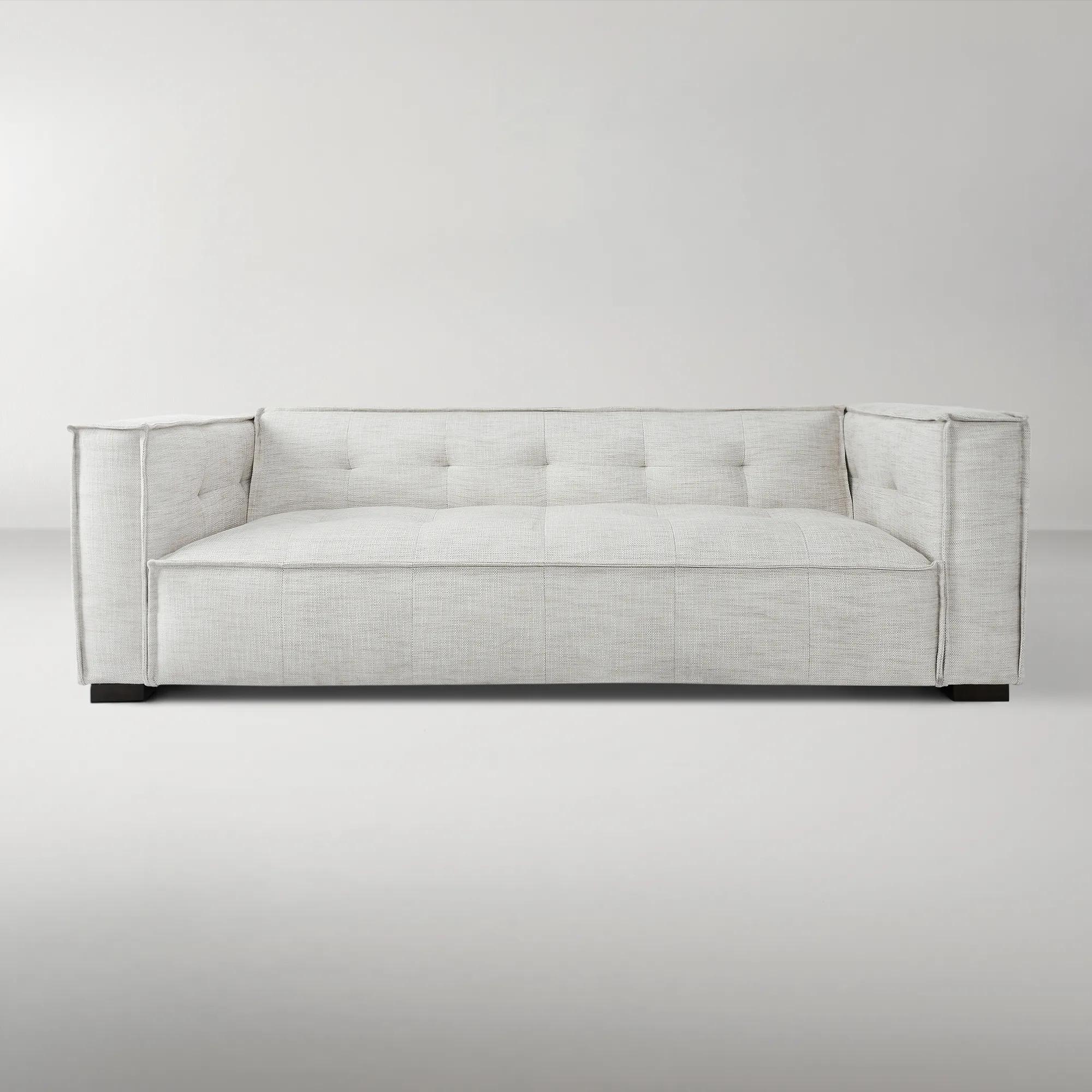
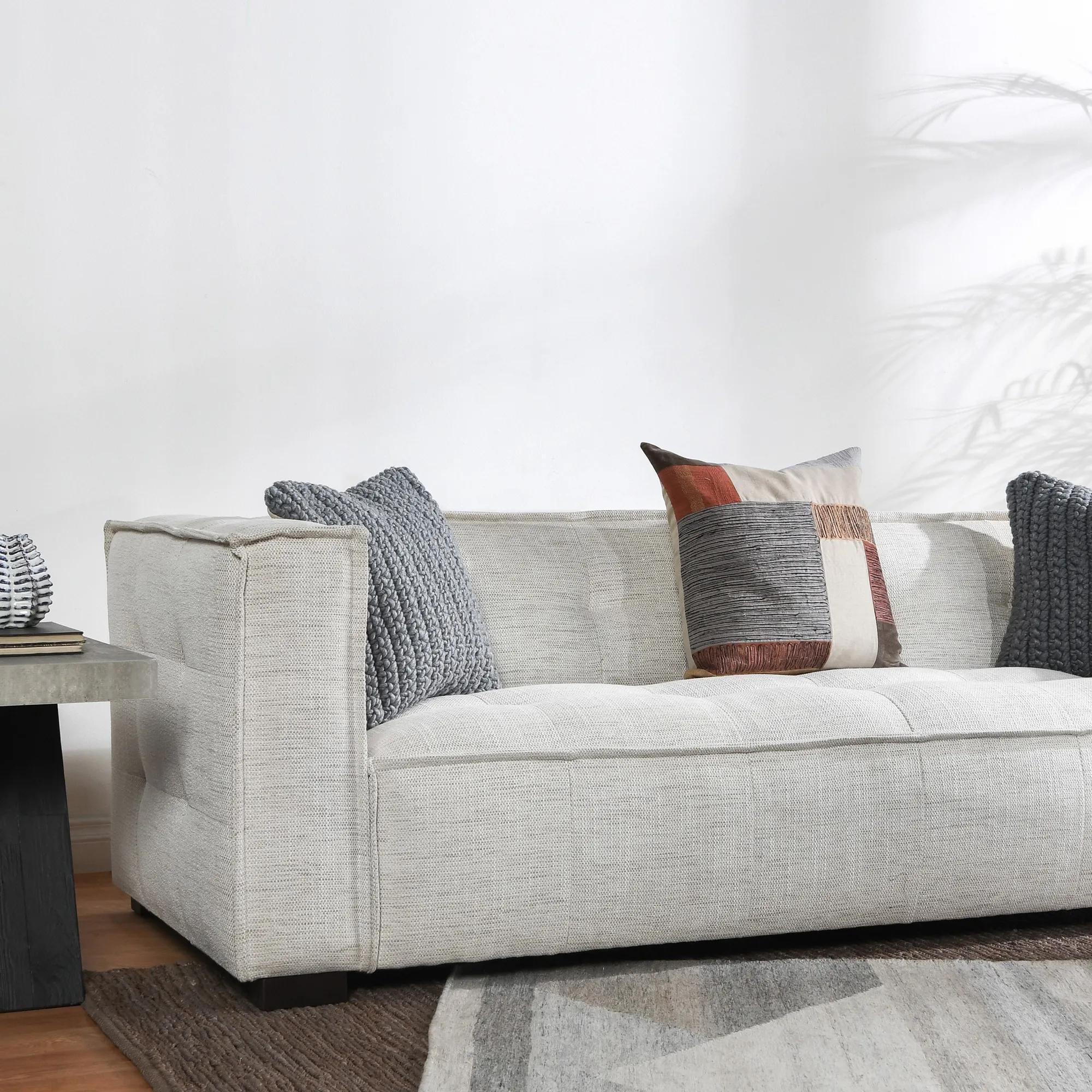 Element Box-Tufted Beige Sofa$2599
A transitional beige sofa handcrafted with a polyester blend and pine wood legs, seating up to four.
Add To Cart -
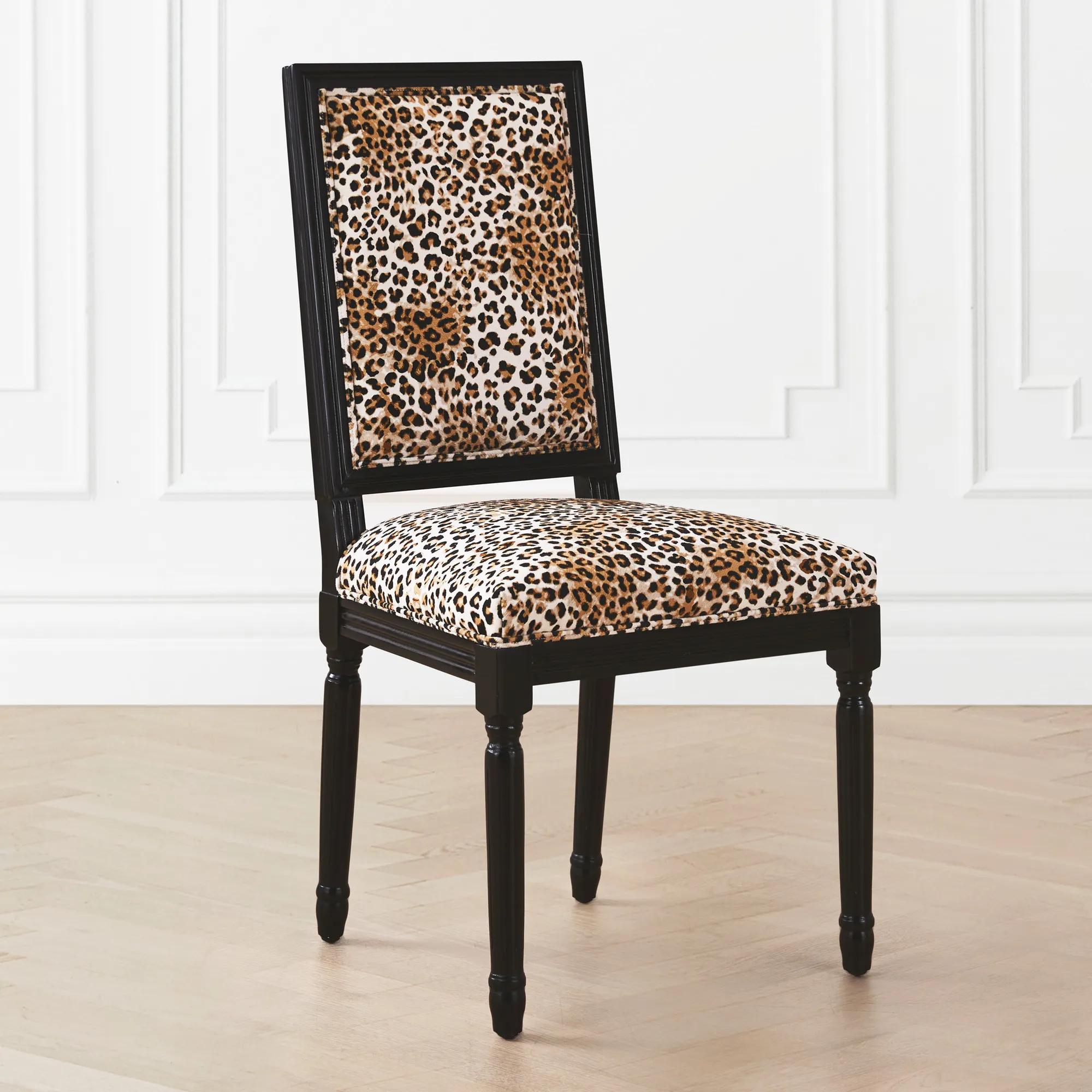
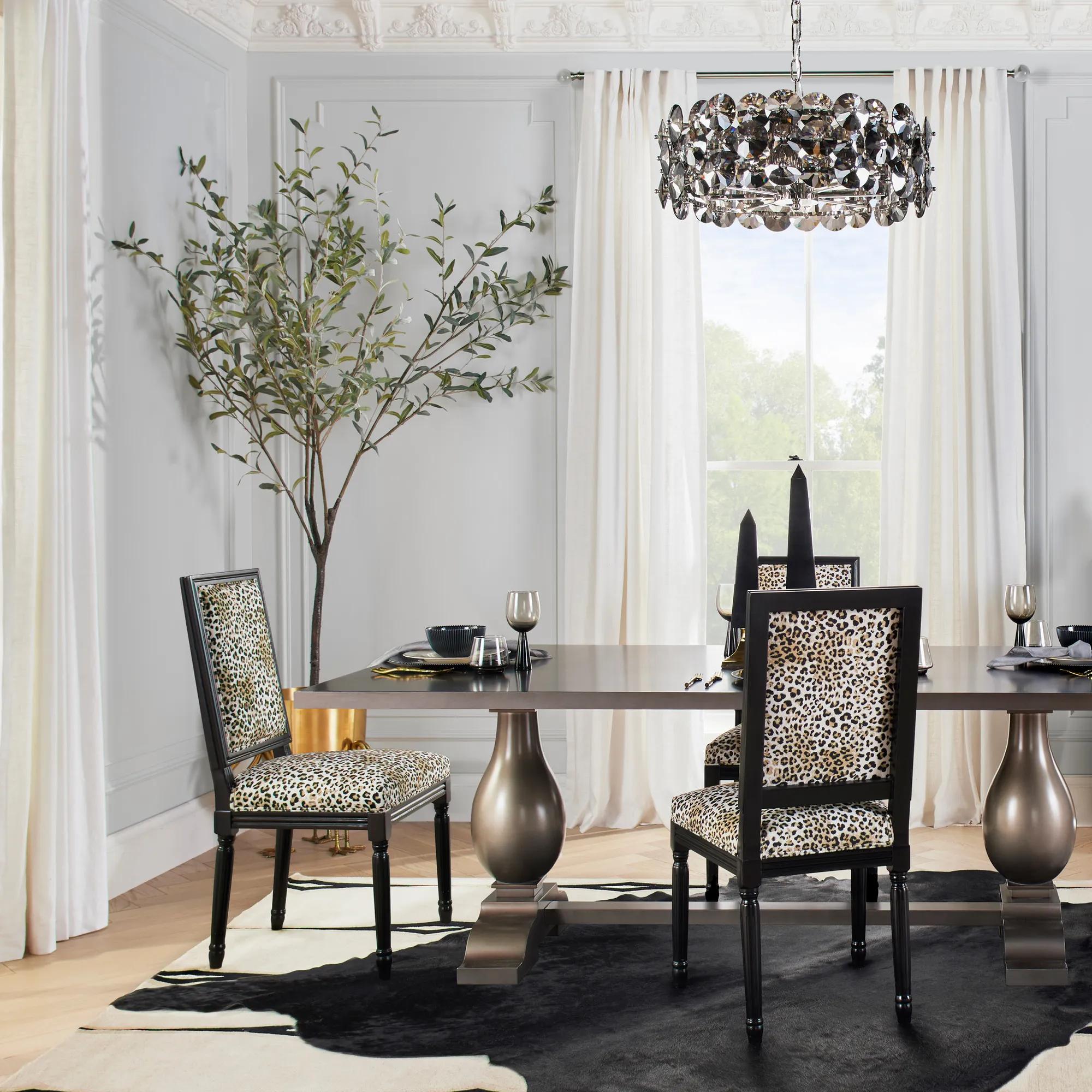 Callan Dining Chair$599
A handcrafted modern chair featuring classic upholstery, squared back, fluted legs, and high-gloss finish.
Add To Cart -
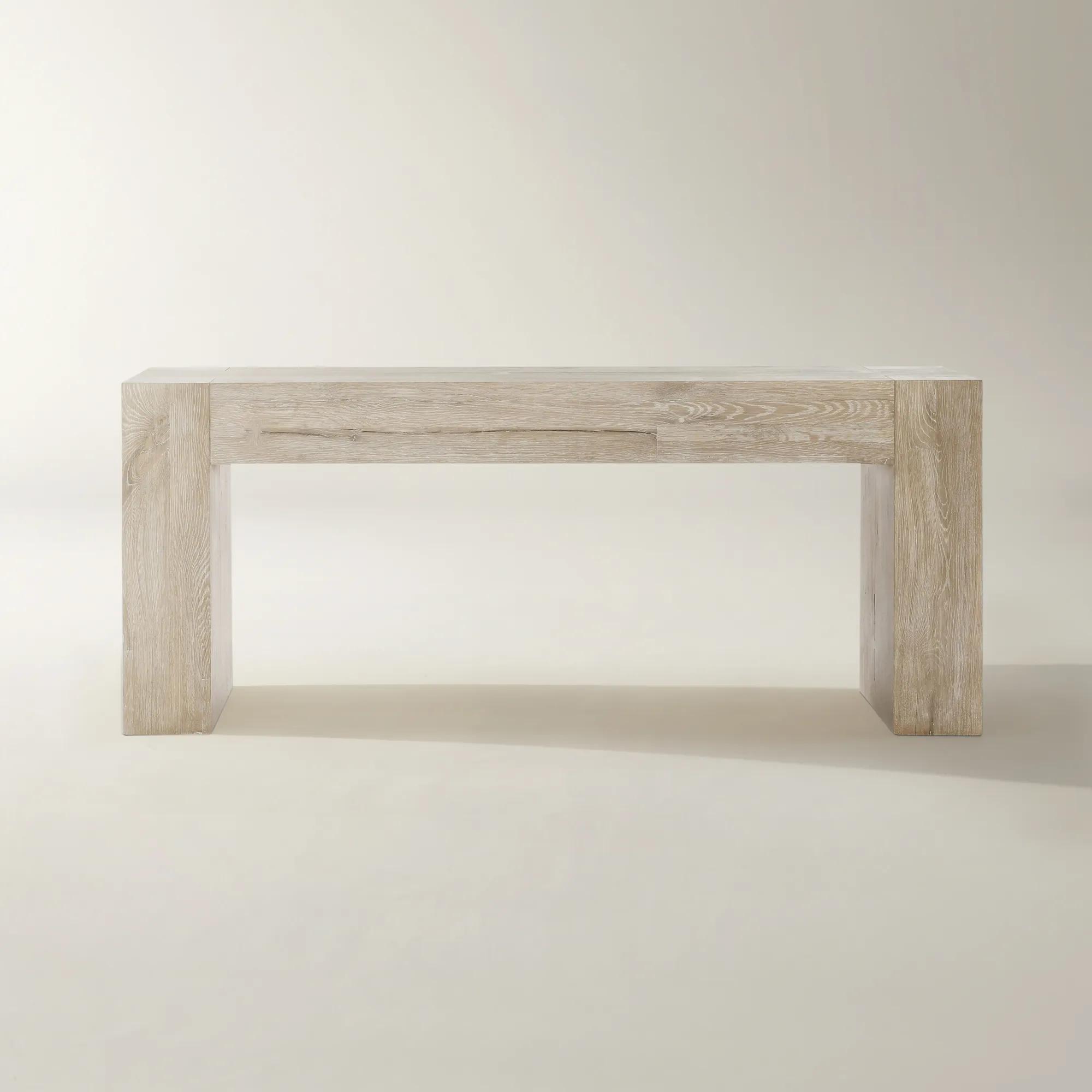
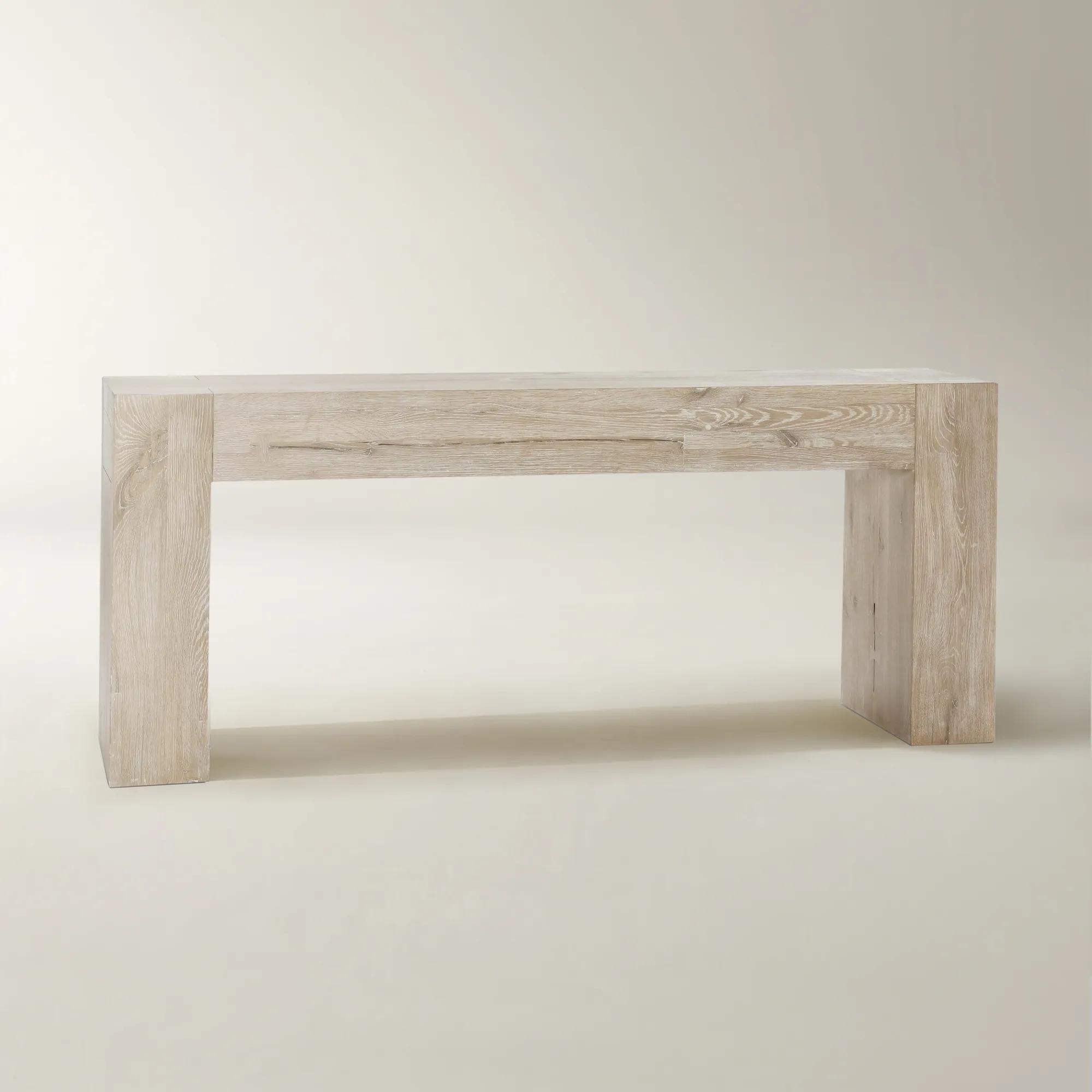 Bristol Rectangular Cream Oak Console Table (72")$2099
A handcrafted console table in aged cream cracked oak with modern dovetail detailing and artisanal character.
Add To Cart -
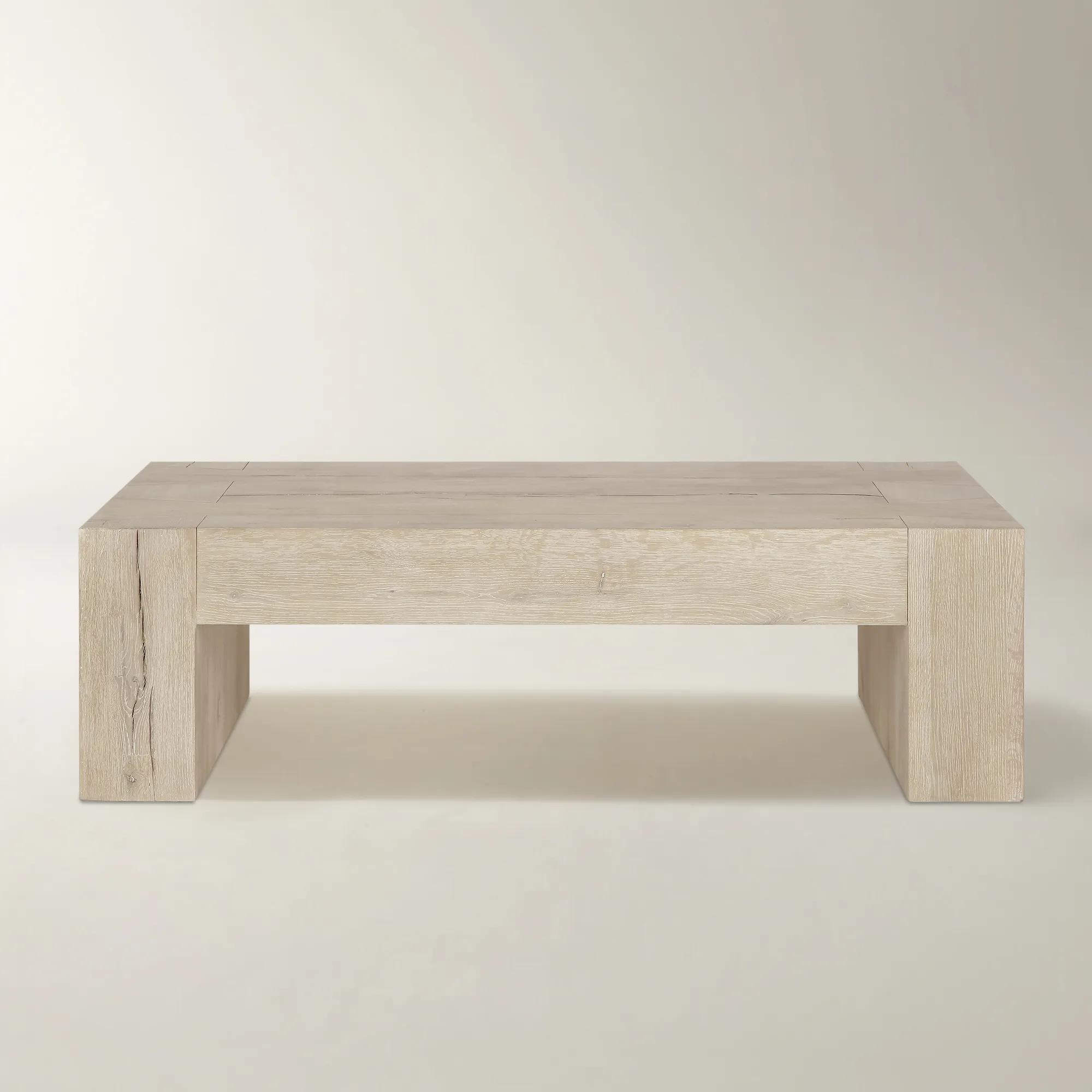 Bristol Rectangular Cream Oak Coffee Table (60")$2099
A handcrafted cream-finished coffee table featuring cracked oak details and modern dovetail accents for unique style.
Add To Cart -
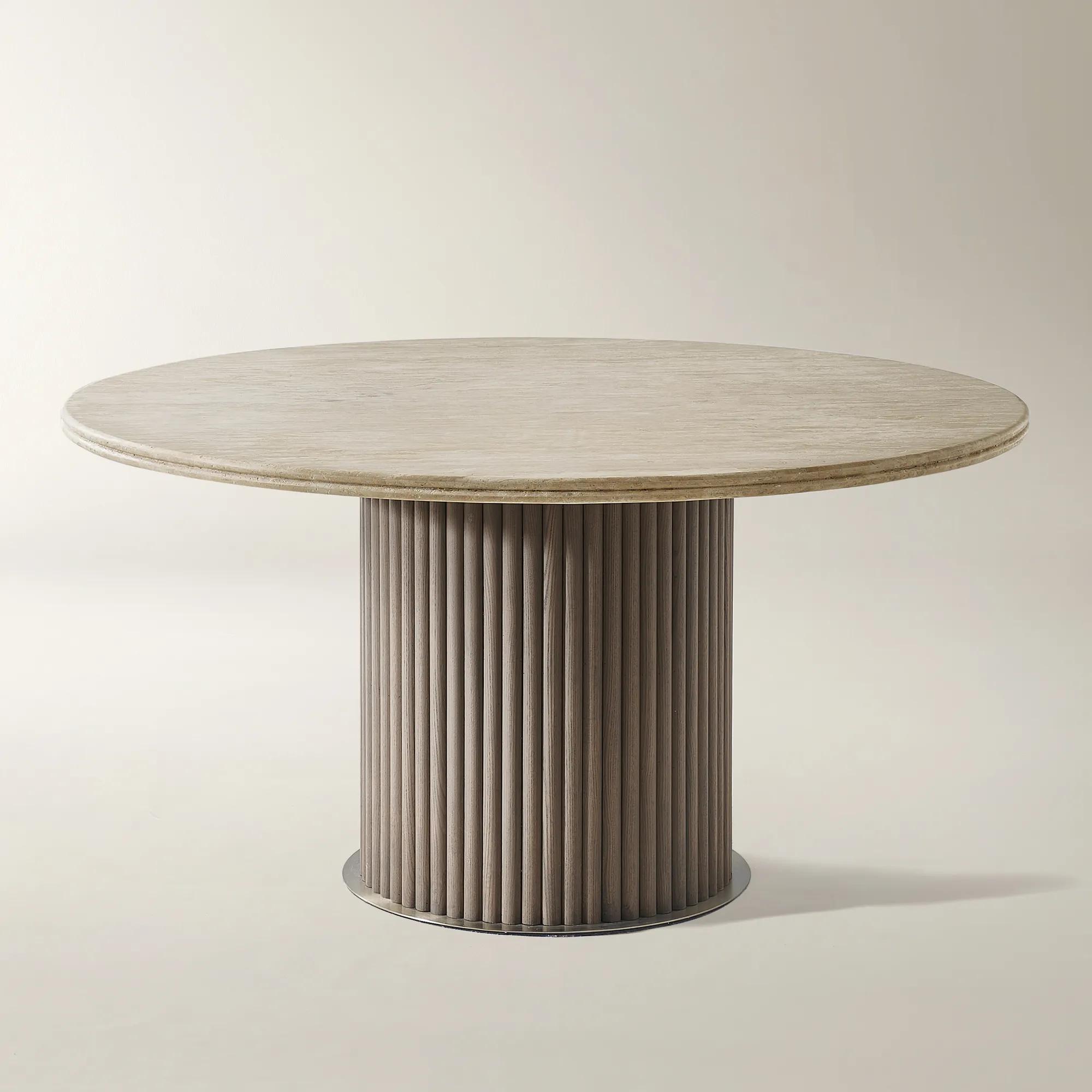 Bond Round Reeded Travertine and Wood Dining Table (59")$3499
A round dining table featuring a genuine natural travertine stone top and a fluted solid ash base.
Add To Cart -
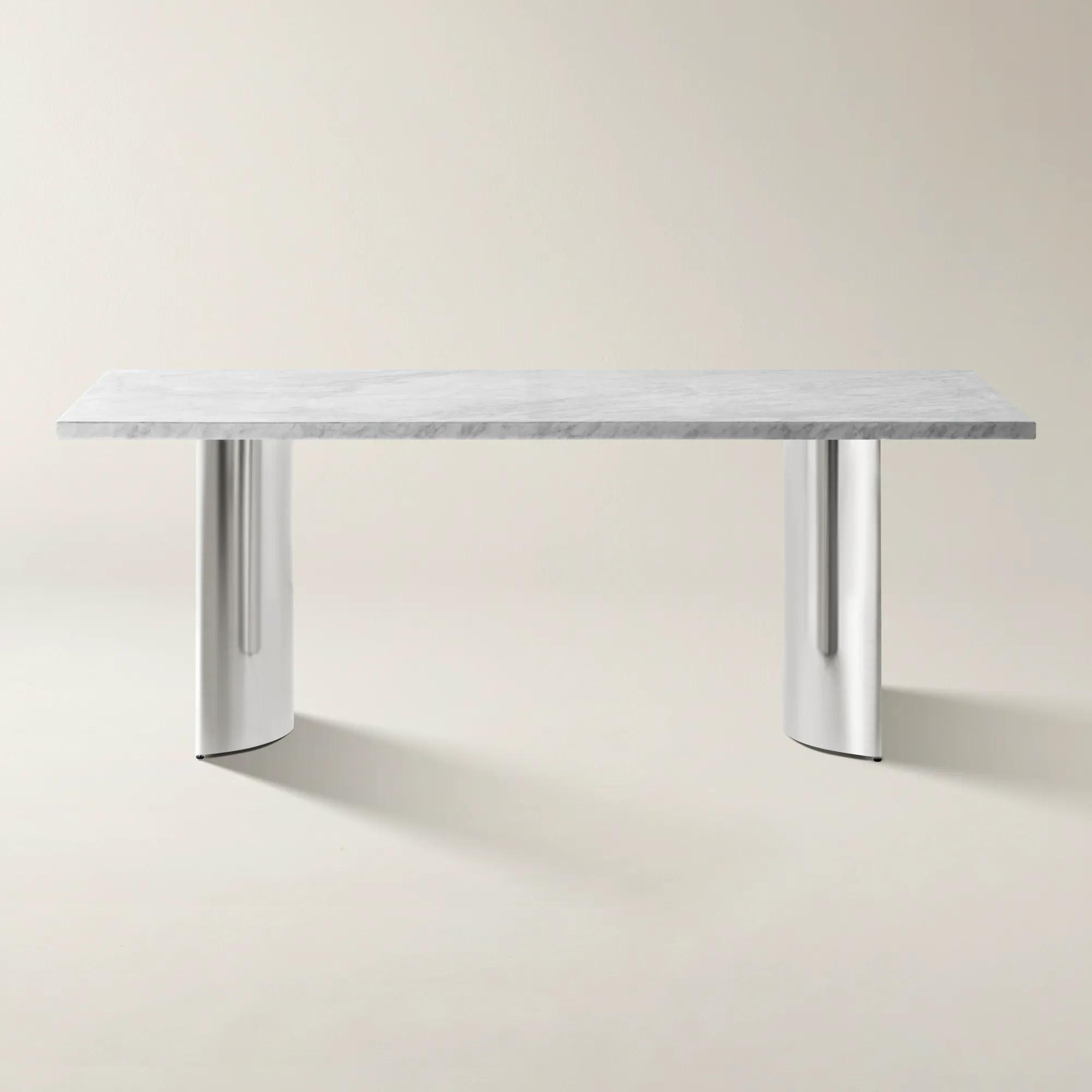 Muscat Rectangular White Marble Dining Table With Stainless Steel Base (84")$3099
A striking dining table featuring a natural white marble top with unique veining and a polished stainless steel base.
Add To Cart -
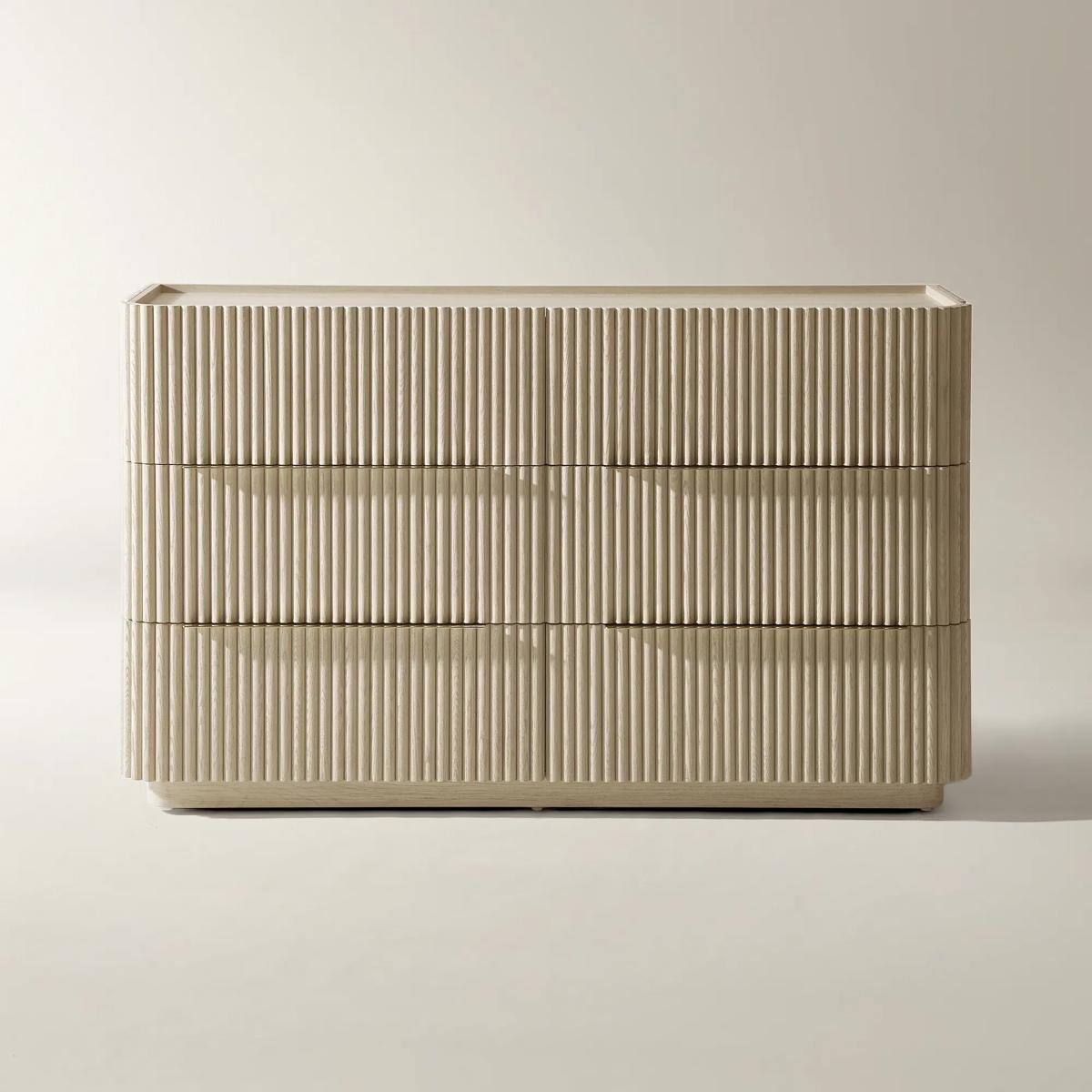
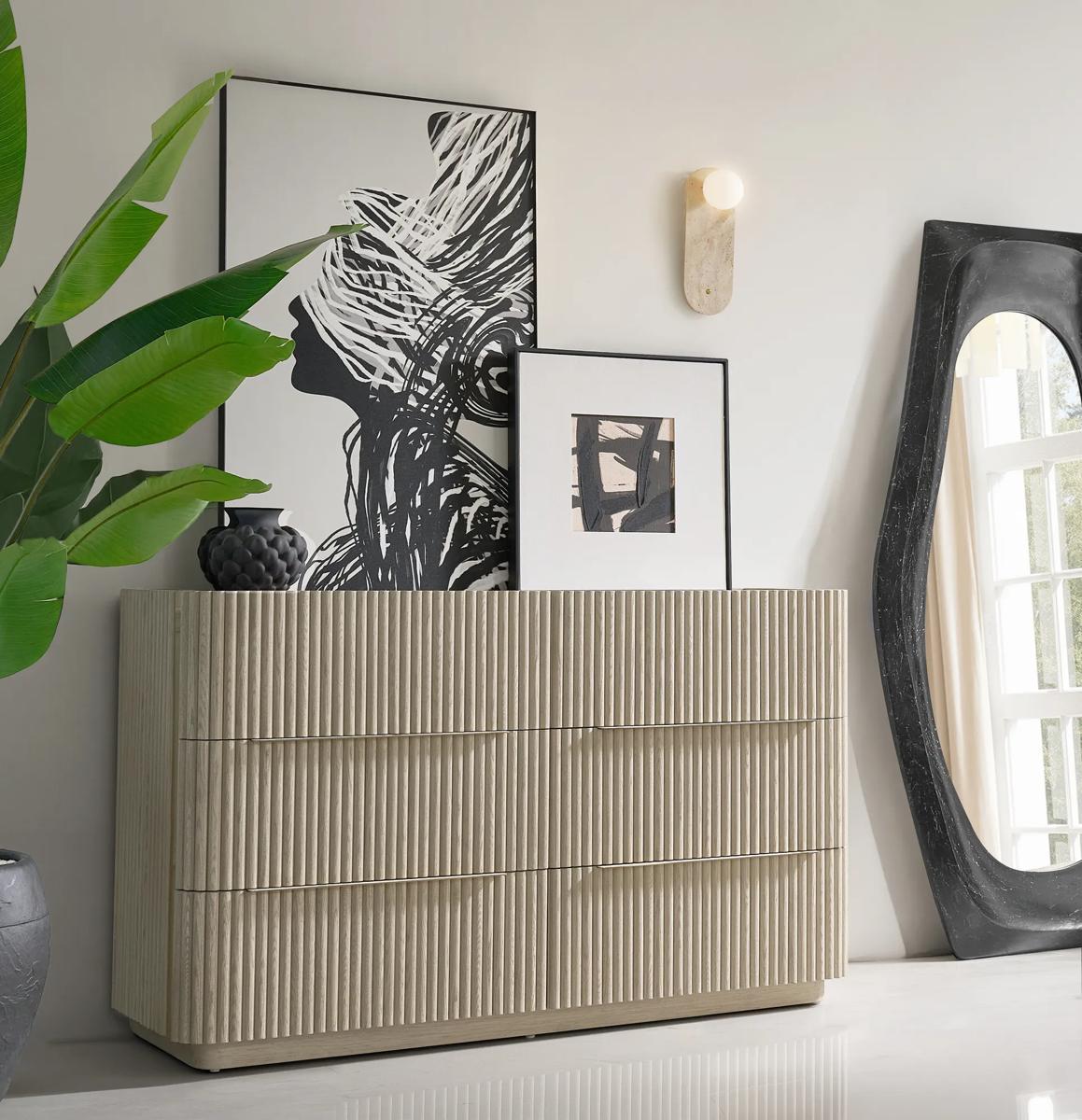 Stria Reeded White Oak 6-Drawer Dresser (64.5")$2599
A sculptural dresser crafted from solid oak with fluted detailing, gold-plated trim, and soft-close drawers.
Add To Cart -
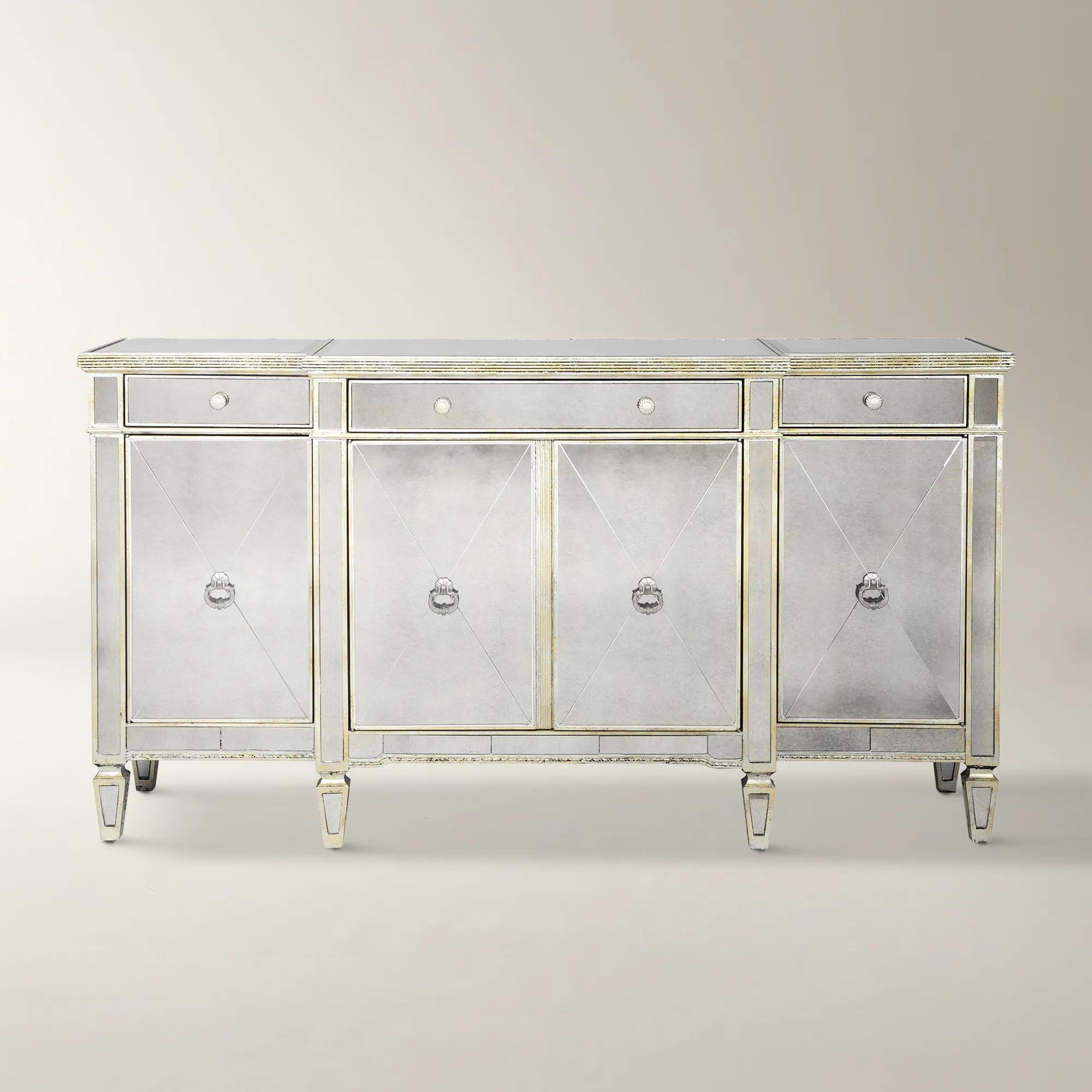
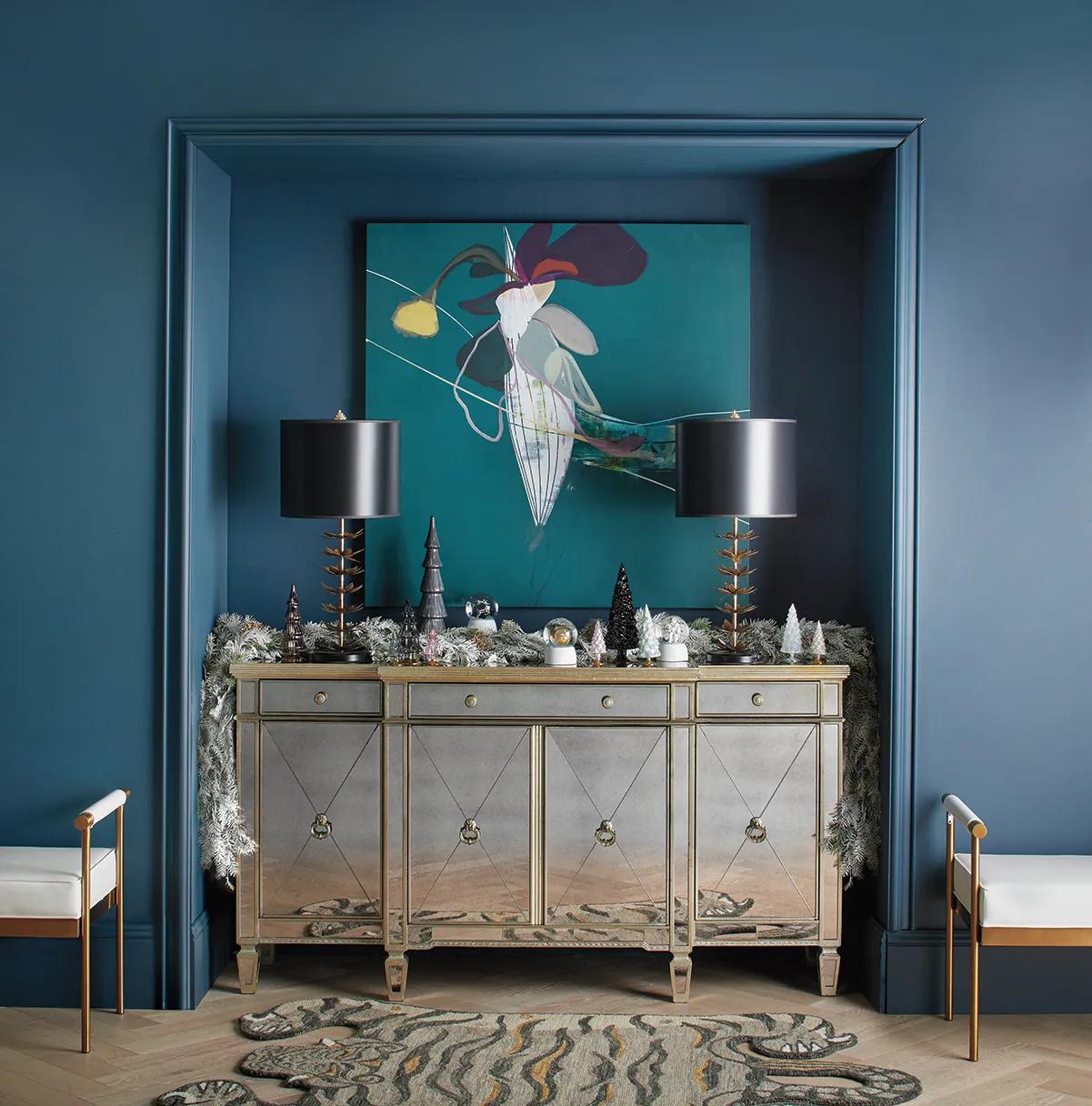 Borghese Mirrored Silver 3-Drawer Buffet (70")$2499
A sophisticated mirrored buffet featuring antique beveled glass, champagne gilt wood trim, and hand-applied silver leaf.
Add To Cart -
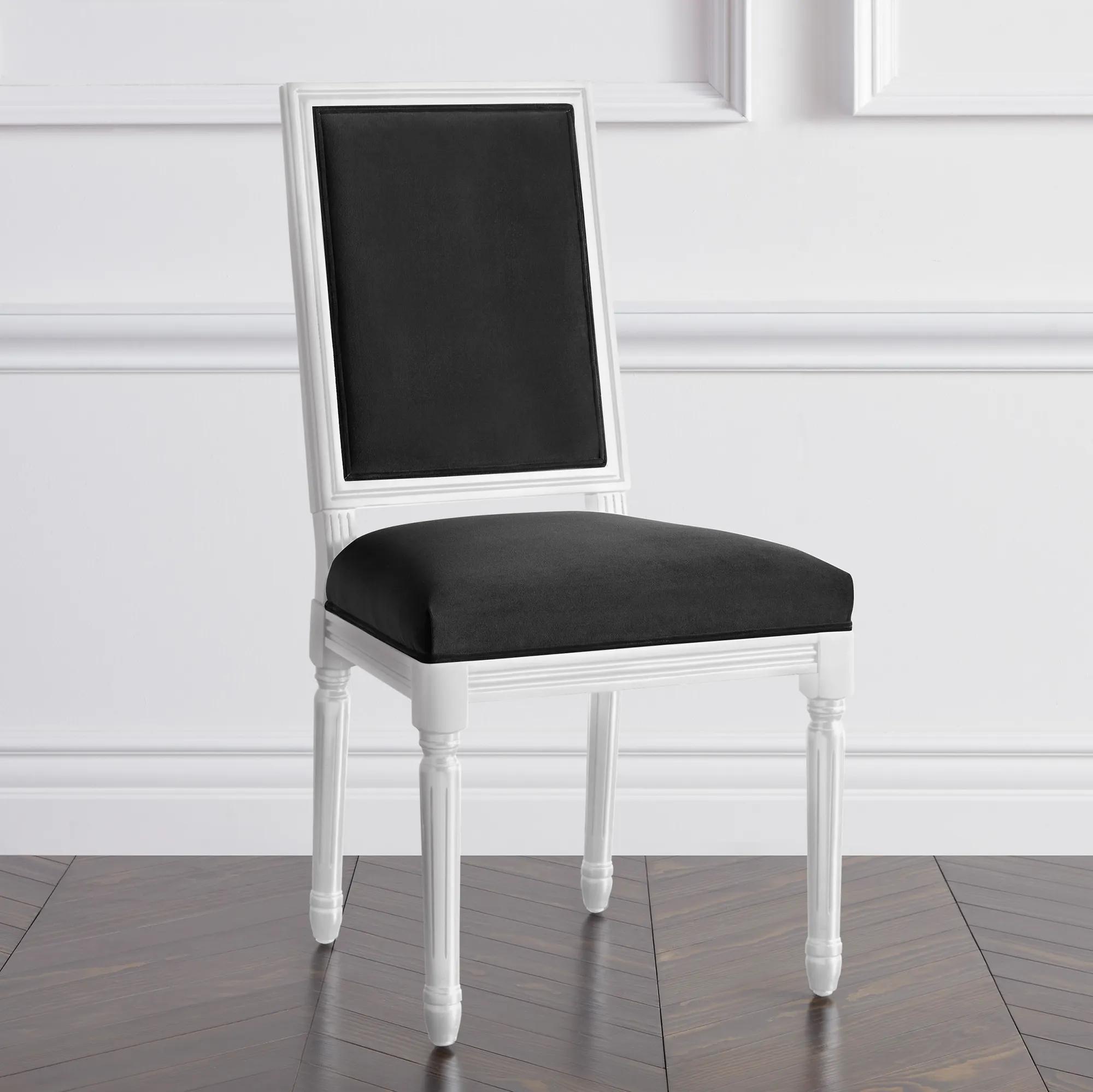
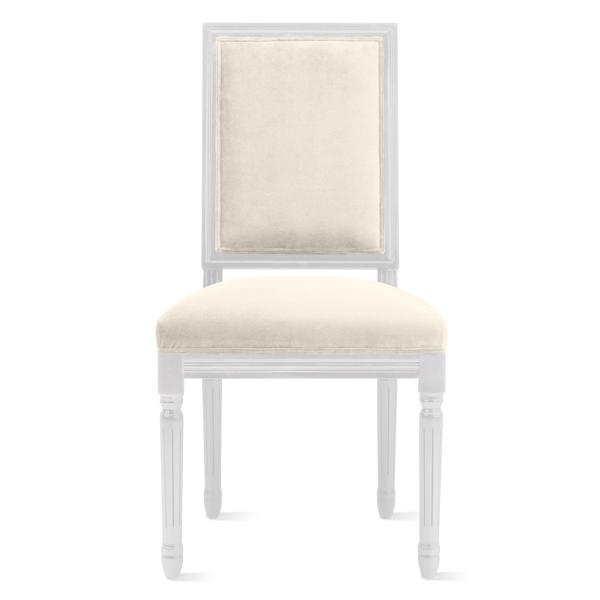 Callan Dining Chair - High Gloss White$599
A handcrafted dining chair featuring a high-gloss white finish, kiln-dried hardwood frame, and plush upholstery.
Add To Cart -
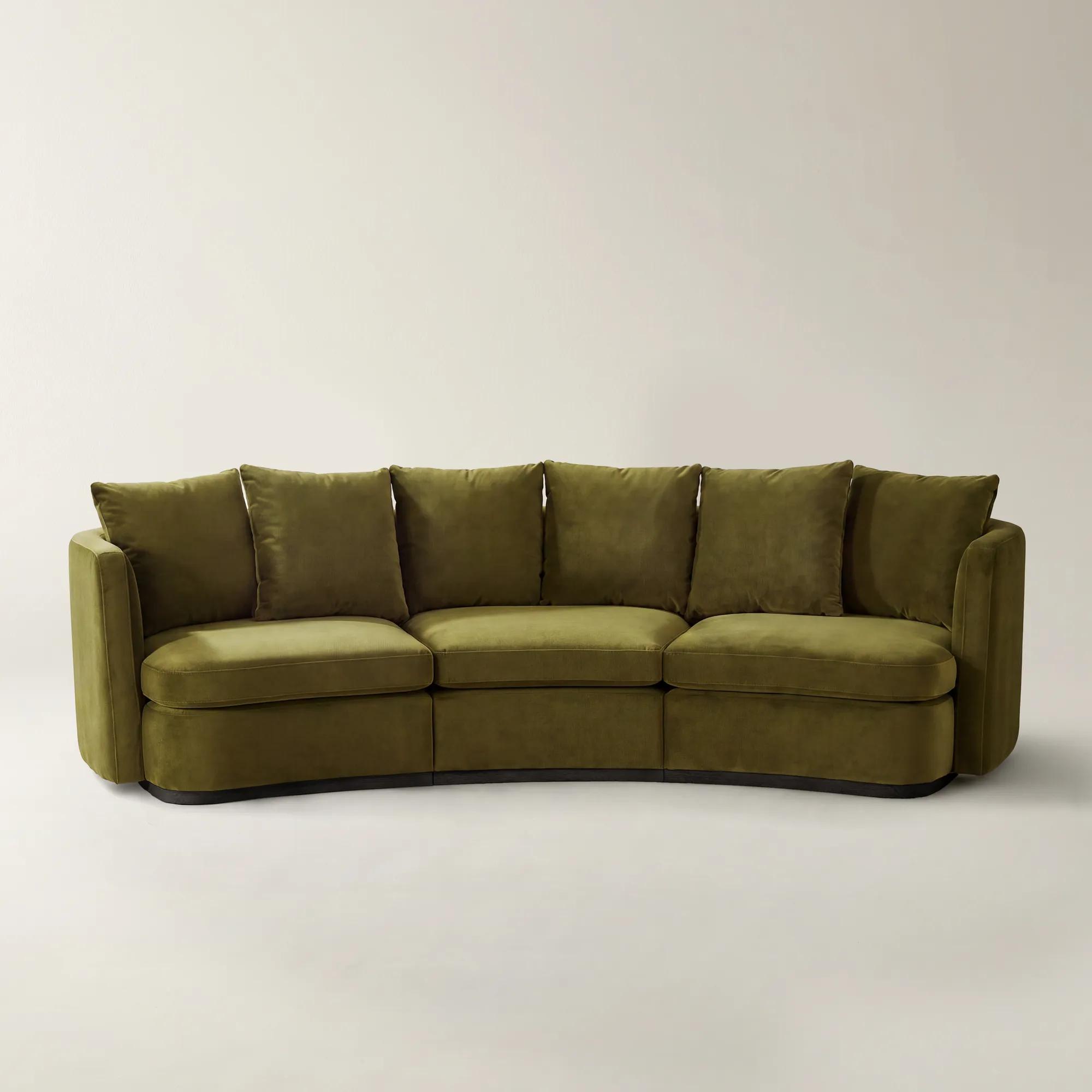 Stria 3-Piece Deep Olive Velvet Sectional Sofa$3399
A sculptural deep olive velvet sectional with modular connectors and layered foam-down cushioning.
Add To Cart -
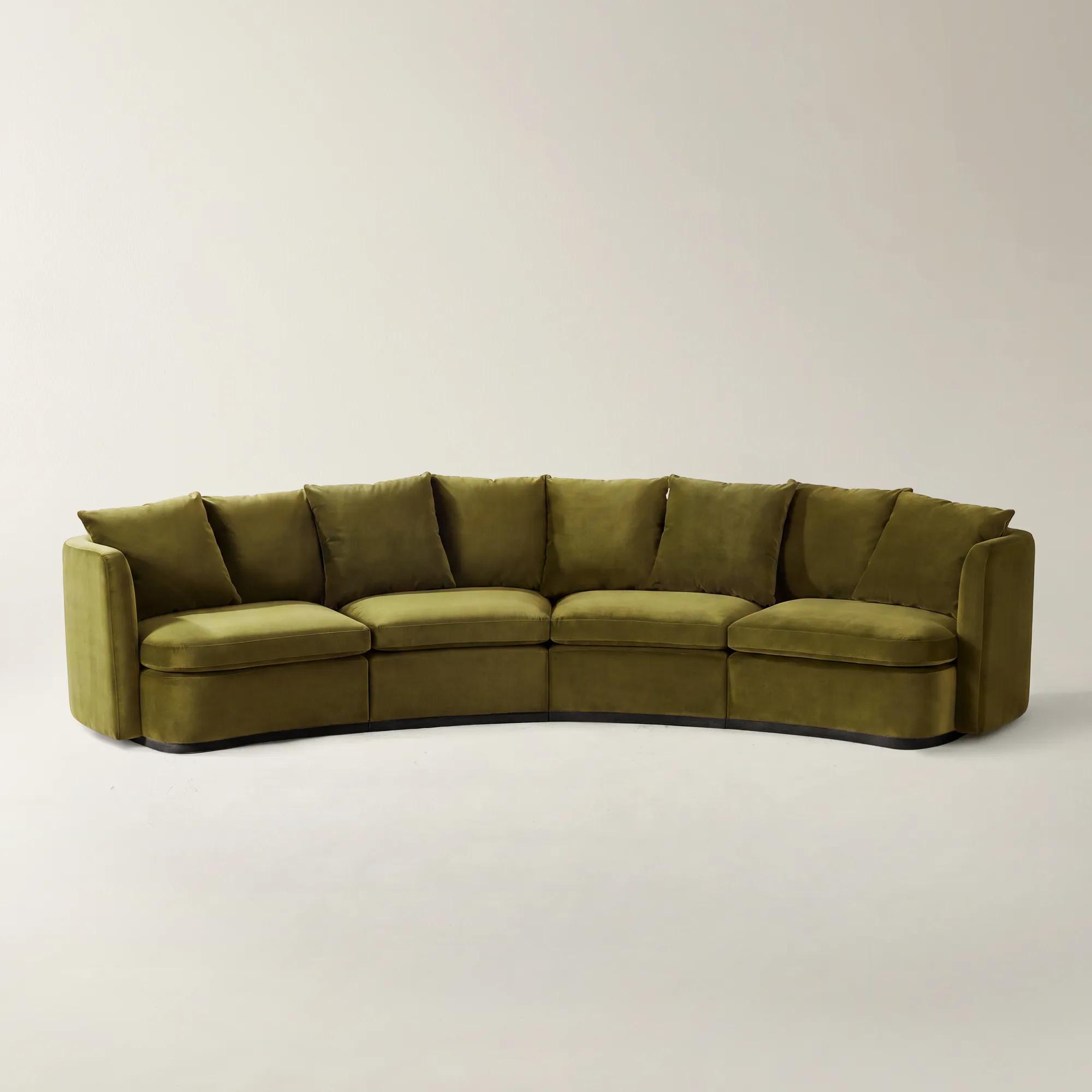
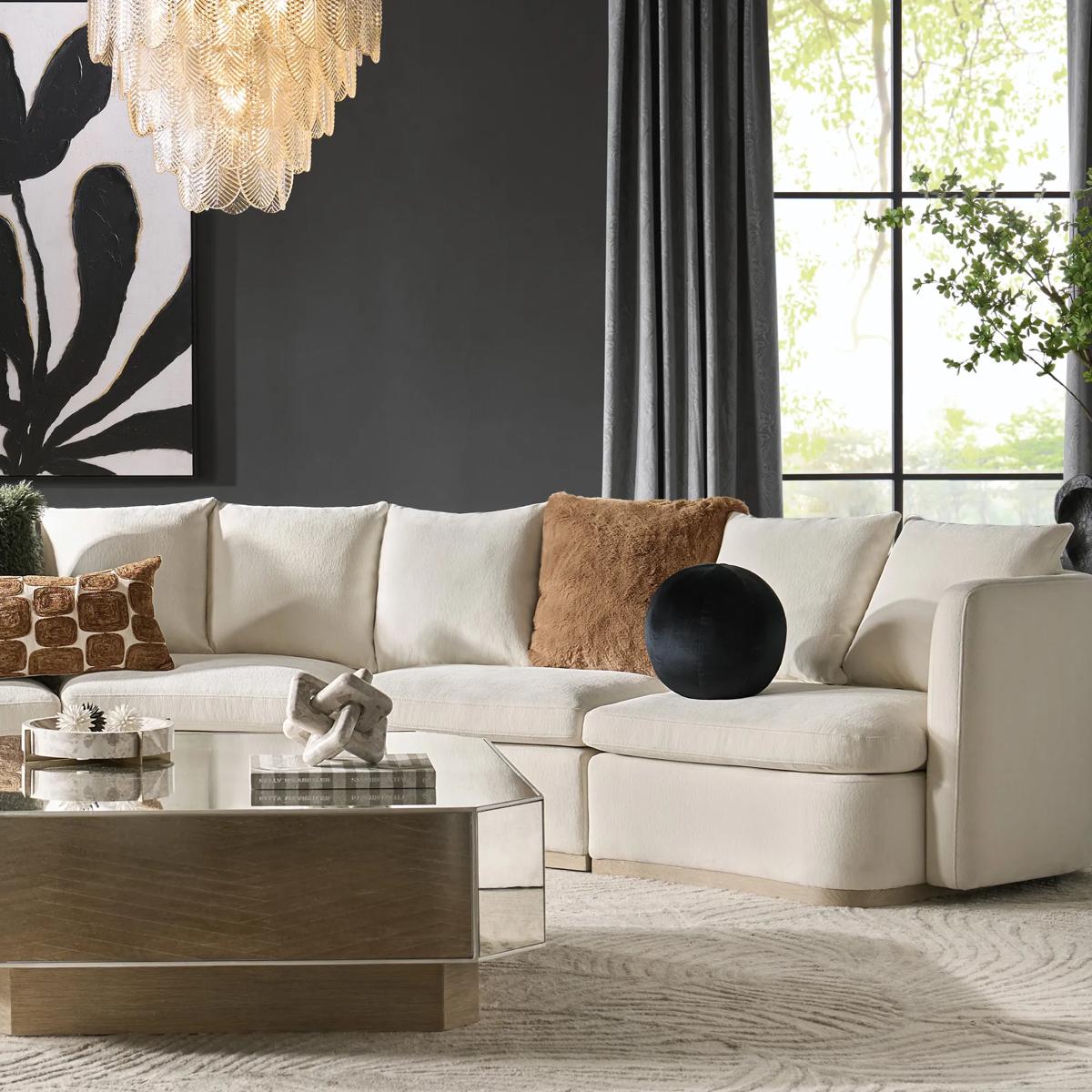 Stria 4-Piece Deep Olive Velvet Sectional Sofa$4499
A sculptural deep olive velvet sectional with modular connectors, kiln-dried wood construction, and layered foam-down cushioning.
Add To Cart -
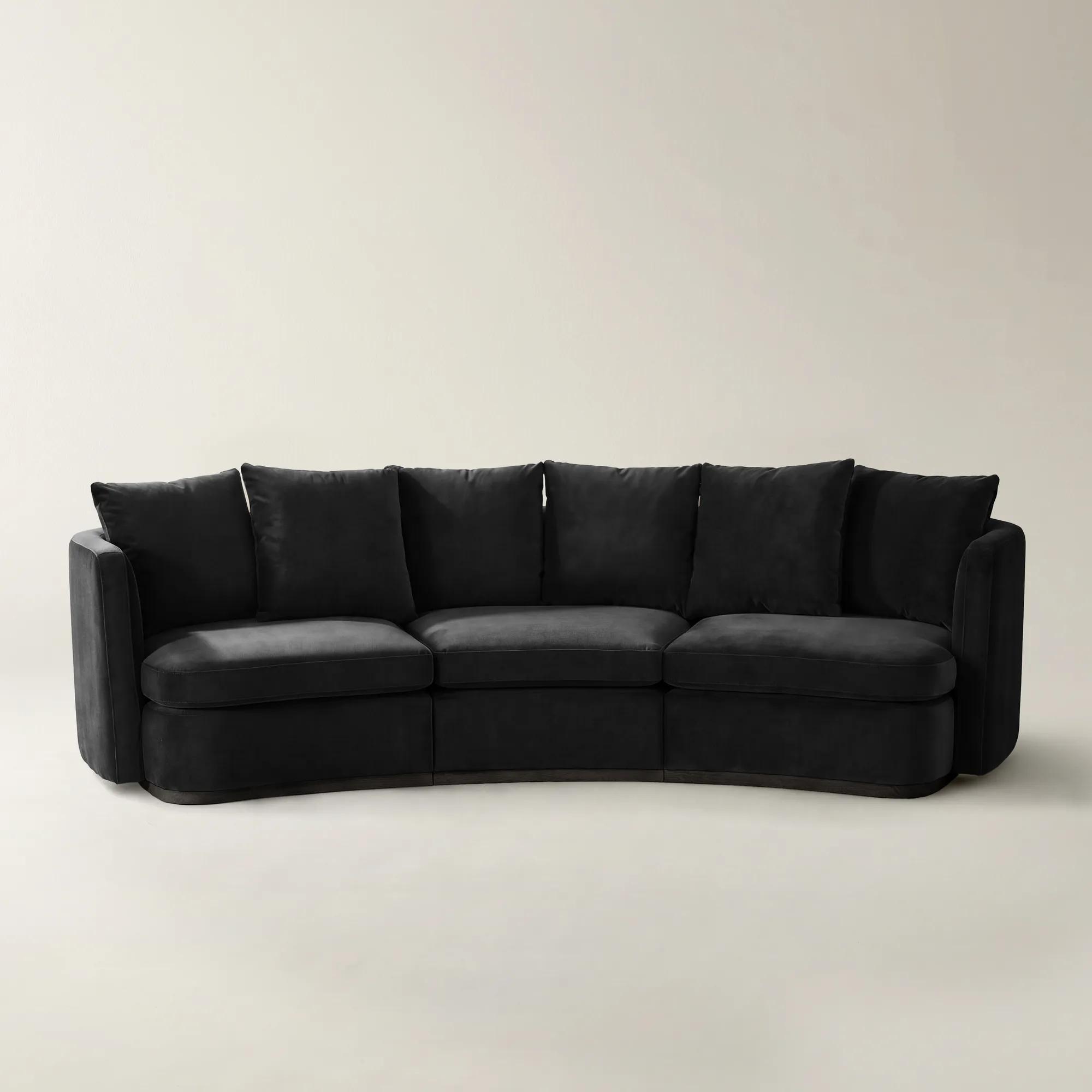 Stria 3-Piece Charcoal Velvet Sectional Sofa$3399
A sculptural charcoal velvet sectional featuring curved styling, layered cushioning, and modular connectors for adaptable comfort.
Add To Cart -
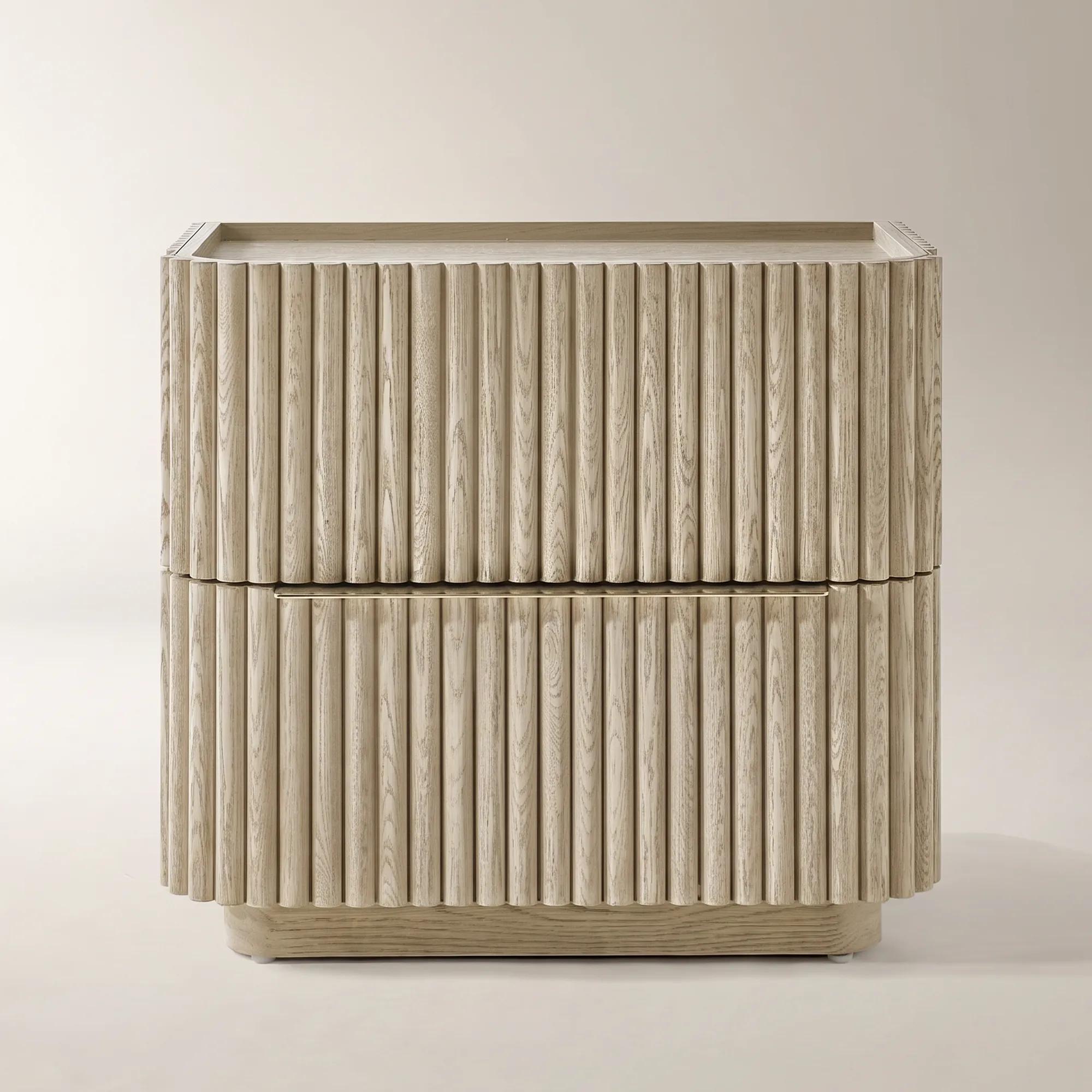
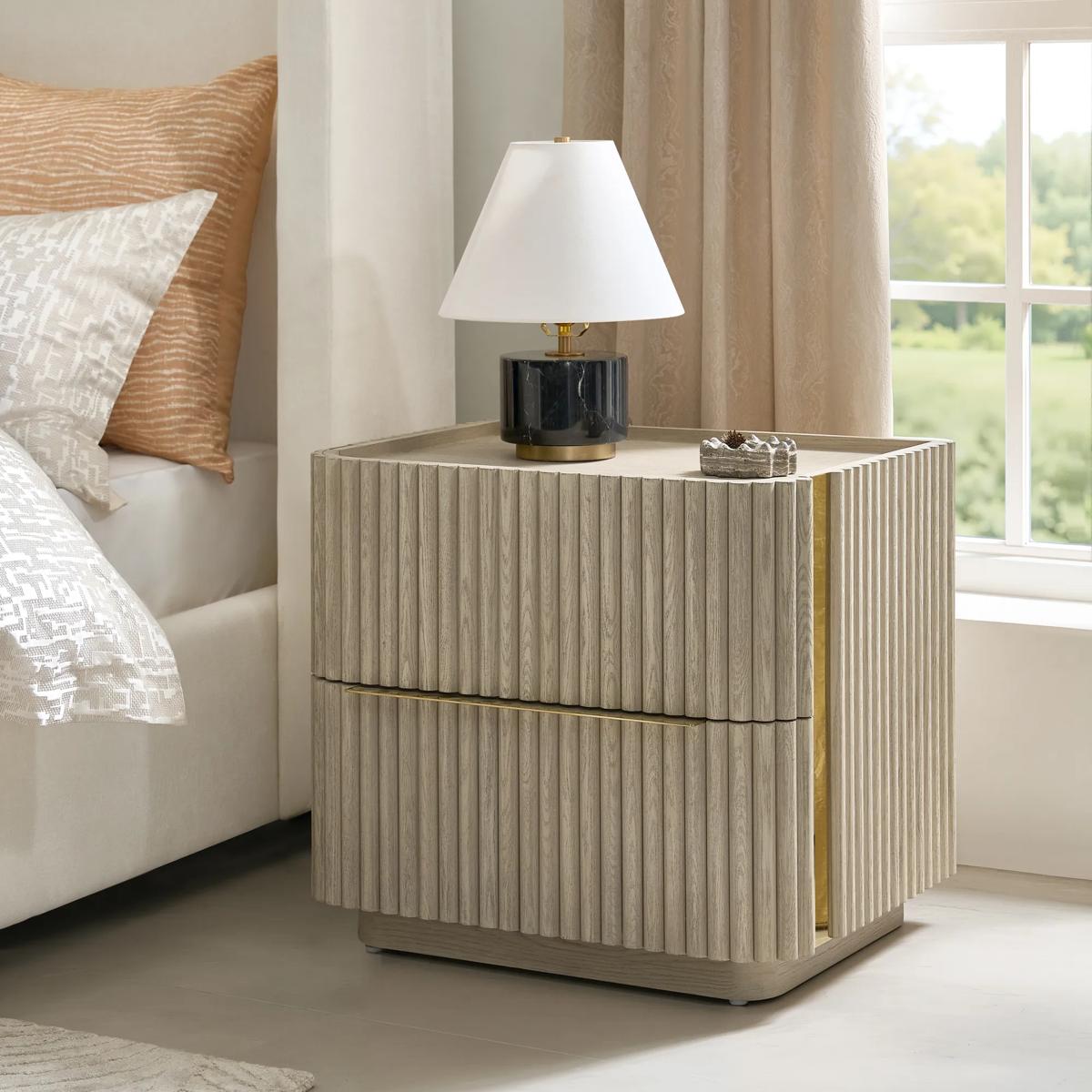 Stria Reeded White Oak 2-Drawer Nightstand (26")$999
A sculptural oak nightstand with reeded wood details, gold-plated trim, and soft-close felt-lined drawers.
Add To Cart -
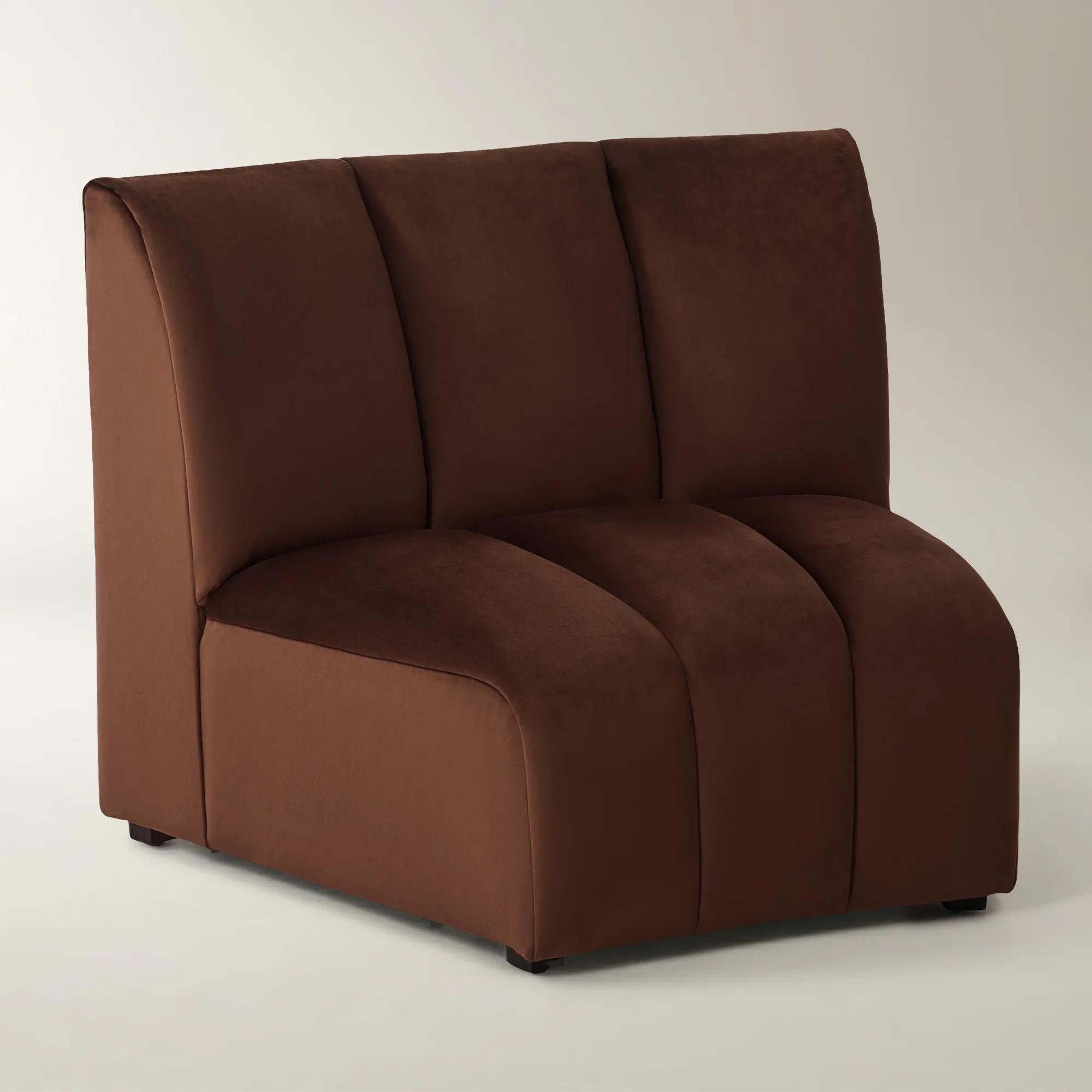
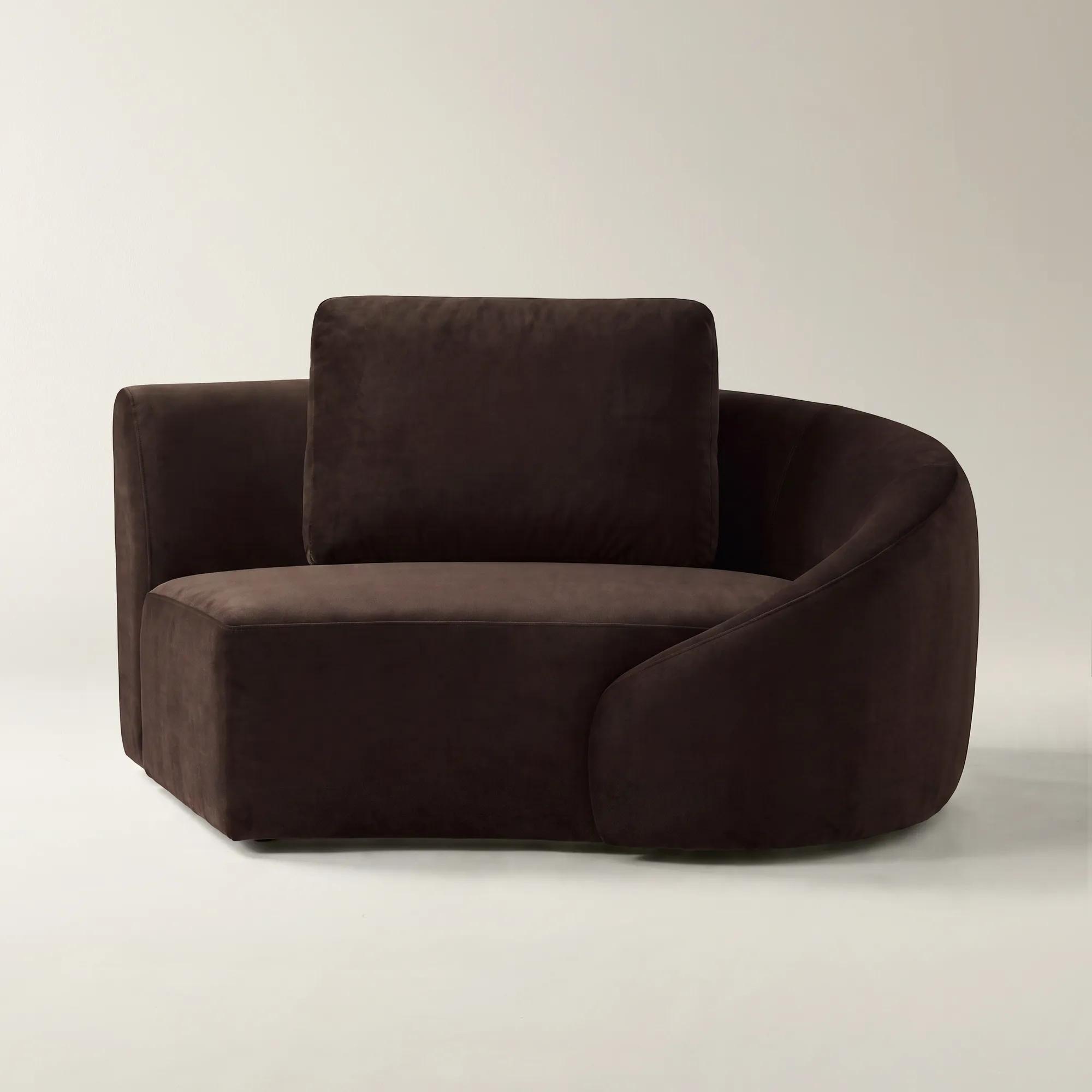
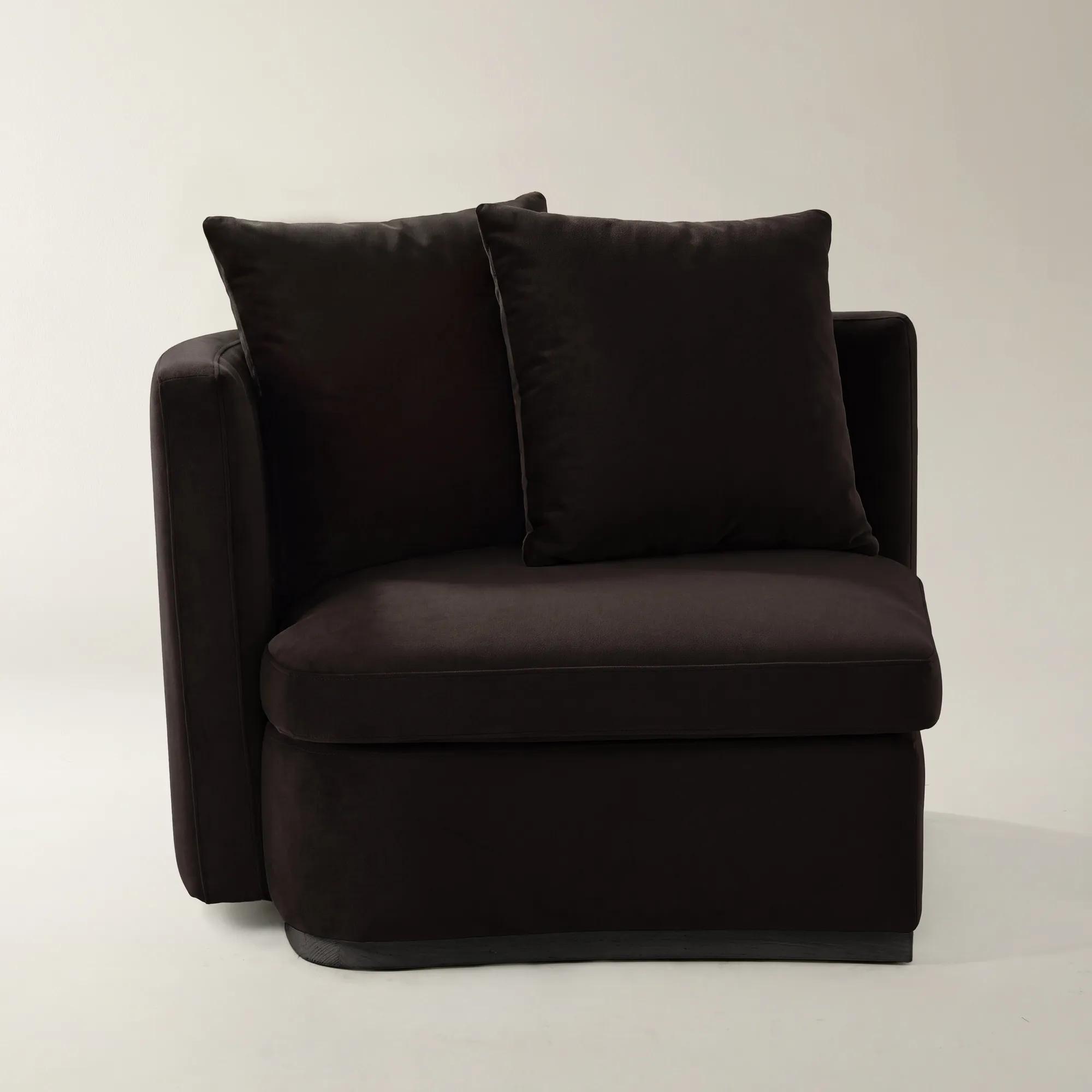
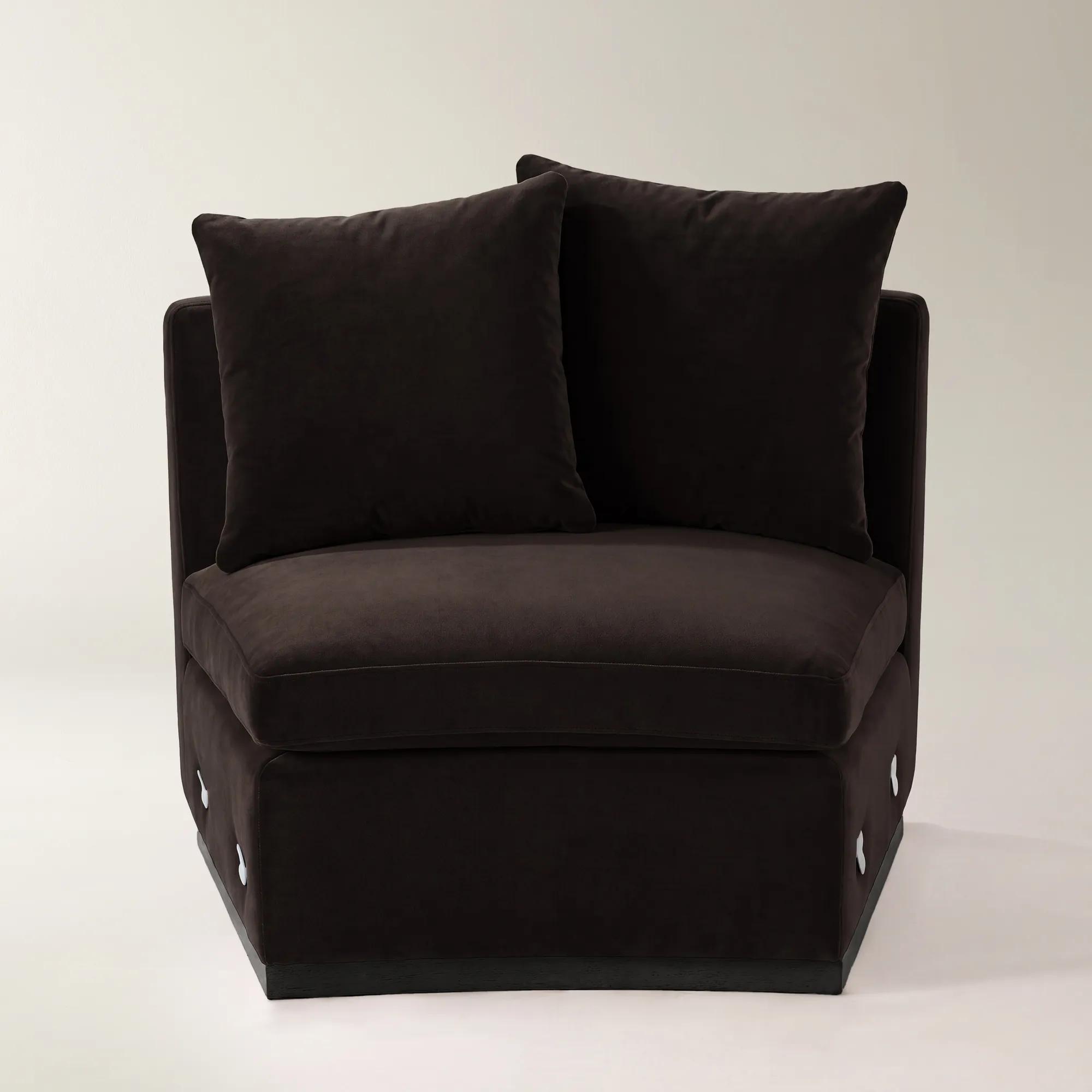
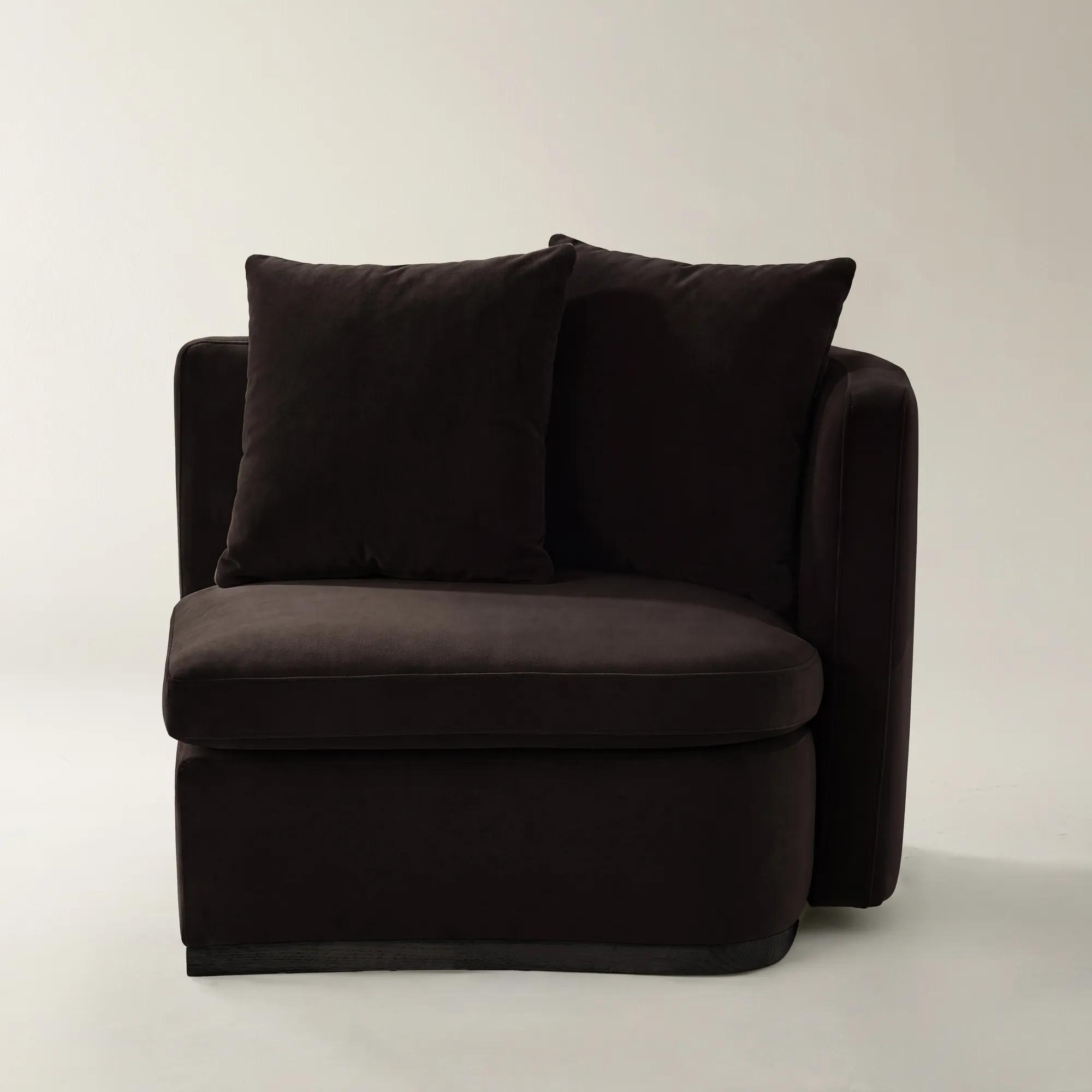
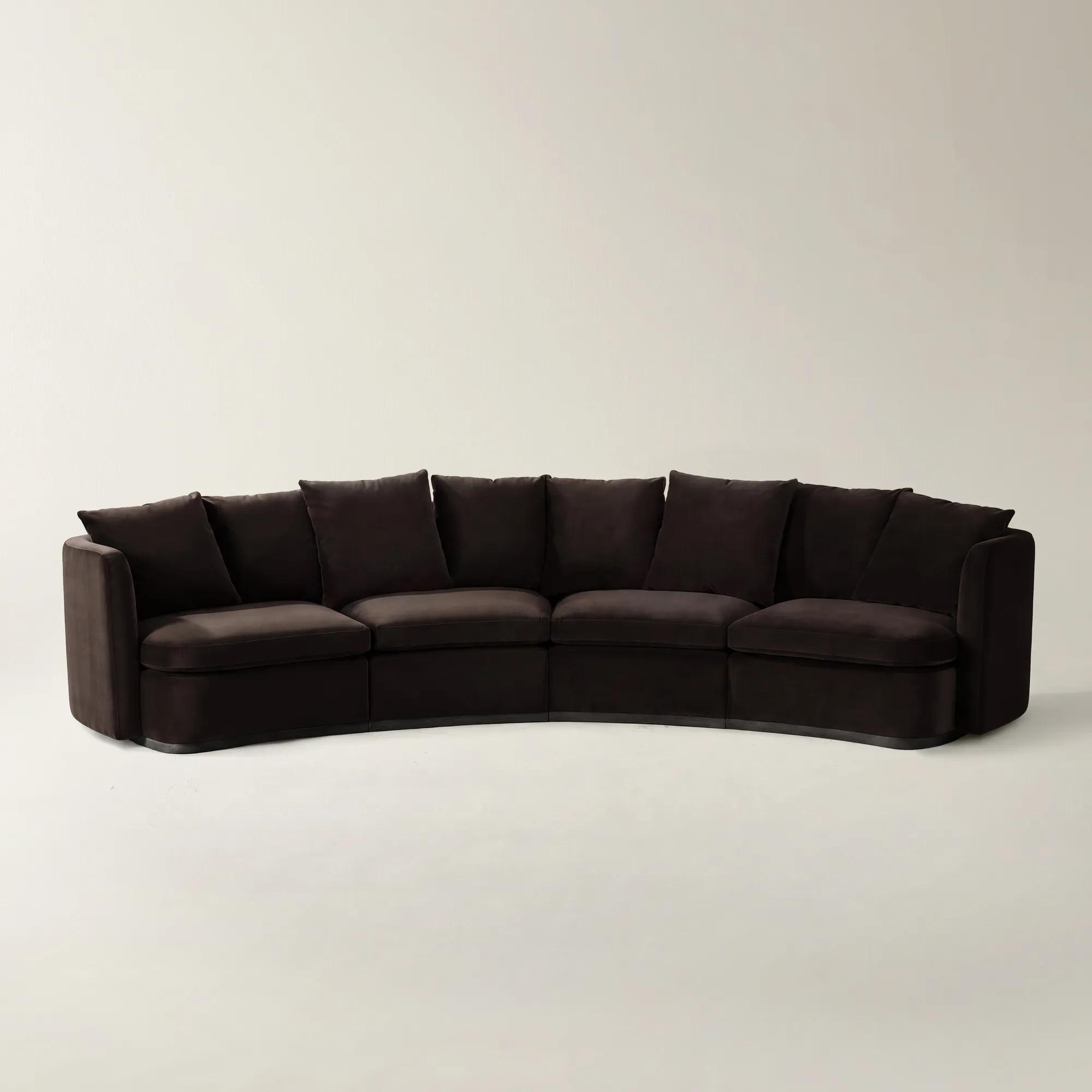 Stria 4-Piece Dark Chocolate Velvet Sectional Sofa$4499
A sculptural dark chocolate velvet sectional with curved edges, layered foam-down cushioning, and adaptable modular connectors.
Add To Cart -
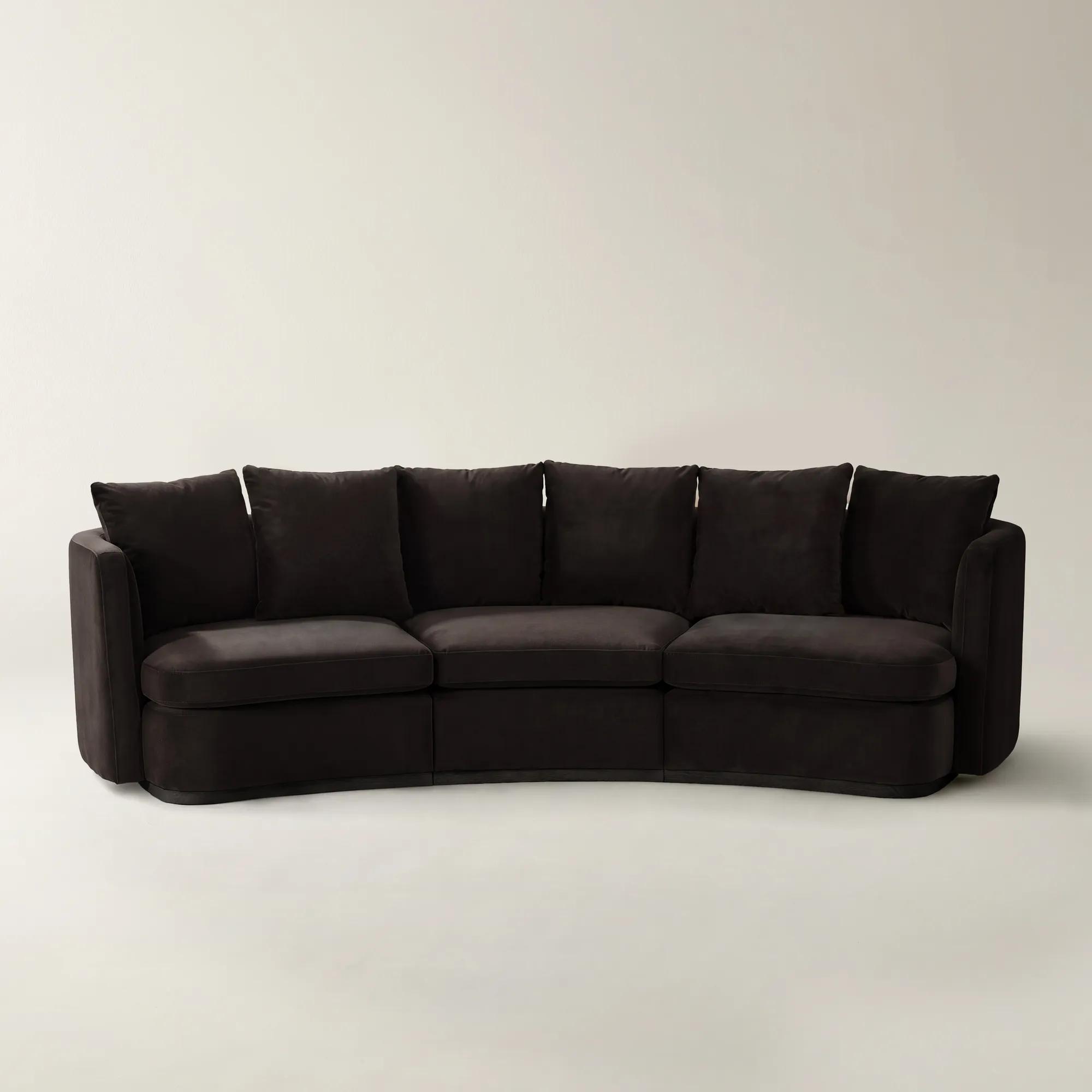 Stria 3-Piece Dark Chocolate Velvet Sectional Sofa$3399
A sculptural dark chocolate velvet sectional with curved styling, layered cushioning, and adaptable modular construction.
Add To Cart -
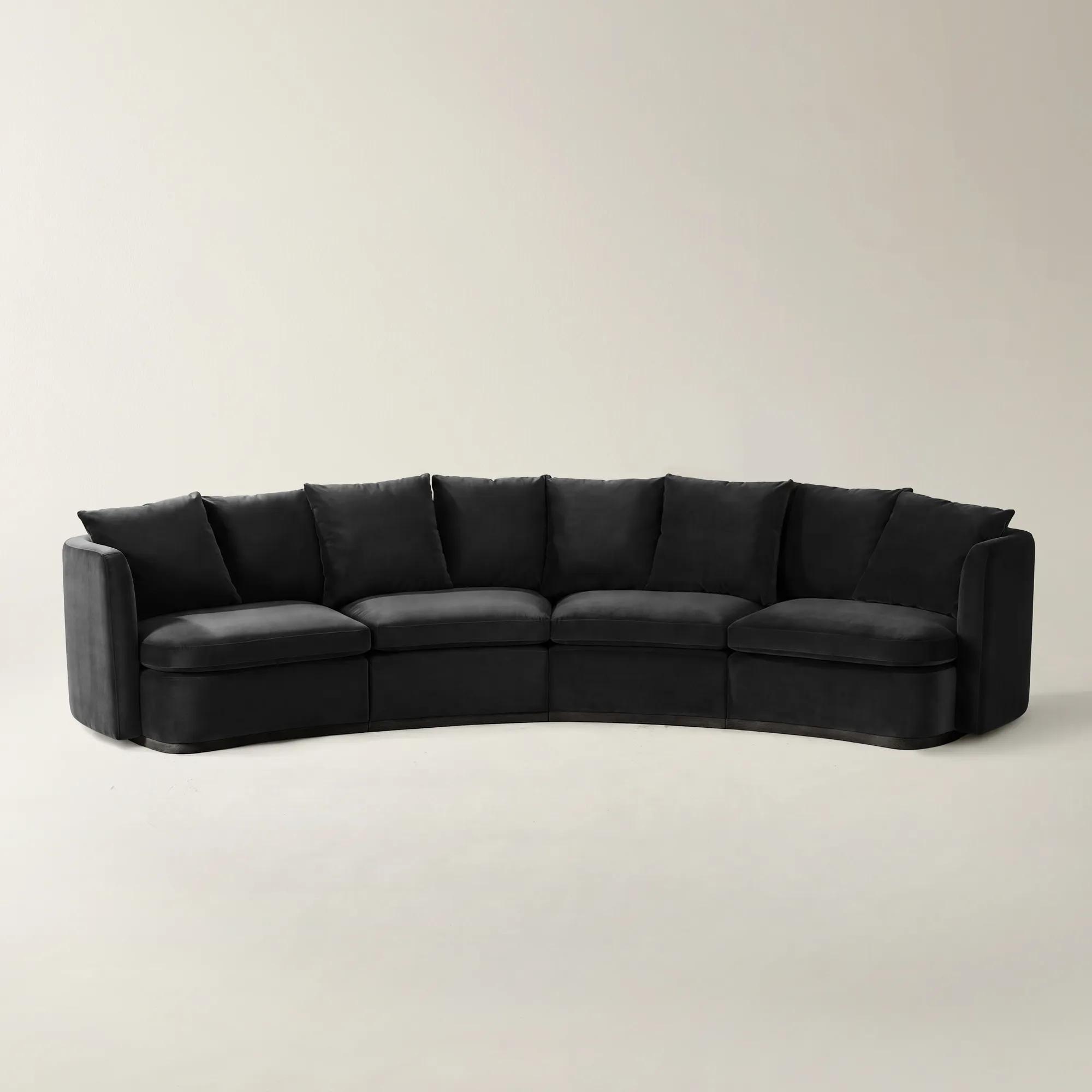 Stria 4-Piece Charcoal Velvet Sectional Sofa$4499
A sculptural charcoal velvet sectional with modular construction, curved edges, and supportive layered cushioning for comfort.
Add To Cart -
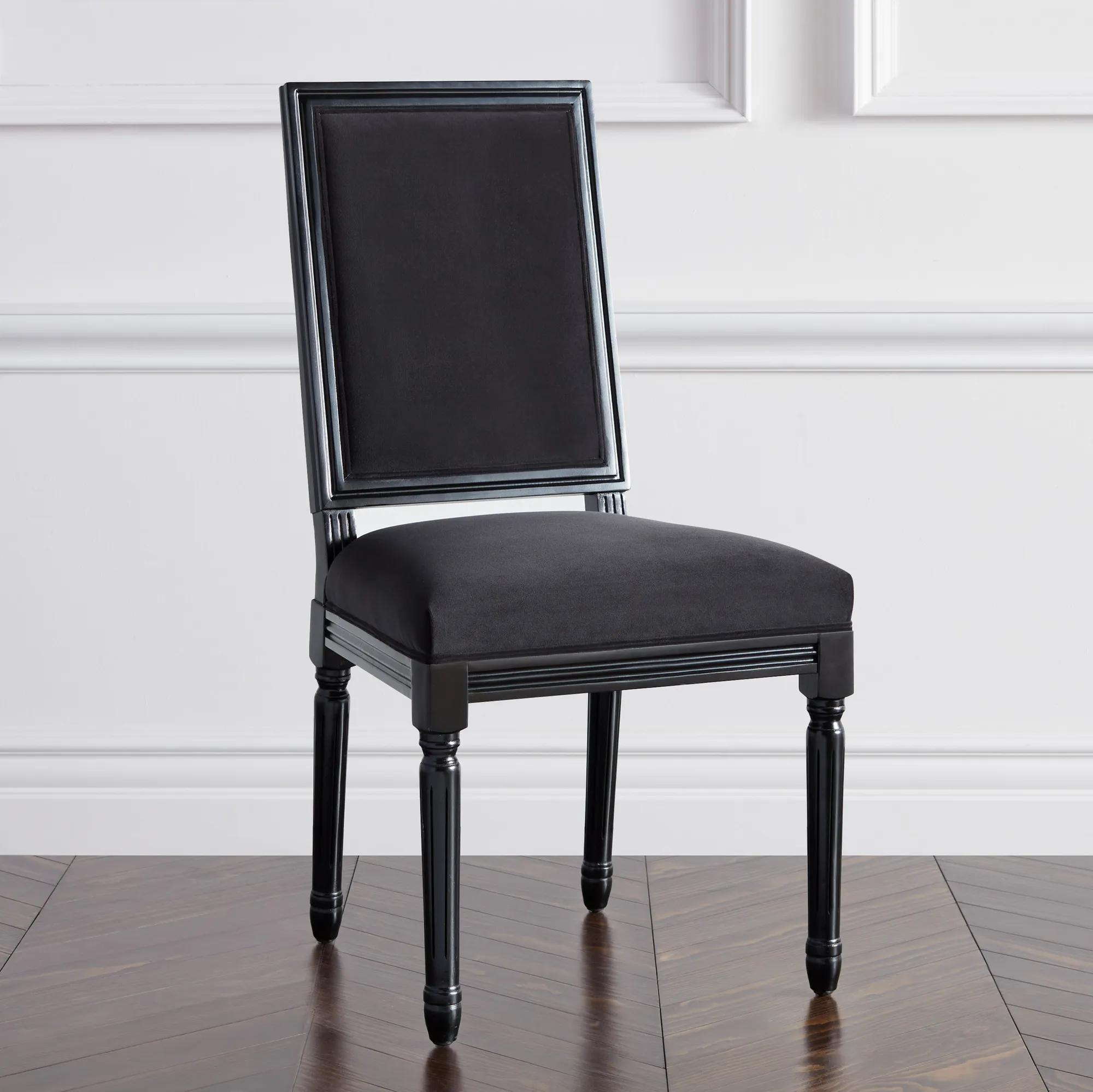
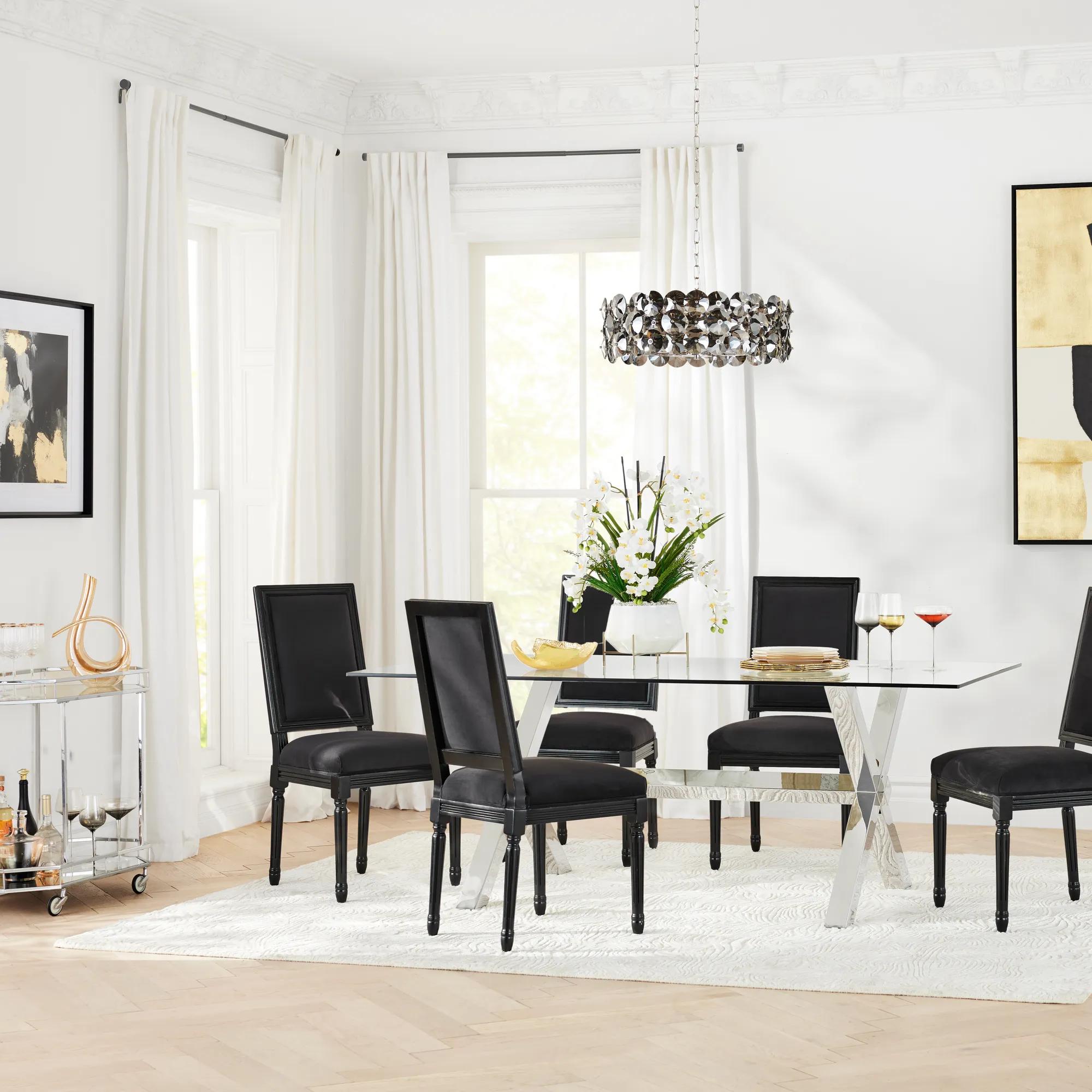 Callan Dining Chair - High Gloss Black$699
A handcrafted dining chair featuring high-gloss black Bella Velvet upholstery, fluted legs, and a squared back.
Add To Cart -
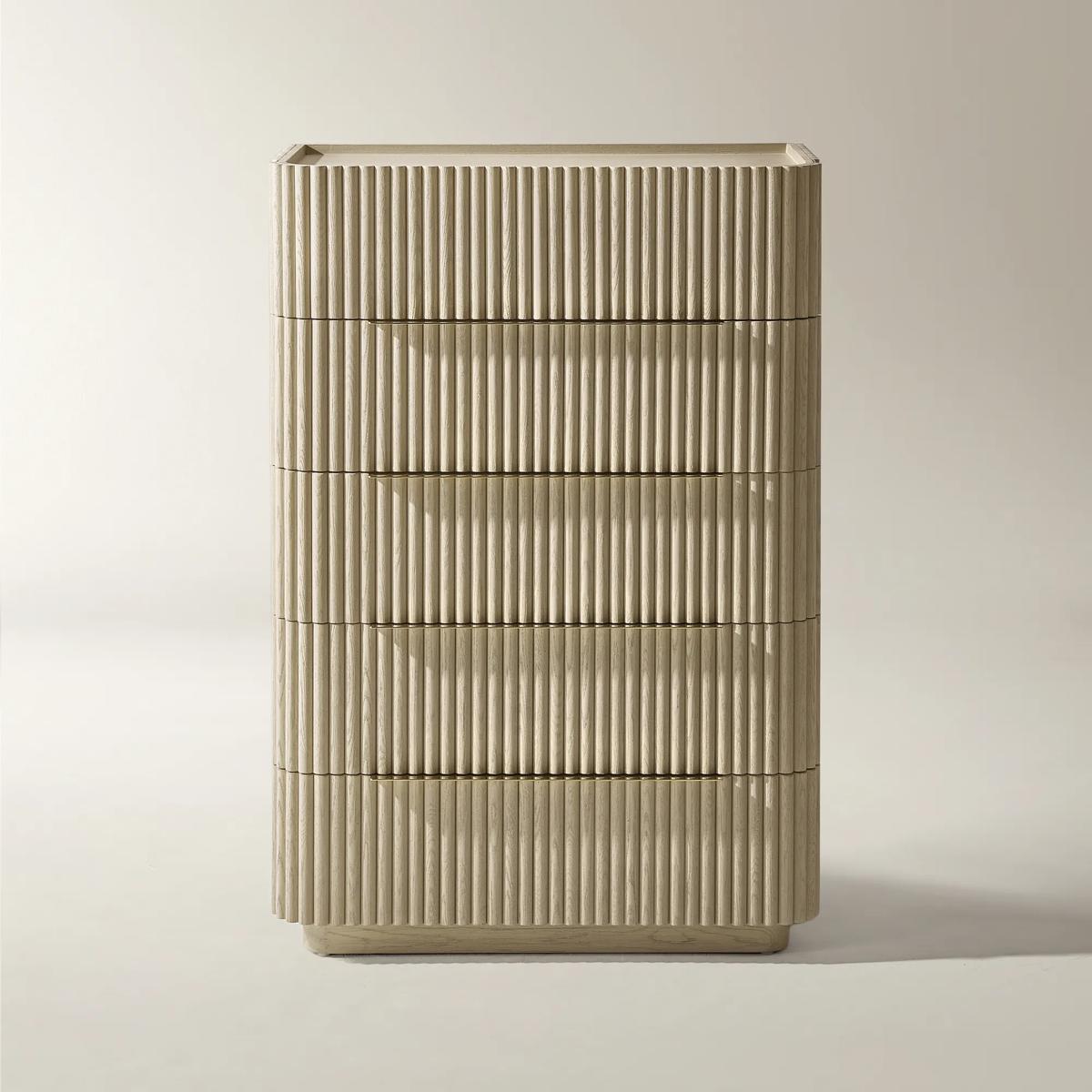 Stria Reeded White Oak 5-Drawer Tall Dresser (36.1")$1999
A sculptural oak chest with reeded detailing, gold-plated trim, and five soft-close, felt-lined drawers.
Add To Cart -
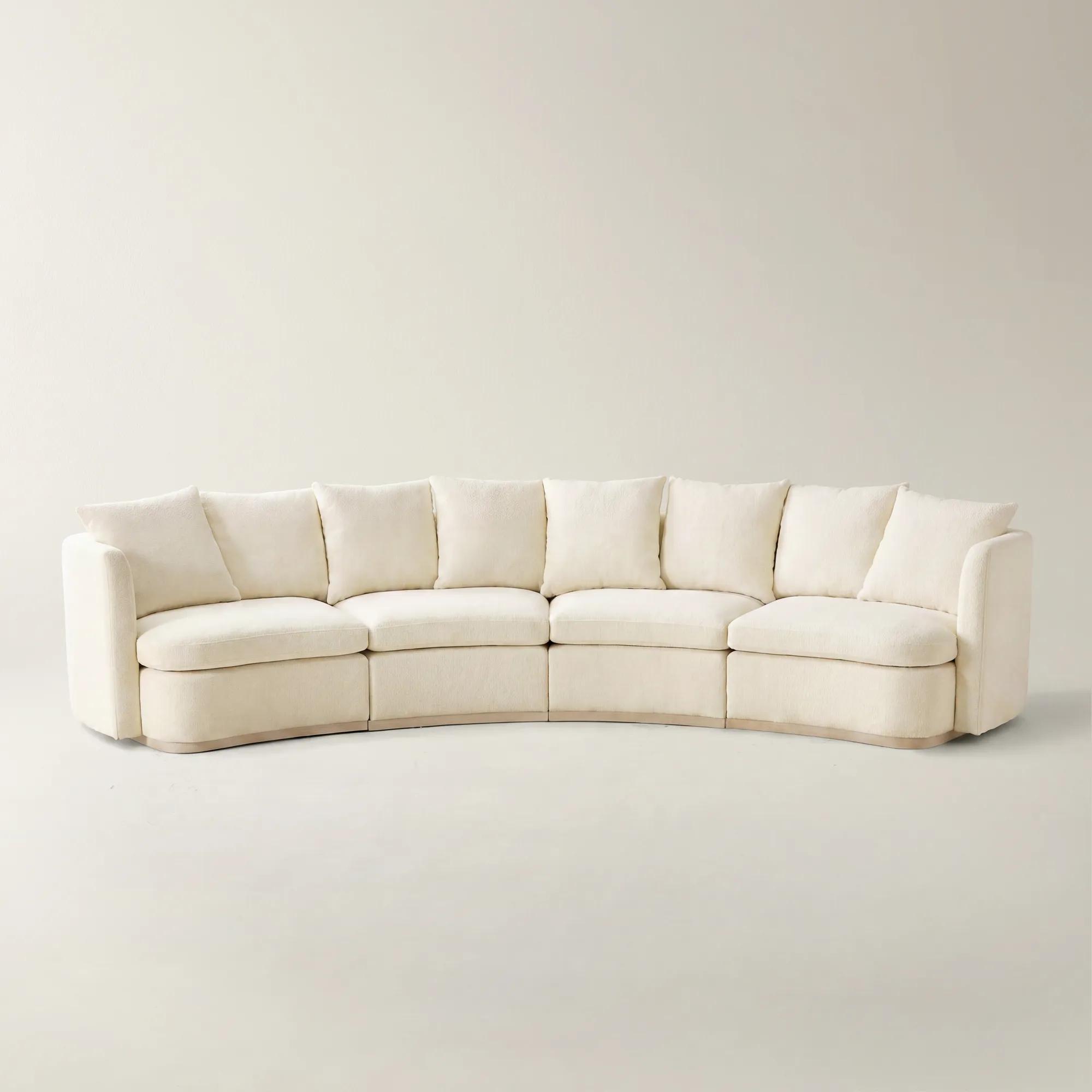 Stria 4-Piece Oatmeal Velvet Sectional Sofa$4499
A sculptural oatmeal velvet sectional with modular connectors, curved styling, and layered foam-down cushioning.
Add To Cart -
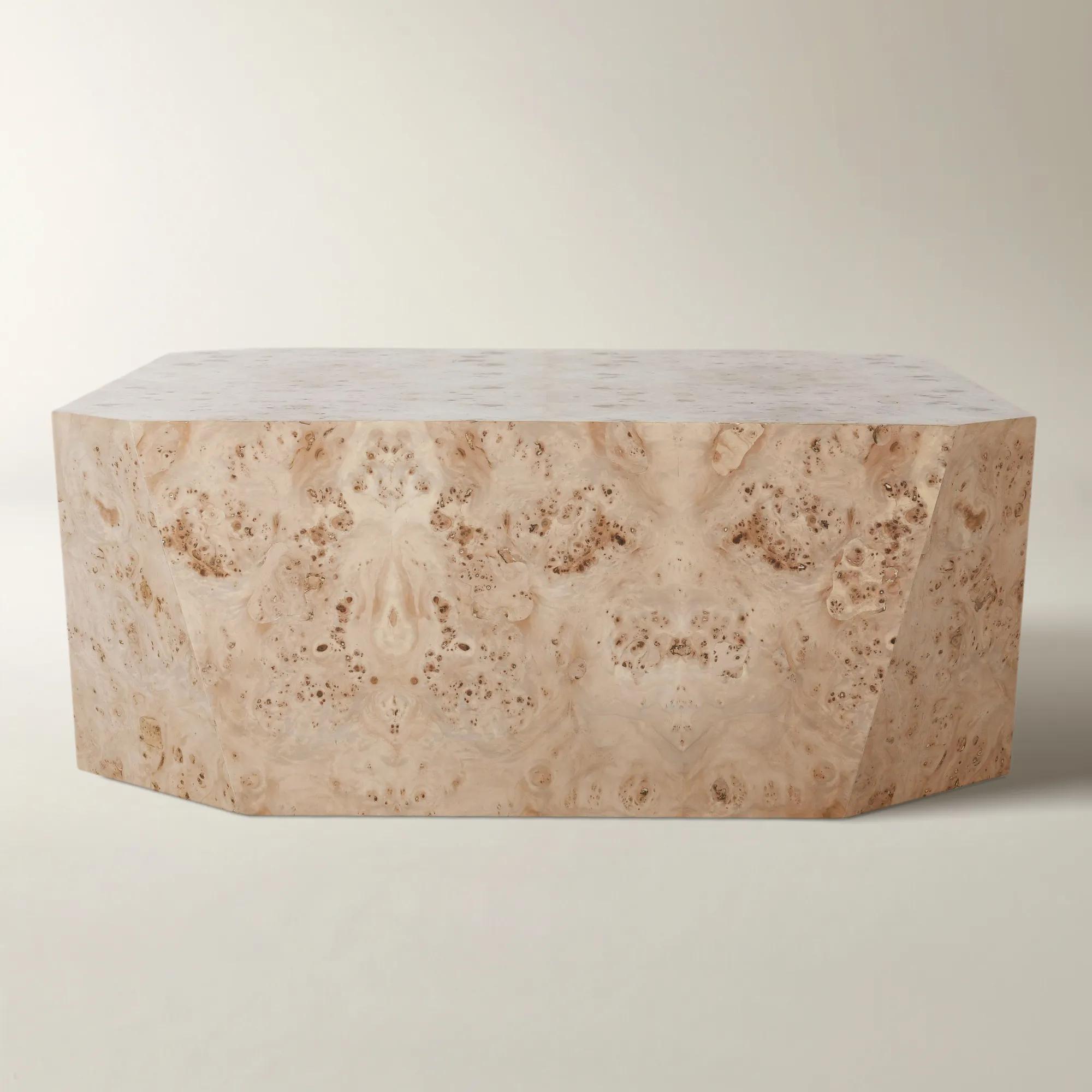
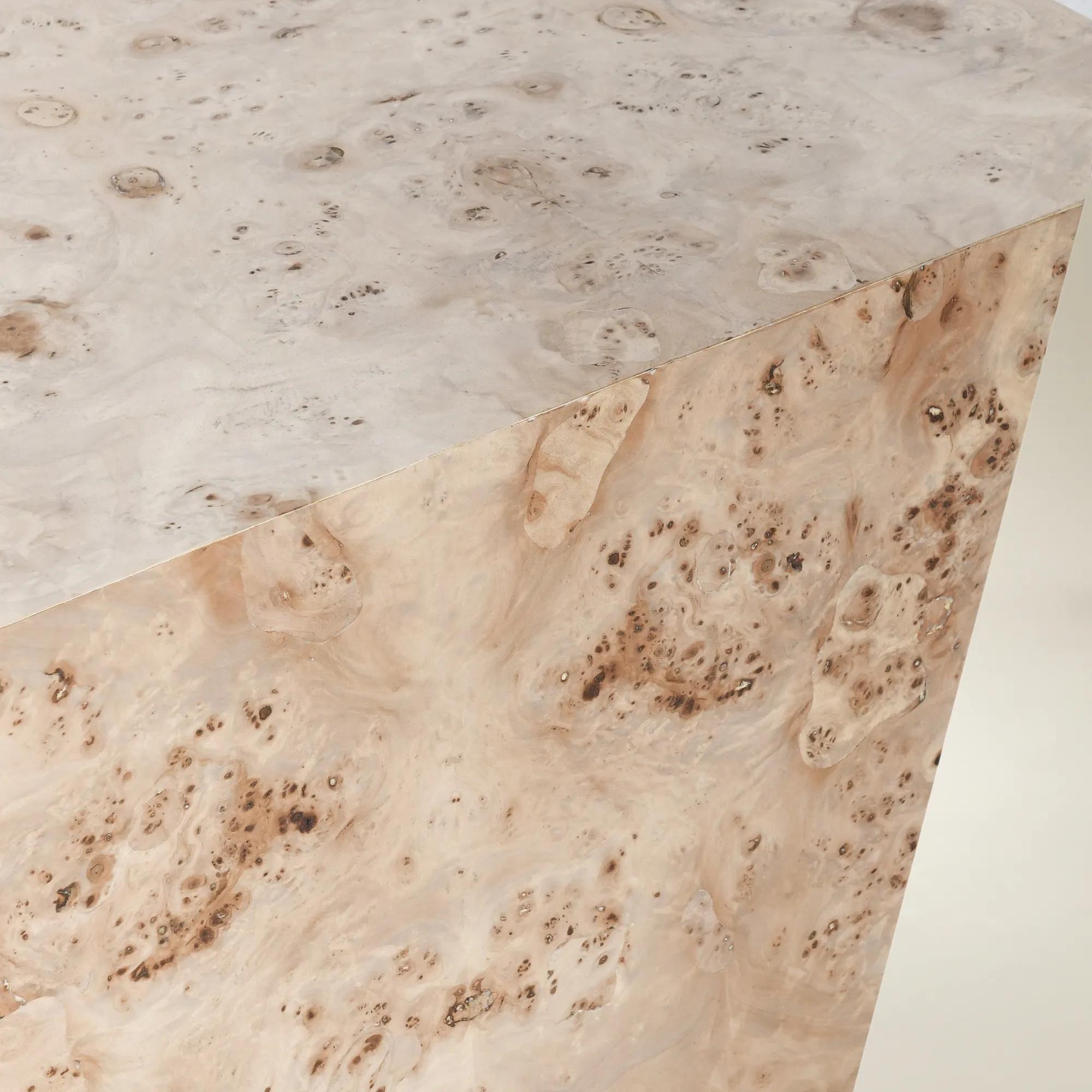 Avena Square Natural Burl Wood Coffee Table (41.75")$1399
A sculptural coffee table featuring natural burl wood veneer with unique grain patterns and a hand-applied finish.
Add To Cart -
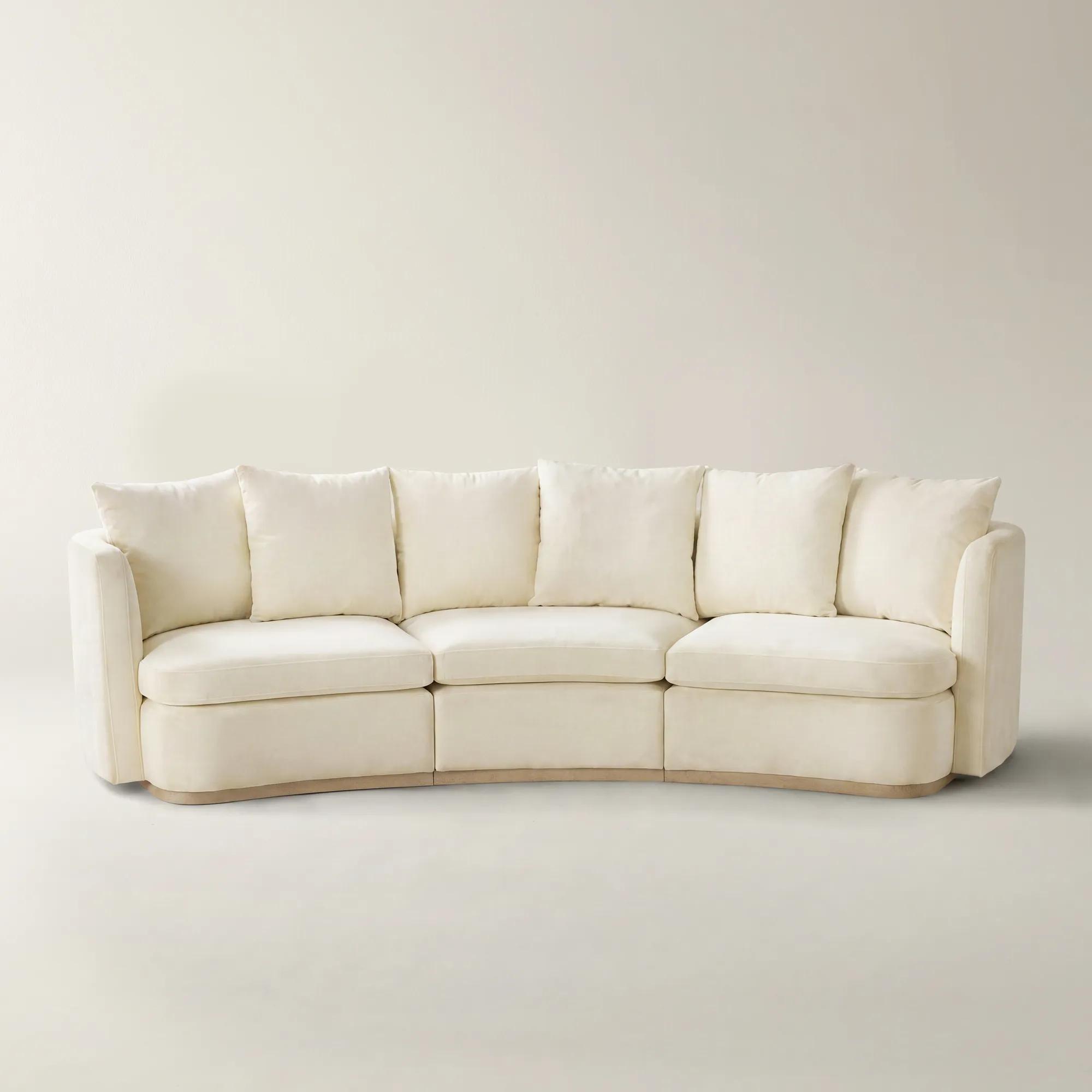 Stria 3-Piece Oatmeal Velvet Sectional Sofa$3399
A sculptural oatmeal velvet sectional with modular connectors, layered foam-and-down cushioning, and a kiln-dried wood frame.
Add To Cart -
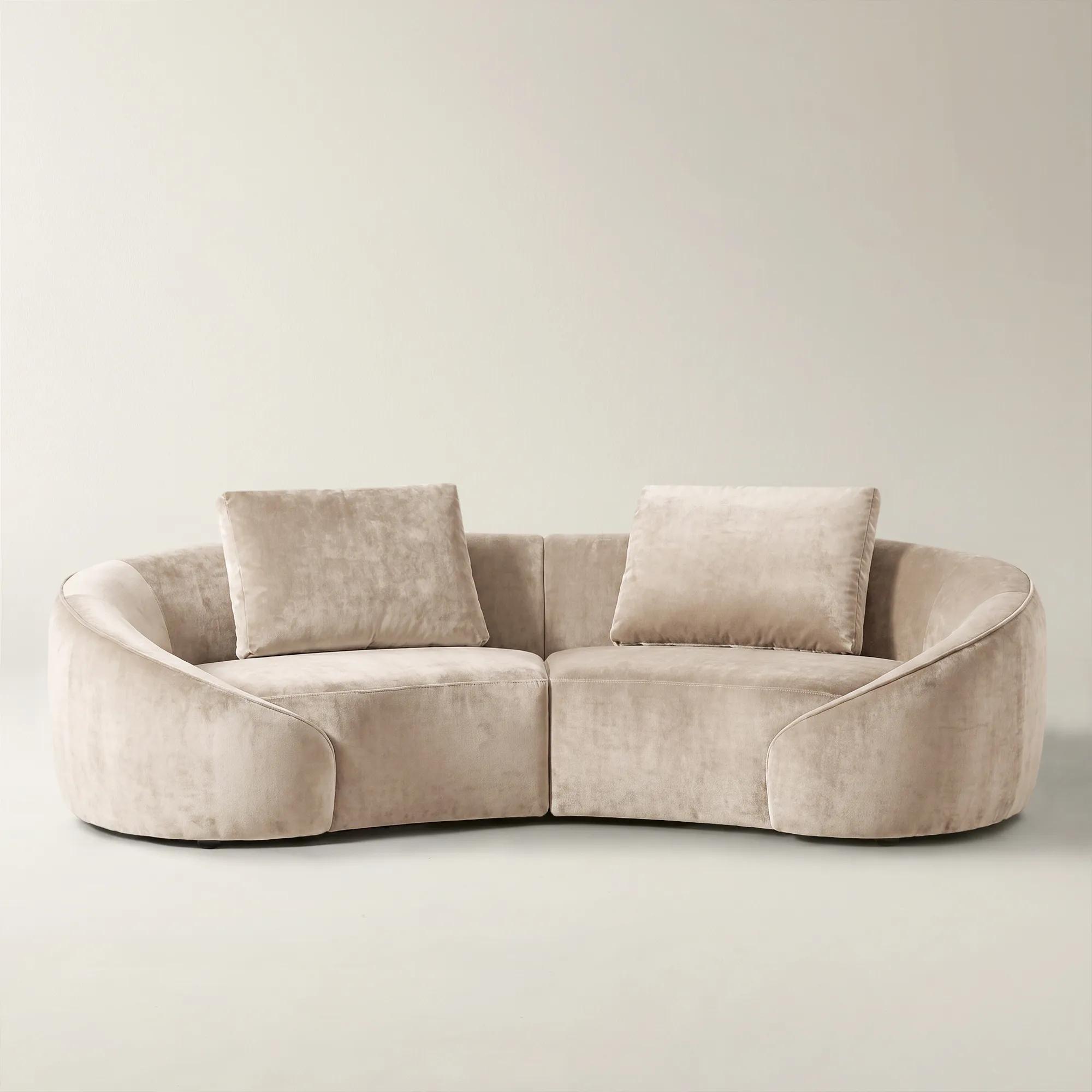
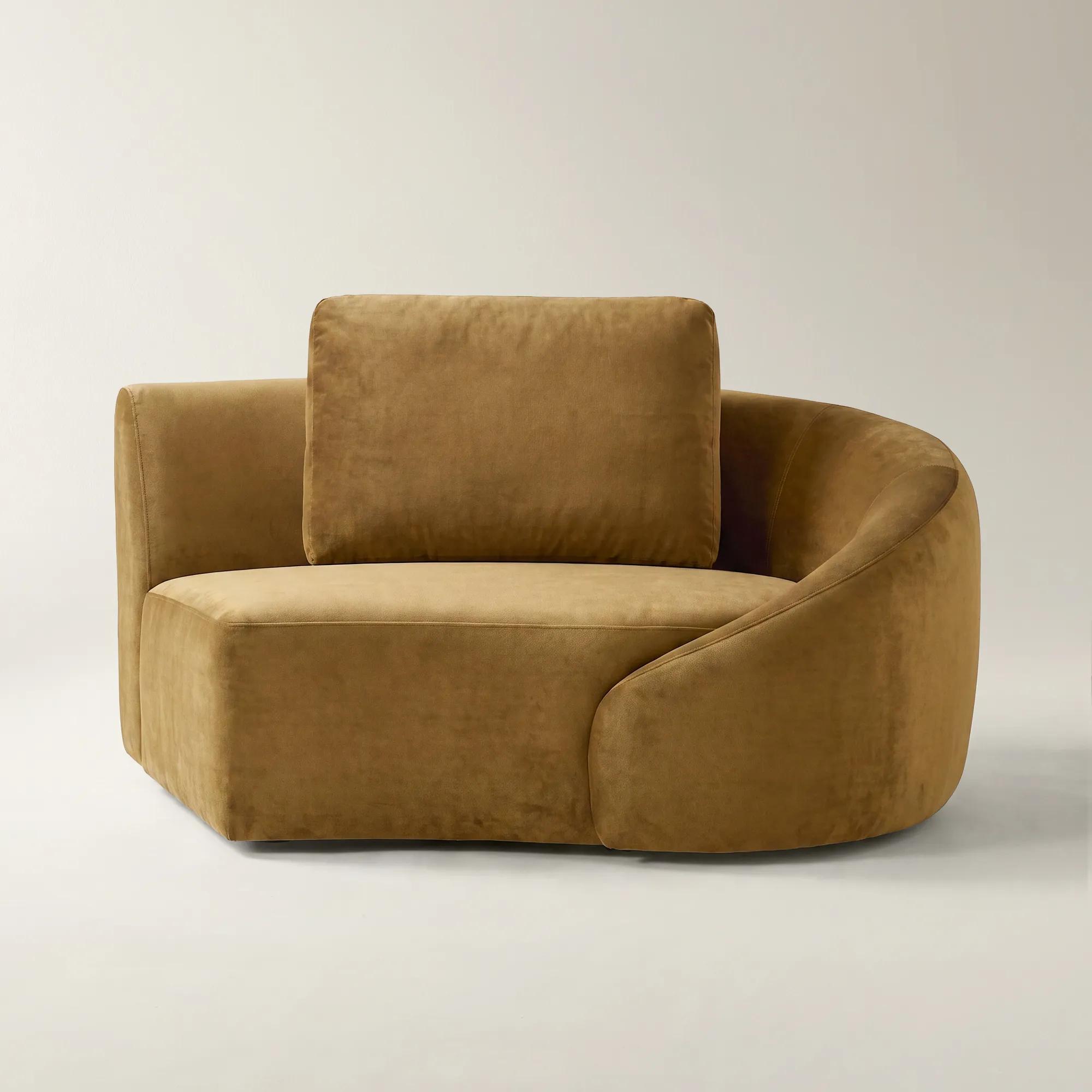
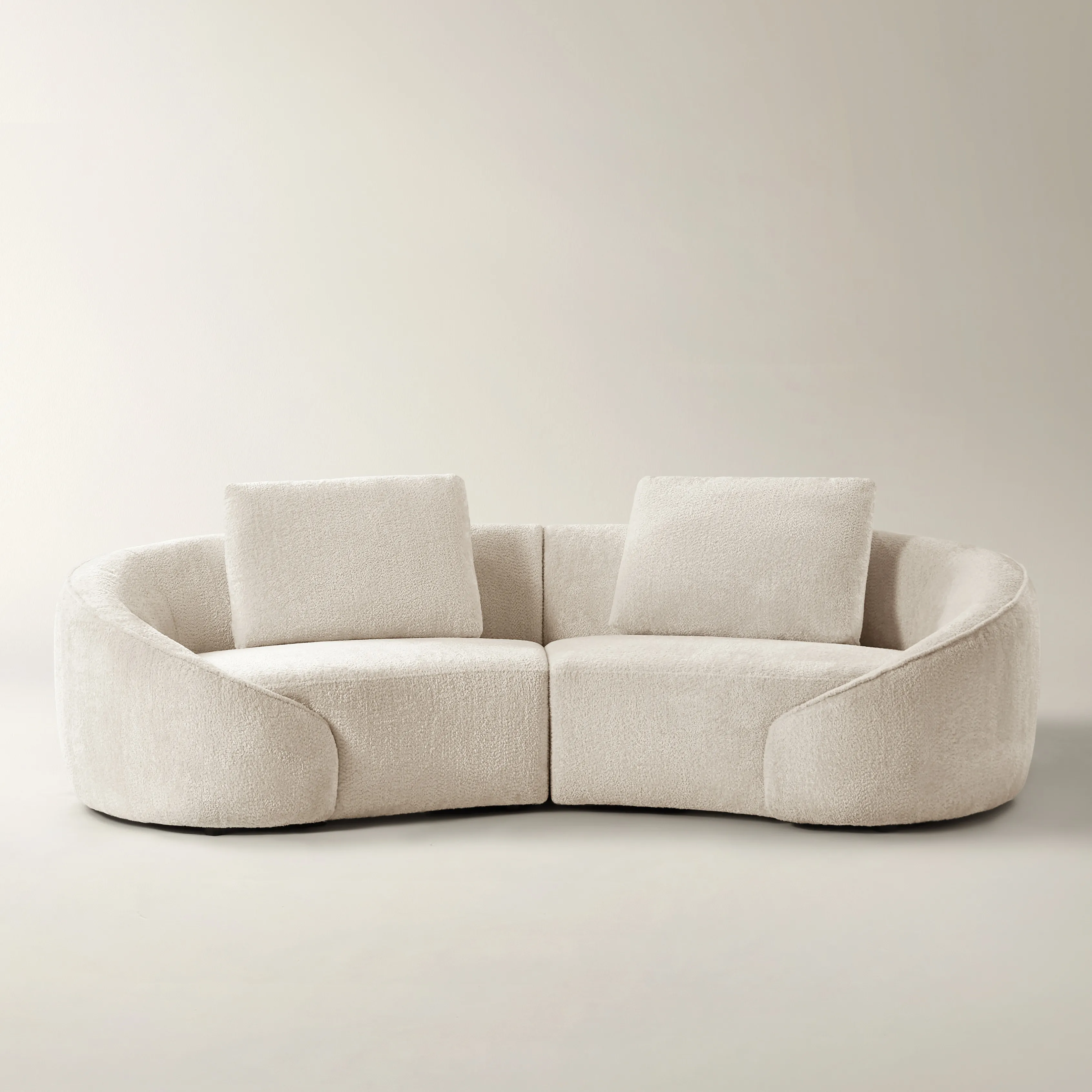 Irene 2-Piece Simply Taupe Velvet Sectional Sofa$2699
A sculptural taupe velvet sectional featuring high-resiliency foam cushions and artisan hand-finished upholstery.
Add To Cart -
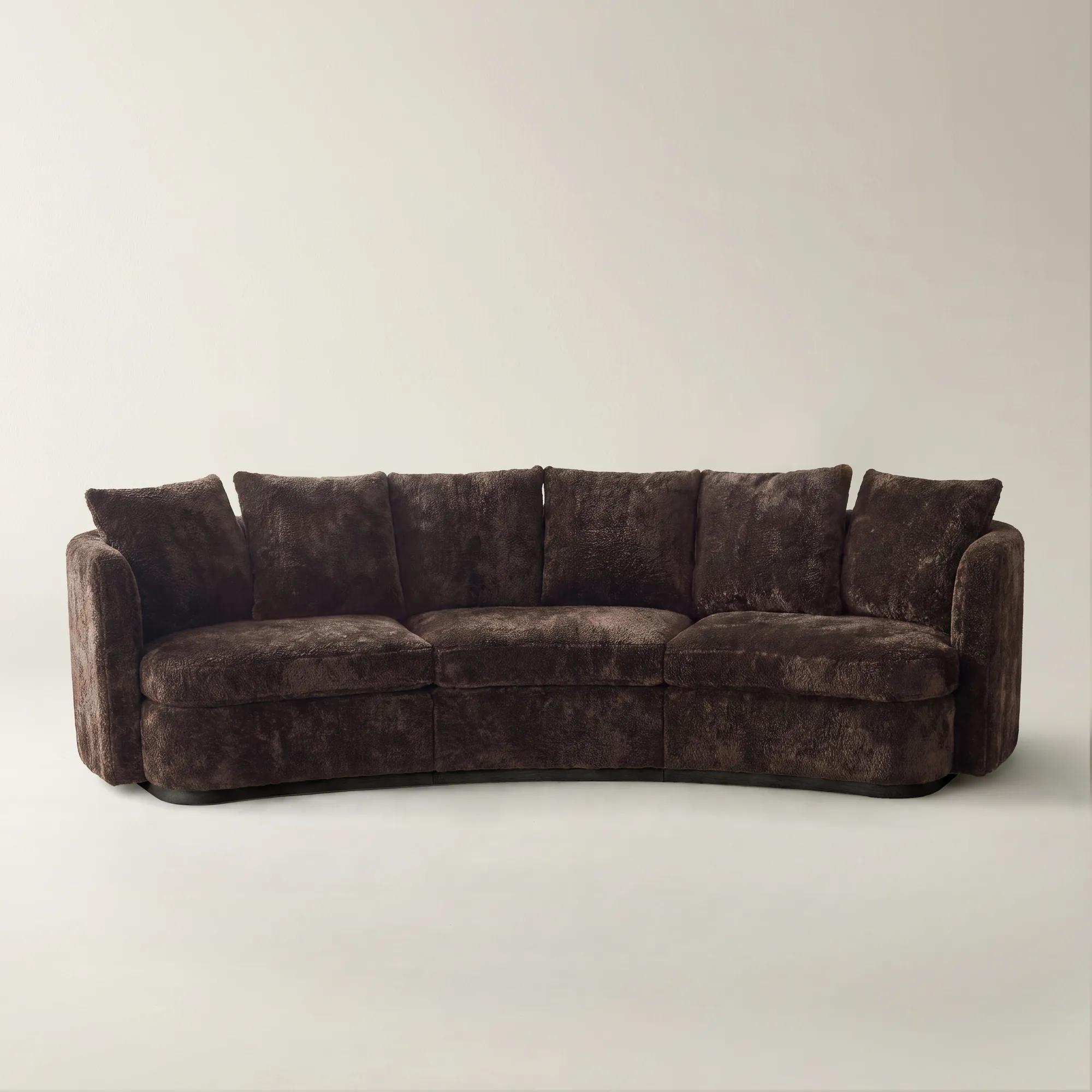 Stria 3-Piece Dark Chocolate Chenille Sectional Sofa$3399
A dark chocolate chenille sectional with sculptural curves, layered cushioning, and modular connectors for tailored comfort.
Add To Cart

Furniture For Traditional Homes
Furniture for Traditional Homes is an invitation to revel in timeless grandeur and refined artistry. Here, every silhouette whispers of heritage, every curve and carving is a nod to the elegance of eras past. Imagine stately dining rooms aglow with warmth, living spaces layered in rich textures, and bedrooms that exude comfort with a regal touch. Each piece transforms your home into a sanctuary of sophistication—where classic beauty reigns and every detail tells a story steeped in tradition. Embrace the enduring allure of tradition and let your interiors become a living masterpiece.
Furniture for traditional homes draws on English, French, and American design traditions, particularly styles associated with the eighteenth and nineteenth centuries. Its defining features include balanced proportions, rich wood tones, graceful curves, and decorative details that give a room a sense of permanence. Rolled arms, turned legs, framed cabinet fronts, and tailored upholstery express that heritage without requiring every surface to be ornate. The appeal lies in the relationship between those details: a substantial sofa anchors a conversation area, a curved chair softens its outline, and a polished table introduces a gleam beside textured fabric. Traditional furniture can feel formal and richly layered, but it can also create a relaxed setting for reading, conversation, and everyday meals. Deep espresso, warm walnut, creamy ivory, and jewel-toned upholstery establish different moods within the same design language. Dark wood against pale seating creates crisp definition; tonal upholstery and softly lustrous finishes produce a quieter elegance. Materials contribute just as much character as color. Solid wood brings natural grain variation, while carefully applied wood veneers can create expressive grain patterns across broad surfaces. Neither material alone determines quality; construction, joinery, finish, and intended use all deserve attention. Velvet offers depth and a light-responsive surface, linen blends introduce visible texture, and leather lends a smooth, substantial presence that may develop character with use. Nailhead trim, button tufting, and carved accents are most compelling when they reinforce a silhouette rather than compete for attention. A restrained touch of glass or reflective metal can brighten the composition, giving classic forms a more luminous setting. The result need not resemble a period room. Traditional home furniture works beautifully in newer houses and apartments, too, bringing architectural presence to spaces with simple walls and clean-lined layouts. Its character comes from proportion, material, and thoughtful repetition—not from reproducing a single historical era.
Scale gives traditional furniture its confidence, and the most inviting rooms allow that presence without sacrificing movement. A generously upholstered sofa may look magnificent beneath tall windows, while a shallower frame can offer similar visual richness in a compact living room. Overall dimensions tell only part of the story: arm height, seat depth, back height, and the space beneath a piece all affect how substantial it feels. High backs and enclosed bases create a more grounded impression; raised legs reveal more floor and can keep a layered room from feeling crowded. Comfortable seating also depends on the people using it. A deep seat suits someone who enjoys reclining with a book, while a more upright profile may feel better for conversation or for someone who prefers easier entry and exit. In a room used for entertaining, seating arranged within comfortable speaking distance encourages guests to settle in rather than gather at the edges. Matching pairs can establish the symmetry associated with traditional interiors, but a different accent chair or an unexpected finish keeps that balance from becoming rigid. Dining furniture has its own practical choreography. Roughly 36 inches between a table’s edge and nearby walls or furniture is a useful starting point for chair clearance, with additional space along frequently traveled routes. Armchairs need enough clearance beneath the tabletop or apron, and an extending table requires room for both its expanded length and occupied chairs. Storage pieces should accommodate what a household actually keeps: serving platters, folded linens, books, or the objects that make an entryway feel personal. Door swings, drawer extensions, outlets, and baseboards can influence placement as much as a piece’s width. Measuring doorways, stair turns, and elevator interiors before choosing large furniture helps ensure that an elegant room plan is also a workable one. These practical details preserve the ease that allows a richly furnished home to feel welcoming rather than precious.
For furniture that sees daily use, beauty and durability are closely connected. A tailored silhouette benefits from a supportive frame, sound joints, and cushions suited to the preferred level of firmness. Upholstery deserves particular attention in households where the living room also hosts pets, children, or frequent guests. Tightly woven fabrics may be less prone to snagging than loose, open weaves, while performance claims should be evaluated according to the actual fabric specifications and care instructions. Velvet’s changing nap can create visible shading, an inherent part of its luminous appearance rather than necessarily a stain or flaw. Leather care varies by finish, and some surfaces show scratches, oils, or color changes more readily than others. Removable cushions can make routine maintenance easier, although a removable cover is not automatically machine washable. Regular vacuuming with an appropriate attachment helps lift dust from upholstery, seams, and tufting; spills generally call for prompt blotting rather than rubbing, followed by the manufacturer’s recommended treatment. Wood furniture benefits from protection against standing moisture, excessive heat, and prolonged direct sunlight. Coasters, placemats, and suitable protective pads help preserve finished surfaces without hiding their grain, while cleaners should be chosen for the specific finish rather than assumed suitable for every wood tone. Hardware and joints may need periodic attention, and tall storage furniture should be secured according to the manufacturer’s anchoring instructions. In shared spaces, rounded edges, stable bases, and durable surface finishes can support a more comfortable daily rhythm. That balance of expressive design and practical living also makes Elegant Furniture for Family Homes a natural companion to the traditional aesthetic. A well-proportioned dining table can host both an intimate supper and a lively gathering; a beautifully upholstered chair can become the seat everyone gravitates toward. Traditional furniture has its strongest presence when decorative detail serves real life, giving familiar routines a setting with depth, polish, and unmistakable personality.
FAQs
Traditional furniture style is characterized by its timeless elegance, symmetrical arrangements, and a reverence for classic European design influences from the 18th and 19th centuries. Hallmarks include rich, dark woods such as mahogany or cherry, ornate carvings, turned legs, claw feet, and plush upholstery in luxurious fabrics like velvet, silk, or brocade. These pieces often feature intricate details, gold or brass accents, and deep, inviting color palettes, creating a sense of formality and warmth that never goes out of style.
Blending traditional furniture with modern elements is all about balance. Start with a few statement pieces—such as an ornate sofa or a carved wood dining table—then layer in contemporary accents like neutral rugs, sleek lighting, or abstract art. This approach allows the craftsmanship and detail of traditional furnishings to shine while keeping the overall look fresh and current. Mixing textures and playing with scale can help bridge the gap between eras, resulting in a space that feels both sophisticated and inviting.
Traditional home furniture is often upholstered in sumptuous, tactile fabrics that evoke a sense of luxury and comfort. Velvet, silk, damask, and brocade are perennial favorites, frequently adorned with elegant touches like nailhead trim, fringe, or tufting. These materials not only add visual richness but also enhance the sensory experience of the space, making every seat feel like a destination.
Traditional furniture makes a meaningful gift for anyone who appreciates heritage, artistry, and the comforts of home. It’s especially well-suited for newlyweds, new homeowners, or those celebrating milestone occasions such as anniversaries. A beautifully crafted accent chair, heirloom-worthy chest, or elegant vanity can become a cherished centerpiece that brings both beauty and function to a loved one’s space.
Traditional furniture infuses a family home with warmth, character, and a sense of continuity. Its classic forms and rich materials create an inviting environment where memories are made and traditions are honored. Whether it’s gathering around a grand dining table for holiday feasts or relaxing in a cozy, tufted armchair on a winter’s evening, these pieces foster a sense of belonging and elevate everyday moments into lasting rituals.