Centerpiece Ideas For Holidays
Centerpiece Ideas For Holidays
-
 Trio Twist Soft Gold Aluminum Tapper Holders Set of 3$129
A set of three aluminum taper holders in soft gold with sculptural twisted silhouettes for modern elegance.
Add To Cart -
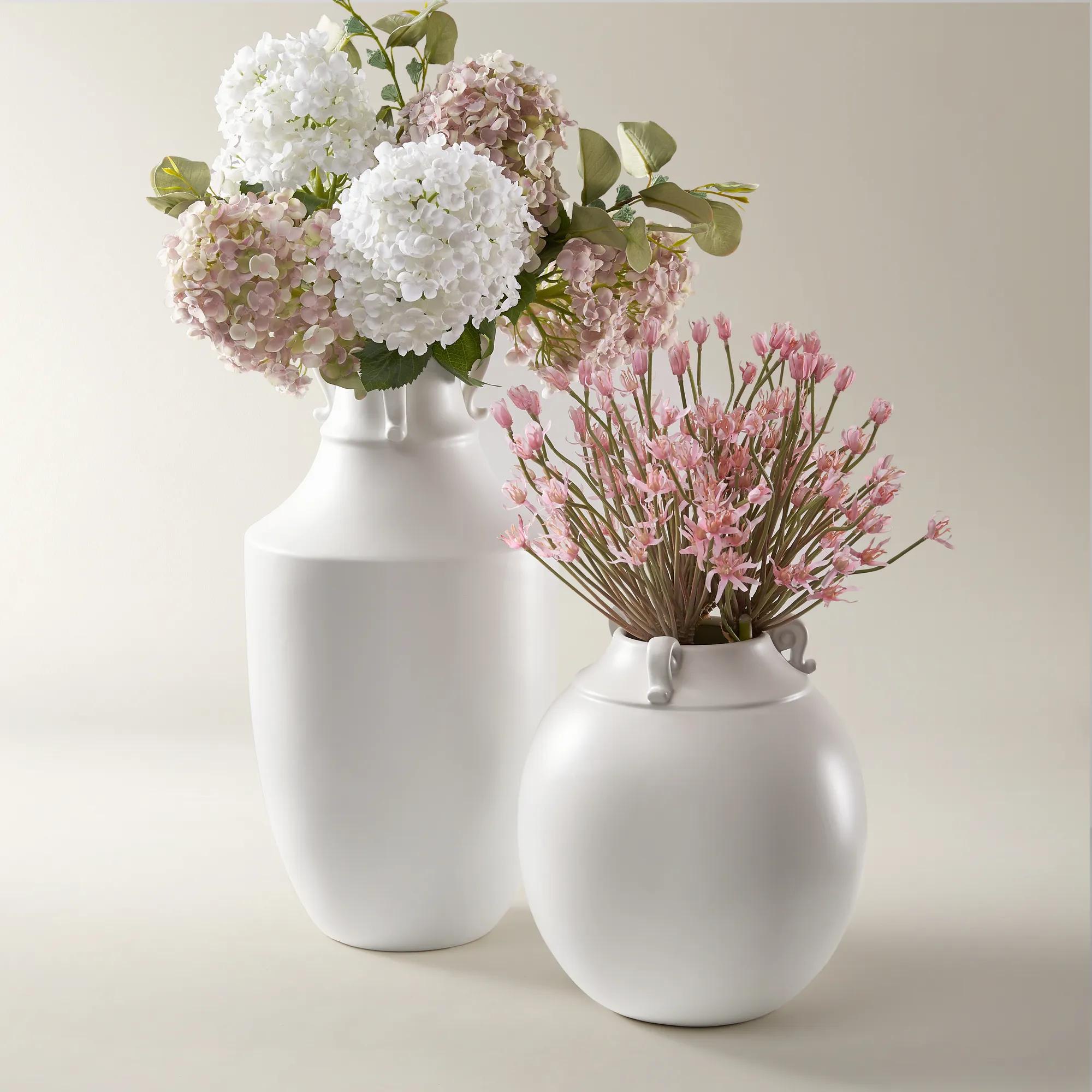 Amora Vase$79
A graceful white ceramic vase featuring smooth curves and a timeless, contemporary design.
Add To Cart -
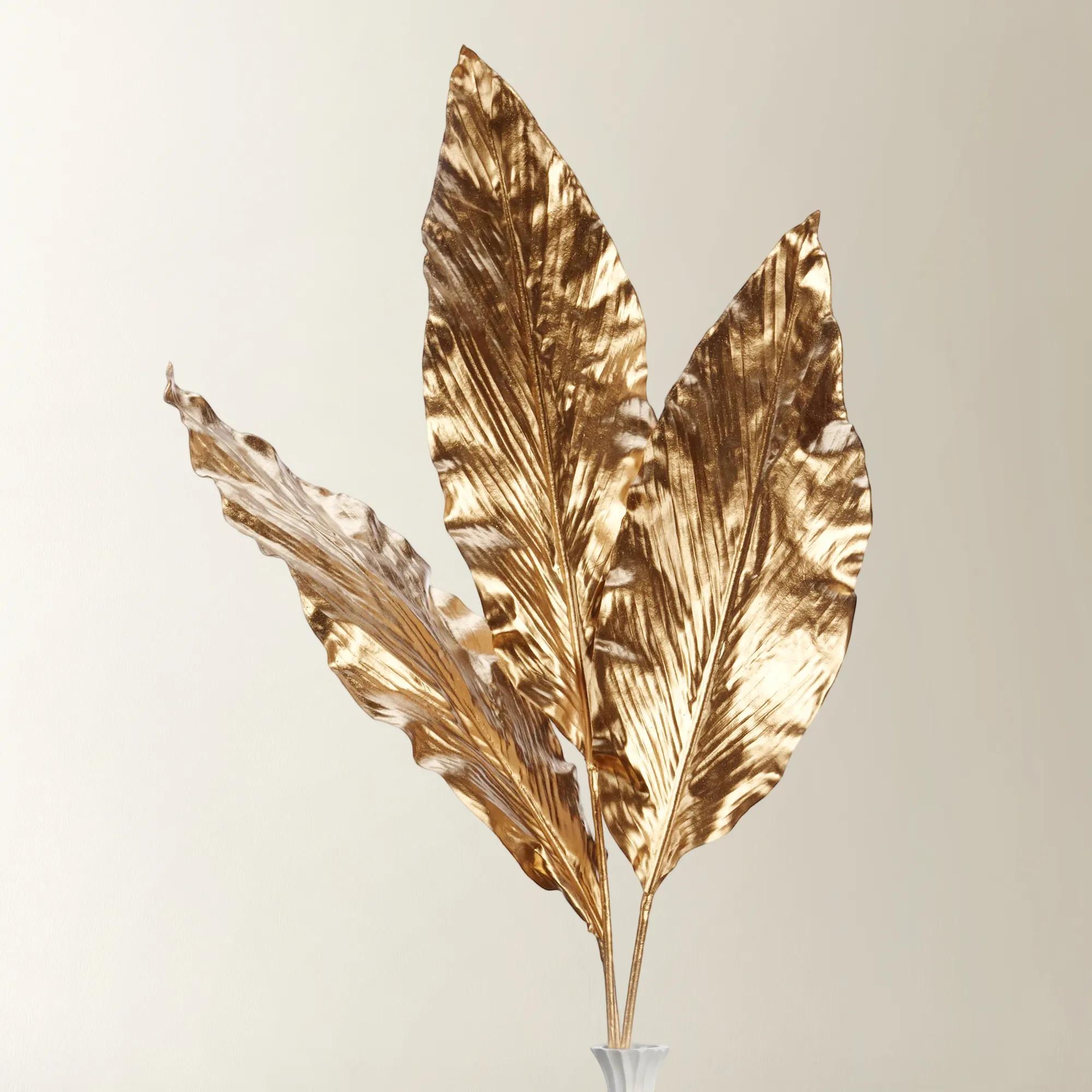
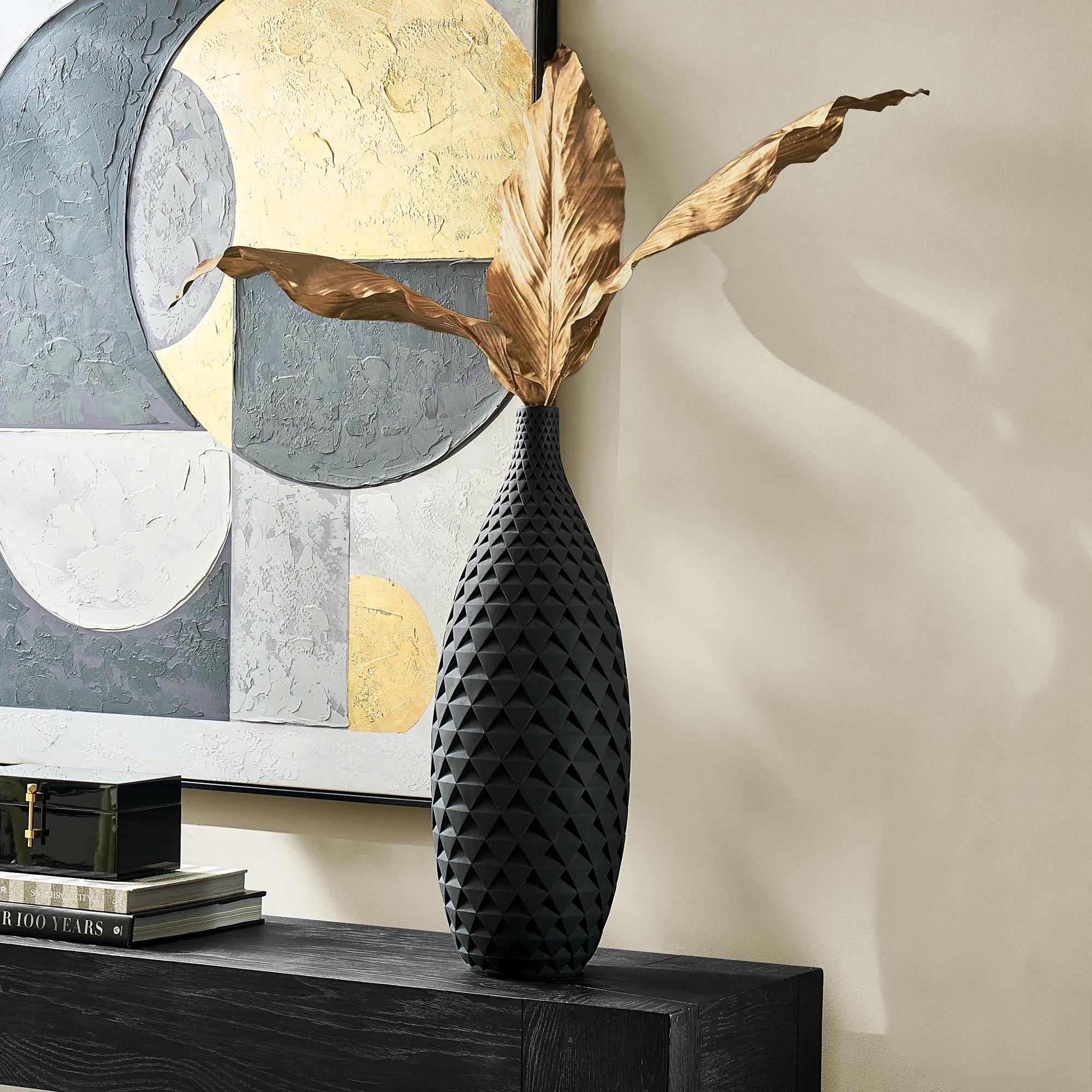 Faux Gold Canna Leaf Branch 38" Set of 3$49
A set of three golden metallic branches inspired by Canna leaves for a modern, autumnal accent.
Add To Cart -
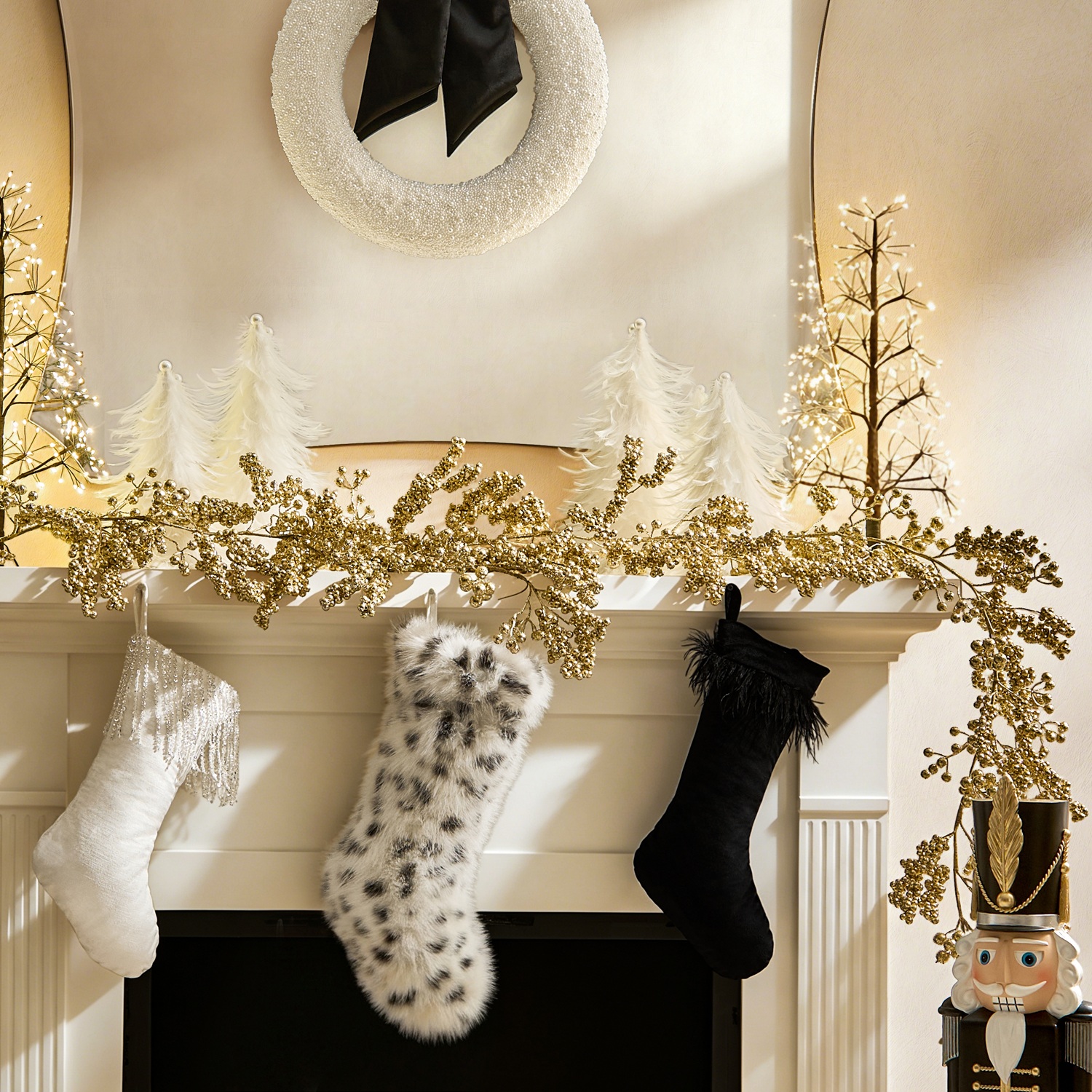
 Metallic Gold Berry Garland 72"$109
A metallic gold garland featuring sculptural berry clusters for a festive, modern accent to holiday décor.
Add To Cart -
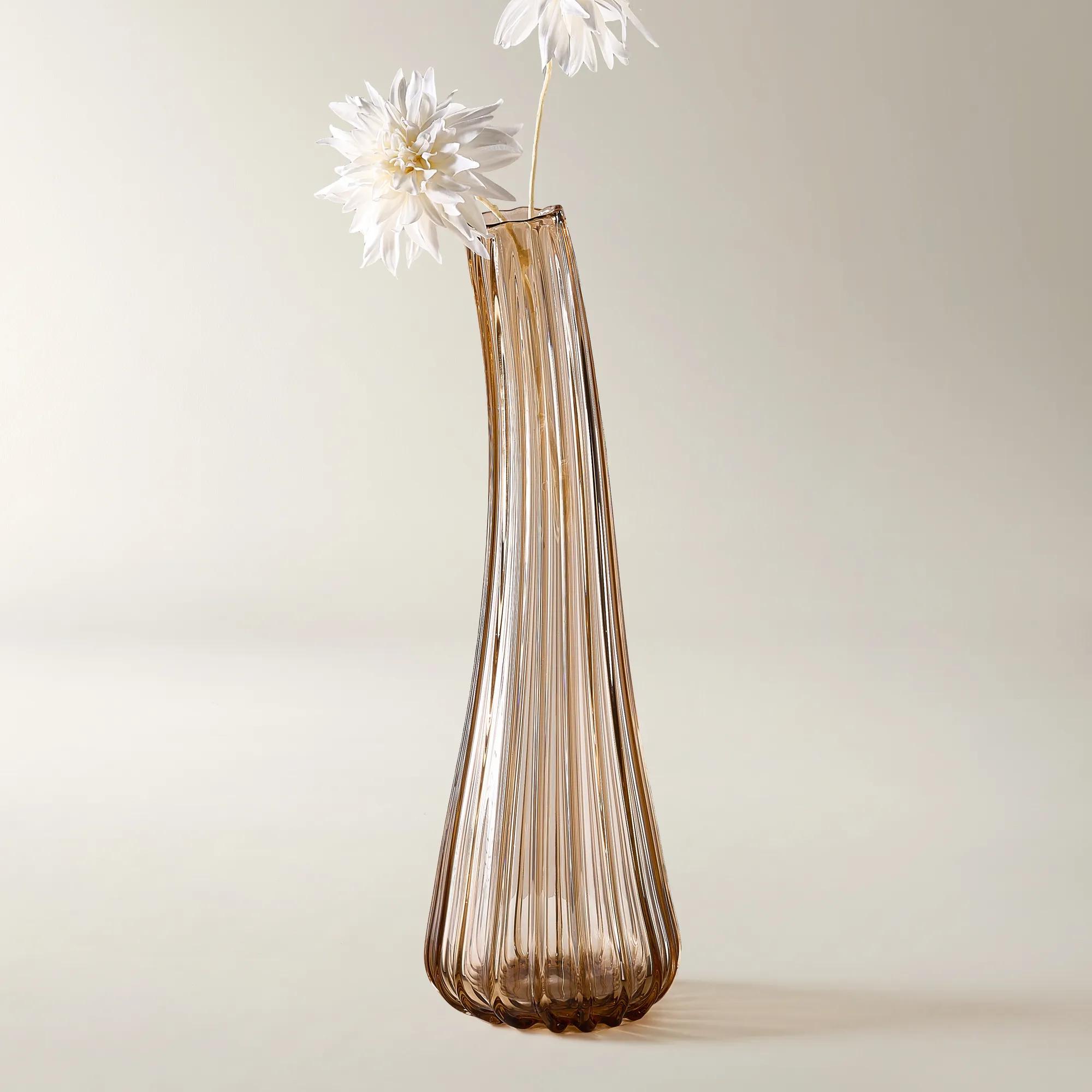
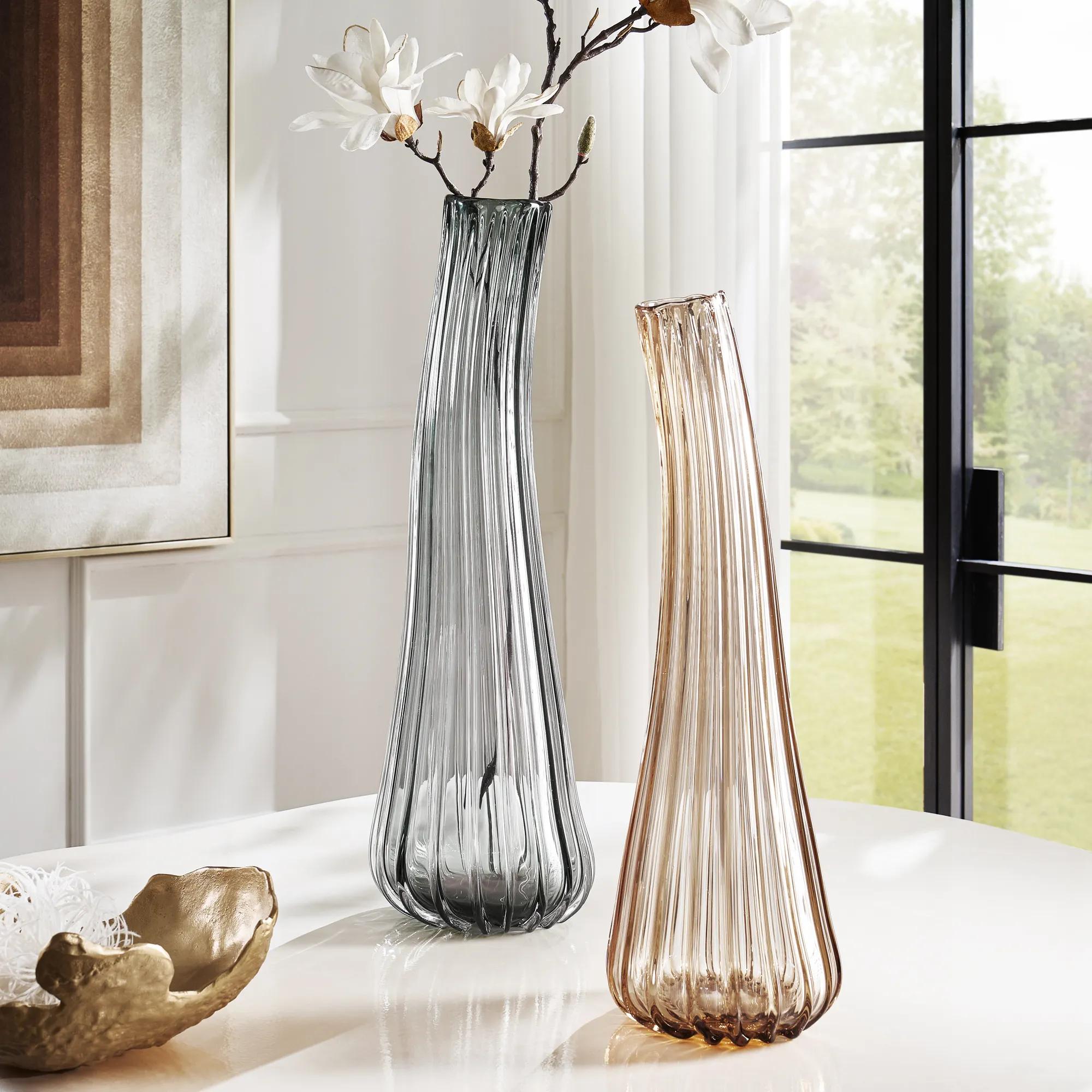 Tango Mouth Blown Soft Amber Vase 24.75"$179
A handblown glass vase in a soft amber finish with a textured, sculptural centerpiece design.
Add To Cart -
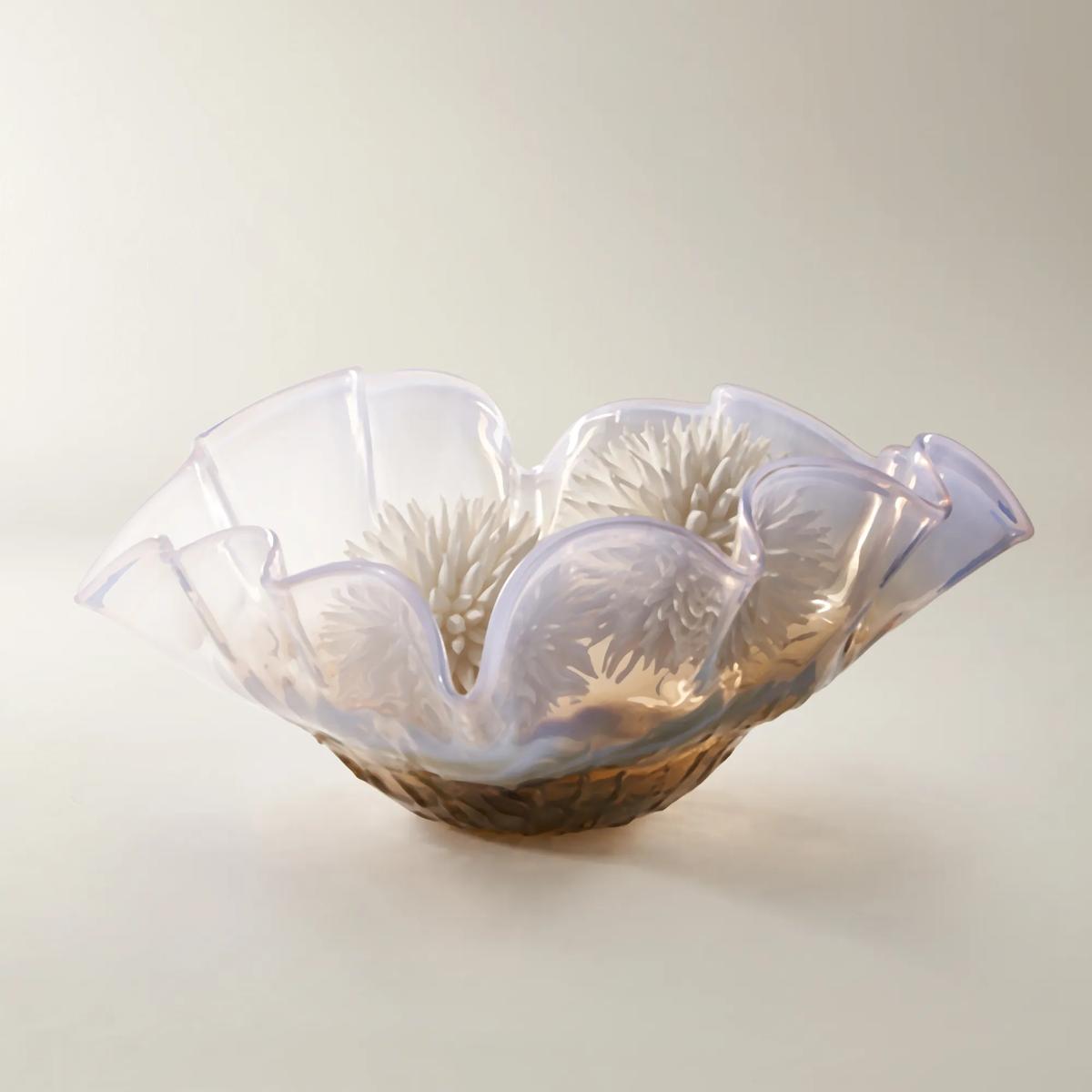
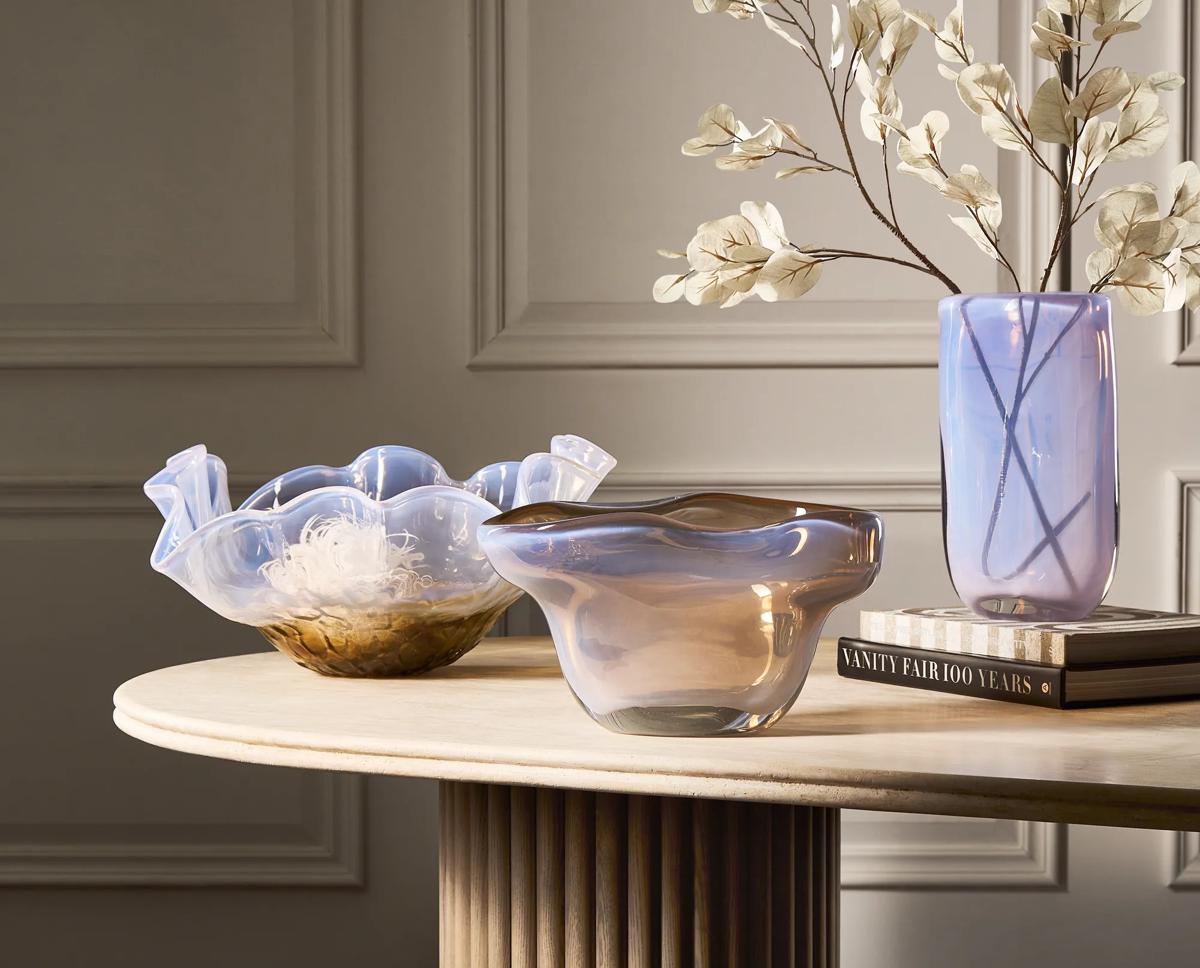 Glacier Glass Bowl$269
A hand-blown glass bowl featuring scalloped edges and swirling lavender and amber hues for artistic elegance.
Add To Cart -
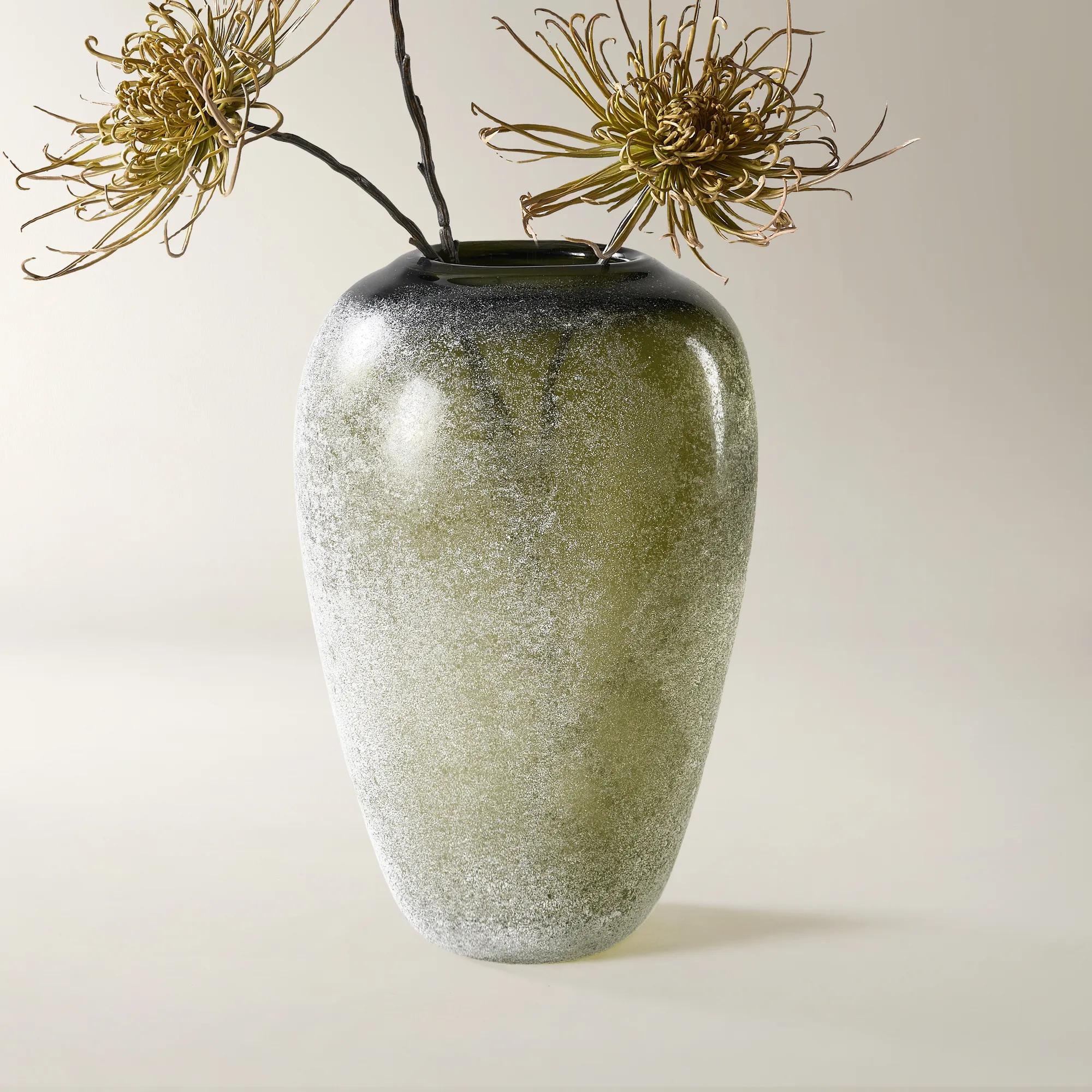 Linden Mouth Blown Pistachio Green Glass Vase 13.75"$129
A handblown glass vase in pistachio green adds a fresh, artful accent to any space.
Add To Cart -
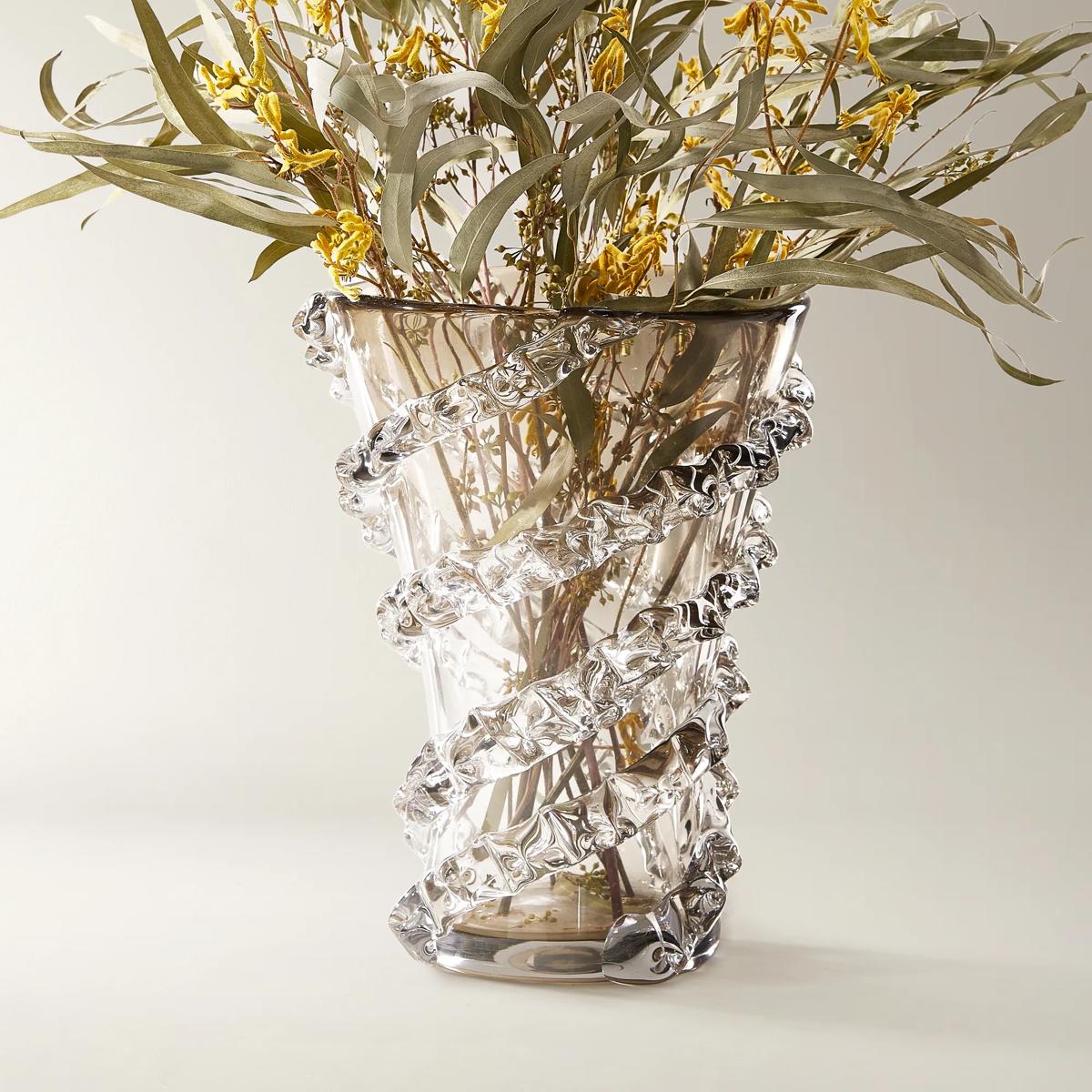
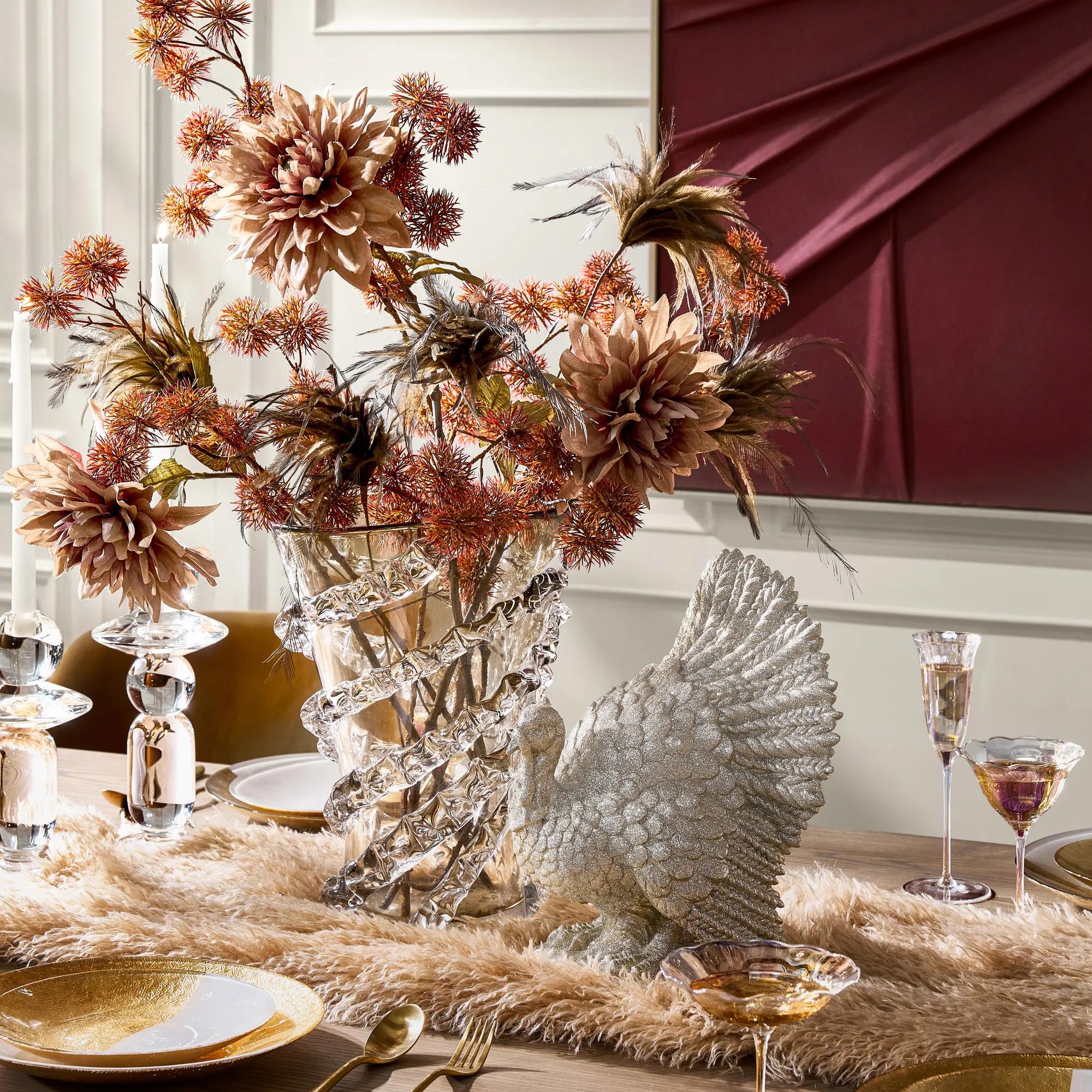 Reyna Glass Vase$299
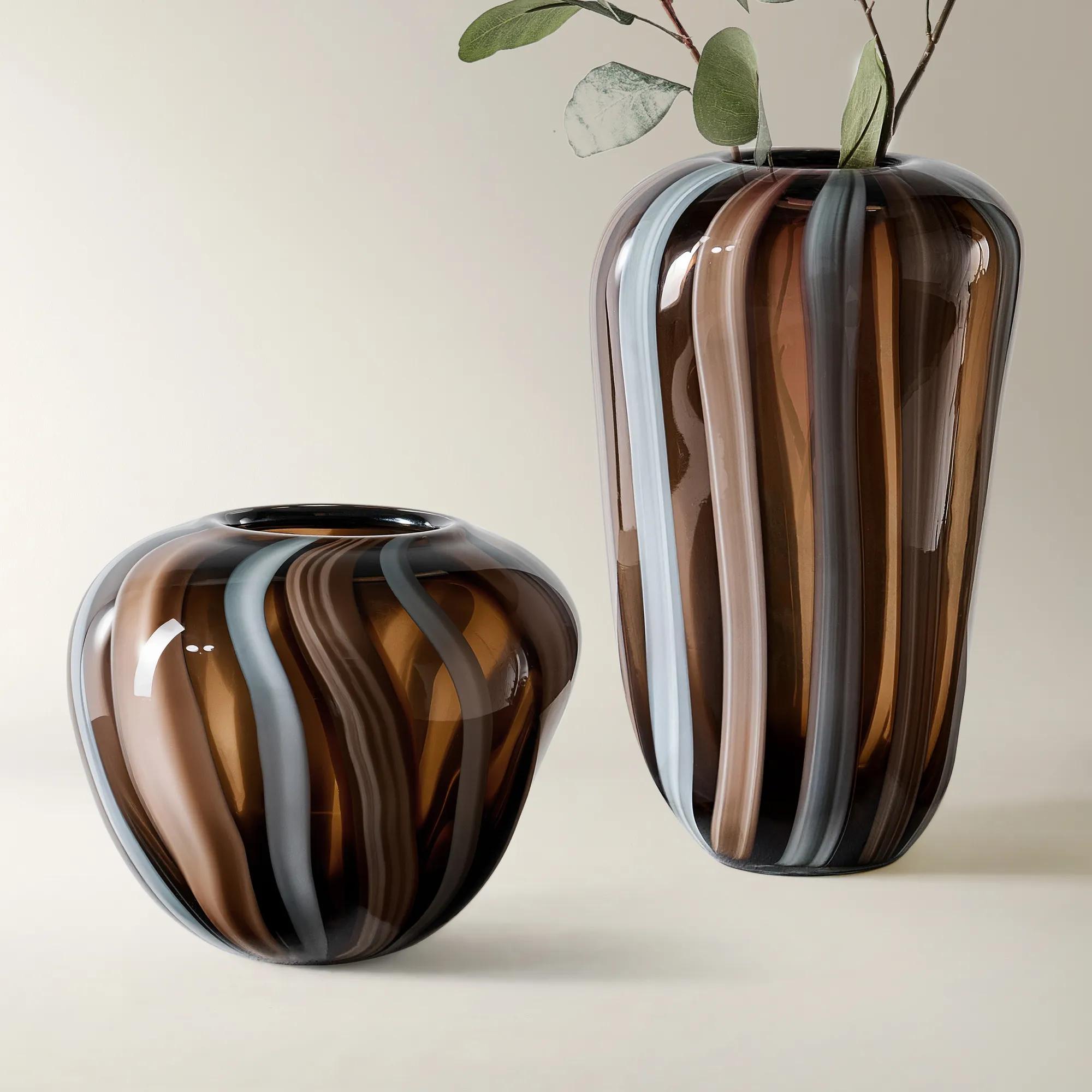
A hand-blown glass vase featuring a sculptural swirl design and a smoky grey-brown finish.
Add To Cart -
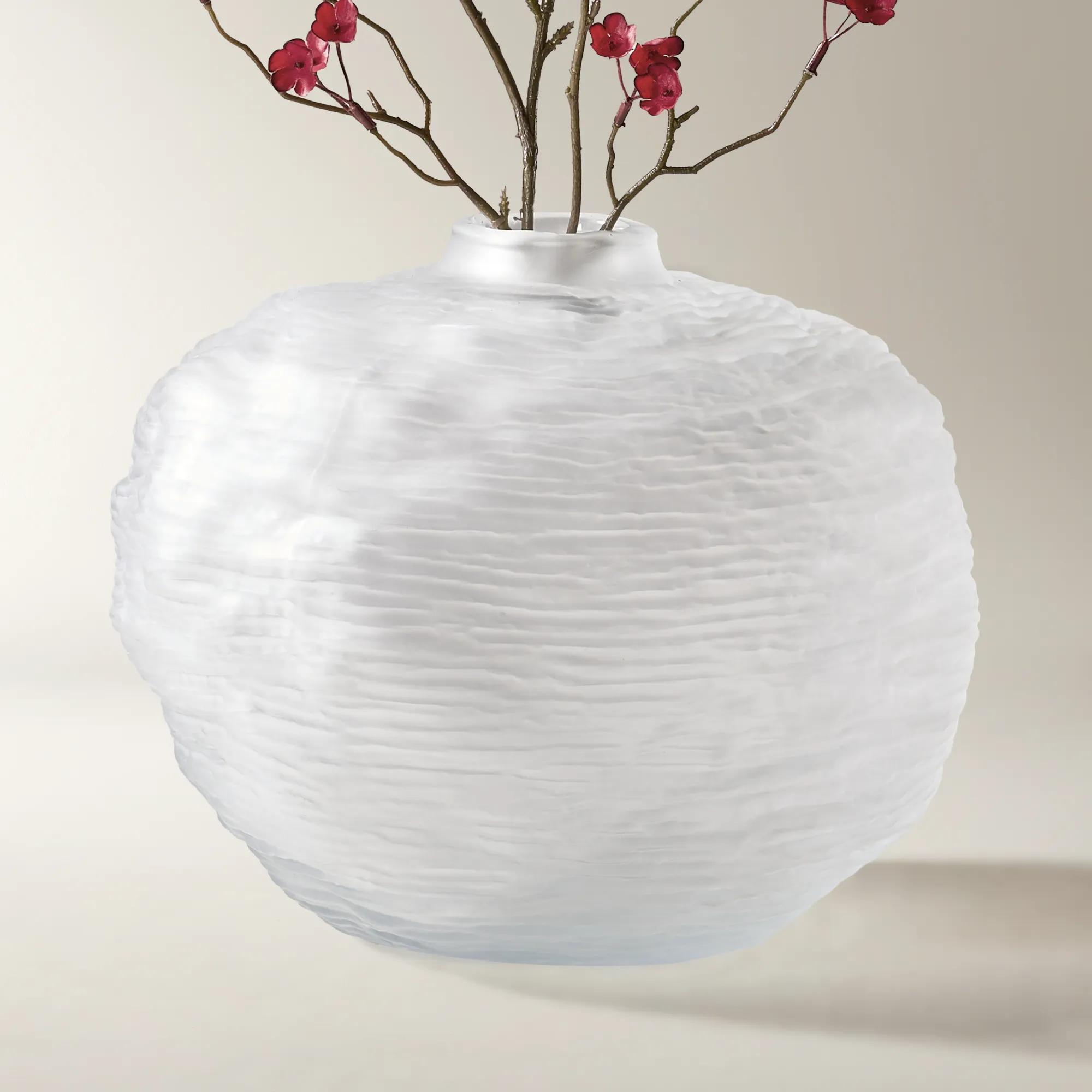 Lucid Mouth Blown Frosted Glass Vase 9.25"$99
A handblown frosted white glass vase with a sculptural, softly textured surface for modern elegance.
Add To Cart -
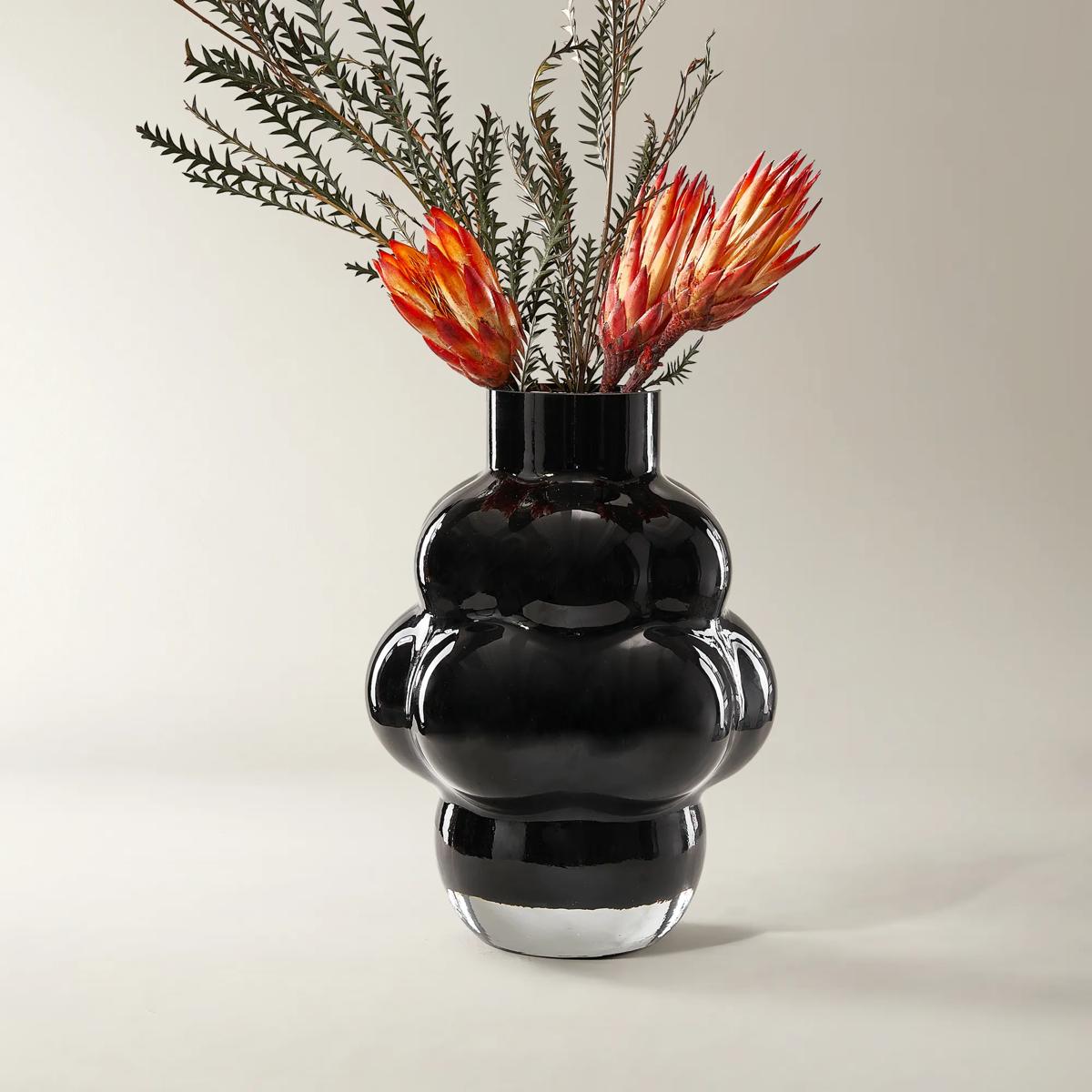 Cloud Glass Vase - Black$129
A hand-blown black glass vase featuring a sculptural silhouette and glossy, dramatic finish.
Add To Cart -
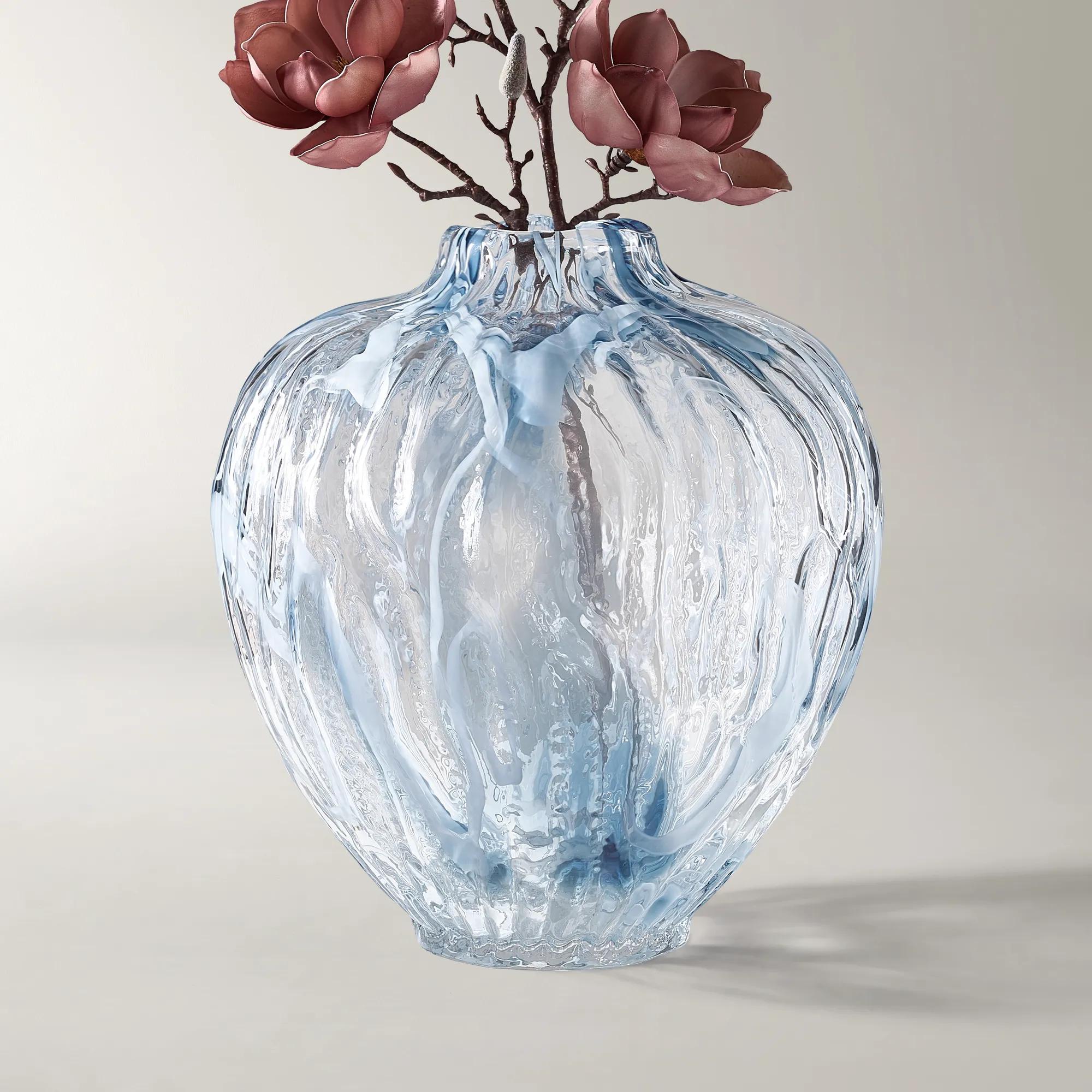 Cruz Mouth Blown Powder Blue Glass Vase 15.75"$169
A handblown glass vase in powder blue with a sculptural, light-catching surface for modern decor.
Add To Cart -
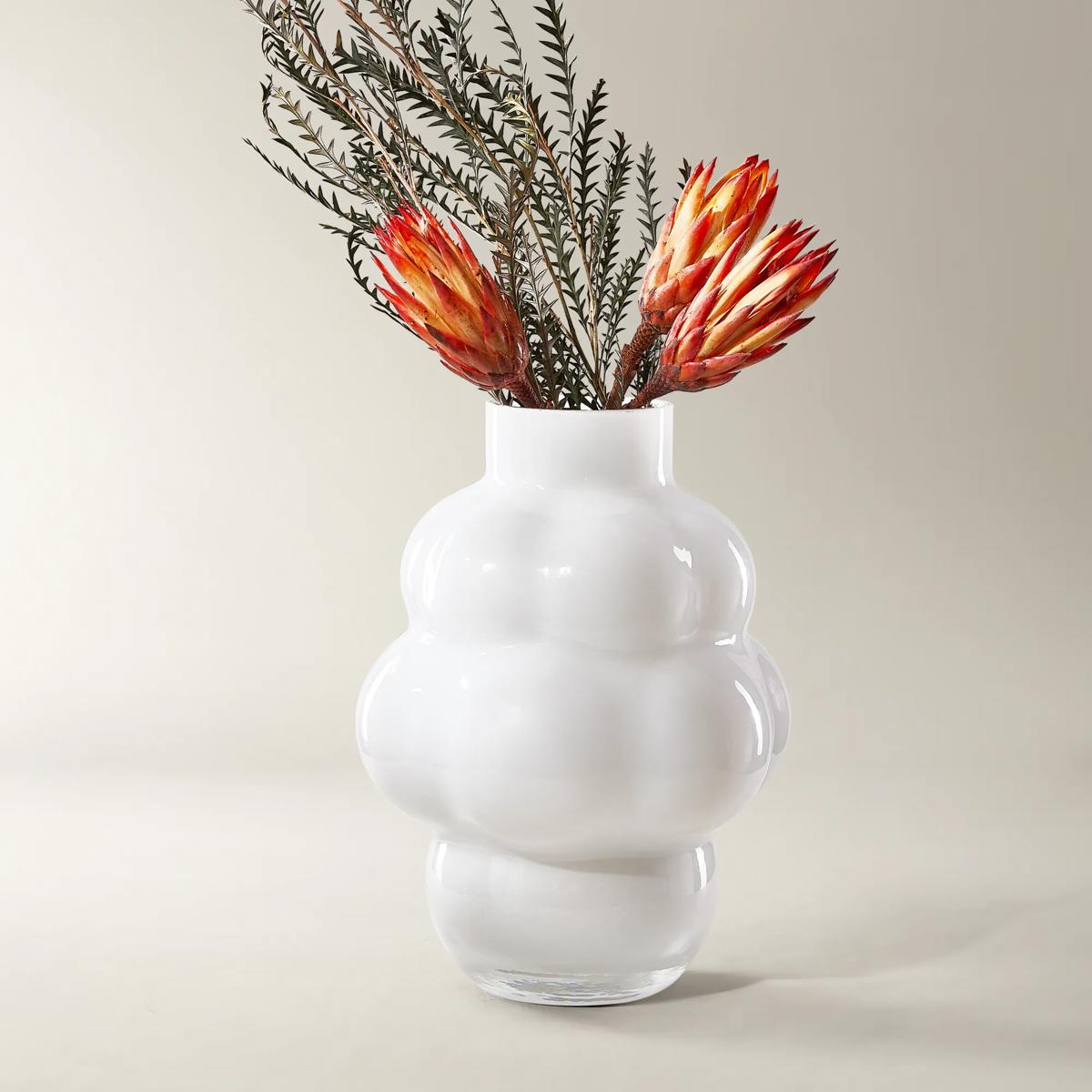 Cloud Glass Vase - White$129
A hand-blown glass vase in glossy opaque white with a sculptural, cloud-inspired silhouette.
Add To Cart -
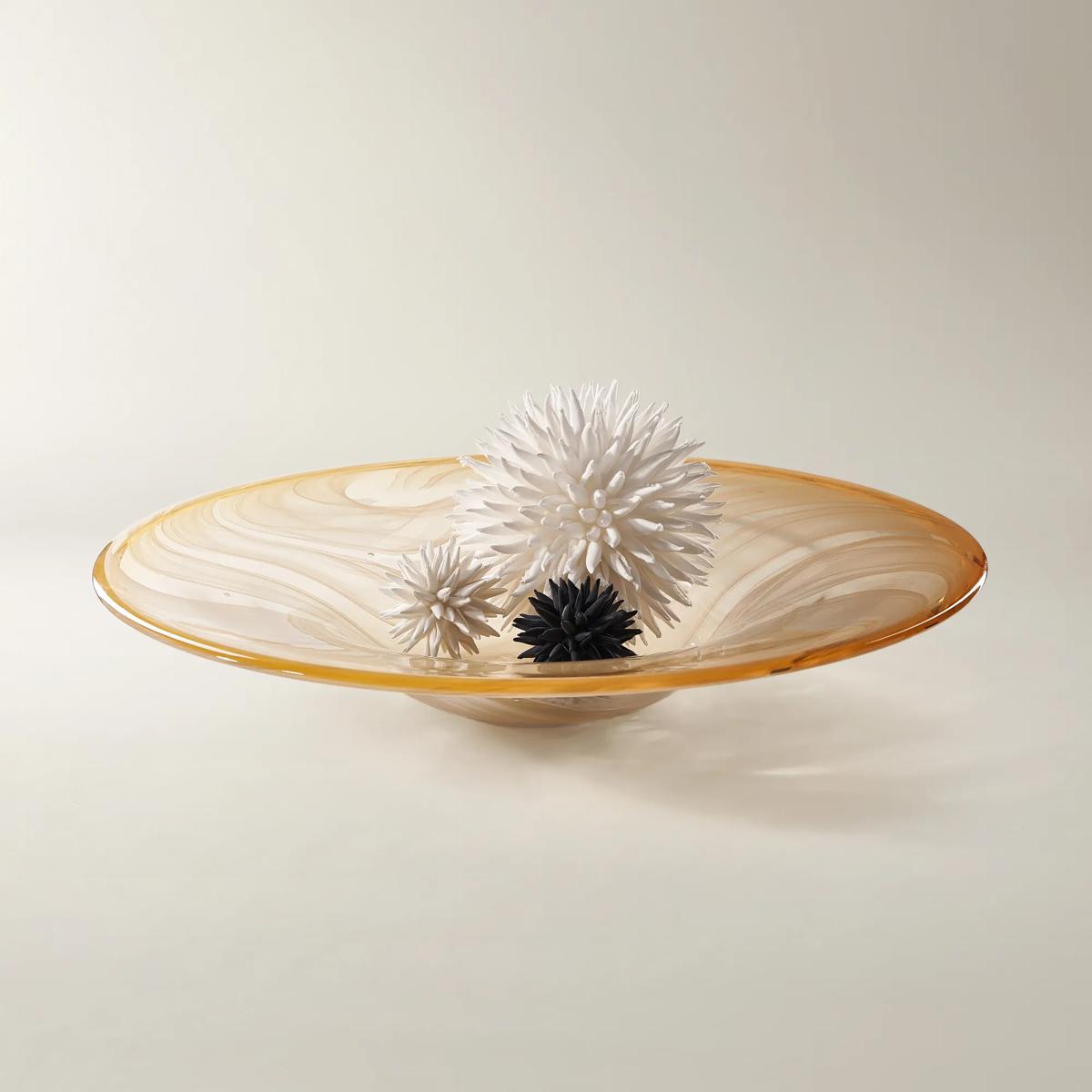
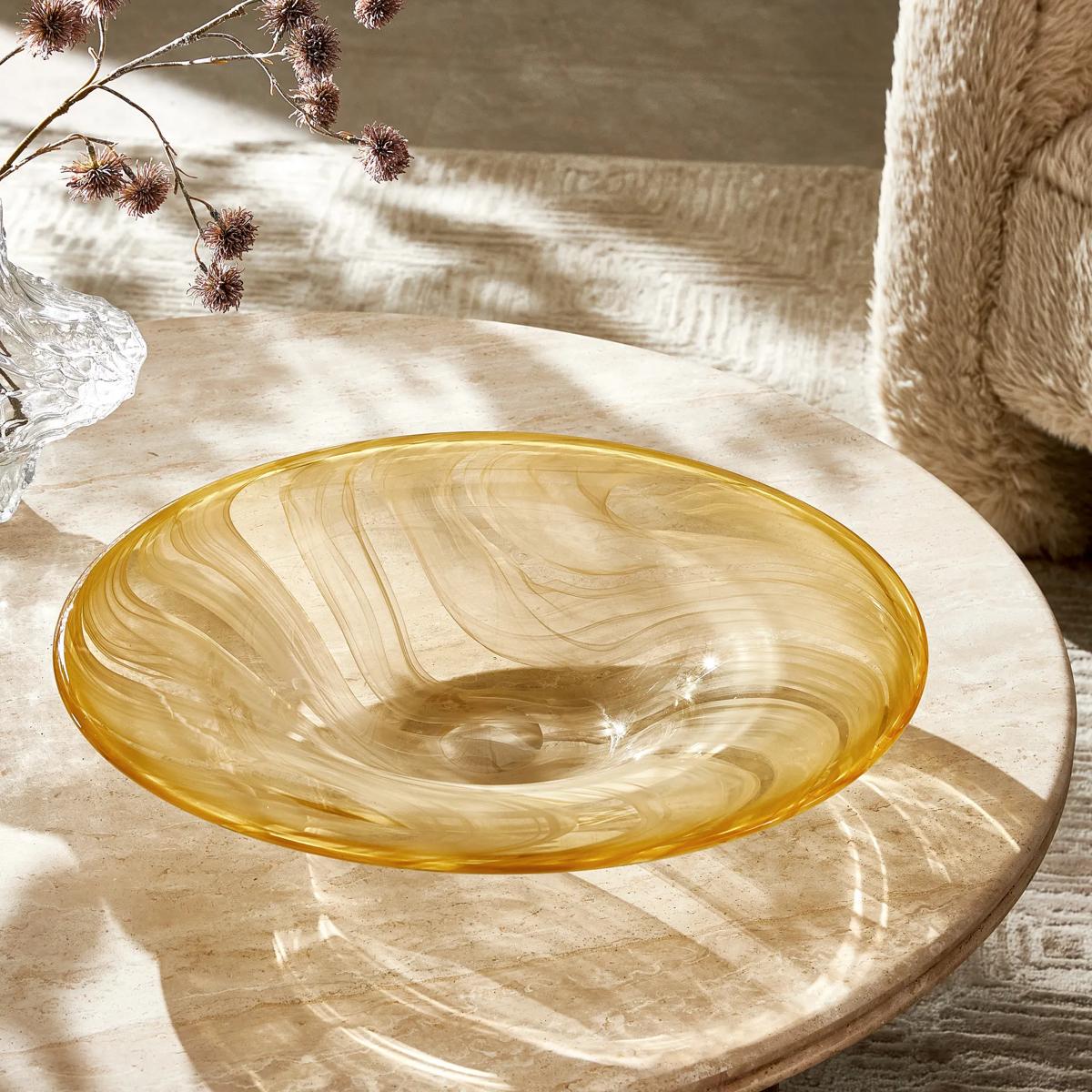 Paradis Glass Plate$239
A hand-blown amber glass plate featuring a swirling, organic design for a radiant decorative accent.
Add To Cart -
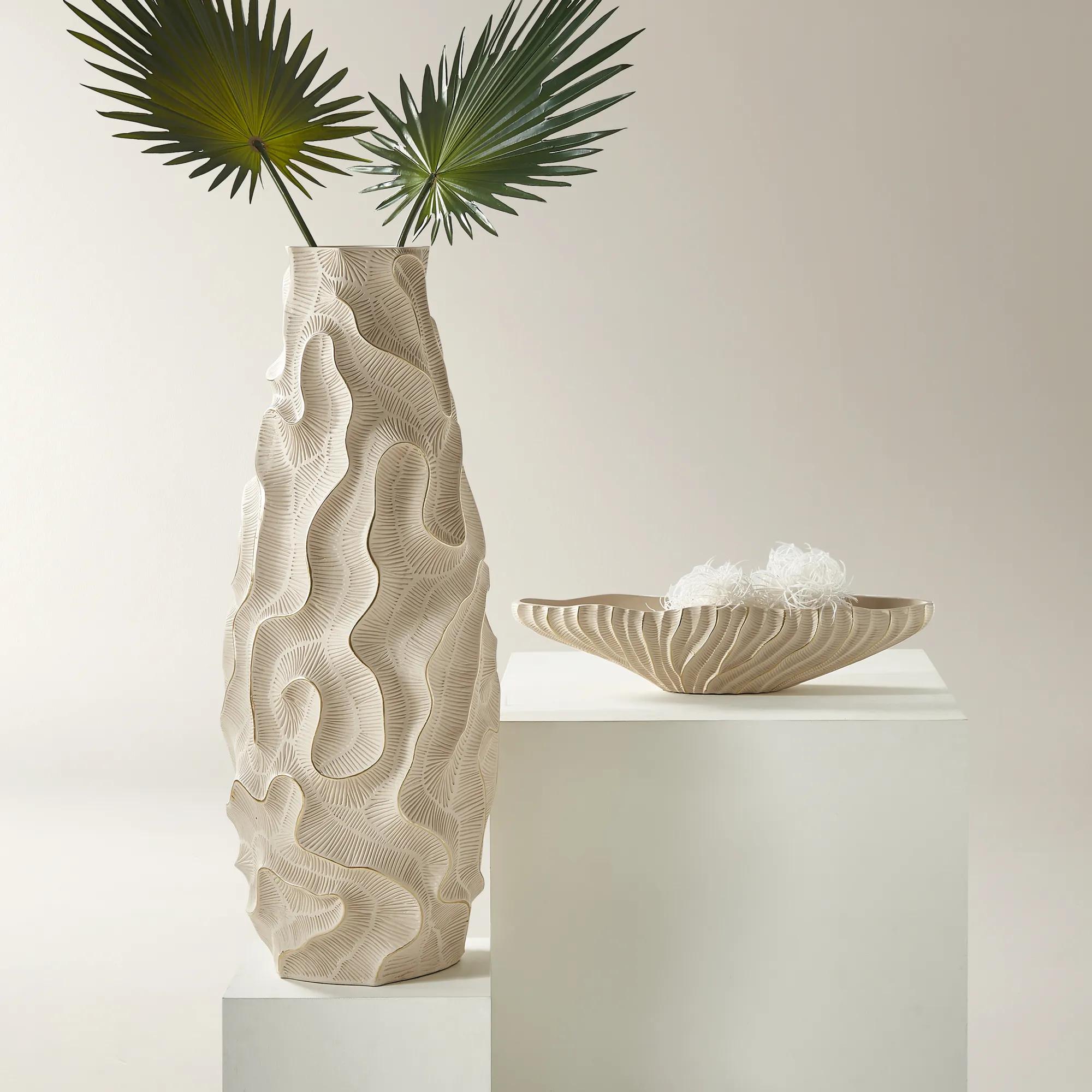
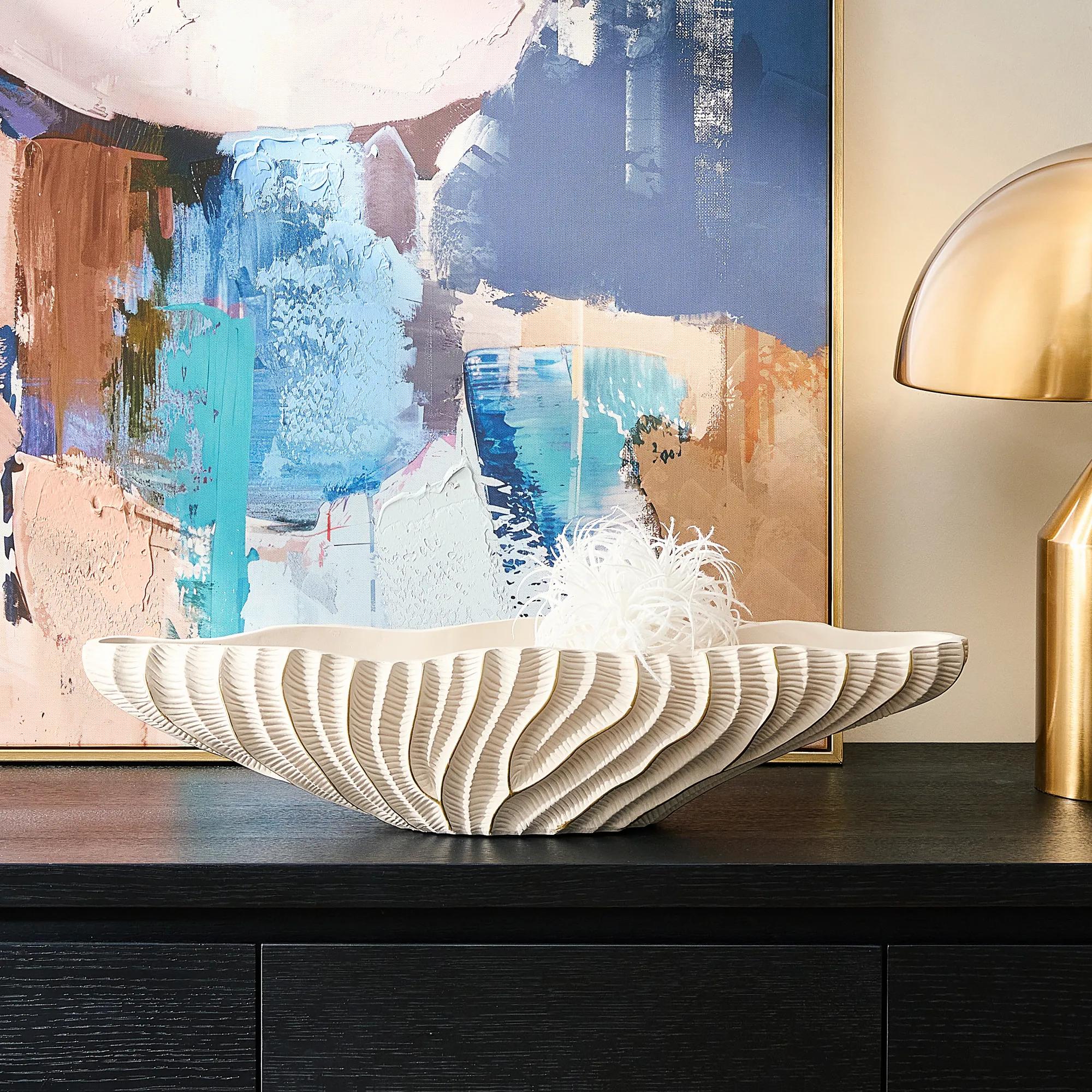 Rouche Ivory And Gold Etched Resin Floor Vase & Bowl$79
A decorative resin vase and bowl set with organic forms, ivory surfaces, and elegant gold etching.
Add To Cart -

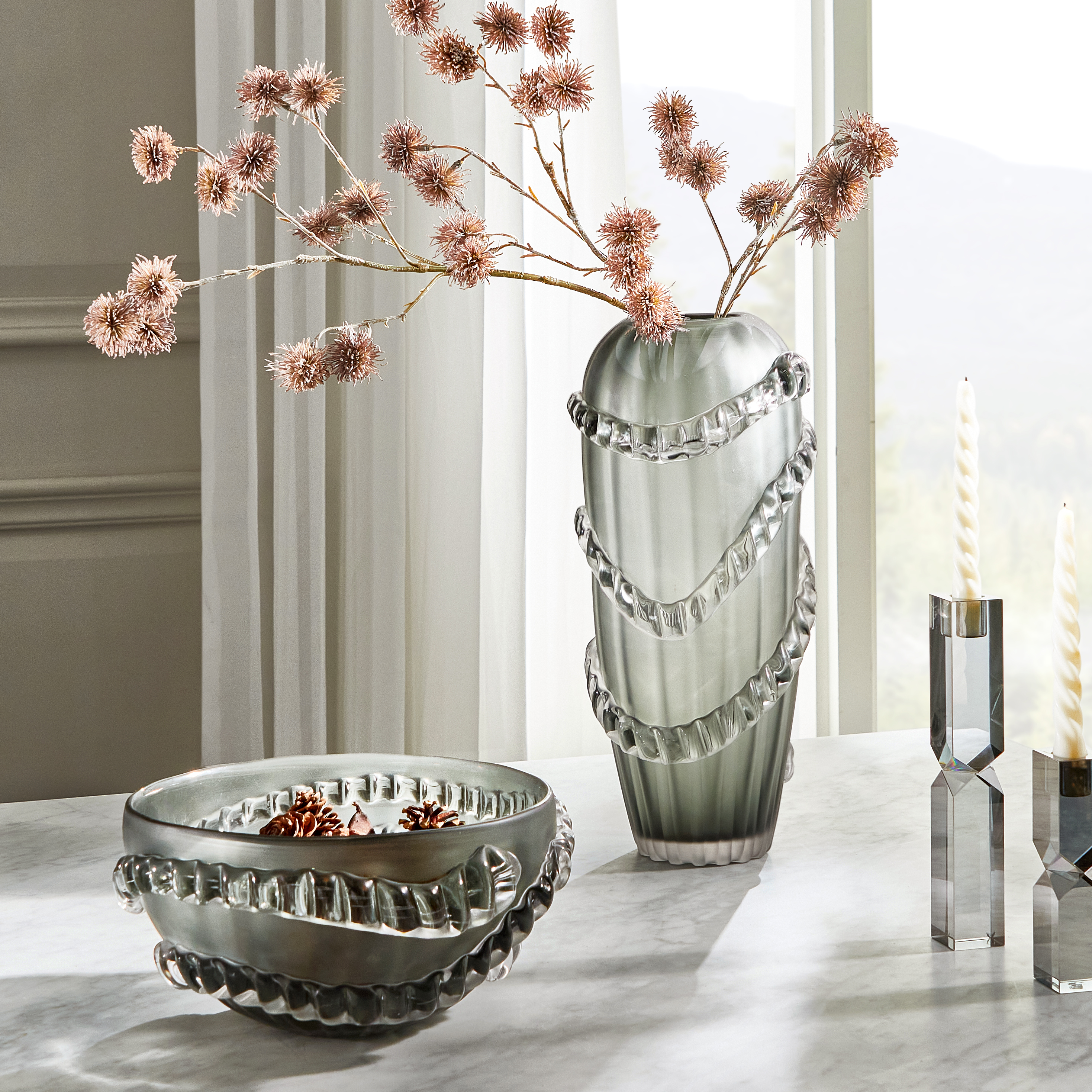 Helix Glass Collection$139
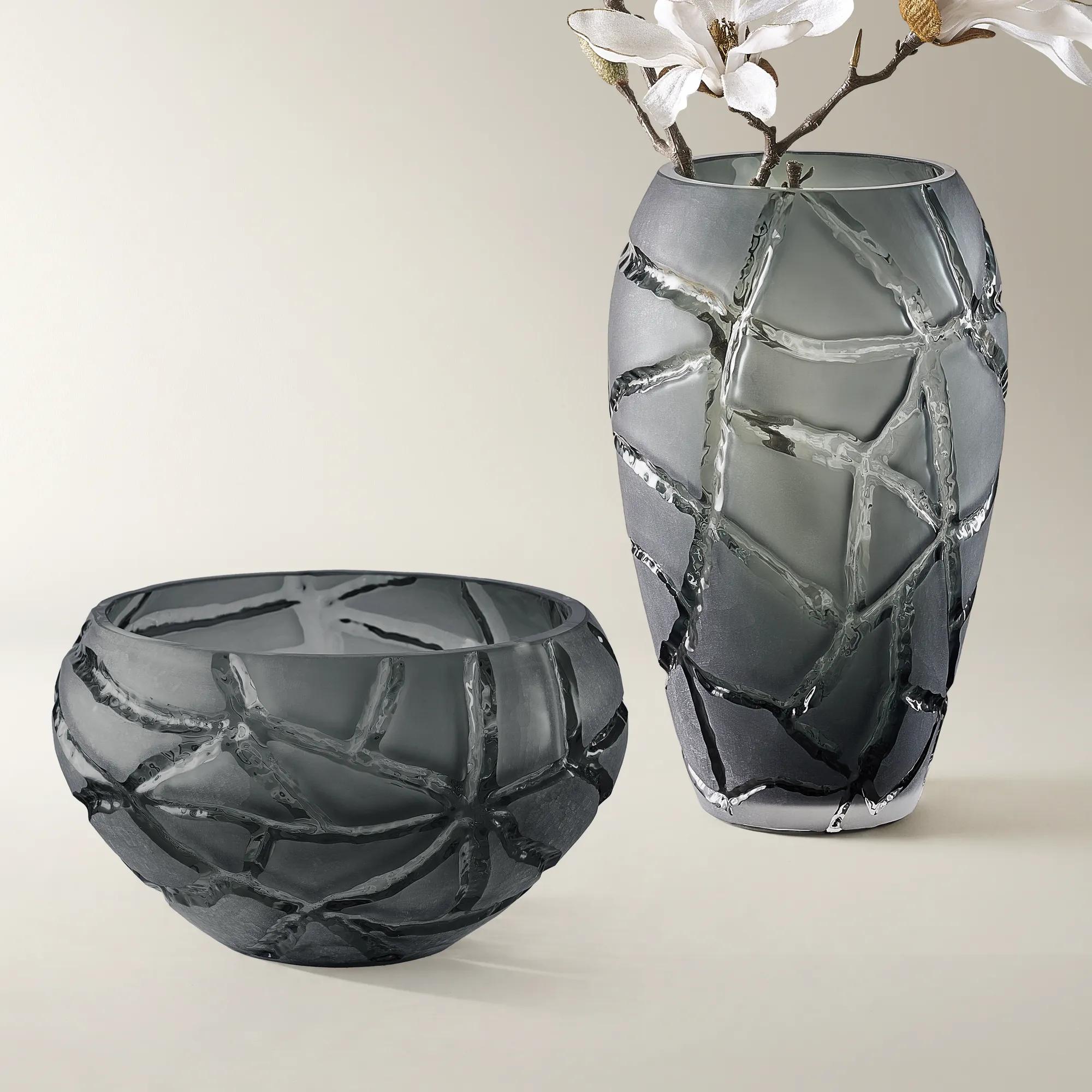
A hand-blown dark gray glass piece featuring fluted bodies and rippling sculptural ribbons for modern decor.
Add To Cart -

 Porto Fig Crystal Pillar Holders$79
A luminous burgundy crystal glass holder with a sculptural silhouette for a bold, modern candle display.
Add To Cart -
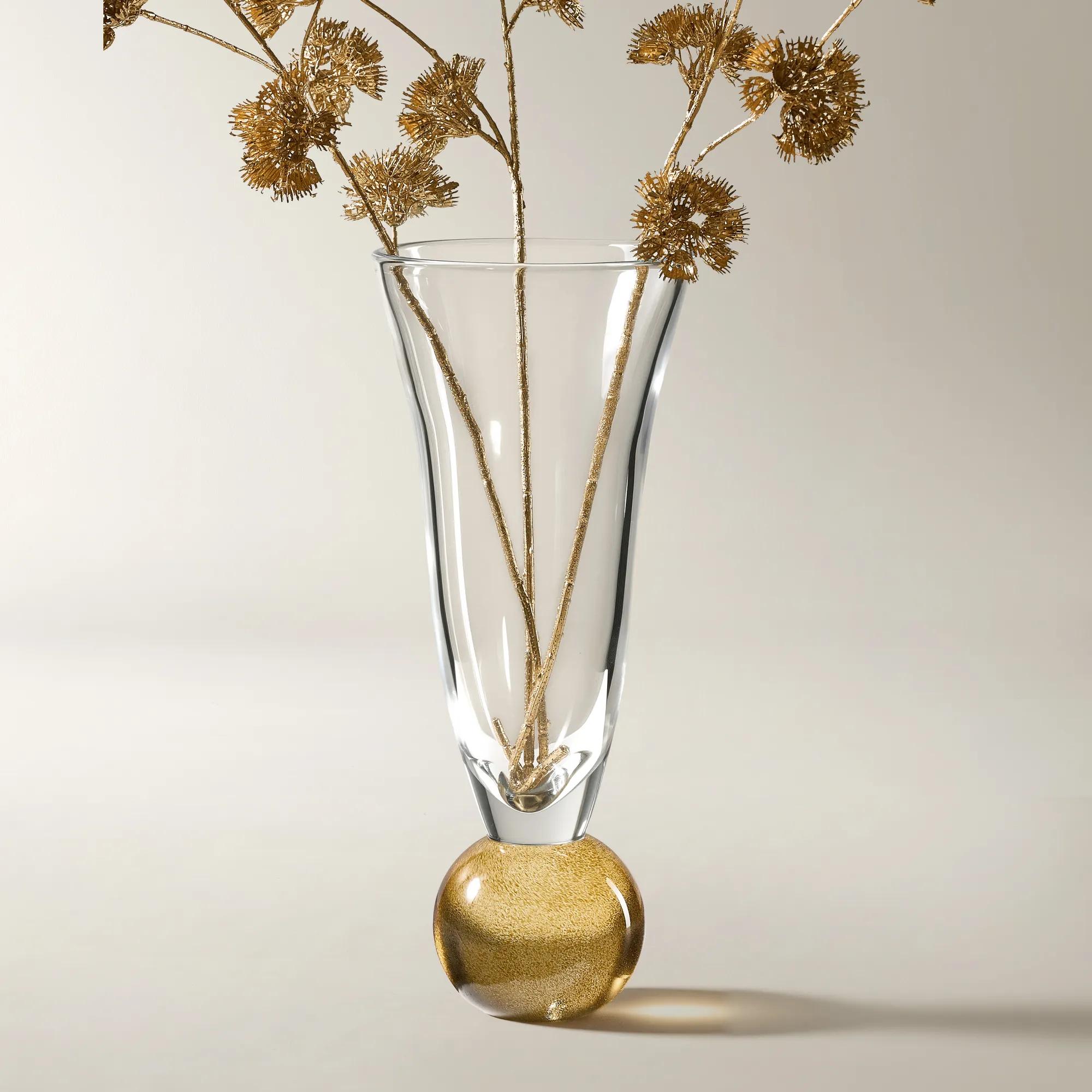 Palazzo Mouth Blown Honey Gold Clear Glass Vase 17.25"$119
A handblown glass vase in luminous honey gold with a sculptural, bauble-inspired silhouette.
Add To Cart -
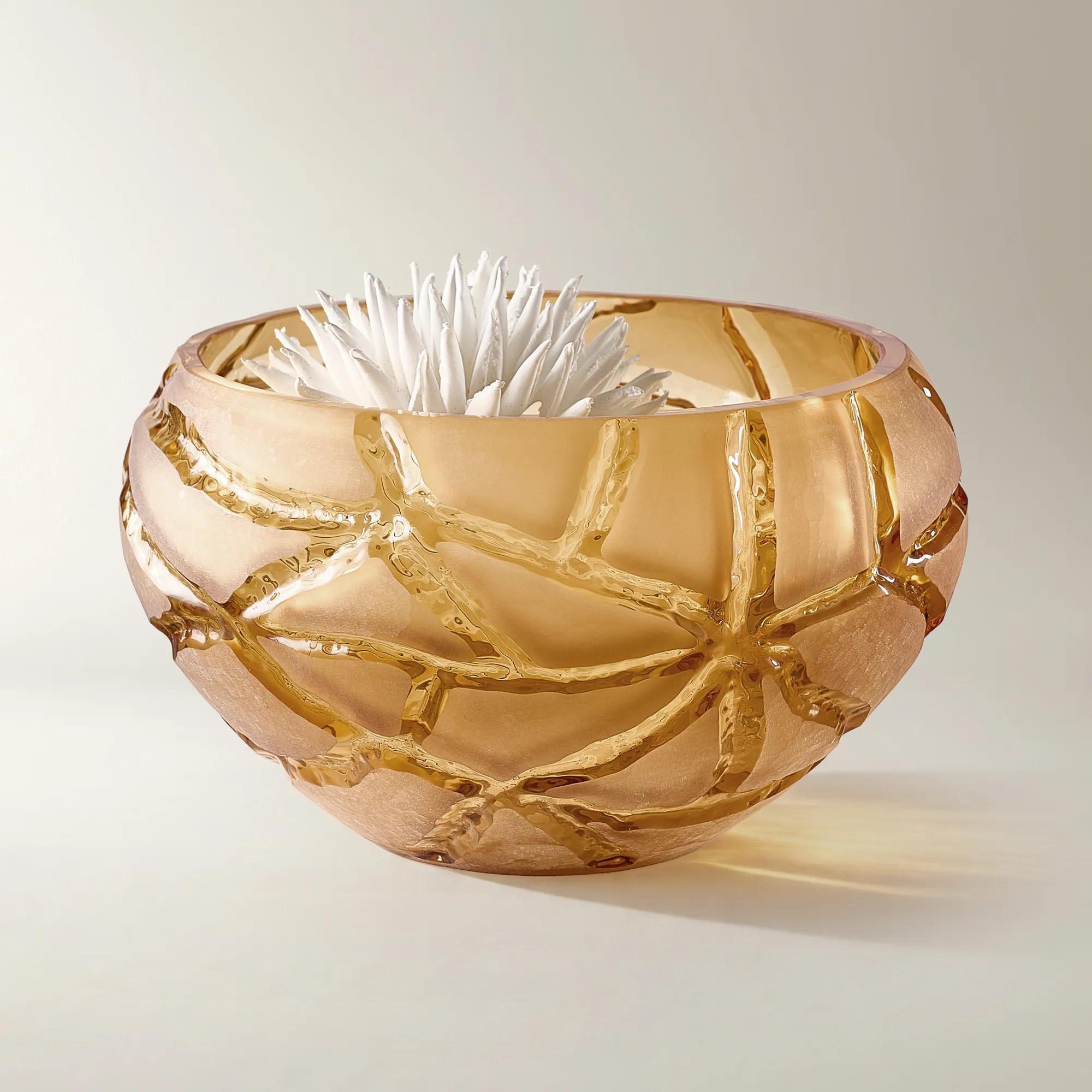 Rowen Mouth Blown Honey Gold Glass Decorative Bowl 11" x 6.25"$129
A handblown glass bowl in honey gold with a textured surface for a luminous, sculptural accent.
Add To Cart -
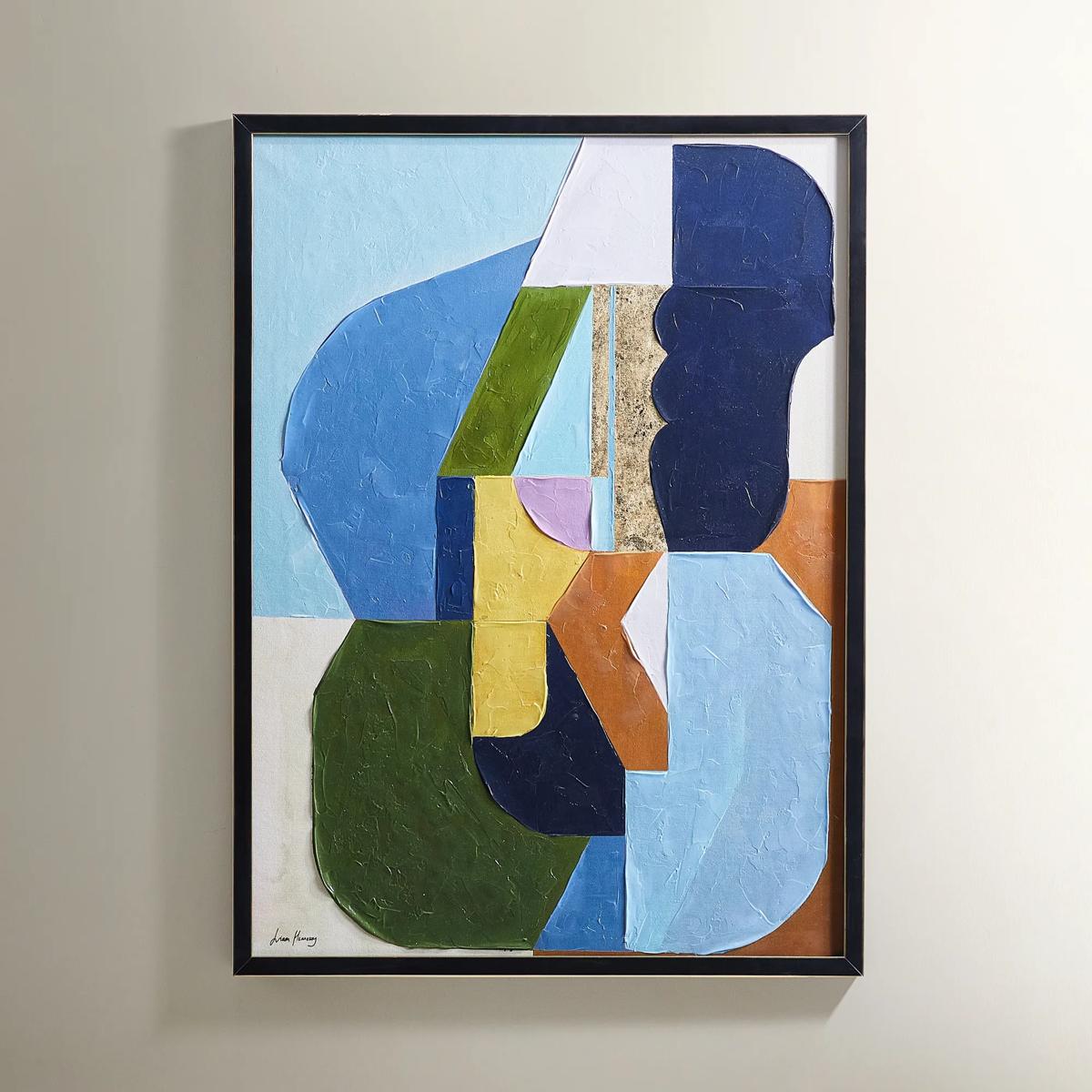
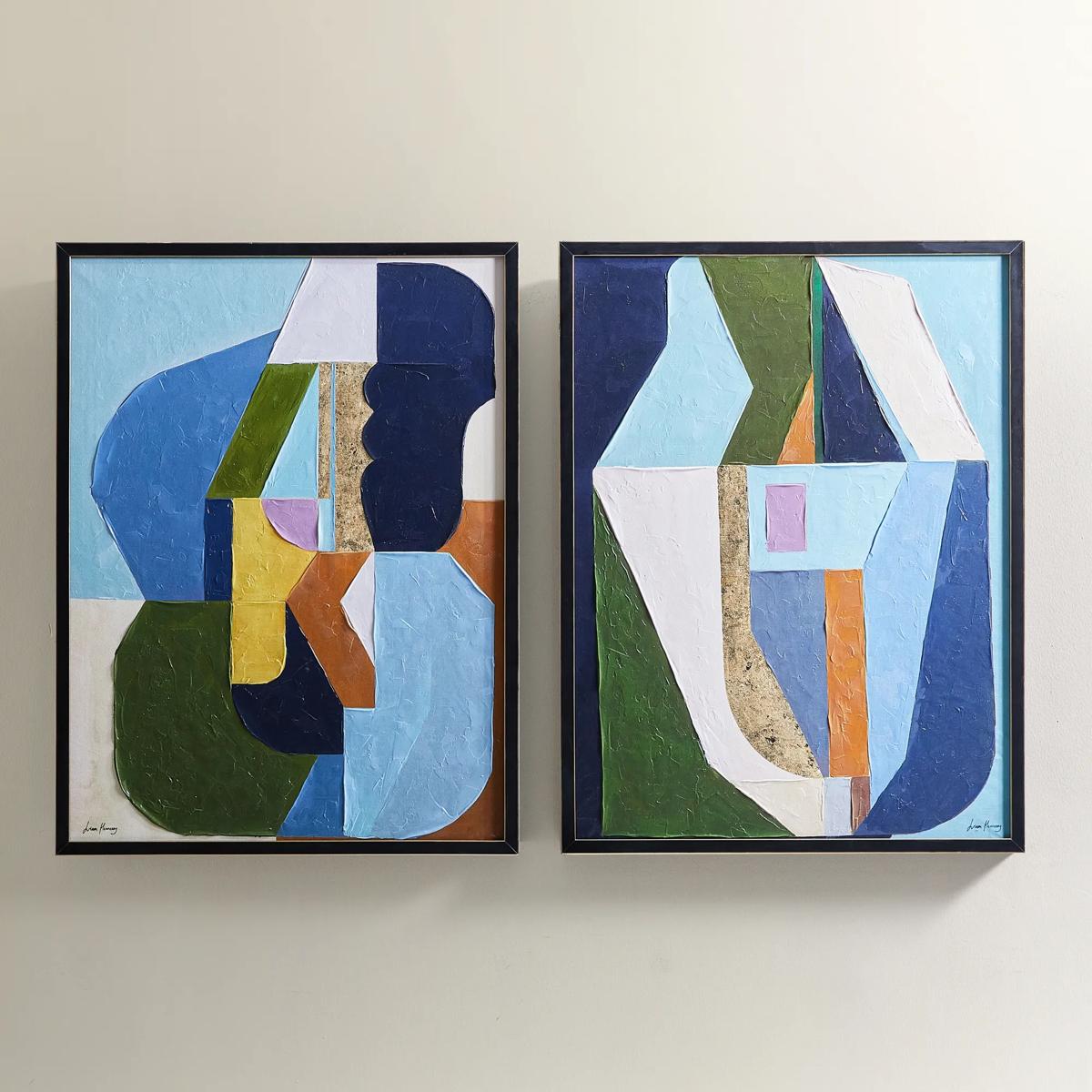 Thought Provoking Painting 1$249
A hand-embellished canvas artwork featuring textured strokes in deep blue, olive green, and gold accents.
Add To Cart -
 Fashion Black Resin Glitter Globe 5.25"$59
A black water-filled globe with LED light, featuring sparkling glitter for a festive decorative touch.
Add To Cart -
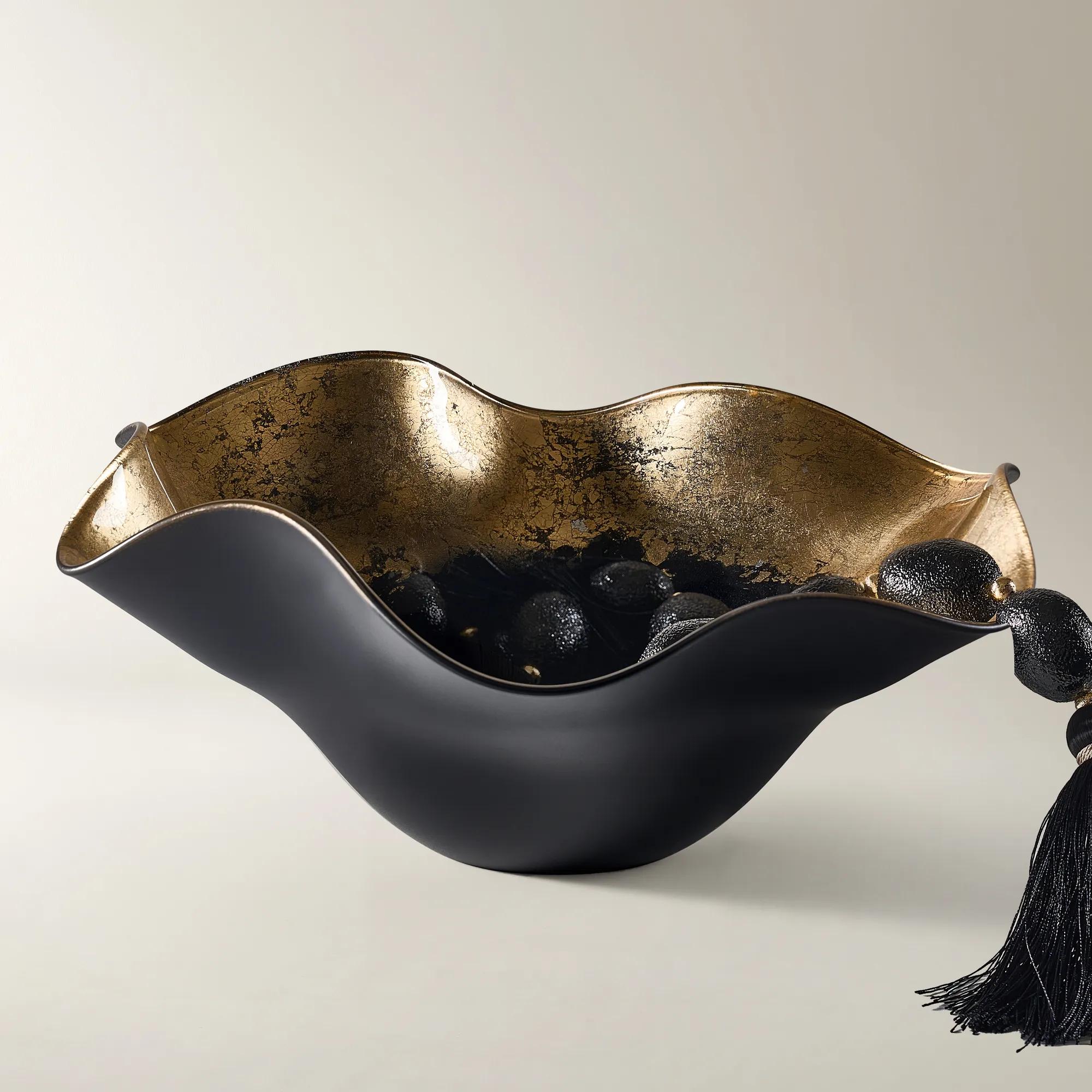
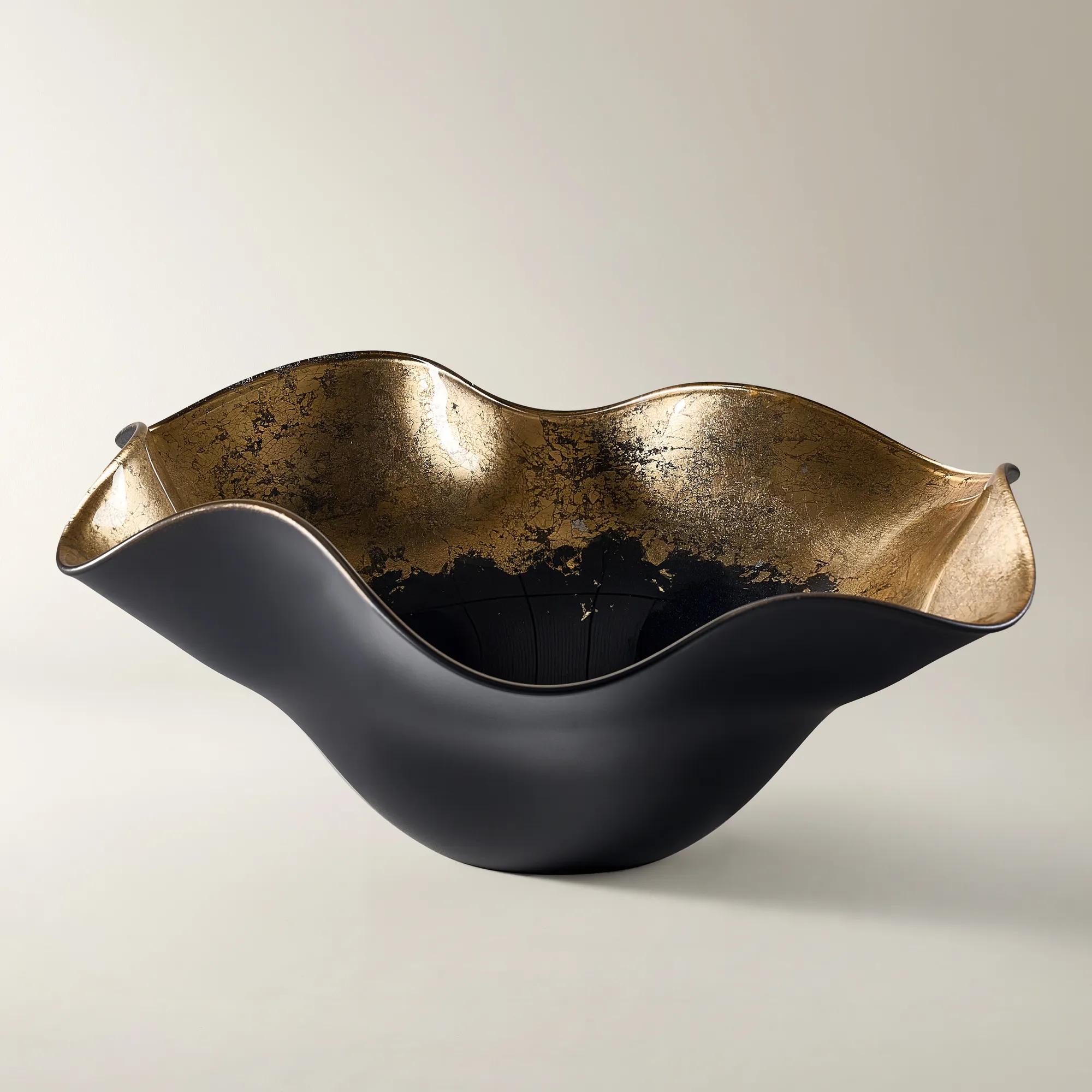 Goldie Mouth Blown Gold Black Glass Decorative Bowl 15.5" x 8.75"$199
A handblown glass bowl in soft gold and black with an organic, sculptural silhouette for modern decor.
Add To Cart -
 Icy Mouth Blown Clear Glass Cube Taper Holders$39
A handblown clear glass taper holder with a bold geometric silhouette and luminous, icy light play.
Add To Cart -
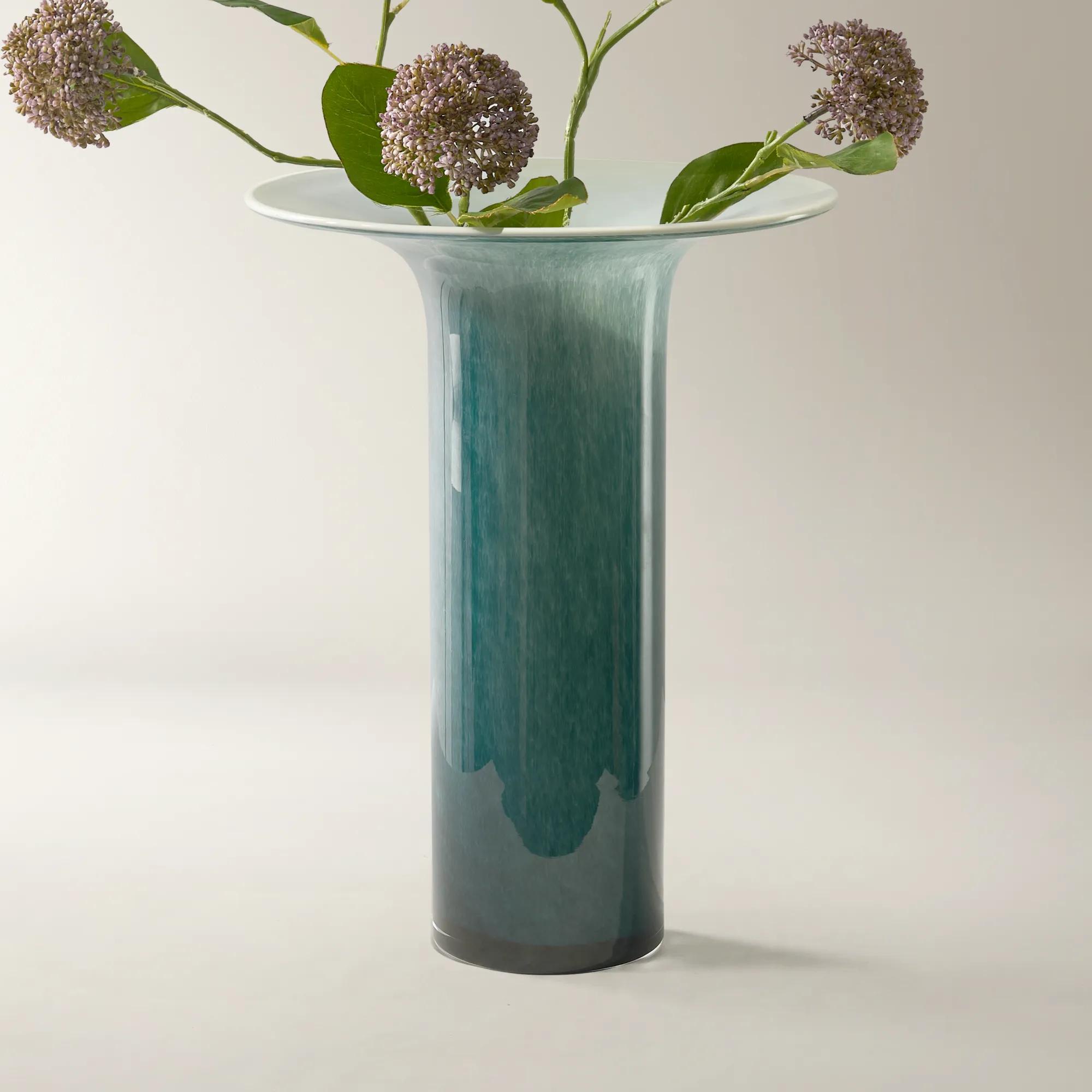 Loft Mouth Blown Deep Teal Glass Vase 15.75"$129
A handblown glass vase in deep teal with a sculptural column silhouette for bold, artful impact.
Add To Cart -
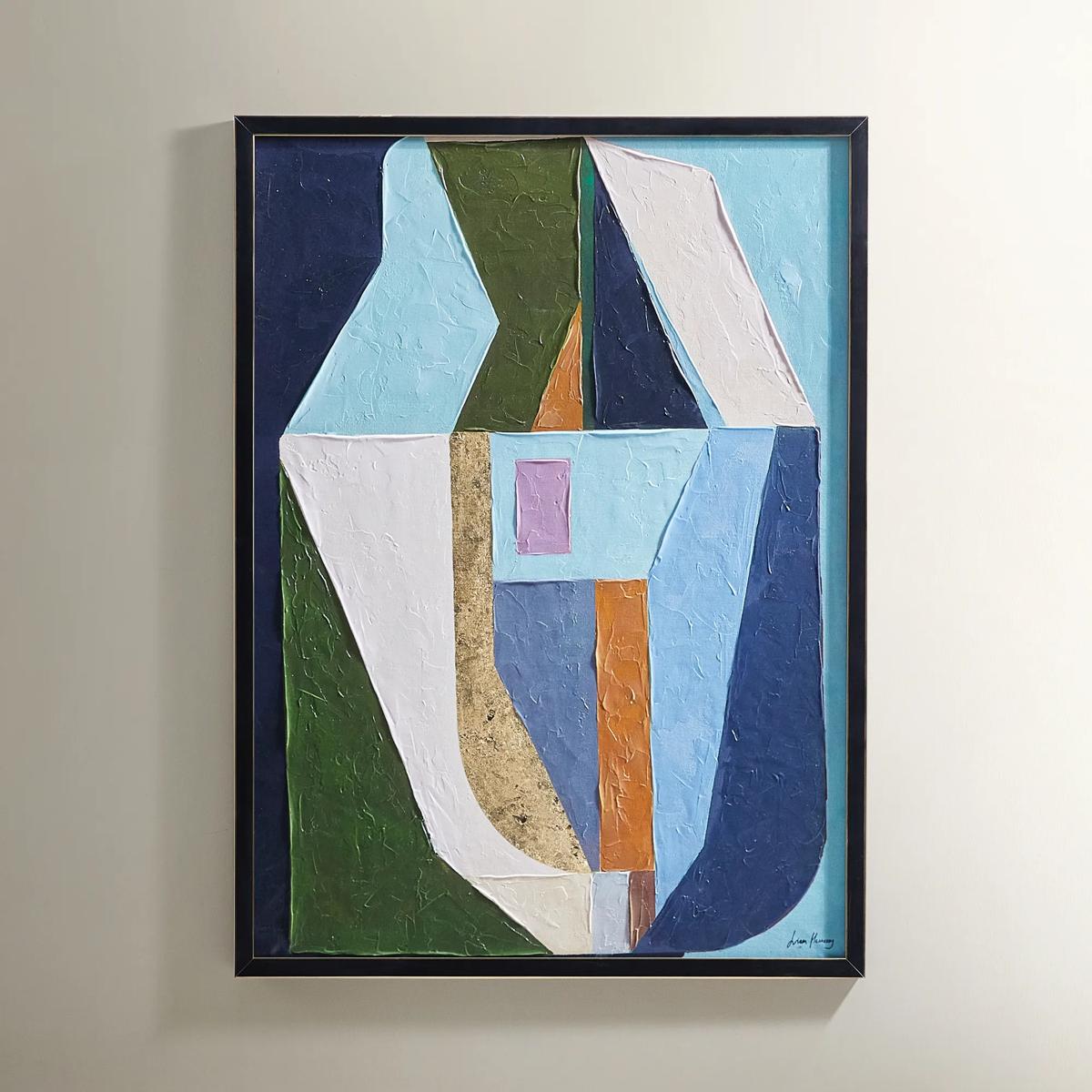 Thought Provoking Painting 2$249
A hand-embellished canvas artwork featuring textured strokes in deep blue, olive green, and gold accents.
Add To Cart

Centerpiece Ideas For Holidays
Centerpiece Ideas for Holidays invite you to reimagine your table as a stage for celebration—where artistry, elegance, and a touch of drama set the scene for unforgettable gatherings. Whether you’re drawn to sculptural silhouettes or crave the shimmer of candlelight dancing across mirrored surfaces, the right centerpiece transforms every occasion into a moment of wonder. Let your creativity take center stage and design a tablescape that dazzles, delights, and lingers in memory long after the last toast.
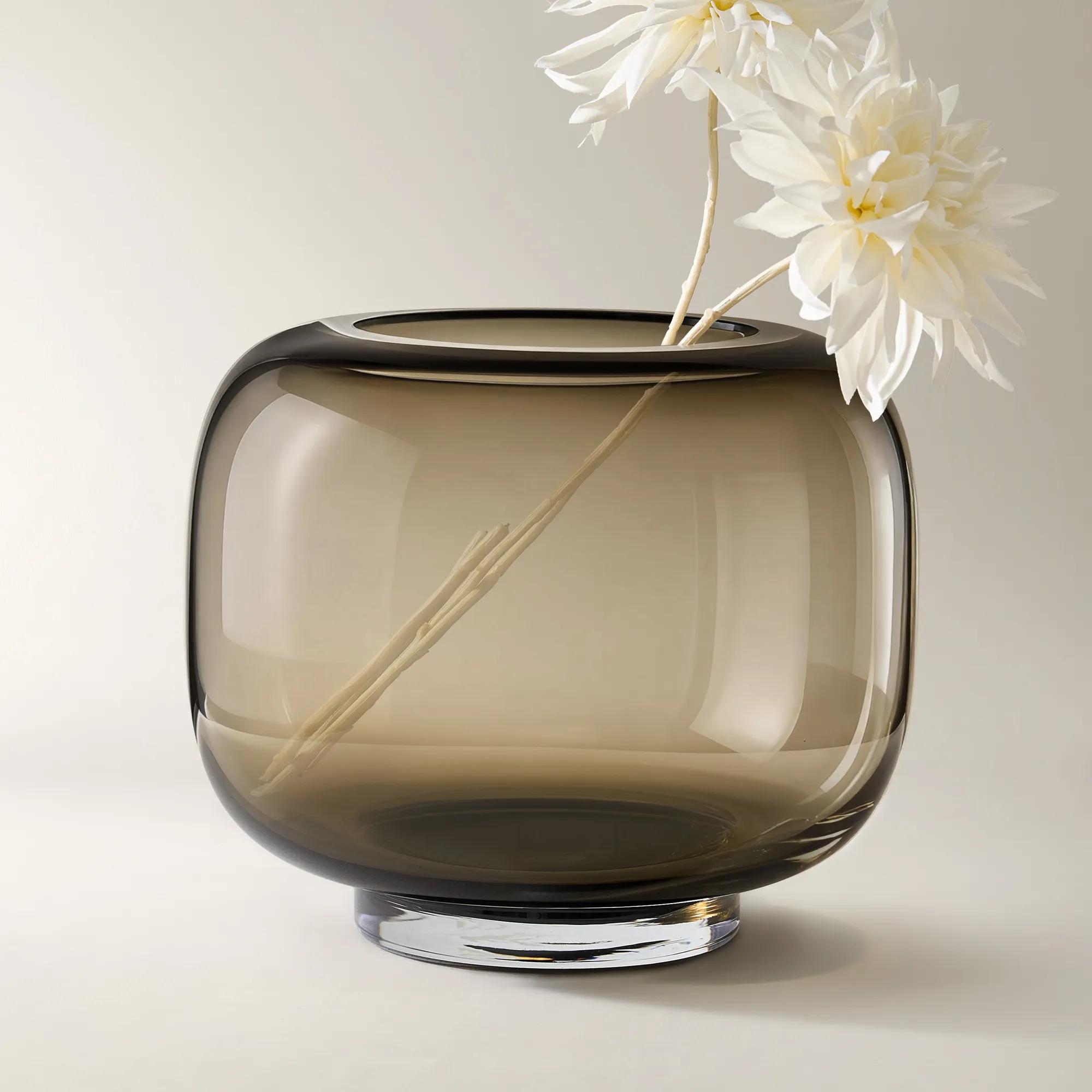
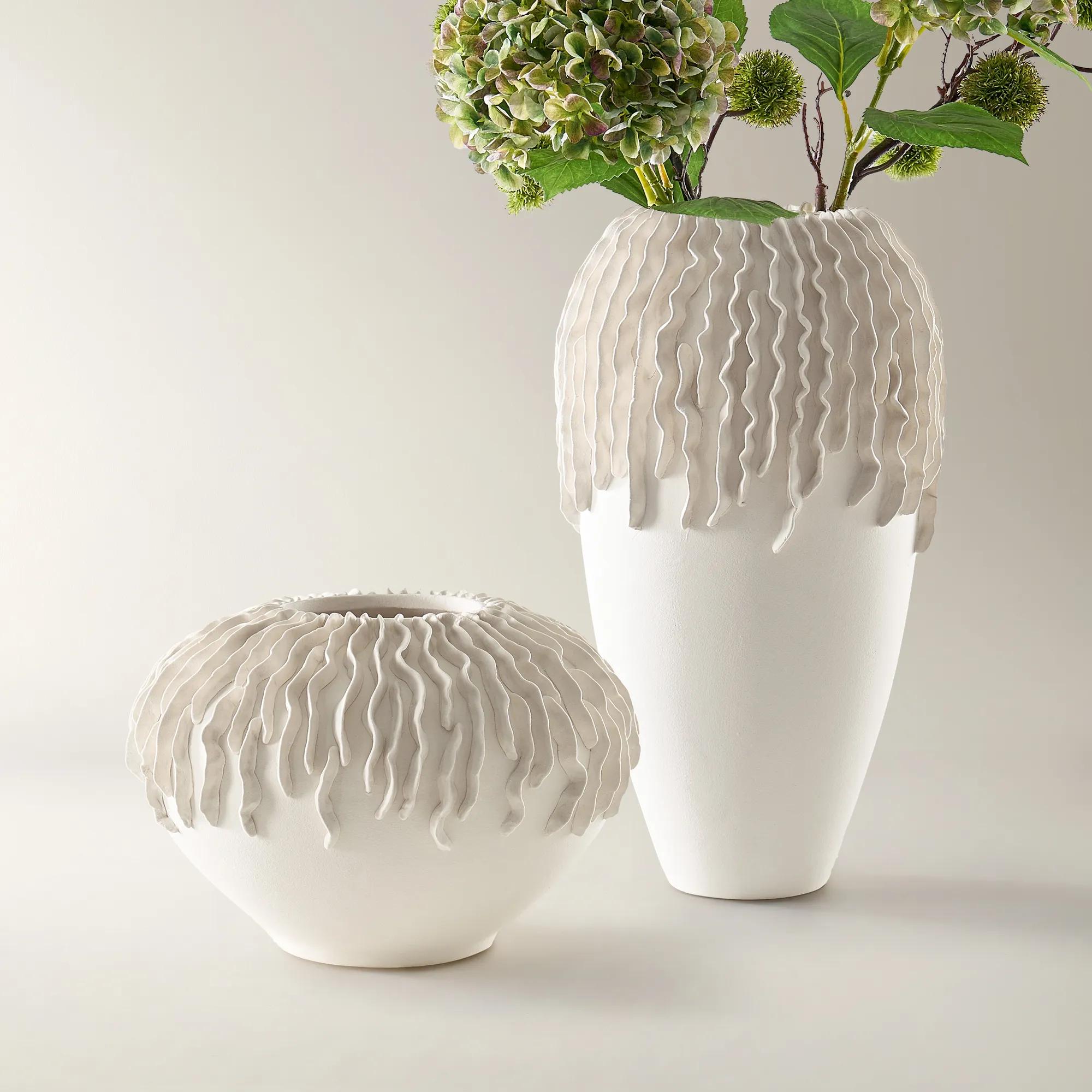
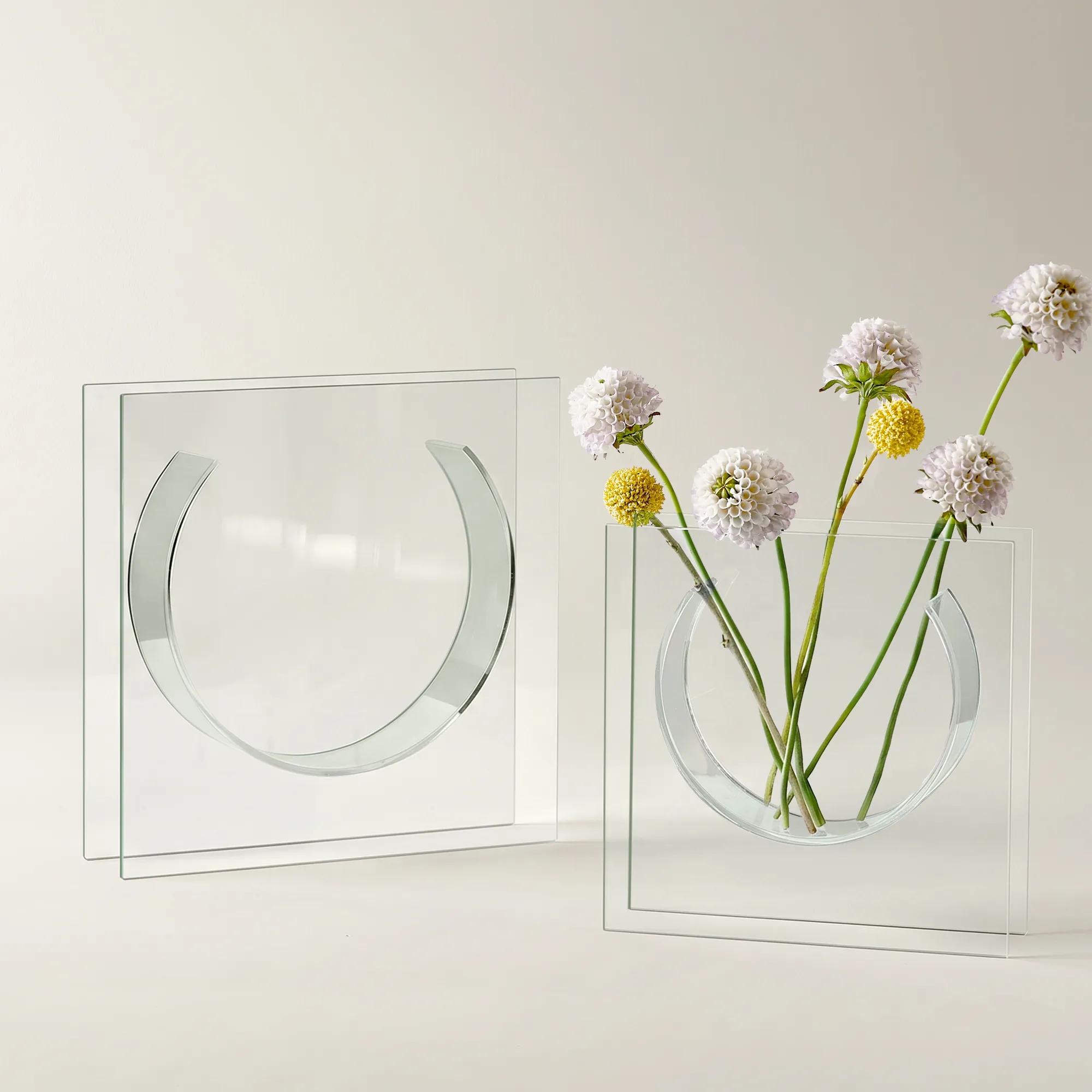
Holiday centerpieces are decorative arrangements that give a celebration its visual focus, often combining vases, candleholders, decorative bowls, botanicals, and seasonal accents. The most expressive centerpiece ideas for holidays balance a memorable silhouette with the practical needs of the gathering: enough presence to establish the mood, enough space for serving dishes, and a height that keeps conversation flowing across the table. A low arrangement of greenery and gleaming ornaments creates an intimate setting for a Christmas dinner, while sculptural vessels filled with richly colored stems bring depth to a Thanksgiving table. Blue glass and silver-toned accents can complement a Hanukkah celebration, and reflective finishes lend a celebratory shimmer to New Year’s entertaining. These pieces belong beyond the dining room, too. An entry console becomes a striking welcome with an elevated floral arrangement, while a coffee table feels dressed for company with a shallow decorative bowl and a restrained cluster of candlelight. The setting determines the scale of the statement. On a formal dining table, a composition that stretches lengthwise can echo the architecture of the room; on a compact round table, a single generous vessel often feels more intentional than several small accessories competing for attention. Color gives each arrangement its personality. Ivory, clear glass, and warm metallic tones create a luminous foundation, while emerald, burgundy, or midnight blue adds richness without requiring every element to match. Texture makes those palettes feel dimensional: glossy ornaments against natural-looking foliage, ribbed glass beside smooth ceramic, or polished metal framed by softly layered petals. For hosts who enjoy expressive interiors, the centerpiece is an opportunity to carry the room’s character onto the table rather than introduce an unrelated holiday theme. A dramatic arrangement can still feel welcoming when its colors relate to the dinnerware, its proportions respect the furniture, and its details reward a closer look.
Materials shape both the appearance and the everyday usefulness of holiday tabletop decor. Clear glass allows stems and surrounding light to become part of the composition, making a substantial arrangement feel visually lighter. Colored or textured glass creates a more saturated focal point, especially against pale linens or a dark tabletop. Ceramic and porcelain vessels offer a different kind of presence, with opaque surfaces that conceal stems and supports while emphasizing the shape of the arrangement. Metallic finishes introduce gleam, but the underlying material and surface treatment matter when considering weight, cleaning, and long-term wear. A substantial-looking vessel may still need a broad, stable base, particularly where guests will be passing platters or children may reach across the table. Dimensions deserve the same attention as finish. The full footprint includes any branches, foliage, or decorative objects extending beyond the container, not simply the width of the base. A low centerpiece that sits below seated eye level generally suits a shared meal, while a taller arrangement may be better placed on a buffet or console where it will not interrupt conversation. Rectangular tables can accommodate a series of smaller groupings with open space between them; round tables often benefit from a centered composition that leaves an even border for place settings. Candleholders bring another layer of atmosphere, whether they frame an arrangement or form the focal point themselves. Their openings should match the intended candle size, and any lit candle needs a stable surface and the clearances specified by its manufacturer, well away from greenery, ribbons, and other combustible decorations. Flameless candles offer an alternative where an open flame is unsuitable. Unscented options are often preferable around food, allowing the meal to provide its own fragrance. Decorative bowls and trays also require attention to intended use: unless labeled food-safe, they are best reserved for ornaments, decorative fillers, or other nonfood accents rather than unwrapped treats.
The most useful holiday centerpiece pieces offer possibilities beyond one beautifully set evening. A sculptural vase can hold seasonal stems for a celebration and a simpler botanical arrangement afterward; a decorative tray can gather candleholders for entertaining, then organize a console with the same sense of intention. For a look that extends beyond a single occasion, explore Centerpiece Ideas for Dining Tables for complementary accents that connect festive styling with everyday interiors. Versatility is especially valuable for households that host different kinds of gatherings, from a generous family meal to a small dessert party where the table needs more open space. Faux botanicals can be a practical choice for repeated use because they do not require watering, although their stems, leaves, and petals still need gentle handling and occasional dusting. Fresh flowers require a vessel intended to hold water; decorative containers without that designation may need an appropriate watertight insert. Care should follow the material and the manufacturer’s instructions. Soft cloths are generally preferable to abrasive tools on delicate finishes, and gilded, mirrored, or embellished surfaces may need particularly careful cleaning. Protective pads beneath vessels help separate hard bases from a finished tabletop, while checking for moisture beneath an arrangement can prevent an unnoticed spill from lingering. Thoughtful storage also preserves the effect for future celebrations. Glass and ceramic pieces benefit from individual wrapping and separation, and dimensional stems retain their shape more readily when stored without heavy objects pressing against them. Candleholders should be cool and cleaned according to their care instructions before being packed away. These considerations make decorative vessels and tabletop accents appealing gifts for frequent hosts, newly established households, or anyone who takes pleasure in setting a distinctive table. A recipient’s preferred colors, available display space, and willingness to maintain delicate finishes matter more than sheer size. Chosen with those details in mind, a holiday centerpiece becomes a lasting part of the home’s visual language: expressive enough to mark the occasion, considered enough to live beautifully beyond it.
FAQs
Natural elements add organic beauty and seasonal charm to any holiday centerpiece. Consider layering fresh evergreen branches, pinecones, and sprigs of berries along a table runner for a lush, forest-inspired look. For added drama, mix in fragrant citrus fruits or pomegranates, or nestle moss and branches around candles in glass hurricanes. These touches bring warmth, color, and texture, evoking the magic of the season while creating a welcoming, sensory-rich tablescape.
Opt for versatile materials and timeless color palettes to craft a centerpiece that transitions effortlessly between celebrations. Metallic accents, such as gold or silver candleholders, pair beautifully with neutral runners and clear glass vessels. Add or swap out seasonal details—like red berries for Valentine’s Day or pastel ornaments for spring gatherings—to refresh the look without starting from scratch. Layered textures and sculptural elements ensure your centerpiece remains striking and adaptable all season long.
Absolutely. A thoughtfully chosen centerpiece is a memorable and meaningful gift, perfect for hosts, newlyweds, or anyone who cherishes the art of entertaining. Select a piece that reflects the recipient’s style—perhaps a modern glass hurricane, an elegant decorative bowl, or a sculptural vase that can be dressed up for any occasion. These gifts become part of the recipient’s story, gracing their table for gatherings and everyday moments alike.
The key to an artful centerpiece lies in the interplay of textures and finishes. Combine rustic elements like wood or greenery with gleaming metals, crystal, or glass for visual contrast and depth. Velvet ribbons, mirrored trays, and ceramic accents can add another layer of interest. Aim for a balanced composition by repeating certain materials throughout the arrangement, allowing each element to shine while contributing to a cohesive, curated look.
Lighting transforms a centerpiece from beautiful to breathtaking. Incorporate taper candles, votives, or string lights to bathe your arrangement in a soft, inviting glow. Mercury glass holders or mirrored surfaces amplify the effect, casting reflections that dance across the table. Thoughtful lighting not only highlights the centerpiece’s details but also sets a warm, celebratory mood—inviting guests to gather, linger, and enjoy the ambiance you’ve created.