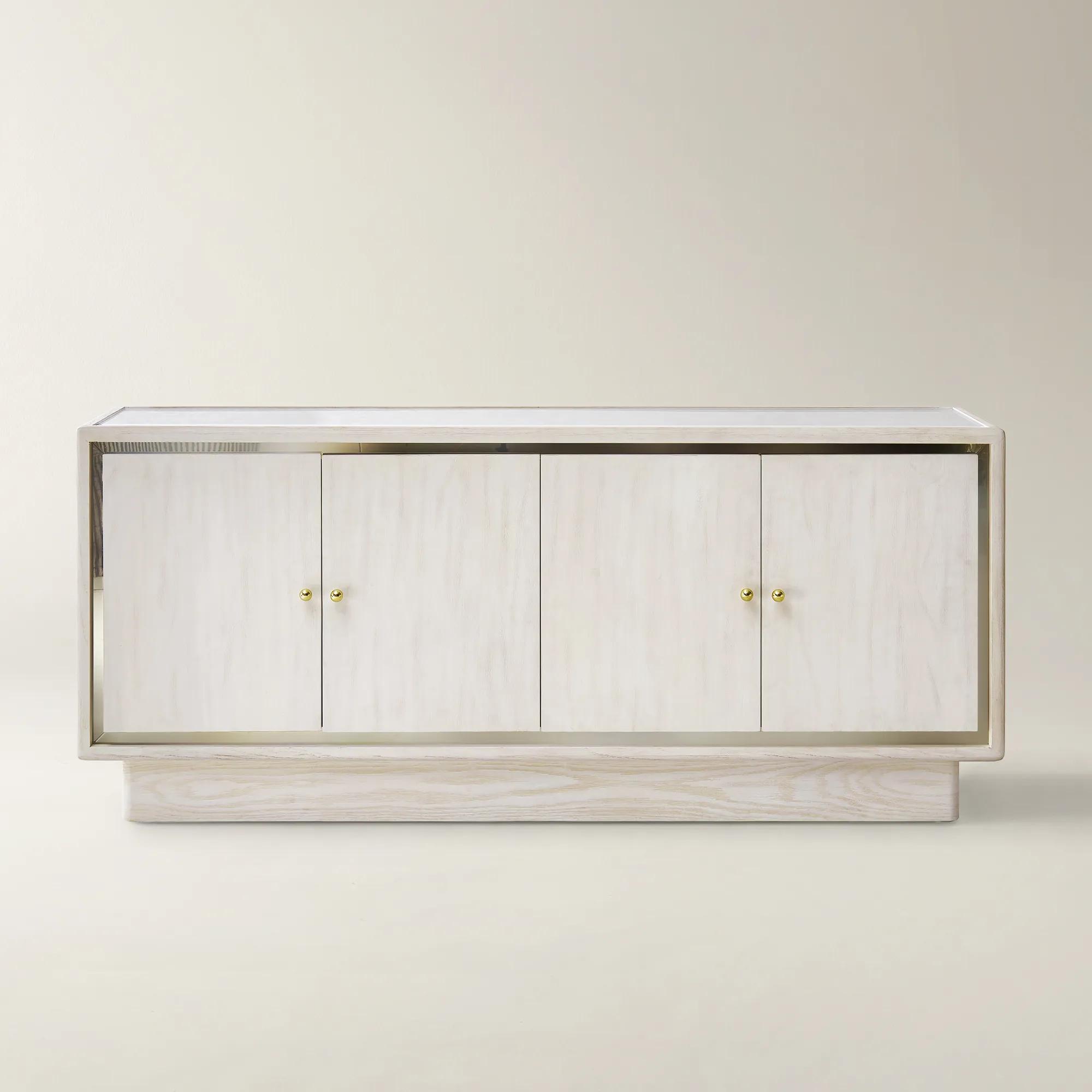
Black Oak Dining Sideboards | Z Gallerie
Black Oak Dining Sideboards | Z Gallerie
-
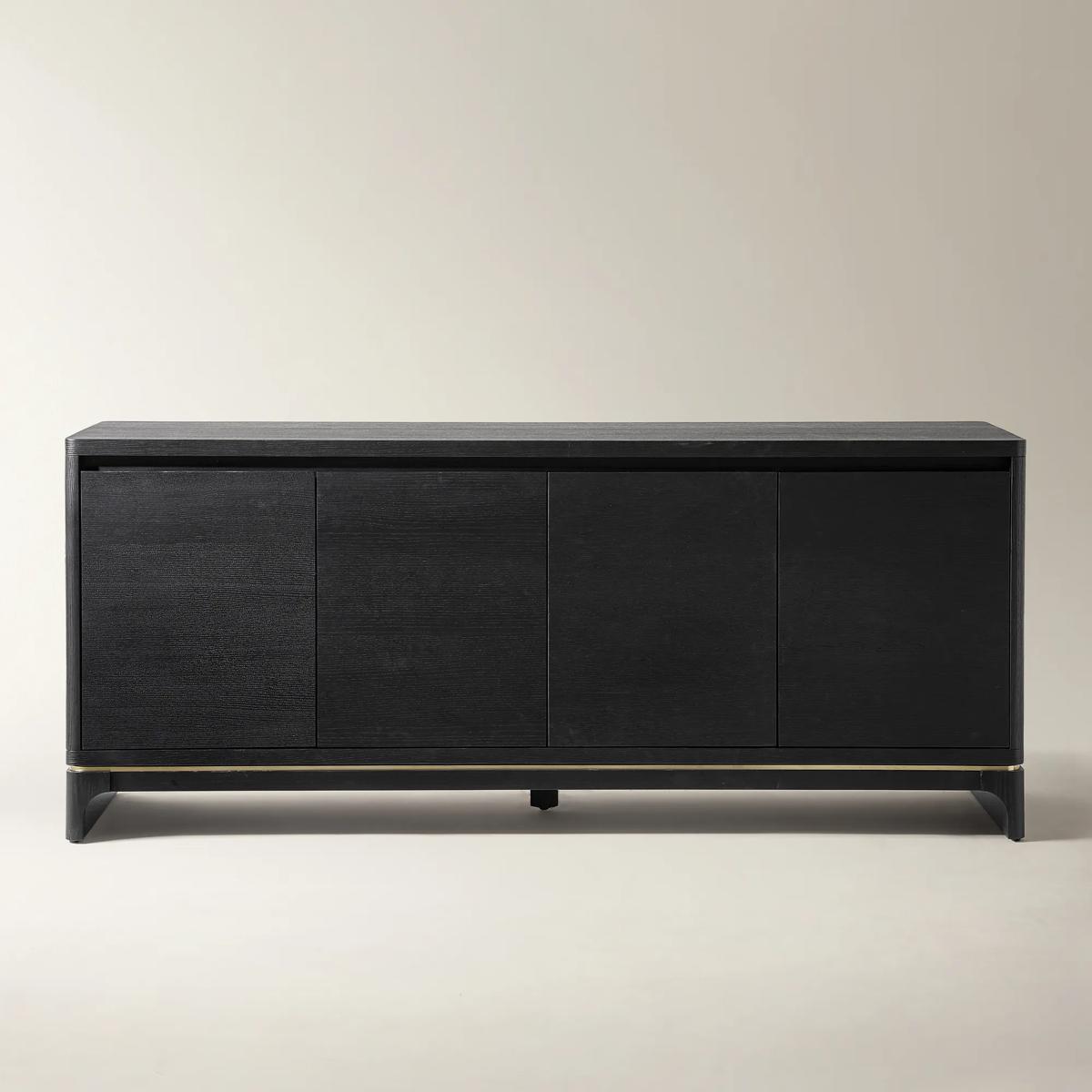
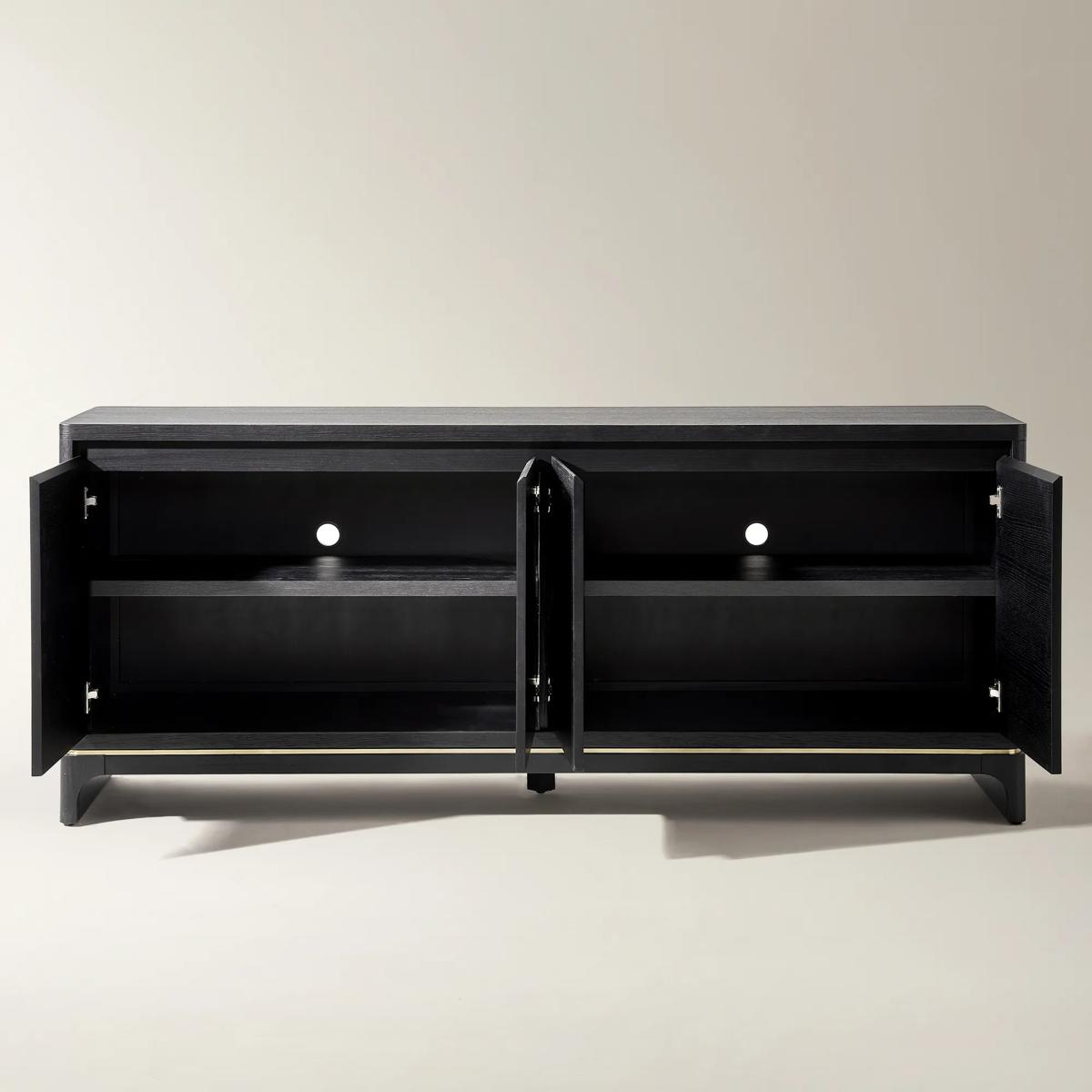 Vanta Black Oak Buffet (72")$1999
A matte black oak sideboard with gold stainless steel trim and concealed pulls for modern, elegant storage.
Add To Cart -
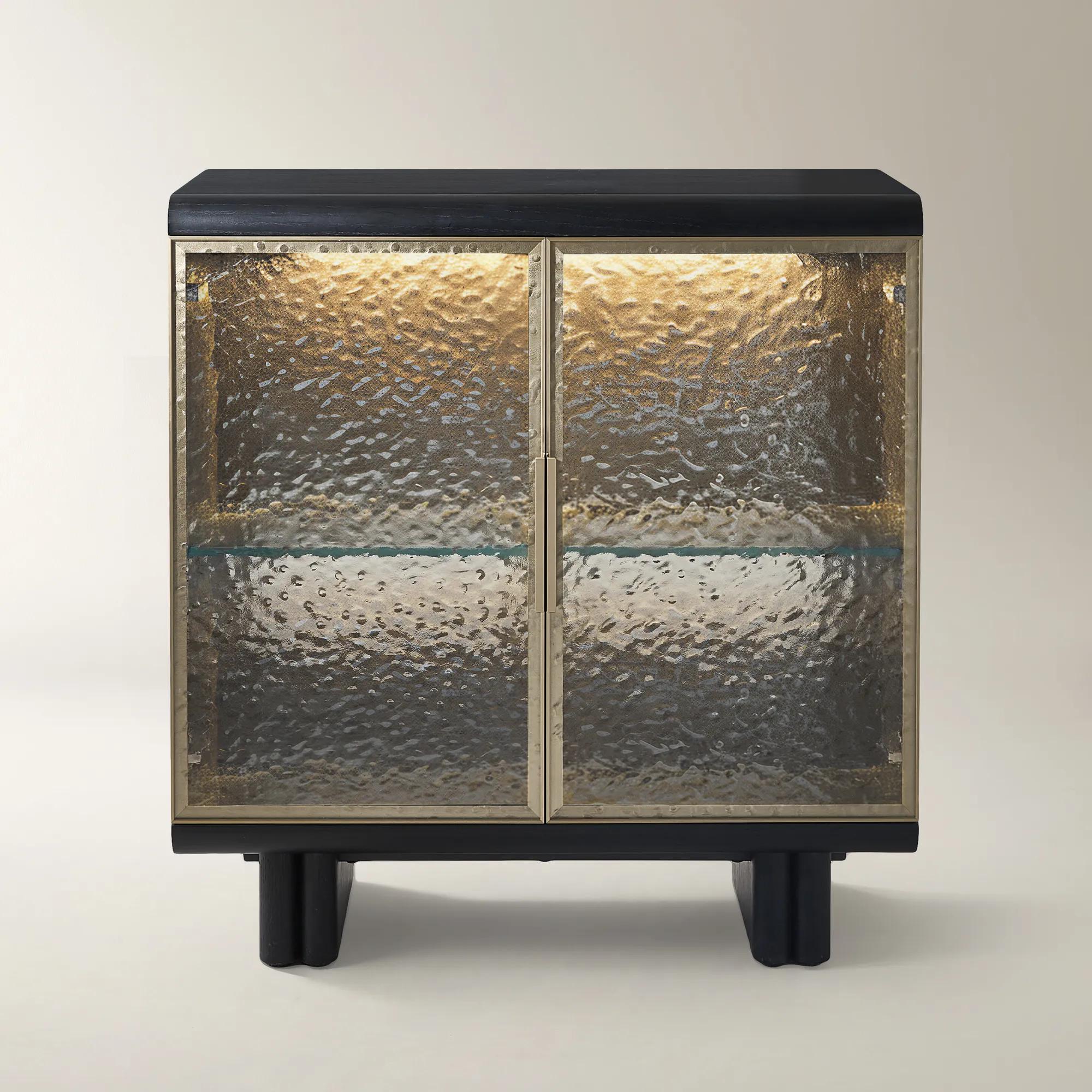
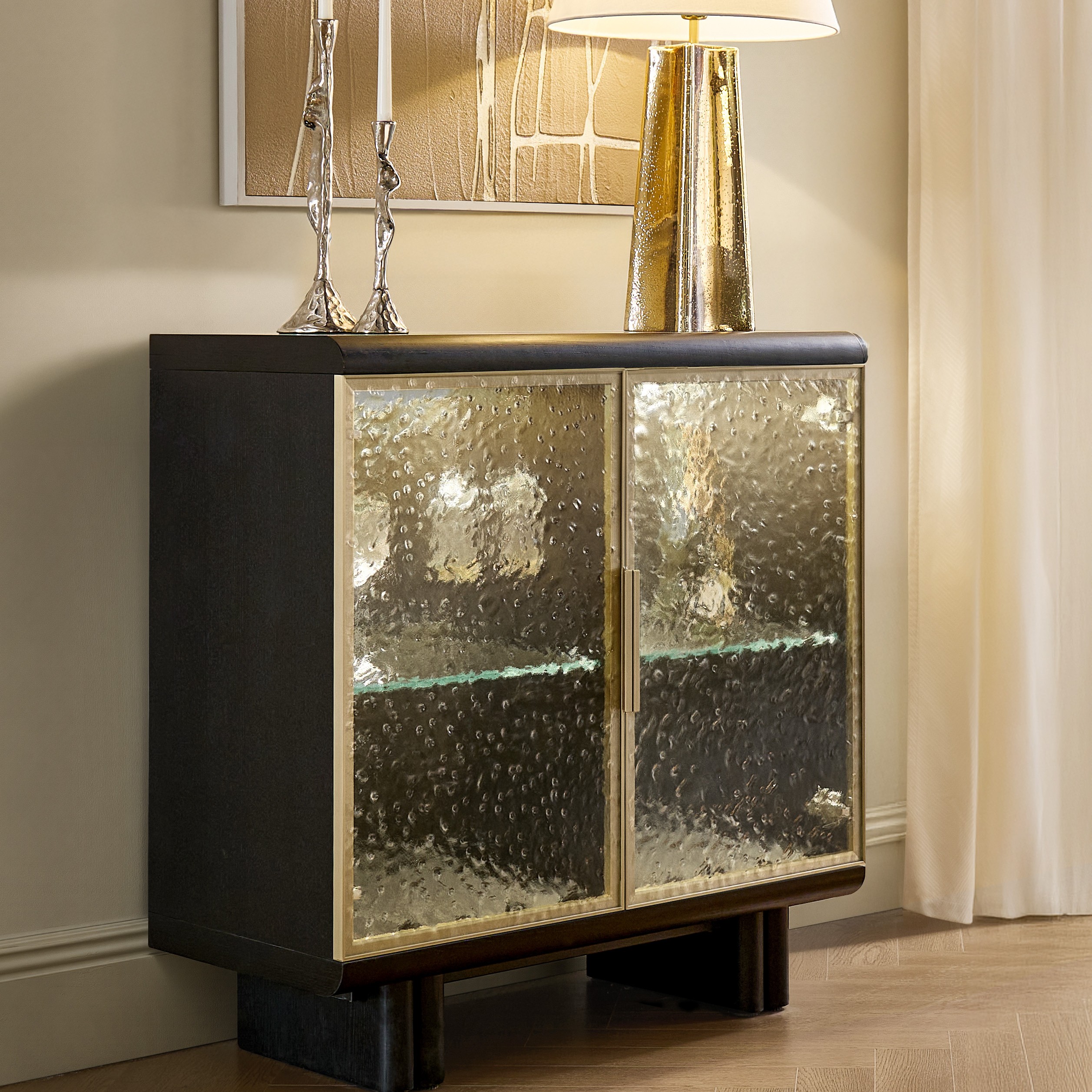 Eleanor Cerused Black Oak Buffet With Wavy Glass Door (38")$1599
A matte black oak veneer buffet with wavy glass doors, mirrored back, and touch-control LED lighting.
Add To Cart -
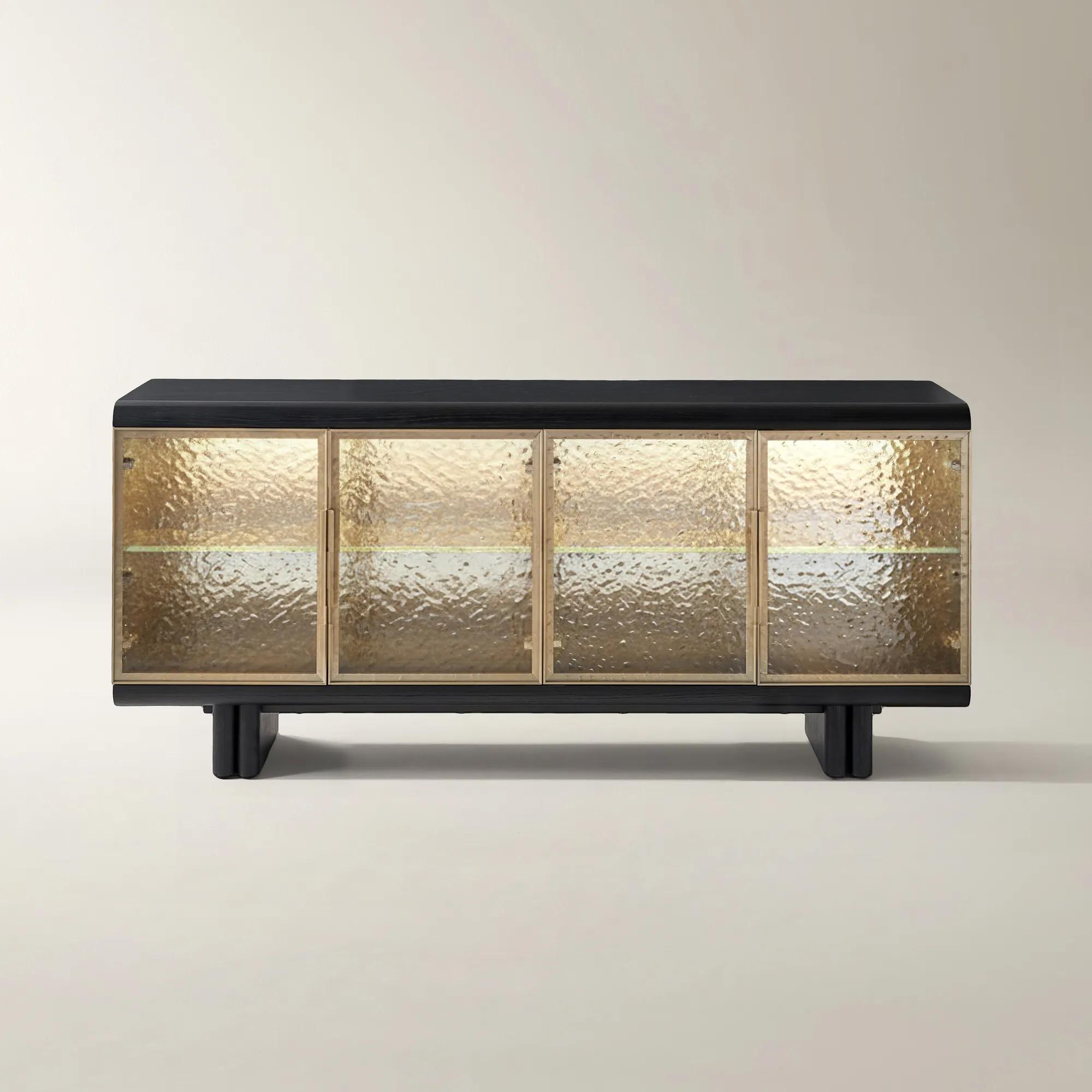 Eleanor Cerused Black Oak Buffet With Wavy Glass Door (72")$2099
A matte black oak veneer buffet featuring wavy art-glass doors, mirrored back, and integrated LED lighting.
Add To Cart

Black Oak Dining Sideboards | Z Gallerie
A black oak sideboard gives the dining room a dramatic anchor, balancing expressive design with storage for the art of entertaining. Explore dining buffets and sideboards with an eye for silhouette, wood texture, and distinctive detailing. Choose a piece that complements your table while giving dinnerware, linens, and serving essentials a considered place.
Black oak dining sideboards give a dining room a richly defined focal point: dark, architectural, and expressive enough to hold their own beneath a sweeping mirror or an oversized work of art. Their appeal lies in the contrast between the depth of a black finish and the organic character of oak grain. Rather than reading as a flat block of color, the surface can reveal subtle lines, shifts in texture, and variations that become more apparent as light moves across the room. A matte finish creates a restrained, sculptural effect, while a cerused treatment emphasizes the grain with contrasting pigment for a more pronounced, tactile look. These finishes can anchor pale upholstery, echo black dining chair frames, or bring definition to a room layered with ivory, smoked glass, and warm metallic accents. Material descriptions matter as much as the silhouette. Solid oak and genuine oak veneer are distinct constructions; veneer places a thin layer of real oak over a supporting core, which may be engineered wood. Neither the black finish nor the visible grain alone identifies what lies beneath, so the listed construction provides the clearest picture of each piece. Durability depends on the supporting materials, joinery, hardware, protective finish, and intended use—not simply on whether a cabinet is solid wood or veneered. Metal trim can sharpen the outline of dark oak, while stone accents introduce veining and glass panels create opportunities for display. Each combination changes the mood, from a composed cabinet with uninterrupted door fronts to a more decorative buffet that frames glassware like a collection. The resulting piece does more than organize the dining room. It creates a setting for gathering, with serving essentials close at hand and a surface that can shift from an artful arrangement to a generous presentation of desserts, drinks, or shared dishes.
The most successful black oak dining sideboard feels proportionate to the room and supports the way the household entertains. A broad, low silhouette can establish a strong horizontal line along an expansive wall, while a more compact cabinet may suit an intimate dining area or an open-plan space where every passage matters. Width is only one part of the fit. Depth determines how far the piece projects into the room, and the space required for doors and drawers affects how comfortably someone can reach stored dishes. Dining chairs also need room to pull back without colliding with the cabinet, especially when guests are seated and another person is moving behind them. Measuring the footprint with painter’s tape helps make those relationships visible before introducing a substantial piece of furniture. Doorways, turns, elevators, and stair landings deserve equal attention along the delivery route. Inside the cabinet, the storage arrangement should reflect what will actually live there. Tall pitchers need different clearance than stacks of dinner plates, and a serving platter may require more shelf depth than everyday bowls. Adjustable shelves, where included, offer flexibility as collections change; drawers can separate flatware and linens, while enclosed compartments keep less decorative necessities out of sight. Glass-front sections suit those who enjoy displaying stemware or distinctive vessels, though they also make the interior arrangement part of the room’s visual composition. Soft-close hardware, concealed pulls, and integrated lighting are details to assess in individual specifications rather than assume across every sideboard. For frequent hosts, convenient access to serving pieces can make the transition from kitchen to table feel more composed. For smaller households, a sideboard can bring dinnerware, table linens, and entertaining accessories together in one elegant destination. Shelf and top weight limits remain important, particularly when storing heavy ceramics or arranging a substantial sculpture above.
A black oak buffet also offers a satisfying balance between visual drama and everyday practicality. Closed doors create a calm backdrop for a dining room that already contains patterned upholstery, expressive artwork, or a statement chandelier. Above the cabinet, a single large artwork can reinforce its scale, while a mirror can introduce reflected light and another layer of depth. On the surface, a tall vessel paired with a lower bowl creates variation without crowding the composition. Leaving some of the top clear preserves the beauty of the finish and makes space for entertaining when needed. A tray can gather decanters or smaller objects into a deliberate arrangement, provided its underside will not scratch the surface. That attention to proportion extends throughout the home, including narrow bedside tables that give more intimate spaces a defined silhouette without overwhelming the footprint. In the dining room, thoughtful care helps preserve the sideboard’s depth of color and tactile character. Dust with a soft, clean cloth, and follow the manufacturer’s instructions before using moisture, furniture polish, or cleaning solutions. If a lightly damp cloth is permitted, dry the surface promptly rather than allowing water to linger along seams or edges. Coasters and suitable protective mats help shield the finish from condensation, spills, and serving pieces; hot cookware should never rest directly on a wood surface. Stone, glass, and metal components may require different cleaning methods from the oak, making material-specific care especially important for mixed-material designs. Abrasive pads and harsh cleaners can damage protective coatings, while dragging ceramics or decorative objects may leave visible marks on a dark finish. Placement away from prolonged direct sunlight and strong heat sources can also help protect the wood and finish. Used within its stated limits and secured according to the manufacturer’s directions, a black oak dining sideboard becomes an enduring part of the room’s rhythm: beautifully composed between gatherings, thoughtfully organized behind its doors, and ready to give every occasion a more distinguished setting.
FAQs
Not necessarily. Black oak can describe the wood and its dark finish without specifying the entire construction. A sideboard may incorporate oak veneer or combine materials. Read the individual product’s material description to understand how the piece is made.
A cerused finish accentuates the wood’s grain with a contrasting pigment. Against a dark background, that contrast gives the surface a more pronounced pattern and a richly textured appearance. The effect varies with the wood and finishing technique.
Yes. Contrasting wood tones can create a layered, intentional dining room. Connect the pieces through a shared design detail, such as an angular silhouette or similarly expressive grain, and repeat black in a few accents to bring the composition together.
Create an expressive arrangement with varied heights: a sculptural vase, a luminous lamp, or artwork above the surface. Leave open space between accents so each piece has presence, and preserve a clear area if you plan to use the sideboard while entertaining.
The terms often overlap, especially for dining room storage furniture. Both can house entertaining essentials and provide a surface for display or serving. Focus on the piece’s construction, storage arrangement, and design rather than relying on the name alone.