
Large Storage Sideboards For Dining Rooms
Large Storage Sideboards For Dining Rooms
-
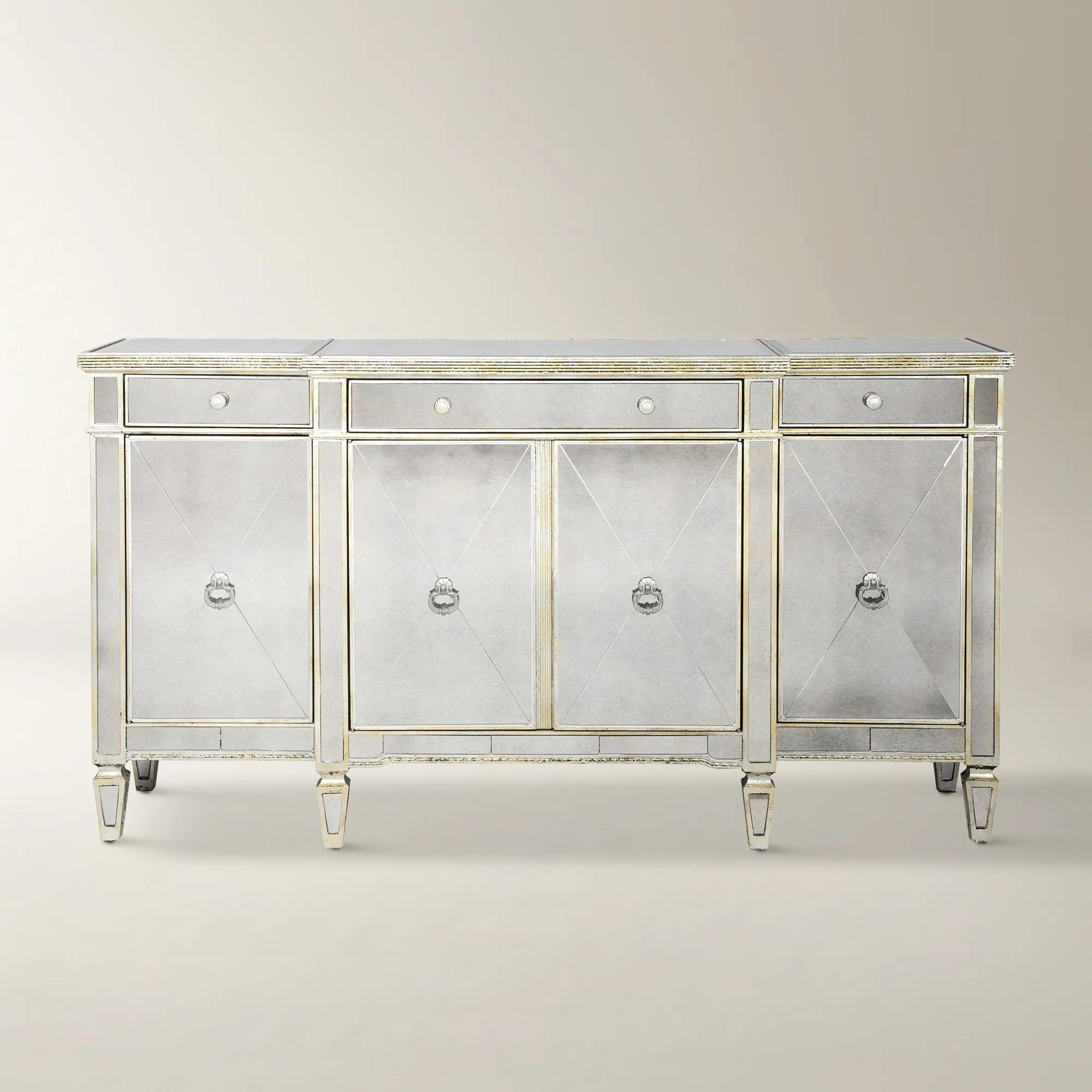
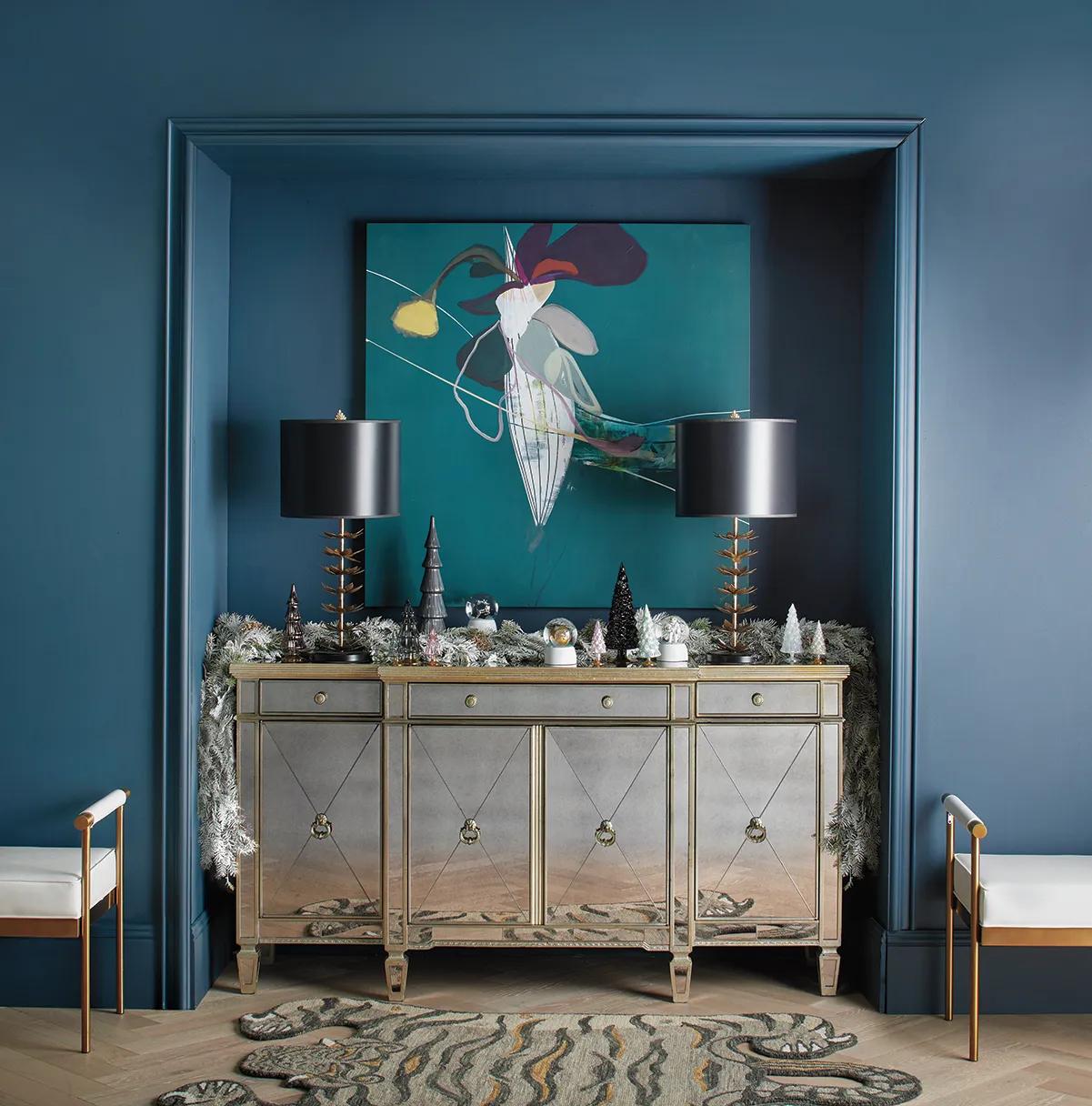 Borghese Mirrored Silver 3-Drawer Buffet (70")$2499
A sophisticated mirrored buffet featuring antique beveled glass, champagne gilt wood trim, and hand-applied silver leaf.
Add To Cart -
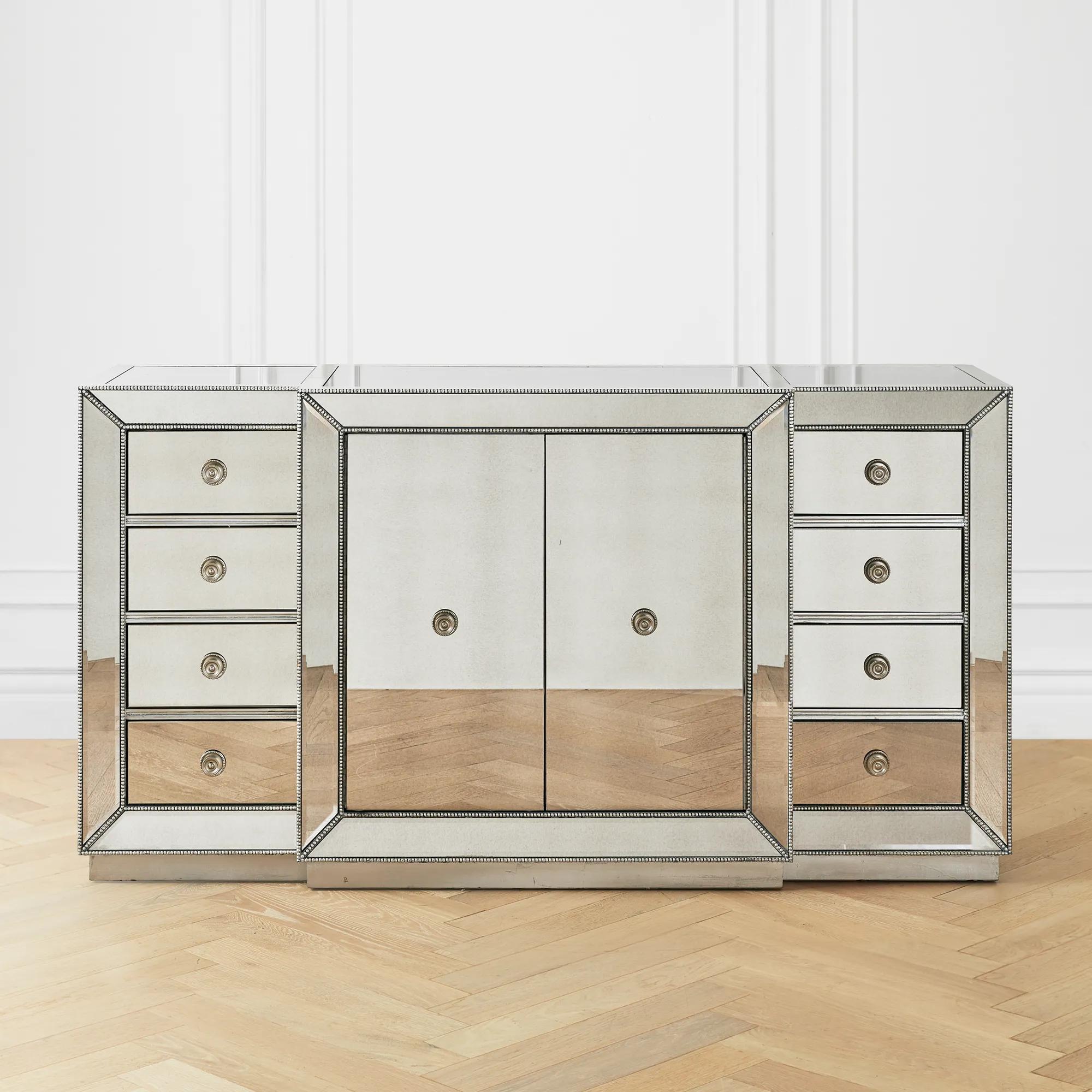 Omni Mirrored Silver 8-Drawer Buffet (72")$2499
A glamorous buffet featuring antique beveled mirrored panels, hand-applied silver leaf, and silver beaded trim.
Add To Cart -
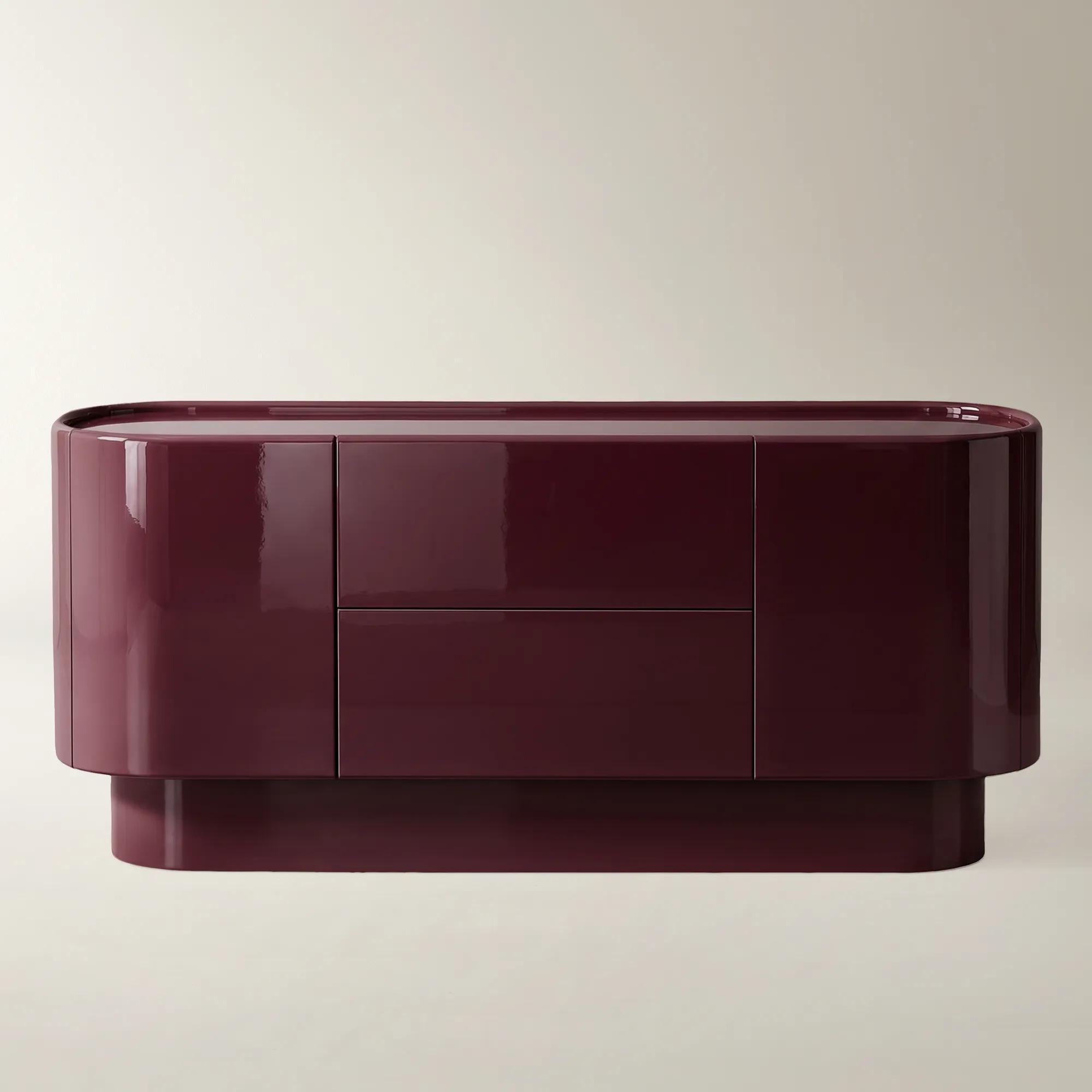 Velar Lacquered Ox Blood Buffet With Glass Top (70")$2099
A sculptural ox blood buffet featuring high-gloss lacquer, back-painted glass top, and illuminated mirrored storage.
Add To Cart -
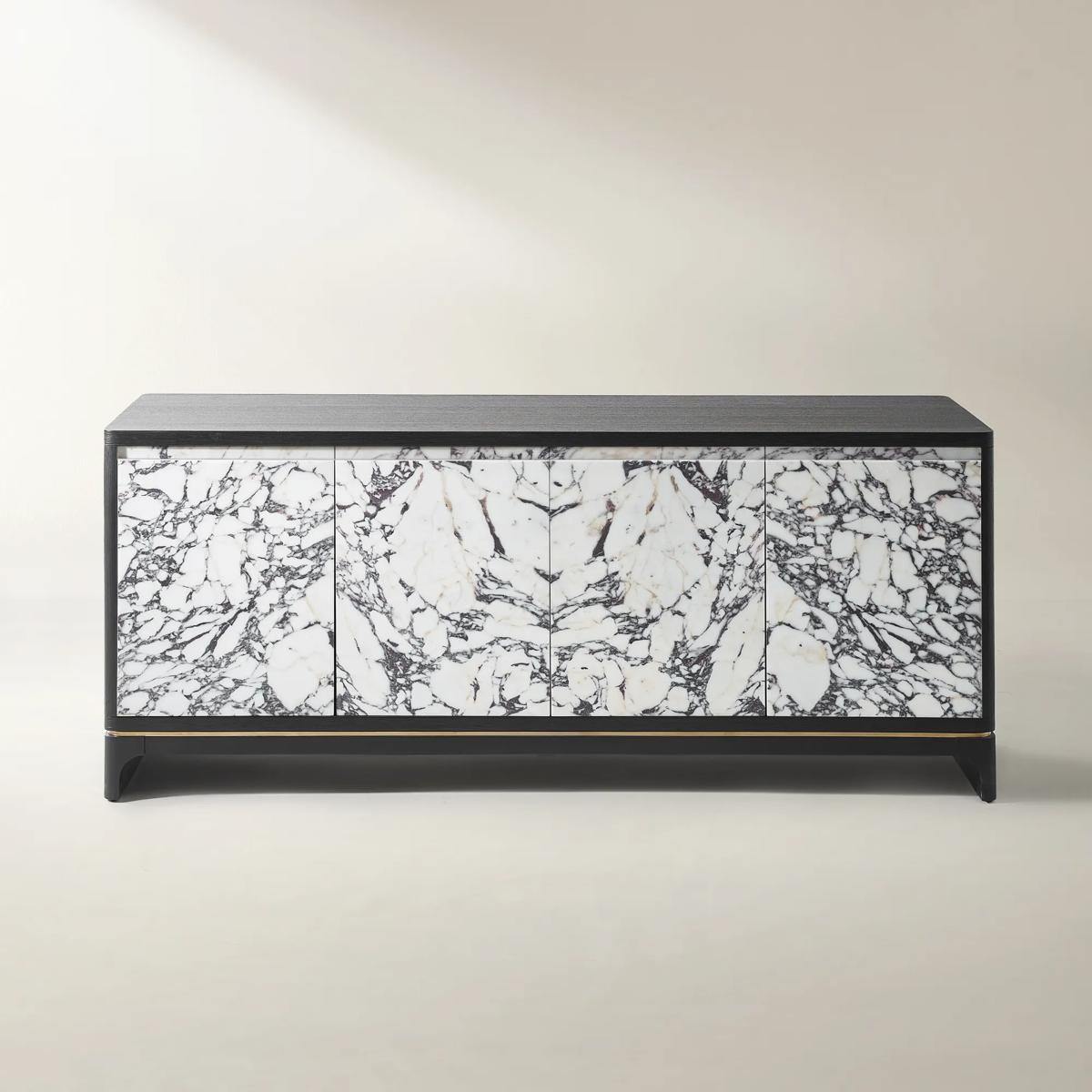
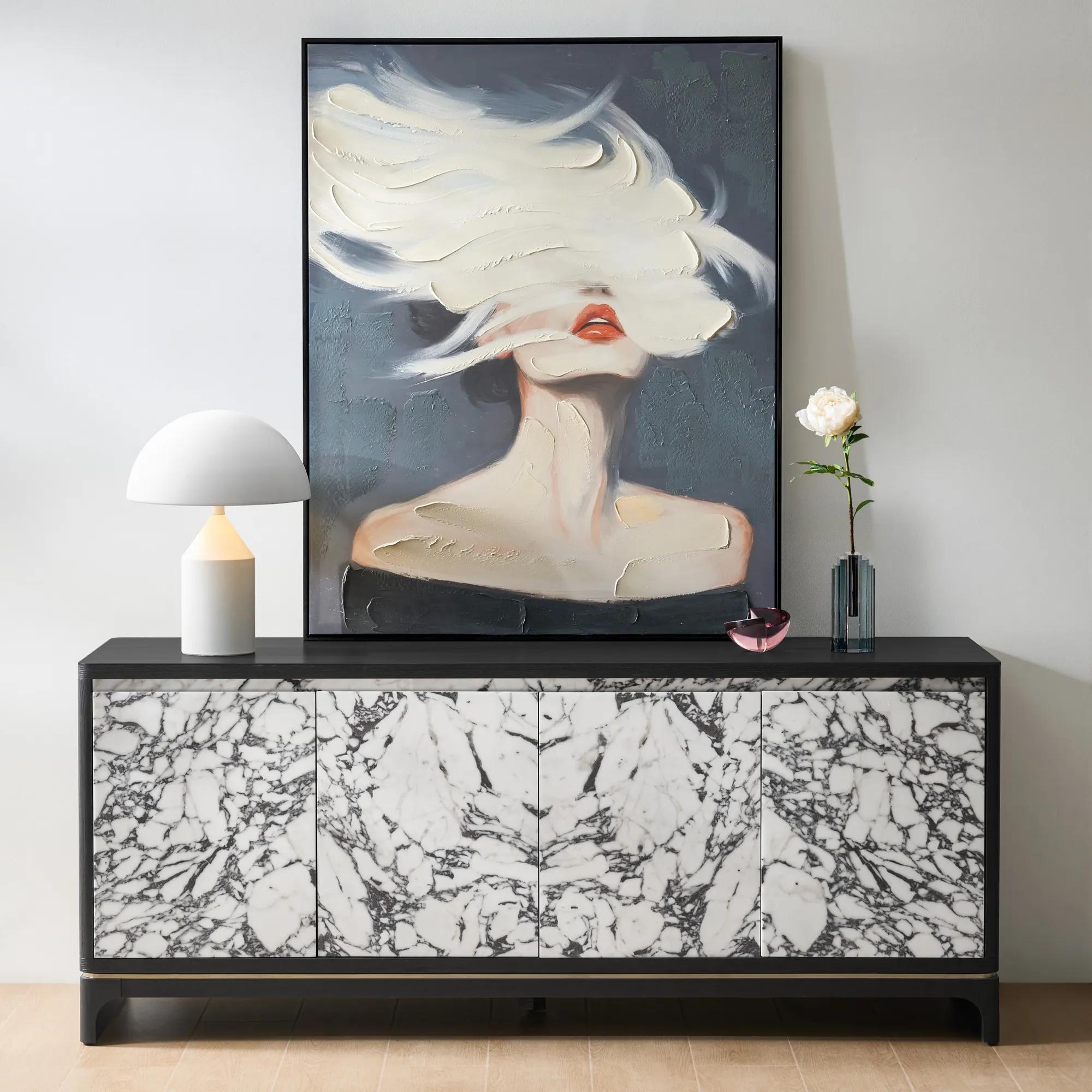 Vanta Black Oak And Calacatta Marble Buffet (72")$2699
A striking matte black oak sideboard featuring genuine Calacatta Viola marble fronts with dramatic violet veining.
Add To Cart -
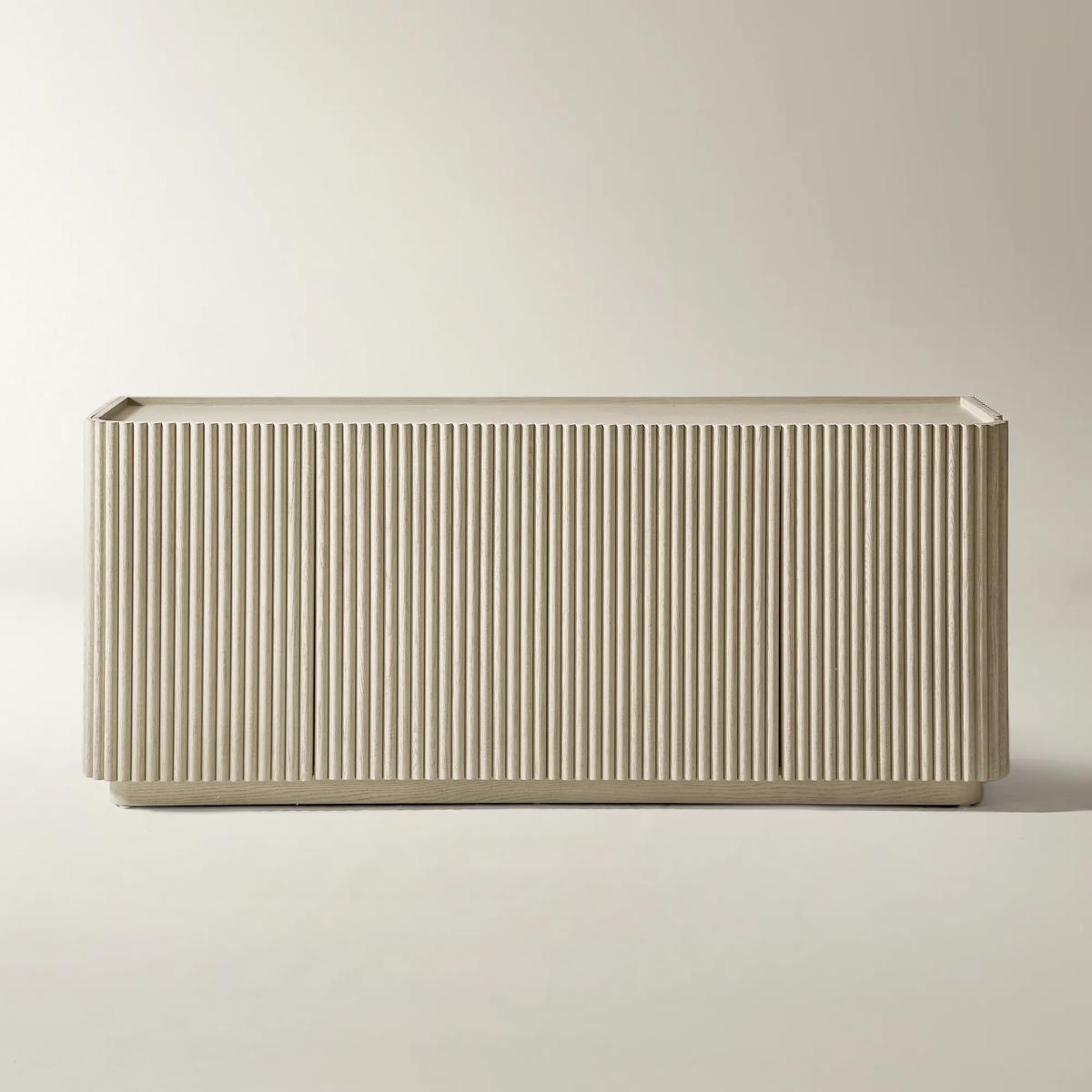
 Stria Reeded White Oak Buffet (72")$2199
A sculptural oak buffet featuring reeded detailing, gold-plated trim, and adjustable storage behind four doors.
Add To Cart -
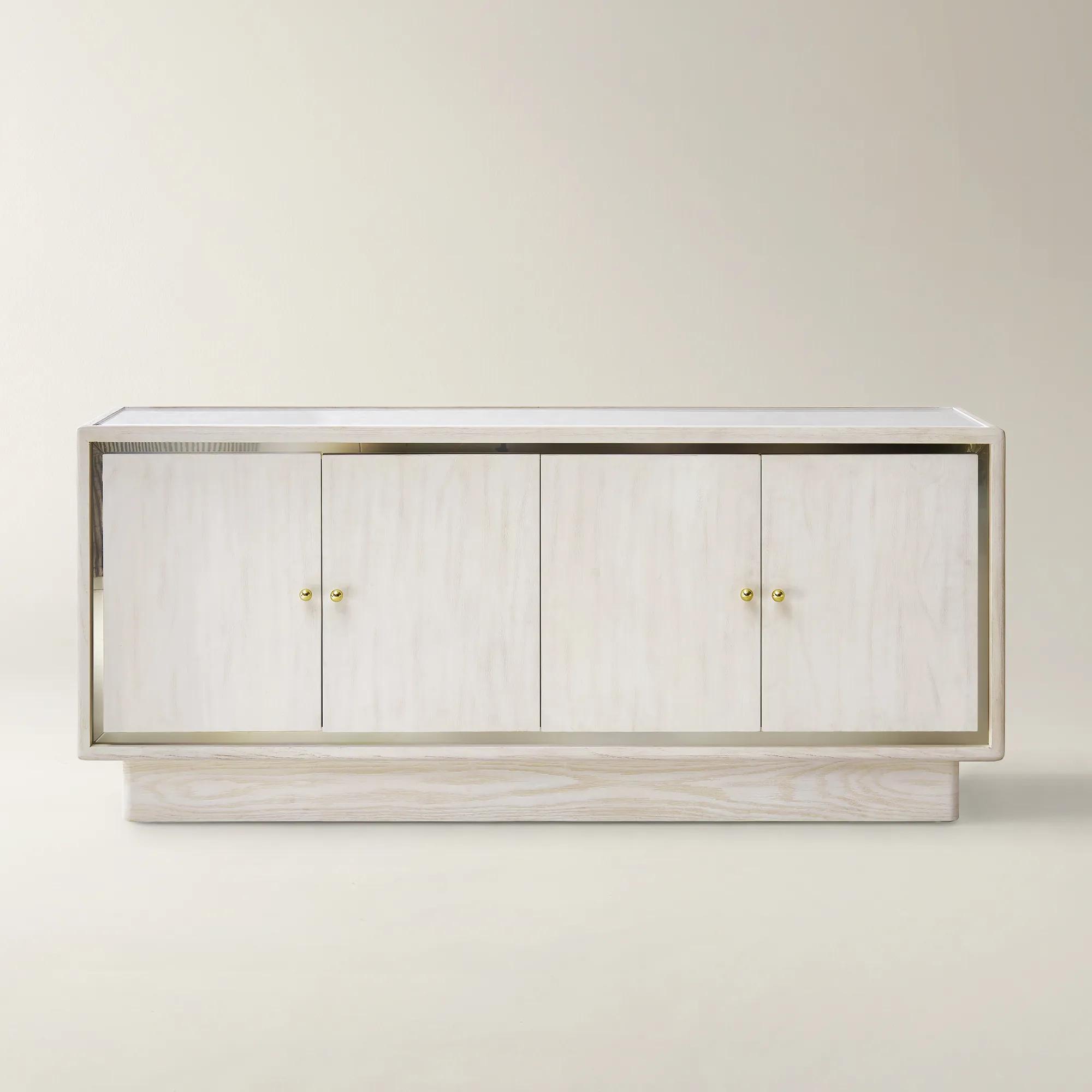 Lumina Bleached Oak Buffet With Pearl Lacquered Top (72")$2299
A luminous bleached oak buffet featuring a pearl lacquered top and champagne gold trim for refined elegance.
Add To Cart -
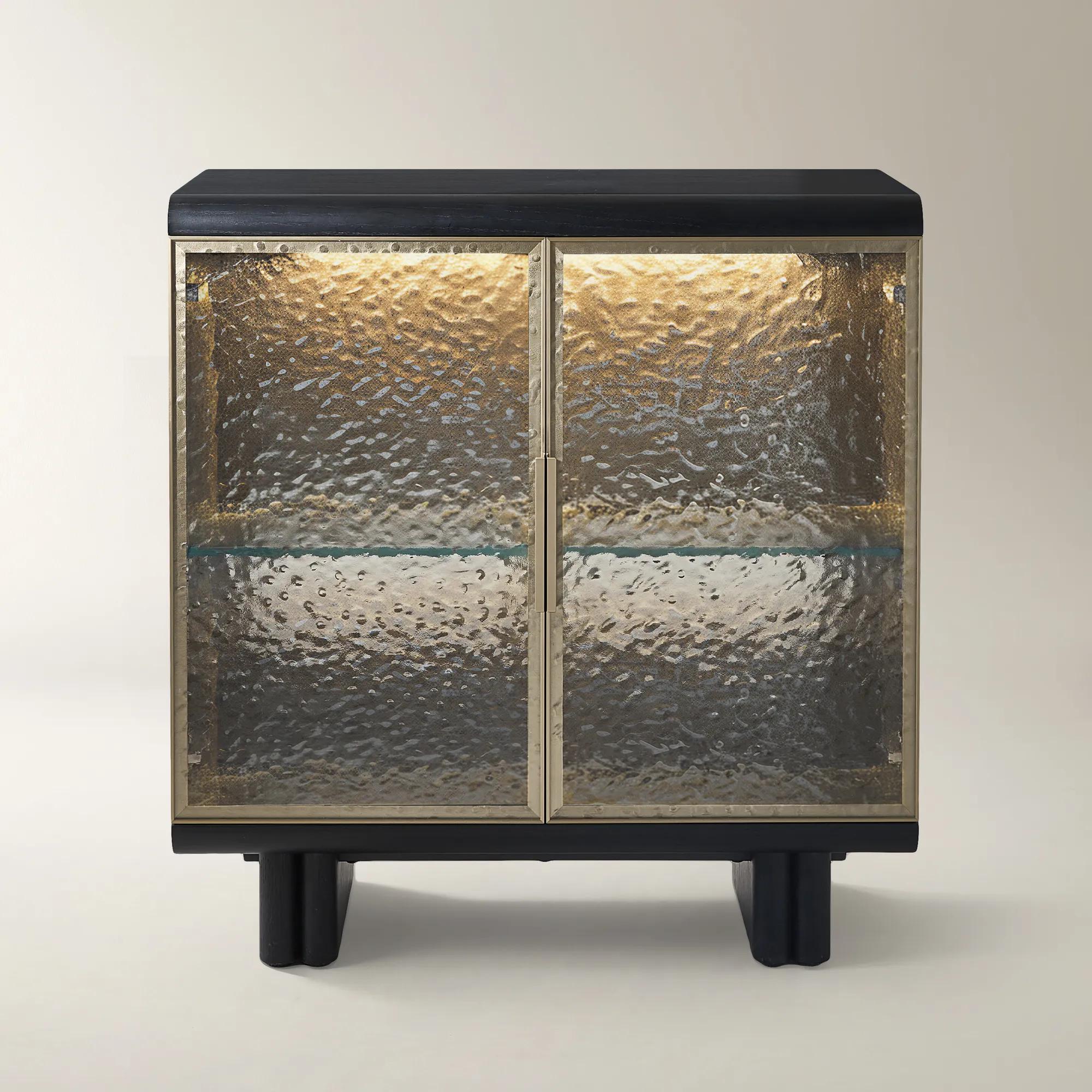
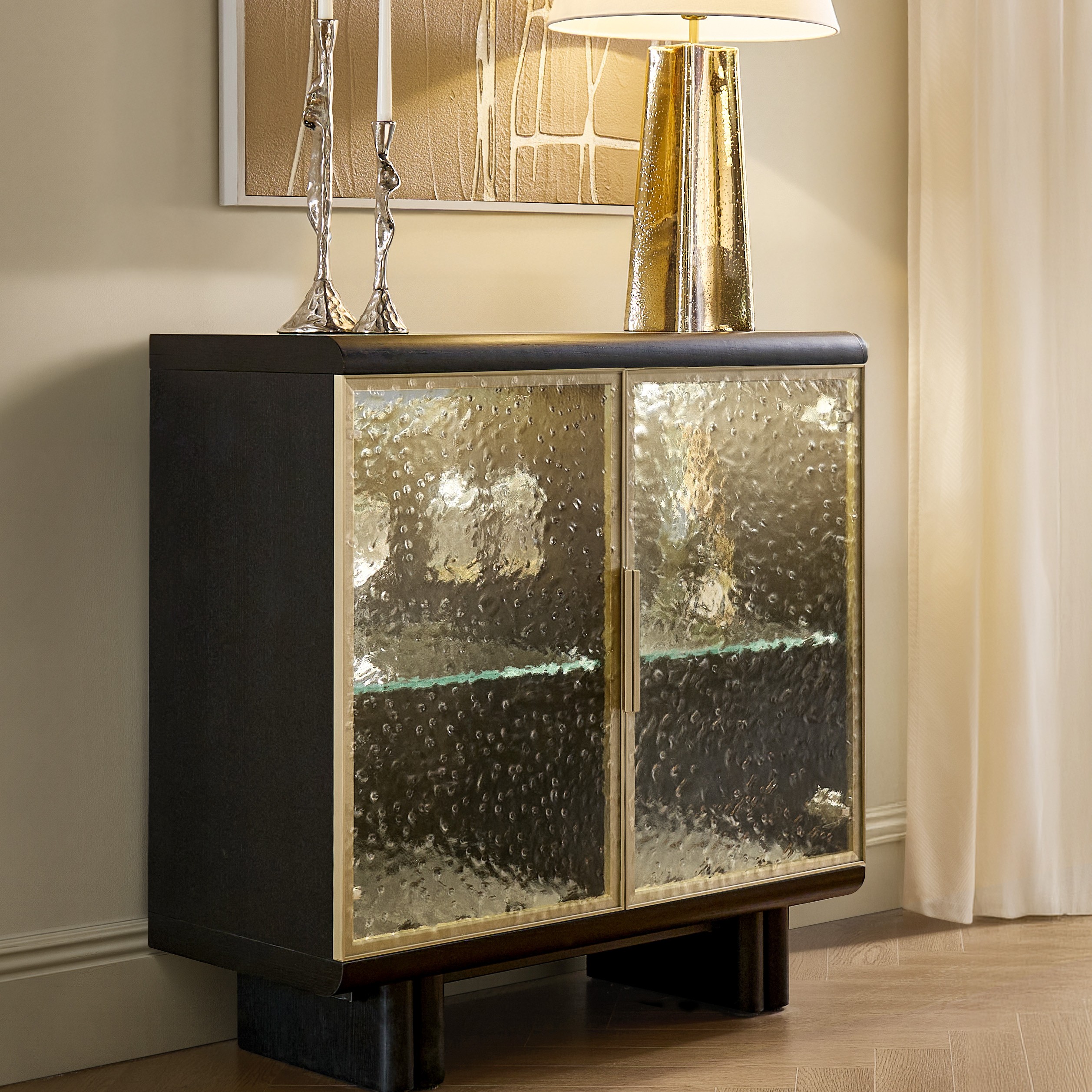 Eleanor Cerused Black Oak Buffet With Wavy Glass Door (38")$1599
A matte black oak veneer buffet with wavy glass doors, mirrored back, and touch-control LED lighting.
Add To Cart -
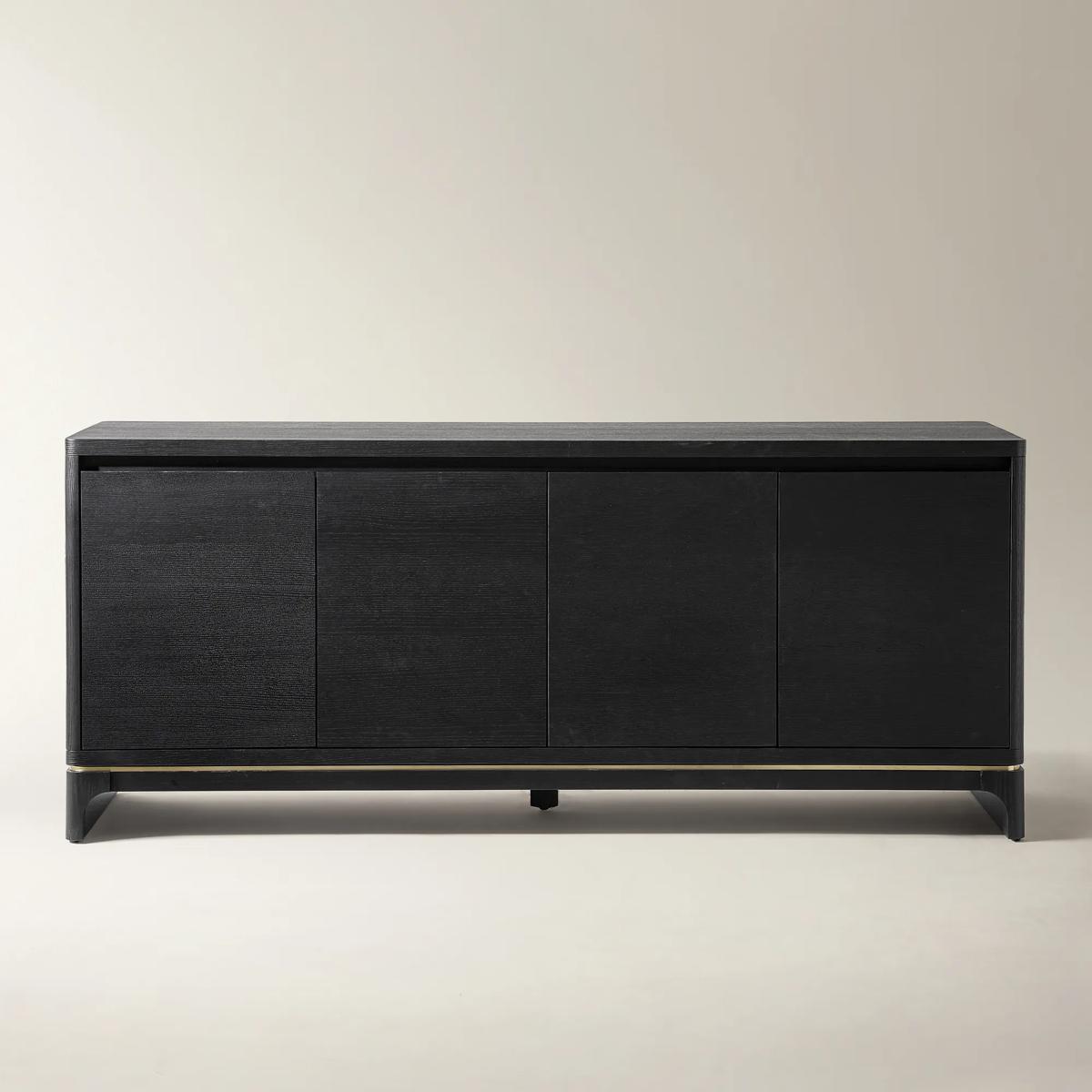
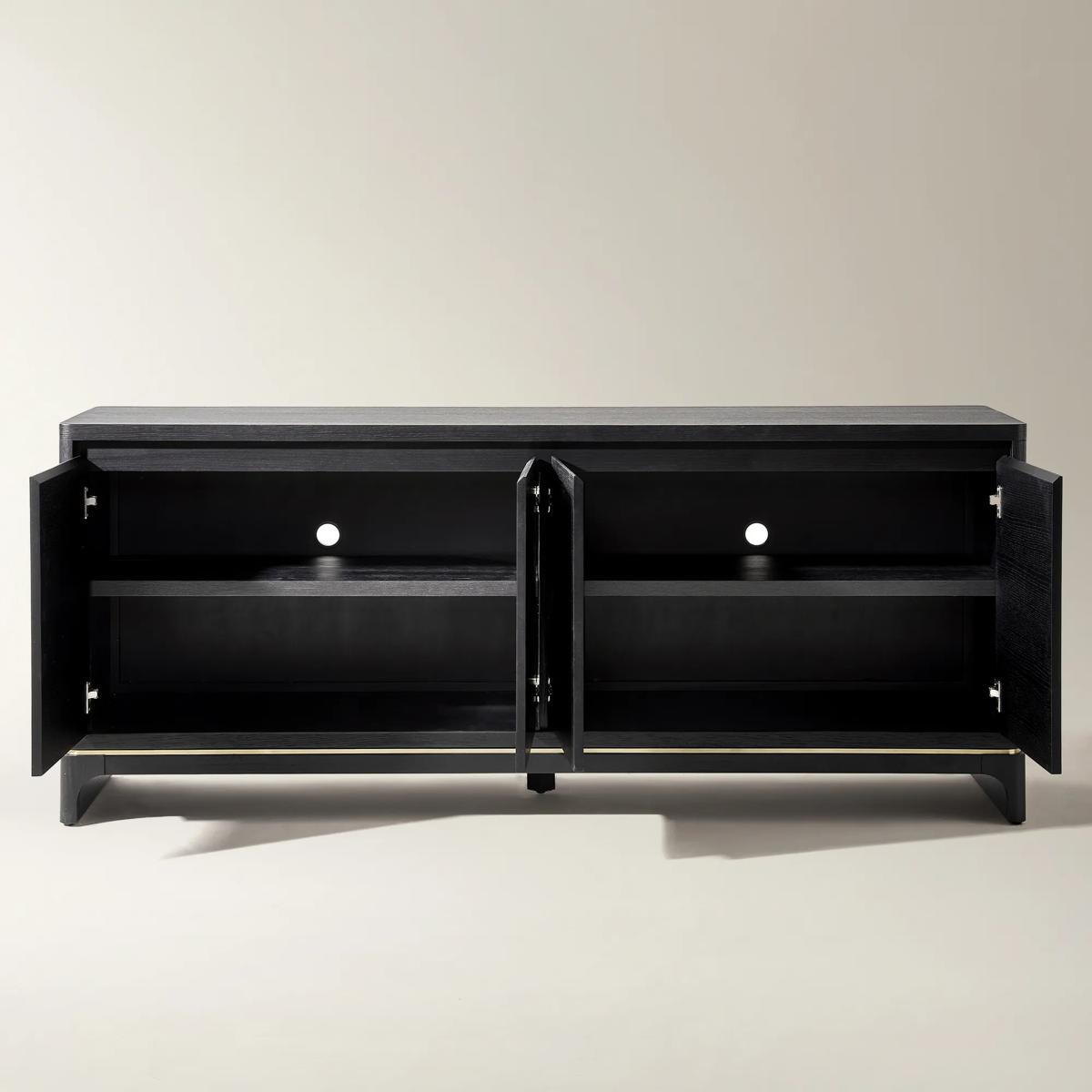 Vanta Black Oak Buffet (72")$1999
A matte black oak sideboard with gold stainless steel trim and concealed pulls for modern, elegant storage.
Add To Cart -
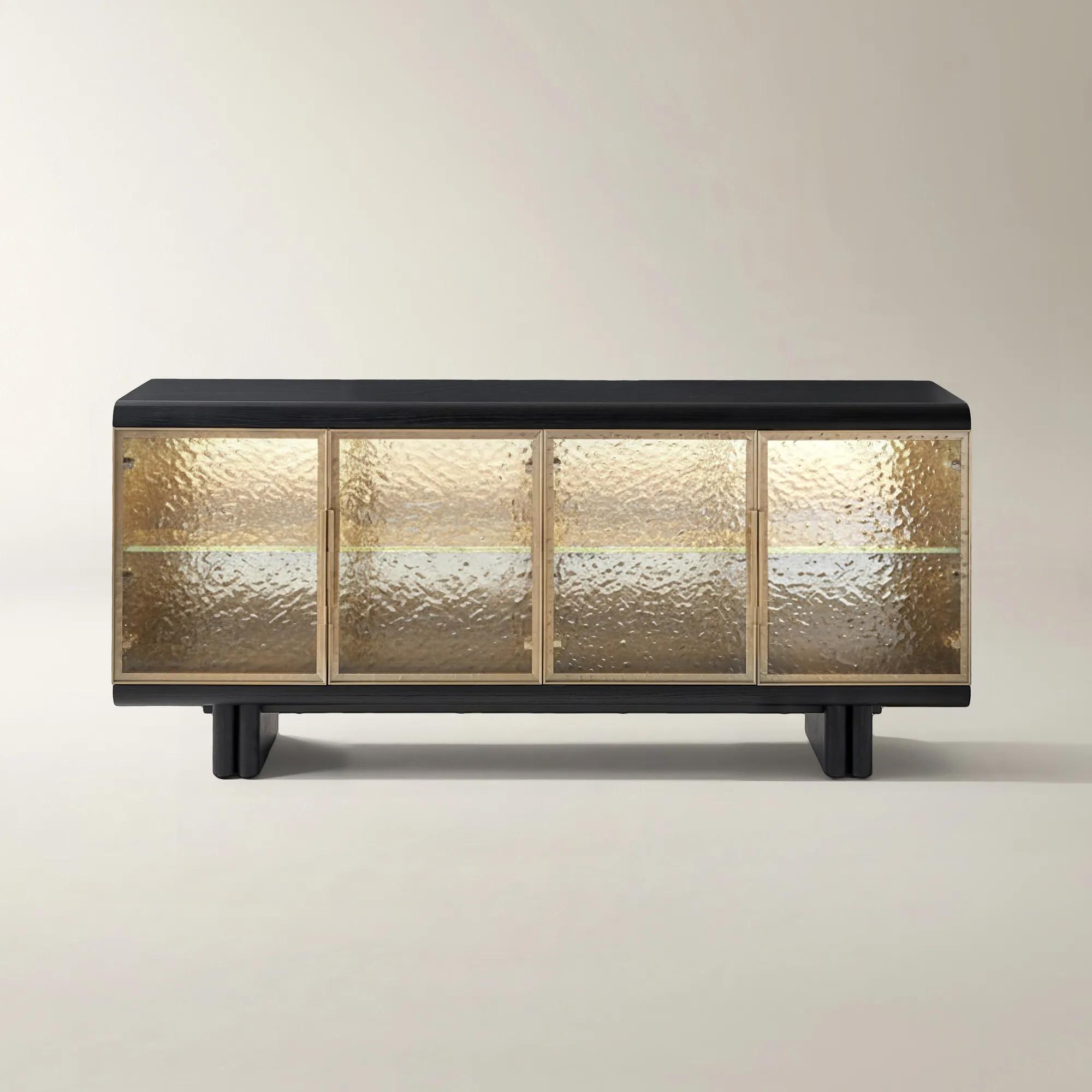 Eleanor Cerused Black Oak Buffet With Wavy Glass Door (72")$2099
A matte black oak veneer buffet featuring wavy art-glass doors, mirrored back, and integrated LED lighting.
Add To Cart -
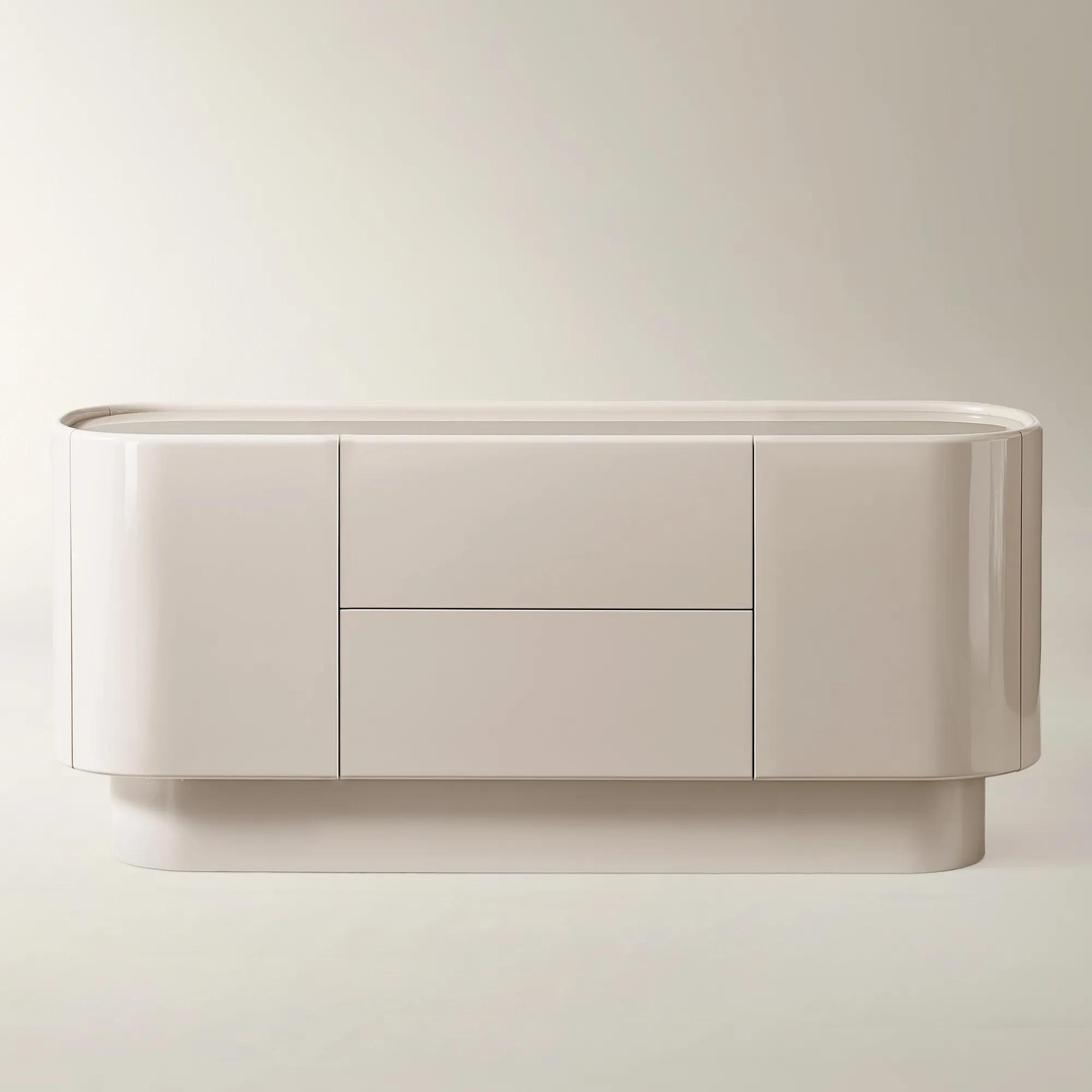
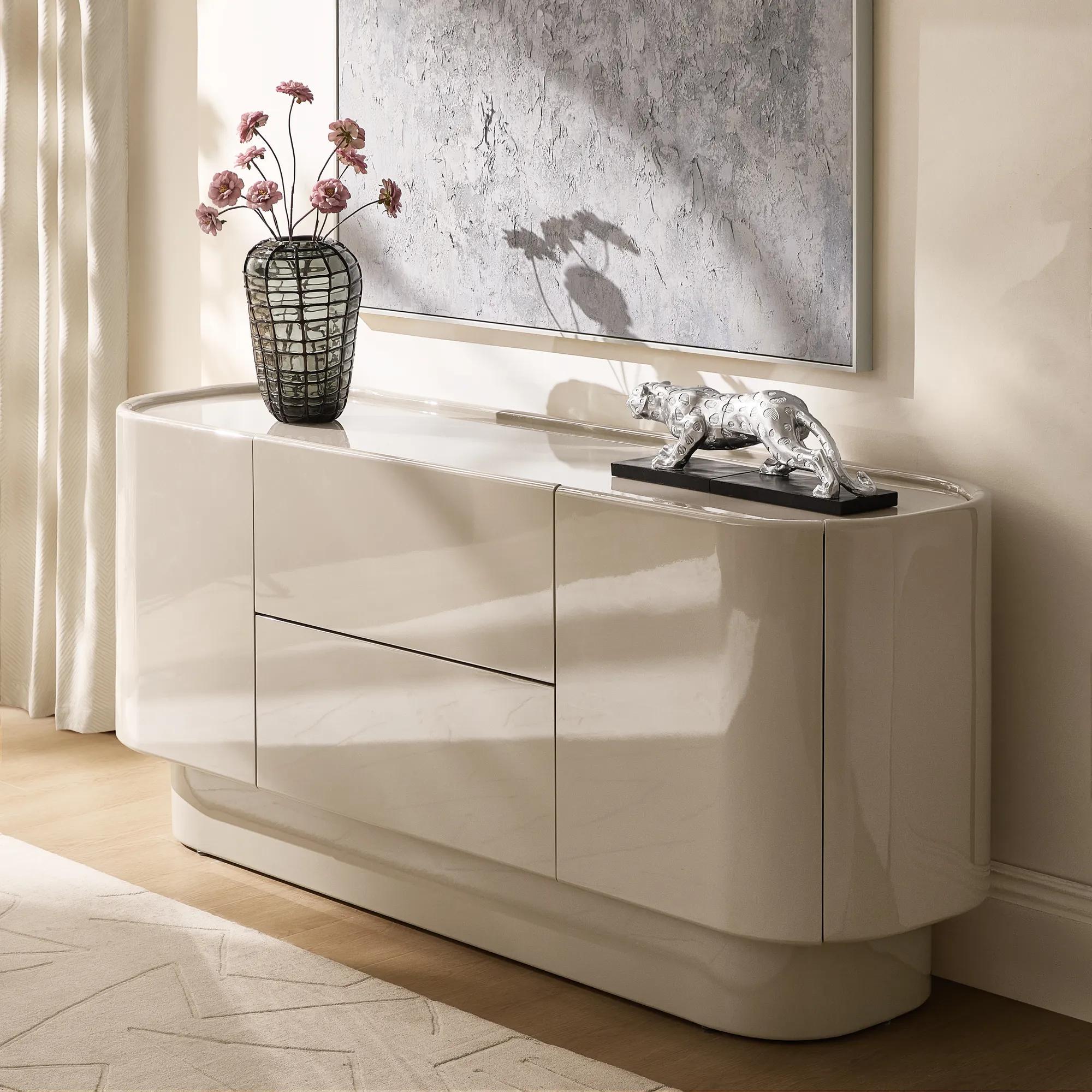 Velar Lacquered Turtle Dove Buffet With Glass Top (70")$2099
A sleek turtle dove buffet featuring high-gloss lacquer, tempered glass, and illuminated mirrored interior storage.
Add To Cart -
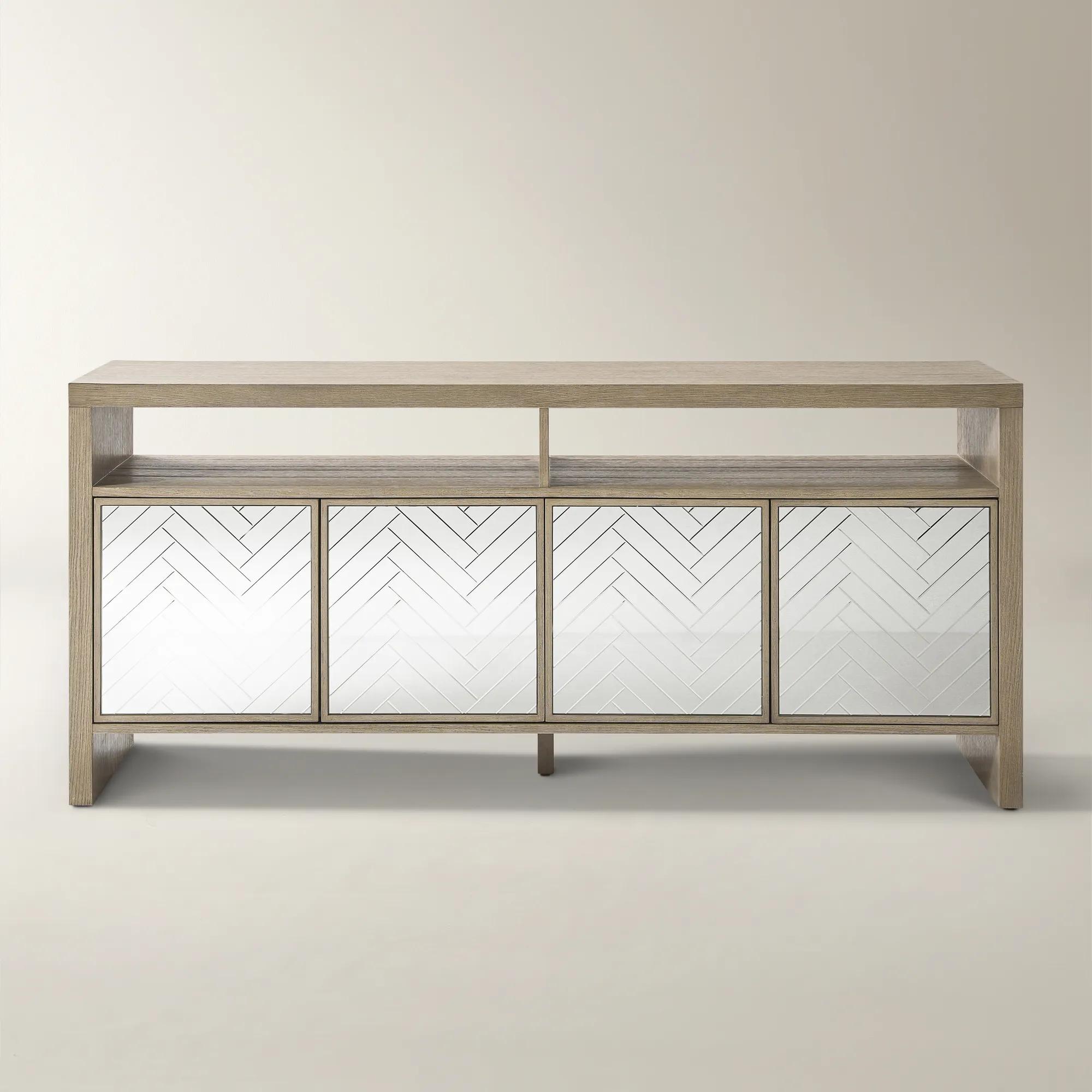 Glimmer Mirrored Seadrift Oak Buffet (70.5")$1999
A sophisticated buffet featuring sea drift oak veneer and mirrored parquet doors with silver leaf accents.
Add To Cart -
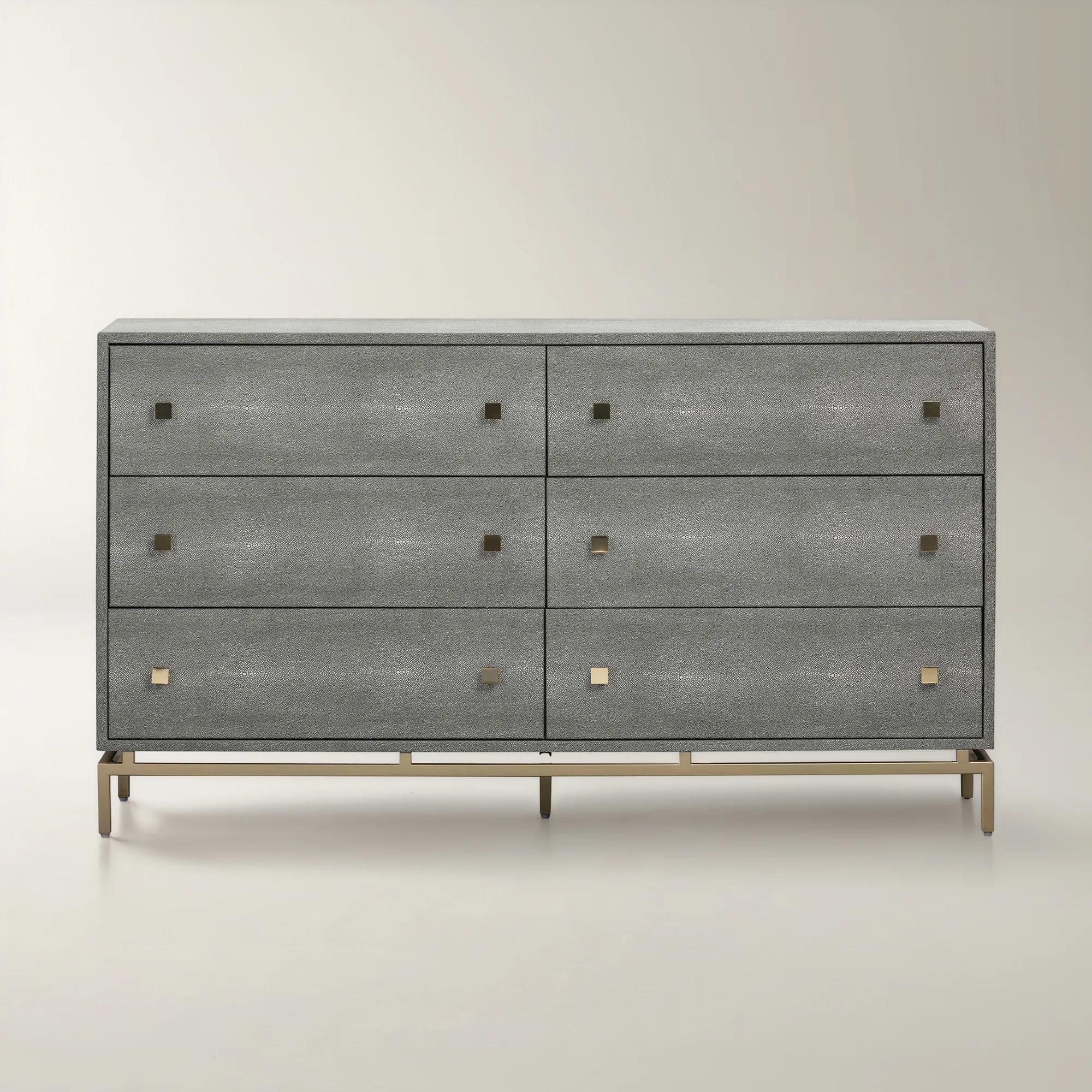
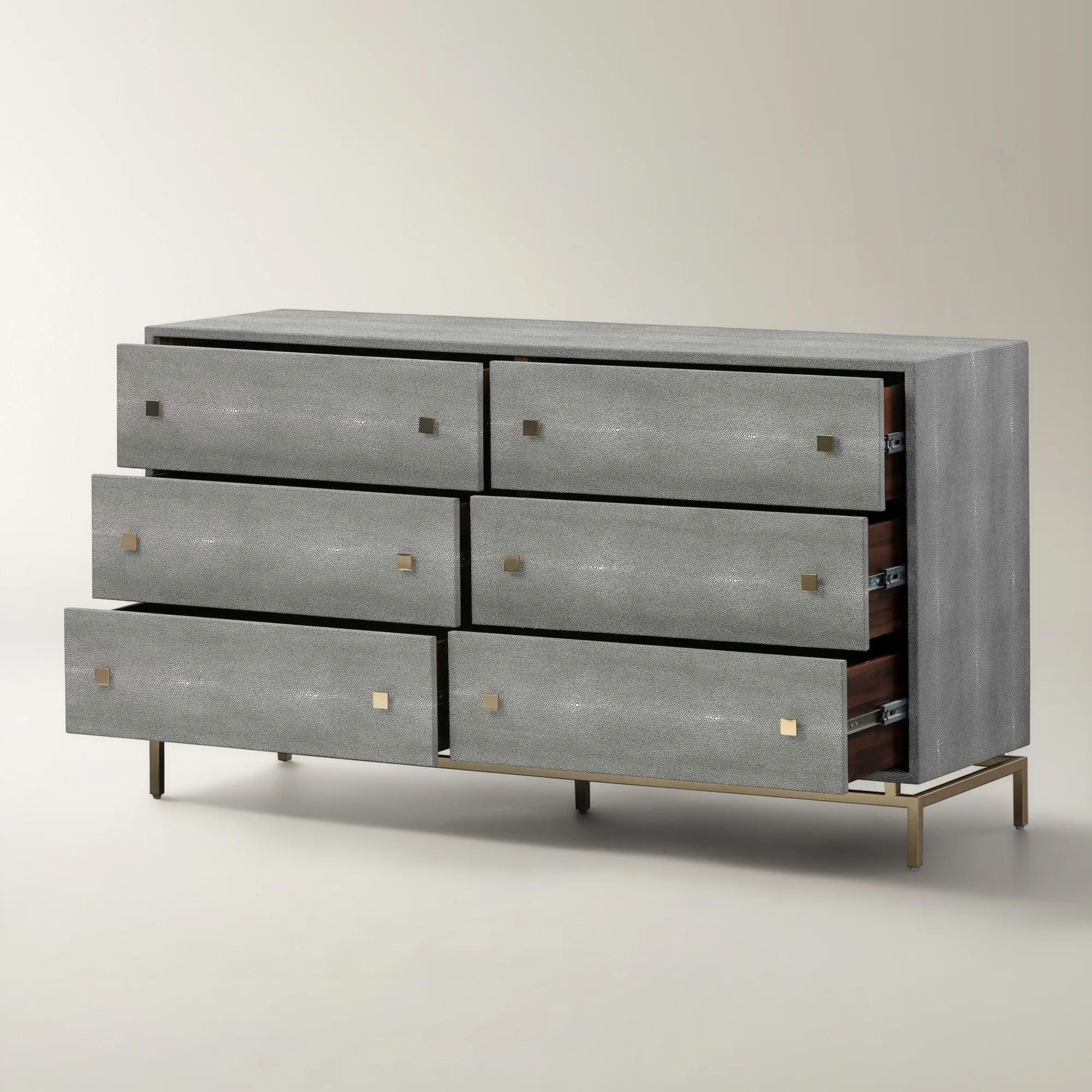 Misha Grey Shagreen 6-Drawer Dresser (57")$2249
A modern dresser featuring faux shagreen texture, brass-finished base, and six drawers with cherry wood interiors.
Add To Cart -
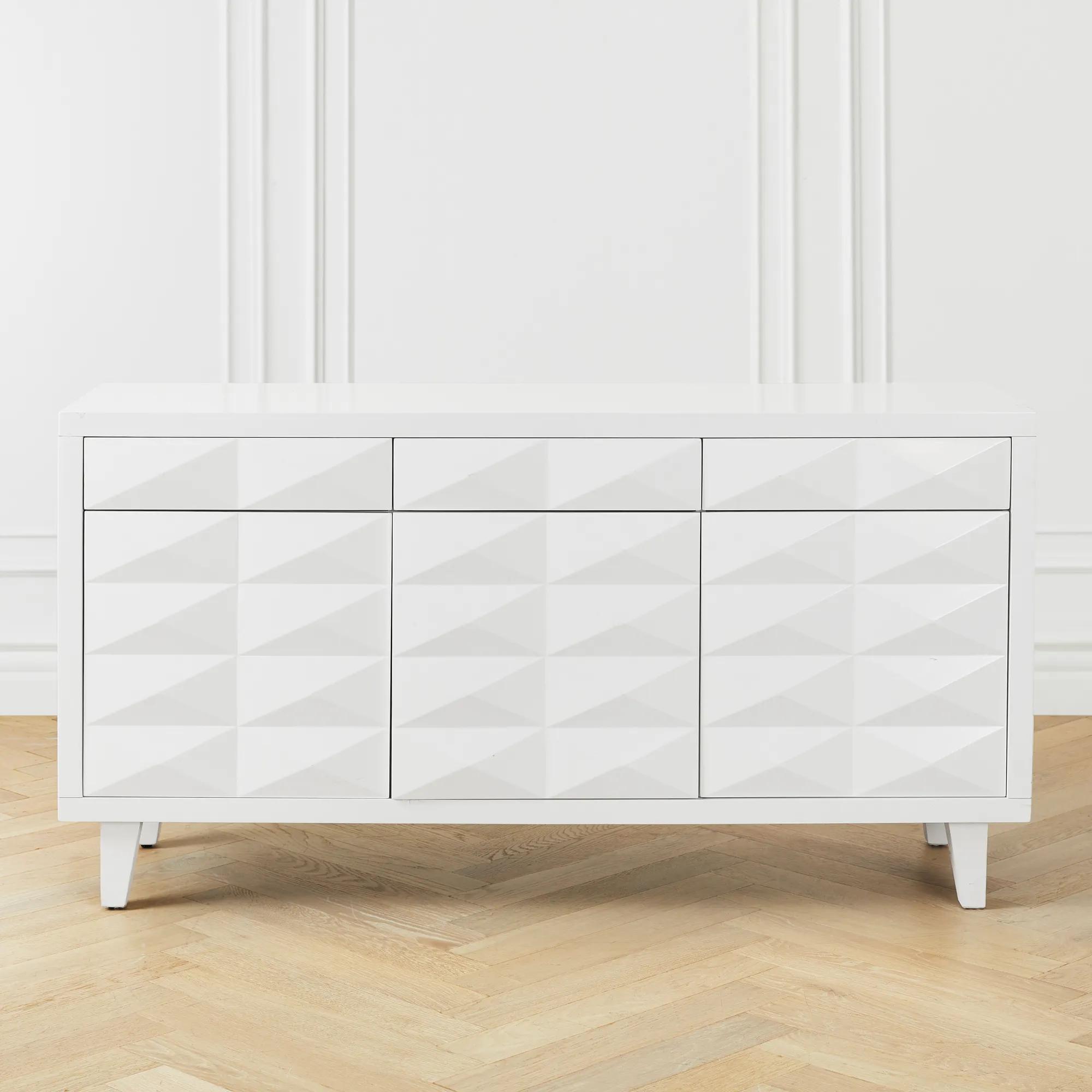 Palmer White Wood Cabinet (66.5")$1649
A sleek white hardwood cabinet with geometric detailing, three drawers, and push-latch doors for modern storage.
Add To Cart -
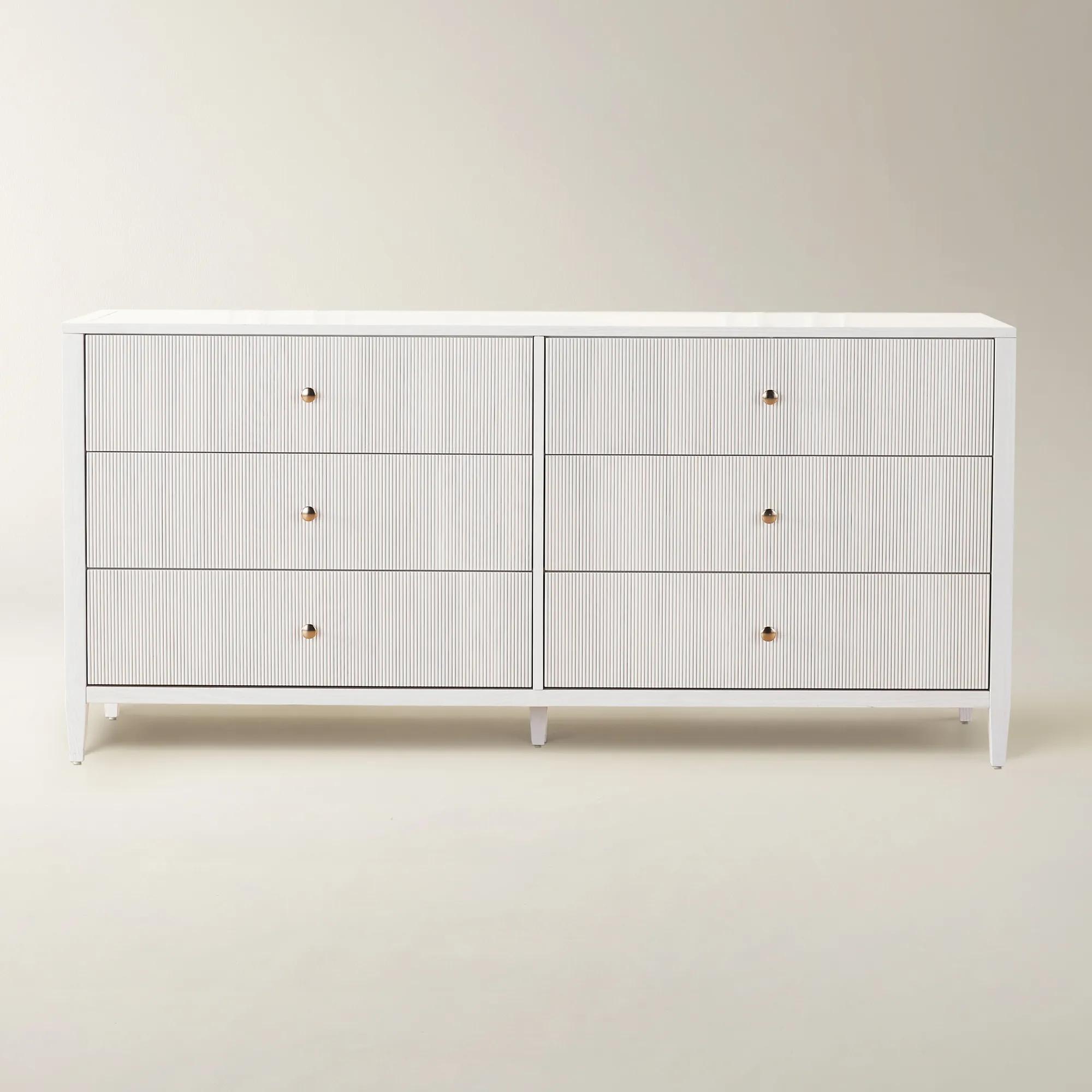
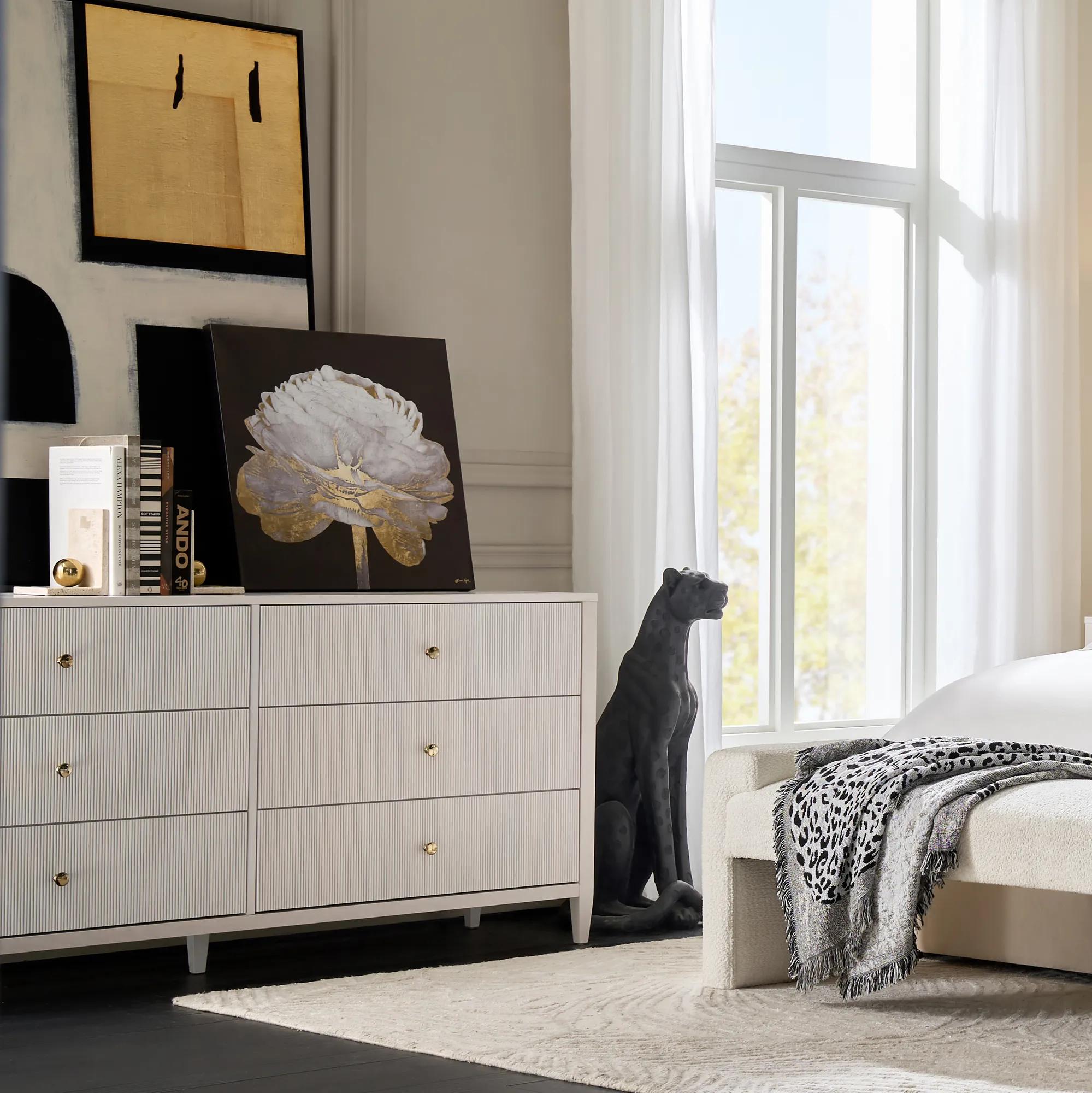 Viola Reeded White Ash Wood 6-Drawer Dresser (70")$1899
A modern dresser in bone white ash wood with reeded fronts and brass hardware for a luxe touch.
Add To Cart -
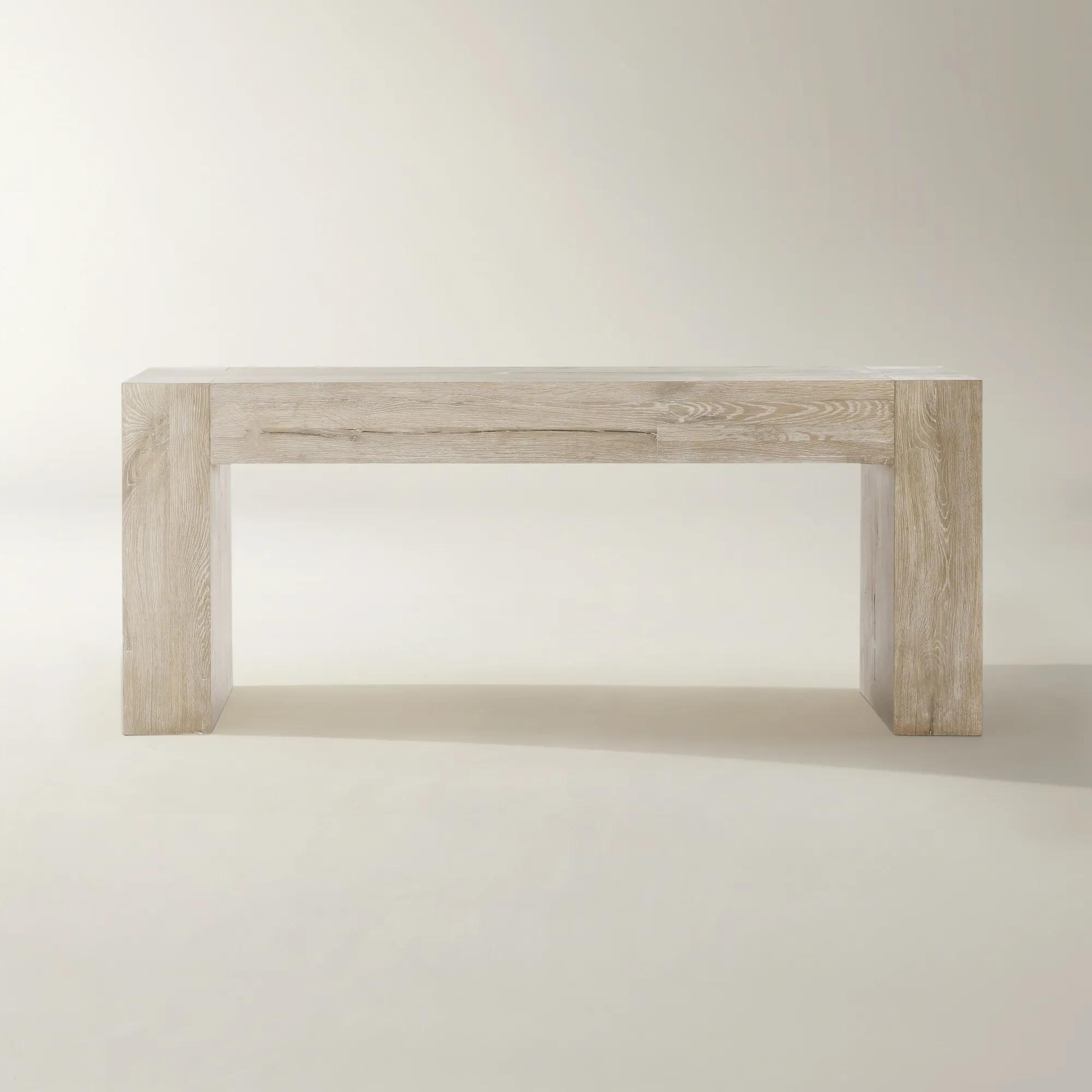
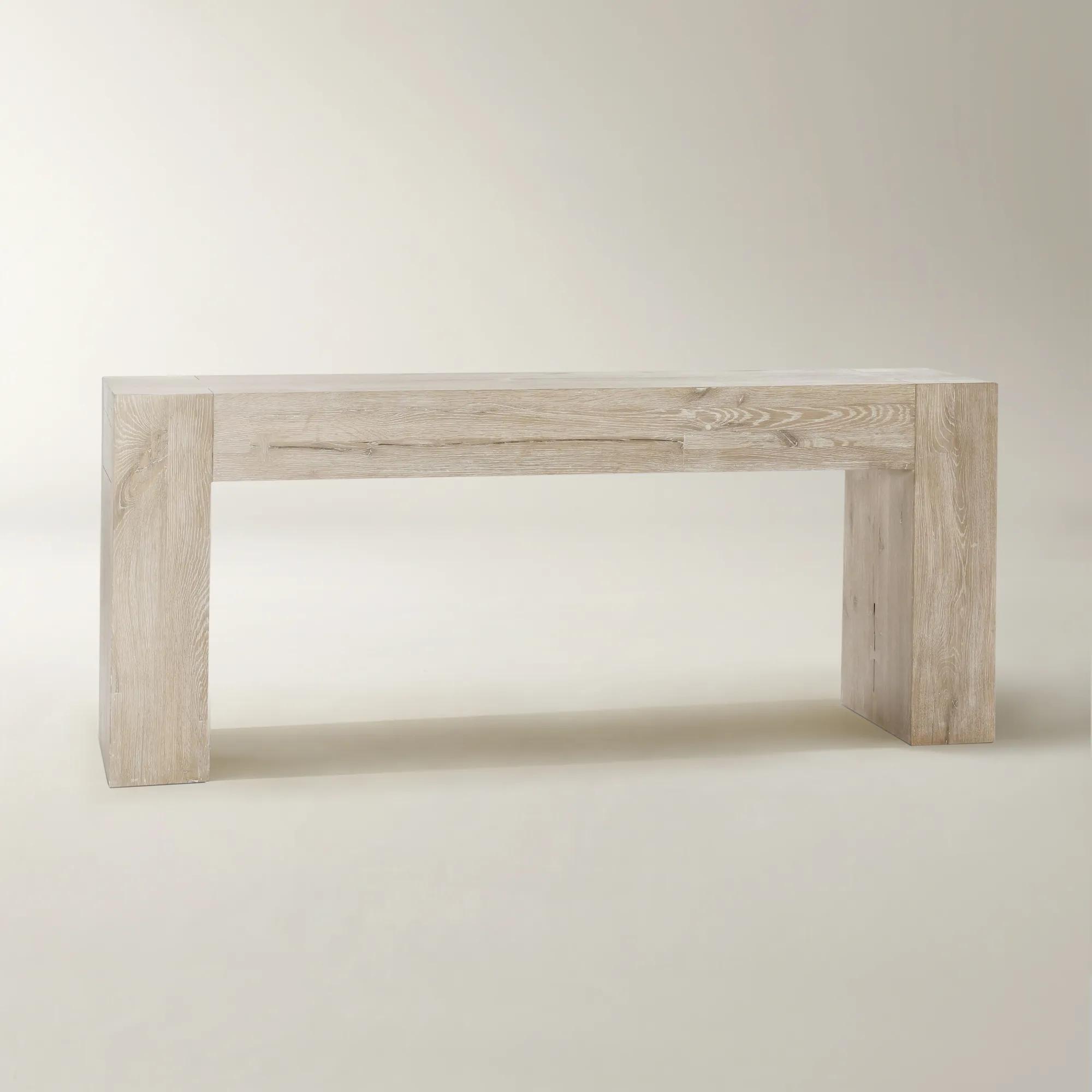 Bristol Rectangular Cream Oak Console Table (72")$2099
A handcrafted console table in aged cream cracked oak with modern dovetail detailing and artisanal character.
Add To Cart -
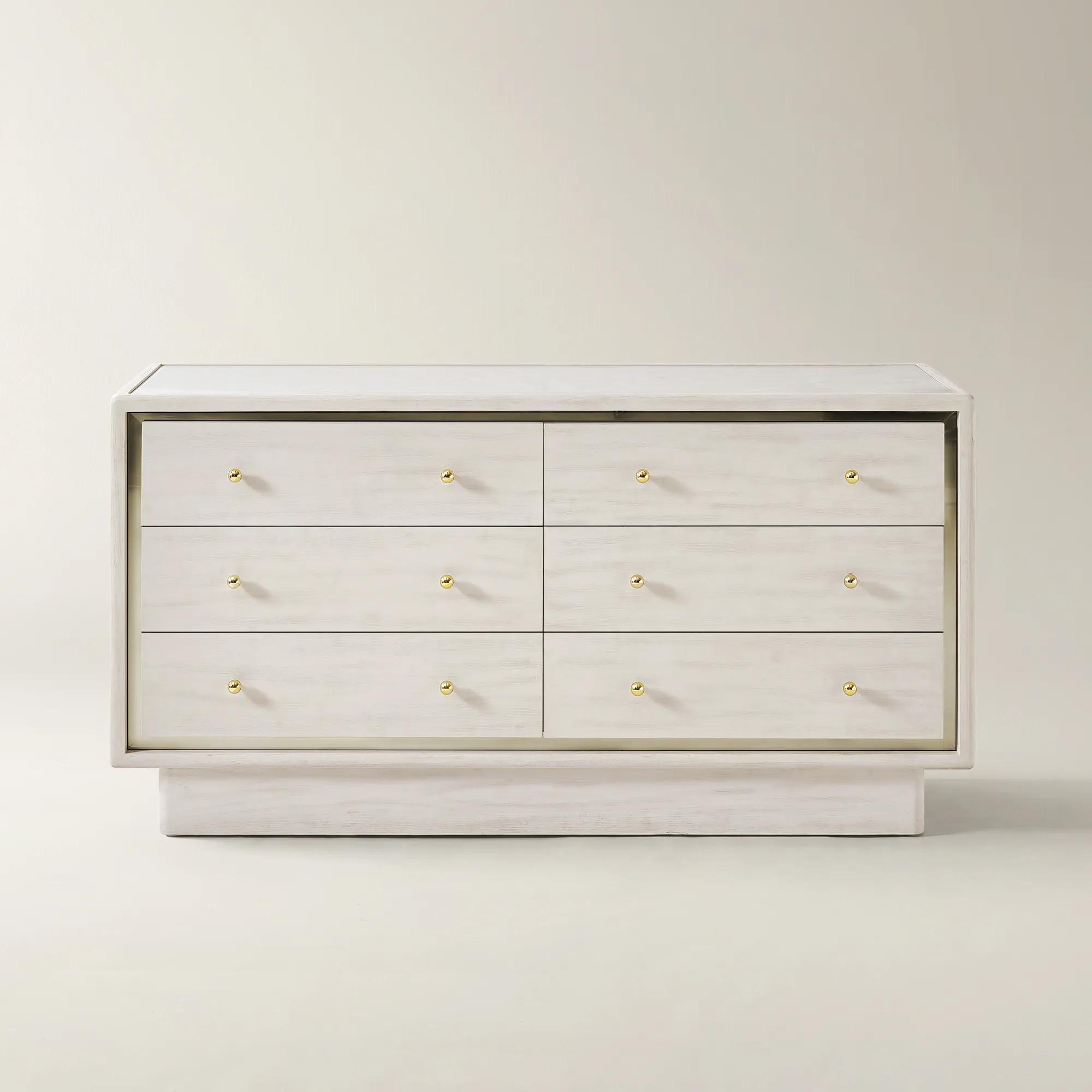 Lumina Bleached Oak 6-Drawer Dresser With Pearl Lacquered Top (62")$2499
A bleached oak dresser featuring a pearl lacquered top, champagne gold trim, and six velvet-lined soft-close drawers.
Add To Cart -
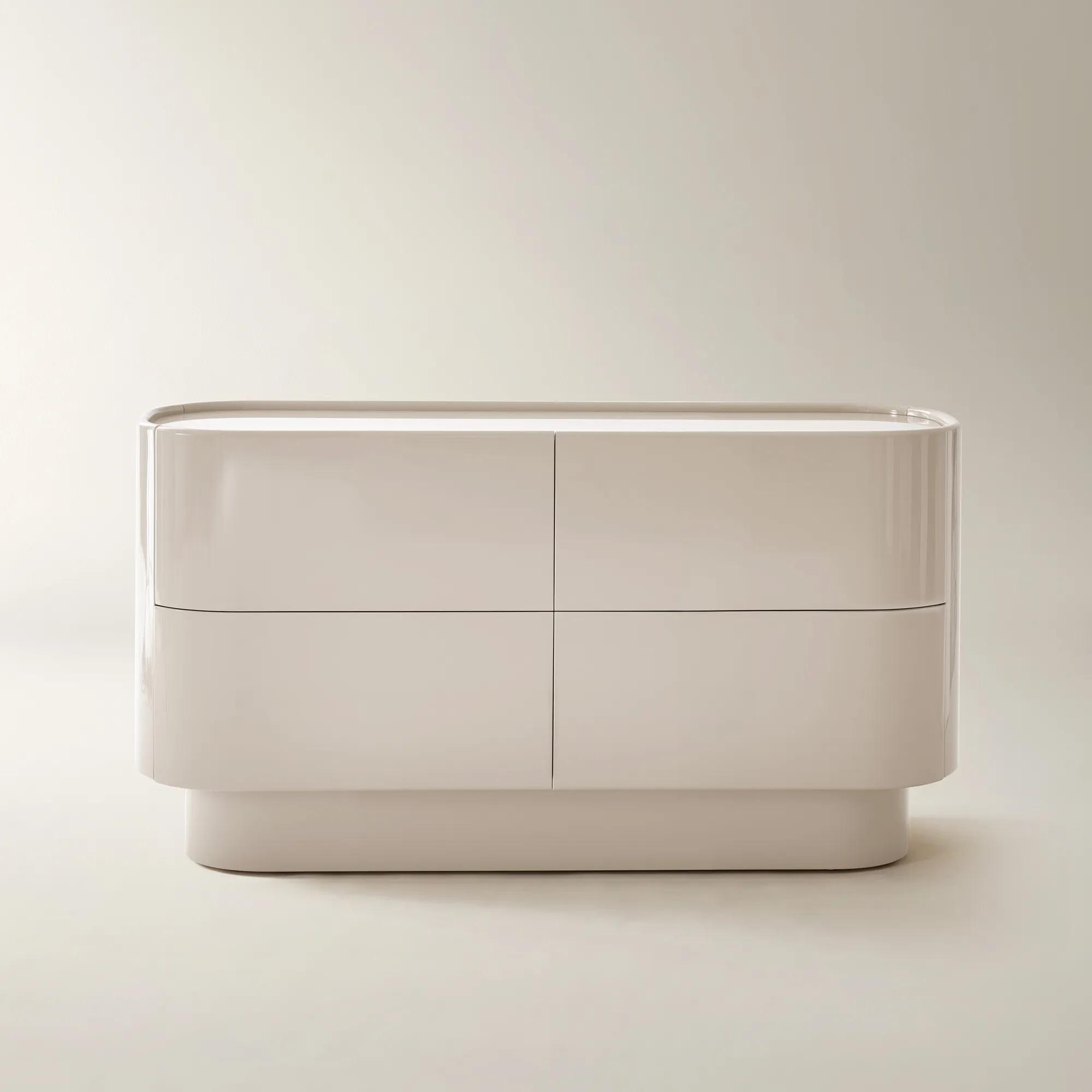
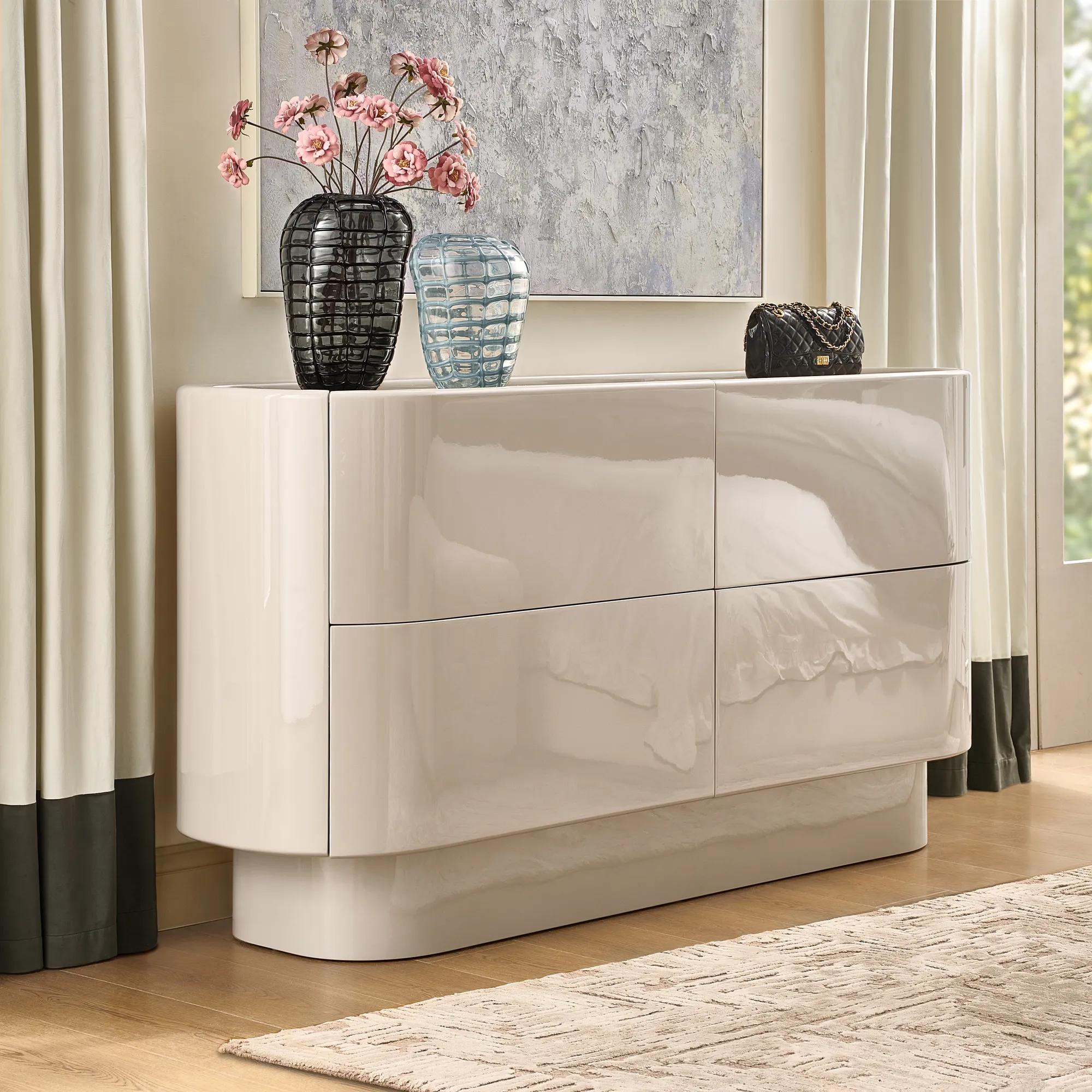 Velar Lacquered Turtle Dove 4-Drawer Dresser With Glass Top (66")$1999
A sculptural dresser in turtle dove lacquer with a back-painted glass top and soft-close velvet-lined drawers.
Add To Cart -
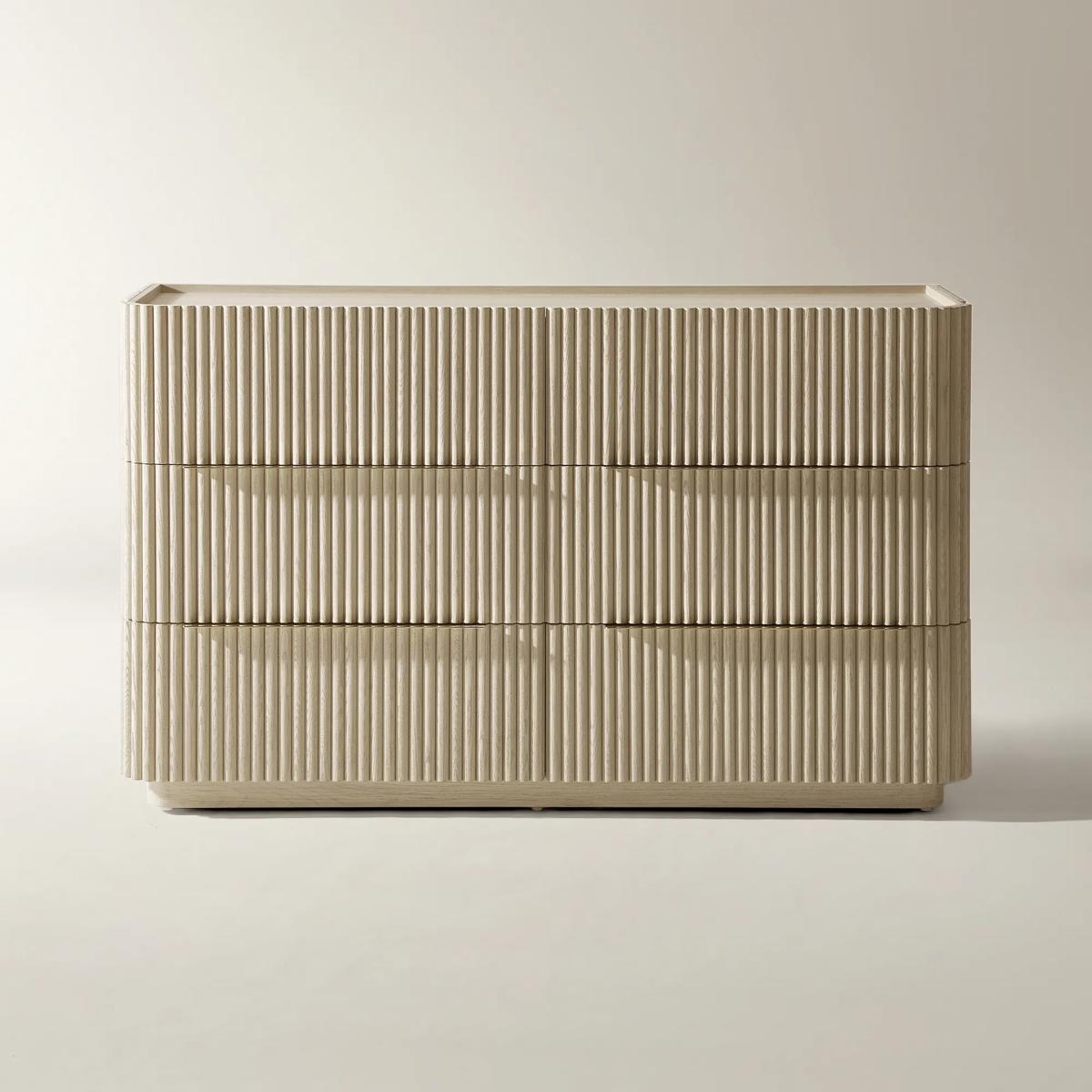
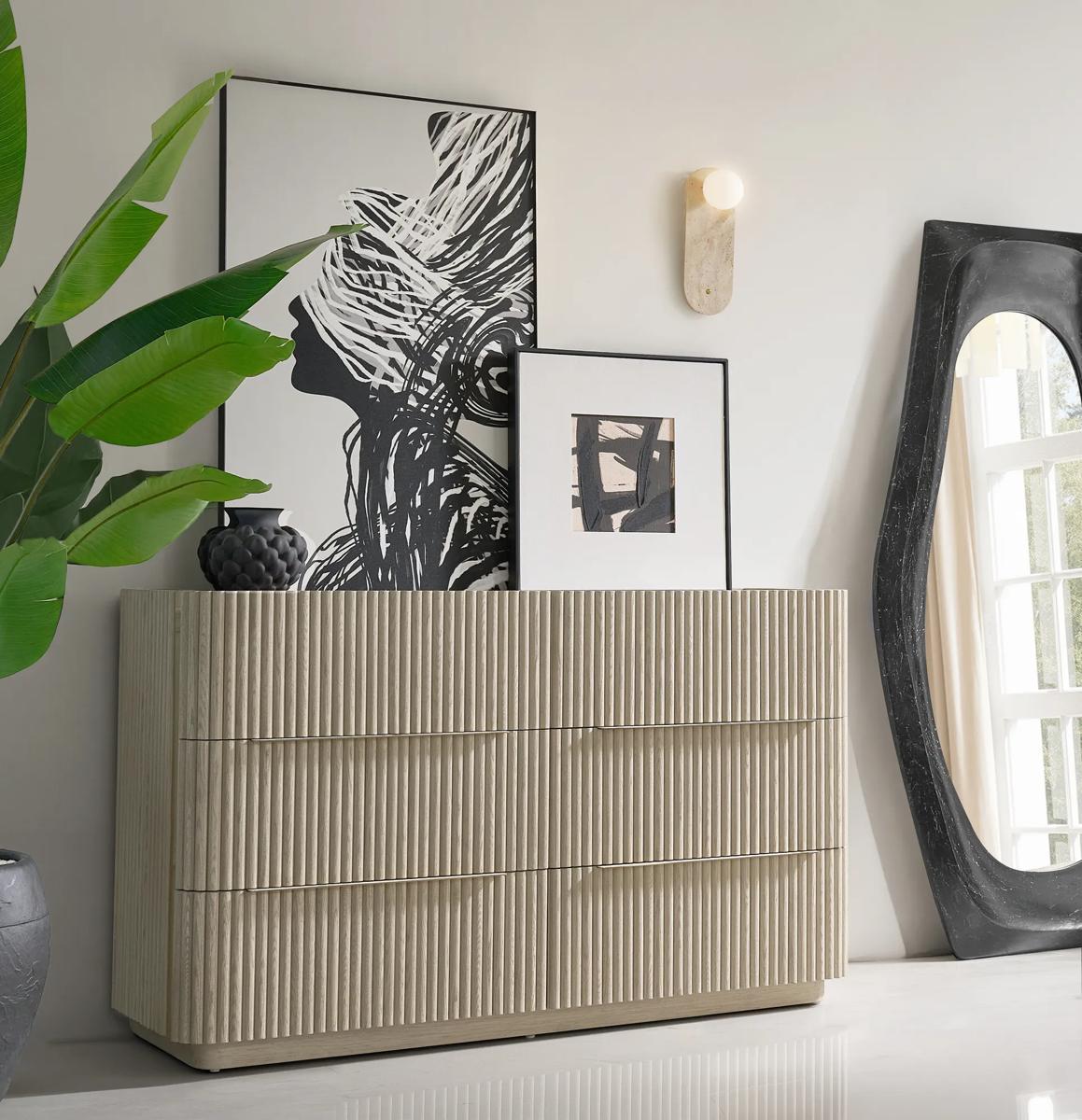 Stria Reeded White Oak 6-Drawer Dresser (64.5")$2599
A sculptural dresser crafted from solid oak with fluted detailing, gold-plated trim, and soft-close drawers.
Add To Cart -
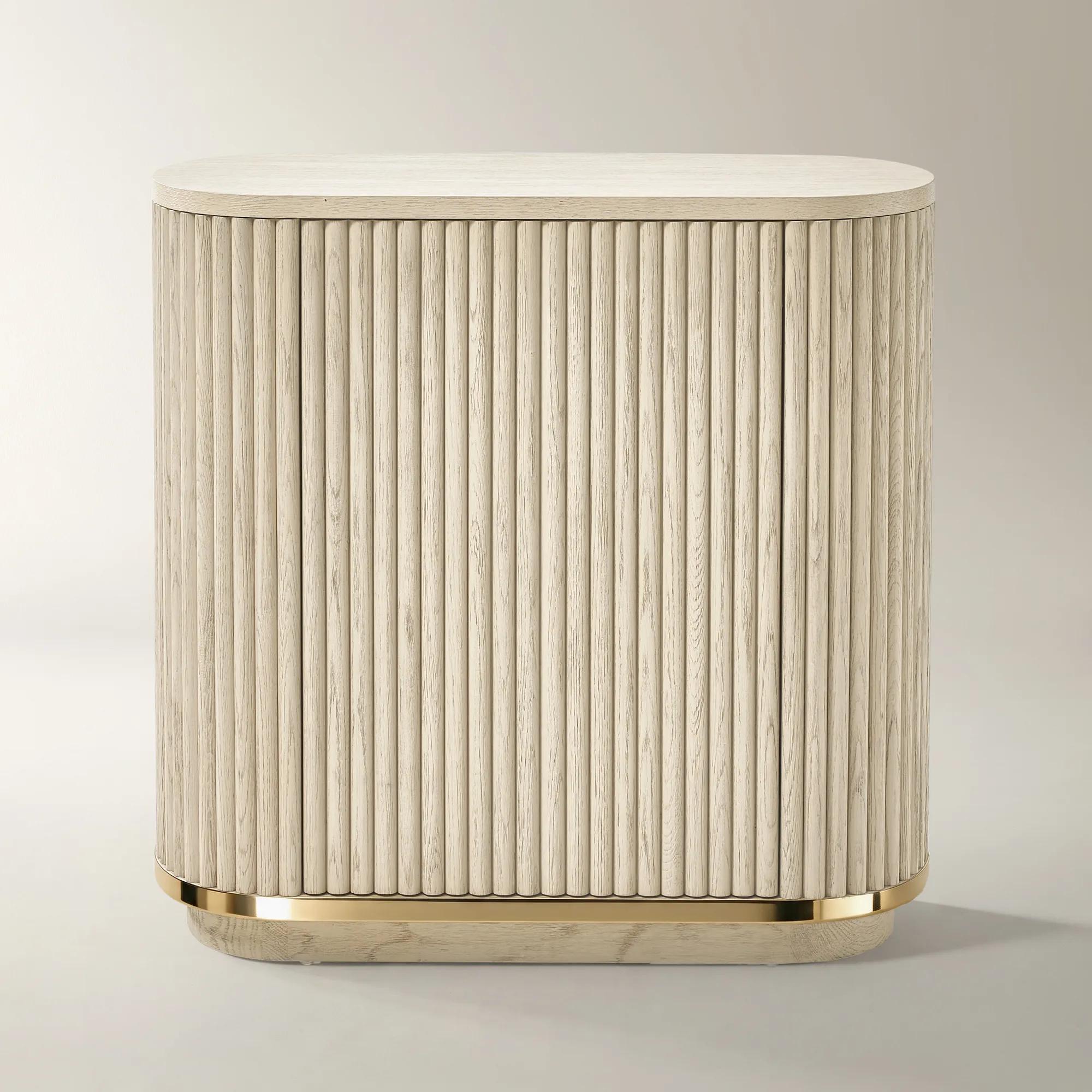 Stria Reeded White Oak Buffet (36")$1399
A modern buffet featuring vertical reeded white oak, soft gold metal trim, and push-to-open doors.
Add To Cart -
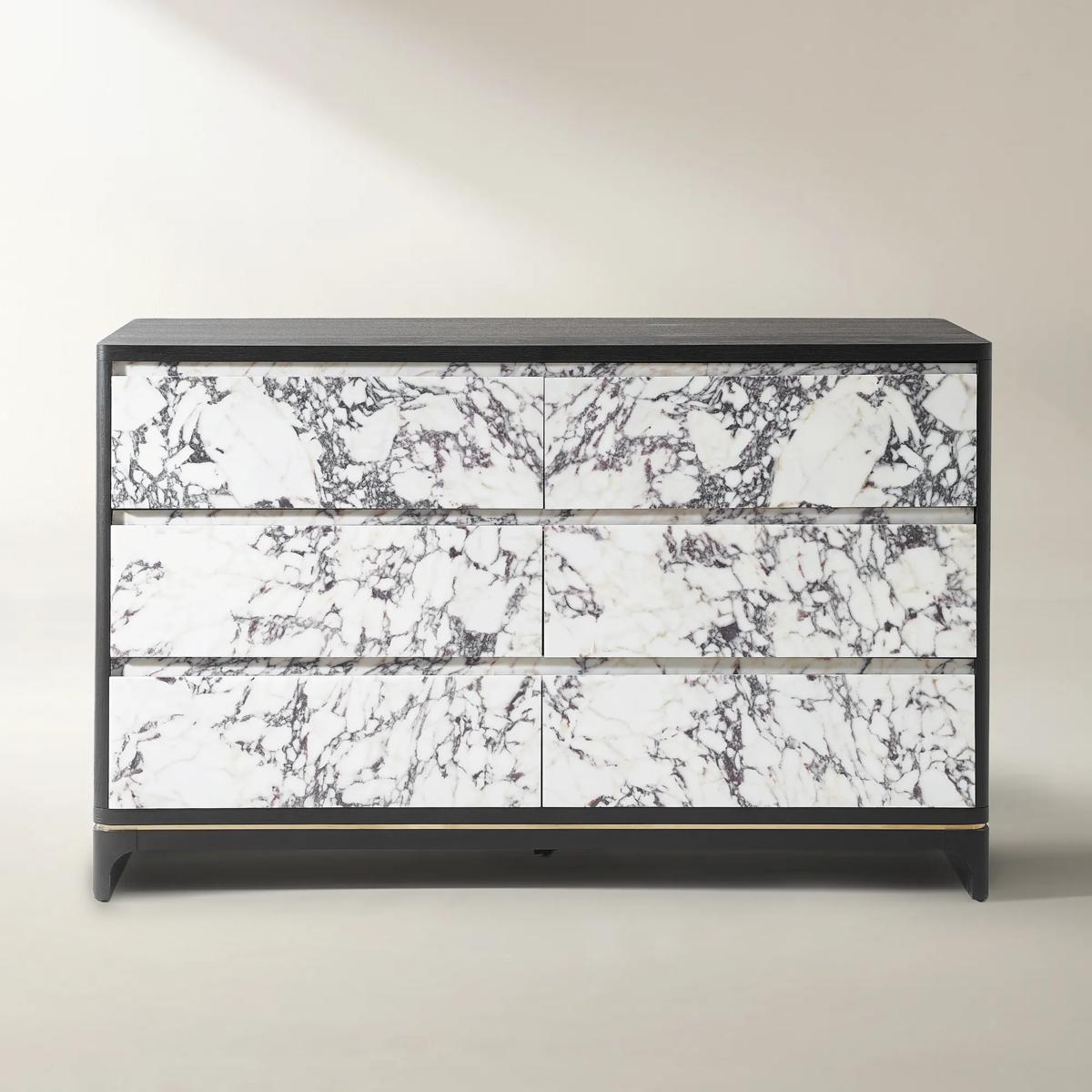 Vanta Black Oak And Calacatta Marble 6-Drawer Dresser (66")$2899
A striking dresser featuring genuine Calacatta Viola marble fronts and matte black oak veneer for modern luxury.
Add To Cart

Large Storage Sideboards For Dining Rooms
Large Storage Sideboards for Dining Rooms transform everyday gatherings into grand affairs, infusing your space with both artistry and intention. These commanding pieces do more than organize—they anchor the room with a sense of occasion, inviting you to showcase your most cherished serveware while concealing the everyday behind elegant doors. With silhouettes that demand attention and finishes that reflect your signature style, each sideboard becomes a stage for entertaining, a canvas for curated vignettes, and a testament to the power of thoughtful design. Elevate your dining experience—because in rooms where memories are made, every detail deserves its moment in the spotlight.
Large storage sideboards for dining rooms bring generous organization and a commanding silhouette to the space where conversation, food, and personal style meet. These substantial cabinets keep dinnerware, table linens, flatware, and serving pieces close to the table, while their broad tops create room for a luminous lamp, sculptural vessel, or carefully composed arrangement of art. Large designs often span approximately 70 to 80 inches wide, with extra-wide sideboards extending beyond 90 inches; dimensions vary, and “large” is a descriptive category rather than a fixed furniture standard. Many dining sideboards stand about 30 to 38 inches high and measure roughly 16 to 24 inches deep, making them a distinct presence along a dining room wall without necessarily occupying the depth of a full-size storage cabinet. The appeal lies in that balance: ample concealed storage below, an expressive surface above, and everyday essentials within reach. Also described as dining room buffets or credenzas, these pieces can serve similar purposes, though interior layouts and proportions differ considerably. A household that entertains frequently may favor deep cabinets for platters and serving bowls, while a dining room used every day benefits from drawers that separate napkins, placemats, and flatware. Behind closed doors, the necessities of hosting become part of a calmer, more deliberate room. Above them, a mirror can reflect a chandelier’s glow, or a single oversized artwork can establish a dramatic focal point. A long sideboard is particularly compelling beside a substantial dining table, where its horizontal lines lend visual balance rather than leaving the room’s perimeter feeling unfinished. For open-plan interiors, it can also give the dining area a clear identity, gathering storage and display into one beautifully defined composition. The result is furniture with a meaningful role in daily life: a place to tuck away breakfast dishes, prepare for a celebration, and bring a sense of occasion to an ordinary evening at home.
The character of a large dining room sideboard comes as much from its materials and construction as from its scale. Wood introduces depth through grain and tone, whether expressed in a dark, richly figured surface or a lighter finish with striking metal accents. Solid wood can offer lasting substance, though it responds to changes in indoor humidity; wood veneer over a stable substrate can showcase expressive grain across broad doors and tops. Neither label alone determines durability. Joinery, finish quality, hardware, shelf support, and intended use all contribute to how gracefully a cabinet performs over time. Mirrored panels scatter light and give a substantial silhouette a more luminous presence, while lacquered surfaces create a polished backdrop for objects with contrasting textures. Metal details can sharpen the profile with a gleaming edge, and stone tops introduce natural pattern and visual weight. Each surface has its own care requirements, so the manufacturer’s instructions matter more than a universal cleaning routine. Soft cloths and gentle, material-appropriate cleaners help protect finishes; abrasive pads, excess moisture, and harsh chemicals can leave lasting marks. Stone may require sealing depending on its type and treatment, and acidic spills deserve prompt attention, especially on marble. Coasters, felt-backed accessories, and suitable protective mats preserve the top when a decorative display gives way to serving. A sideboard is not automatically heatproof or food-safe, even when its surface appears exceptionally durable, so hot dishes need appropriate trivets and food belongs on serving pieces. Inside, thoughtful construction makes the difference between impressive capacity and genuinely usable storage. Adjustable shelves accommodate taller pitchers or stacks of dinner plates, while drawers with smooth, sturdy glides keep smaller essentials accessible. Soft-close hardware, when included, adds a quieter finish to the daily ritual of setting the table. Shelf and drawer weight limits remain essential considerations, particularly for dense stacks of ceramics, heavy serving pieces, or collections of glassware; generous dimensions do not necessarily indicate a higher load capacity.
The most satisfying fit accounts for the room in motion, not simply an empty stretch of wall. A wide buffet cabinet should leave space for dining chairs to pull out, guests to pass, and cabinet doors or drawers to open without colliding with the table. Approximately 36 inches of clearance between furniture edges is a useful starting point for circulation, with more room often needed where people walk behind seated diners. Actual needs depend on the table, chair depth, household, and layout. Cabinet depth deserves particular attention in narrower rooms, where a shallower profile can retain an expansive look while preserving movement. Baseboards, outlets, floor vents, and nearby door swings can also affect placement, and the delivery route must accommodate the cabinet’s packaged dimensions through entrances, hallways, and turns. Once positioned, a large sideboard needs a level foundation and any manufacturer-specified anti-tip restraints, installed according to the instructions and wall type. Within the cabinet, an arrangement tailored to daily habits keeps the dining room composed: frequently used plates on accessible shelves, linens in drawers, and heavier pieces stored low within stated load limits. Tall stemware needs enough vertical clearance to stand upright without contacting the shelf above, while delicate rims benefit from uncrowded placement. For interiors where a glassware collection shapes the storage requirements, Sideboards For Storing Glassware offer a related focus on keeping those pieces organized near the dining table. The top can remain equally purposeful without losing its sense of drama. A lamp at one end and a sculptural arrangement at the other can leave a generous central area for dessert plates or a tray of drinks when entertaining. In a room devoted to formal dinners, concealed storage allows elaborate place settings to take center stage; in a shared dining and living space, it gives everyday necessities a discreet home. A well-proportioned sideboard brings both possibilities together, lending the room an expressive architectural anchor while making the art of gathering feel beautifully considered.
FAQs
A large storage sideboard serves as a dramatic canvas for your personal style. Adorn its surface with a curated mix of sculptural vases, statement candleholders, and artful trays to create visual interest. Layer in seasonal decor, such as gilded branches or velvet pumpkins during the holidays, and showcase your favorite serveware or a decanter set for instant sophistication. Consider hanging a bold mirror or oversized artwork above the sideboard to anchor the space and reflect light, amplifying the room’s sense of grandeur.
A sideboard is an exceptional gift for anyone who delights in entertaining, values organization, or is embarking on a new chapter—such as newlyweds, new homeowners, or those renovating their dining space. Its blend of beauty and function makes it a thoughtful gesture for those who love to gather friends and family, curate memorable tablescapes, or simply enjoy a well-ordered home.
A sideboard elevates the dining room’s ambiance by introducing texture, color, and a sense of occasion. Its presence can define the room’s focal point, set the tone for gatherings, and provide a stage for decorative flourishes. Whether gleaming in lacquer or grounded in rich wood, a sideboard helps create a layered, inviting environment that encourages guests to linger and savor every moment.
When selecting a sideboard, seek out features that blend artistry with practical storage—such as adjustable shelves, velvet-lined drawers, and thoughtfully concealed compartments. Consider finishes and hardware that complement your existing decor, and look for details like mirrored panels or metallic accents that add a touch of drama. The right sideboard will offer ample space for linens, serveware, and seasonal décor, all while making a striking visual statement.
Absolutely. While traditionally found in dining rooms, sideboards are equally at home in living rooms, entryways, or even spacious hallways. They provide elegant storage for everything from board games and books to barware and decorative accents, allowing you to bring the signature Z Gallerie sense of drama and organization to any space. For inspiration on extending this style, explore our guide to Sideboards for Living Room Organization.


