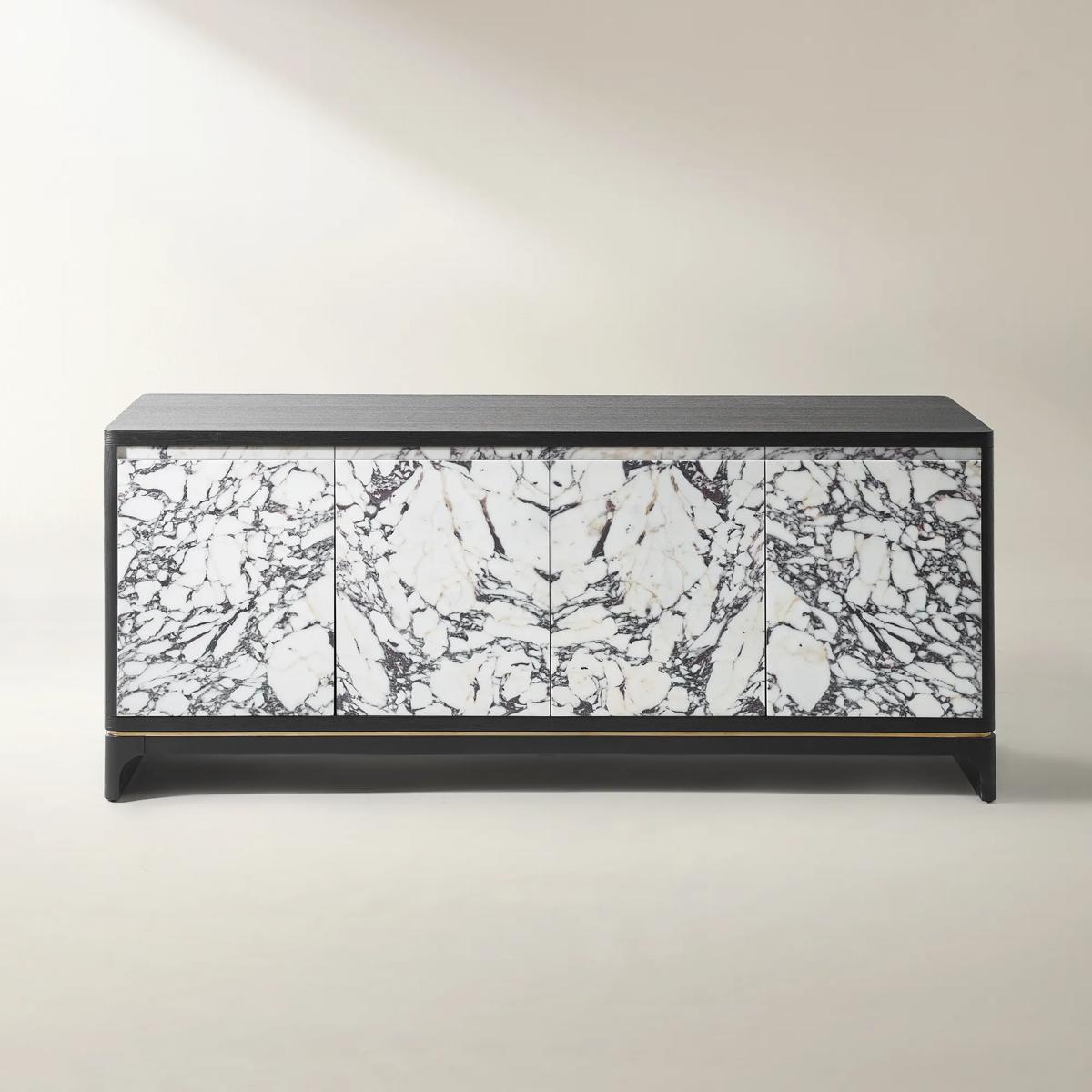
Living Room Storage Cabinets With Solid Doors | Z Gallerie
Living Room Storage Cabinets With Solid Doors | Z Gallerie
-
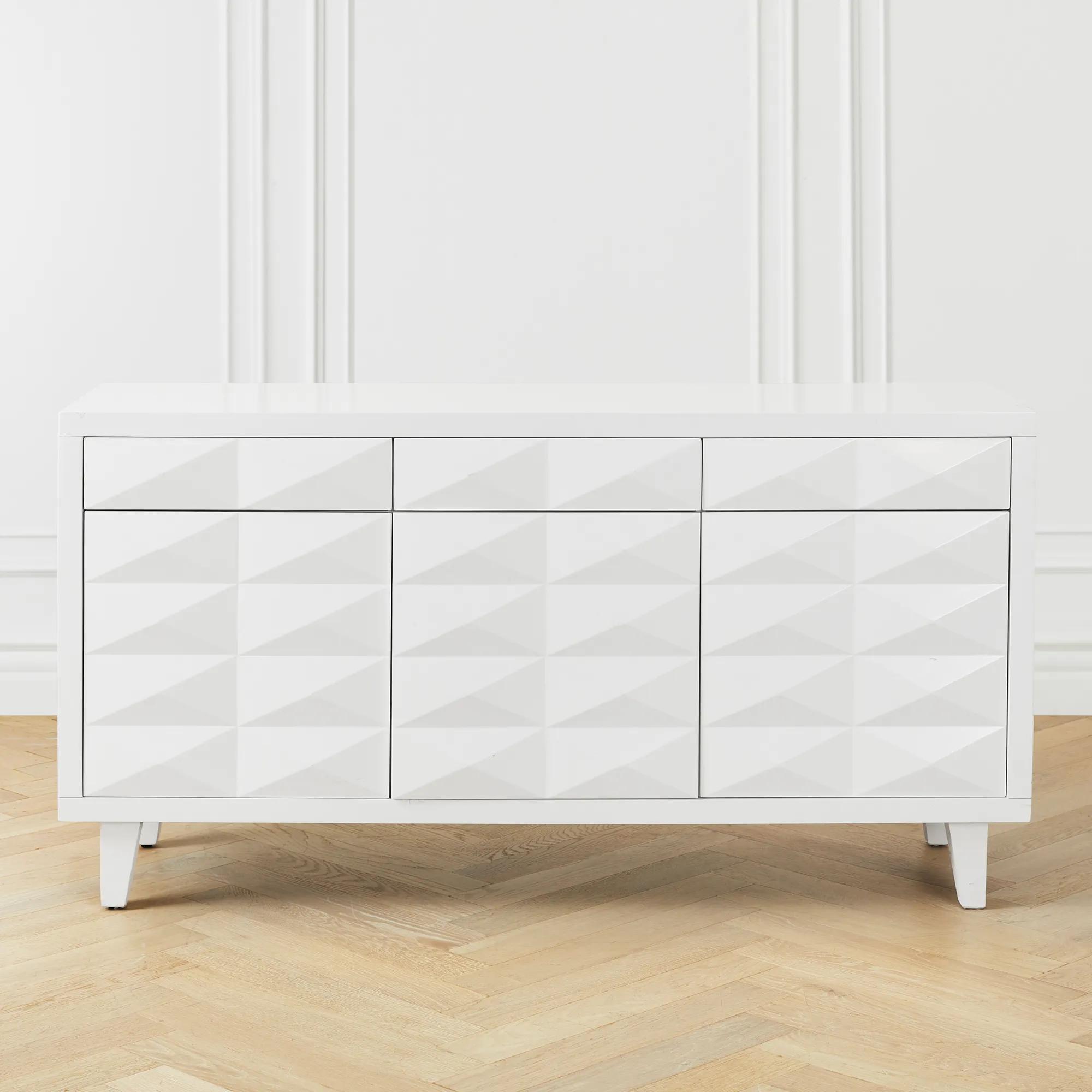 Palmer White Wood Cabinet (66.5")$1649
A sleek white hardwood cabinet with geometric detailing, three drawers, and push-latch doors for modern storage.
Add To Cart -
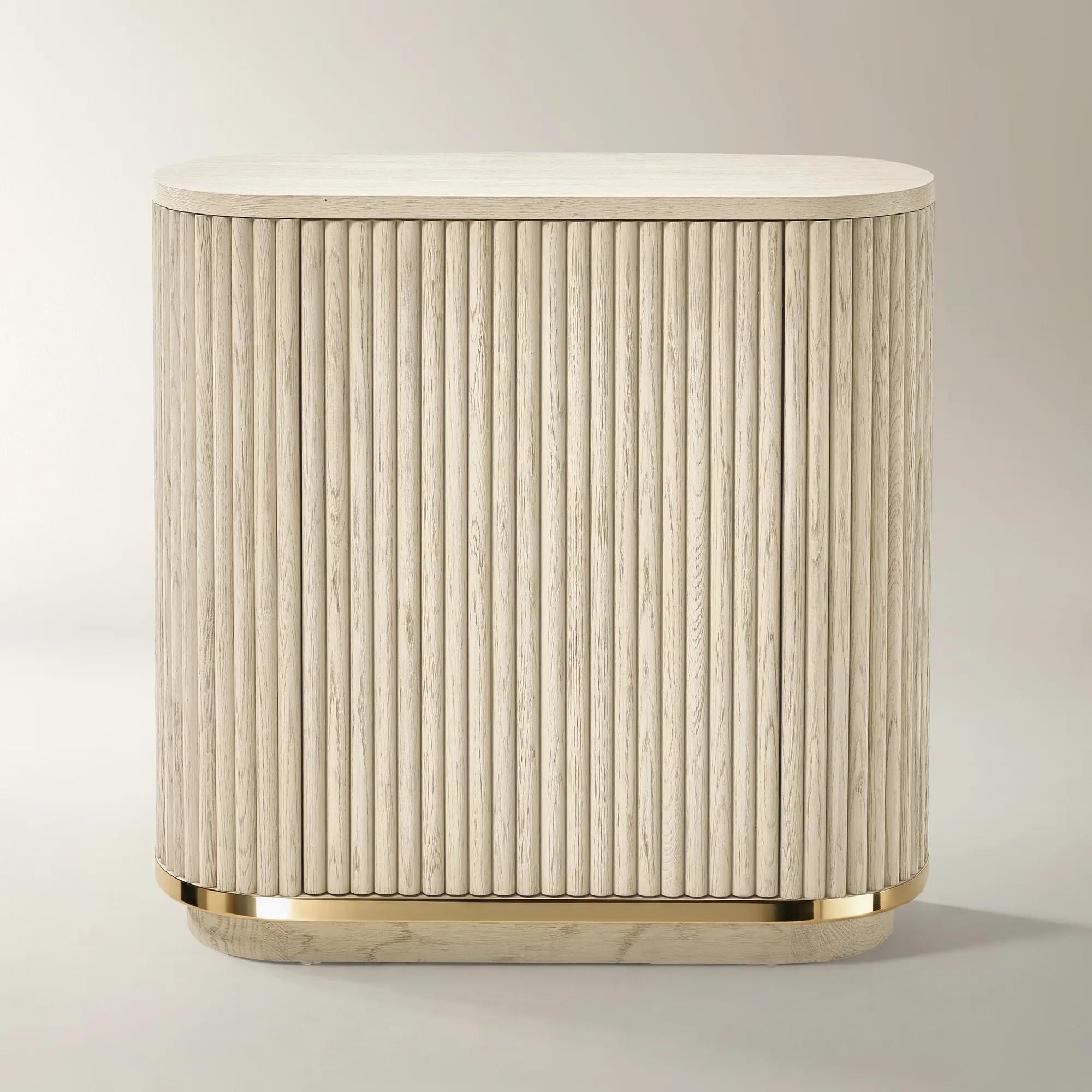 Stria Reeded White Oak Buffet (36")$1399
A modern buffet featuring vertical reeded white oak, soft gold metal trim, and push-to-open doors.
Add To Cart -
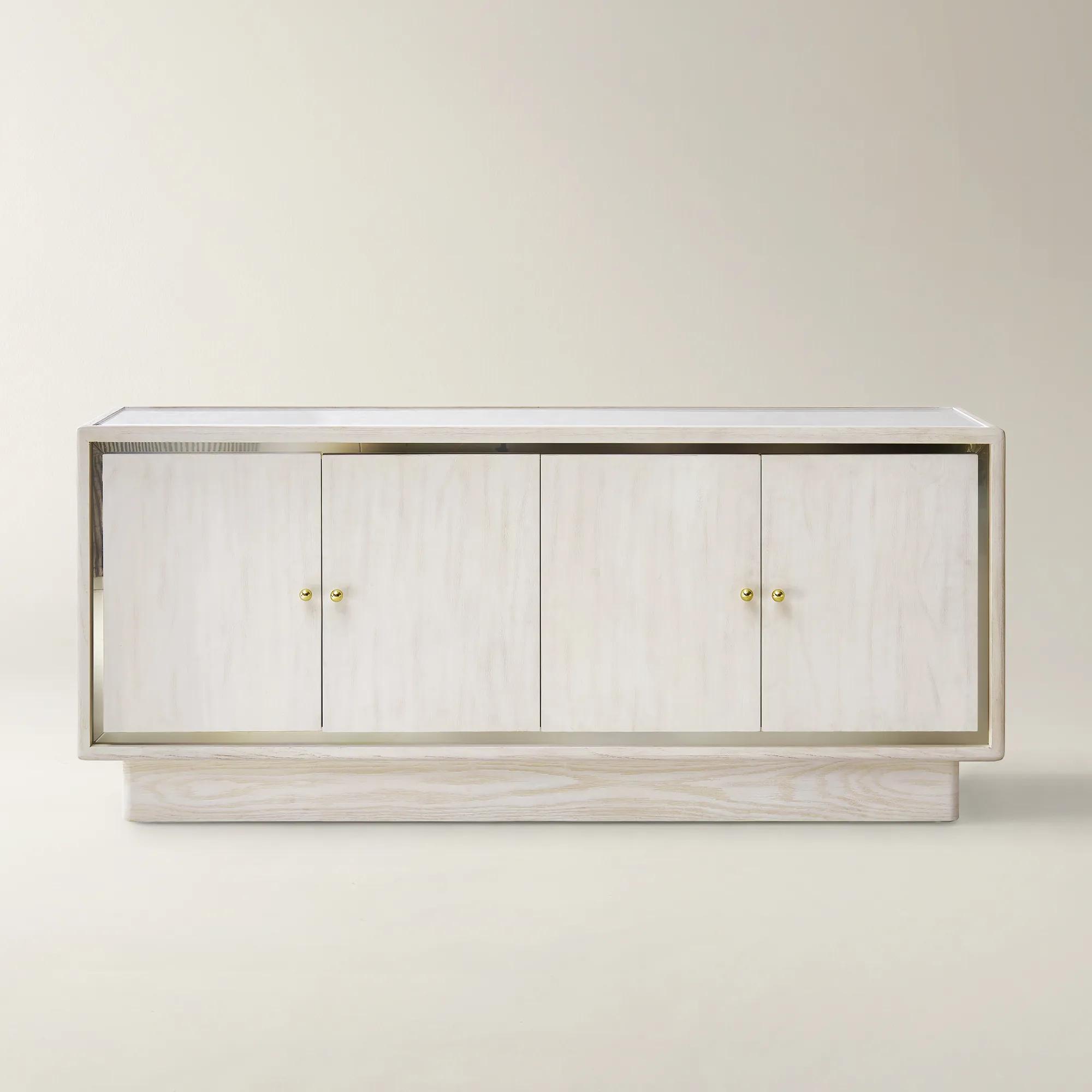 Lumina Bleached Oak Buffet With Pearl Lacquered Top (72")$2299
A luminous bleached oak buffet featuring a pearl lacquered top and champagne gold trim for refined elegance.
Add To Cart -
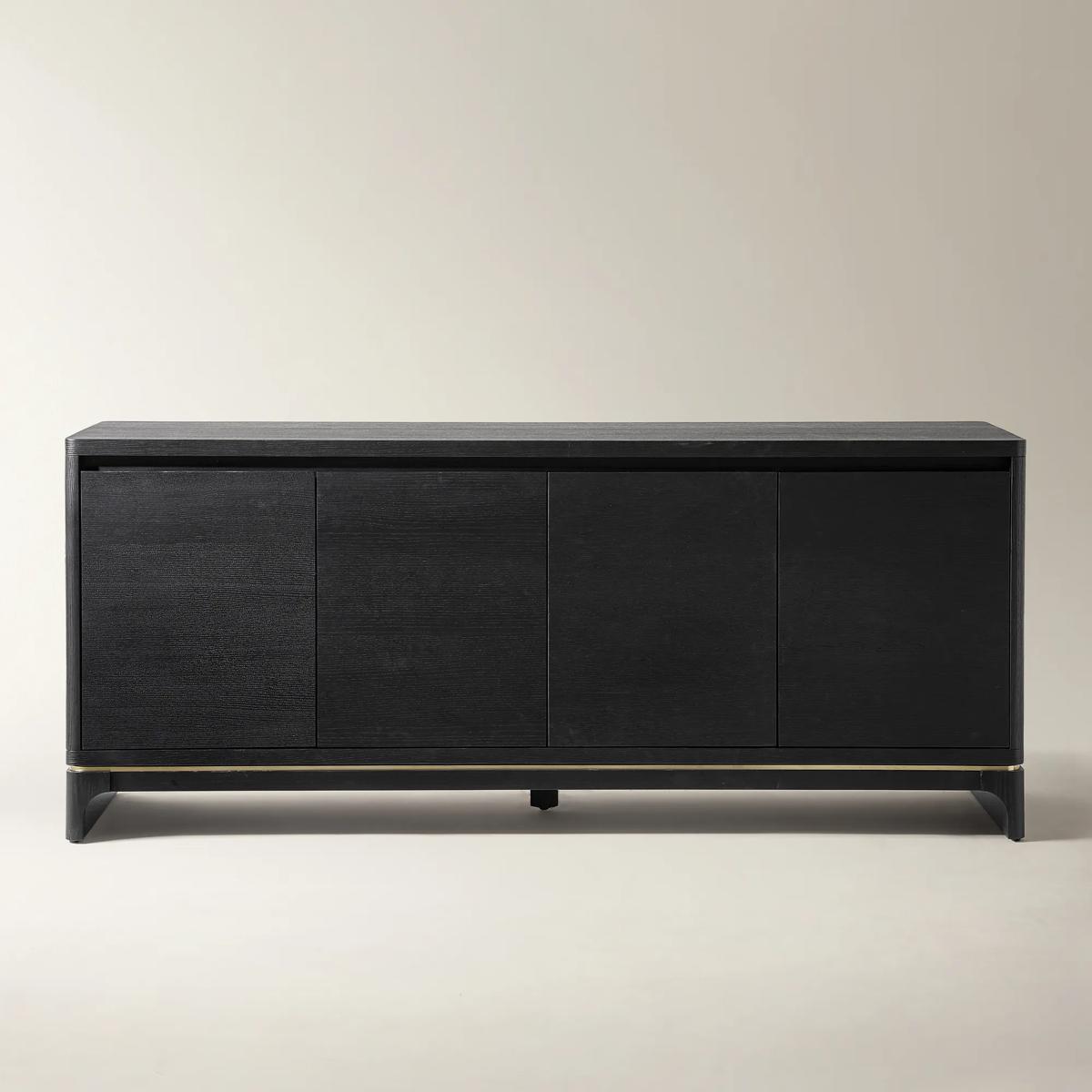
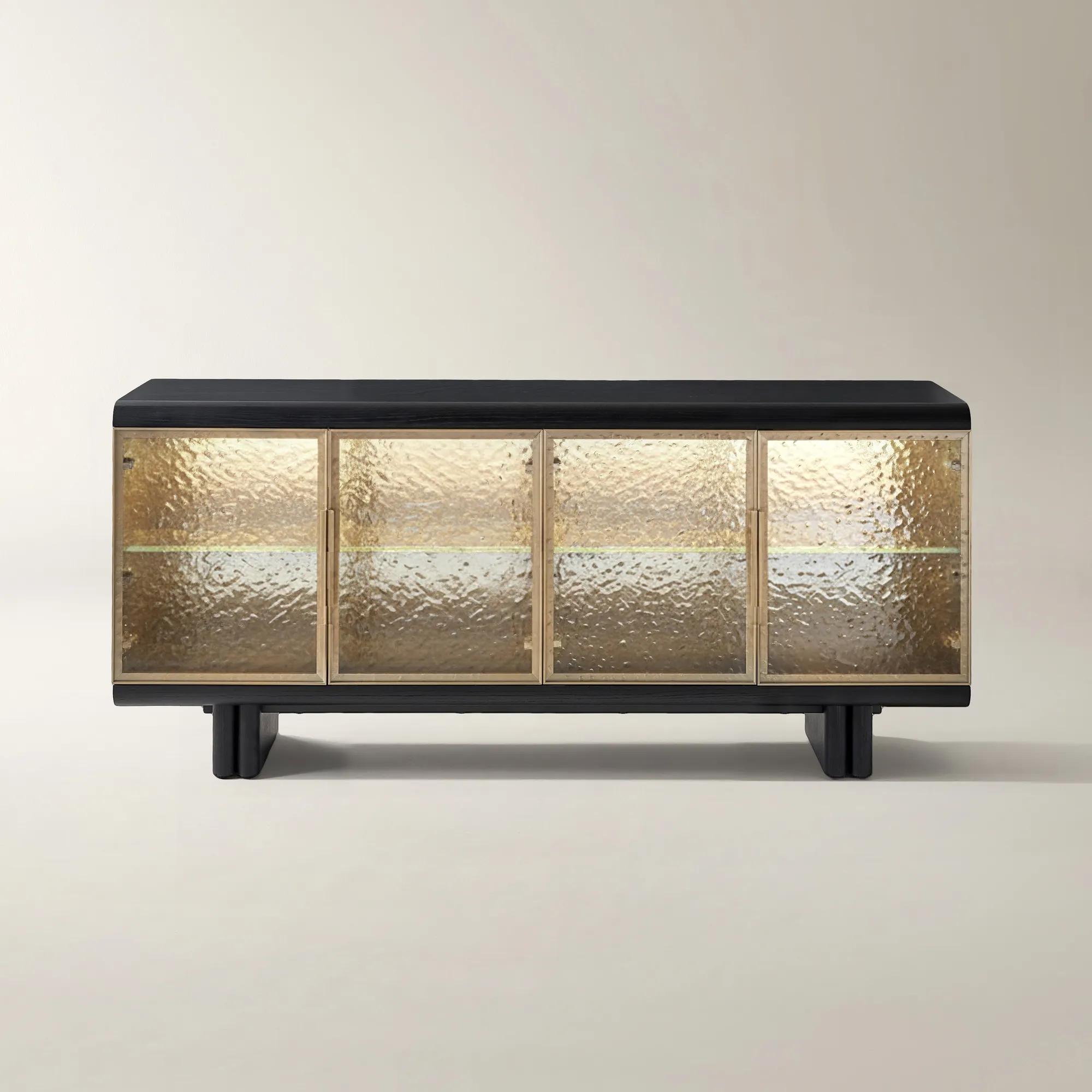
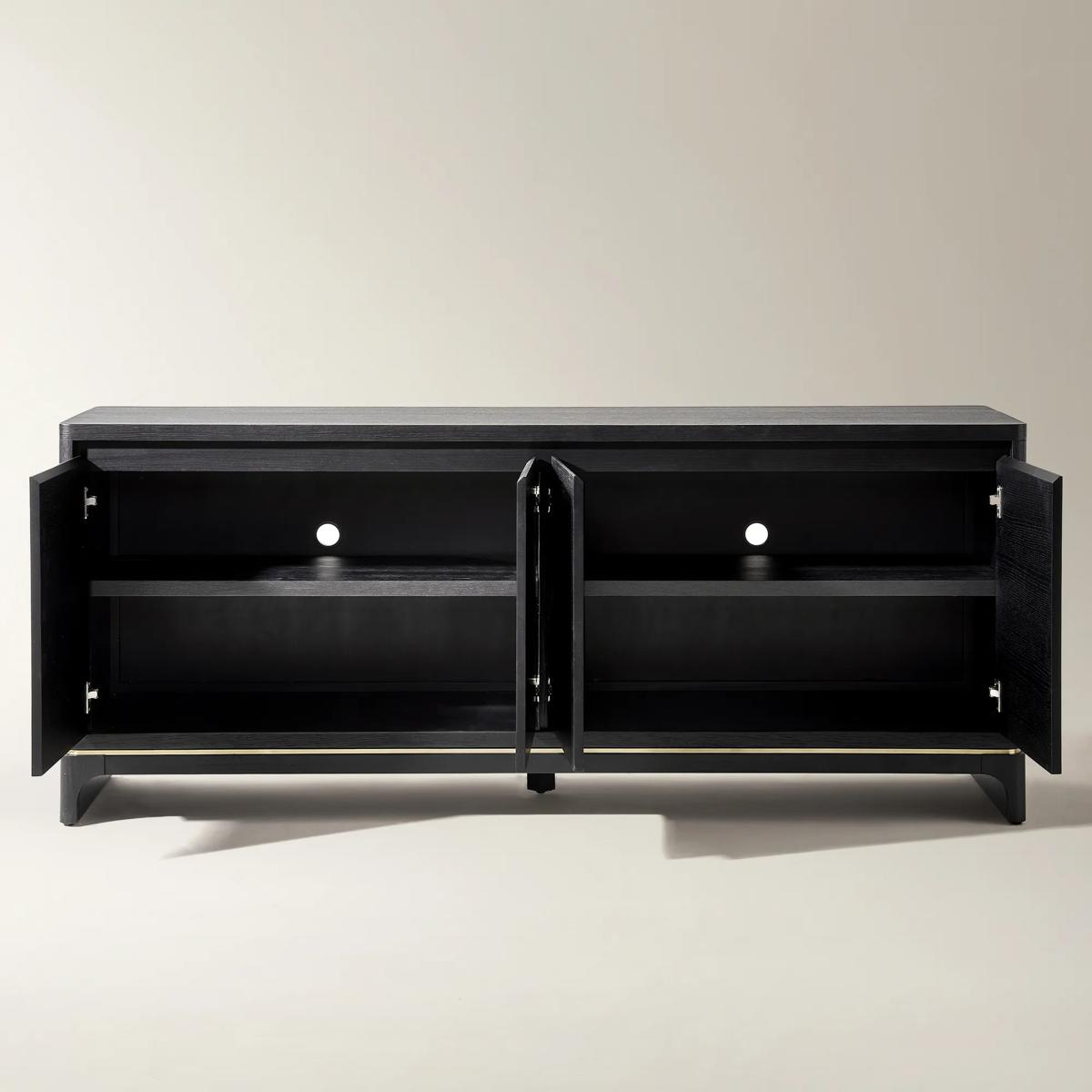 Vanta Black Oak Buffet (72")$1999
A matte black oak sideboard with gold stainless steel trim and concealed pulls for modern, elegant storage.
Add To Cart -
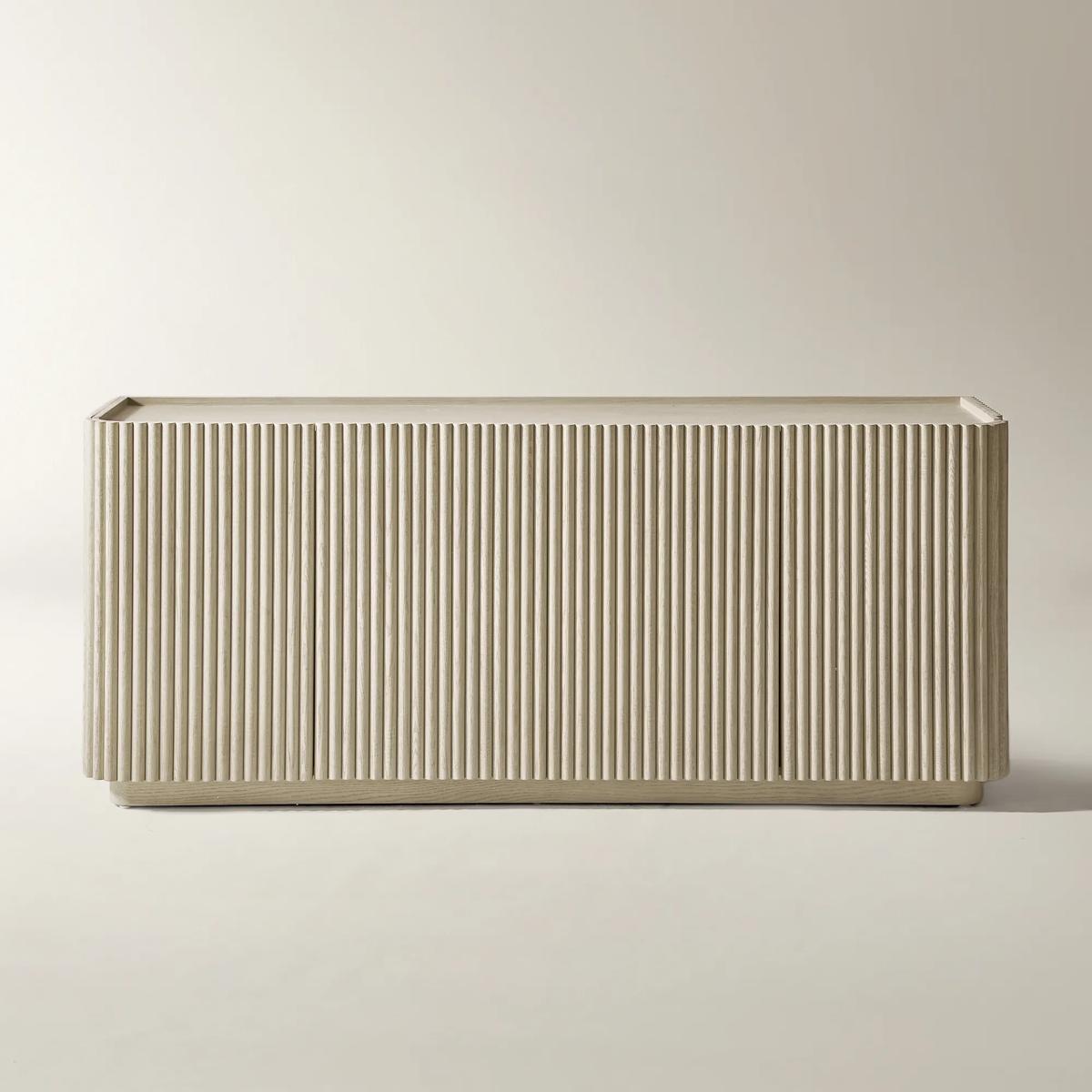
 Stria Reeded White Oak Buffet (72")$2199
A sculptural oak buffet featuring reeded detailing, gold-plated trim, and adjustable storage behind four doors.
Add To Cart -
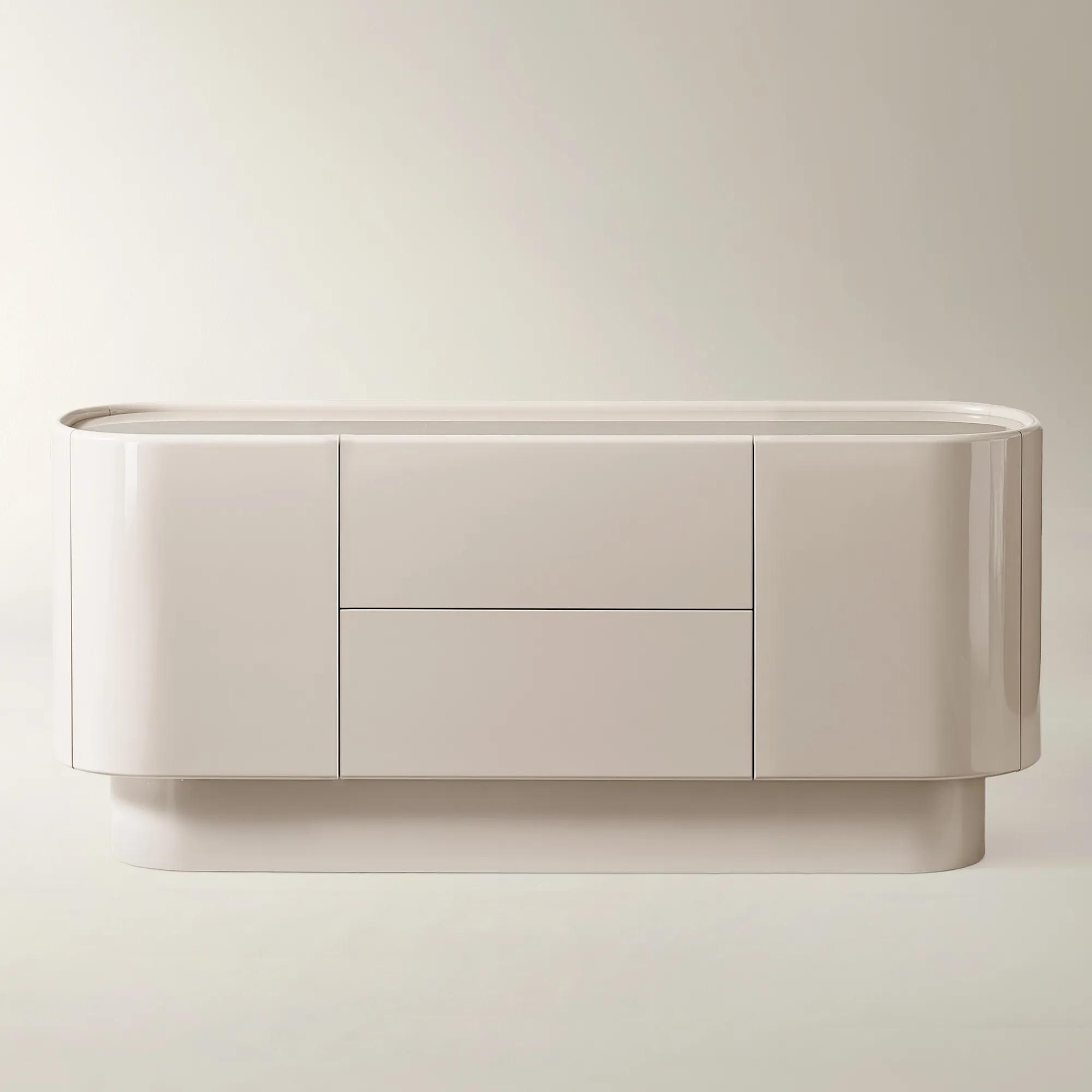
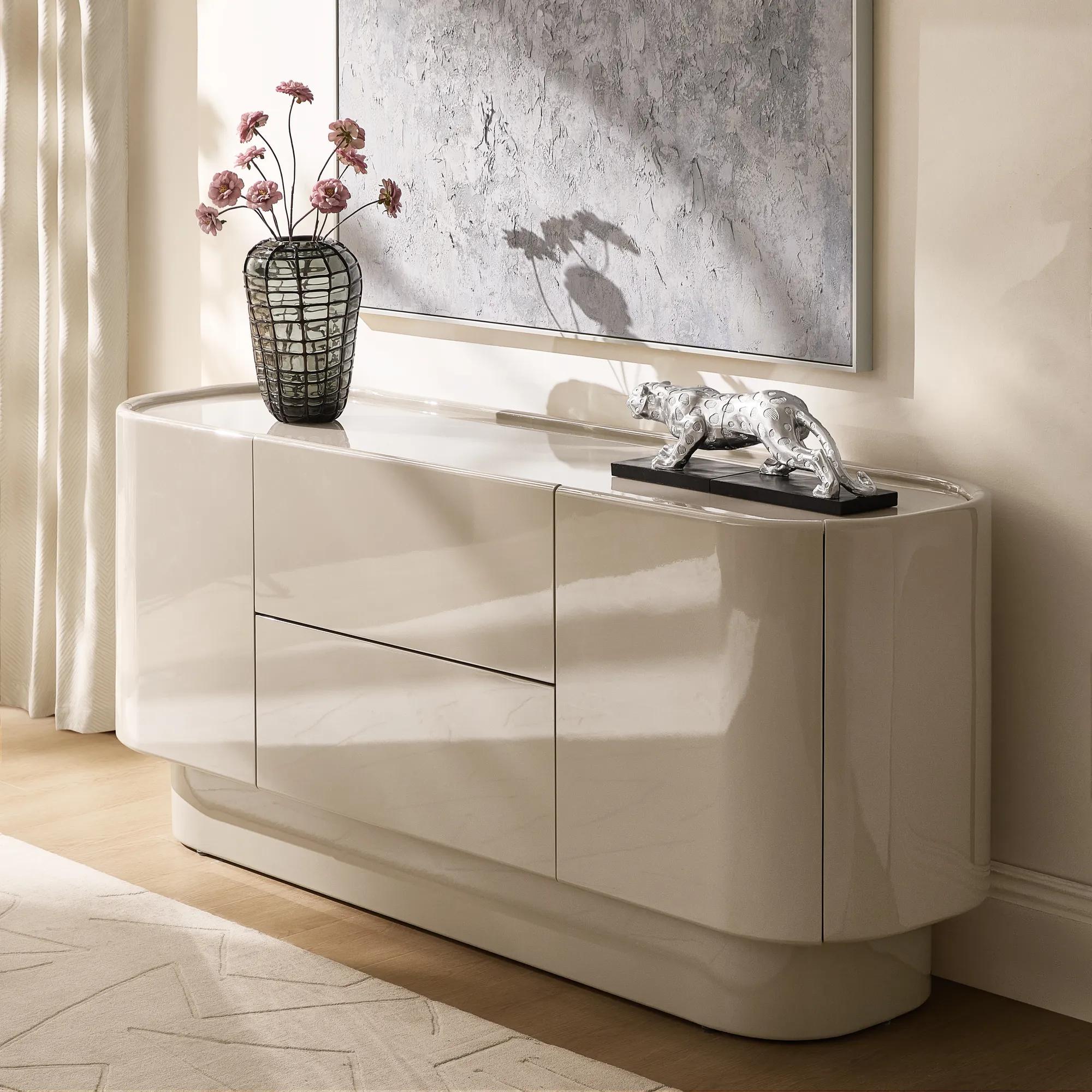 Velar Lacquered Turtle Dove Buffet With Glass Top (70")$2099
A sleek turtle dove buffet featuring high-gloss lacquer, tempered glass, and illuminated mirrored interior storage.
Add To Cart -
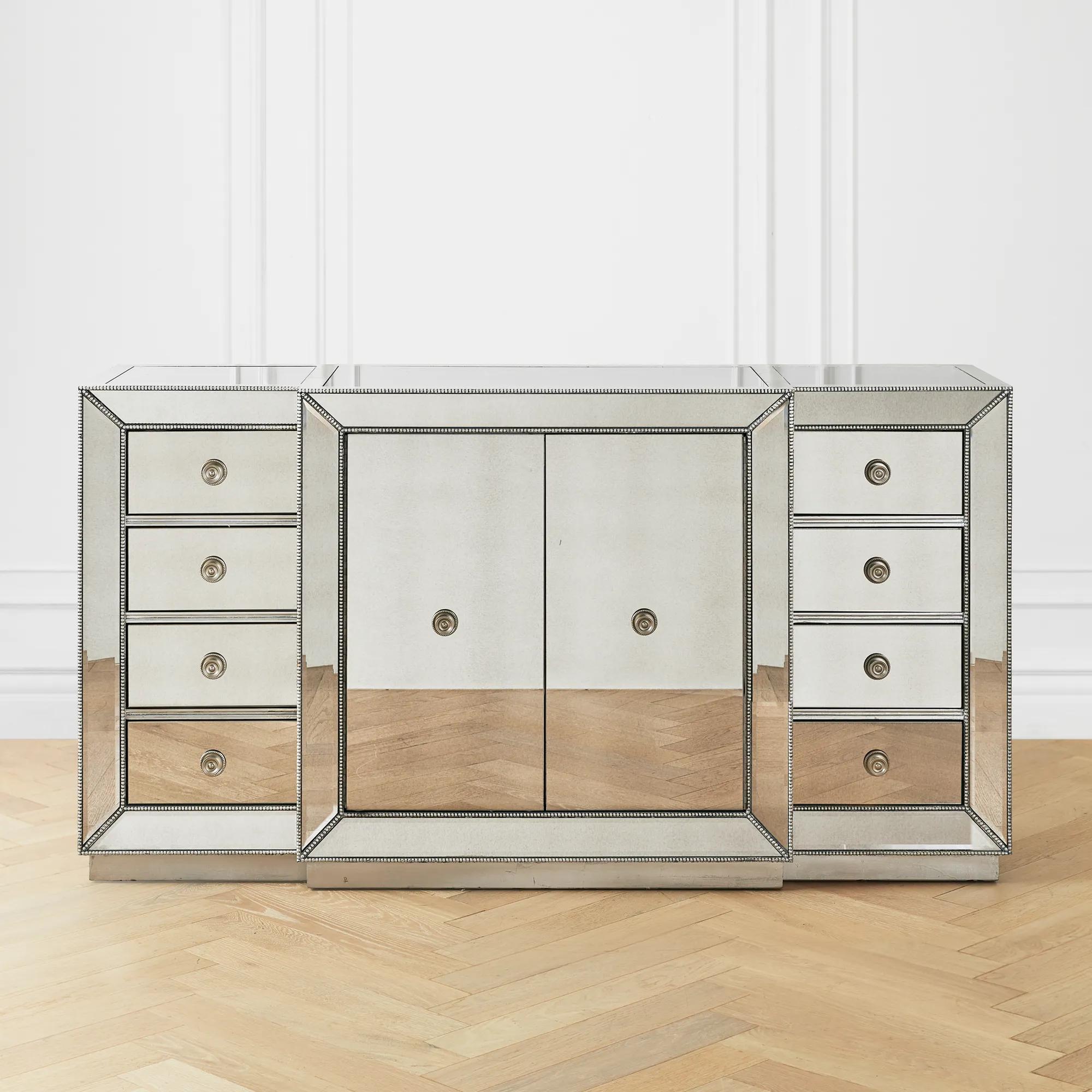
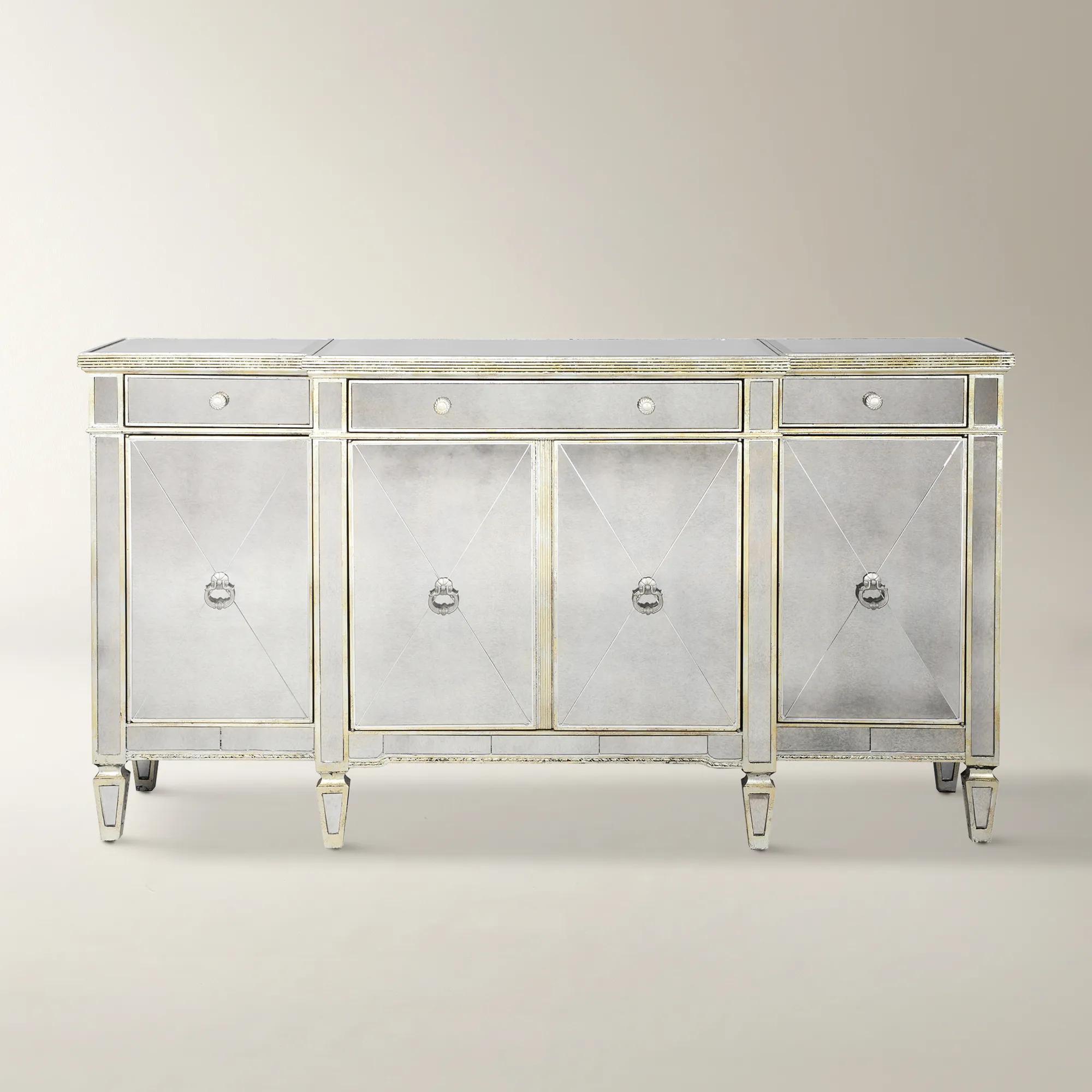
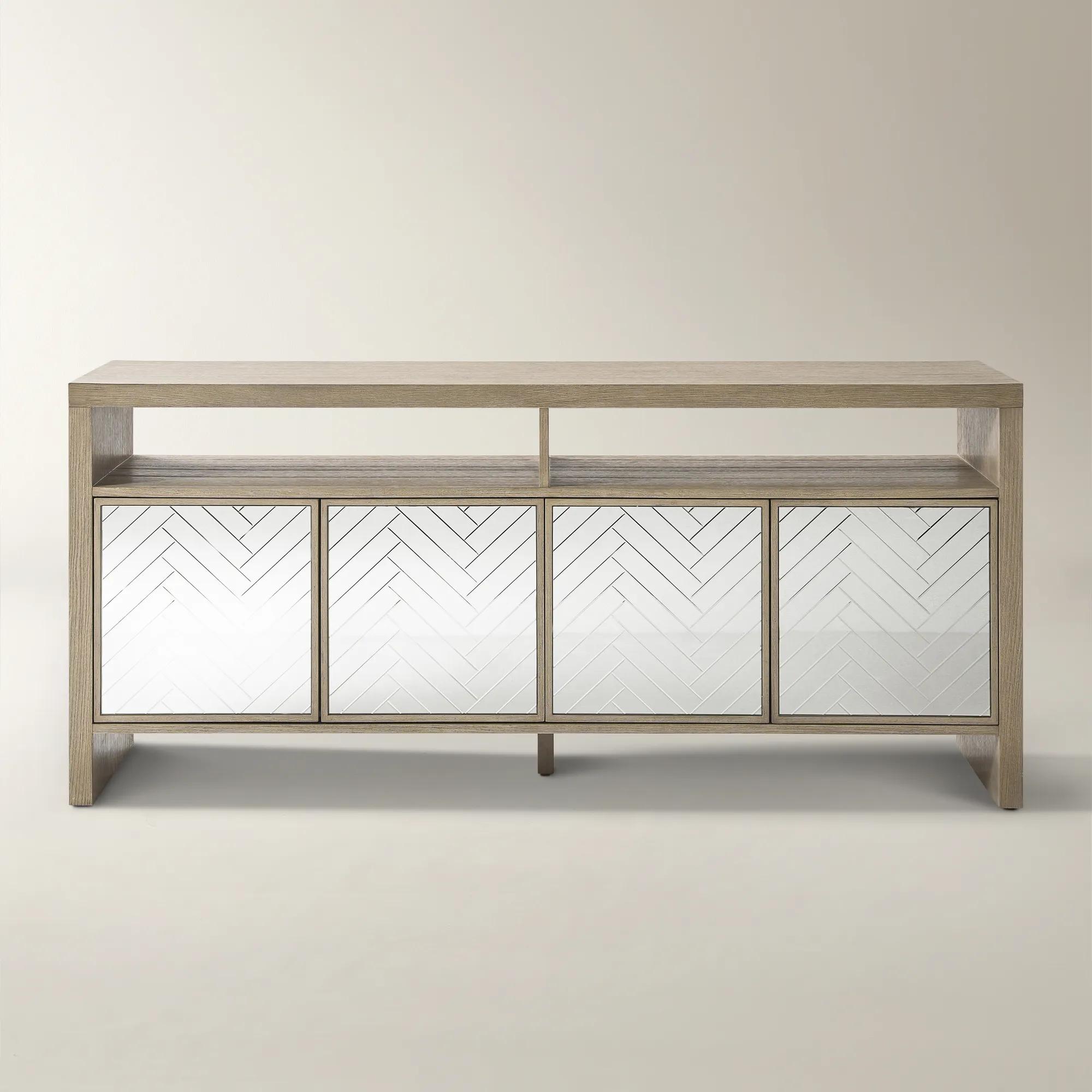 Glimmer Mirrored Seadrift Oak Buffet (70.5")$1999
A sophisticated buffet featuring sea drift oak veneer and mirrored parquet doors with silver leaf accents.
Add To Cart

Living Room Storage Cabinets With Solid Doors | Z Gallerie
Living room storage cabinets with doors bring everyday essentials out of sight and expressive design into focus. Explore solid-door cabinets, buffets, and sideboards that make concealed storage part of a polished living room. Consider the items you want to tuck away, the space around your seating, and a finish that adds dimension—creating a room equally inviting for quiet lounging and lively entertaining.
Living room storage cabinets with solid doors give everyday essentials a place out of sight while bringing architectural presence to a room. Unlike open shelving or glass-front display furniture, an opaque cabinet front conceals the contents, allowing the silhouette, finish, and hardware to shape the view. Books, board games, spare throws, and entertaining accessories can remain close at hand without competing with a sculptural lamp or an expressive piece of art. This makes enclosed storage especially appealing in living rooms that serve several purposes: a conversation space that becomes a family gathering spot, an apartment lounge that shares its footprint with a dining area, or a formal sitting room with a collection of serving pieces tucked away between gatherings. A low, wide cabinet creates a horizontal line beneath artwork, while a taller cabinet brings vertical emphasis to a narrow stretch of wall. Solid doors describe the concealed design, not necessarily solid-wood construction; the materials used for the frame, shelves, and fronts deserve separate attention. Visually, those fronts can be beautifully restrained or richly dimensional. A smooth painted surface lends definition to a colorful interior, while visible wood grain introduces depth beside polished metal and sumptuous upholstery. Reeded, fluted, or geometric detailing can turn closed doors into an architectural feature, creating shadow and rhythm without revealing what sits behind them. Discreet pulls allow the finish to take the lead; more pronounced hardware adds a jewelry-like accent. Where included, push-latch doors create an uninterrupted facade, while soft-close hinges temper the movement of everyday use. These details are not universal, so individual construction and hardware descriptions matter. The appeal is the balance: practical storage behind closed doors, with enough personality to hold its own beside a dramatic sofa, an oversized canvas, or a richly textured rug. For households that prefer a composed backdrop without sacrificing the objects that make daily life comfortable, enclosed cabinetry lets the room feel expressive rather than crowded. It also gives treasured accents more breathing room, so a single ceramic vessel or framed photograph can register clearly against the cabinet’s finished surface.
The most successful storage cabinet feels proportionate to its surroundings and accommodates the objects intended for it. Exterior width, height, and depth establish the furniture’s presence, but interior dimensions determine whether a large serving platter, a stack of games, or a collection of photo albums will actually fit. Adjustable shelving, when provided, offers flexibility for objects of different heights; fixed shelves create defined compartments that work best when their spacing matches the contents. Shelf weight limits are especially relevant for books, ceramics, and other dense belongings. A generous cabinet top may provide room for a pair of lamps or a layered arrangement of art and decorative objects, provided those pieces remain within the stated load capacity. In a compact living room, depth deserves particular attention: a cabinet that looks balanced against the wall must still leave comfortable passage around a coffee table or nearby seating. Hinged doors also need clearance to open without striking an armchair, an adjacent wall, or a projecting baseboard. Furniture placement depends on more than the wall measurement alone, particularly near outlets, floor vents, and doorways. Material selection adds another layer of consideration. Solid wood, wood veneer over a supporting core, and engineered wood each have distinct construction characteristics, and a veneer surface is not the same thing as a solid-wood case. Wood movement, finish sensitivity, edge protection, joinery, and hardware quality all influence long-term performance. A richly grained veneer can deliver visual depth, while a painted or lacquered finish creates a more uniform field of color; neither appearance alone establishes durability. Metal bases and accents introduce contrast, but stability depends on the complete design and proper assembly. For frequently used family spaces, well-secured hinges, clearly stated shelf capacities, and a finish suited to regular handling are meaningful details. Tall cabinets and any furniture supplied with anti-tip restraints should be secured according to the manufacturer’s instructions, using hardware appropriate for the wall. Electronics belong behind closed doors only when the cabinet is designed with suitable ventilation, cable access, and support; concealed storage should never come at the expense of safe equipment operation.
Closed-door storage also changes how a living room is experienced. A cabinet near the main seating area can hold throws and reading materials, keeping the room ready for conversation without leaving every necessity on display. Near a dining space, enclosed compartments can accommodate linens and serving accessories, with fragile pieces arranged securely and heavier objects positioned within the appropriate shelf limits. In a shared home, separate compartments can give different activities their own territory, making it easier to restore the room’s visual calm after use. The exterior then becomes part of the decorating composition rather than a surface that absorbs everything without a home. A broad cabinet beneath a large painting can anchor the wall with quiet confidence; a narrower design beside a chair can introduce height and texture without overwhelming the seating arrangement. Contrast gives these compositions character. Pale cabinetry can sharpen the outline of dark upholstery, while a deep wood tone lends richness beside luminous fabrics and gleaming accents. For a similarly discreet approach in a bedroom or dressing area, the seating-and-storage designs featured in Bedroom Storage Stools | Z Gallerie carry the idea of concealed organization into another part of the home. Consistent care helps preserve the effect. A soft, dry cloth is often appropriate for routine dusting, while cleaning products and methods should follow the instructions for the specific finish. Spills deserve prompt attention, and abrasive pads or unapproved solvents can damage delicate surfaces. Protective pads beneath decorative objects help limit scratches; trays or coasters provide a barrier beneath vessels that may hold moisture. Prolonged direct sunlight can alter some wood tones and finishes, so placement matters as much as maintenance. With considered proportions, suitable construction, and thoughtful use, a solid-door storage cabinet becomes more than a place to put things away: it gives the room a lasting sense of intention, with the necessities concealed and the most expressive details left in view.
FAQs
No. Solid doors describe opaque fronts rather than see-through panels; the term does not establish the cabinet’s construction material. Review the material details separately to distinguish solid wood, veneers, and other construction methods.
Yes. A buffet or sideboard with solid doors can serve as concealed living room storage, not just dining room furniture. Choose an interior arrangement suited to your belongings and an exterior that complements the room’s furnishings.
Give the pieces a shared visual thread without making them identical. A cabinet might echo the sectional’s warm or cool undertones, while textured door fronts or metallic accents introduce contrast. Clean-lined seating also creates a striking backdrop for a more sculptural cabinet.
Reeded fronts feature repeated linear detailing that creates texture and a rhythm of light and shadow. Smooth fronts emphasize the finish, silhouette, and hardware. Choose reeding for added visual movement or a smooth surface for a more uninterrupted composition.
Create a composition with contrasting heights, such as a sculptural vase beside a low decorative bowl. Let one piece take the lead, then leave portions of the cabinet top visible. Artwork above can connect the arrangement to the room’s broader color story.