Display Cabinets And Storage Furniture
Display Cabinets And Storage Furniture
-
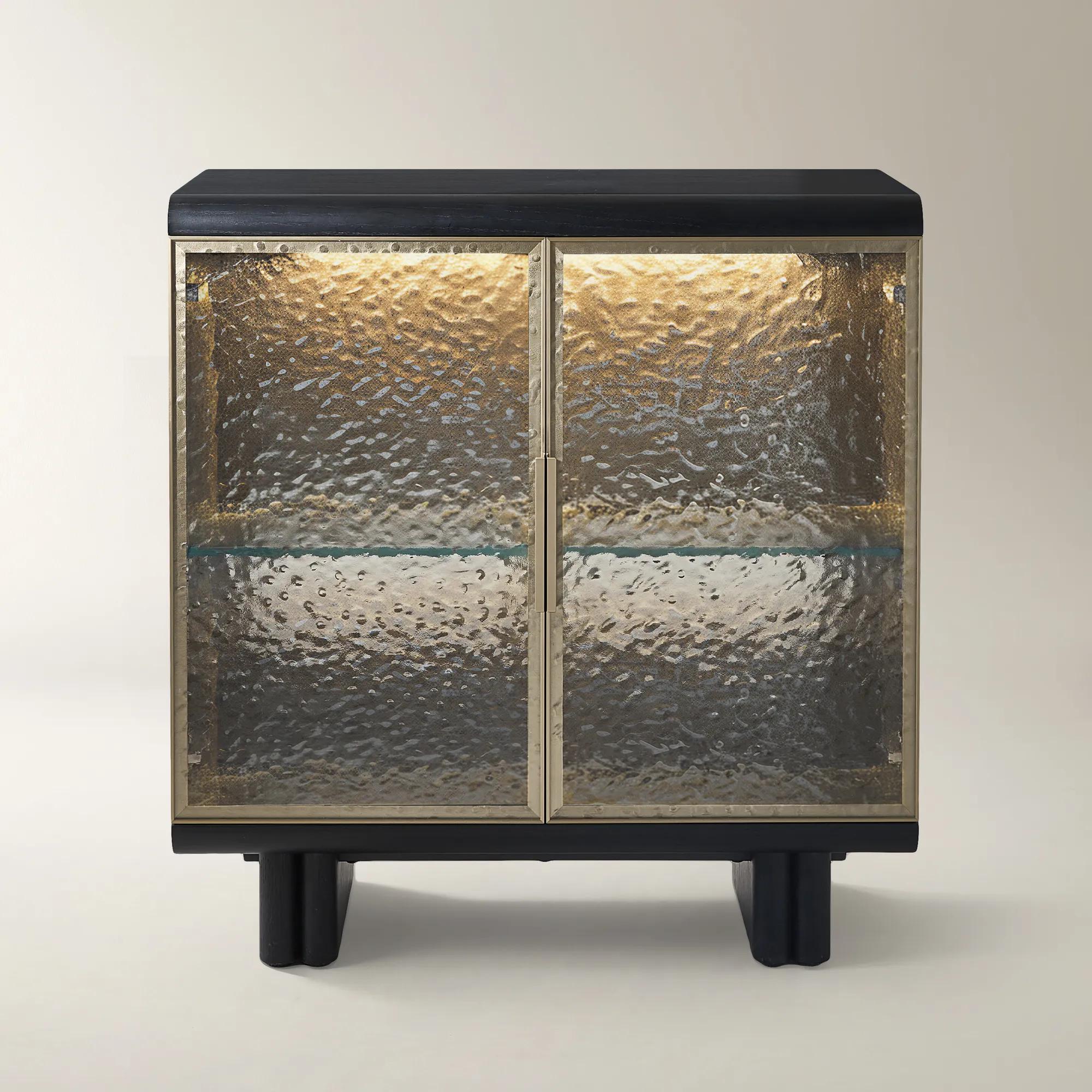
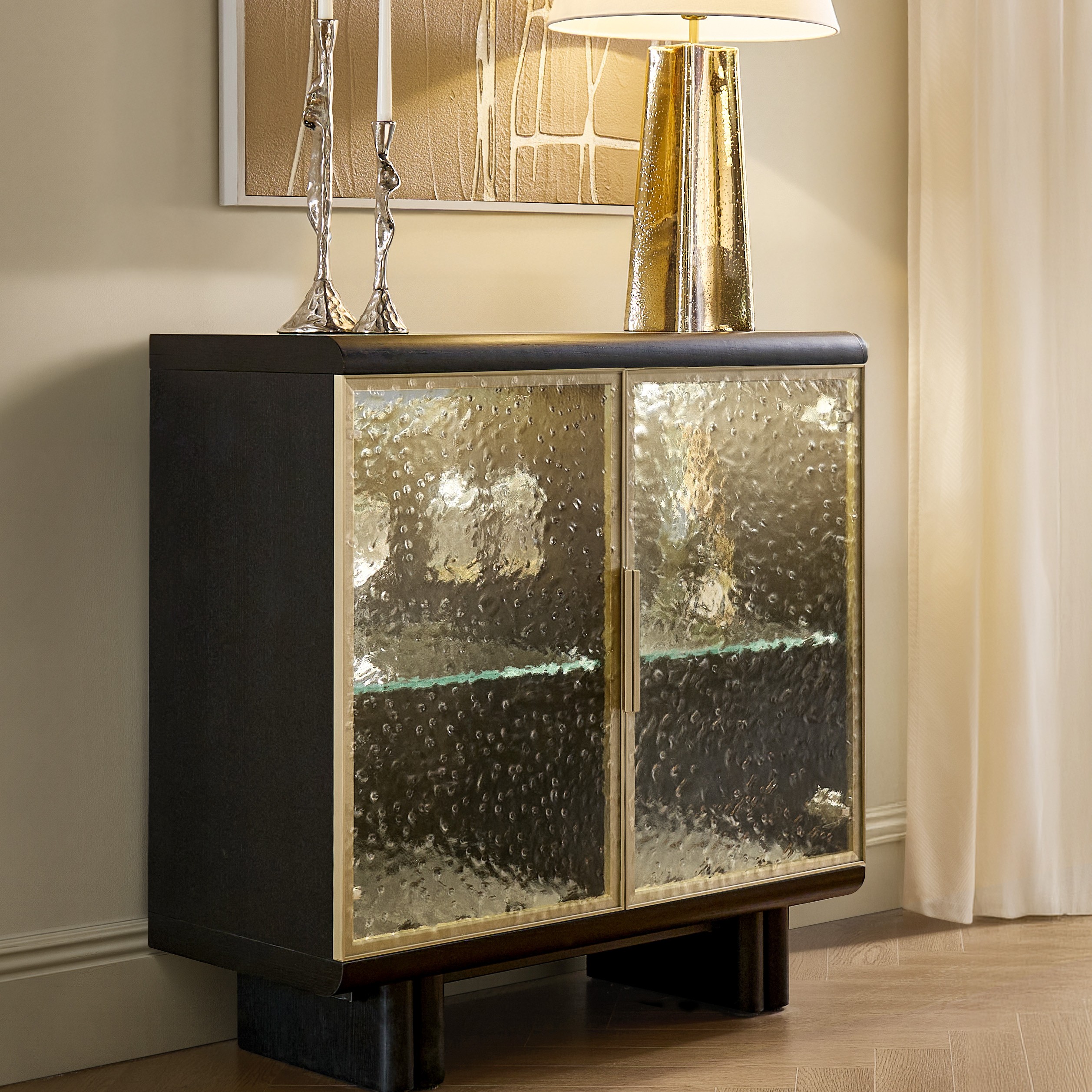 Eleanor Cerused Black Oak Buffet With Wavy Glass Door (38")$1599
A matte black oak veneer buffet with wavy glass doors, mirrored back, and touch-control LED lighting.
Add To Cart -
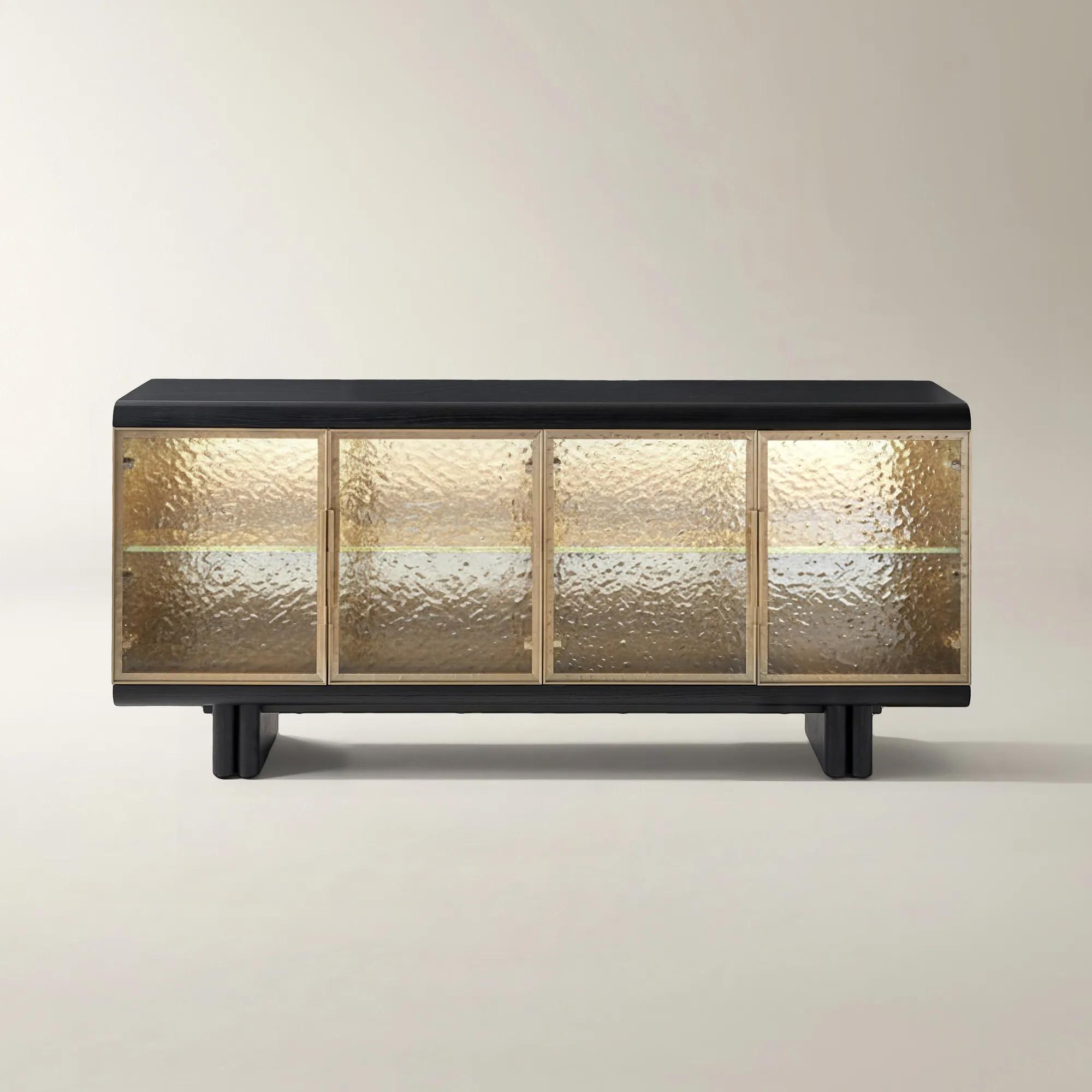 Eleanor Cerused Black Oak Buffet With Wavy Glass Door (72")$2099
A matte black oak veneer buffet featuring wavy art-glass doors, mirrored back, and integrated LED lighting.
Add To Cart -
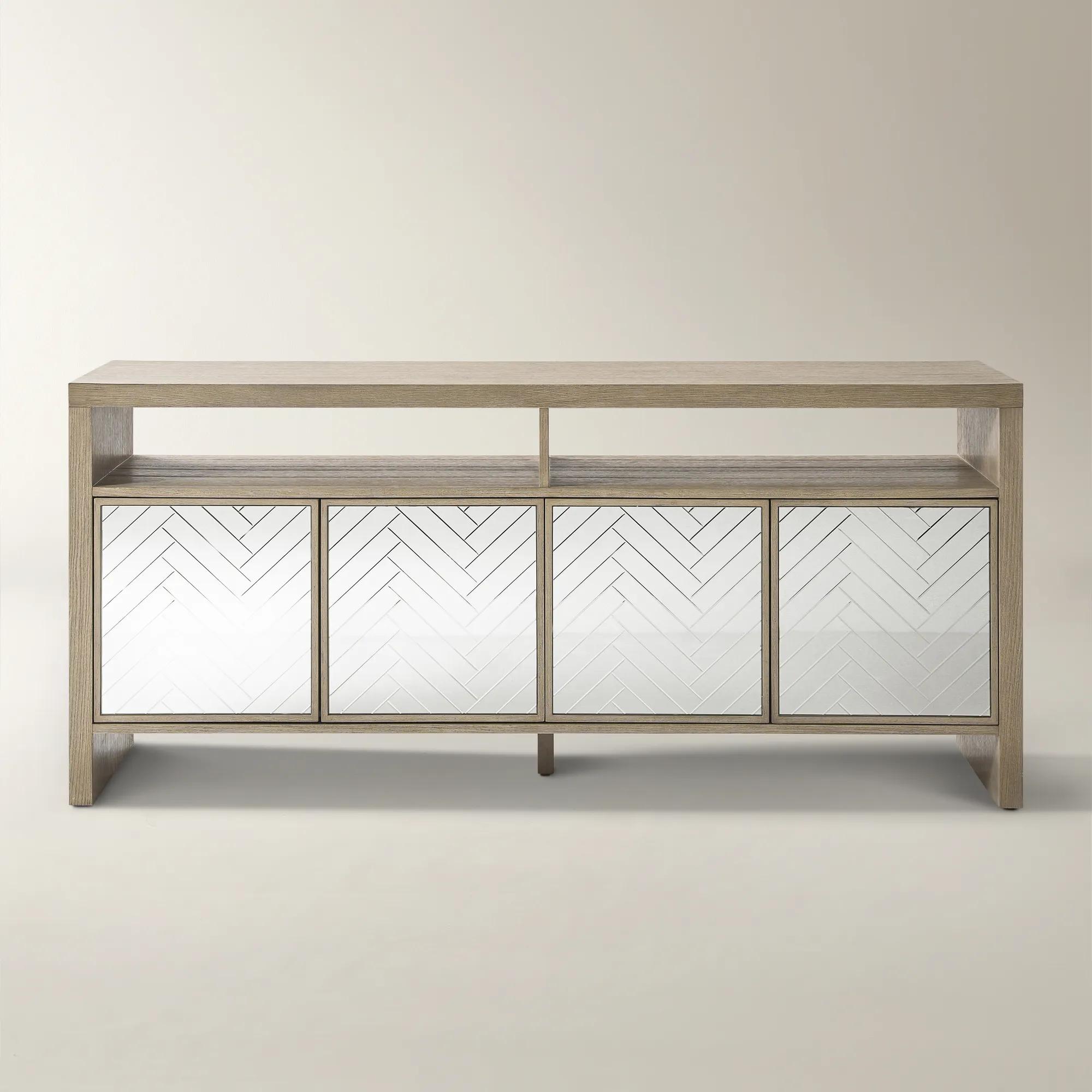 Glimmer Mirrored Seadrift Oak Buffet (70.5")$1999
A sophisticated buffet featuring sea drift oak veneer and mirrored parquet doors with silver leaf accents.
Add To Cart -
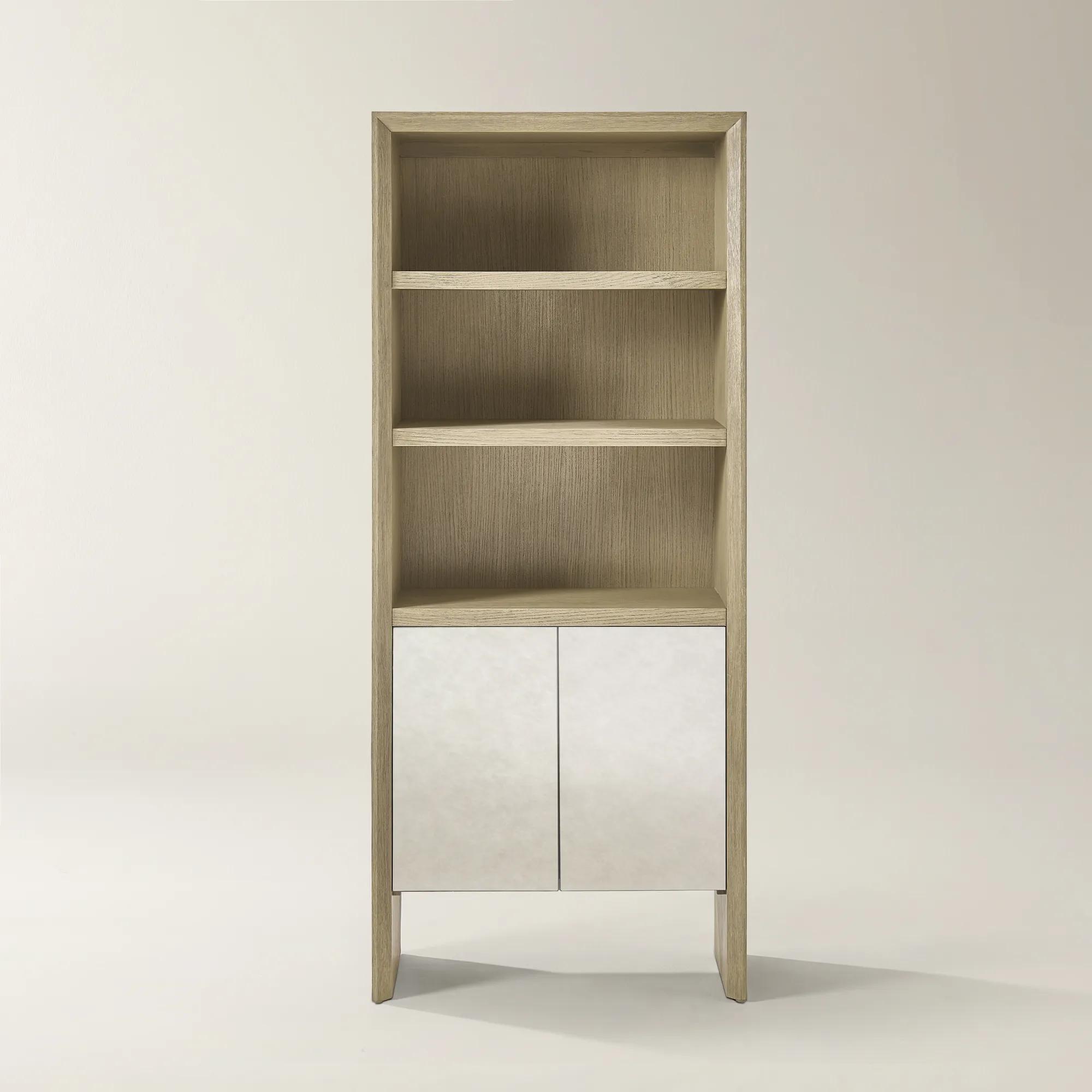
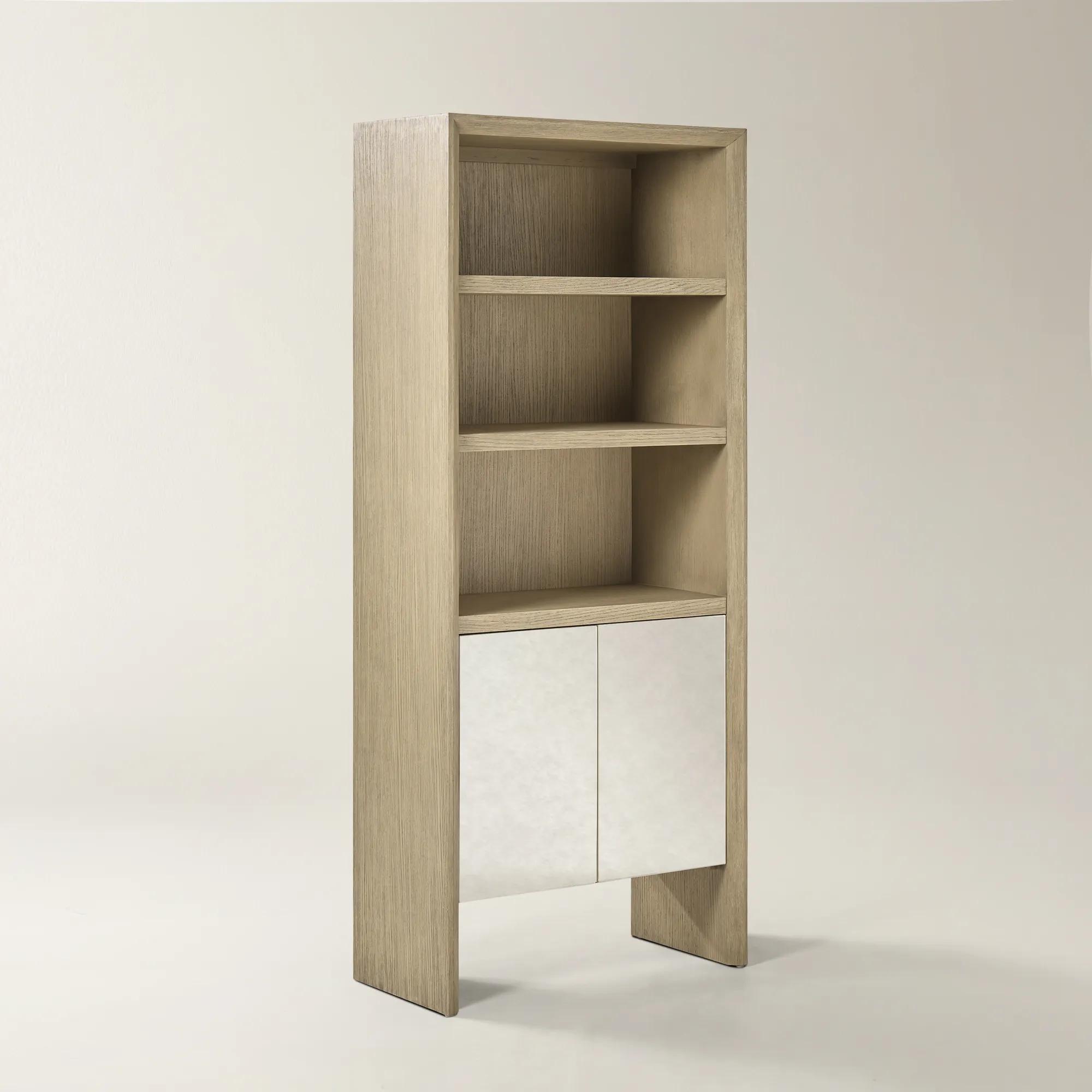 Glimmer Mirrored Sea Drift Oak Bookcase (80")$2599
A two-tone oak bookcase featuring antique mirrored doors, open shelving, and soft-close concealed storage.
Add To Cart -
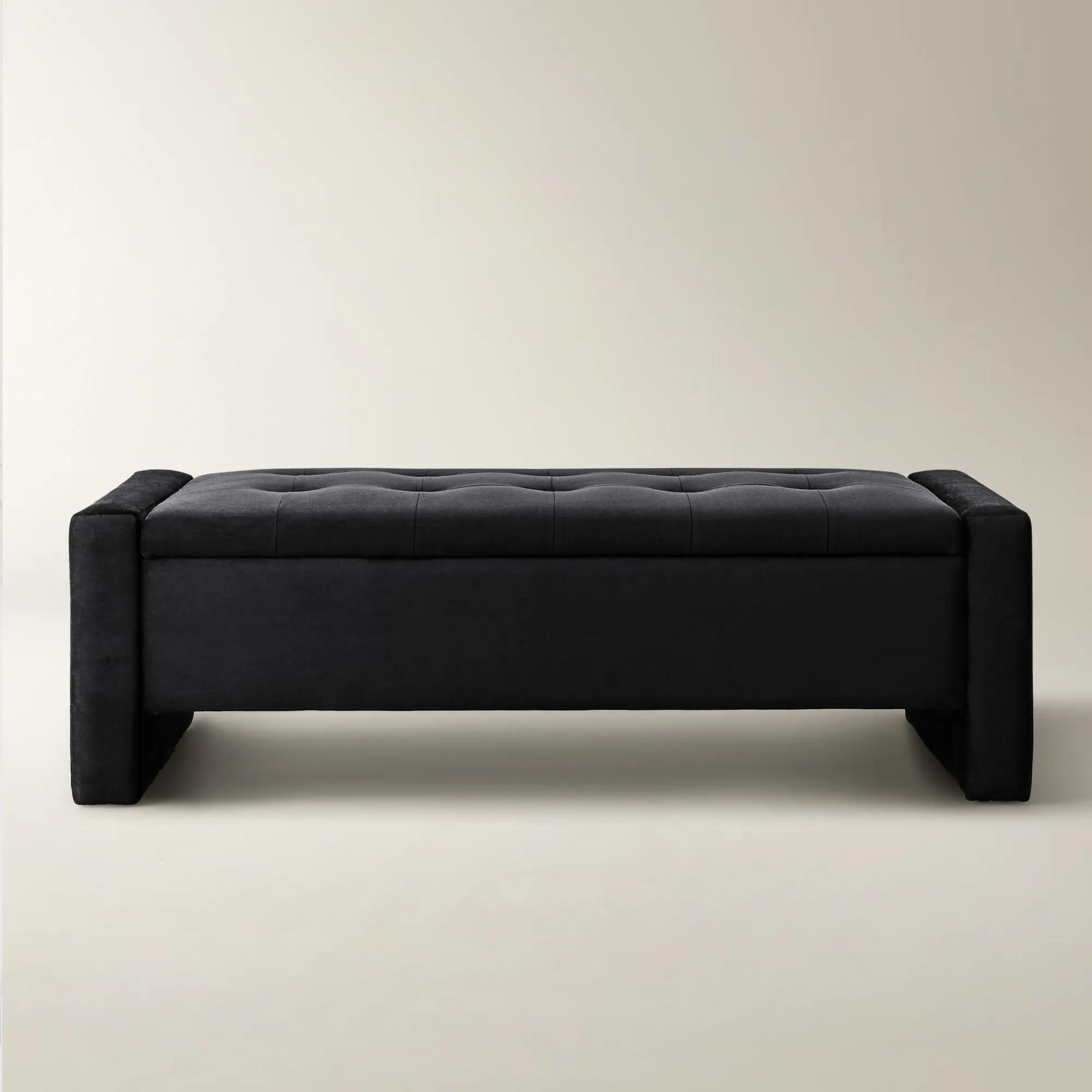
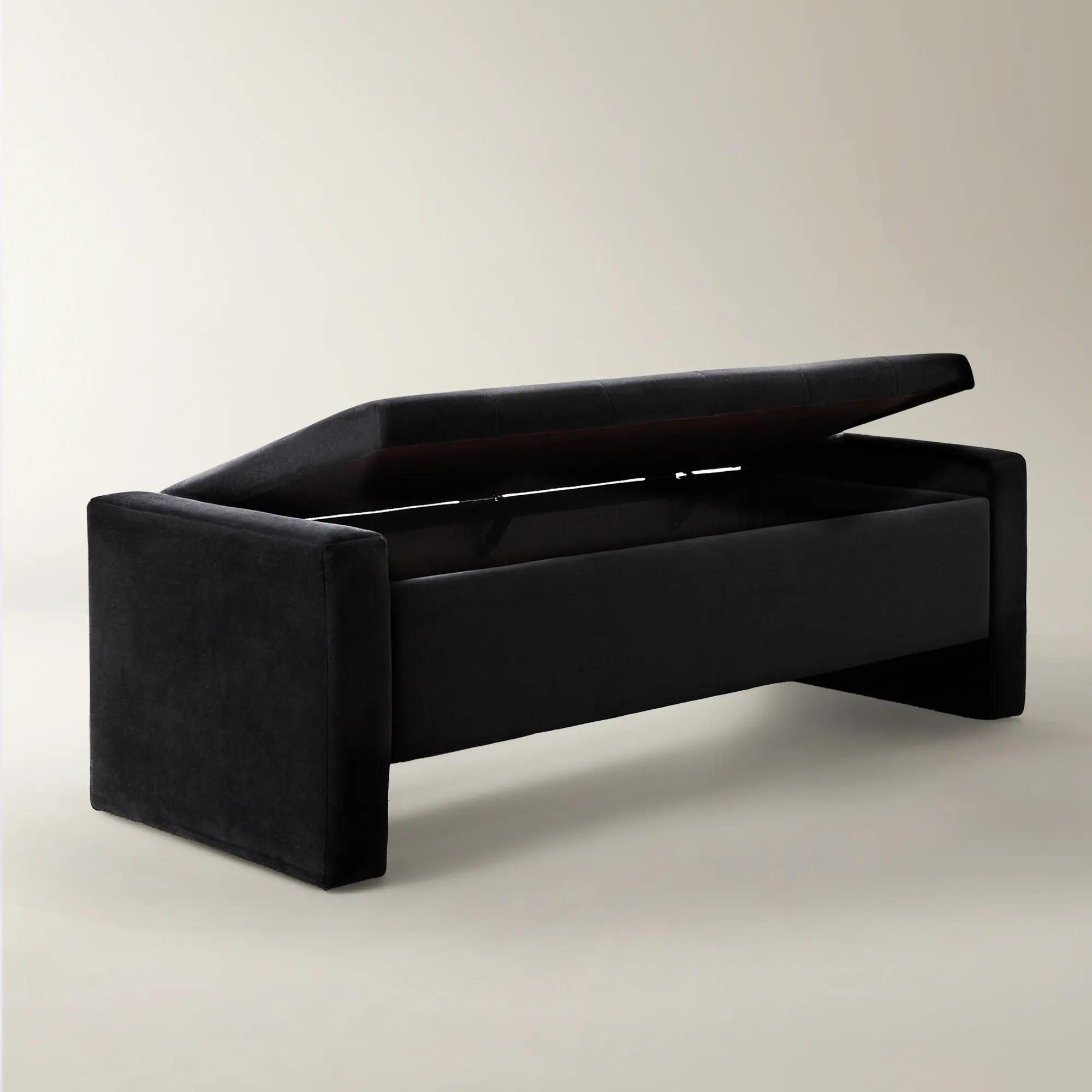 Maeve Storage Bench$849
A modern velvet-upholstered bench with hidden storage and a sturdy kiln-dried hardwood frame.
Add To Cart -
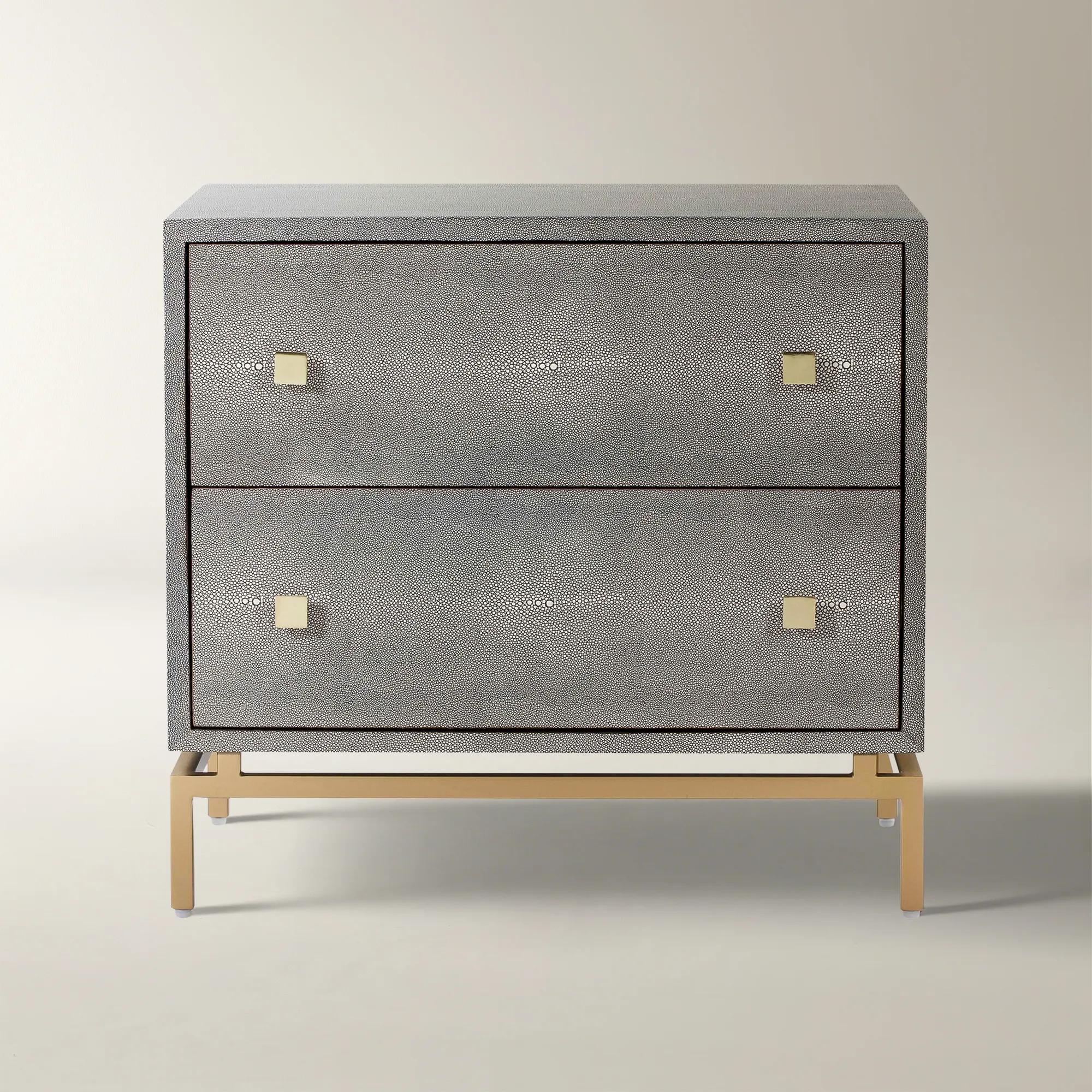
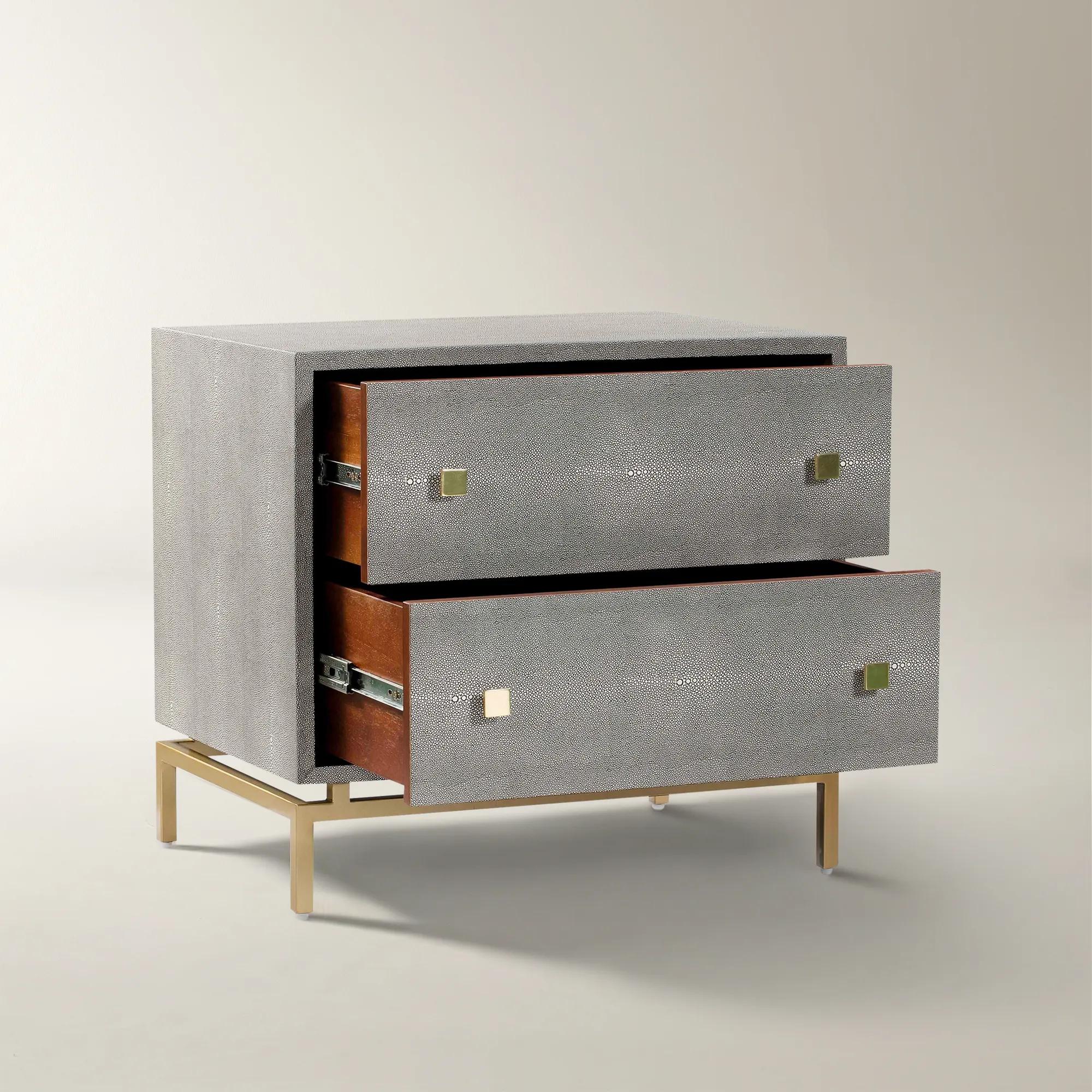 Misha Grey Shagreen 2-Drawer Nightstand (25")$749
A modern nightstand featuring faux shagreen texture, brass-finished base, and two cherry wood-lined drawers.
Add To Cart -
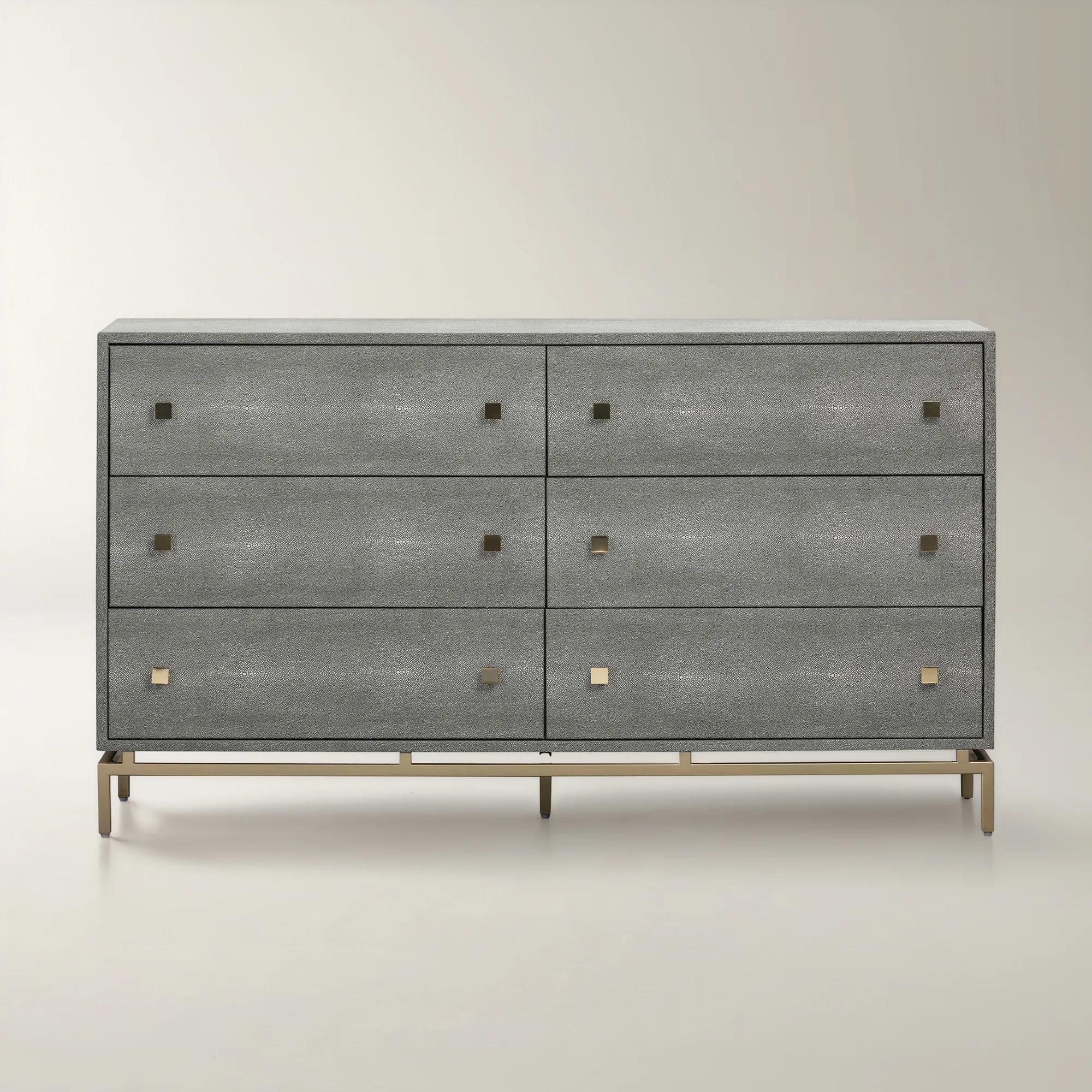
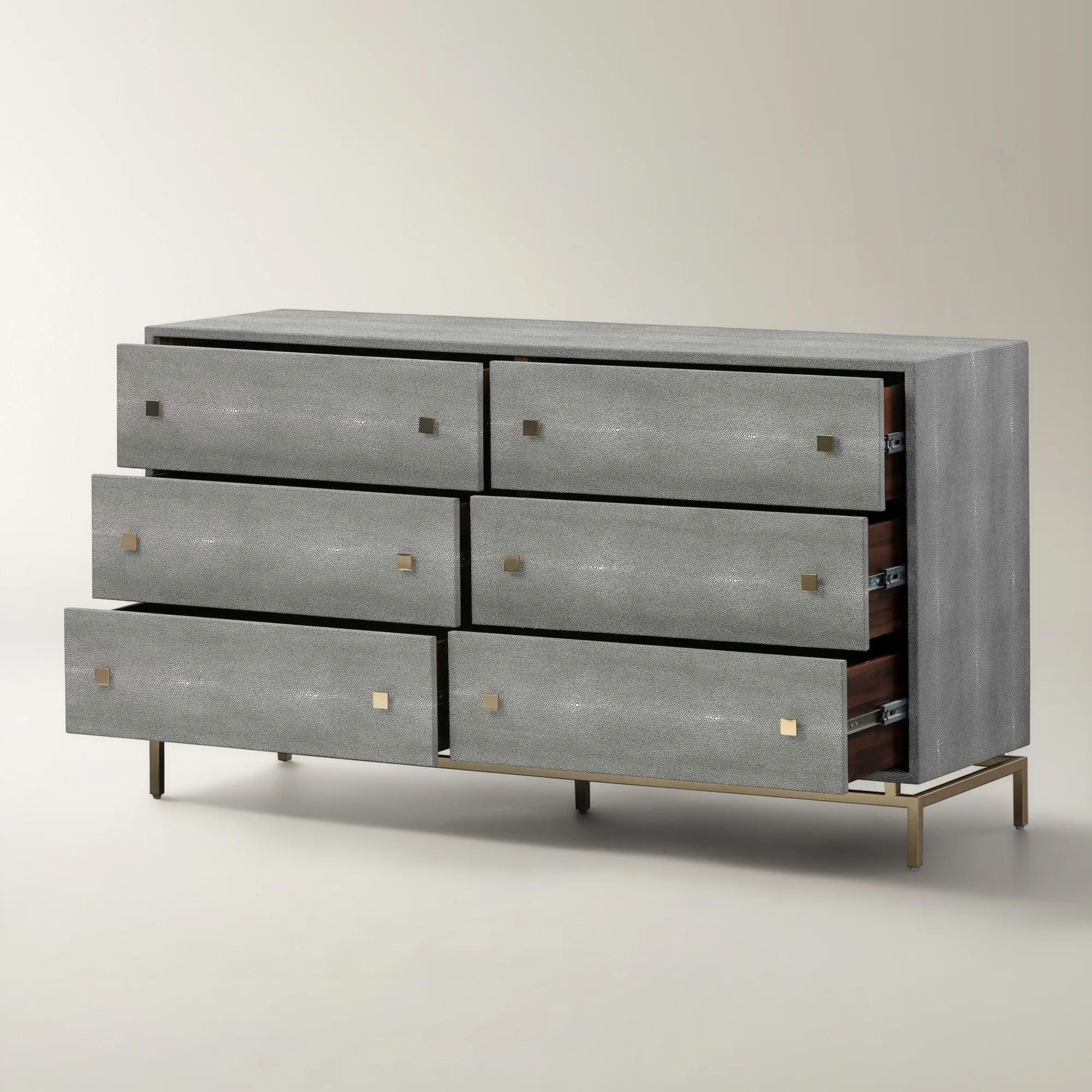 Misha Grey Shagreen 6-Drawer Dresser (57")$2249
A modern dresser featuring faux shagreen texture, brass-finished base, and six drawers with cherry wood interiors.
Add To Cart -
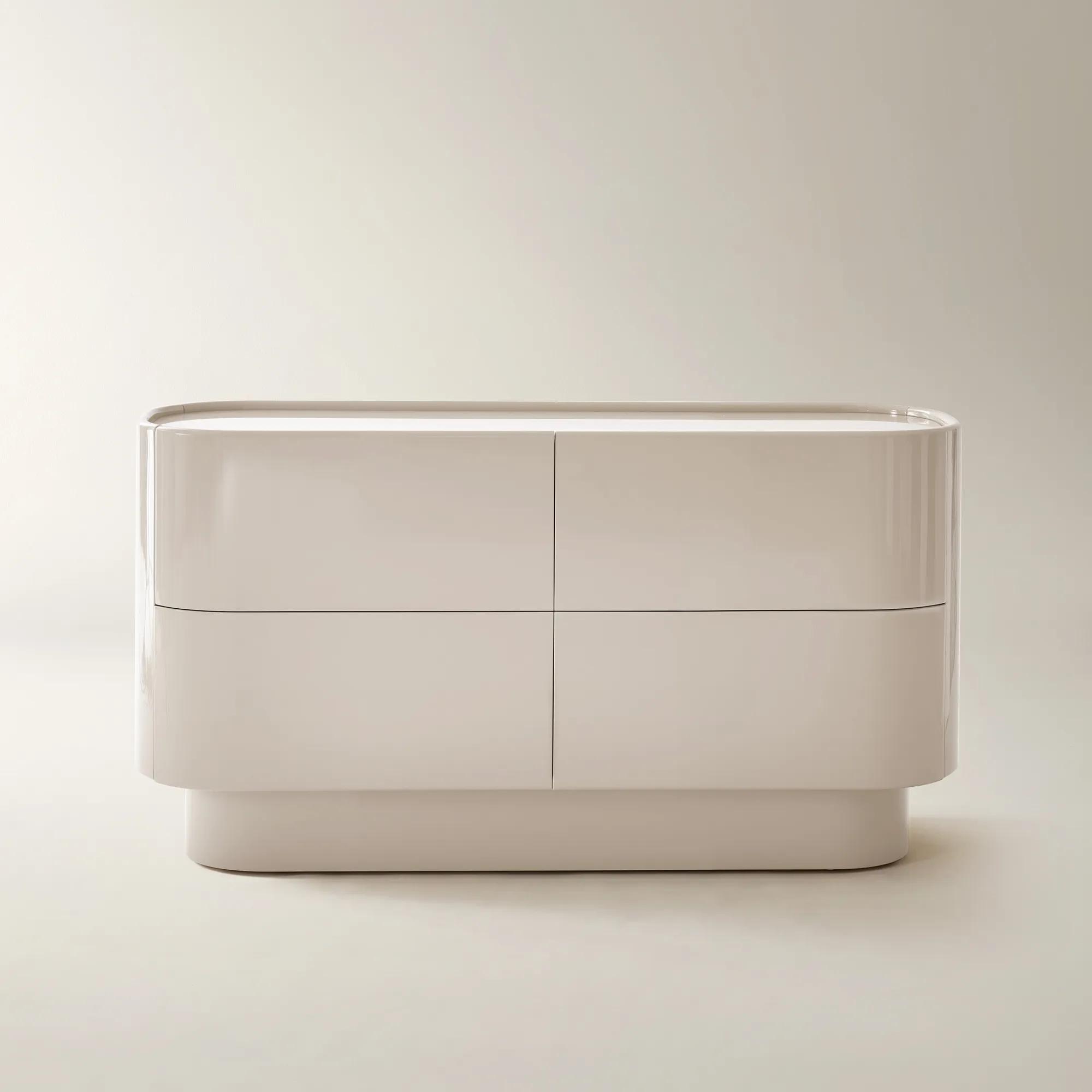
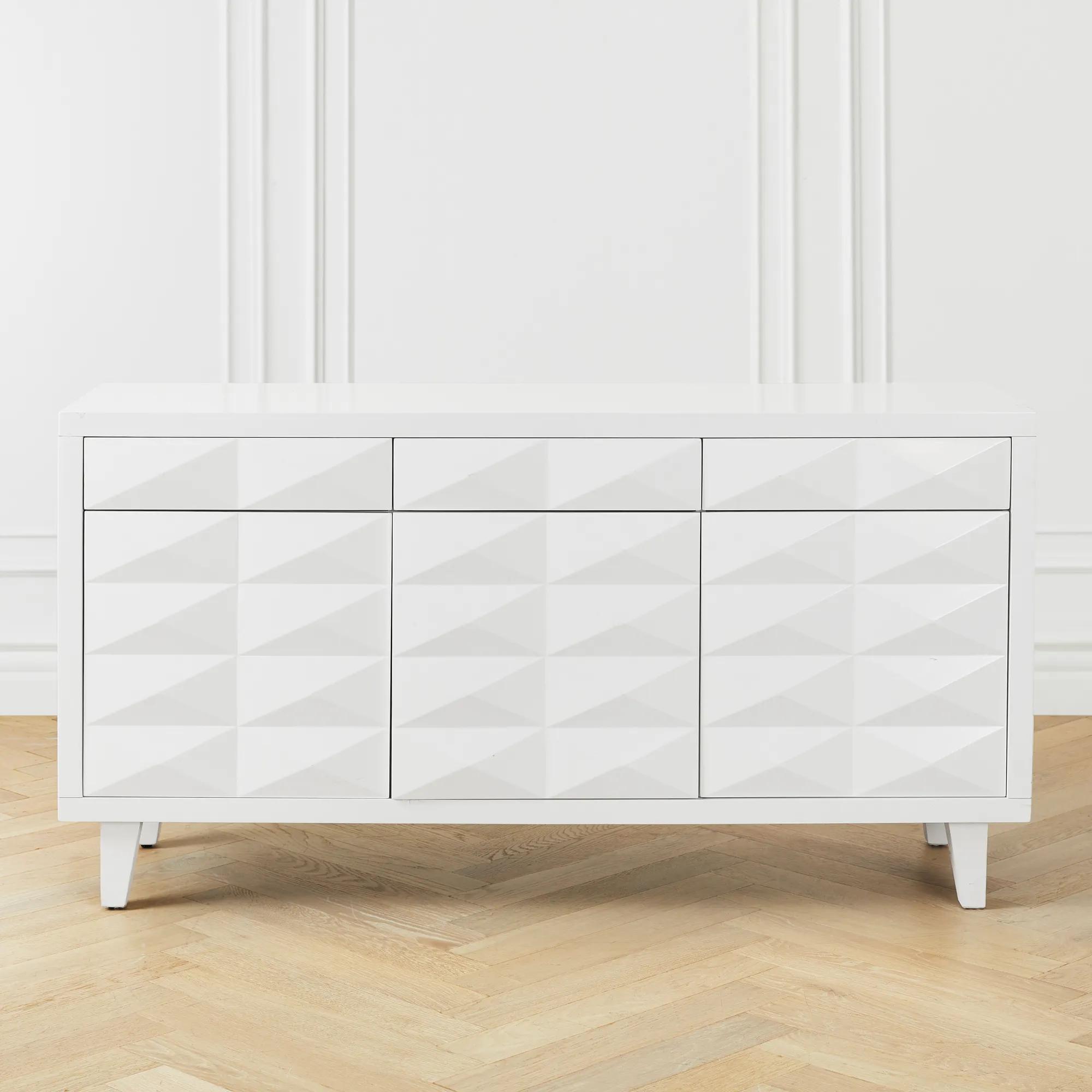 Palmer White Wood Cabinet (66.5")$1649
A sleek white hardwood cabinet with geometric detailing, three drawers, and push-latch doors for modern storage.
Add To Cart -
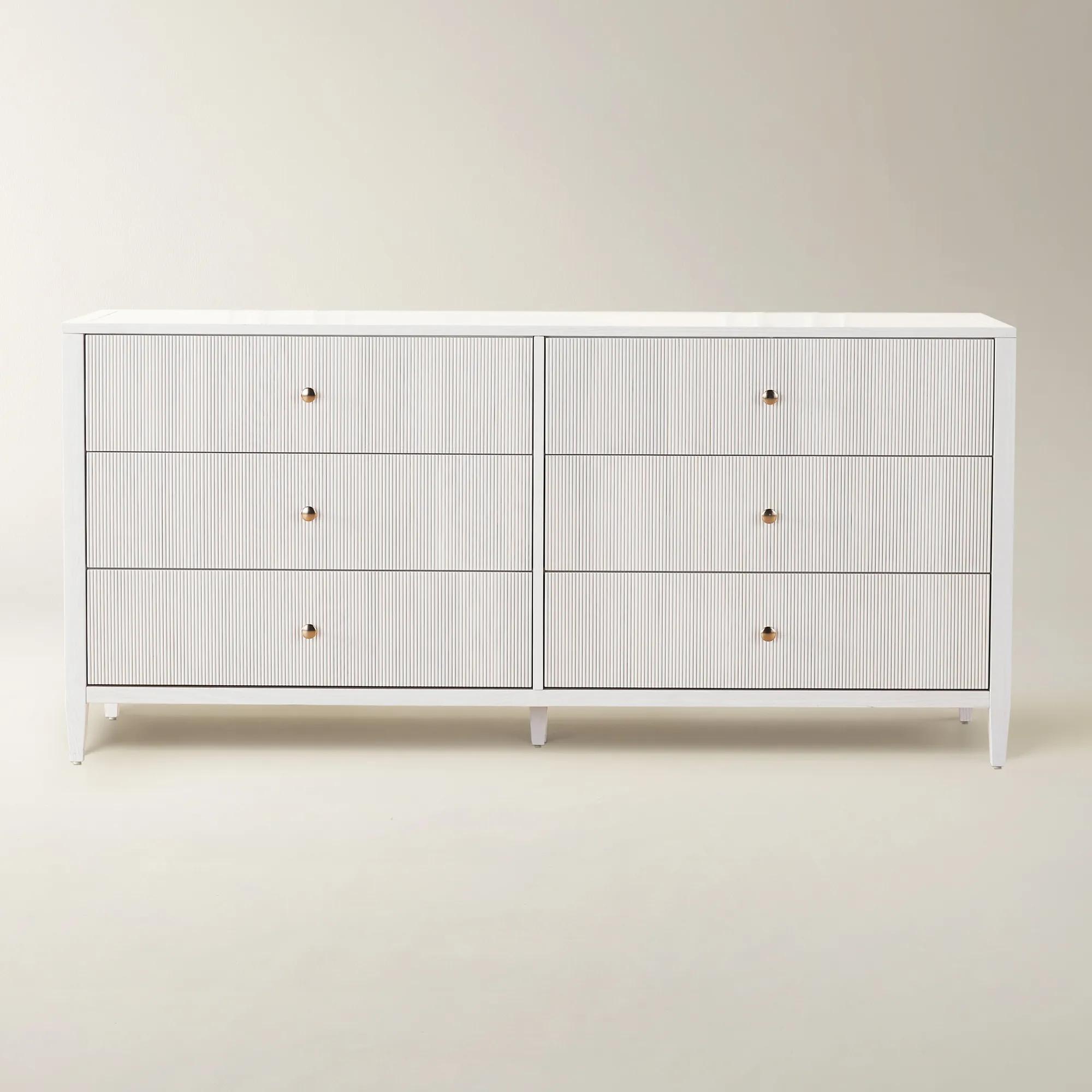
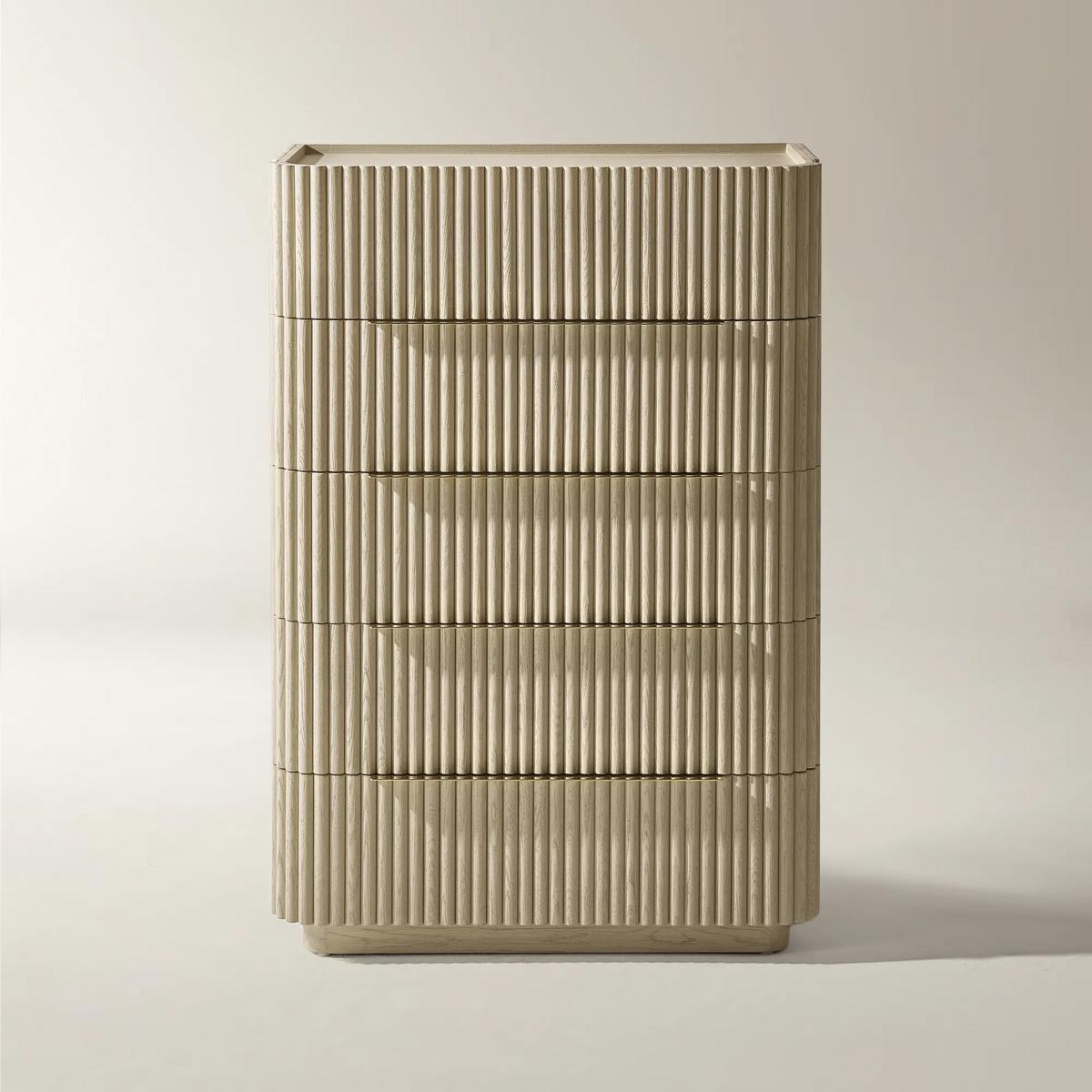
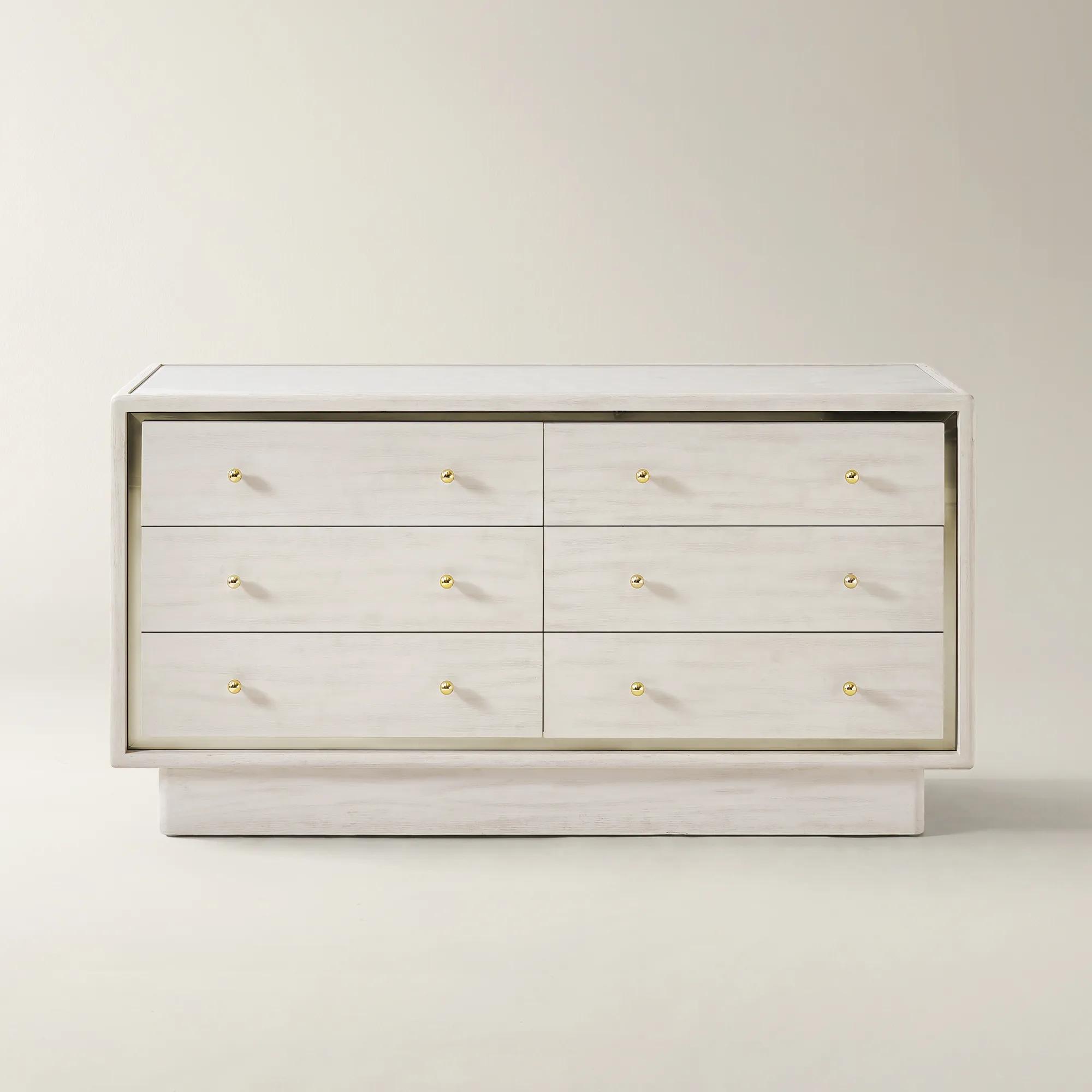
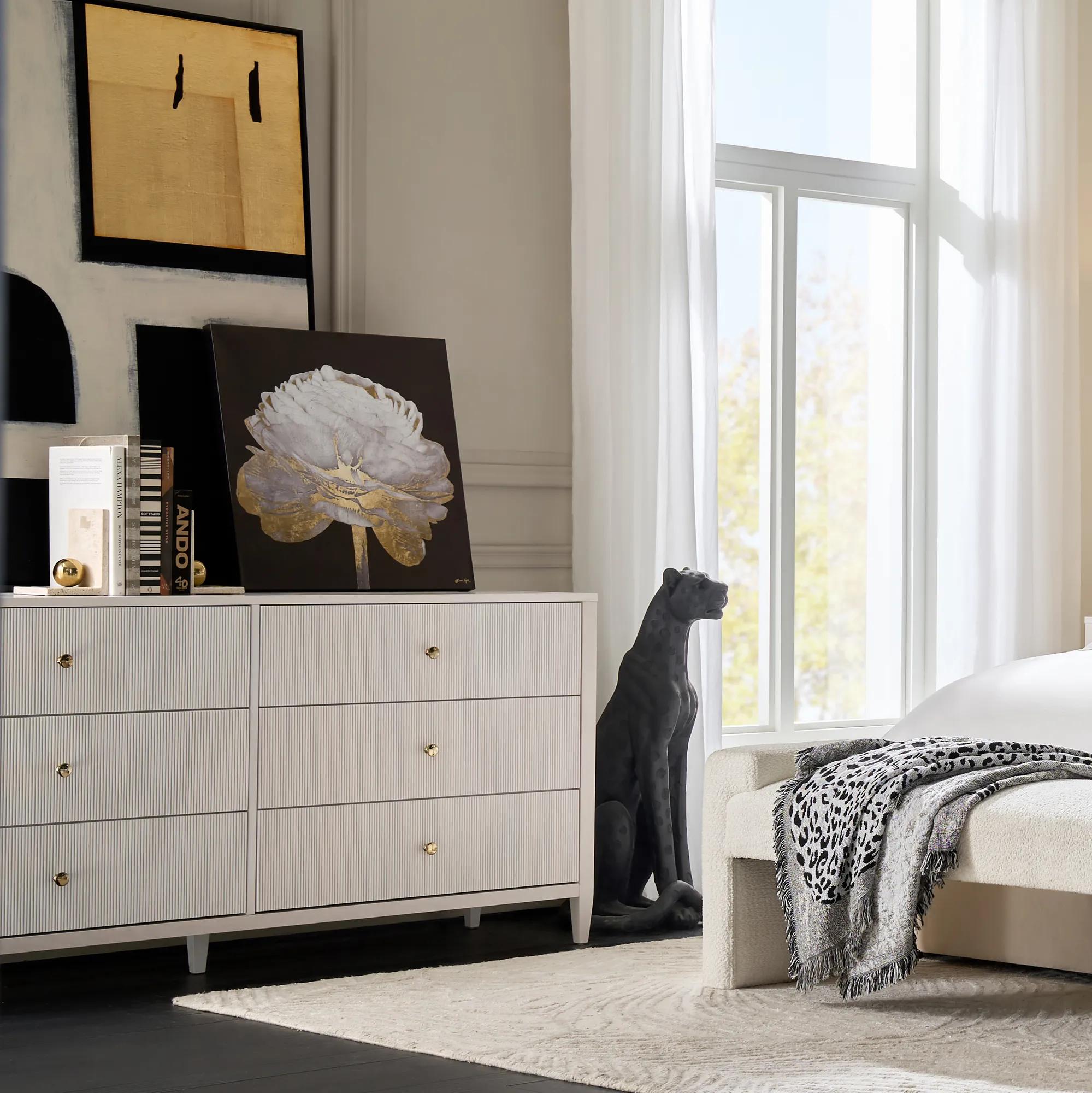 Viola Reeded White Ash Wood 6-Drawer Dresser (70")$1899
A modern dresser in bone white ash wood with reeded fronts and brass hardware for a luxe touch.
Add To Cart -
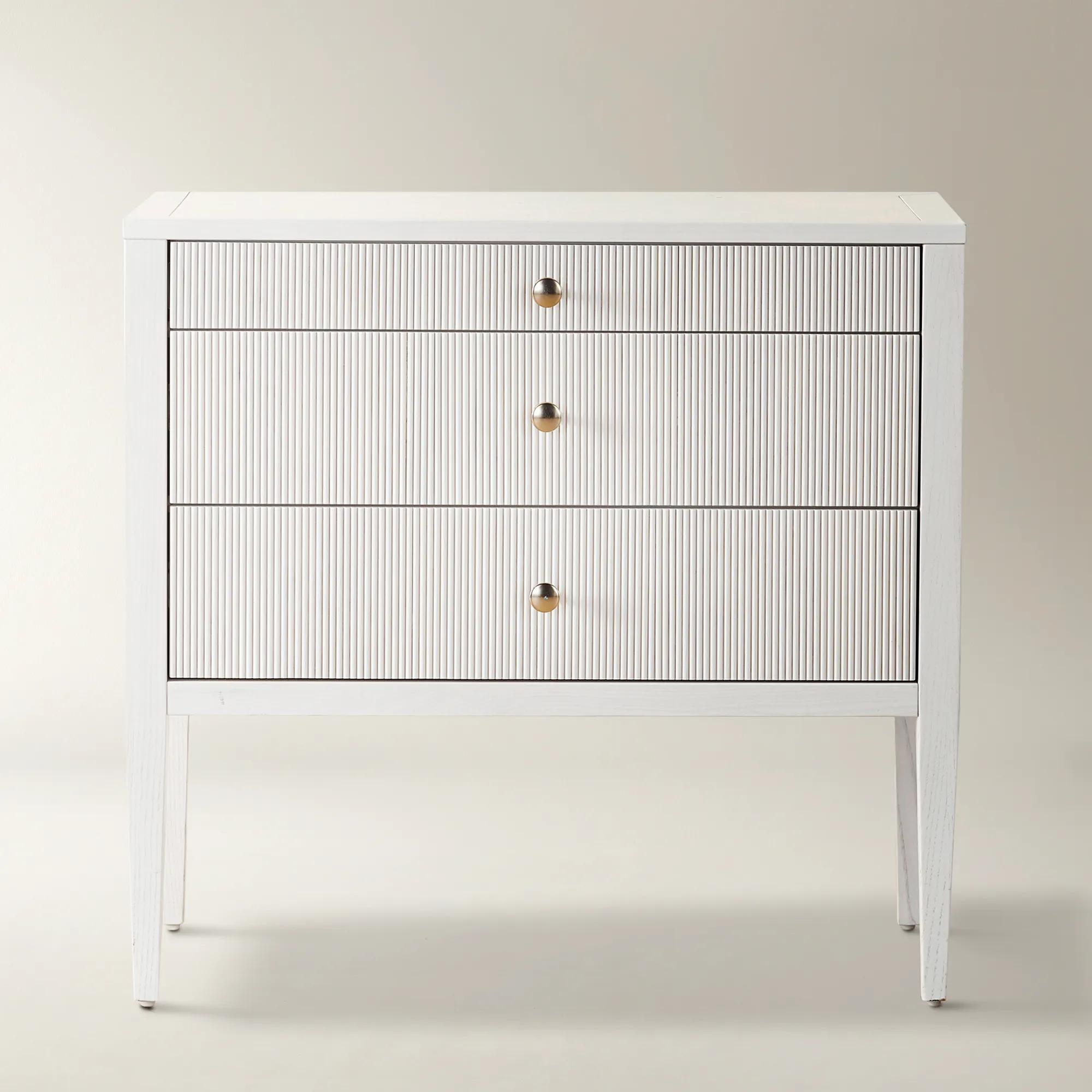 Viola Reeded White Ash Wood 3-Drawer Nightstand (31")$899
A modern nightstand in bone white ash wood with reeded drawers and brass hardware for a luxe touch.
Add To Cart -
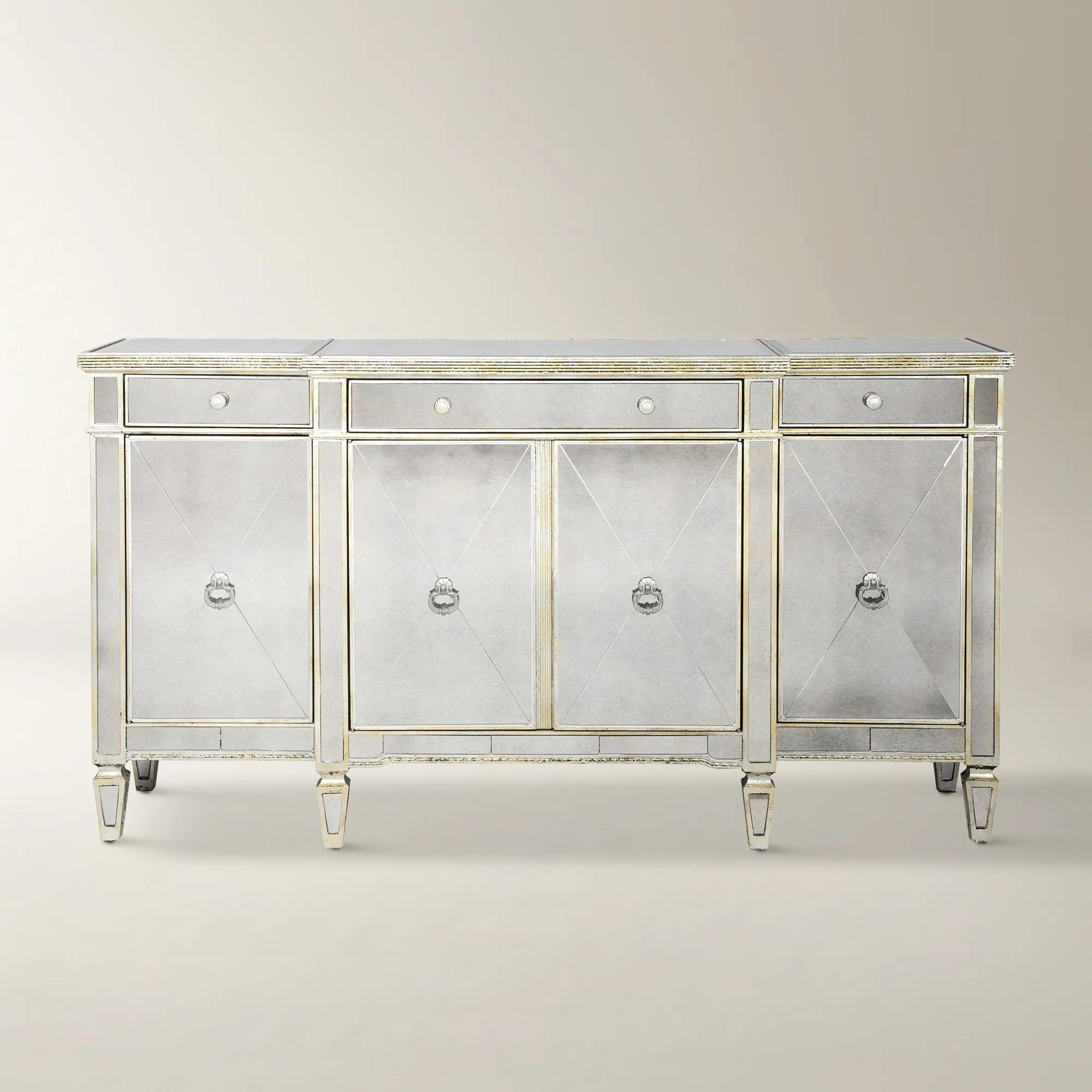
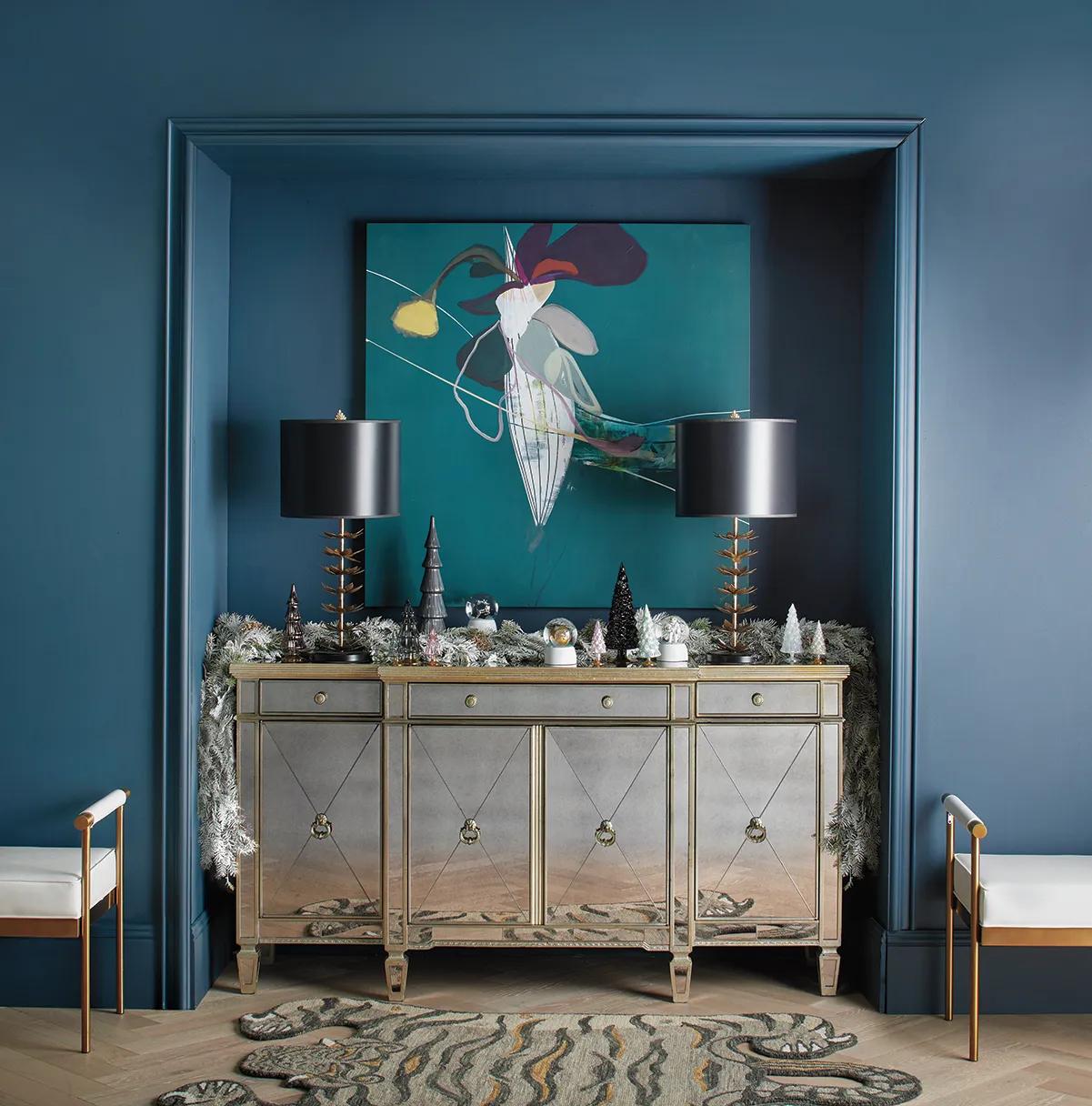 Borghese Mirrored Silver 3-Drawer Buffet (70")$2499
A sophisticated mirrored buffet featuring antique beveled glass, champagne gilt wood trim, and hand-applied silver leaf.
Add To Cart -
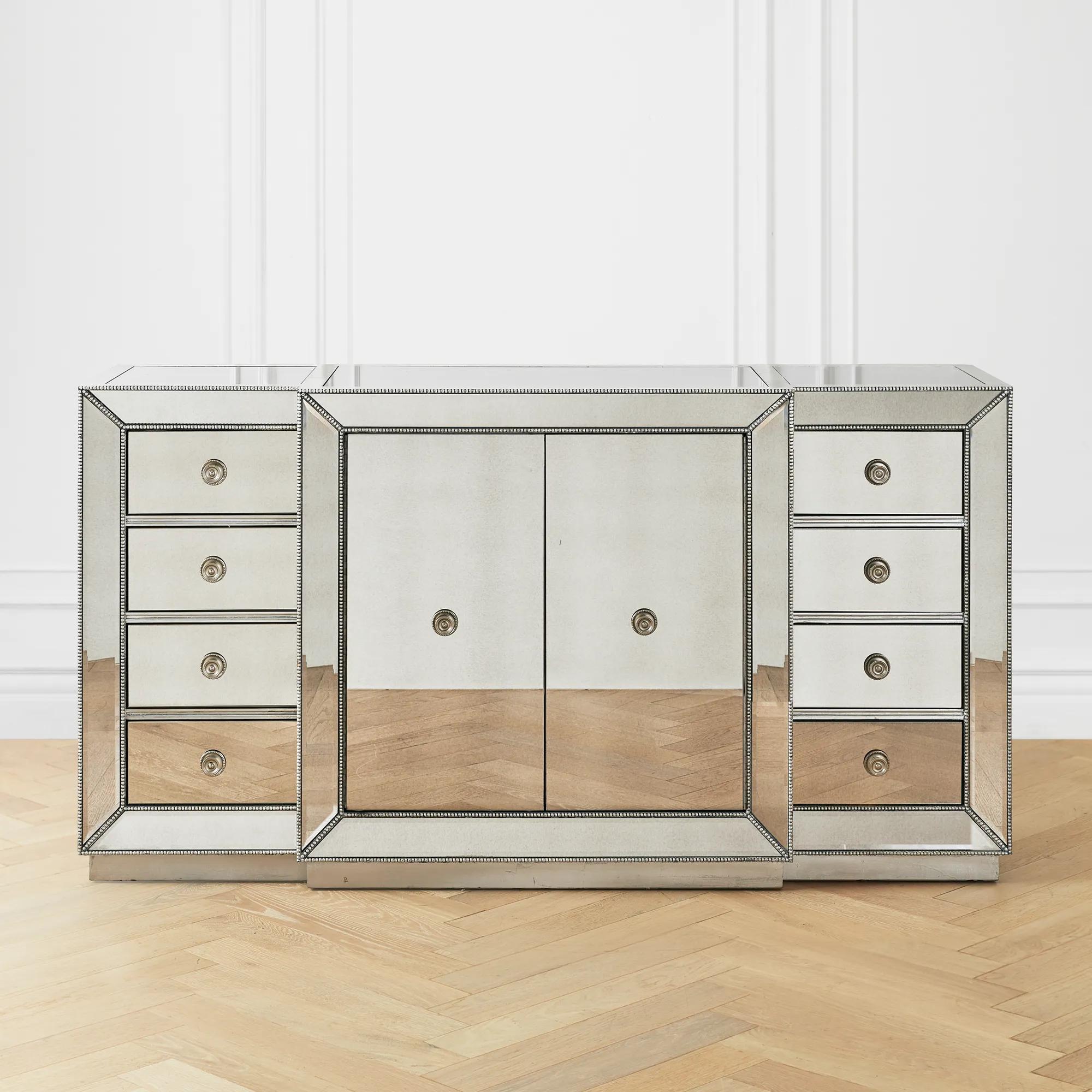 Omni Mirrored Silver 8-Drawer Buffet (72")$2499
A glamorous buffet featuring antique beveled mirrored panels, hand-applied silver leaf, and silver beaded trim.
Add To Cart -
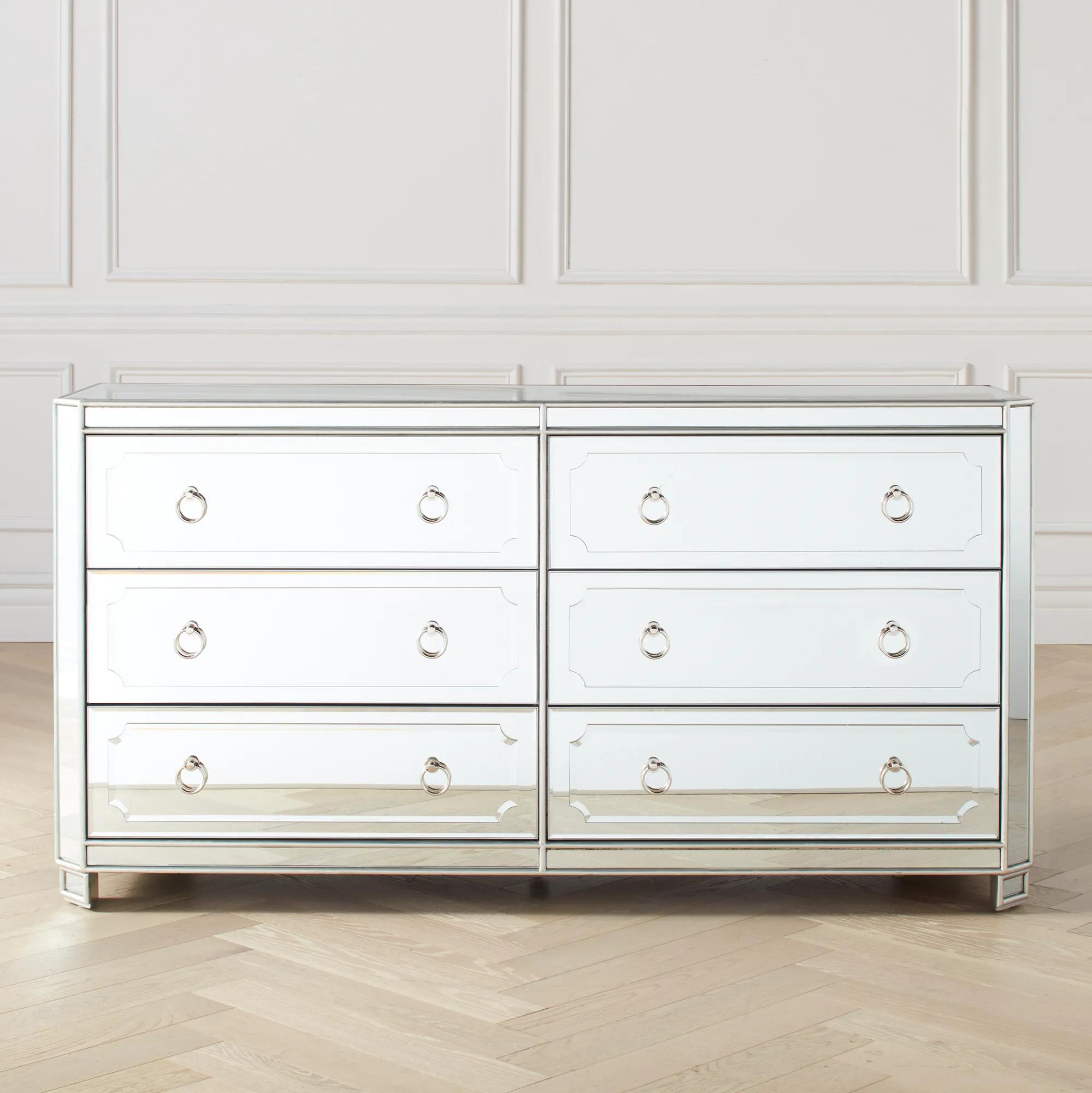
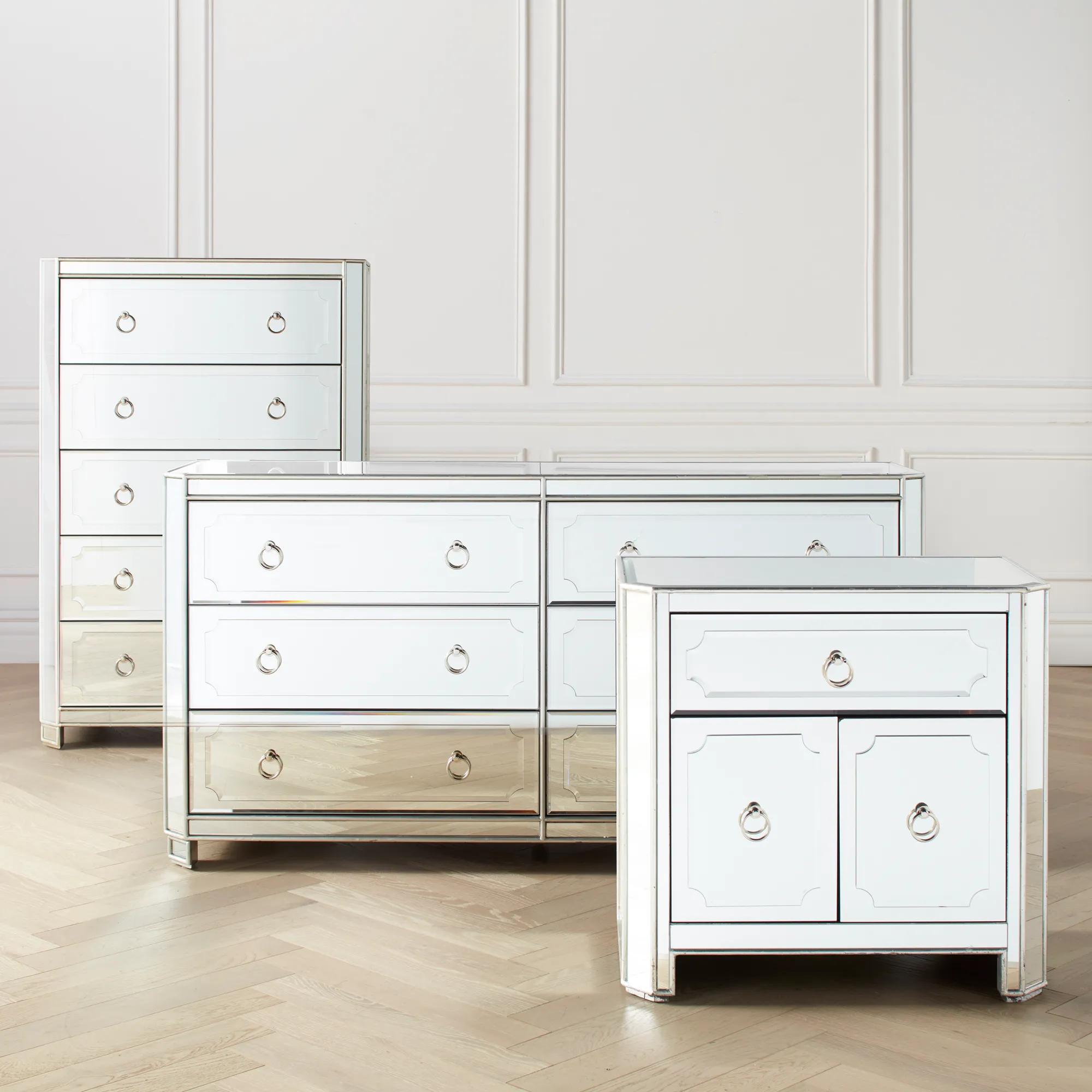 Simplicity Mirrored Silver 6-Drawer Dresser (66")$2299
A glamorous chest featuring beveled mirrored panels, hand-applied silver-leaf trim, and polished nickel hardware.
Add To Cart -
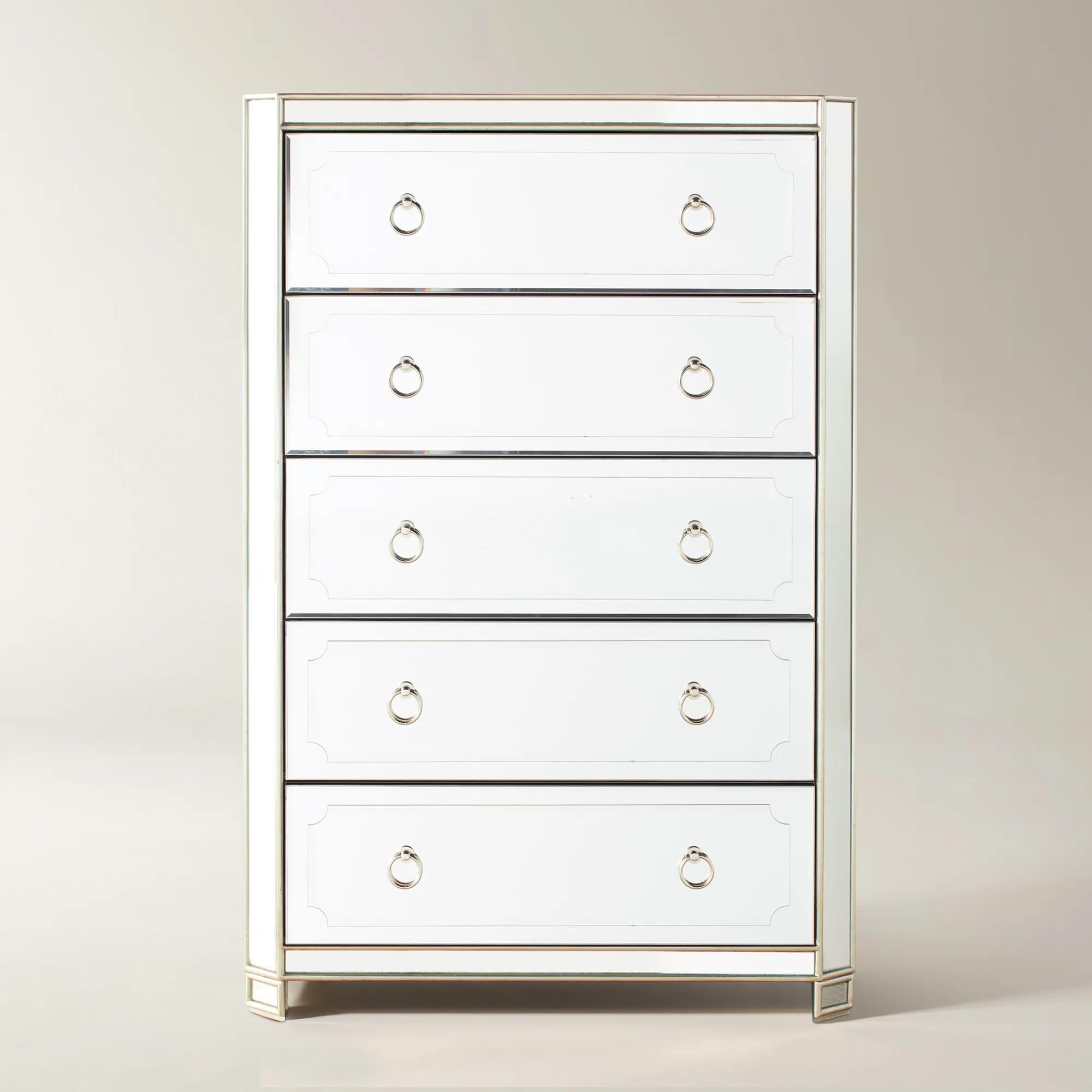 Simplicity Mirrored Silver 5-Drawer Tall Dresser (36")$1999
A glamorous tall chest featuring beveled mirrored panels, hand-applied silver-leaf trim, and polished nickel hardware.
Add To Cart -
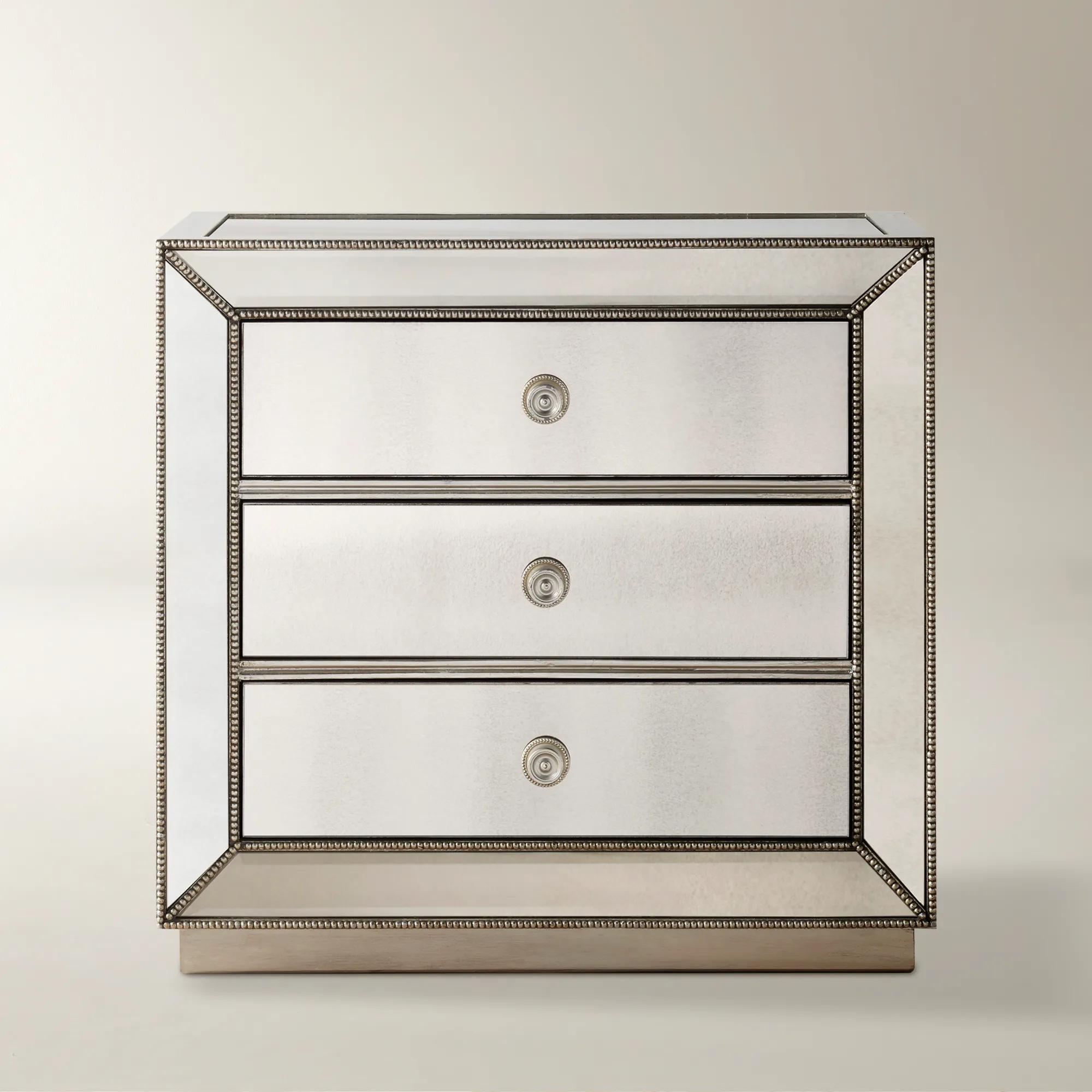
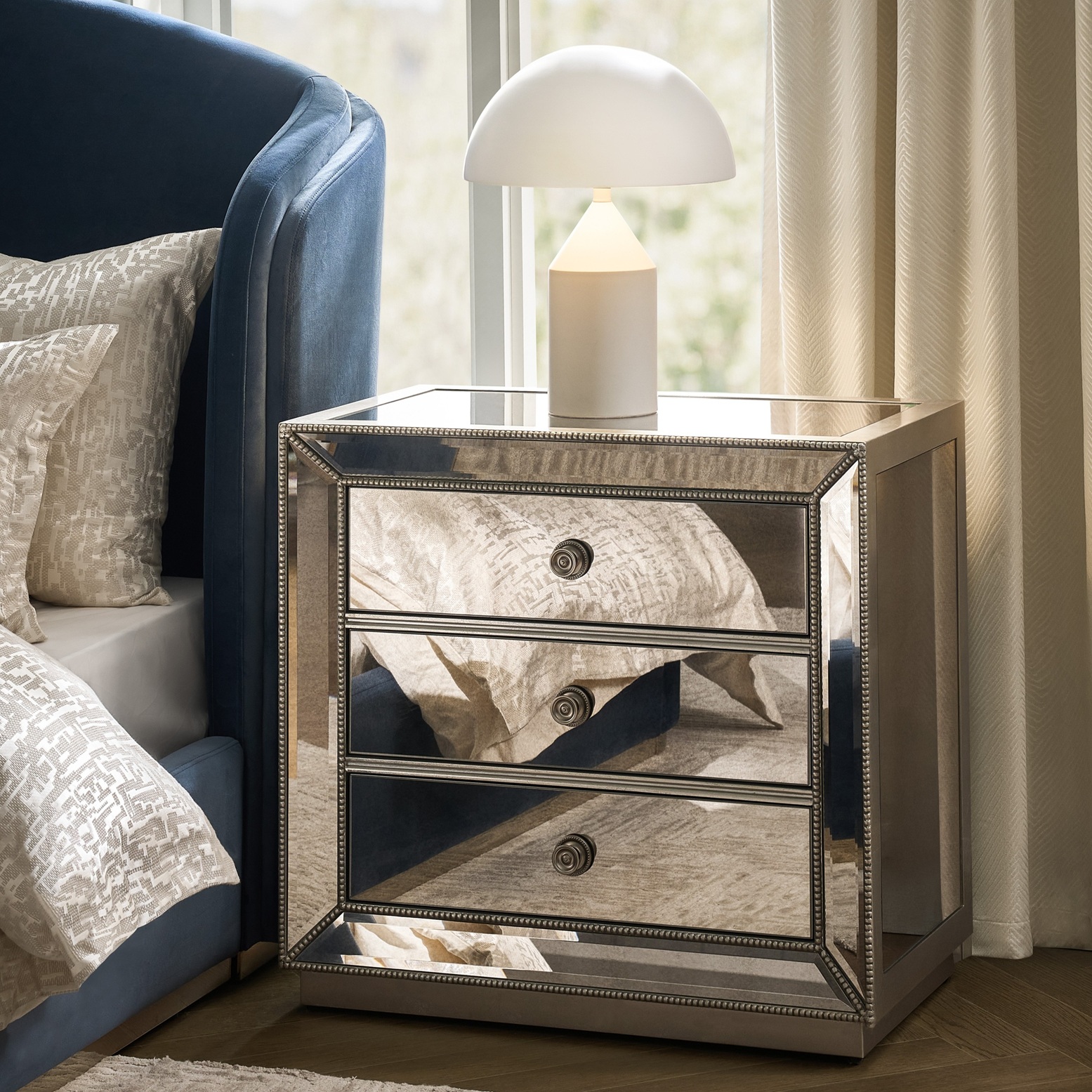 Omni Mirrored Silver 3-Drawer Nightstand (32")$1299
A glamorous chest featuring antiqued mirrored panels, hand-applied silver-leaf finish, and beaded trim.
Add To Cart -
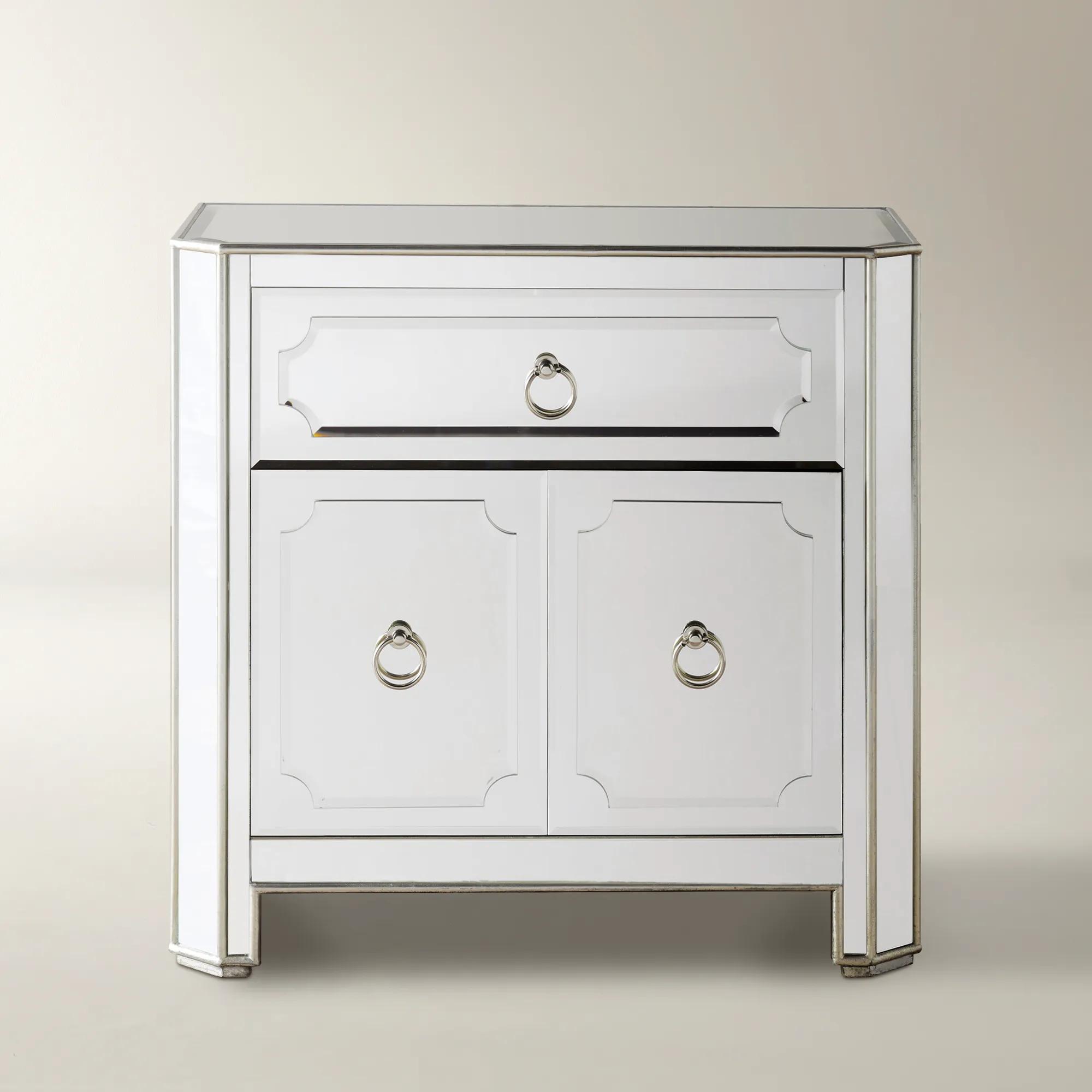
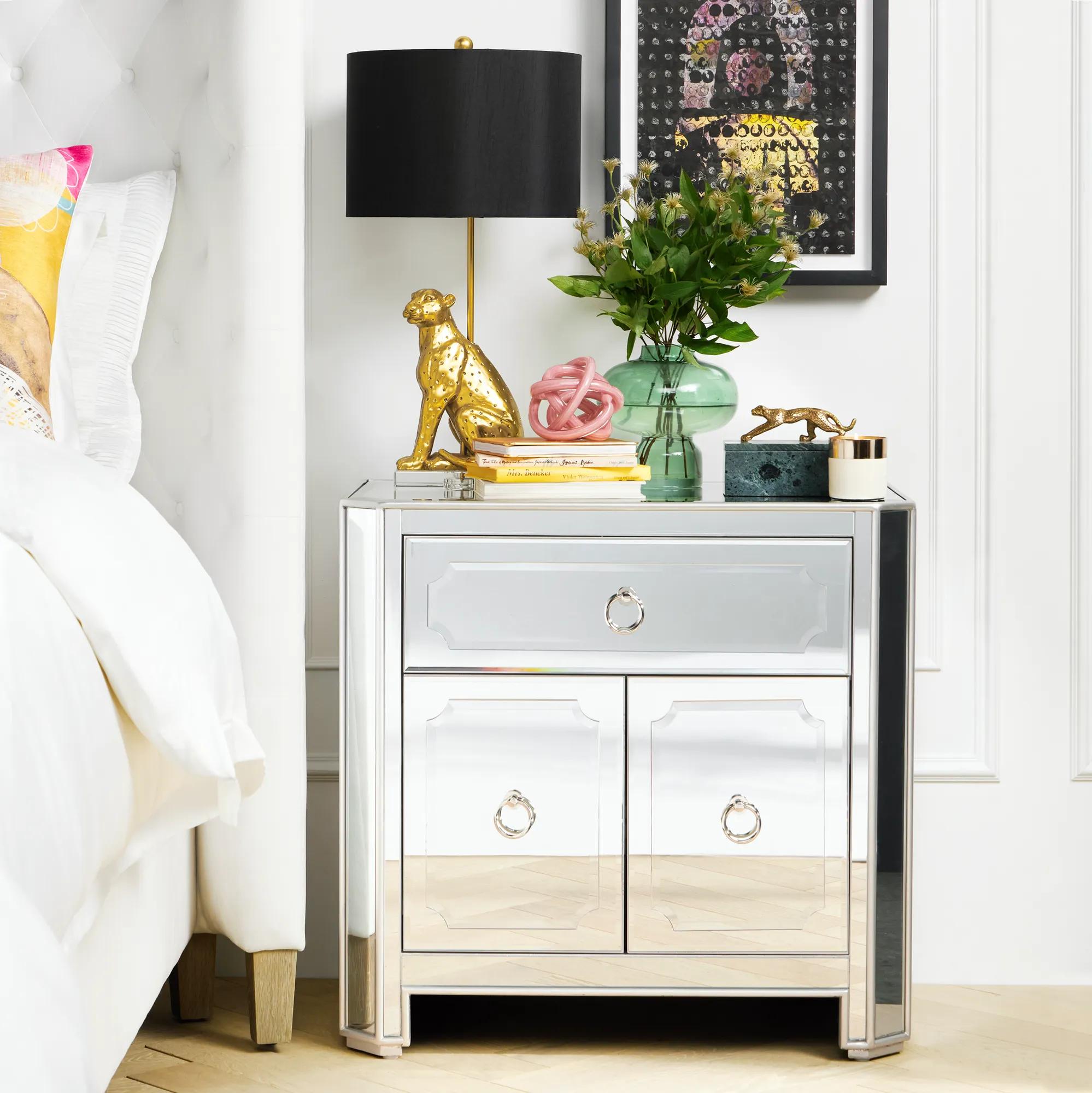 Simplicity Mirrored Silver 1-Drawer Nightstand (30")$899
A glamorous nightstand featuring beveled mirrored panels, hand-applied silver-leaf trim, and polished nickel hardware.
Add To Cart -
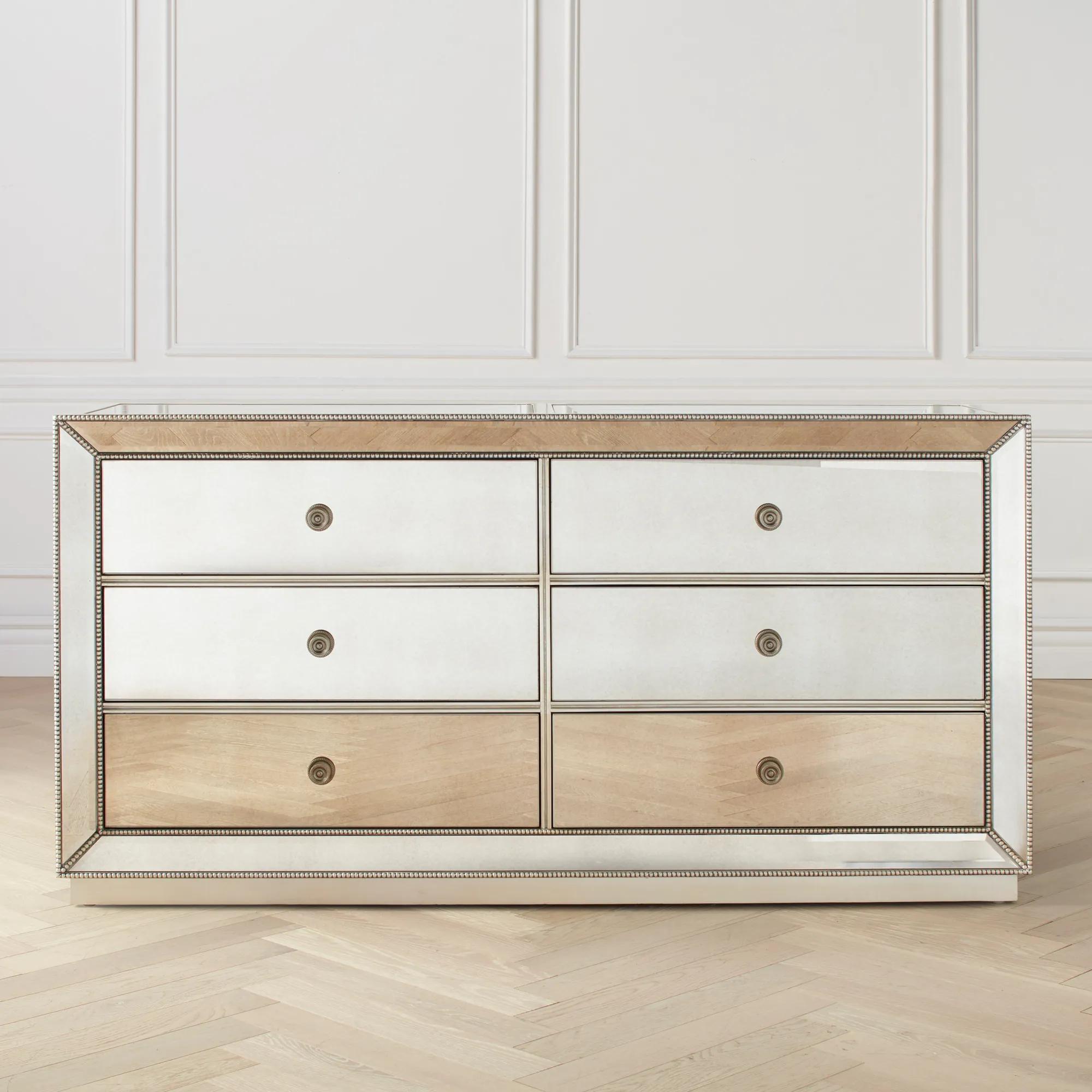 Omni Mirrored Silver 6-Drawer Dresser (72")$2599
A hand-applied silver-leaf chest with antiqued mirrored panels and beaded trim for dramatic bedroom shine.
Add To Cart -
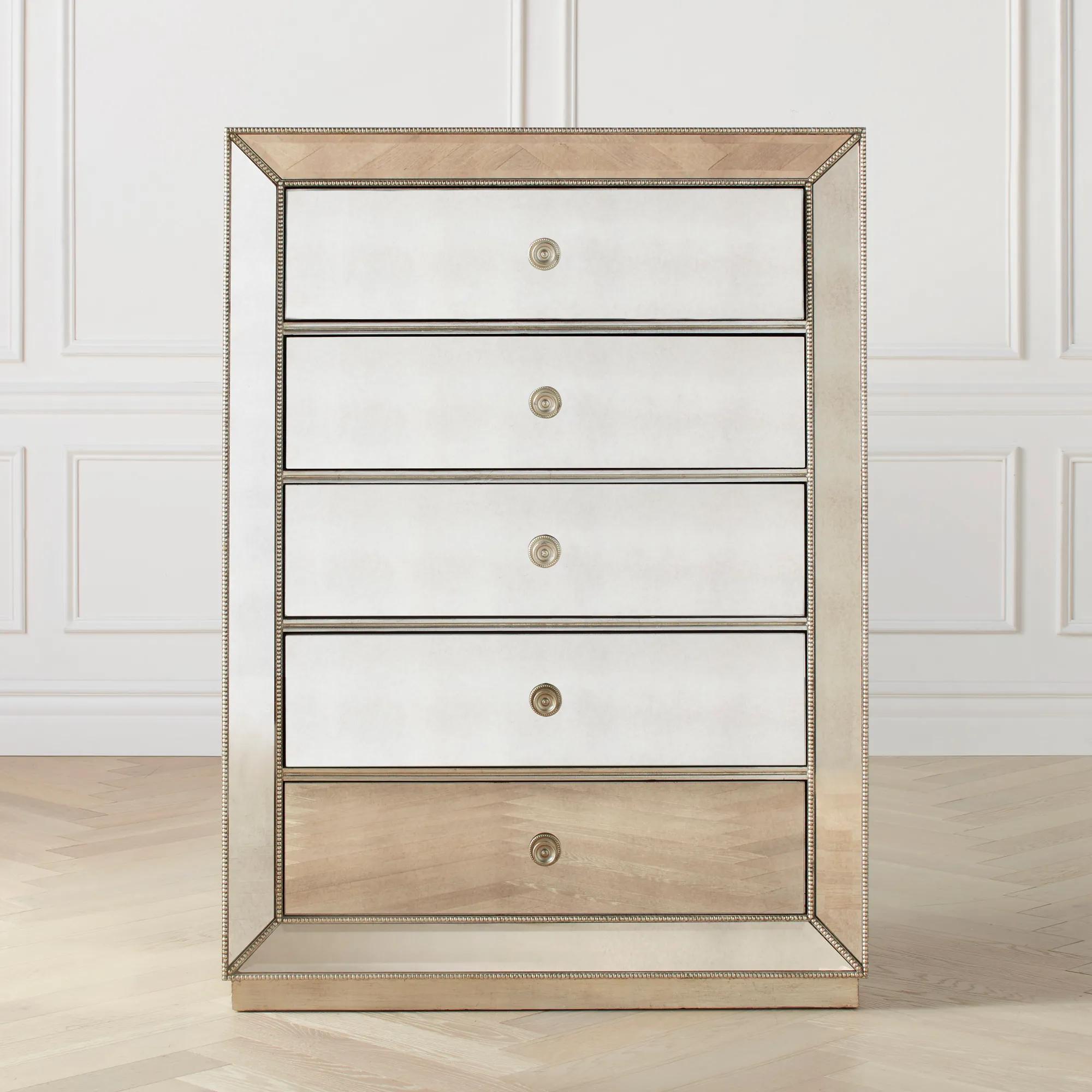
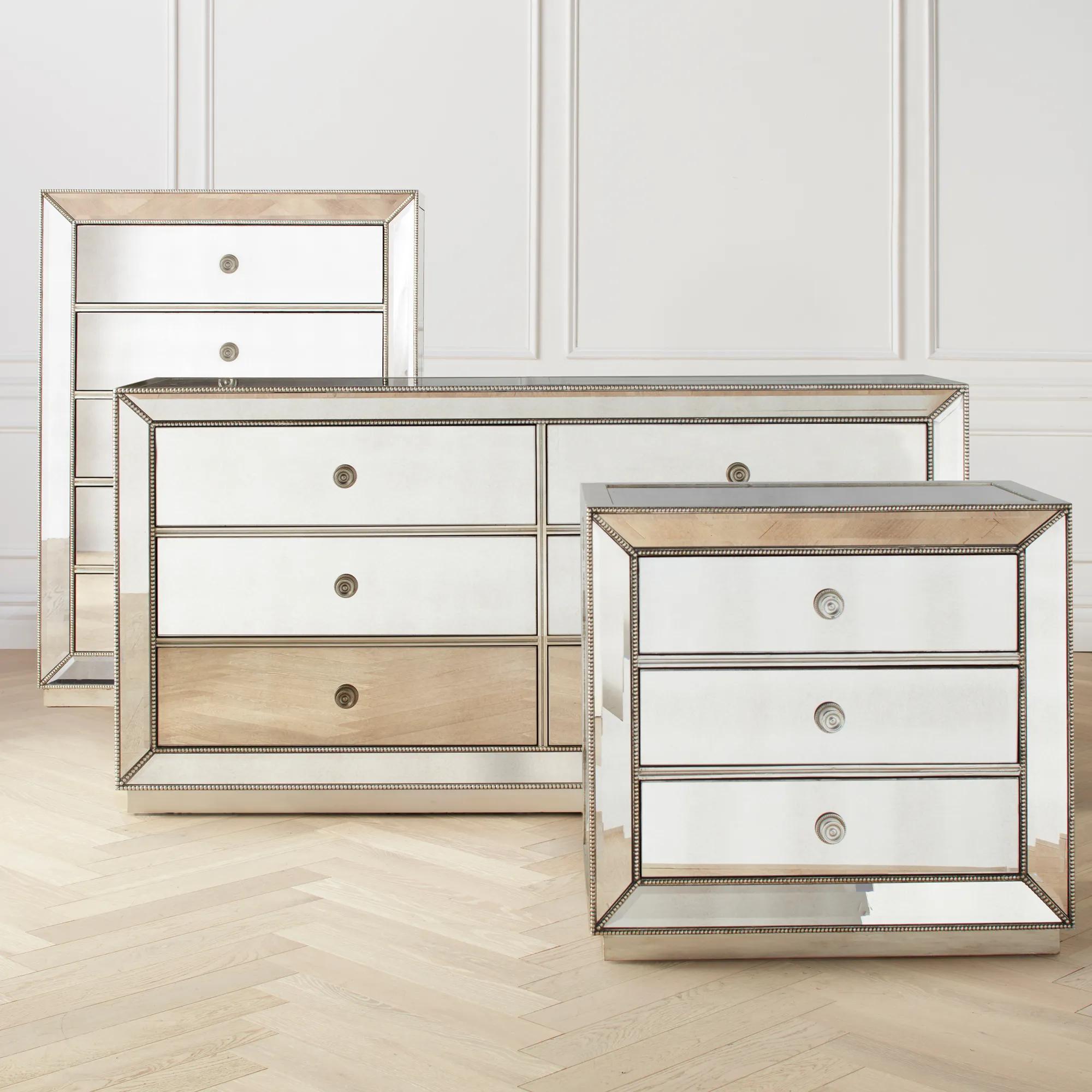 Omni Mirrored Silver 5-Drawer Tall Dresser (40")$2199
A dramatic chest featuring antiqued mirrored panels, hand-applied silver-leaf finish, and kiln-dried hardwood construction.
Add To Cart -
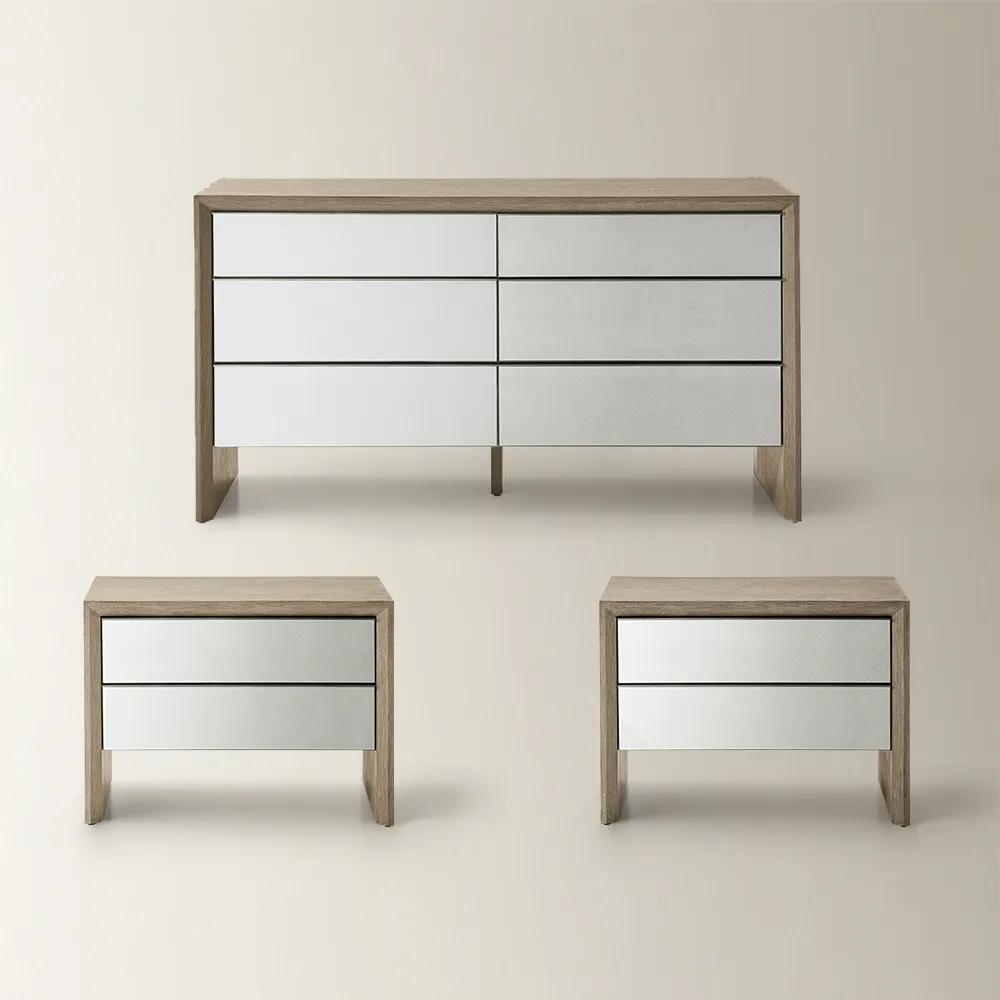
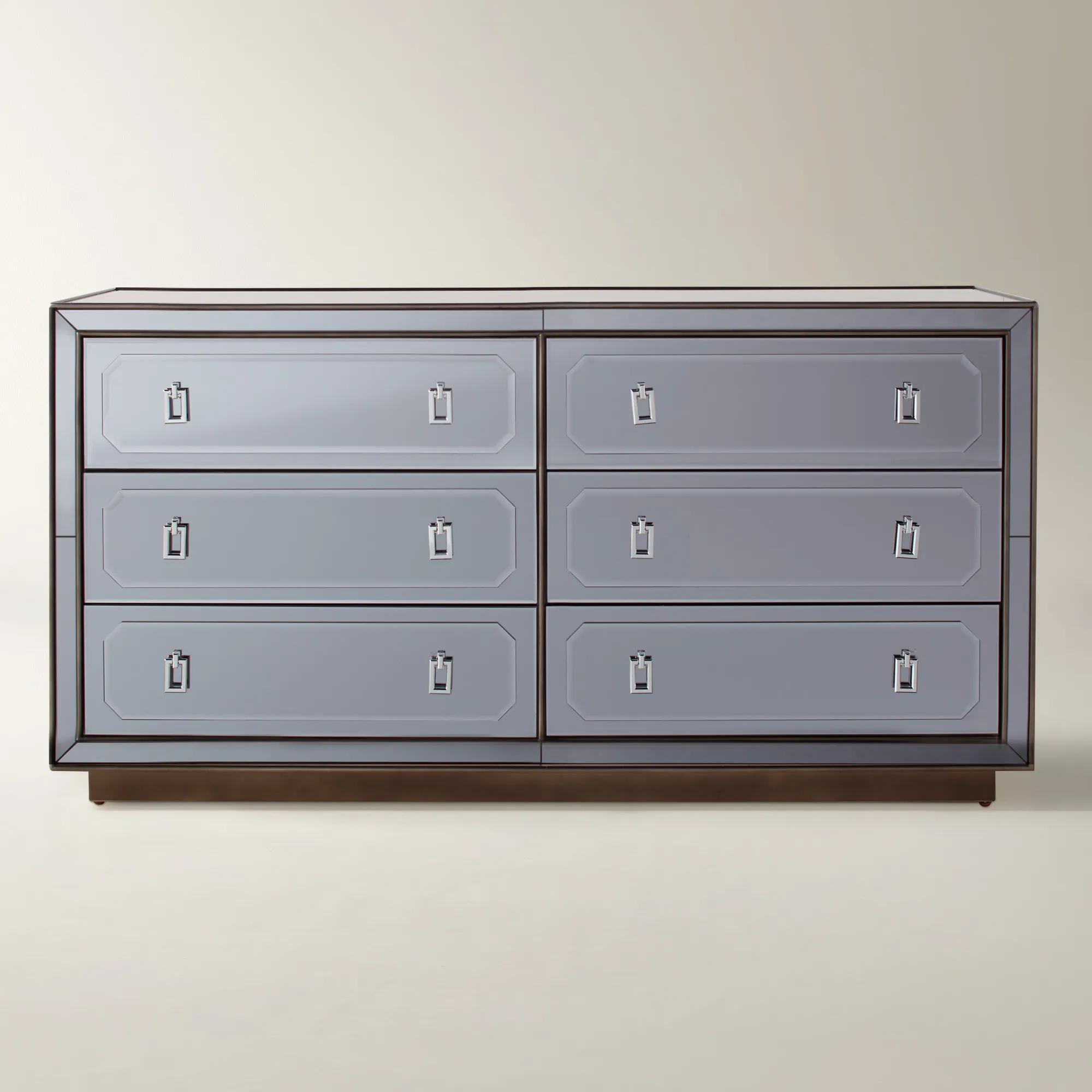 Maddox Mirrored Grey 6-Drawer Dresser (66")$2299
A modern dresser featuring beveled mirror paneling, graphite finish, and polished nickel hardware for sleek sophistication.
Add To Cart -
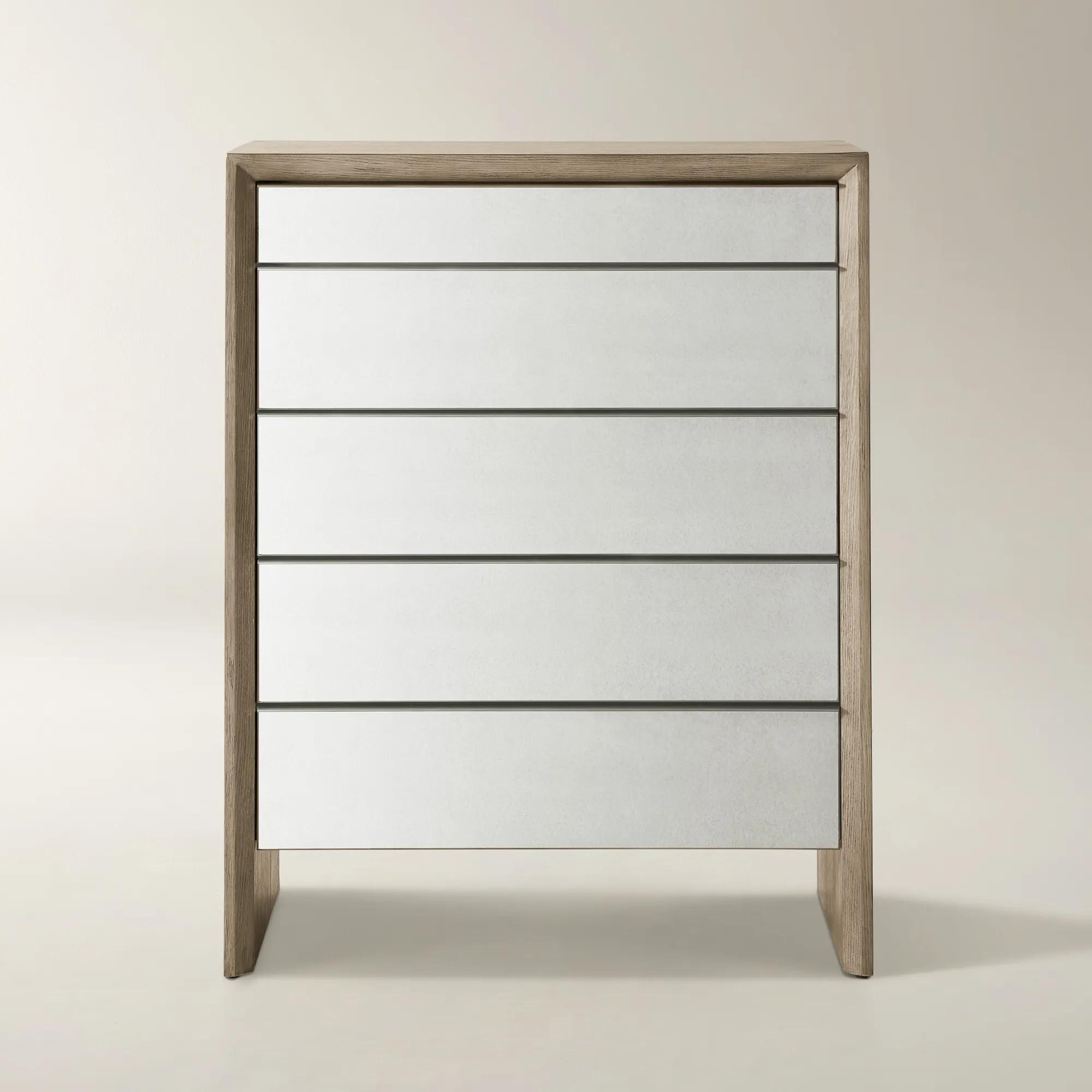
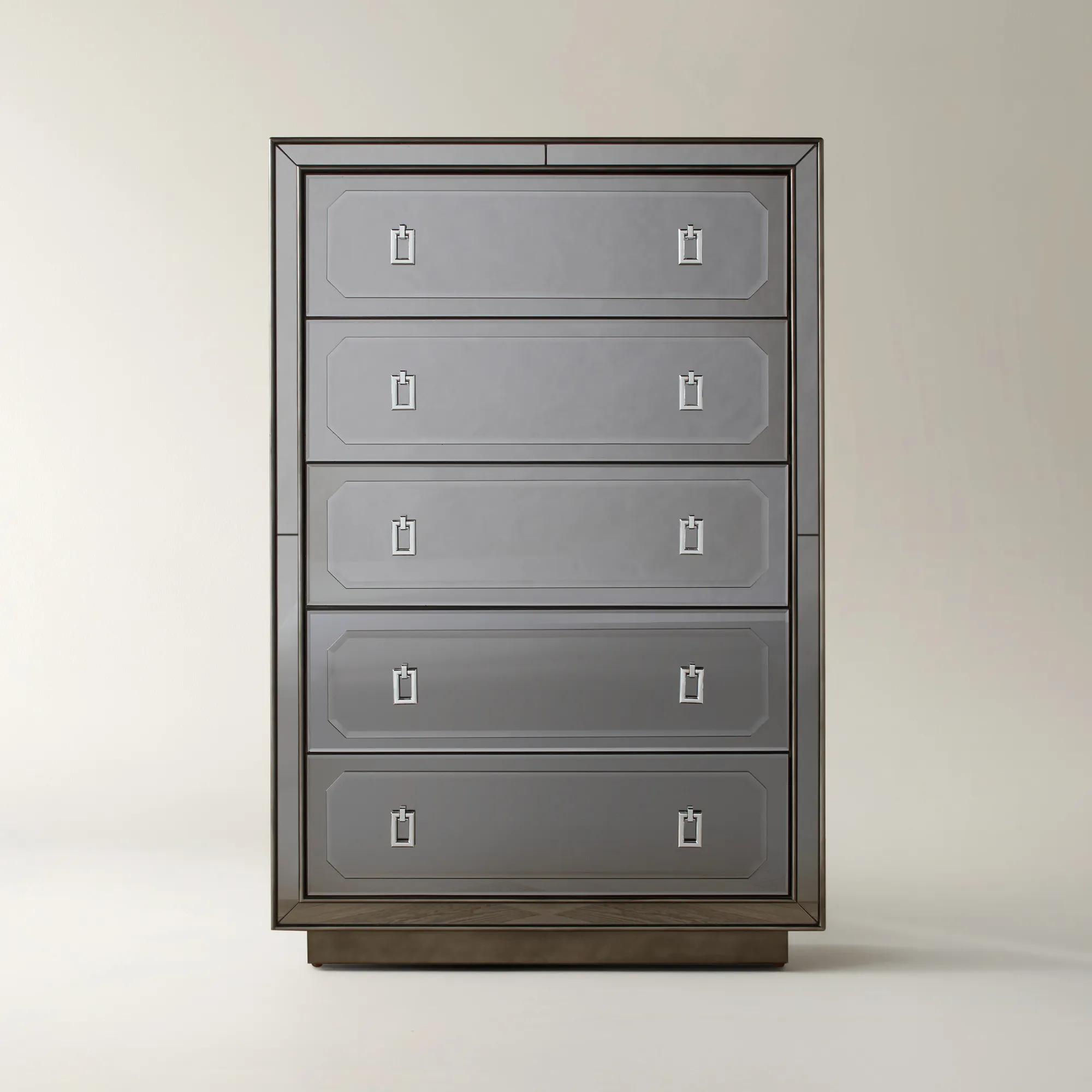 Maddox Mirrored Grey 5-Drawer Tall Dresser (36")$2099
A modern chest featuring beveled mirror panels, graphite finish, and polished nickel hardware for sleek sophistication.
Add To Cart -
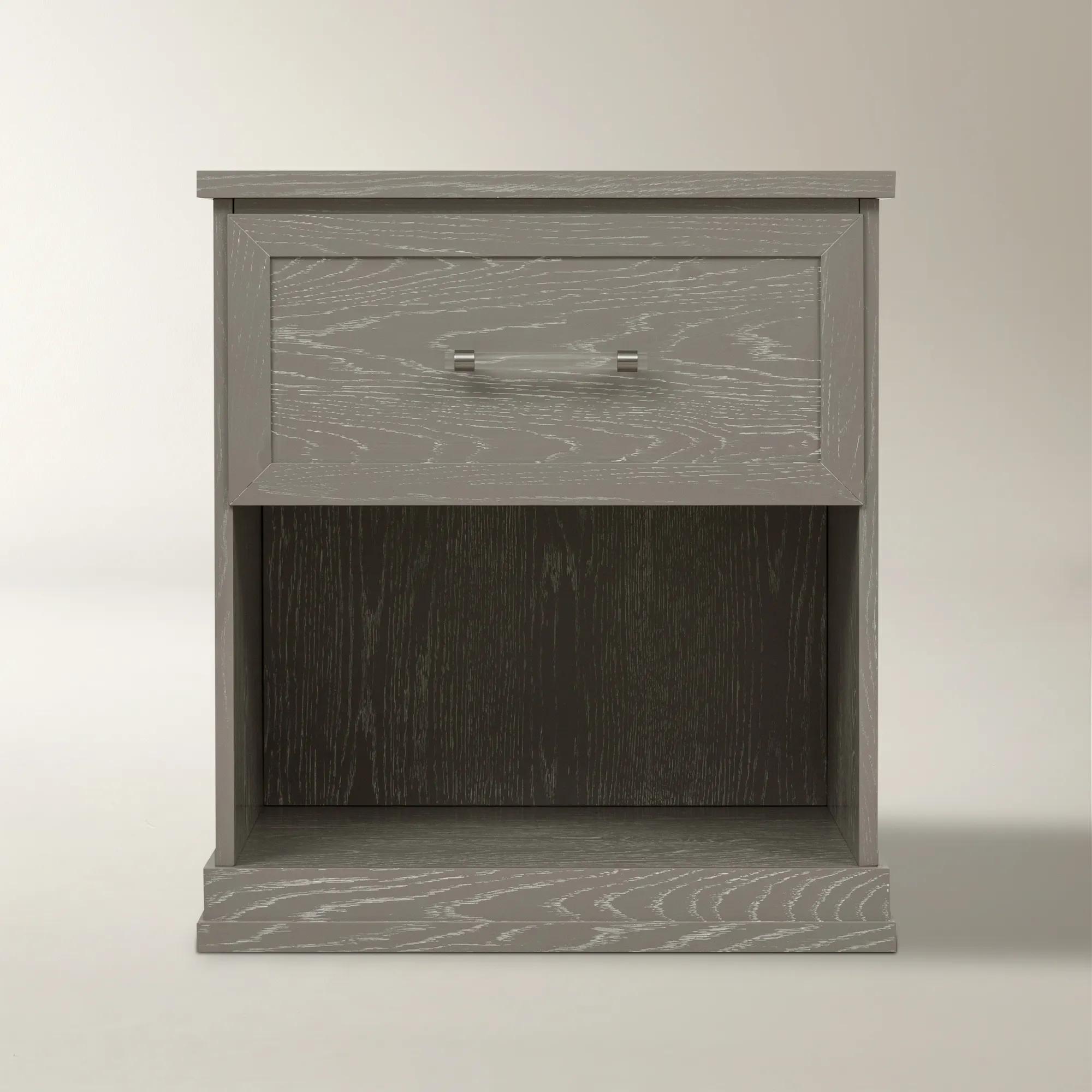
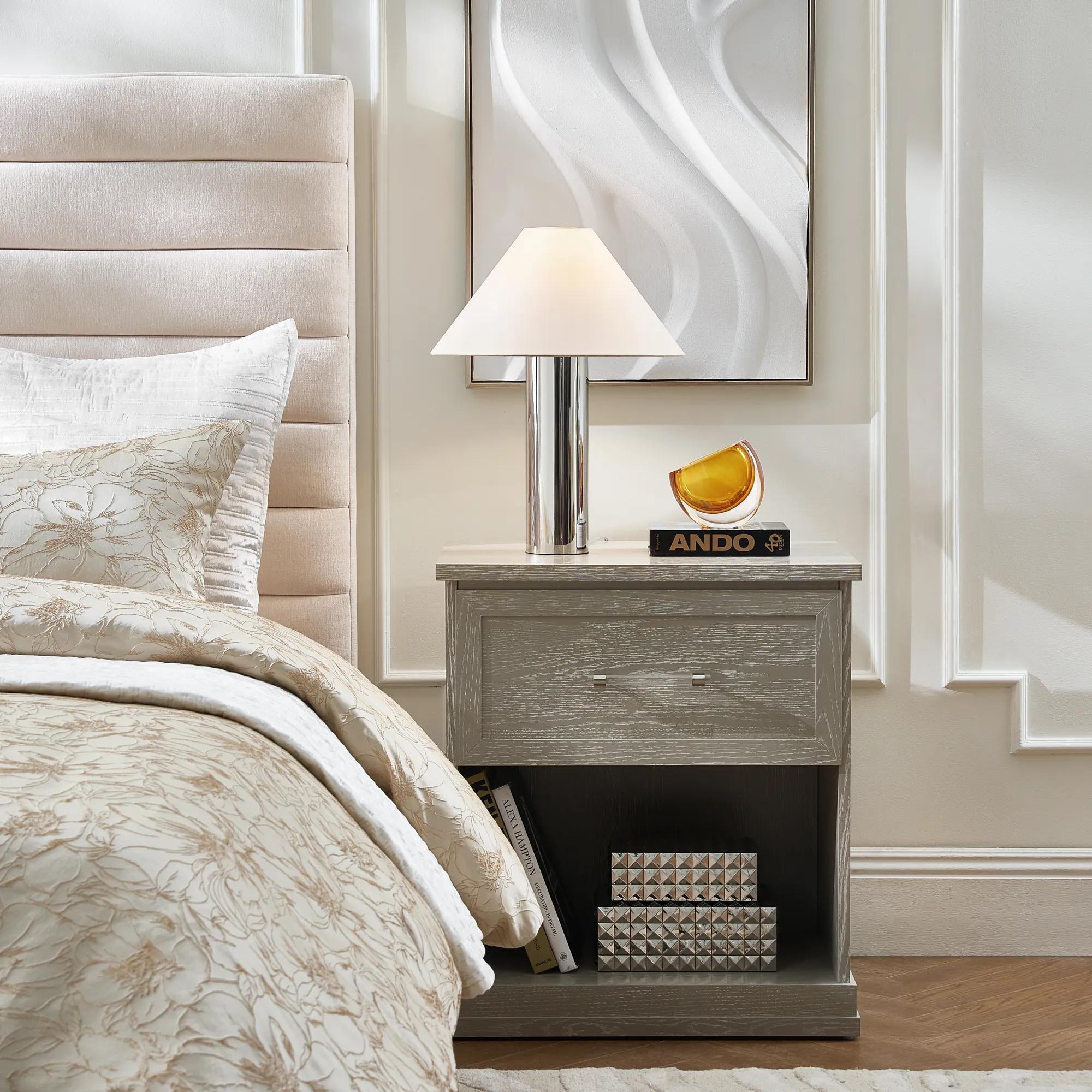 Arwin Grey Oak 1-Drawer Nightstand (26")$699
A contemporary grey hardwood veneer nightstand featuring acrylic and brushed silver handles with soft-closing drawers.
Add To Cart -
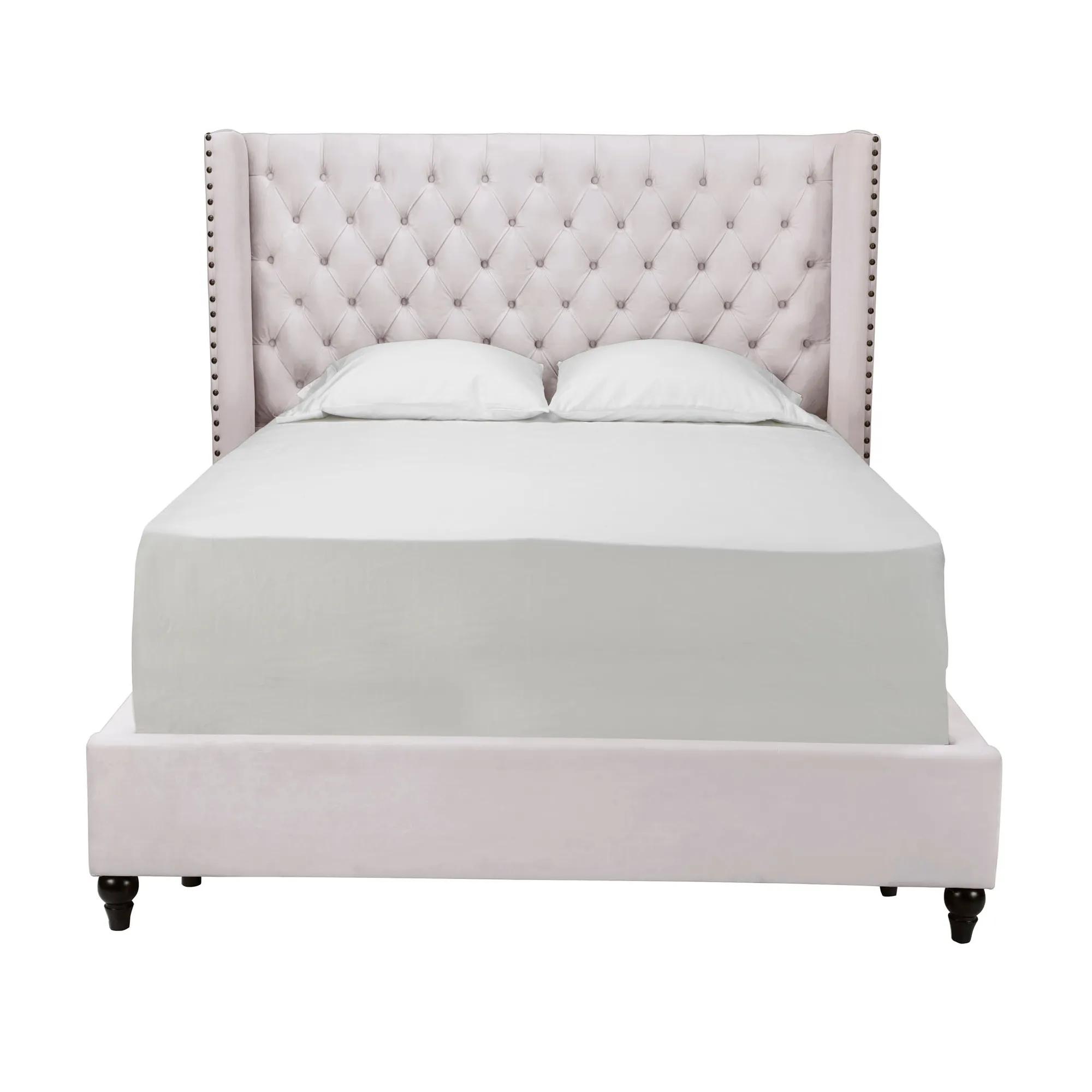
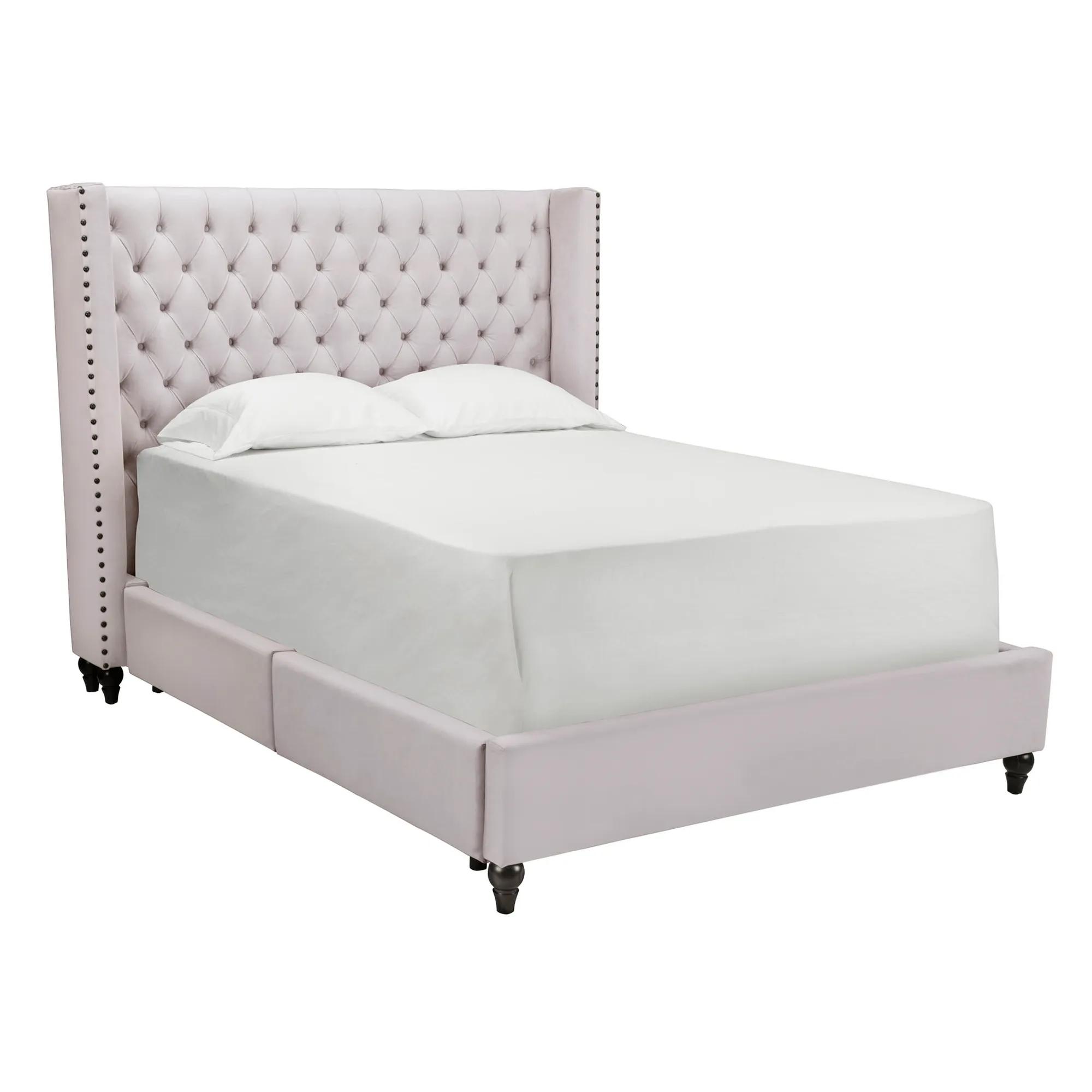 Roberto Storage Bed$2949
A kiln-dried hardwood storage bed with diamond tufting, velvet upholstery, and hand-applied antique brass nailheads.
Add To Cart -
-0.jpeg?w=1200&h=1200) Studded Gold Ceramic Box Large$79
Studded Gold Ceramic Box Large$79A chic gold-finished box with a studded design, perfect for dressers, vanities, or consoles.
Add To Cart -
Studded Gold Ceramic Box Small$59
A chic gold-finished box with a studded design, perfect for dressers, vanities, or consoles.
Add To Cart

Display Cabinets And Storage Furniture
Explore display cabinets and storage furniture that bring a curated sense of order to your home, giving treasured objects room to shine and everyday essentials a place to belong. Consider what you want to showcase or tuck away, then choose proportions that balance your storage needs with the scale of your room for a composed, expressive interior.
Display cabinets and storage furniture bring a distinctive kind of luxury to a room: the pleasure of seeing treasured objects beautifully arranged, with everyday necessities gracefully out of view. A glass-front cabinet can give collected ceramics, crystal glassware, and sculptural accents the presence of a private gallery, while enclosed compartments keep the surrounding space composed. The effect is both expressive and practical, creating room for personal history without allowing every possession to compete for attention. In a living room, a tall display cabinet adds architectural interest beside upholstered seating, framing an arrangement of art books and decorative objects. In a dining room, storage furniture keeps serving pieces close to the table and gives special-occasion glassware a setting worthy of its detail. An entryway cabinet can establish a confident first impression while concealing the small necessities that accompany daily arrivals and departures. Materials shape that impression as much as silhouette. Wood grain brings depth and warmth to a polished interior; painted finishes create a more uniform field of color; metal framing introduces crisp definition around glass panels. Mirrored surfaces reflect nearby furnishings and light, adding visual movement without requiring another decorative layer. Clear glass emphasizes the objects inside, while textured or tinted glass can soften their outlines for a more restrained presentation. The most compelling arrangements balance the cabinet’s own design with what it holds: a richly detailed frame may need only a few substantial pieces, while a quieter profile can support a more varied collection. Storage furniture also helps distinguish the mood of adjoining spaces. A low, expansive cabinet can anchor a dining area within an open floor plan, while a narrower upright piece lends height to a compact sitting room. Across these settings, the appeal is the same: furniture that makes organization part of the visual composition rather than something to conceal at the expense of style.
The right proportions allow that composition to feel intentional, with enough presence to define a room and enough clearance to keep it comfortable. Width and height matter, but cabinet depth deserves equal attention, especially beside a dining table, along a hallway, or near a frequently used doorway. Doors and drawers need space to open fully without striking adjacent furniture, and a generous-looking cabinet should still leave a natural path through the room. Delivery access is another important consideration: entry doors, stair turns, and elevator dimensions can influence whether a larger piece suits the home. Inside, shelf spacing determines what can be displayed comfortably. Tall vases need generous vertical clearance, stacks of plates benefit from accessible lower shelves, and smaller collectibles often look more deliberate when grouped with room around them. Adjustable shelves, where included, offer flexibility as a collection changes, while fixed shelves establish a consistent visual rhythm. Shelf weight limits remain important regardless of appearance, particularly for dense books, stone objects, and substantial serving pieces. Heavier belongings generally sit best on lower shelves within the manufacturer’s stated limits, and tall furniture should be secured according to its assembly and anchoring instructions. For an arrangement that gives treasured volumes and decorative accents equal attention, Bookcases With Storage for Display-Worthy Rooms offers a related perspective on combining visible shelving with concealed organization. Open shelving makes frequently reached-for pieces easy to access, while glass doors help limit dust exposure without obscuring a collection. Solid doors are especially useful for belongings whose function matters more than their appearance, from extra linens to household paperwork. Integrated lighting, when included, can reveal the contours of a vessel or the facets of glass, although nearby windows and room lighting also influence the display. A cabinet opposite a bright window may catch reflections that compete with its contents; a position beside softer, indirect light can make those same objects easier to appreciate. These practical details support the finished effect, allowing display and storage to work beautifully within the way a room is actually used.
Craftsmanship and care help preserve that effect over years of opening doors, rearranging shelves, and welcoming company. A cabinet’s durability depends on its construction, hardware, finish, and intended load—not simply on how substantial it appears. Solid wood, wood veneers, engineered wood, metal, and glass each bring different qualities to storage furniture, and many designs combine several materials. Veneers can showcase expressive grain across broad surfaces, while metal details can lend a precise, sculptural edge. Drawer movement, door alignment, shelf supports, and the stability of the assembled piece all contribute to daily satisfaction. Furniture intended for indoor living spaces should remain protected from excessive moisture and prolonged direct sunlight, which can affect certain finishes and materials. Routine care is usually most effective when gentle and consistent: a soft cloth lifts dust before it accumulates around molding, handles, and shelf edges, while cleaning products should always match the manufacturer’s recommendations. Glass and mirrored panels may require separate care from the surrounding frame, with cleaner applied to a cloth rather than sprayed across mixed surfaces. Decorative bowls, planters, and serving vessels benefit from protective pads or liners where appropriate, and spills deserve prompt attention before moisture reaches seams or finish layers. Beyond maintenance, thoughtful storage makes the furniture feel personal. A collector might reserve glass-front shelves for a carefully edited group of ceramics; a frequent host might prioritize convenient access to platters and stemware; a household sharing a living area might use closed compartments to give each person a place for everyday belongings. Even a compact home can accommodate a richly expressive display when the scale is considered and the arrangement leaves breathing room. Not every shelf needs to be filled, and not every useful object needs to be seen. A few meaningful pieces, balanced with discreet storage and a silhouette that complements the surrounding furnishings, can give a room a more assured identity. Display cabinets and storage furniture make space for both the beautifully collected and the comfortably lived-in, allowing order, artistry, and personality to share the same frame.
FAQs
A display cabinet puts treasured objects in the spotlight, often through glass-front doors or open shelving. A storage cabinet typically conceals everyday essentials behind closed doors or within drawers. Designs that combine both create an expressive balance: artful objects on view, practical pieces discreetly tucked away.
Treat each shelf as a composition, pairing sculptural objects with books, framed photographs, or collected treasures. Vary silhouettes, repeat a color or motif, and leave breathing room around distinctive pieces. The result should feel personal and deliberate—a collection with a point of view, rather than a shelf filled for its own sake.
Look for expressive details such as sculptural profiles, distinctive hardware, or light-catching finishes. Let a dramatic cabinet become the focal point, or choose a quieter silhouette to frame bold artwork and accessories. Echo a detail from the surrounding room to make the composition feel connected without making every piece match.
In a dining room, a cabinet can turn dinnerware and serving pieces into a striking presentation. Living room storage furniture creates a backdrop for books, art, and personal collections, while an entryway cabinet offers a polished setting for a decorative vignette. Choose what to reveal and what to conceal according to the story you want each room to tell.
Build a connection through color, shape, or finish rather than matching every detail. A clean-lined display cabinet can bring definition to a room with sumptuous upholstery, while a more ornate silhouette adds drama alongside streamlined furnishings. Repeat one visual element in nearby lighting or decor to give the contrast an intentional rhythm.