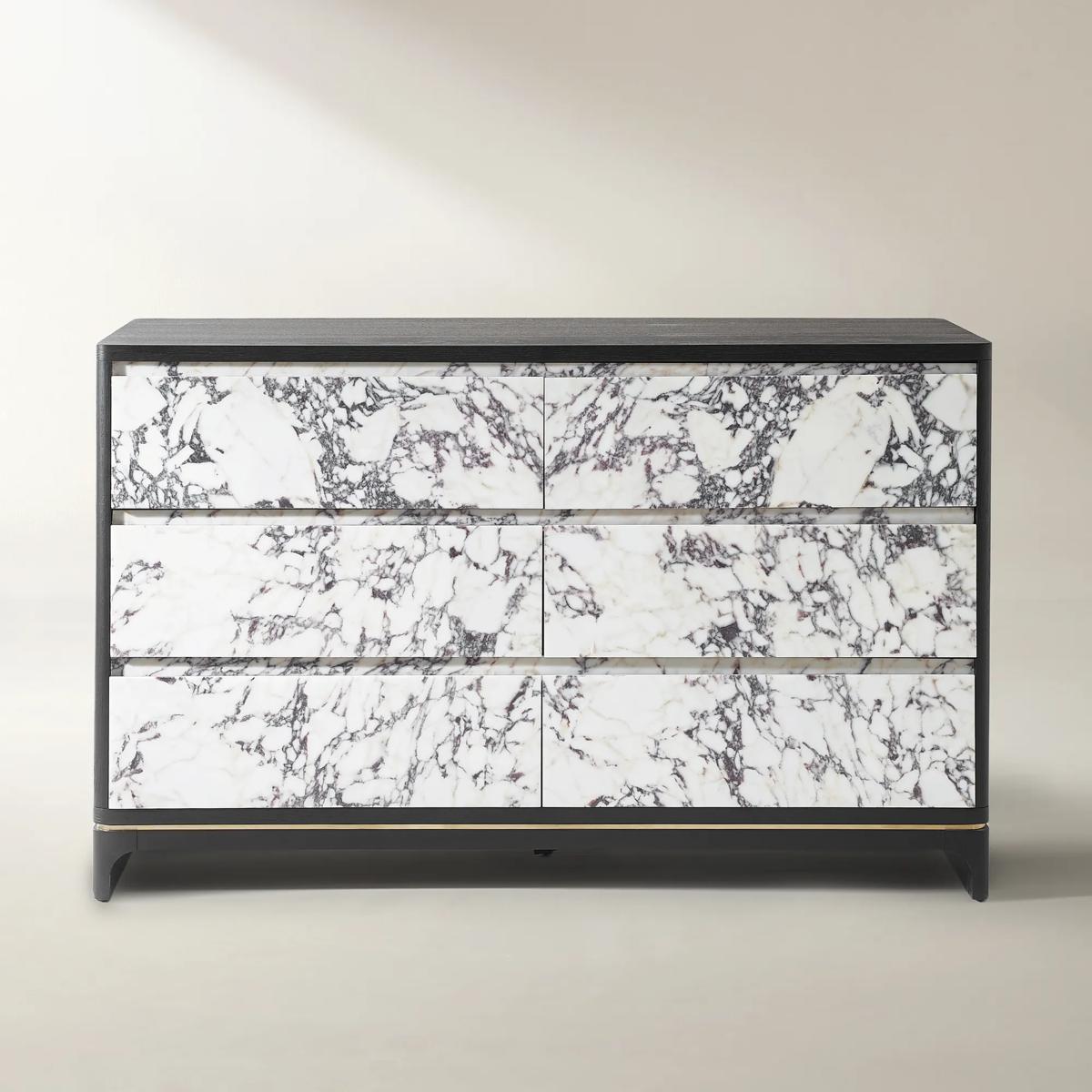
Furniture For Clothing Storage
Furniture For Clothing Storage
-
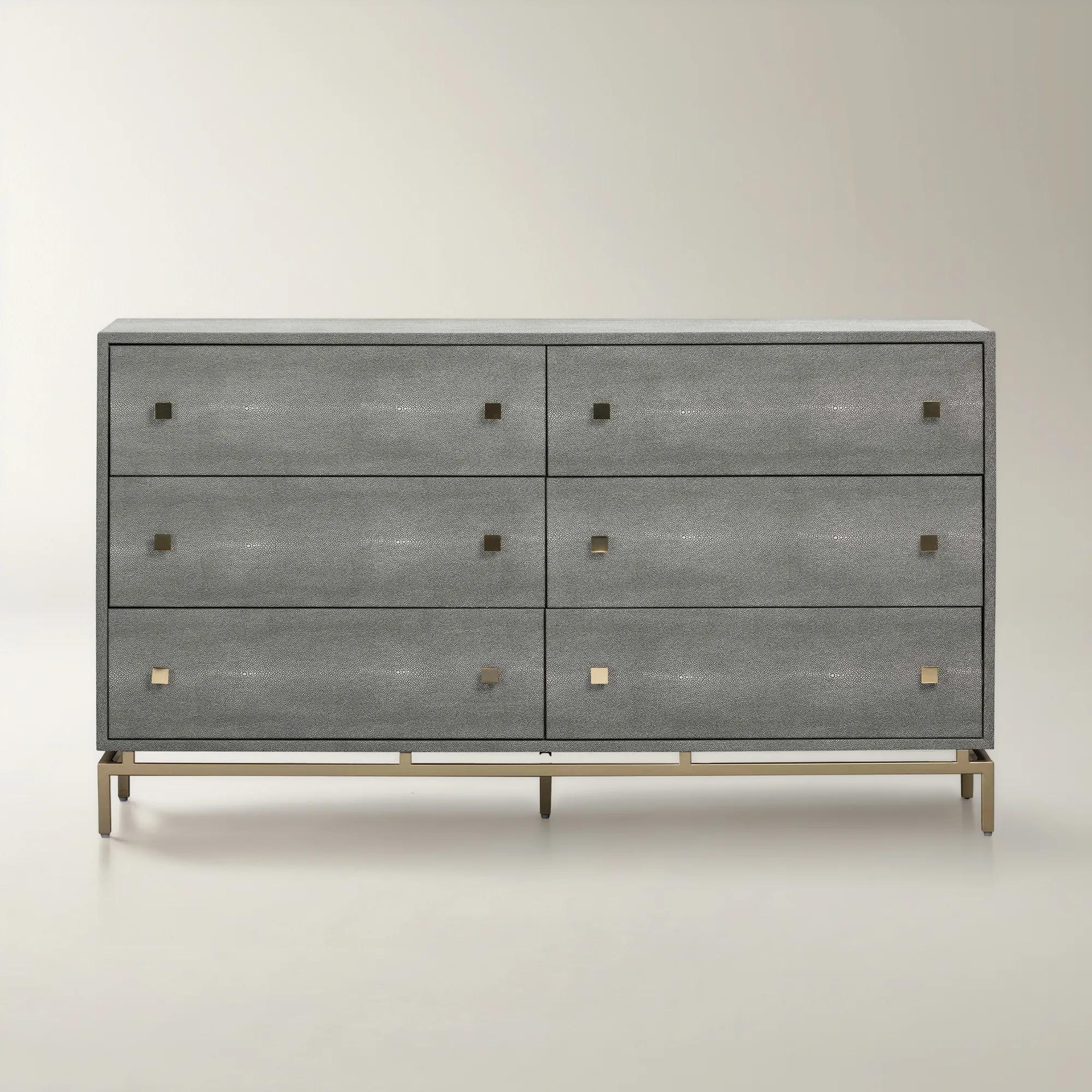
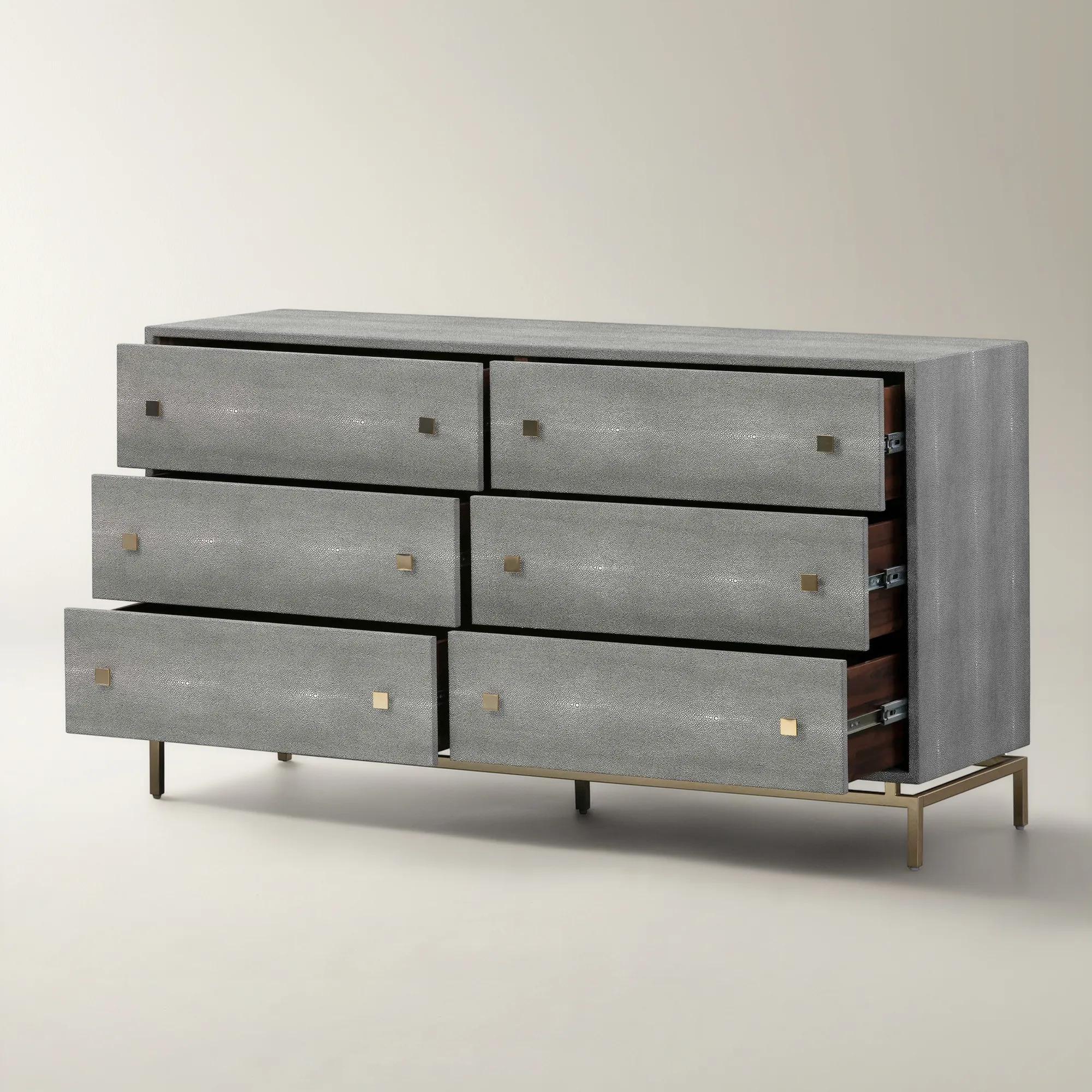 Misha Grey Shagreen 6-Drawer Dresser (57")$2249
A modern dresser featuring faux shagreen texture, brass-finished base, and six drawers with cherry wood interiors.
Add To Cart -
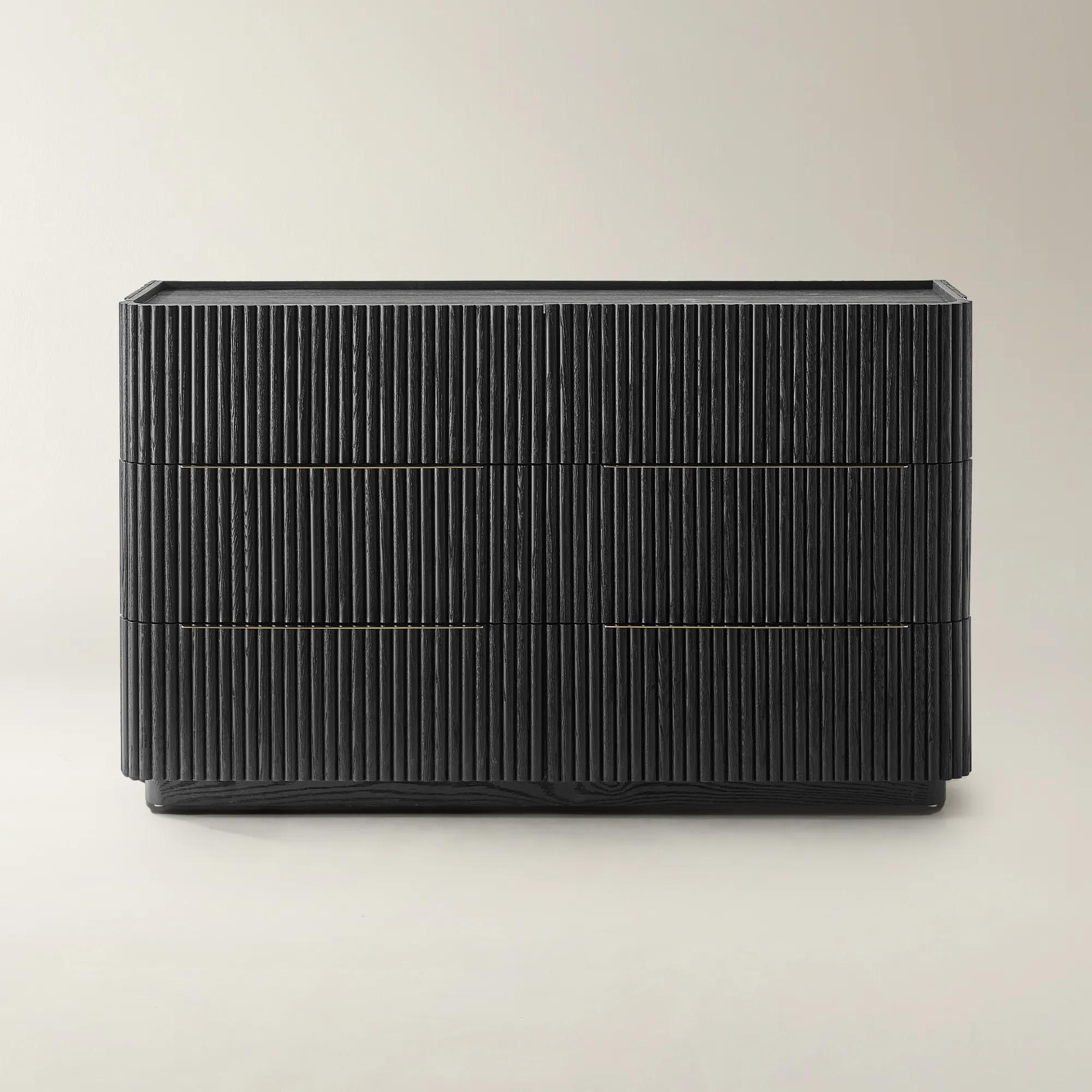 Stria Reeded Black Oak 6-Drawer Dresser (64.5")$2599
A black oak dresser featuring vertical reeded texture, soft gold accents, and six velvet-lined, soft-close drawers.
Add To Cart -
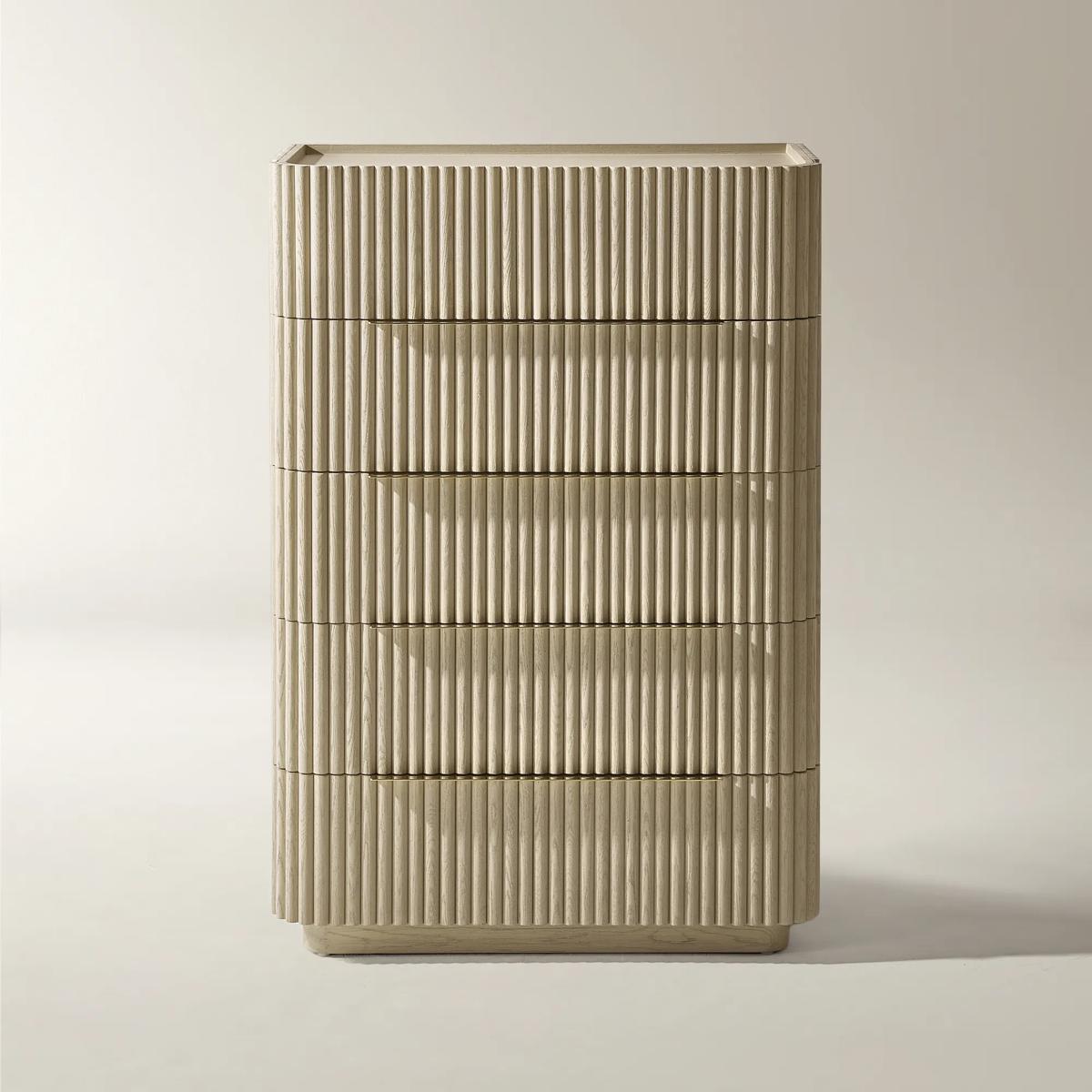 Stria Reeded White Oak 5-Drawer Tall Dresser (36.1")$1999
A sculptural oak chest with reeded detailing, gold-plated trim, and five soft-close, felt-lined drawers.
Add To Cart -
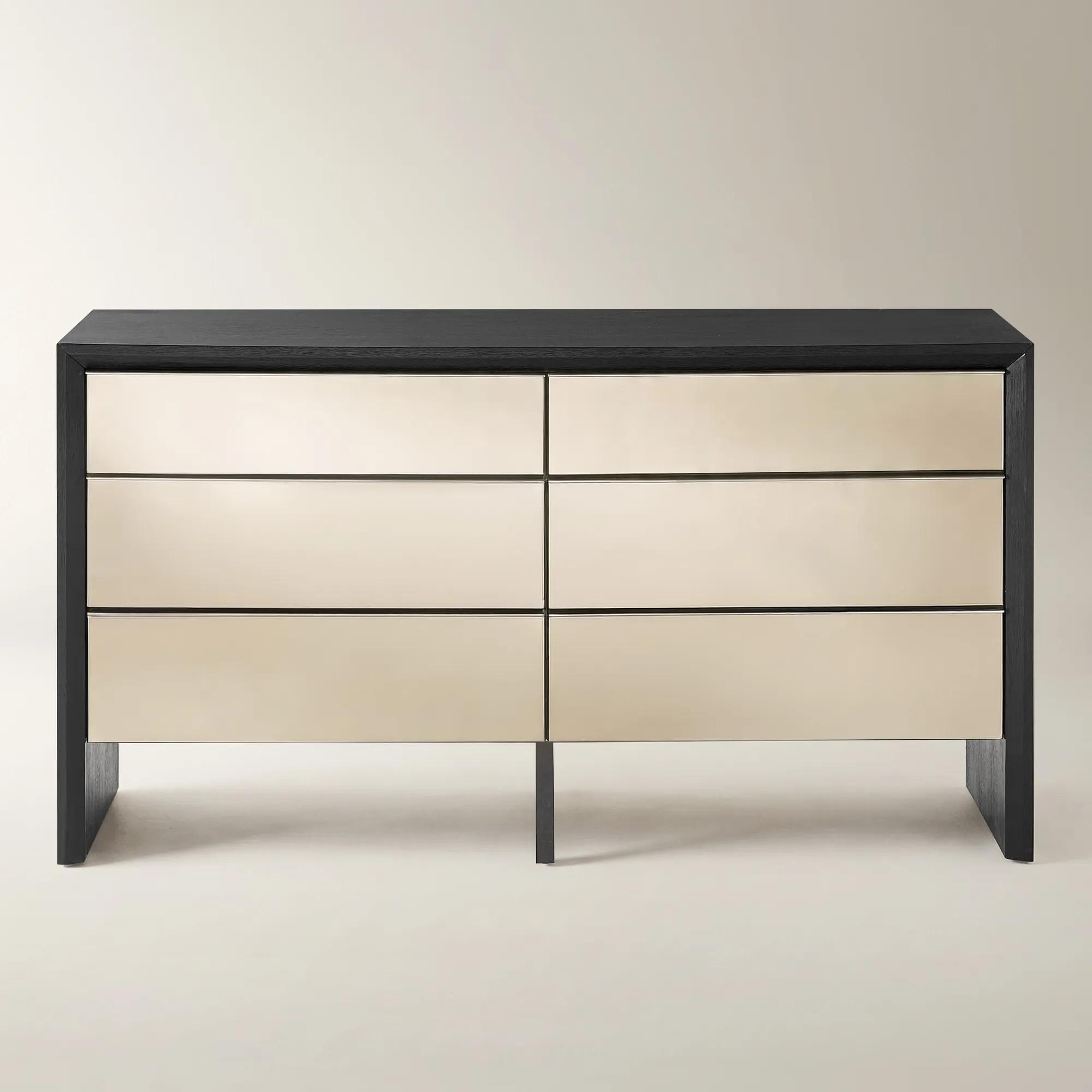 Glimmer Mirrored Black Oak 6-Drawer Dresser (65")$2099
A modern dresser featuring black oak veneer, bronze mirrored drawer fronts, and six velvet-lined soft-close drawers.
Add To Cart -
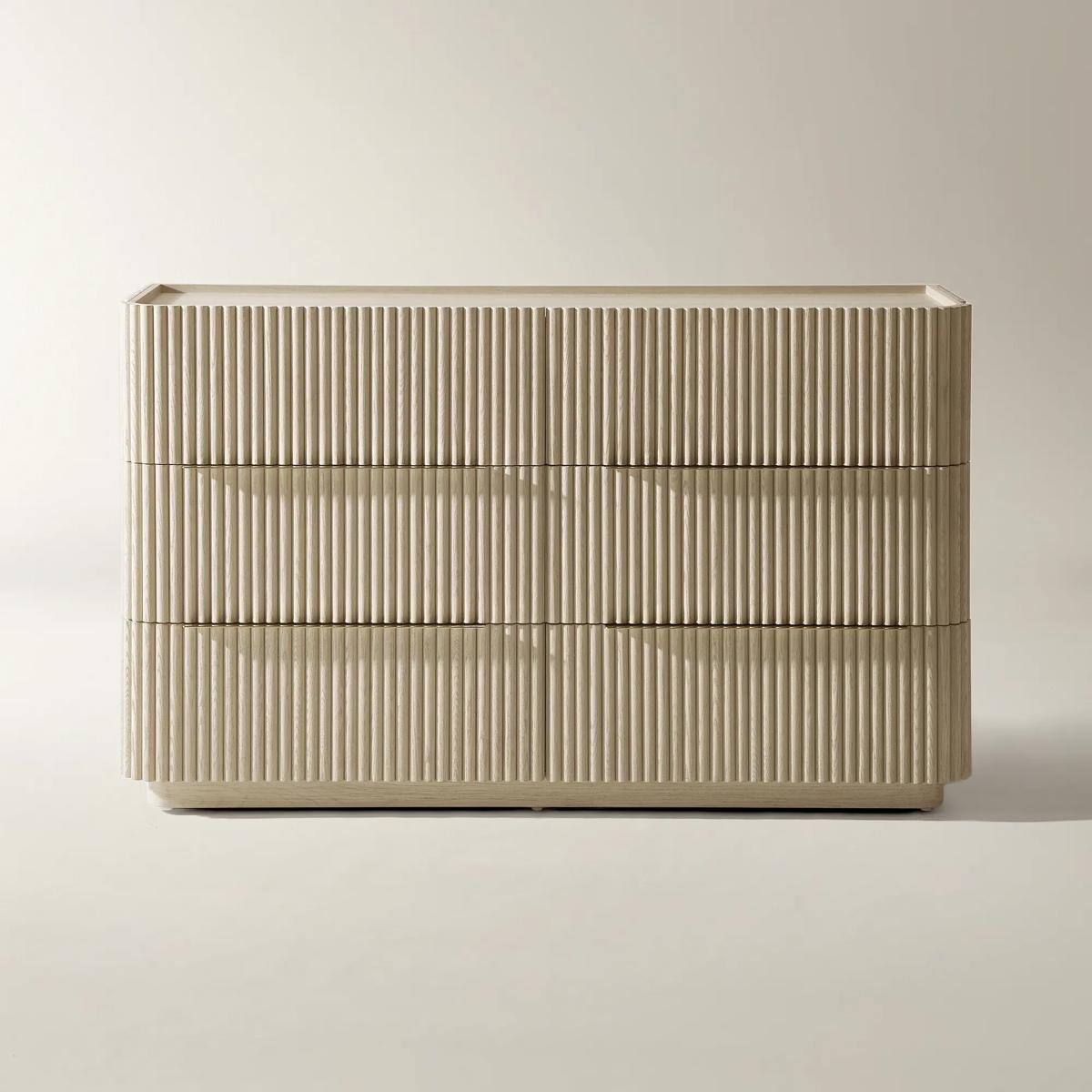
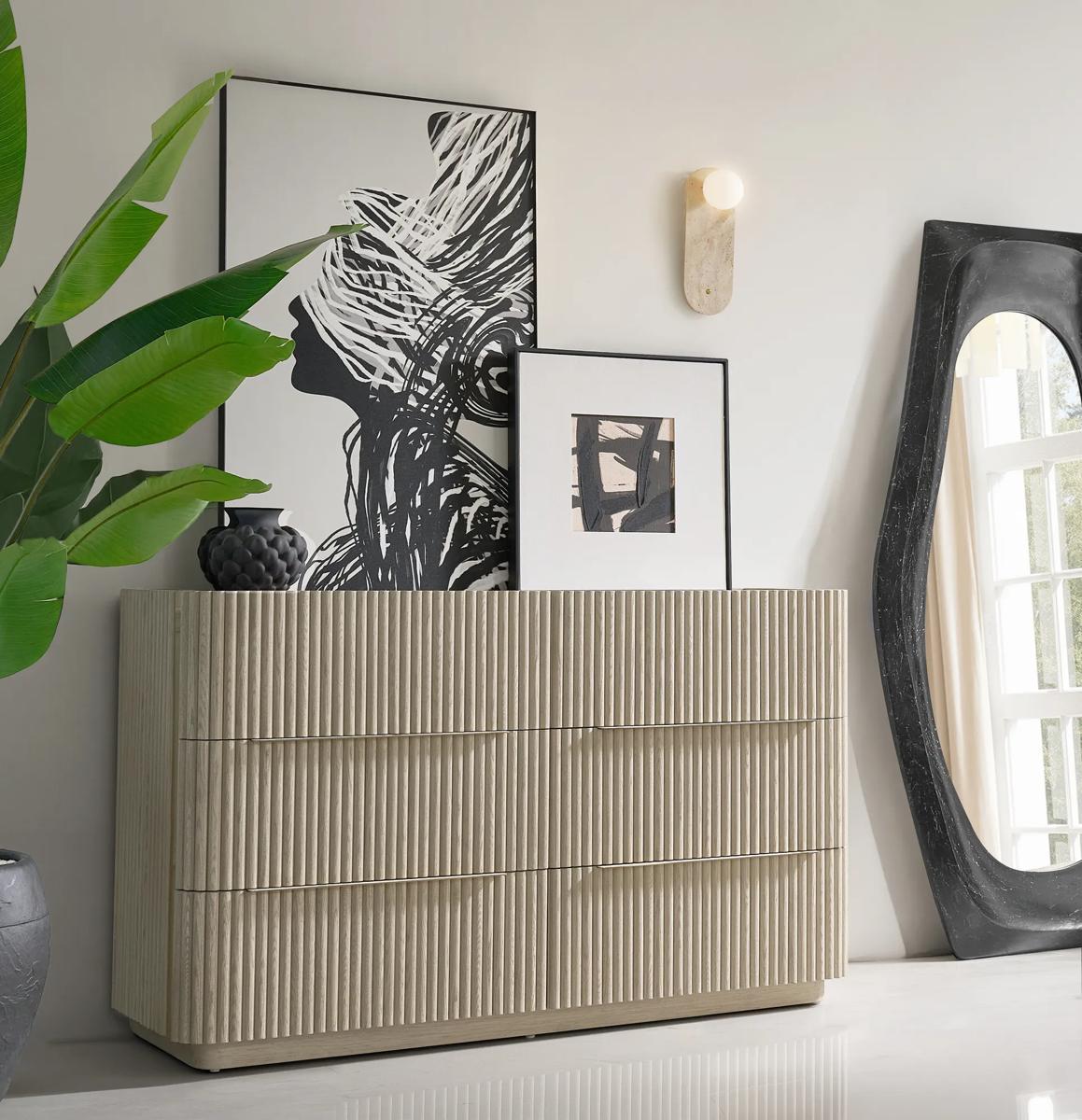 Stria Reeded White Oak 6-Drawer Dresser (64.5")$2599
A sculptural dresser crafted from solid oak with fluted detailing, gold-plated trim, and soft-close drawers.
Add To Cart -
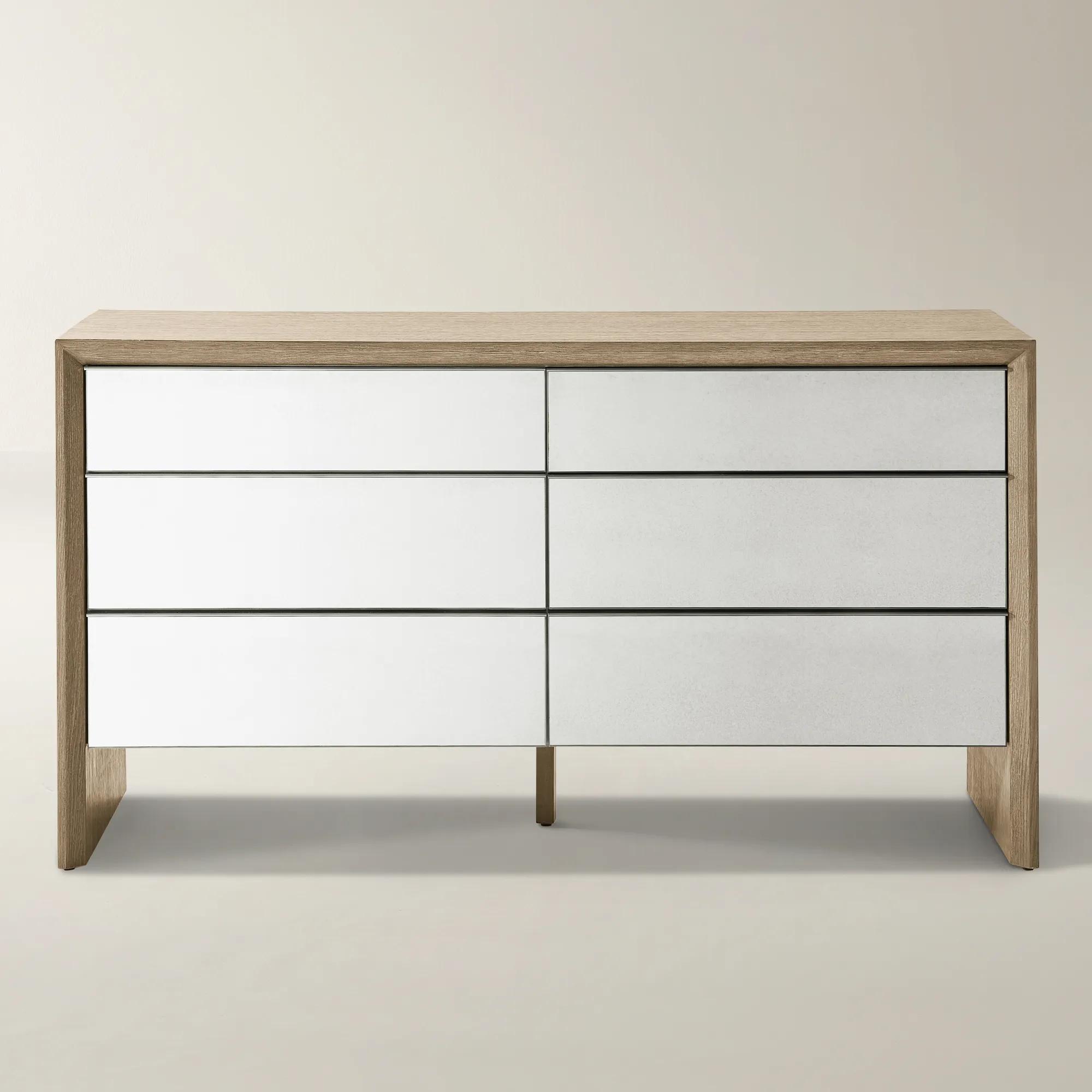 Glimmer Mirrored Seadrift Oak 6-Drawer Dresser (65")$2099
A sophisticated dresser featuring sea drift oak veneer and antique mirrored drawer fronts with soft-close drawers.
Add To Cart -
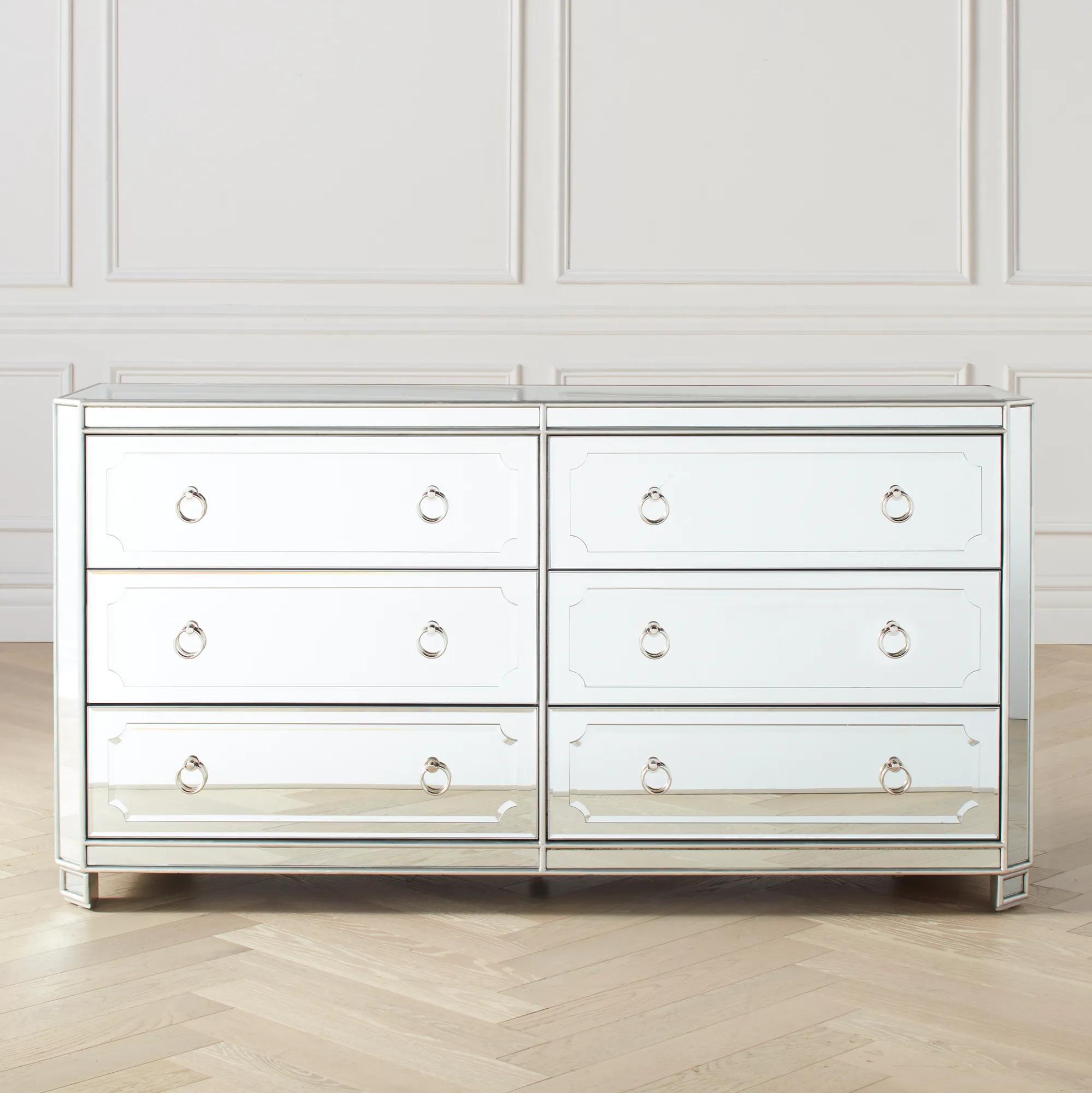
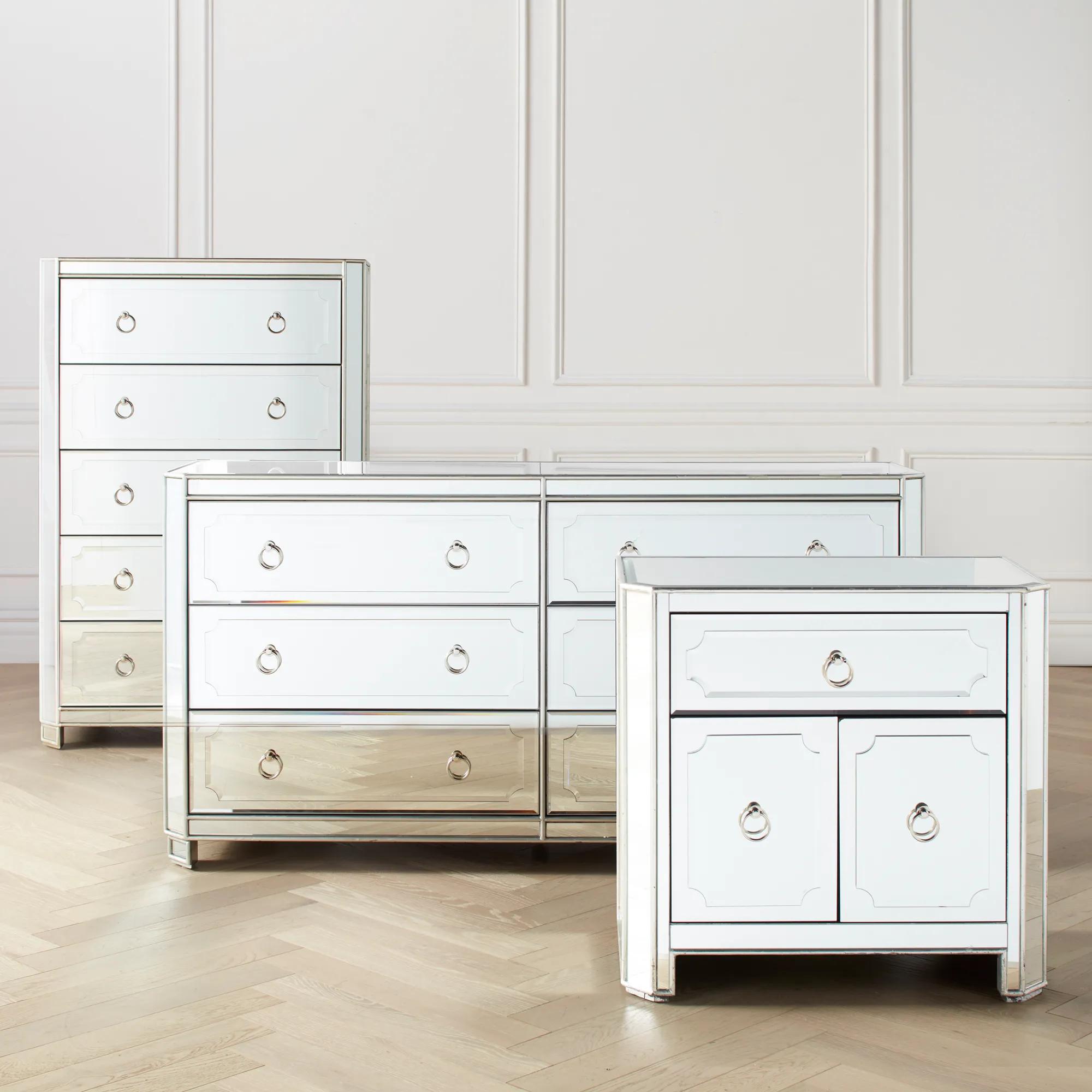 Simplicity Mirrored Silver 6-Drawer Dresser (66")$2299
A glamorous chest featuring beveled mirrored panels, hand-applied silver-leaf trim, and polished nickel hardware.
Add To Cart -
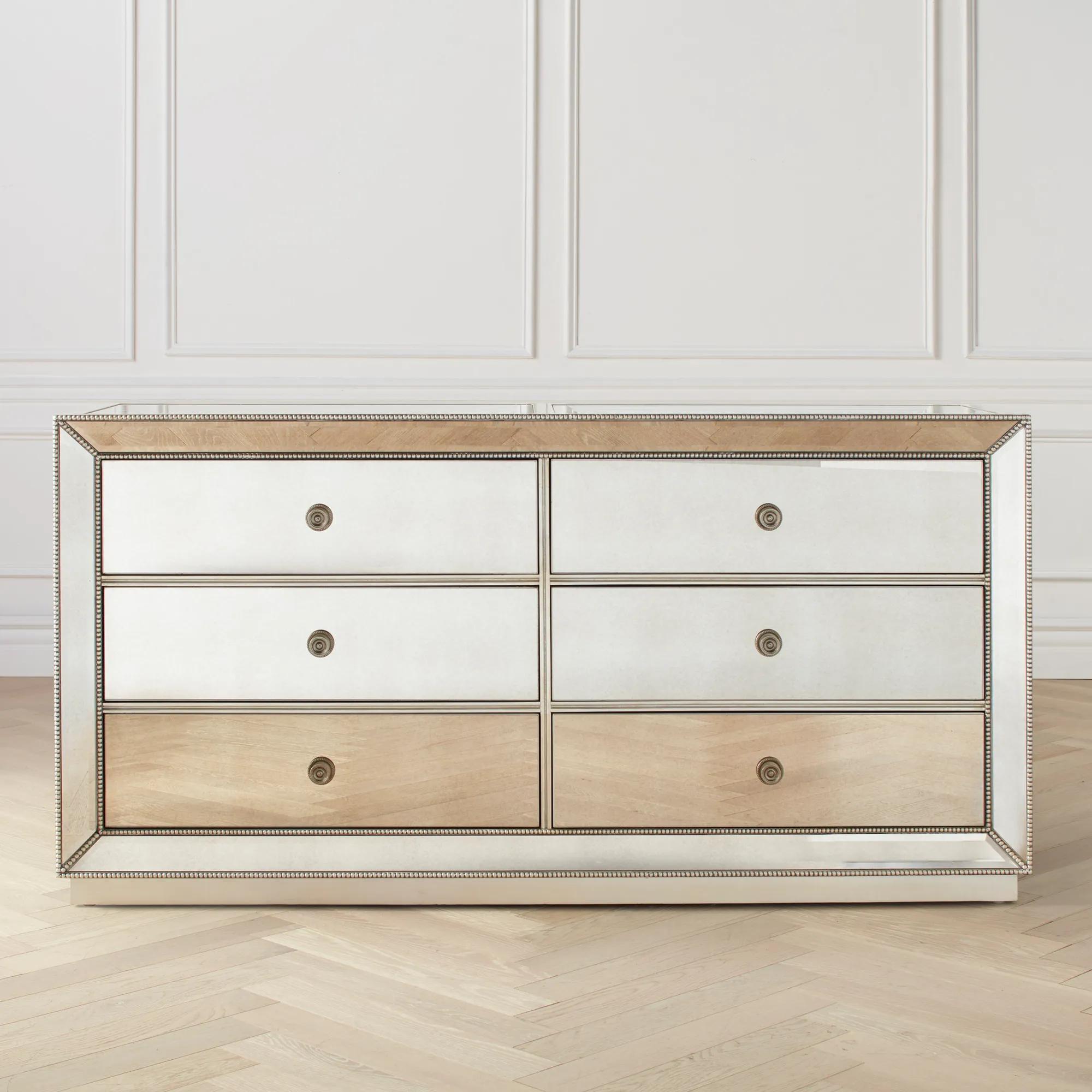 Omni Mirrored Silver 6-Drawer Dresser (72")$2599
A hand-applied silver-leaf chest with antiqued mirrored panels and beaded trim for dramatic bedroom shine.
Add To Cart -
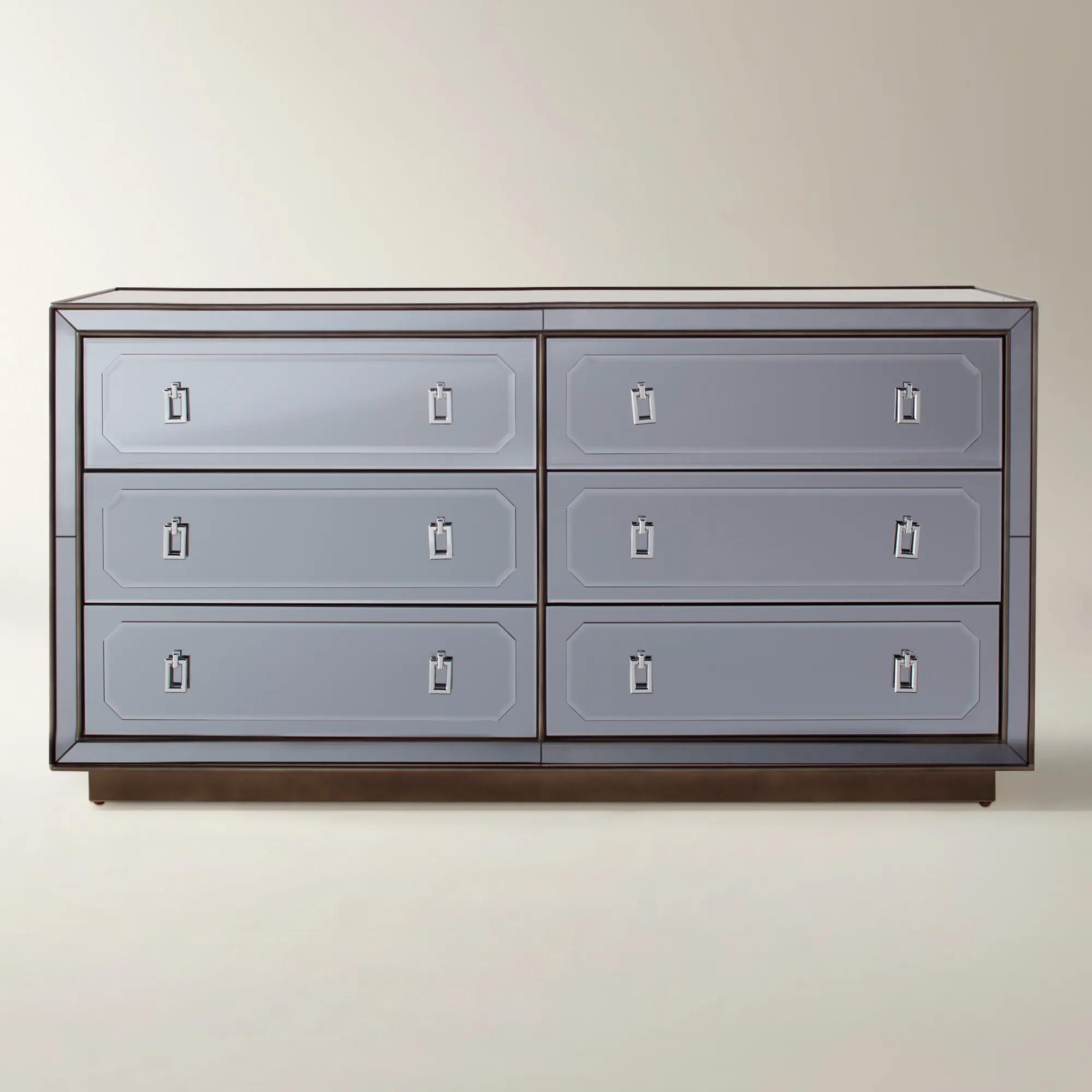 Maddox Mirrored Grey 6-Drawer Dresser (66")$2299
A modern dresser featuring beveled mirror paneling, graphite finish, and polished nickel hardware for sleek sophistication.
Add To Cart -
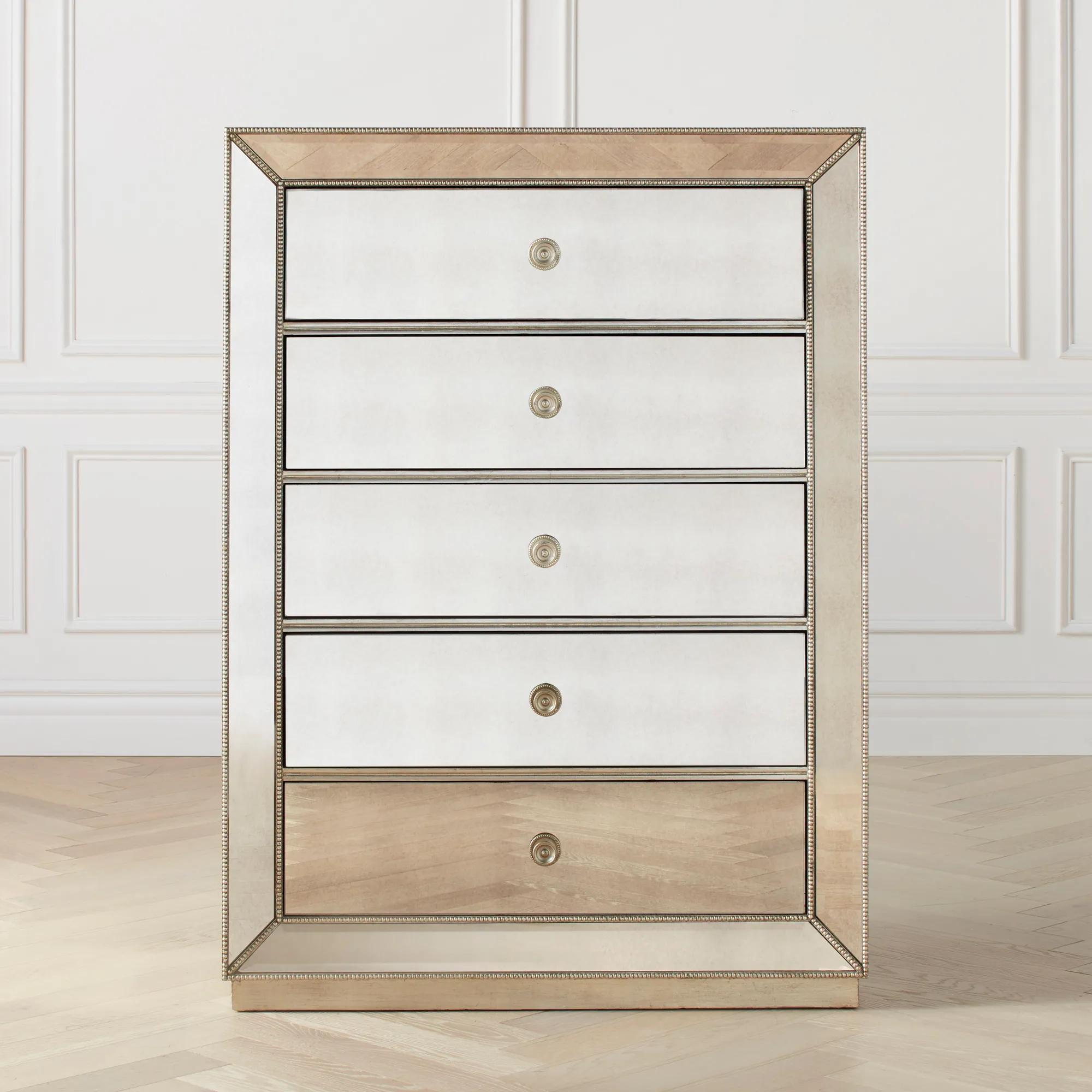
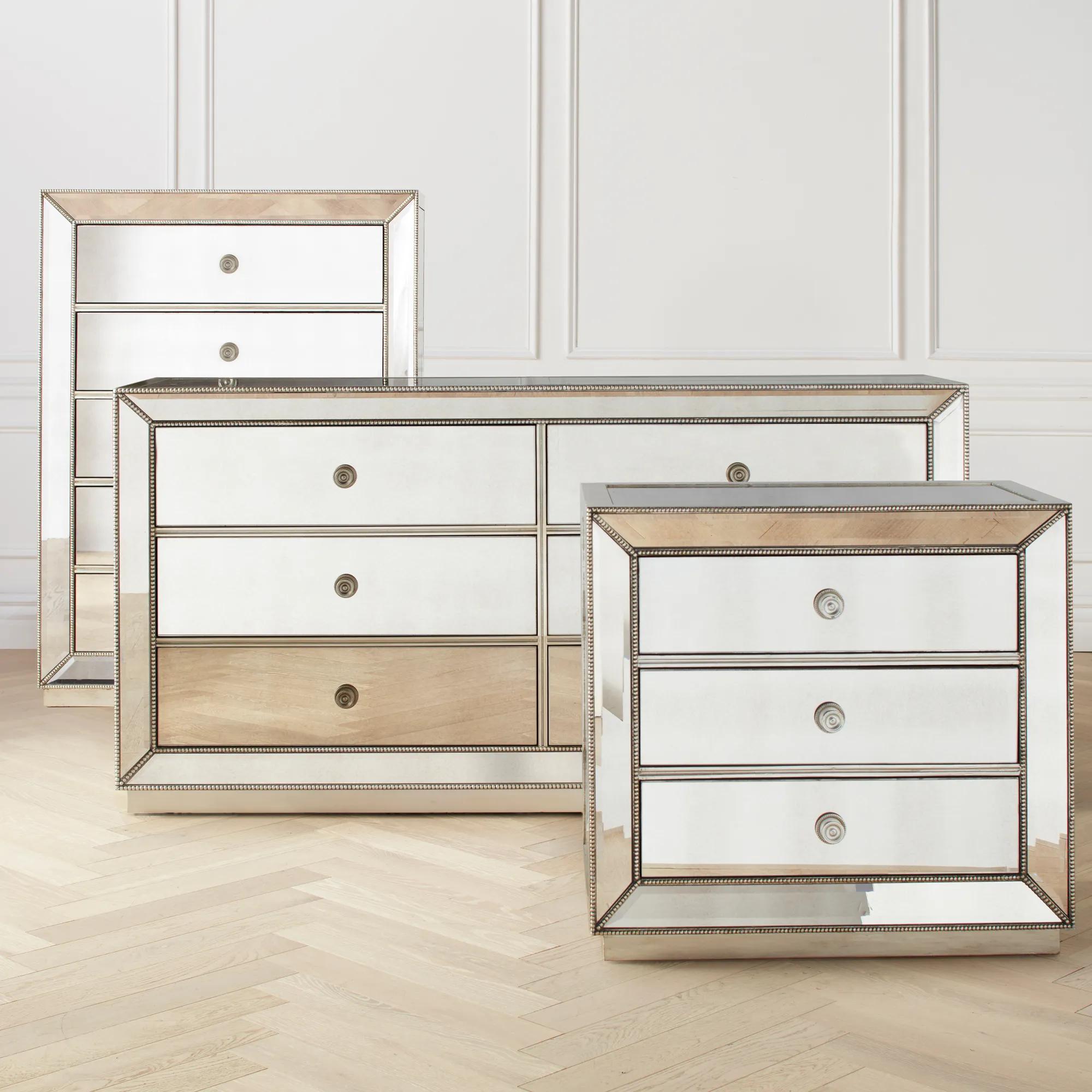 Omni Mirrored Silver 5-Drawer Tall Dresser (40")$2199
A dramatic chest featuring antiqued mirrored panels, hand-applied silver-leaf finish, and kiln-dried hardwood construction.
Add To Cart -
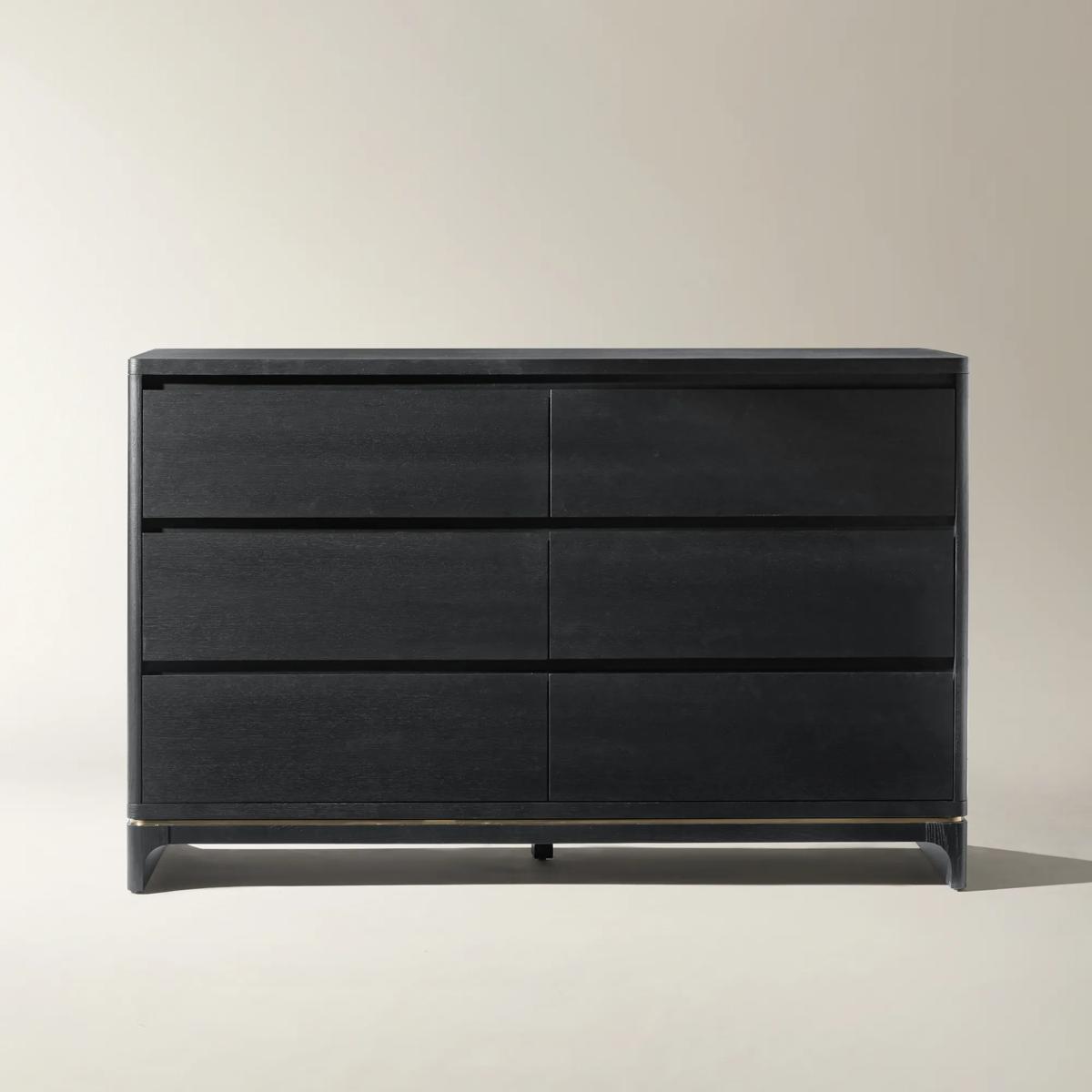 Vanta Black Oak 6-Drawer Dresser (66")$1999
A matte black oak dresser with gold stainless steel trim, soft-close drawers, and concealed sharknose pulls.
Add To Cart -
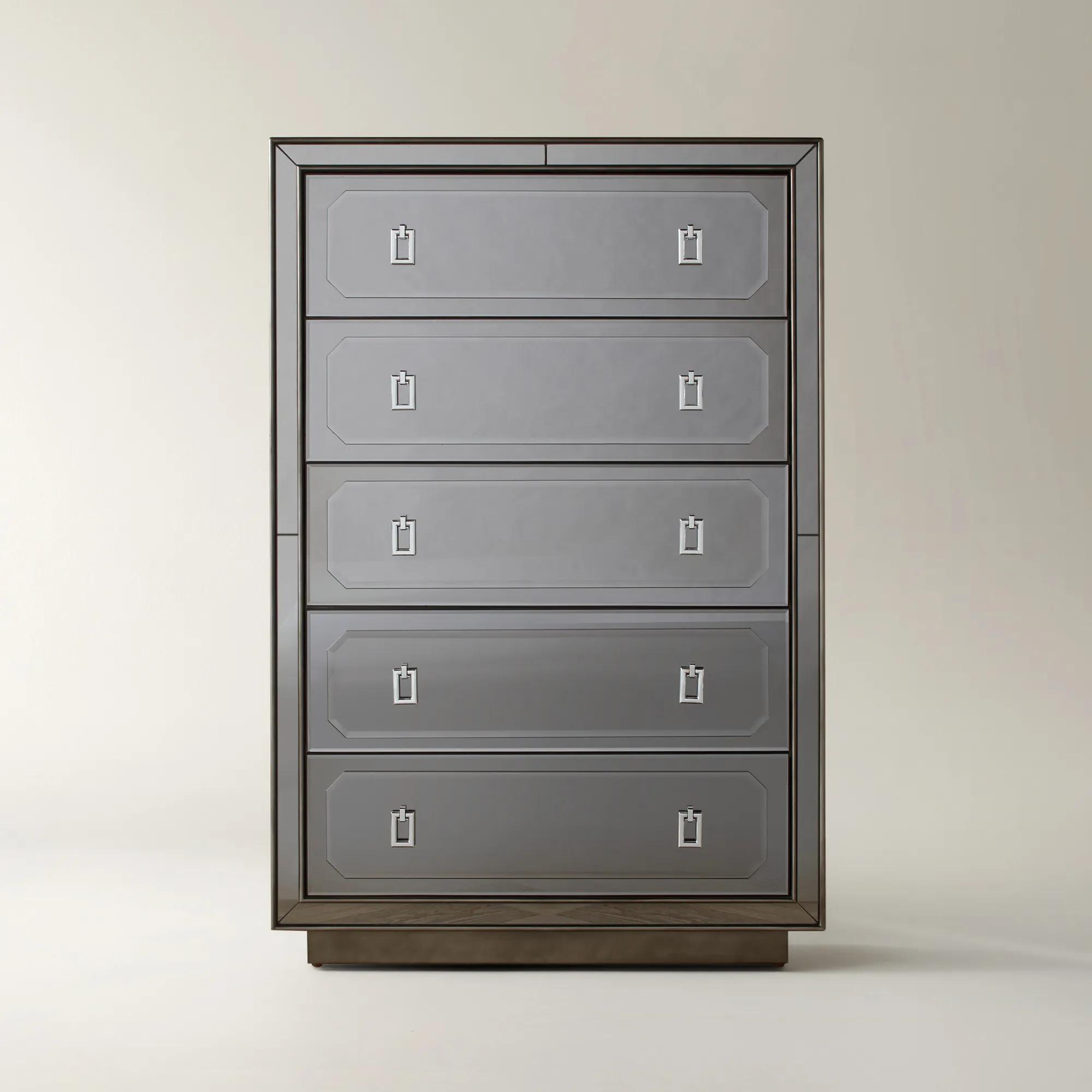 Maddox Mirrored Grey 5-Drawer Tall Dresser (36")$2099
A modern chest featuring beveled mirror panels, graphite finish, and polished nickel hardware for sleek sophistication.
Add To Cart -
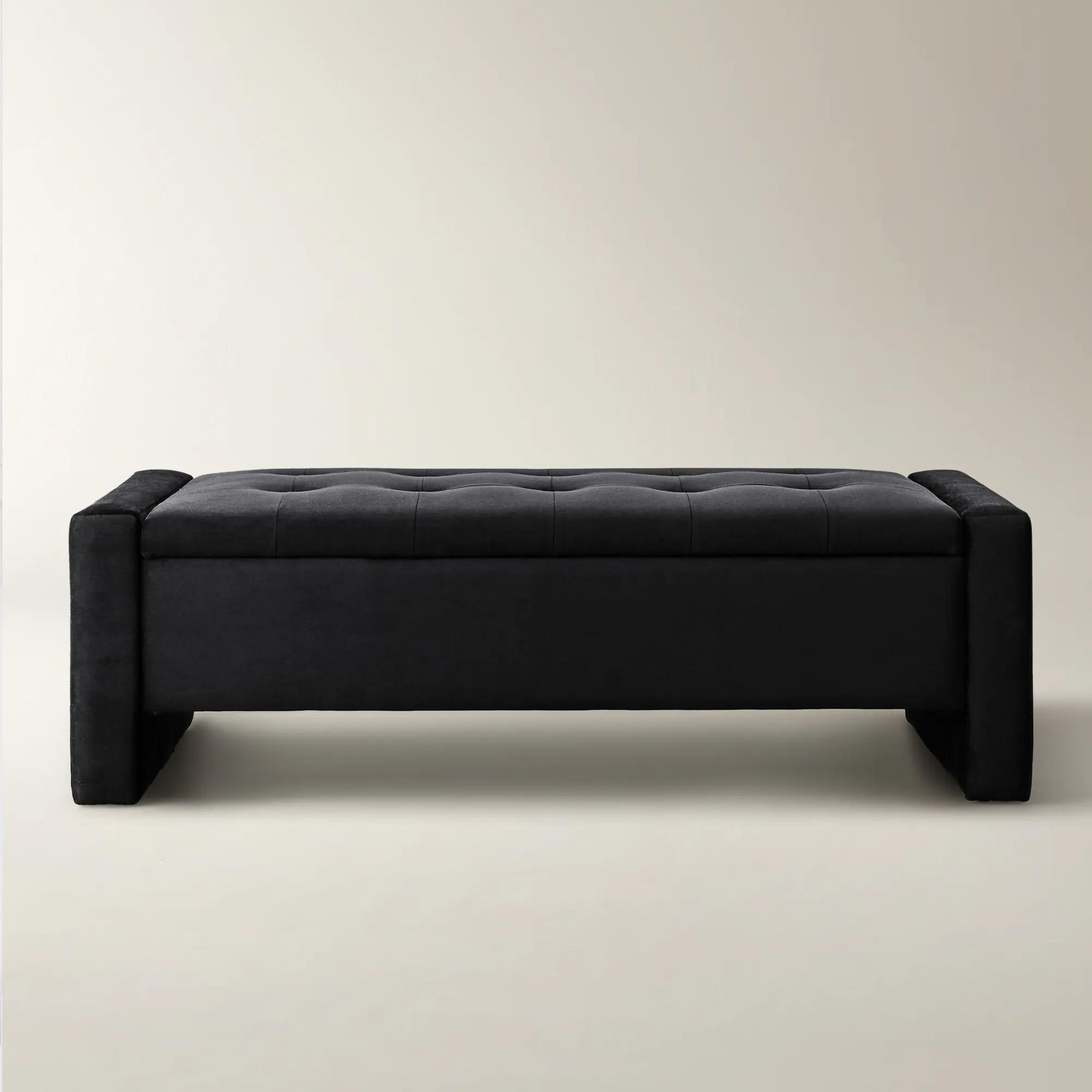
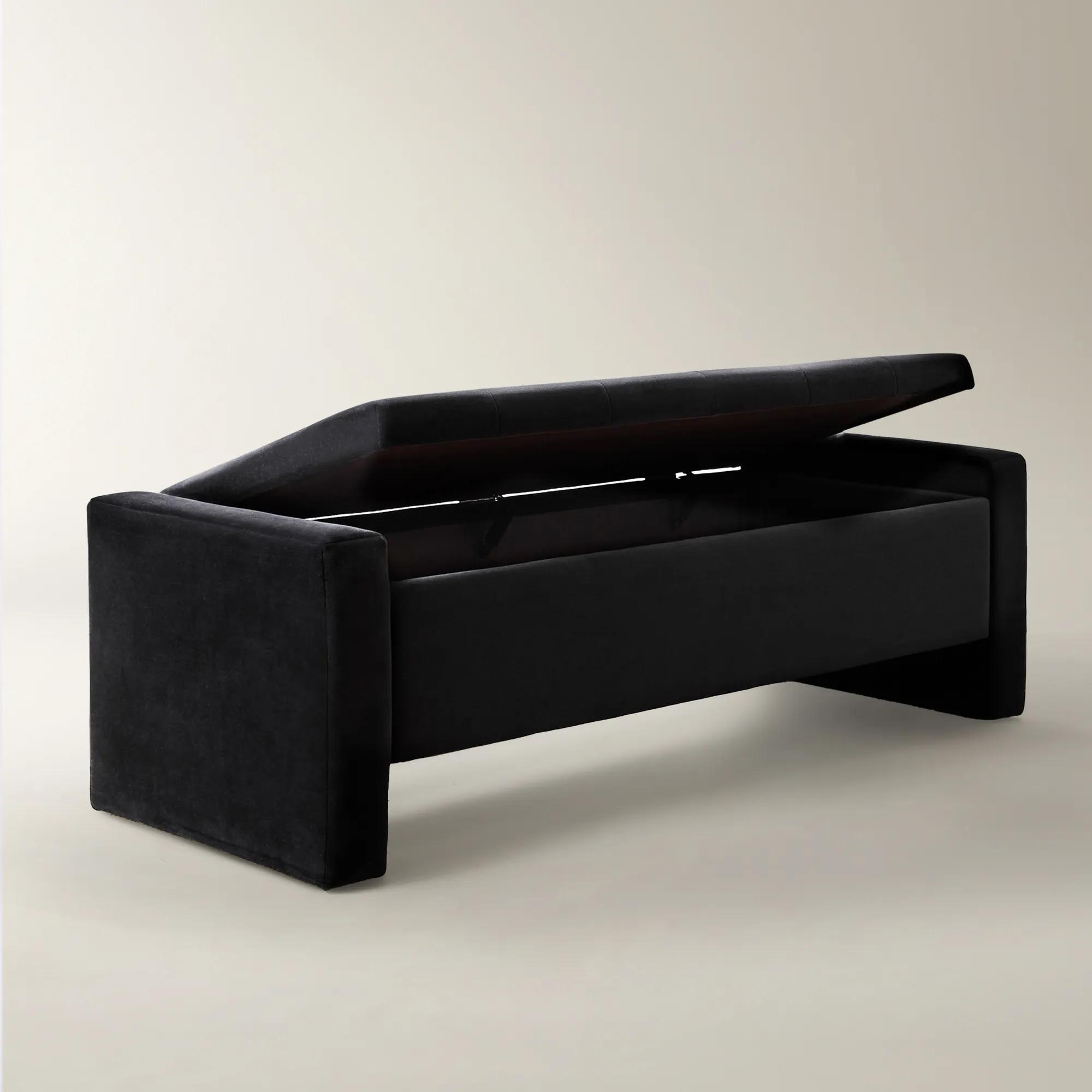 Maeve Storage Bench$899
A modern velvet-upholstered bench with hidden storage, kiln-dried hardwood frame, and soft-closing glides.
Add To Cart -
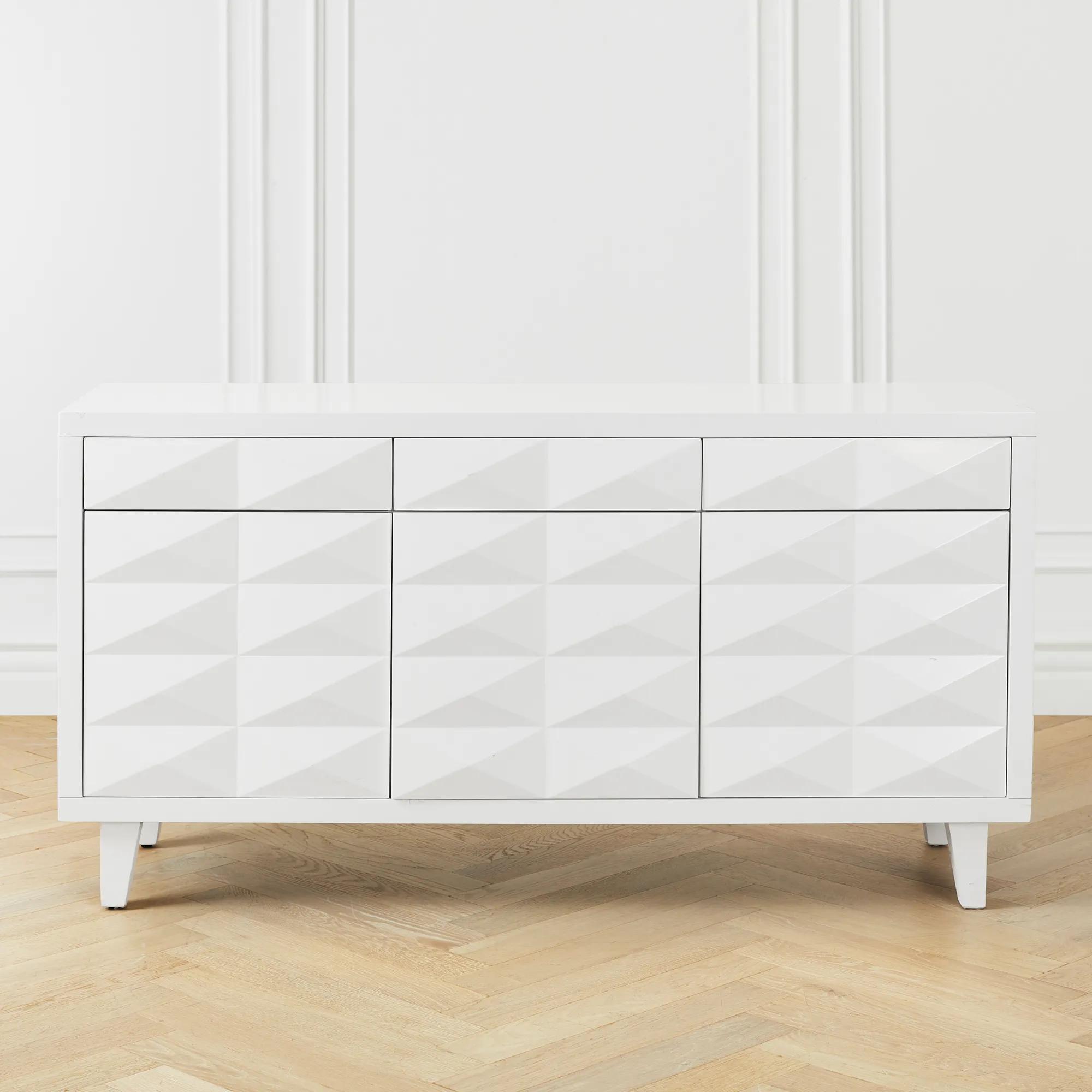 Palmer White Wood Cabinet (66.5")$1649
A sleek white hardwood cabinet with geometric detailing, three drawers, and push-latch doors for modern storage.
Add To Cart -
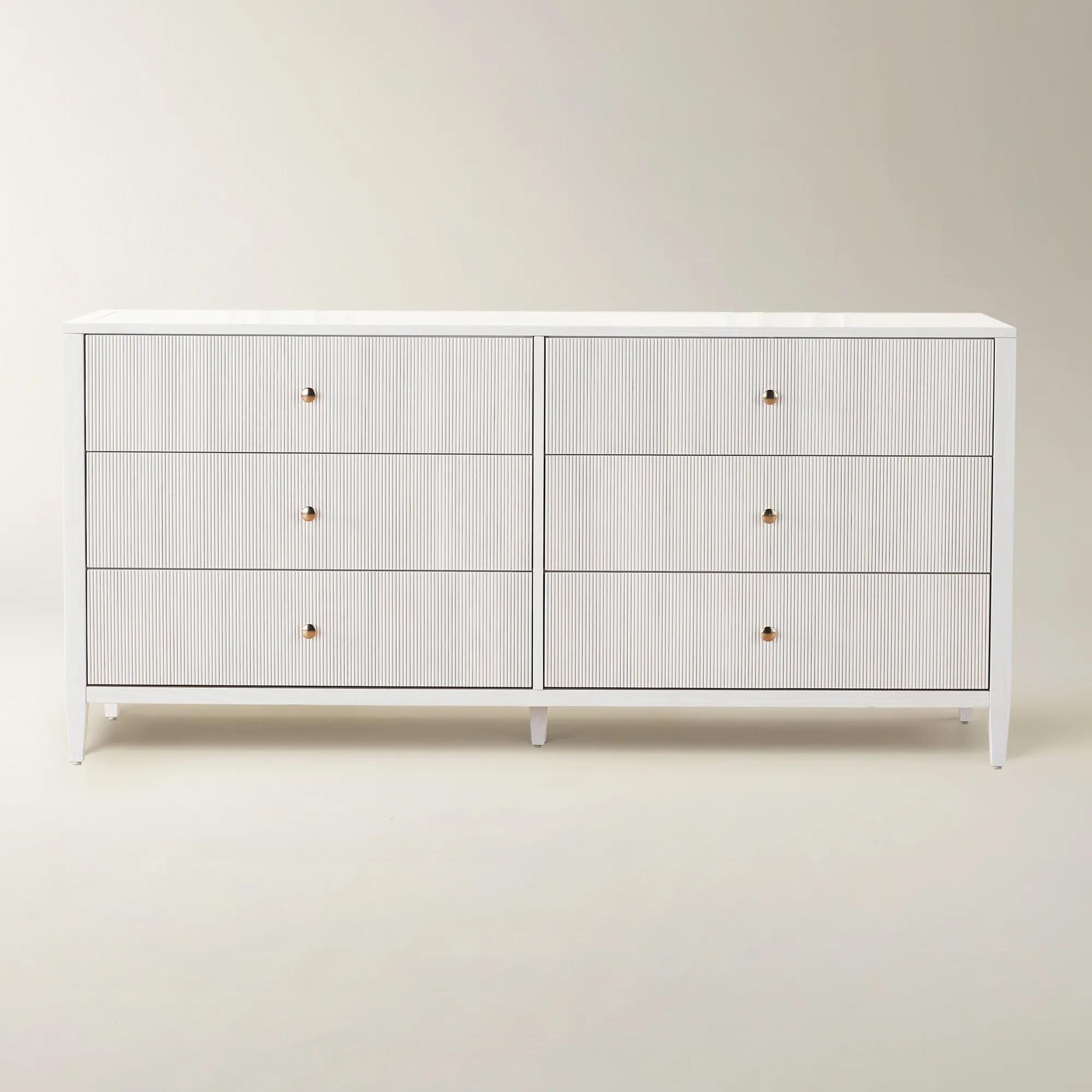
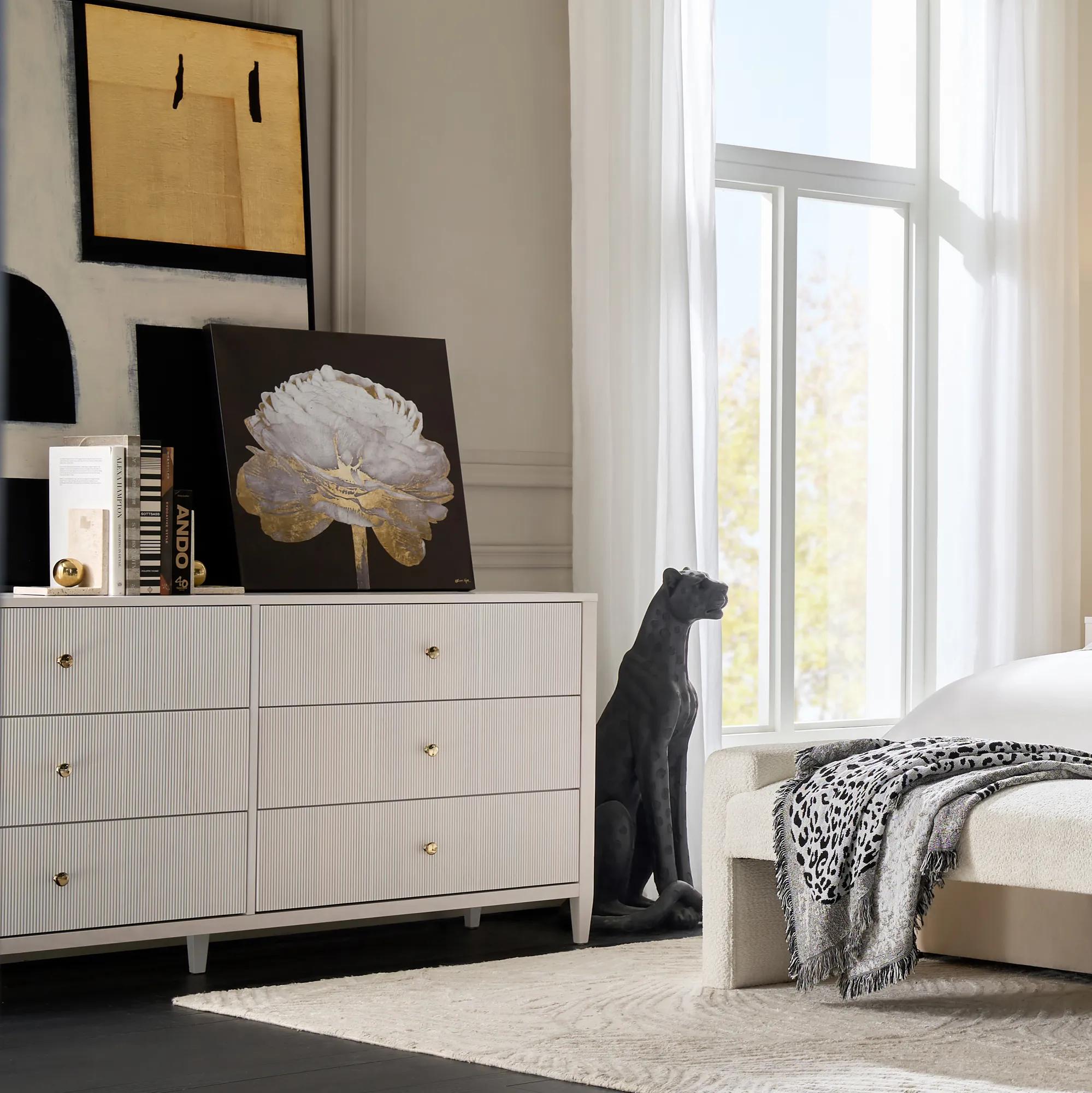 Viola Reeded White Ash Wood 6-Drawer Dresser (70")$1899
A modern dresser in bone white ash wood with reeded fronts and brass hardware for a luxe touch.
Add To Cart -
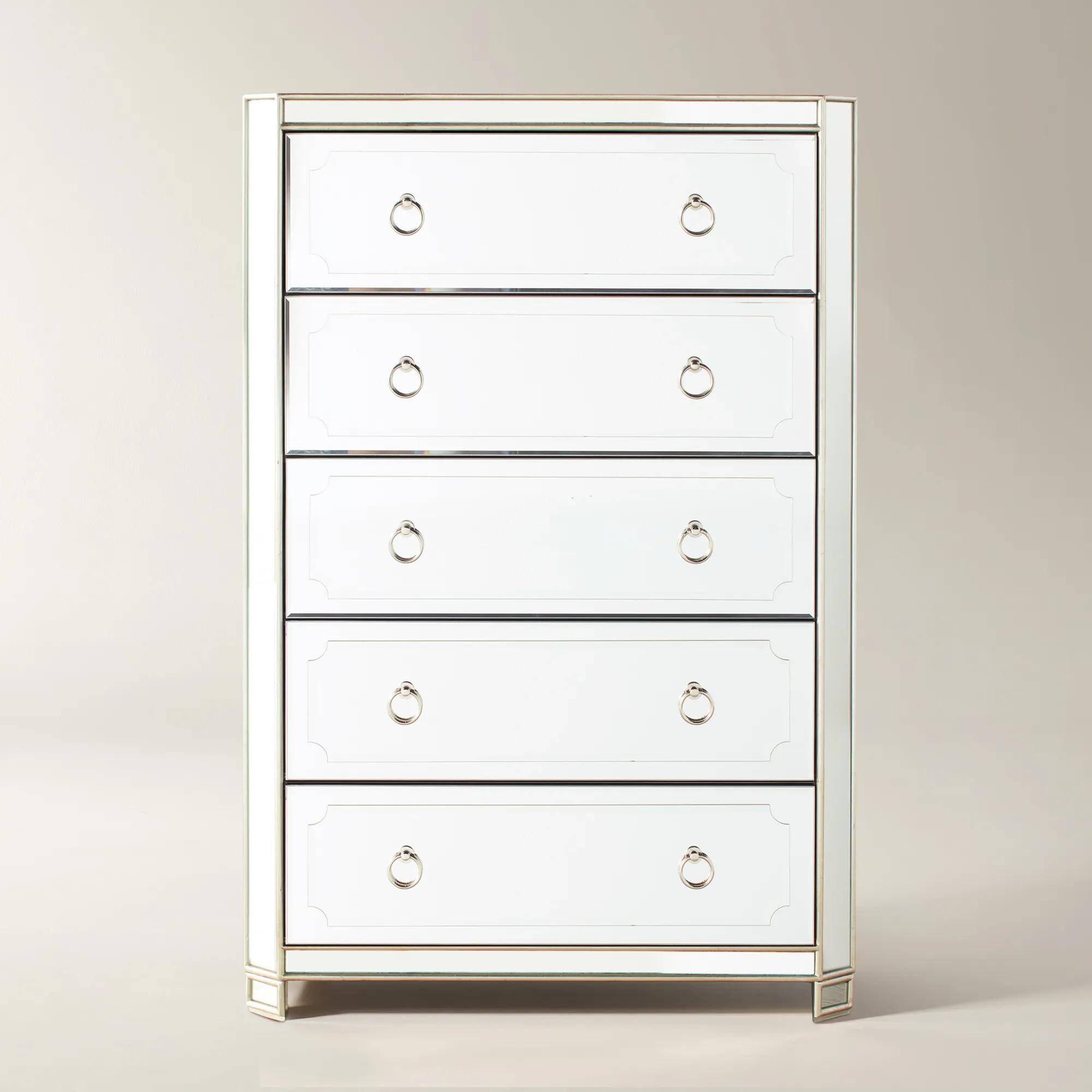 Simplicity Mirrored Silver 5-Drawer Tall Dresser (36")$1999
A glamorous tall chest featuring beveled mirrored panels, hand-applied silver-leaf trim, and polished nickel hardware.
Add To Cart -
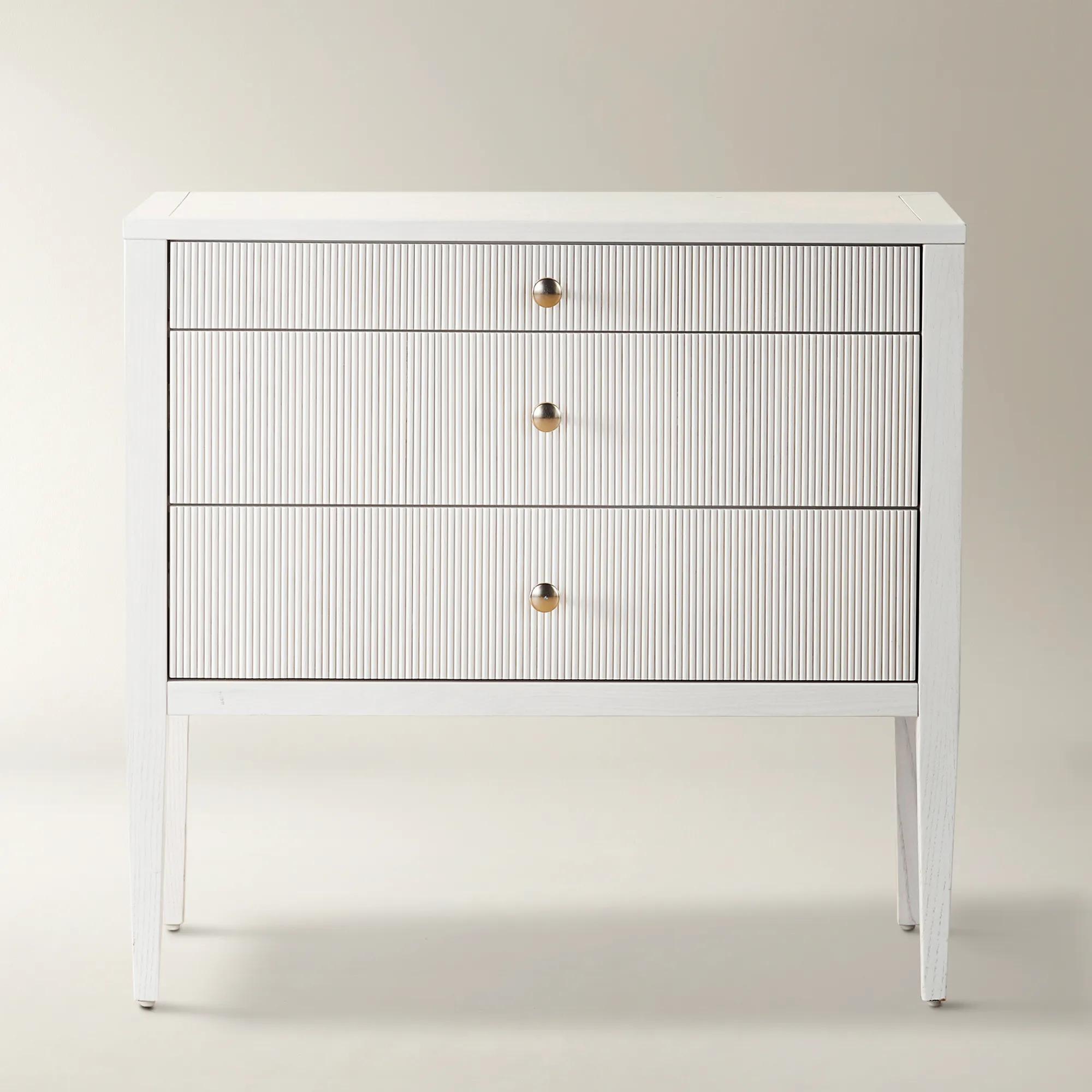 Viola Reeded White Ash Wood 3-Drawer Nightstand (31")$899
A modern nightstand in bone white ash wood with reeded drawers and brass hardware for a luxe touch.
Add To Cart -
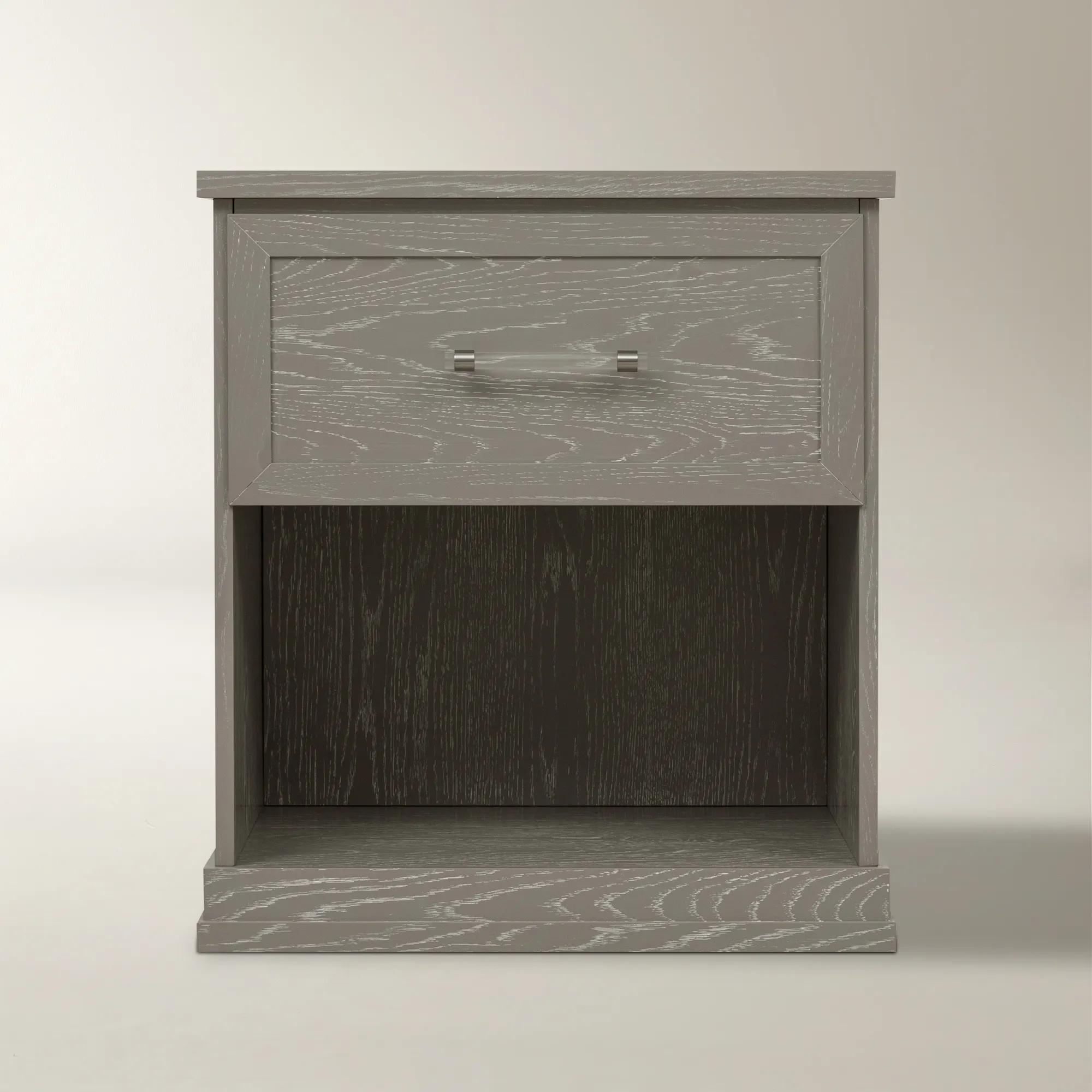
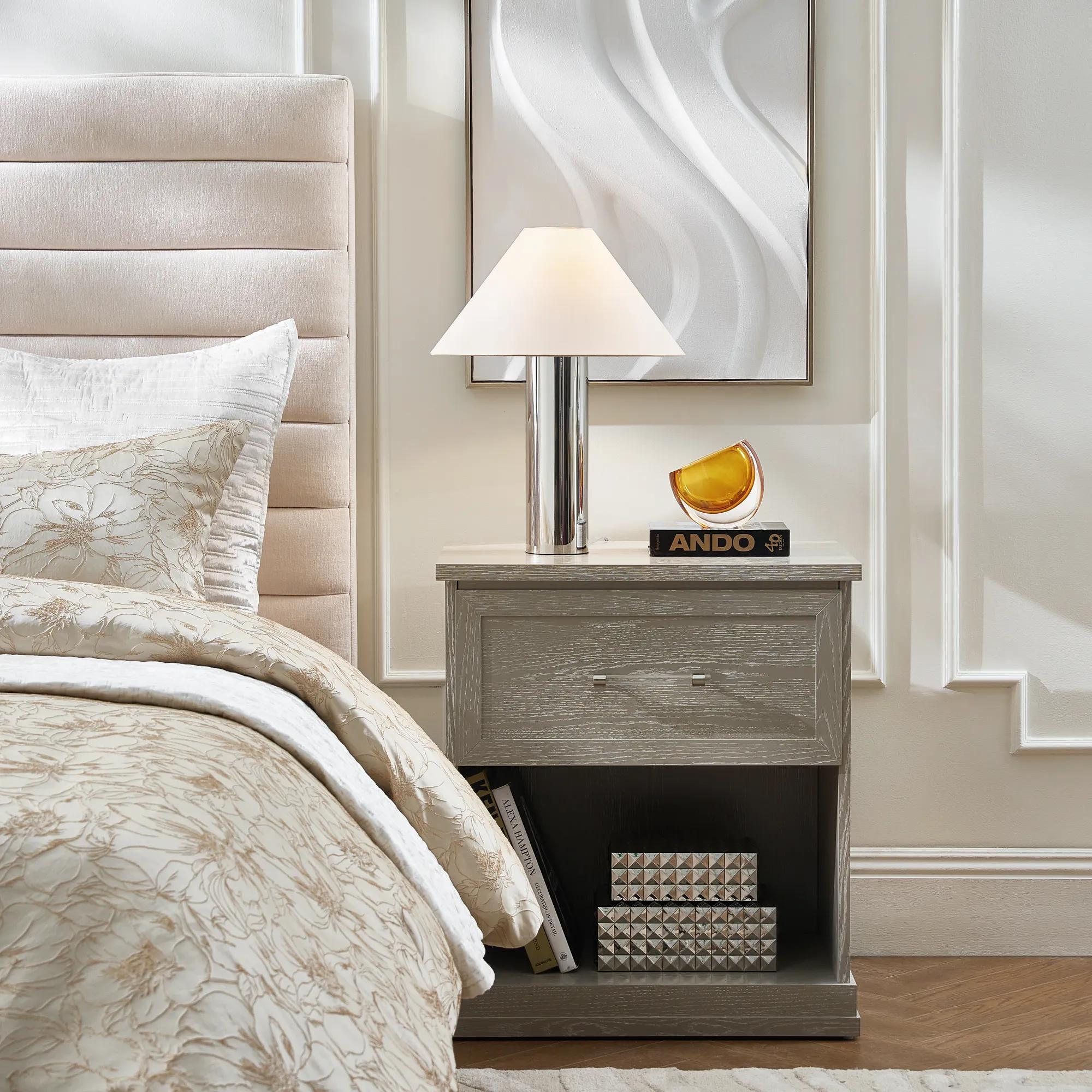 Arwin Grey Oak 1-Drawer Nightstand (26")$699
A contemporary grey hardwood veneer nightstand featuring acrylic and brushed silver handles with soft-closing drawers.
Add To Cart -
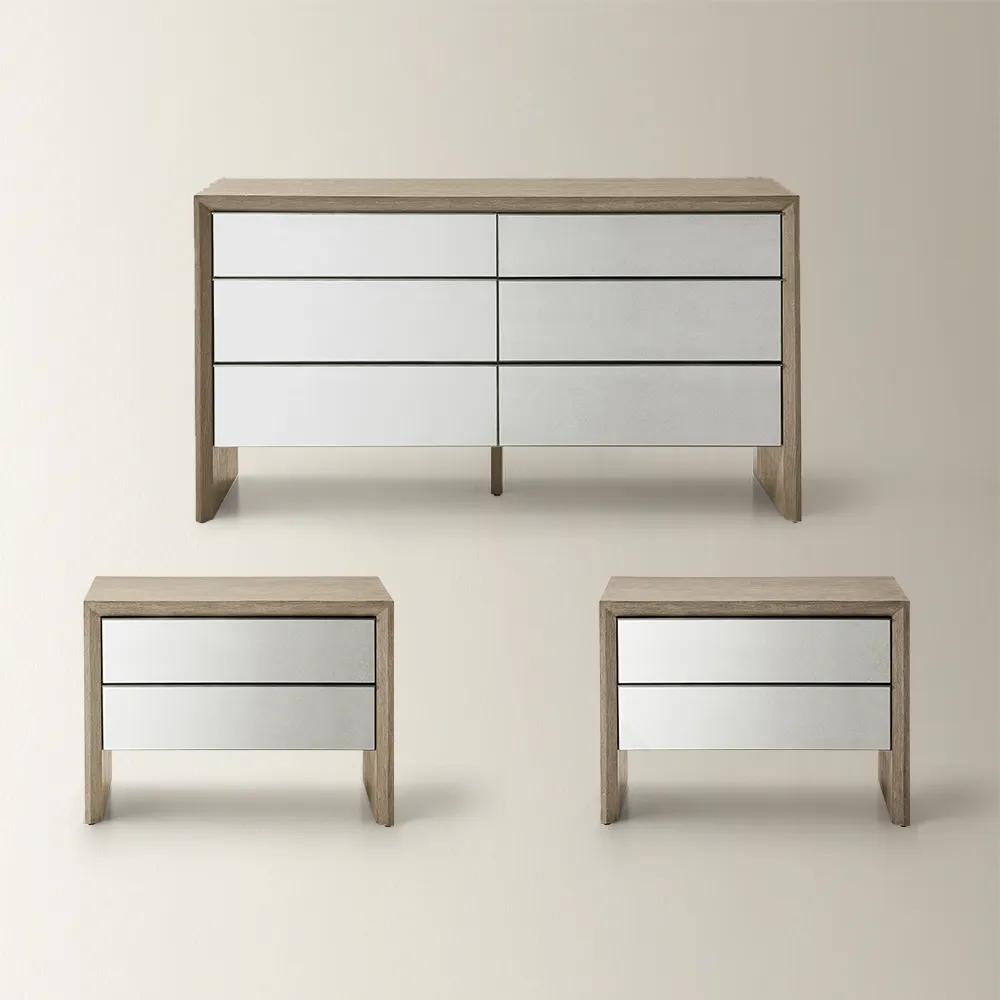 Glimmer Set of 3 Bedroom$3097
A coordinated bedroom furniture set featuring a dresser and two nightstands for cohesive storage.
Add To Cart -
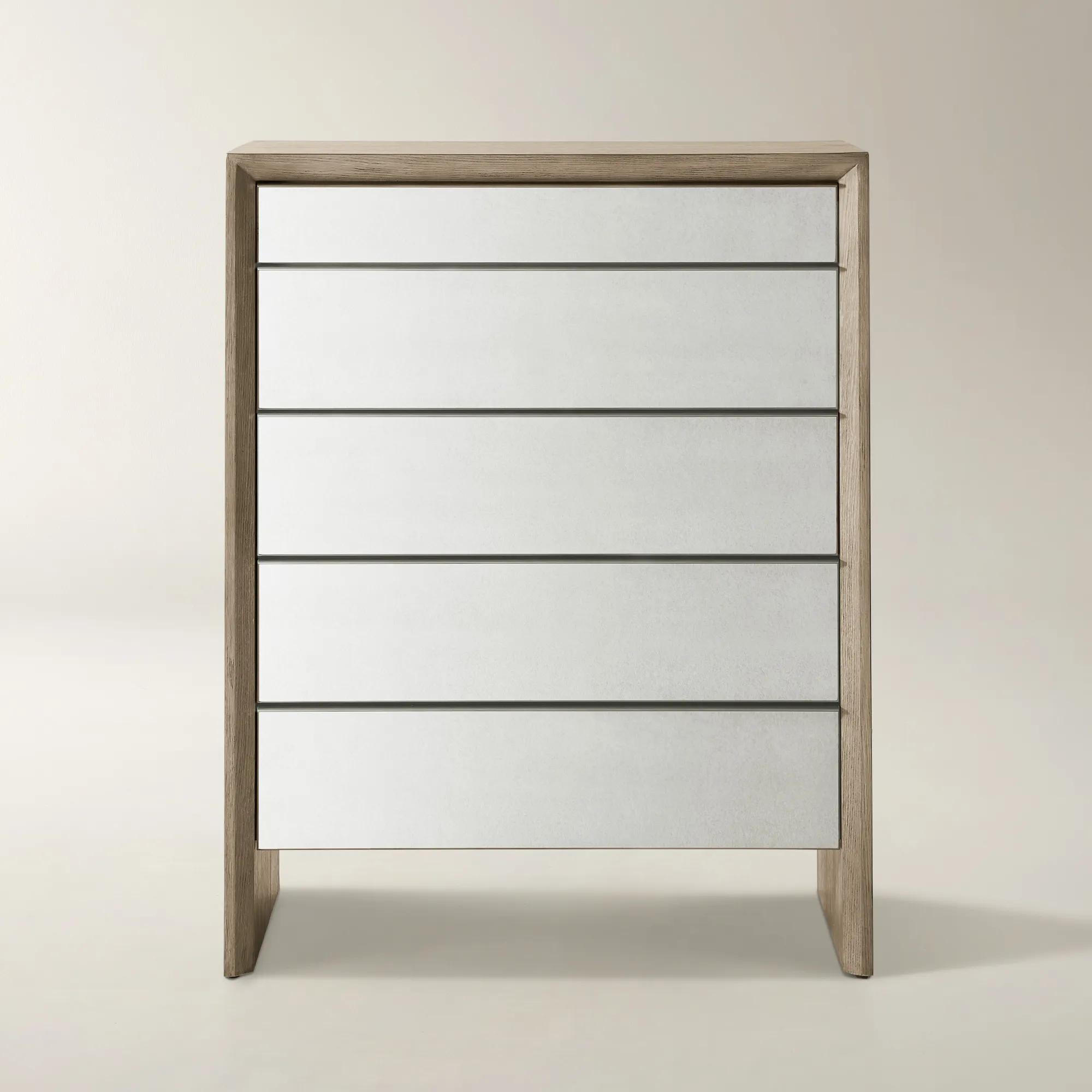
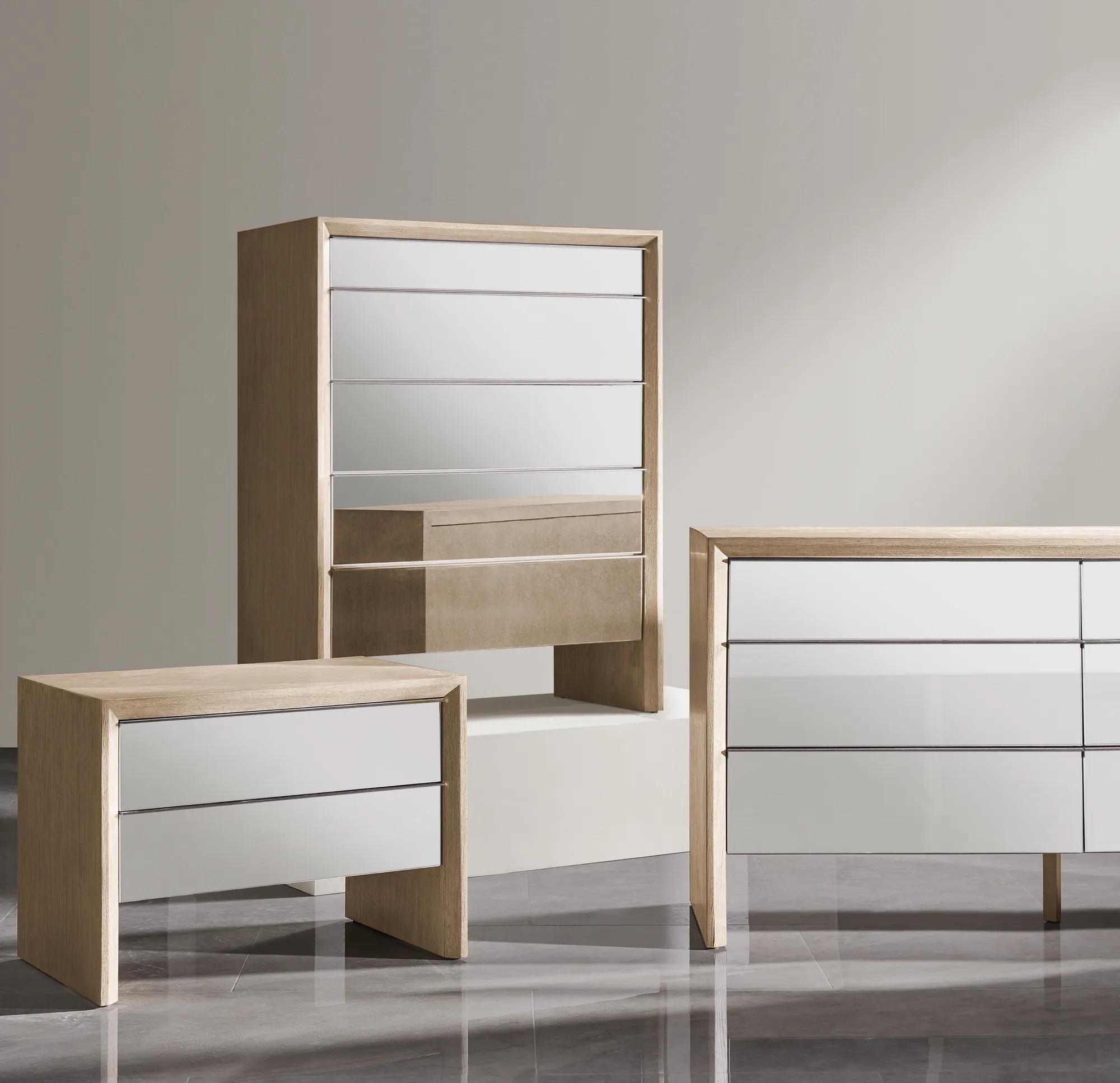 Glimmer Mirrored Seadrift Oak 5-Drawer Tall Dresser (40")$2099
A versatile chest featuring sea drift oak veneer, antique mirrored drawer fronts, and soft-close drawers for elegant storage.
Add To Cart -
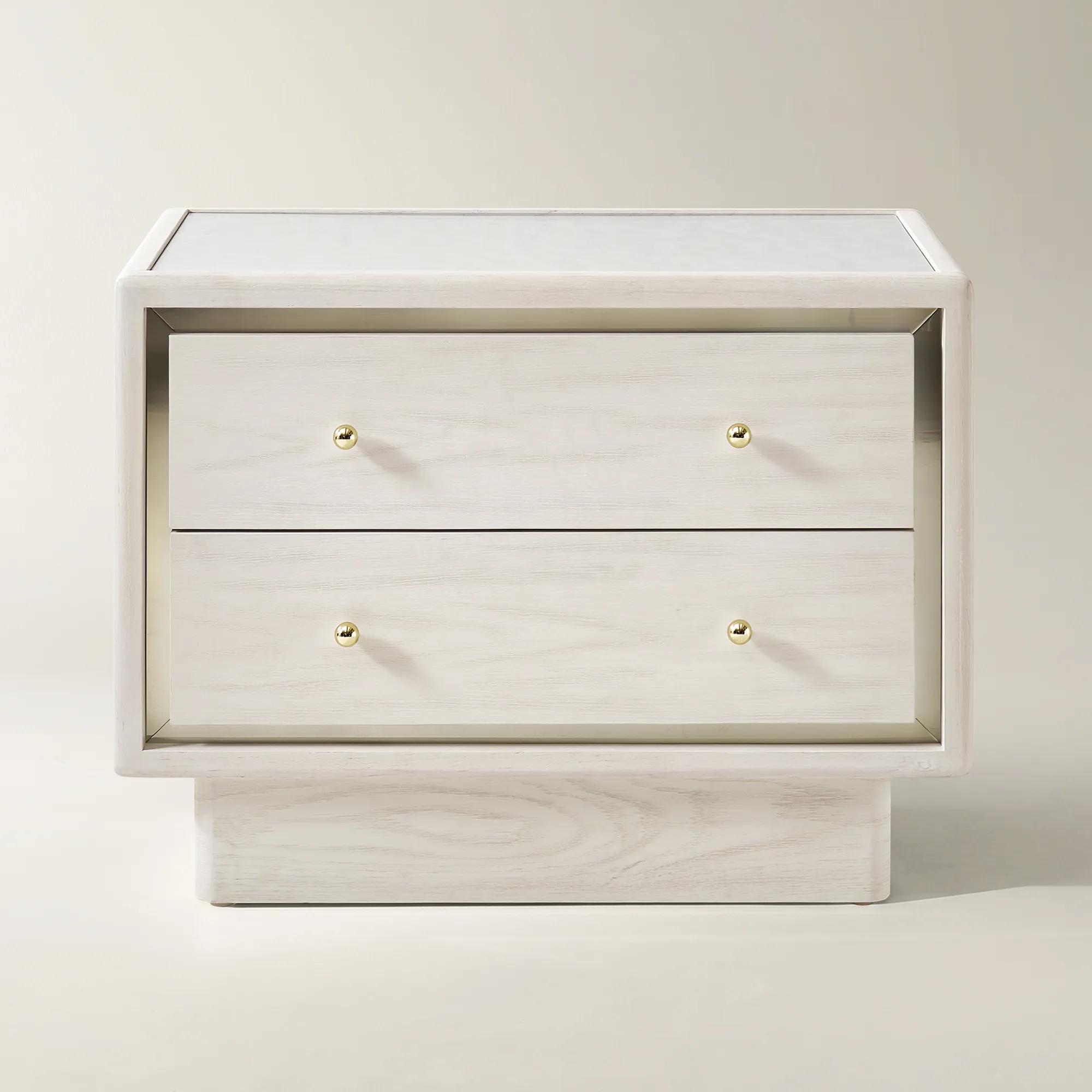
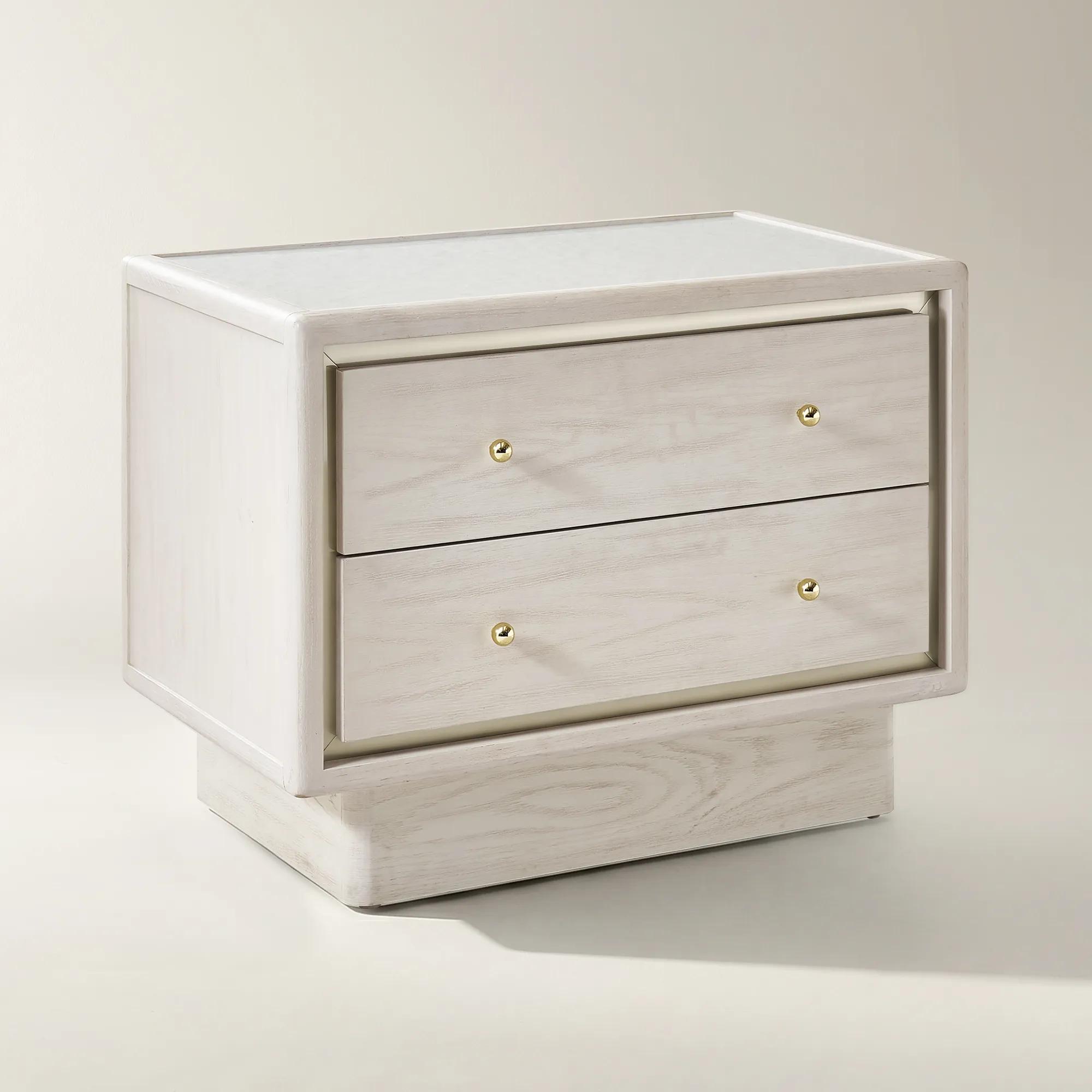 Lumina Bleached Oak 2-Drawer Nightstand With Pearl Lacquered Top (32")$1199
A bleached oak nightstand featuring a pearl lacquered top, champagne gold trim, and soft-close drawers.
Add To Cart -
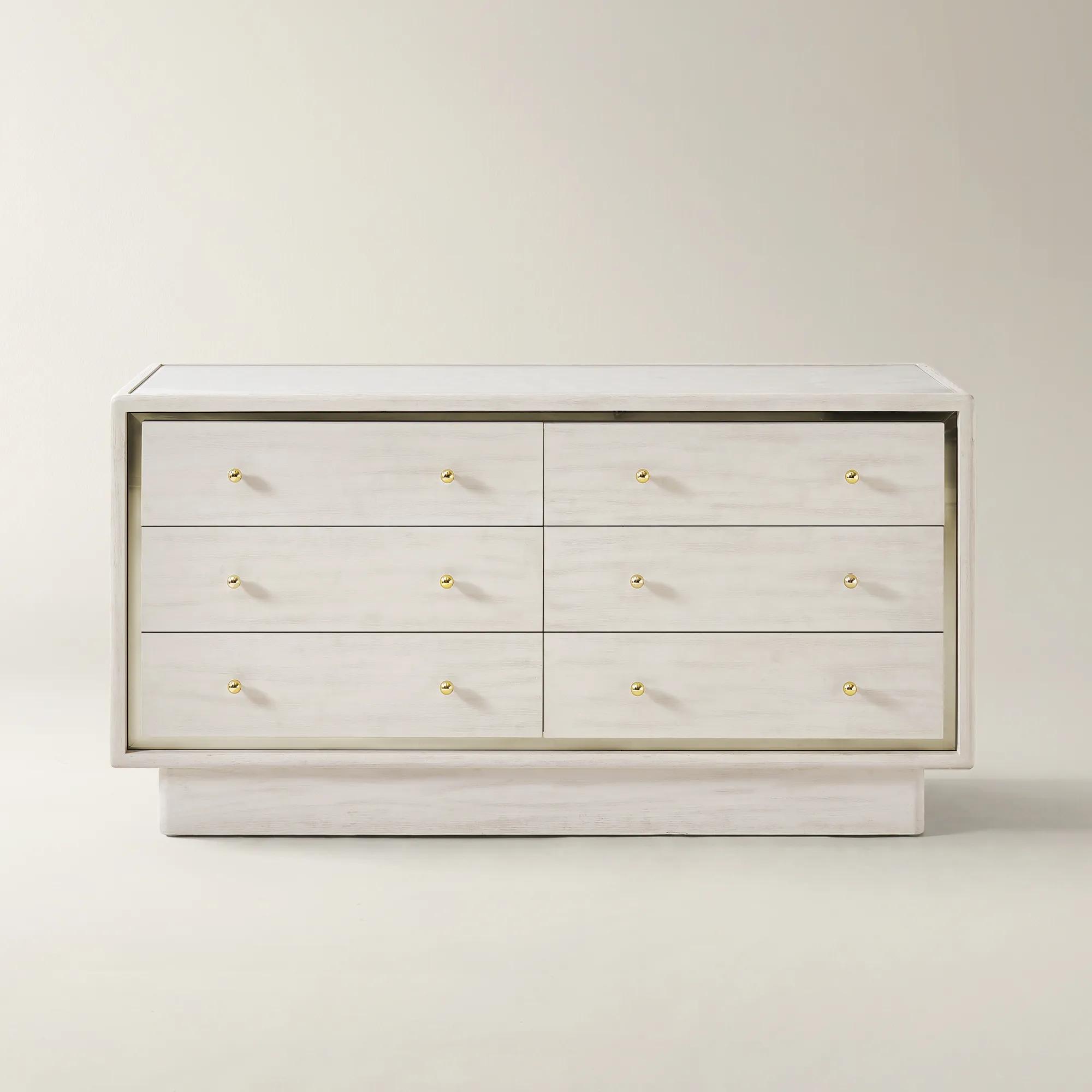 Lumina Bleached Oak 6-Drawer Dresser With Pearl Lacquered Top (62")$2499
A bleached oak dresser featuring a pearl lacquered top, champagne gold trim, and six velvet-lined soft-close drawers.
Add To Cart -
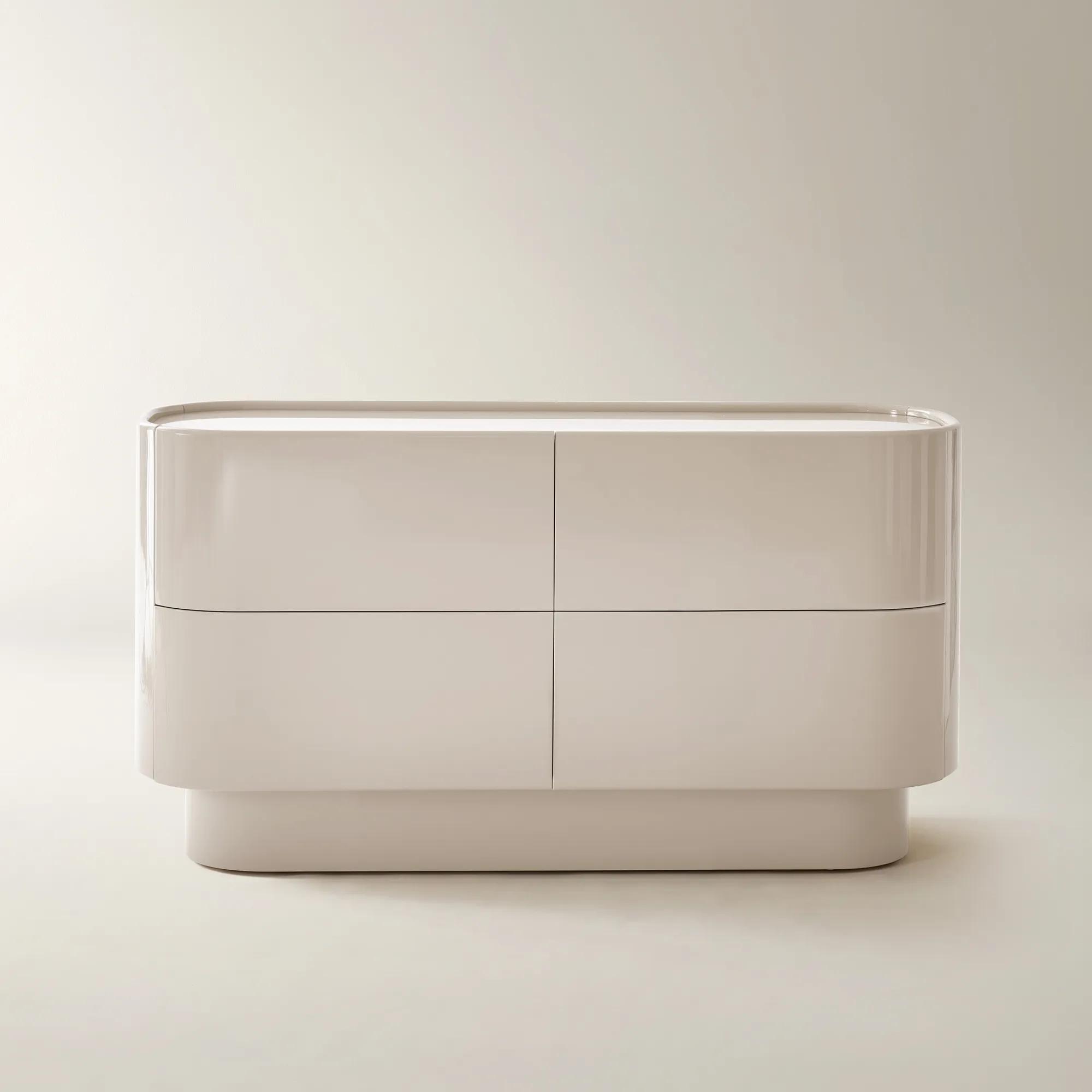
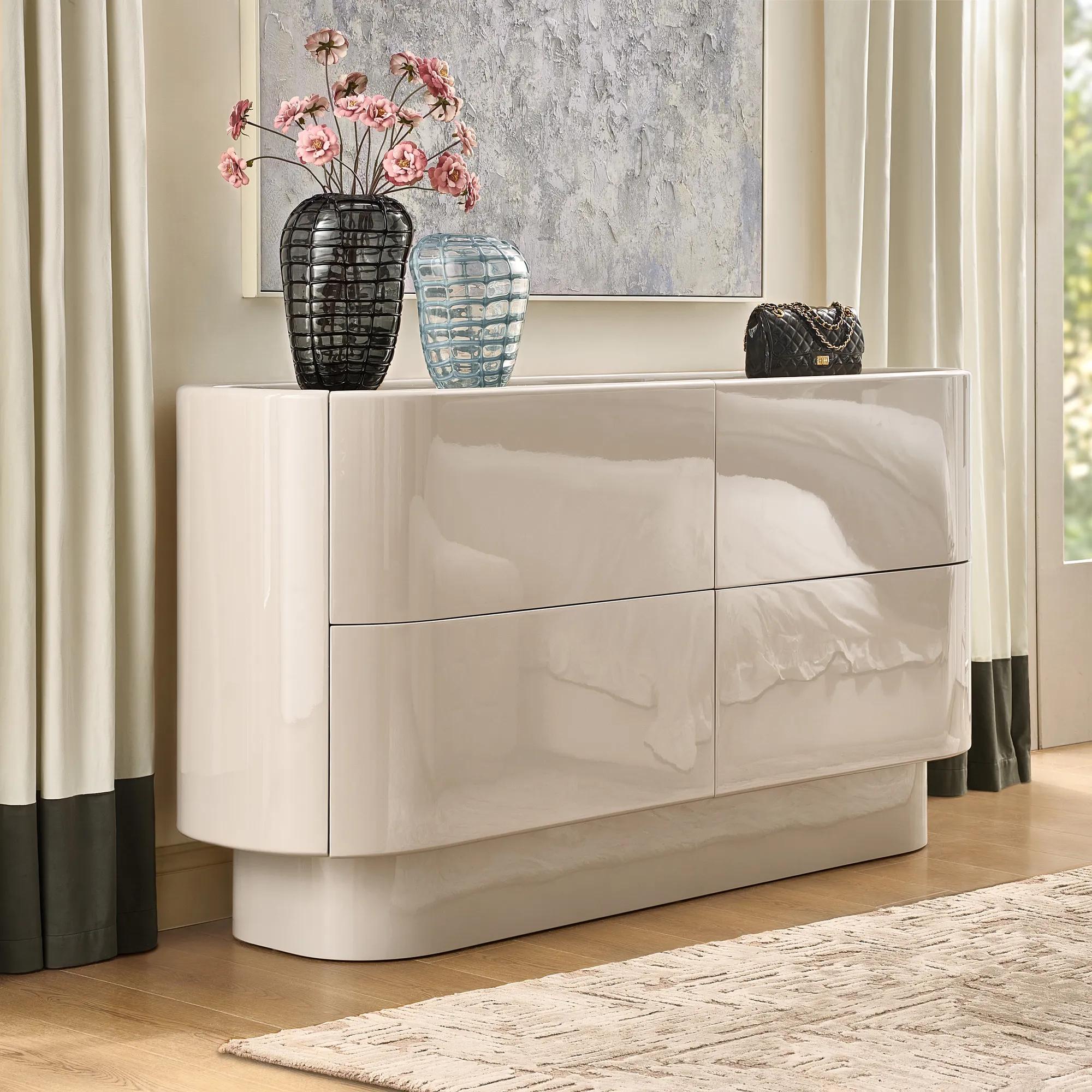 Velar Lacquered Turtle Dove 4-Drawer Dresser With Glass Top (66")$1999
A sculptural dresser in turtle dove lacquer with a back-painted glass top and soft-close velvet-lined drawers.
Add To Cart -
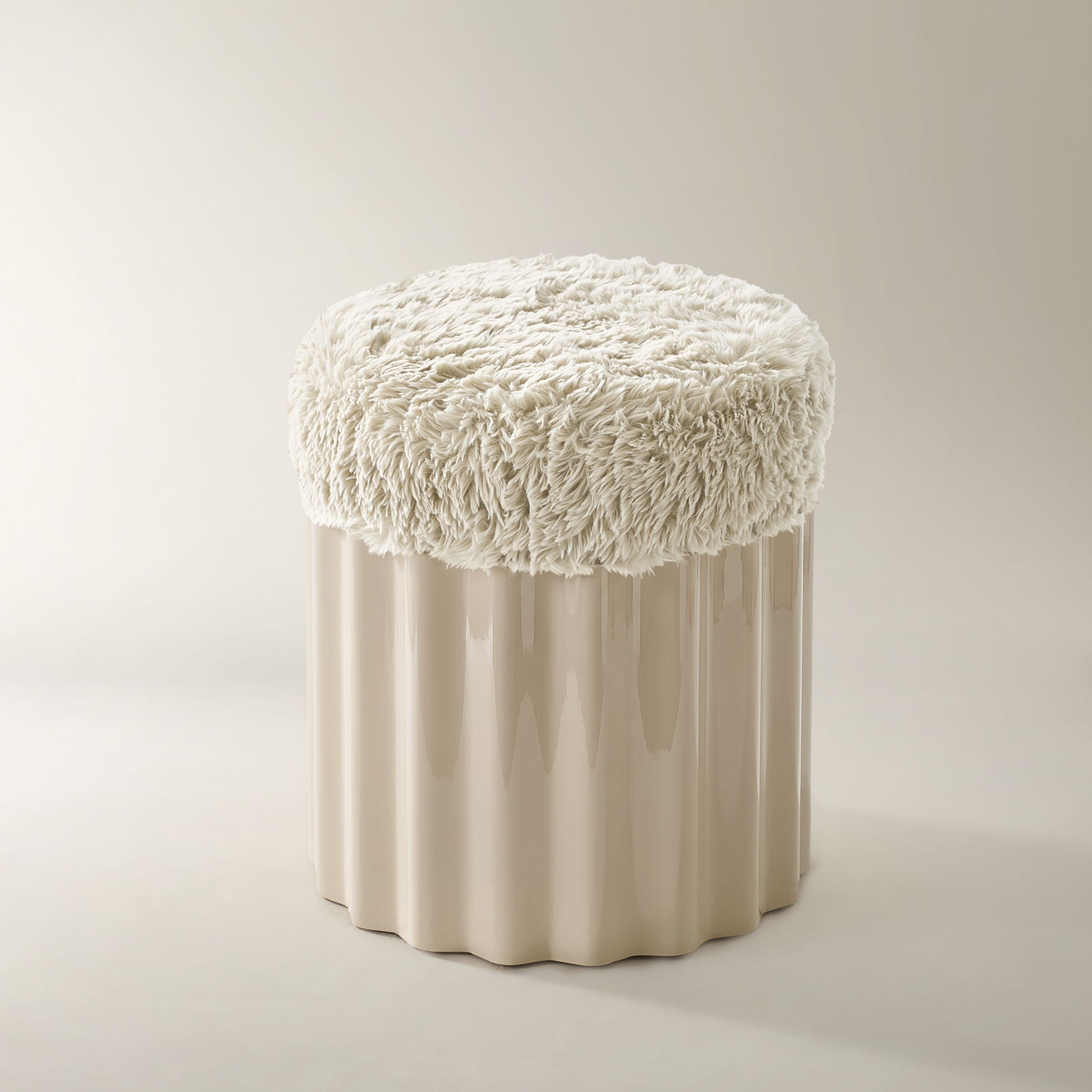
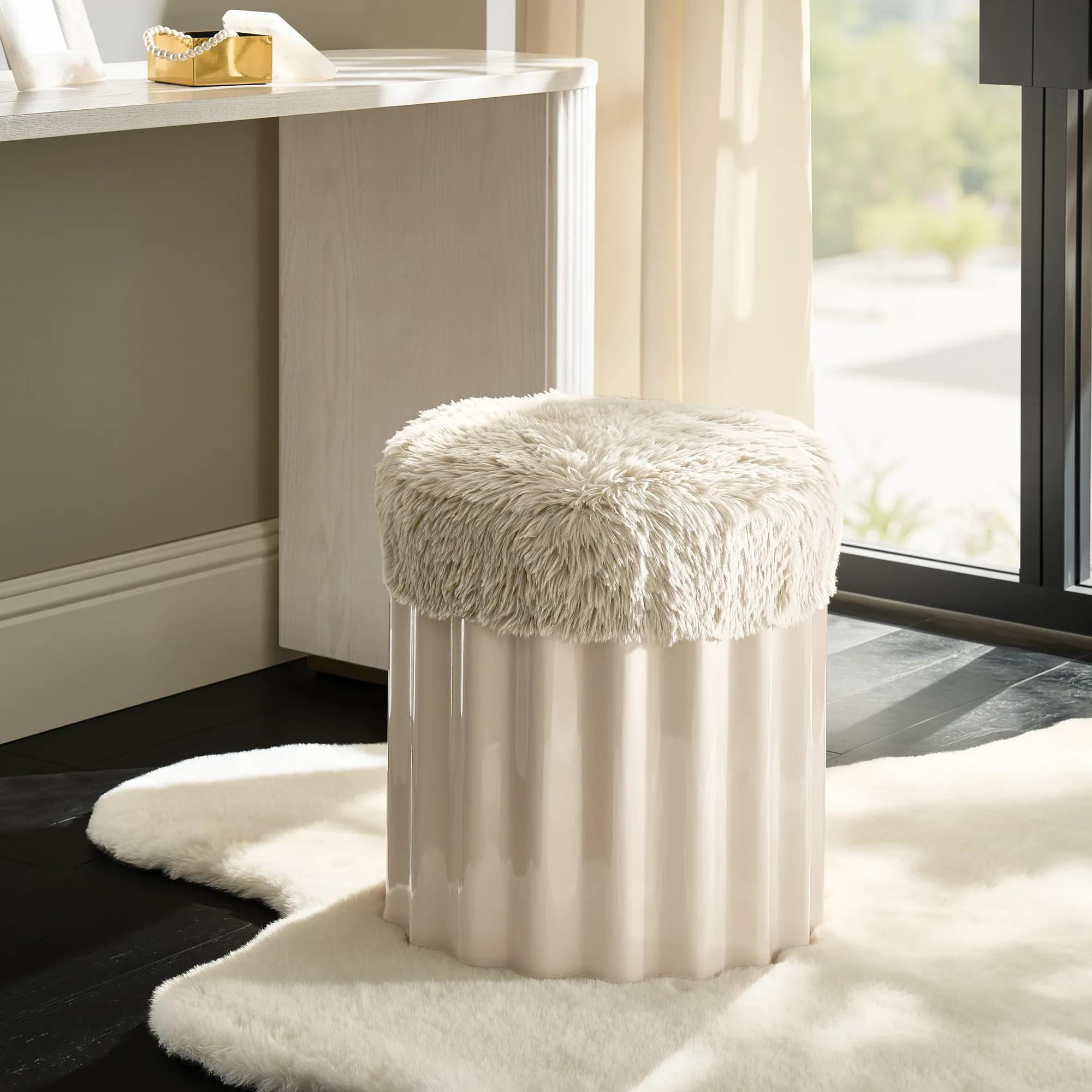 Nia Lacquered Turtle Dove Faux Fur Storage Stool$399
A sculptural fluted stool in warm turtle dove with plush faux fur seat and hidden storage compartment.
Add To Cart

Furniture For Clothing Storage
Find furniture for clothing storage that brings order to your wardrobe and a polished presence to your room. Explore storage options with your space and routine in mind, comparing dimensions and capacity to accommodate folded clothing and everyday essentials. Choose a piece that balances practical organization with expressive design, making storage part of the room’s composition.
Furniture for clothing storage includes dressers, chests of drawers, wardrobes, and armoires designed to organize folded clothing, hanging garments, and accessories. Each serves a distinct purpose while giving a bedroom or dressing space its own visual rhythm. A wide dresser offers generous drawer storage beneath a surface that can hold a sculptural lamp, a jewelry tray, or a framed photograph. A tall chest of drawers brings storage upward, making it especially useful where wall width is limited. Wardrobes and armoires provide enclosed cabinet storage, often combining hanging rods with shelves or drawers; their interior configuration determines whether they suit long dresses, tailored jackets, folded denim, or a mixture of clothing. These distinctions matter as much as the exterior silhouette. Someone with a collection of knitwear may value spacious drawers more than a hanging compartment, while a wardrobe filled with suits and flowing garments calls for sufficient hanging height and depth. For a shared bedroom, separate drawer banks can give each person a defined place for everyday essentials without disrupting the room’s composition. In a guest room, a compact chest offers visitors somewhere to unpack, allowing the space to feel gracious rather than temporary. Clothing storage furniture also brings order to bedrooms without substantial built-in closets, making freestanding pieces an important part of both the room’s function and its character. Broad drawer fronts, dramatic proportions, and carefully chosen hardware turn organization into an architectural presence. A low, expansive dresser can anchor a wall beneath artwork, while an armoire introduces height and a sense of enclosure that balances a substantial bed. Closed storage lets the expressive elements of the room remain in view while keeping the practical details discreet. The result is not an impersonal, cleared surface, but a setting where a favorite object has room to command attention and the clothing needed each day has a considered place behind a gleaming pull or beautifully finished door.
The right proportions begin with the furniture’s exterior dimensions, but the fit depends just as much on what happens when doors and drawers open. A dresser beside a bed needs enough clearance for a drawer to extend without blocking a comfortable path through the room. A wardrobe with hinged doors requires space for their full swing, while sliding doors can reduce that particular clearance requirement. Interior measurements deserve equal attention: the width of a drawer determines how many folded stacks it can hold, and its depth influences whether those stacks remain easy to see and retrieve. Deep drawers can accommodate bulkier clothing, while shallower compartments make smaller essentials less likely to disappear beneath layers. Hanging sections should have enough clearance beneath the rod for the garments they will hold, and sufficient cabinet depth for hangers and clothing to rest without being pressed against the doors. Adjustable shelves can offer flexibility when the balance between folded and hanging clothing changes. Dividers and removable organizers help separate delicate accessories, belts, and undergarments, especially in broad drawers where small pieces might otherwise mingle. In a compact bedroom, a taller chest can preserve floor area for a chair or a more generous bedside arrangement; in a larger room, a wide dresser can establish a composed horizontal line against the height of curtains or an upholstered headboard. Furniture delivery also depends on doorway widths, stair turns, and elevator dimensions, details that deserve attention before a substantial cabinet becomes part of the room. Beyond measurements, the most satisfying arrangement reflects the daily routine: frequently worn clothing within comfortable reach, occasion garments given adequate hanging space, and accessories near the place where dressing happens. Pairing clothing storage with furniture for dressing rooms can create a more complete setting, with seating for putting on shoes and a mirror that offers a clear view of an outfit. Together, these elements make the transition from choosing a garment to getting dressed feel composed, with storage supporting the experience rather than dominating it.
Materials and construction give clothing storage furniture its lasting character, from the warmth of wood grain to the crisp reflection of mirrored panels. Solid wood can bring distinctive grain and substantial presence, while wood veneer offers a real-wood surface over a supporting core; durability depends on the quality of that core, the finish, and the overall construction rather than the material name alone. Engineered wood appears in many furniture structures and varies in density, strength, and surface treatment. Metal accents can sharpen a silhouette, and glass or mirrored details introduce light and visual depth, particularly when they reflect artwork or a richly textured rug. Those reflective surfaces also reveal fingerprints more readily, making their care part of the choice. Drawer construction, stable joints, secure hardware, and smooth-running slides all contribute to how a piece feels in daily use. Drawers should move evenly, and storage capacity should stay within the manufacturer’s stated weight limits; overloading can strain slides, shelves, and cabinet connections. Heavy contents generally belong lower in the piece, and dressers, chests, and wardrobes should be secured according to the manufacturer’s anchoring instructions to help reduce tip-over risk, especially in homes with children. Thoughtful care protects both the furniture and the clothing inside it. Soft cloths and finish-appropriate cleaning products help preserve surfaces, while abrasive cleaners and excess moisture can damage finishes or seep into joints. Mirrored panels require care around their edges, and upholstered storage benches, when used for folded clothing or accessories, need cleaning suited to their fabric. Clothing should be clean and fully dry before being placed in enclosed storage, and drawers should have enough room to close without catching fabric. Direct sunlight can alter some finishes over time, while abrupt changes in indoor humidity may affect wood components. These practical considerations preserve the pleasure of a well-appointed room: doors that close cleanly, drawers that reveal orderly folds, and surfaces that retain their depth and luster. Beautiful clothing storage earns its place through that balance of expressive design and dependable daily use.
FAQs
Dressers, chests of drawers, wardrobes, and armoires are classic clothing storage furniture categories. Dressers and chests organize folded pieces, while wardrobes and armoires may offer hanging space, shelving, or a combination of compartments. Choose a style that reflects your wardrobe and gives your bedroom a distinct design point of view.
A dresser centers on drawers for folded clothing, with a top surface that invites an artful display. An armoire features doors that conceal an interior arranged for hanging garments, folded pieces, or both, depending on its design. Each brings a different visual rhythm to a bedroom: layered drawer fronts or a dramatic cabinet silhouette.
Look for expressive silhouettes, distinctive hardware, and finishes that create a deliberate dialogue with your decor. Reflective details can echo the radiance of statement lighting, while sculptural drawer fronts introduce depth and artistry. Let one element command attention, then repeat a color or finish elsewhere for a composed, luxurious look.
Clothing storage furniture does not need to match every piece in the room. A shared undertone, hardware finish, or design motif can connect different silhouettes without making the space feel overly coordinated. Pair clean-lined furnishings with a more expressive storage piece for contrast that feels collected and confident.
Treat the dresser top as a personal vignette. Anchor the arrangement with artwork or a mirror, then introduce a sculptural vase, a decorative box, or a tray for jewelry. Vary the heights and leave open surface around the composition so each detail has room to make its statement.