Furniture For Clothing Storage
Furniture For Clothing Storage
-
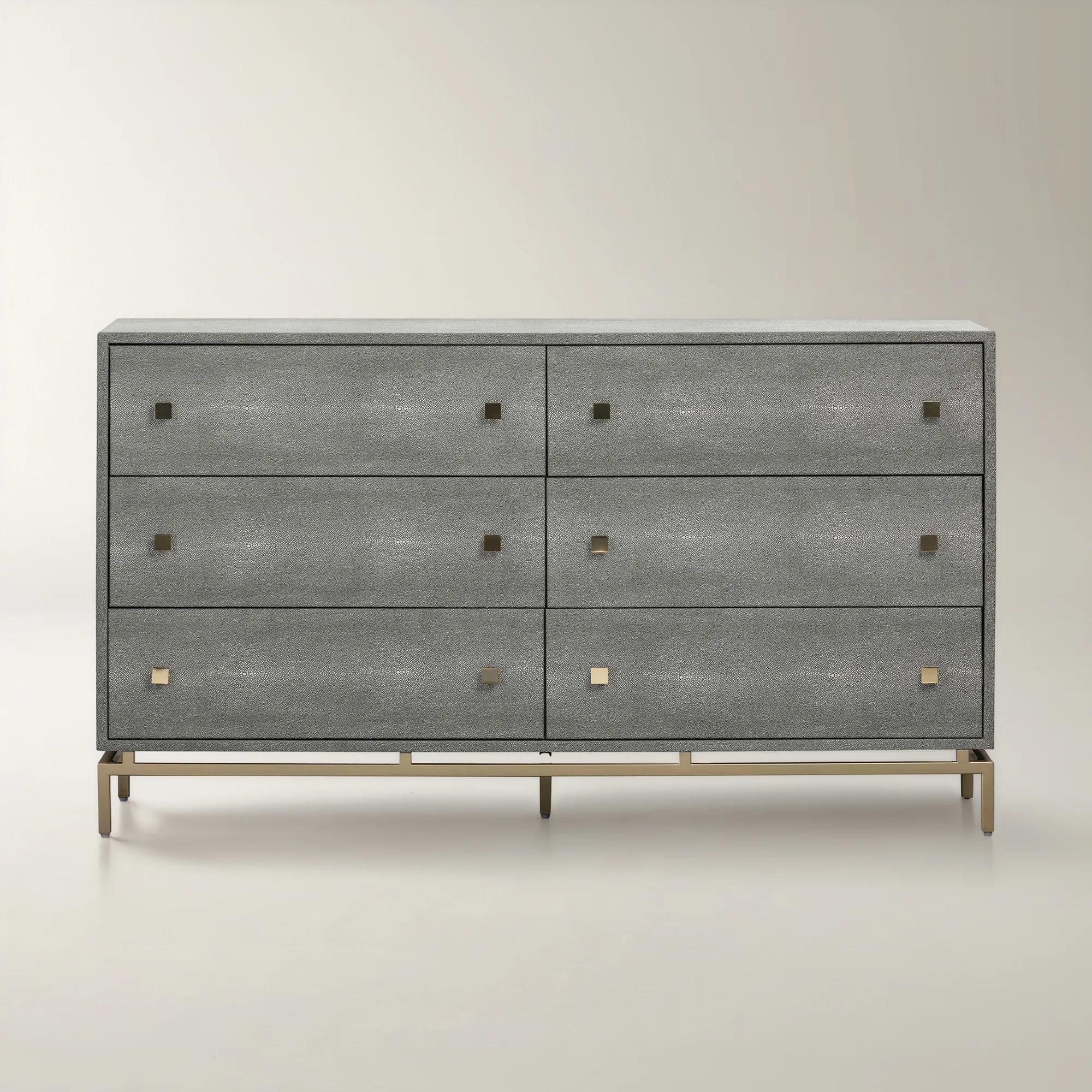
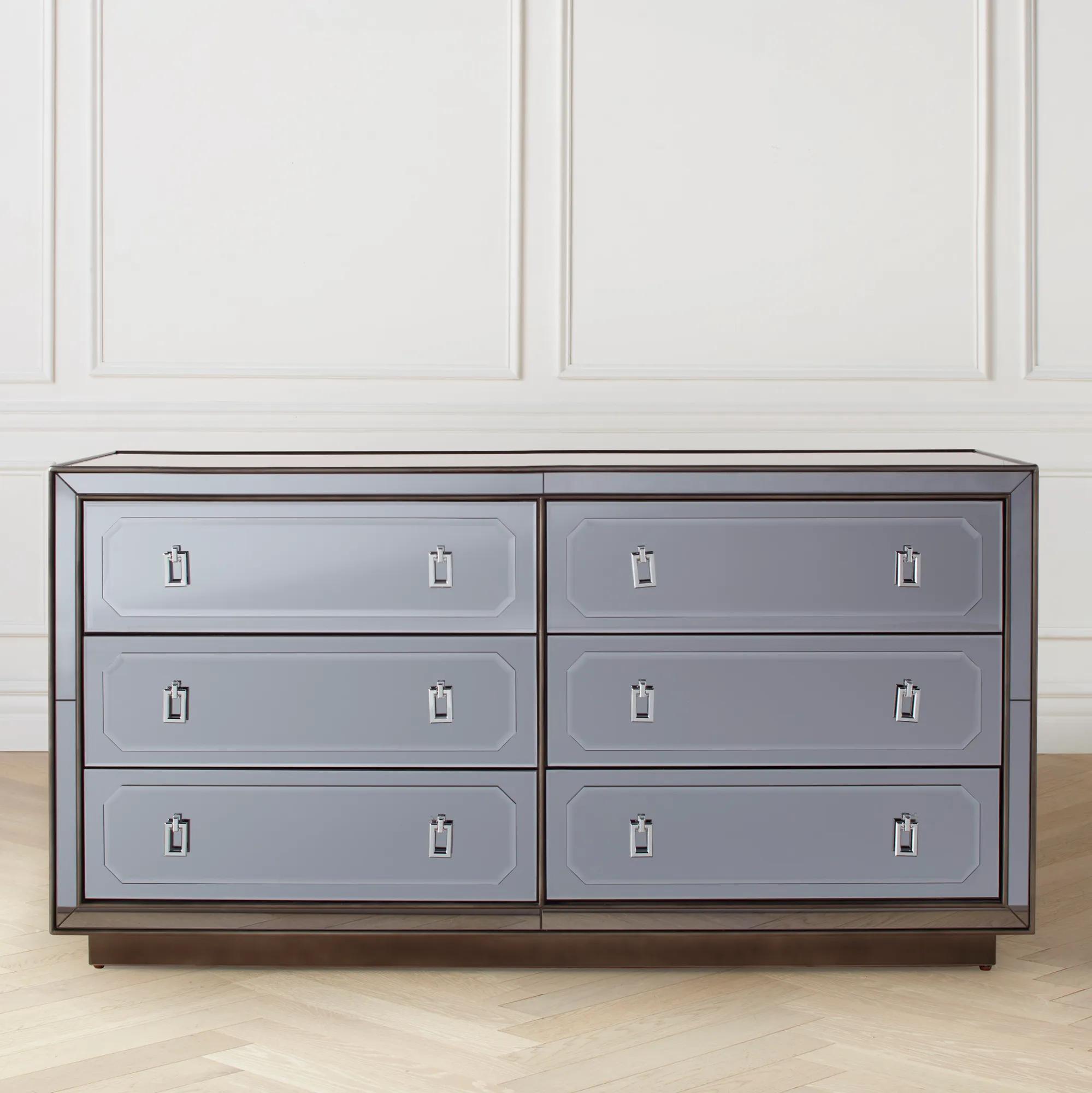
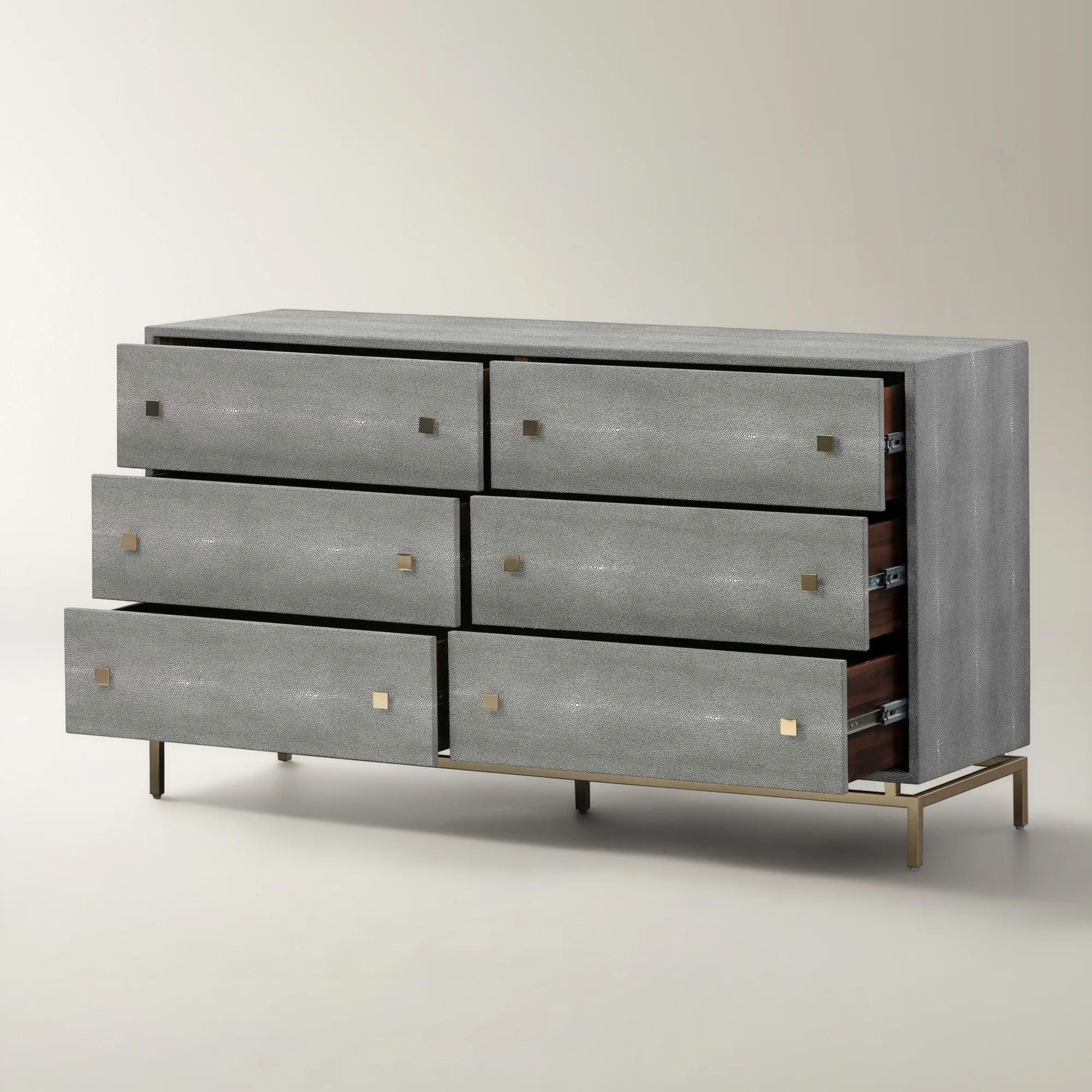 Misha Grey Shagreen 6-Drawer Dresser (57")$2249
A modern dresser featuring faux shagreen texture, brass-finished base, and six drawers with cherry wood interiors.
Add To Cart -
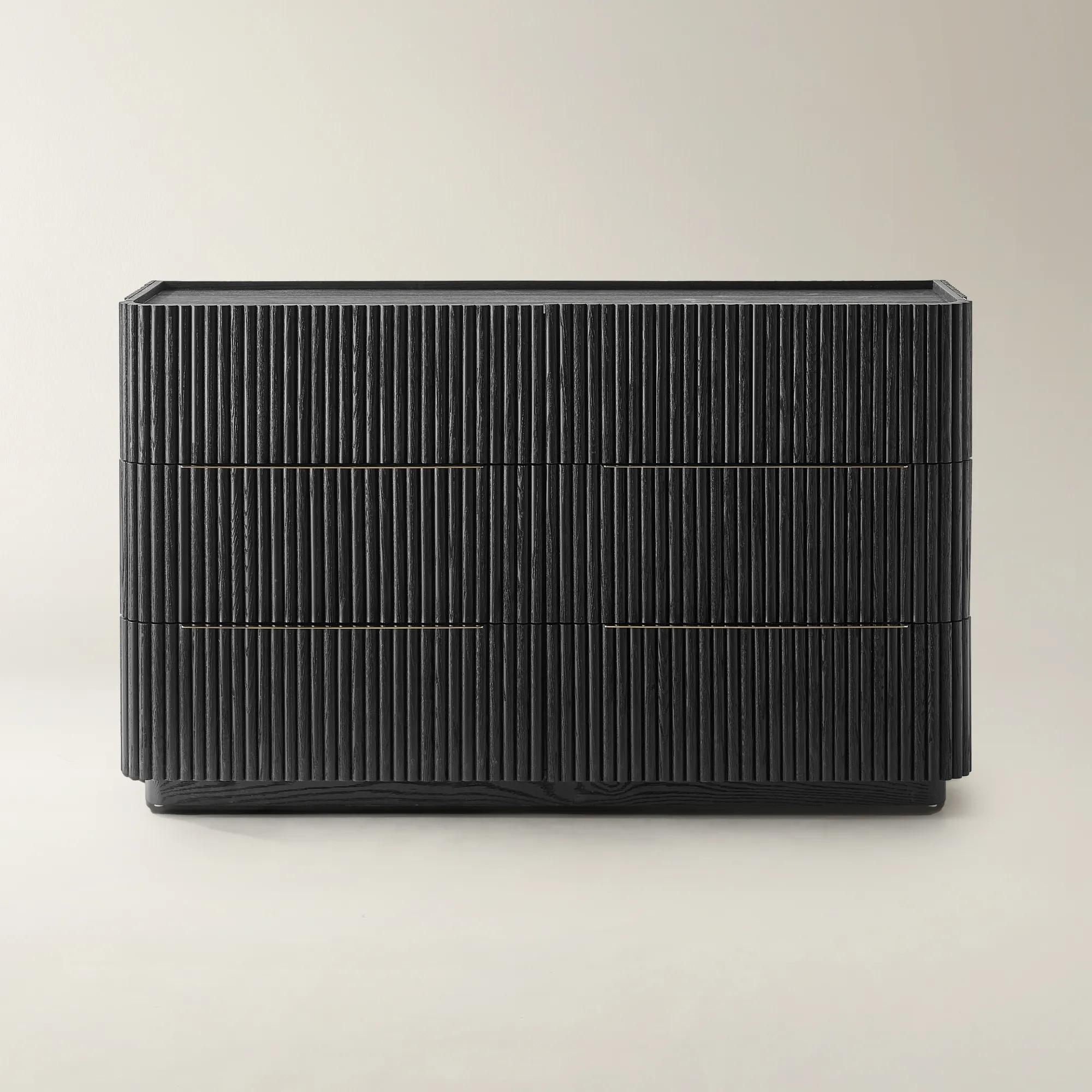 Stria Reeded Black Oak 6-Drawer Dresser (64.5")$2299
A black oak dresser featuring vertical reeded texture, soft gold accents, and six velvet-lined, soft-close drawers.
Add To Cart -
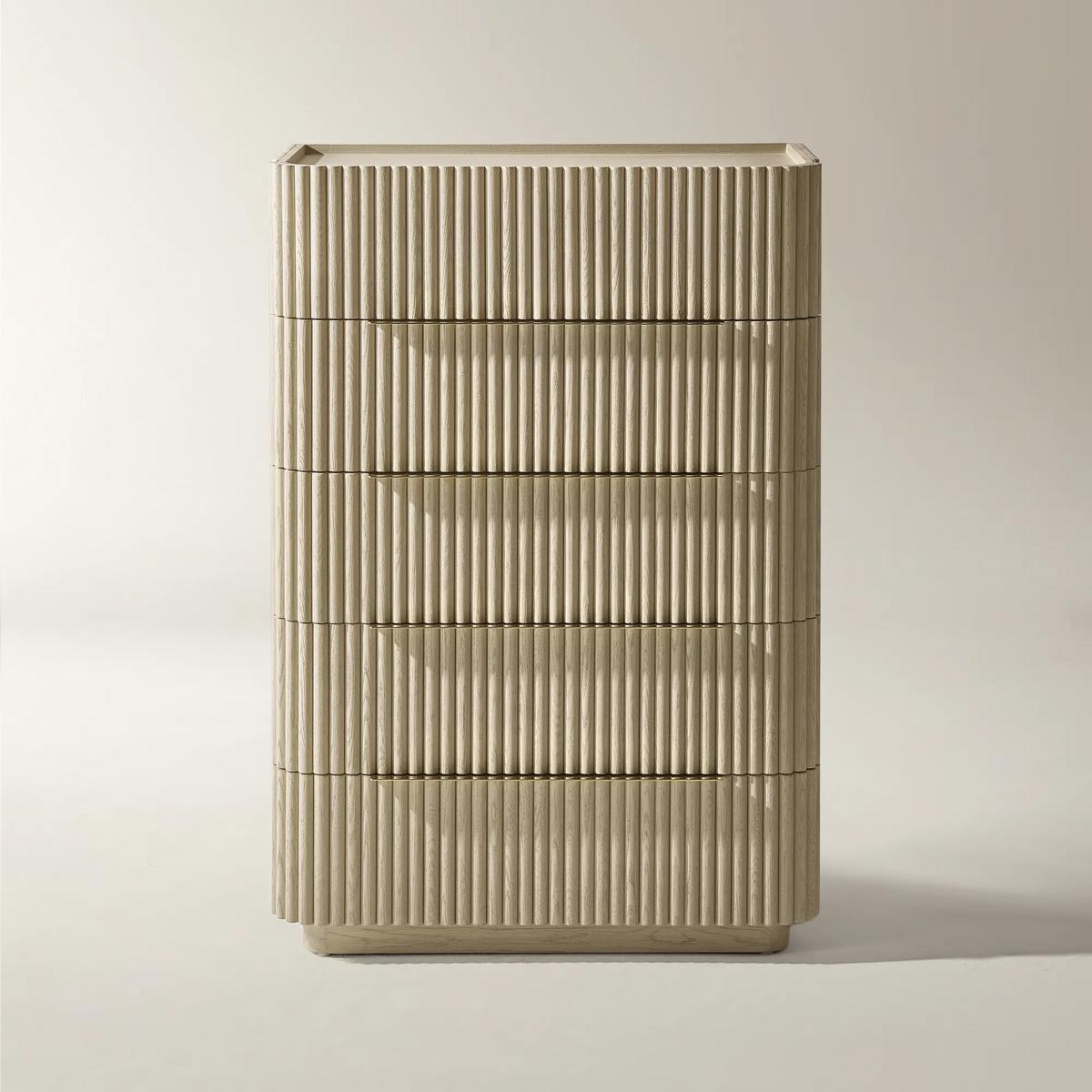 Stria Reeded White Oak 5-Drawer Tall Dresser (36.1")$1799
A sculptural oak chest with reeded detailing, gold-plated trim, and five soft-close, felt-lined drawers.
Add To Cart -
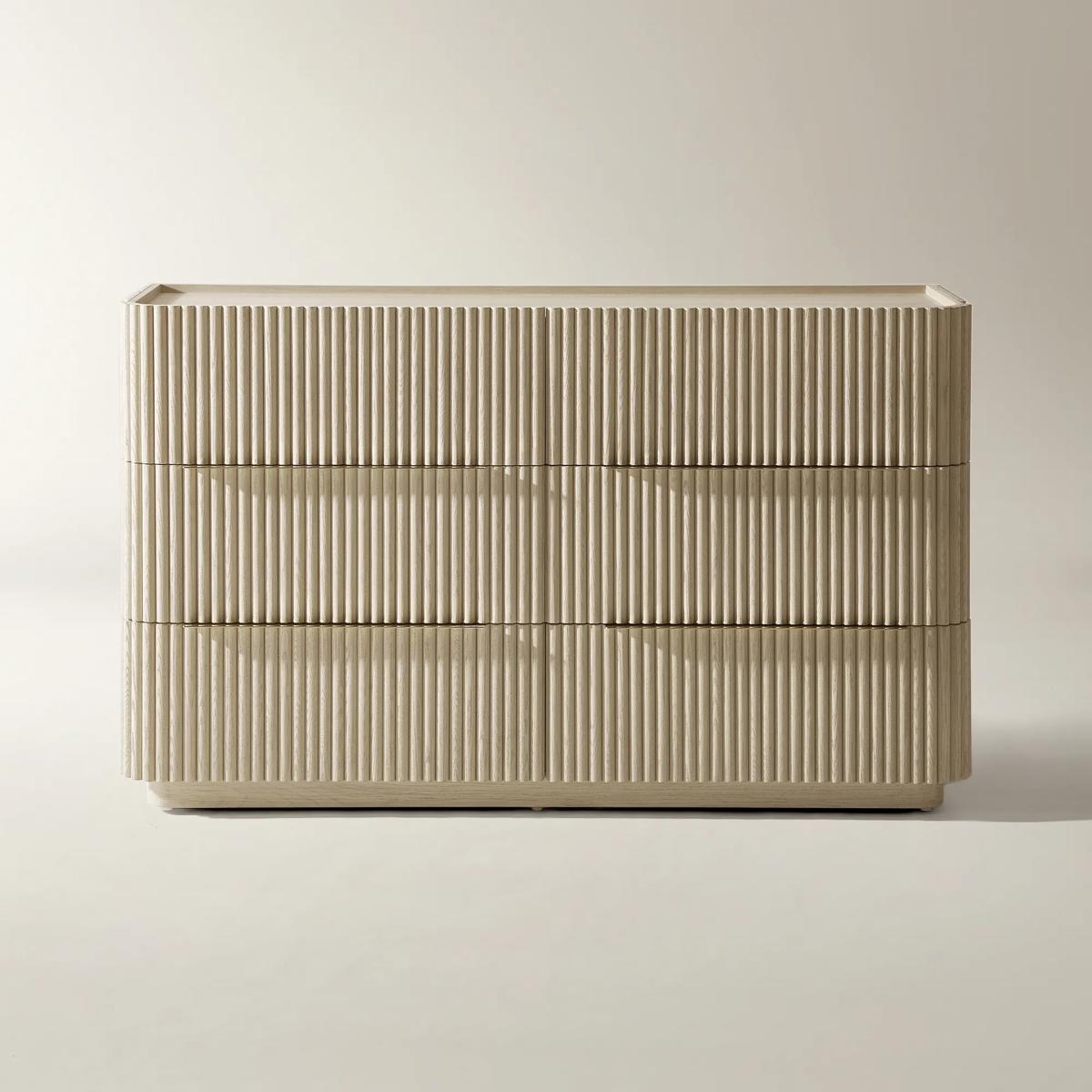
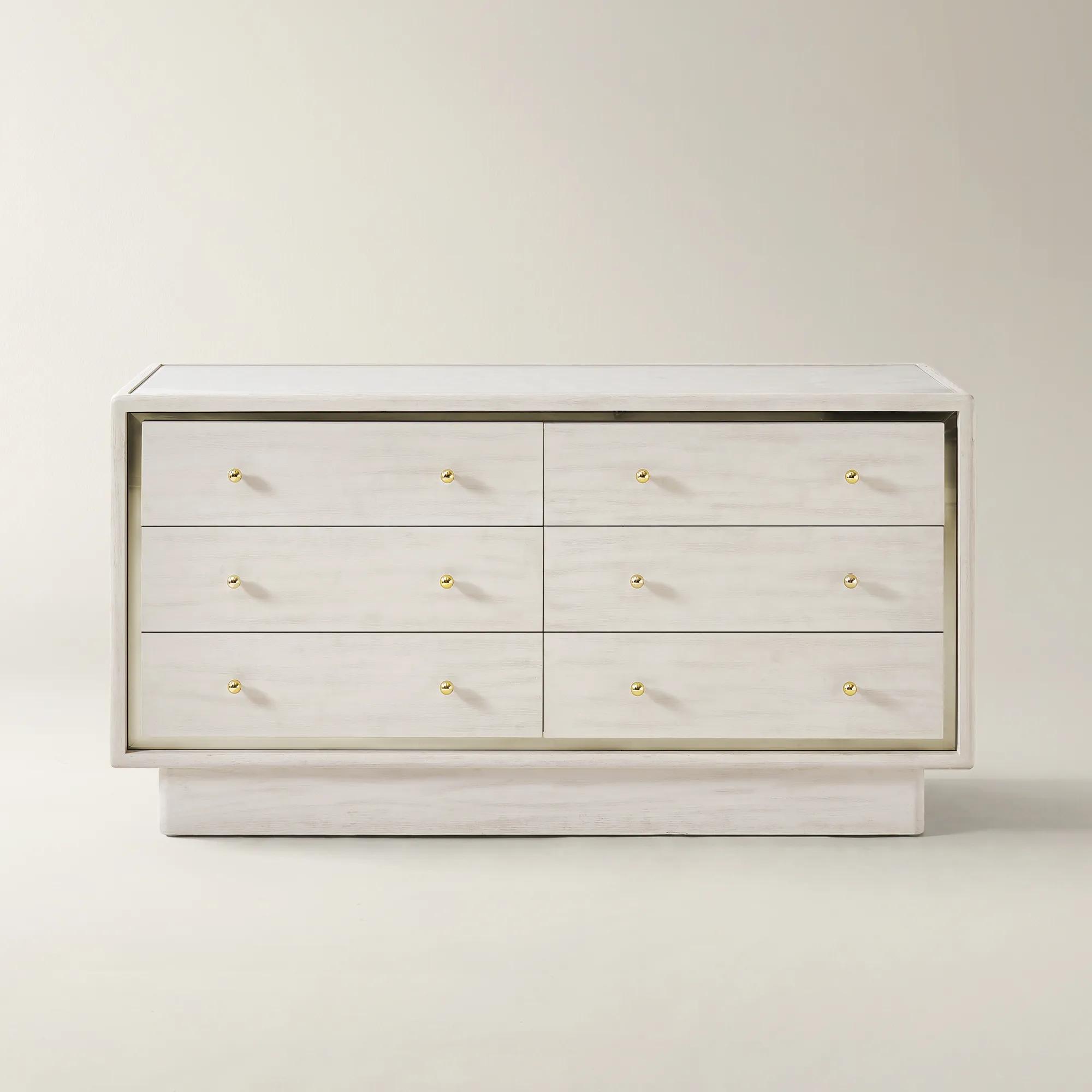
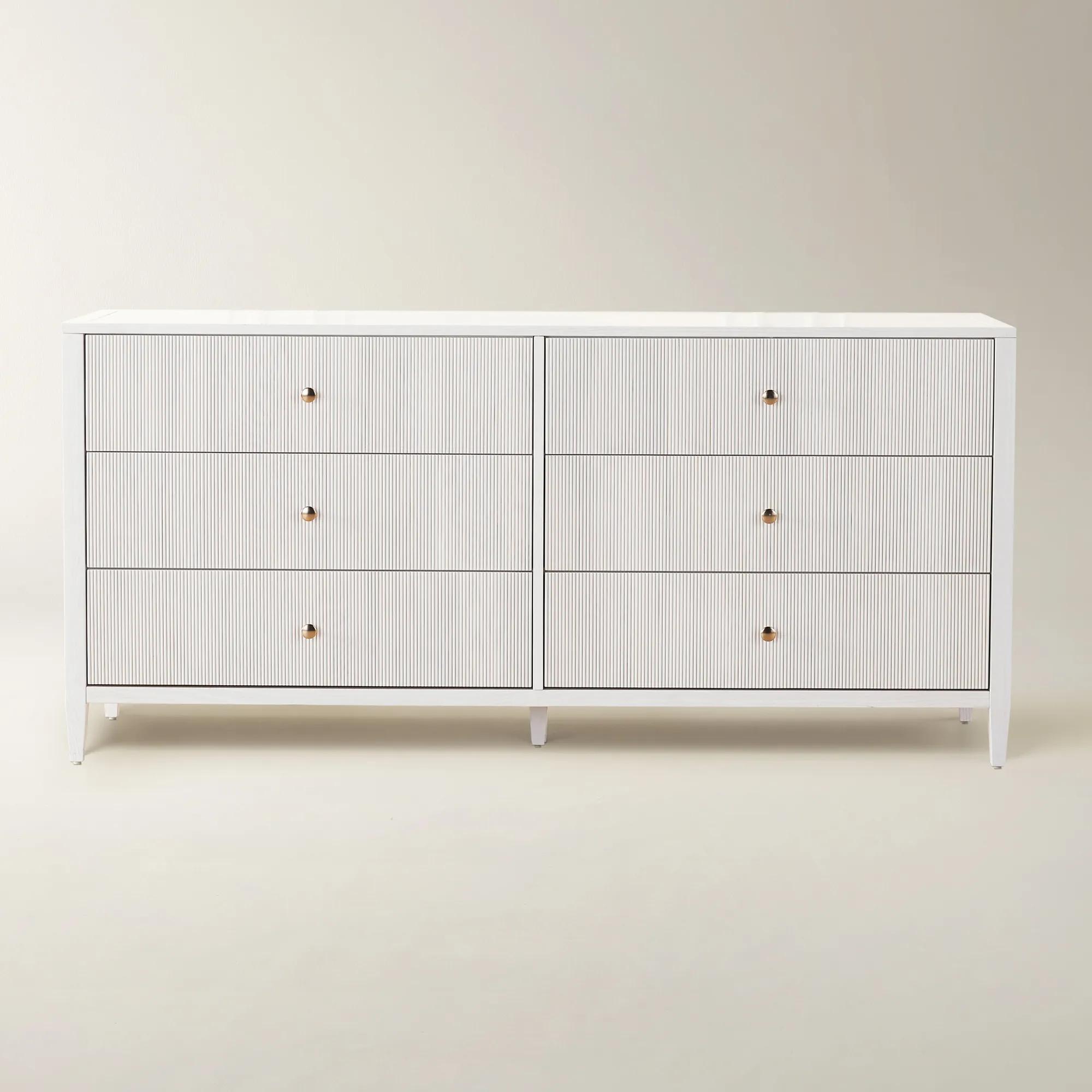
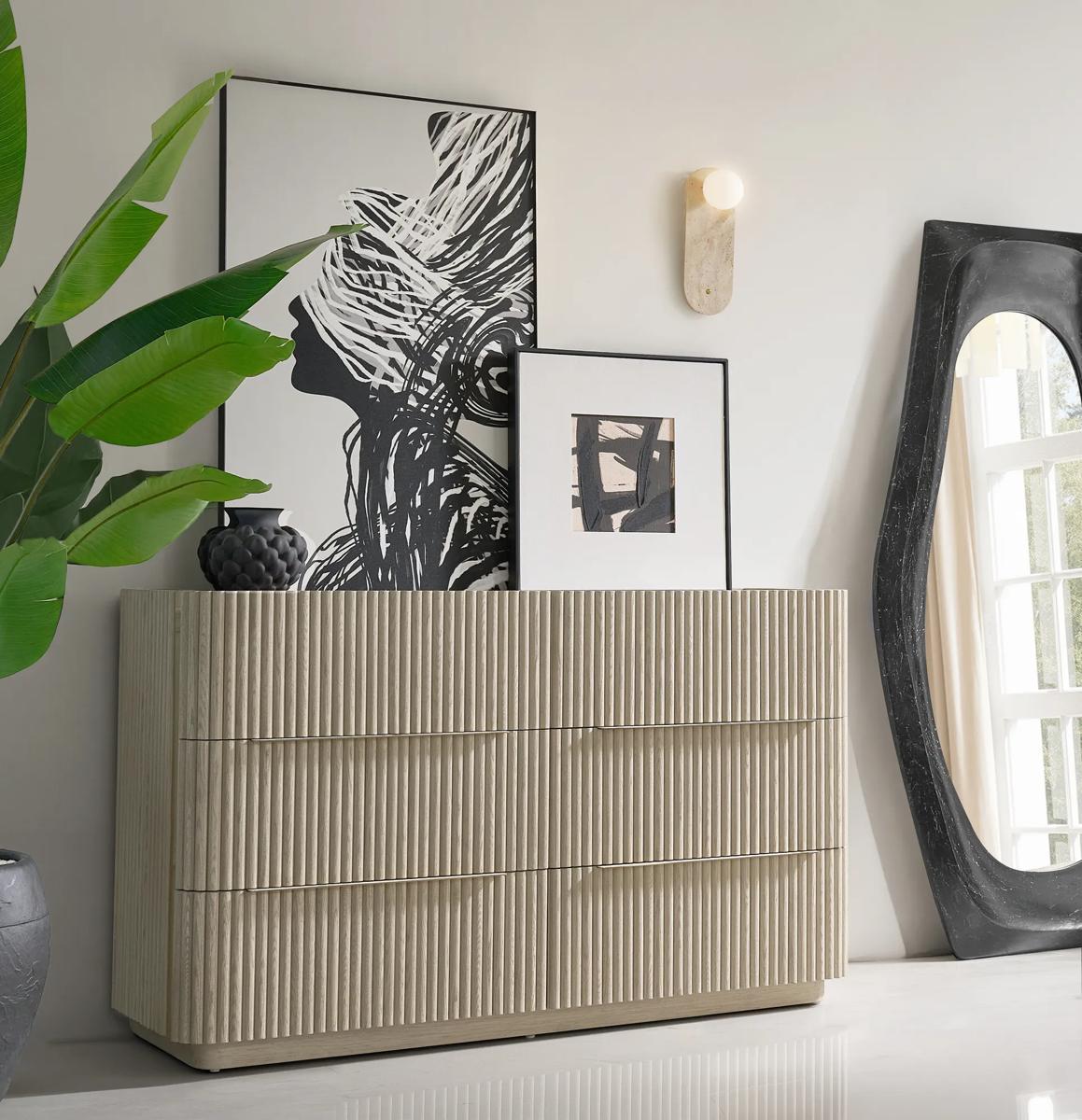 Stria Reeded White Oak 6-Drawer Dresser (64.5")$2299
A sculptural dresser crafted from solid oak with fluted detailing, gold-plated trim, and soft-close drawers.
Add To Cart -
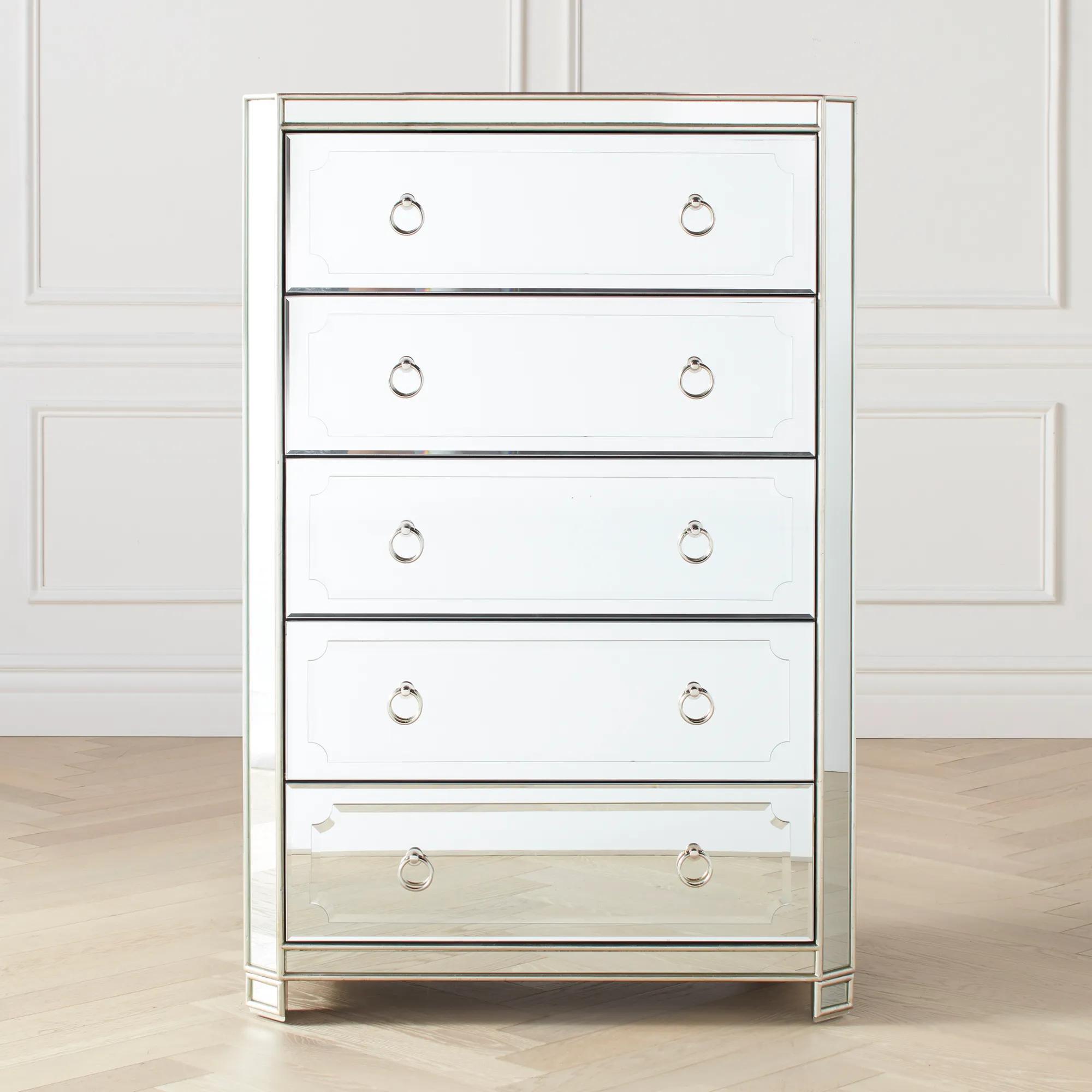
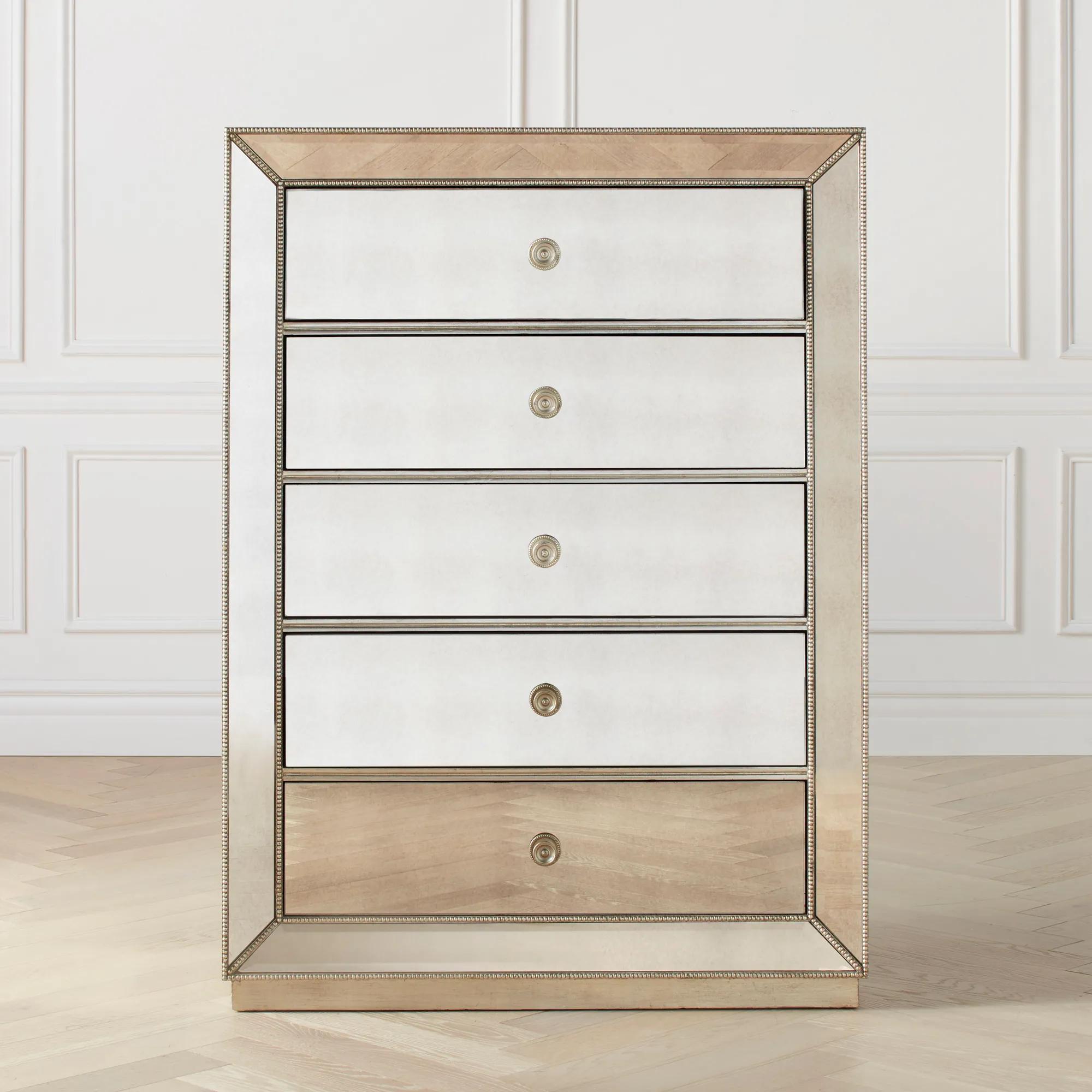
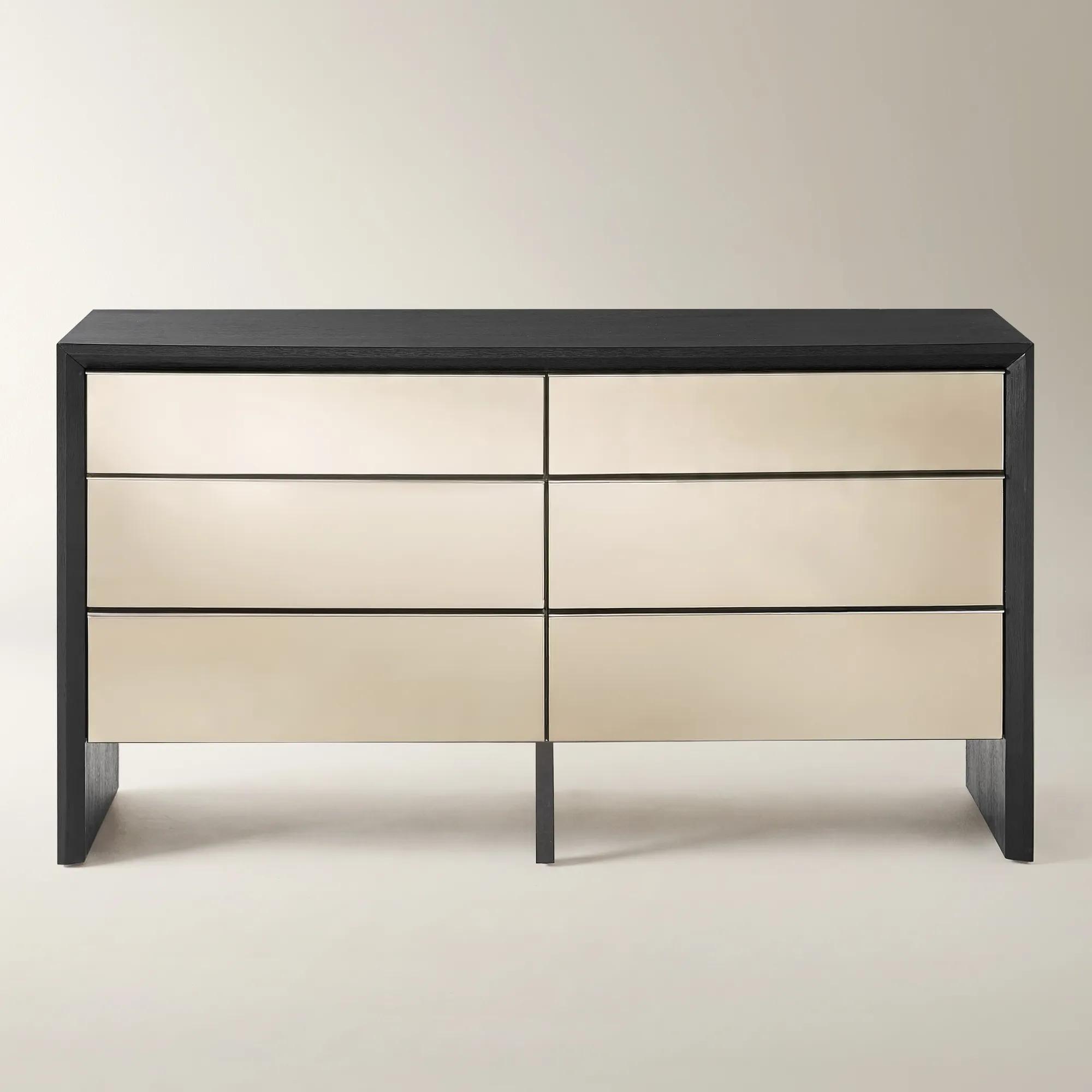 Glimmer Mirrored Black Oak 6-Drawer Dresser (65")$2099
A modern dresser featuring black oak veneer, bronze mirrored drawer fronts, and six velvet-lined soft-close drawers.
Add To Cart -
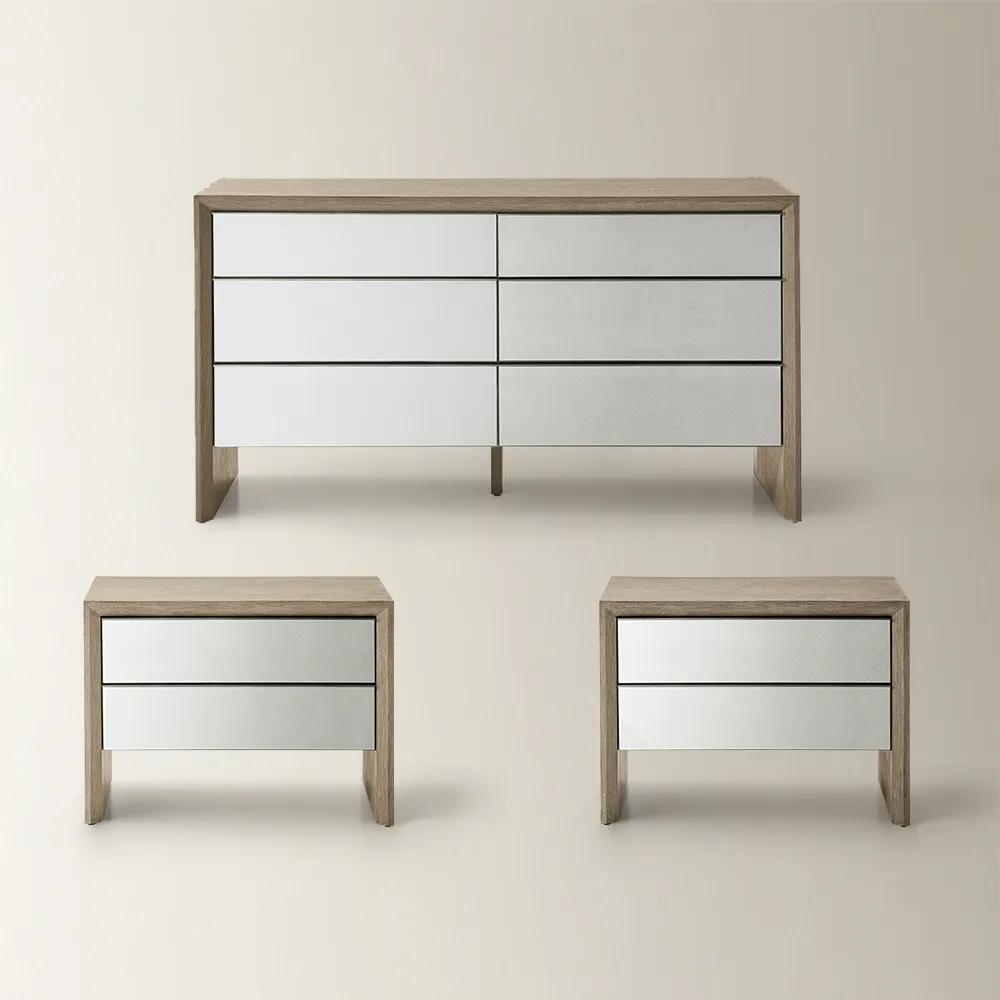
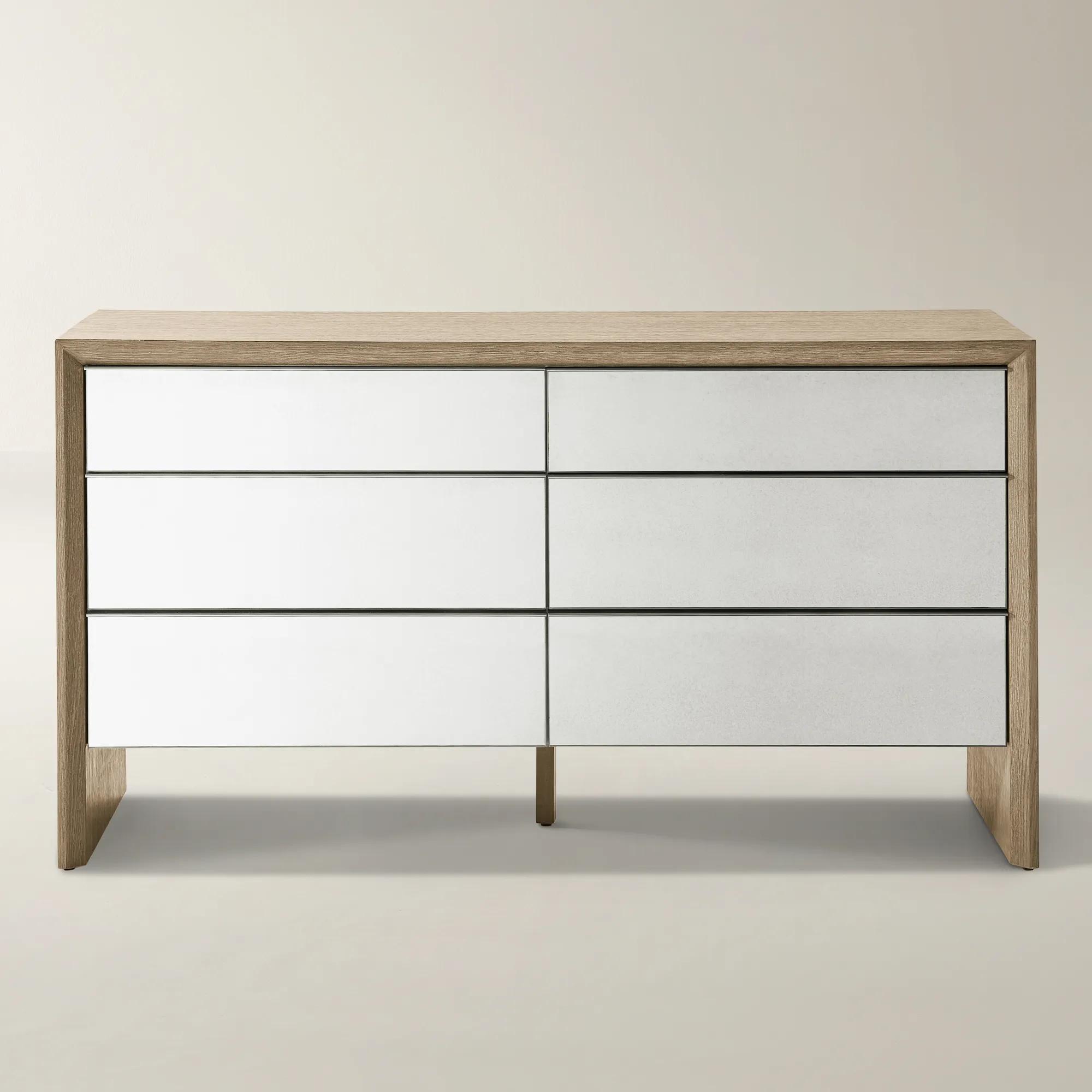 Glimmer Mirrored Seadrift Oak 6-Drawer Dresser (65")$2099
A sophisticated dresser featuring sea drift oak veneer and antique mirrored drawer fronts with soft-close drawers.
Add To Cart

Furniture For Clothing Storage
Find furniture for clothing storage that brings order to your wardrobe and a polished presence to your room. Explore storage options with your space and routine in mind, comparing dimensions and capacity to accommodate folded clothing and everyday essentials. Choose a piece that balances practical organization with expressive design, making storage part of the room’s composition.
Furniture for clothing storage brings order to your wardrobe while giving your bedroom a distinctive design presence. The right dresser, chest of drawers, or wardrobe cabinet does more than keep garments out of sight—it helps shape a room that feels composed, expressive, and entirely your own. A wide dresser offers generous surface space for a sculptural lamp, a decorative tray, and a striking piece of art above, turning everyday bedroom storage into an artful focal point. A tall chest of drawers makes greater use of vertical space, offering a practical alternative where wall width is limited. For clothing that needs to hang, an armoire or freestanding wardrobe can supplement a small closet or introduce dedicated clothing storage to a room without built-in cabinetry. Choose proportions that complement the bed and surrounding furniture, allowing statement silhouettes to command attention without crowding the space. Whether your vision favors dramatic contrast or a richly layered palette, clothing storage furniture should contribute as much to the atmosphere of the room as it does to its organization. Selecting bedroom storage furniture begins with the pieces you wear and the way you want to access them. Folded sweaters and denim benefit from deeper drawers, while smaller compartments or added drawer dividers help separate socks, lingerie, and accessories. Compare interior dimensions rather than relying on a dresser’s exterior size alone, and consider drawer access, hanging clearance, and shelf configuration before choosing a layout. In a small bedroom, a narrower chest or a wardrobe with a thoughtfully arranged interior can expand clothing organization without overwhelming the floor plan. A storage bench at the foot of the bed can provide an additional place for seasonal layers, provided its interior dimensions suit your needs. Measure doorways, baseboards, and the space needed to fully open drawers and cabinet doors, and follow the manufacturer’s anchoring instructions for dressers, chests, and wardrobes. With storage tailored to your wardrobe, getting dressed becomes a more considered daily ritual—and your bedroom retains the visual harmony that lets its most expressive details shine.
FAQs
Dressers, chests of drawers, wardrobes, and armoires are classic clothing storage furniture categories. Dressers and chests organize folded pieces, while wardrobes and armoires may offer hanging space, shelving, or a combination of compartments. Choose a style that reflects your wardrobe and gives your bedroom a distinct design point of view.
A dresser centers on drawers for folded clothing, with a top surface that invites an artful display. An armoire features doors that conceal an interior arranged for hanging garments, folded pieces, or both, depending on its design. Each brings a different visual rhythm to a bedroom: layered drawer fronts or a dramatic cabinet silhouette.
Look for expressive silhouettes, distinctive hardware, and finishes that create a deliberate dialogue with your decor. Reflective details can echo the radiance of statement lighting, while sculptural drawer fronts introduce depth and artistry. Let one element command attention, then repeat a color or finish elsewhere for a composed, luxurious look.
Clothing storage furniture does not need to match every piece in the room. A shared undertone, hardware finish, or design motif can connect different silhouettes without making the space feel overly coordinated. Pair clean-lined furnishings with a more expressive storage piece for contrast that feels collected and confident.
Treat the dresser top as a personal vignette. Anchor the arrangement with artwork or a mirror, then introduce a sculptural vase, a decorative box, or a tray for jewelry. Vary the heights and leave open surface around the composition so each detail has room to make its statement.