Furniture For Home Organization
Furniture For Home Organization
-
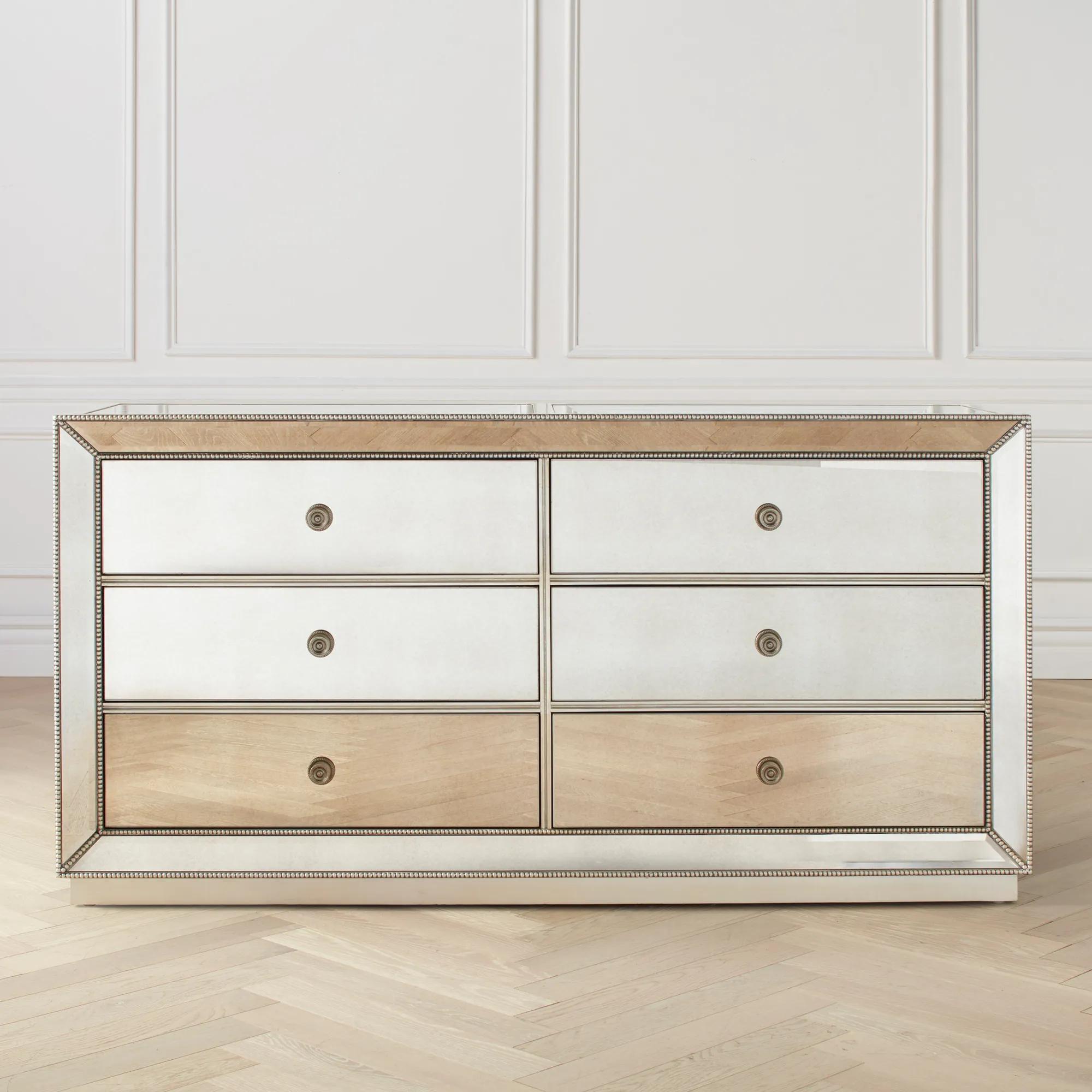 Omni Mirrored Silver 6-Drawer Dresser (72")$2599
A hand-applied silver-leaf chest with antiqued mirrored panels and beaded trim for dramatic bedroom shine.
Add To Cart -

 Stria Reeded White Oak Open Bookcase (80")$2699
A modern open bookcase featuring vertical reeded white oak, soft gold metal trim, and five spacious shelves.
Add To Cart -
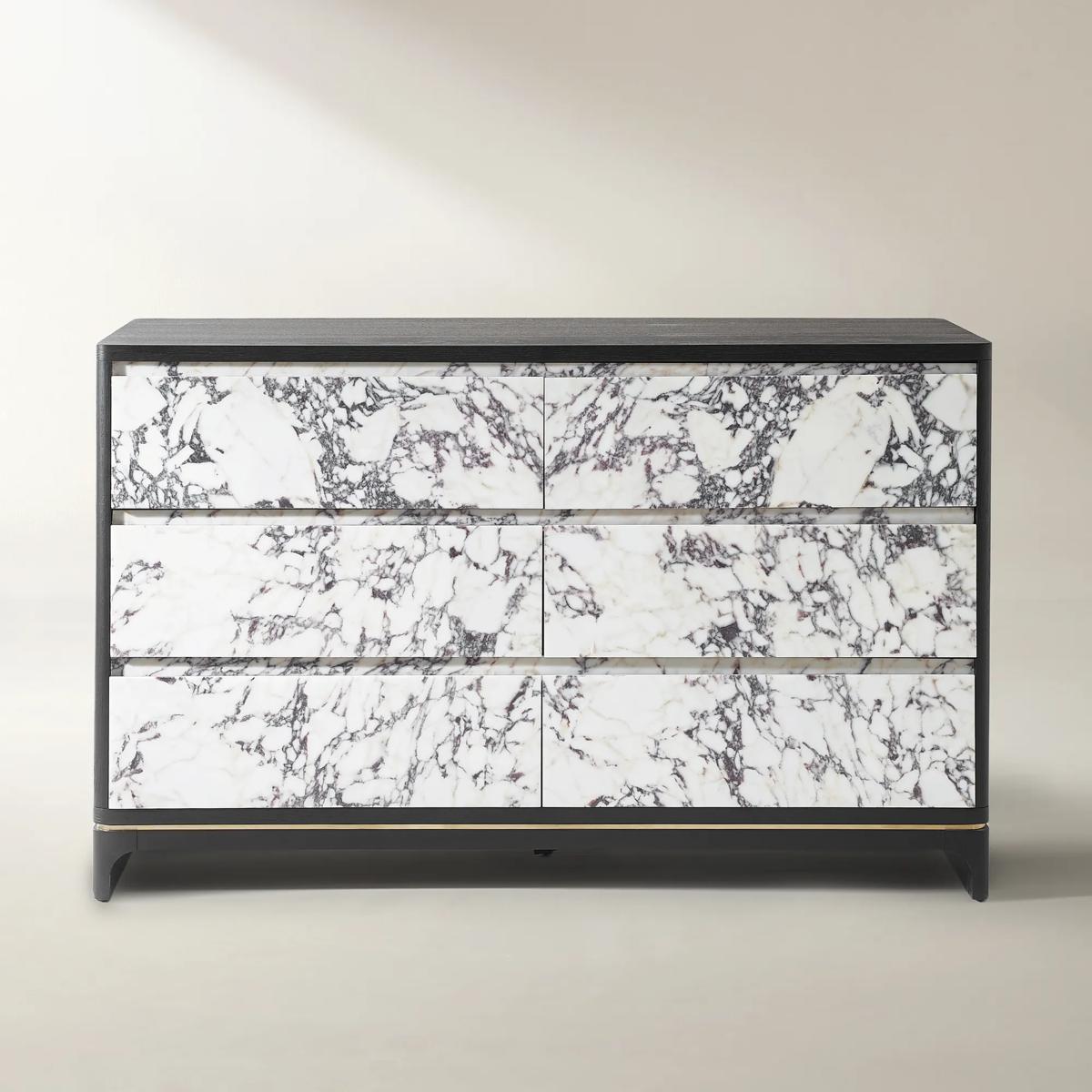 Vanta Black Oak And Calacatta Marble 6-Drawer Dresser (66")$2899
A striking dresser featuring genuine Calacatta Viola marble fronts and matte black oak veneer for modern luxury.
Add To Cart -
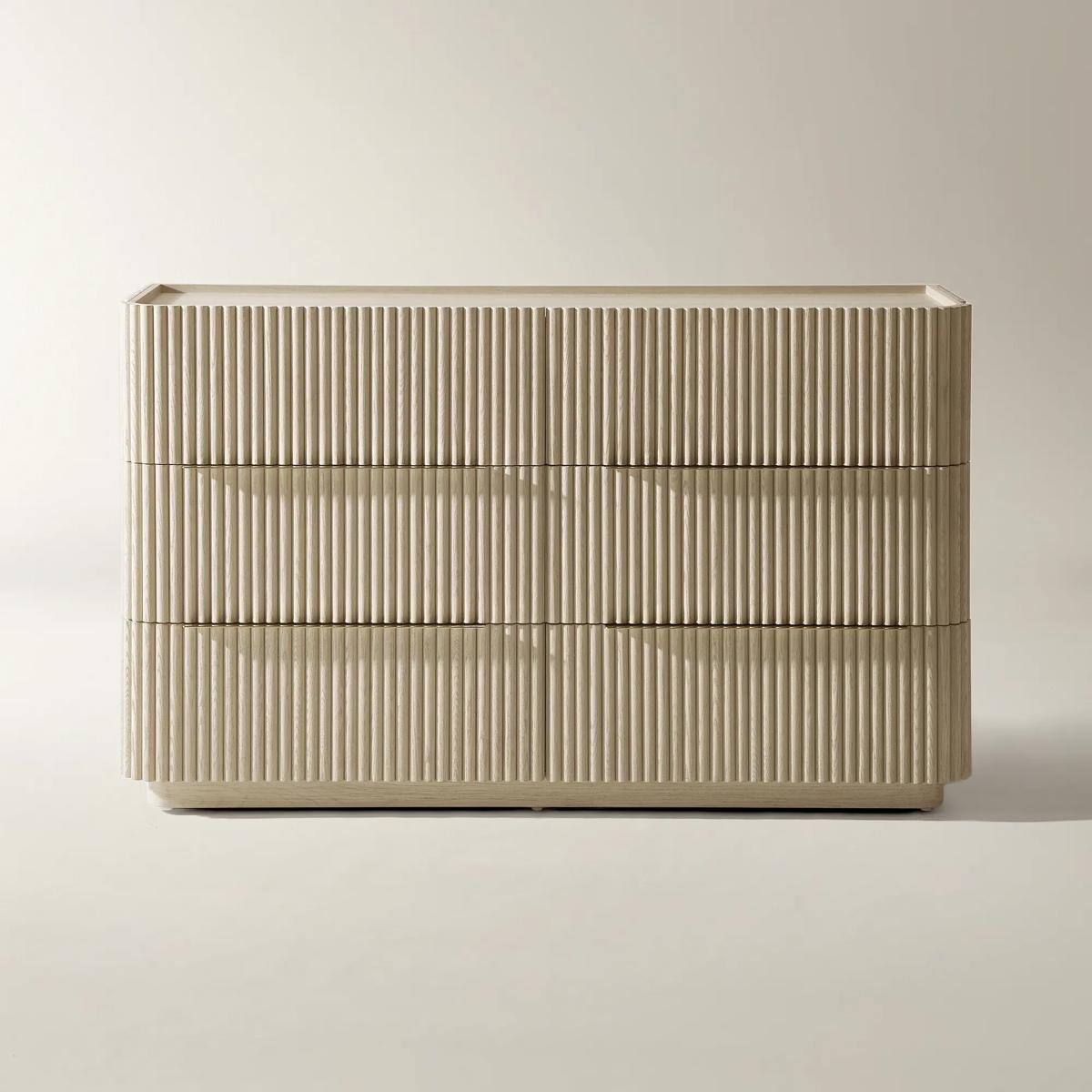
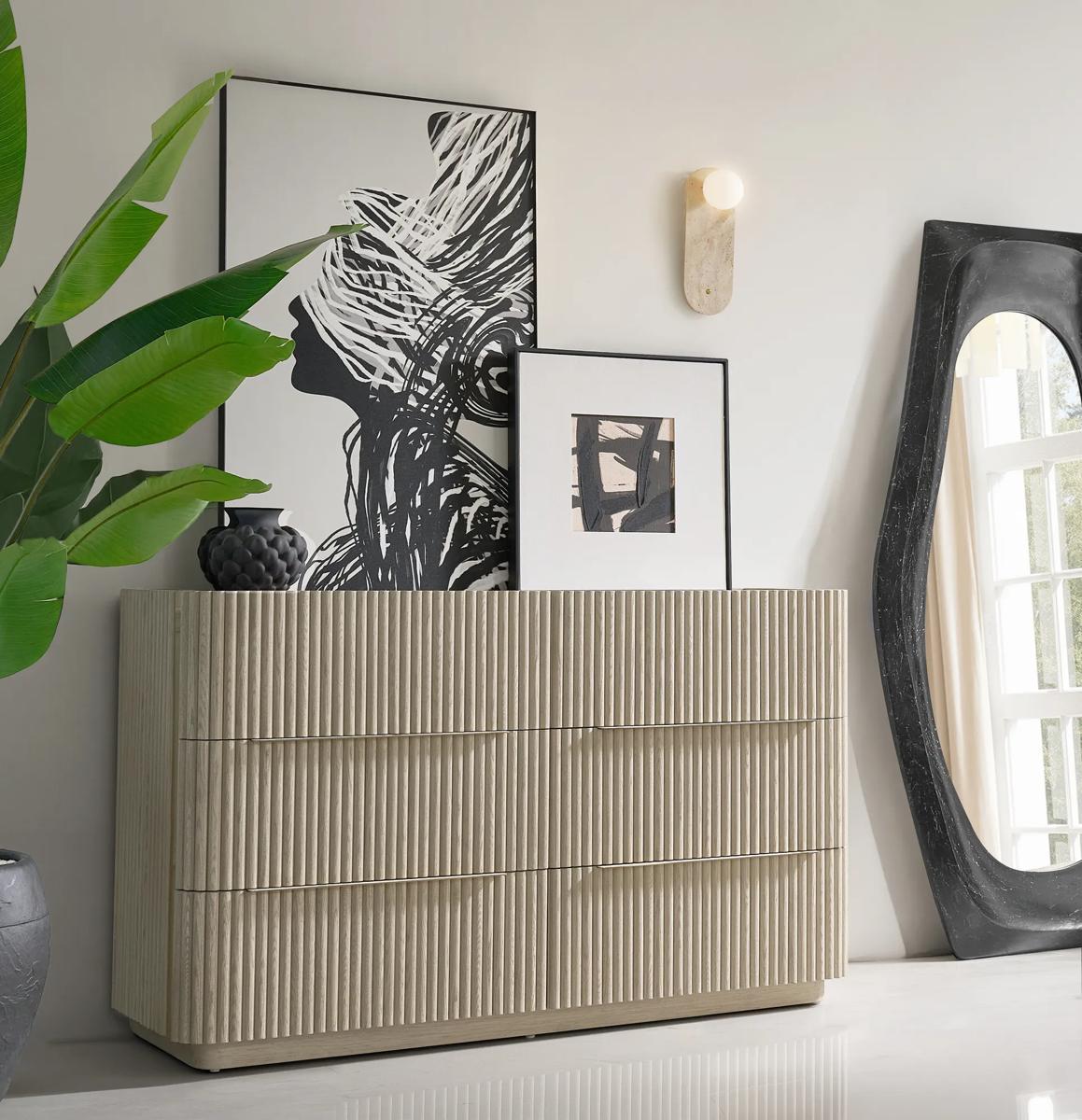 Stria Reeded White Oak 6-Drawer Dresser (64.5")$2599
A sculptural dresser crafted from solid oak with fluted detailing, gold-plated trim, and soft-close drawers.
Add To Cart -
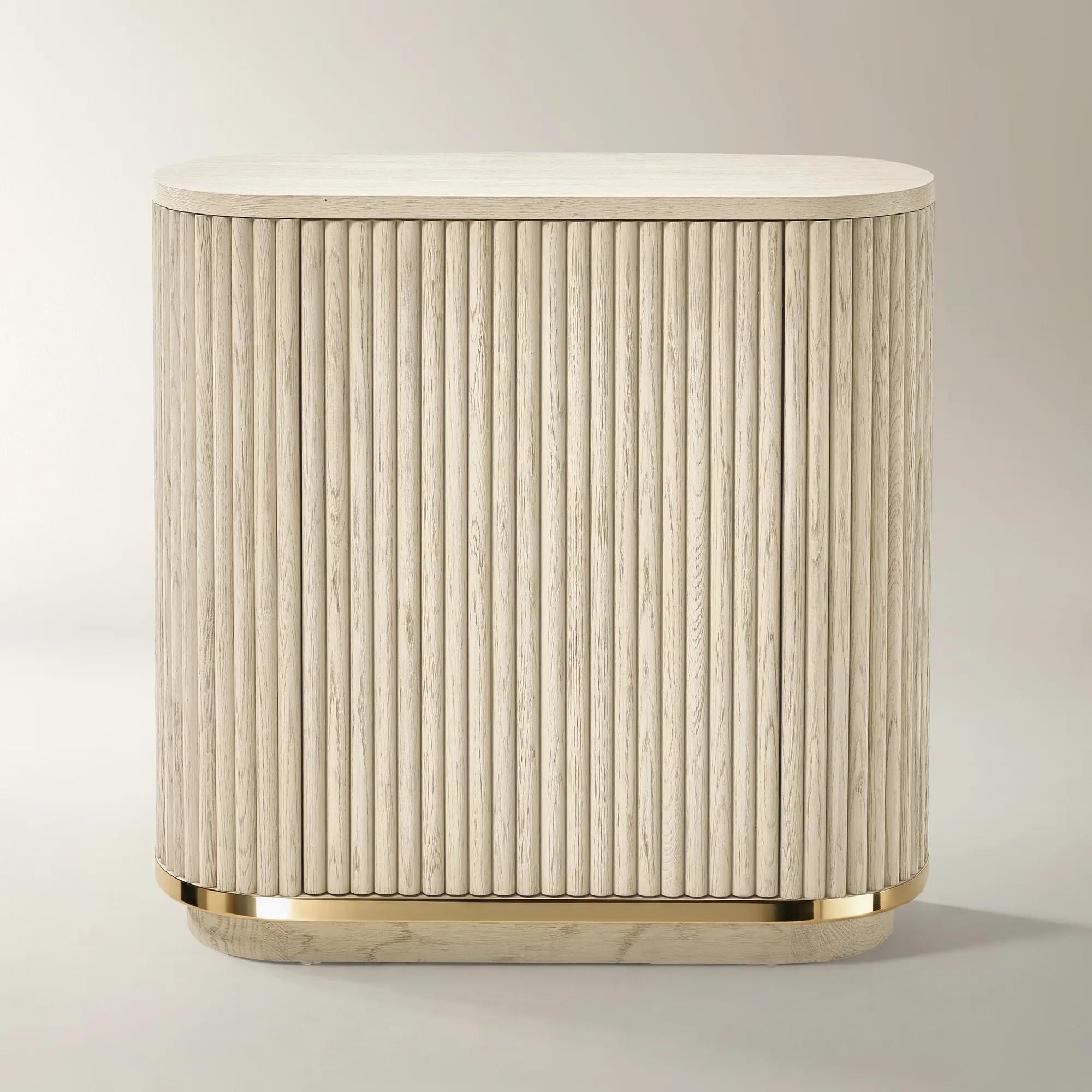 Stria Reeded White Oak Buffet (36")$1399
A modern buffet featuring vertical reeded white oak, soft gold metal trim, and push-to-open doors.
Add To Cart -
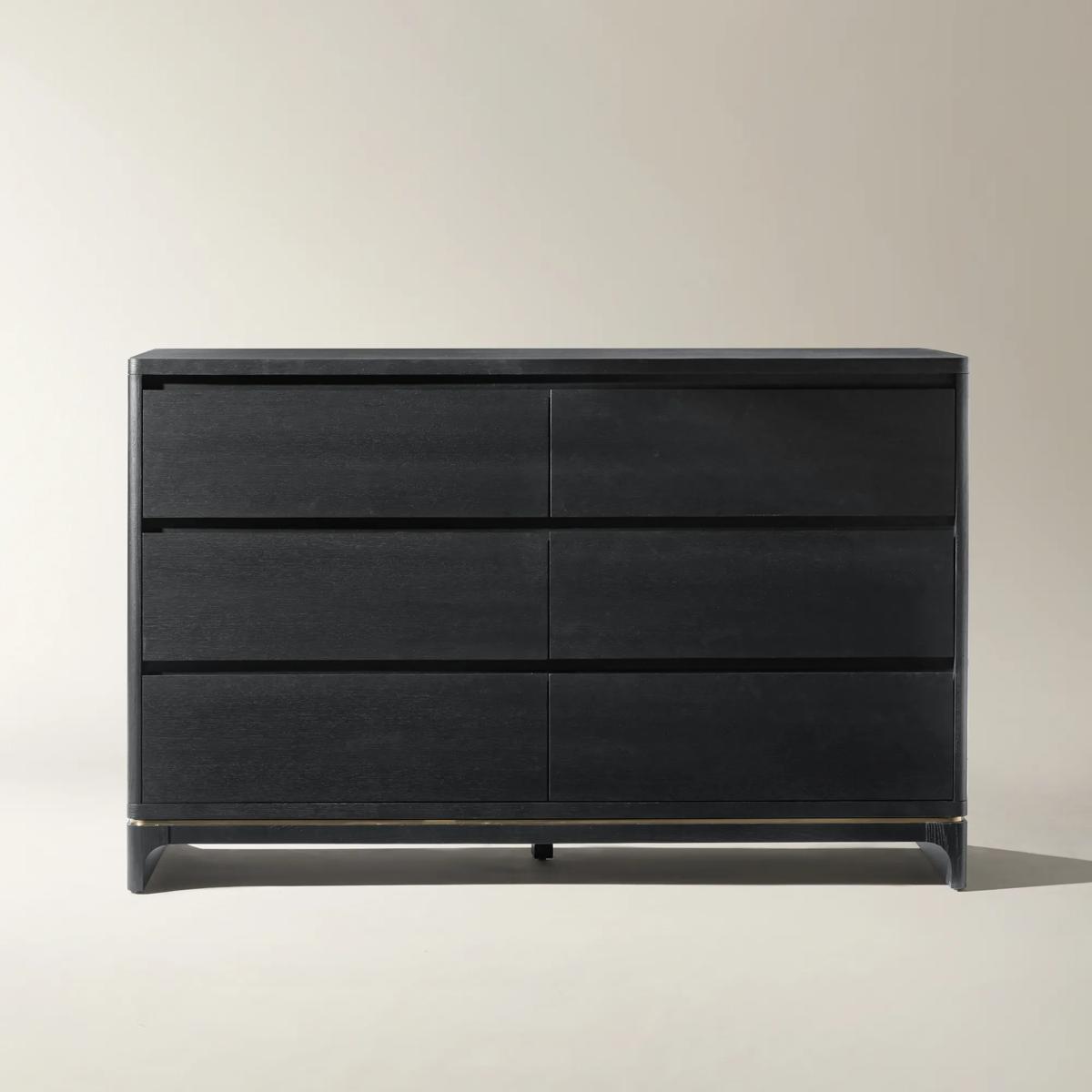 Vanta Black Oak 6-Drawer Dresser (66")$1999
A matte black oak dresser with gold stainless steel trim, soft-close drawers, and concealed sharknose pulls.
Add To Cart -
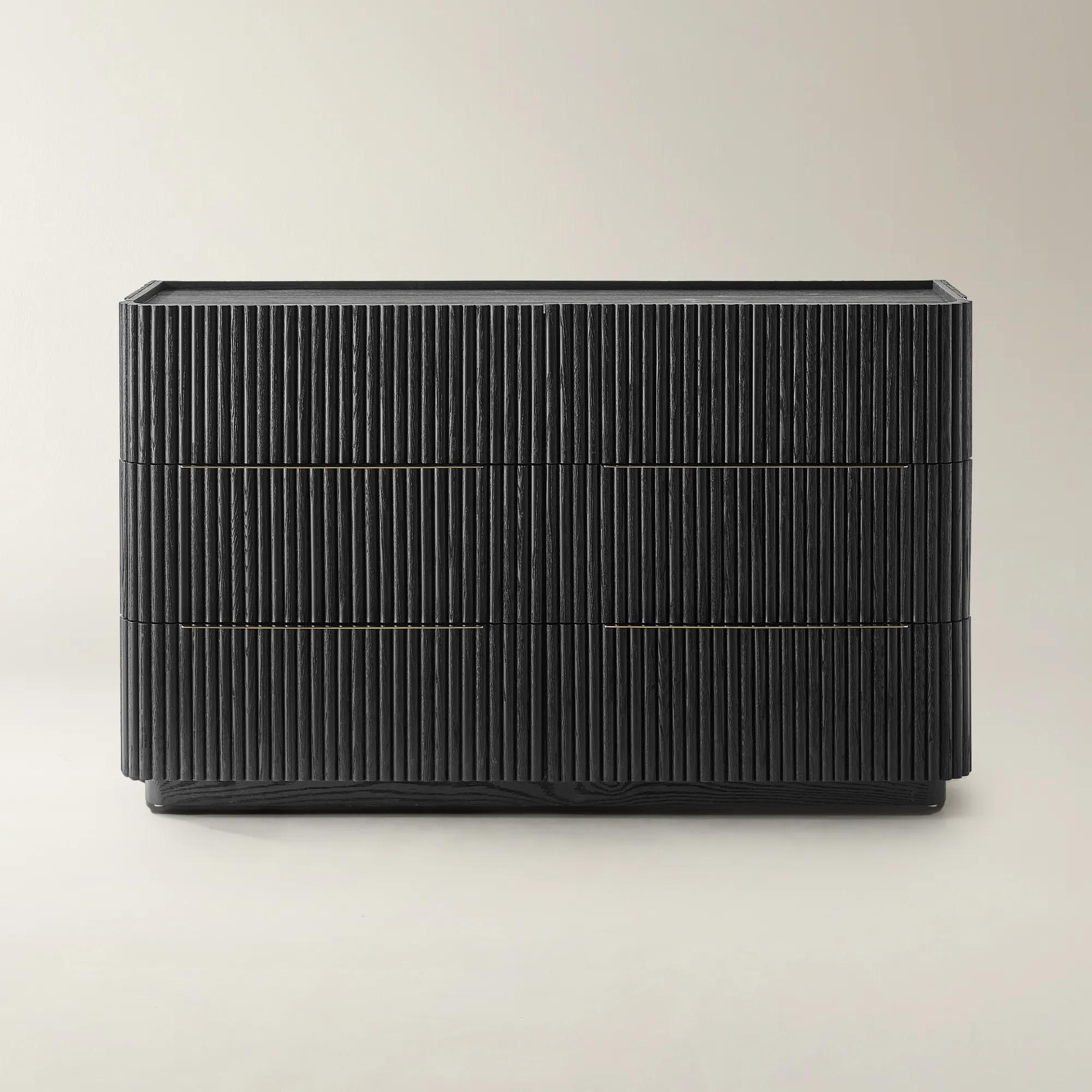 Stria Reeded Black Oak 6-Drawer Dresser (64.5")$2599
A black oak dresser featuring vertical reeded texture, soft gold accents, and six velvet-lined, soft-close drawers.
Add To Cart -
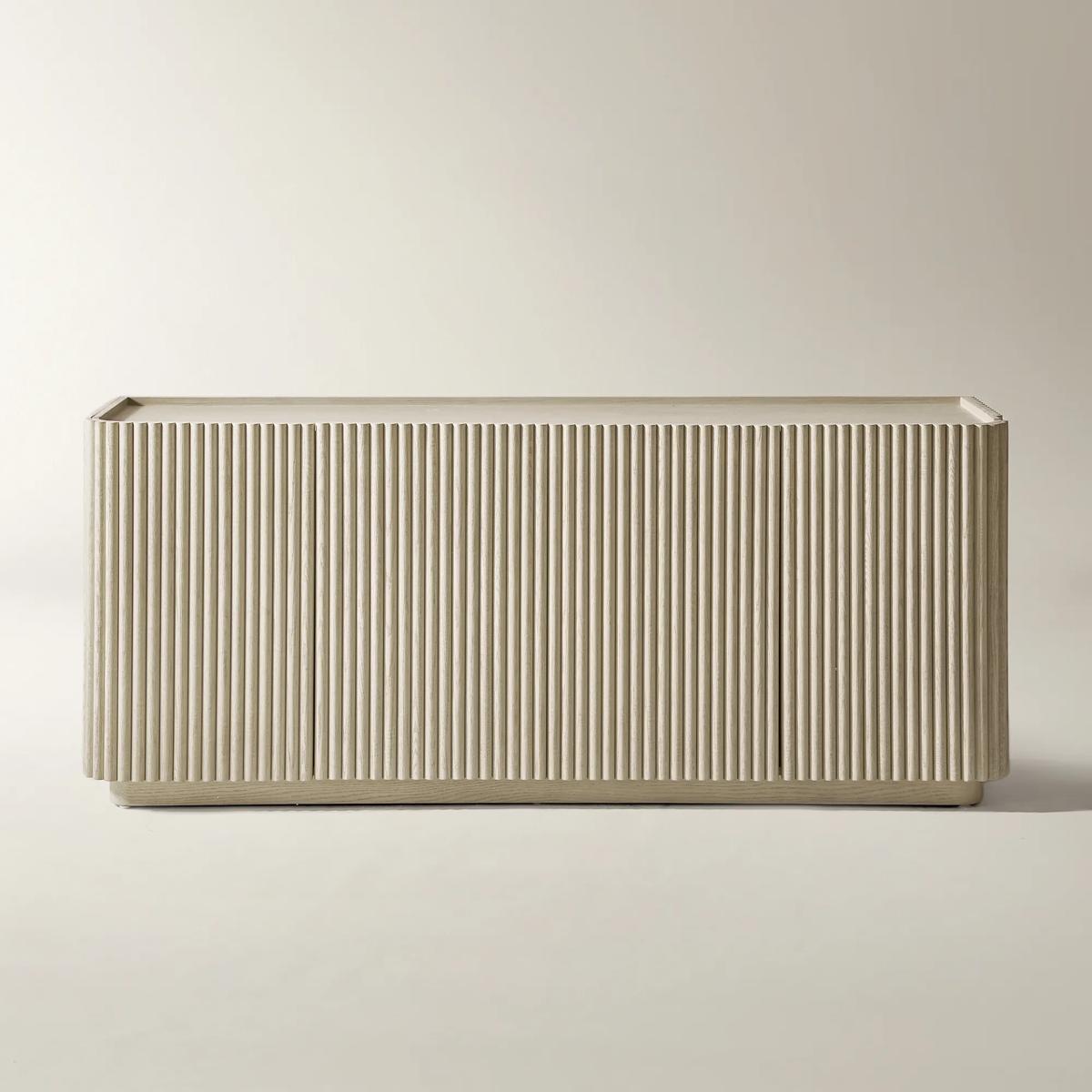
 Stria Reeded White Oak Buffet (72")$2199
A sculptural oak buffet featuring reeded detailing, gold-plated trim, and adjustable storage behind four doors.
Add To Cart -
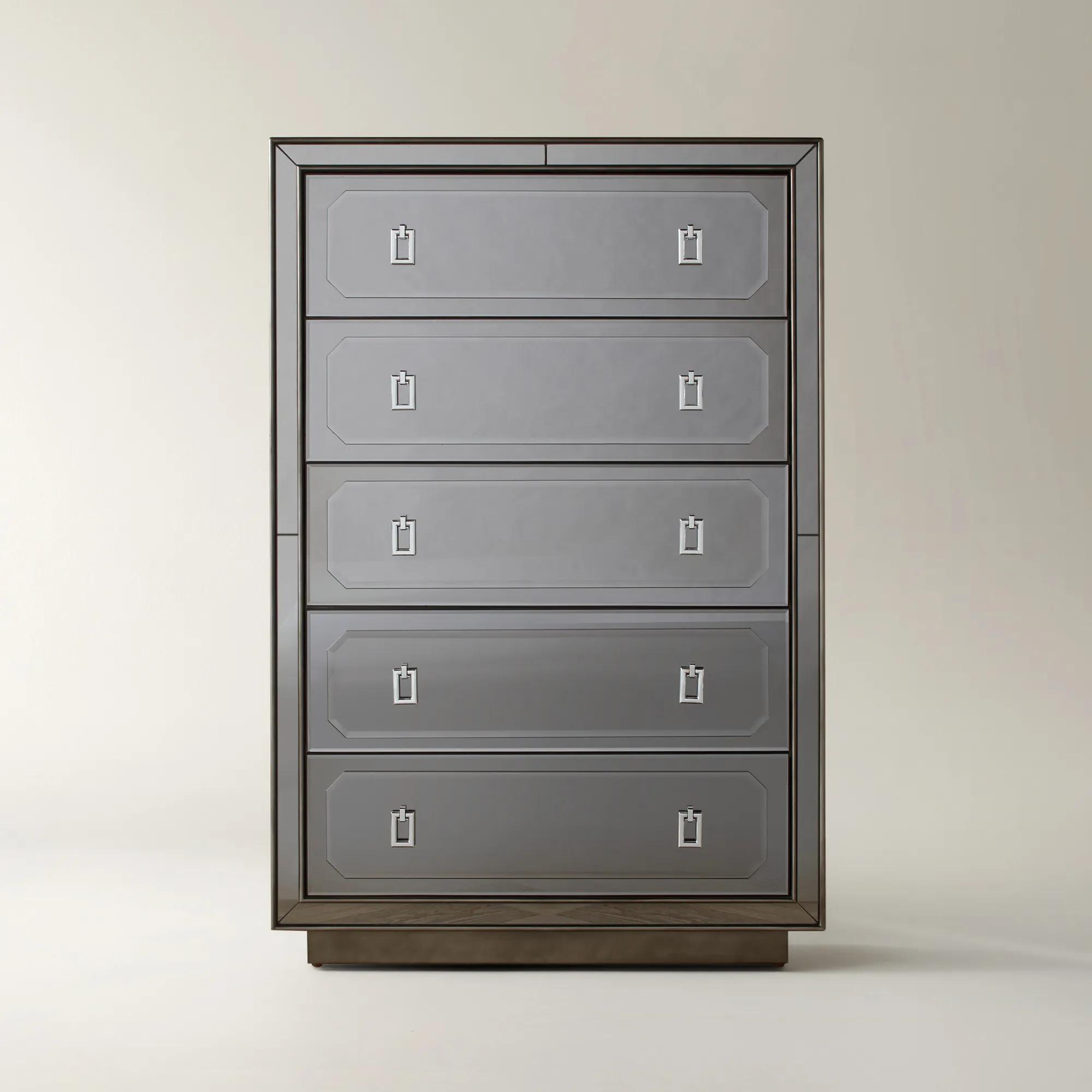 Maddox Mirrored Grey 5-Drawer Tall Dresser (36")$2099
A modern chest featuring beveled mirror panels, graphite finish, and polished nickel hardware for sleek sophistication.
Add To Cart -
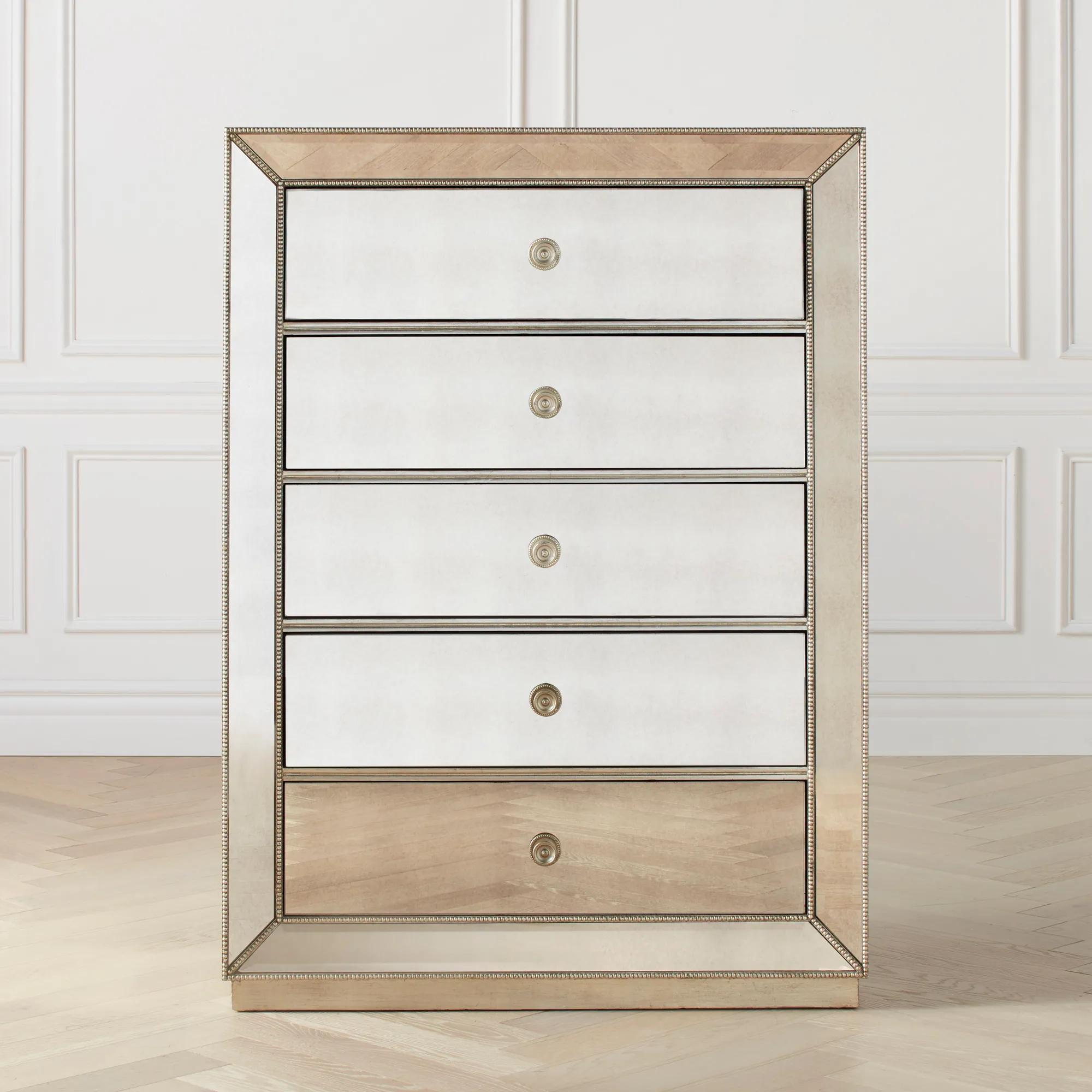
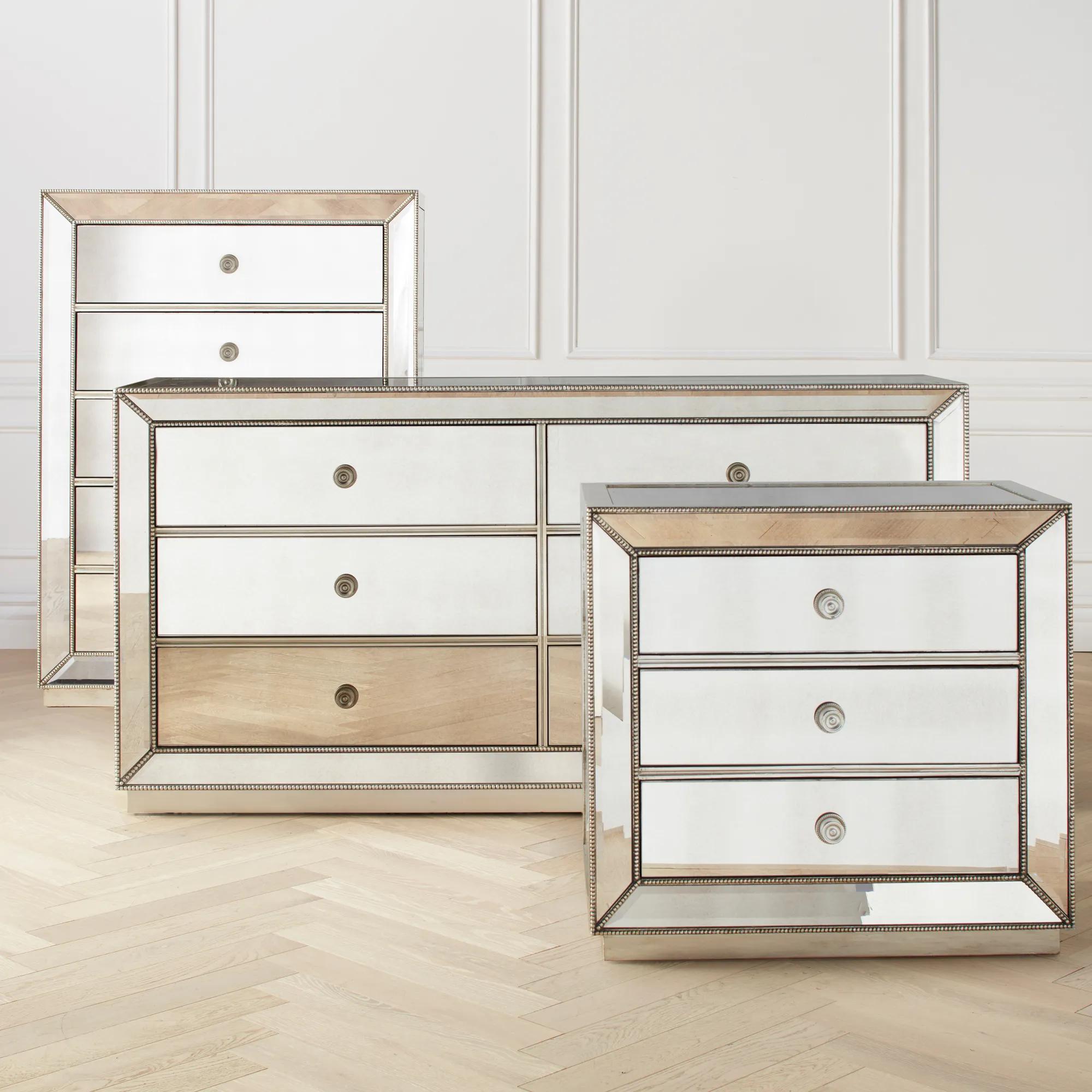 Omni Mirrored Silver 5-Drawer Tall Dresser (40")$2199
A dramatic chest featuring antiqued mirrored panels, hand-applied silver-leaf finish, and kiln-dried hardwood construction.
Add To Cart -
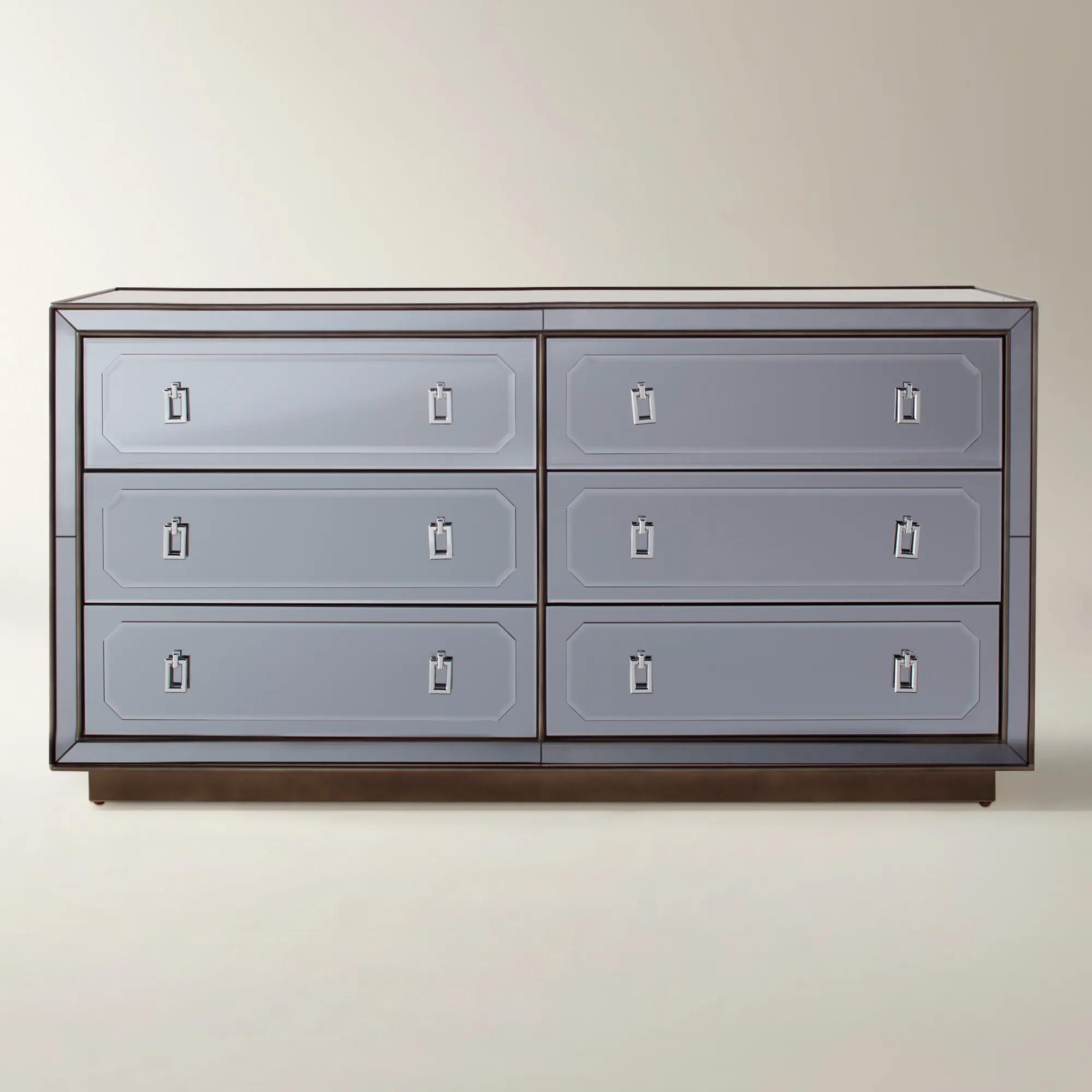 Maddox Mirrored Grey 6-Drawer Dresser (66")$2299
A modern dresser featuring beveled mirror paneling, graphite finish, and polished nickel hardware for sleek sophistication.
Add To Cart -
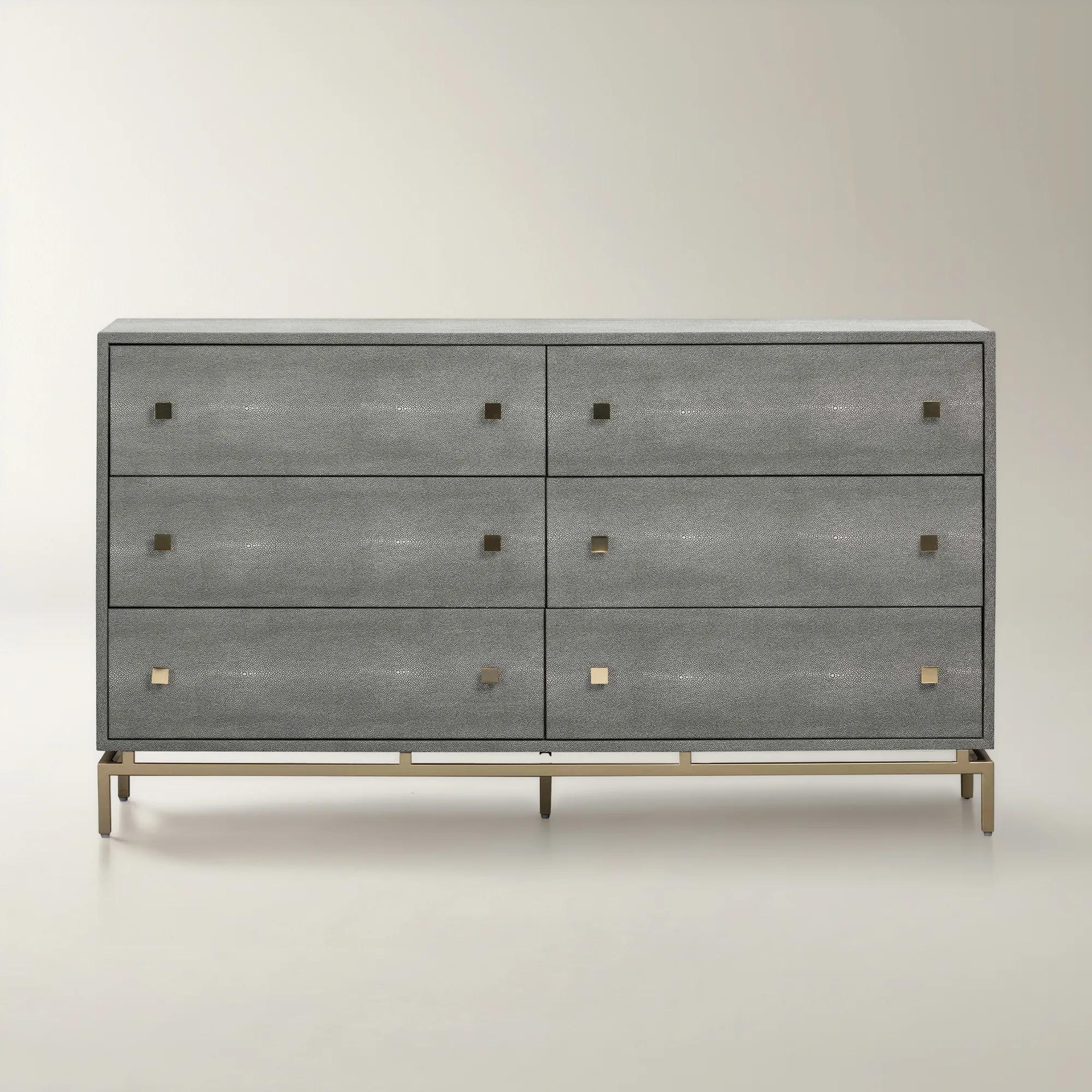
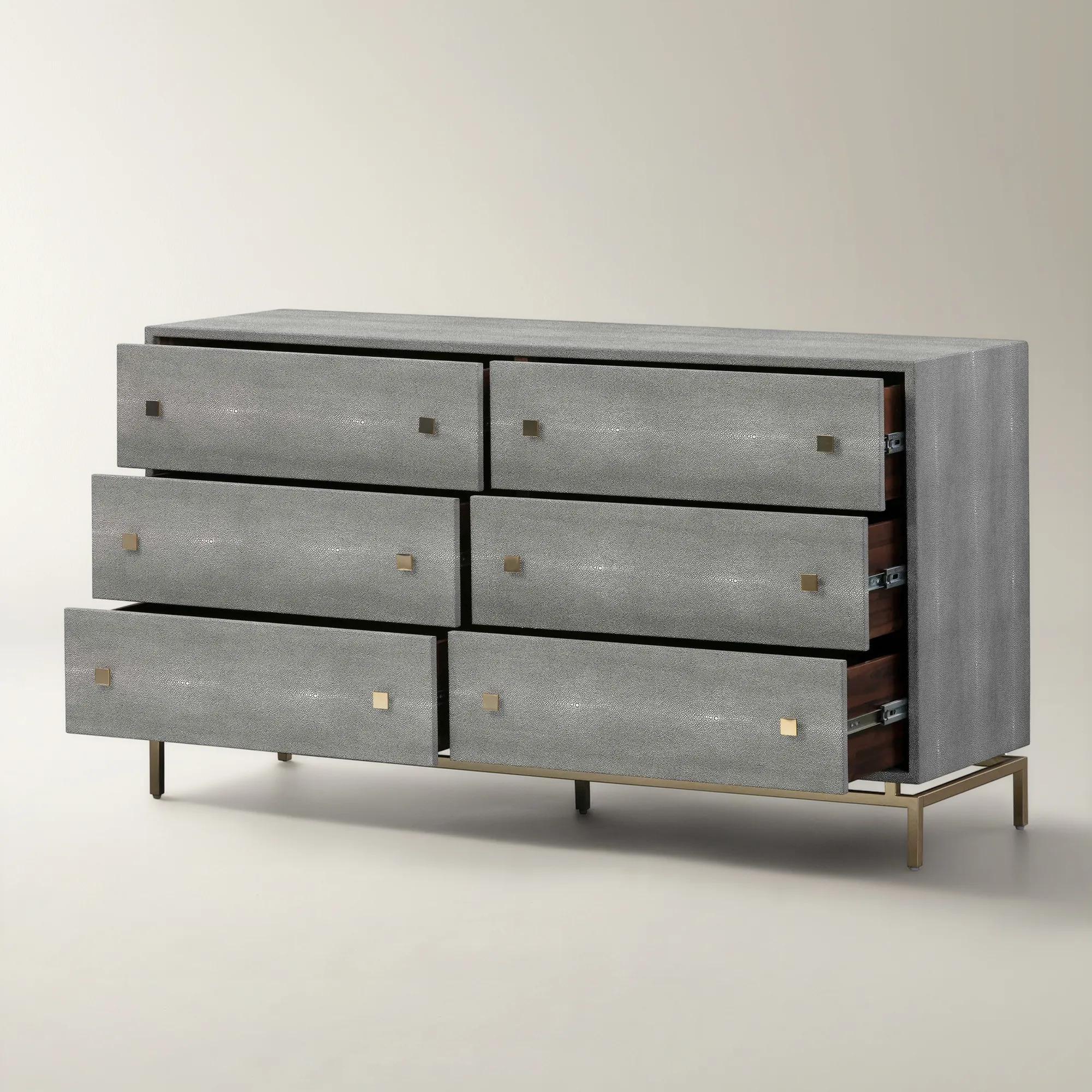 Misha Grey Shagreen 6-Drawer Dresser (57")$2249
A modern dresser featuring faux shagreen texture, brass-finished base, and six drawers with cherry wood interiors.
Add To Cart -
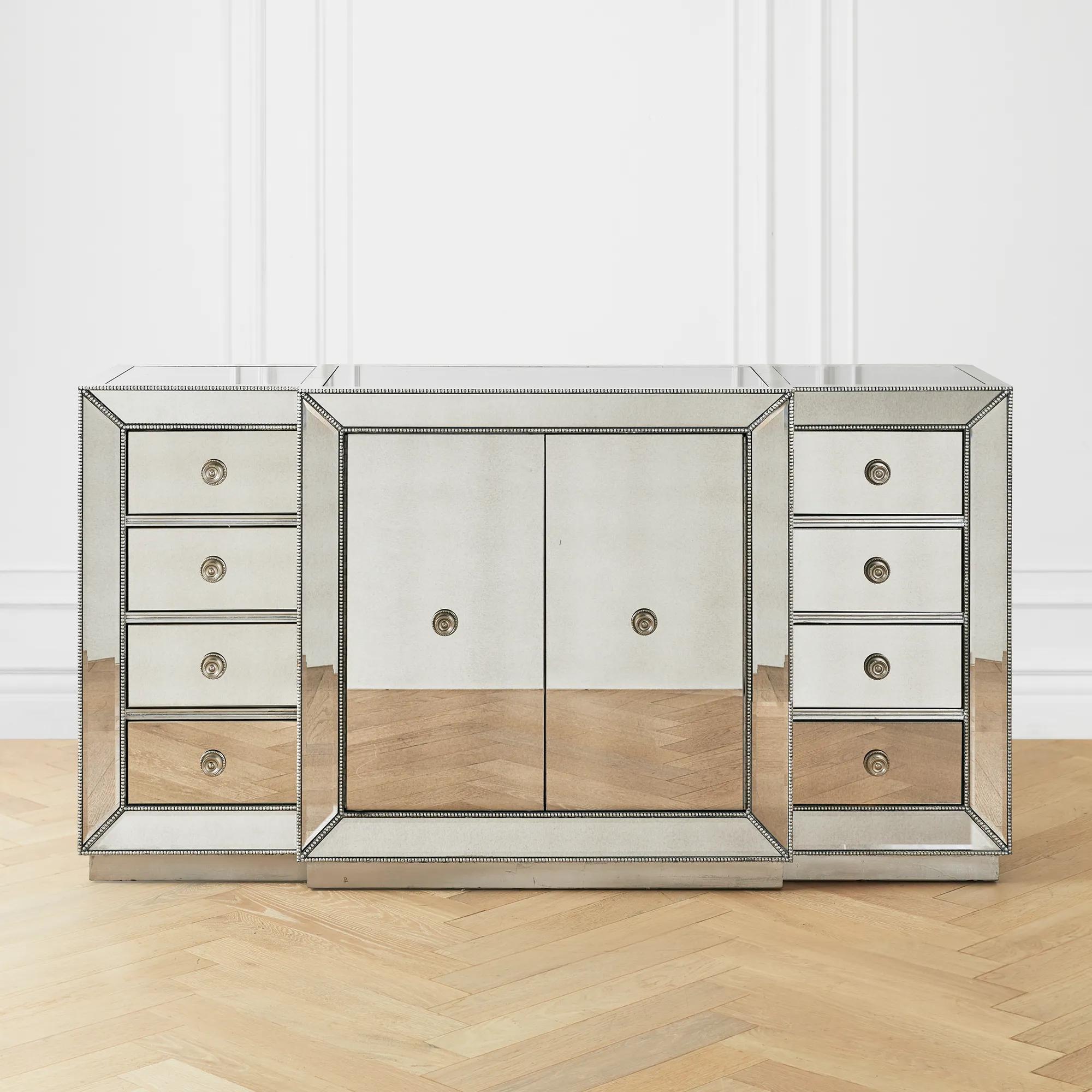 Omni Mirrored Silver 8-Drawer Buffet (72")$2499
A glamorous buffet featuring antique beveled mirrored panels, hand-applied silver leaf, and silver beaded trim.
Add To Cart -
 Stria Reeded White Oak Bookcase (80")$2999
A modern bookcase featuring vertical reeded white oak, soft gold metal accents, and both open and concealed storage.
Add To Cart -
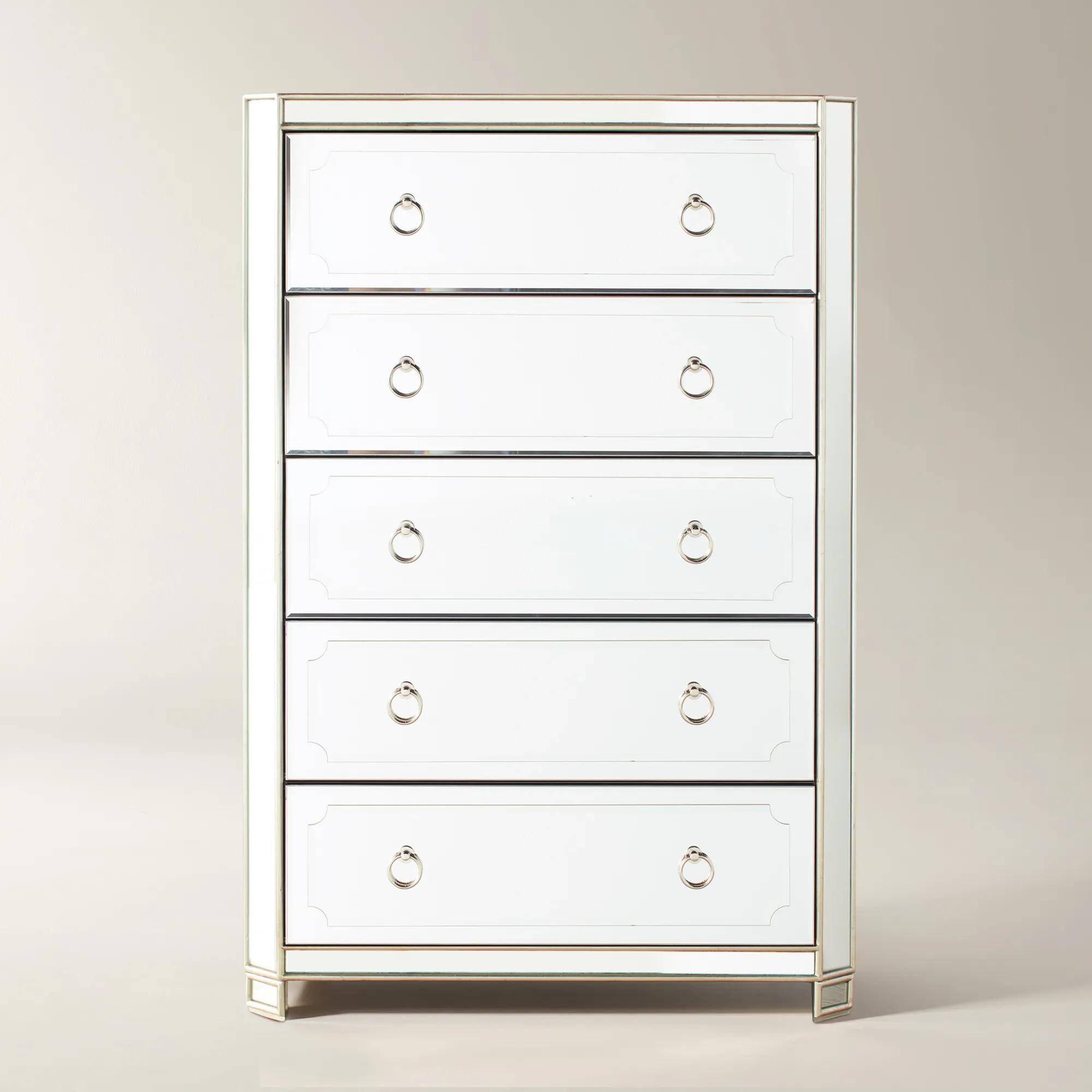 Simplicity Mirrored Silver 5-Drawer Tall Dresser (36")$1999
A glamorous tall chest featuring beveled mirrored panels, hand-applied silver-leaf trim, and polished nickel hardware.
Add To Cart -
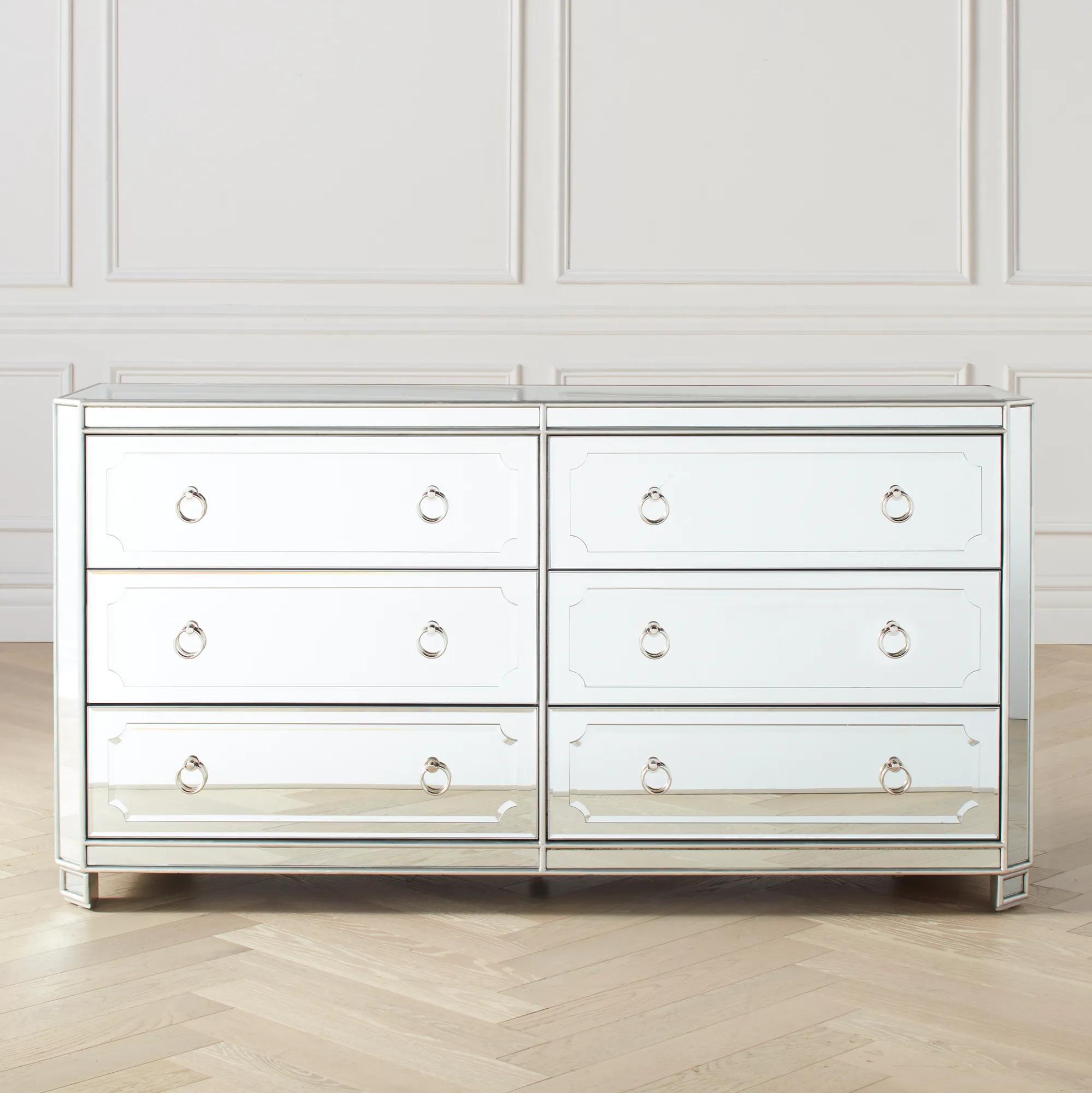
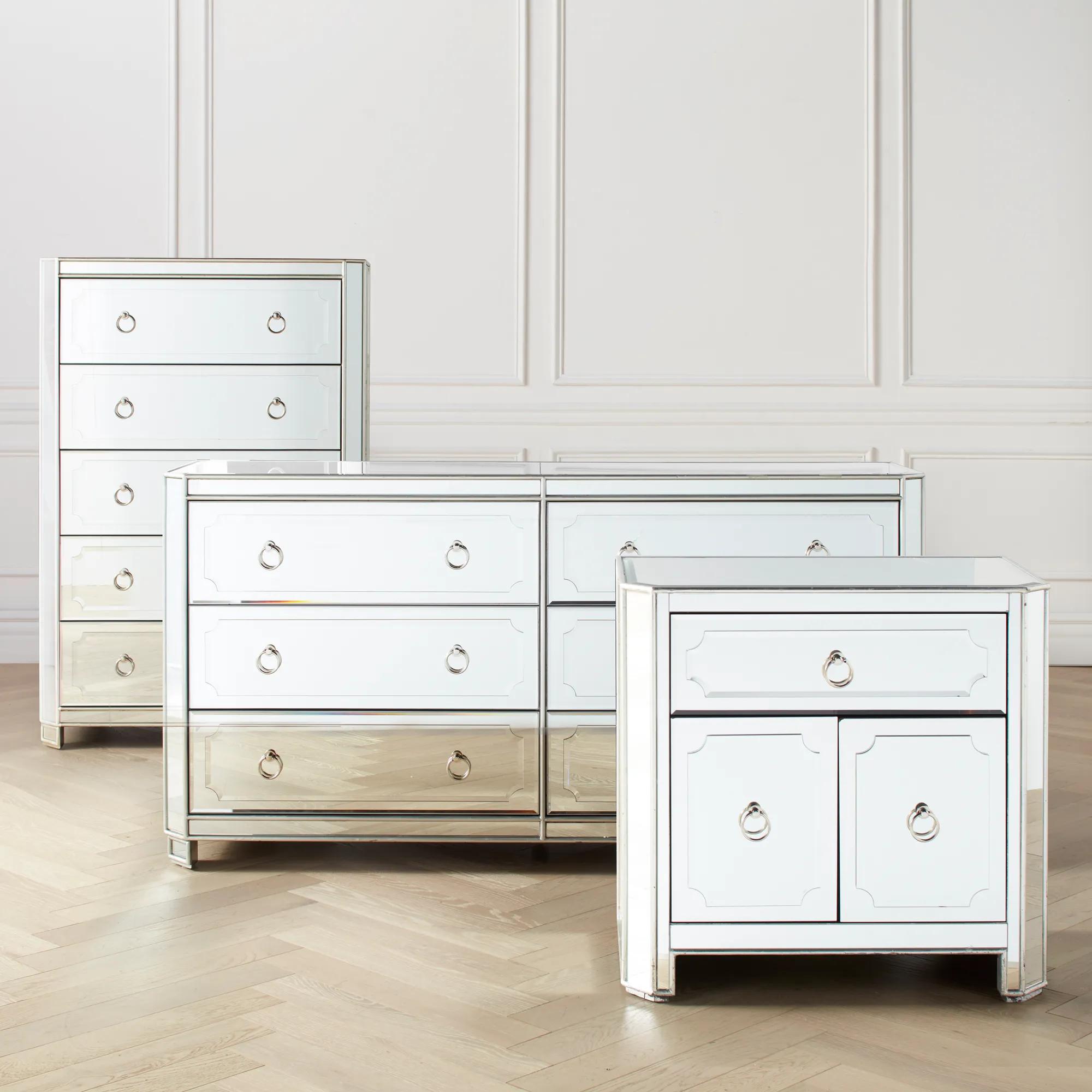 Simplicity Mirrored Silver 6-Drawer Dresser (66")$2299
A glamorous chest featuring beveled mirrored panels, hand-applied silver-leaf trim, and polished nickel hardware.
Add To Cart -
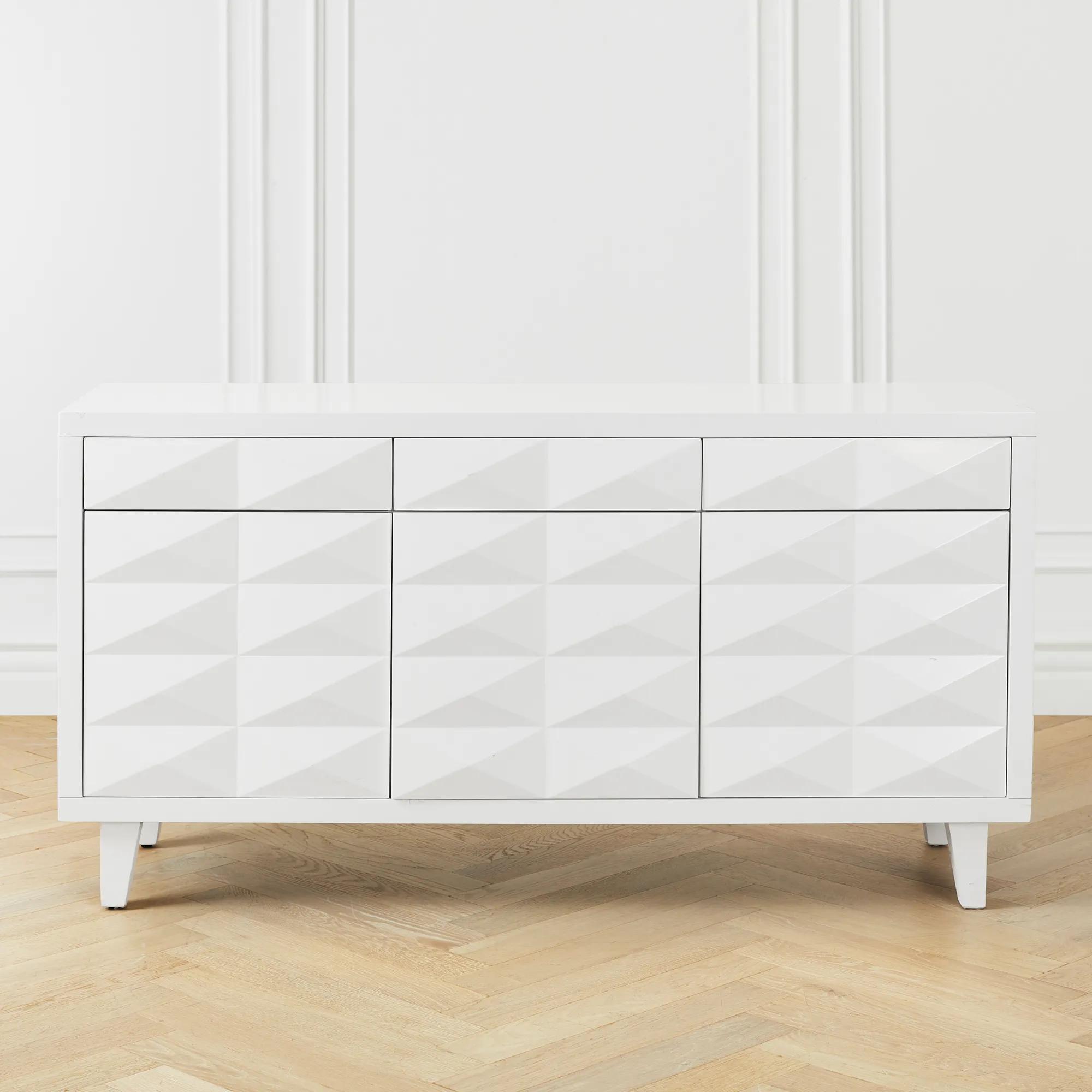 Palmer White Wood Cabinet (66.5")$1649
A sleek white hardwood cabinet with geometric detailing, three drawers, and push-latch doors for modern storage.
Add To Cart -
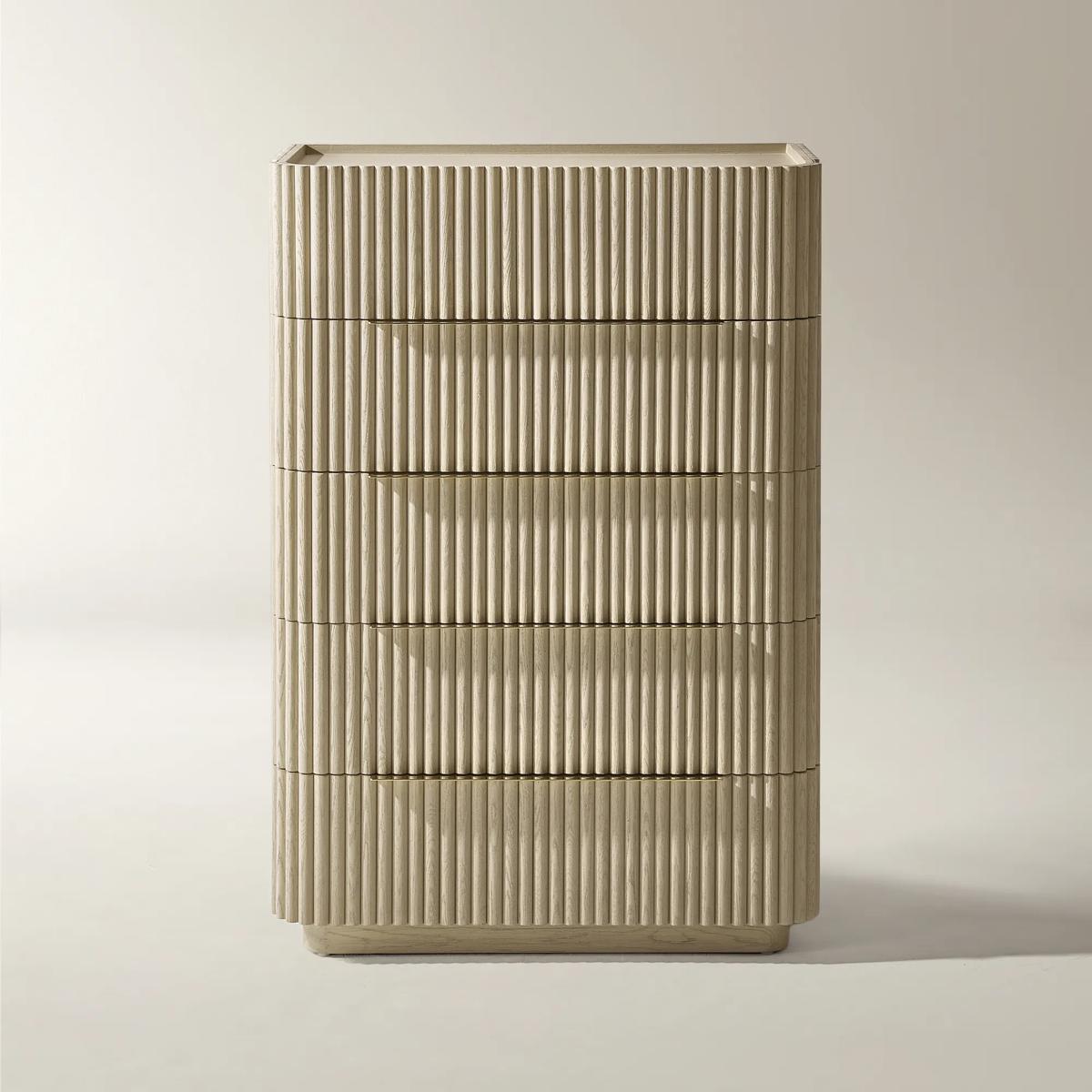 Stria Reeded White Oak 5-Drawer Tall Dresser (36.1")$1999
A sculptural oak chest with reeded detailing, gold-plated trim, and five soft-close, felt-lined drawers.
Add To Cart -
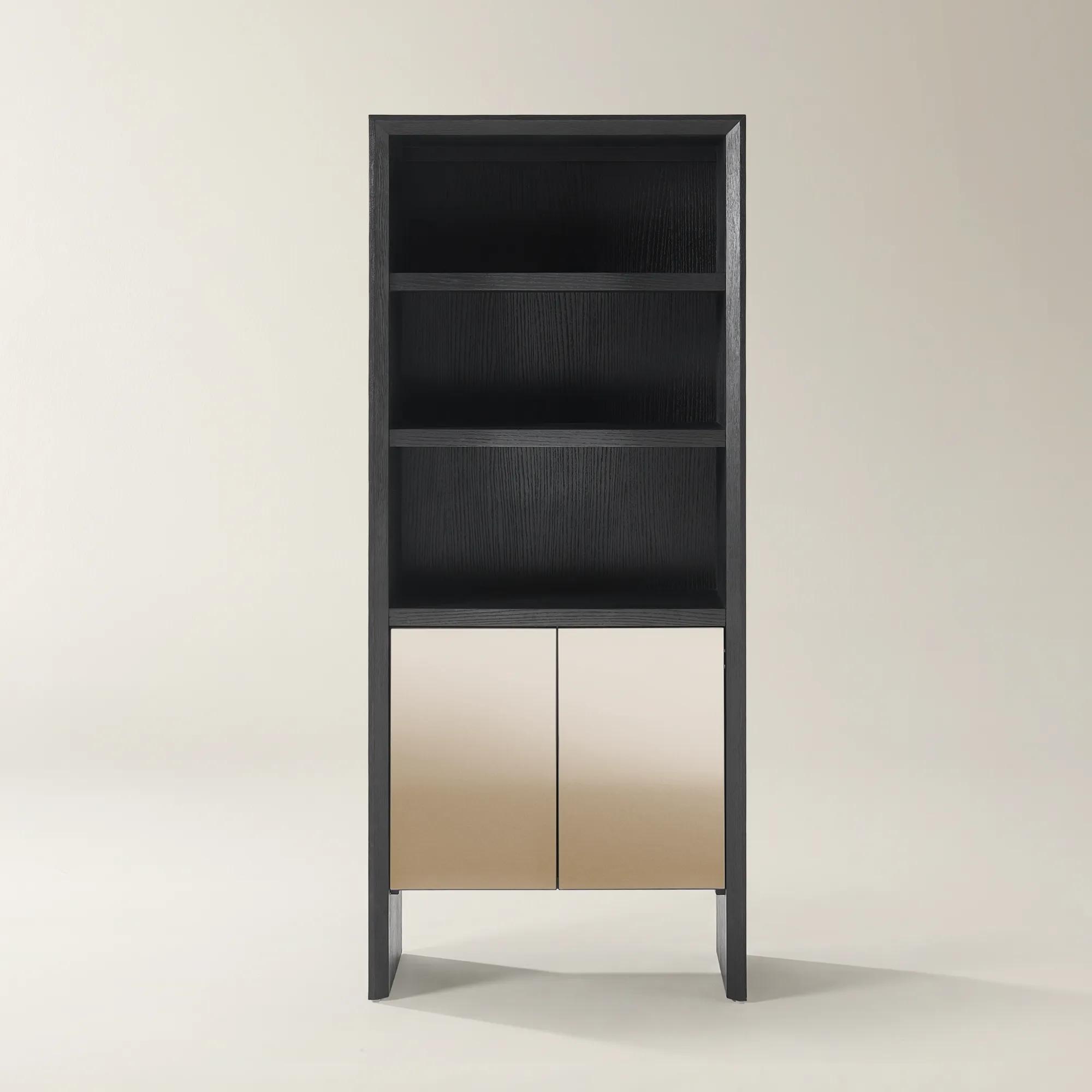
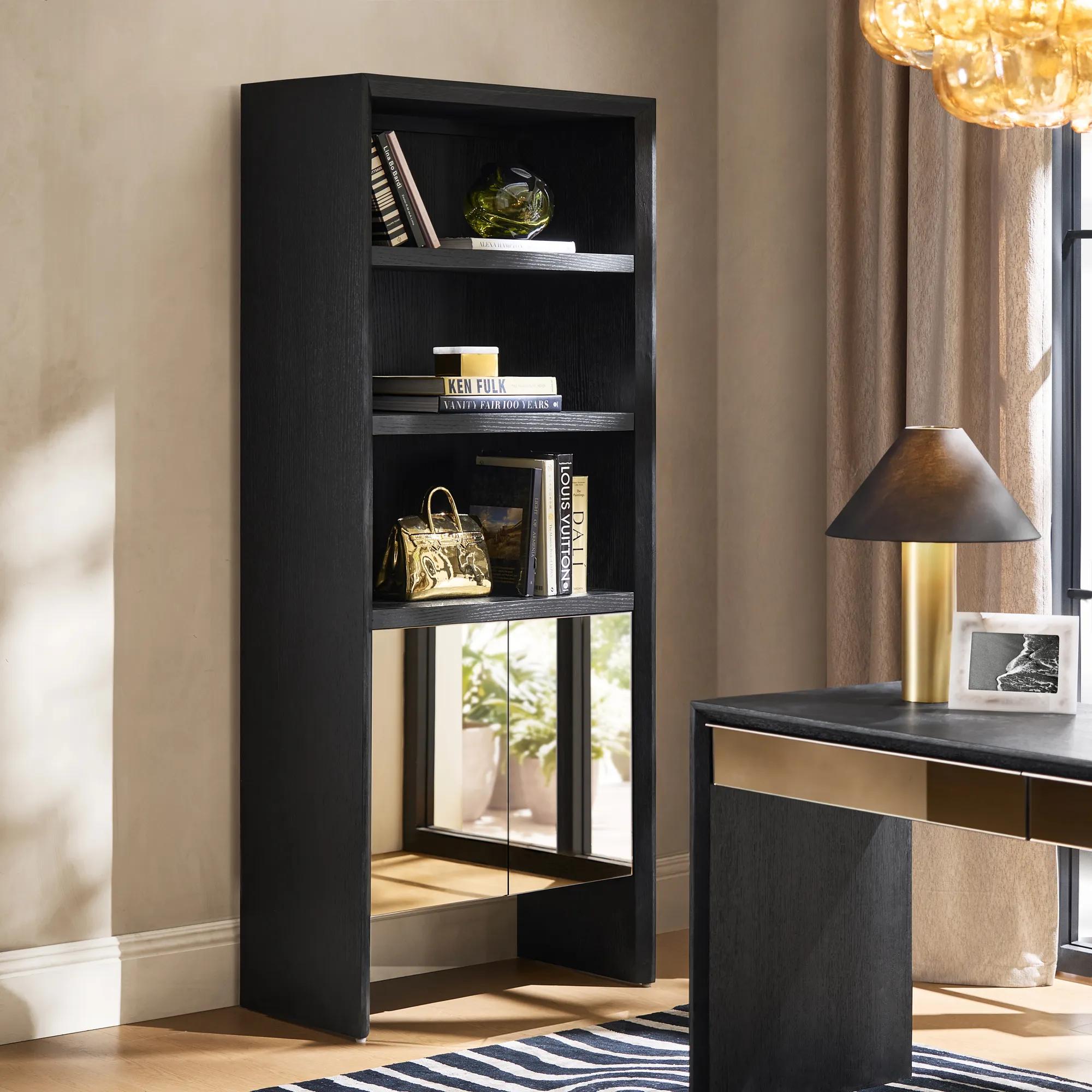 Glimmer Mirrored Black Oak Bookcase (80")$2599
A modern black oak bookcase featuring bronze mirrored doors, open shelving, and soft-close concealed storage.
Add To Cart -
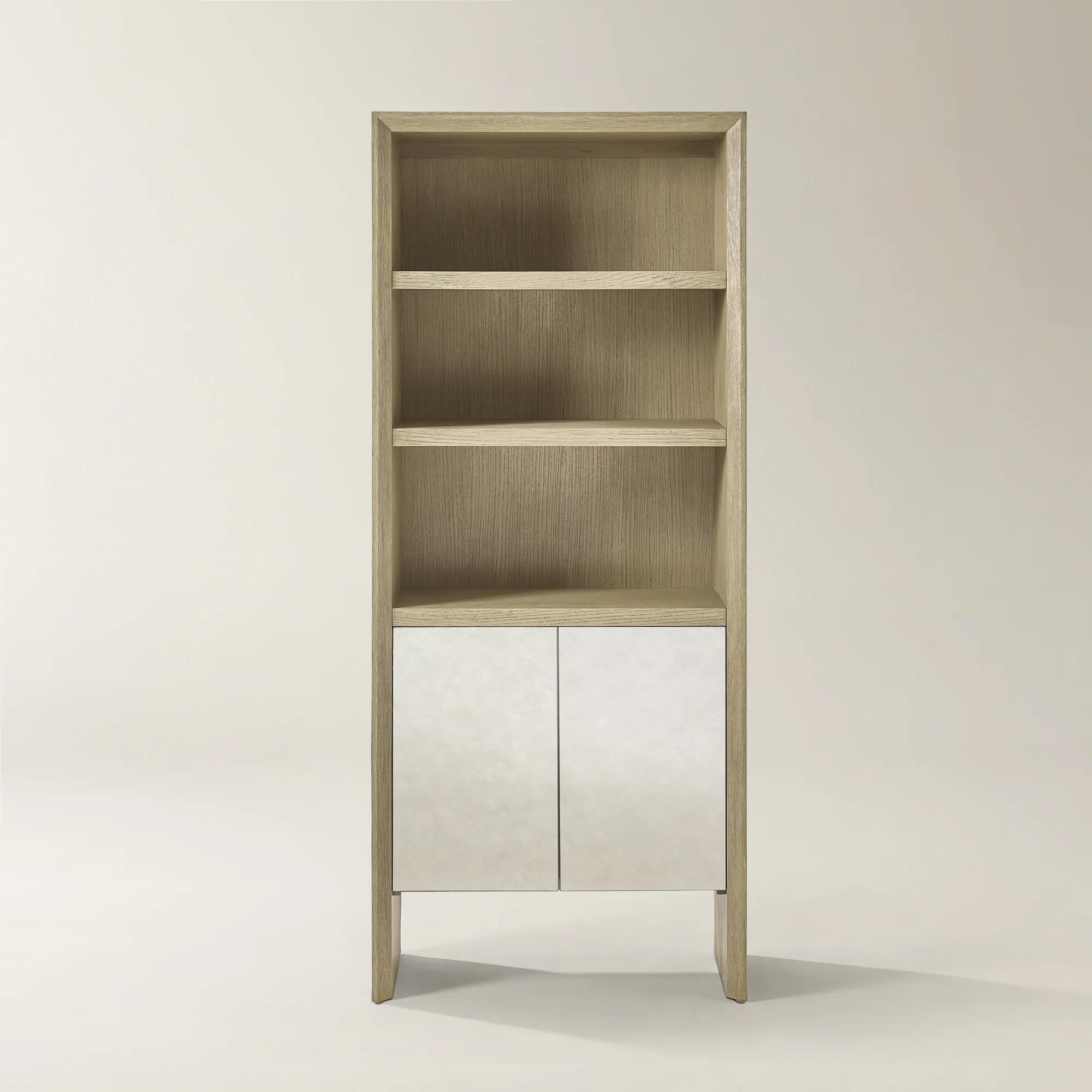
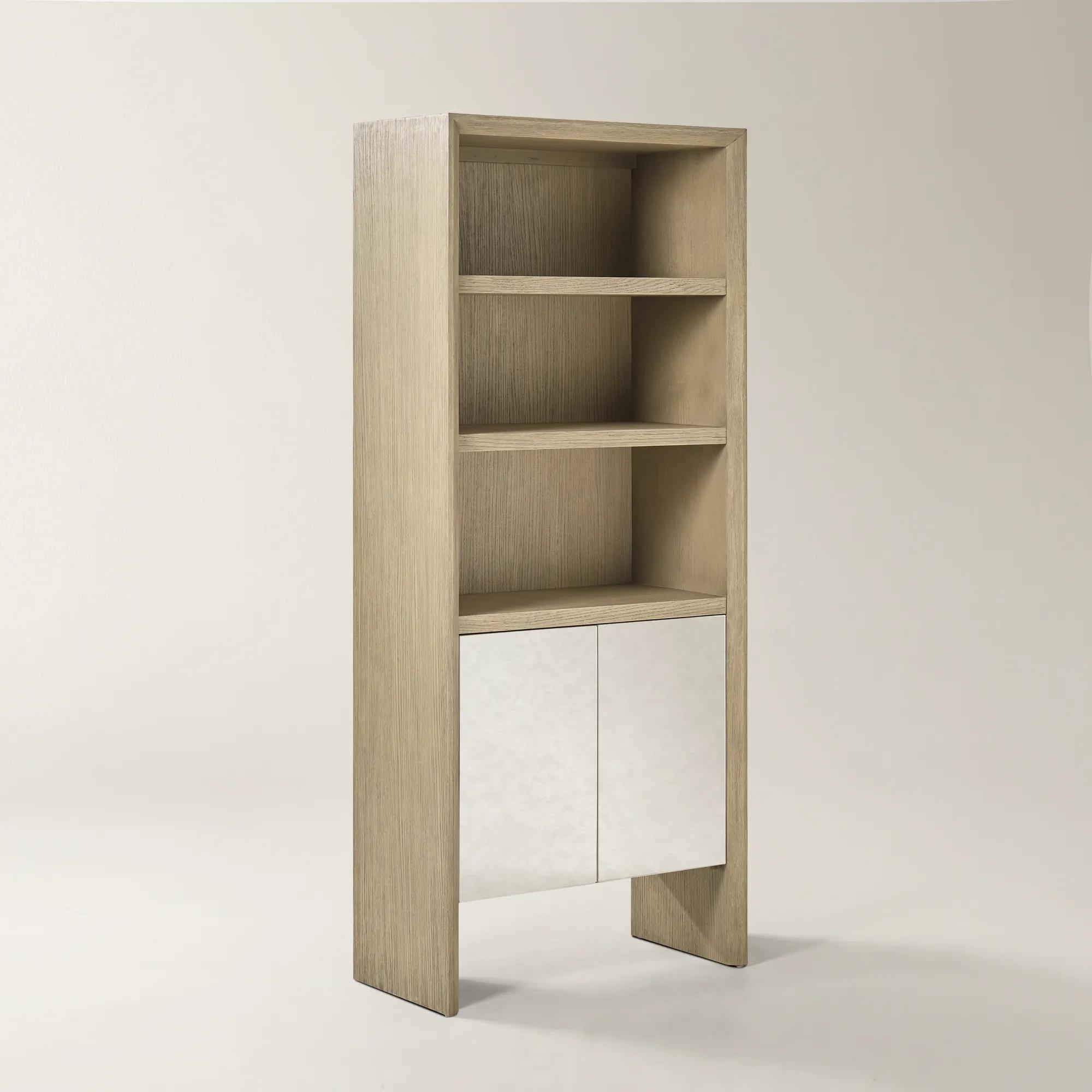 Glimmer Mirrored Sea Drift Oak Bookcase (80")$2599
A two-tone oak bookcase featuring antique mirrored doors, open shelving, and soft-close concealed storage.
Add To Cart -
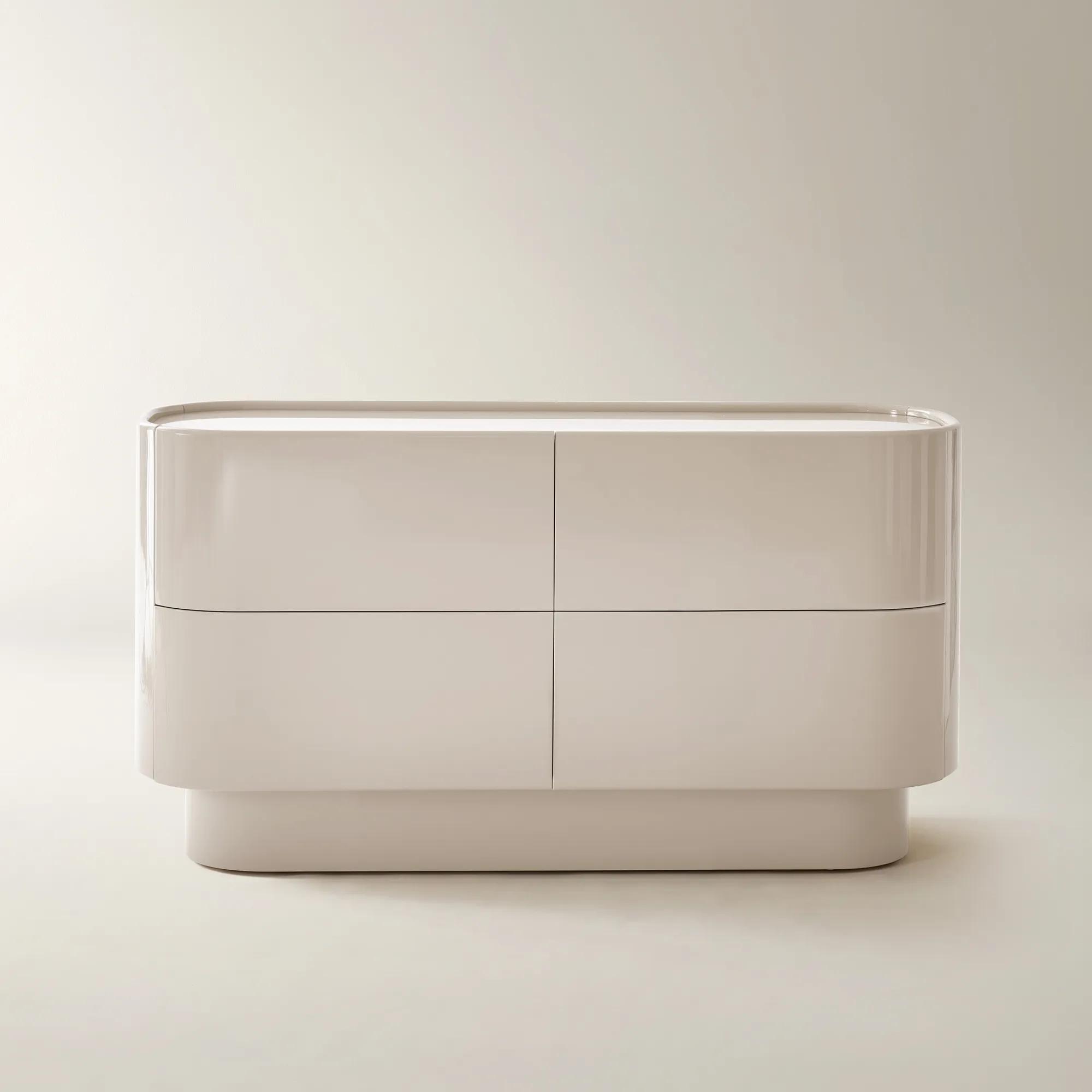
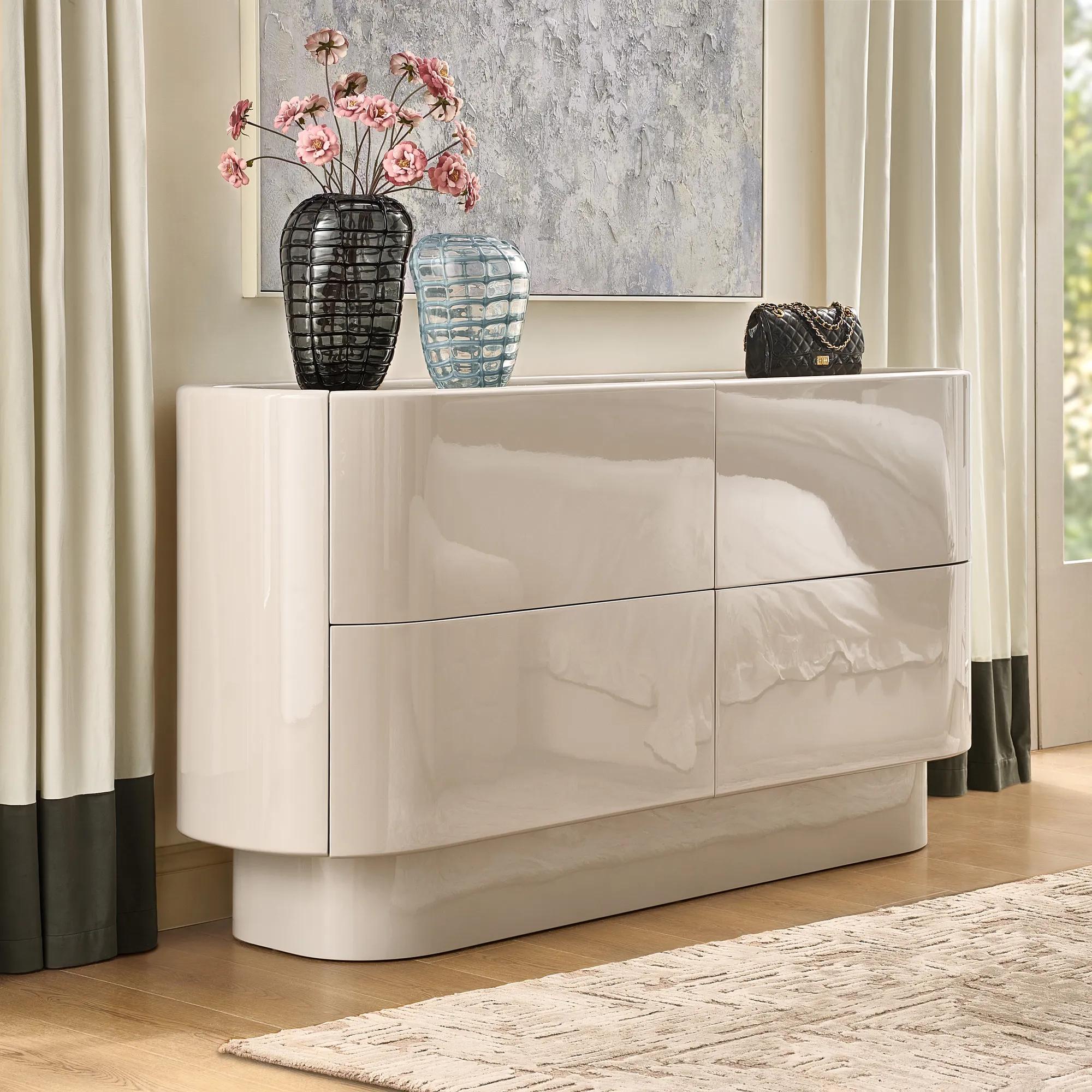 Velar Lacquered Turtle Dove 4-Drawer Dresser With Glass Top (66")$1999
A sculptural dresser in turtle dove lacquer with a back-painted glass top and soft-close velvet-lined drawers.
Add To Cart -
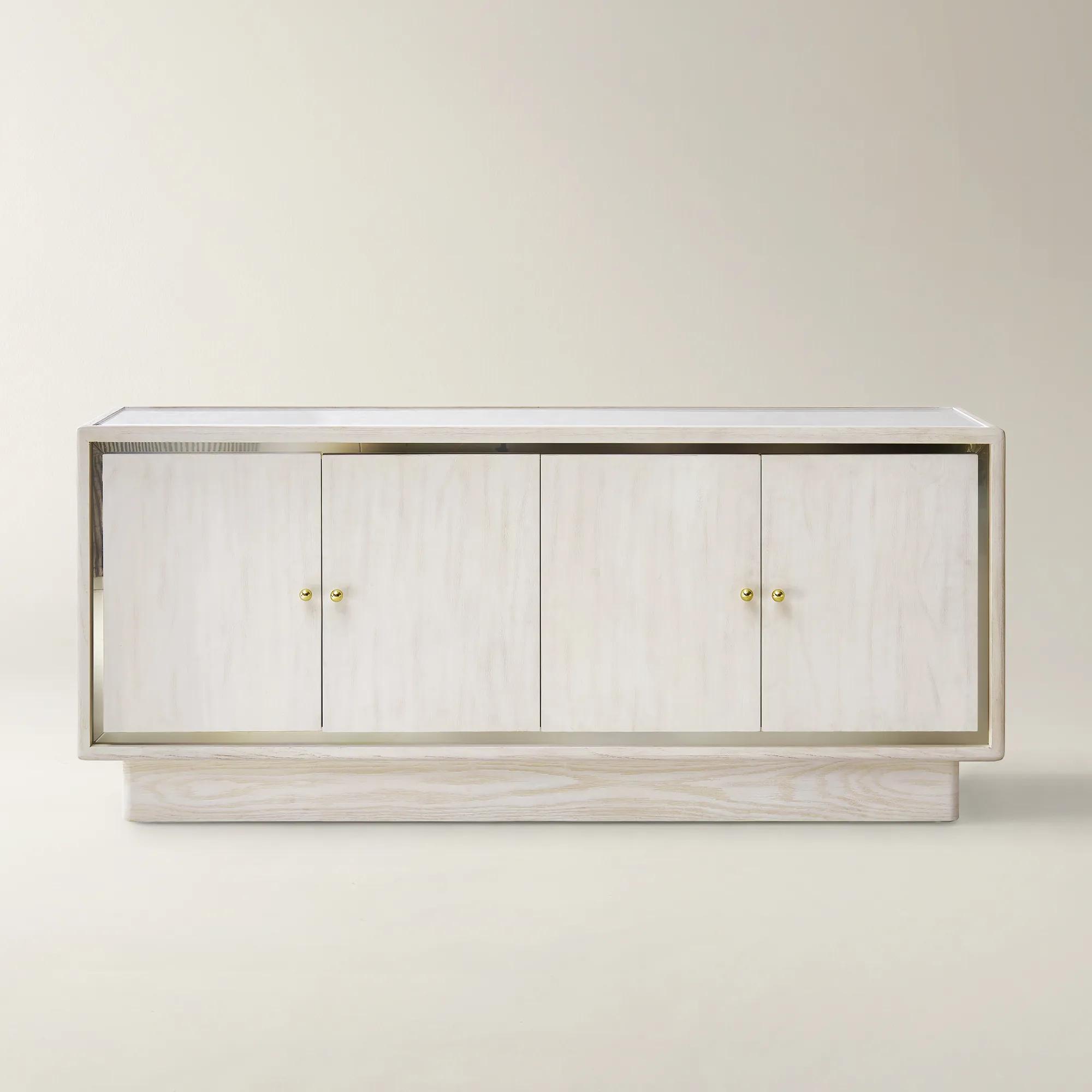 Lumina Bleached Oak Buffet With Pearl Lacquered Top (72")$2299
A luminous bleached oak buffet featuring a pearl lacquered top and champagne gold trim for refined elegance.
Add To Cart -
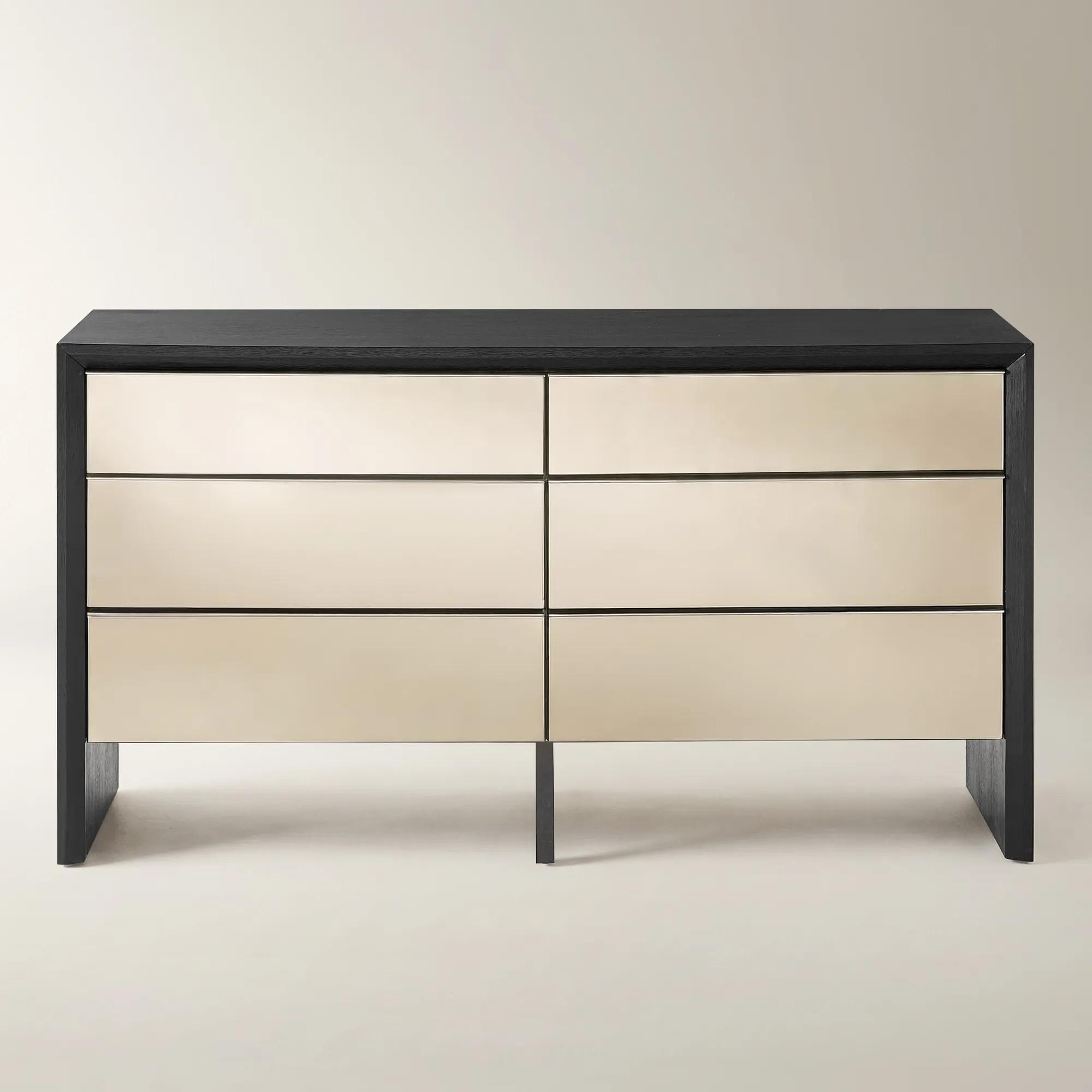 Glimmer Mirrored Black Oak 6-Drawer Dresser (65")$2099
A modern dresser featuring black oak veneer, bronze mirrored drawer fronts, and six velvet-lined soft-close drawers.
Add To Cart -
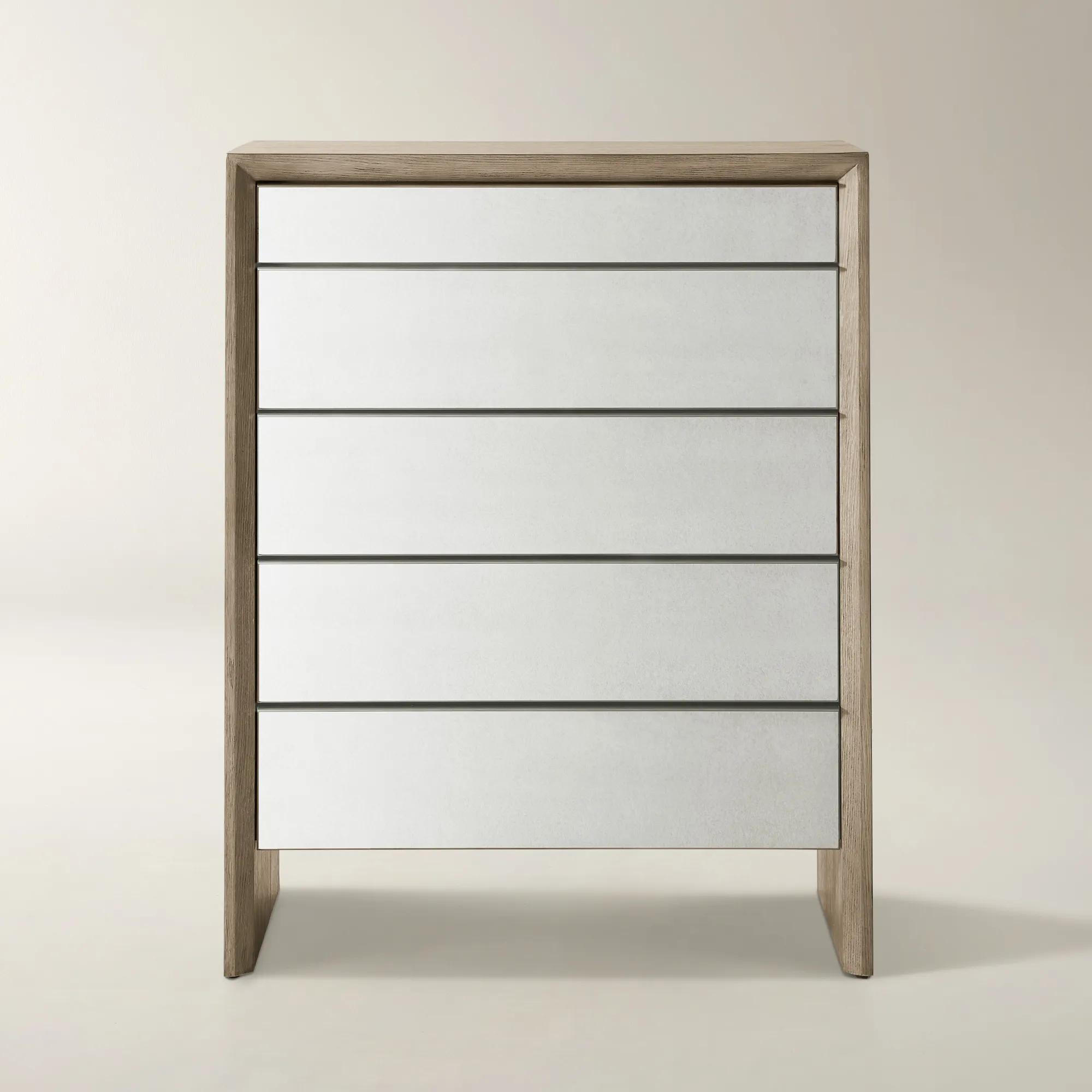
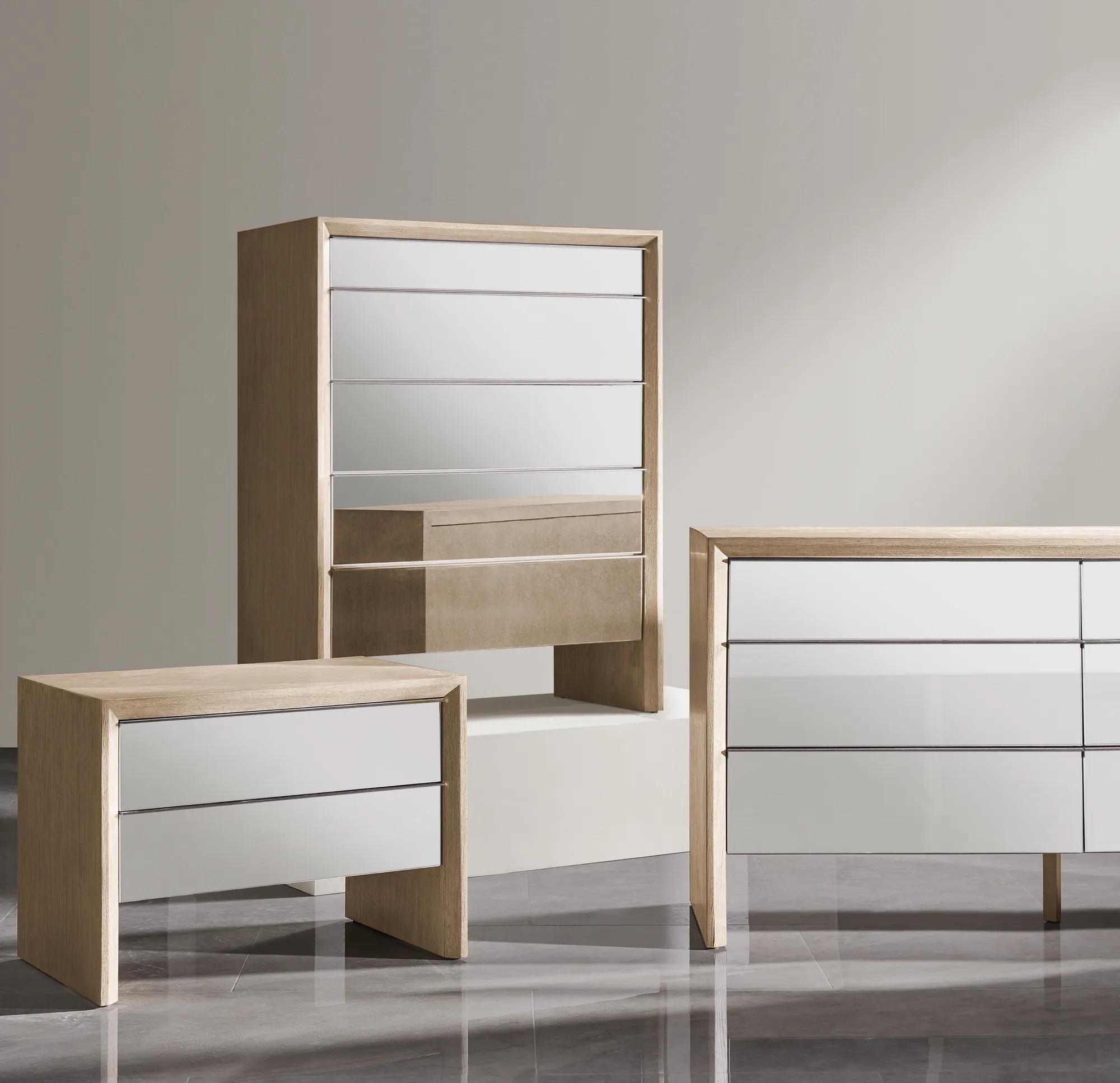 Glimmer Mirrored Seadrift Oak 5-Drawer Tall Dresser (40")$2099
A versatile chest featuring sea drift oak veneer, antique mirrored drawer fronts, and soft-close drawers for elegant storage.
Add To Cart

Furniture For Home Organization
Furniture for Home Organization transforms clutter into curated artistry, inviting order to become a statement of style. Here, storage is elevated—think sculptural silhouettes, gleaming finishes, and bold forms that turn every shelf and cabinet into a showcase. With each piece, function meets finesse, offering sophisticated solutions that celebrate your love for detail and drama. Let your space breathe with intention; let organization become an act of self-expression. Discover how Furniture for Home Organization by Z Gallerie brings structure and splendor together in perfect harmony.
Furniture for home organization combines practical storage with room-defining design, giving everyday belongings a place while shaping a more composed interior. Cabinets, shelving, sideboards, consoles, and storage seating can hold everything from serving pieces to reading materials without allowing utility to dictate the atmosphere. The distinction lies in how each form balances what deserves to be seen with what belongs behind closed doors. Open shelves lend themselves to art books, ceramics, and sculptural objects; drawers and enclosed compartments conceal charging cords, paperwork, and the less photogenic necessities of daily life. A living room can feel richly layered rather than crowded when a substantial cabinet gathers those necessities into one deliberate silhouette. In a dining space, a sideboard keeps linens and entertaining essentials close to the table while offering a surface for a luminous lamp or an expressive arrangement of vessels. Furniture with integrated storage is particularly useful in apartments, shared homes, and rooms that serve several purposes, where every footprint needs to contribute more than one function. An upholstered storage ottoman, for example, can provide a place to rest tired feet while keeping throws out of sight, provided its construction is intended for that use. Tall shelving makes use of vertical space, while a low console can establish a strong horizontal line beneath artwork without dominating the wall. Neither approach requires a room to surrender its personality. Mirrored surfaces introduce reflection, wood brings depth and grain, and metal accents can add a crisp architectural edge. The most compelling arrangements give beautiful objects breathing room and reserve concealed space for belongings that accumulate between work, relaxation, and entertaining. That balance allows home organization furniture to do more than reduce visible clutter: it creates a setting where texture, proportion, and personal collections feel intentional. For households with different routines, a combination of open display, divided drawers, and closed storage also makes shared spaces easier to navigate without asking every person to organize in exactly the same way.
Materials and construction influence both the character of storage furniture and how comfortably it performs over time. Solid wood offers distinctive grain and can develop surface wear with use, while wood veneers bring a real-wood surface to an underlying substrate; performance depends on the complete construction, finish, and quality of care. Engineered wood can support clean-lined designs, but edges and surfaces still benefit from protection against excess moisture. Glass shelves and mirrored panels create a lighter visual impression, although fingerprints and dust may be more noticeable on reflective finishes. Metal frames contribute definition and structure, while upholstered storage benches introduce softness to areas otherwise dominated by hard surfaces. For frequently handled furniture, details such as stable bases, smoothly operating drawers, secure hardware, and shelves suited to their intended load matter as much as the exterior. A cabinet holding substantial dinnerware has different demands from a display shelf arranged with a few decorative objects. Adjustable shelving can accommodate changing collections, and interior dimensions determine whether tall vases, stacked platters, or document boxes will actually fit. Overall measurements tell only part of that story. Door swings, drawer extension, baseboard depth, nearby outlets, and comfortable walking space all affect placement. A narrow console may suit a passageway, but its usefulness depends on whether drawers can open without obstructing the route through the room. Delivery paths, including doorways, stair turns, and elevators, deserve the same attention as the final location. Tall or top-heavy furniture requires installation and anchoring according to the manufacturer’s instructions, especially in homes with children or pets. Care should follow the specific finish and material: soft cloths, prompt attention to spills, and protection from abrasive objects help preserve surfaces, while cleaners intended for glass may damage adjacent wood or metal finishes. Coasters and protective pads can reduce contact marks on frequently used tops. Upholstery cleaning methods vary by fabric and care code, and a storage seat should never be assumed to support sitting unless designed to do so. These details help preserve the furniture’s appearance while supporting dependable everyday use.
The strongest storage arrangements reflect what actually happens in each room. In an entryway, a shallow drawer can gather keys and sunglasses, while enclosed compartments keep shoes or bags from interrupting the first impression. Furniture for that space must balance a welcoming presence with enough clearance for doors, foot traffic, and the occasional oversized tote. Furniture for Organized Entryways brings that same relationship between expressive design and everyday order to the home’s arrival space. In a bedroom, generous drawers can separate folded clothing from accessories, while a storage bench at the foot of the bed provides a discreet home for extra bedding when its interior dimensions allow. Clearance around the bed remains essential; even a visually slender piece can feel imposing if it interrupts a familiar path. A home office benefits from storage that distinguishes active work from archived materials, with frequently used supplies close at hand and less-used papers concealed. In a living area that doubles as a workspace, closed cabinetry can help the room regain its evening character once laptops and notebooks are put away. Dining room storage works best when its compartments accommodate the pieces used together, such as napkins near table linens or serving utensils beside platters. These ordinary routines are what give organizational furniture lasting relevance. A dramatic finish or sculptural profile supplies the visual presence, but useful proportions make the piece feel indispensable. Coordinating every surface is not necessary for a cohesive result; a repeated metal tone, complementary wood undertones, or a shared sense of scale can connect different forms without making the room feel prescribed. Leaving some shelf space unfilled gives an expressive collection room to evolve. The result is not an interior stripped of belongings, but one that gives them a considered place: cherished objects in view, daily essentials within reach, and the architecture of the room free to make its own statement.
FAQs
Organization furniture can elevate a modern living room by blending form and function. Consider a sculptural bookcase to display art and treasured books, or a storage ottoman upholstered in luxurious fabric for both seating and concealed storage. Console tables with drawers keep remotes and essentials elegantly tucked away, while modular shelving units can be styled with decorative boxes and baskets to maintain visual harmony. Each piece should complement your aesthetic while adding purposeful storage.
Thoughtfully chosen organization furniture can turn a home office into a sanctuary of productivity and inspiration. Opt for filing cabinets with a high-gloss finish or metallic accents to add a touch of glamour, while keeping papers in perfect order. Open shelving allows you to curate inspiring objects and reference materials, and a multi-drawer storage unit can keep supplies neatly sorted. The result is a workspace that feels intentional, inviting, and uniquely yours.
Entryways benefit from furniture that combines elegance with efficiency. A console table with drawers or shelves provides a place for keys, mail, and decorative accents, while a chic storage bench offers a spot to sit and stow shoes or bags. Tall cabinets or armoires can conceal outerwear and accessories, creating a clutter-free, welcoming first impression. For more ideas, explore our inspiration on <a href="https://zgallerie.com/o/furniture-for-organized-entryways">Furniture for Organized Entryways</a>.
Organization furniture brings a sense of calm and luxury to the bedroom. Dressers with velvet-lined drawers, underbed storage boxes, and mirrored wardrobes all offer discreet solutions for clothing and linens, maintaining a serene environment. Choose pieces with rich finishes or dramatic hardware to add a layer of sophistication, turning everyday tidying into a ritual of refinement and self-care.
Absolutely. In smaller homes or apartments, multifunctional pieces are key. Look for benches with hidden storage, beds with built-in drawers, and nesting tables that can be expanded or tucked away as needed. Modular cubes can serve as side tables, bookcases, or even room dividers, adapting as your needs and layout evolve. These versatile options maximize every inch while maintaining a sense of chic, uncluttered style.