
Dinnerware Sets Under $200 | Z Gallerie
Dinnerware Sets Under $200 | Z Gallerie
-
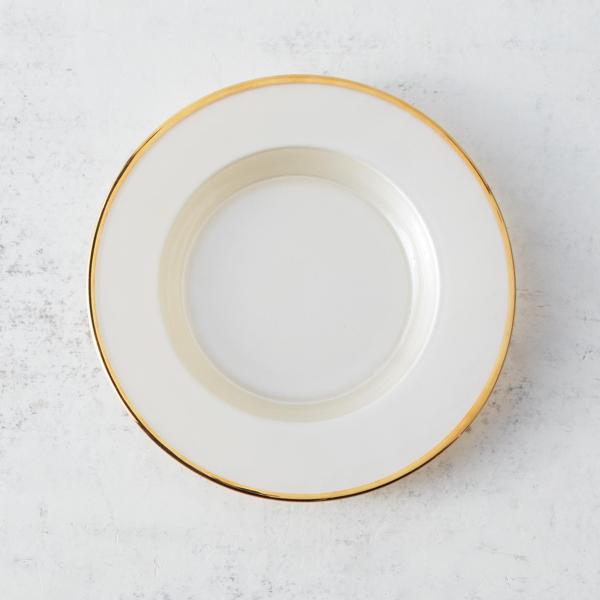
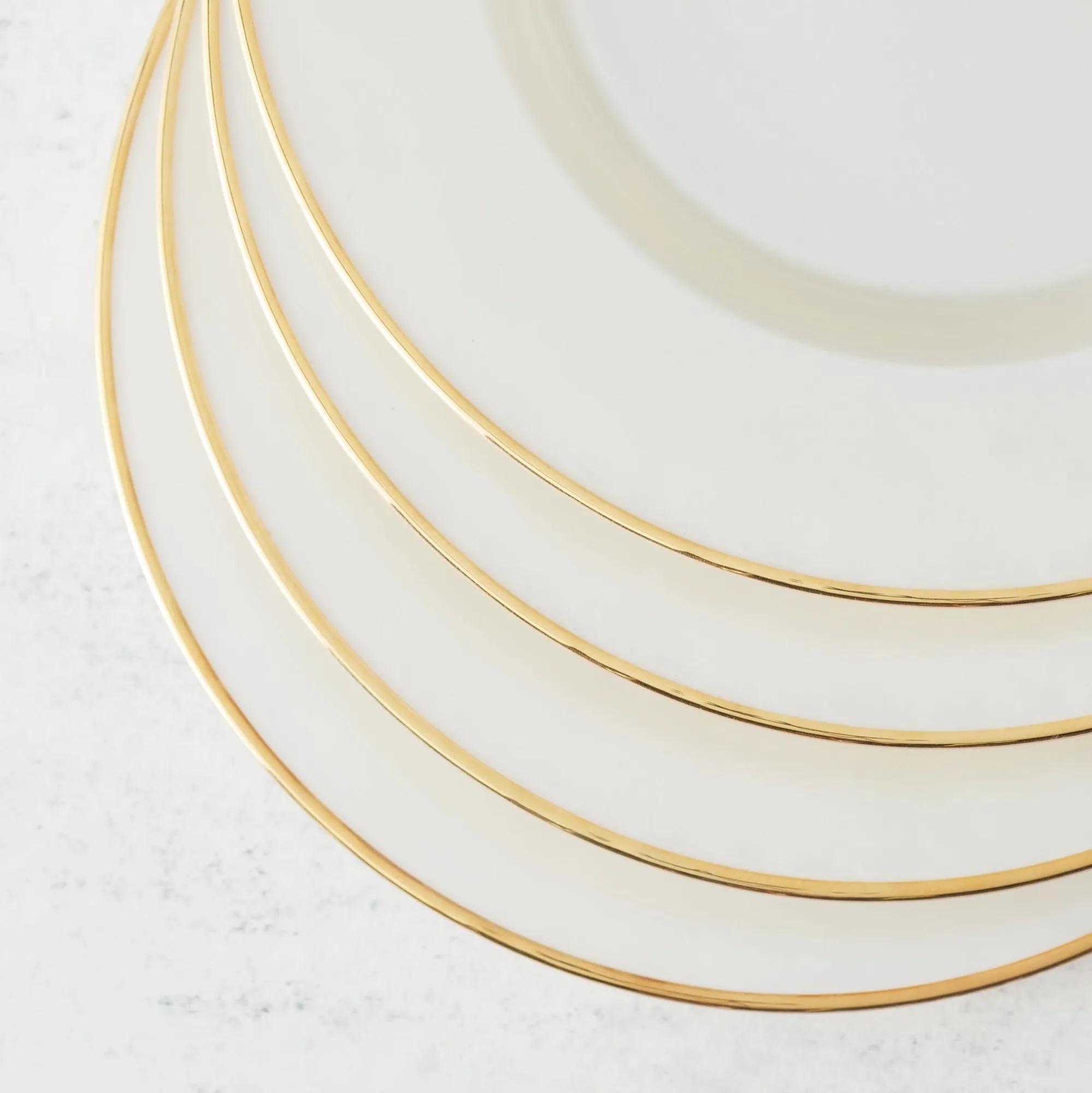 Paramount Dinnerware Sets$79.8
An opalescent glass dinnerware set featuring metallic finishes in Alabaster, Champagne, or Gold with elegant trim.
Add To Cart -
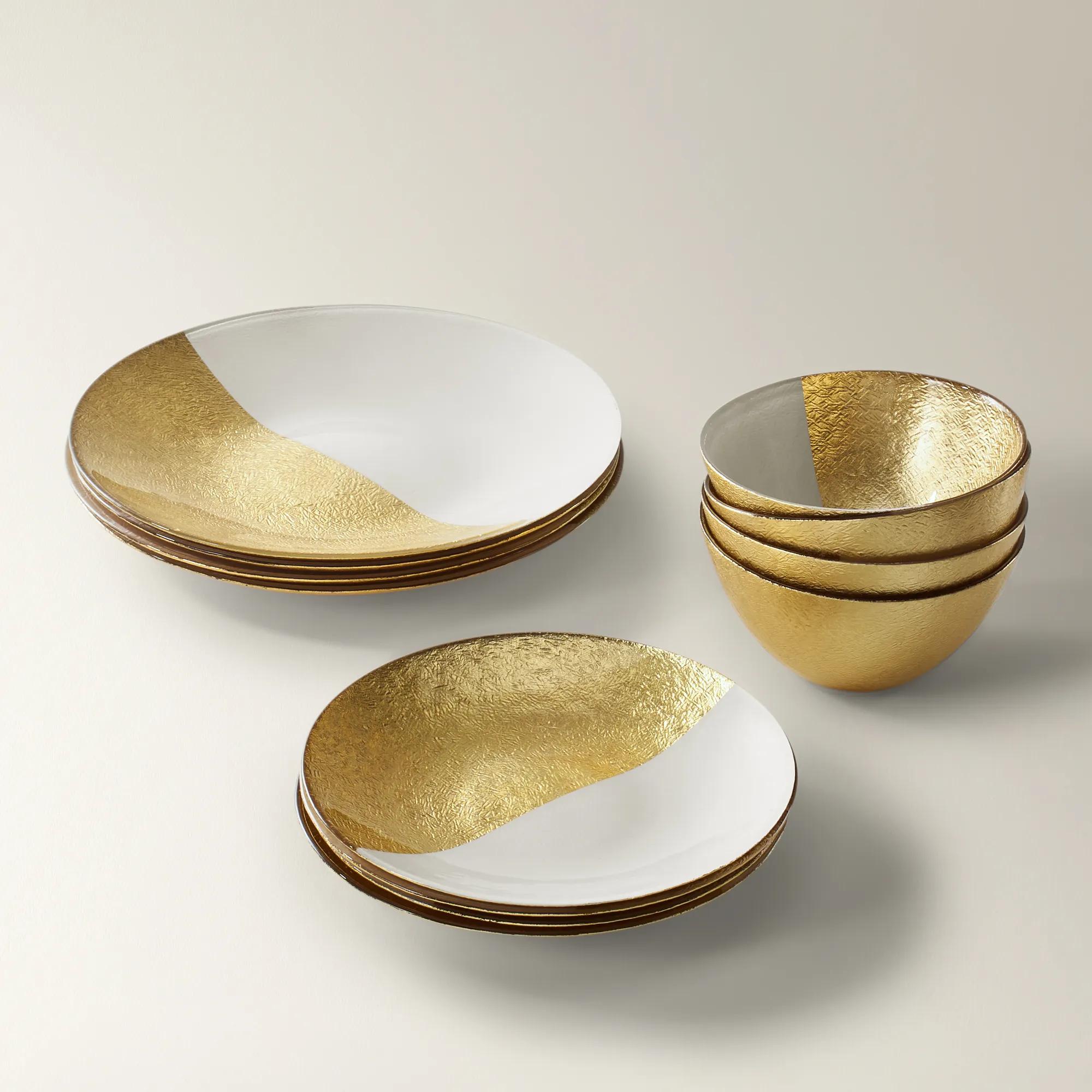
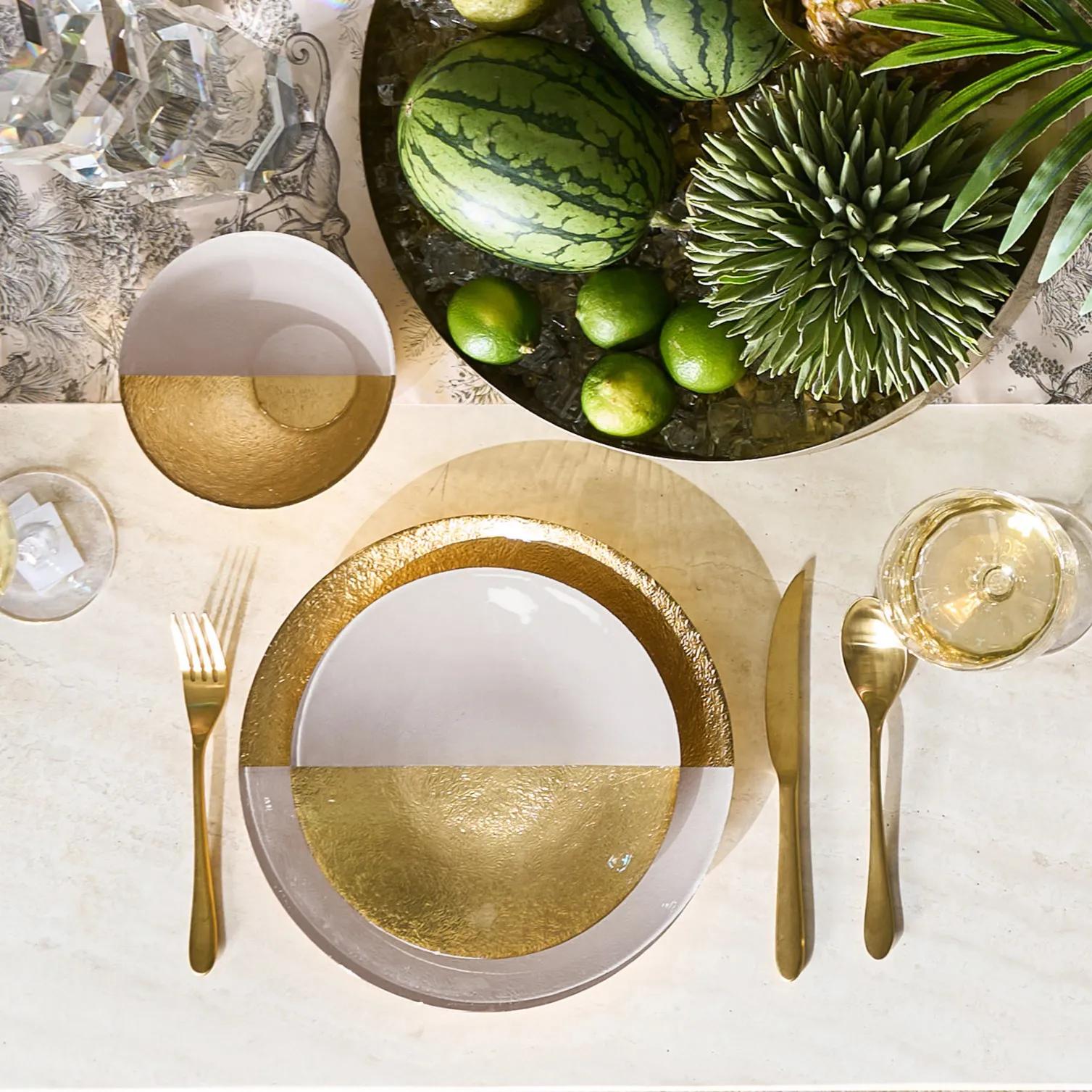 Gemini White and Gold Leaf Dinnerware Sets$79
A sophisticated glass dinnerware set featuring a sleek two-toned white and gold design.
Add To Cart -
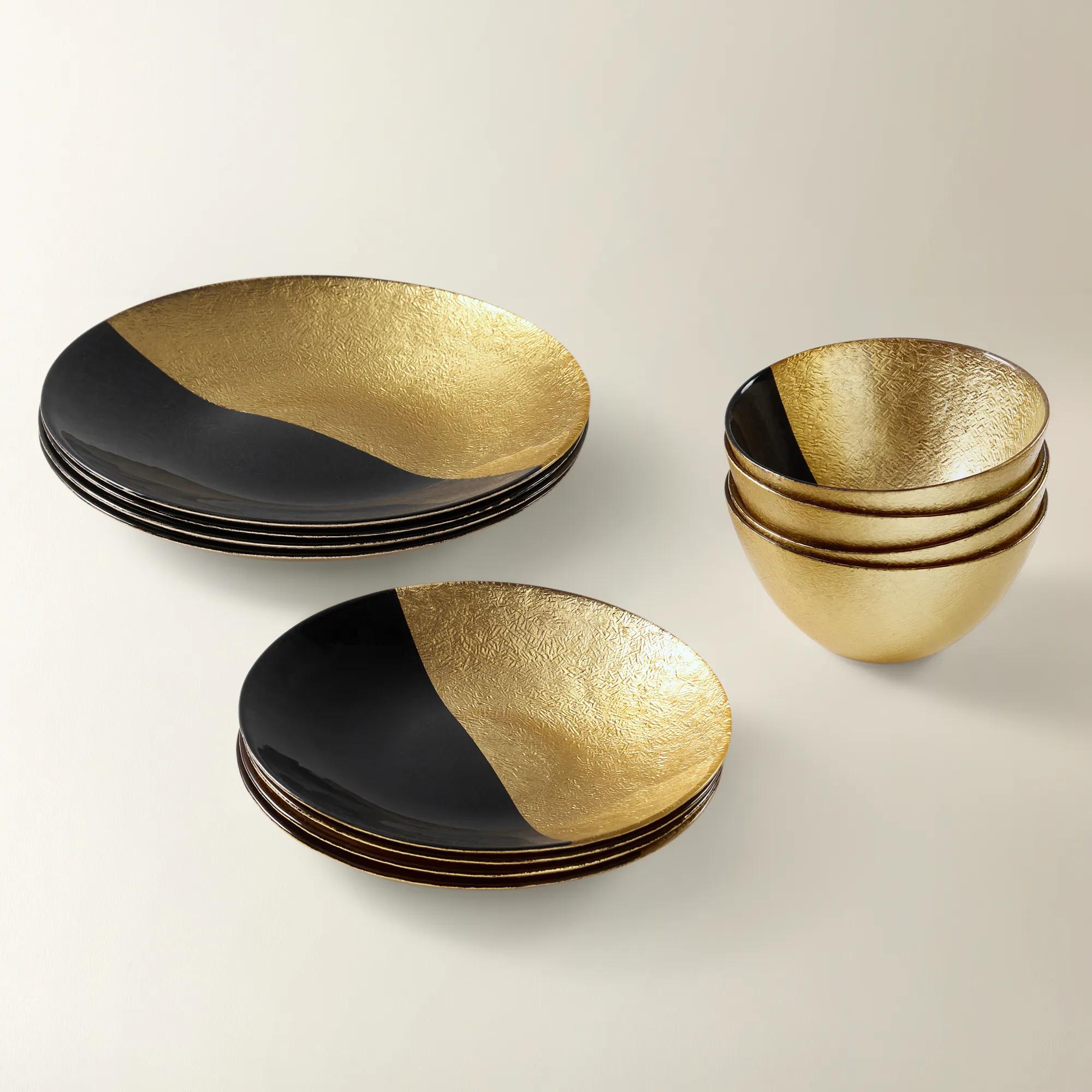 Gemini Black and Gold Leaf Dinnerware Sets$79
A striking set of black and gold glass dinnerware featuring modern two-toned elegance for any table.
Add To Cart

Dinnerware Sets Under $200 | Z Gallerie
Create a table with presence through affordable dinnerware sets under $200. Consider your table’s palette, the pieces you use most, and the care each finish requires. Whether you favor luminous contrast or a more dramatic setting, a coordinated foundation brings intention to everyday meals and evenings worth lingering over.
Dinnerware sets give a table its visual rhythm: the sweep of a generous dinner plate, the shimmer of a luminous rim, the contrast between a sculptural bowl and a neatly folded napkin. A coordinated collection brings those details together, creating a setting that feels deliberate whether dinner is a quiet meal for two or an evening with every chair occupied. The strongest designs balance visual presence with the practical proportions of the food being served. A broad plate frames a composed entrée beautifully, while a deeper bowl gives pasta, grains, or a generous salad room to settle without crowding the edge. Materials contribute their own character. Porcelain often lends a refined profile and a smooth surface; stoneware tends toward a more substantial feel, with glazes that can introduce depth and variation. Glass dinnerware offers another expression, catching light and giving translucent, opaque, or metallic finishes a distinctive luminosity. Material alone does not determine durability, weight, or care requirements, so the construction and finish of each set matter as much as its appearance. White dinnerware creates a crisp backdrop for colorful food and elaborate linens, while black brings dramatic contrast to pale ceramics, clear drinkware, and polished flatware. Gold-toned accents add warmth and definition, especially when repeated sparingly elsewhere on the table. Texture can be equally expressive: a rippled surface, softly irregular edge, or subtle relief adds dimension without relying on bold color. For a cohesive result, the shape and finish should share a common thread, even when dinner plates, salad plates, and bowls are not identical. A luminous accent plate can sit confidently against a quieter foundation, allowing the layered setting to feel collected rather than rigidly matched. Dinnerware becomes especially compelling when its beauty continues to reveal itself in use, from the way a rim frames a serving to the way a glaze responds to candlelight. That balance of artistry and function gives a table personality without allowing decoration to overwhelm the meal.
The composition of dinnerware sets deserves as much attention as their finish. A four-piece set may mean four matching dinner plates rather than a complete place setting, while other configurations combine plates and bowls for one or more diners. Piece count, piece type, and the number of people served are separate details, and understanding each helps create a collection that suits the household. Someone who regularly serves soup and pasta may reach for generous bowls more often than small accent plates; someone who favors composed courses may prefer distinct dinner and salad plates. Physical dimensions are equally important. An oversized plate can make a striking impression, but it still needs to sit comfortably within the place setting, clear the dishwasher rack if dishwasher use is permitted, and fit inside a cabinet without pressing against the door. Broad rims reduce the usable center of a plate, while shallow bowls and deep bowls hold food differently even when their diameters are similar. Weight also shapes the experience, particularly when carrying several settings from cabinet to table or passing a filled bowl. Pieces that stack evenly and feel comfortable in the hand are easier to enjoy repeatedly. For frequent entertaining, coordinating extra place settings can create continuity across a longer table, while a smaller collection can bring the same polish to an apartment dining nook. Versatility comes from choosing a visual foundation that works with more than one mood: a restrained plate can welcome richly patterned linens, and a more ornate design can become the focal point against an unembellished cloth. As a wedding, anniversary, or housewarming gift, dinnerware feels personal when its scale and care requirements reflect the recipient’s routines. A host who enjoys arranging elaborate tables may appreciate decorative detail, while a household that uses the same dishes throughout the day may place greater importance on easy handling and manufacturer-approved dishwasher care. The most thoughtful choice recognizes both the recipient’s design sensibility and the small rituals that make a meal feel like an occasion.
Lasting beauty depends on treating the material and the decoration as a complete surface, rather than assuming that every plate or bowl can be cared for the same way. Metallic leaf, hand-applied accents, and delicate decorative finishes often require hand washing with mild soap and a soft sponge. Abrasive pads and harsh cleaners can damage a luminous finish, while prolonged soaking may be unsuitable for certain embellished pieces. Microwave use must follow the manufacturer’s instructions; dinnerware with metallic rims or metal leaf should not enter the microwave unless it is expressly identified as microwave-safe. Dishwasher, oven, and freezer suitability are separate considerations, and approval for one does not establish safety for another. Glass composition alone does not confirm resistance to sudden temperature changes, so moving a chilled piece directly into heat can be inappropriate even when the surface appears substantial. Food-contact guidance also matters for decorative finishes, particularly when a piece has an embellished interior. For everyday handling, setting plates down gently, avoiding contact with hard sink edges, and using soft separators between delicate surfaces can help limit wear. No dinnerware is immune to chips or scratches, but storage that prevents crowded stacks and rubbing rims supports a more graceful aging process. Once the practical details are settled, styling can remain expressive without becoming crowded. A low arrangement leaves sightlines open; clear stemware allows an ornate plate to command attention; a linen napkin introduces softness against polished surfaces. A sideboard styled with decorative objects can echo the table’s sculptural shapes or metallic notes while leaving generous room for serving dishes. Repeating one finish across a few considered details creates connection without making every element match. The result is a dining space with depth: beautiful at a glance, comfortable throughout the meal, and distinctive enough to reflect the person who set the table. Dinnerware sets anchor that experience, bringing color, proportion, texture, and a sense of ceremony to the simple pleasure of gathering around food.
FAQs
Take your cue from the wood’s undertones. Warm hues can echo its richness, while pale or deep contrasting tones give each place setting definition. Leave some of the tabletop exposed to let the grain become part of the design.
Yes. Connect the pieces through a shared color, finish, or design detail. Pair an expressive element with a quieter companion, then repeat that relationship across the table for a layered, intentional look.
Let the surrounding details change the mood. Keep everyday settings edited, then introduce textured linens, coordinated glassware, and an artful centerpiece for gatherings. A consistent palette gives both arrangements a polished foundation.
Follow the care instructions for each piece rather than assuming all dinnerware can be cleaned the same way. Check the guidance for washing and storage, particularly for metallic accents or other decorative surfaces.
Look to the recipient’s home palette and entertaining style for direction. Consider whether they gravitate toward dramatic contrast or softer tones, and review the care requirements to choose something that feels thoughtful and personal.


