Duvet Cover Sets Under $200 | Z Gallerie
Duvet Cover Sets Under $200 | Z Gallerie
-
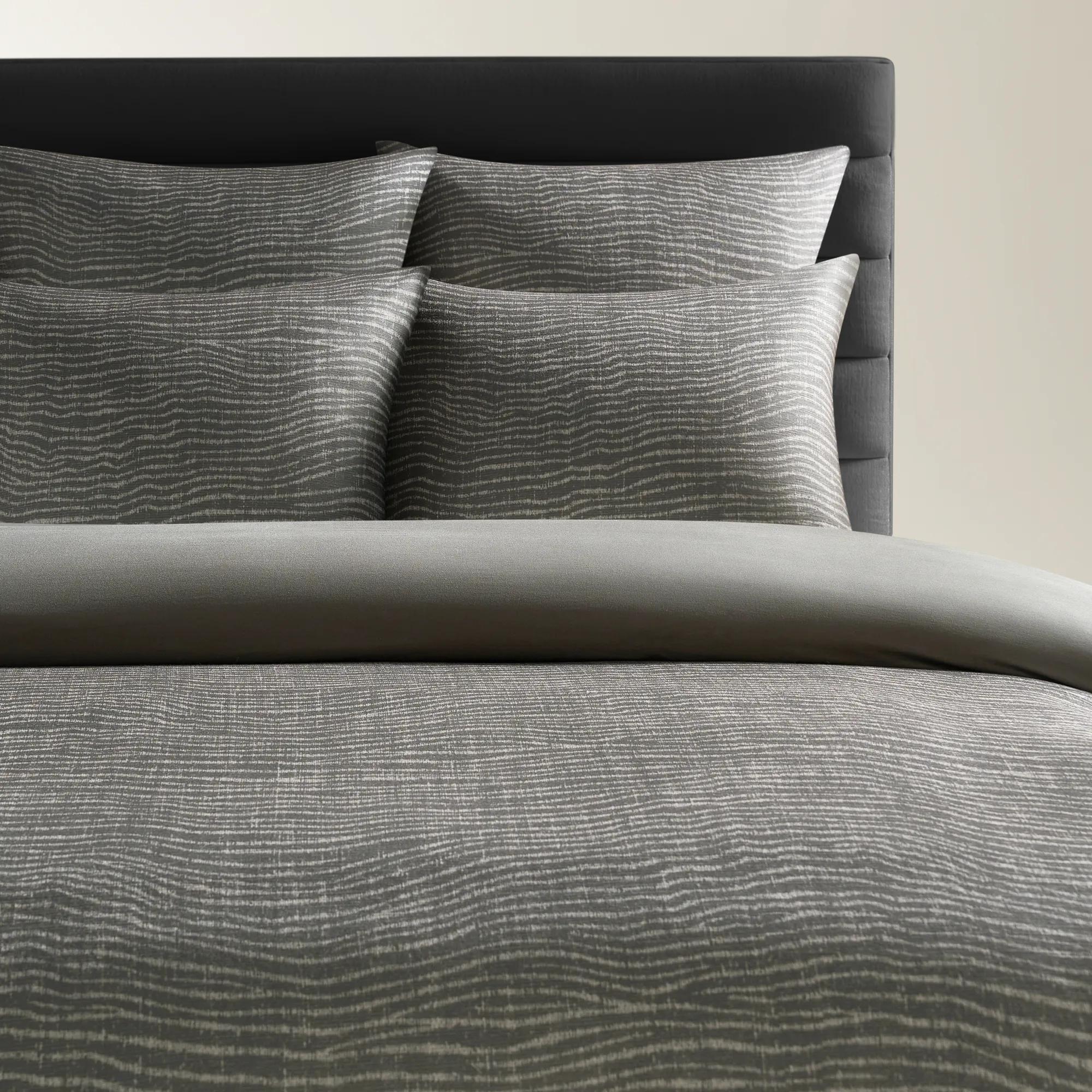 Sahara Bedding Set - Charcoal$199
A soft jacquard bedding set in calming charcoal with a subtle wave-inspired zebra print and refined details.
Add To Cart -
 Cora Crane Multicolor Satin Bedding Set$179
A smooth satin bedding set featuring a whimsical fig, white, and charcoal crane print with tailored flange edges.
Add To Cart -
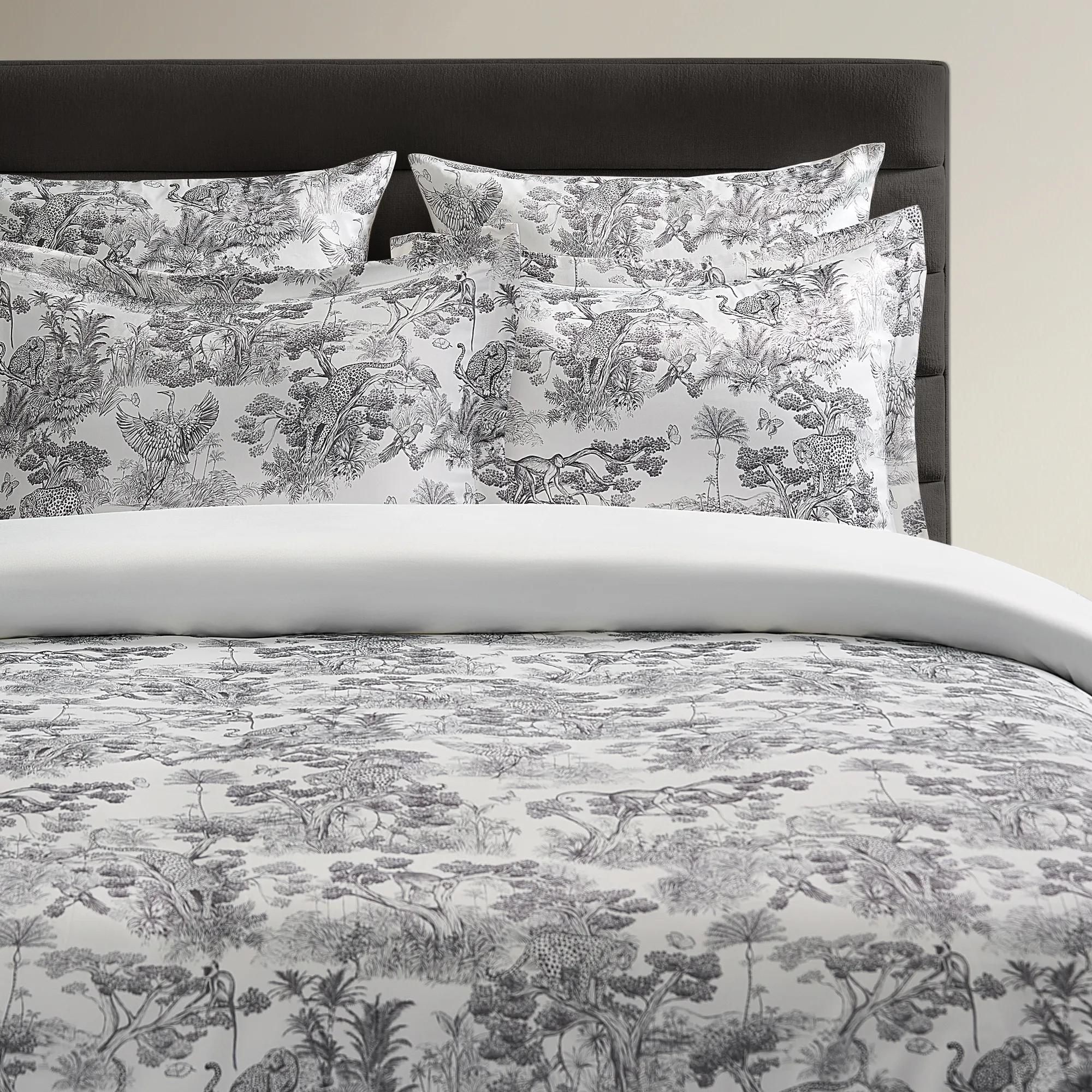
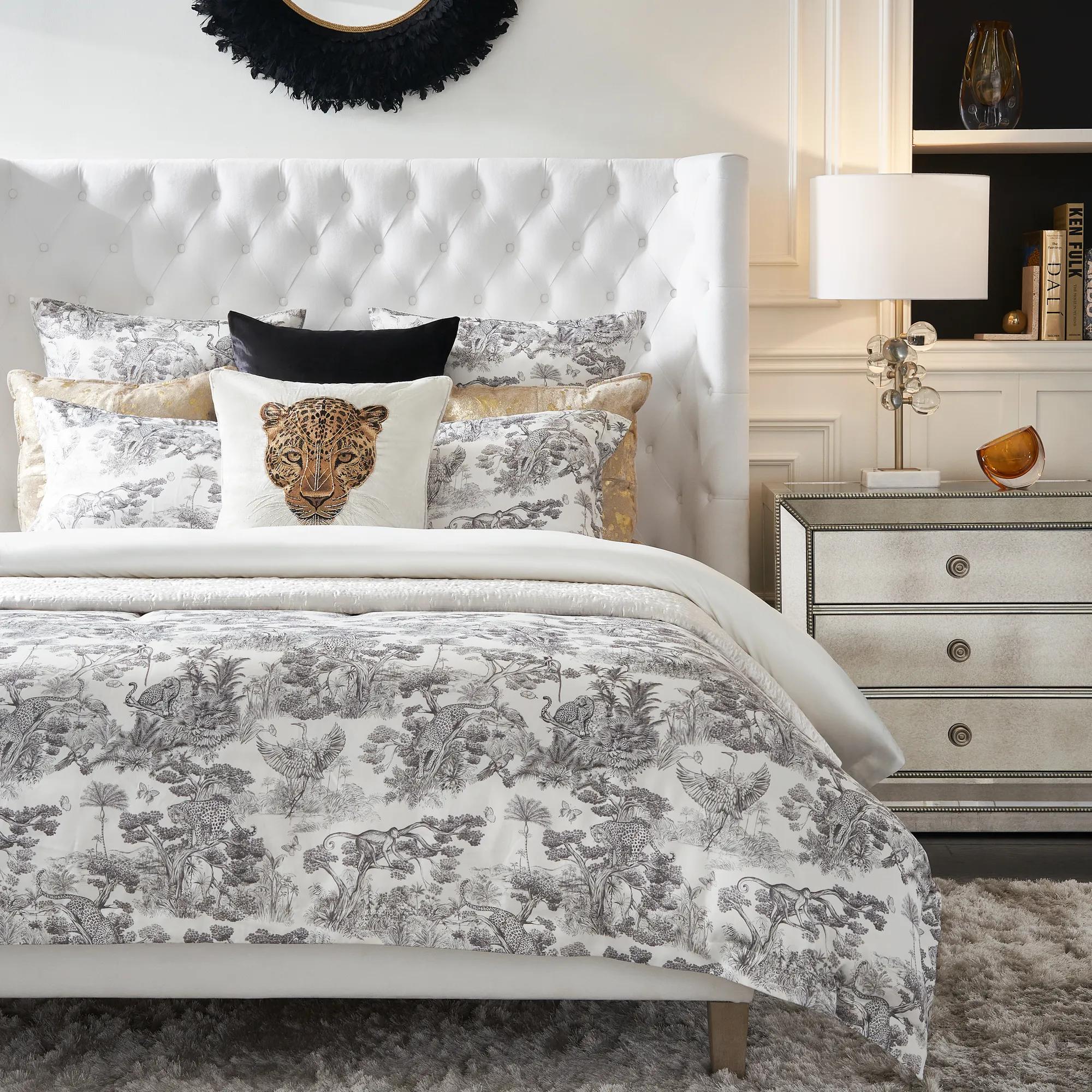 Jungle Toile Bedding Set - Ivory/Black$189
An elegant ivory and black bedding set featuring a luxurious satin jungle print and refined flange edging.
Add To Cart -
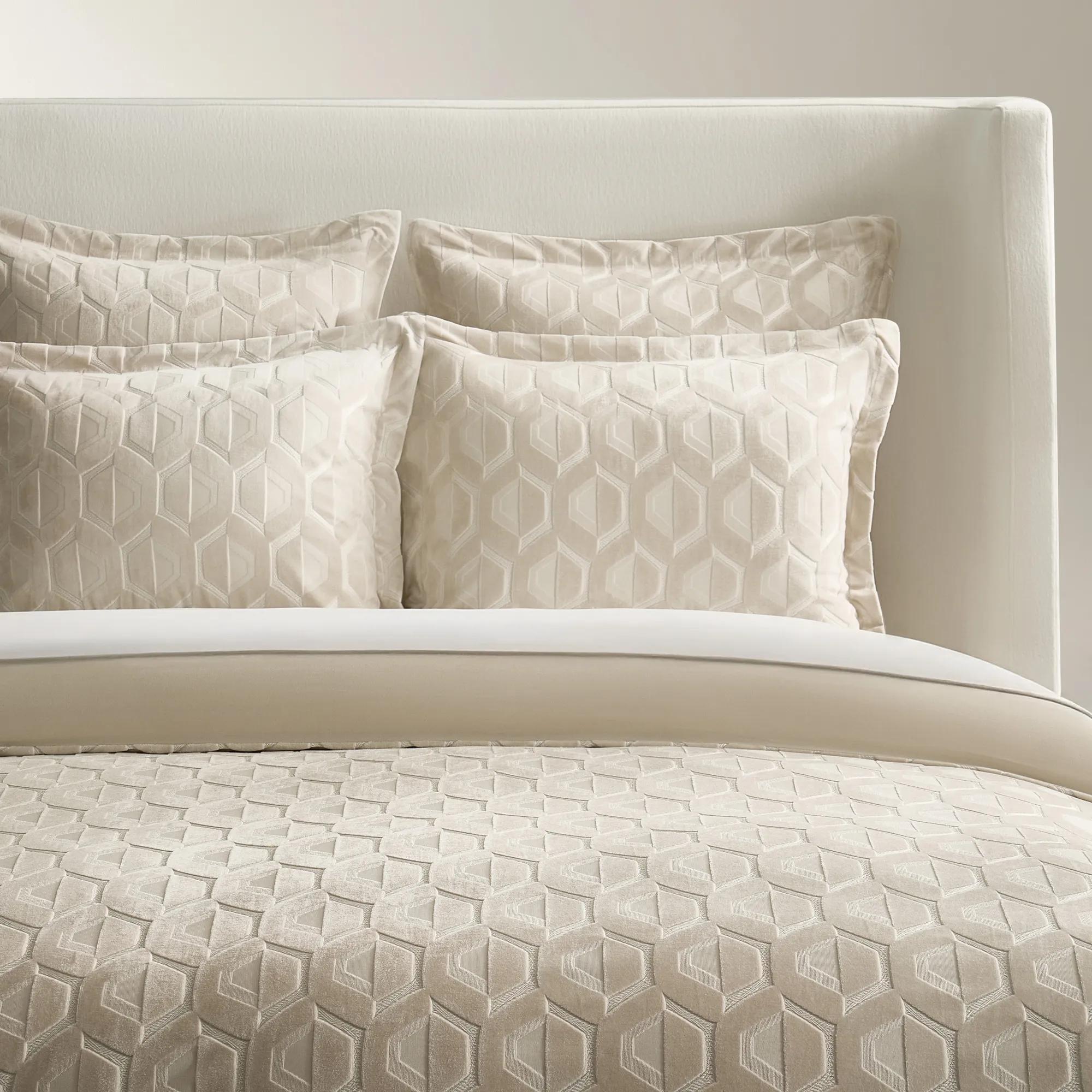 Cielo Alabaster White Geometric Cut Velvet Bedding Set$69
A white bedding set featuring geometric cut velvet textures for a luxurious, modern bedroom aesthetic.
Add To Cart -
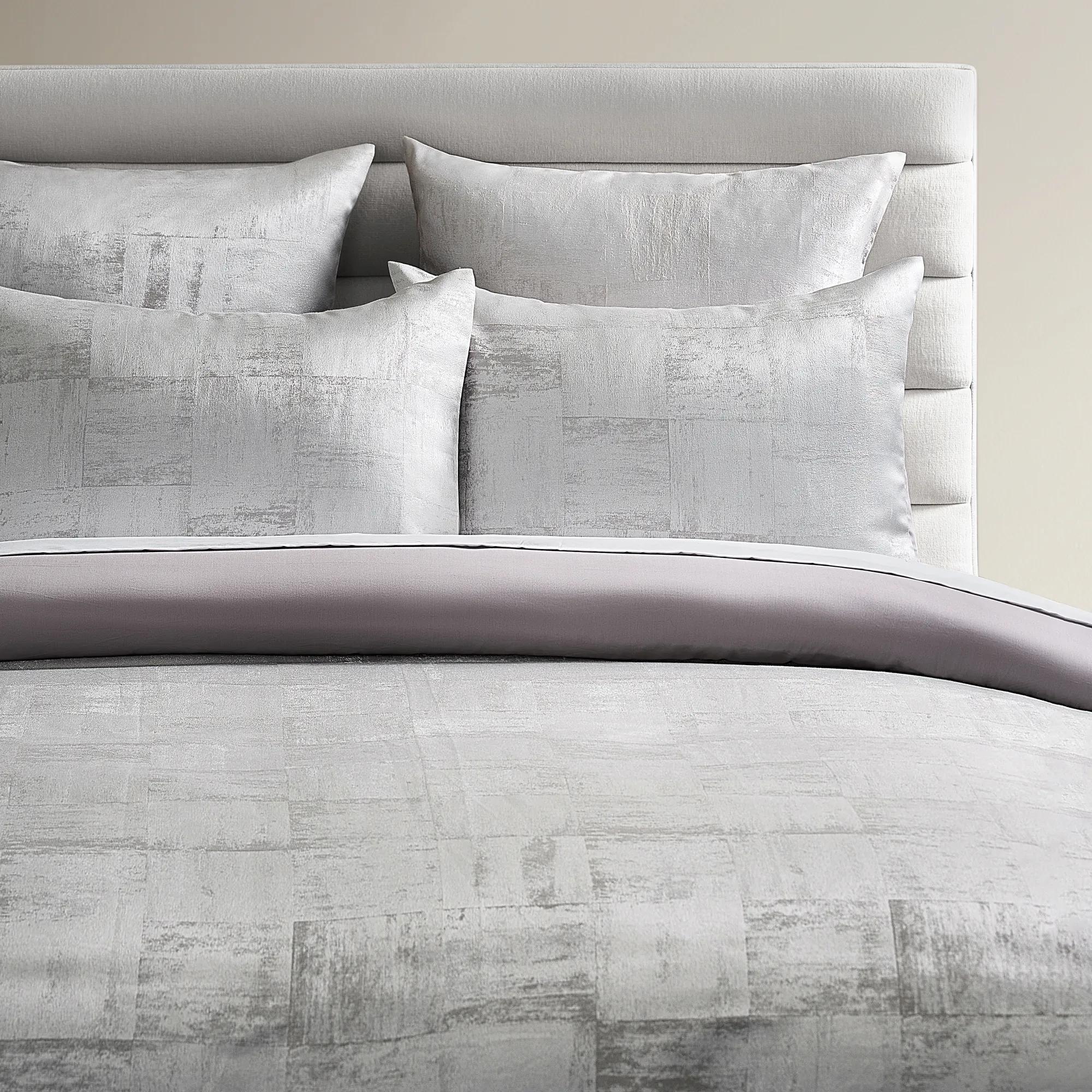 Auden Bedding Set - Platinum$49
A platinum jacquard bedding set featuring a subtle block pattern and refined, modern detailing.
Add To Cart -
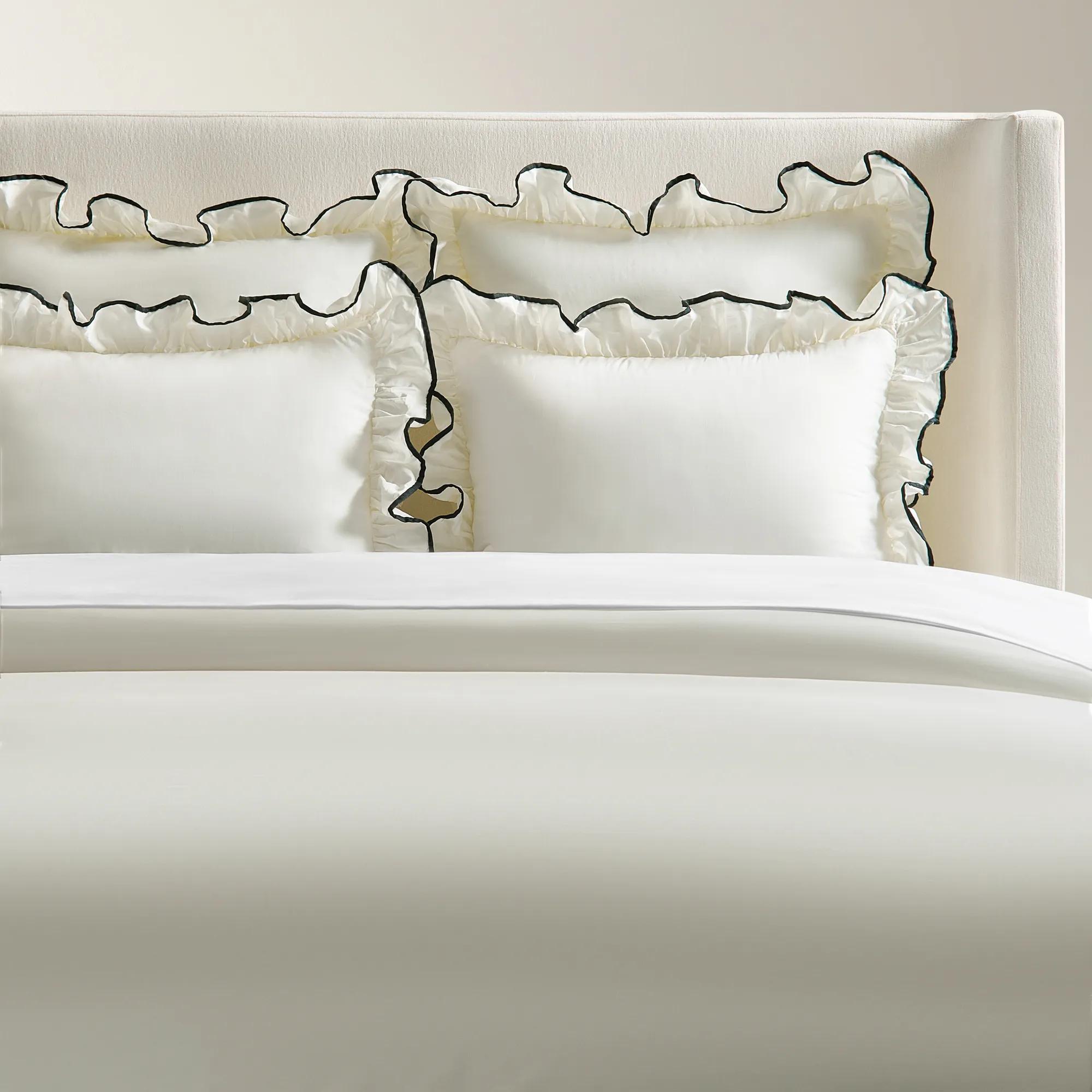
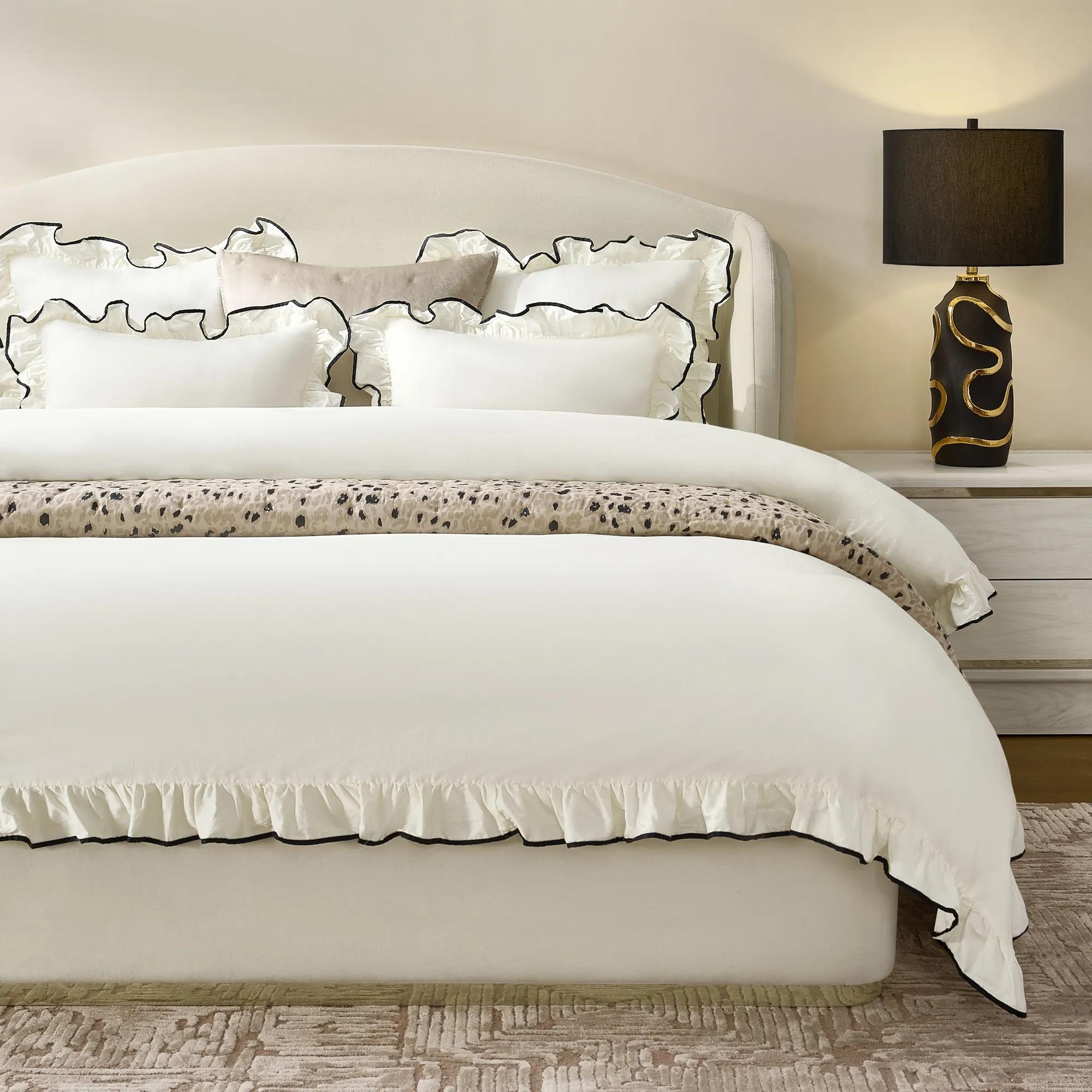 Vittoria Ivory/Black Cotton Percale Ruffle Bedding Set$79
An ivory cotton percale bedding set with dramatic black ruffle trim for a crisp, Deco-inspired look.
Add To Cart -
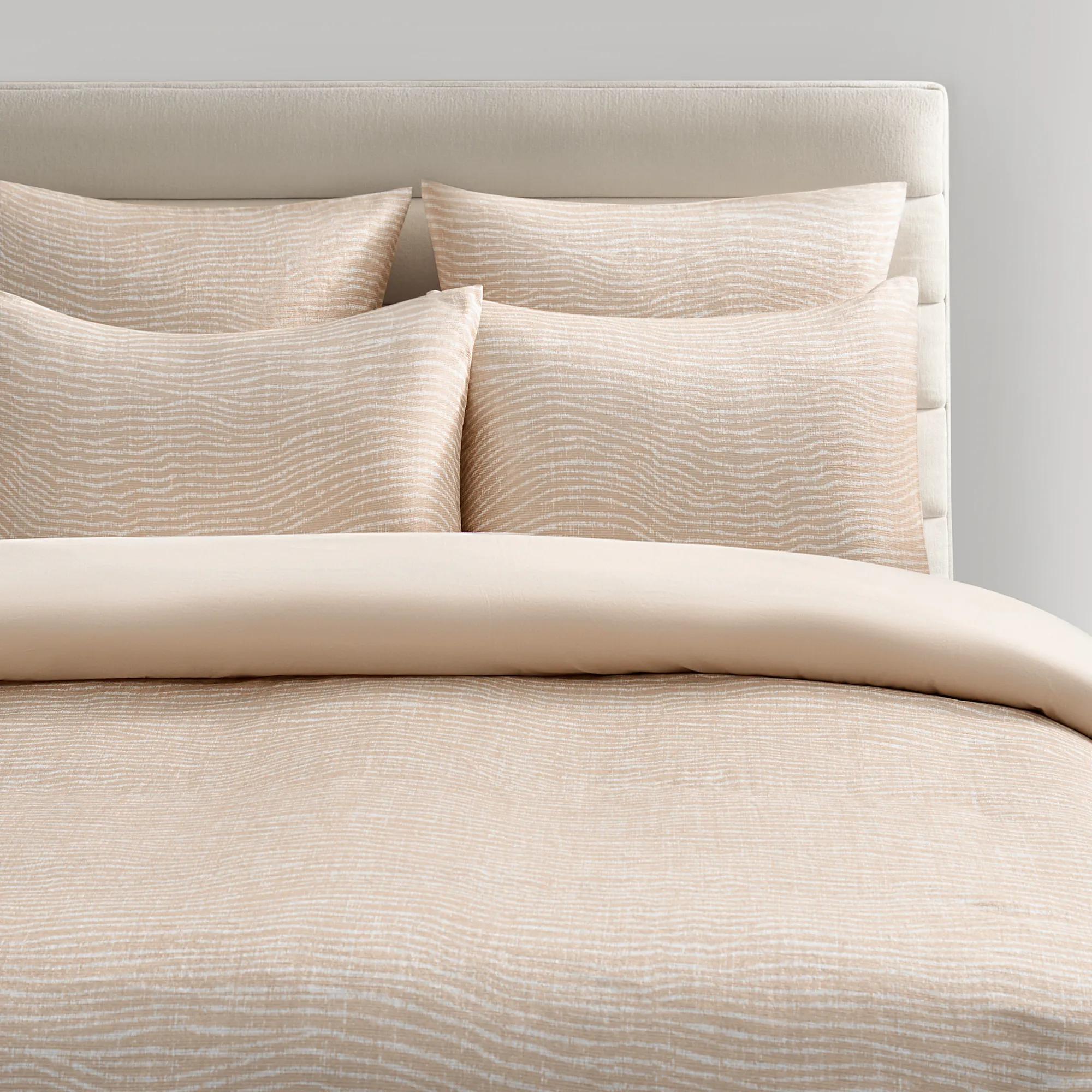 Sahara Bedding Set - Tan/Cream$199
A soft jacquard bedding set in tan and cream with a subtle wave-inspired zebra print and button closure.
Add To Cart -
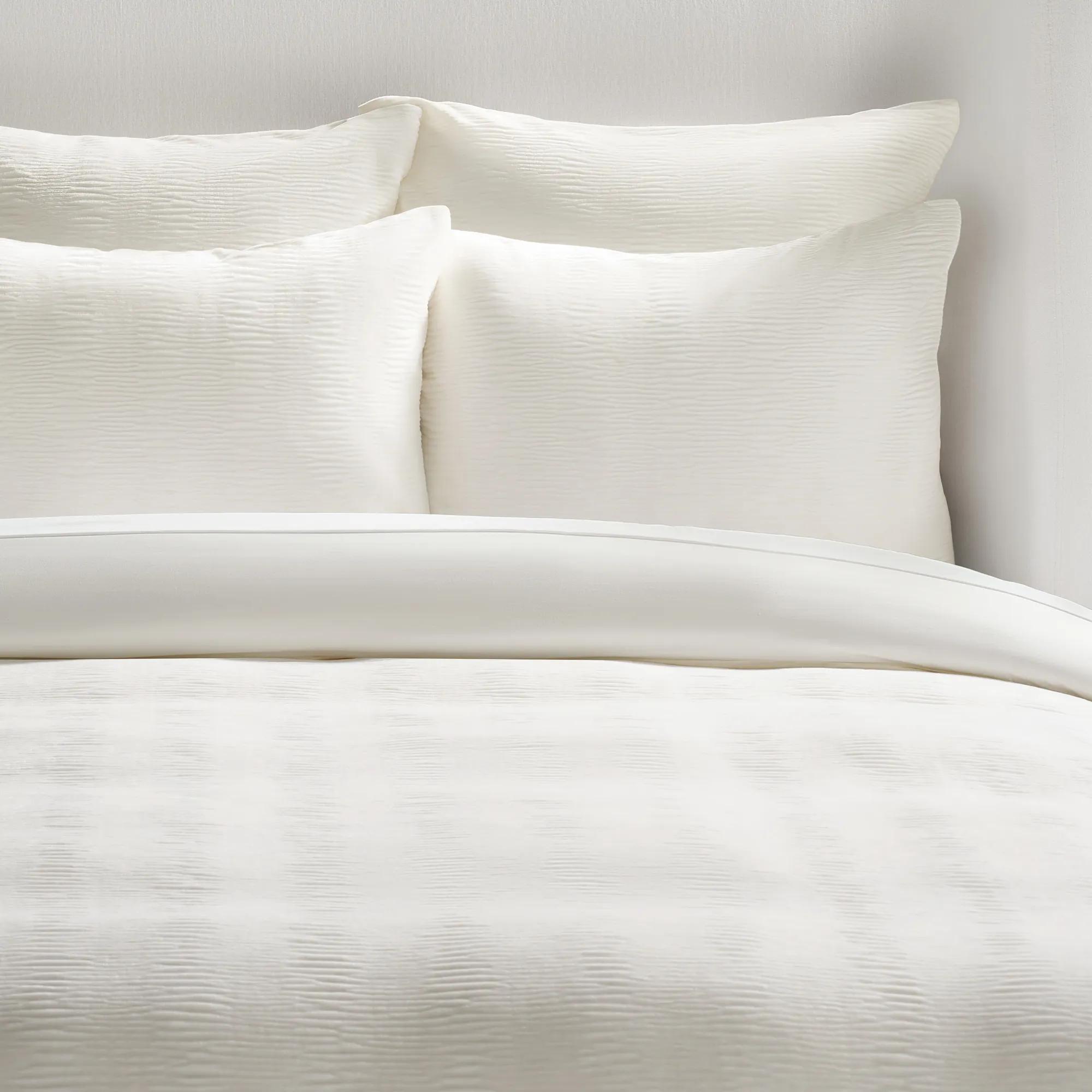 Vera Cloud White Soft Pleated Velvet Bedding Set$69
A cloud-white velvet bedding set featuring soft pleating for an elegant, textured bedroom finish.
Add To Cart -
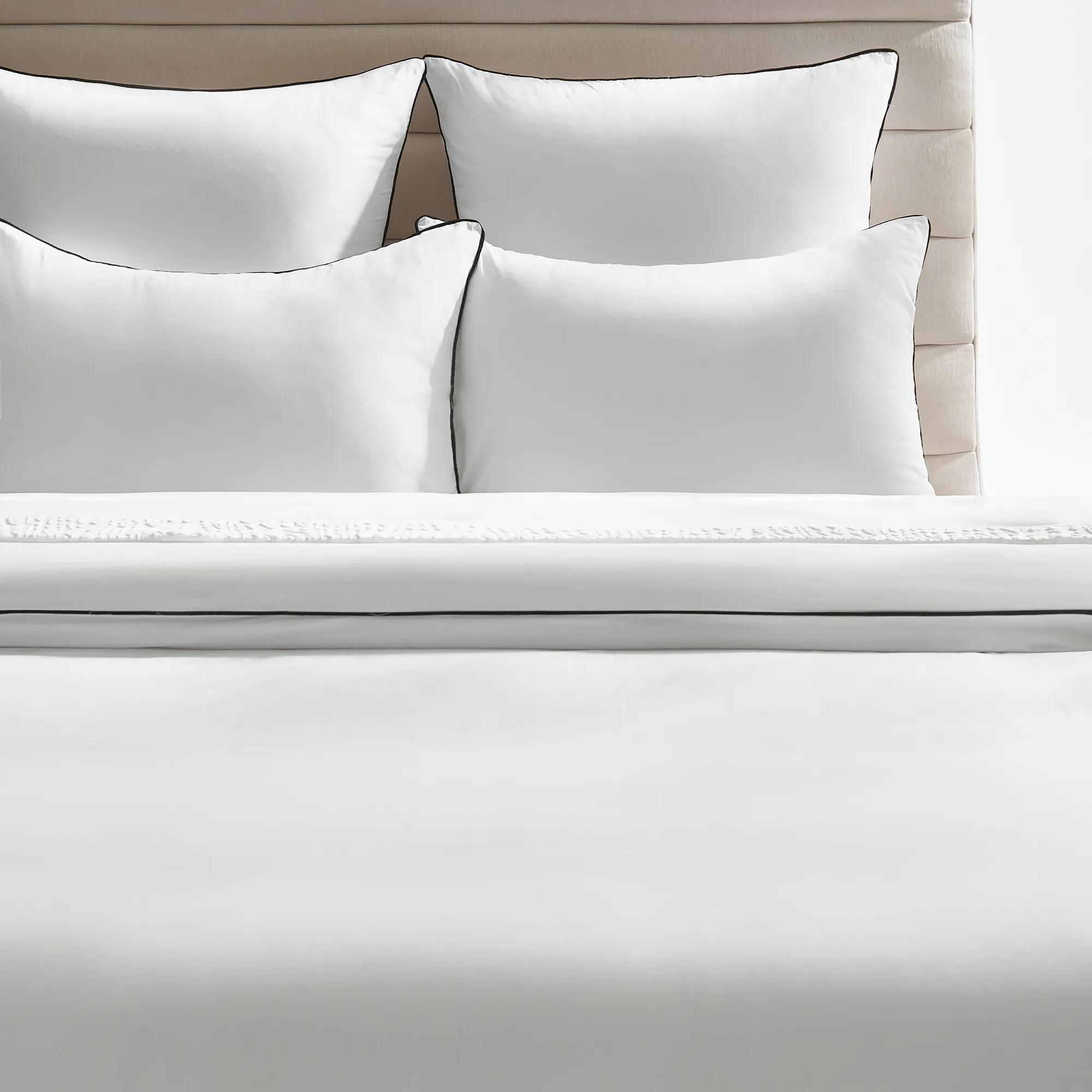 Sarla Contrast Cotton Percale Bedding Set - White/Black$59
A crisp white cotton percale bedding set featuring modern black piping for a refined, graphic contrast.
Add To Cart -
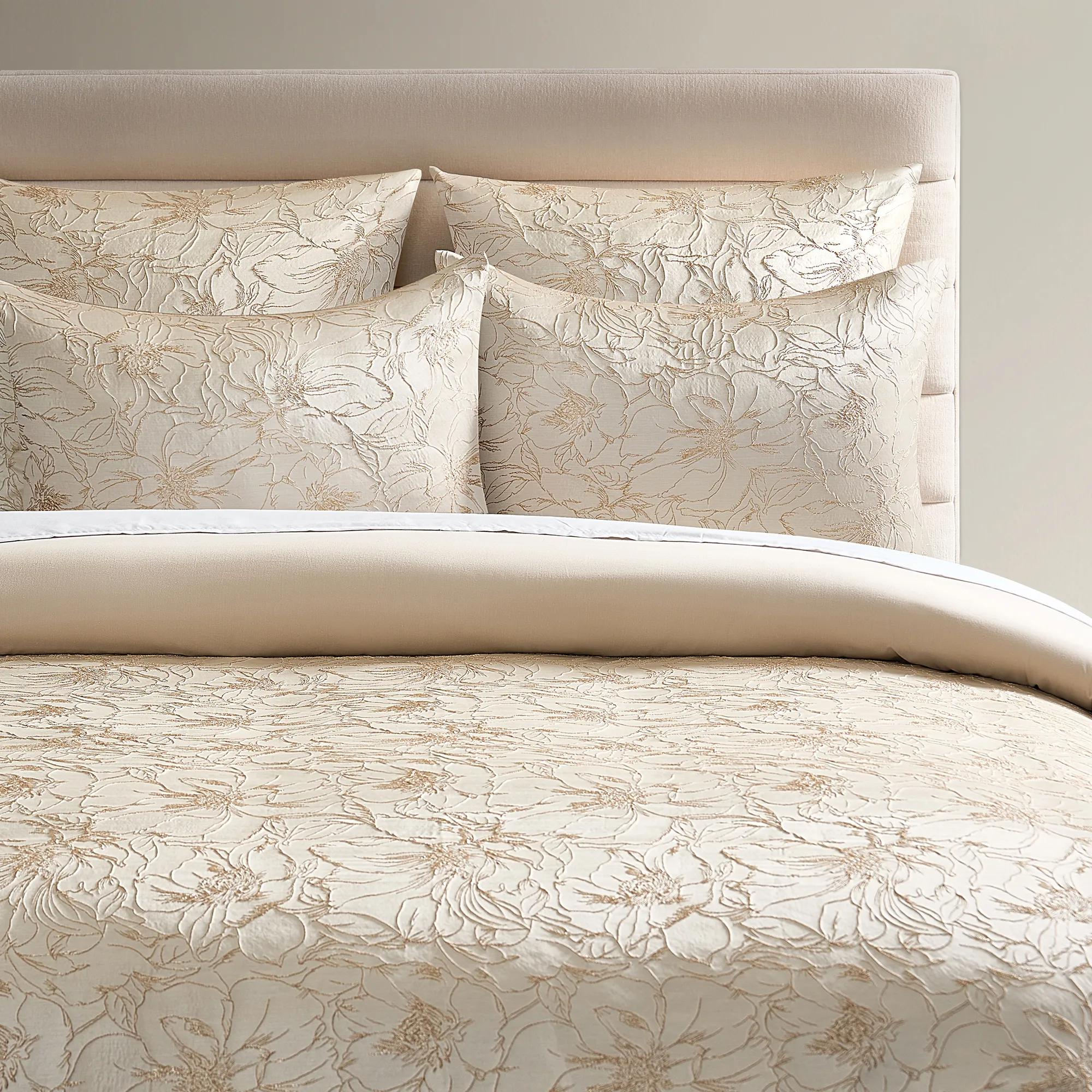 Mimoza Floral Jacquard Champagne Gold Bedding Set$49
A luminous champagne gold jacquard bedding set with delicate floral embroidery and polished knife-edge detailing.
Add To Cart -
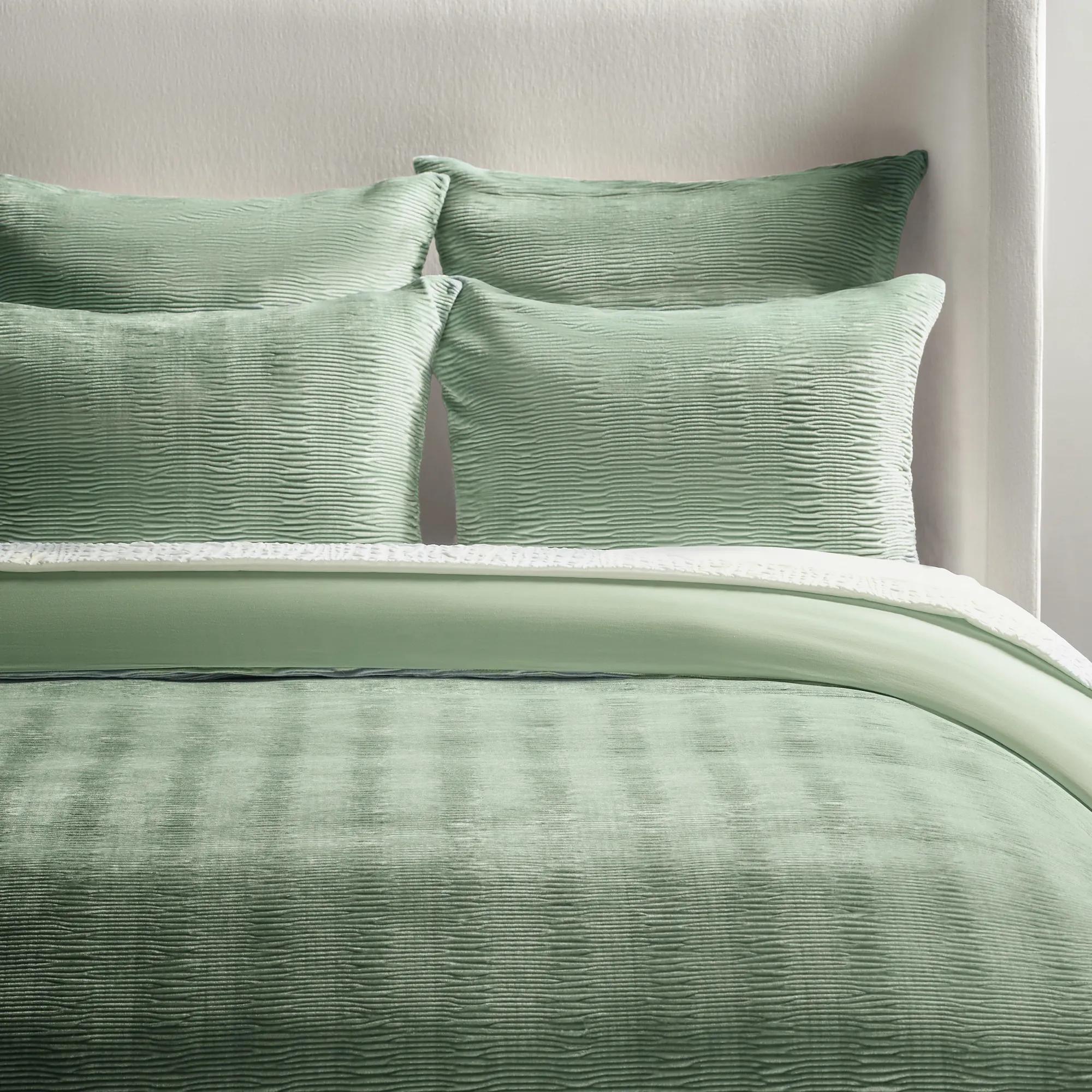
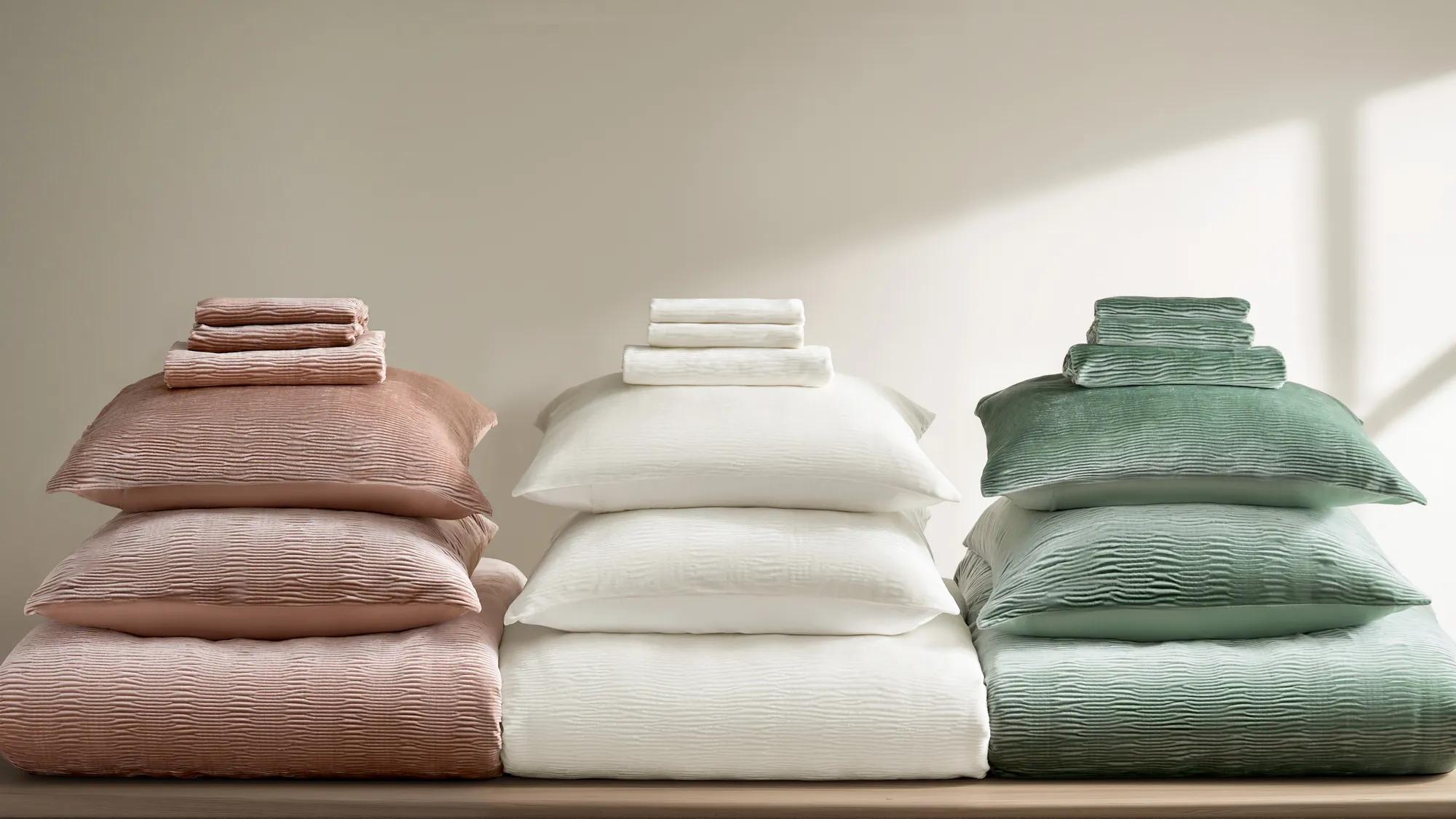 Vera Velvet Bedding Set - Malachite Green$69
A luxurious malachite green velvet bedding set with coordinating duvet and sham covers.
Add To Cart -
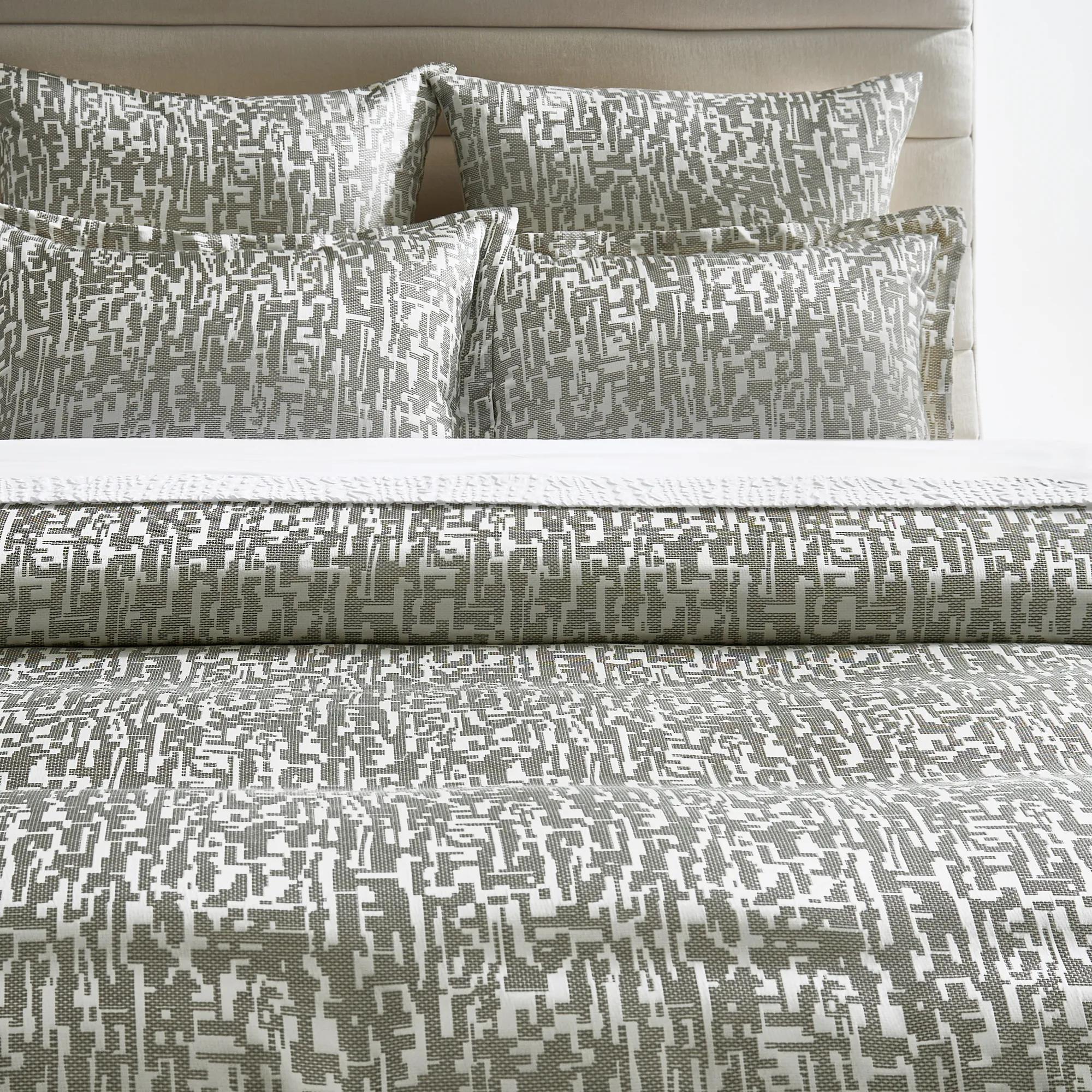
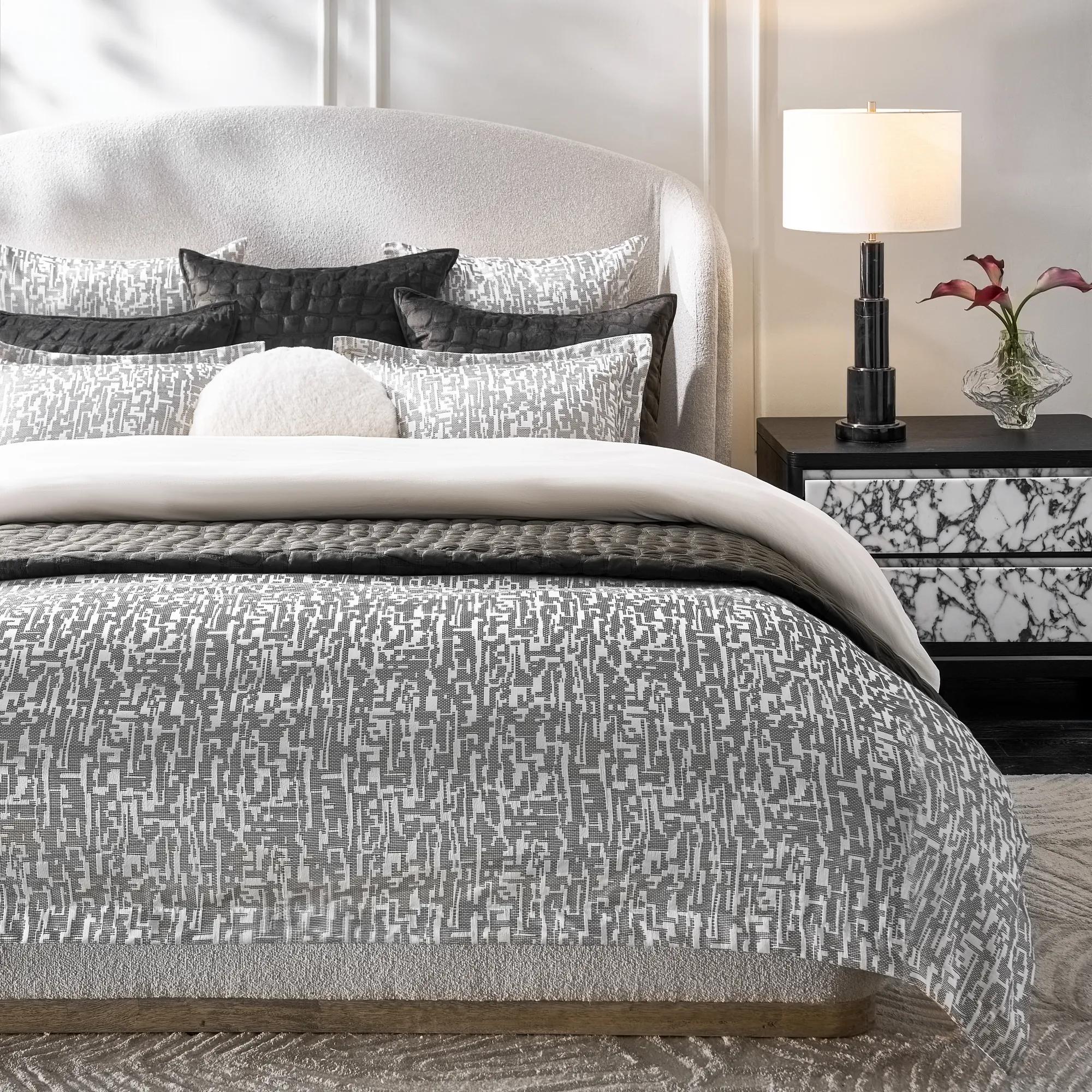 Podva Embroidered Bedding Set - Pearl/ Charcoal$69
A smooth satin bedding set in pearl and charcoal, featuring abstract embroidery and a polished flange edge.
Add To Cart -
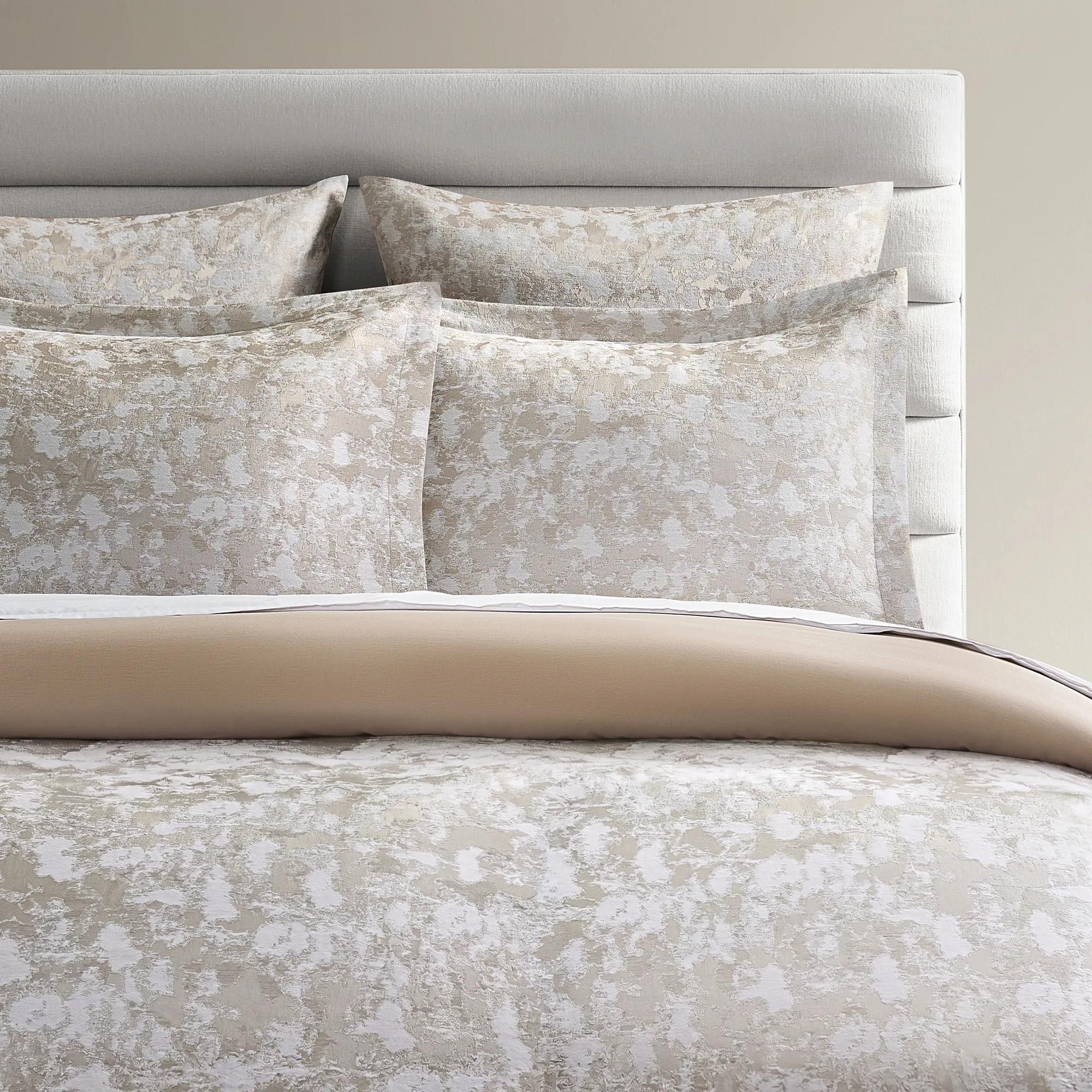 Nimbus Jacquard Metallic Champagne and Silver Bedding Set$49
A cloud-inspired bedding set in champagne and silver metallic jacquard with a soft marbled shimmer.
Add To Cart -
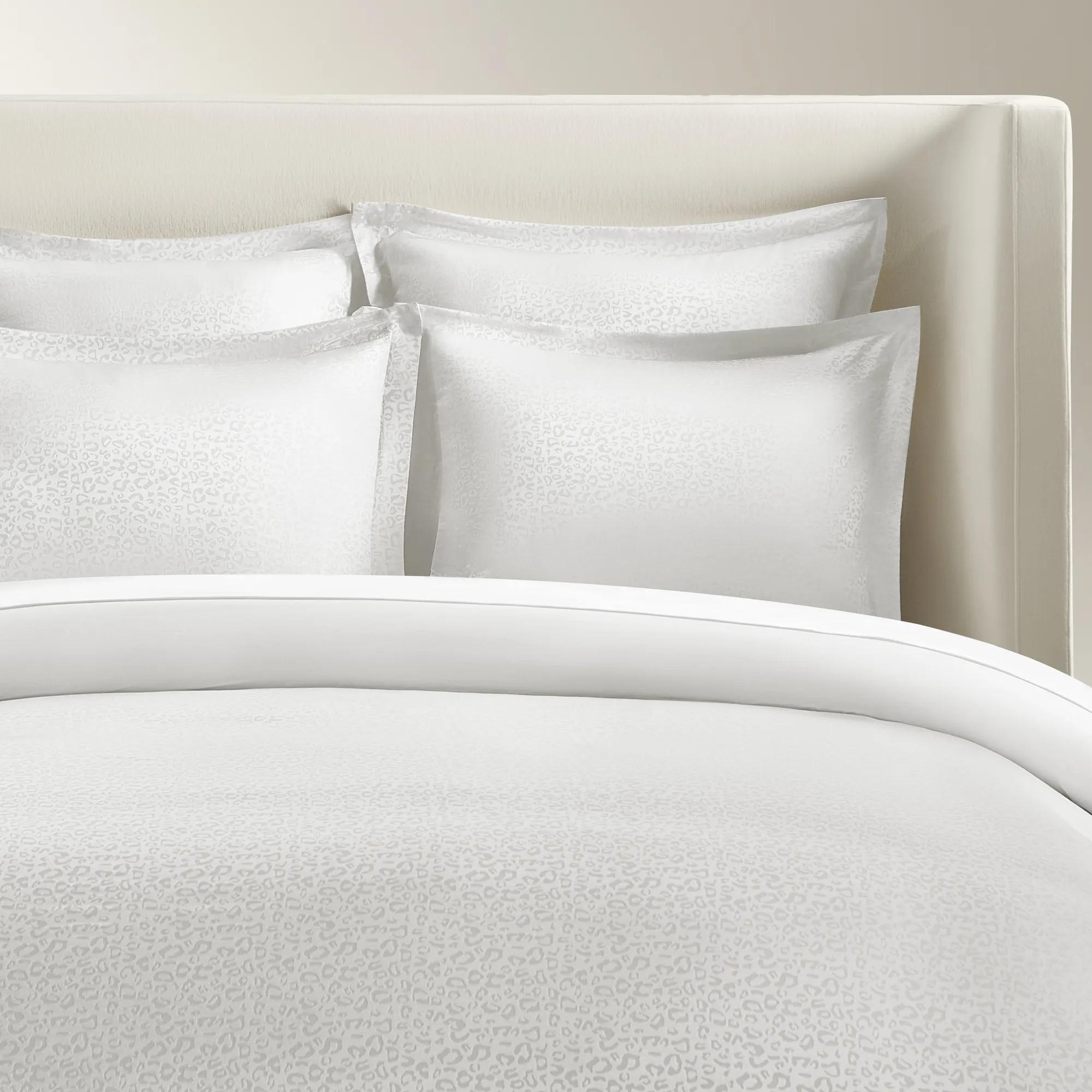
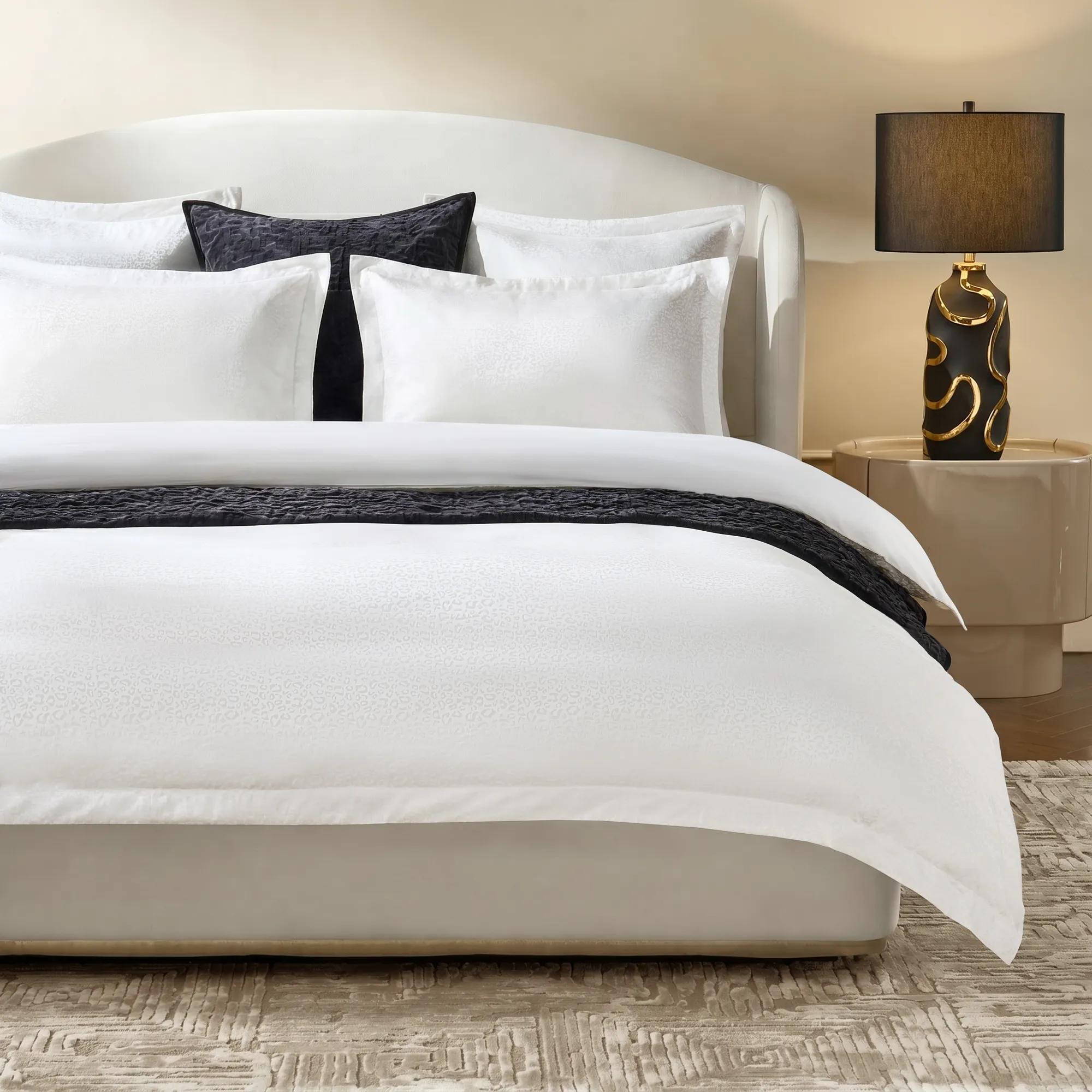 Abi Leopard Cloud White Tencel Bedding Set$79
A cloud white bedding set featuring a tonal leopard print in a smooth Tencel blend with cotton reverse.
Add To Cart -

 Jungle Toile Bedding Set - Pale Pink$59
A luxurious satin bedding set featuring a delicate black jungle print on a pale pink background.
Add To Cart -
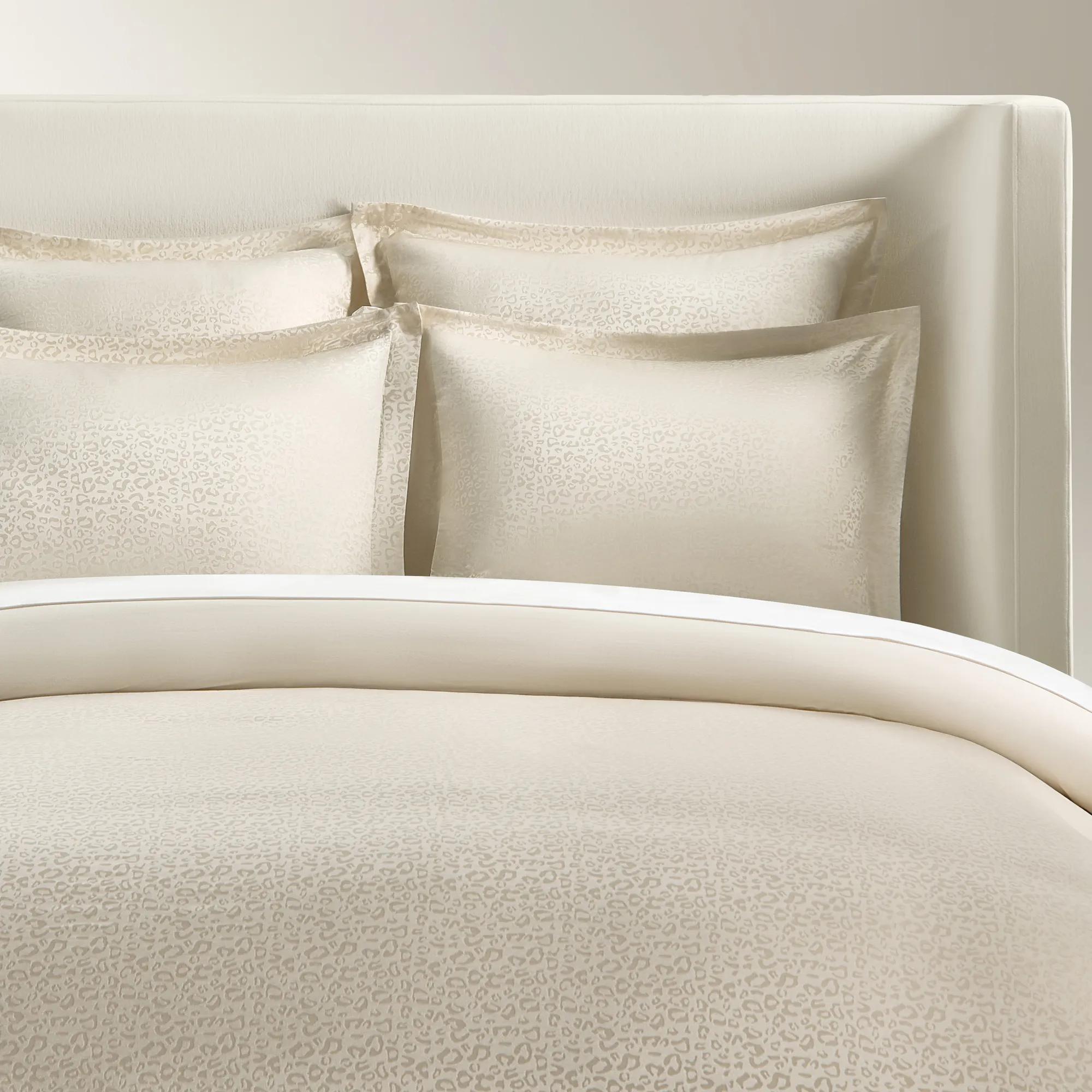 Abi Leopard Soft Nude Tencel Bedding Set$79
A soft nude bedding set featuring a tonal leopard print in a smooth Tencel blend with cotton reverse.
Add To Cart -
 Vera Velvet Bedding Set - Mocha Rose$69
A luxurious mocha rose velvet bedding set with a duvet cover and coordinating sham covers.
Add To Cart -

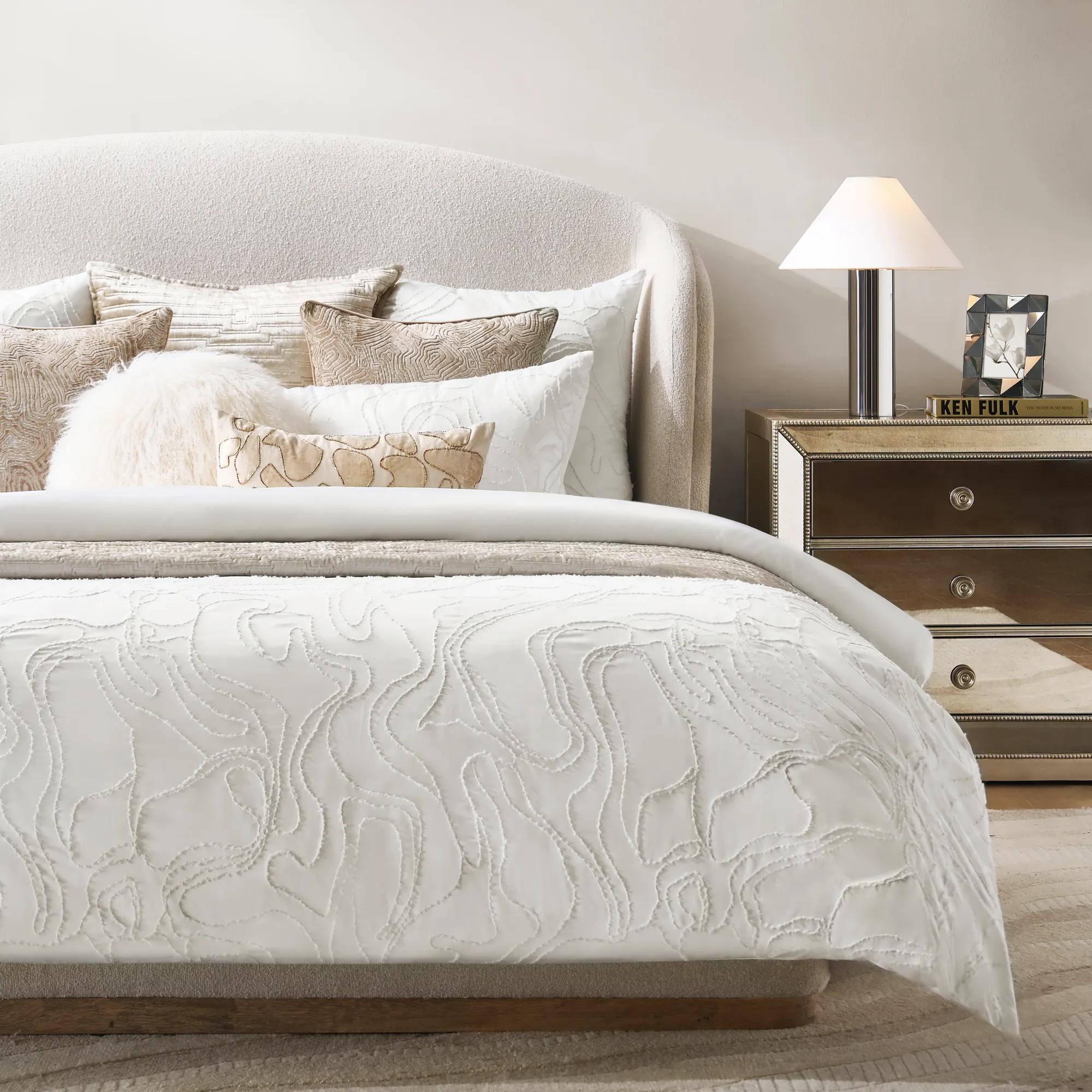 Noa Embroidered Pearl White Bedding Set$59
A luminous pearl satin bedding set featuring an embroidered swirl pattern for a touch of refined elegance.
Add To Cart -
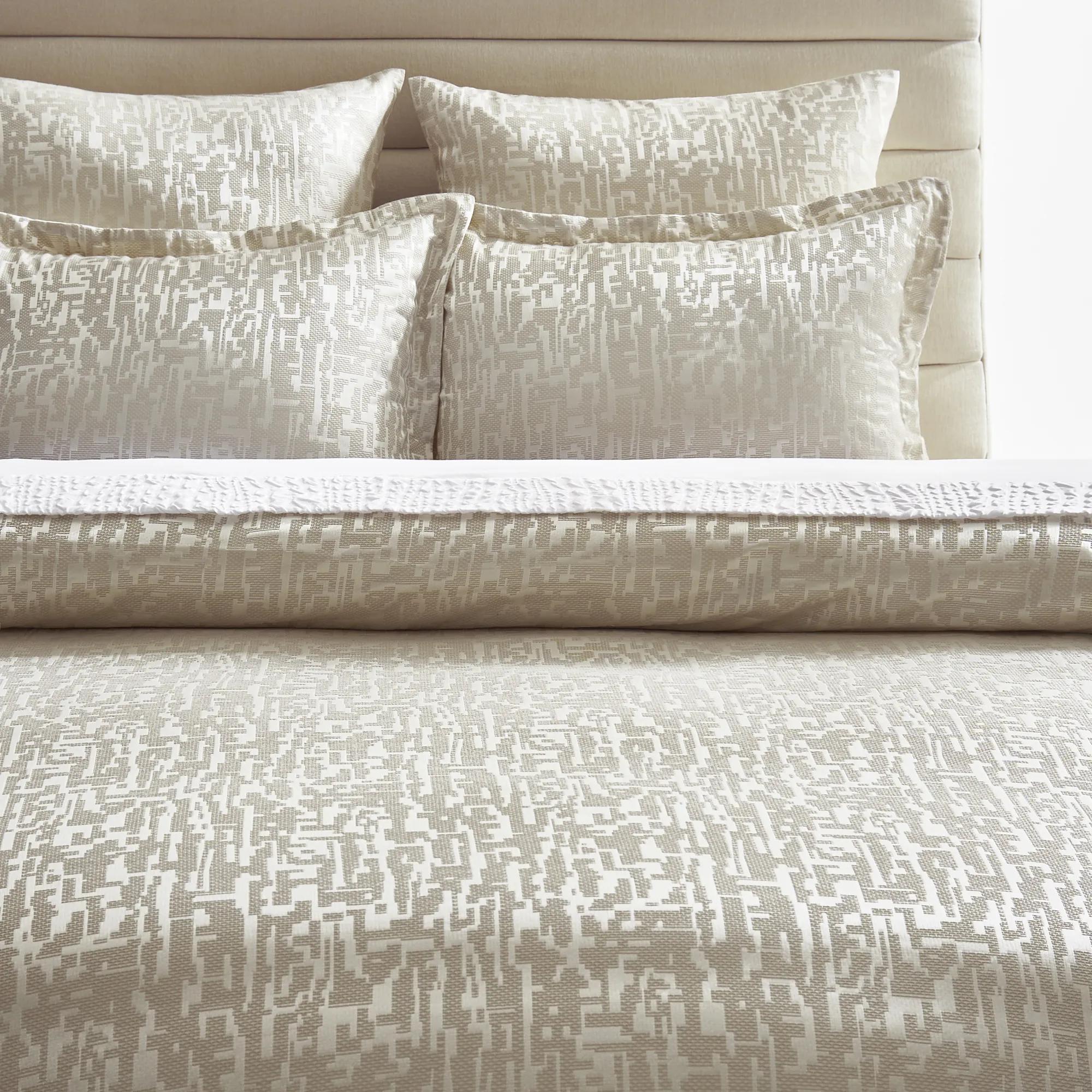
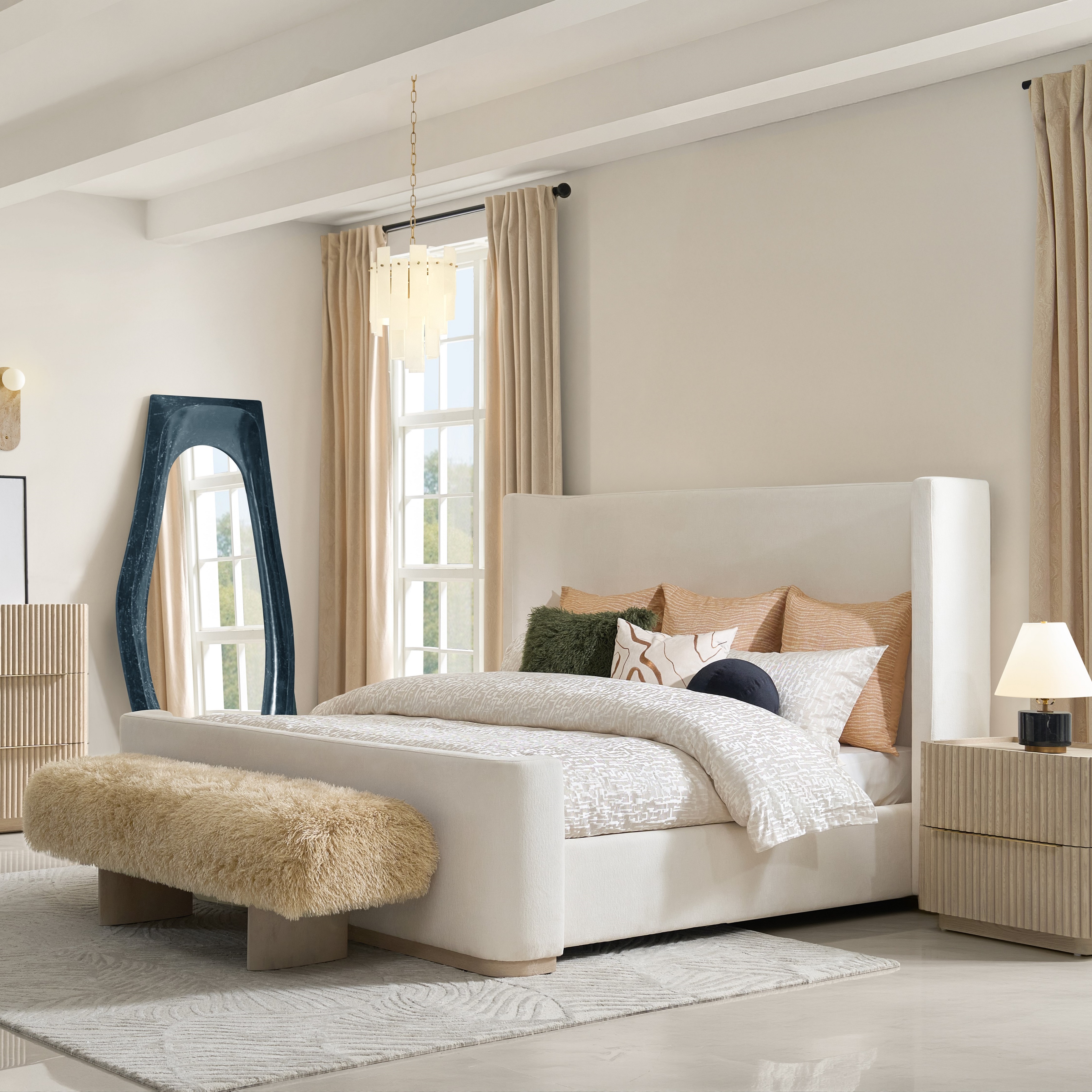 Podva Embroidered Pearl/Ivory Bedding Set$69
A satin and cotton bedding set in pearl and ivory with modern embroidery and crisp flange edges.
Add To Cart -
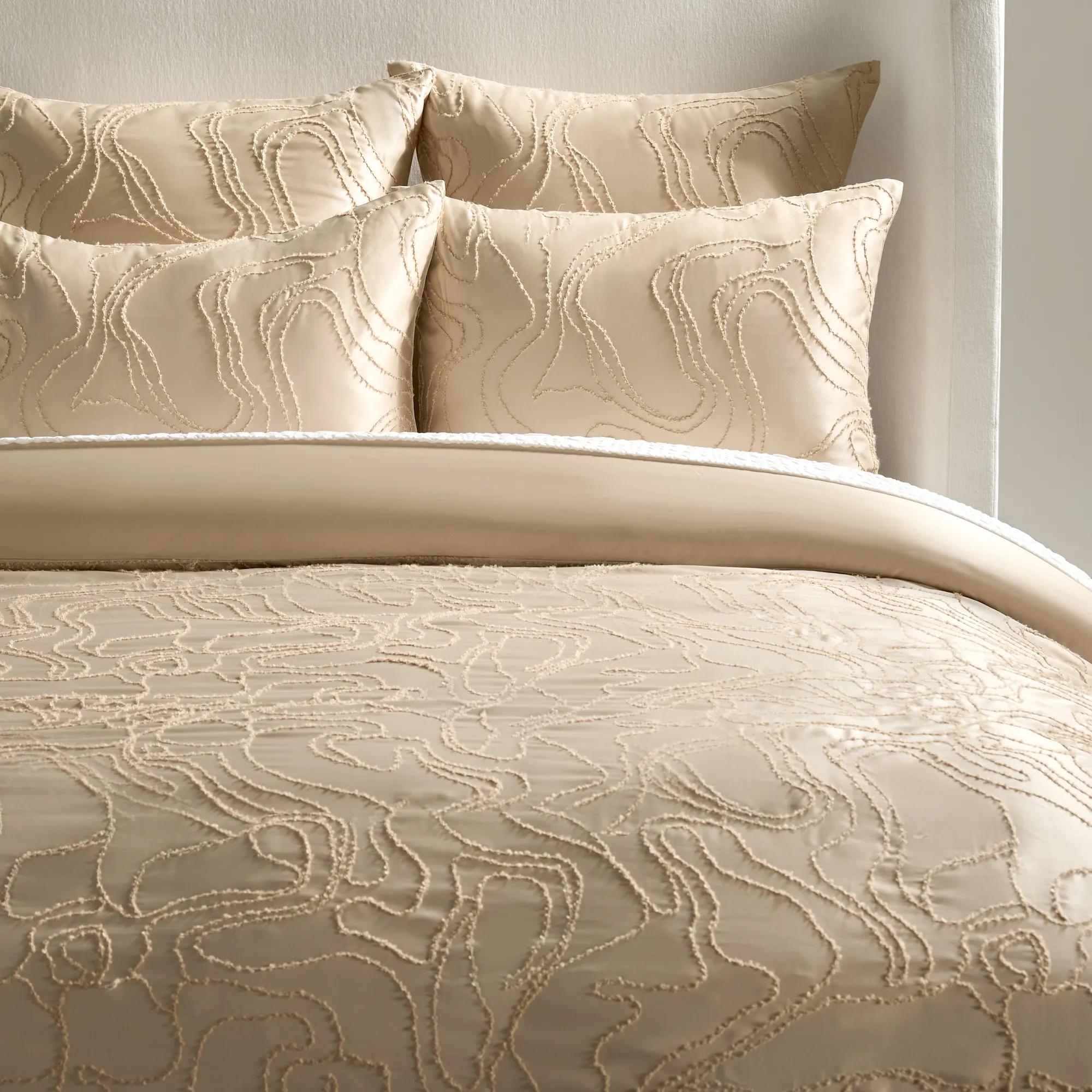 Noa Embroidered Champagne Beige Bedding Set$59
A champagne beige embroidered bedding set with a duvet cover and coordinating sham covers.
Add To Cart -
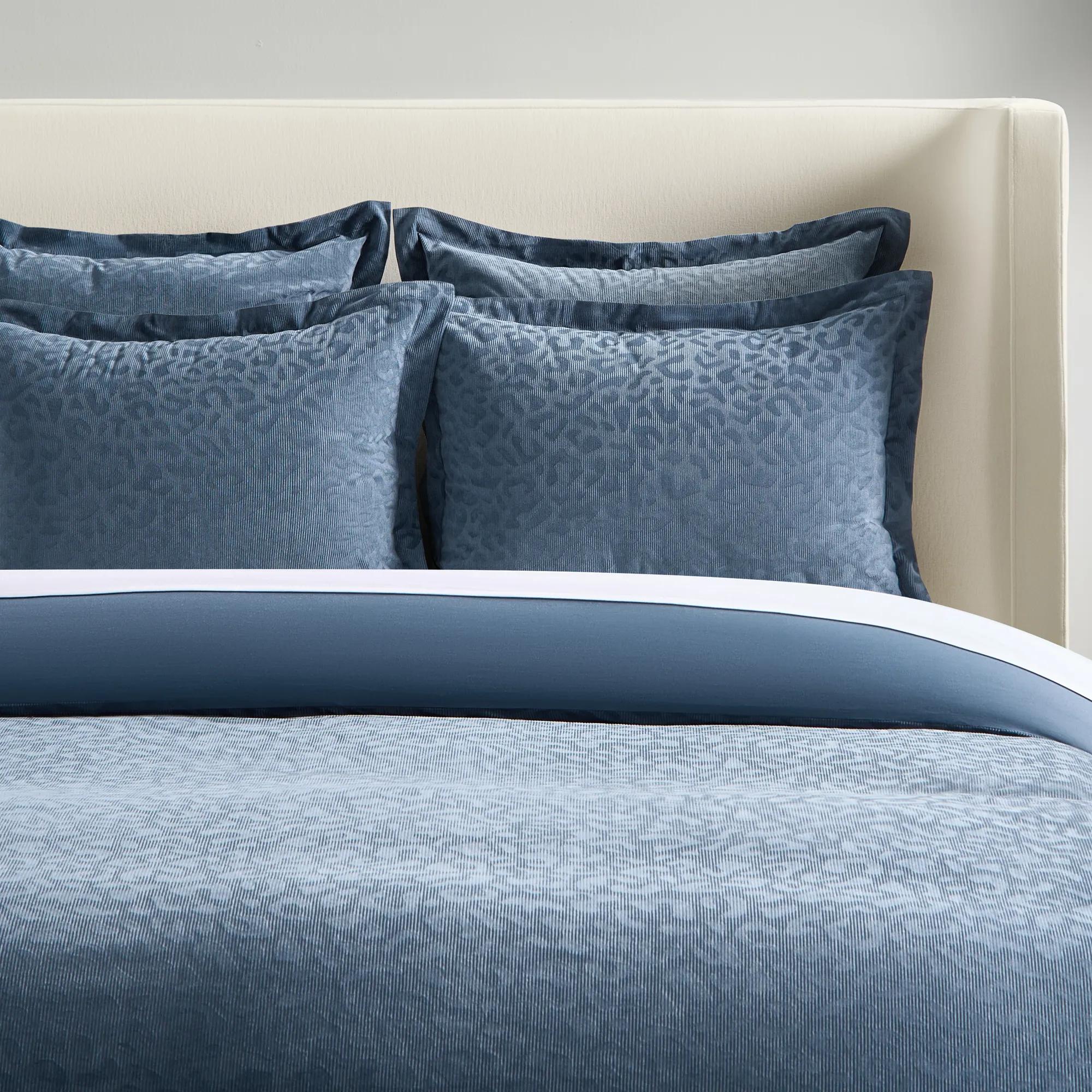
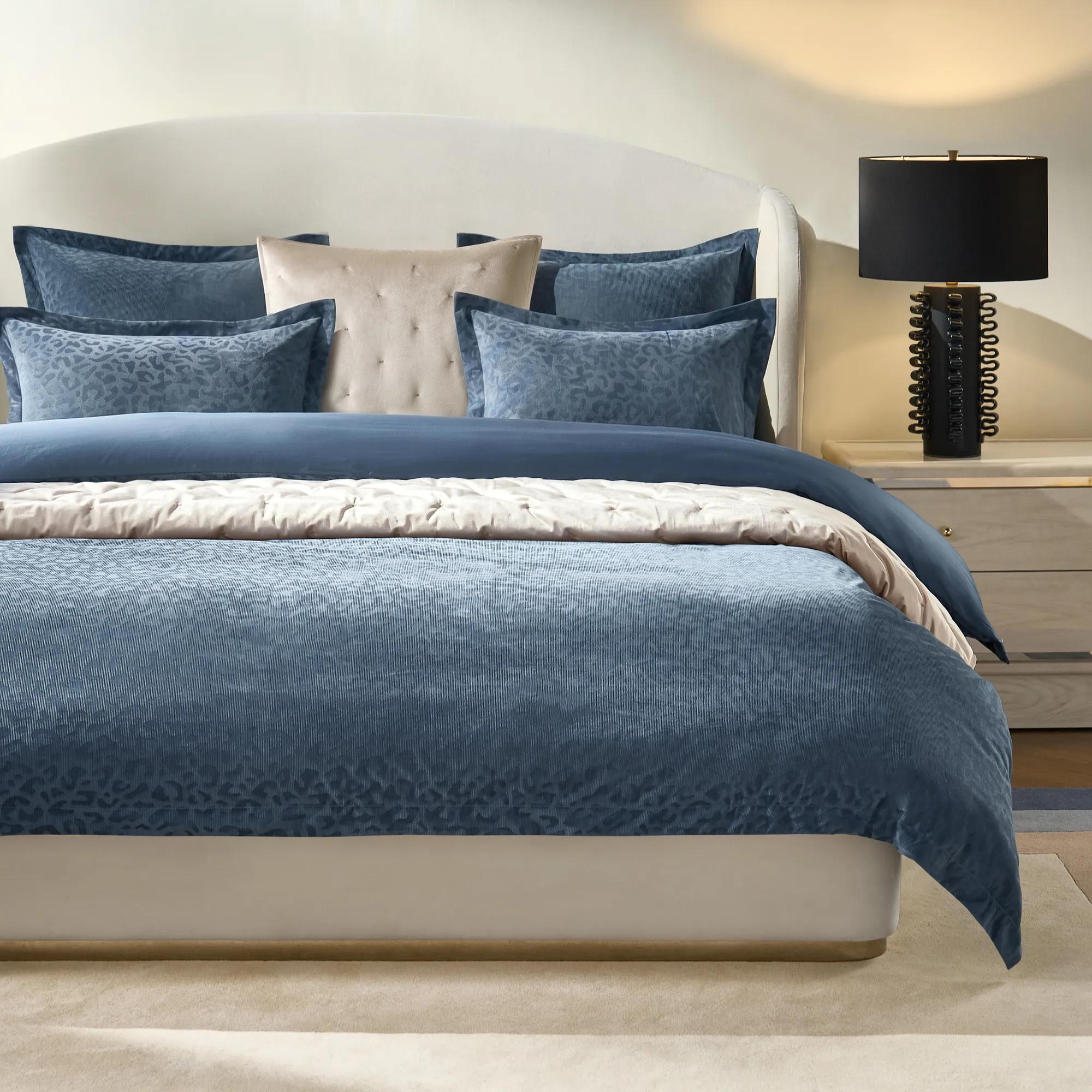 Leopard Dusty Blue Cotton Corduroy Velvet Bedding Set$69
A dusty blue bedding set featuring tonal leopard print corduroy velvet with a soft cotton backing.
Add To Cart -
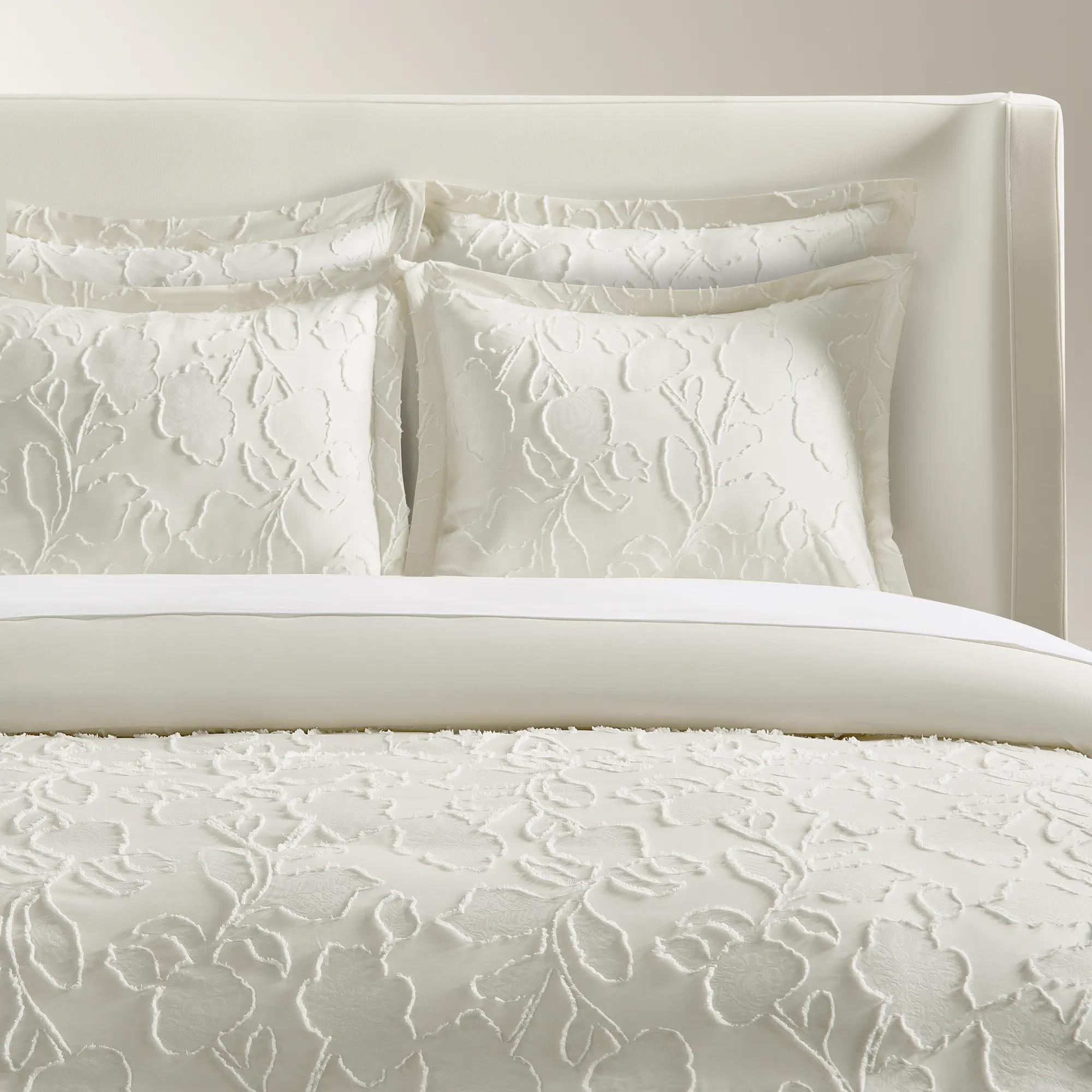
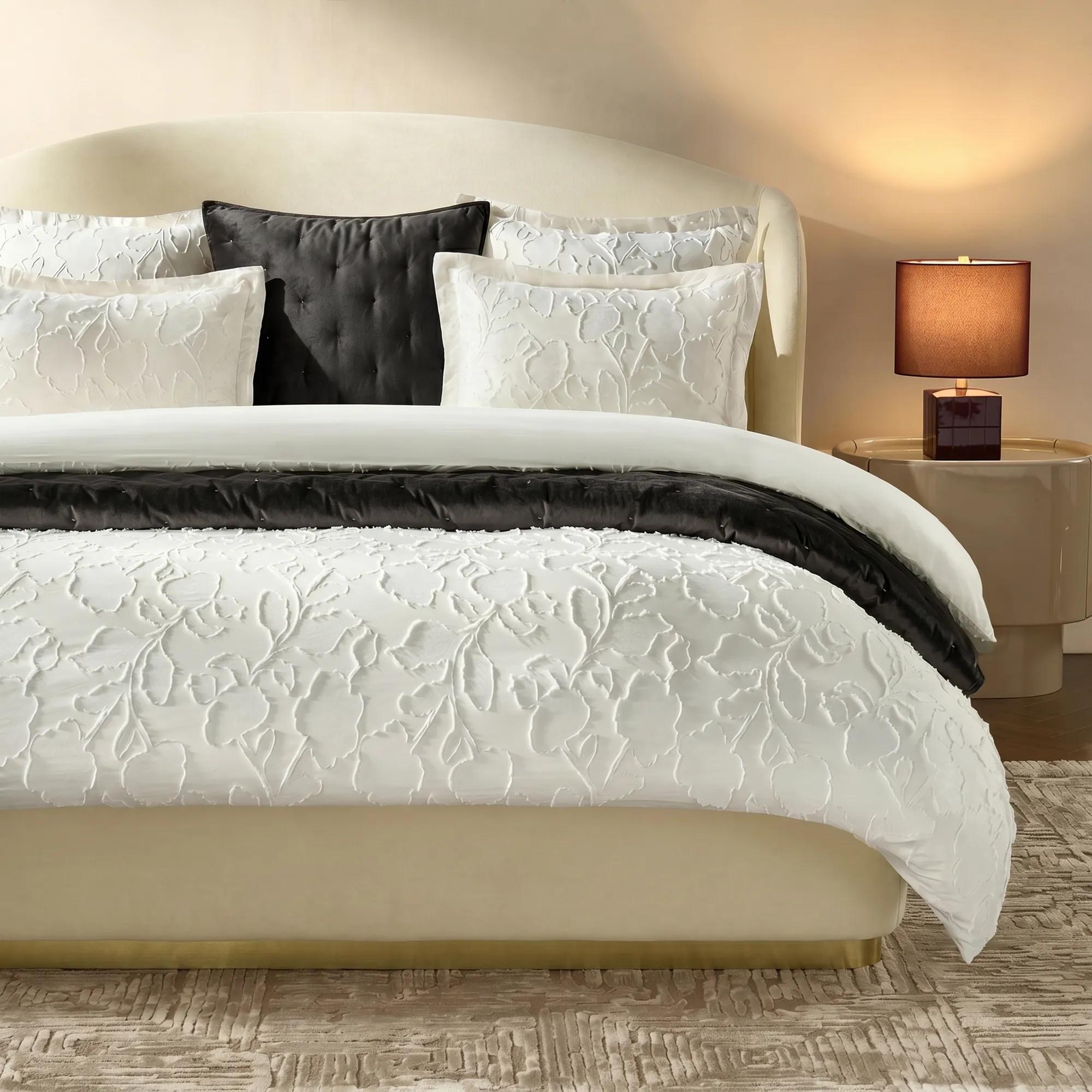 Cosette Ivory Cotton Floral Jacquard Bedding Set$69
A warm ivory bedding set featuring tonal floral jacquard, eyelash fringe, and a soft cotton backing.
Add To Cart -
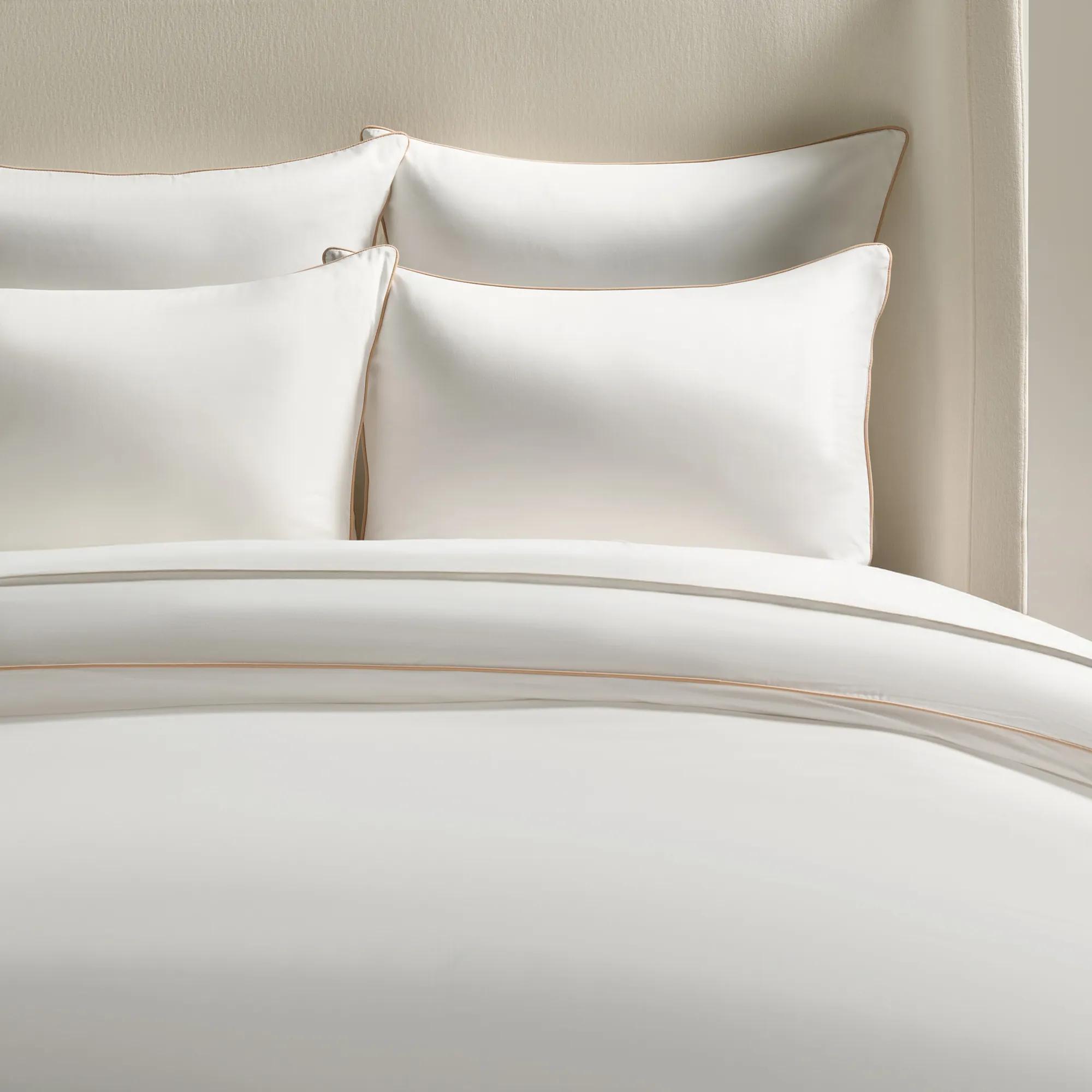
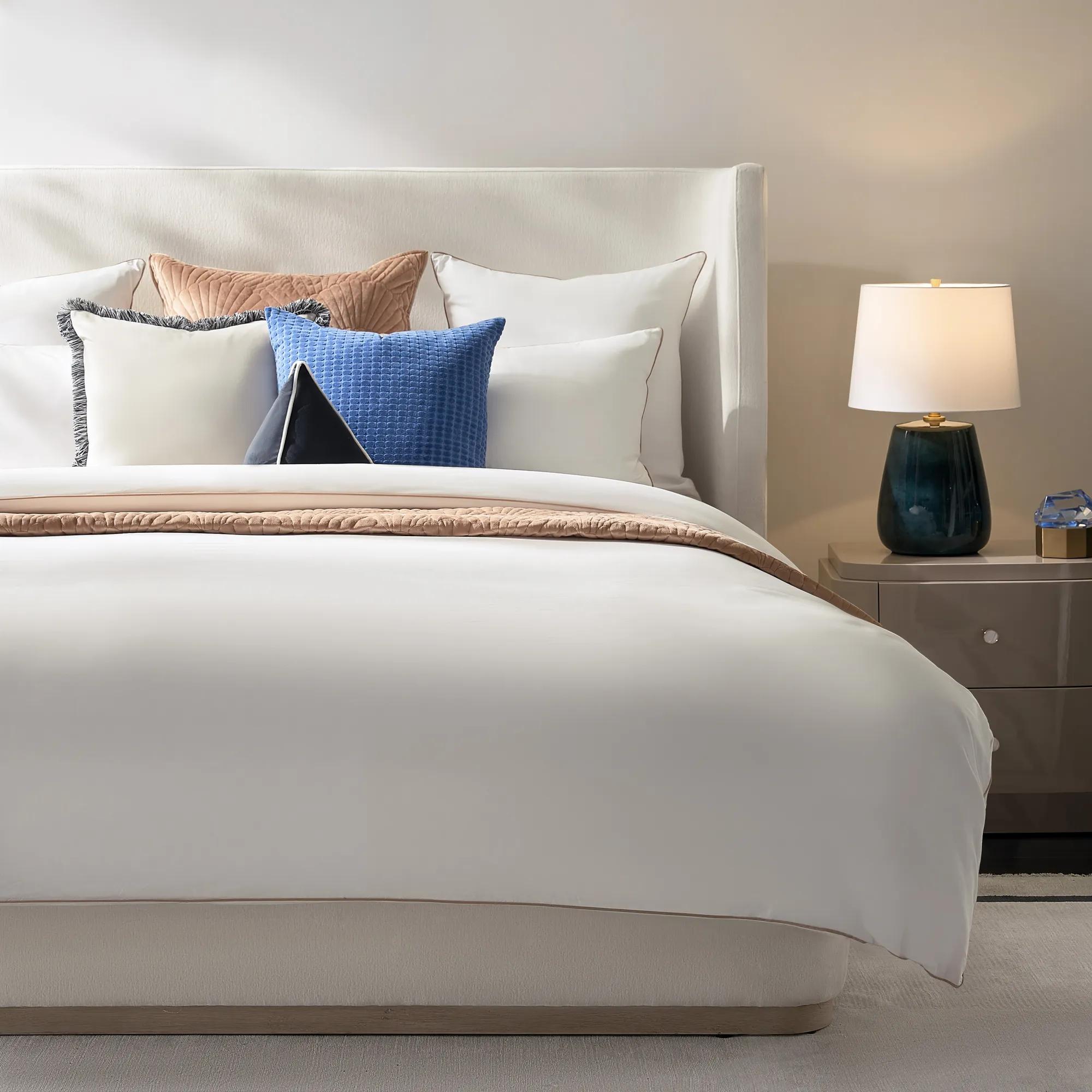 Sarla Contrast Cotton Percale Bedding Set - White/Tan$59
A crisp cotton percale bedding set featuring a refined white-and-tan contrast design.
Add To Cart -
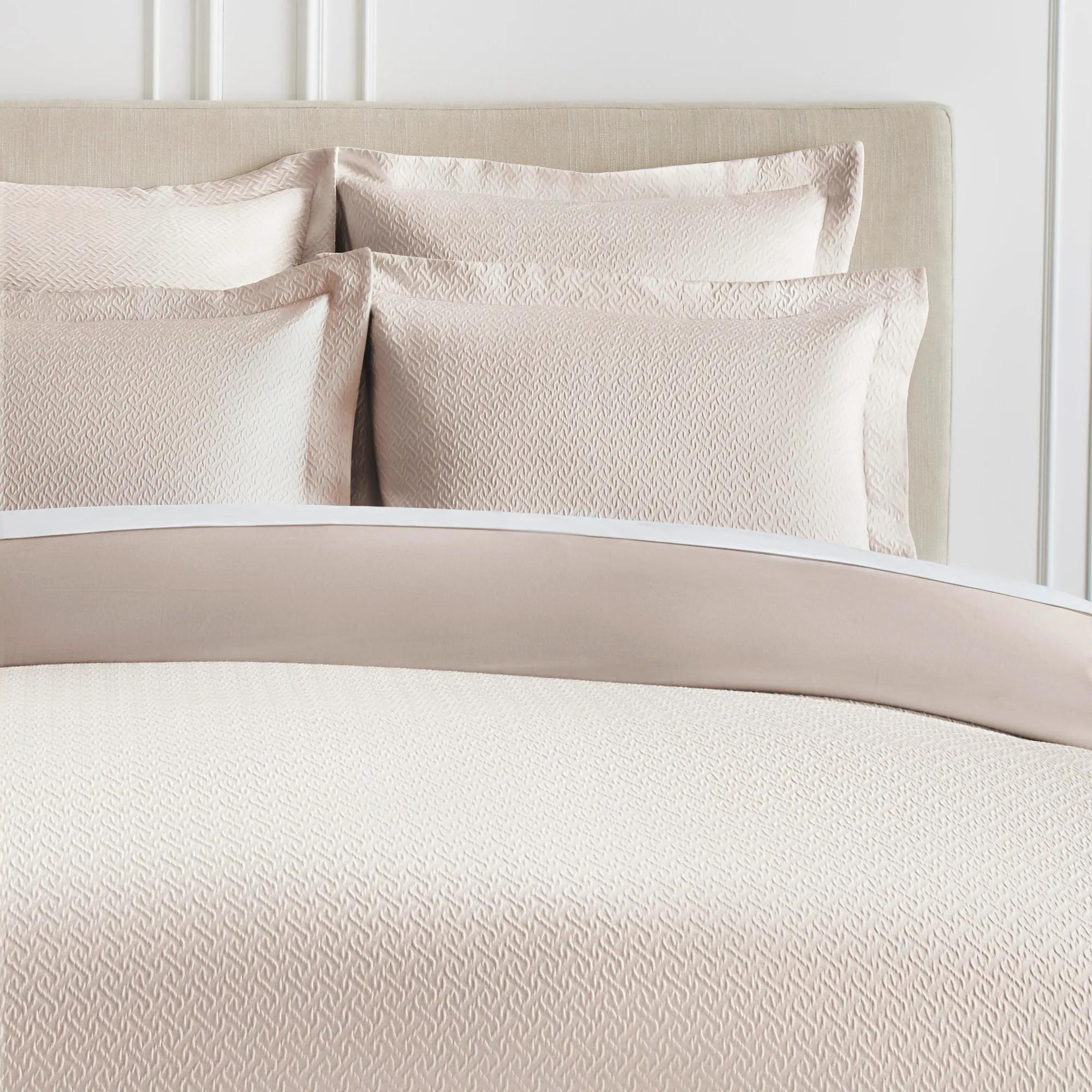
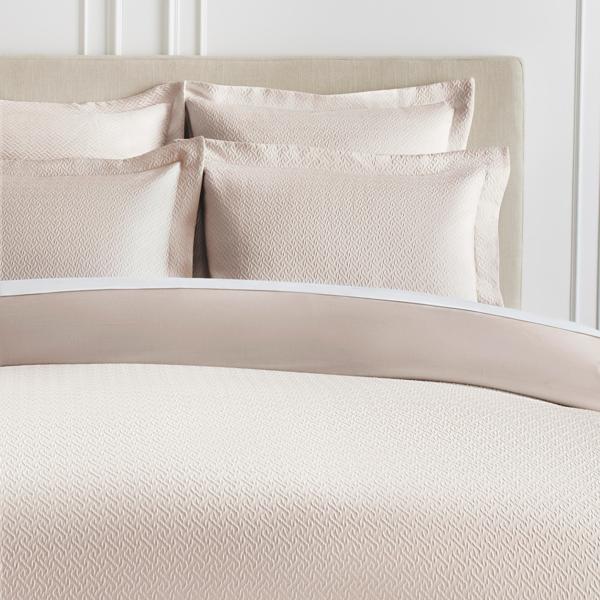 Marlowe Jacquard Blush Bedding Set$199
A blush jacquard bedding collection offering subtle texture and year-round comfort with a soft cotton blend.
Add To Cart

Duvet Cover Sets Under $200 | Z Gallerie
Discover affordable duvet cover sets under $200 that make the bed a canvas for expressive pattern and inviting texture. Consider fabric feel, coordinating shams, and included pieces to find a set that suits your bedroom. For a sumptuous fall refresh, style your choice with grey accents and layered textures that feel as welcoming to overnight guests as they do to you.
Duvet cover sets give the bed a composed, expressive presence, pairing the enveloping surface of a removable duvet cover with coordinating pillow shams, depending on the set’s contents. The cover surrounds a separate duvet insert, creating a decorative outer layer that can be removed for care without replacing the entire bedding ensemble. Across a generous bed, that fabric becomes an expansive canvas: luminous satin catches light along a fold, dimensional jacquard brings pattern into relief, and embroidery draws the eye toward details that feel considered rather than incidental. A restrained palette can still carry extraordinary depth when texture takes the lead. Ivory with raised patterning feels sculptural against an upholstered headboard, while charcoal or champagne tones create a rich backdrop for mirrored accents and gleaming bedside lighting. Materials shape both the visual effect and the everyday experience. Cotton is often chosen for its breathable feel, while polyester can offer a smooth surface and resistance to wrinkling; blends bring together characteristics of more than one fiber. The weave and finish matter alongside the fiber content. Satin describes a weave rather than a particular fiber, so its lustrous appearance does not, by itself, identify what the fabric is made from. Velvet introduces a plush pile with a directional sheen, while jacquard creates its pattern through the woven construction. Neither term alone determines softness, weight, or care requirements. Embellished surfaces and metallic accents add another layer of visual drama, especially where a bedside lamp grazes the fabric. For bedding used every day, the reverse side deserves attention as well: a decorative face can deliver the statement while a smoother backing provides a different feel against the body. The most compelling duvet cover sets balance these elements, giving a bedroom artistic character without losing sight of the comfort and practicality that make the bed inviting.
Proportion gives that statement its polish. A duvet cover should correspond to the dimensions of the insert, not simply repeat the size name printed on its packaging, because measurements can vary between manufacturers. A cover that is substantially larger than its insert may leave loose fabric around the edges; one that is too small can compress the fill and disrupt its intended loft. Mattress depth, bed height, and the desired amount of overhang also influence the finished silhouette. A deep mattress on a tall frame may call for a more generous drape, while a low platform bed can look striking with a cleaner, more controlled edge. For a queen-size setting, Luxury Queen Duvet Covers provide a focused starting point for an ensemble scaled to the room, with exact measurements remaining the essential fit check. Pillow proportions deserve the same consideration. Standard, queen, king, and Euro shams are not interchangeable, and set contents should be checked rather than assuming every decorative pillow shown belongs to the ensemble. Coordinated shams establish continuity, while a contrasting accent pillow or a folded throw can introduce a deliberate interruption in color or texture. A tonal bed gains depth from differences in surface: a subtle woven pattern beneath a plush accent, or a softly lustrous cover against a matte headboard. In a room with patterned wallpaper or an elaborate headboard, quieter bedding can give those features room to command attention. Against plain walls, a dimensional duvet cover can become the central design gesture. Closure details contribute to the experience beyond appearance. Button or zipper closures secure the opening, while interior corner ties, when included and attached to compatible insert loops, help limit shifting. These construction details matter when the bed is made each morning, allowing the fabric’s pattern and proportions to read clearly rather than disappearing into uneven folds. Together, fit, scale, and thoughtful layering make the ensemble feel intentional from the doorway and comfortable at close range.
Everyday durability depends on more than the richness of a fabric’s appearance. Secure seams, neatly finished embroidery, and a well-constructed closure all contribute to how a duvet cover performs through repeated use. A highly textured face may need different handling from a smooth woven surface, particularly in a bedroom shared with pets, where claws can catch exposed threads or raised embellishments. For a frequently used primary bedroom, the ideal balance may lean toward a supple, easily maintained fabric with enough detail to feel distinctive. A guest room can support a more decorative expression, though straightforward care remains valuable between visits. The care label is the authority for washing, drying, ironing, or professional cleaning, especially when a cover combines different materials or includes metallic threads, appliqués, or delicate trims. Machine washing is appropriate only when the stated instructions permit it, and adequate space in the washer helps a large cover move freely. Compatible pieces benefit from being cared for consistently so their color and finish remain as harmonious as possible. Turning embellished bedding inside out, if recommended, can reduce direct abrasion, while prompt attention to spills helps prevent a small mark from becoming a lasting distraction. Closures should be handled gently, and loose threads should never be pulled. An insert protector can add another washable layer between the insert and its cover, but it does not replace regular care of the outer bedding. These practical considerations also make duvet cover sets thoughtful gifts for weddings, housewarmings, or a first thoughtfully furnished home. Bedding size, preferred palette, fabric sensitivities, and the recipient’s laundry routine are more useful cues than appearance alone. For someone drawn to expressive interiors, a richly textured ensemble offers a personal way to shape a room used every day. With the right proportions and considered care, the bed becomes more than a coordinated arrangement: it becomes a generous composition of texture, light, and individual style.
FAQs
A duvet cover is a removable outer layer designed to hold a duvet insert. A comforter combines its outer fabric and filling in one finished piece. Changing a duvet cover lets you give the bed a different visual character while keeping a compatible insert.
A duvet cover set commonly pairs a cover with coordinating pillow shams, but contents vary. Read the selected option's description to confirm the included pieces; duvet inserts, pillow inserts, sheets, and decorative accents may be separate.
Use grey as a tonal backdrop and build contrast around it. Ivory lends softness, charcoal adds depth, and a rich accent color creates a more theatrical composition. Repeat a shade from the duvet pattern in nearby textiles for a deliberate, layered effect.
Give the duvet's main motif room to command attention. Pair a sweeping print with solid sheets, then introduce a smaller-scale pattern through an accent pillow. A shared color connects the layers without requiring every piece to match.
Follow the care label for both the duvet cover and its coordinating shams. Velvet, embroidery, fringe, and other decorative details can require different treatment. Check washing, drying, and pressing instructions rather than assuming every piece can share the same routine.