
Modern Textured Duvet Covers
Modern Textured Duvet Covers
-
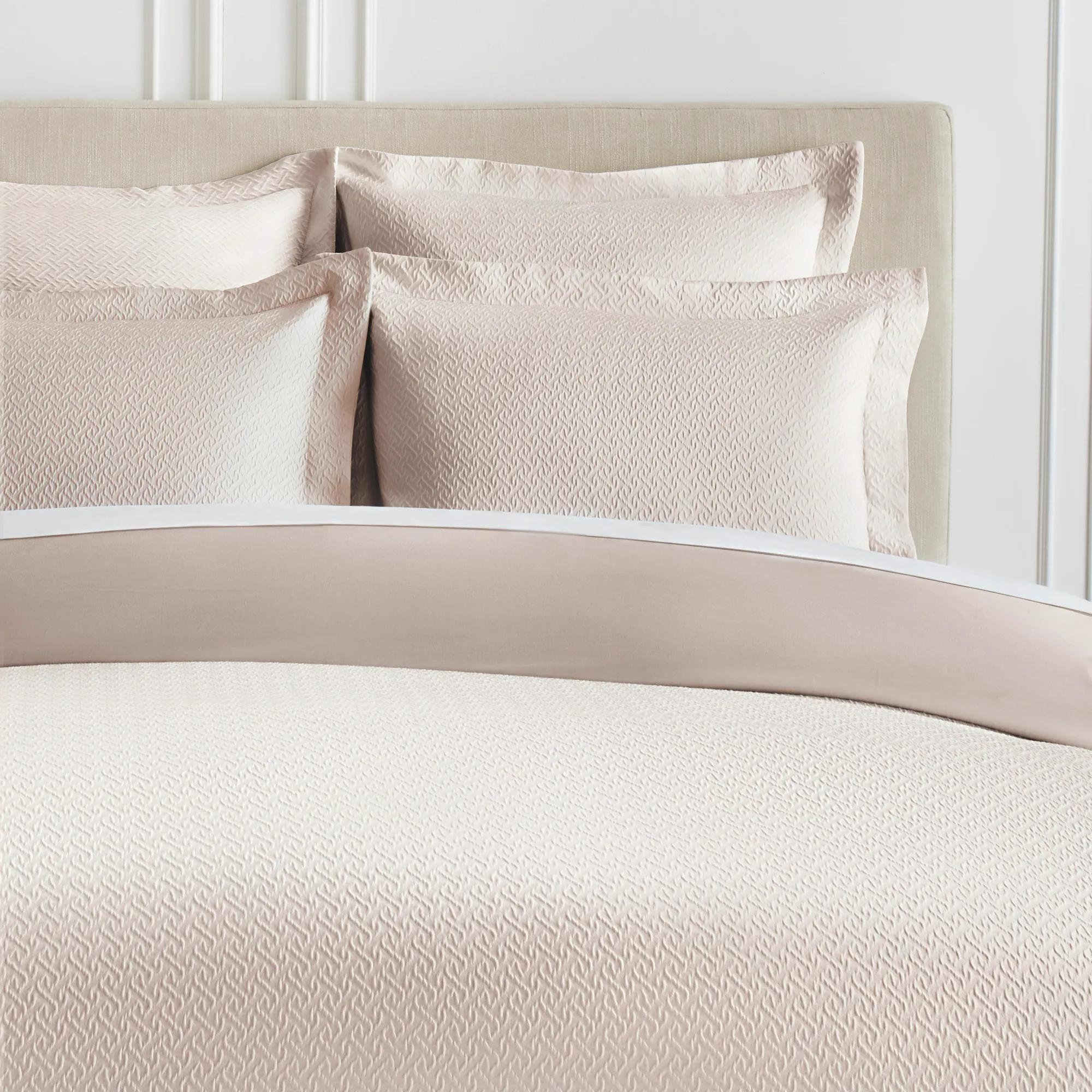
 Marlowe Jacquard Blush Bedding Set$199
A blush jacquard bedding collection offering subtle texture and year-round comfort with a soft cotton blend.
Add To Cart -
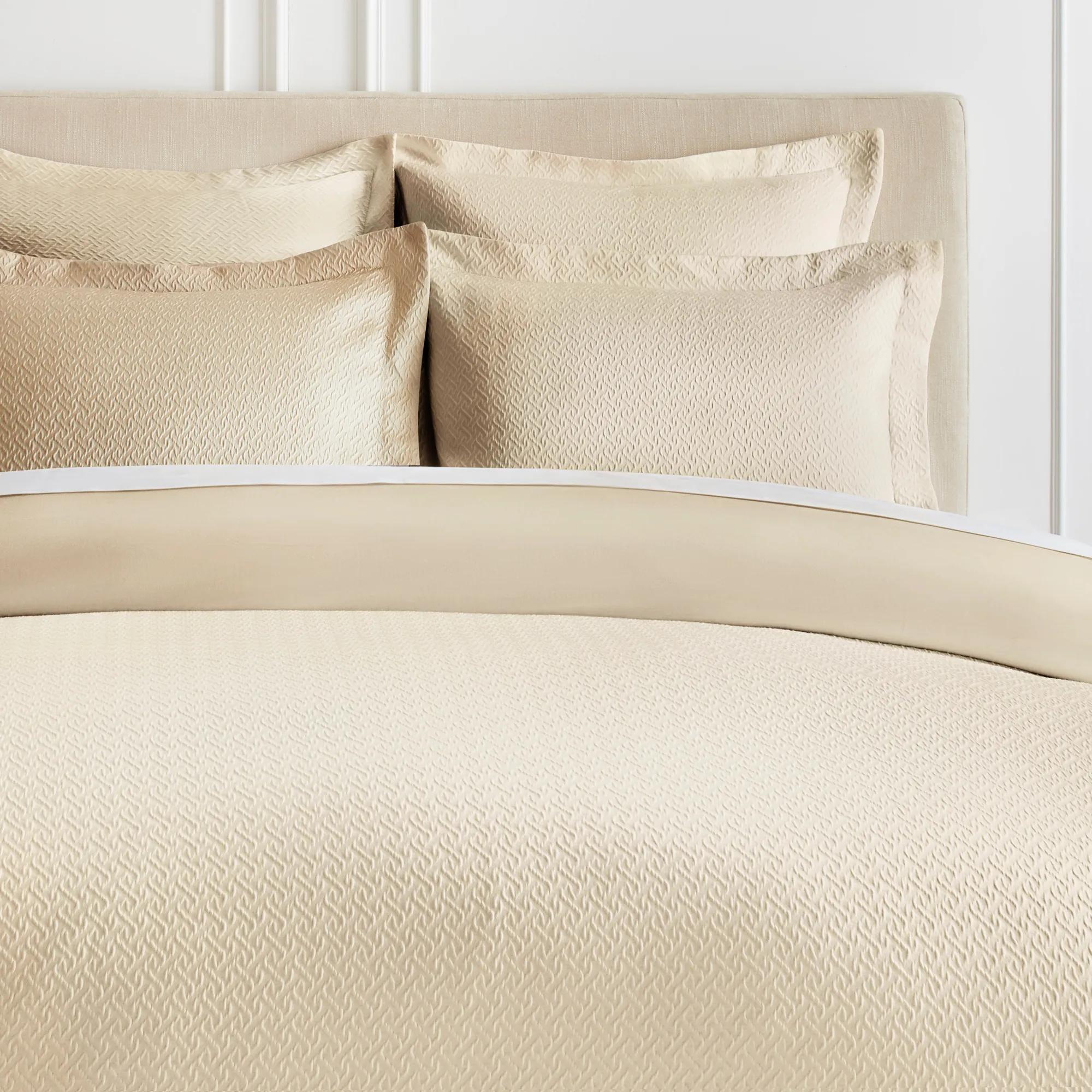
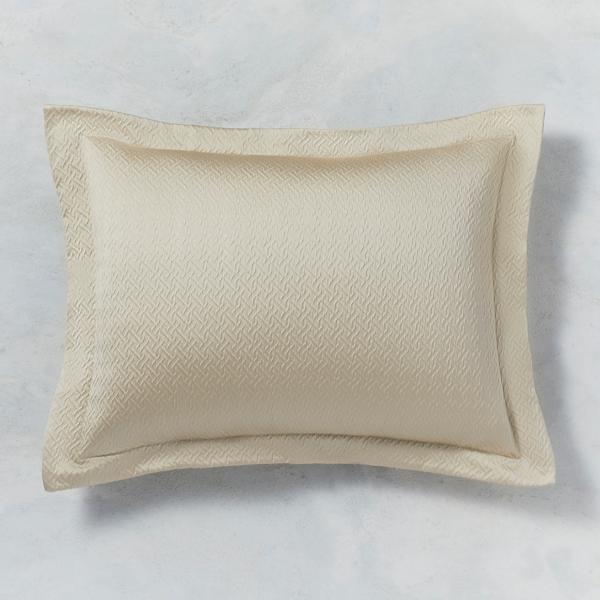 Marlowe Jacquard Gold Bedding Set$169
A jacquard-woven bedding collection in gold, offering subtle texture and year-round comfort.
Add To Cart -
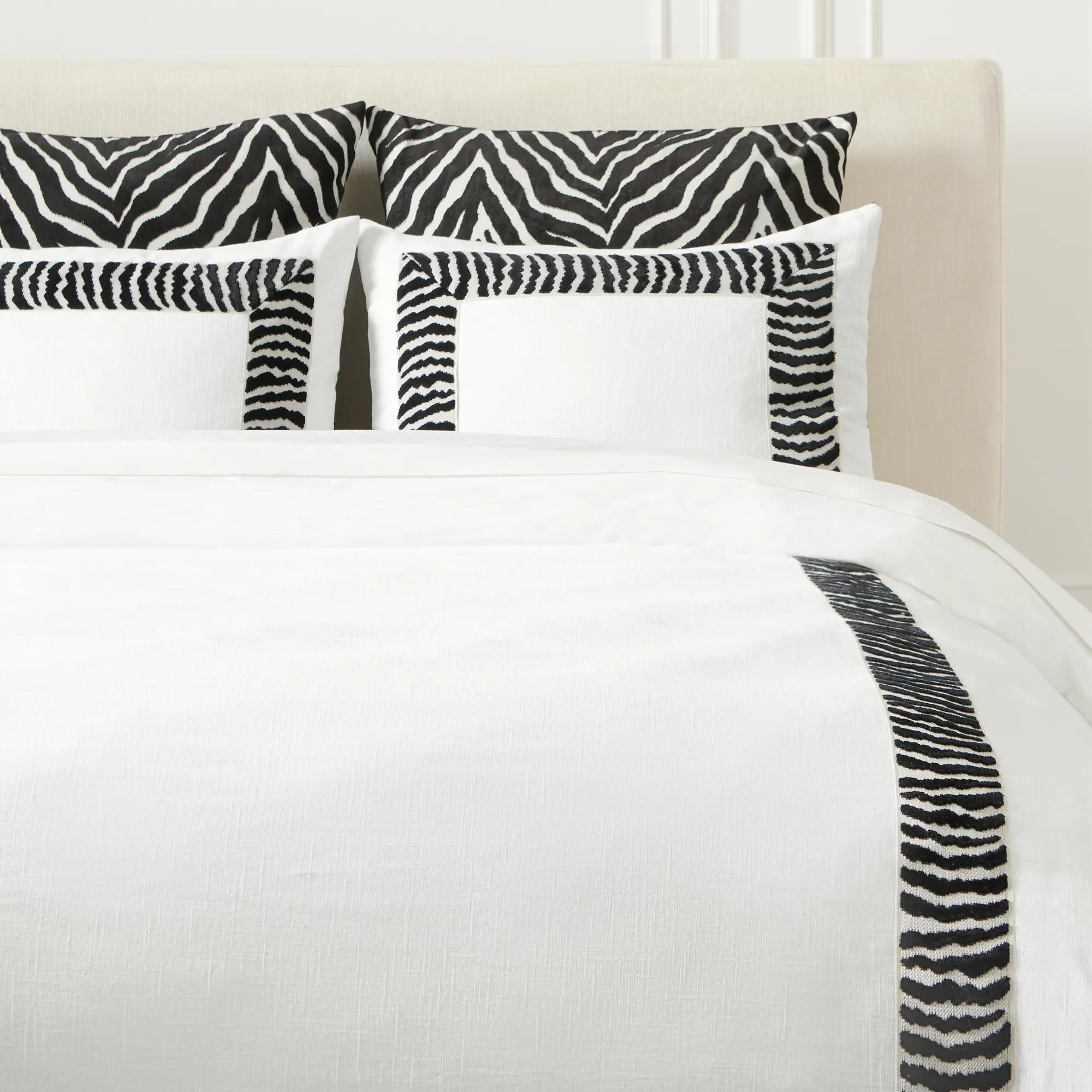
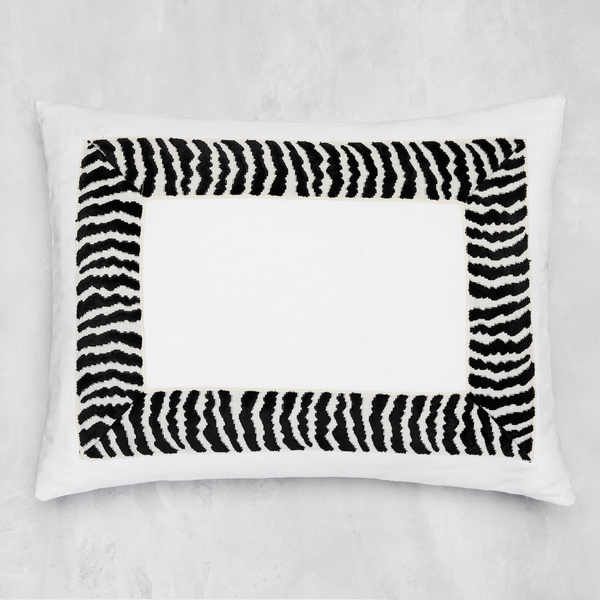 Nikki Chu Hasina Animal Print Black/White Velvet Appliqué Border Bedding Set$799
A bold black animal print borders ivory slubbed linen bedding for a textured, modern statement look.
Add To Cart -
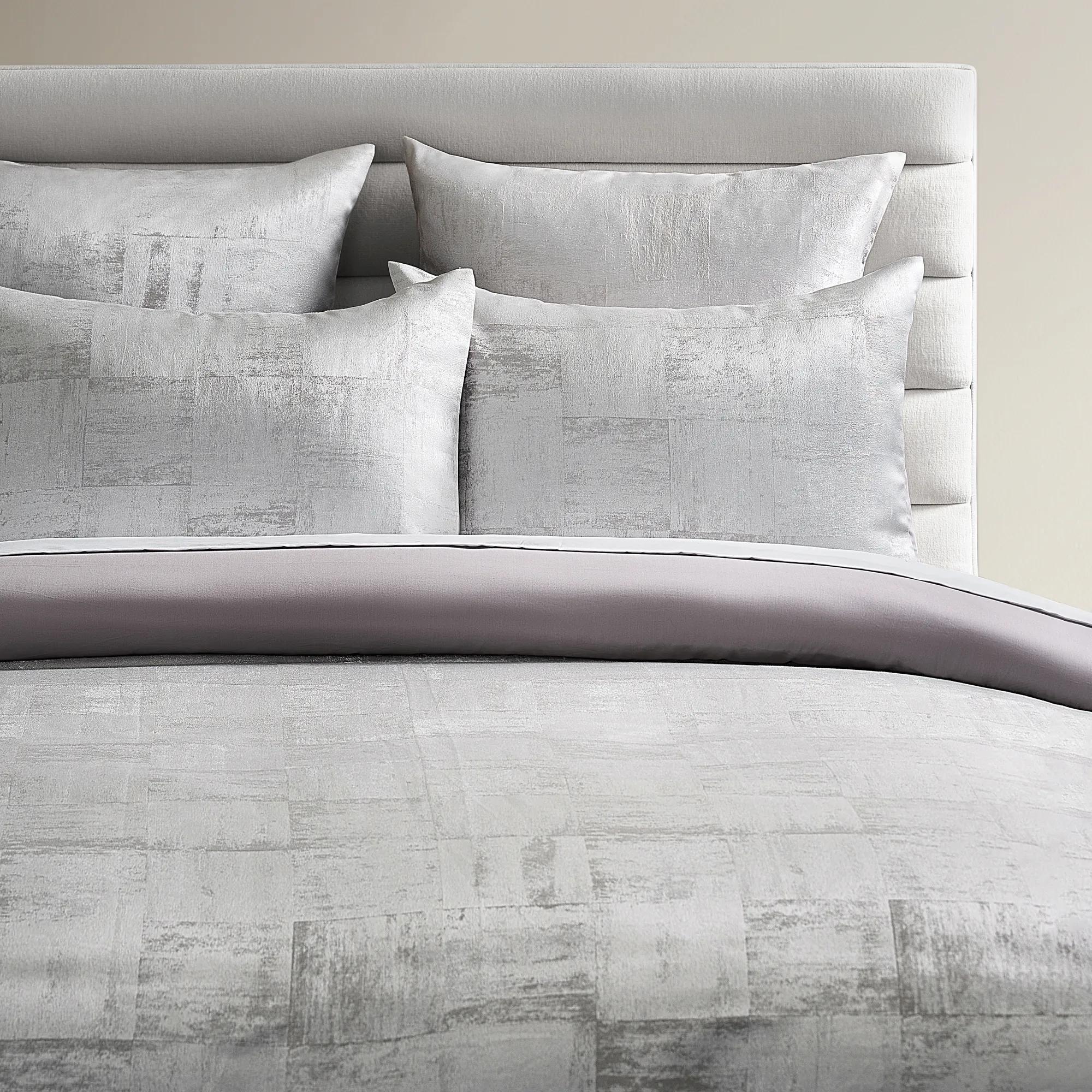 Auden Bedding Set - Platinum$49
A platinum jacquard bedding set featuring a subtle block pattern and refined, modern detailing.
Add To Cart -
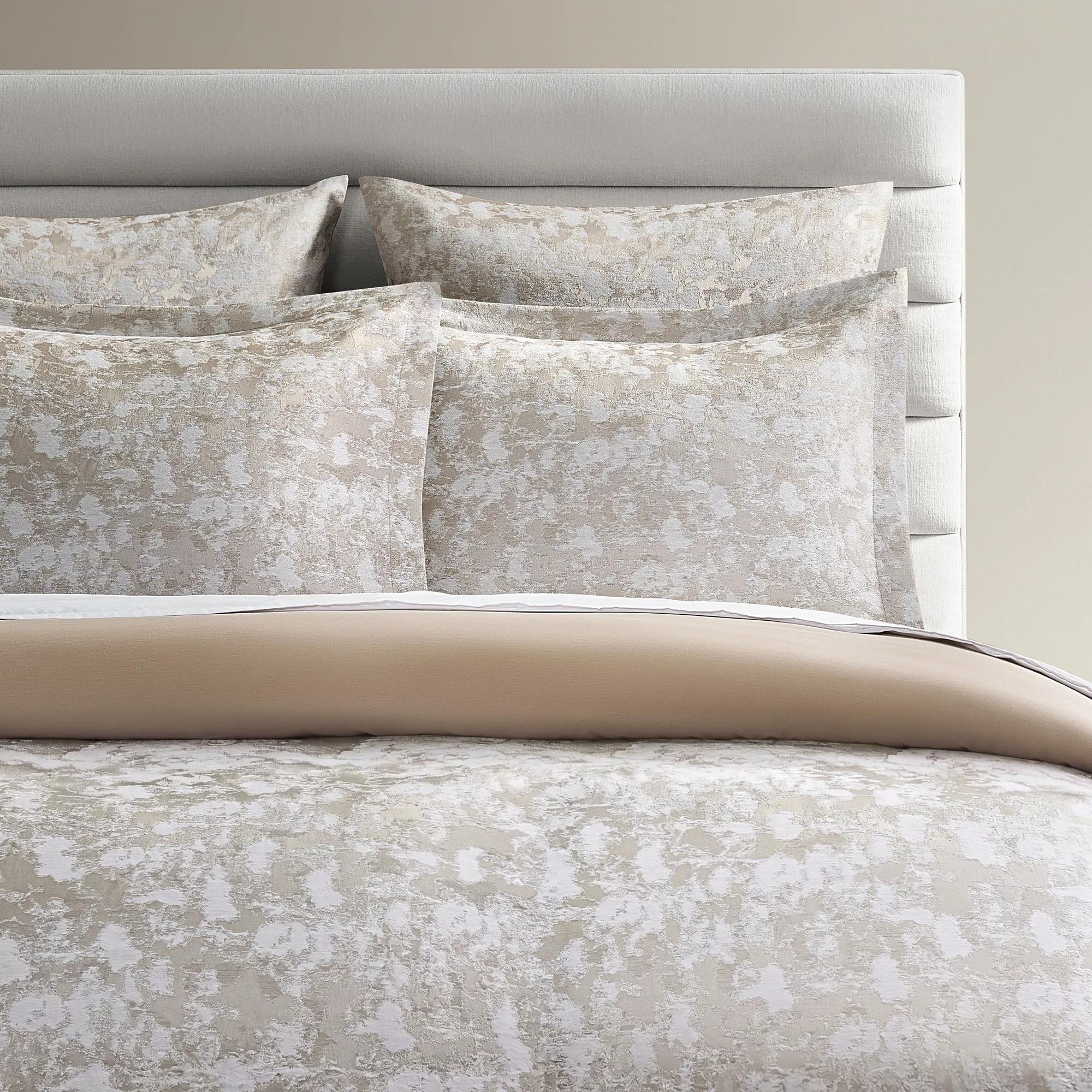 Nimbus Jacquard Metallic Champagne and Silver Bedding Set$49
A cloud-inspired bedding set in champagne and silver metallic jacquard with a soft marbled shimmer.
Add To Cart -
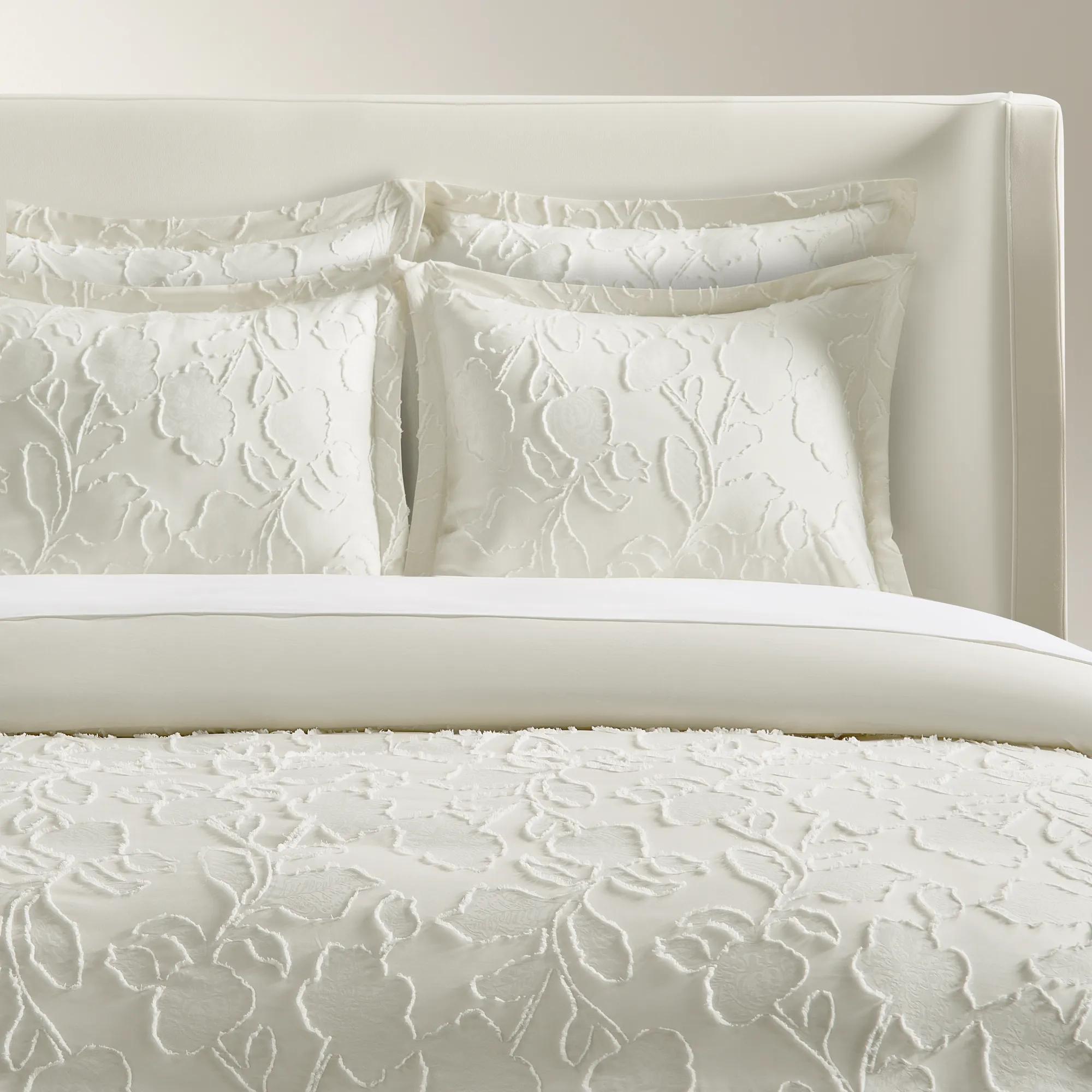
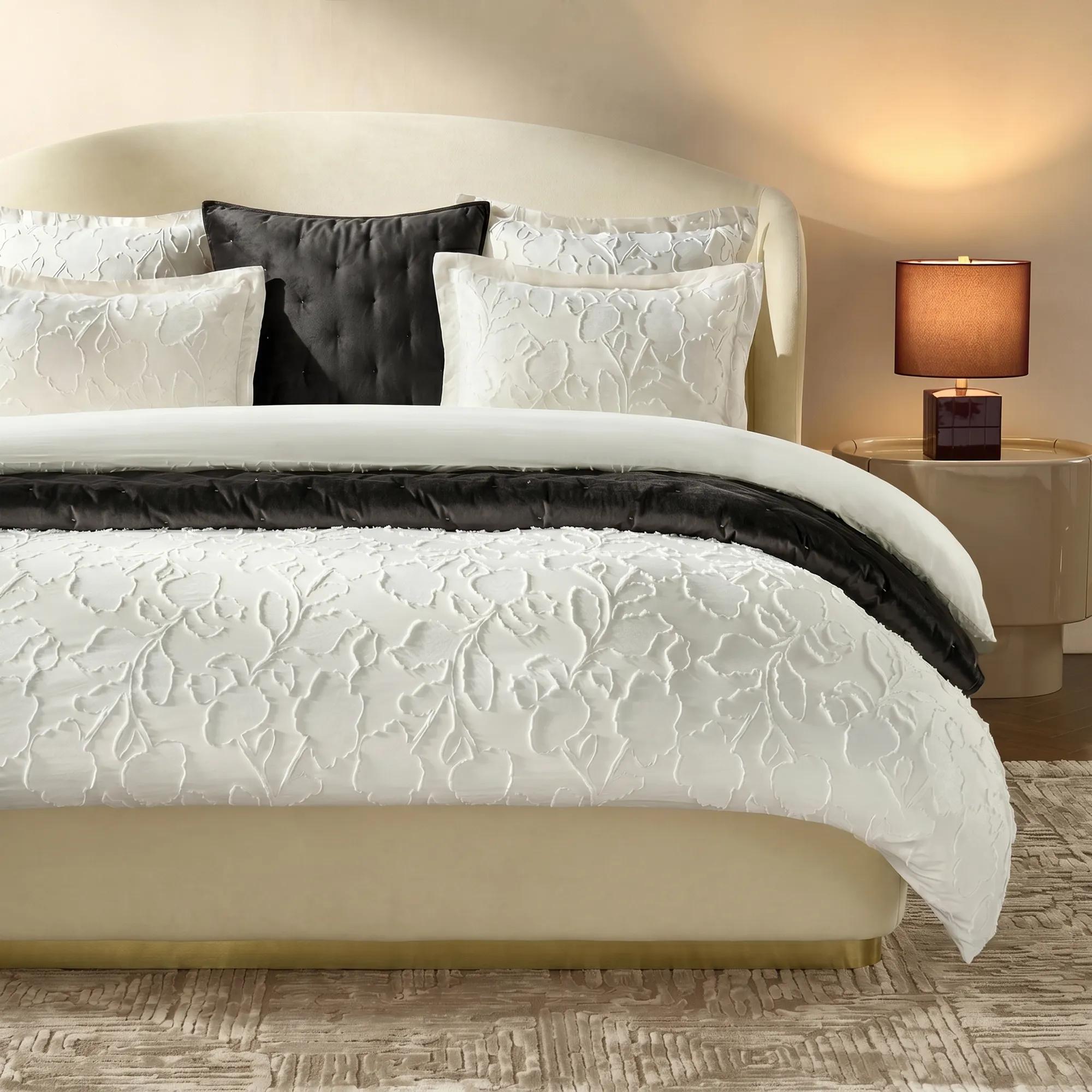 Cosette Ivory Cotton Floral Jacquard Bedding Set$249
A warm ivory bedding set featuring a tonal floral jacquard, eyelash fringe, and soft cotton backing.
Add To Cart -
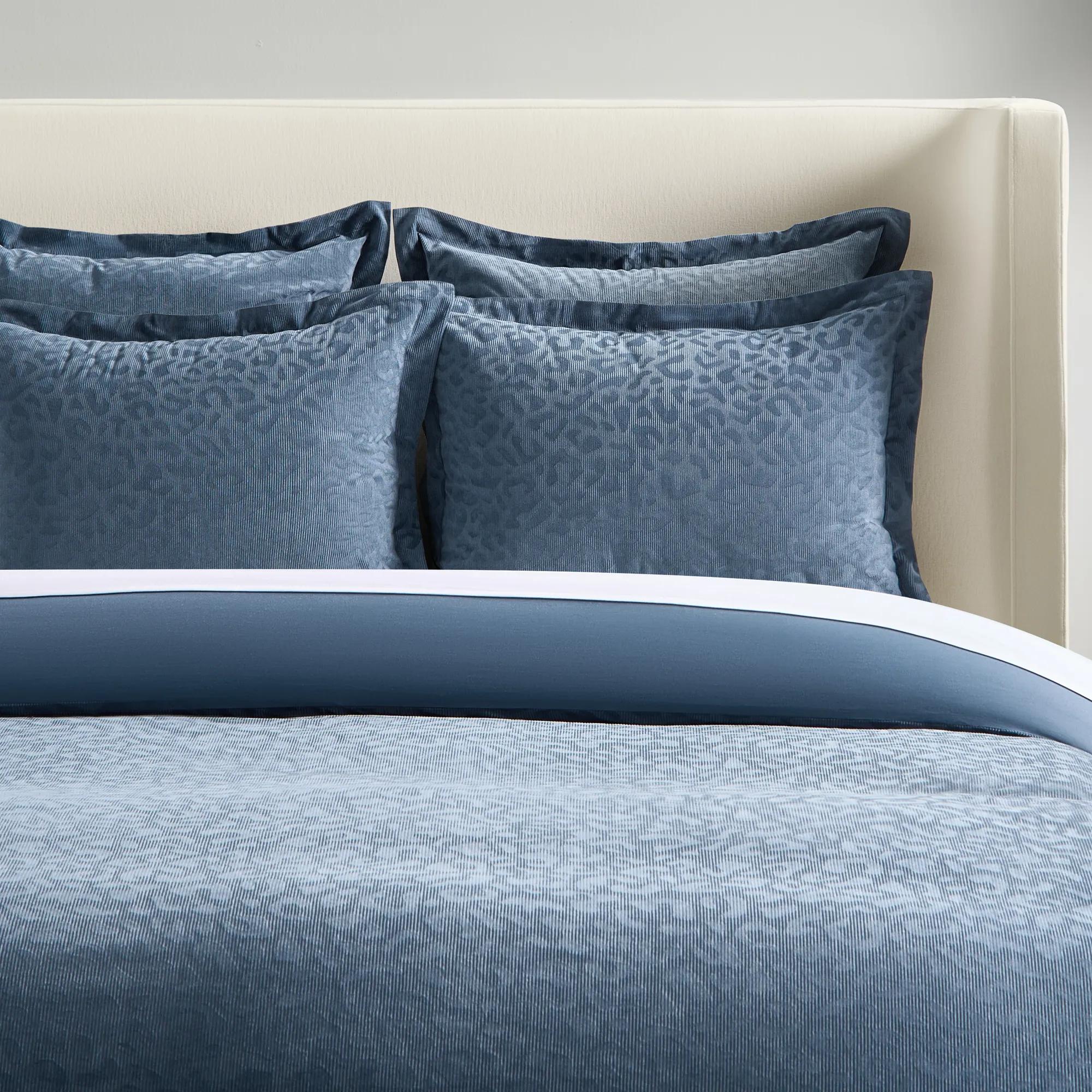
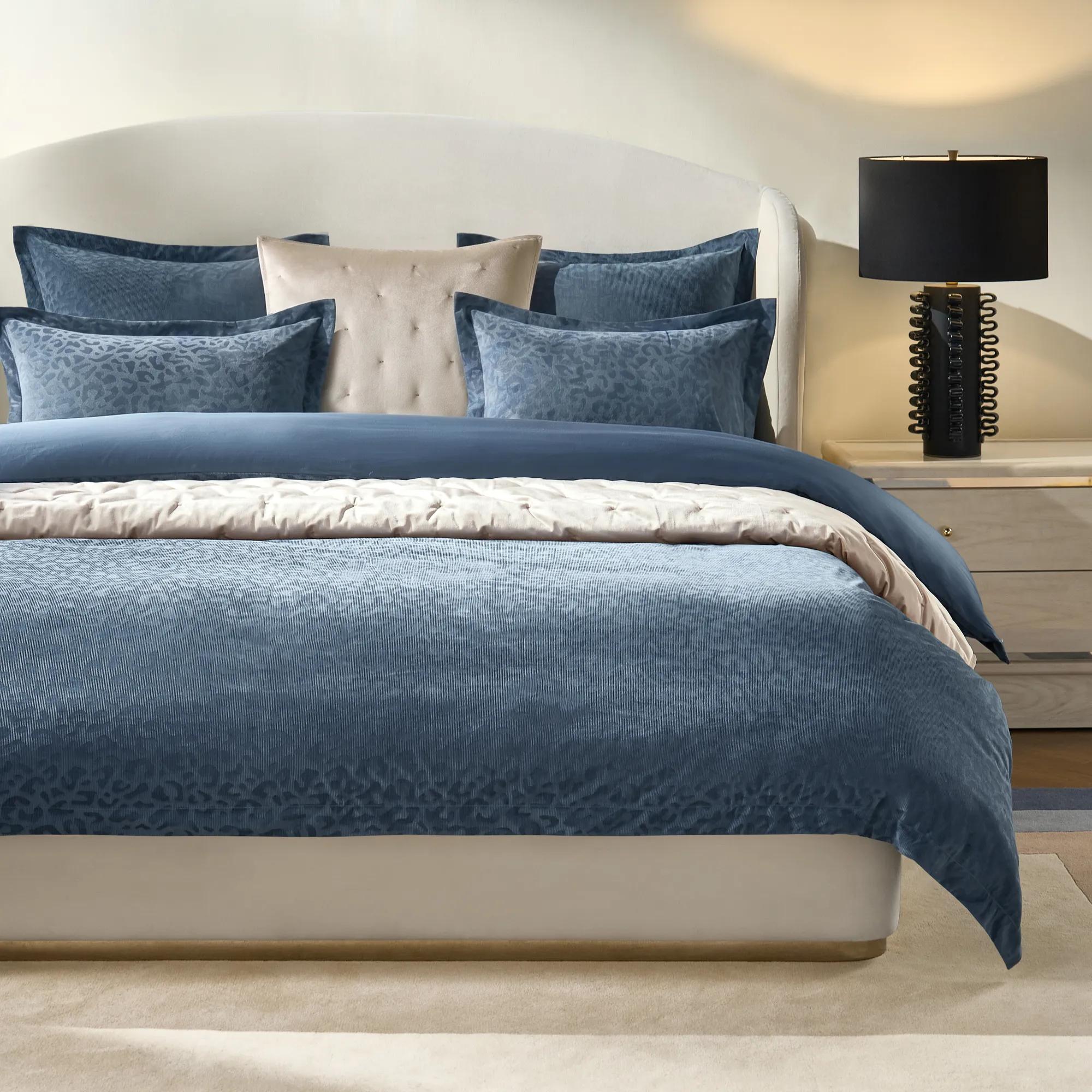 Leopard Dusty Blue Cotton Corduroy Velvet Bedding Set$249
A dusty blue velvet bedding set featuring a tonal leopard print and soft corduroy texture with cotton backing.
Add To Cart -
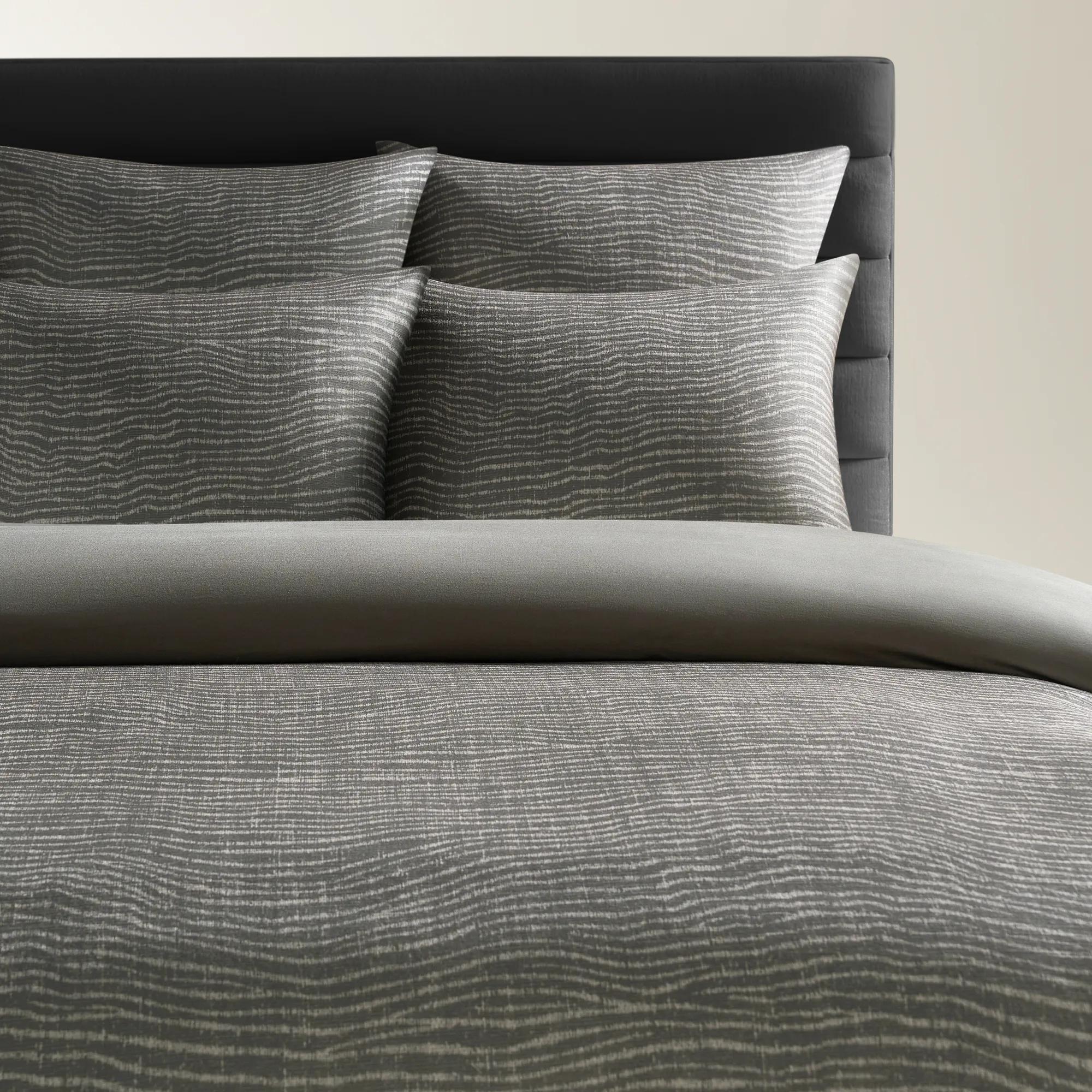 Sahara Bedding Set - Charcoal$59
A soft jacquard bedding set in calming charcoal with a subtle wave-inspired zebra print and refined details.
Add To Cart -
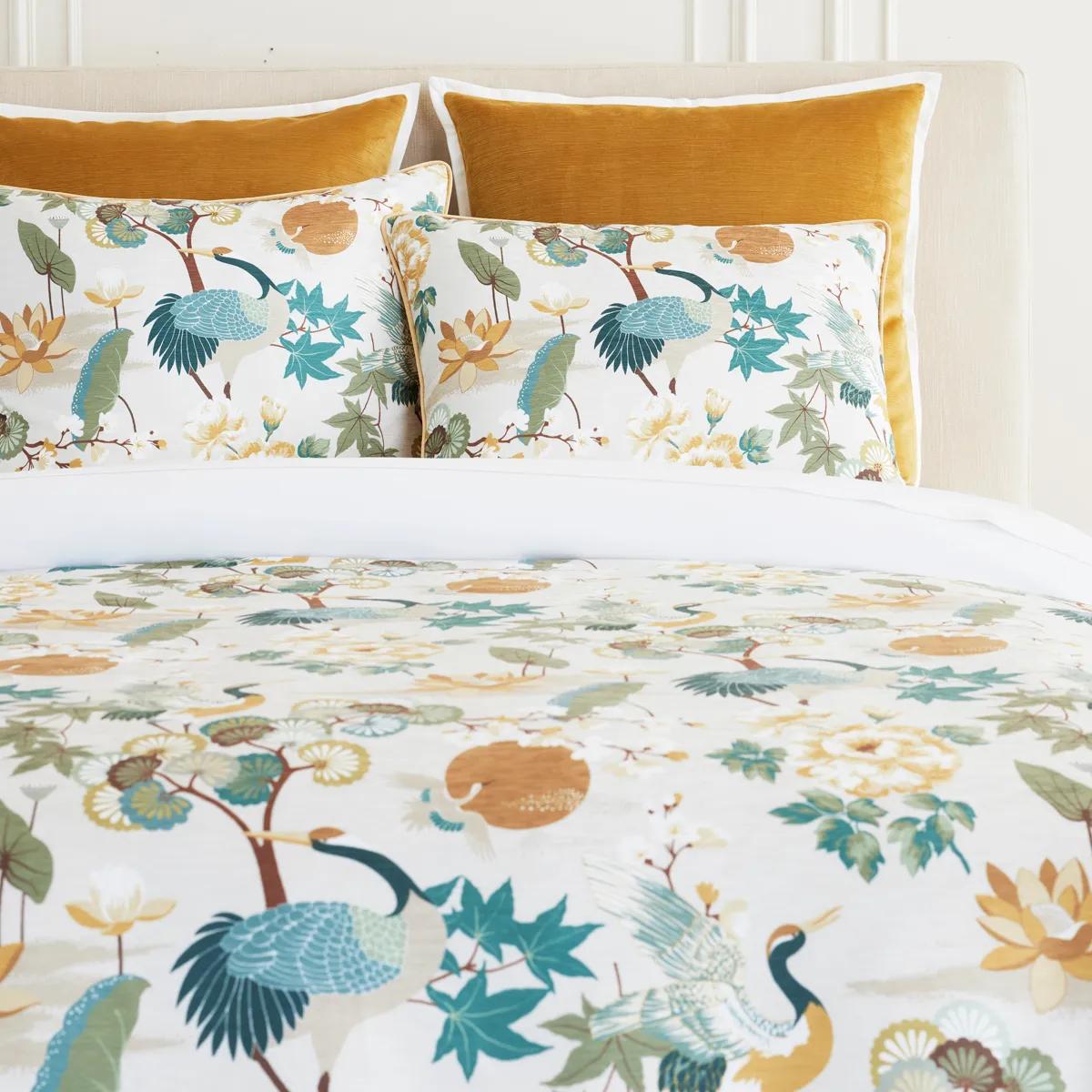
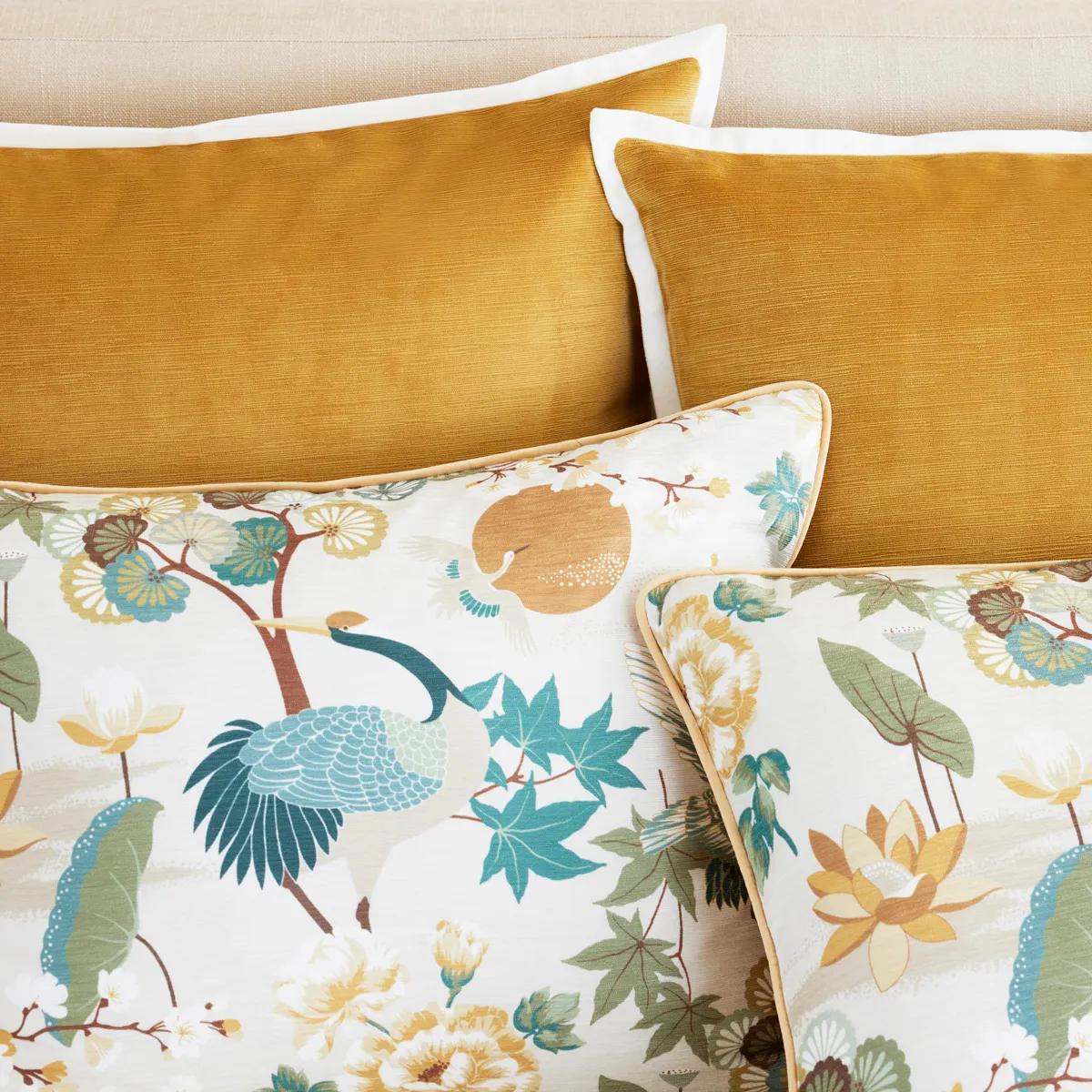 Sandhill Ivory/Multi Color Printed Bedding Set$199
An ivory bedding collection featuring earthy tones, gold velvet accents, and a soft cotton-polyester blend.
Add To Cart -
.jpg?w=1200&h=1200)
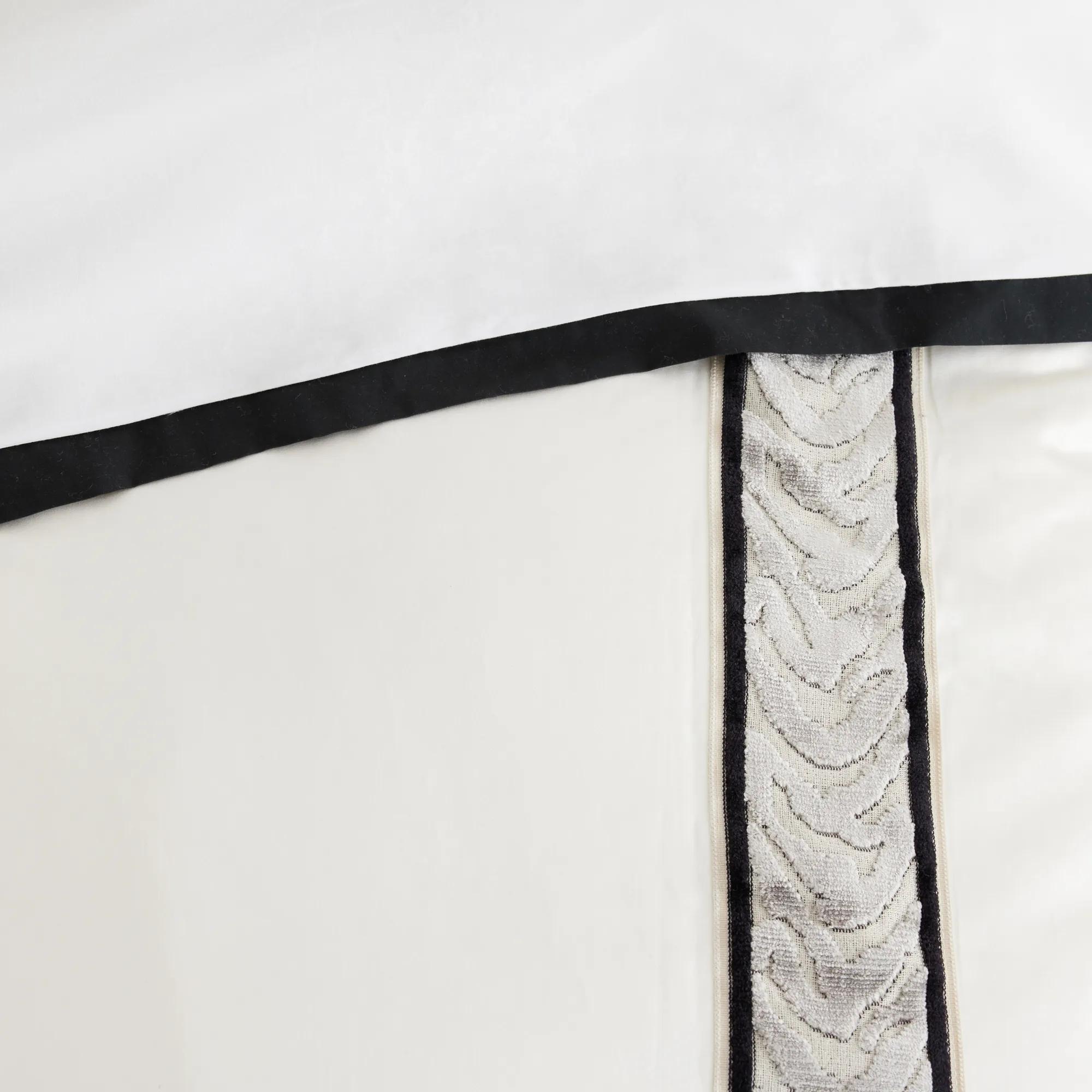 Gianna Grey/Black/White Animal Print Cut Velvet Appliqué Border Bedding Set$199
A luxurious grey and black bedding collection featuring a cut velvet tiger-stripe appliqué border for bold elegance.
Add To Cart -
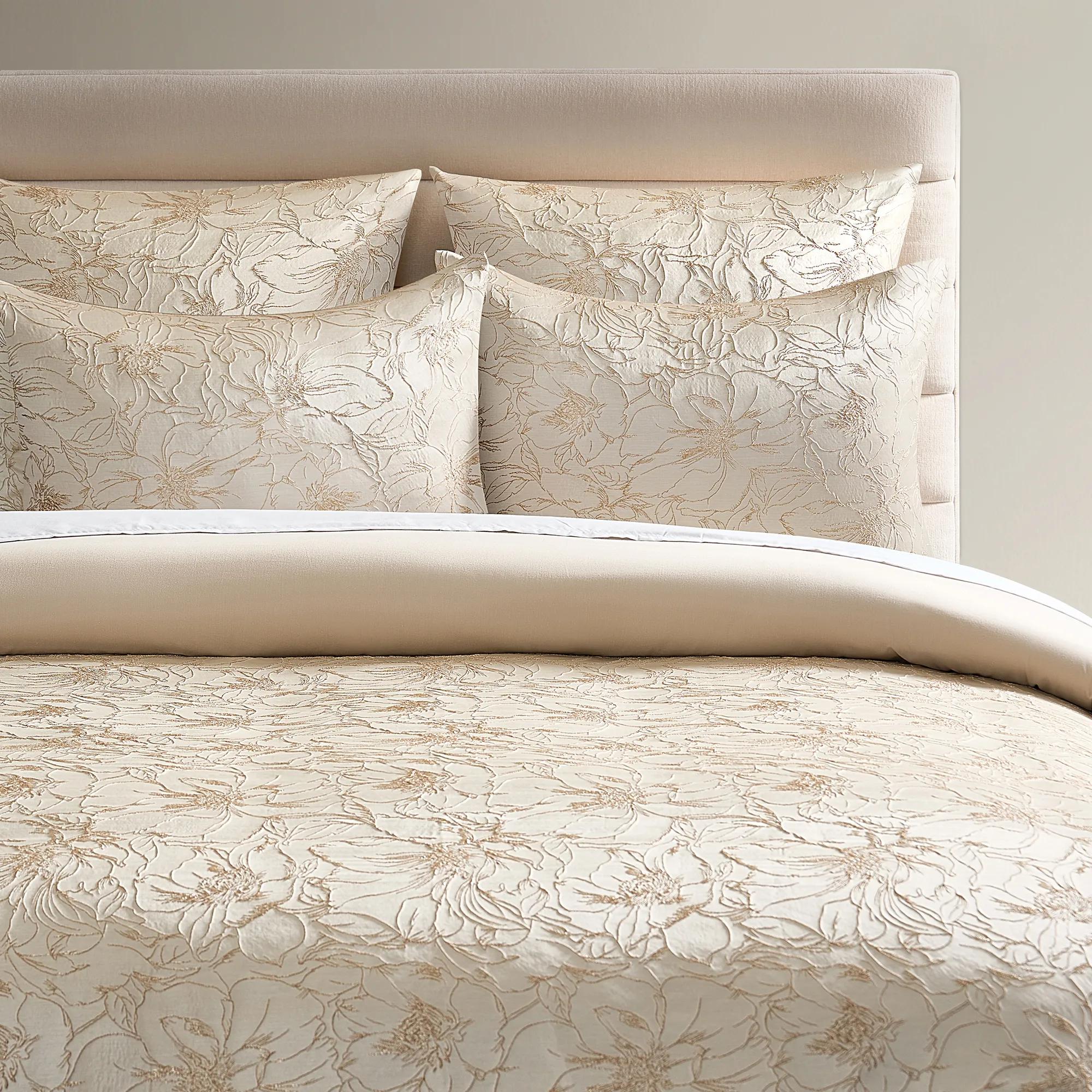 Mimoza Floral Jacquard Champagne Gold Bedding Set$49
A luminous champagne gold jacquard bedding set with delicate floral embroidery and polished knife-edge detailing.
Add To Cart -
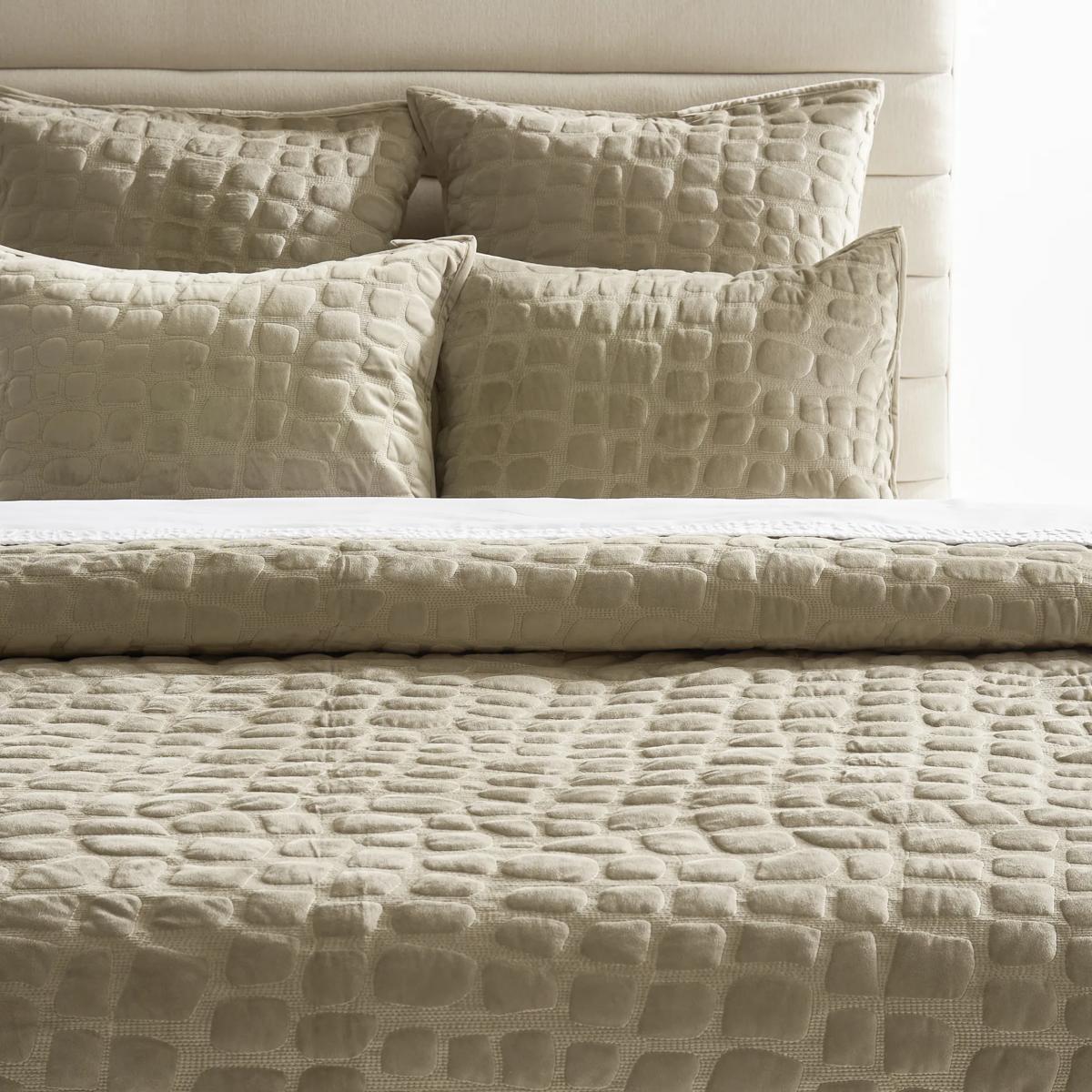
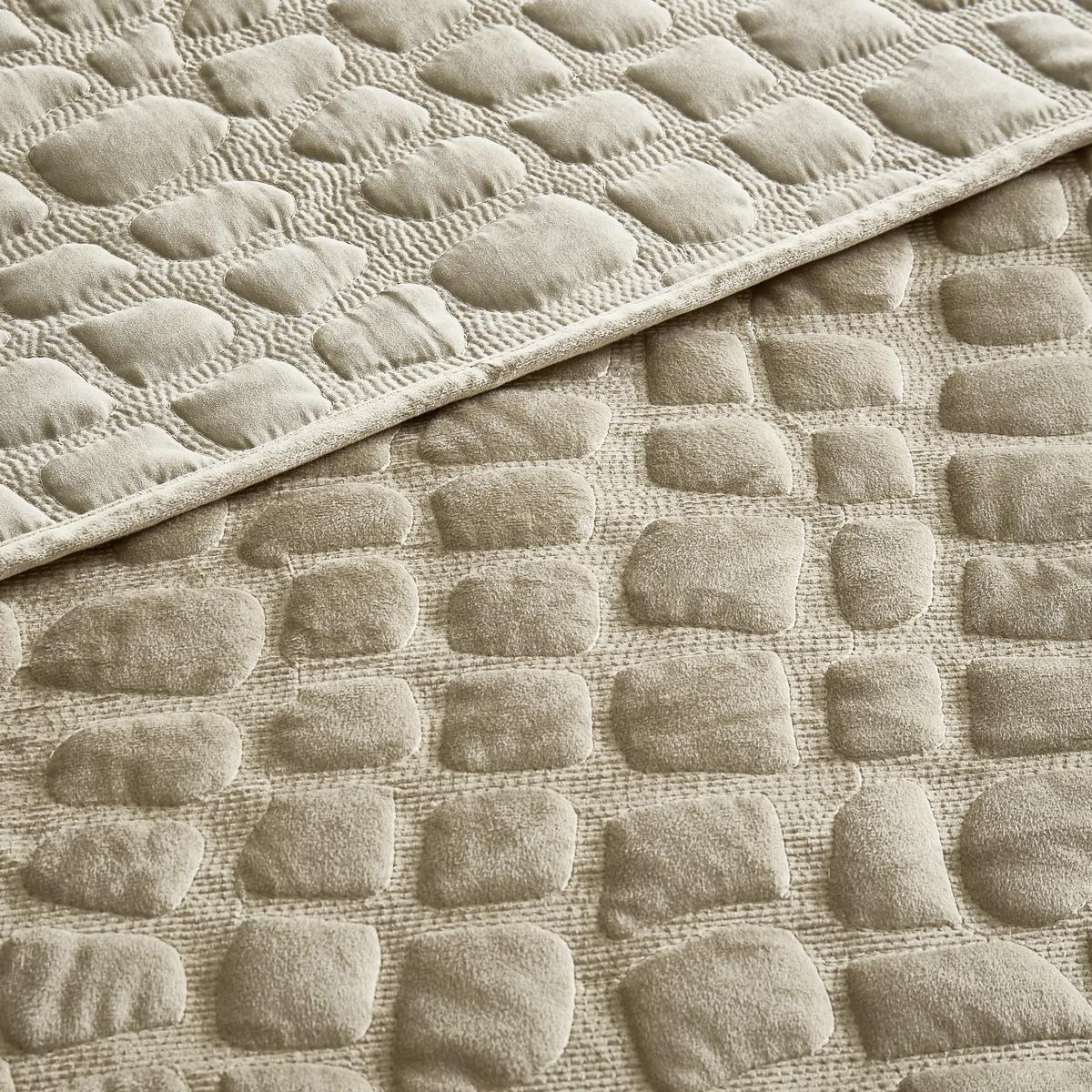 Valen Velvet Quilt Set - Sand$229
A plush sand velvet quilt set featuring a croc-embossed pattern and tailored piped edges.
Add To Cart -
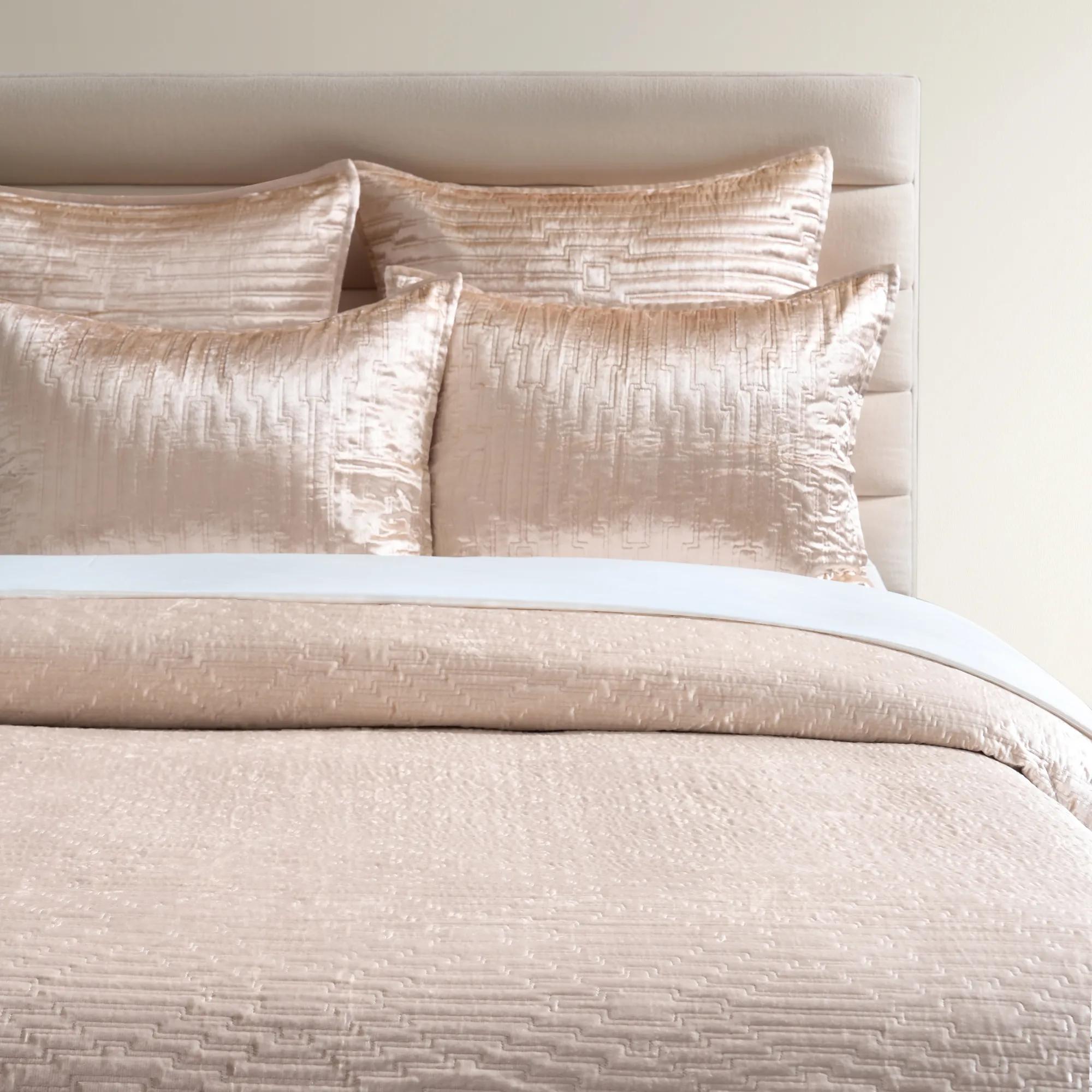
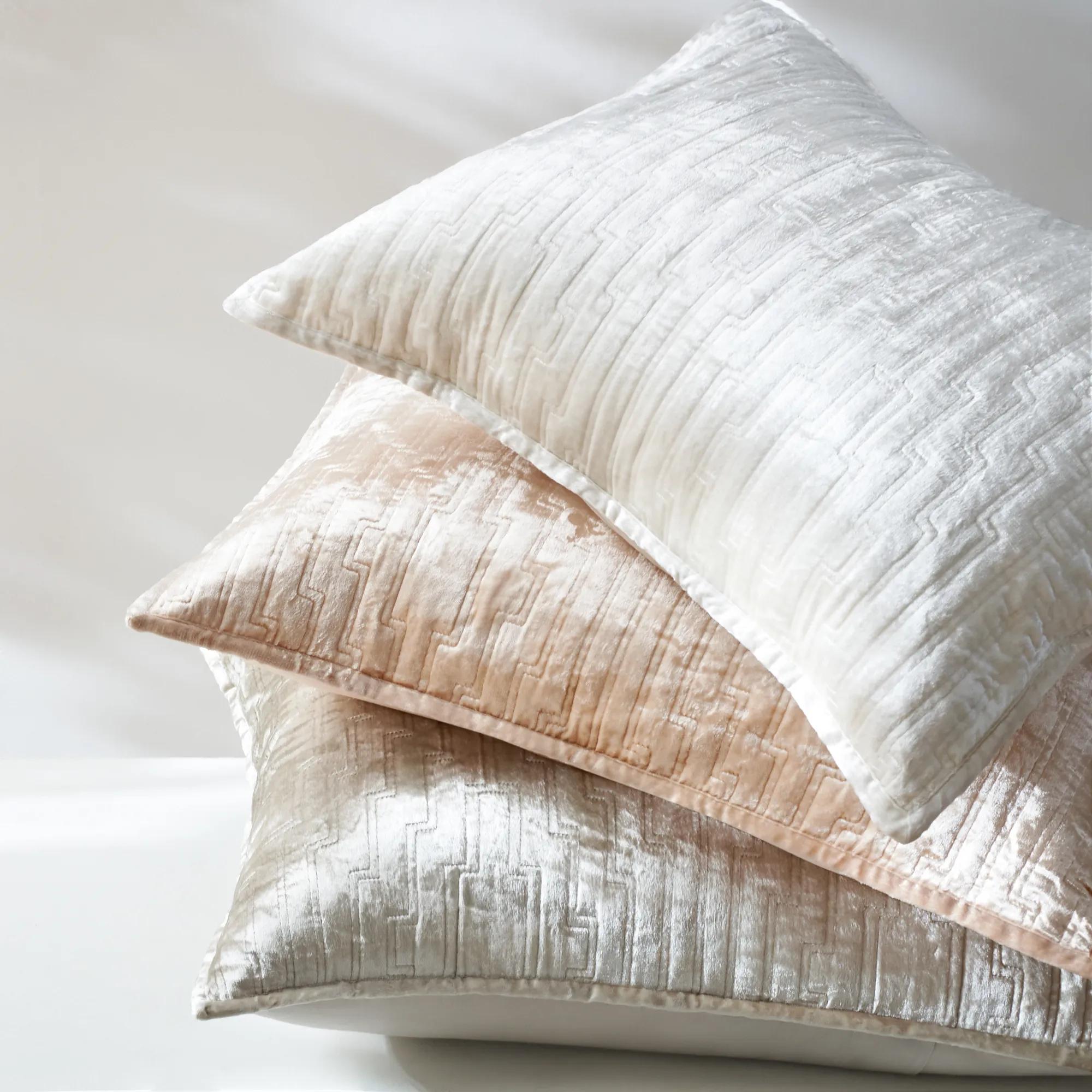 Glam Velvet Bedding - Blush$89
A blush pink quilted velvet bedding set with geometric stitching and piped edges for a luxurious look.
Add To Cart -
.jpeg?w=1200&h=1200) Glam Grey Shiny Viscose Velvet Quilt Bedding Set$89
Glam Grey Shiny Viscose Velvet Quilt Bedding Set$89A lustrous grey velvet bedding collection featuring modern quilted stitching and refined piped edges.
Add To Cart -
.jpeg?w=1200&h=1200)
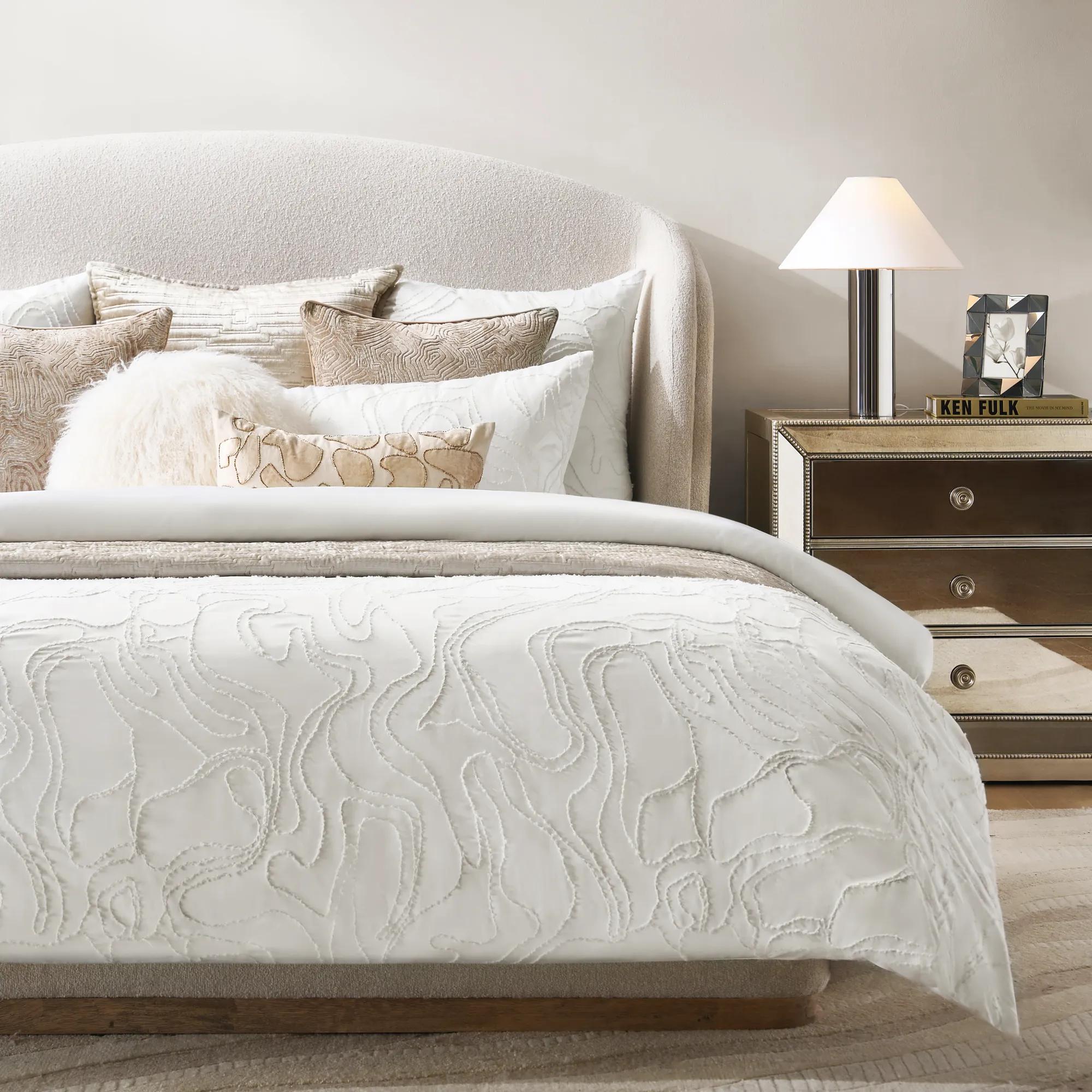 Noa Embroidered Pearl White Bedding Set$229
A luminous pearl satin bedding set featuring an embroidered swirl pattern for a touch of sophisticated elegance.
Add To Cart -
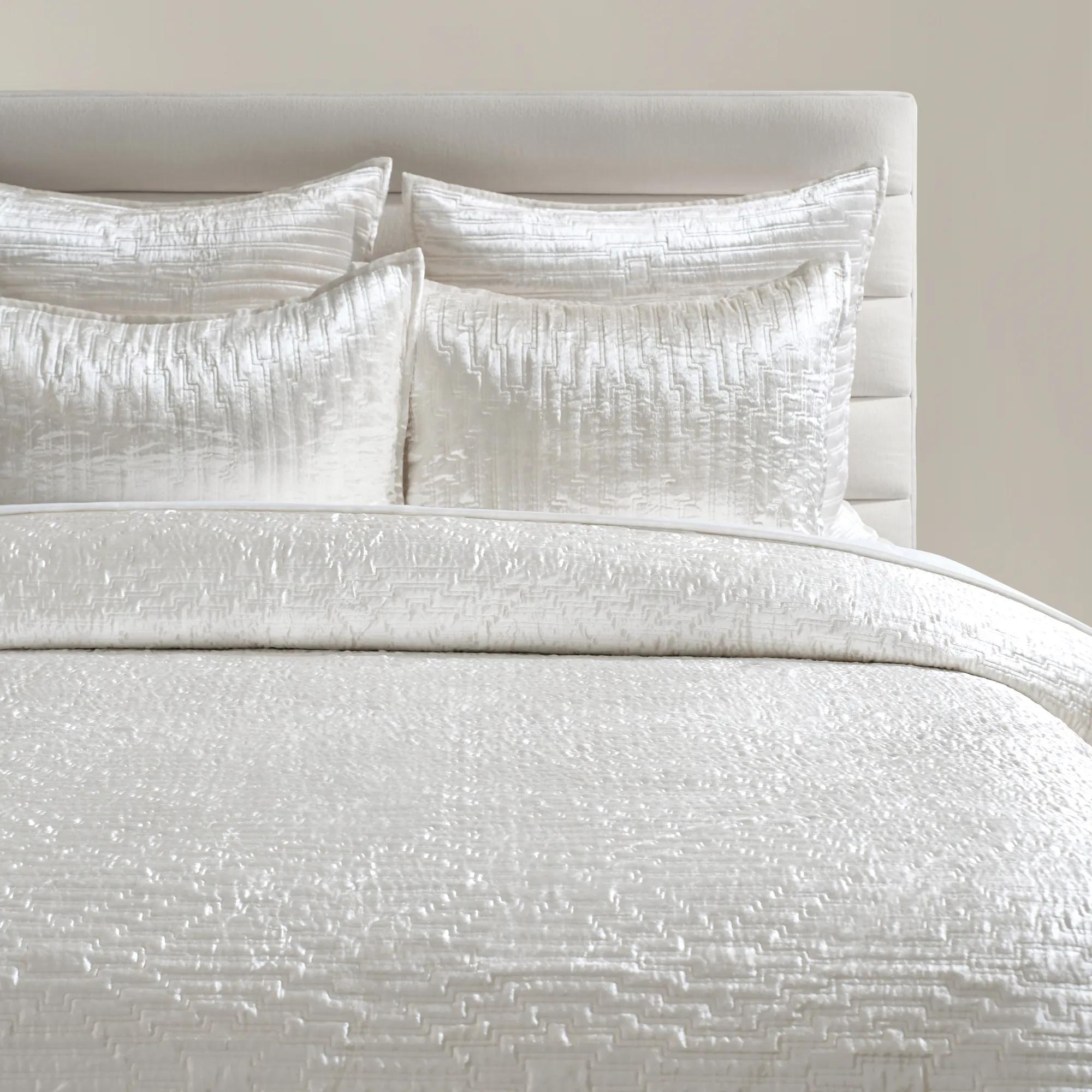
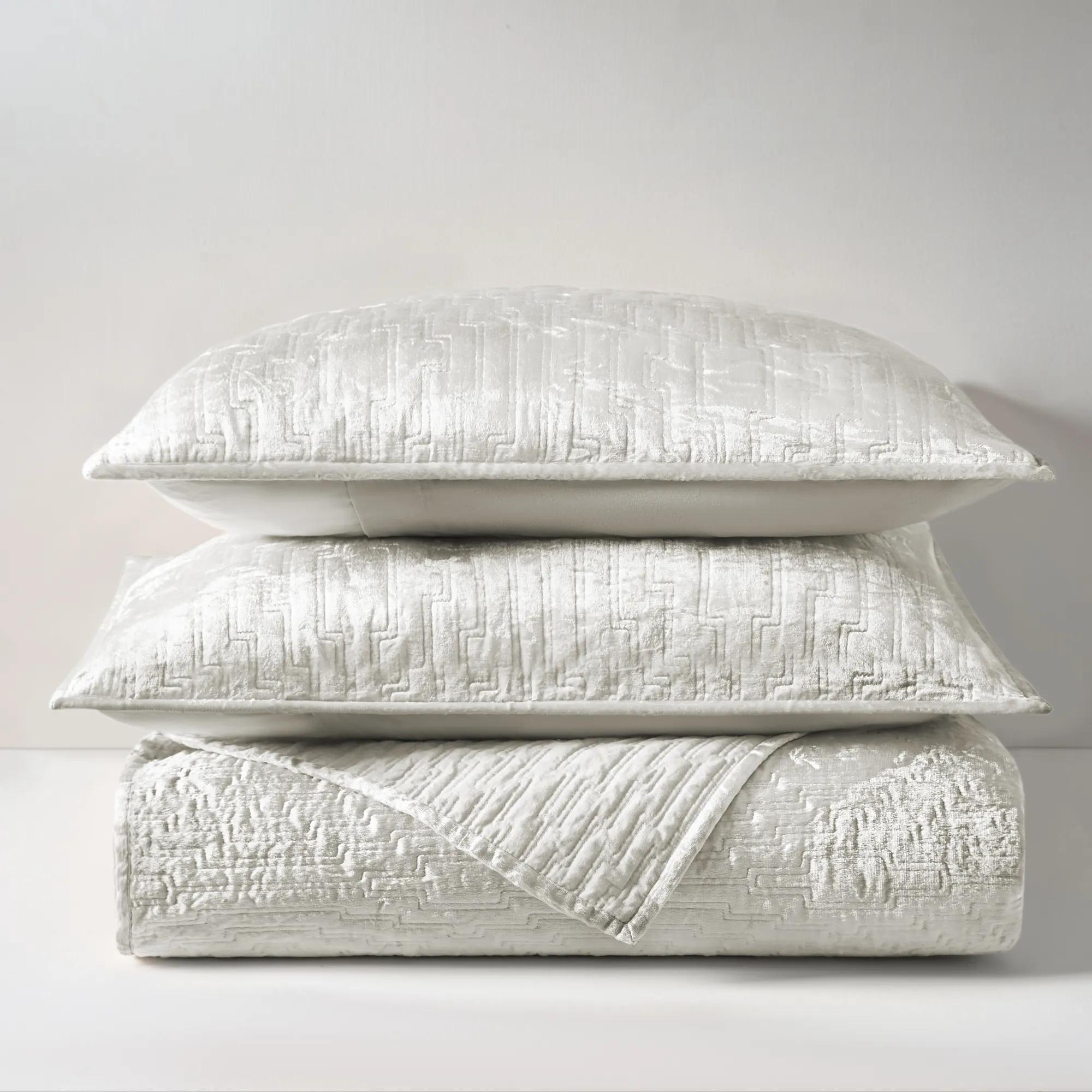 Glam Cloud White Shiny Viscose Velvet Quilt Bedding Set$499
A lustrous cloud-colored velvet quilt with modern geometric stitching and refined piped edges for sophisticated comfort.
Add To Cart -
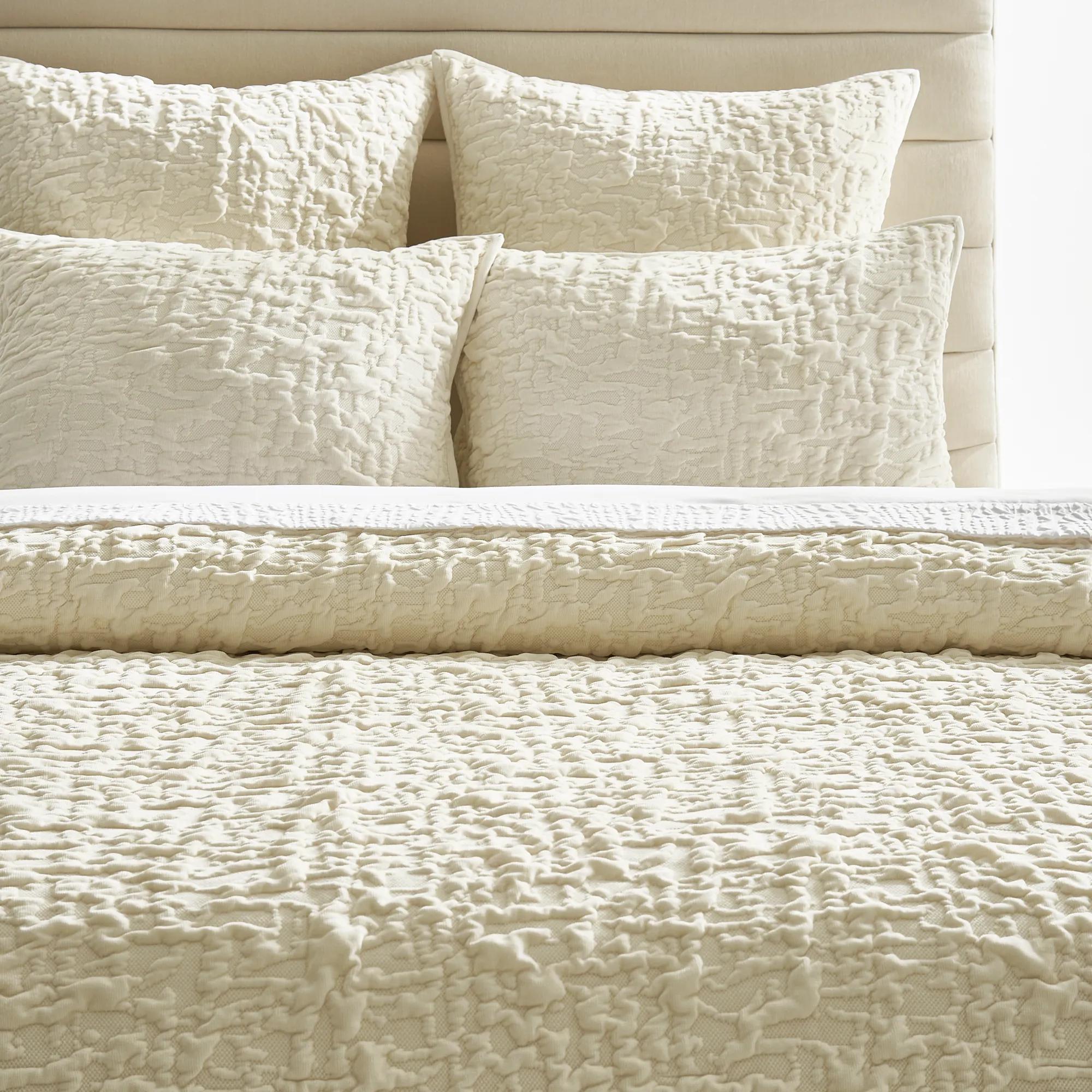
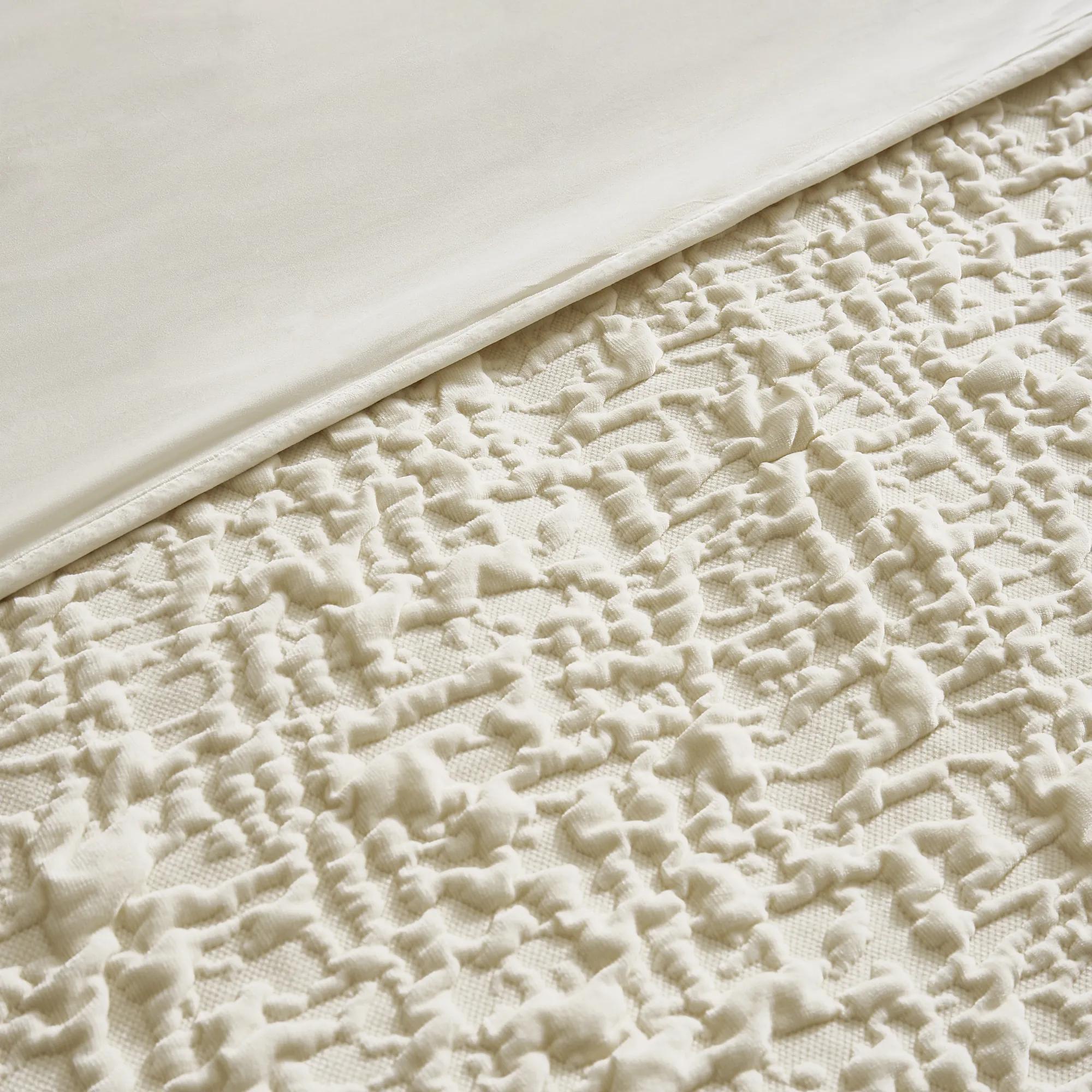 Madera Ivory Textured Velvet Bedding Set$249
A plush ivory velvet coverlet set with crushed embroidered texture and breathable cotton backing for serene style.
Add To Cart -
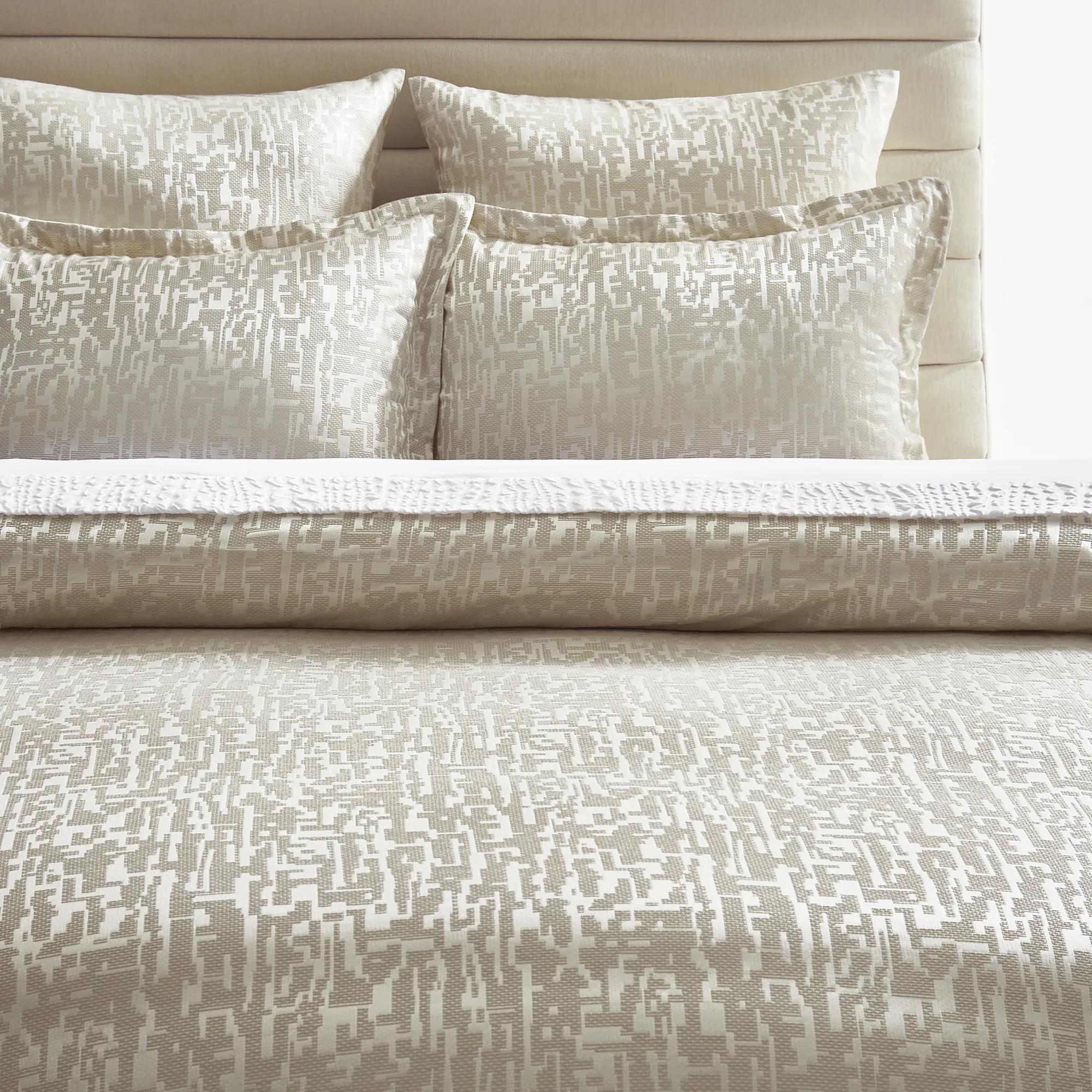
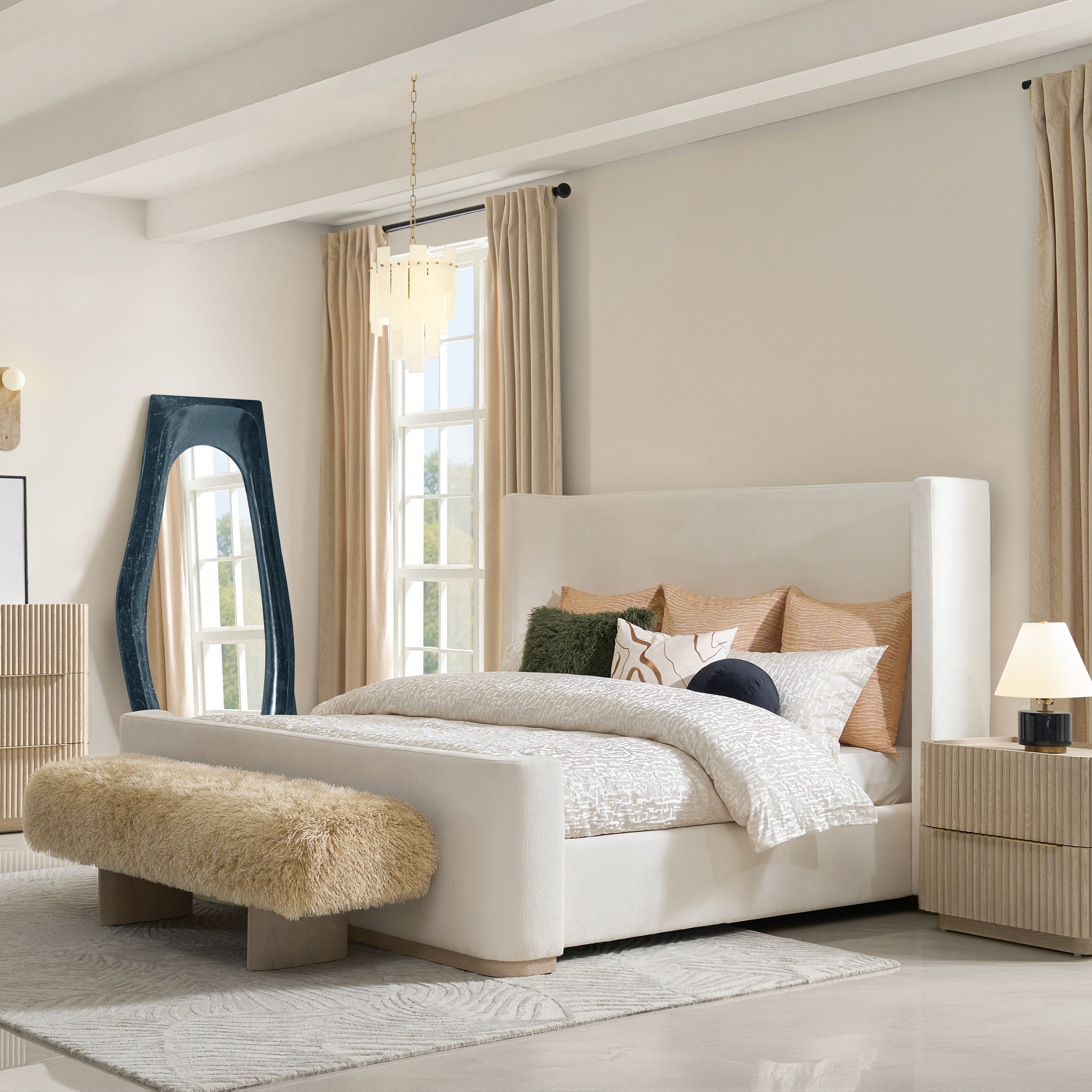 Podva Embroidered Pearl/Ivory Bedding Set$249
A satin and cotton bedding set in pearl and ivory, featuring modern embroidery and crisp flange edges.
Add To Cart -
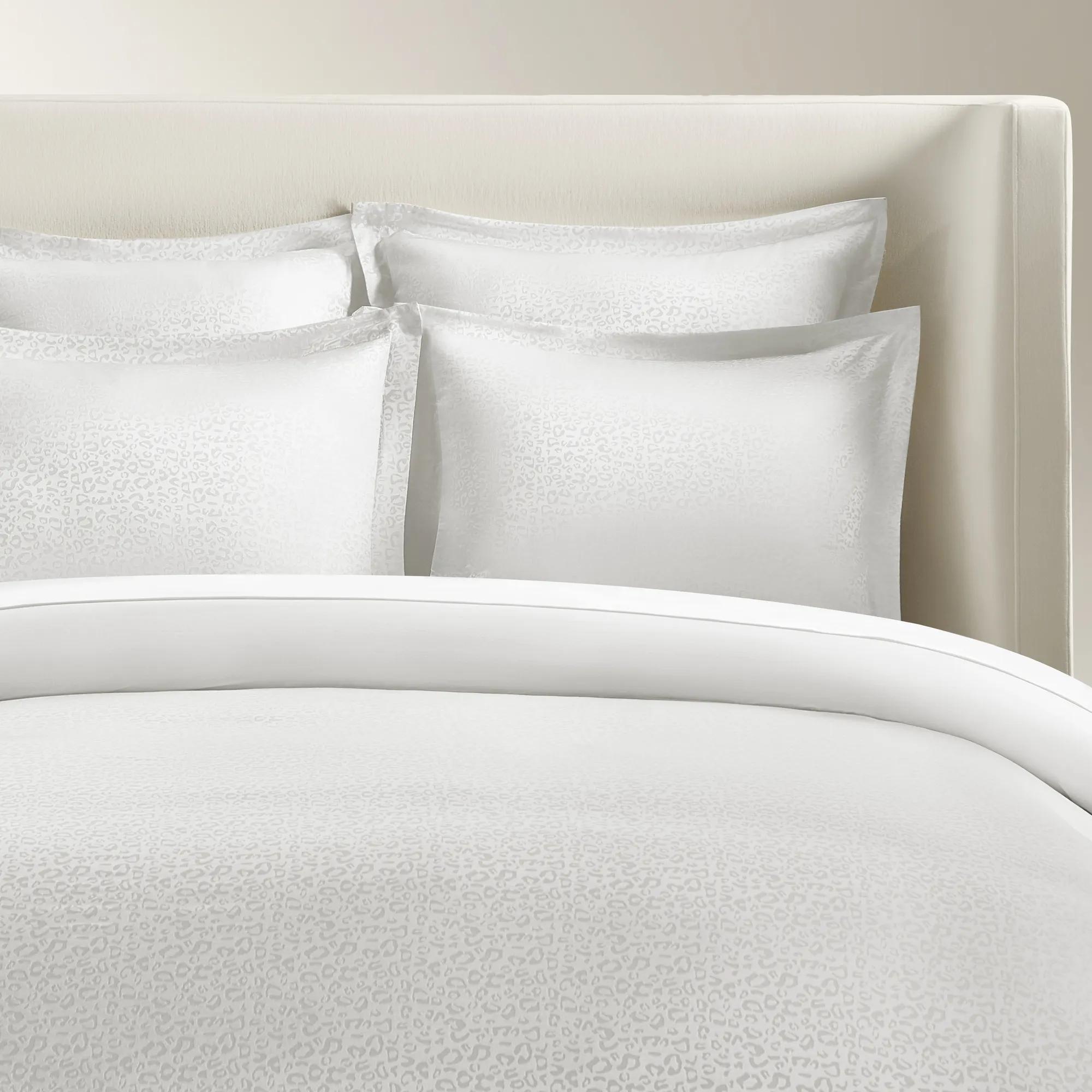
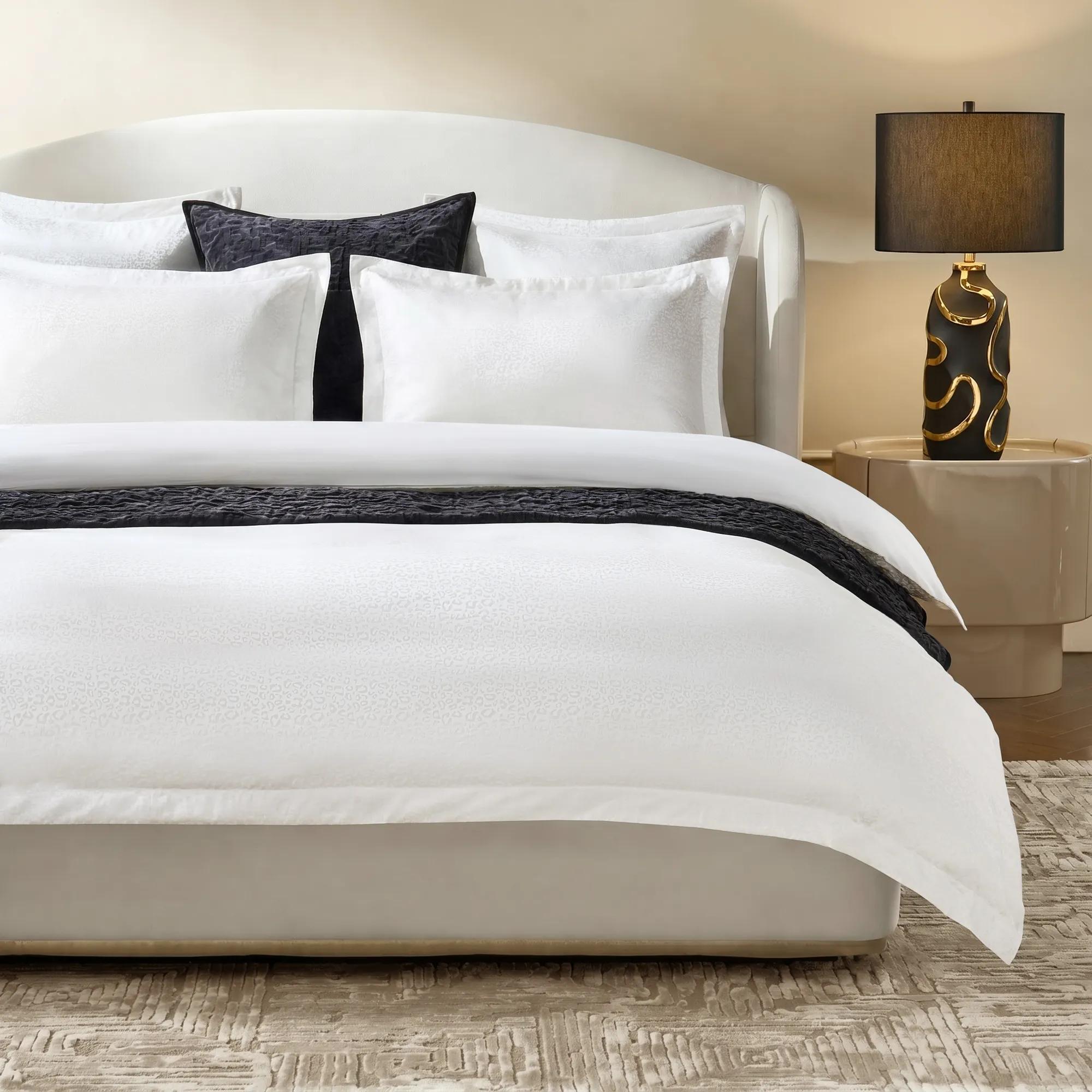 Abi Leopard Cloud White Tencel Bedding Set$79
A cloud white bedding set featuring a tonal leopard print in a smooth Tencel blend with cotton reverse.
Add To Cart -
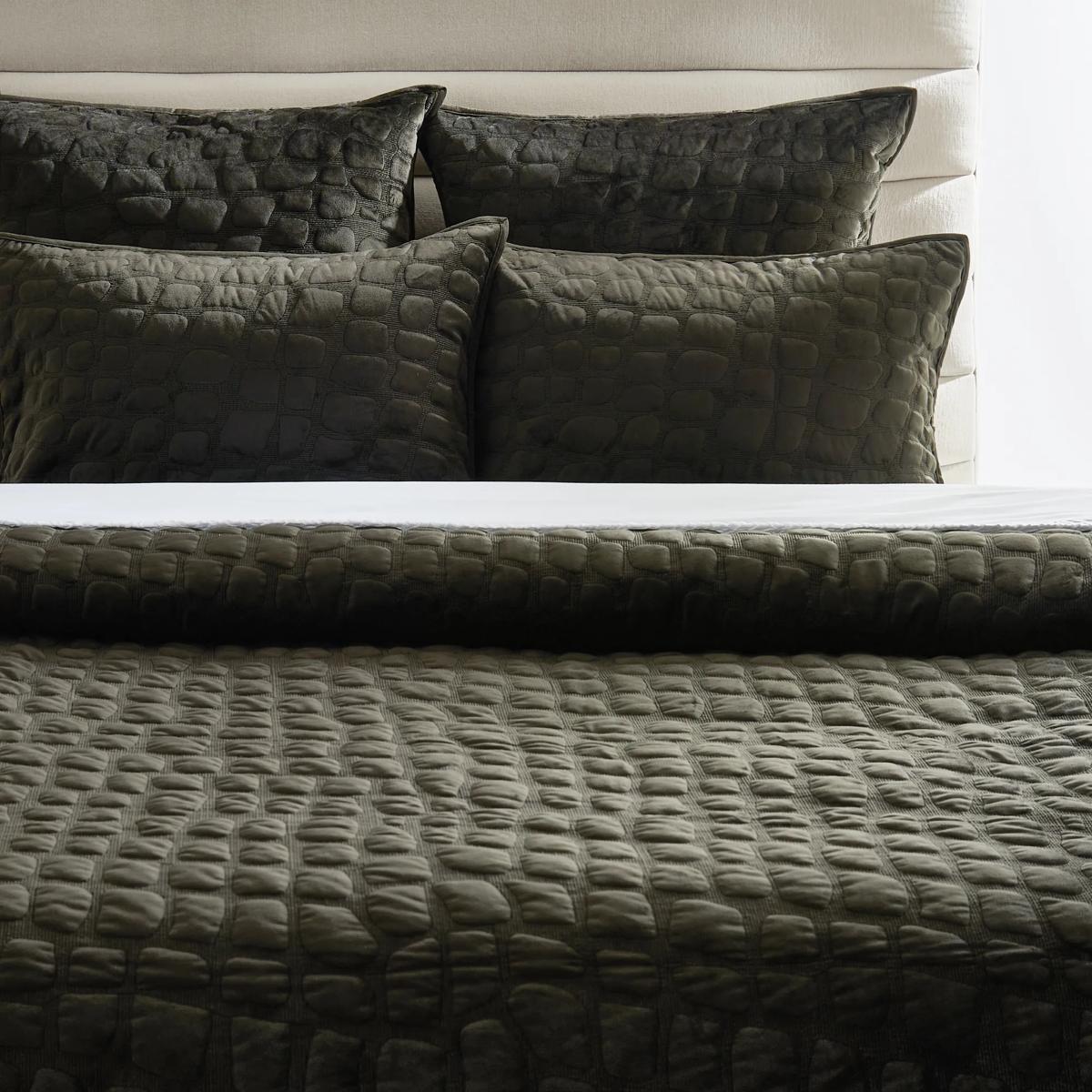
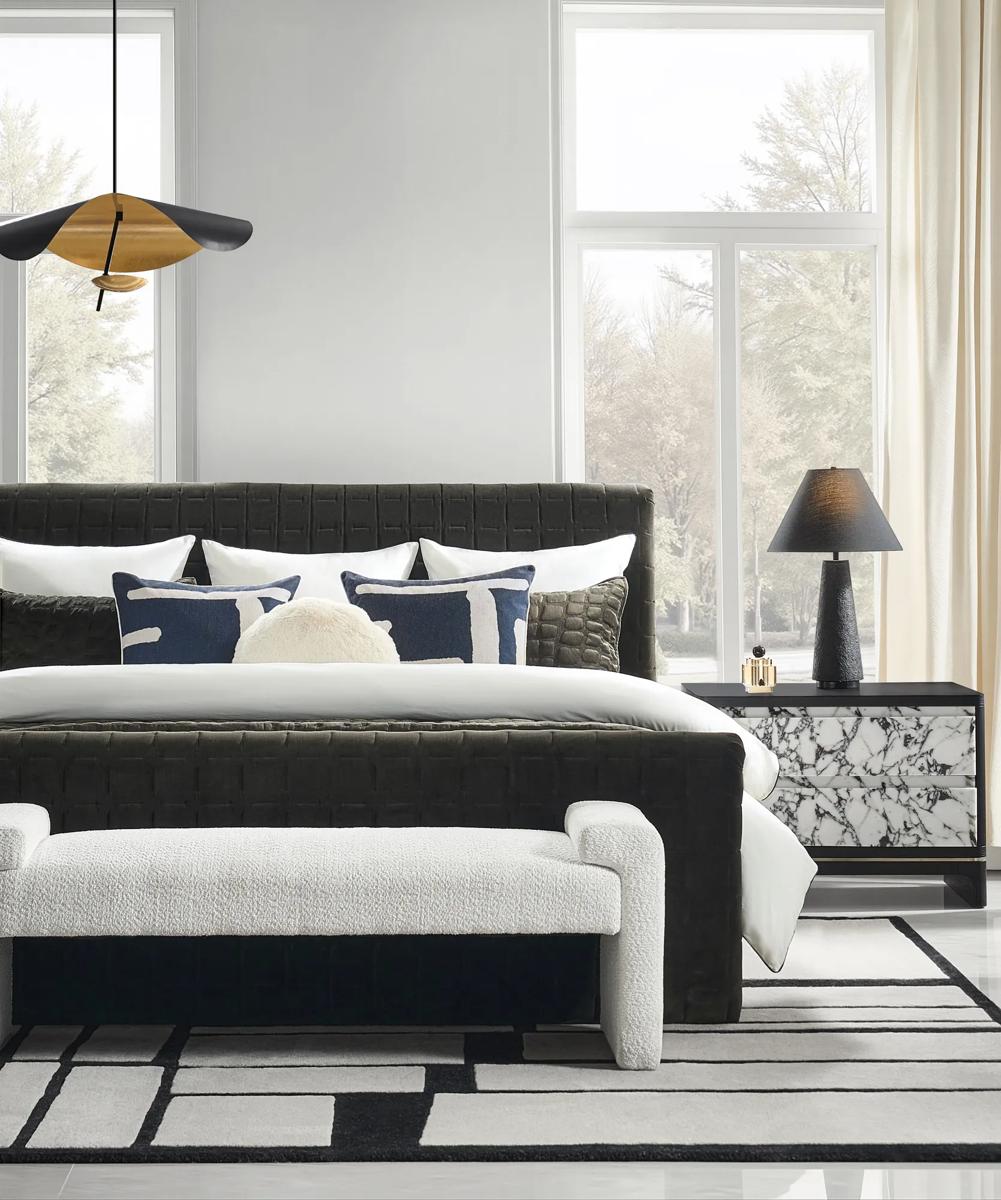 Valen Velvet Quilt Set - Black$199
A bold quilt set in luxe black velvet with a quilted croc pattern and tailored piped edges.
Add To Cart -
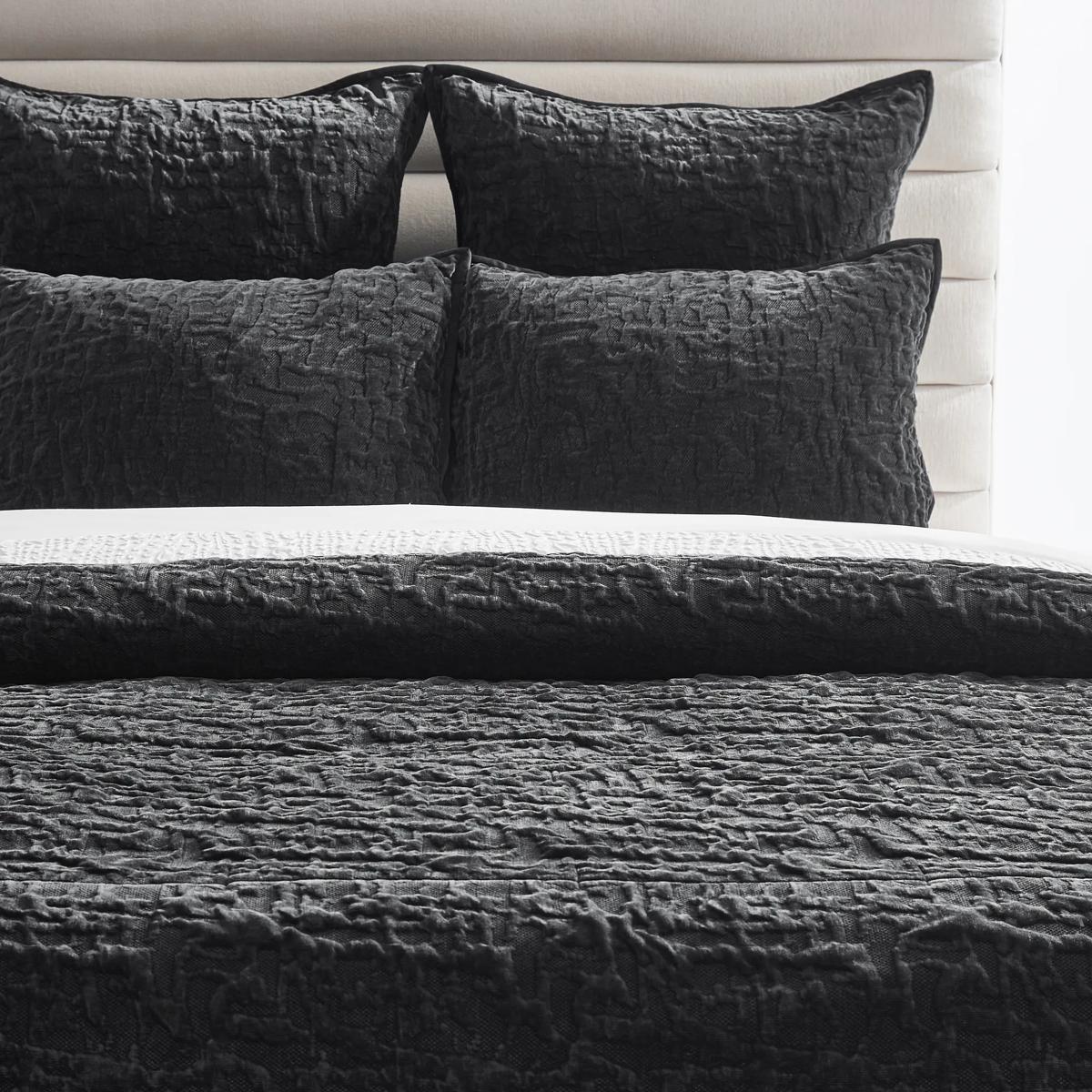
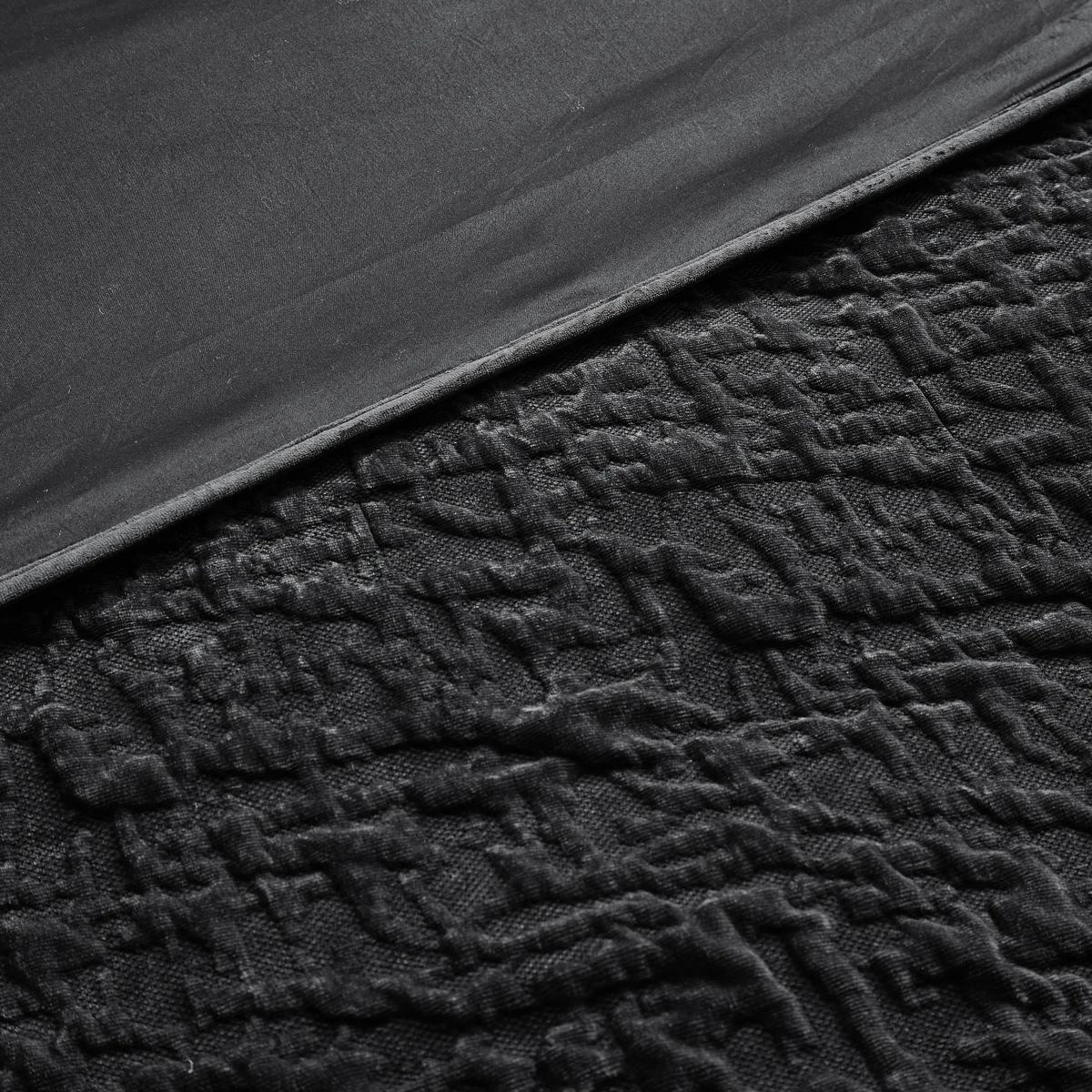 Madera Black Textured Velvet Bedding Set$299
A sophisticated black crushed velvet coverlet set with tonal embroidery and breathable cotton backing for year-round luxury.
Add To Cart -
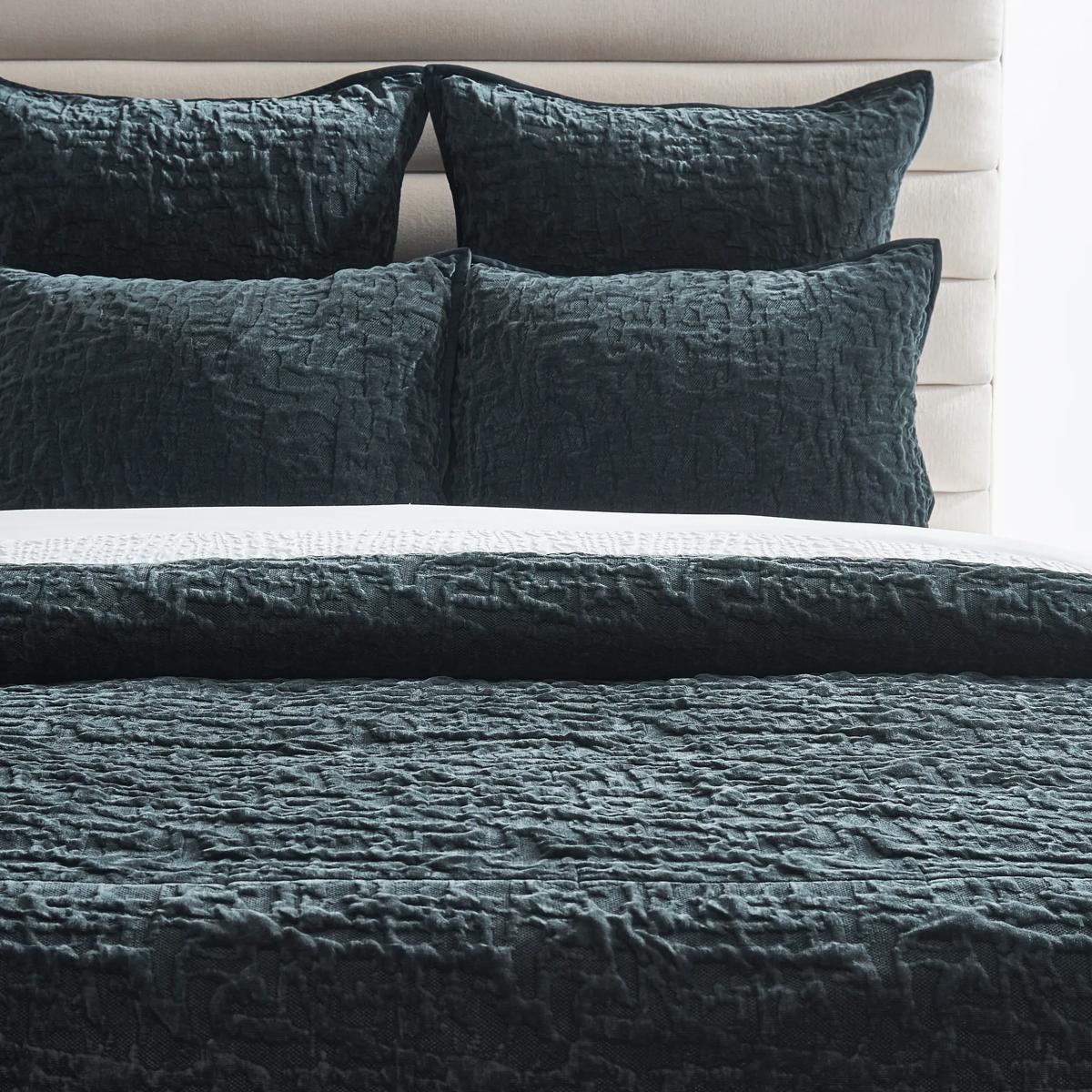
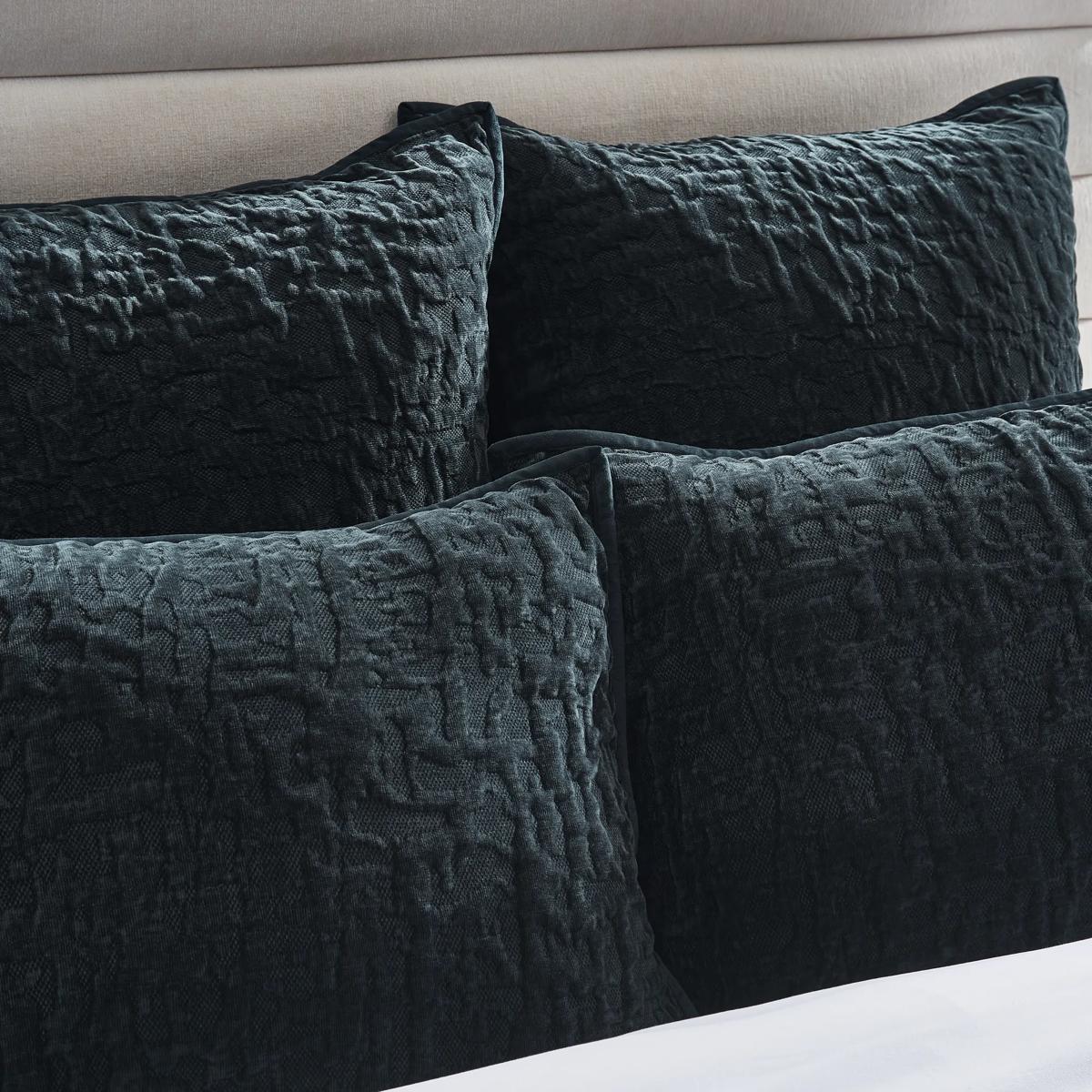 Madera Velvet Coverlet Set - Midnight Blue$69
A midnight blue crushed velvet coverlet set with embroidered detailing and a soft cotton backing.
Add To Cart -
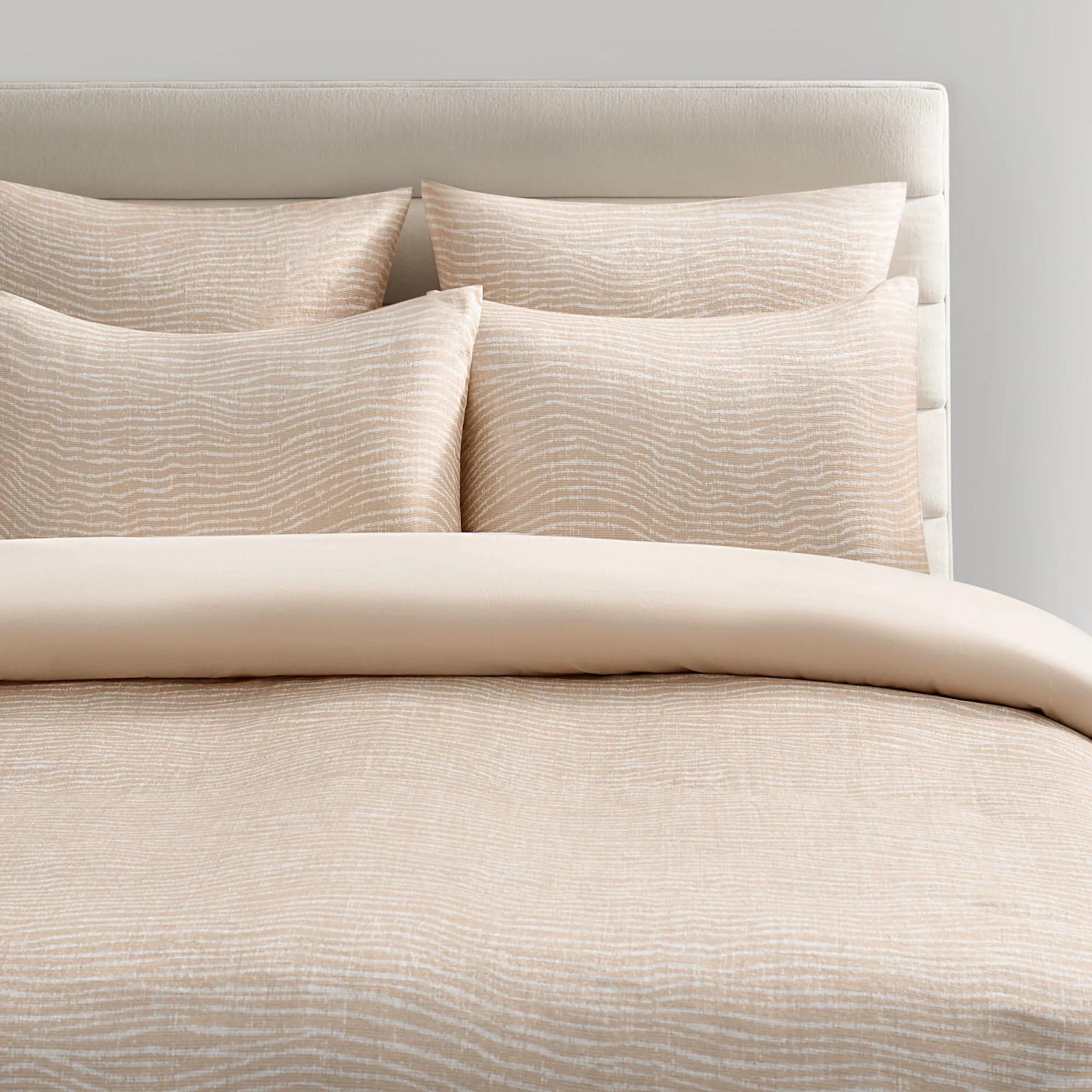 Sahara Bedding Set - Tan/Cream$199
A soft jacquard bedding set in tan and cream with a subtle wave-inspired zebra print and button closure.
Add To Cart -
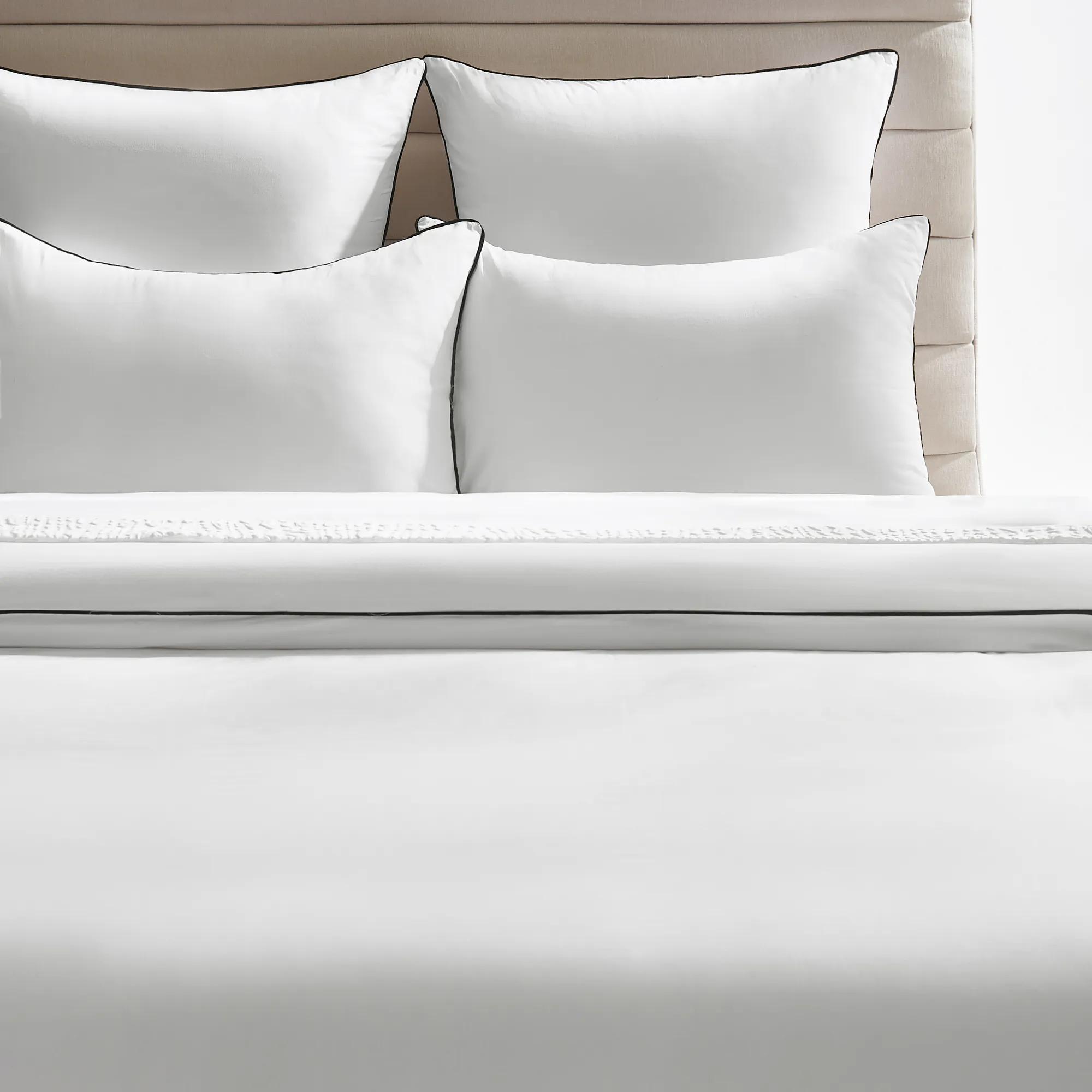 Sarla Contrast Cotton Percale Bedding Set - White/Black$199
A crisp white cotton percale bedding set featuring modern black piping for a refined, graphic contrast.
Add To Cart

Modern Textured Duvet Covers
Modern textured duvet covers transform the ordinary bedroom into a gallery of tactile intrigue and visual depth. Each piece is an invitation to indulge in artistry—layered weaves, sculptural patterns, and sumptuous fabrics that create a sense of dimension and drama. Whether you crave the subtle allure of tone-on-tone relief or the bold statement of geometric embossing, modern textured duvet covers are designed to elevate your sanctuary with every touch. Let your bedding become the centerpiece of self-expression, wrapping your nights in sophistication and expressive flair.
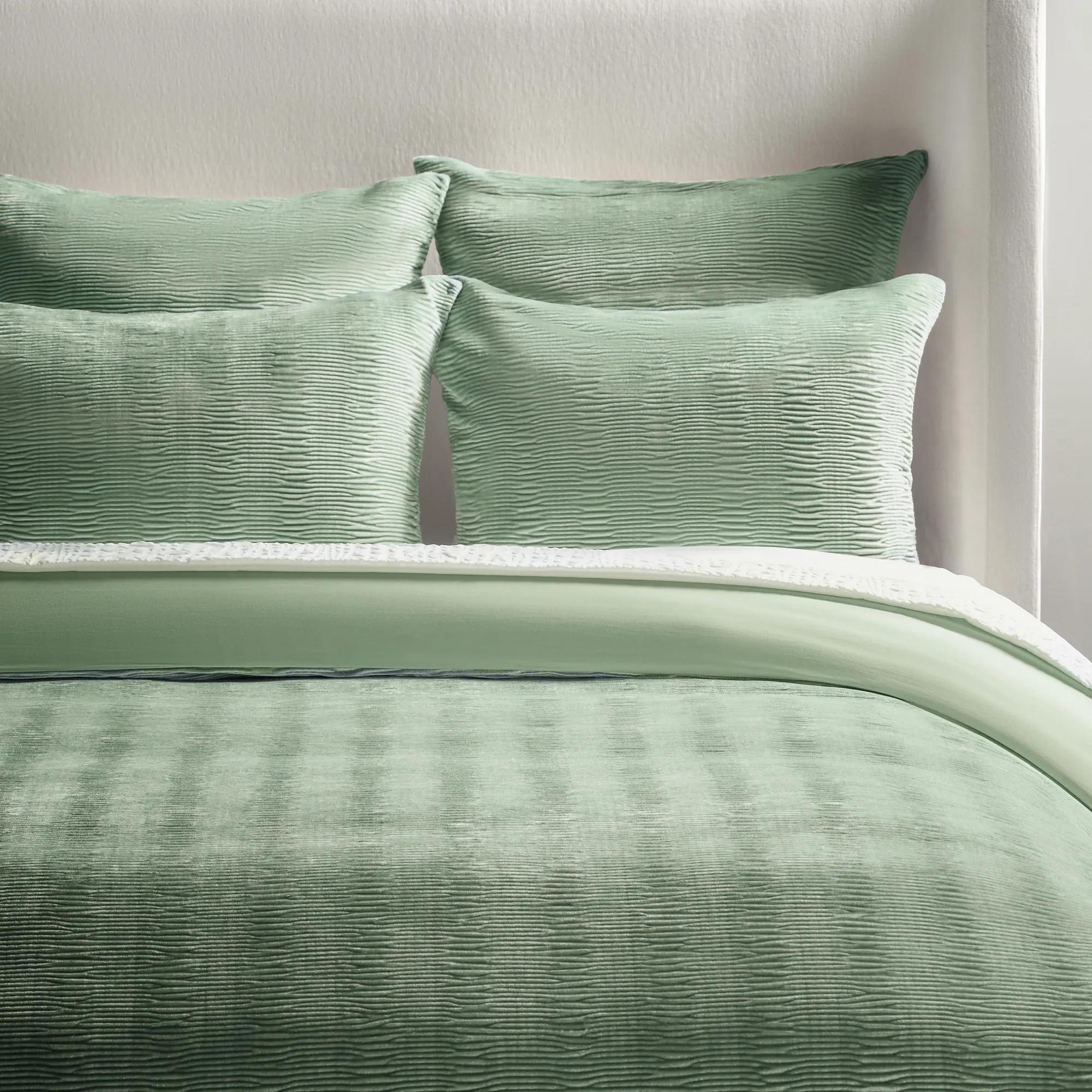
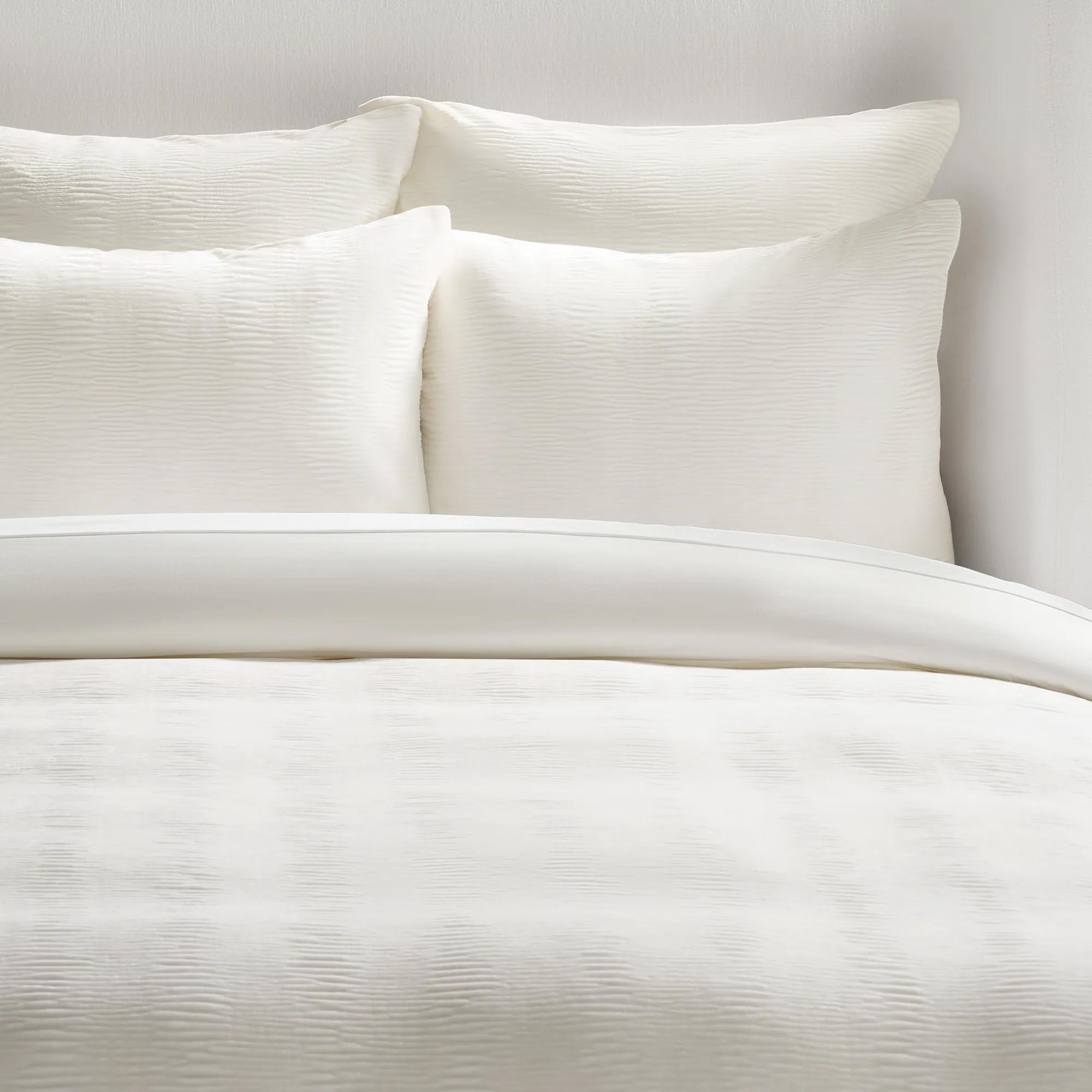
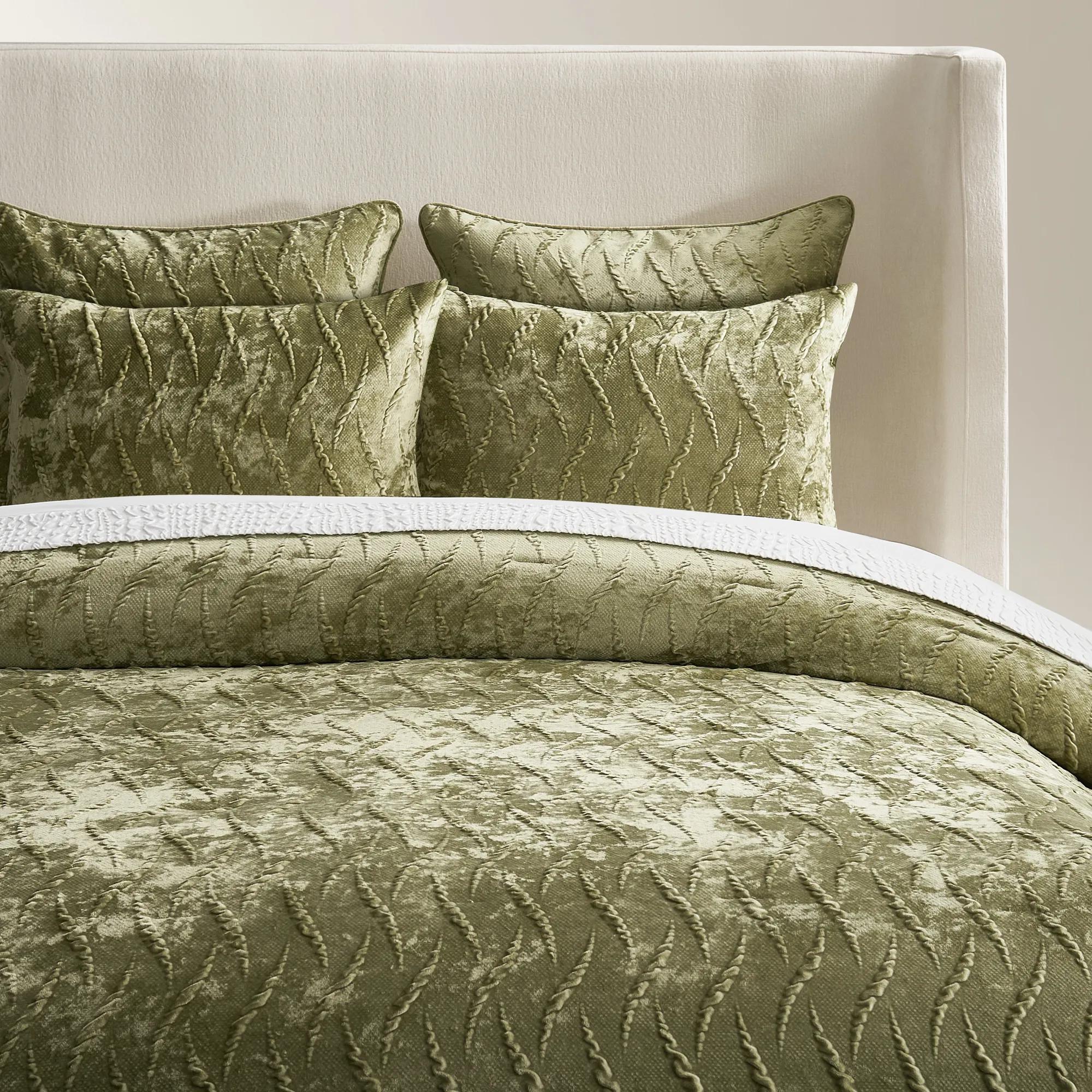
Modern textured duvet covers bring dimension to the bed through raised weaves, sculpted patterns, and tactile surfaces, creating visual depth without relying on a bold print. Matelassé, waffle weave, crinkled cotton, jacquard, and tufted chenille each offer a distinct expression of texture, from finely drawn geometry to plush, expressive relief. A duvet cover is a removable fabric shell designed to enclose a duvet insert; the cover supplies the decorative surface and a washable outer layer, while the insert provides loft. That distinction makes texture especially compelling: a bed can look richly layered without requiring an elaborate arrangement of blankets and accent pillows. Matelassé uses a specialized weaving technique to achieve a dimensional, quilted appearance, typically without a separate layer of padding. Waffle and honeycomb weaves form recessed squares that give solid colors architectural rhythm. Jacquard refers to patterns woven into the fabric rather than printed onto it, and those patterns may range from subtle tonal motifs to pronounced sculptural designs. Crinkled fabrics create smaller, irregular folds with a softly rippled effect, while chenille accents introduce velvety tufts or lines against a contrasting ground. These treatments respond differently to light: a raised ivory pattern casts delicate shadows, while a deep charcoal weave emphasizes the contours of the bed. In a bedroom with a tall upholstered headboard, a geometric duvet cover can echo the upholstery’s tailored lines without duplicating them. Against a sleek wood frame, a more fluid texture creates contrast and softens the composition. Modern design does not require a bare or restrained room; its strongest bedding combinations often balance clear shapes with sumptuous surfaces. A textured duvet cover gives that balance a generous canvas, making the bed feel intentionally dressed even when the surrounding palette remains tightly edited. The result is bedding with presence, suited to a dramatic primary suite, a polished guest bedroom, or a smaller space where the bed carries much of the room’s visual identity.
Fabric composition shapes how that dimension feels in daily use, so the fiber content deserves as much attention as the pattern. Cotton textured duvet covers can offer softness, breathability, and an inviting hand, although the finished feel depends on yarn, weave, weight, and any applied treatments. Linen has a characteristic slub and supple drape that can become softer with use, lending depth even to a comparatively understated surface. Cotton-linen blends combine qualities of both fibers, while blends containing polyester may offer improved wrinkle resistance or dimensional stability, depending on their construction. No single fiber guarantees a particular level of softness or durability, and a higher thread count is not a universal measure of quality for dimensional weaves. The reverse side also matters. A richly textured face paired with a smoother backing creates a different sleeping experience from a cover that carries texture on both sides, particularly for anyone who prefers bedding without pronounced surface relief against the skin. For a frequently used bed, substantial tufting calls for different expectations than a compact woven pattern: raised loops and decorative yarns can be more vulnerable to catching on jewelry or pets’ claws. Color further changes the impression of the fabric. White and cream allow shadows to articulate the weave, creating a luminous backdrop for lacquered furniture, mirrored accents, or gleaming bedside lighting. Taupe and gray emphasize tonal layering, while saturated hues give sculpted details a more enveloping presence. Coordinating the cover with smooth sheets keeps the tactile contrast deliberate; adding one velvet pillow or a folded woven throw introduces another material without obscuring the duvet’s design. A broad pattern can command a large bed beautifully, while a fine-scale texture often reads almost like a solid from the doorway. For a wider expression of this tailored, layered aesthetic, modern bedroom duvet covers connect dimensional bedding with the room’s larger composition. Texture can take the leading role or support a statement headboard, artwork, and lighting, depending on the scale and contrast of the weave.
Proportion and construction turn an appealing surface into bedding that feels composed after repeated use. Twin, full, queen, king, and California king labels offer a starting point, but actual duvet cover dimensions can differ, and combined size labels do not guarantee an identical fit across designs. Comparing the cover’s listed measurements with the insert’s measurements helps avoid empty edges, excessive bunching, or a bed that looks unevenly filled. An oversized insert is not an automatic route to a more luxurious result; too much material inside the cover can distort the pattern and put strain on closures. Mattress depth and bed-frame height affect the finished silhouette as well. On a deep mattress, a cover with limited overhang may reveal more of the sheets, while a generous drape can create a sweeping line beside a low platform frame. Interior corner ties or attachment points, when present and compatible with the insert, help keep the layers aligned. Button and zipper closures offer different finishes, but either should be securely constructed and easy to operate when laundering. Care requirements vary with the fibers, backing, decorative details, and finishing treatments, making the sewn-in care label the authority. Some textured covers are machine washable; others require more specialized care. Where machine washing is permitted, adequate drum space helps the fabric move freely, and the recommended cycle and drying method help preserve both the dimensions and raised design. Excessive heat can shrink certain fabrics or alter their texture, while aggressive handling may stress tufts and loops. A deliberately crinkled surface need not be pressed flat, and dimensional weaves may lose their intended character under heavy ironing. For a guest room, straightforward care and secure insert attachments make regular bed changes more manageable without sacrificing elegance. As a housewarming or wedding gift, a duvet cover is most thoughtful when the recipient’s insert size, preferred fabrics, and room palette are known; checking whether shams are included also prevents assumptions about the finished ensemble. Chosen with these details in mind, textured bedding offers more than ornament: it brings tactile richness, expressive pattern, and a beautifully considered focal point to everyday living.
FAQs
Modern textured duvet covers are often crafted from luxurious materials such as cotton sateen, Egyptian cotton, linen blends, velvet, and jacquard weaves. Each material offers a unique tactile experience—velvet exudes plush opulence, while linen brings a relaxed, organic texture. The choice of material not only affects the look and feel but also enhances the overall ambiance of your bedroom.
Textured duvet covers introduce depth and dimension, instantly transforming a plain bed into a bold focal point. Whether you choose a cover with intricate embroidery, sculptural quilting, or a subtle woven pattern, the interplay of light and shadow across the surface adds visual interest and a sense of artistry. These details create a layered, luxurious look that elevates any modern bedroom.
Many textured duvet covers are designed to be versatile year-round. Lightweight weaves and breathable cottons are perfect for warmer months, while heavier options like velvet or matelassé provide cozy warmth during the winter. Layering with throws or blankets allows you to adapt your bedding to the season while maintaining a chic, textured aesthetic.
Modern textured duvet covers complement a wide range of decor styles, from contemporary and glam to eclectic and transitional. They can add drama to minimalist spaces, enhance the sophistication of a luxe bedroom, or introduce playful contrast in an artistic setting. The key is choosing textures and colors that harmonize with your room’s overall palette and personality.
Absolutely. A textured duvet cover is a luxurious and personal gift, ideal for housewarmings, weddings, or special occasions. It offers both comfort and style, allowing the recipient to enjoy a touch of everyday indulgence. Presented beautifully, it becomes a memorable gesture that elevates their living space and shows your attention to detail.
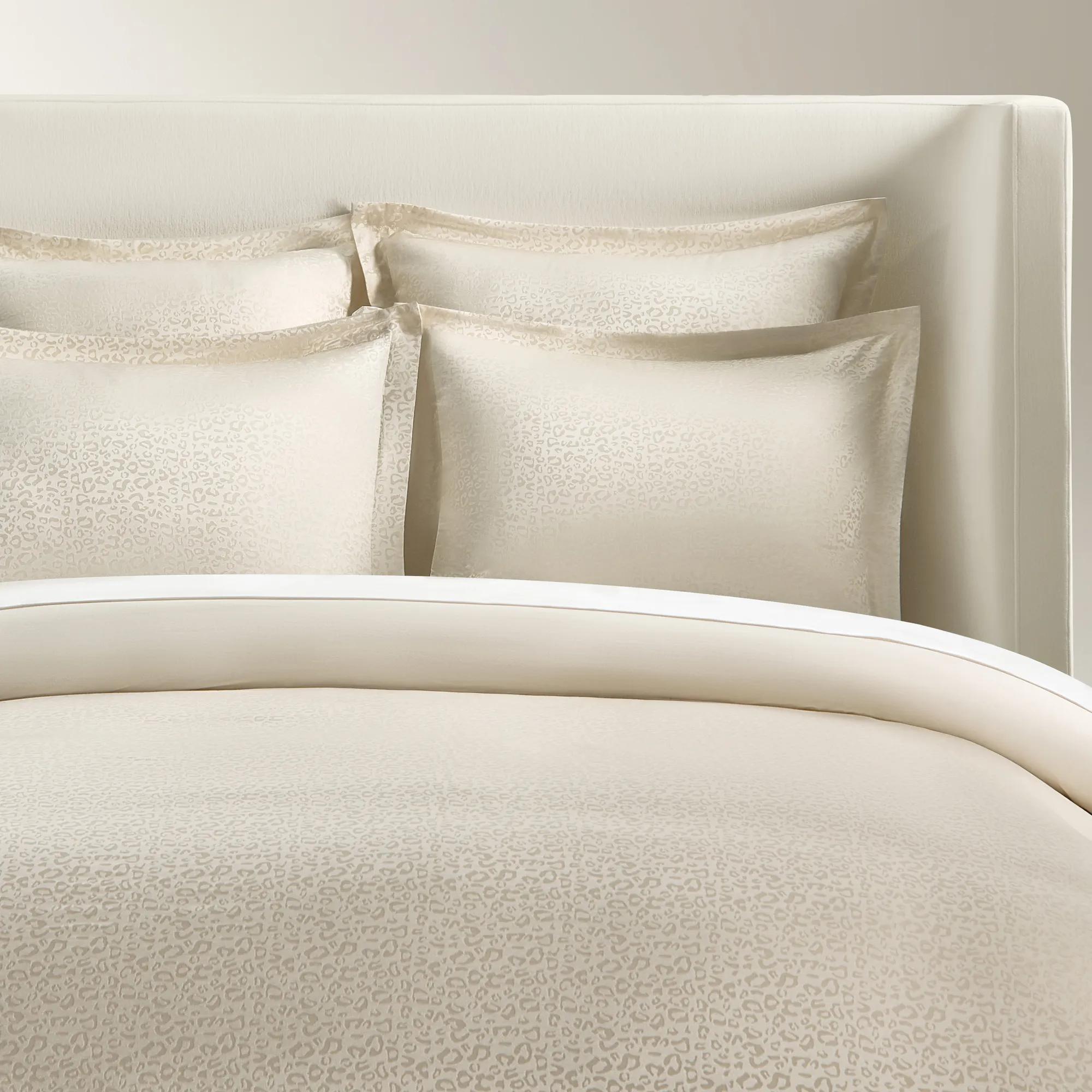
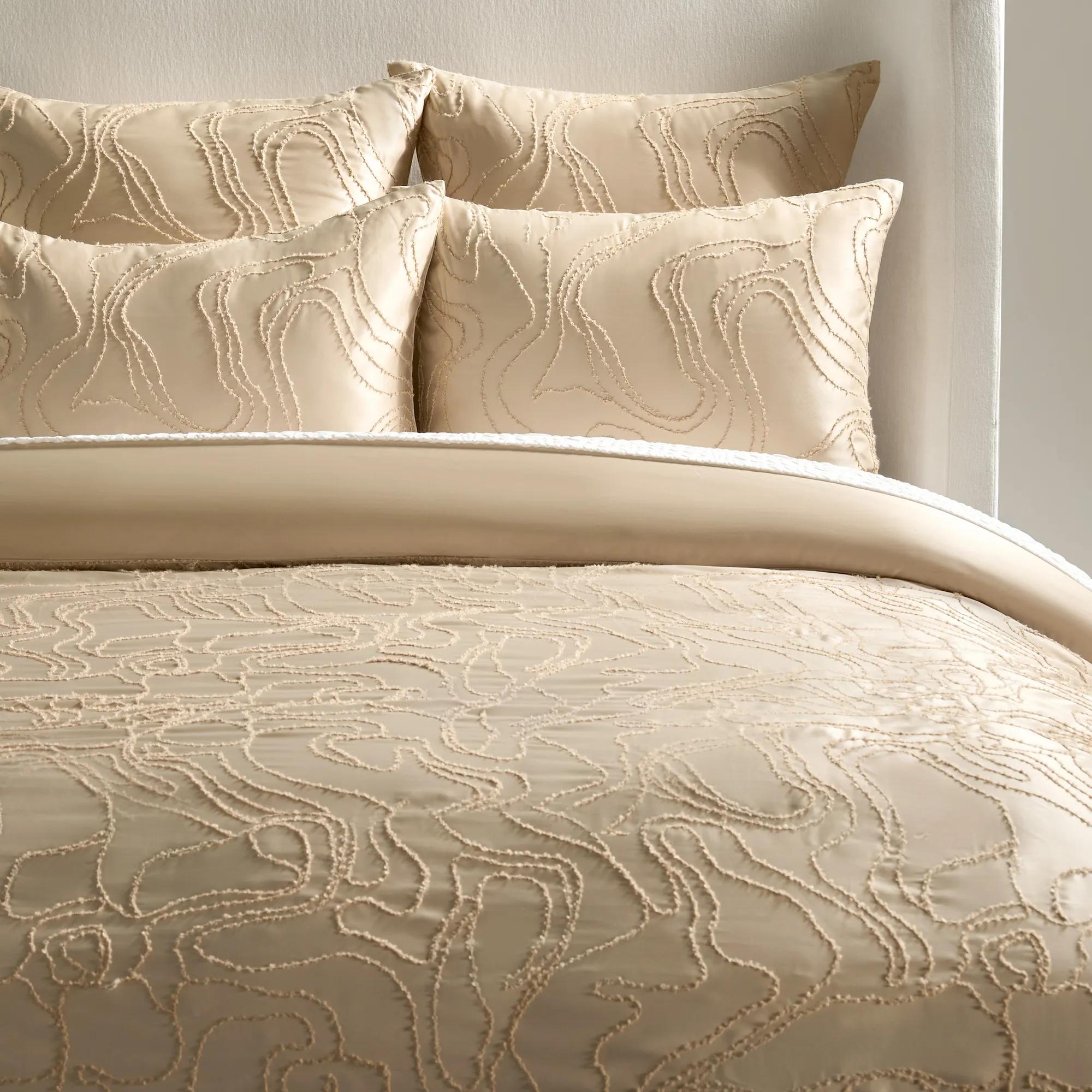
.jpg?w=2100&h=2100)


