Exclusive Textured Duvet Covers
Exclusive Textured Duvet Covers
-
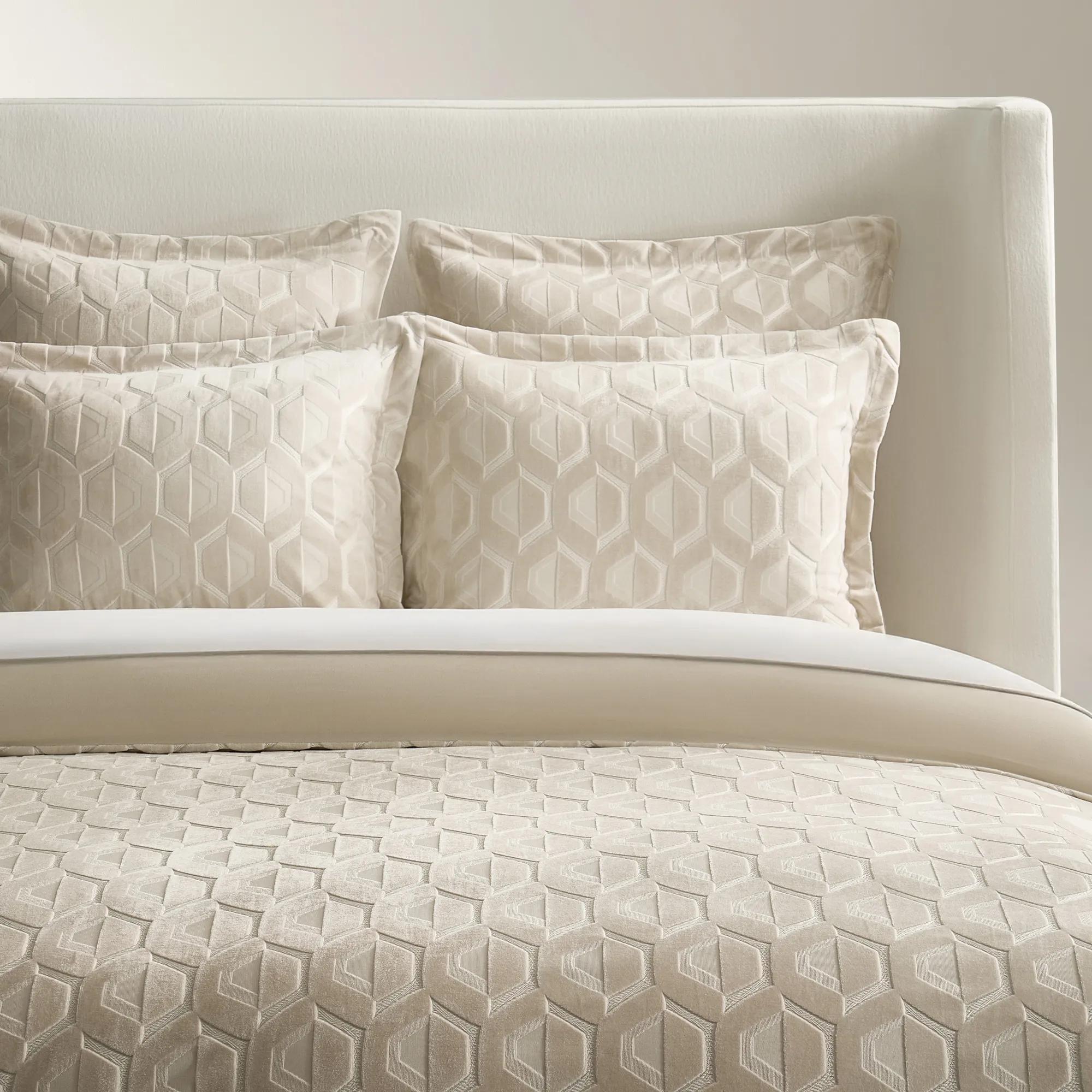 Cielo Alabaster White Geometric Cut Velvet Bedding Set$249
A white cut velvet bedding set with geometric detailing and coordinating duvet and sham covers.
Add To Cart -
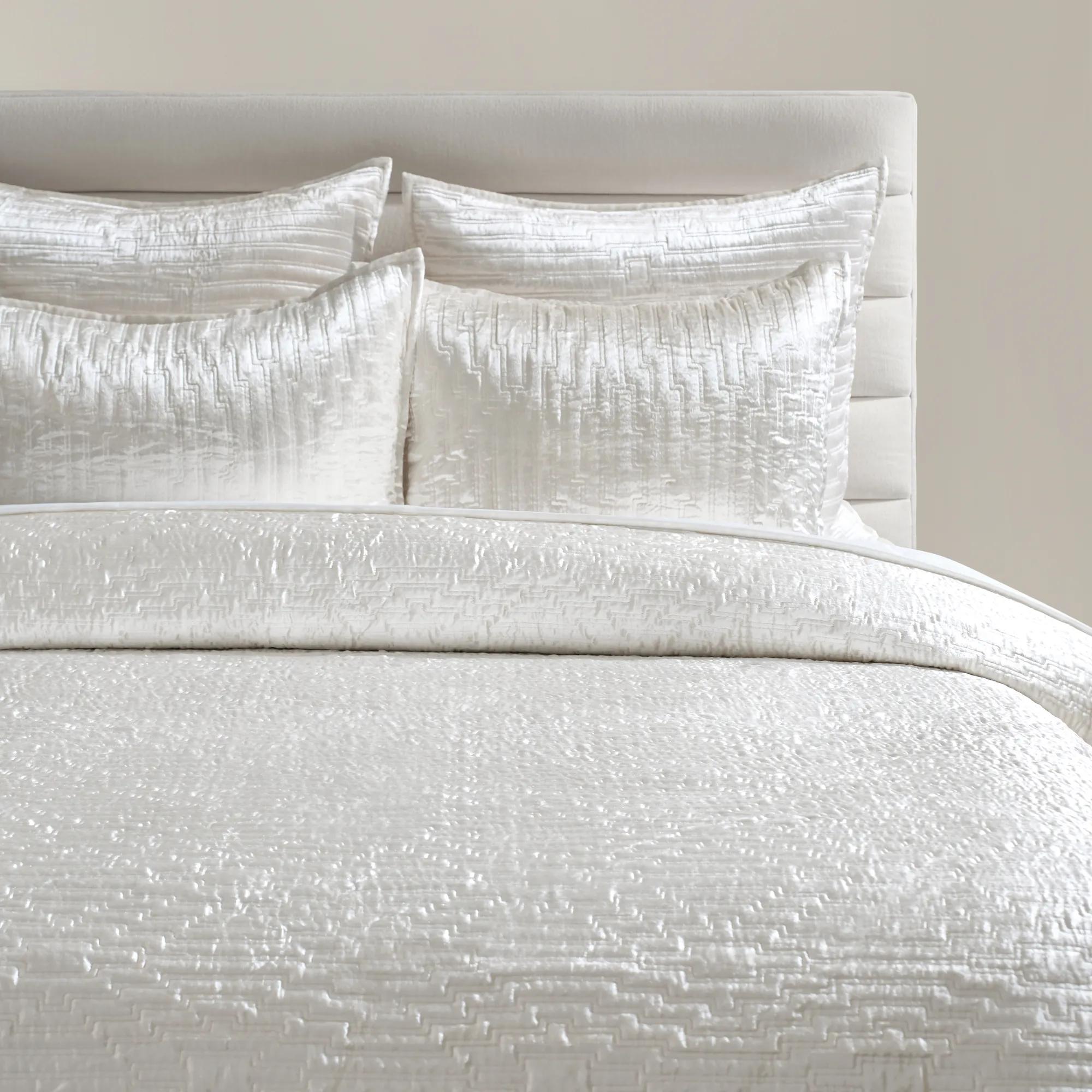
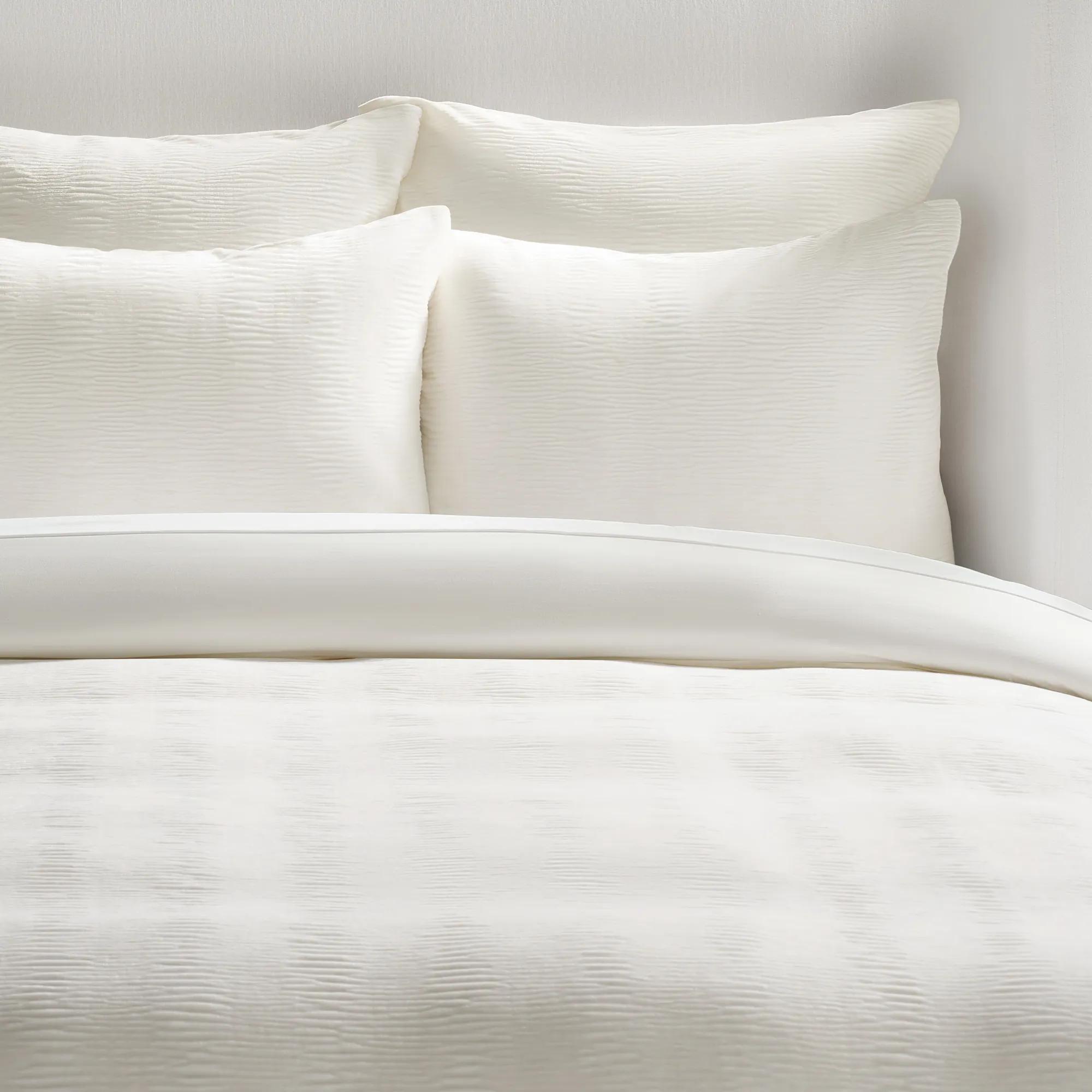 Vera Cloud White Soft Pleated Velvet Bedding Set$249
A cloud-white velvet bedding set featuring soft pleated texture and coordinating duvet and sham covers.
Add To Cart -
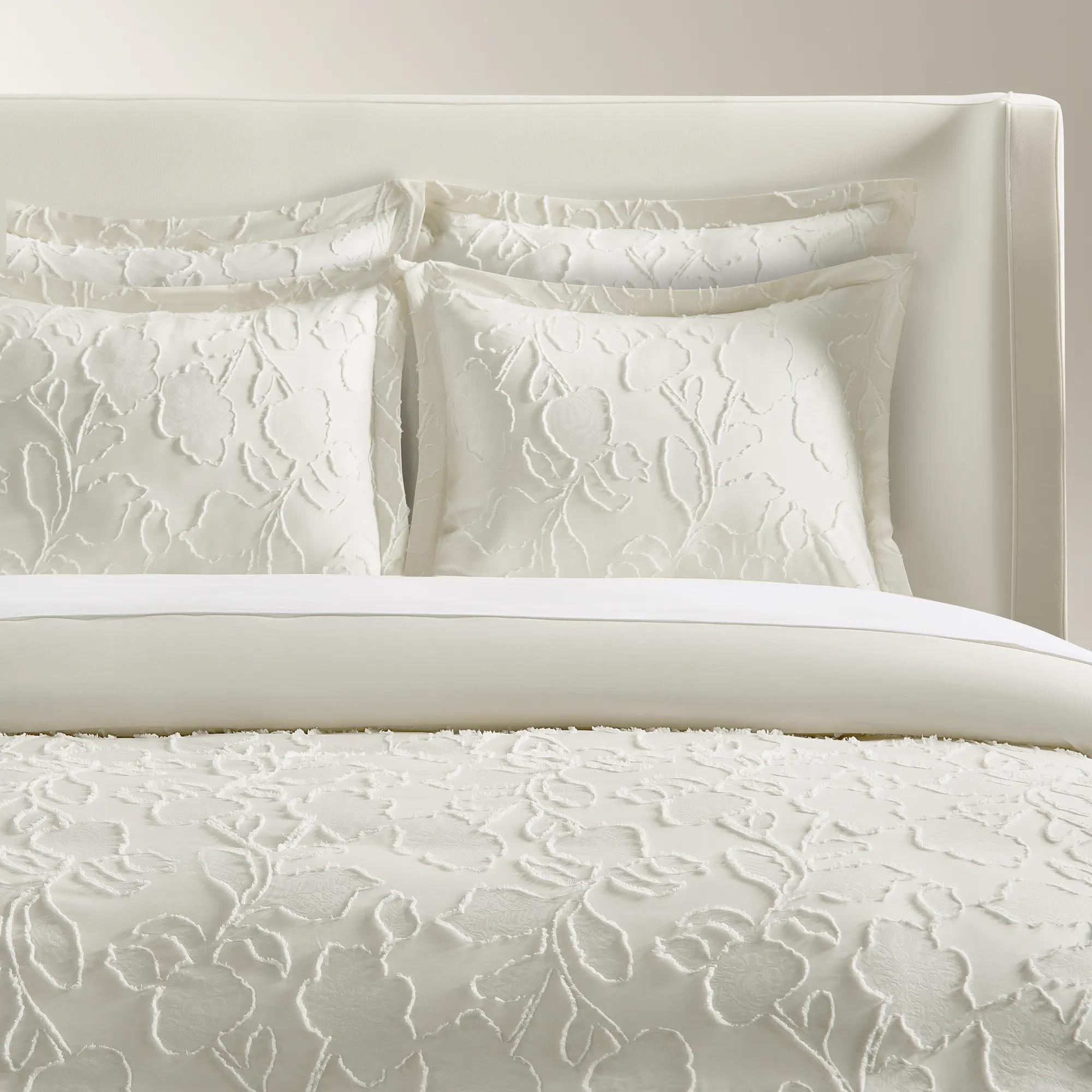
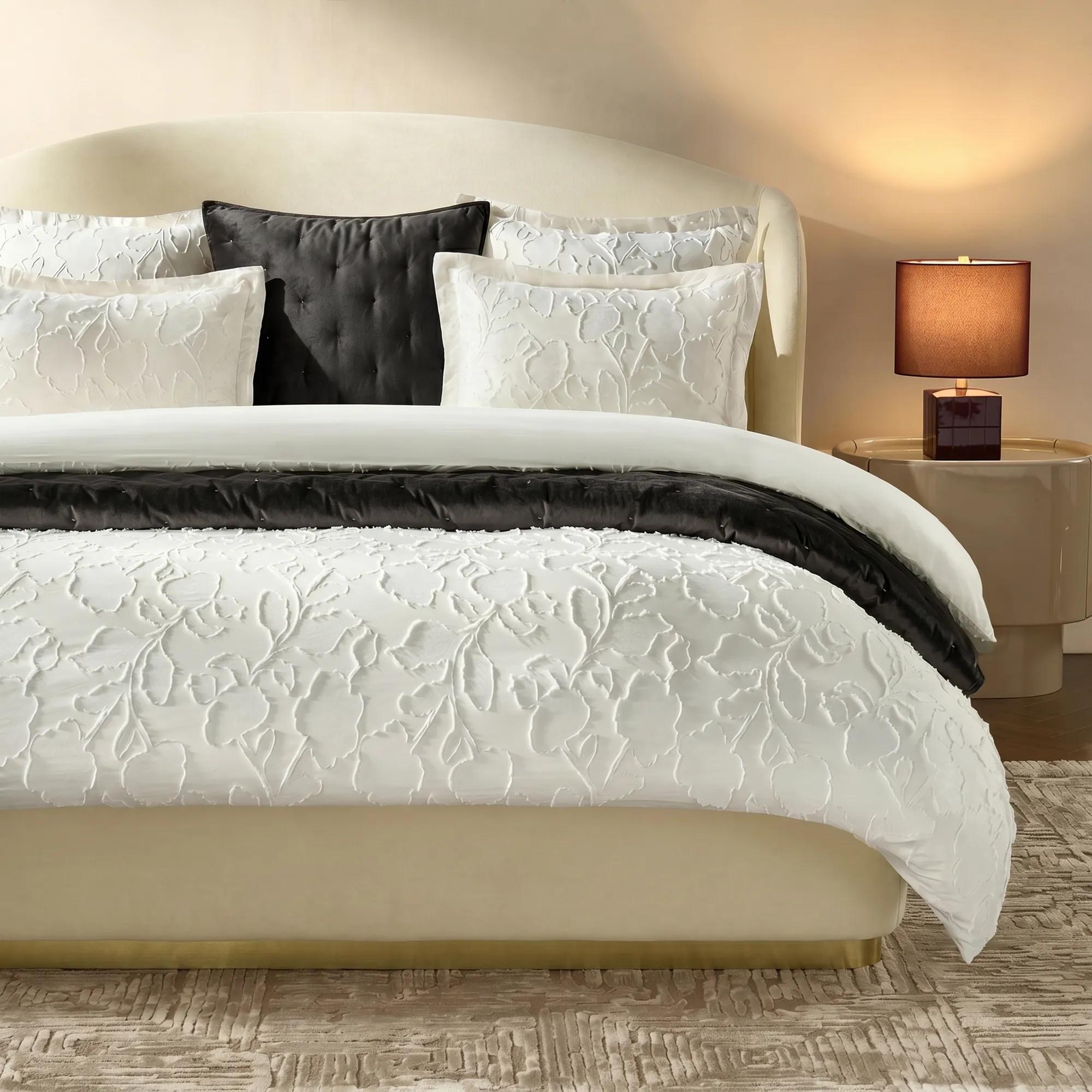 Cosette Ivory Cotton Floral Jacquard Bedding Set$249
A warm ivory bedding set featuring a tonal floral jacquard, eyelash fringe, and soft cotton backing.
Add To Cart -
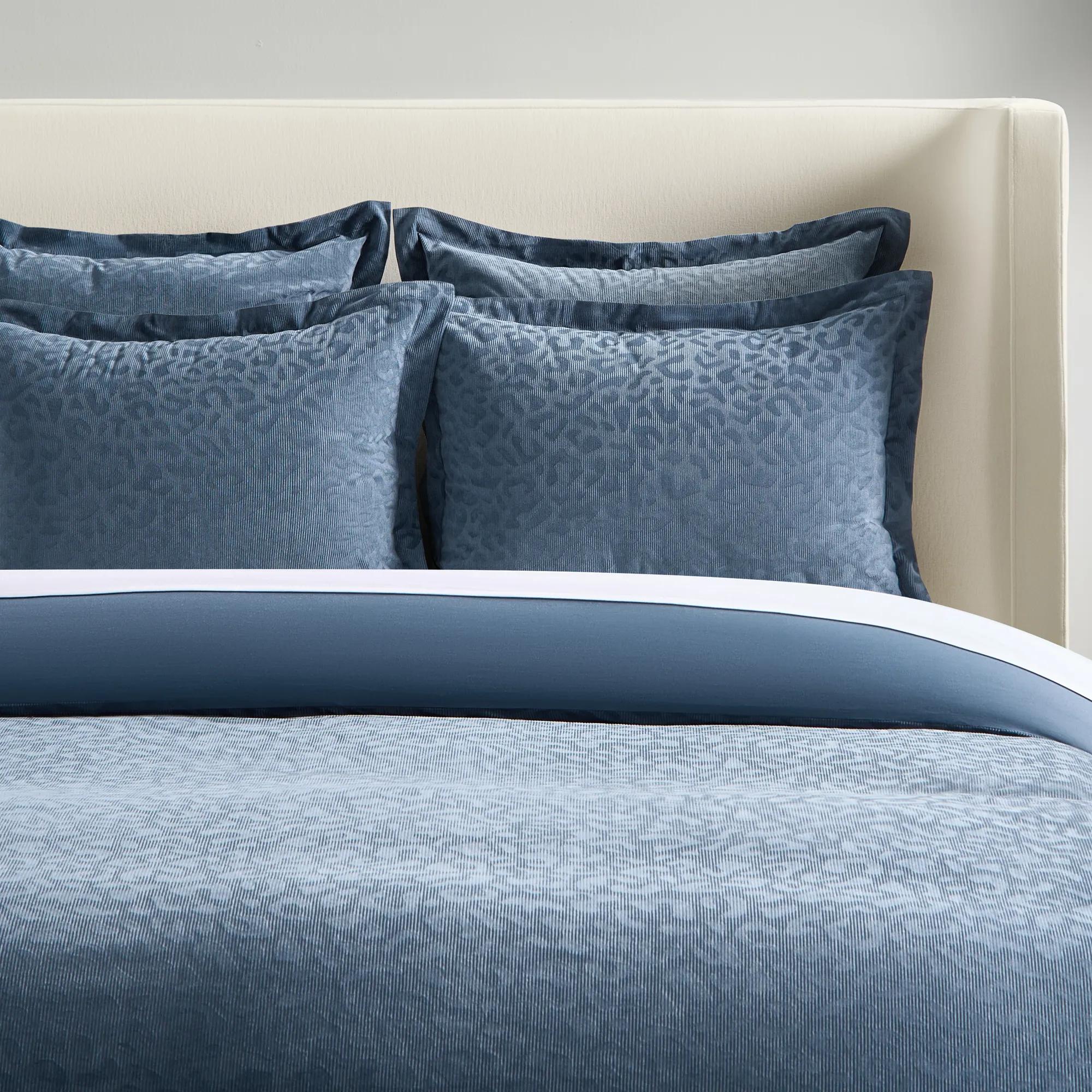
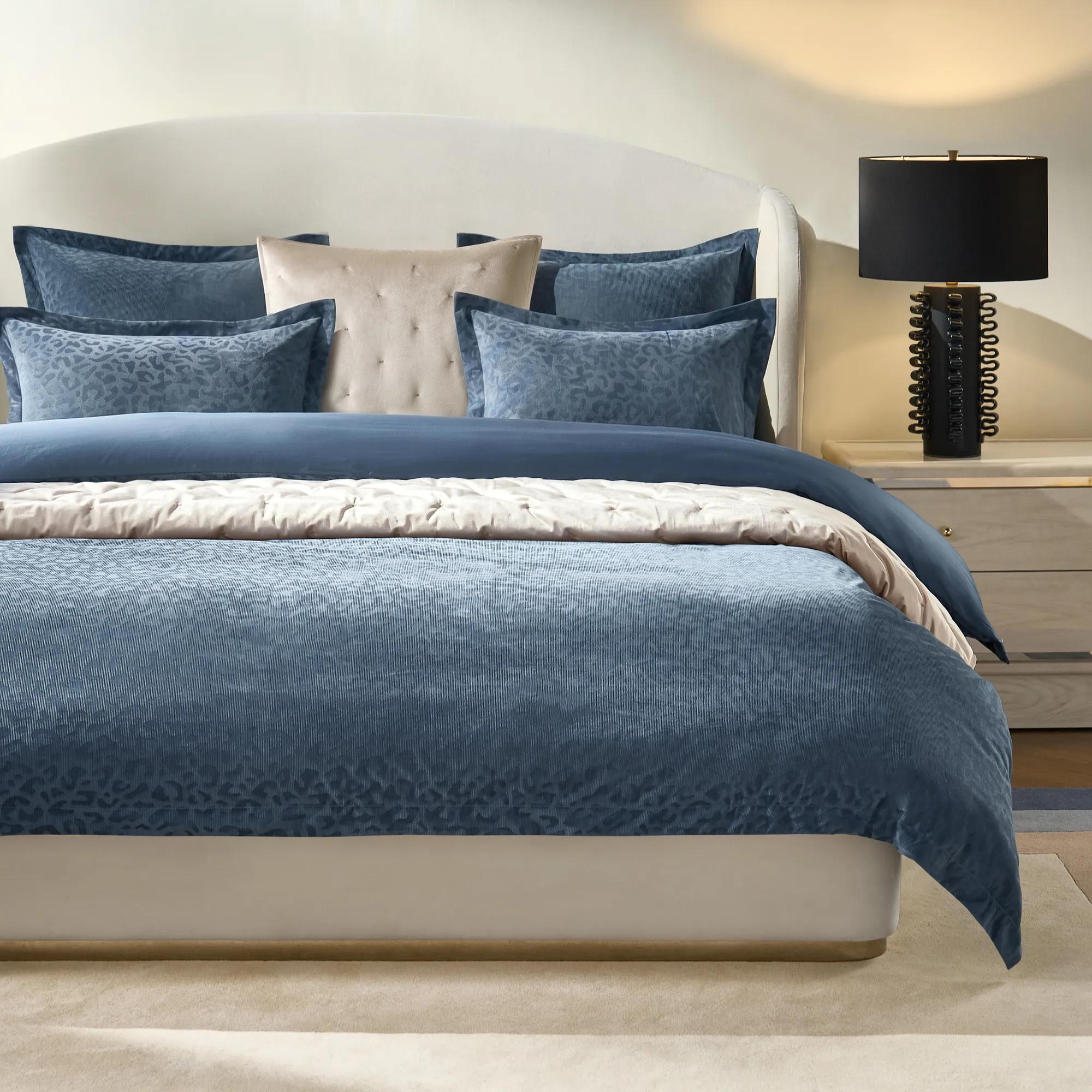 Leopard Dusty Blue Cotton Corduroy Velvet Bedding Set$249
A dusty blue velvet bedding set featuring a tonal leopard print and soft corduroy texture with cotton backing.
Add To Cart -
 Eve Pistachio Green Textured Velvet Quilt Set$69
A green textured velvet bedding set with coordinating duvet and sham covers for polished comfort.
Add To Cart -
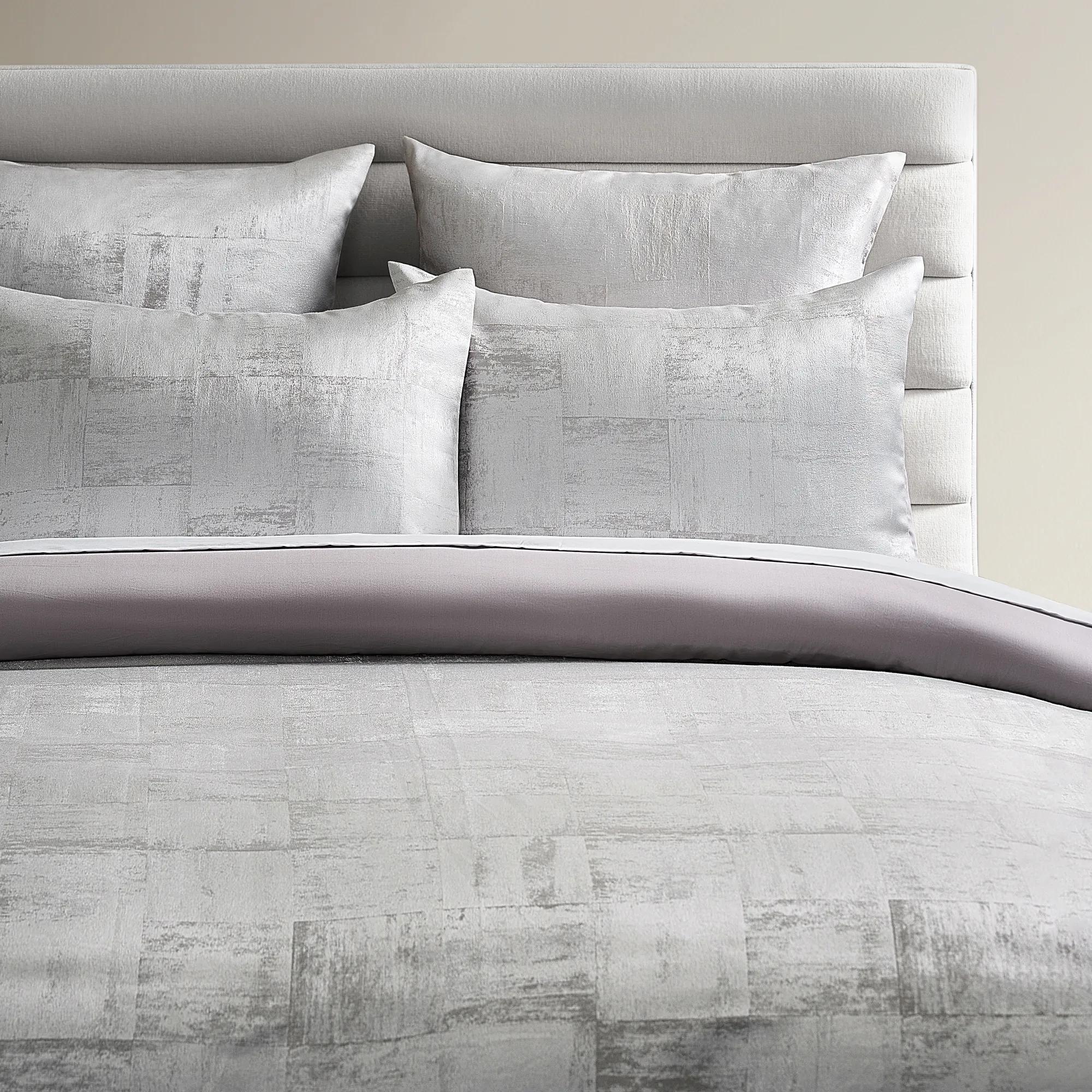 Auden Bedding Set - Platinum$229
A platinum jacquard bedding set featuring a subtle block pattern, knife-edge detail, and polished button closures.
Add To Cart -
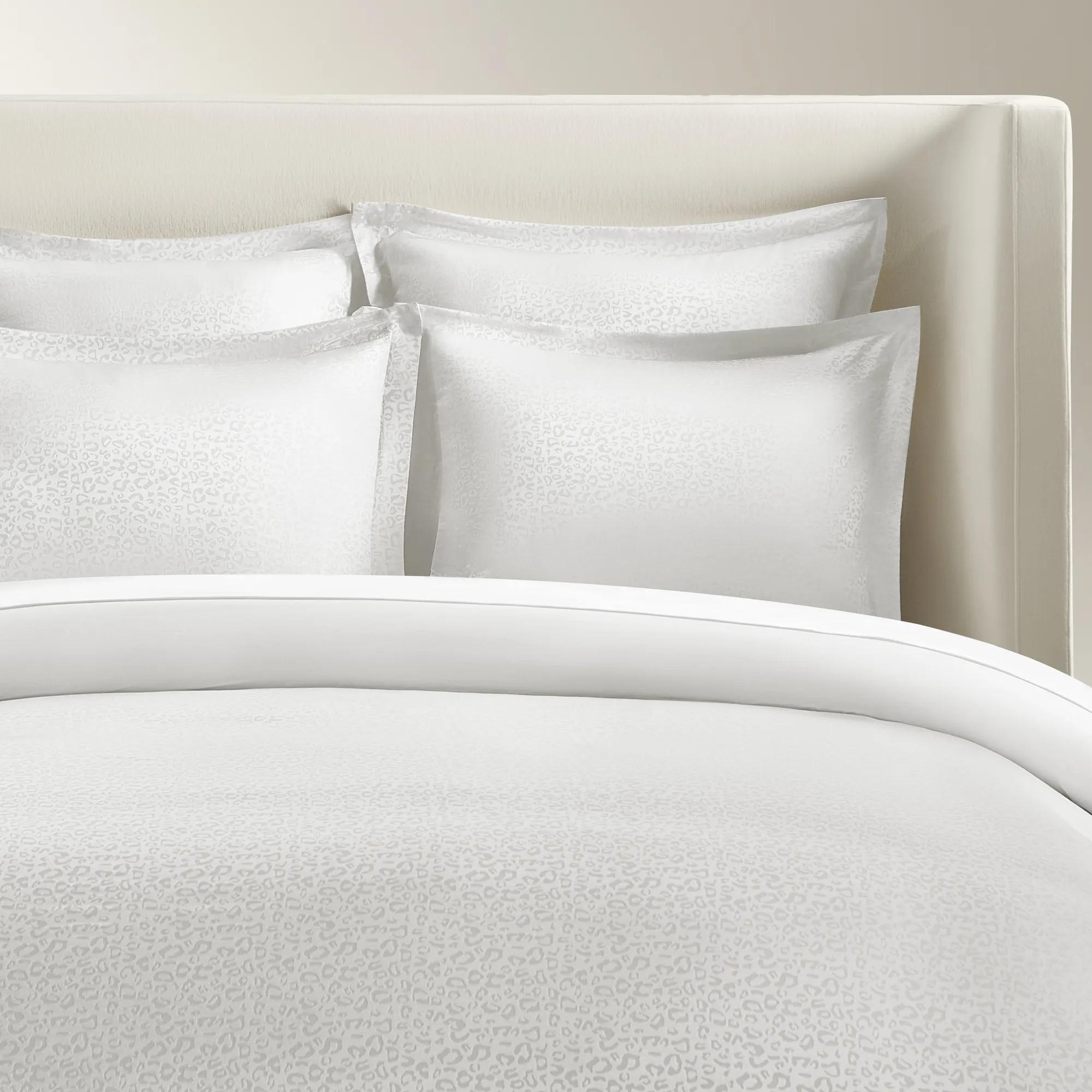
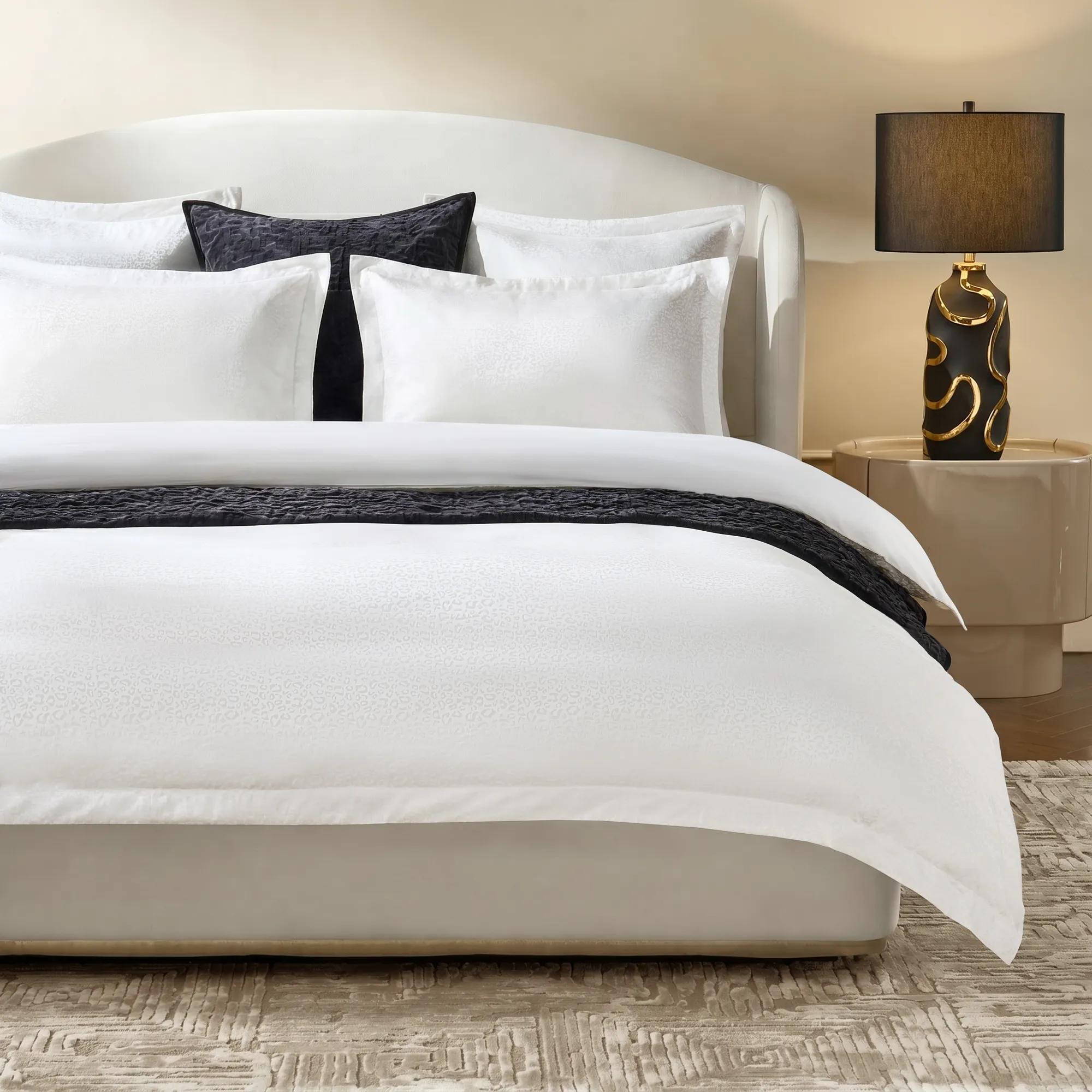 Abi Leopard Cloud White Tencel Bedding Set$249
A cloud white bedding set featuring a tonal leopard print in a smooth Tencel blend with cotton reverse.
Add To Cart -
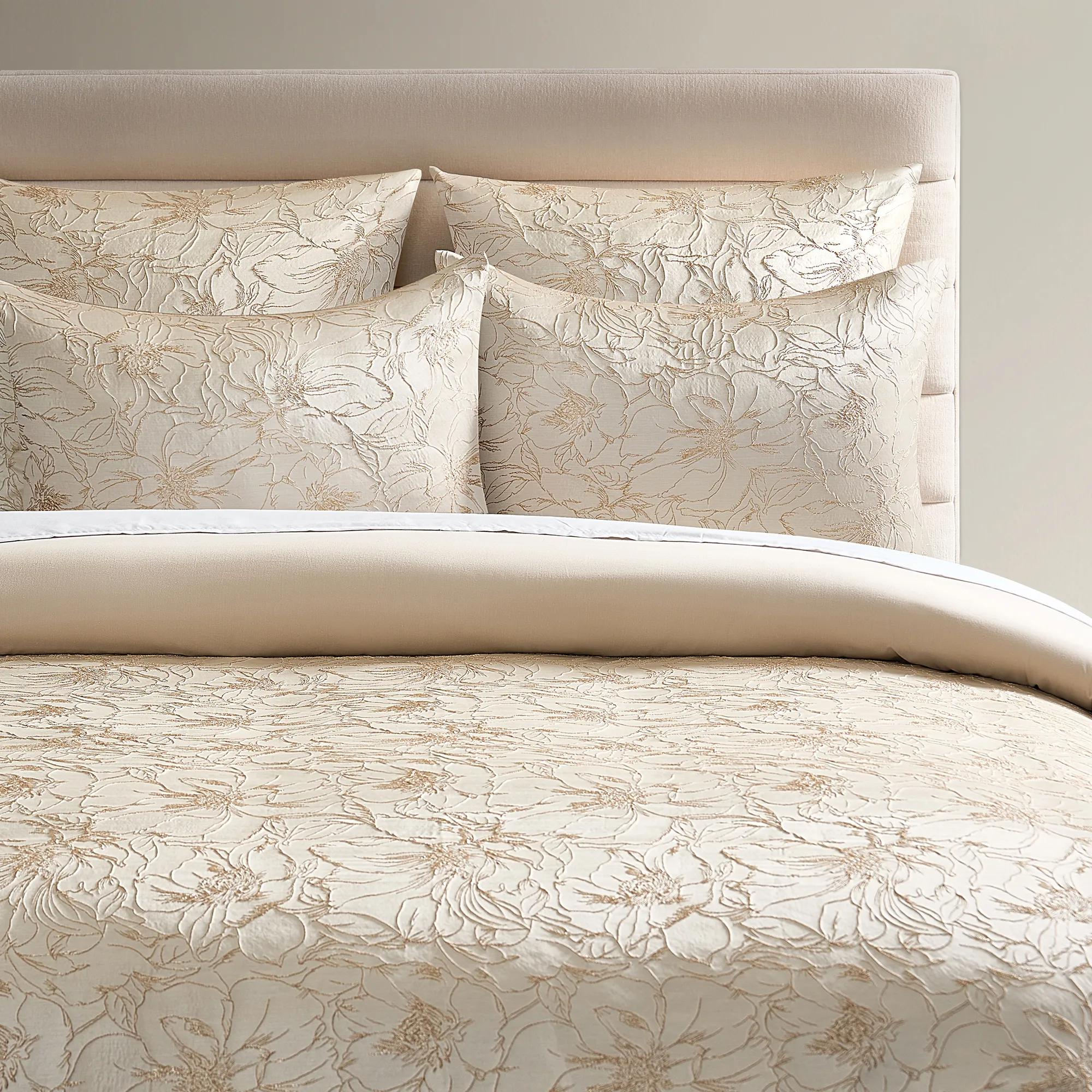 Mimoza Floral Jacquard Champagne Gold Bedding Set$229
A luminous champagne gold jacquard bedding set with delicate floral embroidery and polished knife-edge details.
Add To Cart -
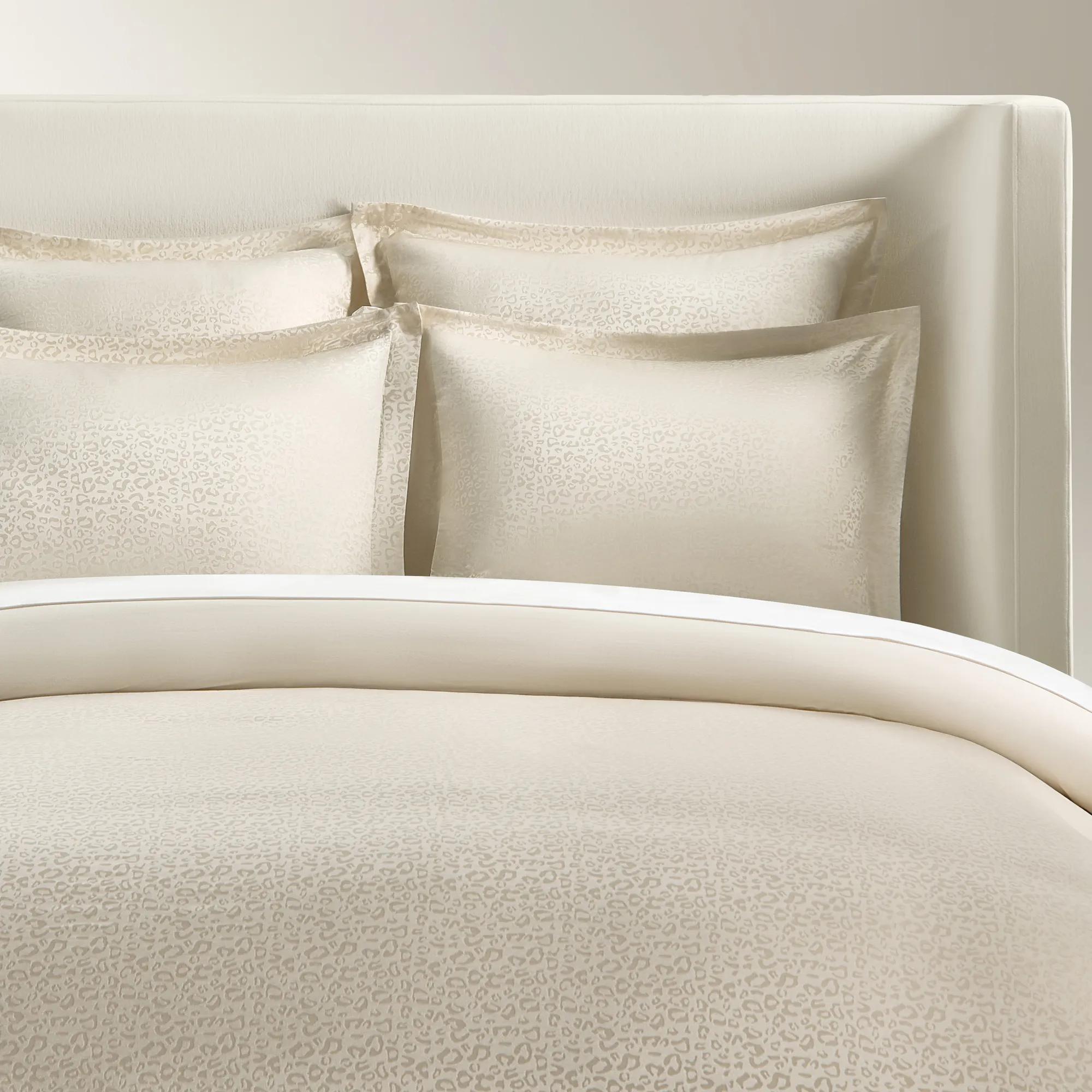 Abi Leopard Soft Nude Tencel Bedding Set$299
A soft nude bedding set featuring a tonal leopard print in a smooth Tencel blend with cotton reverse.
Add To Cart -
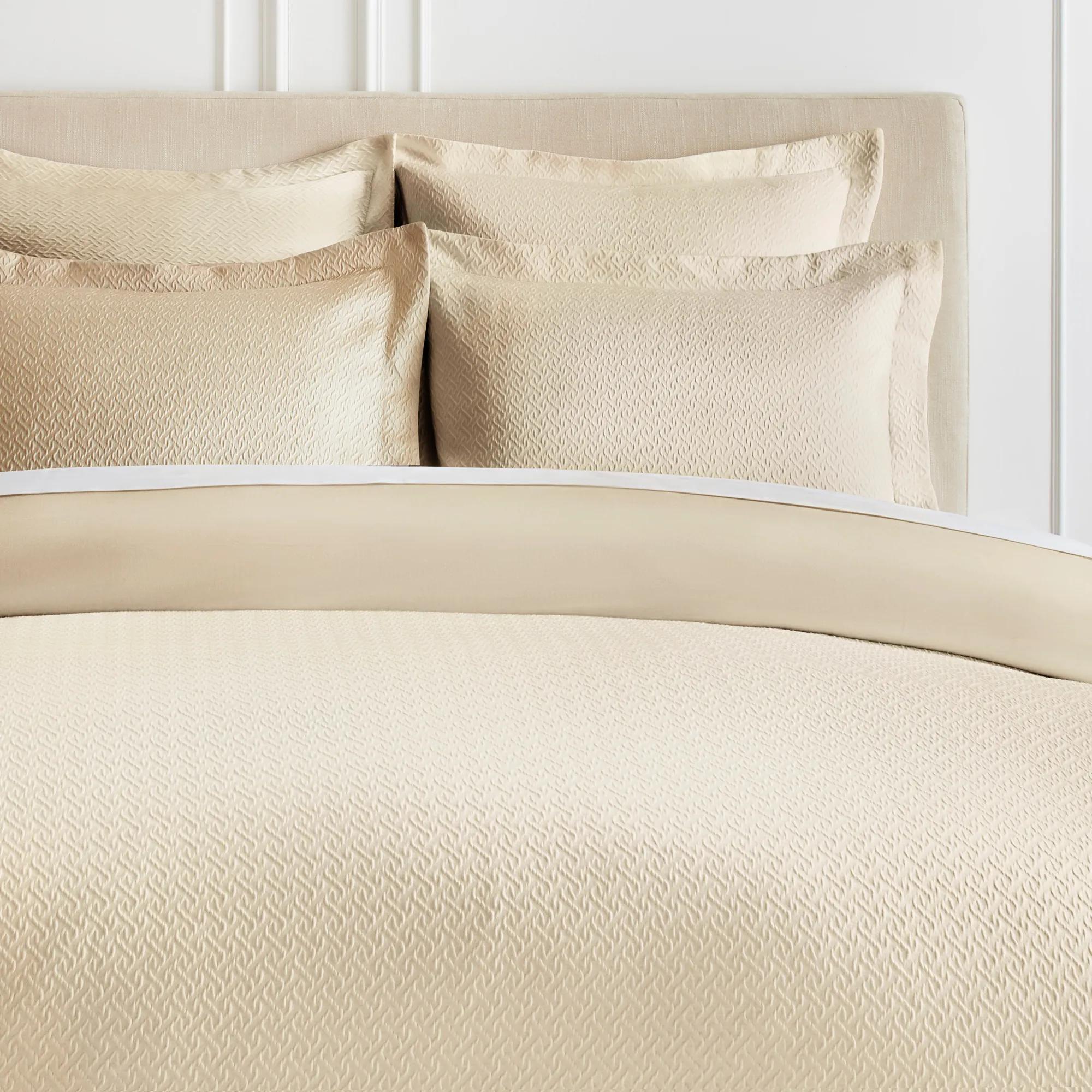
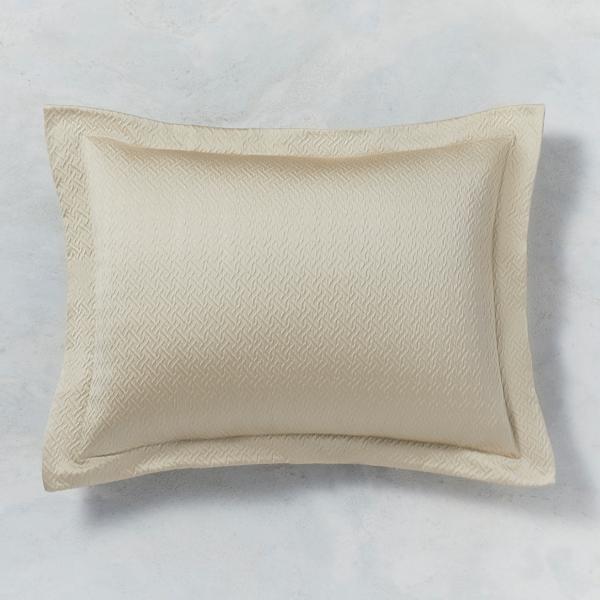 Marlowe Jacquard Gold Bedding Set$549
A jacquard-woven gold bedding collection offering subtle texture and year-round comfort with polyester and cotton.
Add To Cart -
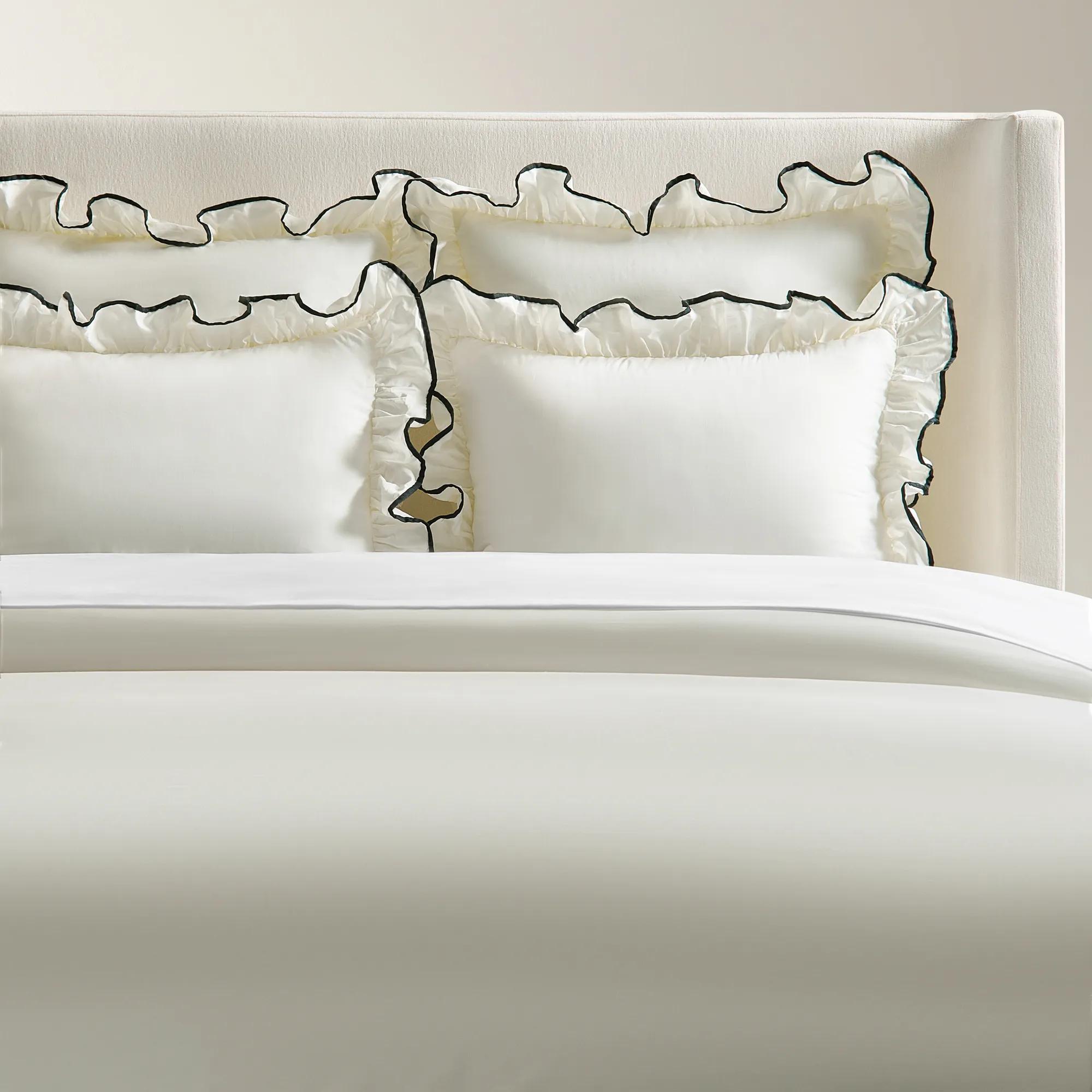
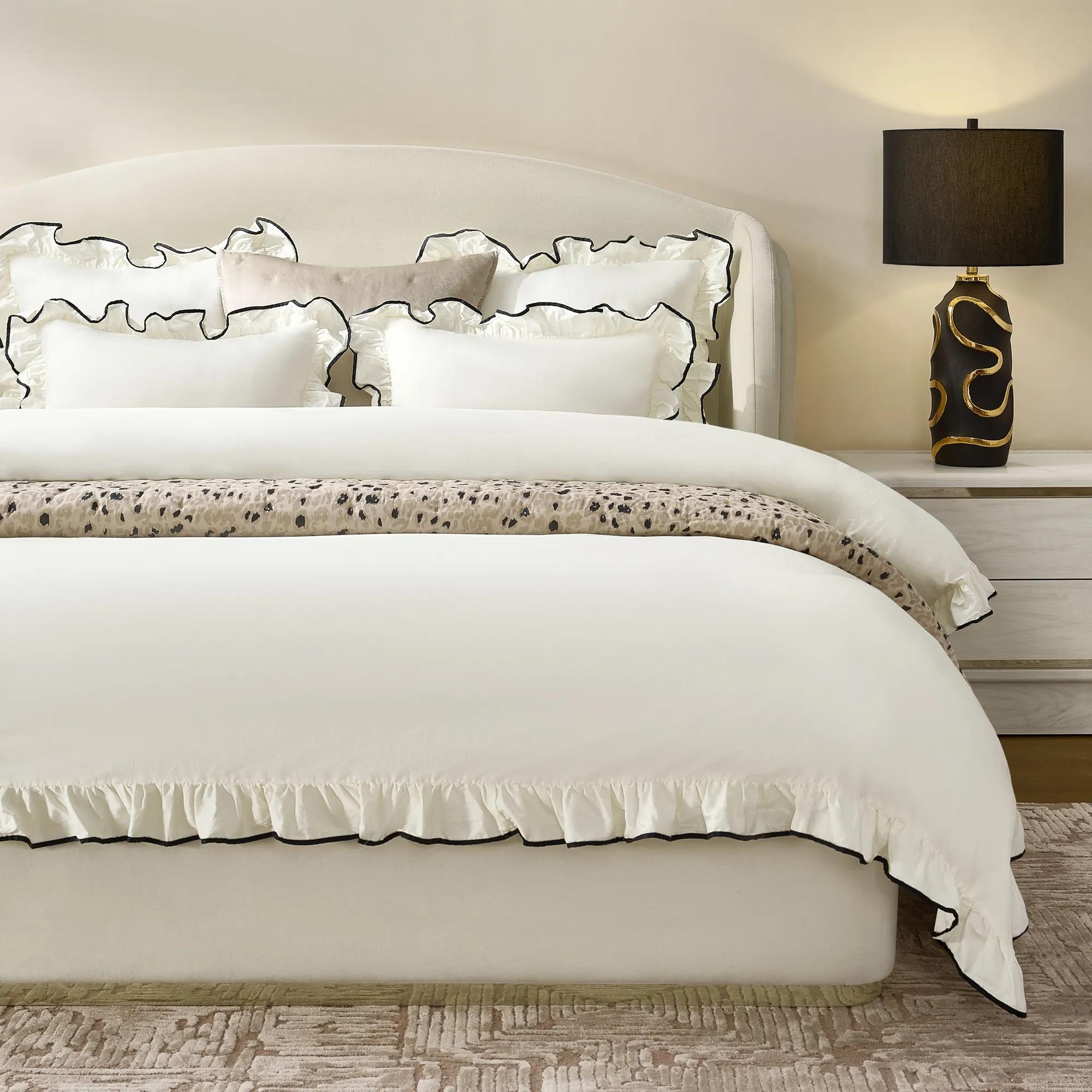 Vittoria Ivory/Black Cotton Percale Ruffle Bedding Set$299
An ivory cotton percale bedding set featuring dramatic black ruffle trim for a crisp, Deco-inspired look.
Add To Cart -
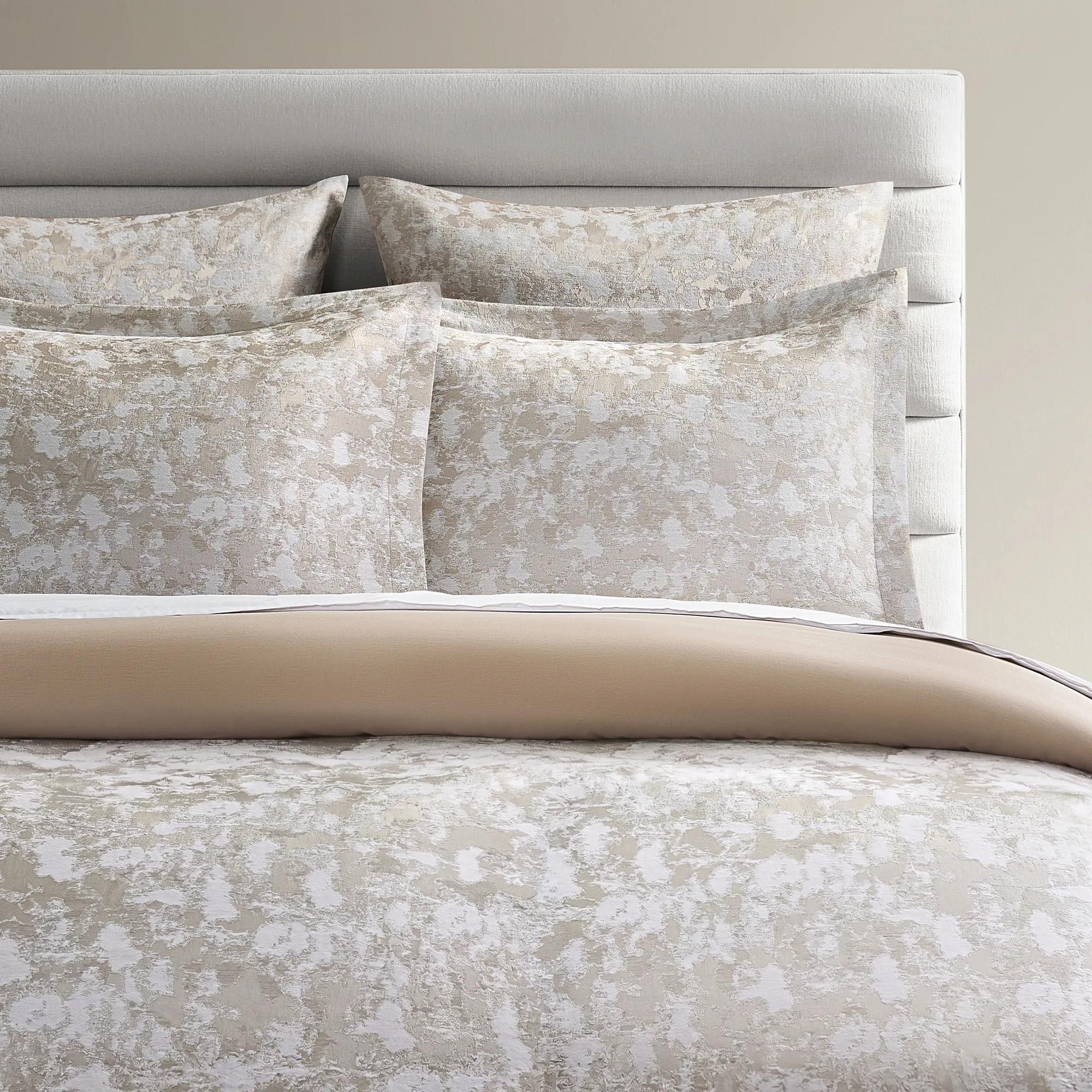 Nimbus Jacquard Metallic Champagne and Silver Bedding Set$229
A cloud-like bedding set in champagne and silver metallic jacquard with a marbled pattern and soft shimmer.
Add To Cart -
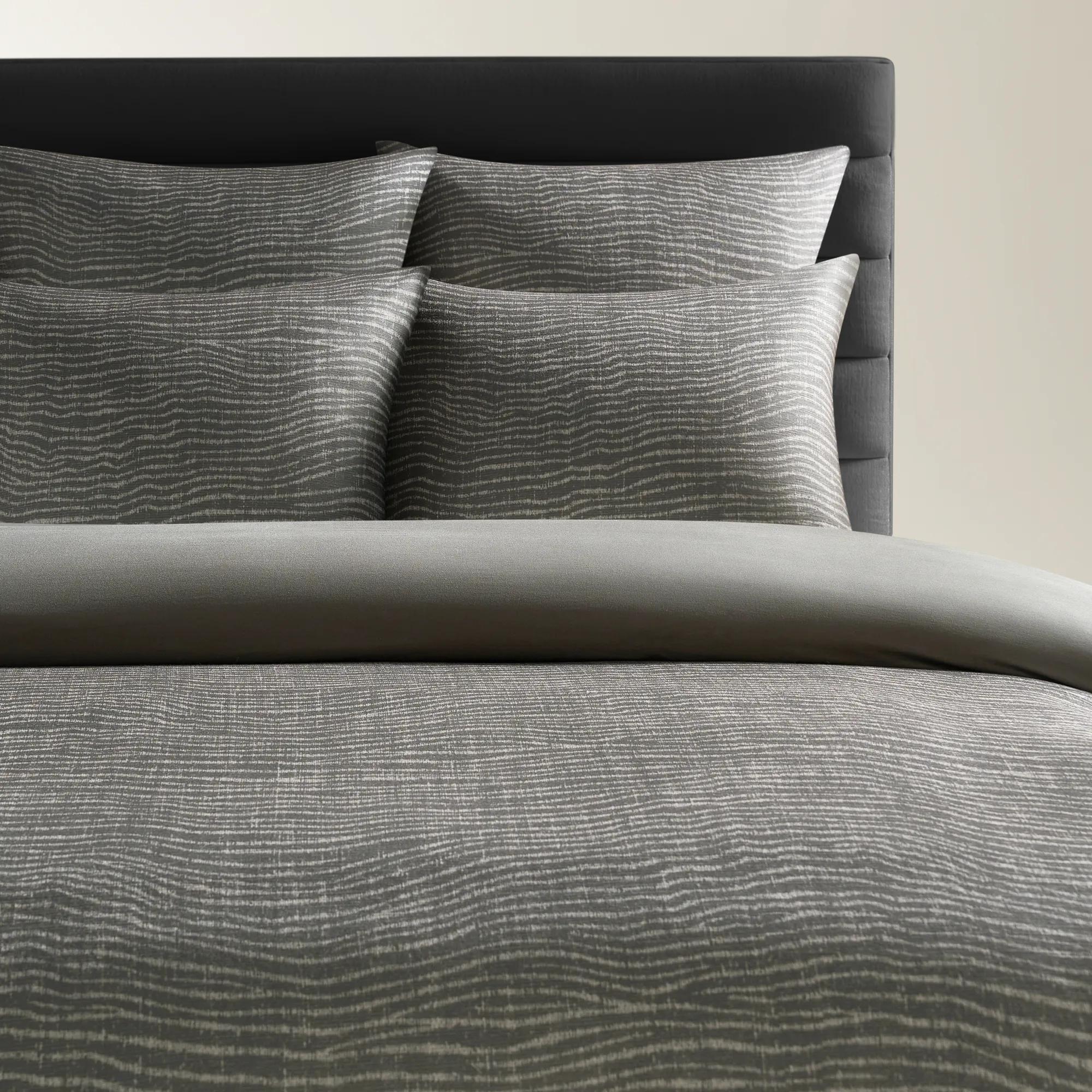 Sahara Bedding Set - Charcoal$199
A soft jacquard bedding set in calming charcoal with a subtle wave-inspired zebra print and refined details.
Add To Cart -
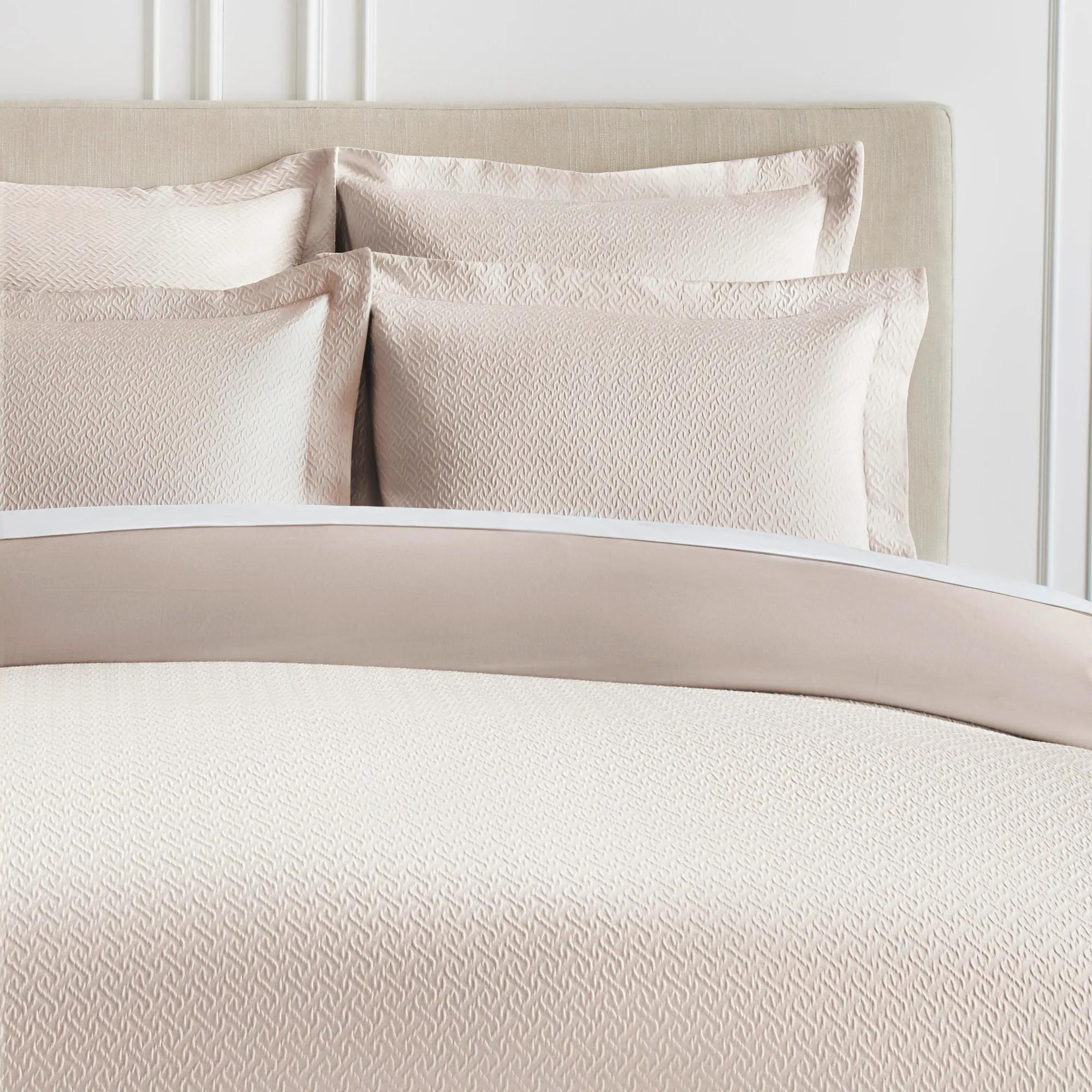
 Marlowe Jacquard Blush Bedding Set$549
A blush jacquard bedding collection offering subtle texture and year-round comfort with a soft cotton blend.
Add To Cart -
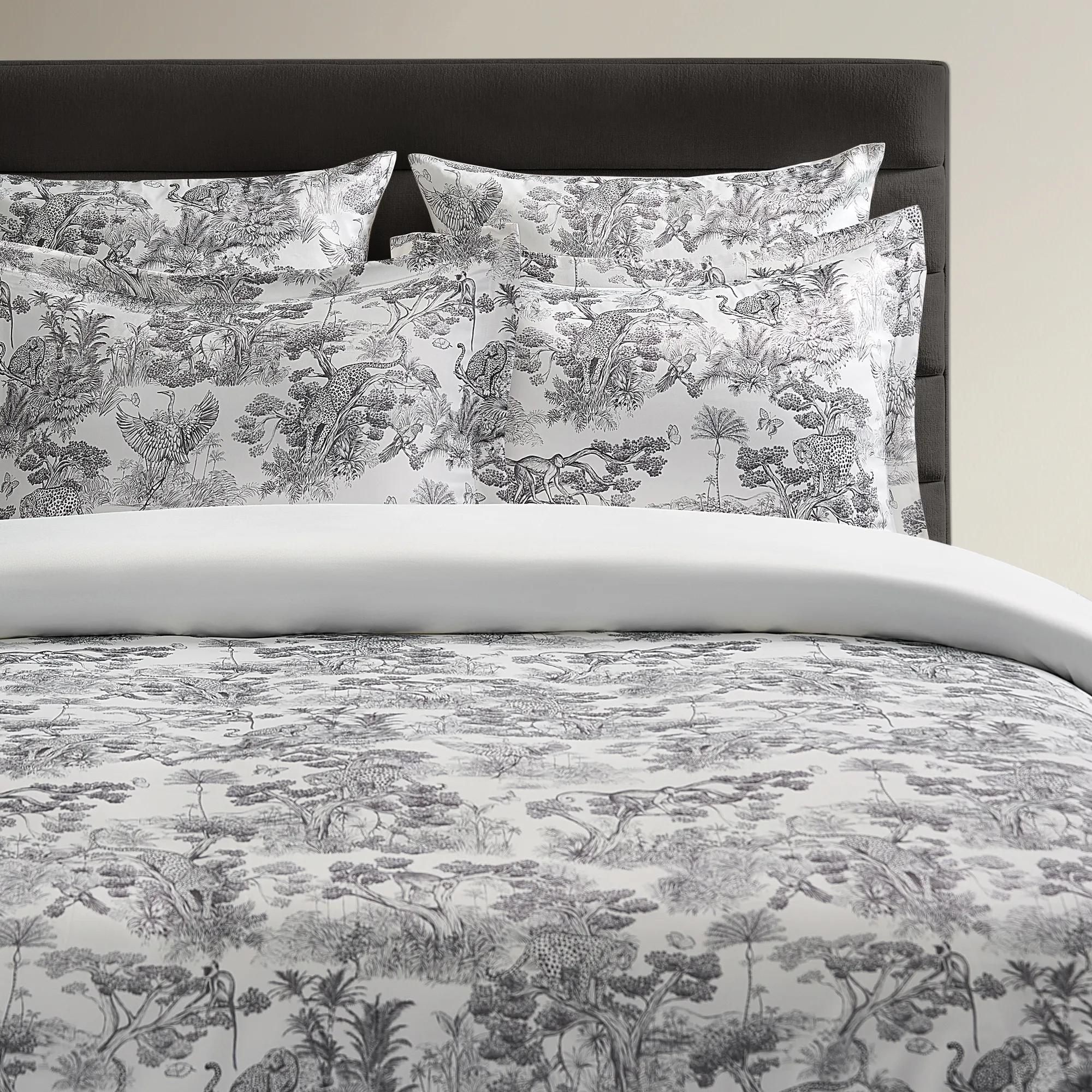
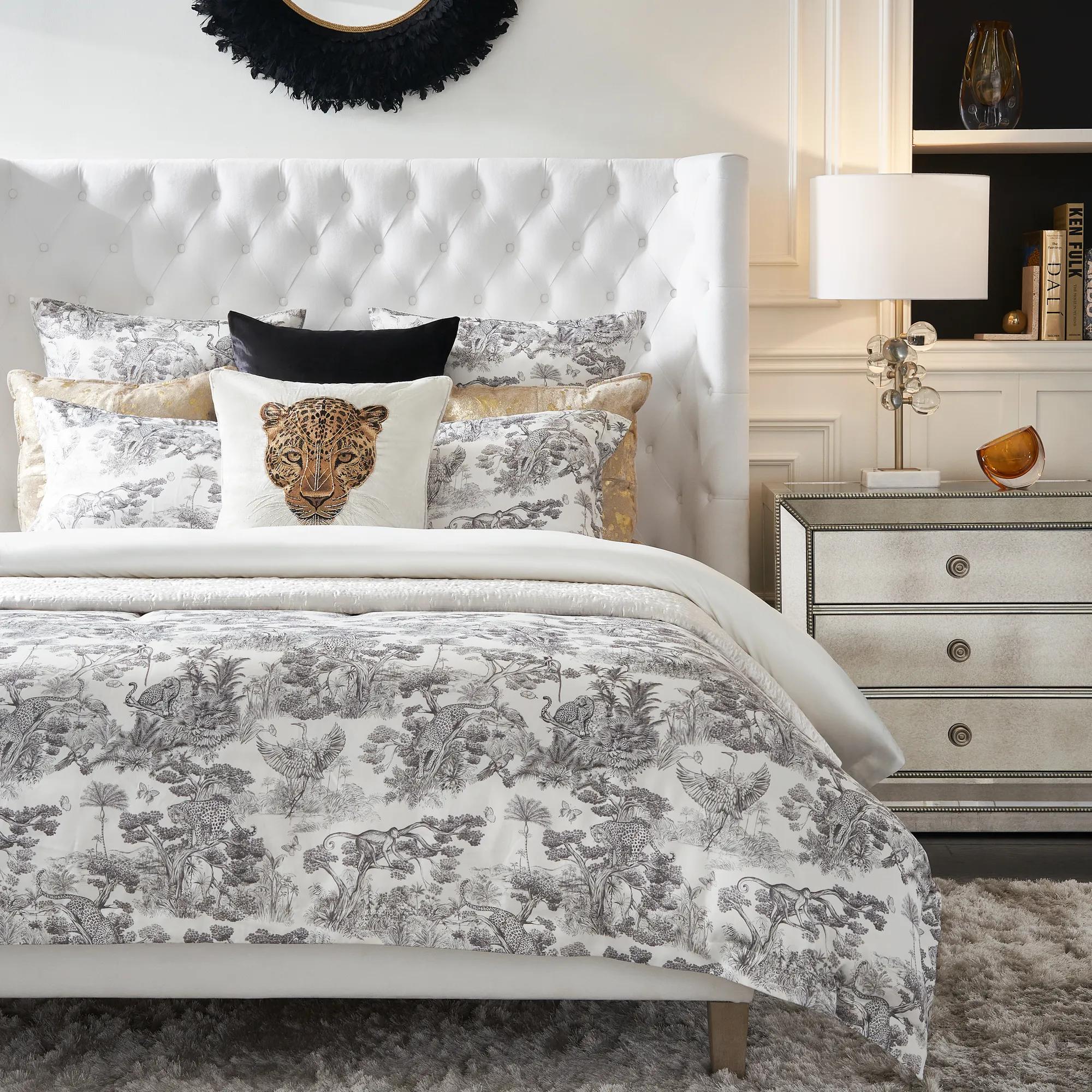 Jungle Toile Bedding Set - Ivory/Black$189
An elegant ivory and black bedding set featuring a luxurious satin jungle print and refined flange edging.
Add To Cart -
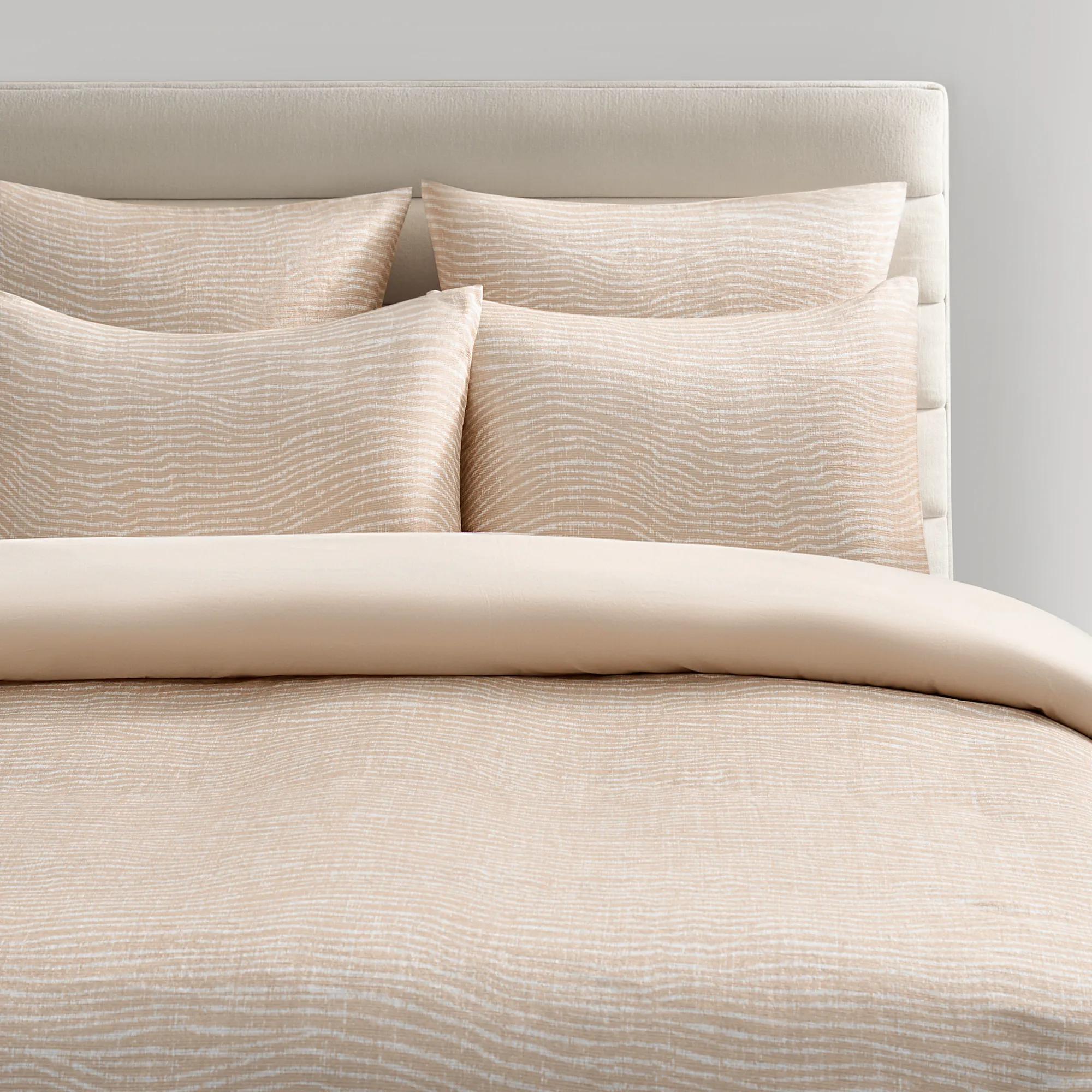 Sahara Bedding Set - Tan/Cream$199
A soft jacquard bedding set in tan and cream with a subtle wave-inspired zebra print and button closure.
Add To Cart -
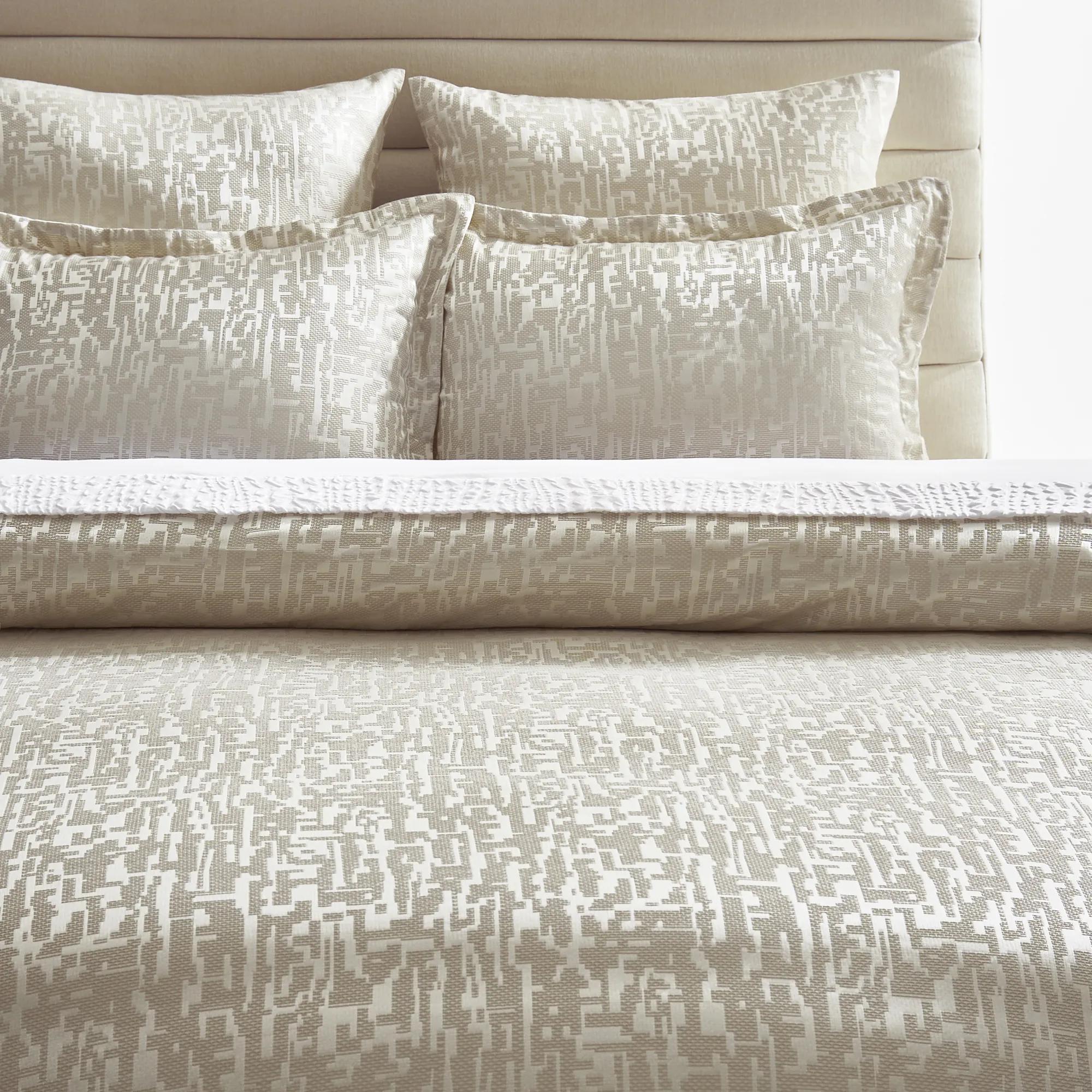
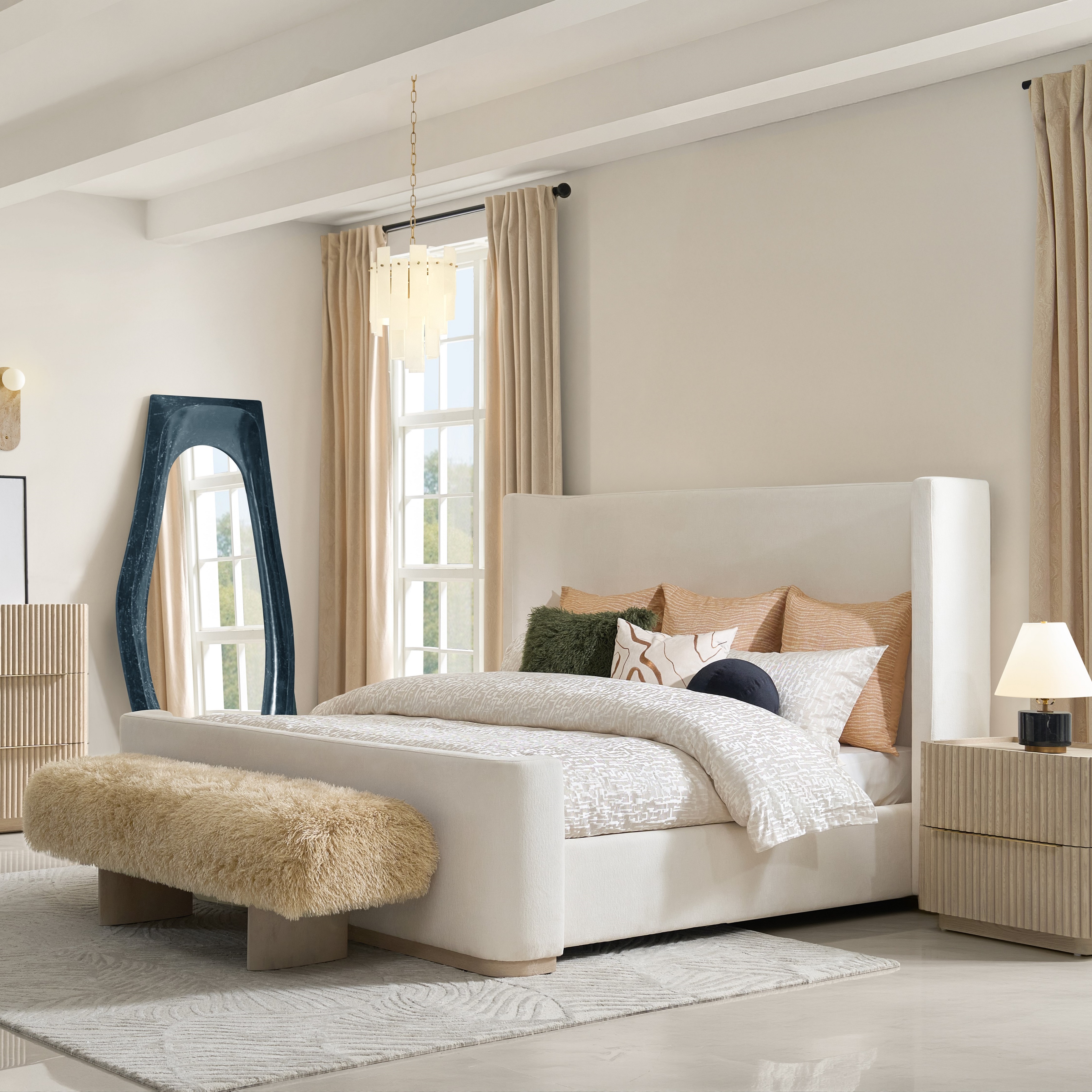 Podva Embroidered Pearl/Ivory Bedding Set$249
A satin and cotton bedding set in pearl and ivory, featuring modern embroidery and crisp flange edges.
Add To Cart -
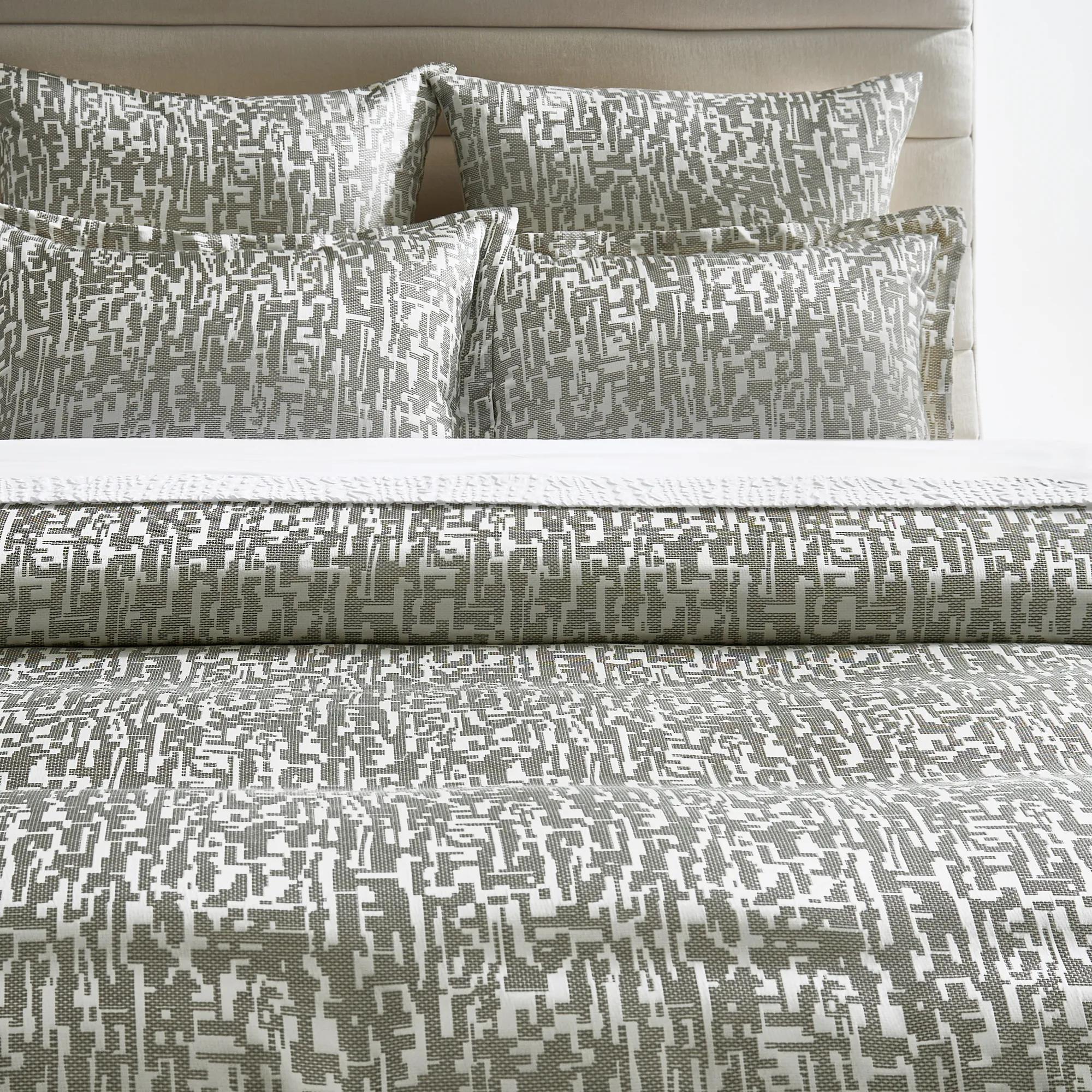
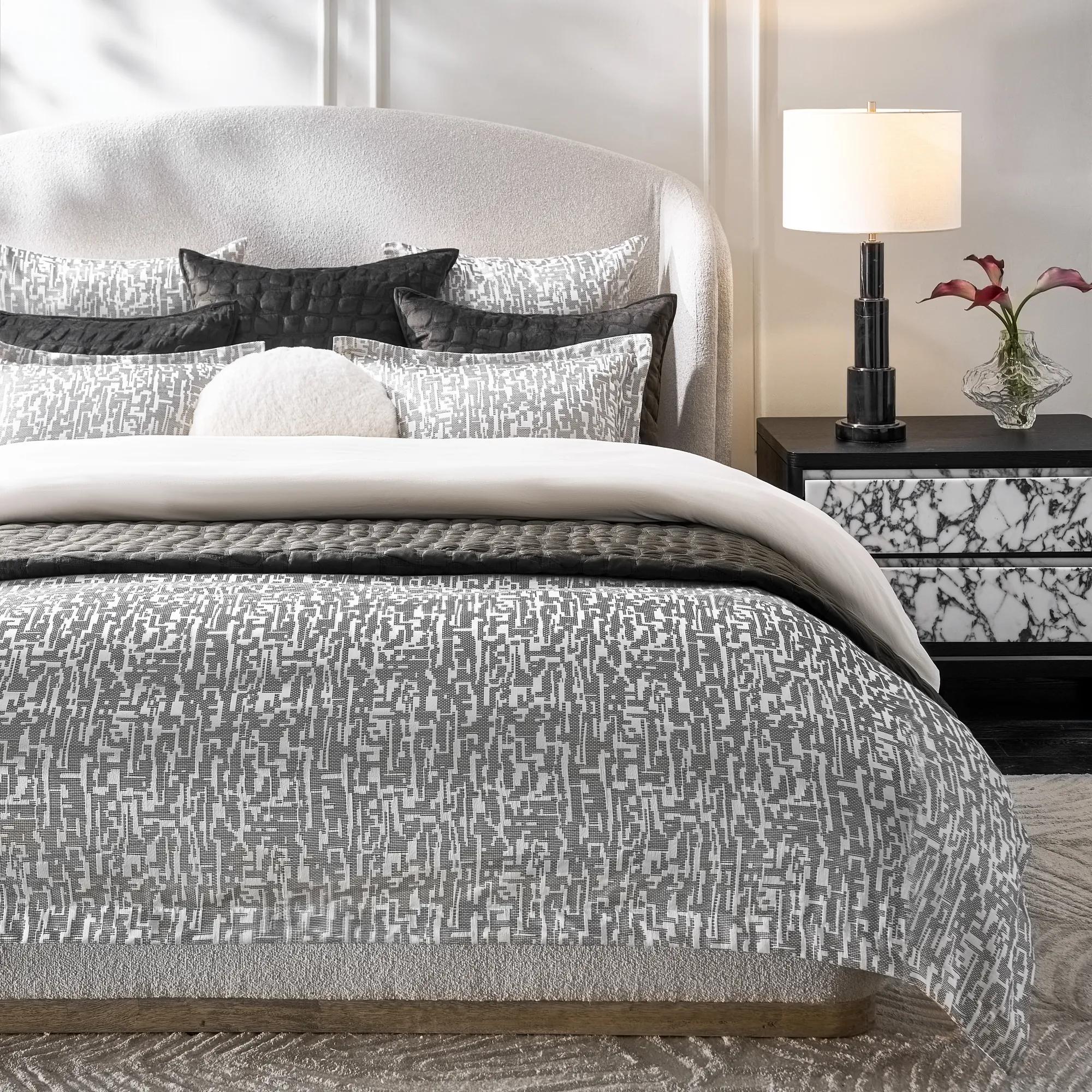 Podva Embroidered Bedding Set - Pearl/ Charcoal$279
A smooth satin bedding set in pearl and charcoal, featuring abstract embroidery and tailored flange edges.
Add To Cart -

 Jungle Toile Bedding Set - Pale Pink$189
A luxurious satin bedding set featuring a delicate black jungle print on a pale pink background.
Add To Cart -
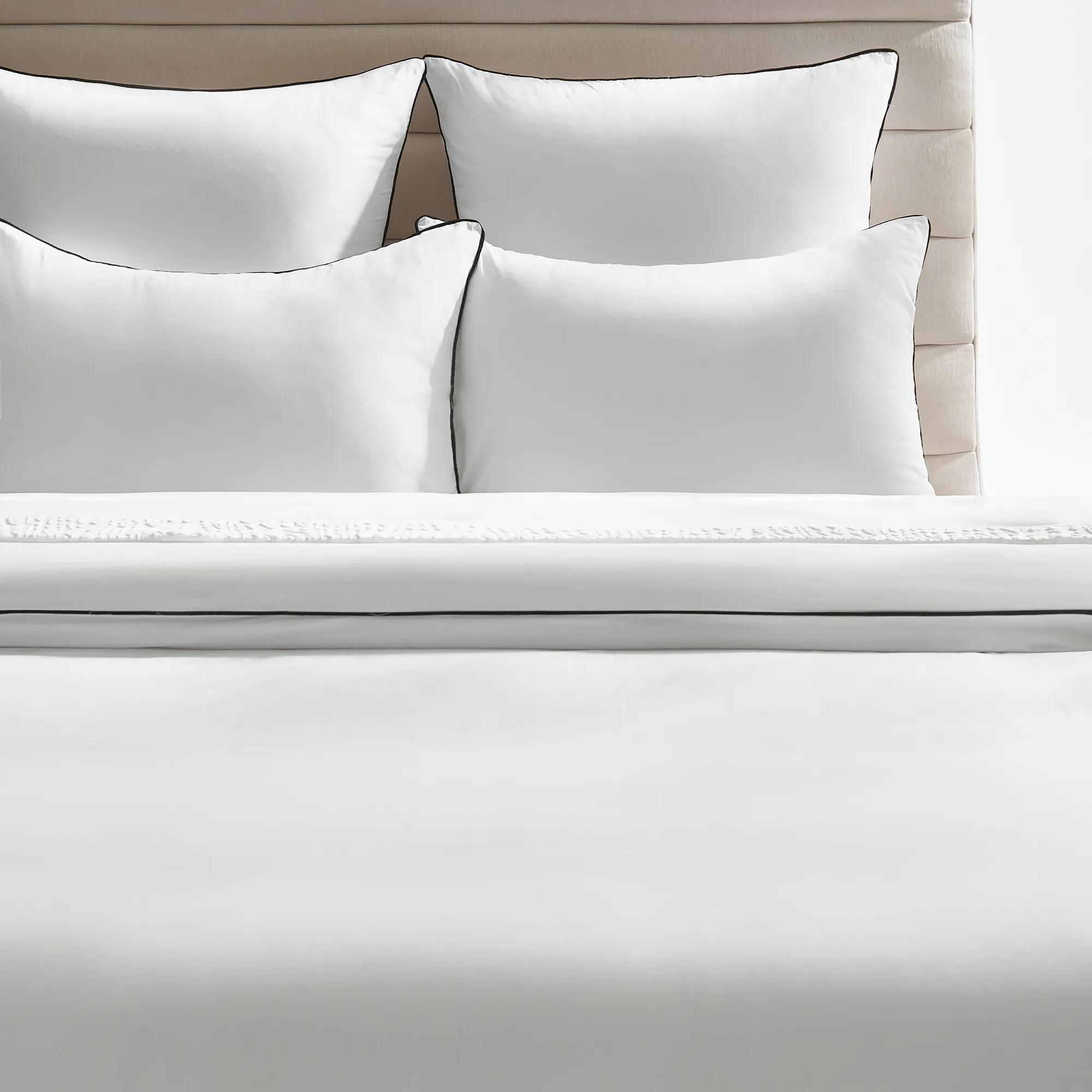 Sarla Contrast Cotton Percale Bedding Set - White/Black$229
A crisp white cotton percale bedding set featuring modern black piping for a refined, graphic contrast.
Add To Cart -

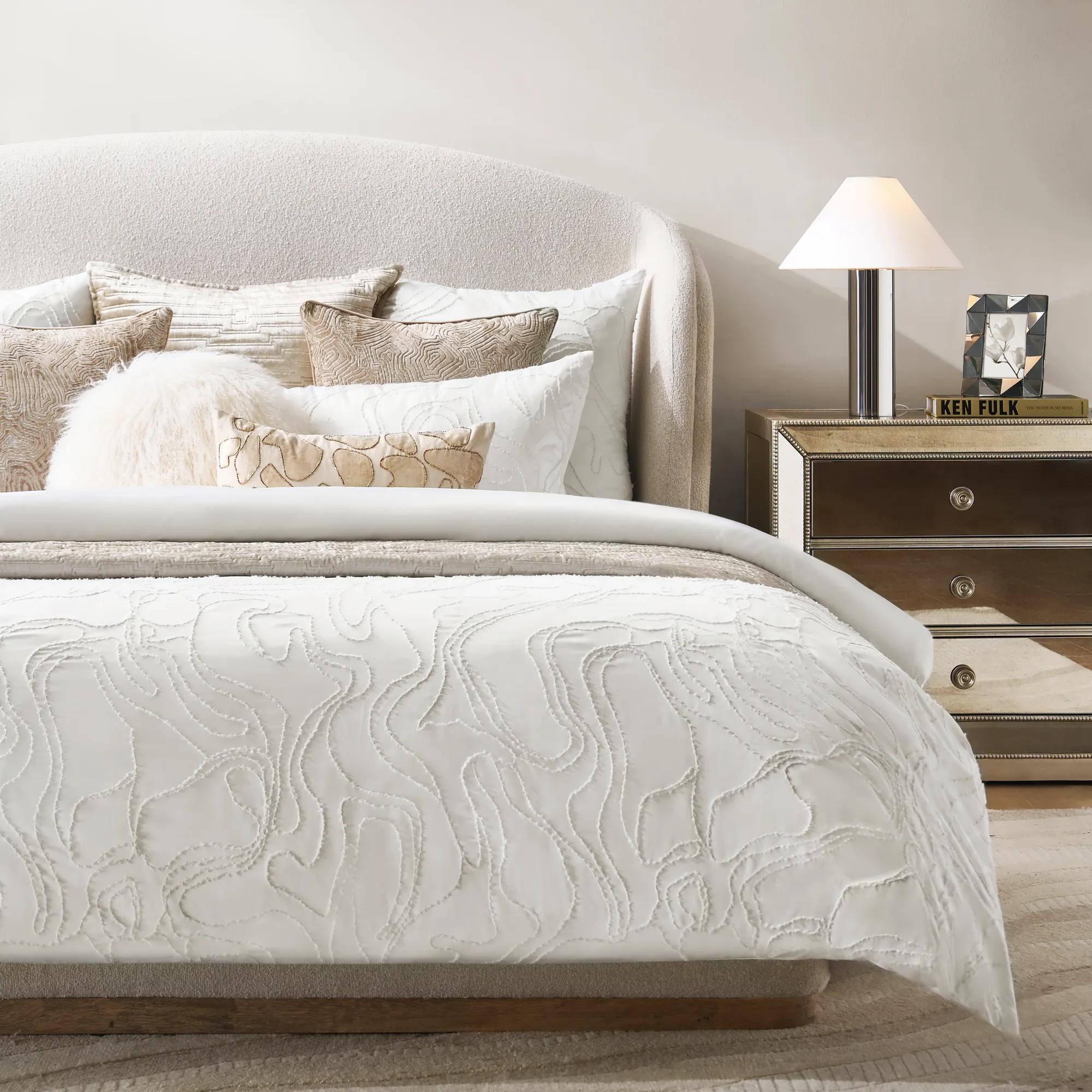 Noa Embroidered Pearl White Bedding Set$229
A luminous pearl satin bedding set featuring an embroidered swirl pattern for a touch of sophisticated elegance.
Add To Cart -
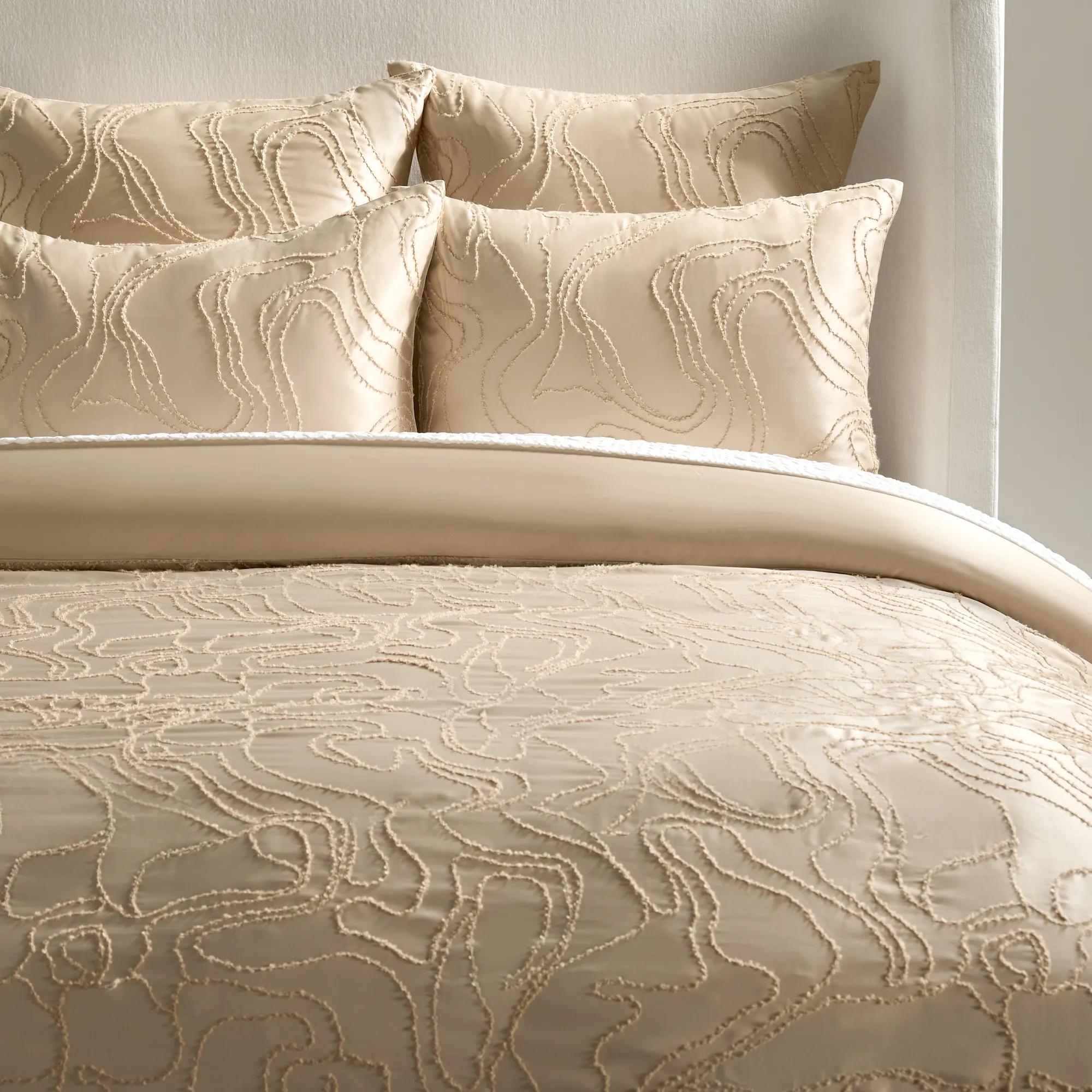 Noa Embroidered Champagne Beige Bedding Set$229
A champagne beige embroidered bedding set with a duvet cover and coordinating sham covers.
Add To Cart -
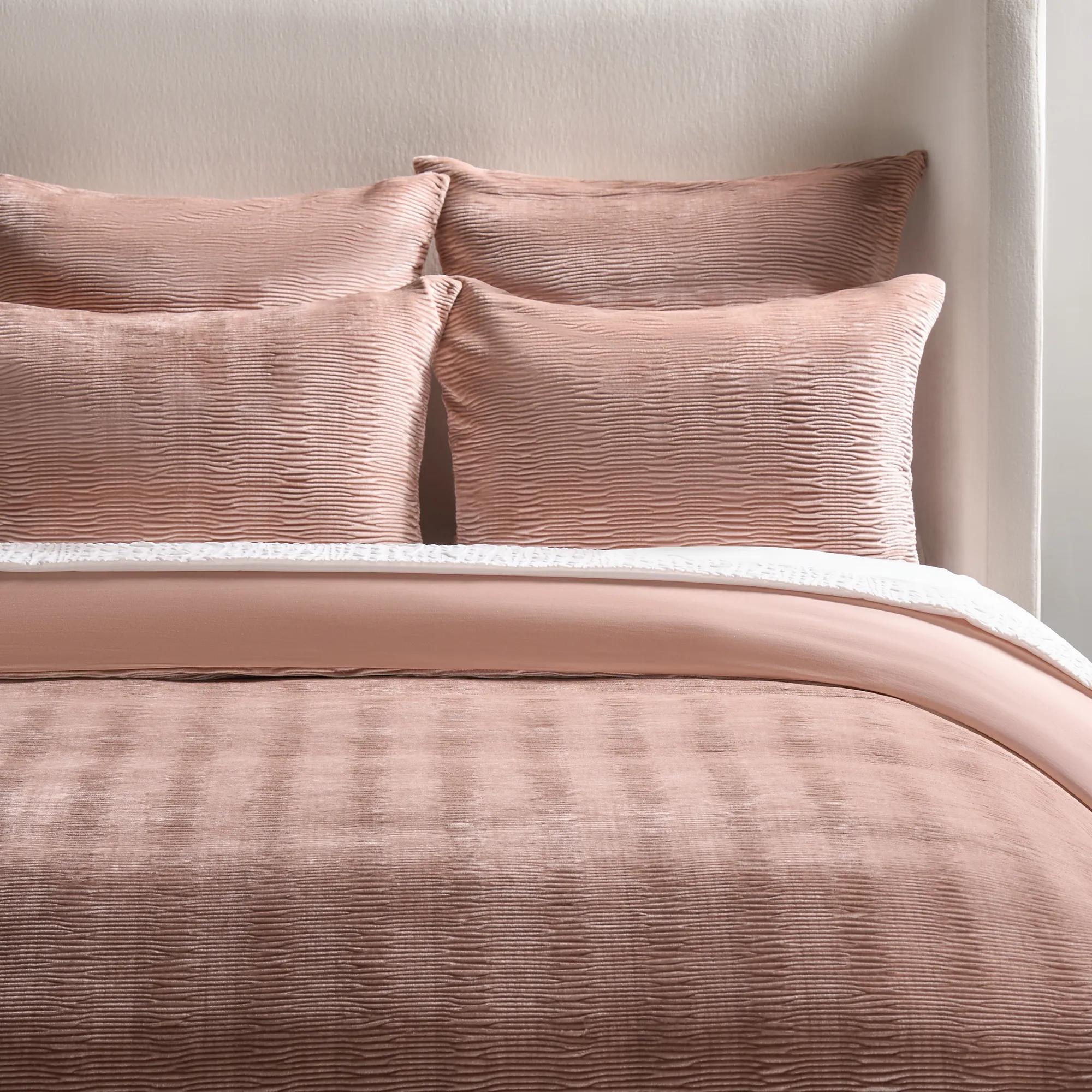
 Vera Velvet Bedding Set - Mocha Rose$69
A luxurious mocha rose velvet bedding set with a duvet cover and coordinating sham covers.
Add To Cart -
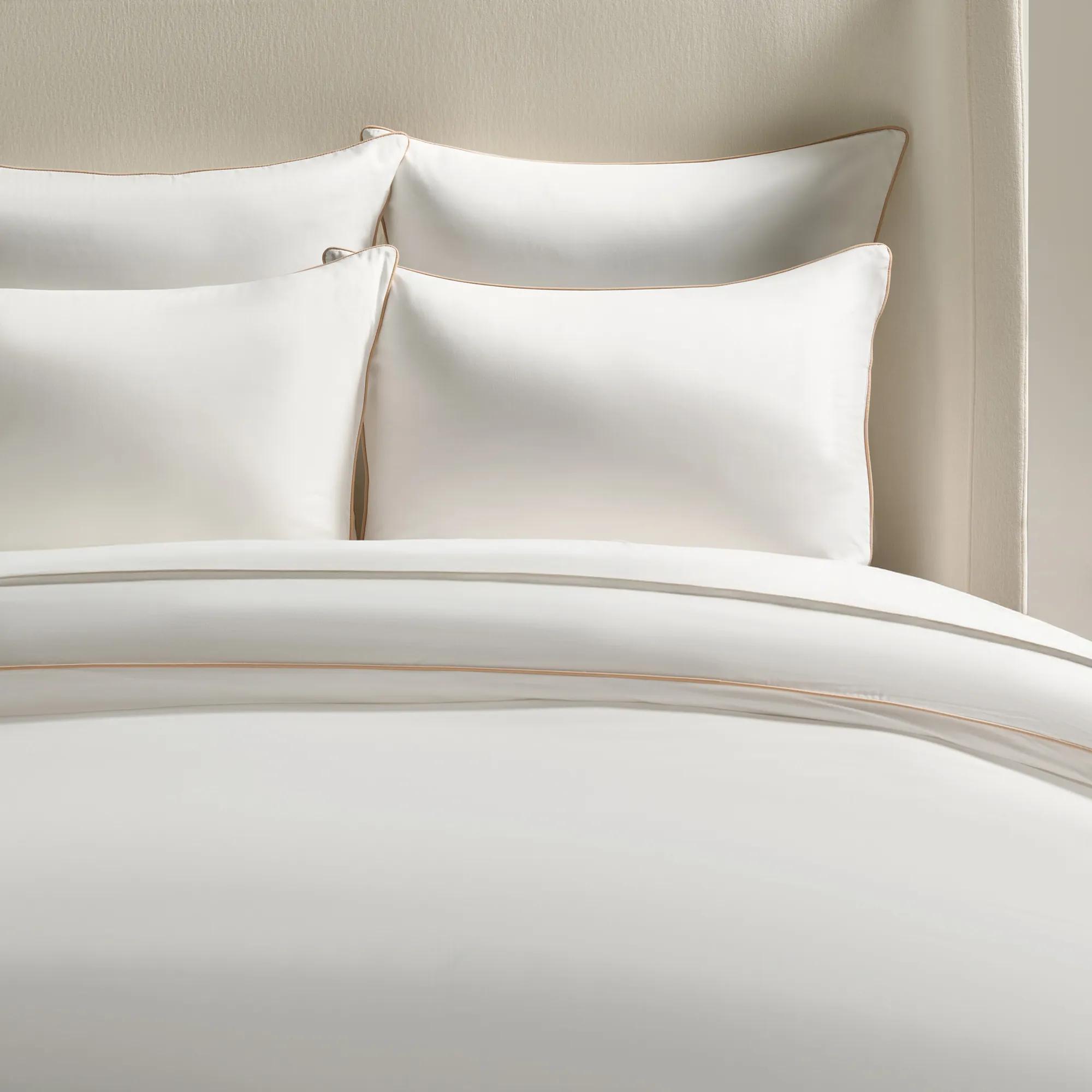
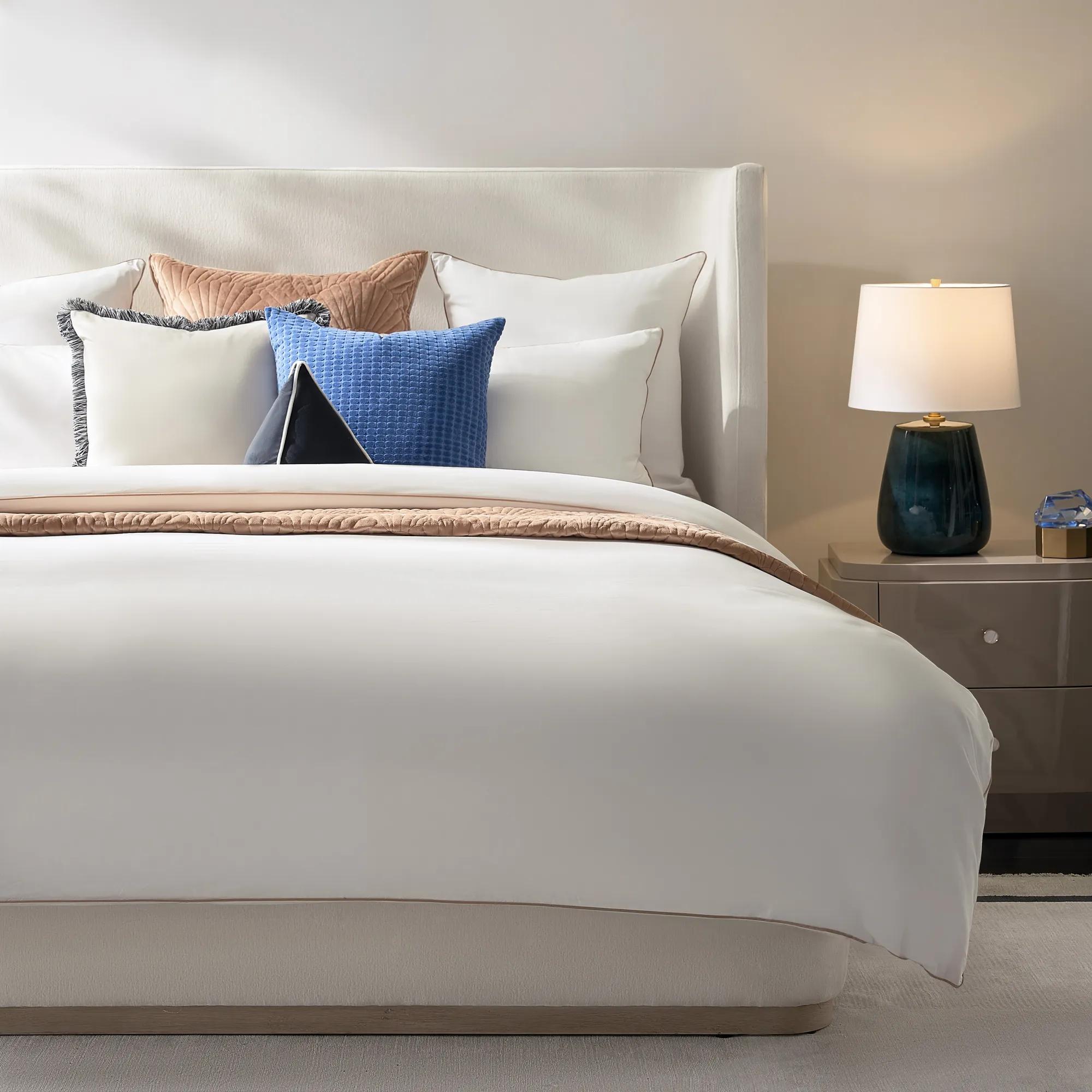 Sarla Contrast Cotton Percale Bedding Set - White/Tan$229
A crisp cotton percale bedding set in white and tan, featuring coordinating duvet and sham covers.
Add To Cart

Exclusive Textured Duvet Covers
Transform your bedroom into a sanctuary of sensory delight with exclusive textured duvet covers that invite both admiration and indulgence. Each piece is a tactile masterpiece, designed to awaken the senses and elevate your nightly retreat into an experience of pure artistry. Whether you crave subtle dimension or bold, sculptural surface detail, these duvet covers offer a canvas for self-expression—layering visual intrigue and sumptuous comfort in every fold. Let your bedding become the centerpiece of your personal haven, where texture reigns and luxury is always within reach.
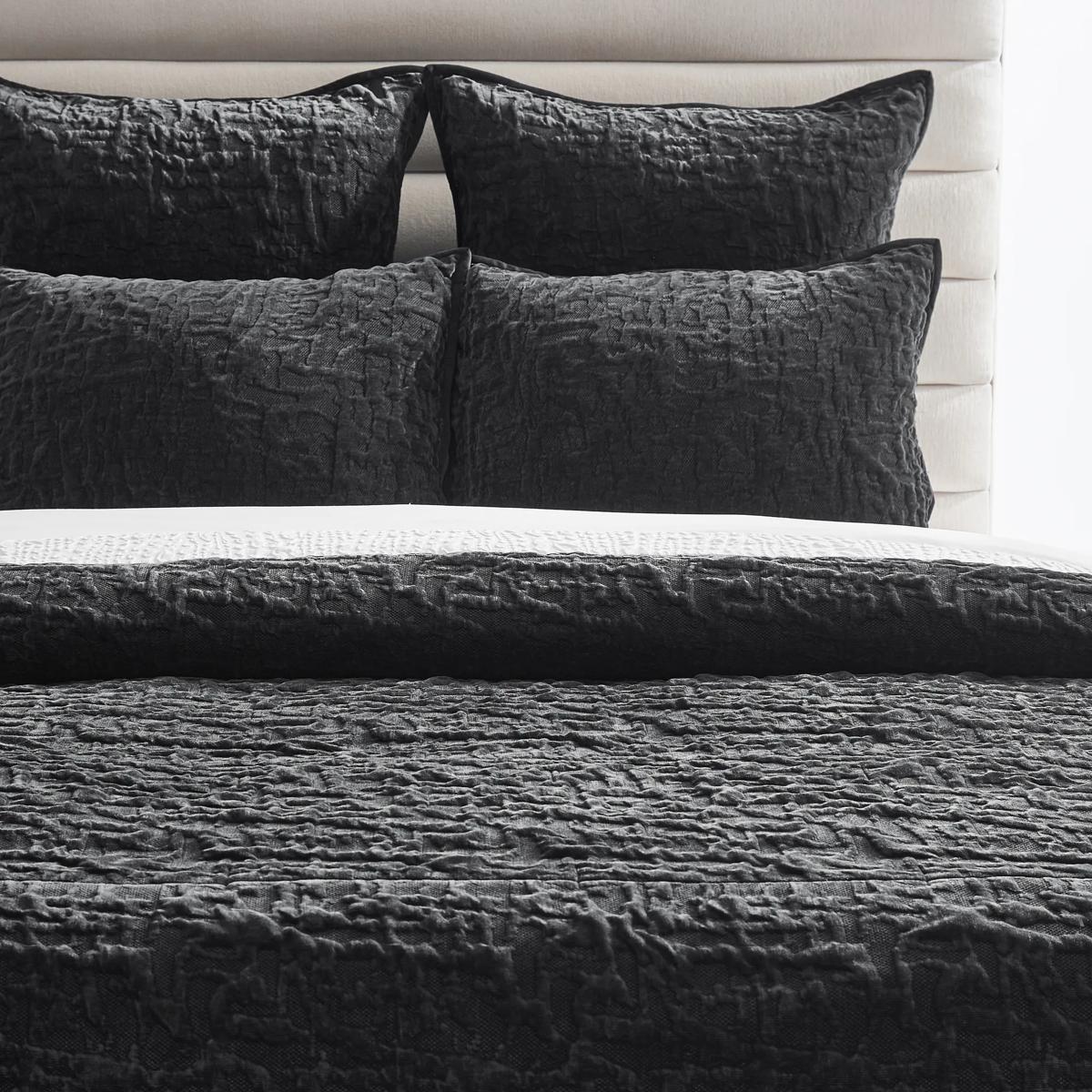
Exclusive textured duvet covers give the bed a sculptural presence, turning an expansive sweep of fabric into a composition of raised pattern, subtle shadow, and inviting softness. A duvet cover is a removable fabric shell designed to surround a separate duvet insert; its texture can come from the weave, decorative stitching, tufting, or other surface details rather than from added filling. That distinction makes texture especially expressive: the bed can look richly dimensional without relying on a bold print or layers of ornament. Waffle weaves create a repeating honeycomb effect, jacquard fabrics incorporate patterns into the weave itself, and matelassé offers a raised, quilted appearance that does not necessarily involve separate batting. Tufted motifs bring a more pronounced contrast between smooth ground fabric and plush detail, while a softly slubbed linen surface creates depth through irregular yarns. Each treatment catches light differently. An ivory geometric weave can appear almost architectural against an upholstered headboard, while a tonal botanical pattern introduces movement without interrupting a carefully composed palette. Material shapes the experience as much as pattern. Cotton is often chosen for its absorbency and familiar softness; linen has a distinctive, naturally irregular hand and tends to soften with use. Cotton-linen blends can combine a more relaxed surface with a smoother feel, while fabrics containing synthetic fibers may offer greater wrinkle resistance, depending on their construction. Fiber content alone does not determine softness, weight, or durability: yarn quality, weave density, finishing, and the height of decorative details all contribute. A deeply textured face paired with a smooth reverse can offer visual drama on top and a gentler surface underneath, when that construction is specified. For a bedroom built around polished metal, mirrored furniture, or a substantial upholstered bed, textured bedding provides a tactile counterpoint. In a room with fewer decorative elements, it gives the bed enough detail to hold attention on its own. The result is expressive rather than crowded, with dimension doing the work that color or print might otherwise carry.
The appeal of Luxury Textured Duvet Covers also depends on proportion, construction, and the way the bed is used every day. A beautifully scaled pattern needs the right foundation: the cover’s listed width and length should be compared with the actual dimensions of the duvet insert, not selected by the bed-size name alone. Full/queen and king labels can encompass different measurements, and a California king mattress does not automatically require the same bedding dimensions as a standard king. A closely matched cover and insert generally create a more even silhouette; too much empty fabric can collapse at the edges, while an overly large insert may bunch or pull against seams. Corner ties or other interior attachment points, when present, help secure an insert with corresponding loops. Button and zipper closures offer different finishes, but either should sit neatly and remain accessible for laundering. The desired drape matters, too. A tall mattress, substantial bed frame, or preference for generous side coverage makes checking measurements especially worthwhile. Pillow arrangements can reinforce that sense of scale without overwhelming the texture. Smooth shams allow a dimensional duvet cover to remain the focal point, while matching textured shams create a more enveloping, coordinated effect. Set contents should be checked individually, since a duvet cover does not inherently include shams or an insert. These details make textured duvet covers suitable for a primary bedroom with a strong design identity, a guest suite intended to feel thoughtfully appointed, or a shared bedroom where tonal pattern offers an alternative to a prominent print. For someone refreshing a first home or celebrating a wedding or housewarming, a duvet cover can also be a personal gift when the recipient’s bedding dimensions, preferred materials, and decorating tastes are known. A restrained color does not have to mean a restrained impression: pearl, cream, charcoal, and other nuanced tones allow raised pattern to become the defining gesture, particularly when nearby surfaces are sleek and reflective.
Lasting beauty comes from choosing texture that suits the household as well as the room. Closely woven relief patterns generally present fewer exposed loops than loosely tufted or fringed surfaces, an important consideration when pets share the bed or jewelry may catch against decorative yarns. Dense embellishment can also make a cover heavier to handle, so the balance between visual richness and everyday ease deserves attention. Care requirements vary with fiber content, dyes, backing materials, and decorative finishes; the sewn-in care label should take precedence over assumptions about cotton, linen, or blended fabrics. Some covers permit machine washing, while others require more specialized care. When machine washing is allowed, securing closures, avoiding an overcrowded drum, and using the recommended cycle can help reduce unnecessary strain. Bleach, aggressive stain treatments, and excessive dryer heat may affect color or surface detail, depending on the fabric. Raised patterns benefit from thoughtful handling rather than vigorous rubbing, and ironing should follow the label because direct pressure can flatten certain textures. A cover that is fully dry before it returns to the bed or goes into storage is easier to keep fresh, while a spare cover allows laundering without leaving the insert unprotected. The removable construction also makes it possible to change the room’s visual character without replacing the entire bedding foundation. A softly ridged neutral can sit against crisp sheets for a composed, tailored effect; a more intricate jacquard can echo the curves of a sculptural lamp or the geometry of framed artwork. Rather than repeating the same motif everywhere, contrasting scales give each detail room to register. A broad woven pattern feels deliberate beside a finely textured accent pillow, and a smooth folded throw can frame a richly worked duvet without concealing it. With considered proportions, tactile materials, and care suited to the construction, an exclusive textured duvet cover becomes more than a finishing layer. It establishes the bed as the room’s centerpiece, balancing the intimacy of a comfortable retreat with the unmistakable presence of expressive design.
FAQs
A textured duvet cover distinguishes itself through its intricate surface detailing—think pleats, embroidery, jacquard weaves, or raised patterns—that add dimension and visual interest to your bedding. These tactile elements elevate the look and feel of your bedroom, creating a layered, luxurious effect that a smooth, standard duvet cover simply can’t match.
Textured duvet covers act as statement pieces, infusing your space with depth, richness, and personality. They can serve as the focal point of your bedroom or complement other decorative elements, such as metallic accents or bold wall art. By playing with light and shadow, these covers bring warmth and artistry to any aesthetic, from modern glam to classic elegance.
Absolutely—textured duvet covers are designed for versatility. While certain materials like velvet or heavy matelassé are ideal for creating a cozy winter retreat, lighter textures such as seersucker or cotton jacquard can transition beautifully into the warmer months, offering comfort and visual appeal throughout the year.
To maintain the integrity of your textured duvet cover, always follow the care instructions provided. In general, gentle washing in cold water and air drying or tumble drying on low are recommended to protect delicate embellishments and prevent shrinkage. Regularly fluffing and rotating the cover can also help maintain its shape and texture.
A textured duvet cover makes an exceptional gift for housewarmings, weddings, or special occasions. Its combination of artistry and comfort feels both personal and indulgent, allowing the recipient to enjoy a daily touch of luxury. Choose a style that reflects their taste and complements their home for a truly memorable present.