Bar Stools For Modern Apartments
Bar Stools For Modern Apartments
-
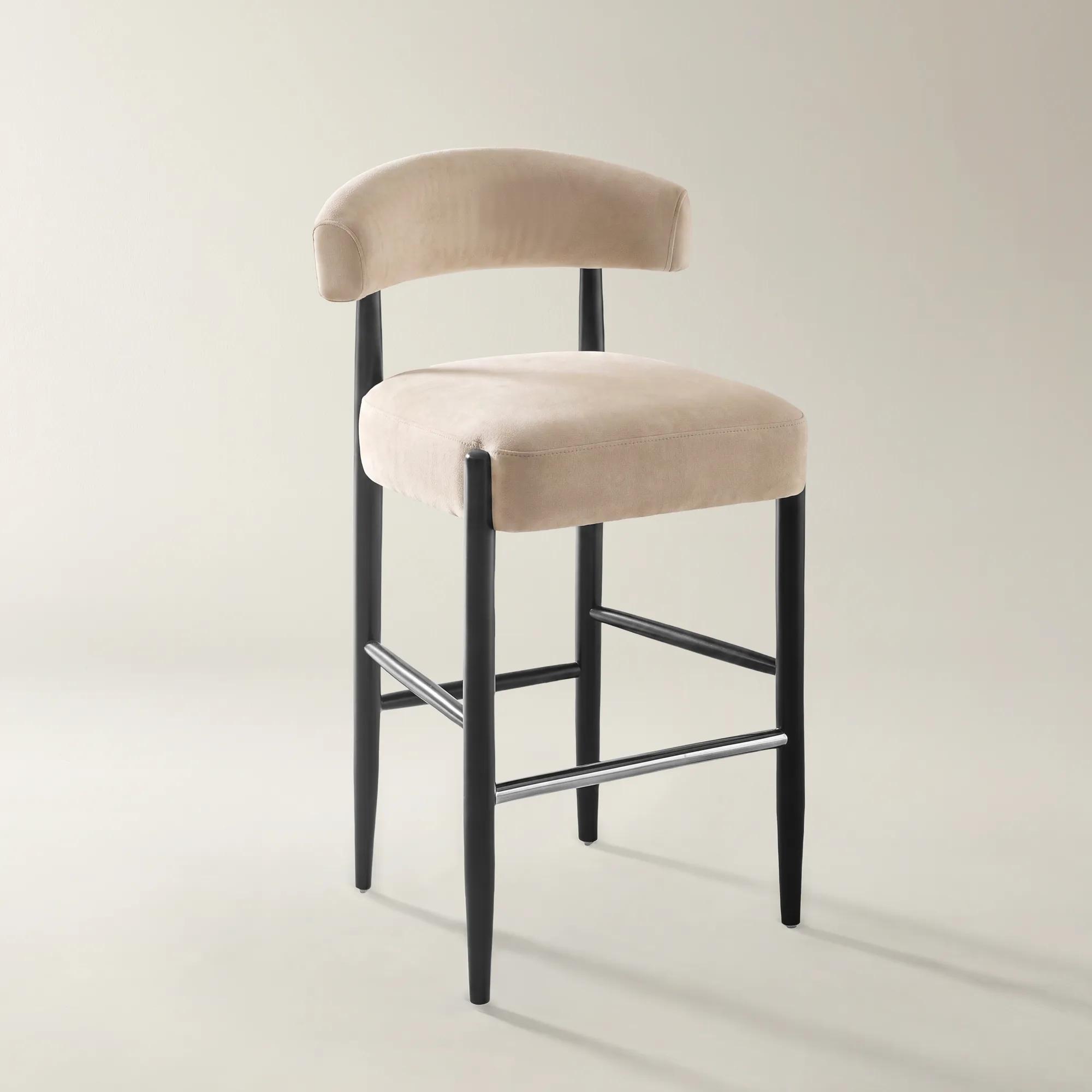 Anna Simply Taupe Velvet Bar/Counter Stool$449
A taupe velvet counter stool with a sculpted back, padded seat, and tapered solid-rubberwood base.
Add To Cart -
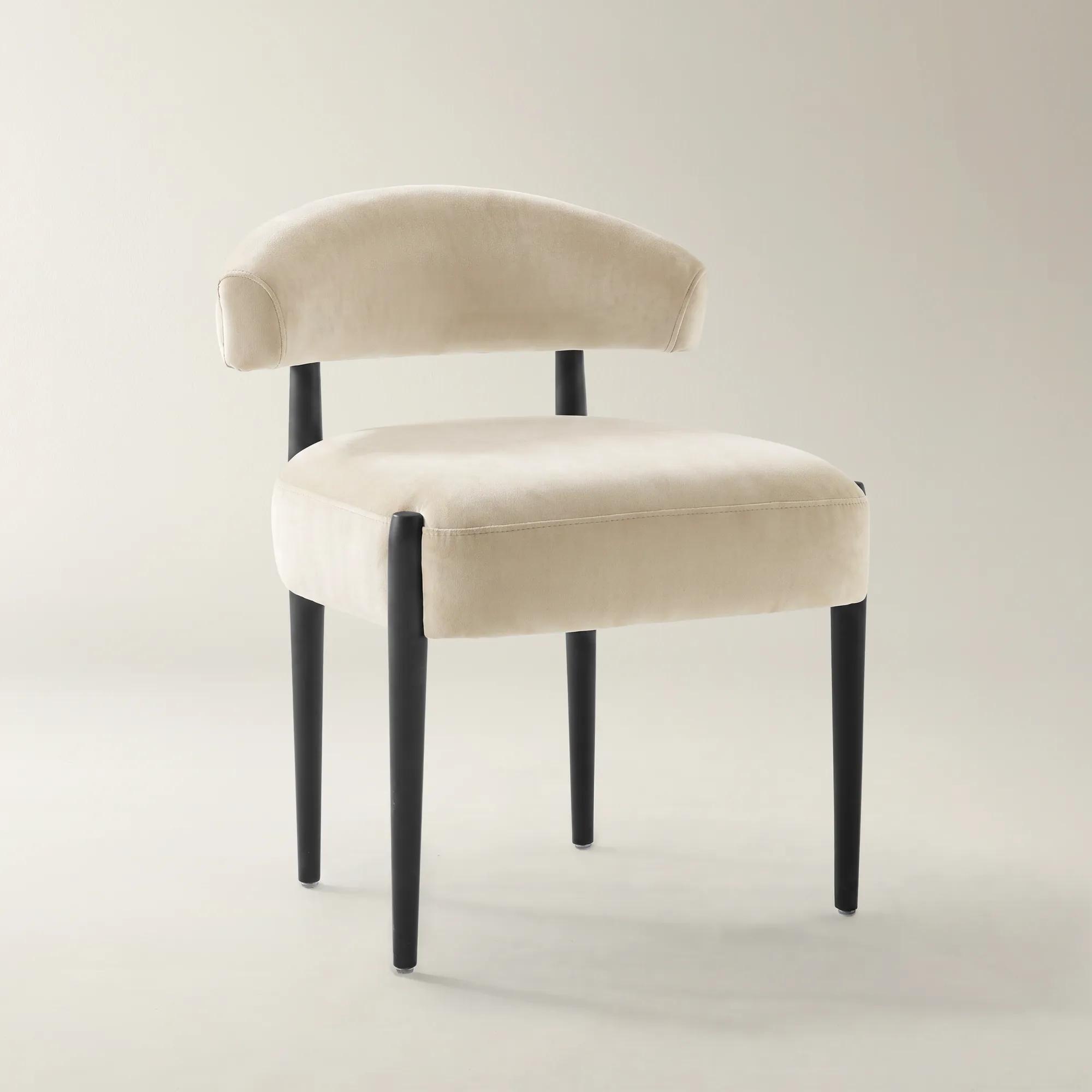
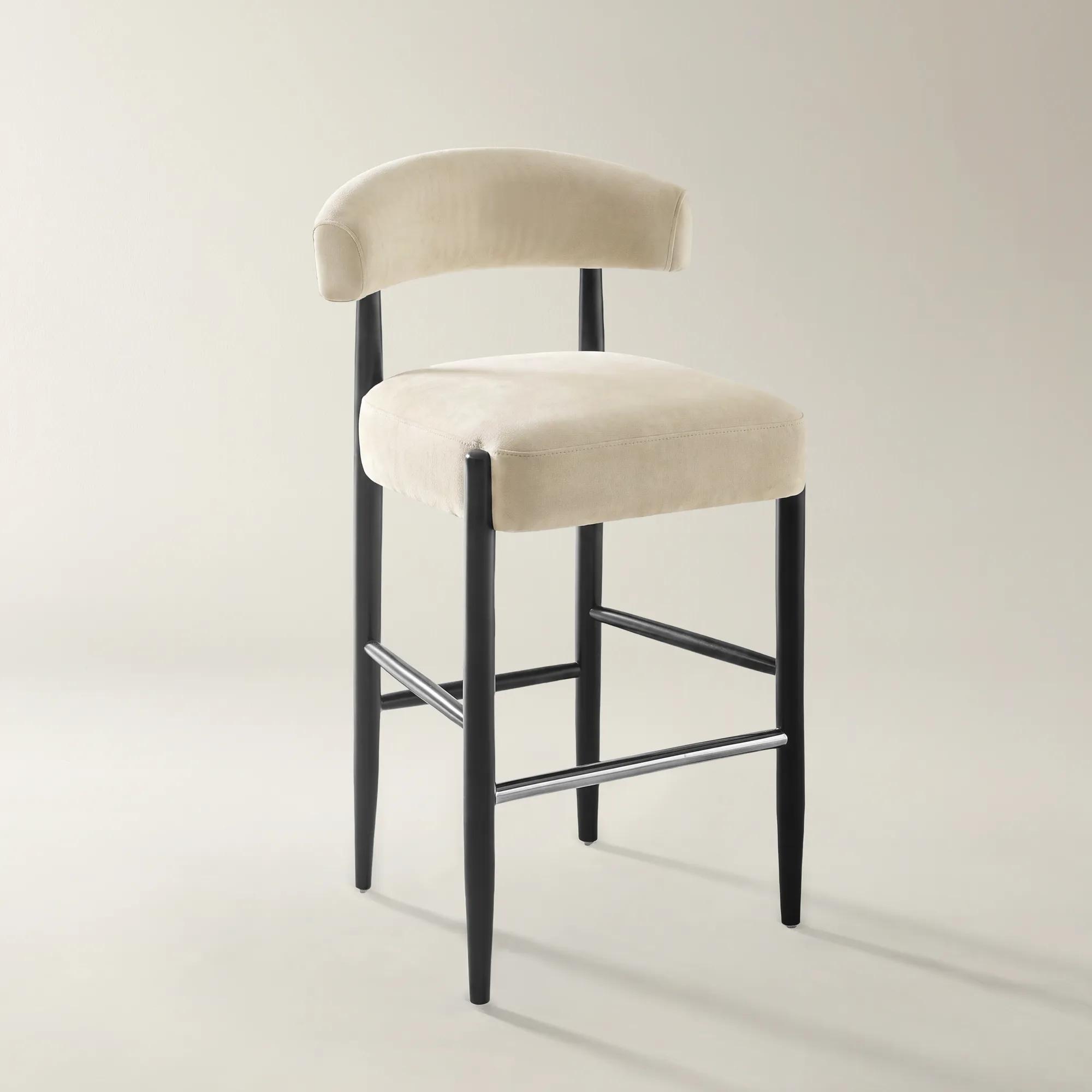 Anna Oatmeal Velvet Bar/Counter Stool$449
A counter stool with oatmeal velvet upholstery, sculpted back, padded seat, and solid rubberwood legs.
Add To Cart -
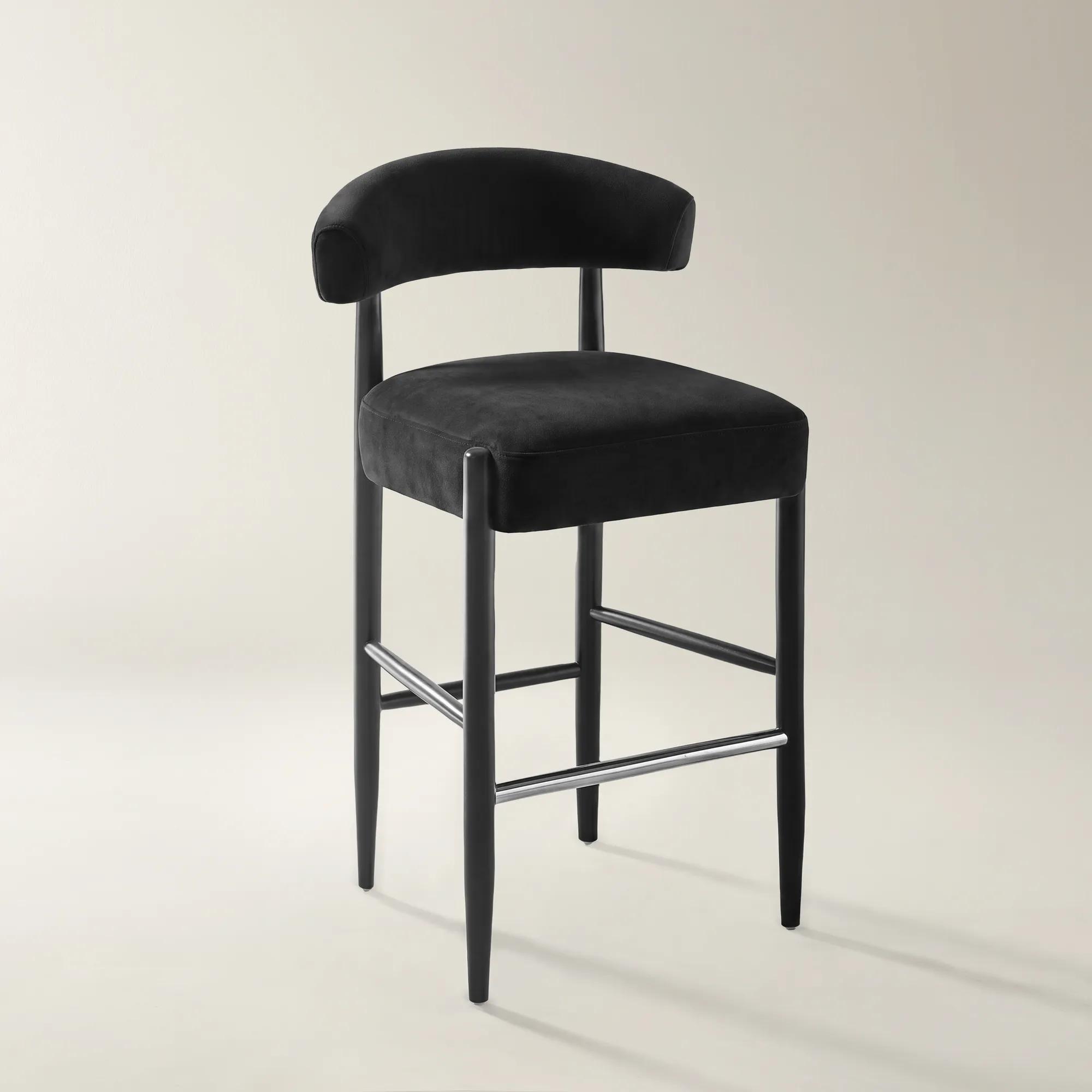 Anna Charcoal Velvet Bar/Counter Stool$449
A charcoal velvet bar stool with a sculpted padded seat and solid rubberwood legs.
Add To Cart -
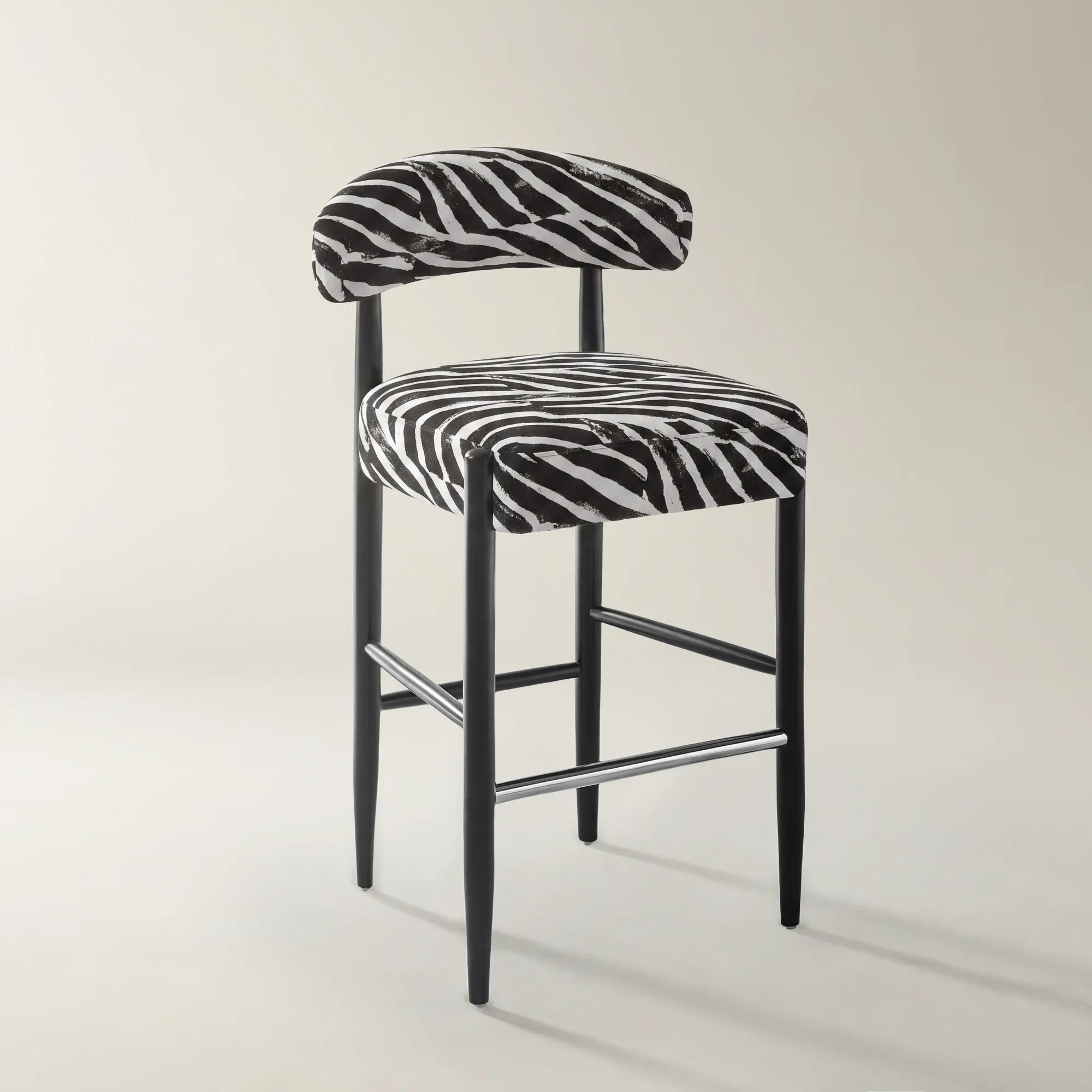 Anna White/Black Performance Chenille Bar/Counter Stool$449
A black-and-white chenille bar stool with a sculpted back, padded seat, and tapered solid rubberwood legs.
Add To Cart -
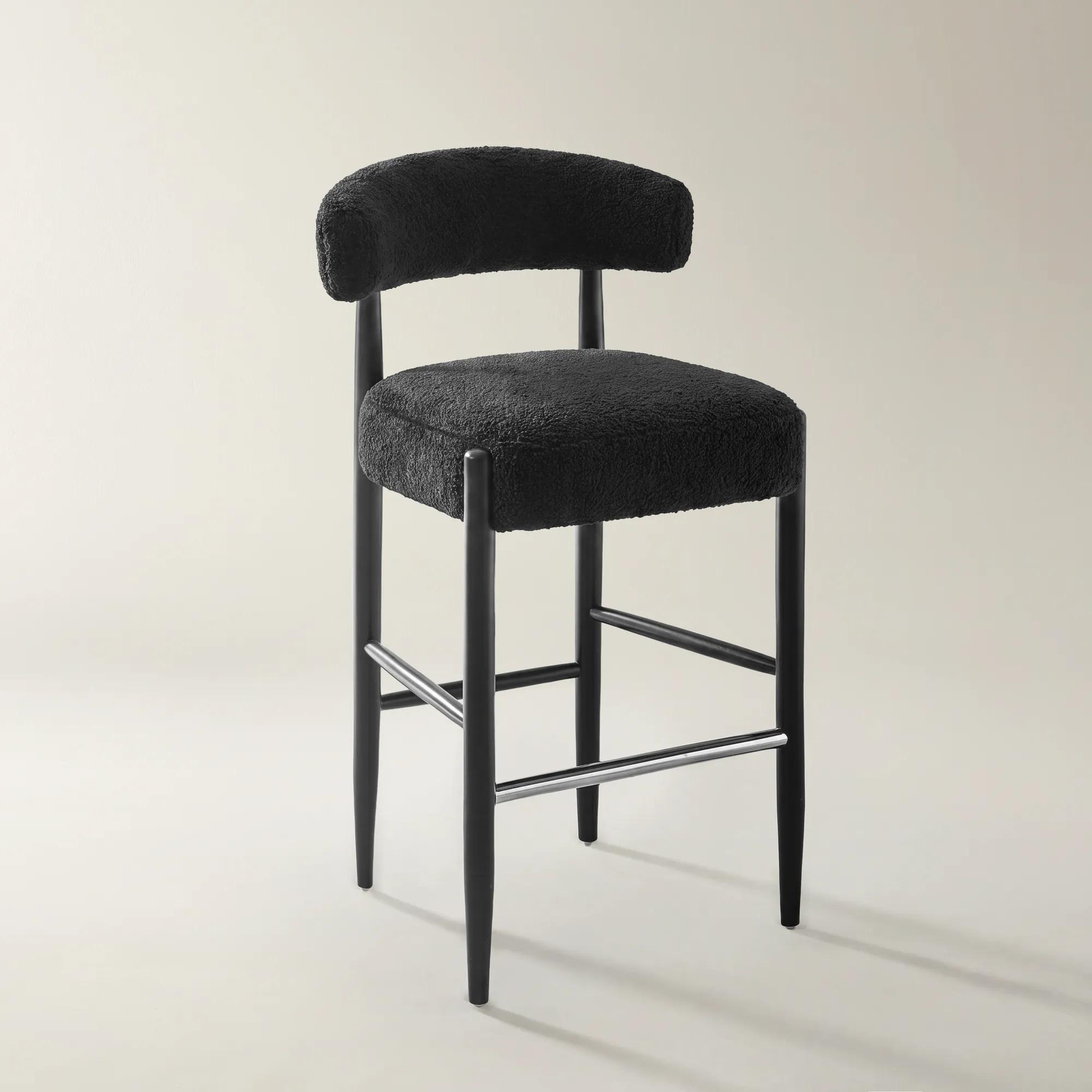 Anna Black Chenille Bar/Counter Stool$449
A black chenille counter stool with a sculpted padded seat and solid rubberwood legs.
Add To Cart -
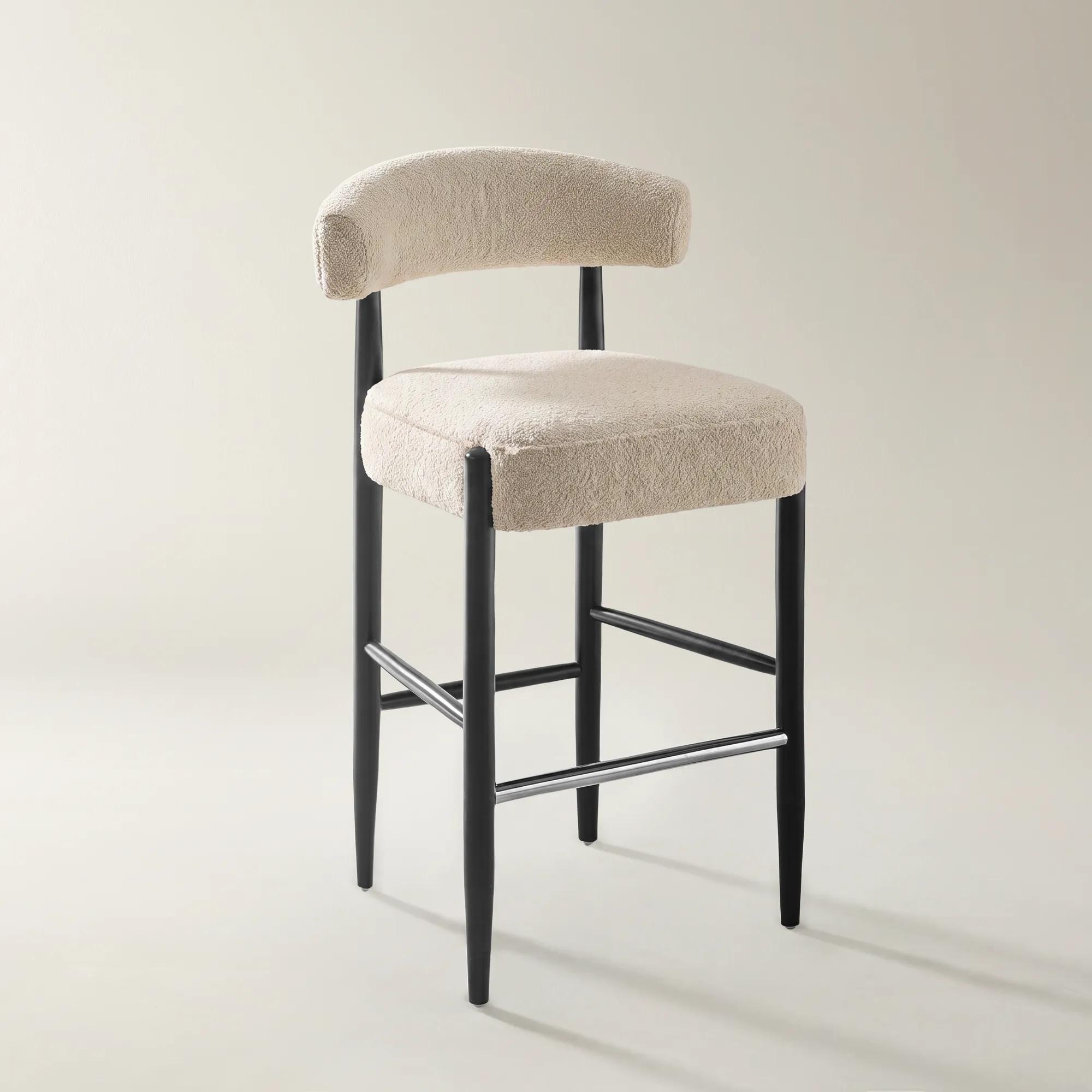 Anna Utopia Sand Chenille Bar/Counter Stool$449
A chenille bar stool with a sculpted padded seat, kiln-dried hardwood frame, and solid rubberwood legs.
Add To Cart -
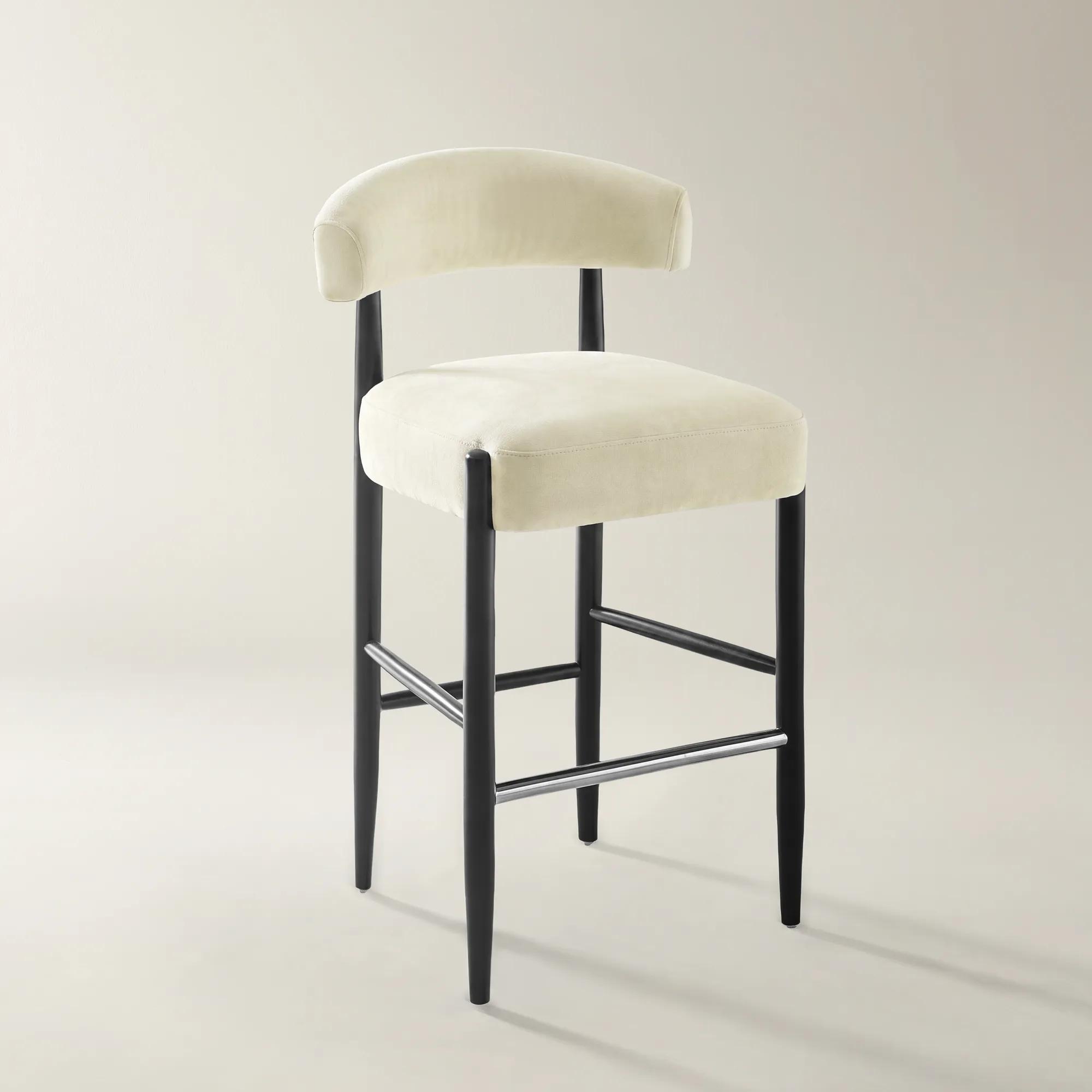 Anna Cloud Velvet Bar/Counter Stool$449
A cloud velvet counter stool with sculpted padded support and tapered solid-rubberwood legs.
Add To Cart -
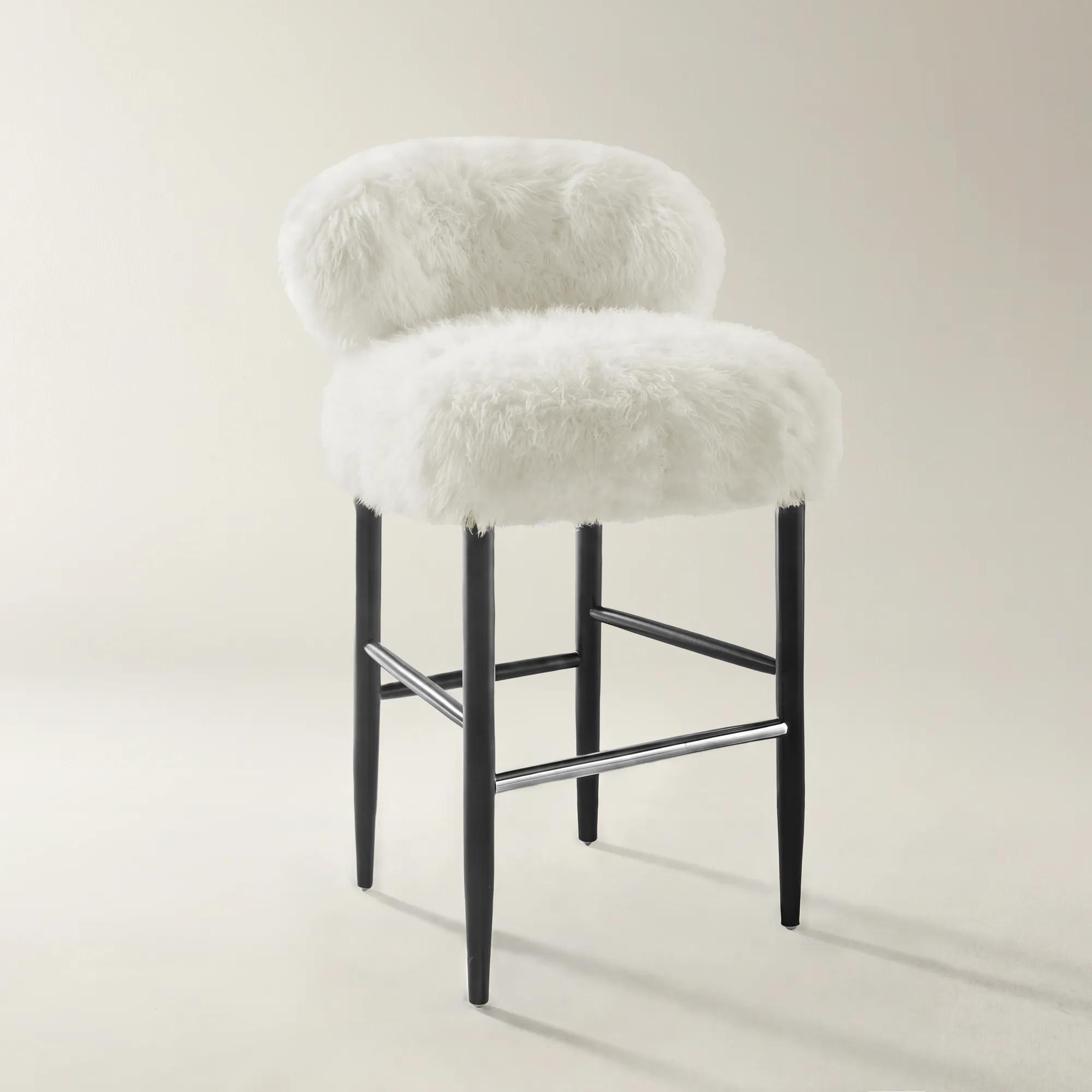 Anna Ivory Faux Fur Bar/Counter Stool$549
An ivory faux-fur counter stool with sculpted support, padded seating, and tapered solid-rubberwood legs.
Add To Cart -
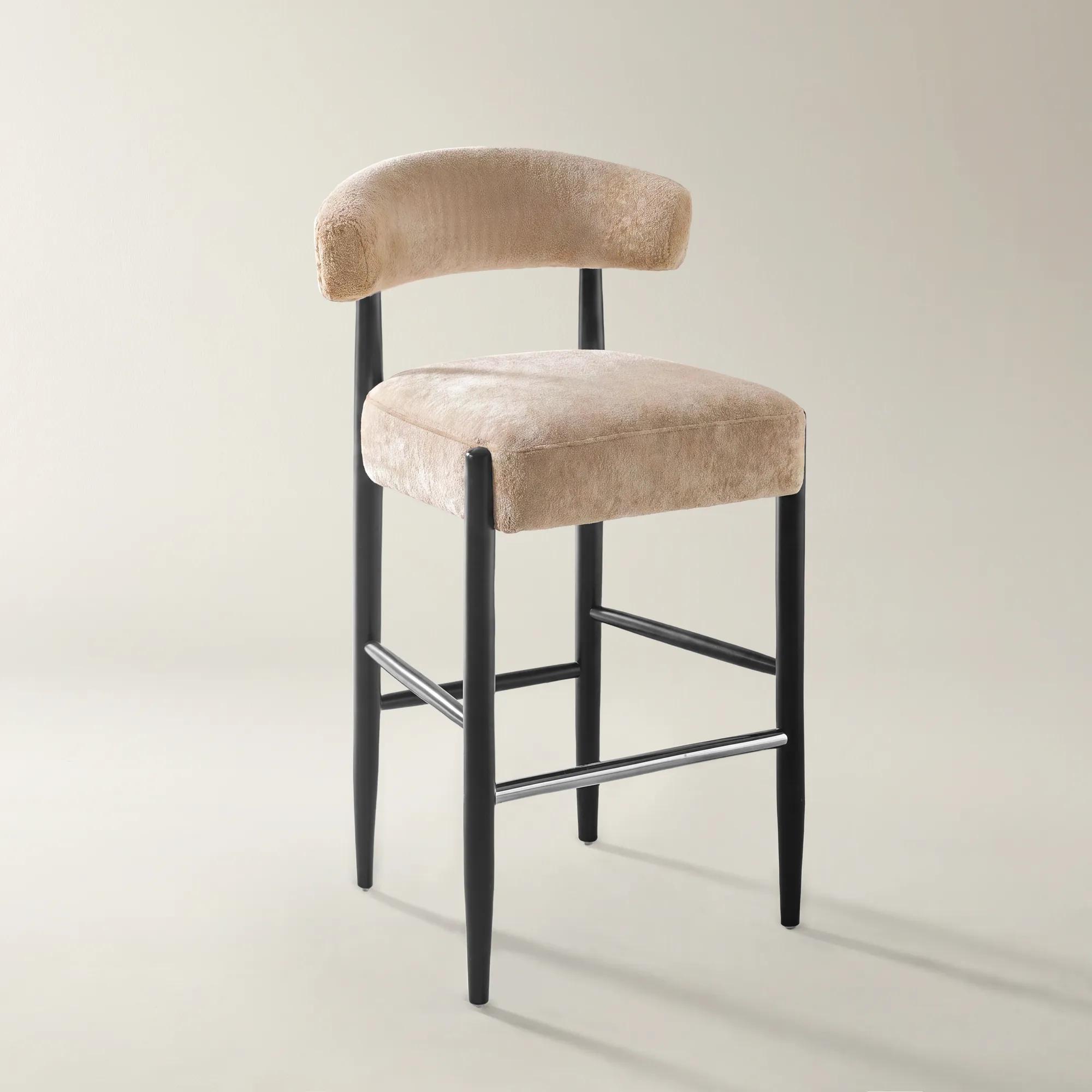 Anna Light Brown Chenille Bar/Counter Stool$449
A brown chenille counter stool with a sculpted back, padded seat, and tapered solid-rubberwood legs.
Add To Cart -
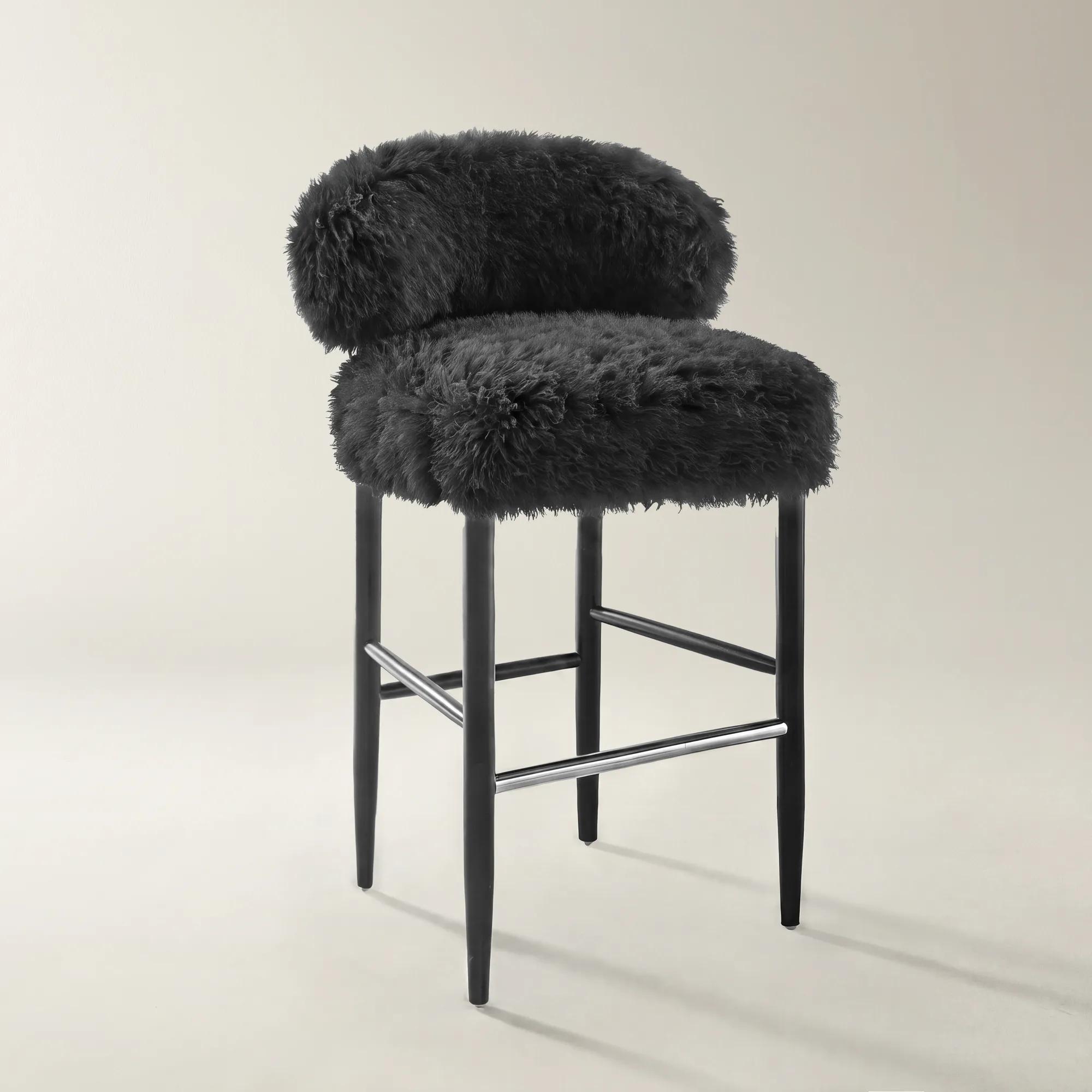 Anna Black Faux Fur Bar/Counter Stool$549
A black faux-fur bar stool with a sculpted back, padded seat, and solid rubberwood legs.
Add To Cart -
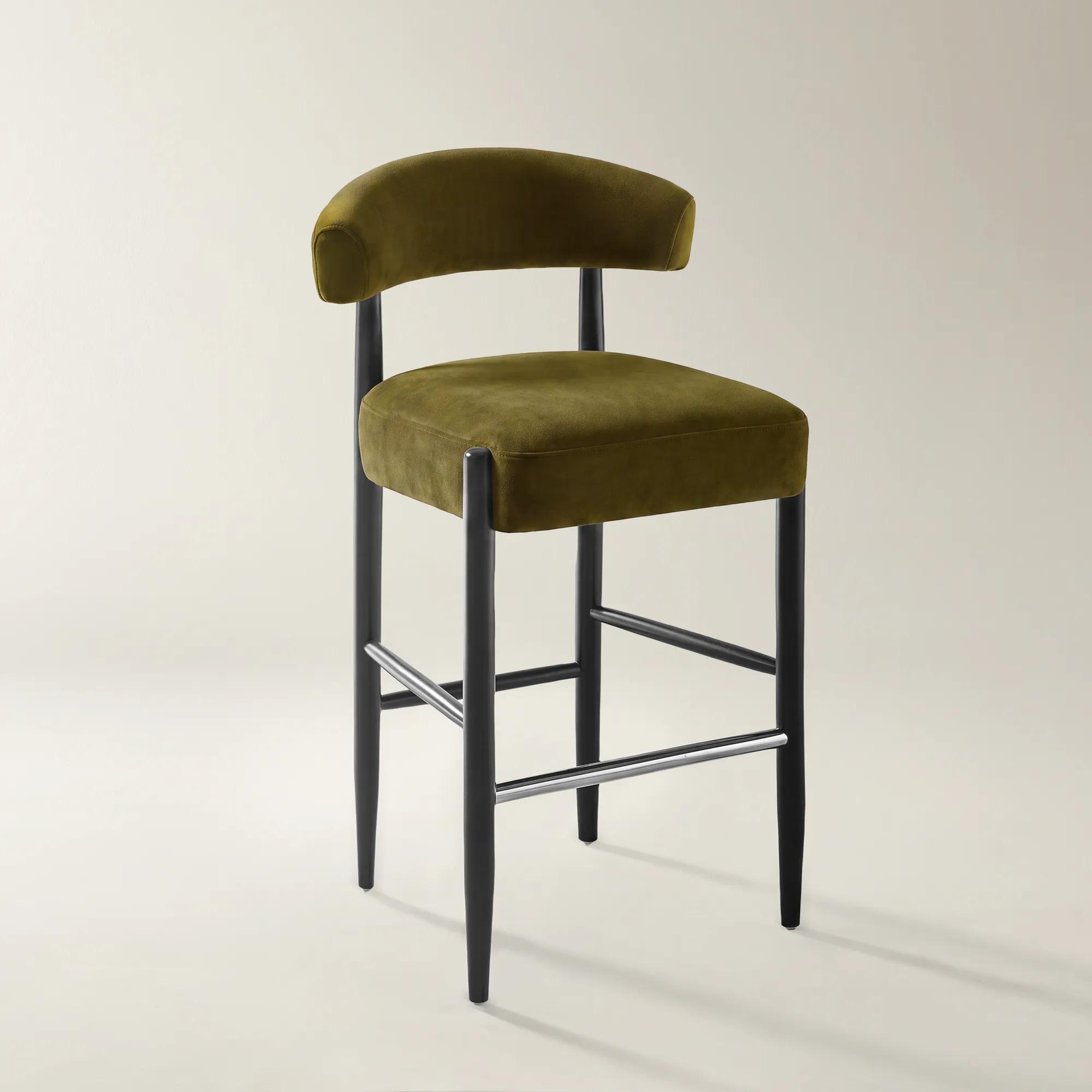 Anna Deep Olive Velvet Bar/Counter Stool$449
A green velvet bar stool with a sculpted padded seat, tailored upholstery, and tapered solid-rubberwood legs.
Add To Cart -
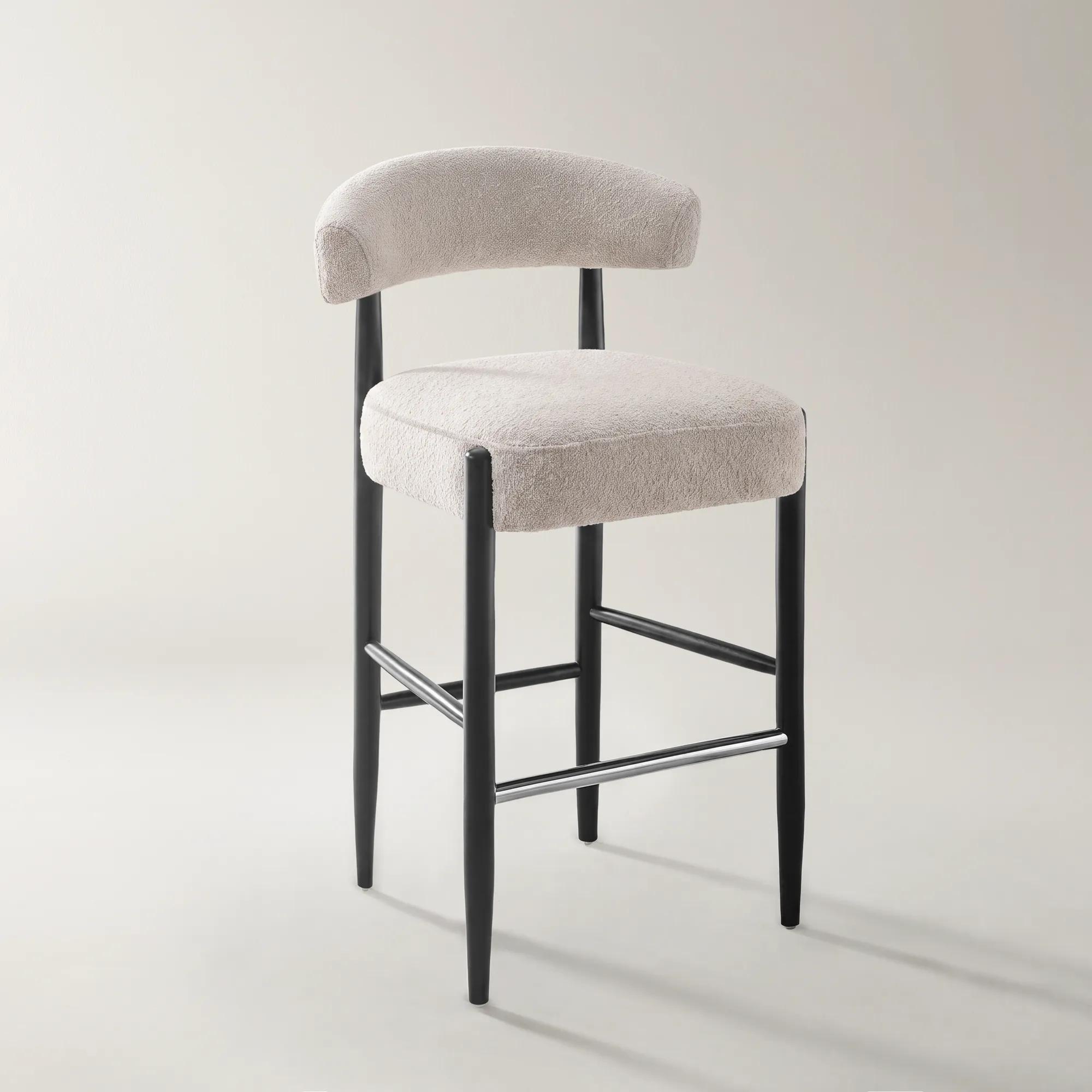 Anna Ivory Performance Boucle Bar/Counter Stool$449
An ivory performance-bouclé bar stool with sculpted padded support and tapered solid-rubberwood legs.
Add To Cart -
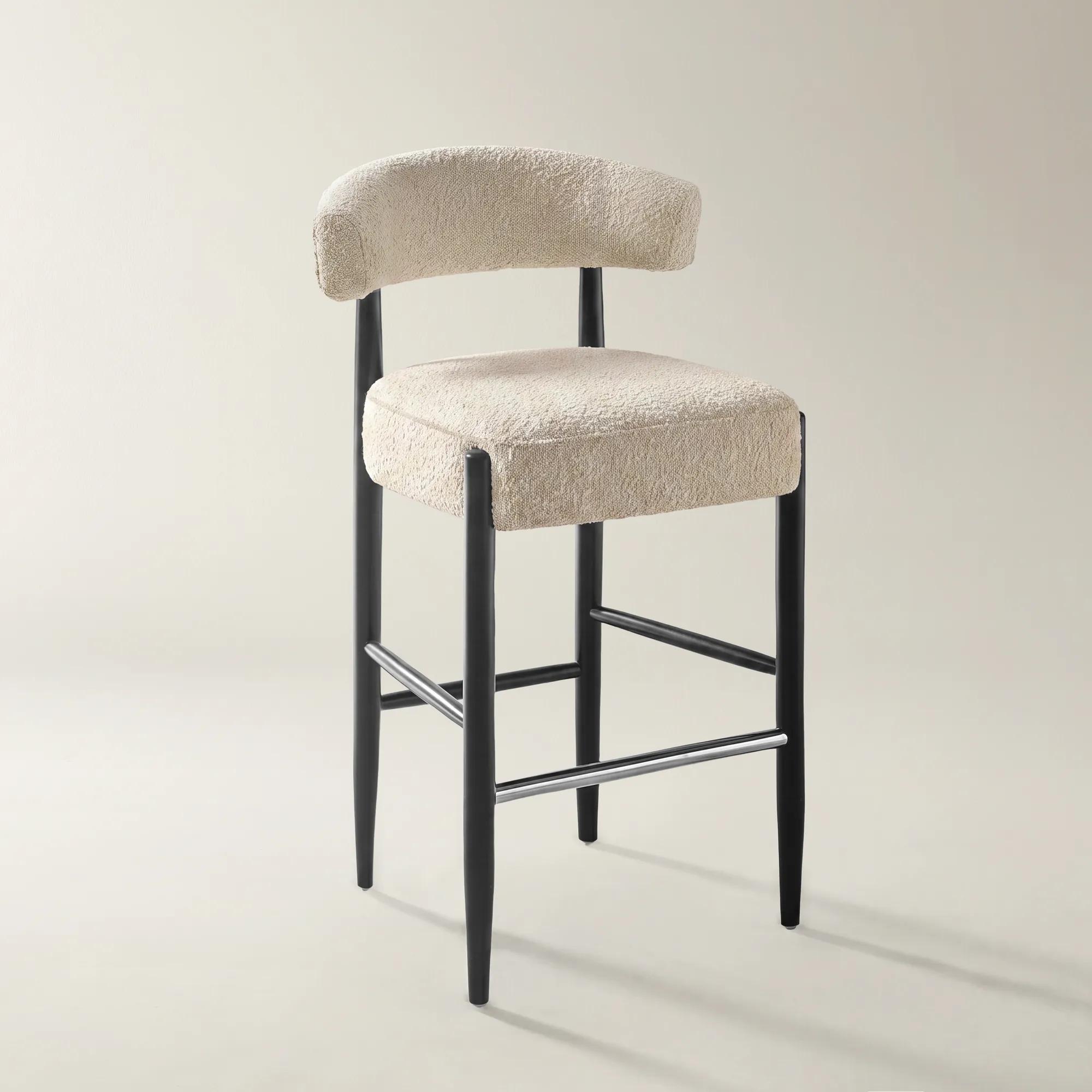 Anna Ivory Performance Boucle Bar/Counter Stool$449
A counter stool with ivory performance boucle upholstery, sculpted support, and tapered solid rubberwood legs.
Add To Cart -
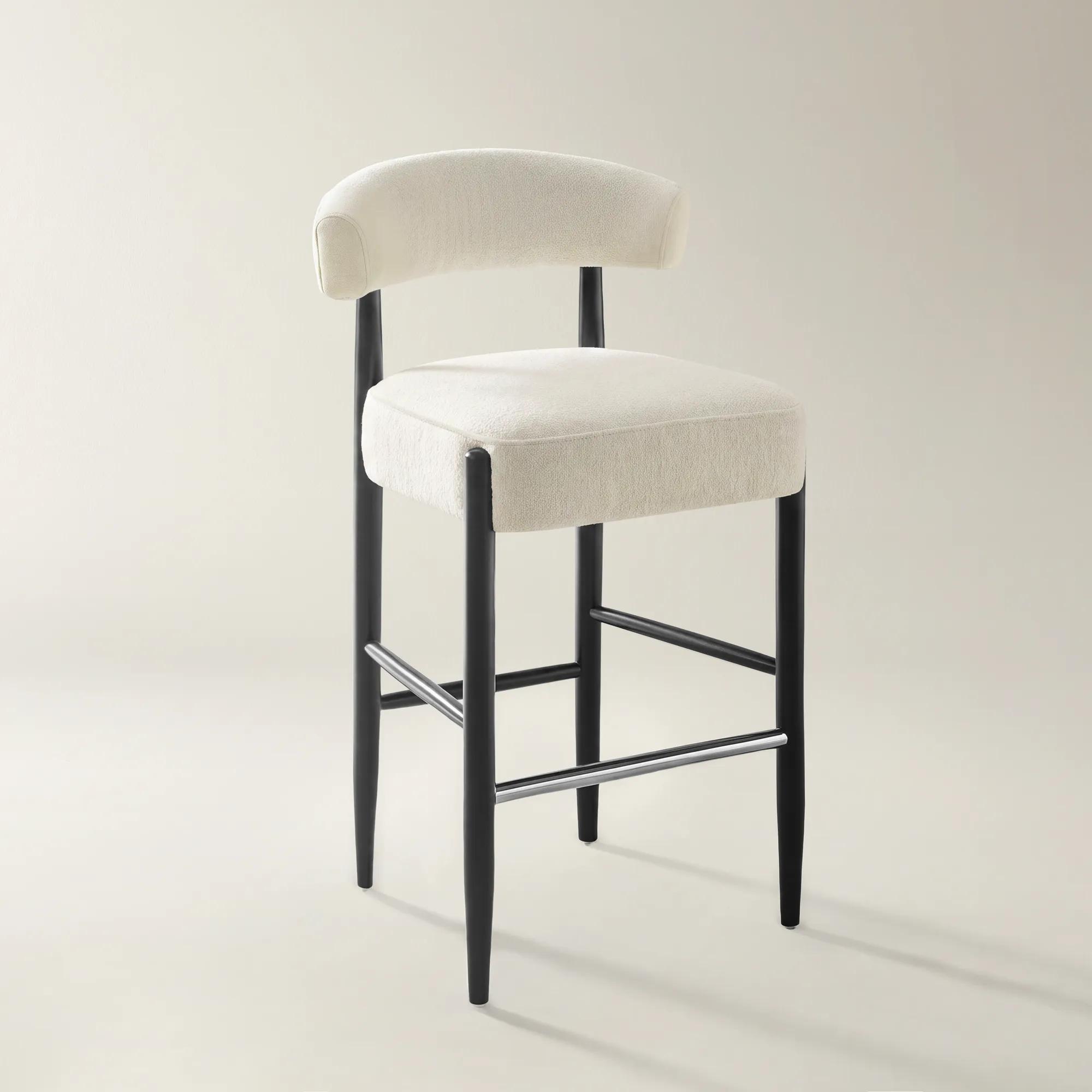 Anna Ivory Performance Chenille Bar/Counter Stool$449
An ivory performance-chenille bar stool with a sculpted back, padded seat, and tapered solid-rubberwood legs.
Add To Cart -
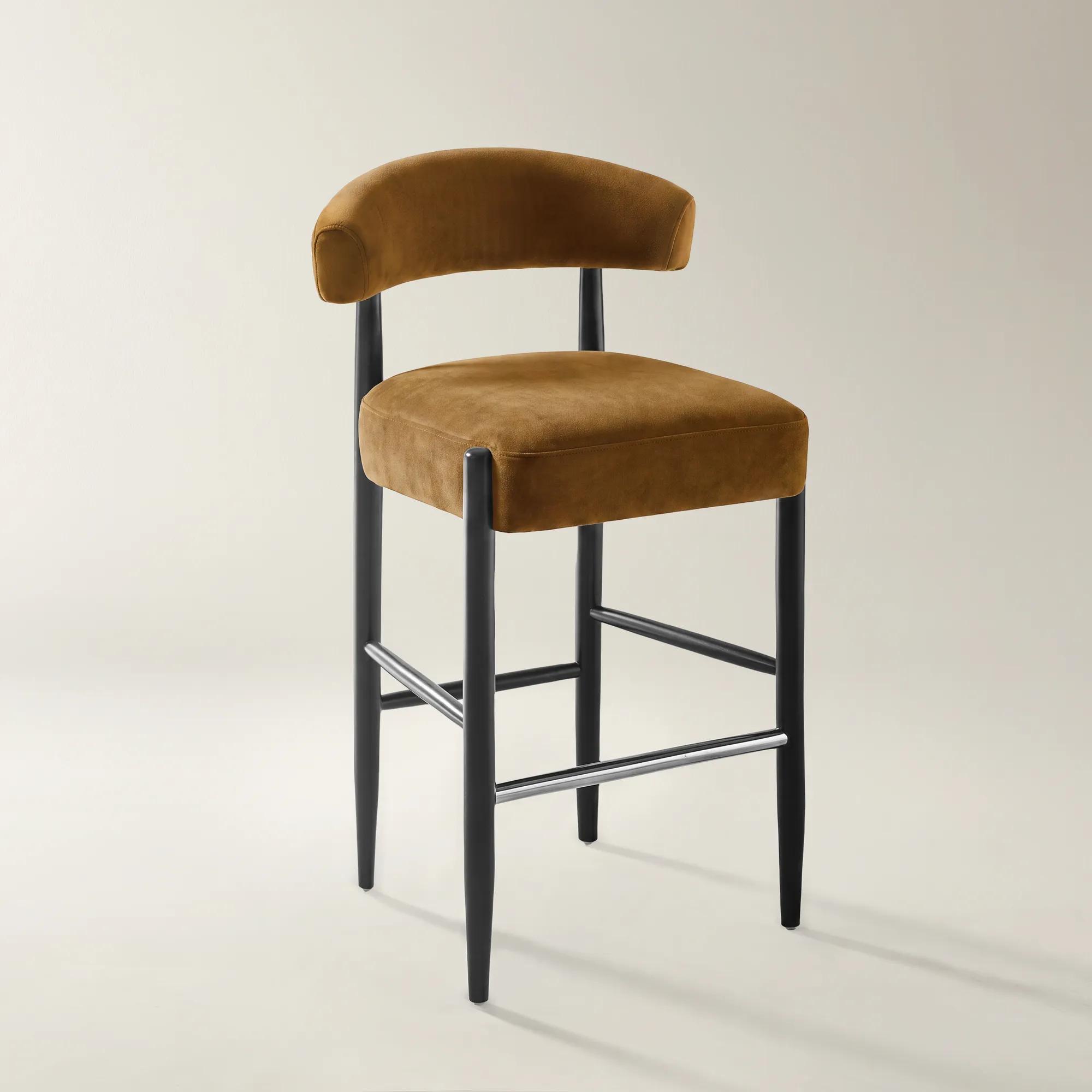 Anna Roasted Pecan Velvet Bar/Counter Stool$449
A roasted pecan velvet bar stool with a sculpted padded back, custom upholstery, and tapered solid-rubberwood legs.
Add To Cart -
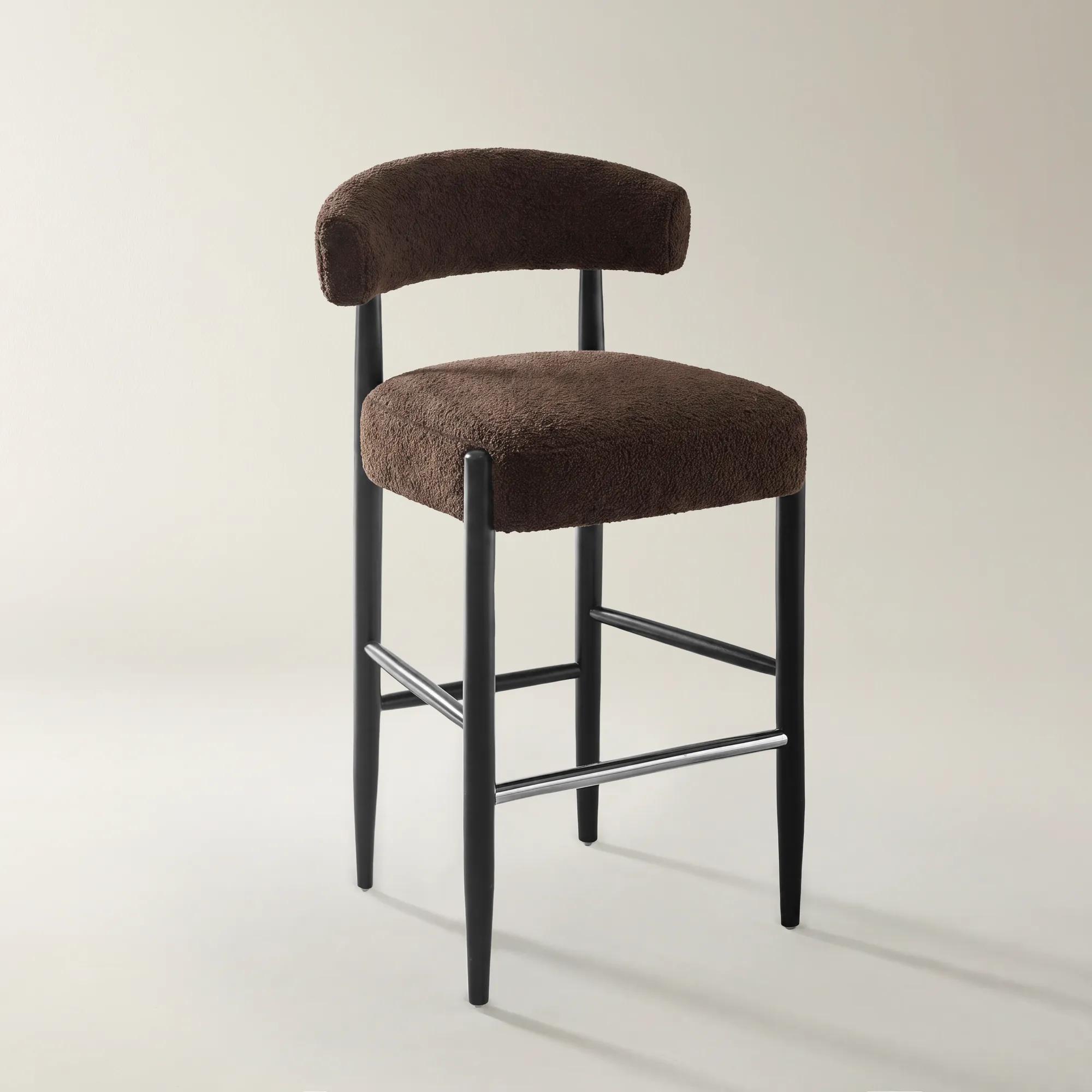 Anna Dark Chocolate Chenille Bar/Counter Stool$449
A dark chocolate chenille counter stool with a sculpted padded seat and solid rubberwood legs.
Add To Cart -
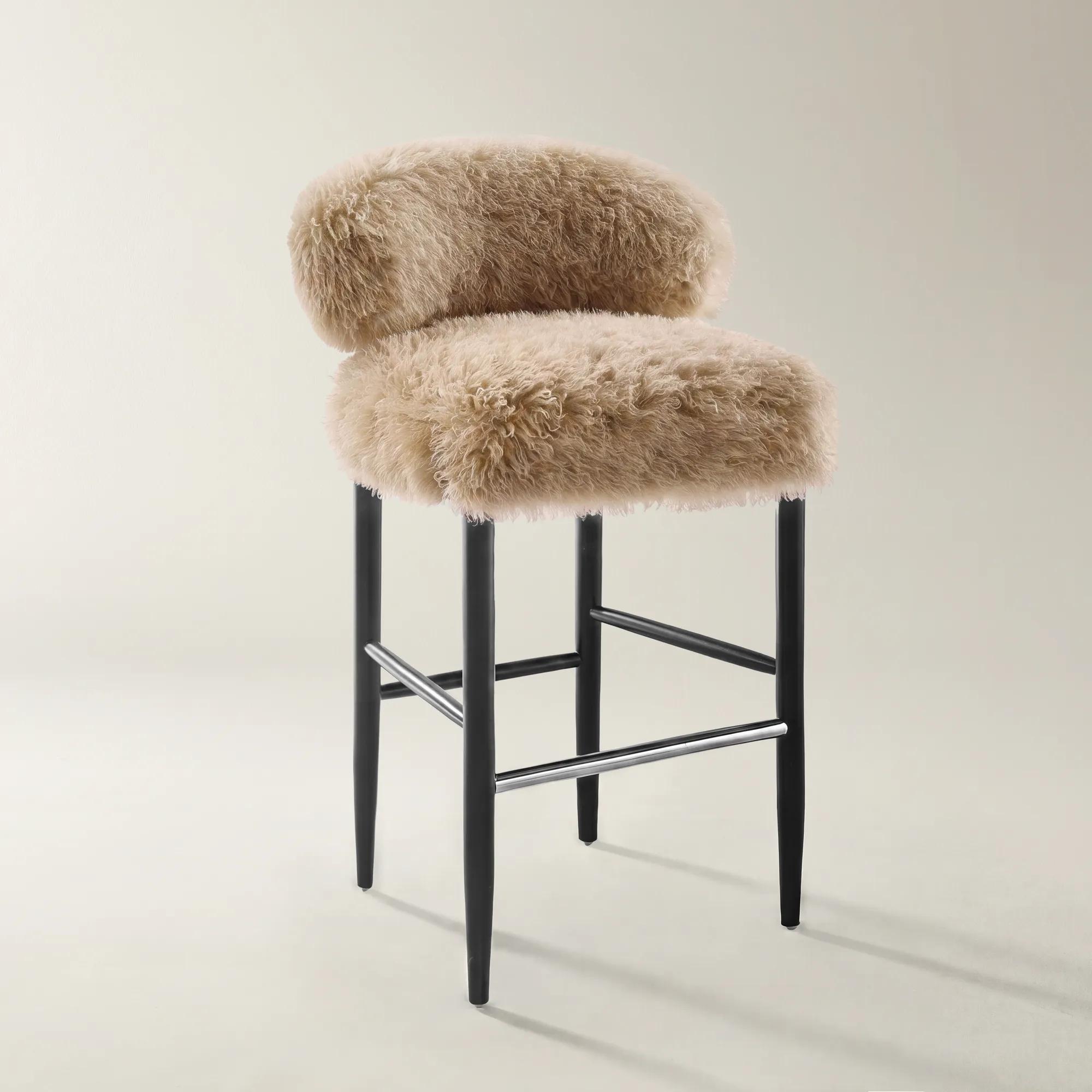 Anna Tan Faux Fur Bar/Counter Stool$549
A tan faux-fur bar stool with a sculpted padded seat and tapered solid-rubberwood legs.
Add To Cart -
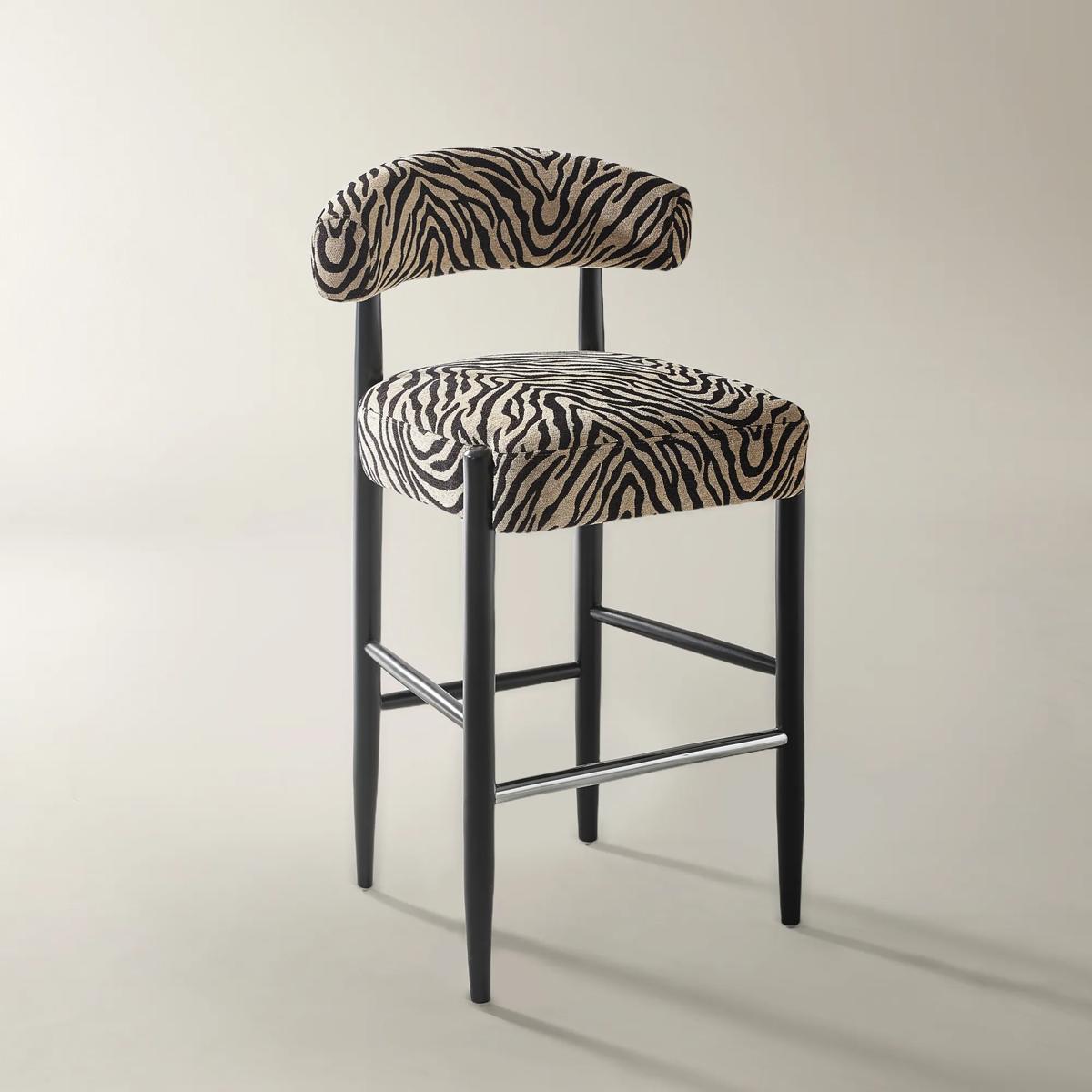
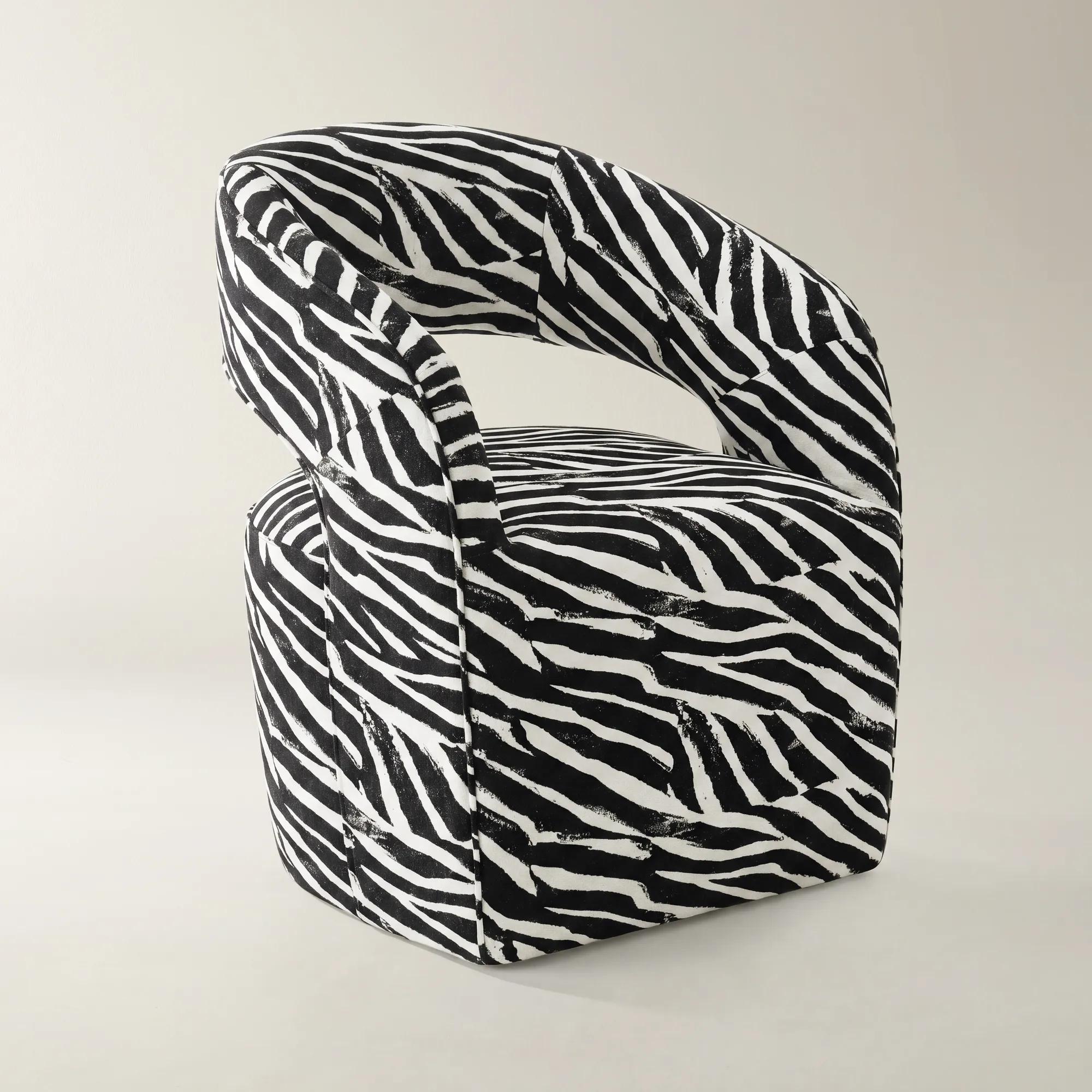
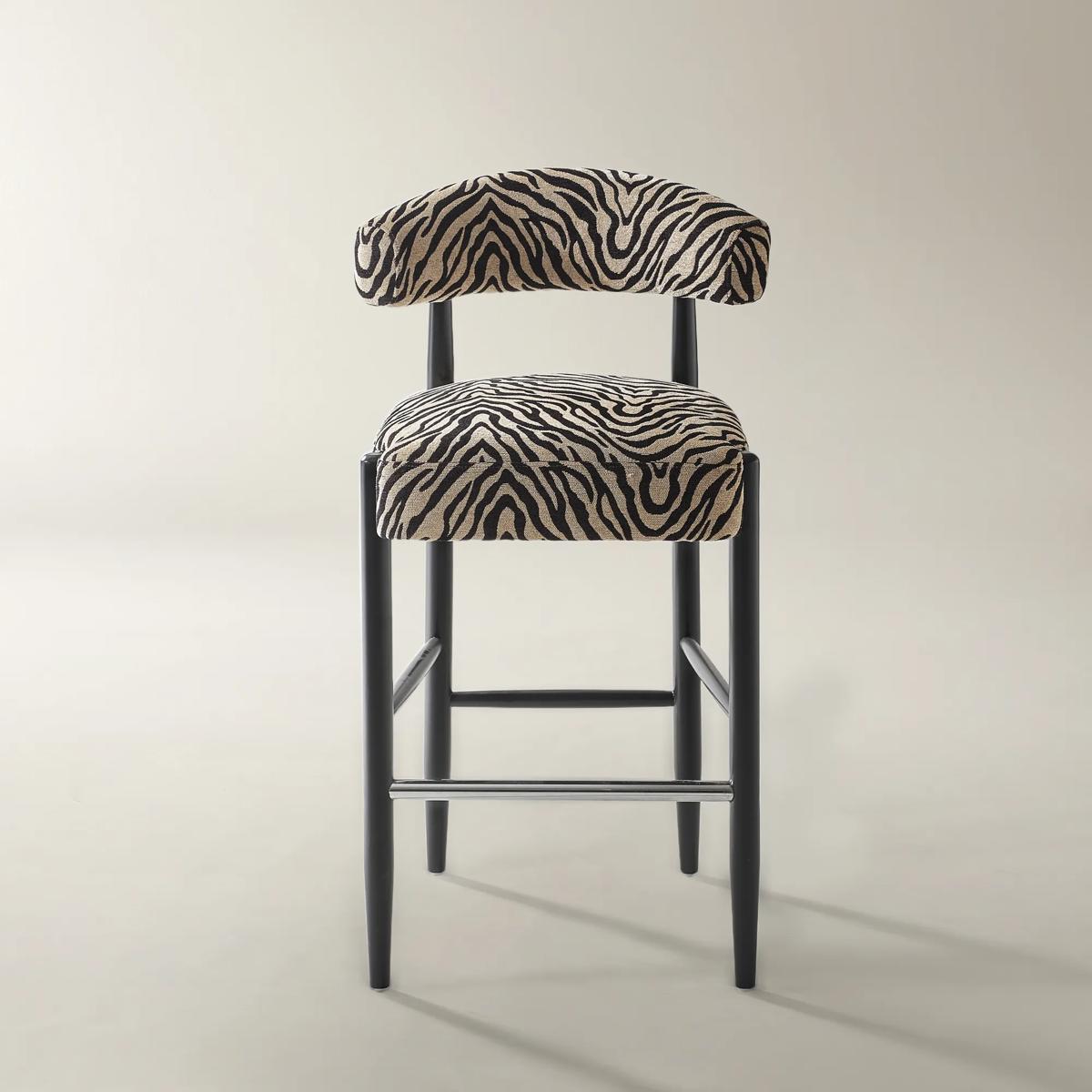 Anna Zebra Chenille Bar/Counter Stool$449
A bar stool with zebra-patterned chenille upholstery, sculpted padding, and tapered solid-rubberwood legs.
Add To Cart -
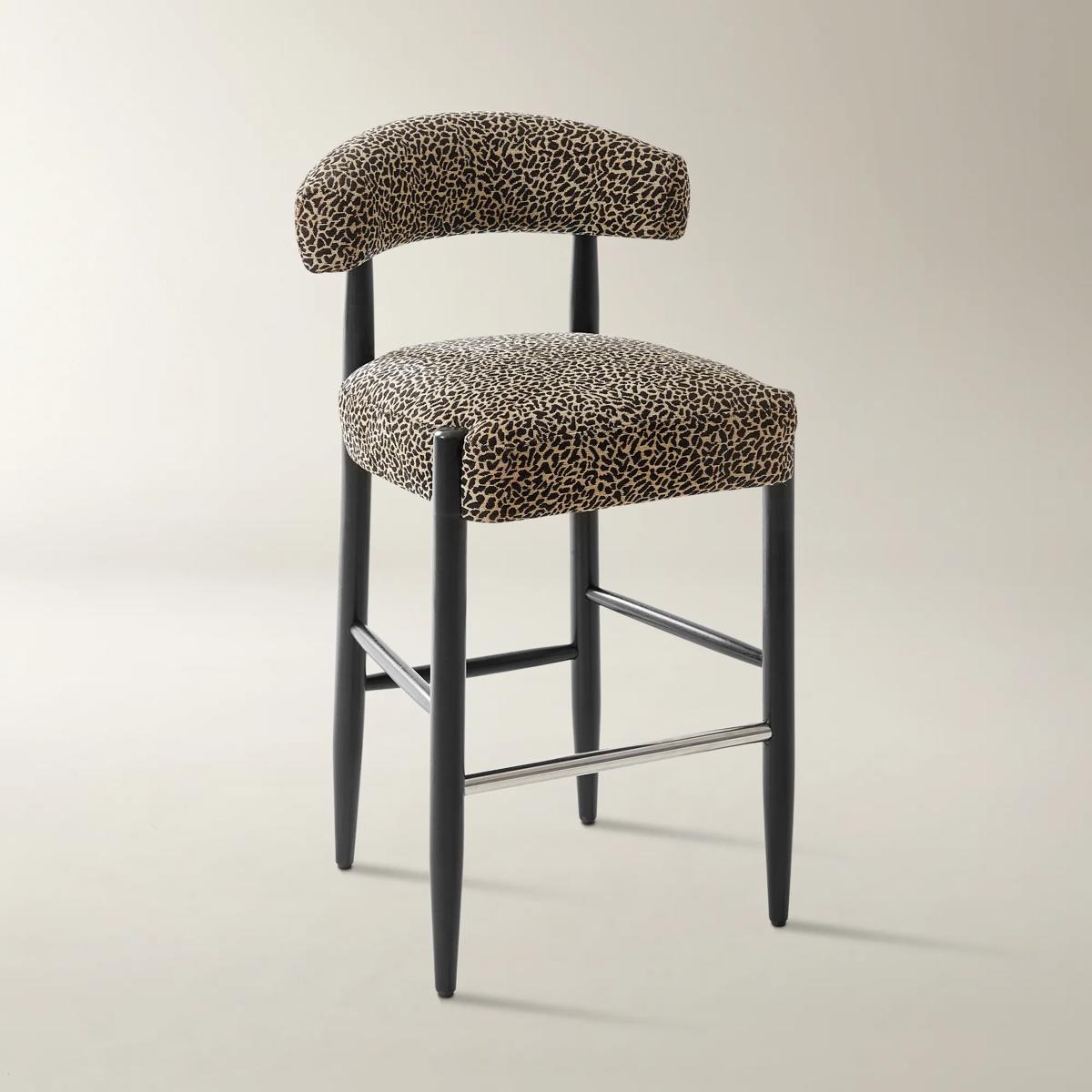
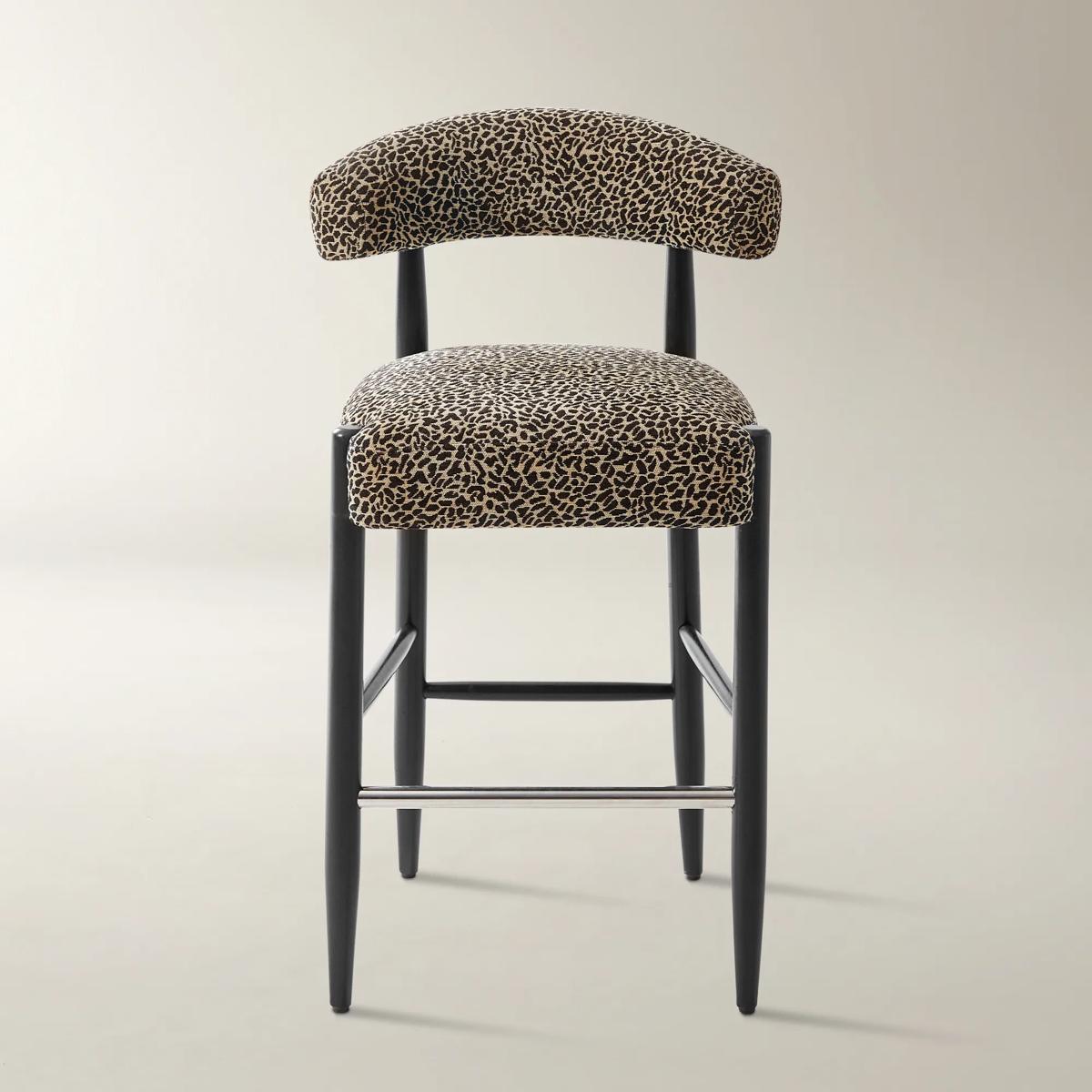 Anna Leopard Chenille Bar/Counter Stool$449
A leopard-patterned chenille bar stool with sculpted padded support and tapered solid rubberwood legs.
Add To Cart -
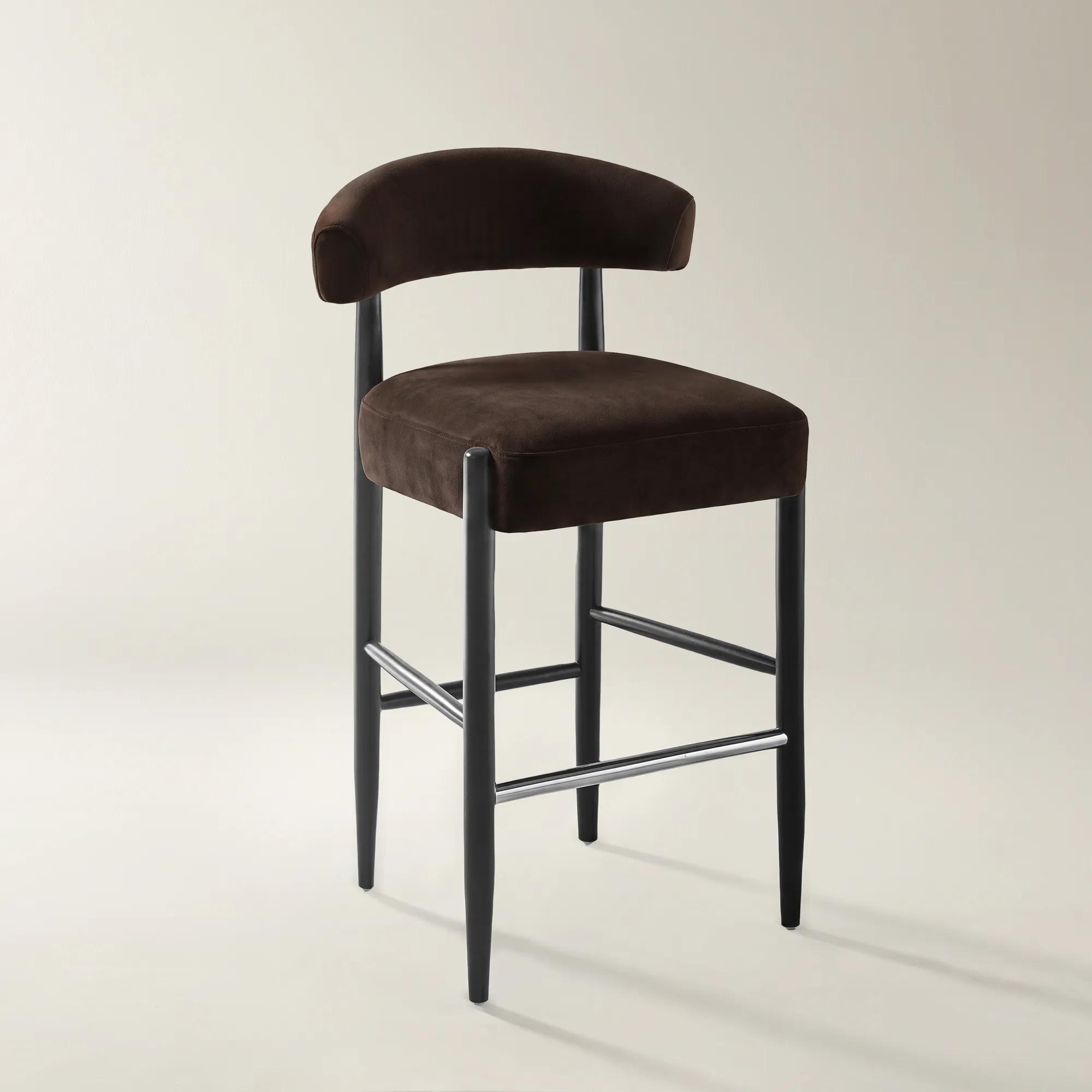 Anna Dark Chocolate Velvet Bar/Counter Stool$449
A dark chocolate velvet counter stool with a sculpted back, padded seat, and tapered solid-rubberwood legs.
Add To Cart -
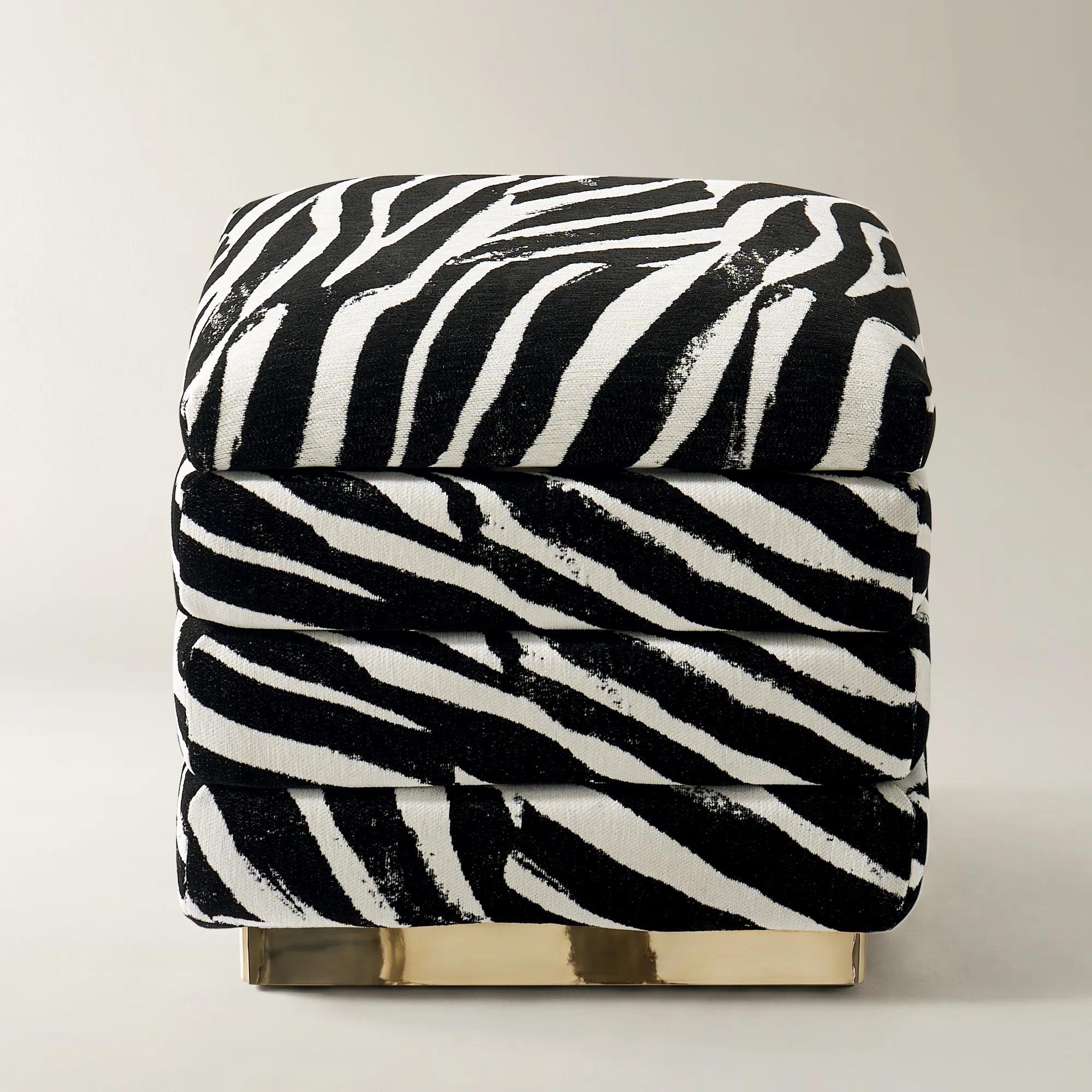
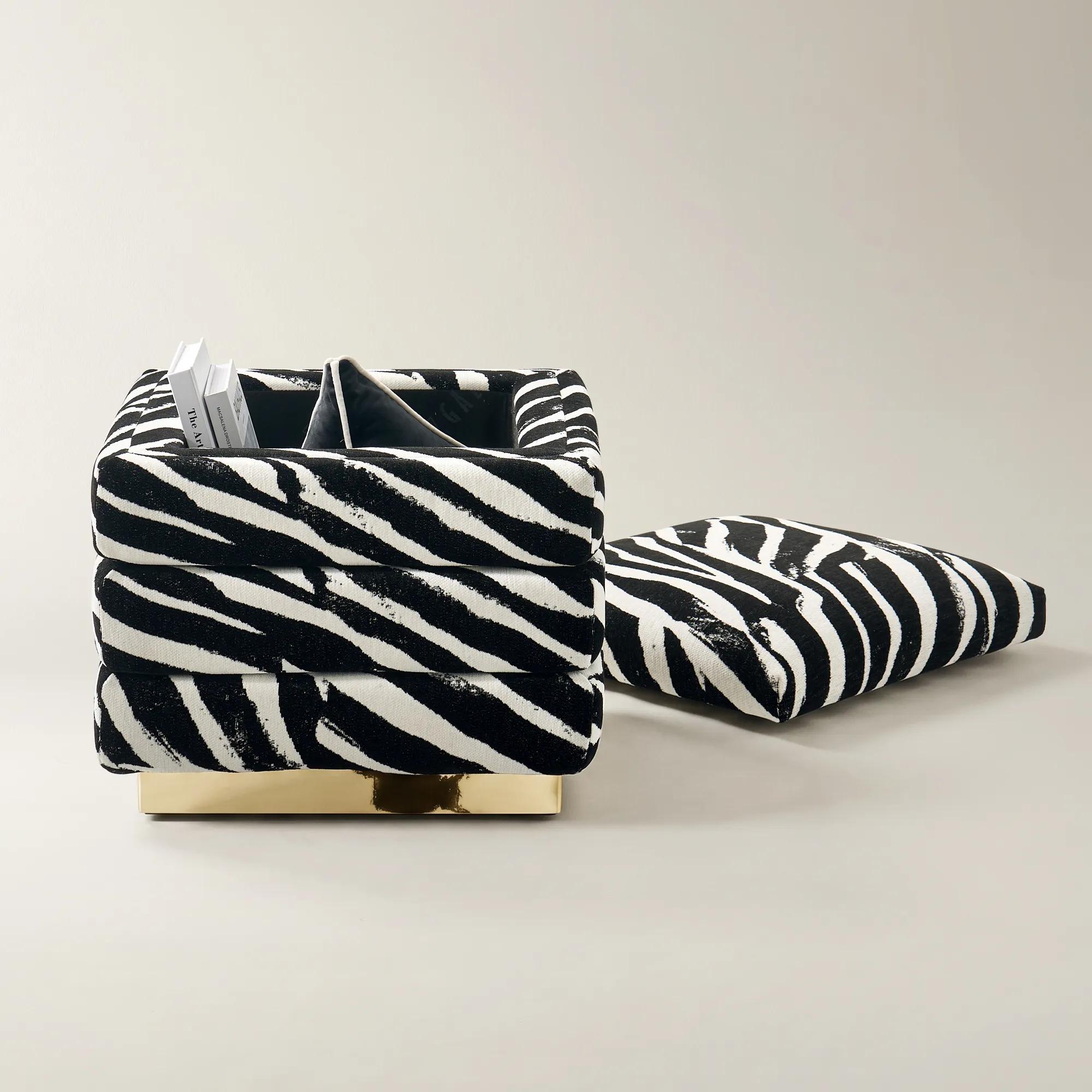 Gable White/Black Performance Chenille Stool$399
A plush white and black chenille stool with hidden storage and a polished gold stainless steel base.
Add To Cart -
 Valerie Natural Outdoor Counter Stool$659
A natural-finished outdoor stool offering stylish counter-height seating.
Add To Cart

Bar Stools For Modern Apartments
Bar stools for modern apartments are more than mere seating—they’re sculptural statements that elevate the art of living. Imagine sleek silhouettes catching the light, sumptuous textures inviting you to linger, and bold forms transforming kitchens and breakfast nooks into destinations of style. In spaces where every square foot matters, bar stools become icons of both function and flair, infusing your home with an air of curated sophistication. Whether you crave a whisper of metallic shine or a burst of color, discover how the right bar stool can punctuate your modern apartment with personality and panache.
Bar stools for modern apartments combine streamlined silhouettes, considered proportions, and expressive materials to create seating that feels as intentional as the architecture around it. At a kitchen island, breakfast counter, or elevated dining ledge, they bring comfort and personality to a space that often serves several purposes. A pair of sculptural stools can define the dining area in a studio without adding another table; a longer row can turn an open kitchen into a welcoming setting for conversation while dinner takes shape. The most compelling designs balance a modest footprint with a distinctive presence: a curved back that softens angular cabinetry, a slender metal frame that preserves the view across the room, or sumptuous upholstery that gives a simple countertop a more glamorous point of view. Brushed steel introduces a subtle industrial note, matte black metal creates a crisp outline, and gleaming metallic finishes lend polish beside stone, glass, or lacquered surfaces. Wood brings warmth and visible grain, especially in apartments where hard surfaces dominate. Upholstered bar stools offer another layer of expression, from the dimensional sheen of velvet to the tailored appearance of leather, faux leather, or other coated upholstery. Synthetic and vegan leather describe material categories rather than a single level of performance, so the specific composition and care requirements matter as much as the look. A richly textured seat can become the focal point against quiet cabinetry, while a tonal combination allows a dramatic pendant or patterned backsplash to hold attention. For apartment residents who entertain frequently, stools make the kitchen part of the gathering rather than a separate workspace. For those who eat most meals at an island, supportive proportions deserve equal attention to the finish. Even a compact apartment can accommodate a memorable seating arrangement when each stool contributes something deliberate: comfort, visual rhythm, or a flash of sculptural detail. Coordinating the frame with nearby hardware can establish continuity, while a contrasting seat introduces depth without asking a small room to accommodate more furniture.
The distinction between bar stools and counter stools is essential to a comfortable fit, even when both appear under the broader category of apartment bar seating. Standard kitchen counters are typically about 36 inches high and generally pair with seats around 24 to 26 inches high; bar-height surfaces are commonly about 40 to 42 inches high and usually call for seats around 28 to 30 inches high. These are starting points rather than universal rules. A seat positioned approximately 10 to 12 inches below the top of the surface usually provides a comfortable relationship, but a thick countertop, low apron, or support bracket can reduce the actual space available for knees and thighs. Seat height should be measured to the seating surface, not the top of the backrest. Width matters just as much in a compact kitchen. Leaving roughly 6 inches between the edges of adjacent seats is a useful starting point, with additional room for broad arms, generous upholstery, or swivel movement. A stool that fits neatly under an island when empty may occupy considerably more floor space when someone sits down, so the full depth and surrounding walking route deserve attention. Backless stools can tuck beneath a suitable overhang and maintain an uninterrupted sightline, making them especially appealing where the kitchen opens directly into the living room. Low backs add a defined silhouette without the visual weight of taller seating, while fuller backs and armrests offer a more enveloping experience for lingering over a meal. Swivel seats, where included, make turning toward guests easier, although their movement needs room beside cabinetry and neighboring stools. Adjustable-height designs can accommodate different surfaces within their stated range, provided their bases fit the space comfortably. A well-positioned footrest supports the feet rather than leaving them suspended, an important consideration for longer meals. For anyone using a counter as an occasional laptop perch, back support, cushioning, and the relationship between seat and work surface become particularly noticeable over time.
Materials and construction shape how apartment bar stools live beyond their first impression. A balanced frame, secure joints, an appropriate weight capacity, and a stable base are more meaningful indicators of everyday suitability than a substantial appearance alone. Metal can deliver a slender profile with a strong architectural presence, while wood frames introduce tactile character and require attention to their joints and finish. Upholstery should suit the household as closely as the room: a softly lustrous fabric brings richness to a dining vignette, whereas a wipeable surface may be more practical where coffee, sauces, and frequent meals are part of the routine. Neither leather alternatives nor performance-labeled fabrics are automatically impervious to stains, scratches, or wear; the material specifications and manufacturer’s cleaning instructions remain important. Crumbs can settle along seams and tufting, textured fabrics may need regular gentle vacuuming with an appropriate attachment, and spills are best addressed promptly using the recommended method rather than an improvised cleaner. Velvet’s pile can show shading as its fibers change direction, a characteristic that contributes to its depth but may require occasional care. Metal and wood finishes generally benefit from soft cloths and cleaners approved for their surfaces, while abrasive pads can compromise their appearance. Floor protection matters, too, particularly in apartments with wood flooring or neighbors below. Compatible glides can help reduce scraping, although they should be kept clean and checked for wear. Within an open-plan room, bar seating feels more cohesive when its shapes or finishes echo nearby furnishings without repeating every detail. A rounded stool back might relate to a curved sofa; a polished frame might pick up the shimmer of a side table. For lower seating elsewhere in the room, accent stools for modern apartments offer a complementary category with different proportions and uses, rather than a substitute for properly fitted counter seating. Bar stools can also make a thoughtful housewarming gift when the recipient’s measurements and preferences are known. Their lasting appeal comes from that precise balance of personal expression, comfortable scale, and materials suited to daily life.
FAQs
In modern apartments, bar stools crafted from luxe metals, rich woods, and plush upholstery are especially popular. Polished chrome, brushed brass, and matte black finishes bring a contemporary edge, while velvet, leather, and performance fabrics add a layer of comfort and sophistication. These materials not only create visual intrigue but also offer durability and easy maintenance for daily living.
Bar stools serve as both functional seating and artistic accents, helping to define spaces within open-concept apartments. By choosing stools with sculptural silhouettes or dramatic finishes, you can visually anchor a kitchen island or breakfast bar, creating a natural gathering spot that feels intentional and inviting. The right design can introduce color, texture, and shine, transforming the entire atmosphere of the room.
Absolutely—bar stools make a thoughtful and stylish gift for new apartment dwellers. They’re practical, instantly elevate the look of a kitchen or dining area, and reflect a sense of personal style. Whether chosen for their bold color, luxe material, or distinctive design, apartment bar stools are a memorable way to celebrate new beginnings and inspire future gatherings.
To maximize comfort in apartment barstools, look for features such as contoured seats, supportive backs, and plush padding. Swivel bases and footrests add ergonomic ease, making it comfortable to sit for extended periods. Upholstered finishes in soft fabrics or leather can enhance the tactile experience, inviting guests to relax and linger.
Incorporate bar stools by selecting designs that echo your apartment’s color palette, materials, and mood. For a glamorous look, opt for stools with metallic accents or velvet upholstery. For a more understated vibe, choose minimalist silhouettes in neutral tones. Mixing and matching textures—like pairing sleek metal frames with plush fabrics—can add depth and visual interest, seamlessly tying your kitchen or dining space into the rest of your home.