
Bar Stools For Apartment
Bar Stools For Apartment
-
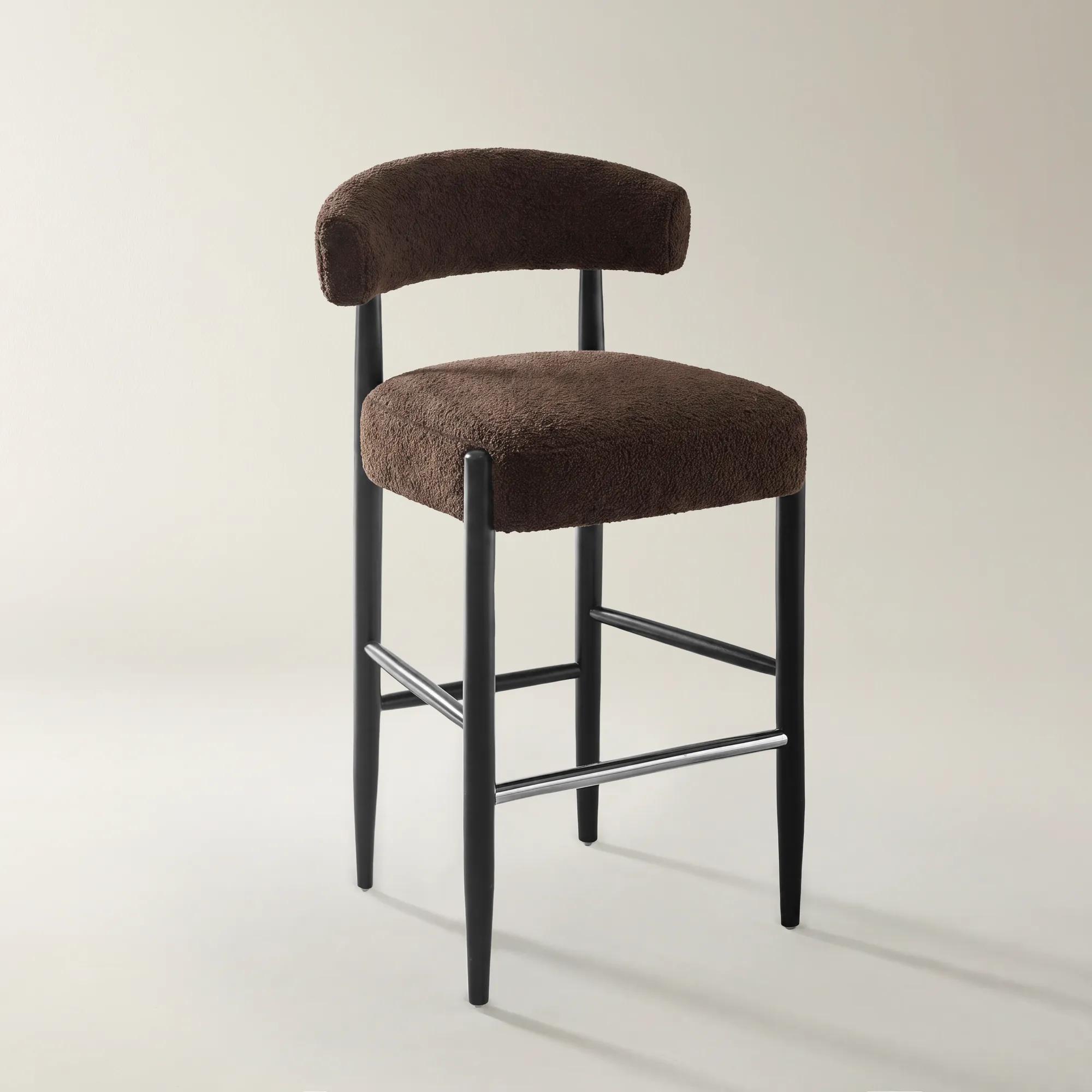 Anna Dark Chocolate Chenille Bar/Counter Stool$449
A dark chocolate chenille counter stool with a sculpted padded seat and solid rubberwood legs.
Add To Cart -
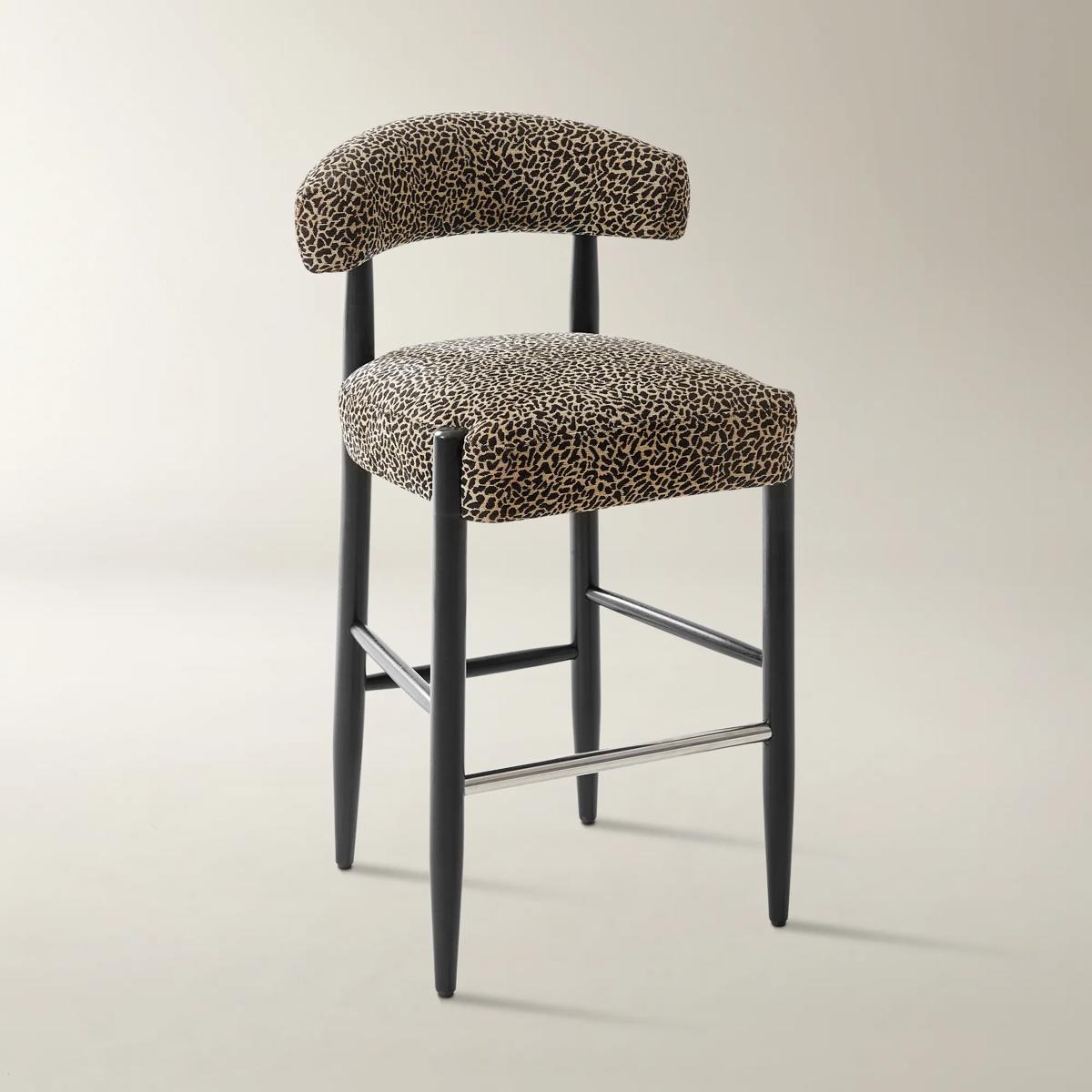
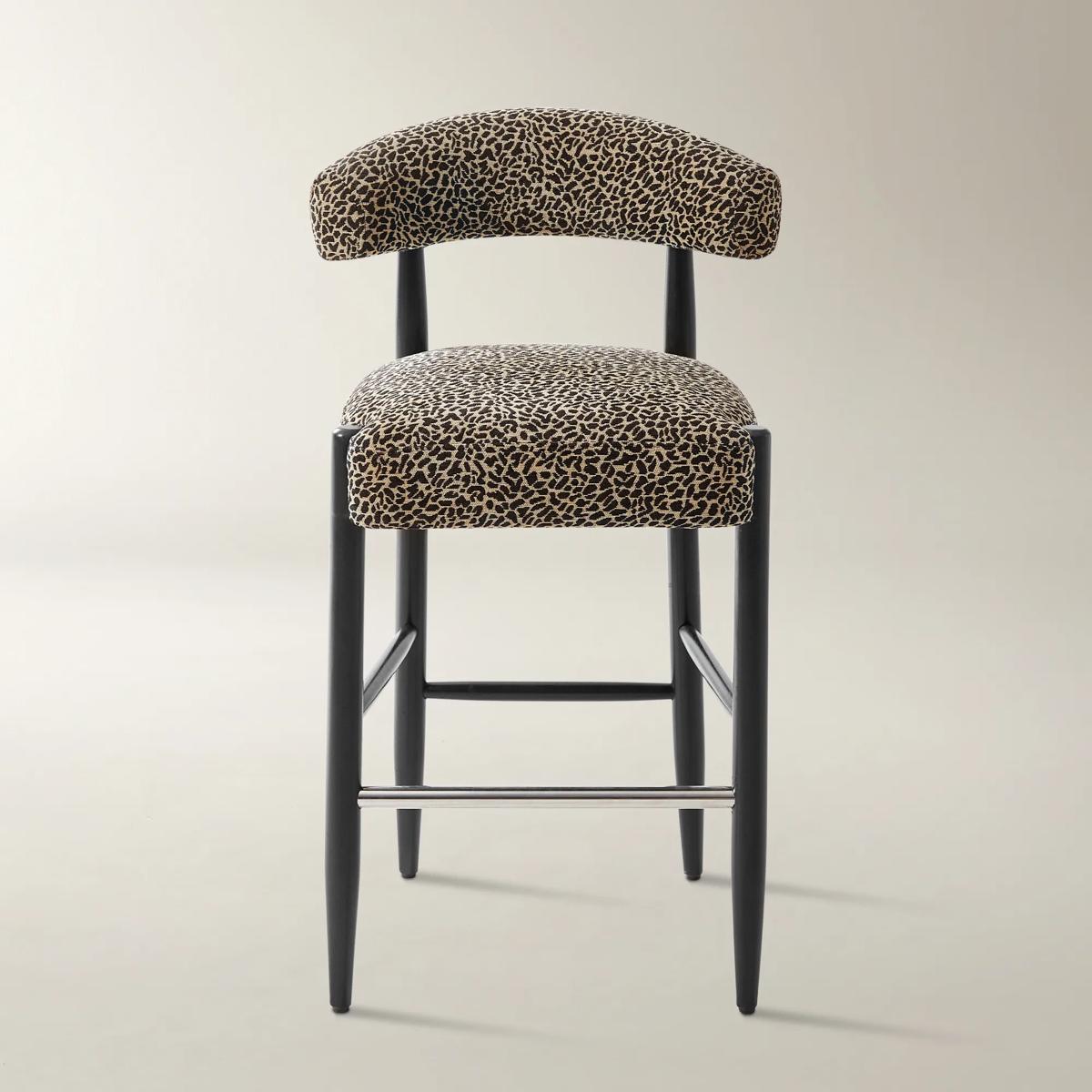 Anna Leopard Chenille Bar/Counter Stool$449
A leopard-patterned chenille bar stool with sculpted padded support and tapered solid rubberwood legs.
Add To Cart -
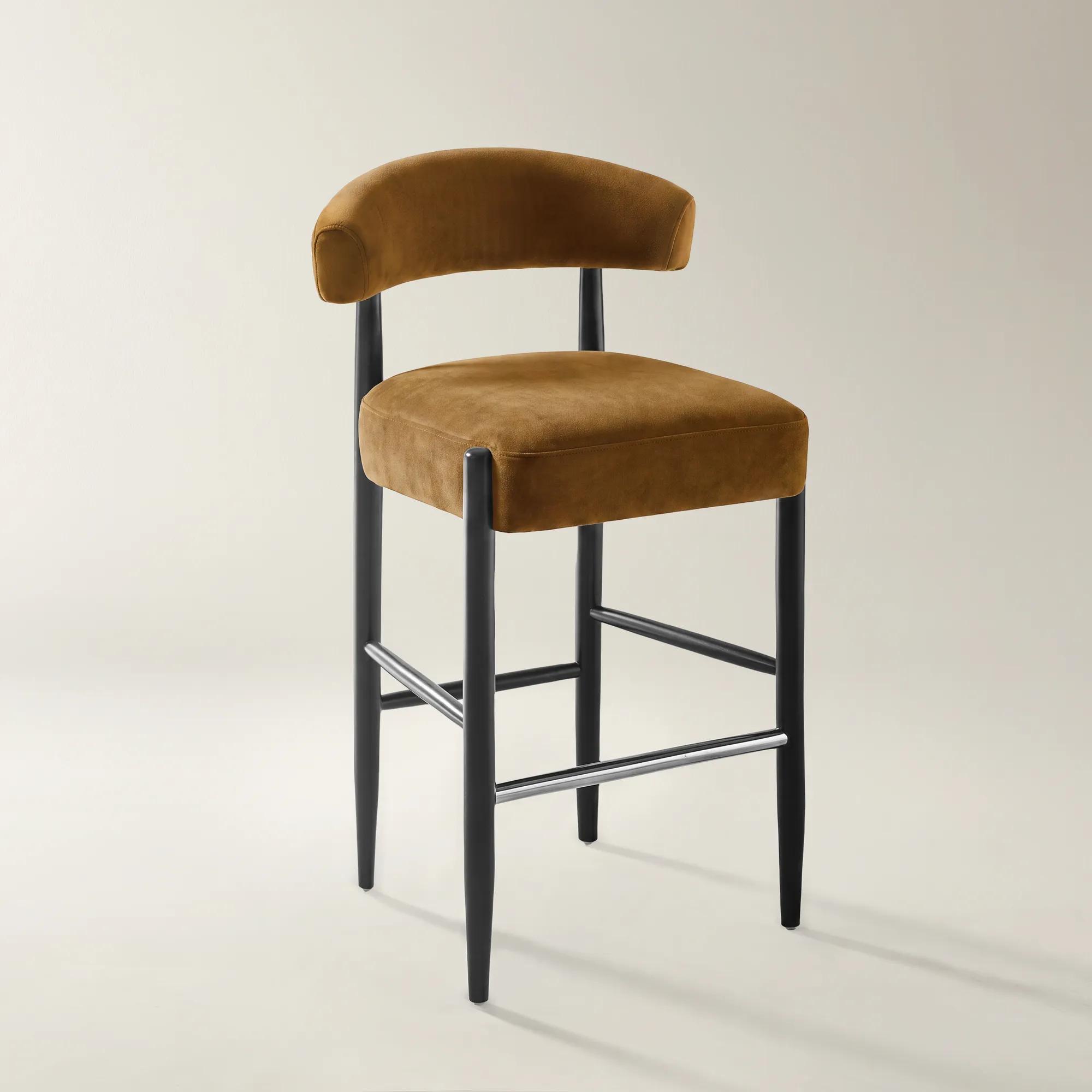 Anna Roasted Pecan Velvet Bar/Counter Stool$449
A roasted pecan velvet bar stool with a sculpted padded back, custom upholstery, and tapered solid-rubberwood legs.
Add To Cart -
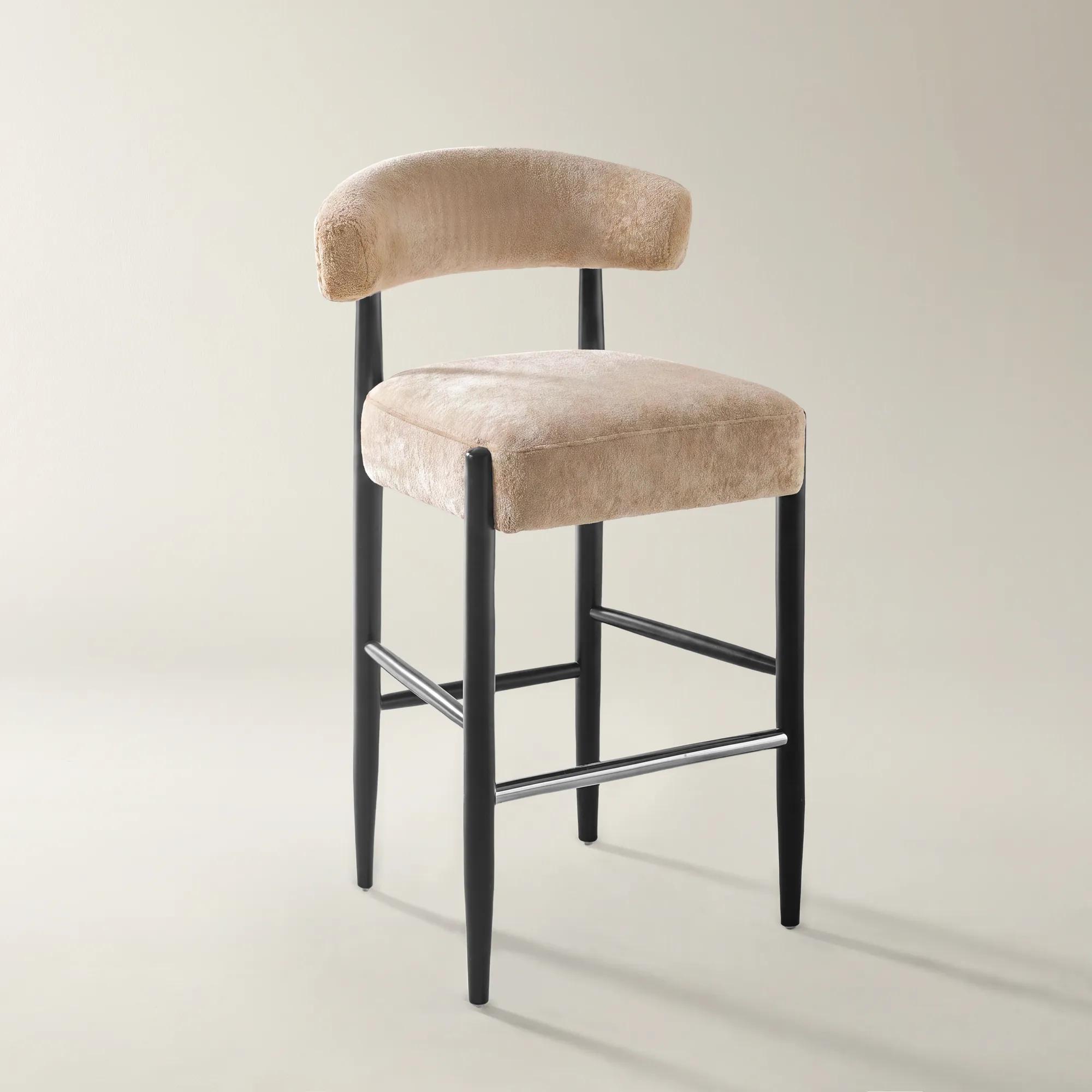 Anna Light Brown Chenille Bar/Counter Stool$449
A brown chenille counter stool with a sculpted back, padded seat, and tapered solid-rubberwood legs.
Add To Cart -
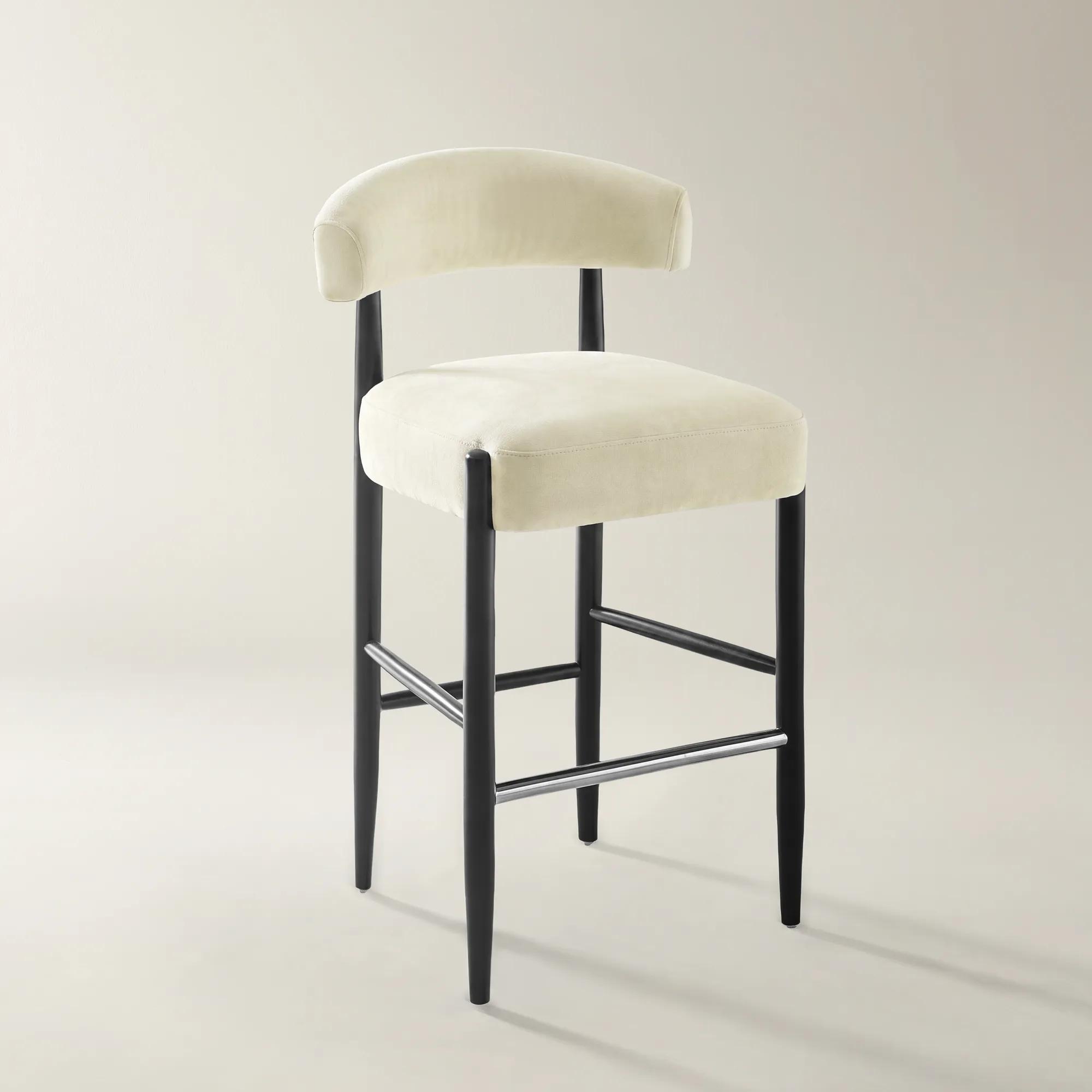 Anna Cloud Velvet Bar/Counter Stool$449
A cloud velvet counter stool with sculpted padded support and tapered solid-rubberwood legs.
Add To Cart -
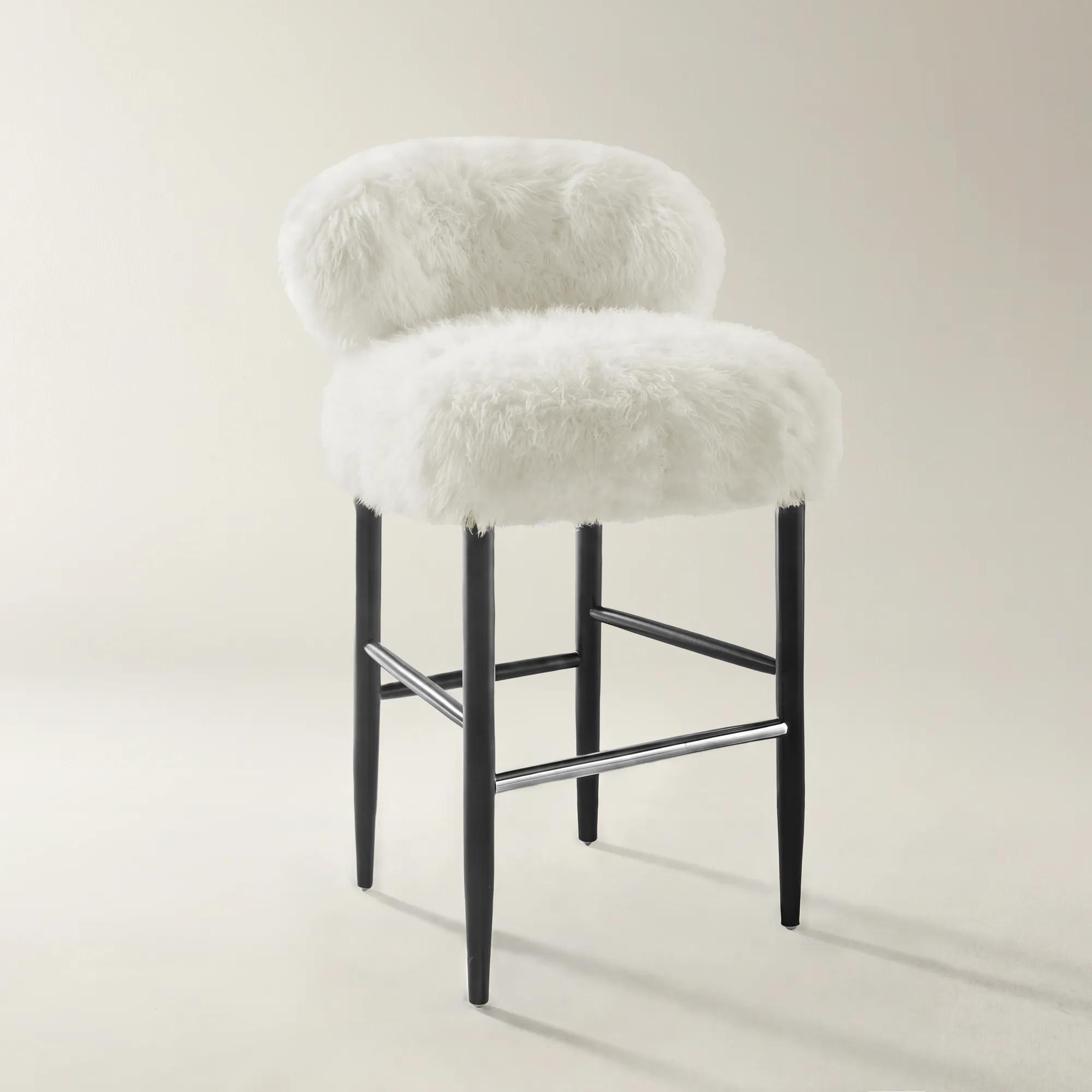 Anna Ivory Faux Fur Bar/Counter Stool$549
An ivory faux-fur counter stool with sculpted support, padded seating, and tapered solid-rubberwood legs.
Add To Cart -
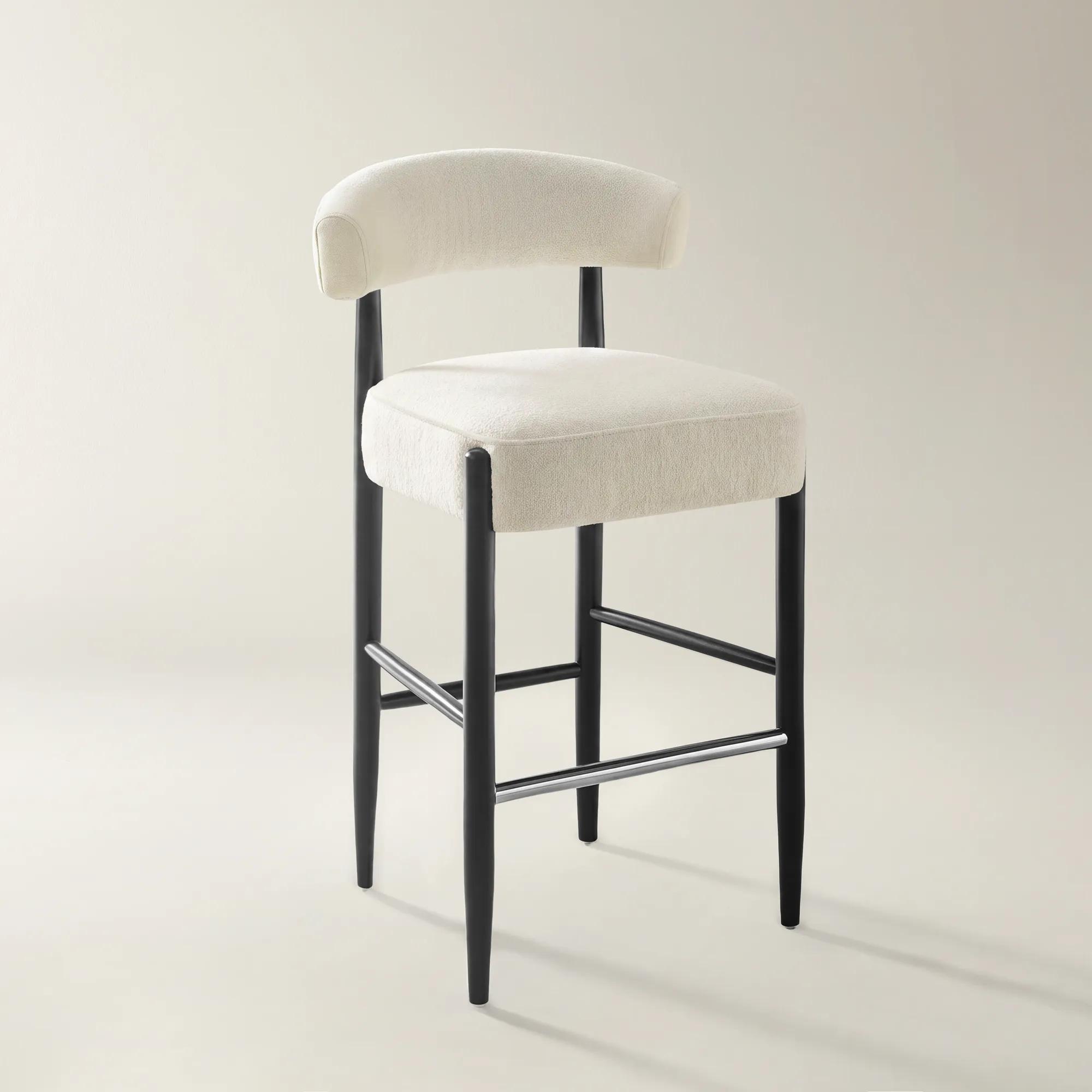 Anna Ivory Performance Chenille Bar/Counter Stool$449
An ivory performance-chenille bar stool with a sculpted back, padded seat, and tapered solid-rubberwood legs.
Add To Cart -
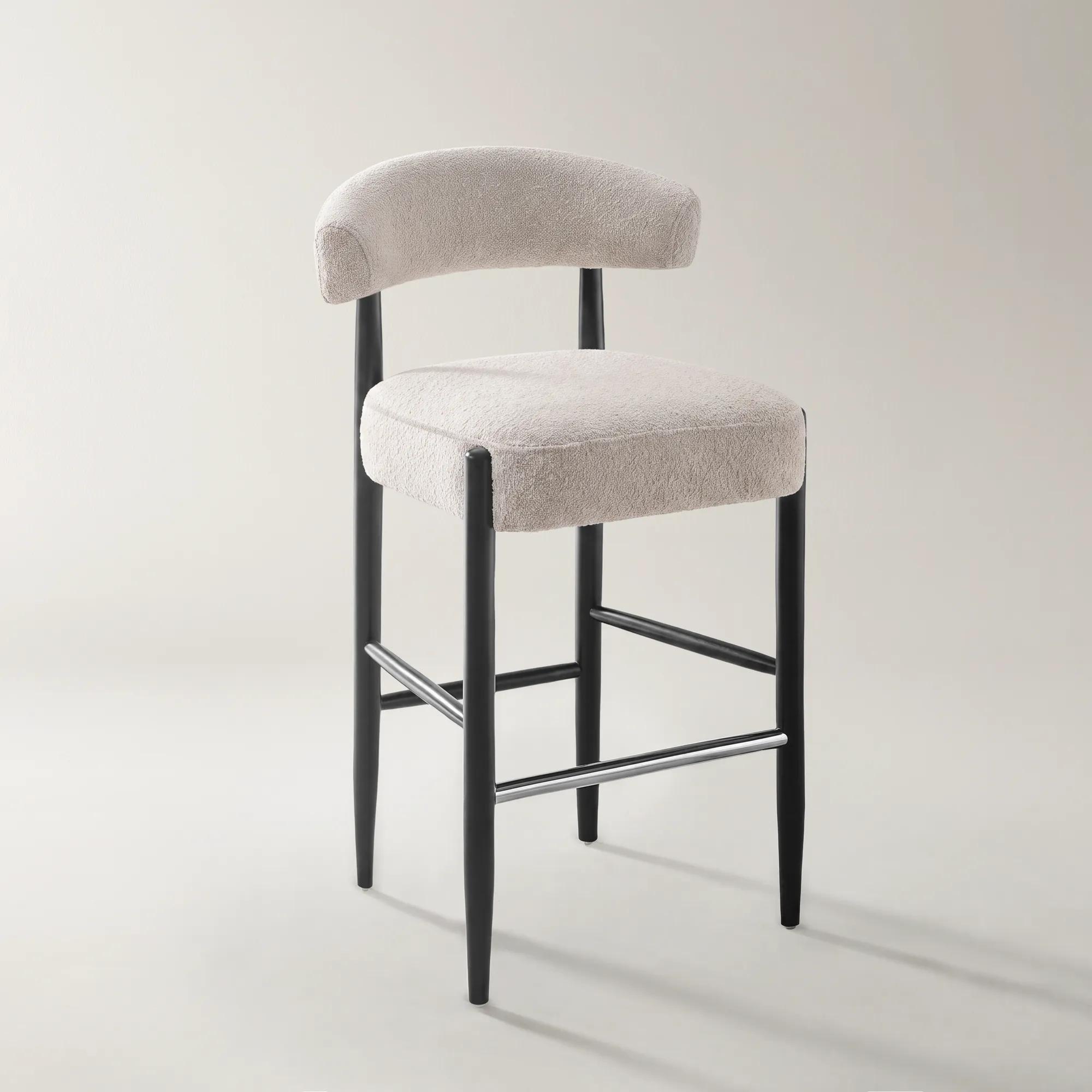 Anna Ivory Performance Boucle Bar/Counter Stool$449
An ivory performance-bouclé bar stool with sculpted padded support and tapered solid-rubberwood legs.
Add To Cart -
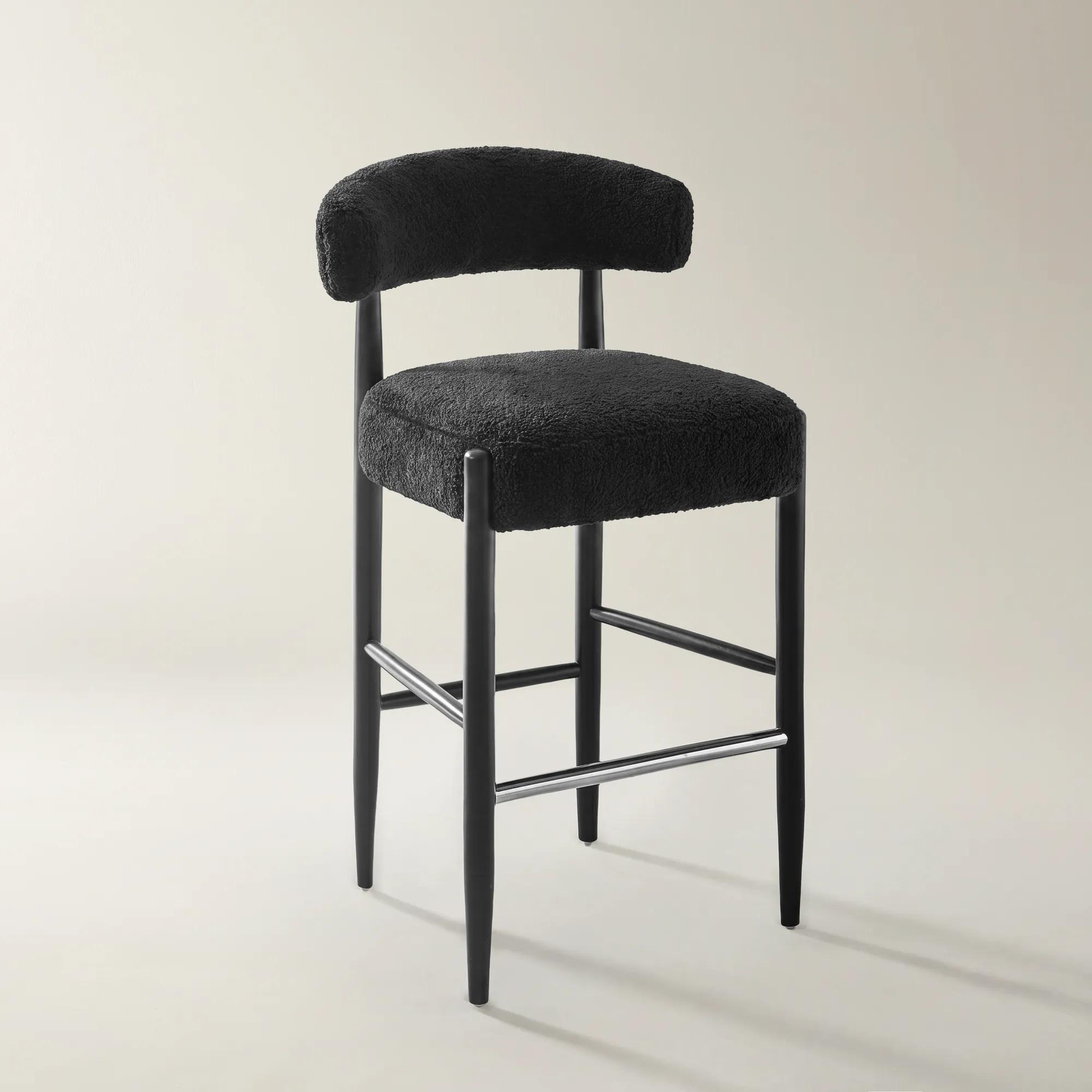 Anna Black Chenille Bar/Counter Stool$449
A black chenille counter stool with a sculpted padded seat and solid rubberwood legs.
Add To Cart -
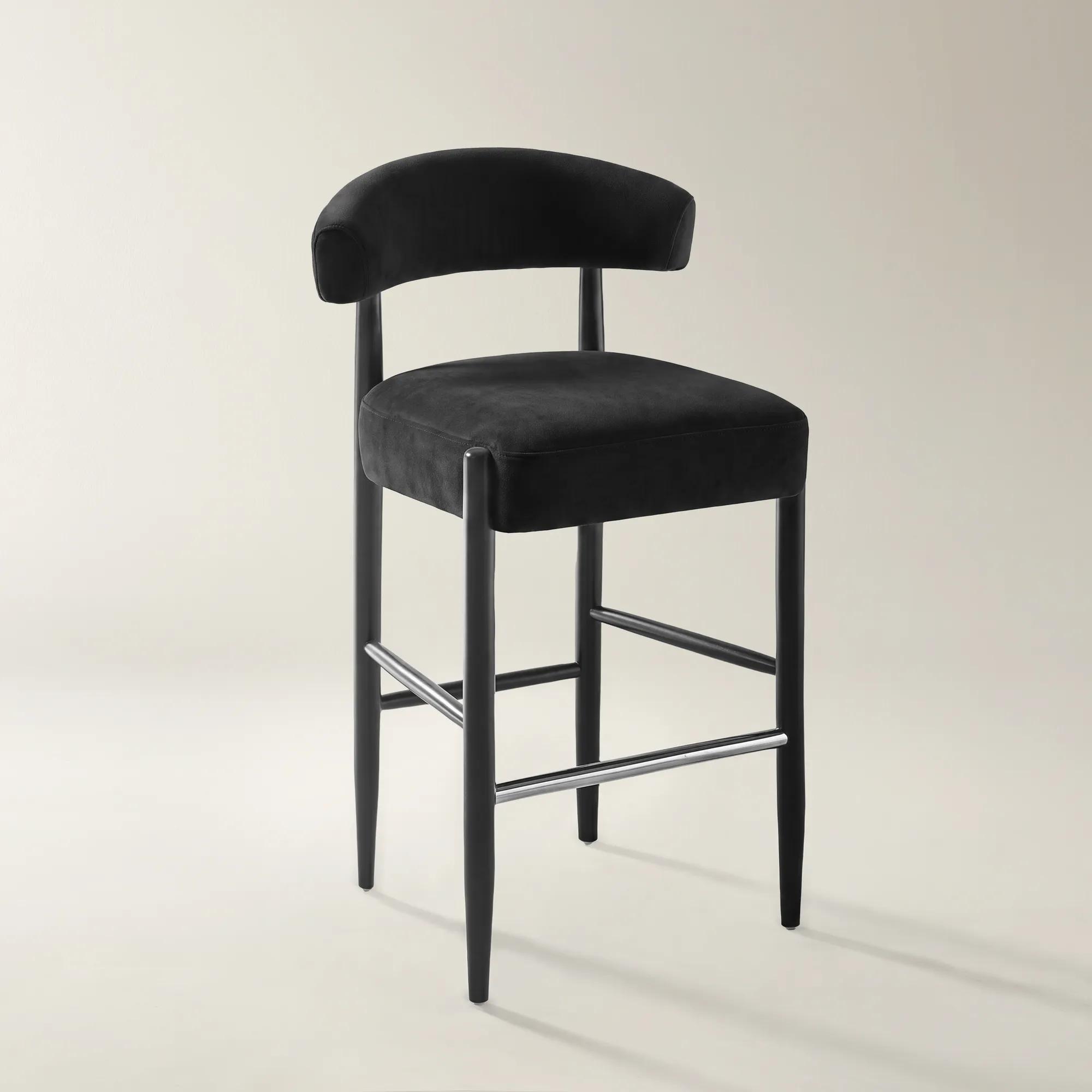 Anna Charcoal Velvet Bar/Counter Stool$449
A charcoal velvet bar stool with a sculpted padded seat and solid rubberwood legs.
Add To Cart -
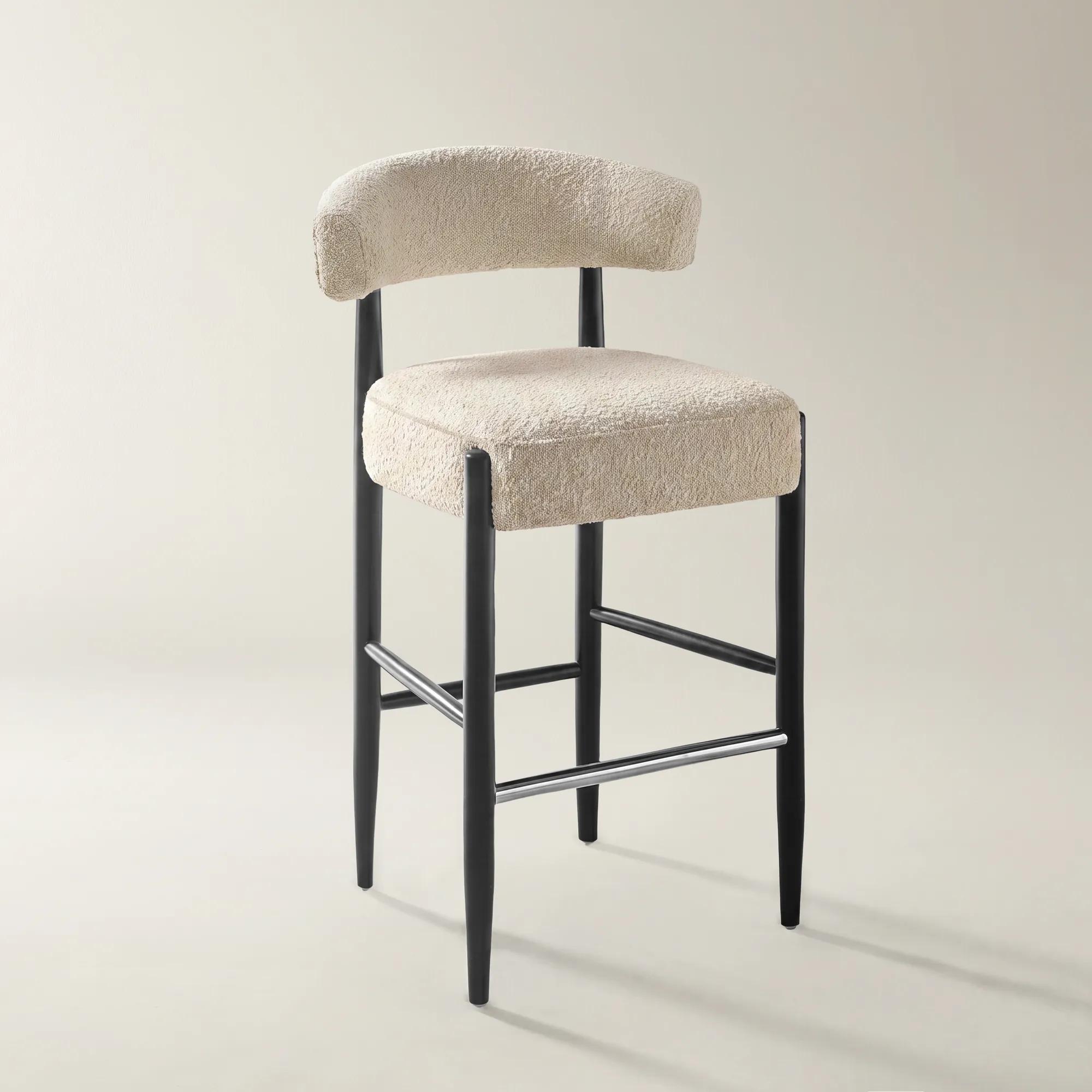 Anna Ivory Performance Boucle Bar/Counter Stool$449
A counter stool with ivory performance boucle upholstery, sculpted support, and tapered solid rubberwood legs.
Add To Cart -
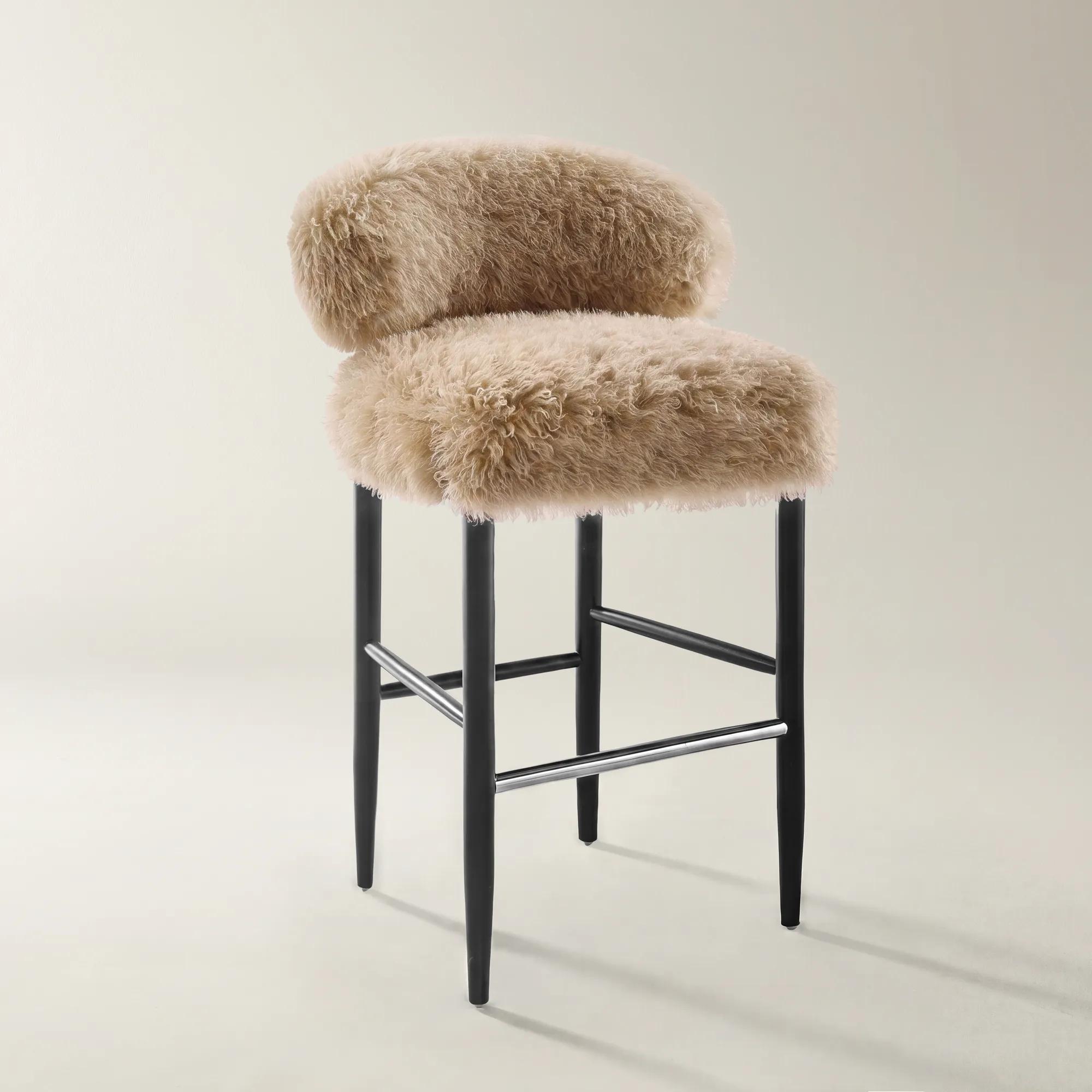 Anna Tan Faux Fur Bar/Counter Stool$549
A tan faux-fur bar stool with a sculpted padded seat and tapered solid-rubberwood legs.
Add To Cart -
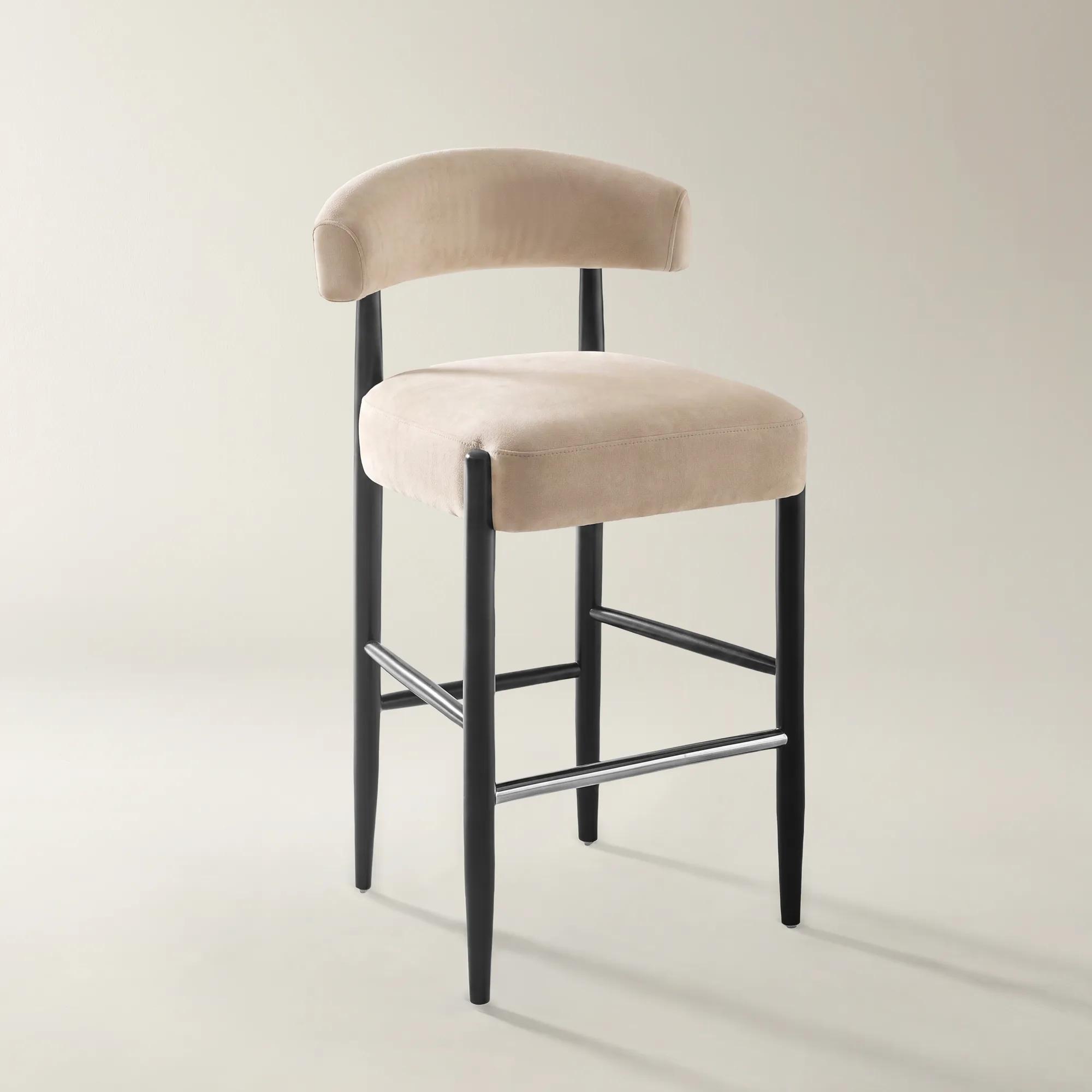 Anna Simply Taupe Velvet Bar/Counter Stool$449
A taupe velvet counter stool with a sculpted back, padded seat, and tapered solid-rubberwood base.
Add To Cart -
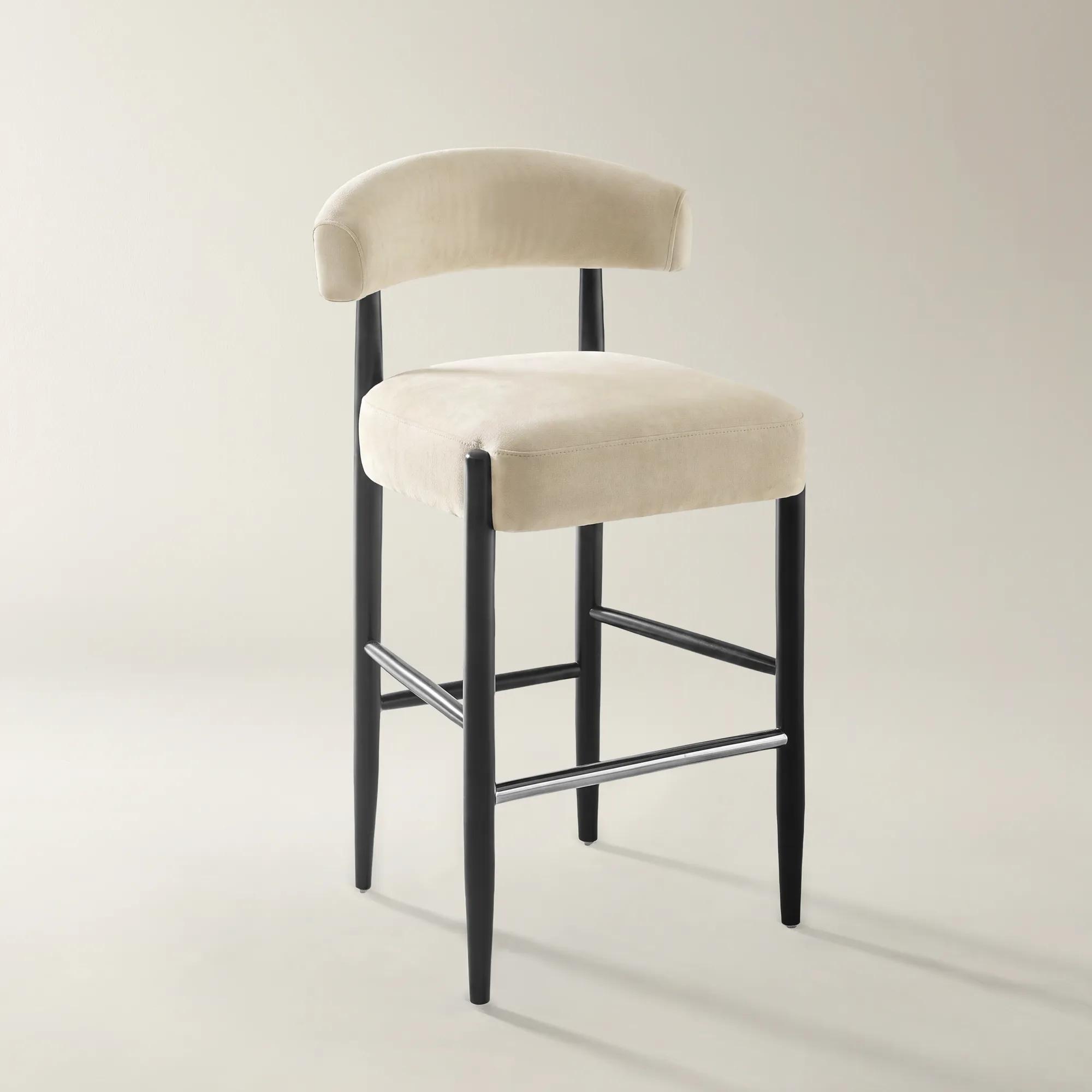 Anna Oatmeal Velvet Bar/Counter Stool$449
A counter stool with oatmeal velvet upholstery, sculpted back, padded seat, and solid rubberwood legs.
Add To Cart -
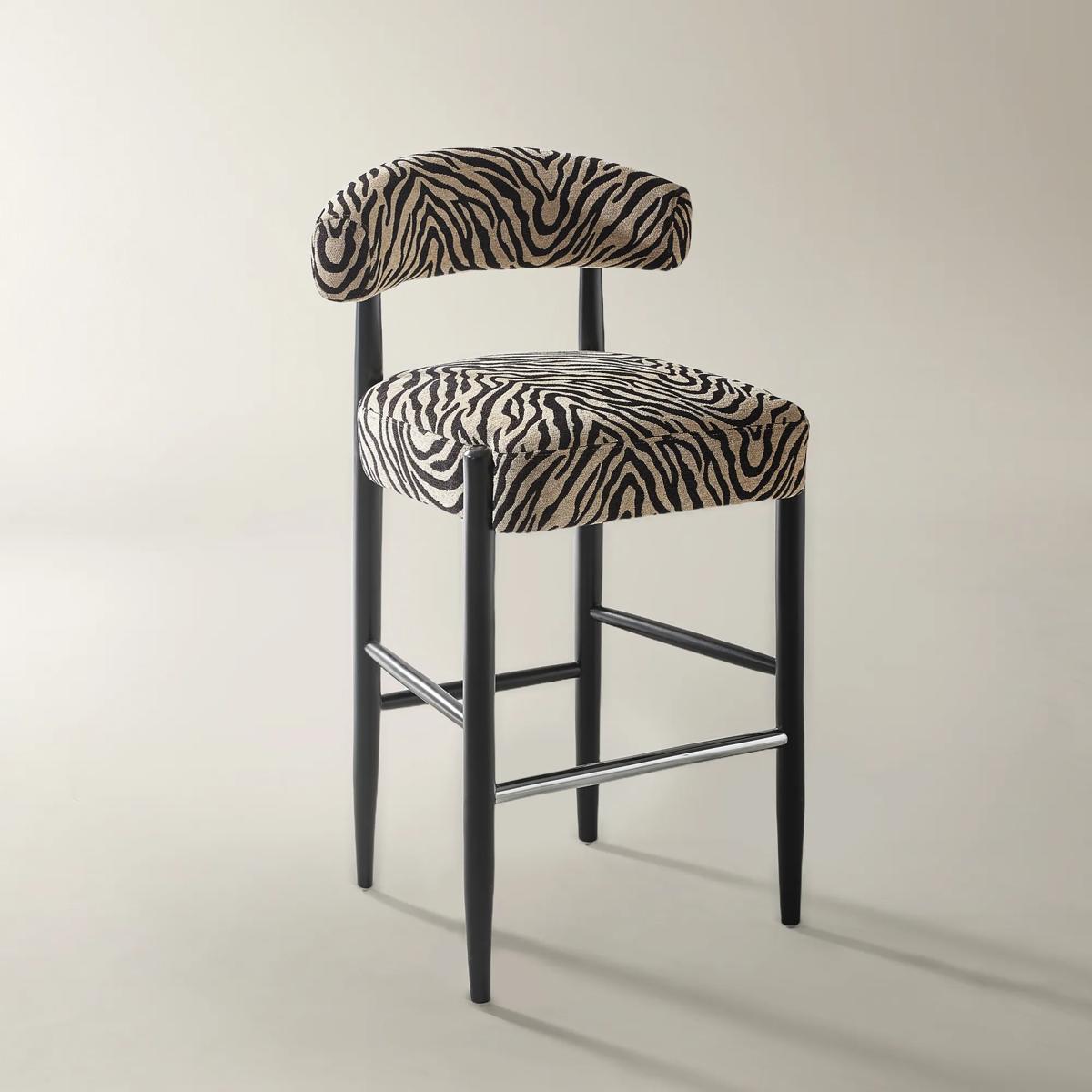
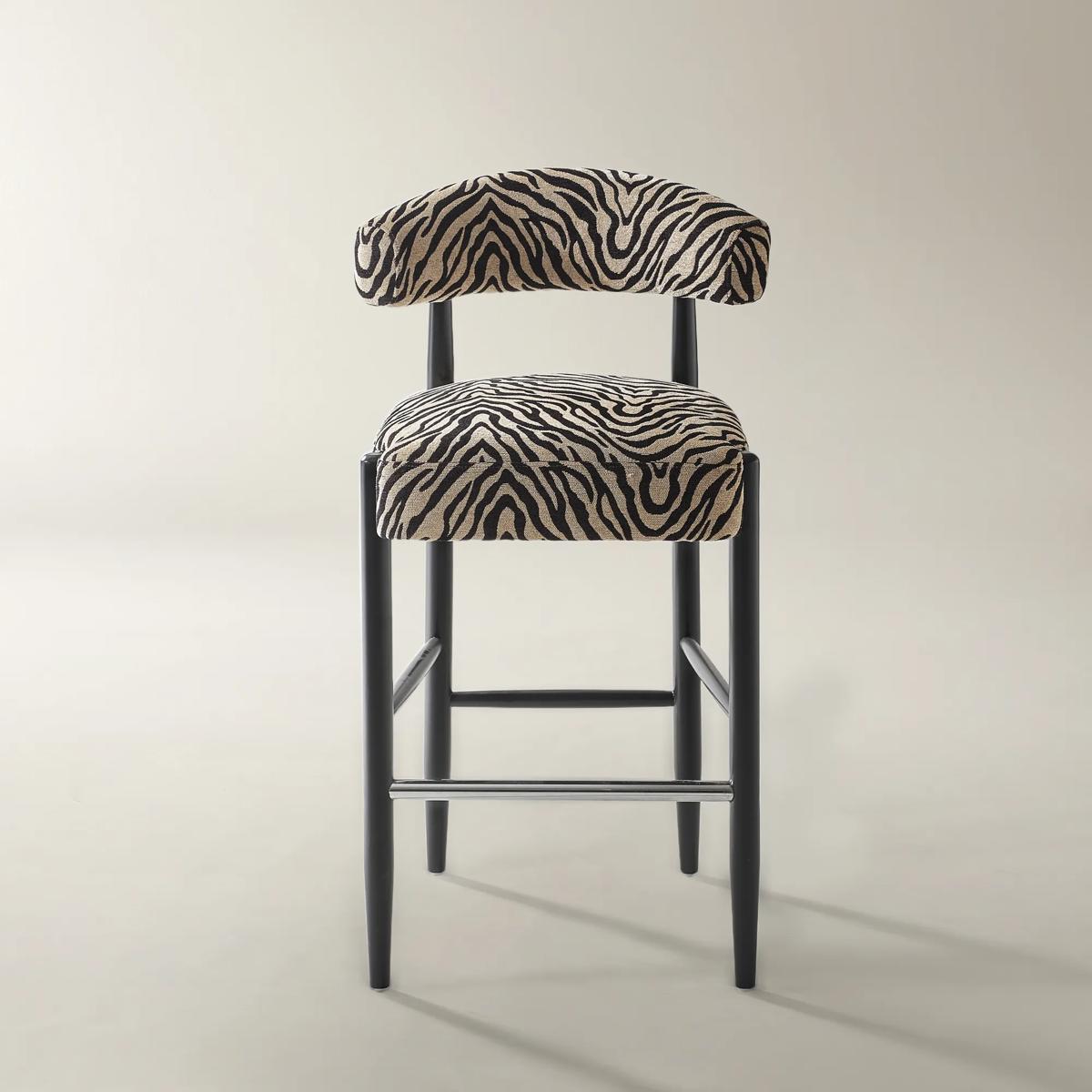 Anna Zebra Chenille Bar/Counter Stool$449
A bar stool with zebra-patterned chenille upholstery, sculpted padding, and tapered solid-rubberwood legs.
Add To Cart -
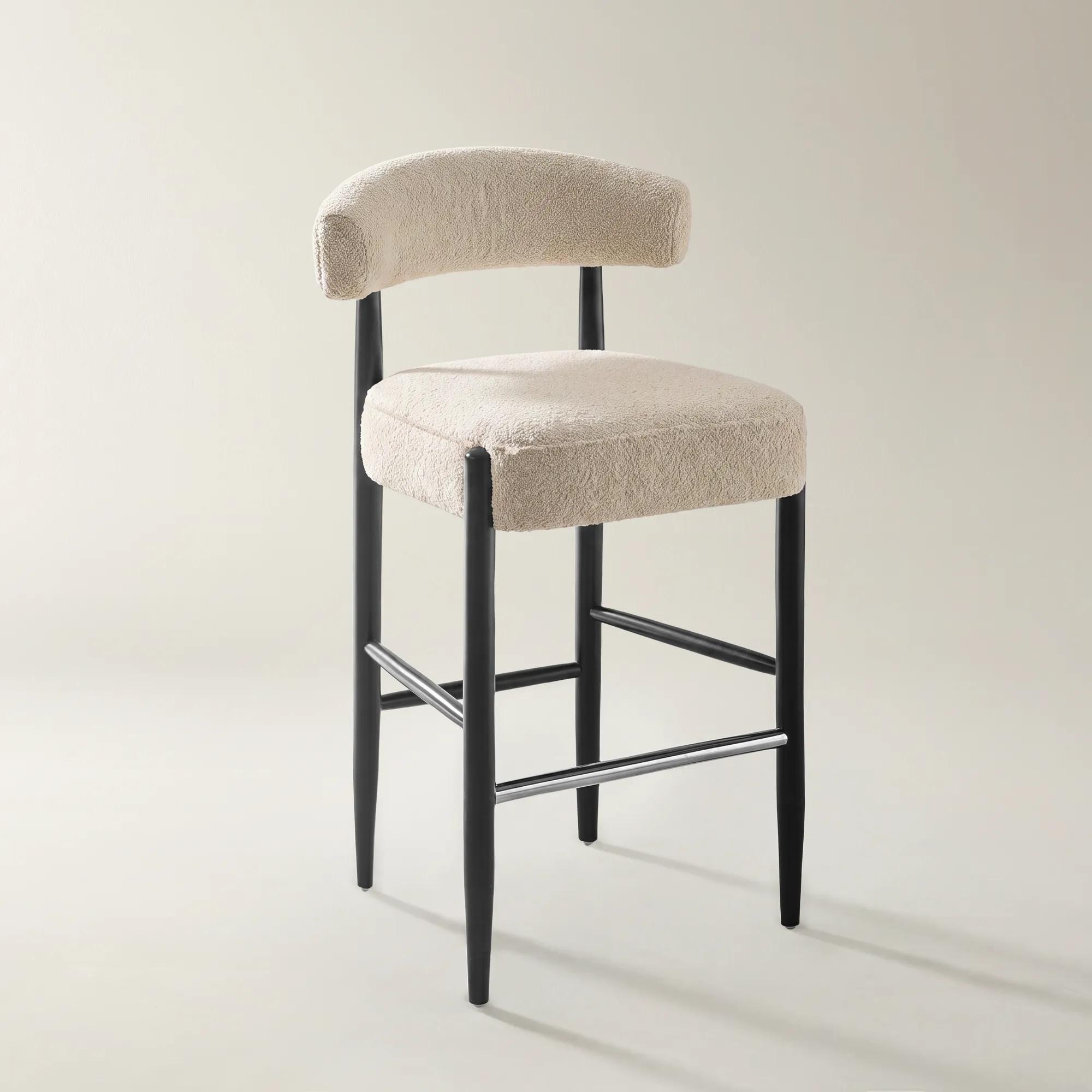 Anna Utopia Sand Chenille Bar/Counter Stool$449
A chenille bar stool with a sculpted padded seat, kiln-dried hardwood frame, and solid rubberwood legs.
Add To Cart -
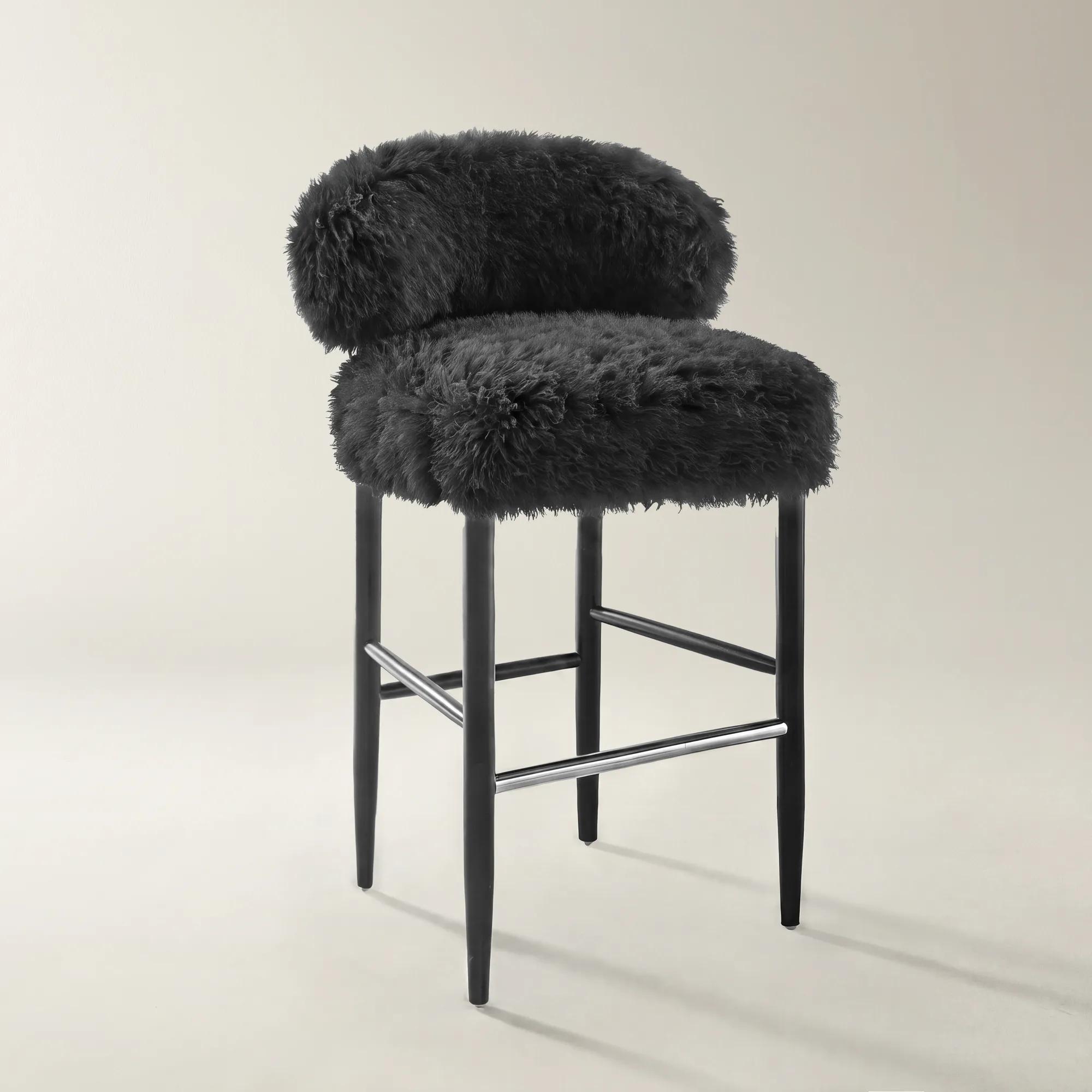 Anna Black Faux Fur Bar/Counter Stool$549
A black faux-fur bar stool with a sculpted back, padded seat, and solid rubberwood legs.
Add To Cart -
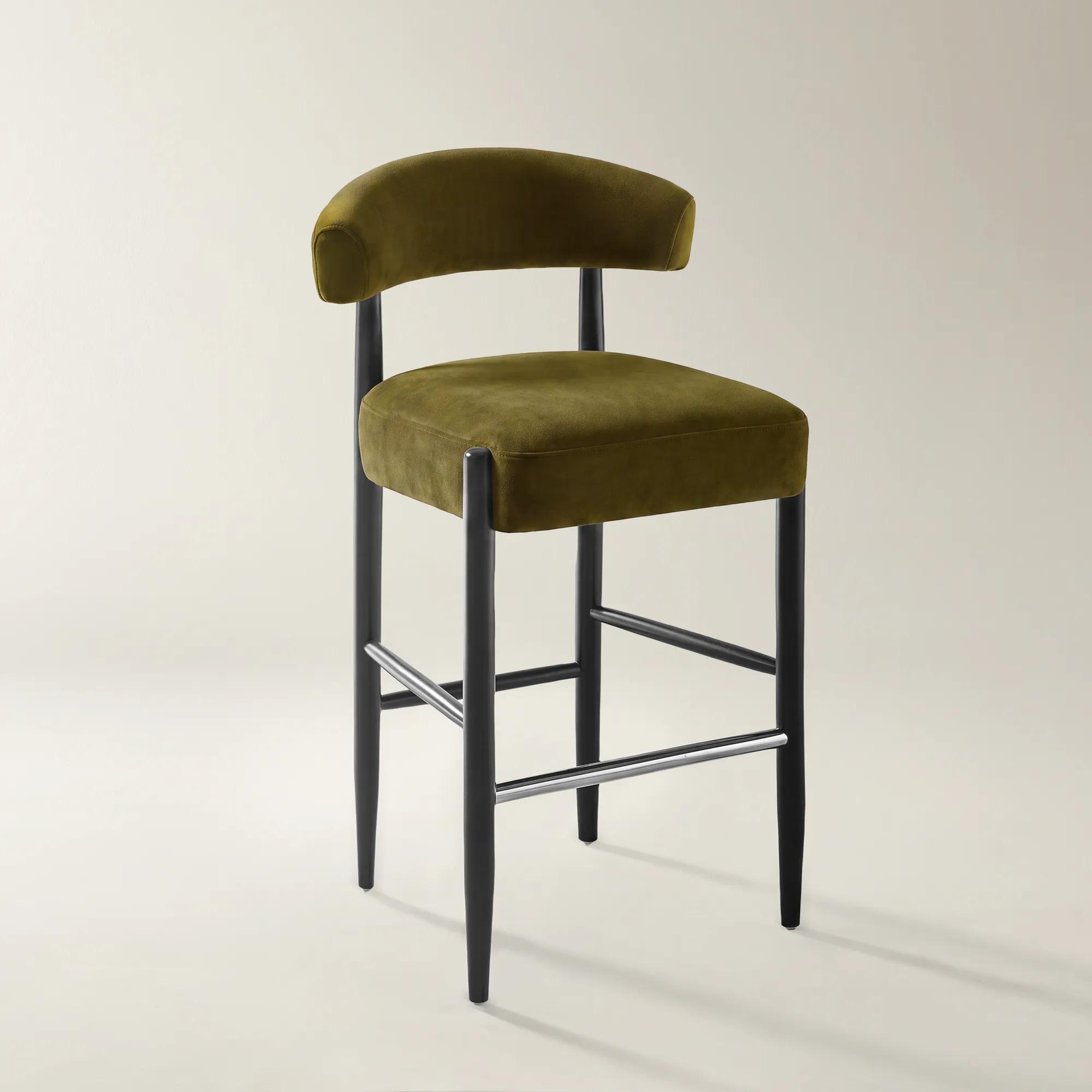 Anna Deep Olive Velvet Bar/Counter Stool$449
A green velvet bar stool with a sculpted padded seat, tailored upholstery, and tapered solid-rubberwood legs.
Add To Cart -
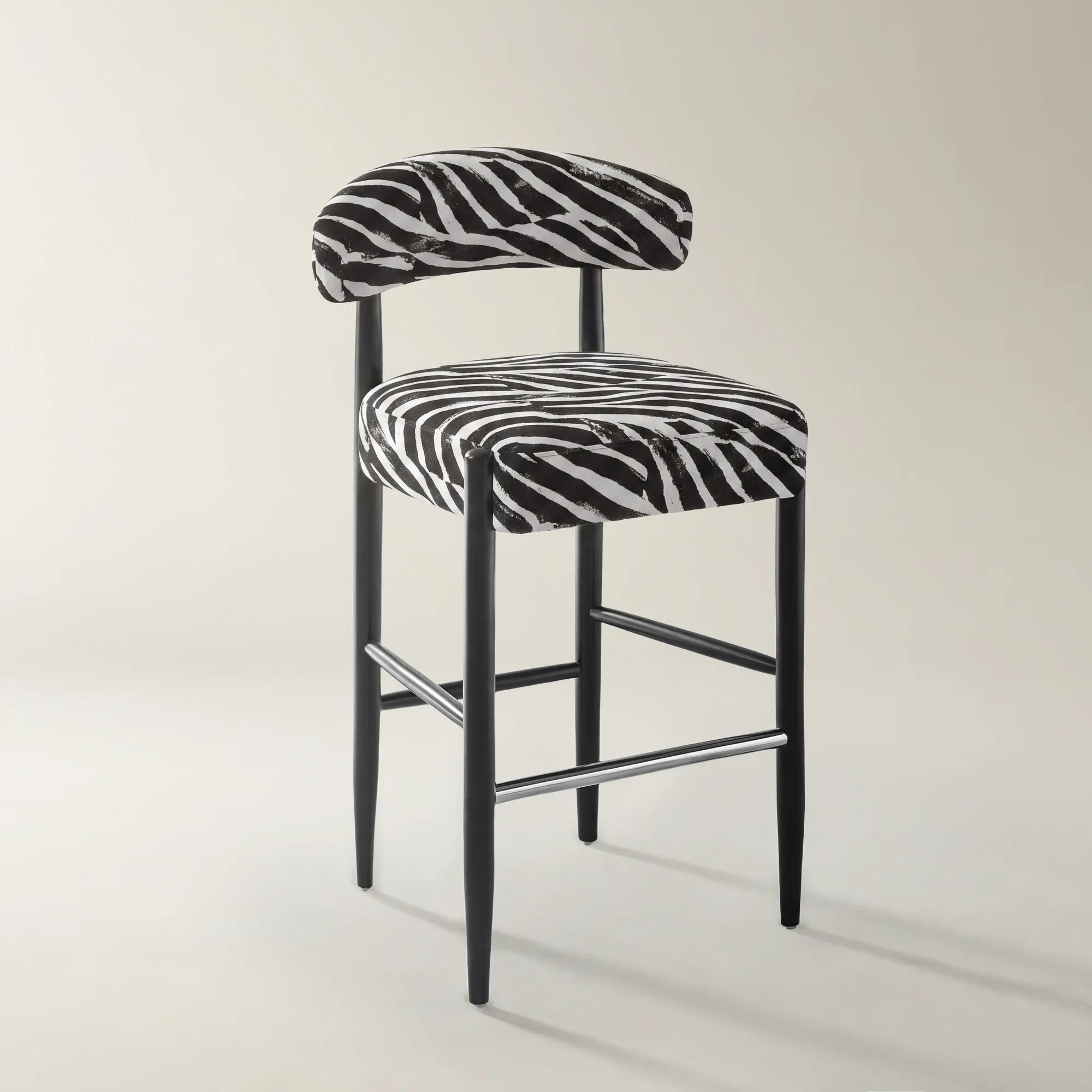 Anna White/Black Performance Chenille Bar/Counter Stool$449
A black-and-white chenille bar stool with a sculpted back, padded seat, and tapered solid rubberwood legs.
Add To Cart -
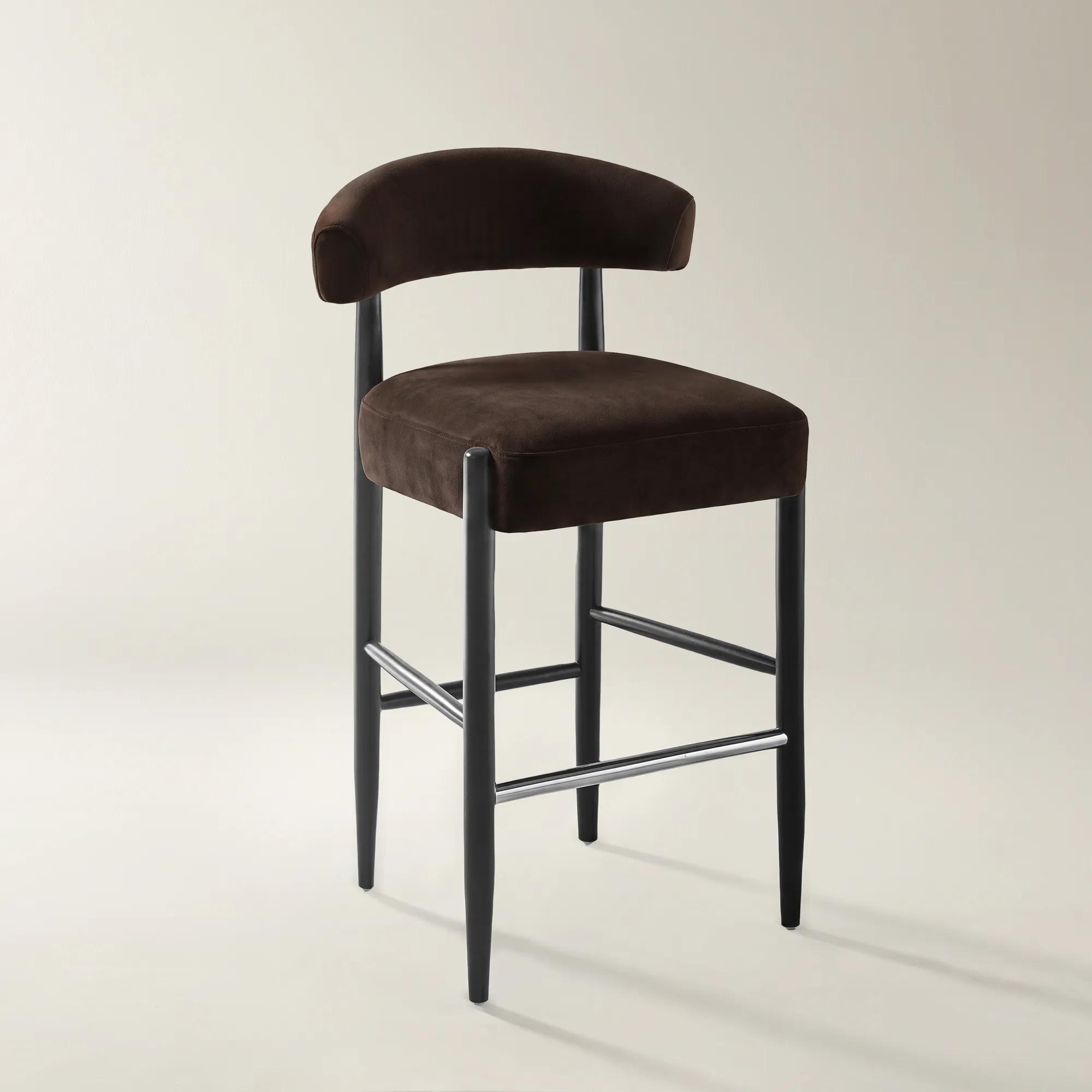 Anna Dark Chocolate Velvet Bar/Counter Stool$449
A dark chocolate velvet counter stool with a sculpted back, padded seat, and tapered solid-rubberwood legs.
Add To Cart -
 Valerie Natural Outdoor Counter Stool$659
A natural-finished outdoor stool offering stylish counter-height seating.
Add To Cart -
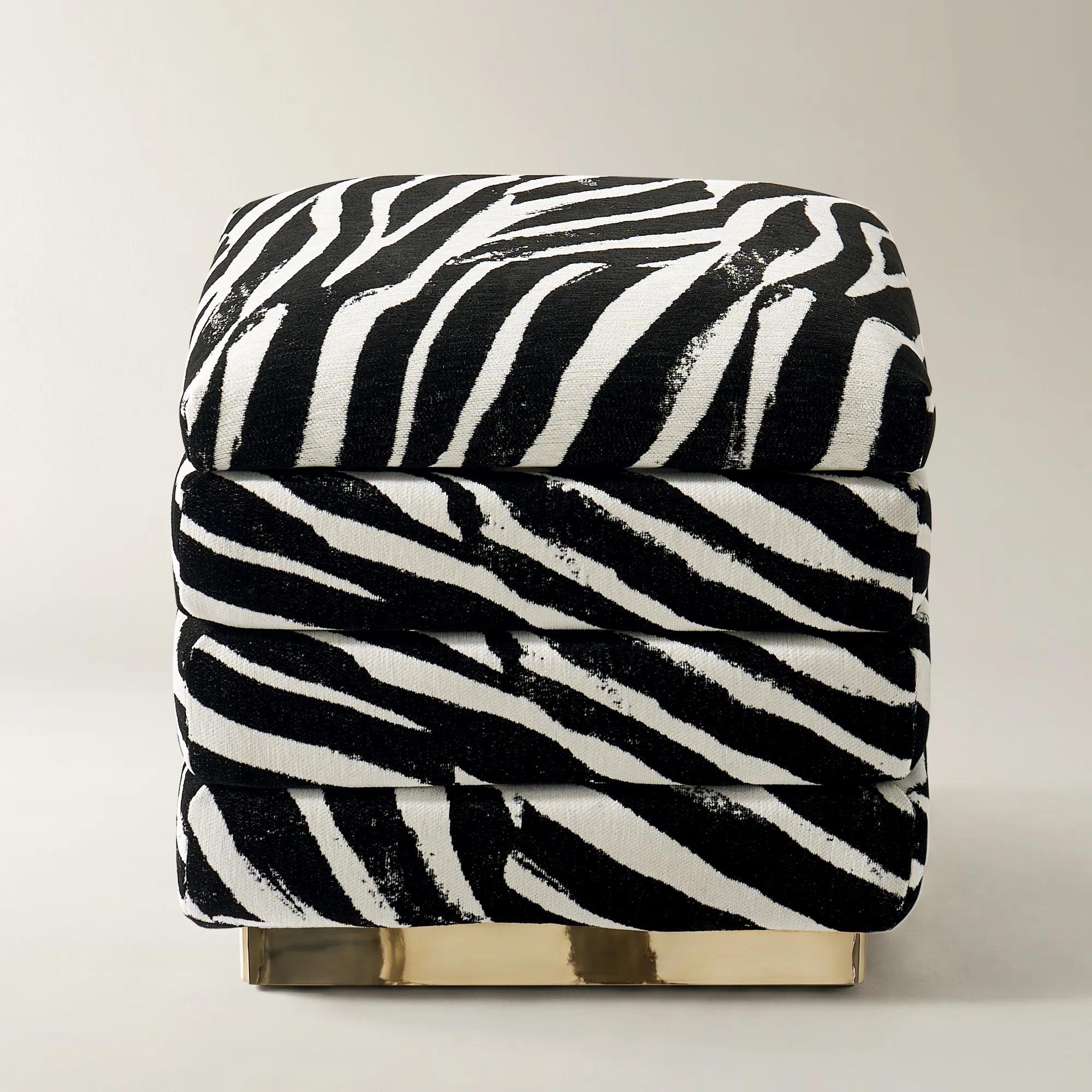
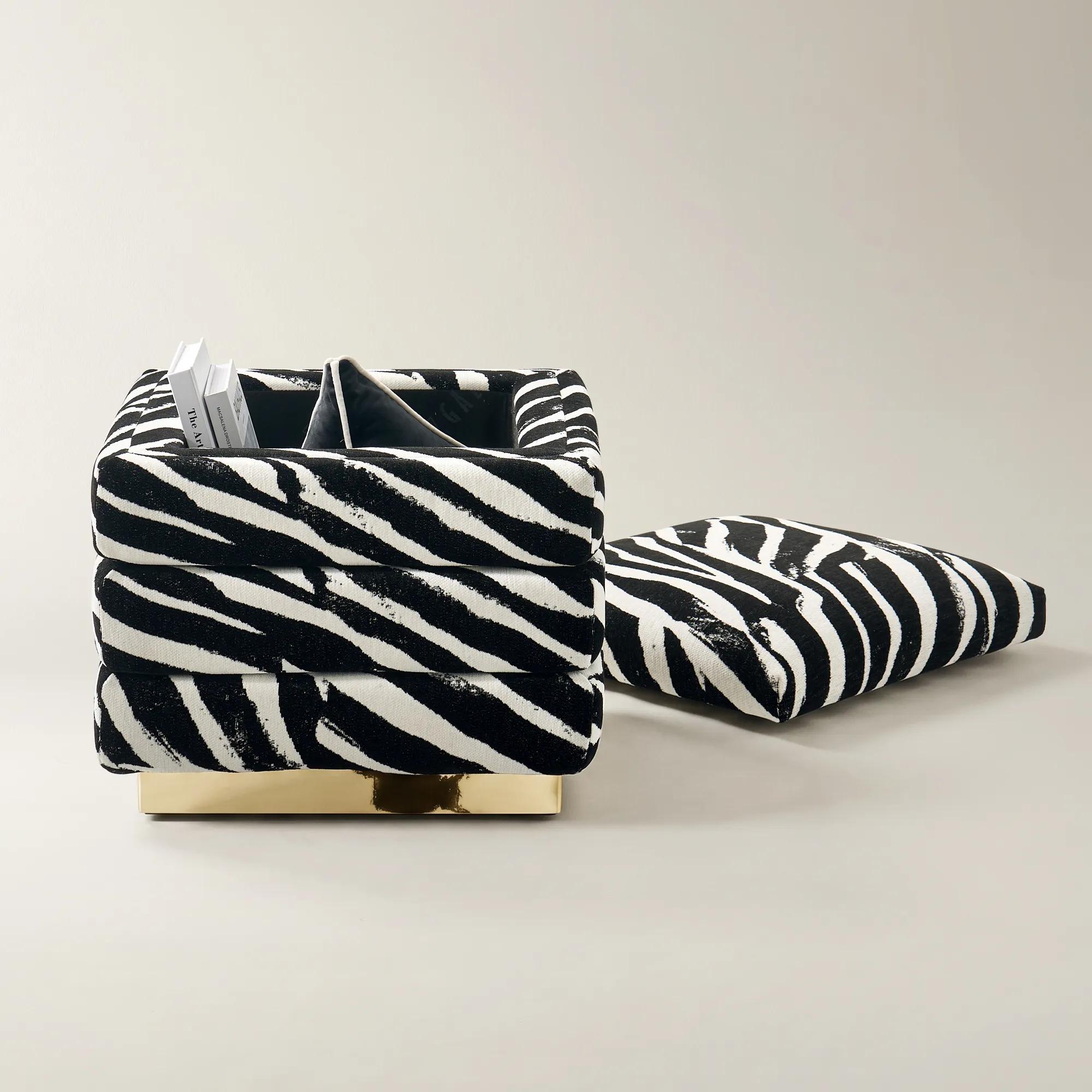 Gable White/Black Performance Chenille Stool$399
A plush white and black chenille stool with hidden storage and a polished gold stainless steel base.
Add To Cart

Bar Stools For Apartment
Elevate your entertaining and redefine your dining experience with bar stools for apartment living that exude modern sophistication. In spaces where every inch is precious, these sculptural seating options transform the ordinary into the extraordinary—inviting conversation, artistry, and a touch of drama to your kitchen or breakfast nook. Whether you’re curating a glamorous cocktail corner or a chic spot for morning coffee, discover how the right bar stools for apartment homes become a statement of personal style, effortlessly blending comfort with undeniable flair.
Bar stools for an apartment bring sculptural presence to the kitchen island, breakfast counter, or elevated dining ledge, making a compact footprint feel thoughtfully composed. A pair of beautifully proportioned seats can define the boundary between cooking and living areas without closing off the room, while a longer arrangement creates an inviting setting for shared meals and conversation. Scale begins with the relationship between the seat and the surface above it. Counter-height stools generally have seat heights of about 24 to 27 inches, while bar-height stools typically measure about 28 to 32 inches at the seat. A standard 36-inch-high kitchen counter usually calls for counter-height seating; a taller surface around 40 to 42 inches generally requires bar-height seating. These ranges are starting points, not substitutes for measurements. Approximately 9 to 12 inches between the top of the seat and the underside of the counter allows comfortable legroom, with any apron, drawer, or support bracket included in the measurement. Arm height matters, too: a stool that appears compact may not slide beneath an island if its arms meet the countertop edge. In an open-plan apartment, that distinction can determine whether the passage to the sofa remains comfortably clear. Visually, slender metal legs preserve a sense of openness, while a curved upholstered back gives the kitchen the polish of a furnished dining space. Backless silhouettes sit quietly beneath an overhang, allowing a dramatic countertop or pendant light to take the lead. A taller back creates a more pronounced outline, especially when the stools are visible from the living room. For a studio, the right profile can establish a distinct dining moment without adding another table; for a larger apartment, a coordinated row of stools gives an expansive island rhythm and definition. The effect is both practical and expressive: a place for morning coffee that holds its own within a richly layered interior.
Material and construction shape how apartment bar stools look, feel, and perform through daily use. Velvet upholstery introduces depth and a subtle play of light, giving even a small breakfast counter a sumptuous finish. Tightly woven fabrics can provide texture with a quieter sheen, while leather and faux leather offer distinct surface characteristics and care requirements. Genuine leather may develop patina, depending on its finish; faux leather generally needs gentle cleaning and protection from abrasive products that can damage its coating. Performance upholstery can be useful where meals and drinks are frequent, although stain resistance and approved cleaning methods vary by fabric. Wood frames bring warmth and visible grain to polished kitchens, while metal frames can establish a precise, architectural line. A gleaming finish catches light differently from a brushed or matte surface, allowing the stools to echo cabinet hardware without matching every detail. Durability depends on more than the material alone: secure joints, a stable base, appropriate weight capacity, and a well-positioned footrest all contribute to seating that feels reassuring in use. A broad, supportive seat and a gently shaped back are particularly welcome when dinner becomes a lingering conversation. Backless stools offer freedom of movement, but they provide less support for extended sitting. Upholstered seats soften the experience, while firmer, unupholstered surfaces may suit shorter meals and simpler cleanup. Everyday care preserves that considered appearance. Crumbs are easier to manage before they settle into seams, spills benefit from prompt blotting, and upholstery should be cleaned according to its care label rather than treated with a universal cleaner. Finished wood and metal generally benefit from a soft cloth and products approved for the surface. Protective floor glides suited to the flooring help limit scuffs, and keeping those glides free of grit is especially valuable in a rental apartment. Regular checks of fasteners and adjustable mechanisms help maintain stability without compromising the stool’s refined lines.
The arrangement of bar stools for apartment living should feel as composed in motion as it does at rest. Approximately 24 to 30 inches between seat centers is a useful starting point for many layouts, with wider seats, arms, and swivel designs often requiring additional room. The usable length of the counter matters more than its full length when legs, supports, or an adjacent wall restrict seating. A compact base can leave the floor visually open, but the entire footprint deserves attention: splayed legs may extend well beyond the seat, and a circular pedestal can occupy more floor space than expected. Swivel stools make it easier to turn toward conversation without dragging the seat across the floor, provided there is clearance for the seat and back to rotate without striking cabinetry. Adjustable-height designs can accommodate some variation in counter height, though their stated range and stability remain important considerations. Where an island borders the main walkway, a stool that tucks fully beneath the overhang can make everyday circulation noticeably easier. Folding or stackable designs may serve occasional gatherings when their storage dimensions suit the apartment, while a substantial upholstered silhouette is better understood as a permanent part of the room’s composition. Color helps connect that composition to the surrounding space. Ivory upholstery can lift a dark kitchen, charcoal can ground pale cabinetry, and a jewel-toned seat can introduce a concentrated stroke of color beneath a neutral counter. Repeating one finish or texture from the living area creates continuity without making every piece identical. That conversation between spaces can extend to Accent Stools For Modern Apartments in a separate seating vignette, with each area furnished at the appropriate scale. For a first apartment, a shared home, or a housewarming gift chosen with the recipient’s measurements and preferences in mind, well-proportioned stools offer lasting everyday usefulness. Their appeal lies in that balance: enough presence to enrich the room, enough comfort to invite another conversation, and enough breathing room for apartment life to unfold around them.
FAQs
Apartment bar stools often feature a blend of luxurious materials—think gleaming metals, rich woods, and sumptuous upholstery. Velvet and faux leather add a touch of drama and comfort, while metal frames lend an air of modern sophistication. The interplay of textures and finishes allows you to create a space that feels uniquely yours.
Bar stools are a canvas for creative expression. Choose bold silhouettes or statement finishes to introduce a sense of glamour, or layer in plush cushions and throws for added comfort and color. Position them beneath pendant lighting to create a striking vignette that draws the eye and sets the mood for entertaining.
Absolutely—bar stools are ideal for maximizing style and function in compact spaces. Their vertical profile helps save valuable floor space, and open bases or slender legs maintain an airy, uncluttered look. They can easily tuck under counters or islands, making them perfect for apartments where every inch counts.
For daily living, consider stools with supportive backs, plush seats, or convenient footrests for added comfort. Swivel designs and adjustable heights offer flexibility for various activities, from casual dining to working from home. Look for durable finishes that can stand up to frequent use while maintaining their luster.
Bar stools are a striking and practical gift for anyone moving into a new apartment or celebrating a milestone. They bring instant style and function to a space, making them especially memorable for newlyweds, graduates, or friends embarking on a new chapter in city living. Every time they gather around the counter, they’ll remember your thoughtful gesture.


