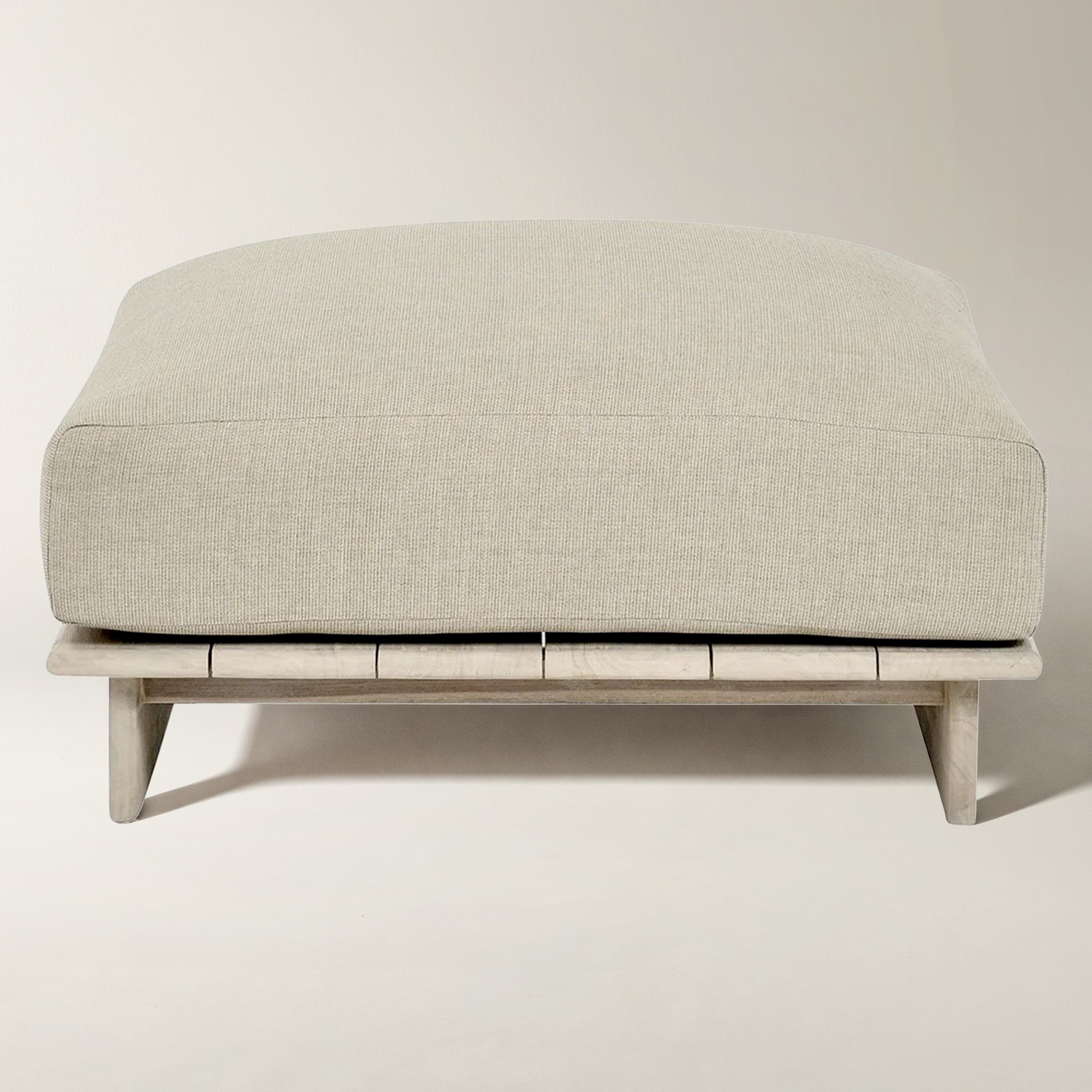
Accent Stools For Modern Lofts
Accent Stools For Modern Lofts
-
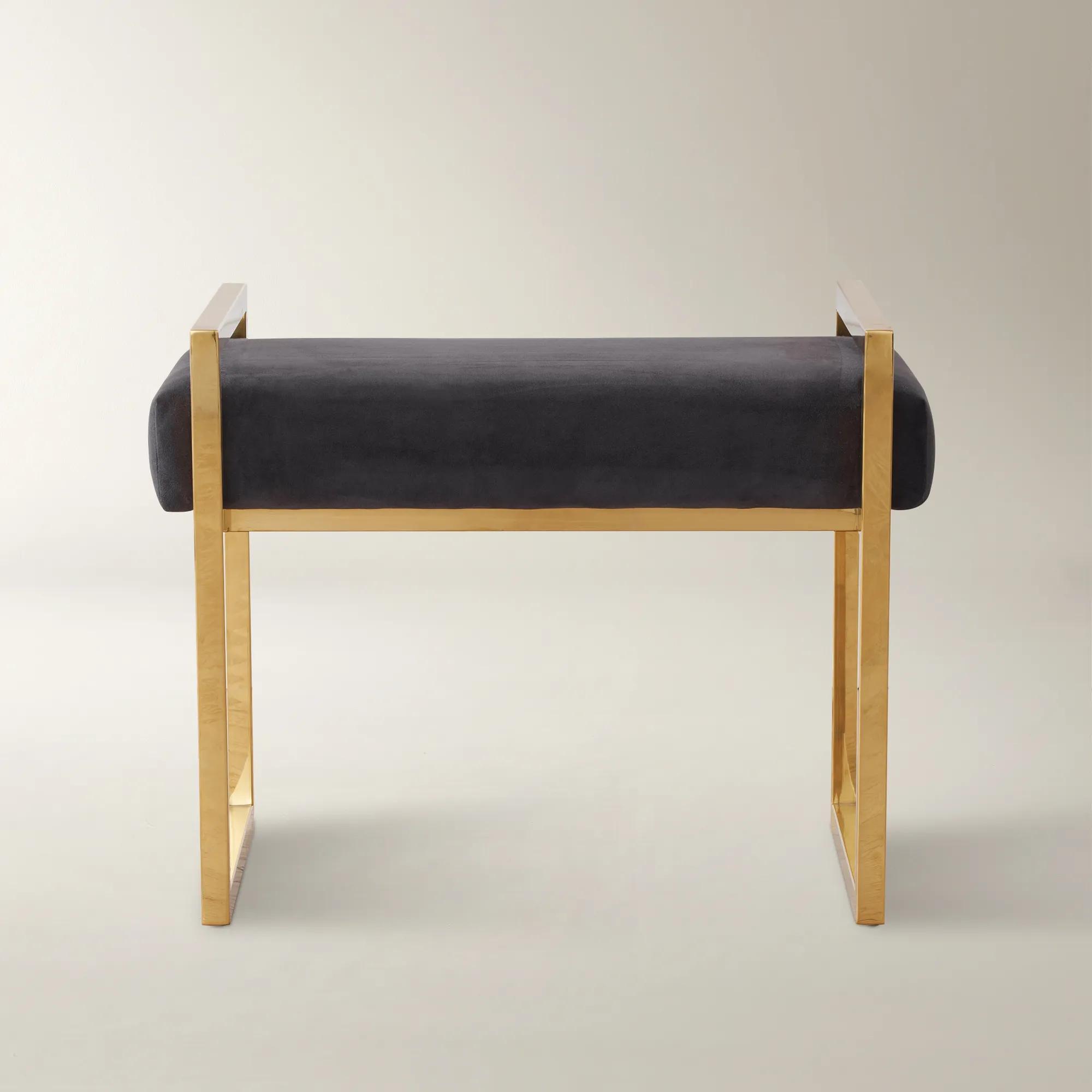
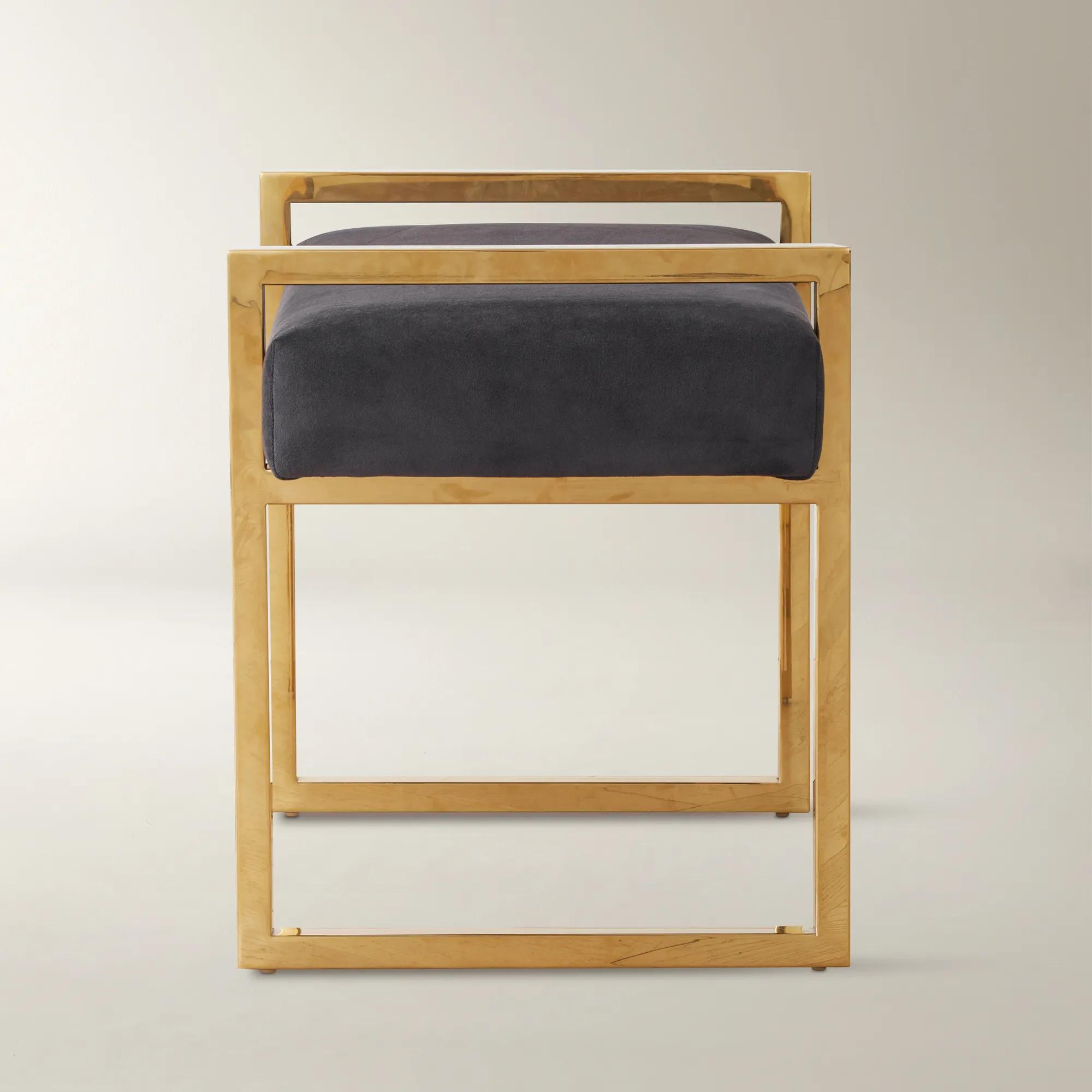 Clara Accent Stool$449
A chic accent stool featuring a plush black velvet seat and polished gold metal legs for modern flair.
Add To Cart -
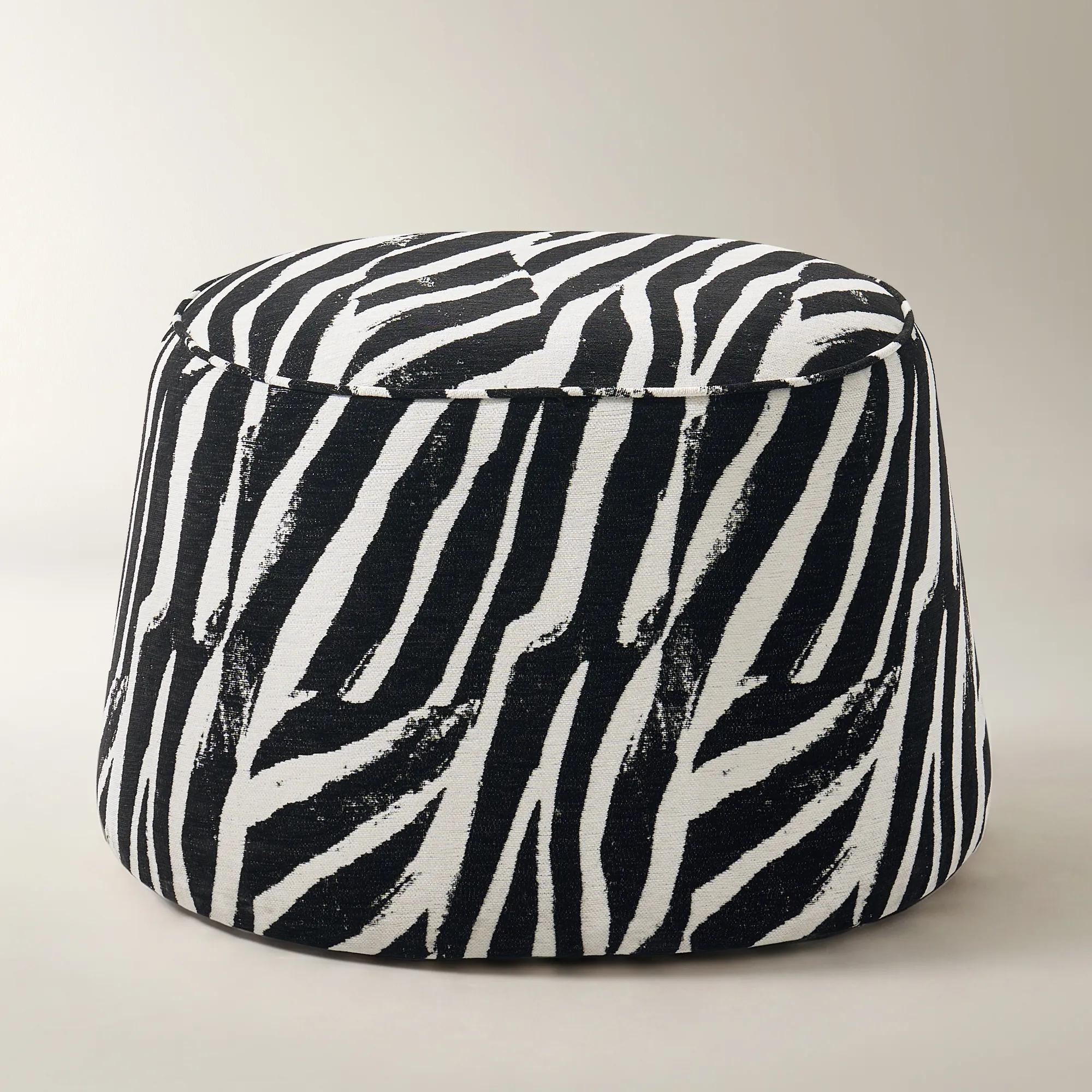 Avery White/Black Performance Chenille Stool$399
A sculpted drum accent stool in black and white performance chenille with an animal-inspired pattern.
Add To Cart -
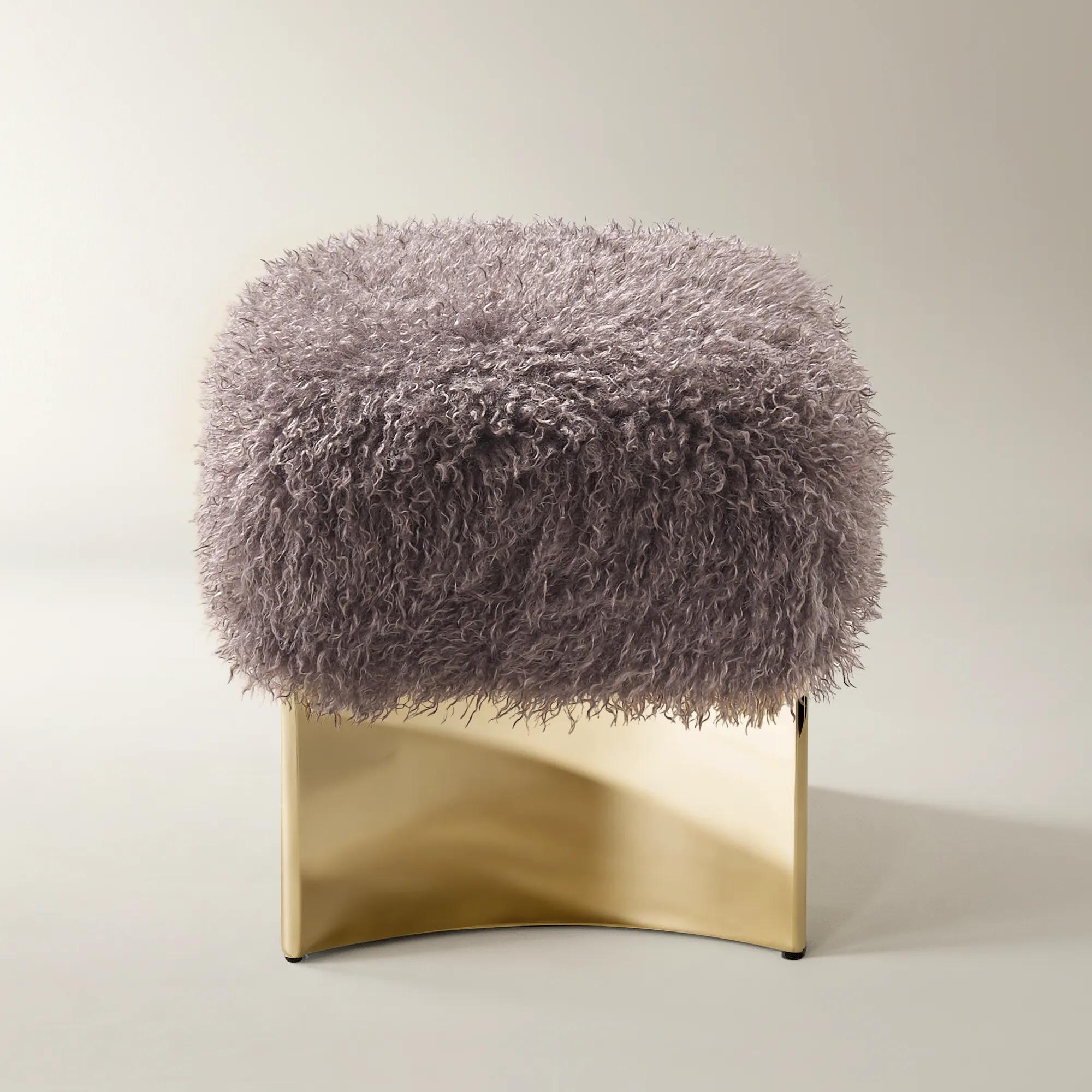 Lush Smoked Plum Faux Fur Stool$499
A sculptural smoked plum faux fur stool with a plush seat and polished gold stainless steel base.
Add To Cart -
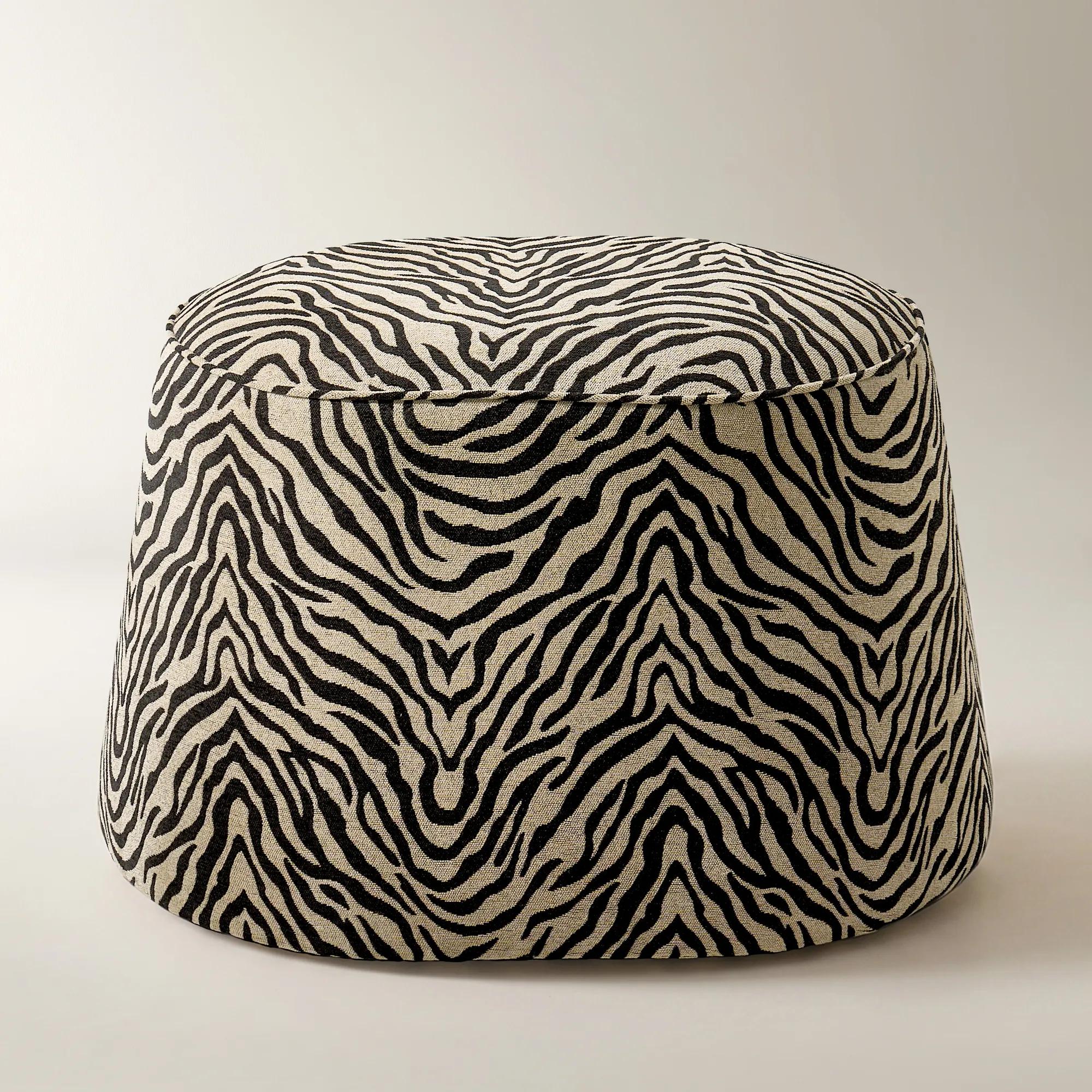 Avery Zebra Performance Chenille Stool$399
A sculpted drum-shaped accent stool upholstered in zebra-patterned performance chenille for bold, modern style.
Add To Cart -
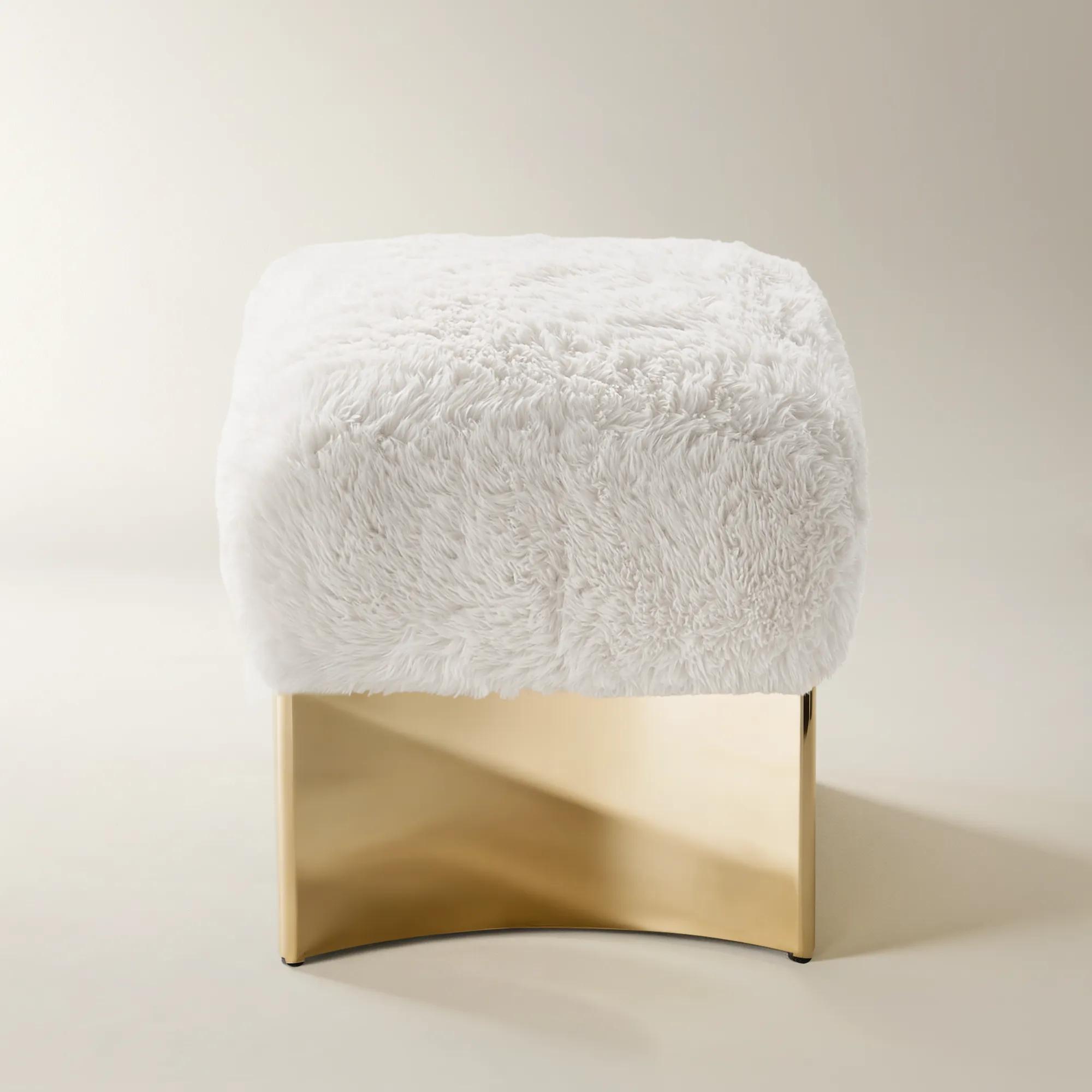 Lush White Faux Fur Stool$499
A sculptural white faux fur stool with a plush seat and polished gold stainless steel base.
Add To Cart -
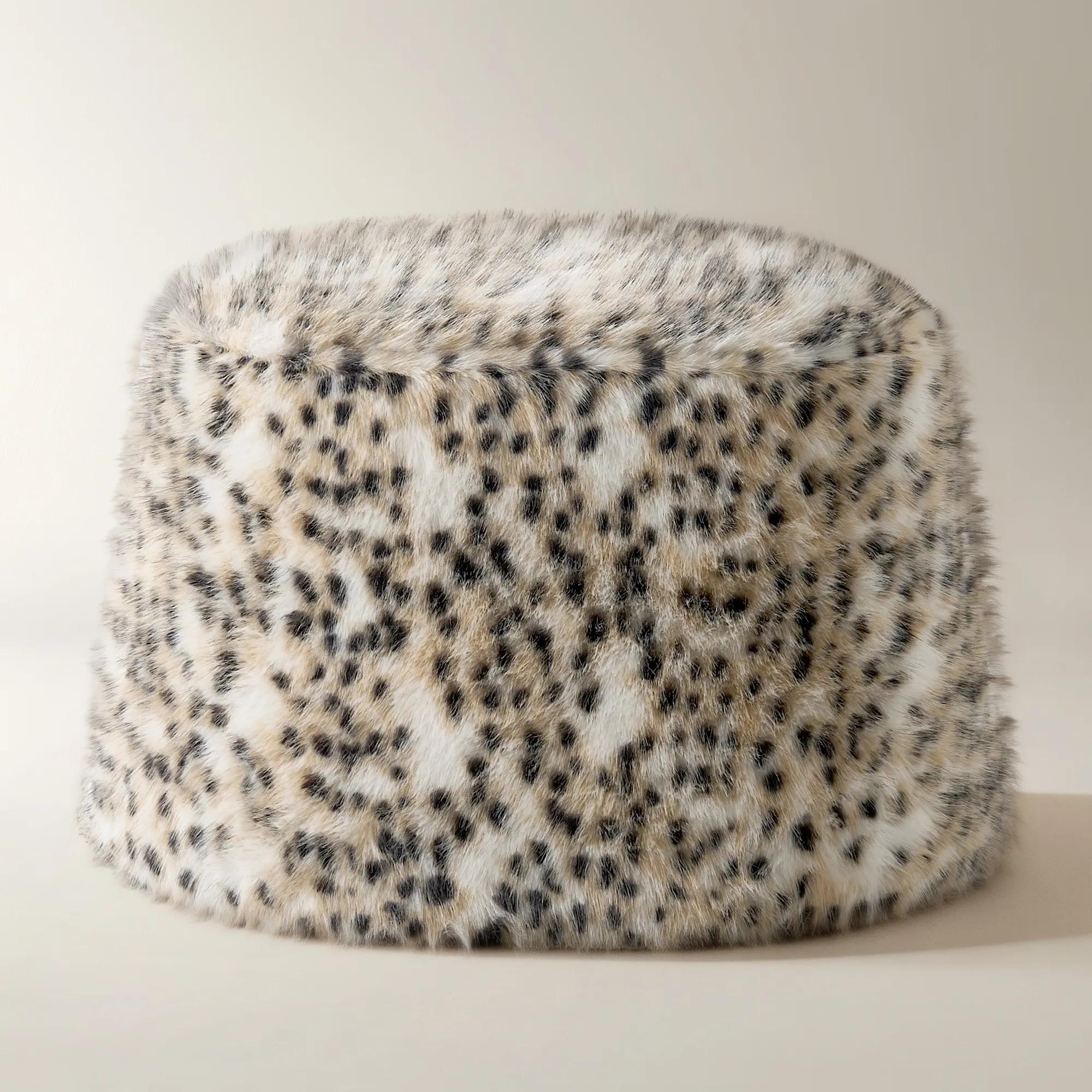
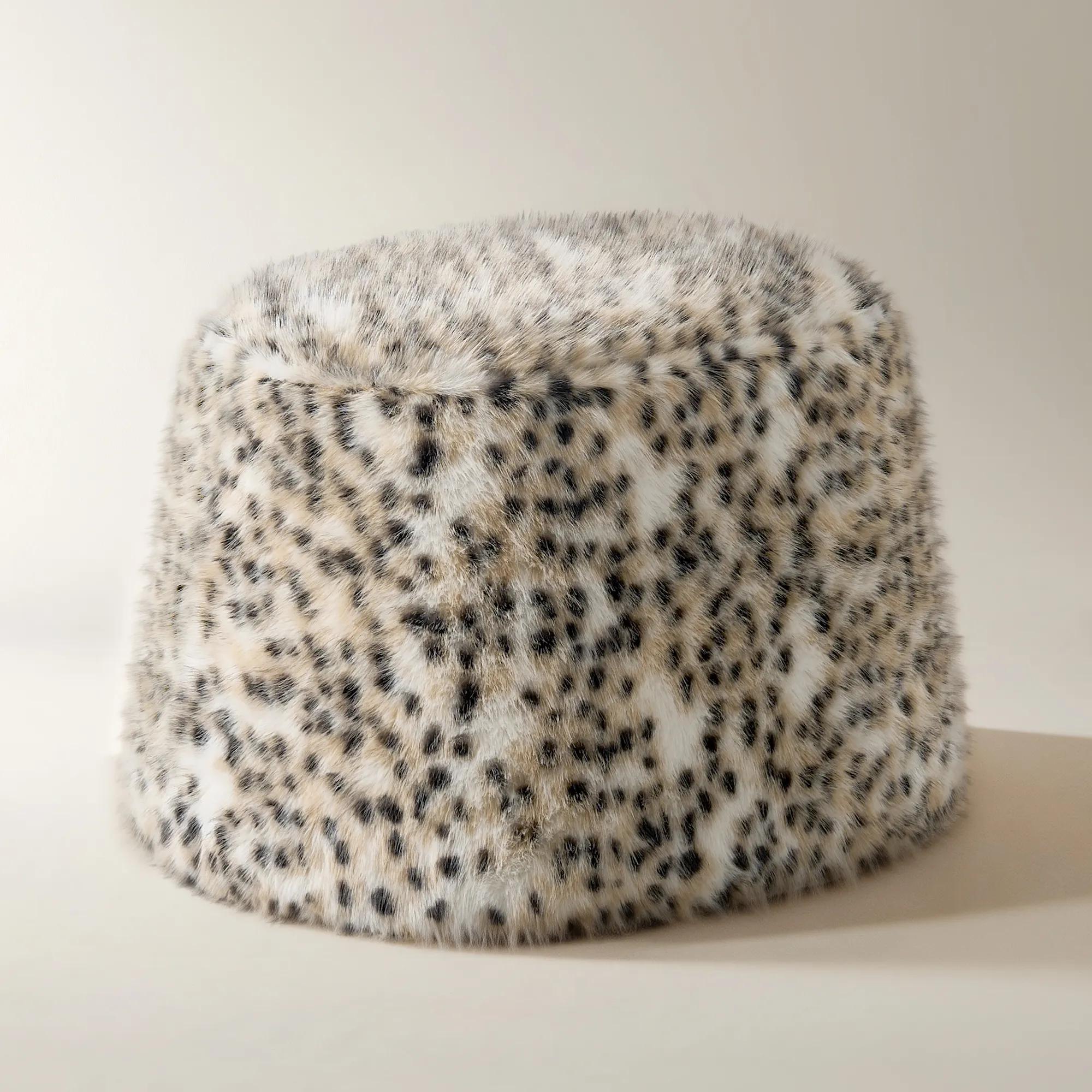 Avery Spotted Faux Fur Stool$399
A sculpted drum stool wrapped in plush spotted faux fur for bold, modern accent seating.
Add To Cart -
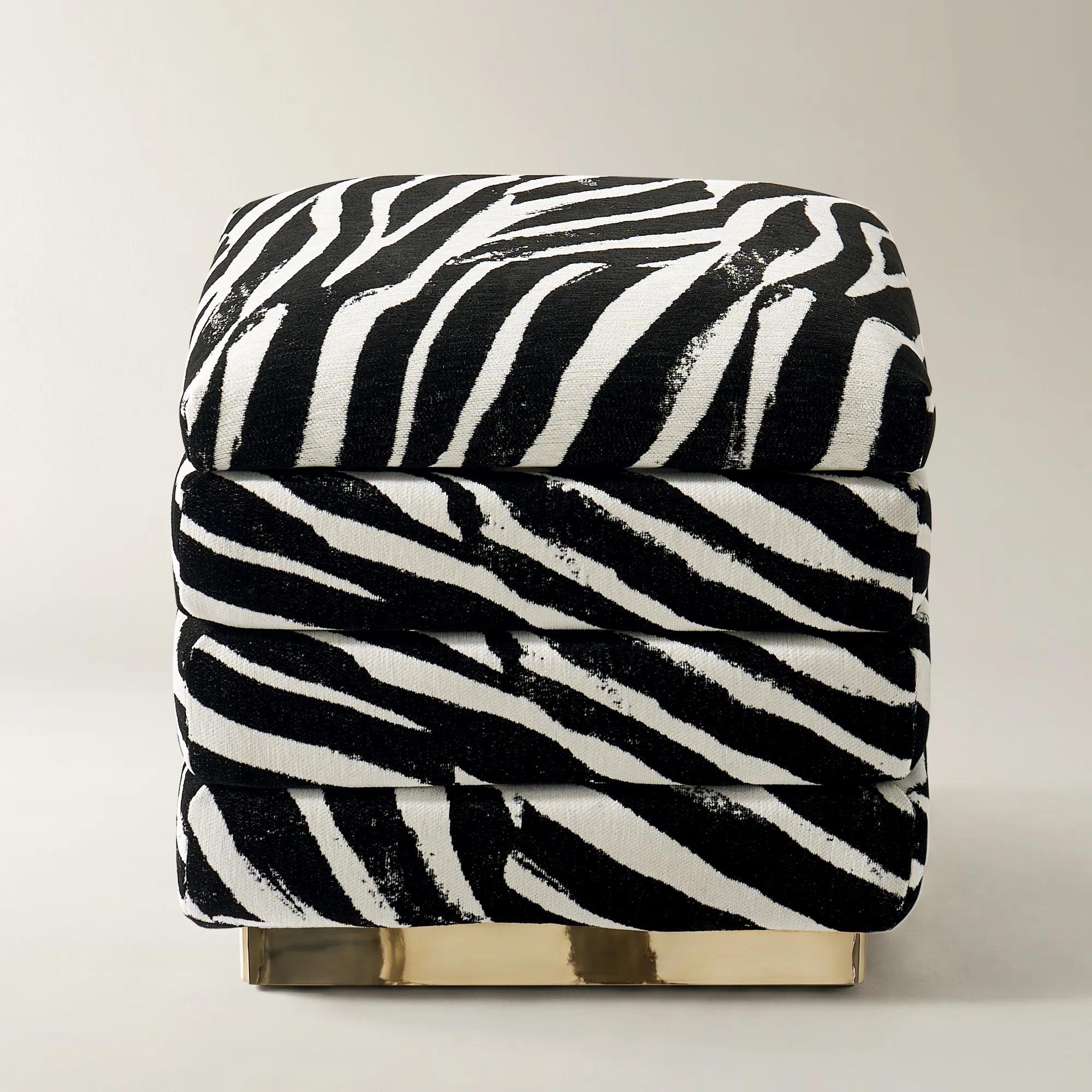
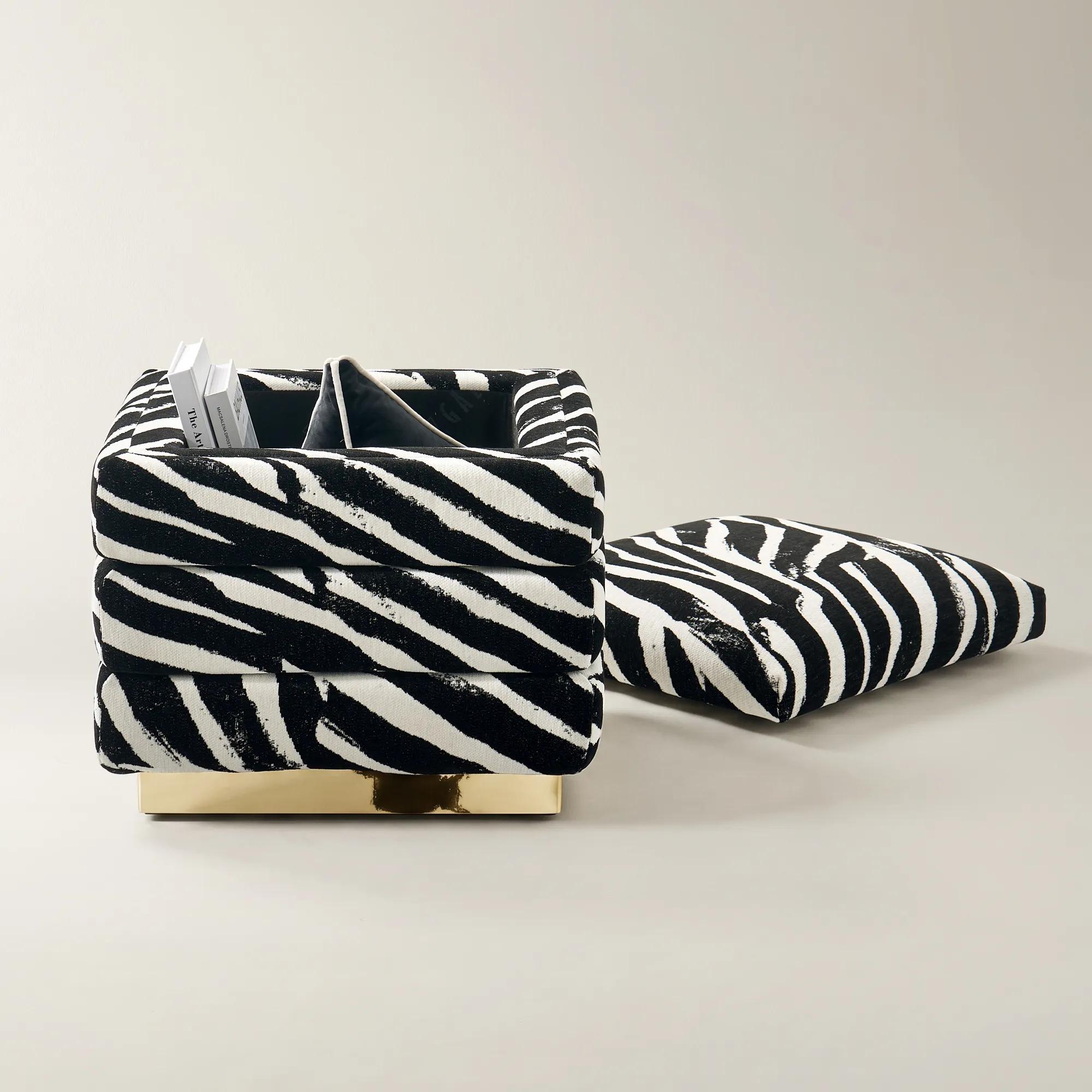 Gable White/Black Performance Chenille Stool$399
A plush white and black chenille stool with hidden storage and a polished gold stainless steel base.
Add To Cart -

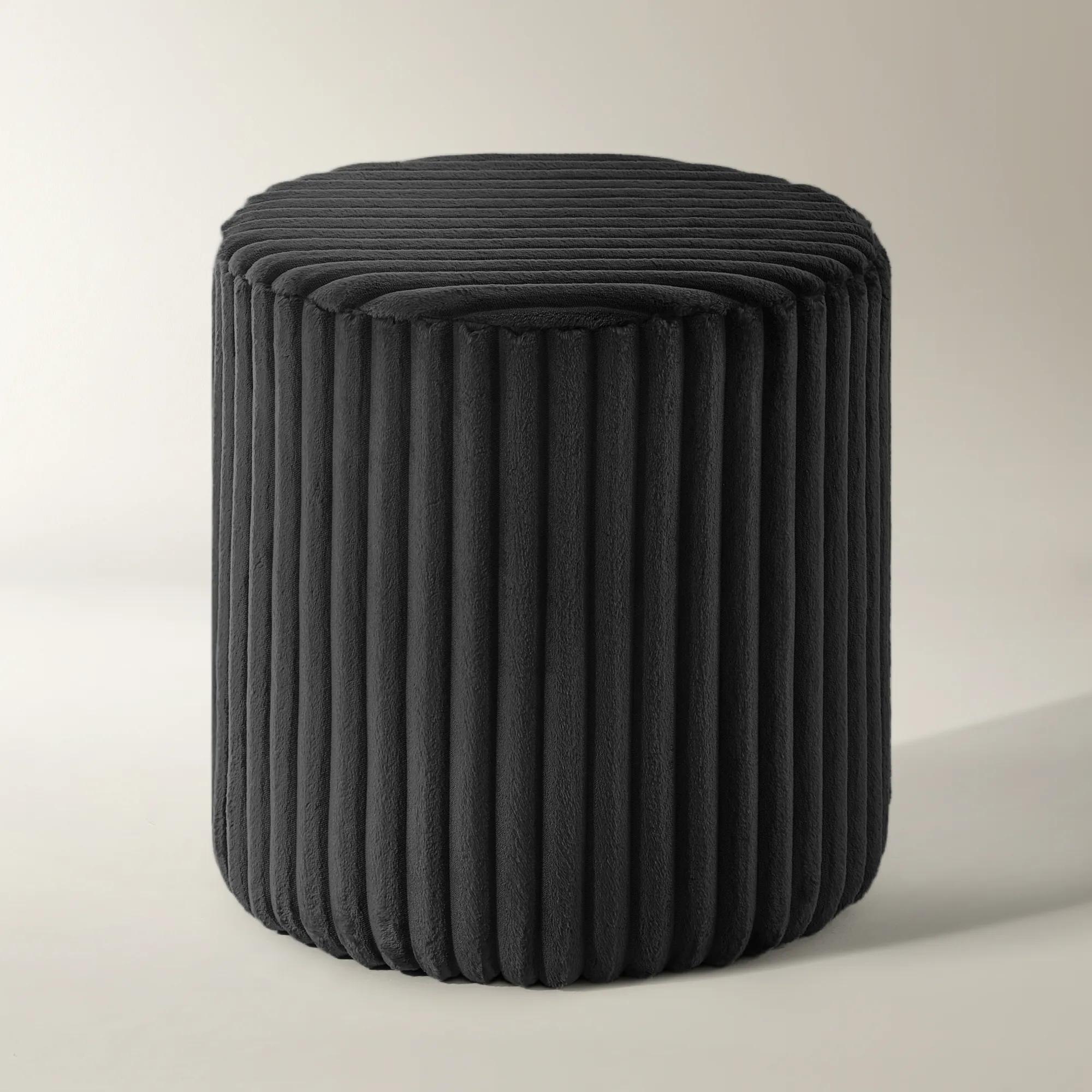 Fleece Fluted Black Velvet Stool (15.55'')$229
A plush black ribbed velvet stool offering versatile seating and cozy texture for any modern space.
Add To Cart -

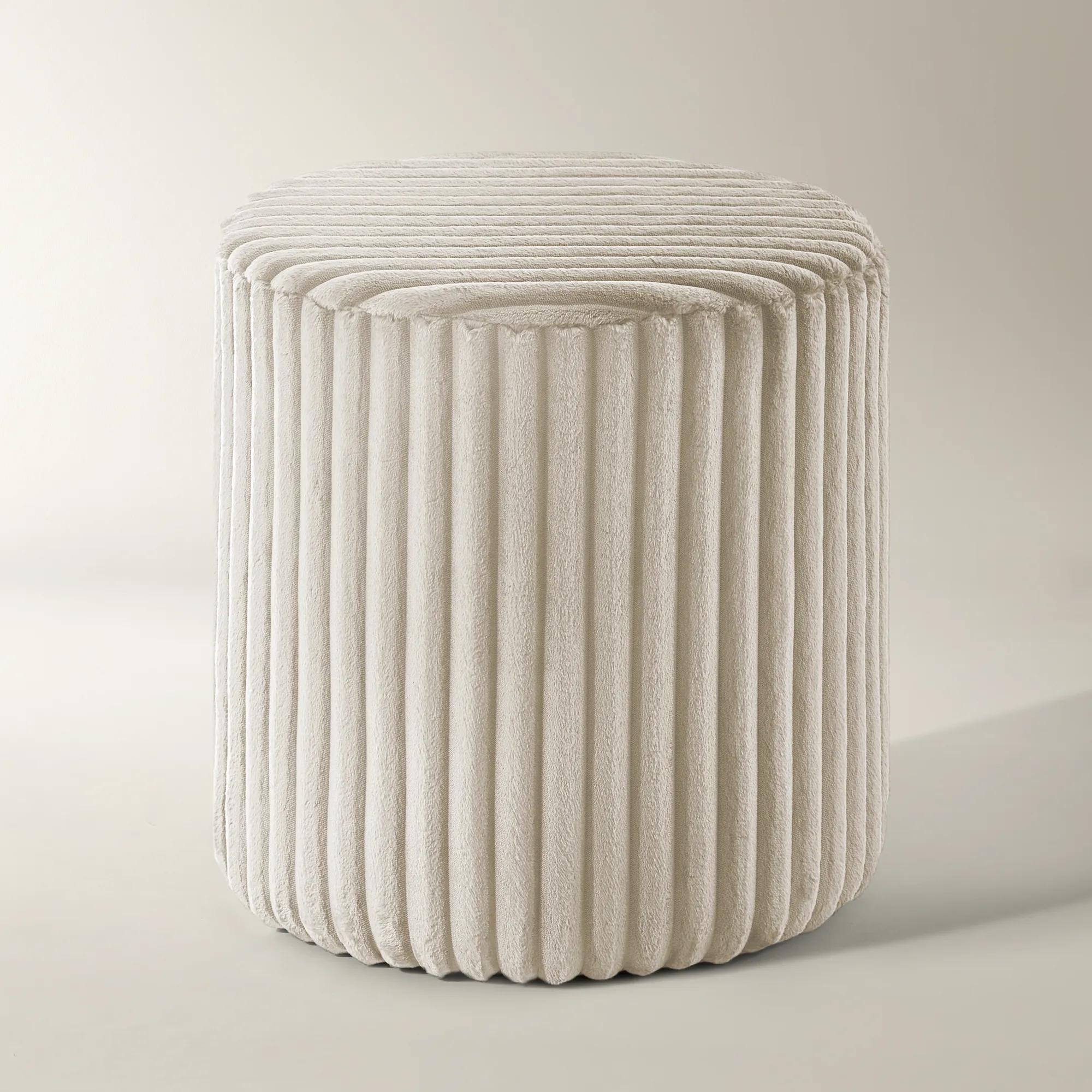 Fleece Fluted Ivory Velvet Stool (15.55'')$229
An ivory ribbed velvet stool offering cozy softness and versatile use as seating, footrest, or accent table.
Add To Cart -
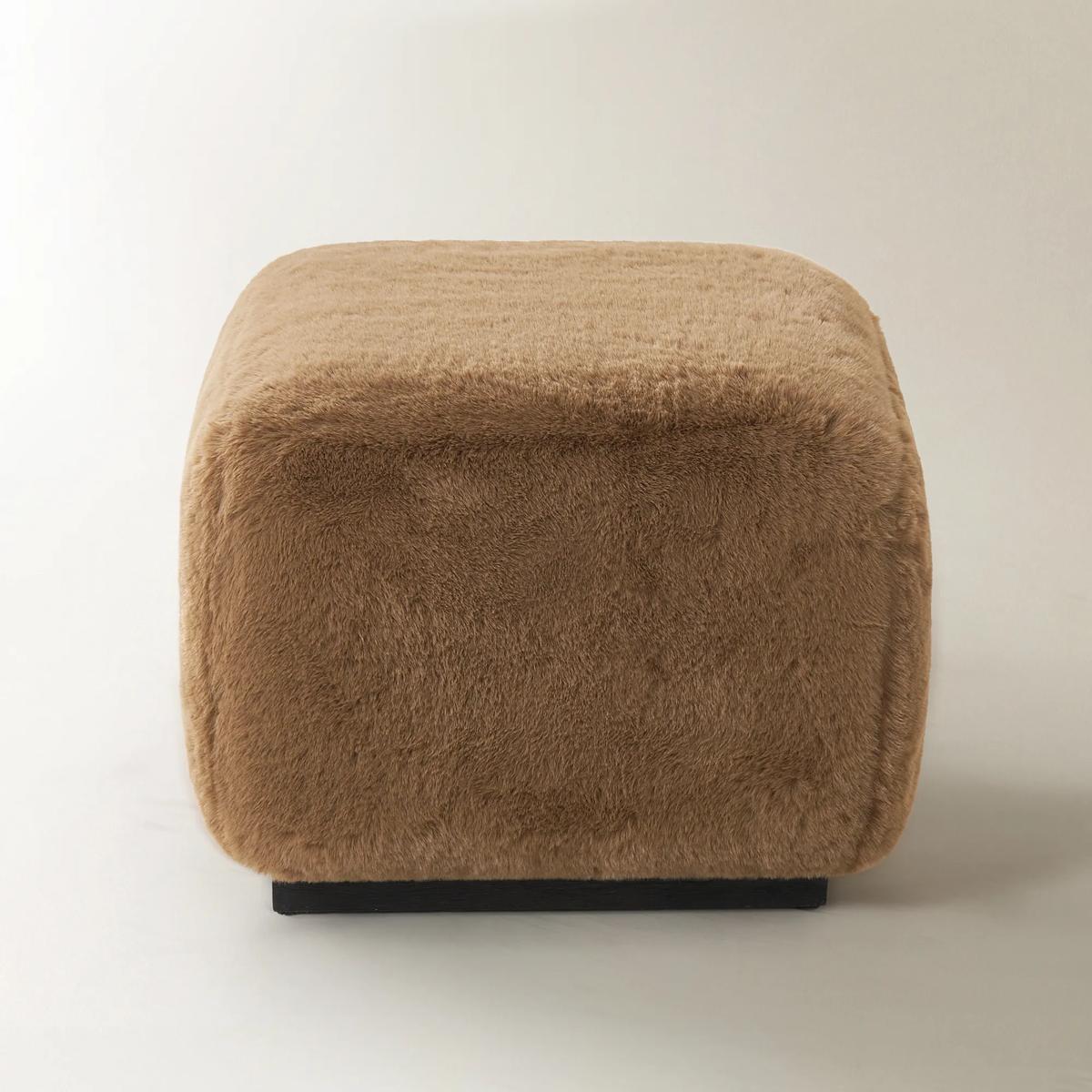
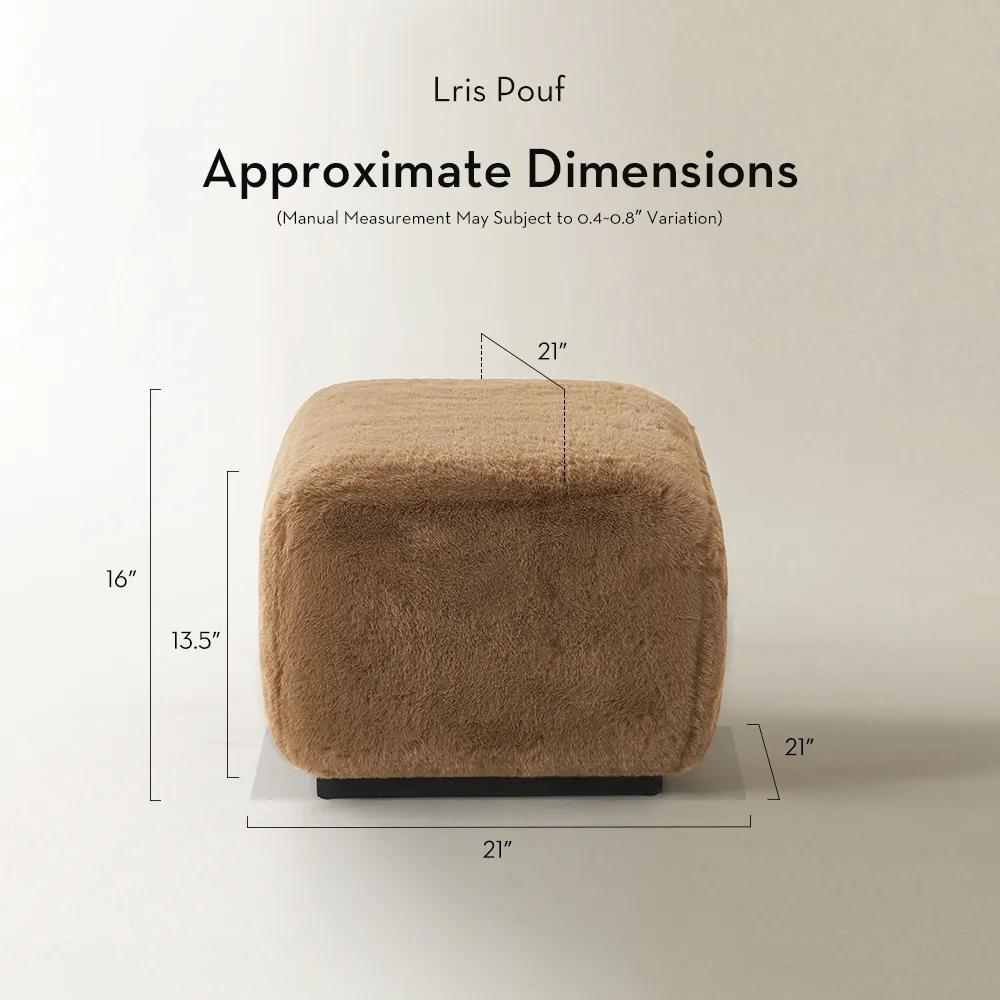 Lris Camel Faux Fur Stool (21")$299
A camel faux fur pouf with a solid rubberwood base, offering cozy warmth and modern sophistication.
Add To Cart -
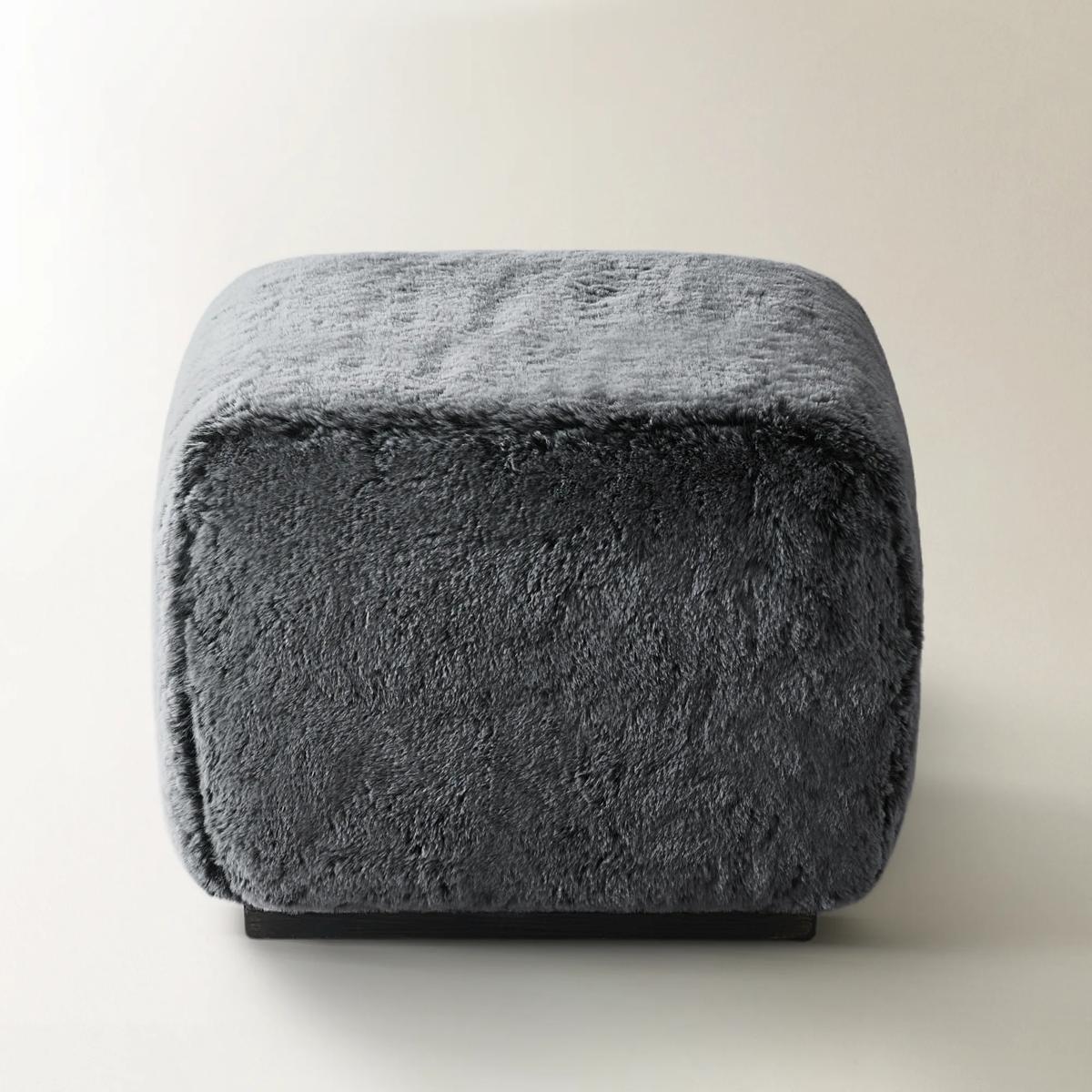
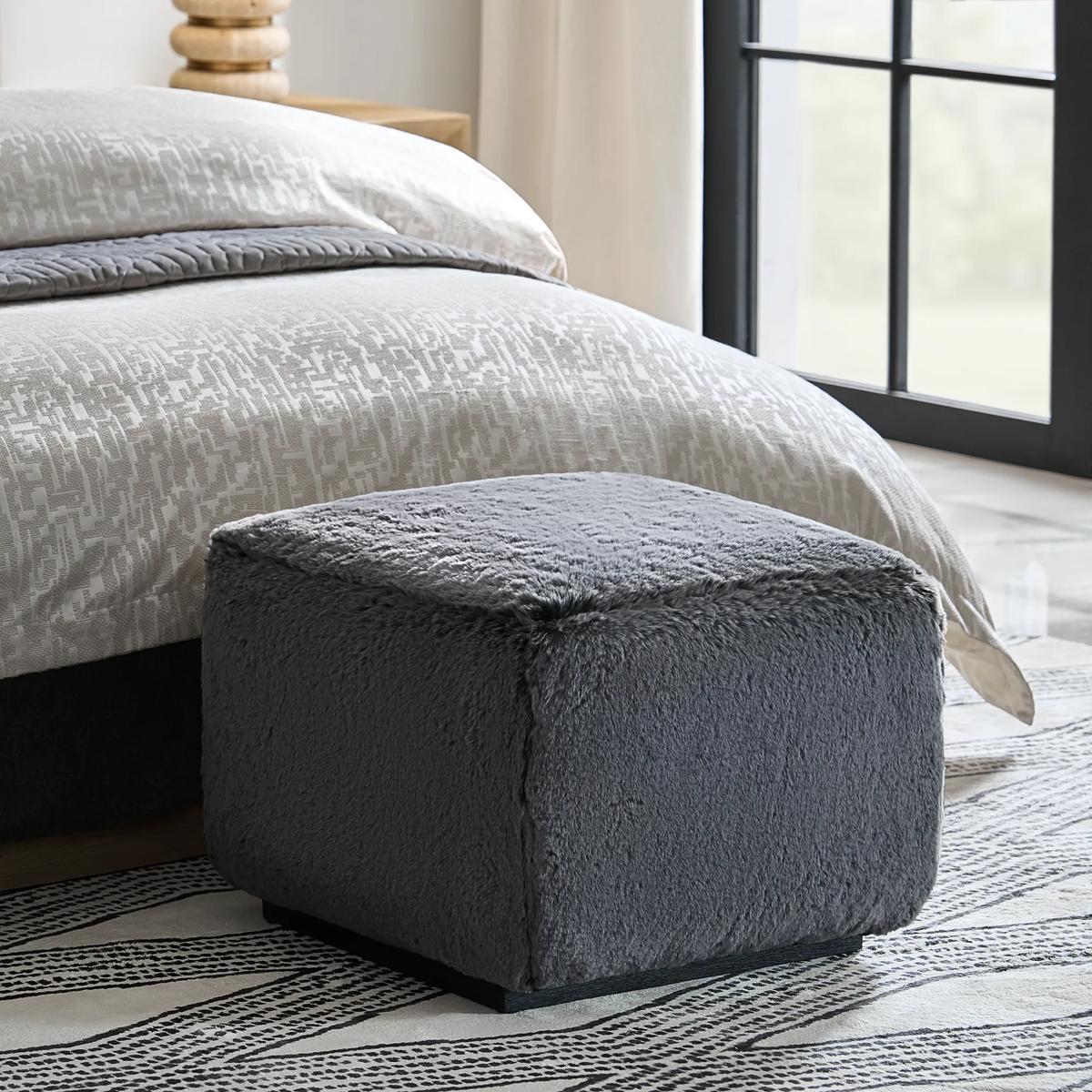 Lris Grey Faux Fur Stool (21")$299
A charcoal grey faux fur pouf with high-density foam and a sturdy rubberwood base for modern comfort.
Add To Cart -
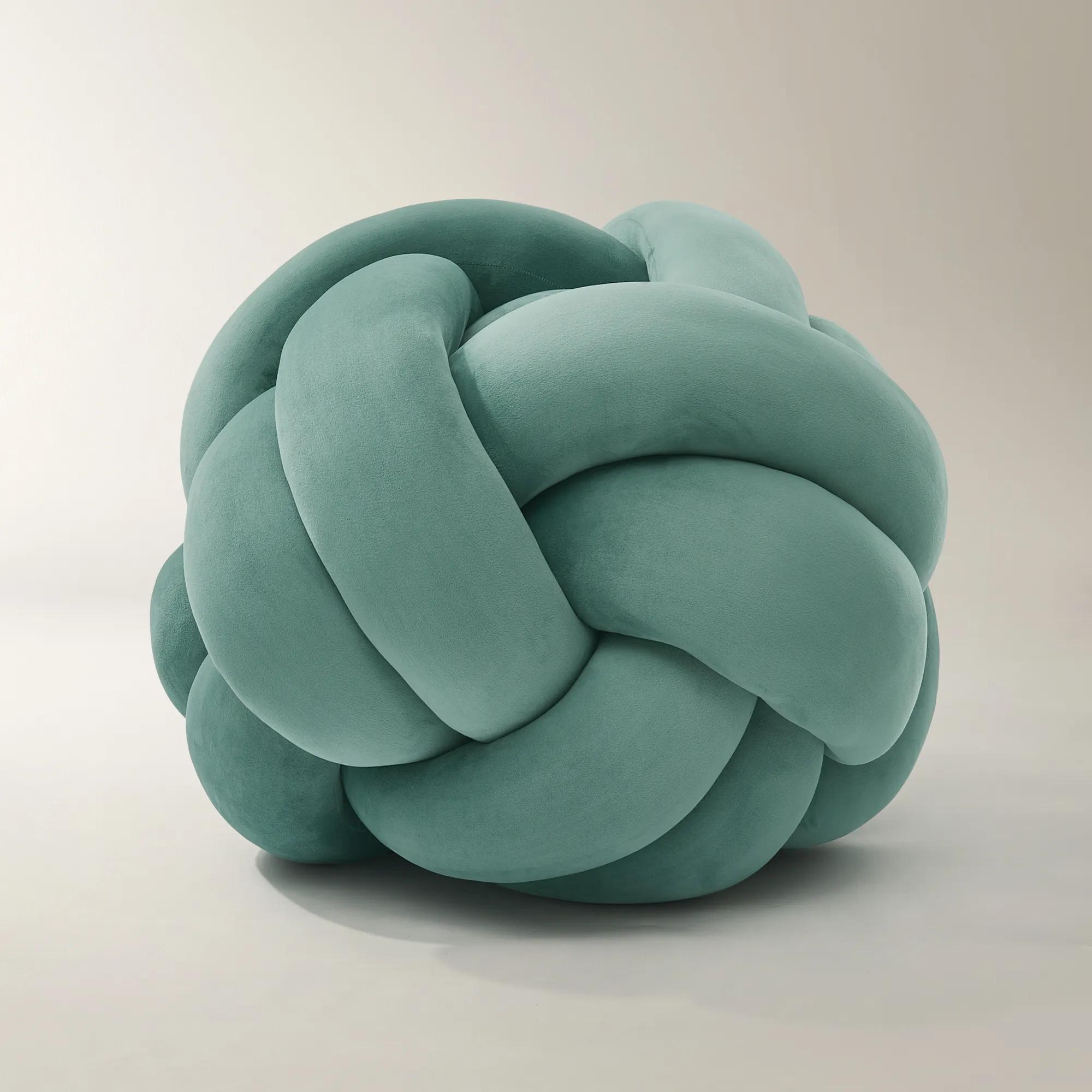 Loopie Ocean Teal Velvet Stool (34.5")$399
A bold sculptural stool featuring plush ocean teal velvet upholstery and an oversized knotted silhouette.
Add To Cart -
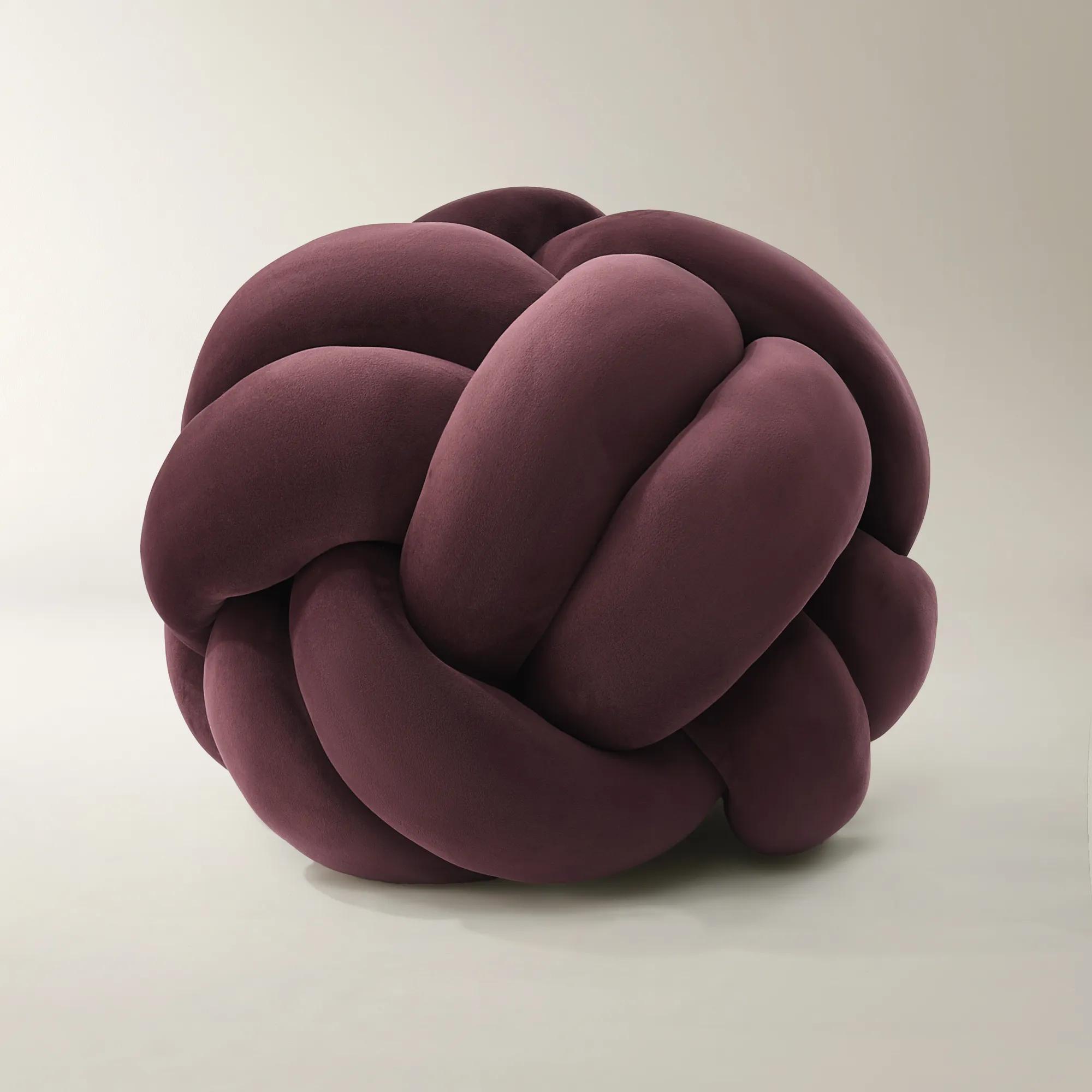
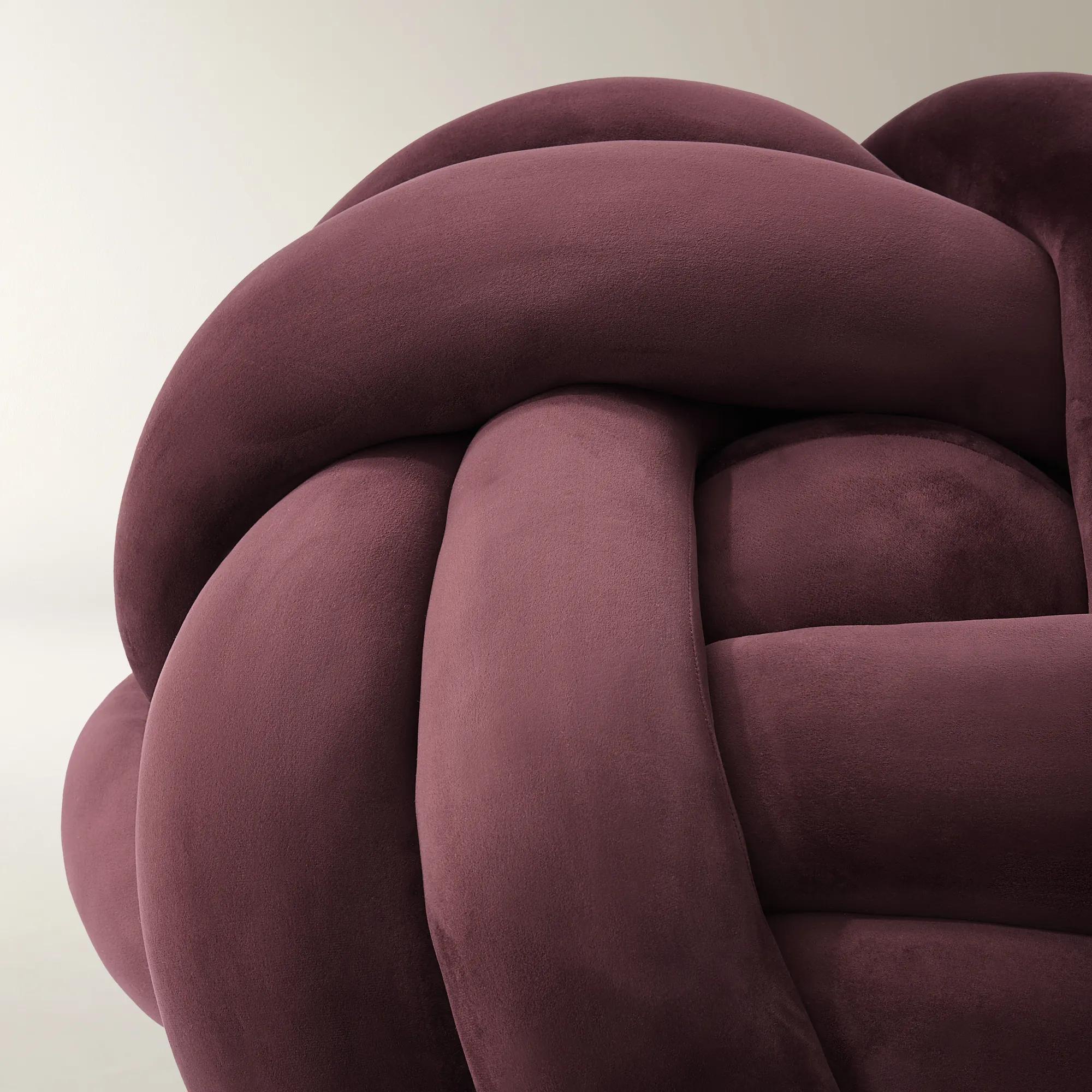 Loopie Fig Velvet Stool (34.5")$399
An oversized, knot-inspired stool hand-upholstered in plush fig velvet for bold sculptural appeal.
Add To Cart -
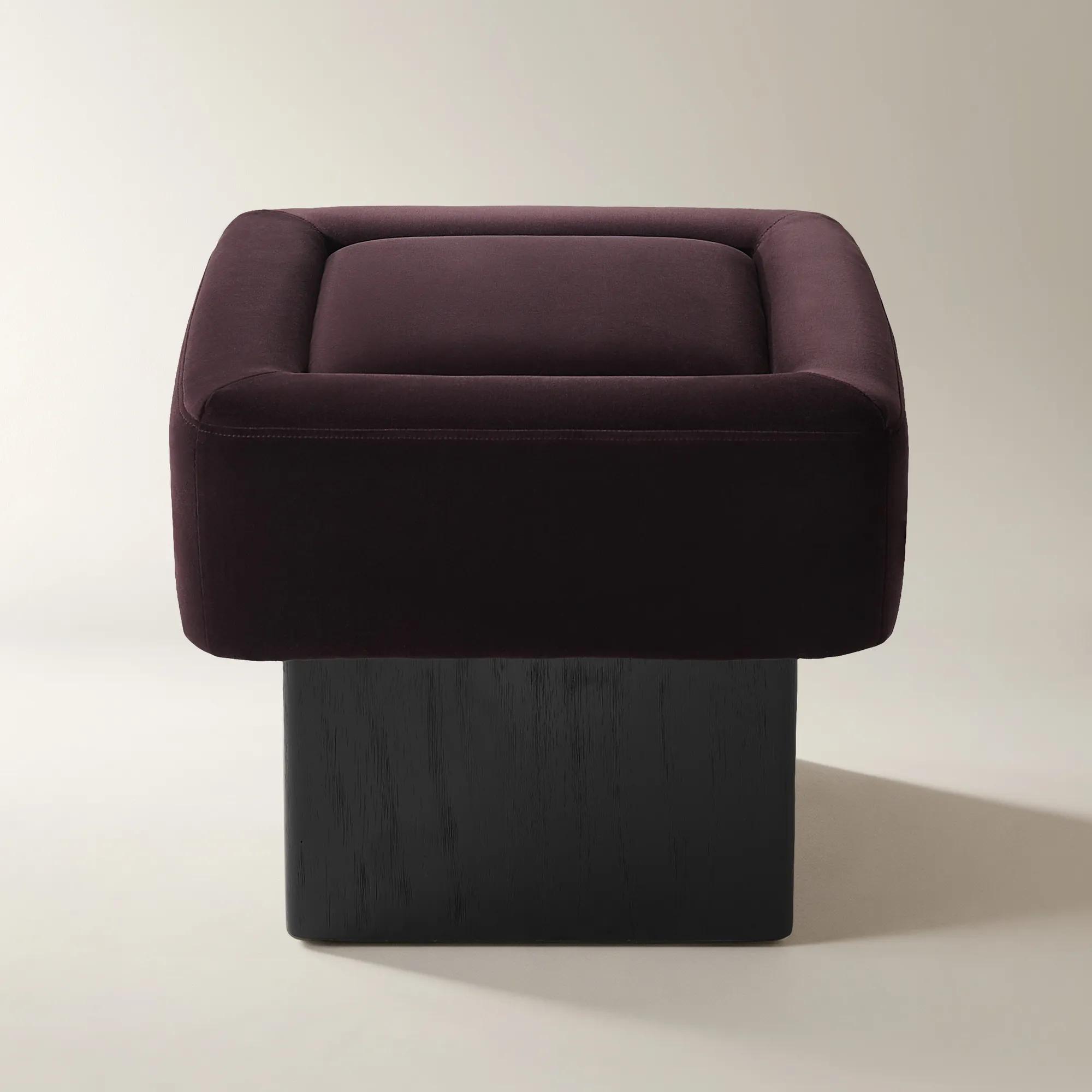 Reims Fig Velvet Stool$399
A plush fig-colored velvet stool featuring a sculpted cushion and a solid rubberwood base for modern contrast.
Add To Cart -
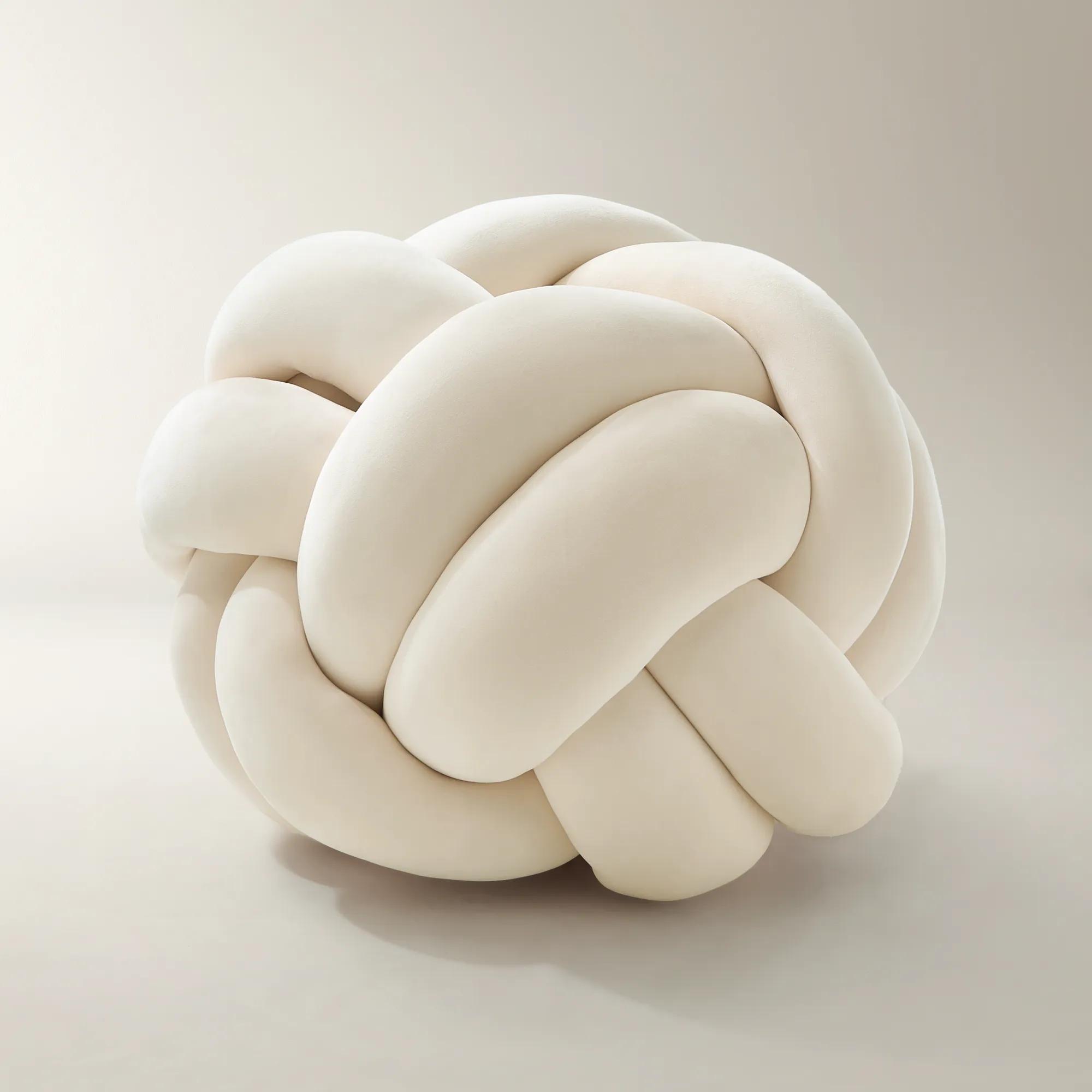 Loopie Oatmeal Velvet Stool (34.5")$399
An oversized oatmeal velvet stool featuring a sculptural knotted silhouette and plush, hand-upholstered finish.
Add To Cart -
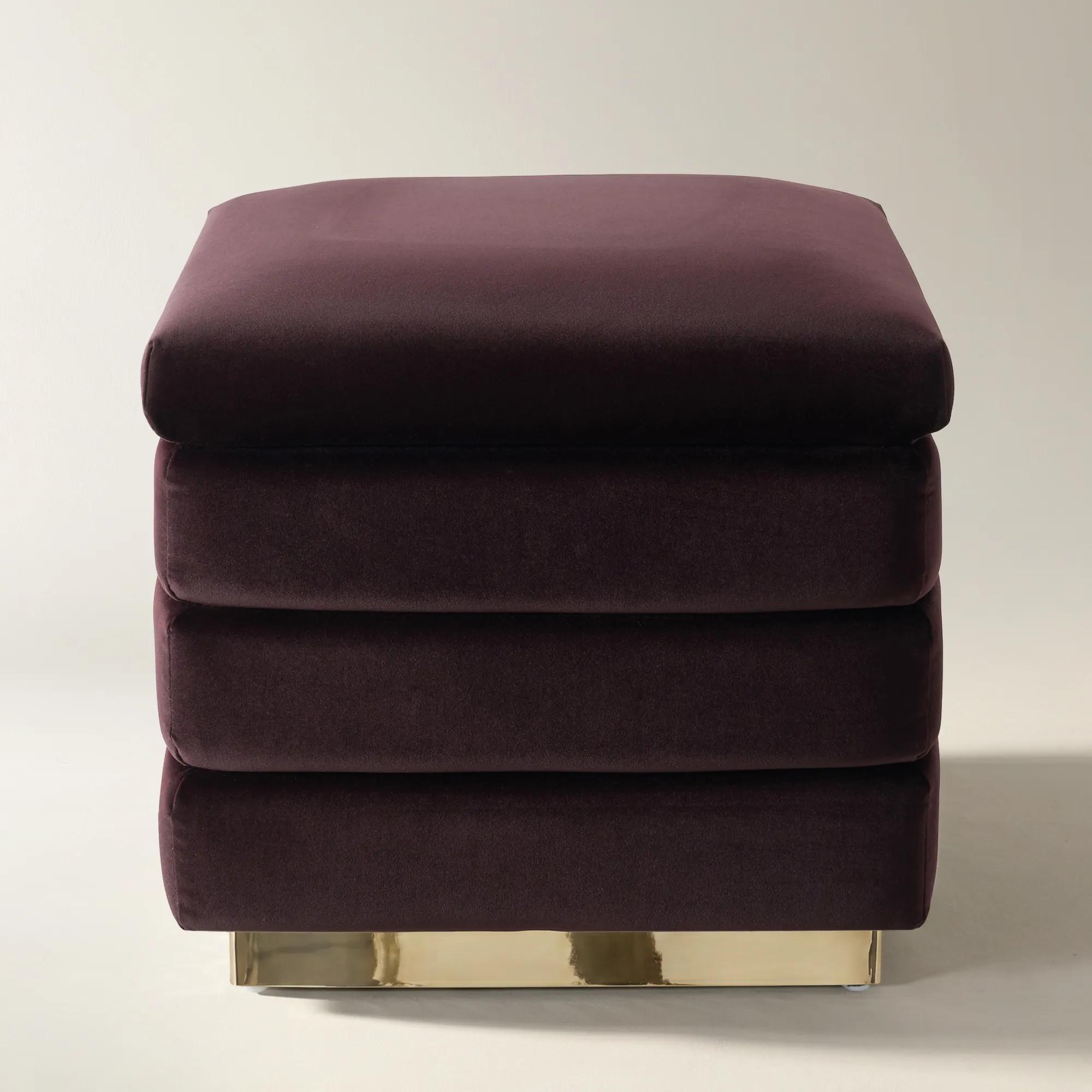
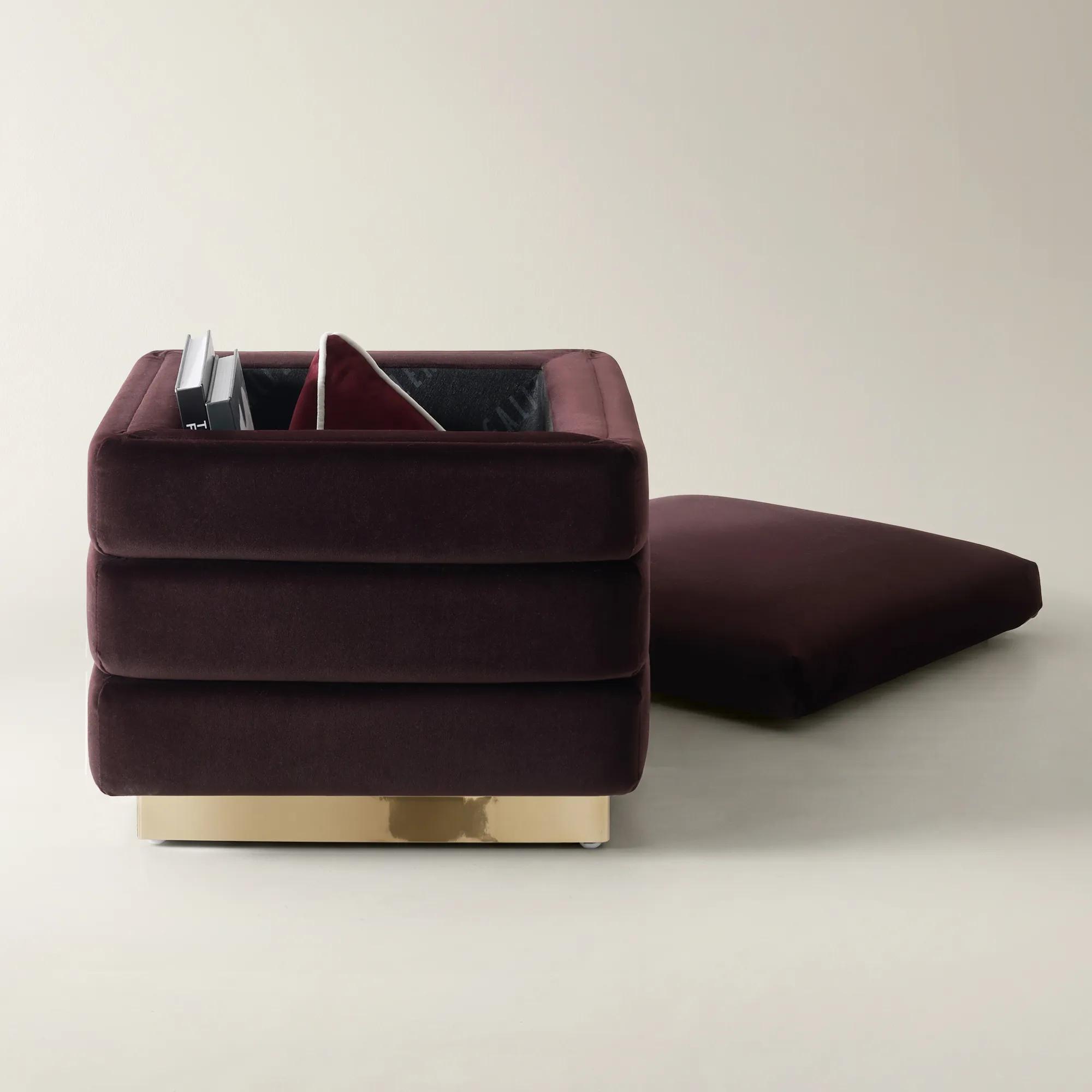 Gable Fig Chenille Storage Stool$399
A plush fig chenille stool with hidden storage, velvet upholstery, and a polished gold stainless steel base.
Add To Cart -
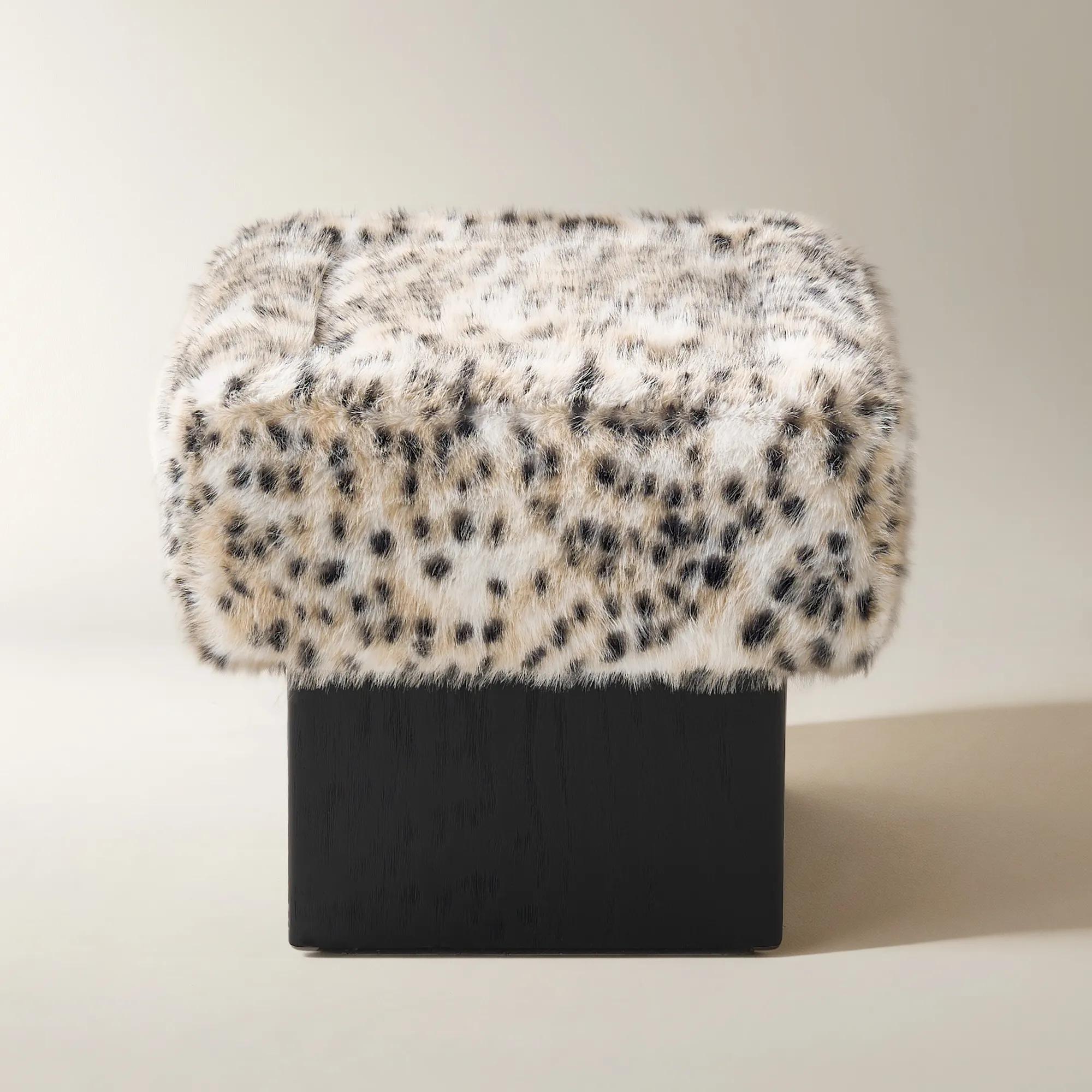 Reims Spotted Faux Fur Stool$399
A plush spotted faux fur stool with a sculpted cushion and solid rubberwood base for modern contrast.
Add To Cart -
 Fleece Fluted Gray Velvet Stool (15.55'')$229
A plush grey velvet stool with a unique ribbed texture, perfect for versatile, cozy seating or decor.
Add To Cart -
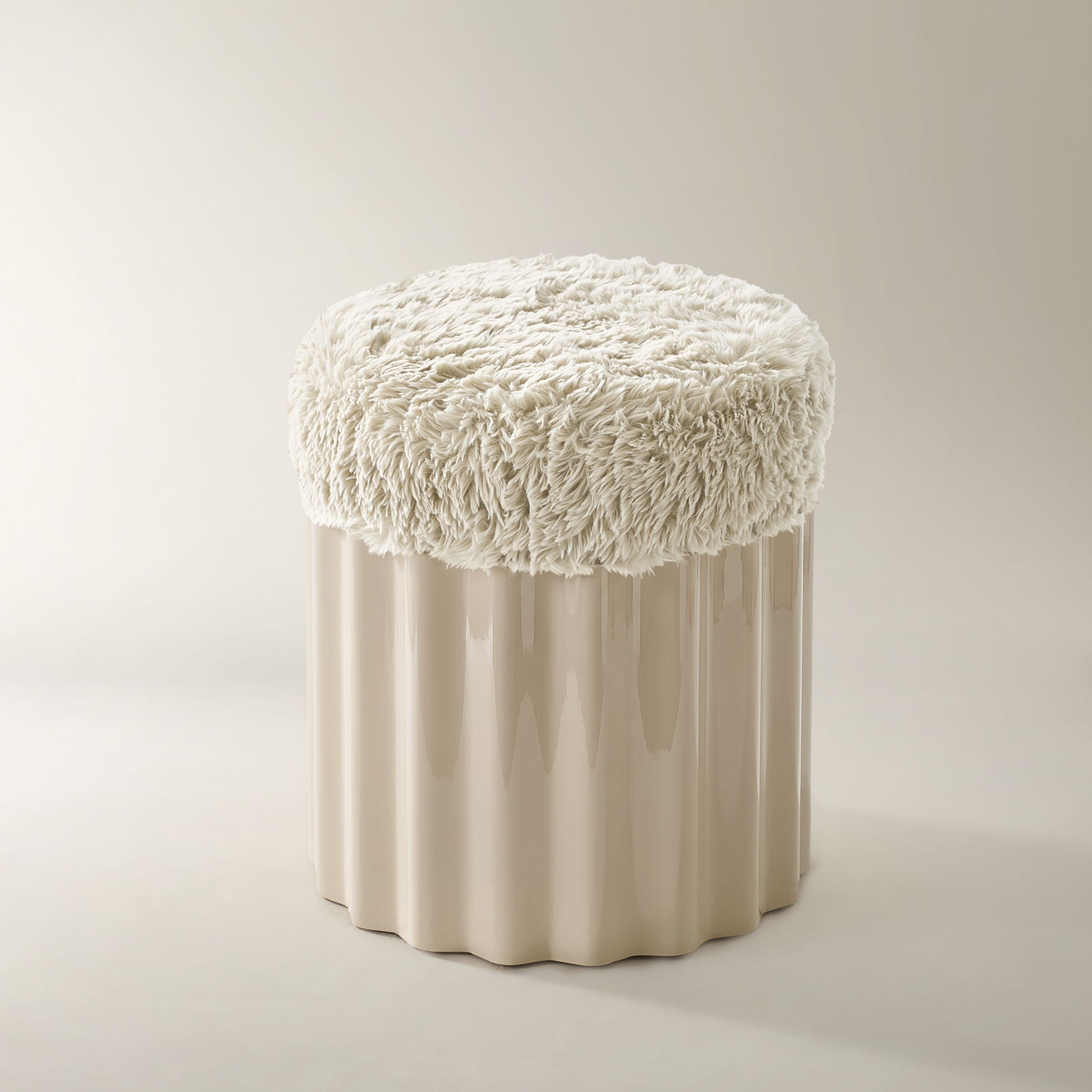
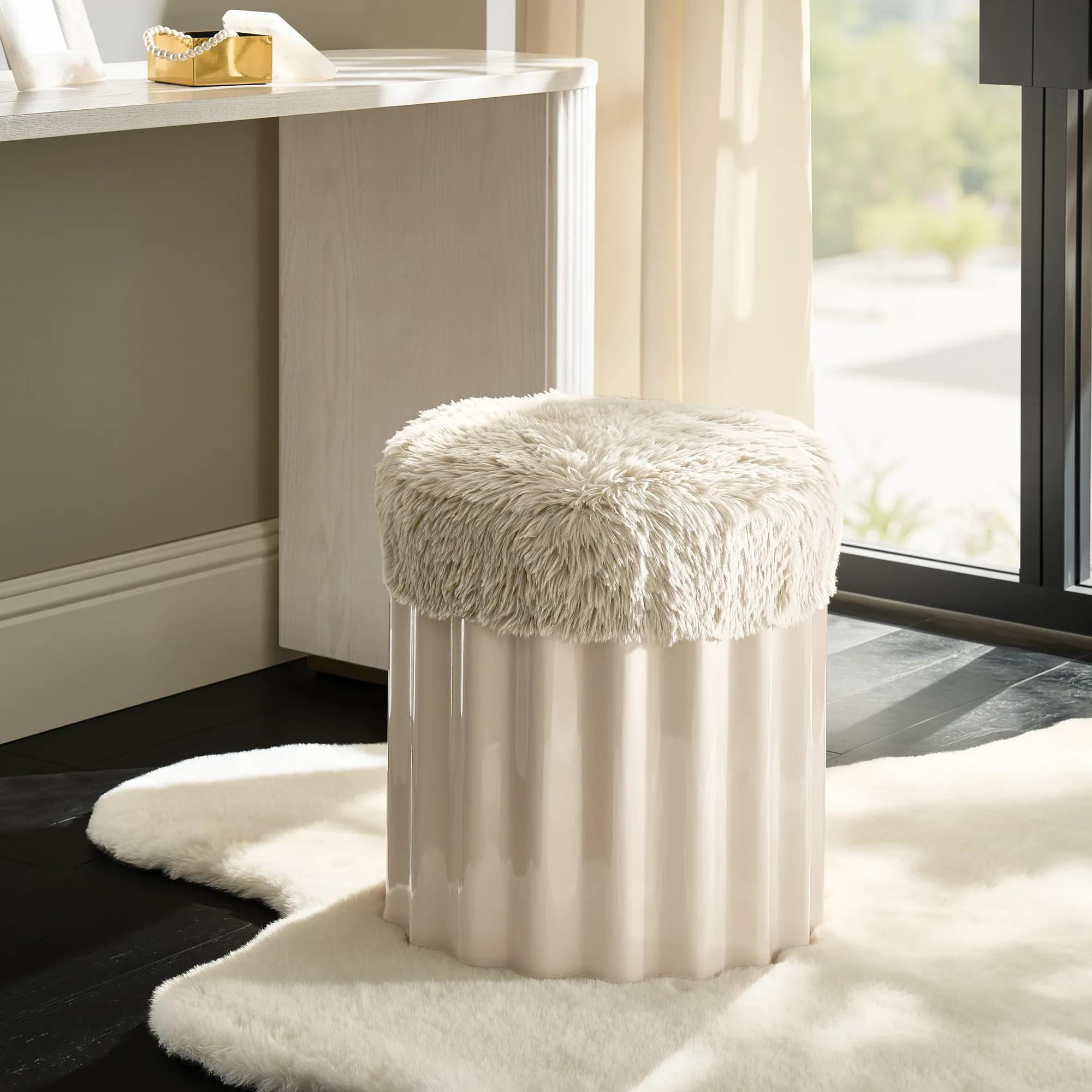 Nia Lacquered Turtle Dove Faux Fur Storage Stool$399
A sculptural fluted stool in warm turtle dove with plush faux fur seat and hidden storage compartment.
Add To Cart -
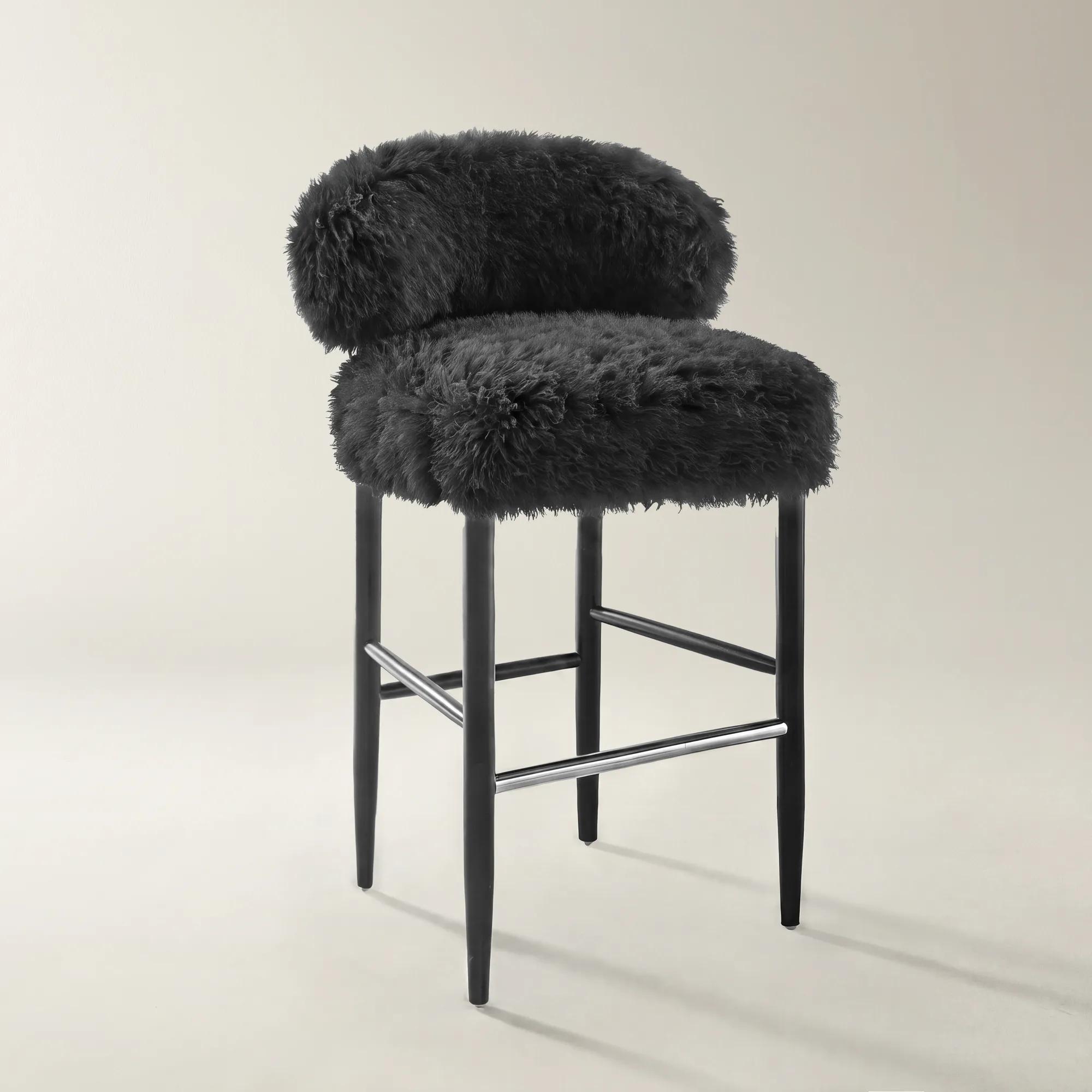 Anna Black Faux Fur Bar/Counter Stool$549
A black faux-fur bar stool with a sculpted back, padded seat, and solid rubberwood legs.
Add To Cart -
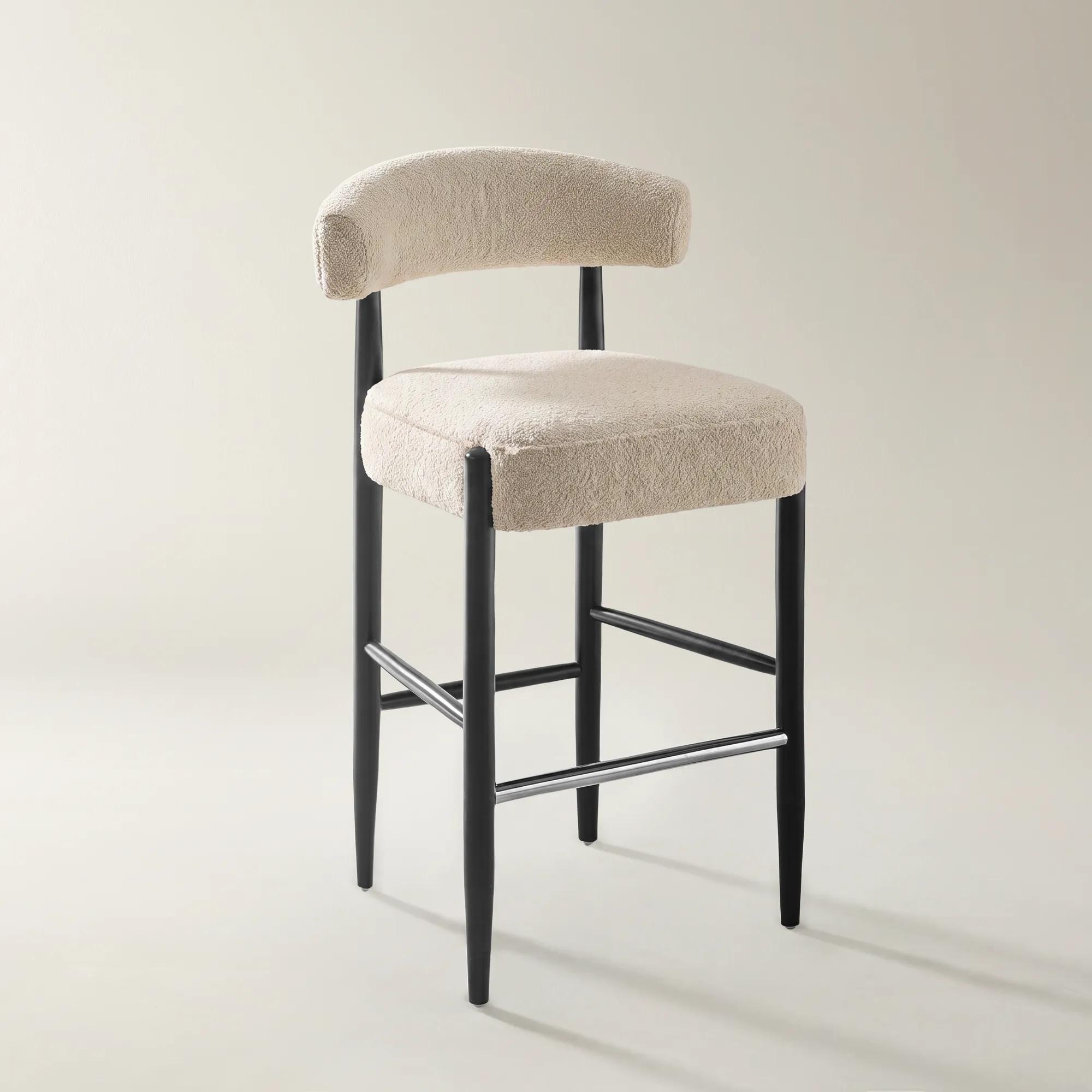 Anna Utopia Sand Chenille Bar/Counter Stool$449
A chenille bar stool with a sculpted padded seat, kiln-dried hardwood frame, and solid rubberwood legs.
Add To Cart -
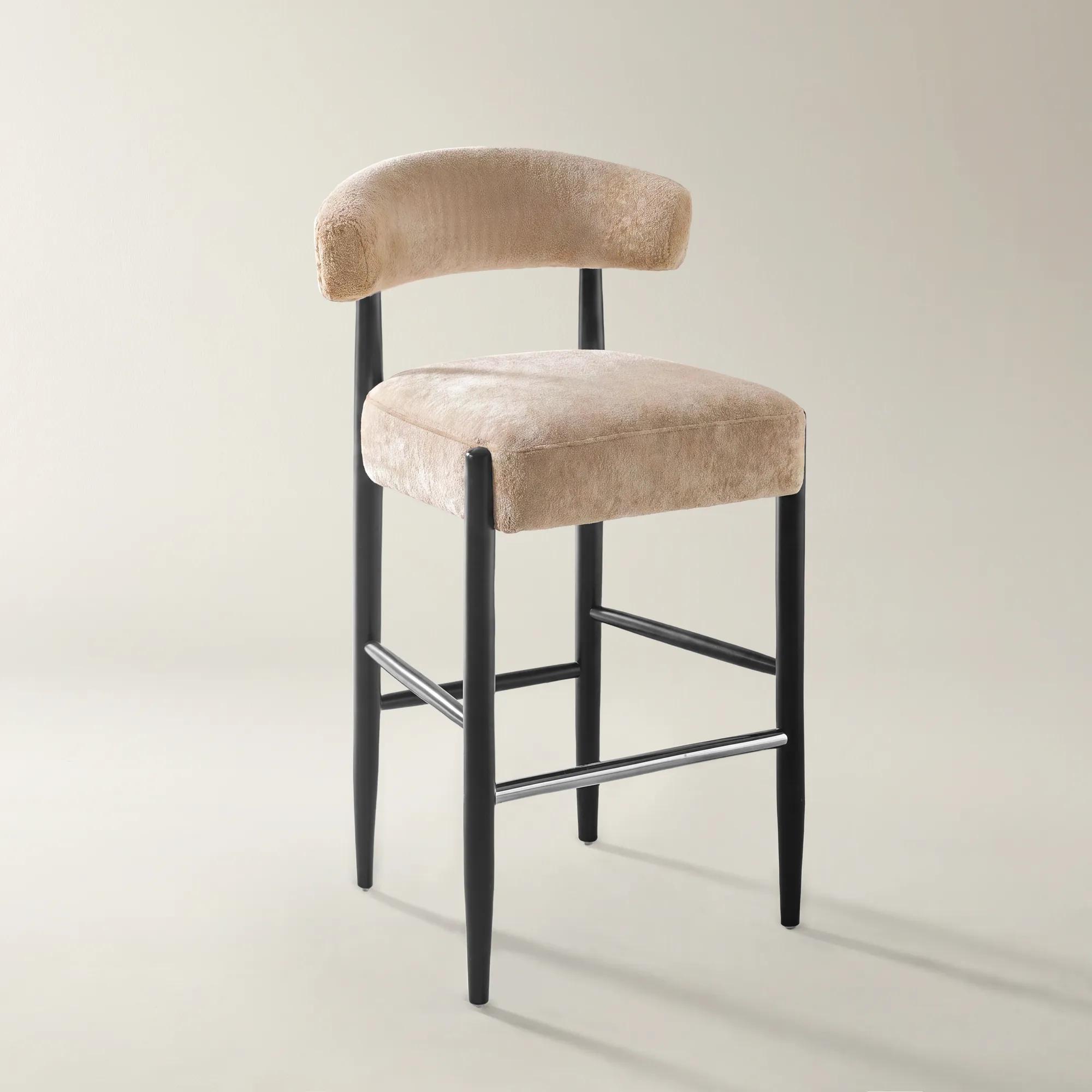 Anna Light Brown Chenille Bar/Counter Stool$449
A brown chenille counter stool with a sculpted back, padded seat, and tapered solid-rubberwood legs.
Add To Cart -
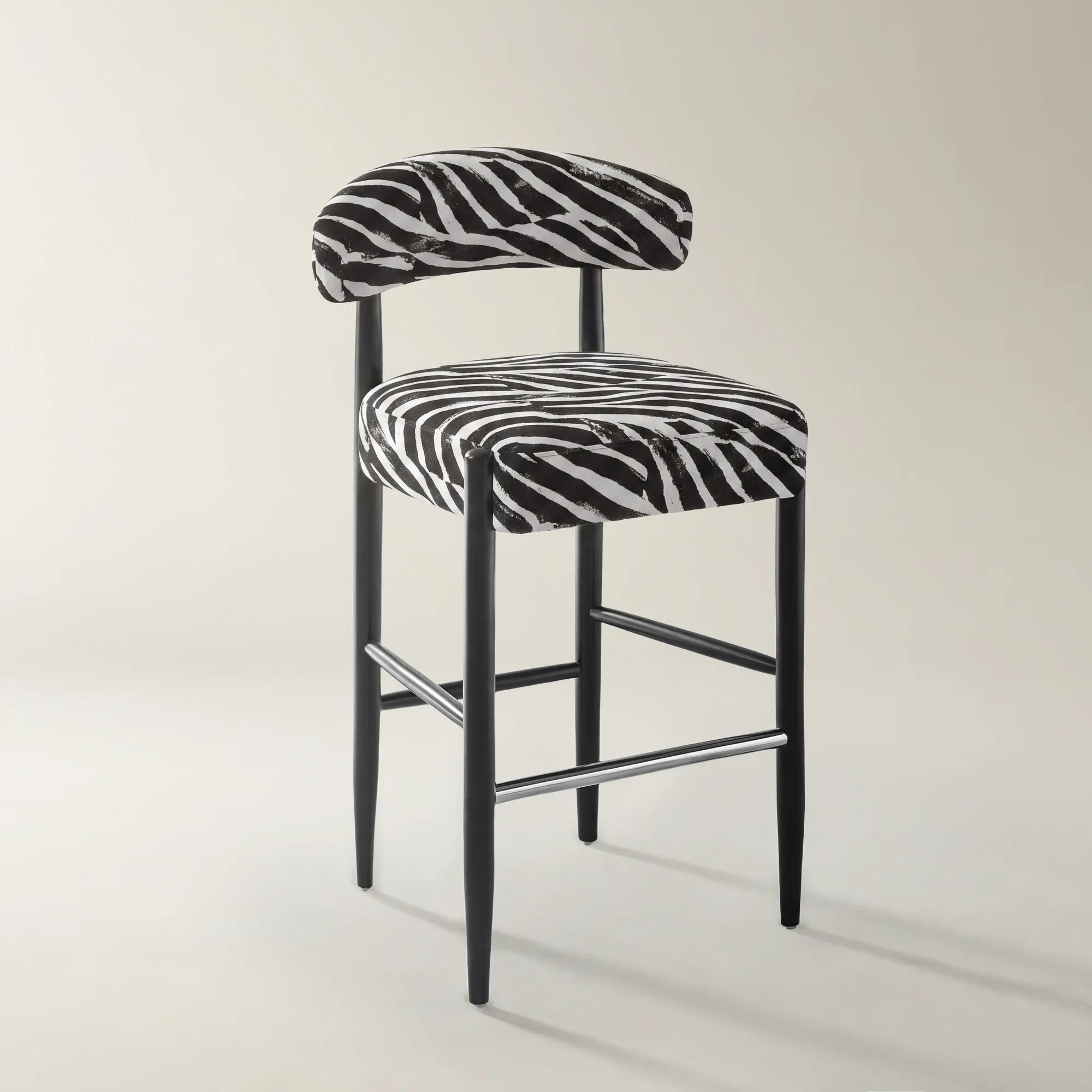 Anna White/Black Performance Chenille Bar/Counter Stool$449
A black-and-white chenille bar stool with a sculpted back, padded seat, and tapered solid rubberwood legs.
Add To Cart -
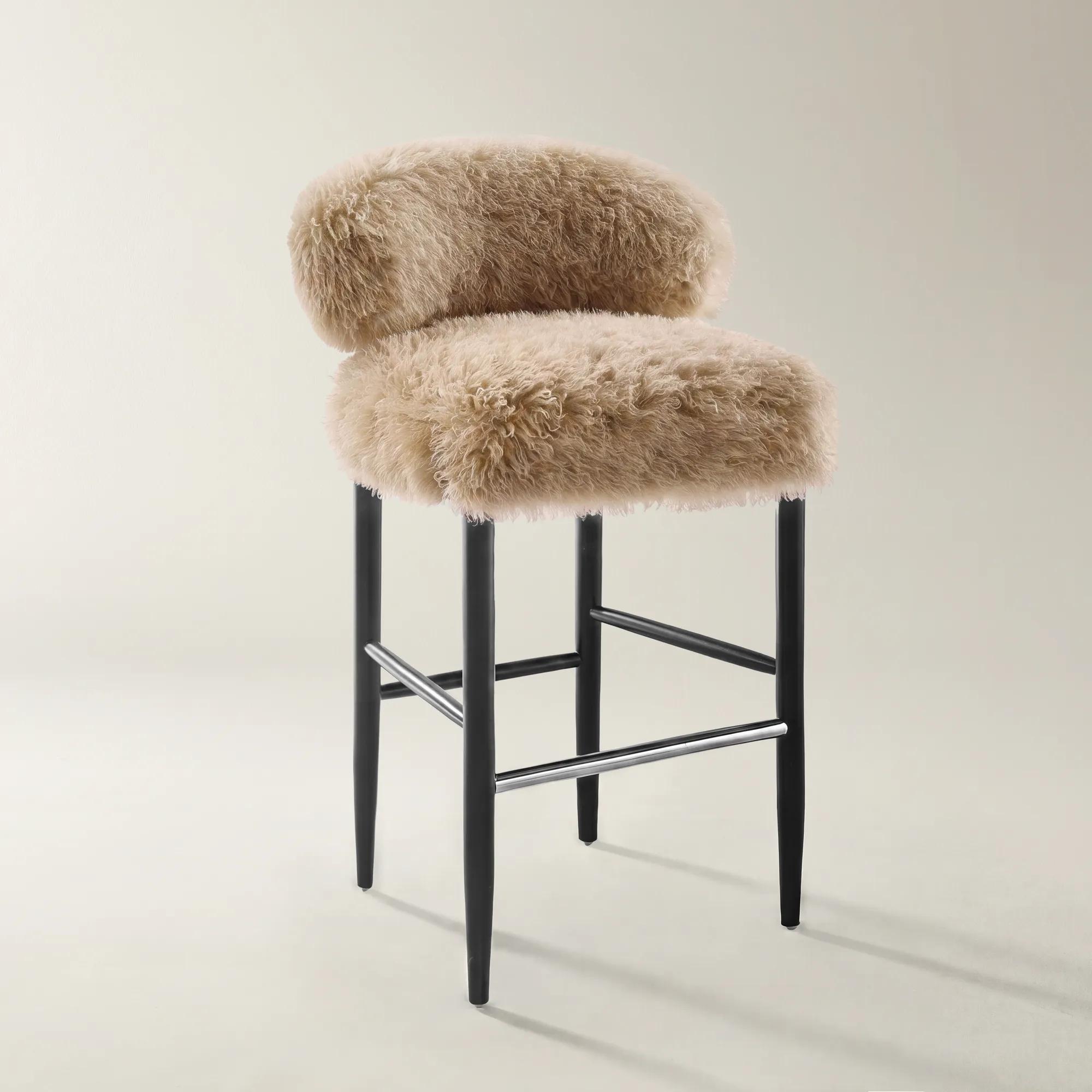 Anna Tan Faux Fur Bar/Counter Stool$549
A tan faux-fur bar stool with a sculpted padded seat and tapered solid-rubberwood legs.
Add To Cart

Accent Stools For Modern Lofts
Accent stools for modern lofts are the secret ingredient to a space that exudes both artistry and intention. These sculptural perches invite you to reimagine every corner—whether poised beneath soaring windows or nestled beside a statement sofa, they infuse your home with unexpected drama and effortless versatility. Each stool is more than just extra seating; it’s a punctuation mark in your design story, ready to spark conversation and elevate the everyday into the extraordinary. Let your modern loft become a gallery of bold expression, where every detail—down to the last accent stool—reflects your distinctive vision.
Accent stools for modern lofts combine sculptural seating, warm textures, and compact proportions to complement exposed brick, concrete, and open-plan architecture. Their appeal lies in contrast: a sumptuous upholstered seat against a raw structural column, a gleaming metal base beside wide-plank flooring, or a rounded silhouette softening the disciplined lines of a sectional. In a room with tall ceilings and expansive windows, these smaller furnishings bring detail closer to the people living there. They introduce an intimate layer without interrupting the generous sightlines that make loft interiors distinctive. Upholstered accent stools create softness in spaces dominated by hard surfaces, while wood, metal, and mixed-material designs contribute definition through grain, reflection, and shape. Velvet lends rich color and a subtle directional sheen; textured weaves offer a more tactile counterpoint to smooth stone and glass. Leather and leather-like upholstery can deliver a tailored appearance, though their composition and care requirements differ and deserve close attention. A metal frame may read as slender and architectural or substantial and sculptural, depending on its profile and finish. Wood adds visual warmth, with natural variations that give each surface depth rather than perfect uniformity. These material choices influence more than appearance: upholstery affects how a seat feels, the base determines how it meets the floor, and the finish shapes how prominently the piece catches light. A dark stool can anchor a pale seating arrangement, while an ivory or champagne-toned silhouette brings relief to charcoal walls and blackened steel. Jewel tones introduce a concentrated accent without requiring a large upholstered commitment. For residents who want expressive interiors but prefer to keep major furniture understated, an accent stool offers a focused gesture of color, texture, or shine. The result is a room that retains its architectural confidence while feeling composed for everyday living, conversation, and the pleasure of a beautifully considered detail. Even a restrained palette gains dimension when matte upholstery sits near a reflective base, allowing the contrast between surfaces to provide the drama.
Proportion gives these pieces their presence. In a loft, where one continuous room may contain a lounge, dining area, and workspace, a compact stool can help distinguish a setting without creating a visual barrier. A pair facing a sofa suggests a conversational arrangement, while a single stool beside a low bookcase adds another seat without the breadth of an armchair. Rounded forms ease the geometry of rectangular rugs and angular tables; squared silhouettes reinforce a more tailored composition. Open bases reveal more flooring and can feel visually lighter, while upholstered or pedestal bases introduce a concentrated volume that holds its own beneath high ceilings. The most comfortable relationship depends on actual measurements rather than appearance alone. Seat height should suit the surrounding seating, and the overall width needs to leave comfortable passage between furniture. A stool intended for a lounge arrangement serves a different purpose from a taller counter stool, so the two are not interchangeable simply because their finishes coordinate. Seat depth, cushioning, and stability matter particularly when the stool will regularly accommodate guests. Backless seating is often best suited to shorter visits and flexible arrangements rather than prolonged work or dining. For entertaining, a movable seat can draw someone into the conversation without requiring a permanent change to the room. In an entry area, a seating-rated stool provides a place to sit while fastening shoes, provided its dimensions leave the doorway and circulation path clear. Beneath a console, clearance must accommodate the stool’s full height and width without crowding legs or catching upholstery. A firm silhouette may resemble a small table, but drinks, lamps, or decorative objects belong only on designs specifically intended to support that use. Likewise, resting feet on upholstery is appropriate only when the piece is designed for it. These distinctions preserve both the furniture and the ease of the room, allowing an accent stool to contribute useful flexibility while remaining a deliberate part of the composition rather than an improvised solution.
Lasting appeal depends on construction and care as much as silhouette. A stable base, secure connections, and materials suited to the intended setting are especially important for seating that moves between different areas of an open-plan home. Weight limits and manufacturer instructions establish whether a design is appropriate for regular sitting; decorative forms should never be assumed to function as seats. In homes with children, pets, or frequent guests, upholstery specifications can help clarify how a fabric is likely to perform. A dense weave, removable cover, or documented performance finish may offer practical advantages, but no material should be treated as universally stainproof or scratchproof. Pale upholstery creates a luminous effect against dark architectural finishes, though it may show soil or dye transfer more readily. Velvet’s pile can change direction with touch, producing tonal variation that is part of its character rather than necessarily a flaw. Gentle vacuuming with an appropriate attachment can remove surface dust when permitted by the care instructions, while spills call for prompt blotting and the cleaning method specified for that upholstery. Wood and finished metal generally benefit from soft cloths and products approved for their particular surfaces; abrasive cleaners can compromise a polished or coated finish. Protective floor glides appropriate to both the stool and flooring help reduce marking, and lifting a piece rather than dragging it protects floors and connections. Strong window exposure also deserves consideration, since prolonged direct sunlight can affect some fabrics and finishes. These practical details support the visual investment, keeping texture inviting and reflective surfaces clear. For apartment dwellers, design enthusiasts, or hosts shaping a distinctive gathering space, accent stools offer personality at a scale that can move with an evolving layout. Related proportions and decorative possibilities also connect naturally with Accent Stools For Luxury Condos. Within a modern loft, the strongest expression comes from a stool that relates to the architecture without disappearing into it: richly textured against smooth concrete, luminous beside weathered brick, or boldly contoured within an otherwise linear room.
FAQs
Accent stools for modern lofts frequently showcase a mix of materials that celebrate both industrial edge and luxurious comfort. Expect to find striking combinations such as matte black iron bases with marble or glass tops, gold-finished metals paired with plush velvet or boucle upholstery, and sculptural woods that bring warmth and organic texture to open-concept spaces.
Accent stools serve as both functional pieces and artistic statements, introducing layers of color, texture, and form. Placed strategically, they can draw the eye to a particular vignette, echo finishes from lighting or decor, and break up expansive floor plans with moments of sculptural drama—transforming a living room into a gallery of personal style.
Absolutely. Accent stools make exceptional gifts for anyone who delights in expressive interiors. Their versatility—serving as extra seating, side tables, or decorative focal points—means they’re always welcome, and their bold designs offer a thoughtful way to celebrate a friend’s creativity or mark a housewarming with a flourish of luxury.
In modern lofts, accent stools shine as multi-purpose marvels. Use them as glamorous side tables beside a sofa, as striking pedestals for art or plants, or tucked under a console for a layered, designer look. Their mobility and compact size invite spontaneous styling—perfect for adapting to the flow of gatherings or daily life.
To create a harmonious look, echo finishes and materials from other elements in the room, such as metallics from lighting or woods from shelving. Alternatively, use accent stools to introduce a bold contrast—think a velvet stool in a room of concrete and steel, or a geometric base against soft textiles—adding dimension and intrigue to your curated space.