Accent Stools For Contemporary Bedrooms
Accent Stools For Contemporary Bedrooms
-
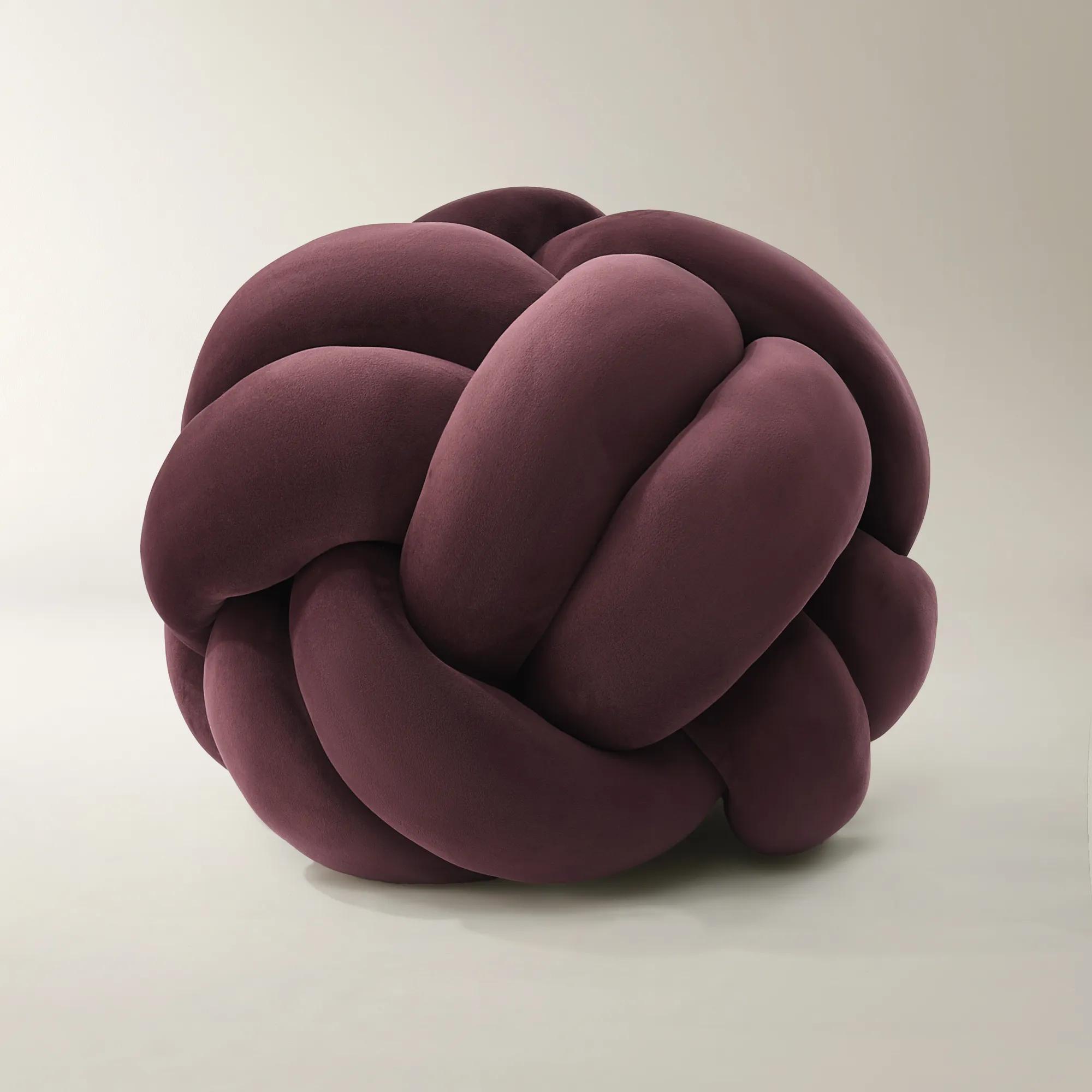
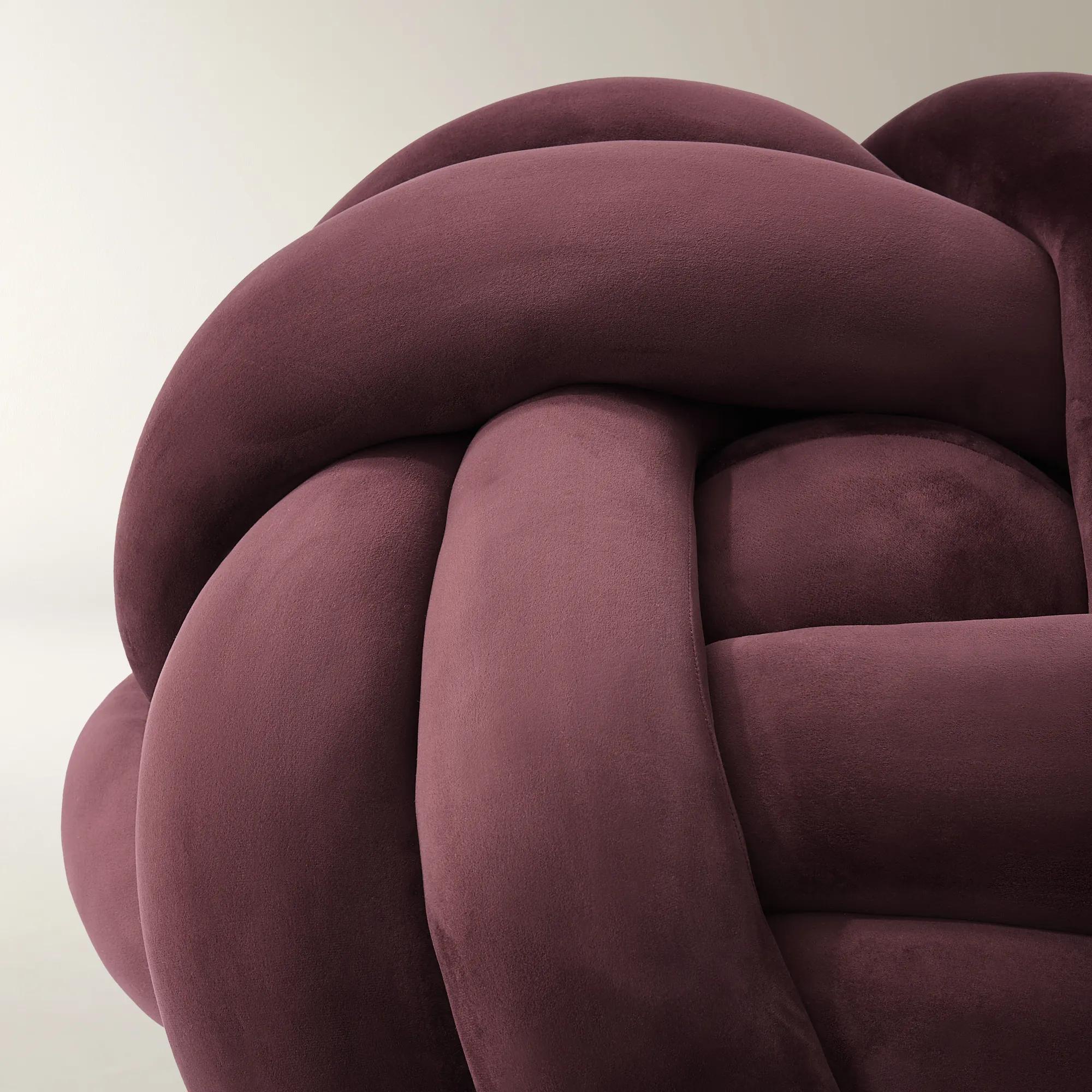 Loopie Fig Velvet Stool (34.5")$349
An oversized, knot-inspired stool hand-upholstered in plush fig velvet for bold sculptural appeal.
Add To Cart -
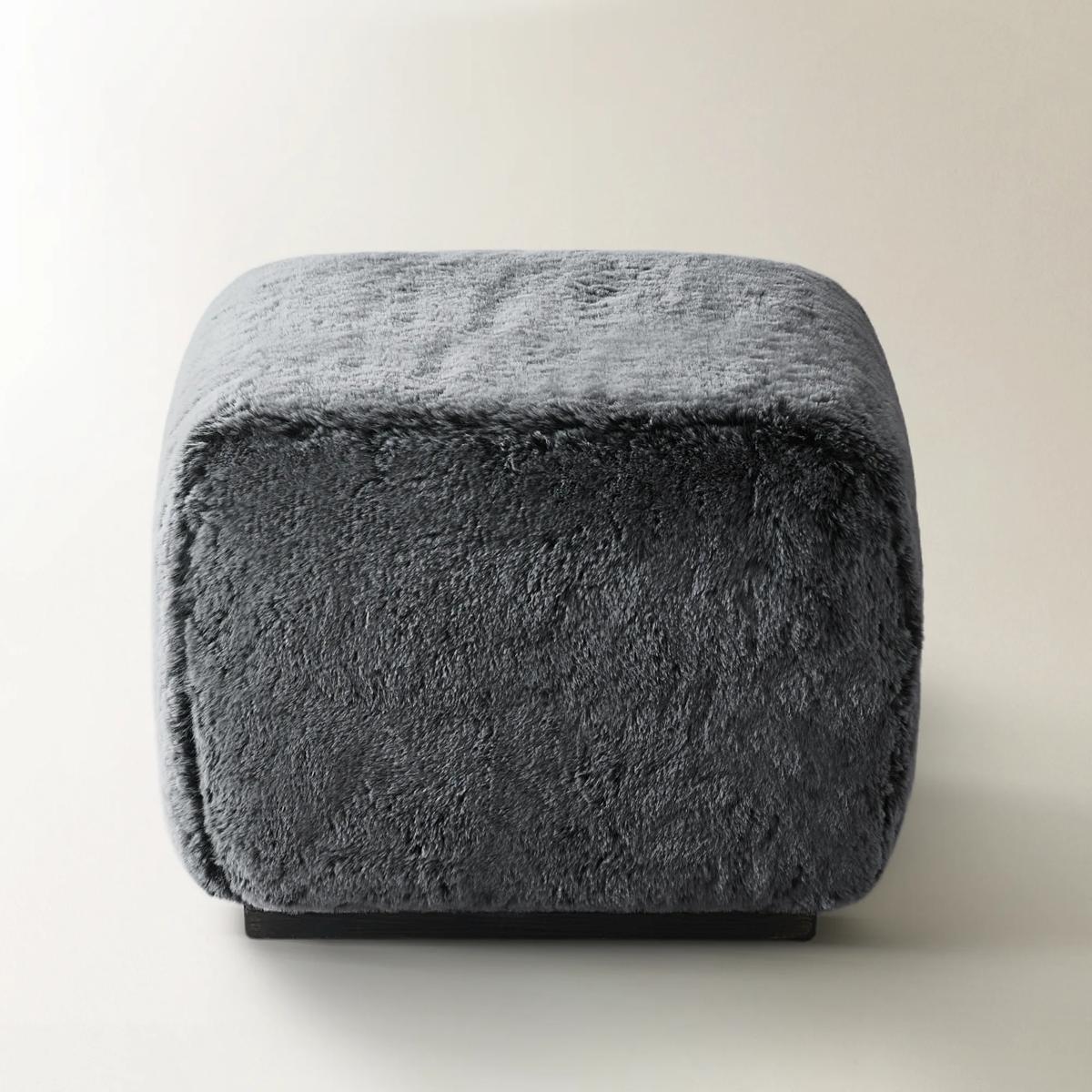
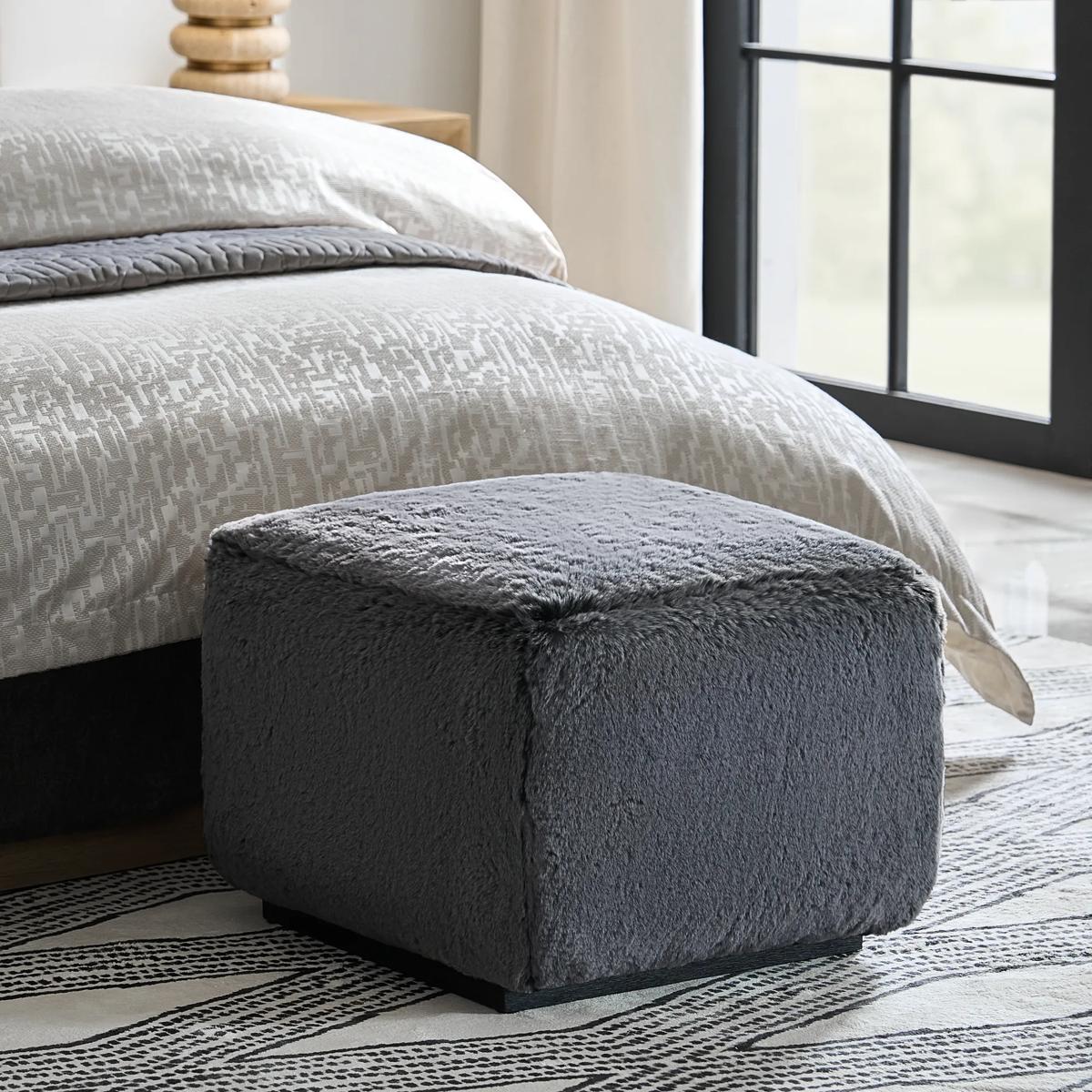 Lris Grey Faux Fur Stool (21")$299
A charcoal grey faux fur pouf with high-density foam and a sturdy rubberwood base for modern comfort.
Add To Cart -
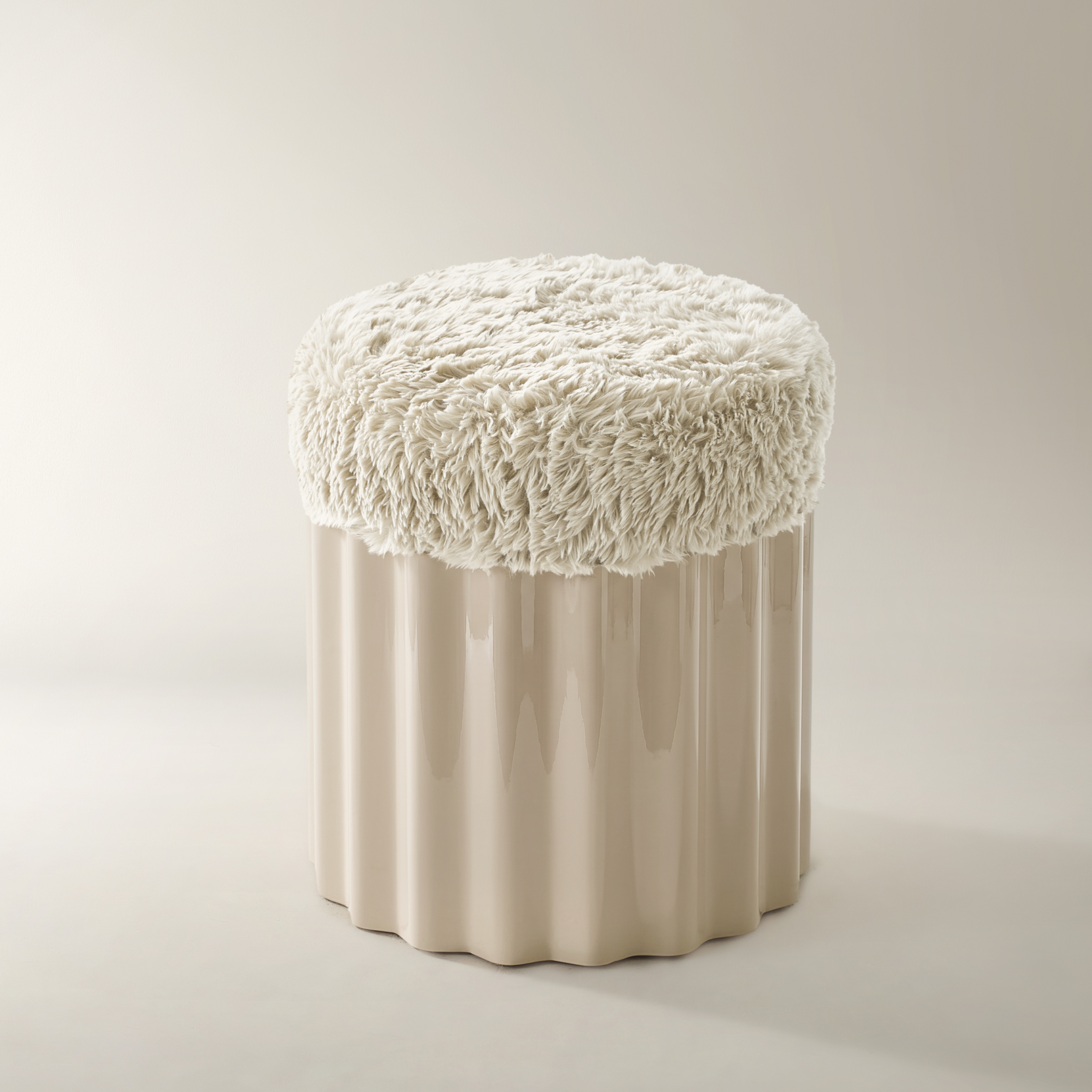
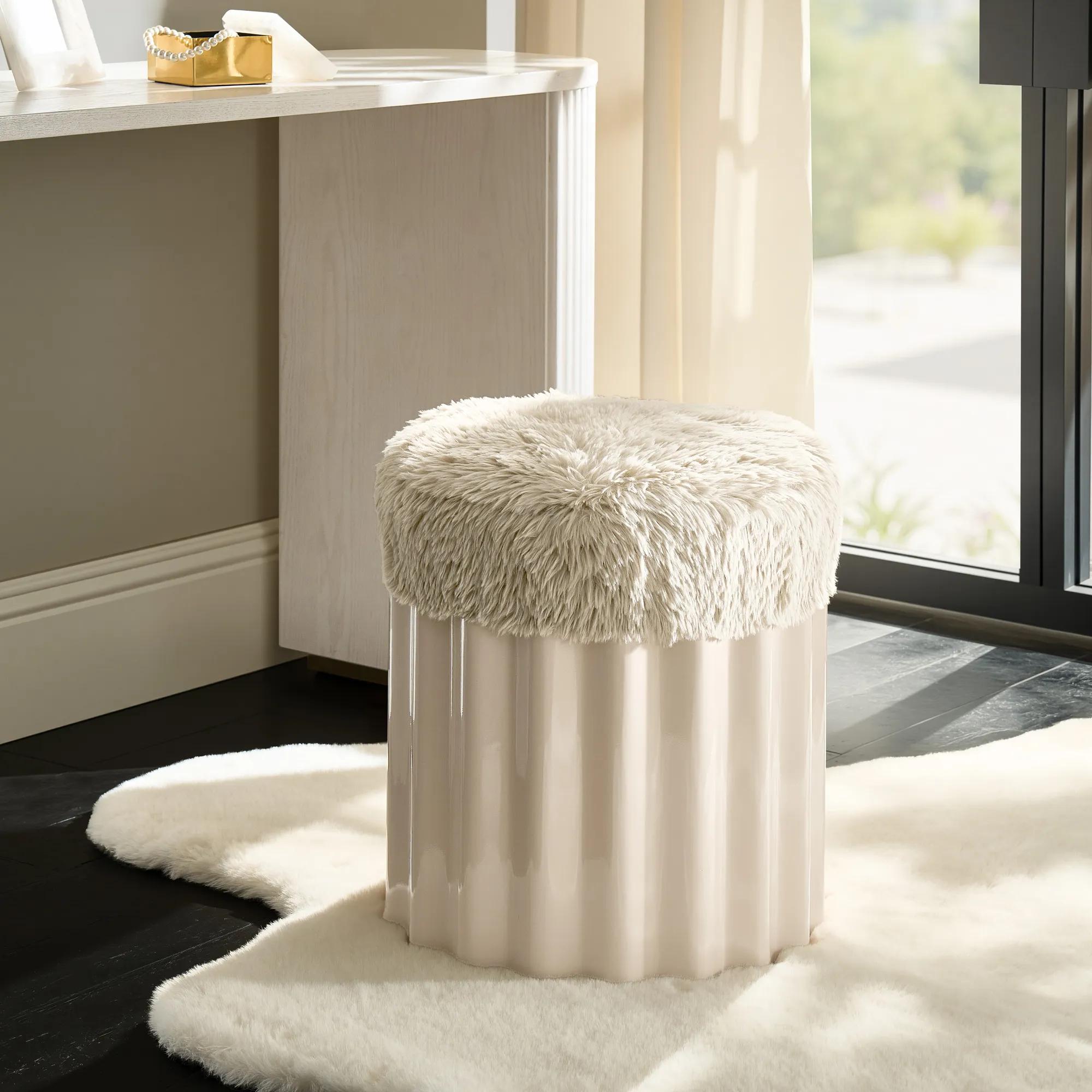 Nia Lacquered Turtle Dove Faux Fur Storage Stool$399
A sculptural fluted stool in warm turtle dove with plush faux fur seat and hidden storage compartment.
Add To Cart -
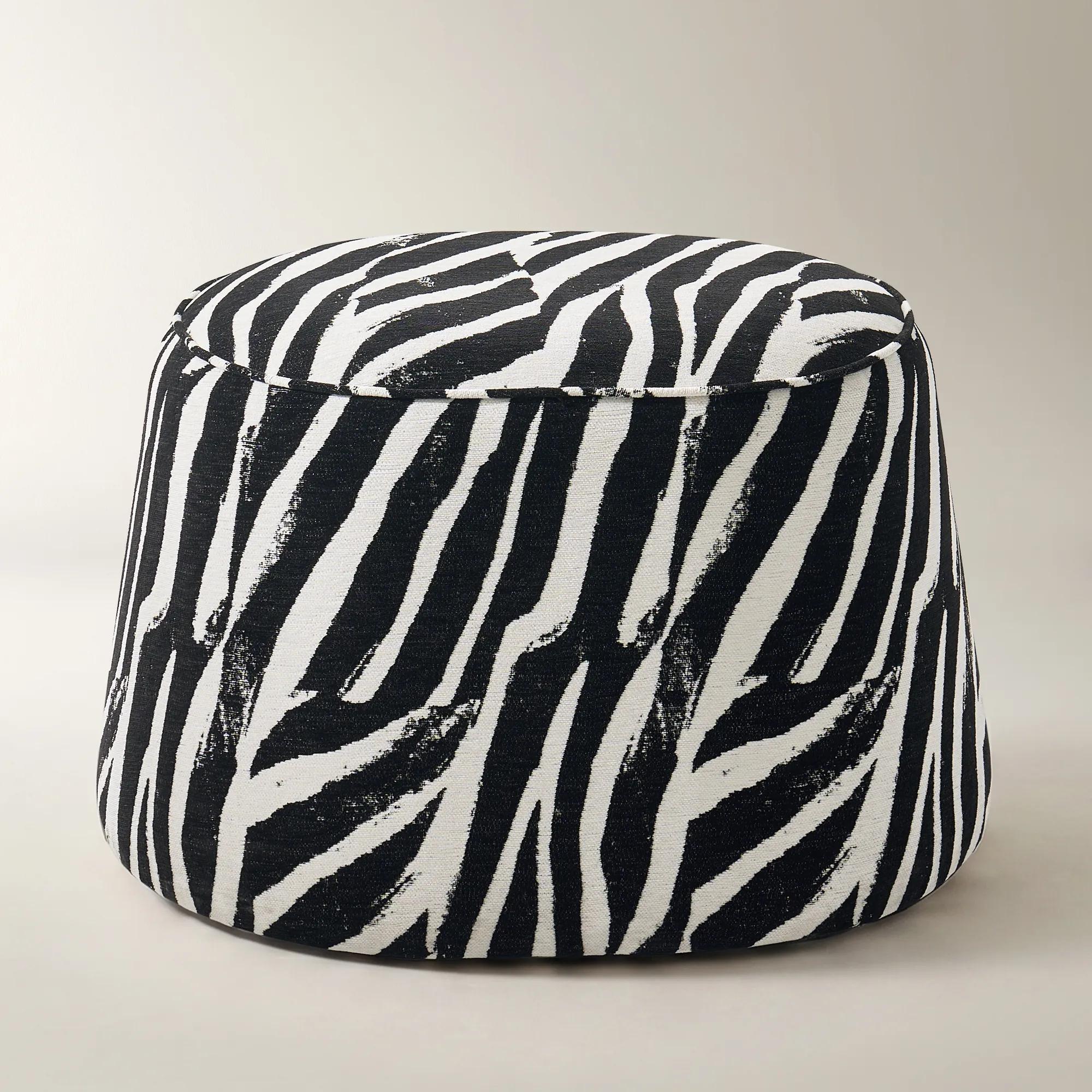 Avery White/Black Performance Chenille Stool$399
A sculpted drum accent stool in black and white performance chenille with an animal-inspired pattern.
Add To Cart -
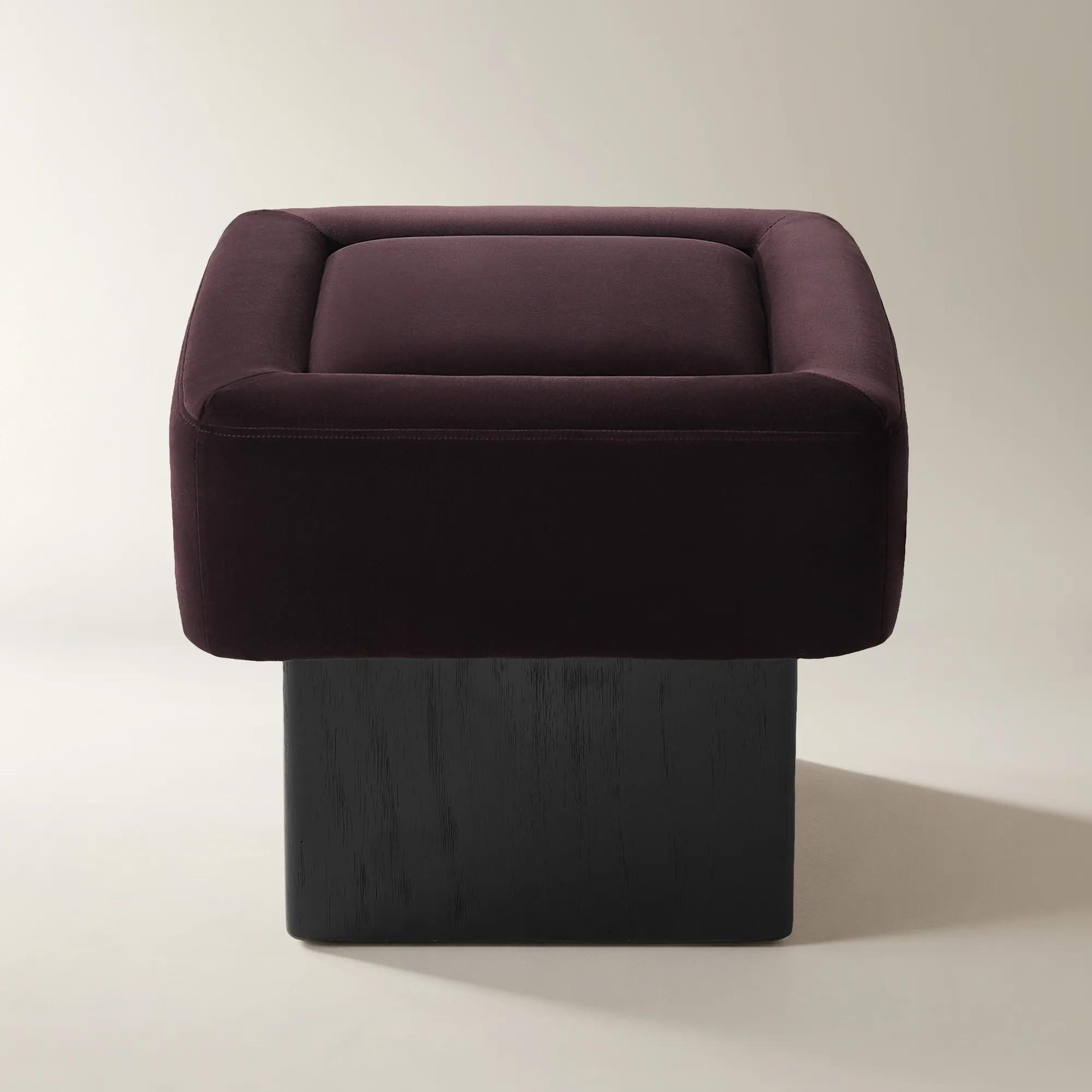 Reims Fig Velvet Stool$349
A plush fig-colored velvet stool featuring a sculpted cushion and a solid rubberwood base for modern contrast.
Add To Cart -
.jpg?w=1200&h=1200)
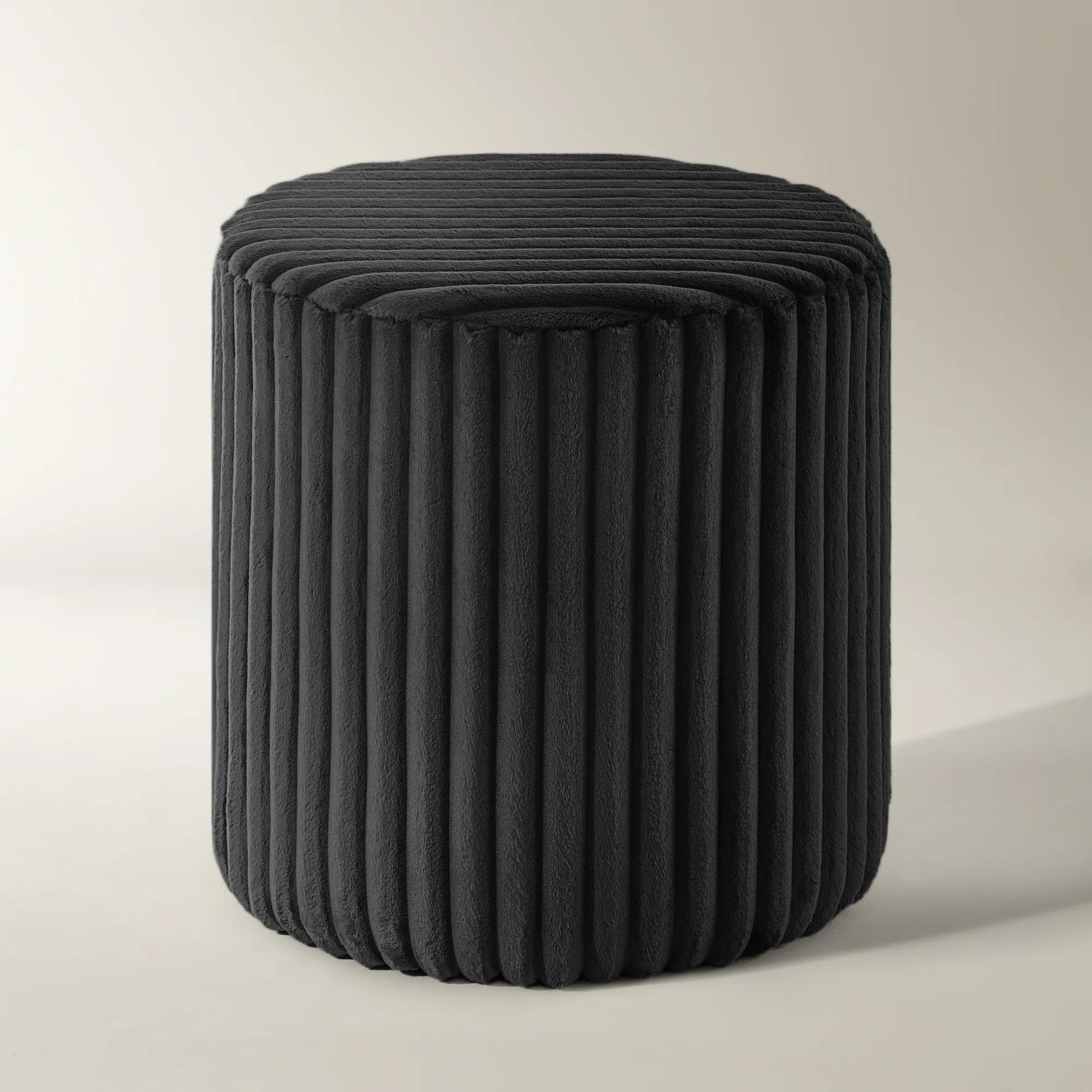 Fleece Fluted Black Velvet Stool (15.55'')$229
A plush black ribbed velvet stool offering versatile seating and cozy texture for any modern space.
Add To Cart -
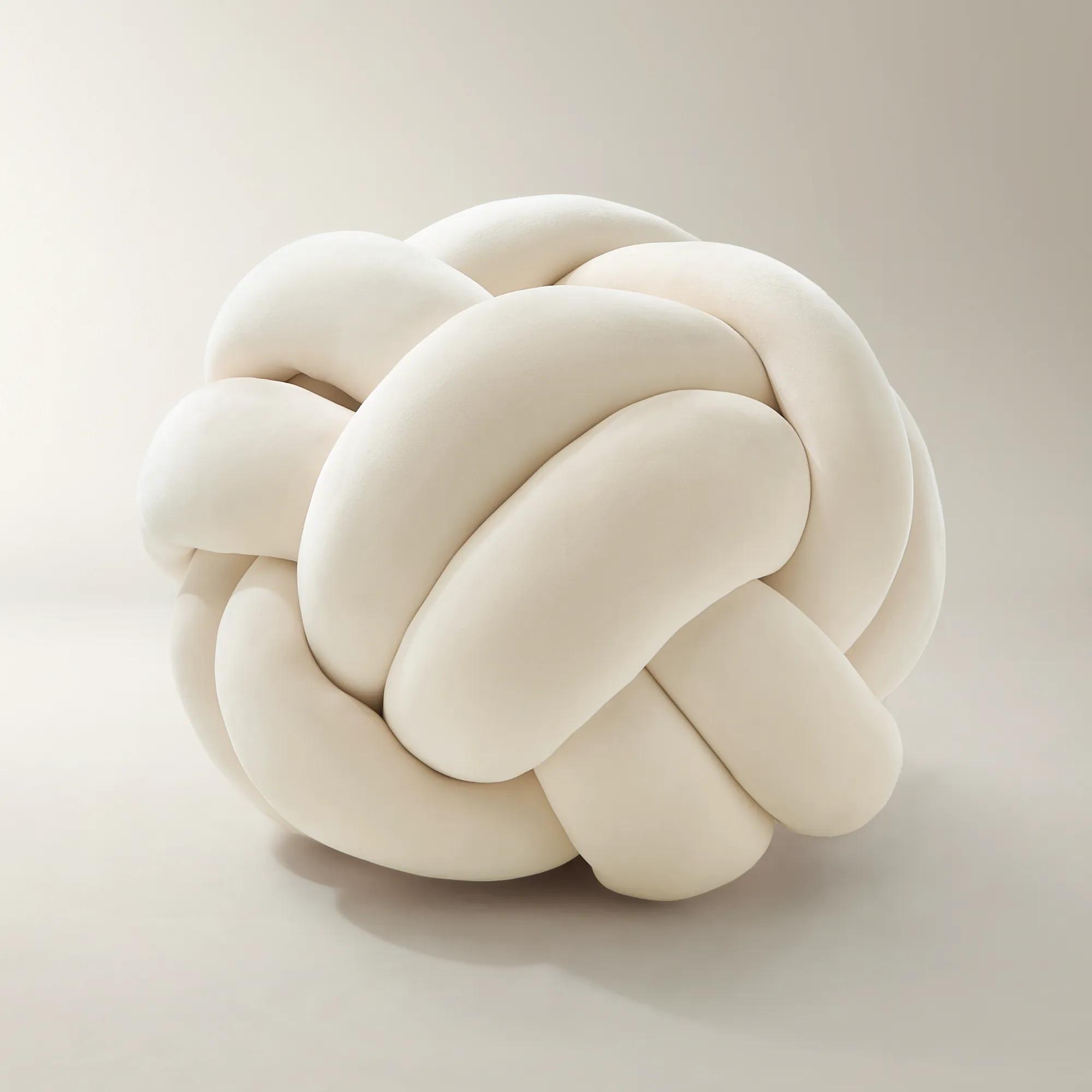 Loopie Oatmeal Velvet Stool (34.5")$349
An oversized oatmeal velvet stool featuring a sculptural knotted silhouette and plush, hand-upholstered finish.
Add To Cart -
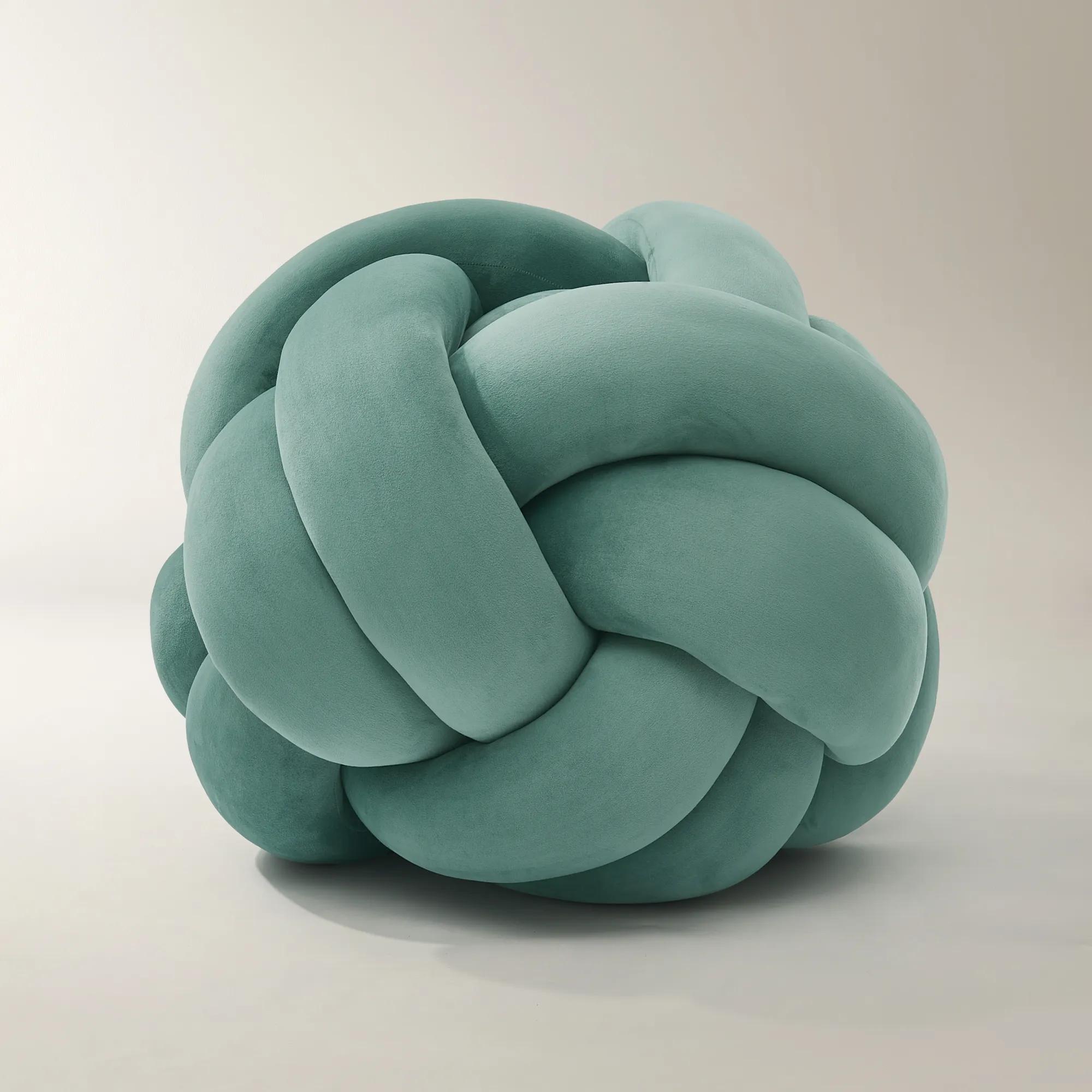 Loopie Ocean Teal Velvet Stool (34.5")$349
A bold sculptural stool featuring plush ocean teal velvet upholstery and an oversized knotted silhouette.
Add To Cart -
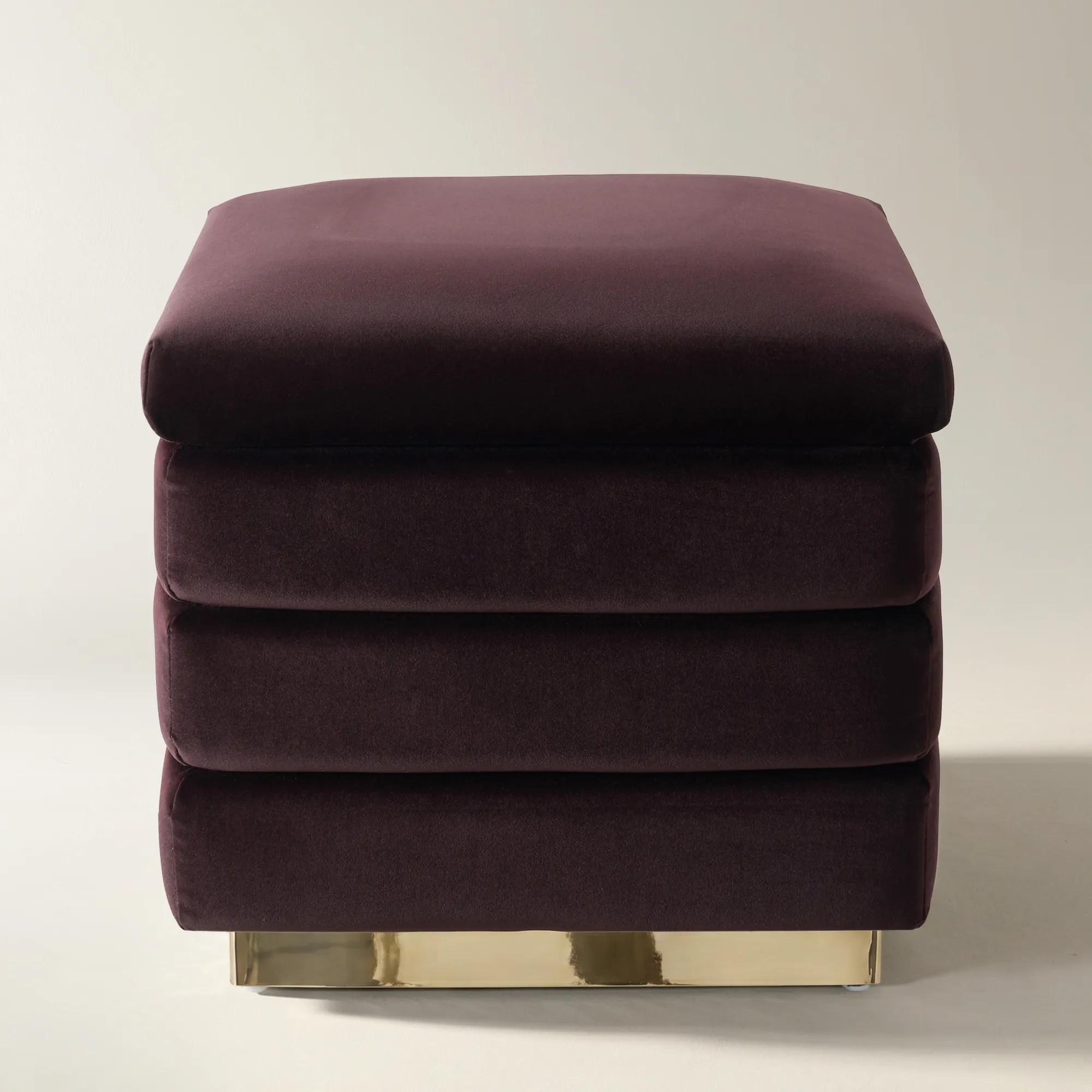
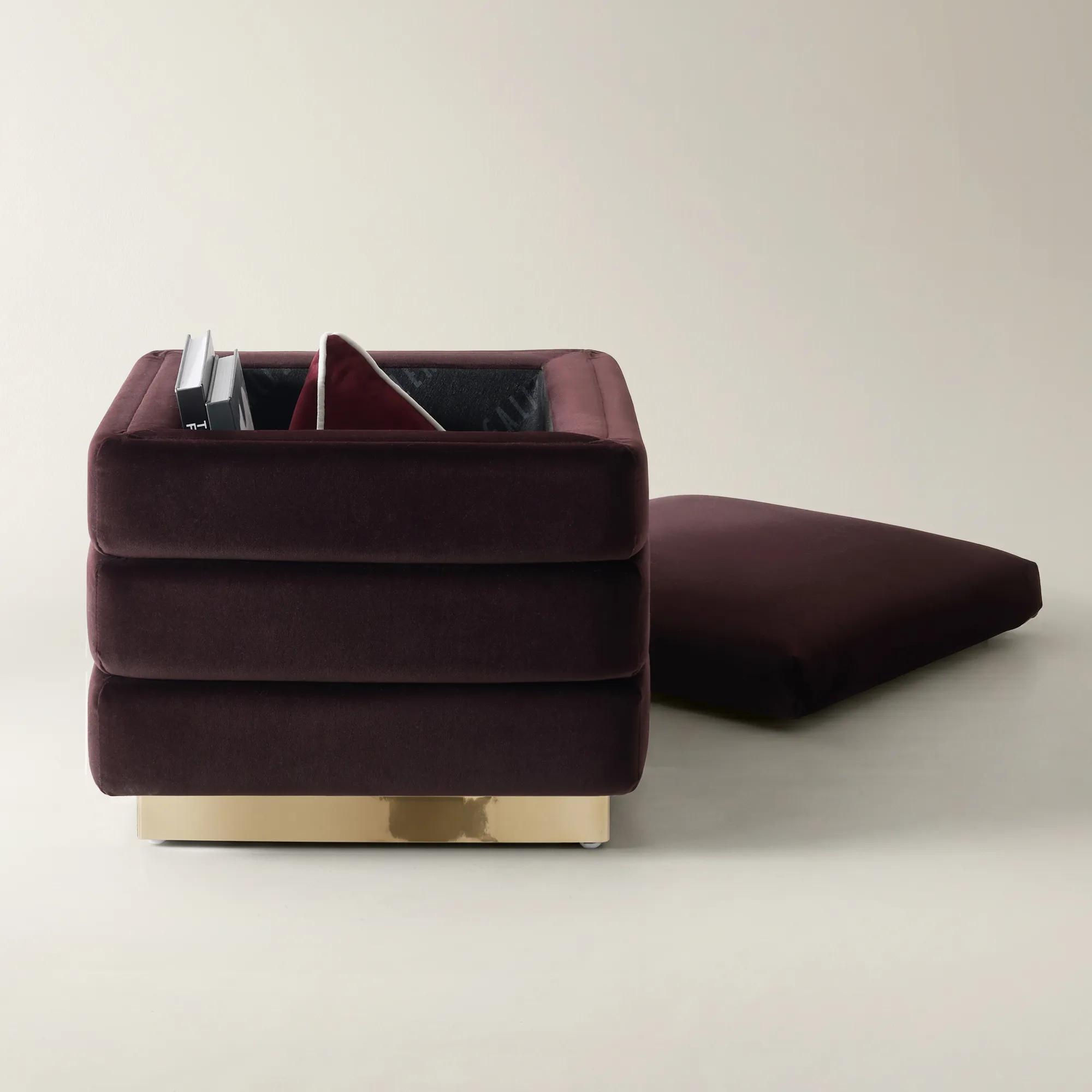 Gable Fig Chenille Storage Stool$399
A plush fig chenille stool with hidden storage, velvet upholstery, and a polished gold stainless steel base.
Add To Cart -
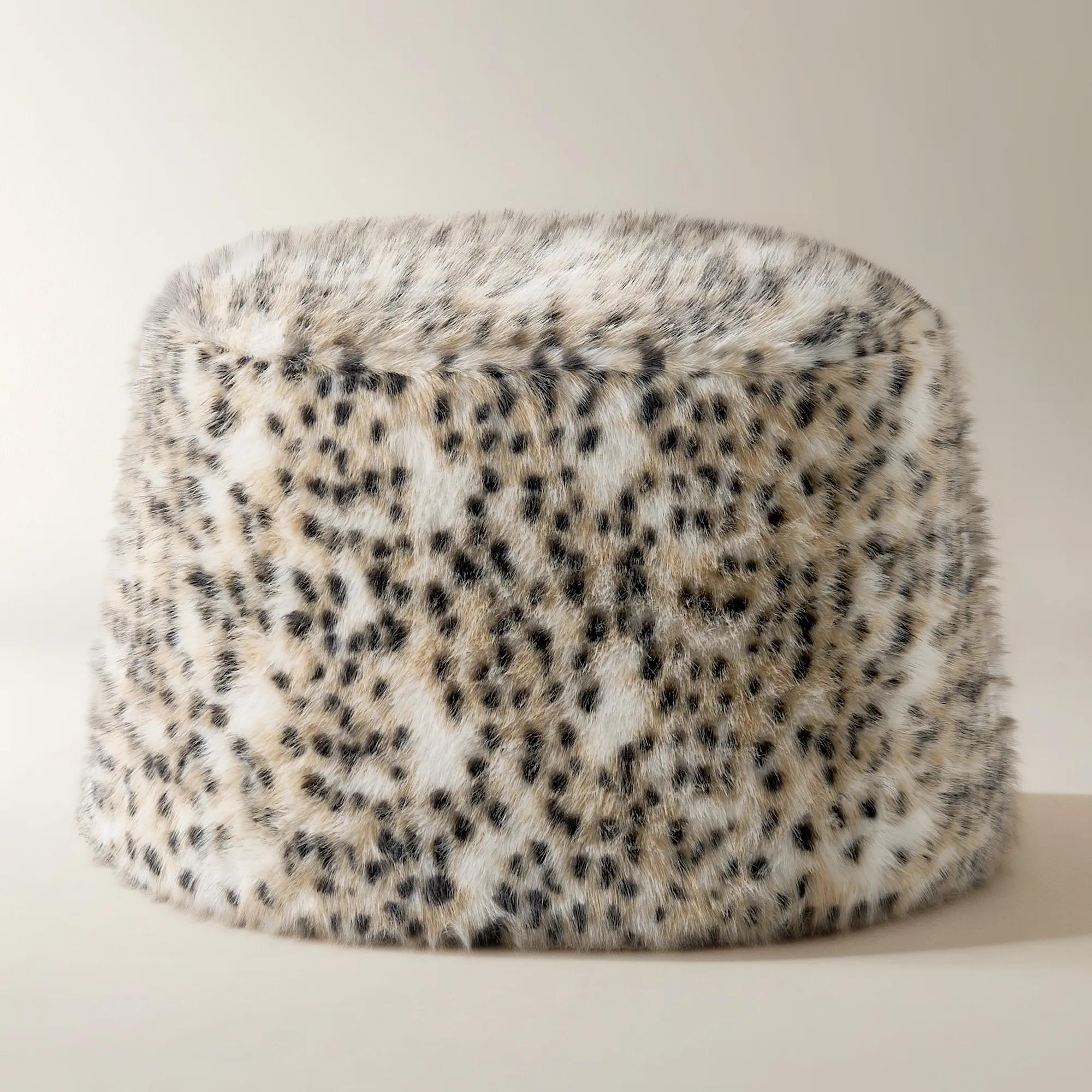
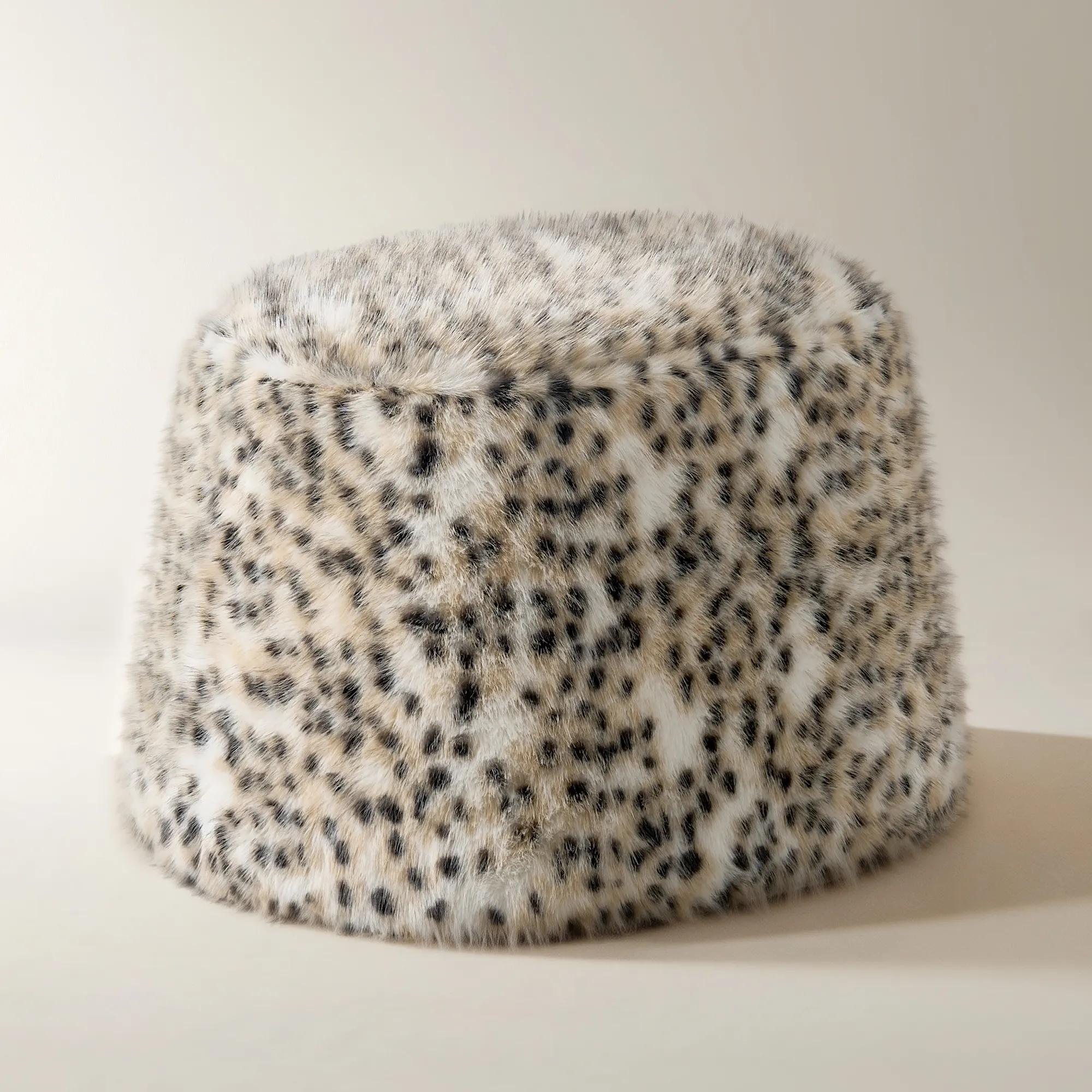 Avery Spotted Faux Fur Stool$399
A sculpted drum stool wrapped in plush spotted faux fur for bold, modern accent seating.
Add To Cart -
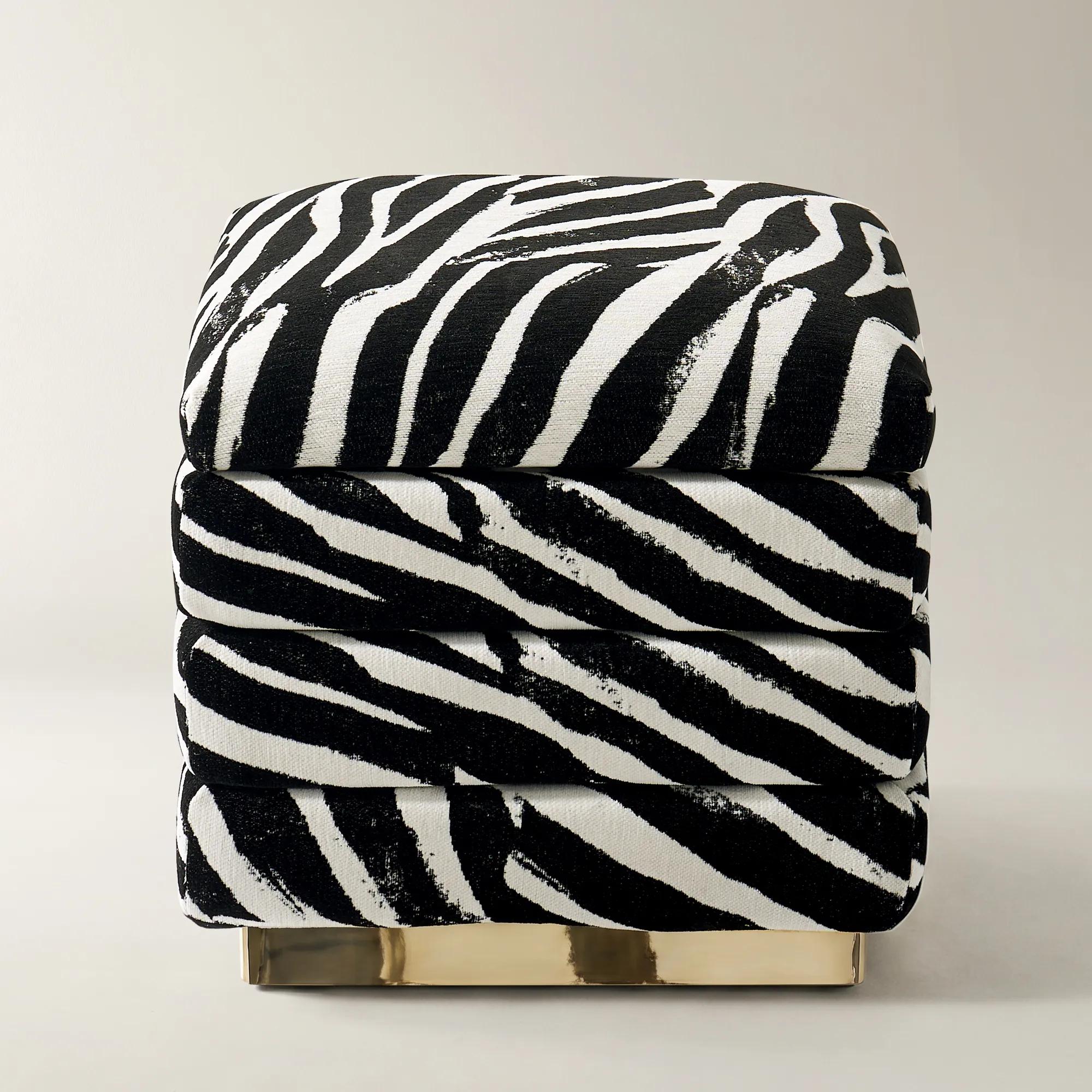
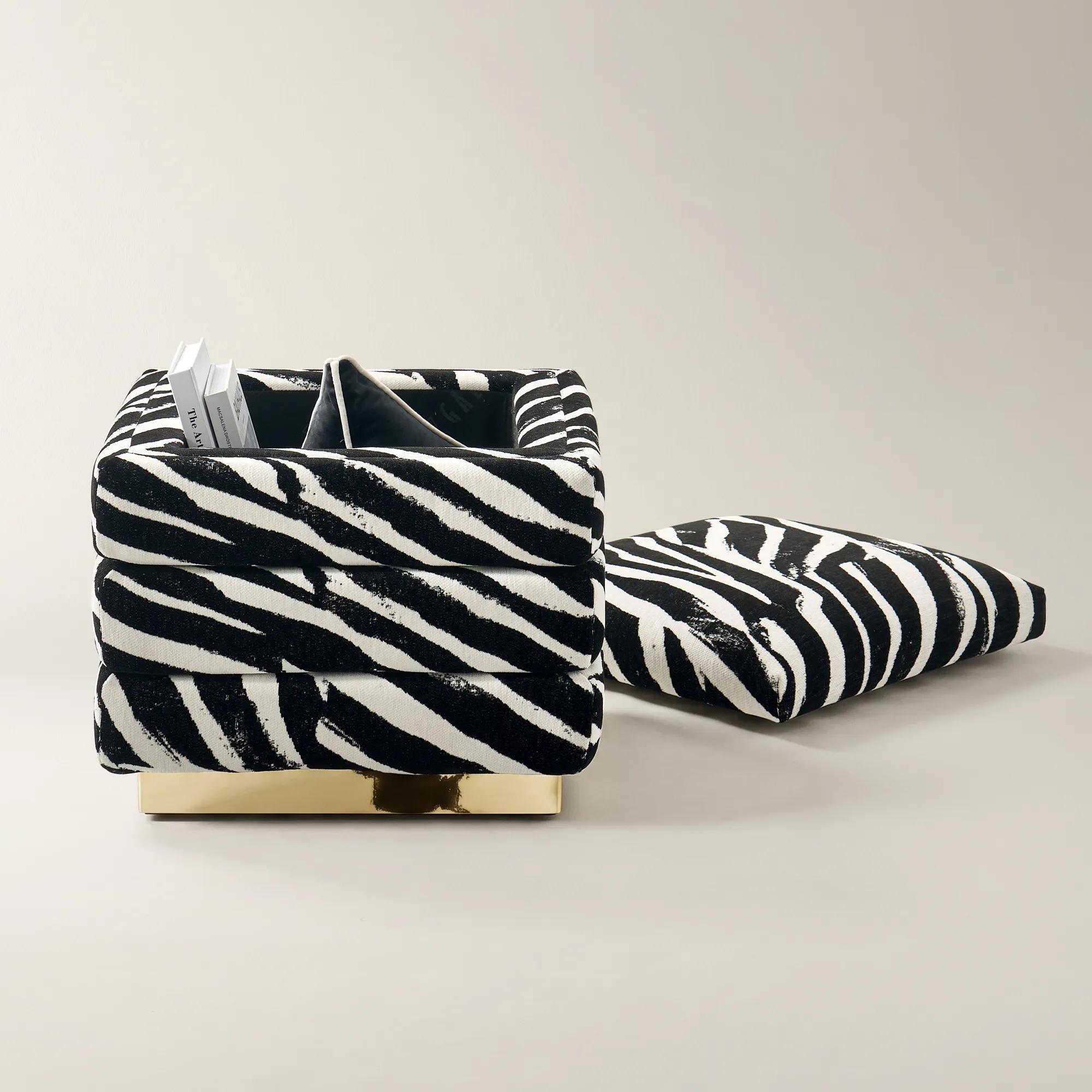 Gable White/Black Performance Chenille Stool$399
A plush white and black chenille stool with hidden storage and a polished gold stainless steel base.
Add To Cart -
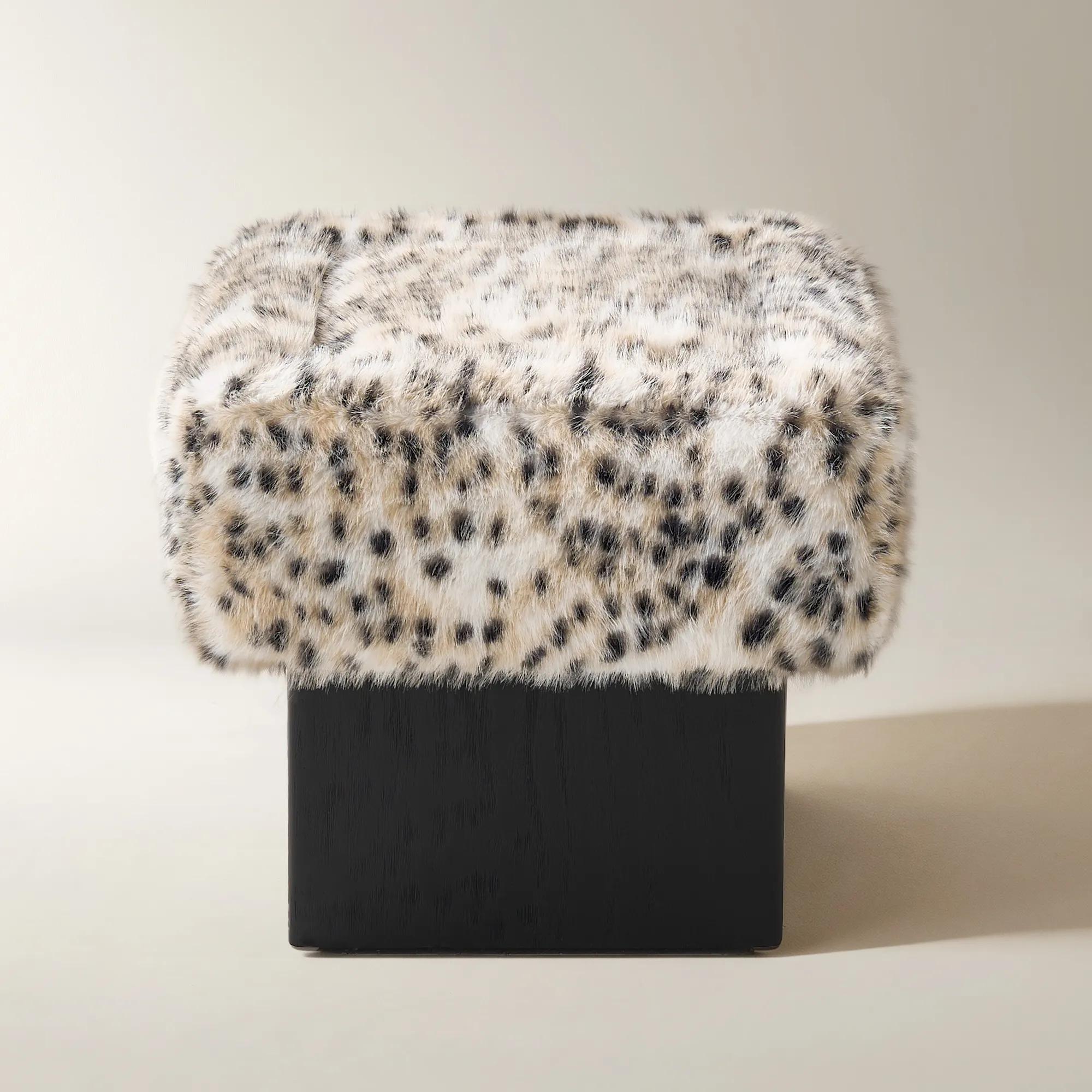 Reims Spotted Faux Fur Stool$349
A plush spotted faux fur stool with a sculpted cushion and solid rubberwood base for modern contrast.
Add To Cart -
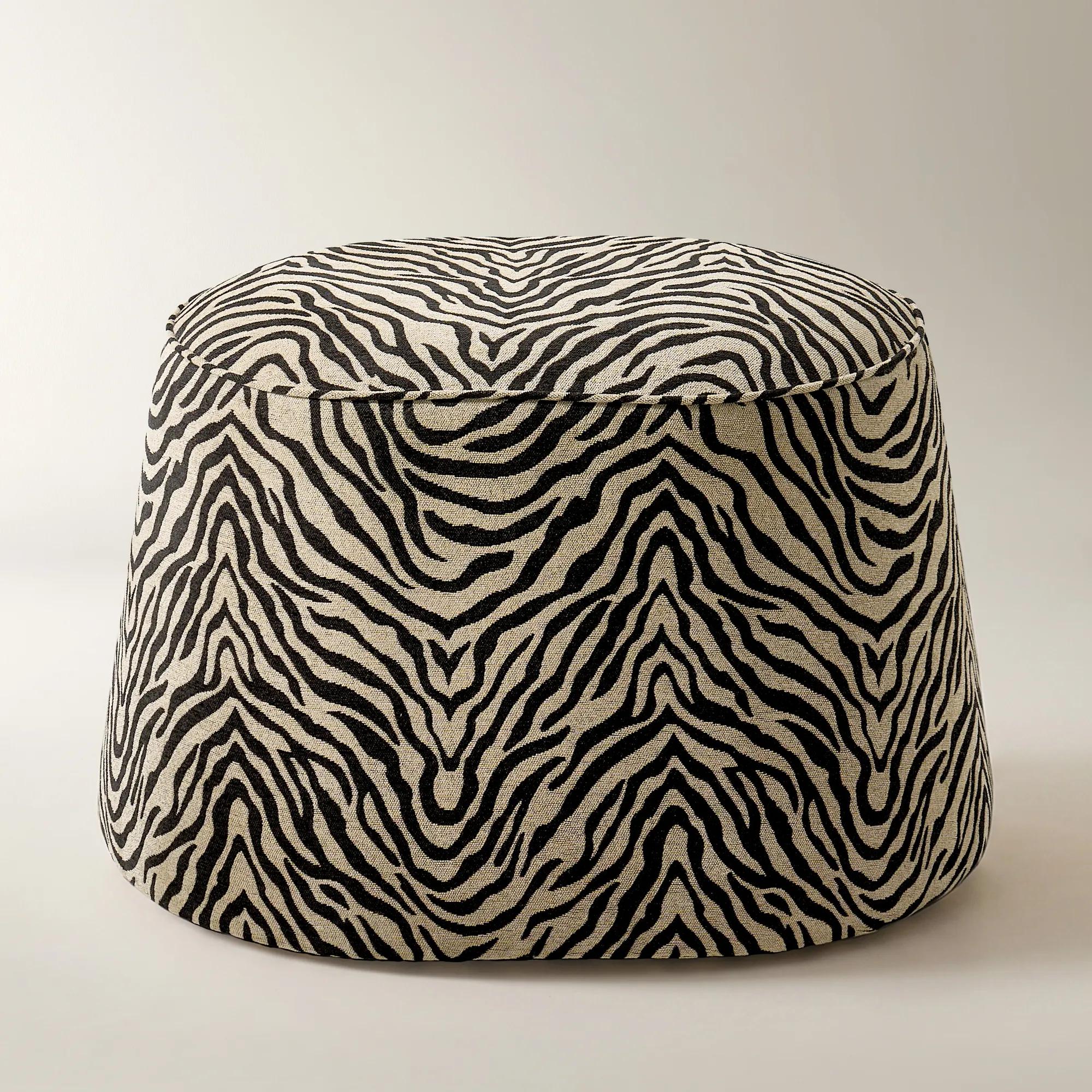 Avery Zebra Performance Chenille Stool$399
A sculpted drum-shaped accent stool upholstered in zebra-patterned performance chenille for bold, modern style.
Add To Cart -
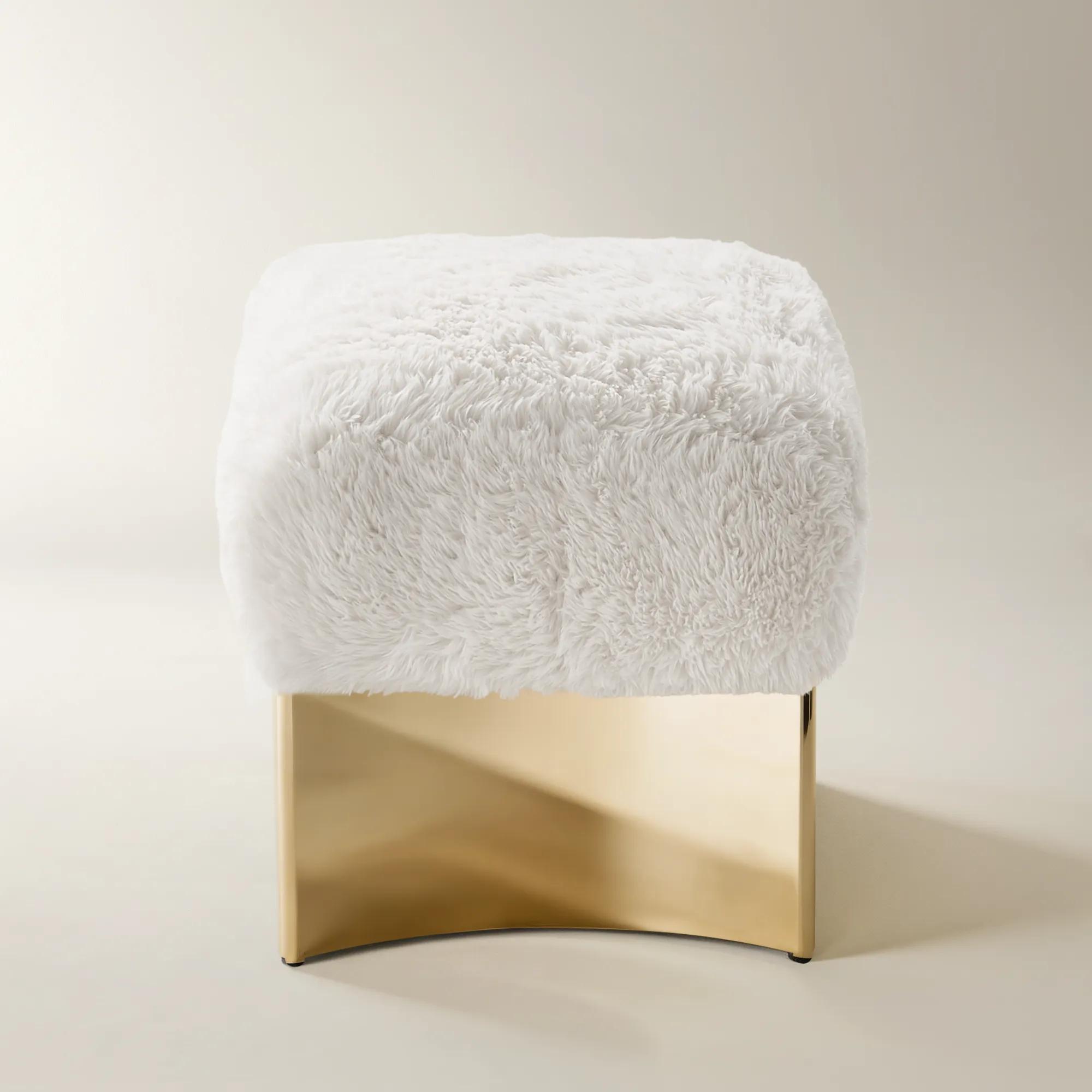 Lush White Faux Fur Stool$499
A sculptural white faux fur stool with a plush seat and polished gold stainless steel base.
Add To Cart -
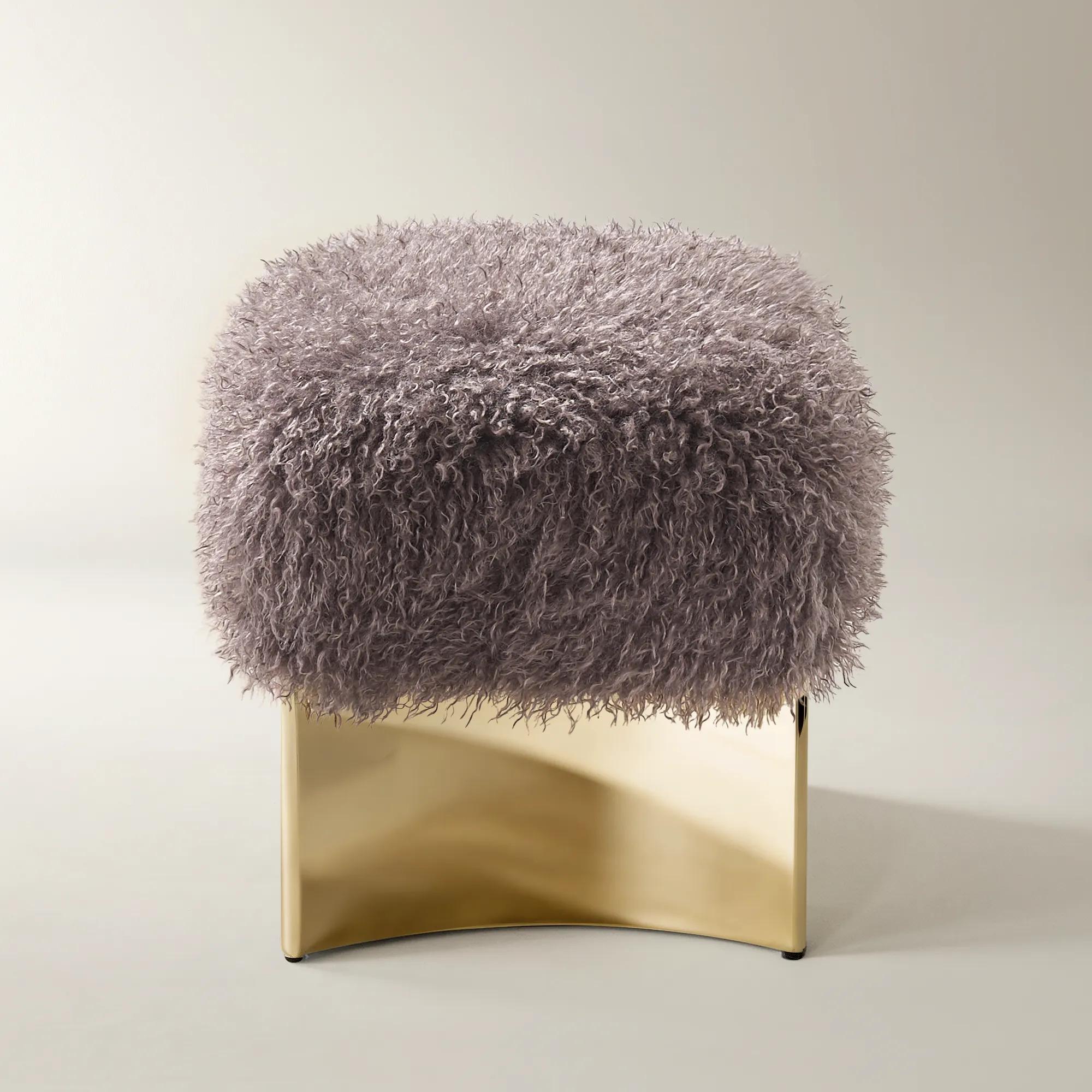 Lush Smoked Plum Faux Fur Stool$499
A sculptural smoked plum faux fur stool with a plush seat and polished gold stainless steel base.
Add To Cart -
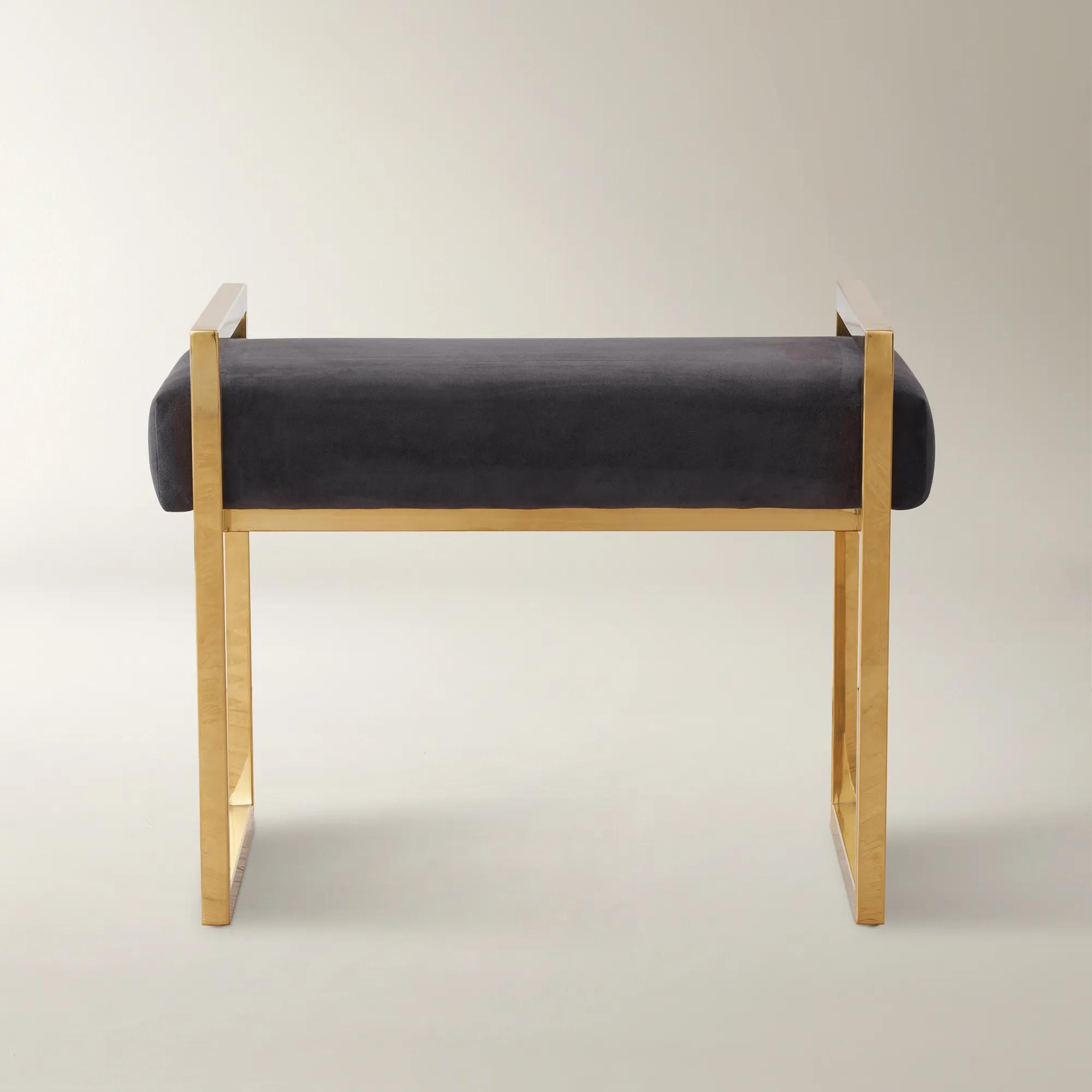
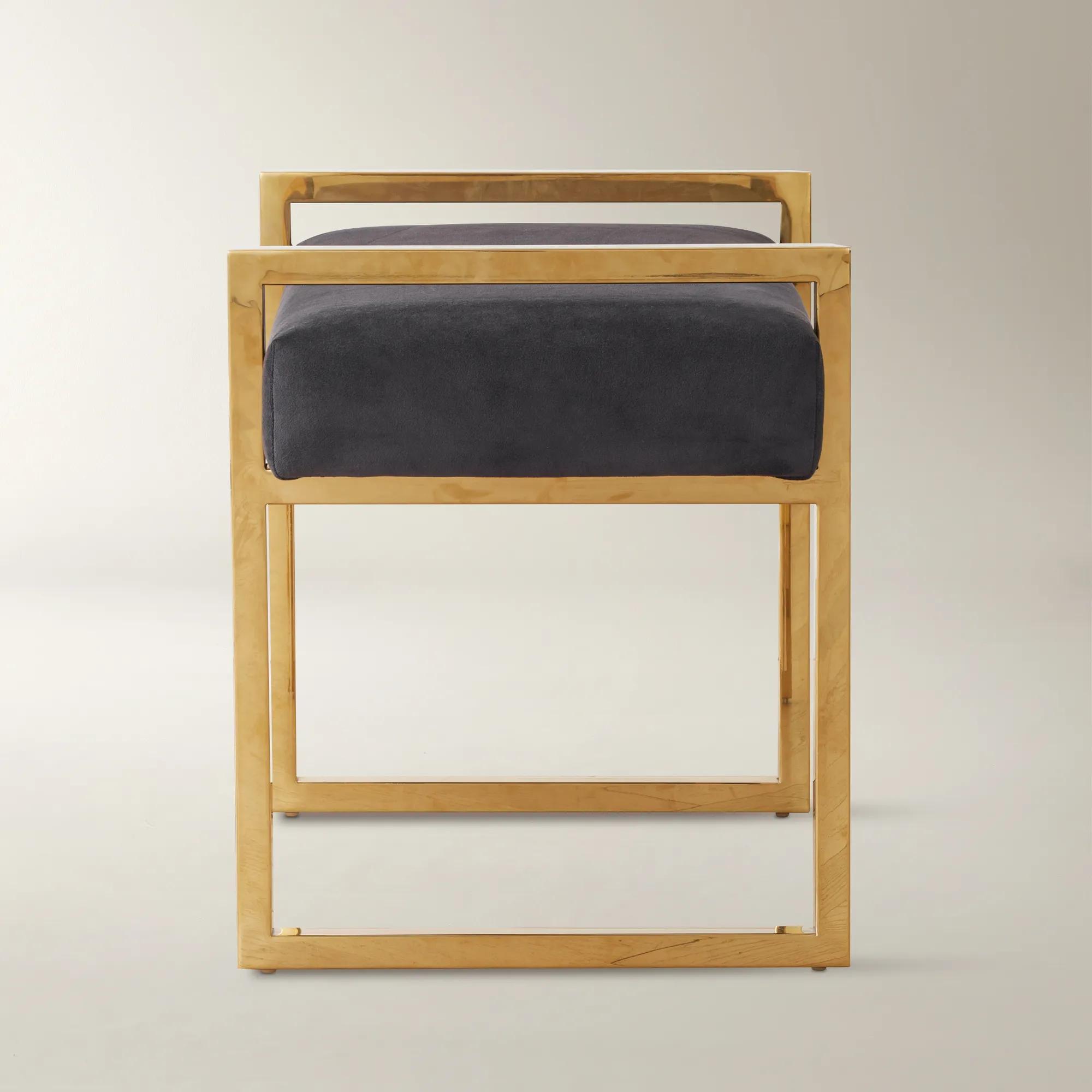 Clara Accent Stool$499
A plush black velvet stool with a high-density foam seat and polished gold metal legs.
Add To Cart -
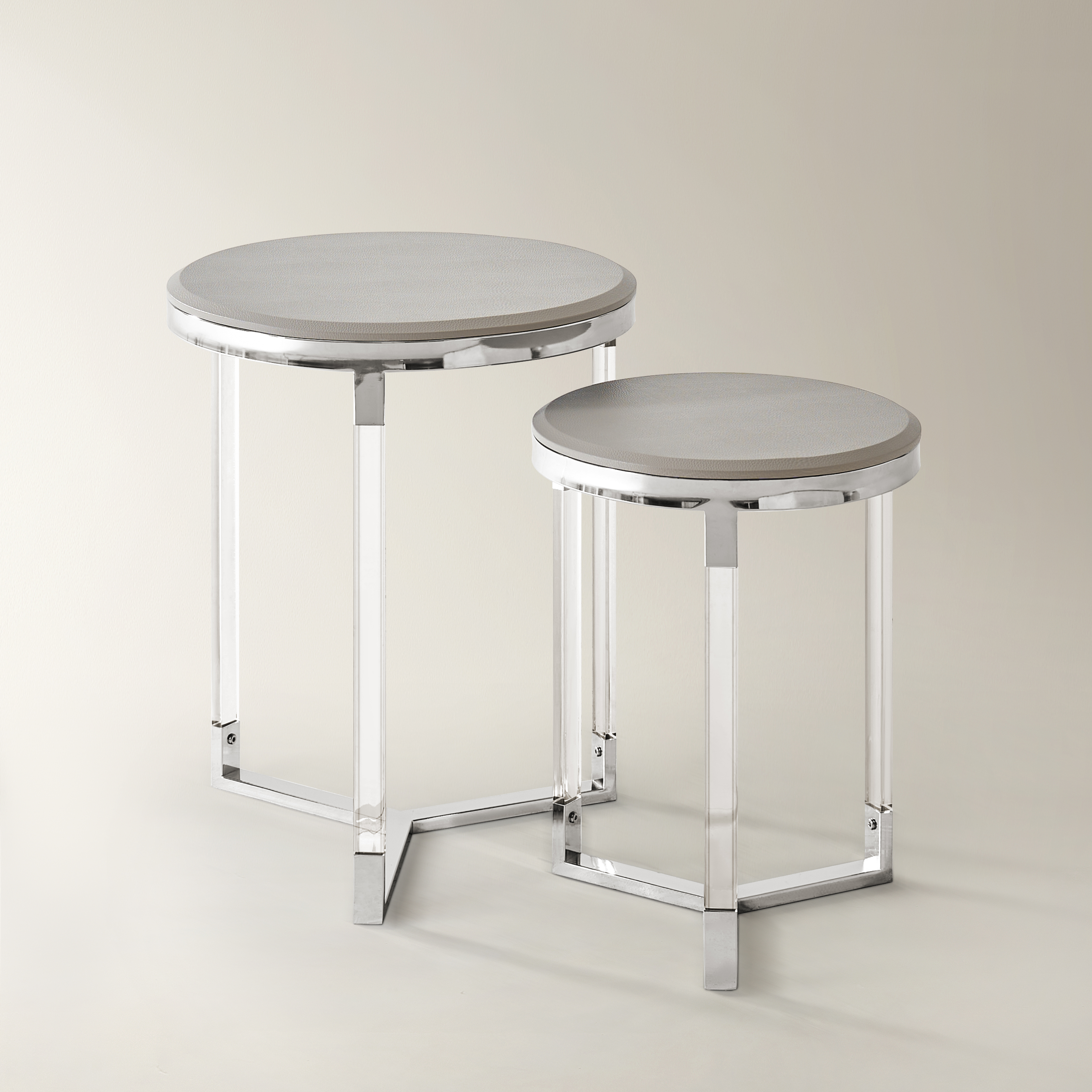
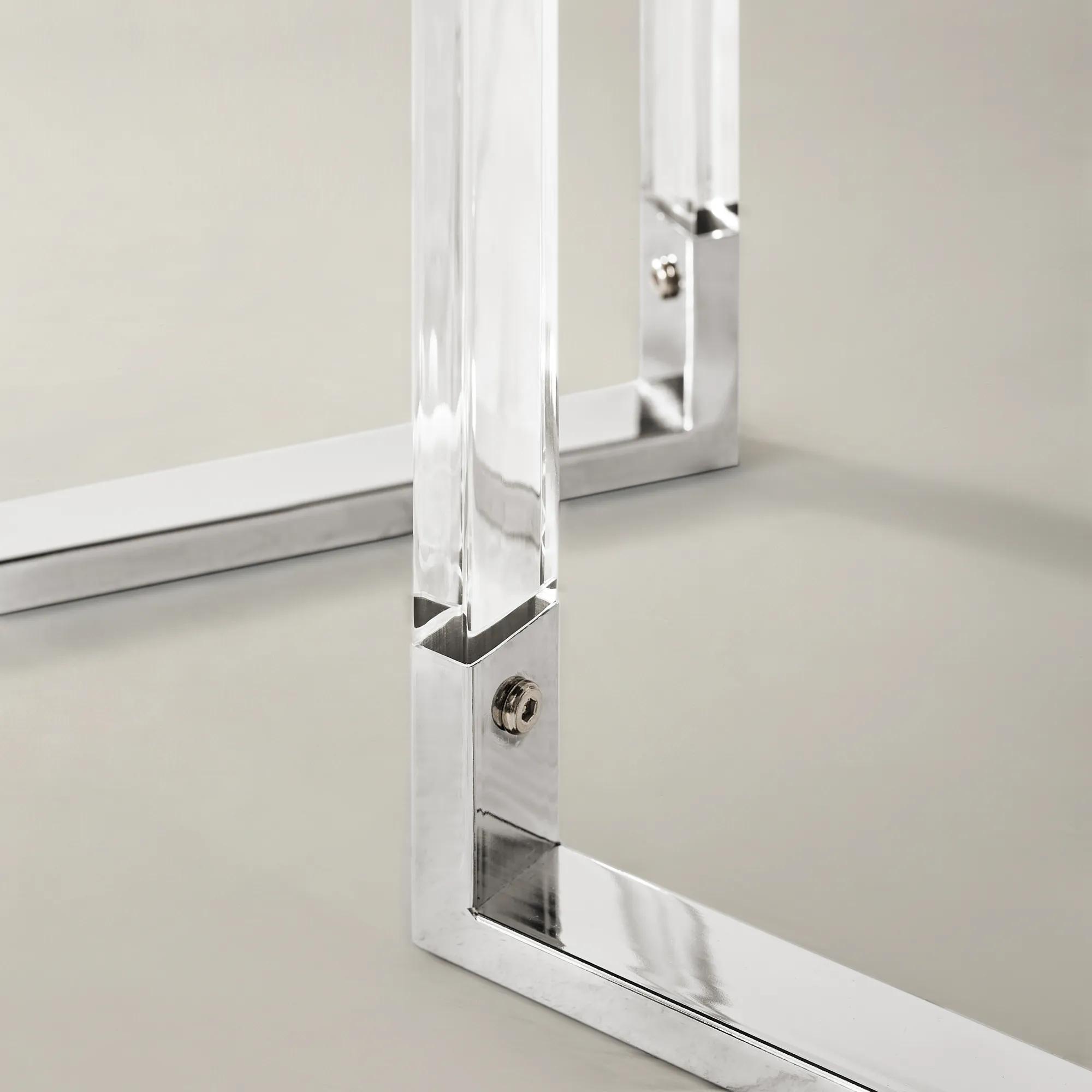 Murano Round Grey Accent Table With Faux Leather Top Set Of 2 (14.5"-18.5")$399
A bold set of two accent tables featuring mixed woods, acrylic legs, and faux leather tops.
Add To Cart -
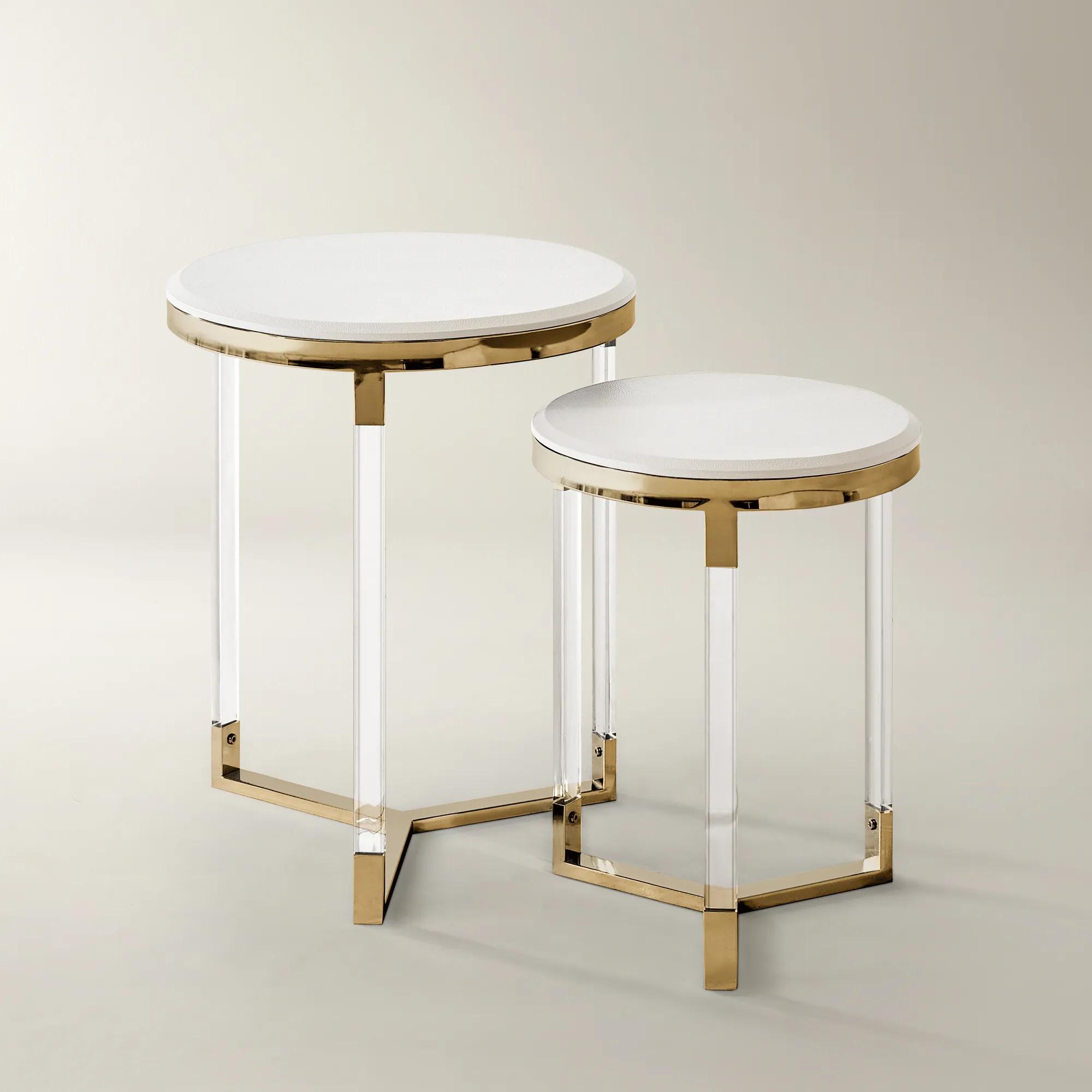
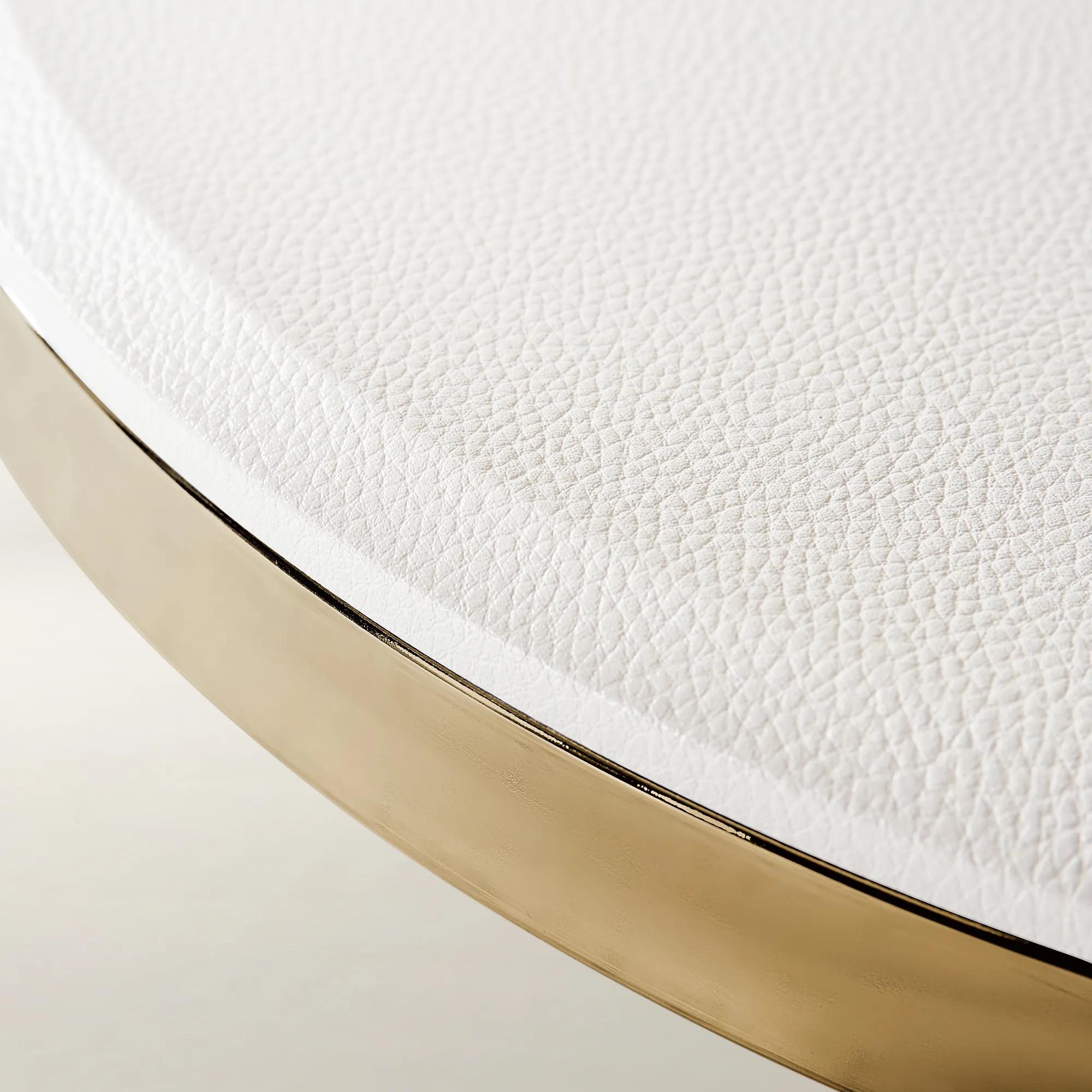 Murano Round White Accent Table With Faux Leather Top Set Of 2 (14.5"-18.5")$399
A set of two accent tables featuring mixed woods, faux leather tops, and acrylic legs with metallic finishes.
Add To Cart -
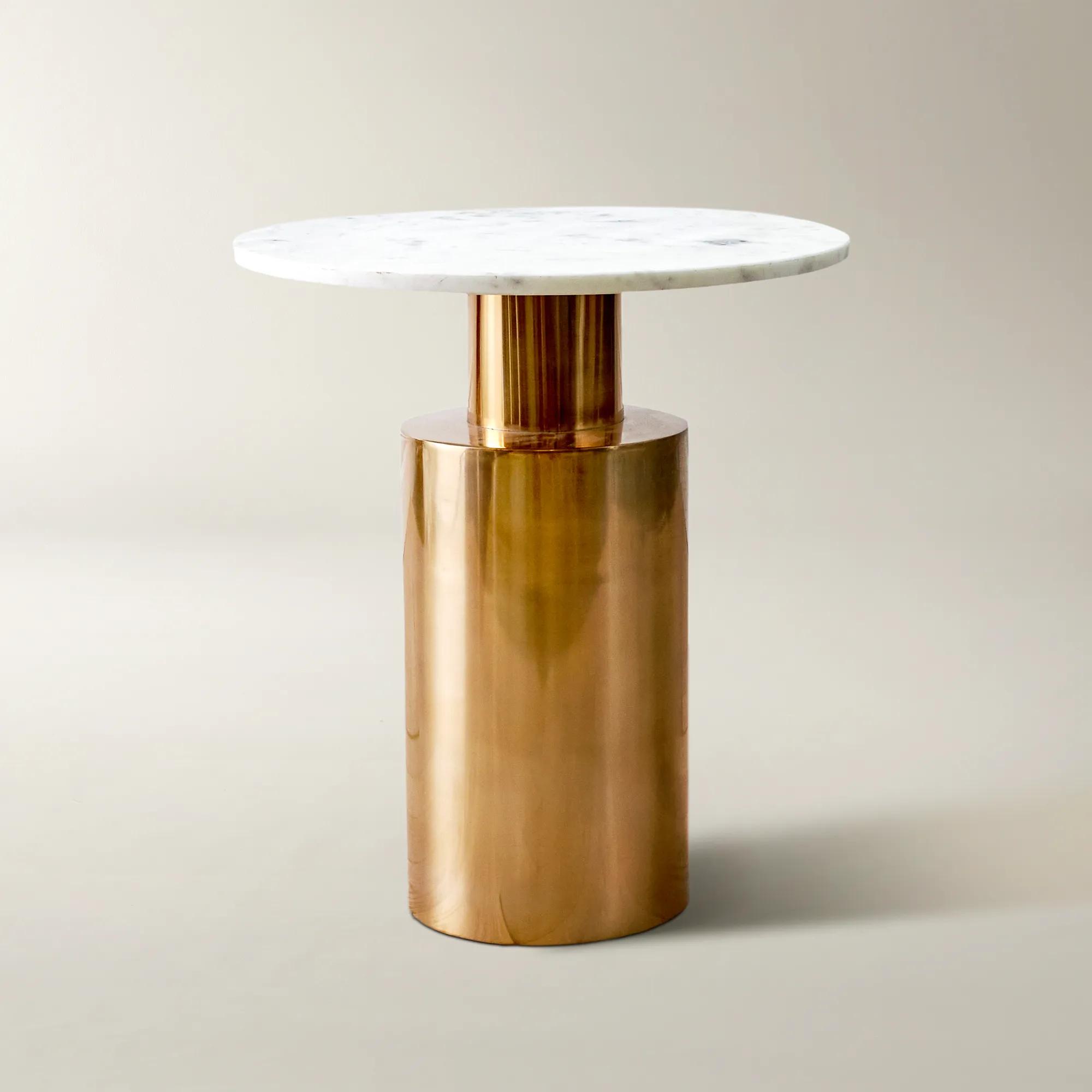 Capri Round White Marble Accent Table (16")$299
A striking accent table featuring a white marble top and gold-finished stainless steel base.
Add To Cart -
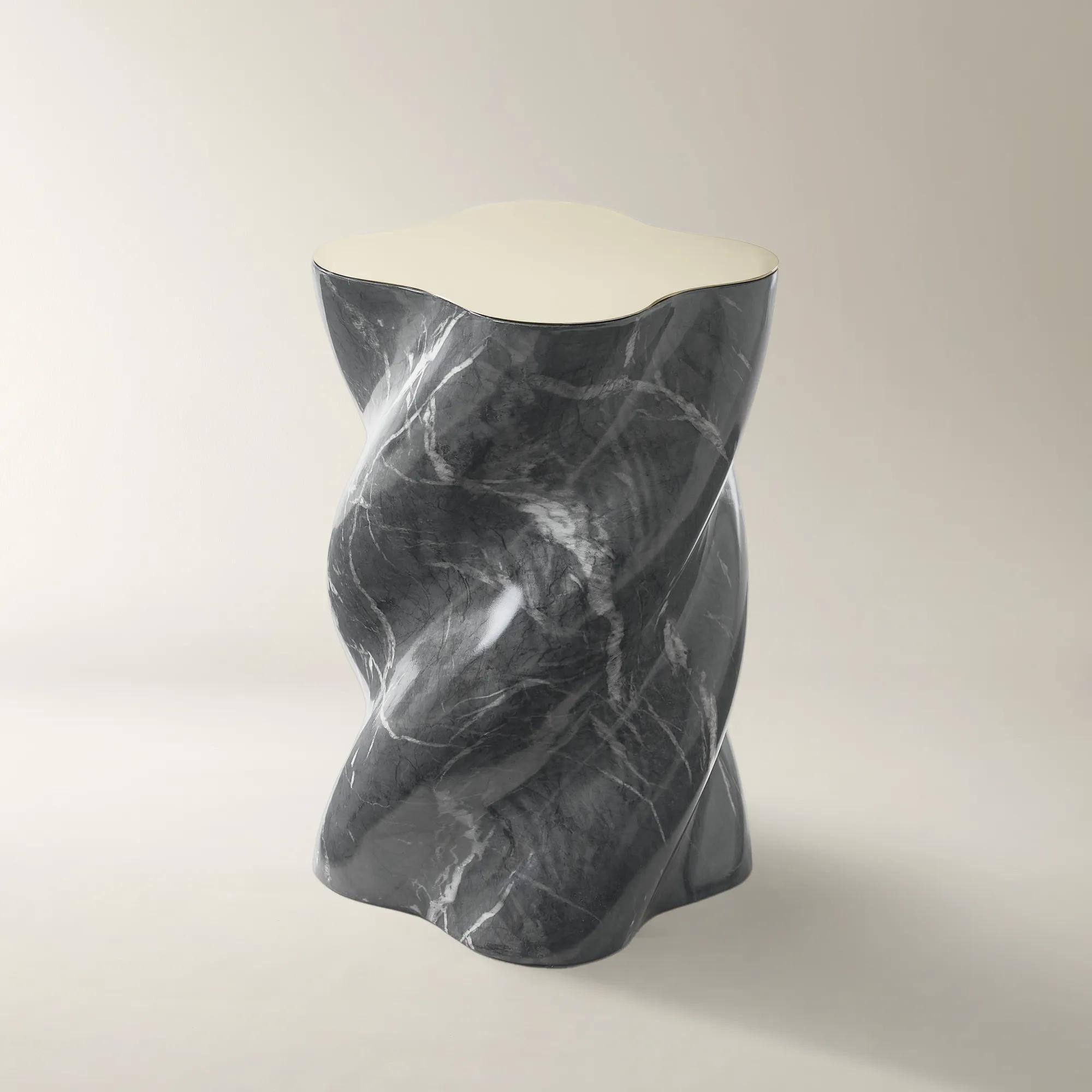 Vega Bvlgary Black Concrete Side Table With Stainless Steel Top (13.8")$459
A sculptural black side table featuring a marble-inspired fiber-concrete base and removable stainless steel top.
Add To Cart -
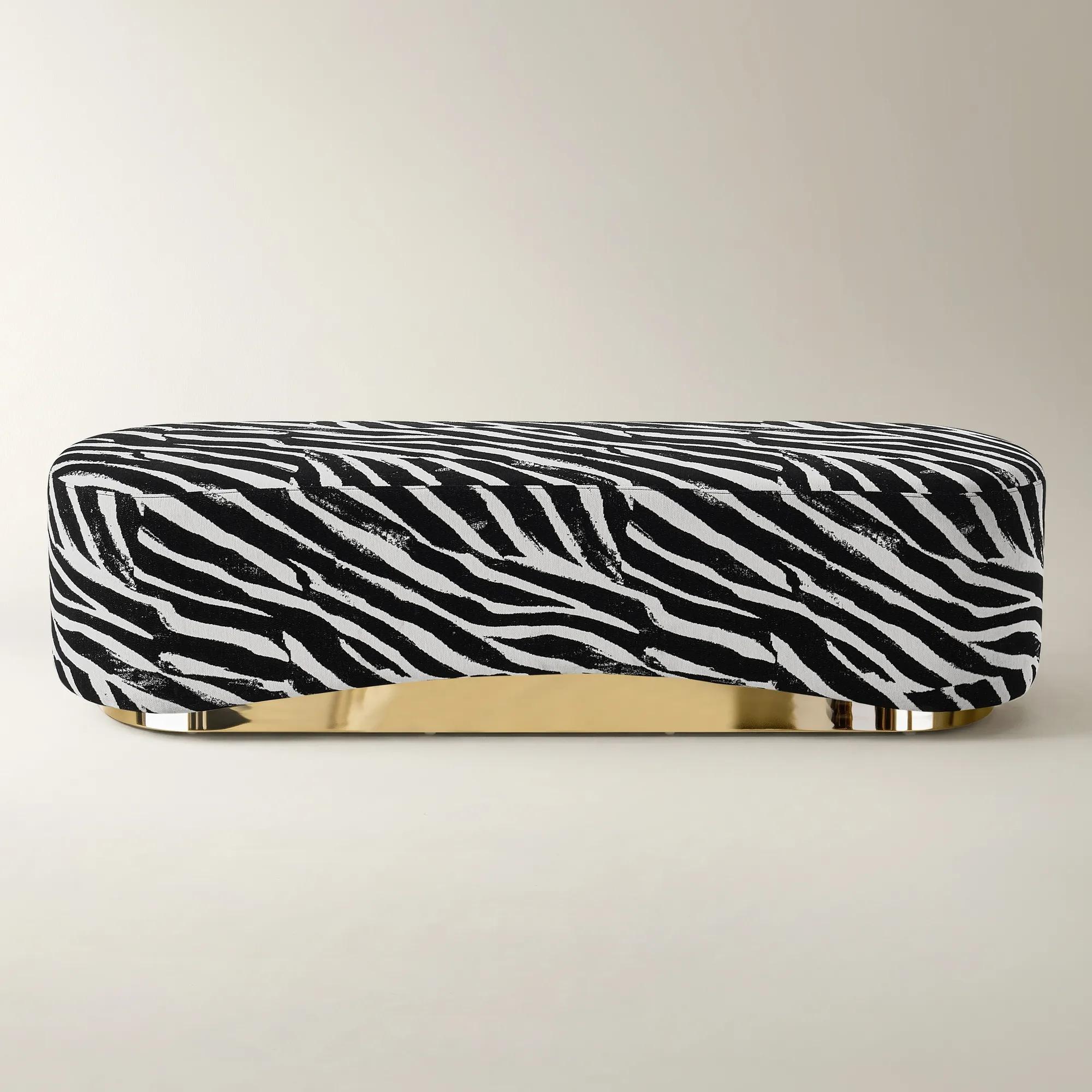
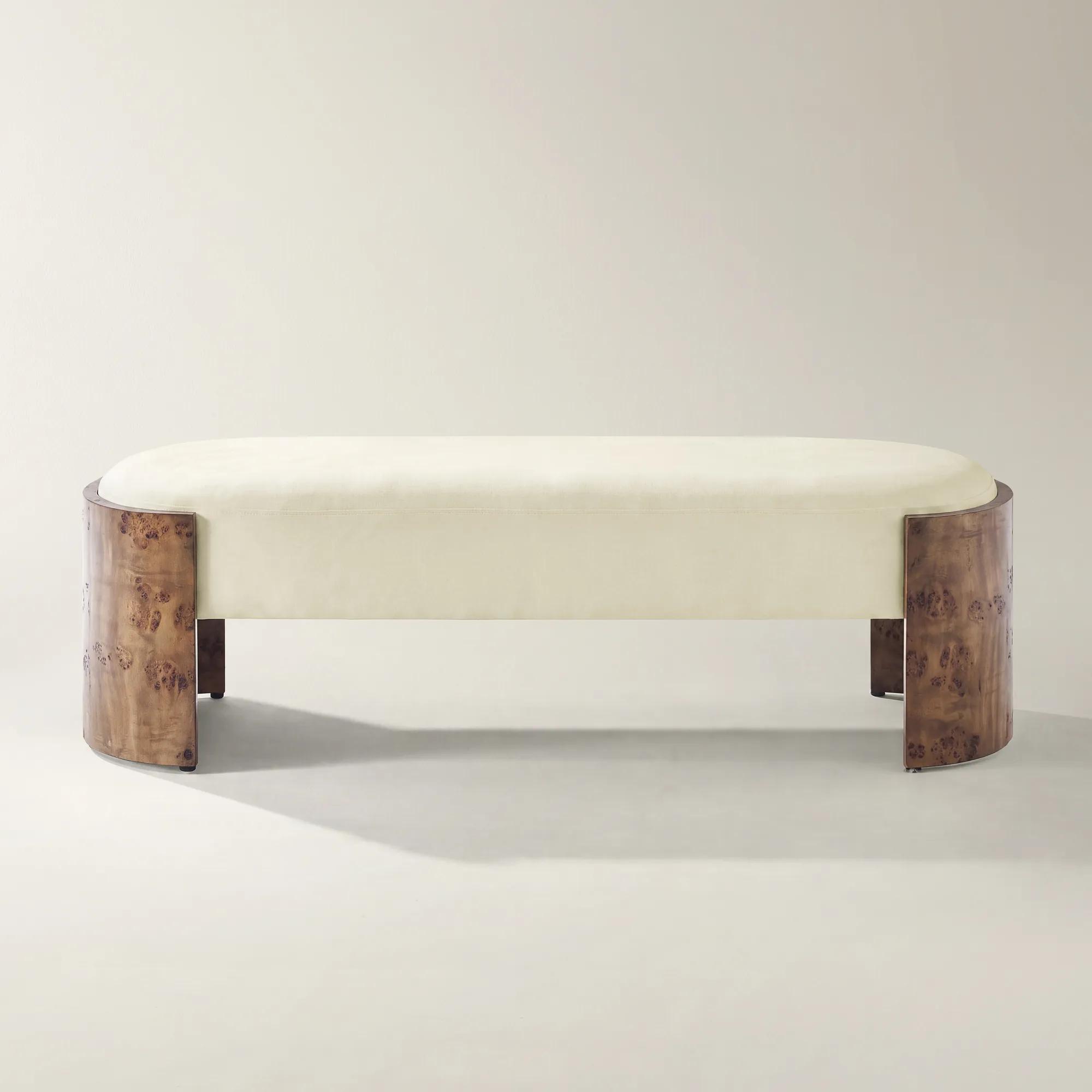
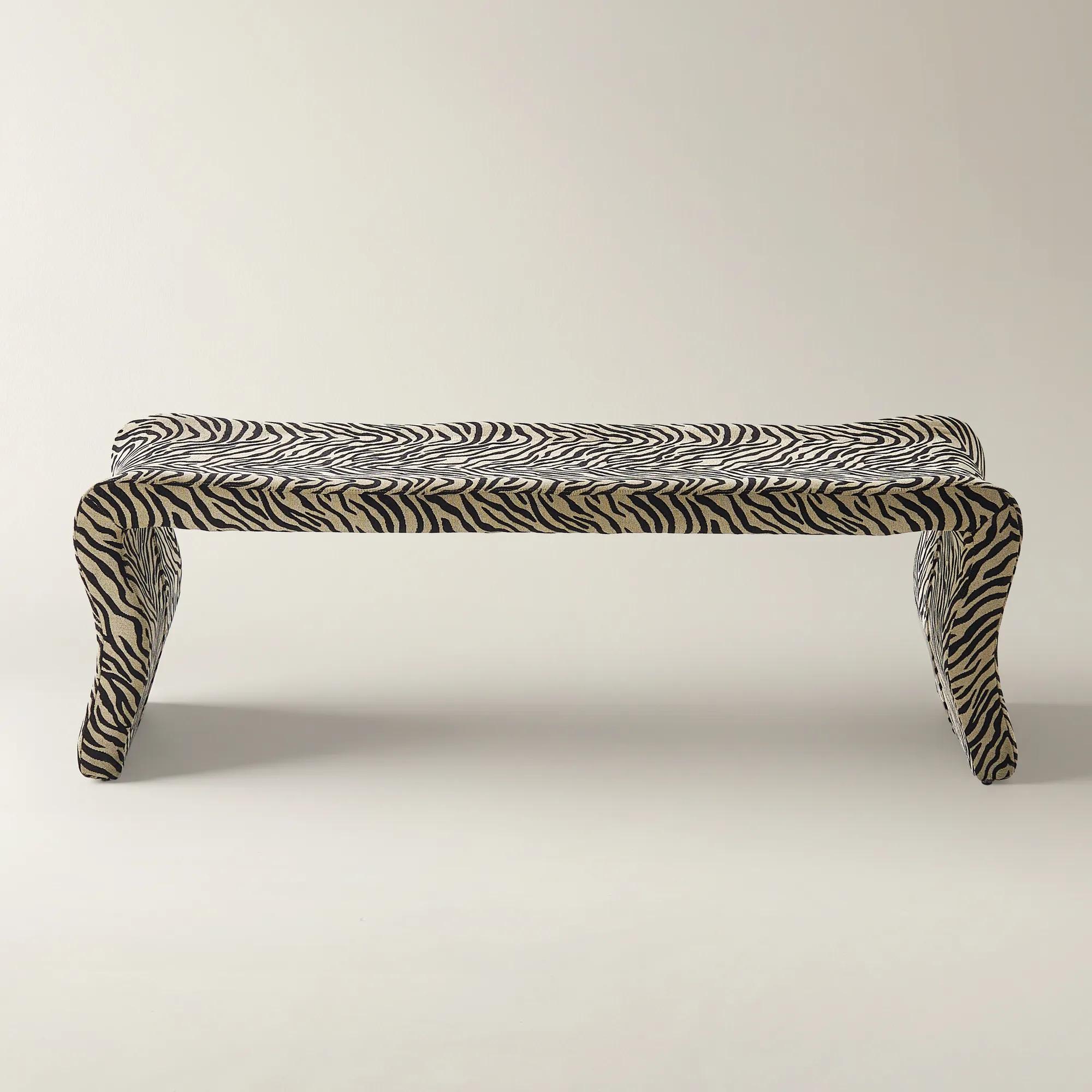
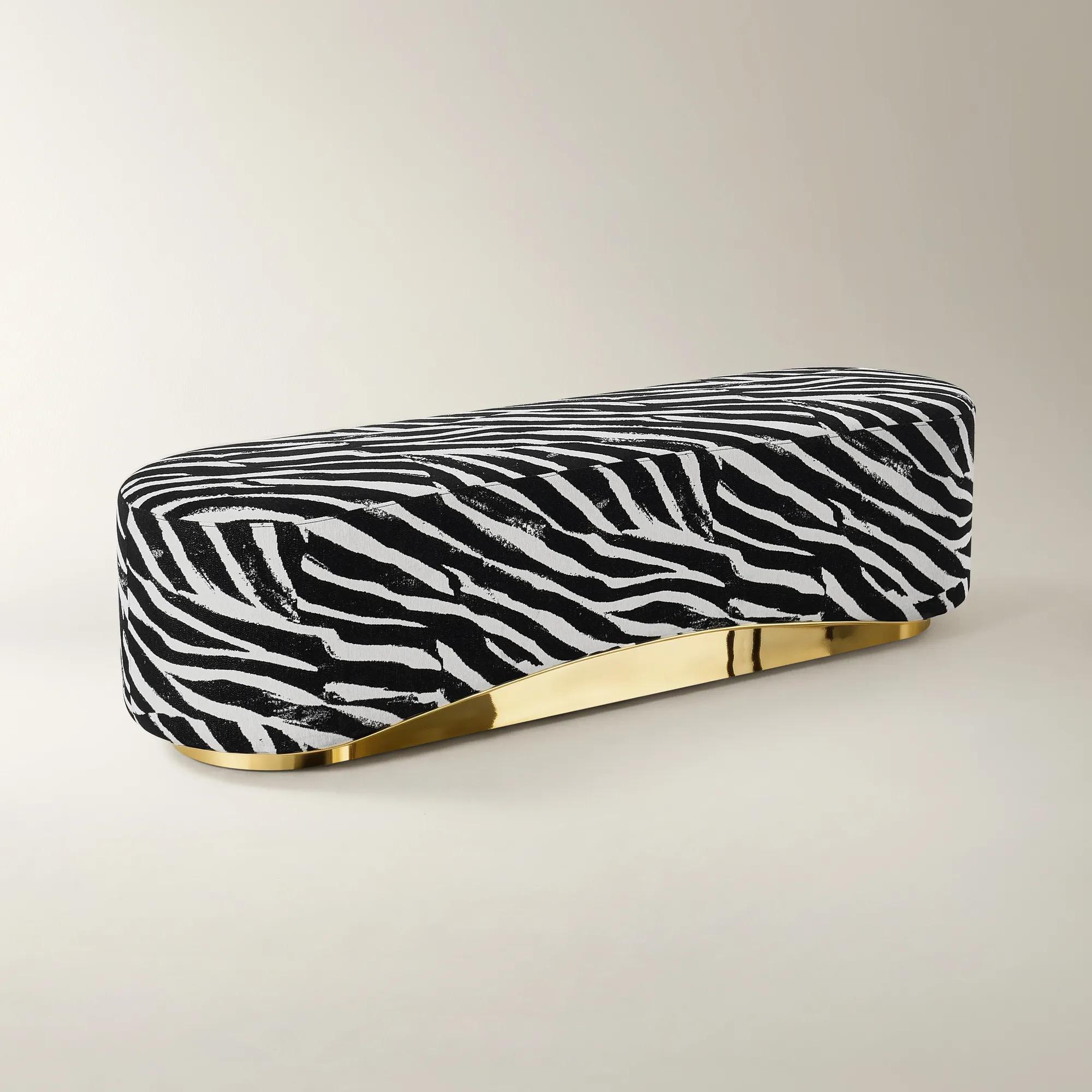 Kendra White/Black Performance Chenille Bench (70.47")$799
An elongated oval bench upholstered in white and black performance chenille with a polished gold stainless steel base.
Add To Cart -
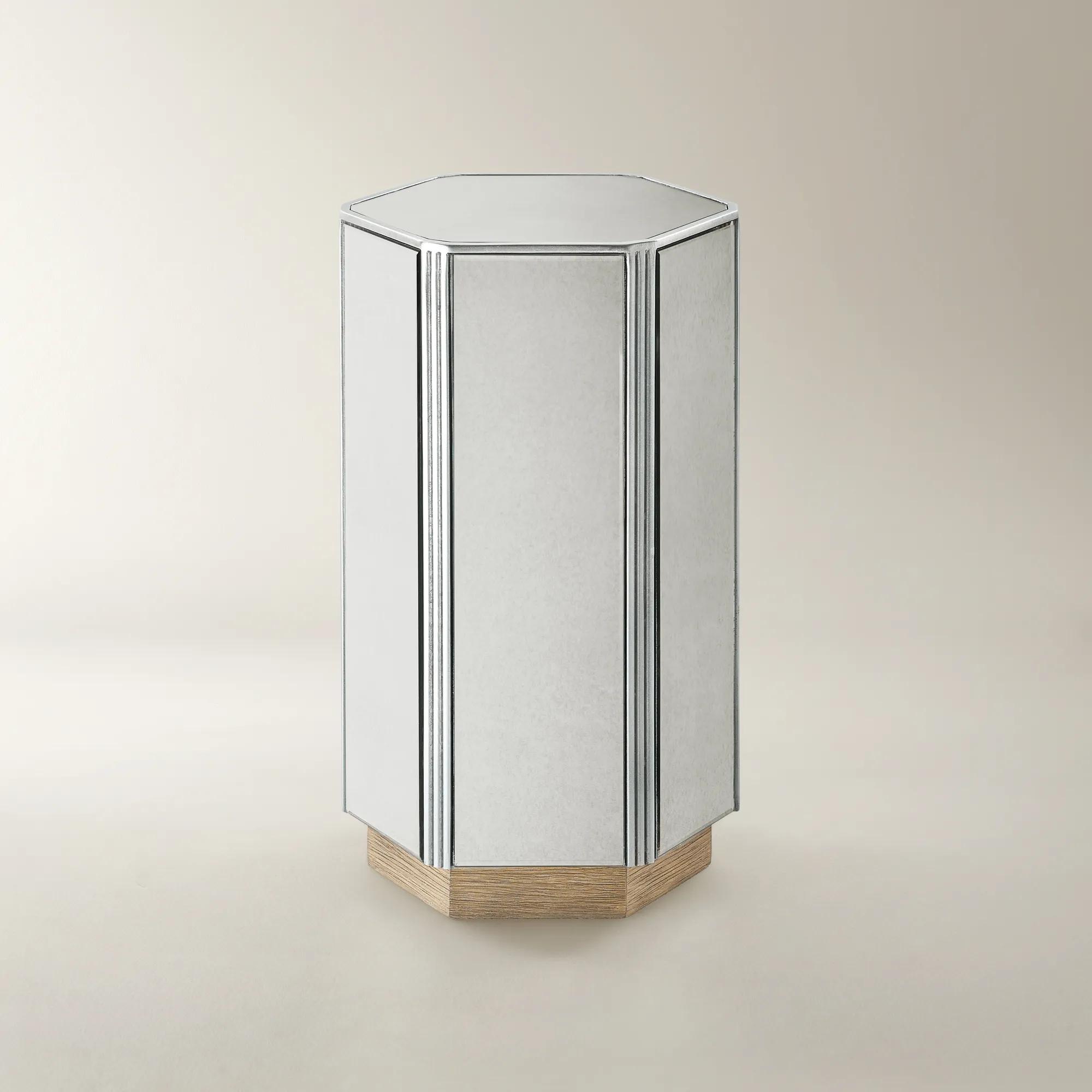 Glimmer Silver Mirrored End Table (12")$399
A chic side table featuring an antique silver mirror top and warm oak veneer base with handcrafted details.
Add To Cart -
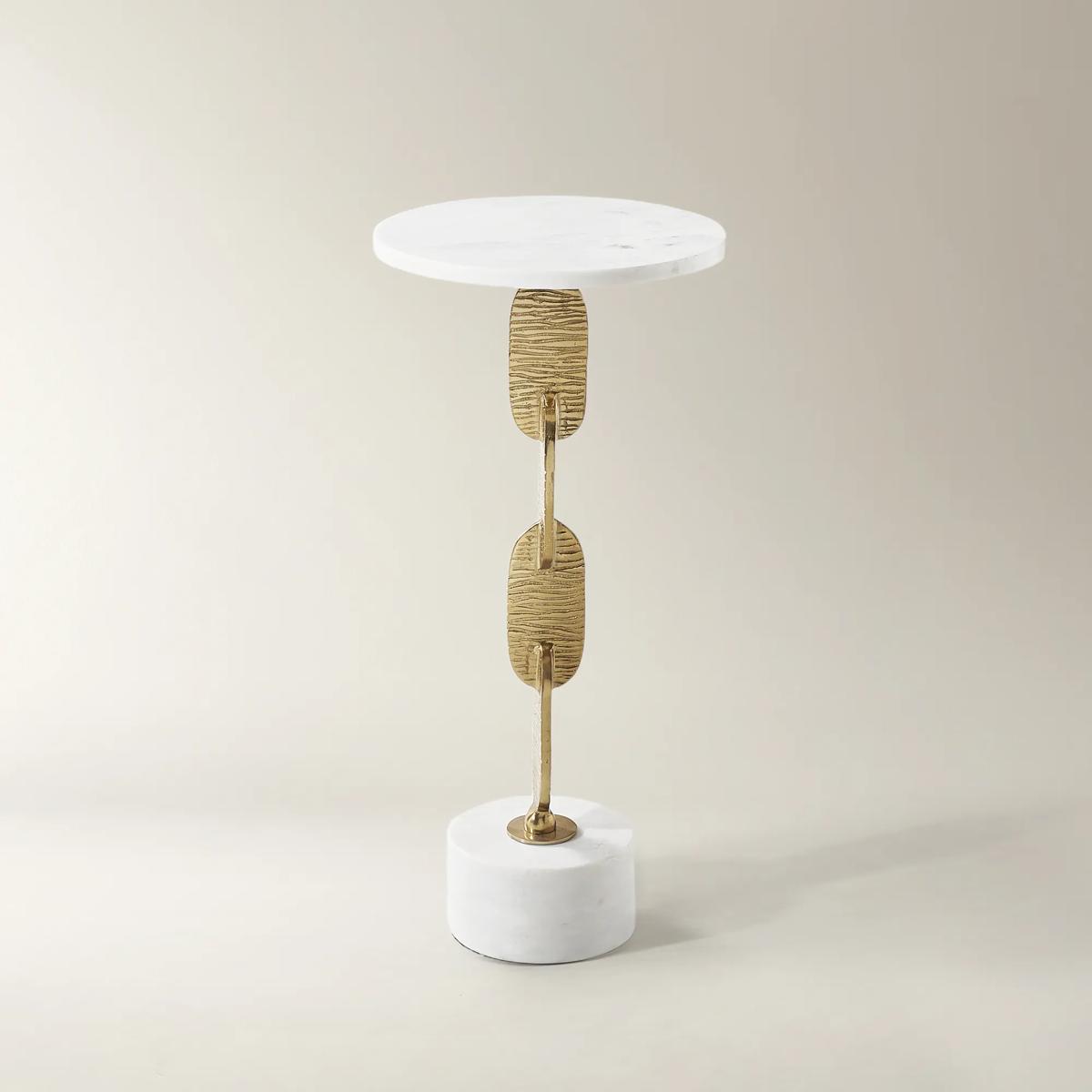
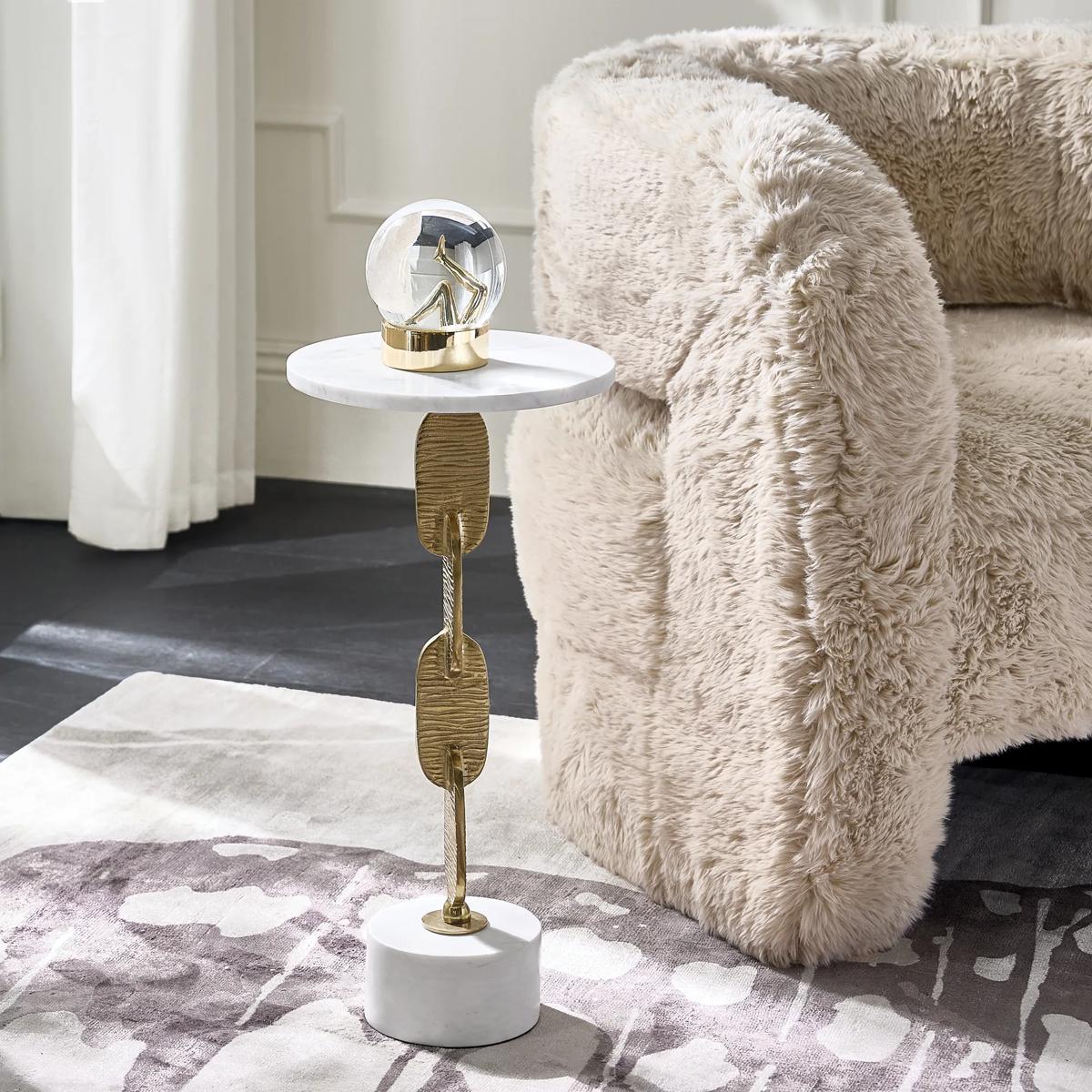 Luna Round White Marble Side Table (11.25")$199
A sculptural side table featuring a genuine white marble top and an open gold-finished metal frame.
Add To Cart -
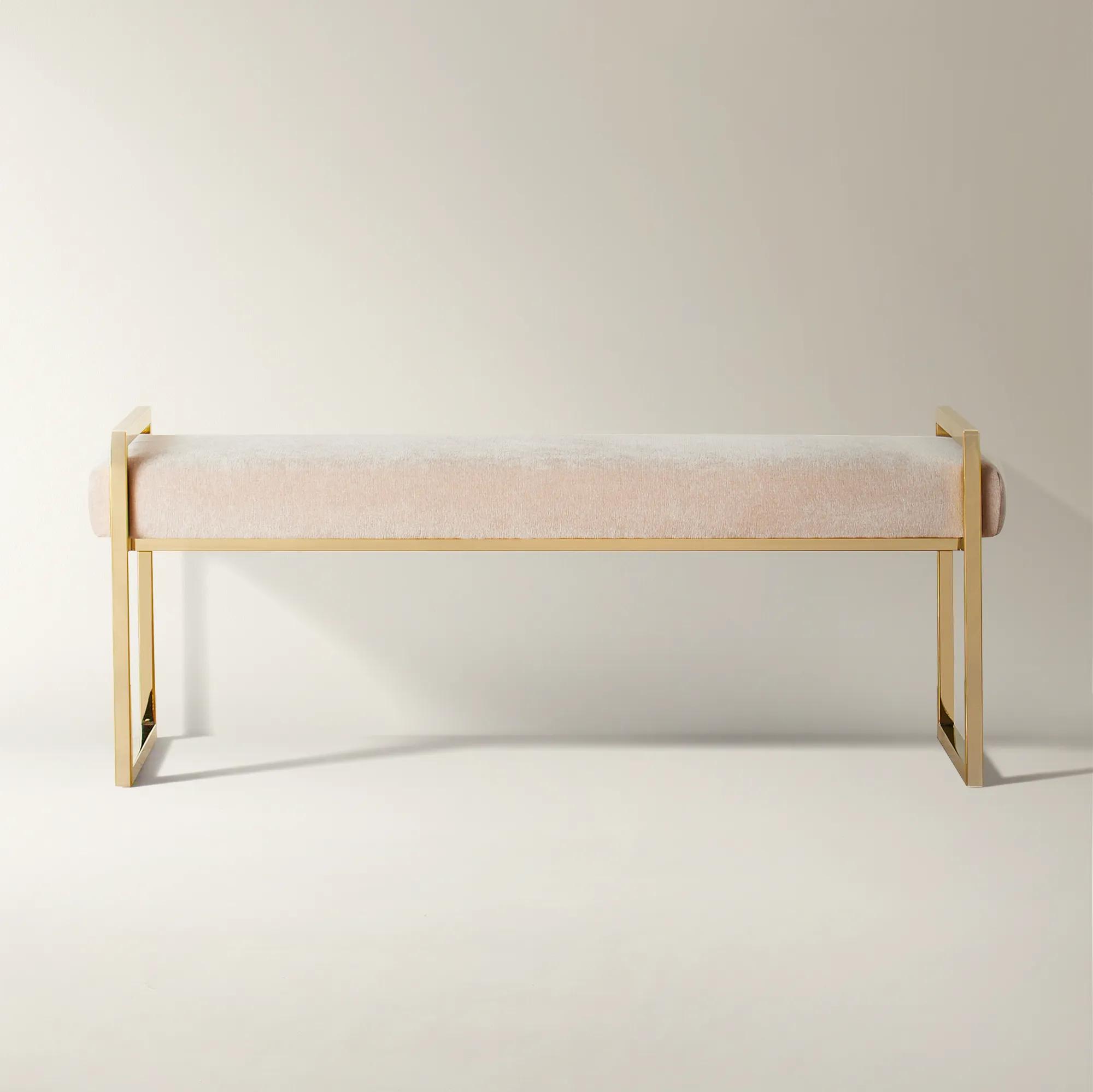
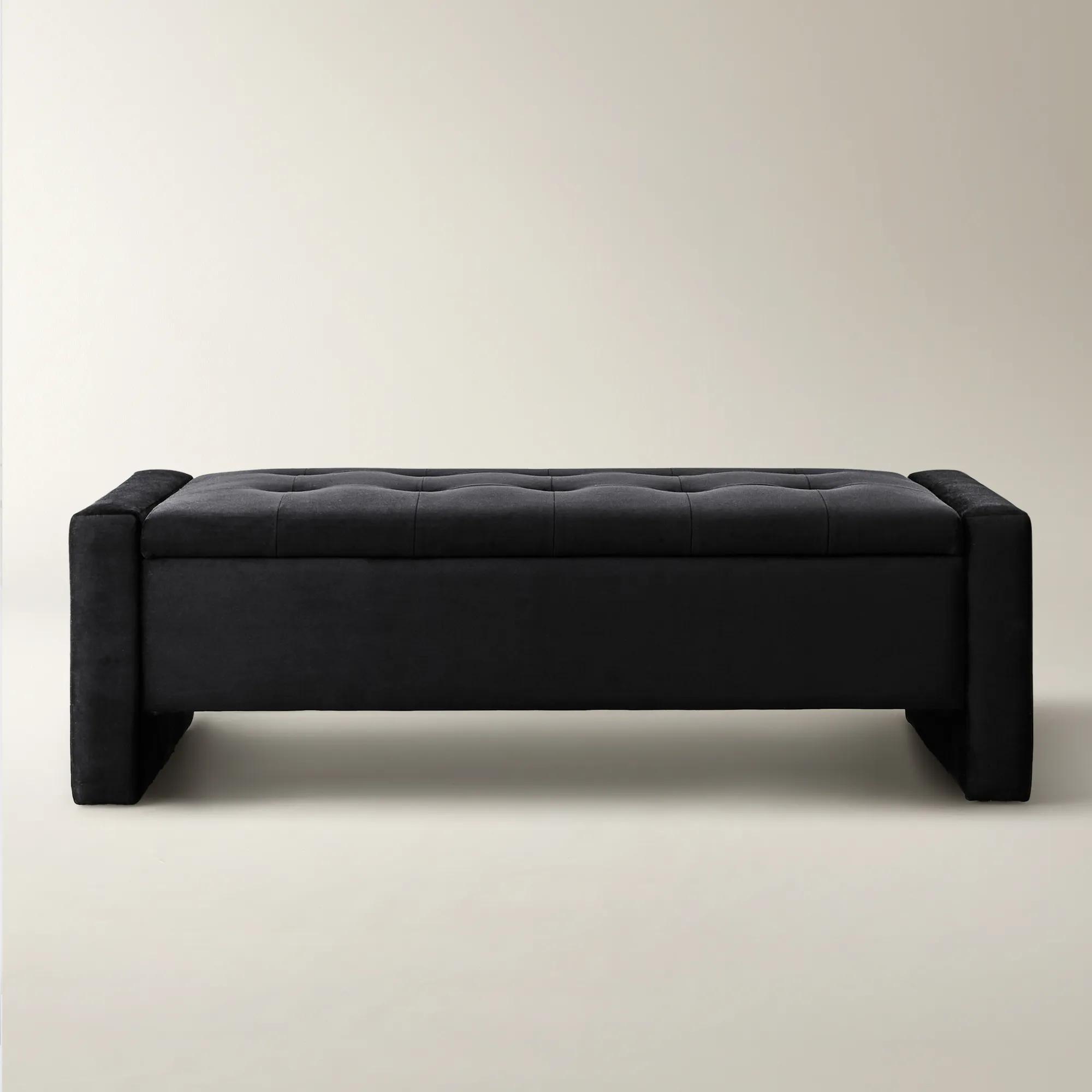
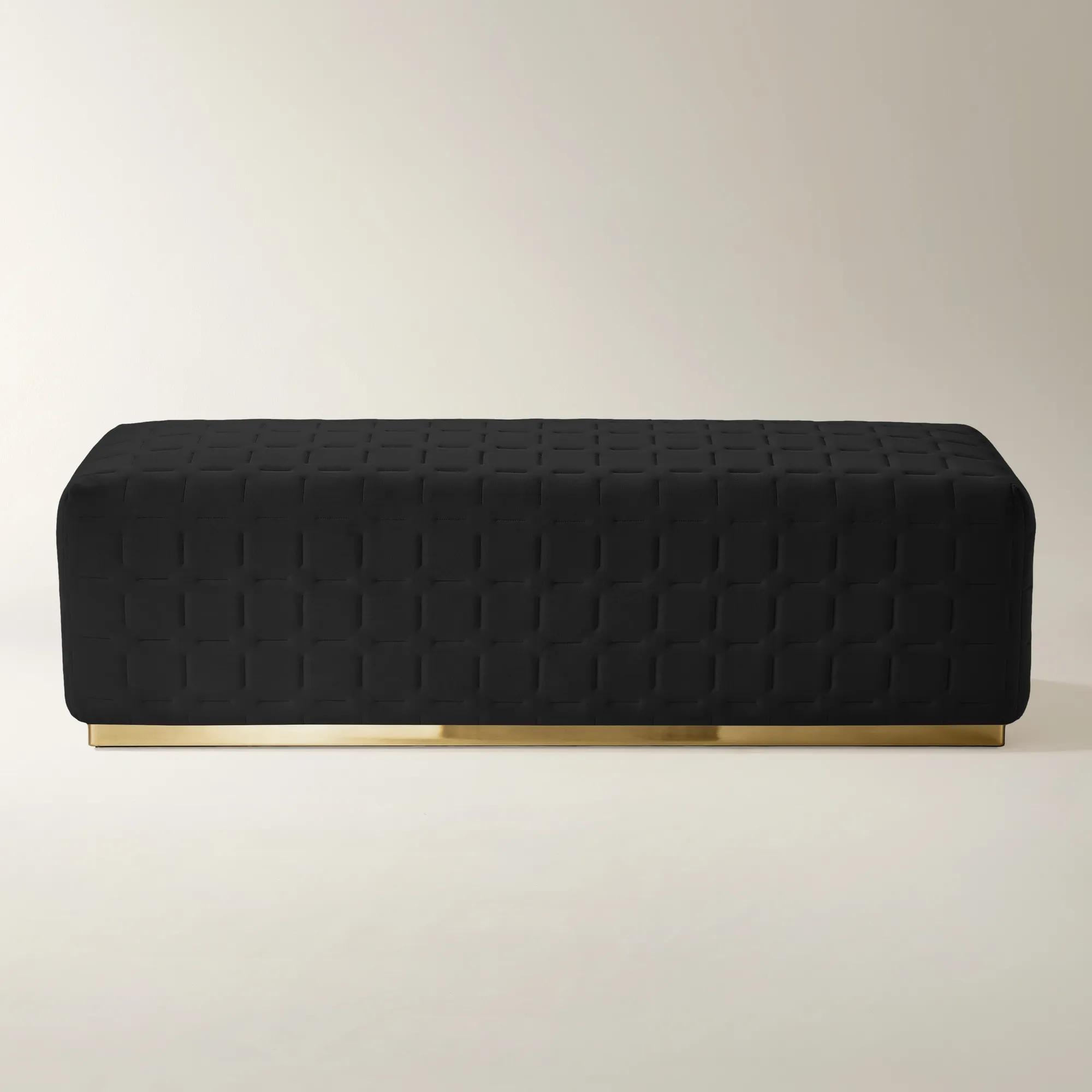 Vanta Quilted Charcoal Velvet Bench (64.6")$899
A charcoal velvet bench featuring checker quilted tufting and a gold stainless steel base for modern elegance.
Add To Cart

Accent Stools For Contemporary Bedrooms
Accent stools for contemporary bedrooms are the unsung heroes of sophisticated design—artful perches that blur the line between function and flourish. With their sculptural silhouettes and captivating presence, these pieces invite you to reimagine your space as a gallery of personal expression. Whether poised at the foot of a bed or nestled beside a vanity, accent stools infuse every corner with a sense of curated drama, transforming ordinary moments into extraordinary statements. Embrace the opportunity to layer texture, play with scale, and indulge in the unexpected—because in the world of contemporary bedrooms, every detail is an invitation to live boldly.
Accent stools for contemporary bedrooms bring compact seating and sculptural presence to a space shaped by personal style. Typically smaller than an accent chair and often designed without a back or arms, a bedroom accent stool offers a place to sit at a vanity, slip on shoes, or lay out an outfit without introducing the visual weight of larger furniture. Its appeal lies in that balance: a modest footprint with the power to change a room’s composition. Against a generously upholstered bed, a curved stool can introduce a crisp, architectural counterpoint; beside a streamlined dresser, a sumptuous upholstered seat adds depth and softness. Contemporary design leaves room for both restraint and exuberance, so clean silhouettes can share the room with jewel-toned velvet, gleaming metal, expressive wood grain, or richly textured fabric. A rounded silhouette softens the geometry of rectangular nightstands and broad headboards, while an angular base lends definition to flowing bedding and plush rugs. Color can make the stool a deliberate focal point or a quieter layer within the room. Ivory upholstery against dark wood creates luminous contrast, deep blue adds richness to a pale palette, and a warm metallic detail can echo the finish of a mirror or bedside lighting without making every surface match. For a more collected effect, repeat one element—perhaps a curve, a fabric texture, or a metal tone—rather than duplicating the entire furniture suite. A pair of accent stools at the foot of the bed creates a balanced arrangement with separate seats that can be repositioned when needed. A single statement stool beside a dressing area feels more intimate, especially when its shape remains visible rather than disappearing beneath hanging garments. For anyone who enjoys expressive interiors but needs to preserve open floor space, these small-scale furnishings offer an opportunity to introduce artistry where a full-size chair would feel crowded.
The most compelling bedroom stools feel as considered in use as they do in silhouette. At a makeup vanity or dressing table, seat height deserves particular attention: measure the distance from the floor to the underside of the table, including any drawer apron, and allow comfortable clearance for thighs. The stool’s overall width and depth should fit between the table legs if it will tuck away, while its seated height should support a relaxed posture at the mirror. Cushion compression can affect that relationship, so a deeply padded seat may sit lower in use than its listed dimensions suggest. For lengthy grooming routines, a backless stool may provide less support than a chair; for brief daily rituals, its open profile can be especially appealing. At the foot of a bed, consider the stool’s depth together with the space needed to walk past it, open dresser drawers, and reach a closet without maneuvering around furniture. Two stools should have enough separation to read as individual forms while remaining comfortably within the surrounding layout. A bedside stool can also serve as an occasional surface, but only when its construction and top are suited to that purpose. A firm, level, hard-surface top is more appropriate for a book or small tray than a rounded, deeply tufted cushion; lamps and drinks need a stable surface that cannot easily tip. Upholstered stools are better treated as seating or a temporary resting place for folded clothing unless the design explicitly supports another use. Similarly, an accent stool is not a step stool, and decorative appearance alone does not establish that a piece is intended to bear a seated person’s weight. Check the stated use and weight capacity before making it part of a daily dressing routine. In a primary bedroom, that clarity helps create an elegant, dependable perch; in a shared room, a lightweight design may be easier to reposition, provided its base remains stable on the floor.
Materials determine much of an accent stool’s character, comfort, and long-term upkeep. Velvet gives upholstery a light-responsive surface, with subtle shifts in tone that emphasize a curved seat or tailored edge. Its pile can show pressure marks and shading, which are different from stains and may be part of the fabric’s appearance. Woven upholstery introduces another kind of dimension, from a tightly structured surface to a more pronounced texture; raised loops and loose weaves deserve consideration in homes with pets that may catch them with claws. Leather and faux leather create a smoother, more tailored impression, although their care requirements differ and should not be treated as interchangeable. Performance-labeled fabrics may offer specified resistance to stains or wear, but the designation does not mean every spill can be ignored or every cleaning solution is suitable. Follow the upholstery care code and manufacturer’s instructions, blot spills promptly rather than rubbing, and test permitted cleaners in an inconspicuous area. Gentle vacuuming with an appropriate upholstery attachment can help keep dust from settling into seams and textured surfaces. Wood bases bring warmth and visible grain to polished bedroom settings, while metal bases can appear airy, graphic, or boldly architectural depending on their proportions and finish. Protect both from standing moisture, and avoid abrasive products that could dull a lacquered surface or scratch a decorative coating. Durability also depends on construction: secure joints, a balanced base, suitable floor protectors, and upholstery tailored neatly around the frame matter as much as the material name. On a plush rug, check that the stool sits evenly rather than rocking; on hard flooring, appropriate glides help limit scratches when the seat is moved. For rooms designed to welcome overnight visitors, Accent Stools For Modern Guest Suites offer a related expression of compact seating and thoughtful hospitality. An accent stool can also make a considered housewarming gift when the recipient’s room dimensions, preferred finishes, and seating needs are known. Whether chosen for a dressing corner or a dramatic bedside composition, the strongest design feels intentional from every angle: comfortable for its purpose, proportioned to its surroundings, and distinctive enough to give the bedroom a signature detail.
FAQs
A decorative stool for the bedroom can serve as both a functional and artistic accent, introducing unexpected texture, color, or sculptural form. Whether placed at the foot of the bed, beside a reading chair, or in a quiet corner, an accent stool adds visual intrigue and a sense of curated luxury, transforming the bedroom into a more expressive and inviting retreat.
An accent table stool can be used as a chic bedside table for books and nighttime essentials, a pedestal for displaying art or florals, or an extra seat when dressing. Its versatility allows it to adapt to your needs, making it a dynamic piece that can shift roles as your space evolves.
A bedroom accent stool makes a thoughtful and stylish gift for design enthusiasts, new homeowners, newlyweds, or anyone looking to refresh their space. Its blend of form and function ensures that it will be cherished by those who appreciate artistic décor and the finer details of interior styling.
Corner stools are perfect for filling empty spaces with purpose and personality. They can soften the lines of a room, create inviting nooks, and provide a stage for decorative objects or cozy throws. Their strategic placement can help balance a room’s proportions and enhance its sense of harmony.
Modern accent stools for bedrooms often feature luxurious materials such as velvet, leather, marble, polished metals, and rich woods. These finishes not only elevate the tactile experience but also contribute to a sense of drama and sophistication, perfectly aligning with contemporary and glamorous design aesthetics.