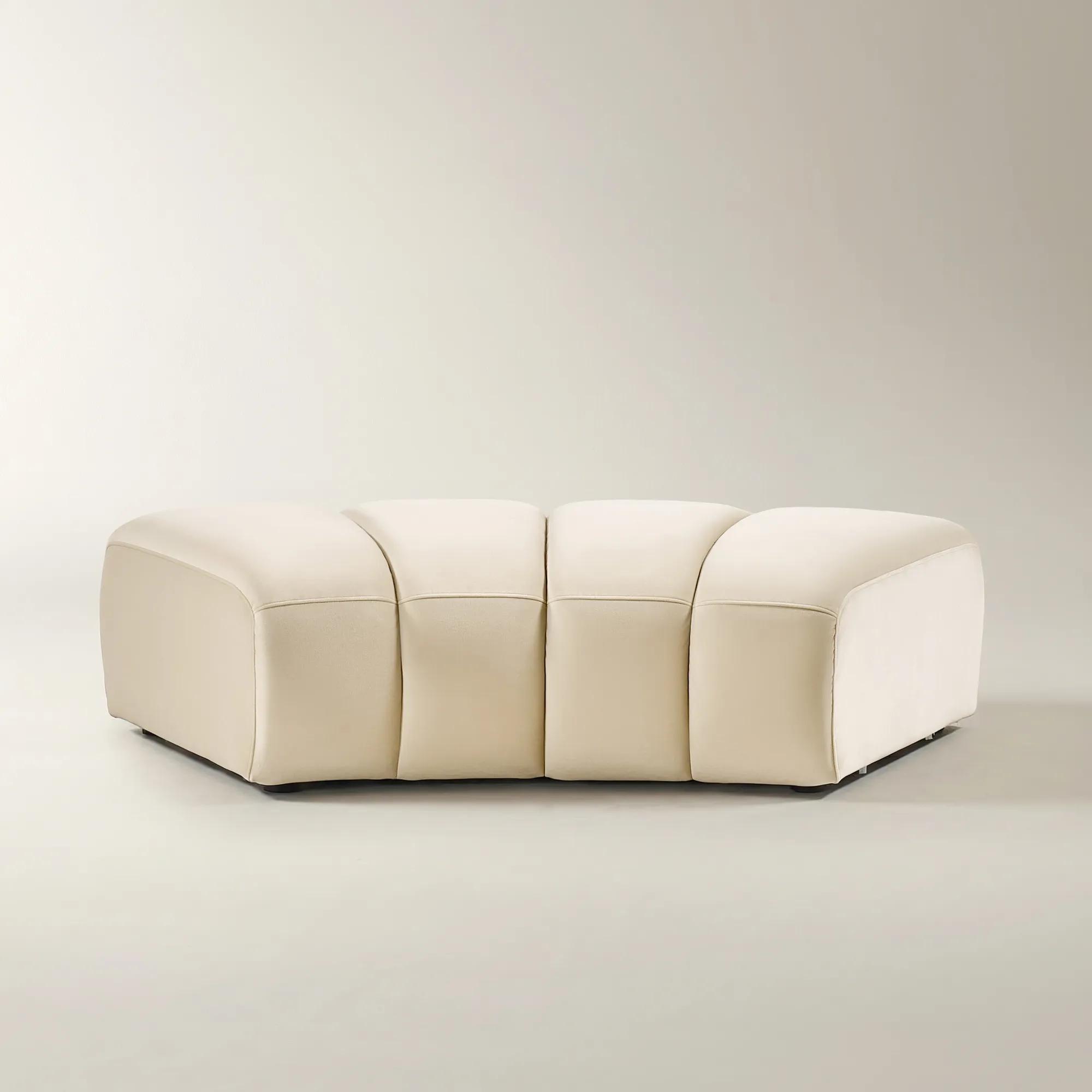
Accent Stools For Modern Family Rooms
Accent Stools For Modern Family Rooms
-
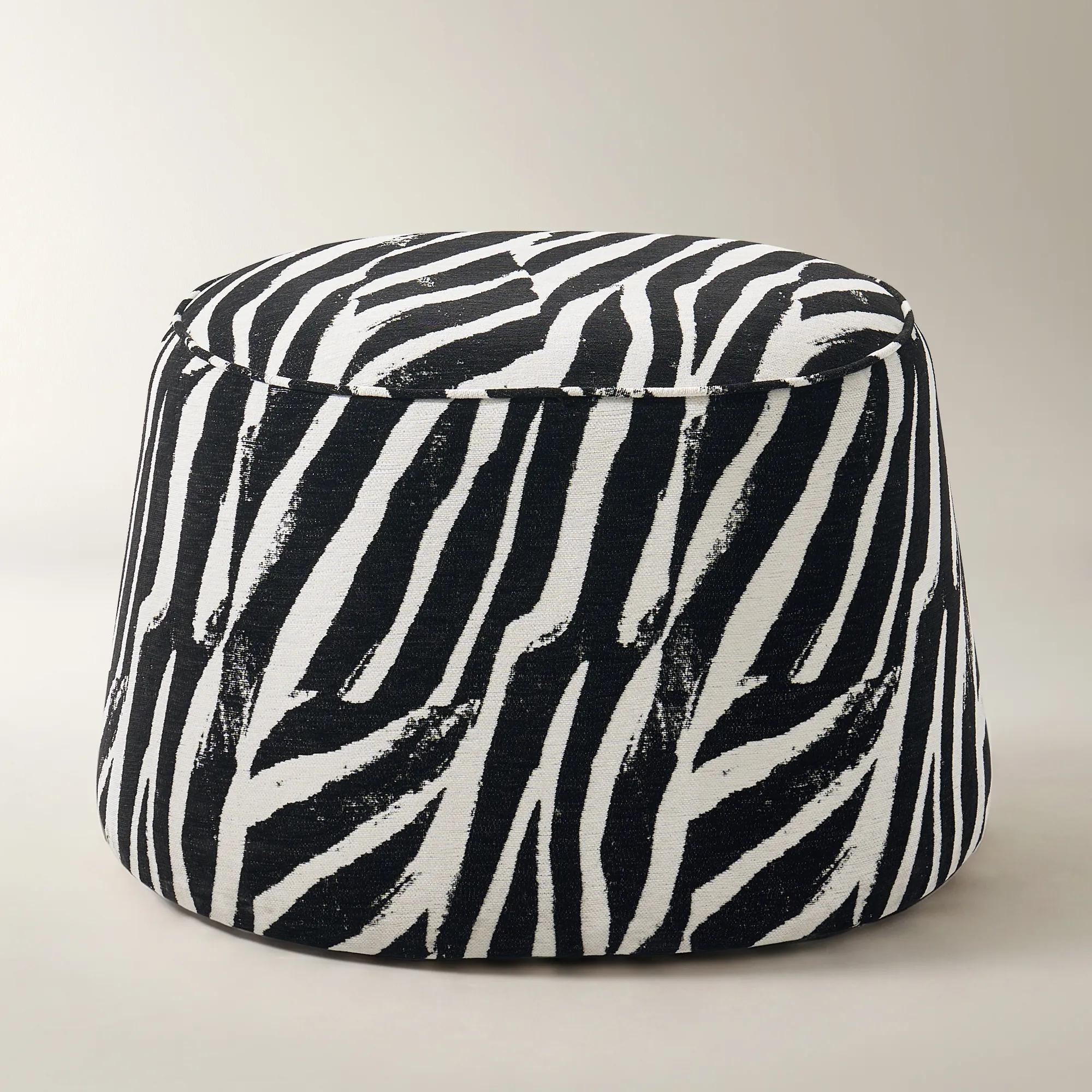 Avery White/Black Performance Chenille Stool$399
A sculpted drum accent stool in black and white performance chenille with an animal-inspired pattern.
Add To Cart -
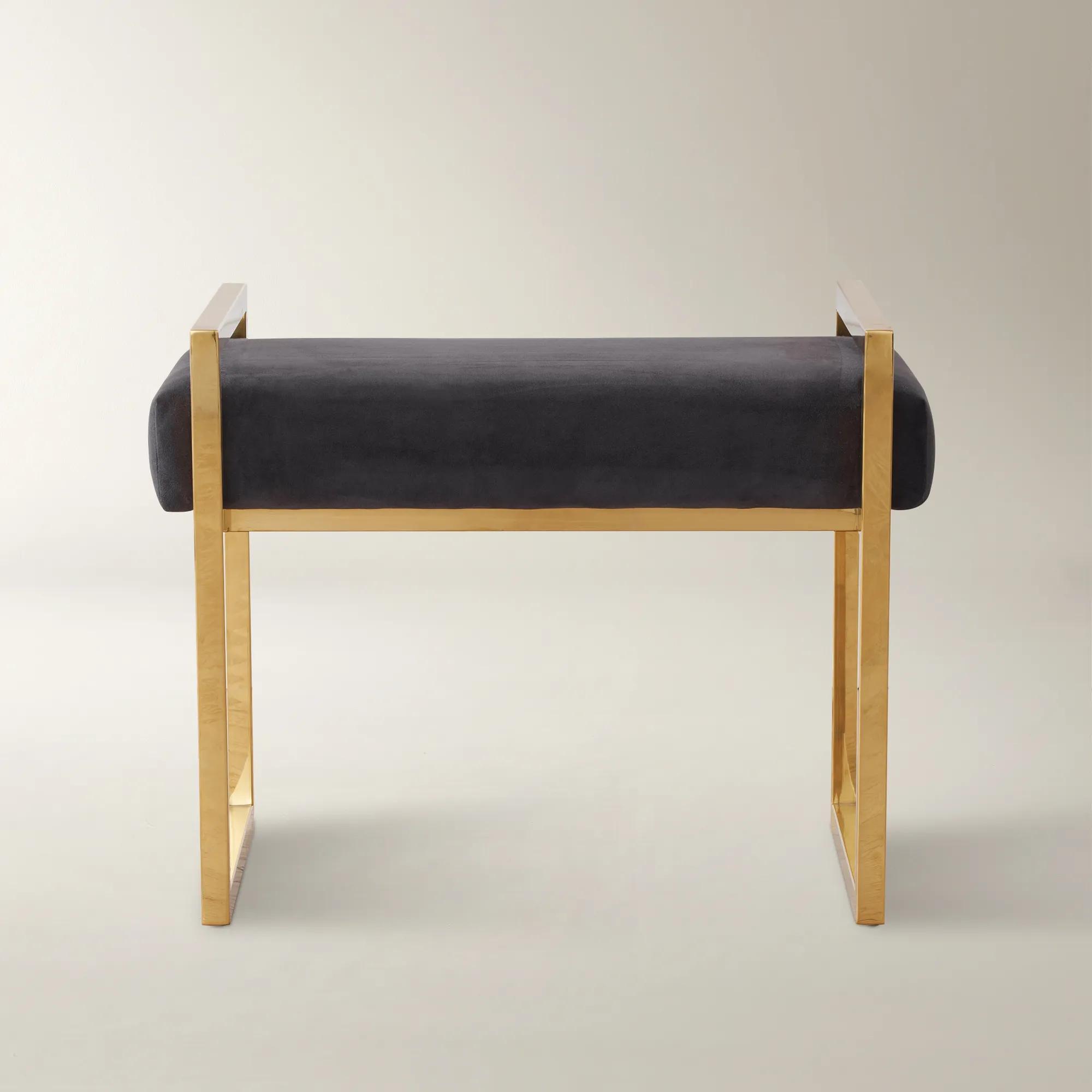
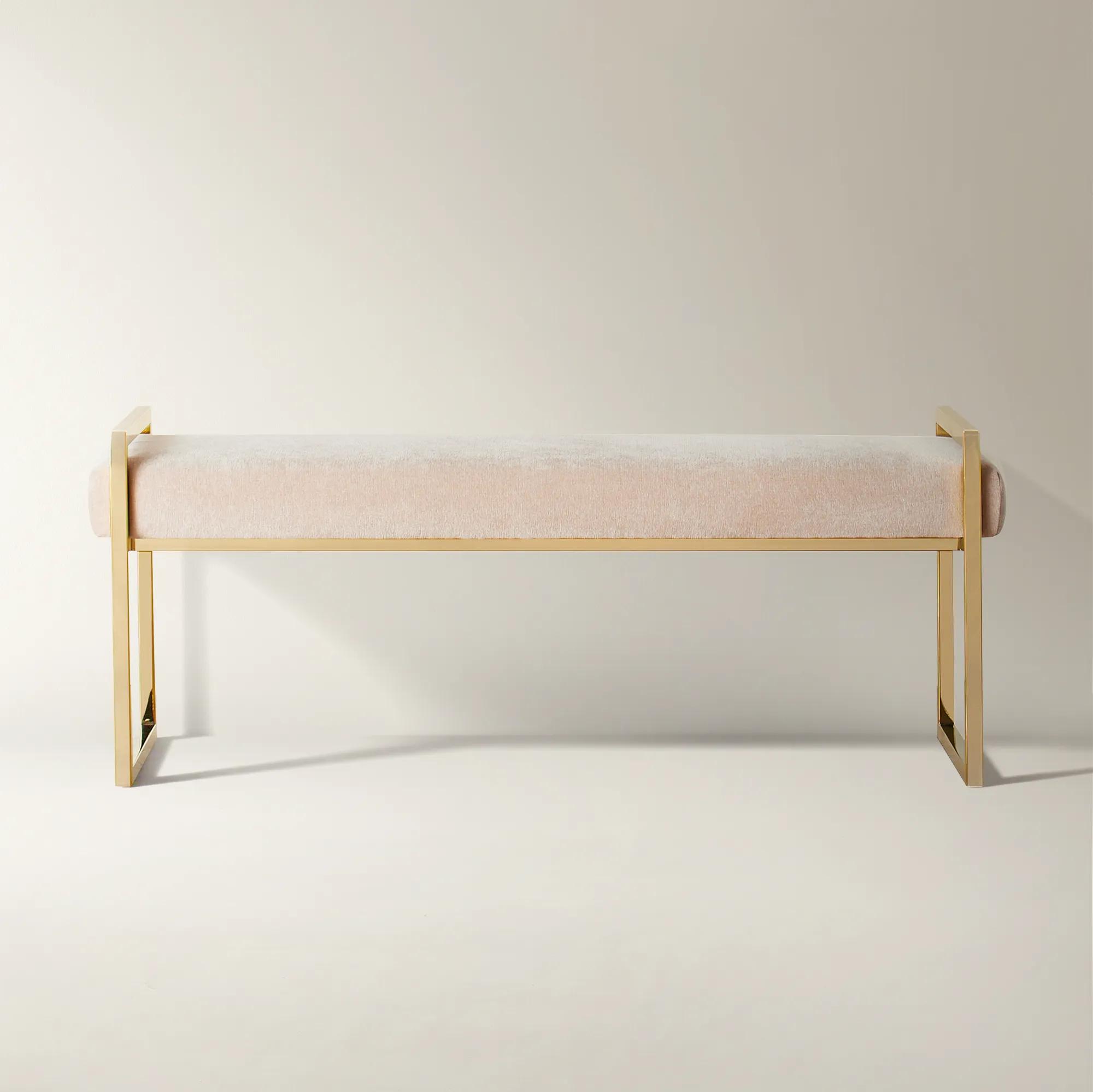
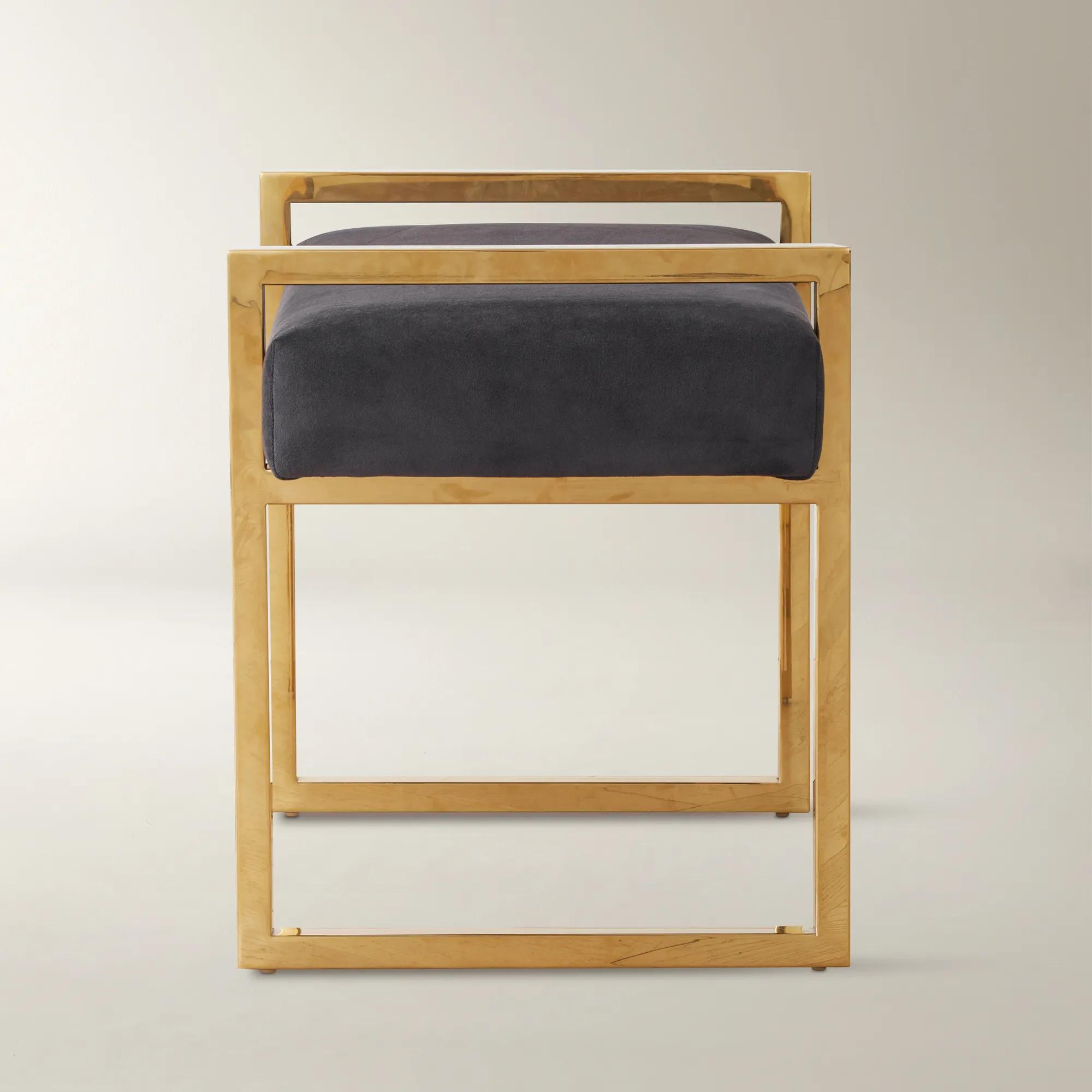 Clara Accent Stool$449
A chic accent stool featuring a plush black velvet seat and polished gold metal legs for modern flair.
Add To Cart -
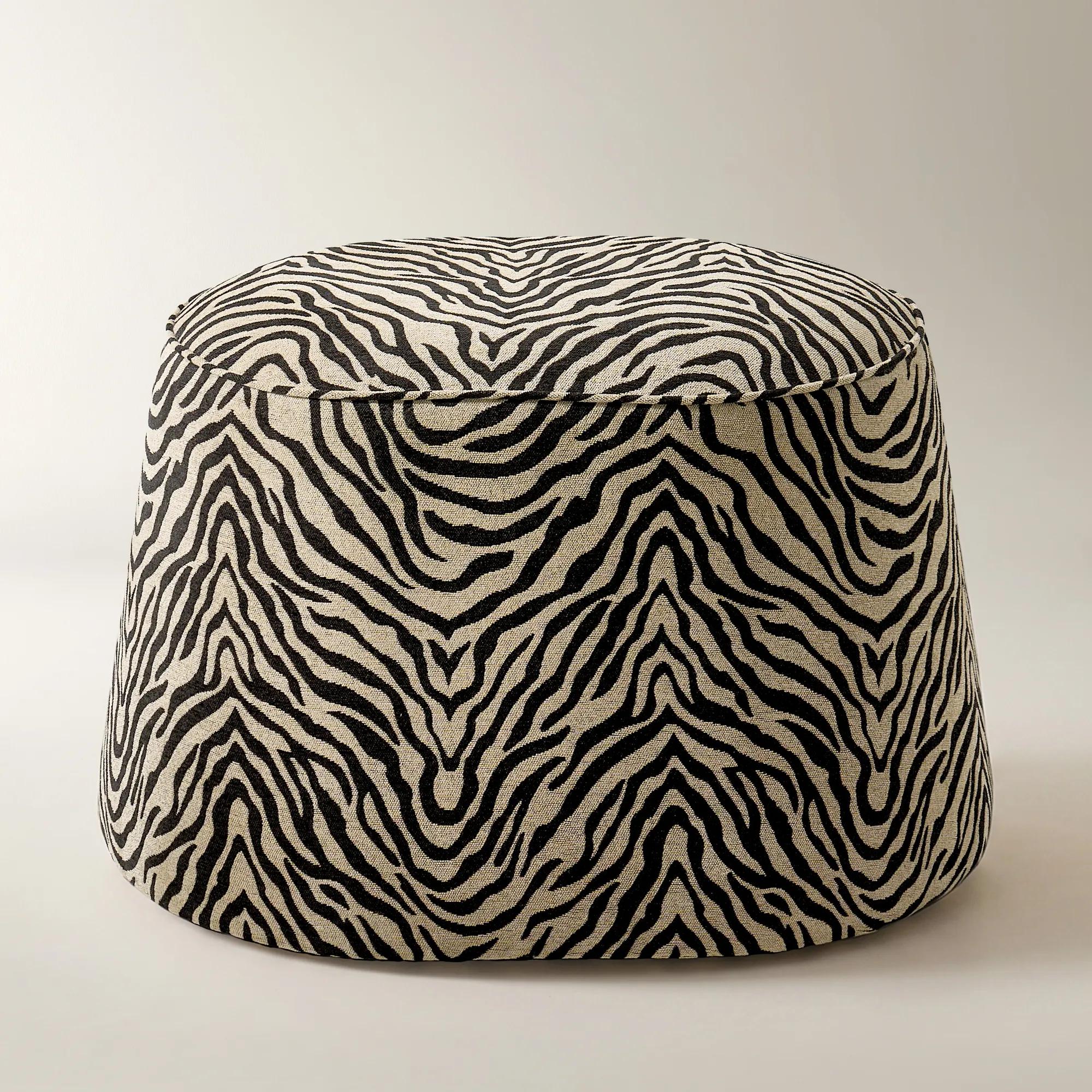 Avery Zebra Performance Chenille Stool$399
A sculpted drum-shaped accent stool upholstered in zebra-patterned performance chenille for bold, modern style.
Add To Cart -
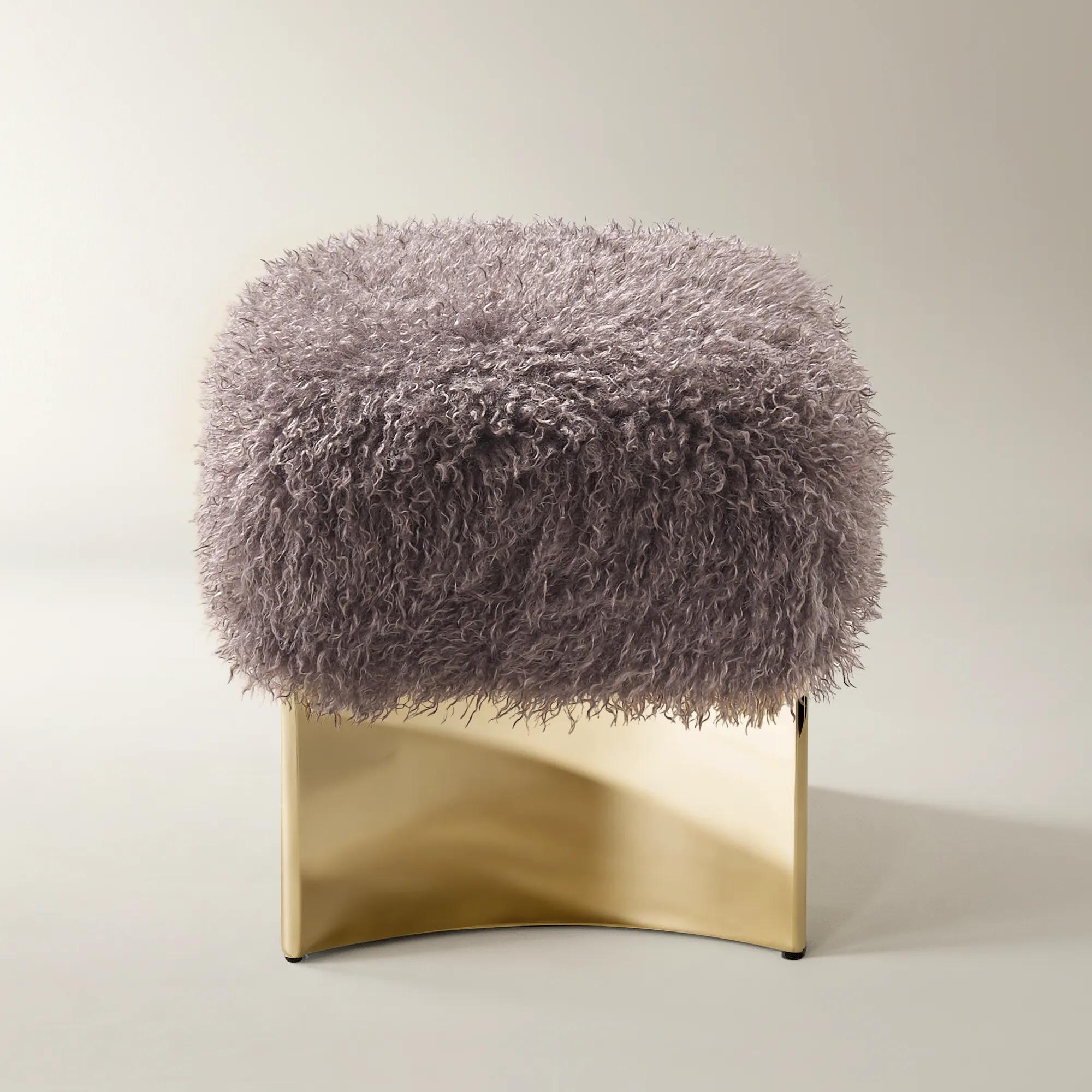 Lush Smoked Plum Faux Fur Stool$499
A sculptural smoked plum faux fur stool with a plush seat and polished gold stainless steel base.
Add To Cart -
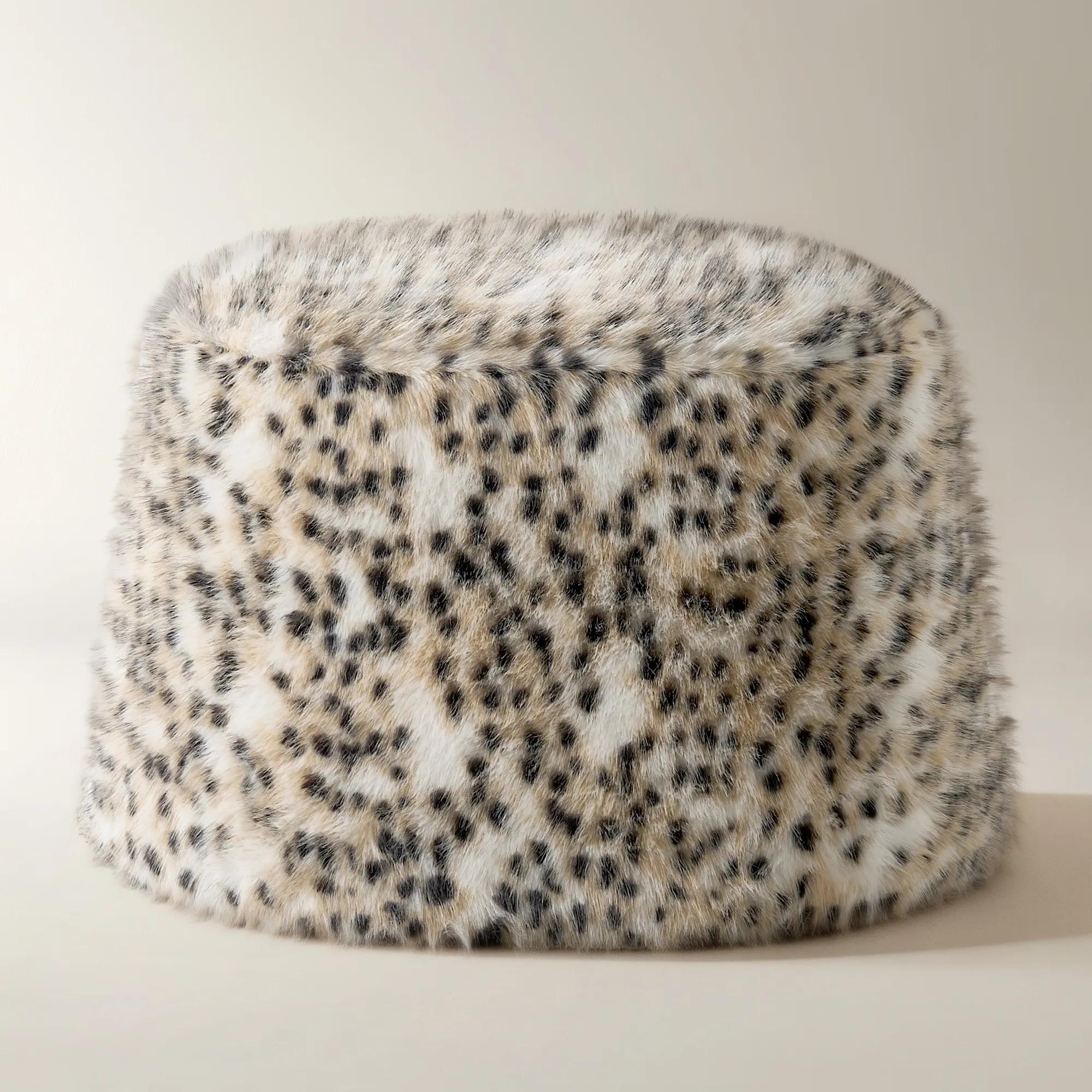
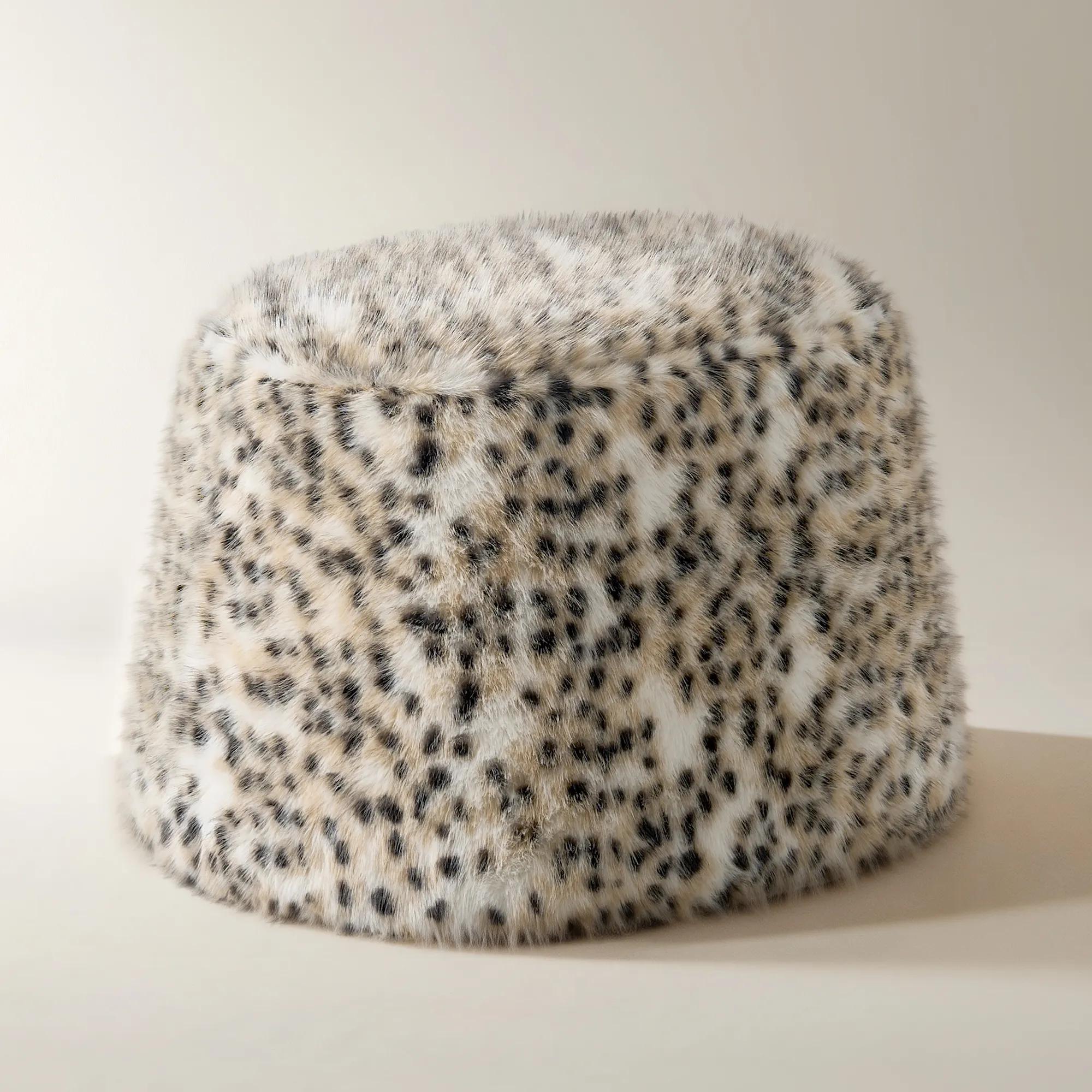 Avery Spotted Faux Fur Stool$399
A sculpted drum stool wrapped in plush spotted faux fur for bold, modern accent seating.
Add To Cart -
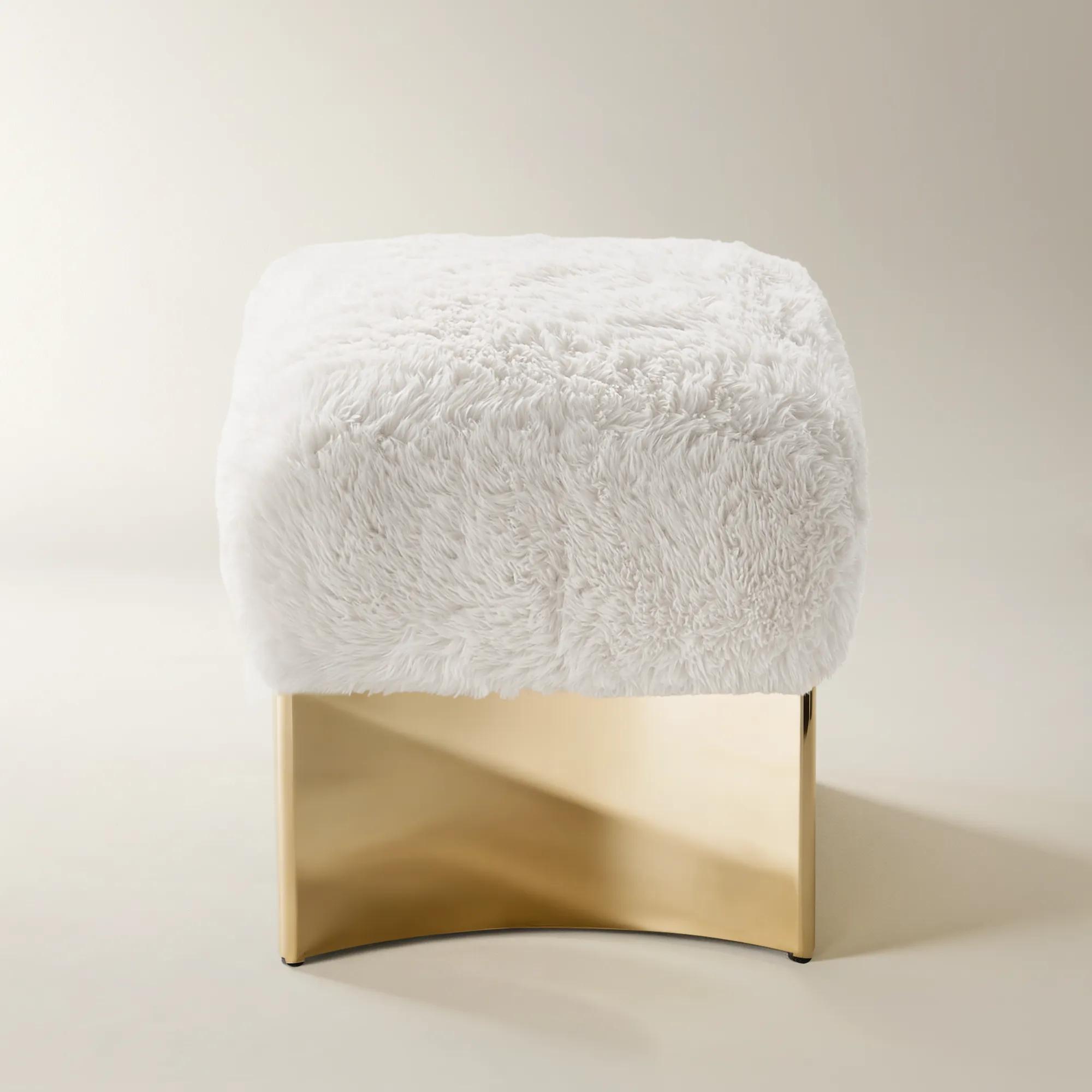 Lush White Faux Fur Stool$499
A sculptural white faux fur stool with a plush seat and polished gold stainless steel base.
Add To Cart -
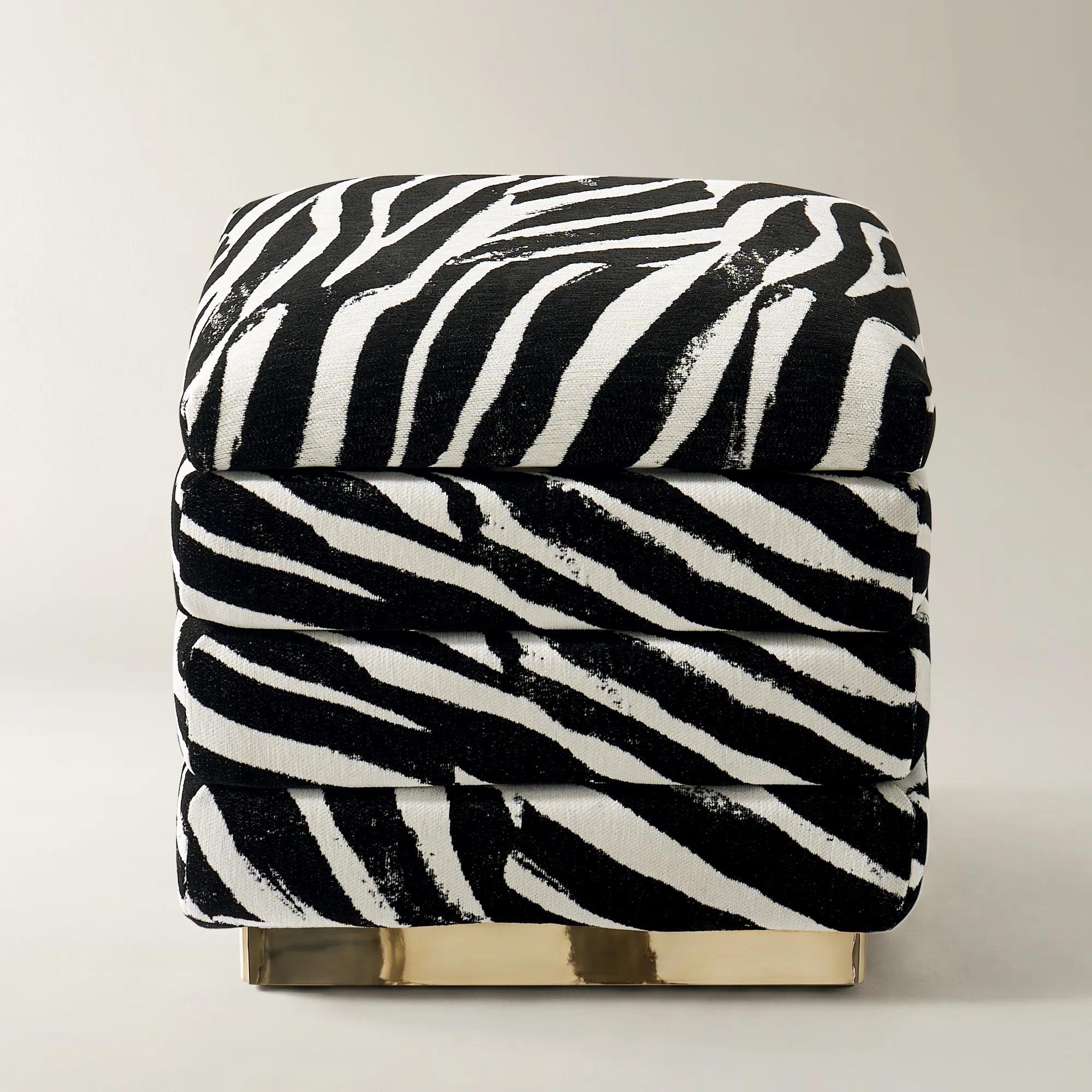
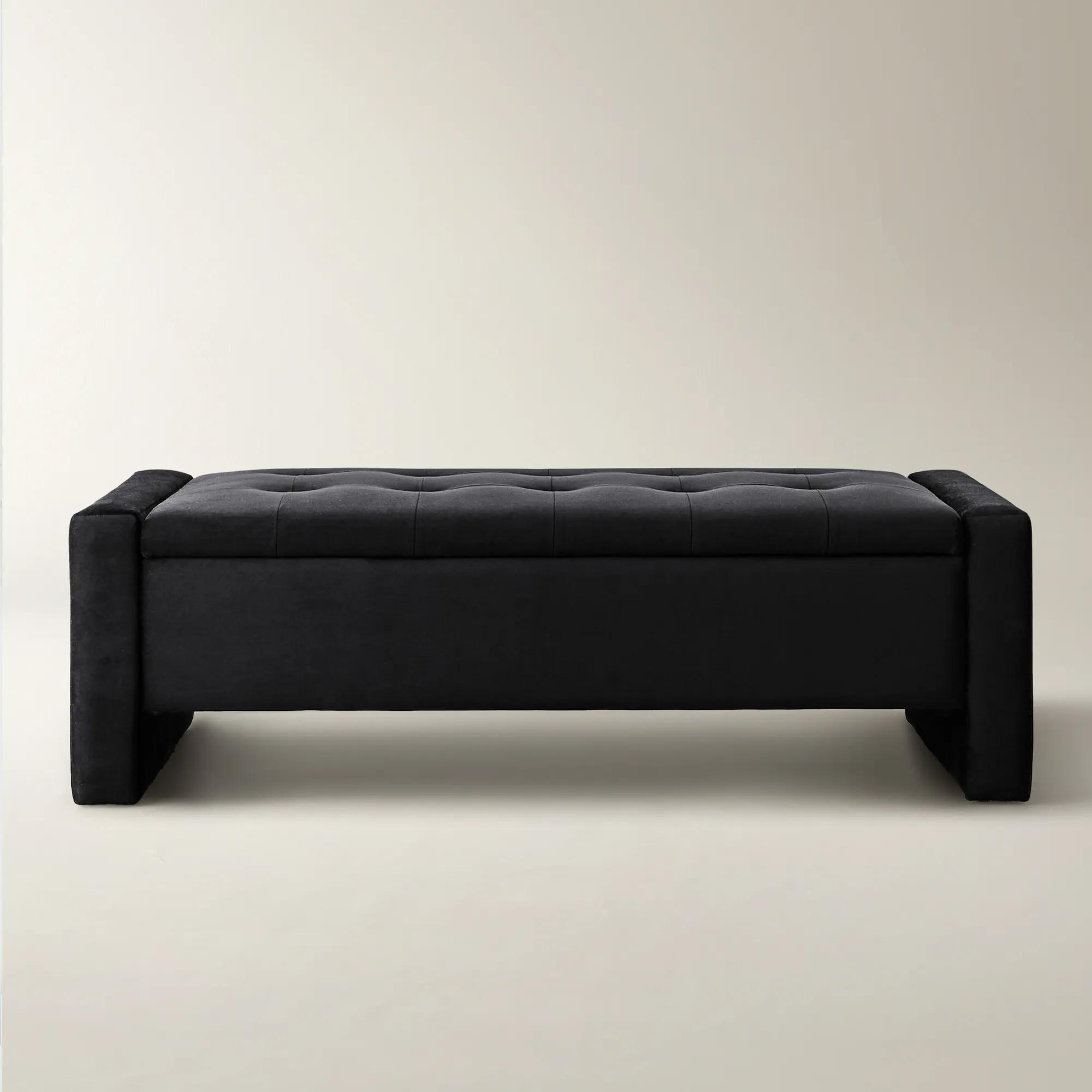
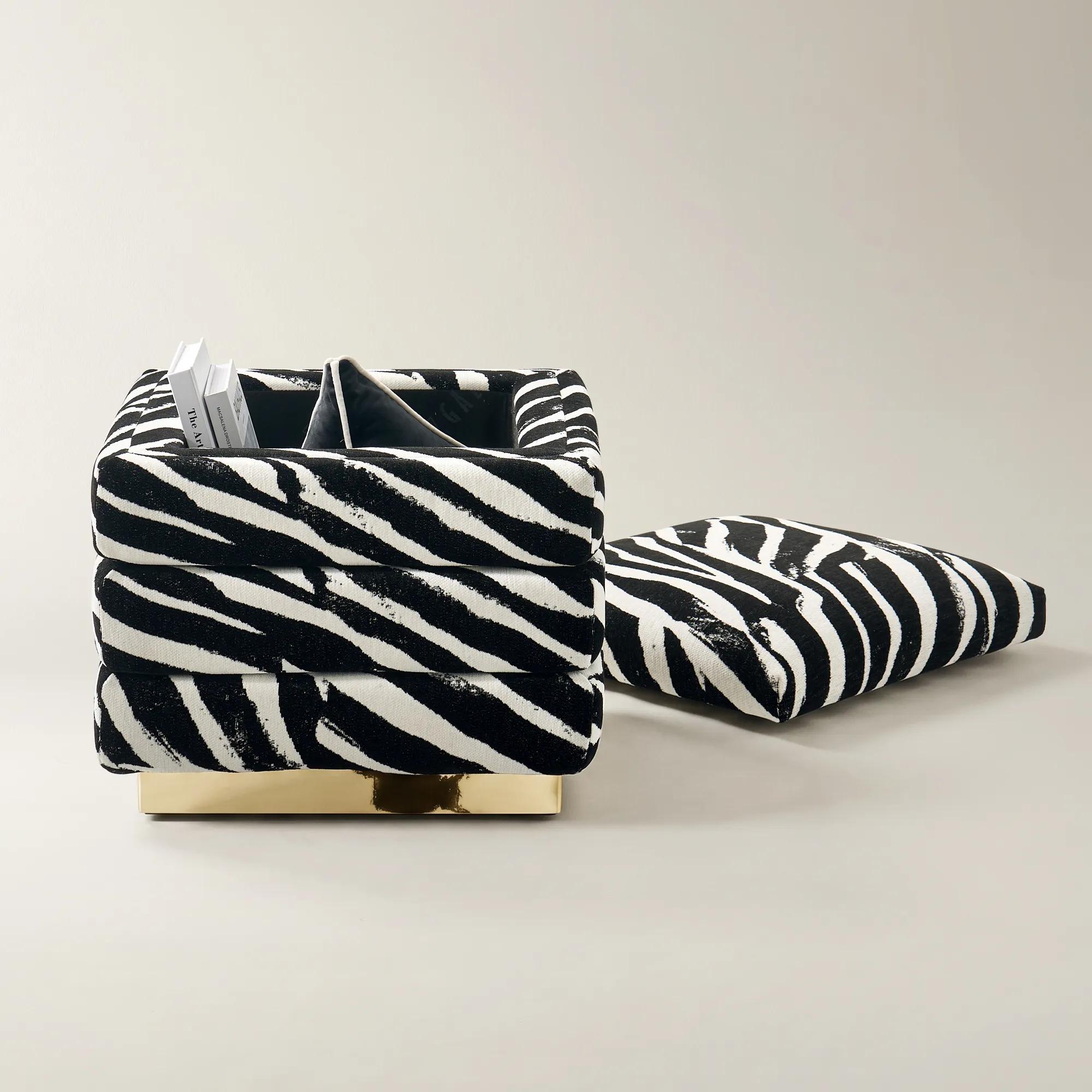 Gable White/Black Performance Chenille Stool$399
A plush white and black chenille stool with hidden storage and a polished gold stainless steel base.
Add To Cart -

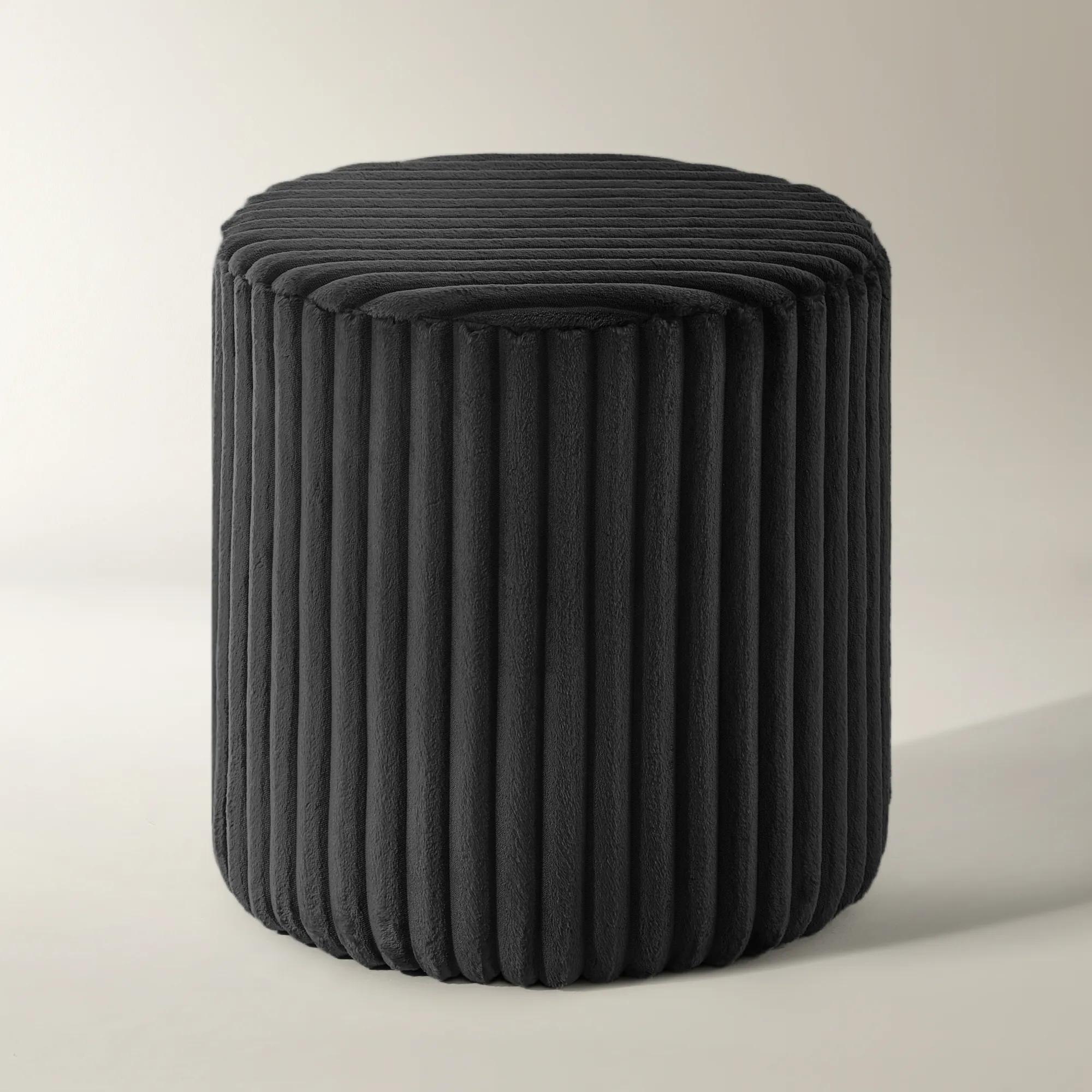 Fleece Fluted Black Velvet Stool (15.55'')$229
A plush black ribbed velvet stool offering versatile seating and cozy texture for any modern space.
Add To Cart -
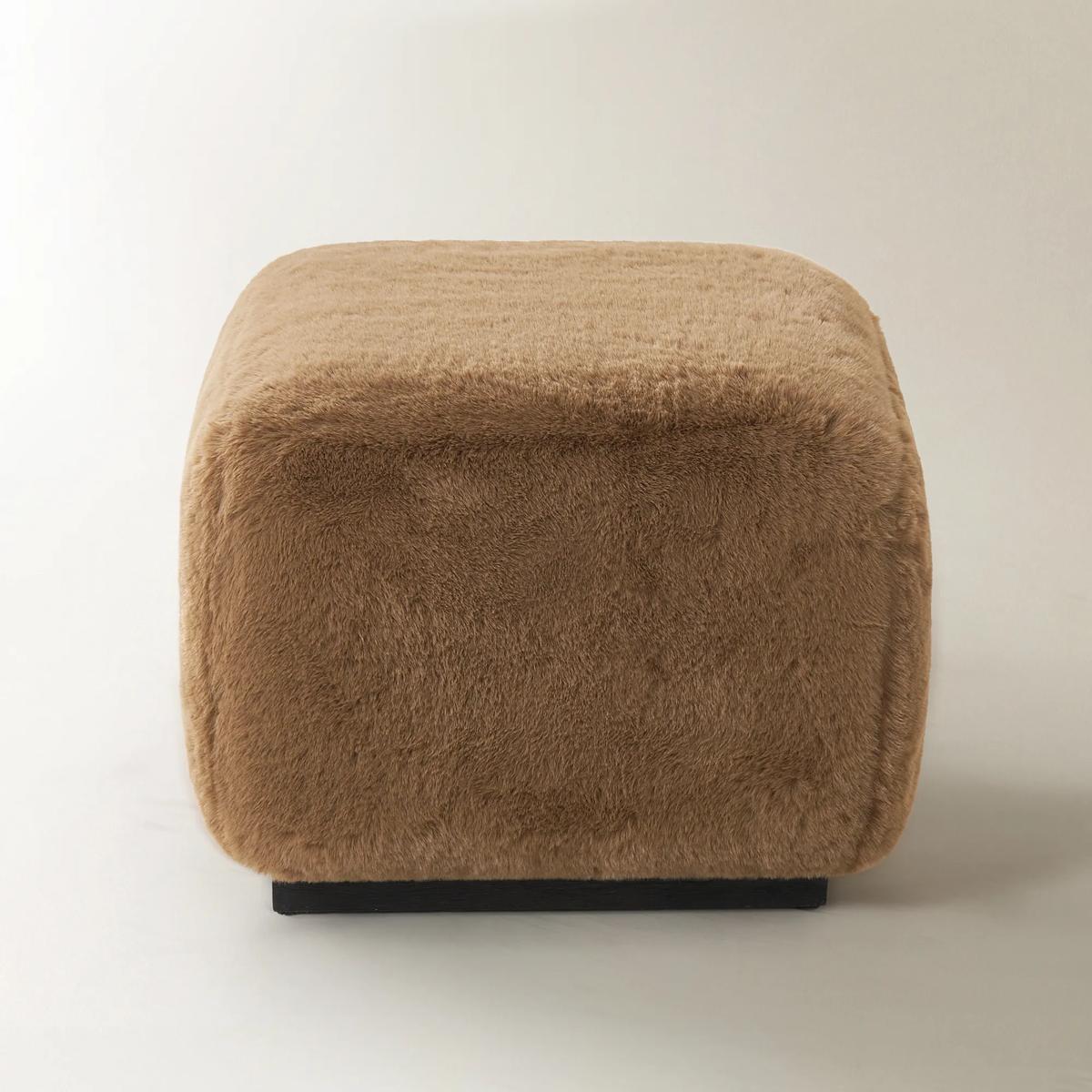
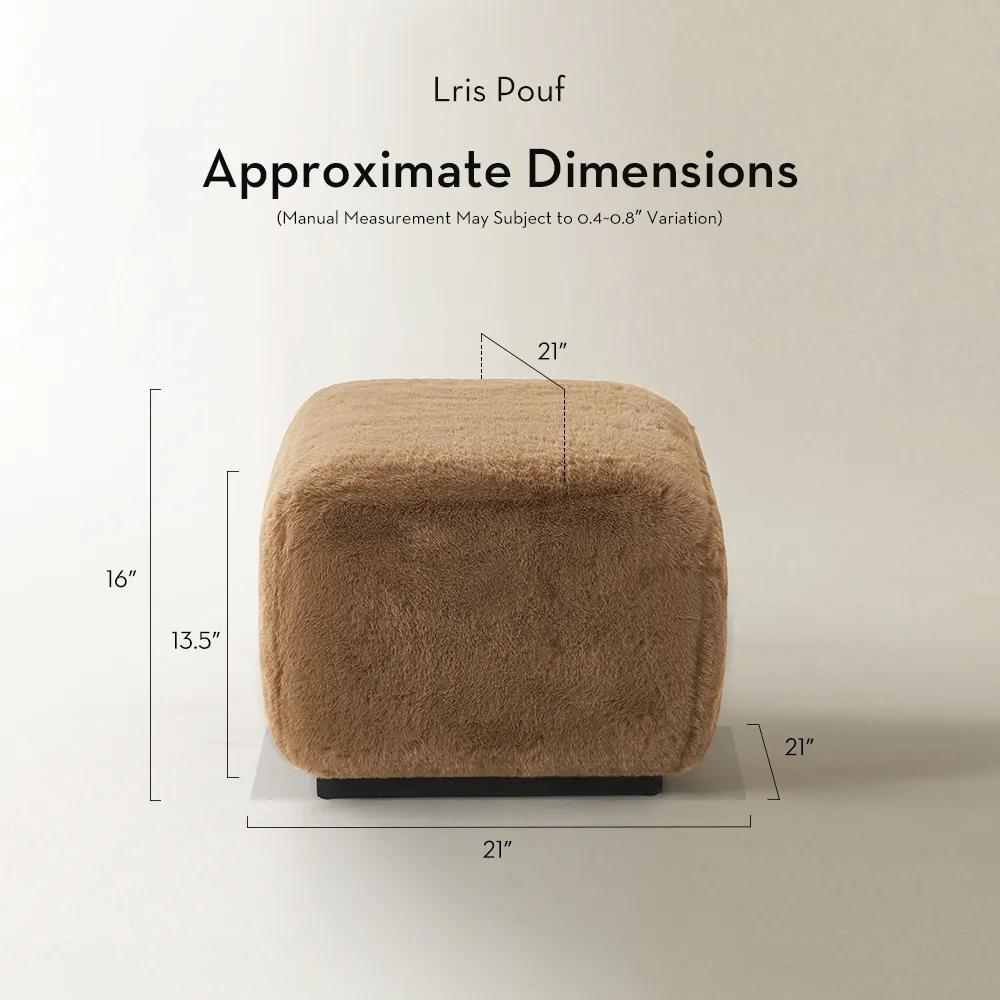 Lris Camel Faux Fur Stool (21")$299
A camel faux fur pouf with a solid rubberwood base, offering cozy warmth and modern sophistication.
Add To Cart -
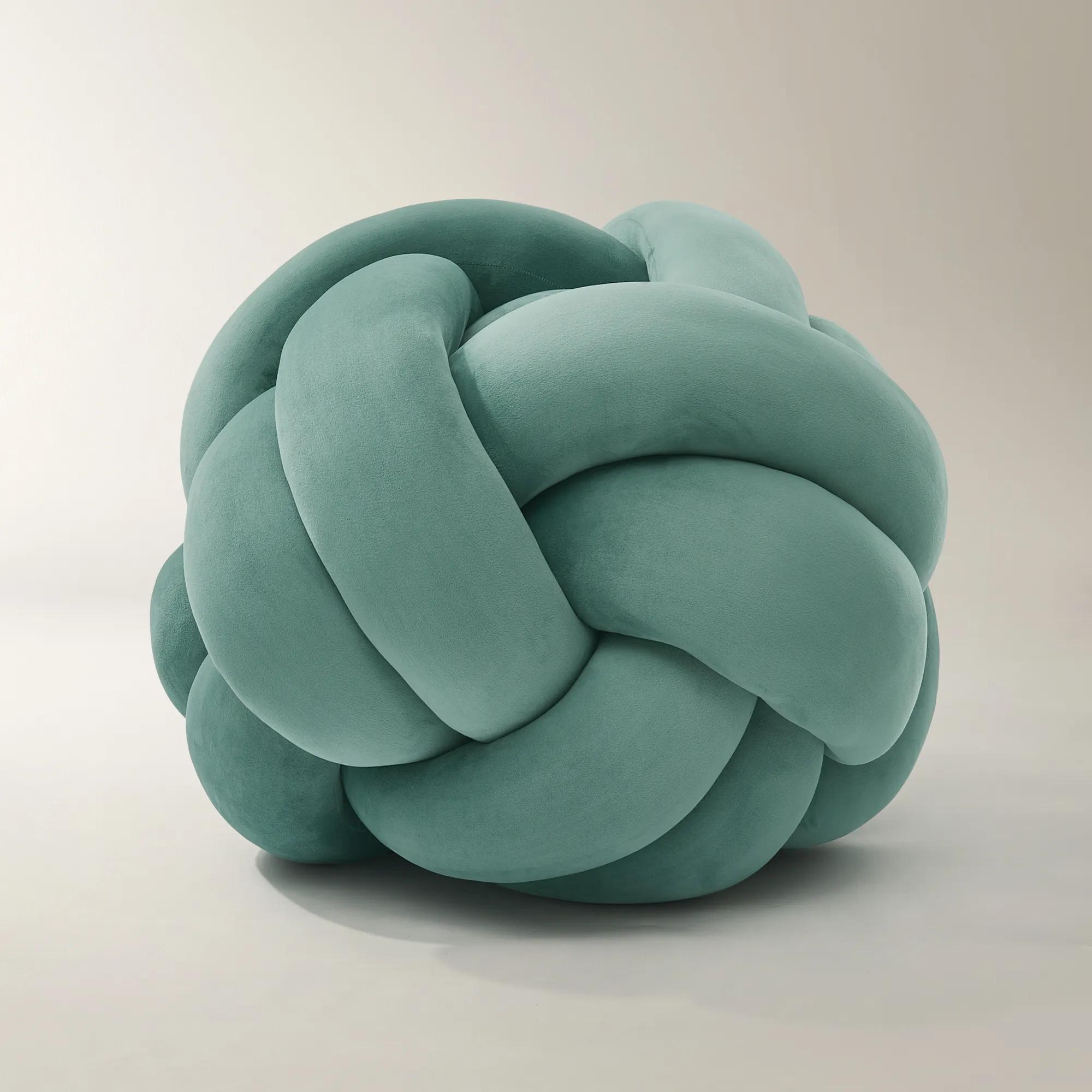 Loopie Ocean Teal Velvet Stool (34.5")$399
A bold sculptural stool featuring plush ocean teal velvet upholstery and an oversized knotted silhouette.
Add To Cart -
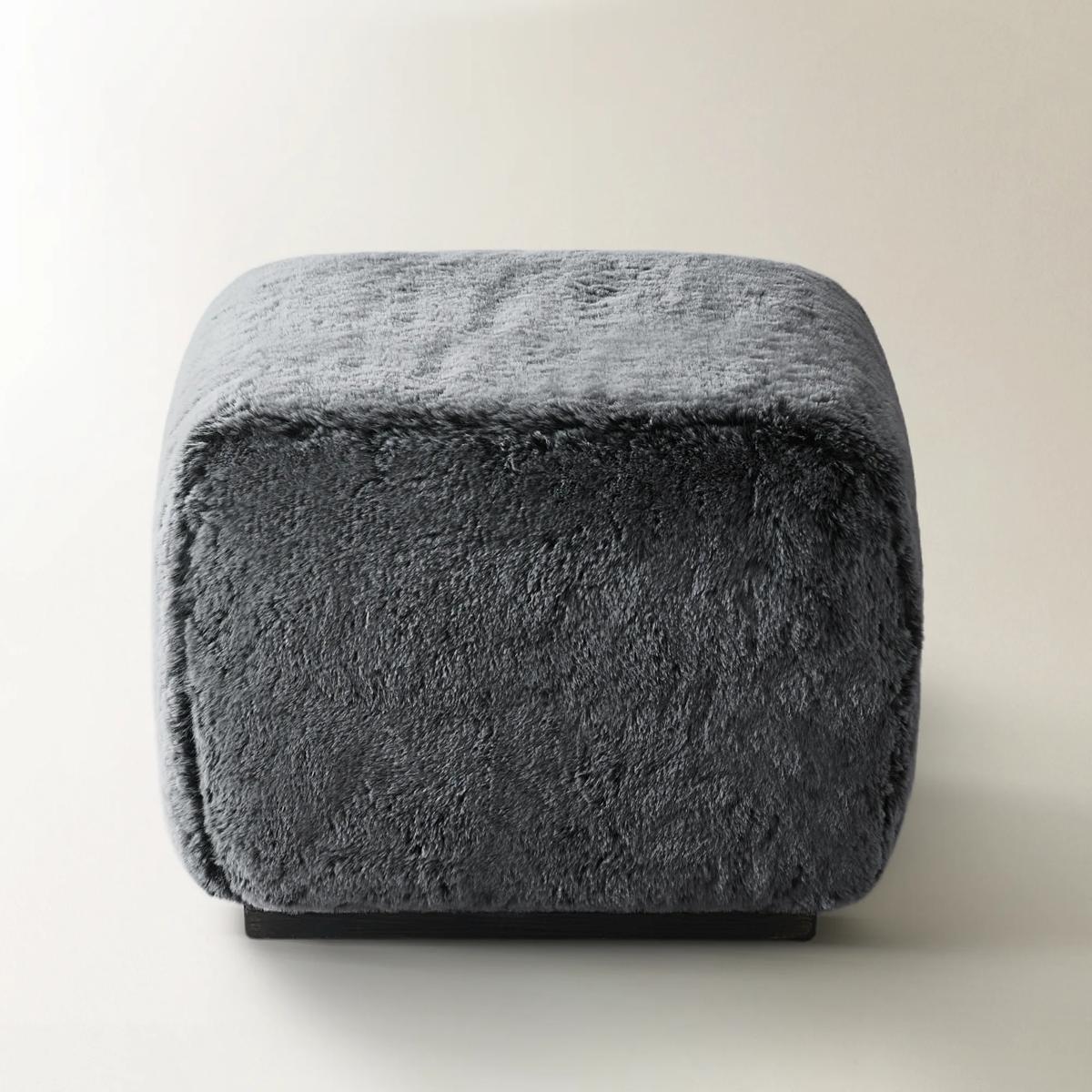
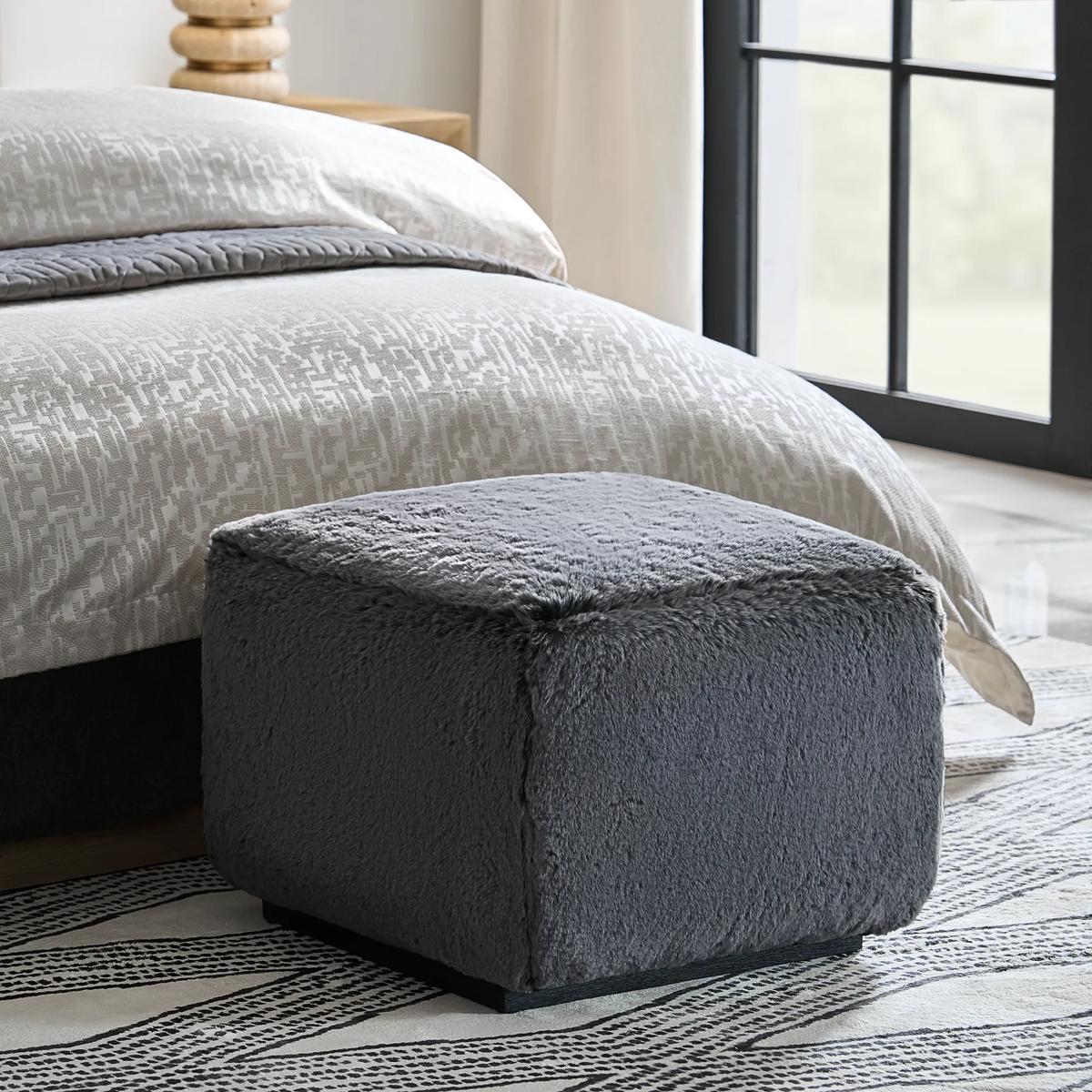 Lris Grey Faux Fur Stool (21")$299
A charcoal grey faux fur pouf with high-density foam and a sturdy rubberwood base for modern comfort.
Add To Cart -

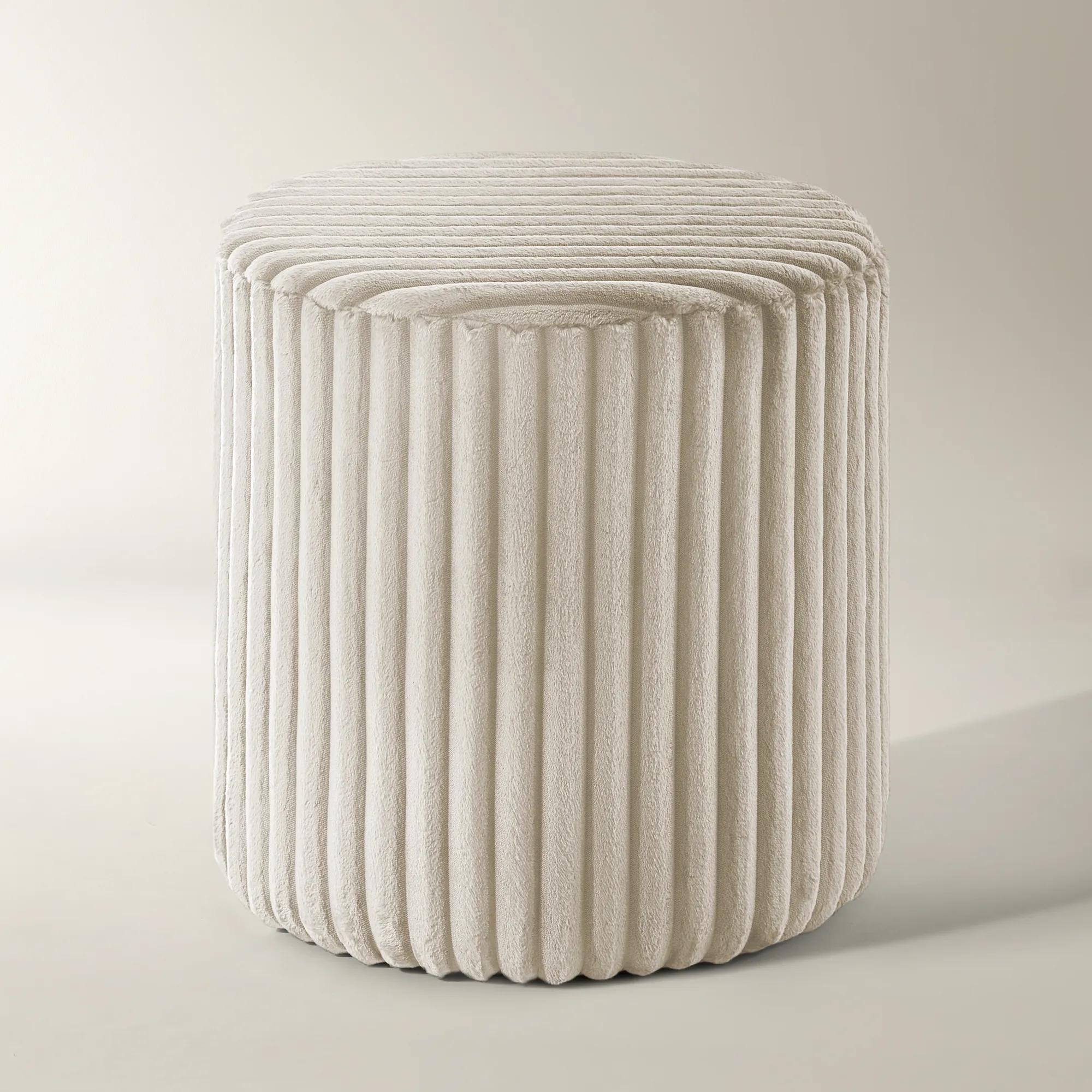 Fleece Fluted Ivory Velvet Stool (15.55'')$229
An ivory ribbed velvet stool offering cozy softness and versatile use as seating, footrest, or accent table.
Add To Cart -
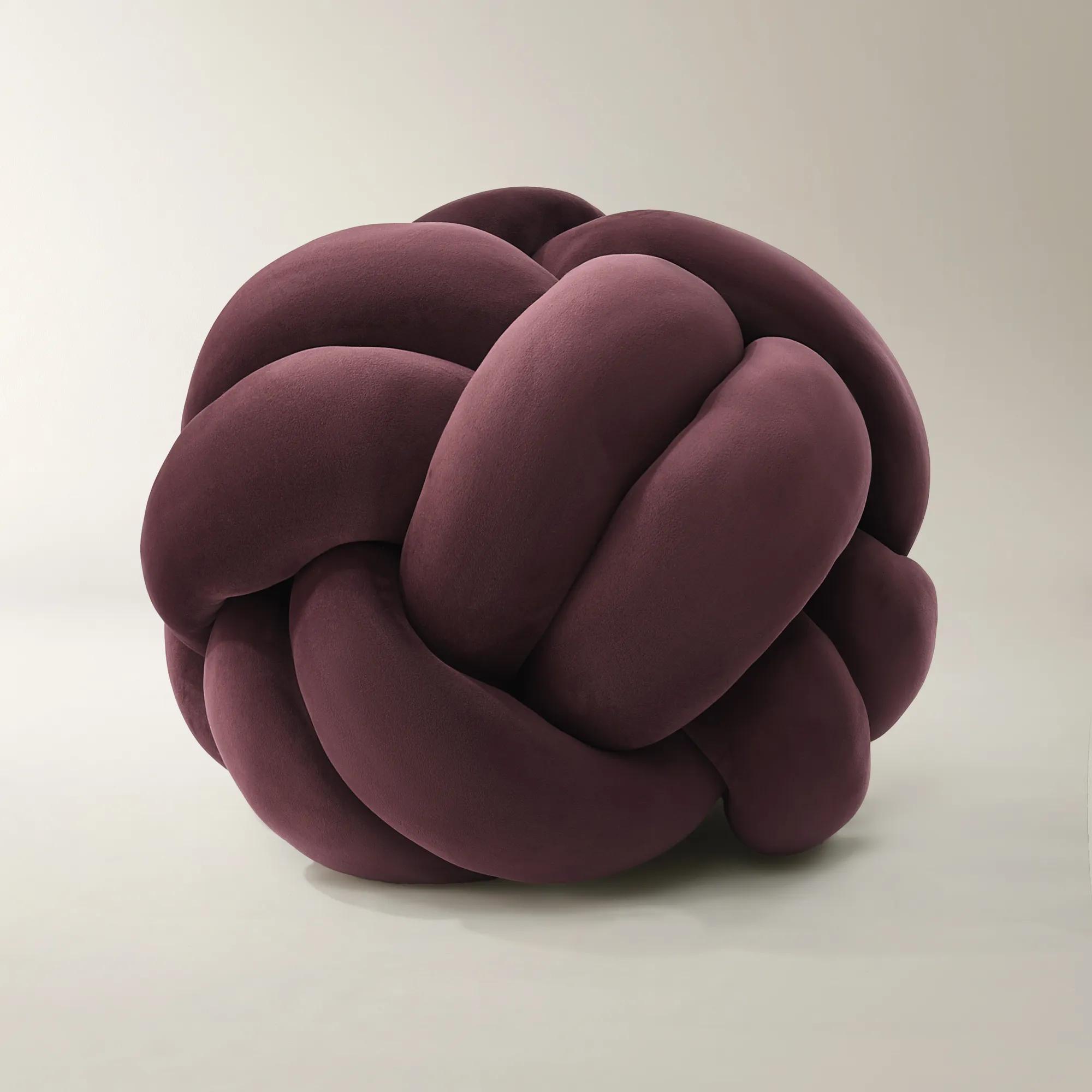
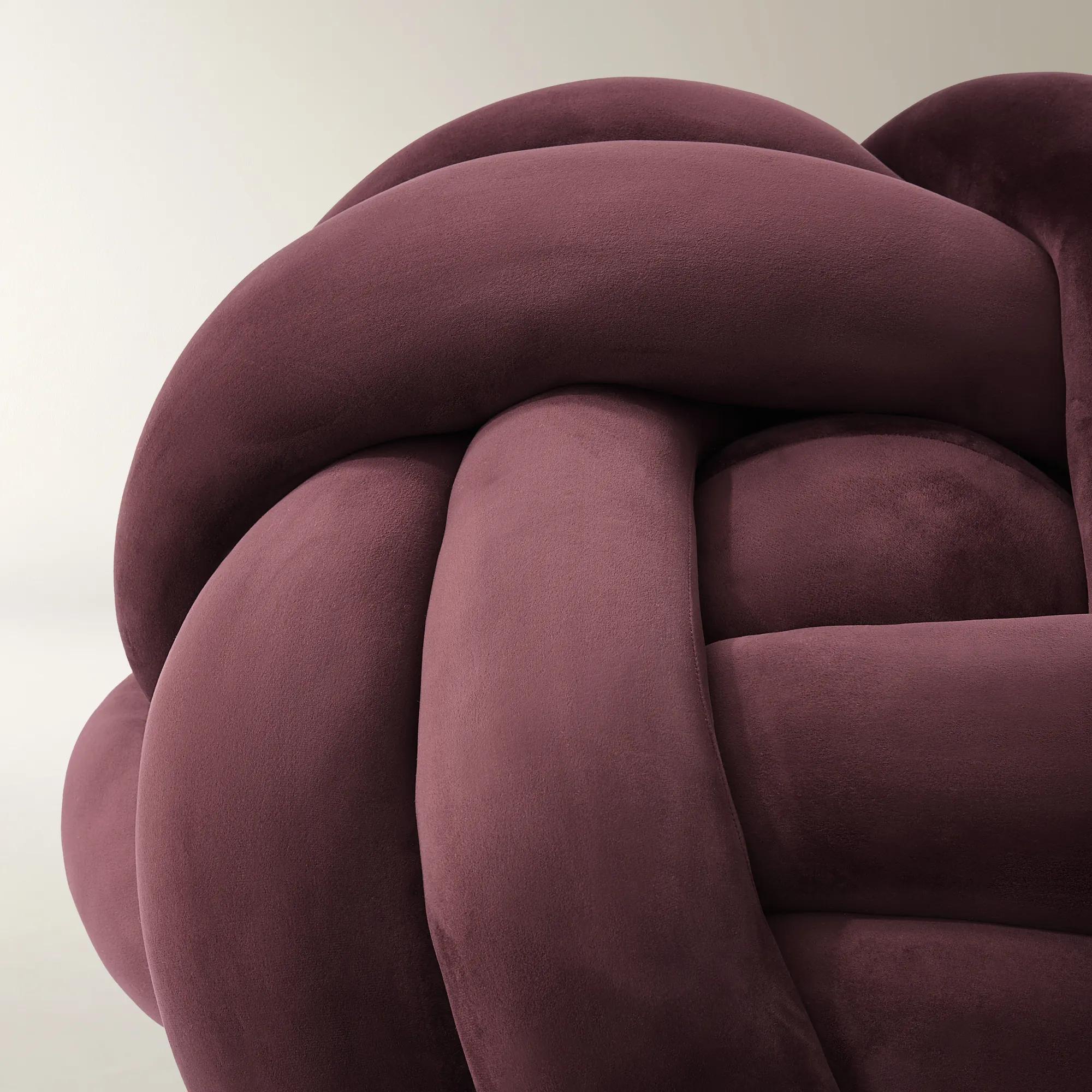 Loopie Fig Velvet Stool (34.5")$399
An oversized, knot-inspired stool hand-upholstered in plush fig velvet for bold sculptural appeal.
Add To Cart -
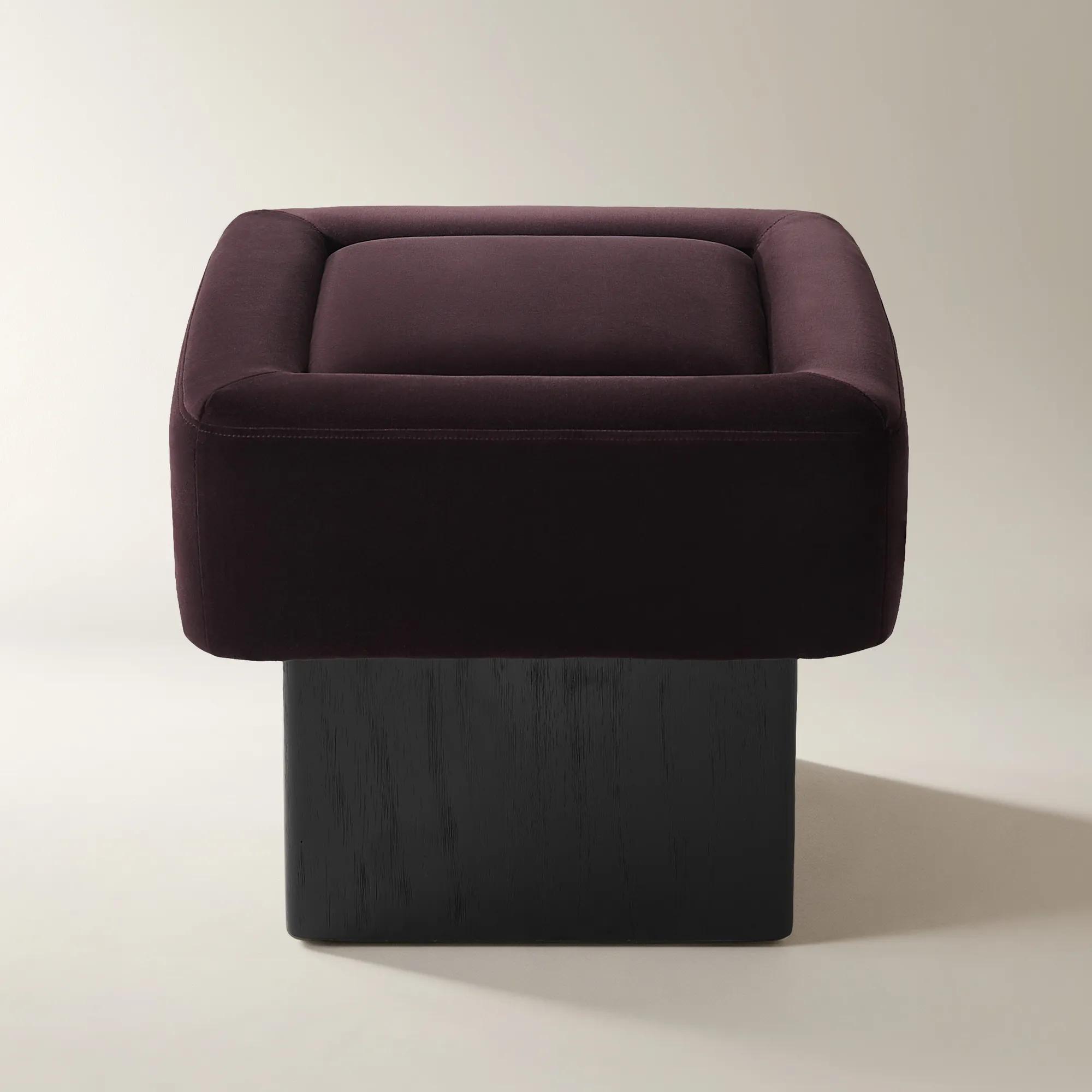 Reims Fig Velvet Stool$399
A plush fig-colored velvet stool featuring a sculpted cushion and a solid rubberwood base for modern contrast.
Add To Cart -
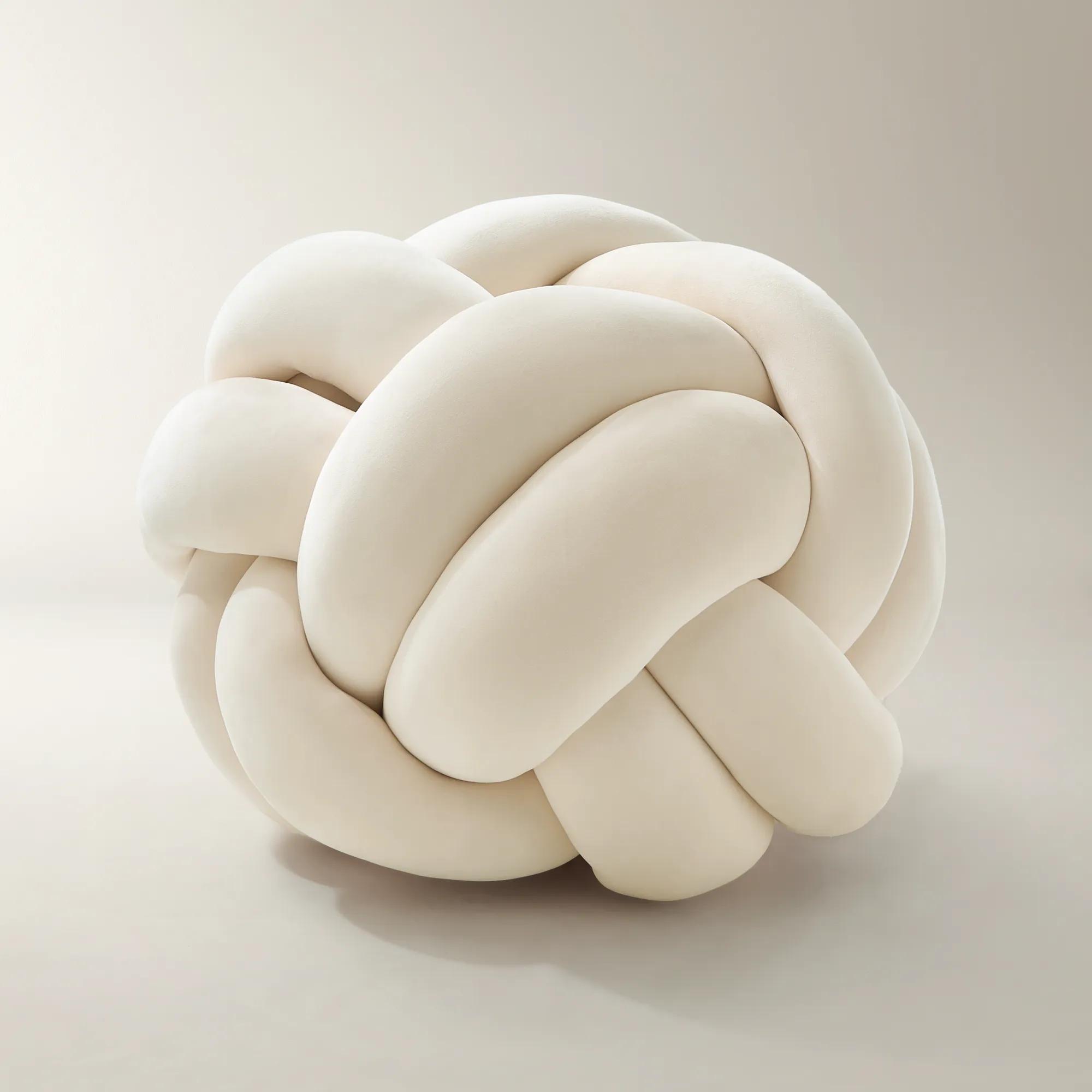 Loopie Oatmeal Velvet Stool (34.5")$399
An oversized oatmeal velvet stool featuring a sculptural knotted silhouette and plush, hand-upholstered finish.
Add To Cart -
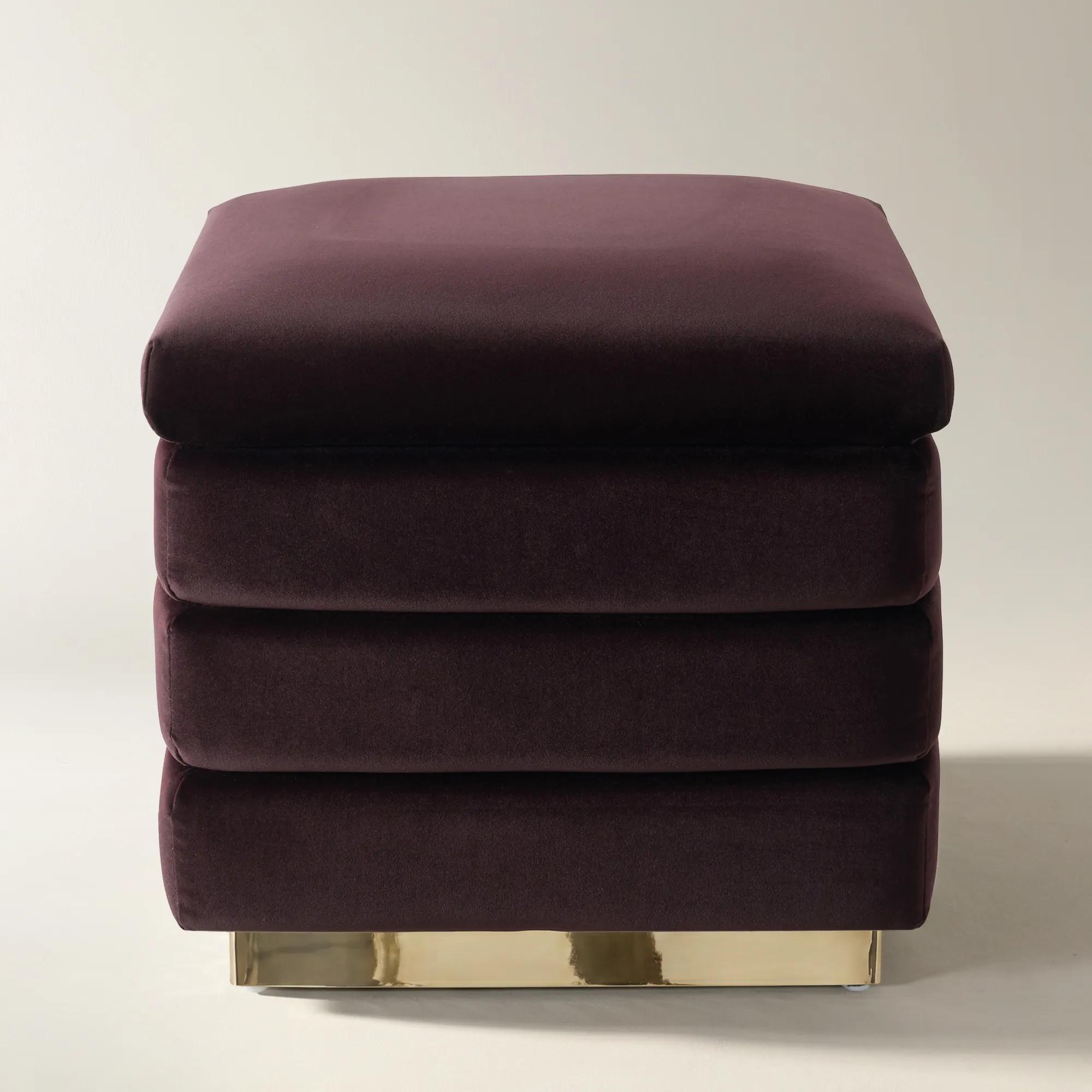
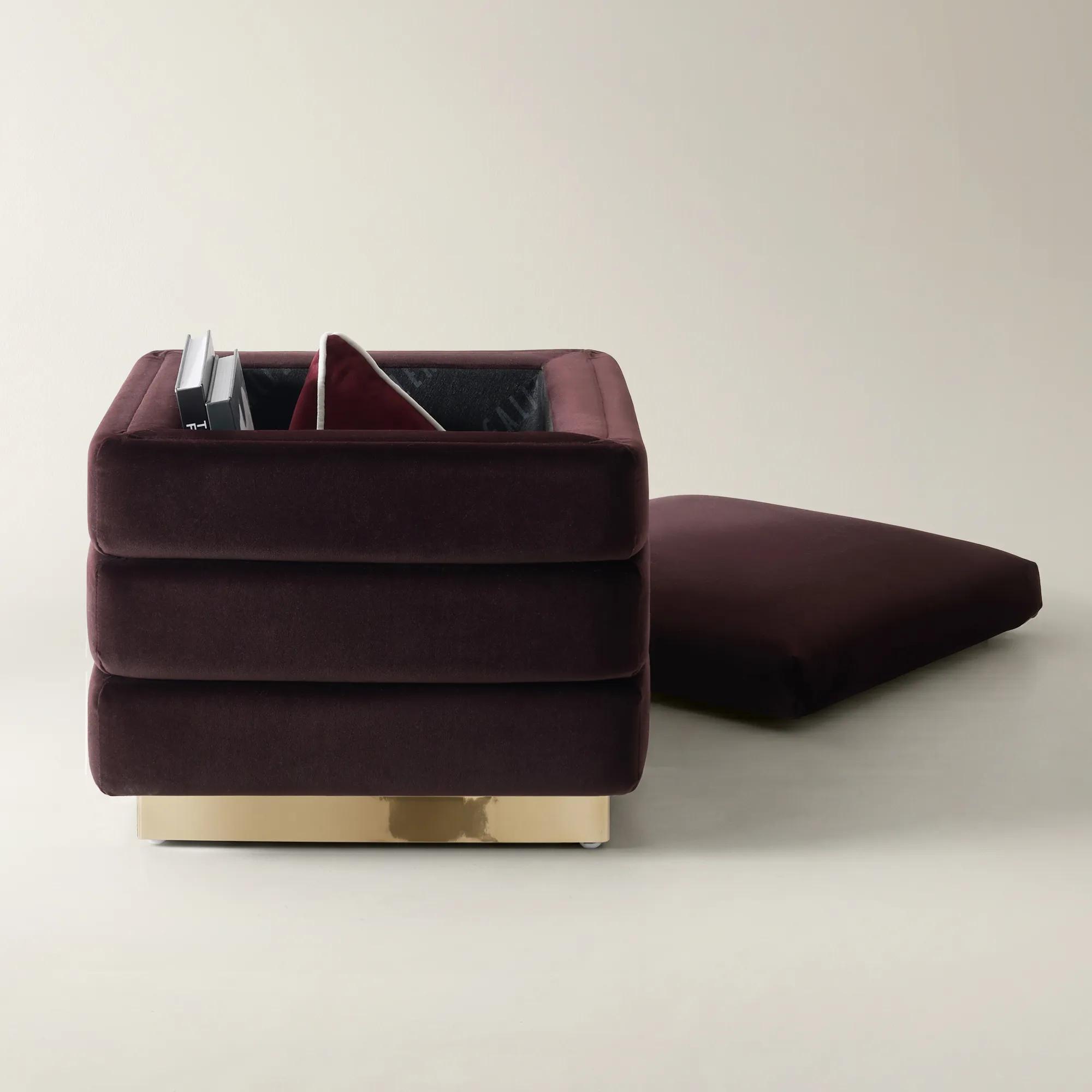 Gable Fig Chenille Storage Stool$399
A plush fig chenille stool with hidden storage, velvet upholstery, and a polished gold stainless steel base.
Add To Cart -
 Fleece Fluted Gray Velvet Stool (15.55'')$229
A plush grey velvet stool with a unique ribbed texture, perfect for versatile, cozy seating or decor.
Add To Cart -
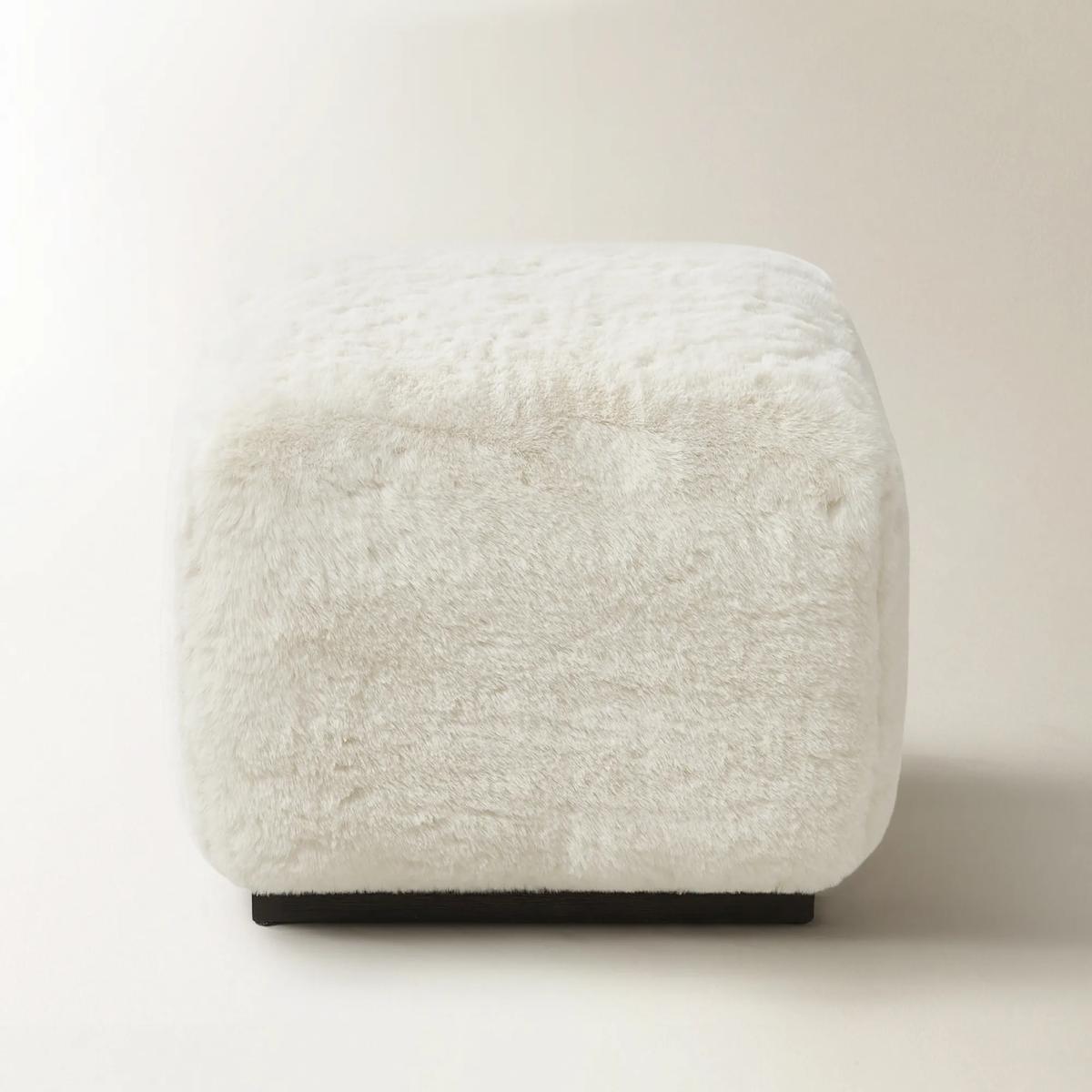
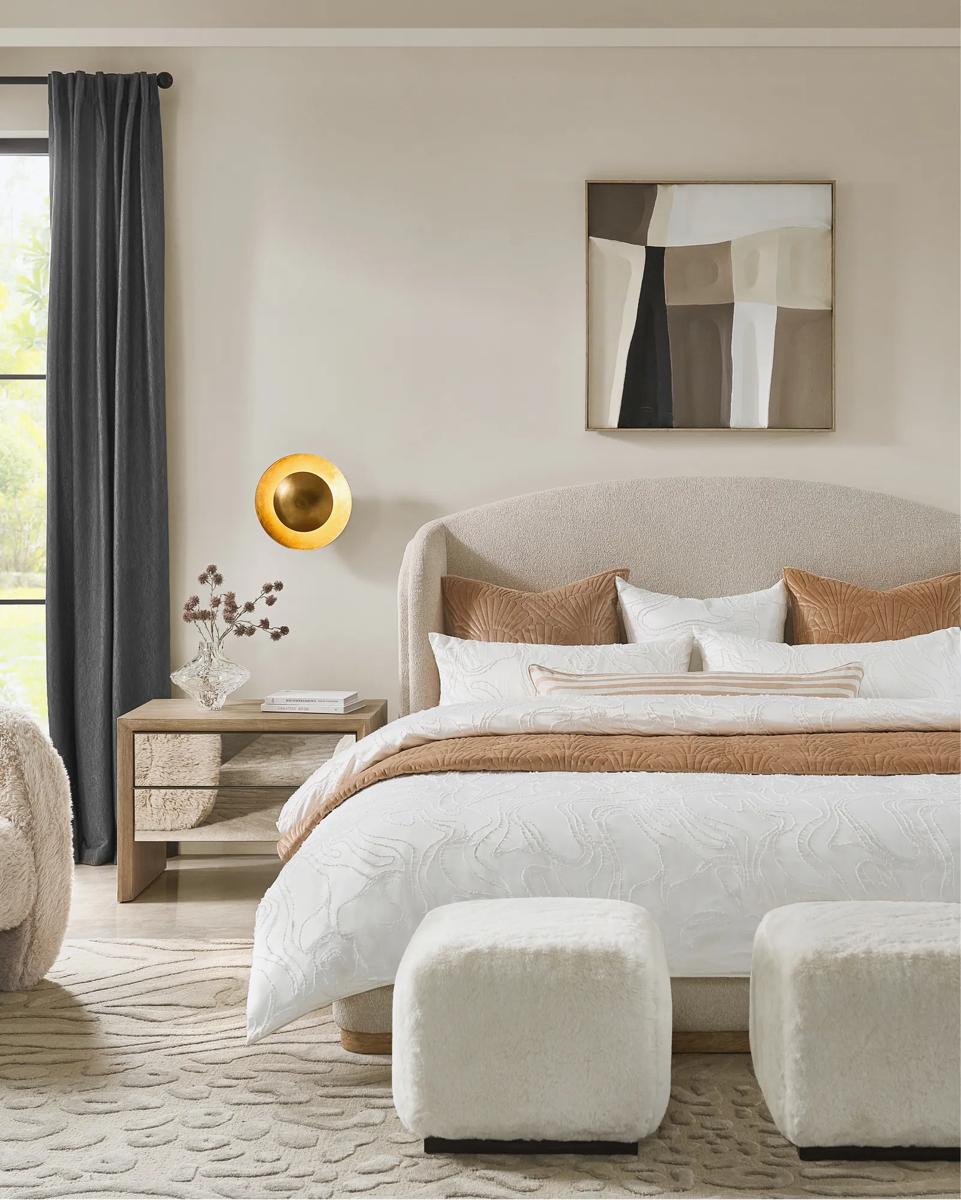 Lris Ivory Faux Fur Stool (21")$299
An ivory faux fur pouf with plush high-density foam and a sturdy, eco-friendly rubberwood base.
Add To Cart -
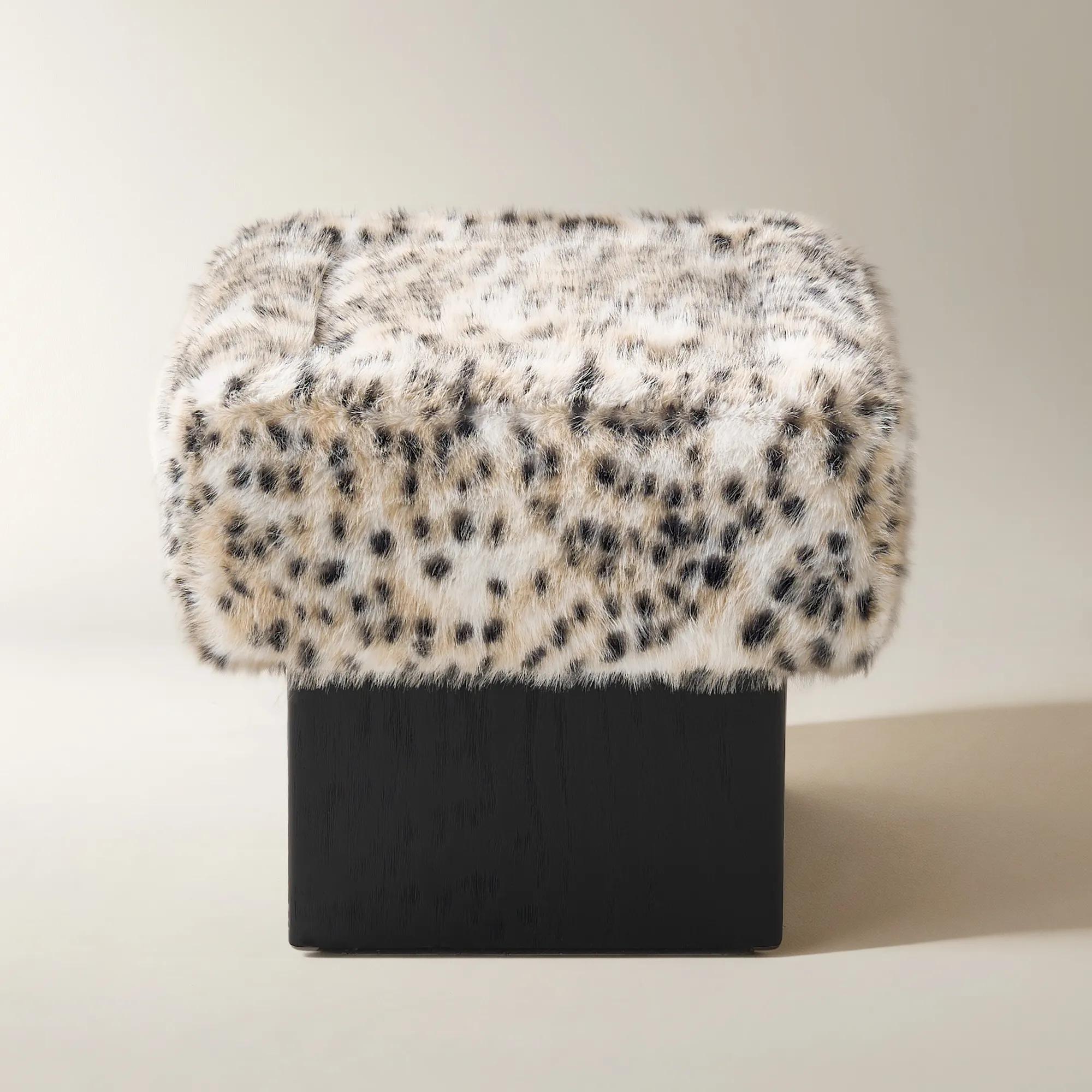 Reims Spotted Faux Fur Stool$399
A plush spotted faux fur stool with a sculpted cushion and solid rubberwood base for modern contrast.
Add To Cart -
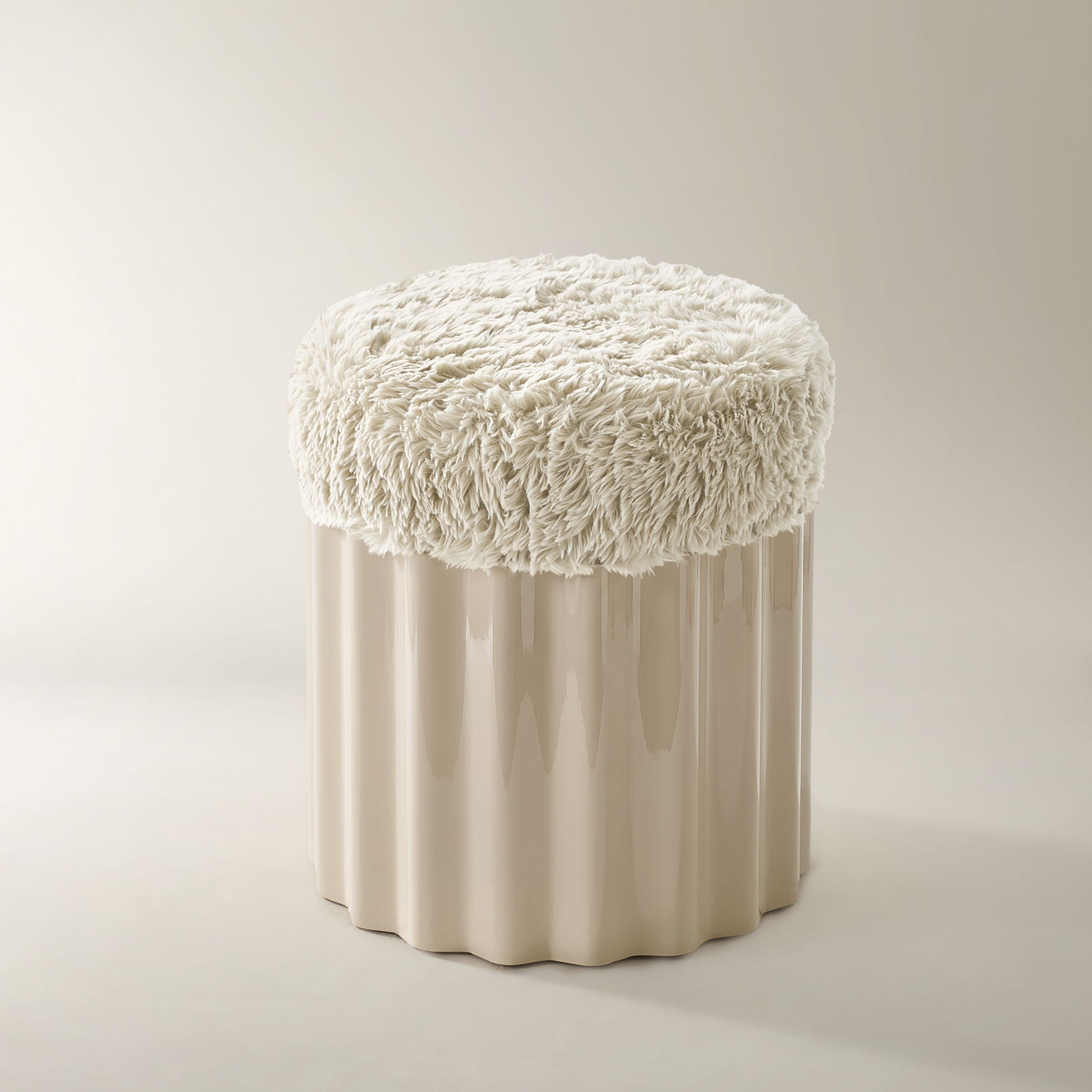
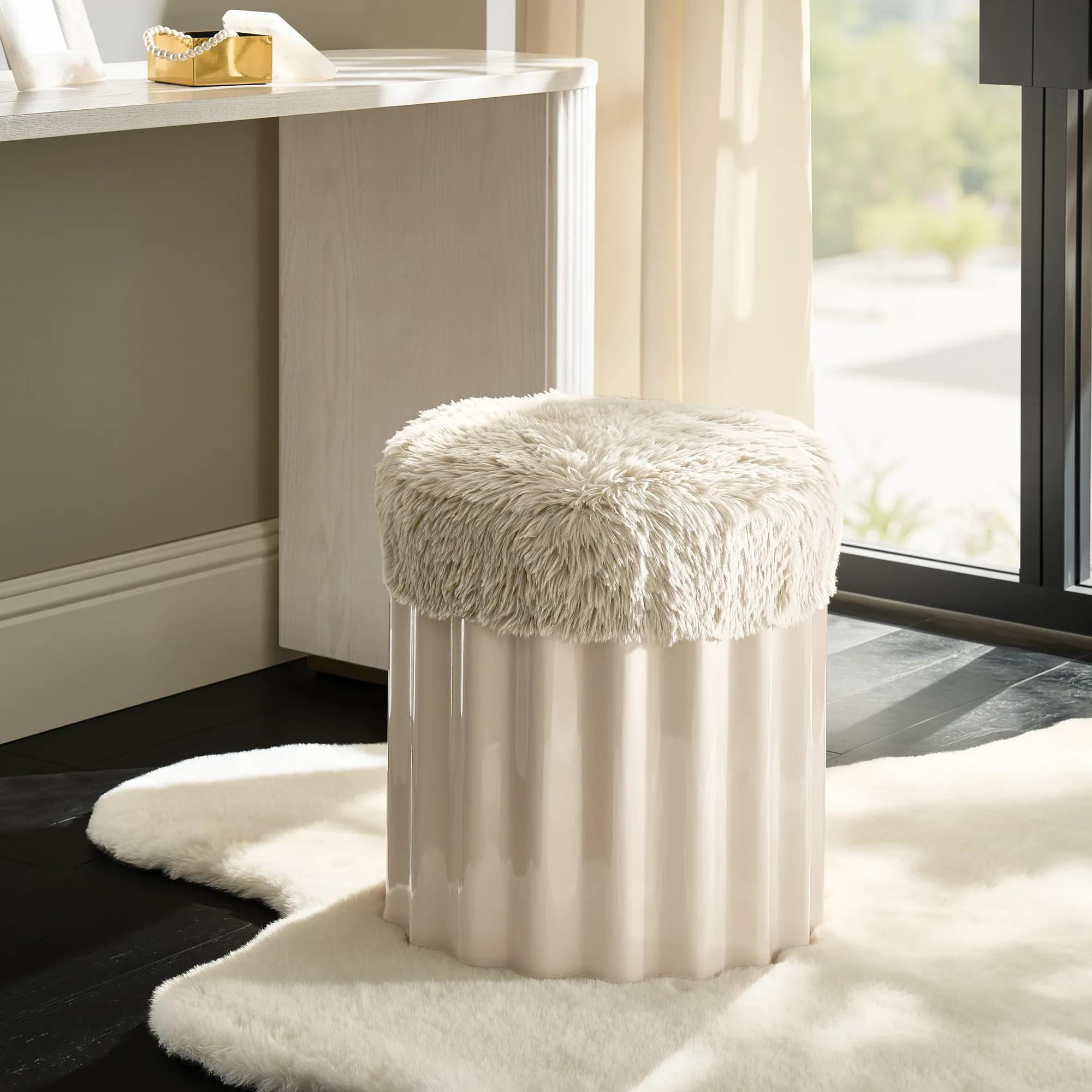 Nia Lacquered Turtle Dove Faux Fur Storage Stool$399
A sculptural fluted stool in warm turtle dove with plush faux fur seat and hidden storage compartment.
Add To Cart -
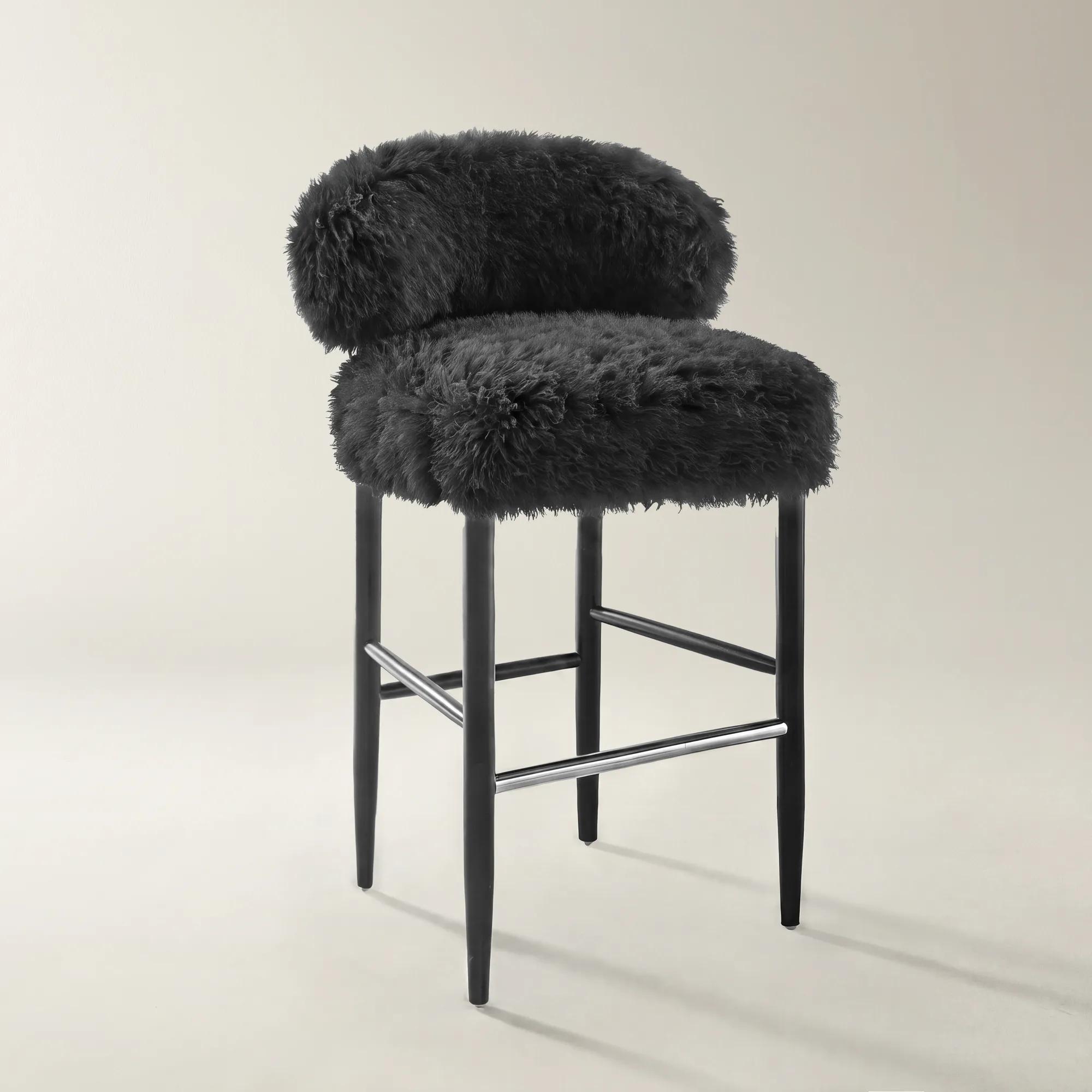 Anna Black Faux Fur Bar/Counter Stool$549
A black faux-fur bar stool with a sculpted back, padded seat, and solid rubberwood legs.
Add To Cart -
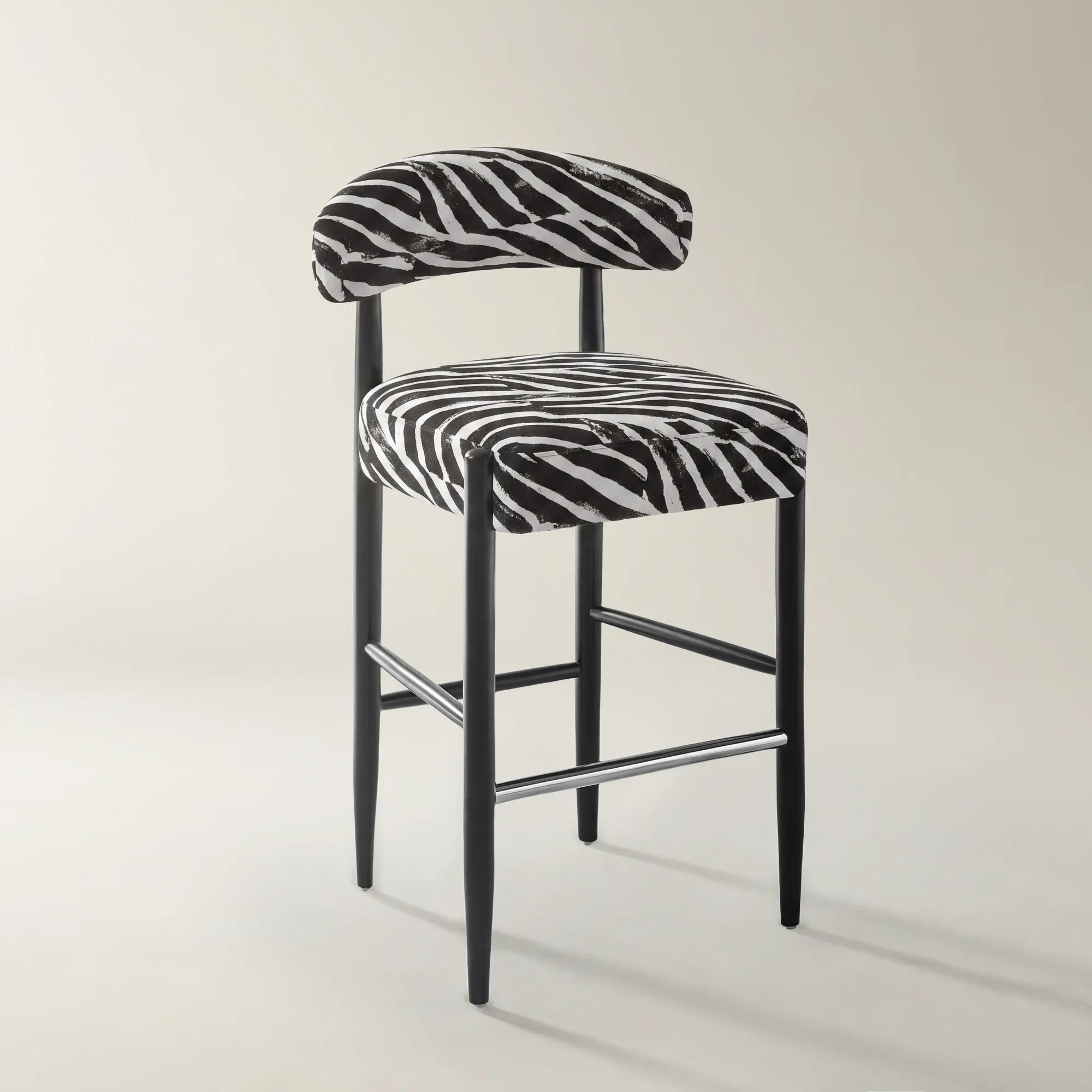 Anna White/Black Performance Chenille Bar/Counter Stool$449
A black-and-white chenille bar stool with a sculpted back, padded seat, and tapered solid rubberwood legs.
Add To Cart -
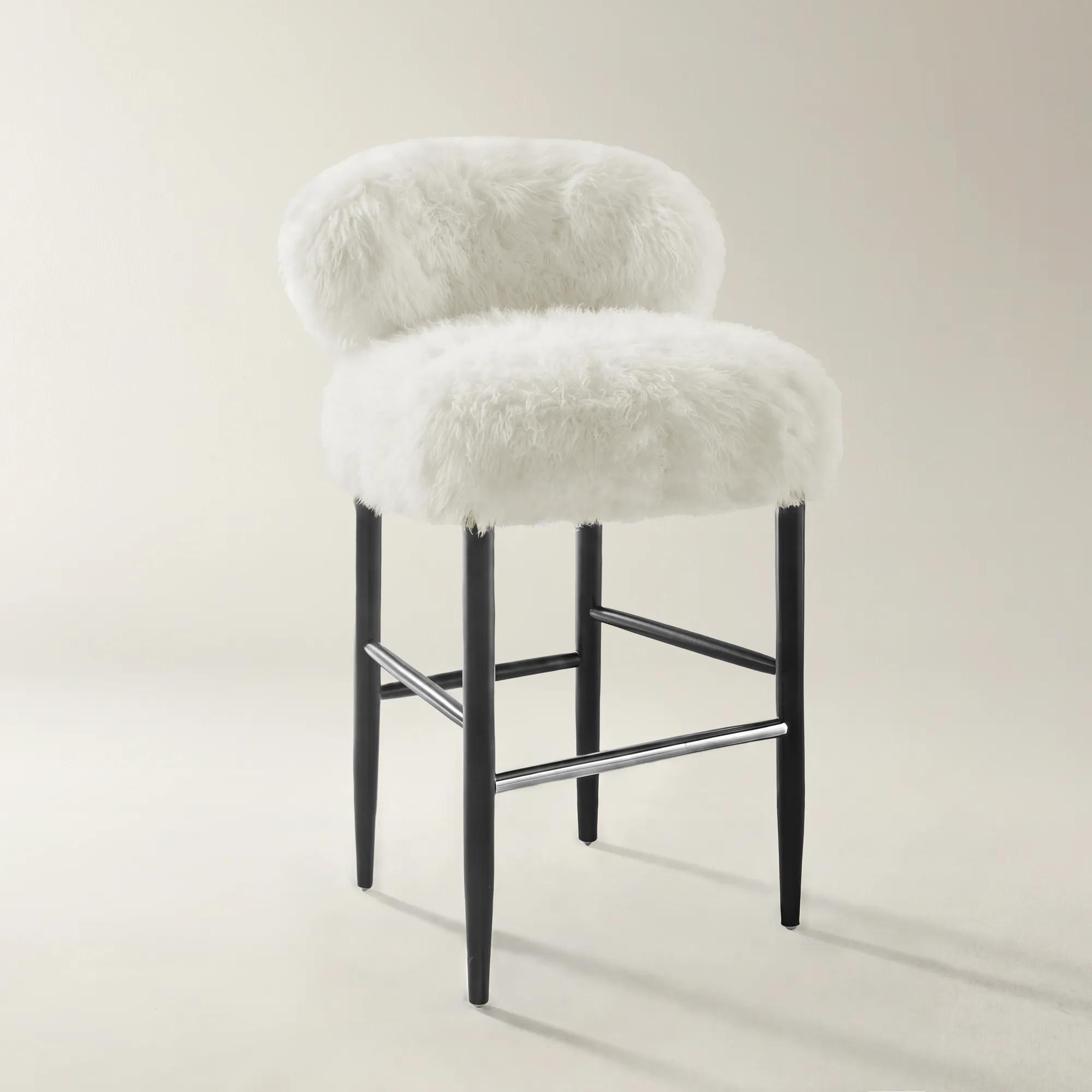 Anna Ivory Faux Fur Bar/Counter Stool$549
An ivory faux-fur counter stool with sculpted support, padded seating, and tapered solid-rubberwood legs.
Add To Cart -
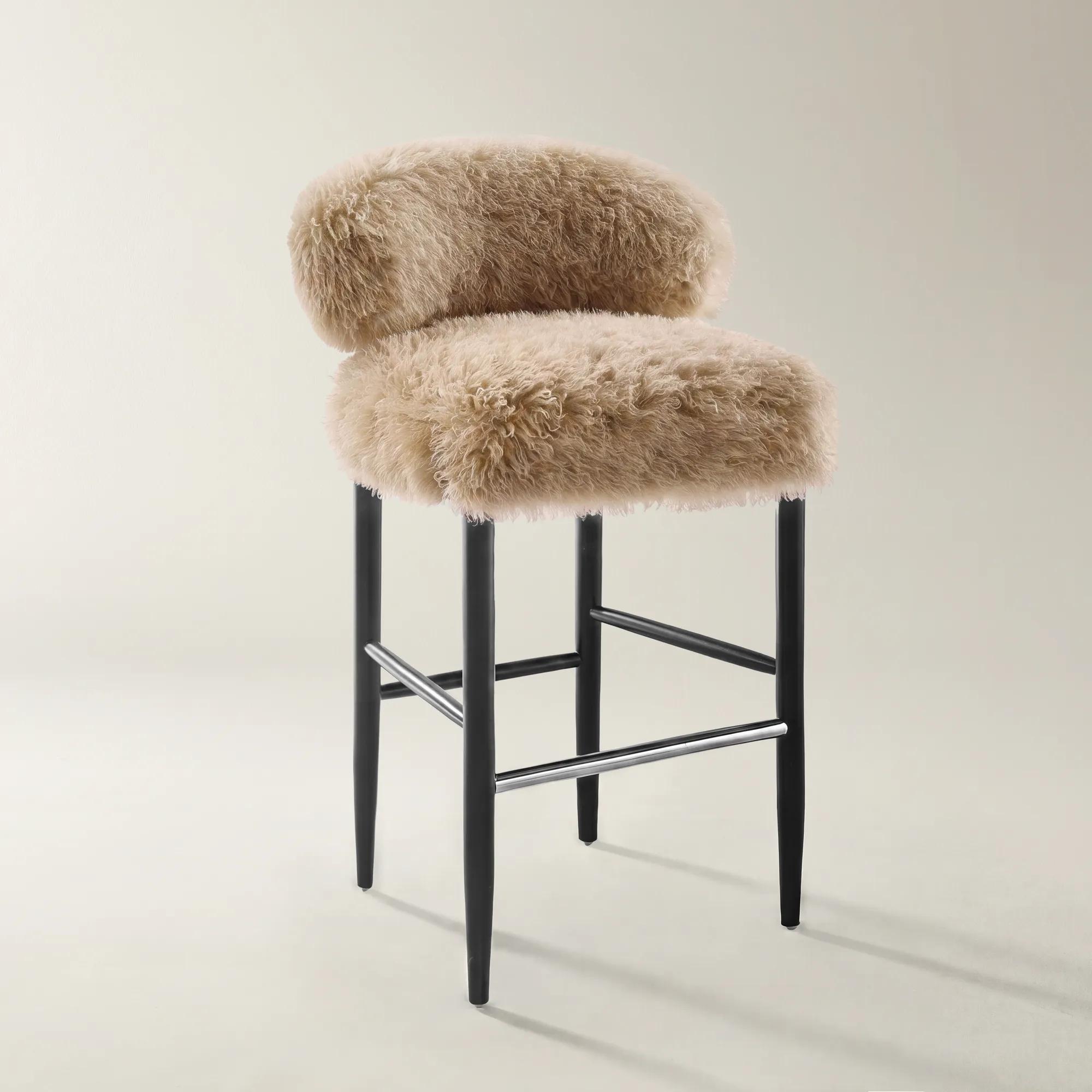 Anna Tan Faux Fur Bar/Counter Stool$549
A tan faux-fur bar stool with a sculpted padded seat and tapered solid-rubberwood legs.
Add To Cart

Accent Stools For Modern Family Rooms
Accent stools for modern family rooms are the unsung heroes of sophisticated spaces—effortlessly blending artistry with versatility. Each piece is a sculptural statement, designed to punctuate your living area with a dash of drama and a flourish of function. Whether poised beside a luxe sofa or nestled in a cozy reading nook, these accent stools invite both admiration and interaction, transforming everyday moments into extraordinary experiences. Elevate your family room with silhouettes that intrigue, textures that delight, and finishes that shimmer—because every seat deserves its own spotlight.
Accent stools for modern family rooms combine sculptural style with everyday flexibility, offering extra seating, a place to rest feet, or concealed storage, depending on their construction. Their appeal lies in their ability to change the composition of a room without dominating it. Beside a generously scaled sectional, a rounded upholstered stool introduces a softer silhouette; across from a streamlined sofa, a pair of angular stools creates a deliberate architectural rhythm. These compact accents make room for spontaneous conversation, a guest joining a movie night, or a parent settling beside a child’s board game. Yet their visual presence can be as compelling as their practical purpose. Sumptuous upholstery, richly grained wood, gleaming metal, and sculpted profiles bring depth to a family room that might otherwise rely on larger furniture for its personality. A stool wrapped in jewel-toned fabric can punctuate a restrained palette, while an ivory textured surface adds dimension without competing with expressive artwork. Repeating a finish already present in a lamp or coffee table gives the arrangement cohesion; introducing a contrasting material creates a more layered, collected effect. Shape matters just as much as color. Circular forms temper the strong horizontal lines of media consoles and sectional seating, while square or rectangular profiles echo the geometry of contemporary architecture. A matched pair offers balance, but stools with different silhouettes can share a common color or finish for a composition that feels intentional rather than rigid. The most successful accents contribute something distinct: a tactile surface, a flash of reflected light, or a silhouette that remains striking from across the room. In a space shared by adults, children, and visiting friends, that combination of expressive design and adaptable function allows a small furnishing to play a substantial role without making the room feel crowded or overly formal.
Materials determine how an accent stool feels, wears, and responds to the routines of a busy household. Upholstered stools bring softness to rooms anchored by glass, metal, or lacquered surfaces, with fabrics ranging from smooth woven textiles to plush velvet and dimensional bouclé. Velvet offers a luminous depth of color, although its pile may show shading or pressure marks as it is used. Looped and heavily textured fabrics create a richly tactile effect, but their suitability deserves consideration in homes with pets whose claws may catch the surface. Performance upholstery can be a practical choice for frequent use, provided its stated care requirements and resistance properties suit the household; the label does not make every fabric spillproof or maintenance-free. Leather develops character with use, while leather alternatives have their own cleaning requirements and wear characteristics. Wood introduces warmth and visible grain, balancing the crispness of a modern room, and metal bases lend definition through slender lines or bold geometric forms. Neither material is immune to scratches, moisture, or damage to its finish. Daily durability depends on the complete construction, including frame strength, secure joints, upholstery quality, and the connection between the seat and base. A firmly built stool intended for regular seating serves a different purpose from a decorative accent designed primarily for visual impact. Care should follow the manufacturer’s instructions, with gentle dusting for hard surfaces and an appropriate upholstery attachment for routine fabric cleaning when permitted. Blotting a spill promptly, rather than rubbing it into the fibers, helps limit its spread; any cleaner should be approved for the material and tested discreetly first. Felt pads or suitable floor protectors can help reduce scuffing, while occasional checks of fasteners and protective feet support continued stability. These details preserve more than appearance: they help a dramatic accent remain a comfortable, dependable part of family life, from quiet reading to evenings with a full house.
Fit is measured in more than the space a stool occupies. Its height, weight, seat dimensions, and placement all influence how naturally it works alongside existing furniture. For occasional seating, a usable seat area and a height compatible with nearby chairs make conversation more comfortable; for a footrest, the relationship to the sofa’s cushion height deserves equal attention. A densely padded top may feel supportive underfoot yet offer a different sitting experience from a broad, cushioned seat. Firm, level surfaces have their own uses, but a stool should serve as a table only when its design and care instructions support that purpose. Placement should preserve clear routes between the sofa, media area, and doorways, particularly where children play or several people regularly cross the room. A lightweight stool can move easily into a conversation grouping, whereas a heavier sculptural design may be better treated as a fixed accent. Stability and the stated weight capacity matter more than appearance alone, and stools should never substitute for ladders or climbing steps. Storage stools add another dimension of usefulness, keeping throws, game controllers, or other everyday essentials close at hand without leaving them on display. Interior measurements, lid operation, and any manufacturer guidance concerning children help determine whether a storage design suits the household. For rooms where every square foot must serve a purpose, the proportions explored in Accent Stools For Modern Apartments offer a related perspective on compact, expressive furnishings. An accent stool can also make a thoughtful housewarming gift when the recipient’s room dimensions, material preferences, and intended use are known. Whether chosen to soften an angular seating arrangement, introduce a richly colored focal point, or accommodate an additional guest, the right stool feels considered from every angle. Its scale respects the room, its construction suits daily life, and its finish adds a distinctive note to the larger composition.
FAQs
Accent stools introduce a layer of artistry and versatility to modern family rooms. Whether upholstered in plush velvet or sculpted from gleaming metal, they add texture, color, and a sense of curated luxury. Their presence can anchor a bold vignette, create inviting conversation nooks, or act as a striking focal point, transforming everyday living into an expressive, elevated experience.
Contemporary accent stools often showcase a mix of sumptuous materials, such as ribbed velvet, faux fur, bouclé, rich leathers, polished marble, and sculptural metals. Ceramic stools with modern patterns or solid, saturated colors are also trending, especially for creating an eclectic or bohemian flair within a sophisticated space.
Accent stools can be styled to suit any mood—layering a plush, textured stool beside a sleek glass coffee table for cozy sophistication, or pairing a metallic base with a bold-hued cushion for dramatic flair. For a serene retreat, choose neutral tones and organic shapes; for a lively, expressive space, opt for vibrant colors and striking silhouettes that command attention.
Absolutely. Accent stools make memorable gifts for those who appreciate interior design and artistic expression. Their versatility allows them to be seamlessly integrated into a variety of spaces, offering both beauty and function. Gifting an accent stool is a way to inspire creativity and help loved ones elevate their home with a touch of luxury.
Accent stools transcend traditional seating roles. They can serve as impromptu side tables by adding a decorative tray, act as footrests for added comfort, or be placed under consoles and in corners as sculptural decor. Their adaptability ensures they remain both practical and visually captivating, no matter how they are used.